José María Mora arrived in New York City not by choice, but by necessity. Born into a wealthy Cuban landowning family, he had been living and training as a painter in Paris when the Ten Years’ War — Cuba’s brutal independence conflict against Spain that began in 1868 — forced his family to flee Havana. They settled in New York, and Mora’s dream of becoming a painter was shelved. He needed a new path, and he found one through a lens.
He landed a job with Napoleon Sarony, one of the most famous celebrity photographers in the United States at the time. Sarony taught Mora the technique of painted retouching, an early method of manipulating photographs by hand to enhance or alter details. Mora worked under Sarony for two years, absorbing everything he could. When he finally opened his own portrait studio in New York, he brought that technical skill with him — along with a painter’s eye for composition and light.
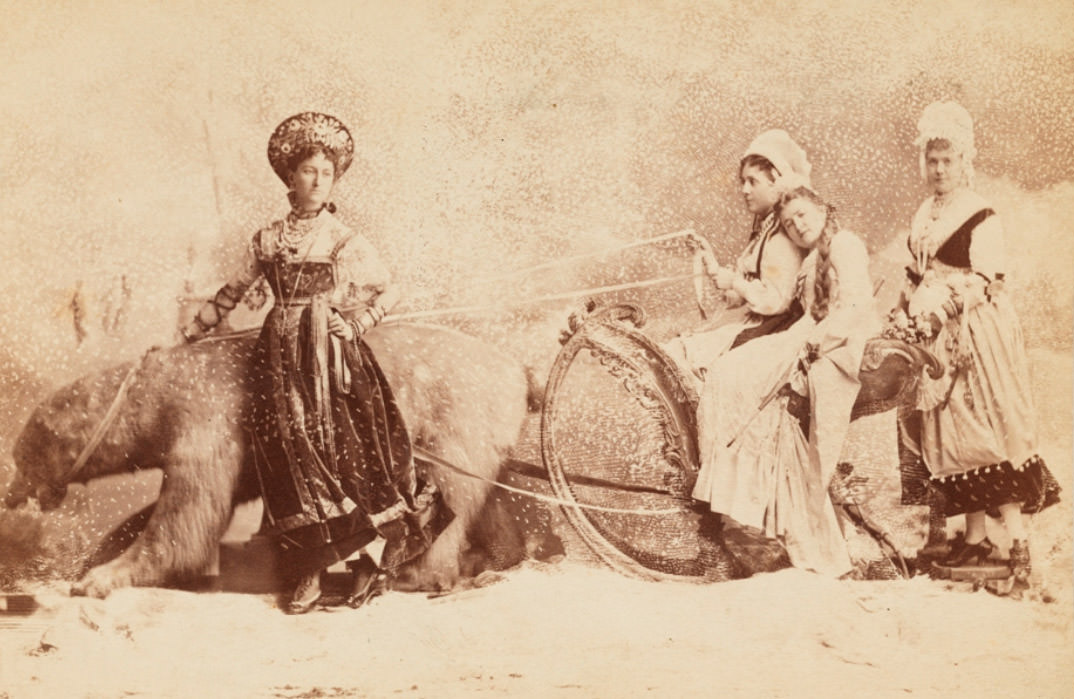
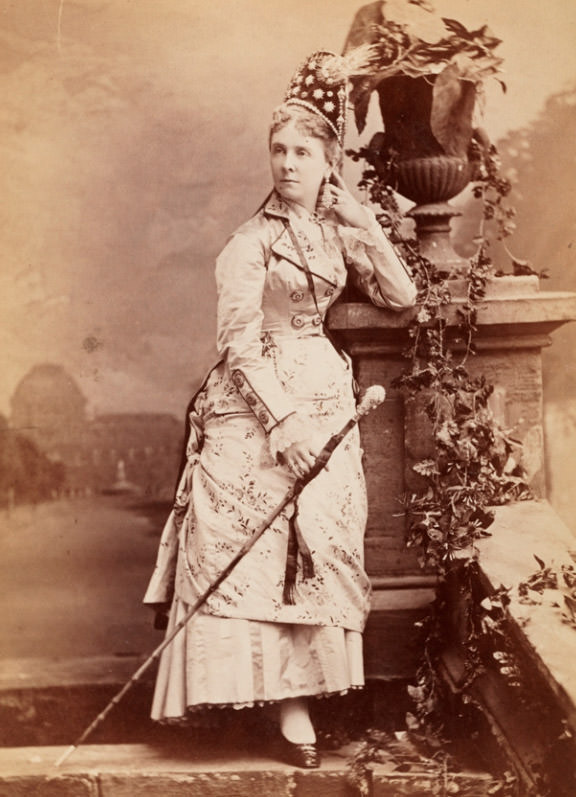
Mora quickly built a reputation among New York’s most prominent social circles. The New York Metropolitan Opera and Manhattan’s high-society costume balls hired him throughout the 1870s and 1880s. He photographed the wives of some of the wealthiest men in America — women who shaped the social calendar of the Gilded Age and whose portraits were statements of status as much as they were likenesses.
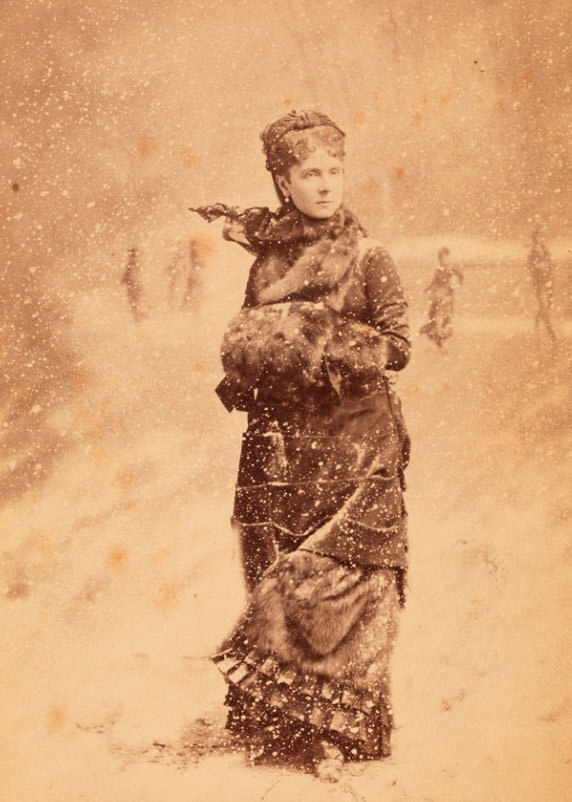
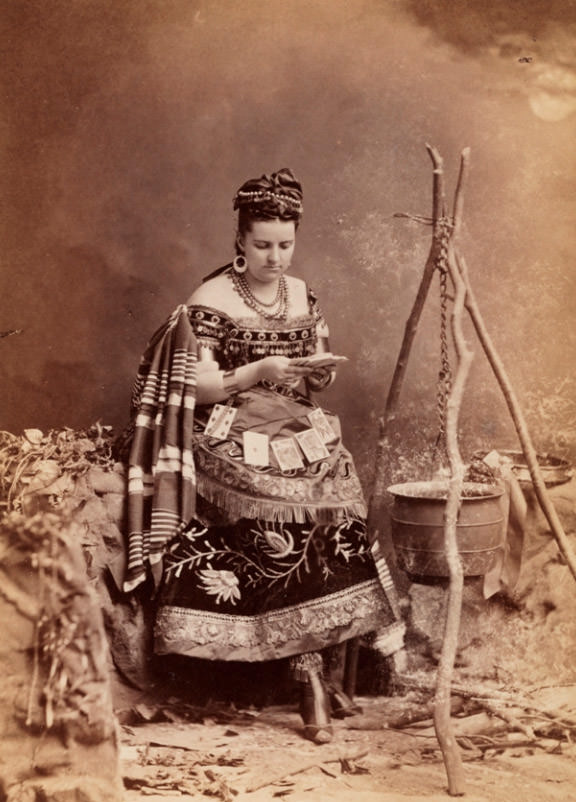
Among his most notable subjects were members of the Belmont family, one of the most powerful dynasties in Gilded Age New York. August Belmont Sr. was a financier and the American representative of the Rothschild banking house. His wife, Caroline Slidell Perry — the daughter of Commodore Matthew Perry — was a central figure in New York society. Mora photographed her multiple times, capturing her at different points in the 1880s.
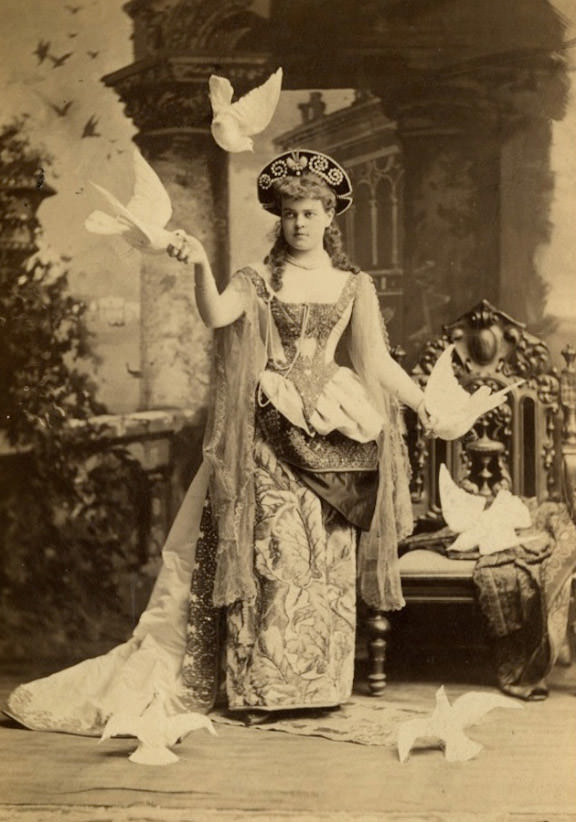
Mora did not limit his studio to women. Male members of New York’s elite also sat for his camera in the early 1880s, dressed in the formal attire expected of men of their standing.
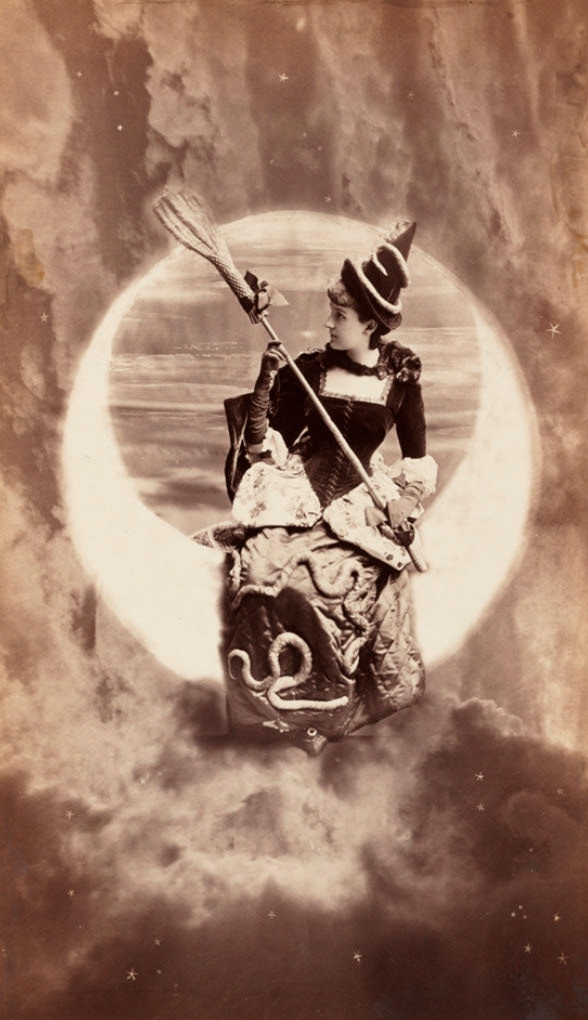
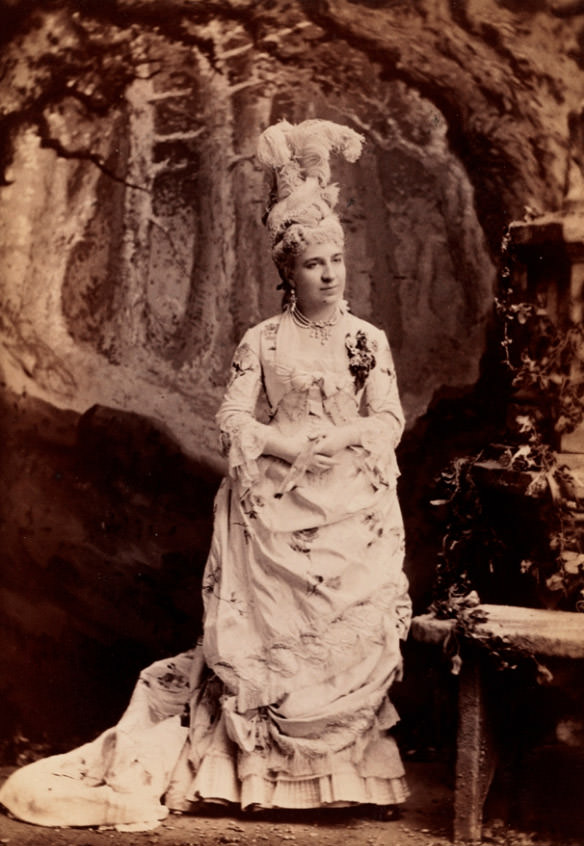
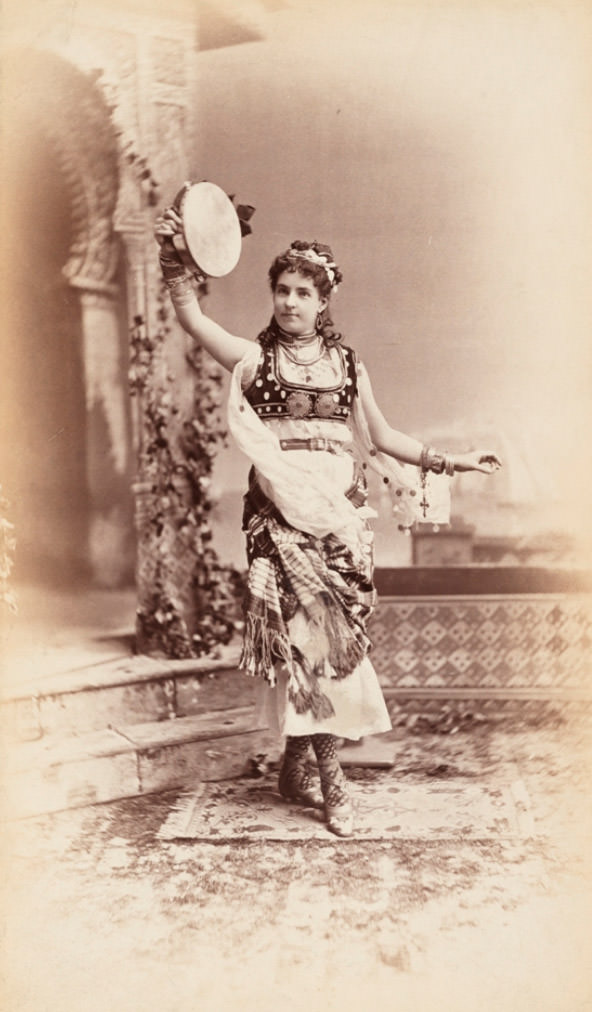
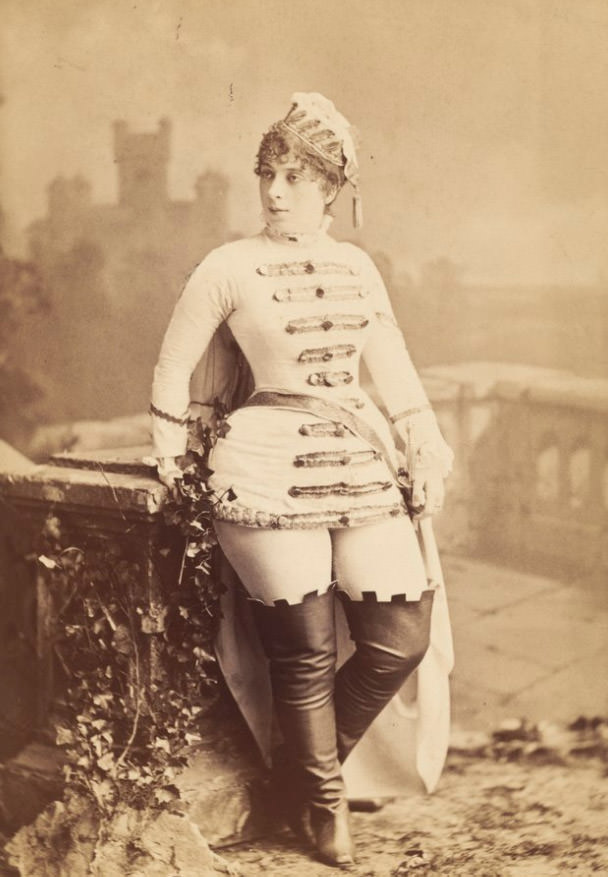
What truly separated Mora from rival photographers like Benjamin J. Falk — and even from his old mentor Sarony — was his use of large-scale painted backdrops. These weren’t simple neutral curtains. They were elaborate painted scenes that made it look as though his subjects had been transported to exotic or fantastical locations: lush gardens, grand interiors, foreign landscapes. The effect was theatrical and striking, a direct reflection of his training as a painter.
Stage performers were another major part of Mora’s clientele. Actresses, burlesque dancers, and comic performers regularly sat for him, and those photographs appeared frequently in illustrated newspapers like the National Police Gazette. These images were widely circulated and made Mora’s studio a well-known name far beyond Manhattan’s high society.
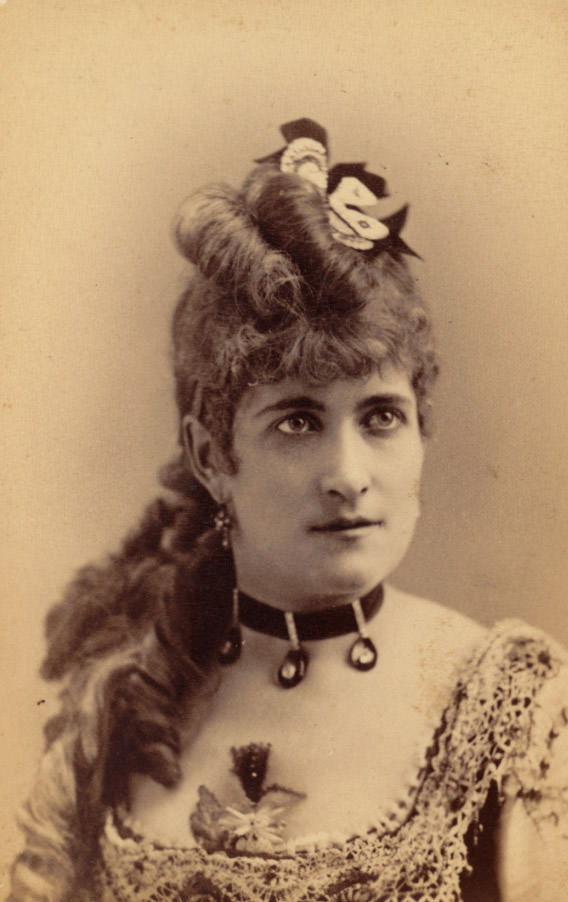
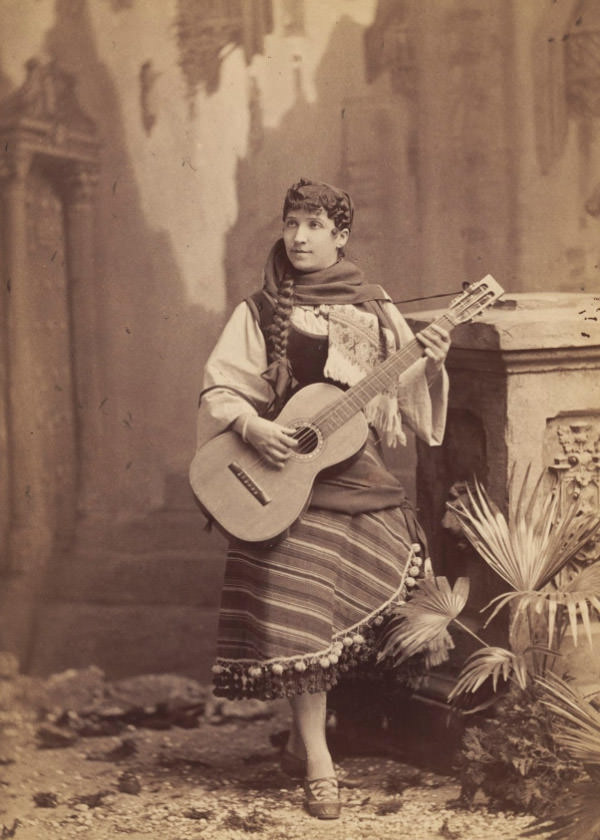
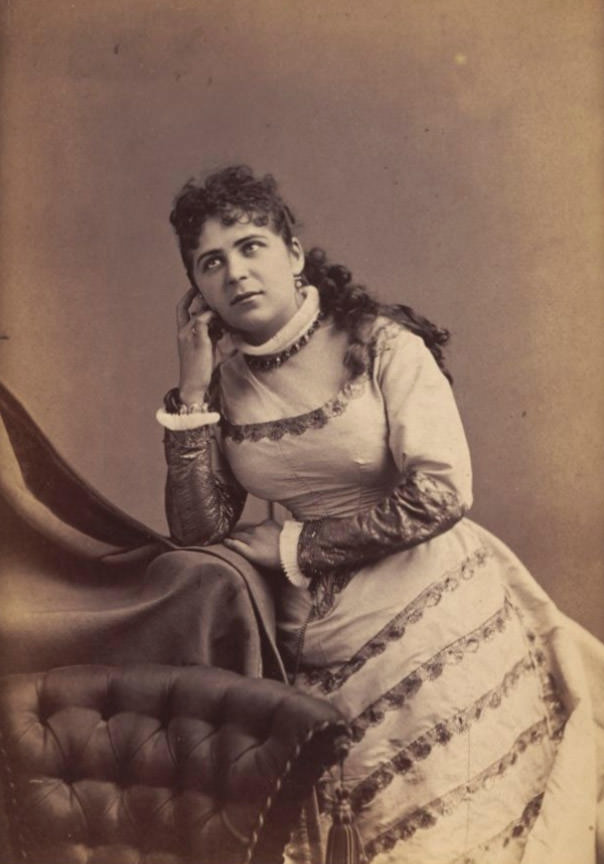
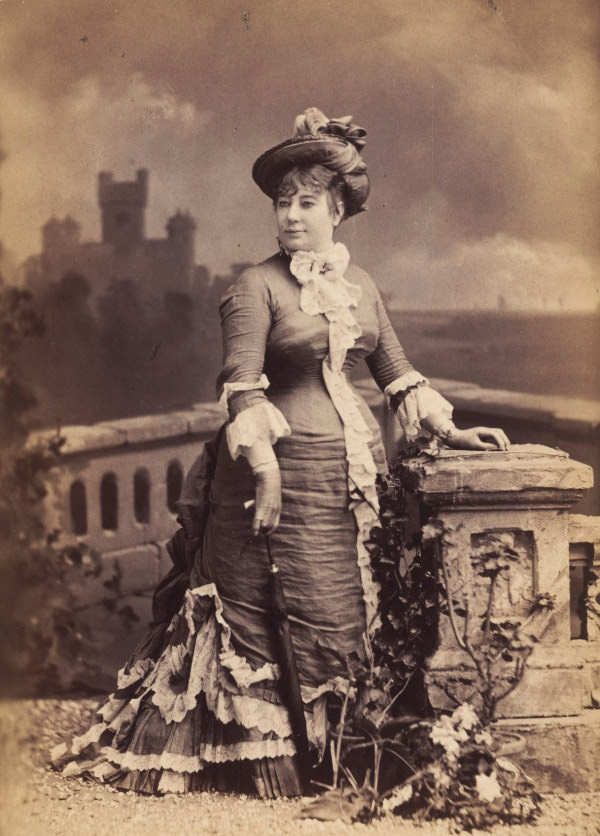
By 1885, Mora was photographing a wide range of stage personalities — women who performed in theatres across New York and beyond. Their portraits show the variety of his subjects: some posed in full costume, others in elegant street dress, all framed against his signature backdrops.
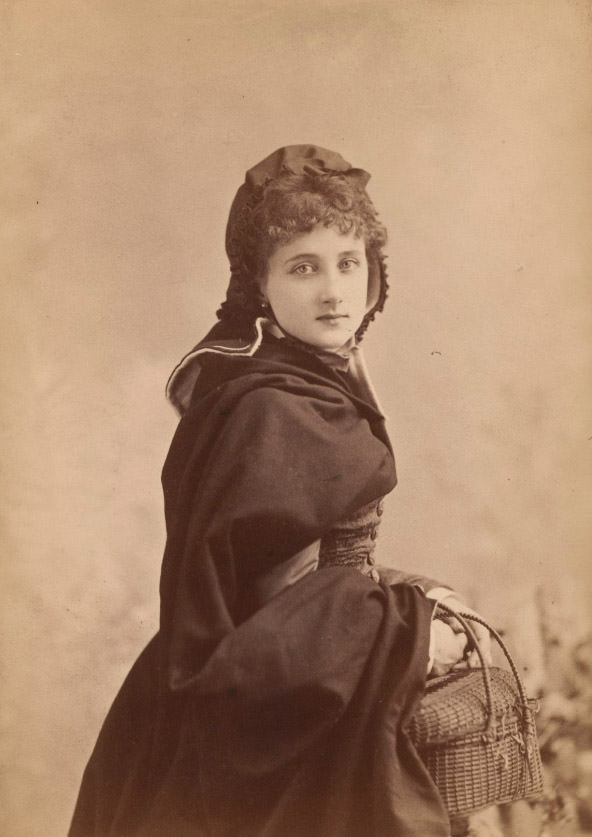
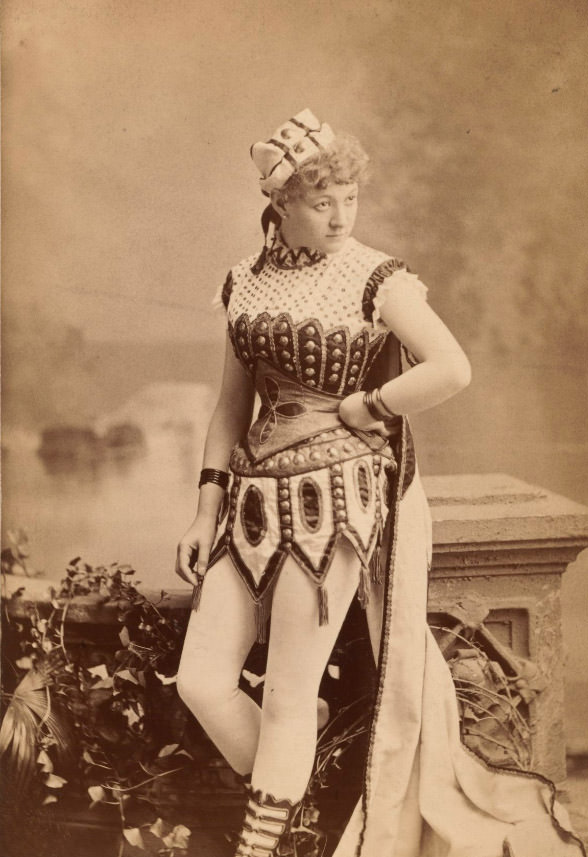
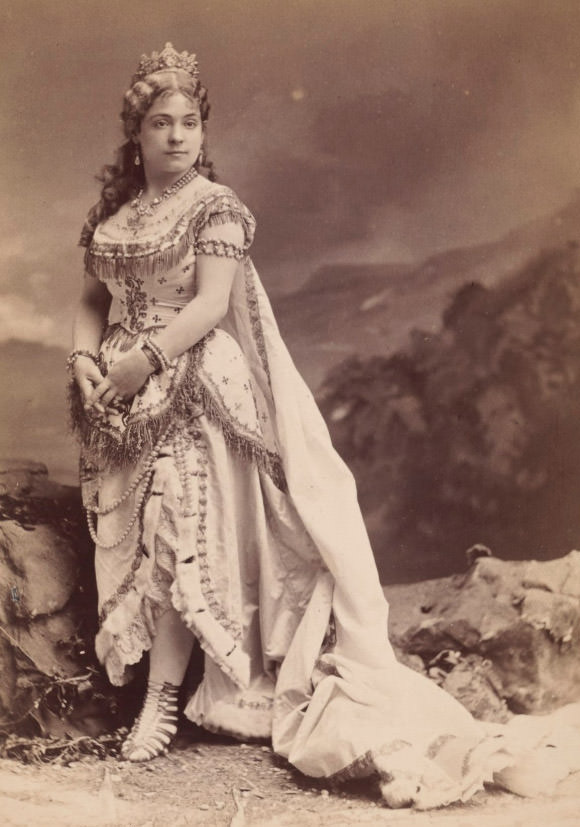
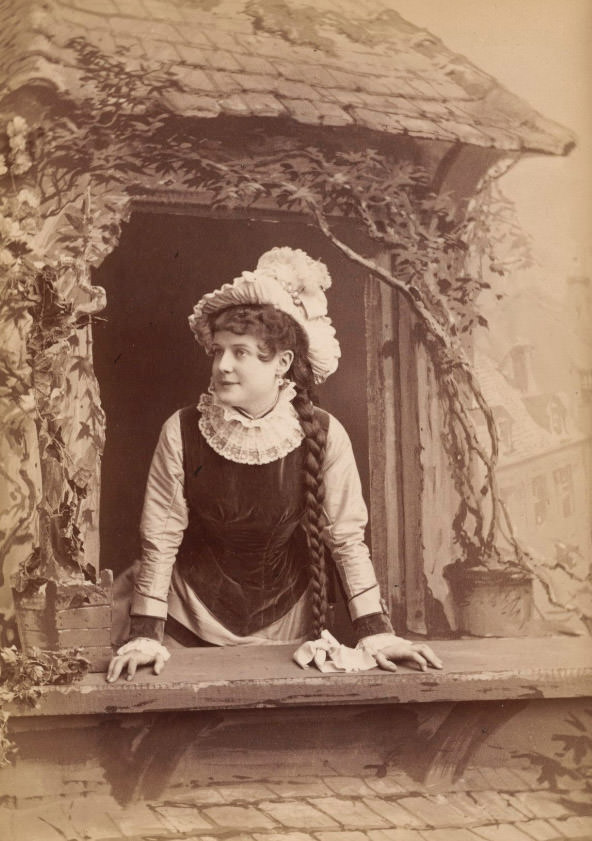
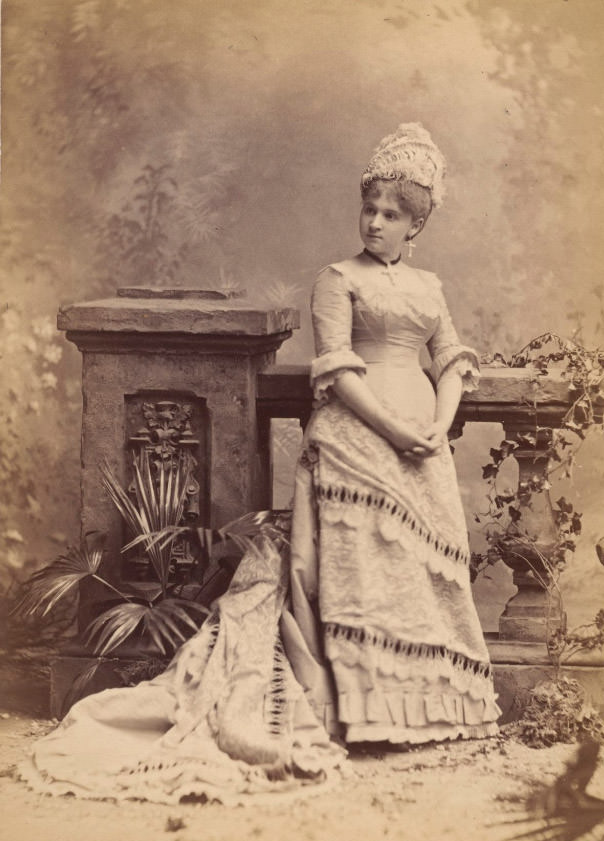
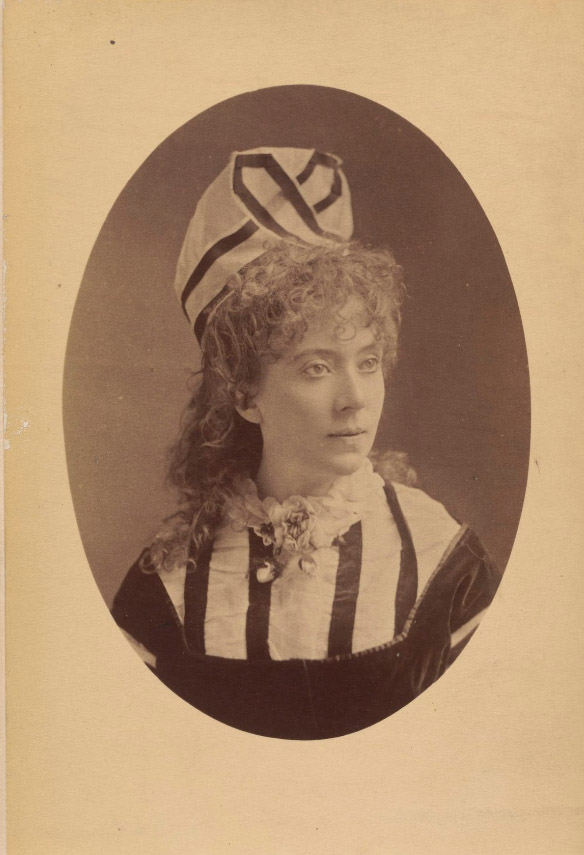
Among the actresses Mora photographed in 1885 was Mary Anderson, one of the most celebrated American stage performers of her era. Anderson had earned enormous acclaim on both sides of the Atlantic for her Shakespearean roles, and her fame made her a natural subject for the portrait studios of New York.
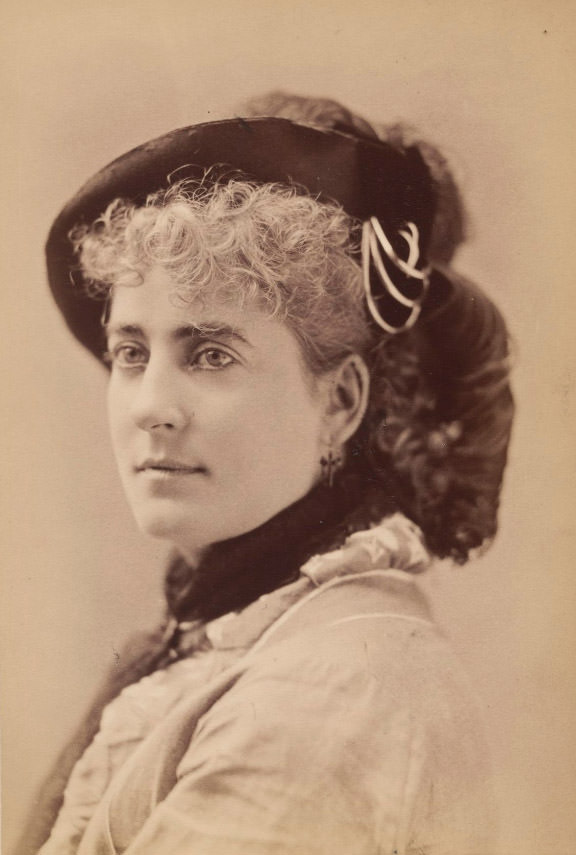
Not all of Mora’s subjects were entertainers or society figures. In 1879, he photographed Susette LaFlesche Tibbles, an Omaha Nation activist and writer who had come to national attention as a spokesperson for Native American rights. She was touring the eastern United States with Chief Standing Bear during a lecture campaign that drew widespread press coverage, and Mora captured her portrait during that period.
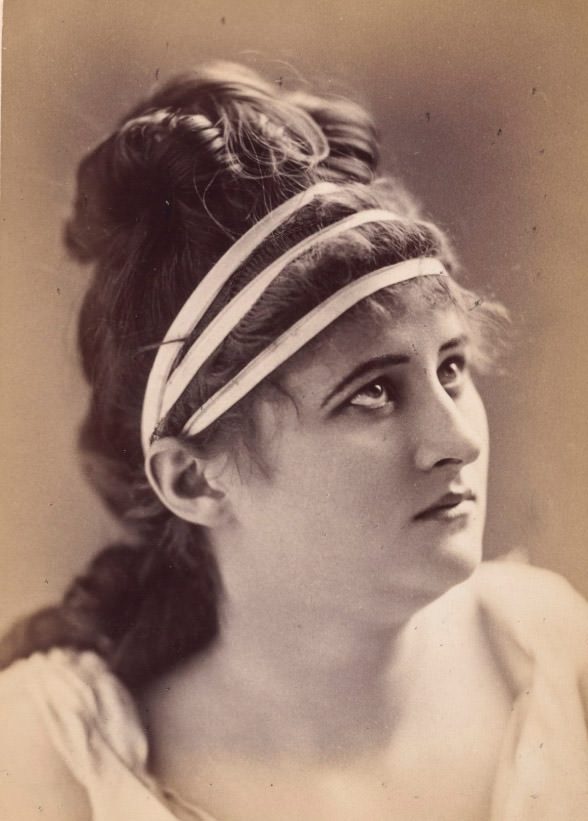
The poet William Cullen Bryant also sat for Mora in 1878, just a year before his death. Bryant was in his eighties at the time and was considered one of the most important American literary figures of the 19th century. His portrait by Mora stands as one of the final photographic records of the poet.
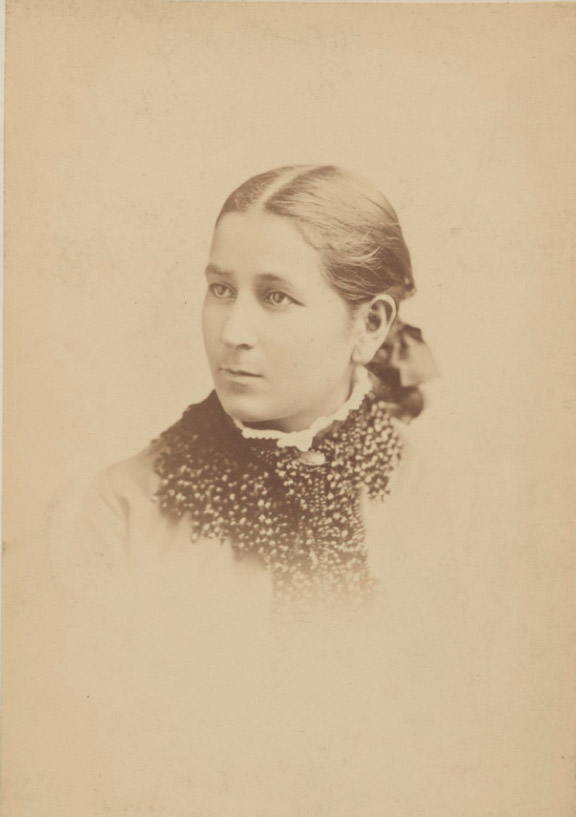
Mora’s studio was also the place where up-and-coming stage talents were photographed at the early stages of their careers. Minnie Maddern Fiske, who would go on to become one of the most admired actresses in American theatre, was photographed by Mora in 1880 when she was still a teenager performing under the name Minnie Maddern.
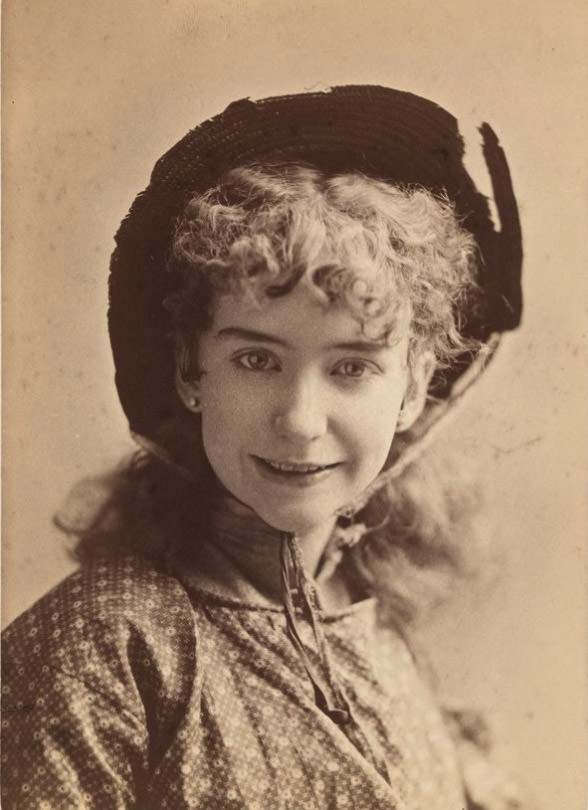
Dora Wiley, another stage performer of the era, rounded out Mora’s 1885 portraits. Like many of the women he photographed that year, she was part of a theatrical world that relied heavily on studio portraits for publicity and public recognition. Mora’s images gave these performers a polished, professional presence that helped define how the public saw them.