
Joan Bradshaw was born on May 6, 1938, in Houston, Texas. She grew up to become one of Hollywood’s most versatile behind-the-scenes forces — a woman who moved fluidly from modeling runways to film sets to producer’s chairs over the course of six decades. While her name may not sit alongside Marilyn Monroe or Audrey Hepburn in popular memory, her fingerprints are all over some of the biggest films ever made.
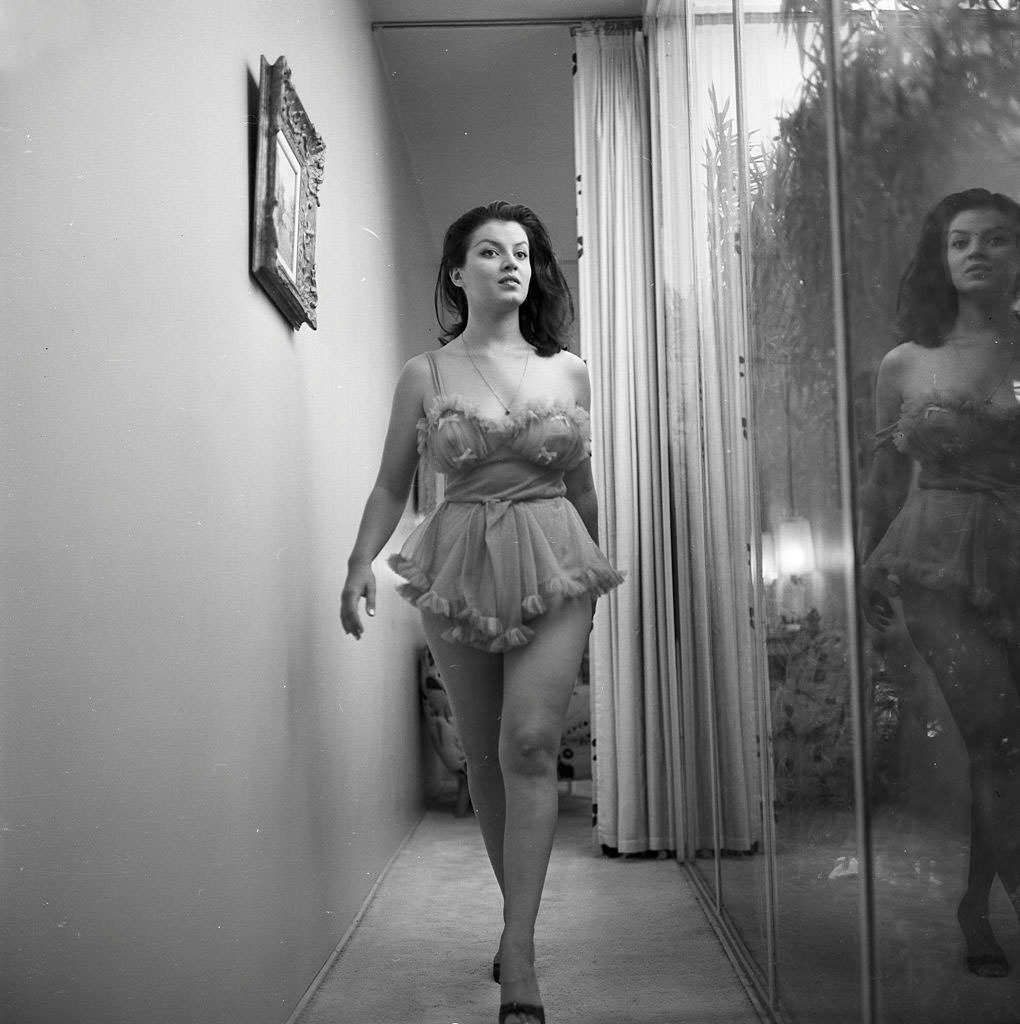
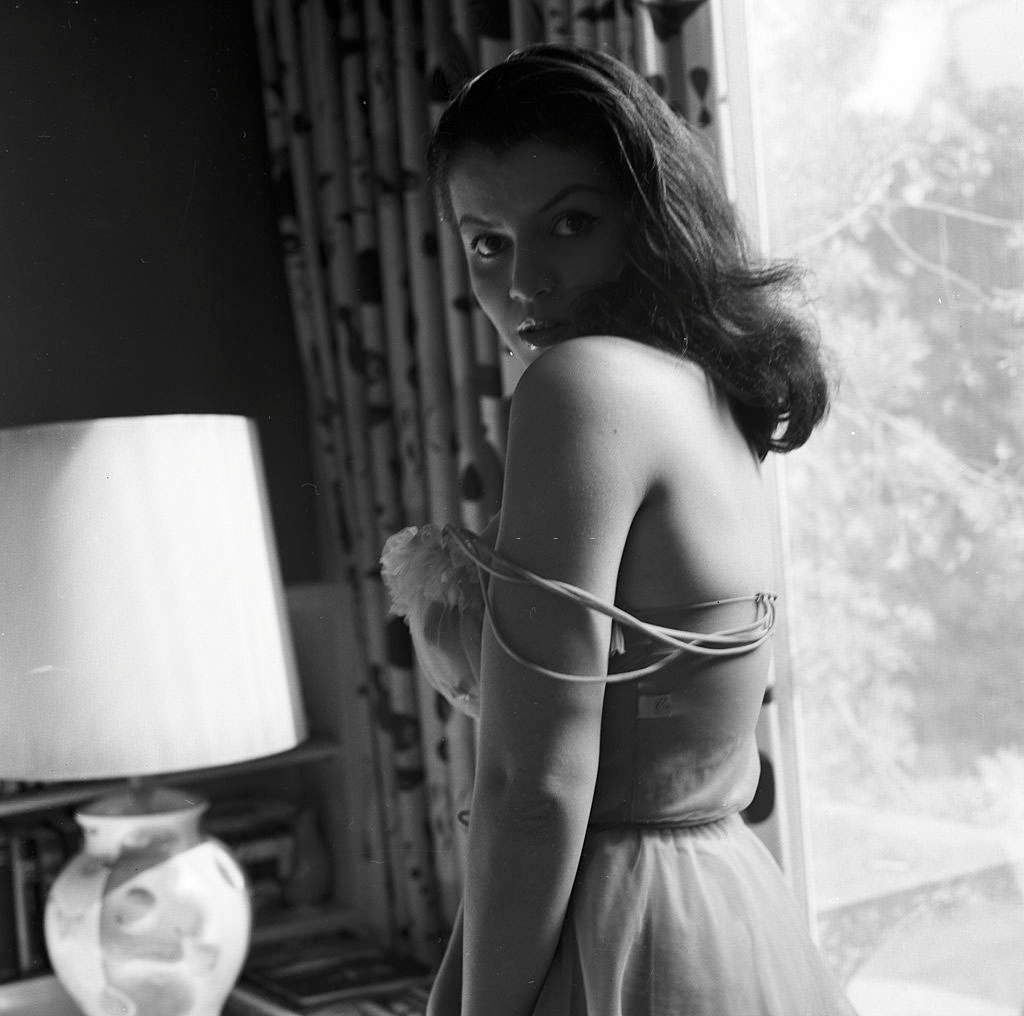
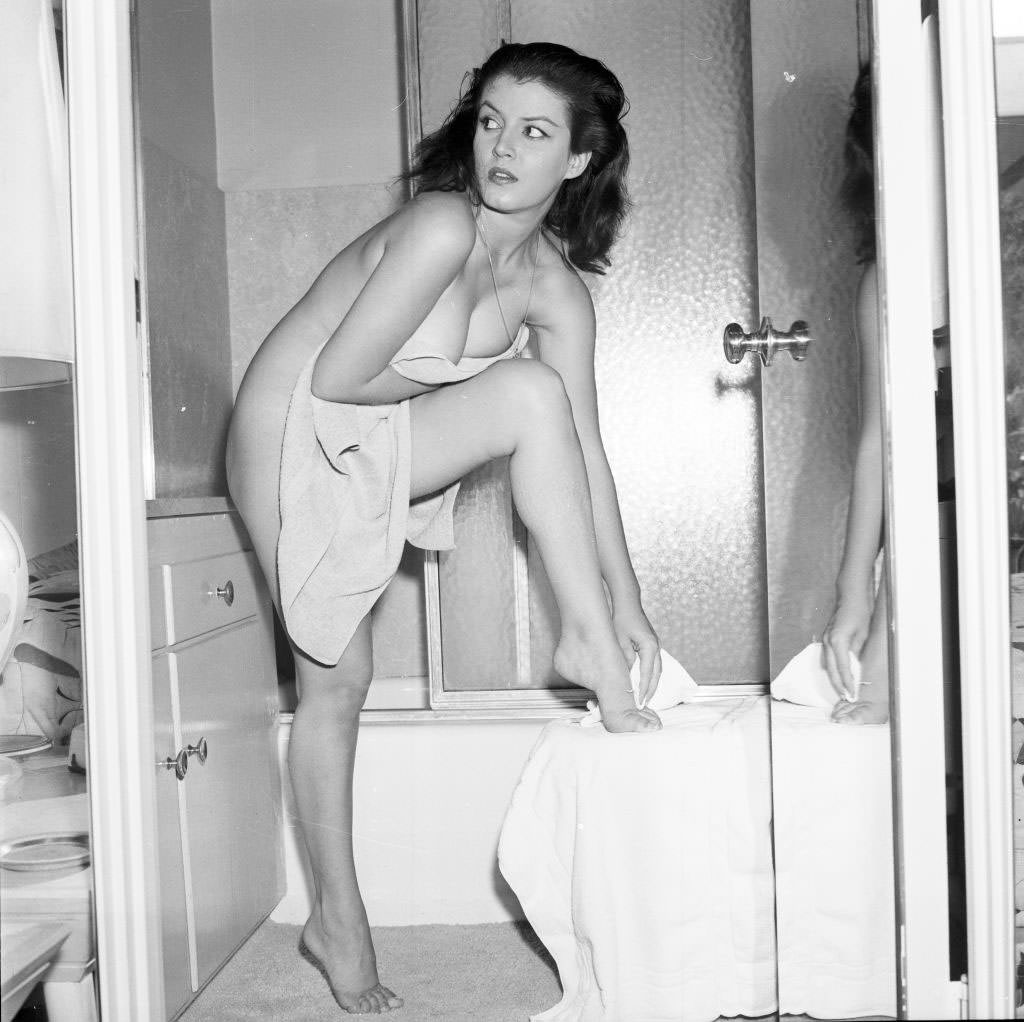
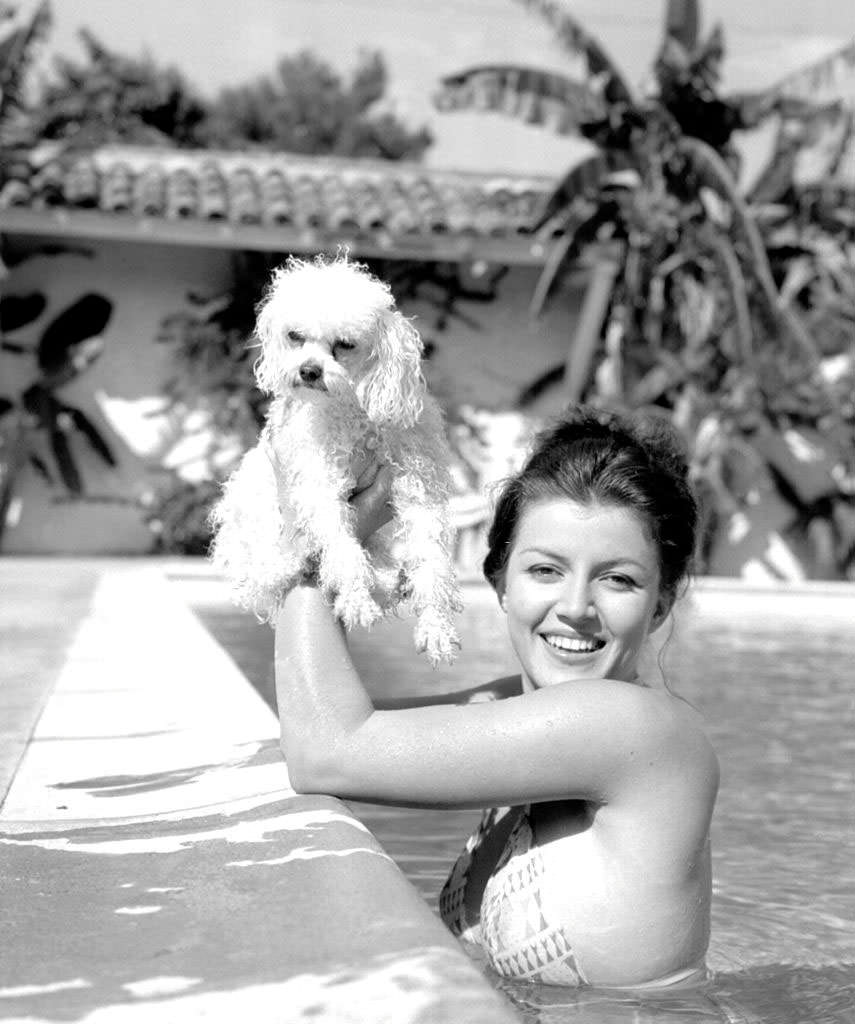
In her late teens, Bradshaw packed up and headed to California with her sights set on modeling. She didn’t struggle long to find work. Her striking looks and natural ease in front of a camera made her a go-to face for magazine spreads and advertising campaigns throughout the 1950s and into the early 1960s. Los Angeles was the right place for her, and she threw herself into its social and creative world without hesitation.
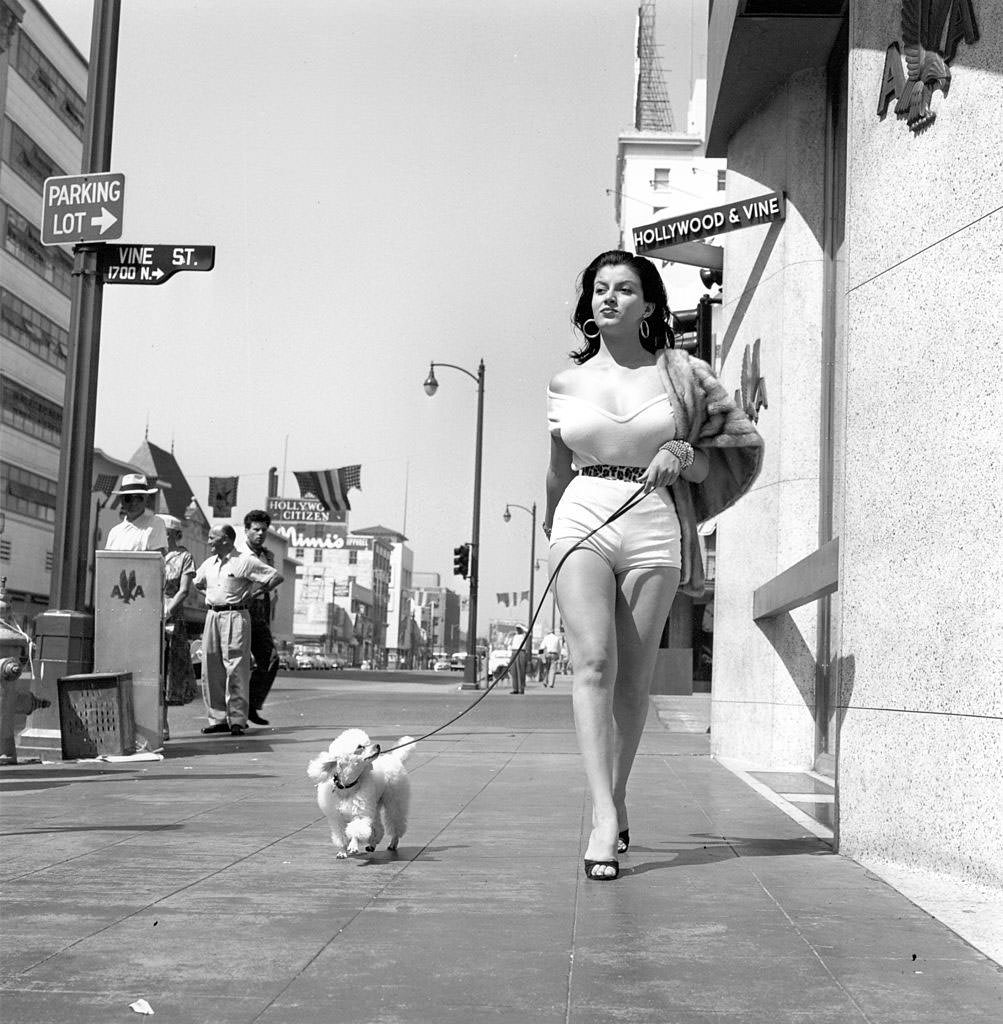
By 1957, Bradshaw was a regular presence on Hollywood Boulevard and at the city’s most talked-about events. She was photographed constantly — out on walks, at landmark locations, and at industry gatherings. The Capitol Records building, which had just opened that year, became one of her backdrops.
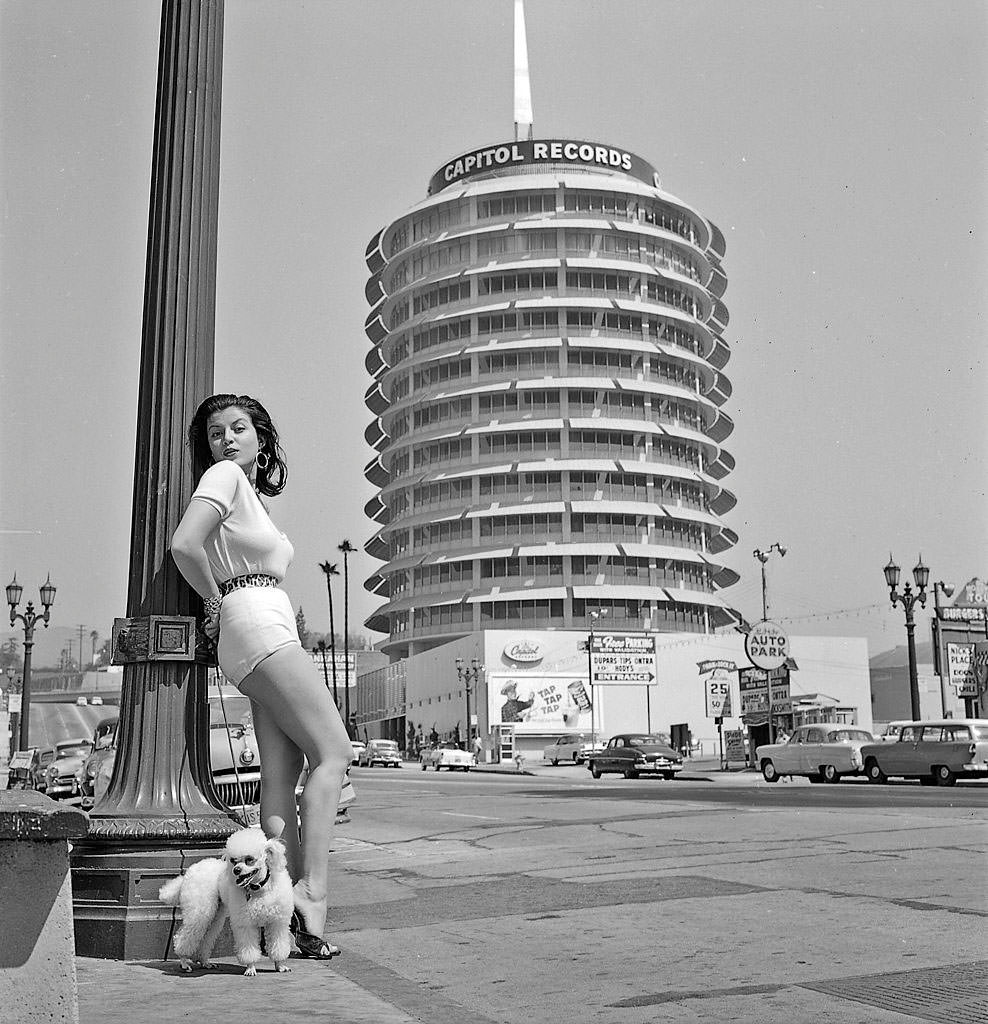
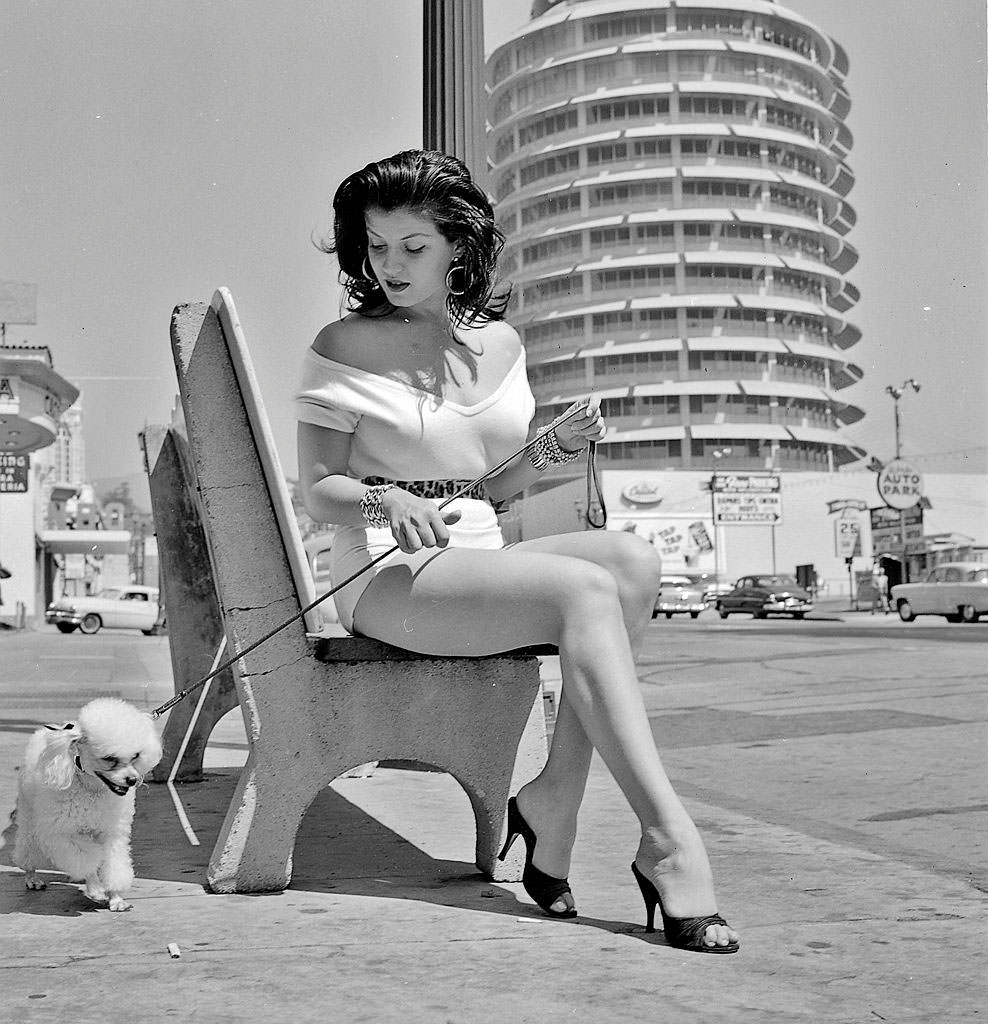
Fashion photographers sought her out regularly. Her ability to work with a camera — knowing her angles, holding a pose, projecting a mood — came naturally. These skills would later translate directly into her understanding of what works visually on a film set.
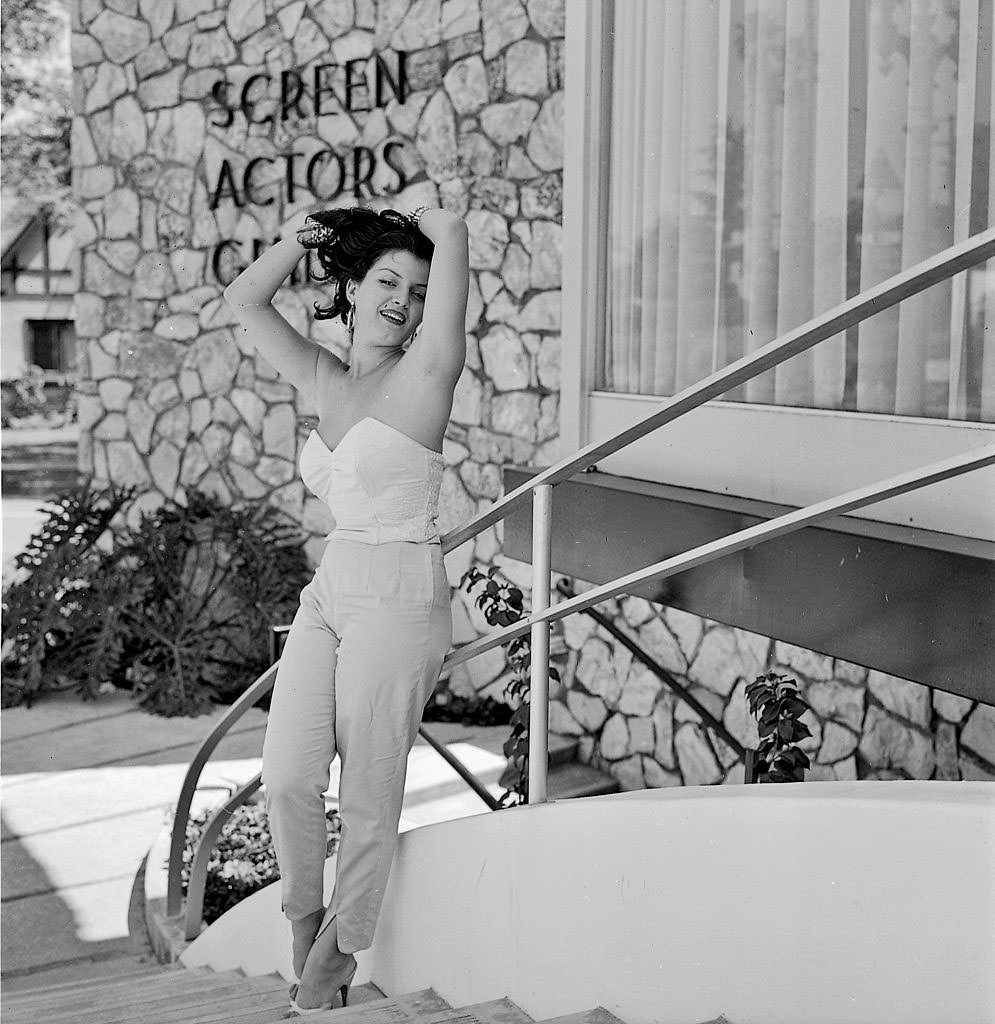
Hollywood’s social scene in 1957 was electric, and Bradshaw was right in the middle of it. She rubbed shoulders with some of the era’s biggest names. At a Halloween party that October, she was photographed alongside a young Elvis Presley, who was then at the very peak of his early fame.
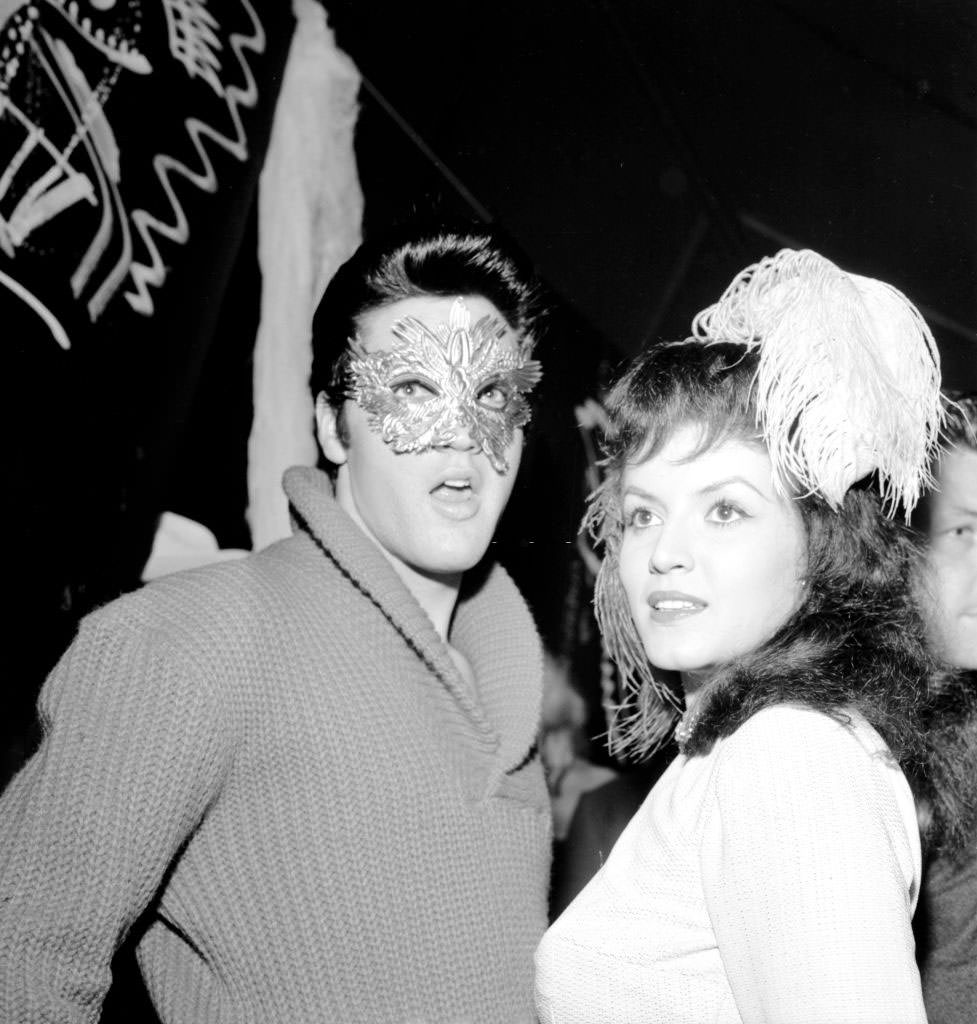
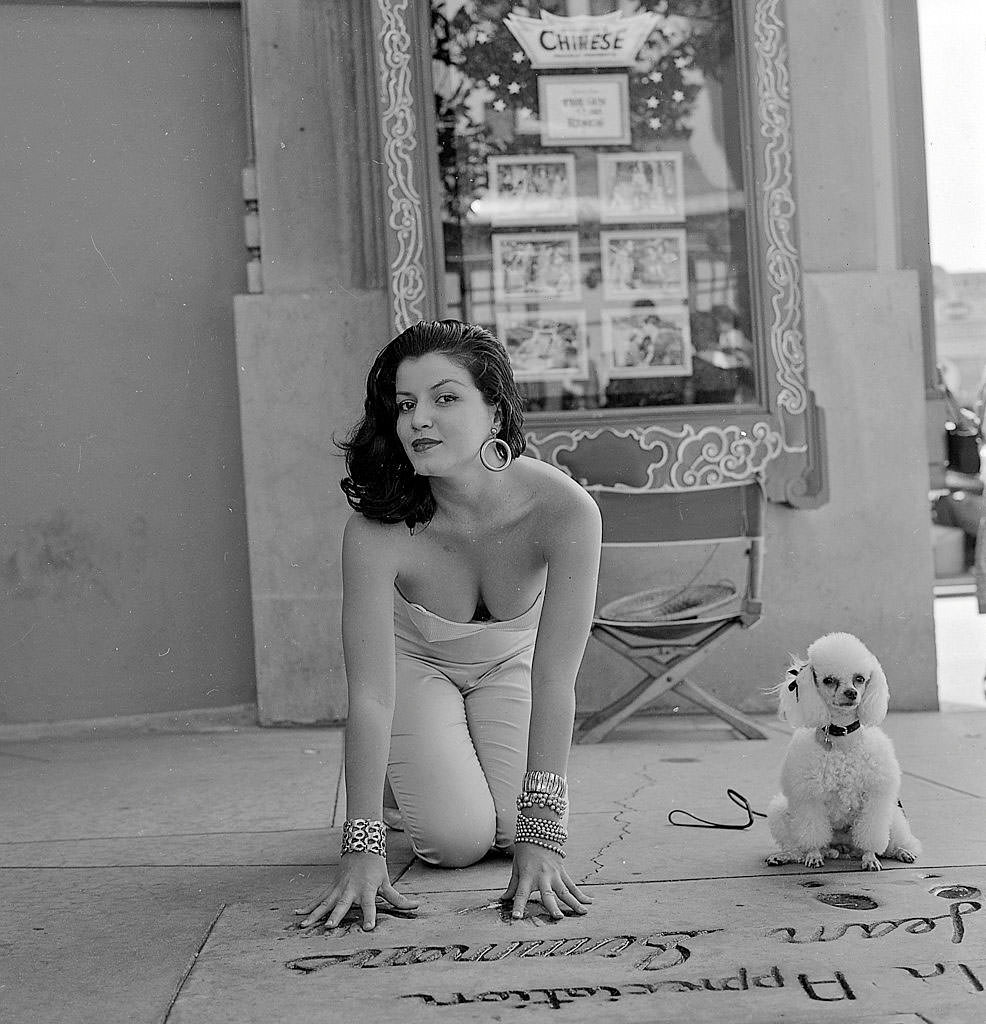
Her modeling work continued steadily into 1958, with fashion magazine shoots keeping her profile high. These weren’t small jobs — they reflected a genuine demand for her image in commercial media at a time when print advertising and magazine culture were at their most powerful.
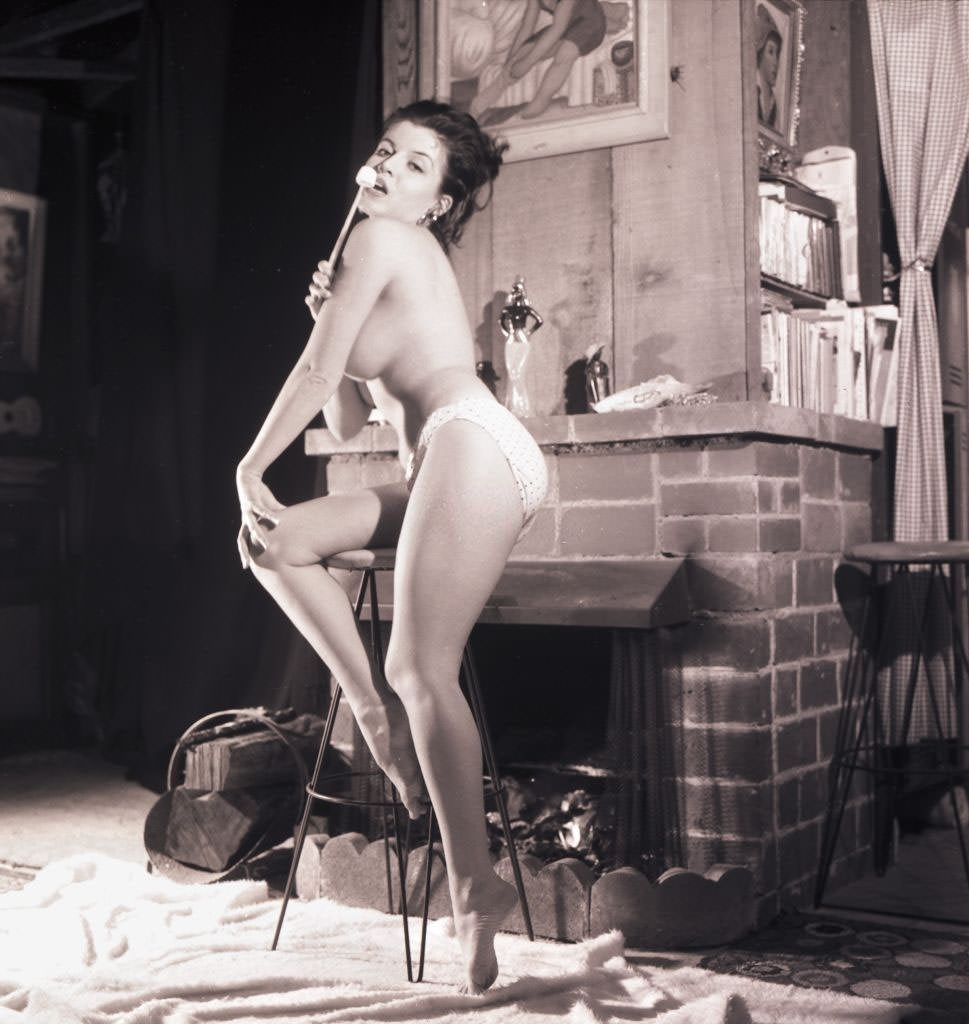
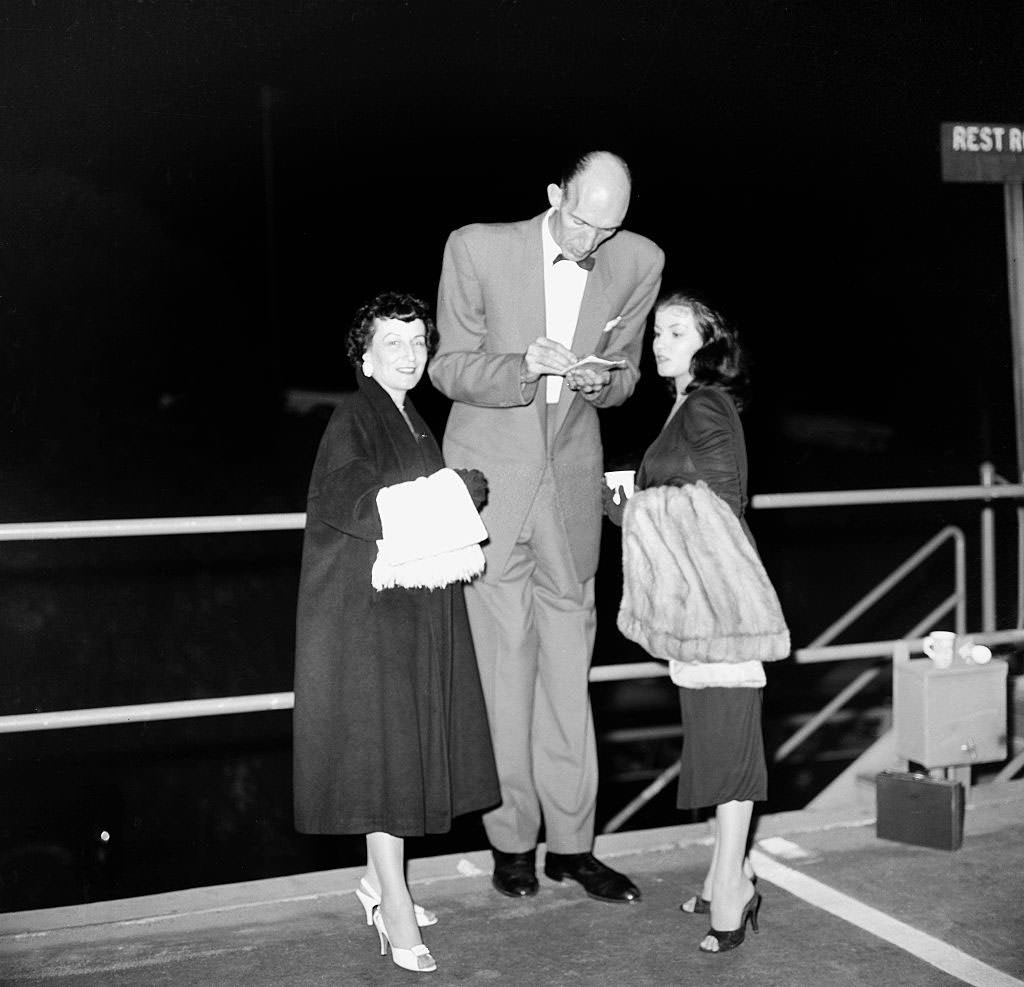
Throughout 1957, Bradshaw was a fixture at Hollywood parties, where the entertainment industry’s social connections were forged. At one gathering, she appeared alongside a remarkable crowd that included Jeanne Carmen, Vikkie Dugan, Lance Fuller, Anita Ekberg, Anthony Steel, and Joan Tyler.
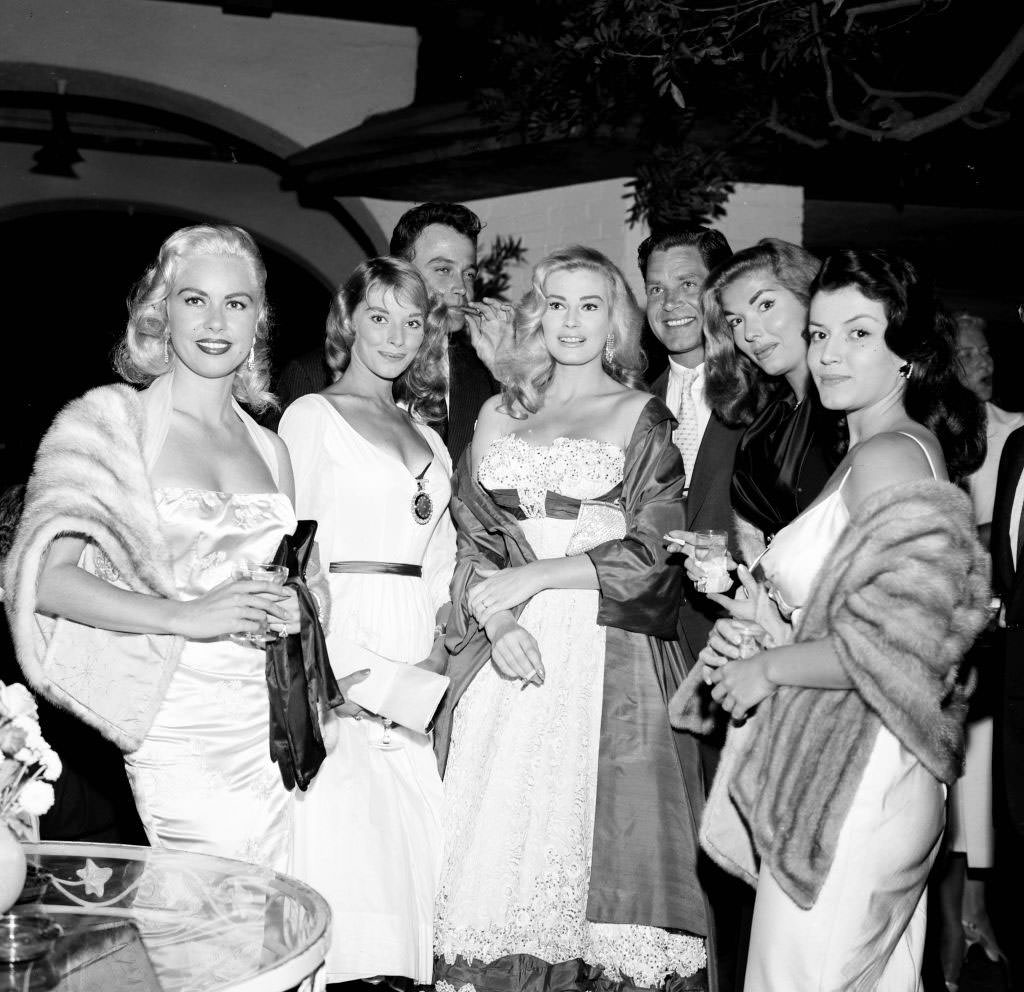
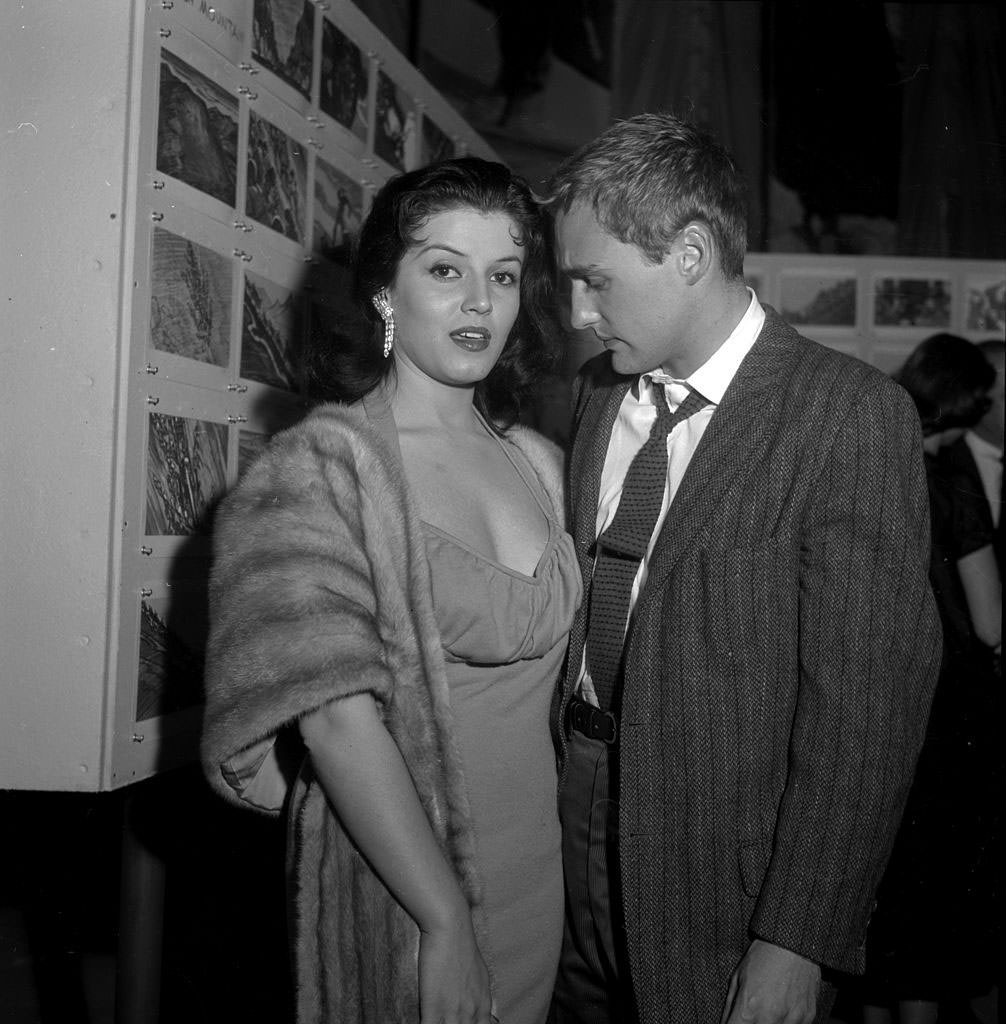
She was also present at a party held for French stars visiting Hollywood, where she was photographed with a then up-and-coming Dennis Hopper — years before his breakthrough in Easy Rider would make him a countercultural icon.
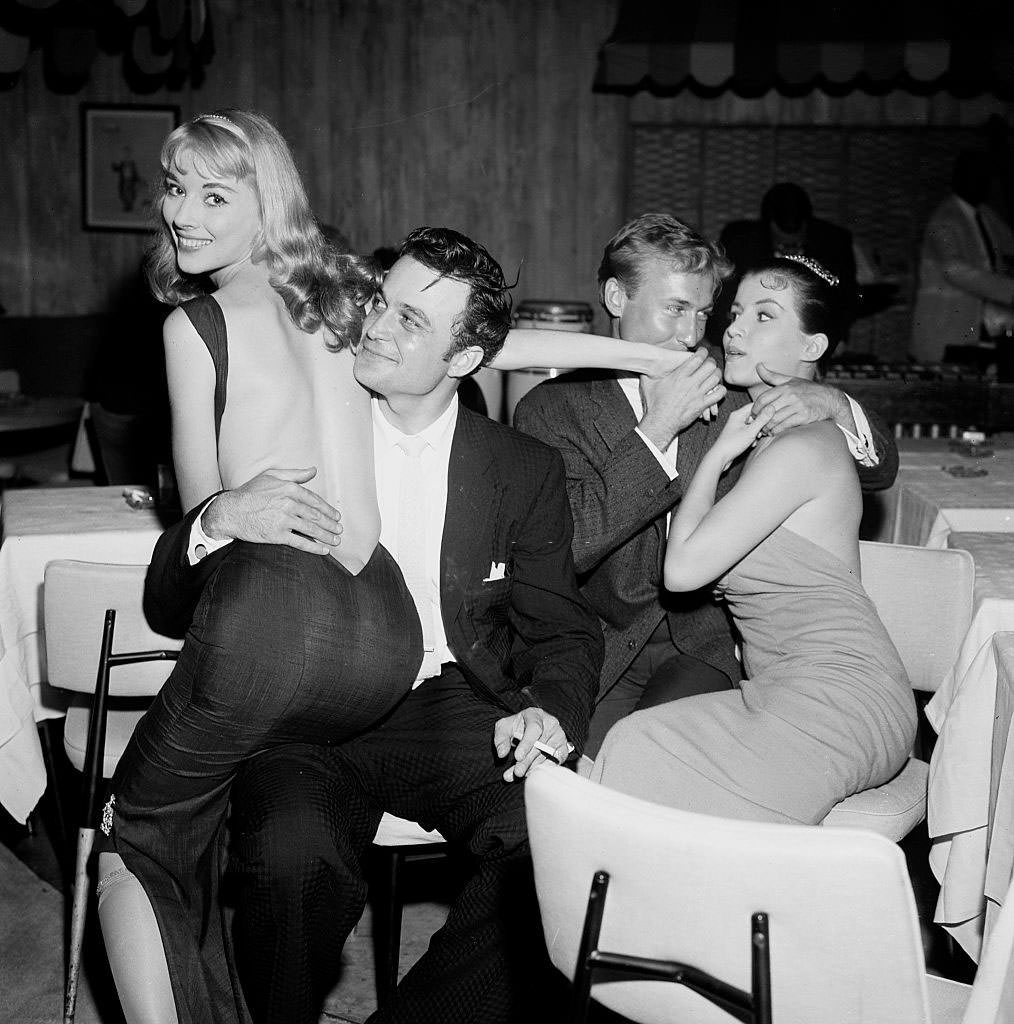
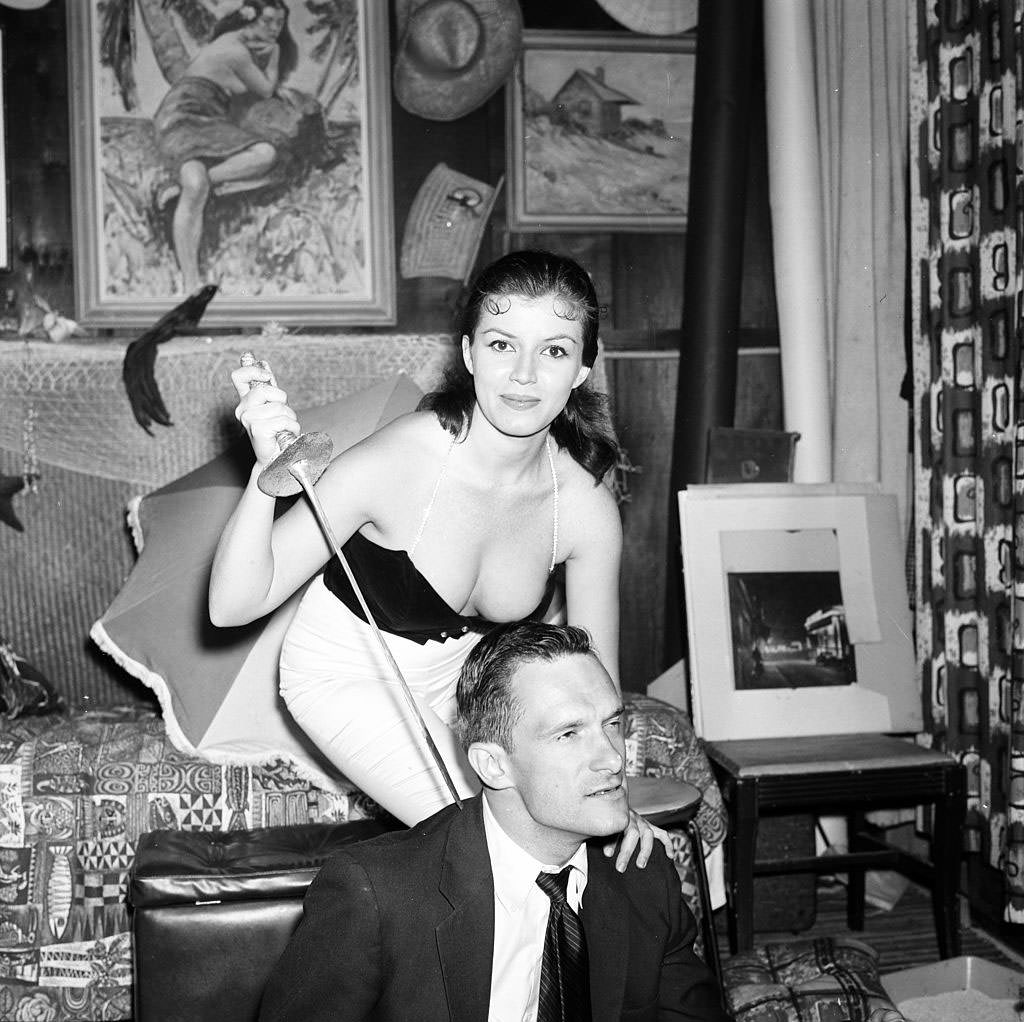
Hugh Hefner, who had launched Playboy just four years earlier in 1953, was another prominent figure in Bradshaw’s social circle during this period. The two were photographed together on multiple occasions in Los Angeles throughout 1957, a sign of how deeply embedded she was in the city’s entertainment elite.
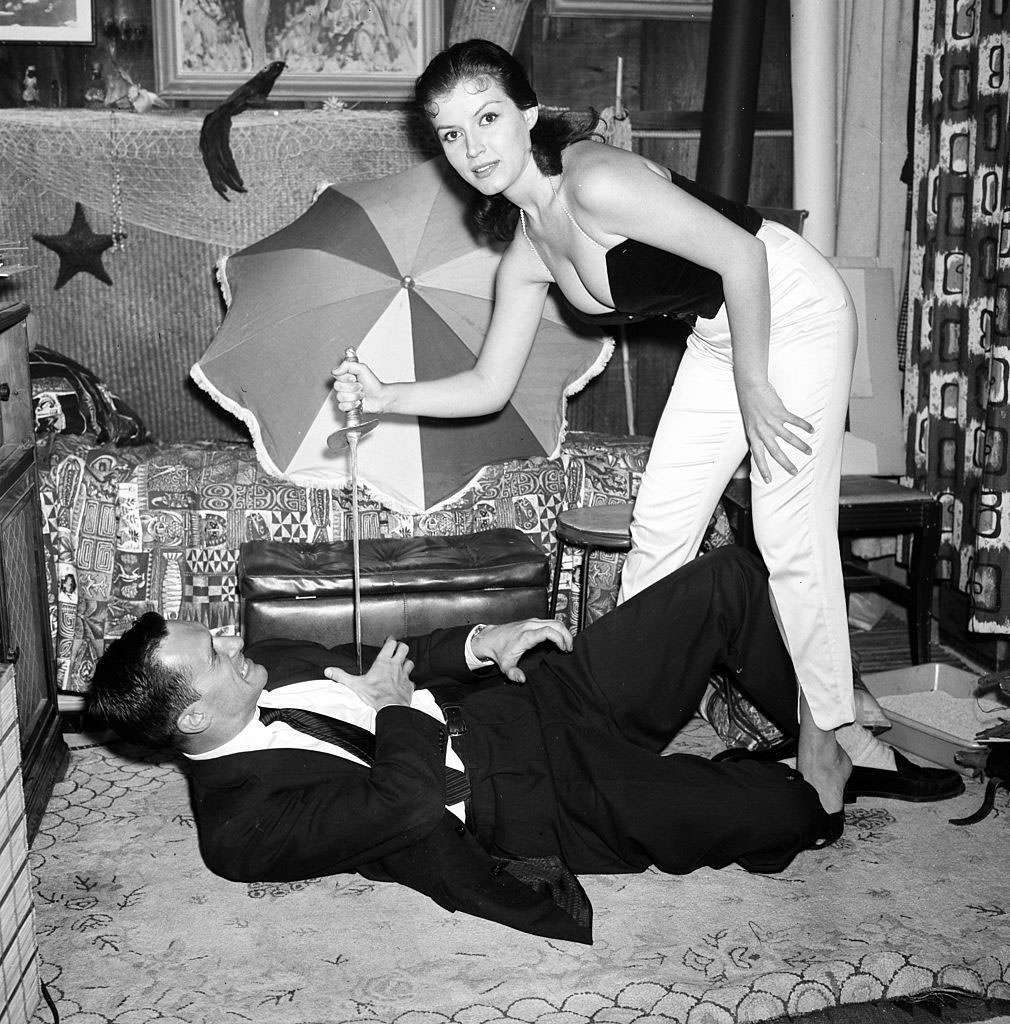
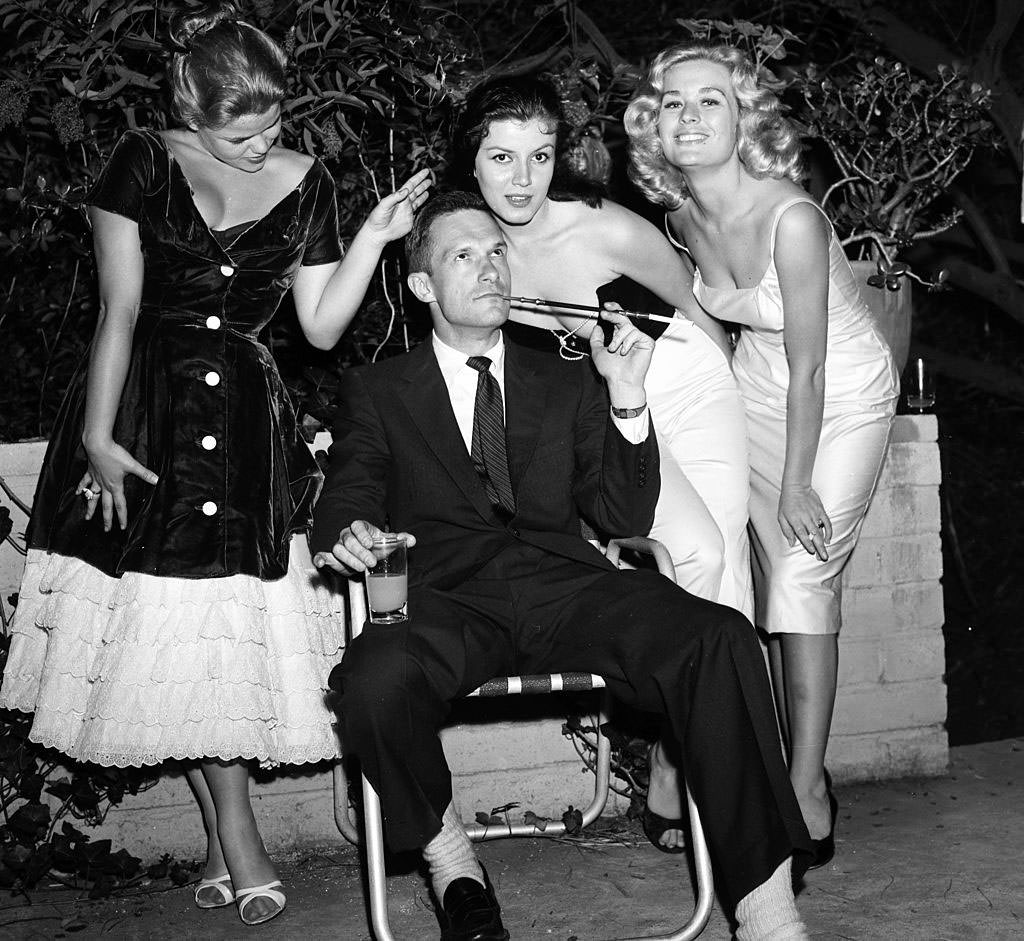
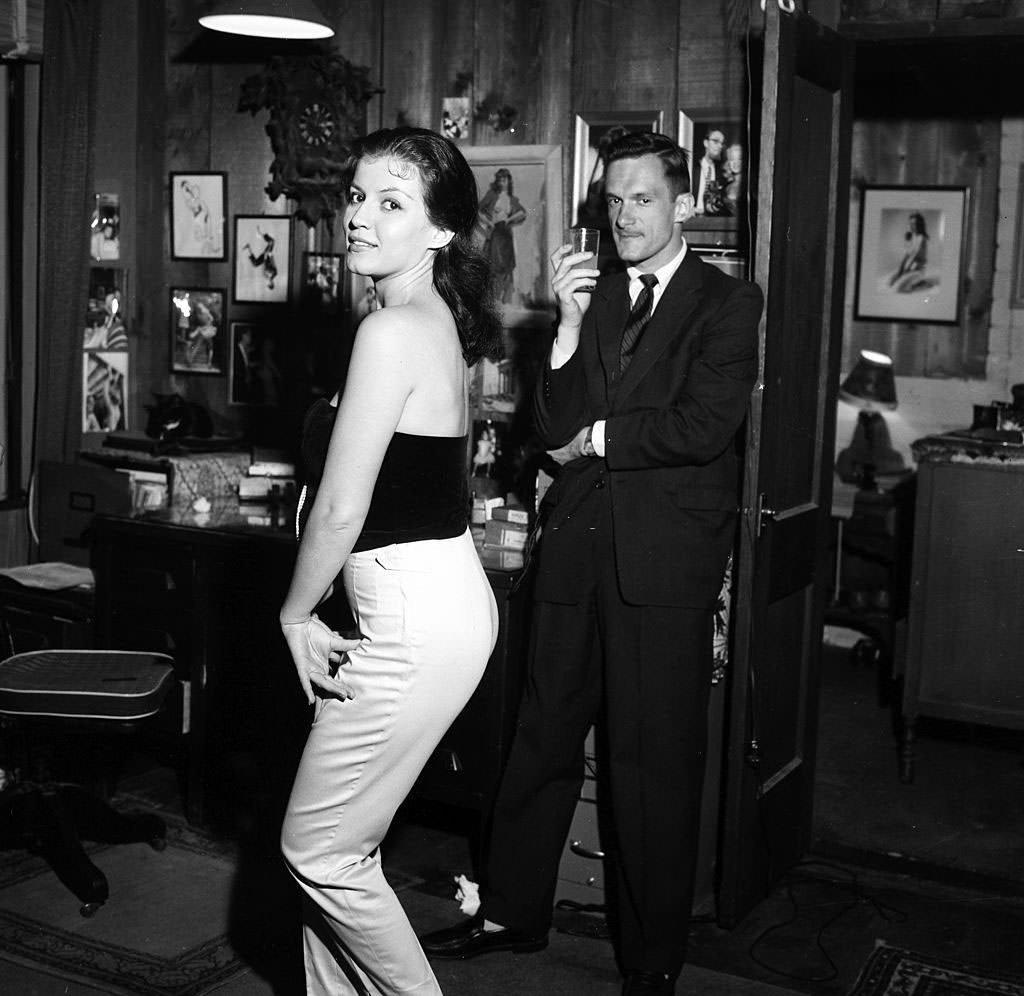
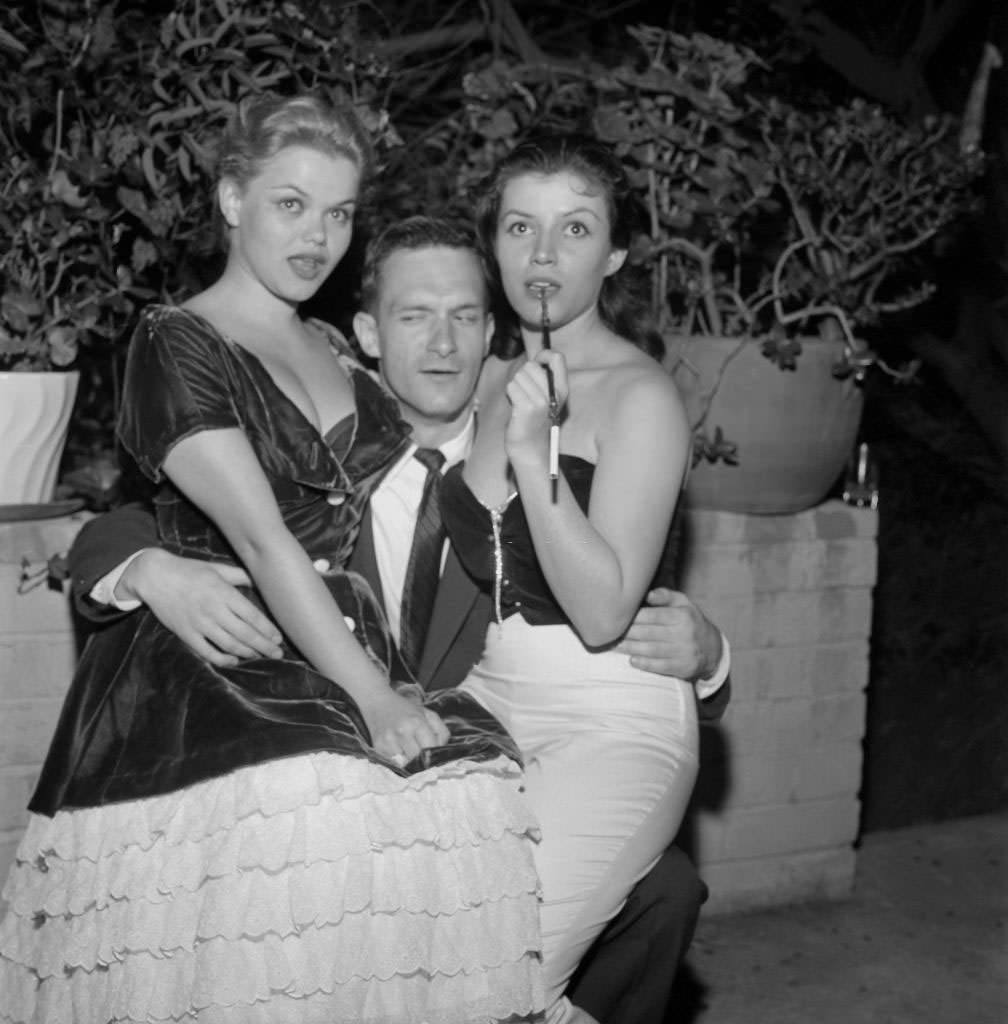
Actor Lance Fuller, who had appeared in a string of 1950s genre films, was another face frequently seen alongside Bradshaw at industry events that year.
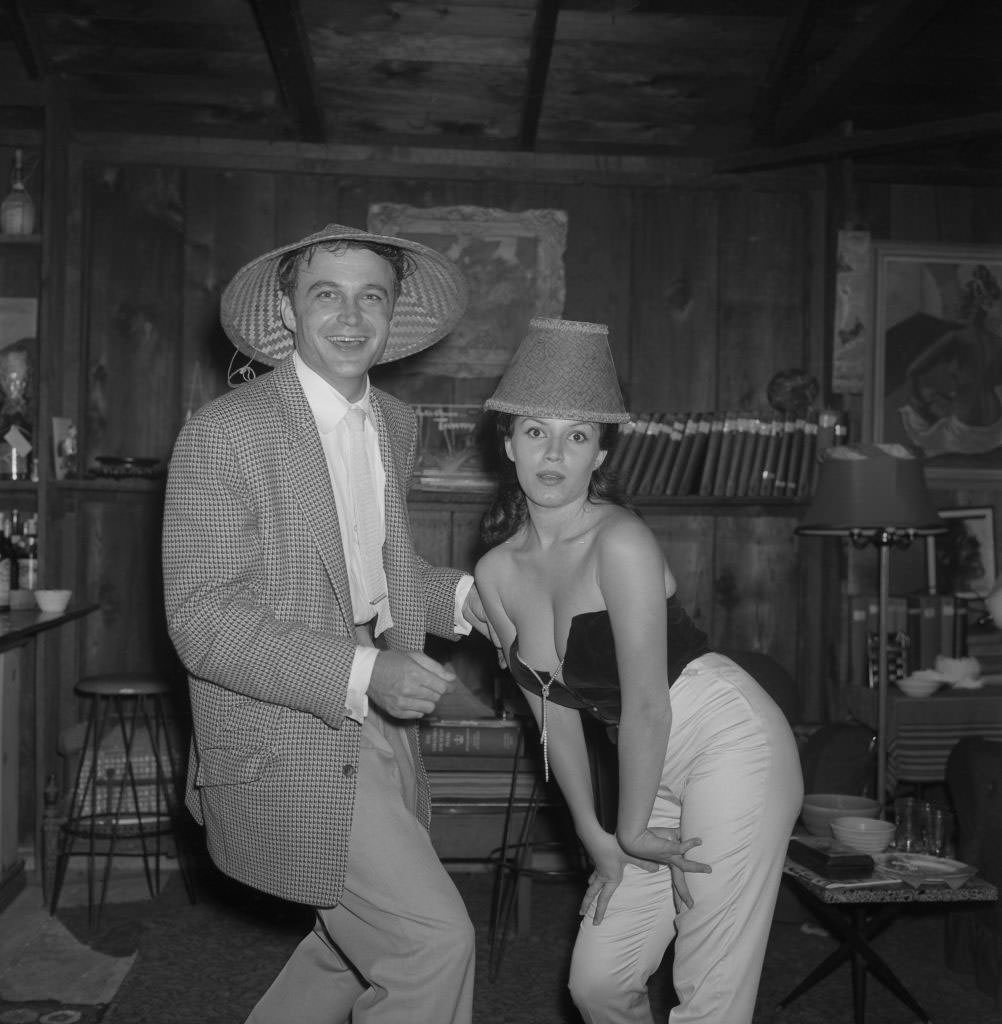
Bradshaw’s transition from modeling to acting came in 1957 with her screen debut in The Giant Claw, a science fiction film about a massive bird creature terrorizing the skies. The film was firmly in B-movie territory, but it gave her a foot in the door. She followed it with roles in The Party Crashers (1958) and The Hangman (1959), and later landed a television appearance on The Twilight Zone in 1961. She never reached leading lady status, but she built a solid reputation as a dependable supporting actress with genuine on-screen presence.
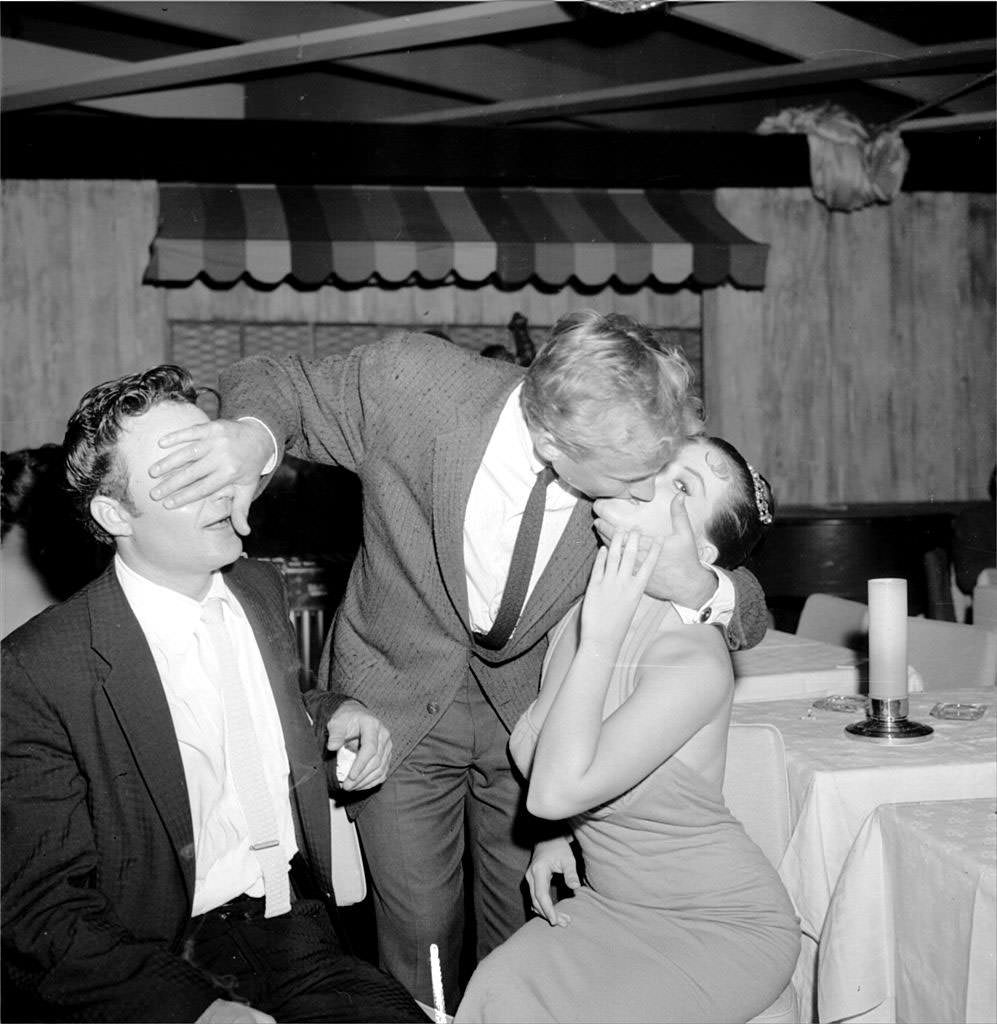
By 1960, Bradshaw’s career was in full swing across both acting and modeling. She continued to take on photoshoots that showcased her polished, composed image — work that kept her visible in an industry where staying relevant required constant effort.
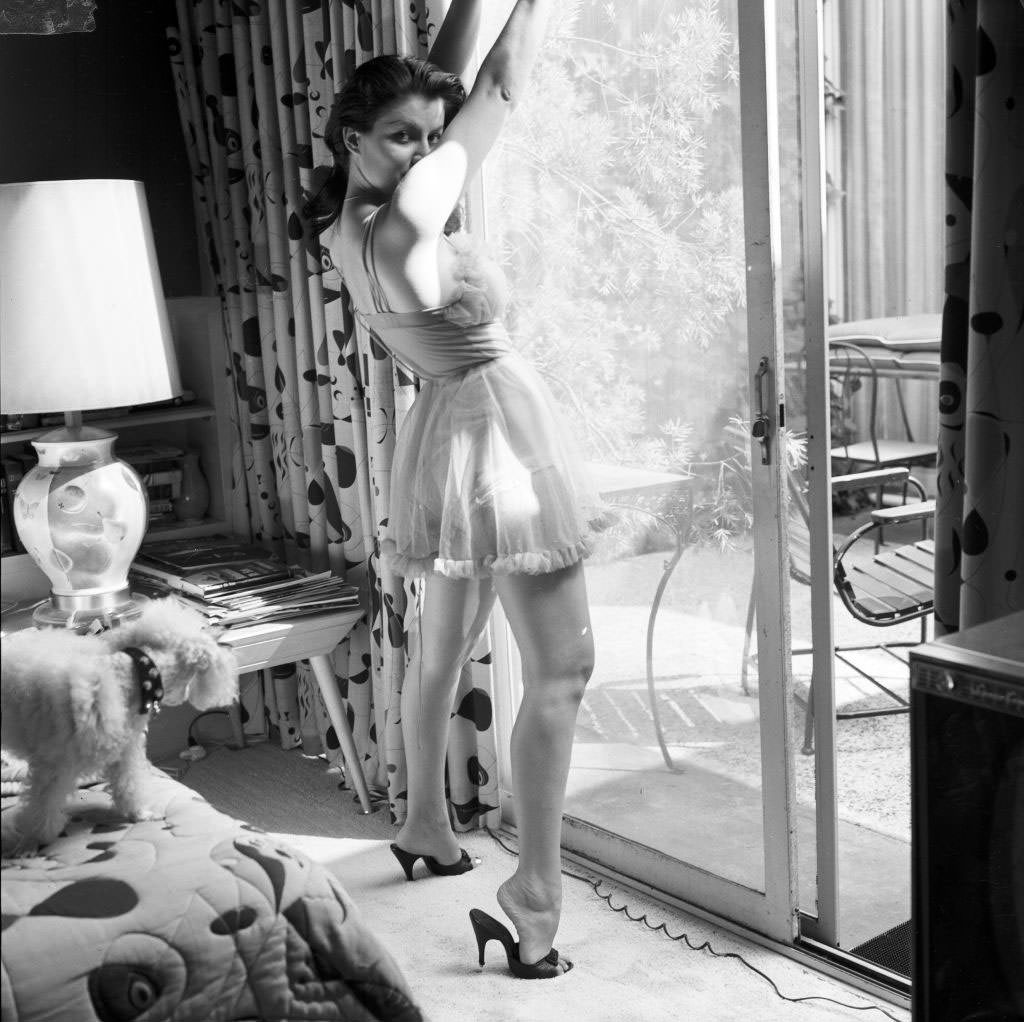
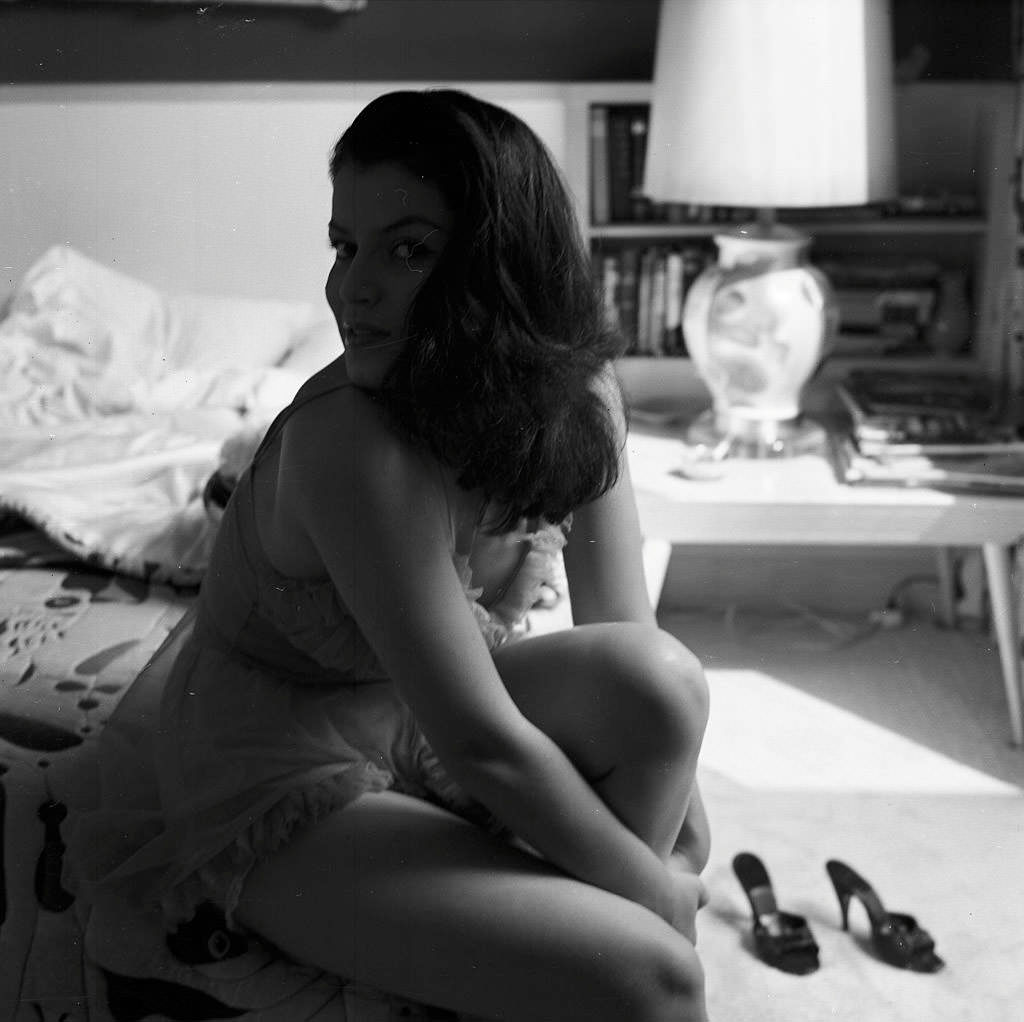
In the early 1970s, Bradshaw made a decisive pivot away from performing and into film production. She started as a production assistant and worked her way up through production manager roles until she became a full producer. Her reputation was built on meticulous organization, an ability to keep complex shoots on track, and a talent for assembling the right teams around a project. Directors and studios noticed. She eventually worked alongside Robert Zemeckis, Steven Spielberg, and Clint Eastwood — some of the most demanding and successful filmmakers in the business. Her producing credits include Romancing the Stone (1984), Back to the Future (1985), Forrest Gump (1994), Cast Away (2000), and Flight (2012). Each of these films earned both commercial success and critical recognition, with many receiving Academy Award nominations and wins. Bradshaw retired from production in the mid-2010s, closing out a career that had stretched across more than sixty years and three entirely different chapters of the entertainment world.
I enjoyed this. Please keep it up