
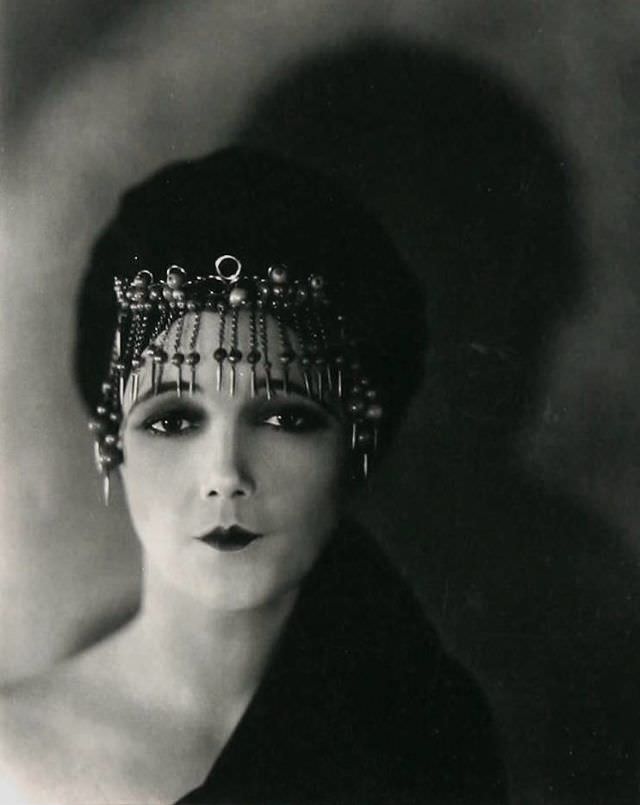
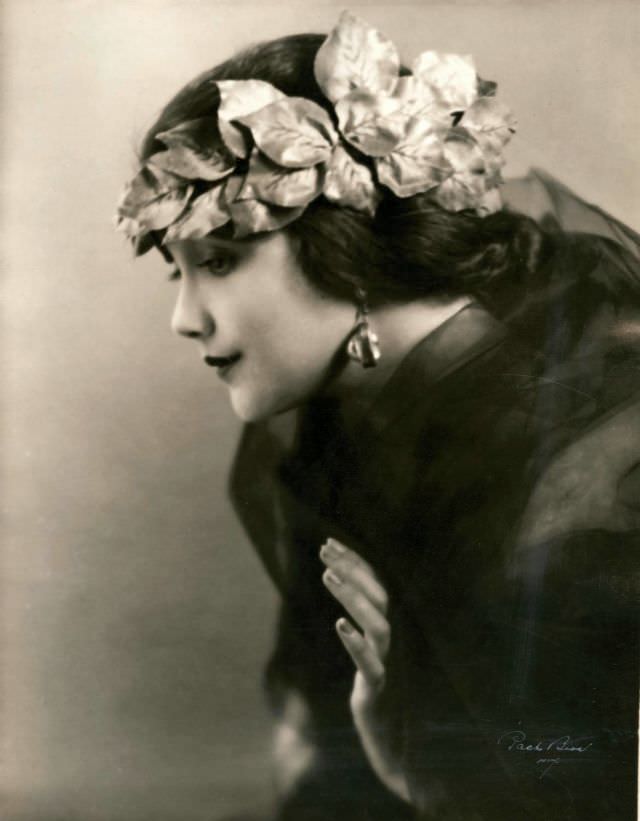
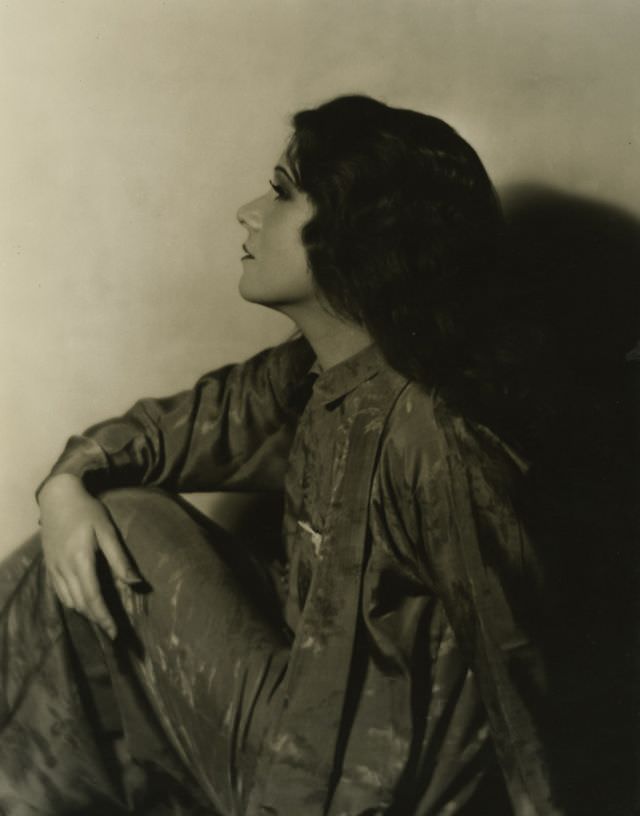
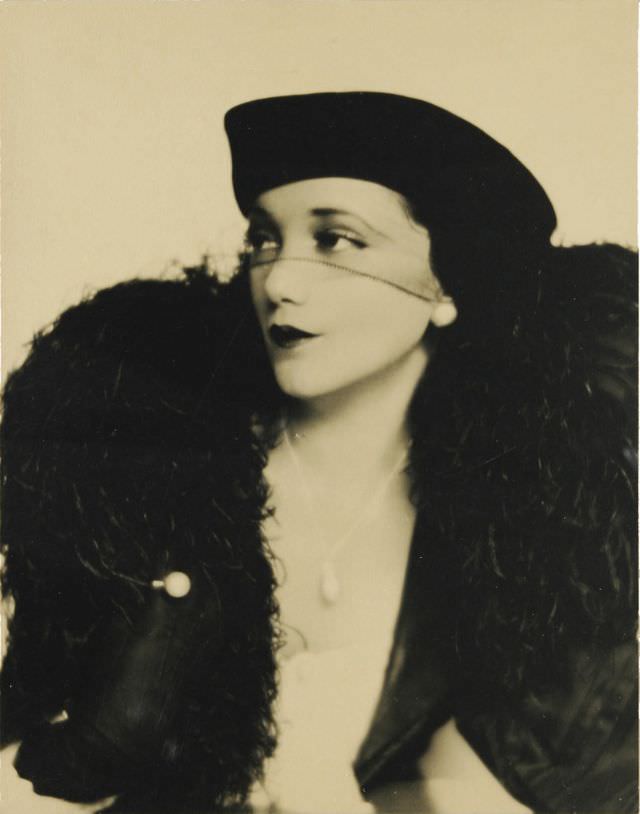
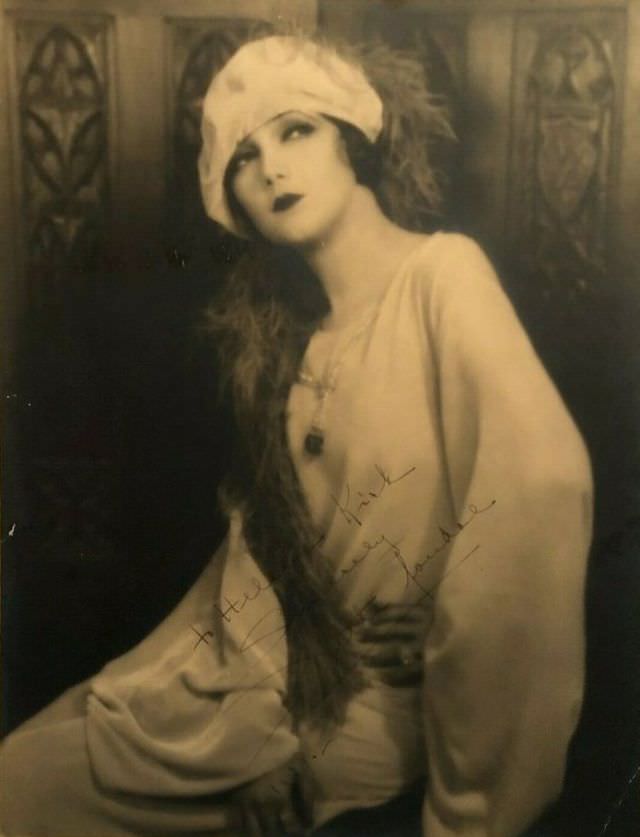
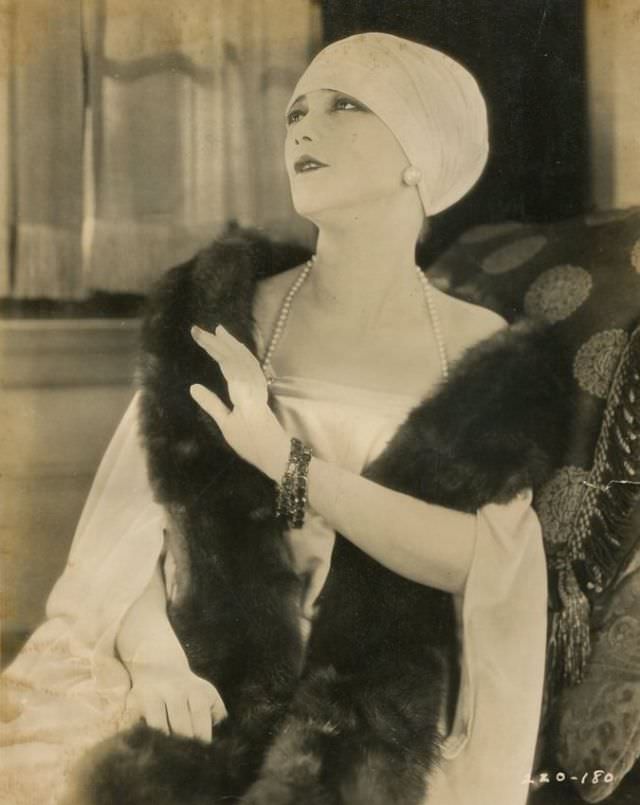
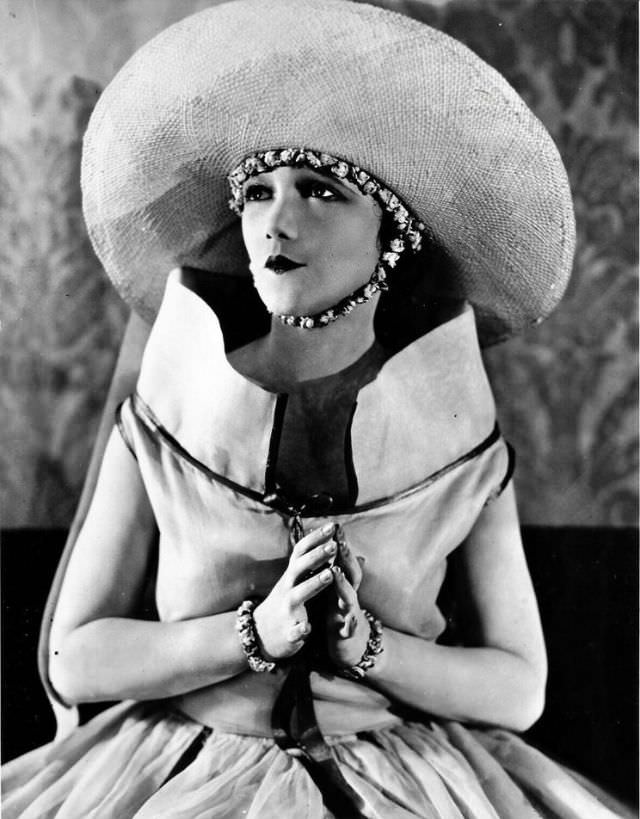
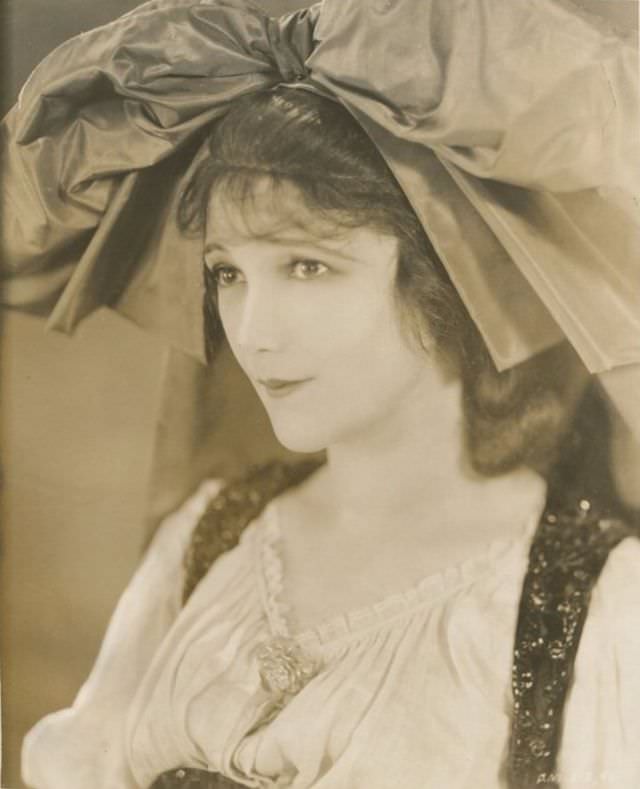
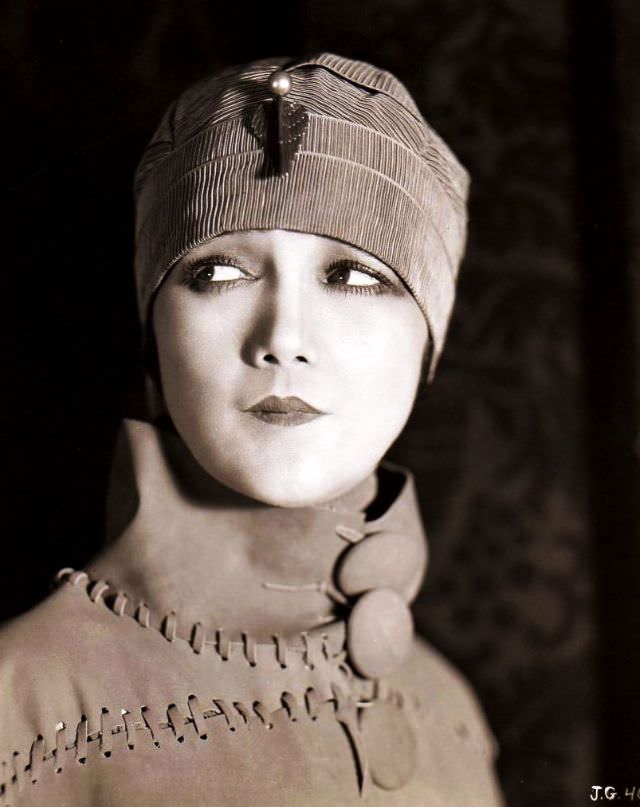
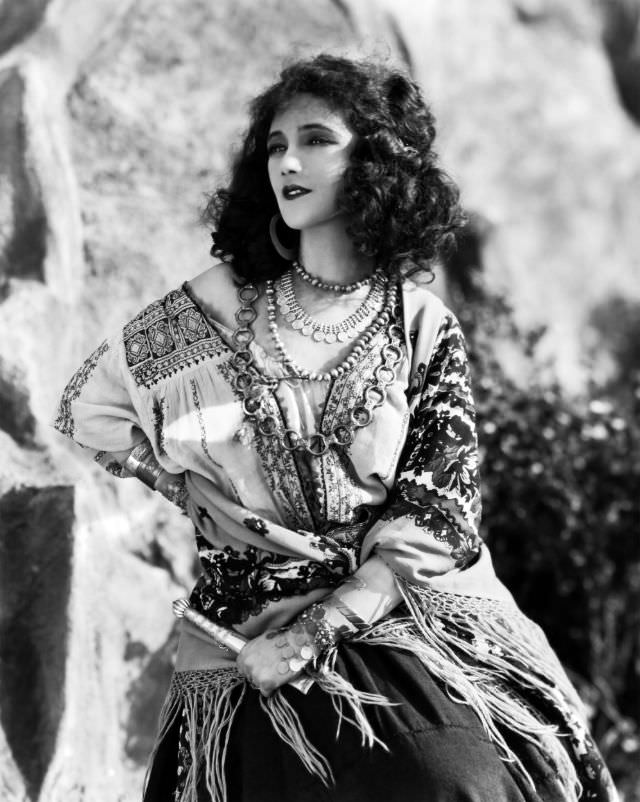
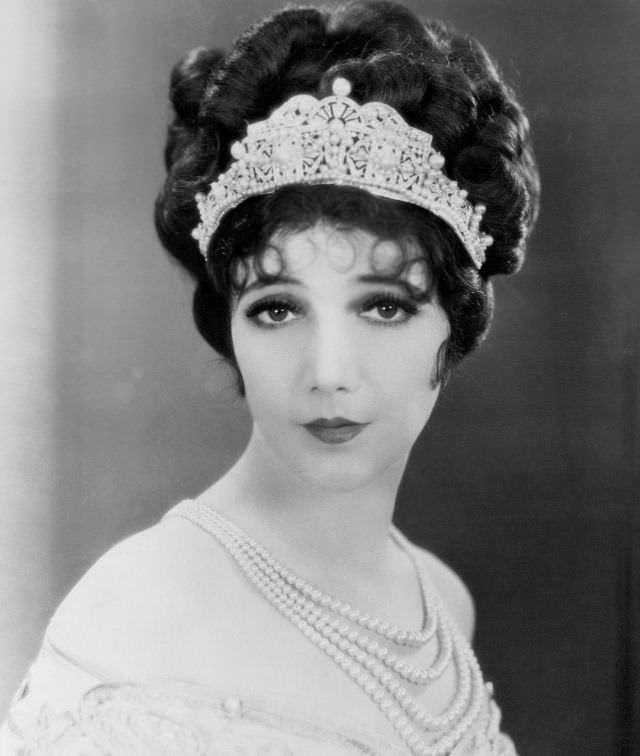
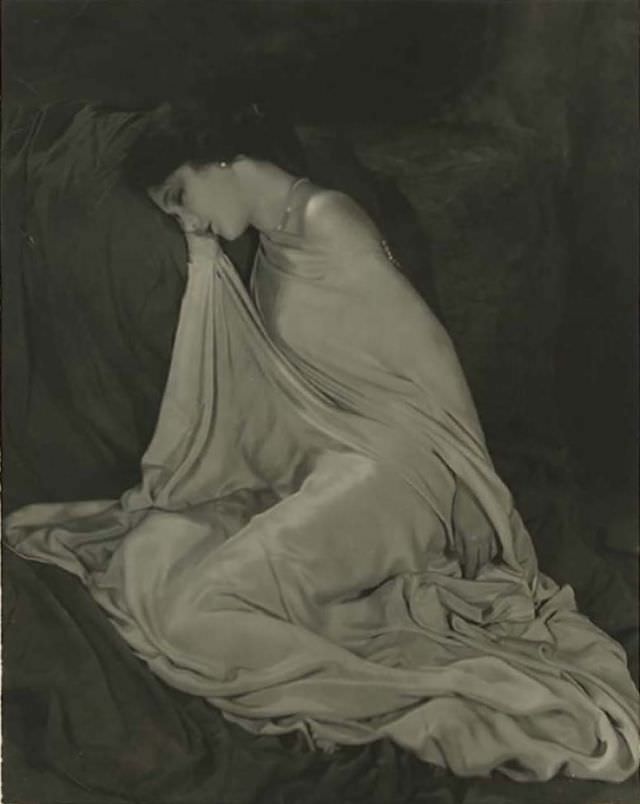
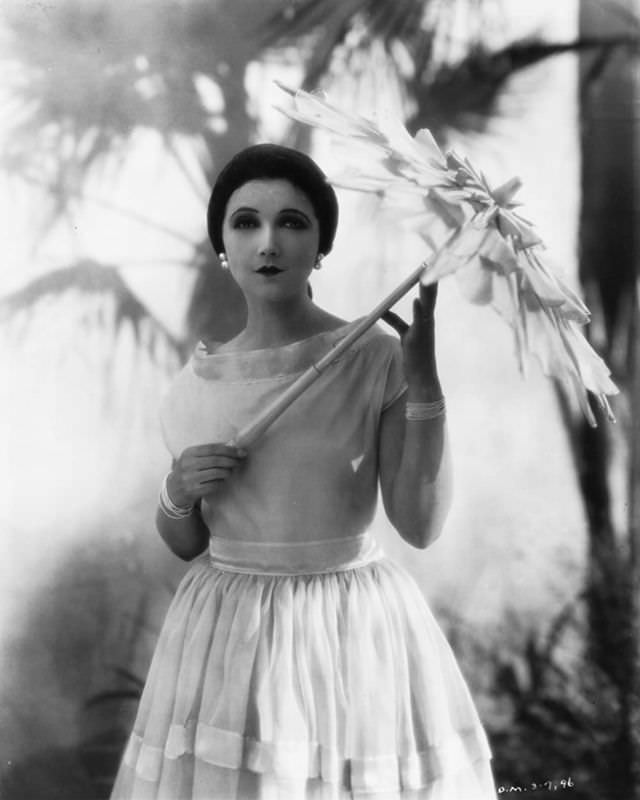
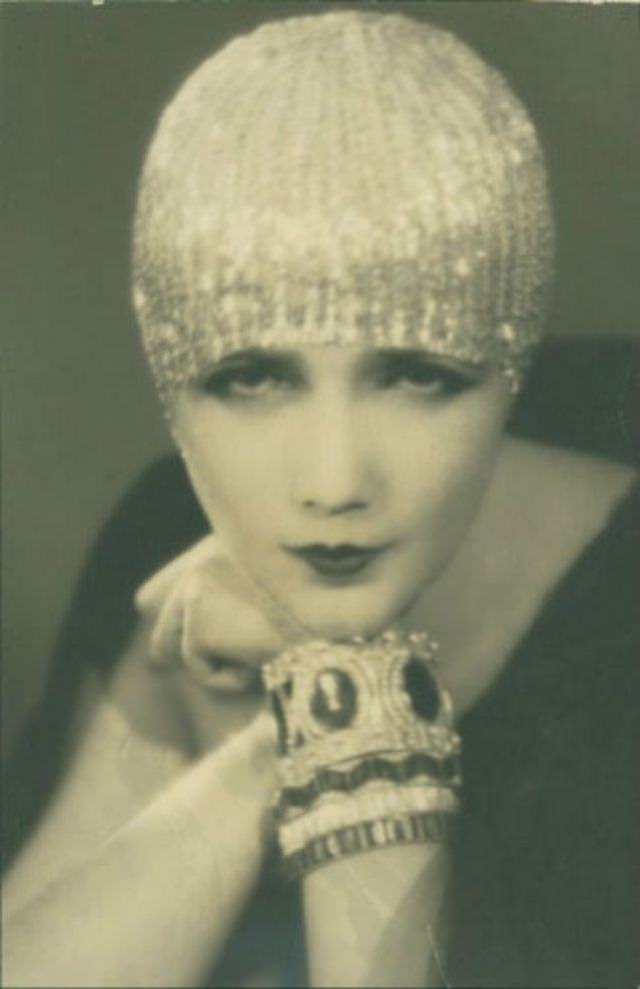
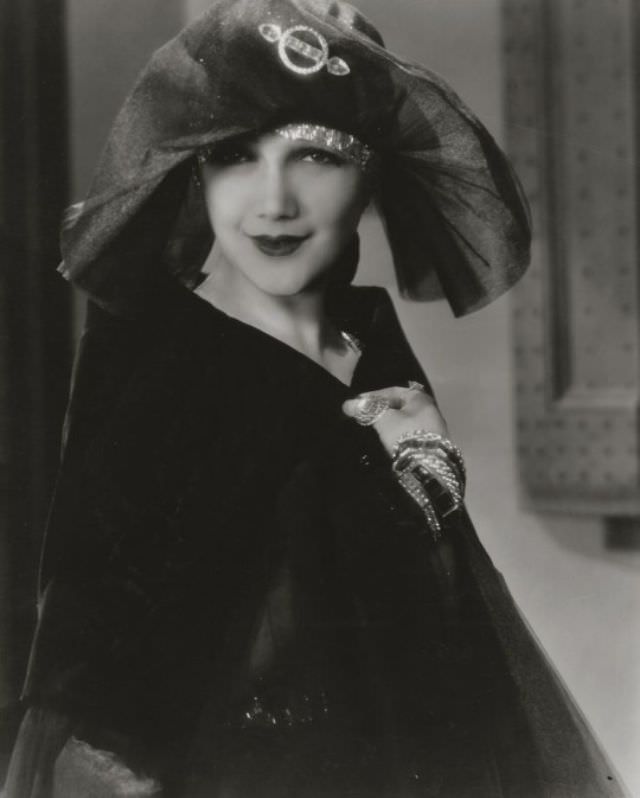
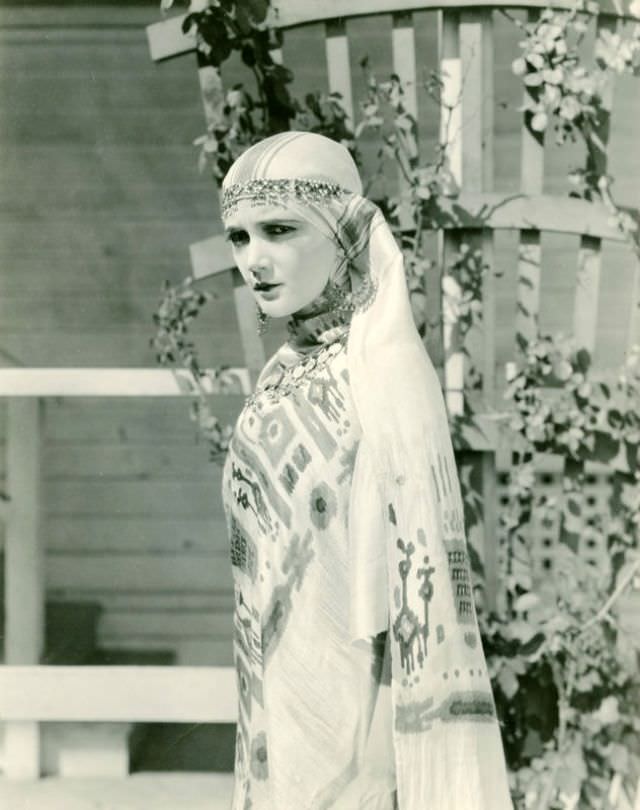
Jetta Goudal was one of Hollywood’s most striking actresses of the silent film era. Tall, regal, and fiercely independent, she carved out a name for herself in both theater and film during the 1920s — only to become better known in later years for fighting one of the most important legal battles in early Hollywood history.

She was born Juliette Henriette Goudeket on July 12, 1891, in Amsterdam, Netherlands. Her father, Mozes Goudeket, was a wealthy, Orthodox Jewish diamond cutter. Her mother was Geertruida Warradijn. Goudal grew up in a privileged household, but the life she built for herself would look nothing like the one she was born into.
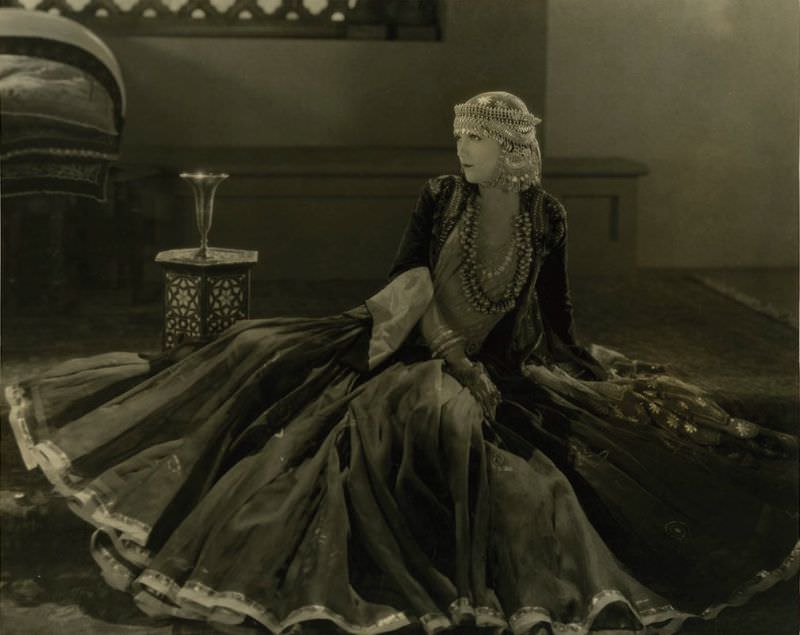
She began acting on stage, traveling across Europe with various theater companies. When World War I disrupted life on the continent, she made the decision to leave Europe entirely. In 1918, she arrived in New York City — and she arrived with a carefully constructed new identity. She hid her Dutch and Jewish roots, presenting herself as a Parisienne. On a Paramount publicity sheet, she stated she was born in Versailles, not Amsterdam, and listed her birth year as 1901, shaving a full decade off her age.
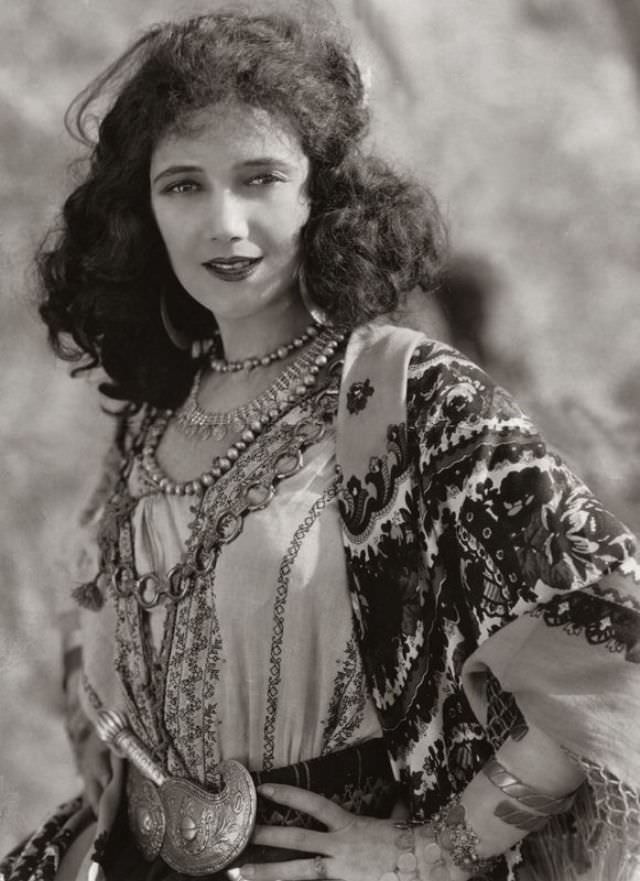
In 1921, she made her Broadway debut under the stage name Jetta — a significant moment that launched her into the American entertainment world. A year later, she accepted a film role in the 1922 production Timothy’s Quest, which marked her transition from stage to screen. Two more films with director Sidney Olcott followed shortly after.
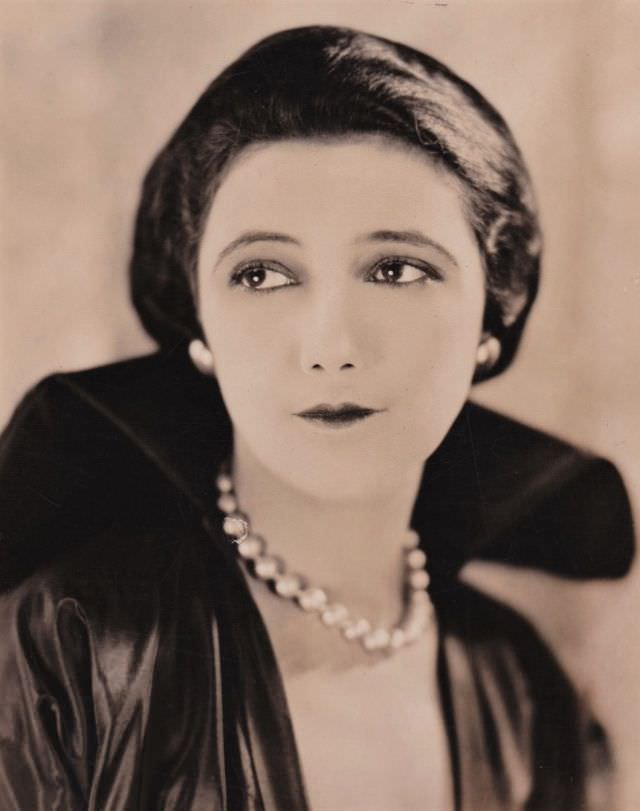
Her first major film credit came with The Bright Shawl in 1923. But it was her 1925 performance in Salome of the Tenements that truly put her on the map. The film was based on a novel by Anzia Yezierska and depicted life in New York City’s Jewish Lower East Side. Critics took notice, and Goudal earned wide praise for her work in the role.
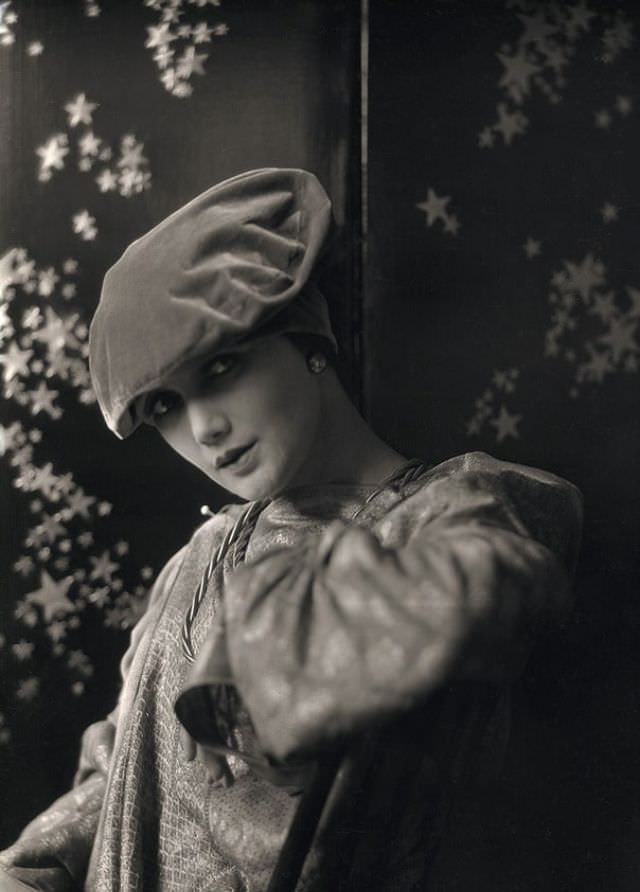
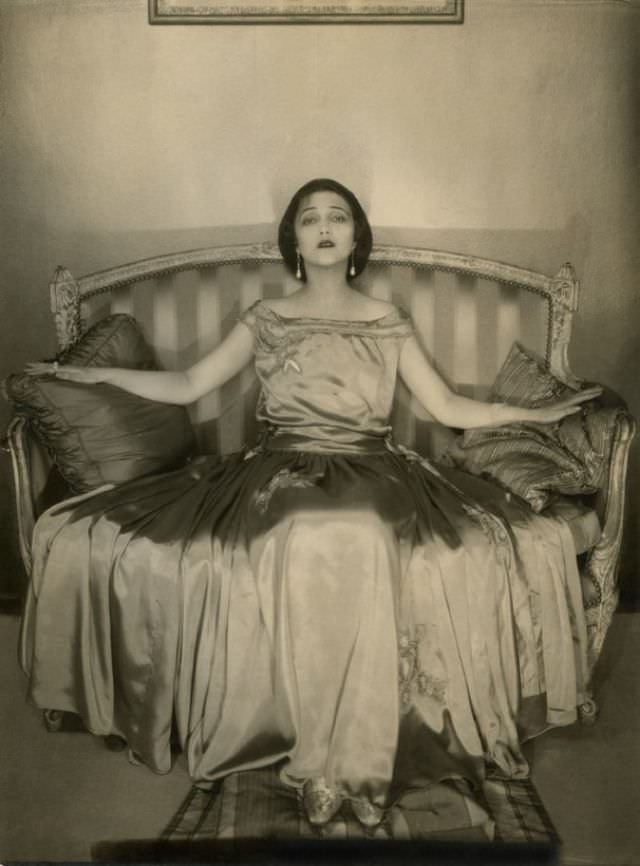
By the late 1920s, Goudal had become a top box office draw. She starred in several highly successful films for producer and director Cecil B. DeMille, cementing her status as one of the era’s leading actresses. Her screen presence was undeniable — she had the kind of commanding look and intensity that the silent film format suited perfectly.
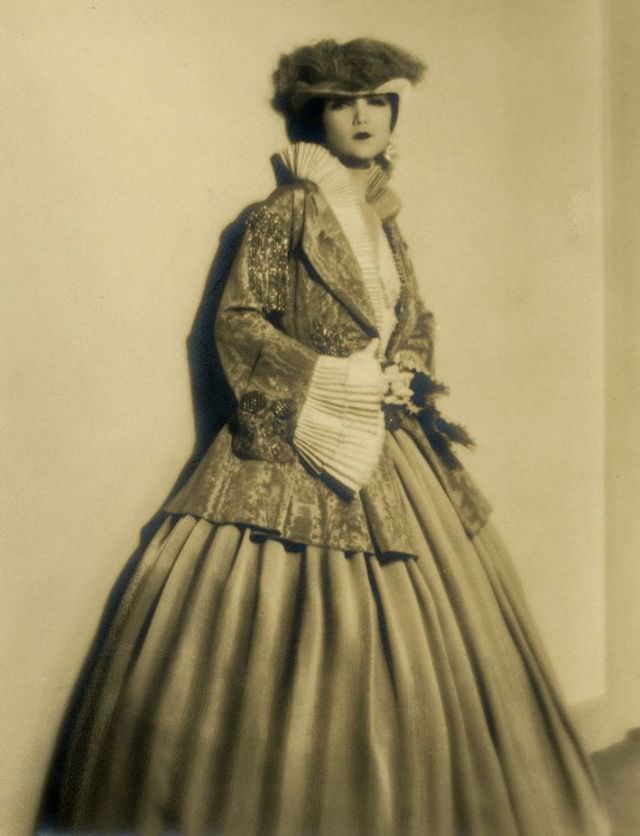
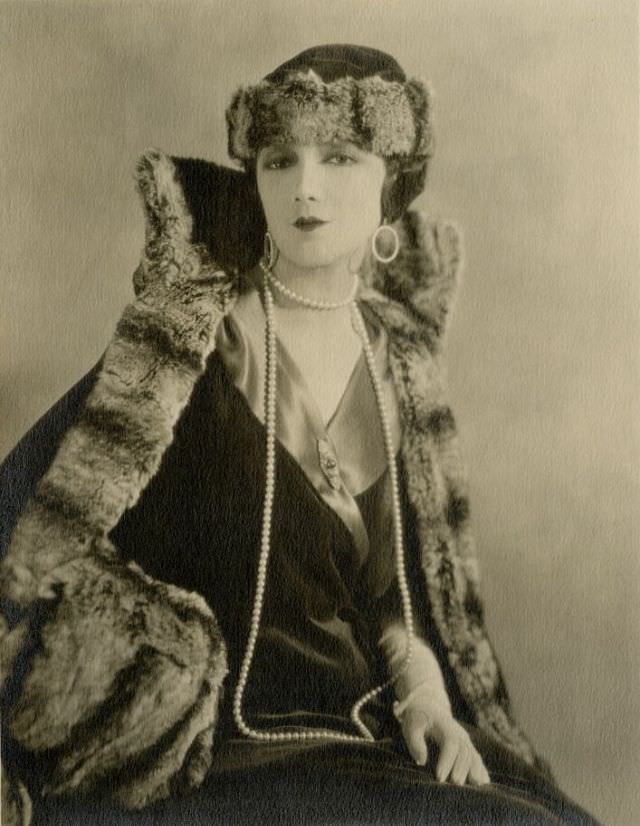
In 1928, she appeared in The Cardboard Lover, a William Randolph Hearst production produced by Marion Davies. That same year, legendary director D.W. Griffith cast her in Lady of the Pavements. These high-profile projects kept her name firmly in the headlines.
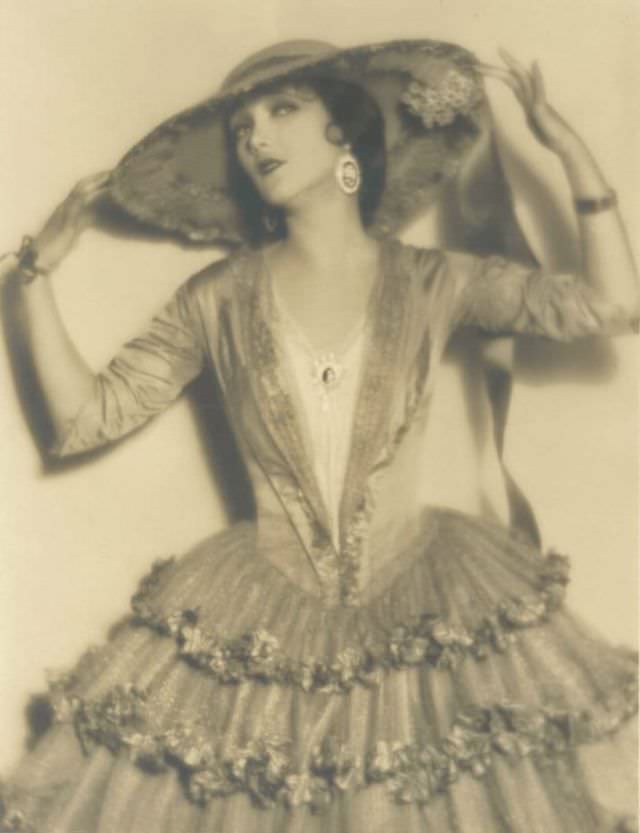
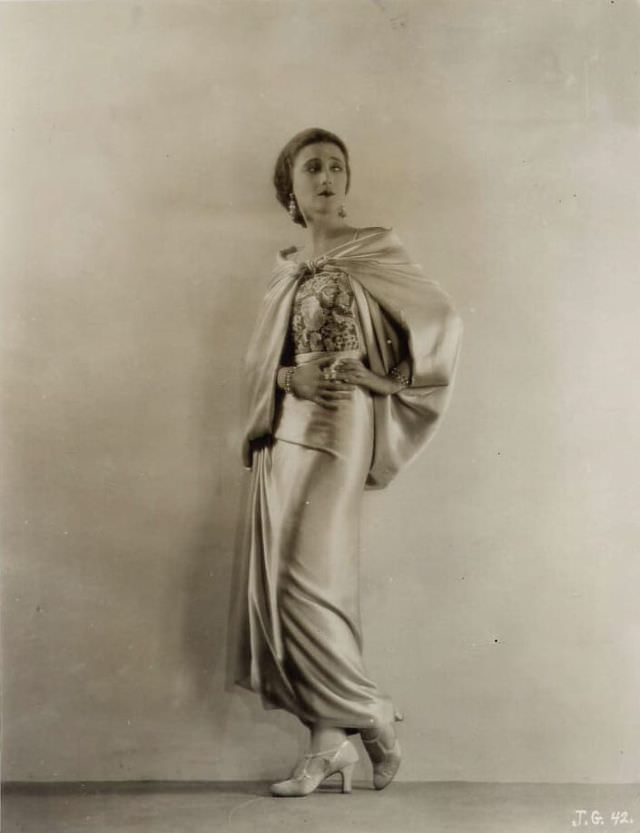
Then came the falling out with DeMille. During production on one of their films together, DeMille broke Goudal’s contract. His position was that her behavior on set — constant complaints about costumes, scenery, and virtually every aspect of production — caused serious delays and cost the studio significant money. Goudal’s position was that none of that justified terminating her contract. She took him to court.
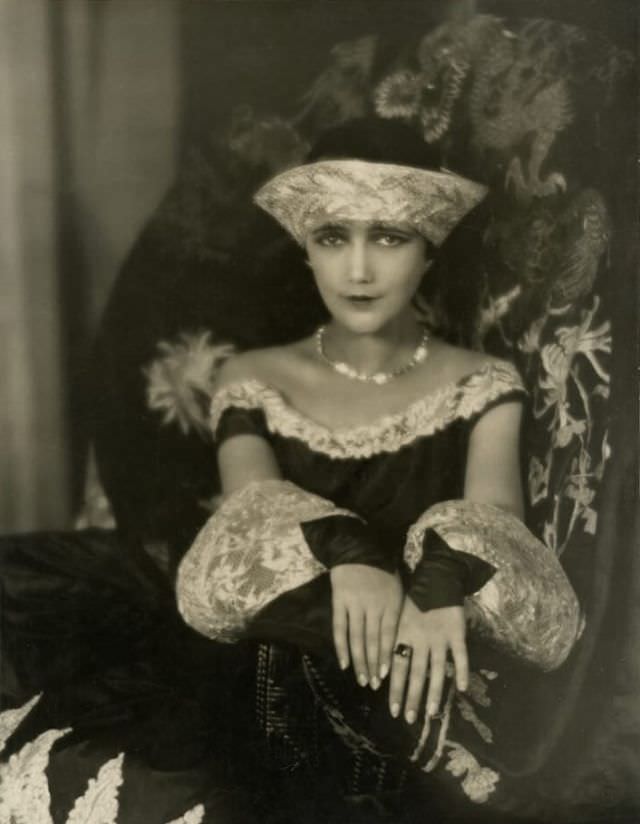
Goudal won the lawsuit. DeMille and the studio failed to prove that her demands had actually resulted in the thousands of dollars in losses they claimed. The ruling set a meaningful legal precedent about the rights of actors versus the power of studios to simply discard them. It was a genuine landmark moment in entertainment law — but it came at a personal cost.
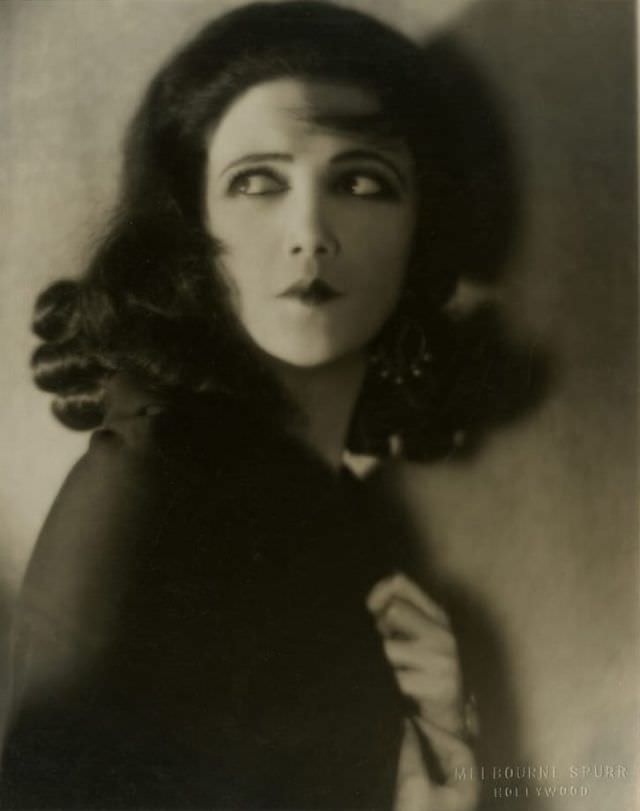

Winning the lawsuit did not save her career. Hollywood had a long memory, and her reputation as difficult to work with followed her everywhere. Opportunities dried up. Then came the arrival of sound films, which created a second, separate problem: Goudal spoke with a very thick French accent, and that severely limited the kinds of roles available to her in talking pictures.
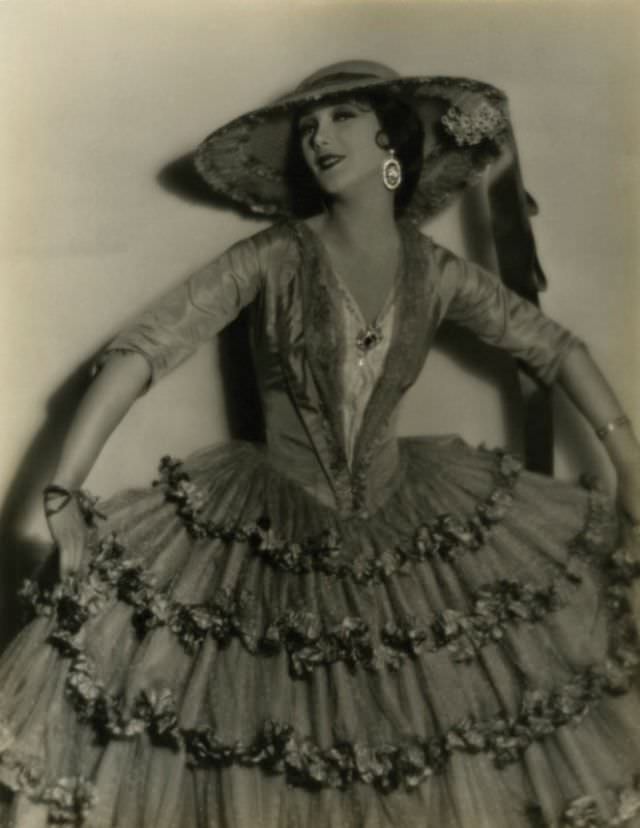
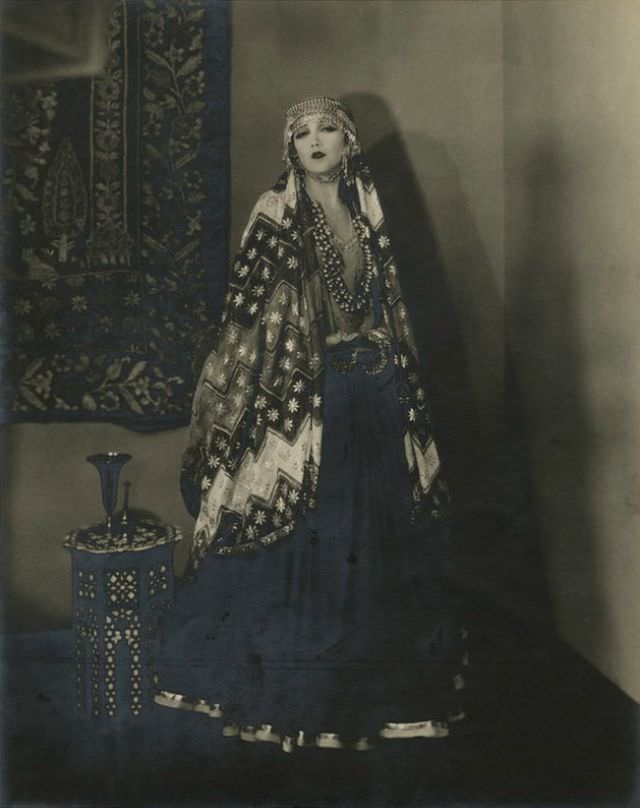
In 1930, director Jacques Feyder cast her in Le Spectre vert, a Hollywood production filmed entirely in French. It was the only French-language film she ever made. The same year, she married art director Harold Grieve.
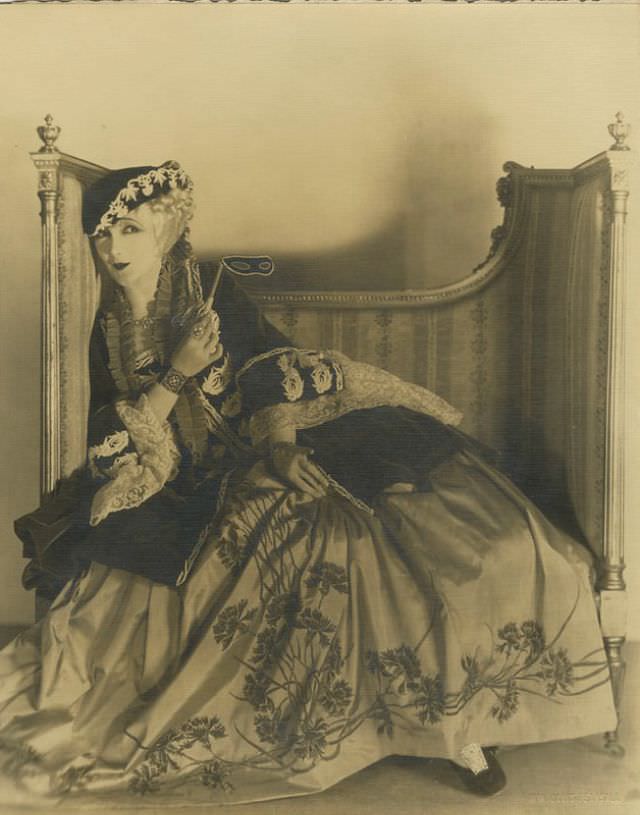

Her final screen appearance came in 1932. She co-starred with Will Rogers in Business and Pleasure, a Fox Film Corporation production. She was 41 years old at the time. A year later, she retired from film permanently.
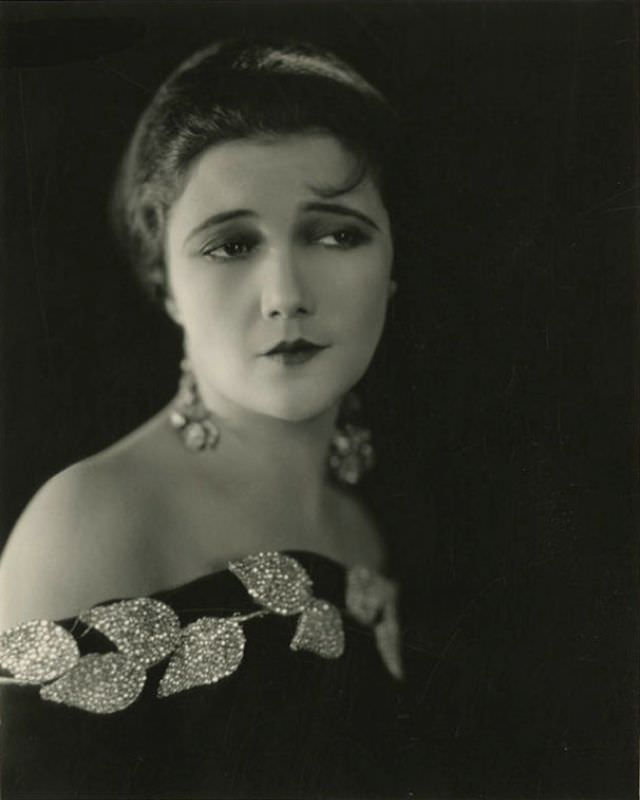
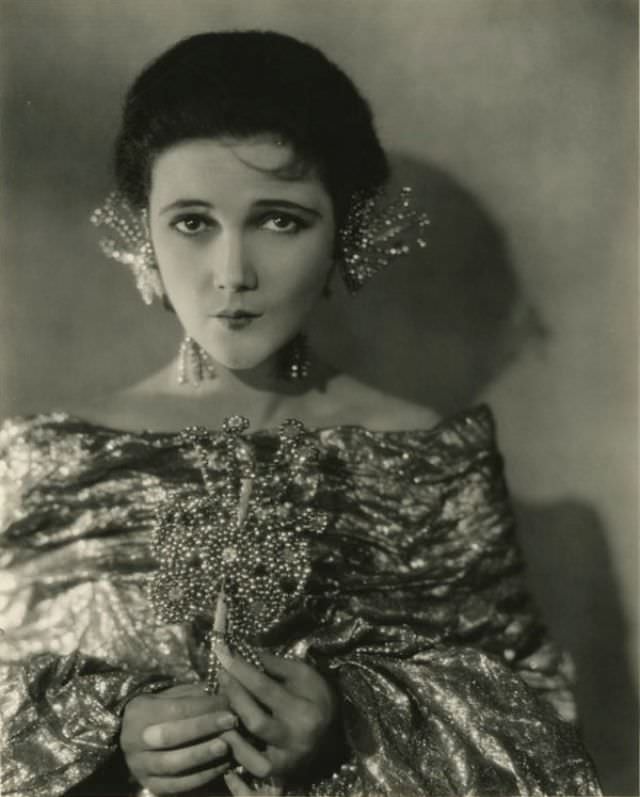
After leaving Hollywood, Goudal and her husband Harold Grieve shifted their focus to interior design. The two built a quiet life together away from the film world, and they never had children. Their partnership lasted for decades — a stark contrast to the turbulence of her film career.
In the 1960s, Goudal began dealing with serious heart problems. In 1973, a bad fall left her disabled. She spent her final years in declining health.
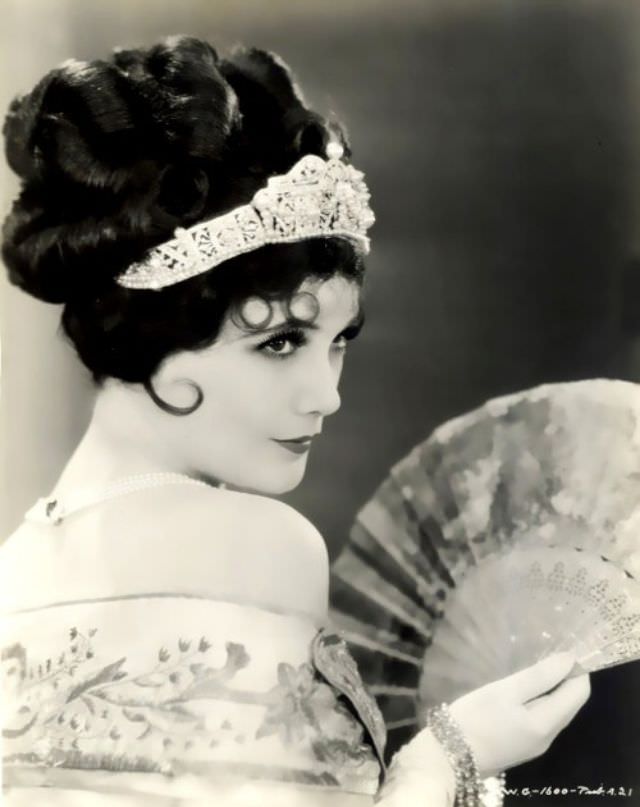
Jetta Goudal died in 1985 at the age of 93. She was interred in a private room at the Great Mausoleum, Sanctuary of the Angel. Harold Grieve, her devoted husband of over fifty years, was laid to rest beside her when he died in 1993.
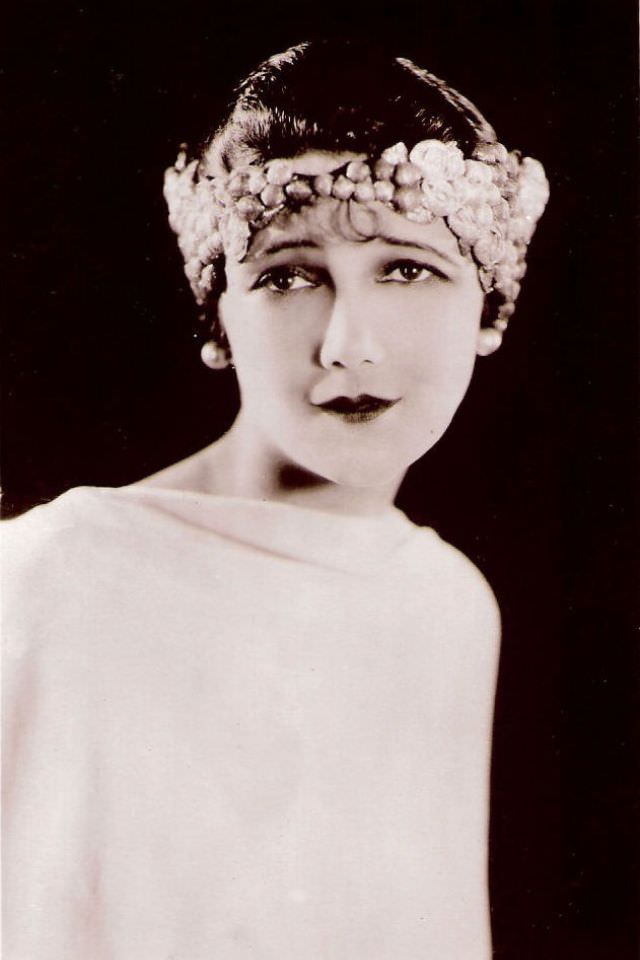
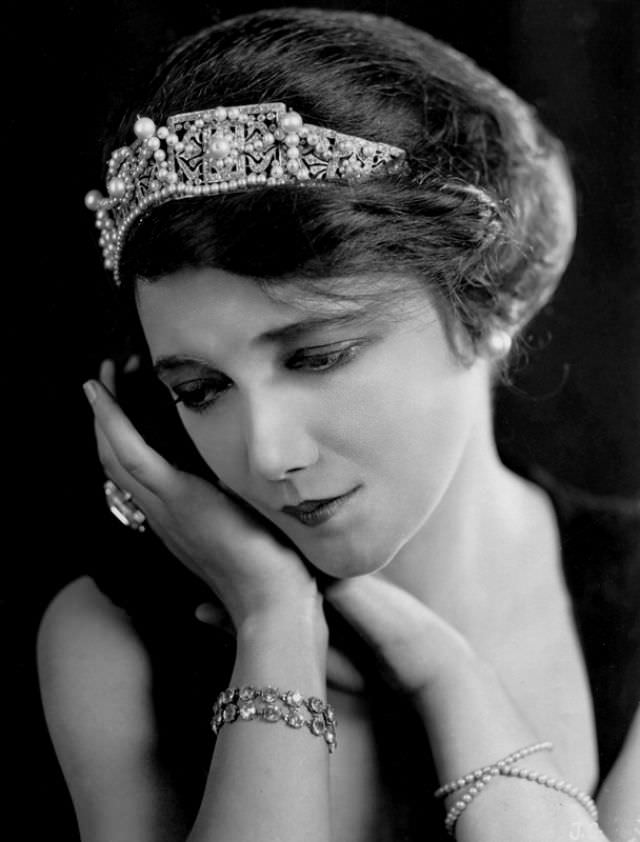
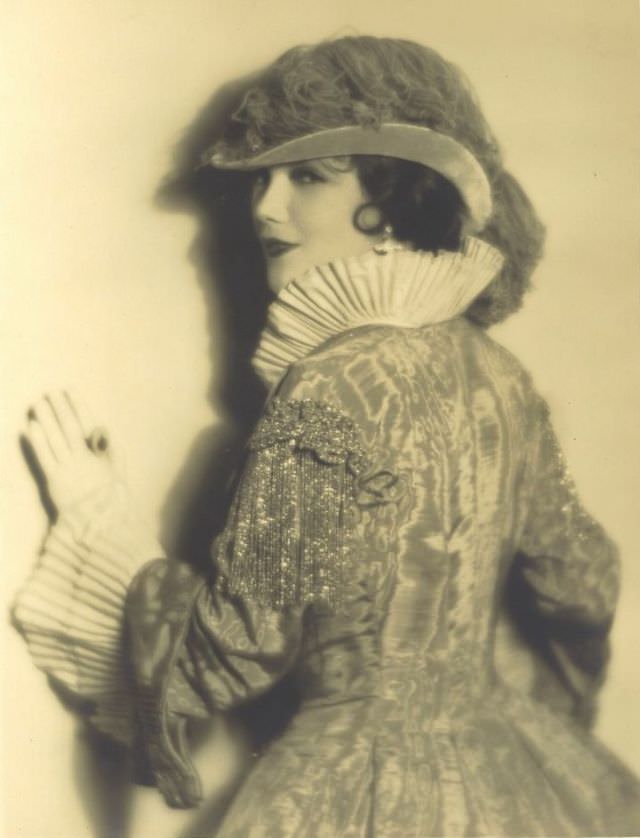



God I’m so happy to find this! Ive long been trying to identify the woman in a photo with Will Rogers, in NYC in the 20s. It’s Jetta!!! Without your article and photos I wouldn’t have solved the 100 year mystery!