Jerusalem has been a sacred city to Jews, Christians, and Muslims for thousands of years. Human settlements in the region date back to around 3500 B.C., and the city has passed through the hands of countless rulers and empires. The Ottoman Empire held Jerusalem and much of the Middle East from approximately 1516 to 1917. After World War I, Britain took control of the region under a mandate that lasted until 1948, when the State of Israel was declared in a violent process that included the forced expulsion of approximately 750,000 Palestinians from their homes and villages.
In 1967, Israeli forces seized the Palestinian territories of the West Bank, East Jerusalem, and the Gaza Strip, along with the Syrian Golan Heights and the Egyptian Sinai Peninsula. Since then, millions of Palestinians have lived under a military occupation defined by hundreds of checkpoints, a color-coded permit system, and a Separation Wall that has divided communities and families alike.
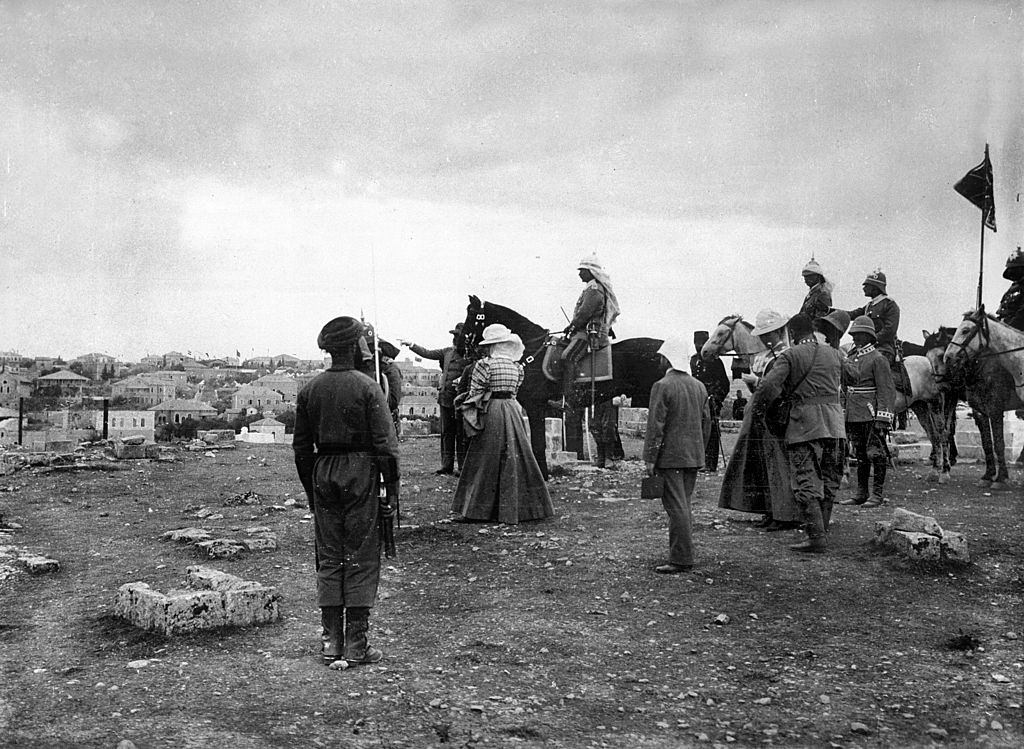
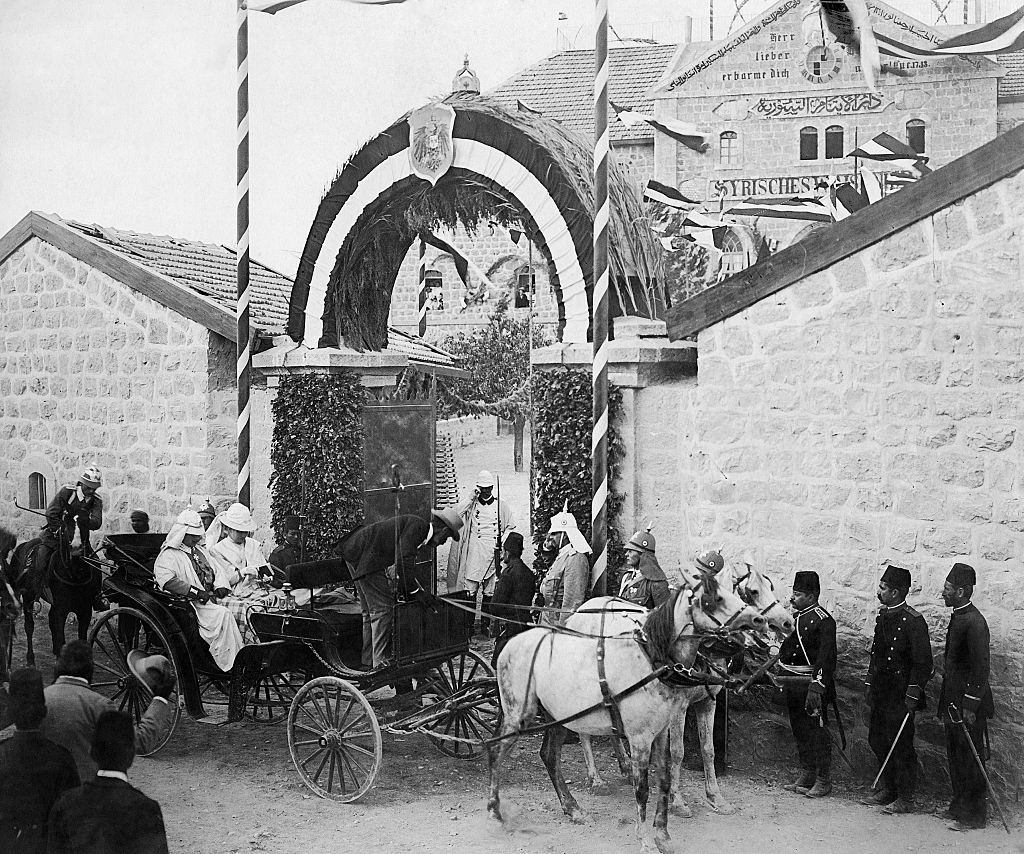
Before all of that, Jerusalem was a city where Muslims, Christians, and Jews lived alongside one another. Churches, mosques, and synagogues shared the same skyline. That world is largely gone now, but it was captured in photographs. German Emperor Wilhelm II visited Jerusalem in 1898, drawing enormous attention. His tour took him through the city’s most significant religious and civic sites.
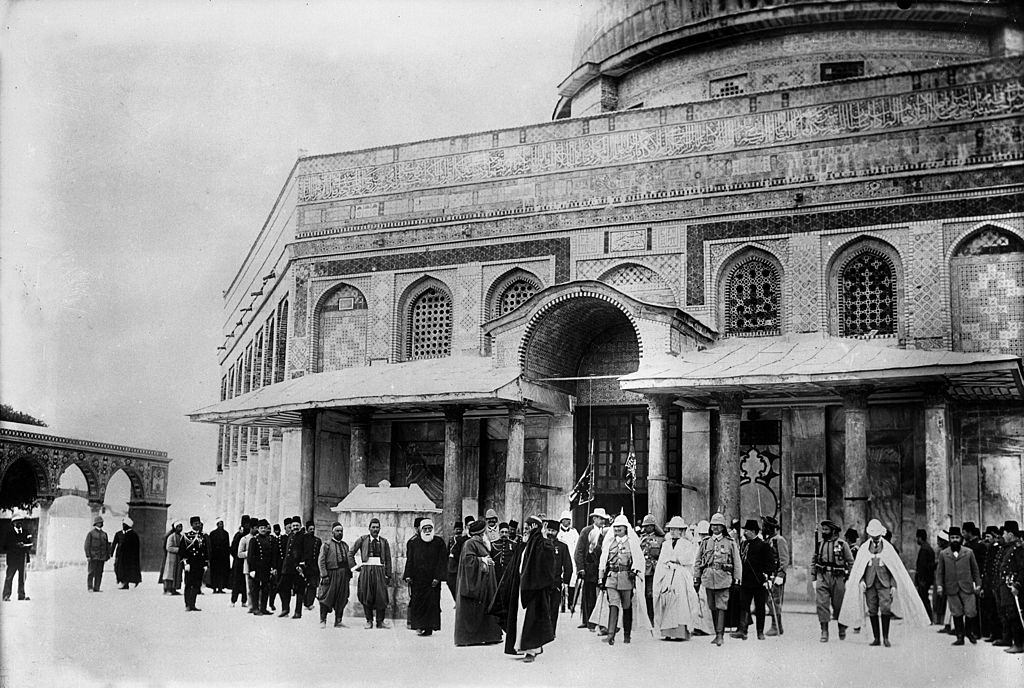
Wilhelm II and his wife, Empress Auguste Viktoria, were photographed at several locations across the city during their 1898 visit. The trip was part of a broader diplomatic tour of the Ottoman Empire and drew significant press coverage across Europe. From the Mosque of Omar to sweeping views across the rooftops, their visit left behind a rich photographic record of Jerusalem at the turn of the century.
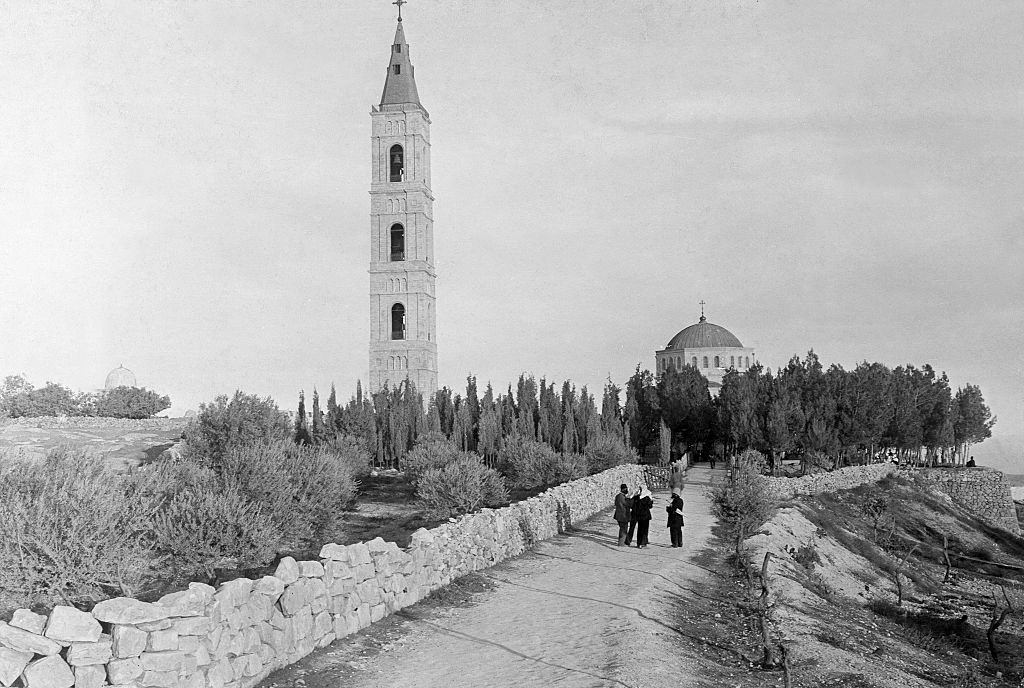
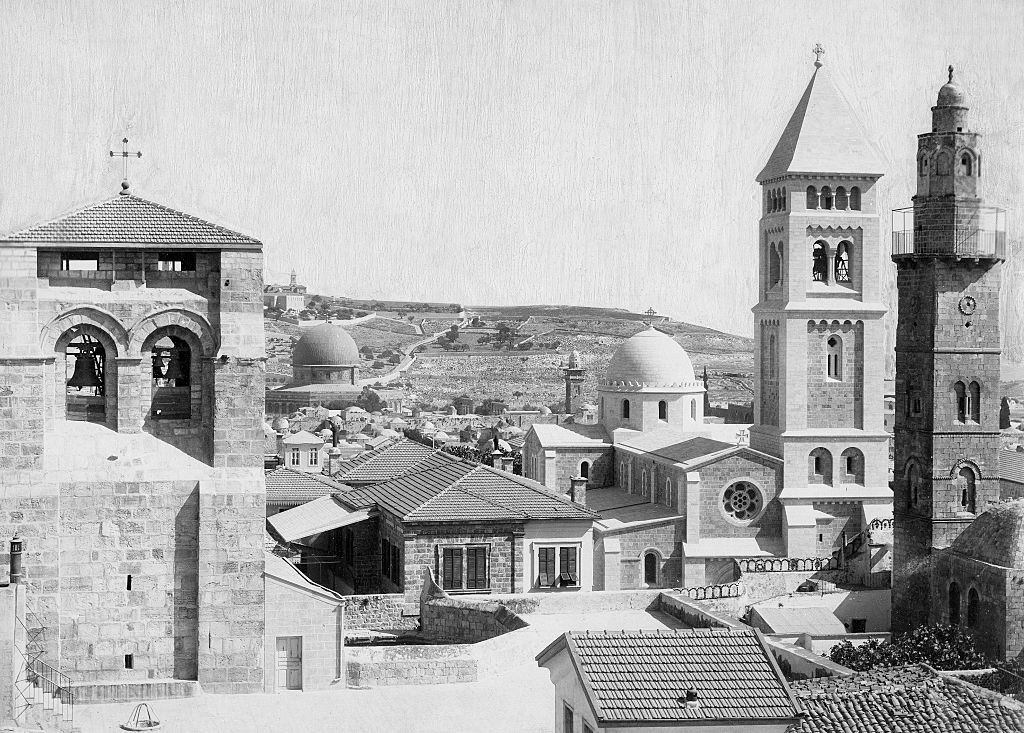
The Mount of Olives, one of the most recognized sites in Jerusalem, appears in photographs from the same year. The city’s religious architecture was visible from nearly every vantage point. The Lutheran Church of the Redeemer, consecrated in 1898, was inaugurated during Wilhelm II’s very visit — a moment that tied European religious ambitions directly to the city’s landscape.
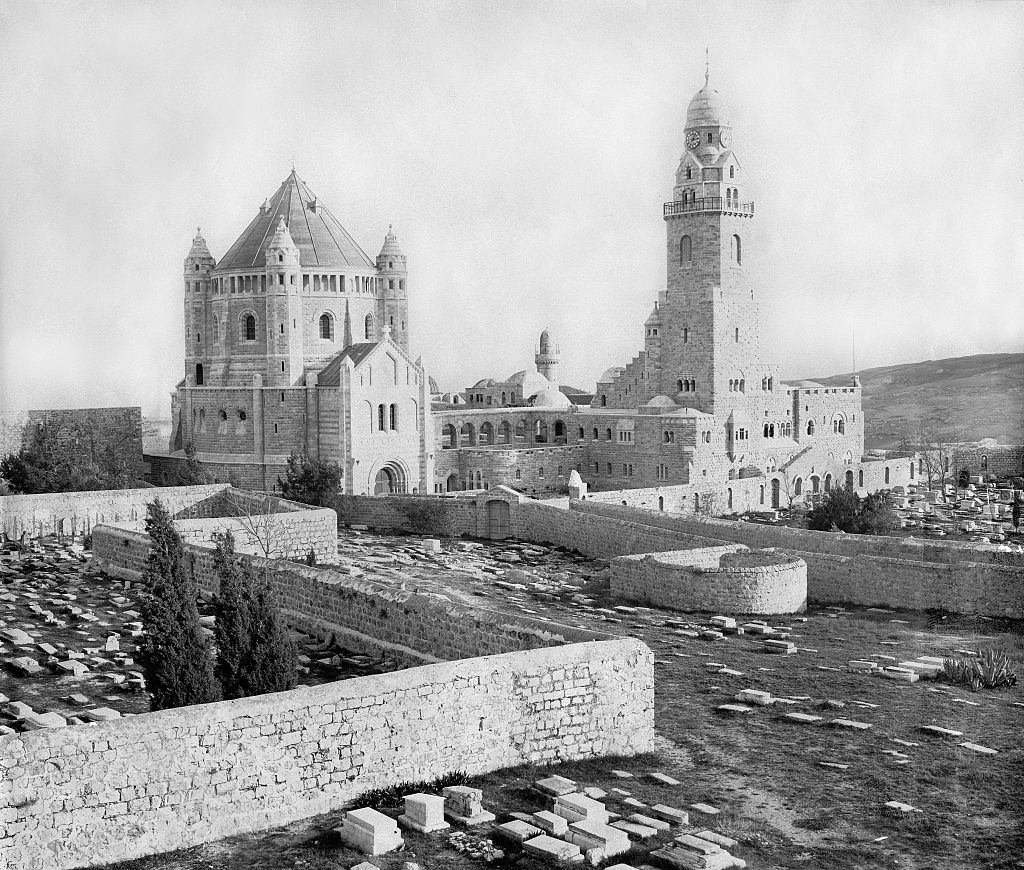
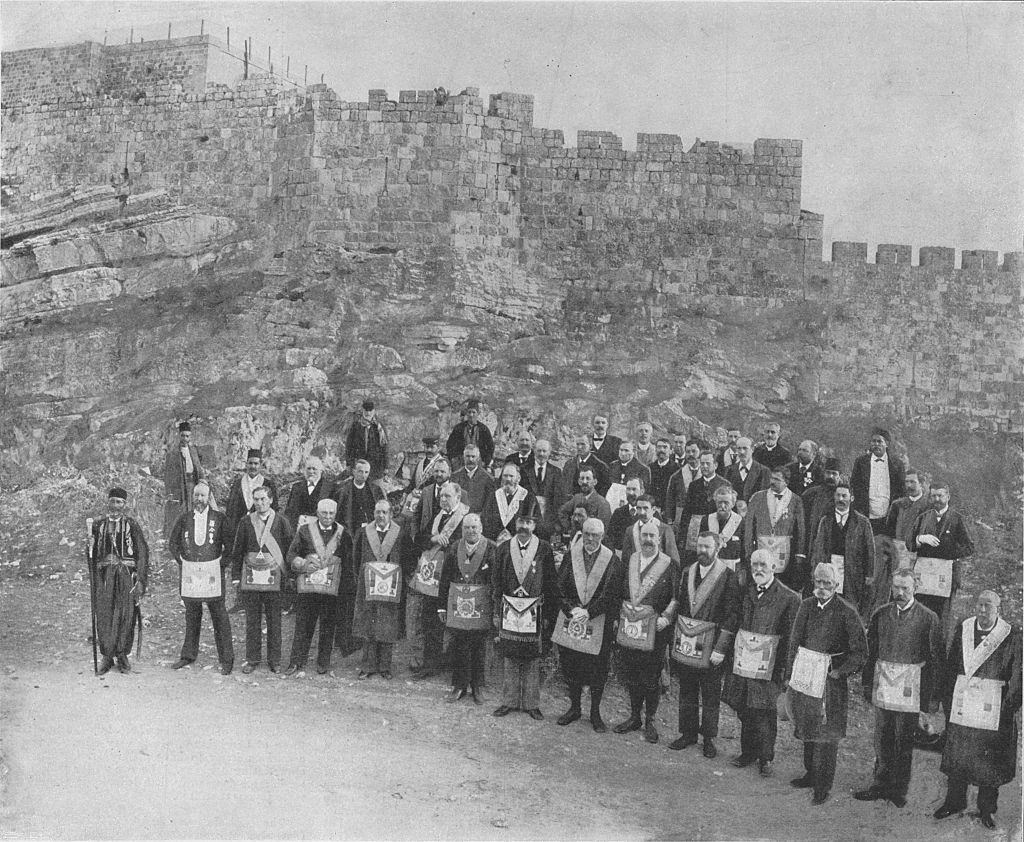
The German Emperor’s presence attracted not only diplomats and dignitaries but also religious organizations. English Freemasons were photographed in Jerusalem that same year. Wilhelm II also took time to visit an orphanage — Talitha Kumi — with his wife, documenting the social institutions that existed in the city under Ottoman rule.
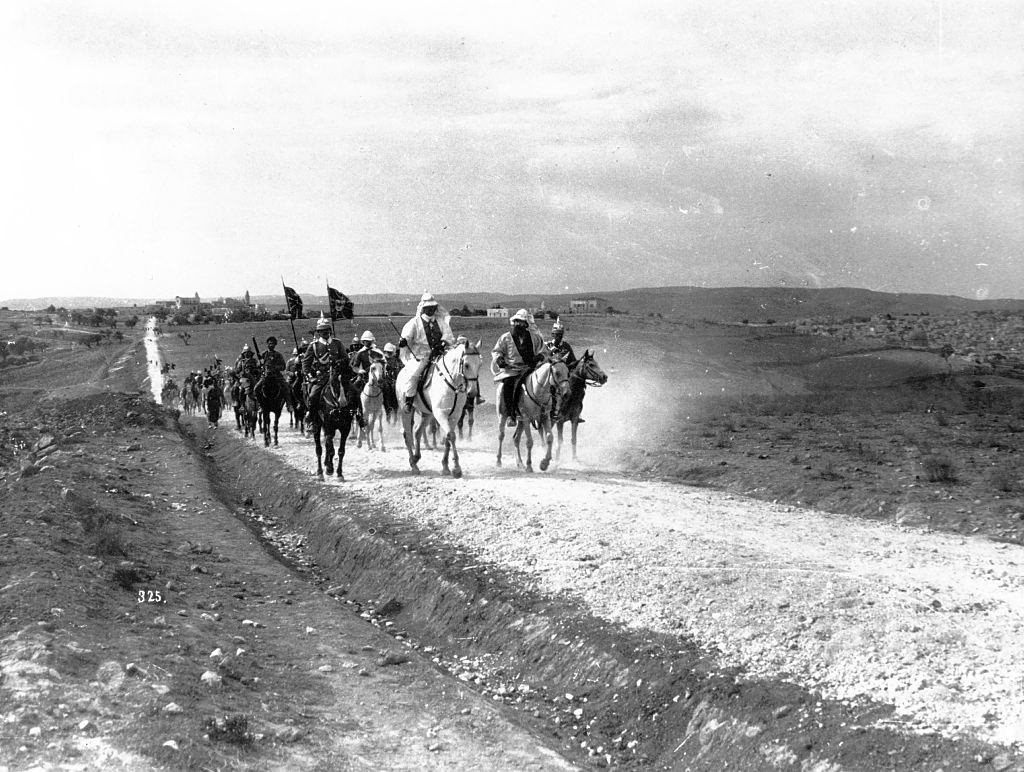
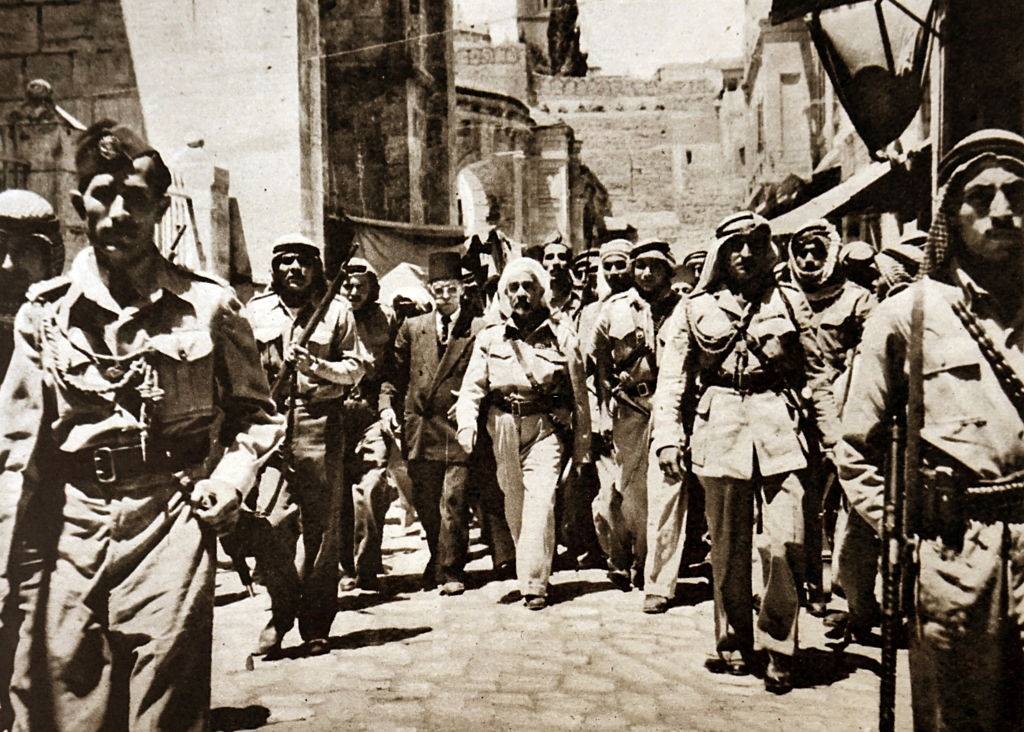
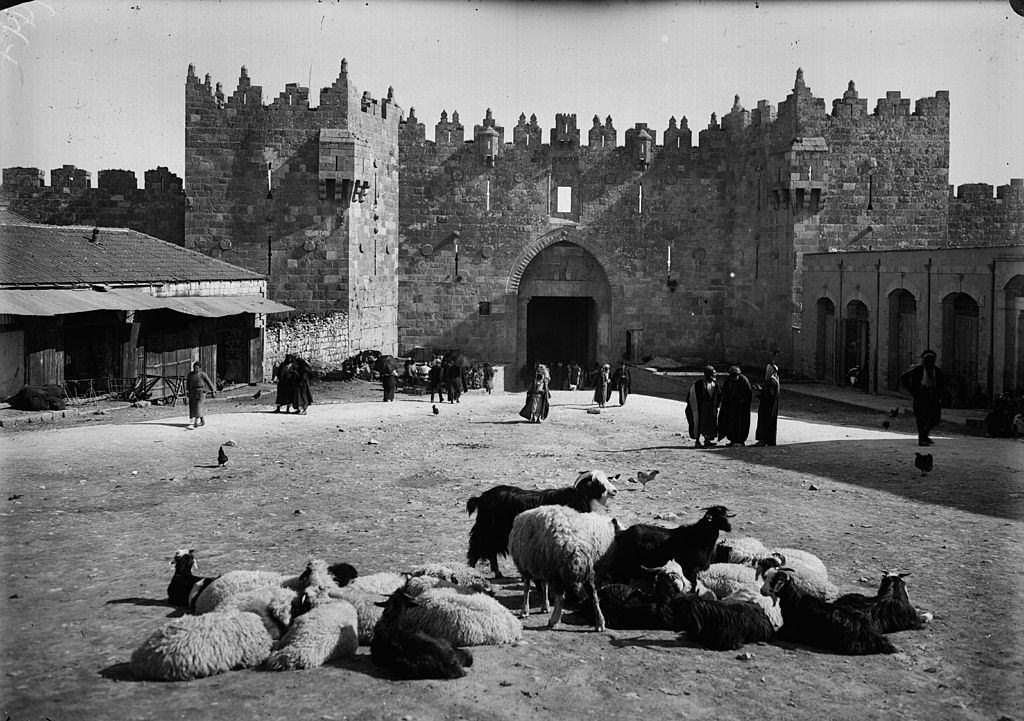
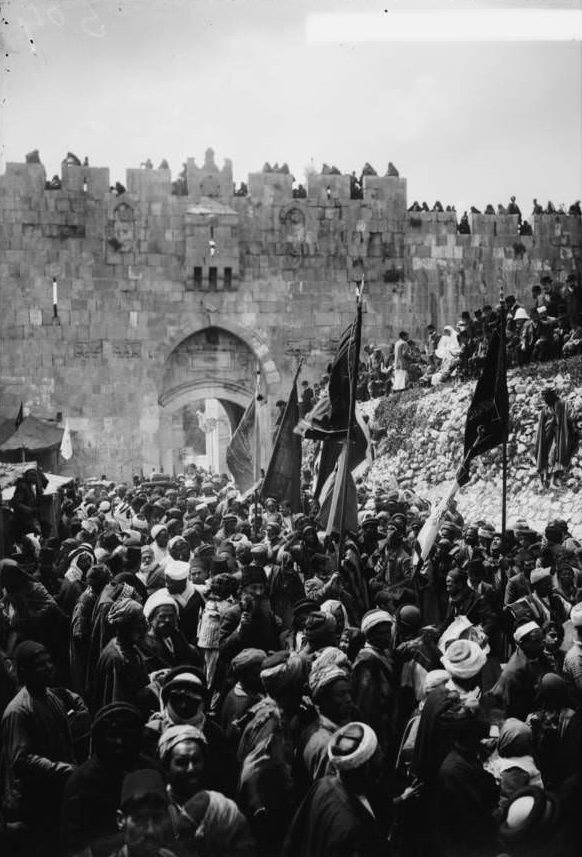
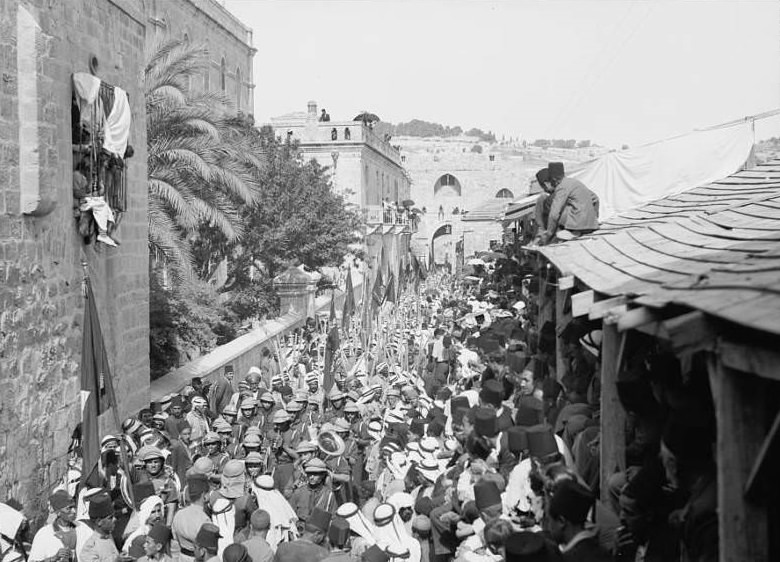
Political figures from across the Arab world also moved through Jerusalem during this era. King Abdullah I bin al-Hussein was photographed being escorted by members of the Arab Legion in 1899. The Damascus Gate, one of the main entrances into the Old City, was a constant hub of movement — pilgrims, merchants, soldiers, and residents all passed through its arches daily.
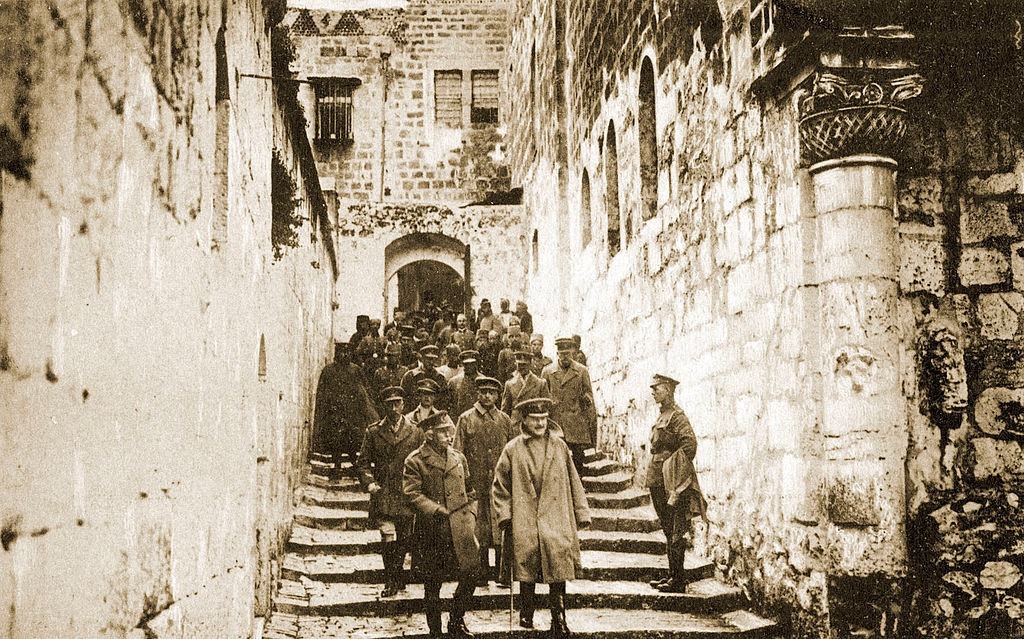
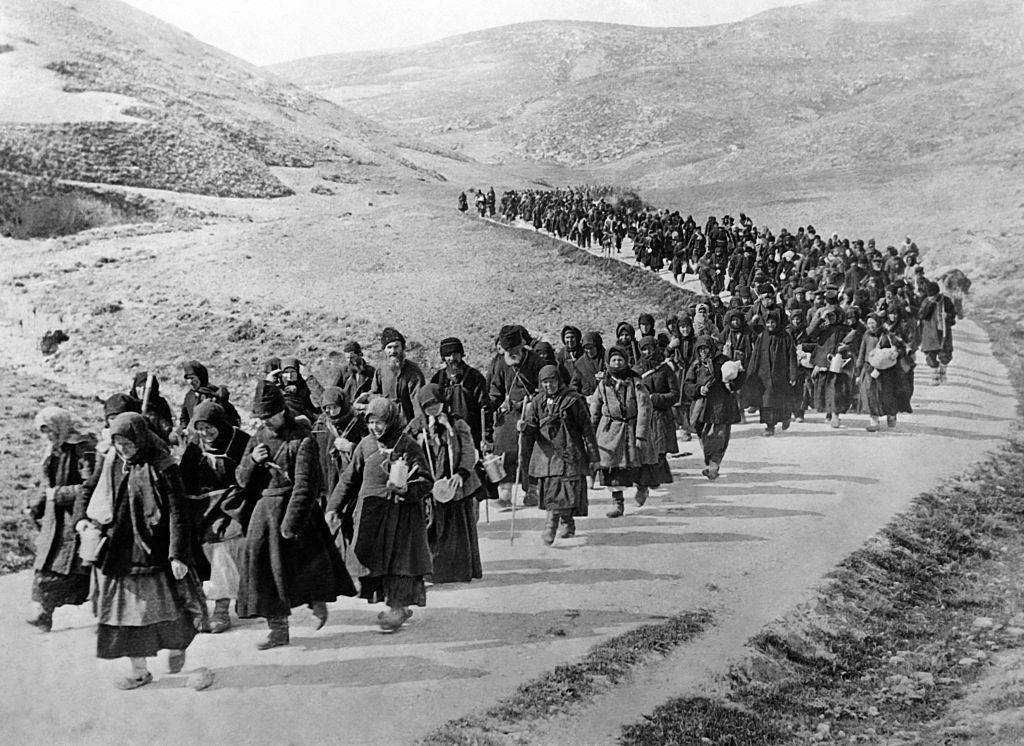
By 1900, British military and political presence in the region was growing. The Duke of Connaught was photographed leading British army members toward the Church of the Holy Sepulchre. Easter pilgrimages brought thousands of visitors to Jerusalem every year, traveling long distances across rough terrain to reach the city.
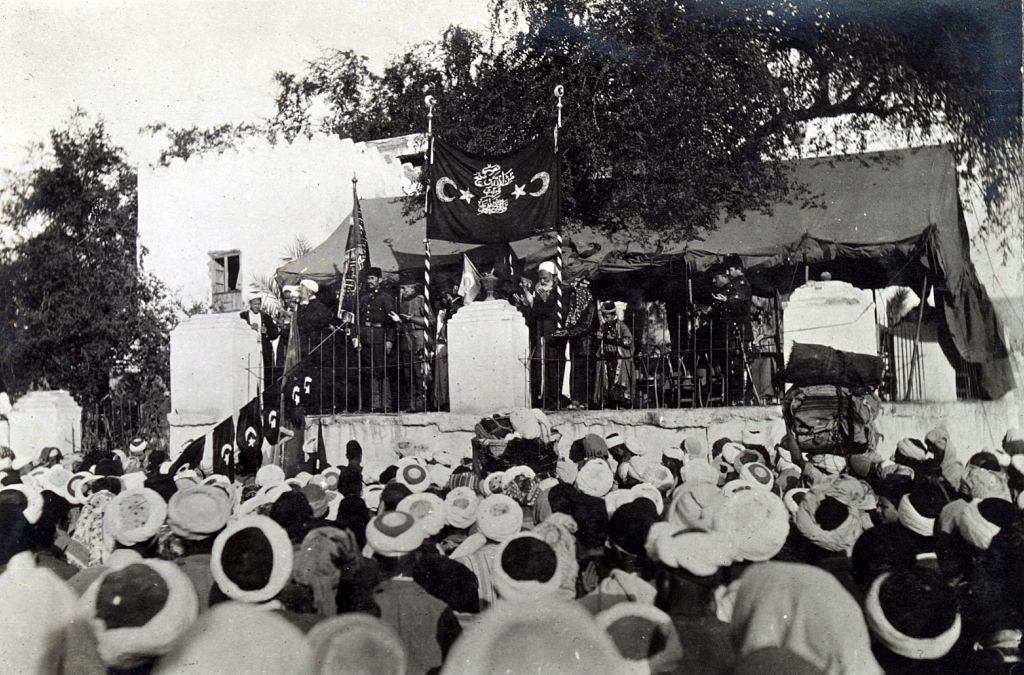
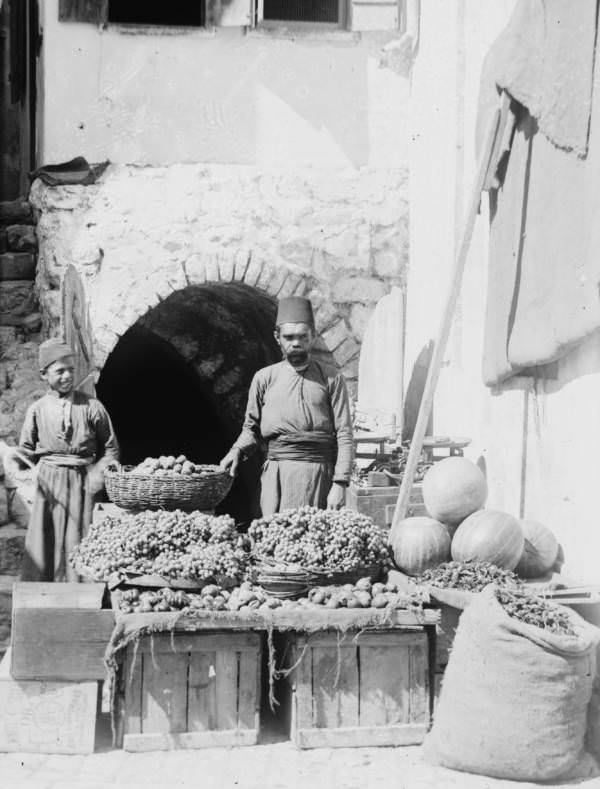
Away from the grand processions and official visits, the streets of Jerusalem and its surrounding towns told a different story — one of ordinary, everyday life. Grocers ran small shops stocked with goods. Women in Ramallah paused on the road to talk. The Jaffa Gate area was lined with vendors and residents going about their routines.
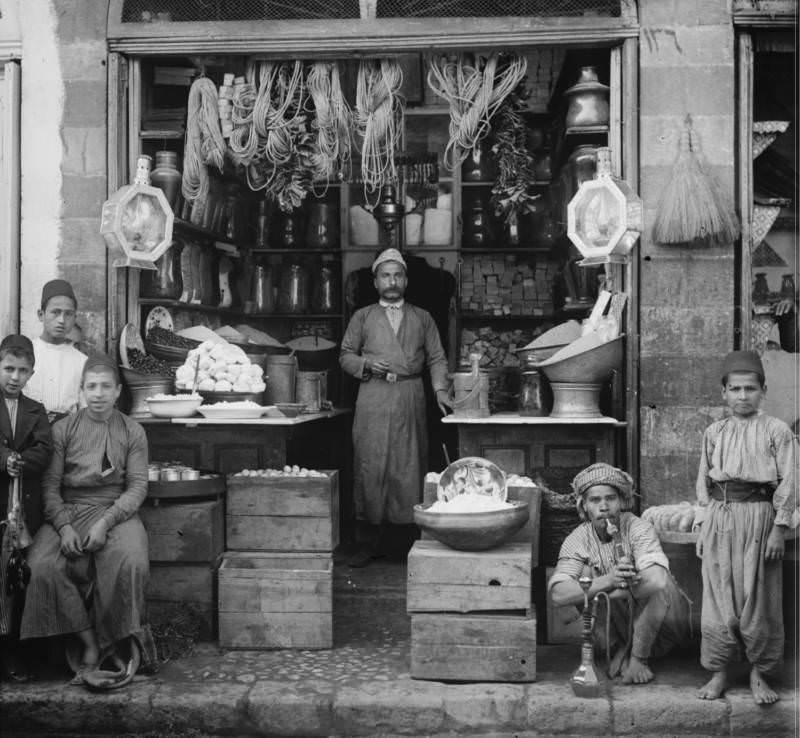
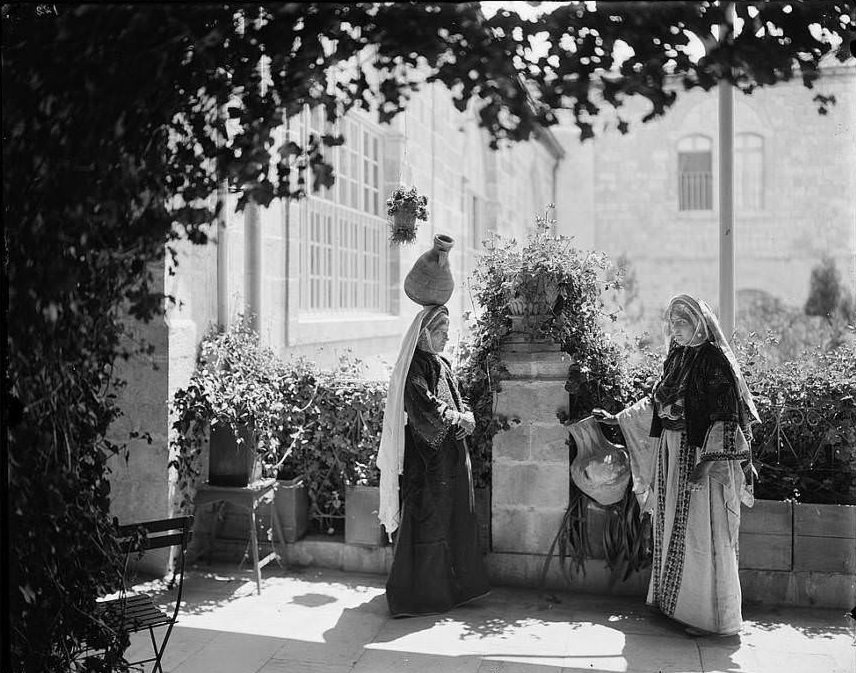
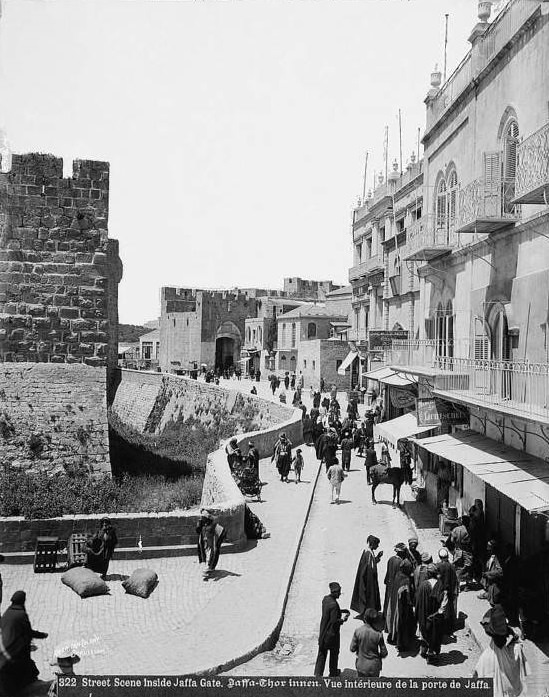
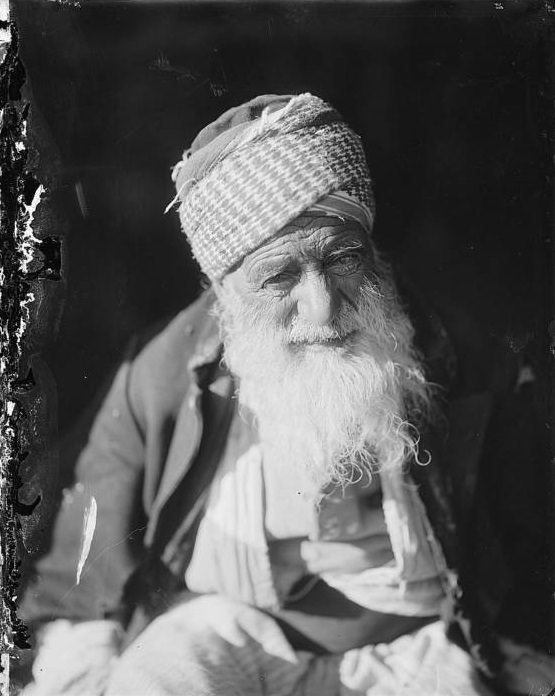
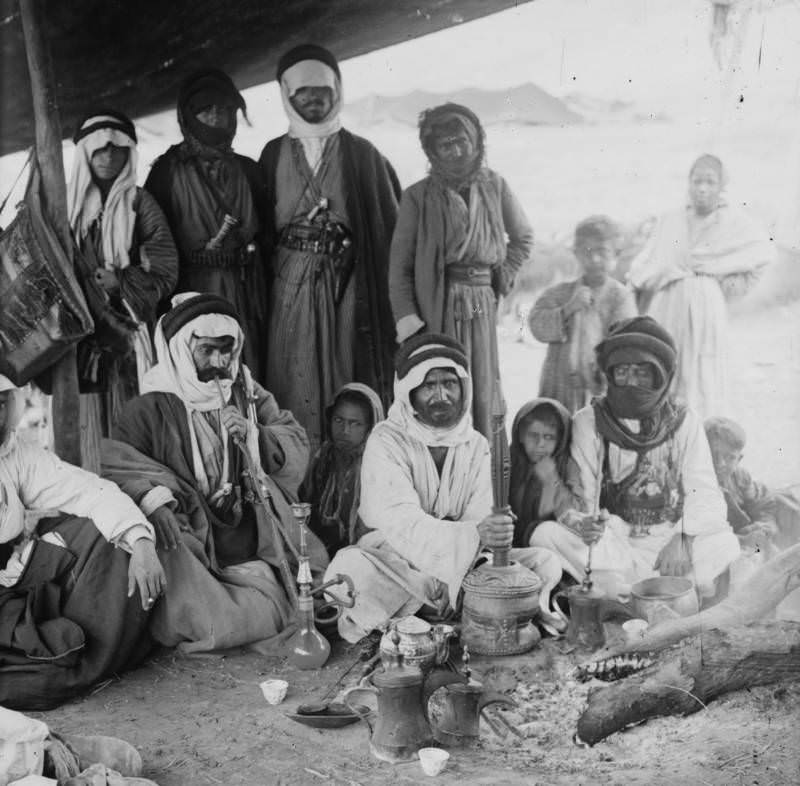
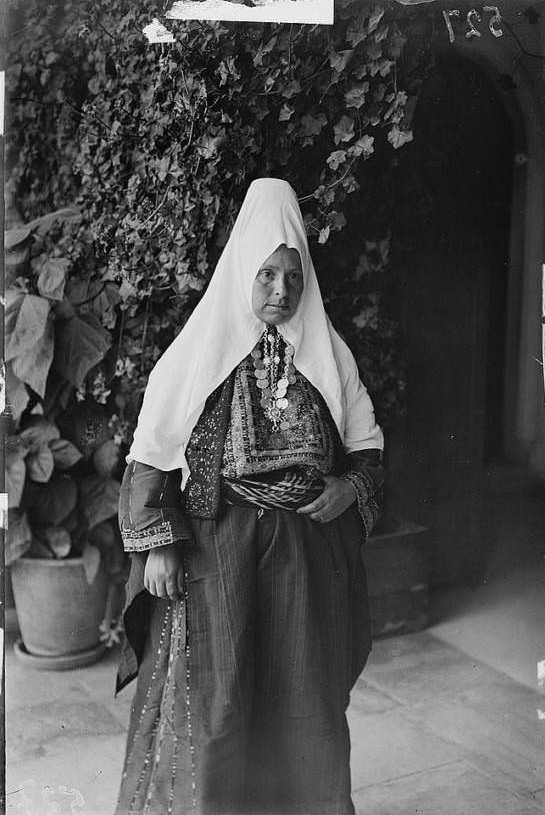
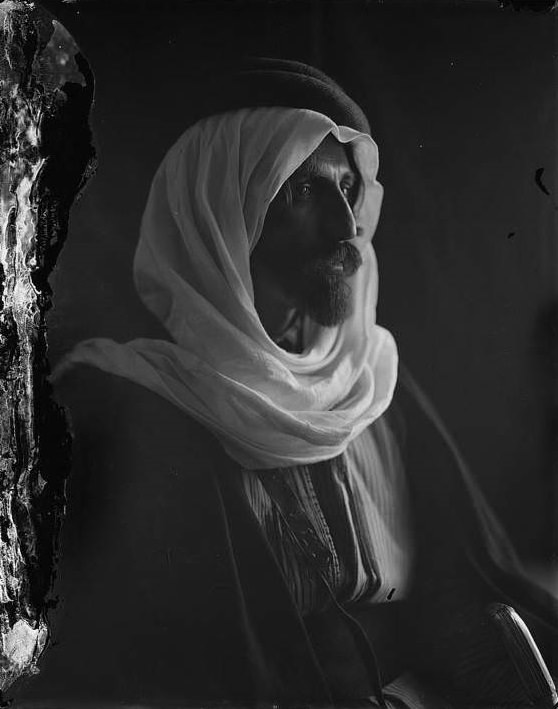
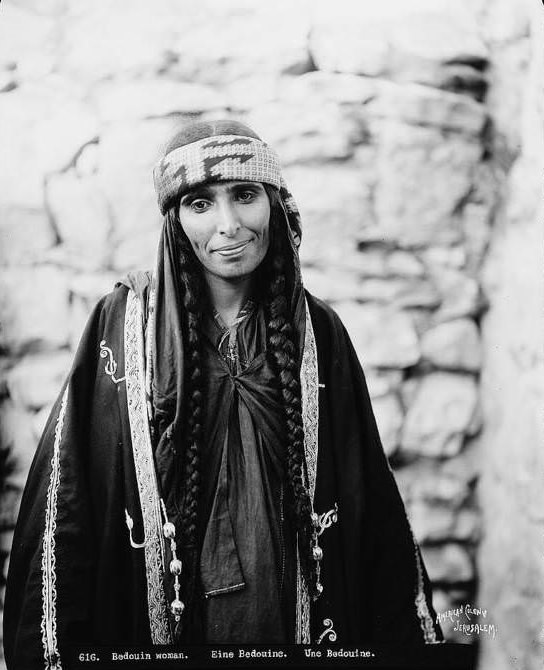
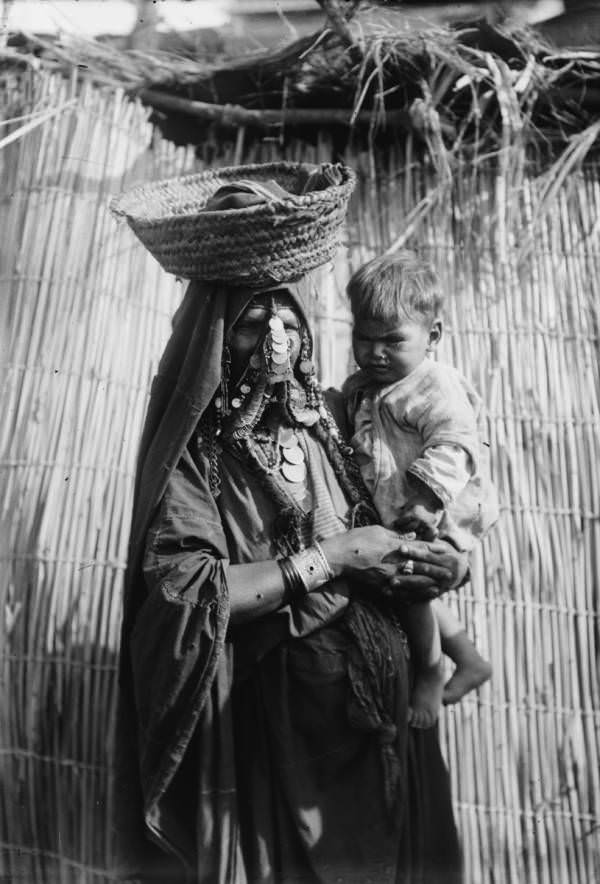
The population of Jerusalem and Palestine at this time was made up of Muslims, Christians, and Jews who lived in close proximity. A Yemenite Jewish resident was photographed during this period, representing one of the many communities that called the city home. Bedouin communities were also a visible part of the broader region, with their own distinct traditions and ways of life.
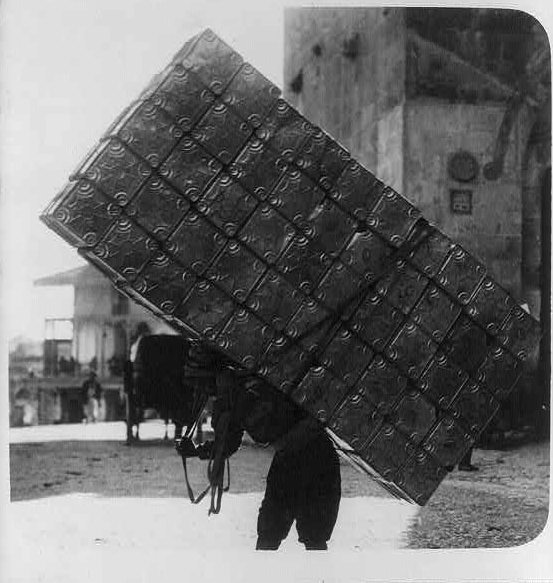
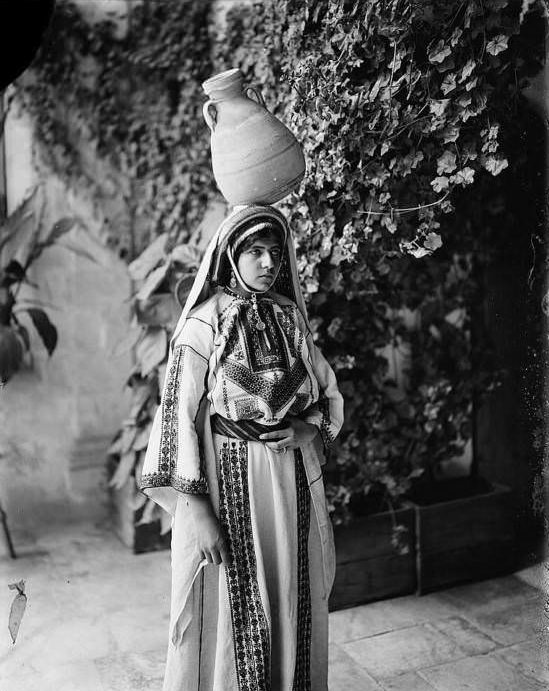
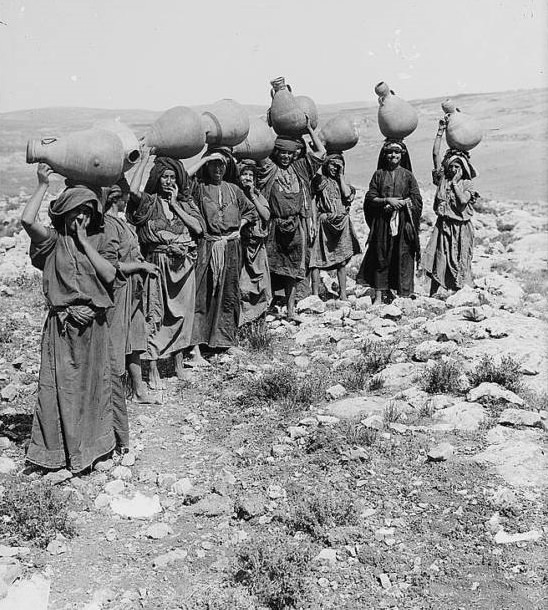
Labor in early 20th-century Jerusalem was physically demanding. Porters carried enormous loads through narrow streets. During World War I, one photograph captured a man hauling 50 empty petrol tins stacked on his back. Water was transported manually, with women balancing large clay jars on their heads across long distances.
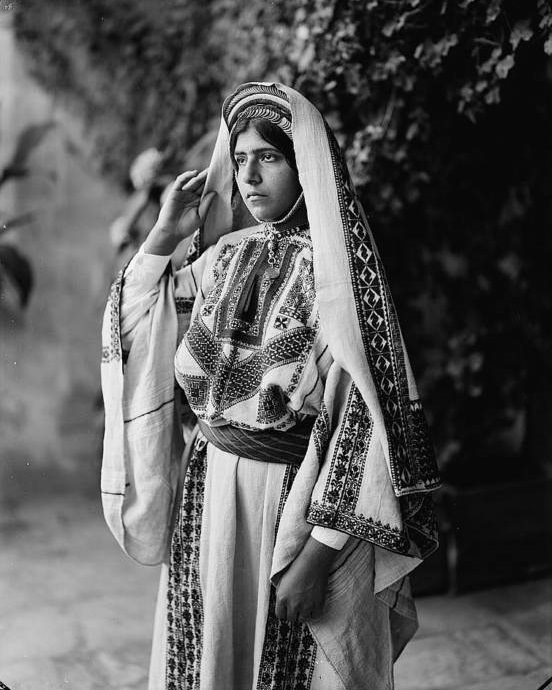
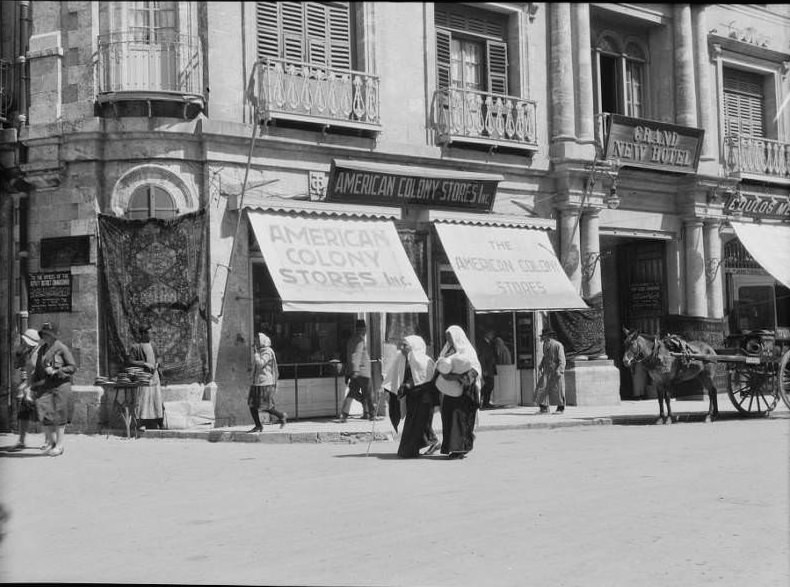
Trade was central to Jerusalem’s character. The American Colony store served as a well-known commercial and cultural meeting point in the city. Markets and storefronts were scattered throughout the streets, selling everything from fresh vegetables to bread and meat. In nearby Nazareth, open-air vegetable markets brought sellers and buyers together in crowded, lively scenes.
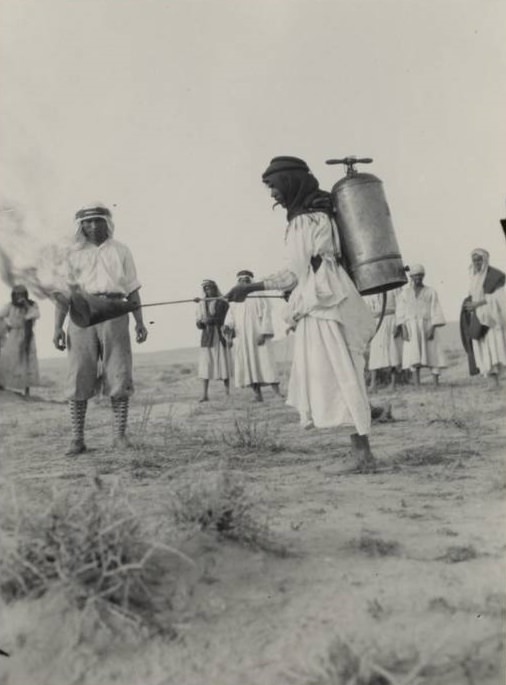
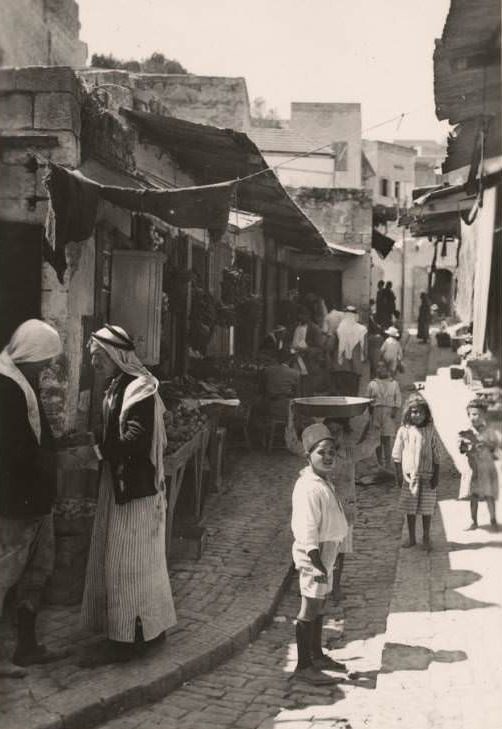
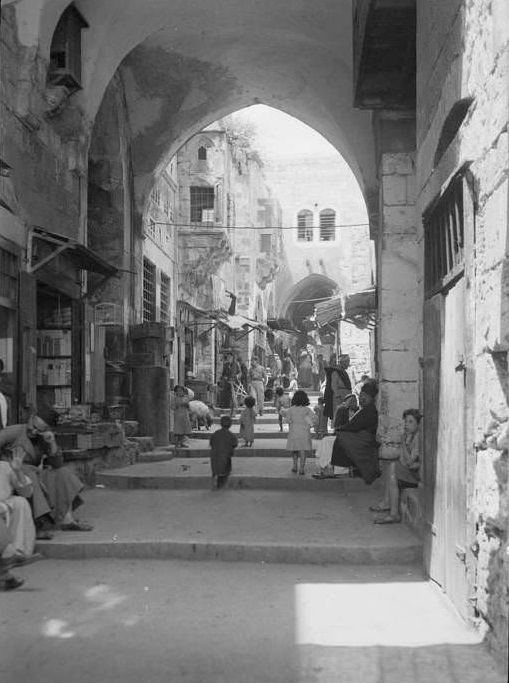
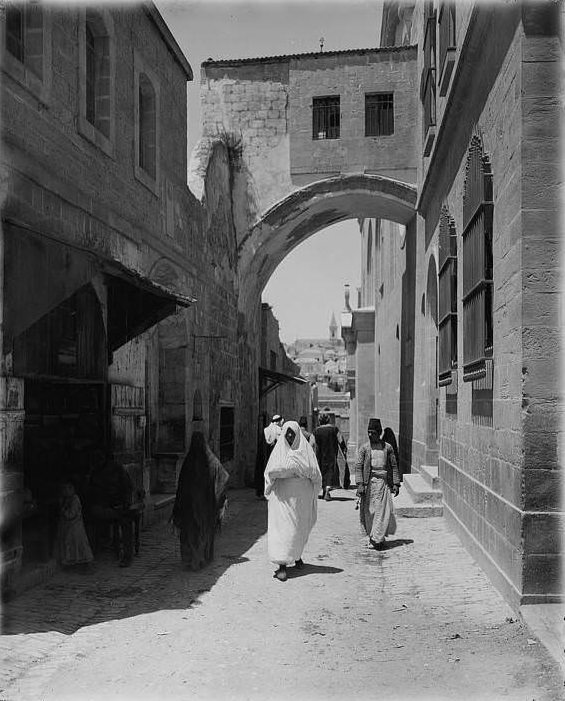
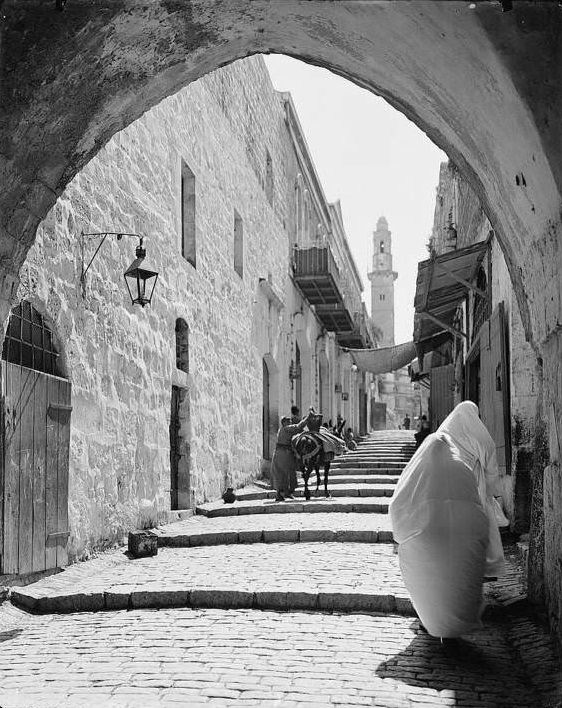
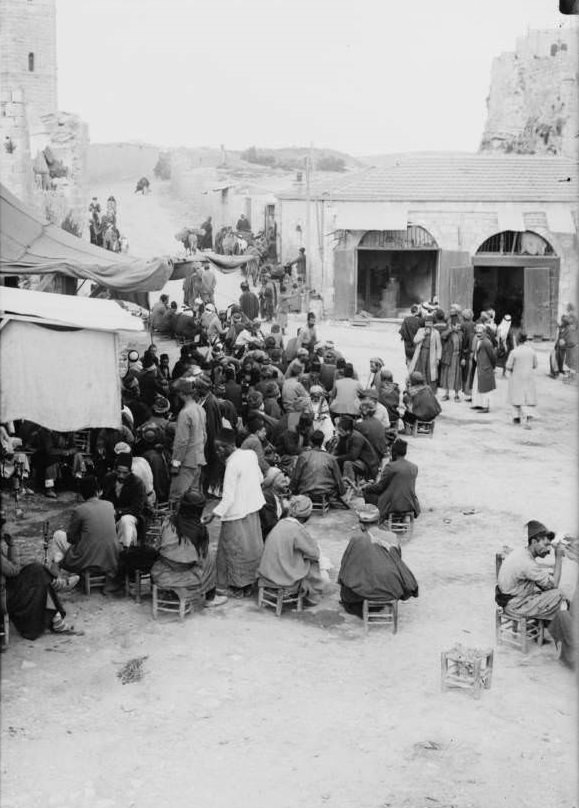
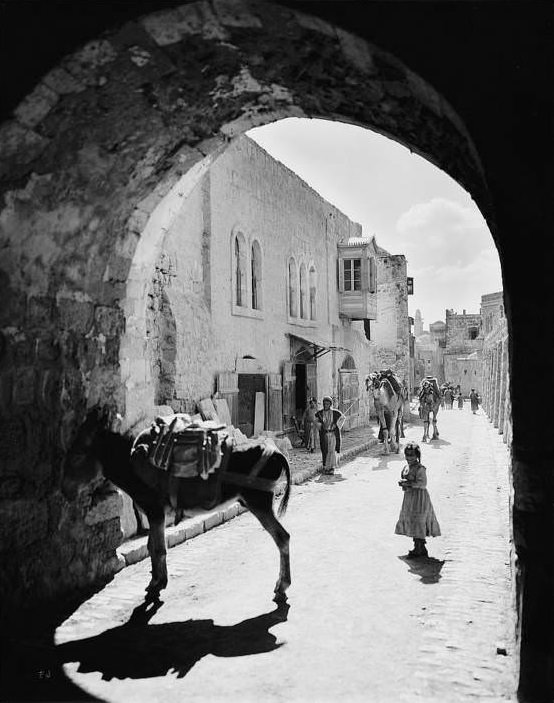
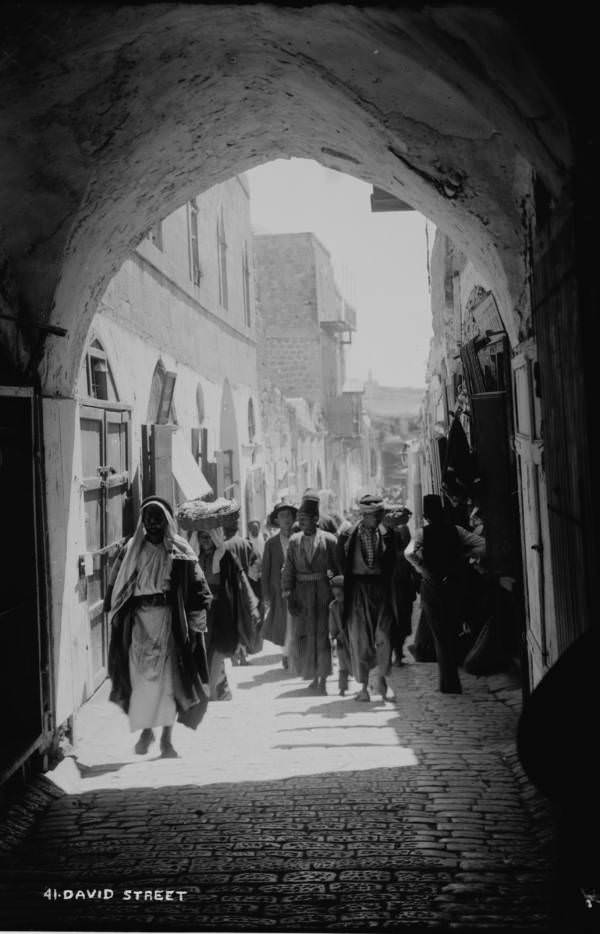
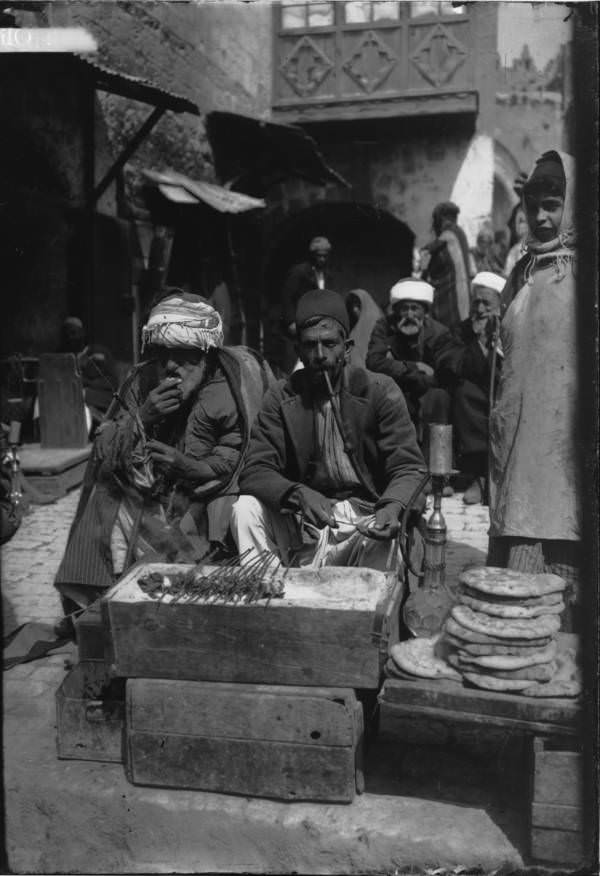
The ancient streets of Jerusalem — covered by stone arches and worn smooth by centuries of foot traffic — appeared in many photographs from this period. Donkeys stood tied to walls while merchants worked nearby. Coffee houses spilled tables out onto the streets, and vendors sold fruit, bread, and meat at open stalls.
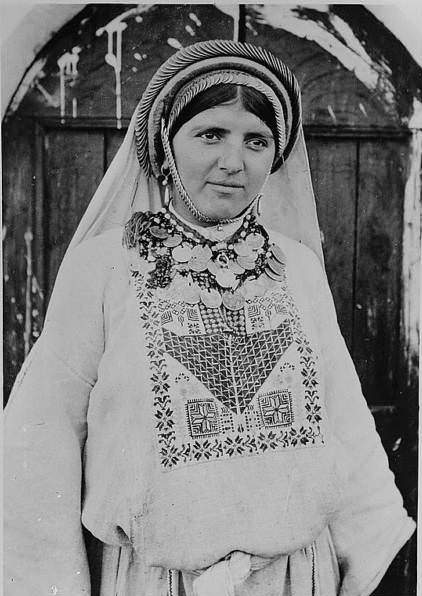
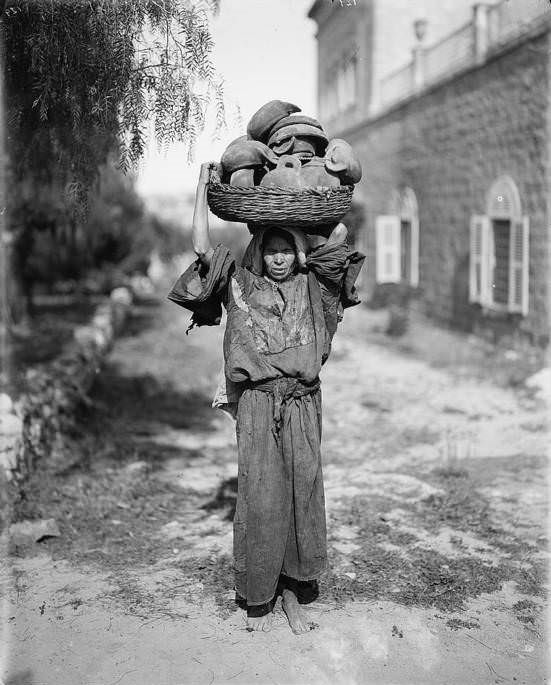
Beersheba and Bethlehem appear frequently in this photographic record as well. Mothers carried infants on their backs while balancing water containers on their heads. Fruit vendors displayed their goods in the open air. These images document a working society with deep roots in the land and its agricultural rhythms.
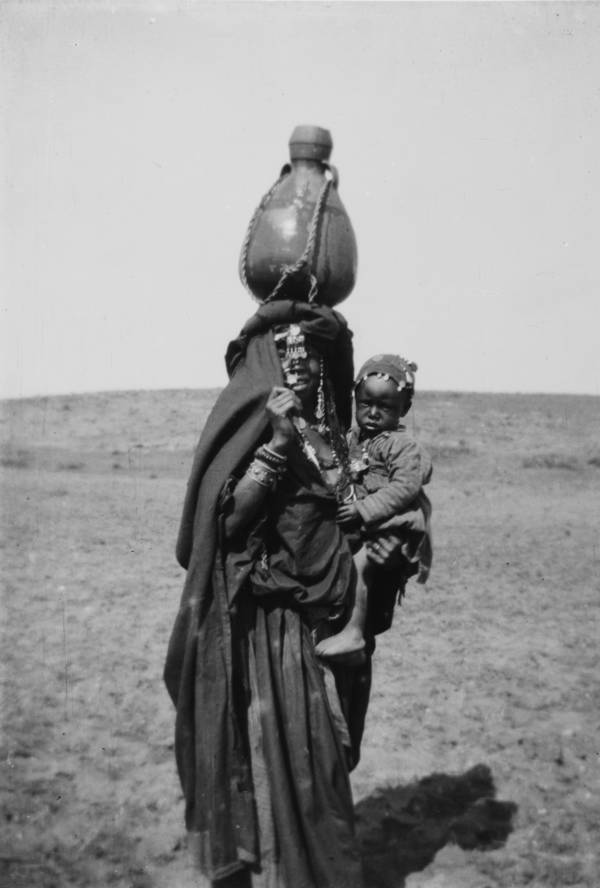
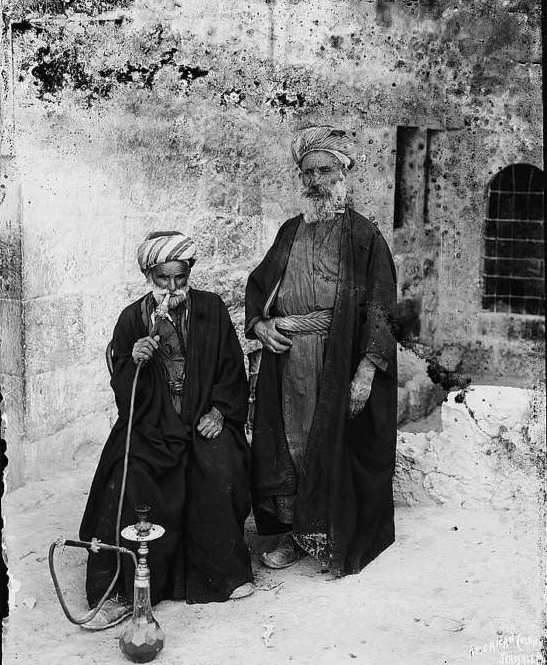
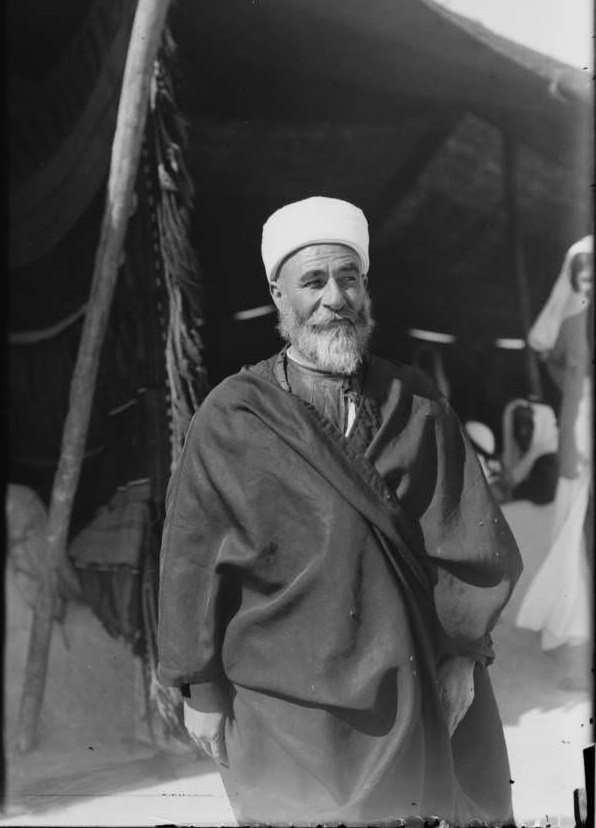
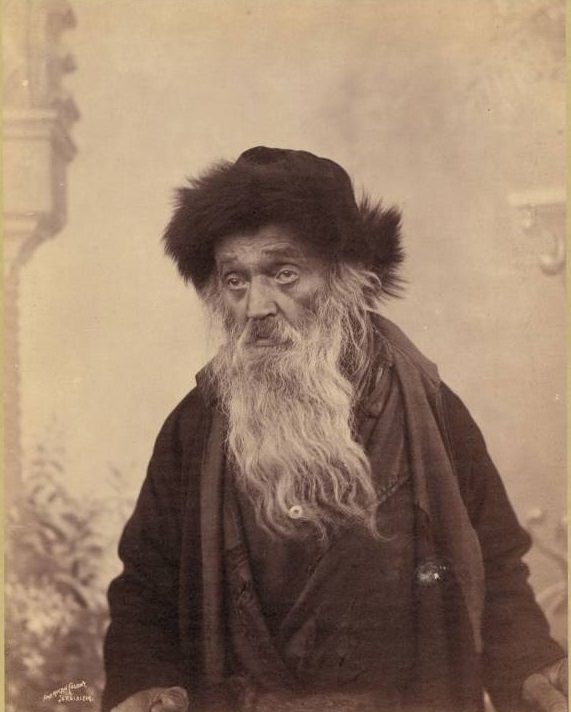
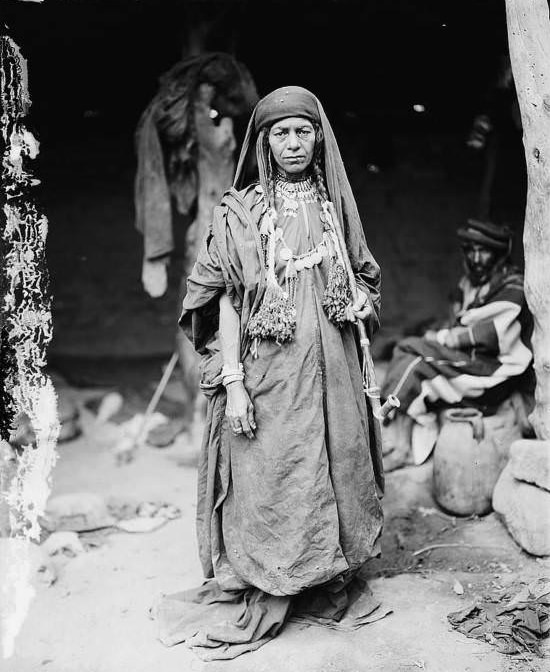
The Bedouin people of the region were photographed both in daily life and in formal portraits. Their presence across the land was long-established. A Jewish rabbi in Jerusalem, identified in the original caption as “The Jew of Jerusalem,” was also photographed during this period, reflecting the diverse communities that shared the city. David Street, one of the busiest commercial corridors in the Old City, showed this mix clearly — merchants, residents, and travelers all sharing the same narrow lane.
Religious processions were a regular feature of life in and around Jerusalem. In 1936, a large procession left the city heading toward Nebi Musa, the traditional tomb of the prophet Moses. Crowds gathered at the site. That same year, a group of Bedouins were photographed preparing coffee in a tent — a ritual of hospitality that remained unchanged across generations.
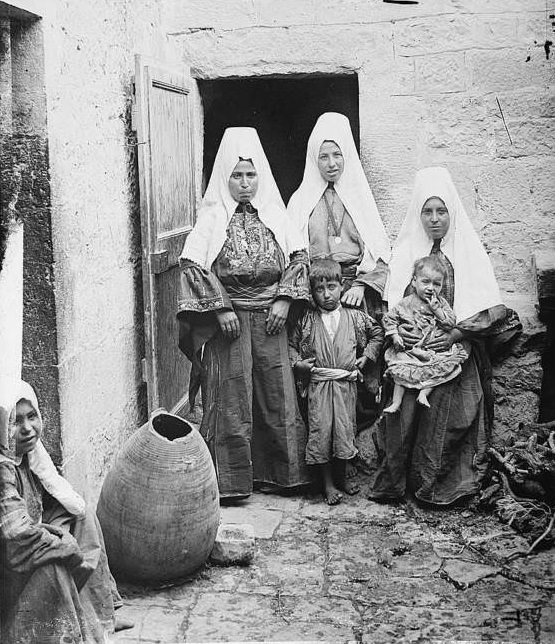
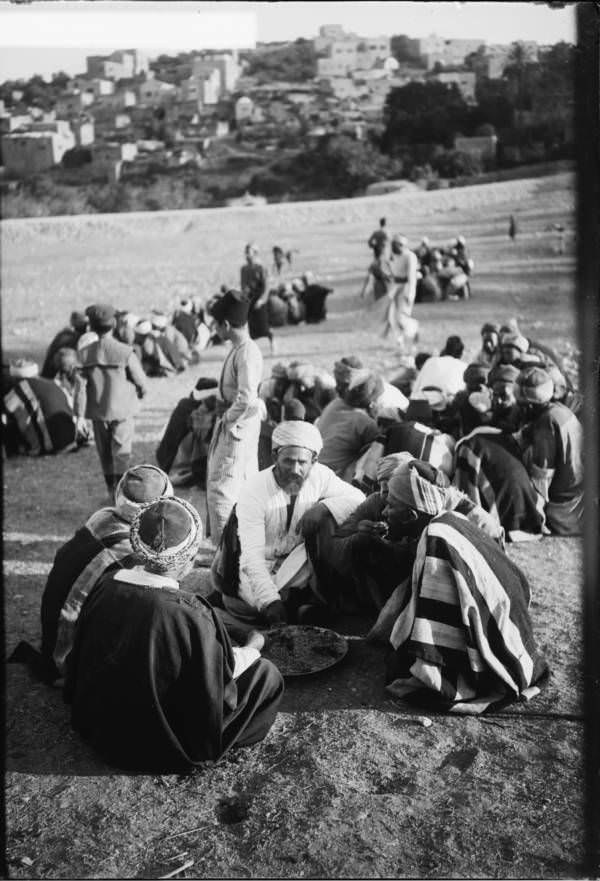
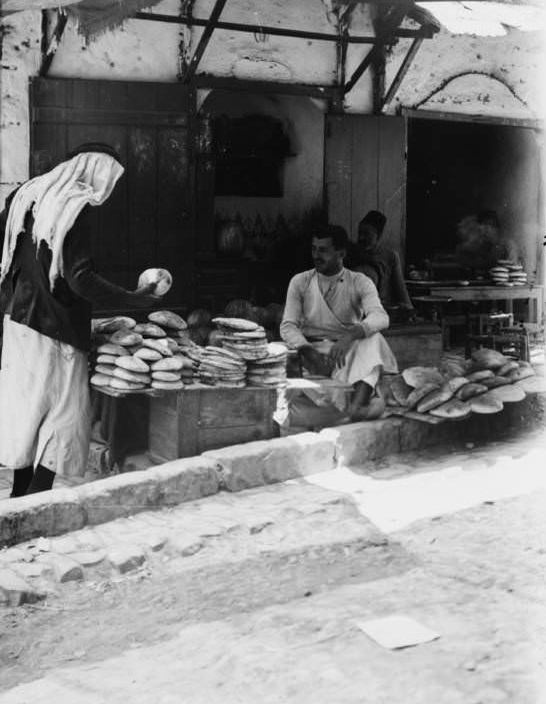
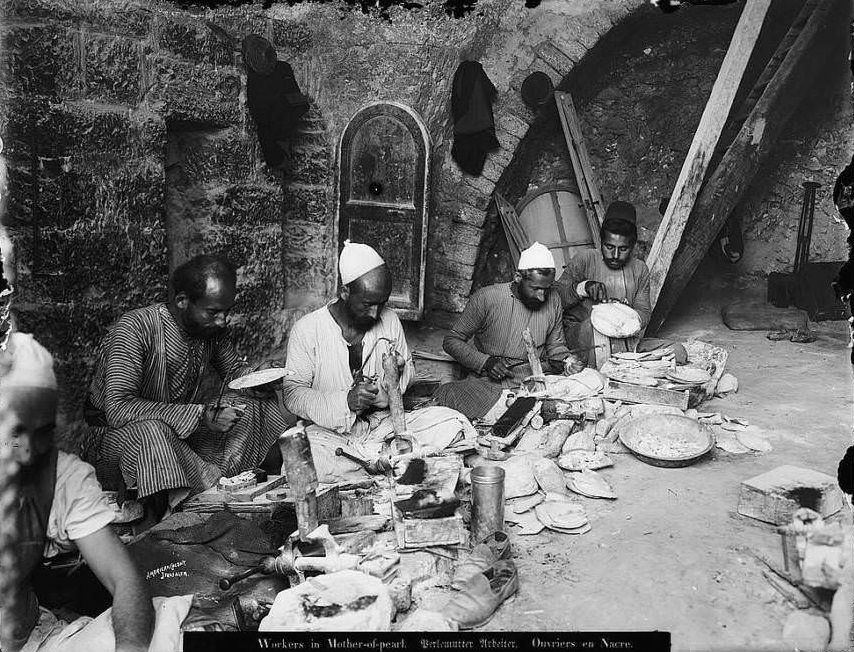
Communal meals, shared work, and marketplace exchanges filled the days of people across Palestine. Women bartered over bread prices. Groups of people sat together for meals on the ground. The city’s craftsmen worked with mother of pearl, drilling beads and carving intricate pieces for sale to pilgrims and travelers passing through.
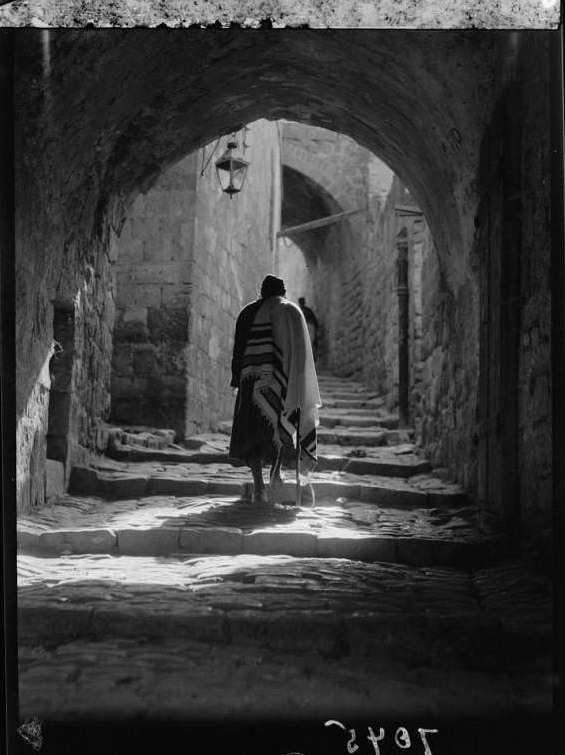
The Jewish Quarter had its own distinct streets and character. A man was photographed walking through its lanes in the early 1920s. In the wider city, artisans worked side by side in workshops, shaping materials by hand. A woman sat in front of a village oven, and workers at a mill ground grain using methods that had existed for centuries.
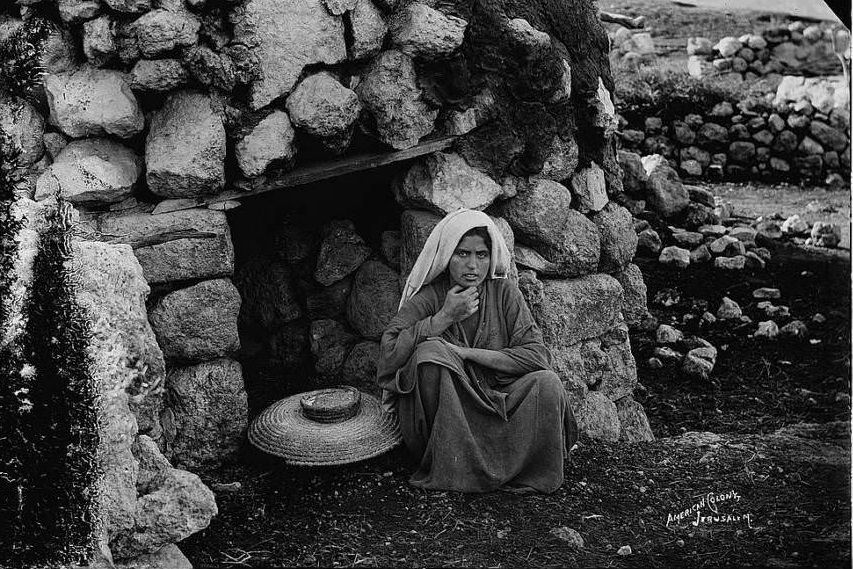
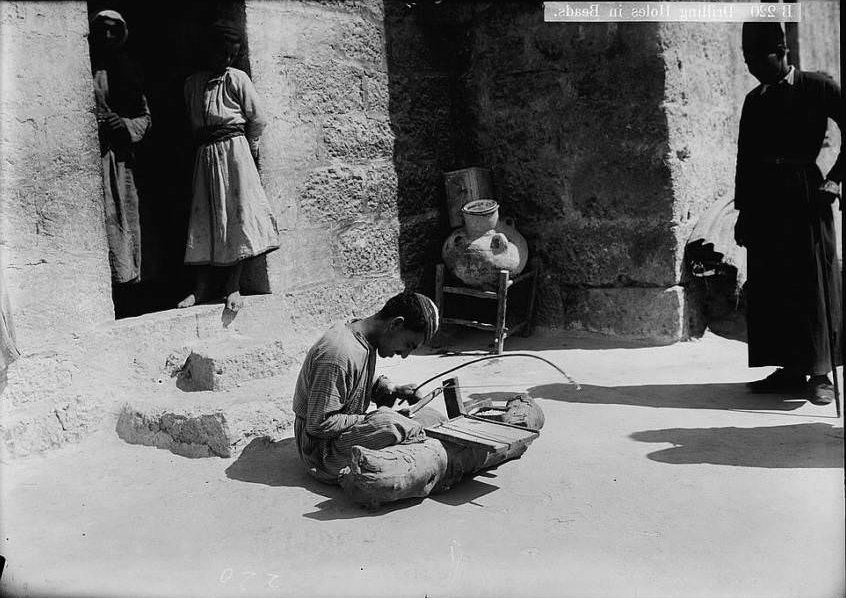
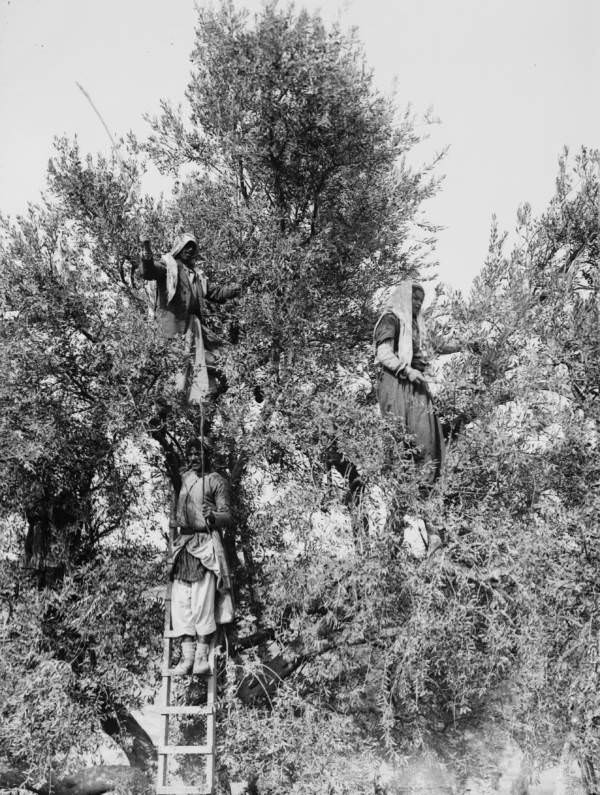
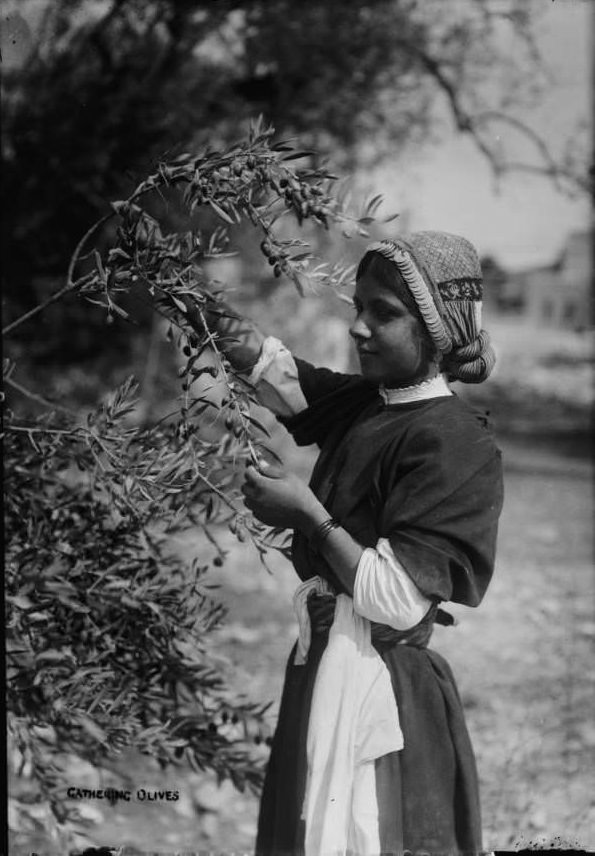
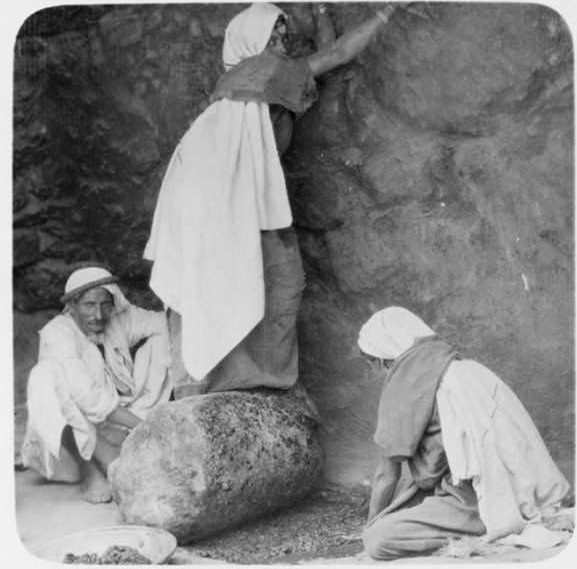
Grinding grain, harvesting olives, and carrying water were tasks shared by workers across the region. At Beit Jibrin, workers crushed olives using the broken column of an ancient building — an image that captures how old and new coexisted in Palestine. Children and adults worked together in the olive groves, beating branches and collecting the harvest by hand.
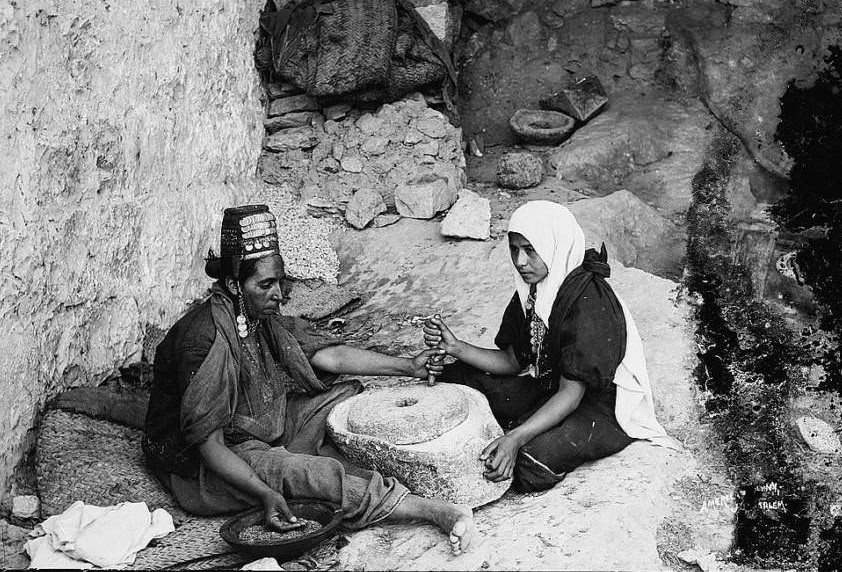
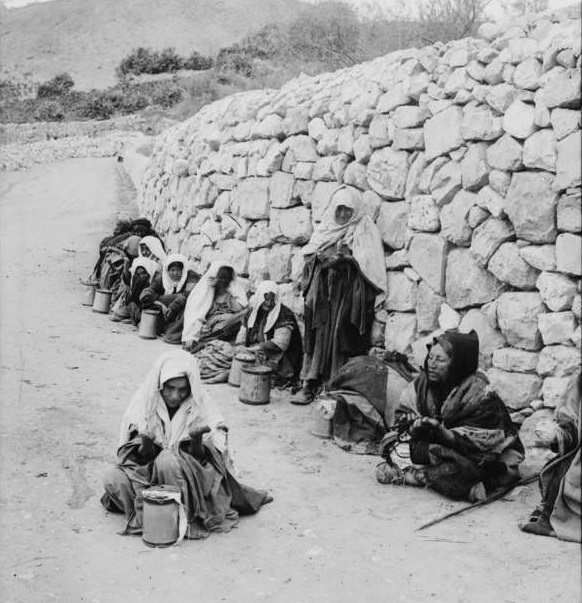
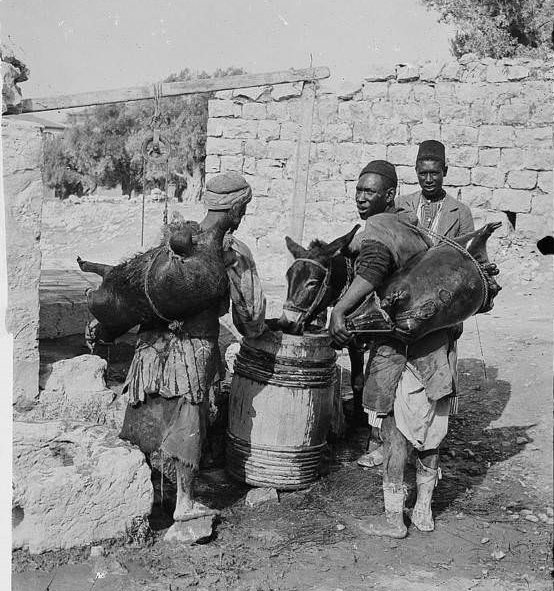
Water supply was a constant daily task. Women carried large jars on their heads across Beersheba and other towns. Workers hauled waterskins through the streets of Jerusalem. These photographs show both the hardship and the resilience of people living in the city before modern infrastructure reached the region.
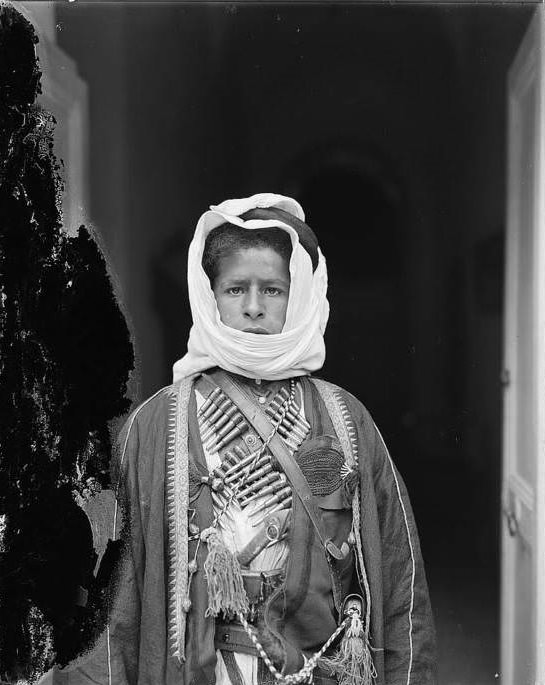
Social life in pre-occupation Jerusalem had its own rhythms. Coffee shops were gathering places where men sat, talked, and listened to music. One photograph shows a coffee shop equipped with a gramophone — a sign of how modern goods were filtering into the old city by the early 20th century. Bedouin boys, dressed in cartridge belts, were photographed as part of everyday scenes that mixed tradition with the realities of a region always close to conflict.
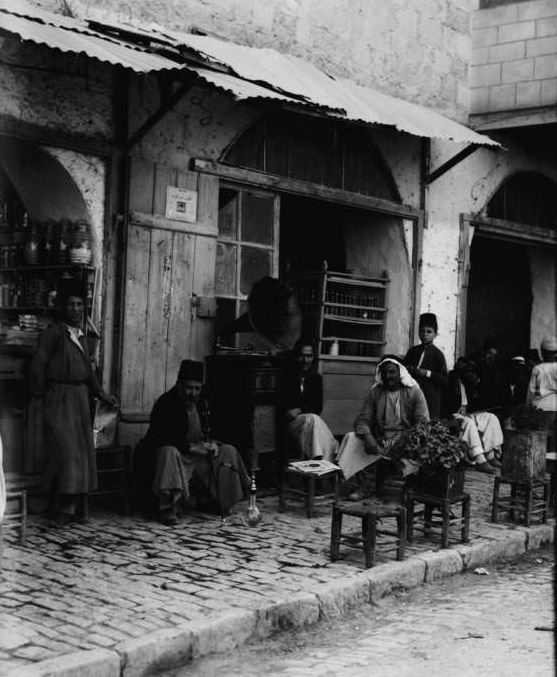
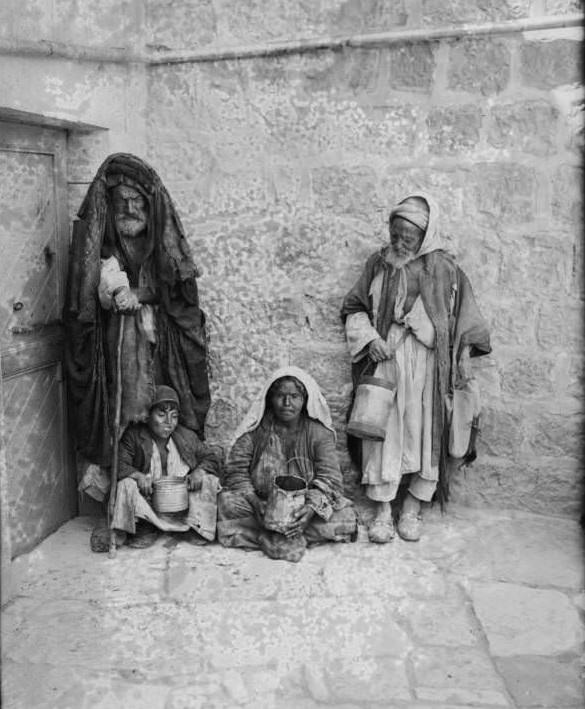
The characteristic streets of Jerusalem — stone-paved, narrow, and shaded — were filled with people from every background. Men smoked in the streets of Bethlehem. Druze sheikhs sat for formal portraits. Across all of these images, the city appears as a living, complex place with a population that predated the modern conflict by centuries.