Hey There! Before You Go. 😧
Get the best vintage content straight into your inbox!

Don't worry, we don't spam

The Ceremony of Unconditional Surrender: Japan's formal end of WWII

By the summer of 1945, the war in the Pacific had reached its breaking point. The Potsdam Conference in late July had laid out the terms: Japan must surrender unconditionally or face total destruction. Allied leaders — American, British, and Soviet — gathered at Potsdam to coordinate the final pressure on Japan. The message was clear, but Japan’s military leadership hesitated.
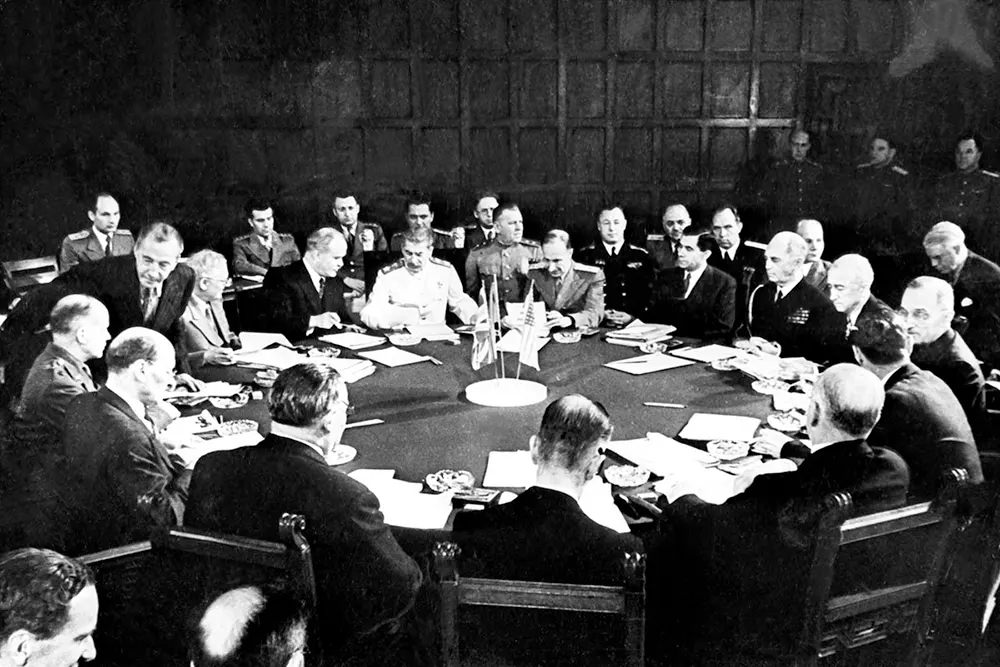
A session of the Potsdam Conference – those pictured include Clement Attlee, Ernest Bevin, Vyacheslav Molotov, Joseph Stalin, William D. Leahy, James F. Byrnes, and Harry S. Truman.

What broke that hesitation was a combination of devastating blows. On August 6, an American B-29 dropped an atomic bomb on Hiroshima, obliterating the city. Three days later, Nagasaki suffered the same fate. Between those two strikes, the Soviet Union declared war on Japan and launched a massive offensive into Manchuria, pouring some 700,000 troops into the region.
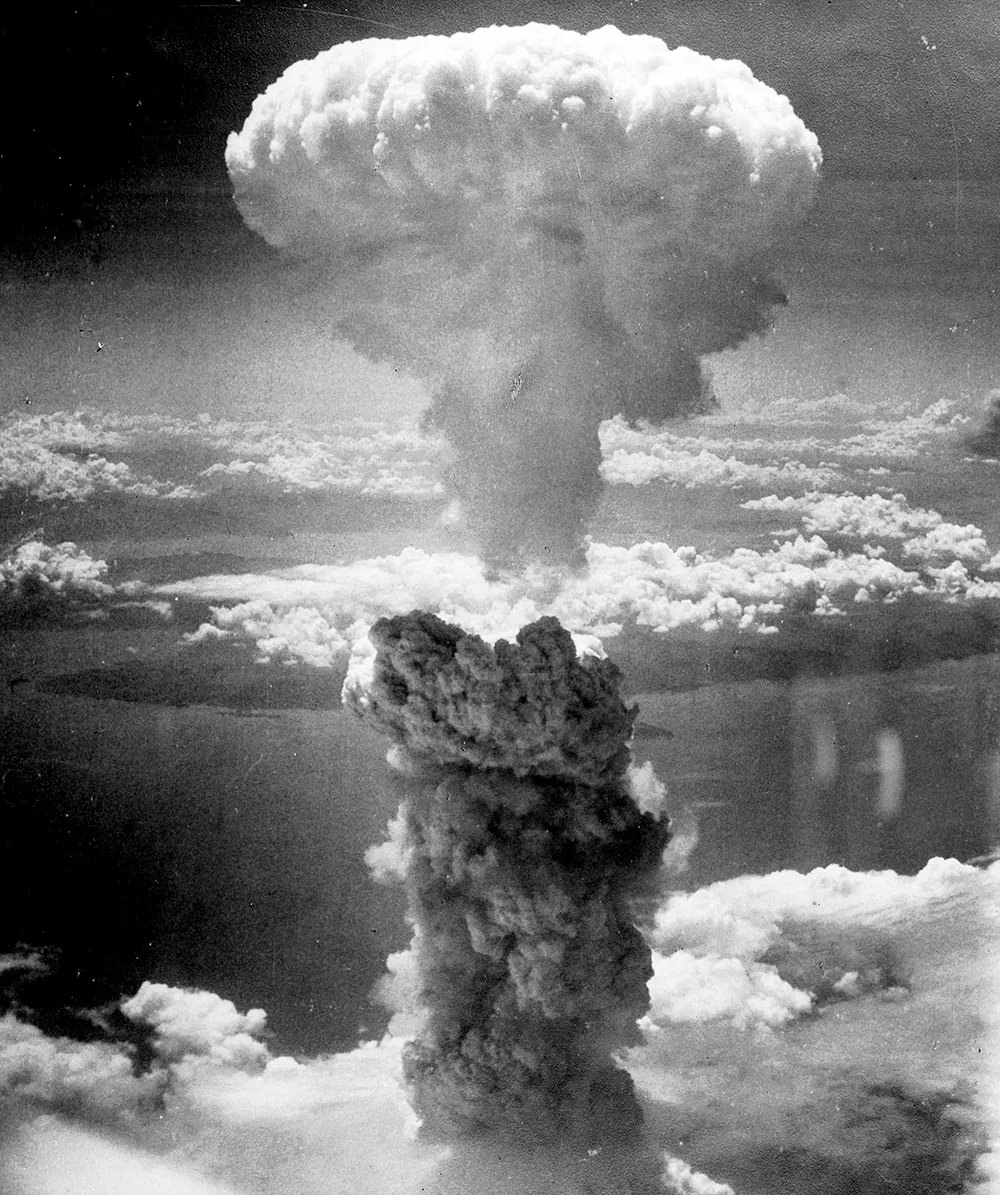
Atomic bombing of Nagasaki.
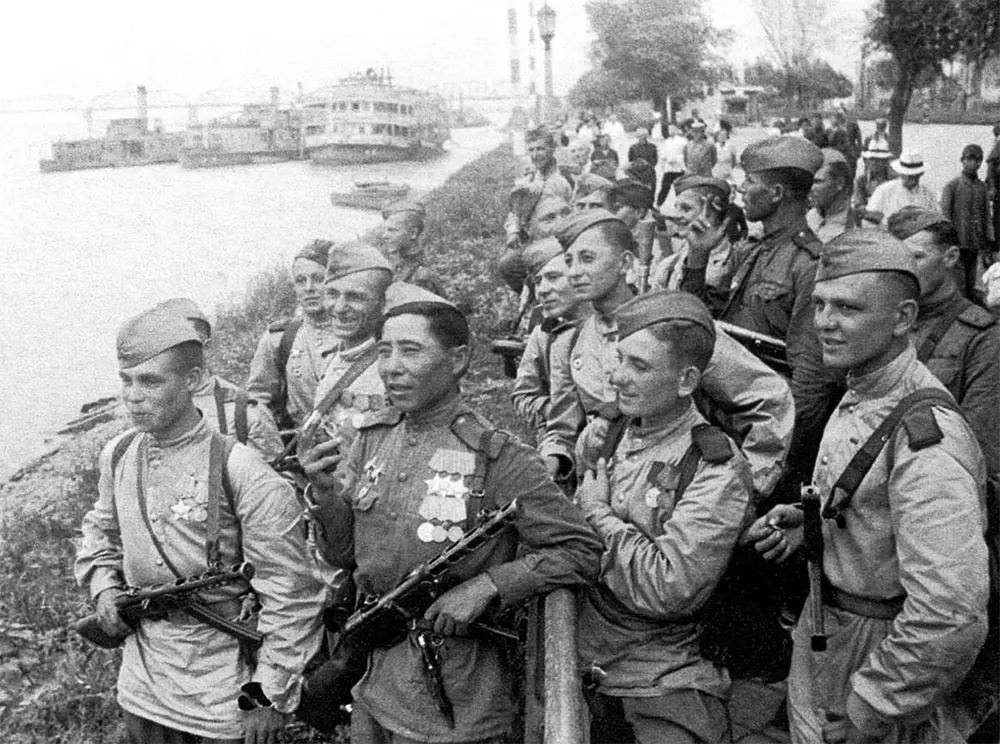
Soviet soldiers on the bank of the Songhua River in Harbin.

Japan announced its acceptance of surrender terms on August 14, 1945. President Harry Truman made the announcement from the White House that same day, and celebrations erupted across Allied nations. But the formal, legal end of the war still required a signing ceremony — one that would be witnessed by all the major Allied powers.
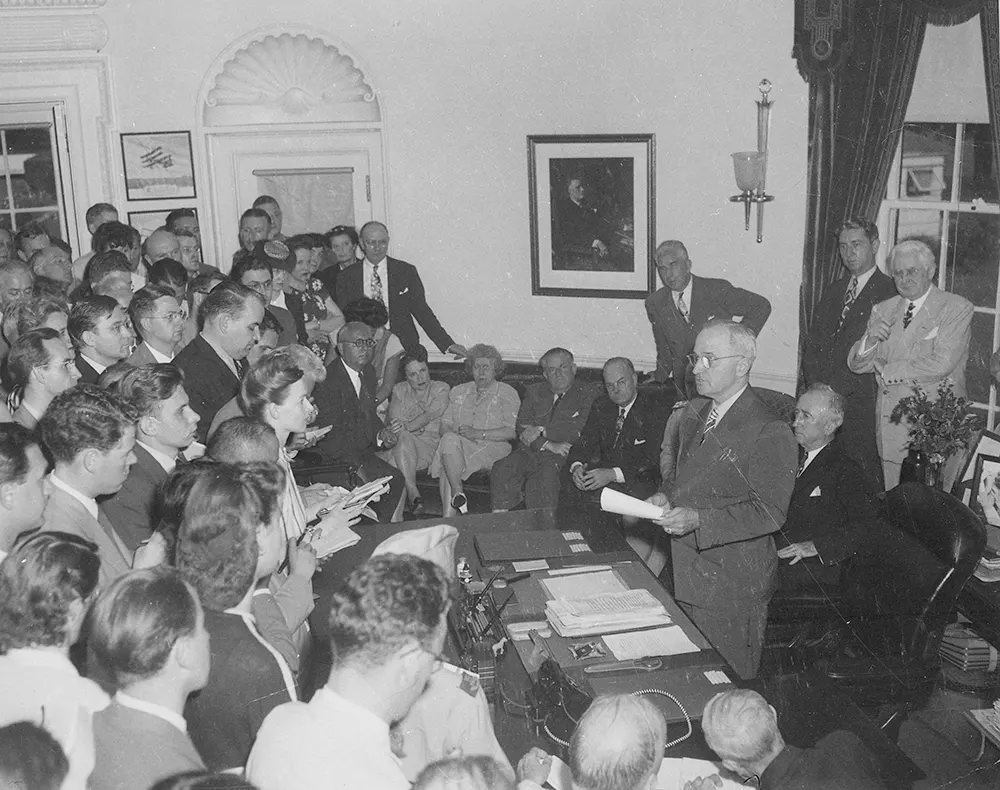
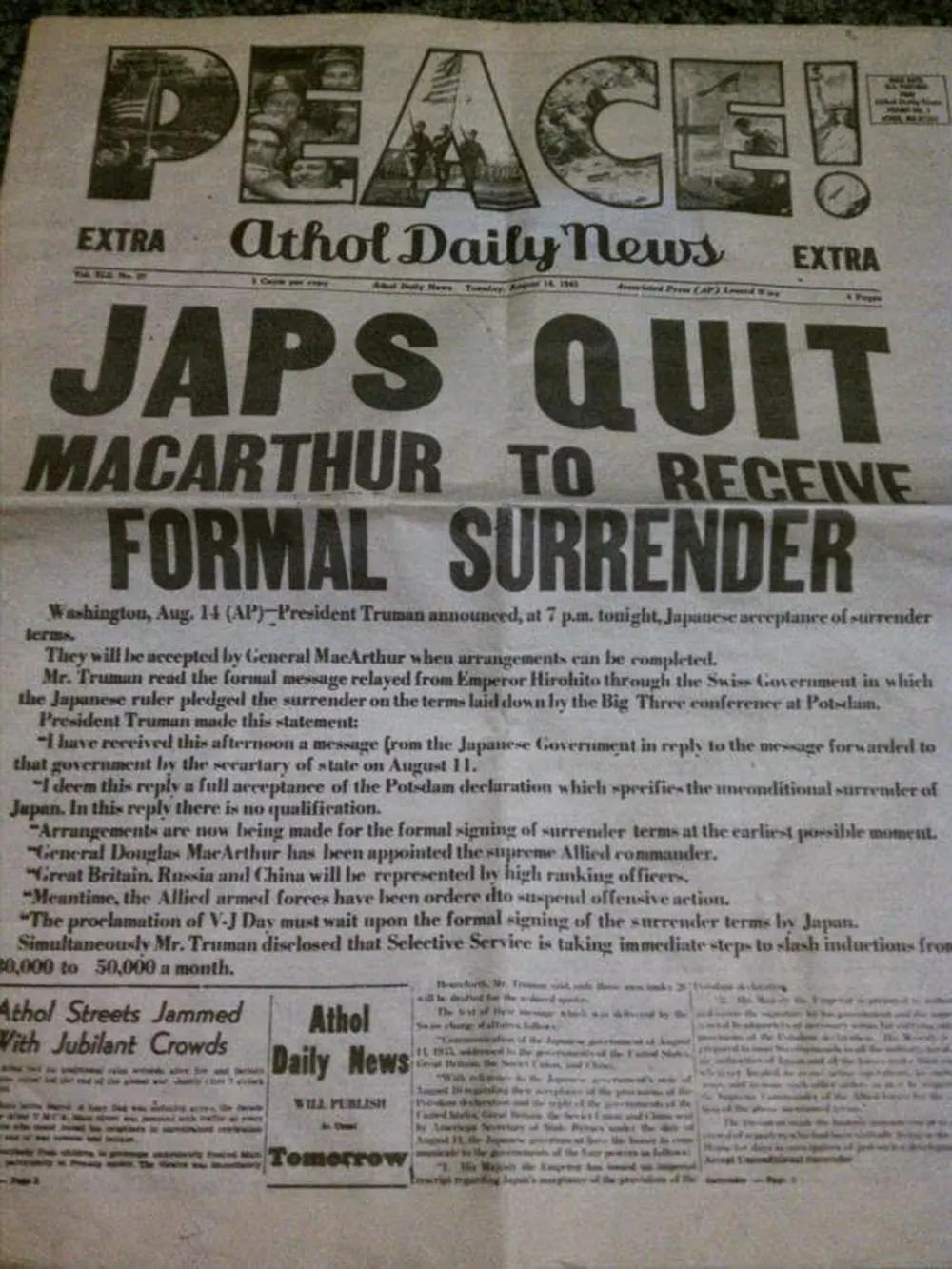
Harry Truman announcing Japan's surrender at the White House, Washington, DC, 14 Aug 1945.
Harry Truman announcing Japan’s surrender at the White House, Washington, DC, 14 Aug 1945.
The actual surrender took place on 14 August 1945. All that was left was the formal ceremony and occupation.

The site chosen for the ceremony carried its own symbolism. The USS Missouri — a powerful Iowa-class battleship named after President Truman’s home state — was anchored in Tokyo Bay. General Douglas MacArthur had been appointed Supreme Commander of the Allied Powers, and it was under his authority that the ceremony would take place. He flew into Japan aboard a C-47, landing at Atsugi Airfield, before making his way to the Missouri.
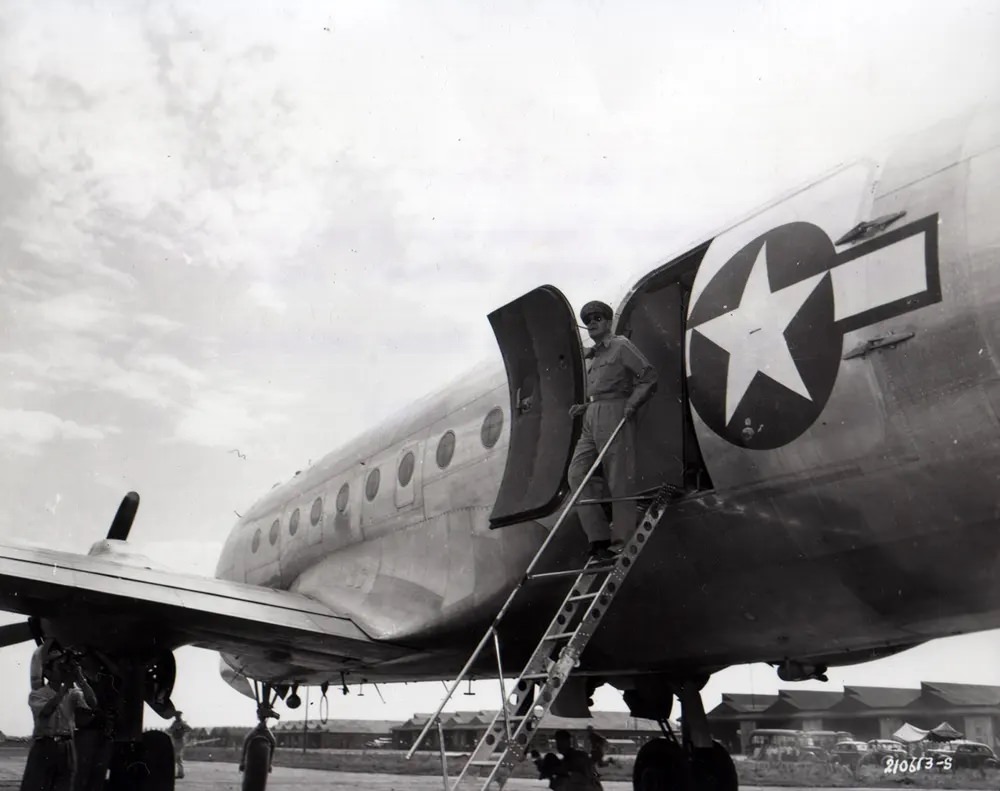
General Macarthur arrives on a C-47 to take over as Overlord of Japan.

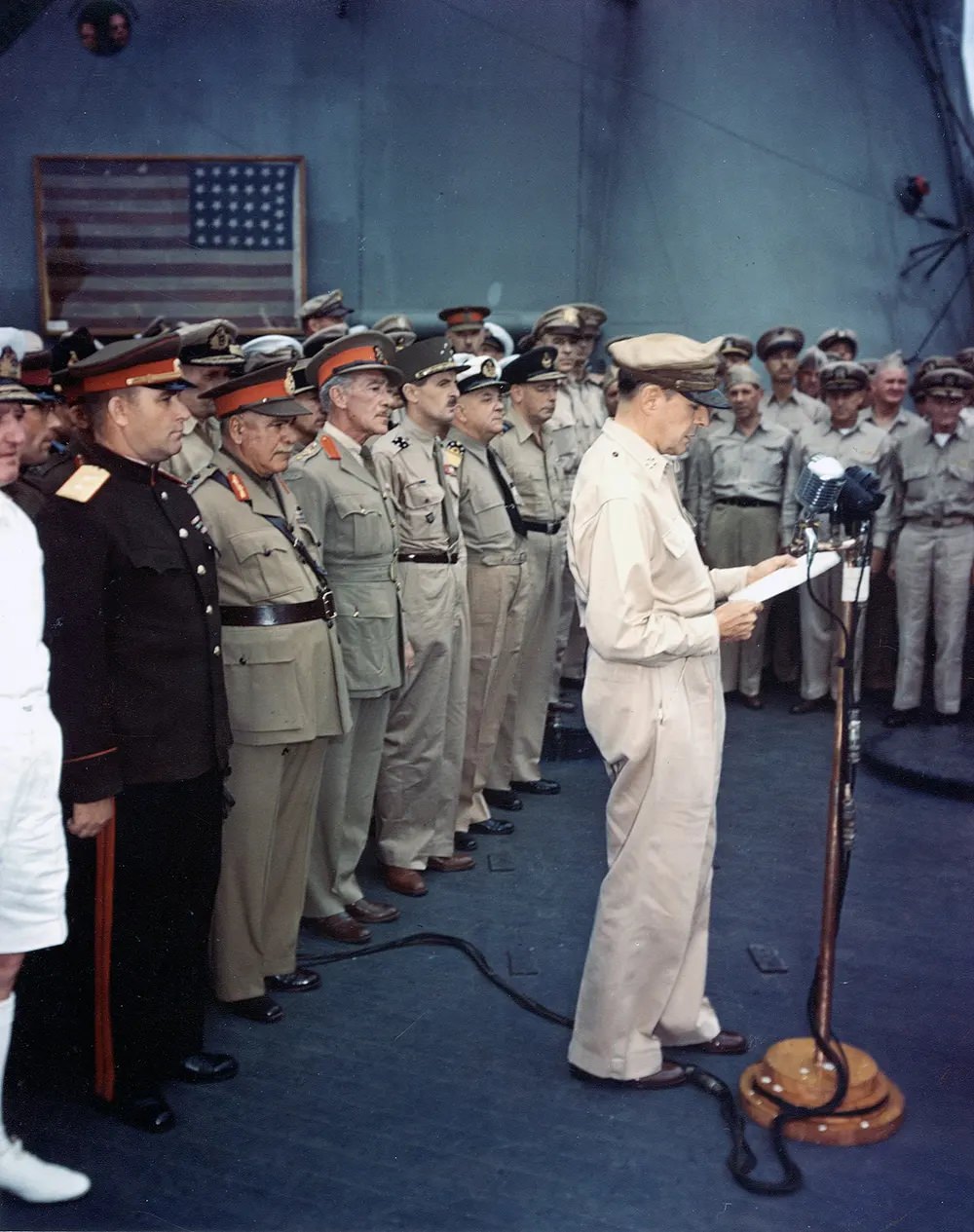
On the morning of September 2, 1945, the deck of the Missouri was packed with Allied officers, sailors, and representatives from every Allied nation. On the ship’s wall hung a flag that had flown during Commodore Matthew Perry’s expedition to Japan in 1853 — the voyage that had first opened Japan to Western trade. MacArthur stood before that flag as he prepared to receive Japan’s formal capitulation.
The Ceremony of Unconditional Surrender: Japan's formal end of WWII
MacArthur at surrender ceremony. The flag flown by Perry is visible in the background.

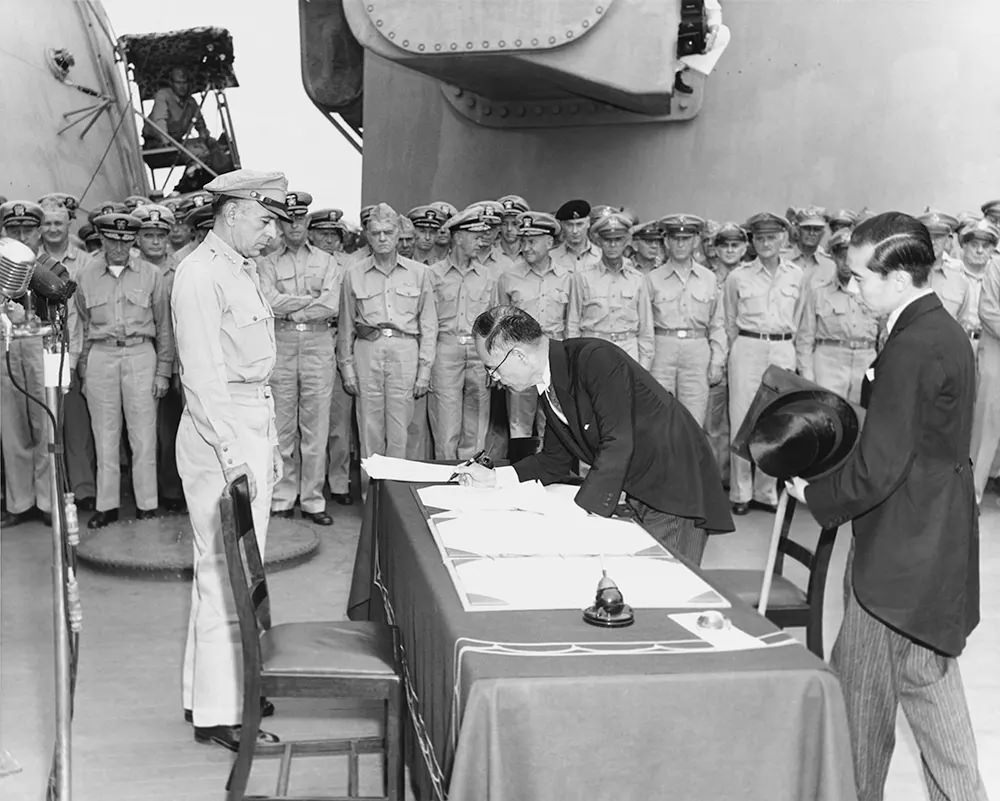
The Japanese delegation arrived on board, representing a nation that had been the dominant military force in Asia for over a decade. Foreign Minister Mamoru Shigemitsu led the group, walking onto the deck in his formal diplomatic attire. General Yoshijiro Umezu, Chief of the Imperial Japanese Army, stood alongside him. The men faced the assembled Allied representatives in a moment of total, visible defeat.
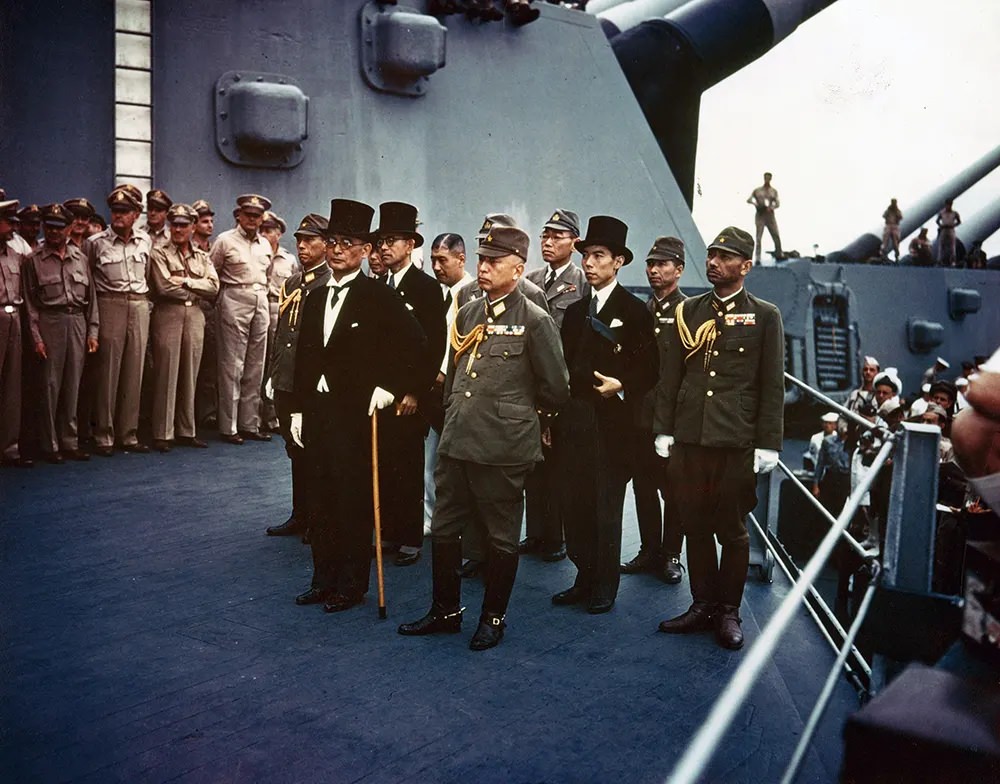
Representatives of the Empire of Japan stand aboard USS Missouri prior to signing of the Instrument of Surrender.

MacArthur opened the ceremony with a short speech. He called for peace and understanding, urging that the world emerging from the wreckage of the war be “founded upon faith and understanding — a world dedicated to the dignity of man and the fulfillment of his most cherished wish for freedom, tolerance, and justice.” Then came the signing.
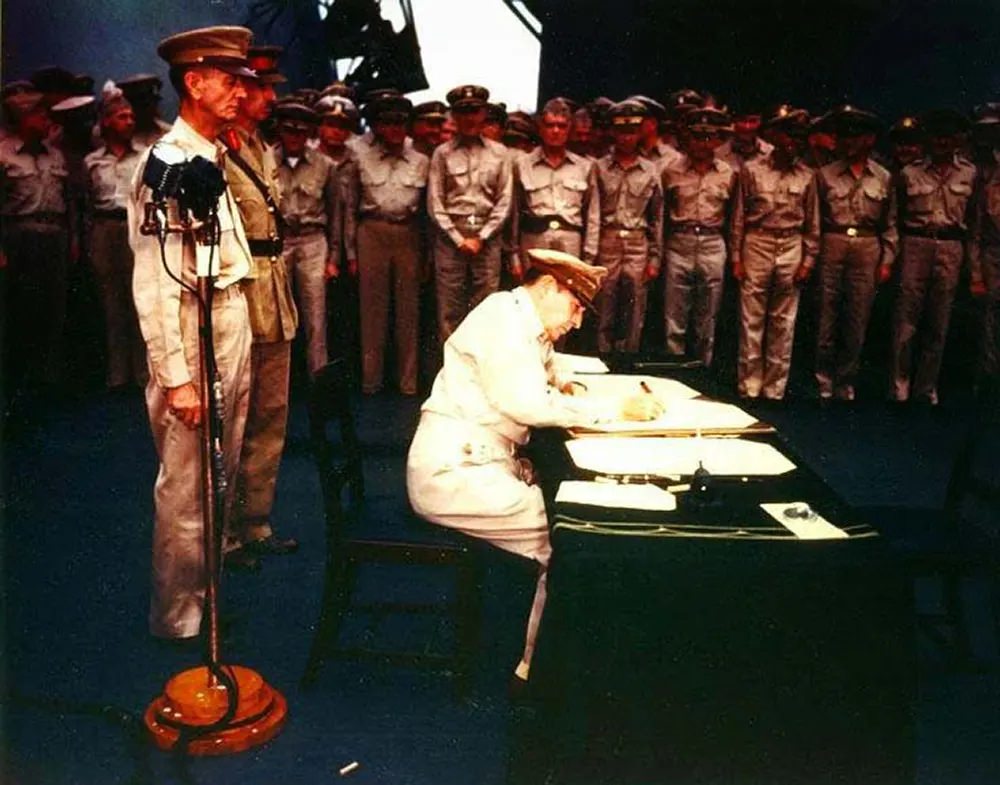
Gen. MacArthur signs Japanese Surrender Instrument.

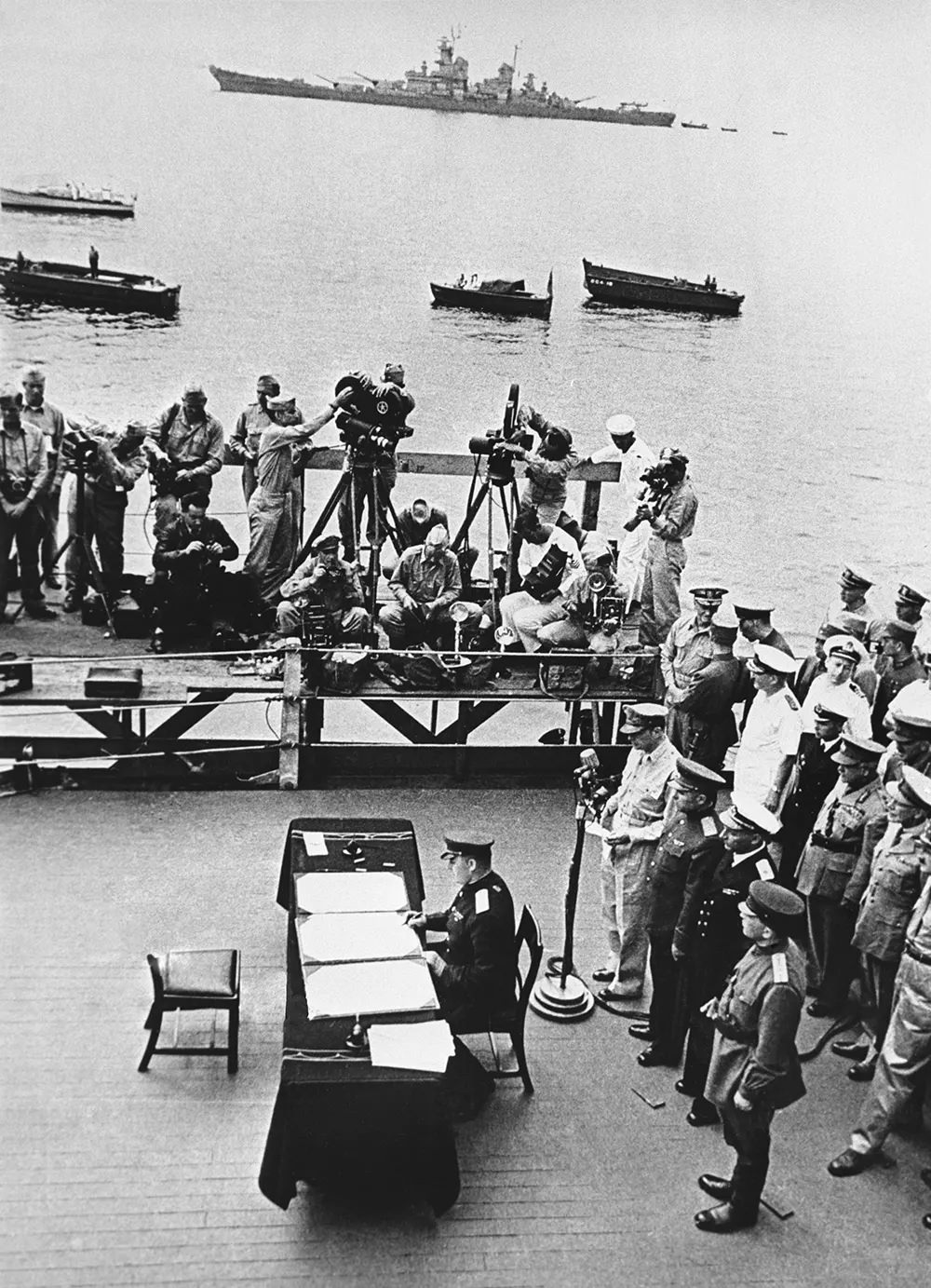
Shigemitsu signed the Instrument of Surrender first on behalf of the Japanese government, followed by General Umezu on behalf of the Imperial Japanese Armed Forces. MacArthur then signed for the Allied Powers. Fleet Admiral Chester Nimitz signed for the United States. Representatives from China, the United Kingdom, the Soviet Union, Australia, Canada, France, the Netherlands, and New Zealand each signed in turn.
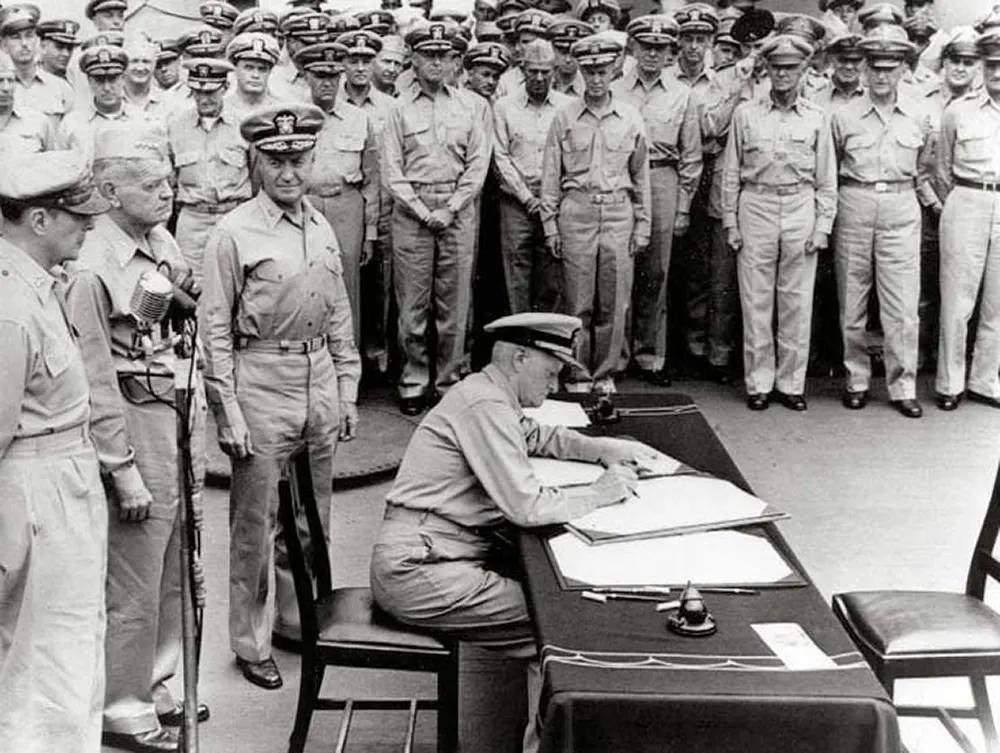
FAdm. Nimitz signs Japanese Surrender Instrument.
A rarely seen picture of a Russian commander signing the Surrender document.

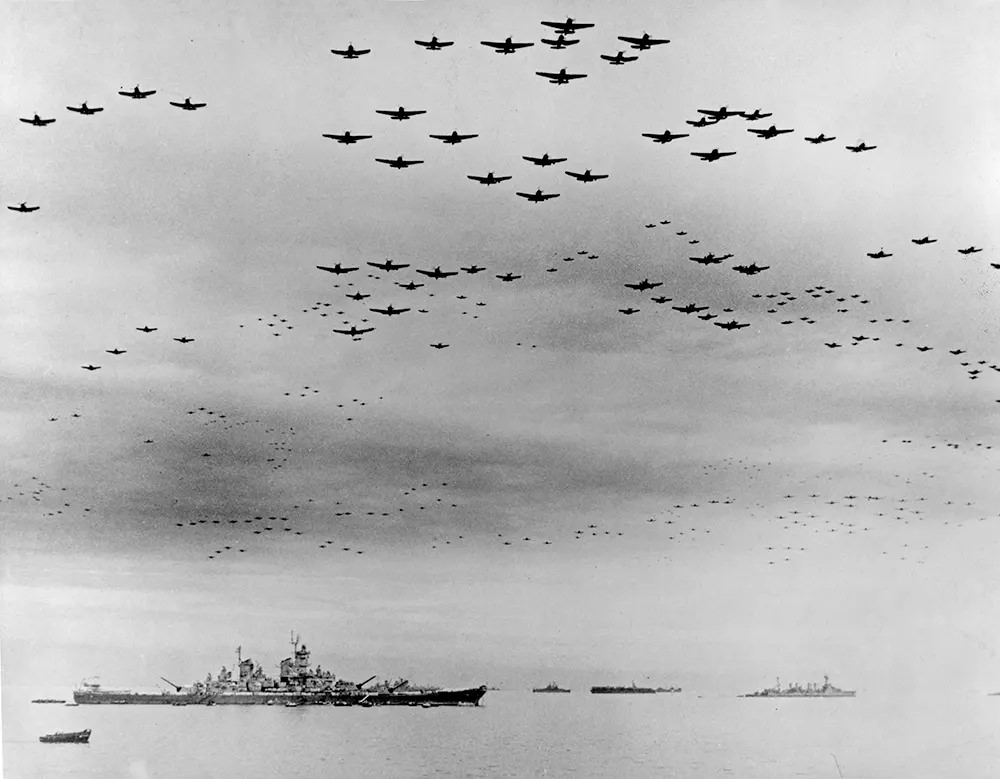
Once the signing was complete, MacArthur declared that the authority of the Emperor and the Japanese government had formally ceased. Japan would now be occupied by the Allied powers under his command. He also stated that the laws of war would be strictly enforced and that those accused of war crimes would face trial. Above the bay, waves of aircraft — B-29 bombers and Navy carrier planes — flew in formation as a show of Allied air power.
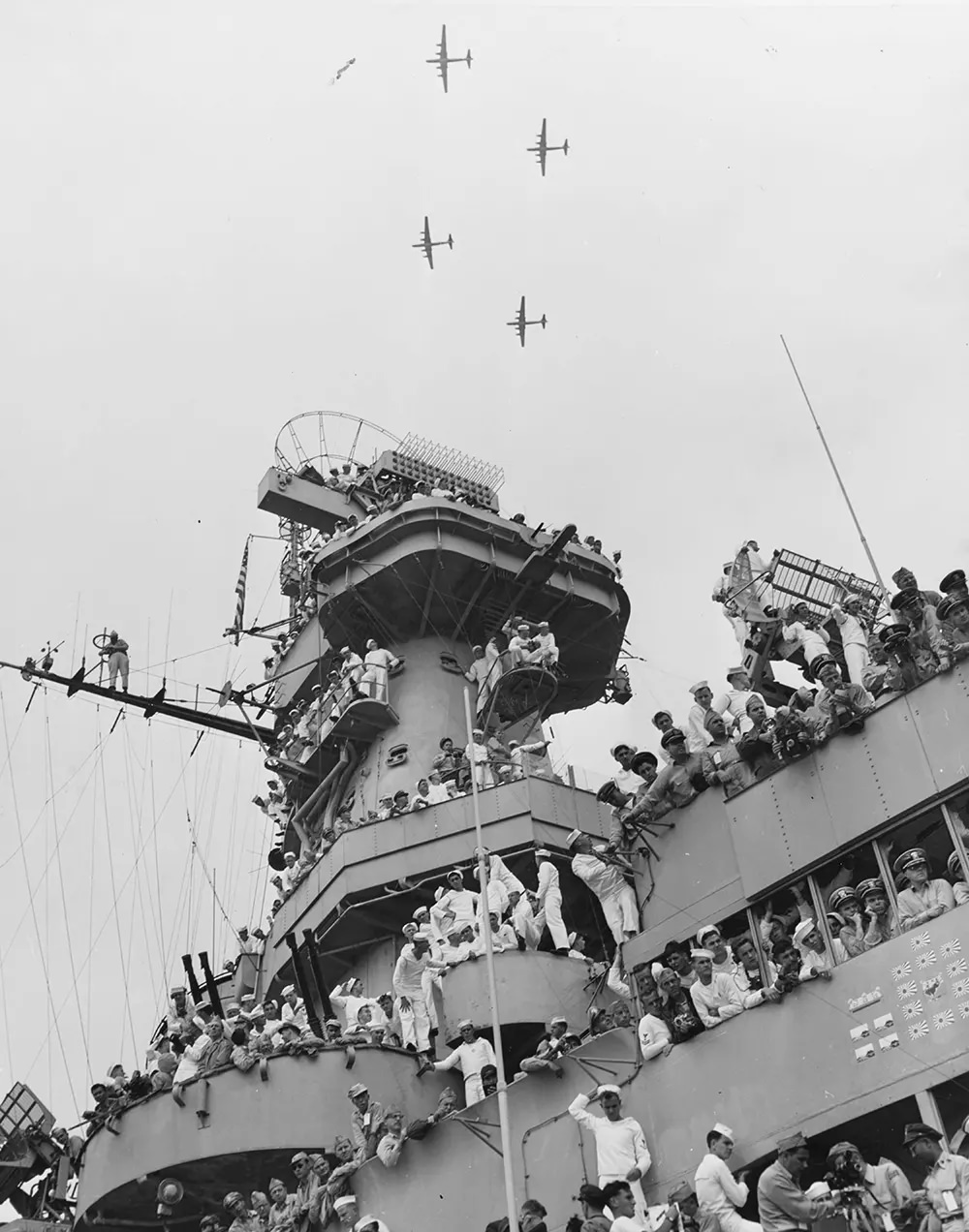
USAAF B-29 bombers fly in formation over USS Missouri, during surrender ceremonies.
Navy carrier planes fly in formation over the U.S. and British fleets in Tokyo Bay during surrender ceremonies.

The ceremony ended with a 21-gun salute. On the beaches near Yokohama, American troops from the First Cavalry Division were already landing to begin occupation duty. Soviet Navy officers were present on the shore as well, a reminder that the Allied victory in the Pacific had been a multinational effort. The occupation of Japan — administering the defeated nation and rebuilding it as a democratic state — had formally begun.
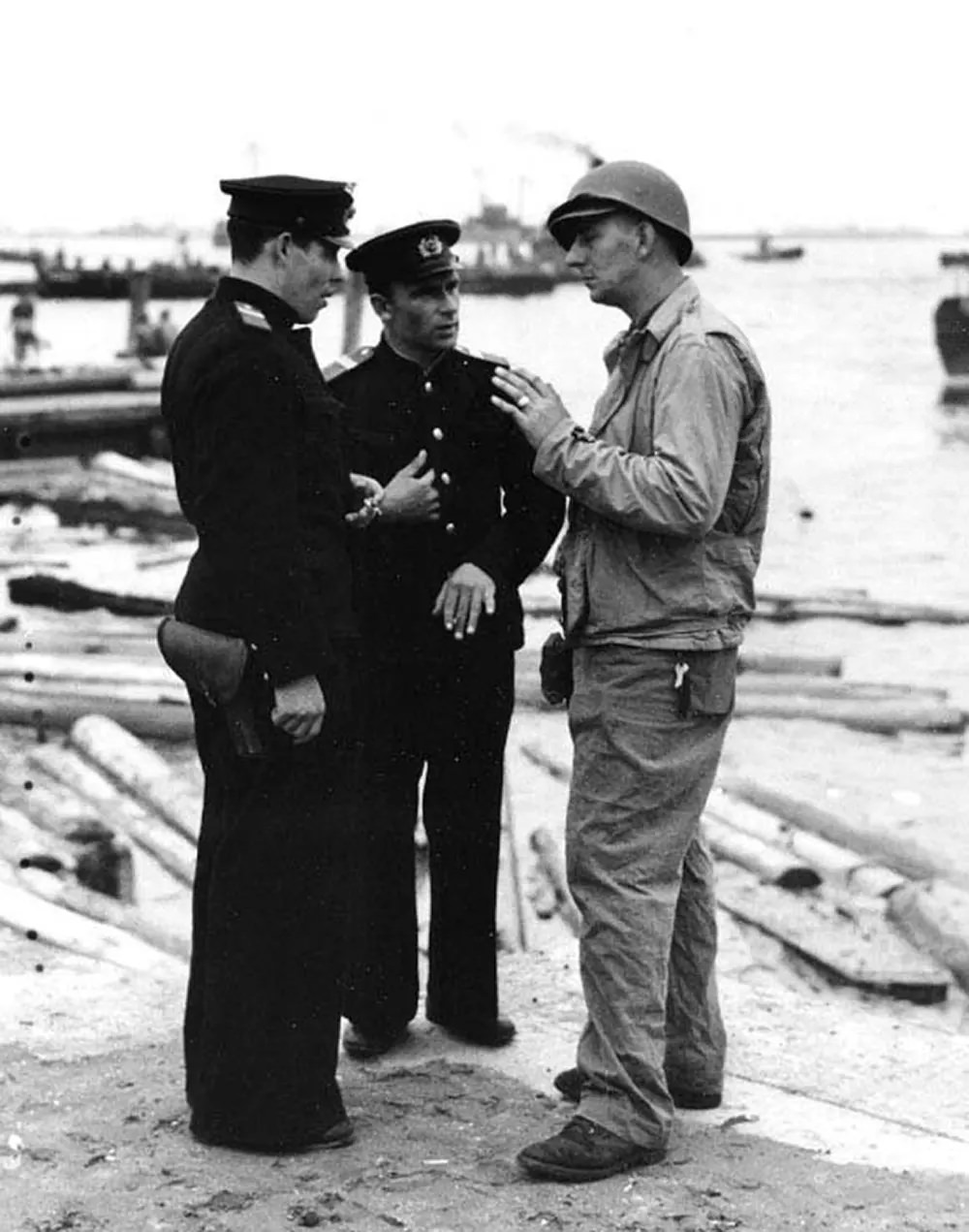
Two Soviet Navy officers talking with a member of the boat group from USS Talladega (APA-208) on the beach at Yokohama, 2 September 1945.

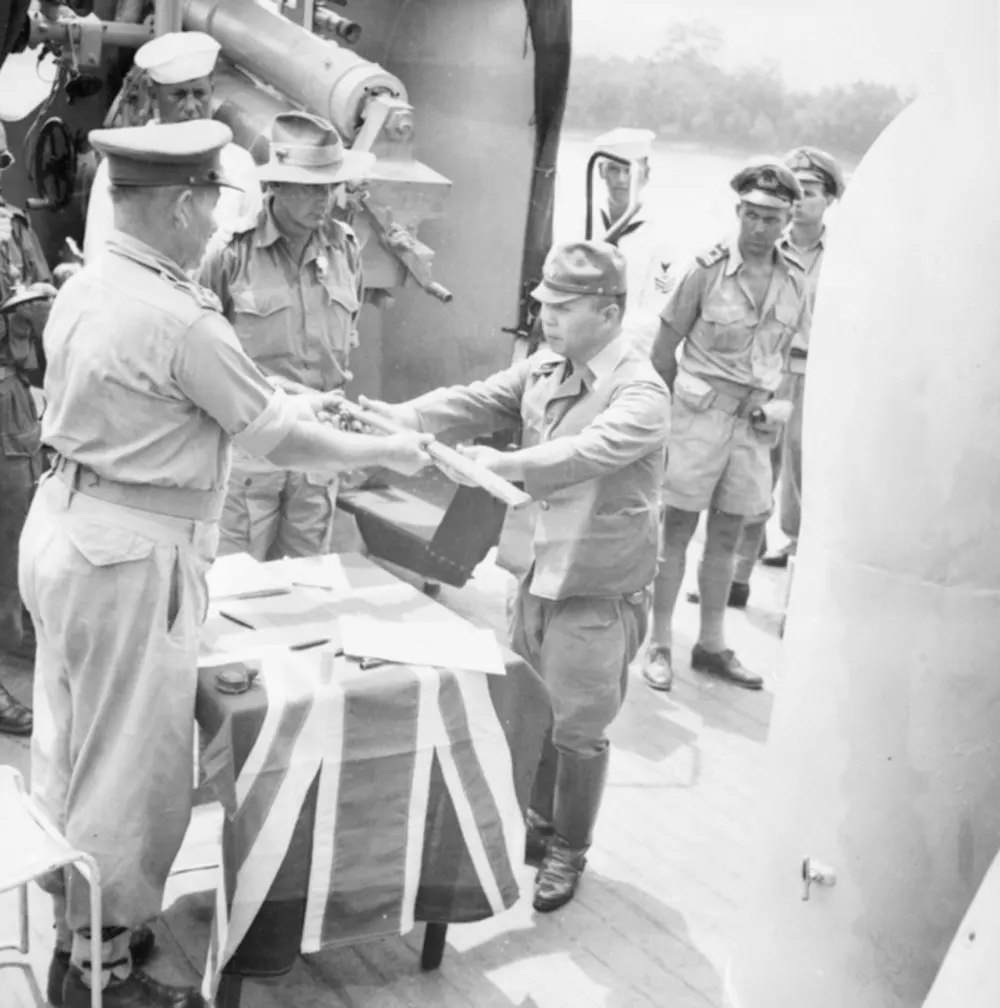
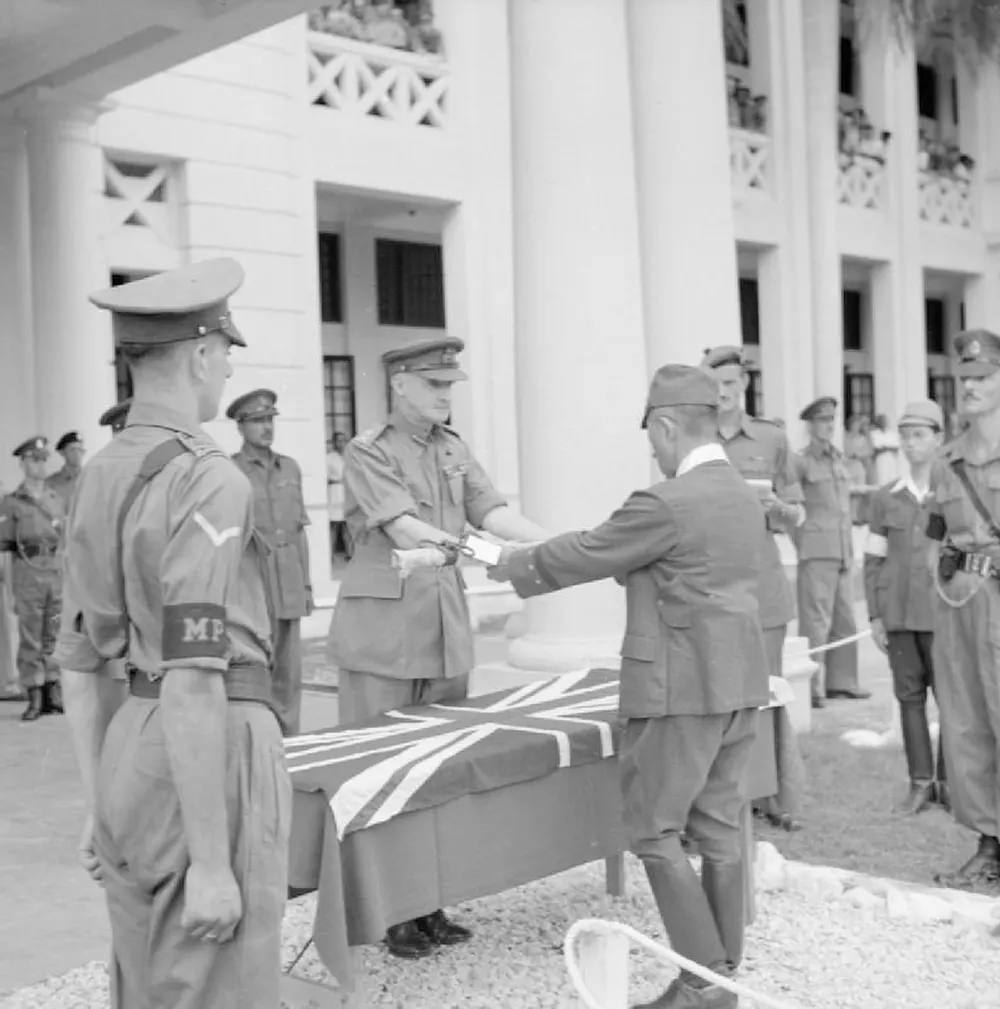
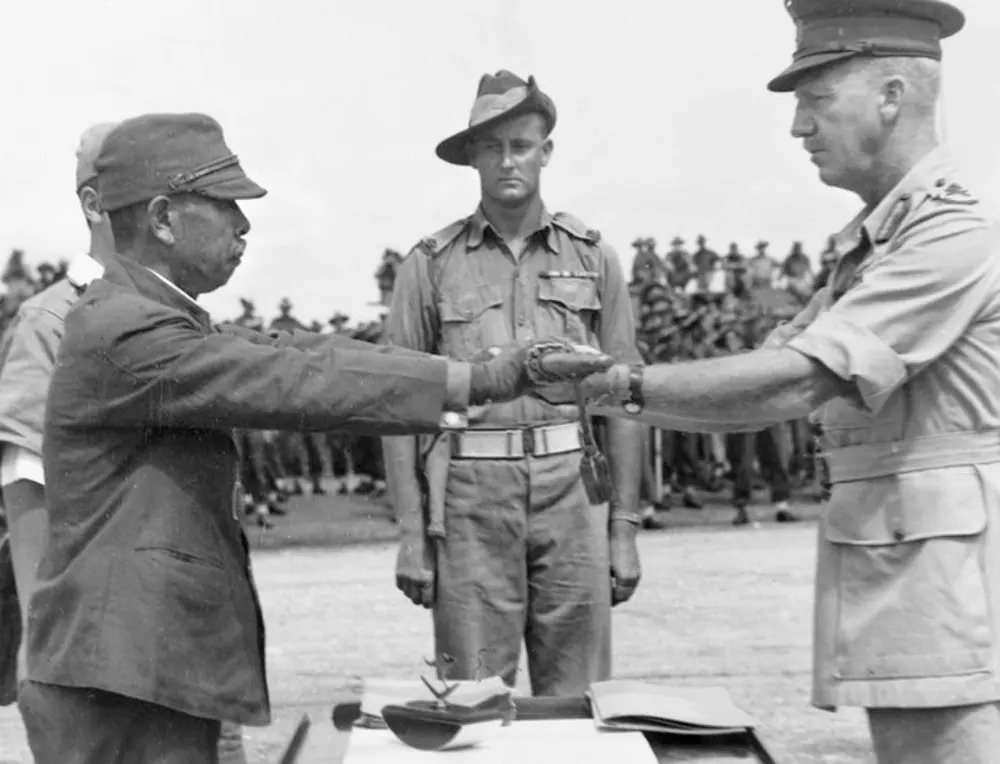
While the Missouri ceremony was the centerpiece, similar surrender proceedings took place across the Pacific and Southeast Asia over the following weeks. Japanese commanders handed over their swords — a deeply symbolic act in Japanese military culture — to Allied officers at locations stretching from New Guinea to Malaya, from Timor to Saigon.
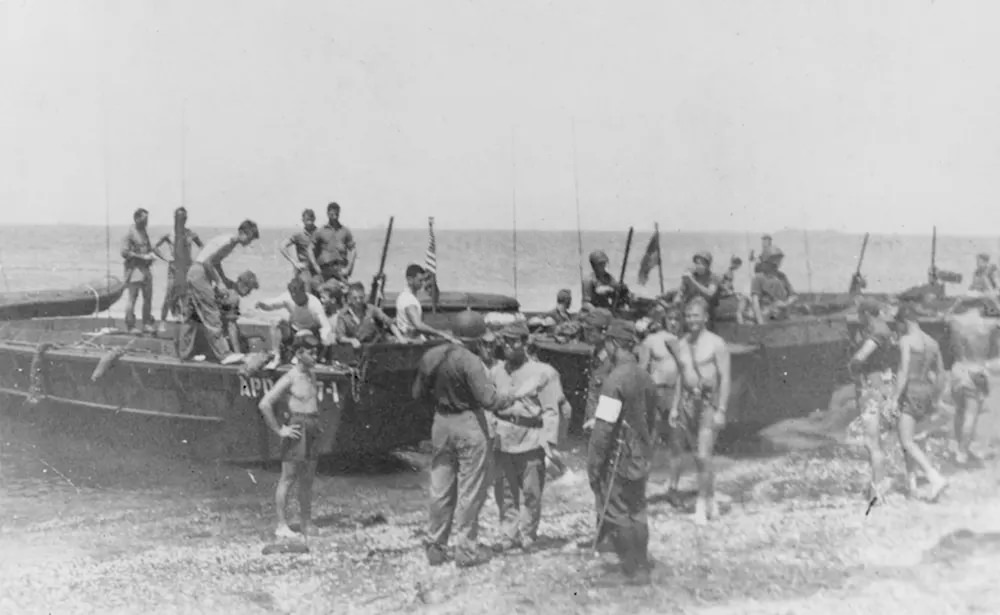
Lt. Commander Porter Clayton accepts a ceremonial sword as a gesture of surrender. Picture taken on Futtsu Saki Peninsula.
Hatazō Adachi, the commander of the Japanese 18th Army in New Guinea, surrenders his sword to the commander of the Australian 6th Division, Horace Robertson.
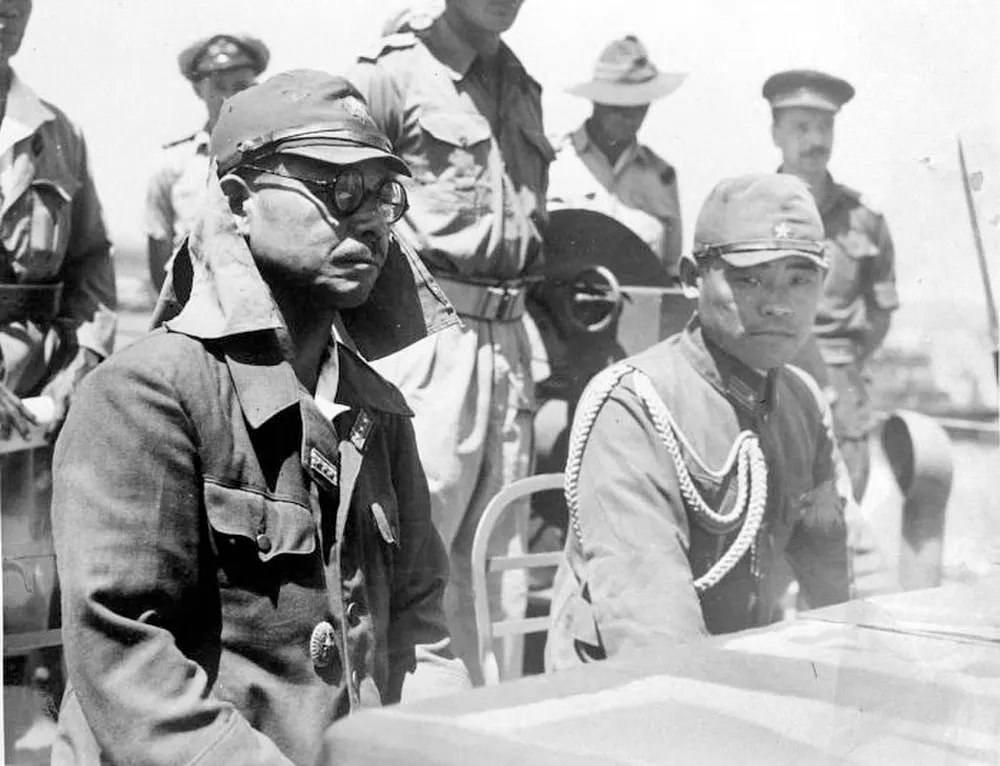
Kaida Tatsuichi, commander of the Japanese 4th Tank Regiment, and his chief of staff Shoji Minoru listen to the terms of surrender on HMAS Moresby at Timor.
Masatane Kanda signs the instrument of surrender of Japanese forces on Bougainville Island, New Guinea.
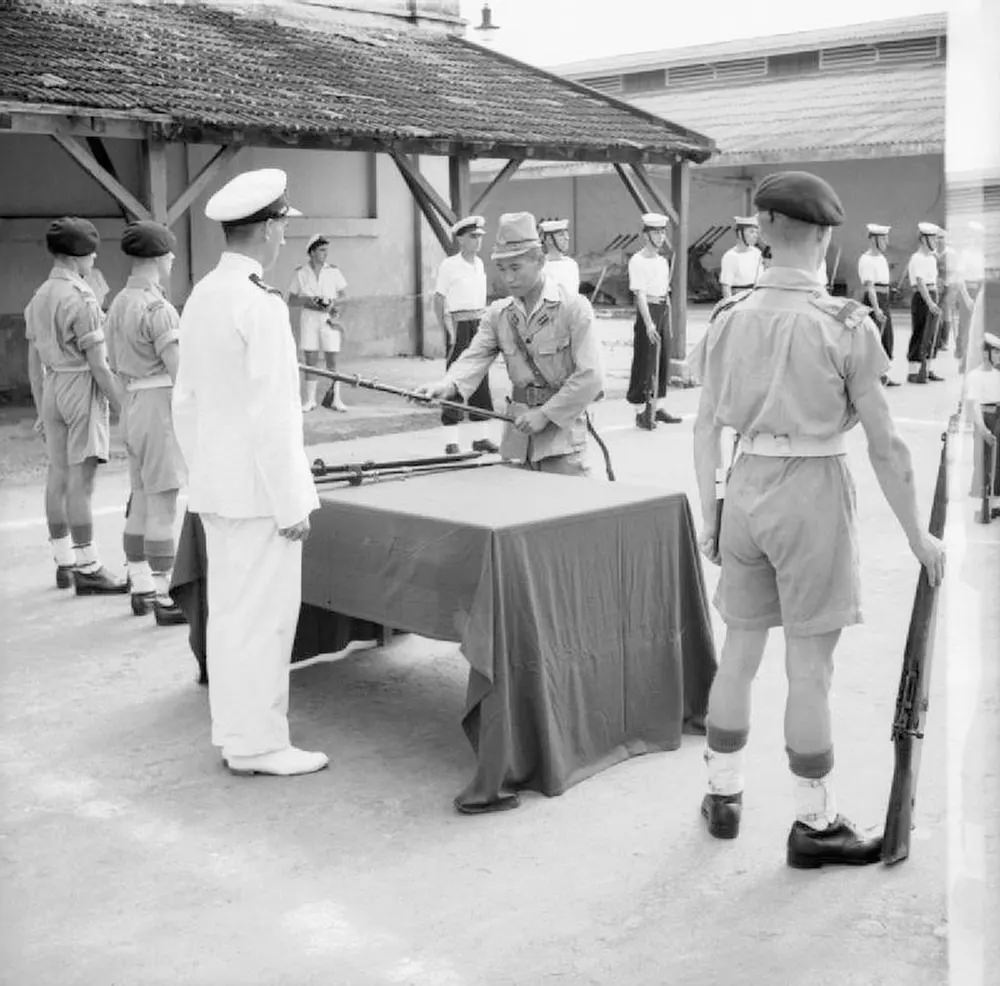
A Japanese officer surrenders his sword to a British Lieutenant in a ceremony in Saigon, French Indochina.
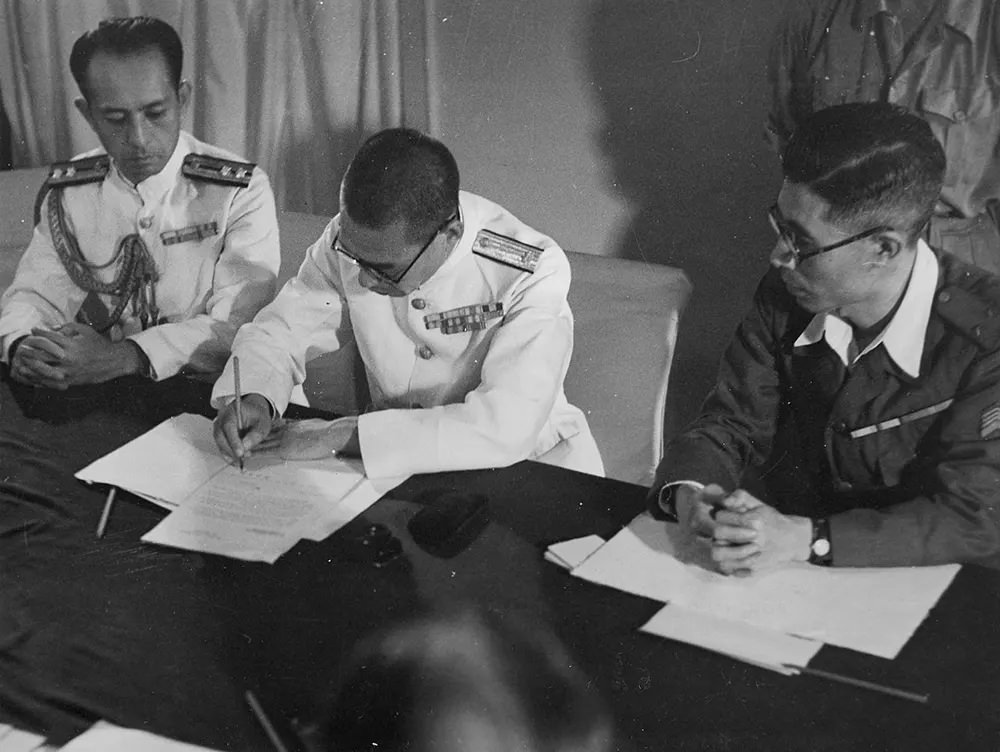
A Japanese Navy officer signing the surrender of Penang aboard HMS Nelson on 2 September 1945. Penang was liberated by the Royal Marines on the following day under Operation Jurist.
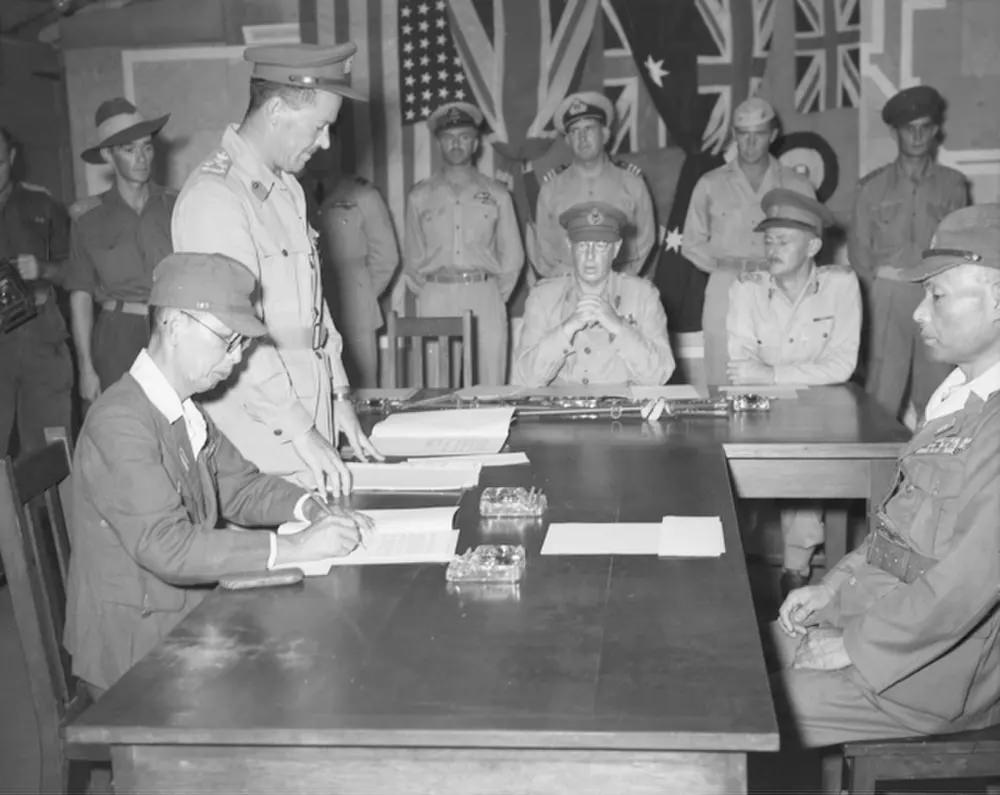
The official surrender ceremony of the Japanese to the Australian forces on board HMAS Kapunda at Kuching, Kingdom of Sarawak, on 11 September 1945.
The surrender ceremony of the Japanese to the British forces with General Itagaki surrendering his sword to General Frank Messervy at Kuala Lumpur, British Malaya, on 22 February 1946.

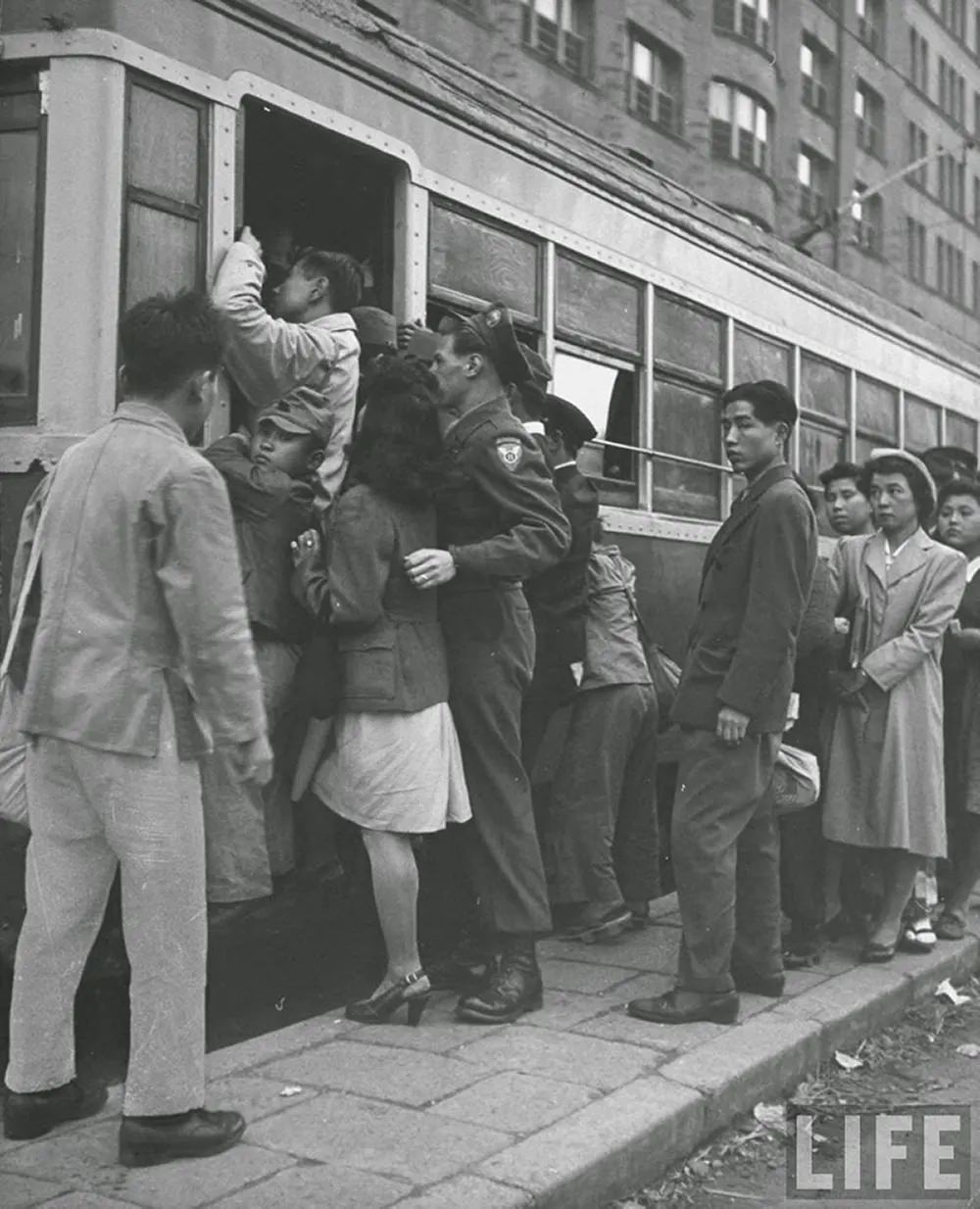
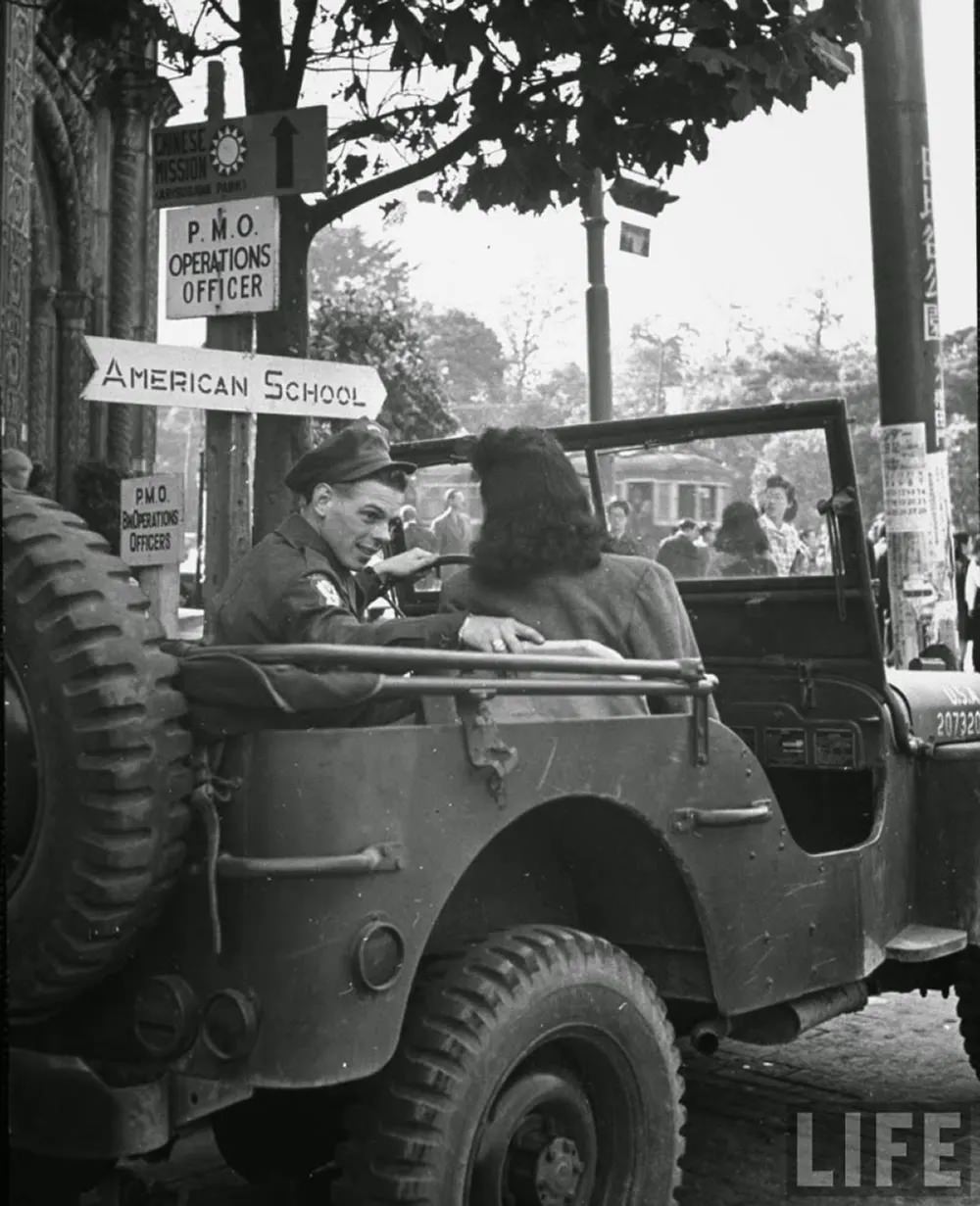
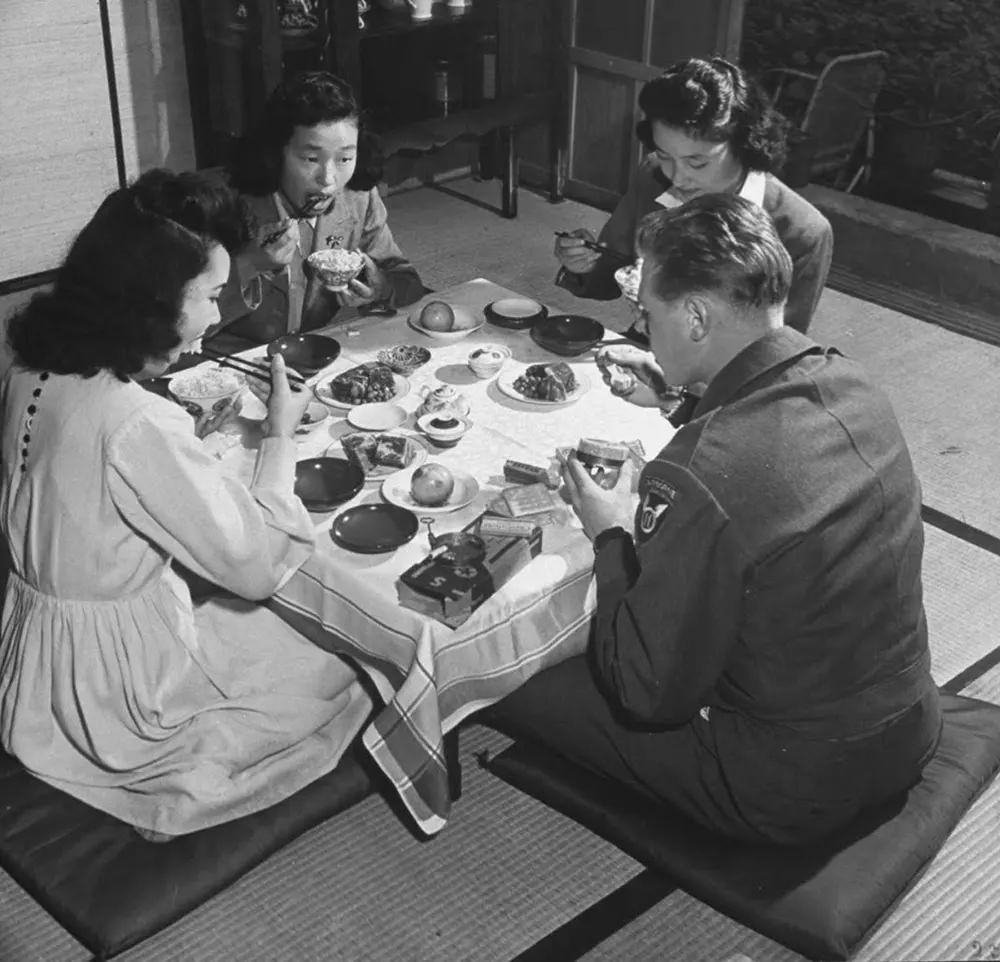
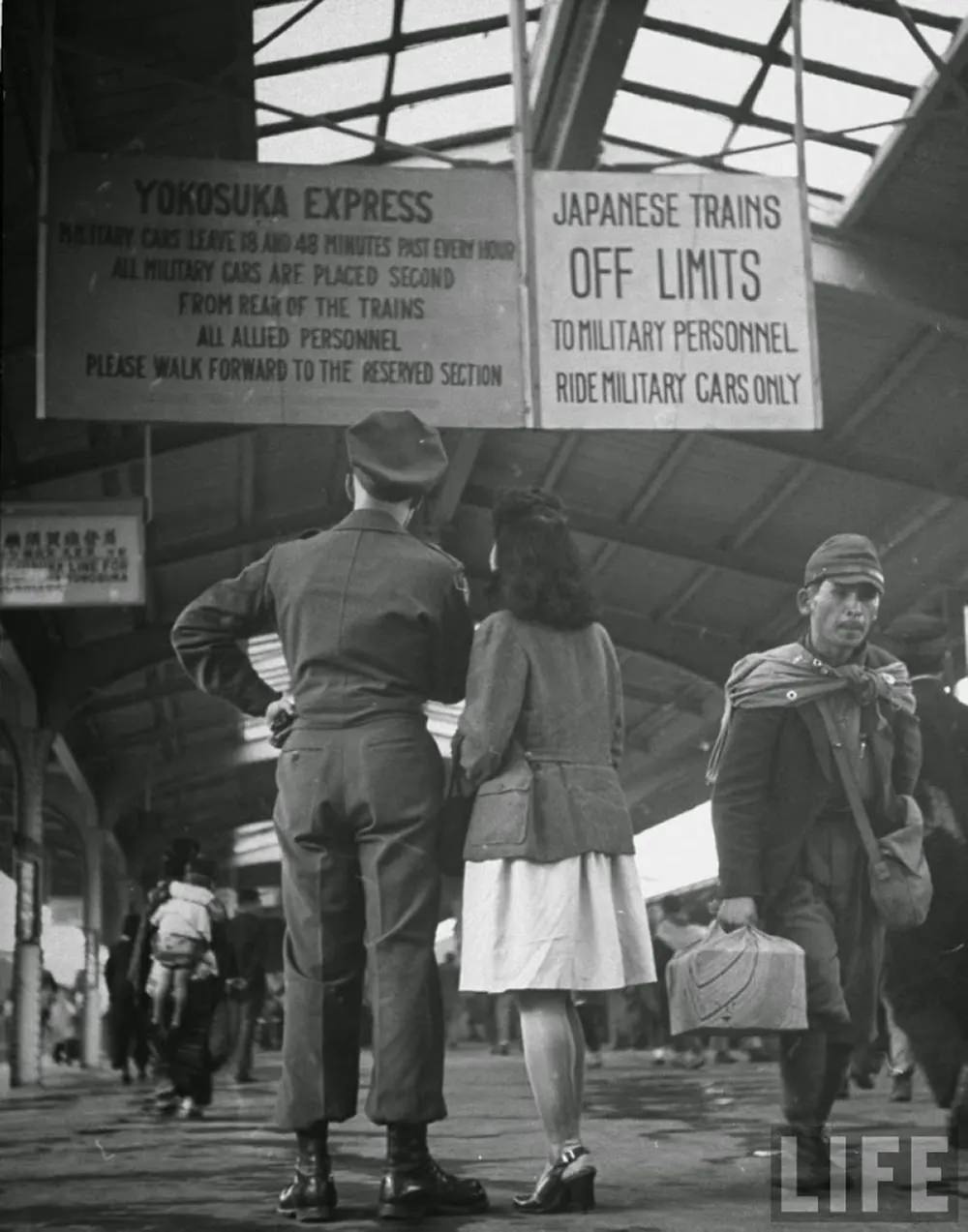
Back in Japan, Allied soldiers began moving through cities and towns that had been at war with them for years. Japanese war equipment was collected and destroyed. Occupation troops rode the subways — a rule was put in place barring them from regular train cars. The interaction between the occupying forces and the Japanese civilian population was cautious at first, but it was happening on the ground in real time.
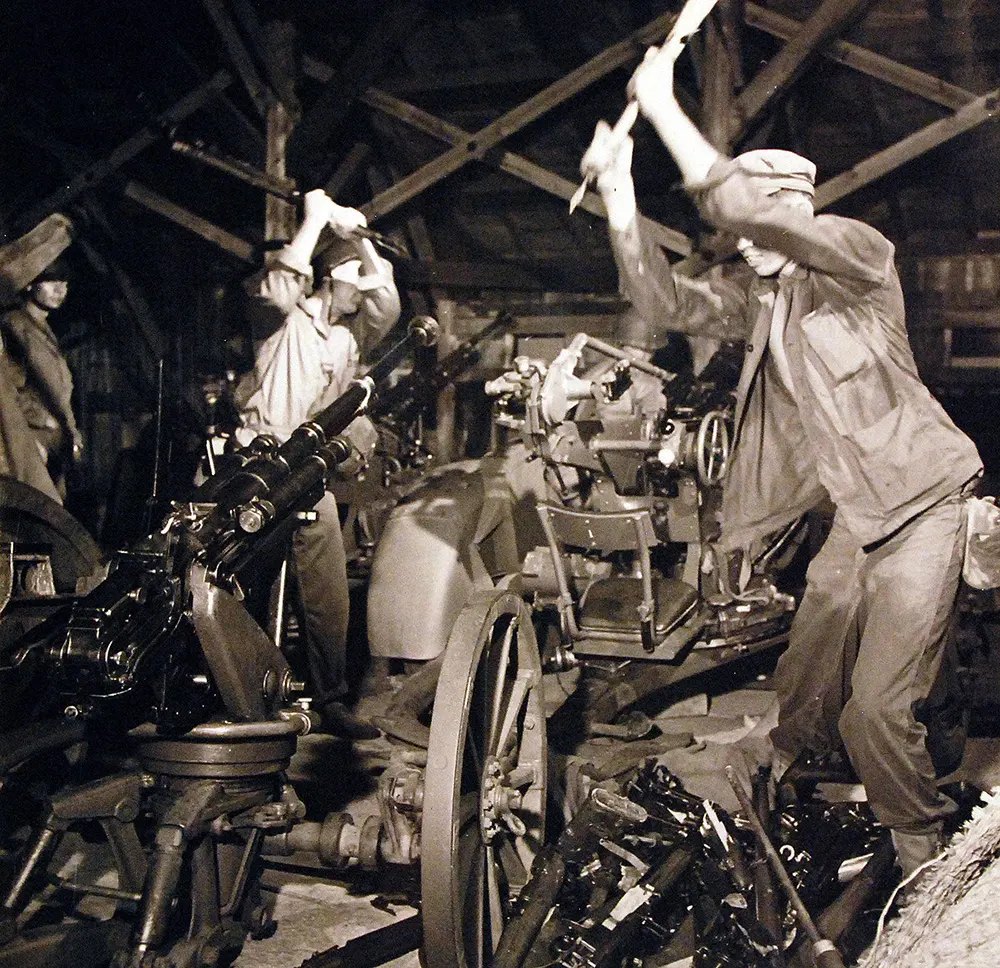
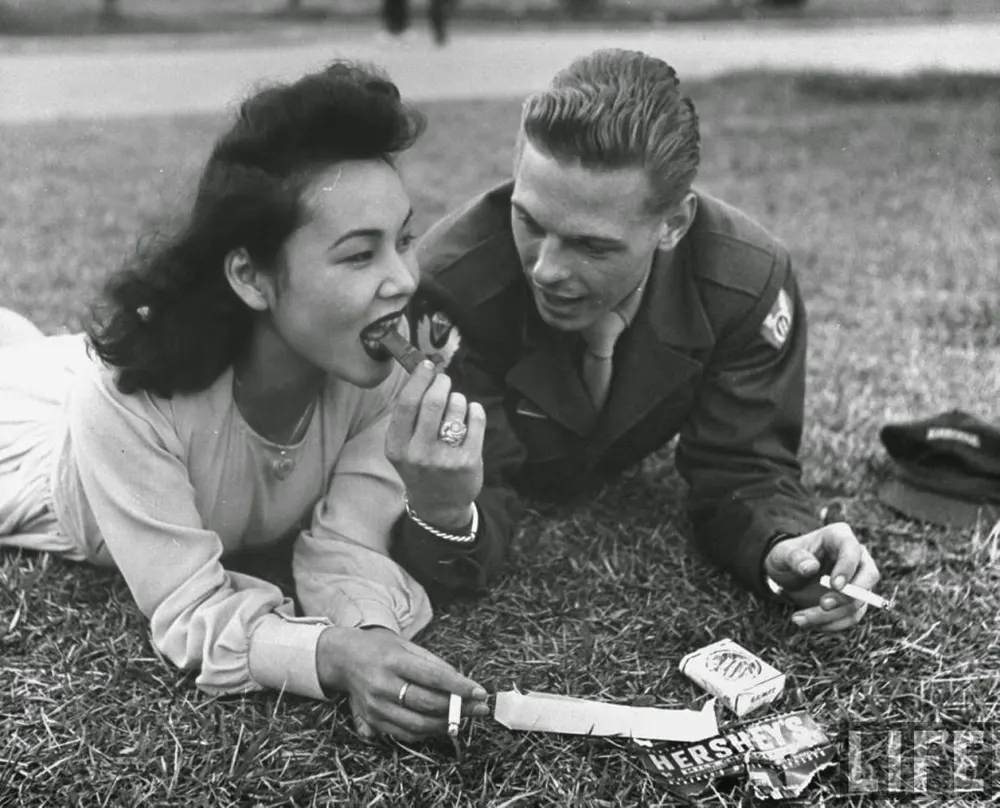
American soldiers destroy Japanese war equipment.
An American soldiers with a new friend in the occupied Japan.
Occupation soldiers were allowed on subways, but not regular train cars.

The Japanese delegation that signed the documents on the Missouri — the same men who had represented a nation at the height of its power just four years earlier — walked back off the deck in defeat. Shigemitsu led the group down the gangway, followed by Umezu. Their escort officer led them along the deck of the USS Lansdowne, which had brought them to the Missouri. The war was over.
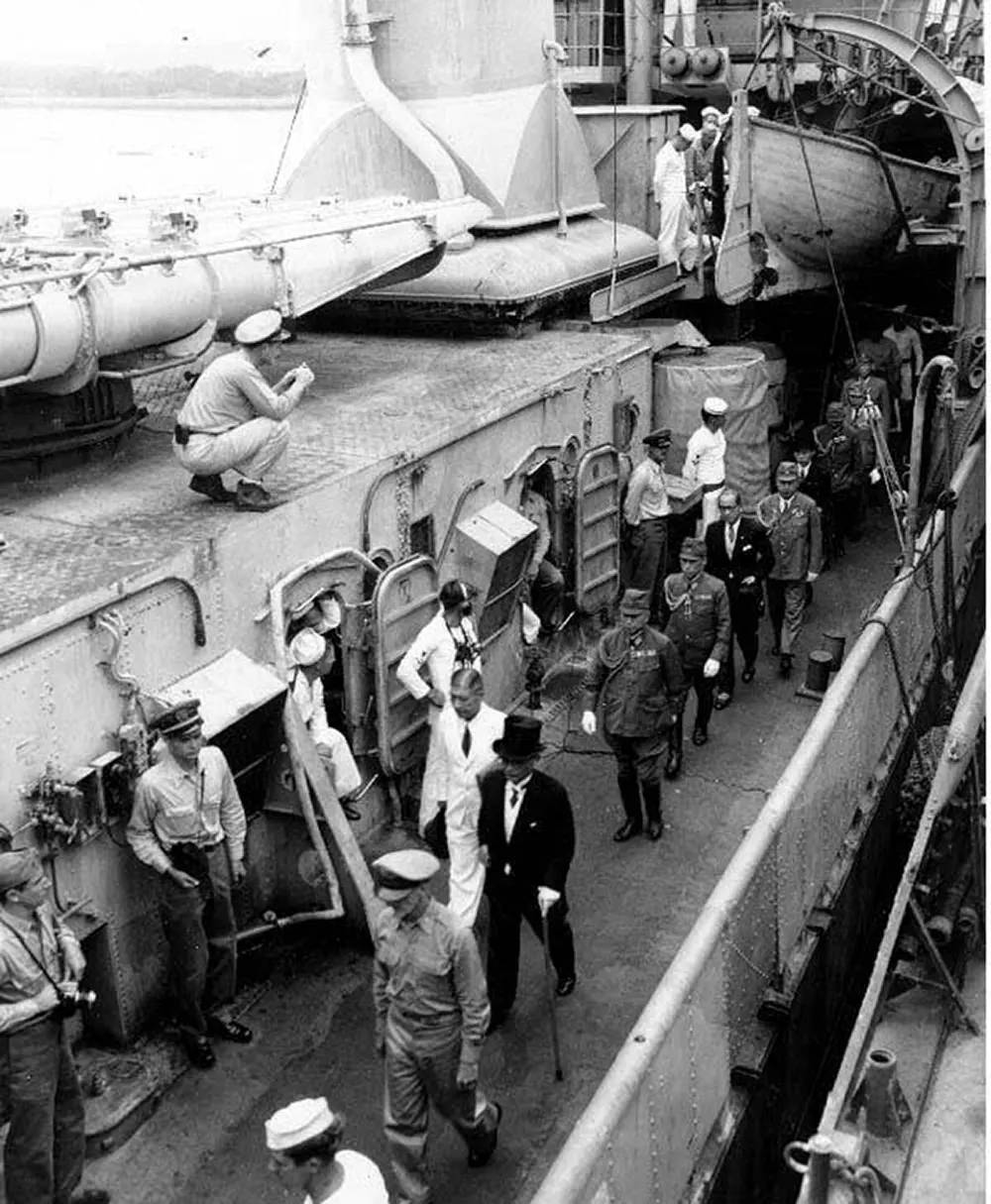
Japanese representatives follow their escort officer along the deck of USS Lansdowne (DD-486), after the surrender ceremonies.

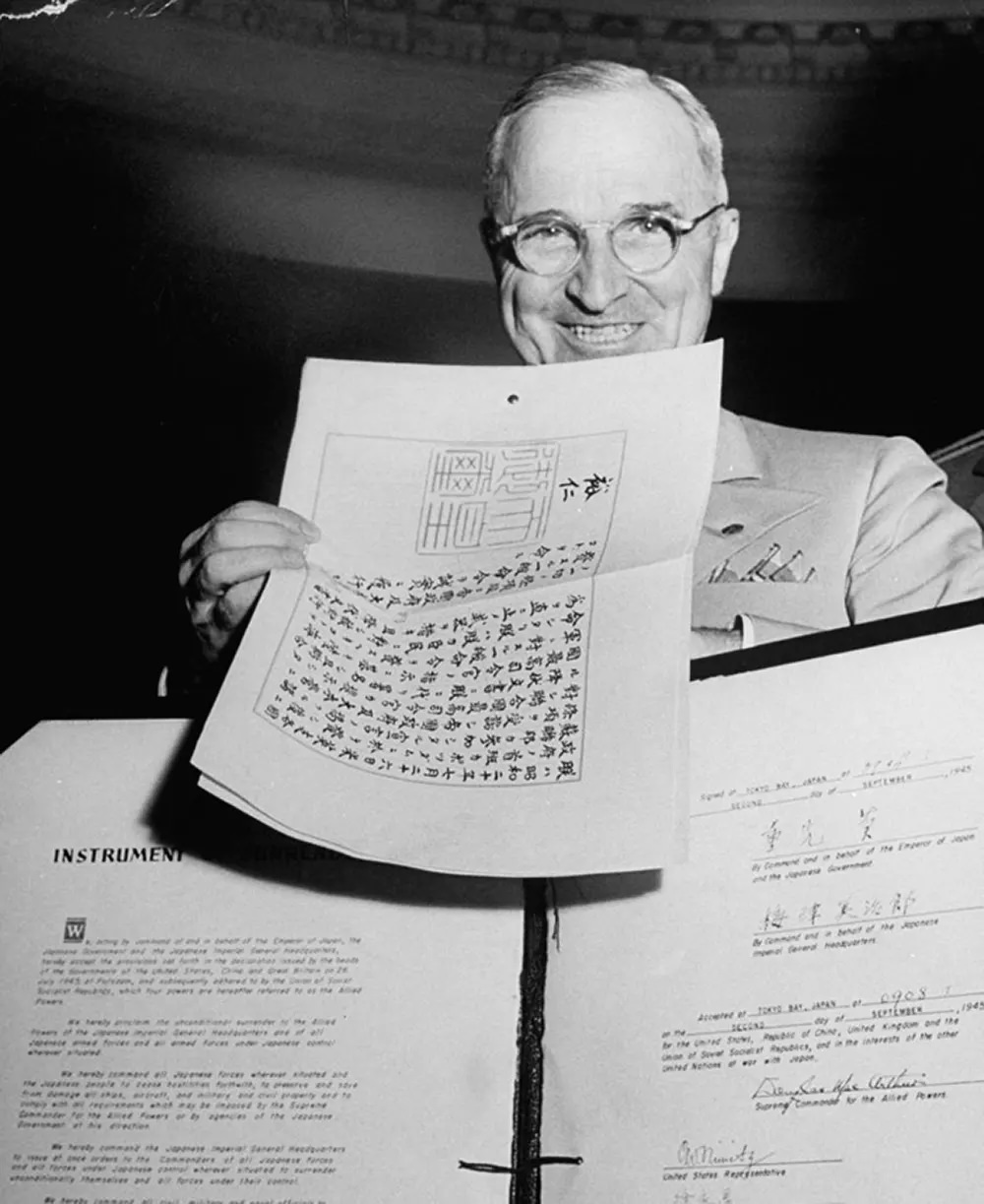
Allied personnel around the world celebrated the news. In Paris, soldiers and civilians gathered in the streets. In Washington, President Truman received the signed surrender documents — the physical proof that the most destructive war in human history had come to an end. The documents themselves were brief, just a few pages, but their weight was enormous.
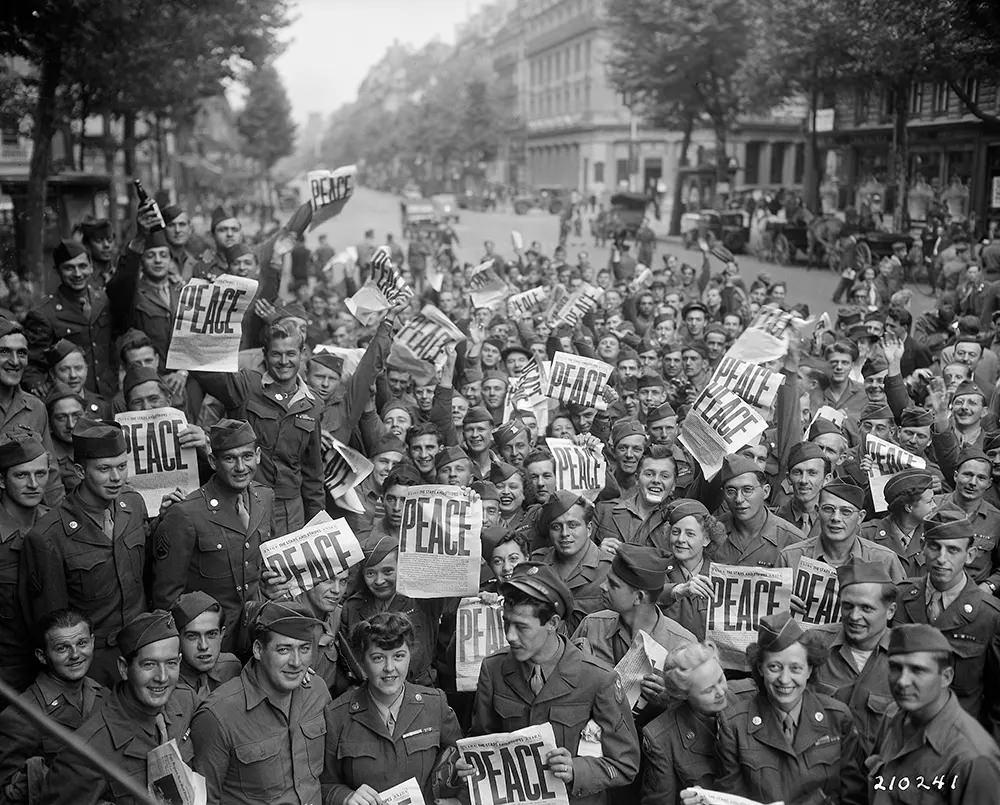
Allied personnel celebrate the Japanese surrender in Paris.
President Truman with the Japanese surrender documents.
The Ceremony of Unconditional Surrender: Japan's formal end of WWII
Enjoyed this post? Get new ones in your inbox.

2 thoughts on “The Ceremony of Unconditional Surrender: Japan's formal end of WWII”

  1. My favorite story from that ceremony is when the Canadian representative signed on the wrong line and messed up one of the copies of the document, the one that was given to the Japanese delegation.

Leave a Comment

Your email address will not be published. Required fields are marked *

Share this Post 🥺

Please take a moment to share this content. Your support is greatly appreciated! 🙌🙏

Share this Post 🥺

Please take a moment to share this content. Your support is greatly appreciated! 🙌🙏
Scroll to Top
 
Hey Friend, Before You Go.. Please like & follow for more interesting content