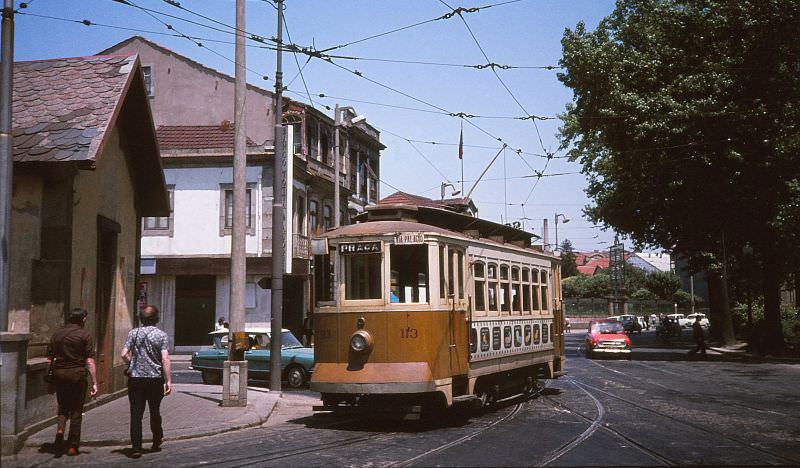
In the early 1950s, European roads were changing fast. Fuel was expensive, cities were crowded, and most families couldn’t afford a full-sized car. Into this moment came one of the strangest-looking vehicles ever built — a tiny, egg-shaped machine called the Isetta. It wasn’t much bigger than a golf cart, but it made a massive impression.
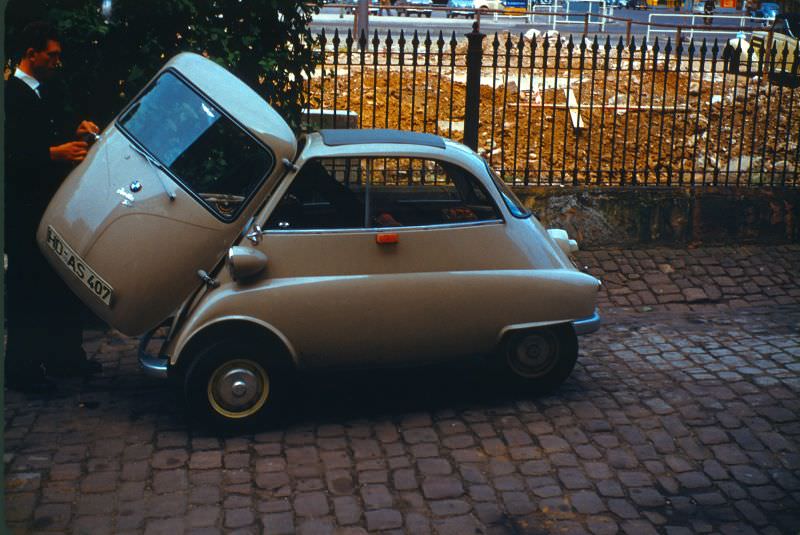
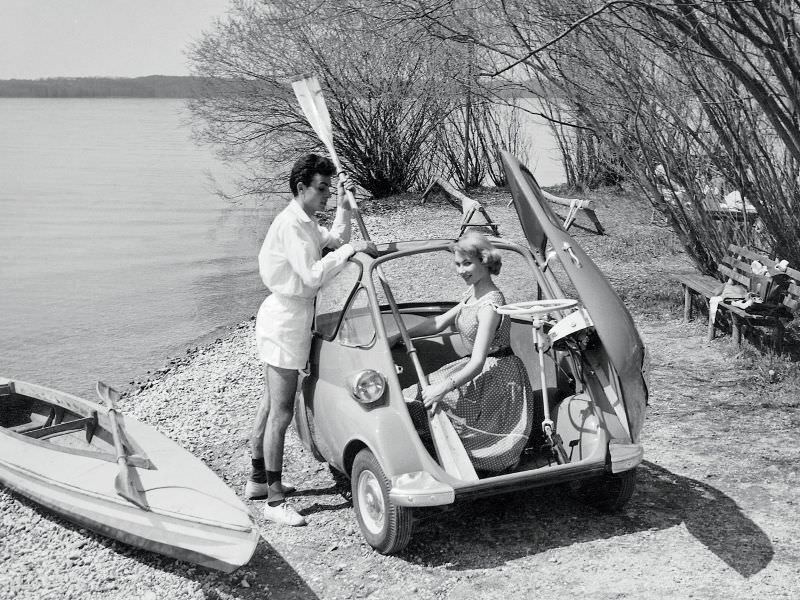
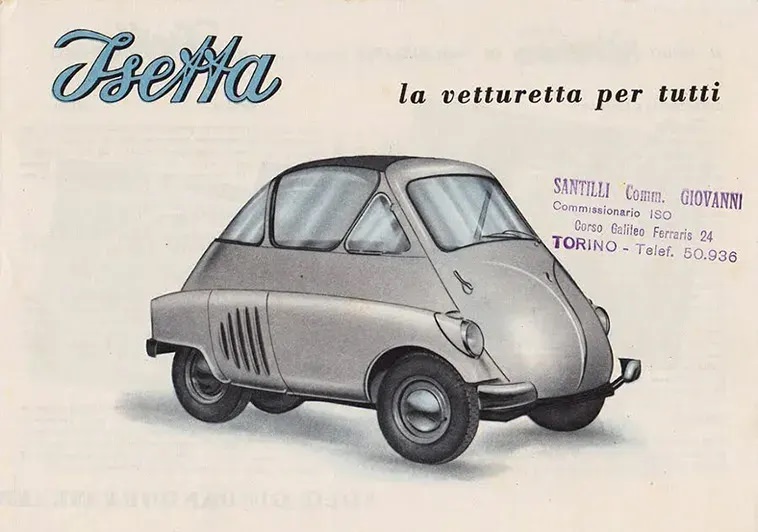
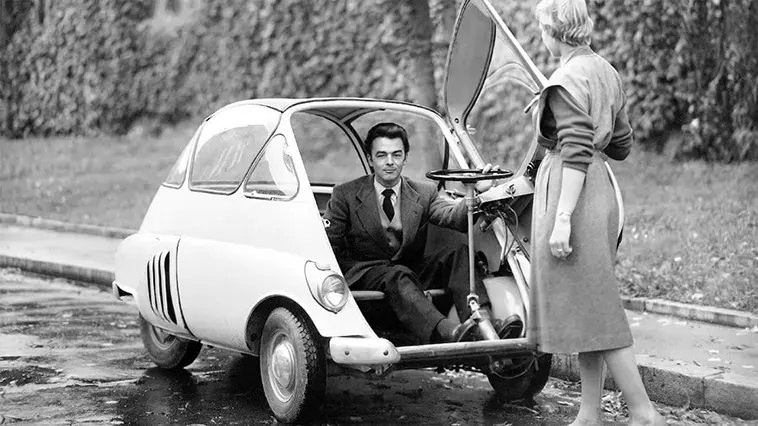
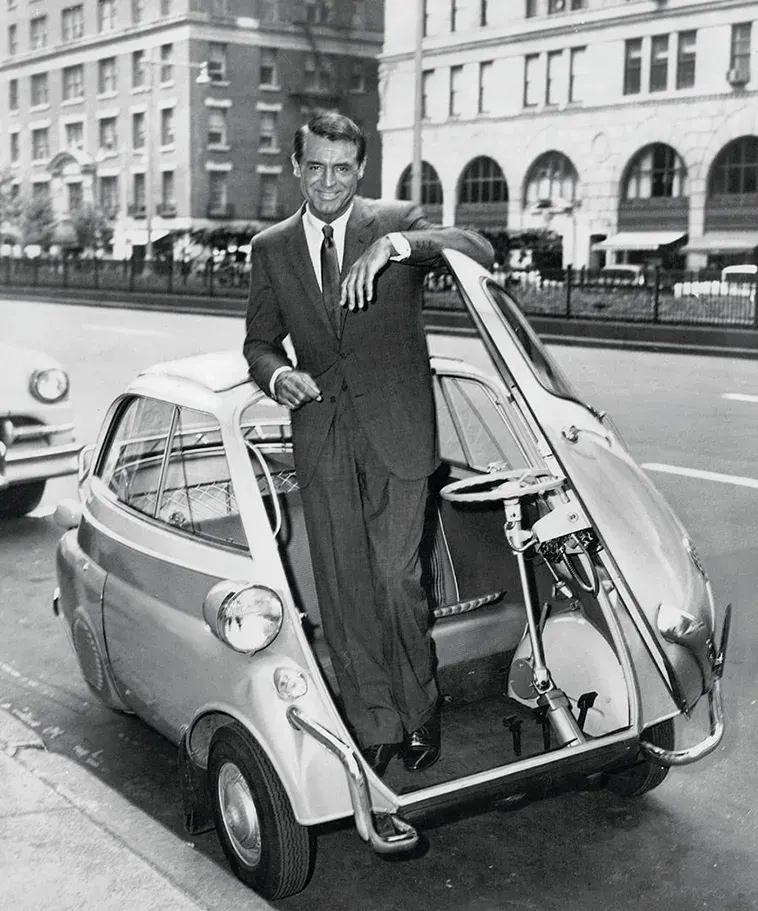
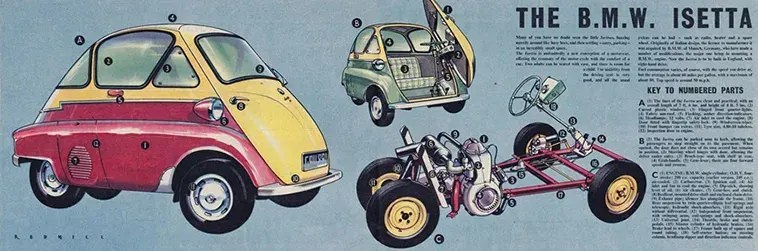
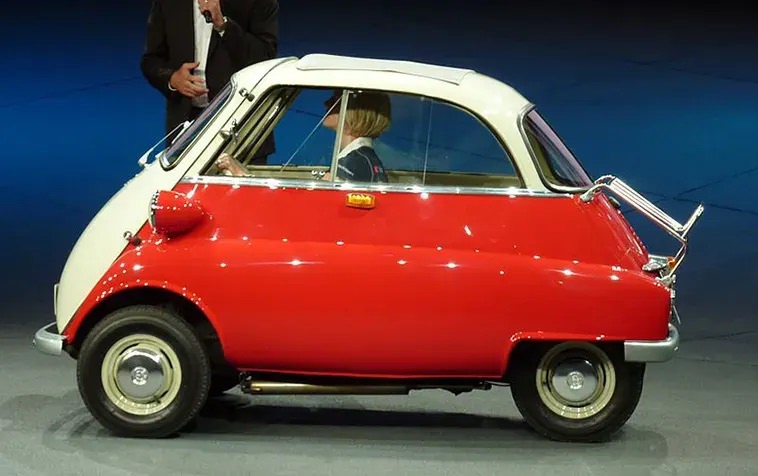
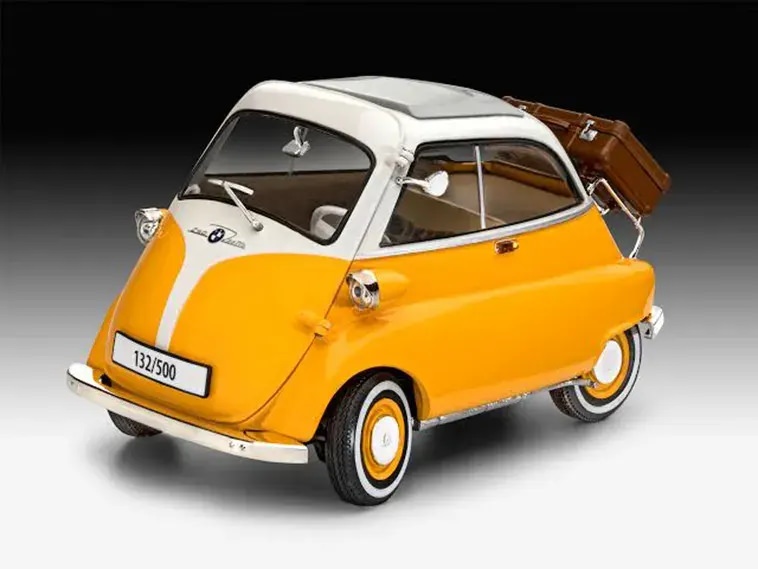
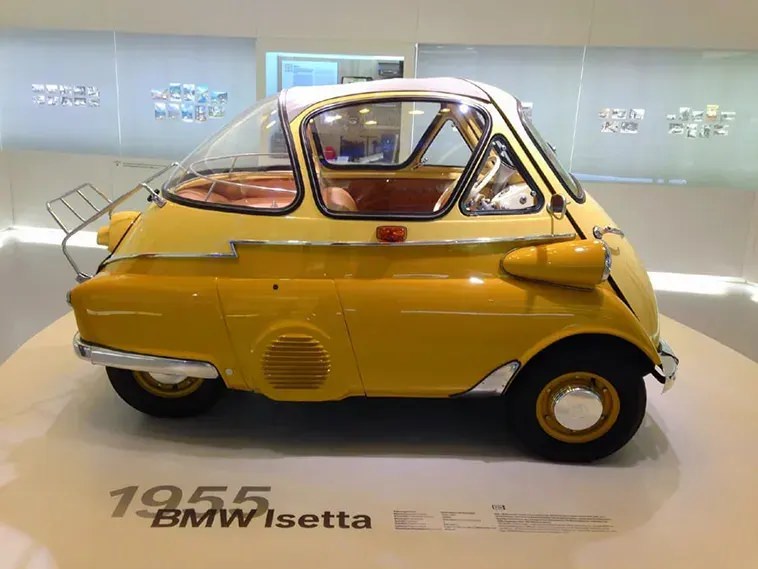
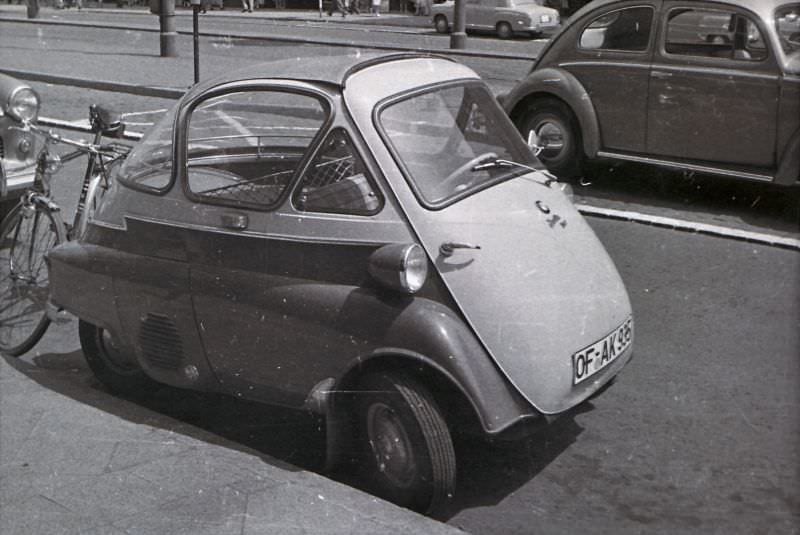
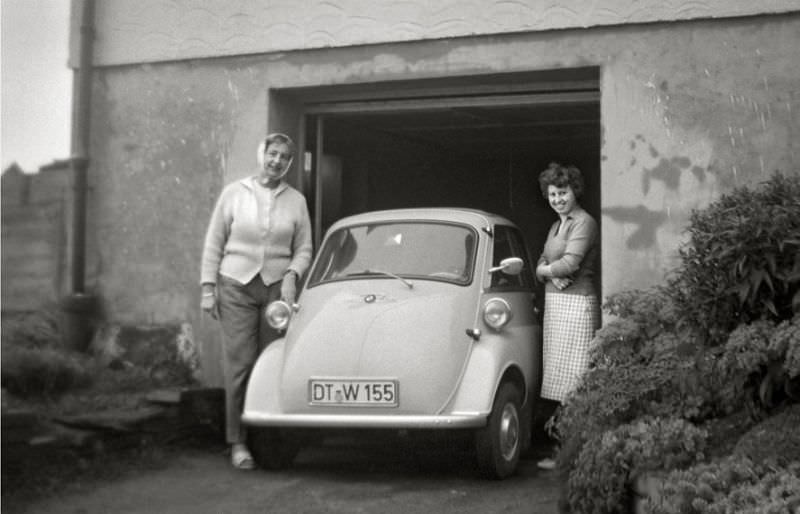
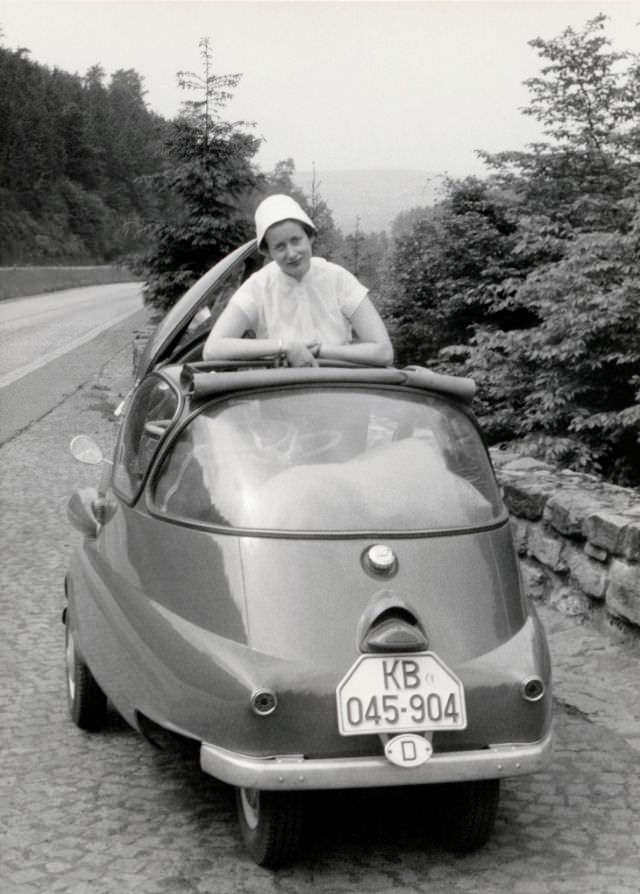
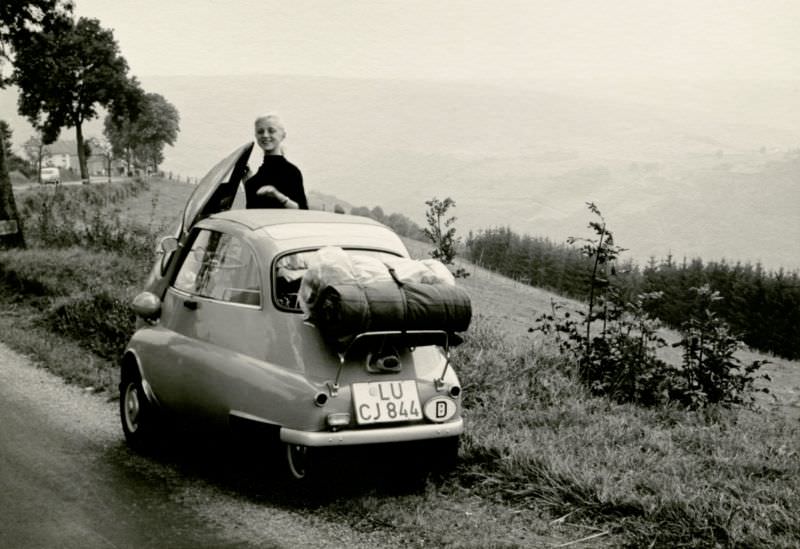
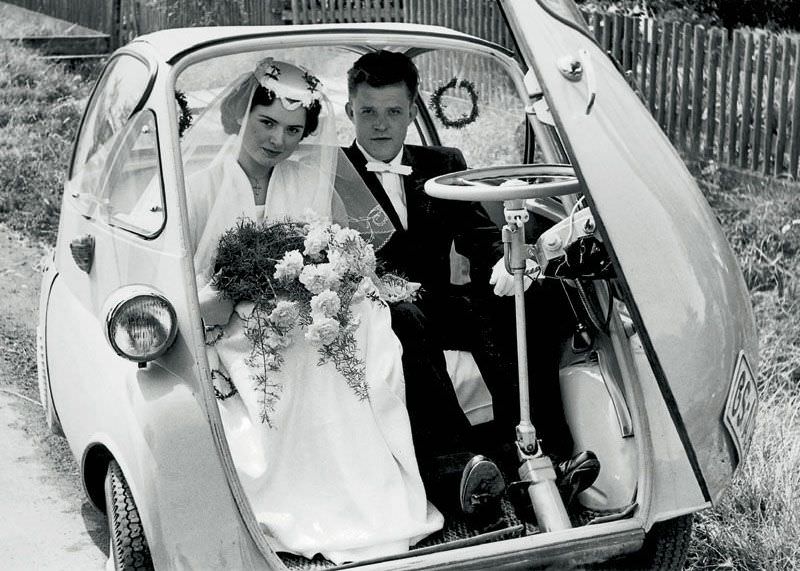
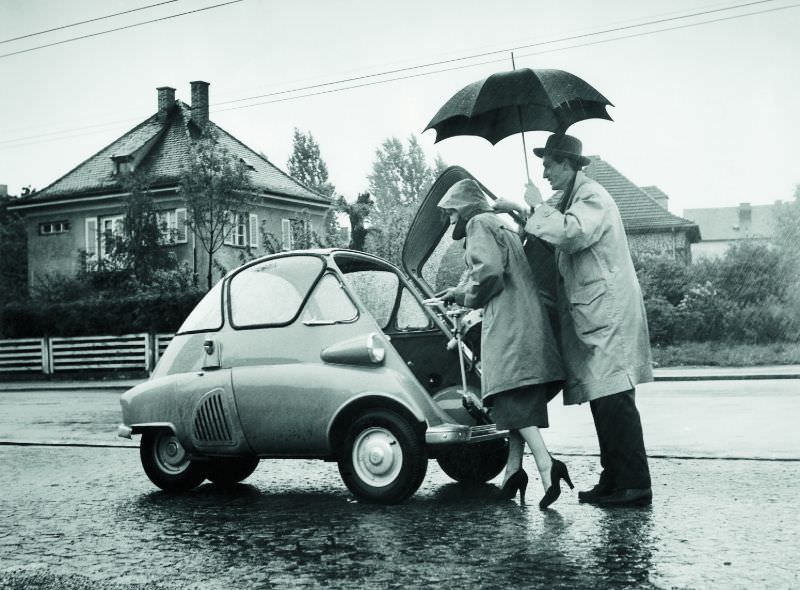
The Isetta was designed and first built by the Italian company Iso SpA. It debuted in 1953 and was immediately unlike anything else on the market. The body was round and compact — earning it the nickname “bubble car” — and the entire front of the vehicle swung open as a single door. That one door was the only way in or out. The steering wheel and dashboard were attached to the door itself, so they swung out with it to let passengers step inside.
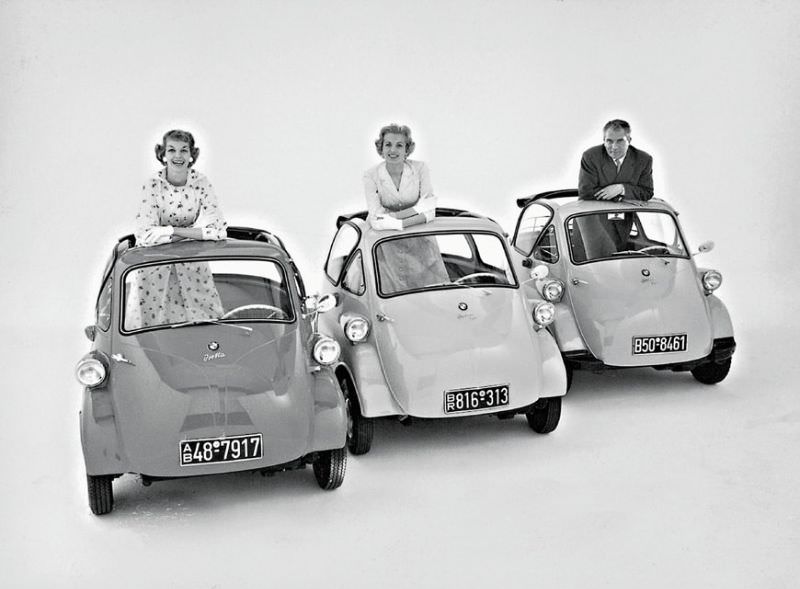
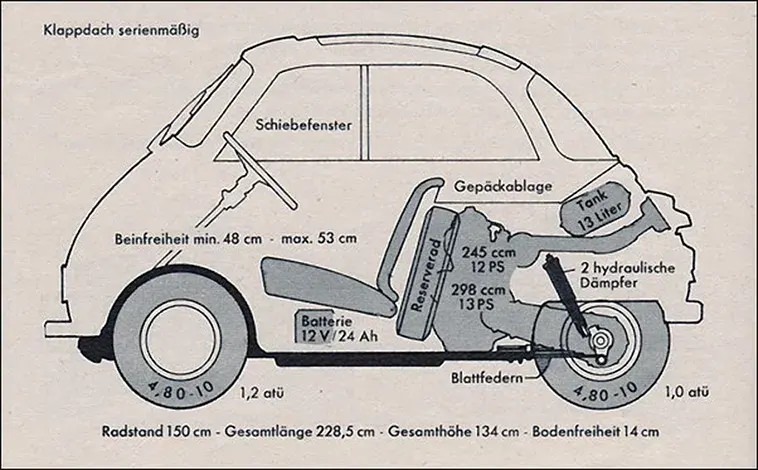
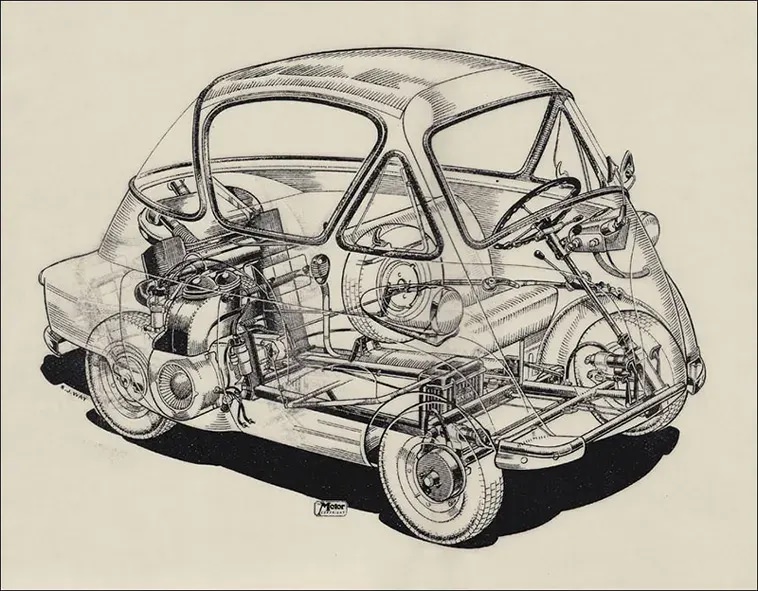
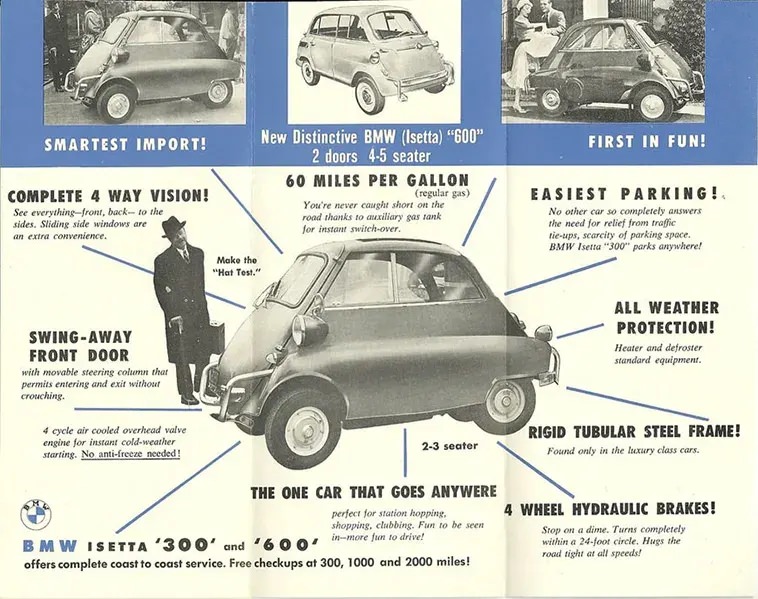
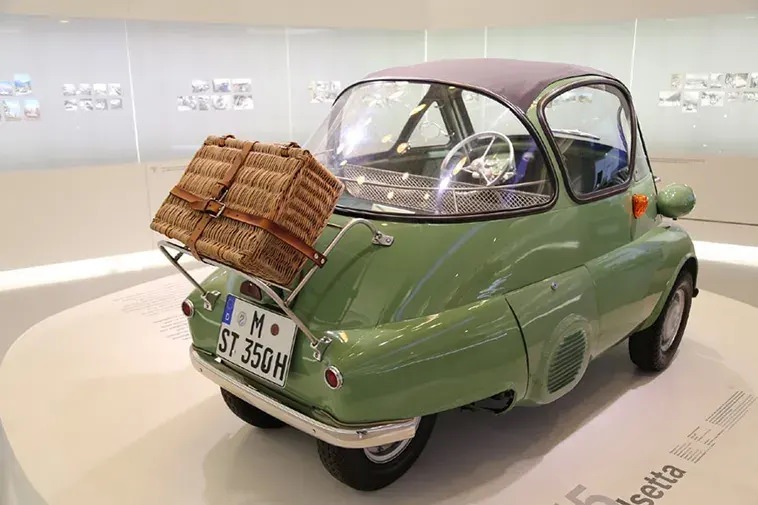
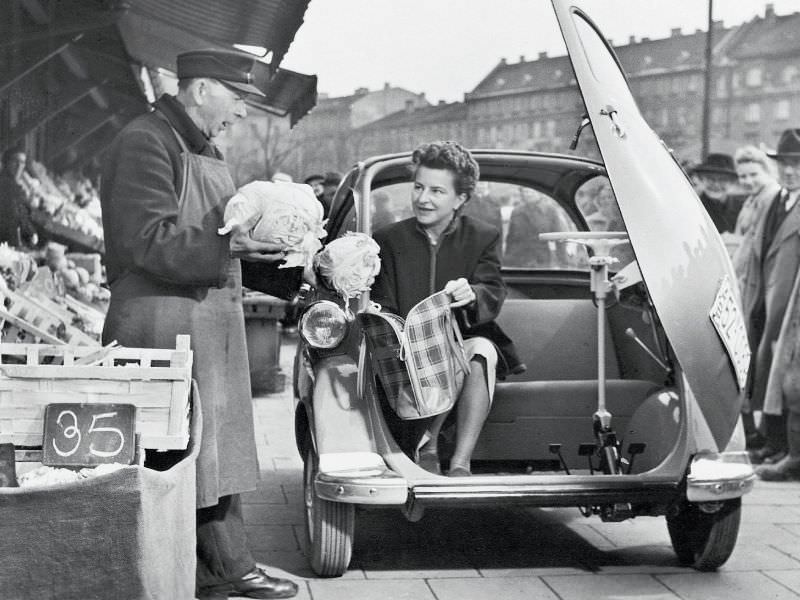
Power came from a small motorcycle engine, which kept the car lightweight and cheap to run. The Isetta typically seated two people side by side and had a small luggage shelf behind the seats. Its top speed hovered around 53 miles per hour, and it returned impressive fuel economy for its era. For short city trips, it was nearly perfect.
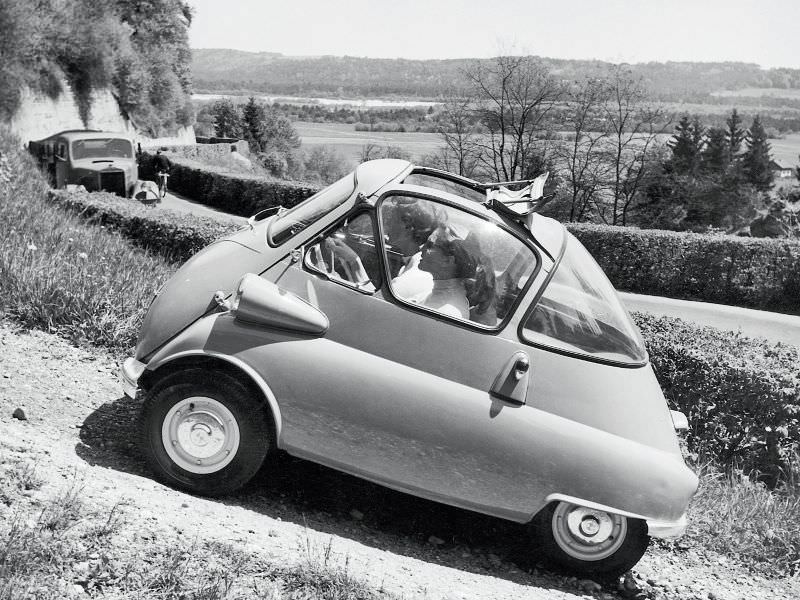
Iso SpA recognized that the design had potential far beyond Italy. Rather than build every car themselves, they licensed the Isetta’s design and manufacturing rights to several companies across Europe. This was a smart business move that spread the car across the continent quickly.
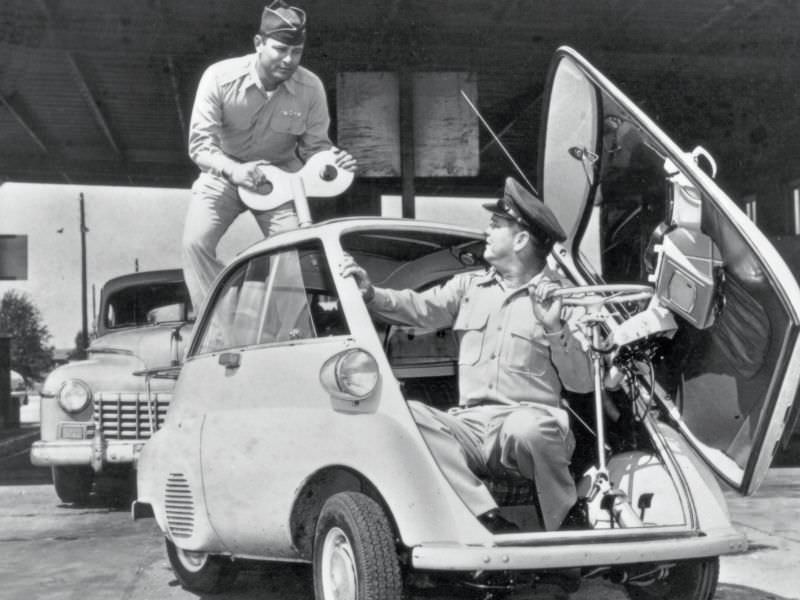
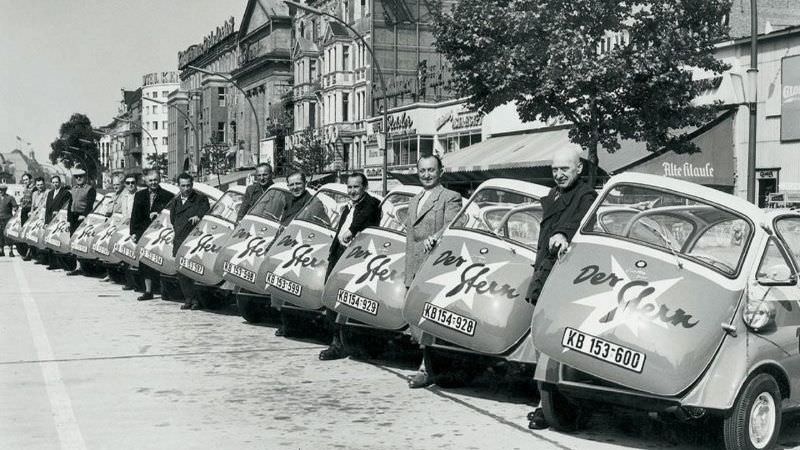
The most famous of those licensees was BMW in Germany. The Bavarian automaker took the Isetta’s core concept and refined it. BMW produced its version starting in 1955, fitting it with a 250cc or 300cc engine from its own motorcycle lineup. The BMW Isetta became one of the company’s best-selling models during the mid-1950s, which was remarkable given that BMW was still recovering from the economic devastation of World War II.
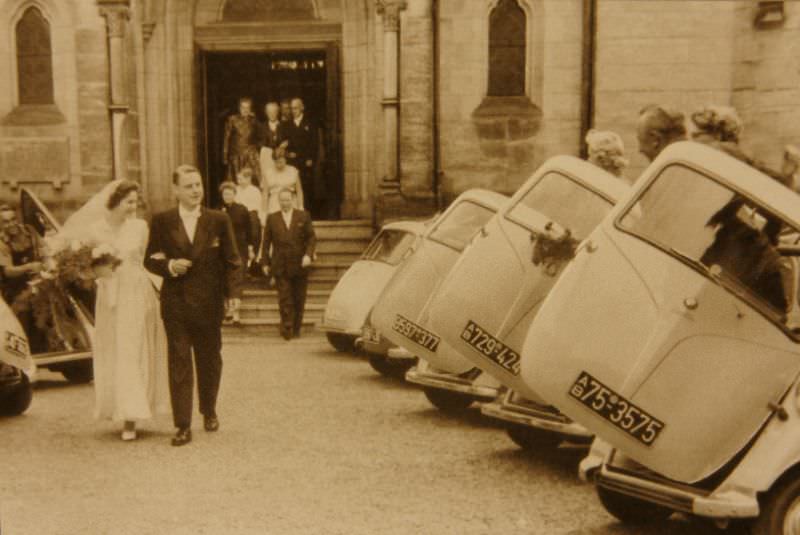
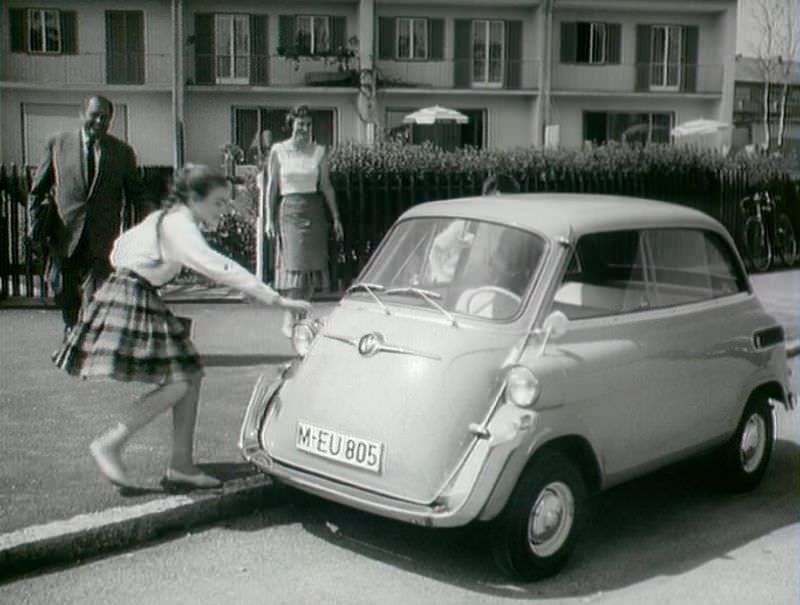
At its peak, the Isetta was a genuine sensation. It was marketed as one of the first true “microcars” — a new class of vehicle built specifically for urban driving. Europeans loved it. It was cheap to buy, cheap to run, and small enough to park almost anywhere. In congested postwar cities, that combination was hard to beat.
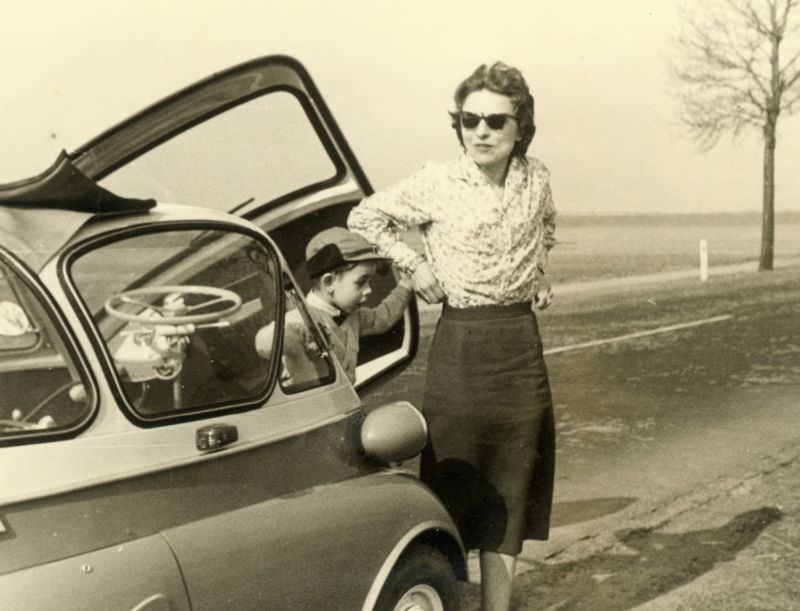
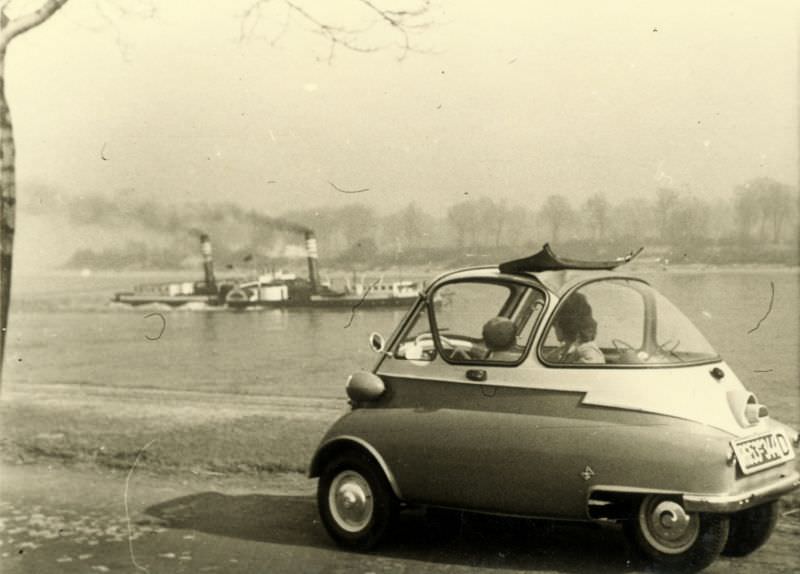
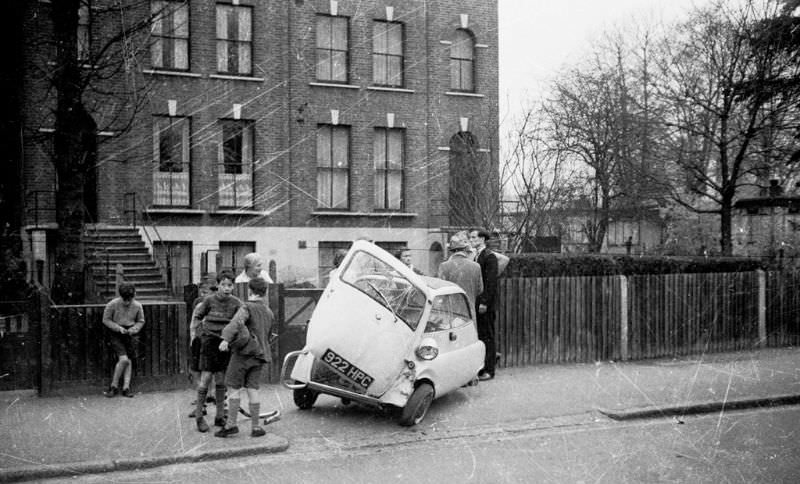
But the Isetta had serious drawbacks that became harder to ignore as the decade wore on. Safety was the biggest problem. The car had virtually no crash protection. Its thin metal body offered little resistance in a collision, and the front-opening door design created a dangerous situation in an accident — if the front of the car was damaged, the only exit could be blocked completely, trapping the occupants inside.
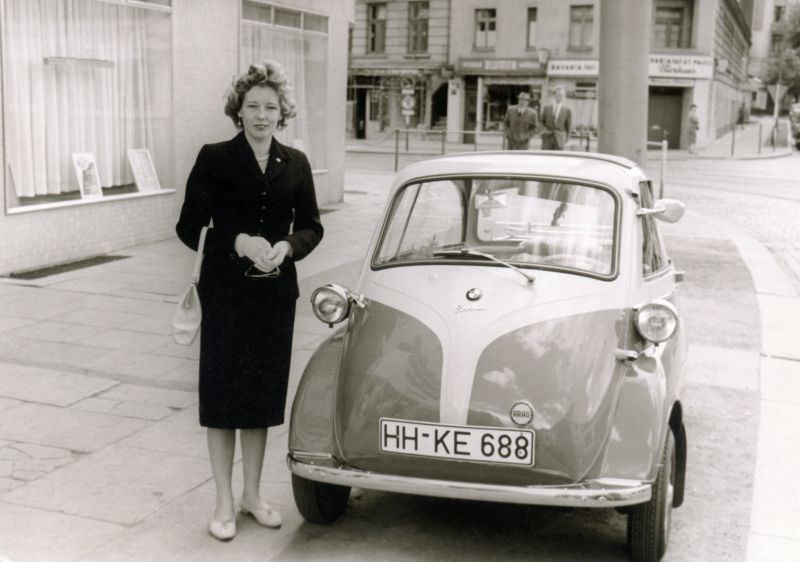
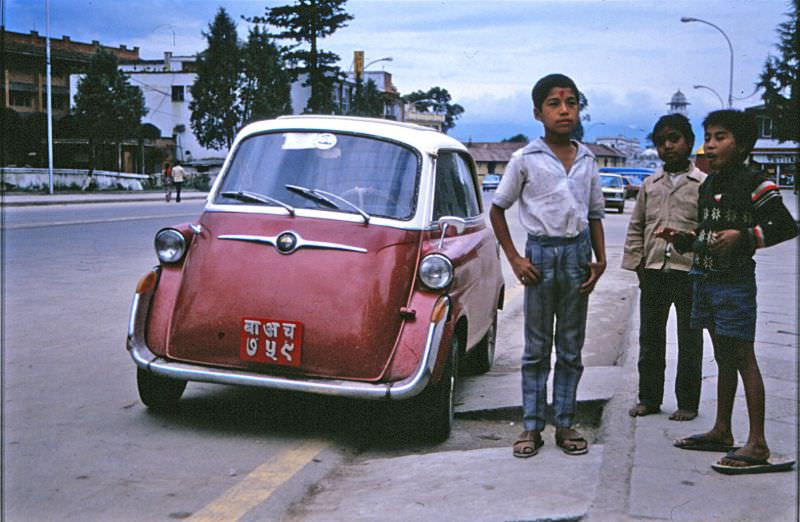
Beyond safety, the Isetta’s size worked against it in other ways. Families with children had no room. Long-distance travel was uncomfortable and impractical. As living standards in Europe rose through the late 1950s, buyers wanted more from their cars — more space, more speed, more comfort.
The competition grew sharper at the same time. The Mini, launched in 1959, proved that a small car could be genuinely practical and fun to drive. The Volkswagen Beetle offered far more interior space, better performance, and a growing reputation for reliability. These cars weren’t just competitors — they made the Isetta look outdated by comparison.
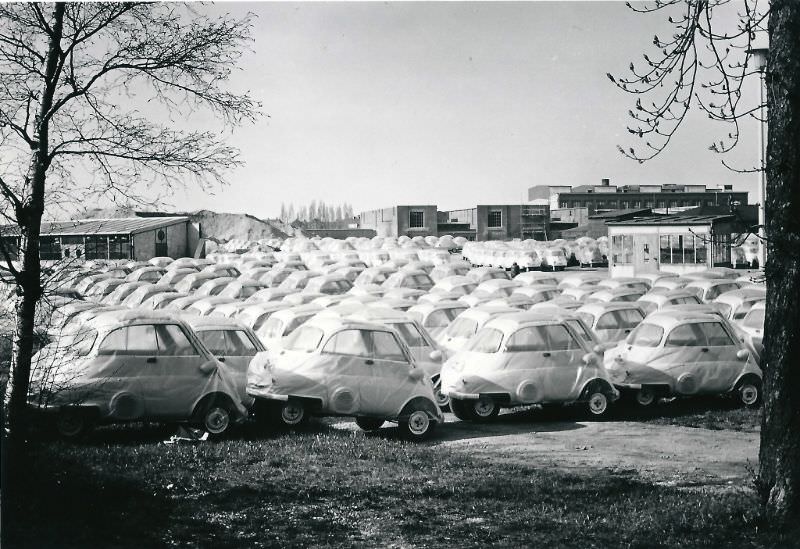
Sales of the Isetta fell sharply in the late 1950s. BMW ended production of its version in 1962, and the car quietly disappeared from showrooms across Europe. In total, BMW alone had produced around 161,000 units — a solid number, but not enough to sustain the model against the tide of newer, better options.
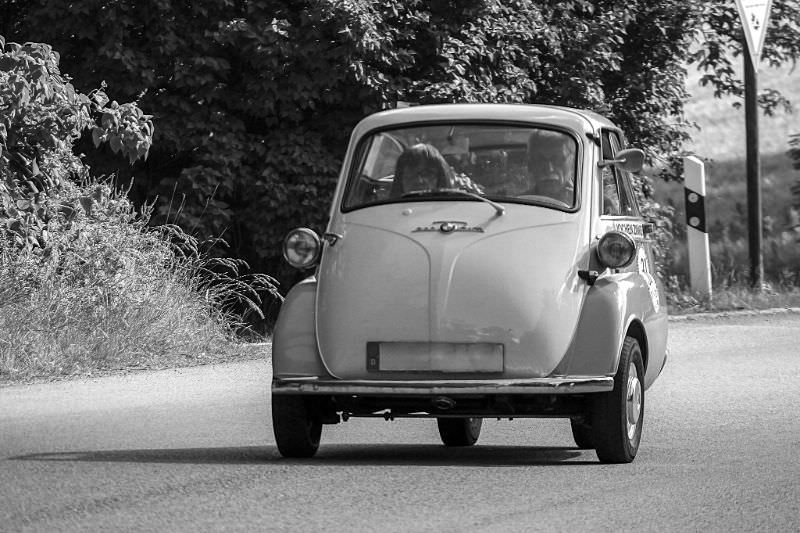
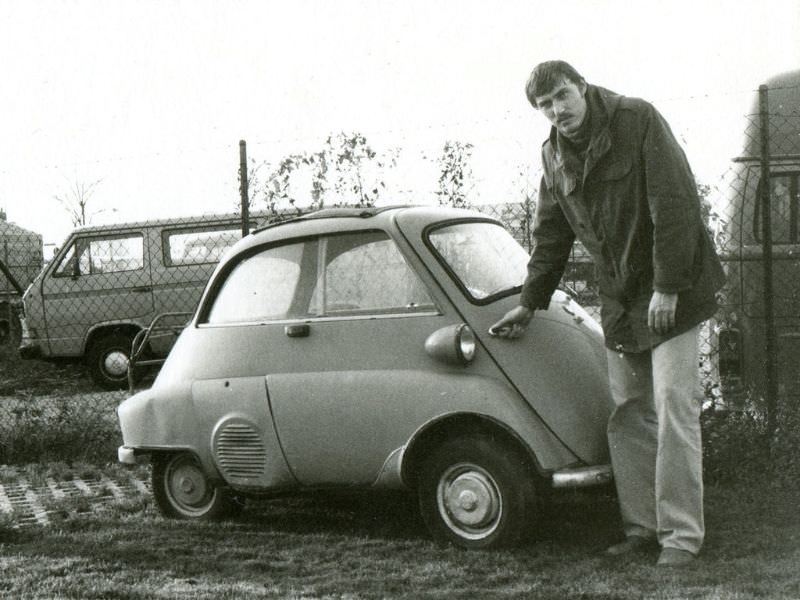
Today, surviving Isettas are prized collector’s items. Their quirky appearance and unusual engineering make them stand out at any car show. Original examples in good condition regularly sell for tens of thousands of dollars at auction.
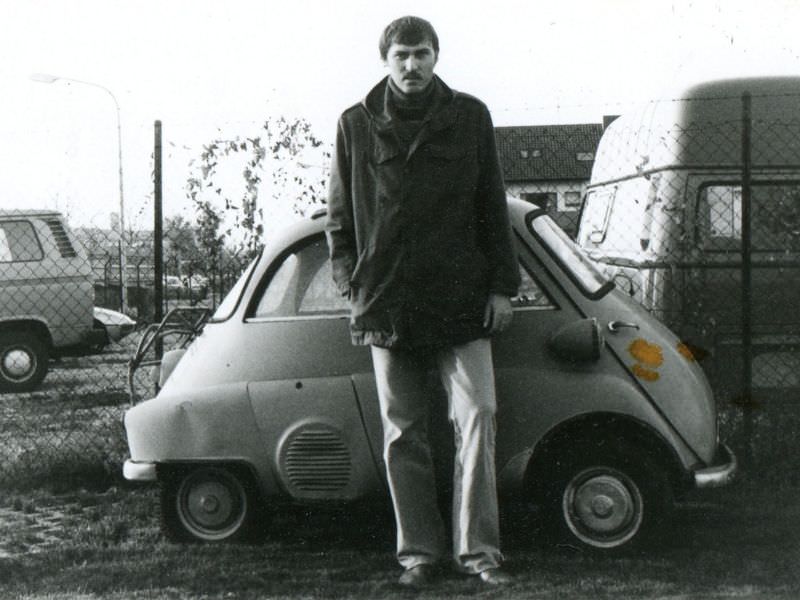
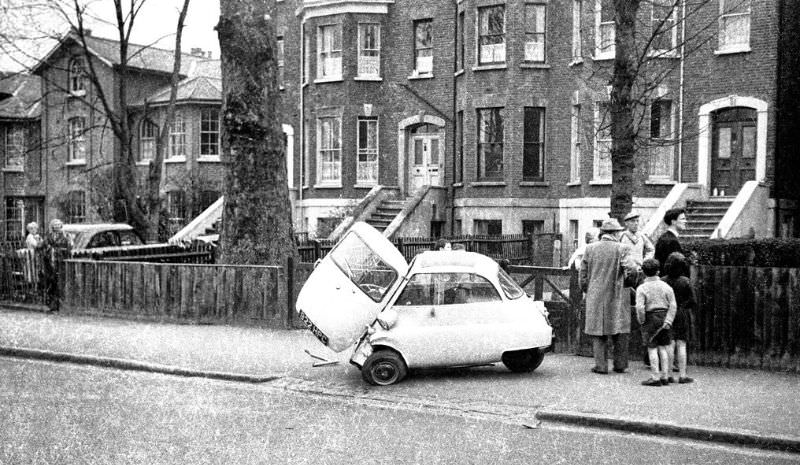
The car’s front-opening door remains one of the most distinctive design choices in automotive history. It was bold, clever, and wholly original — a solution to the problem of fitting an entrance into such a narrow front end. It was also, ultimately, one of the features that made the car impractical as safety standards evolved.
The Isetta’s story is a clear example of a product that was perfectly matched to one specific moment in time. Postwar Europe needed cheap, small transportation, and the Isetta delivered exactly that. When the moment passed and expectations shifted, the car had nothing left to offer.
What made the Isetta remarkable wasn’t just its shape. It was the fact that a tiny Italian firm managed to create a vehicle class — the microcar — that spread across an entire continent and was picked up by one of Europe’s most respected automakers. That kind of reach, for a car that weighed less than 800 pounds, is genuinely extraordinary.