Houston in the 1950s was a city in full motion. Oil money was pouring in, new buildings were going up, and people from across the country were arriving to be part of it. The city’s population jumped dramatically during this decade, and the physical landscape changed just as fast. Streets that had been quiet a generation earlier were now lined with cars, shops, and construction cranes. These photos capture that moment — a city stepping hard on the accelerator.
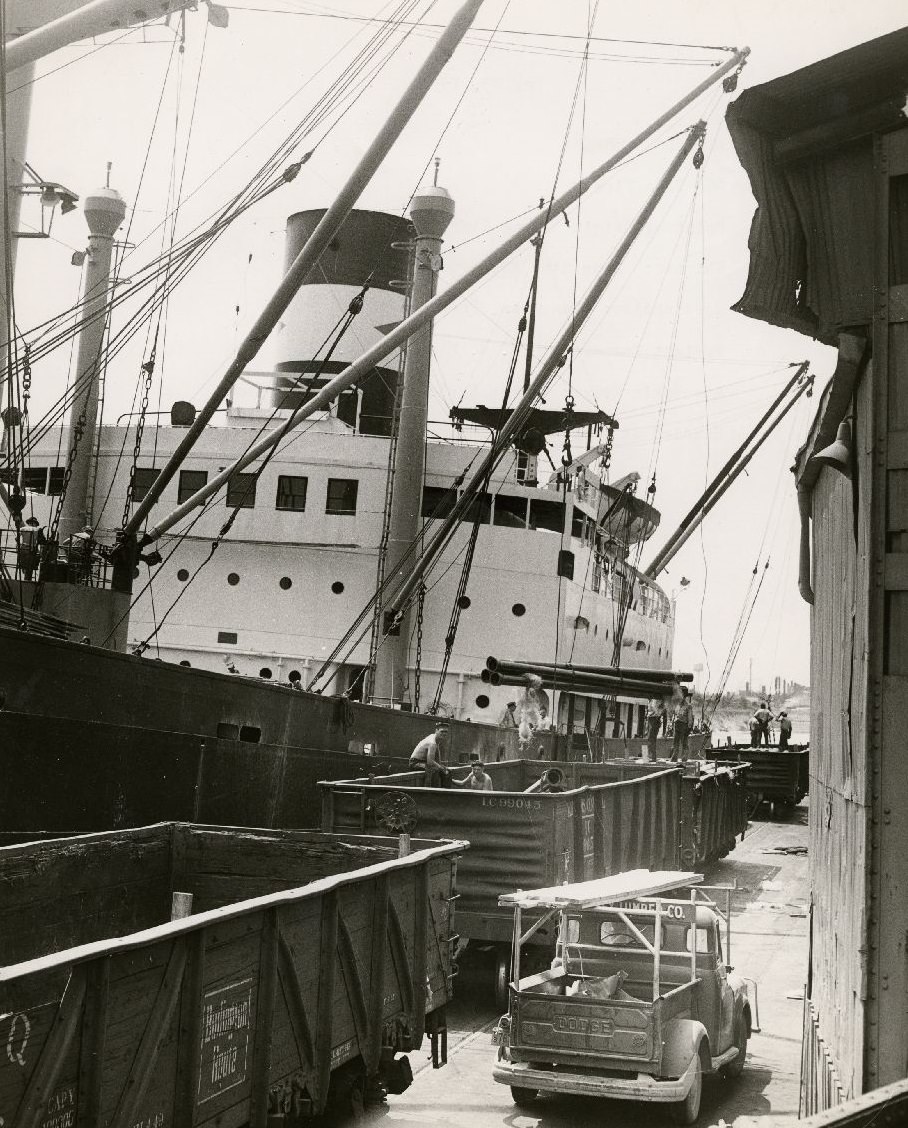
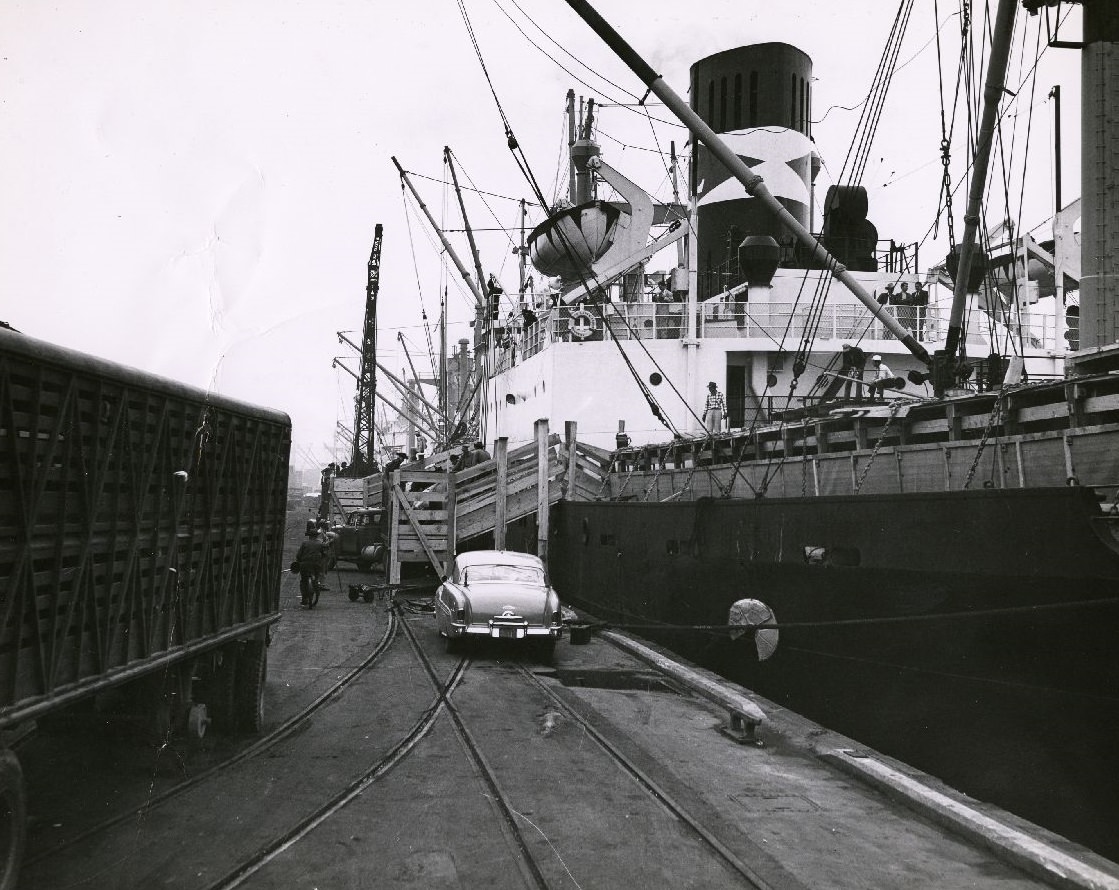
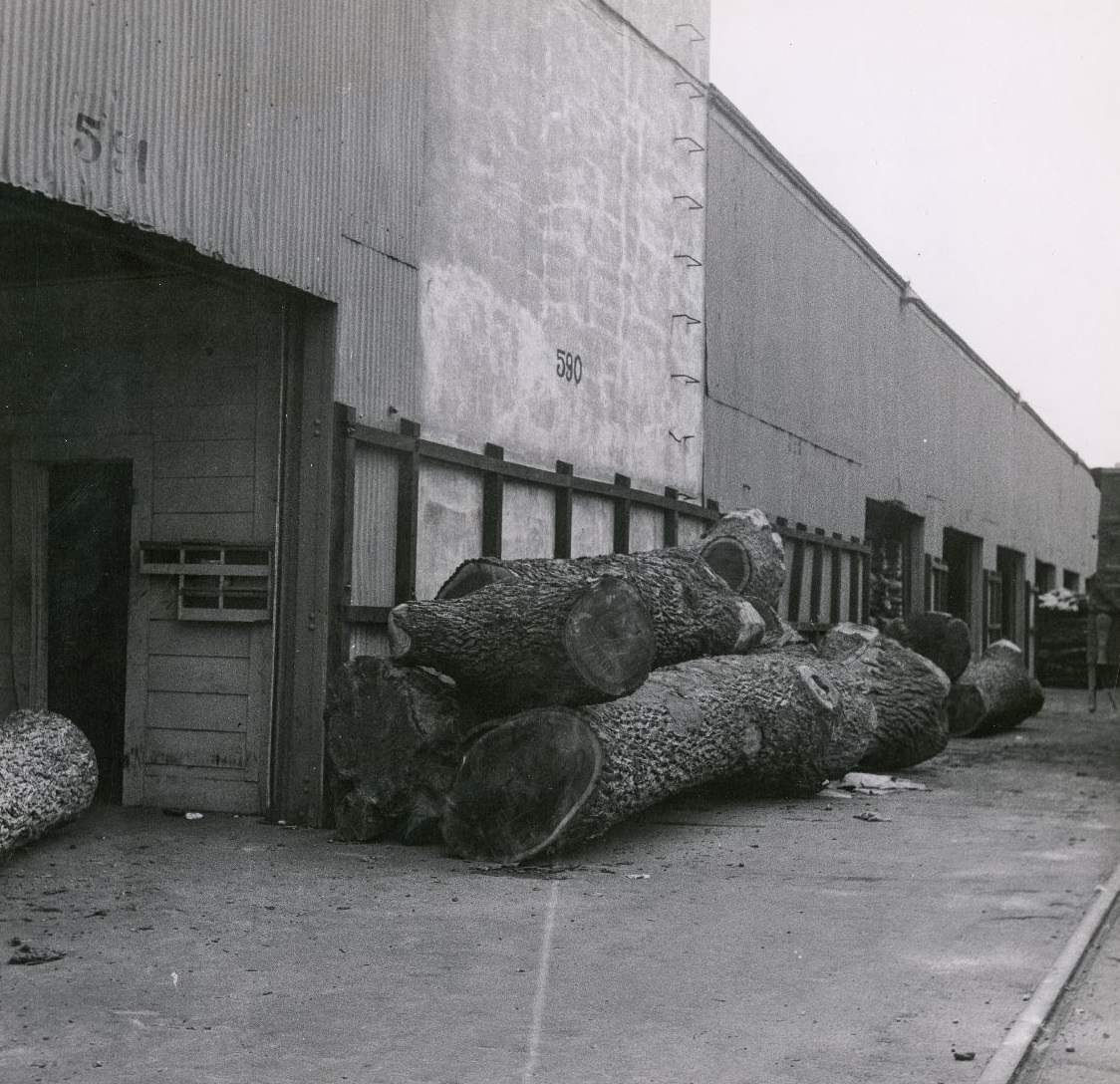
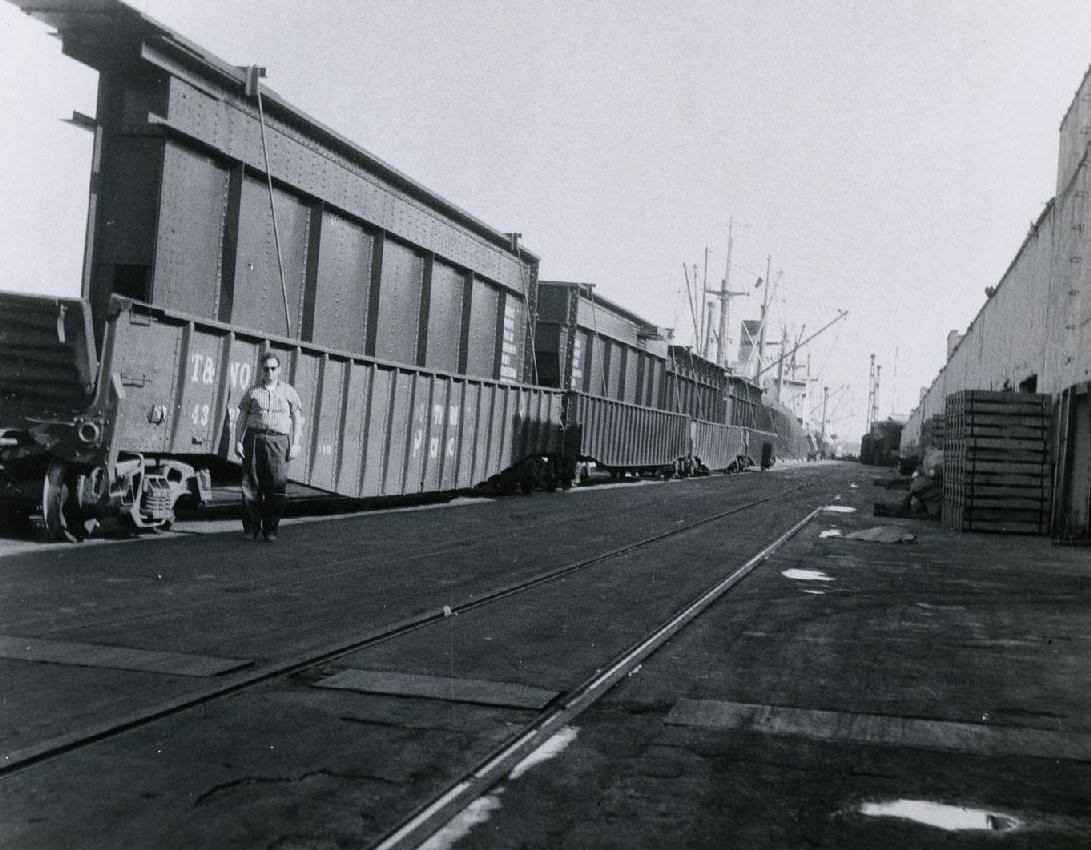
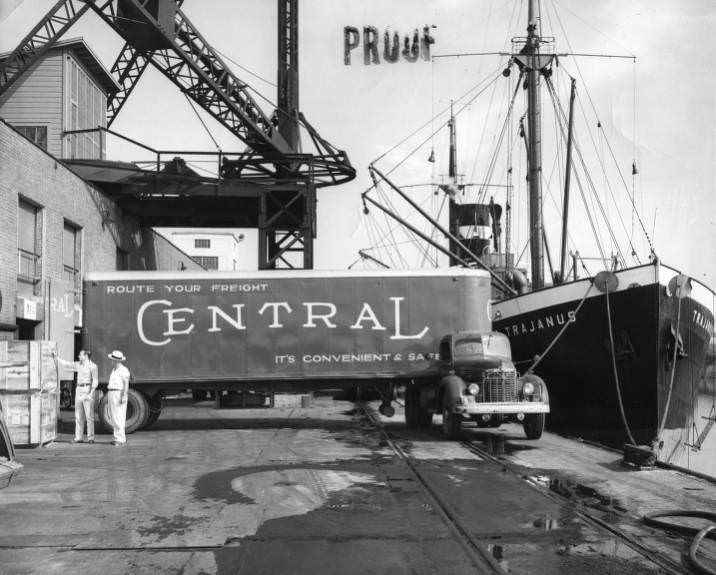
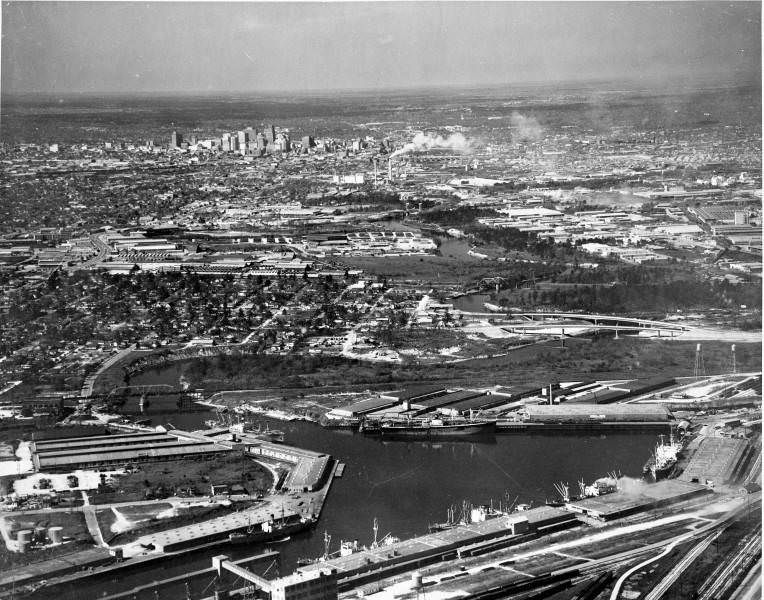
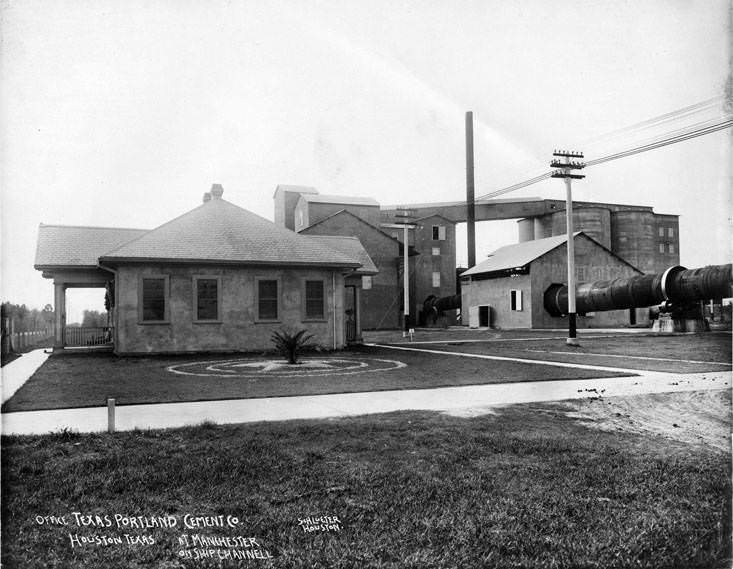
Oil drove the economy, but it wasn’t the only engine. The Port of Houston expanded steadily through the decade, handling cargo from across the globe. The Houston Ship Channel became one of the busiest industrial corridors in the country, with ships moving in and out carrying everything from lumber to machinery.
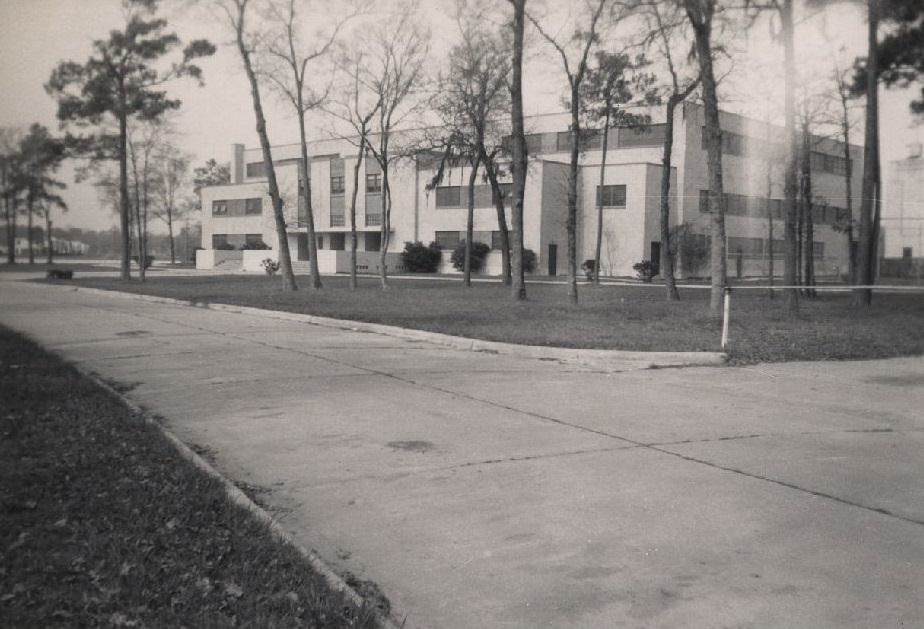
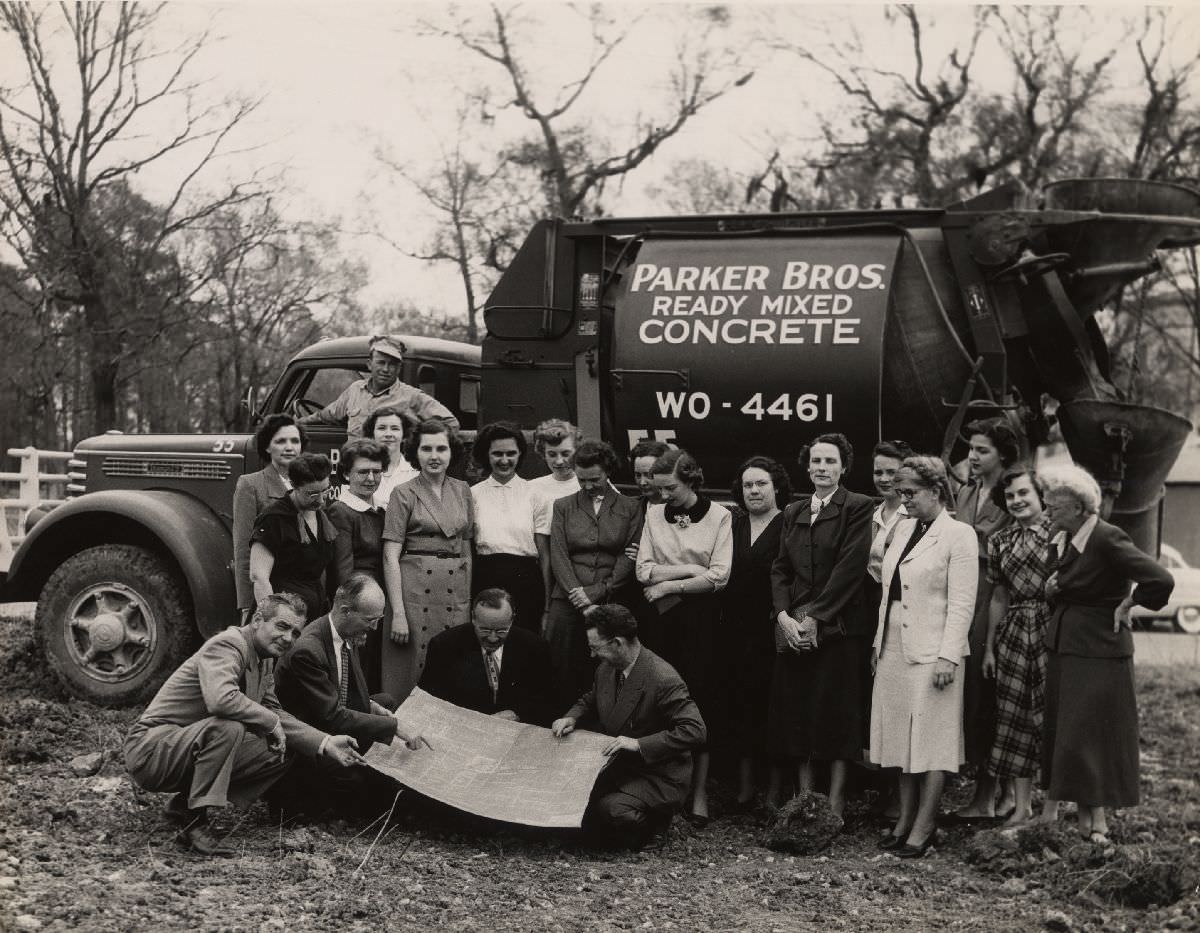
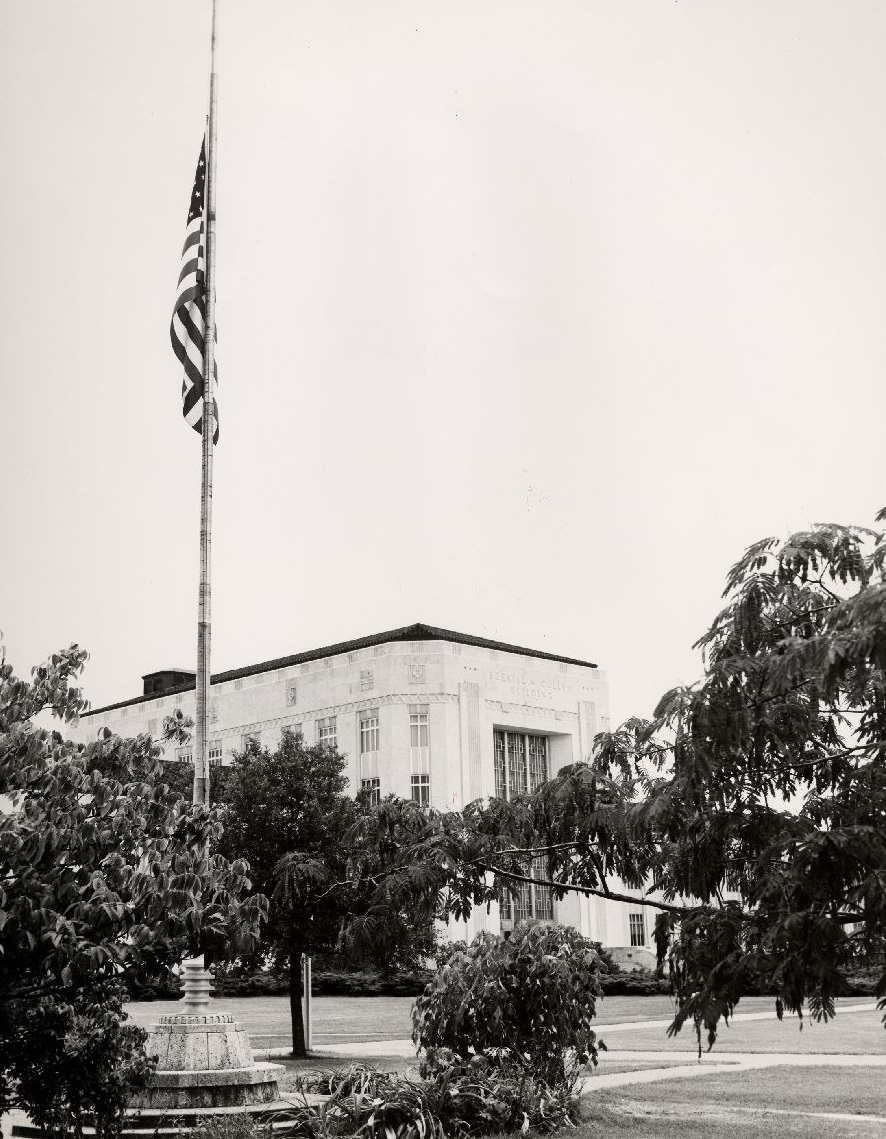
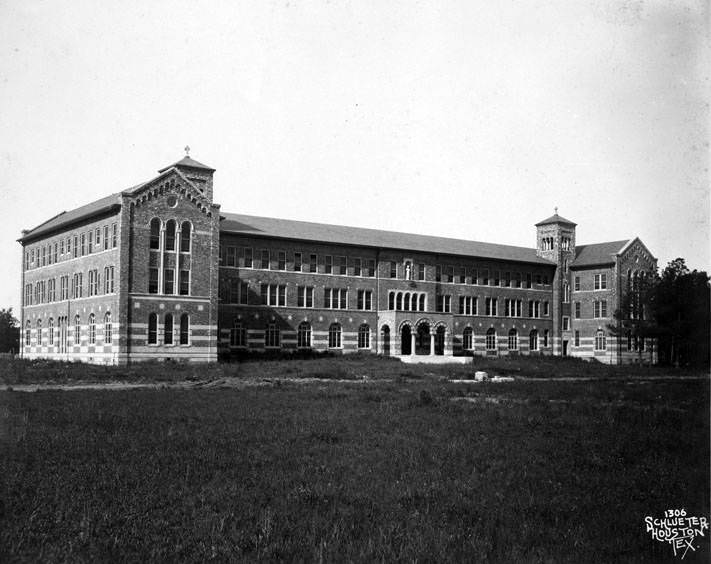
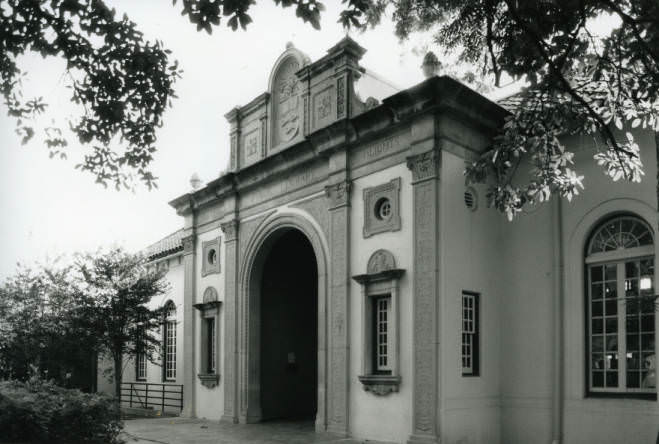
The University of Houston was growing right along with the city. The early 1950s saw a wave of construction on campus. New academic buildings, a library, and support facilities were all going up at the same time, reshaping a campus that had only been around for two decades.
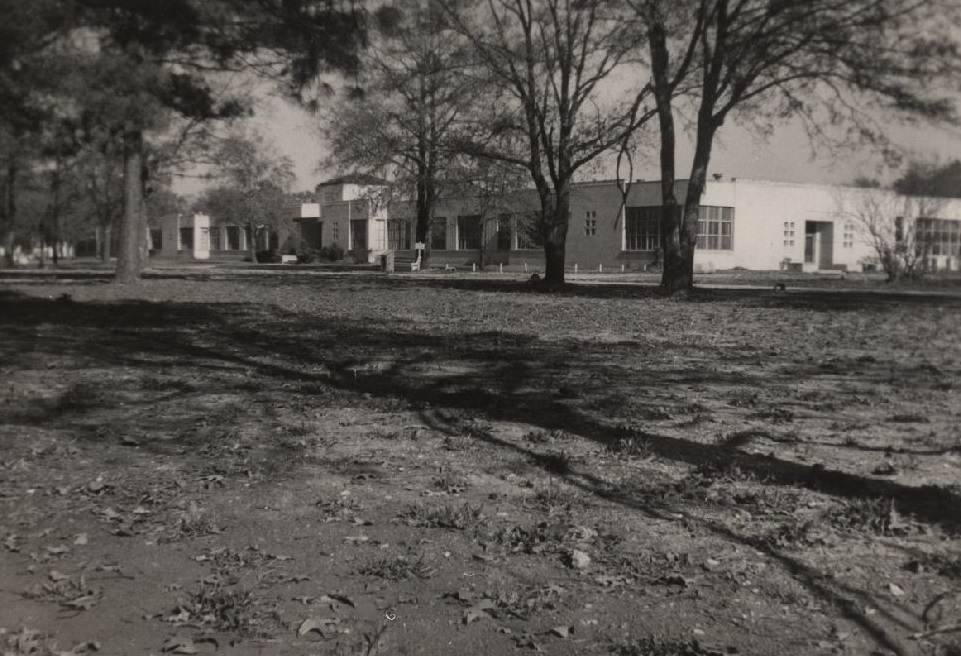
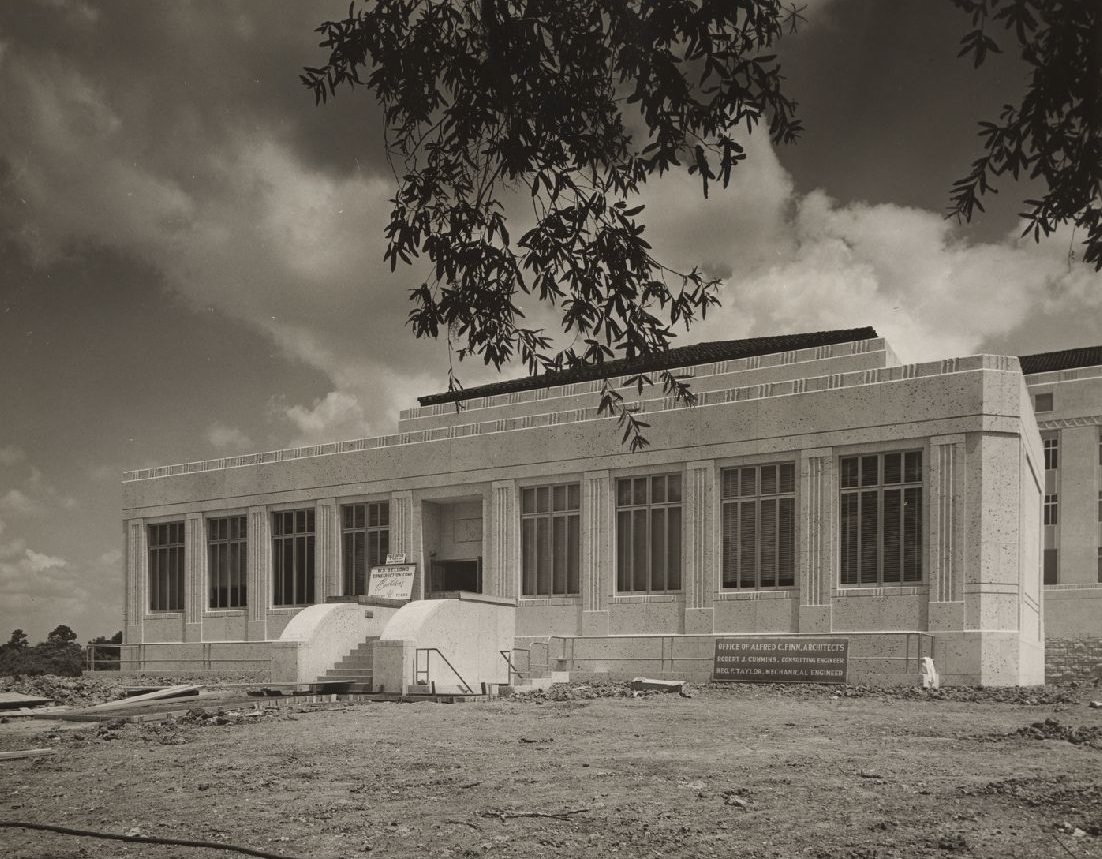
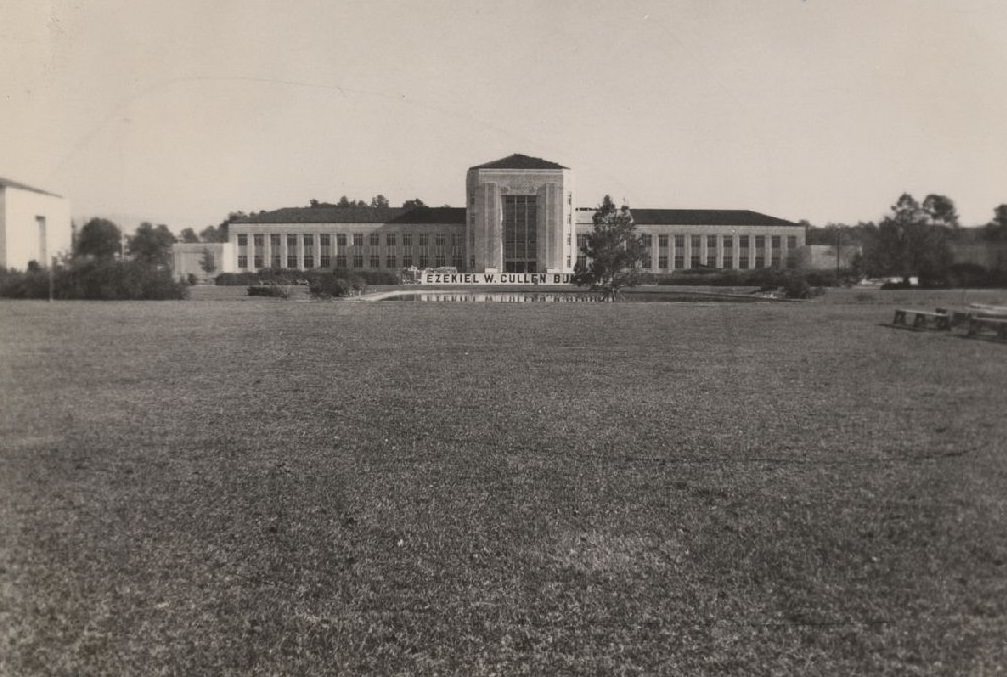
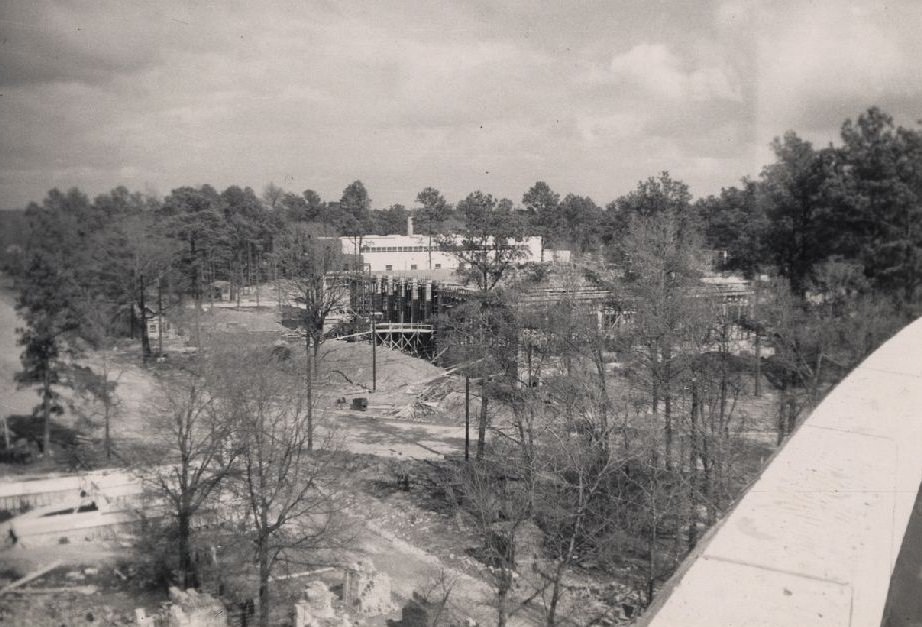
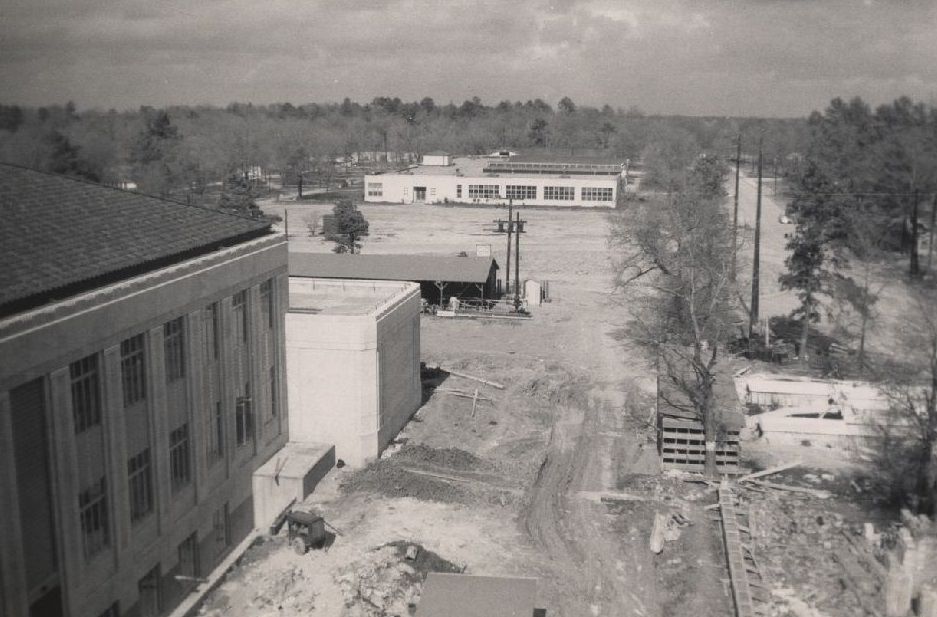
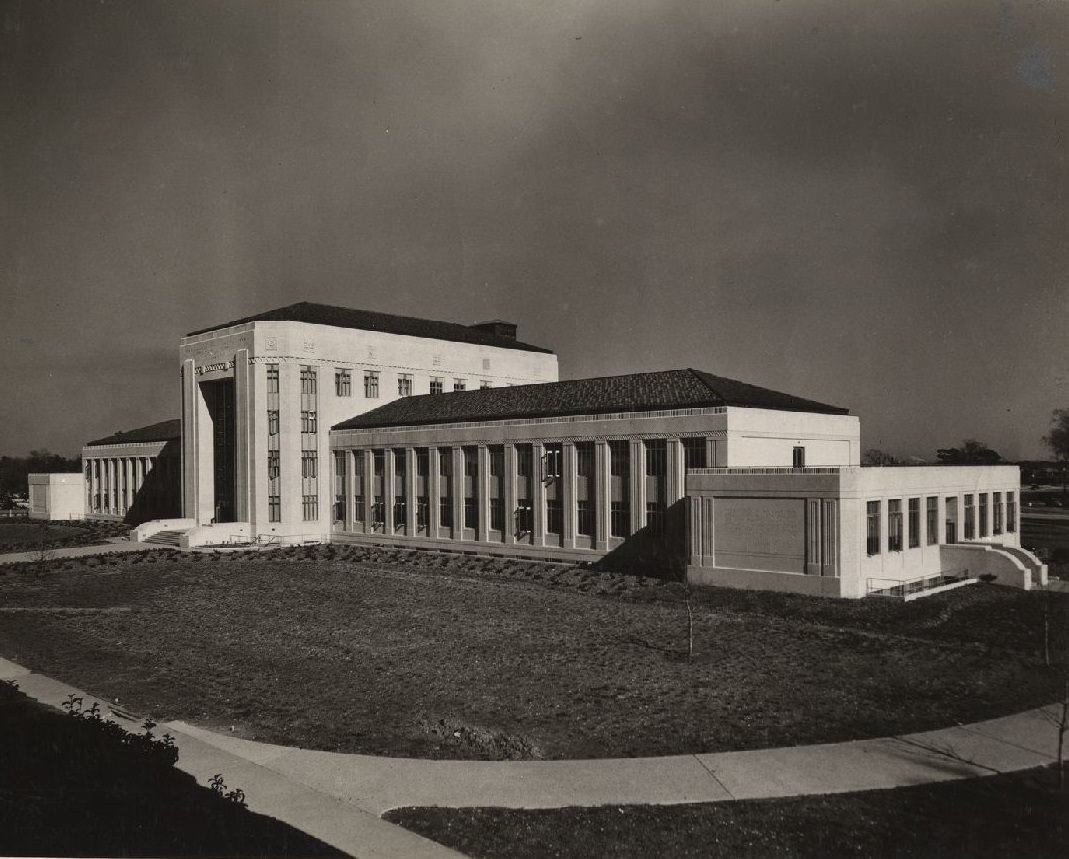
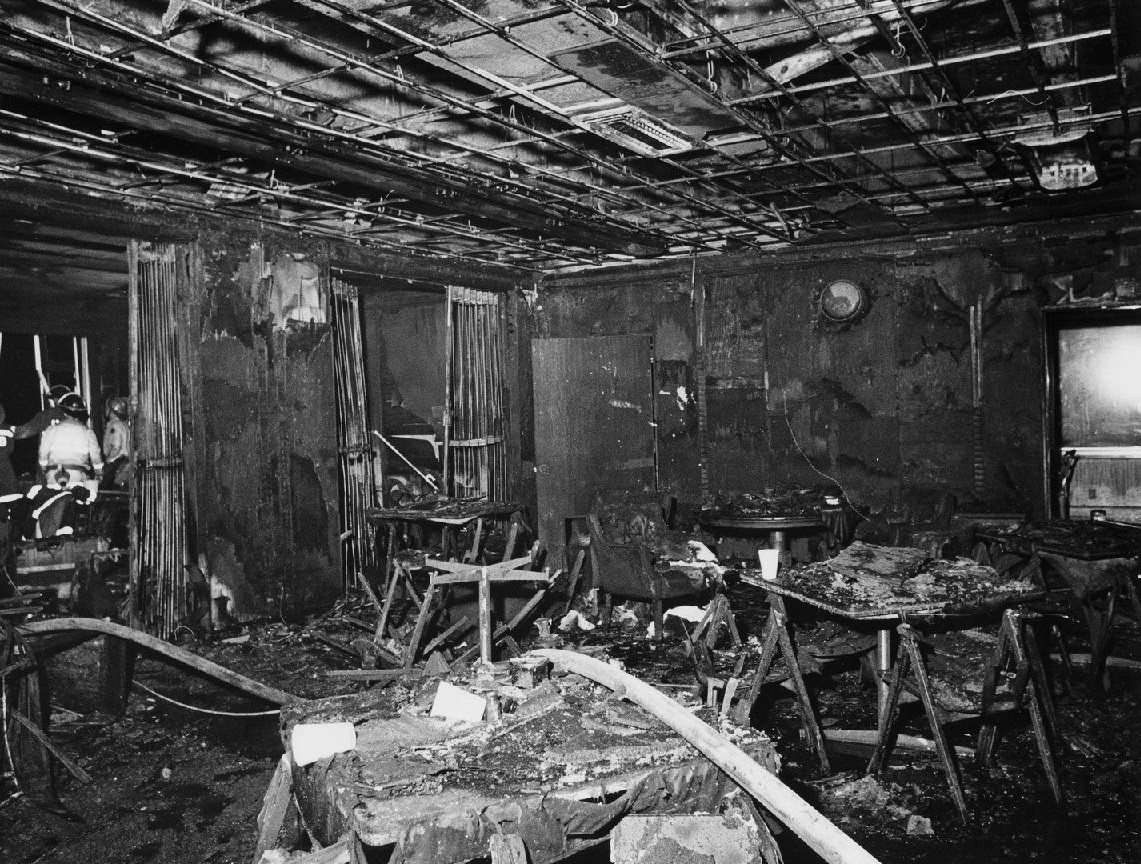
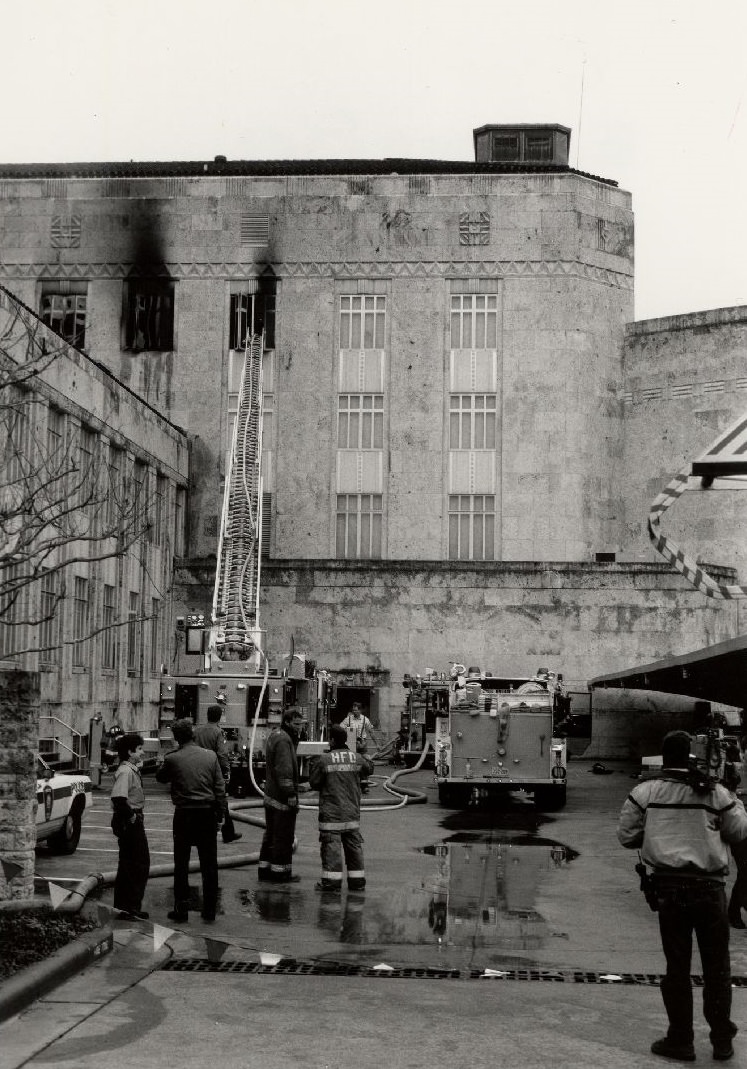
The Ezekiel Cullen Building was a central part of the university’s identity throughout the decade. It stood as one of the most recognizable structures on campus — until a fire in 1959 gutted its interior and left the building heavily damaged.
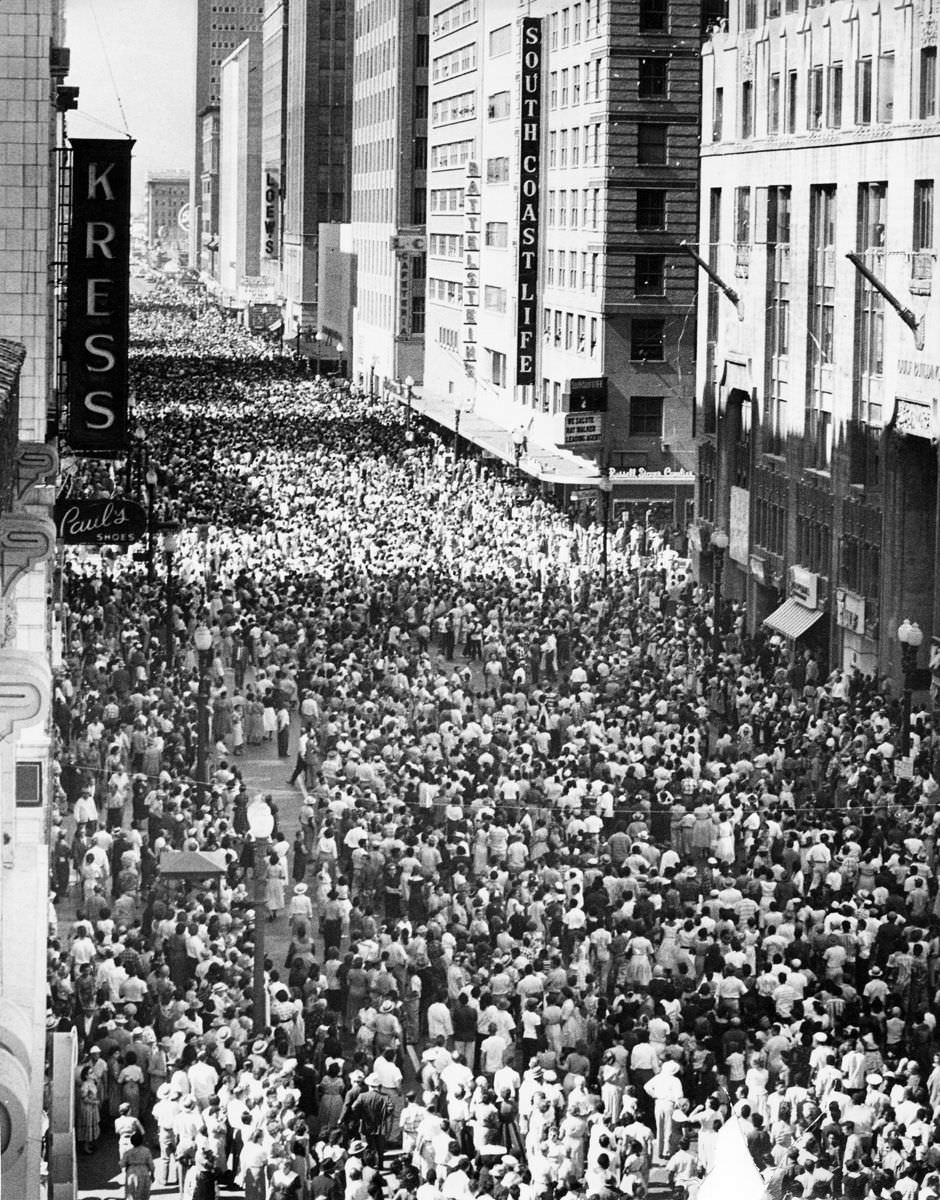
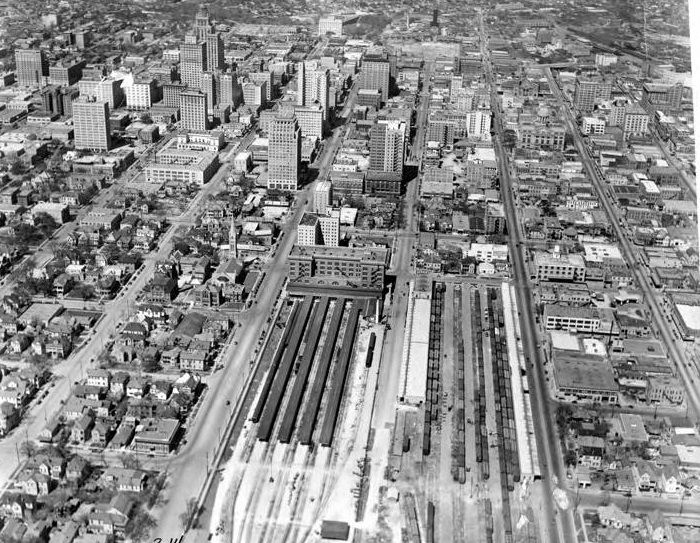
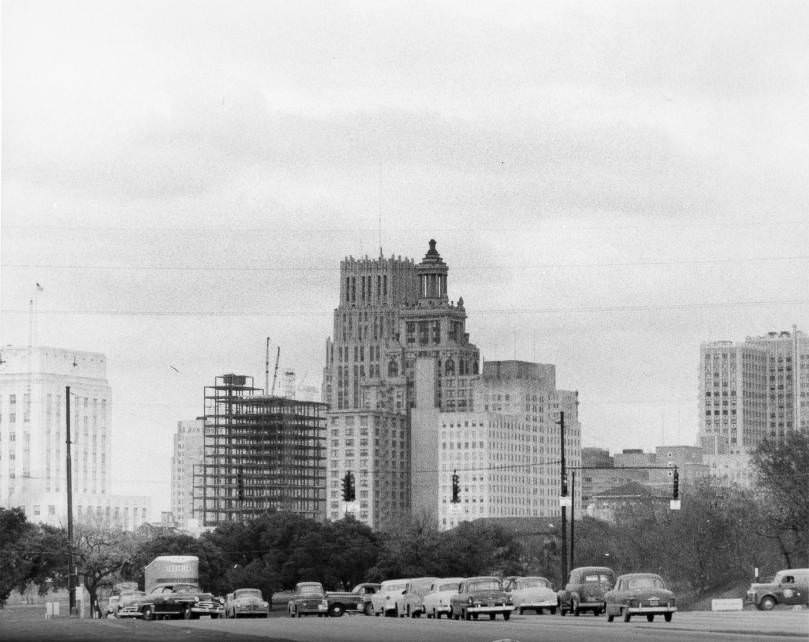
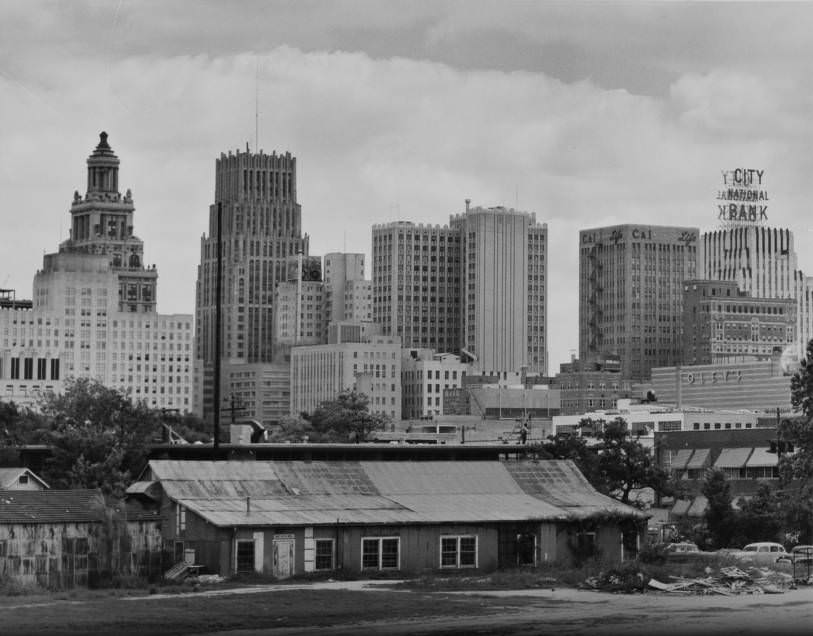
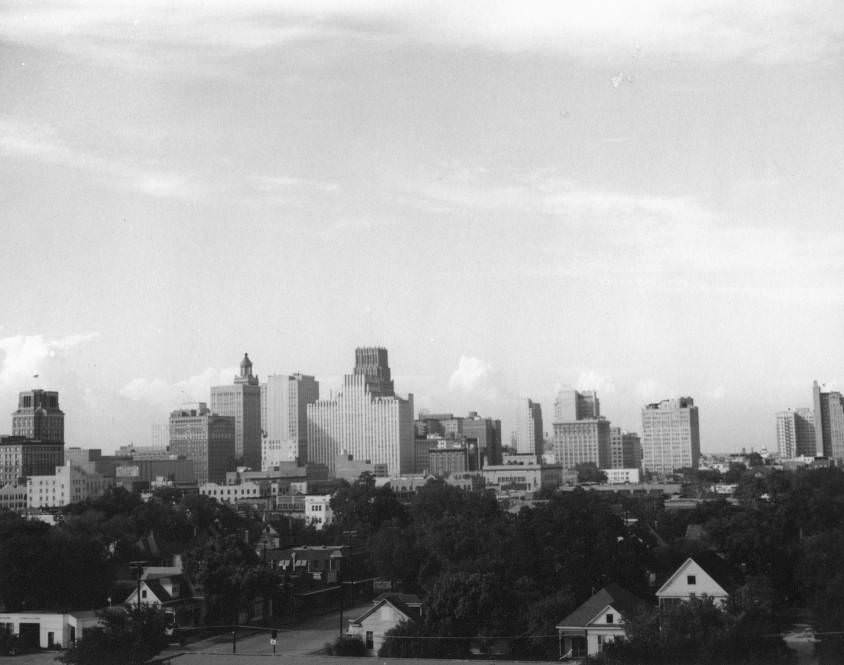
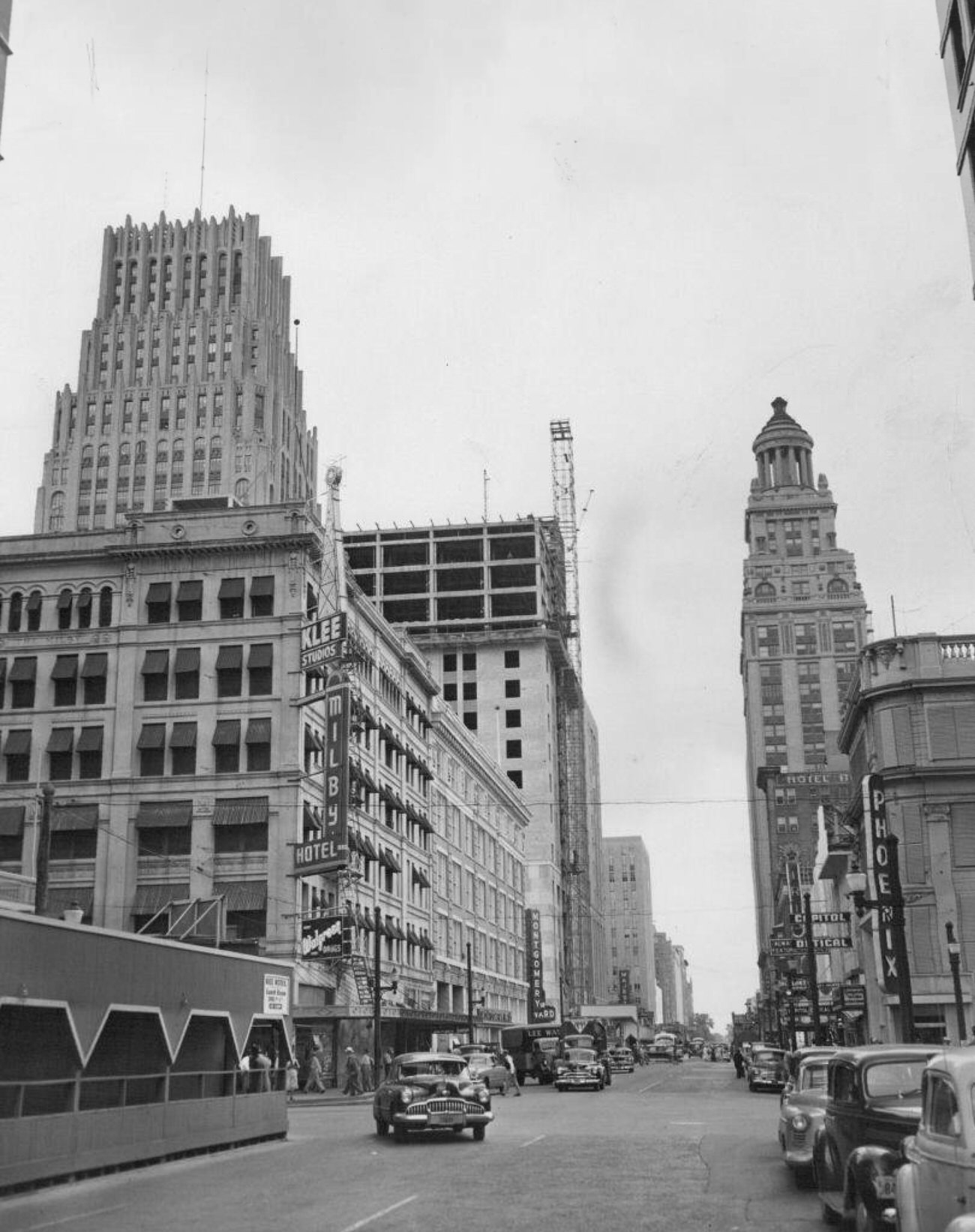
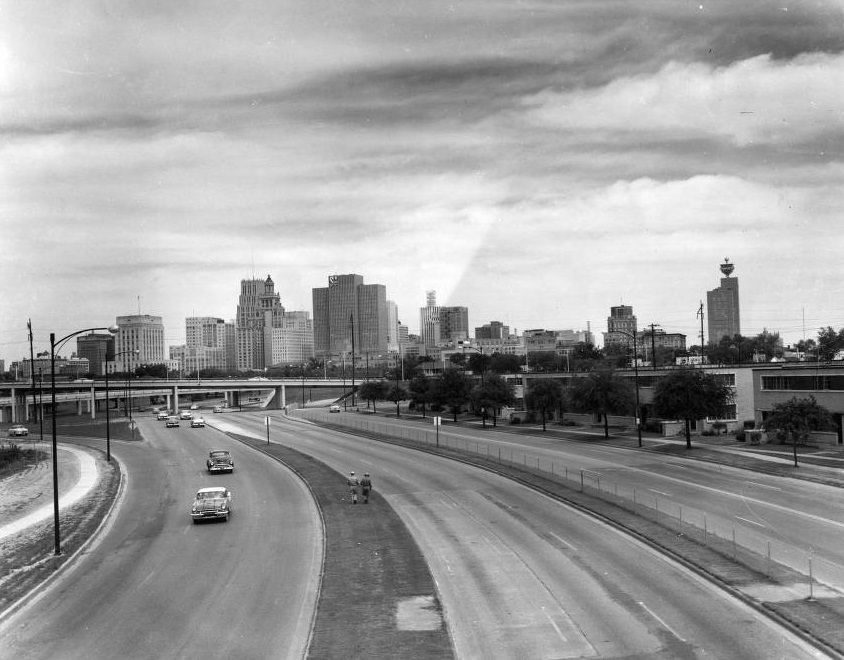
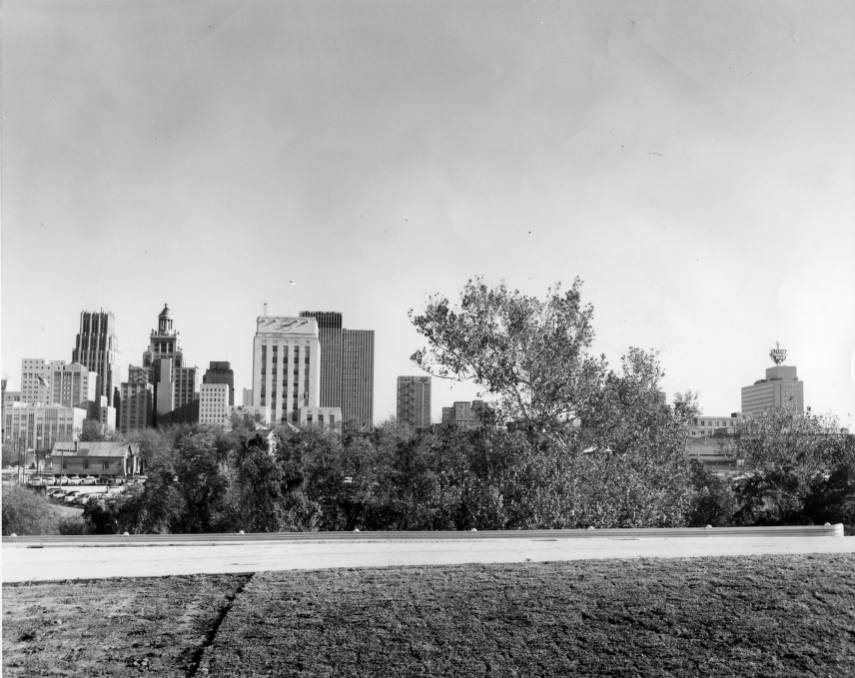
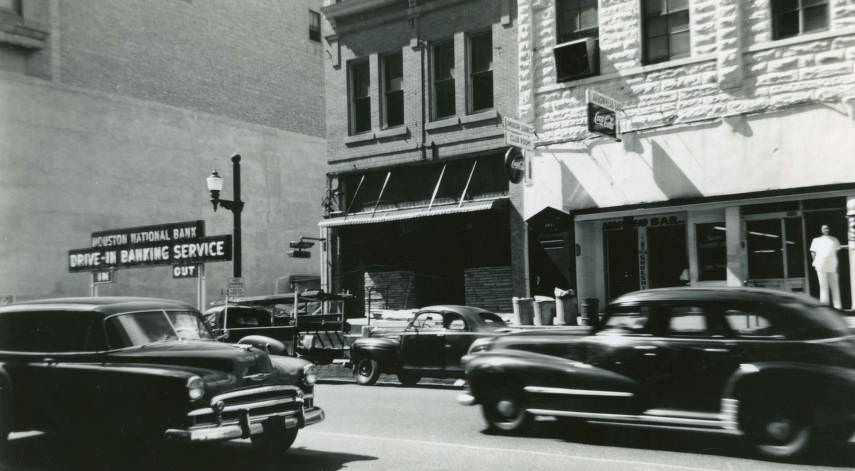
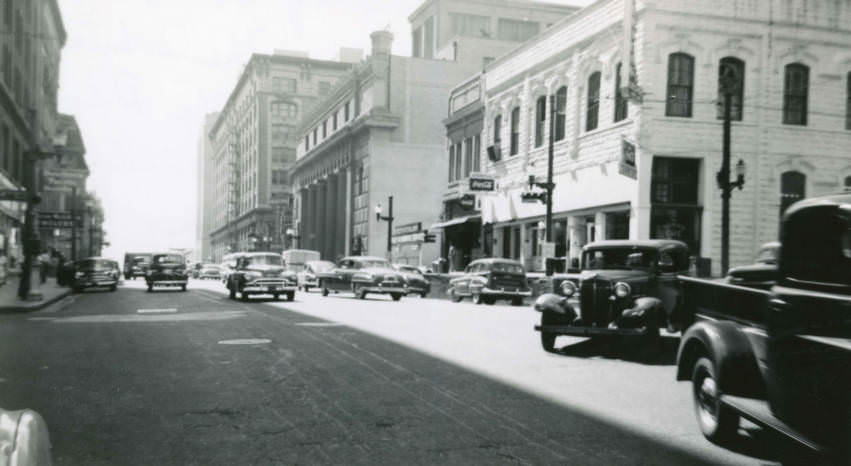
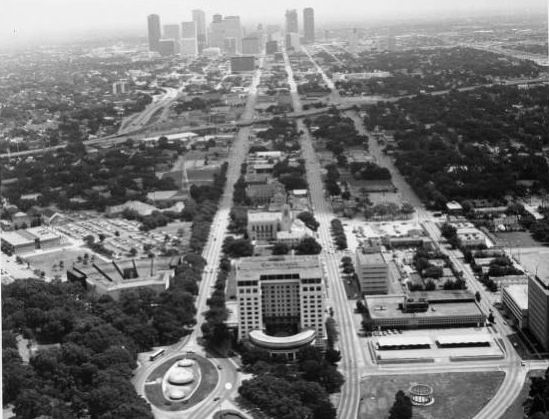
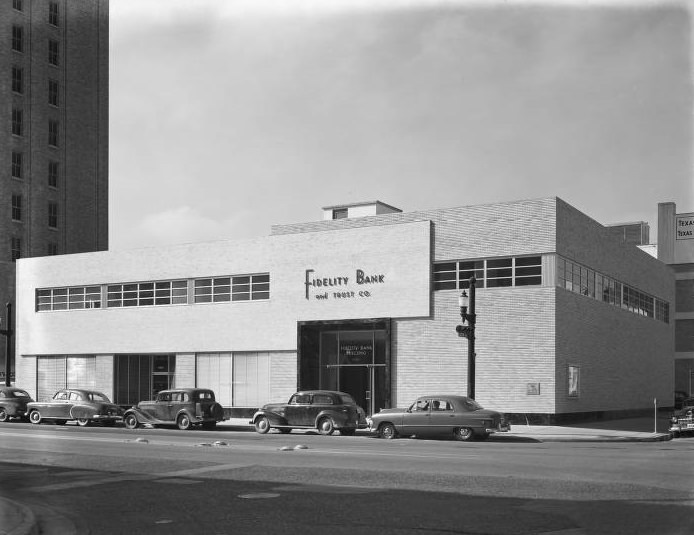
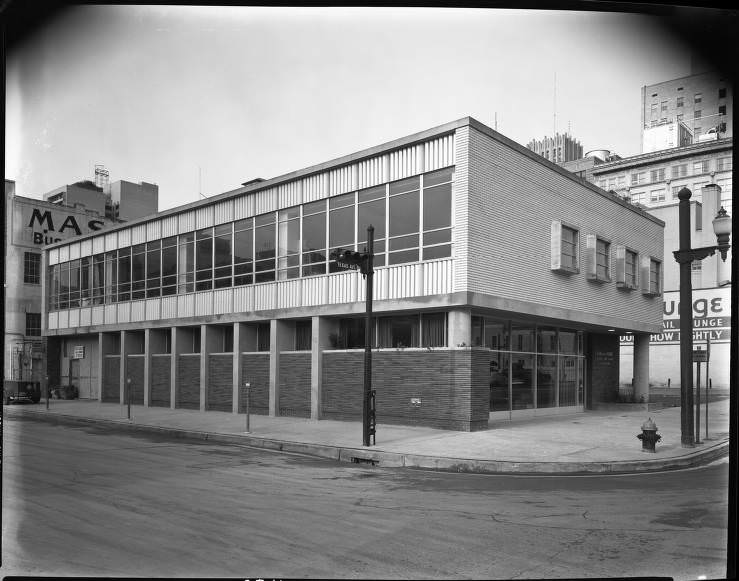
Downtown Houston’s skyline grew taller as the decade progressed. Office buildings rose to accommodate the flood of energy companies setting up operations in the city. Streets like Texas Avenue and Main Street were lined with commercial buildings, department stores, and financial institutions — all competing for a share of the city’s expanding economy.
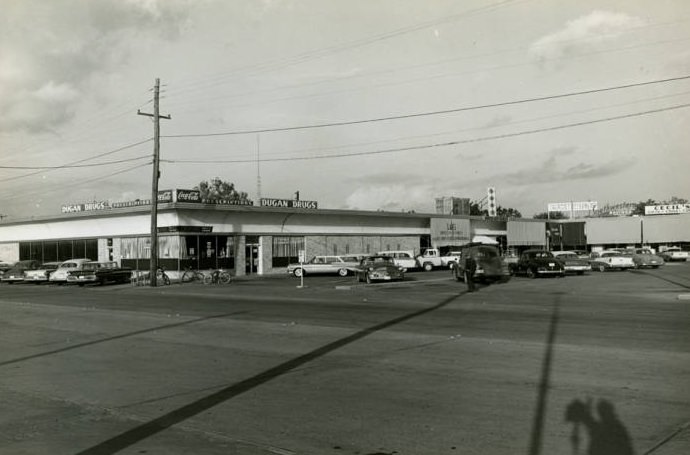
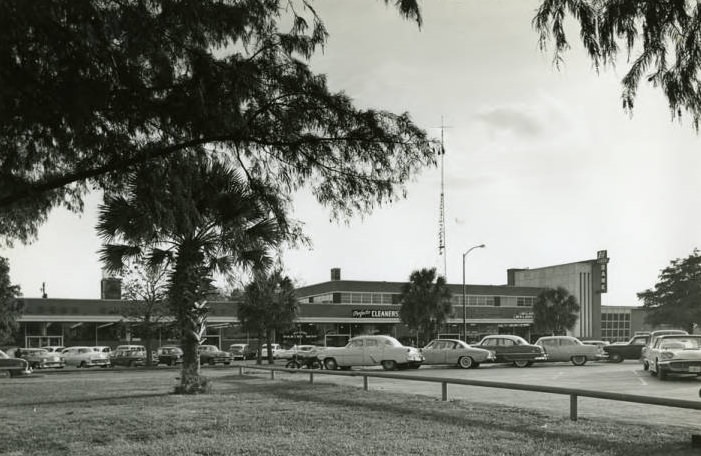
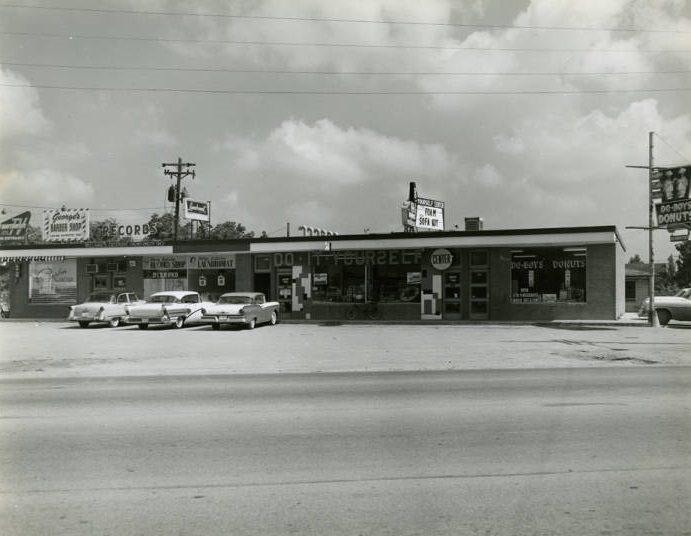
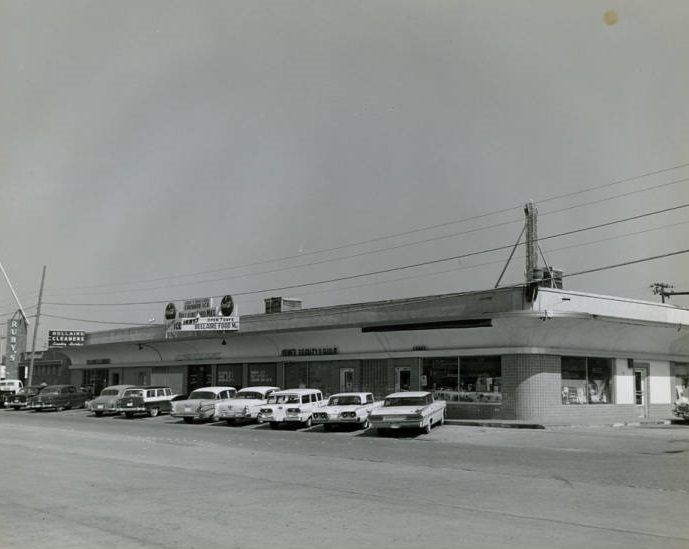
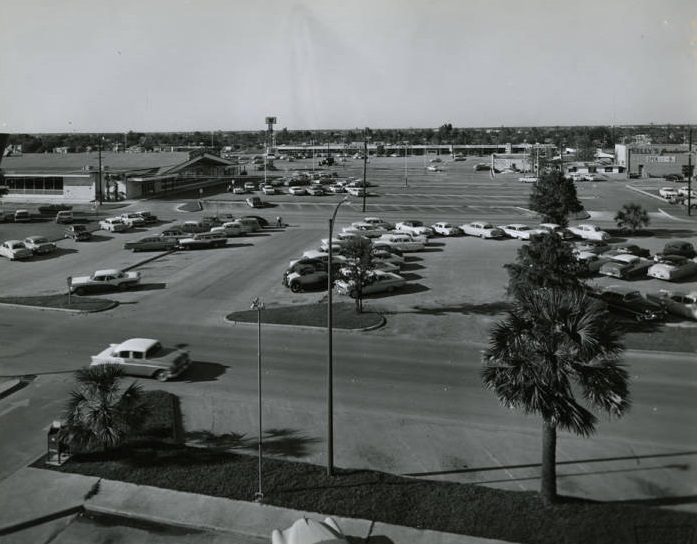
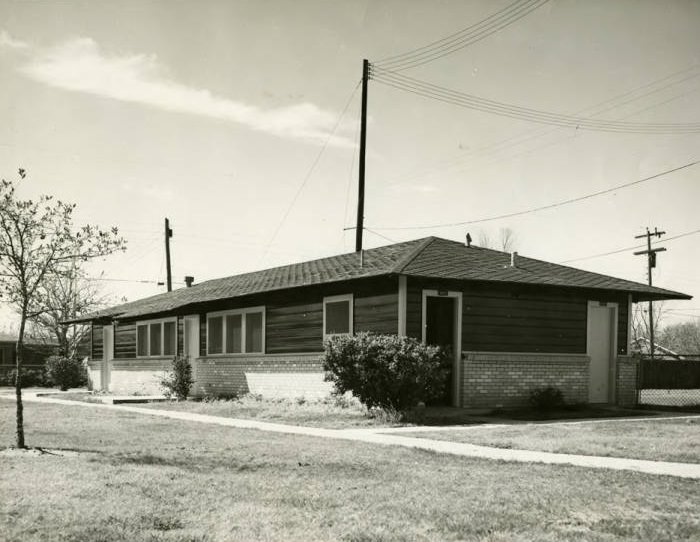
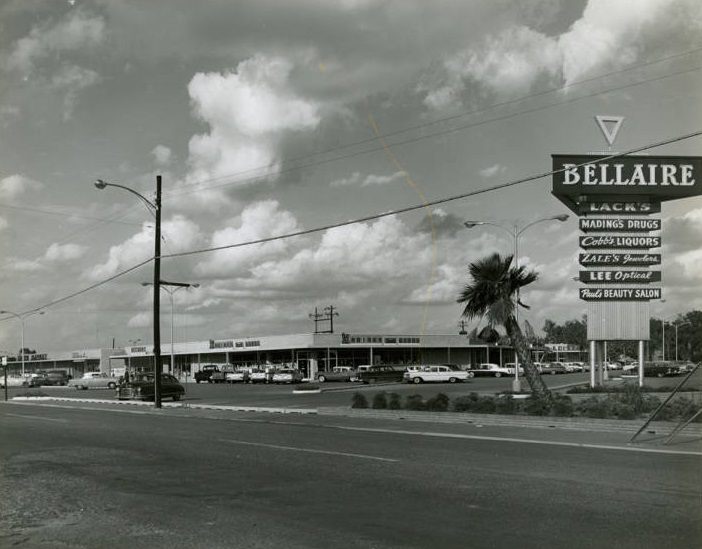
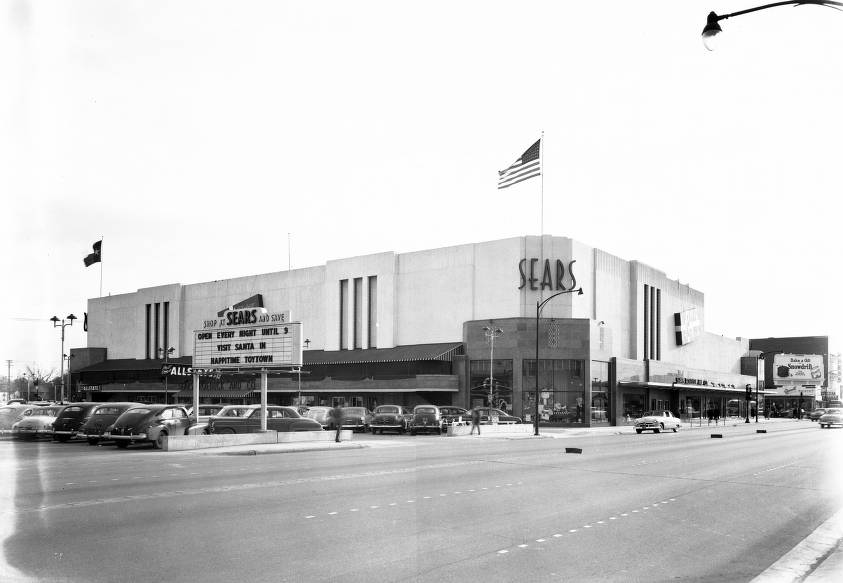
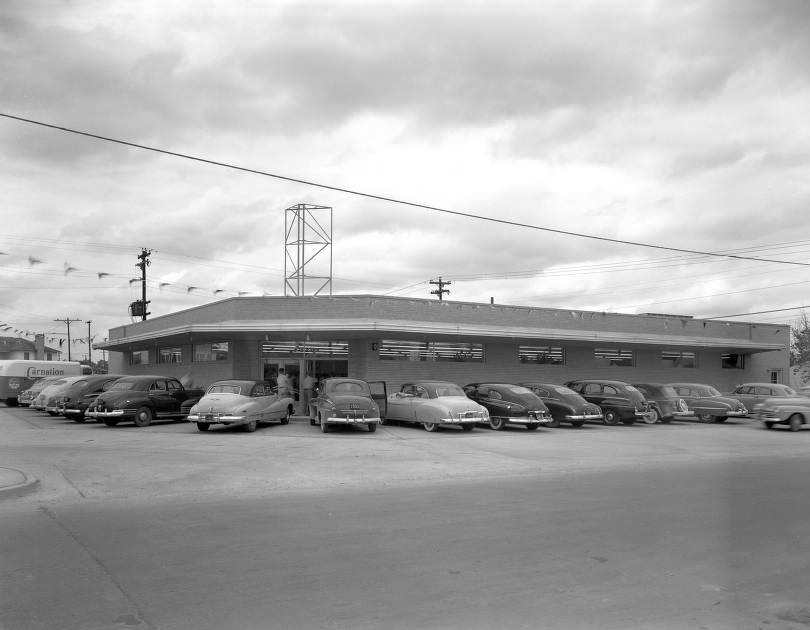
Suburban neighborhoods grew rapidly during this period. Families moving to areas like Sharpstown and Meyerland needed shops close to home, and the retail industry responded. Shopping centers in communities like Bellaire offered groceries, record stores, clothing shops, and services all in one place — a new way of shopping that fit the car-centered suburban lifestyle perfectly.
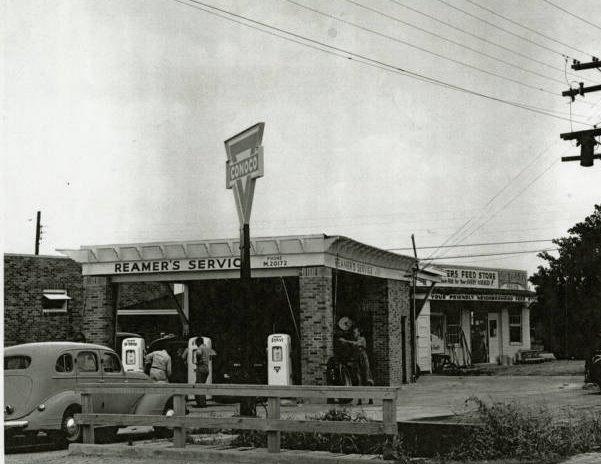
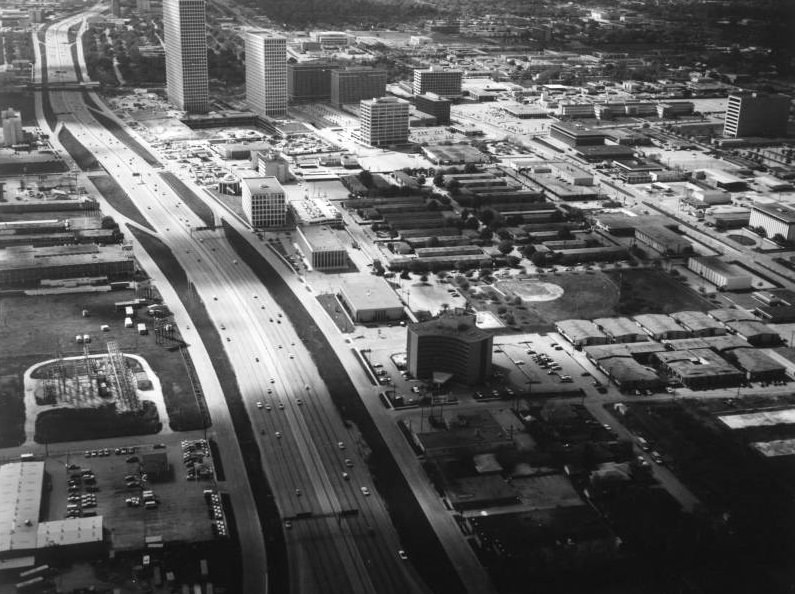
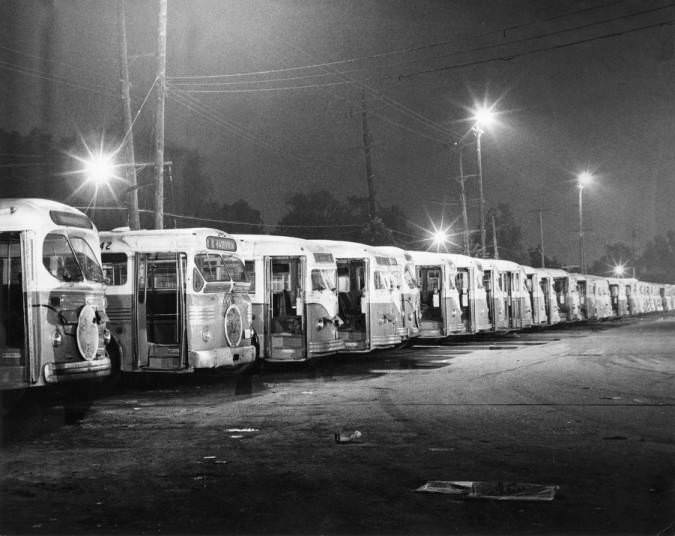
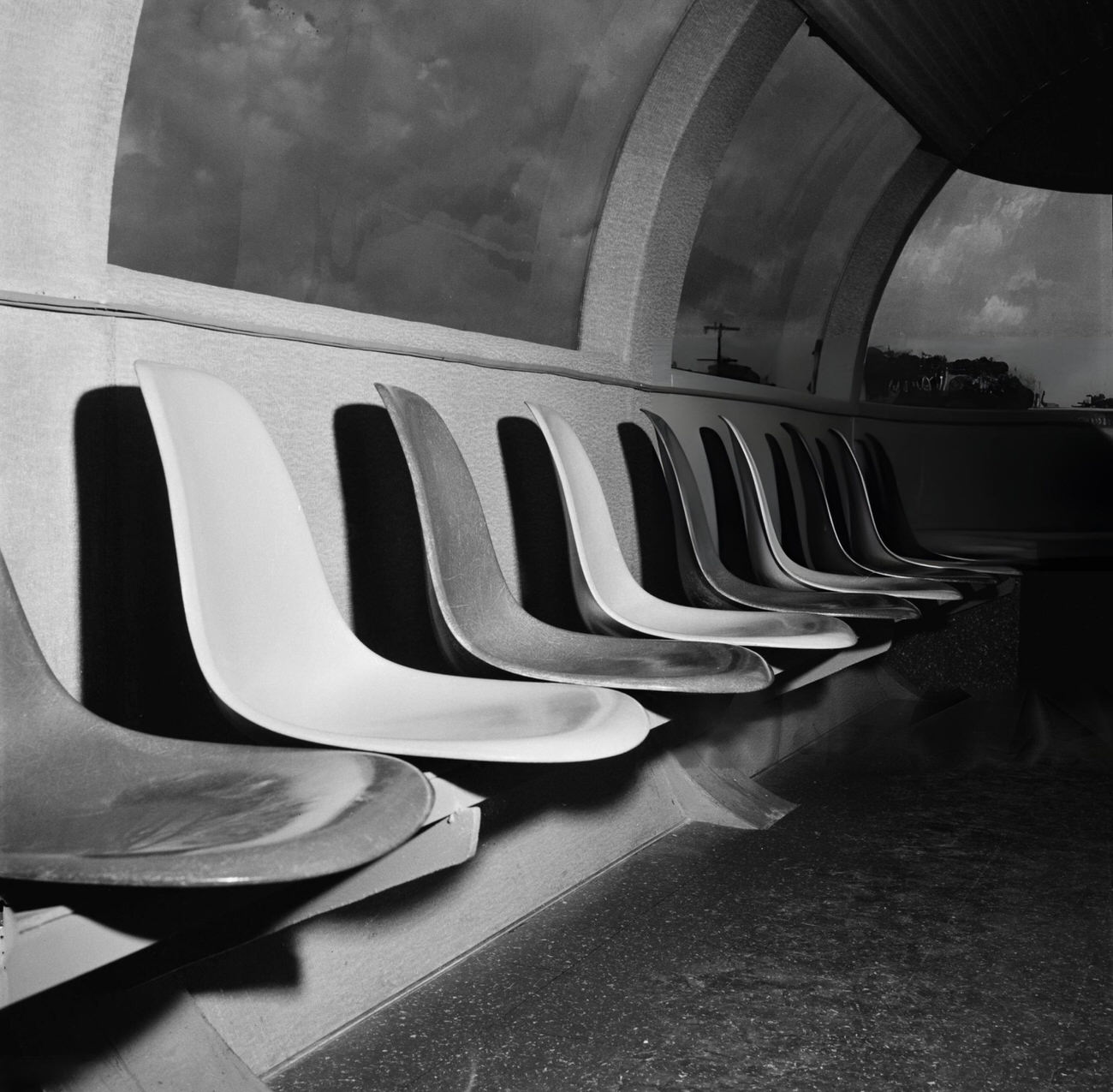
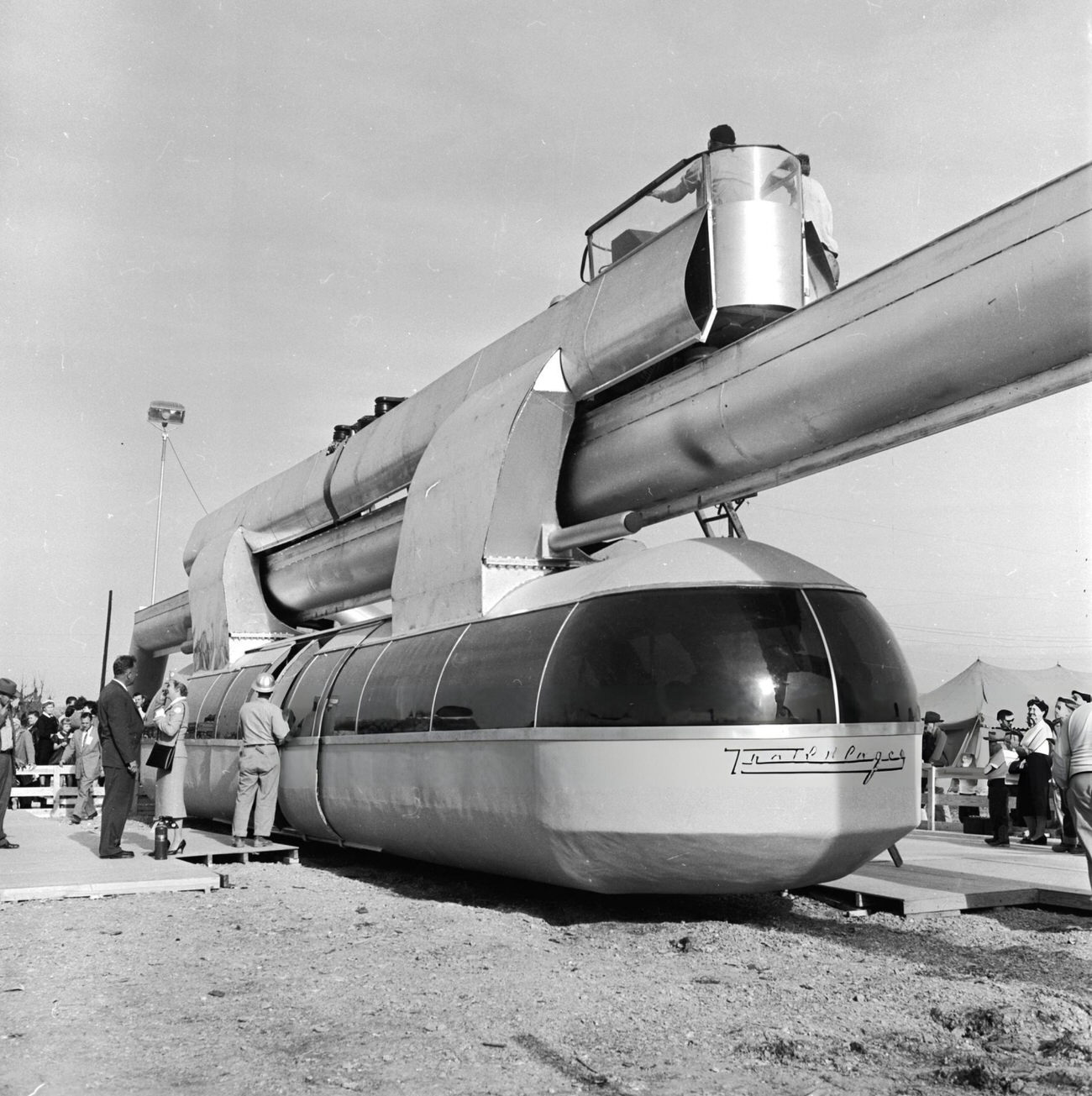
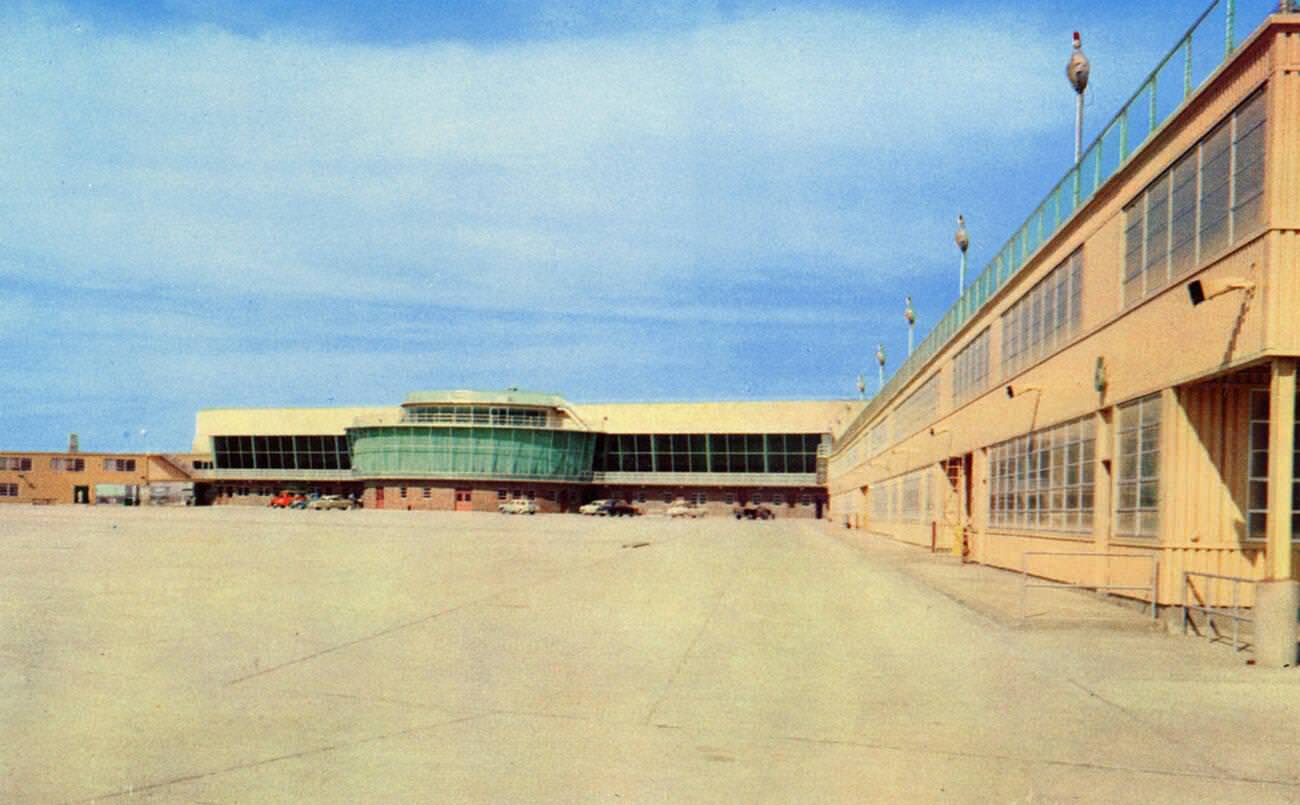
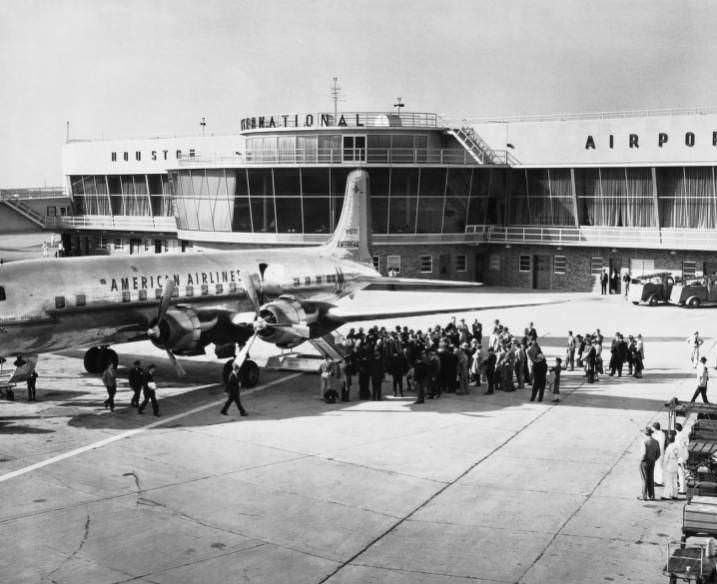
Getting around Houston in the 1950s meant navigating a city that was building its transportation network on the fly. Buses ran through downtown, new roads were being cut through the city, and in 1956, a new monorail service called the ‘Trailblazer’ offered a glimpse of what urban transit might look like in the future. The Houston International Airport also opened in 1955, bringing air travel directly into the city’s growing infrastructure.
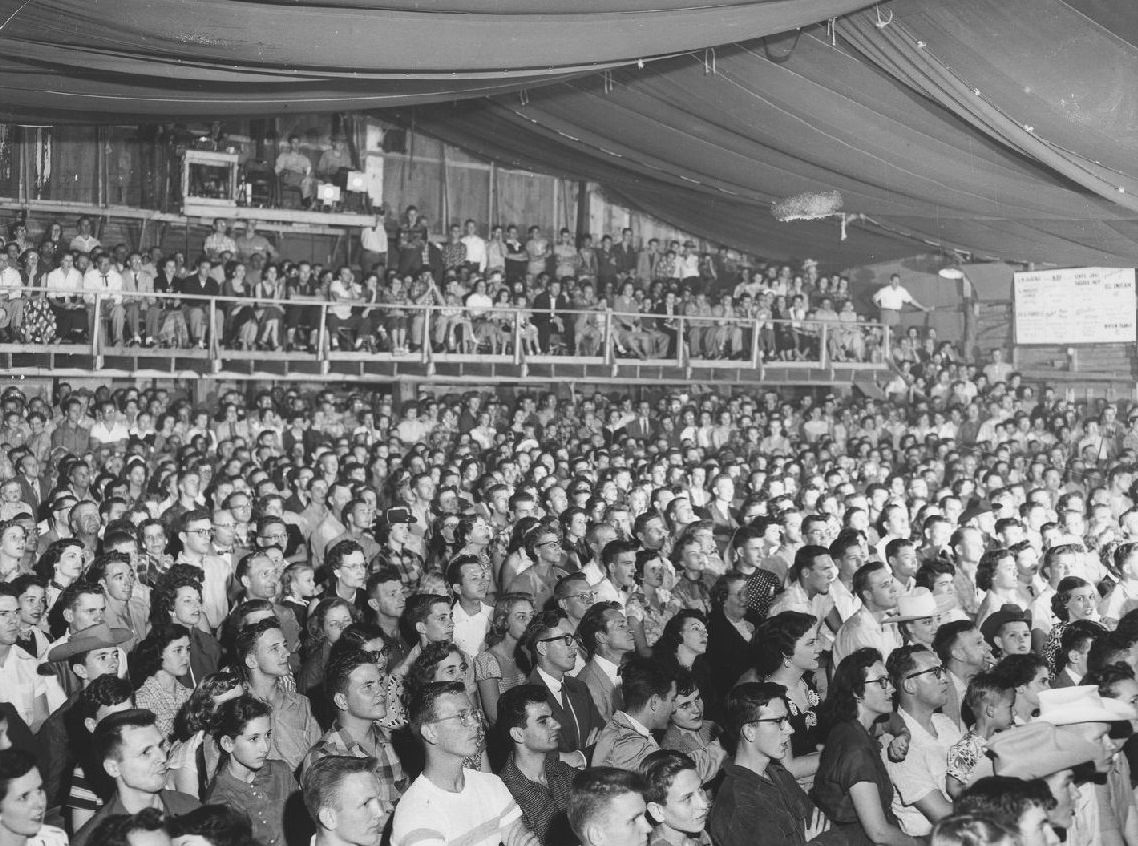
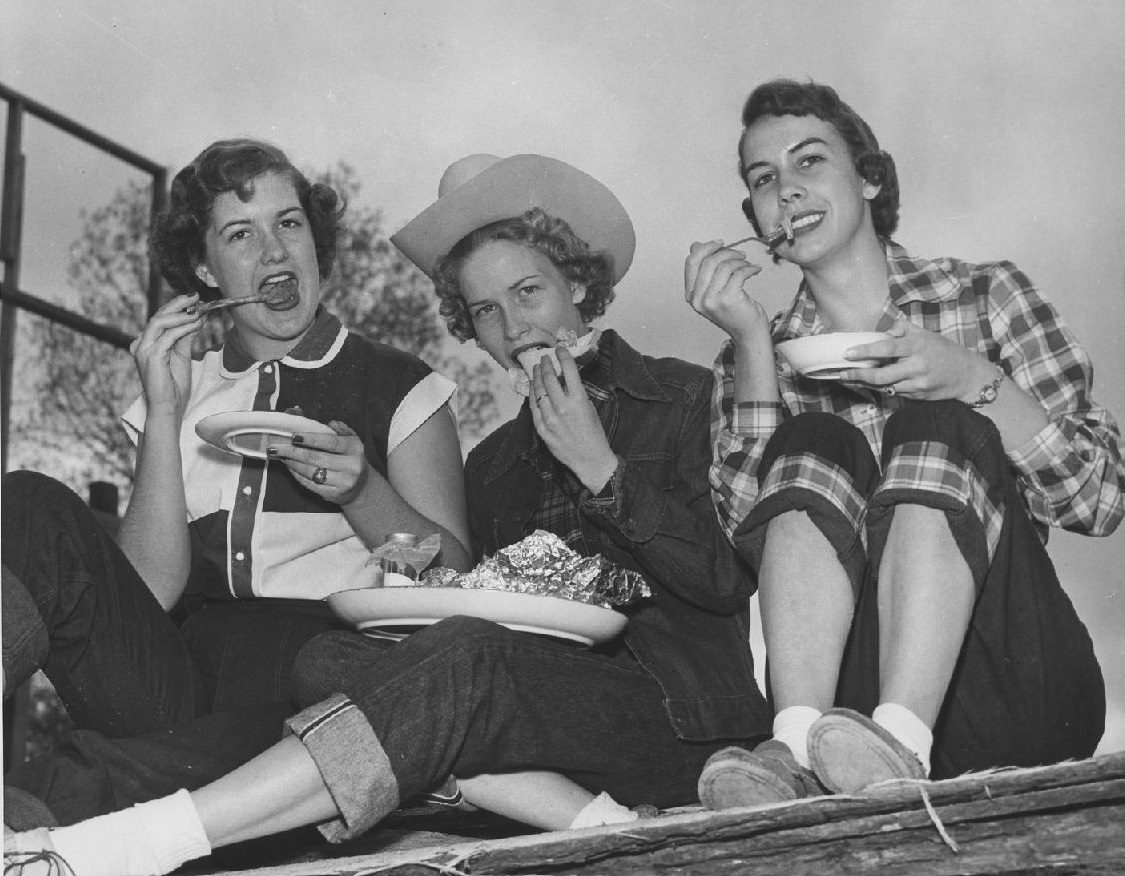
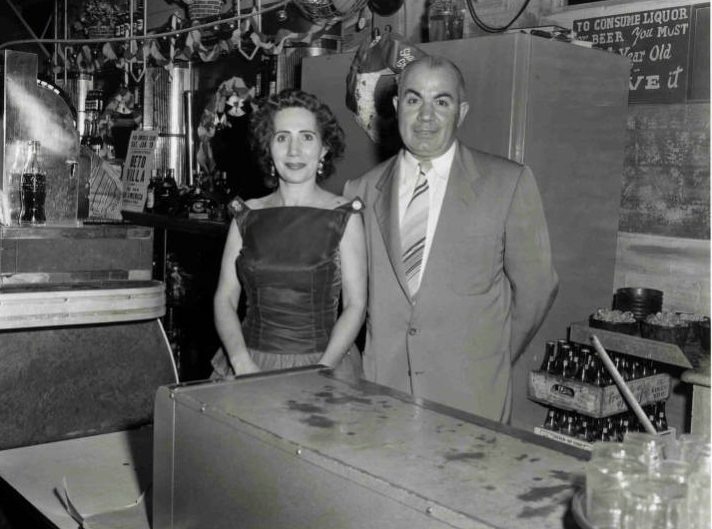
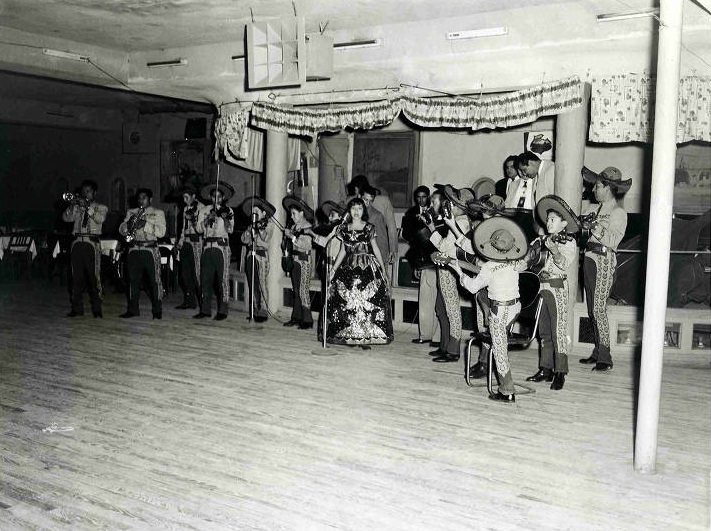
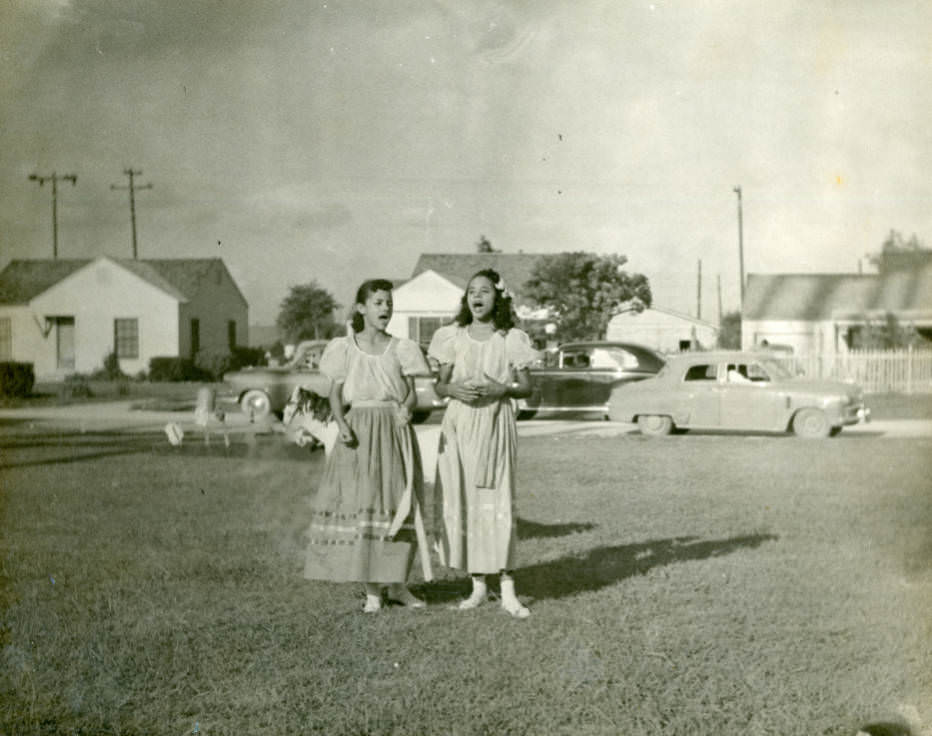
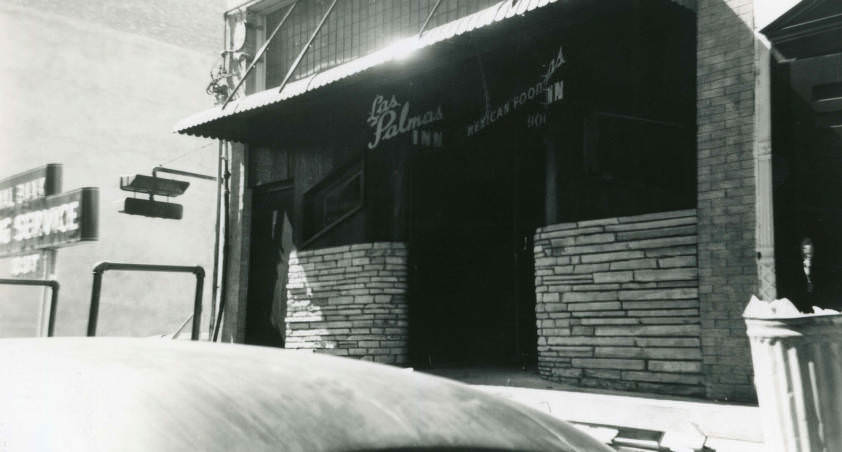
Houston’s cultural and social life was rich and diverse. The city’s Hispanic community was visible in its restaurants and entertainment venues. Mexican restaurants served Tex-Mex food to loyal crowds, and nightclubs like the Pan America offered live music in a lively atmosphere. The Frontier Fiesta — an annual University of Houston tradition — drew large audiences to student-run shows, carnival booths, and performances.
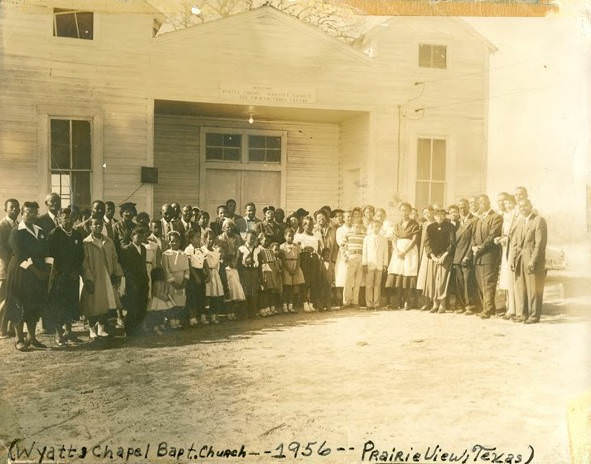
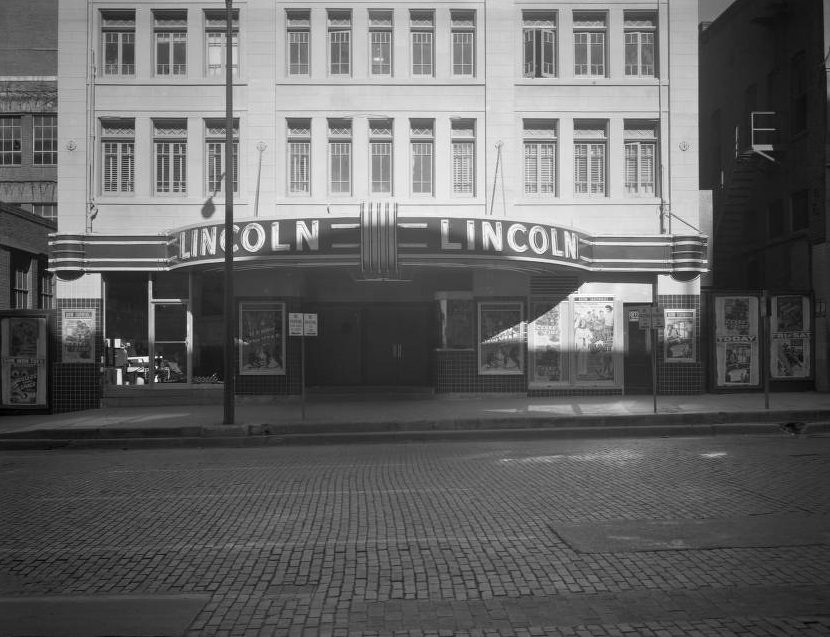
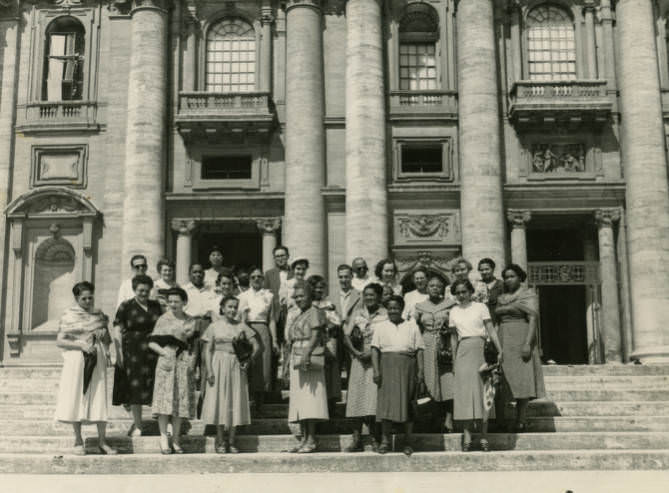
Religious life was central to many Houston communities. Churches served not just as places of worship but as neighborhood anchors — especially in Black communities navigating a still-segregated city. The Lincoln Theater on the city’s south side was one of the few entertainment venues that welcomed Black Houstonians, and it became a beloved institution.
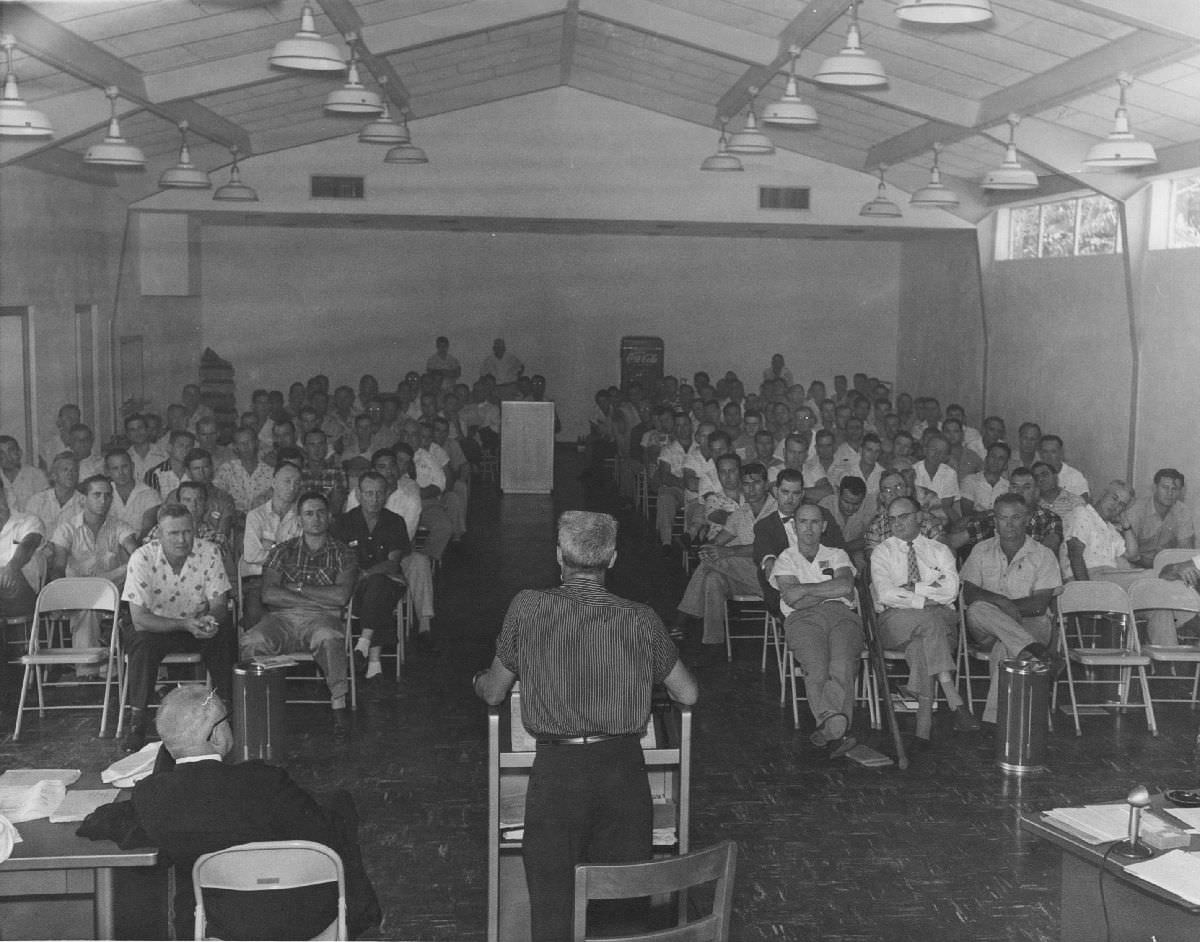
Labor organizing was an active part of city life during this era. Workers in manufacturing, shipping, and other industries met in union halls to negotiate wages and working conditions. Organized labor had real influence in Houston’s industrial sectors during the 1950s, and union meetings were regular, well-attended events.
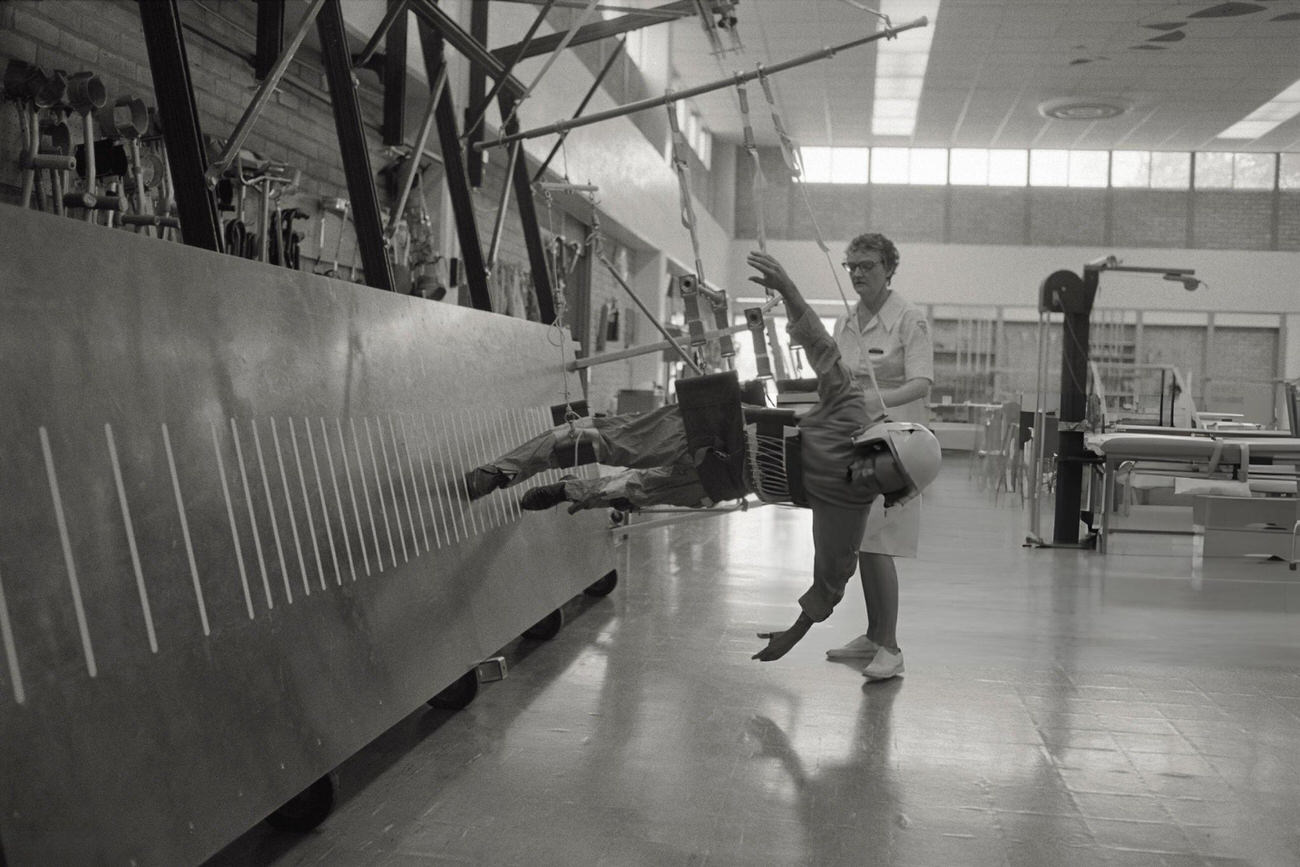
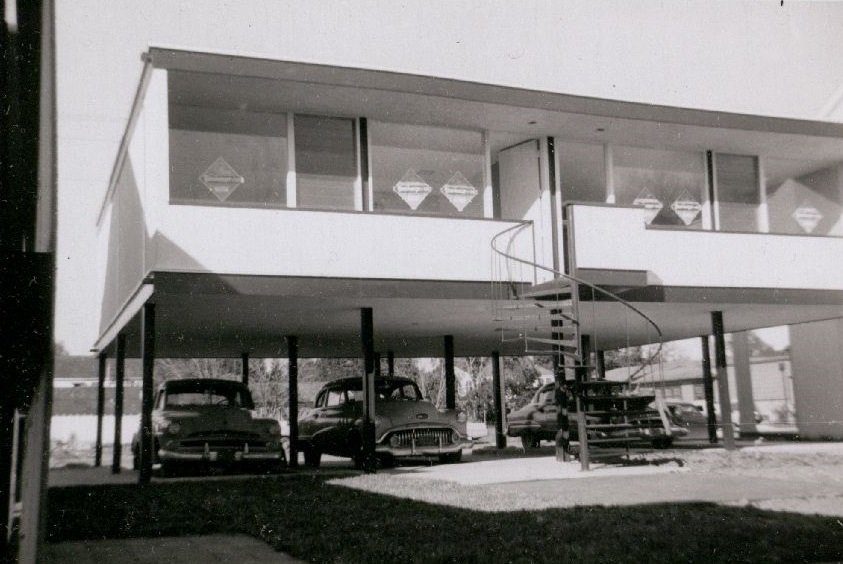
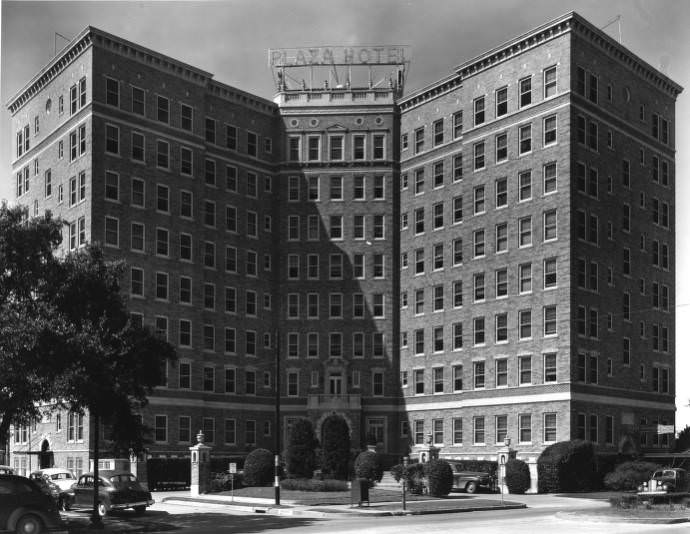
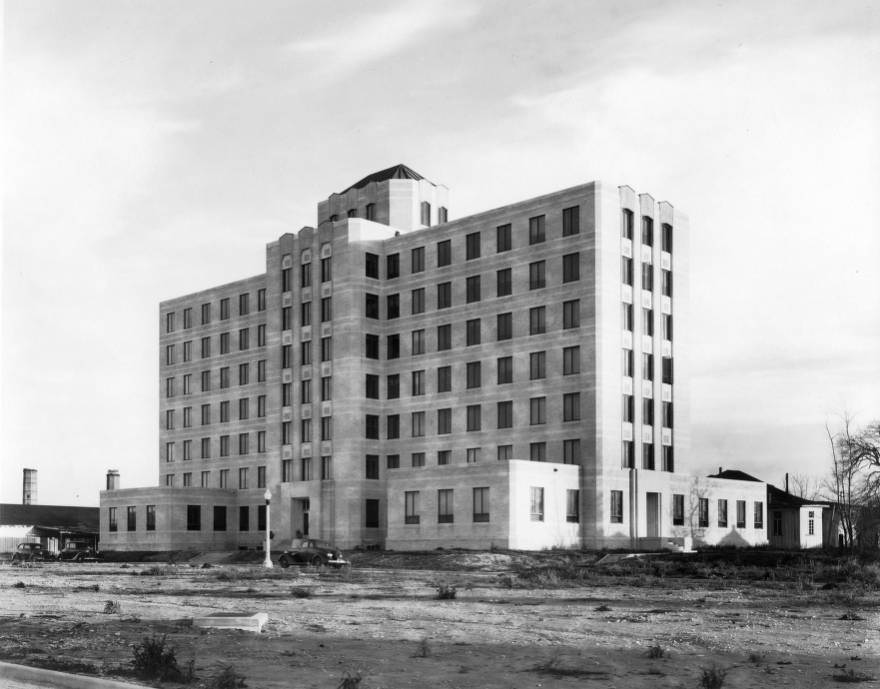
Construction was visible across every corner of the city — not just on campuses and downtown blocks, but in residential neighborhoods, medical facilities, and commercial corridors. New apartment buildings and studios were going up alongside hospitals, savings and loan offices, and manufacturing plants.
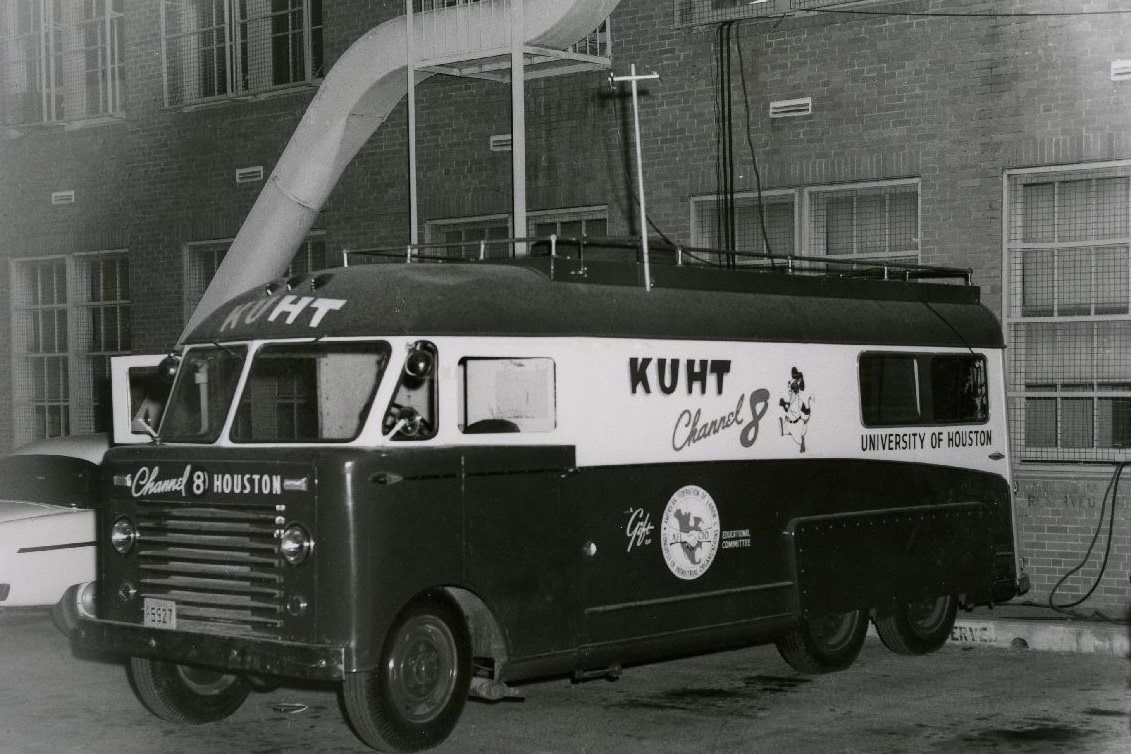
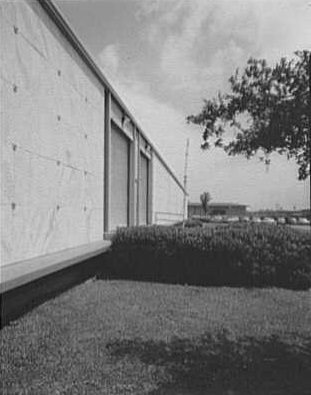
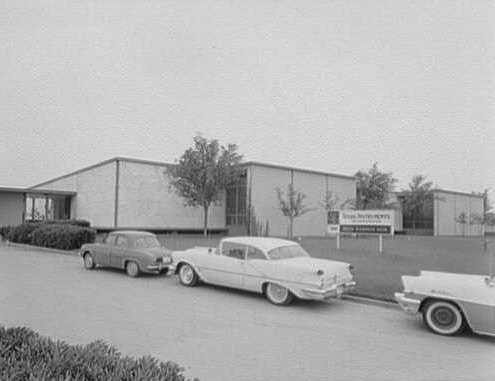
Technology was also making its mark. In 1953, KUHT — the first public television station in the United States — launched its first remote broadcast van from Houston. Texas Instrument Co. had a visible presence in the city by the end of the decade. These developments pointed to a Houston that was not just a center of heavy industry, but one beginning to embrace technology and media.
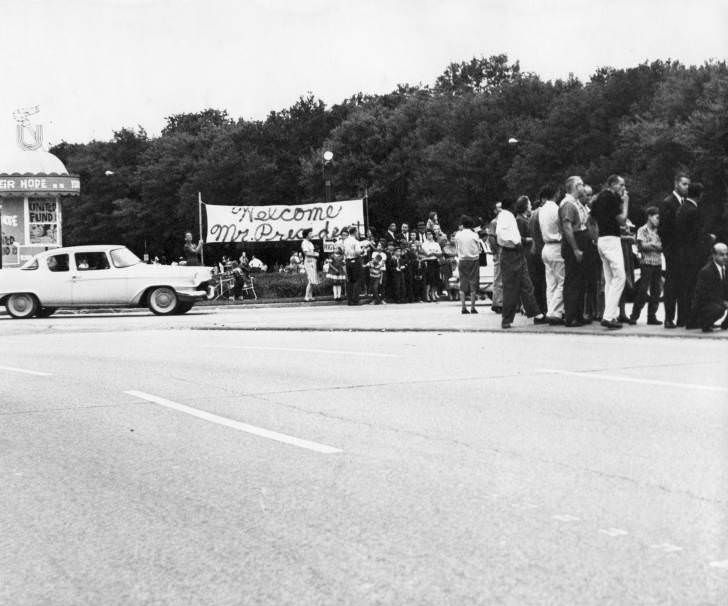
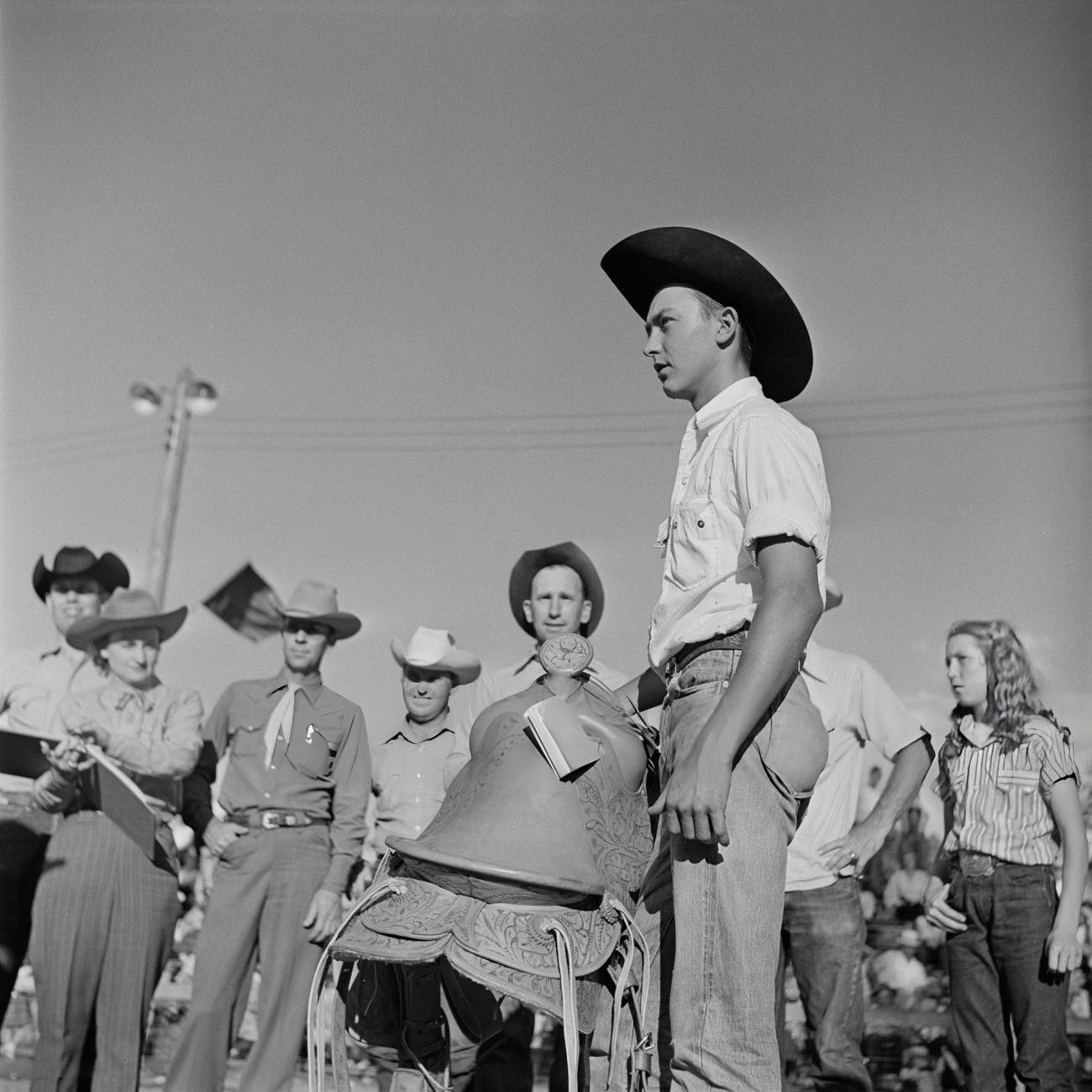
Public events drew enormous crowds throughout the decade. When President Dwight D. Eisenhower visited Houston, Houstonians turned out in force to see him. Youth rodeos kept cowboy traditions alive. And a youth rodeo in 1952 showed that, despite all the modern growth, Texas roots ran deep in this city.