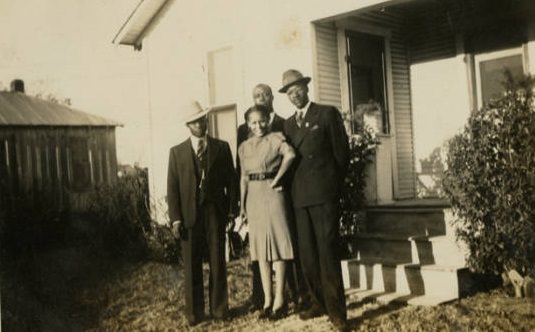
Houston in the 1940s was not the sprawling global city it is today, but the decade planted the seeds that would grow it into one. The population surged throughout the 1940s as workers flooded in from across the country, drawn by jobs in oil, shipbuilding, and manufacturing. Streets that had once been quiet filled with traffic, and neighborhoods expanded outward in every direction. These photographs offer a rare, ground-level look at a city in the middle of one of the most dramatic growth periods in its history.
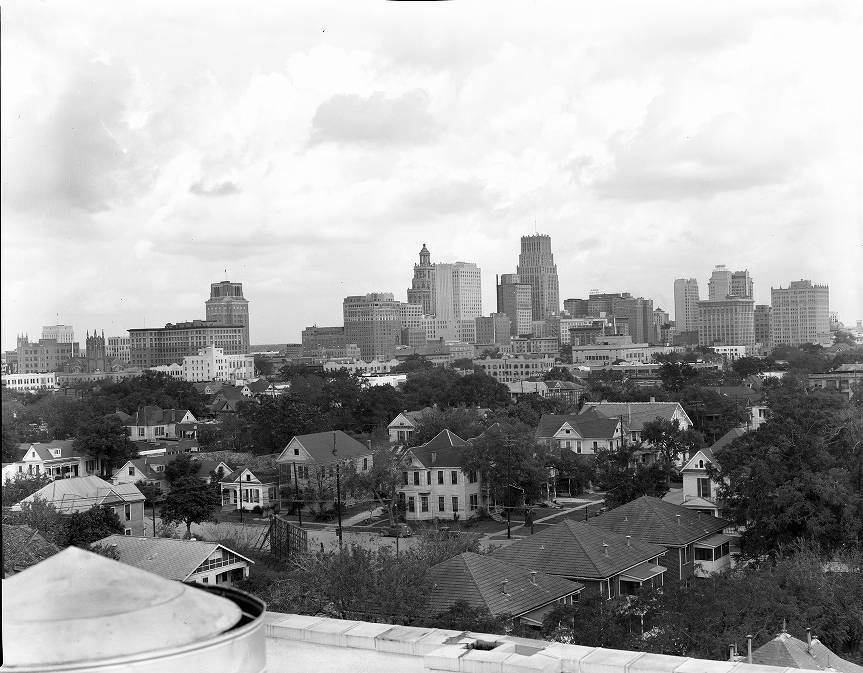
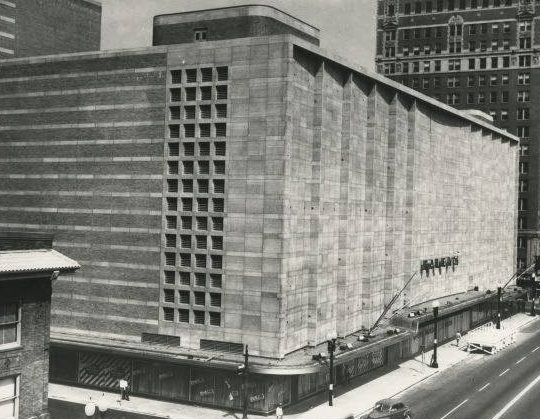
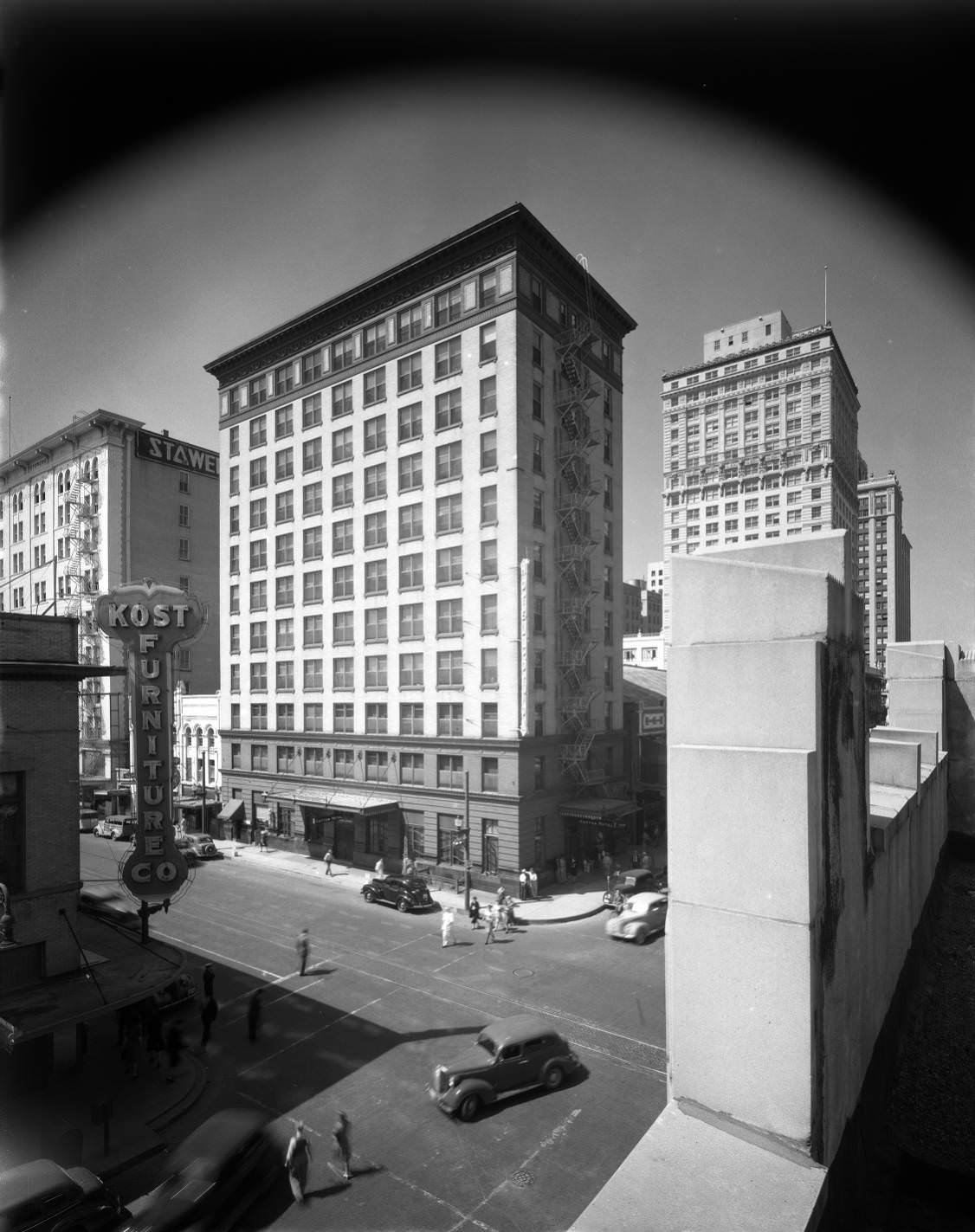
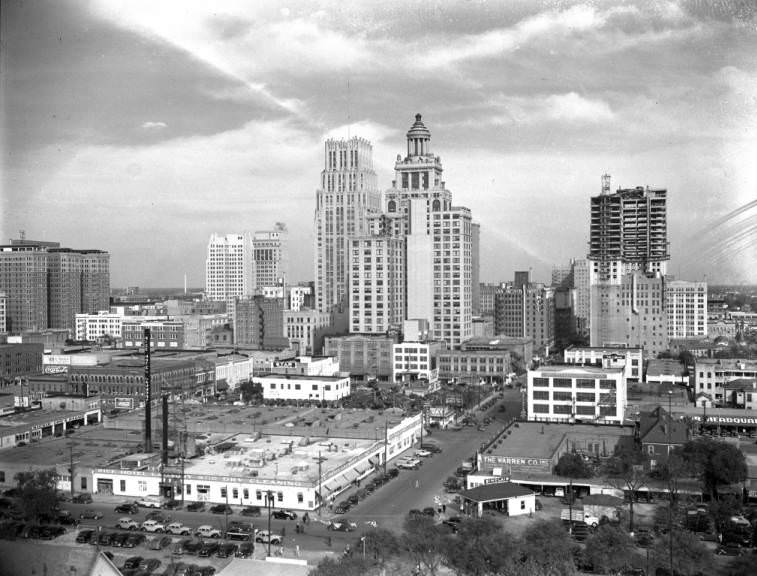
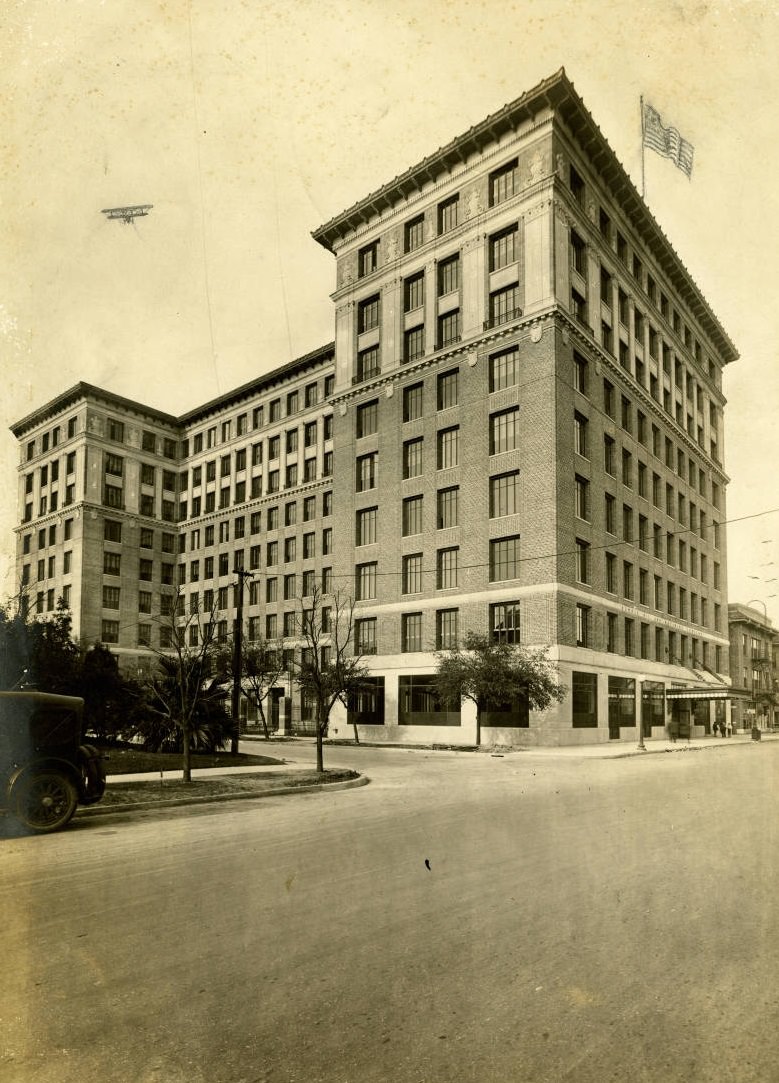
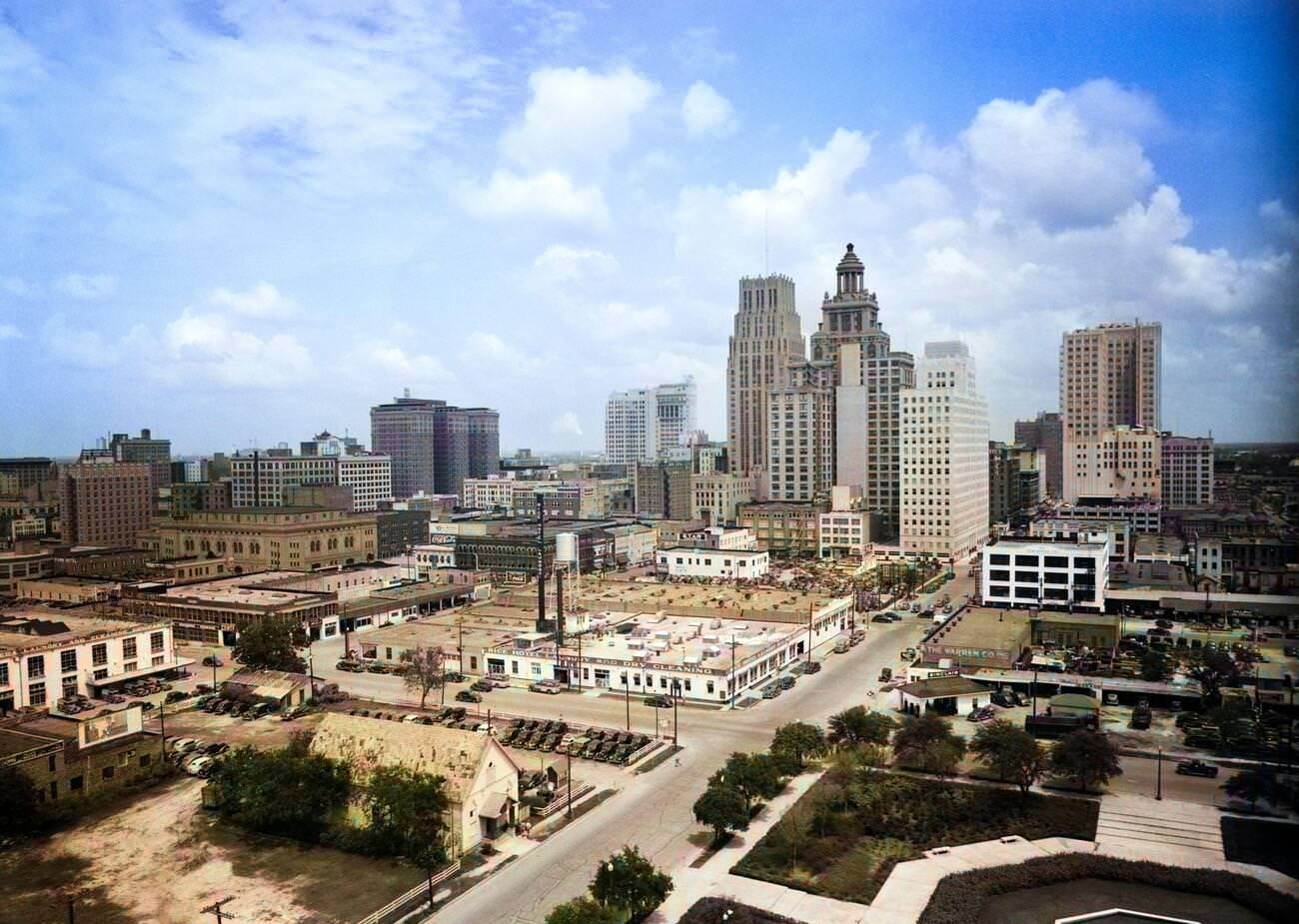
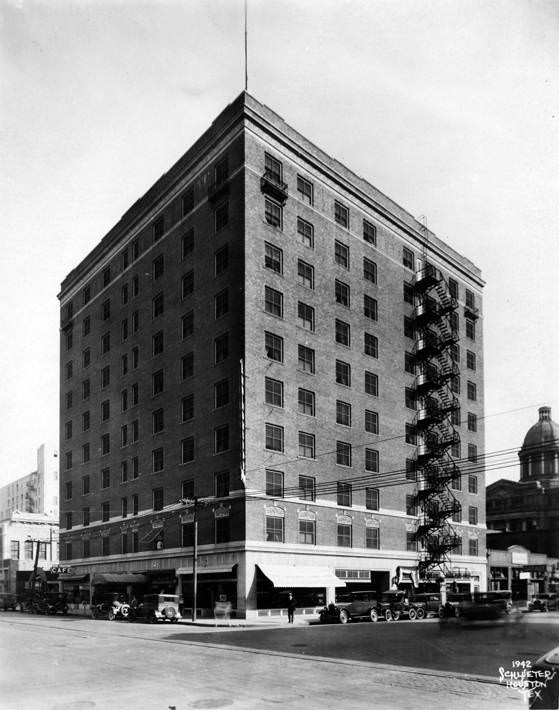
Downtown Houston stood at the center of it all. The skyline was modest by today’s standards, but it was growing. Office buildings, banks, hotels, and department stores packed the core of the city. The Rice Hotel was a well-known landmark, attracting both locals and out-of-towners to its grand lobby and ballrooms. Foley’s Department Store drew steady crowds of shoppers. On any given weekday, the sidewalks were thick with workers, shoppers, and businesspeople moving from one errand to the next.
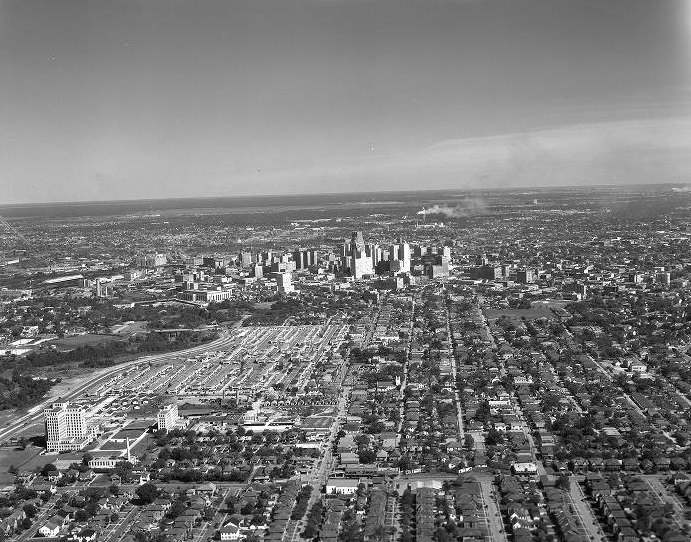
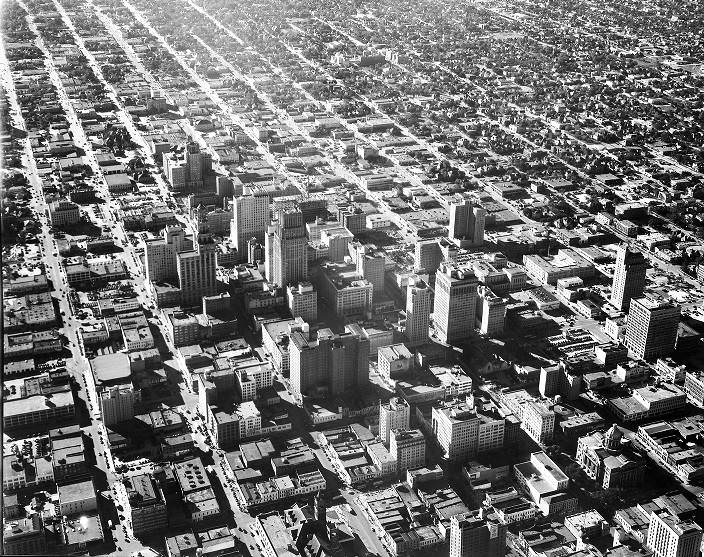
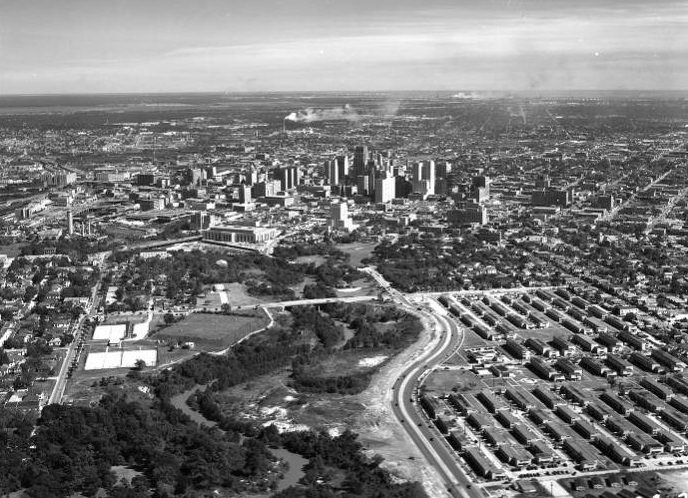
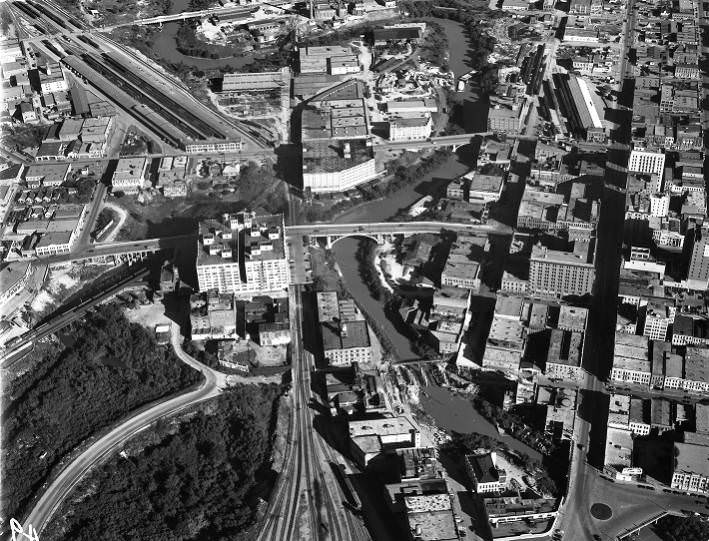
Aerial photographs from 1946 reveal just how tightly developed the downtown core had become. Streets form a dense grid, lined with multi-story buildings that would have seemed enormous to anyone arriving from rural Texas. Buffalo Bayou winds through the frame, a reminder that water shaped Houston’s geography long before the first skyscraper went up.
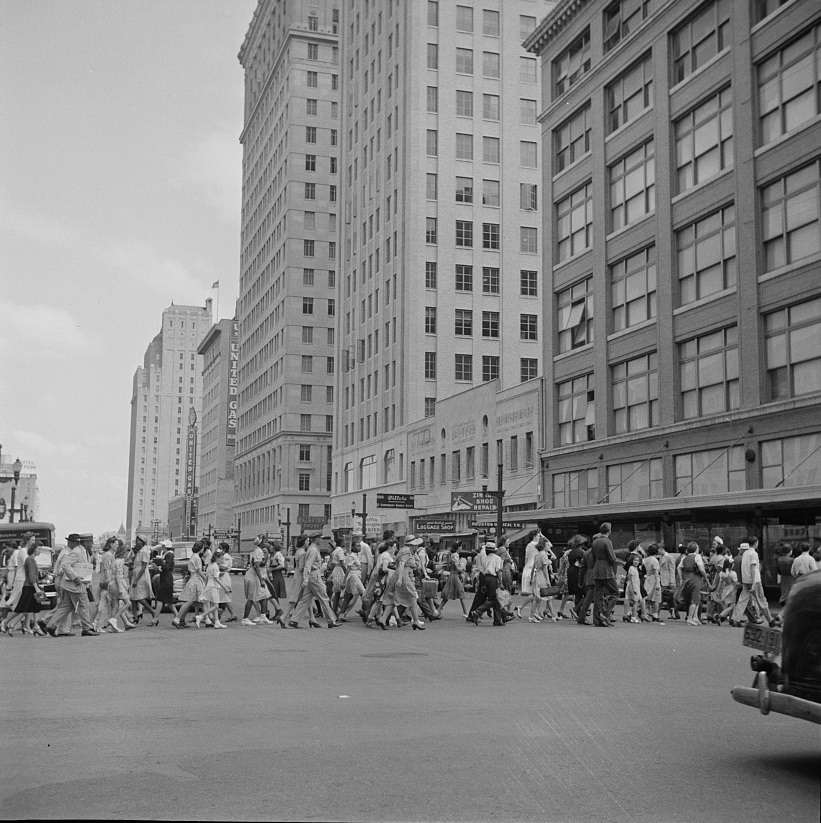
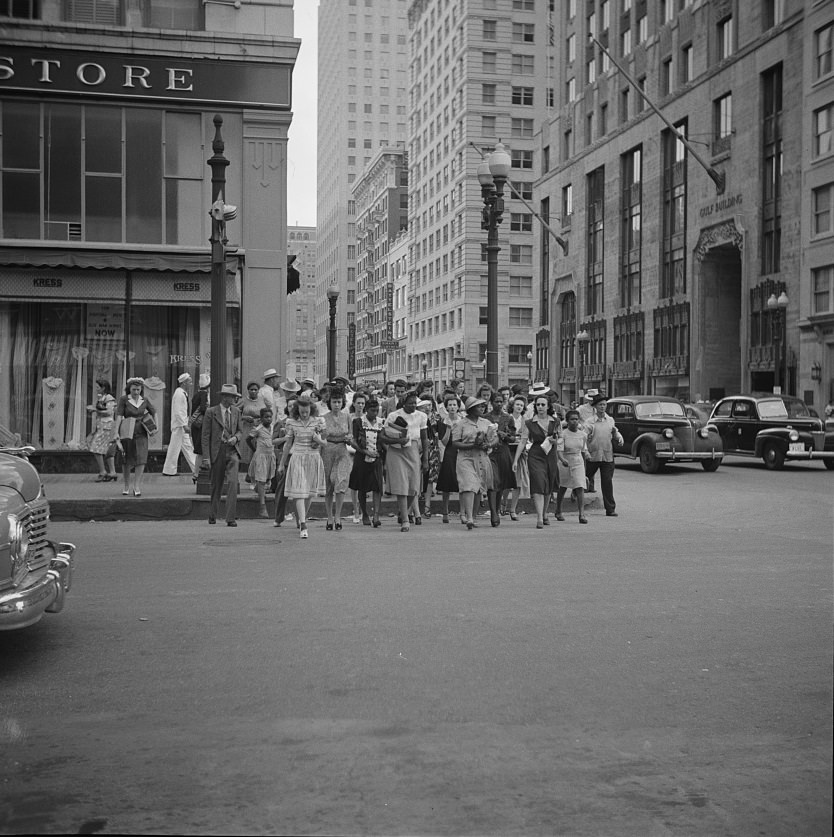
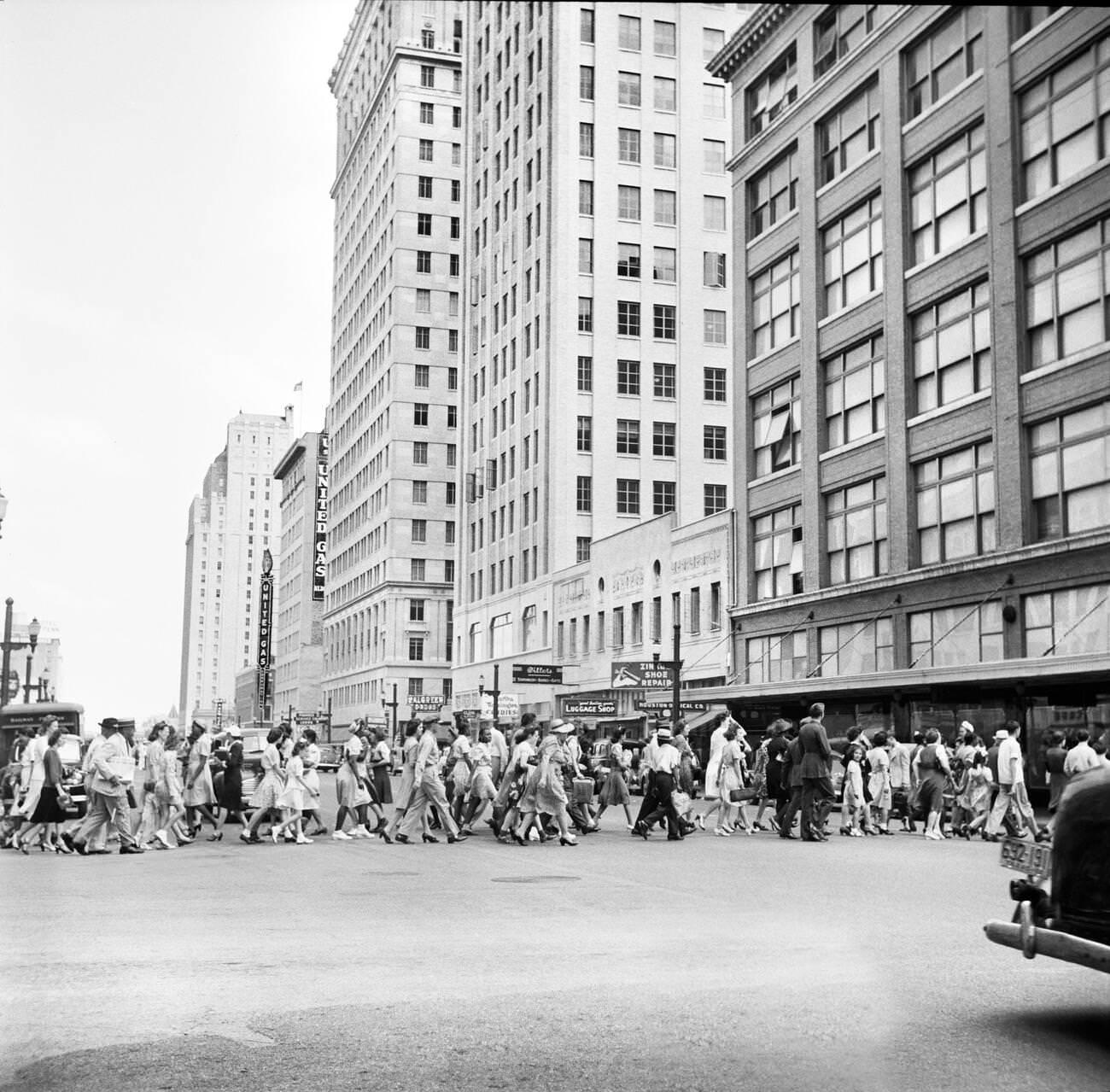
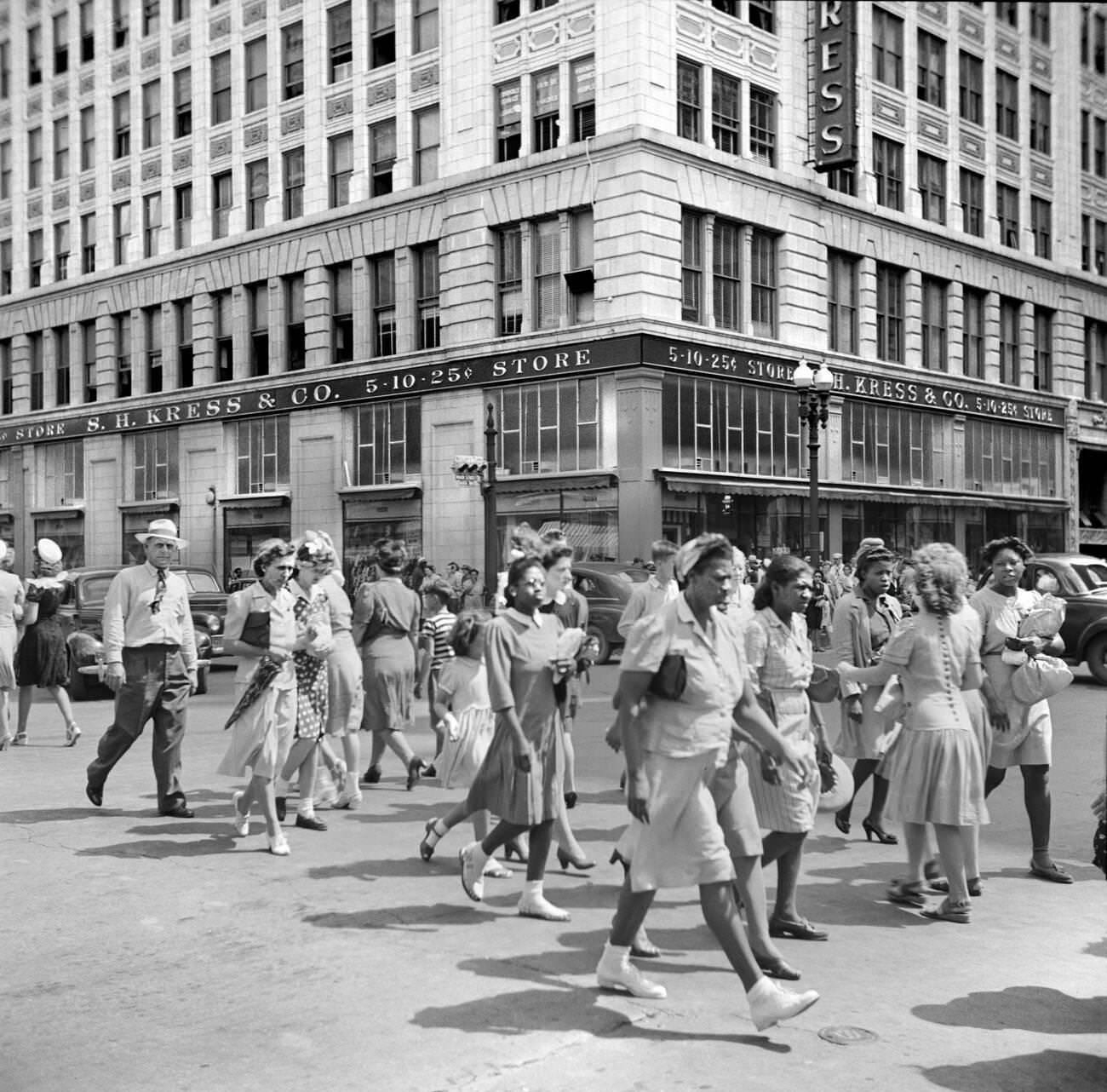
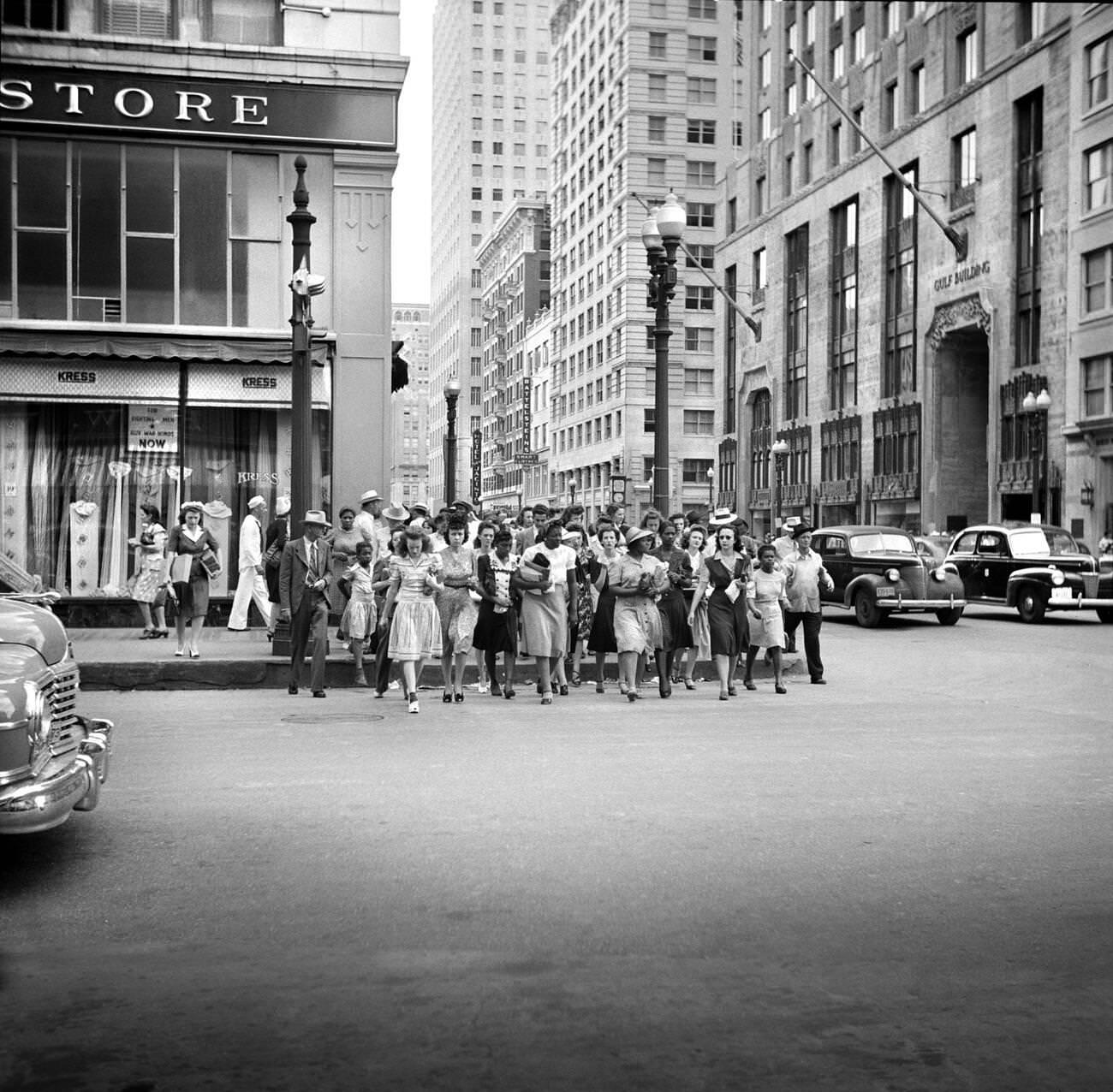
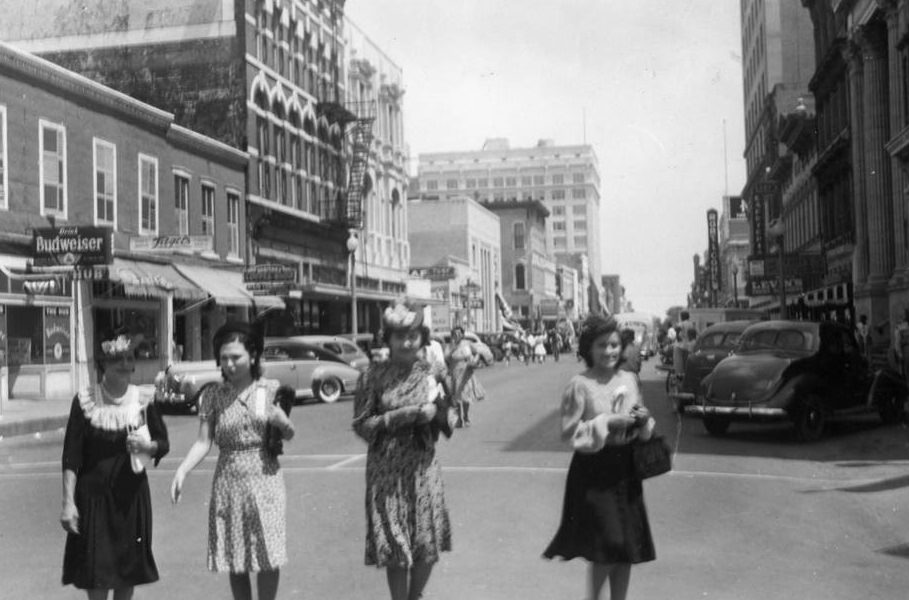
Down at street level, the bustle was constant. Downtown sidewalks in 1943 were packed with pedestrians going about their daily routines, even as the war overseas weighed on everyone’s minds. These were working people — some in uniform, most not — navigating a city that was changing faster than anyone could keep up with.
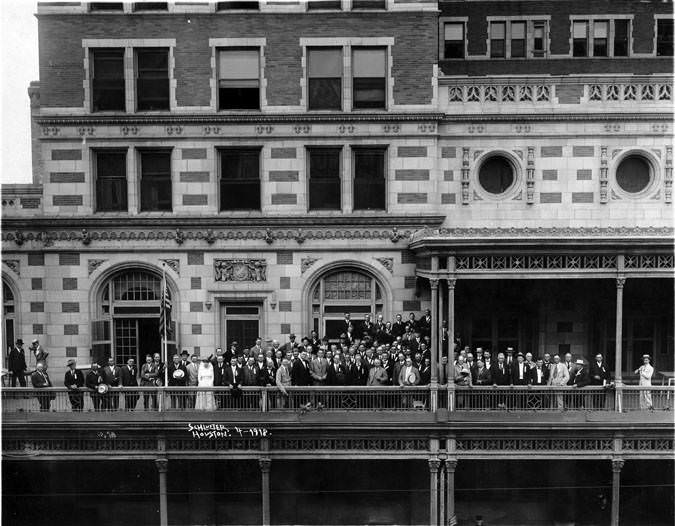
The Rice Hotel was more than just a place to stay. Groups gathered in its mezzanine for meetings, celebrations, and social events. The building was a social hub for Houston’s professional class, and photographs from the era show well-dressed crowds inside its ornate spaces.
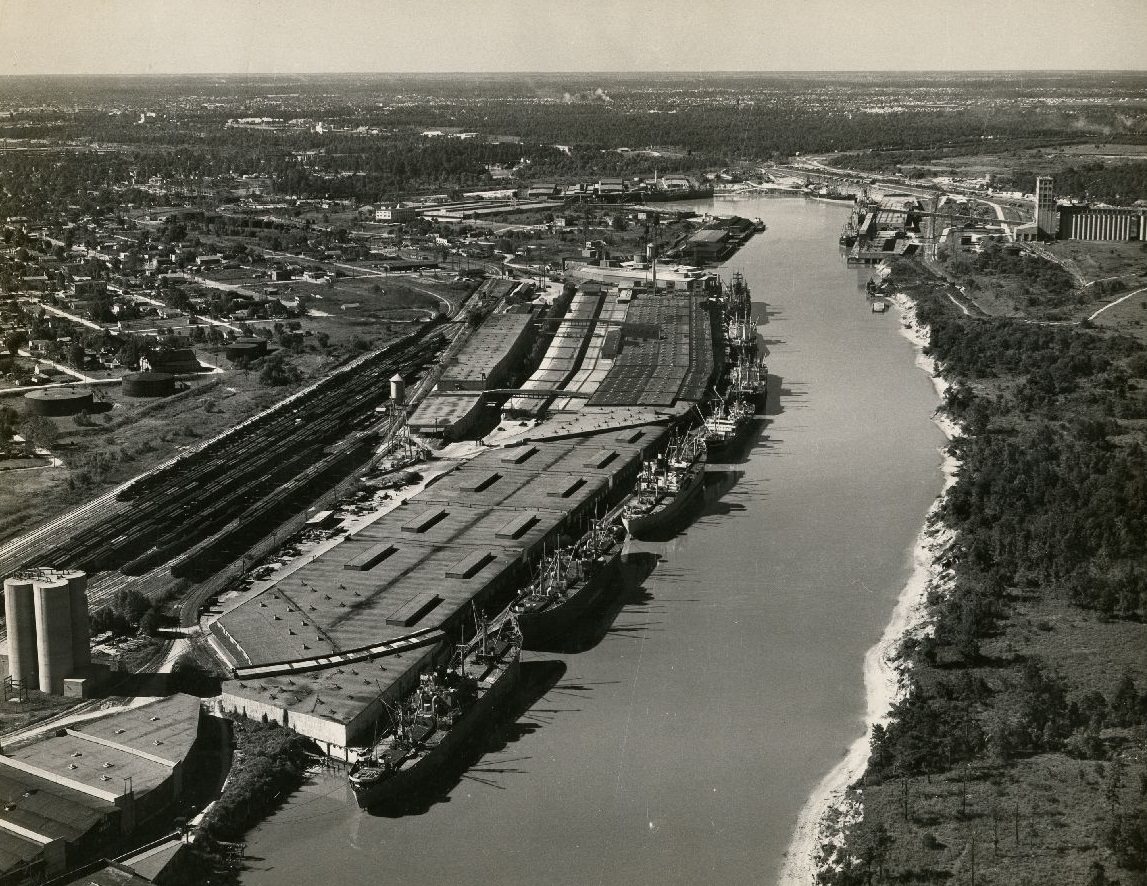
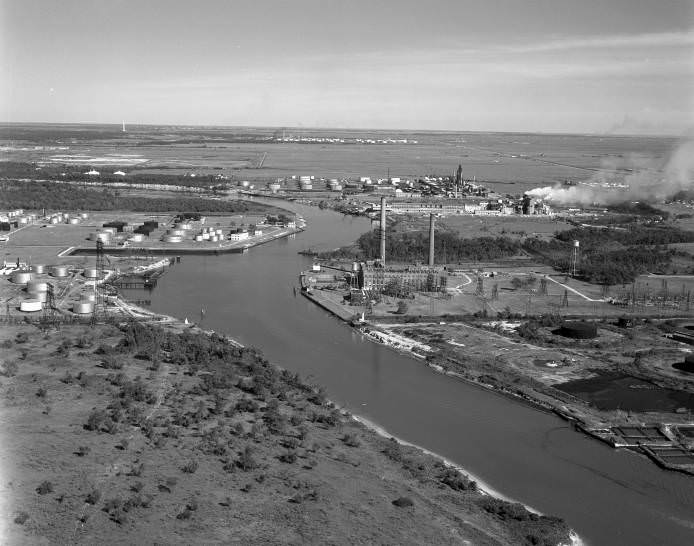
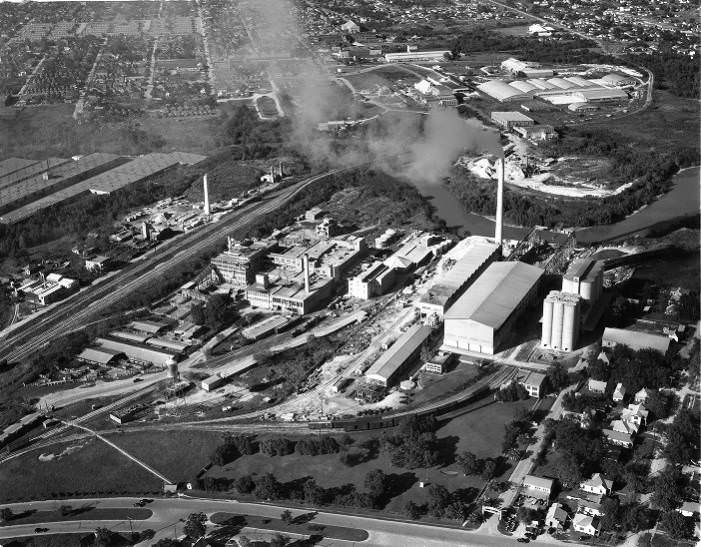
The Houston Ship Channel was the engine behind much of the city’s economic power. In 1946, the waterway was alive with vessels of all sizes. Industrial plants lined the banks of the channel, their smokestacks sending plumes into the sky. Humble Oil & Refining Company, one of the major forces in the Texas energy industry, had its original office building in Houston during this period, a physical symbol of the oil boom that had reshaped the region.
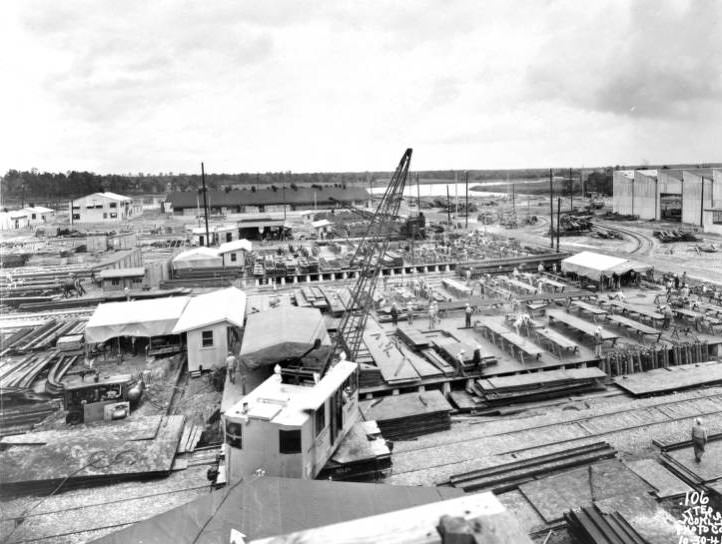
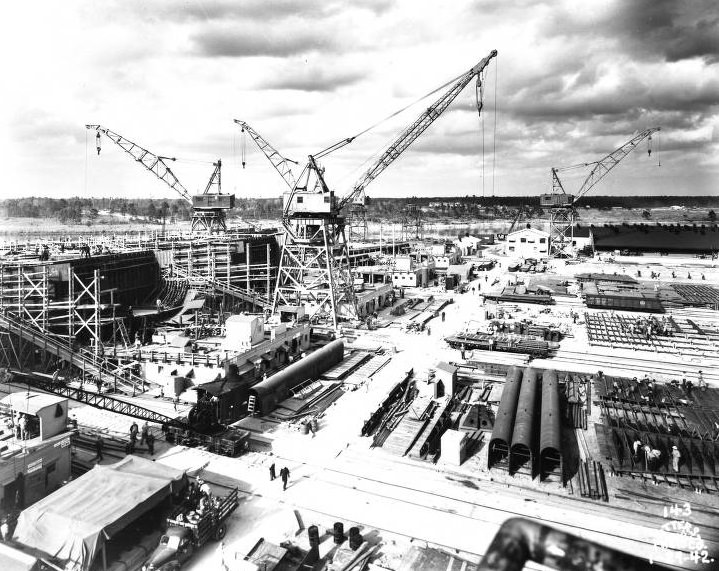
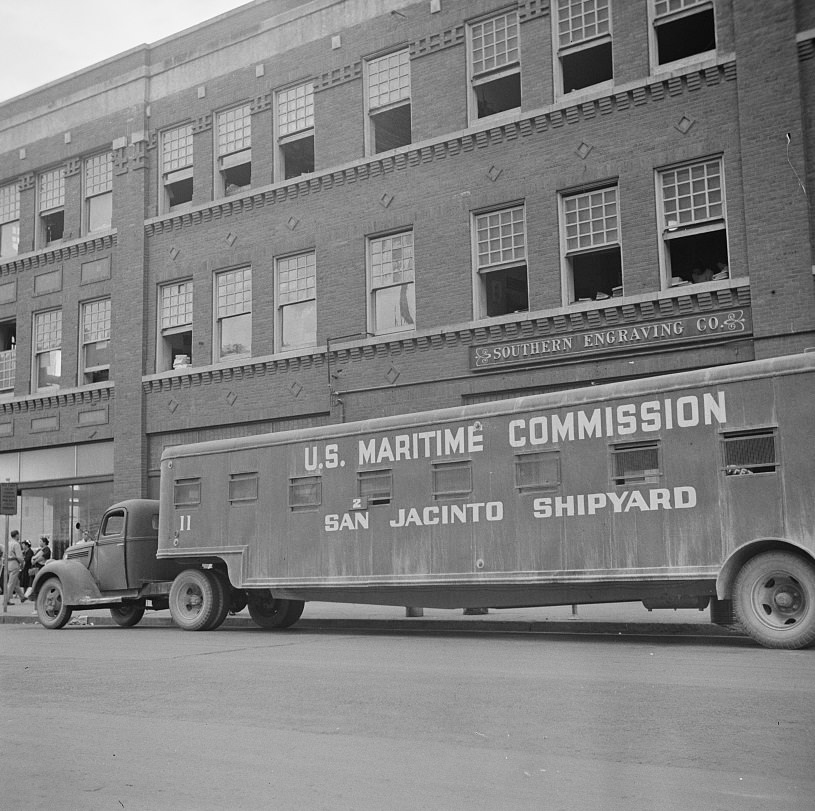
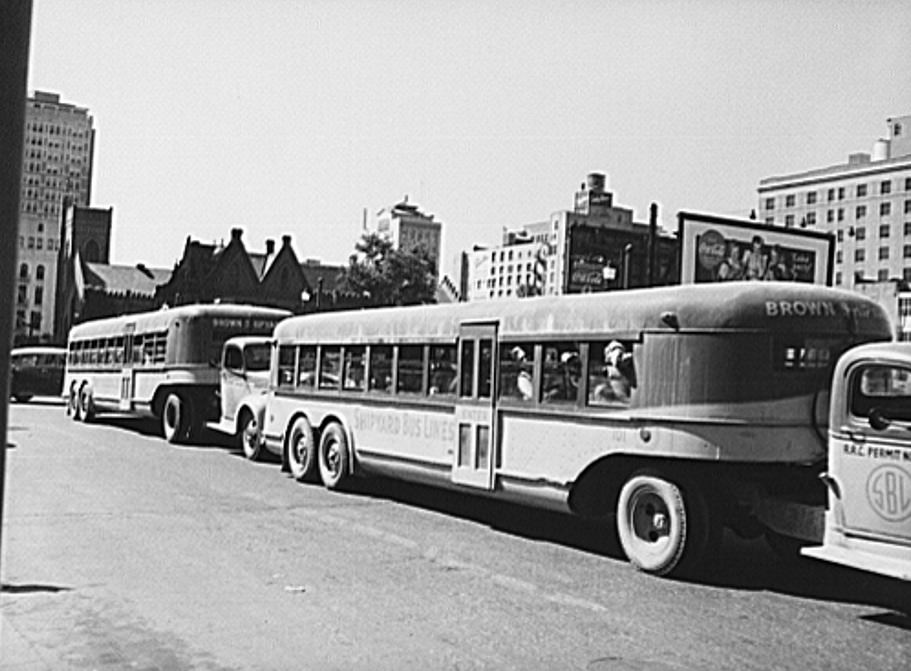
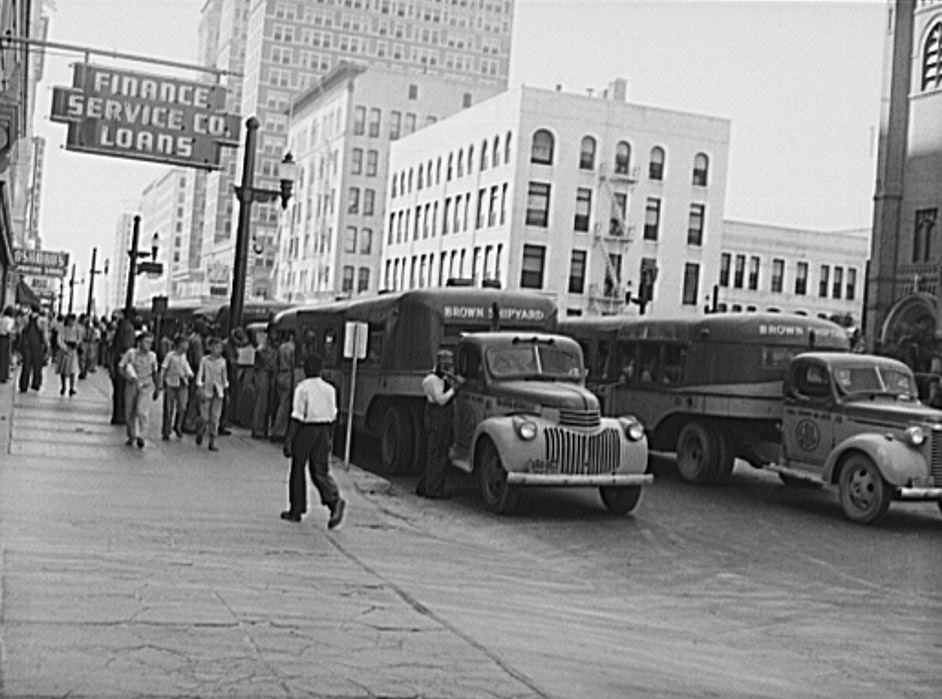
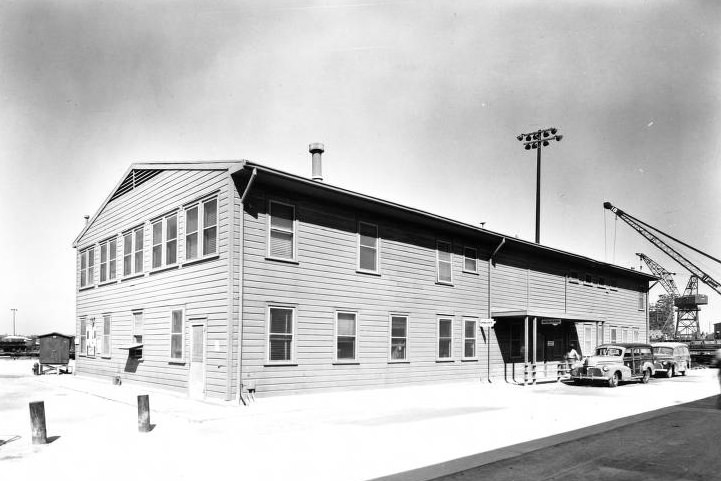
World War II turned Houston’s shipyards into around-the-clock operations. The federal government needed vessels, and Houston delivered them. Workers poured into the yards, operating heavy cranes, assembling hulls, and keeping production lines moving at a relentless pace. The U.S. Maritime Commission ran operations out of a local office building and deployed fleets of buses to transport shipyard workers to and from their shifts.
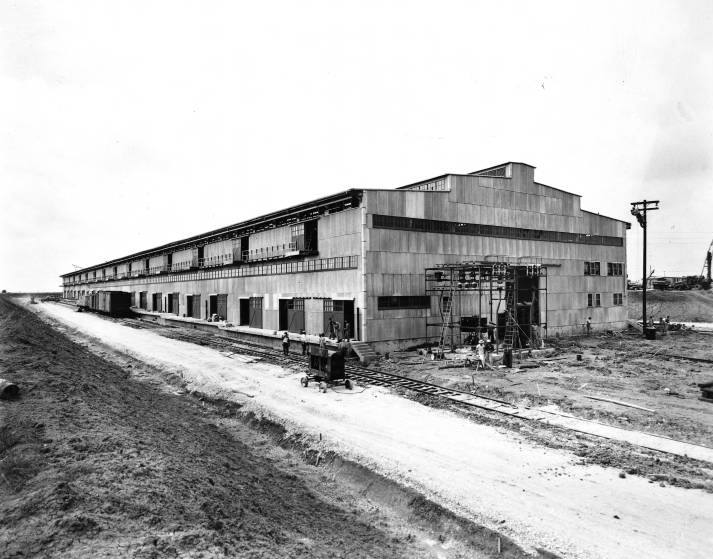
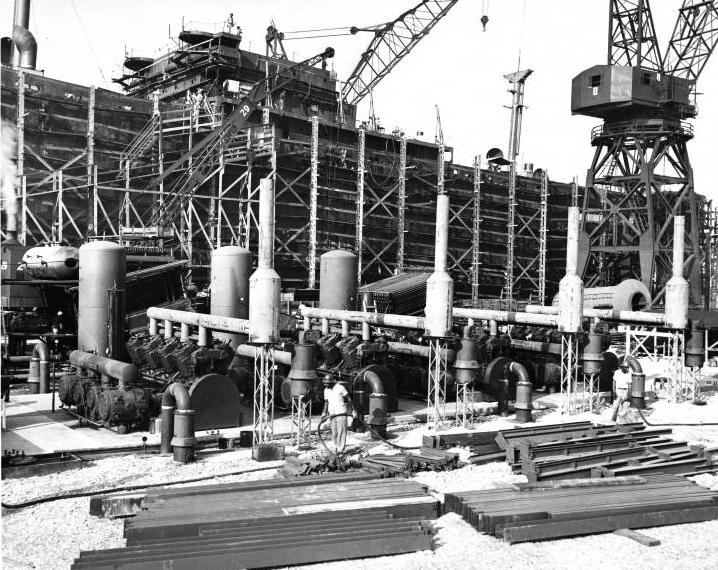
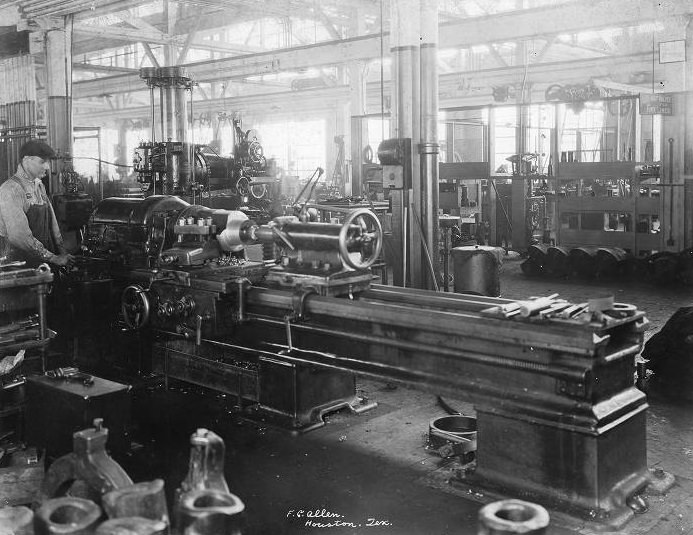
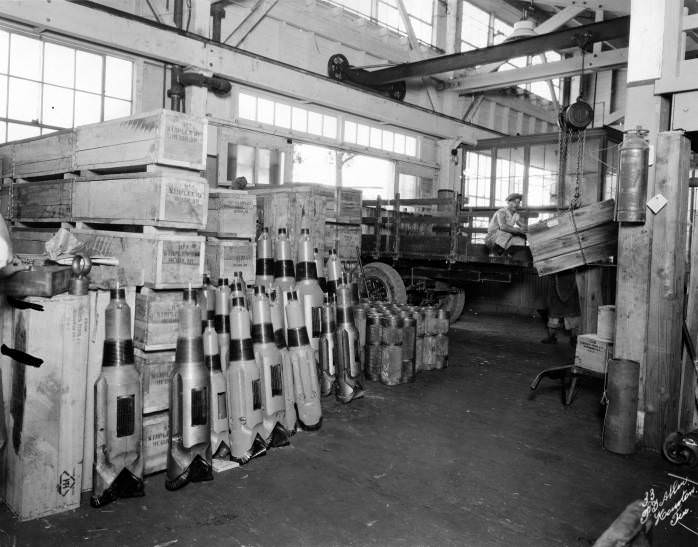
Hughes Tool Company was another major employer. The company manufactured drilling equipment used across the oil fields of Texas and beyond. Its facilities were large and busy, with workers operating heavy machinery on the shop floor and cranes loading finished products onto trucks for delivery.
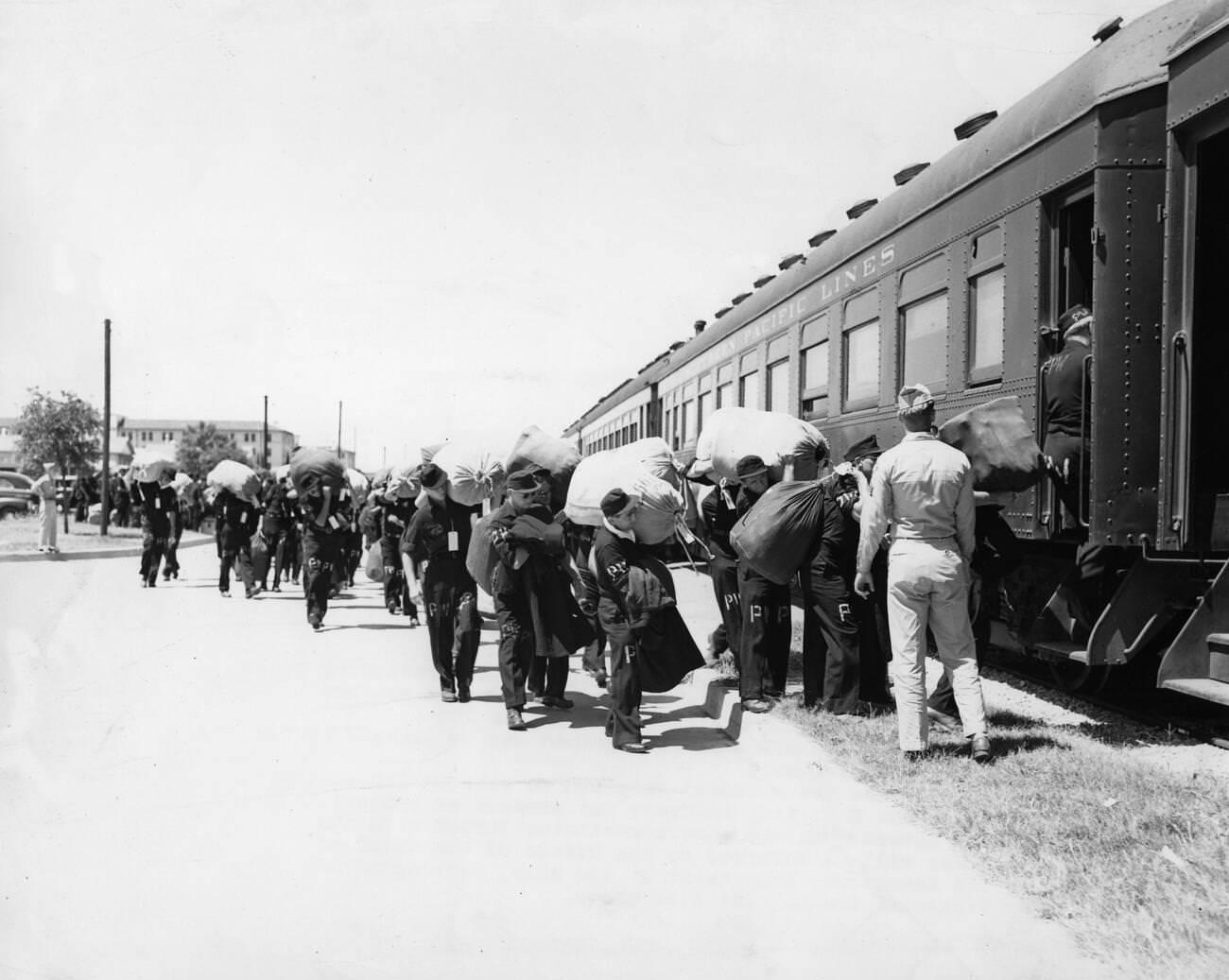
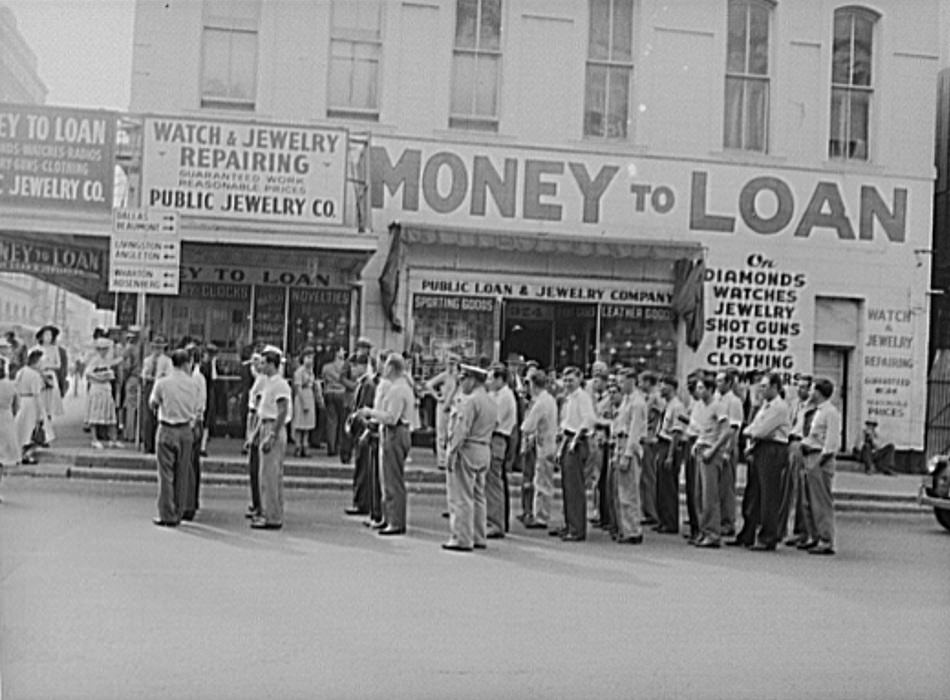
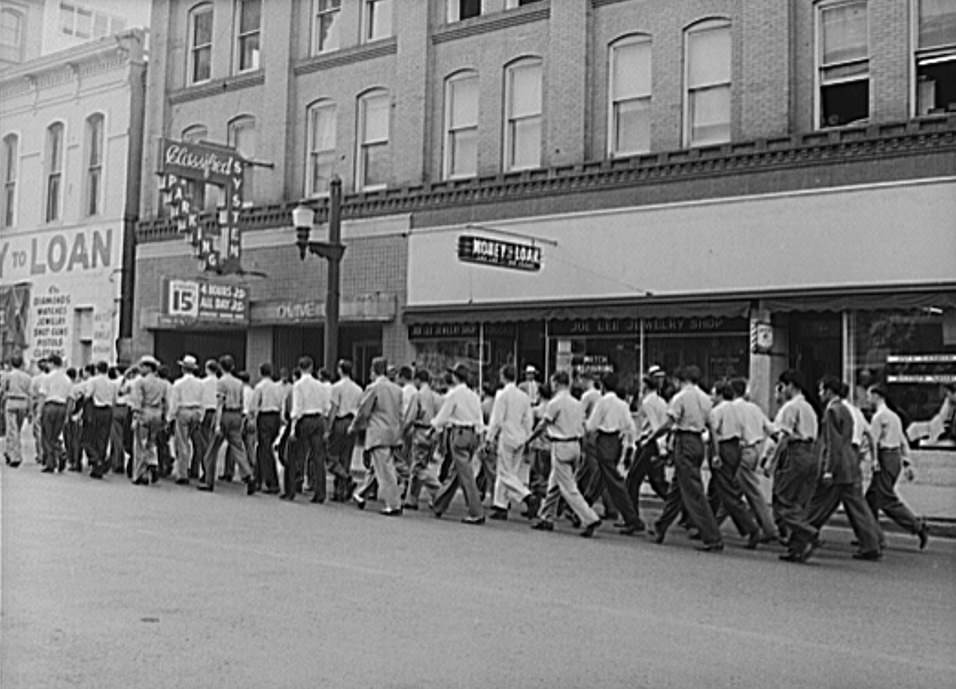
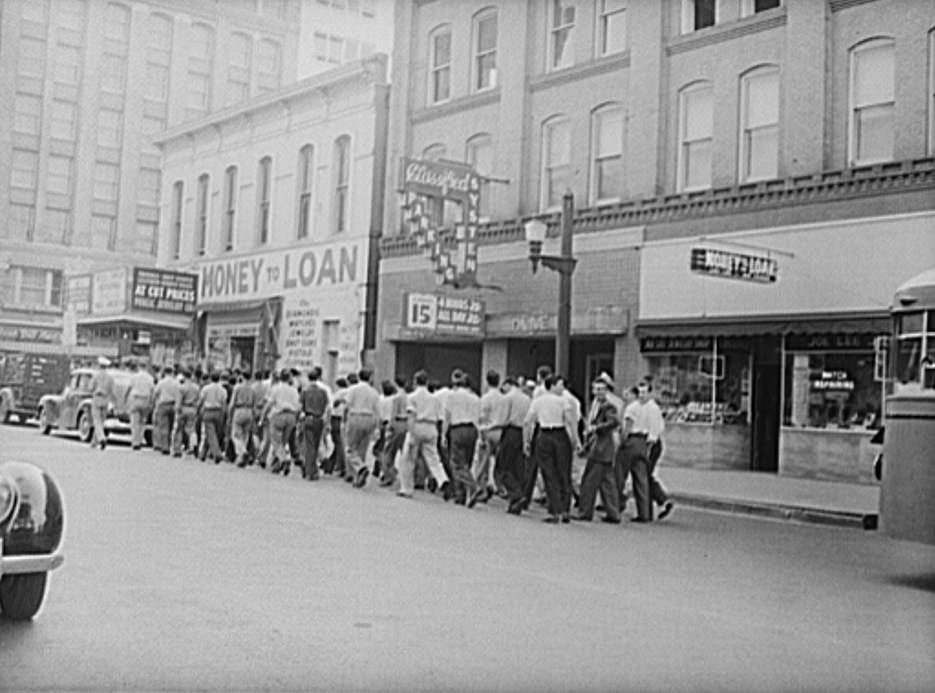
The war touched everyday life in ways that went beyond factory work. In 1943, columns of newly inducted men marched through Houston’s streets on their way to the reception center. These were ordinary young men — some still teenagers — heading into a military system that would send many of them overseas. The sight of those marching columns was a stark reminder of the human cost behind the industrial output.
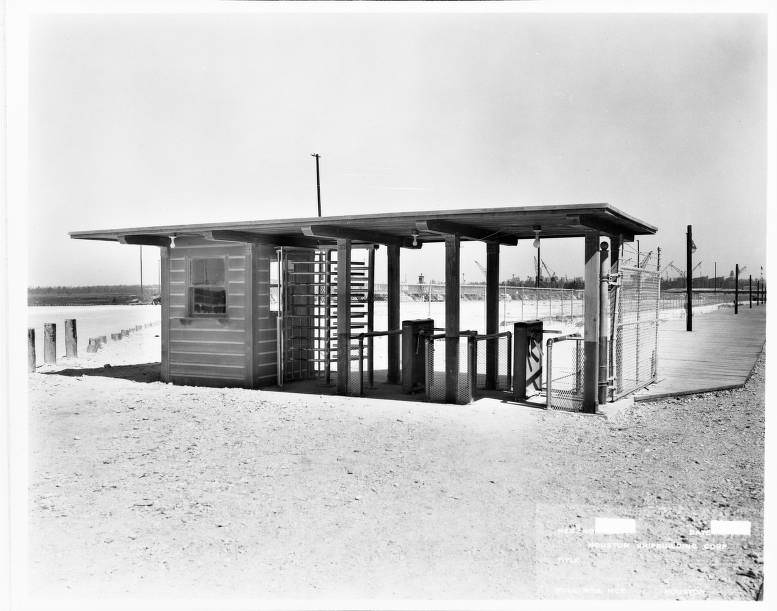
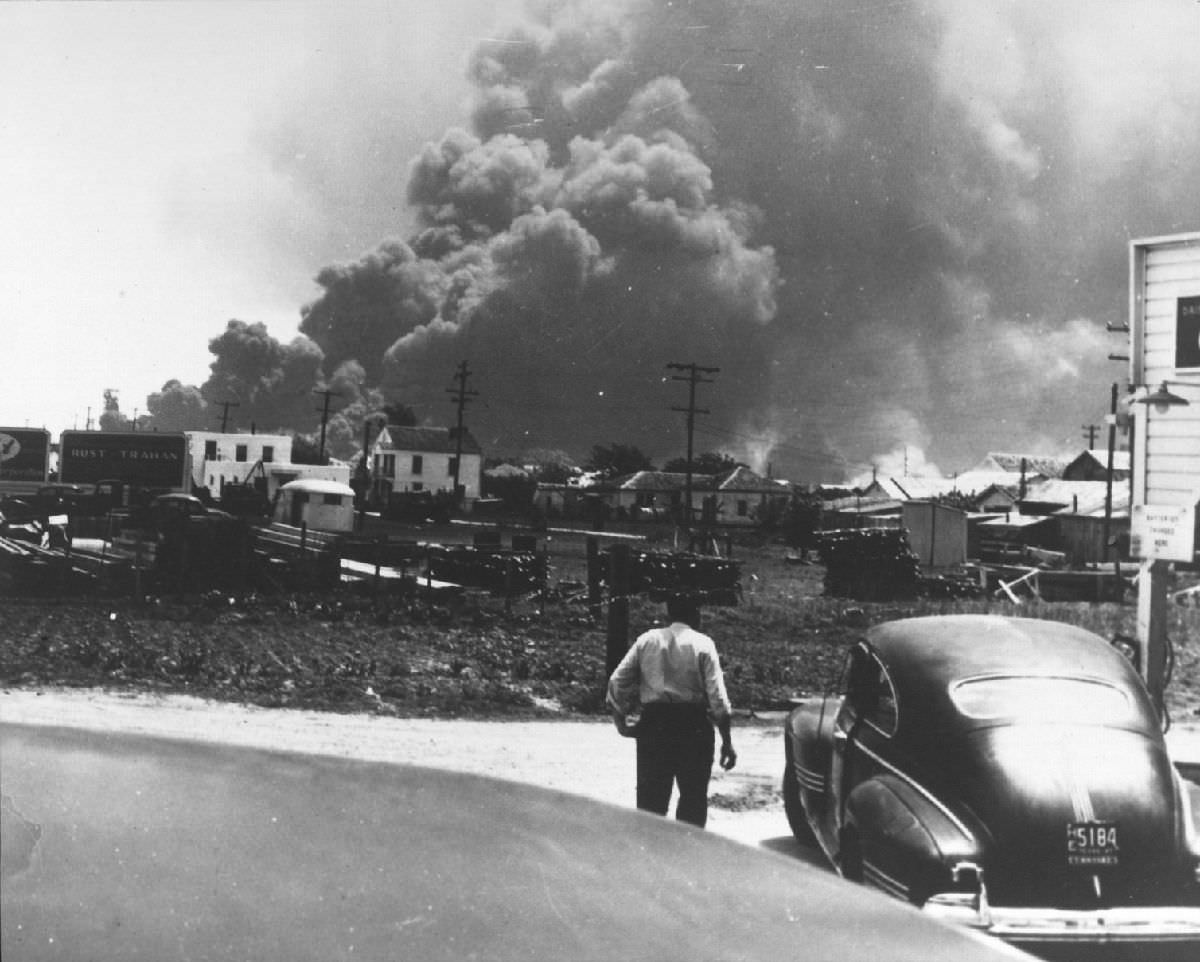
Houston’s Black community also contributed to the war effort. However, segregation remained the law of the land across Texas. Separate turnstiles for Black and white passengers on a shuttle train in 1944 captured in a single image the rigid racial divisions that structured daily life in the city. In April 1947, the Texas City disaster — one of the deadliest industrial accidents in U.S. history — sent a massive smoke plume visible from Houston as a ship loaded with ammonium nitrate exploded in the harbor, killing nearly 600 people.
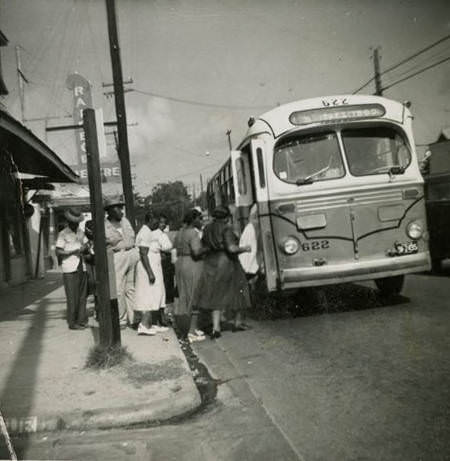
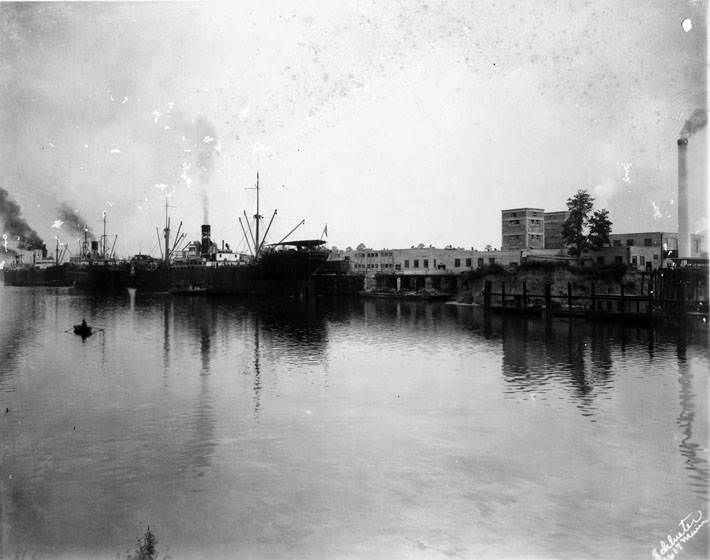
Getting around the city meant buses, streetcars, and increasingly, personal automobiles. By 1948, residents like Mrs. Lucielle Anderson were boarding city buses as part of their daily routines. The Port of Houston handled enormous volumes of cargo throughout the decade, with ships docking in large numbers to load and offload goods.
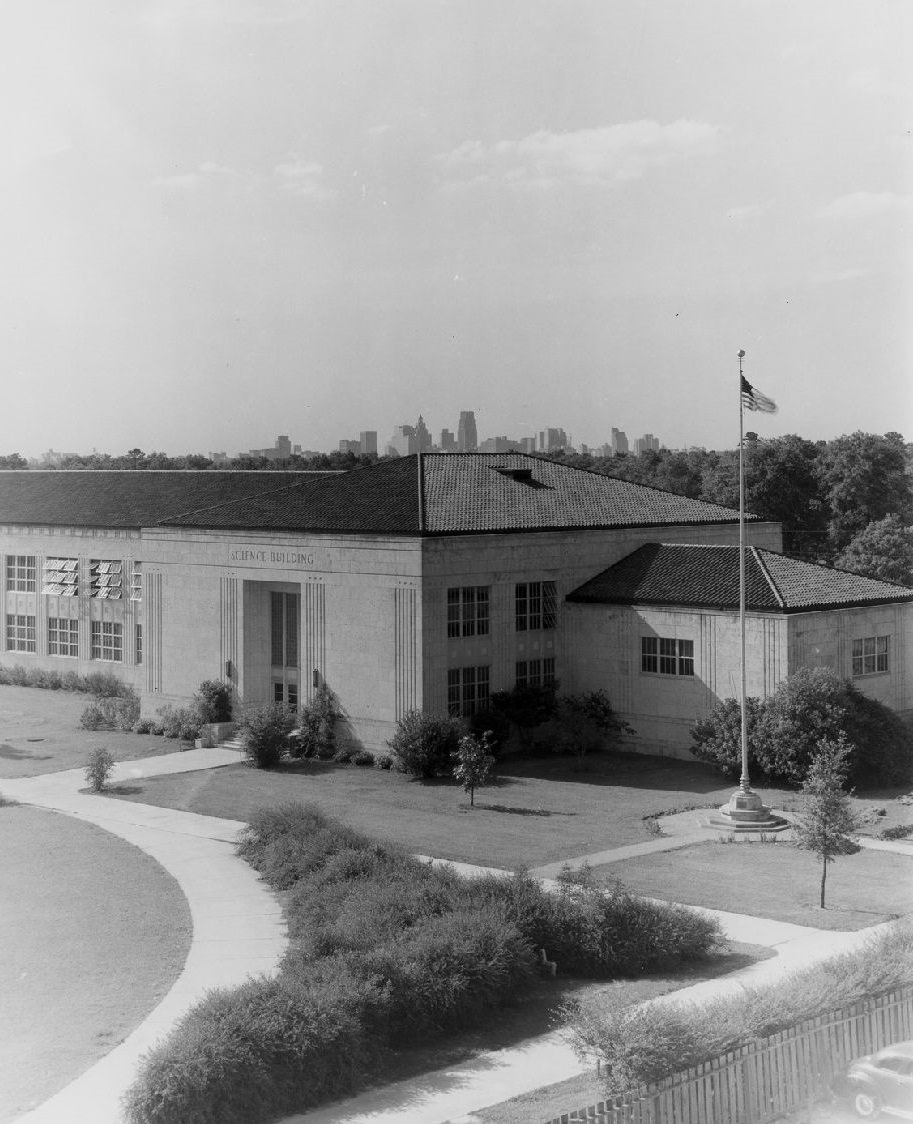
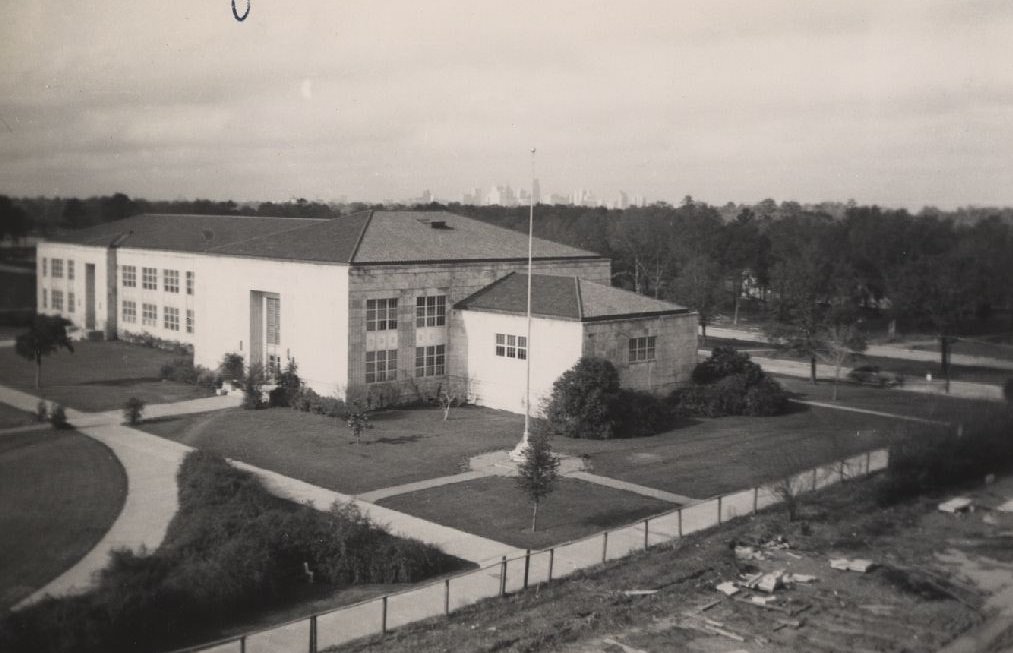
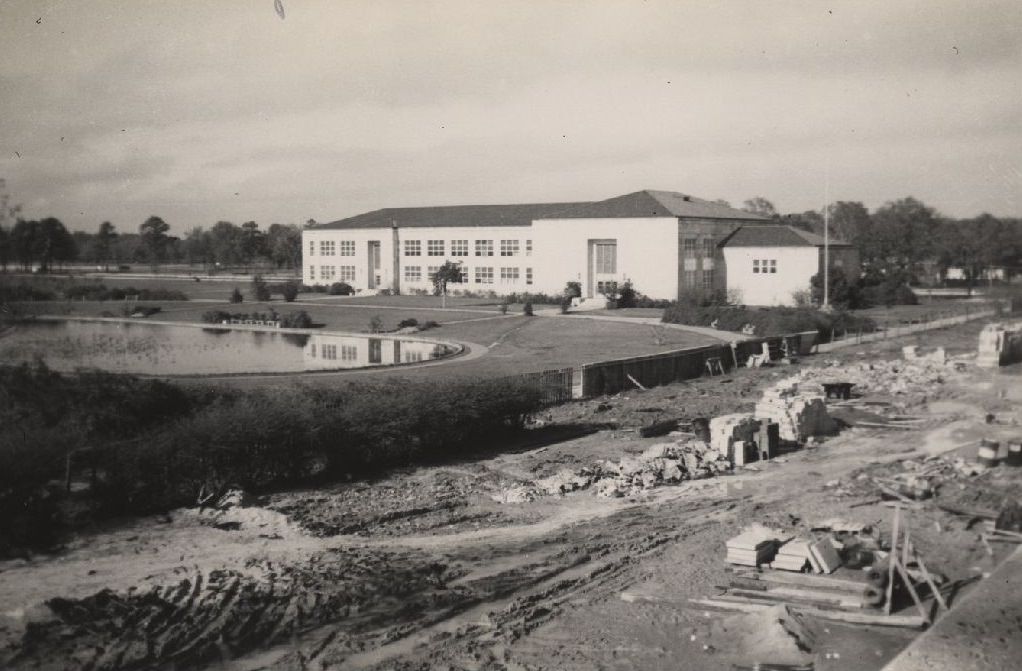
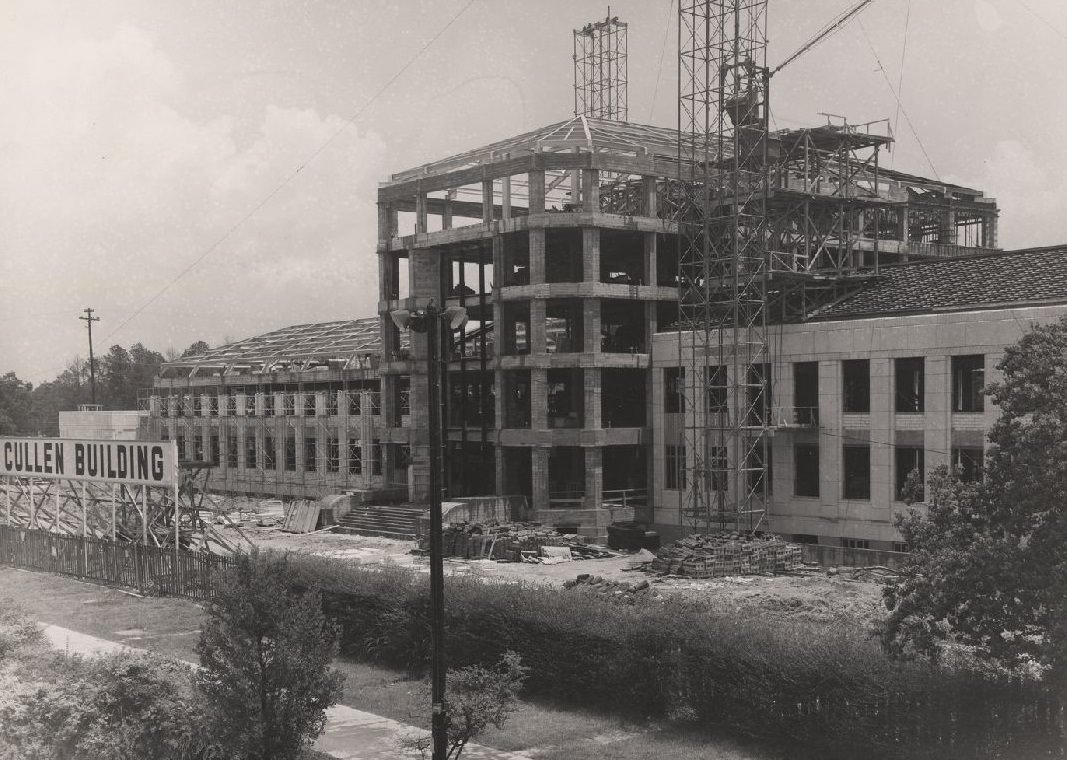
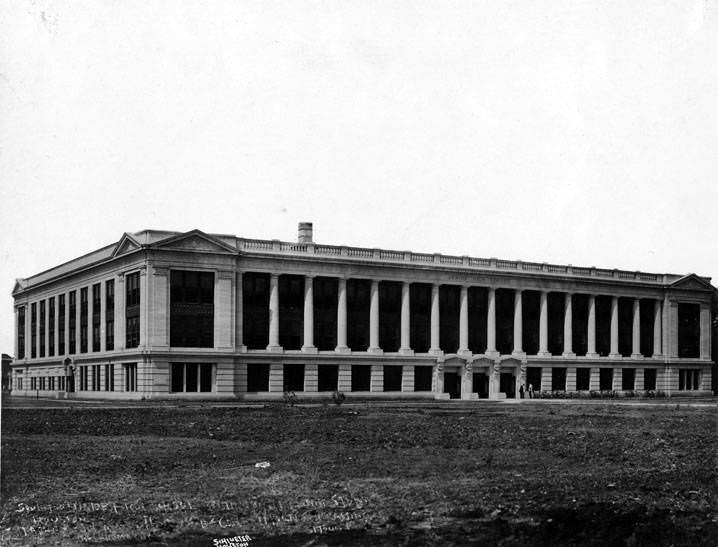
The University of Houston was expanding during this period. The Science Building stood as a landmark on campus in the early 1940s, and by 1949, the Ezekiel Cullen Building was rising alongside it — a clear sign that the city was investing in education as seriously as it was in industry.
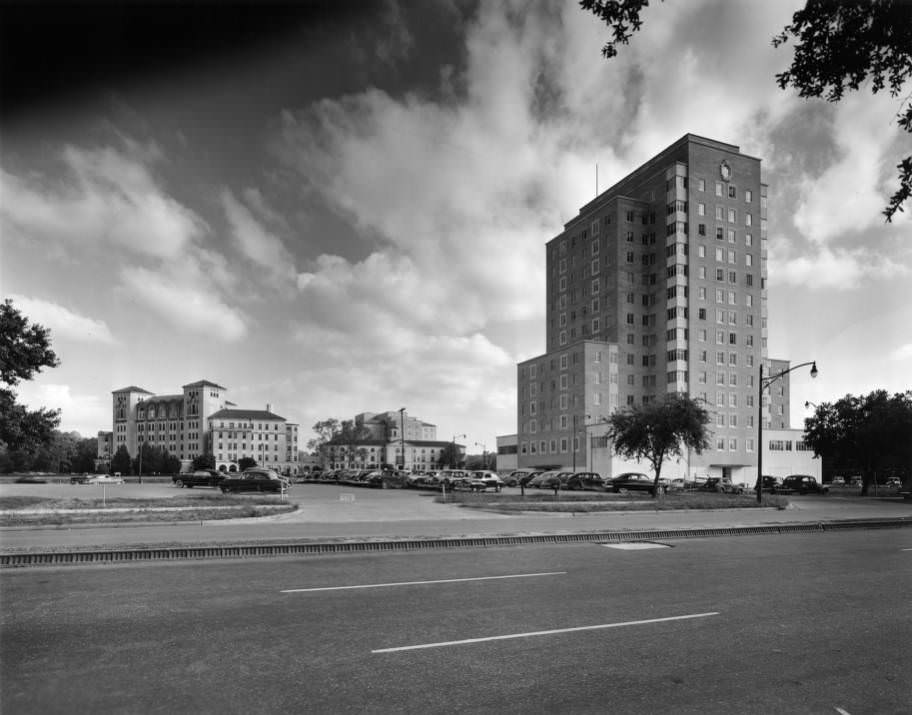
The Texas Medical Center was established in 1945, bringing together hospitals, research institutions, and medical schools in a single planned campus. Hermann Hospital, already operating in the city, served as one of the region’s key medical facilities throughout the decade. The skyline photograph featuring the Niels Esperson Building — designed in Italian Renaissance style — shows a city that cared about architecture, not just output.
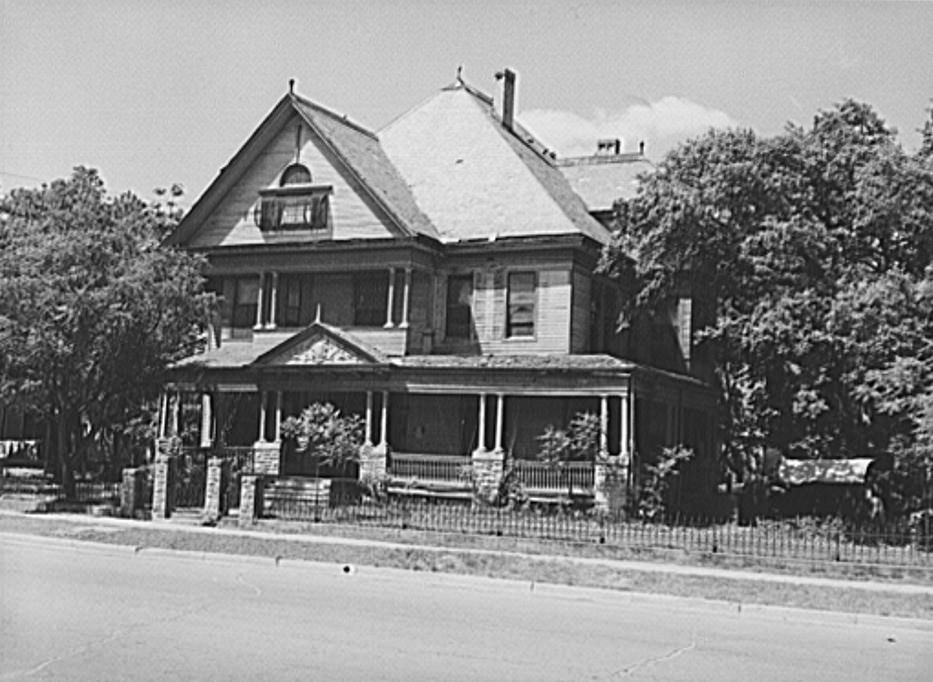
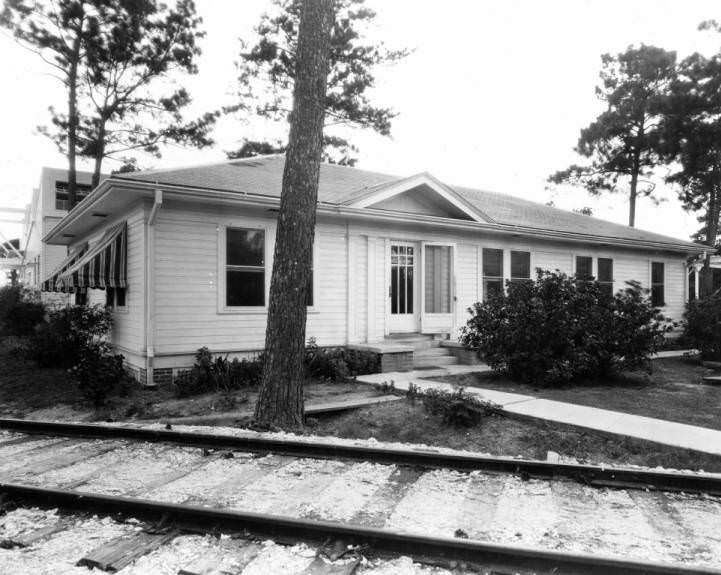
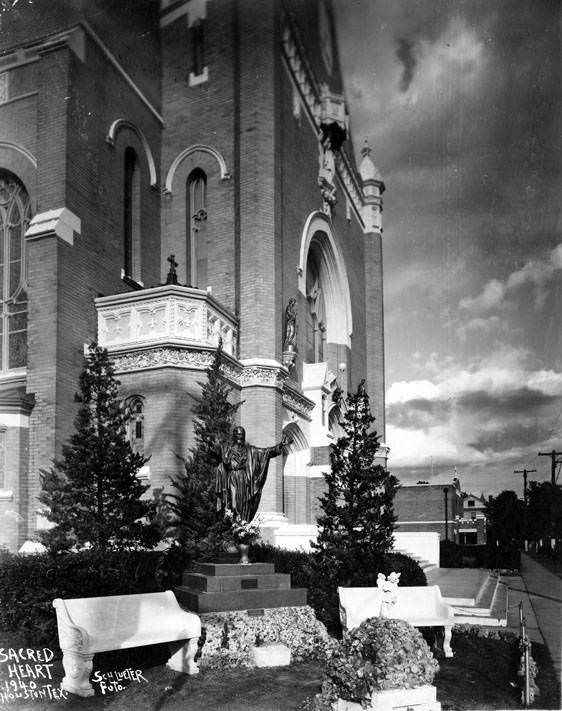
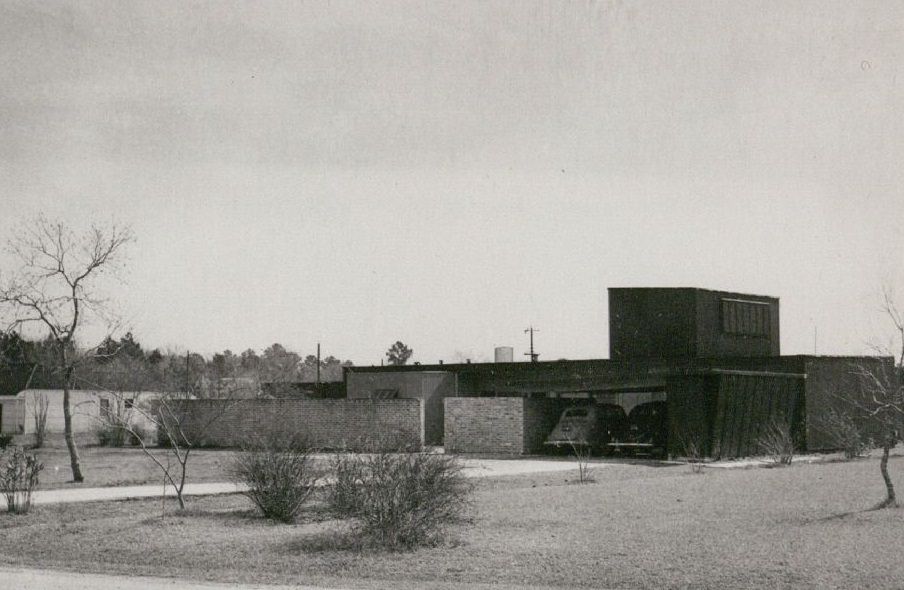
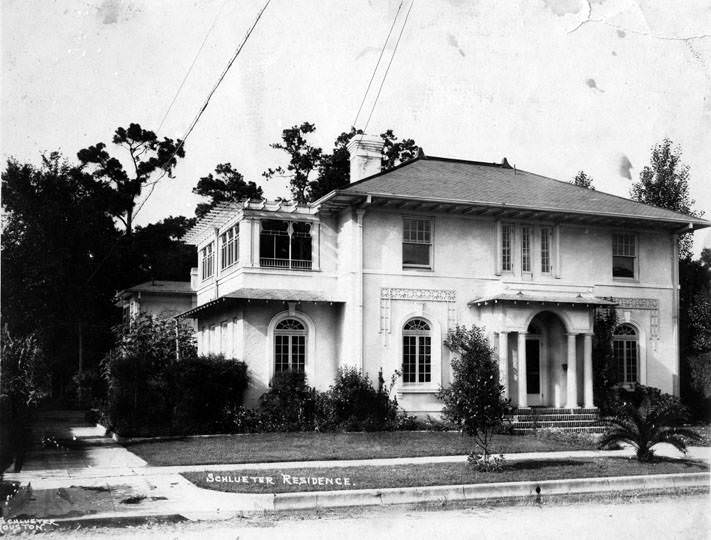
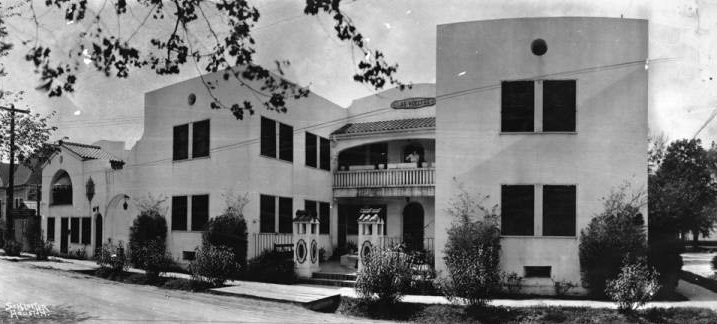
Houston’s neighborhoods were as varied as its economy. Churches like St. Rose of Lima and Sacred Heart anchored Catholic communities. Second Baptist Church served a large Protestant congregation. The Barthelme Residence and the Schlueter Residence on Brenard Street offered glimpses into the domestic architecture of the era, while the Las Adelfas Apartments provided housing for working residents.
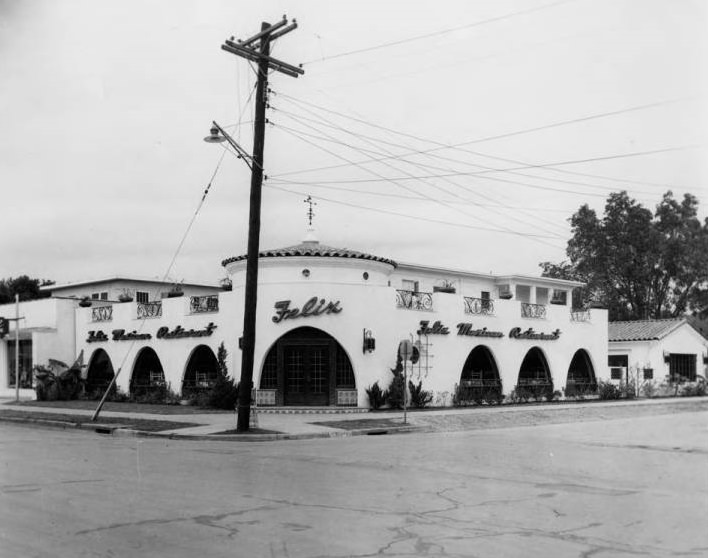
Houston’s Hispanic community was well established by the 1940s. Club Chapultepec, a social club serving that community, participated in wartime civic life by selling war bonds in 1940. Felix Mexican Restaurant was a neighborhood fixture, serving the kind of food that reflected the deep roots of Mexican culture in the city.
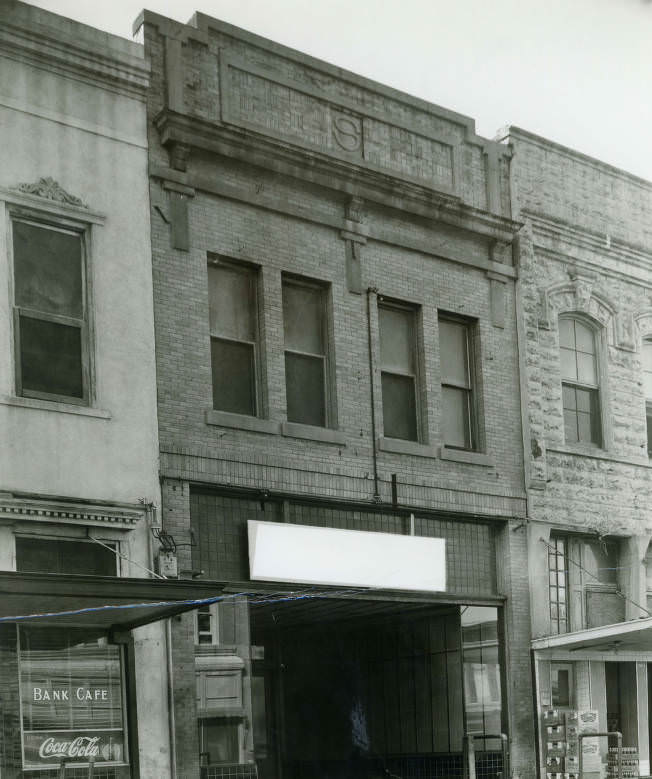
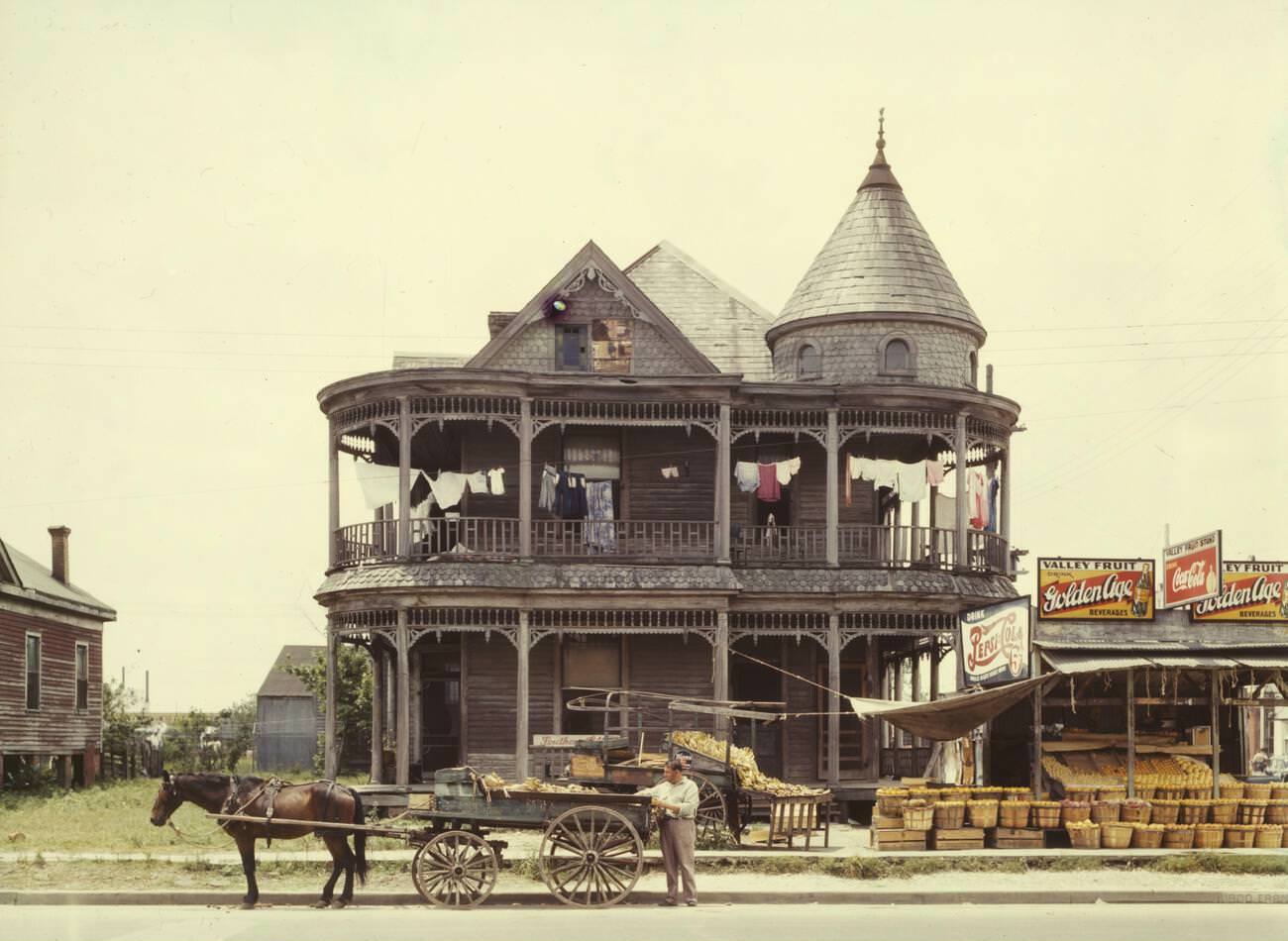
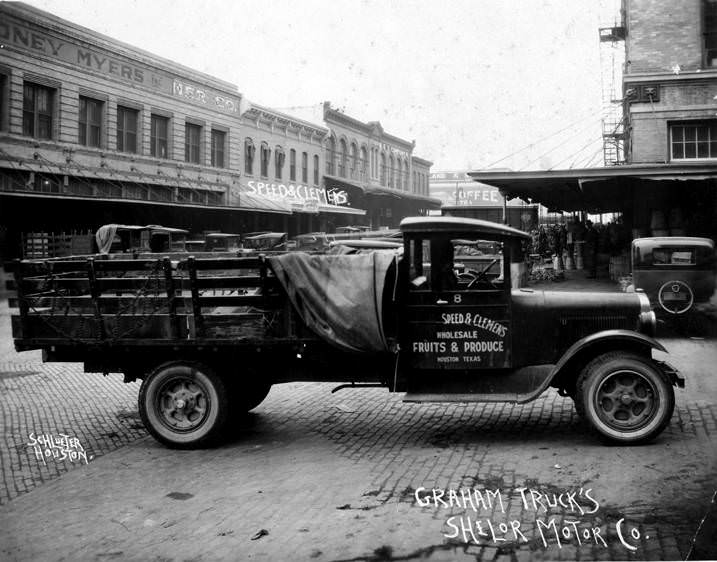
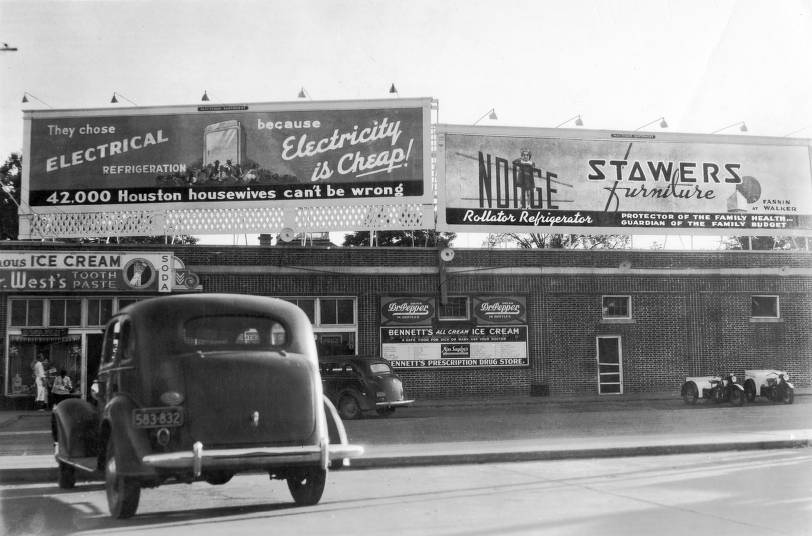
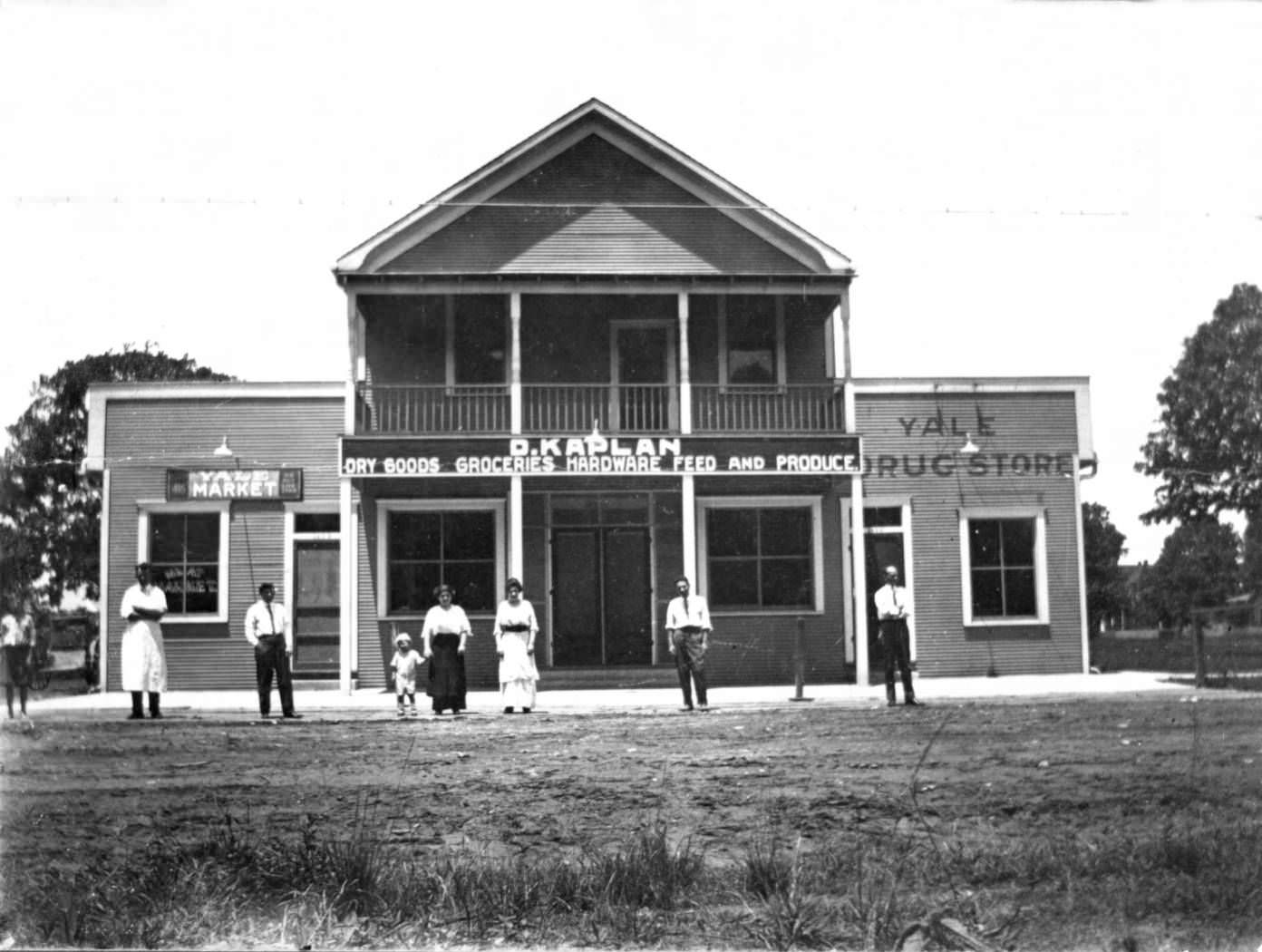
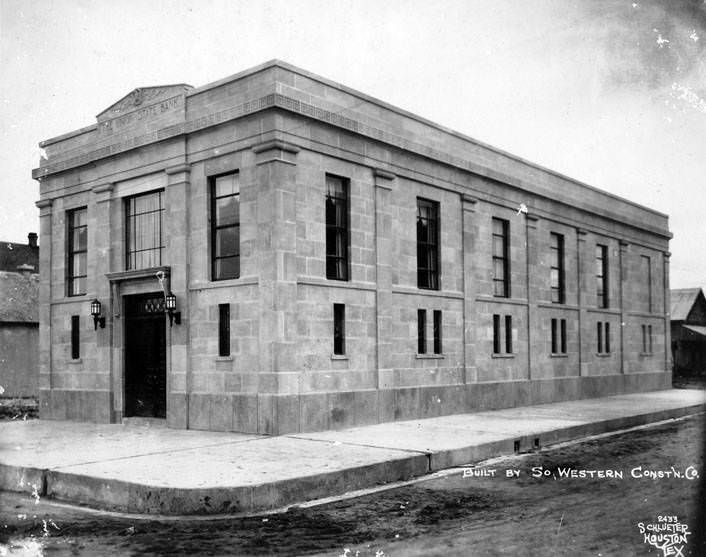
Commerce stretched well beyond downtown. The State Building & Loan Association handled mortgages and savings for working families. Speed & Clemens Wholesale Fruit and Produce Company kept Houston’s markets stocked. Grocery stores advertised on rooftop billboards visible from the street. The Yale Drugstore drew crowds of regulars. Union State Bank, built by South Western Construction Company, provided financial services to a growing city that needed them.
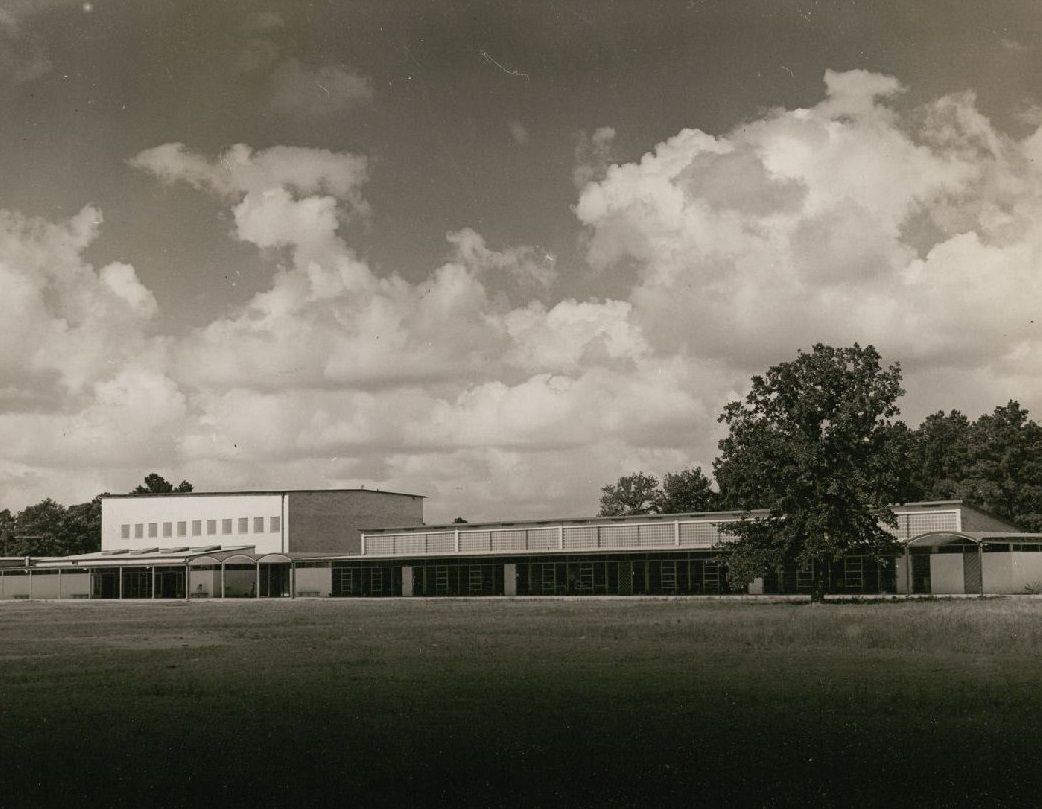
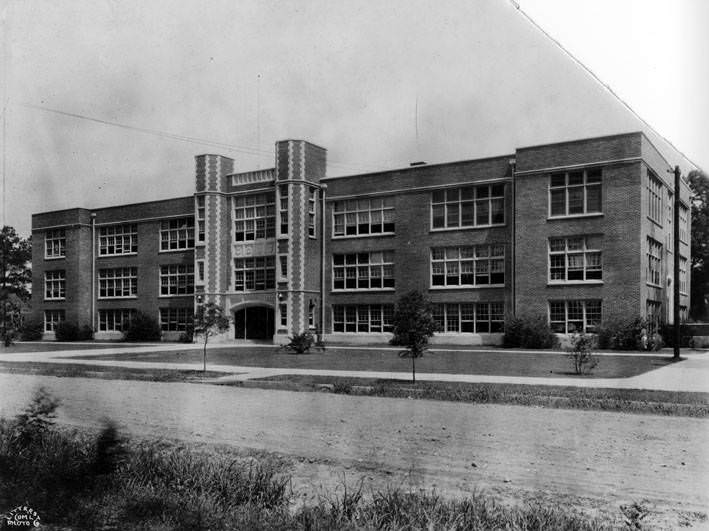
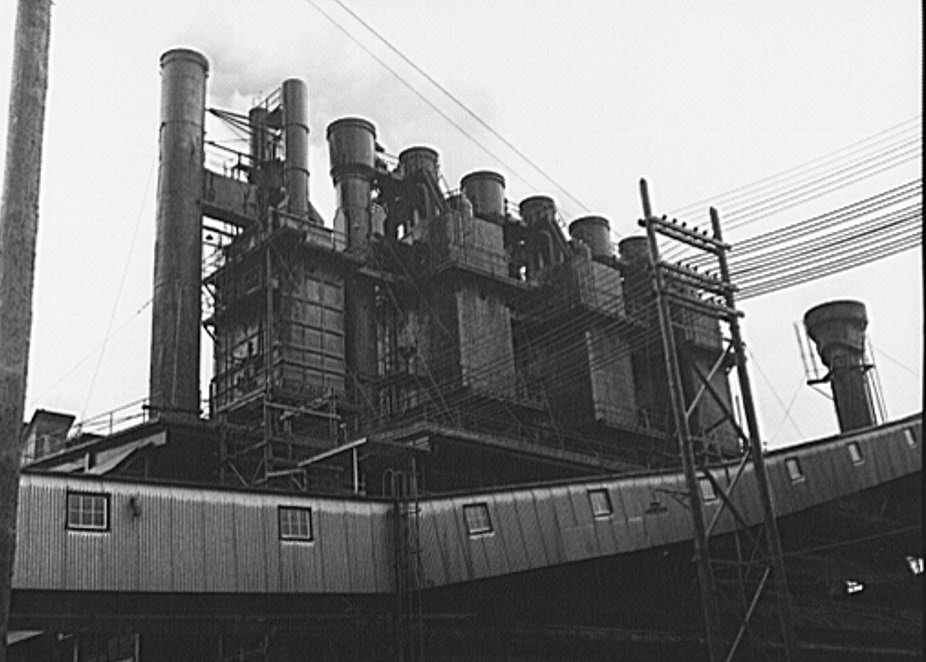
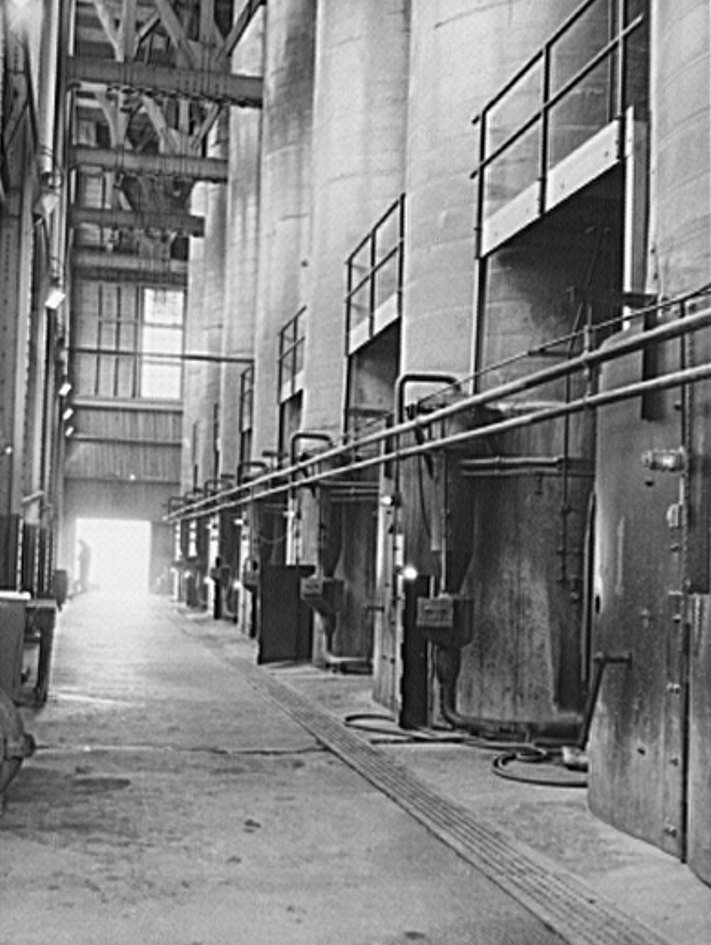
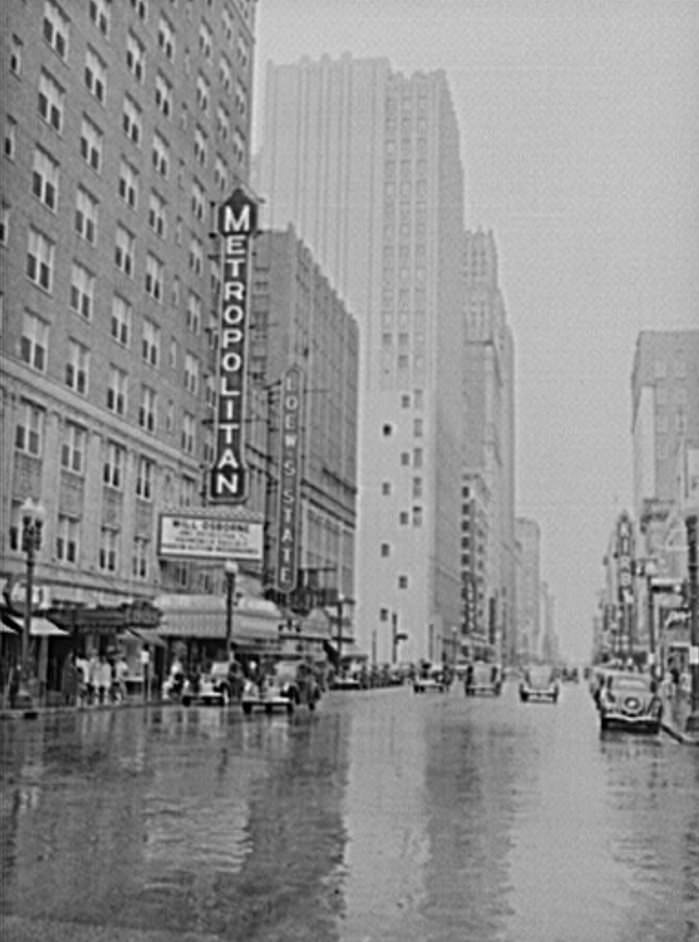
Education was expanding alongside everything else. Hamilton Junior High School — originally known as Reagan High School — served students in the city. Southland Junior High School was another part of the growing public school system. The Kraft paper mill at Champion processed materials that fed the printing and packaging industries, while a rainy Houston day in 1943 showed that life in the city went on regardless of the weather.
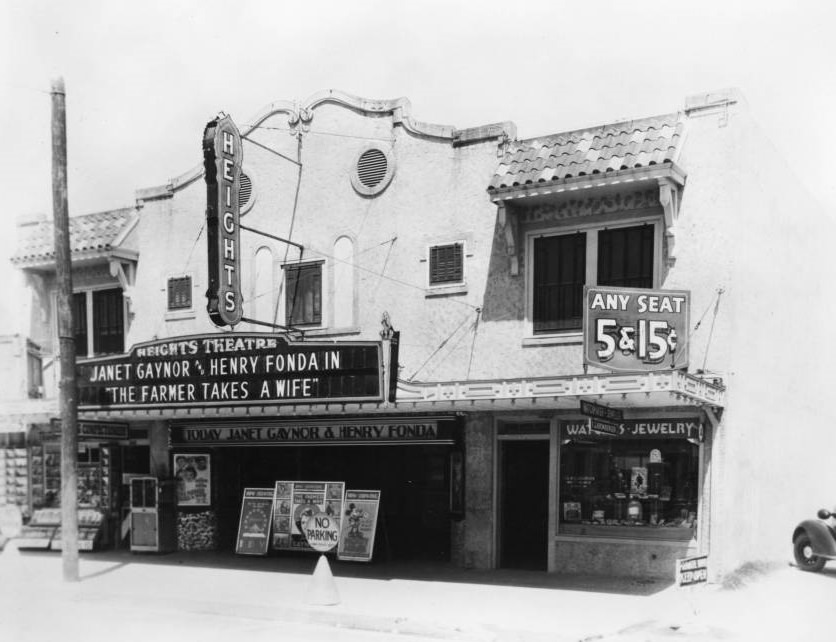
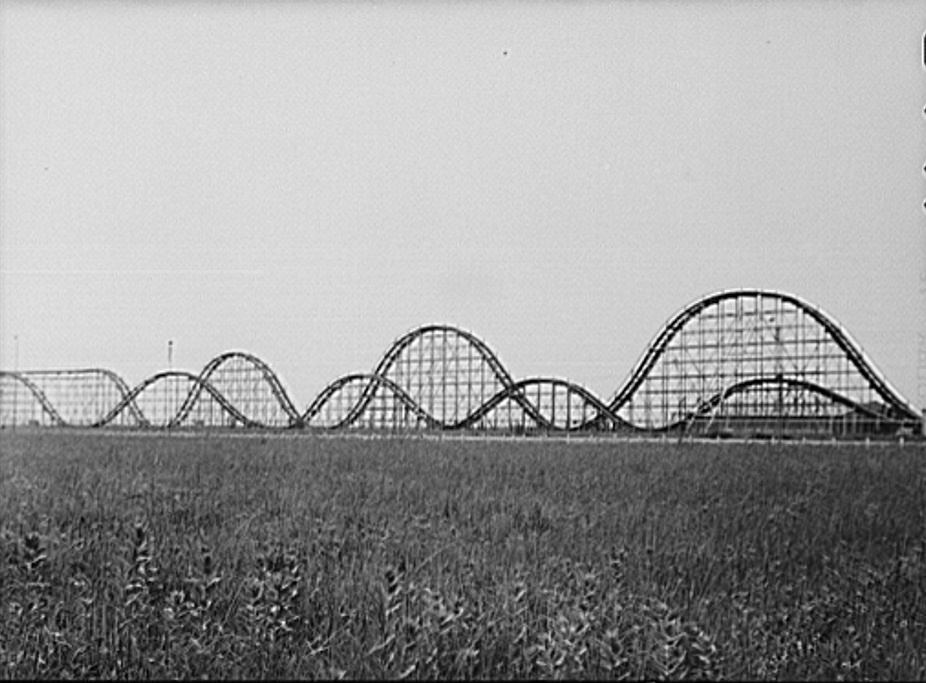
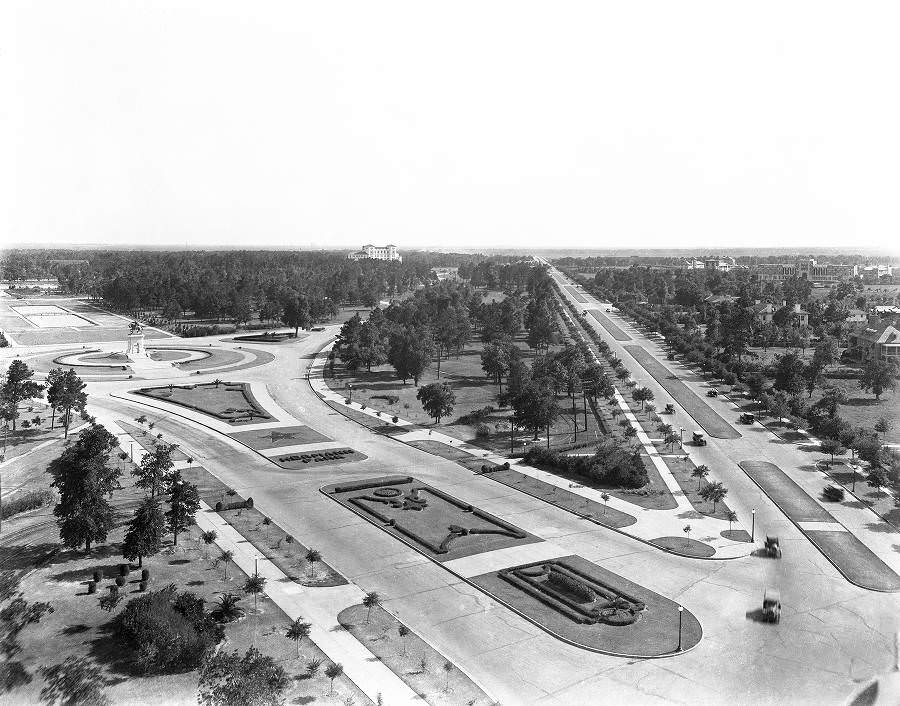
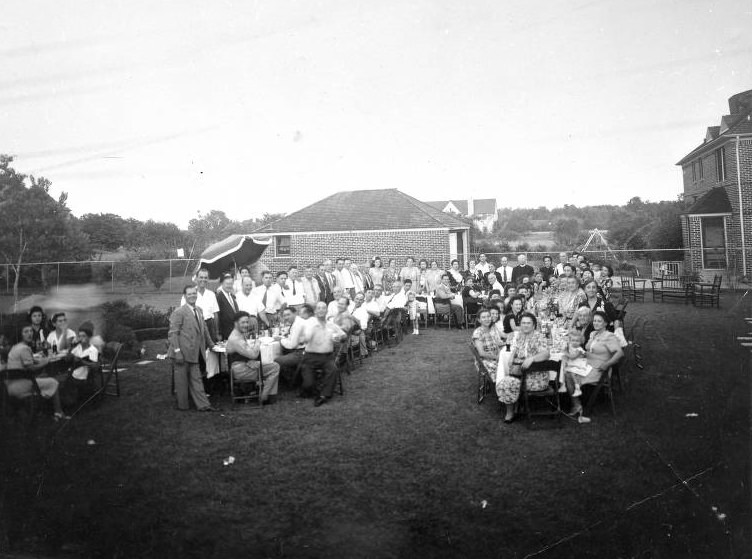
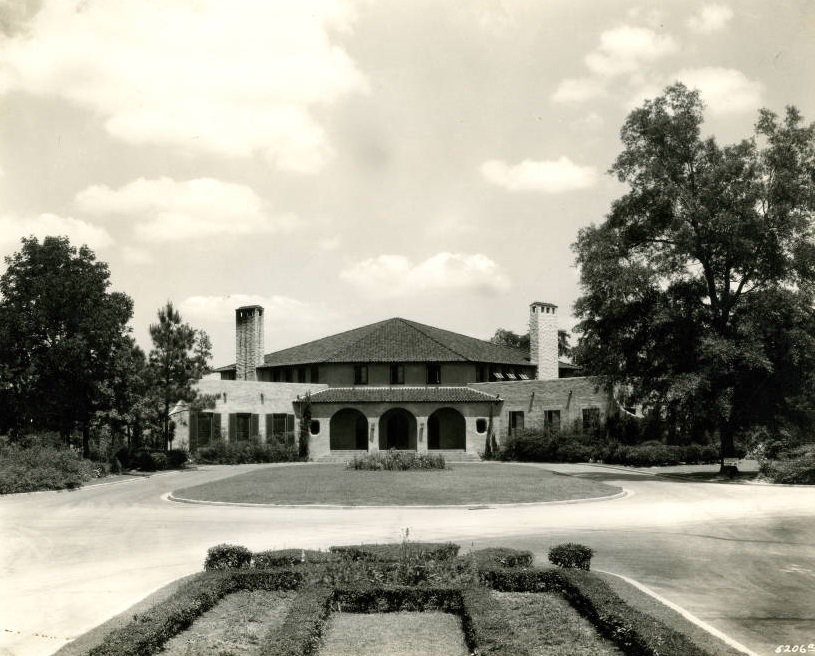
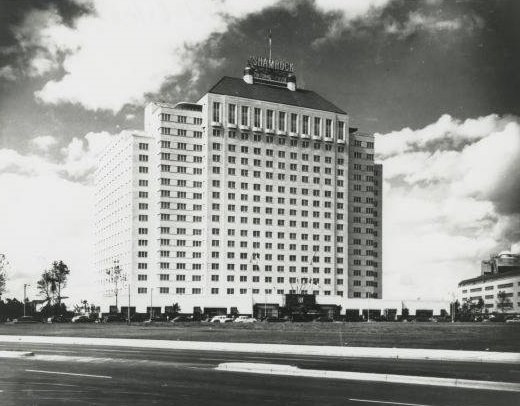
When the workday ended, Houstonians made time for leisure. The Heights Theatre showed films to neighborhood crowds. A roller coaster in 1943 offered thrills during wartime. Hermann Park’s esplanade gave families open space and greenery in the middle of an expanding city. The Greek community held outdoor meals that reflected the city’s diverse immigrant population. River Oaks Country Club catered to Houston’s wealthier residents, while the Shamrock Hotel — one of the most glamorous new buildings of the era — projected the confidence of a city on the rise.
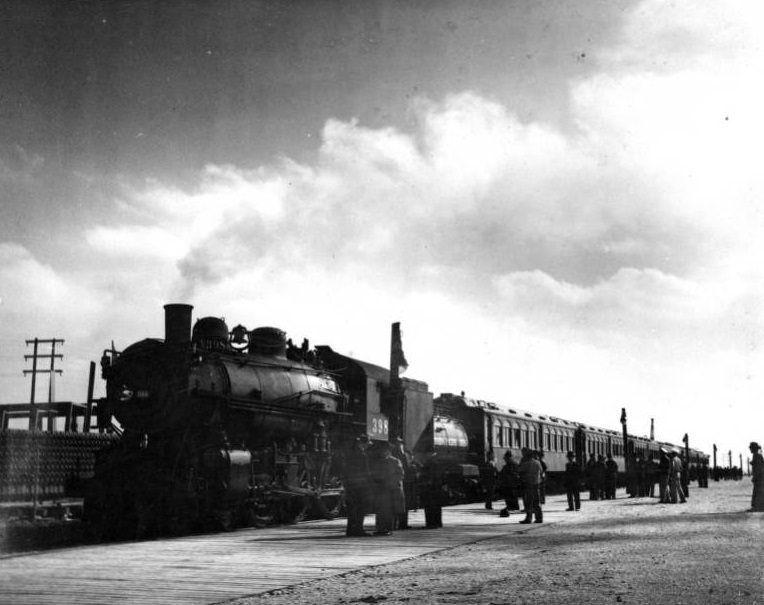
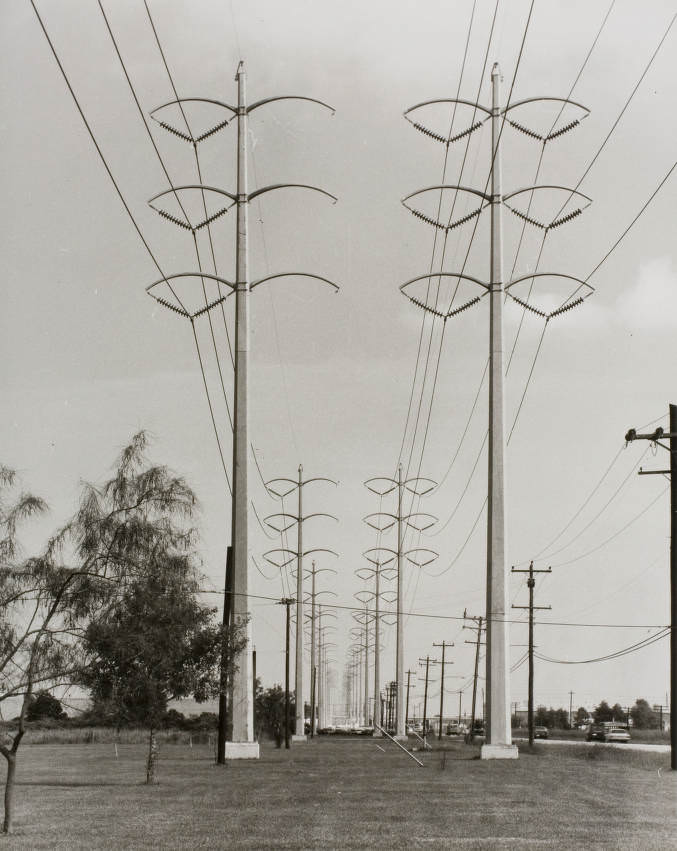
Train travel remained vital throughout the decade. Steam engines pulled passengers through Houston’s rail network, and the “Sunbeam” train at Eureka Towers was one of the more distinctive sights of the era. Utility infrastructure — power lines, poles, and substations — spread outward toward areas like the Westpark Avenue and 610 Loop corridor as the city’s footprint grew.
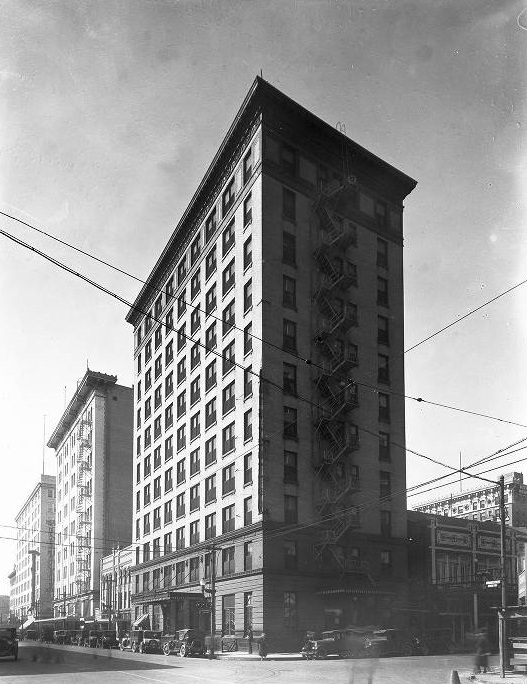
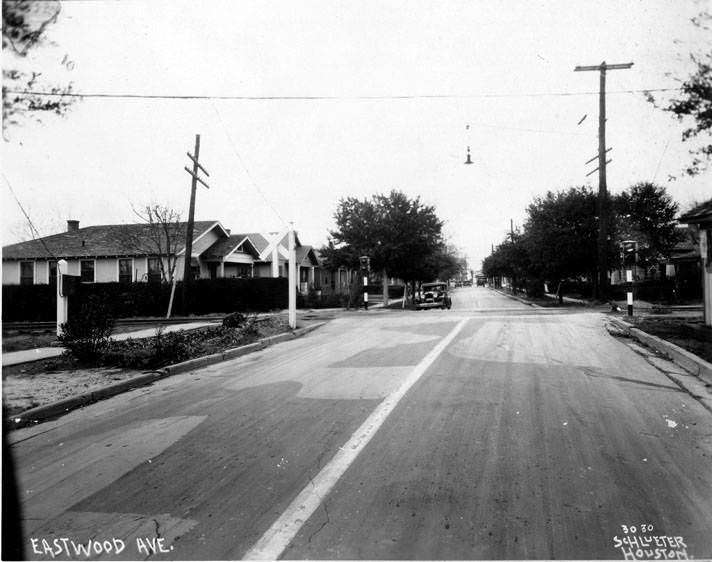
As the decade closed, the war was over and the men who had fought it were coming home. The last group of German prisoners of war departed Fort Sam Houston in 1946, closing one chapter in the city’s wartime story. Foley’s Department Store bustled with postwar shoppers. Franklin Avenue, the Eastwood neighborhood rail crossing, and buildings like the Cotton Hotel — later renamed the Montague Hotel — all told the story of a city knitting itself back together after years of wartime strain.