Houston in the 1890s was a city in motion. Streets that had been dirt paths a generation earlier were now lined with commercial buildings, electric streetcar lines, and growing neighborhoods. The decade built on the rapid expansion of the 1880s and pushed the city further toward becoming one of Texas’s most important urban centers. Cotton still drove much of the local economy, railroads moved goods and people across the region, and the port was beginning to show its long-term promise. But beyond the big economic forces, it was the everyday details — a grocery storefront, a hotel porch, a streetcar group — that told the real story of what Houston life looked like.
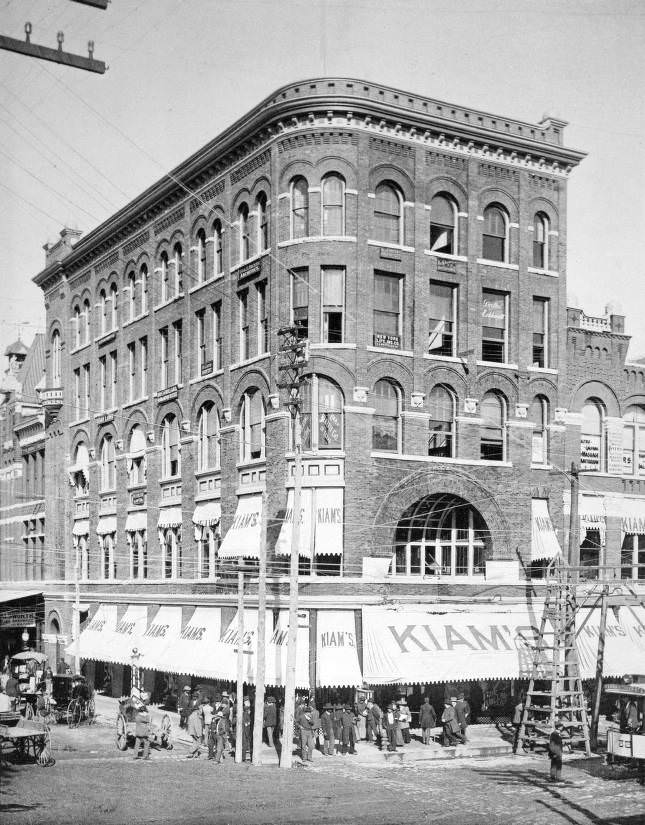
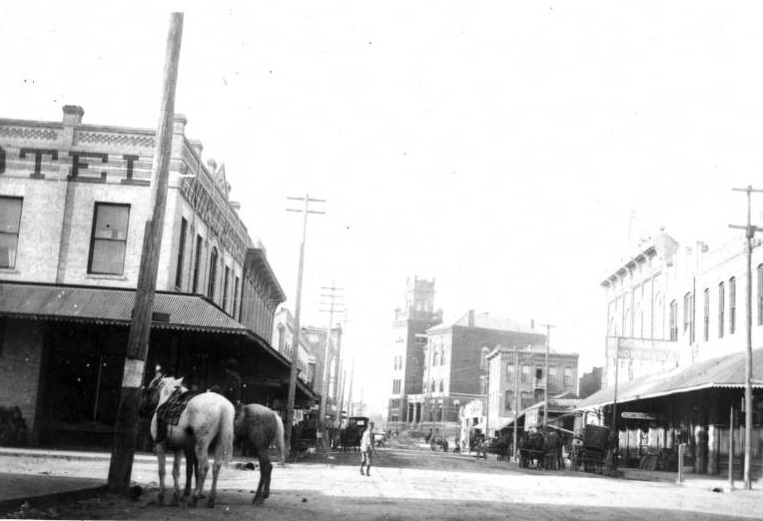
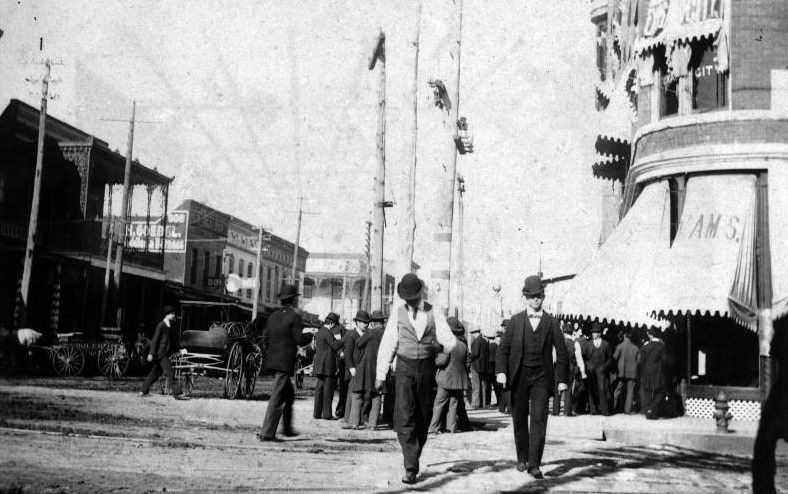
Main Street was the commercial heart of Houston during this era. Kiam’s was one of the most recognized businesses on that stretch, and the street in front of it reflected the character of the city at large — horse-drawn traffic, pedestrians in period dress, and storefronts pushing their goods toward a growing customer base. Cotton revenues meant there was real money moving through the city, and it showed in the density of commerce along downtown corridors.
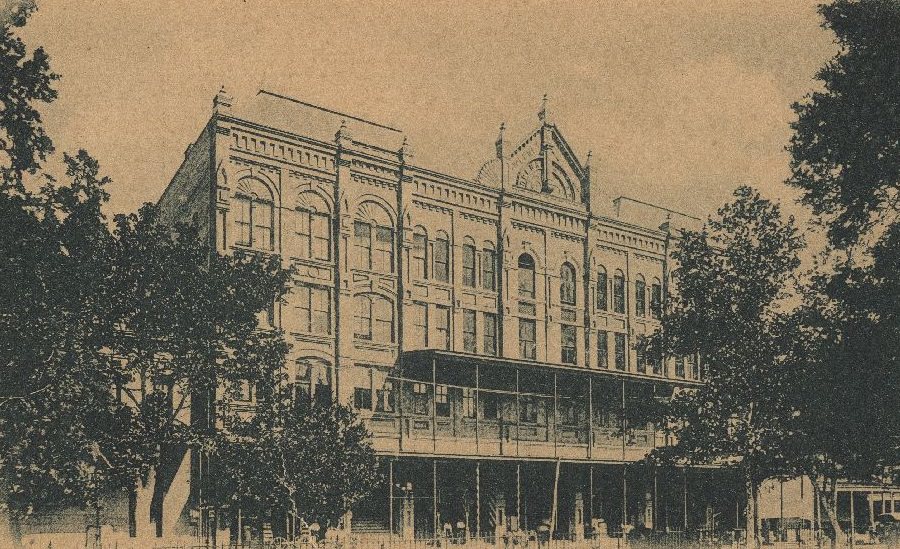
Cultural life in 1890s Houston was not an afterthought. The Texas Opera House stood as proof that the city’s residents wanted more than just markets and rail depots. Entertainment venues like this one served large audiences and helped give Houston a civic identity that went beyond industry. By 1898, the year this photograph was taken, the building had become a fixture of the downtown landscape.
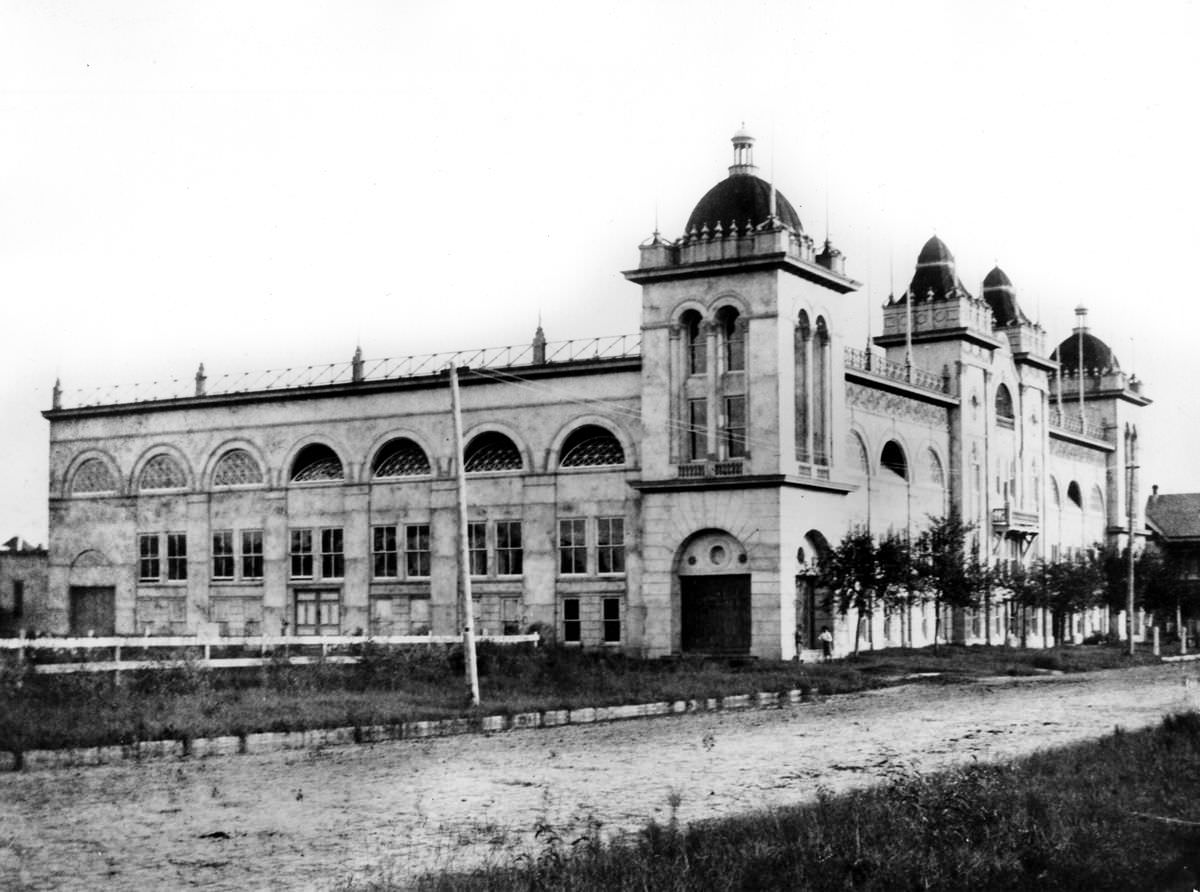
Public gathering spaces were important in an era before radio and film. The Auditorium Public Hall on Main Street hosted civic events, performances, and community assemblies that brought Houstonians together under one roof. By 1895, venues like this one helped stitch together a city that was growing fast enough to risk losing its sense of community.
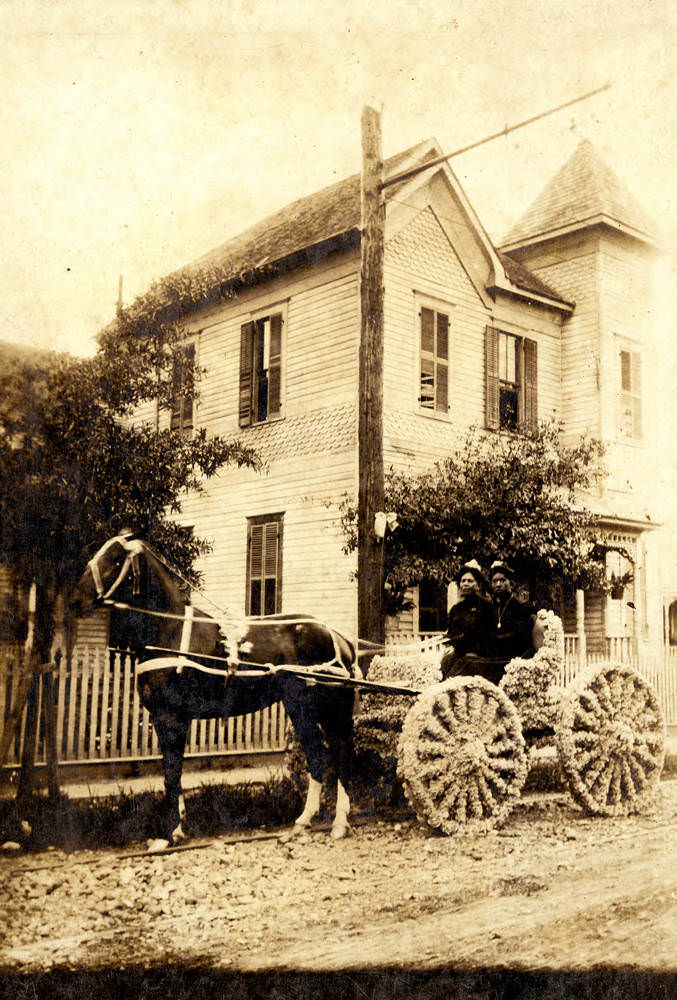
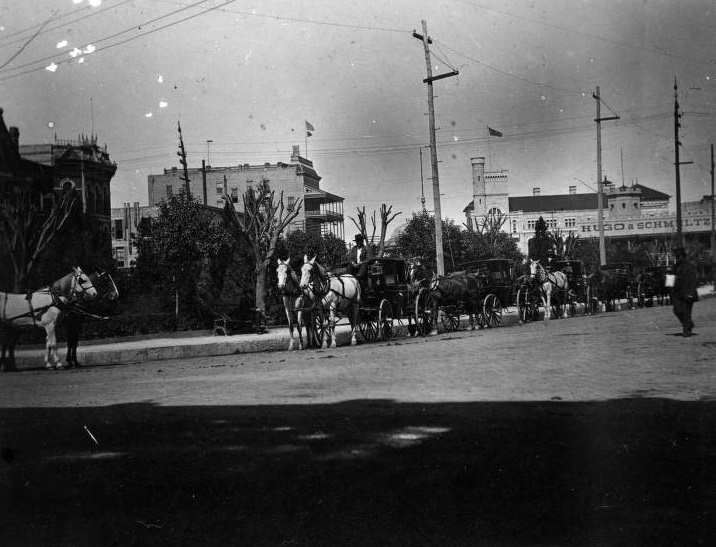
Juneteenth — the celebration marking the emancipation of enslaved people in Texas on June 19, 1865 — was observed with deep meaning across Houston’s Black community throughout the 1890s. This 1895 photograph captures women riding in a decorated buggy as part of the festivities. The celebrations included parades, music, food, and public gatherings that affirmed freedom and community pride in a period when racial inequality was enforced across much of the South.
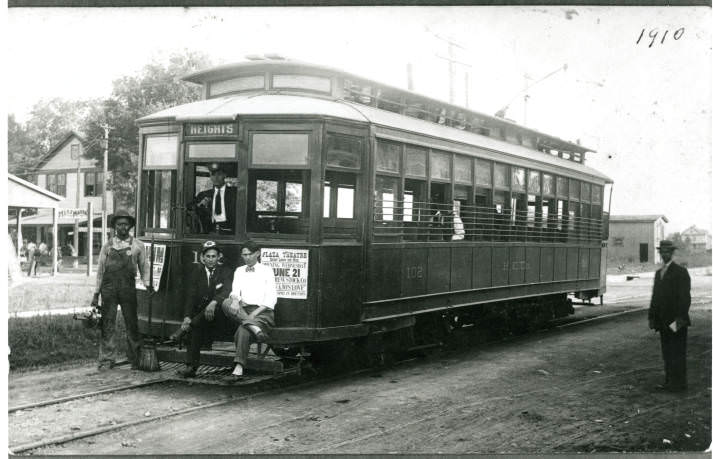
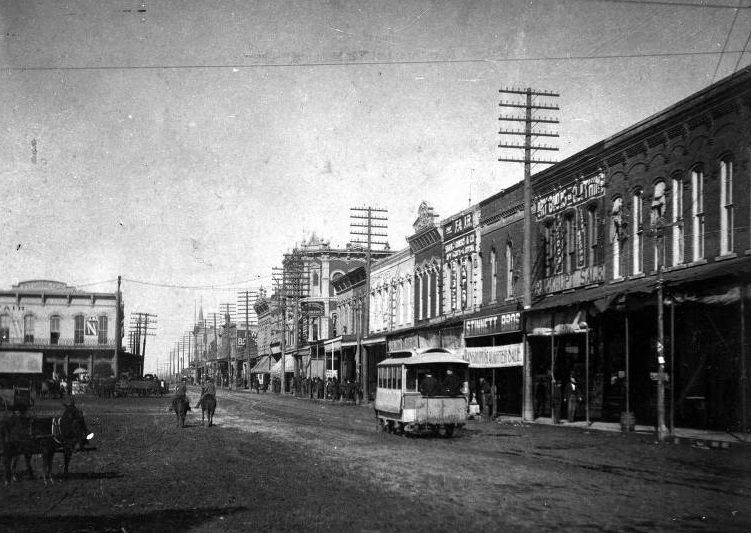
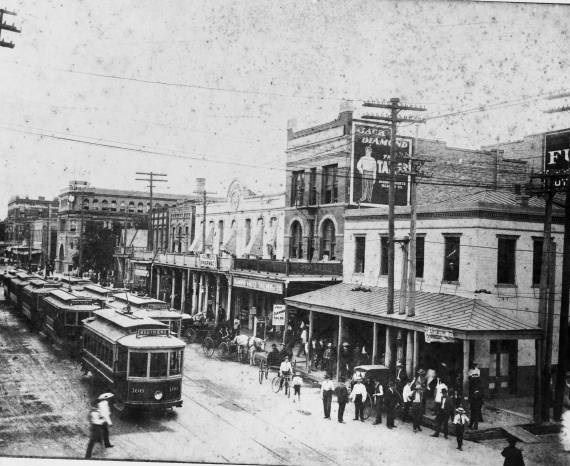
The expansion of Houston’s electric streetcar system was one of the defining changes of the 1890s. It connected neighborhoods that had previously been difficult to reach and allowed the city to spread outward. The Houston Heights, a planned suburb north of the city, was developed in part because the streetcar made commuting practical. Groups like the one photographed here represented the ordinary riders who depended on the system daily.
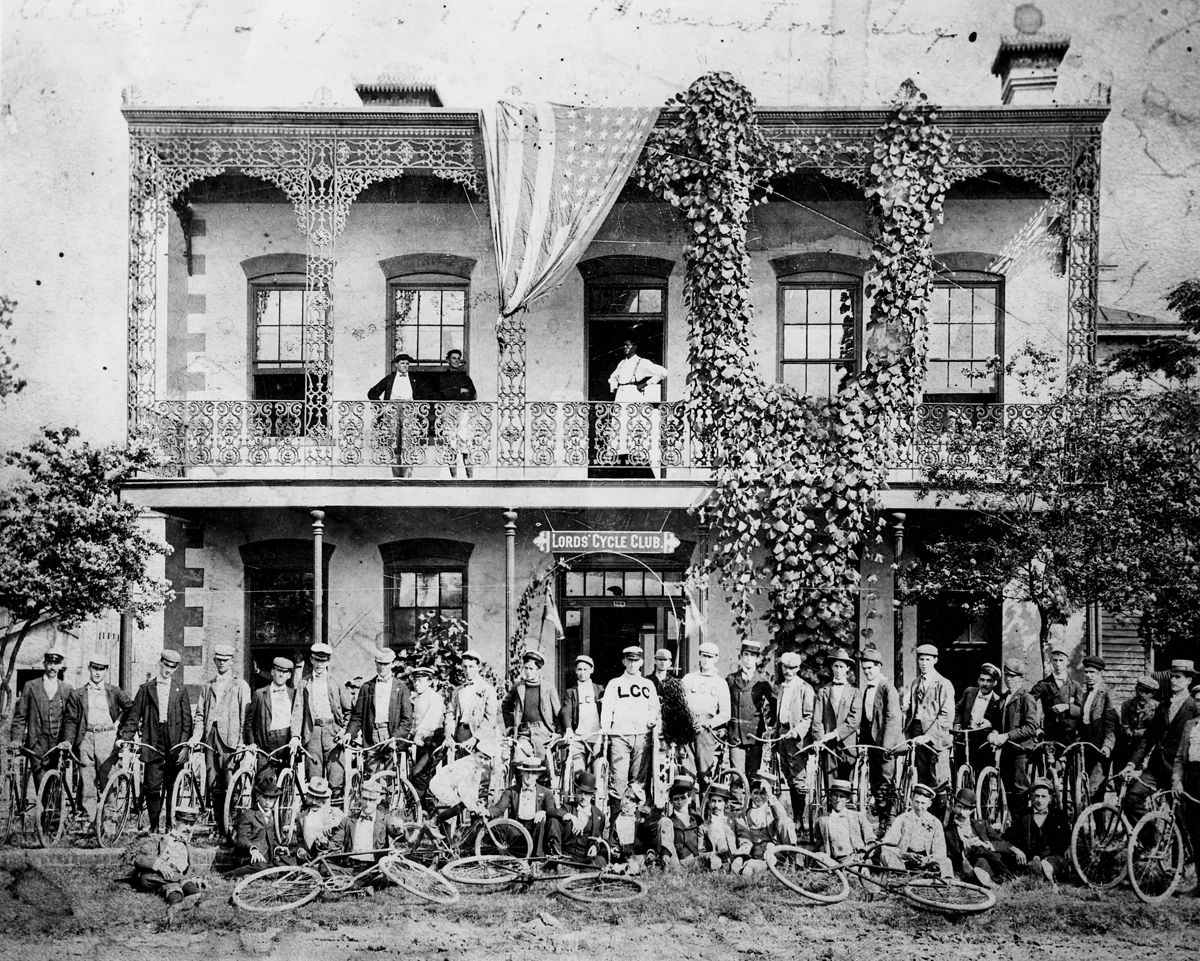
The bicycle craze of the 1890s reached Houston just as it swept the rest of the country. Lord’s Cycle Club had an established headquarters in the city by 1897, reflecting how cycling had moved beyond a novelty into an organized social activity. Clubs like this one held group rides, races, and social events. For many Houstonians, cycling offered a new kind of personal freedom at a time when the automobile was still years away.
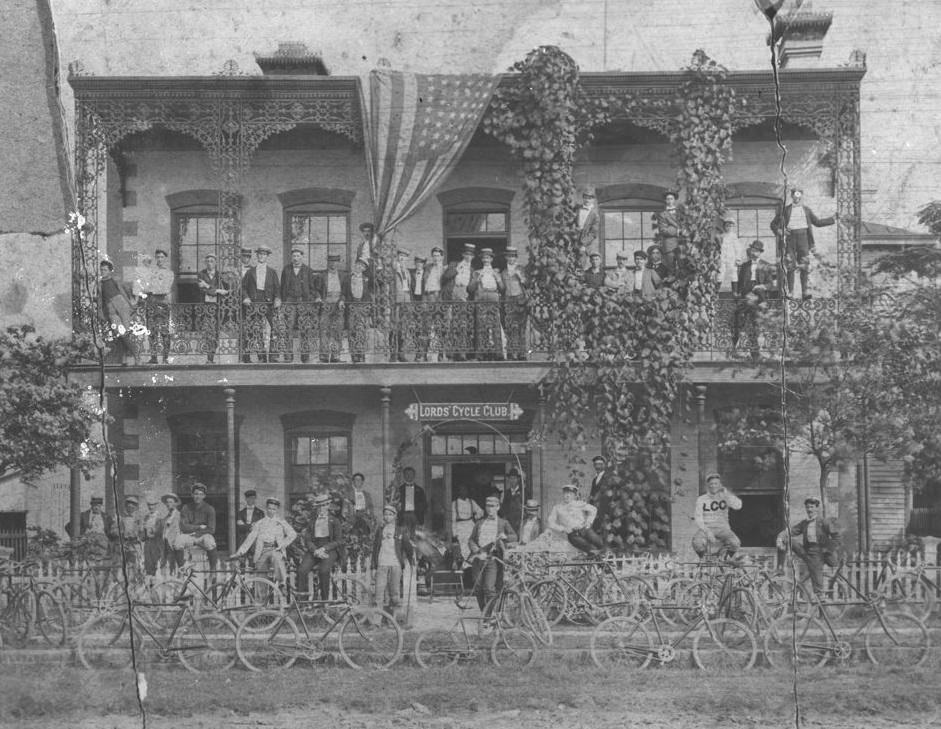
The same club had already established its presence five years earlier, as seen in this 1892 photograph. Comparing the two images of the headquarters shows how the club grew and how Houston itself changed over the course of the decade. Cycling organizations in this era also played a role in pushing for better road surfaces, which had broader benefits for the city.
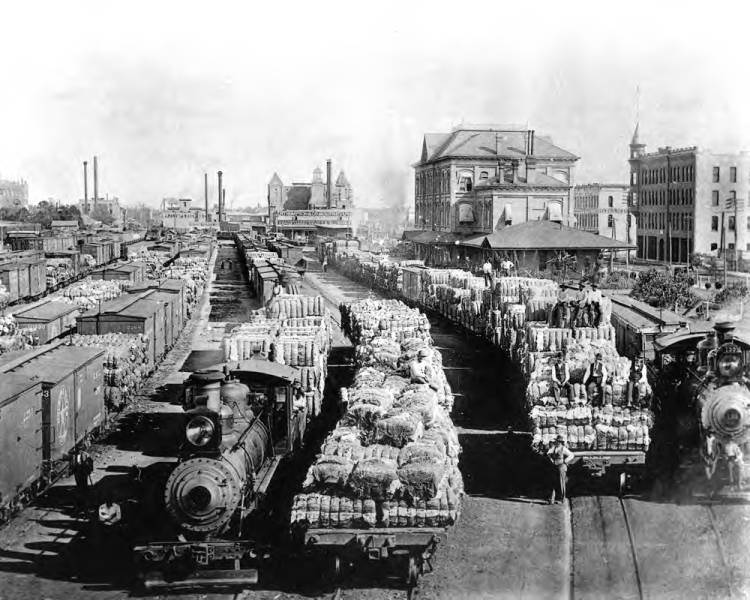
Cotton remained the backbone of Houston’s economy throughout the 1890s. It arrived from farms across Texas, was processed and baled, and then moved through the city’s rail network and port facilities toward domestic and international markets. The workers and infrastructure involved in cotton shipping made up a significant portion of the city’s labor force. Every bale loaded onto a cart or railcar represented the agricultural economy that had built Houston from its earliest days.
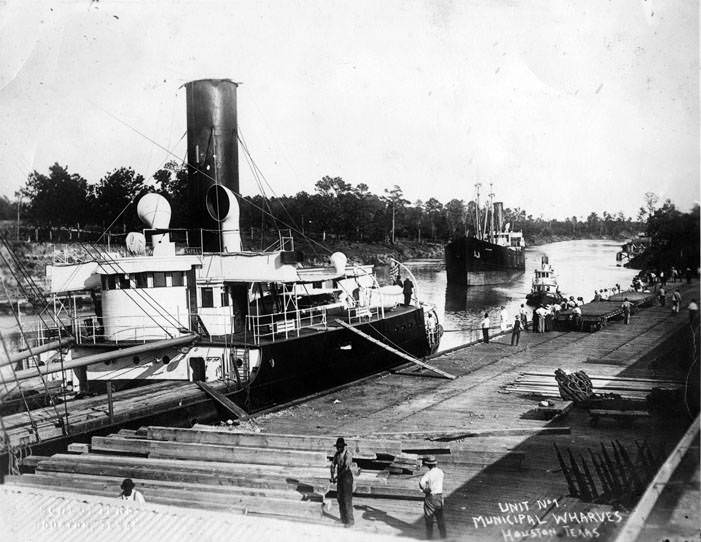
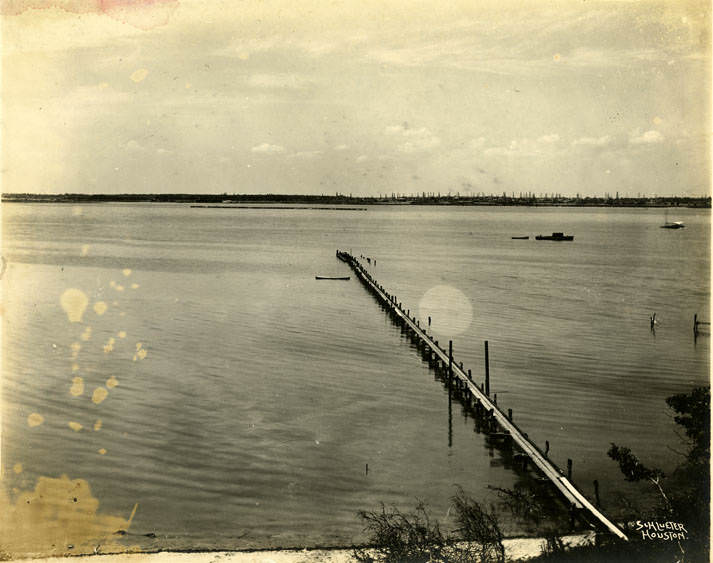
The Houston Ship Channel was still developing in the 1890s, but work to deepen and improve it was already underway. The municipal wharves were active with workers loading and unloading cargo. Trade moving through these docks connected Houston to ports across the Gulf of Mexico and beyond. The U.S. Army Corps of Engineers played a direct role in the channel’s development, maintaining an office at nearby Morgan’s Point to oversee ongoing construction and dredging work.
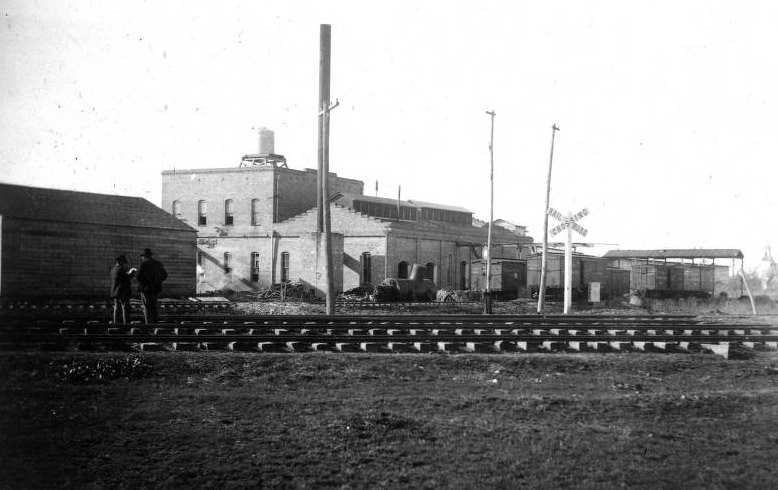
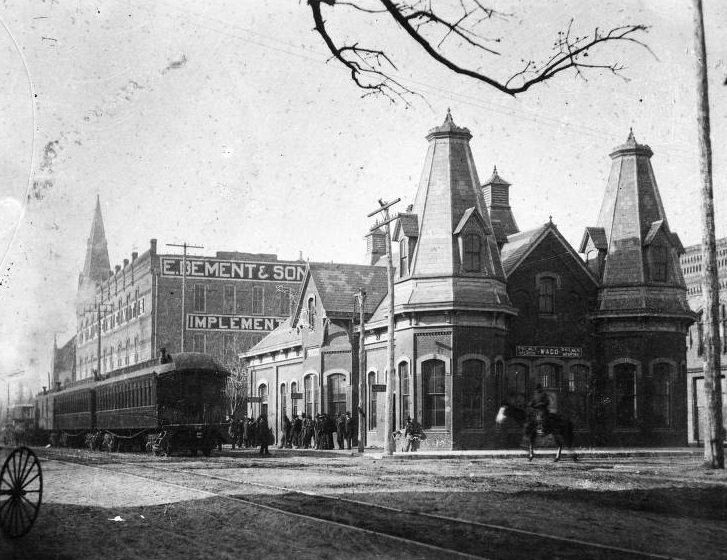
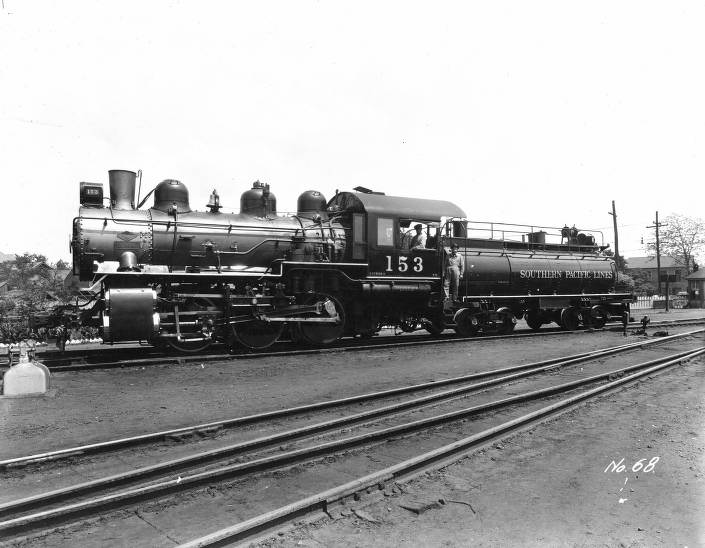
The railroad network that crisscrossed the region was just as vital as the port. By the end of the 1890s, Houston had grown into a major rail hub with several large lines intersecting the city. Trains brought settlers, supplies, and commercial opportunity. They also gave local industries a fast route to distant markets.
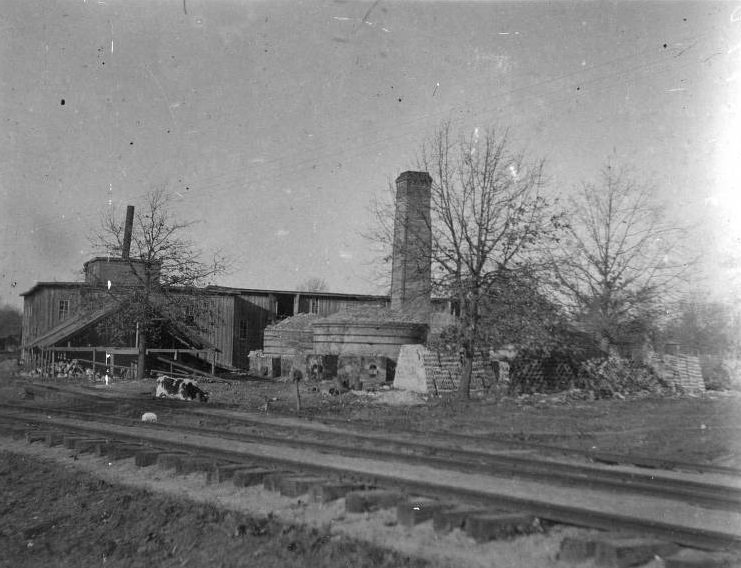
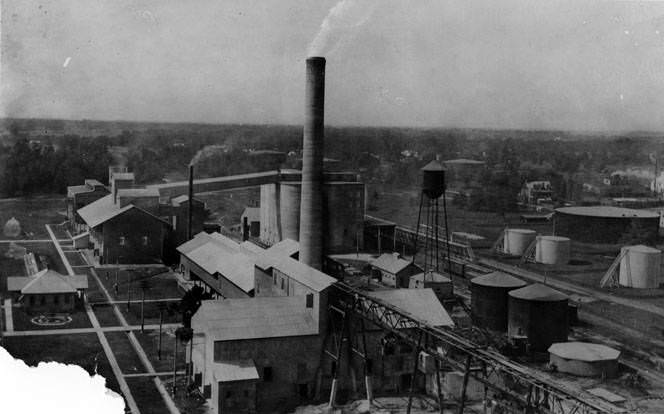
Alongside the railroads and port, Houston’s industrial base was expanding. The Texas Portland Cement Company was one example of a growing industrial operation that supported the region’s construction boom.
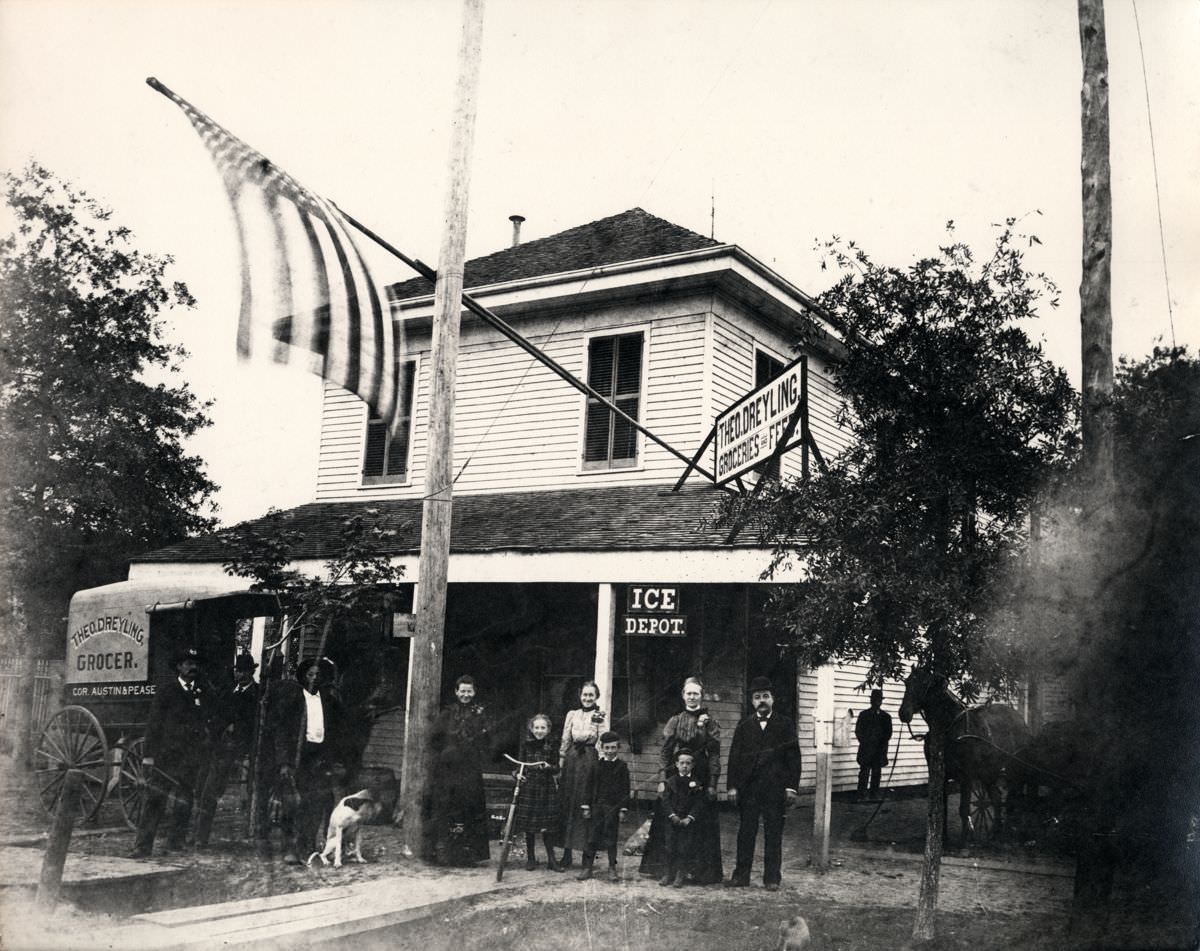
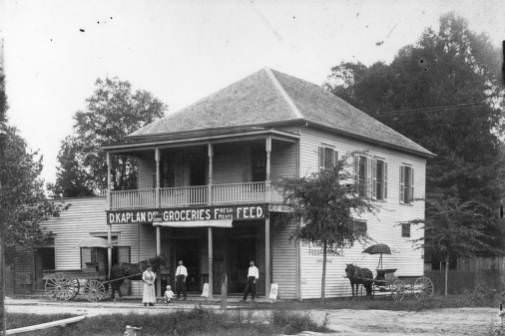
Neighborhood life in Houston during this period was defined by a mix of commerce and community. Grocery stores, dry goods shops, and feed stores served the everyday needs of residents. Theo Dreyling’s grocery store and D. Kaplan’s Dry Goods and Feed Store were the kinds of local businesses that anchored Houston’s residential streets.
Houston’s hospitality industry kept pace with its population growth. Hotels served traveling merchants, railroad workers, and visitors coming to do business in the growing city. The Artesian Hotel, the Sylvan Hotel, and the Houston Heights Hotel each catered to different parts of the market, from downtown visitors to residents of the newer suburbs.
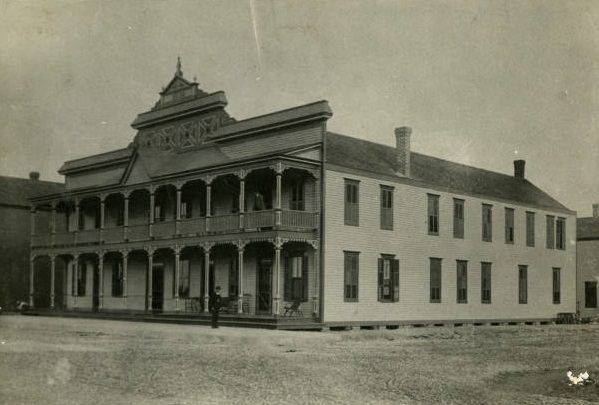
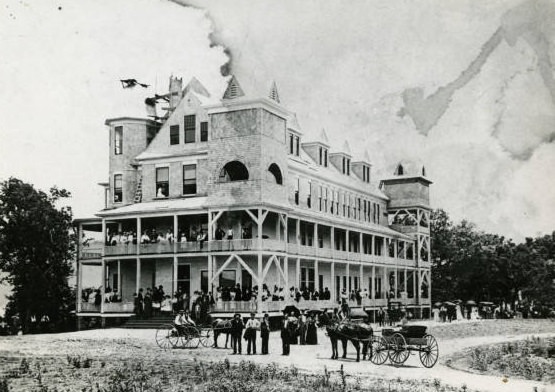
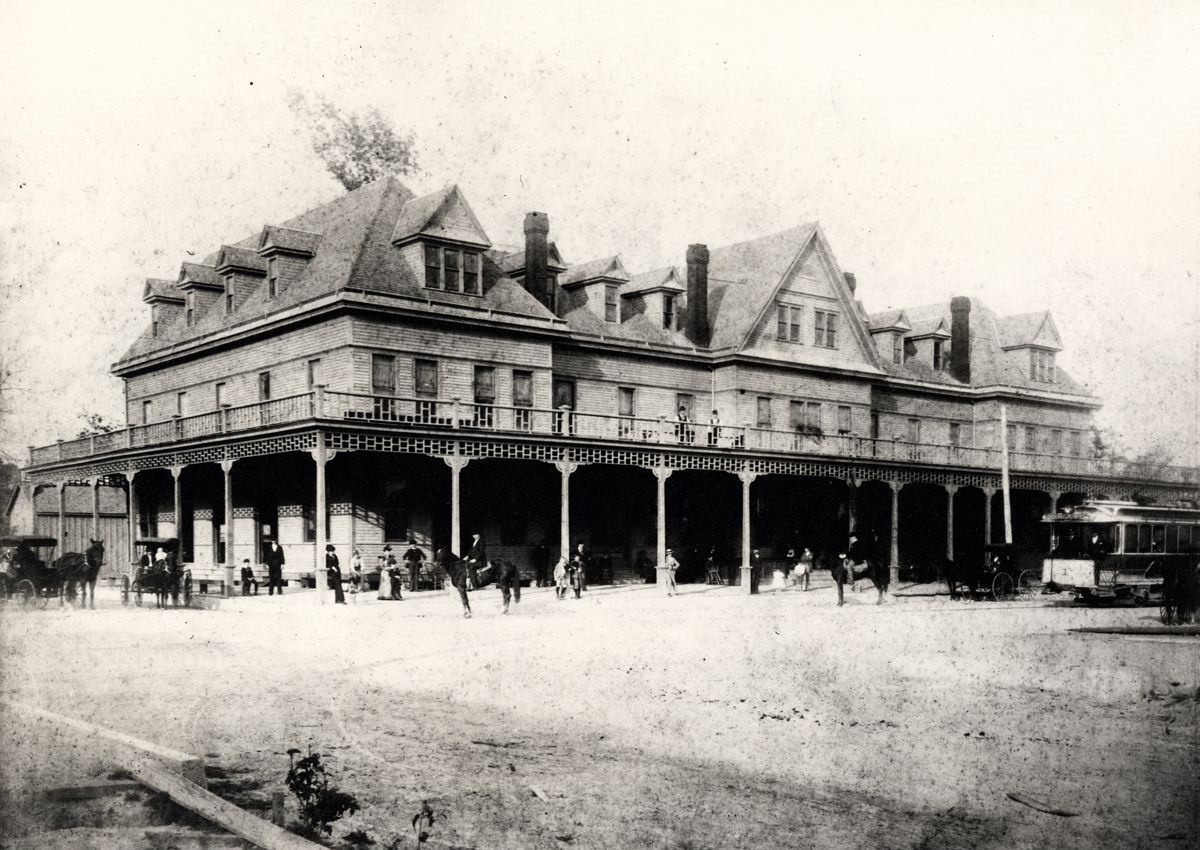
Fraternal organizations were a major part of social life in 1890s Houston. Groups like the Knights of Pythias built permanent headquarters in the city, holding regular meetings and community events. These organizations provided social networks, mutual aid, and civic engagement for their members at a time when there were few formal government safety nets.
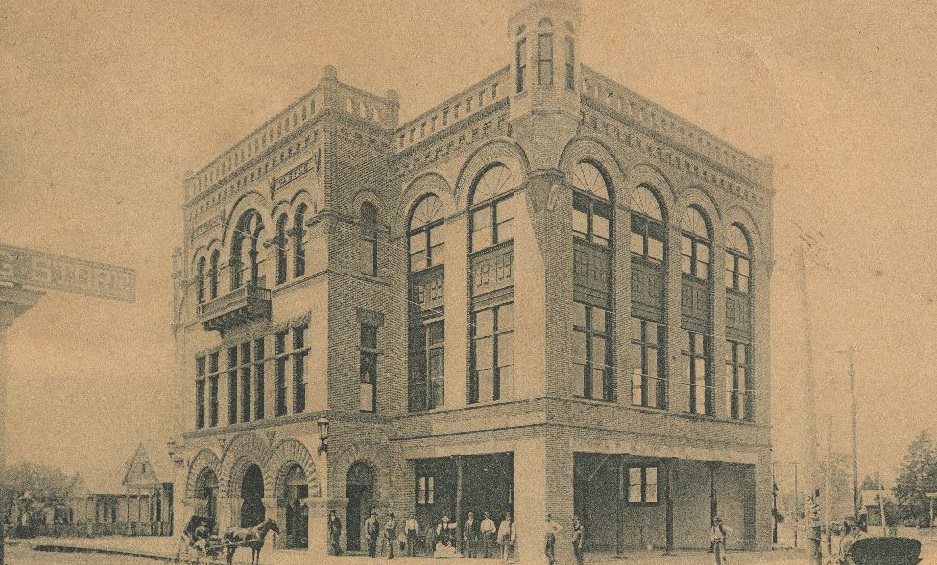
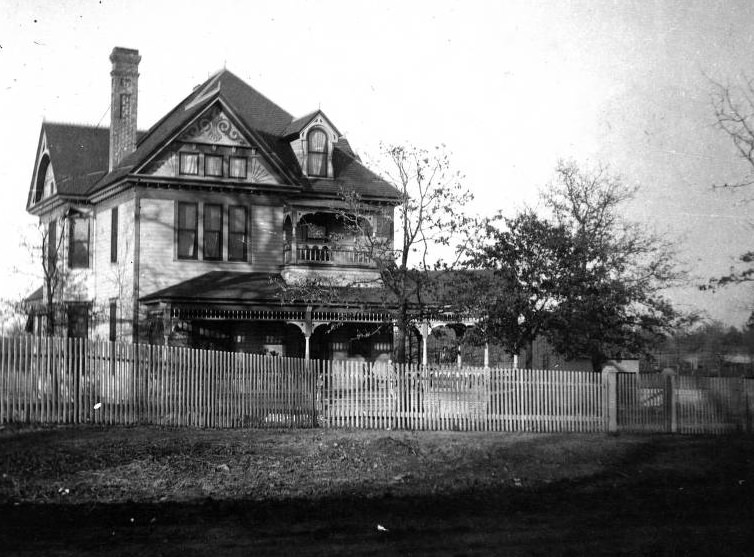
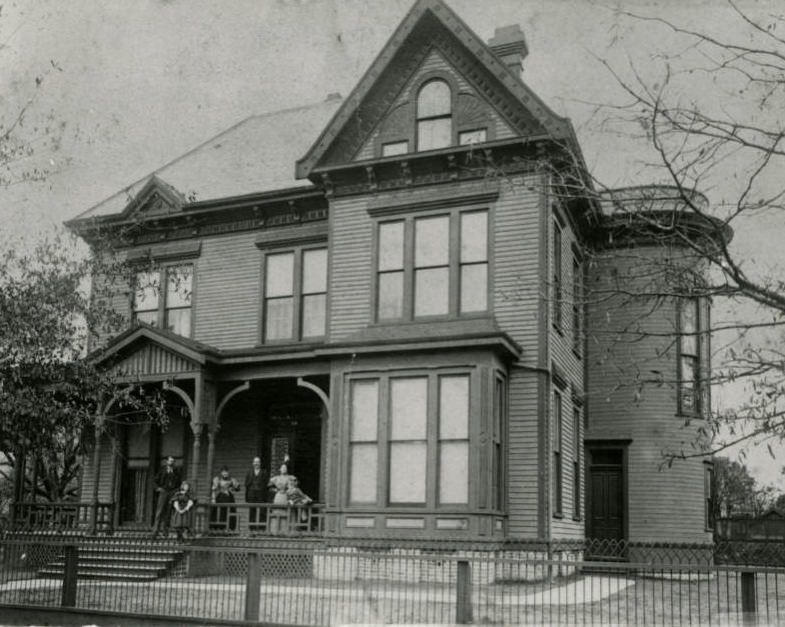
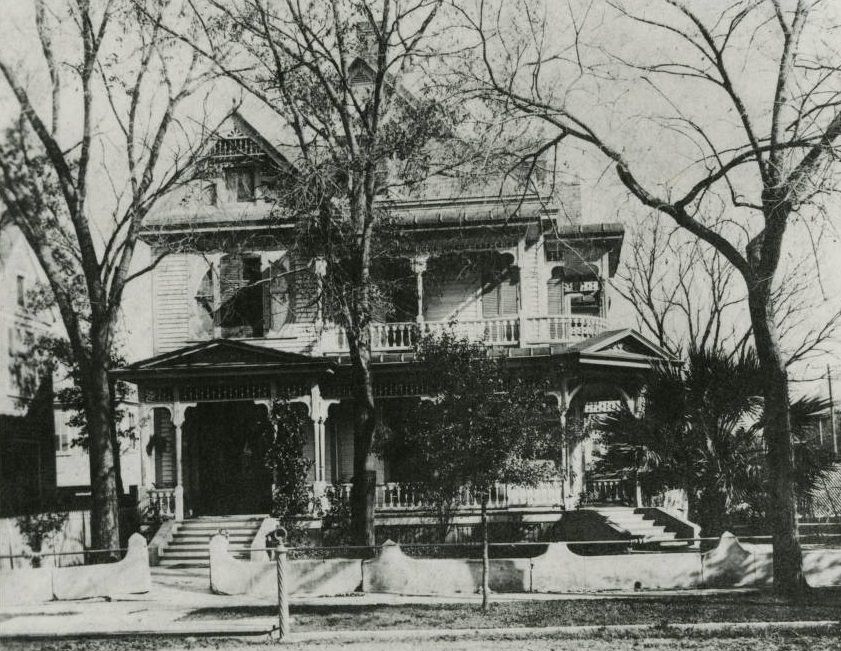
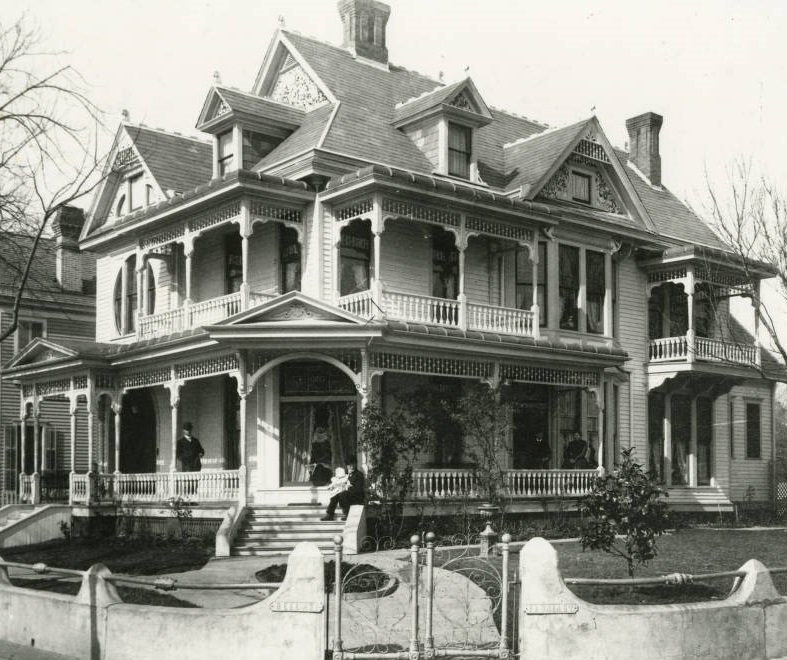
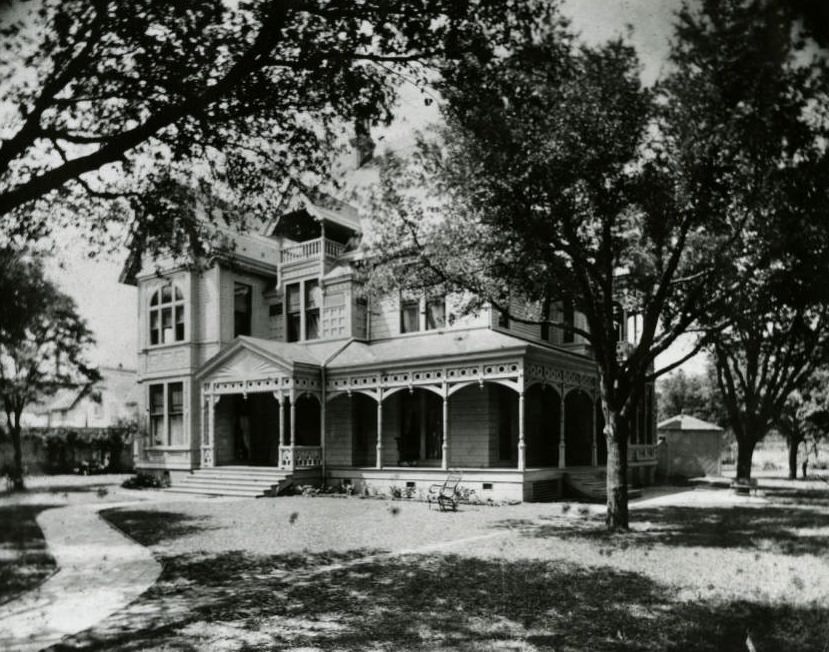
Wealthier Houston residents built substantial private homes that reflected their status. The Edward Andrew Peden house and the Joseph Chapell Hutcheson house were among the more prominent private residences of the era, with Victorian-era architectural details that set them apart from the modest wooden structures most Houstonians called home.
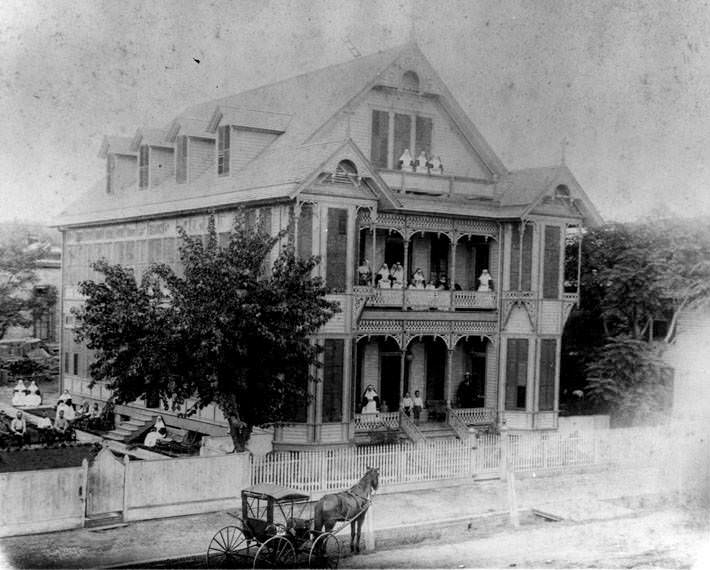
Public health infrastructure was still being built during this period. St. Joseph’s County Hospital was one of the few formal medical facilities serving Houston’s population in the 1890s, providing care in an era when disease outbreaks and workplace injuries were common. The institution represented early efforts to establish organized healthcare in a rapidly growing urban environment.
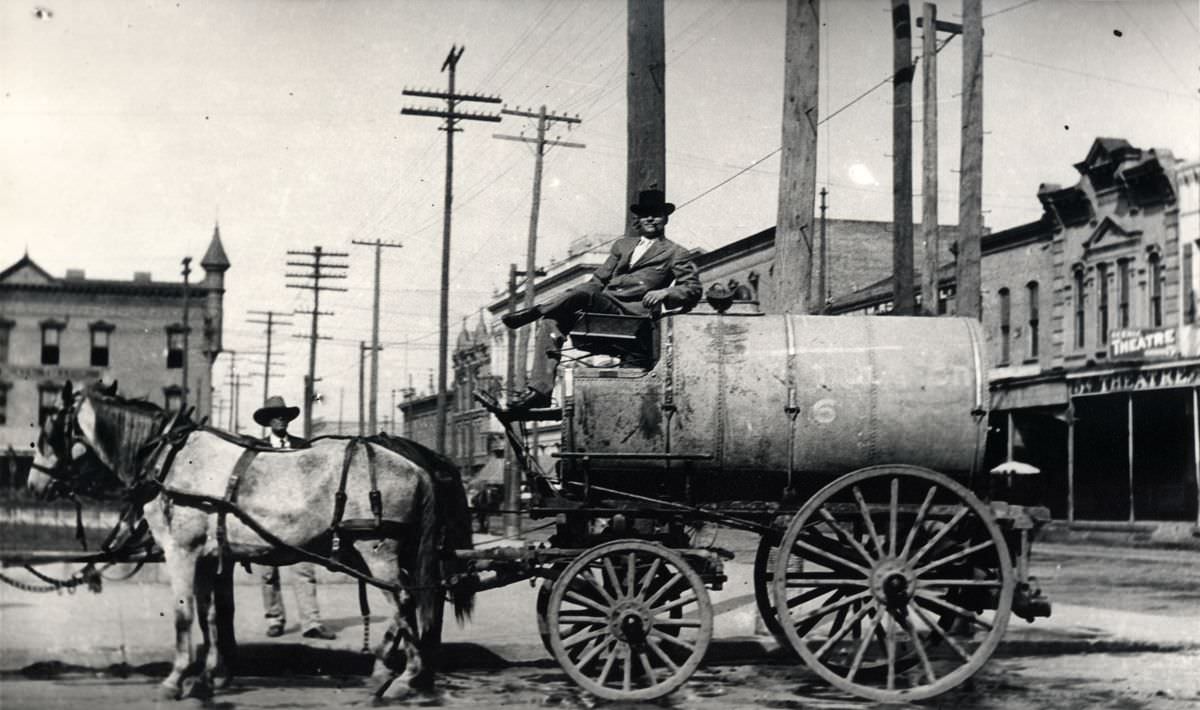
Water delivery was still a physical task in much of 1890s Houston. Horse-drawn water wagons moved through the city’s streets supplying households and businesses that did not yet have direct access to a piped water system. City infrastructure was advancing, but it moved unevenly across different neighborhoods and districts.
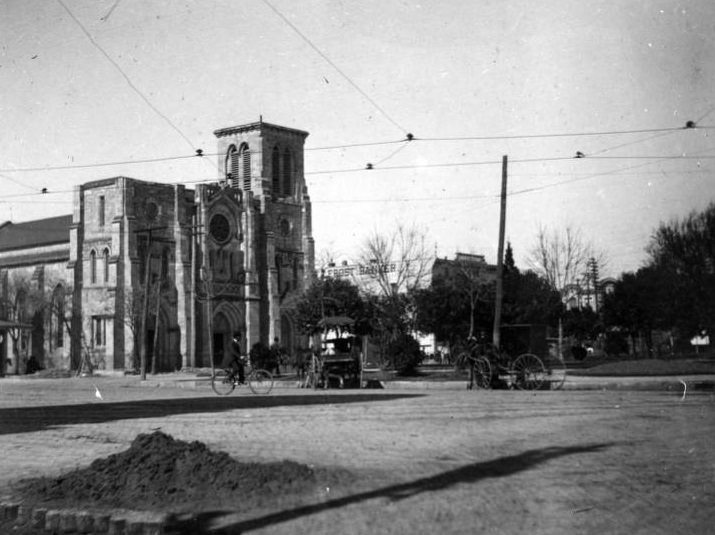
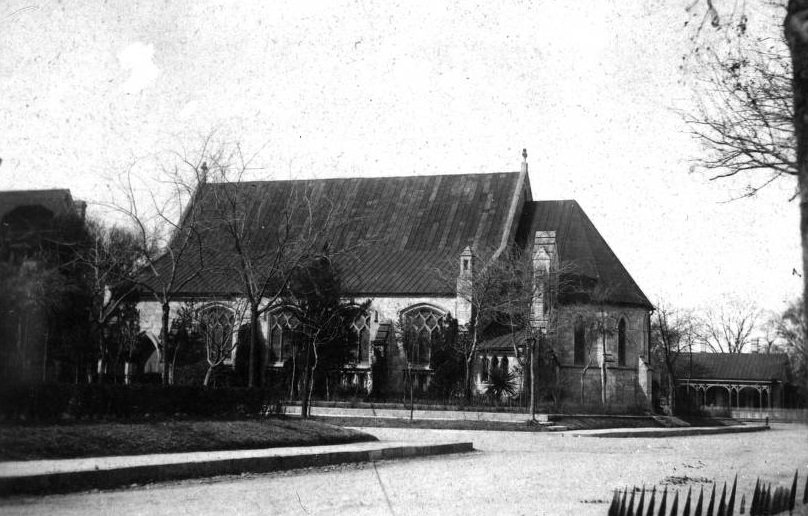
Religion was central to daily life, and Houston’s churches were among the most architecturally significant buildings in the city. St. Marks Episcopal Church stood as one of the more established congregations, serving a community that used religious institutions not just for worship but as centers of social organization.
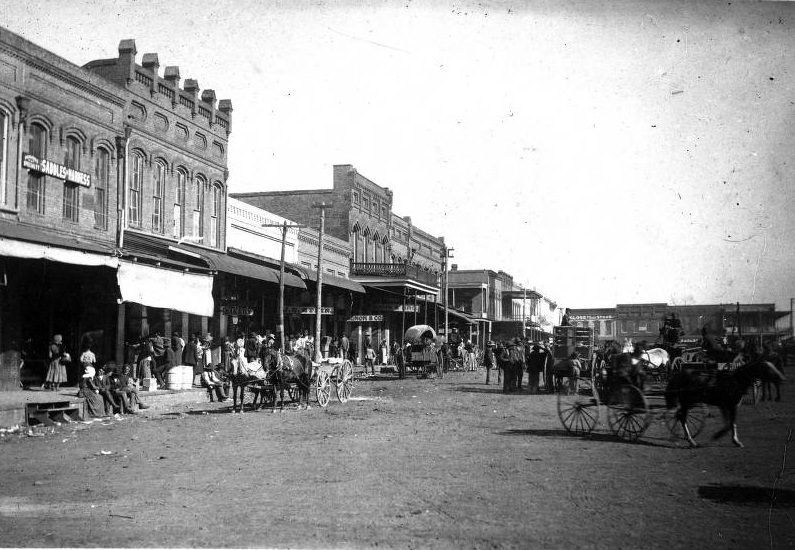
Street-level photographs from the 1890s capture the texture of daily life in ways that official records cannot. Travis Street, seen here looking south from Prairie Avenue, shows the mix of foot traffic, carriages, and storefronts that defined Houston’s busier thoroughfares.
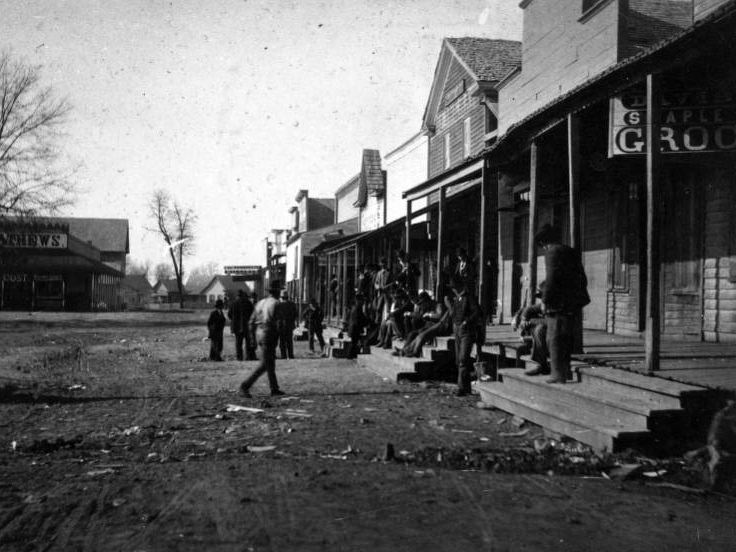
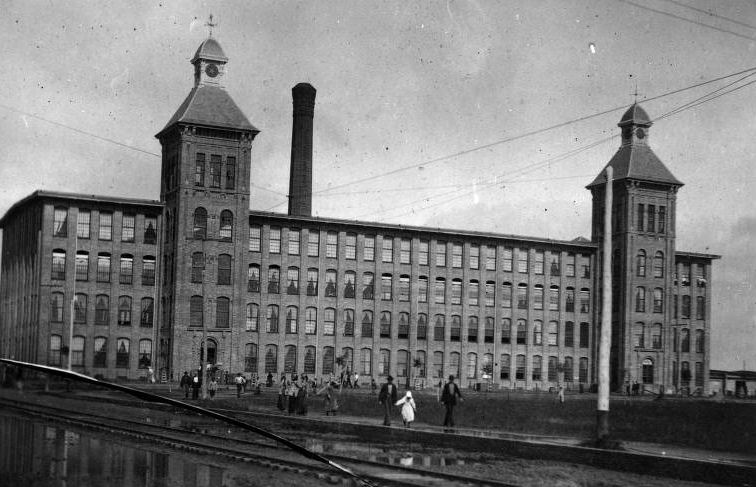
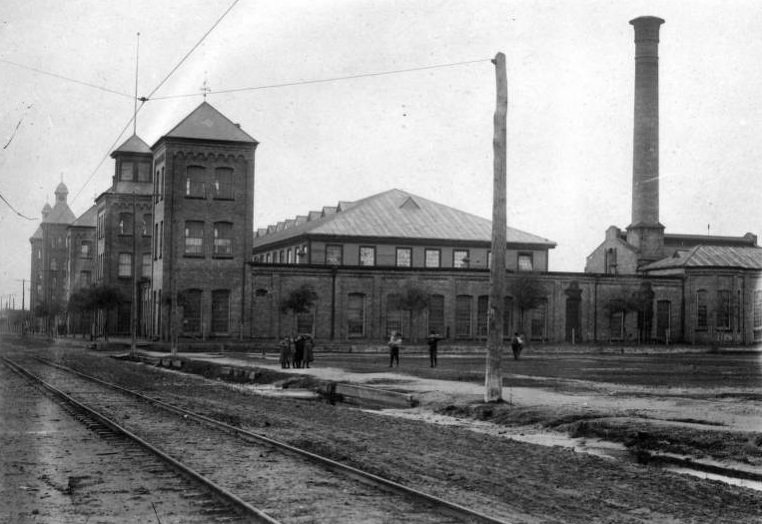
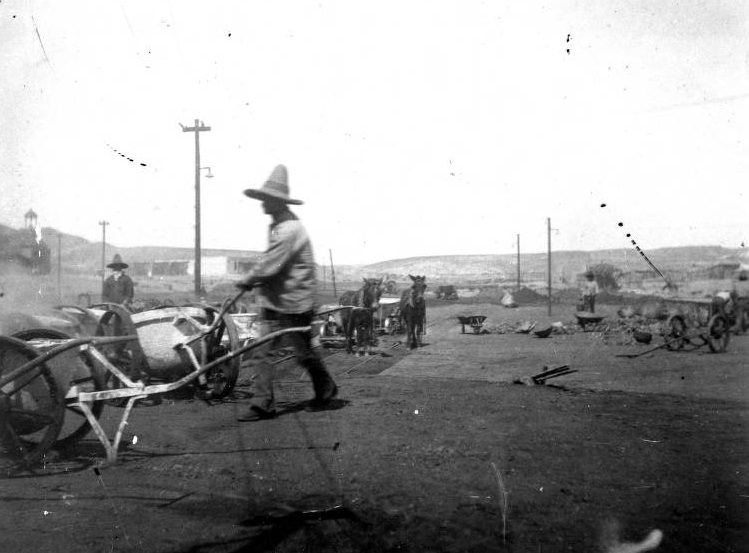
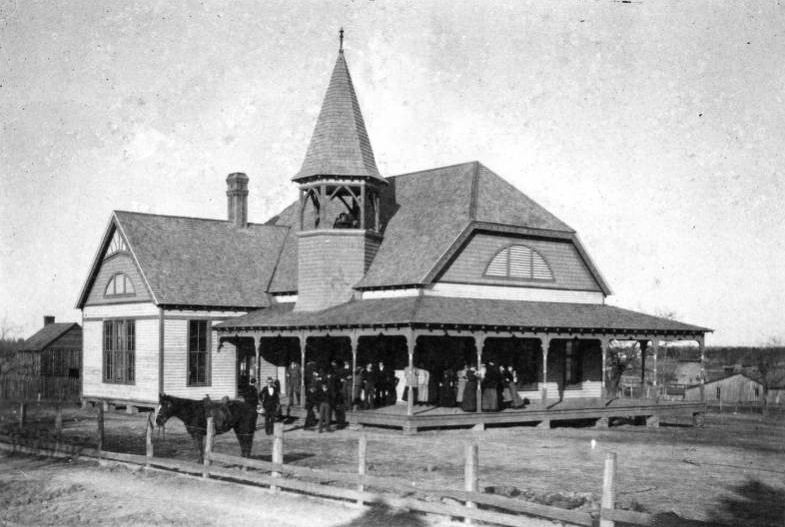
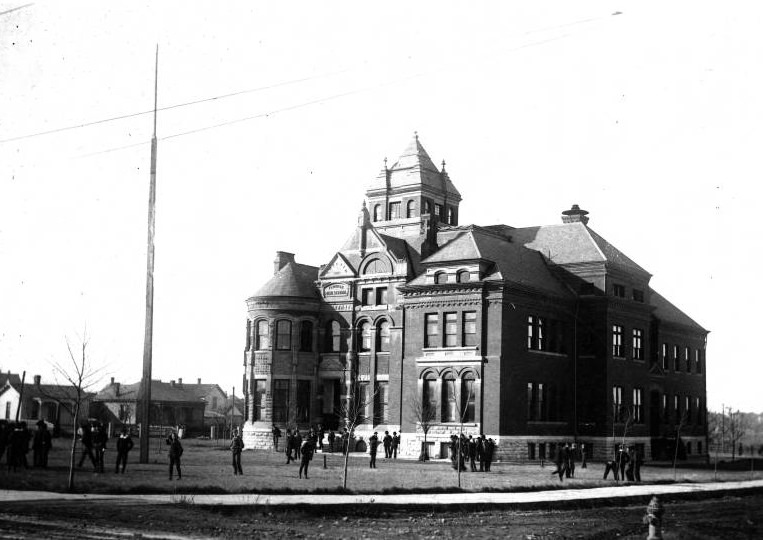
Beyond Houston, other Texas cities and towns were going through their own versions of the same transformation during the 1890s. Schools, mills, hotels, and rail stations were rising across the state, each one a piece of a broader wave of development that connected Texas more tightly to the national economy.