In the summer of 1967, up to 100,000 people poured into a single San Francisco neighborhood. They were mostly young, dressed in flowing clothes and beads, drawn by a shared set of beliefs about peace, freedom, and a rejection of mainstream American life. The destination was Haight-Ashbury, and the moment became known as the Summer of Love.
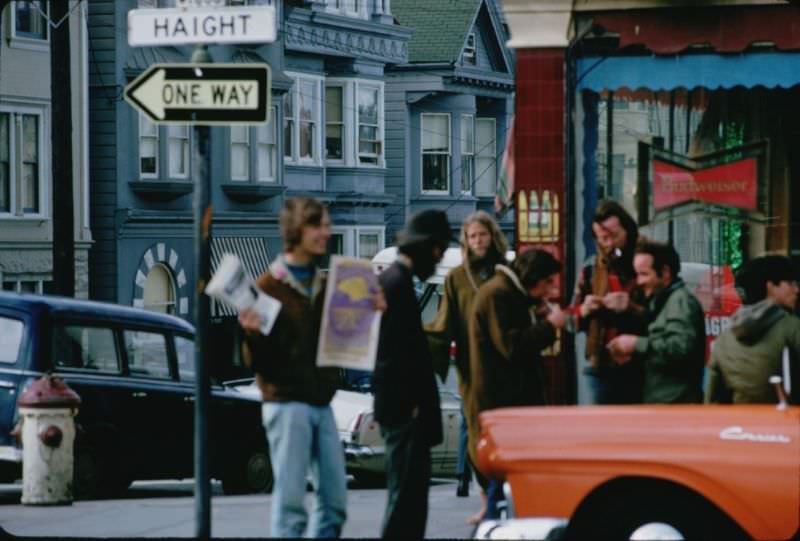
Haight-Ashbury sat at the intersection of two San Francisco streets, but by 1967 it had become far more than a neighborhood. It was a meeting point for countercultural movements spreading across the West Coast and into New York City. Anti-war sentiment, free love, and psychedelic music all fed into one concentrated place and time.
The music scene in Haight-Ashbury was central to its identity. Bands like the Grateful Dead set up in the neighborhood and played regularly, turning local venues and even street corners into stages. Janis Joplin, already gaining a fierce reputation as a vocalist, was part of the fabric of the district. Their presence pulled even more young people west.
Hallucinogenic drugs, particularly LSD, were widely used throughout the Summer of Love. They were treated by many in the community not as recreational substances but as tools for expanding consciousness. The experience of taking them was tied directly to the music, the art, and the philosophy circulating through Haight-Ashbury that summer.
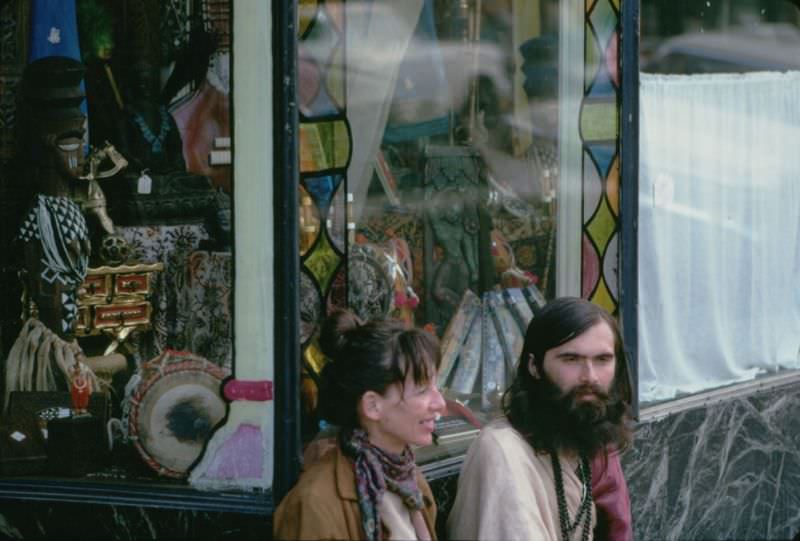
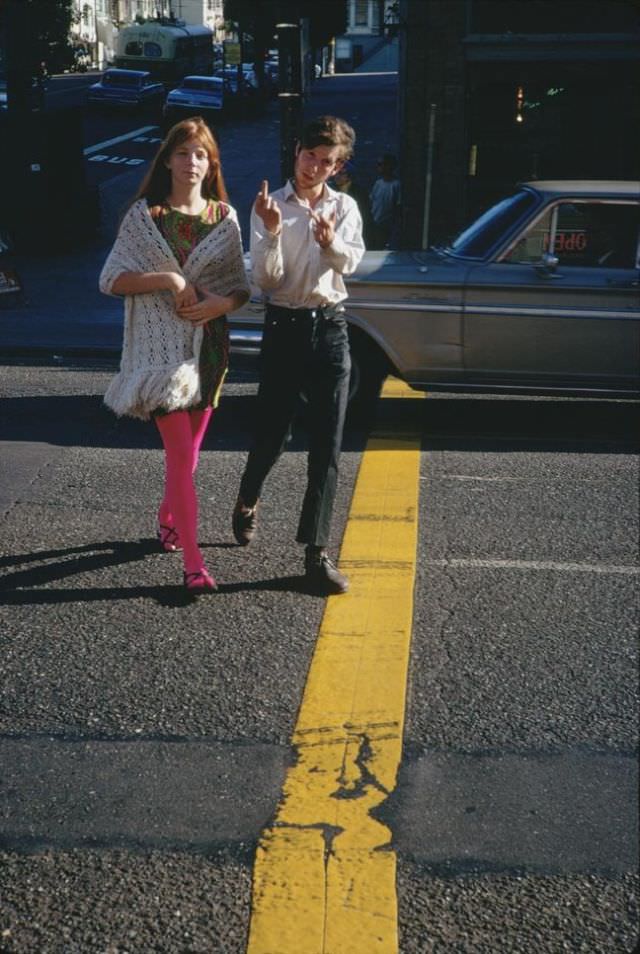
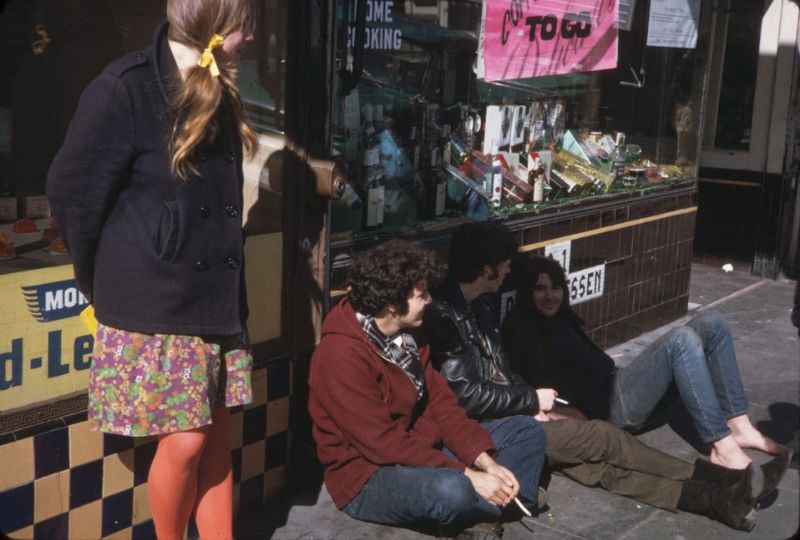
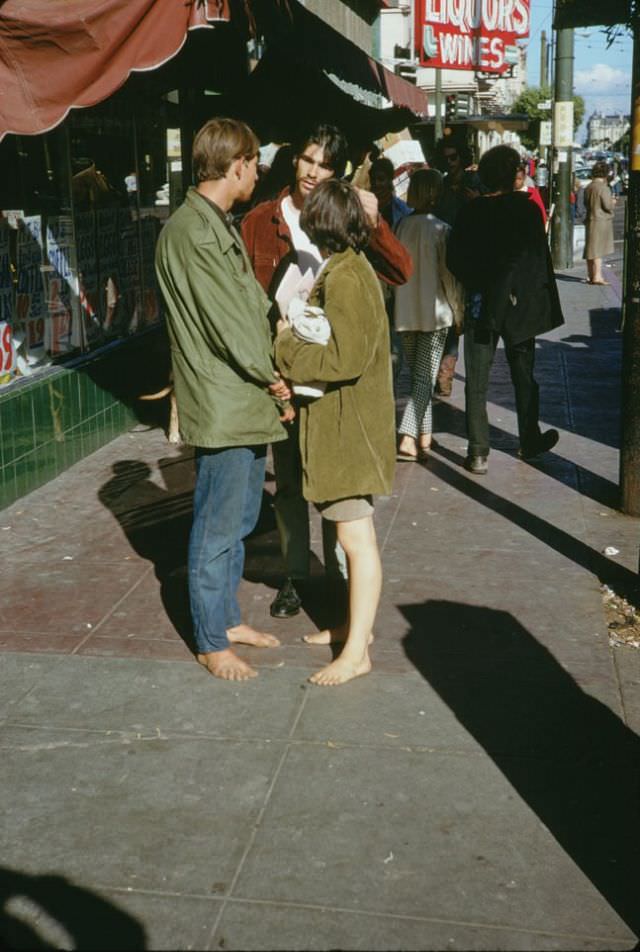
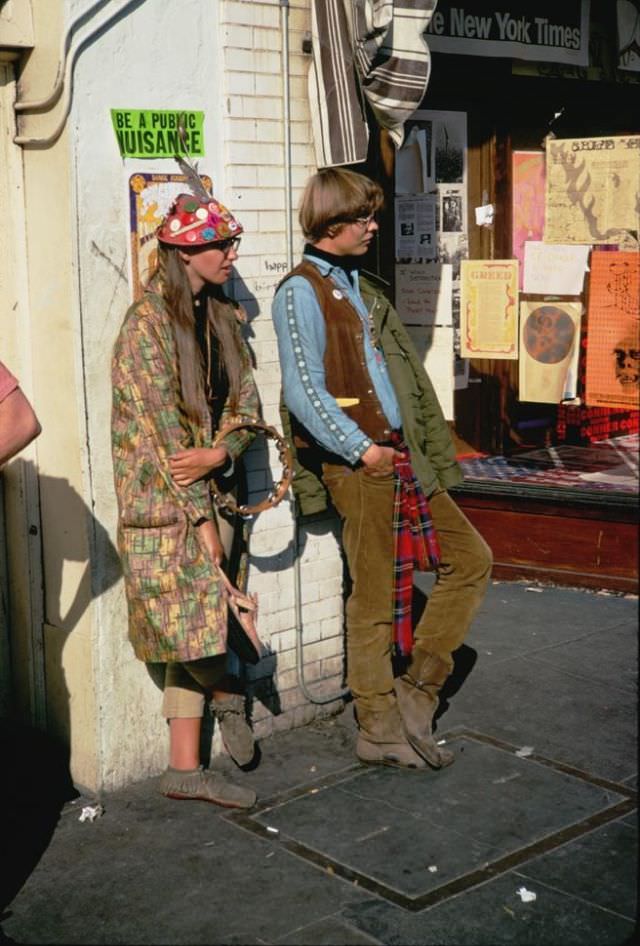
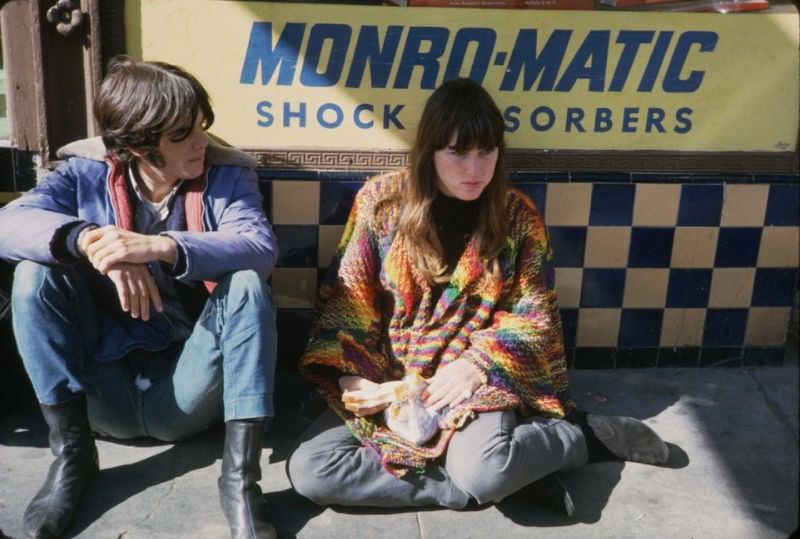
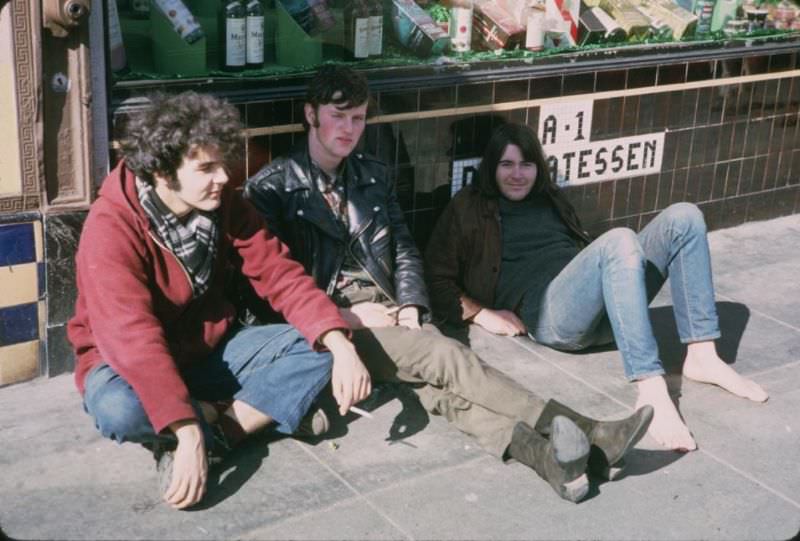
Walking through all of this with a camera was Charles Weever Cushman, an amateur photographer with a sharp eye and a roll of Kodachrome film. Kodachrome was known for its vivid, saturated color rendition, and Cushman used it to document the streets, faces, and everyday scenes of Haight-Ashbury in a way that feels immediate even decades later.
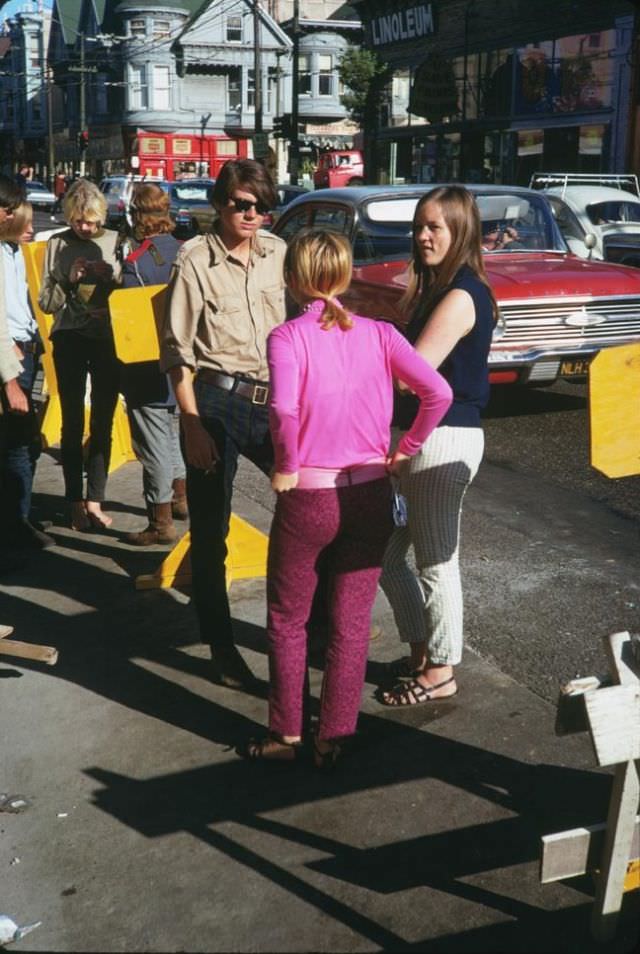
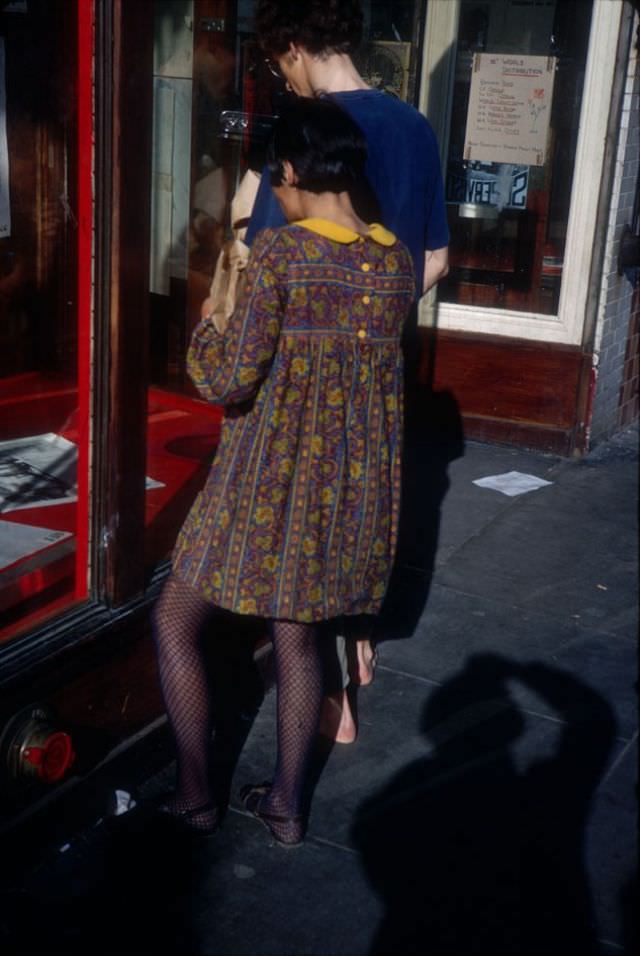
Cushman was not a professional photojournalist on assignment. He was a civilian observer moving through the same streets as the people he photographed. That position gave his images an unguarded quality. The subjects in his frames are not posing for a magazine — they are simply living in the middle of a movement.
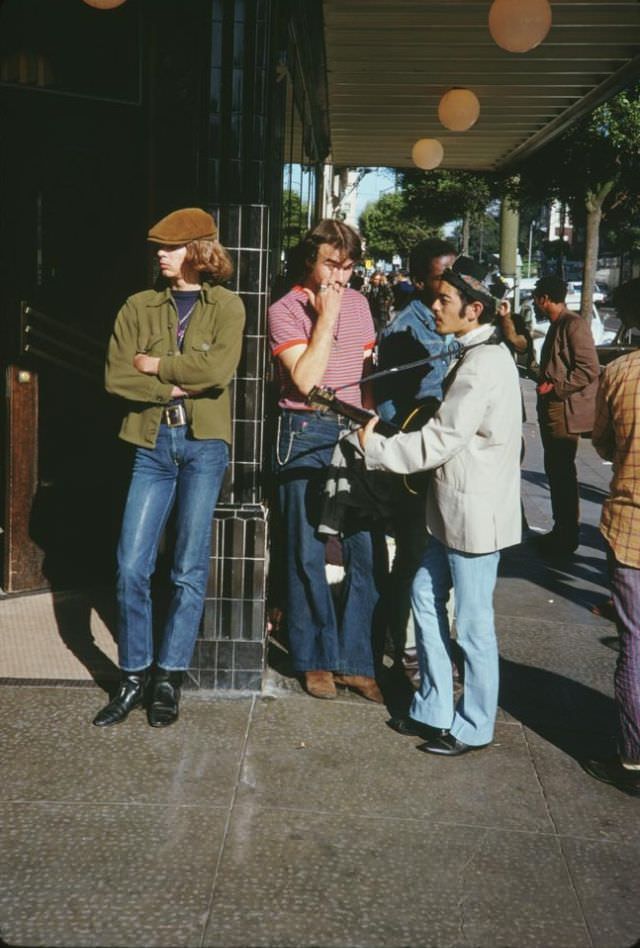
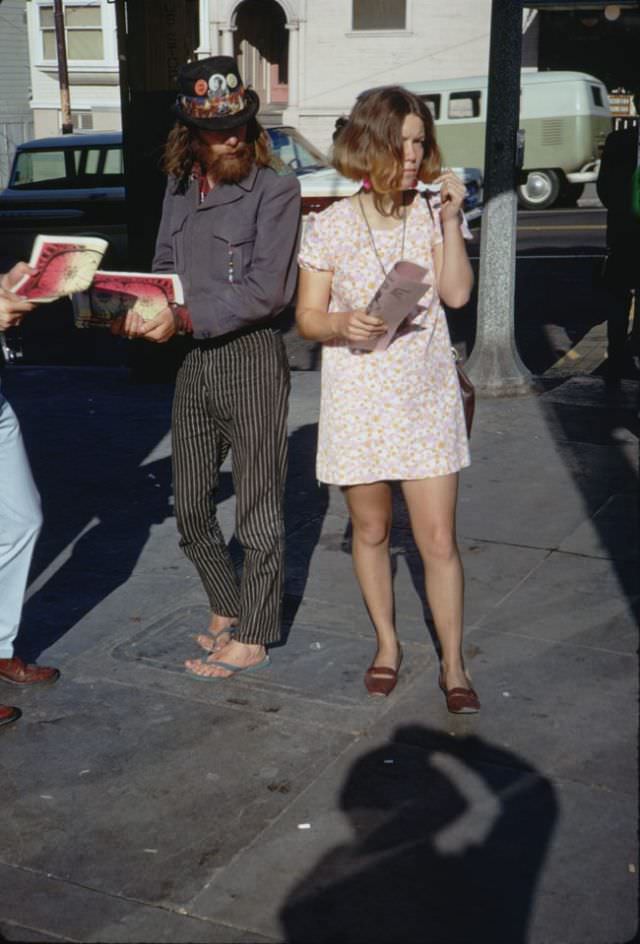
The clothing worn by hippies in Haight-Ashbury was deliberate. Bell-bottom pants, tie-dye shirts, headbands, and bare feet were not just fashion choices — they were visible statements of separation from the conservative dress codes of mainstream 1960s America. Every outfit was a small act of refusal.
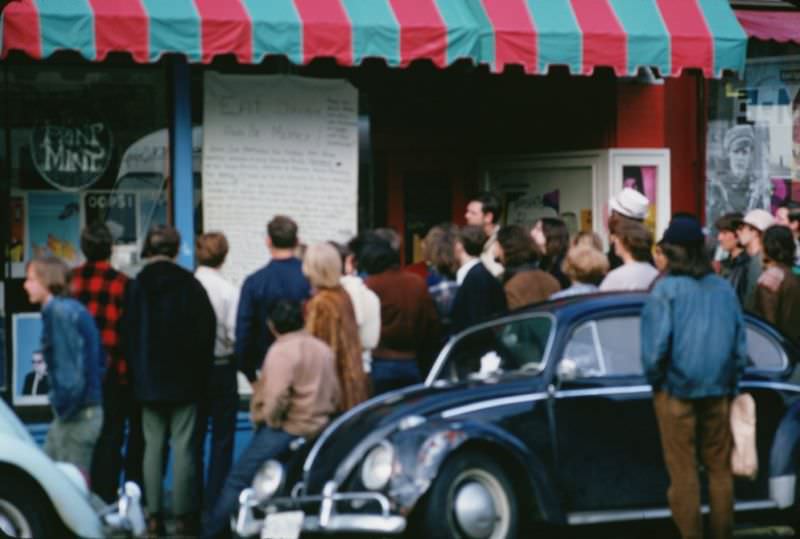
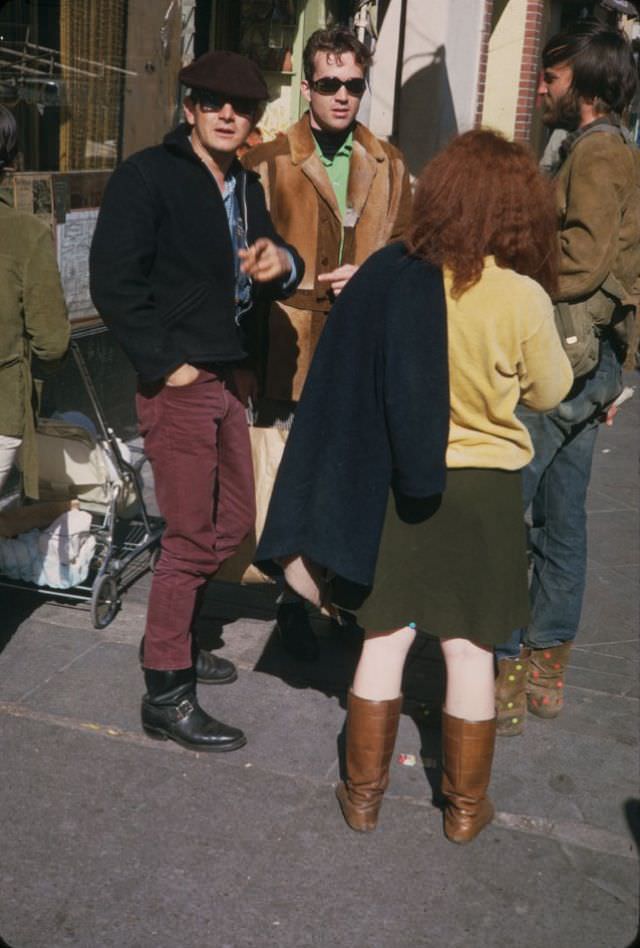
The neighborhood also attracted figures far outside the mainstream — revolutionaries, spiritual leaders, and cult figures cycled through Haight-Ashbury during its peak years. The density of competing ideas and personalities made it volatile as well as vibrant. Not everyone who arrived in 1967 left in good shape.
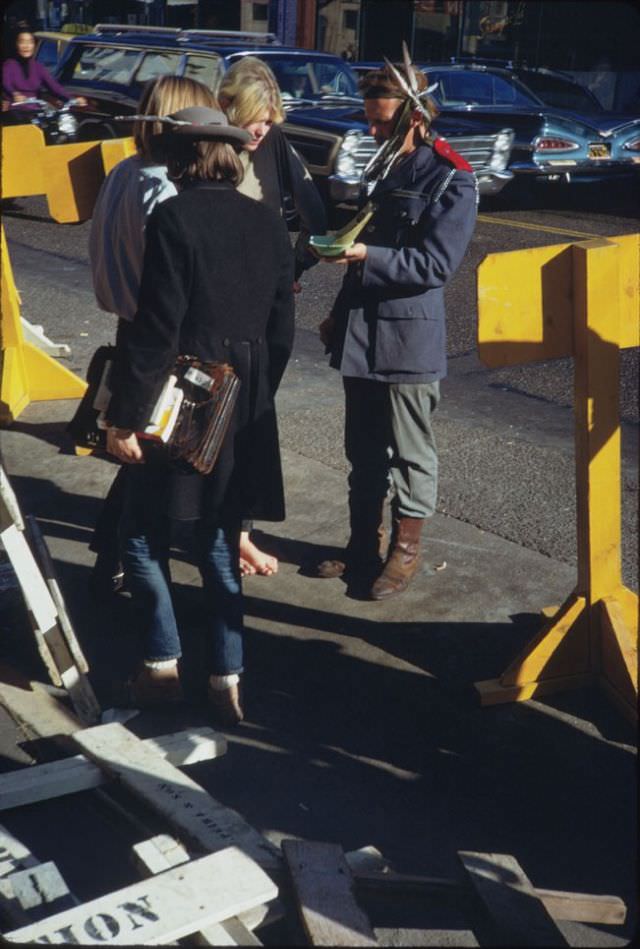
Anti-war protest was woven into the daily life of the neighborhood. The Vietnam War was escalating sharply in 1967, and the young people flooding into Haight-Ashbury were of draft age. Opposition to the war was not abstract — it was personal, immediate, and loud. Marches, flyers, and public demonstrations were constant.
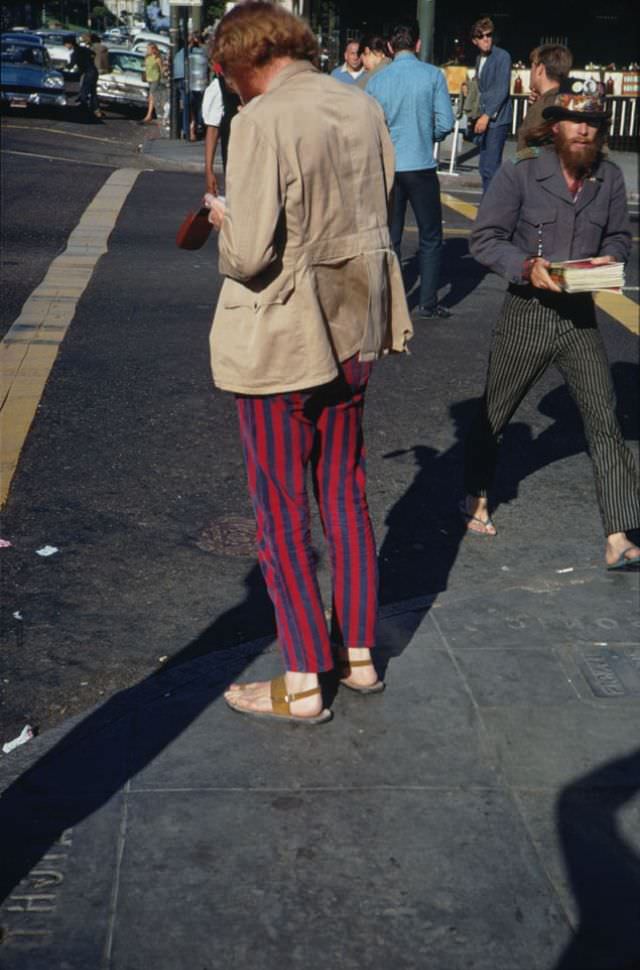
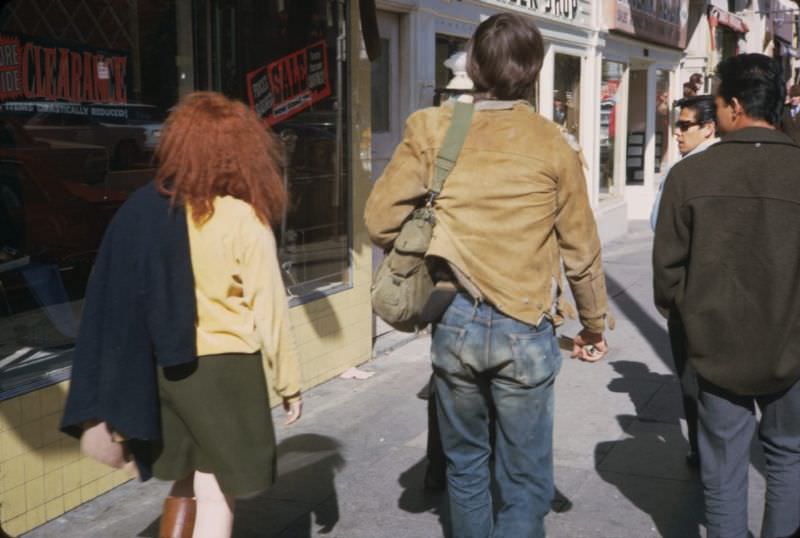
Free love — the open rejection of traditional sexual norms and monogamy — was another defining feature of the Summer of Love. It was tied to a broader argument that social rules around relationships were tools of control. In practice, this played out in communal living arrangements, public affection, and a general blurring of conventional boundaries.
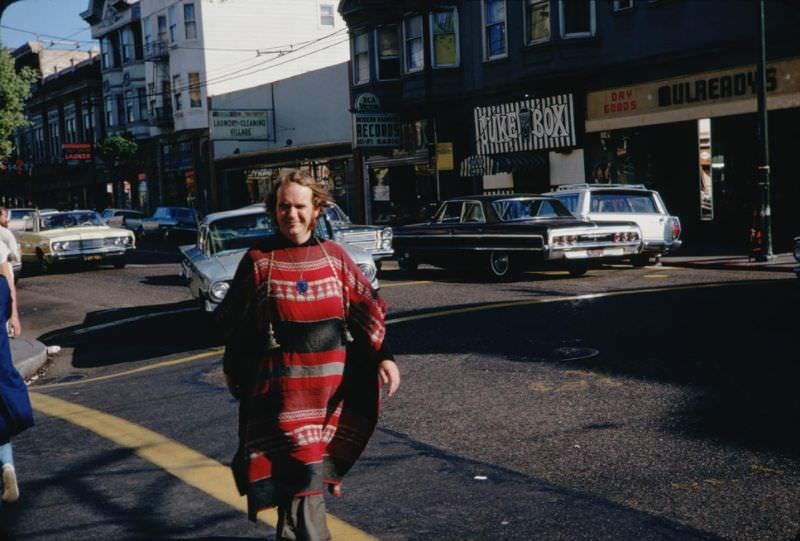
Cushman’s photographs show the full range of life on those streets. Vendors selling goods, groups sitting on stoops, children in the crowd, musicians with instruments — the pictures are not all protest and spectacle. A lot of what he captured was simply people spending time together in an unusual place at an unusual moment.
By the end of the summer, the sheer number of people who had arrived in Haight-Ashbury created serious problems. Food, shelter, and medical care were stretched far beyond what the neighborhood could support. Drug overdoses, crime, and disease increased sharply as the weeks went on. The Diggers, a local activist group, ran free kitchens and clinics to manage the overflow.
In October 1967, community organizers held an event called the Death of the Hippie, a mock funeral staged on the streets of Haight-Ashbury. It was meant to signal that the media-friendly version of hippie culture had been commercialized and hollowed out. The organizers wanted to move beyond the label and the spectacle.
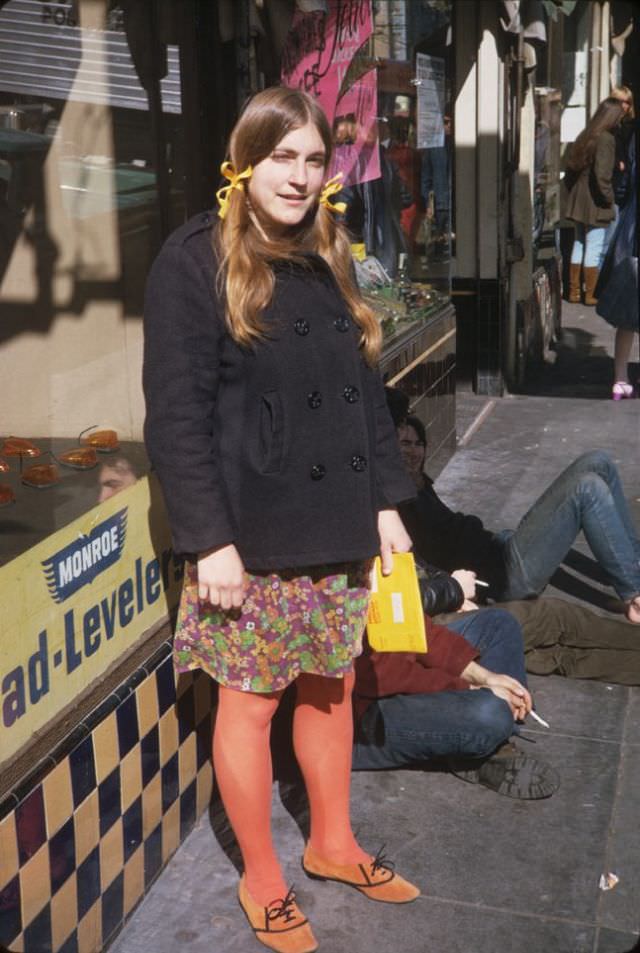
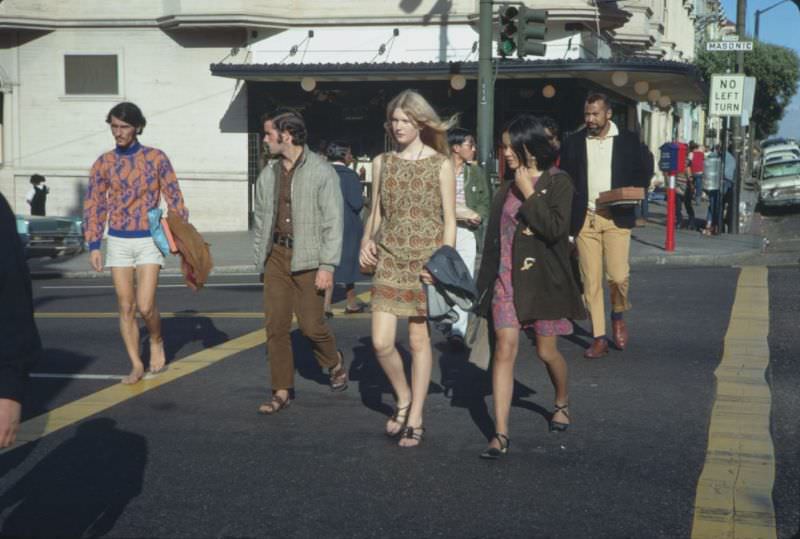
What Cushman recorded on Kodachrome film is a primary document of a specific place and time. The colors hold, the faces are clear, and the streets of Haight-Ashbury in 1967 remain visible through his lens — crowded, chaotic, and fully alive.