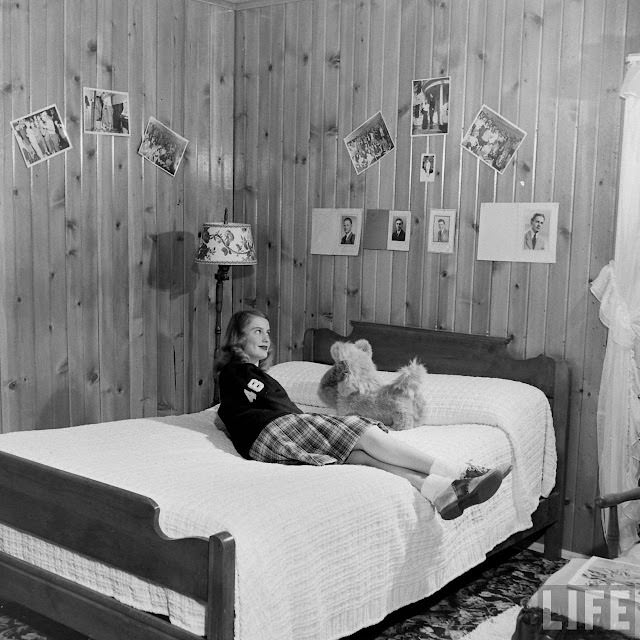
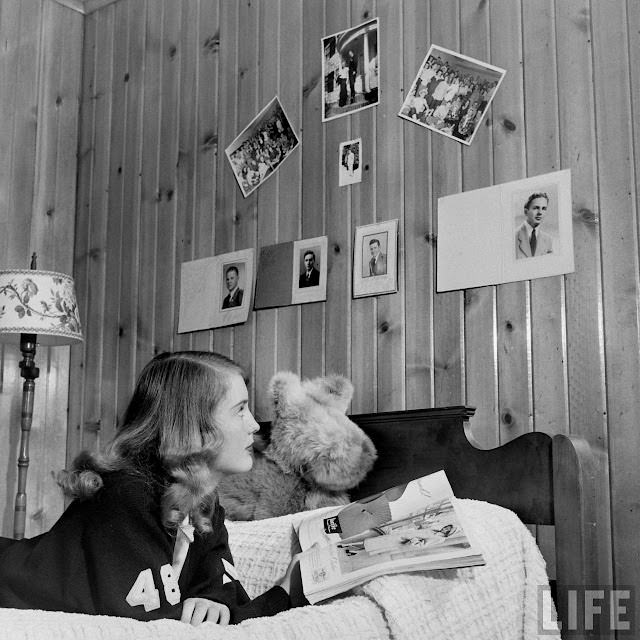
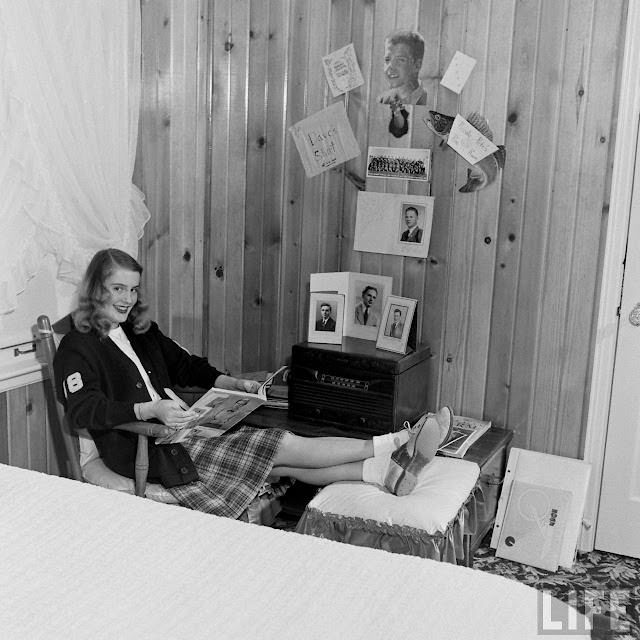
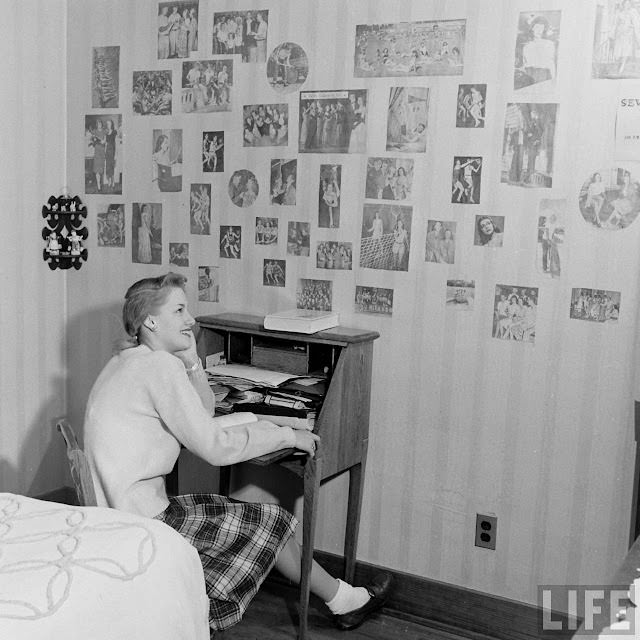
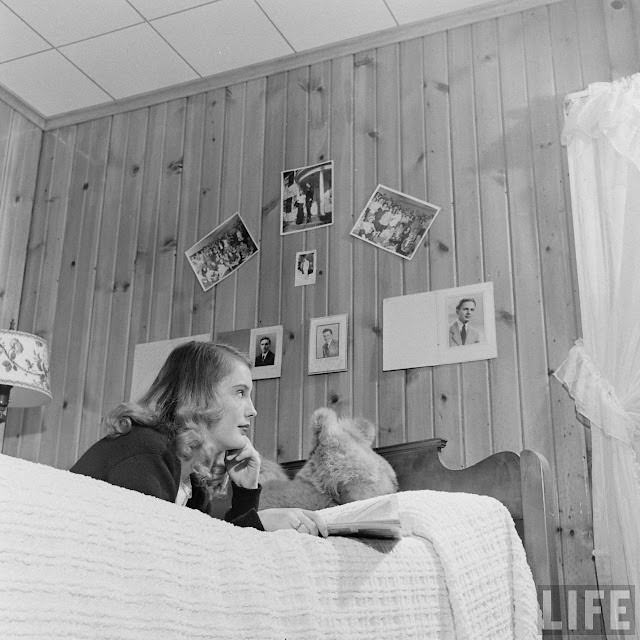
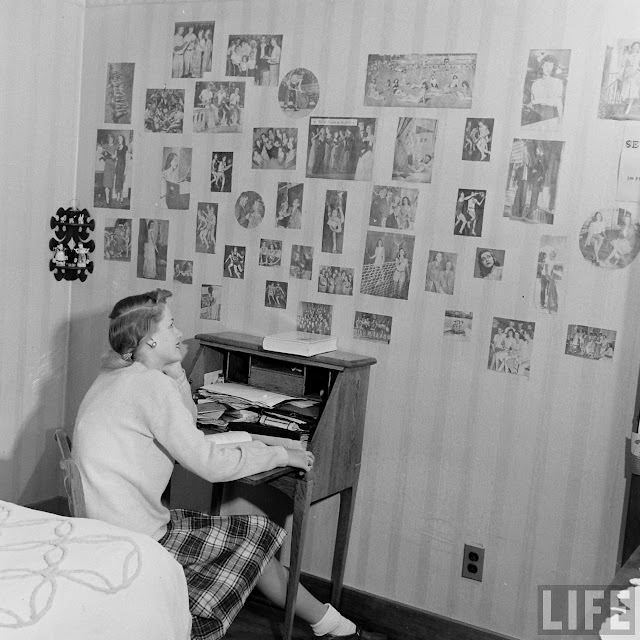
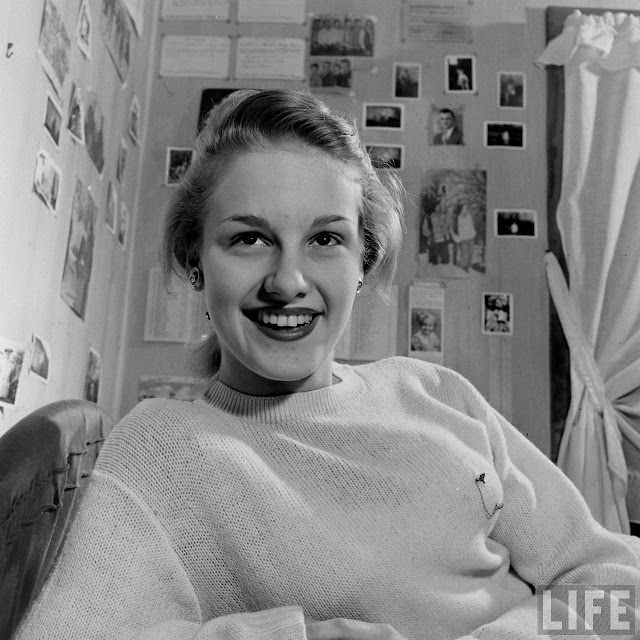
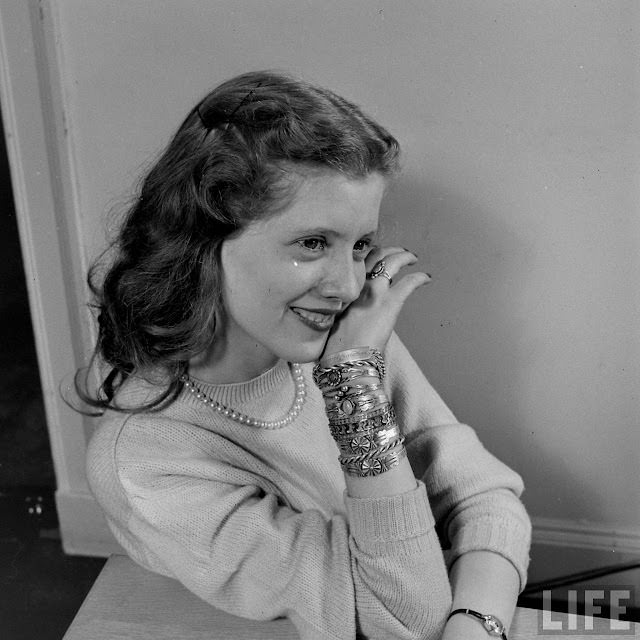
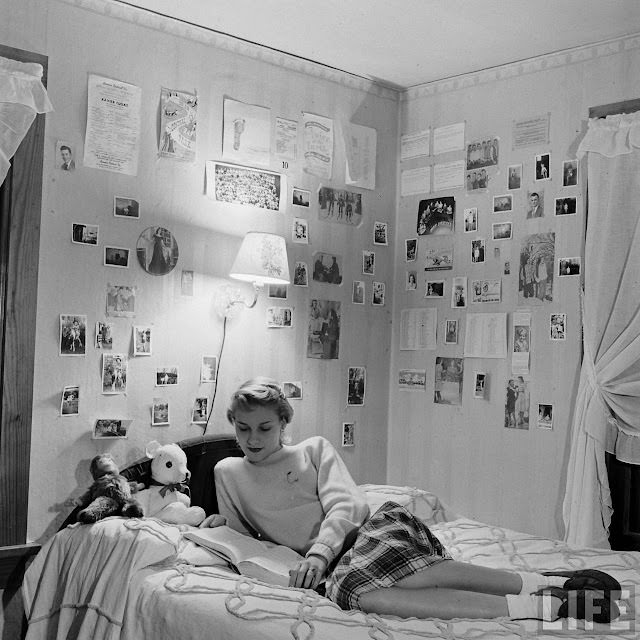
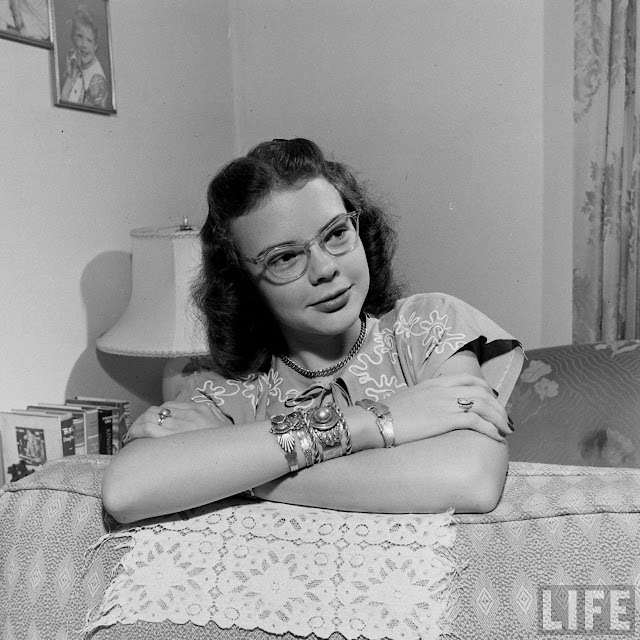
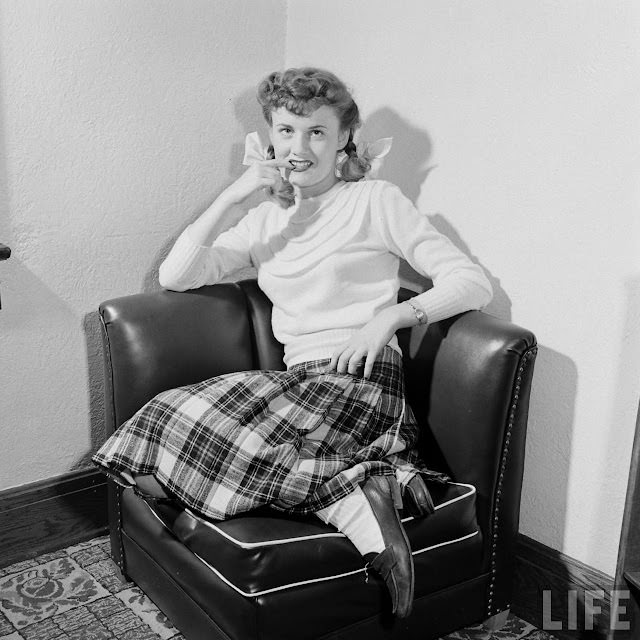
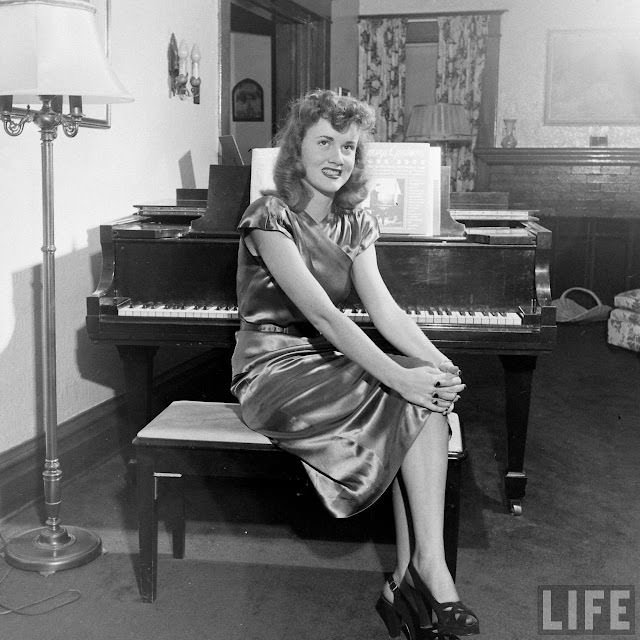
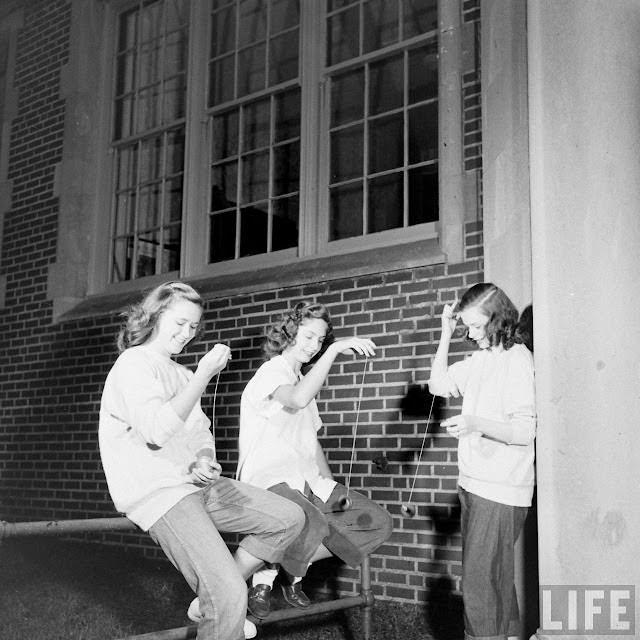
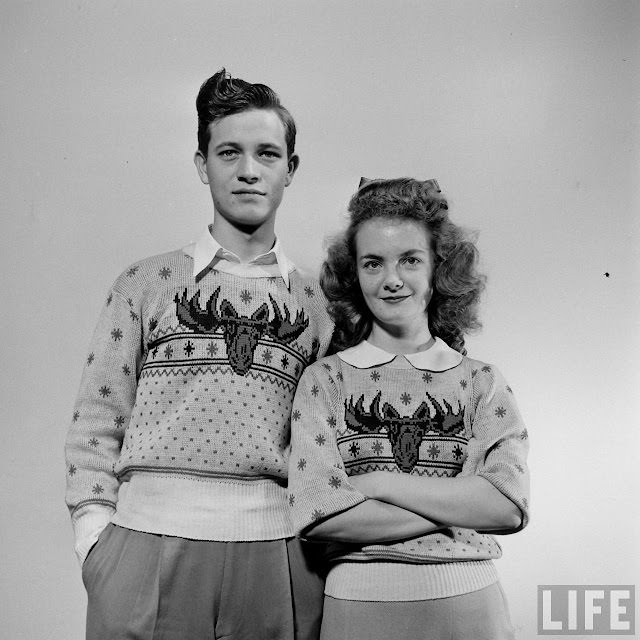
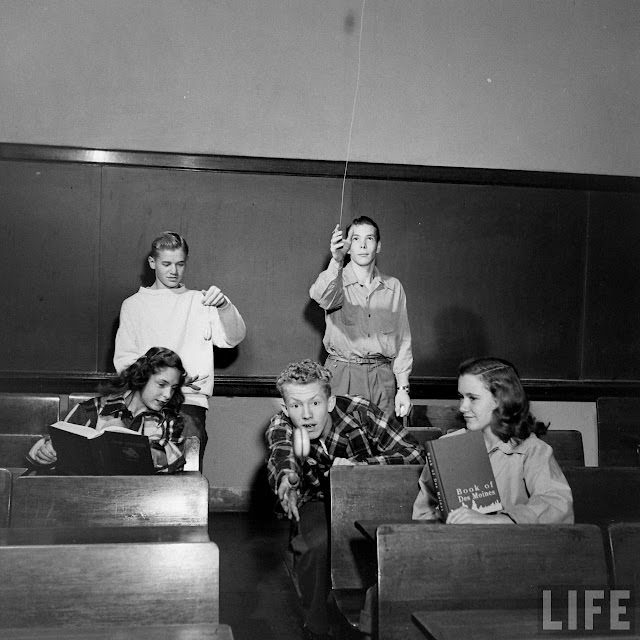
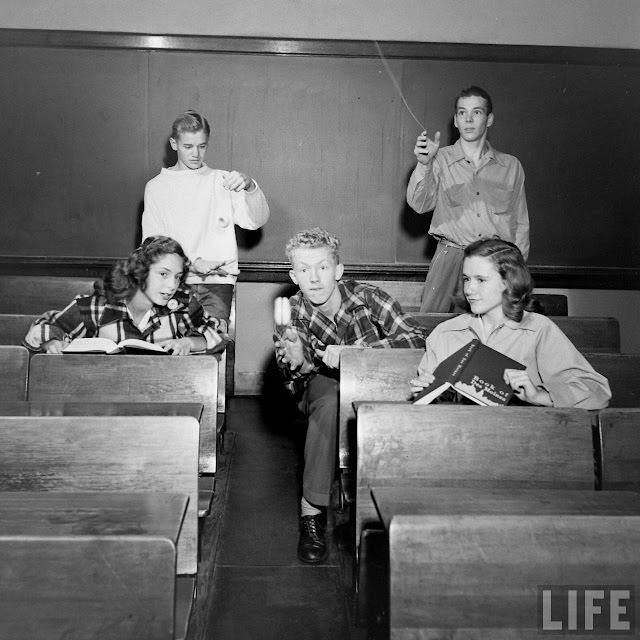
In 1947, Des Moines, Iowa was settling back into peacetime life after World War II. For teenagers, that meant structured school days, part-time jobs, and a strong sense of community. Classes focused on core subjects — math, English, and history — and teachers ran tight rooms.
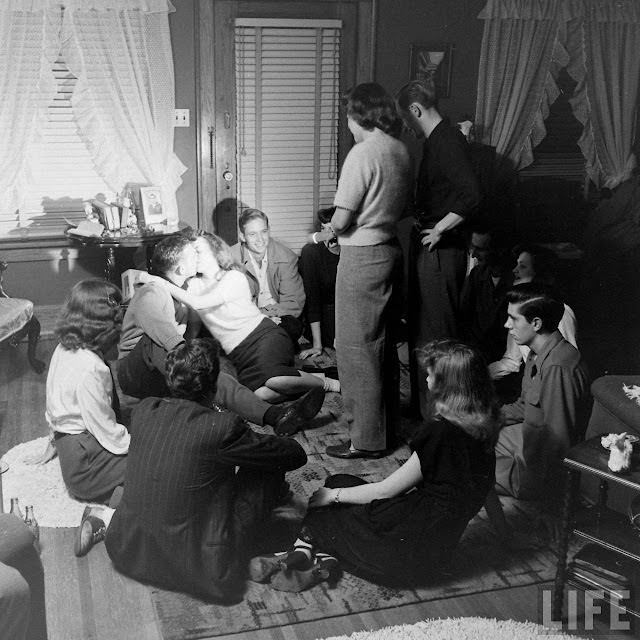
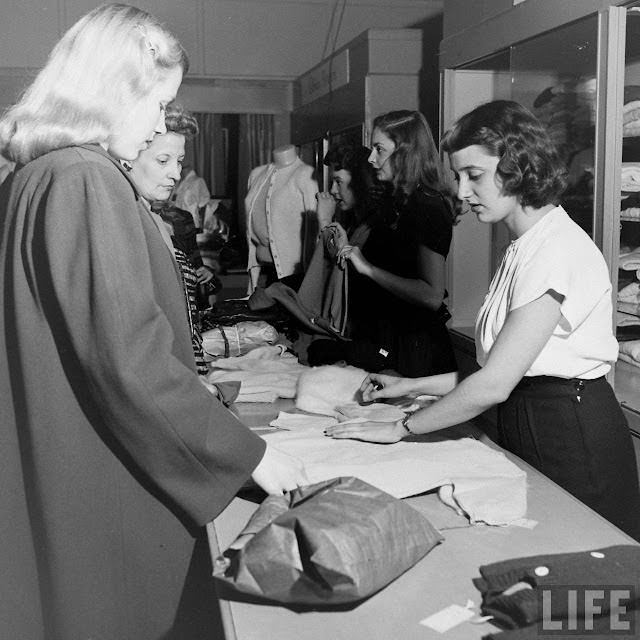
After school, many teens worked at local shops, restaurants, or family farms to help support their households or save for college. Free time was earned, not assumed.
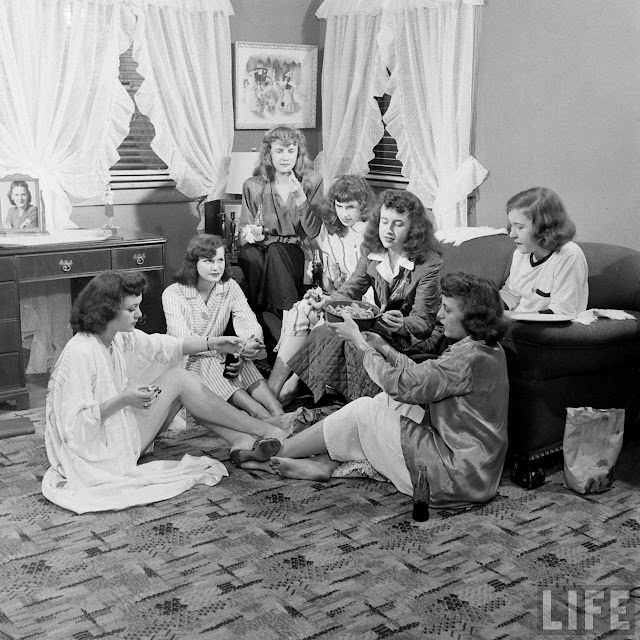
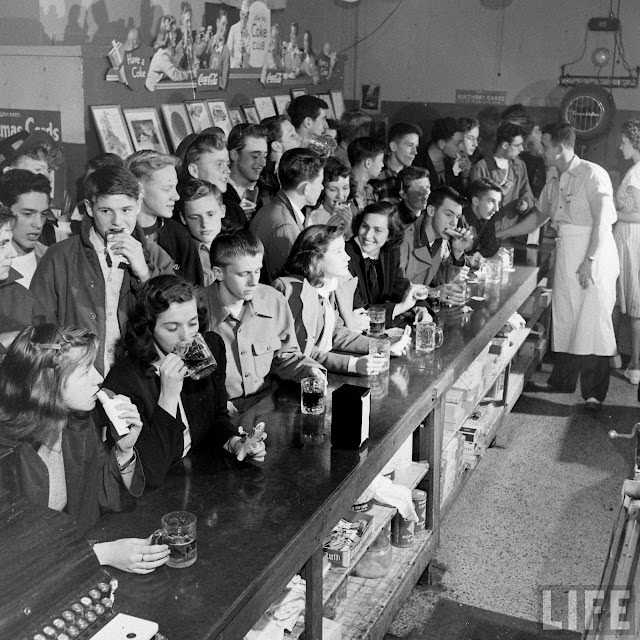
The local soda shop was the social hub. Teens gathered there for milkshakes, jukebox music, and face-to-face conversation — the only kind available.
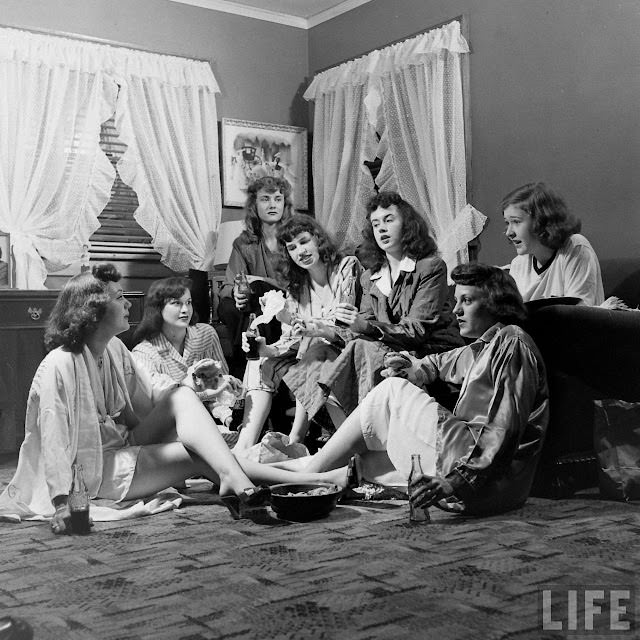
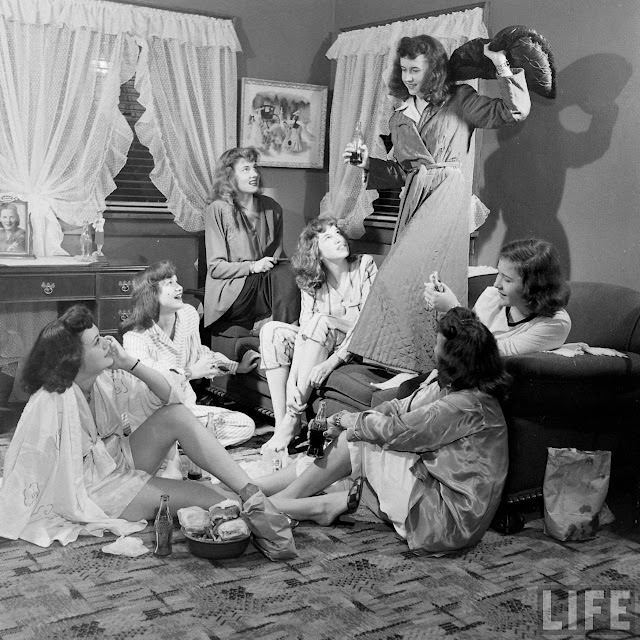
School dances were major events. Teens dressed up, danced to big band music, and socialized under the watch of teacher chaperones. Glenn Miller and Benny Goodman filled the gymnasiums.
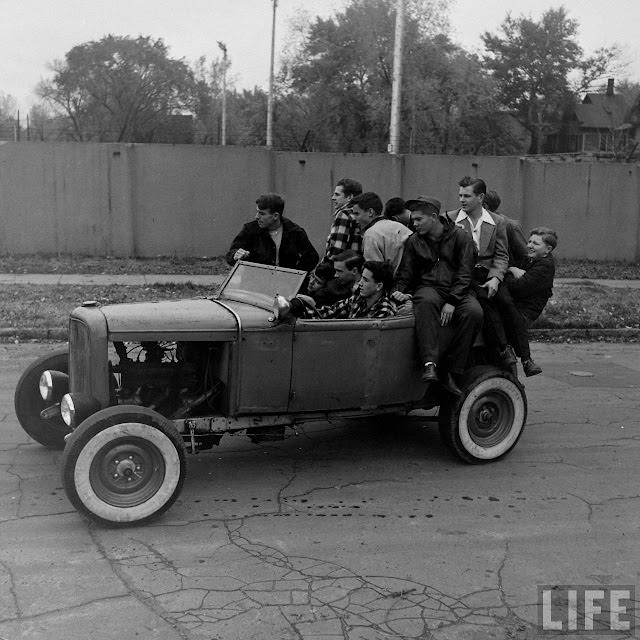
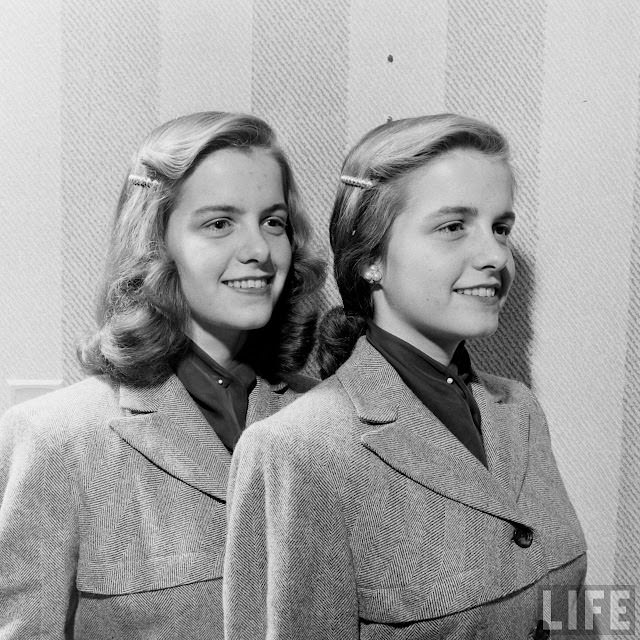
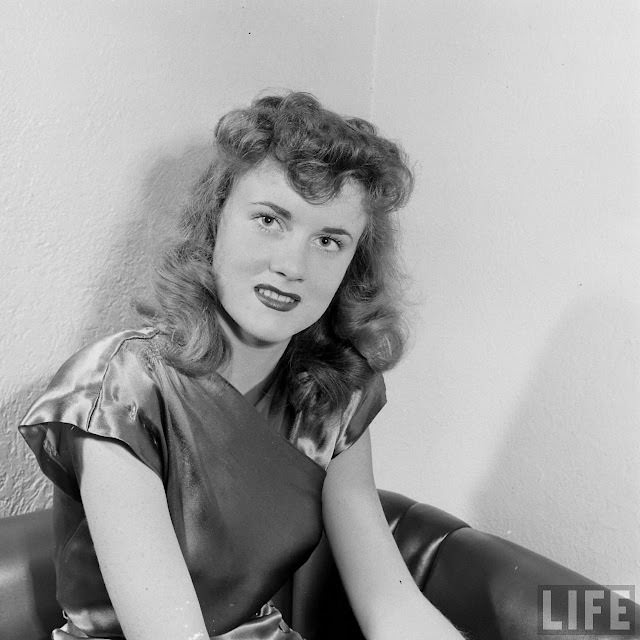
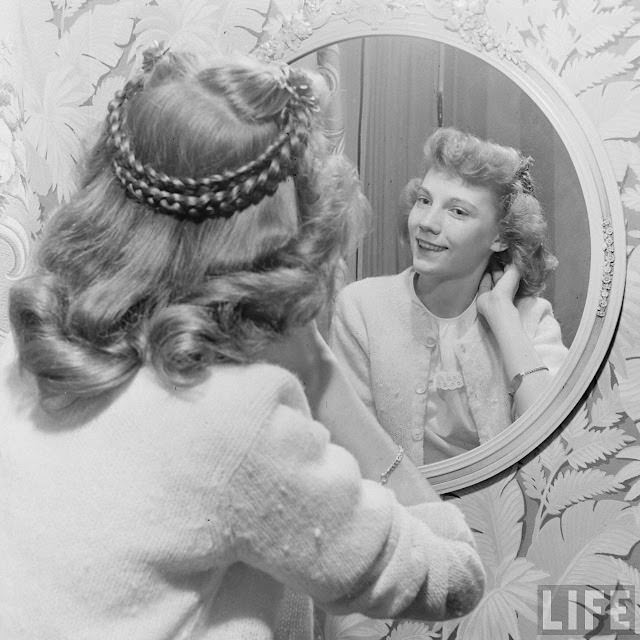
Fashion was classic and deliberate. Girls wore dresses with cinched waists and full skirts. Boys dressed in suits, sweaters, and pressed slacks. Looking put-together was simply the norm.
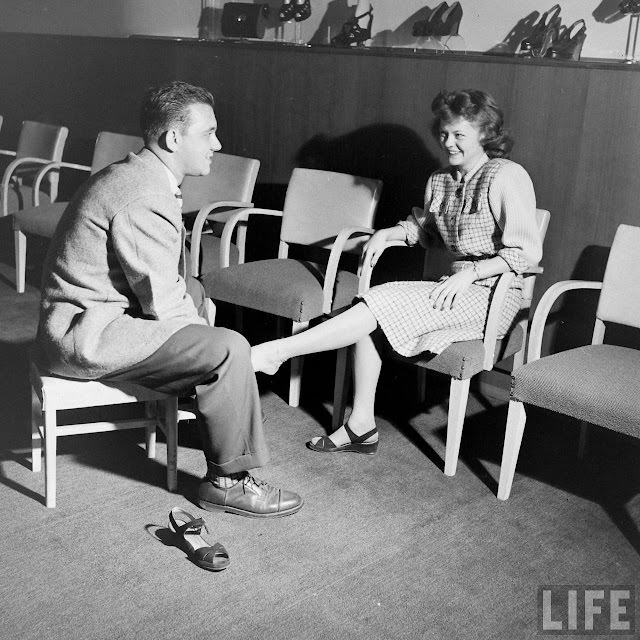
Family life was central. Most Des Moines households were close-knit, with teenagers expected to contribute at home just as much as they did at school or work.
Neighbors knew each other by name. Community wasn’t a concept — it was a daily reality in postwar Des Moines.