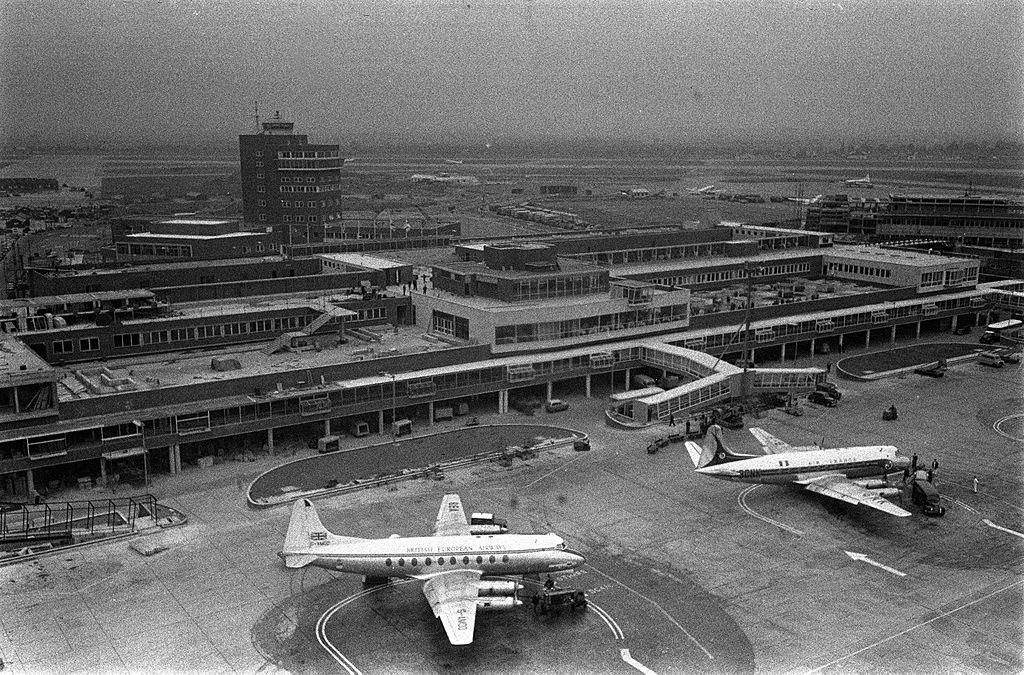
Before it became one of the busiest airports on the planet, Heathrow was a modest airfield on the outskirts of London. Originally built in 1929, it served mainly as a test flying site, while commercial flights operated from nearby Heston and Hanworth Park. By the 1950s, however, London Airport — as Heathrow was then officially known — was transforming at speed. Passenger numbers were climbing fast, aircraft technology was advancing, and the airport was racing to keep up with it all.
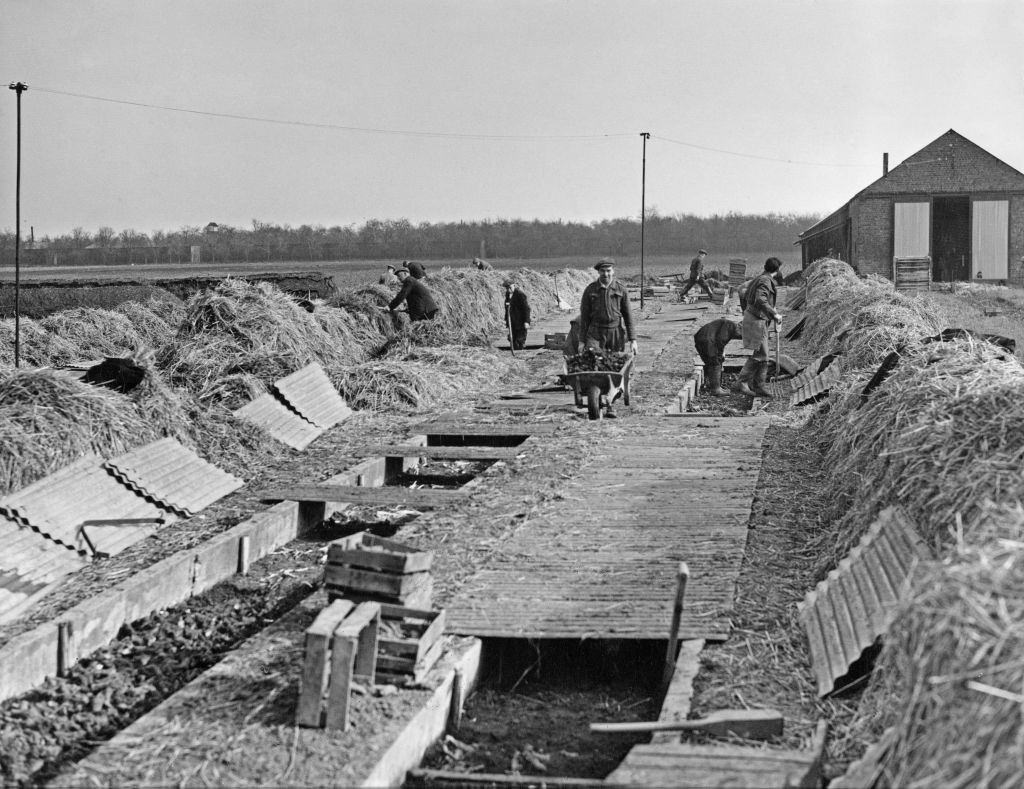
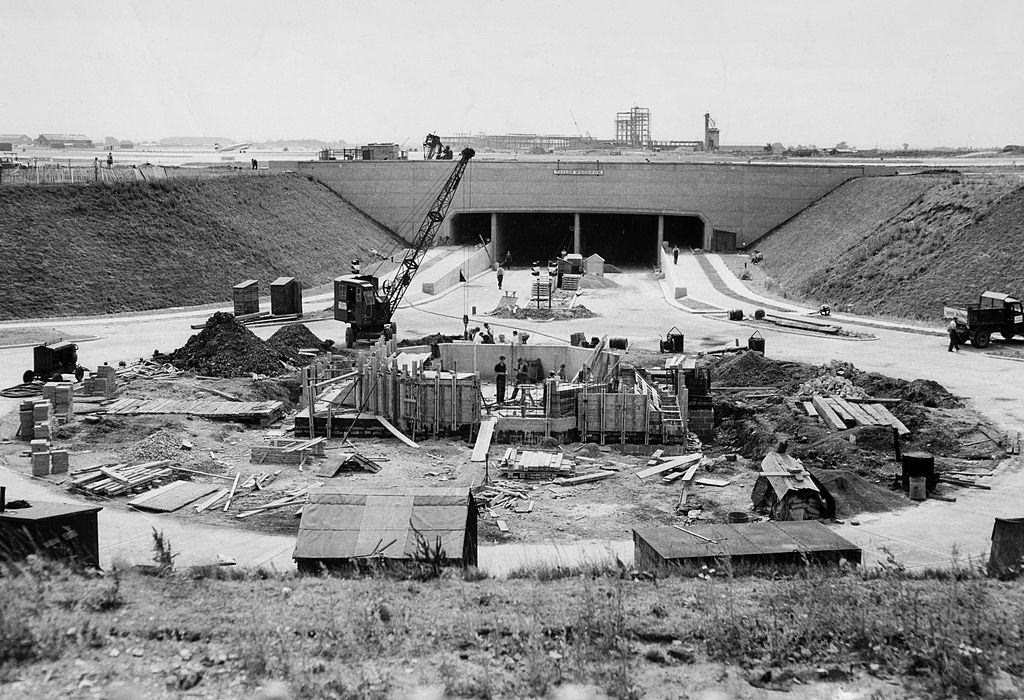
The scale of construction at and around Heathrow in the early 1950s was enormous. A whole new infrastructure was being built from the ground up — not just runways and terminals, but roads, tunnels, and support facilities. Workers at Stanwell were laying the foundations for what would become a sprawling aviation hub. It was a massive civil engineering effort carried out largely in the open, with cranes and heavy machinery reshaping fields that had been farmland just years before.
One of the decade’s most significant infrastructure projects was the tunnel providing road access to Heathrow’s central terminal area. Digging beneath an active runway required careful planning and round-the-clock labor. When it opened, it gave passengers and vehicles a direct route into the heart of the airport without crossing any airside areas — a design feature that proved essential as traffic volumes grew year after year.
In 1955, Queen Elizabeth II officially inaugurated a new terminal building — later known as Terminal 2. It was designed to handle the rising flood of European passengers and reflected the optimism of postwar Britain. Inside, the building offered facilities that felt modern and purposeful: general inquiry desks, a post office, restaurants, bars, and orderly channels guiding passengers through customs and boarding procedures.
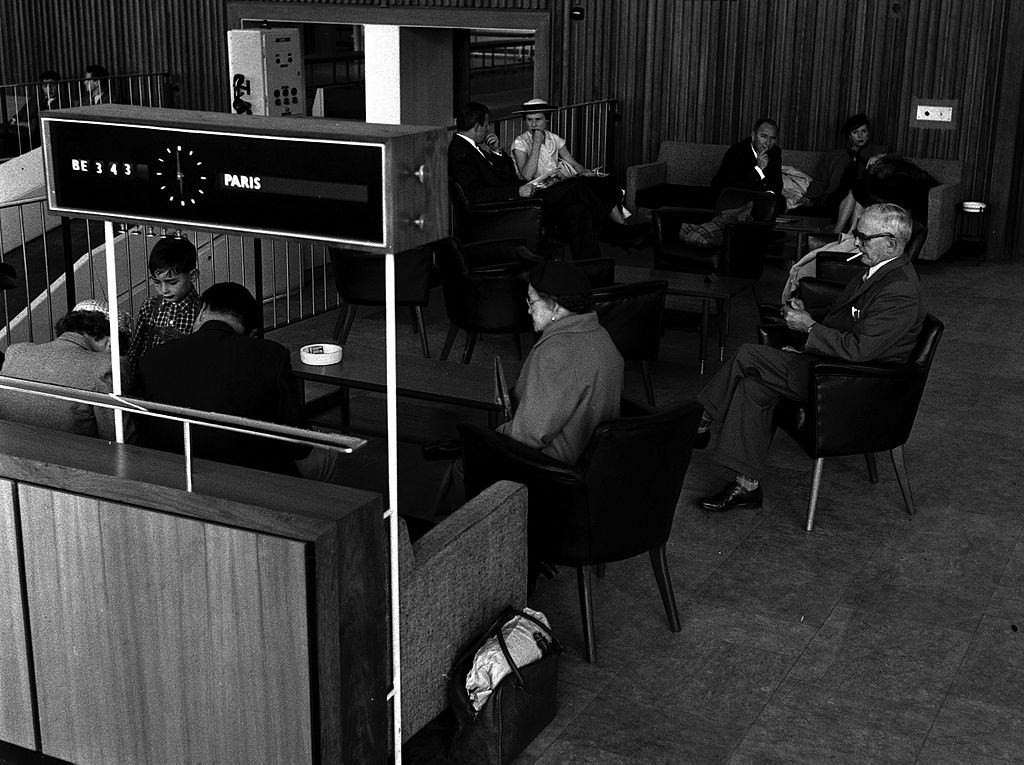
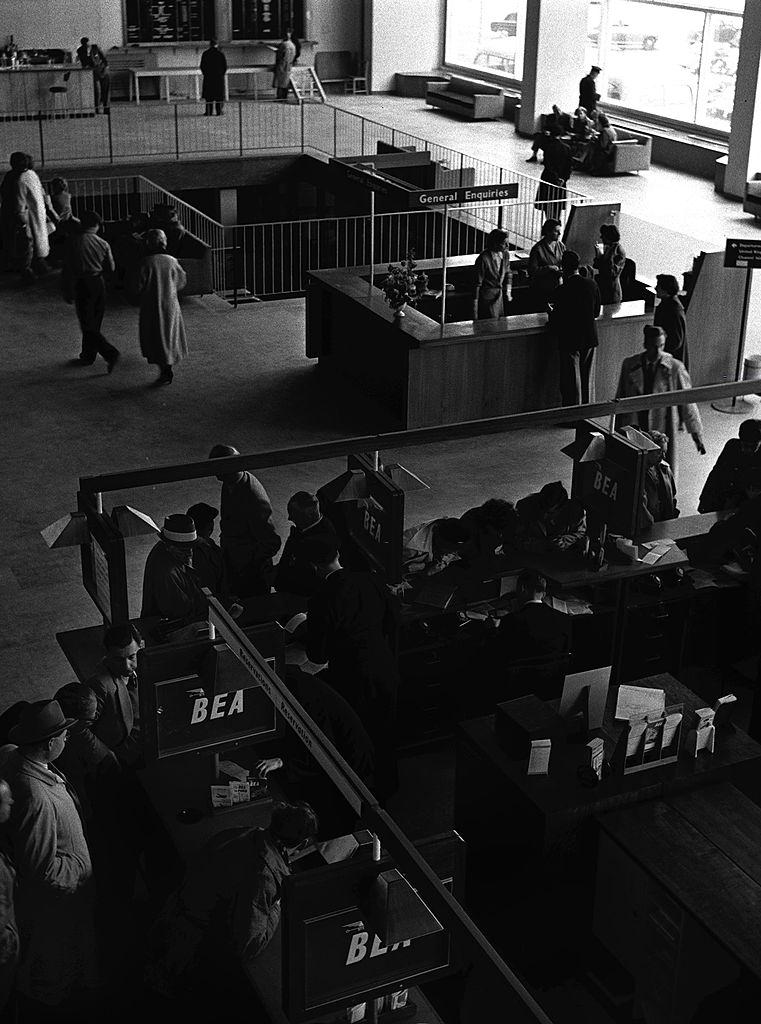
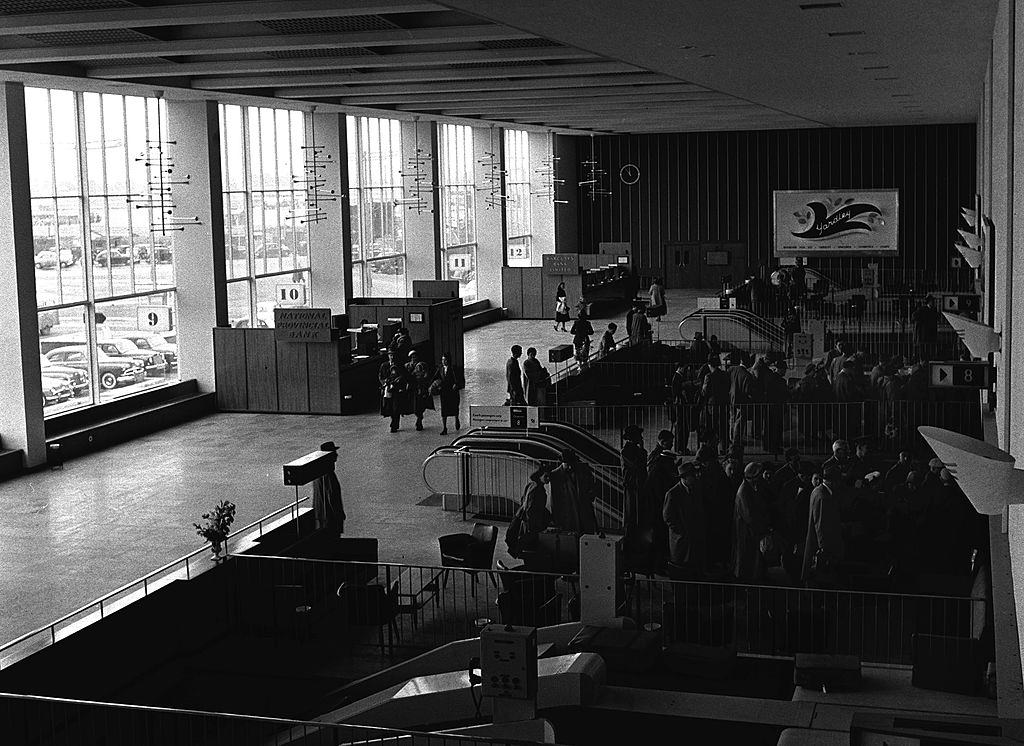
The interior of Heathrow’s new terminal was a study in mid-century design. Seating areas were clean and functional, with rows of chairs arranged beneath large windows. The Europa building — what would later be called Terminal 2 — gave travelers a calm, organized environment quite unlike the chaos that would define airports in later decades.
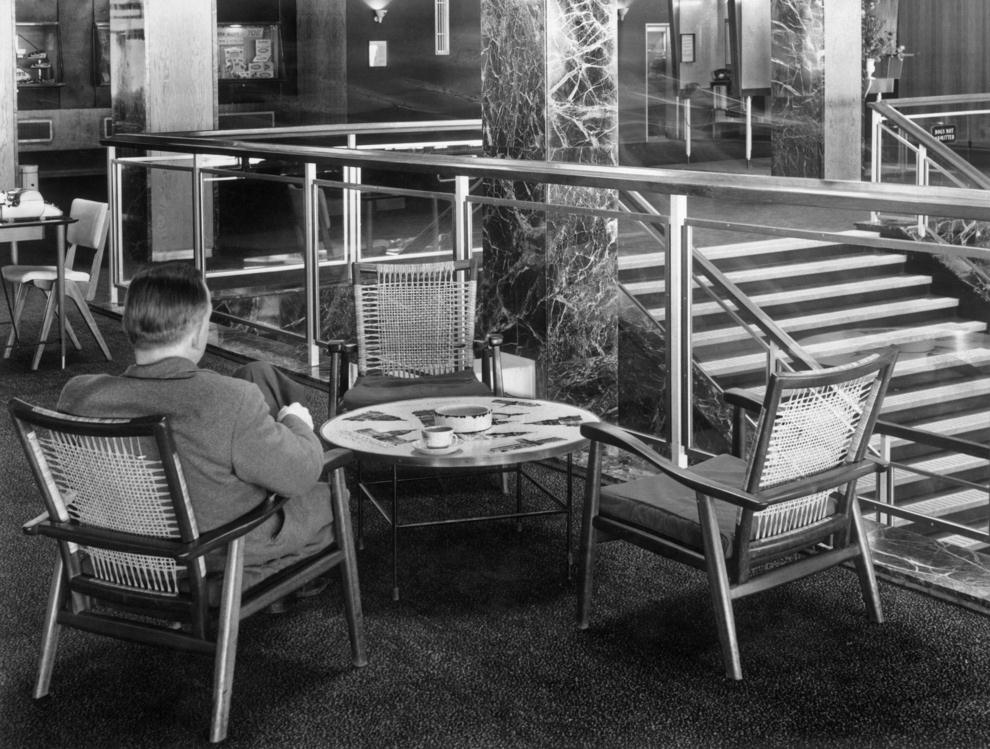
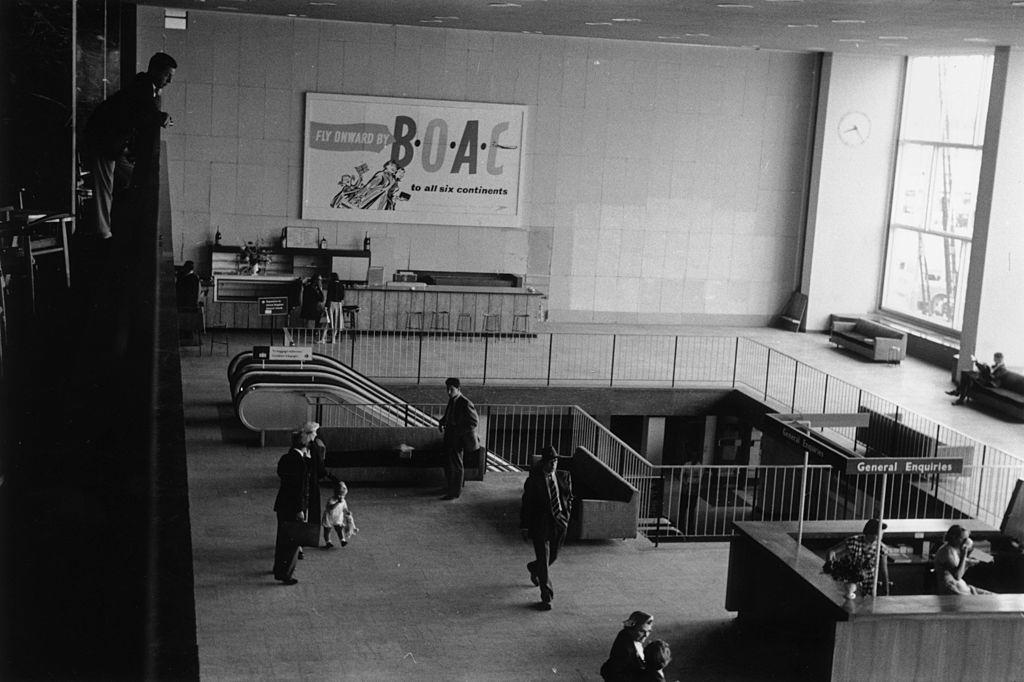
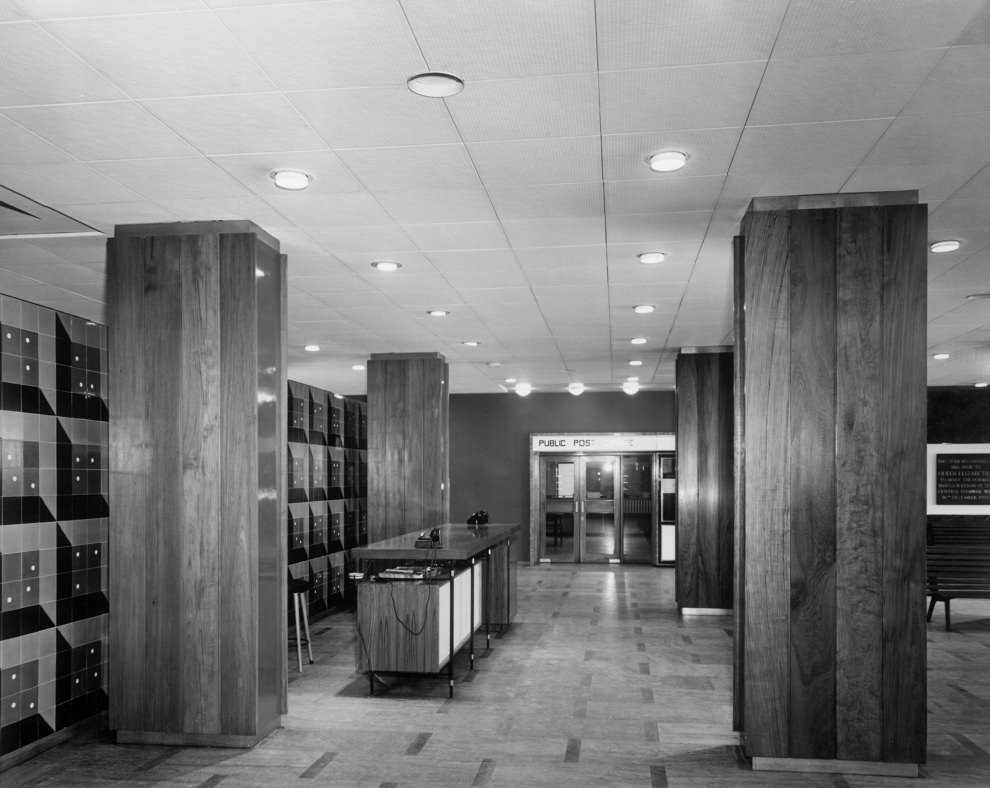
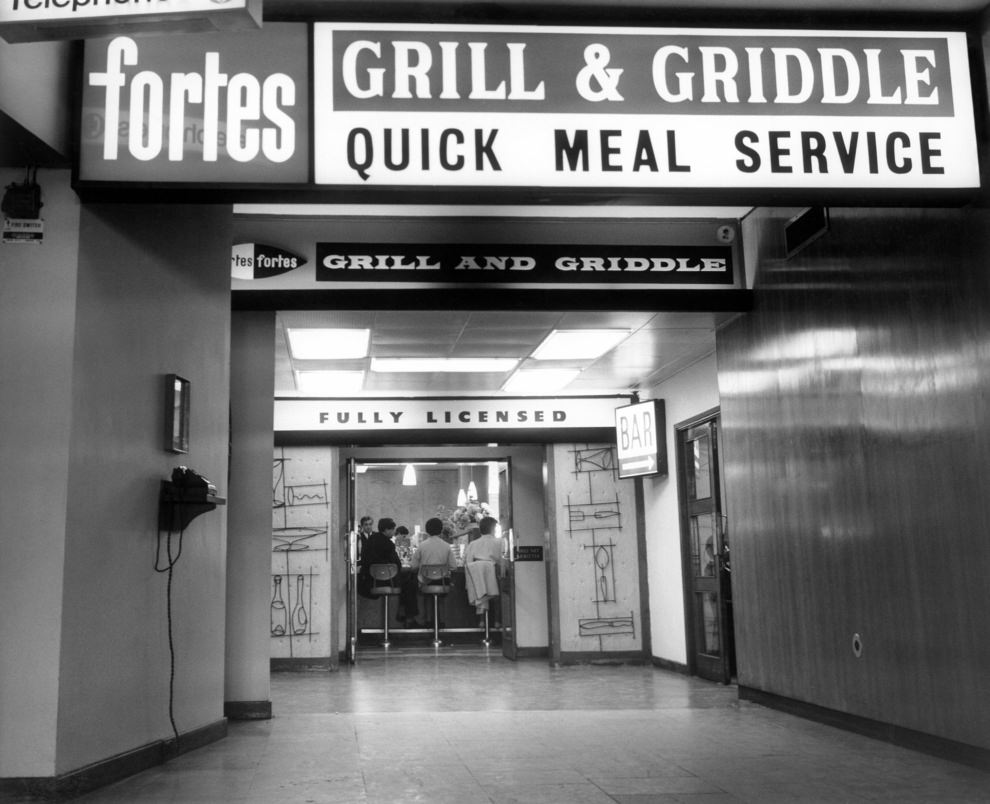
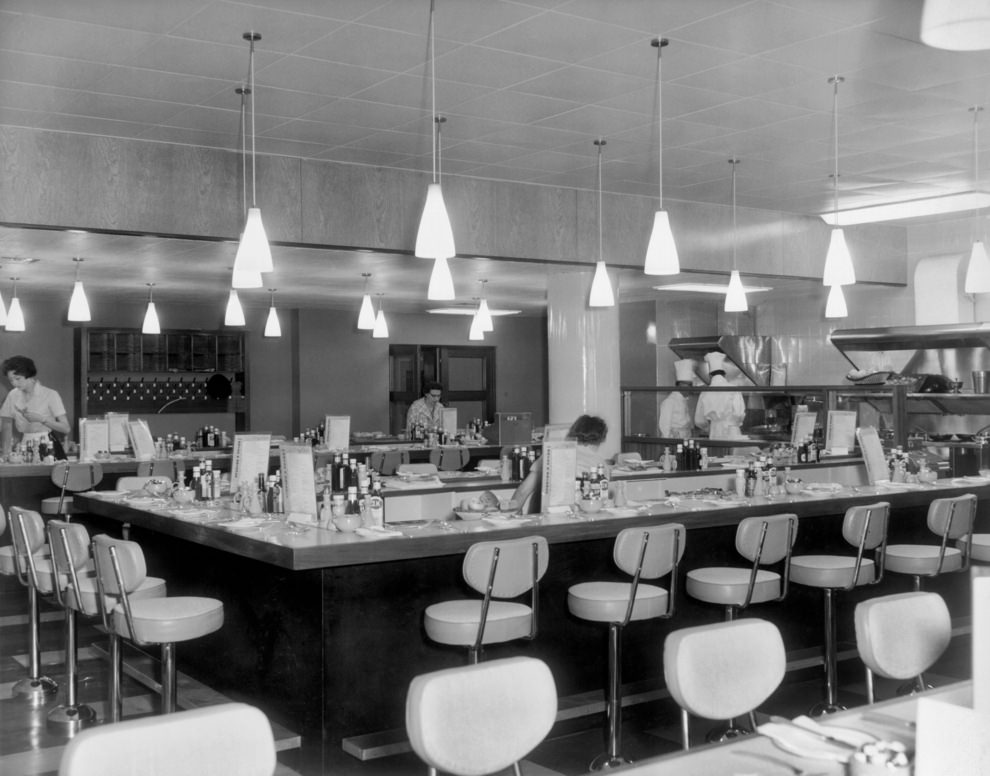
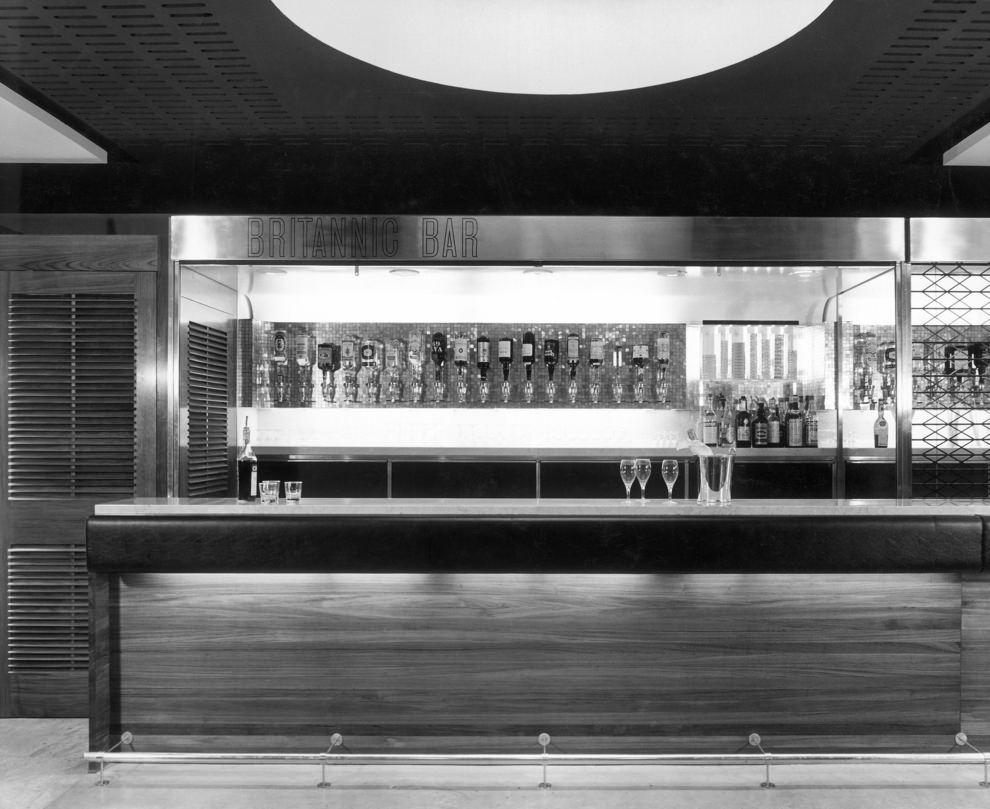
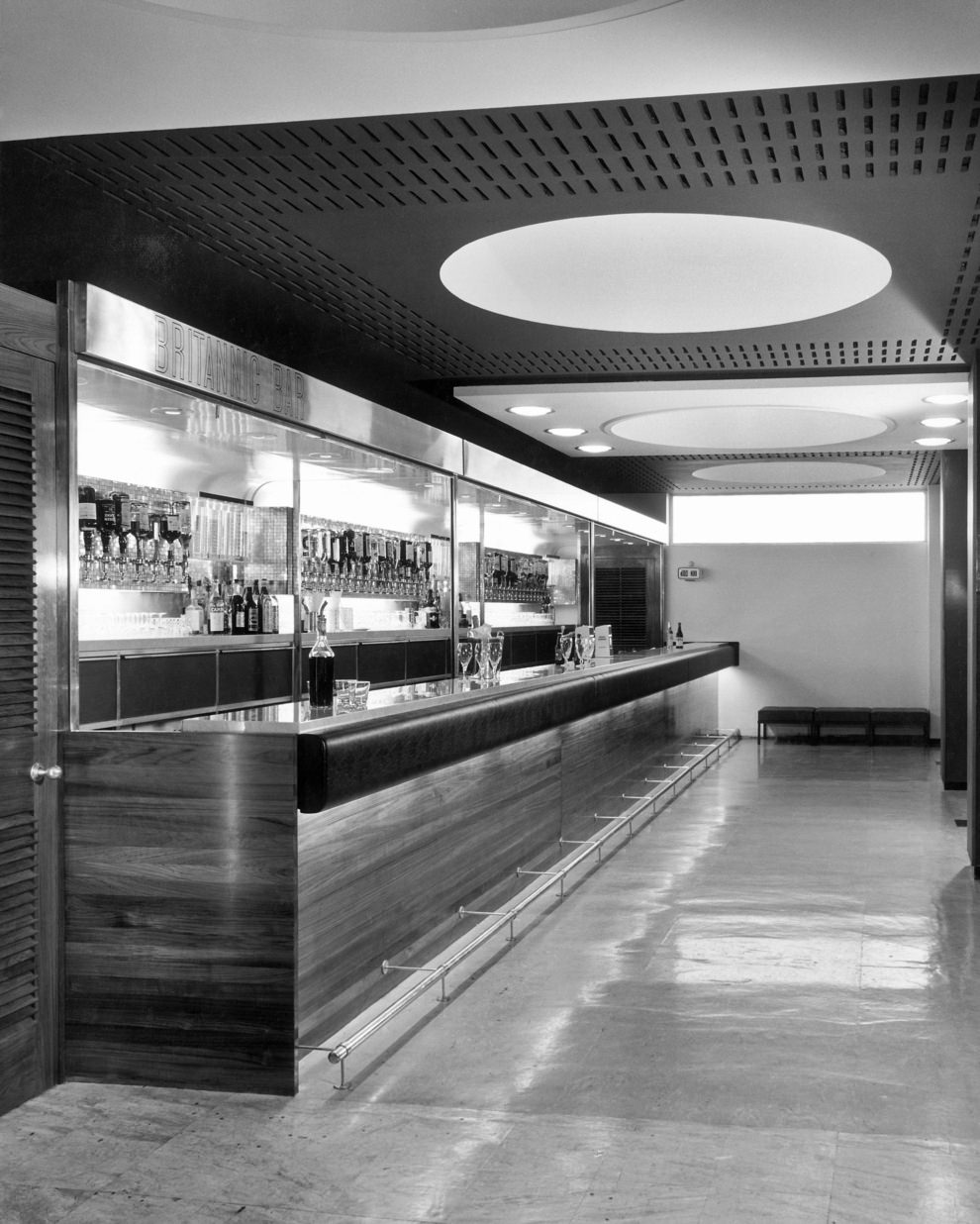
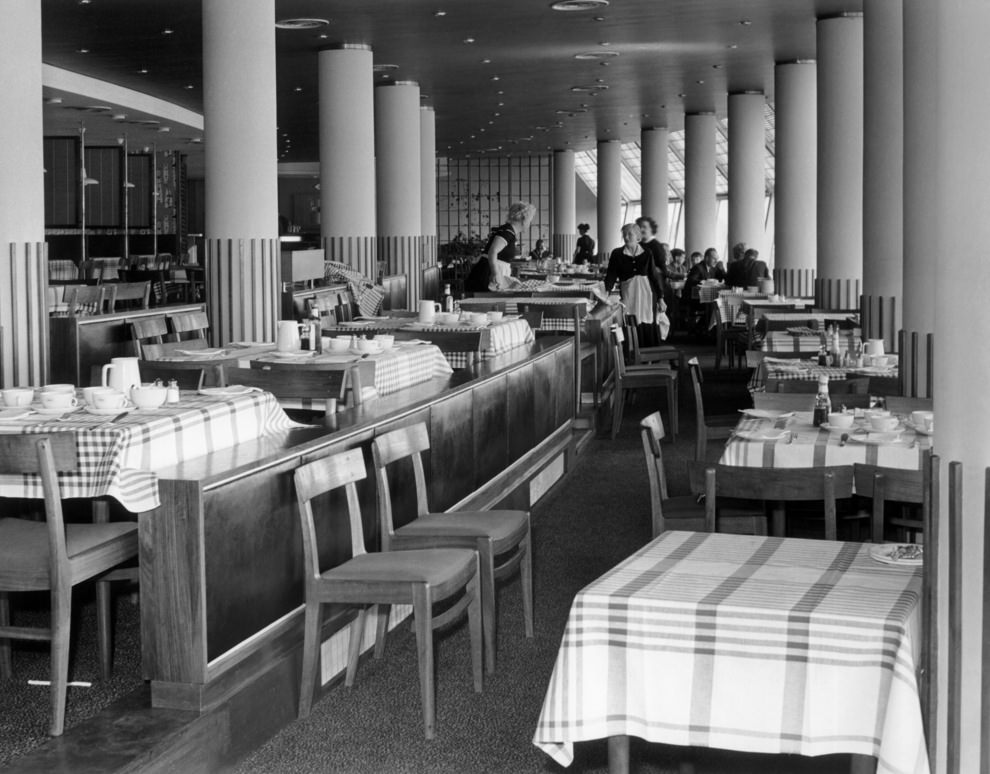
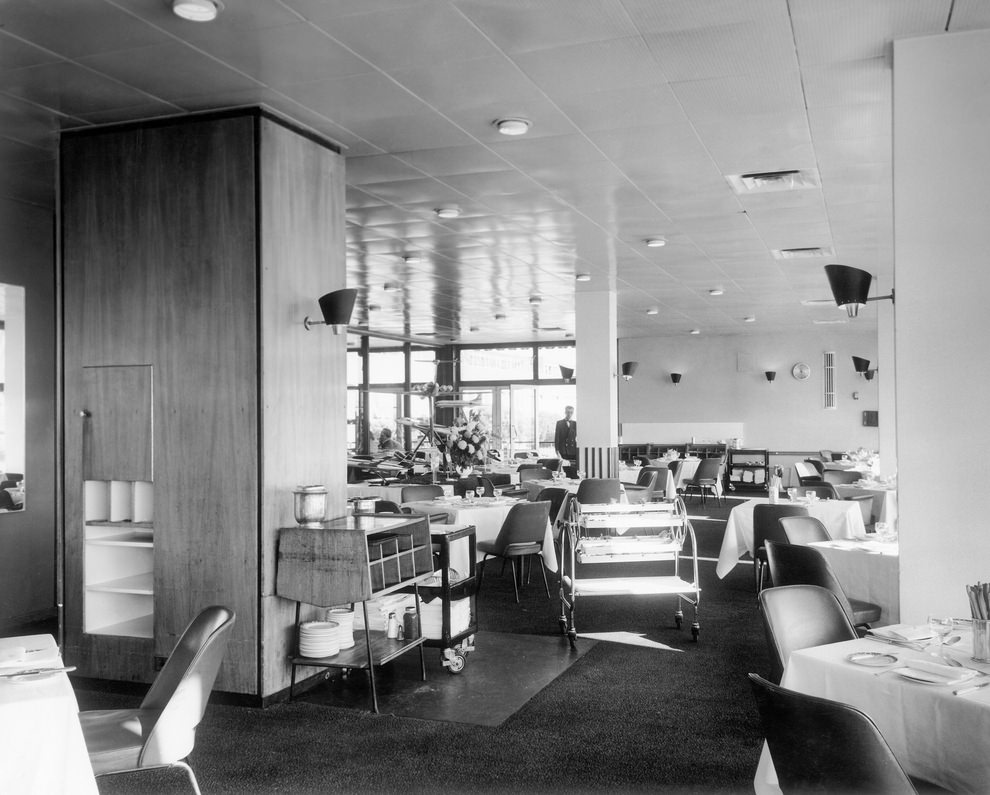
Catering at Heathrow in the 1950s was largely run by Forte’s, a British hospitality company that operated multiple outlets inside the terminal. Passengers could stop at a quick snack bar, sit down at the Grill and Griddle restaurant, or browse the duty-free shop before heading to their gate. The Britannic Bar and cocktail lounge offered something more relaxed for those with time to spare. For the era, this range of options was considered impressive.
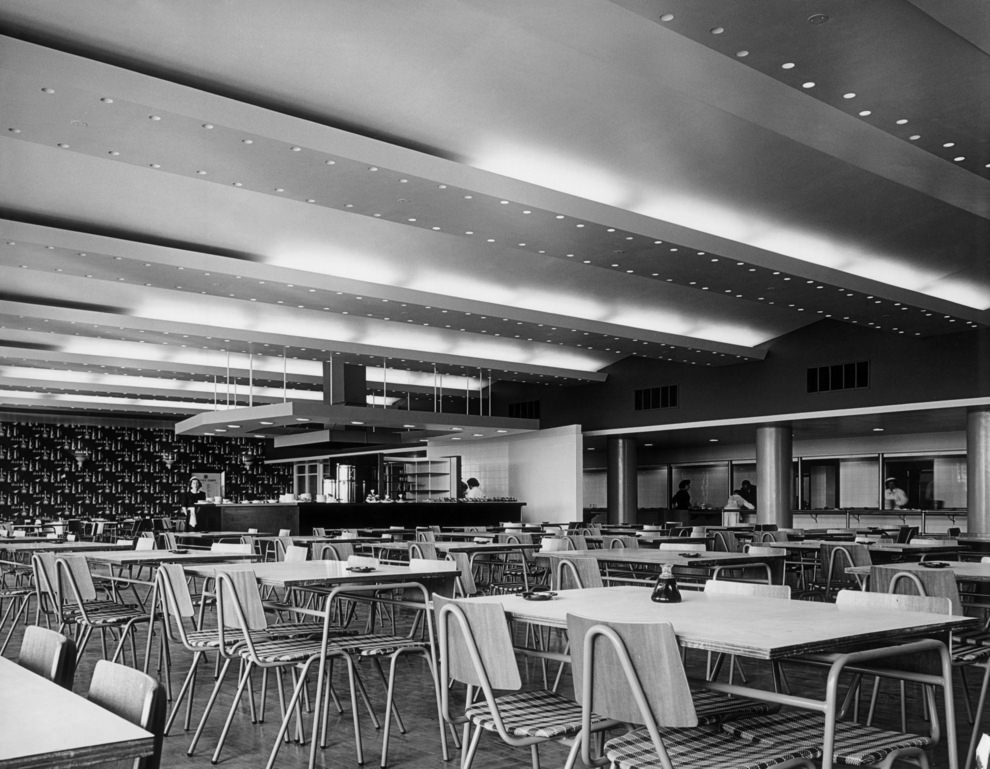
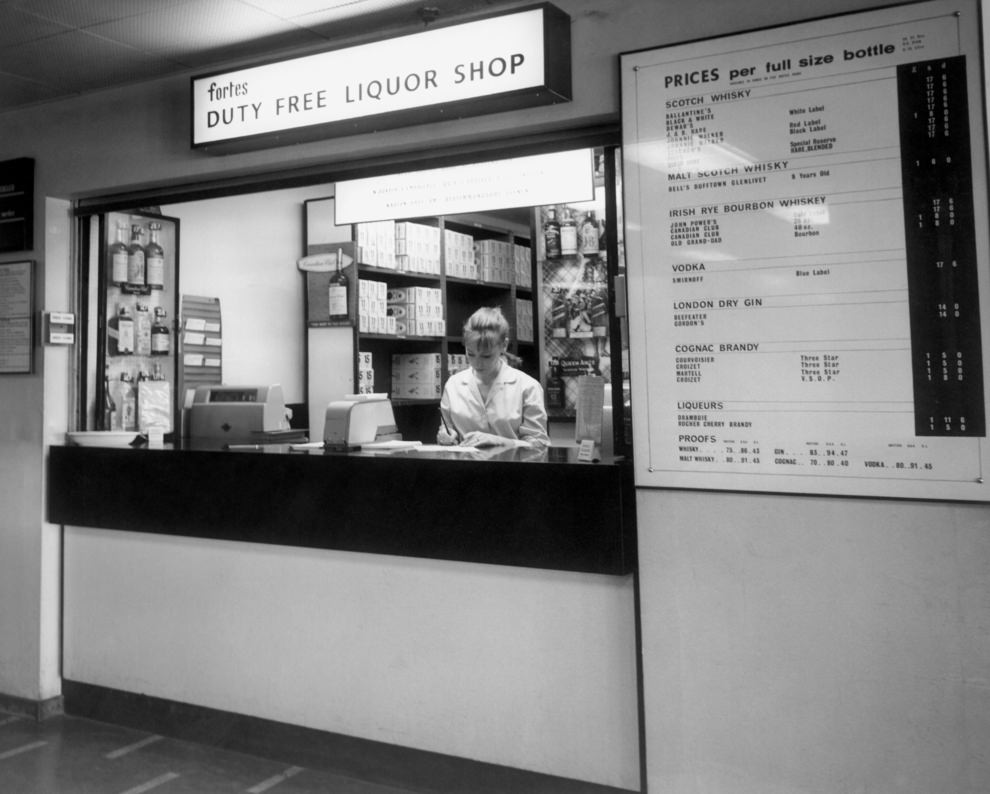
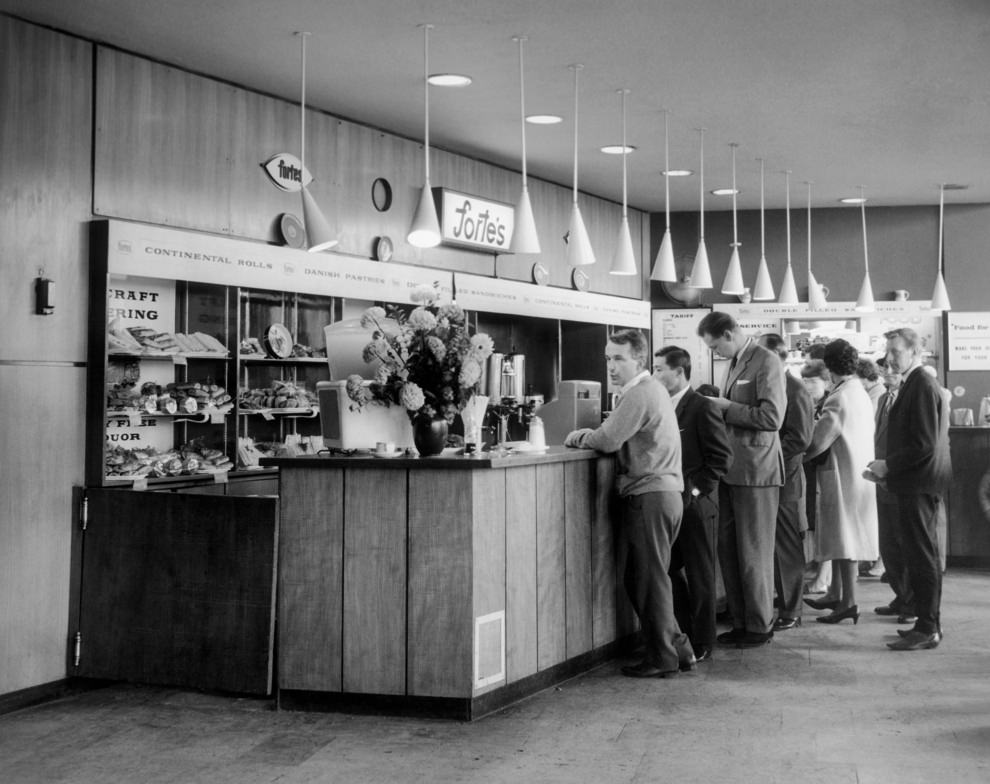
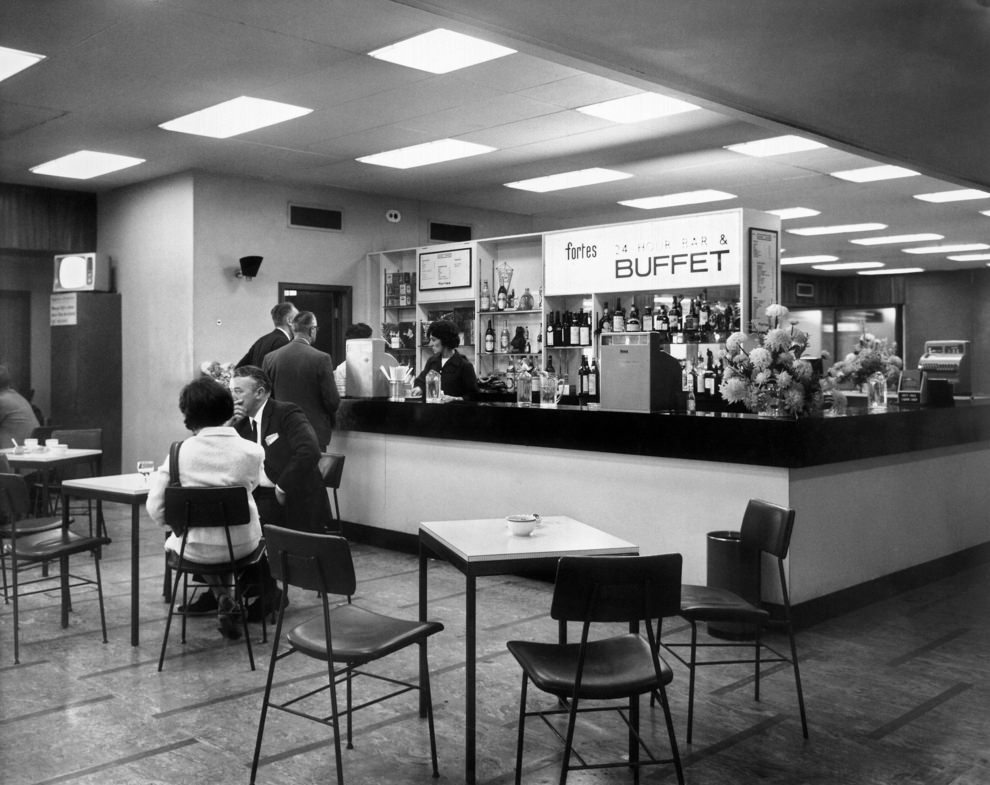
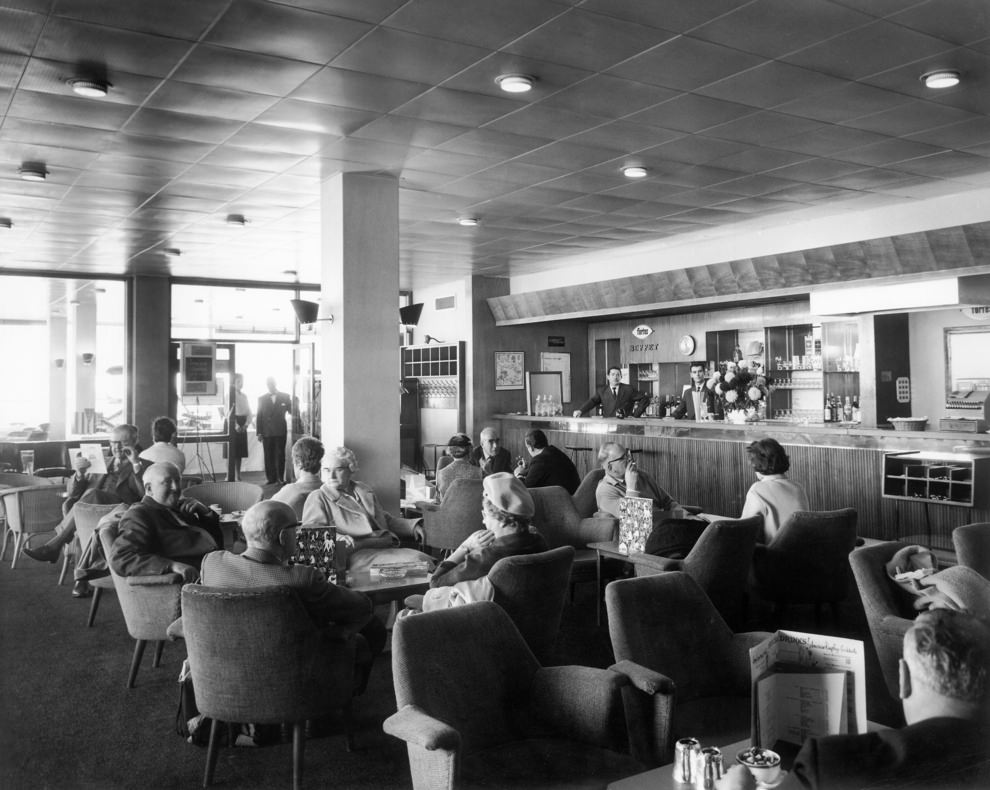
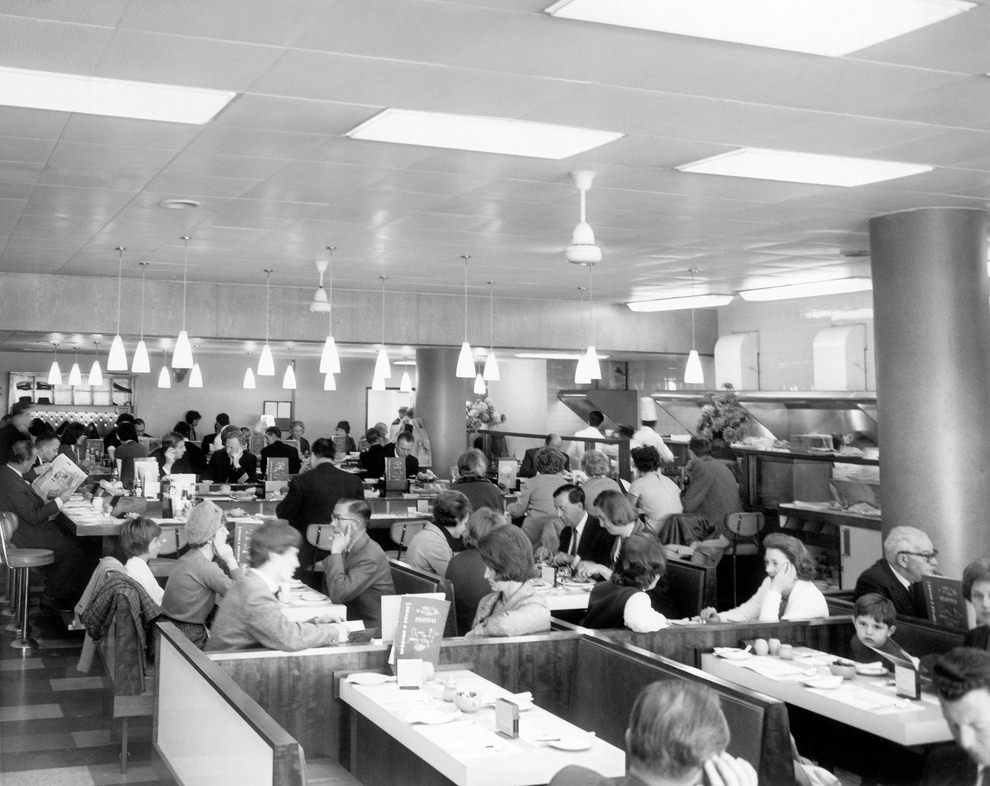
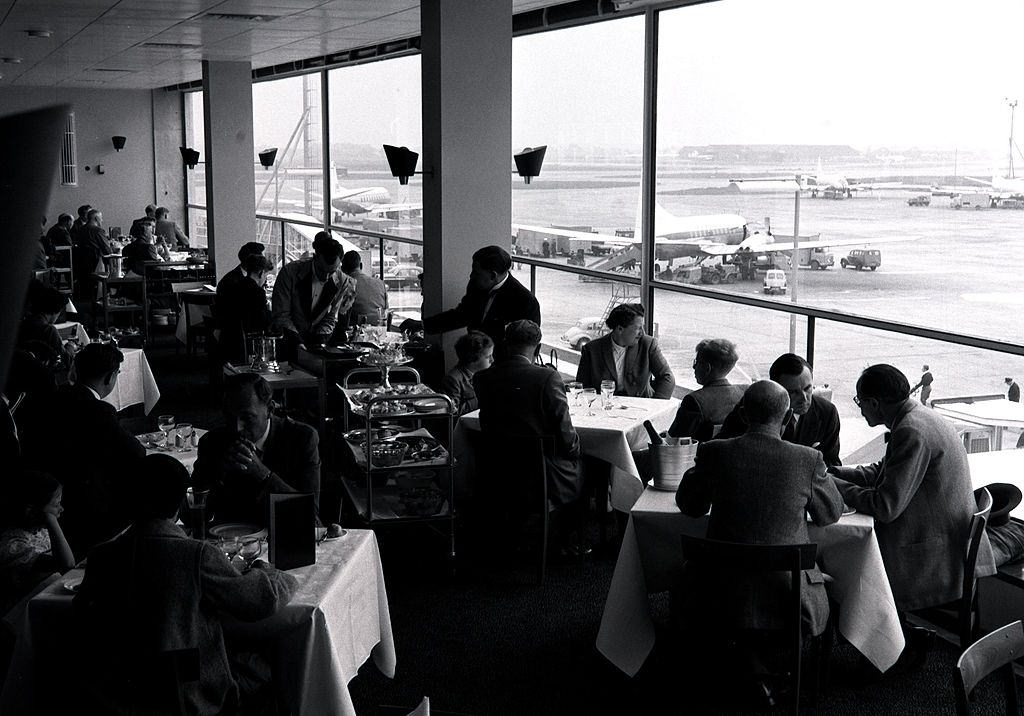
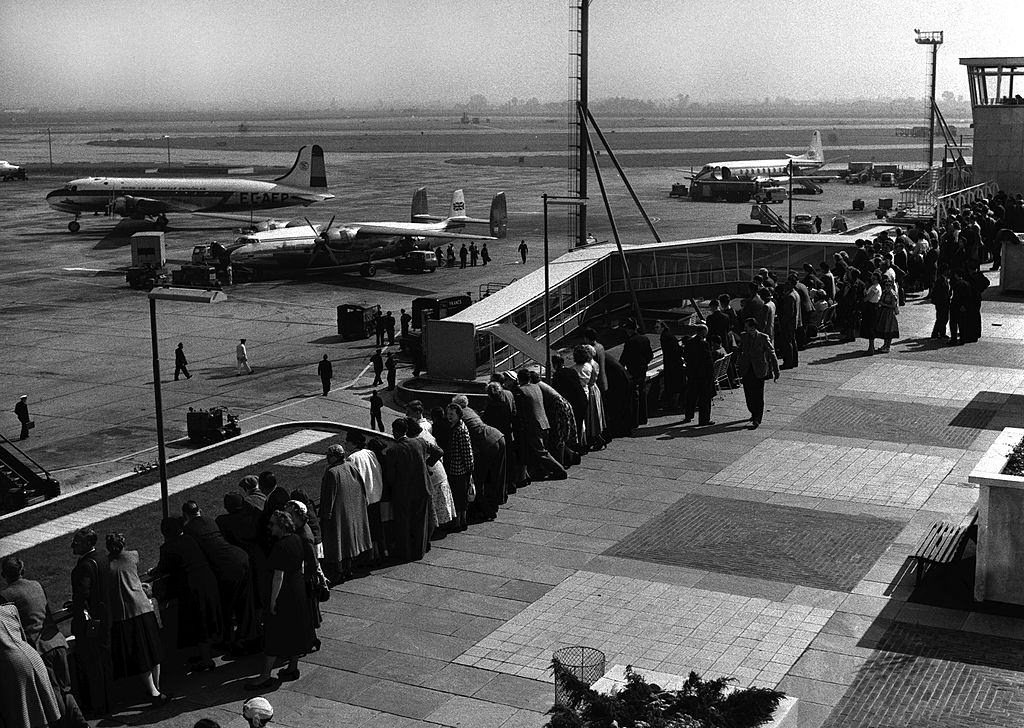
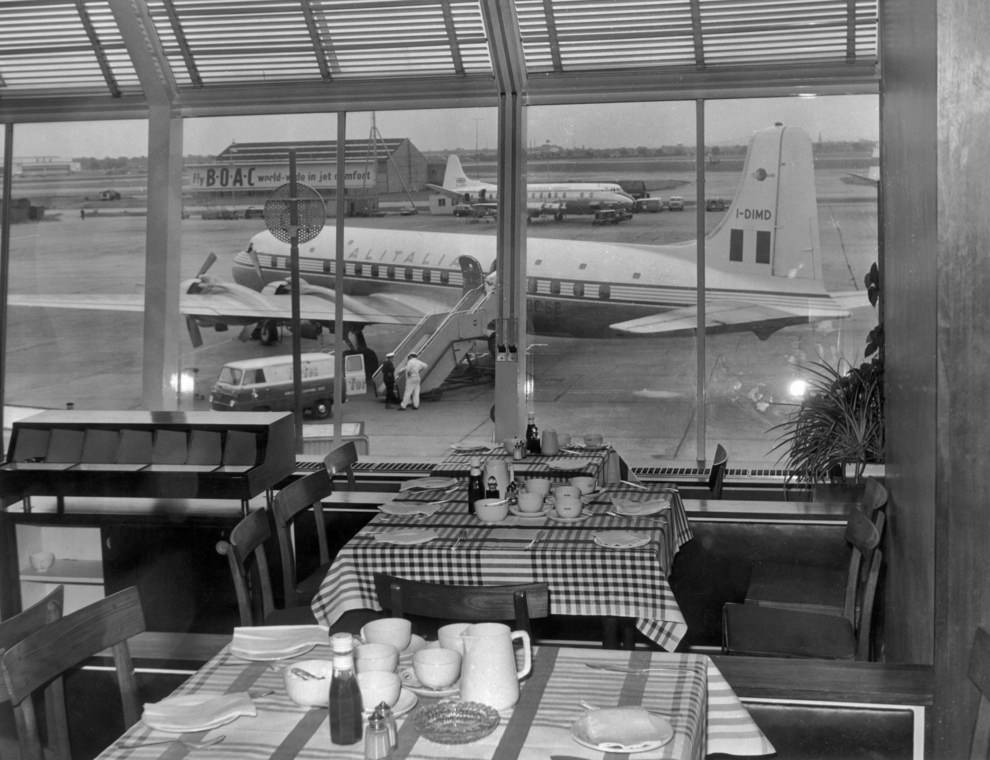
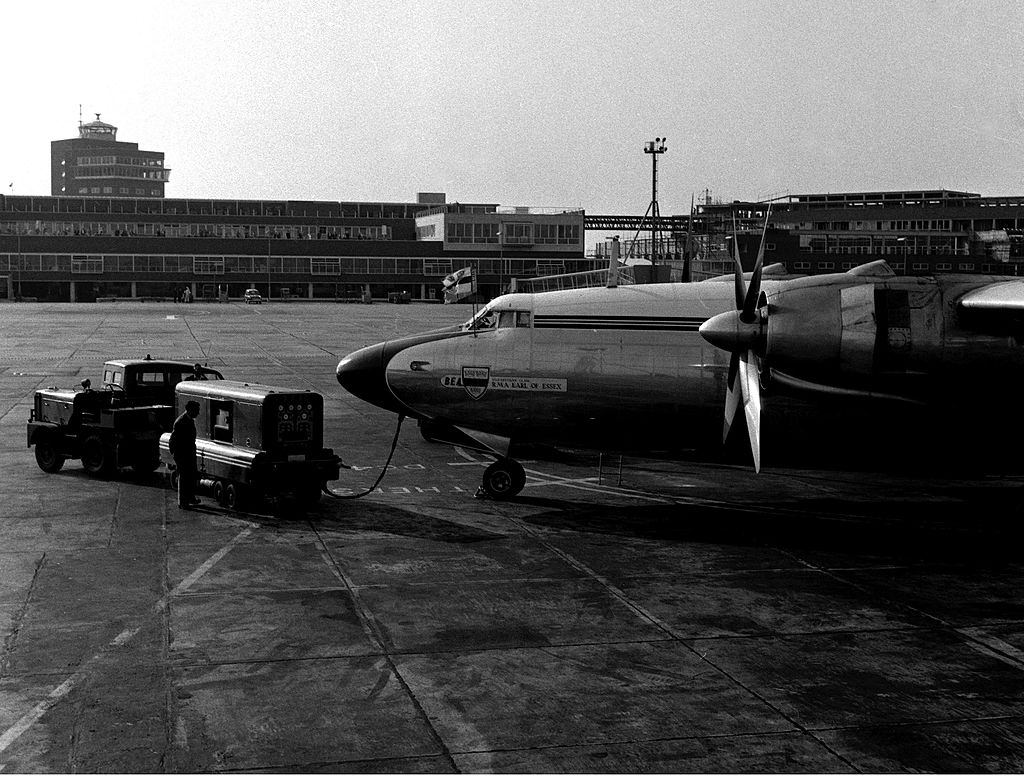
For passengers who wanted to watch the action on the apron, the airside restaurant offered a front-row view. Floor-to-ceiling windows looked out over the tarmac, where ground crews refueled aircraft and passengers boarded through mobile stairs. Friends and family who weren’t flying could climb to the flat roof of the terminal building to wave goodbye as planes taxied and took off — a public viewing experience that was a genuine attraction at the time.
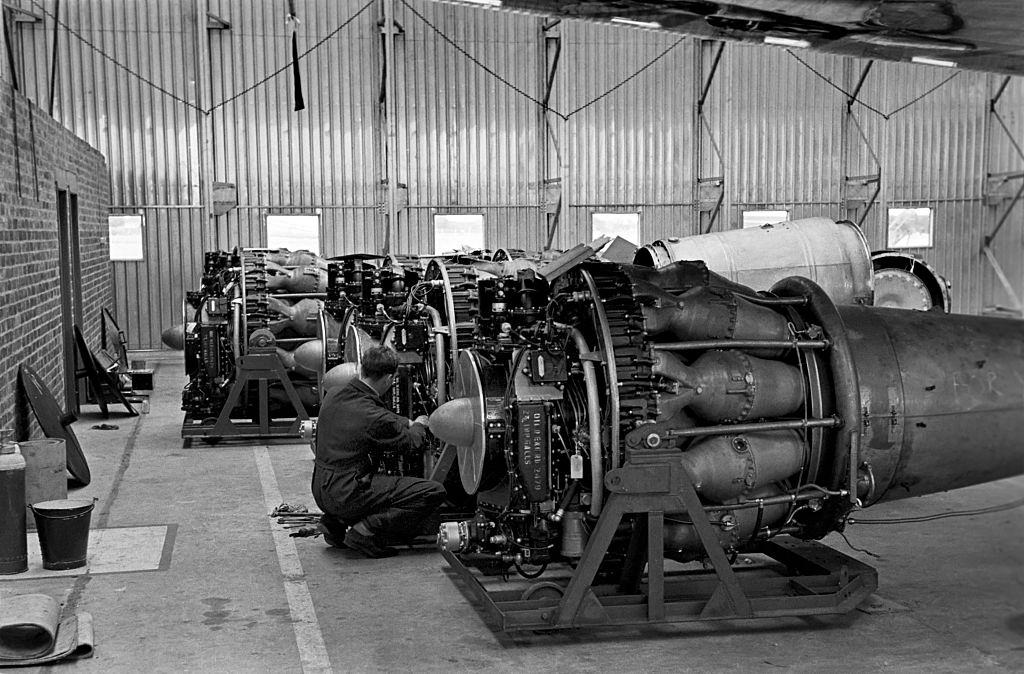
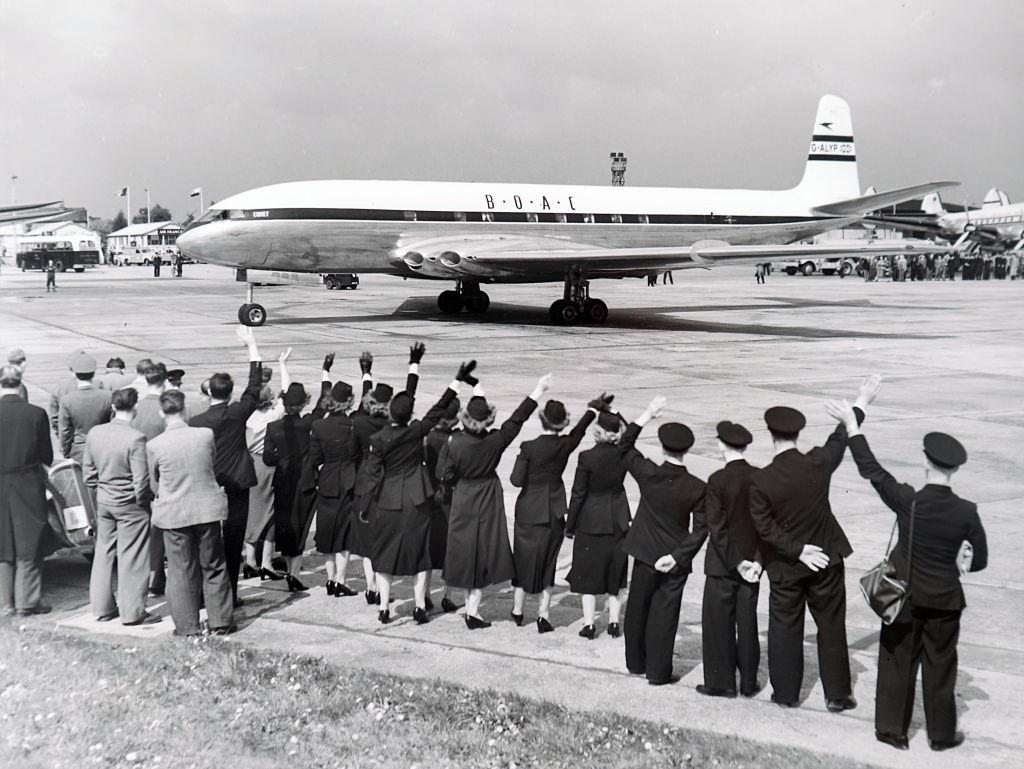
On the operational side, ground crews worked constantly to keep aircraft airworthy and on schedule. BOAC — the British Overseas Airways Corporation — was Heathrow’s dominant carrier, and its mechanics were responsible for maintaining some of the most advanced aircraft of the era. The de Havilland Comet, the world’s first commercial jet airliner, was serviced right here at Heathrow. Watching BOAC engineers work on those sleek jets was a glimpse into the cutting edge of aviation technology in the early 1950s.
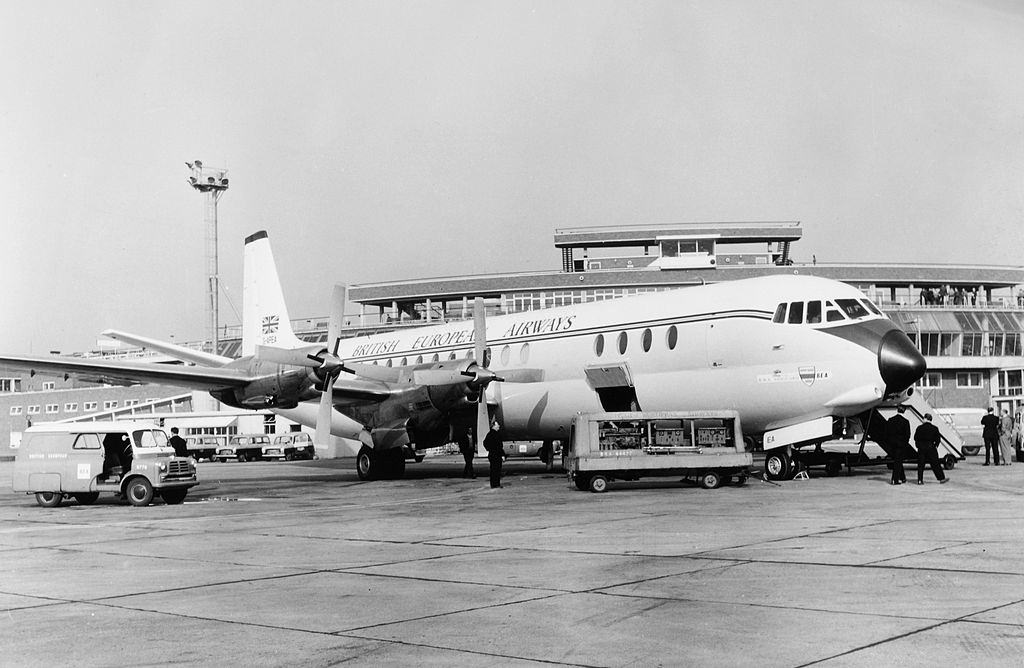
By the late 1950s, propeller aircraft were sharing the skies with a new generation of turboprops. The Vickers Armstrong Vanguard was one of the most powerful turboprop airliners of its day, capable of carrying far more passengers than its predecessors. Scenes of it preparing for departure at Heathrow captured a moment when aviation was shifting gears — faster, bigger, and bound for more distant destinations.
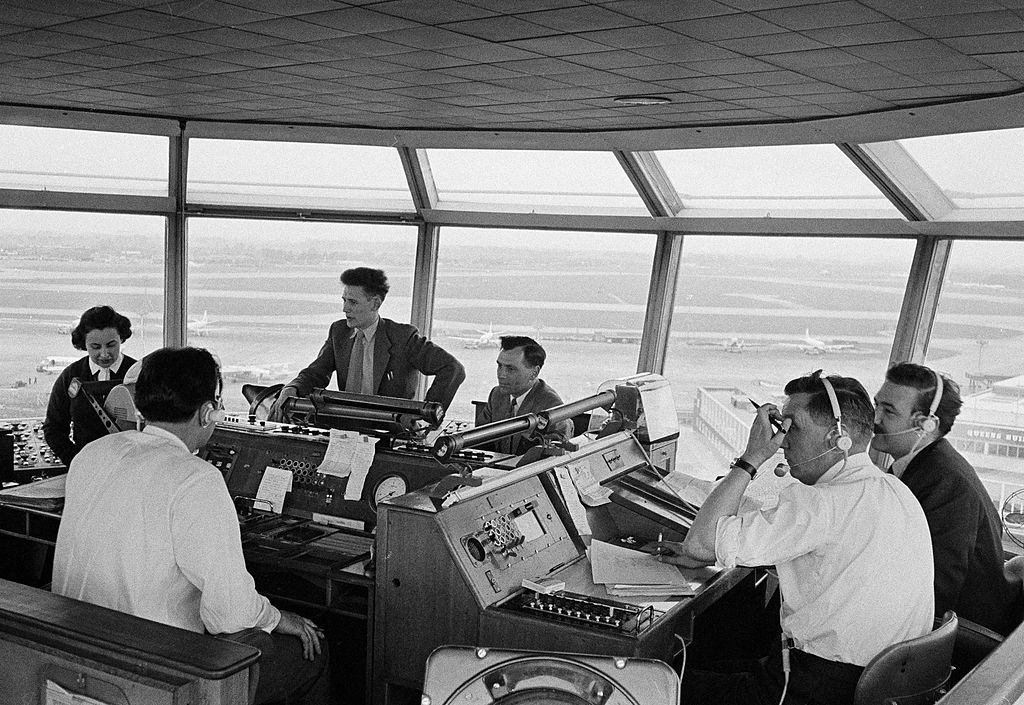
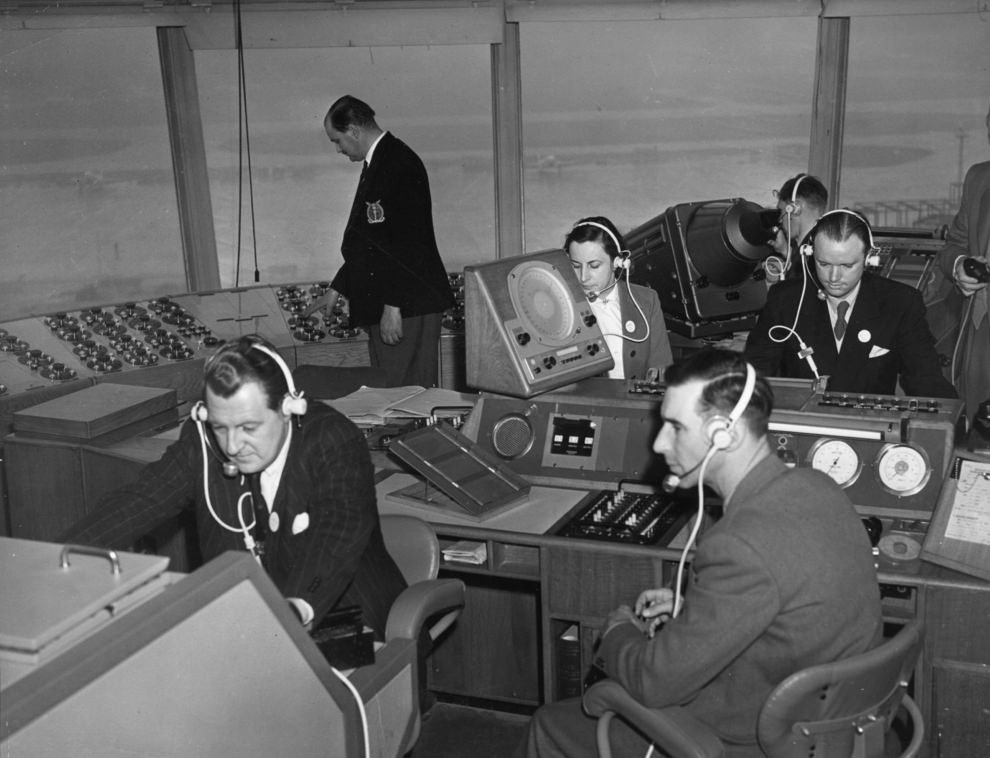
Keeping all of this air traffic moving safely required a strong control tower operation. Heathrow’s air traffic controllers managed an increasingly complex mix of aircraft types, routes, and schedules from their elevated positions above the terminal complex. The control towers of the 1950s were modest structures by later standards, but the work carried out inside them was anything but.
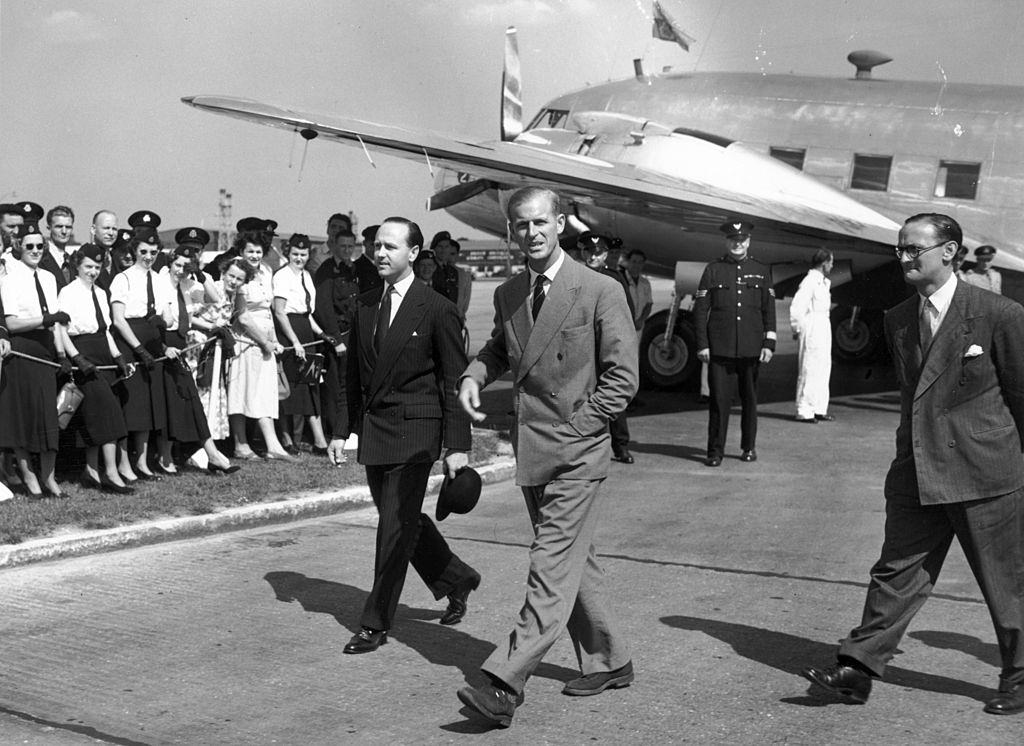
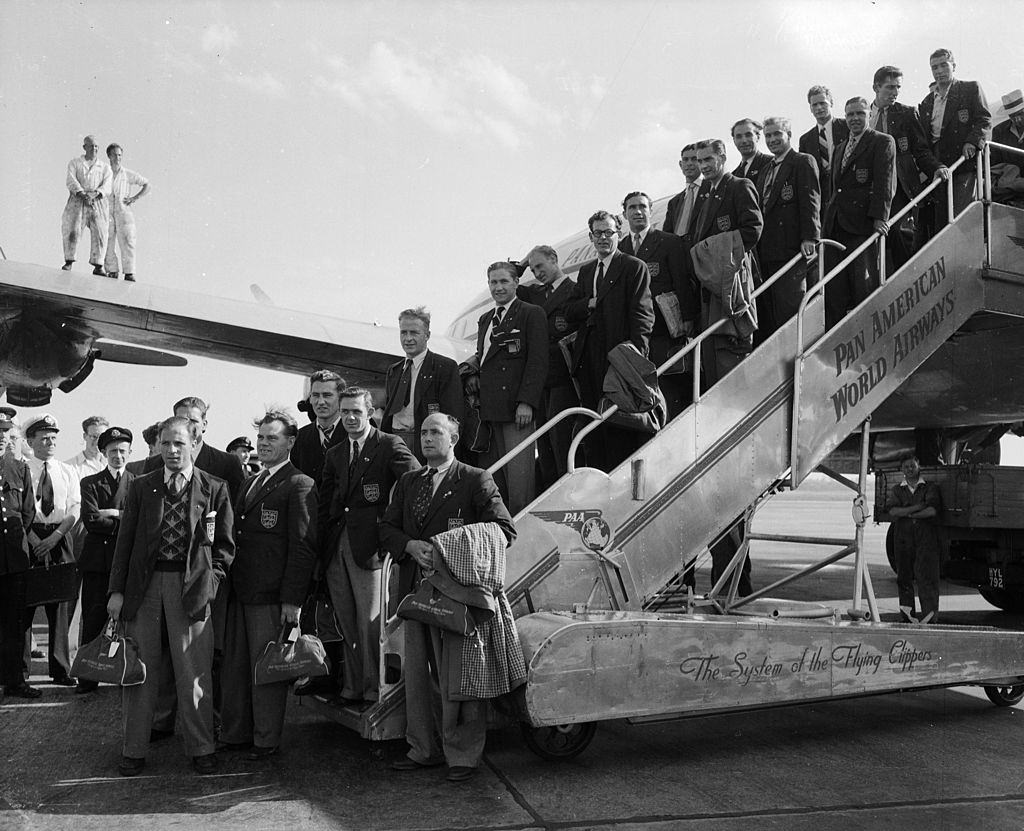
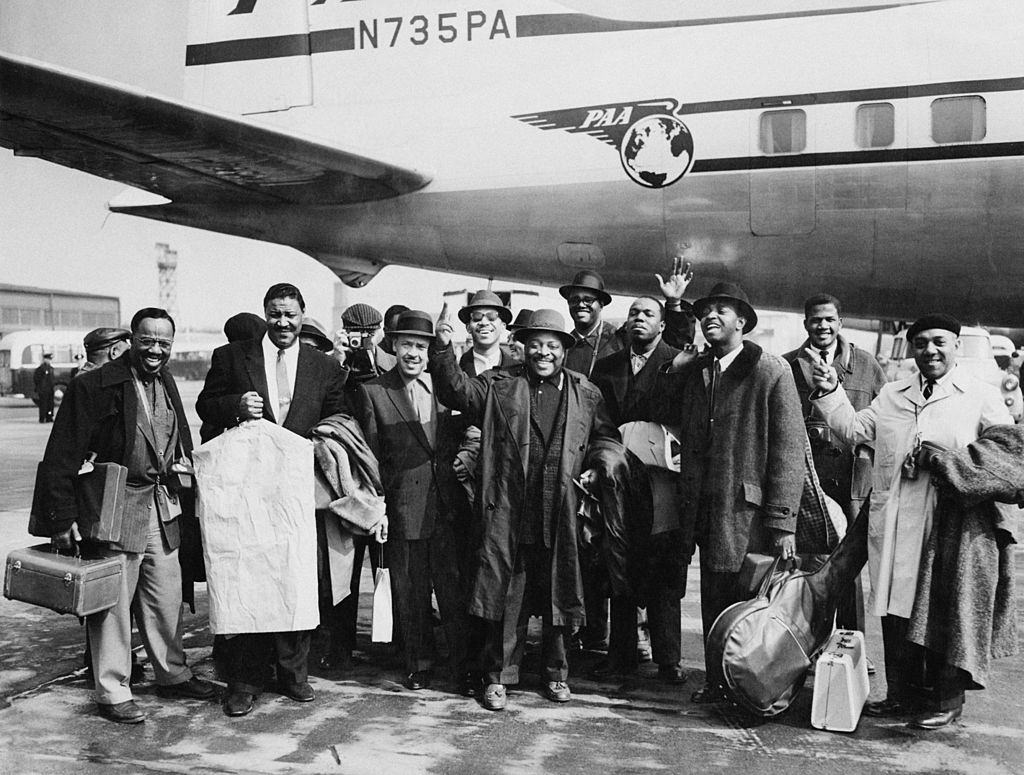
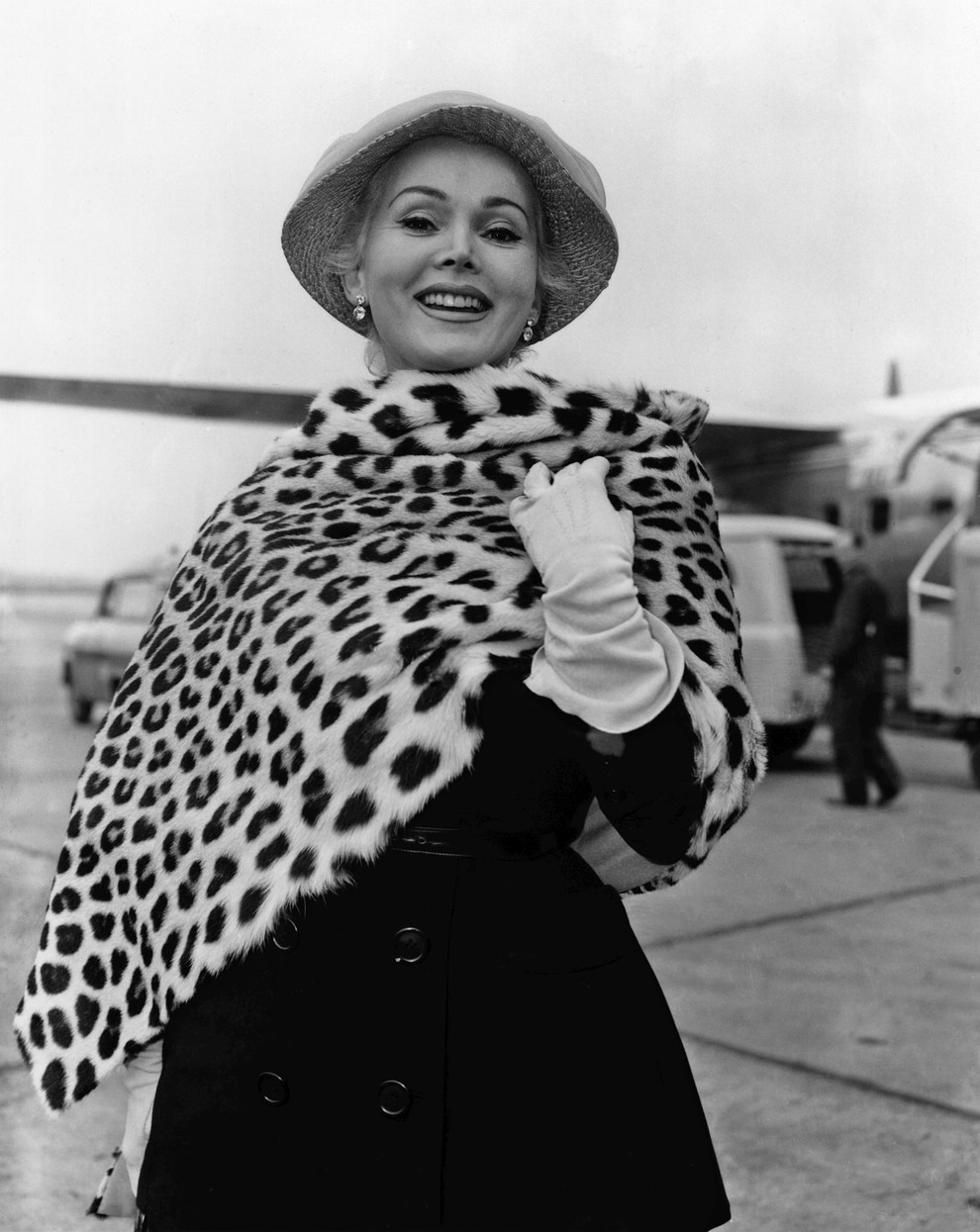
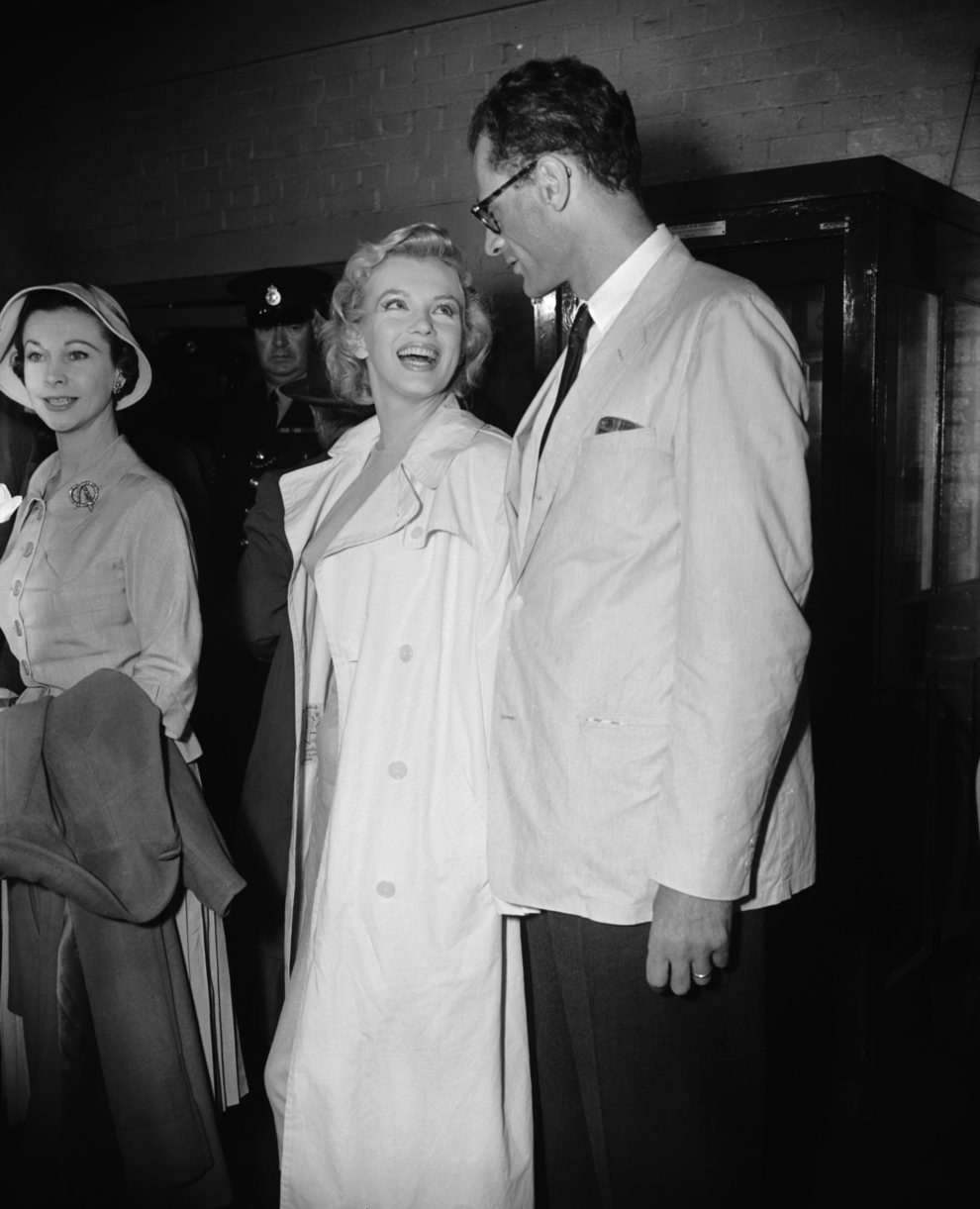
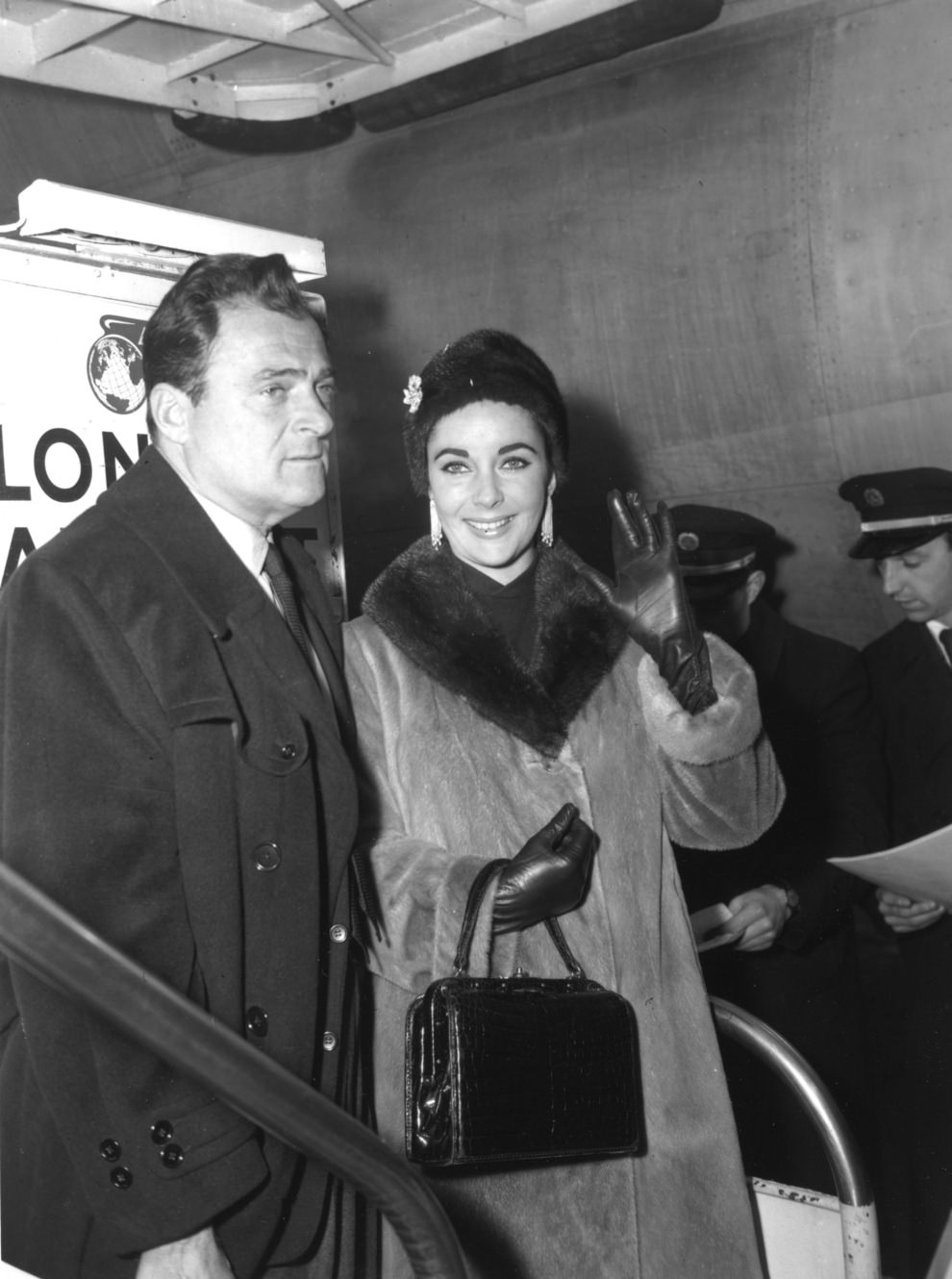
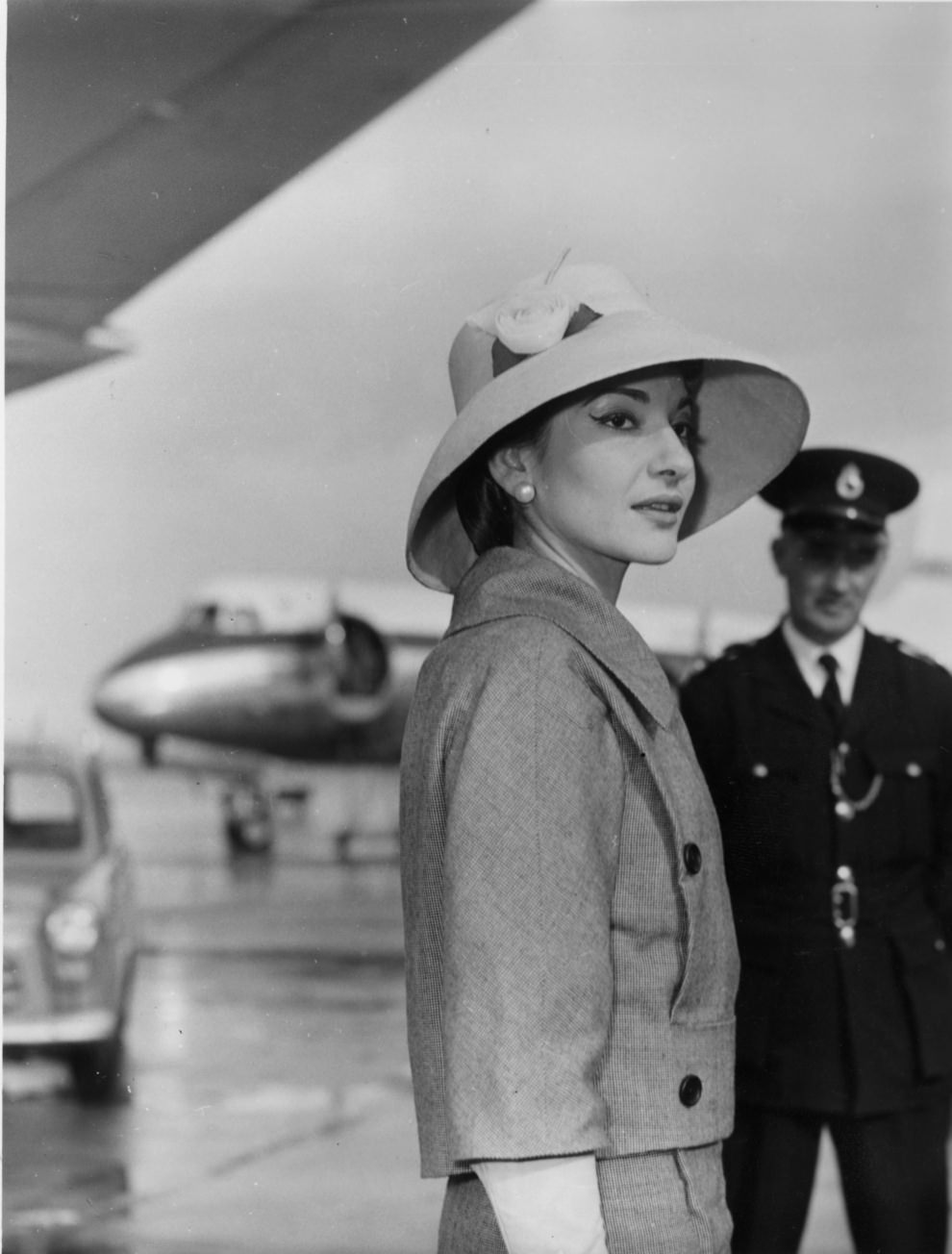
Heathrow in the 1950s was also a stage for celebrity arrivals and departures. Stars, royals, athletes, and musicians passed through its gates regularly, and photographers were always waiting. In July 1950, the Duke of Edinburgh arrived at Heathrow on leave from his naval duties in Malta. That same year, the England football team landed back at the airport after their devastating World Cup exit in Rio de Janeiro. American jazz legend Count Basie touched down in April 1957 ahead of a British tour, while opera star Maria Callas and actress Zsa Zsa Gabor were both photographed arriving in separate visits. Marilyn Monroe and her husband, playwright Arthur Miller, passed through in 1956. Elizabeth Taylor arrived with film producer Mike Todd in 1958. Each arrival drew a crowd.
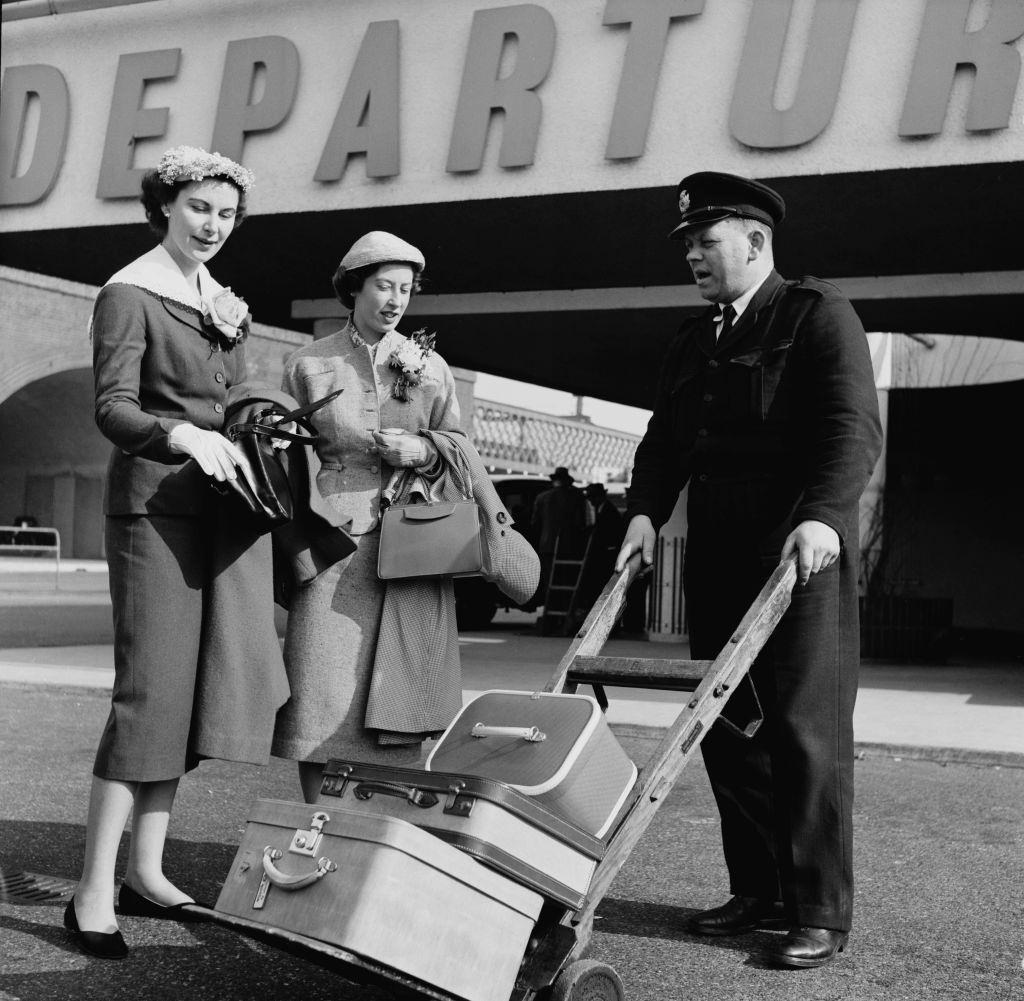
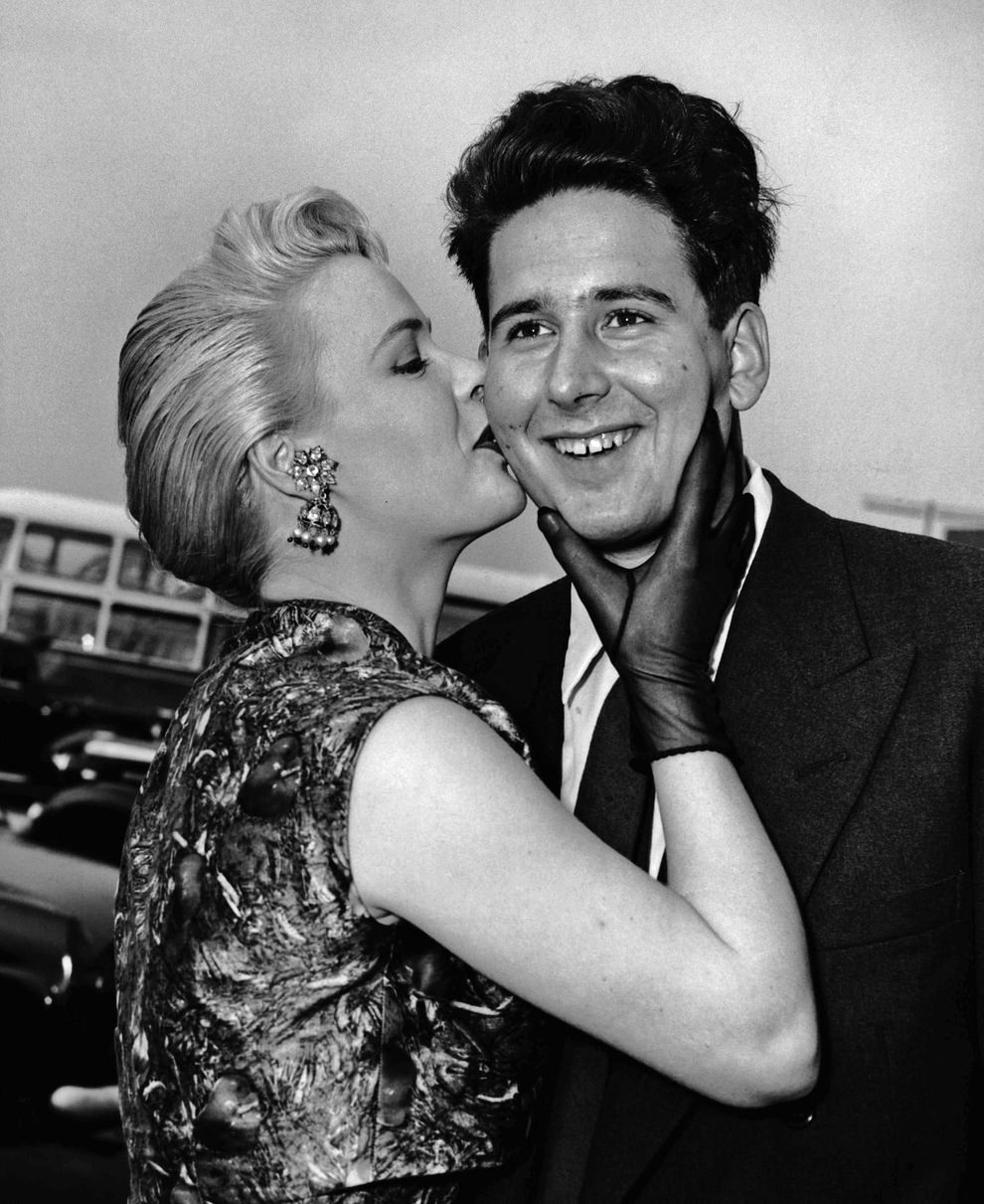
Not every arrival was a Hollywood name. Journalist Anne Scott-James was photographed at Heathrow in March 1954 before setting off on a European tour. Lord Anthony Moynihan, the 3rd Baron Moynihan, was welcomed back to the airport in 1957 by ‘Miss Calypso of 1957,’ Julia Martin. These quieter, more personal moments captured the social character of Heathrow just as clearly as any celebrity snapshot.
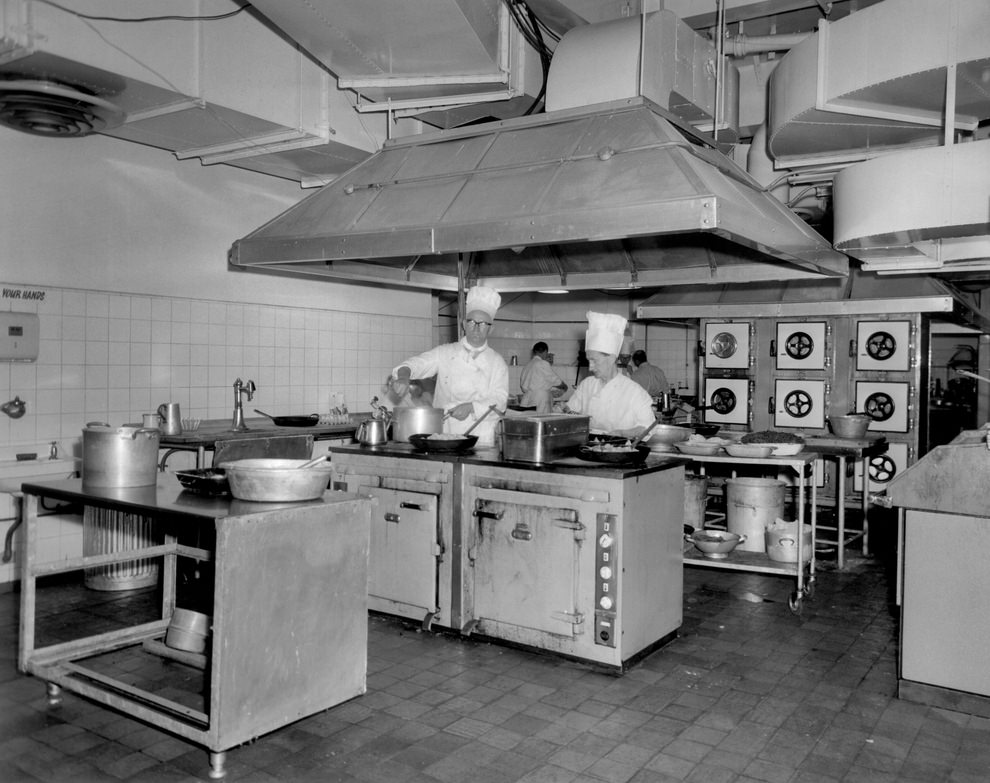
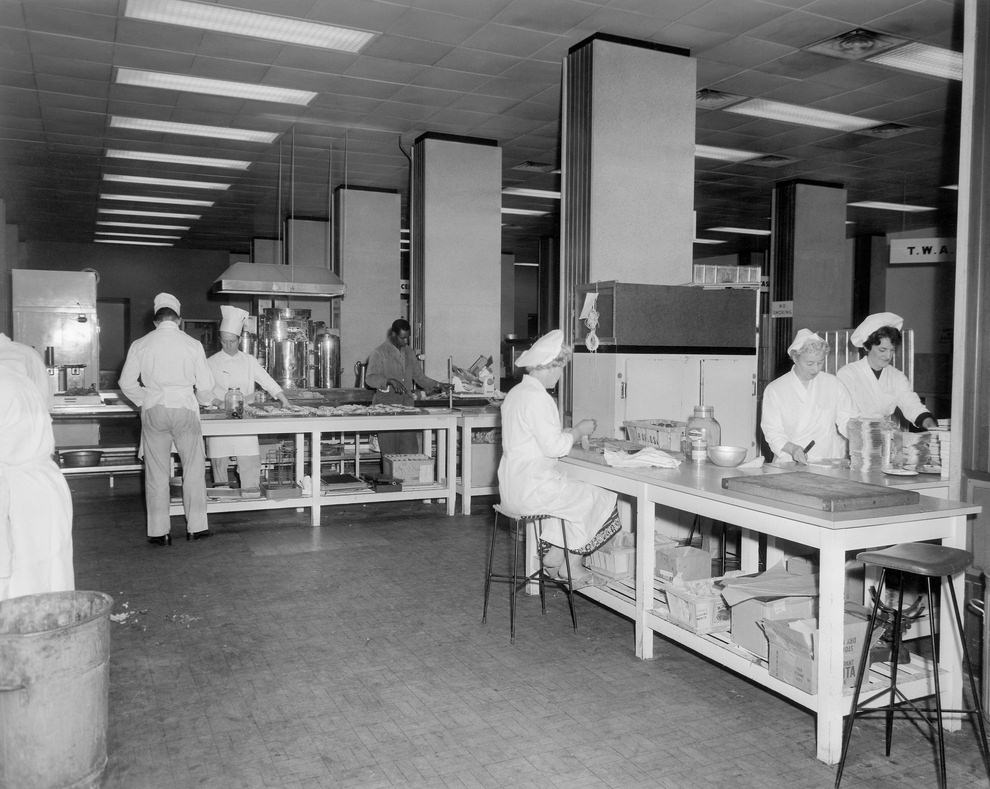
Behind the scenes, kitchens and catering prep areas ran continuously to supply both the terminal restaurants and the aircraft themselves. Aircraft catering in the 1950s was a labor-intensive operation, with meals prepared fresh and loaded onto planes before each departure. The central restaurant prep area and catering facilities show just how much effort went into feeding passengers — both on the ground and in the air.