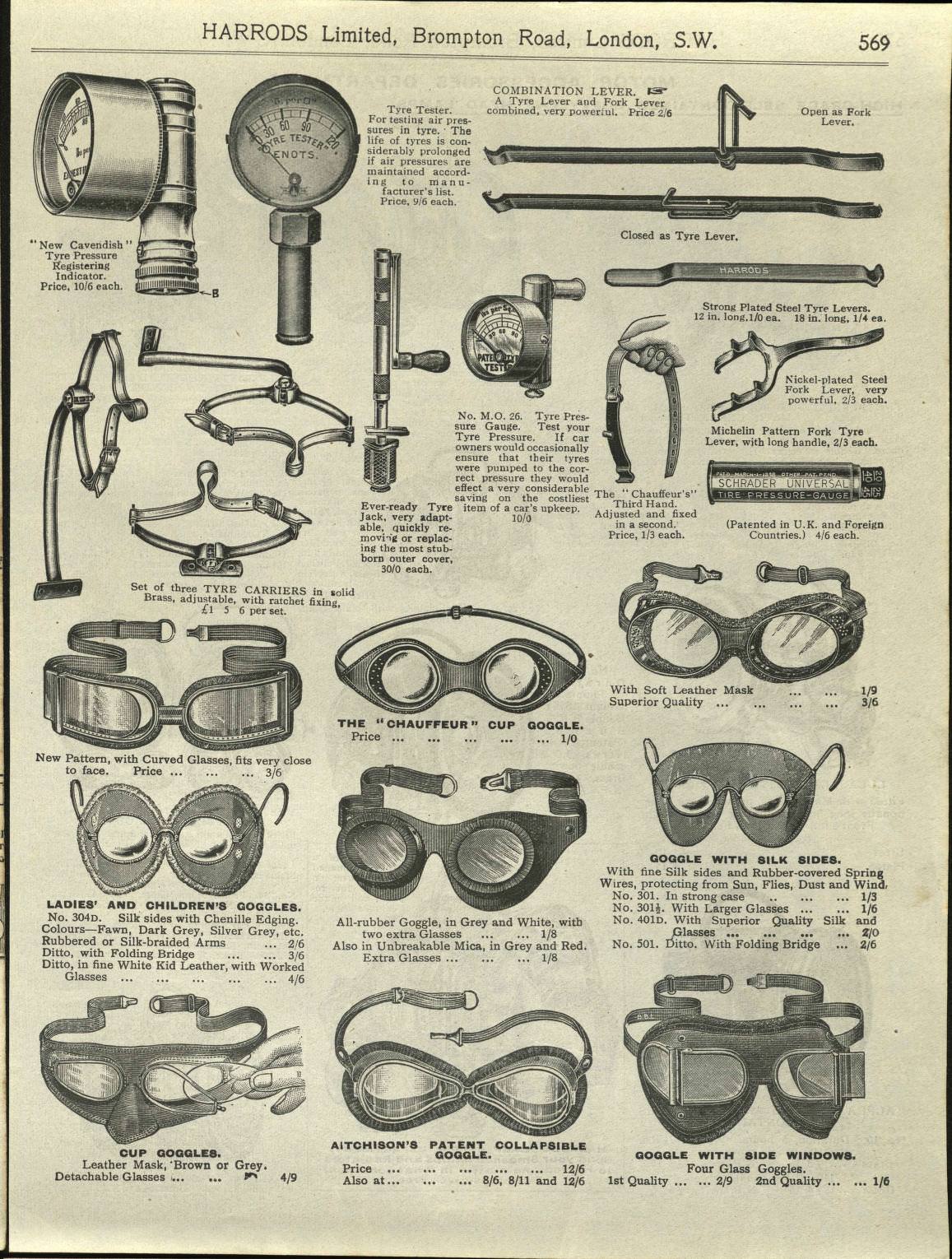
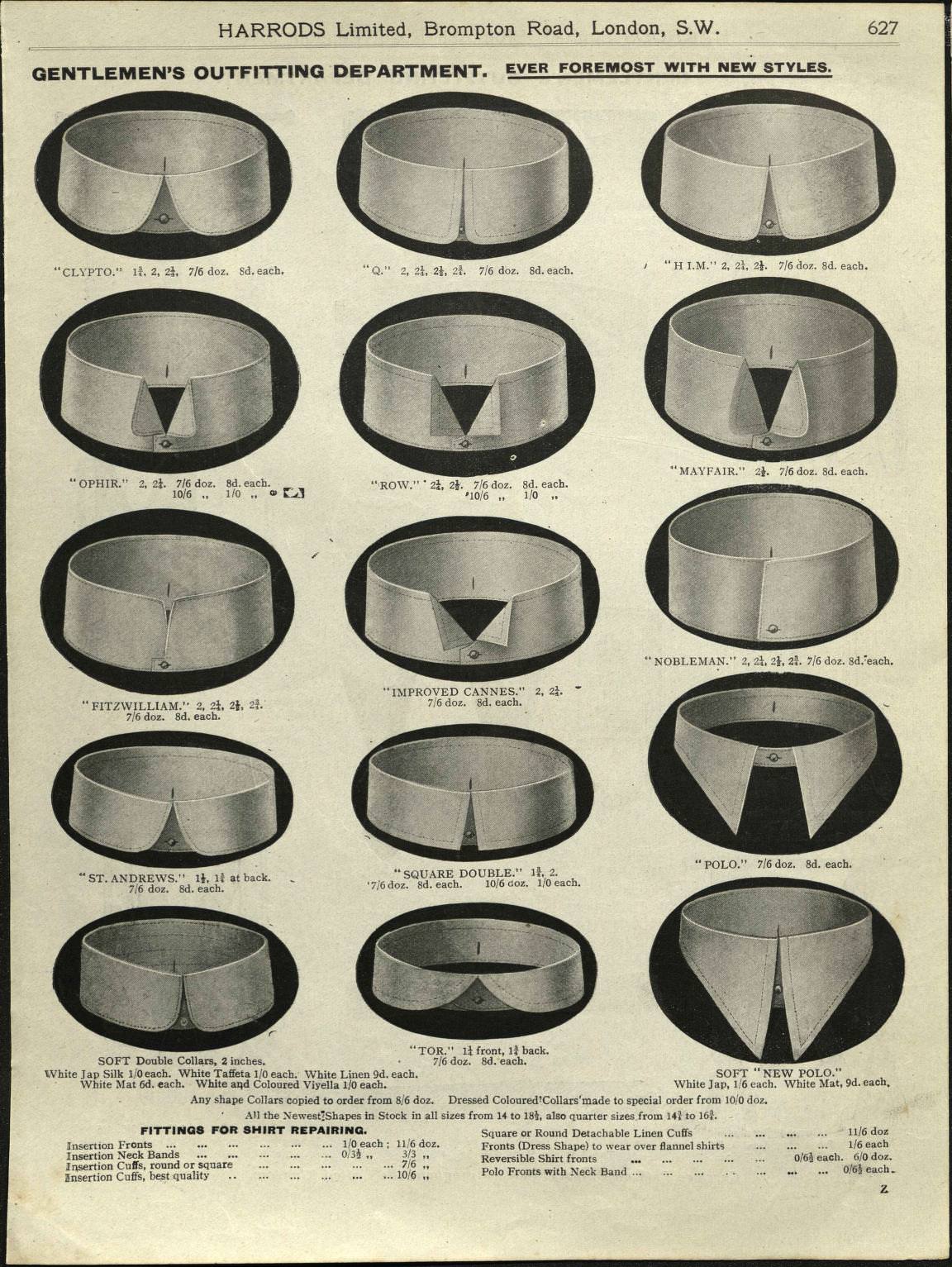
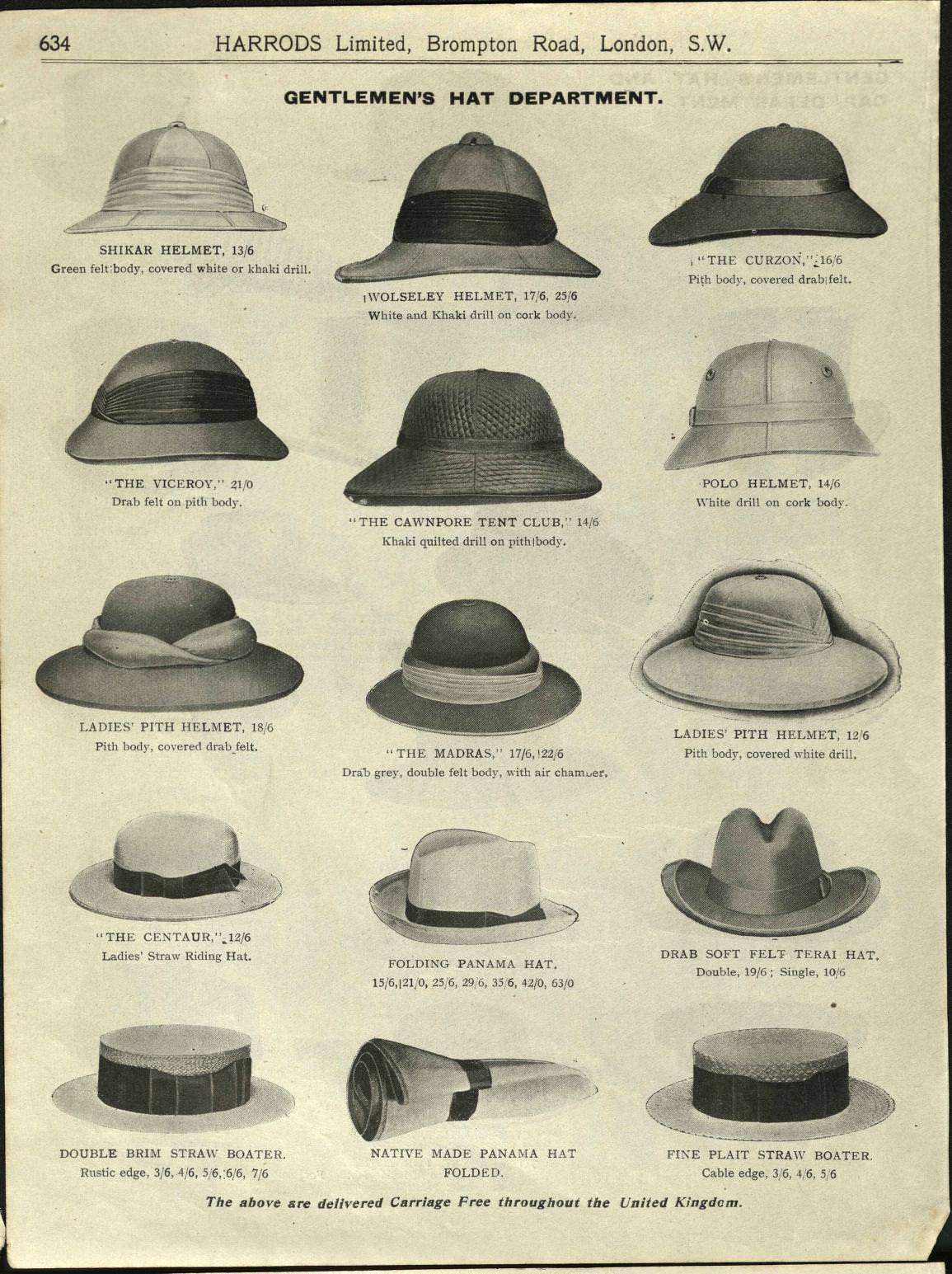
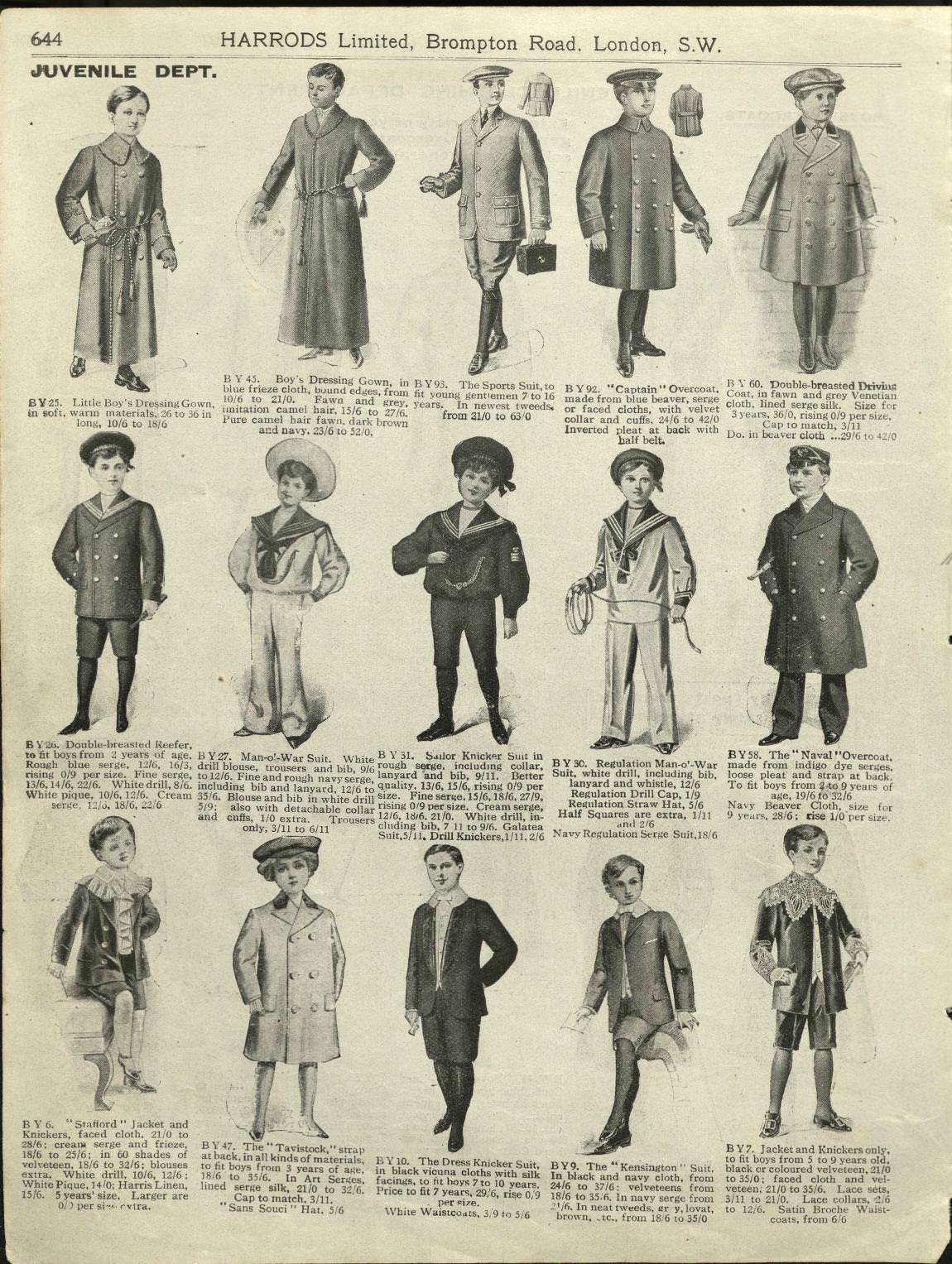
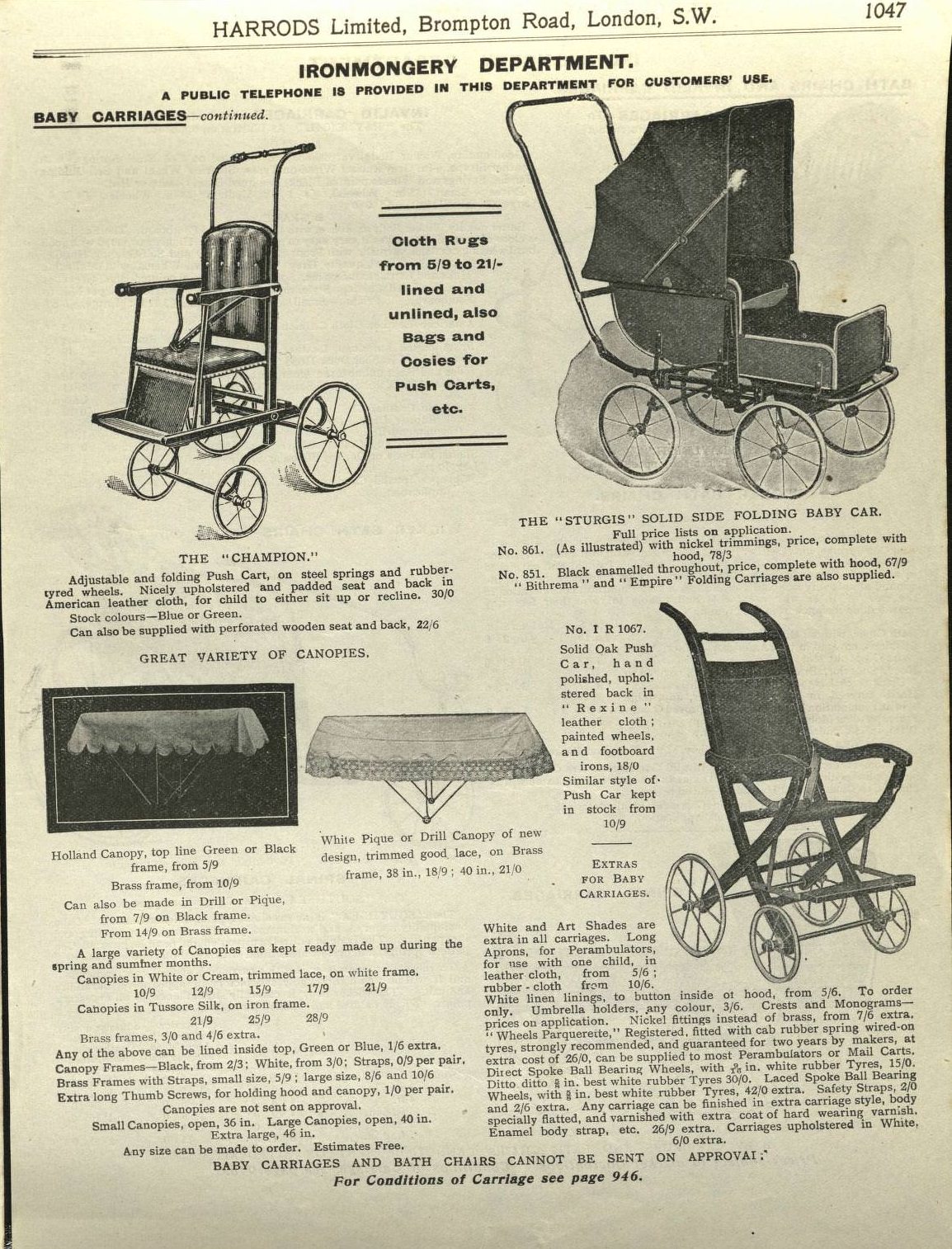
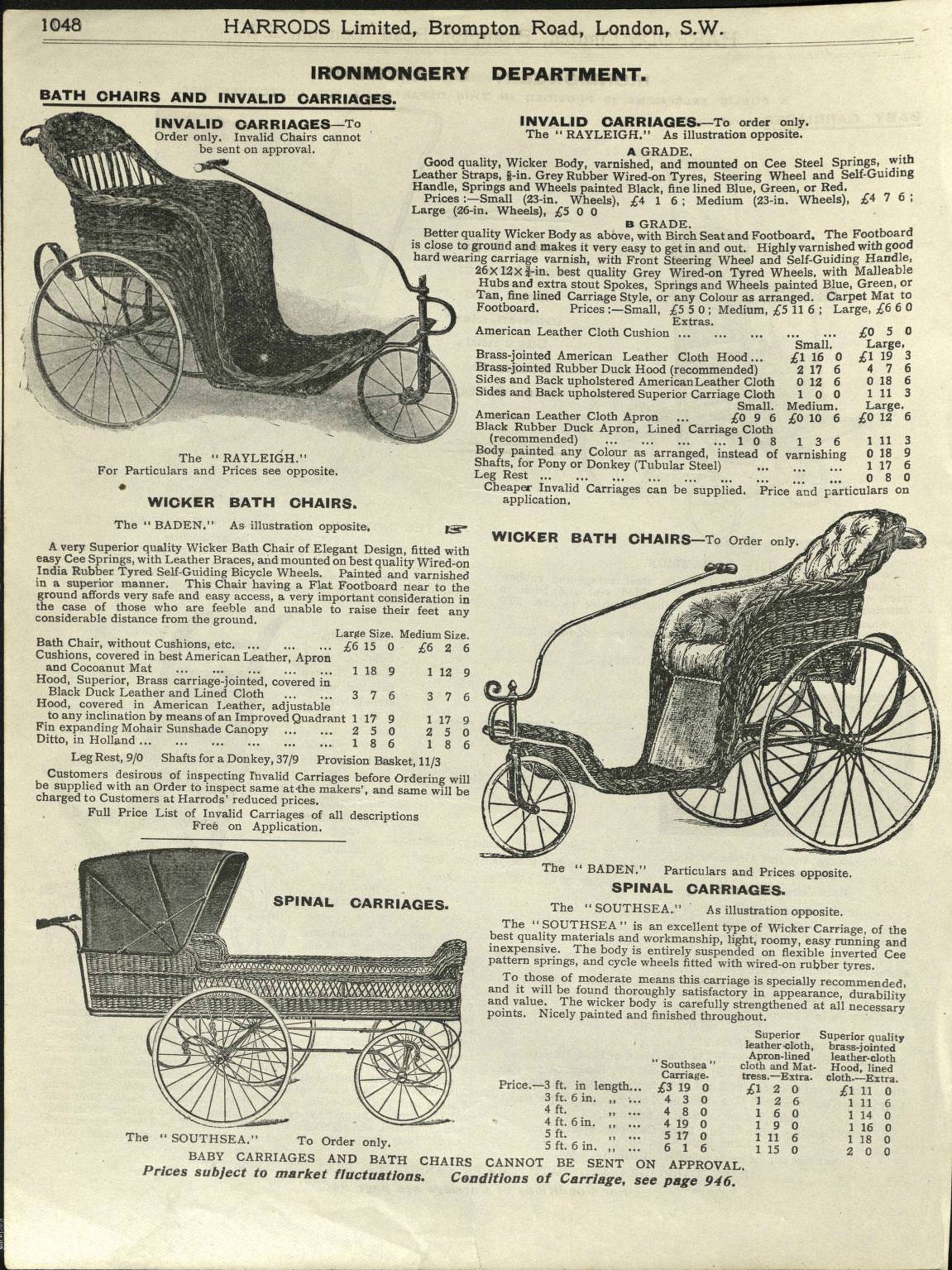
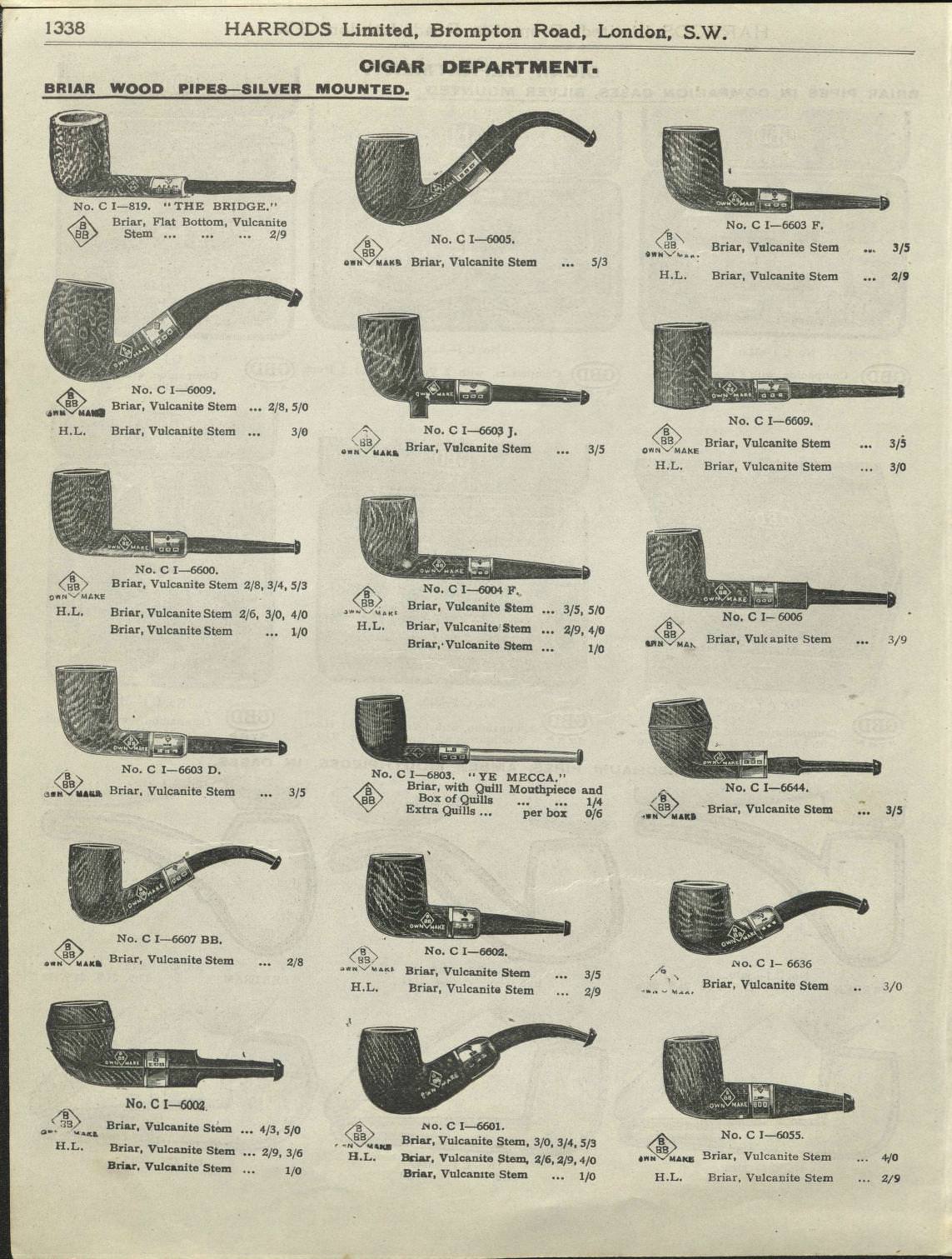
Before Amazon could ship anything to your door, there was Harrods. Sitting on Brompton Road in Knightsbridge, London, this department store ran on a simple but staggering promise: it could supply anything from an elephant to a pin. Its Latin motto, Omnia Omnibus Ubique, meant “All Things for All People, Everywhere.” Harrods didn’t just call itself a shop. It called itself the “Supply Centre for The Empire.”
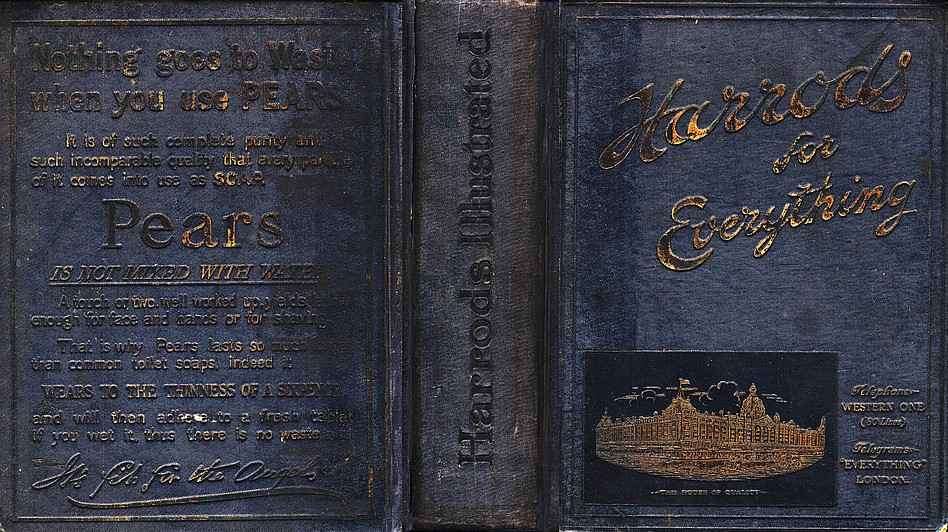
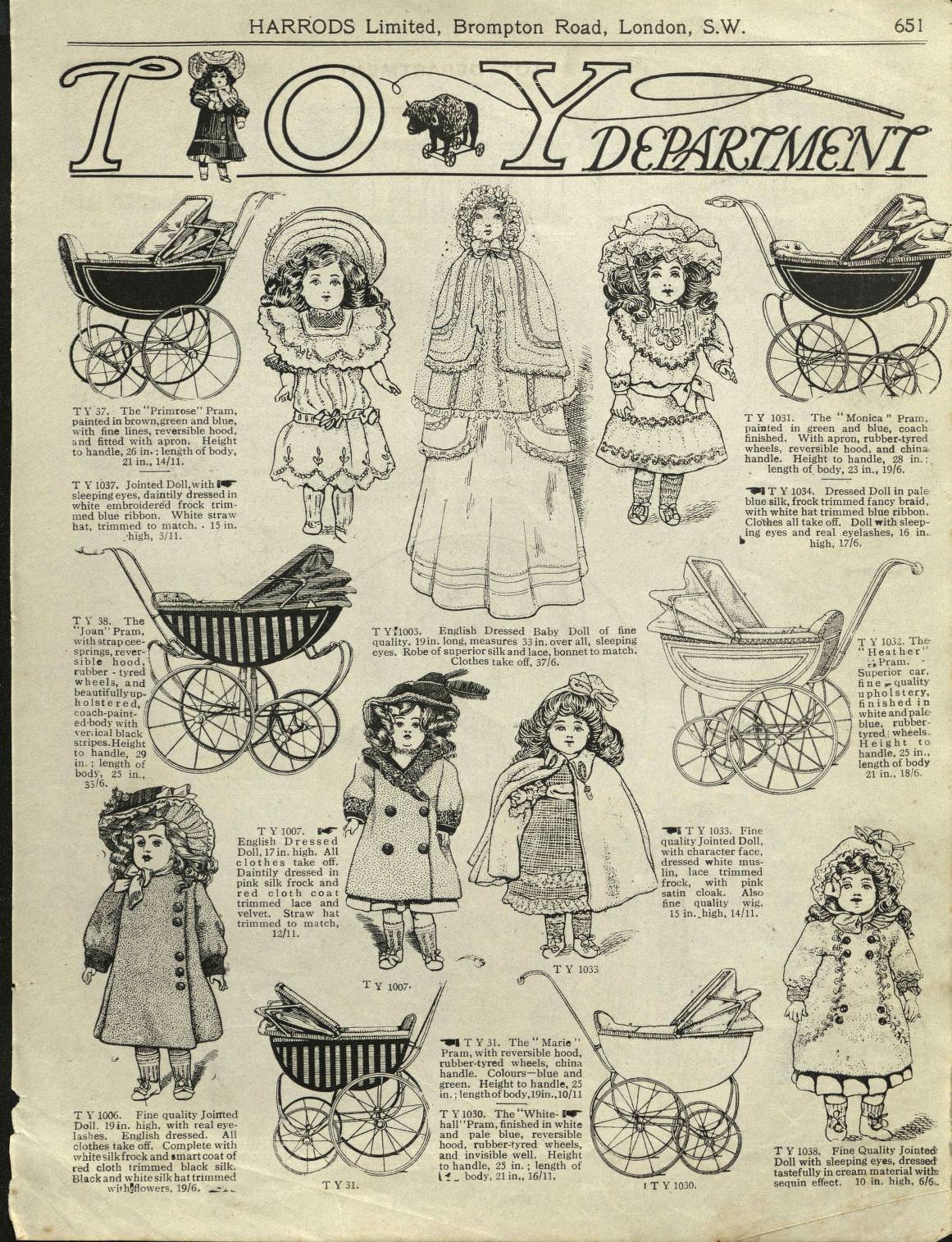
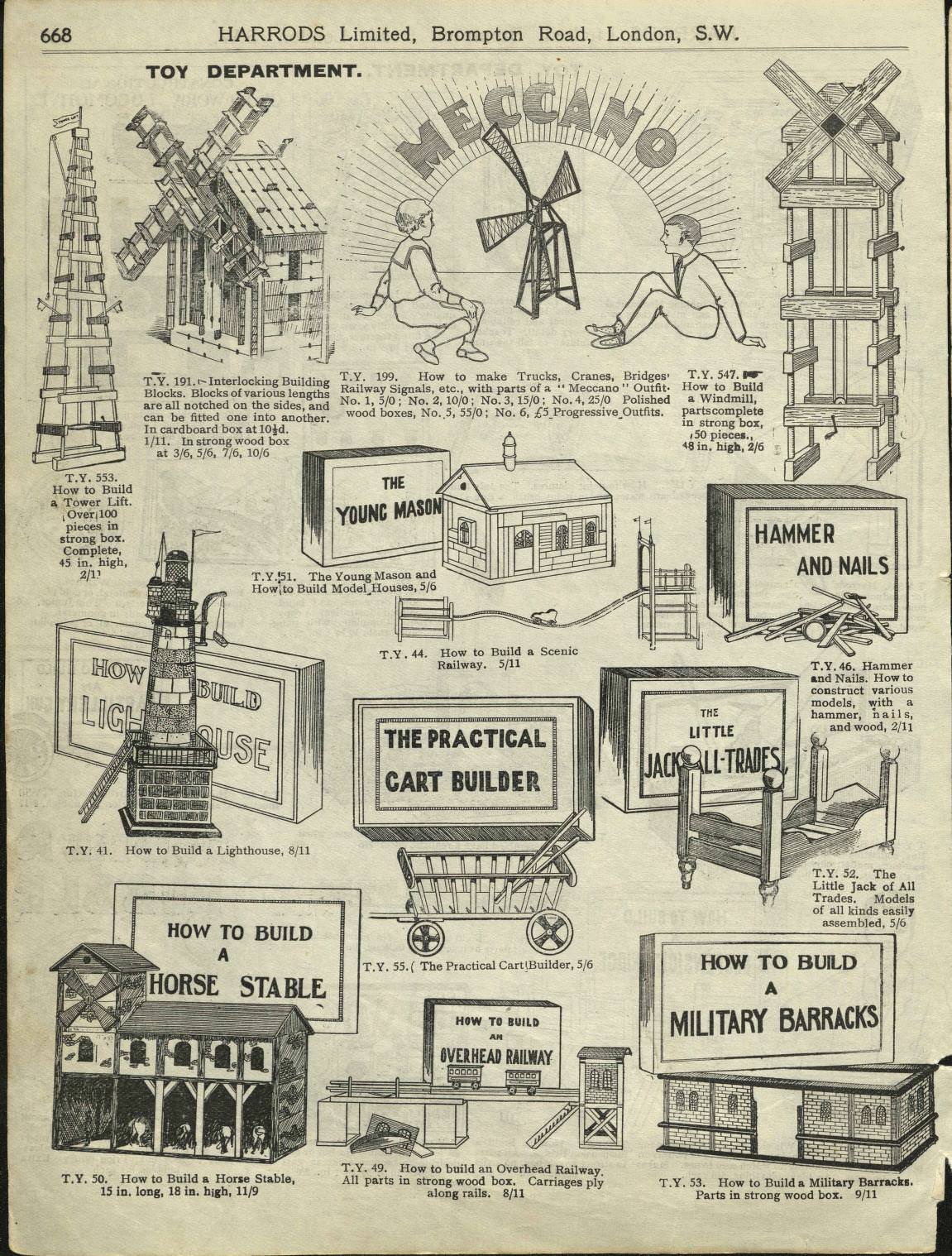
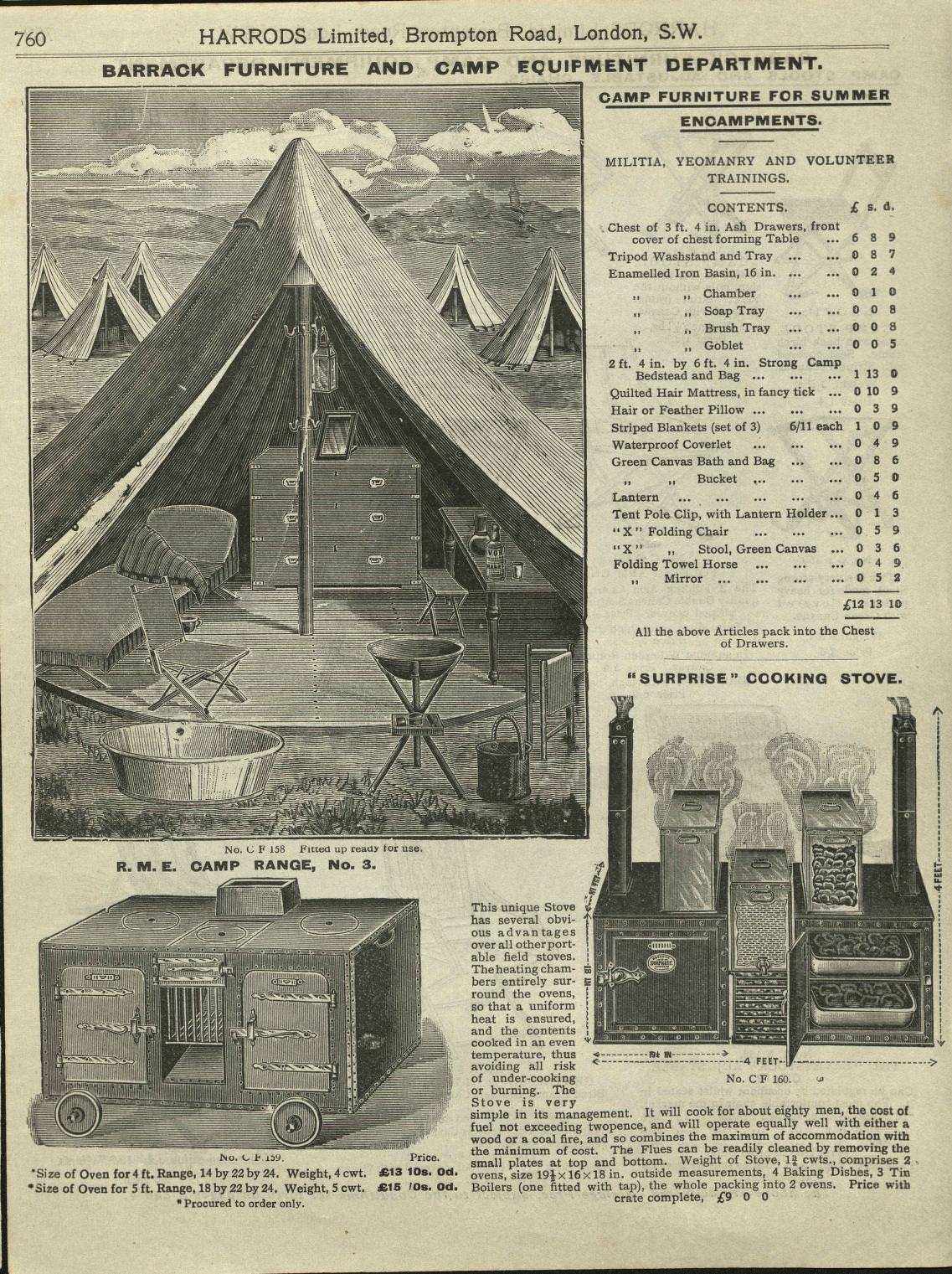
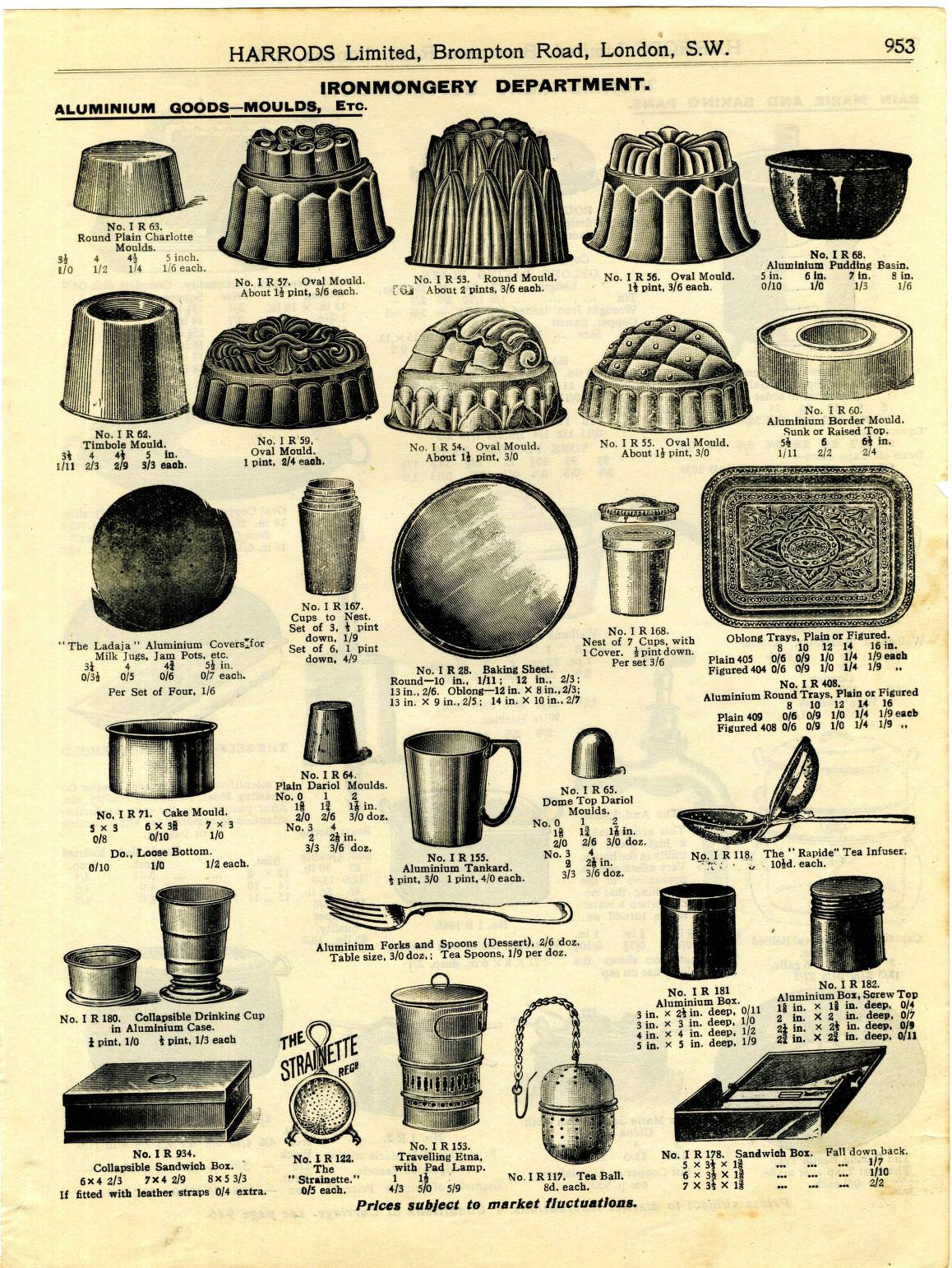
In 1912, Harrods published a catalog to back up that claim. It ran to 1,525 pages and contained over 15,000 illustrations. The title was straightforward: Harrods for Everything. It was part shopping guide, part record of daily life in Edwardian Britain, and part window into a world that no longer exists.
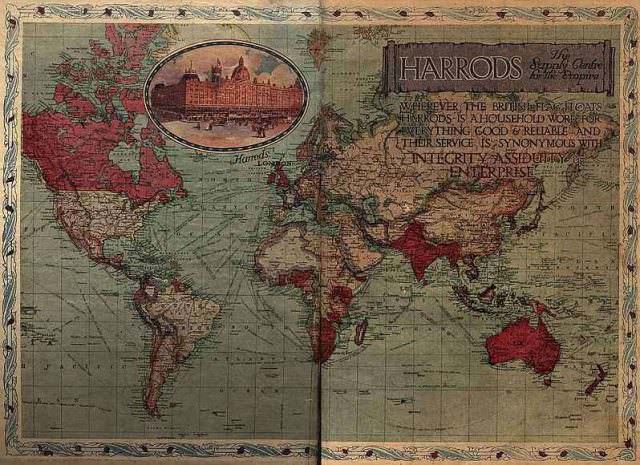
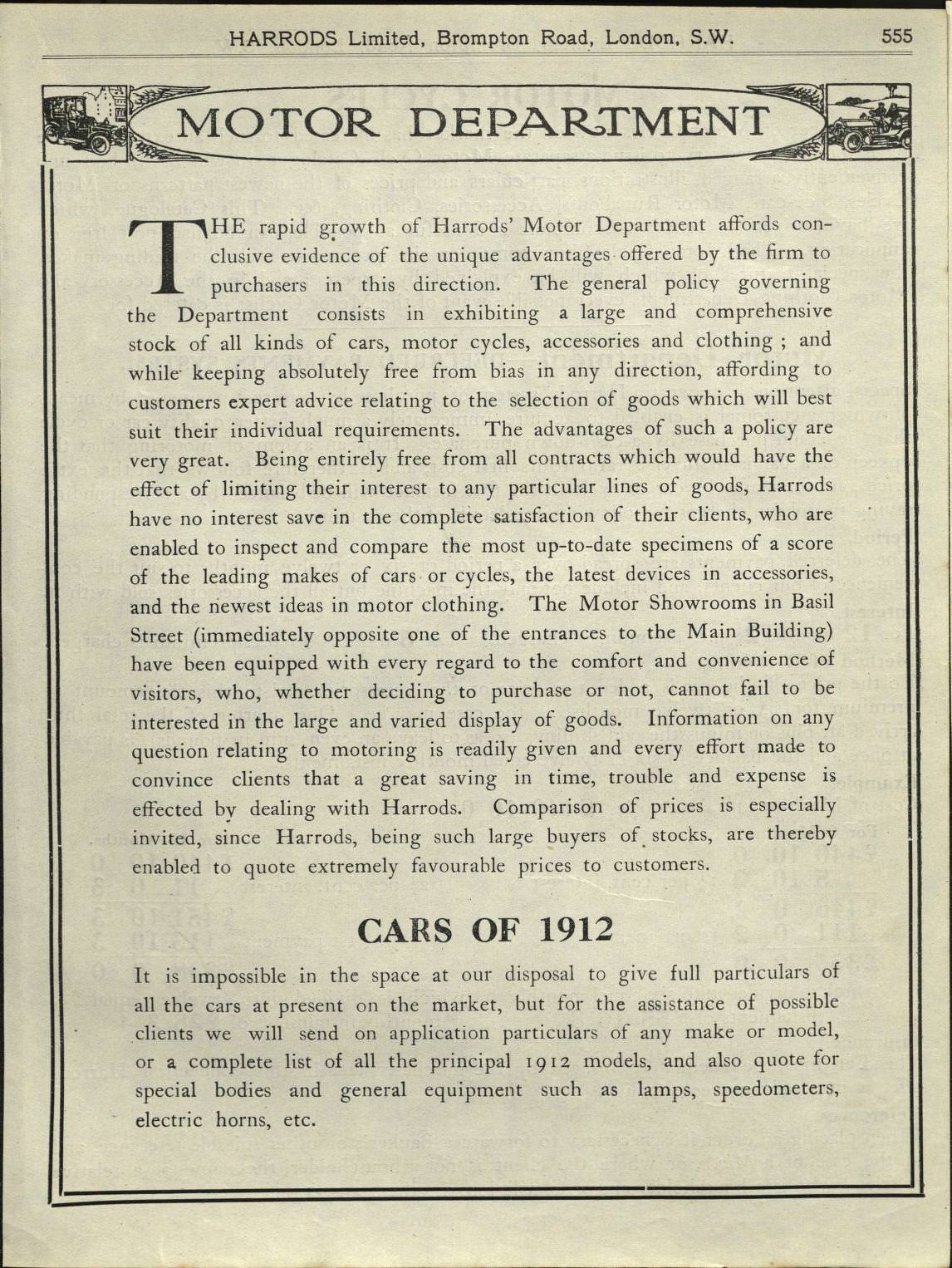
The inside cover set the tone immediately. Harrods positioned itself as a global institution tied directly to the reach of the British Empire. Wherever British rule extended, the store expected its name to mean quality and reliability. That wasn’t just marketing. Customers could telephone their orders in, and an automobile van would deliver goods straight to their homes — a logistics system that was genuinely cutting-edge for 1912.
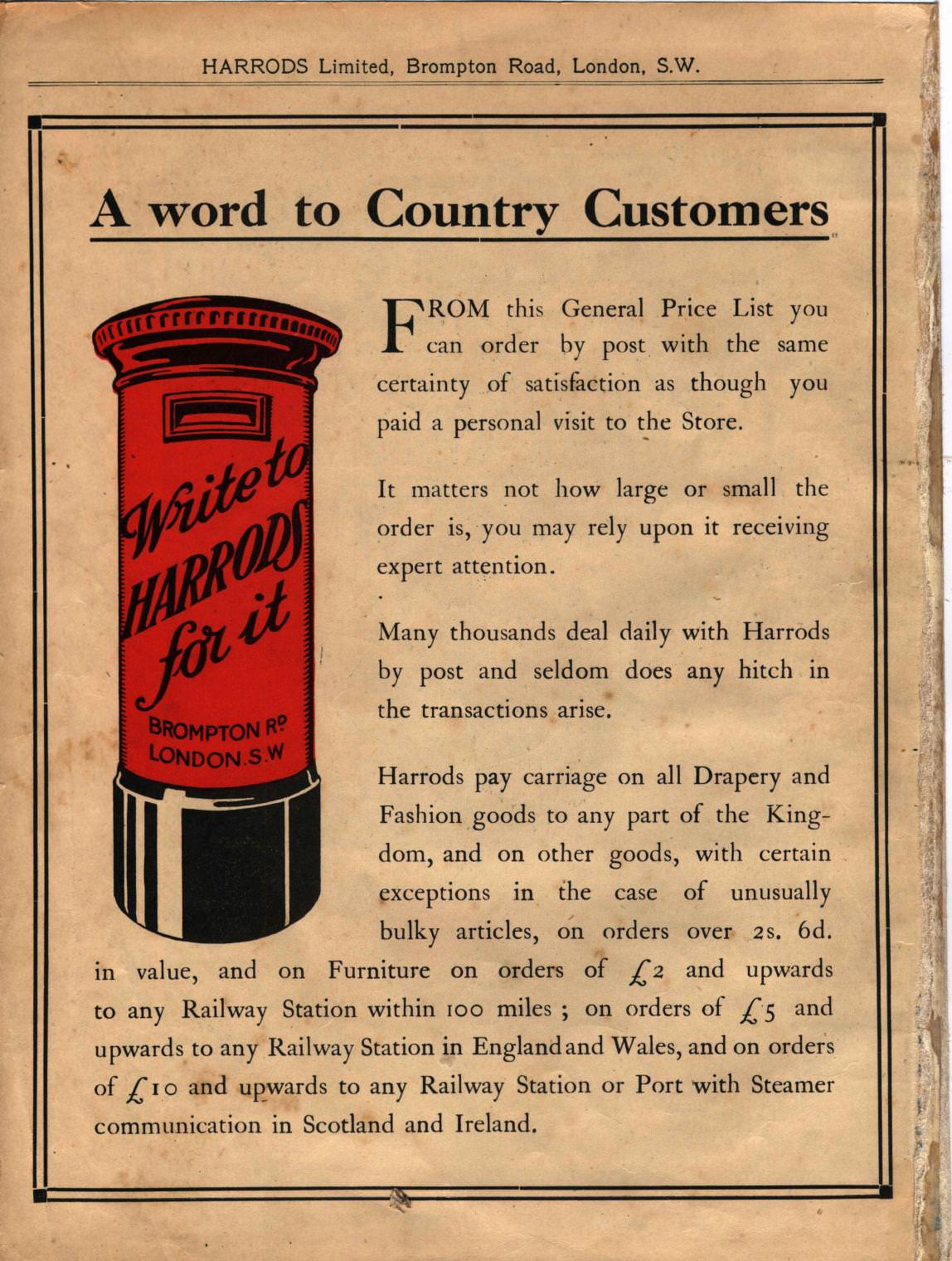
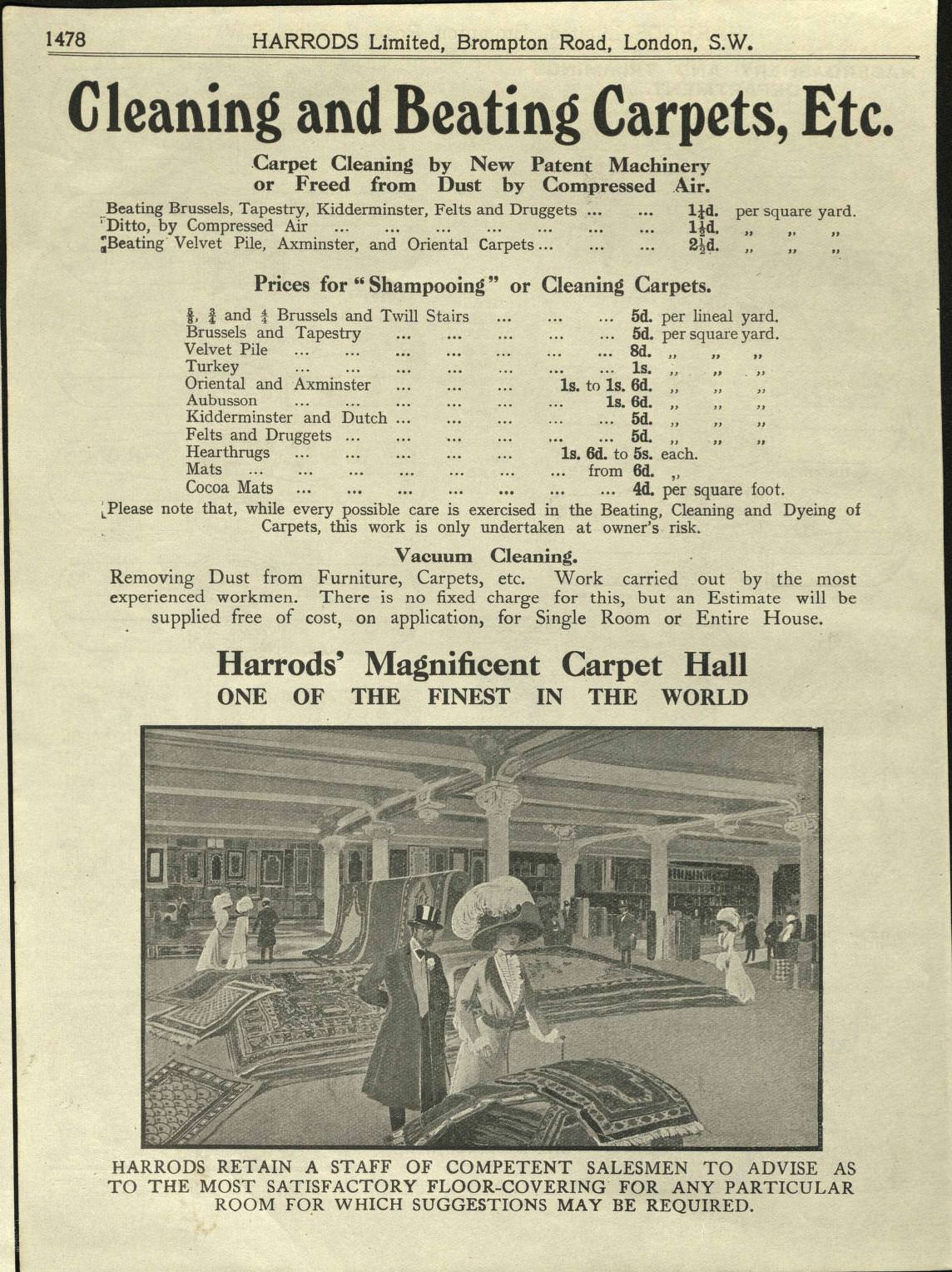
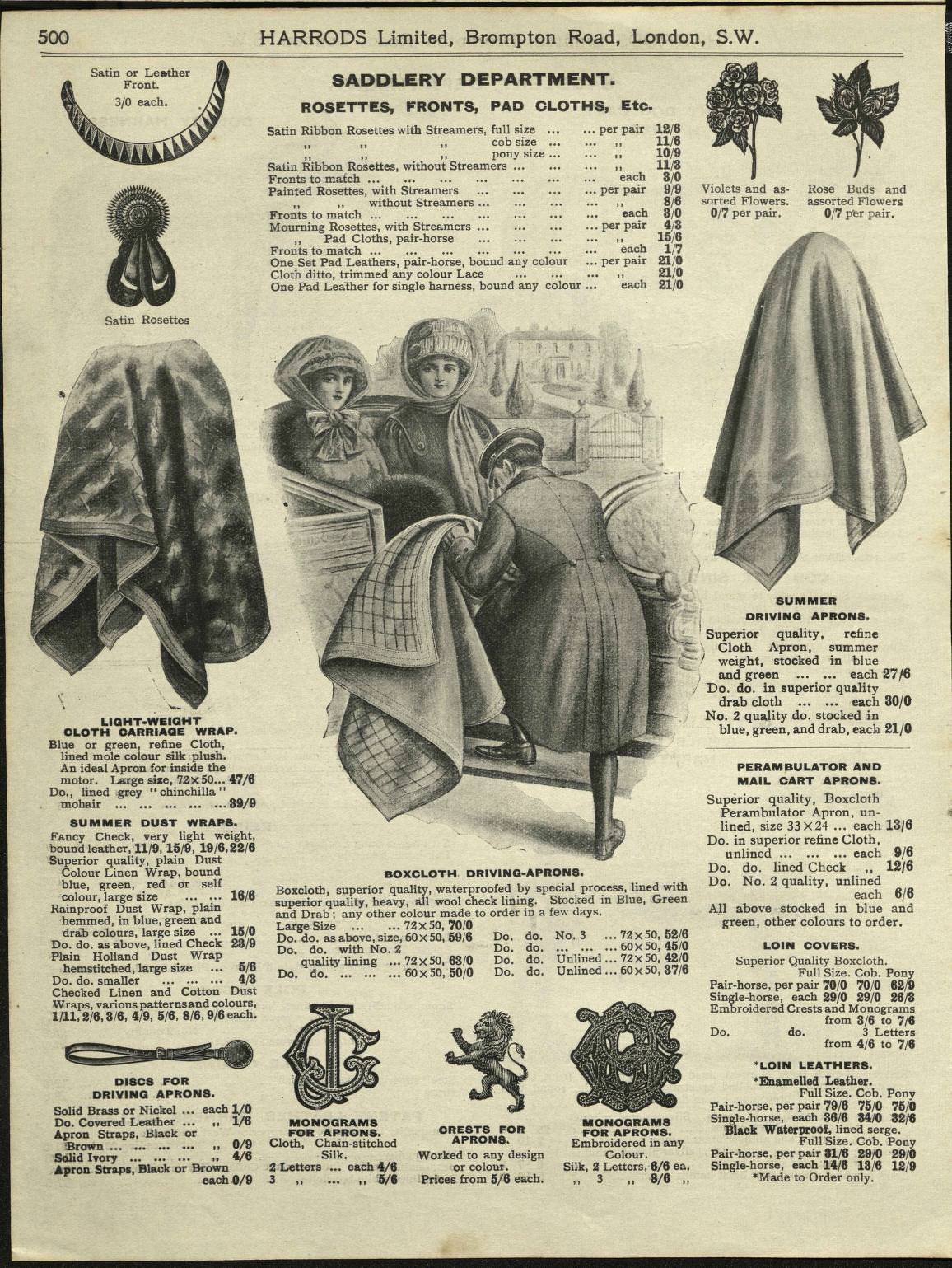
The catalog covered an astonishing range. On one end were the mundane essentials — saddlery, household linens, and everyday pins. On the other end were things that would raise eyebrows today. Harrods sold high-velocity cordite ammunition and rifles specifically designed for big-game hunting. The copy described the weapons as suited for killing elephants, rhinoceroses, and hippopotamuses. This was a normal category for a British retailer serving an empire with a large class of colonial hunters and sportsmen.
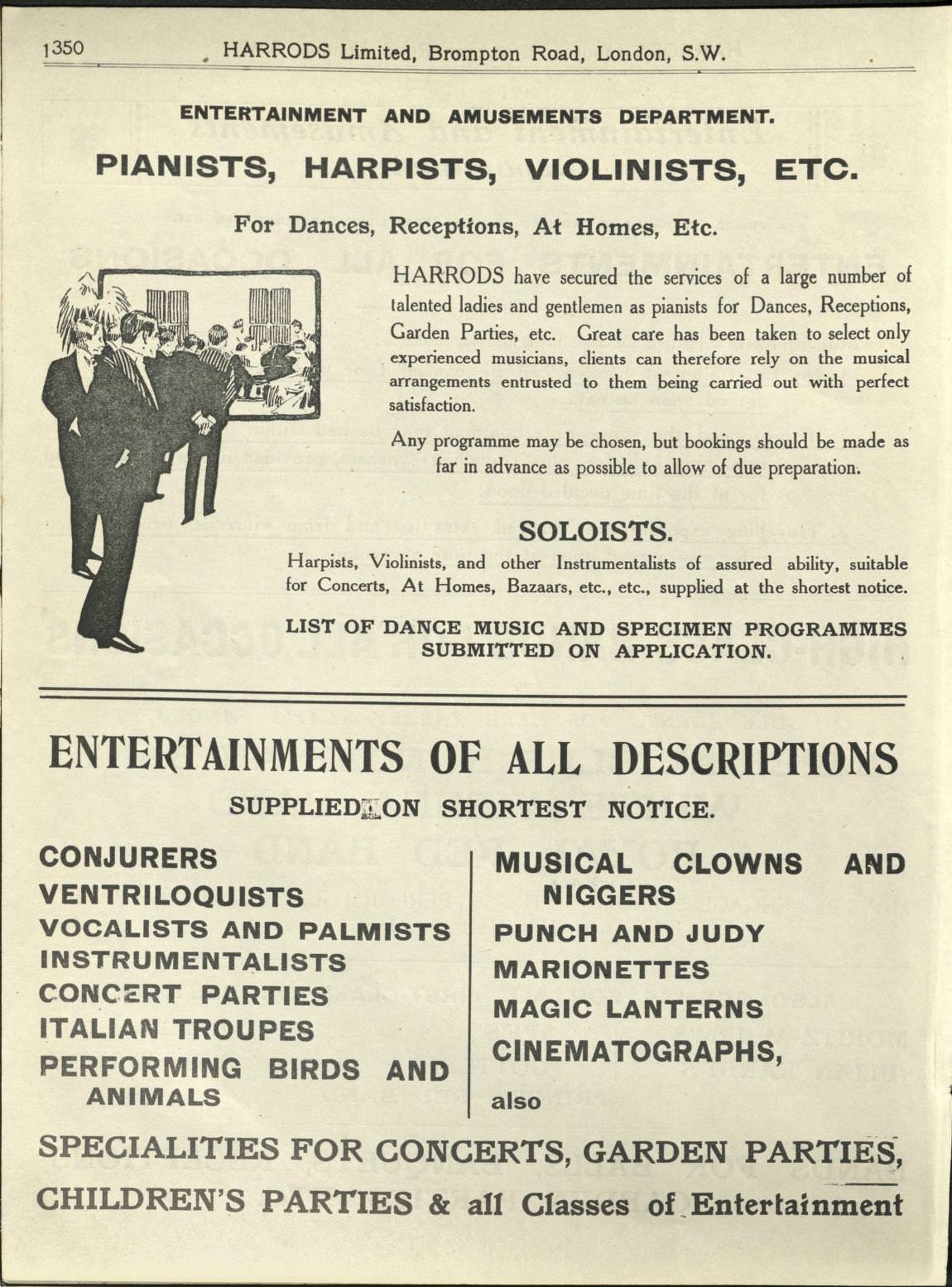
Then there were the medicines. Harrods sold cough syrup containing cocaine. This was entirely legal in 1912, and such products were common in pharmacies across Britain and the United States. The catalog also listed dozens of throat pastilles in a wide variety of flavors. These weren’t fringe items tucked in a back corner — they sat alongside mainstream remedies as standard health products.
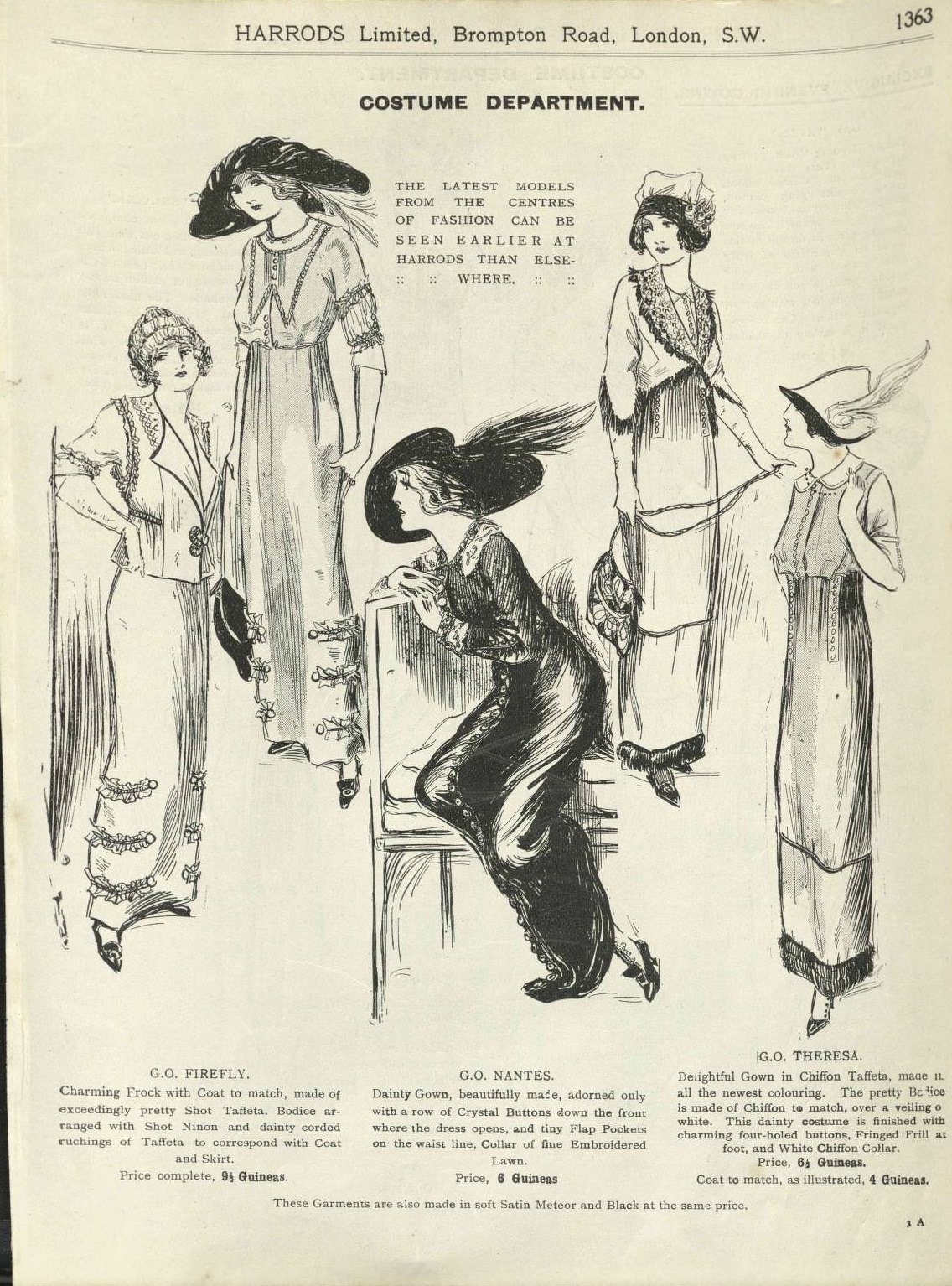
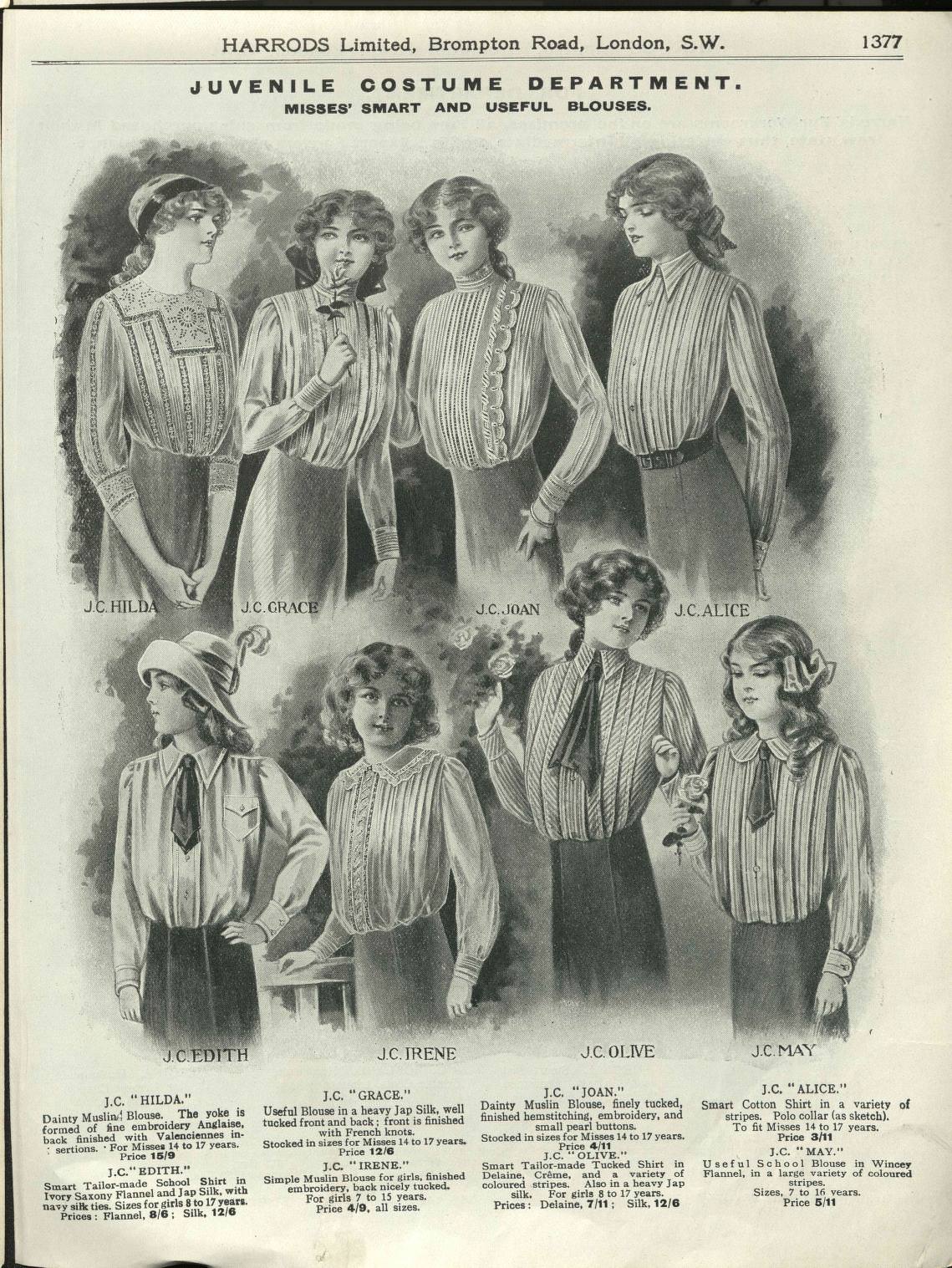
The catalog was eventually digitized and made publicly available through a project led by a volunteer named Eric Hutton. He scanned the original physical catalog and ran it through a platform called Distributed Proofreaders, where volunteers cleaned up and checked the text. Hutton described the effort as “a mammoth and long-running task” that began in early 2007. Unlike most books processed by the platform, this project had no narrative text at all — it was entirely advertisements, page after page. To make the work manageable, each page was split into three to five separate sections for proofreading.
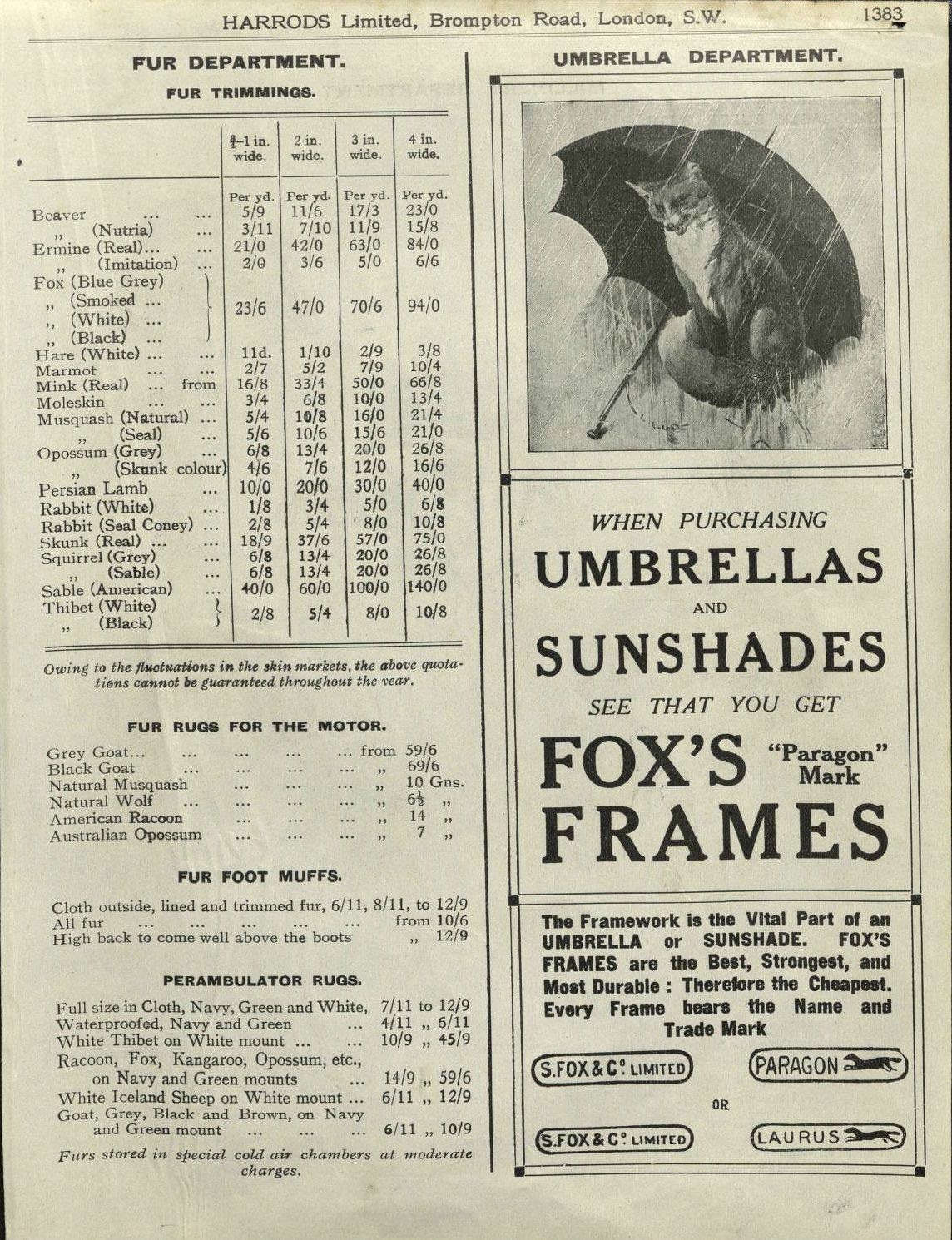
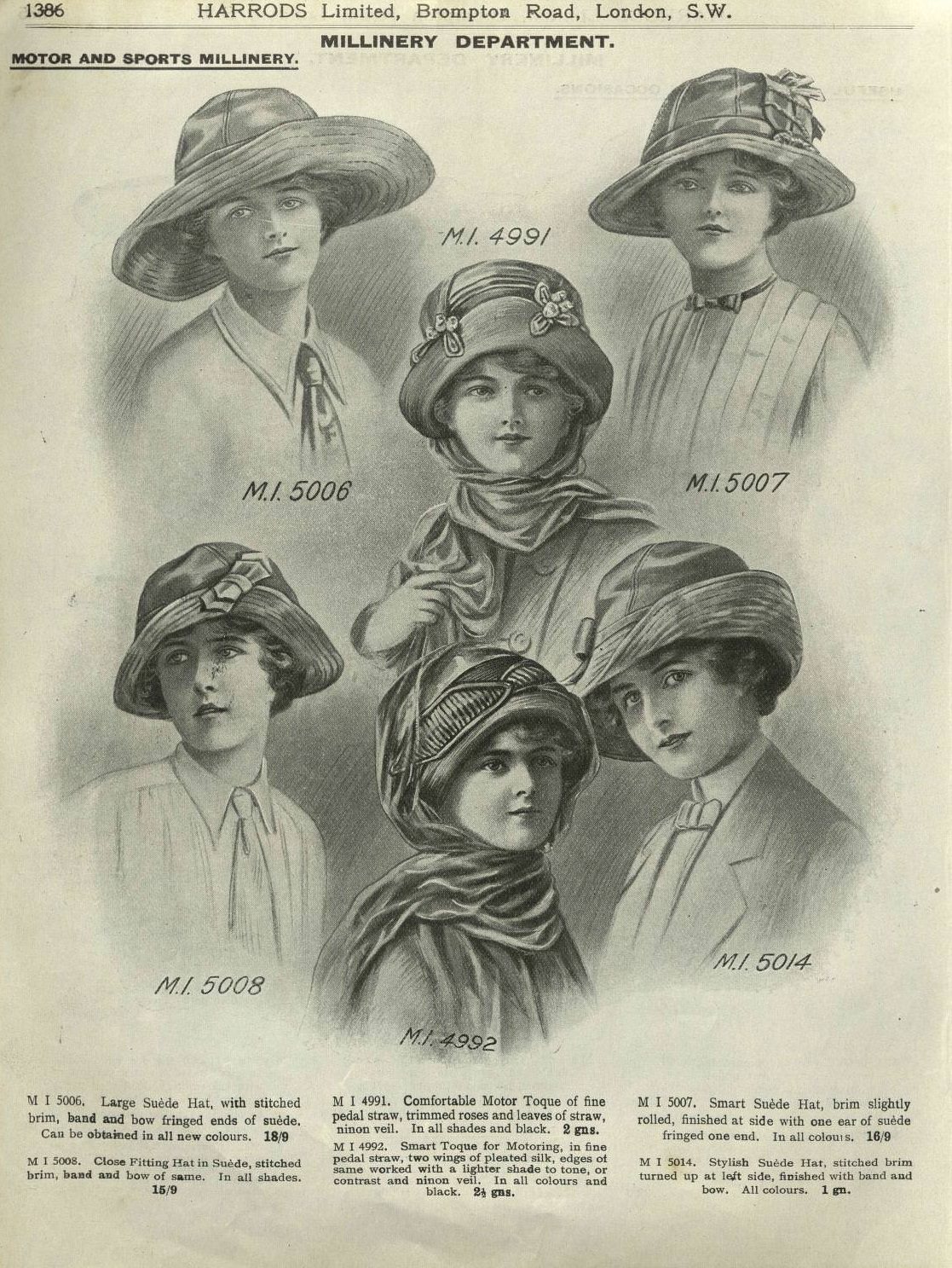
What the digitized catalog reveals is a remarkably detailed snapshot of 1912 Britain. The items for sale reflect a society still built around horses, domestic servants, colonial travel, and class distinctions. Saddlery was listed as an essential item. Luxury goods sat alongside practical tools. The range of products shows just how wide the gap was between what the wealthy needed and what an ordinary household required.
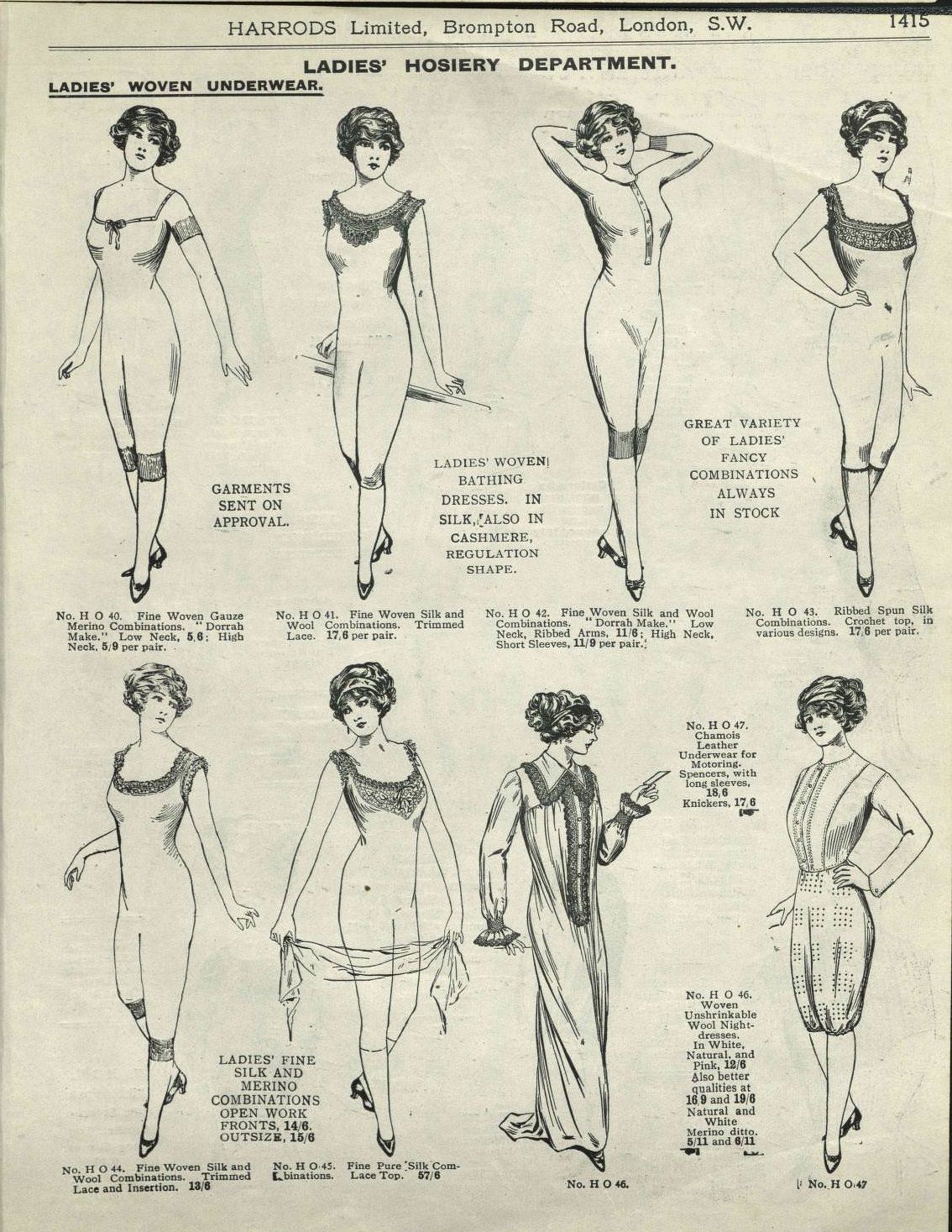
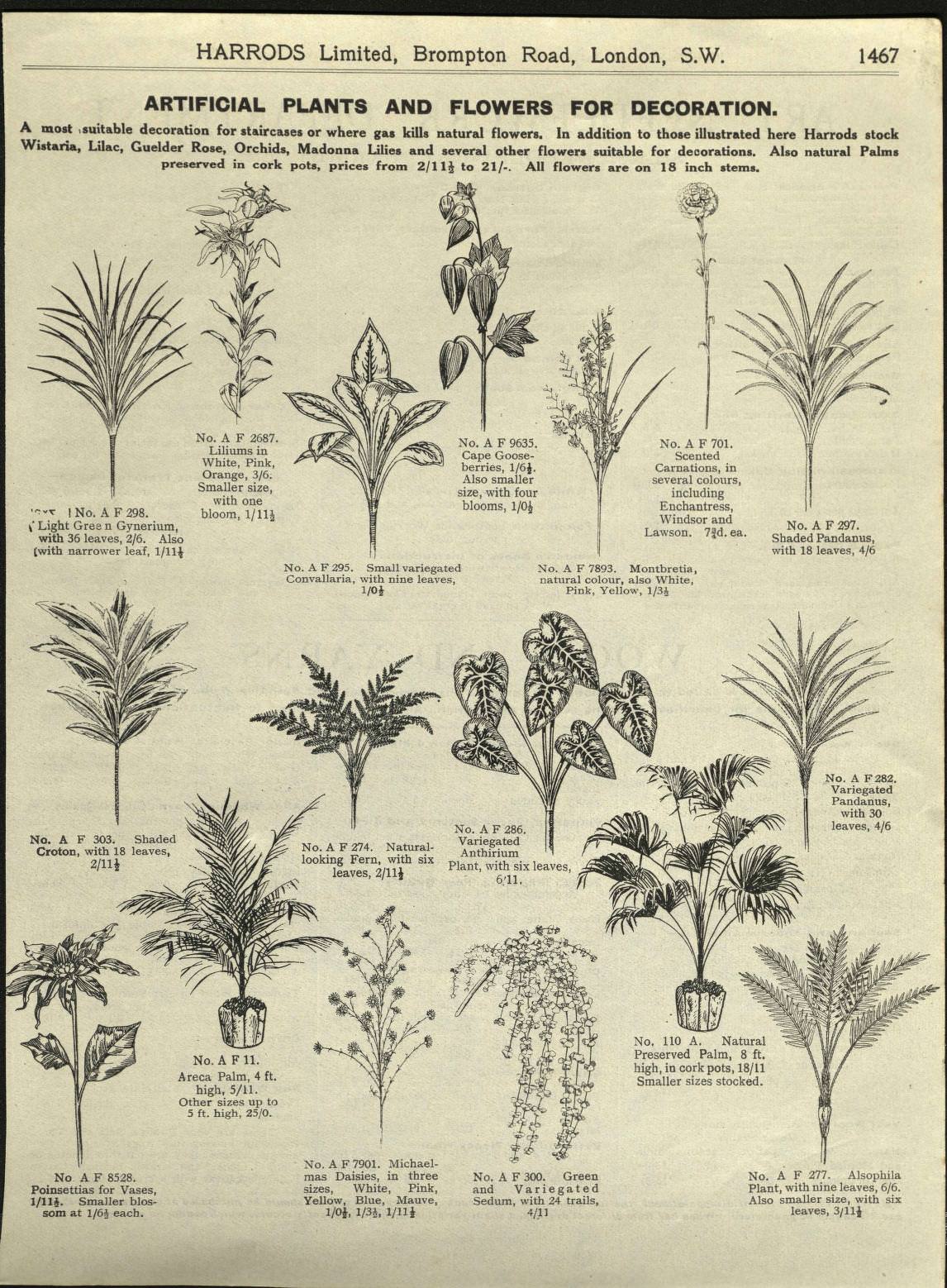
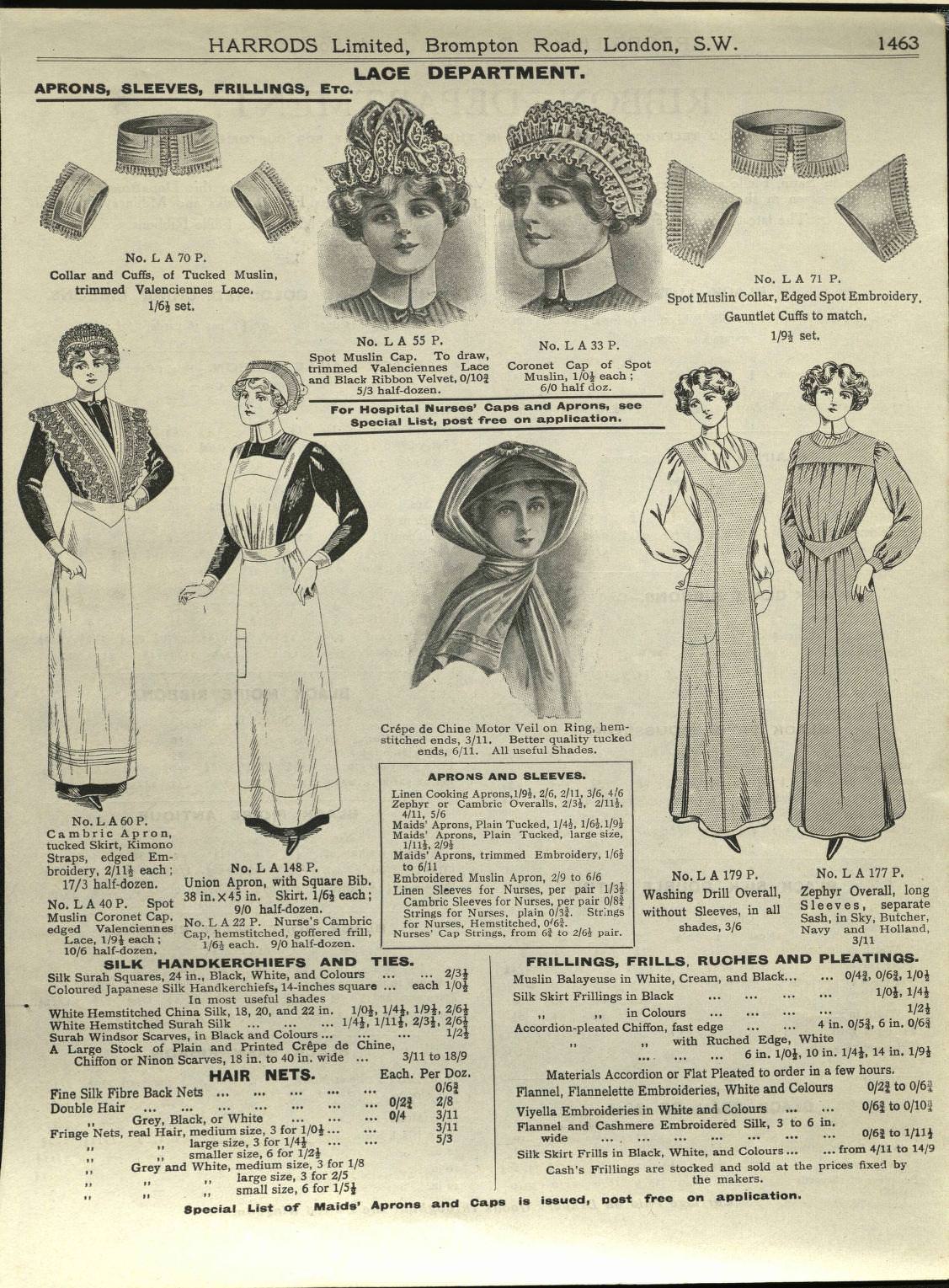
Harrods made the whole system work through phone ordering and home delivery. A customer could call in an order and expect a motor van to arrive at their door. For 1912, this was a genuinely modern operation. The store had built an infrastructure that most retailers wouldn’t attempt for decades.
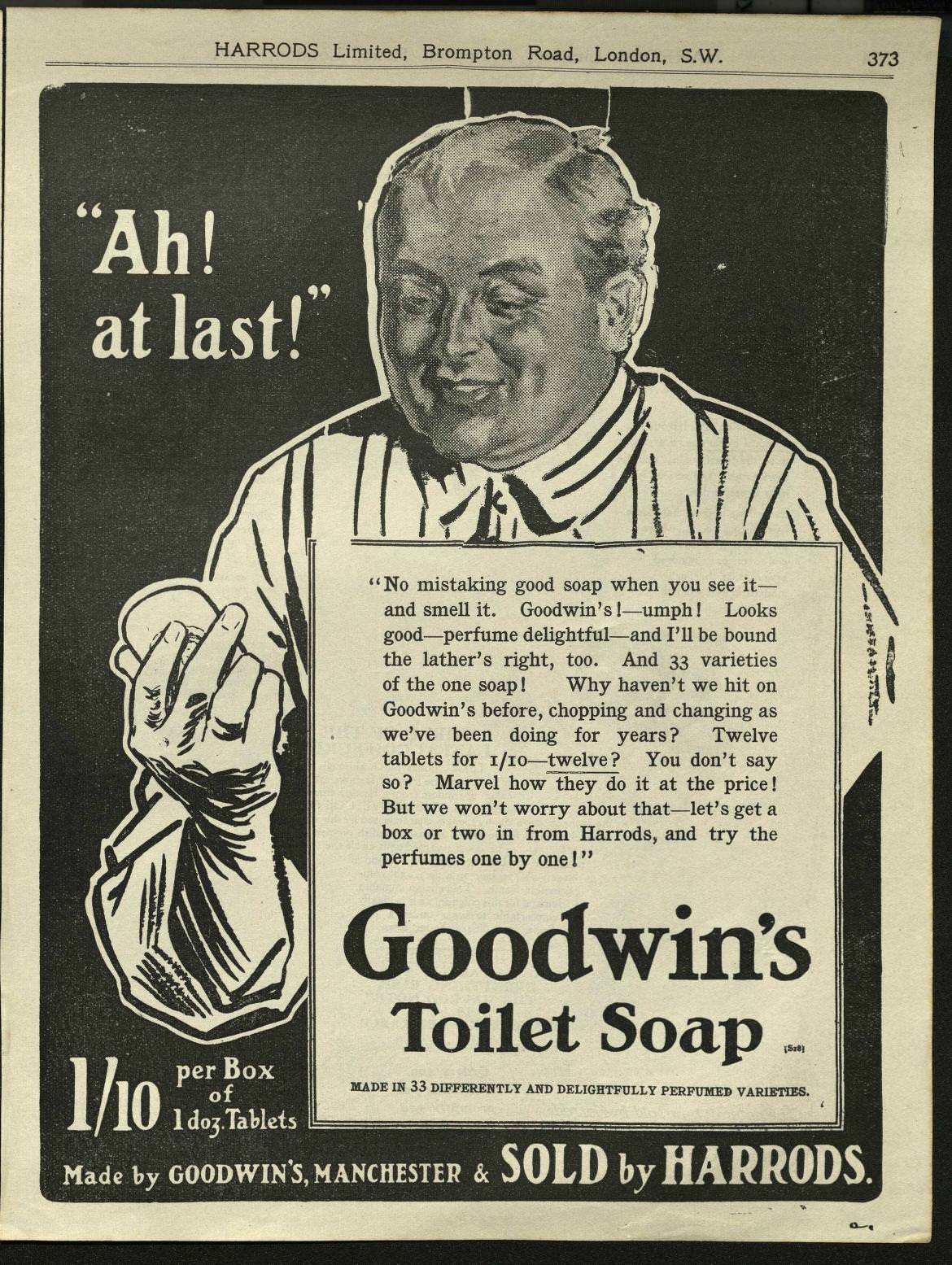
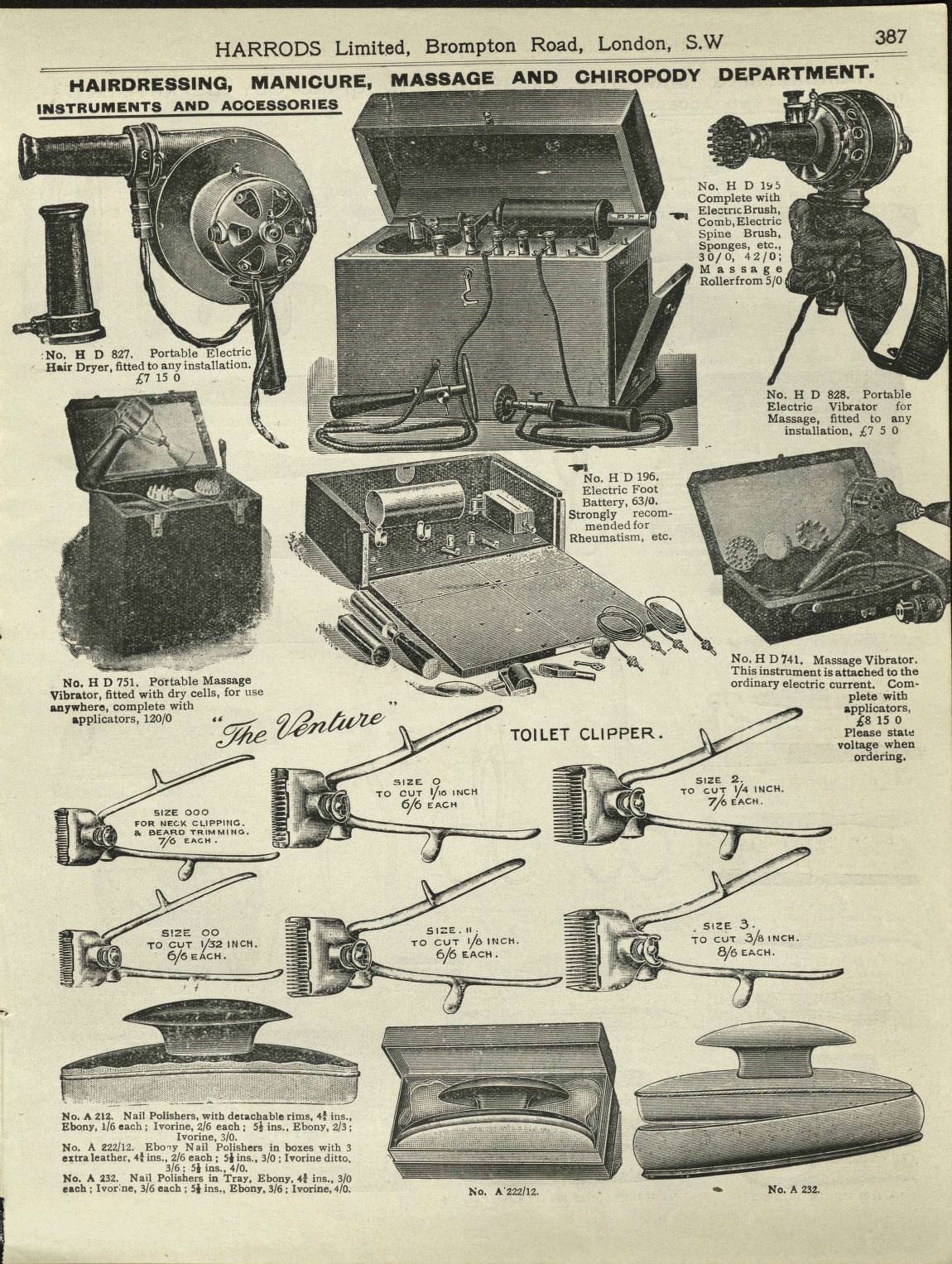
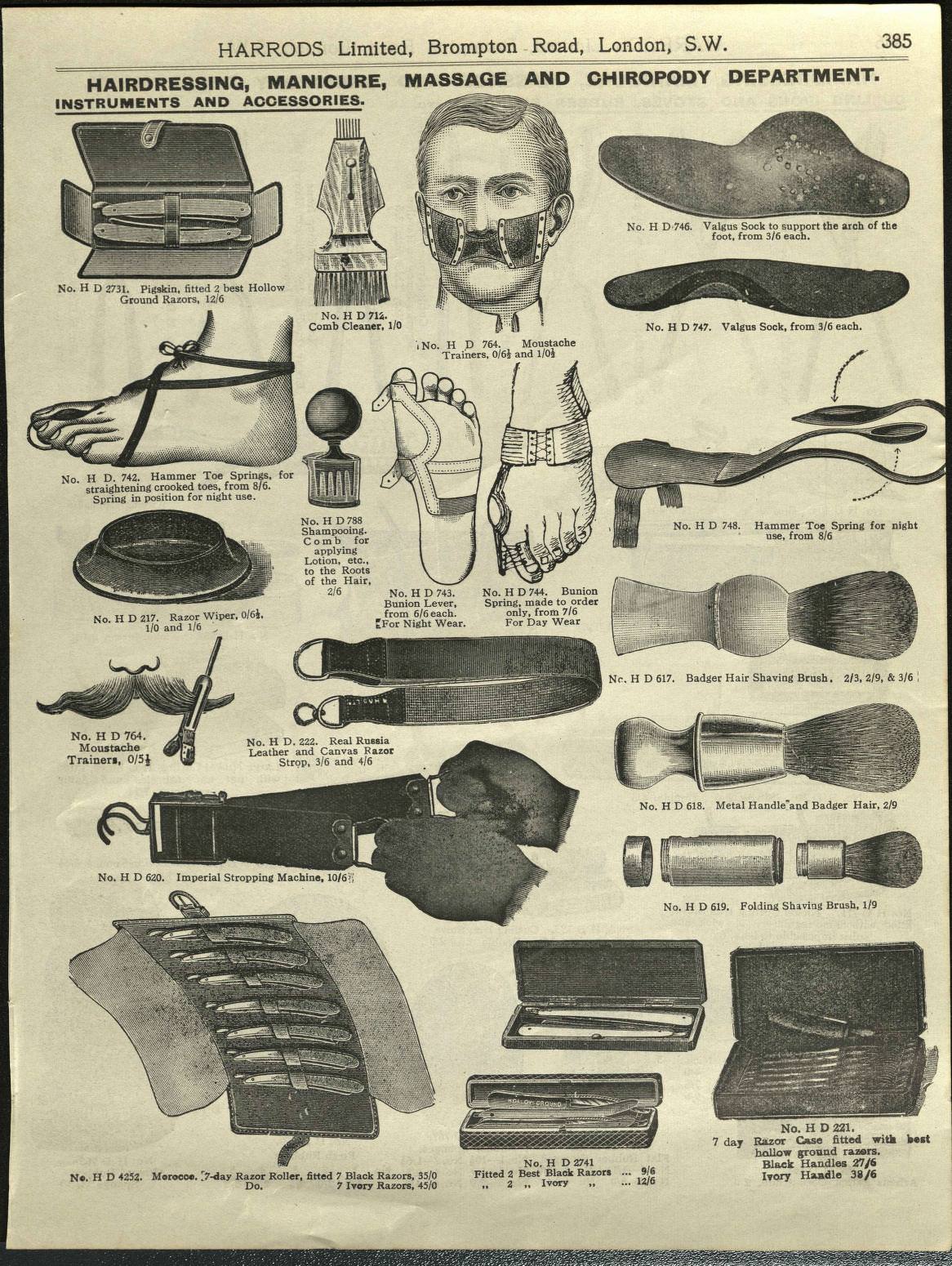
Flipping through the catalog pages today feels like reading a letter from another era. The language is formal, the products are specific, and the assumptions built into every page — about empire, class, and commerce — are entirely of their time.
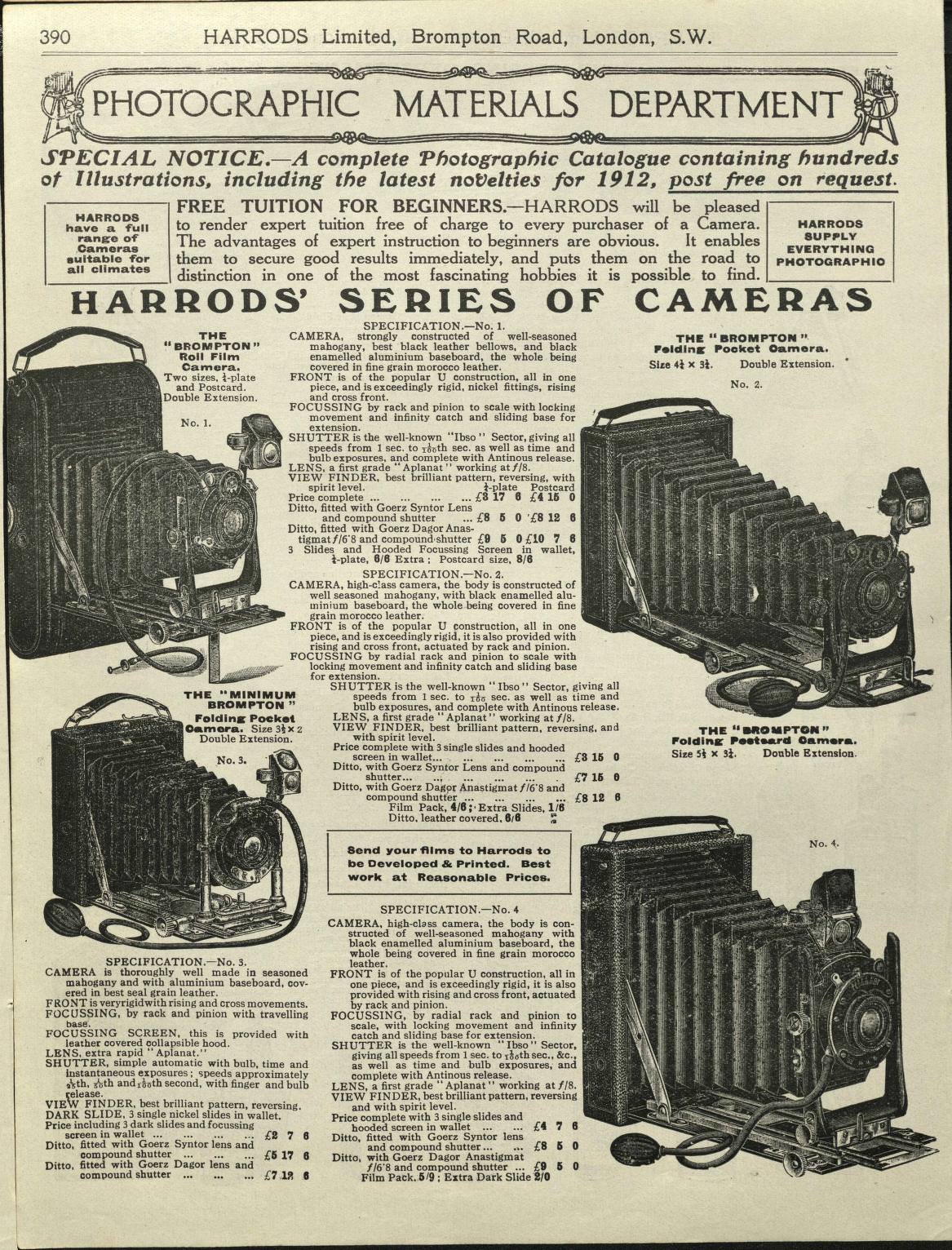
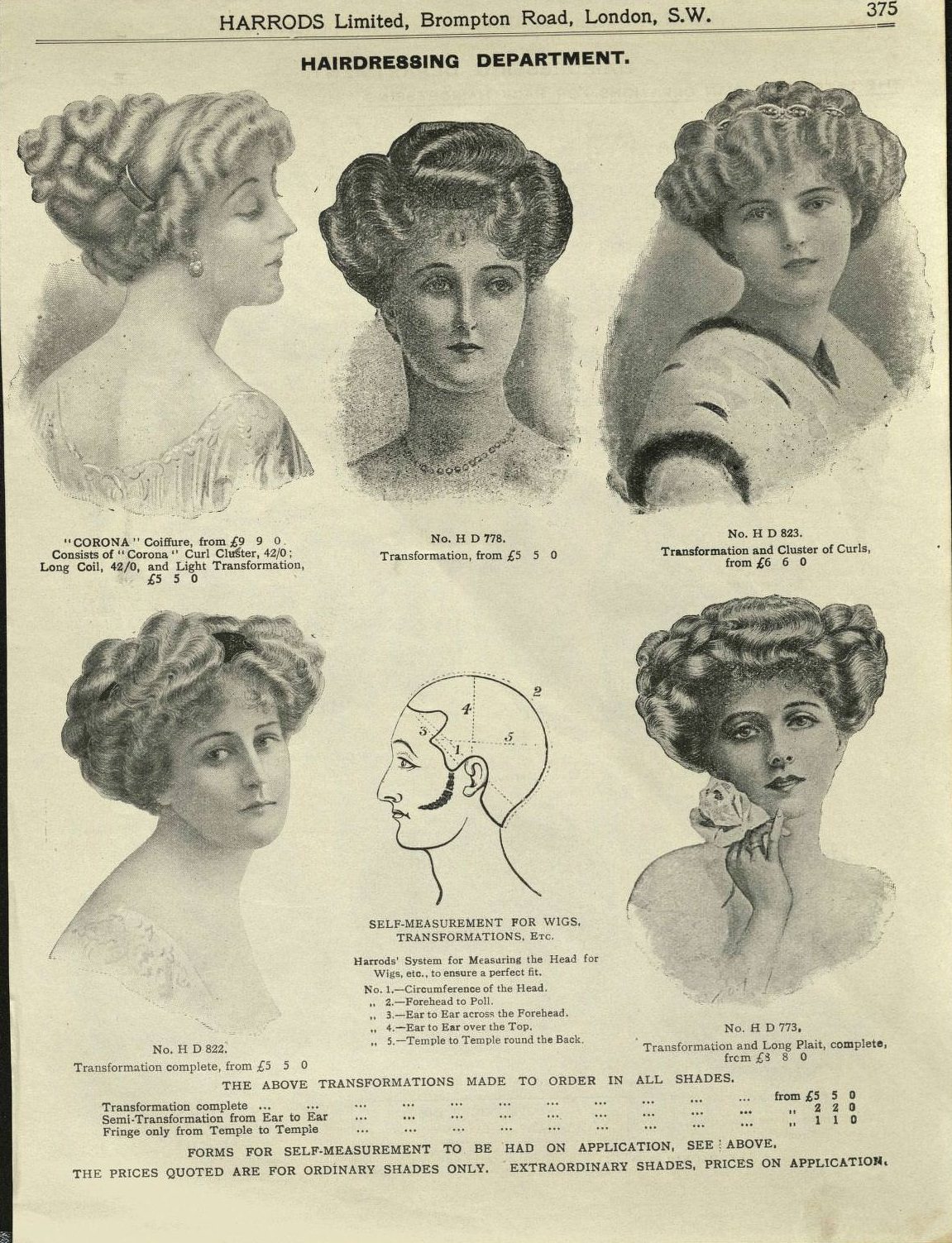
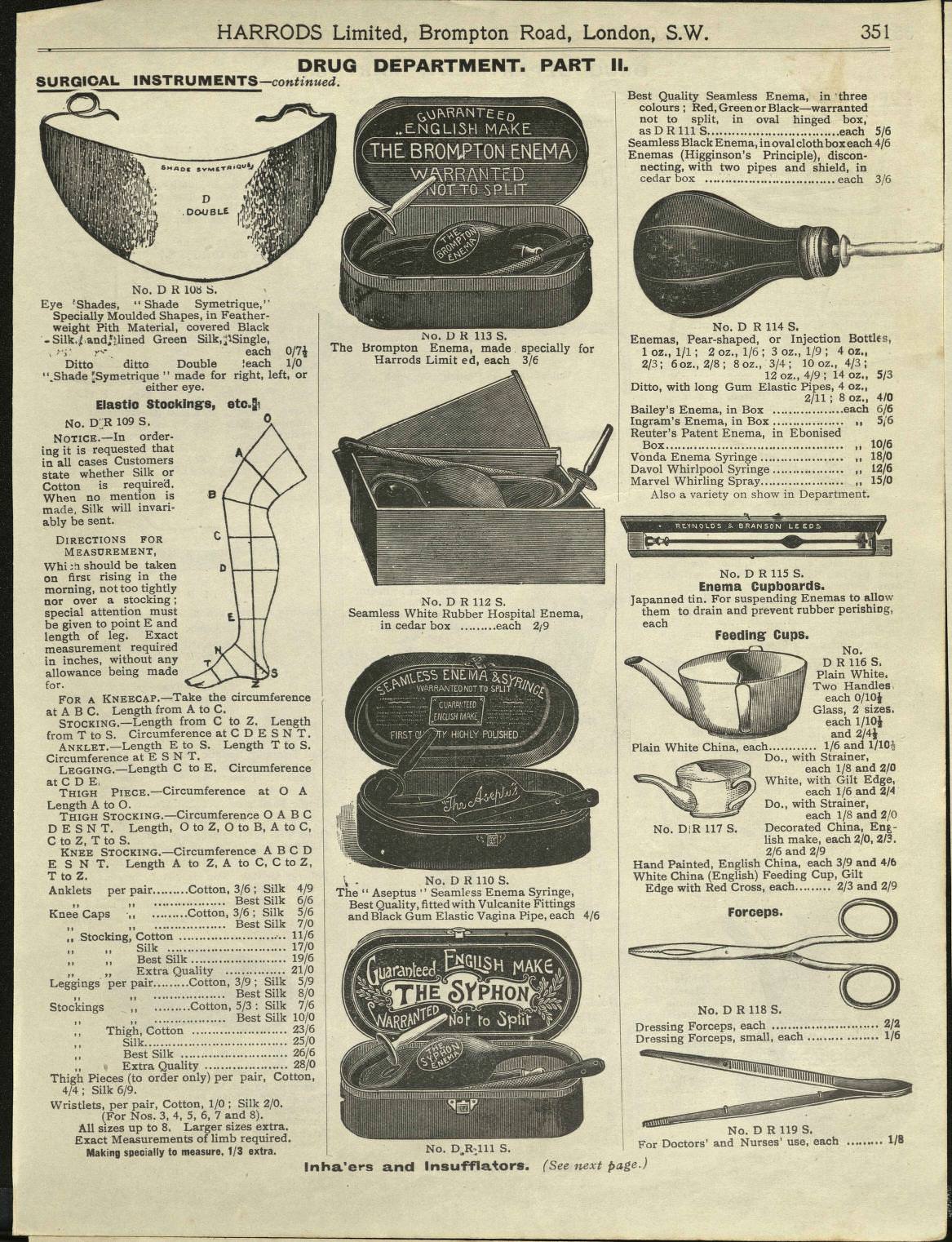
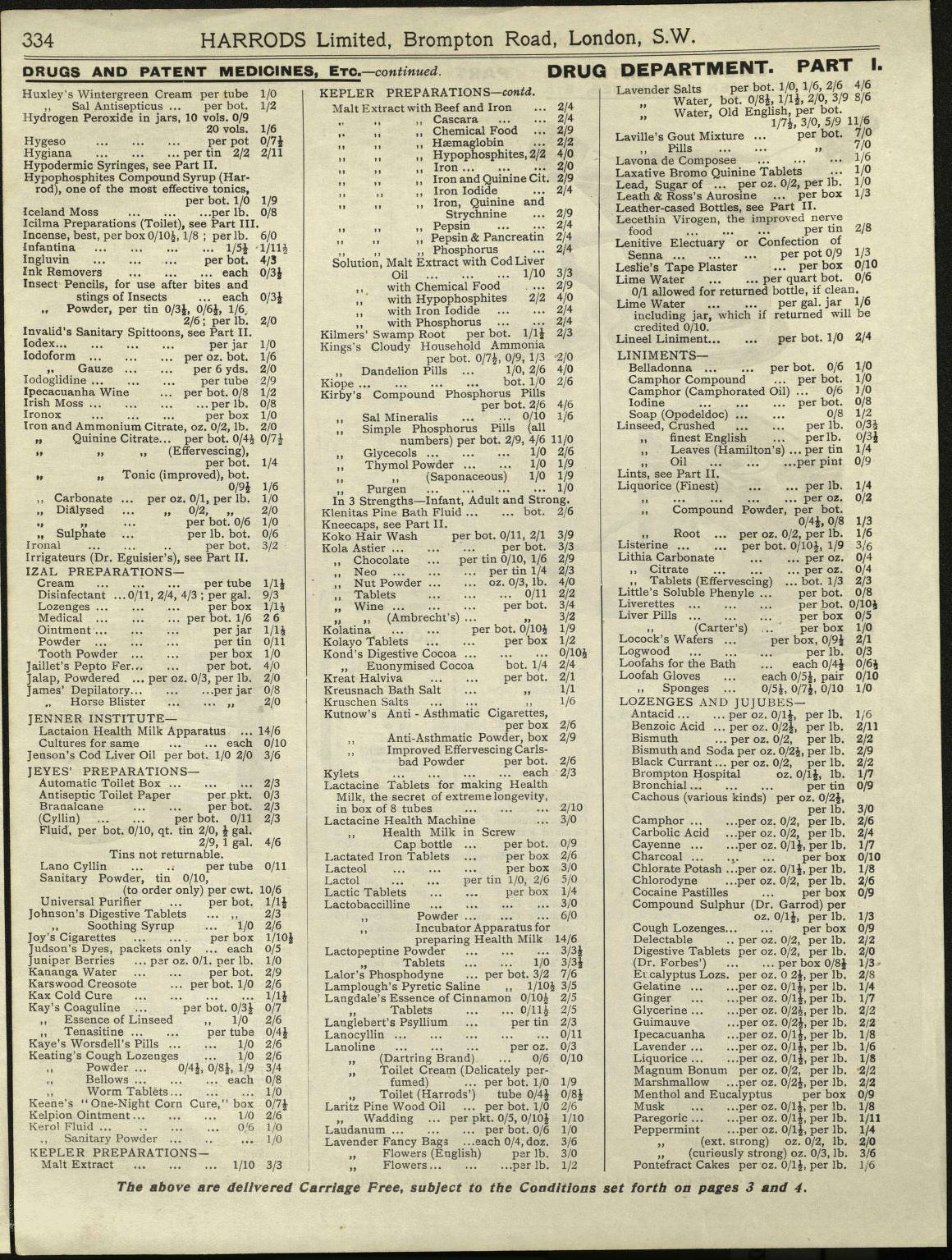
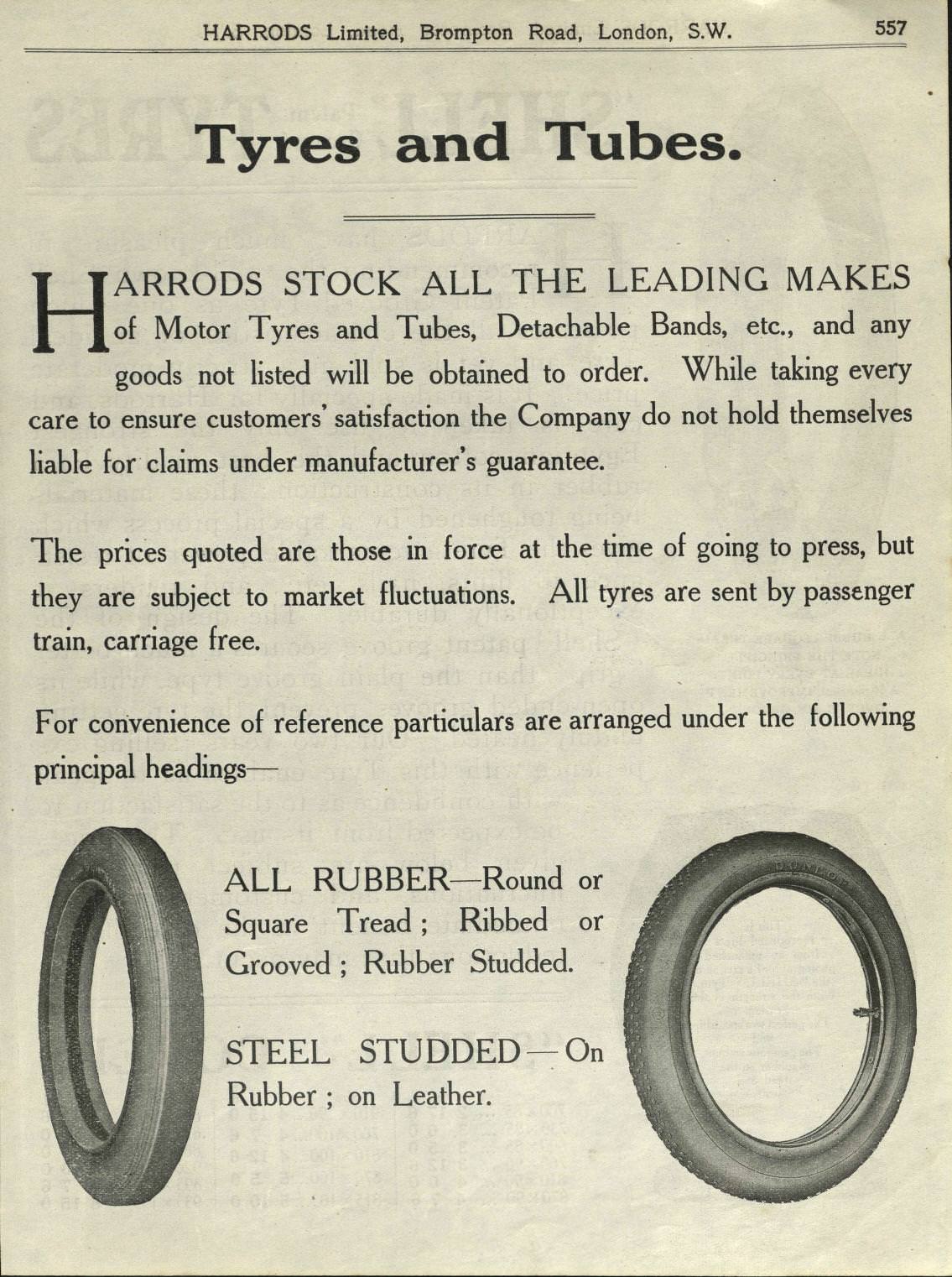
The 15,000-plus illustrations give the catalog much of its value as a historical document. They show what products looked like, how they were presented, and what mattered enough to visualize. There are no elephants in the pictures, despite the store’s famous claim — but there are enough unusual items to make a modern reader stop on nearly every page.
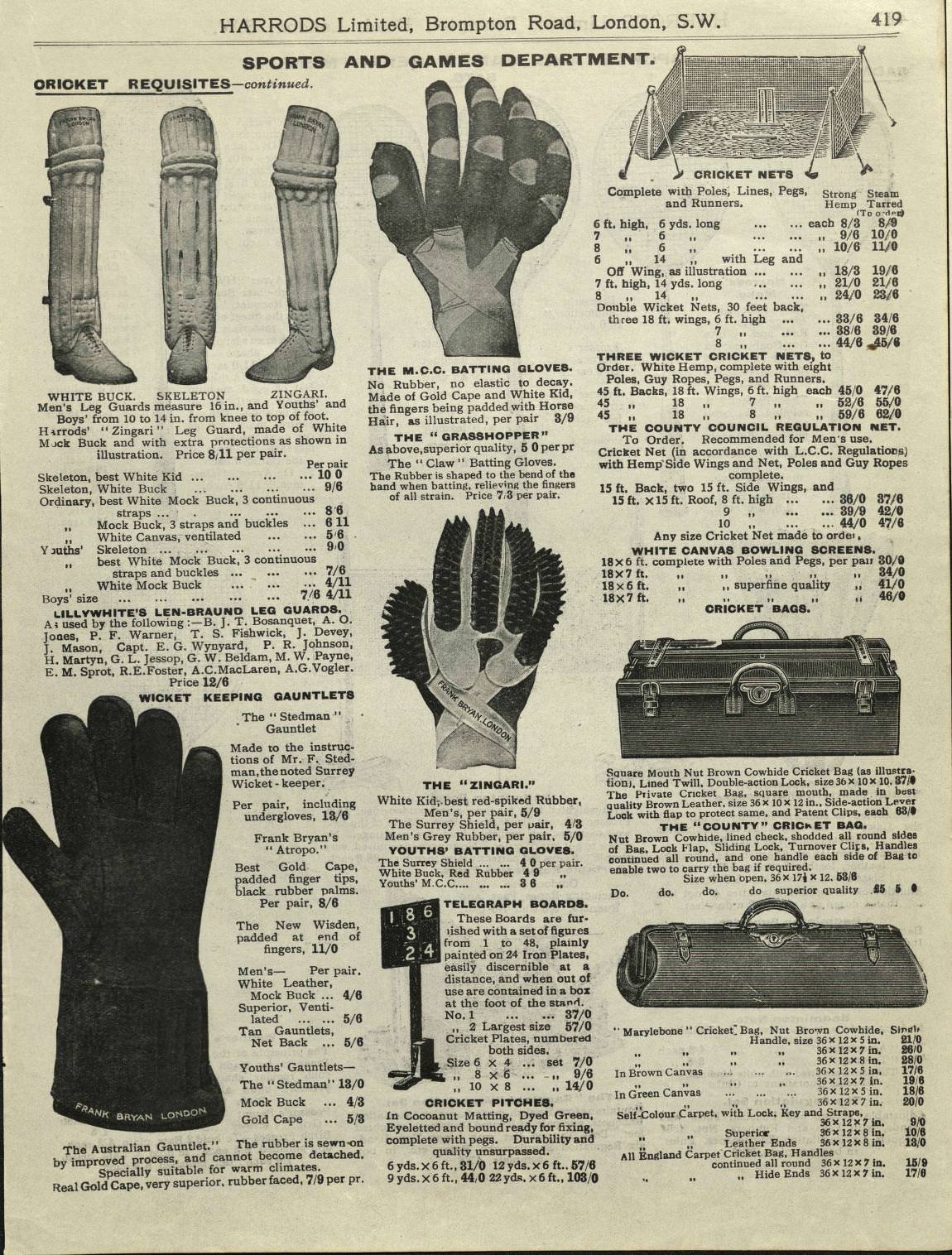
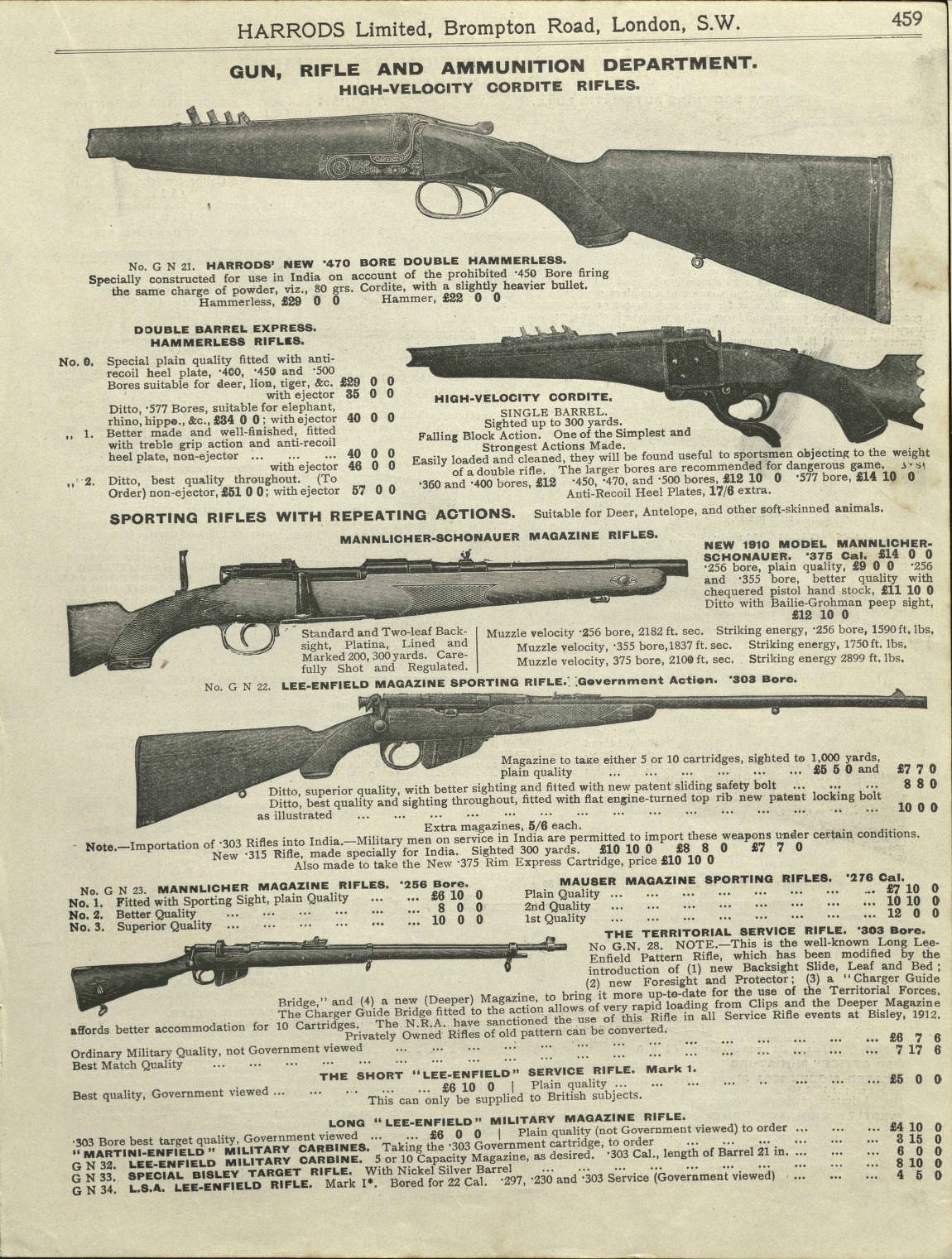
A single catalog tells the story of a country at its commercial and imperial peak — confident, expansive, and entirely certain that it could provide everything the world needed, delivered to your door.