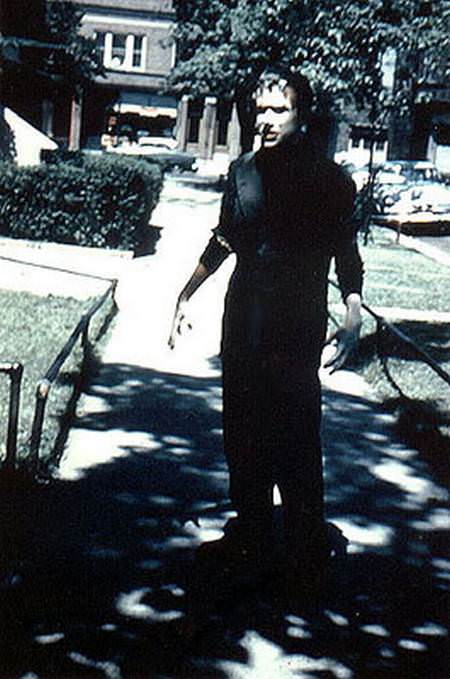
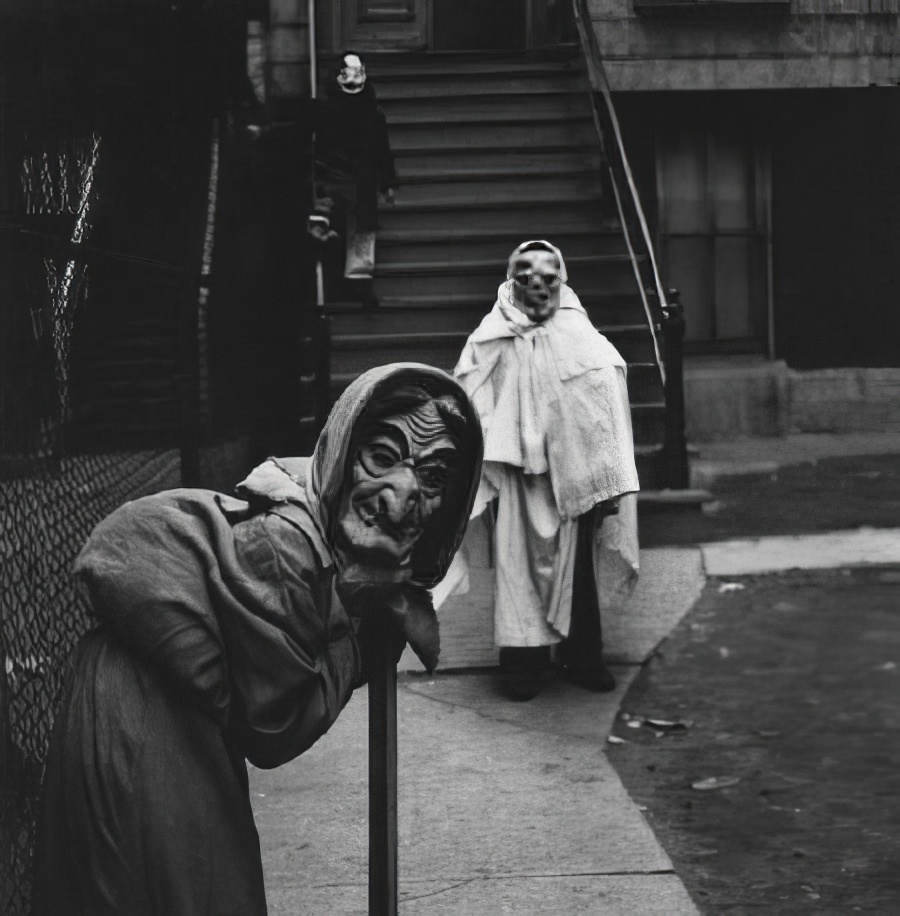
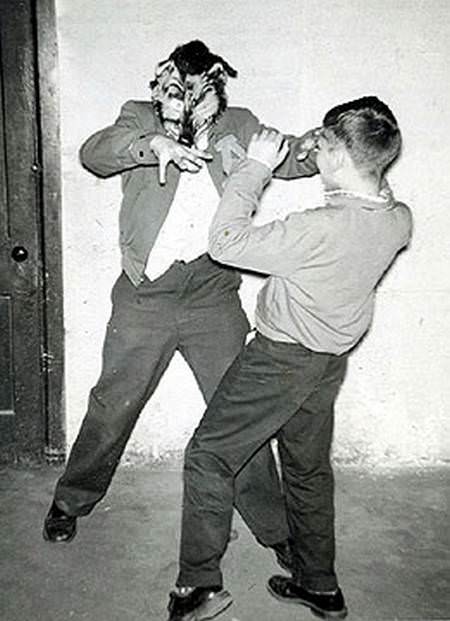
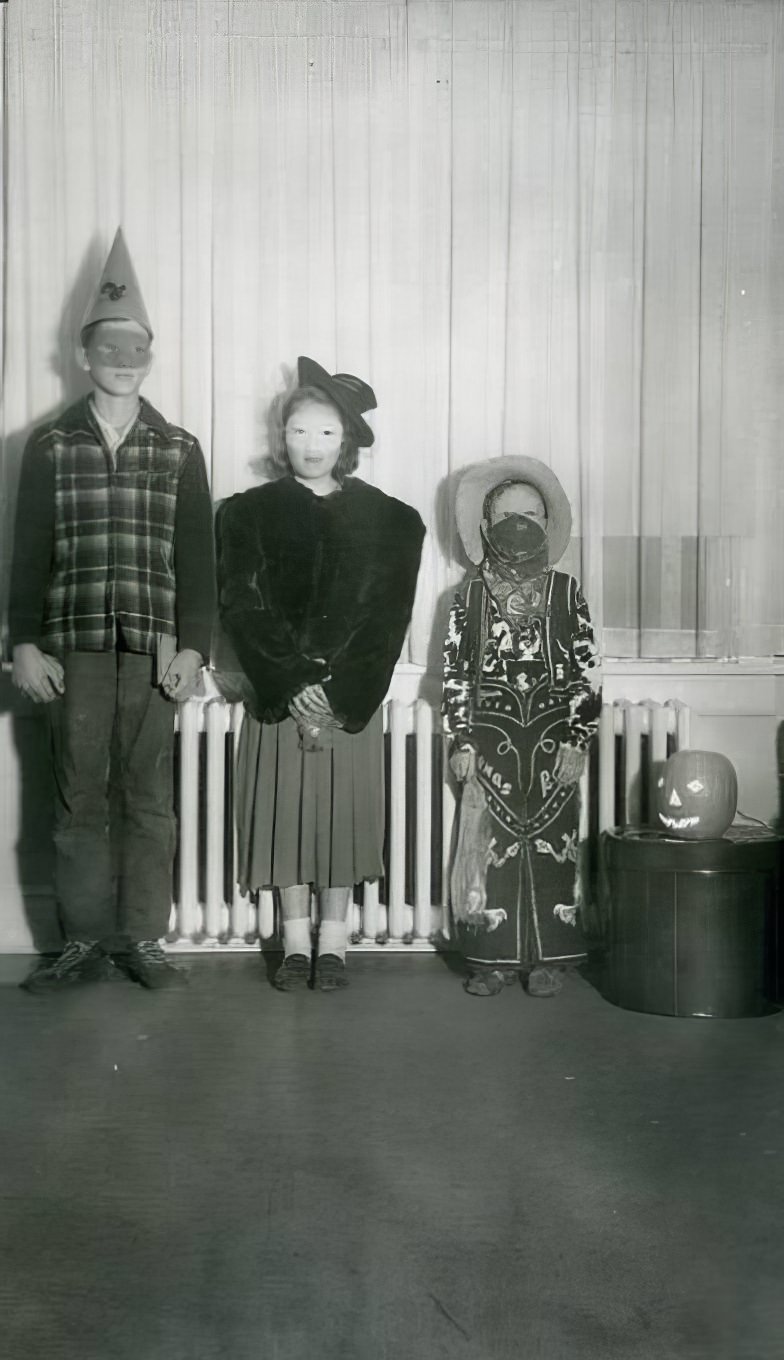
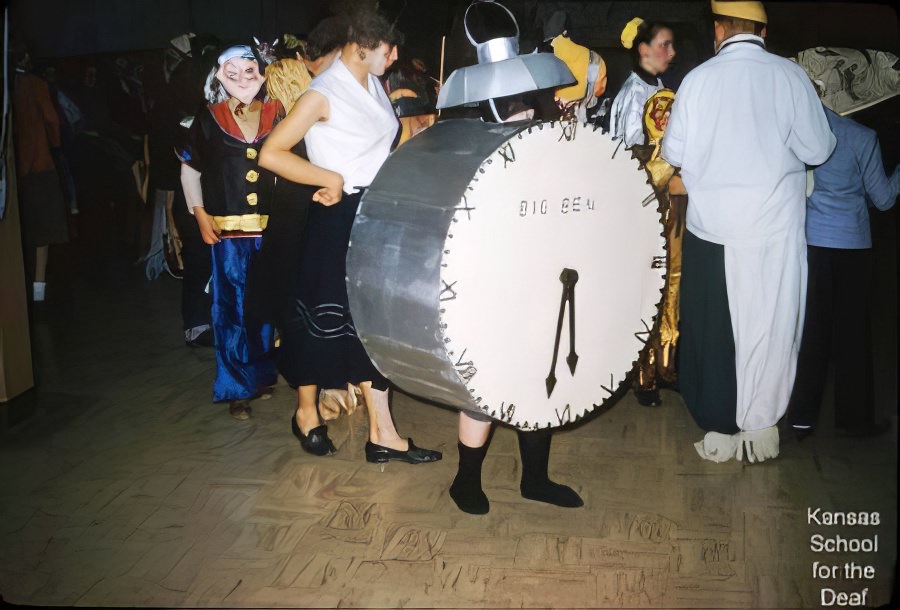
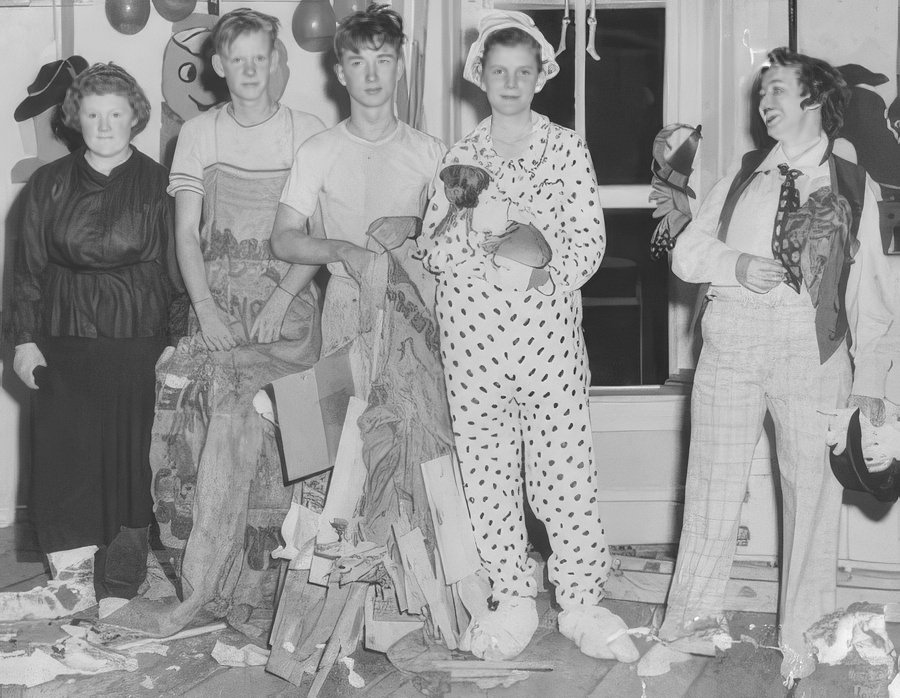
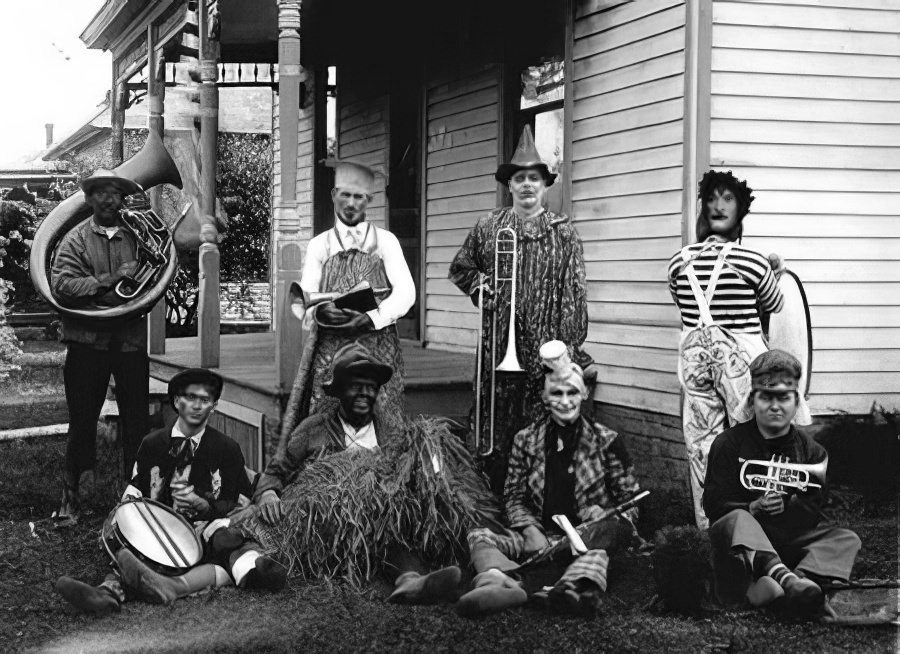
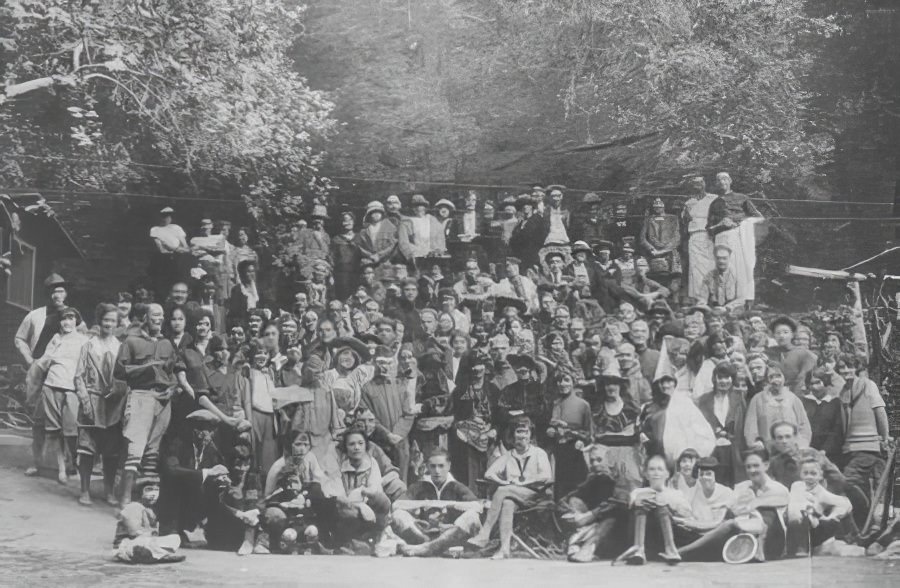
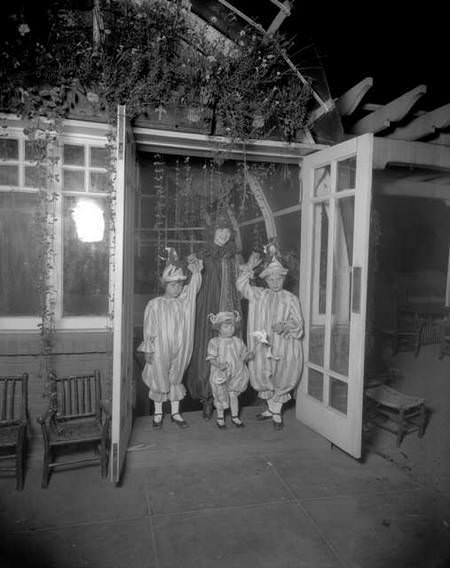
Today’s Halloween costumes lean toward pop culture heroes, cute animals, and store-bought sets. But flip through photos from the early 1900s and a very different picture emerges. The costumes from that era weren’t polished or playful — many were flat-out unsettling, and not always on purpose.
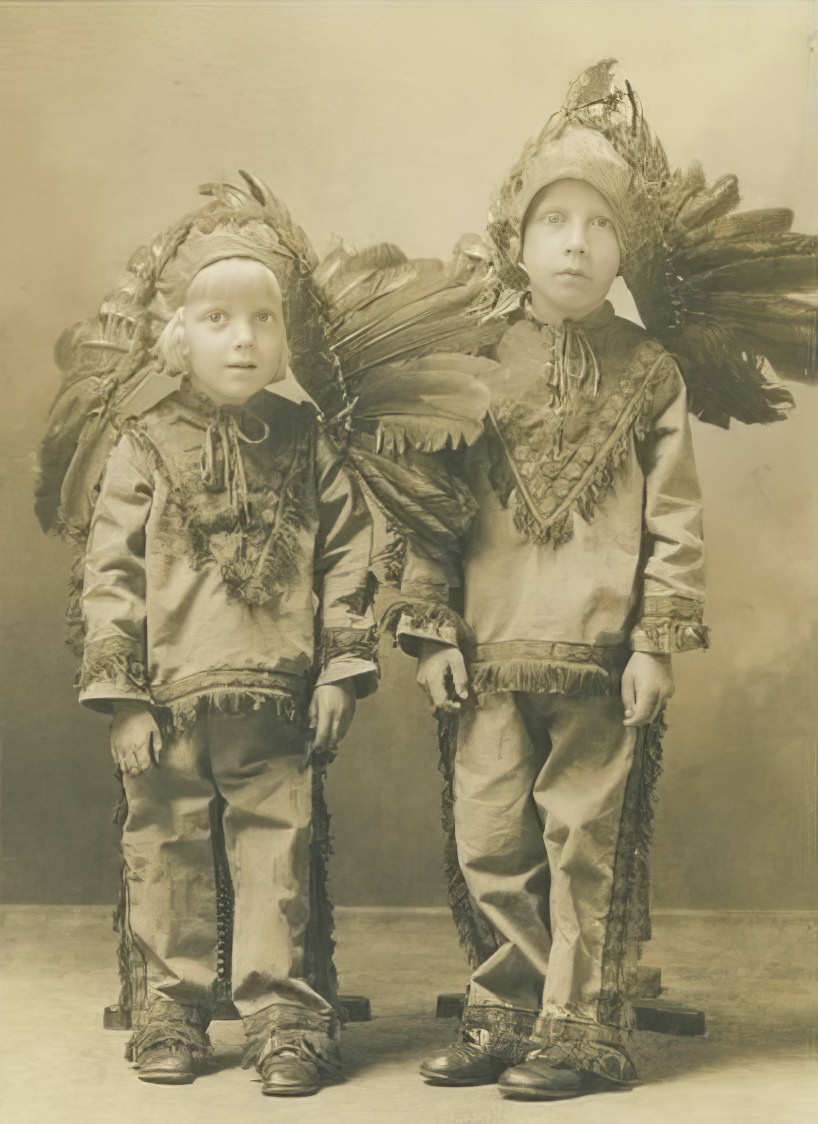
Early Halloween in America drew heavily from European traditions — disguises, bonfires, and rituals meant to ward off wandering spirits. As the holiday spread across the United States, costumes became central to the celebration. Most were made at home using whatever was available: old clothes, scrap fabric, and cardboard.
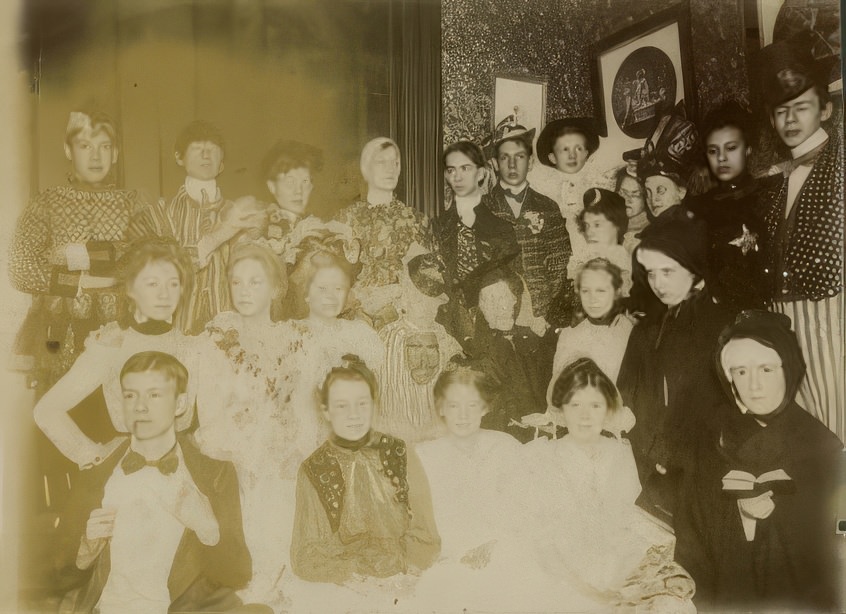
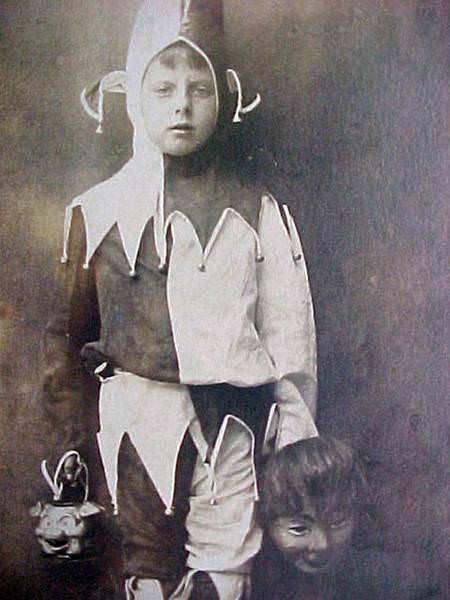
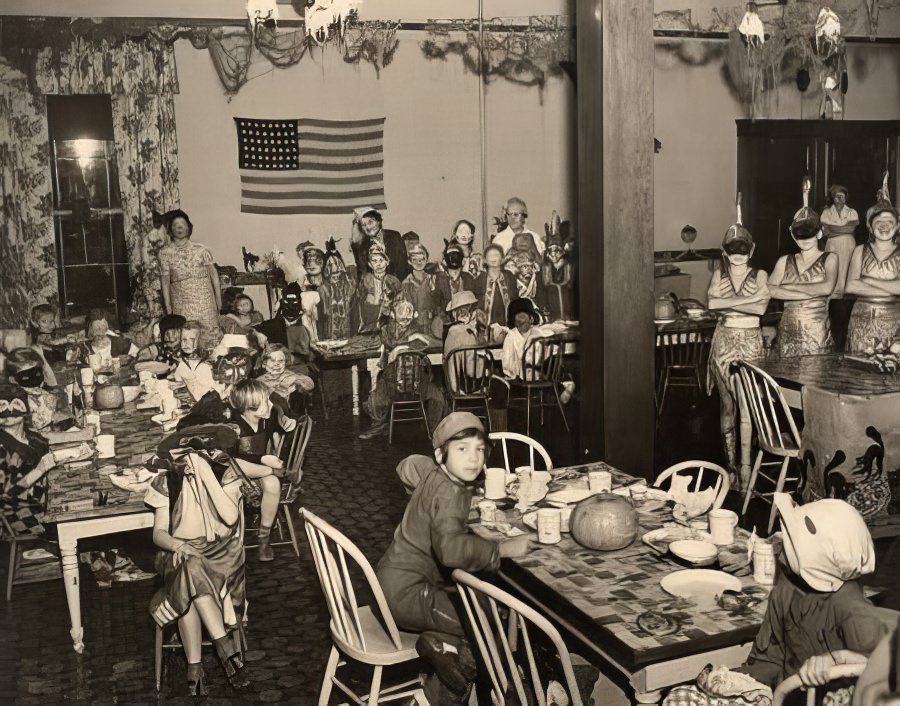
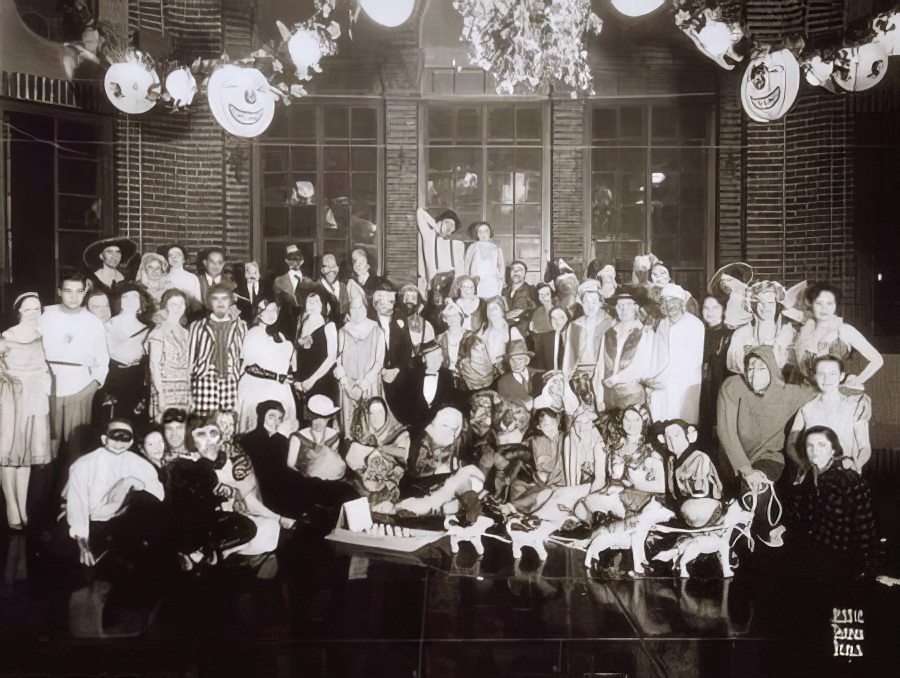
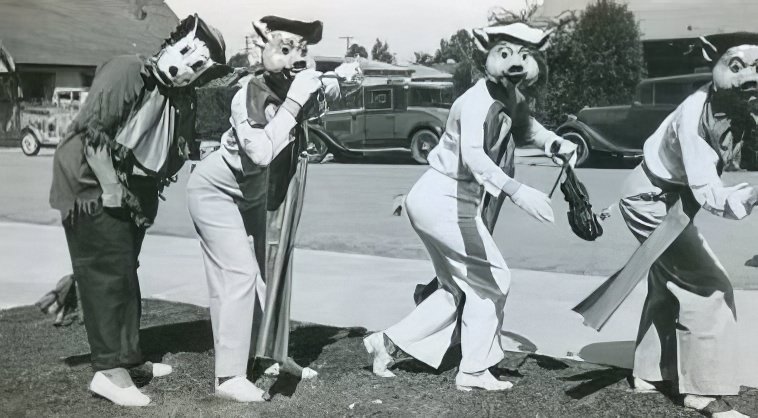
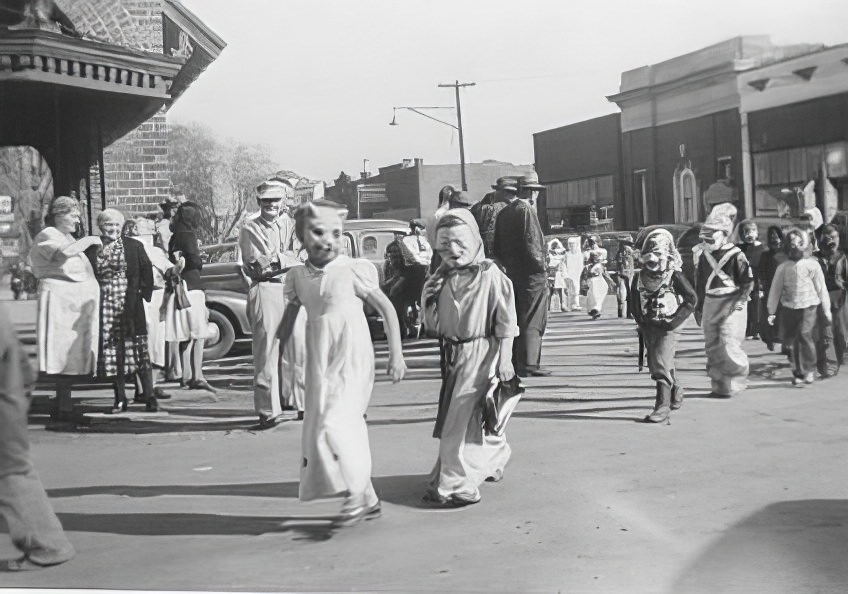
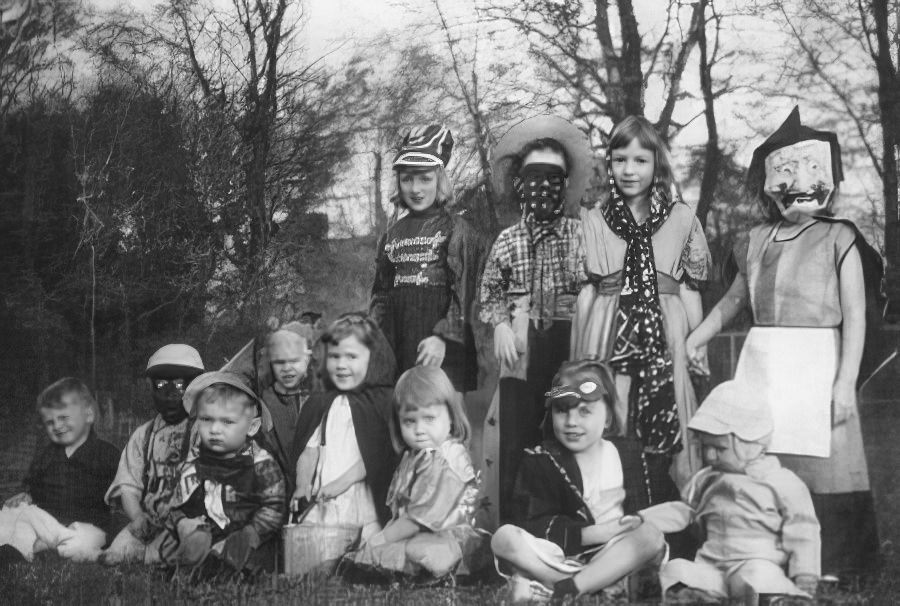
Masks were one of the most common features of vintage Halloween costumes. Many were made from papier-mâché — paper pulp mixed with glue — molded into animal faces, monsters, or grotesque human expressions. They had exaggerated features and blank, hollow stares. They were also hot, itchy, and hard to see out of. Still, people wore them because the effect was worth it.
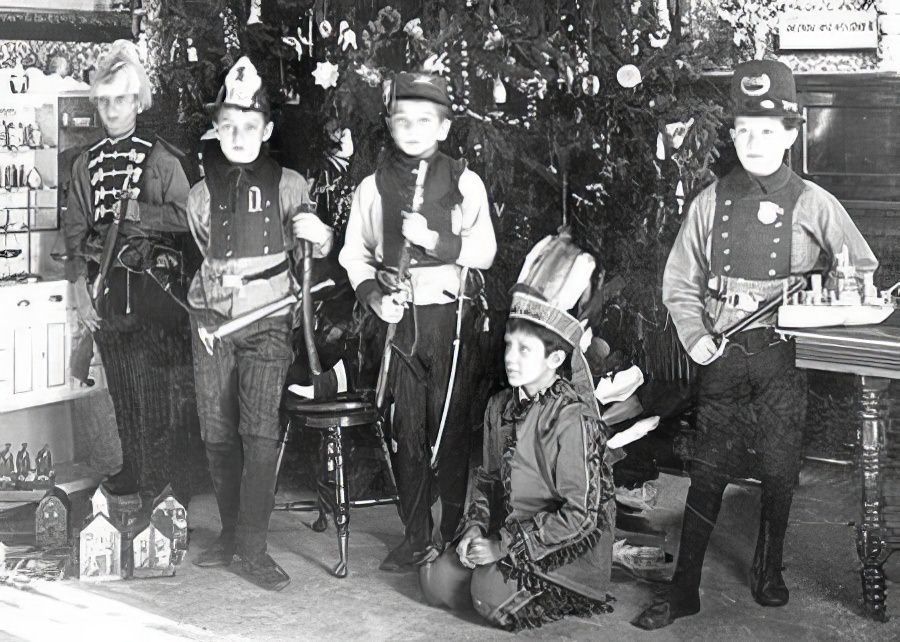
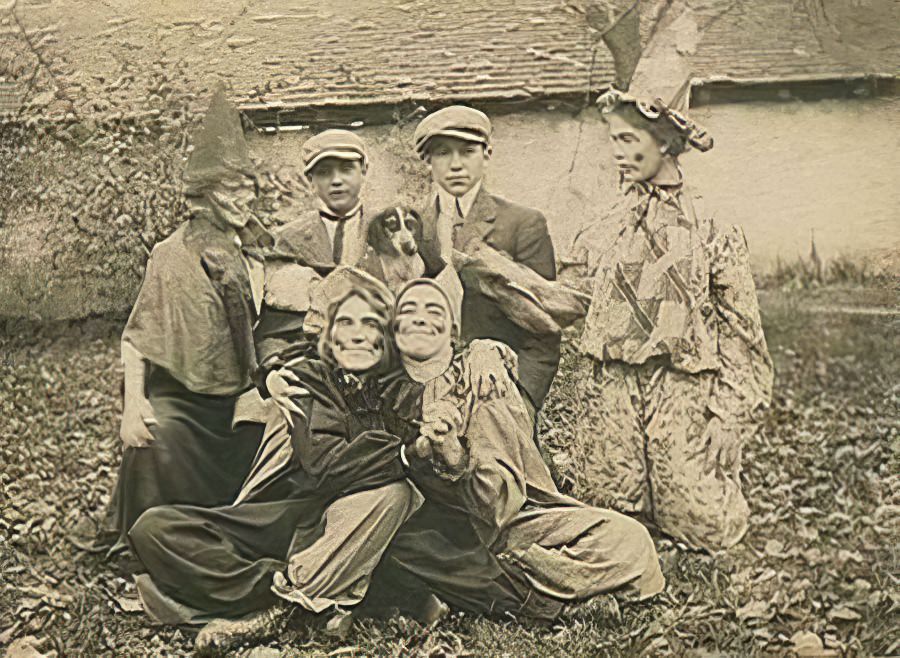
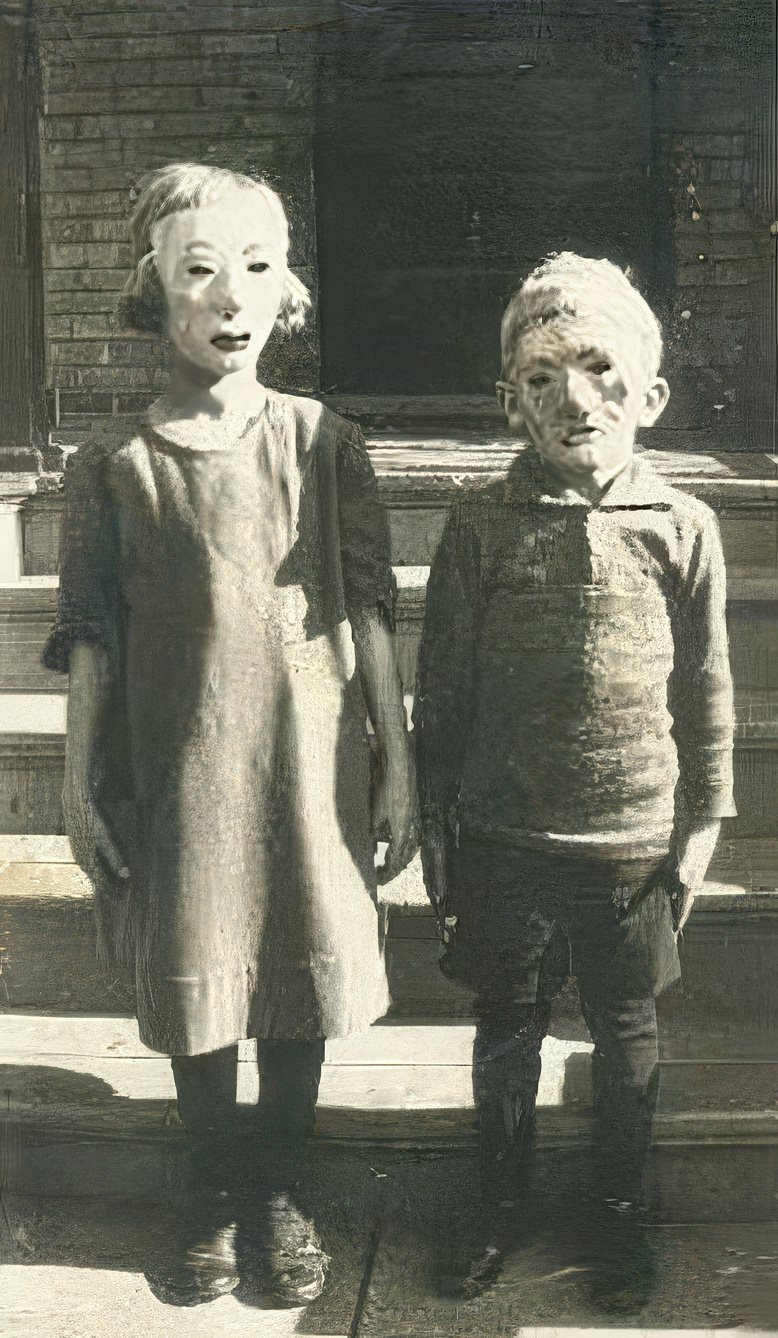
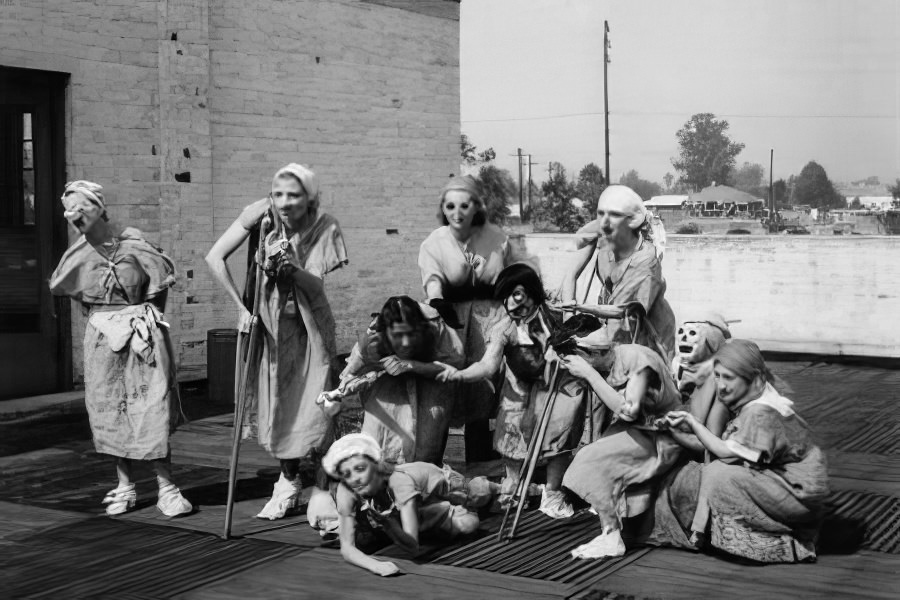
These masks completely covered the wearer’s face, stripping away any sense of identity. That anonymity added a real edge to the atmosphere at Halloween gatherings and parties of the time.
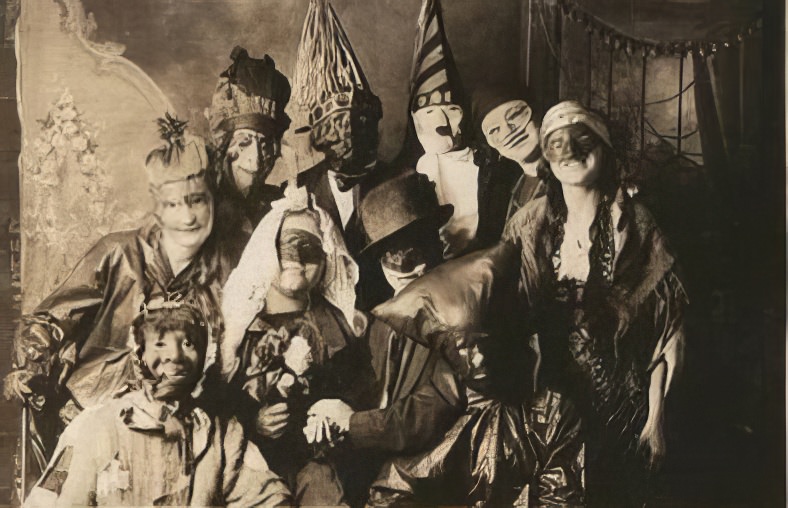
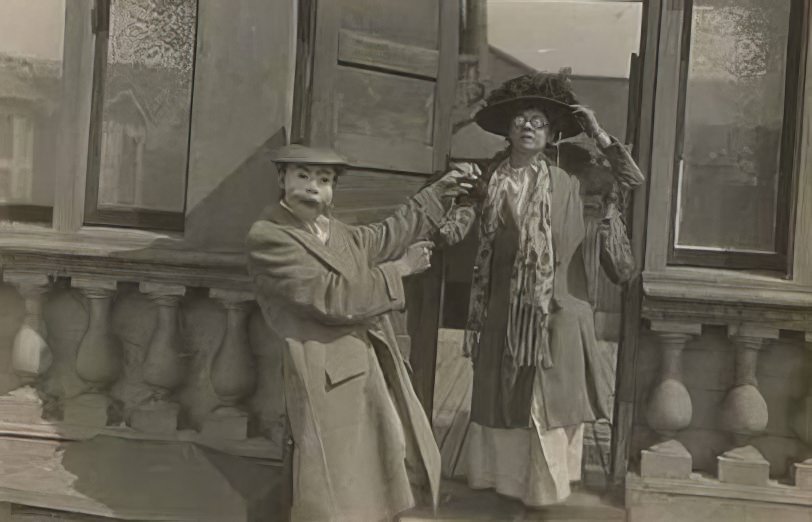
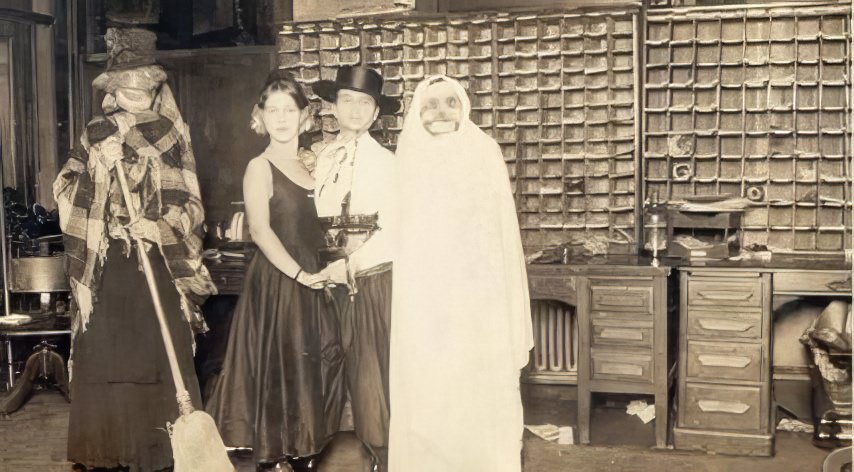
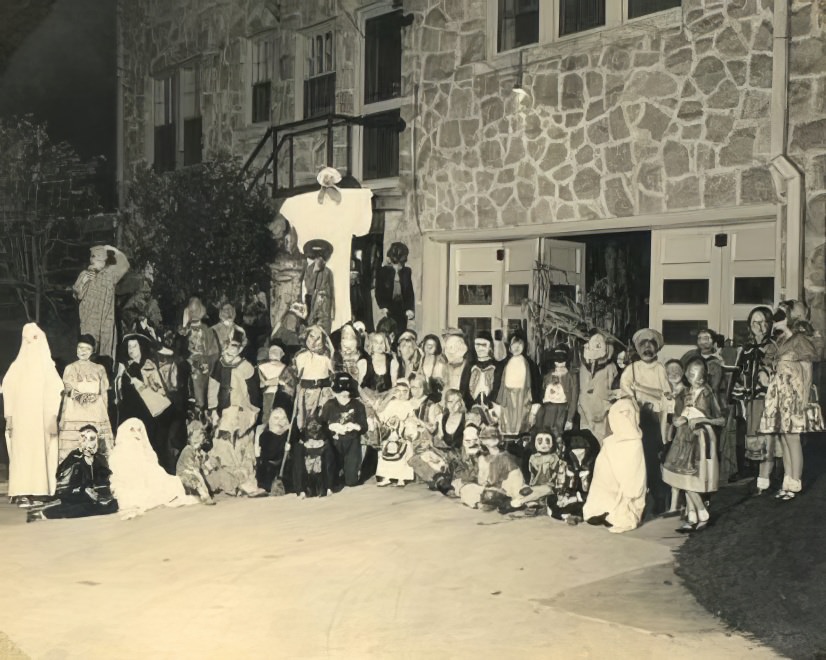
Ghost and skeleton costumes were another staple. A white sheet with cut-out eyes or clothing painted with bare bones was enough to make a strong impression. Some people added chains, painted details, or darkened their eyes with soot to sharpen the effect.
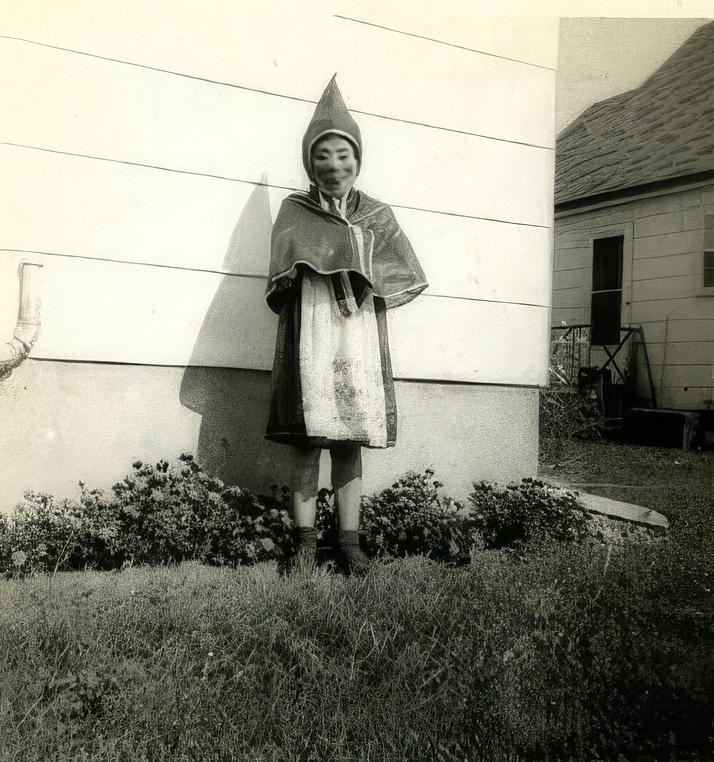
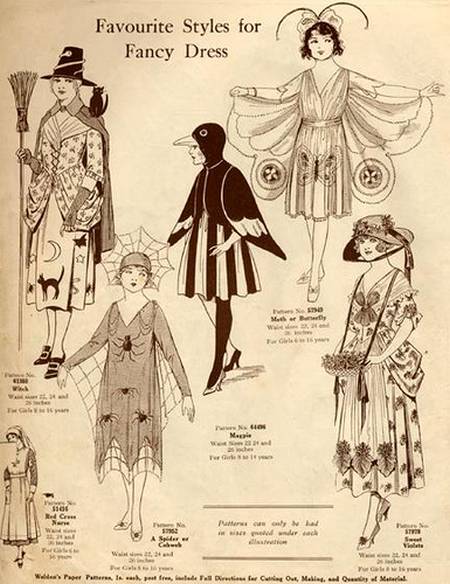
Animal costumes were popular too, but they weren’t the friendly kind seen today. A full-body crow costume with large black eyes or a cat with a painted snarl landed closer to frightening than charming. The exaggerated features gave them an eerie, unsettling quality.
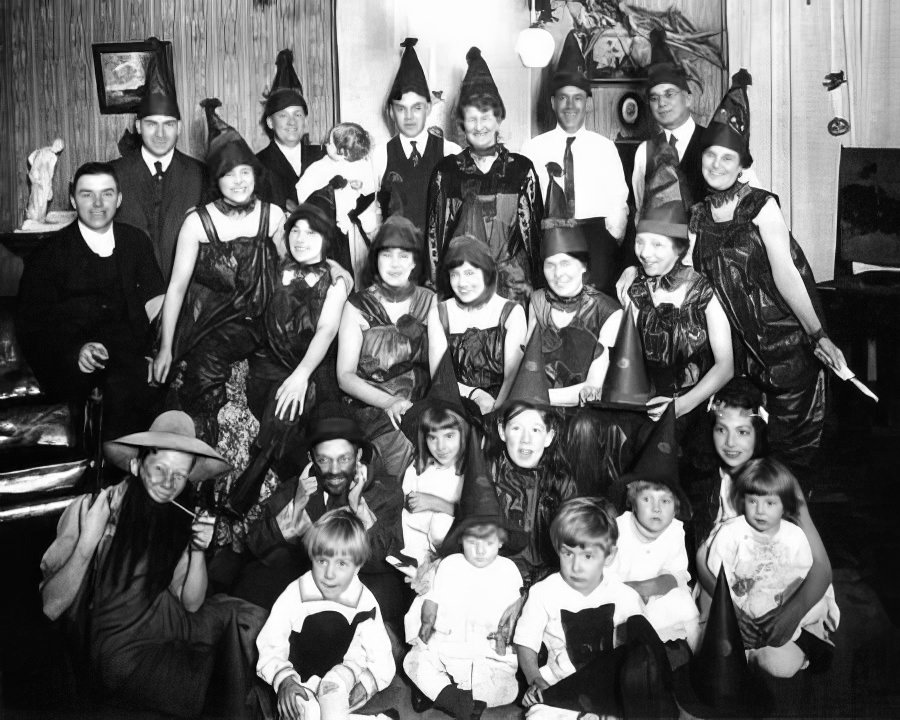
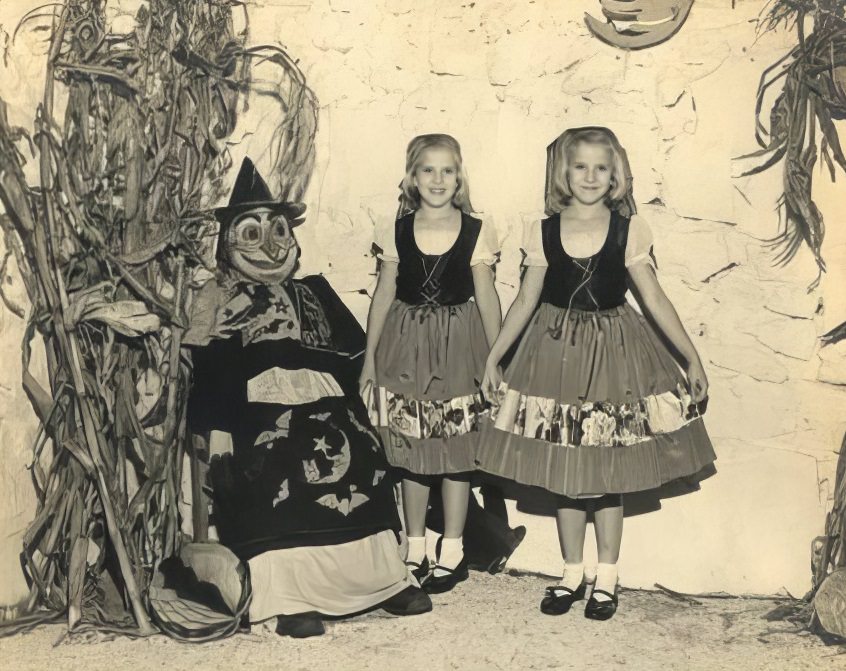
Witch costumes were a fixture across every decade. Long dark robes, pointed hats, and dramatic makeup — pale skin, heavy under-eye shadows, and drawn-on wrinkles — made them a staple of both homemade and store-bought options throughout the first half of the century.
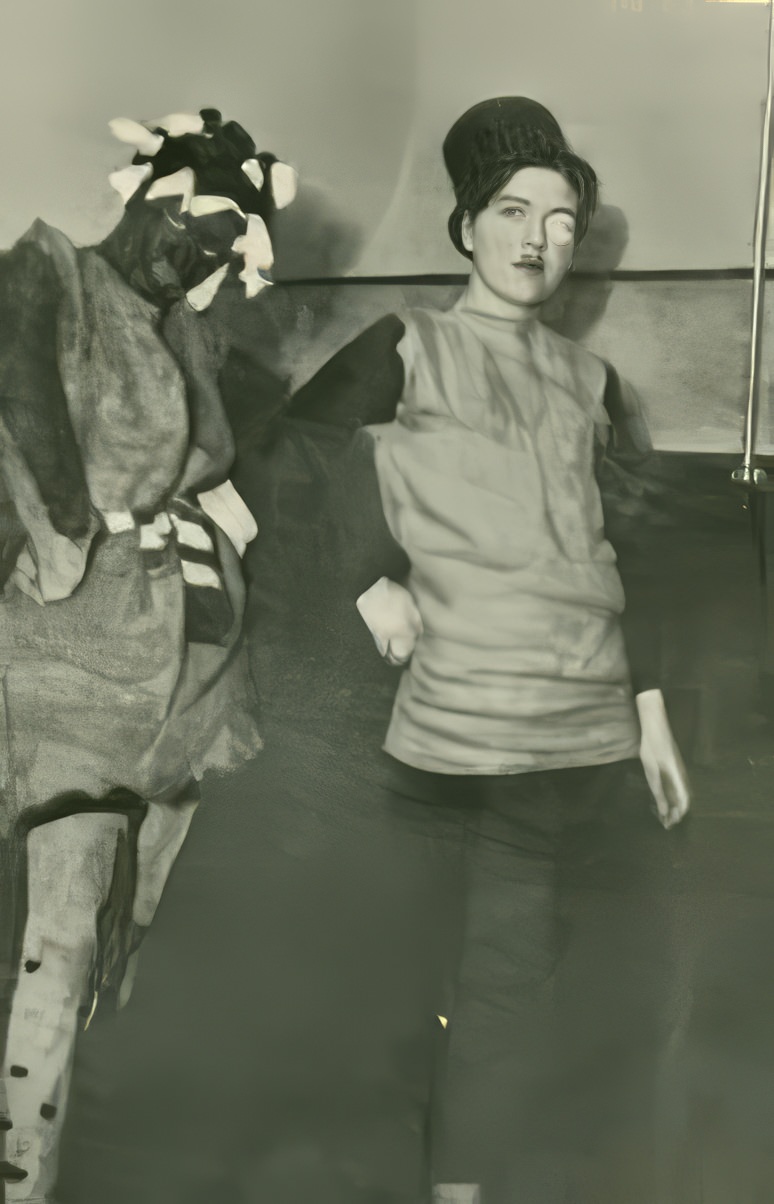
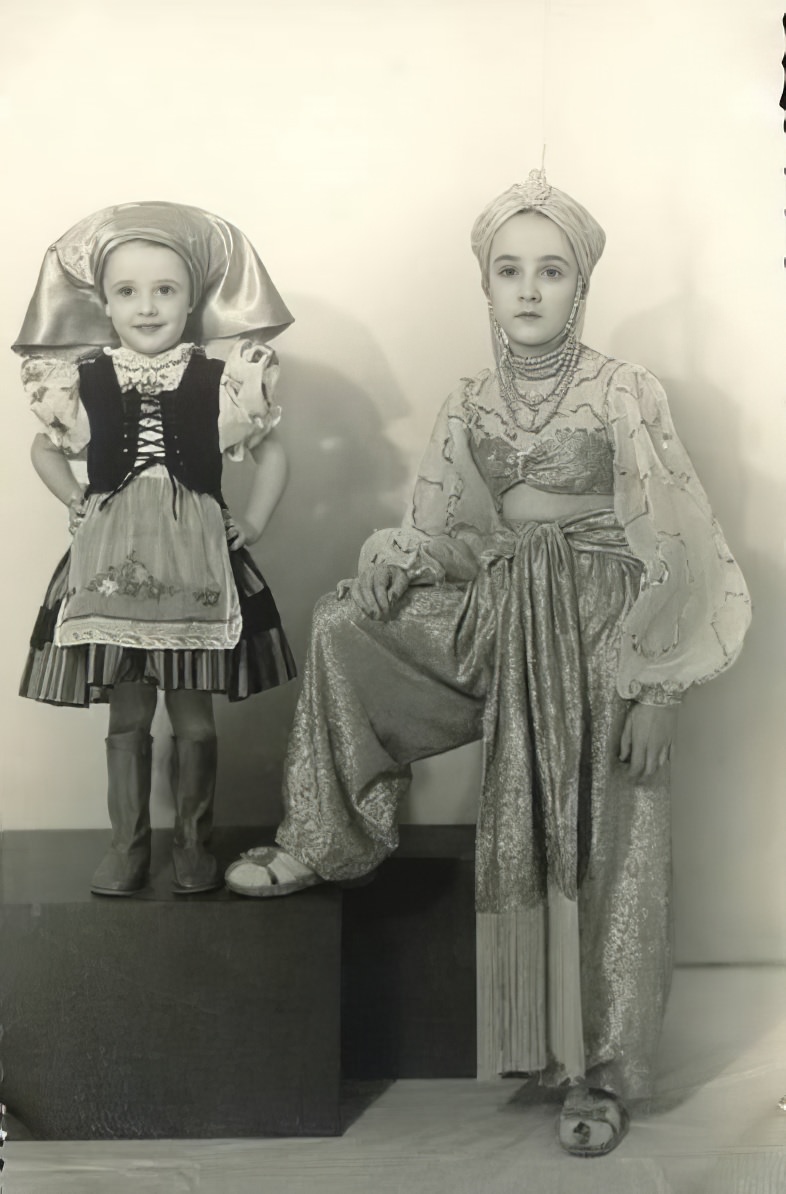
By the 1930s, Halloween parties had become organized social events. Hotels, schools, and community halls hosted themed gatherings. Costumes grew more elaborate, but the homemade quality — and the creepiness that came with it — remained.
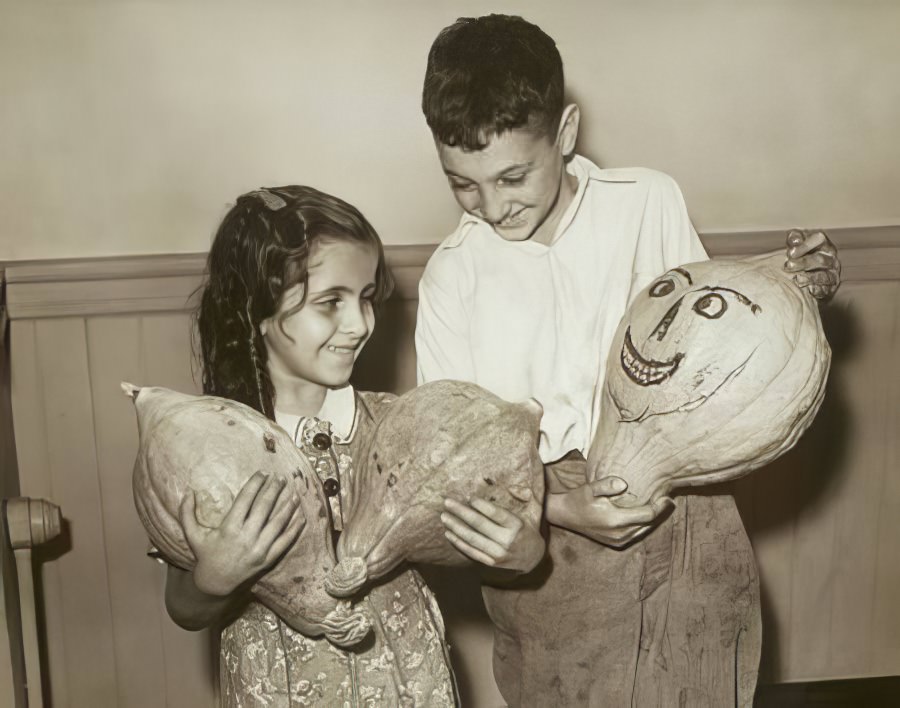
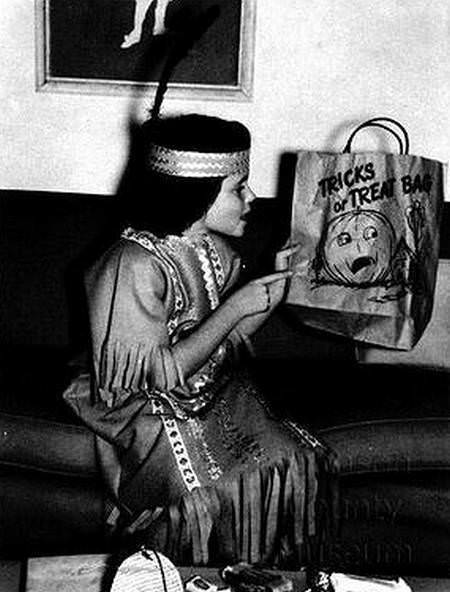
After World War II, trick-or-treating took off as the defining Halloween activity for children. Neighborhoods filled with kids in costumes carrying bags door to door. The costumes of the late 1940s and early 1950s mixed the old homemade style with newer store-bought versions.
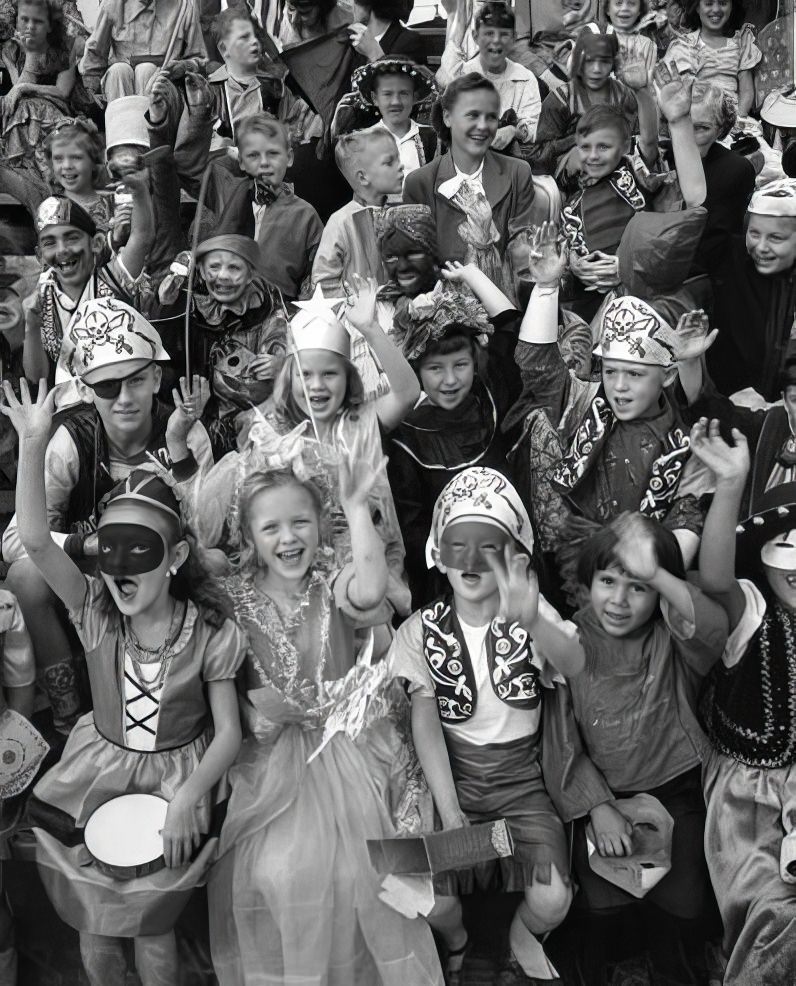
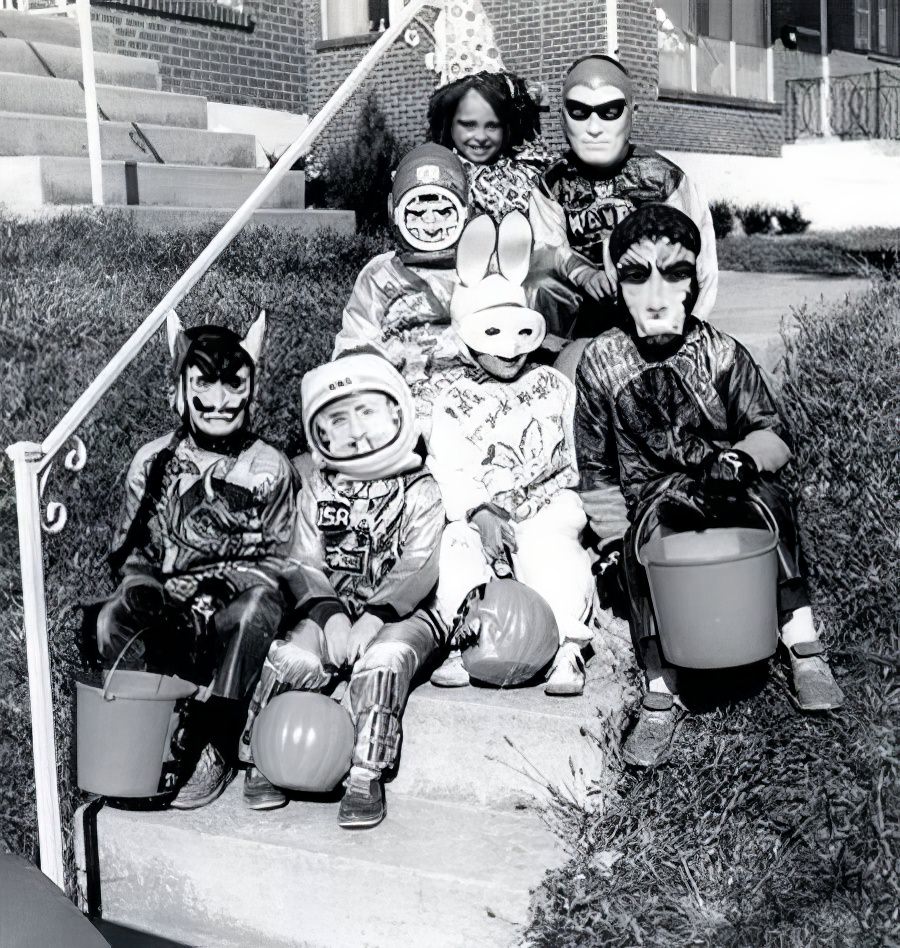
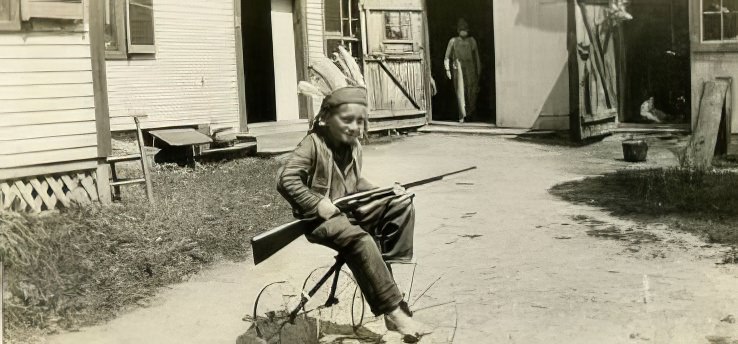
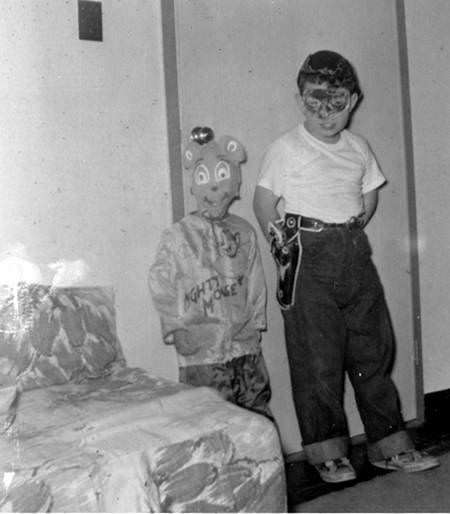
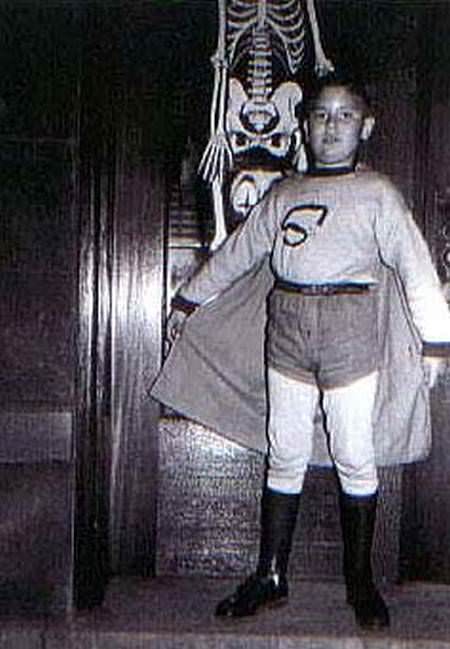
Pop culture began creeping into Halloween wardrobes by the early 1950s. Characters from comics, cartoons, and films started appearing alongside the traditional witches and ghosts. Superman, Mighty Mouse, and cowboys showed up in trick-or-treat lines across American suburbs.
Monster costumes from classic horror films — Frankenstein, werewolves, and similar creatures — became a staple of teenage Halloween dress-up by the mid-1950s. These were inspired directly by the era’s popular horror movies and TV shows, giving older kids a version of Halloween that was darker than the children’s fare.