
In October 1937, Farm Security Administration photographer Arthur Rothstein spent an afternoon walking the streets of Hagerstown, Maryland. His camera captured residents going about their daily lives — shopping, gathering, working — during one of the hardest economic periods in American history. The result is a vivid, street-level record of a mid-sized American city deep in the Great Depression.
Hagerstown has deep roots. Jonathan Hager founded the city in 1762. He was a gunsmith, fur trader, farmer, and politician who moved quickly to build his fortune after settling in the area. He acquired over 10,000 acres of land and used it to plan out the town’s layout. The city was first called Elizabethtown, named after his wife, but was later renamed Hagerstown in his honor.
By the 1820s, Hagerstown had grown into a key stop along the Cumberland Road — also known as the National Road — a major route connecting the eastern seaboard to the western frontier. The city’s central location made it a natural crossroads for travelers and commerce alike. During the Civil War, both Union and Confederate armies took turns occupying the city. Within 30 miles of Hagerstown lie some of the war’s bloodiest battlegrounds: Gettysburg, Antietam, and Harpers Ferry.
After the war, Hagerstown rebuilt itself around rail. The Baltimore and Ohio Railroad spur arrived in 1867, and the city quickly became a major transportation hub for the surrounding agricultural region. Manufacturing followed, and Hagerstown evolved into a significant commercial and industrial center for the tri-state area of Maryland, Pennsylvania, and West Virginia.
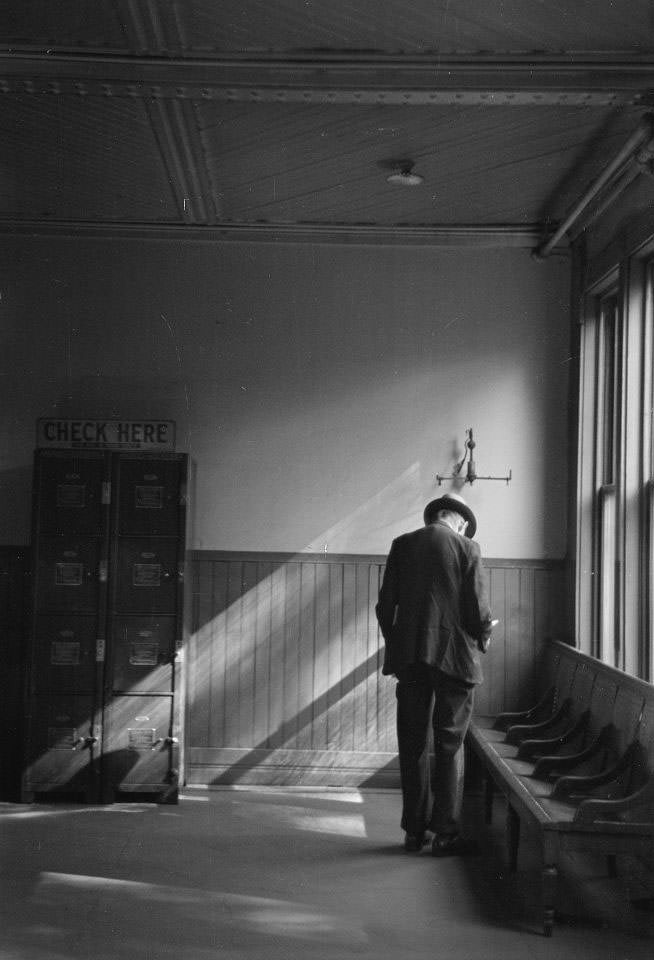
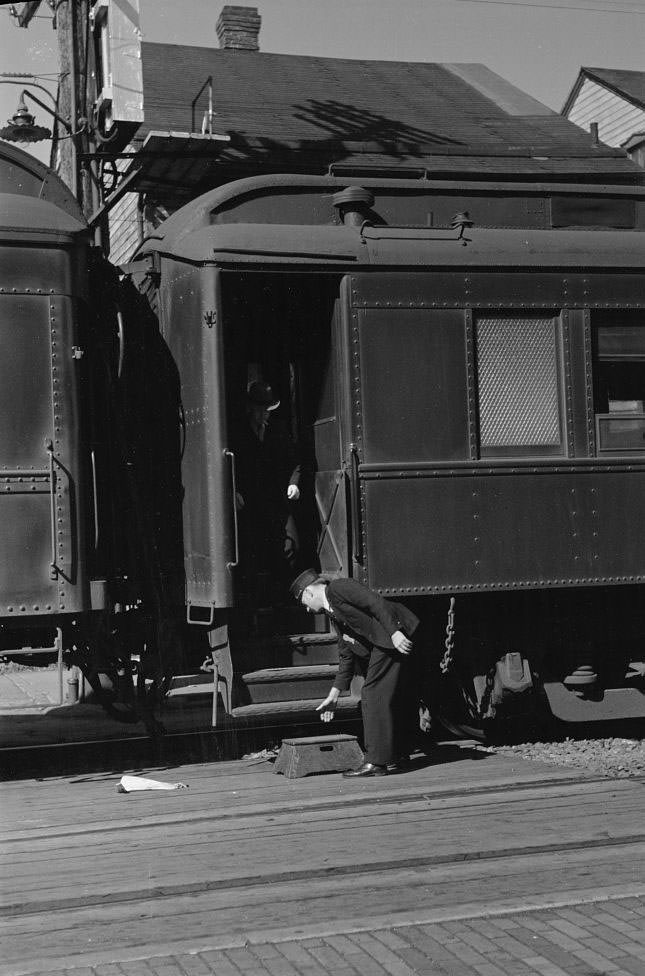
Rothstein’s photographs show the railroad station as the city’s nerve center. Conductors, passengers, and posted bulletins all speak to how deeply rail still shaped life in Hagerstown in 1937. The station interior reflects a working institution — functional, busy, and tied to the rhythms of the surrounding region.
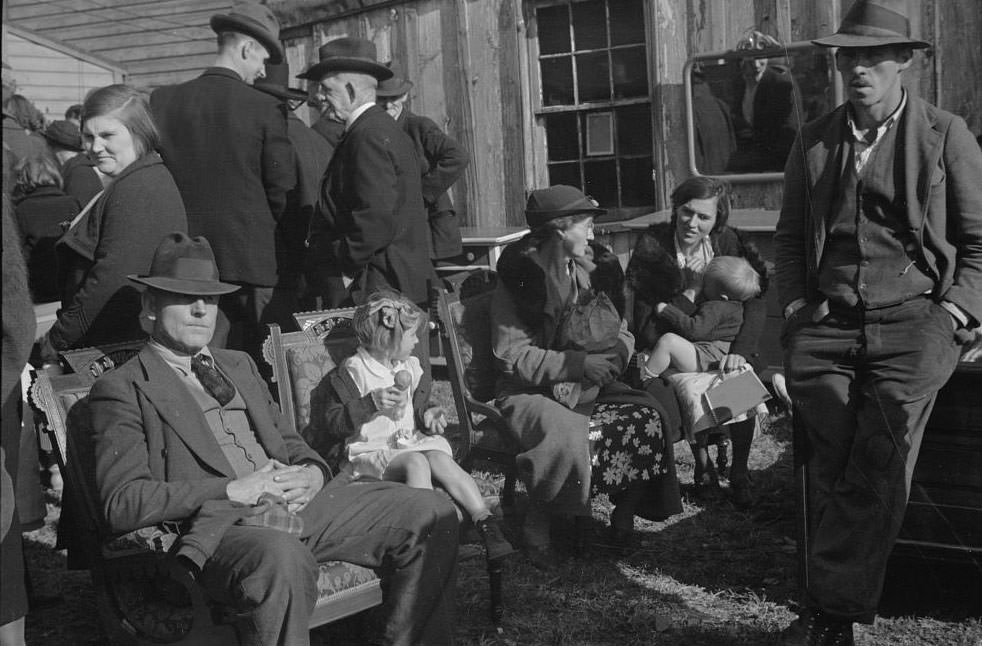
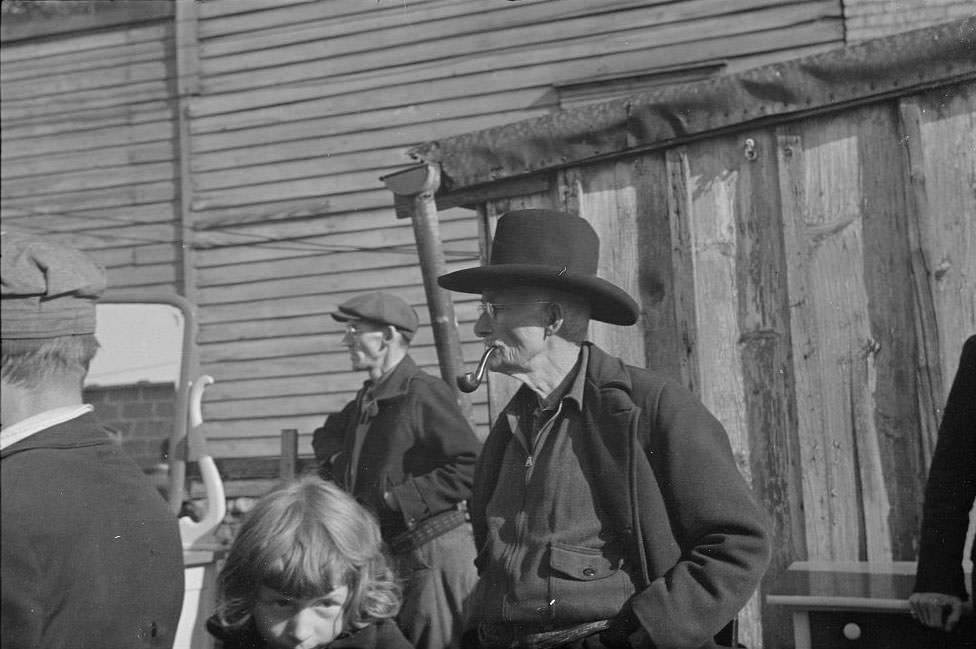
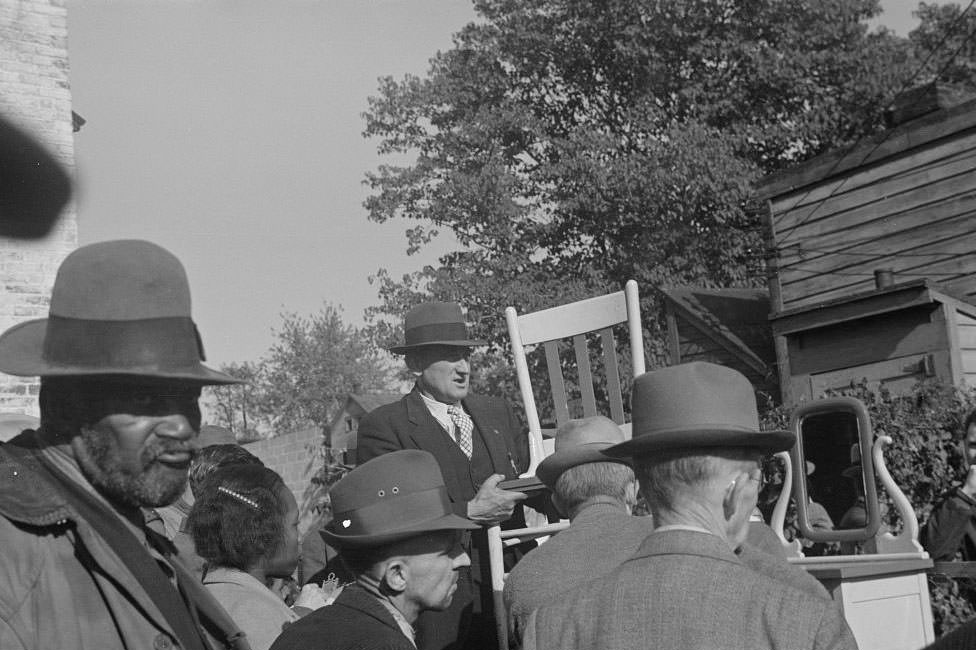
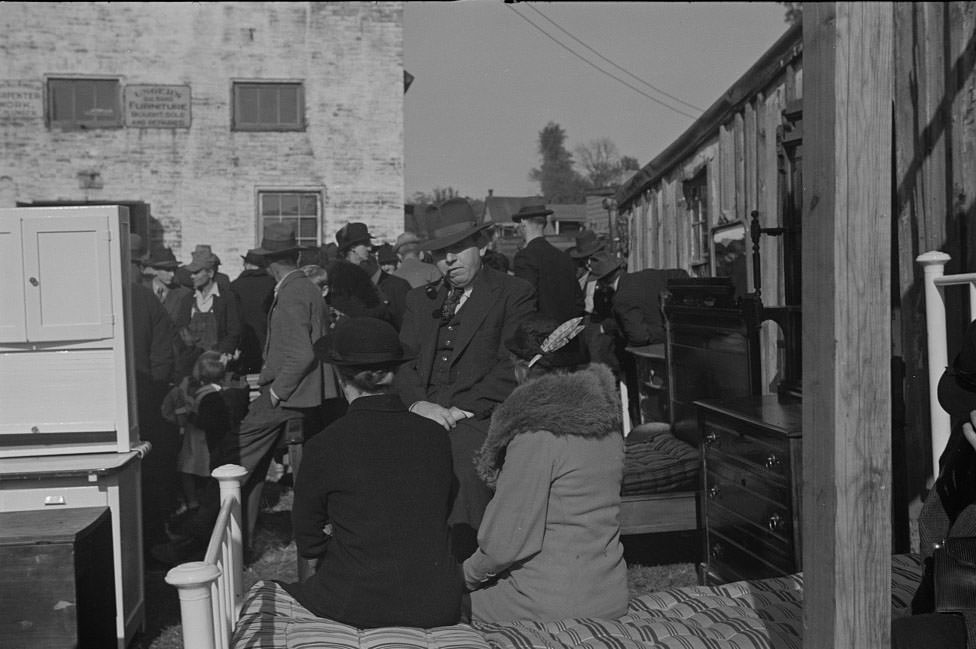
Furniture auctions appear repeatedly in Rothstein’s shots. During the Depression, auctions were a common sight — families sold off belongings to make ends meet, and buyers hunted for deals. The faces in these photos range from curious to weathered, each one carrying the weight of the era.
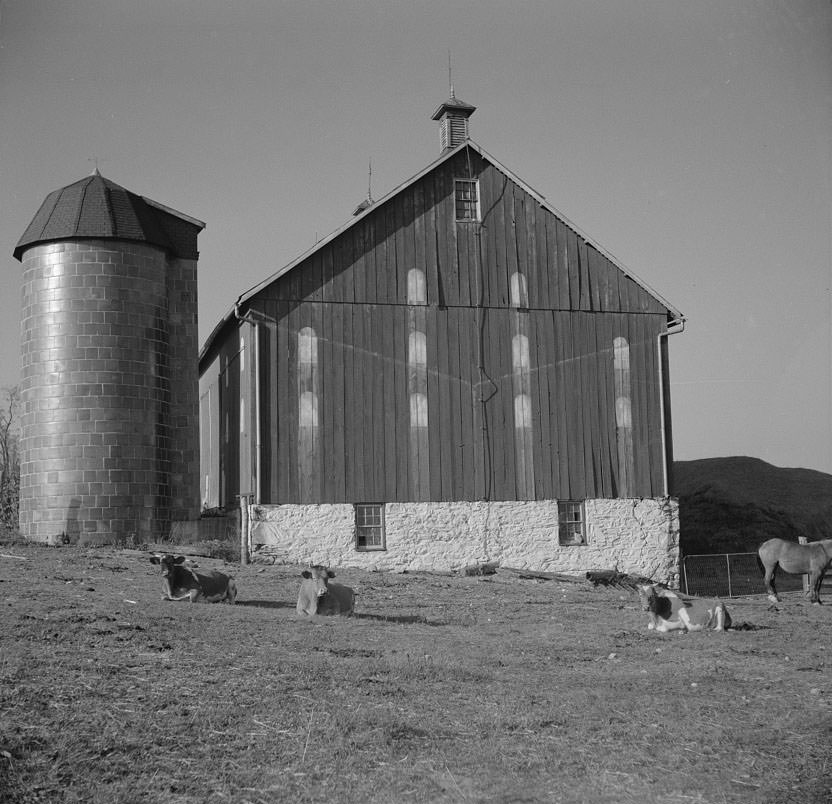
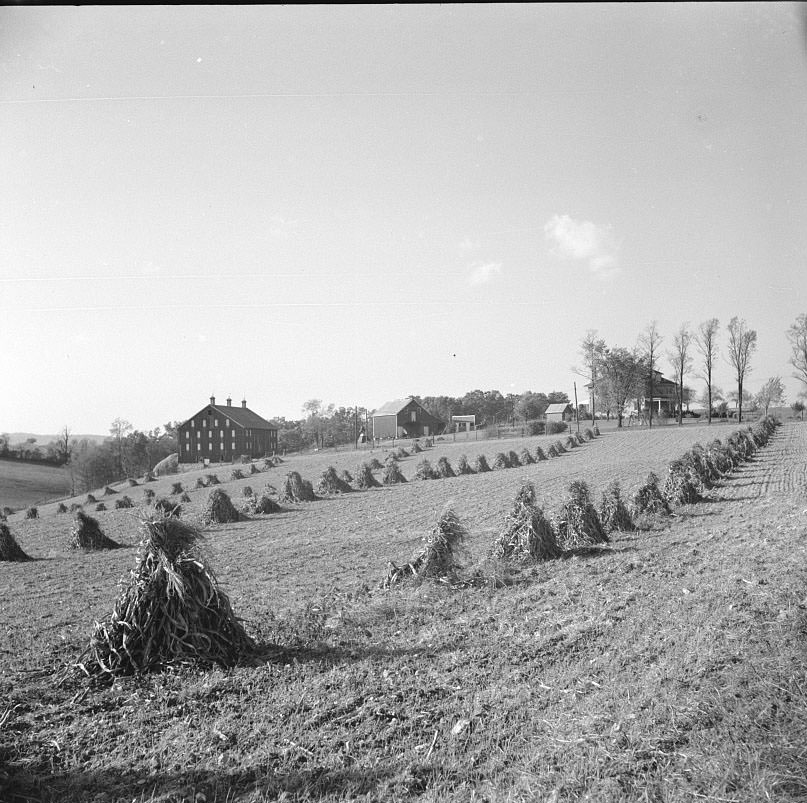
Outside the city limits, Rothstein turned his lens toward the rural landscape surrounding Hagerstown. Farms and barns dotted the outskirts, some with painted windows — a regional architectural quirk that gave plain wooden structures a decorated appearance without the cost of actual glass.
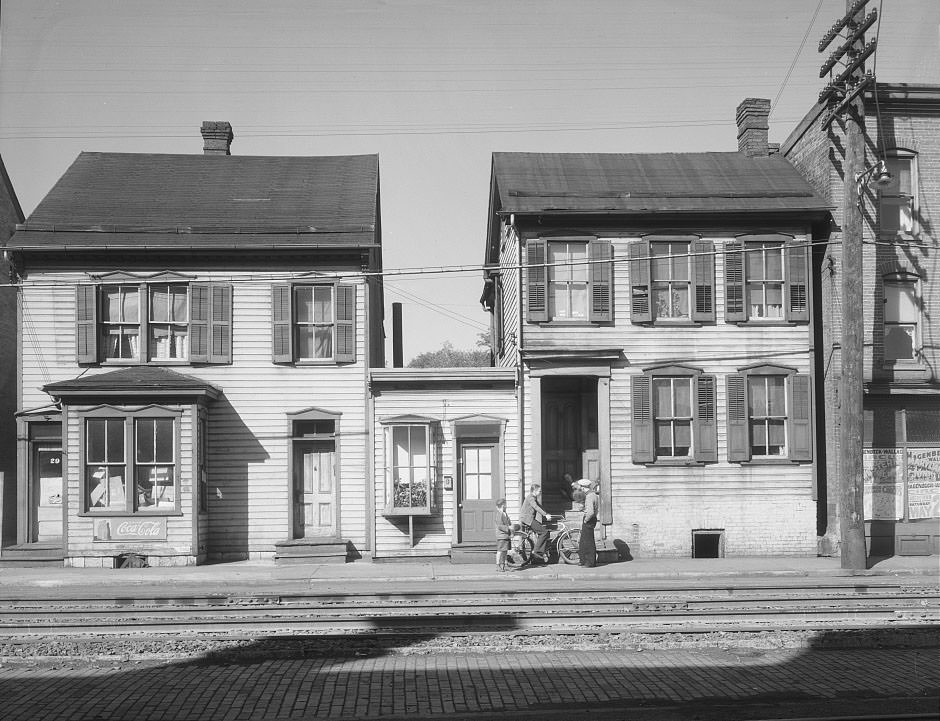
The railroad tracks running through Hagerstown shaped not just commerce but also where people lived. Modest houses clustered near the lines, their residents living close to the economic artery that kept the city running. These neighborhoods were working-class and practical — built for proximity to work, not for comfort.
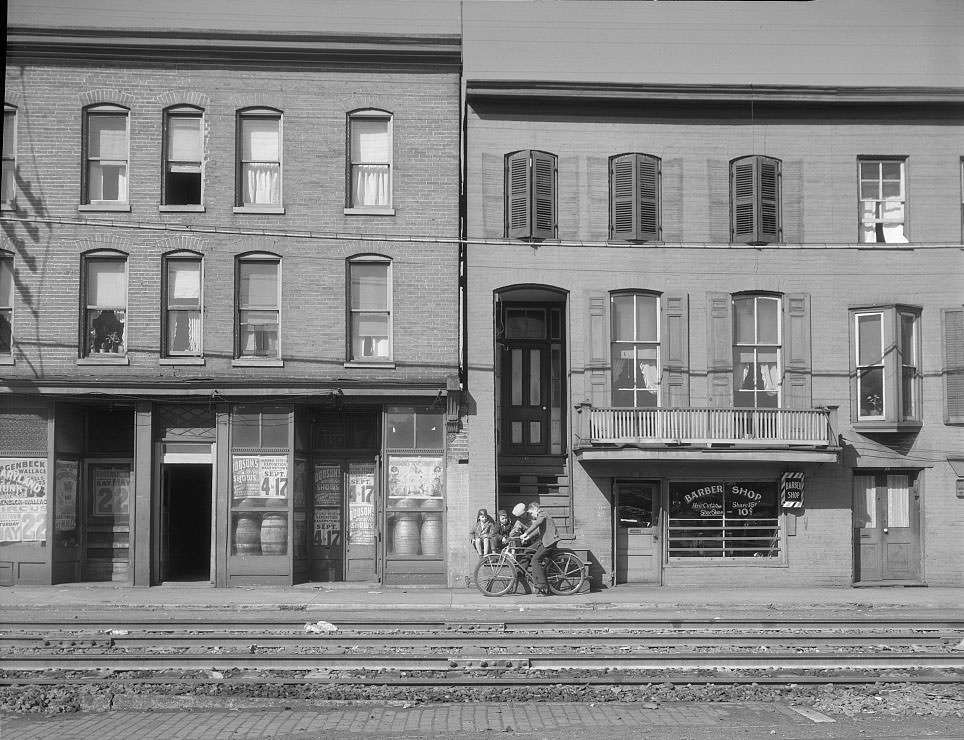
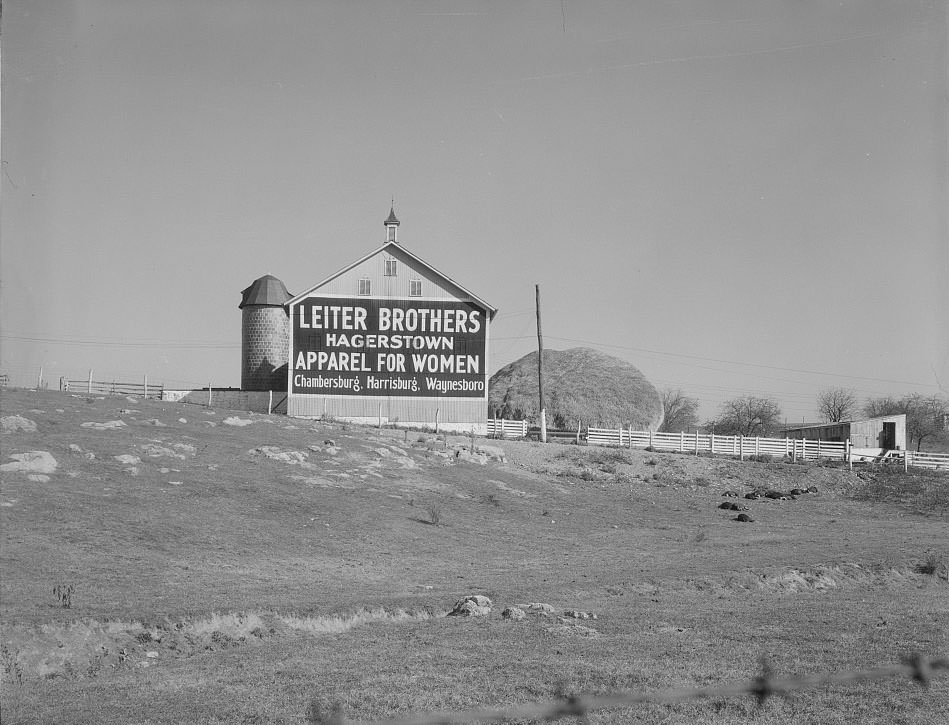
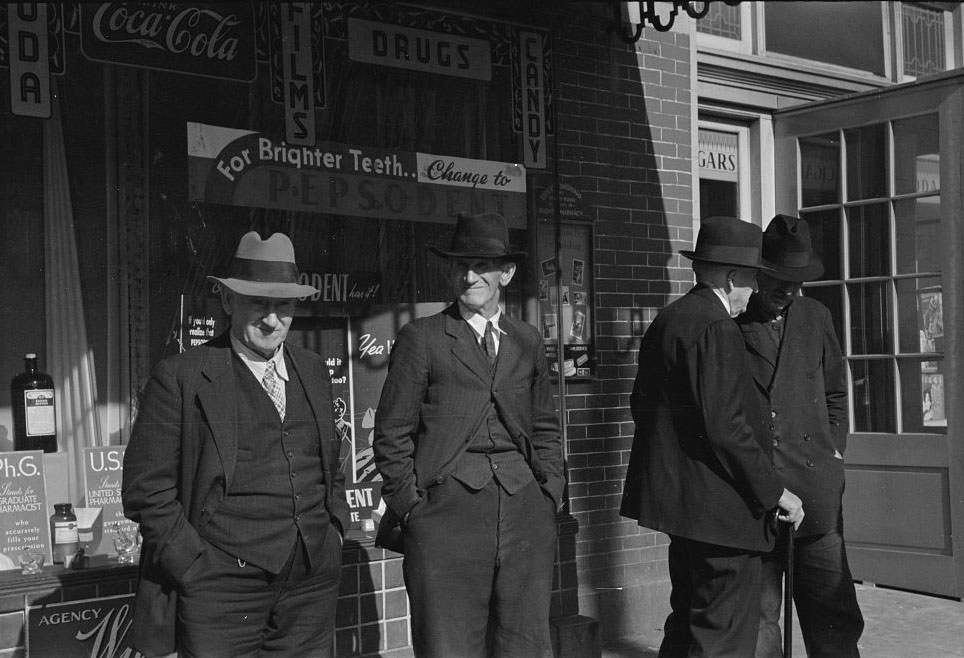
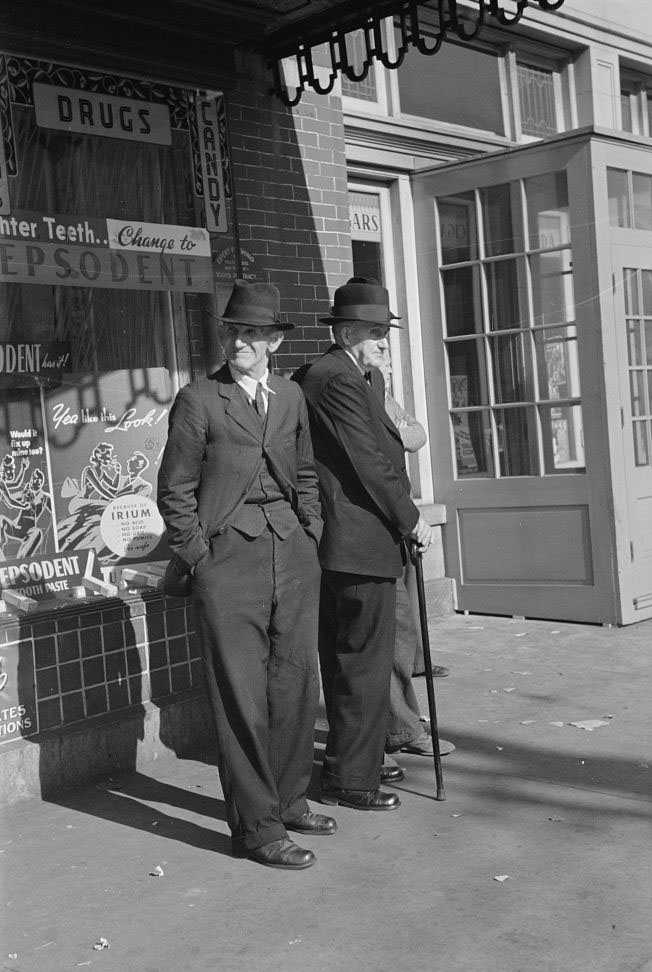
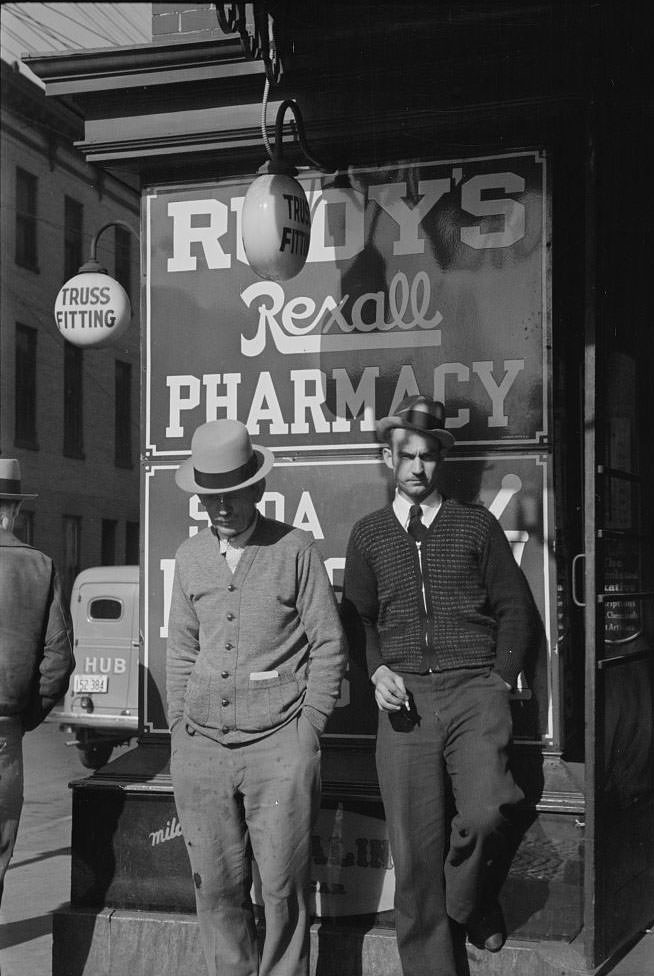
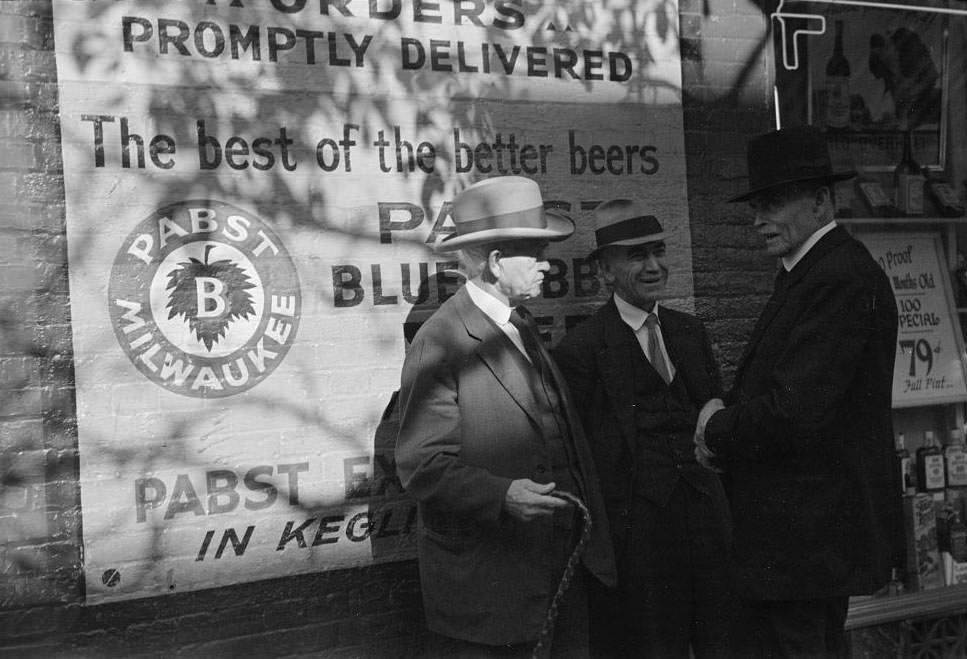
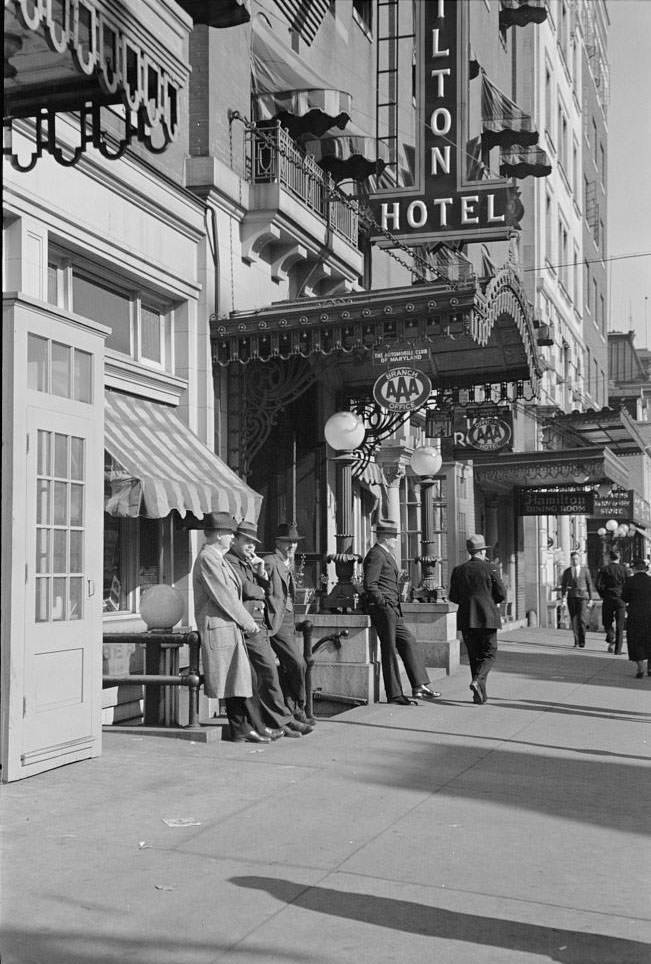
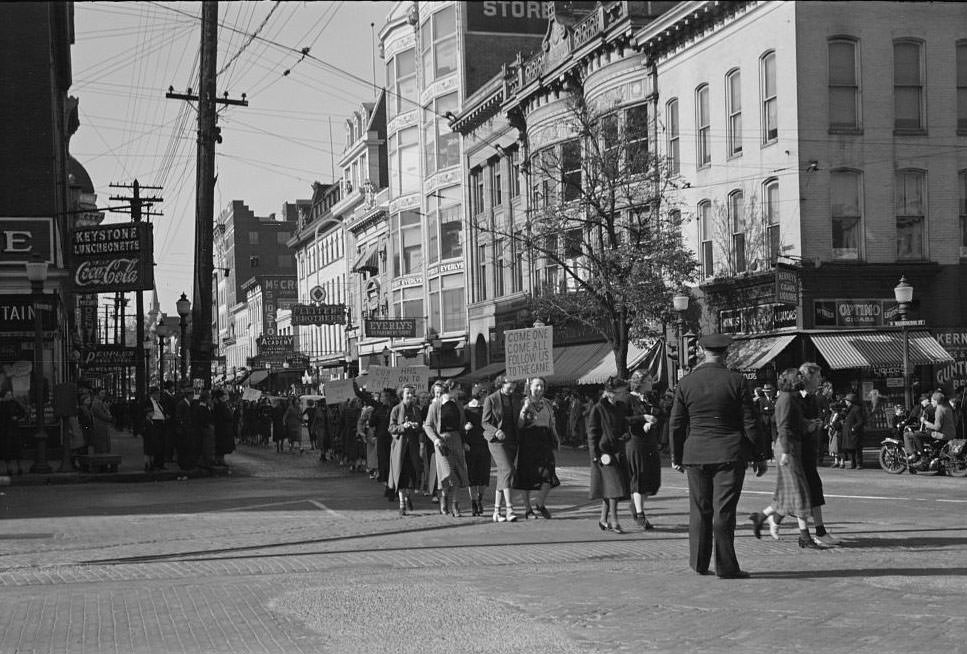
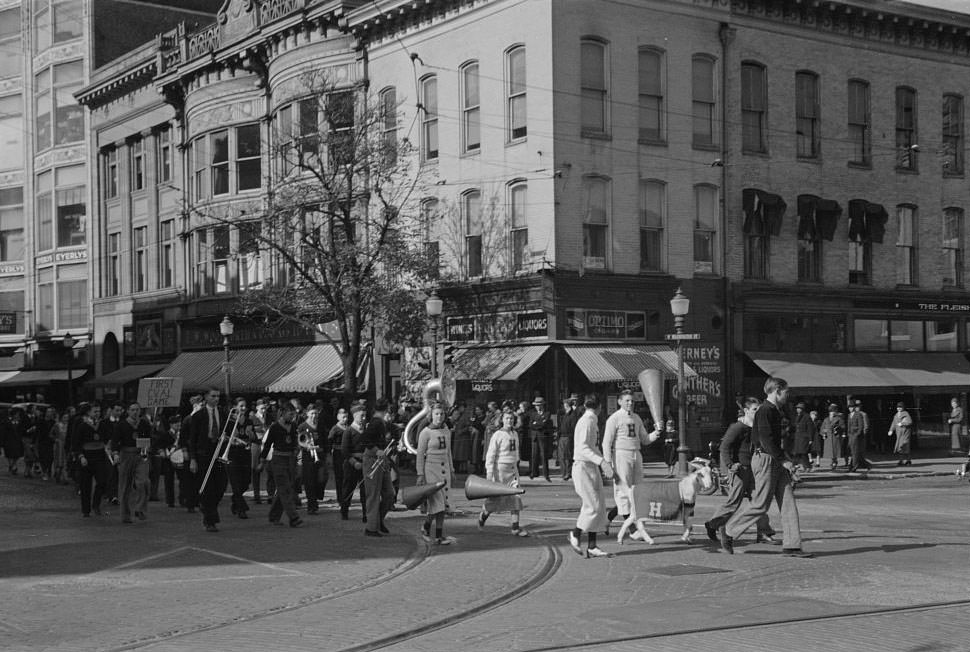
On Saturday afternoons, Hagerstown’s main street came alive. Rothstein photographed the foot traffic, storefronts, and clusters of men standing and talking — the kind of informal social life that defined small-city weekends in Depression-era America. Saturday was the day farmers and townspeople alike came in to shop, sell, and catch up.
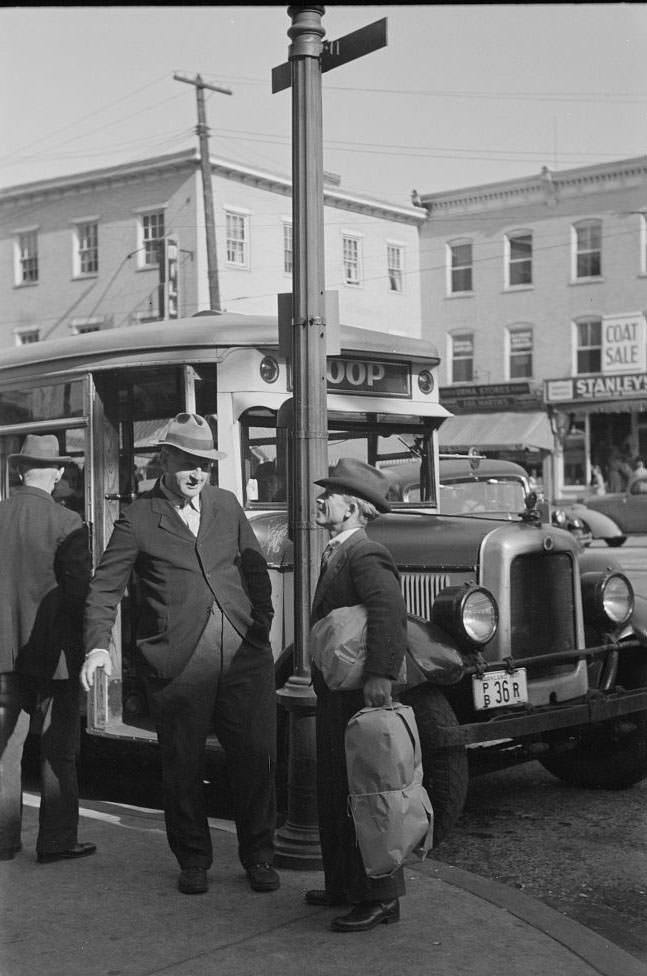
At the station, a conductor places a step for boarding passengers — a small, routine act that Rothstein preserved as a document of how ordinary rail travel looked in 1937. Schedules, bulletins, and departure boards framed everyday decisions for residents moving across the region.
Rothstein’s main street shots capture the density and energy of a city that, despite the Depression, remained active. Storefronts are lit. Sidewalks are crowded. People are dressed up, as was the custom for a Saturday outing, regardless of economic hardship.
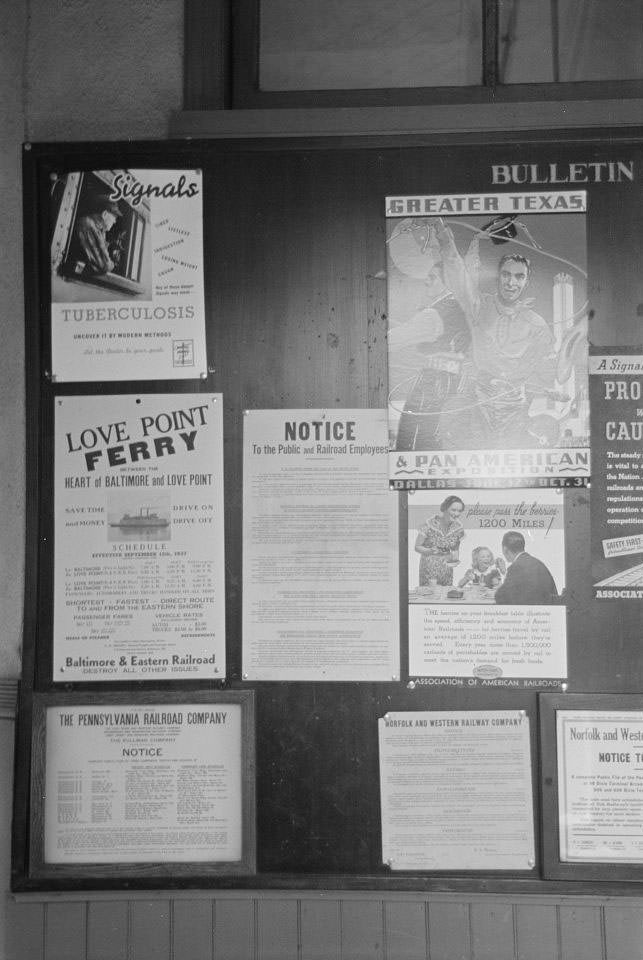
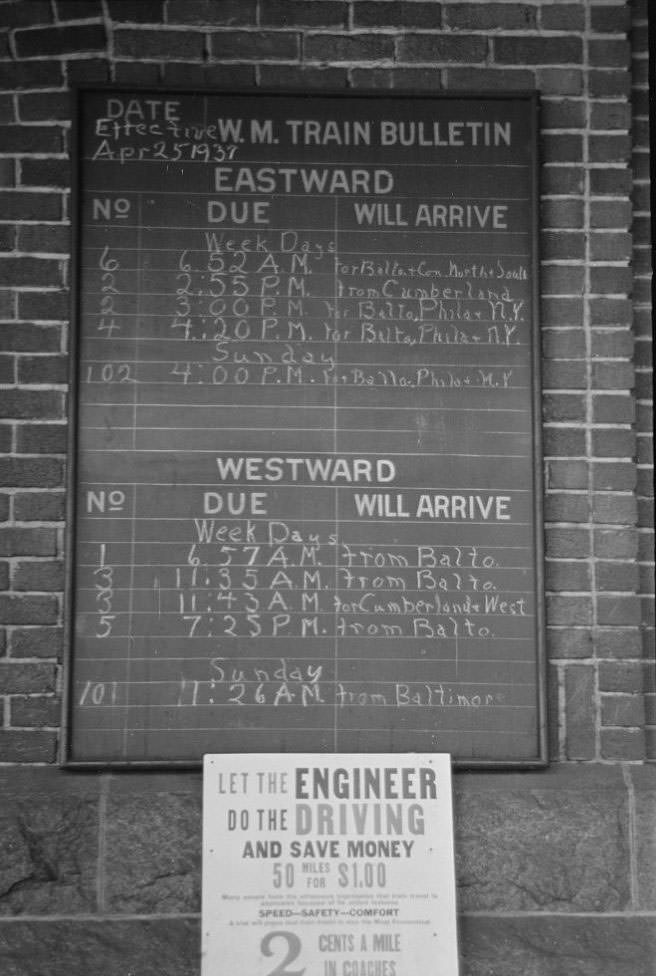
Railroad bulletins posted in the station kept travelers informed of schedules and arrivals. These public boards were the communication system of the era — no phones, no digital displays, just printed notices pinned to a board in a public room.
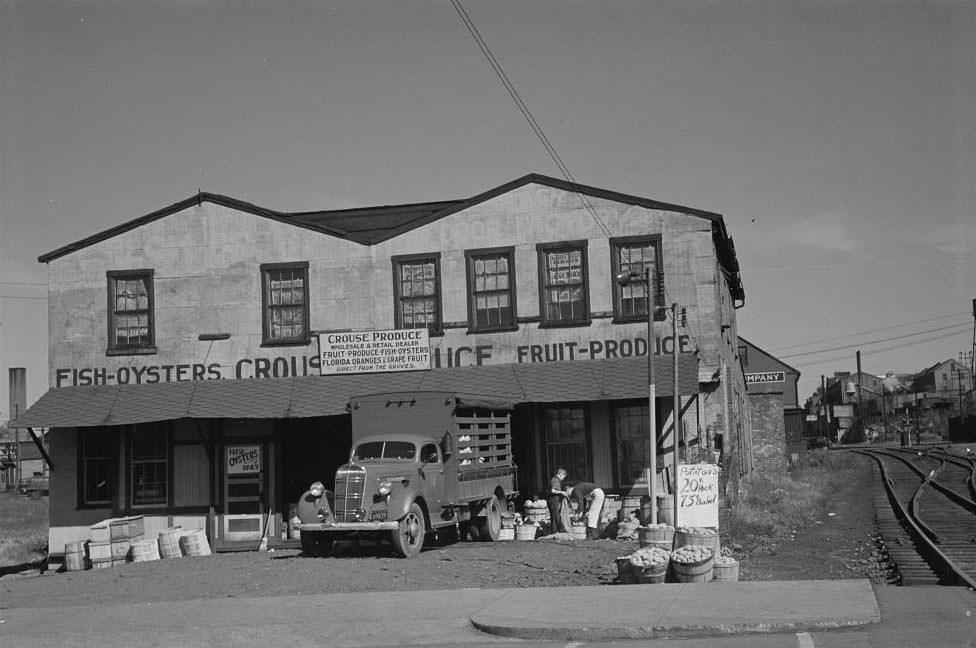
Hagerstown’s bus terminal offered another window into the city’s role as a regional hub. Buses connected residents to nearby towns and cities, complementing the rail network and making Hagerstown a central point for movement across the tri-state area. Local markets, barbershops, and specialty stores filled in the commercial landscape that supported daily life.
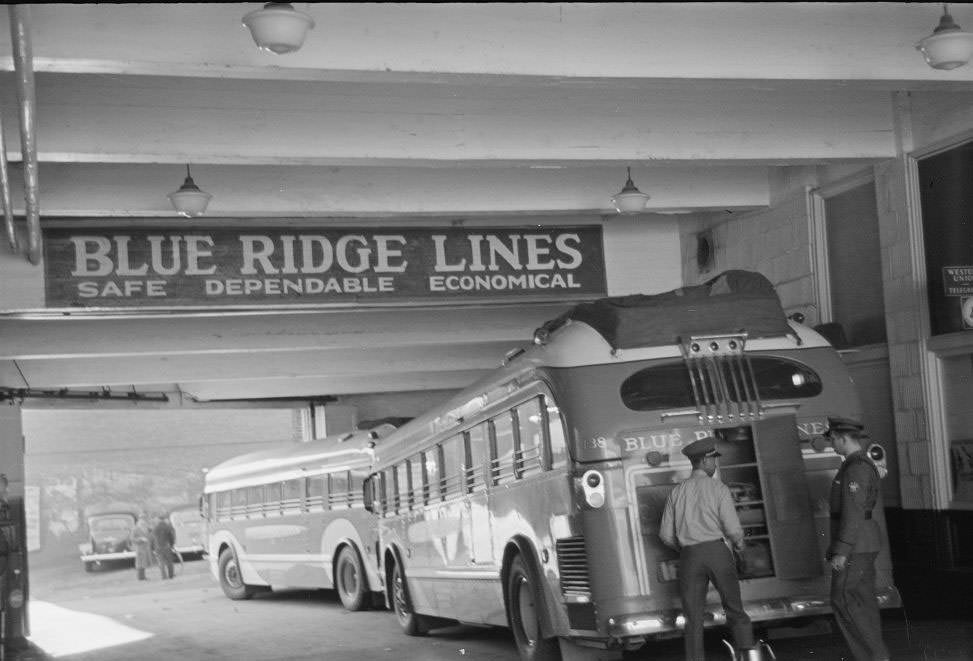
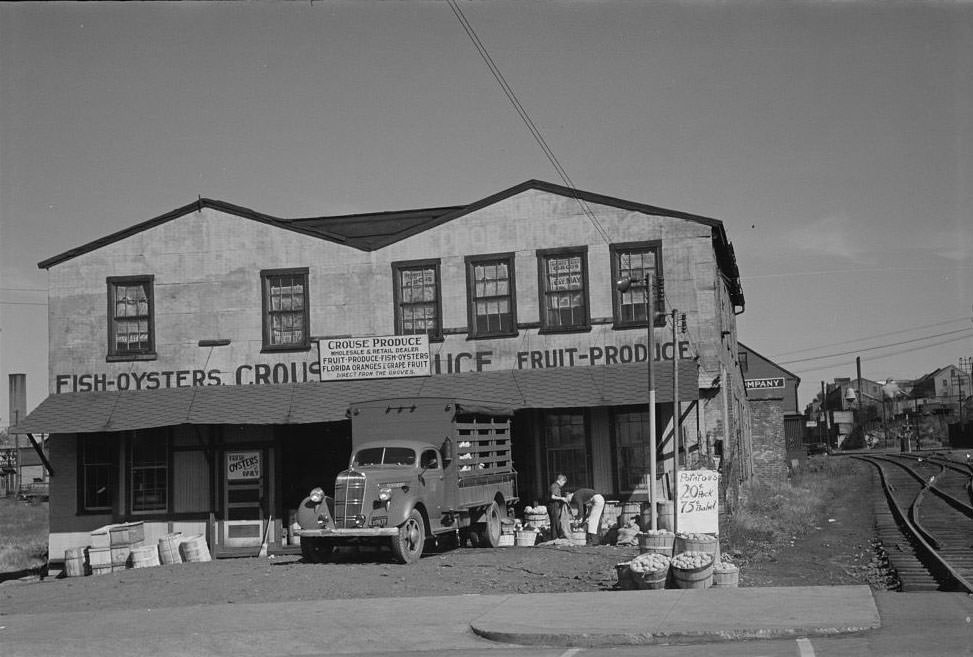
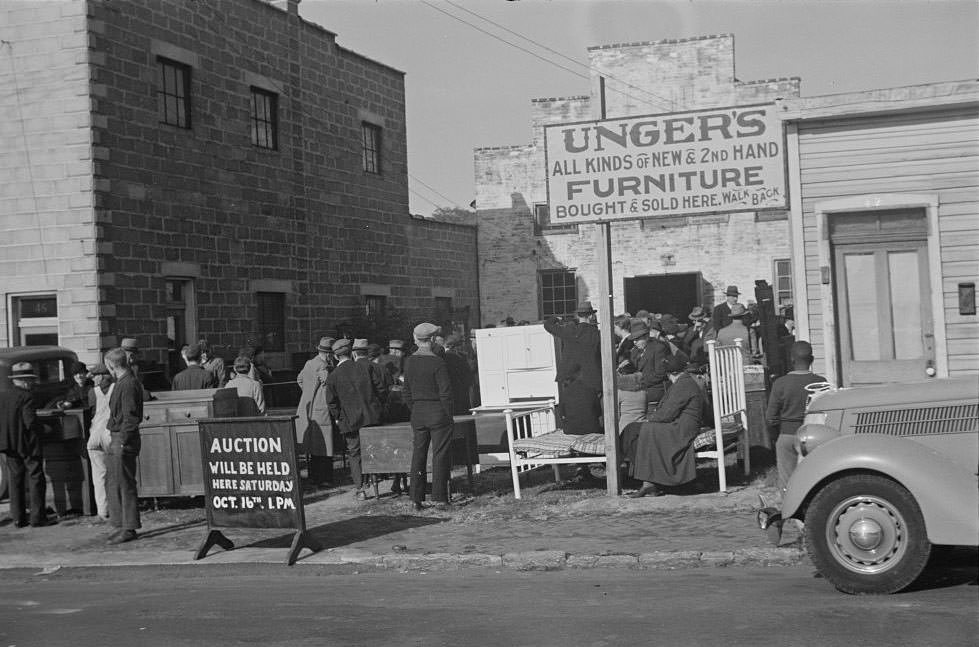
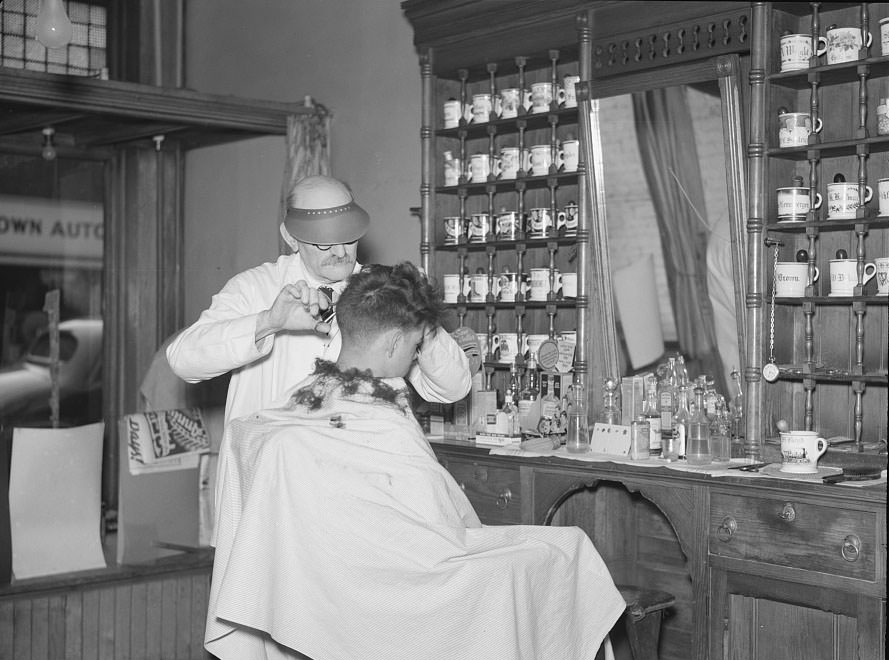
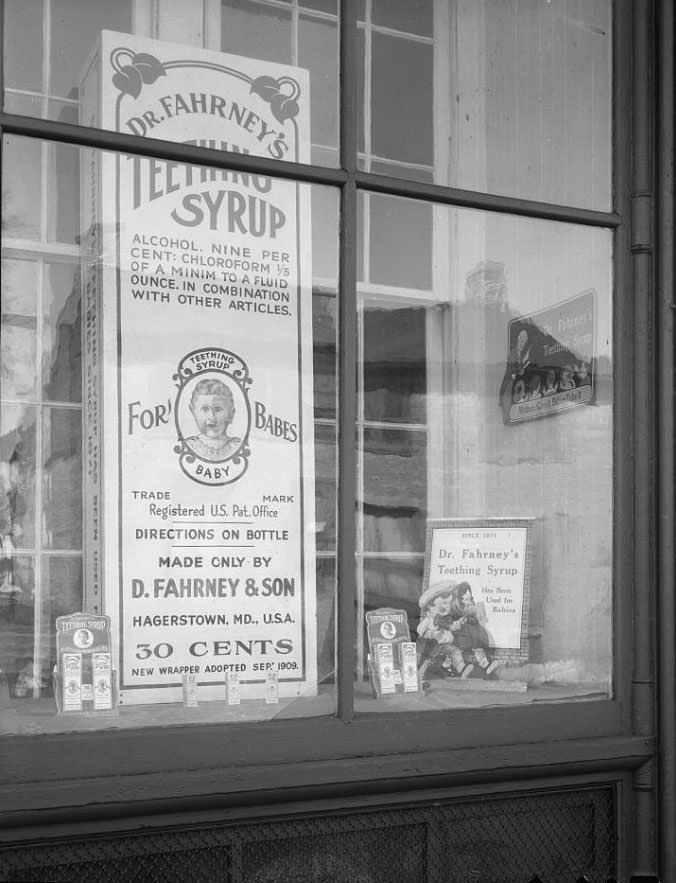
Beyond the city, the farms surrounding Hagerstown stretched out across the western Maryland landscape. These properties fed the local economy and tied the city to its agricultural roots — the same roots that had drawn Jonathan Hager to the area nearly 175 years before Rothstein arrived with his camera. Patent medicine shops on the main commercial strip rounded out the picture of a city where traditional remedies still competed with modern medicine for customers looking for affordable relief.





Thanks for posting. I really Enjoyed it
Thank you for these amazing photos. Its my 1 year anniversary living in Hagerstown and this city has such an incredible history, contributed so much by so many hard working Americans, what a jewel this city was and still hanging tough today and has so much potential. This ol working city doesnt get the respect it deserves, im proud of it and its new to me. Thank you again, well done.
I grumble all the time about not being able to take a train from Baltimore to visit my parents in Hagerstown. Looks like I just need to go back to 1937.