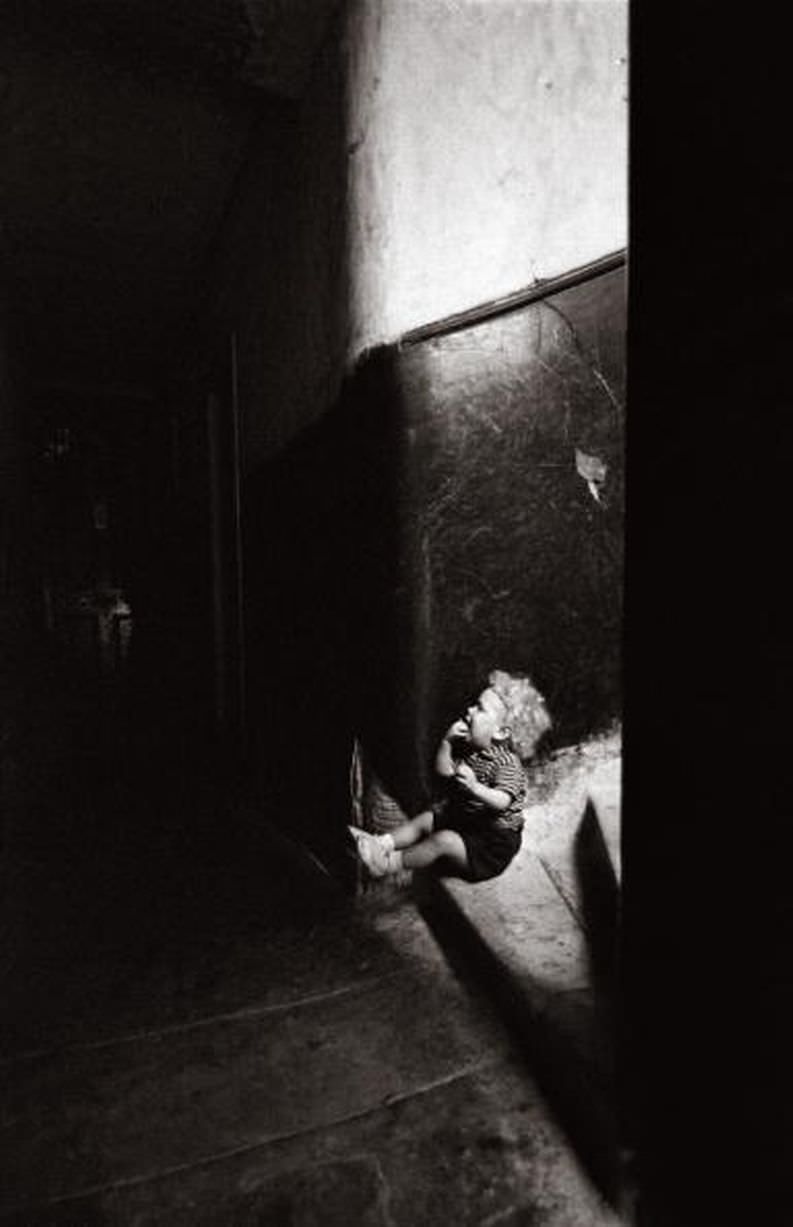
In 1968, photographer Jürgen Schadeberg traveled to Glasgow, Scotland, with a single purpose: to document the lives of ordinary people before their world disappeared. Schadeberg had left South Africa years earlier and was teaching at London’s Central School of Art & Design when he turned his lens toward Glasgow’s Gorbals district.
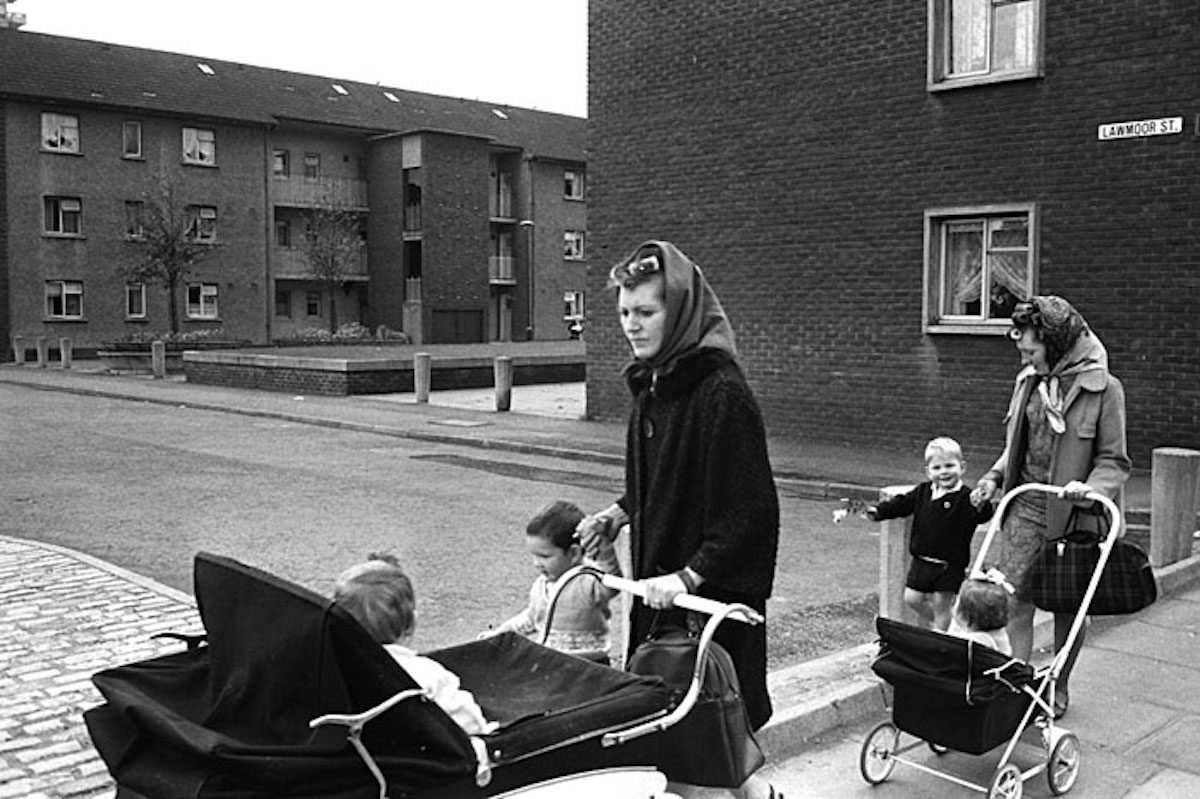
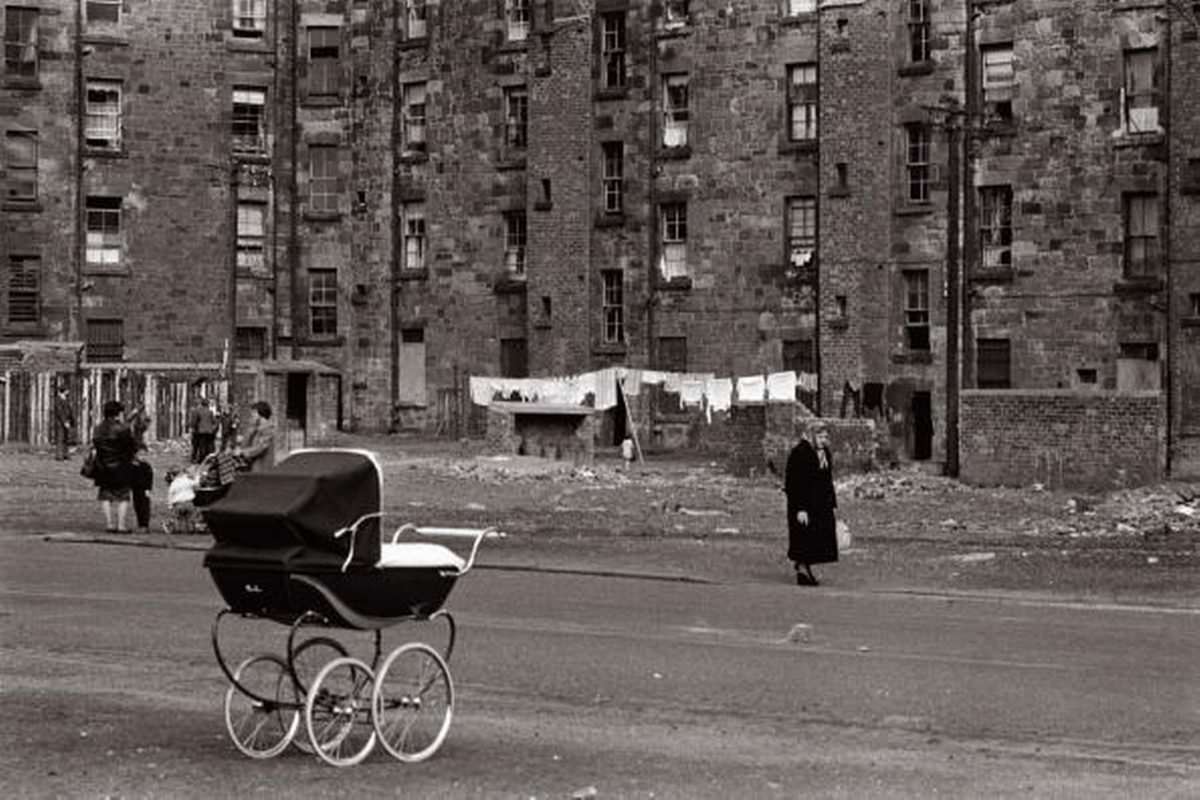
The Gorbals was one of Glasgow’s oldest and most densely packed neighborhoods. Its brick tenement buildings had housed working-class families for generations. By the 1960s, city planners had already marked them for demolition, set to be replaced by concrete tower blocks. Schadeberg knew the clock was ticking.
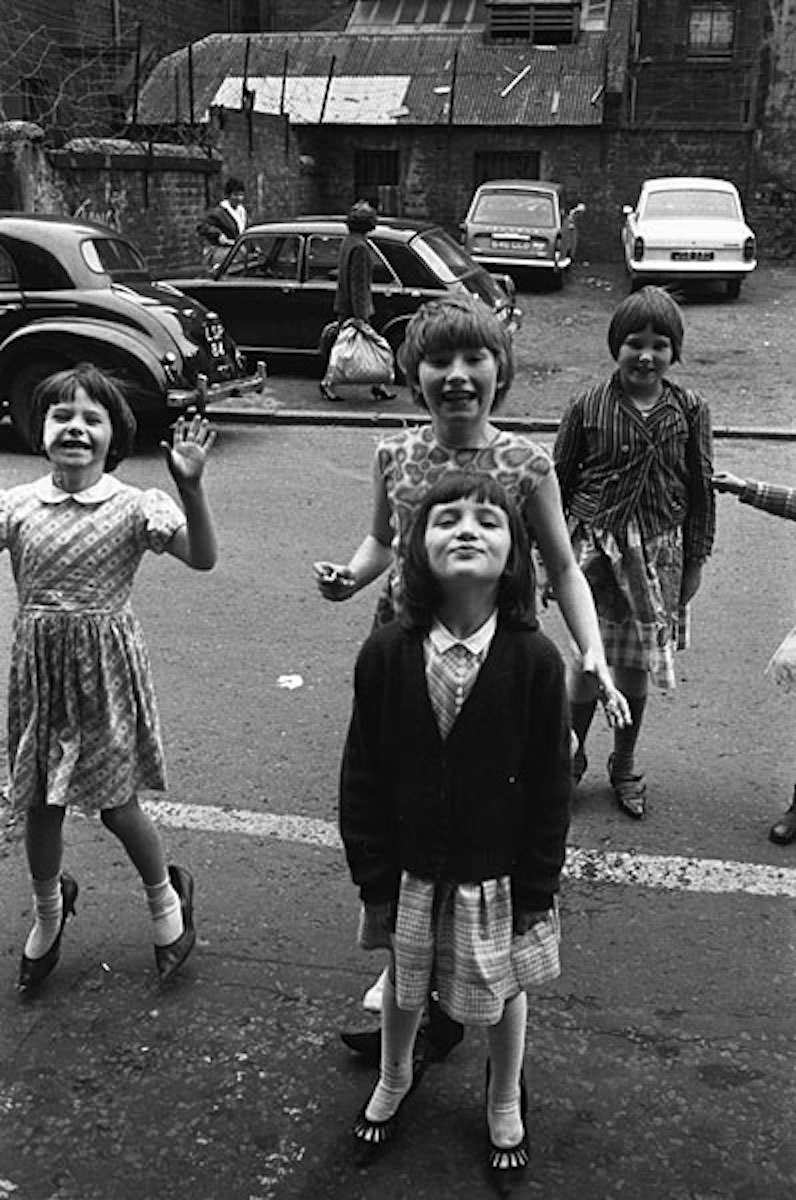
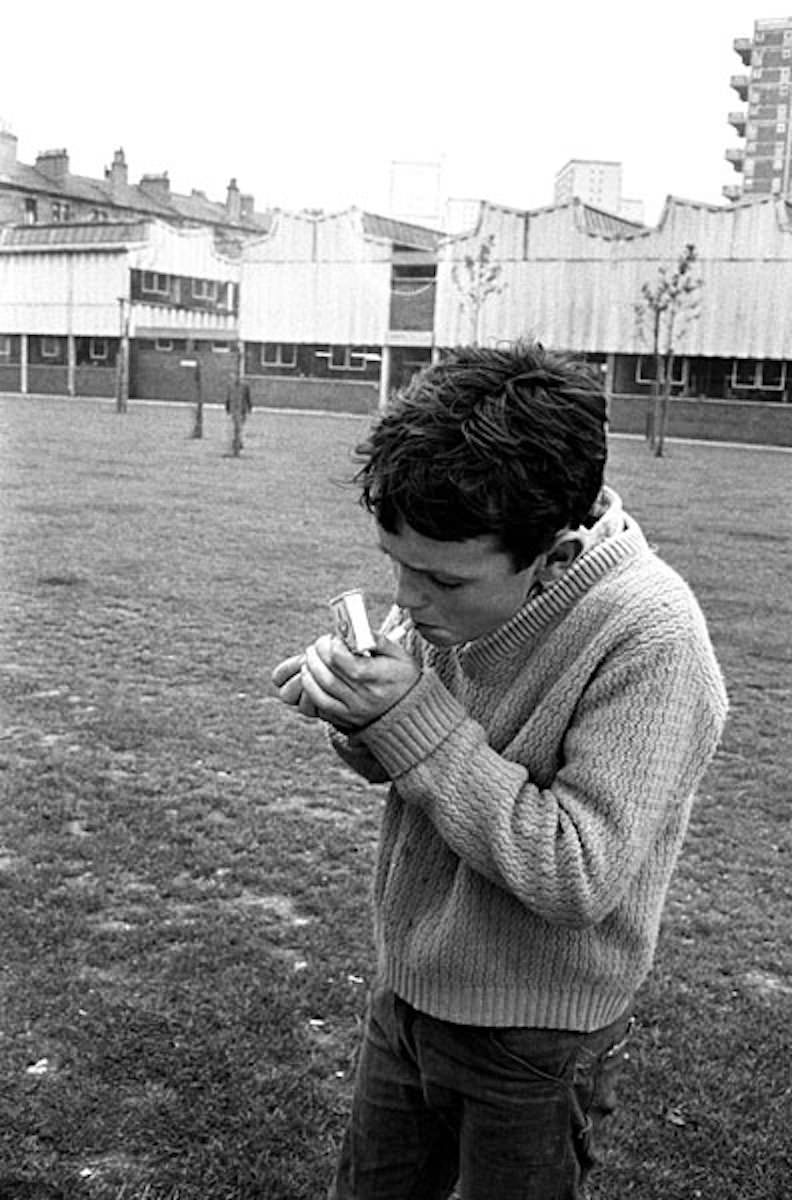
He focused on the candid, unposed moments that defined daily life there. Children kicked balls in the street and rode bikes across worn cobblestones. Their laughter filled the same alleyways that would soon be rubble.
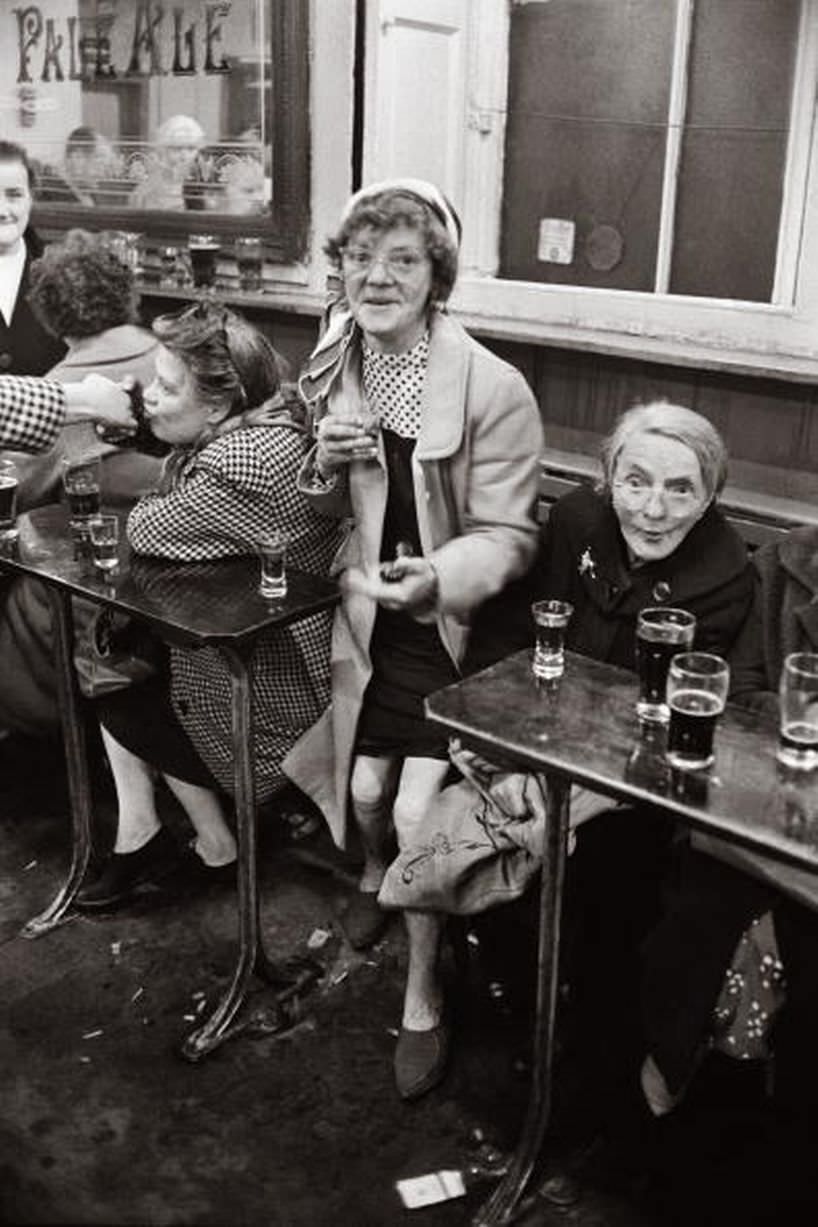
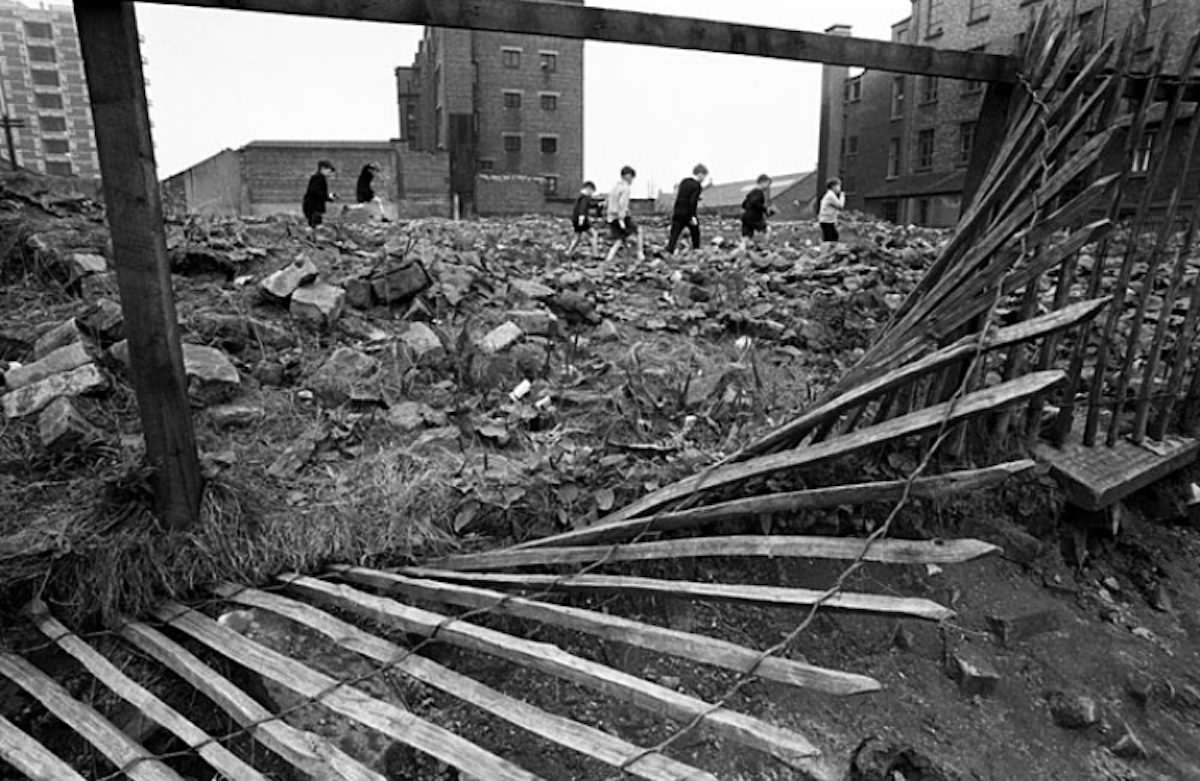
Families gathered on front steps, talking with neighbors in the open air. These weren’t staged scenes — they were the rhythms of a tight-knit community going about its day.
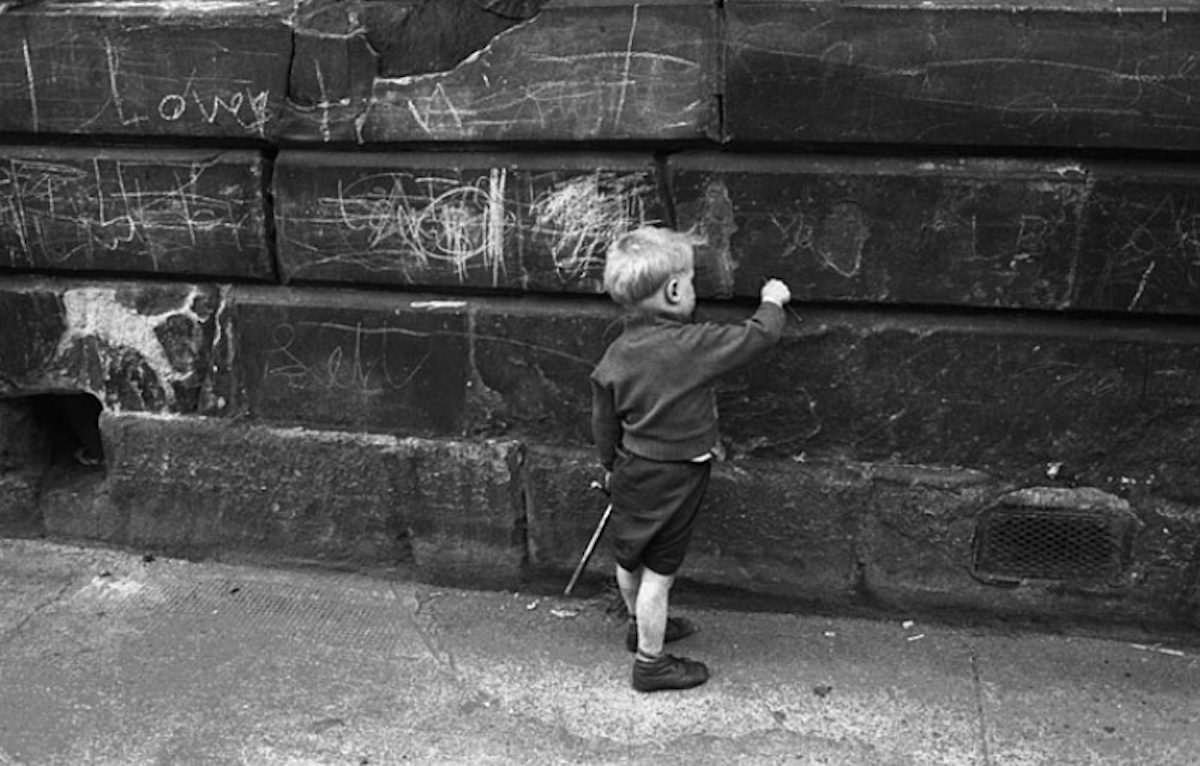
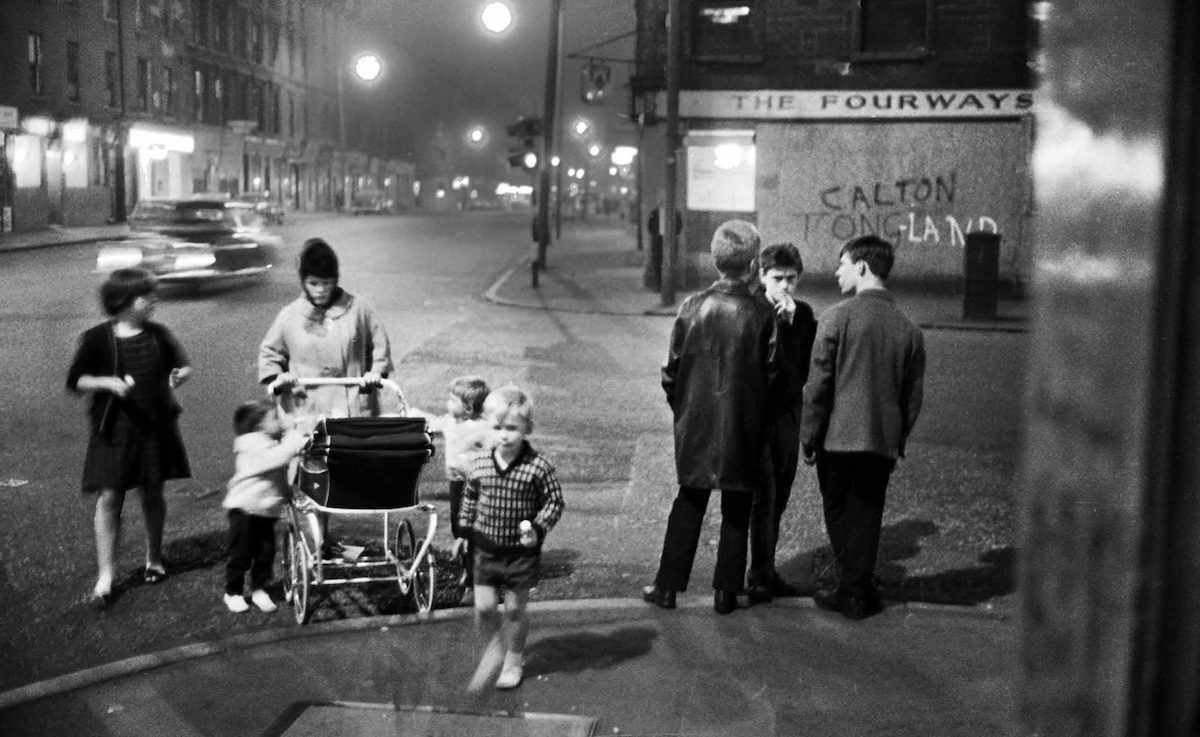
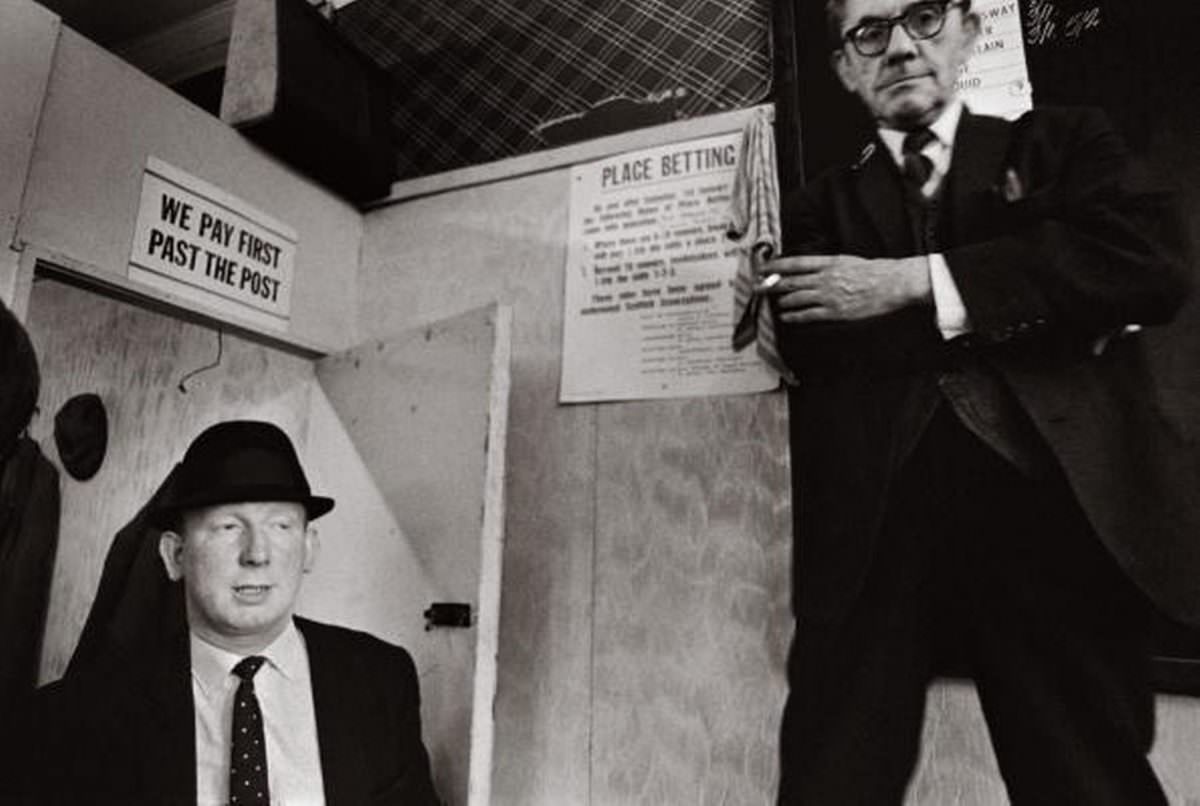
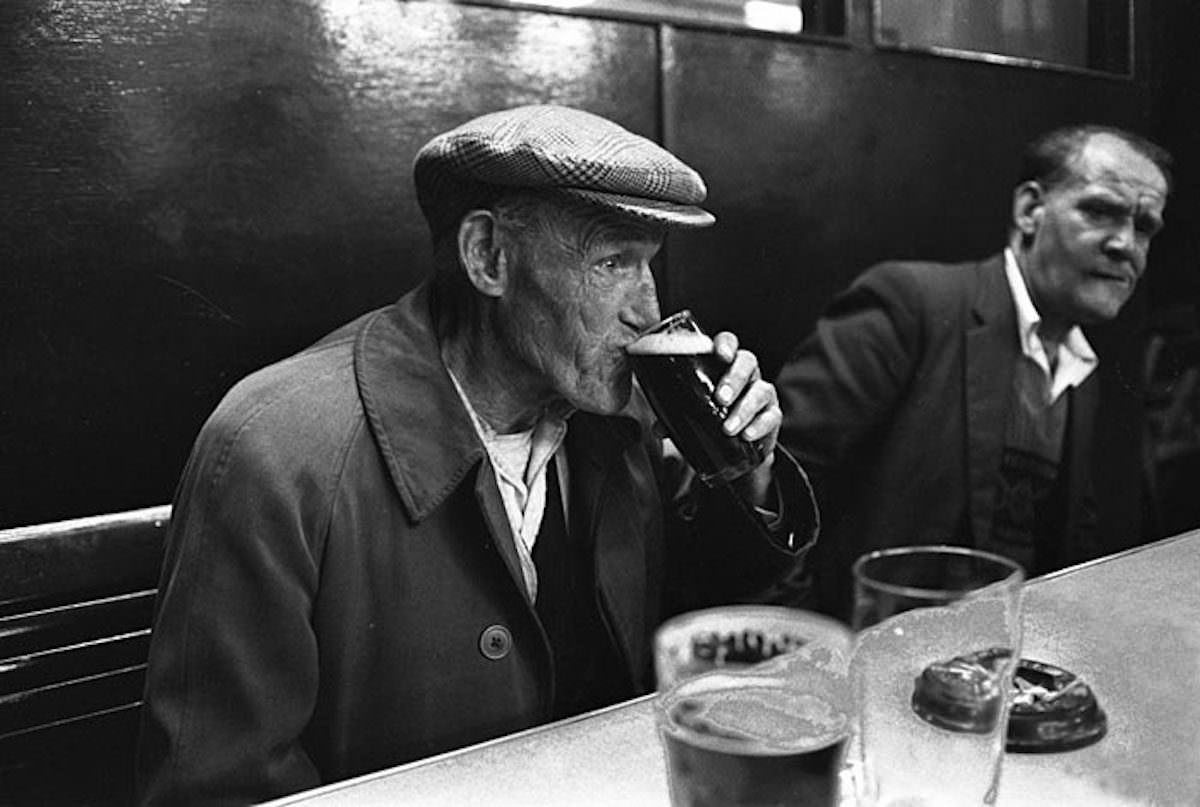
Workers filled the streets in flat caps and simple work clothes, heading to jobs or running errands. The Gorbals was not a wealthy place, but it was a place of real purpose and routine.
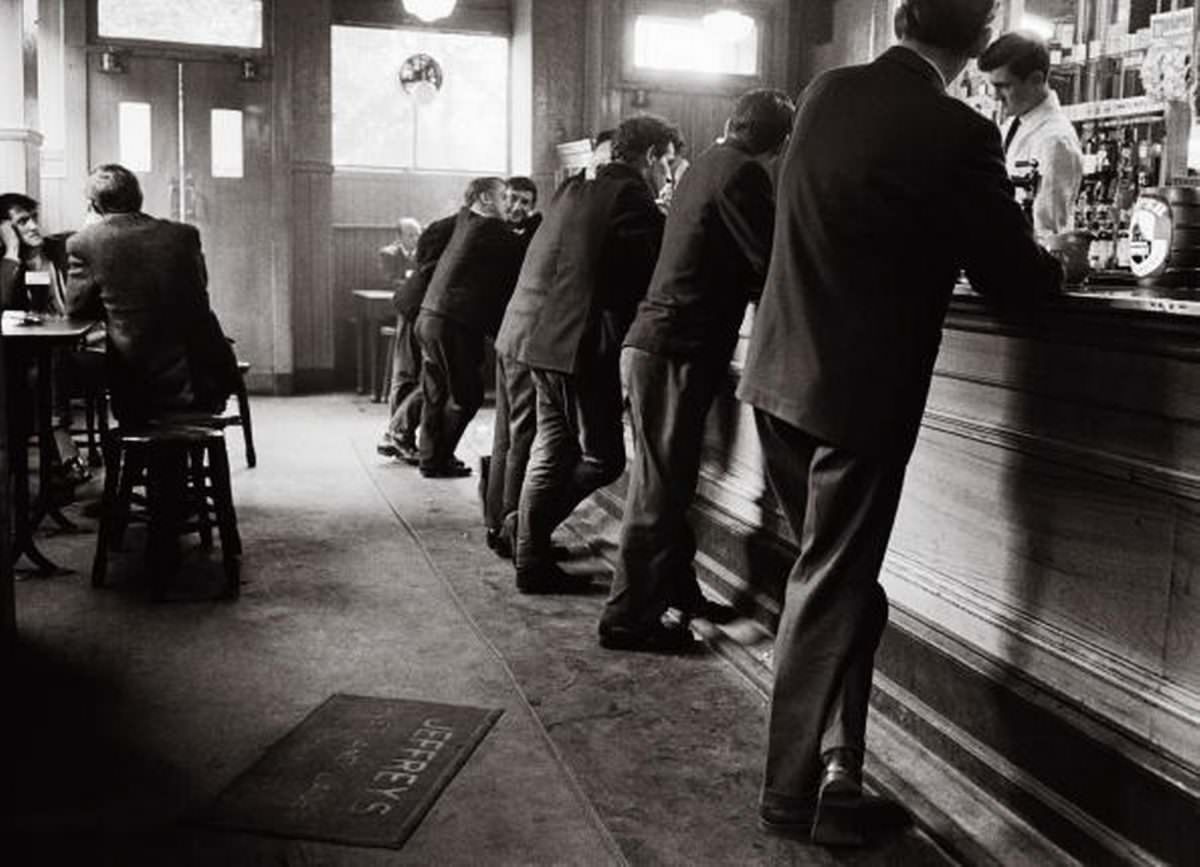
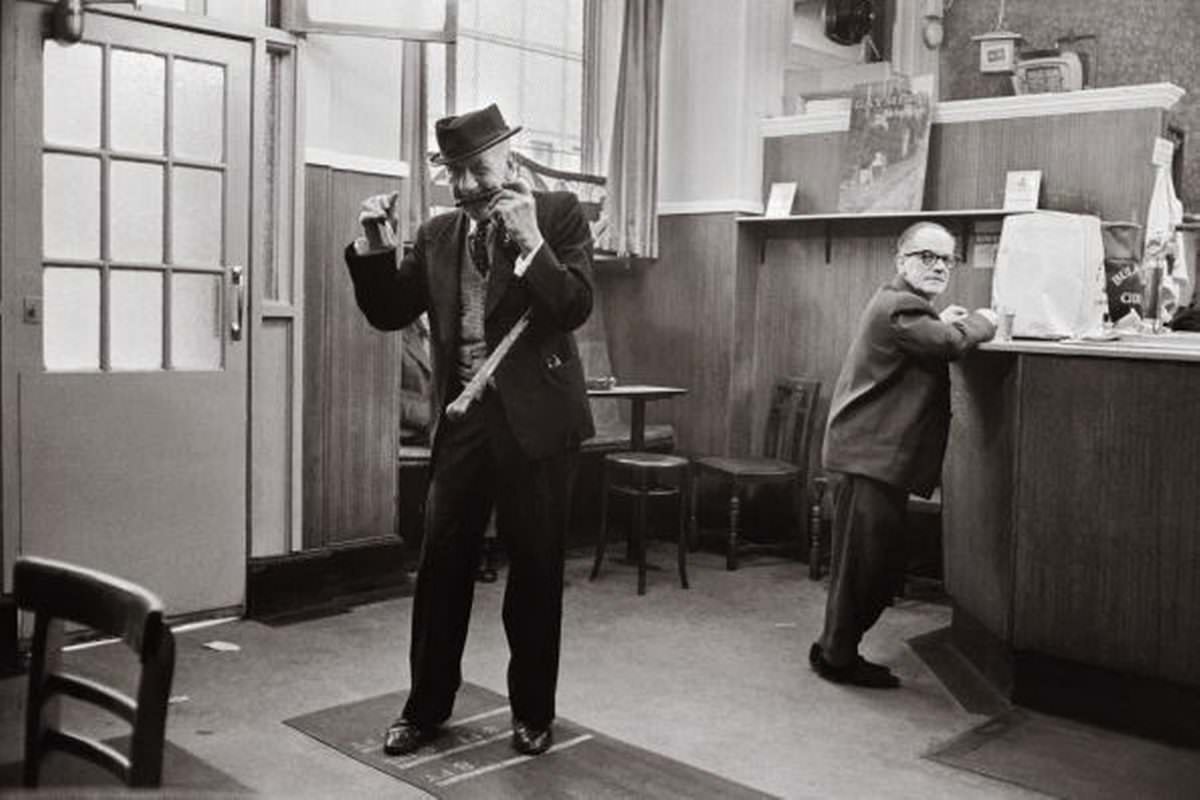
Street markets brought color and noise to the neighborhood. Vendors called out to shoppers, stalls overflowed with fresh produce, and the energy of commerce moved through every corner of the district.
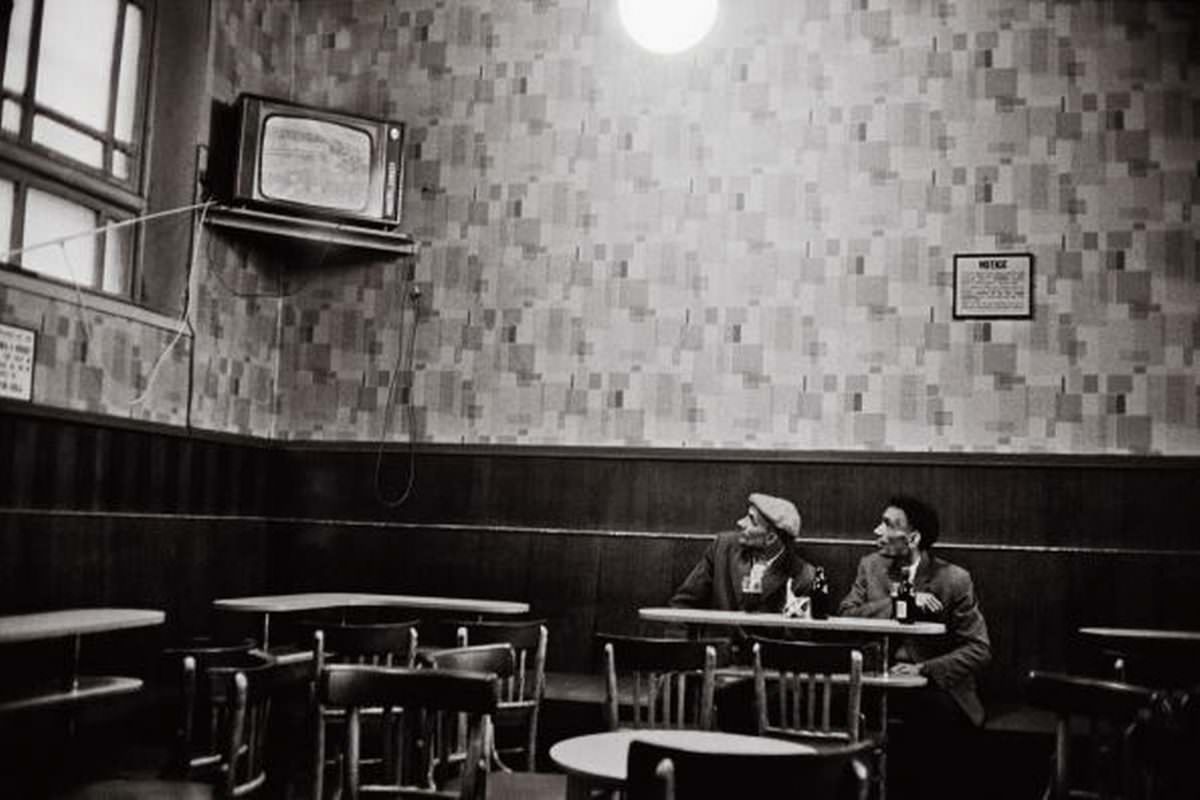
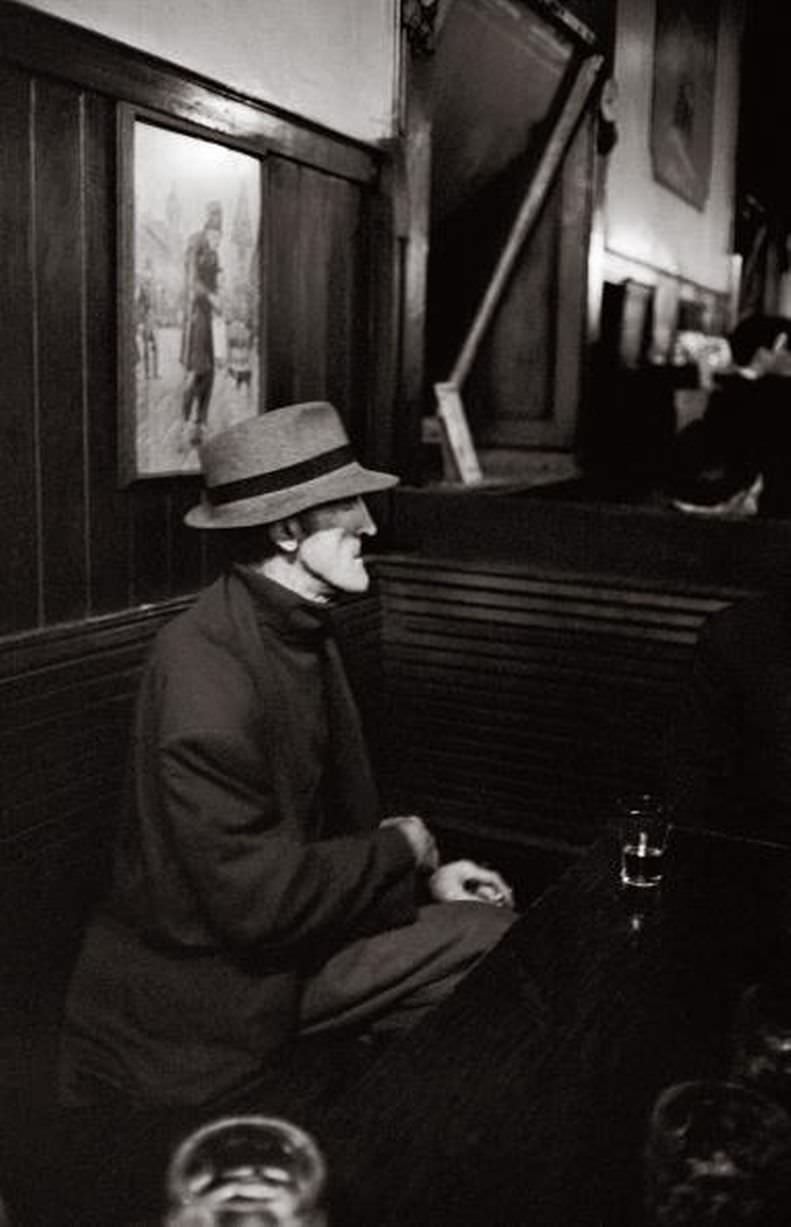
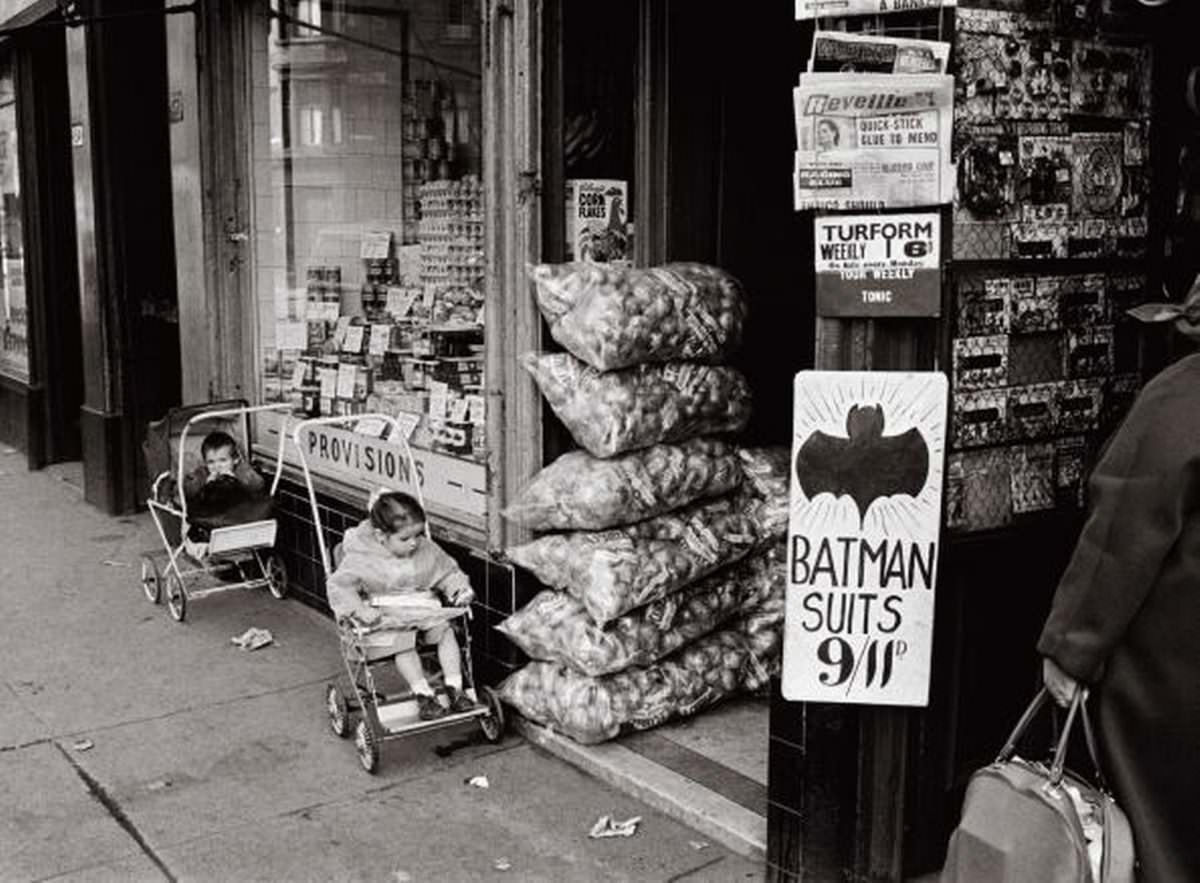
What Schadeberg captured was not poverty as spectacle. It was life in full — people who took pride in their community even as the city prepared to tear it down.
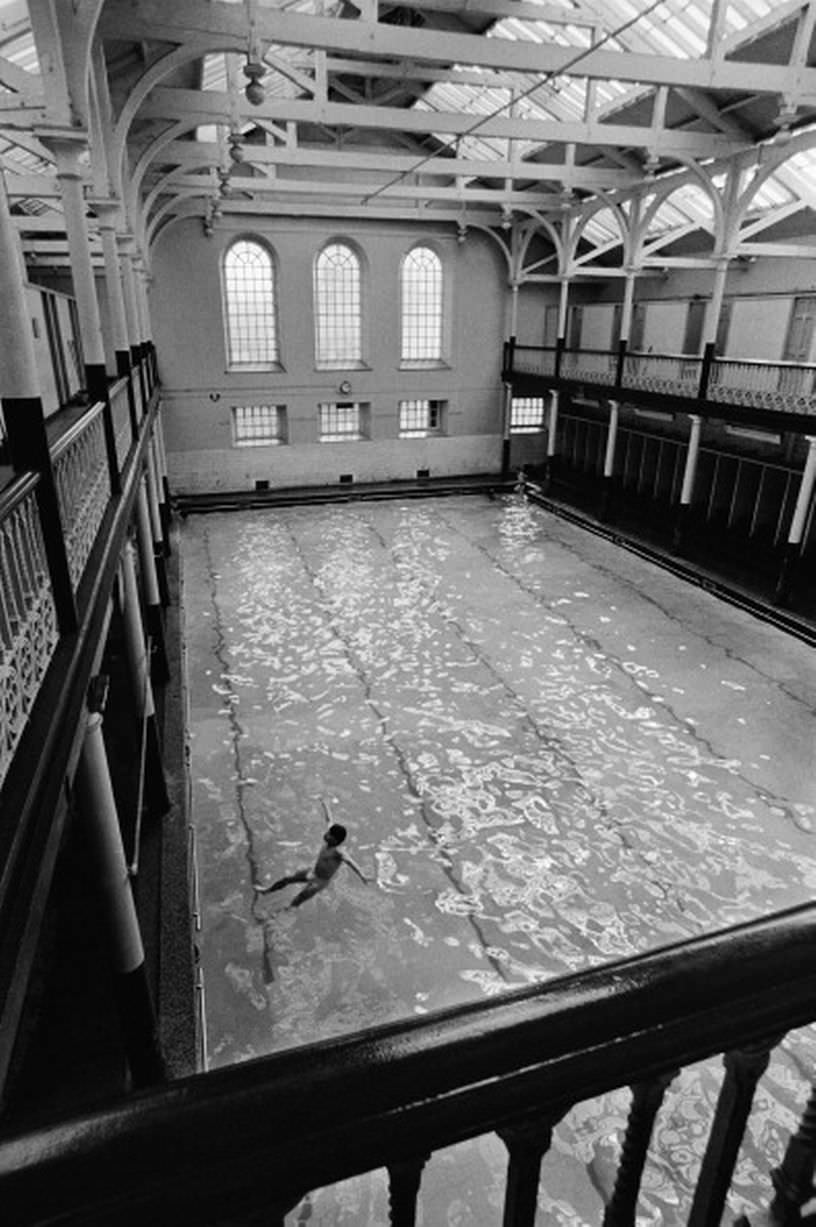
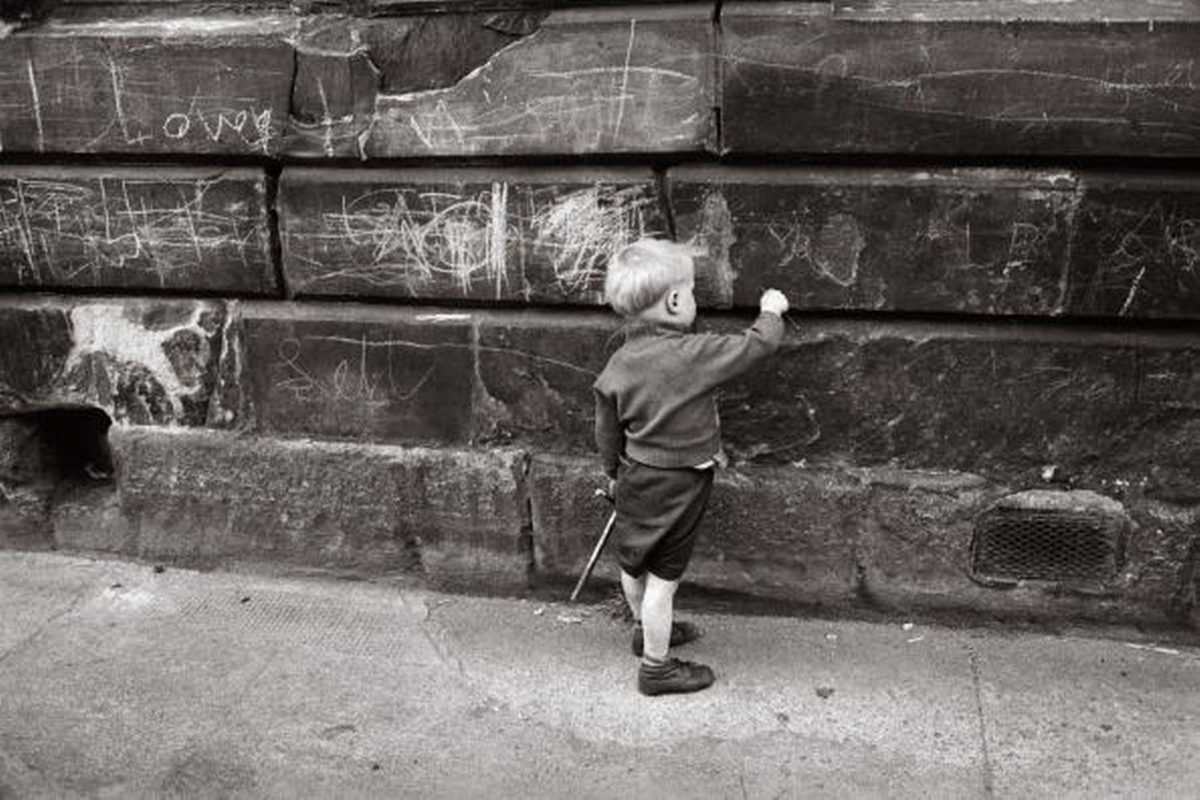
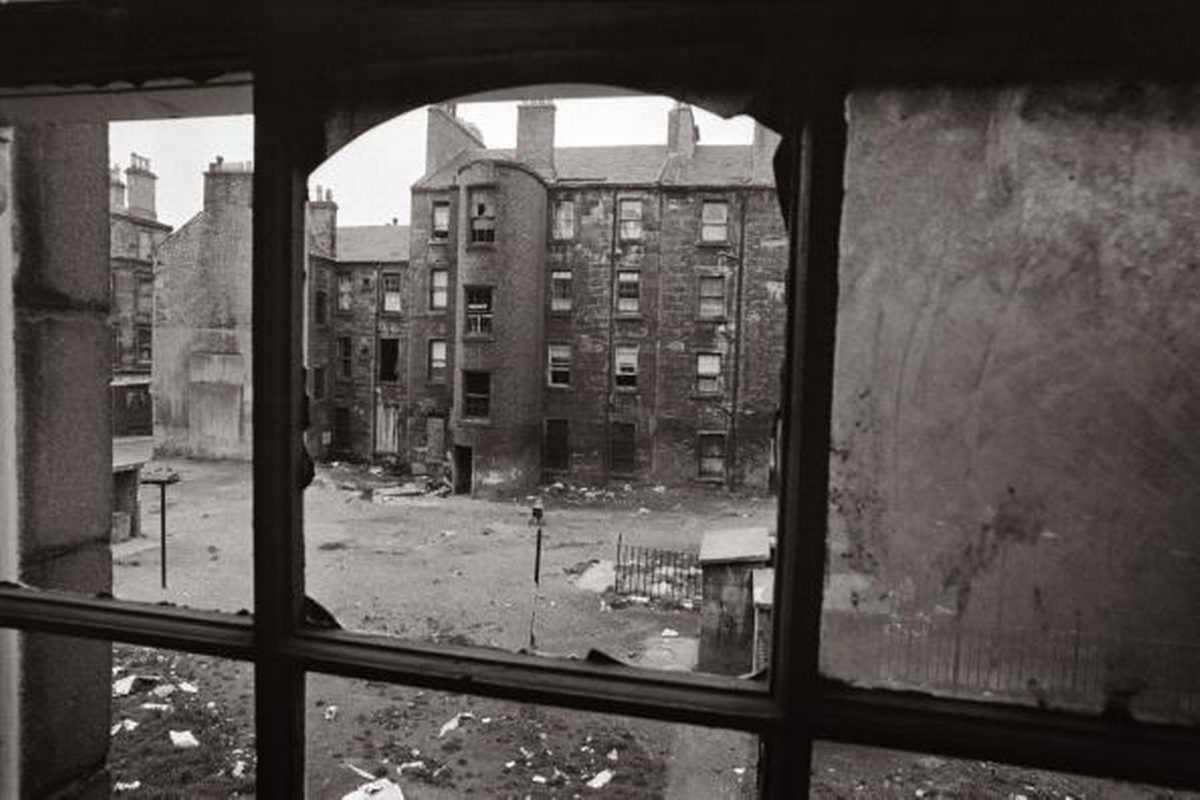
The tenements themselves appear in many of his frames — worn facades, shared closes, and windows that looked out onto streets buzzing with activity. Each building told its own story of decades of use.
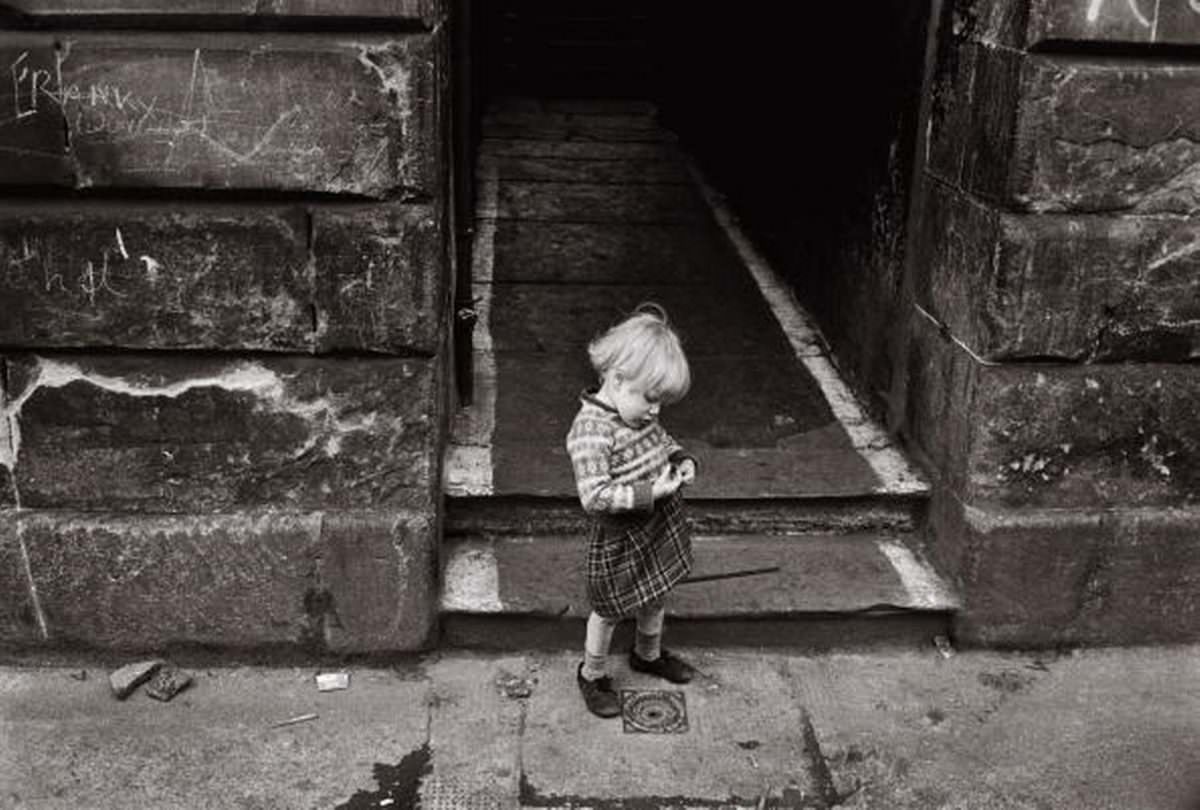
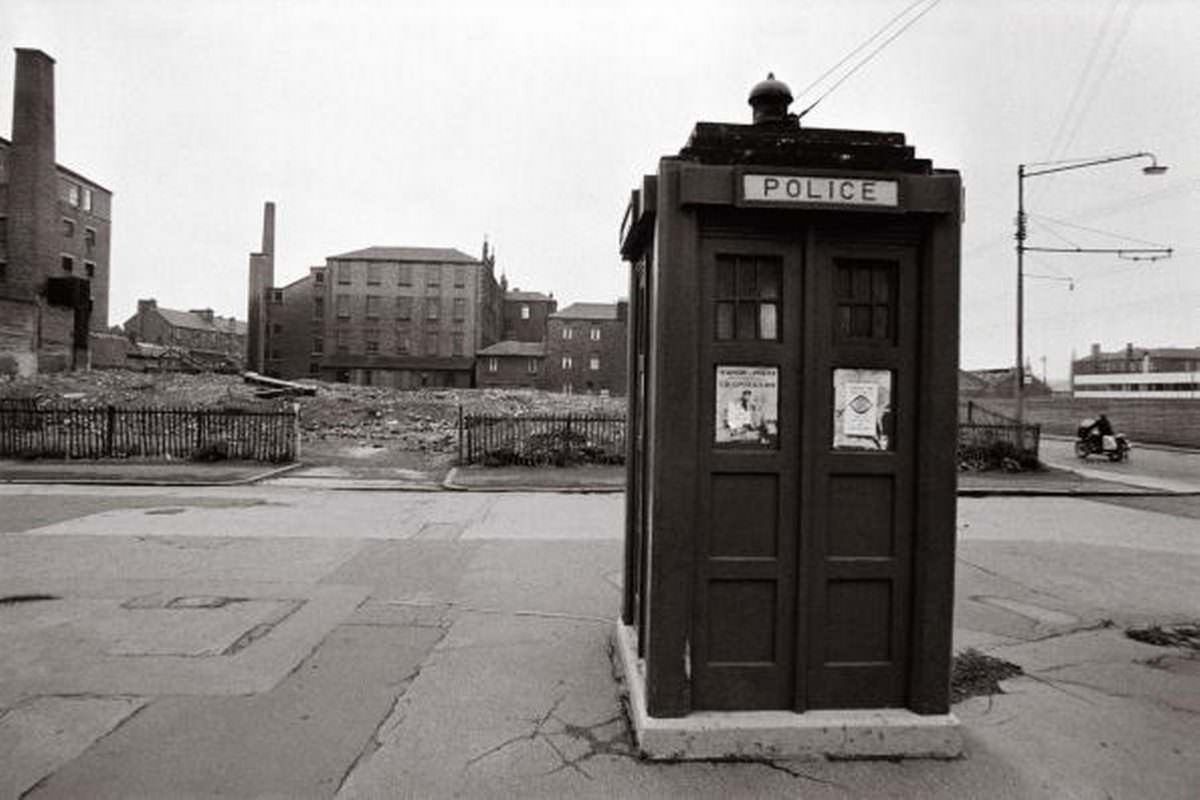
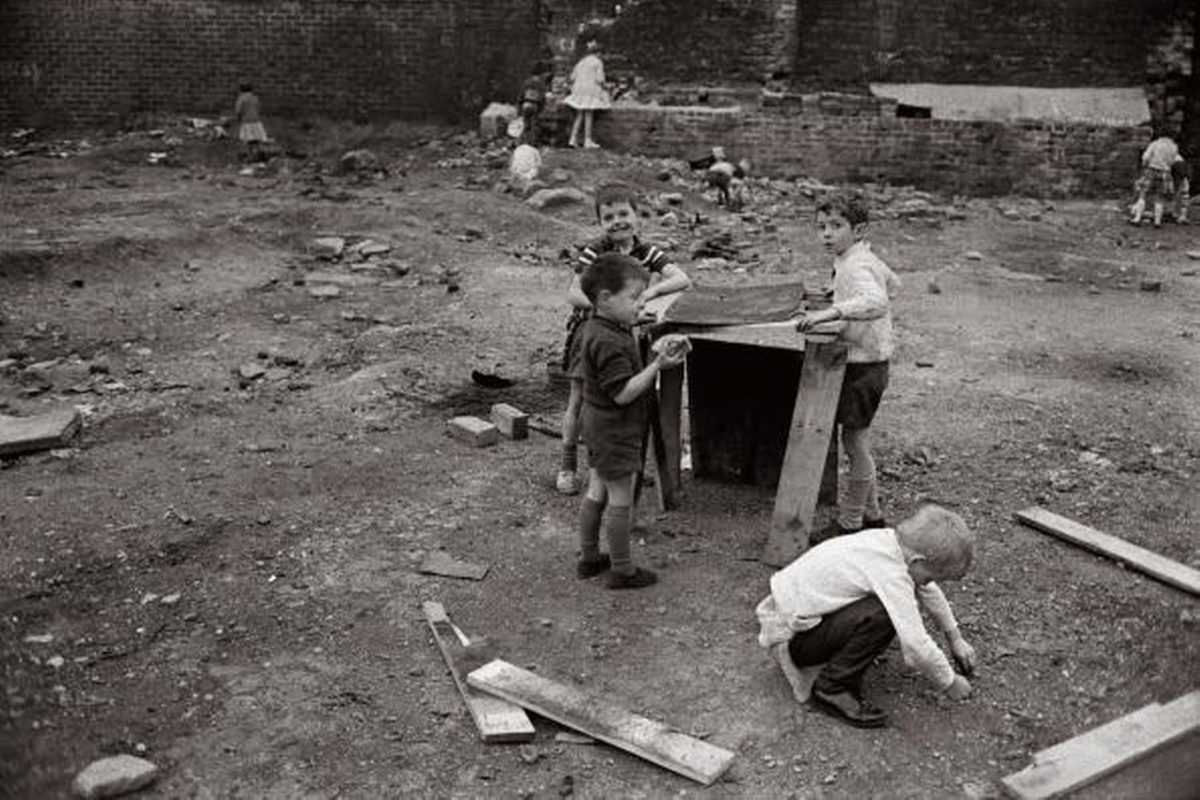
Schadeberg’s eye for the ordinary made these photographs extraordinary. A man leaning against a wall, a child mid-jump, two women deep in conversation — each image is a frozen slice of a Glasgow that no longer exists.