
Ginger Rogers didn’t start out as a Hollywood star. Born Virginia Katherine McMath, she picked up the nickname “Ginger” because a young cousin couldn’t pronounce Virginia. It’s a small, quirky detail that hints at the charm she would carry throughout her entire career. She got her start performing in local shows across Texas, building the stage presence that would later make audiences across the country fall in love with her.

Rogers made her motion-picture debut in Young Man of Manhattan in 1930. The role gave her an unexpected gift — a catchphrase. Her delivery of “Cigarette me, big boy” stuck with audiences and became one of the most memorable lines of early Hollywood. Critics took notice right away, and it was clear she wasn’t going to be just another face on the screen.


Throughout the 1930s, Rogers was one of RKO’s most valuable stars. The studio leaned heavily on musical films during this era, and Rogers fit that world perfectly. She could act, sing, and dance — a combination that was genuinely rare. The photos from this decade capture a woman at the peak of her early glamour, polished and confident in front of the camera.


Her partnership with Fred Astaire defined much of the decade. Together they made ten films at RKO, and their on-screen chemistry drew enormous crowds. Astaire was known for precision and elegance. Rogers matched him step for step while also bringing warmth and personality that made the pair feel alive, not just technically impressive.


The glamour shots from the 1930s are striking in their detail. Studio photographers lit Rogers carefully, highlighting her features with precision. Her hair, often waved and set into soft curls, became a signature look of the era. Costume designers dressed her in gowns that moved beautifully on the dance floor, and those choices show clearly in the photographs that survive today.


Rogers worked at a relentless pace during this period. Between 1930 and 1939, she appeared in dozens of films. Many were musicals, but she also took on comedies and dramas, showing she wasn’t willing to be boxed in as just a dancer. That drive to stretch beyond a single type of role set her apart from peers who stayed comfortable in one lane.


The Golden Age of Hollywood produced a very specific kind of star — one who felt both larger than life and deeply familiar. Rogers fit that description exactly. Her on-screen personality was warm and playful, never cold or distant. Audiences connected with her in a way that went beyond admiration for her talent.


Studio portrait sessions were a major part of how stars were marketed in the 1930s. Rogers sat for countless photographs that were distributed to fan magazines and newspapers. These images were carefully constructed to project glamour and approachability at the same time — and Rogers had a natural ability to deliver both in a single frame.


By the end of the 1930s, Rogers had built a career that few could rival. She had proven herself in musical films, earned the respect of critics, and grown into one of the most recognizable faces in the country. The decade laid the groundwork for what would become her greatest professional achievement — her Academy Award-winning turn in Kitty Foyle in 1940.



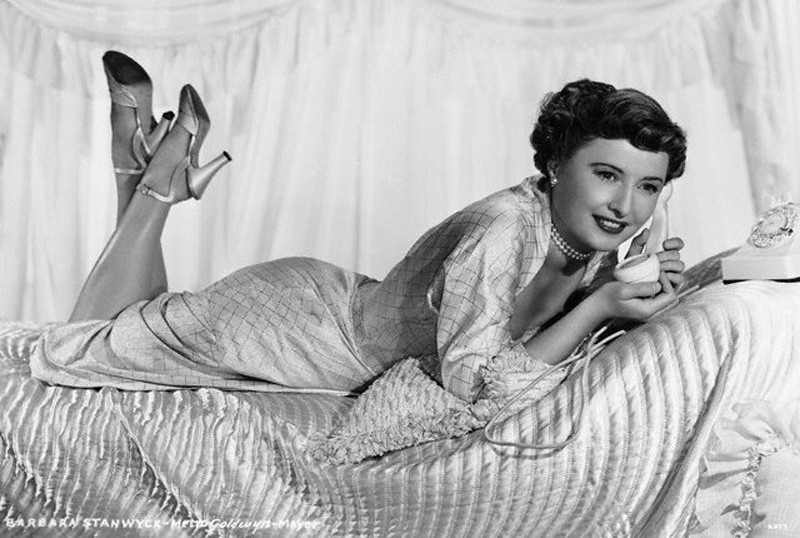
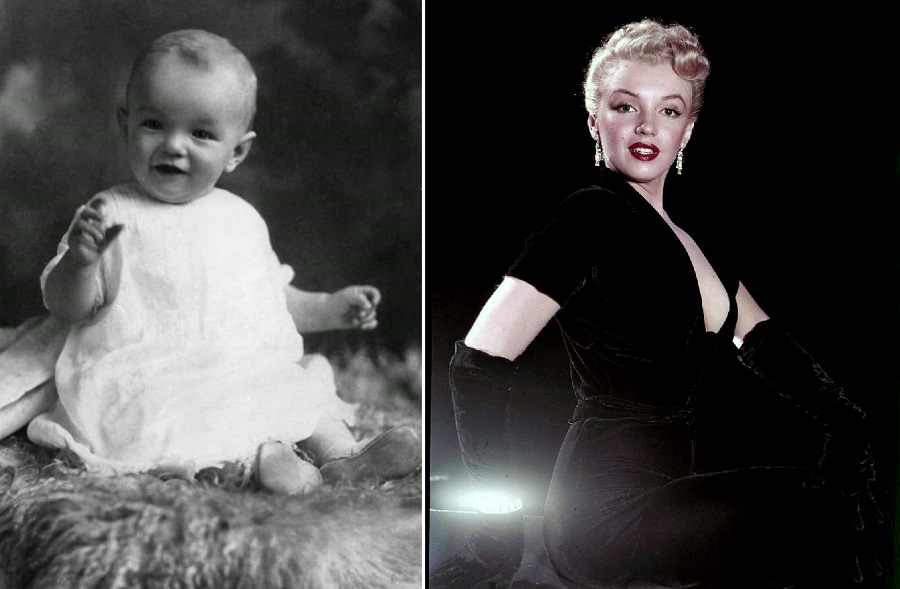
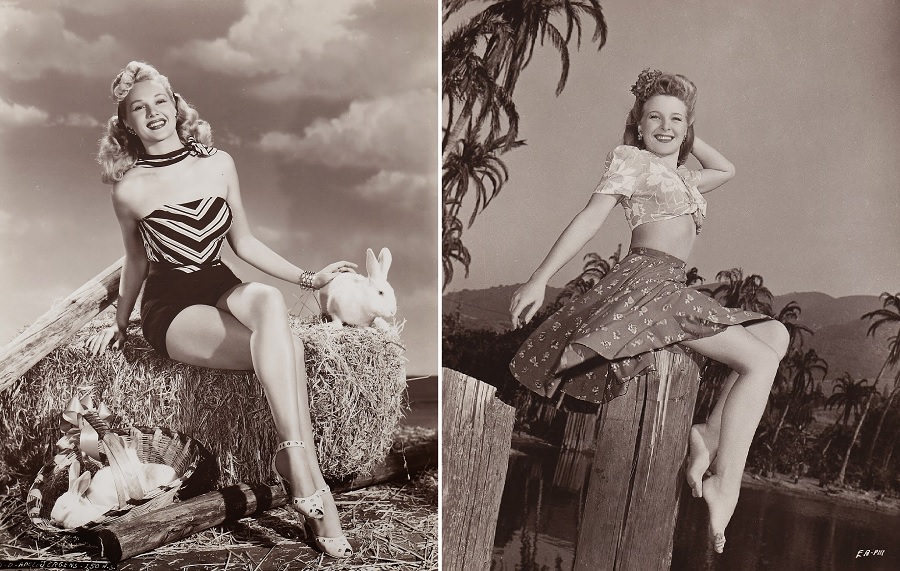

This is the coolest collection I’ve seen so far of Ginger.