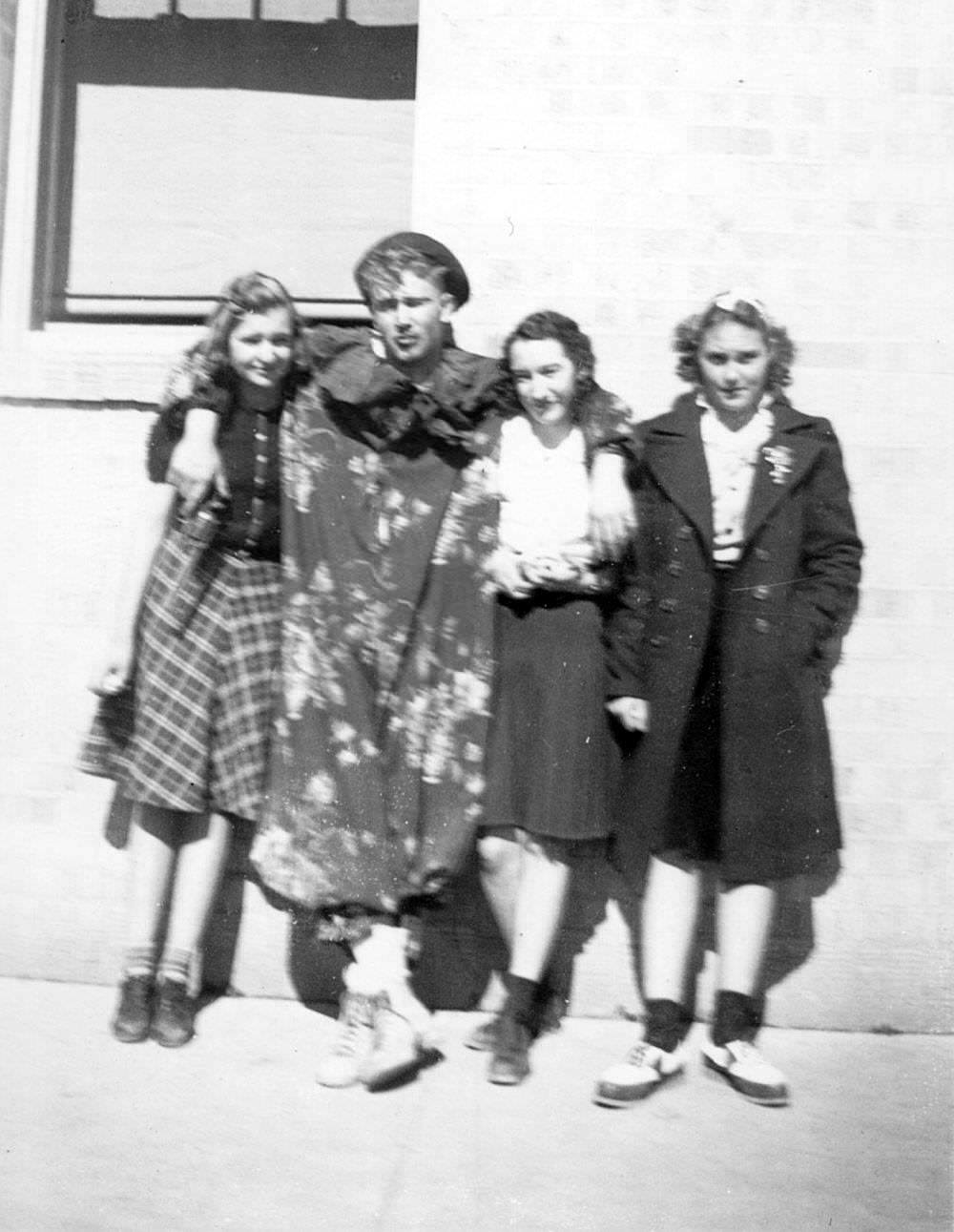
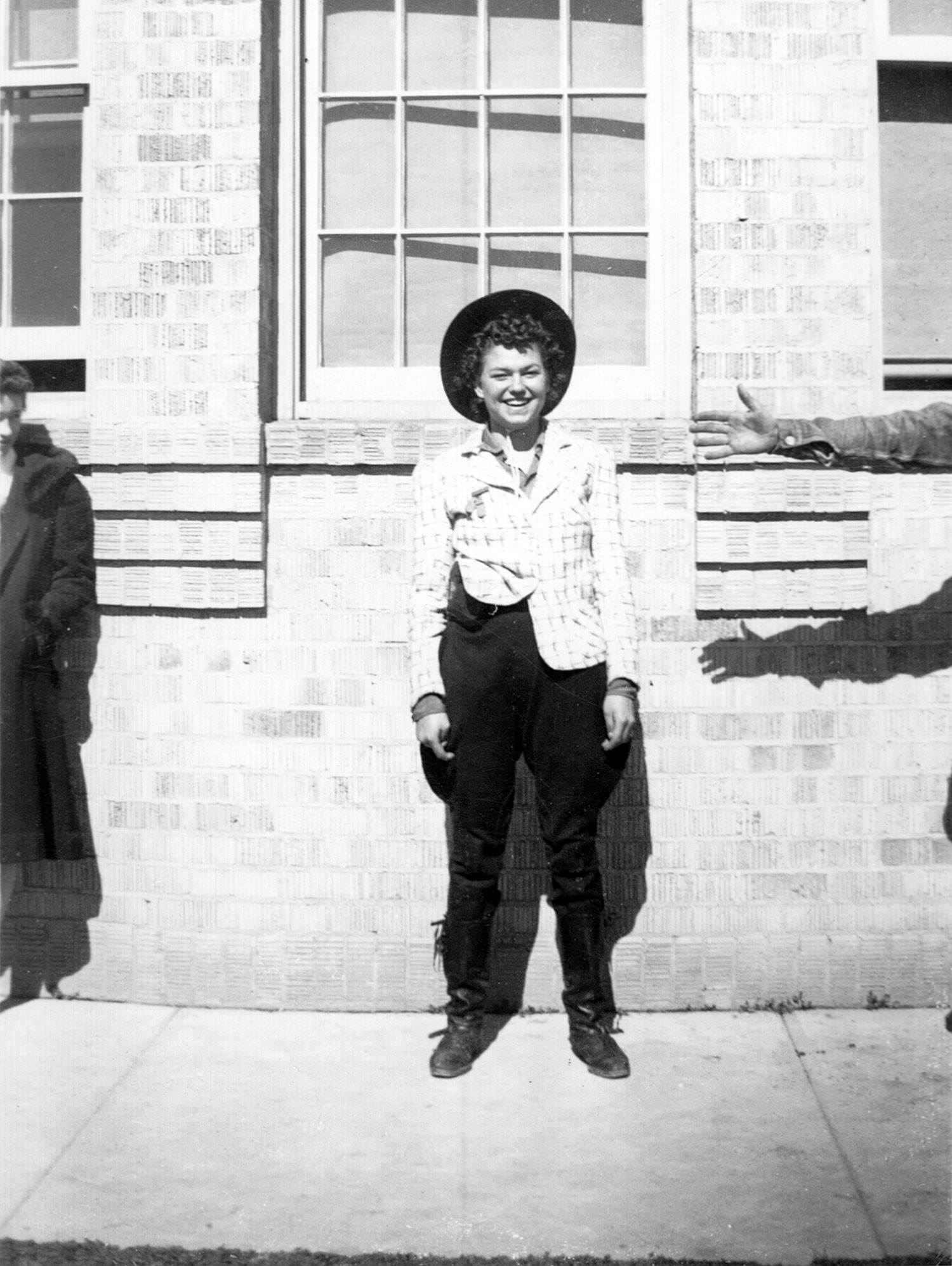
In 1941, a young Texan named Ottis Littlejohn left his home state and enrolled in the Civilian Conservation Corps. He was assigned to Colorado National Monument, where he worked with the roadbuilding crew. It was hard, physical work — but the posting also brought him into contact with a tight-knit local community in the small town of Fruita, Colorado.
Littlejohn made friends quickly. He found a sweetheart among the locals and struck up a close friendship with a young man he referred to simply as “Red” McCormick. That spring, McCormick was a graduating senior at Fruita Union High School — a school that operated out of the building now known as Fruita Middle School.
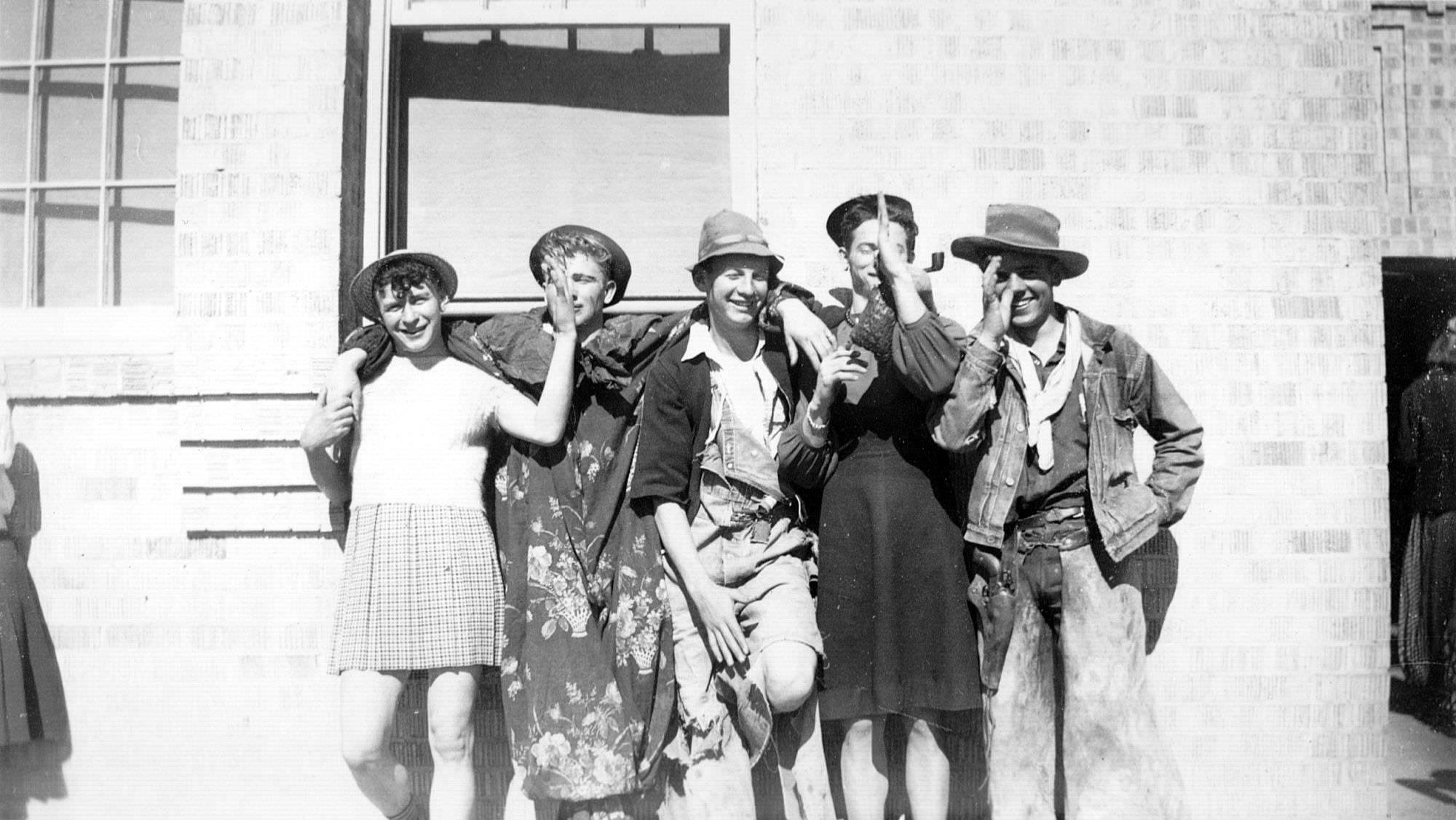
Littlejohn either photographed McCormick and his classmates himself during graduation week, or McCormick passed the photos along to him as a keepsake. Either way, Littlejohn held onto them — and on the back of one, he wrote a note confirming that McCormick graduated from Fruita Union High School in 1941.
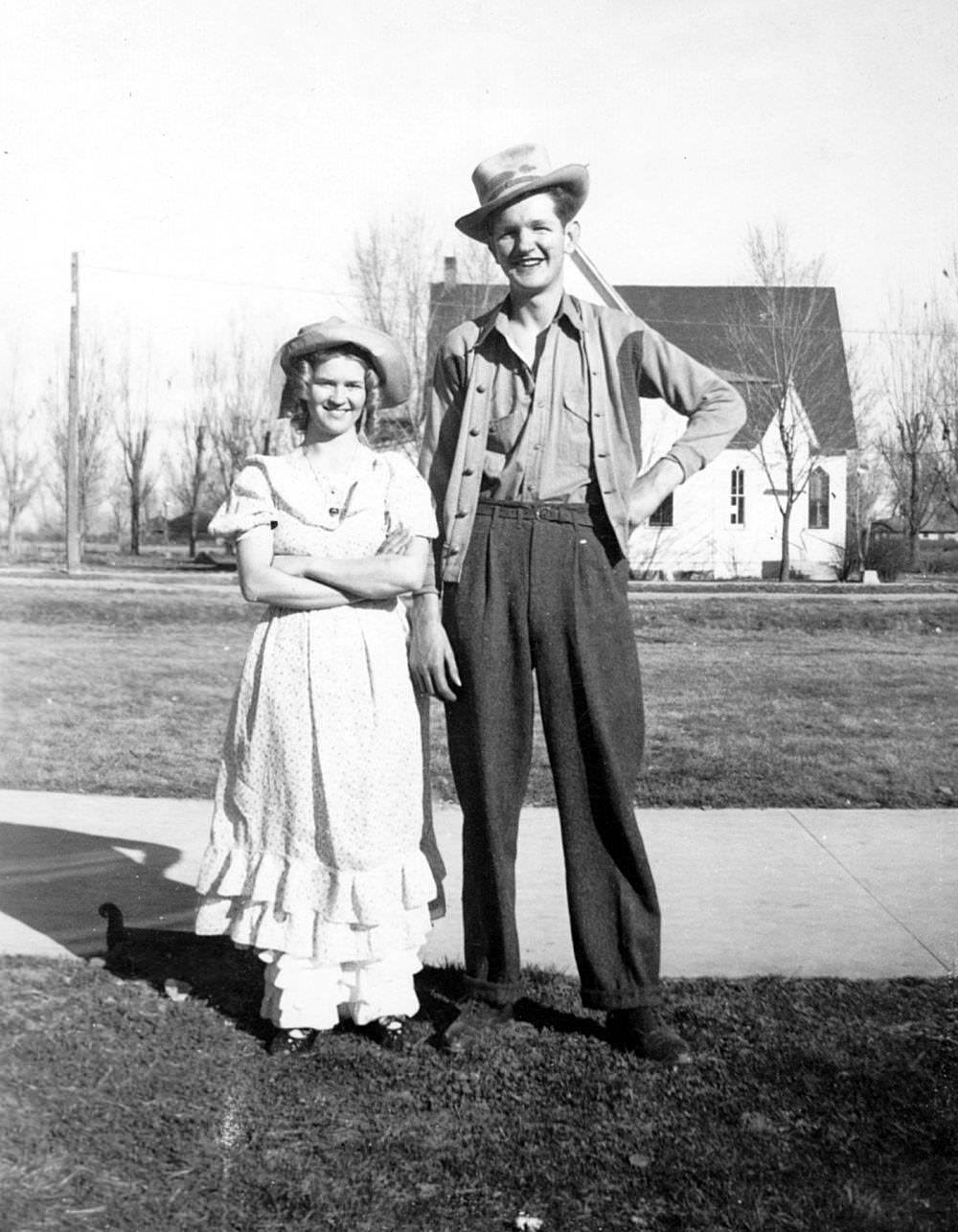
The photos capture what graduation week looked like for a small Colorado town in the early 1940s. These weren’t stiff, formal portraits. The students cut loose, clowning around with the ease of teenagers who knew their school days were nearly over.
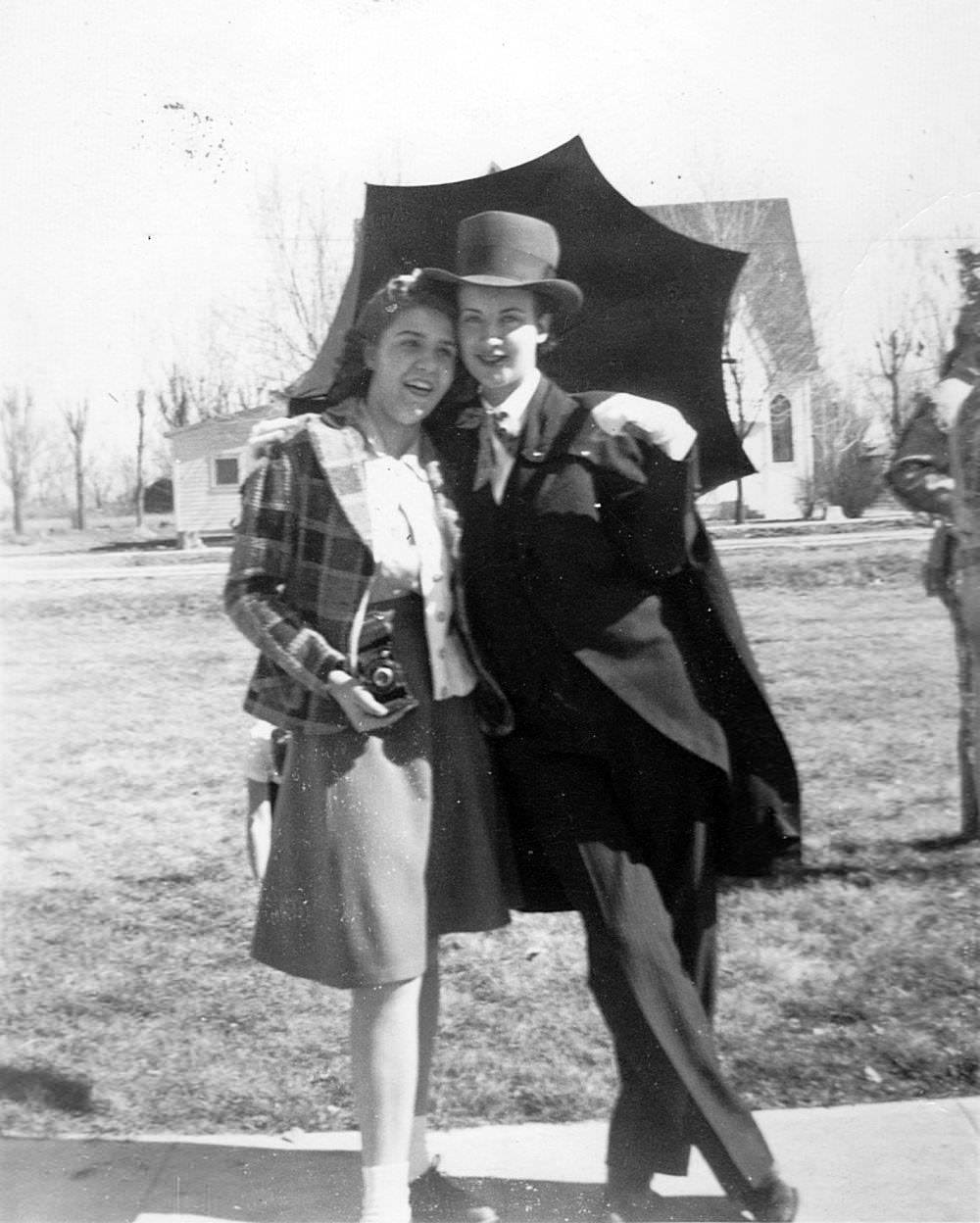
Fruita in 1941 was a modest agricultural community nestled in Mesa County near the Utah border. The town’s high school graduating class was small enough that everyone knew everyone. That closeness shows in these candid snapshots — relaxed poses, big grins, and the unmistakable energy of young people on the edge of adulthood.
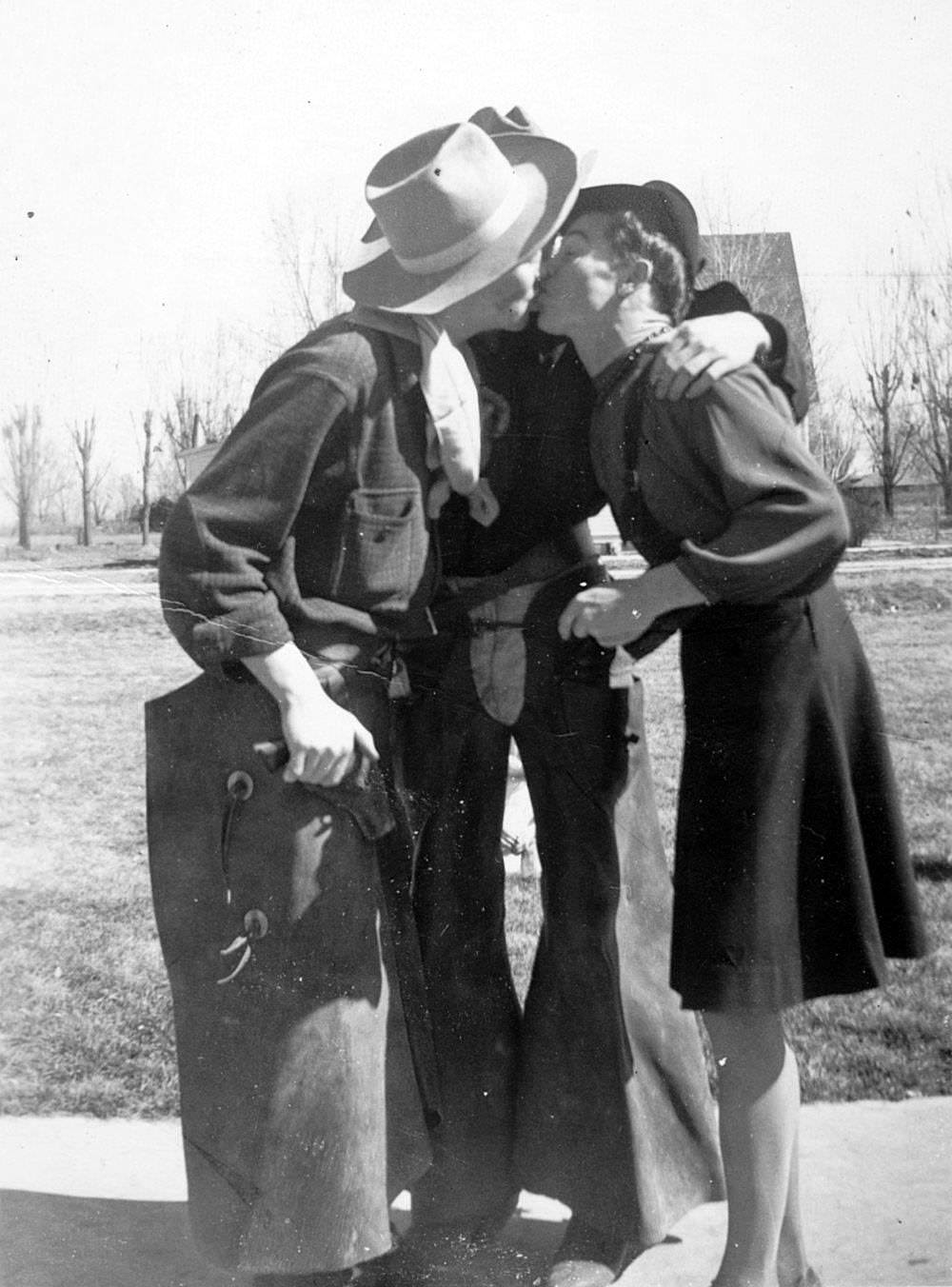
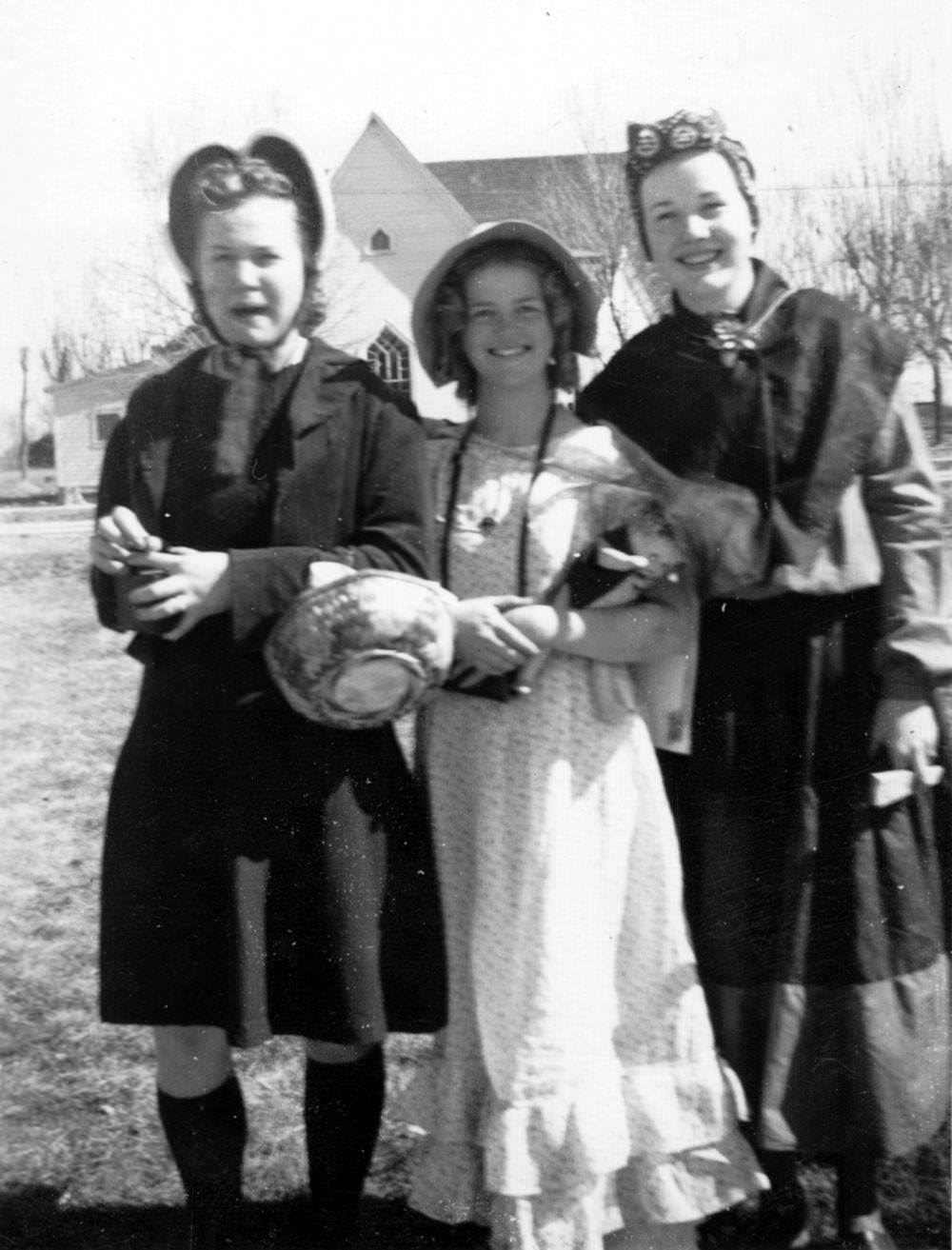
Littlejohn’s role at Colorado National Monument placed him squarely in the middle of one of the most active periods of CCC development in the region. The Corps was reshaping the landscape — carving roads, building infrastructure, and leaving a permanent mark on the monument. But off the clock, Littlejohn was living an ordinary social life, attending local events and documenting moments like these.
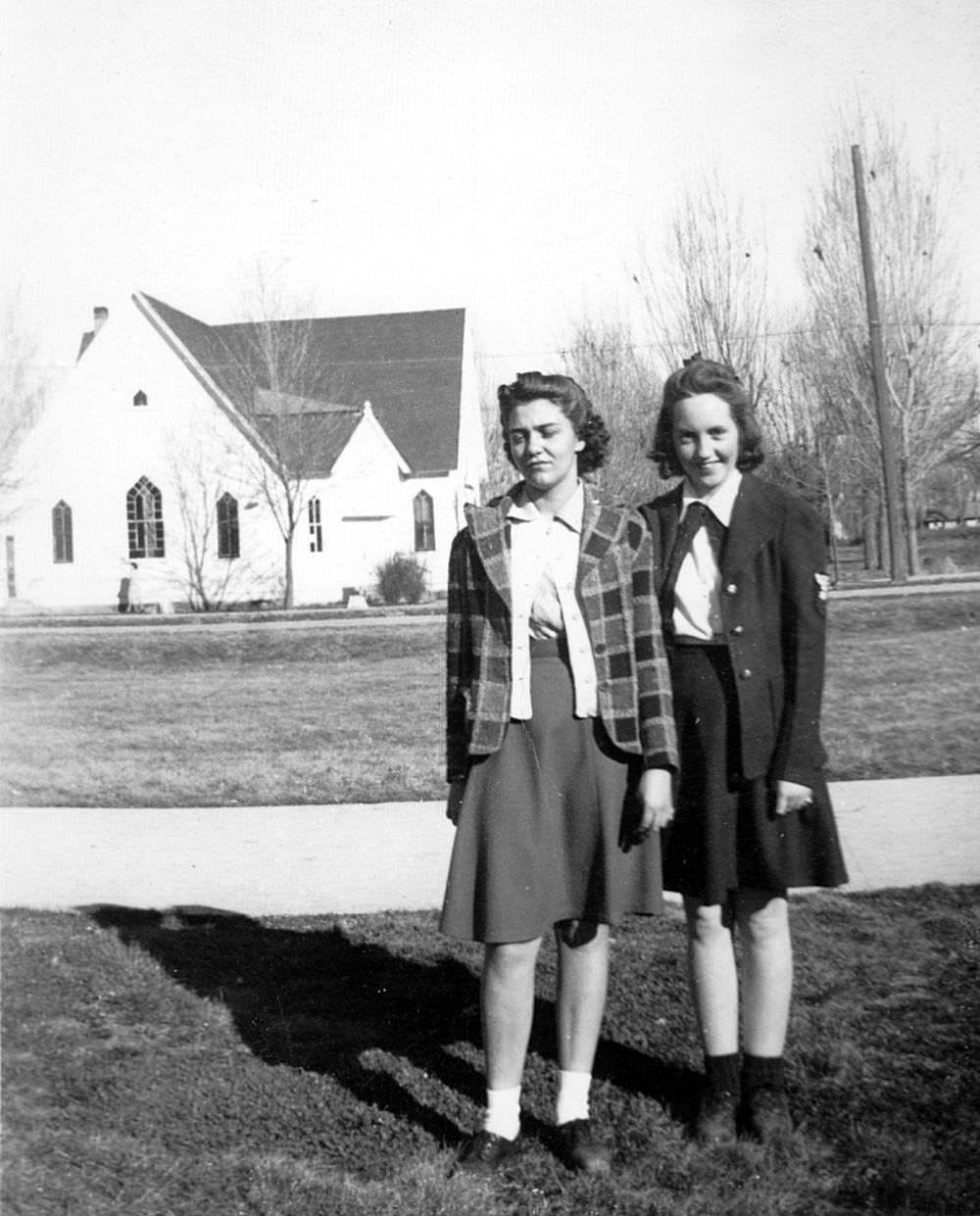
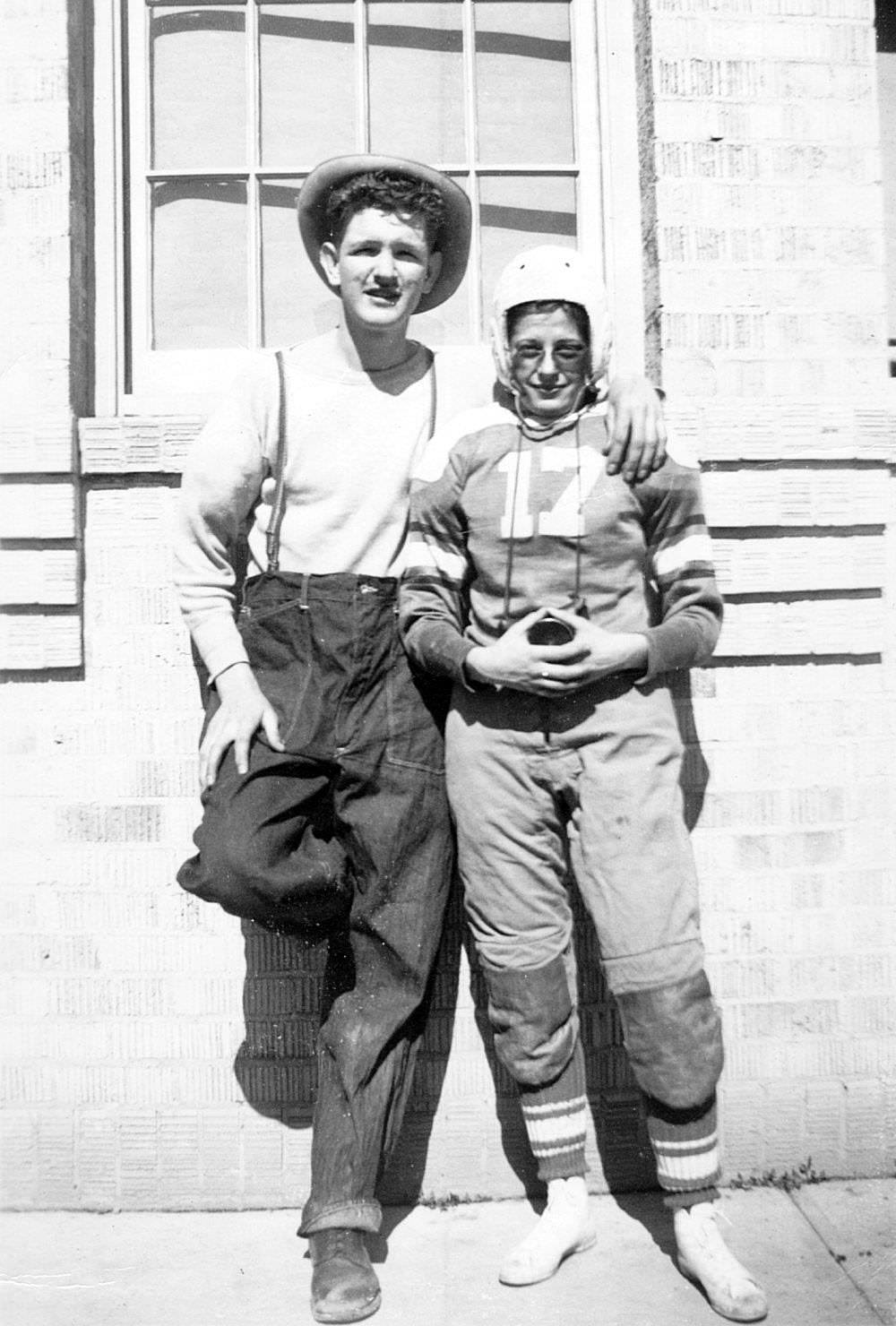
The year 1941 carried a particular weight for young men graduating high school. The United States had not yet entered World War II when these photos were taken — the attack on Pearl Harbor was still months away — but the draft was already in motion and the war in Europe dominated the news. For many young men in this class, life after graduation would look nothing like what they had planned.
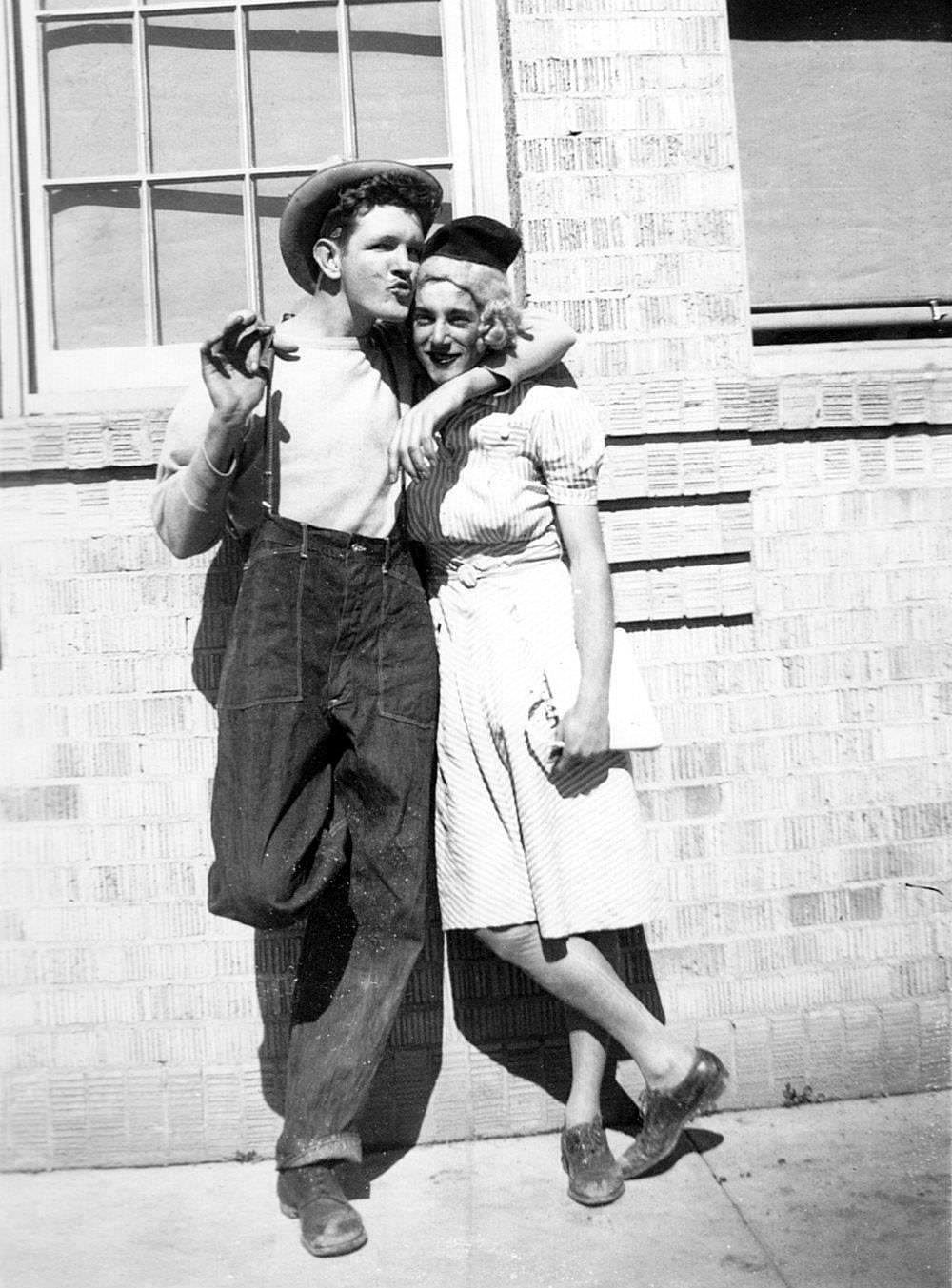
What makes these photos valuable is their ordinariness. They weren’t taken for a newspaper or a school yearbook. They were personal — the kind of pictures passed between friends to remember a specific week in a specific place. Littlejohn kept them, and because he did, we have a small, unguarded window into graduation week in Fruita, Colorado, more than eighty years ago.