
Coca-Cola first arrived in France in 1919, when Raymond Aaron Linton registered the brand there. French infantry officer Georges Delcroix began importing and selling the drink in Bordeaux shortly after. Despite its growing fame in the United States — where it had become the dominant non-alcoholic flavored drink and surged even further during Prohibition — the beverage never caught on in France the way the company had hoped.
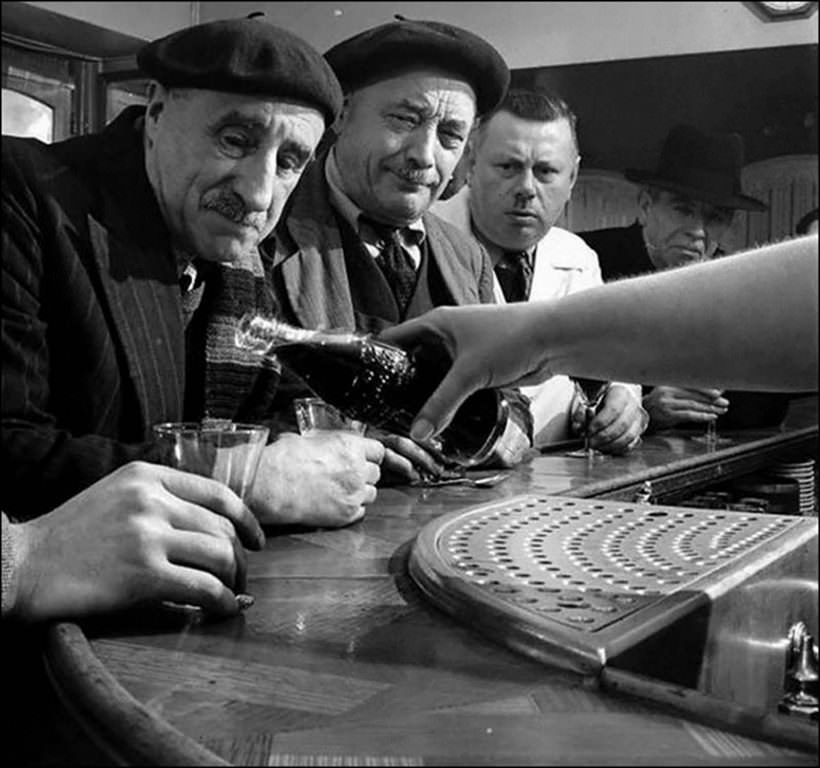
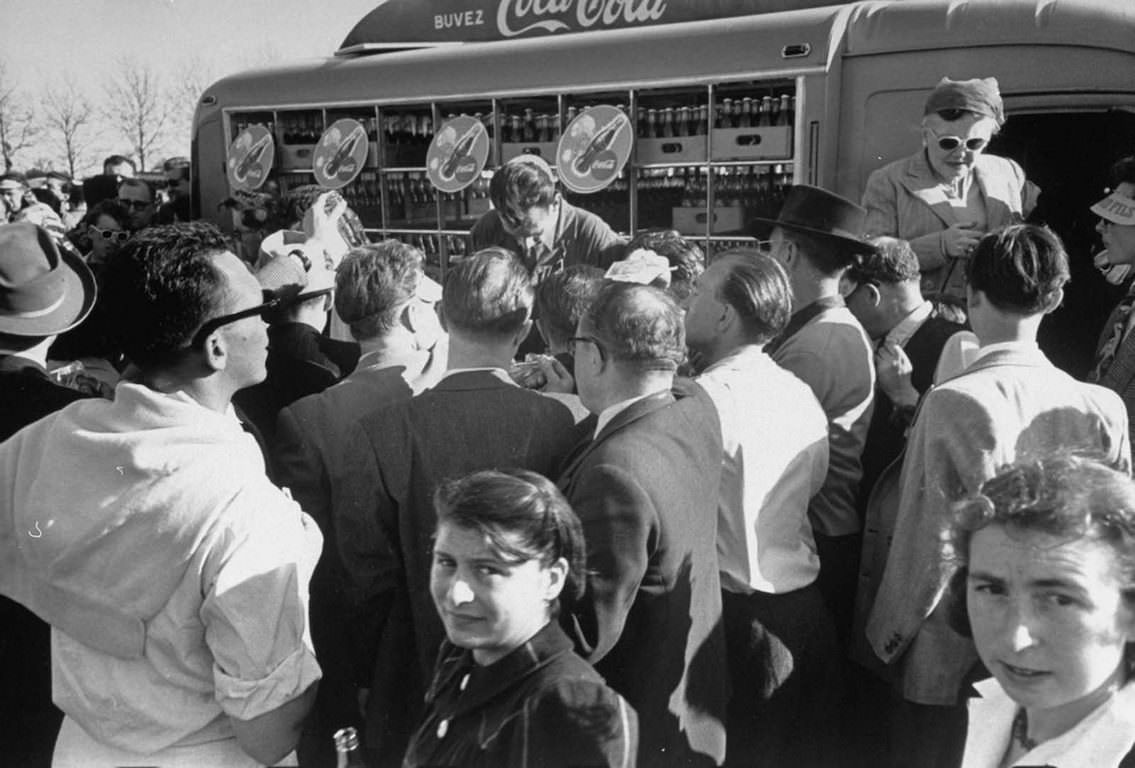
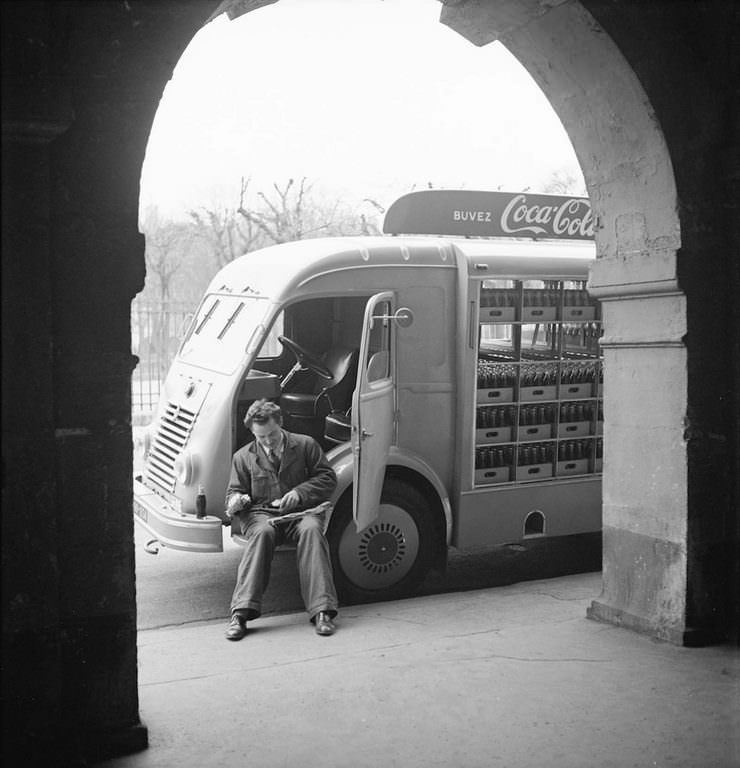
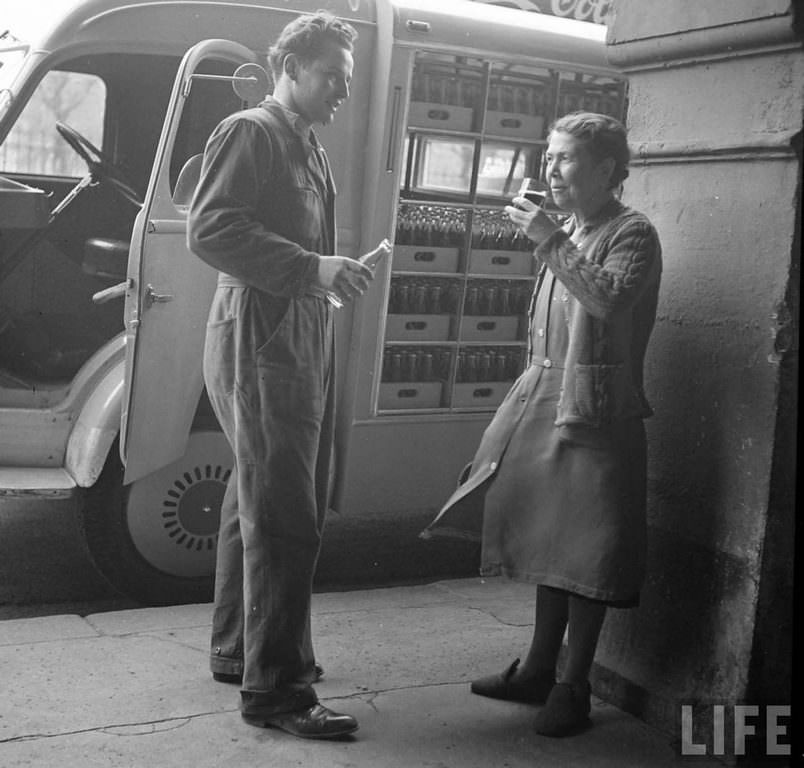
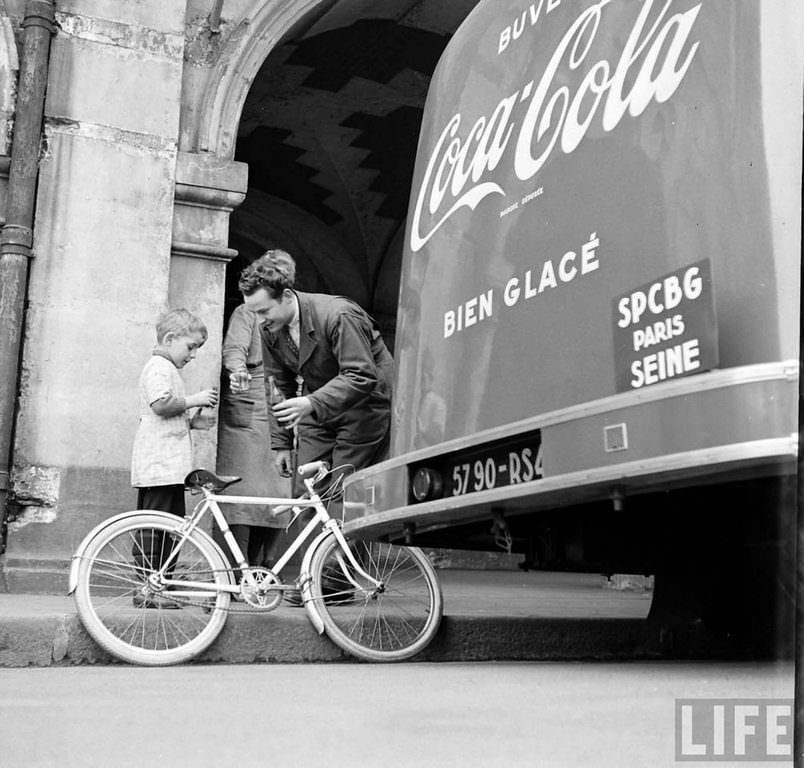
By 1950, Coca-Cola decided it was time to take matters into its own hands. The company launched a direct-to-consumer marketing push under the slogan ‘Drink Fresh.’ Branded vans fanned out across French cities, towns, and streets, handing out free samples to adults and children alike. The goal was simple: get the drink into as many hands — and mouths — as possible.
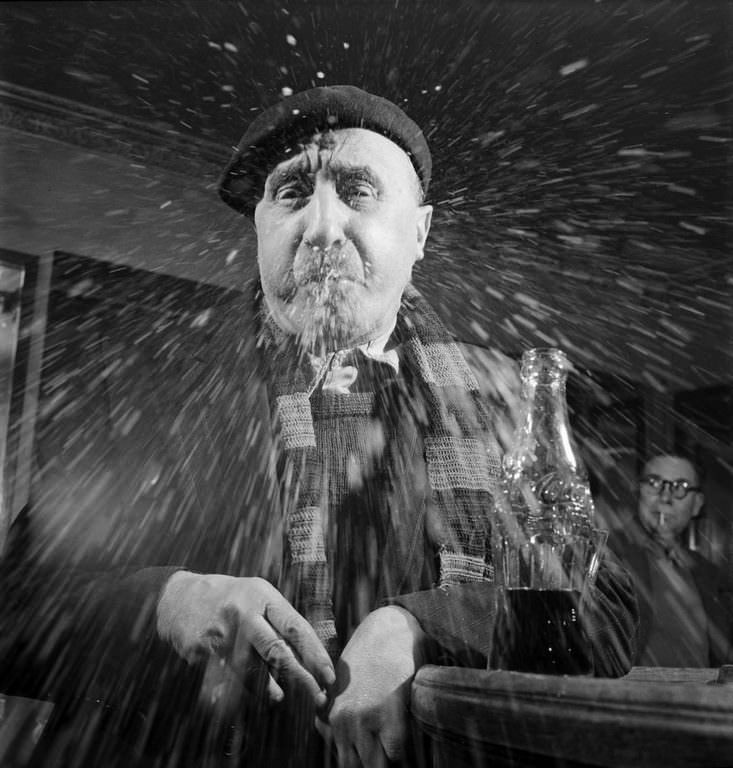
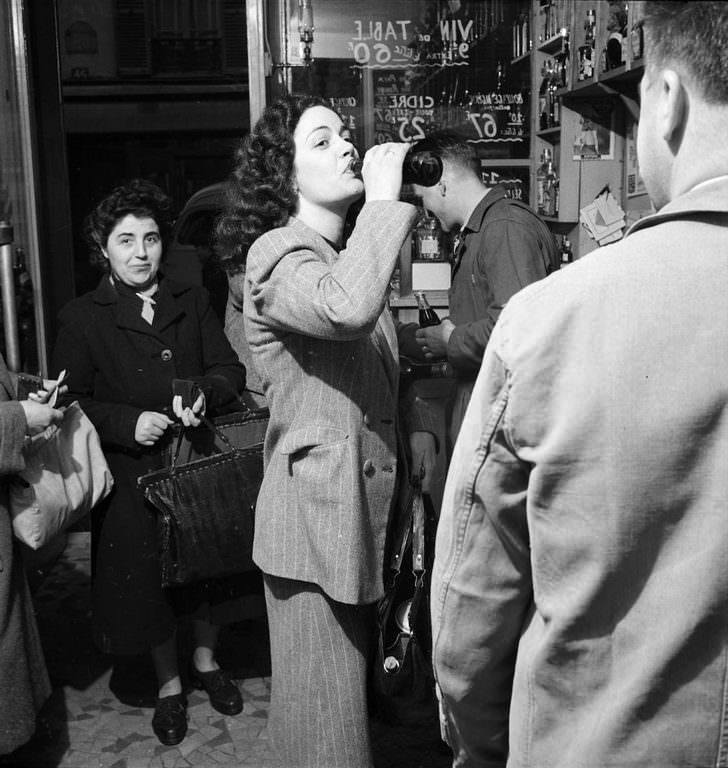
LIFE magazine photographer Mark Kauffman was on the ground to document it all. He captured unfiltered, candid reactions from ordinary French people encountering the drink for the very first time. His photos tell a story that Coca-Cola’s marketing team almost certainly did not plan for — one of grimaces, spitting, and outright rejection.
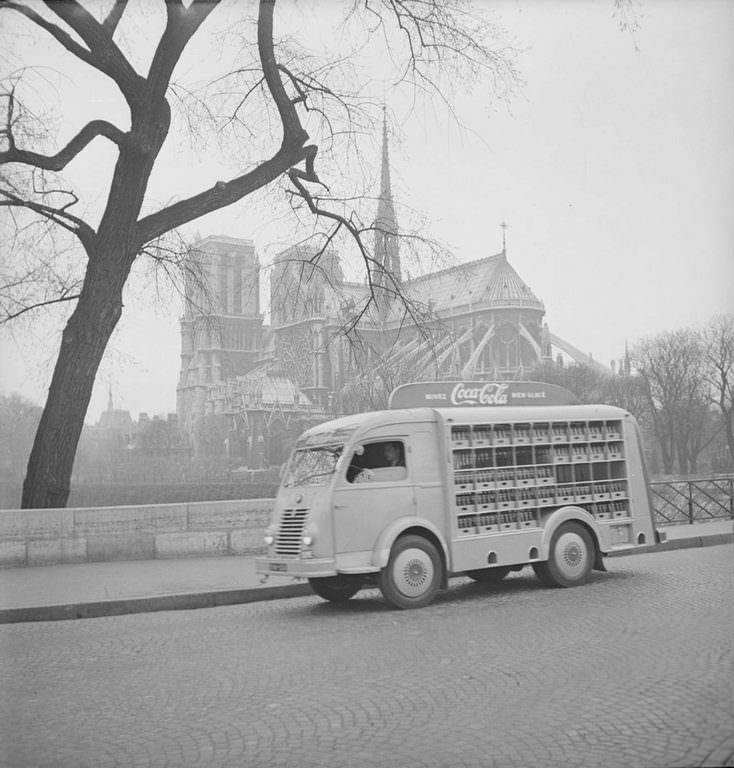
The delivery trucks became a familiar sight on Parisian streets almost overnight. Drivers navigated iconic landmarks and crowded neighborhoods, carrying crates of the unfamiliar brown fizzy drink to shopkeepers, café owners, and curious passersby.
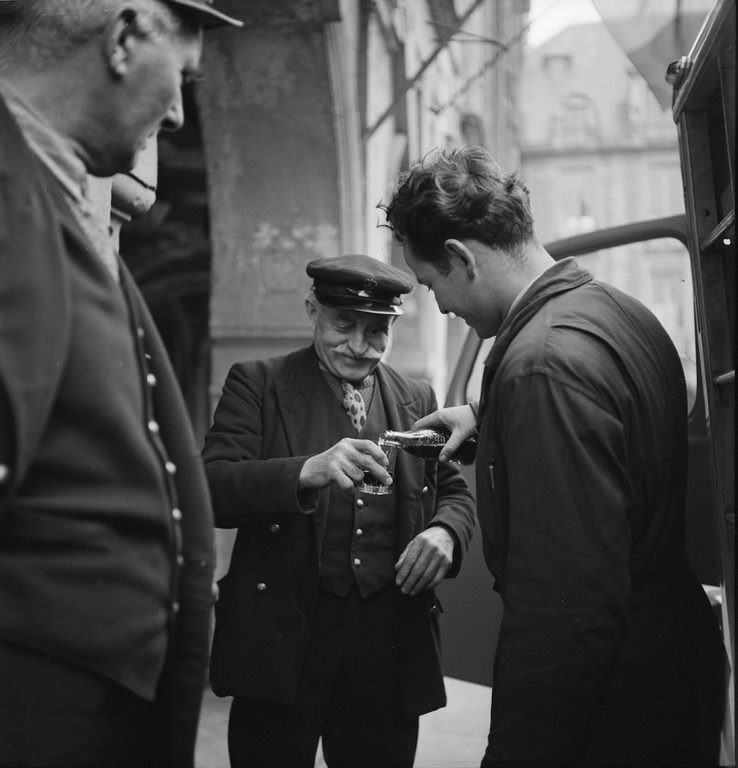
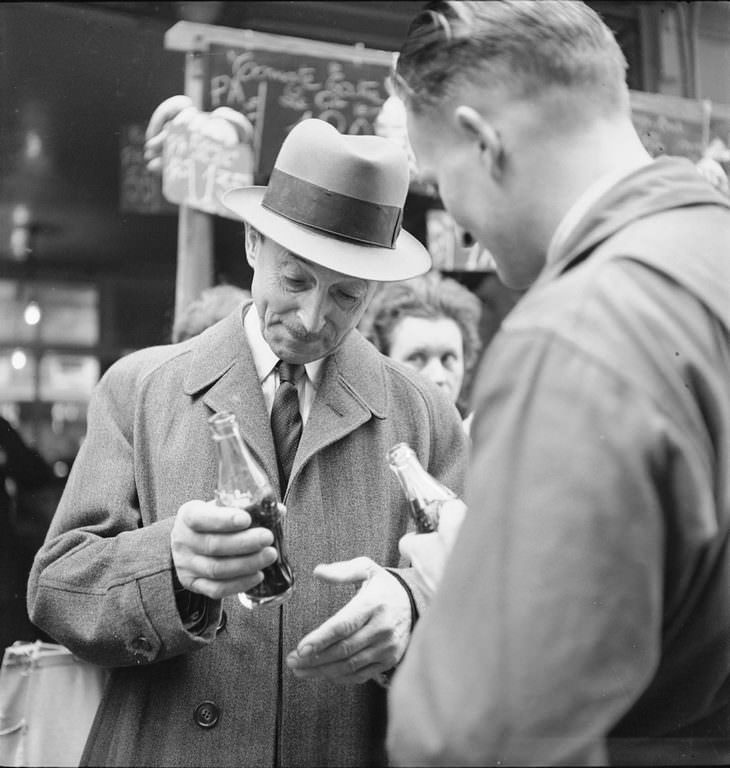
Not every reaction was negative. Some Parisians accepted their samples with curiosity and drank without complaint. Groups of men tried the drink together, bottles raised in something close to a toast. But even among the willing participants, enthusiasm was rarely obvious.
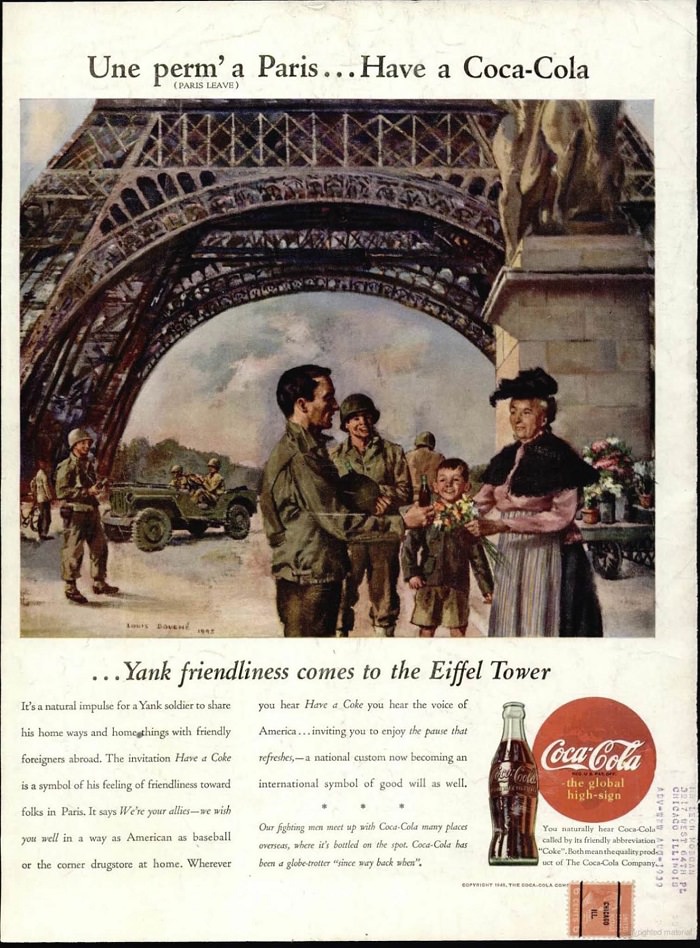
Coca-Cola also worked to build brand recognition through advertising. Magazine campaigns in the mid-1940s had already tried to plant the product in the French imagination before the street-level push began.
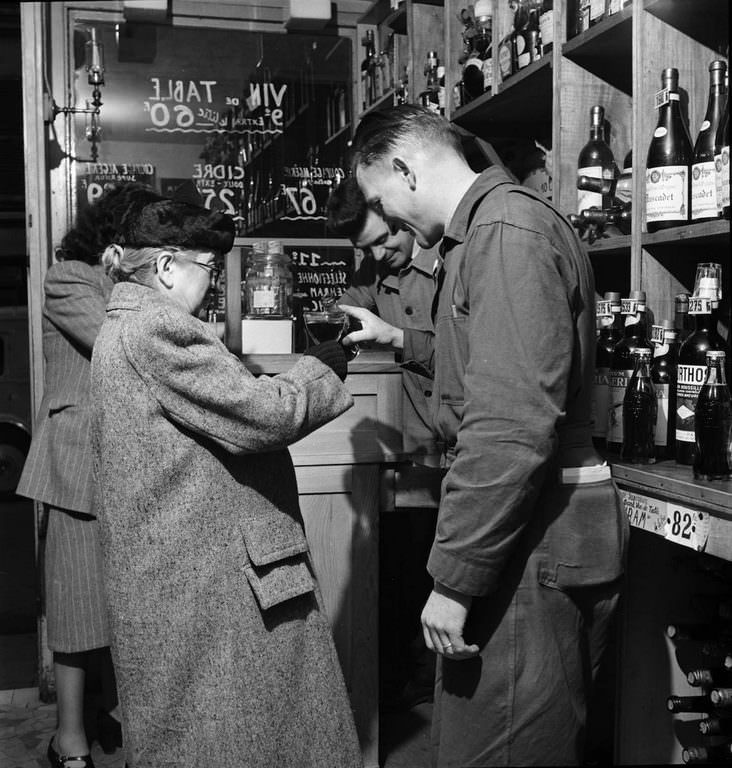
Back on the streets, salesmen walked into shops and poured samples directly for customers. Elderly men and women were among those approached, often with a bystander or two watching to see what would happen next.
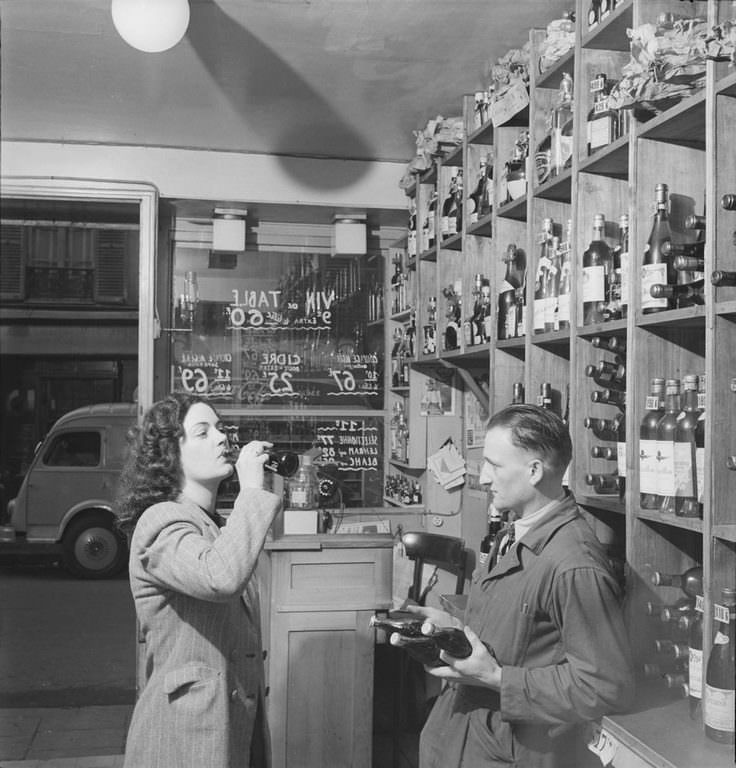
Younger Parisians were also targeted. Women in their twenties were handed bottles in shops across the city. Their reactions, caught on film by Kauffman, ranged from tentative sips to genuine disinterest. The drink was sweet, carbonated, and unlike anything most French consumers had regularly experienced — and that unfamiliarity showed on their faces.
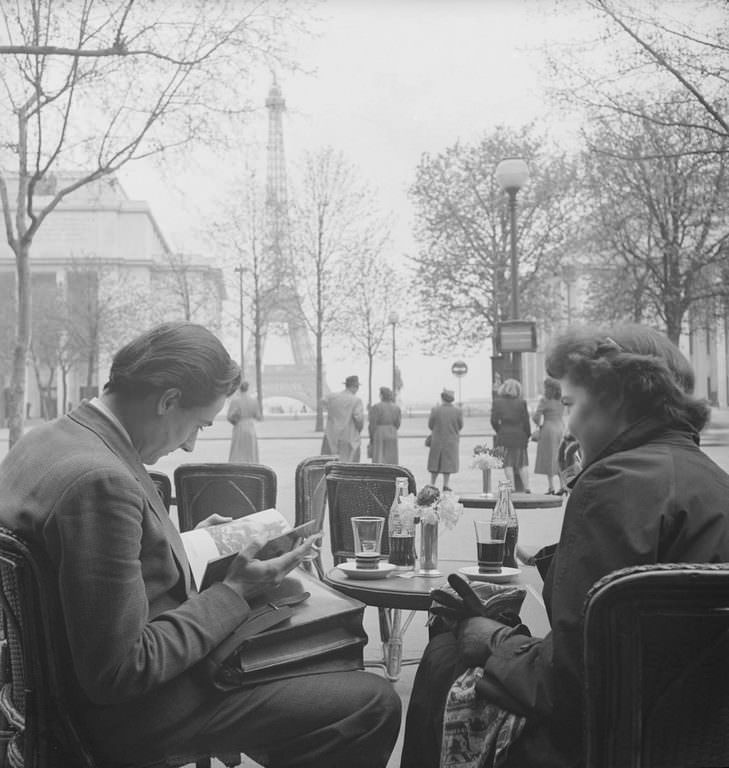
Even in the shadow of the Eiffel Tower, the campaign pressed on. Couples at sidewalk cafés were served bottles alongside their usual orders. The image of an American soft drink sitting on a Parisian café table next to a newspaper said everything about the cultural clash Coca-Cola was trying to navigate.
Group tastings became a regular part of the campaign. Salesmen gathered small crowds and handed out bottles one by one, watching and waiting as people took their first sips. The reactions were often immediate and unguarded — exactly what Kauffman’s lens was waiting to catch.
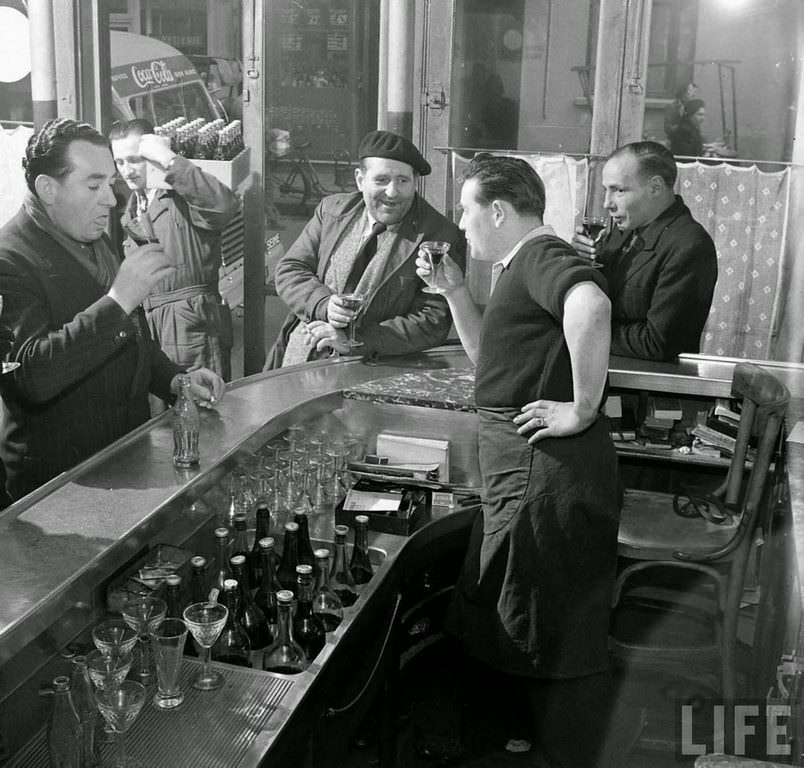
France had a deeply rooted drinking culture built around wine, and convincing people to swap even one glass for a bottle of American soda was a serious challenge. Wine wasn’t just a preference — it was tied to meals, social life, and national identity. Coca-Cola was asking the French to make room for something that came from an entirely different world.
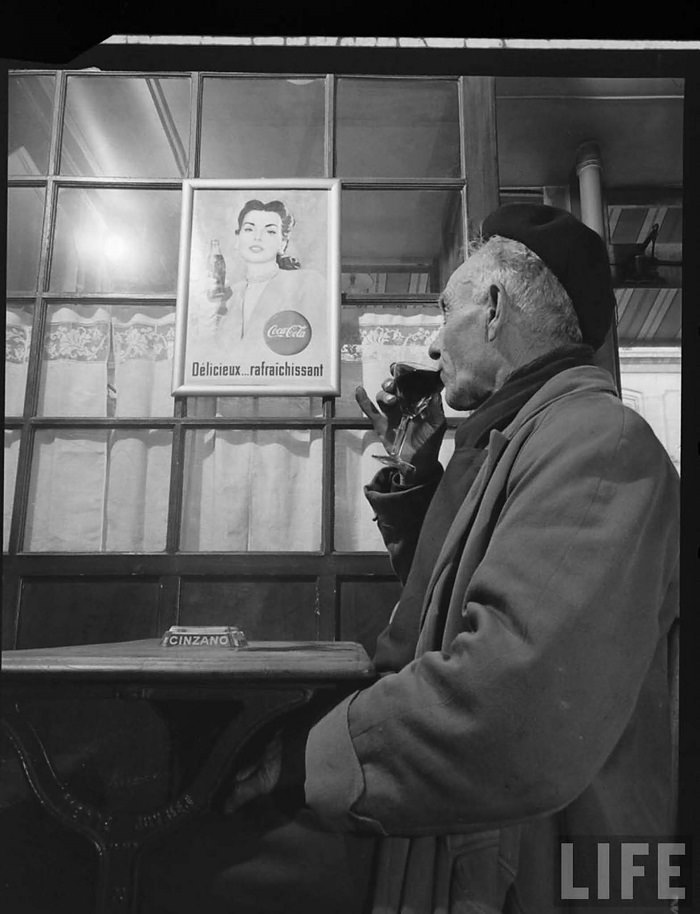
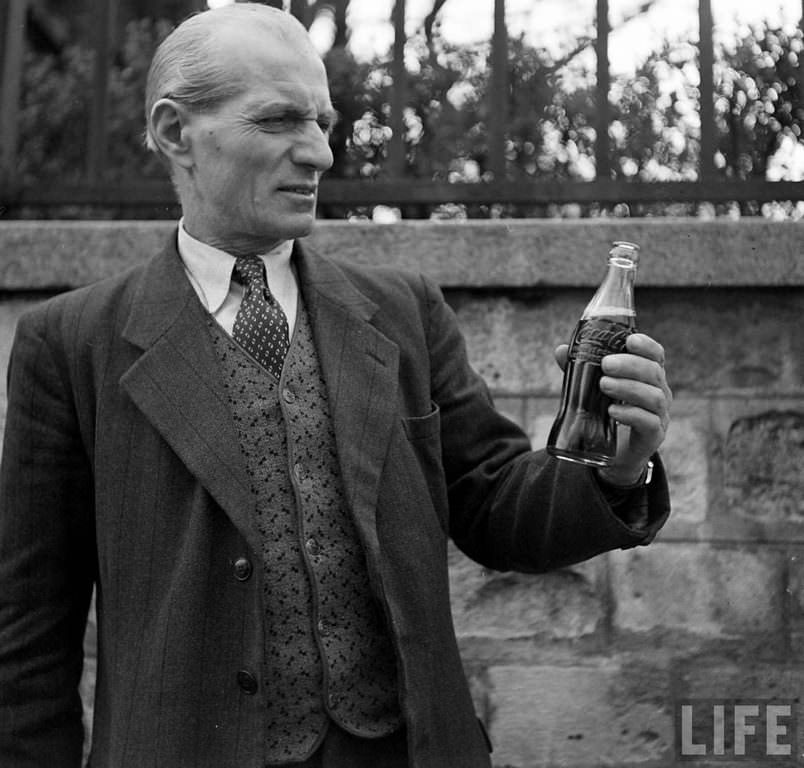
Some of the most telling photos show men tasting the drink for the very first time with no prior expectation of what it would be like. The look on their faces after that first sip needed no caption.
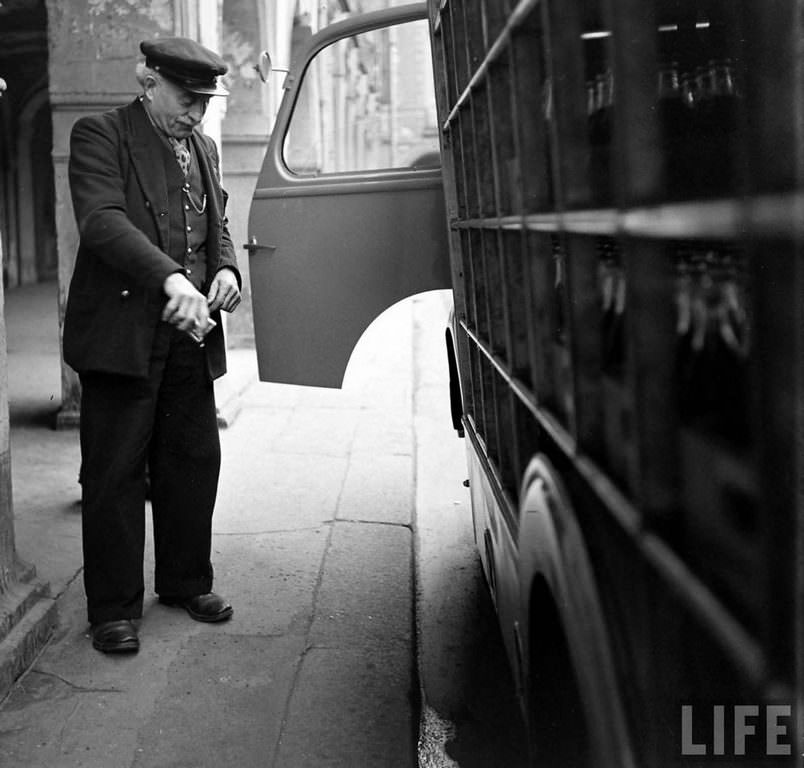
Children were not left out of the campaign either. Young boys received their samples just like the adults around them, tasting a drink that was already a household name on the other side of the Atlantic. For many of them, it was their first experience with a mass-produced American product.





This is cool