In 1930, air travel was a noisy, turbulent, and anxiety-inducing experience. Planes rattled through the sky, passengers grew airsick, and the idea of flying still made most people nervous. That year, a 25-year-old registered nurse and licensed pilot named Ellen Church walked into the offices of Boeing Air Transport with an idea that would change aviation forever.
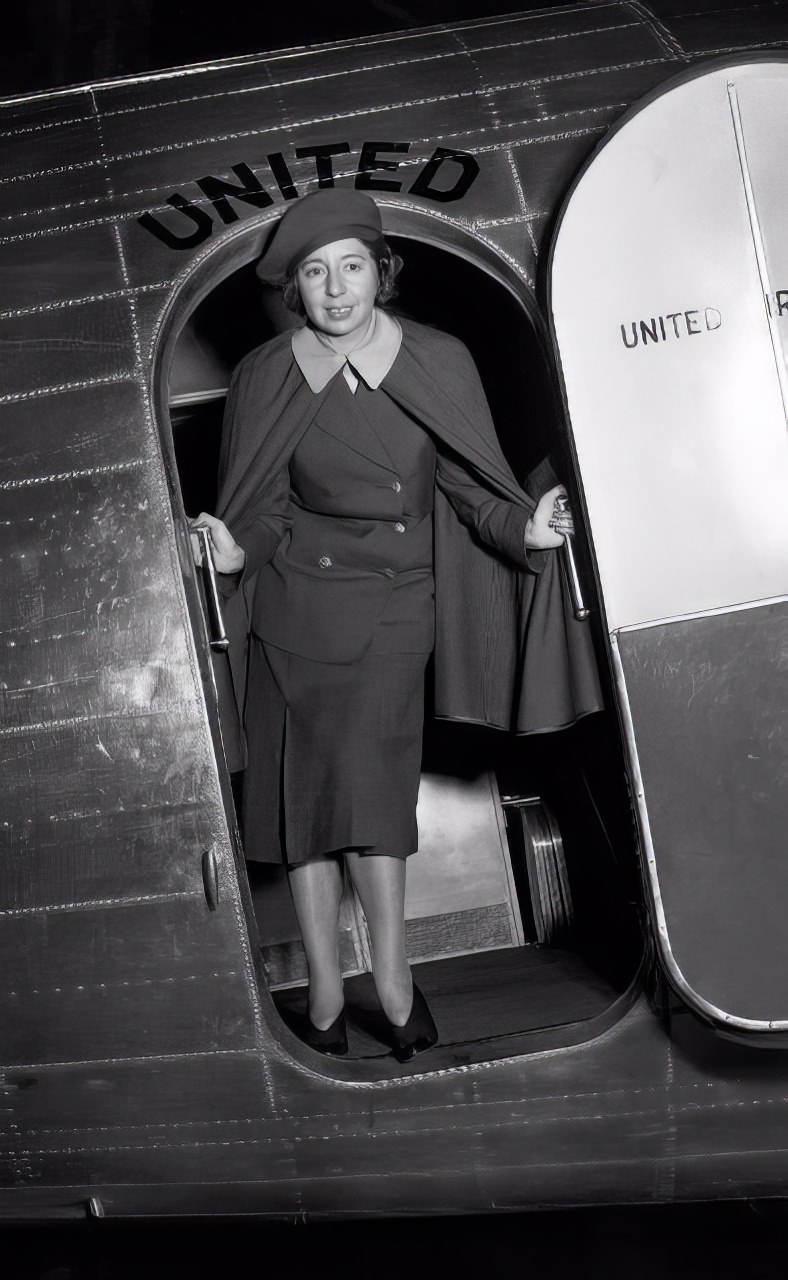
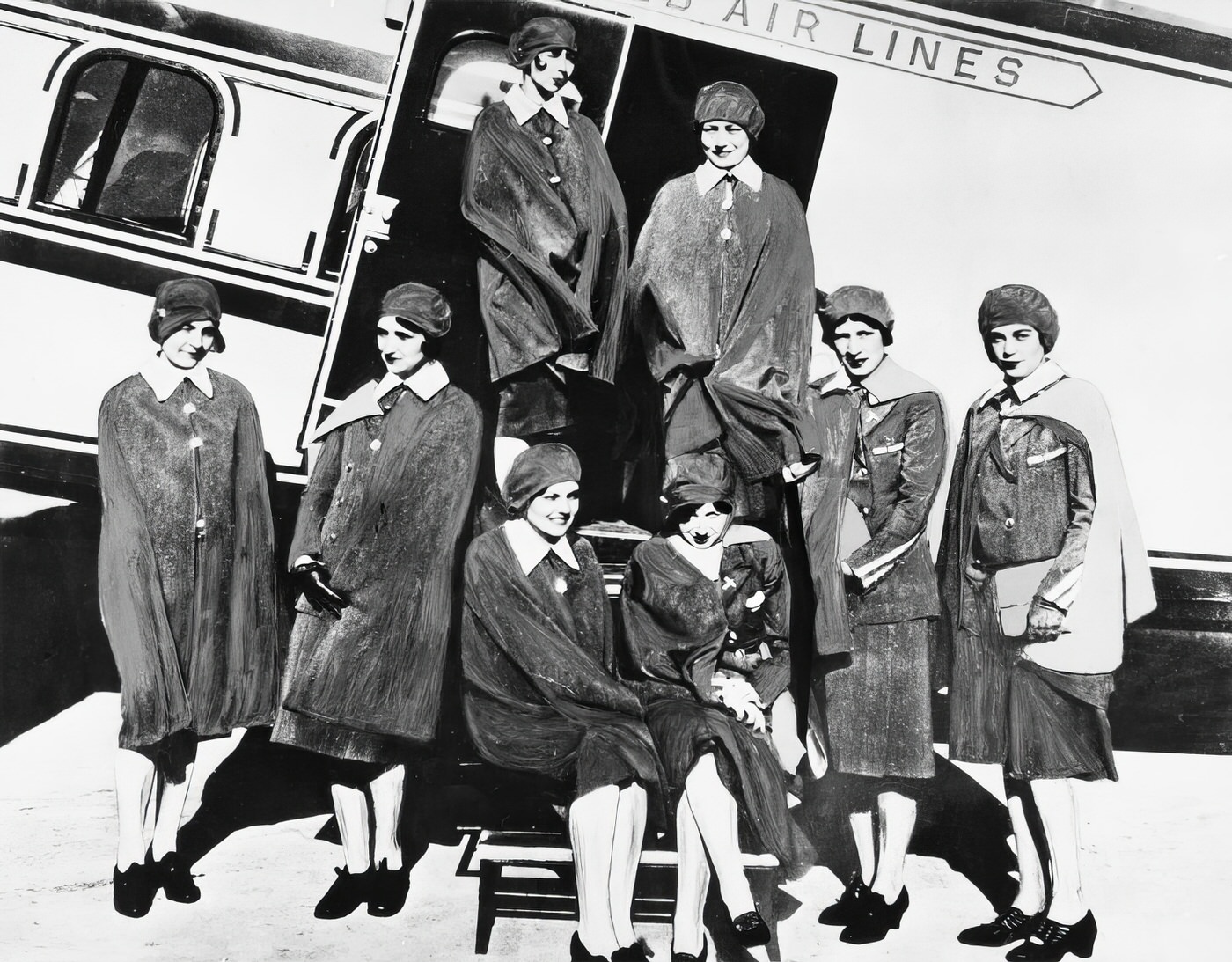
Church proposed that trained nurses working onboard flights would calm nervous passengers and improve safety. Boeing agreed. On May 15, 1930, she became the world’s first female flight attendant. She also recruited and trained seven other nurses to join her, and together they were nicknamed the “sky girls.”
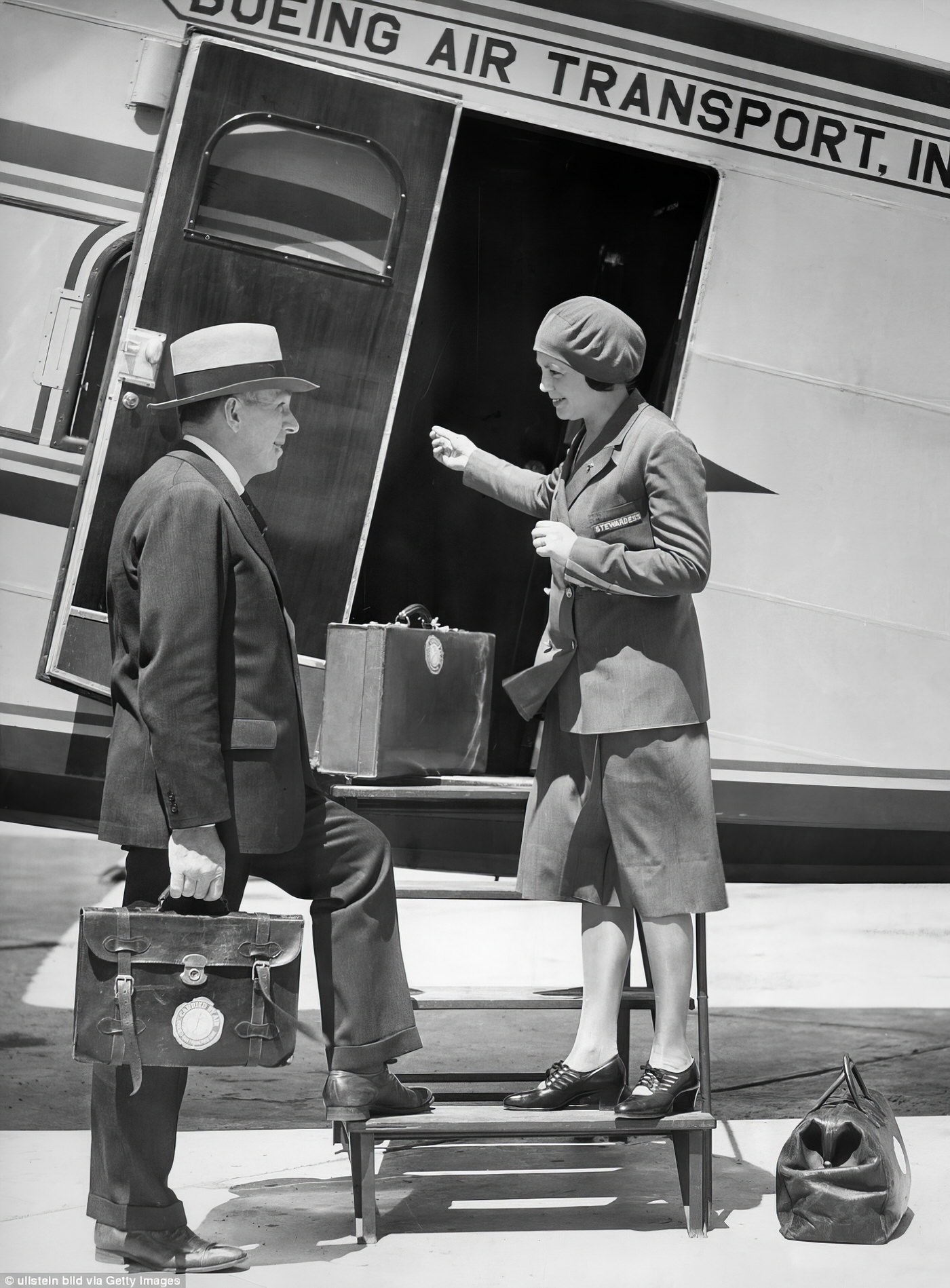
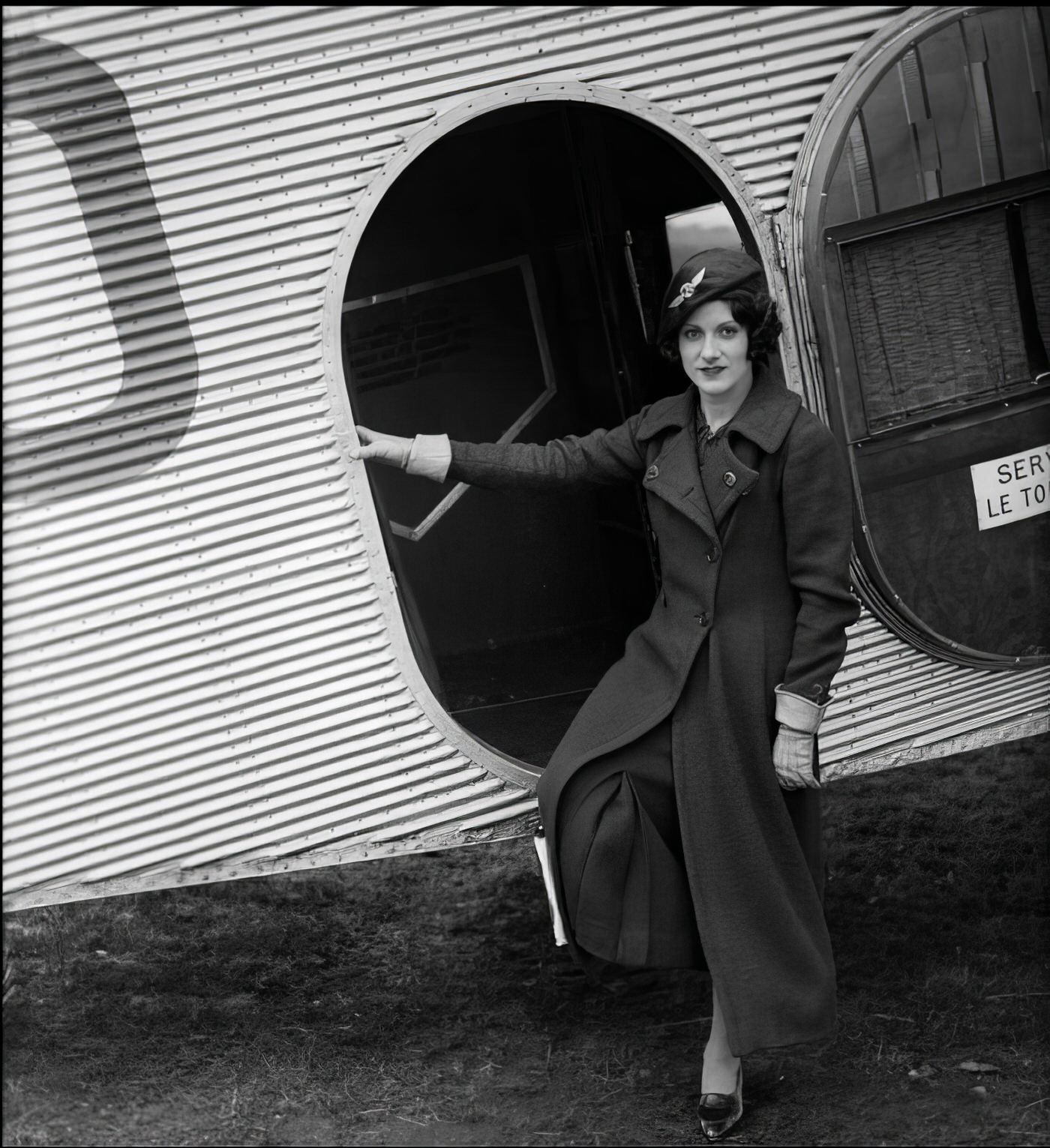
The requirements to become a sky girl were strict. Candidates had to be unmarried, under 25 years old, weigh no more than 115 pounds, and stand shorter than 5 feet 4 inches. Most importantly, they had to be registered nurses. Their uniform was simple and professional — navy blue suits, white blouses, and caps.
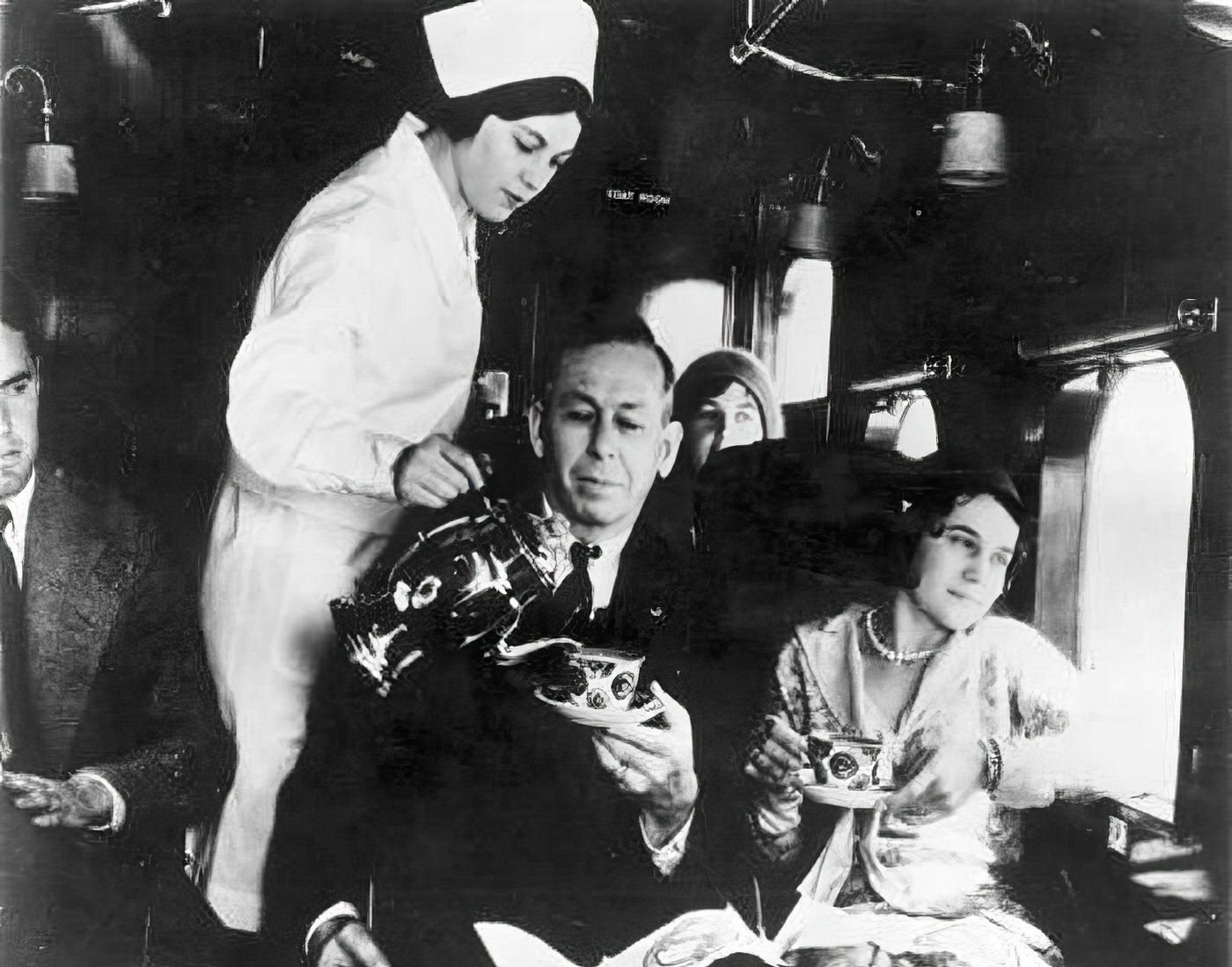
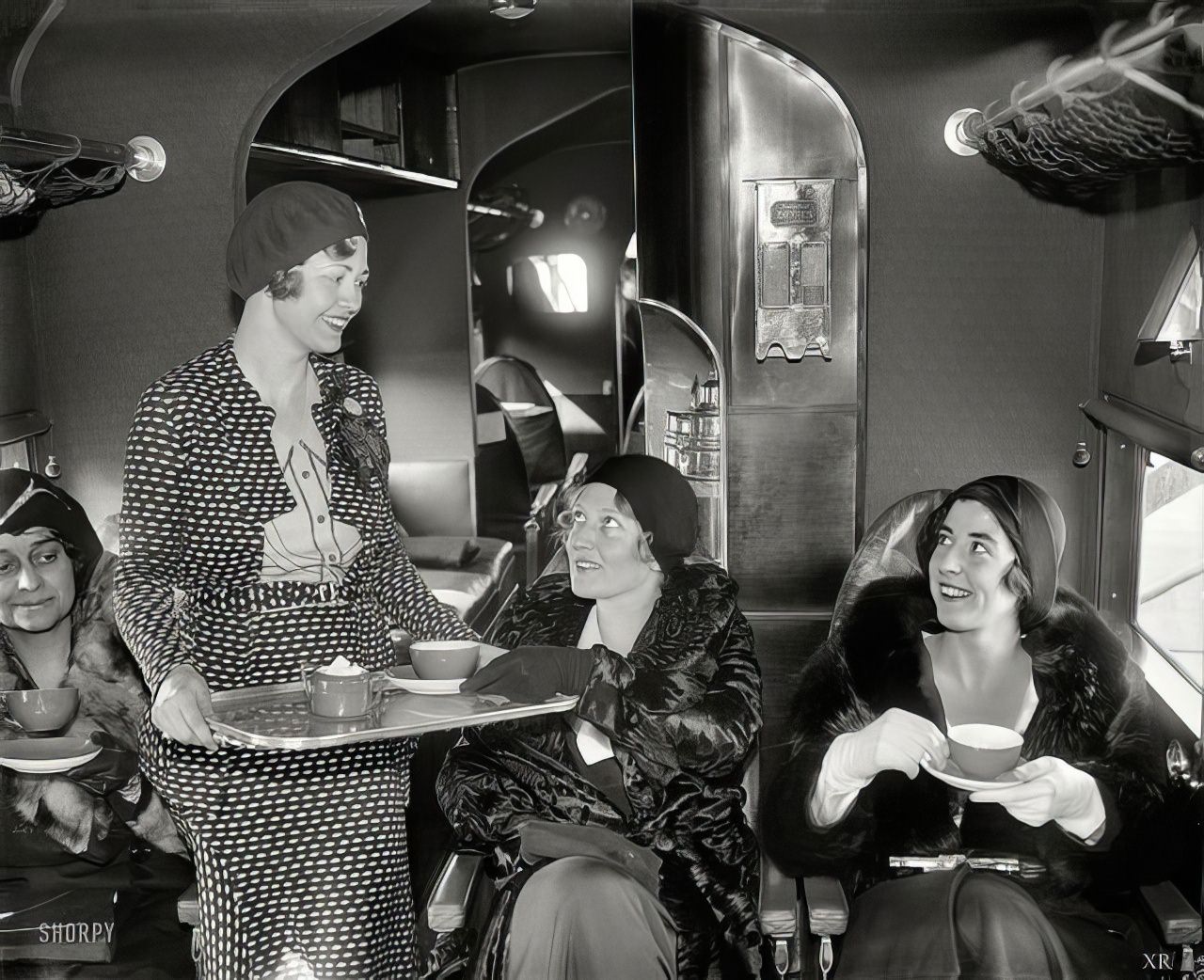
Their duties went well beyond pouring coffee. Sky girls greeted passengers at boarding, served meals, administered first aid, and provided calm reassurance during rough weather. They were trained in emergency procedures and carried real medical responsibility on every flight.
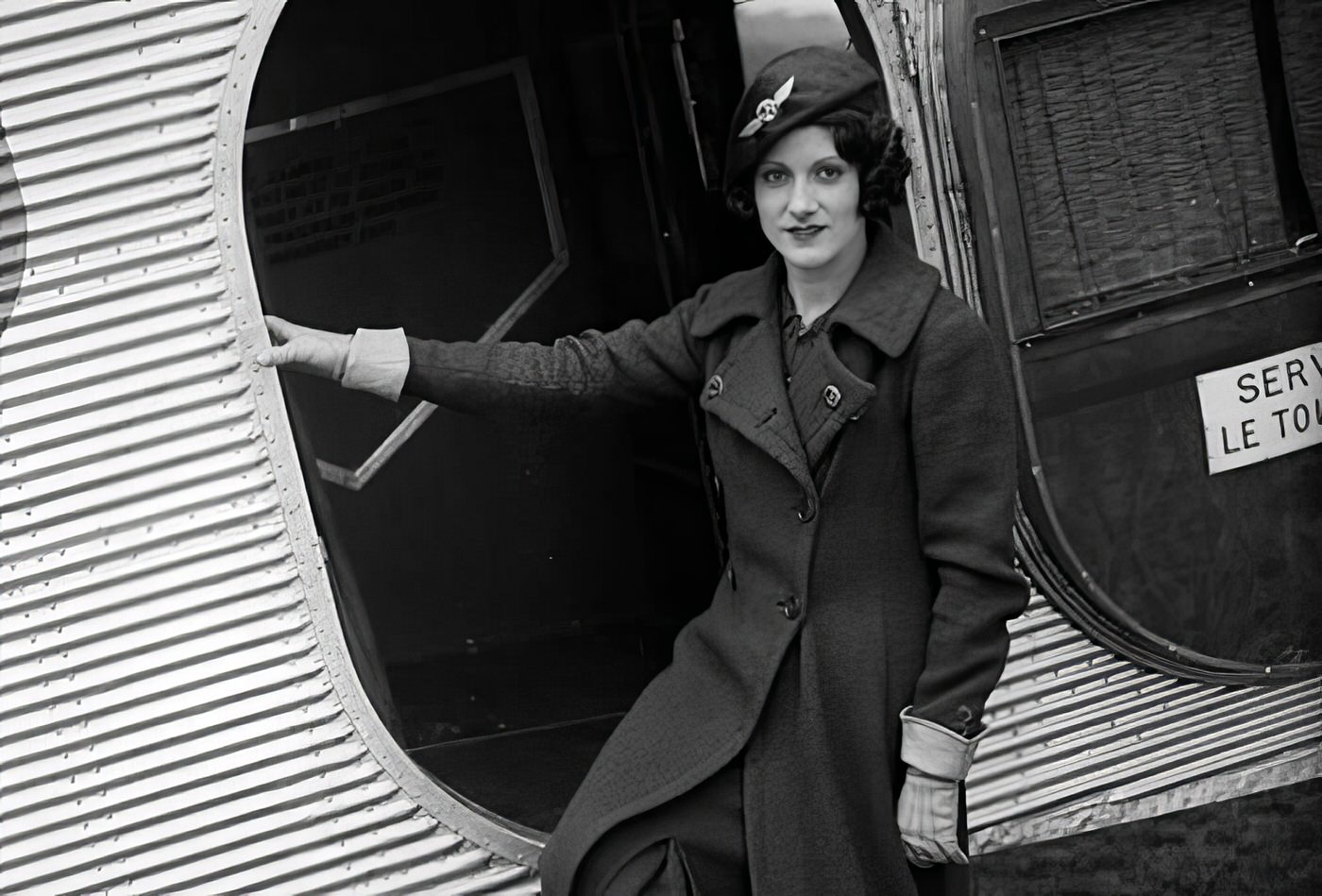
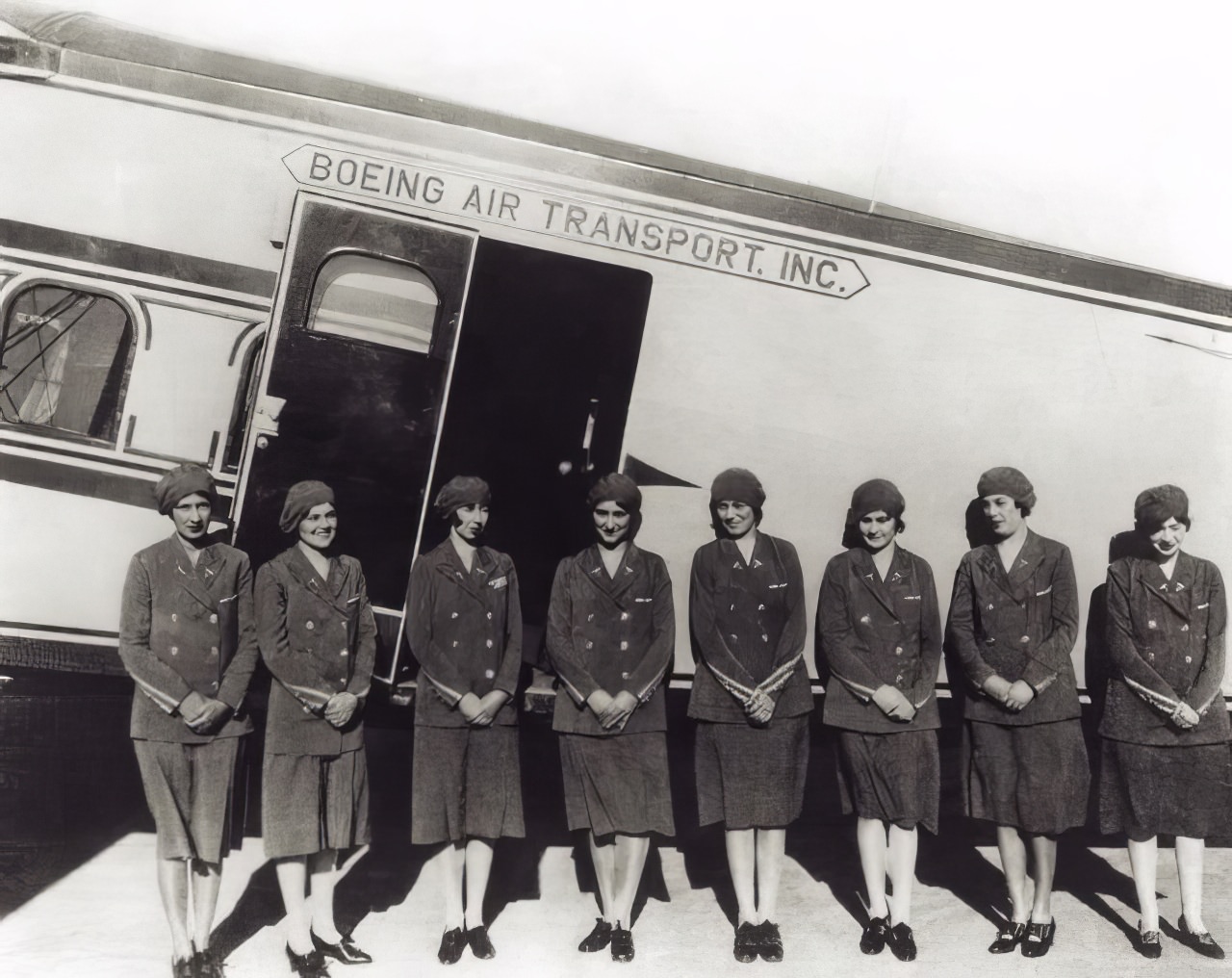
Passengers responded warmly. Other airlines took notice quickly. By 1933, carriers like American Airways and Transcontinental and Western Air had launched their own stewardess programs, gradually broadening the role to include hospitality and customer service alongside medical care.
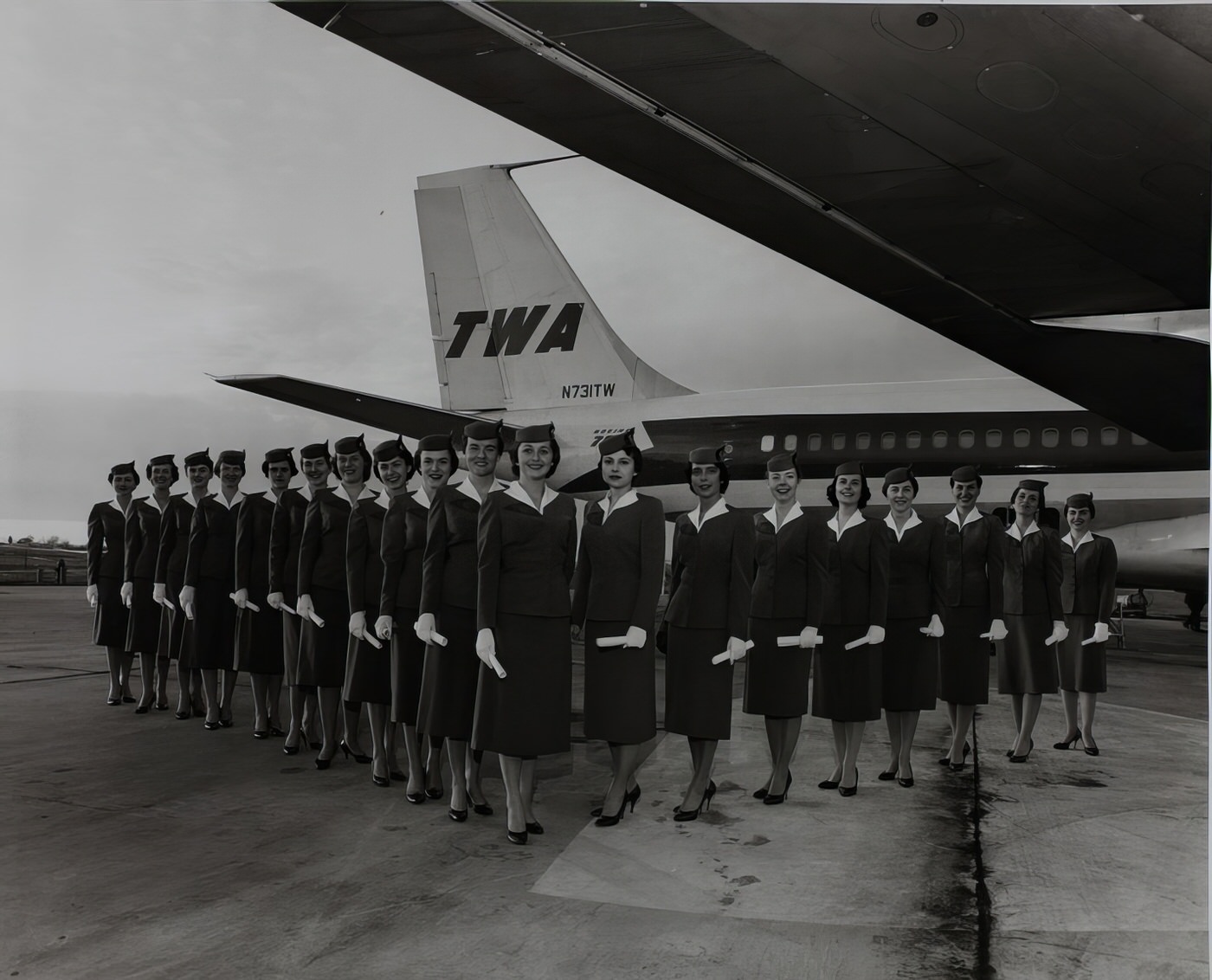
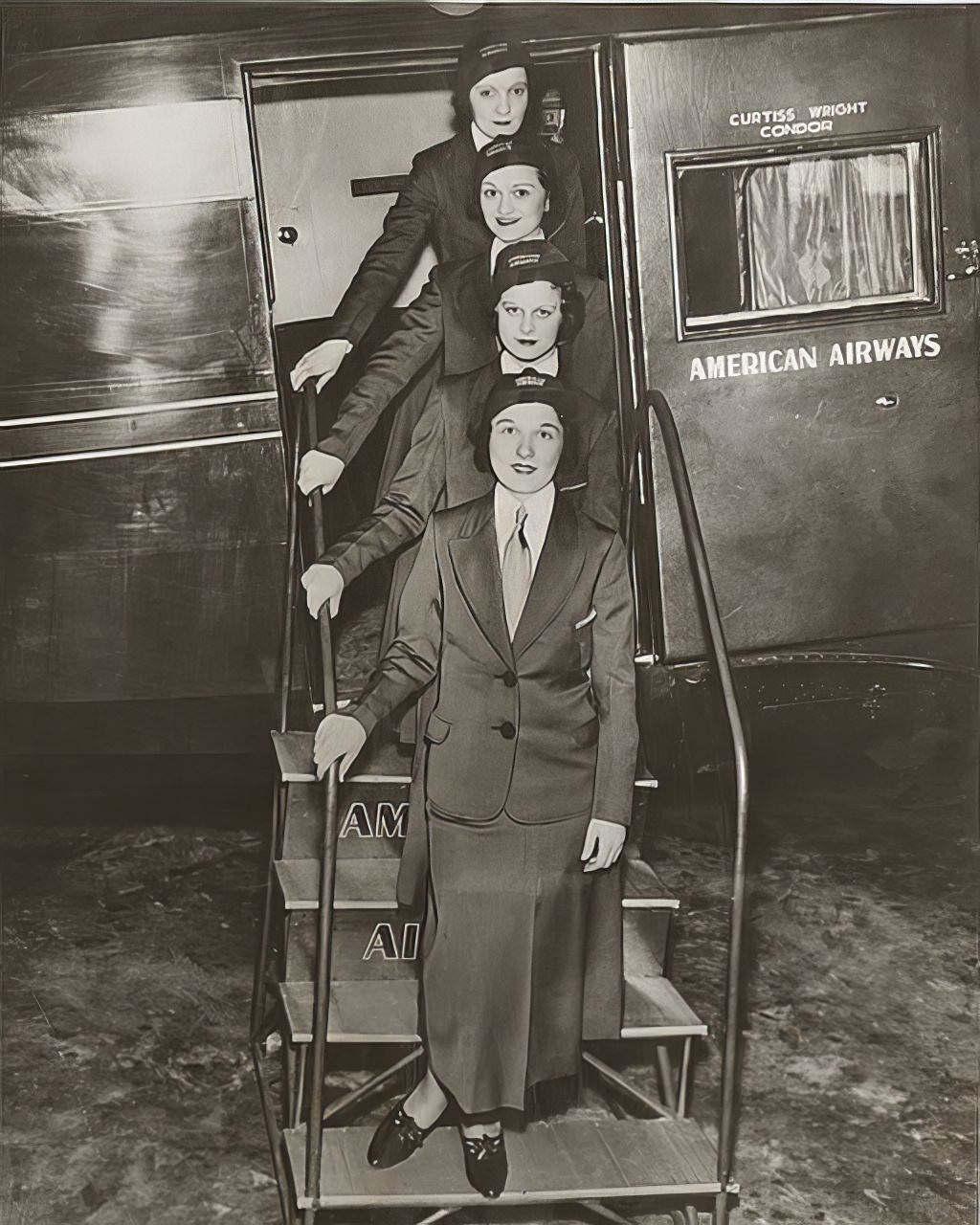
As the decade progressed, stewardesses became a fixture of commercial aviation. Their presence on board made flights feel safer and more organized. Airlines across North America were hiring, training, and uniforming their own crews of women to serve passengers in the sky.
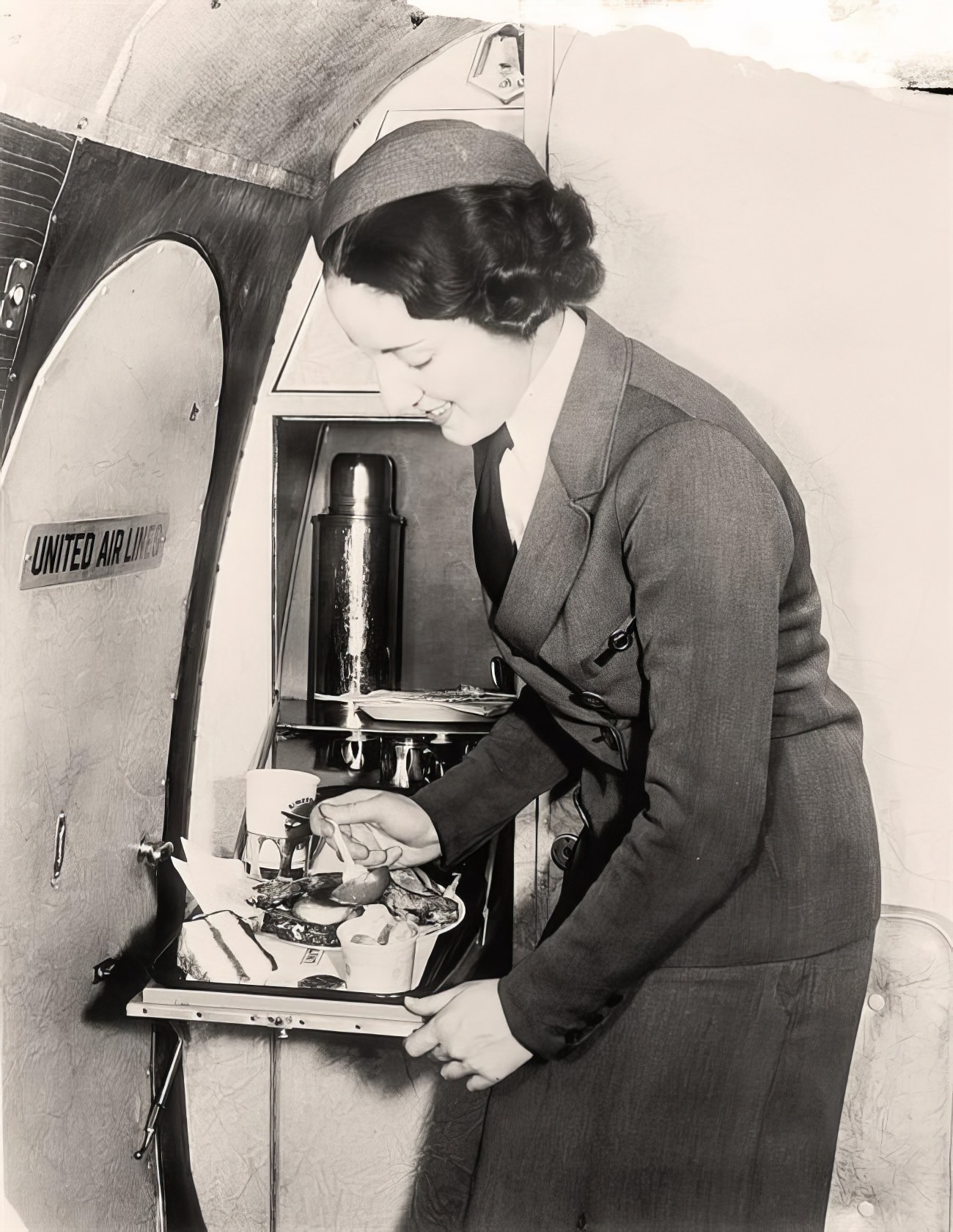
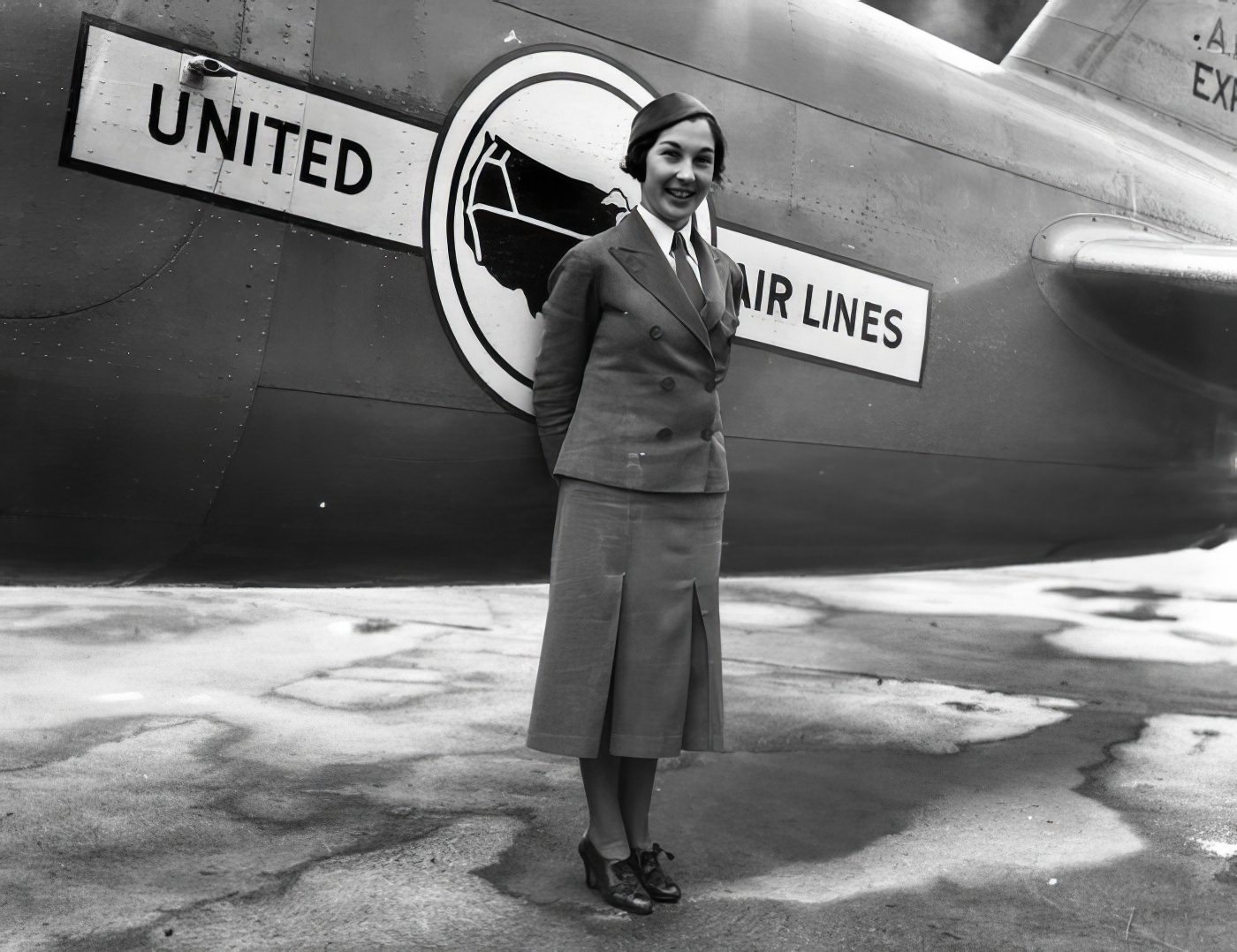
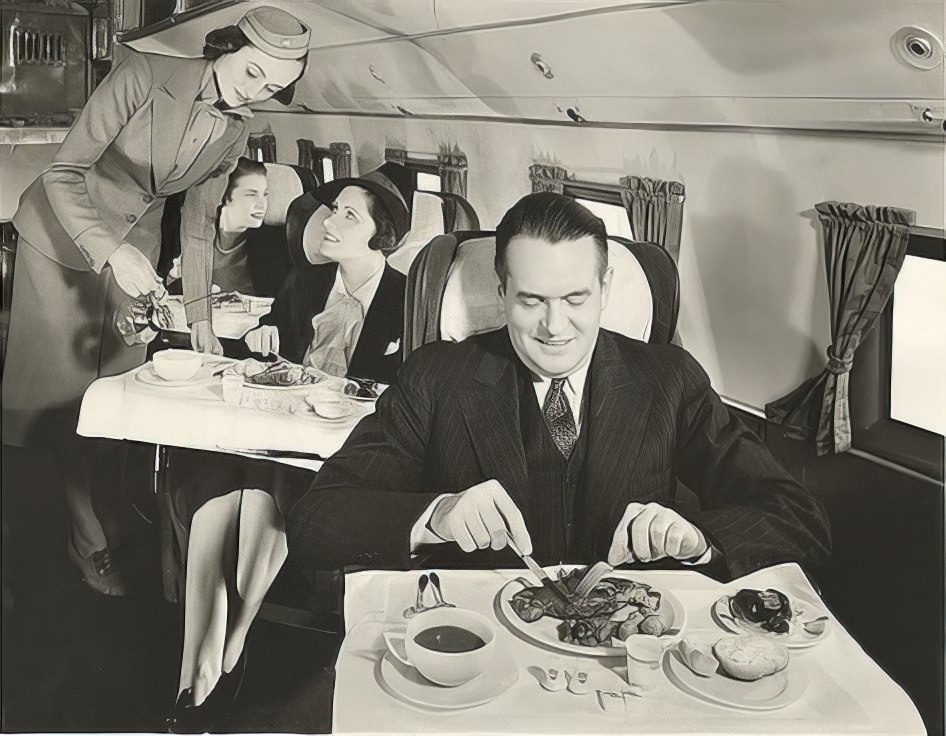
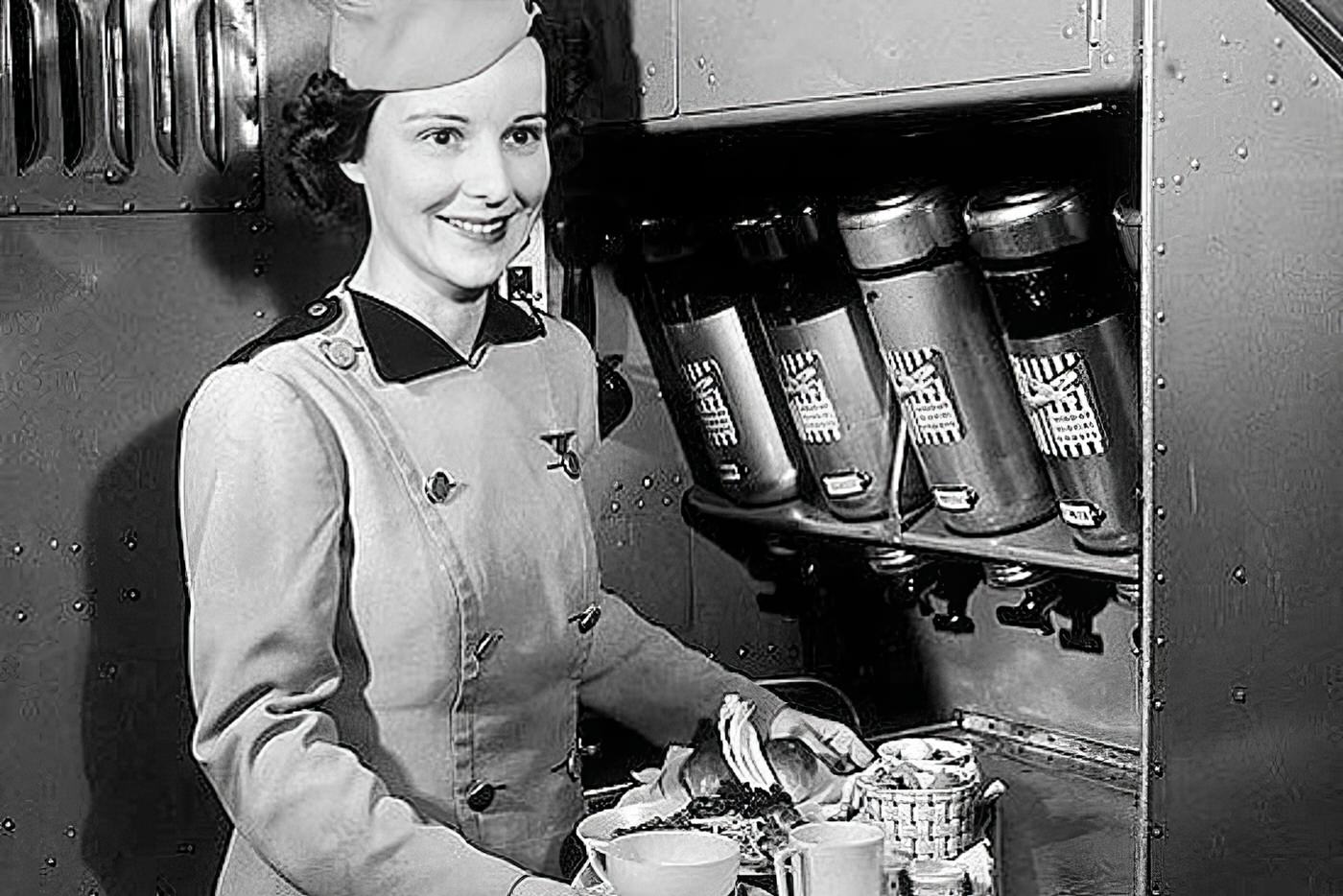
In-flight meal service became a standard part of the experience by the late 1930s. Stewardesses managed everything from plating food to keeping passengers comfortable during long transcontinental routes.
Canada followed suit in 1938. On July 1 of that year, Lucile Garner Grant joined Trans Canada Airlines and became the first stewardess in Canadian airline history. She was soon joined by Pat Ecclestone, and the two women established the profession north of the border.
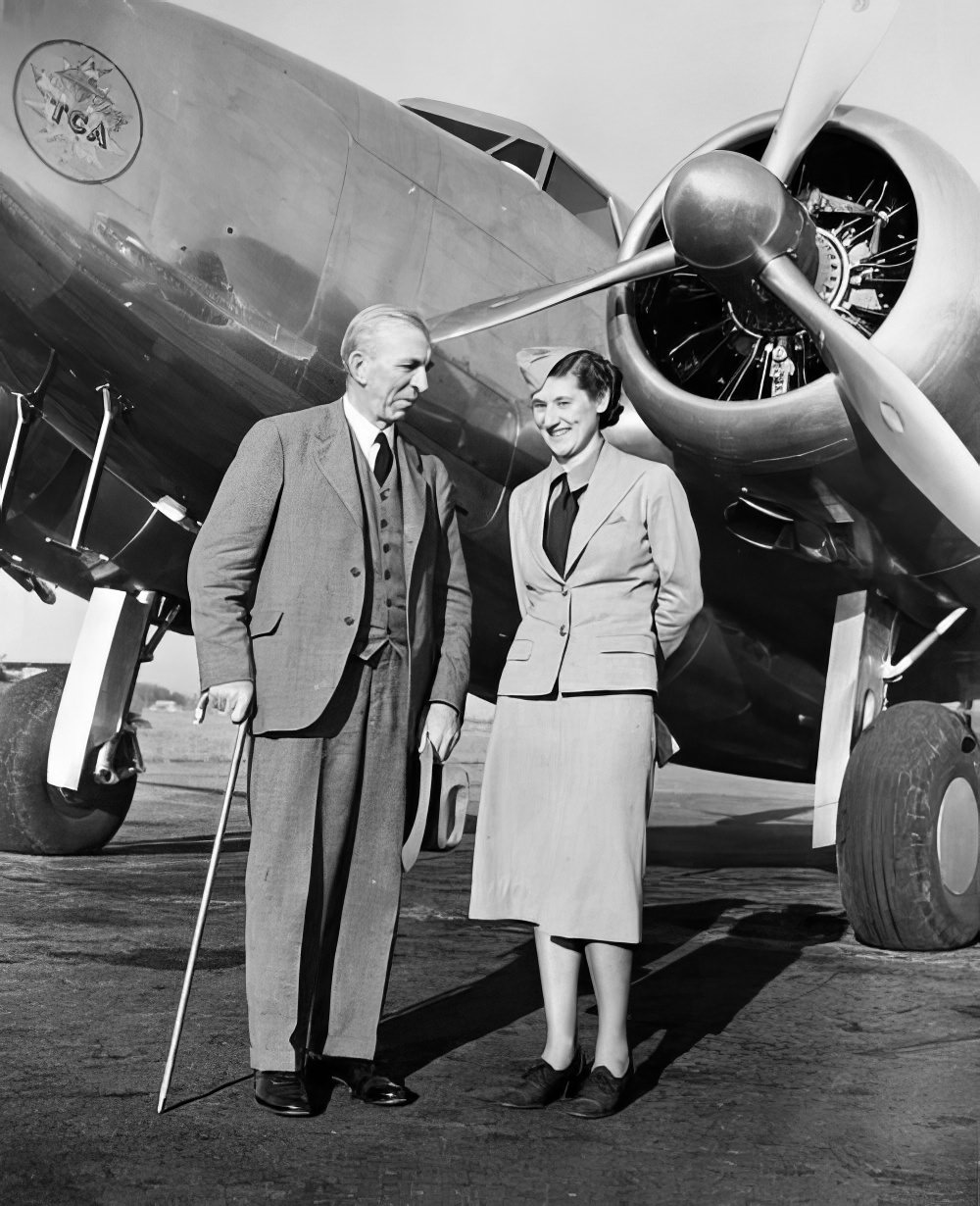
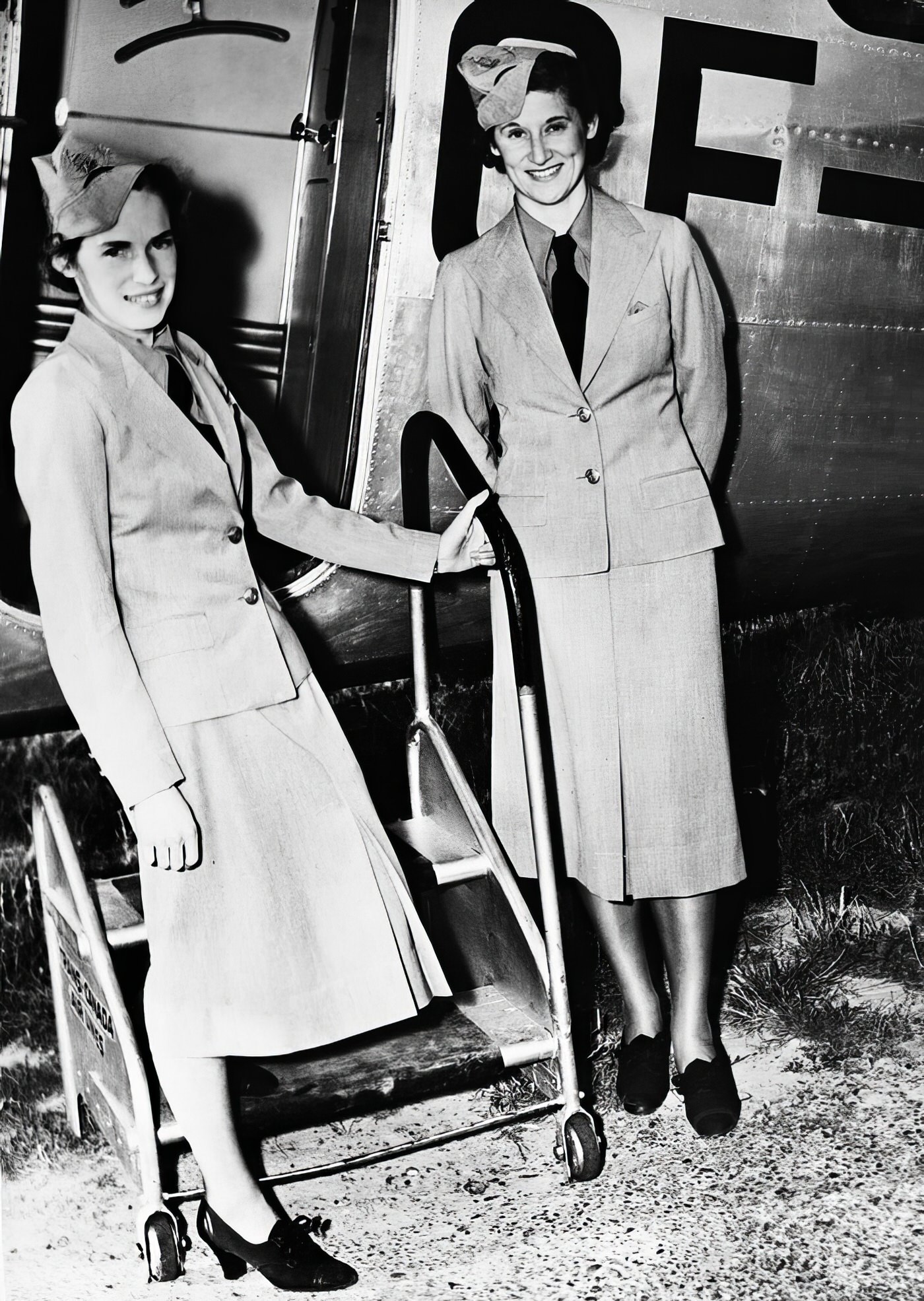
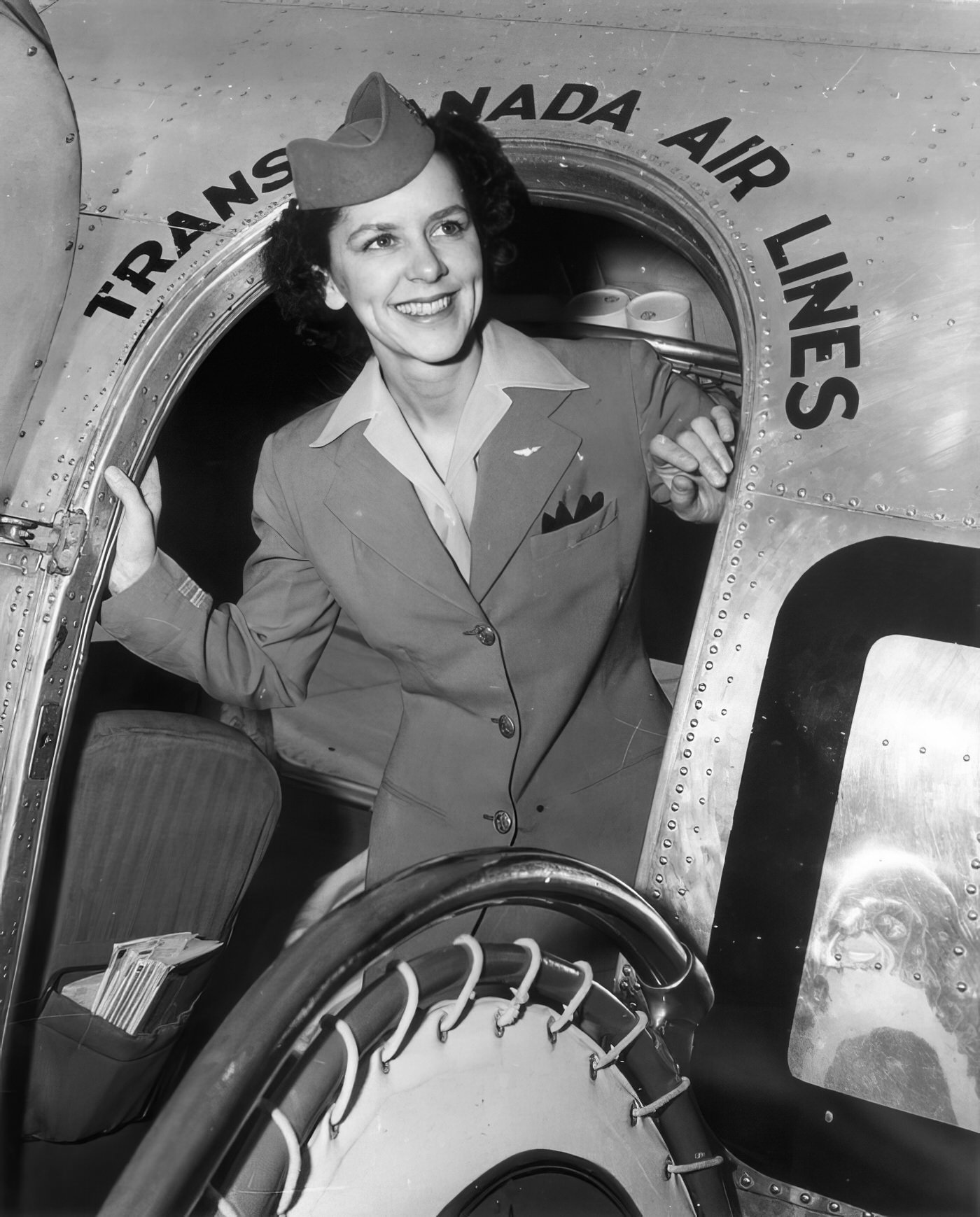
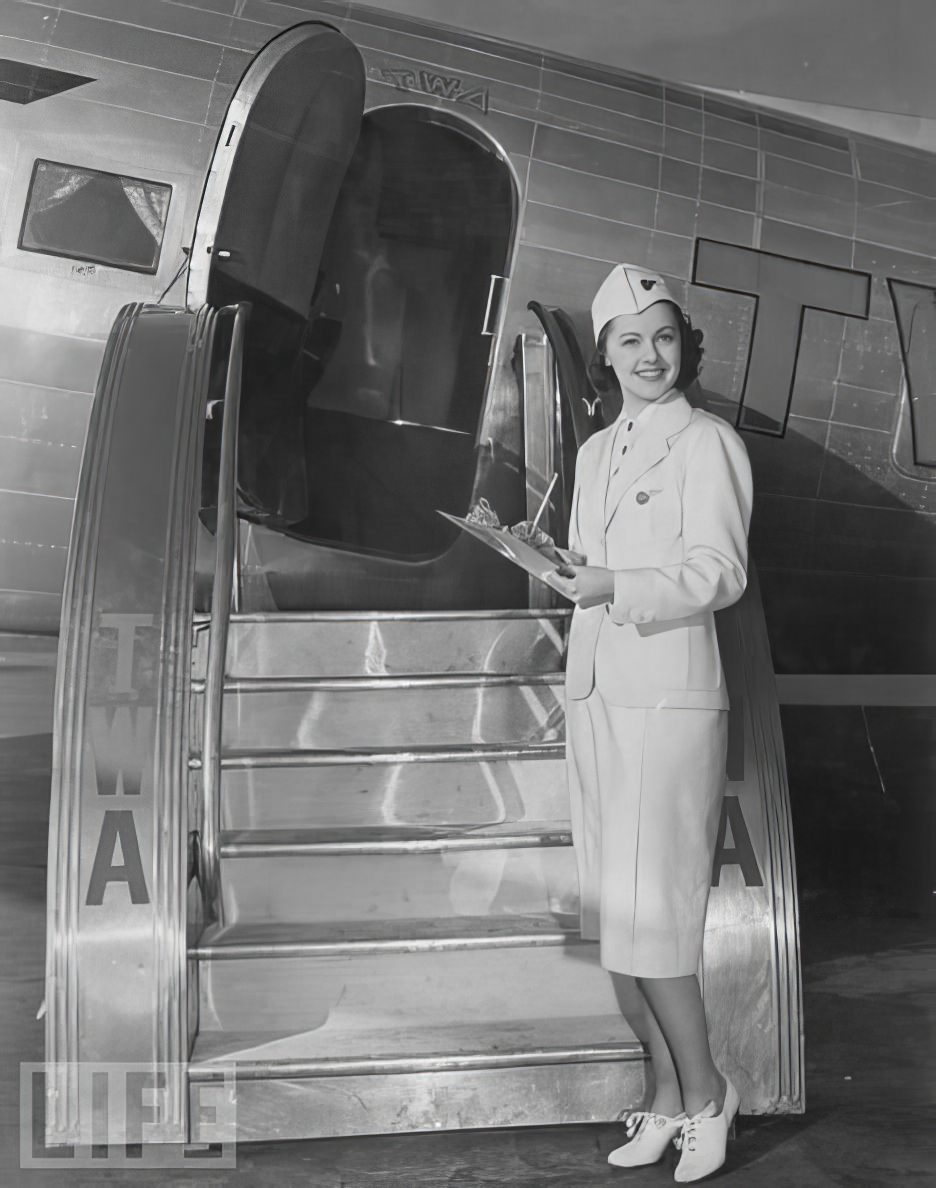
Back in the United States, TWA and other major carriers were expanding their stewardess programs with their own uniform standards and training routines. By 1938, smartly dressed stewardesses were a recognizable symbol of the airline industry.
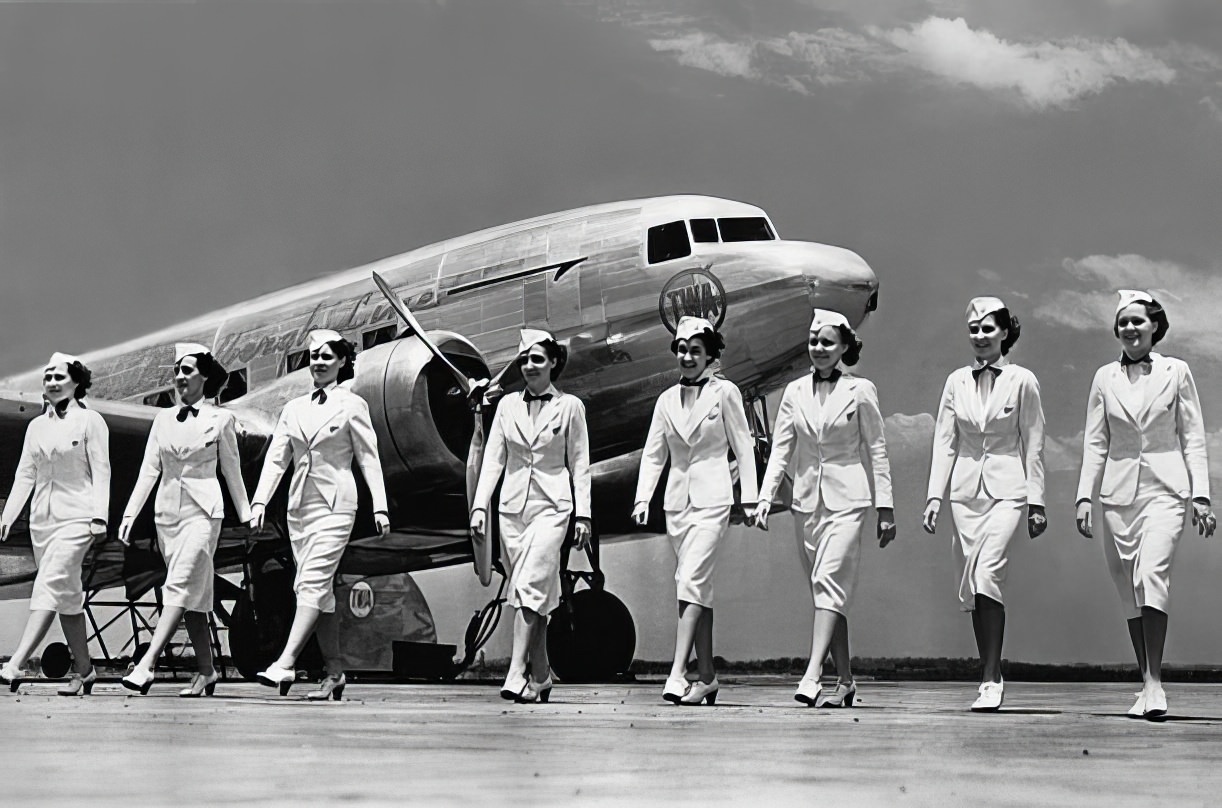
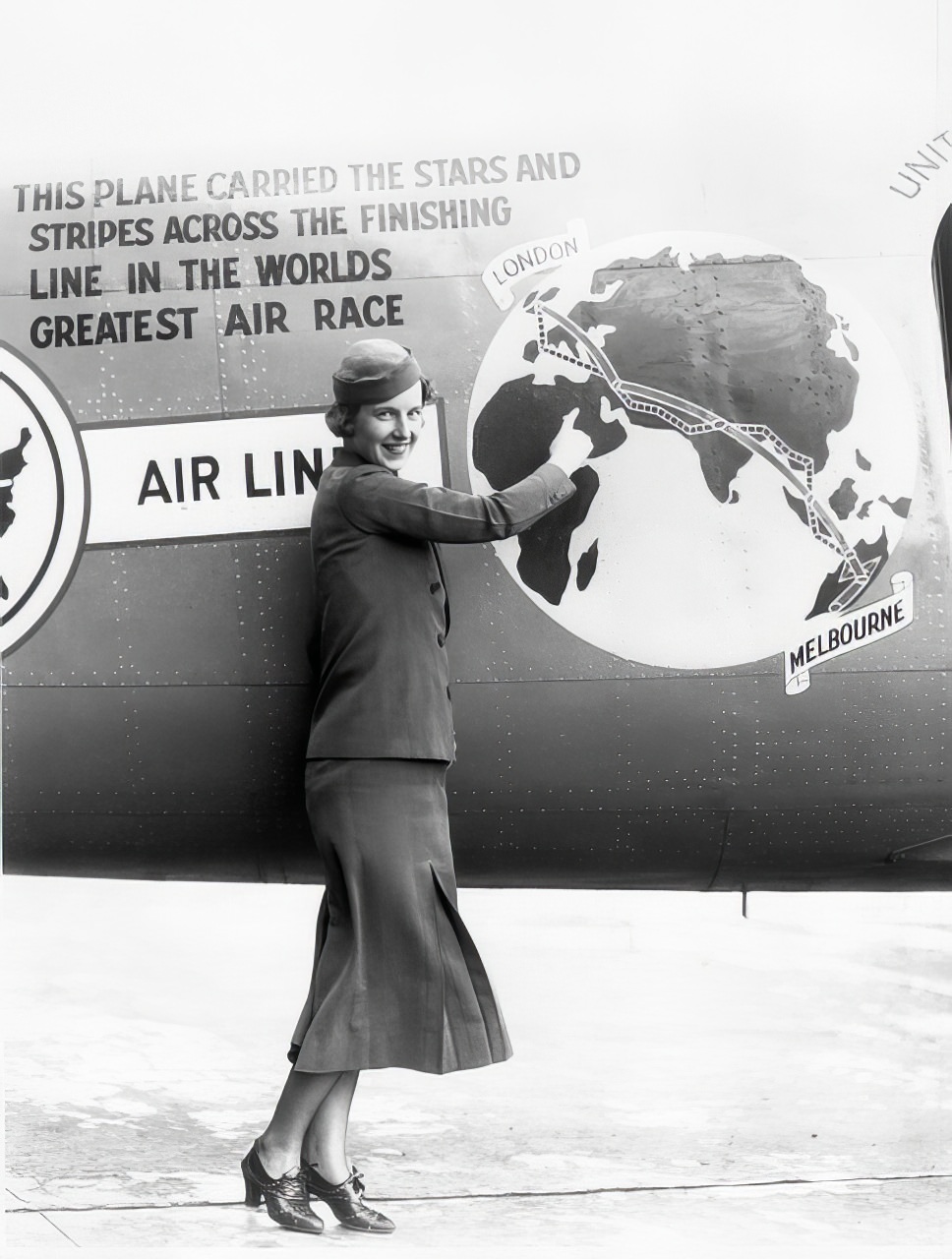
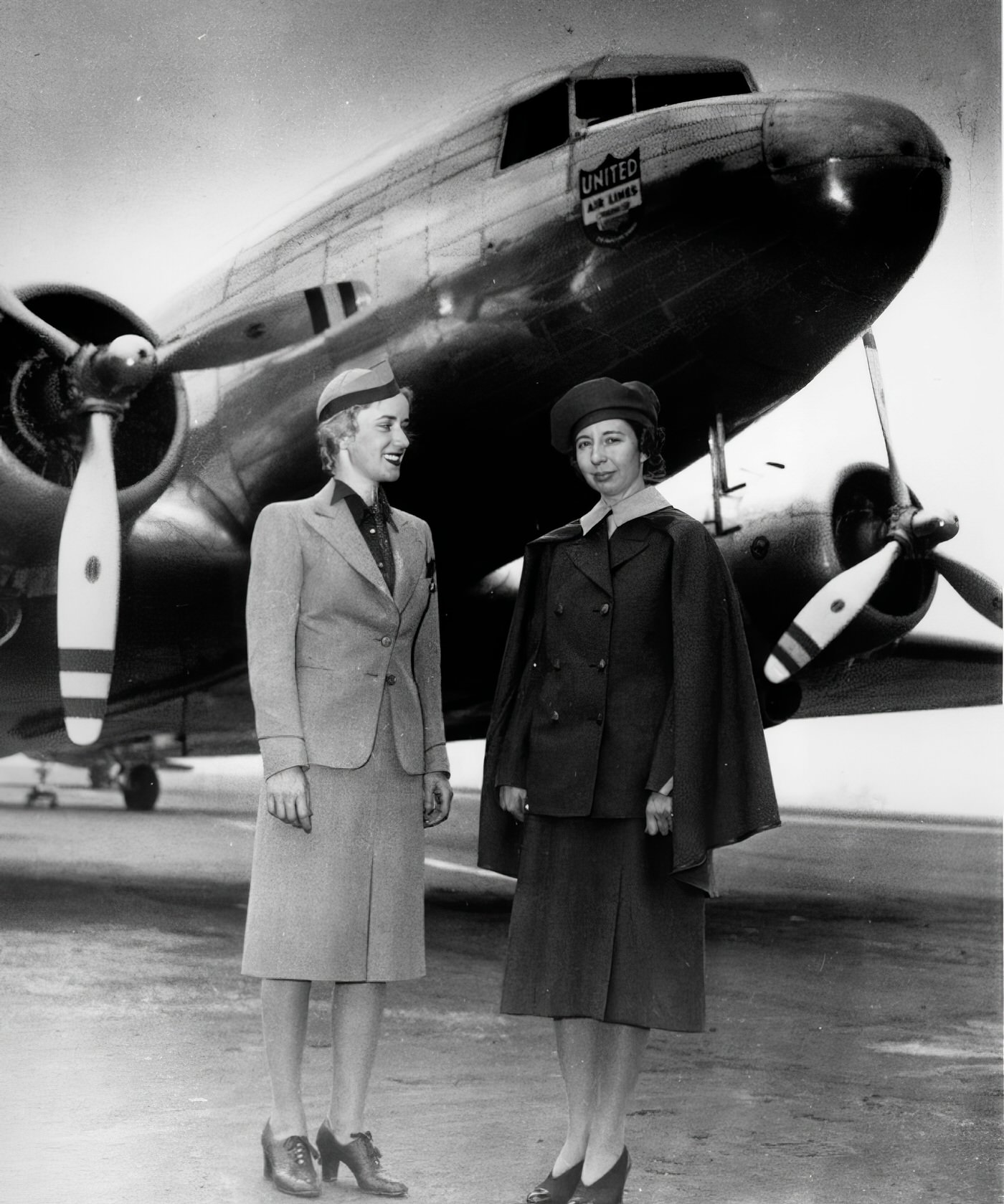
Ellen Church herself continued her career with distinction. By 1940, she was posing alongside the next generation of United Air Lines stewardesses in front of a Douglas DC-3 — the aircraft that had come to define modern commercial aviation.
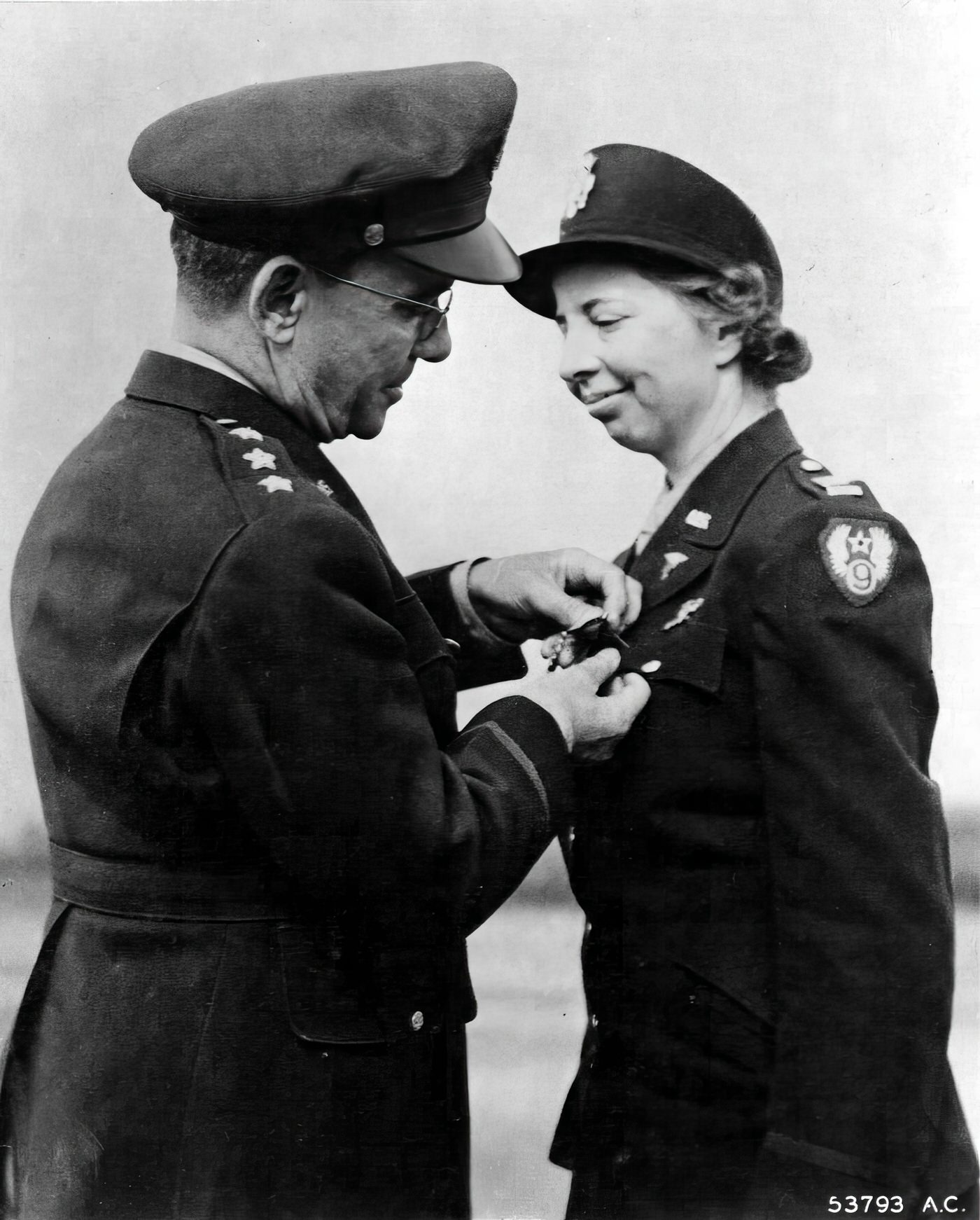
When World War II broke out, Church returned to her nursing roots. She served as Chief Nurse for the 52nd Troop Carrier Command and oversaw the Medical Air Evacuation Squadrons, earning military decorations for her service. Her nursing background — the very foundation of the sky girls program — proved critical in a time of war.