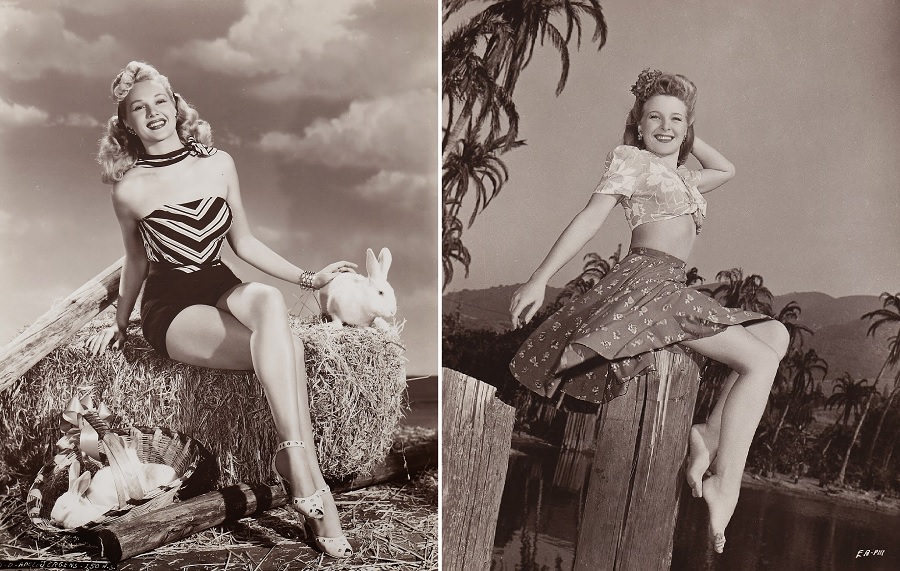
Vanity Fair launched its first run in 1913 under publisher Condé Nast and quickly became one of the most talked-about monthly magazines in America. It covered culture, fashion, celebrities, and the social gossip of the day. By the 1920s, it was selling over 90,000 copies a month — a remarkable number for the era. The magazine didn’t just report on famous people; it put them in front of a camera and let world-class photographers do the talking.
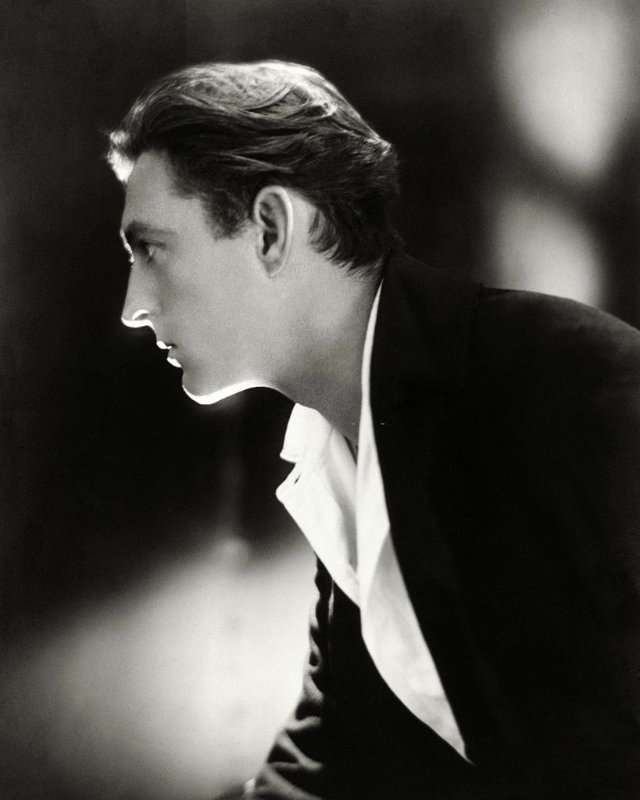
One of the photographers who shaped the magazine’s early visual identity was Adolph de Meyer, whose soft, luminous style suited the dreamlike quality that readers expected from Vanity Fair. Among his most striking early subjects was the stage and screen star John Barrymore, photographed in 1920.
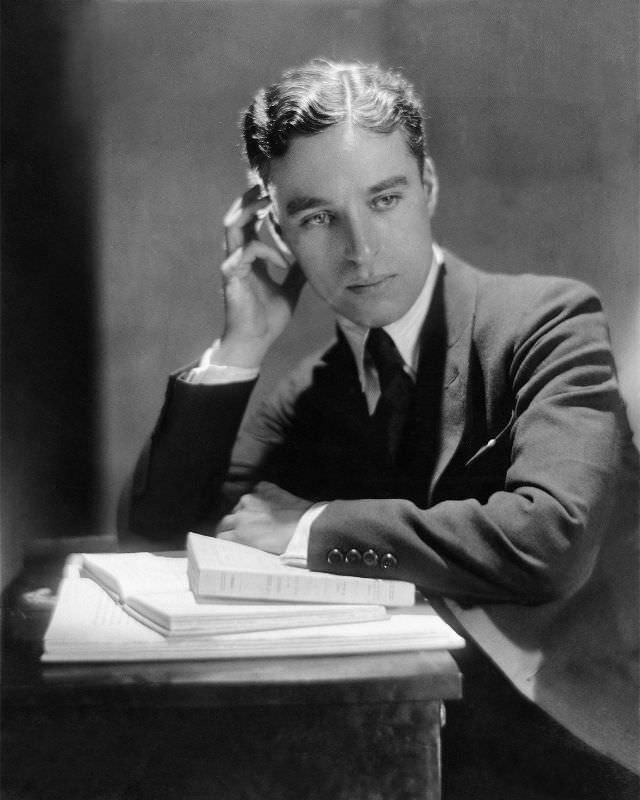
Just a year later, de Meyer turned his lens on one of the most recognizable faces on the planet. Charlie Chaplin had already made the Little Tramp a global icon by 1921, and his Vanity Fair portrait gave readers a rare, more formal look at the man behind the comedy.
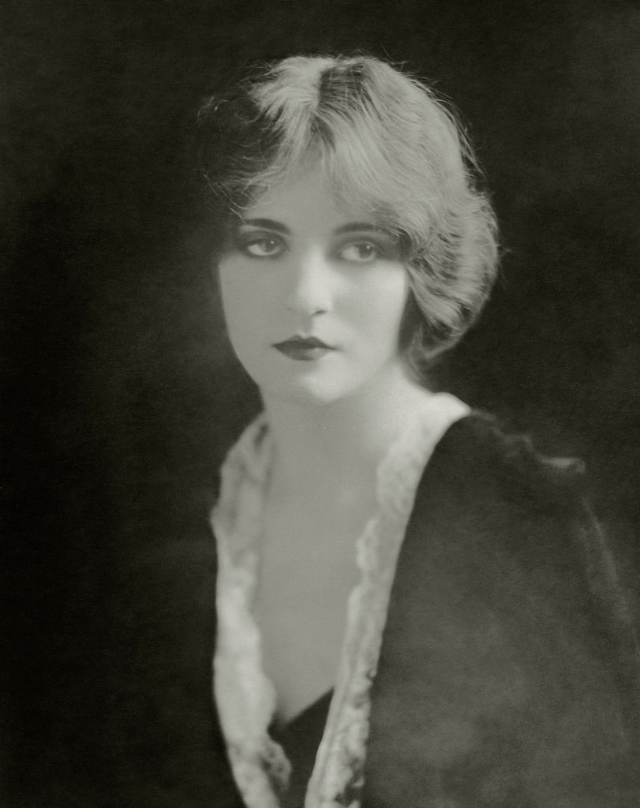
The magazine made a point of featuring personalities who were breaking boundaries in their fields. Tallulah Bankhead, photographed by Ira L. Hill in 1923, was already known for her bold, unconventional personality on and off the stage. Her portrait radiated the same fearlessness that made her a theatrical sensation in both New York and London.
By the mid-1920s, Hollywood was firmly in Vanity Fair’s crosshairs. Norma Shearer, who would go on to win an Academy Award, was captured by photographer Charles Sheeler in 1926 — an unusual pairing, since Sheeler was primarily known as a painter and modernist photographer of industrial subjects. The result was a portrait with a clean, structured elegance.
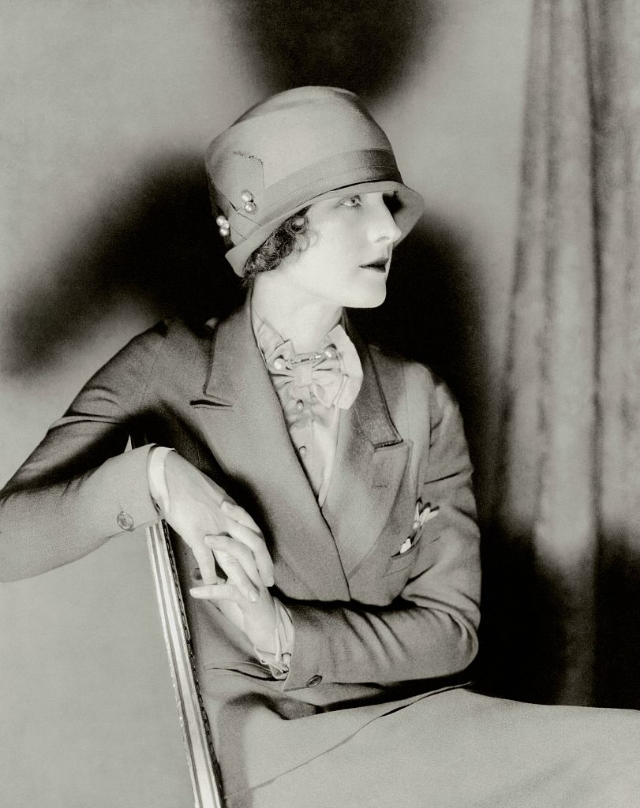
That same year, Arnold Genthe photographed a young Greta Garbo, who had only recently arrived in Hollywood from Sweden. Genthe had a talent for capturing natural expression, and his portrait of Garbo showed the quiet, almost mysterious quality that would define her entire screen career.
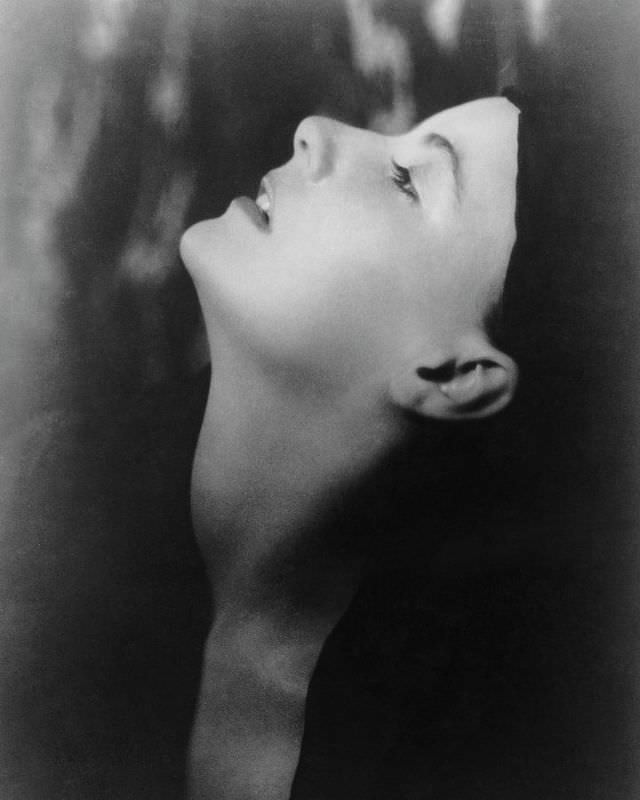
Rudolph Valentino was the defining male sex symbol of the silent film era, and Edward Steichen photographed him for Vanity Fair in 1926 — the same year Valentino died at just 31 years old. The image stands as one of the last major portraits taken of him.
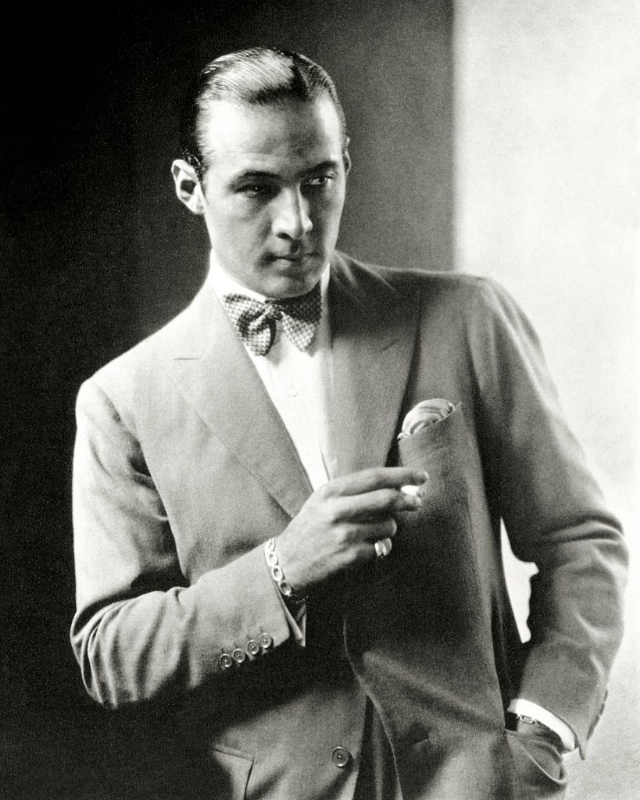
Edward Steichen became the most important photographer in Vanity Fair’s history. He joined the magazine in 1923 and dominated its pages for over a decade, shooting dozens of the era’s biggest names. In 1929, he turned the camera on himself, producing a self-portrait that was as carefully composed as any of his celebrity work.
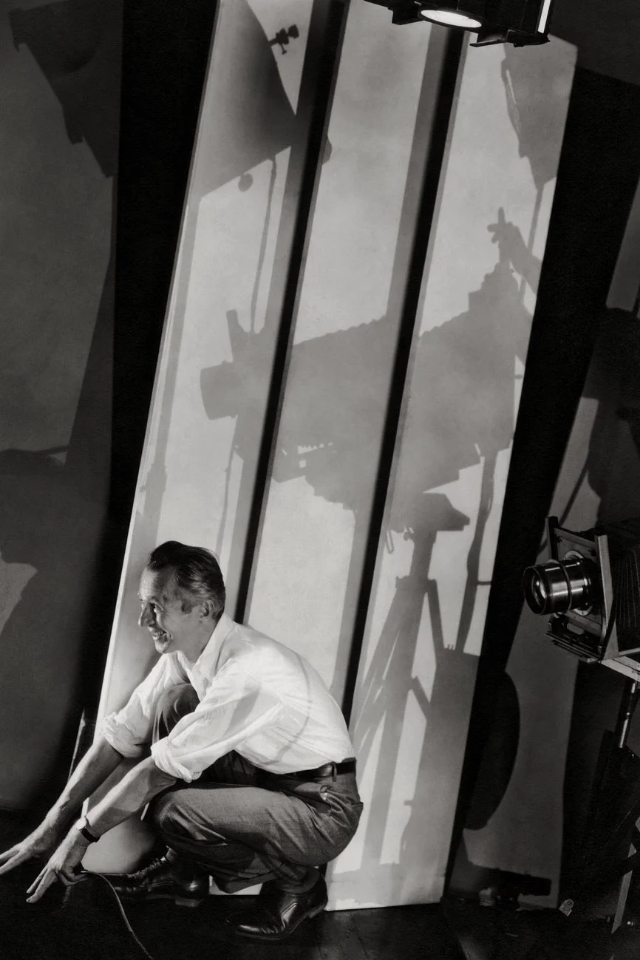
As the 1930s began, Steichen’s roster of subjects only grew more impressive. Clara Bow was the reigning symbol of the Jazz Age — the original “It Girl” — and her 1930 portrait for Vanity Fair captured her signature energy and charm.
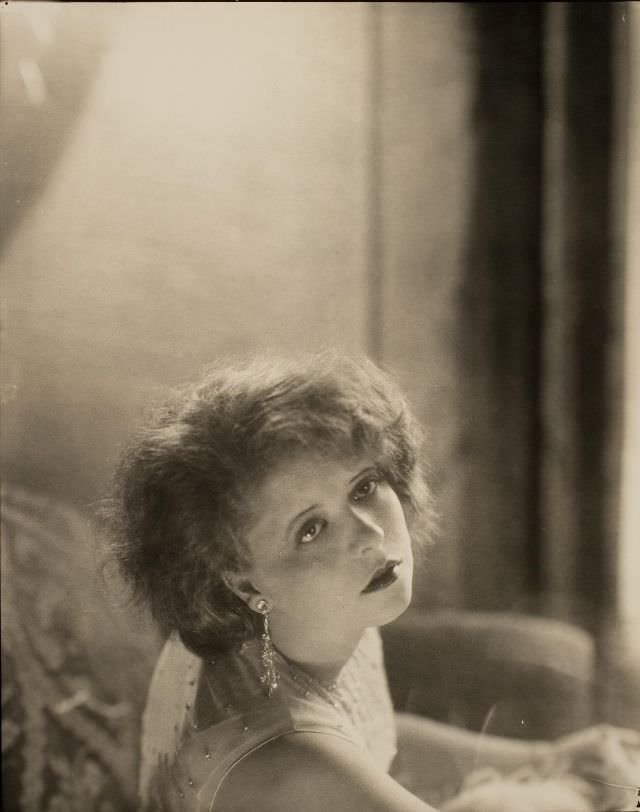
Claudette Colbert was photographed by Toni Von Horn in 1930, just as her film career was gaining serious momentum. Within a few years, she would win an Oscar for It Happened One Night. Her portrait showed a composed, sharp-featured elegance that matched her on-screen presence.
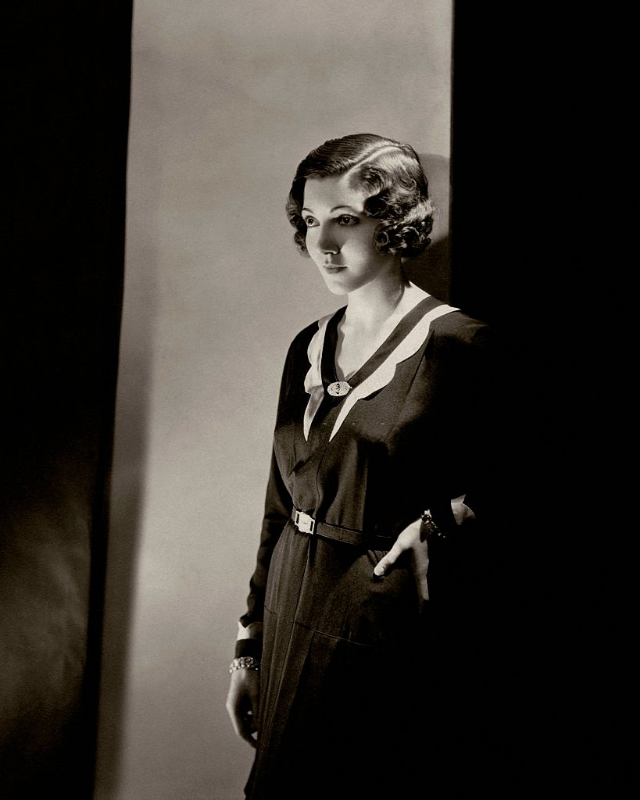
Fredric March, another future Academy Award winner, was photographed by Lusha Nelson in 1930. Nelson was one of the few photographers at Vanity Fair who worked with a distinctly modern, graphic sensibility, and March’s portrait reflected that bold approach.
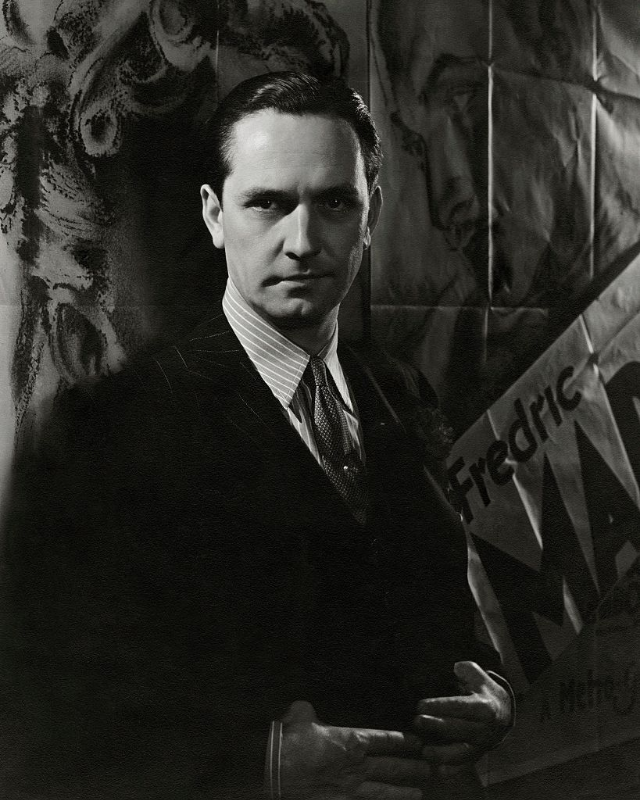
Vanity Fair’s reach extended well beyond Hollywood. Soviet filmmaker Sergei Eisenstein, whose films Battleship Potemkin and October had already changed cinema worldwide, sat for a portrait in 1930. He was in the United States at the time, attempting — ultimately without success — to get an American film project off the ground.
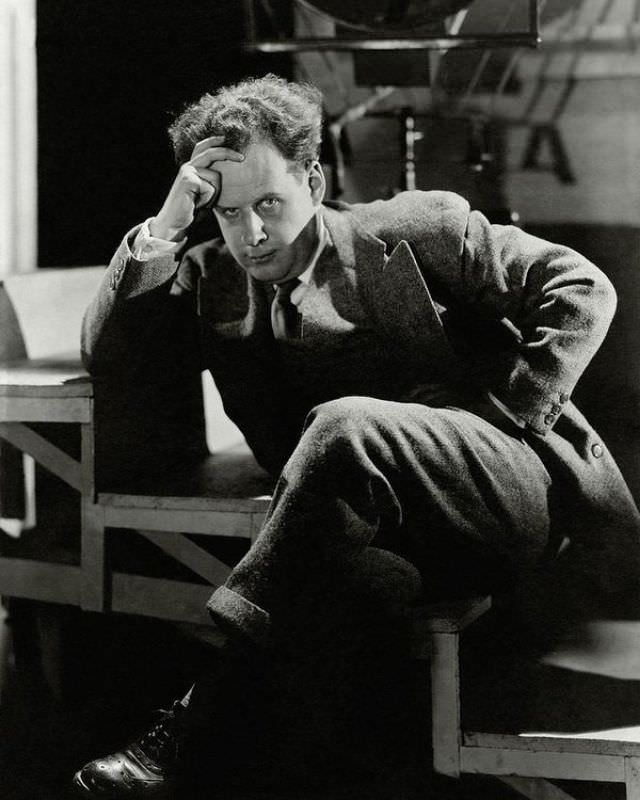
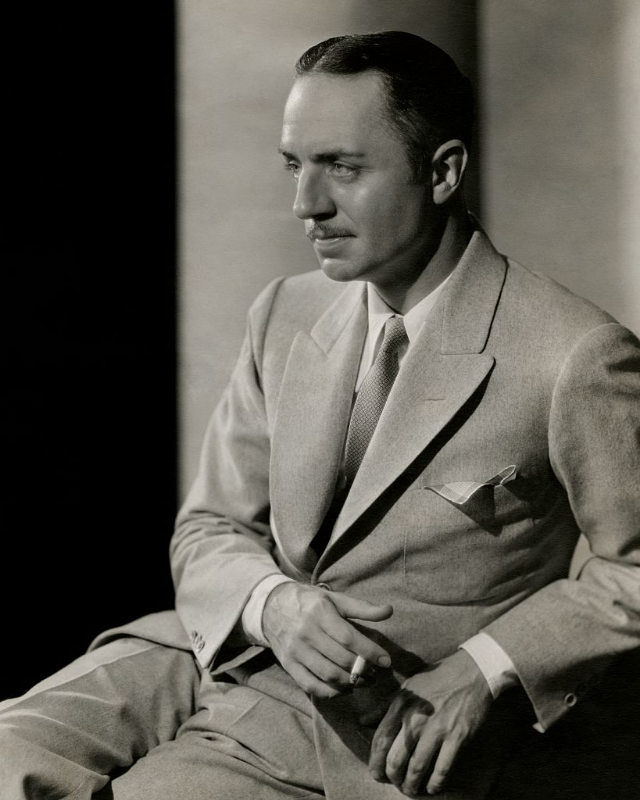
William Powell, known for his dry wit and suave screen persona, was photographed in 1930. Powell was in the middle of transitioning from villain roles in silent films to the charming leading-man parts that would make him a star of the sound era.
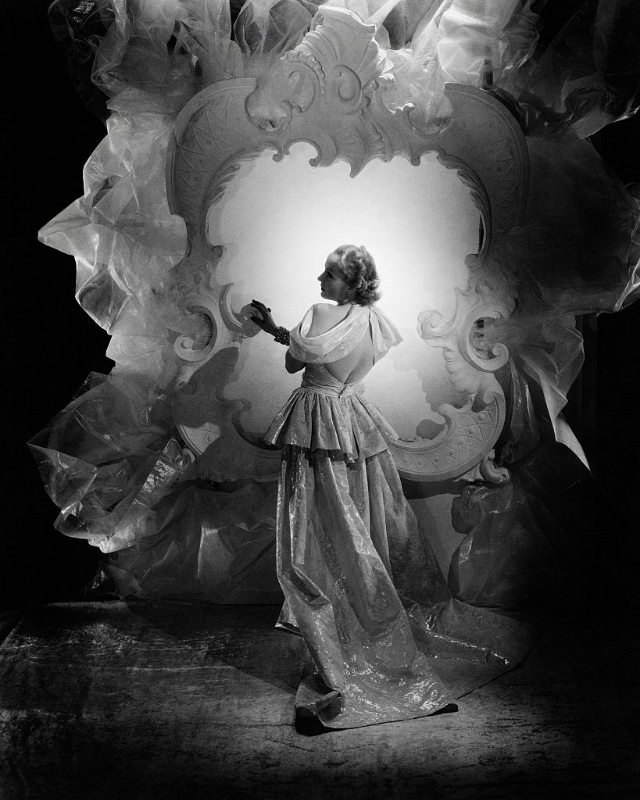
George Hoyningen-Huene, a Russian-born photographer who became one of the defining fashion and portrait photographers of the 1930s, shot Carole Lombard in 1930. Lombard was still early in her career, but the portrait hinted at the magnetic screen presence she would fully unleash later in the decade.
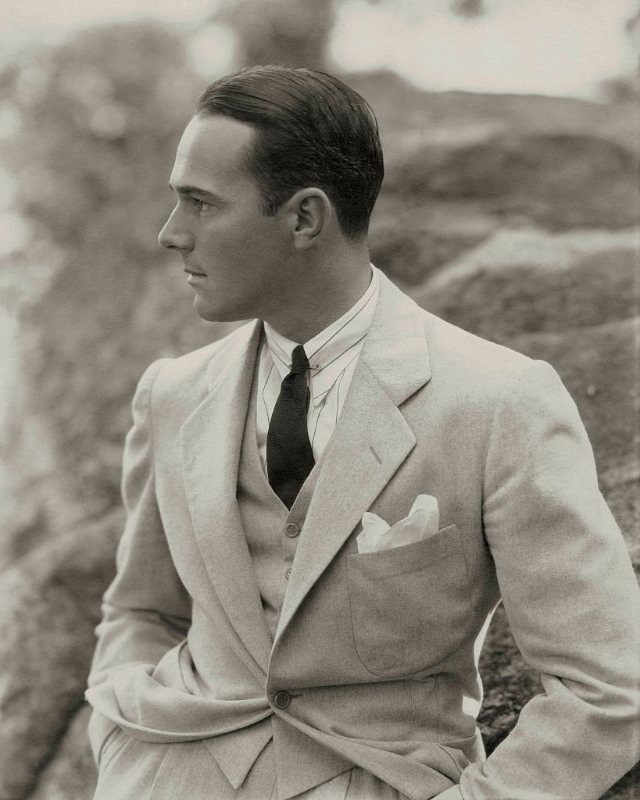
William Haines was one of MGM’s top box-office draws in the late 1920s before his career was cut short when the studio objected to his openly gay relationship. His Vanity Fair portrait by Steichen, taken in the early 1930s, captured him at the peak of his fame.
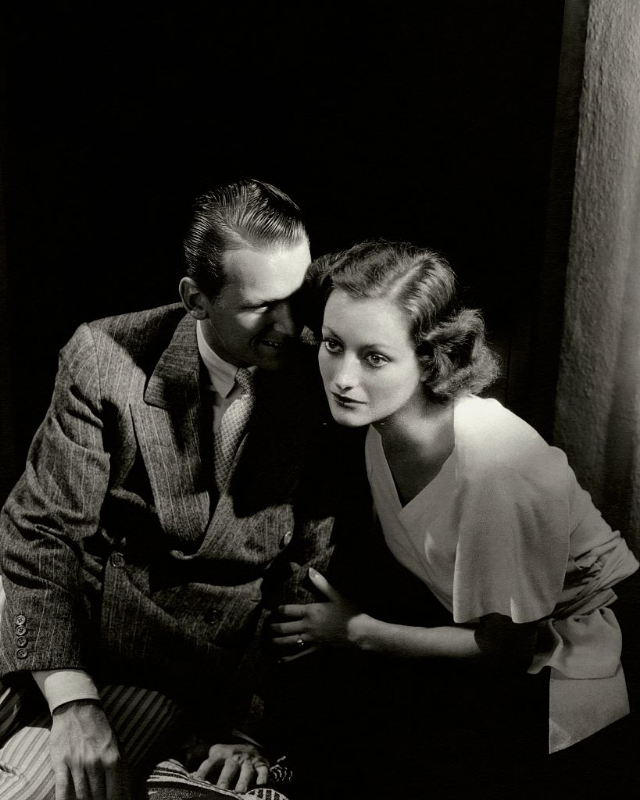
Steichen also captured one of the era’s most glamorous couples — Douglas Fairbanks Jr. and Joan Crawford — together in 1931. The two were married from 1929 to 1933, and their pairing represented a merging of Hollywood royalty on both sides.
Clark Gable’s 1931 portrait by Steichen arrived just as the actor was about to explode into superstardom. Within months, he would be one of the biggest names at MGM, and within a few years, he was being called the “King of Hollywood.”
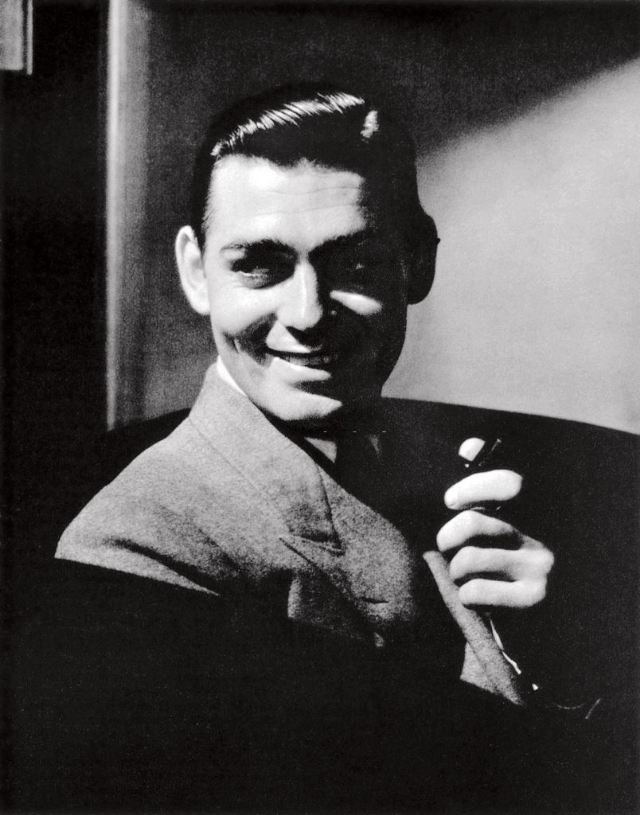
Gloria Swanson had been one of the biggest stars of the silent era, and her 1931 portrait by Toni Von Horn showed a woman fully in command of her image. Though the transition to sound films had proven difficult for many silent-era stars, Swanson remained a presence both on screen and in the press.
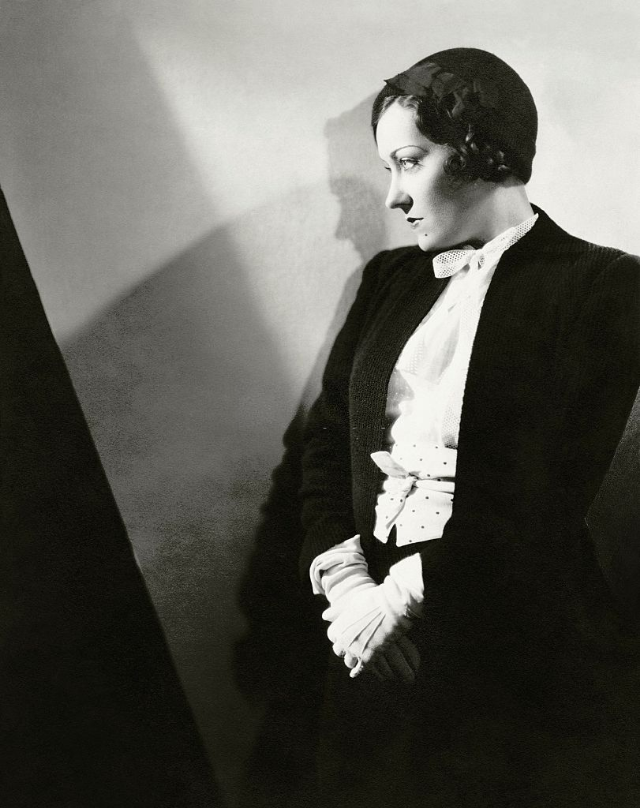
Anna May Wong, photographed by Steichen in 1931, was the first Chinese American movie star in Hollywood history. Despite her talent and striking screen presence, she was repeatedly passed over for lead roles due to racial discrimination in the studio system. Her Vanity Fair portrait presented her with the same dignity and glamour afforded to any white star of the period.
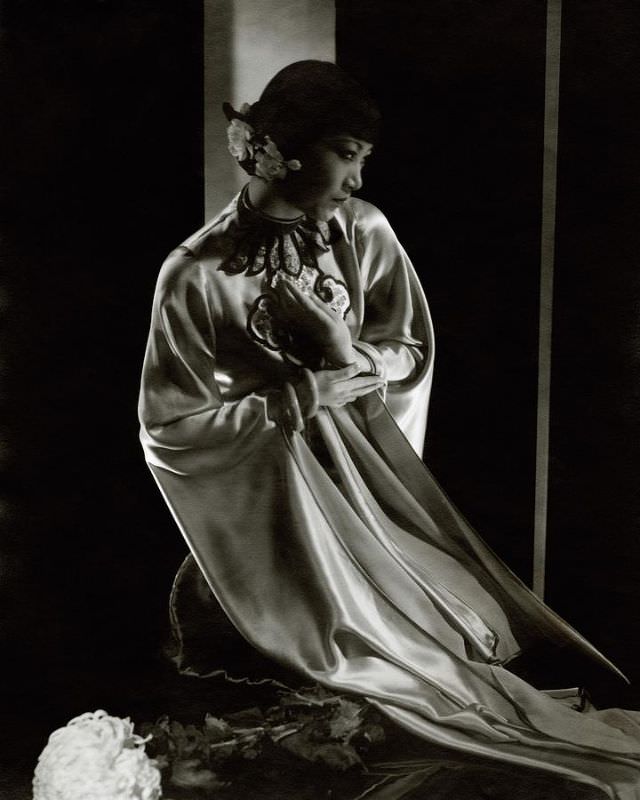
Josephine Baker was photographed by Hoyningen-Huene in 1931. The American-born entertainer had become a sensation in Paris, where she performed at the Folies Bergère and built a level of fame that the racial climate of the United States denied her at home. Her portrait projects the same theatrical confidence she brought to every stage.
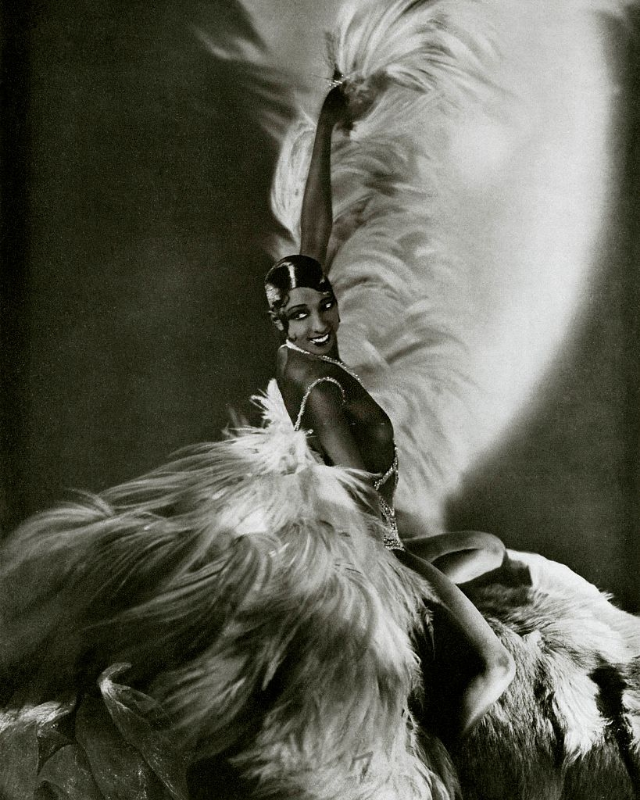
Not all of Vanity Fair’s subjects were entertainers. In 1932, Edward Steichen photographed Winston Churchill, then a Member of Parliament but not yet Prime Minister. Churchill was in a politically difficult period, largely sidelined within his own party — a stark contrast to the wartime leadership role that lay ahead of him.
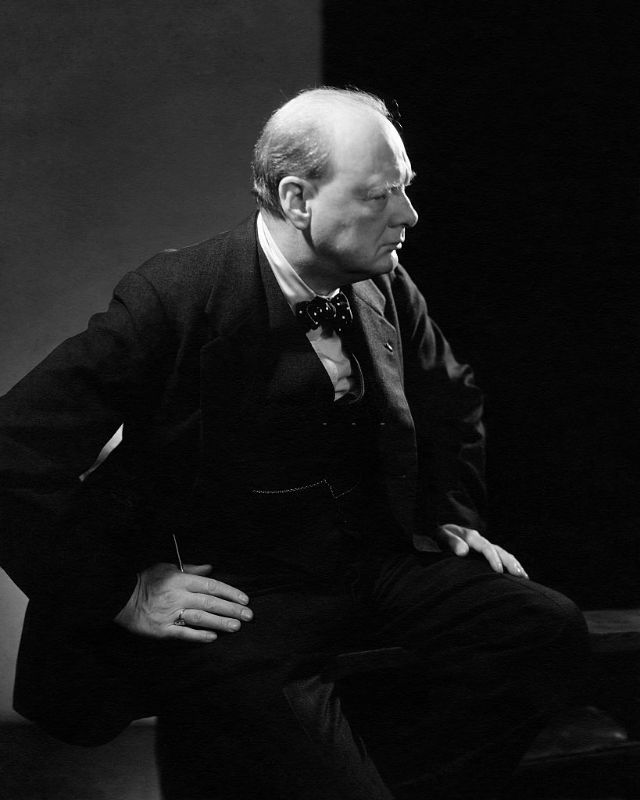
Director Josef von Sternberg was also captured by Steichen in 1932. Von Sternberg was at the height of his creative powers, having transformed Marlene Dietrich into an international star through a series of visually stunning films including The Blue Angel and Morocco.
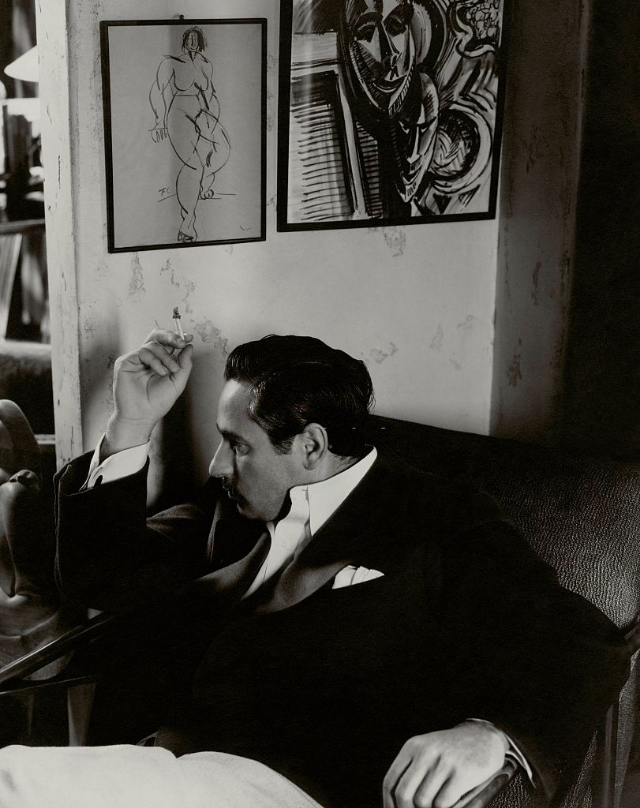
Cecil Beaton — photographer, designer, and all-around arbiter of style — was photographed by Hoyningen-Huene in 1933. Beaton was himself a contributor to Vanity Fair, making this a portrait of one visual artist by another.
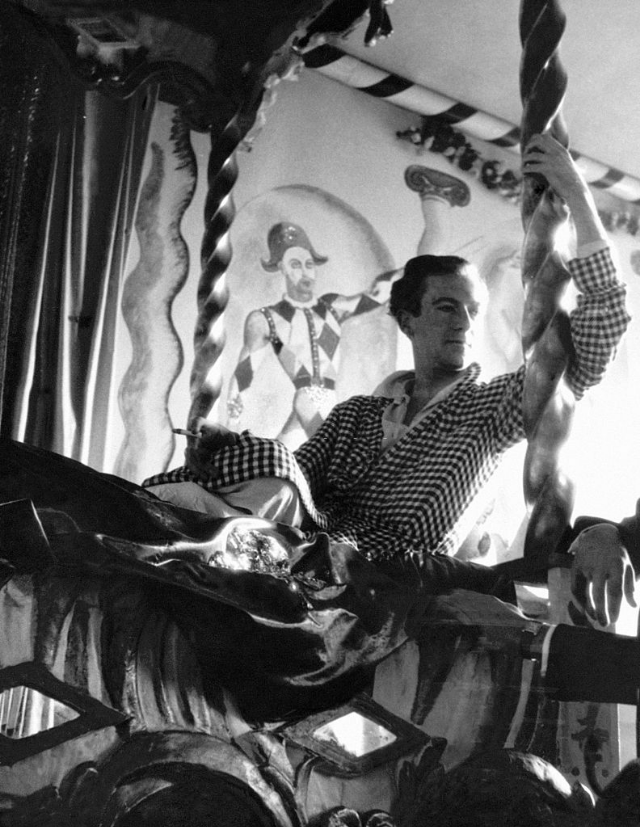
Fred Astaire, photographed by Steichen in 1933, was still primarily a Broadway star when this portrait was taken. His landmark film partnership with Ginger Rogers was just beginning, and Flying Down to Rio — their first film together — came out that same year.
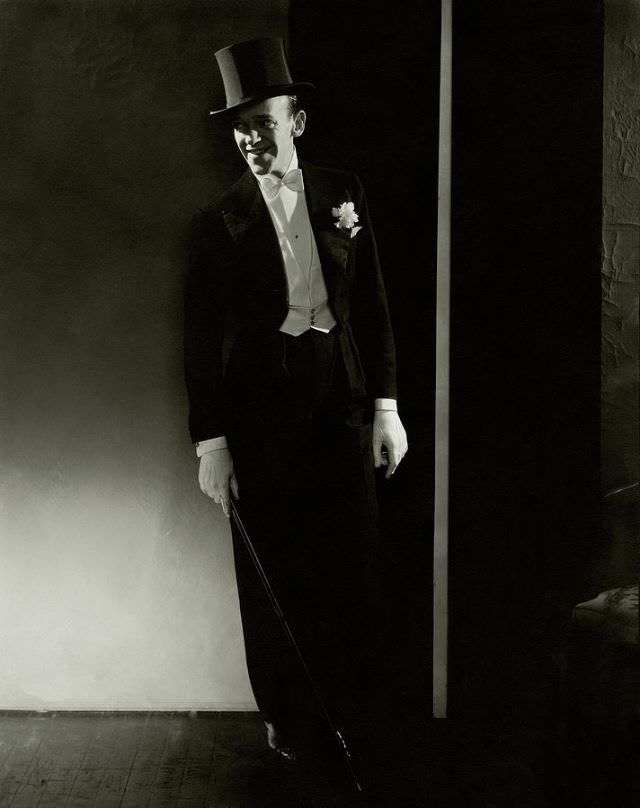
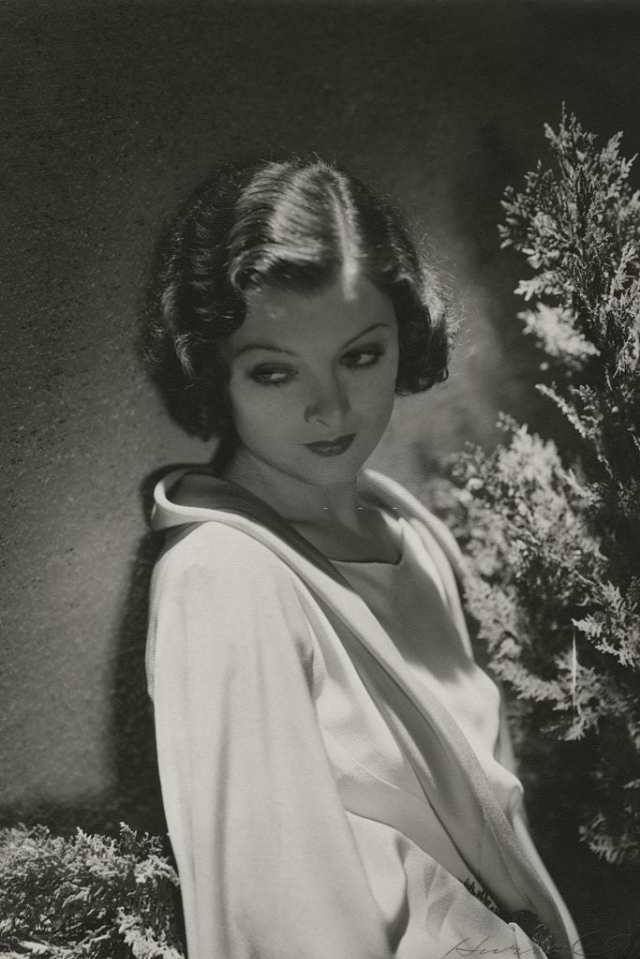
Myrna Loy’s 1933 portrait was the work of George Hurrell, one of the great Hollywood glamour photographers. Hurrell’s dramatic lighting style gave his subjects a polished, cinematic quality, and Loy — known for her sharp comedic timing in films like The Thin Man — made an ideal subject.
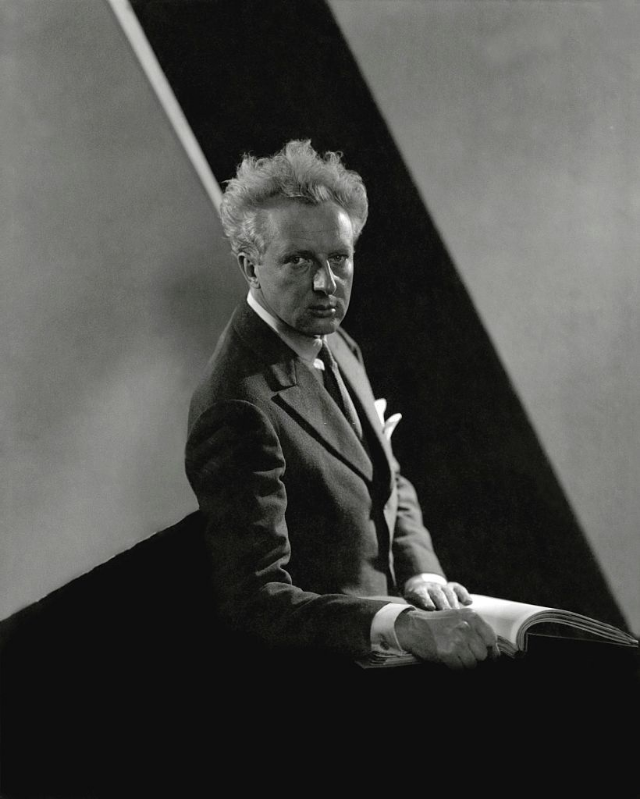
Conductor Leopold Stokowski, photographed by Steichen in 1933, represented the classical music world in a magazine that usually skewed toward film and theater. Stokowski was the longtime conductor of the Philadelphia Orchestra and one of the most famous musicians in America at the time.
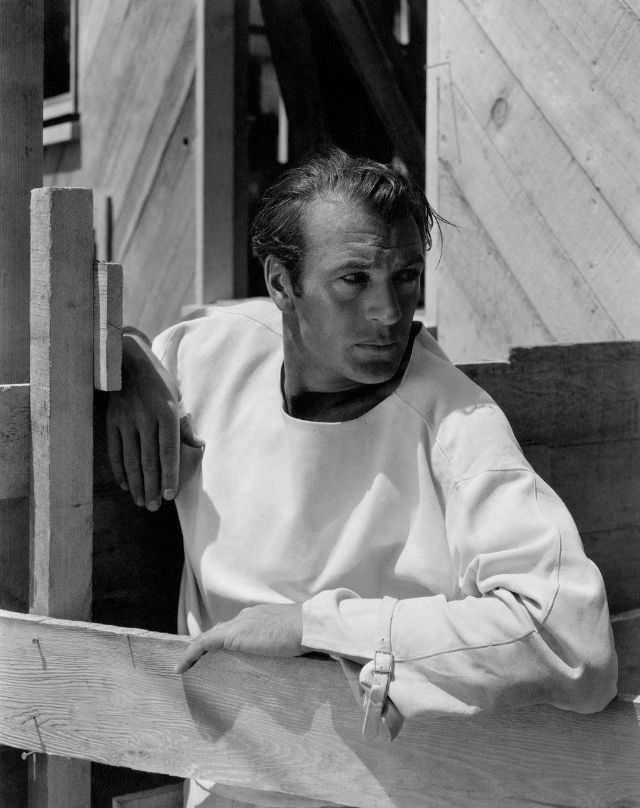
Gary Cooper’s 1934 portrait by Hoyningen-Huene caught the actor in a period of sustained stardom. Cooper had been a top draw since the late 1920s and was appearing in major films every year. His quiet, understated manner translated perfectly to the still photograph.
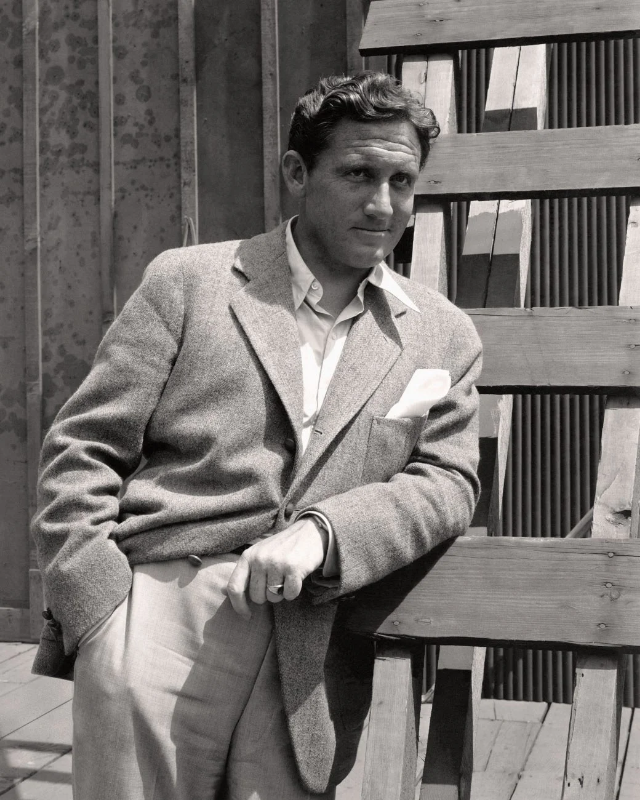
Spencer Tracy was photographed by Imogen Cunningham in 1934. Cunningham was primarily known for her close-up botanical photography and modernist portraiture, and she brought a direct, unfussy quality to Tracy’s image that matched his own no-nonsense screen persona.
Leslie Howard, the British actor best known today for his role as Ashley Wilkes in Gone with the Wind, was photographed by Steichen in 1934. At the time, Howard was splitting his career between Broadway and Hollywood, earning acclaim on both sides of the Atlantic.
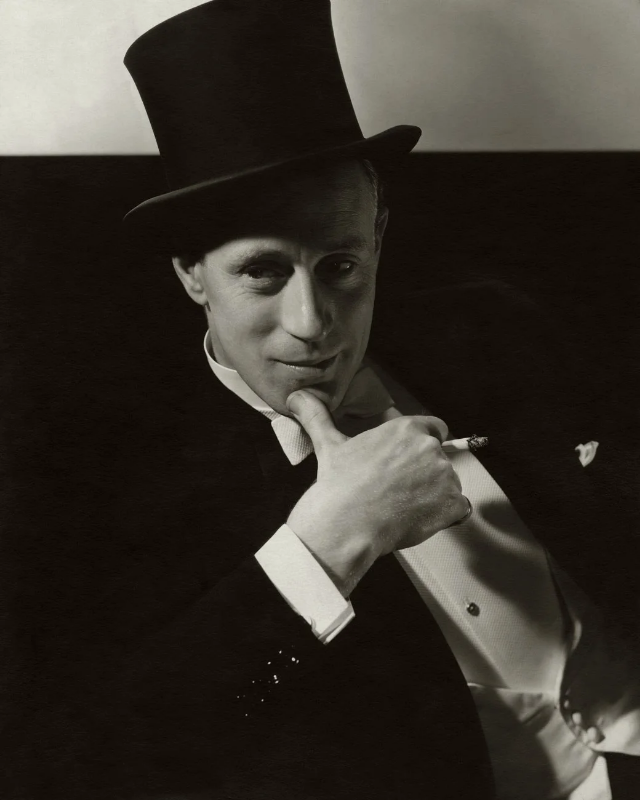
Katharine Hepburn had already won her first Oscar by the time Hoyningen-Huene photographed her in 1934 — for Morning Glory in 1933. The portrait captures the angular, self-assured quality that set her apart from most Hollywood actresses of the period.
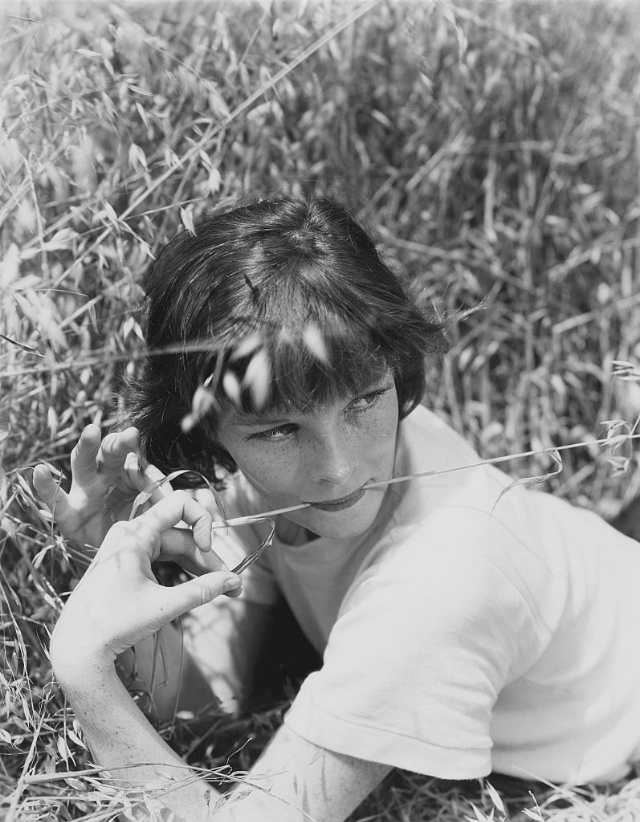
James Cagney, also photographed by Hoyningen-Huene in 1934, had risen to fame playing gangsters and tough guys in early Warner Bros. crime films. His compact, physical presence made him one of the most dynamic actors of the era.
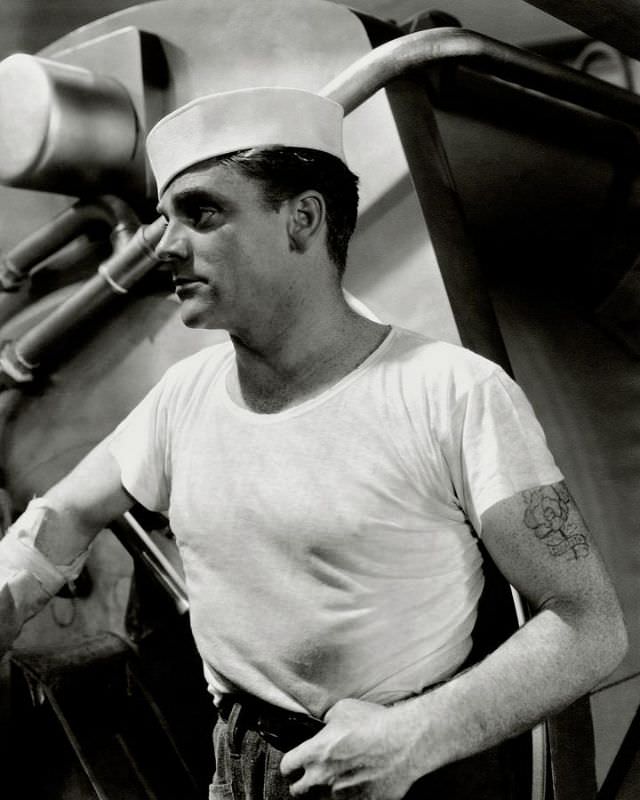
Clifton Webb, captured by Lusha Nelson in 1934, was at this point primarily a Broadway performer known for his dancing and light comedic work. His film career would come later, but Vanity Fair recognized him early as a personality worth documenting.
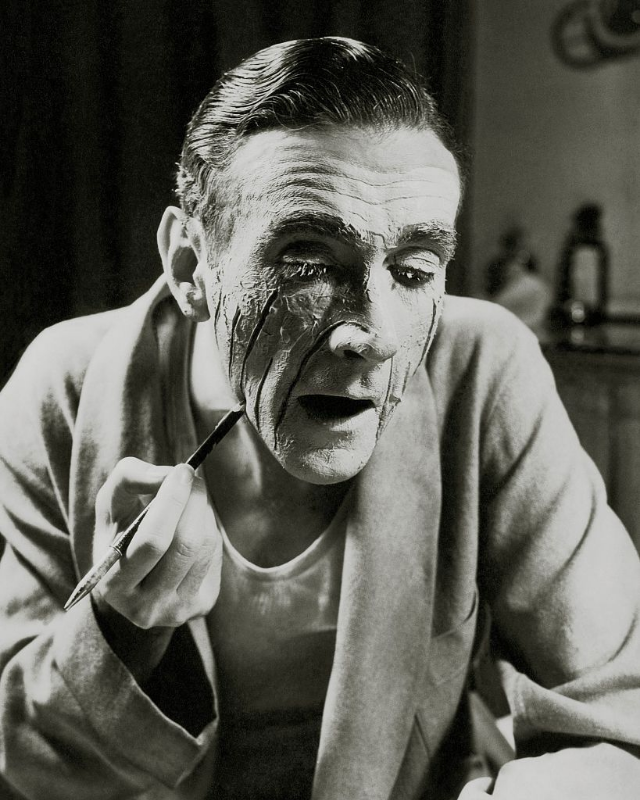
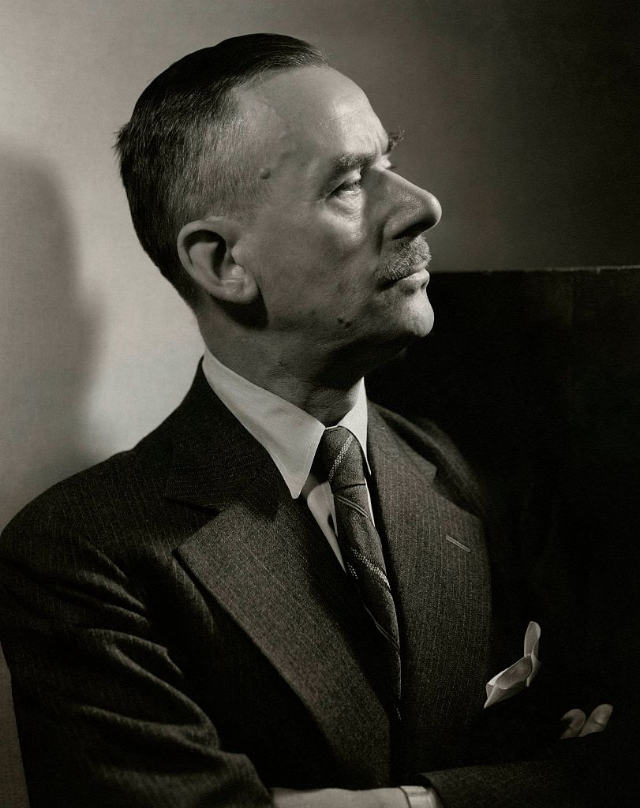
Thomas Mann, the German novelist and Nobel Prize winner in Literature, was photographed by Steichen in 1934. Mann had fled Nazi Germany the previous year and was living in exile. His presence in Vanity Fair reflected the magazine’s broader interest in international intellectual life, not just entertainment.
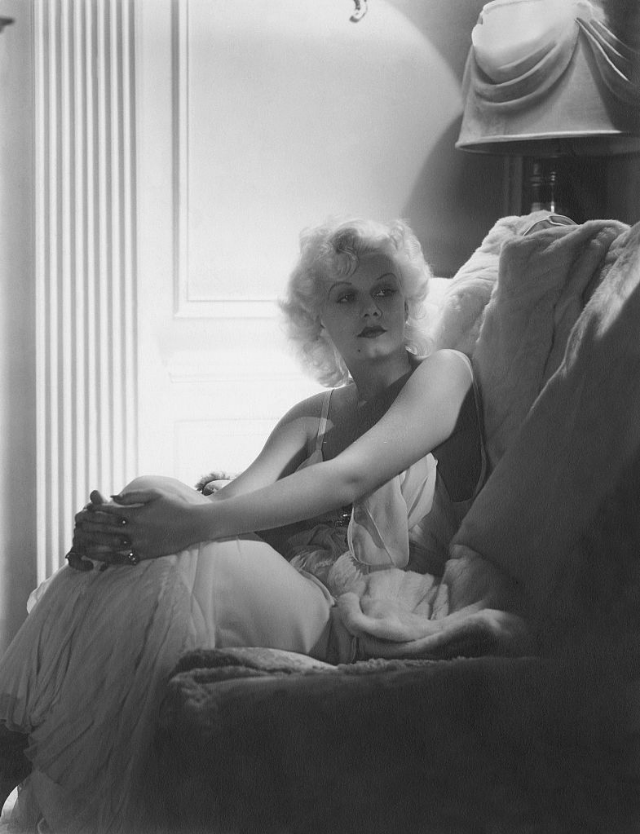
By 1935, Vanity Fair was entering its final year of publication as a standalone magazine. Advertising revenue had collapsed during the Great Depression, and the end was near. Yet the magazine continued publishing striking work. George Hurrell photographed Jean Harlow in 1935, producing one of the most iconic images of the platinum blonde actress who had become one of MGM’s biggest stars.
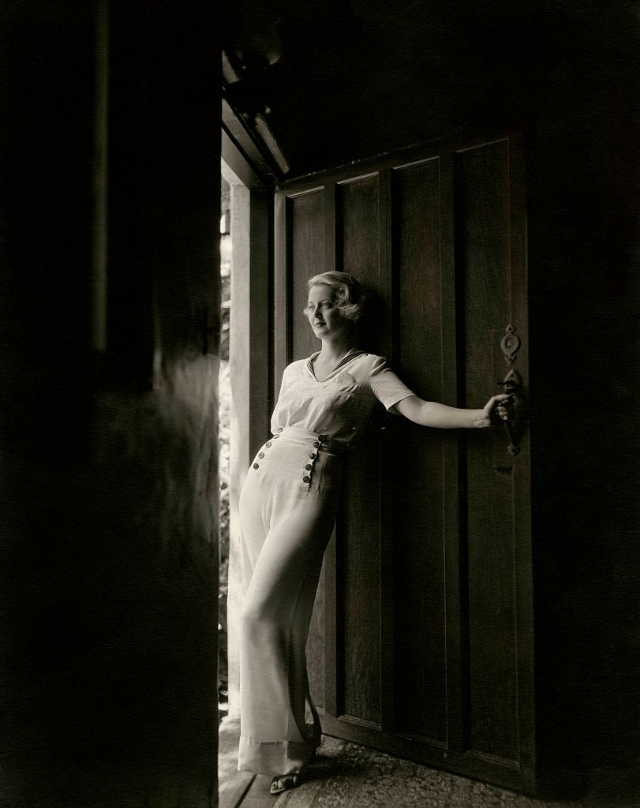
Bette Davis was photographed by Maurice Goldberg in 1935, the year she starred in Dangerous, which earned her her first Academy Award. Davis was well on her way to becoming one of the most acclaimed and formidable actresses in Hollywood history.
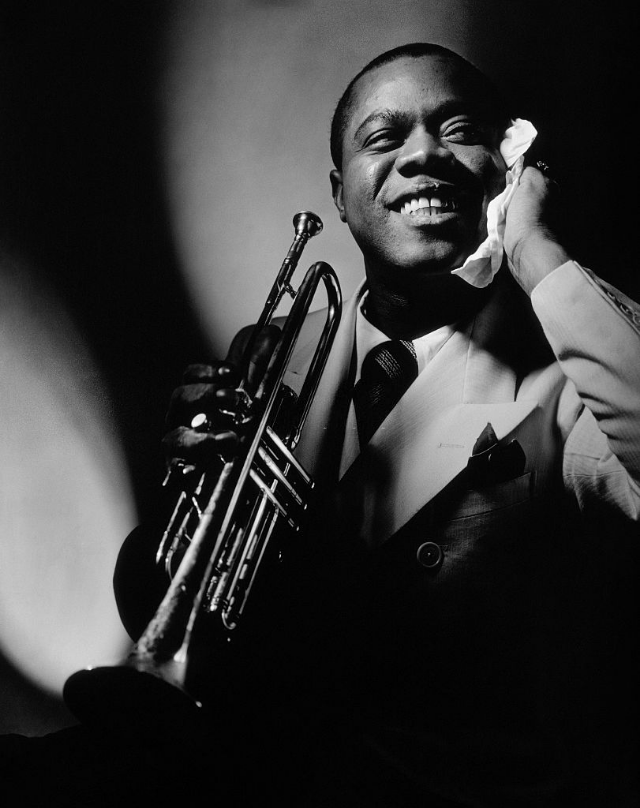
Louis Armstrong, photographed by Anton Bruehl in 1935, was already one of the most celebrated musicians in the world. His virtuosity on the trumpet and his instantly recognizable voice had made him a defining figure in American jazz, and Vanity Fair’s decision to feature him reflected the magazine’s acknowledgment of jazz as a serious art form.
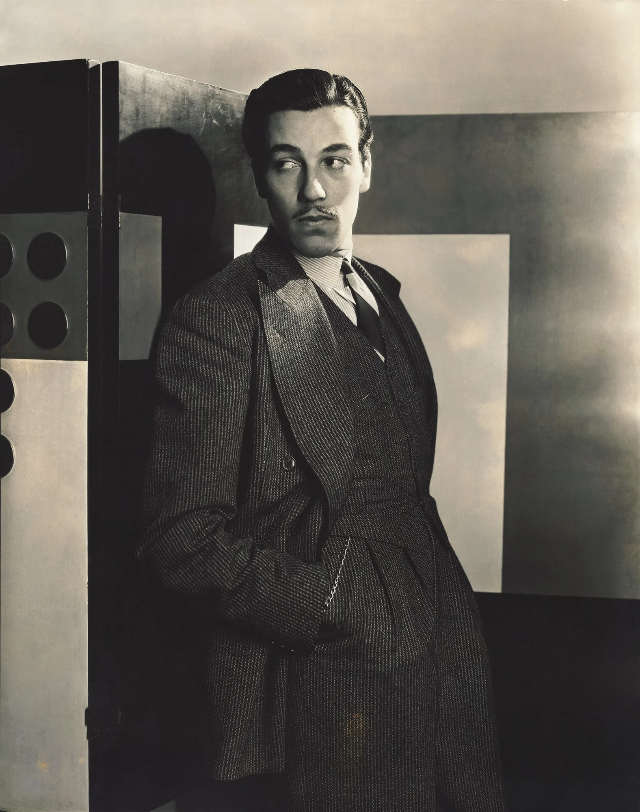
The final portrait in this collection is Cesar Romero, photographed by Lusha Nelson in 1935. Romero was a young actor of Cuban descent who was building his Hollywood career at the time. His portrait is a fitting bookend to a collection that spans 15 years, dozens of photographers, and some of the most recognizable faces of the 20th century. Vanity Fair merged into Vogue in December 1935, but the archive it left behind is a precise and glamorous record of an entire era.