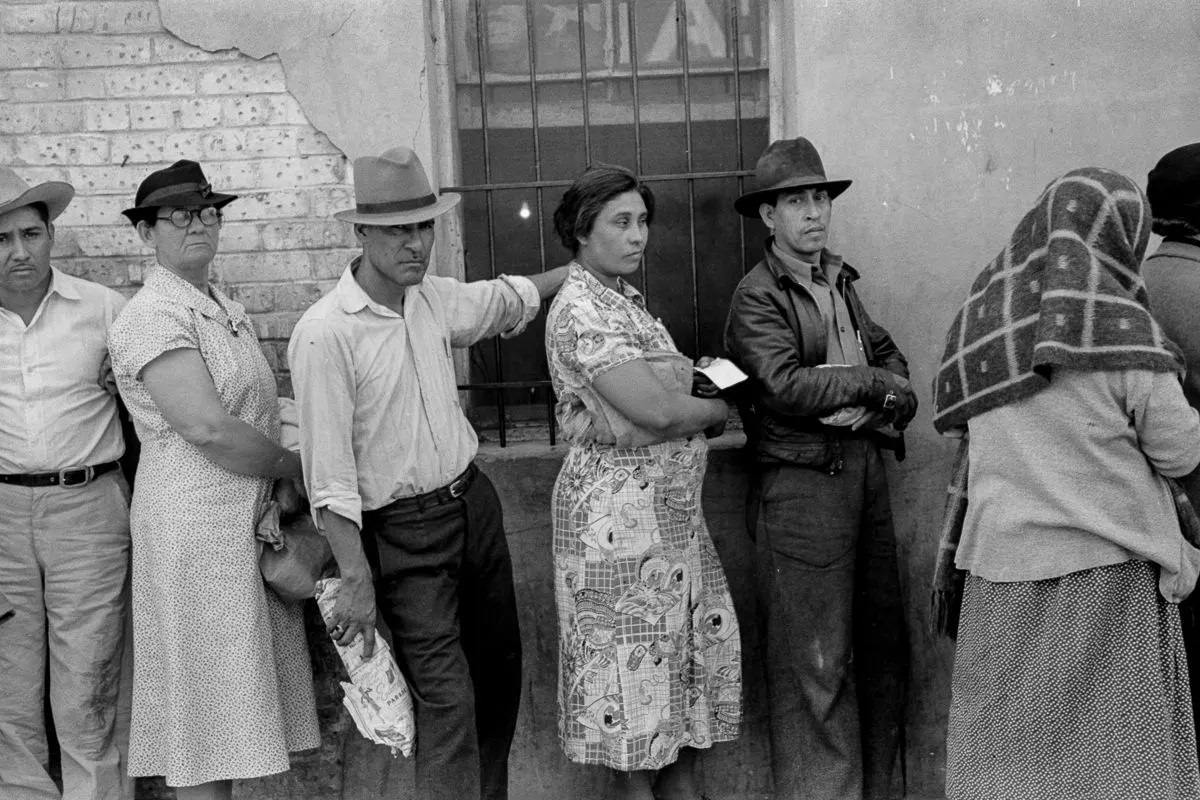
By the late 1930s, millions of American families were standing in lines — waiting for food, for loans, for any form of help that might carry them through another few days. The Great Depression had stripped away jobs, savings, and, for many, the basic ability to feed a family. The crisis hit rural communities especially hard, where crop prices collapsed and drought turned farmland to dust.
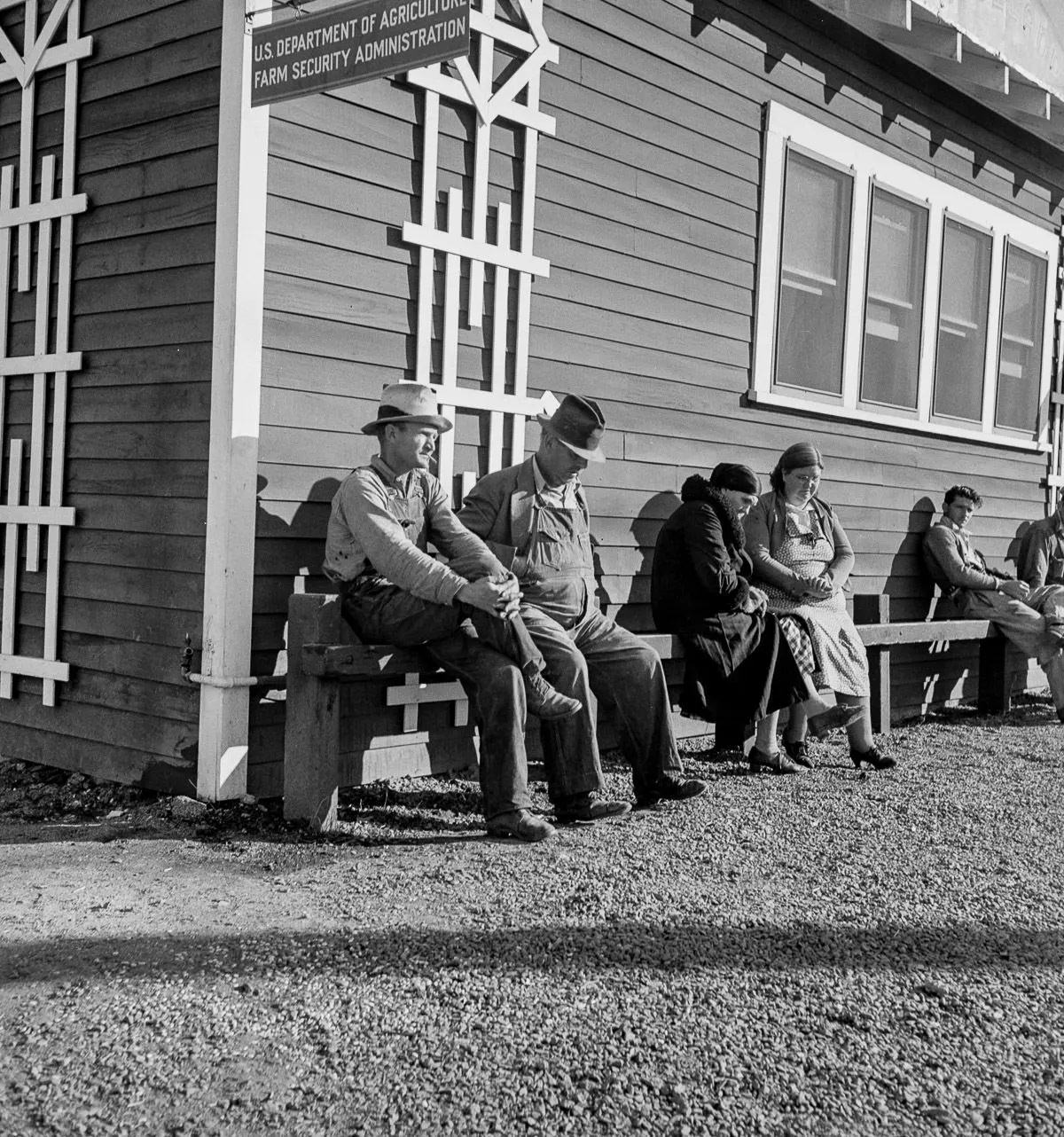
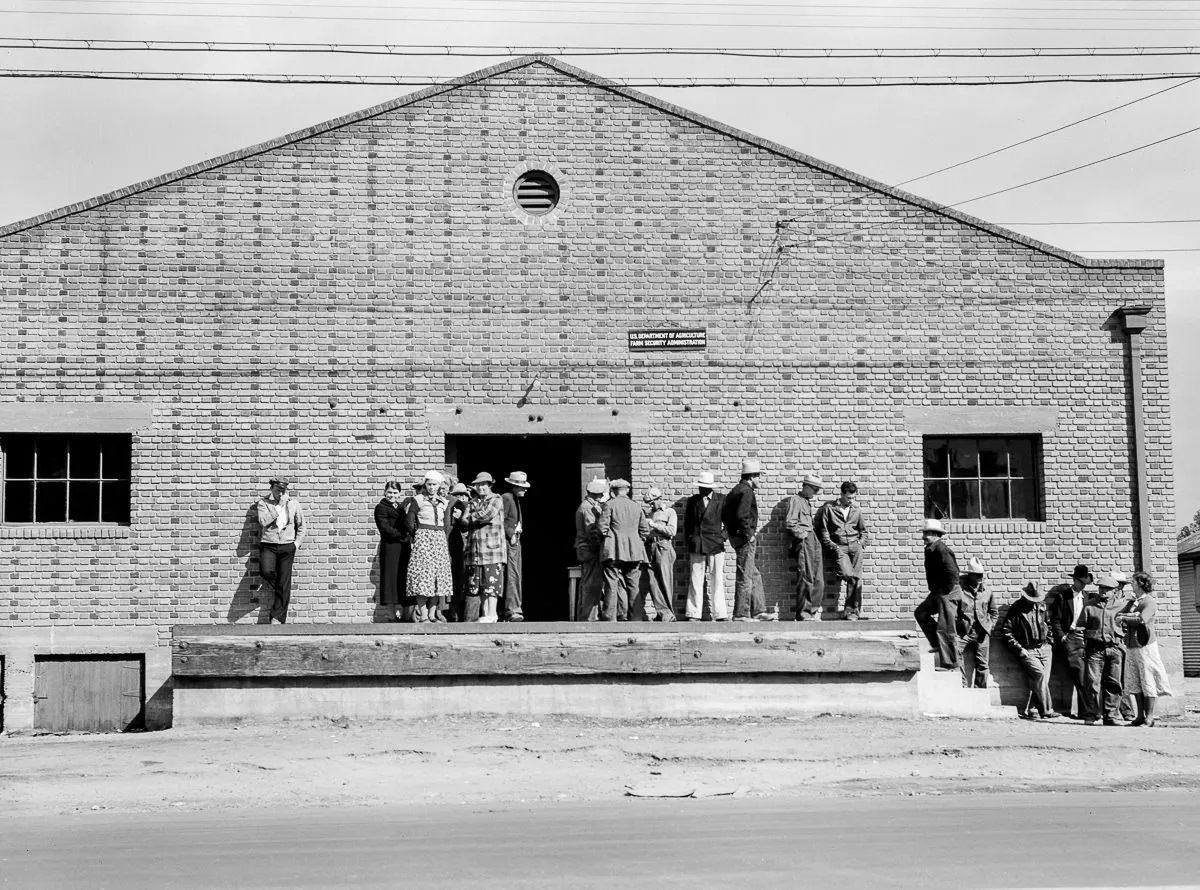
To address the collapse of rural America, the U.S. government created the Farm Security Administration (FSA) in 1937, operating under the Department of Agriculture. The FSA was not a traditional relief agency handing out cash. Instead, it worked through a network of state and county offices to identify farmers who needed loans they could not get anywhere else — from a bank, a neighbor, or any private lender.
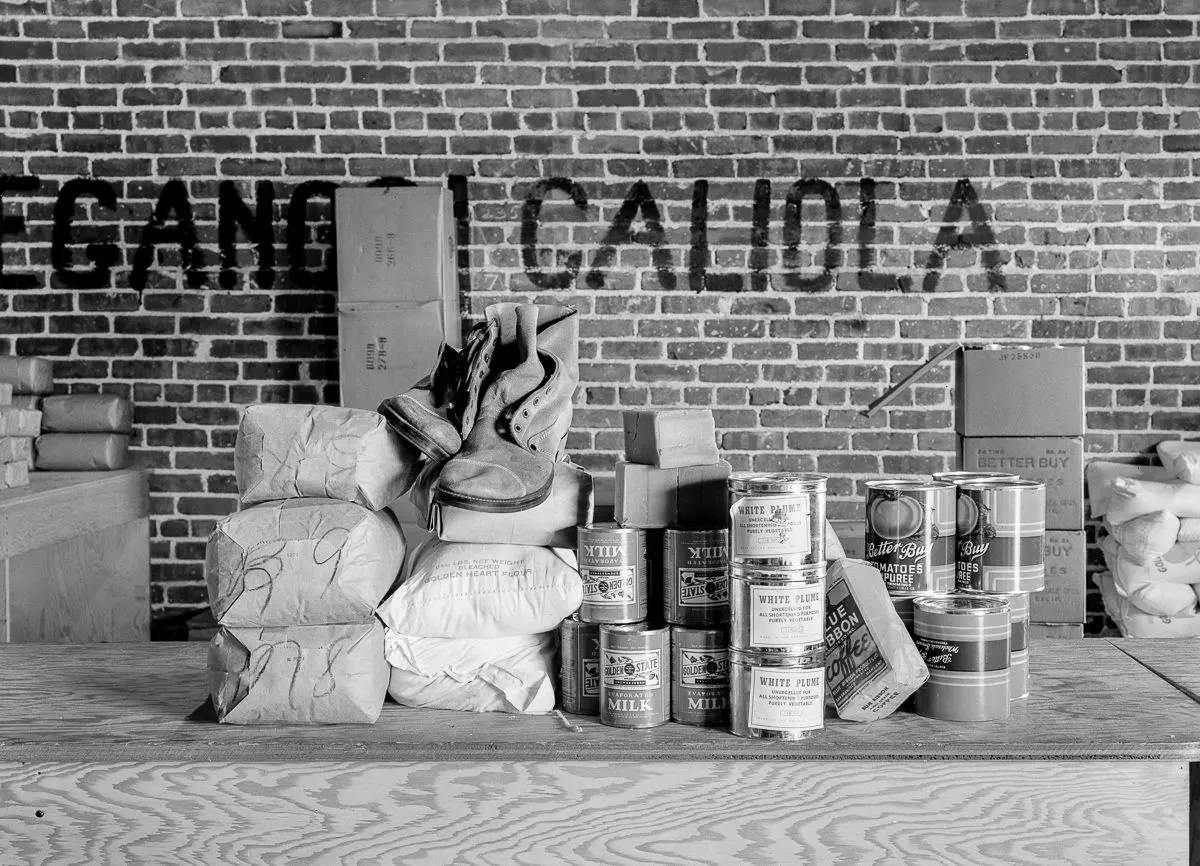
A farmer approved for an FSA loan could use the money to buy land, livestock, equipment, or seeds — the basic tools needed to start producing again. Beyond loans, the FSA also offered healthcare, education, and job training to participating families. The goal was self-sufficiency, not long-term dependency.
Day-to-day life during this period required extreme resourcefulness. Families kept kitchen gardens to grow whatever food they could. Worn-out clothes were patched and re-patched rather than replaced. Going to bed hungry was common. Every purchase, no matter how small, was weighed carefully against what the family could actually afford.
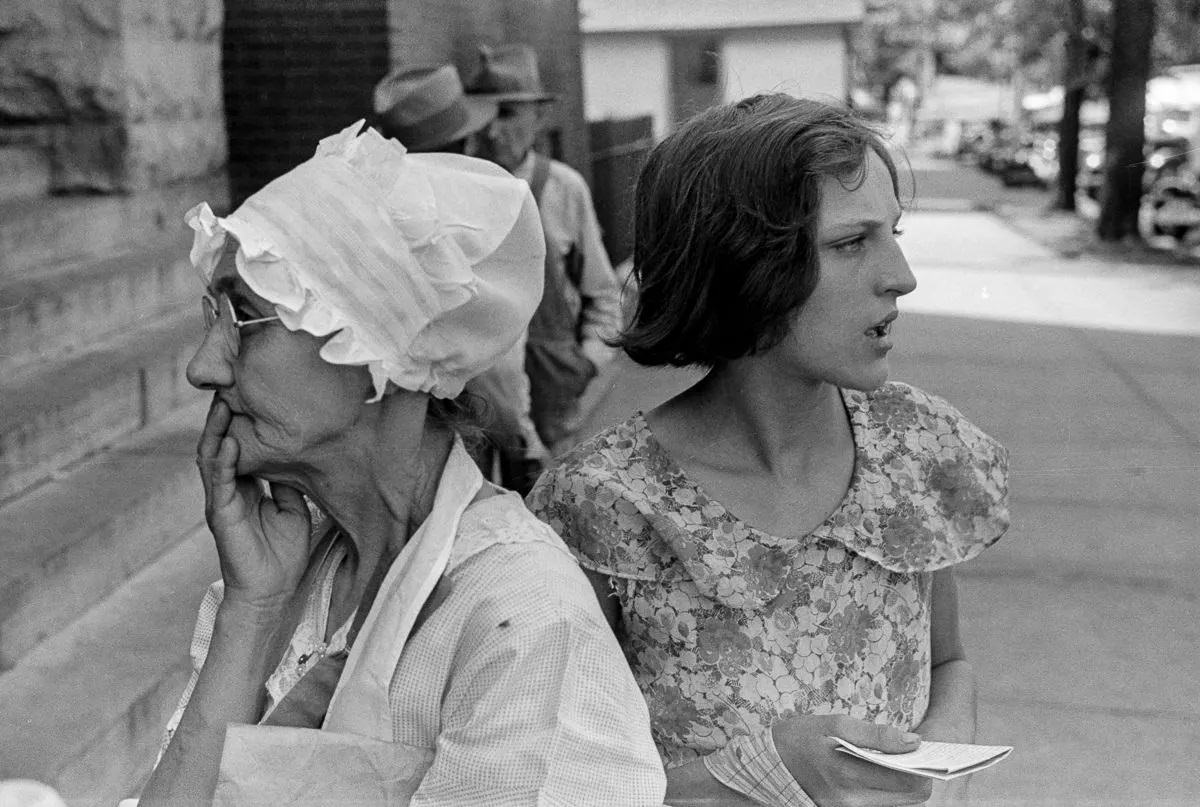
The financial pressure fell hardest on men, who were expected to provide for their families and suddenly found themselves unable to do so. The emotional weight of that failure was devastating. In 1933, the U.S. recorded its highest suicide rate in history. Marriages buckled under the strain, but many couples simply could not afford to separate. Divorce rates actually fell during the Depression — not because marriages were stronger, but because legal separation was too expensive.
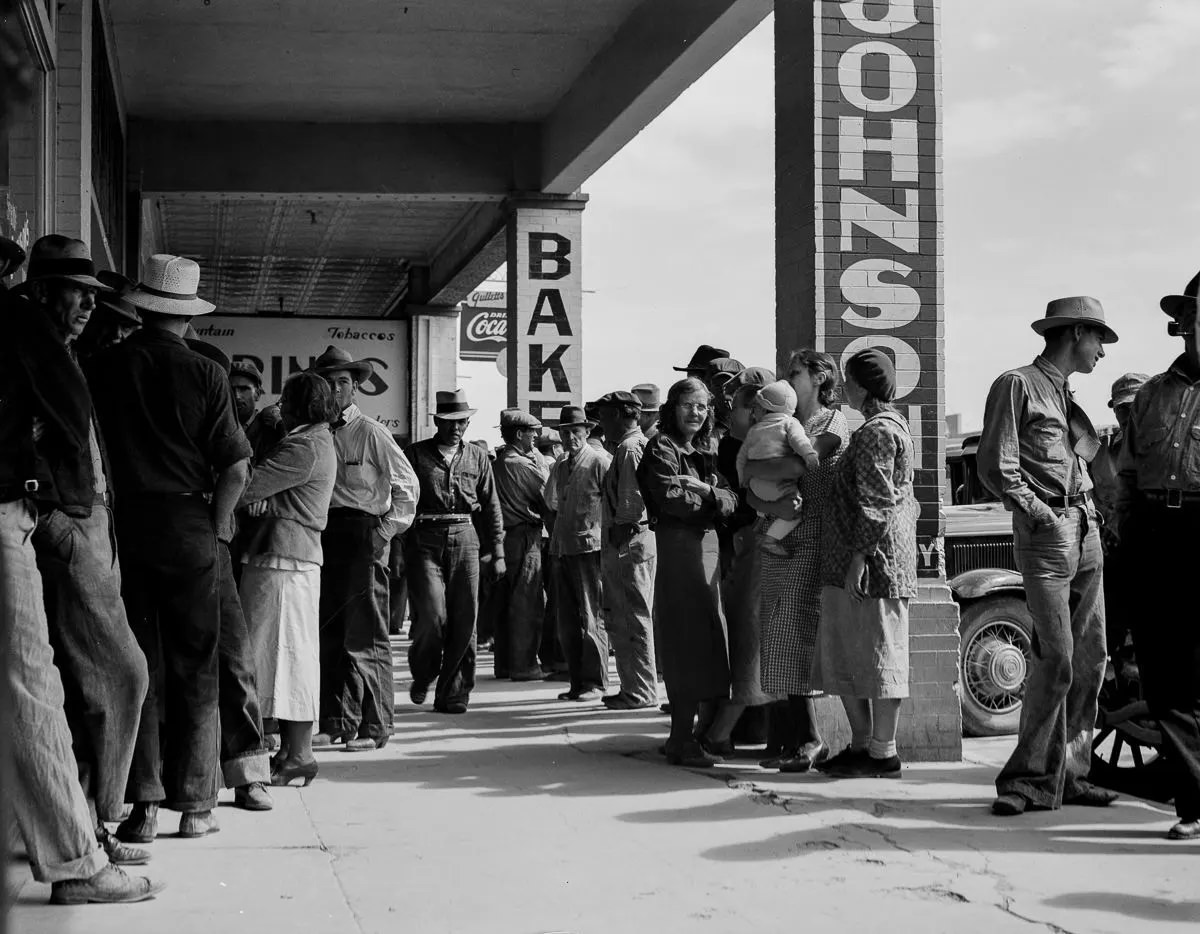
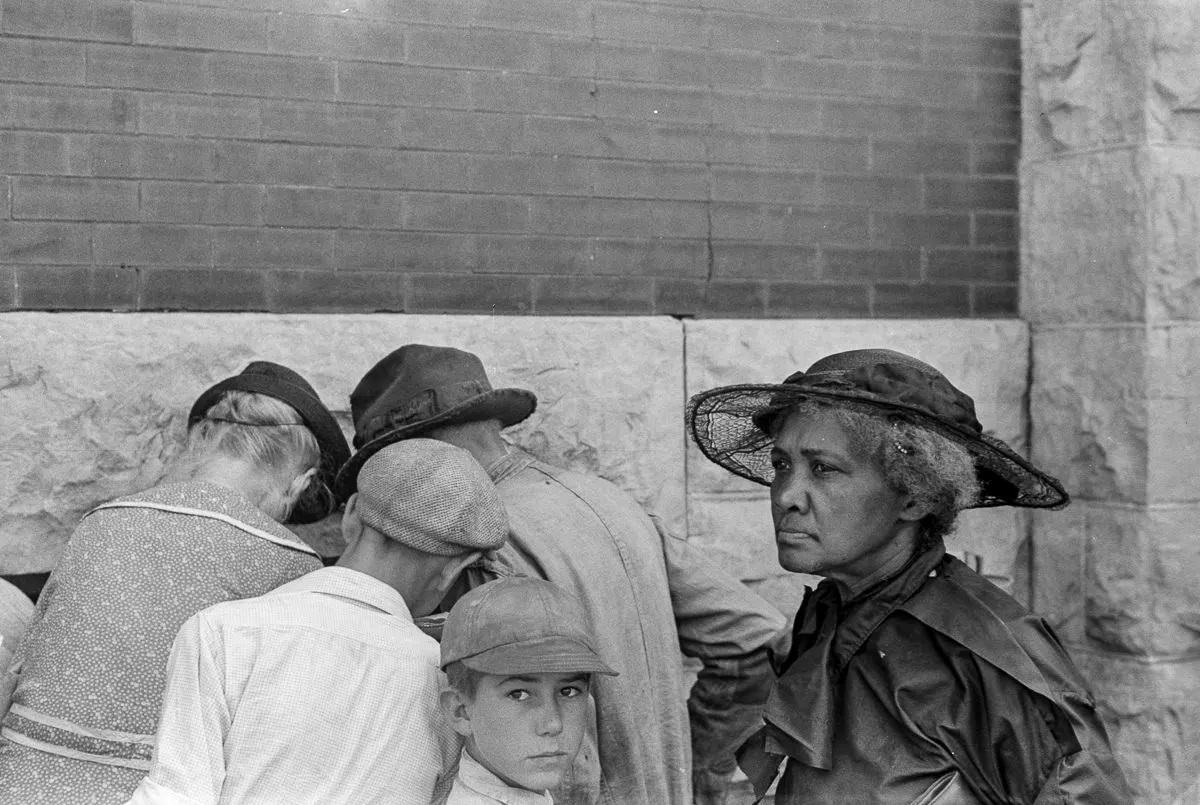
Abandonment became far more common than divorce. More than two million men and women left their families and took to the roads, becoming traveling hobos — moving from town to town in search of work or simply to escape the shame of poverty. The railroads carried thousands of them at any given time.
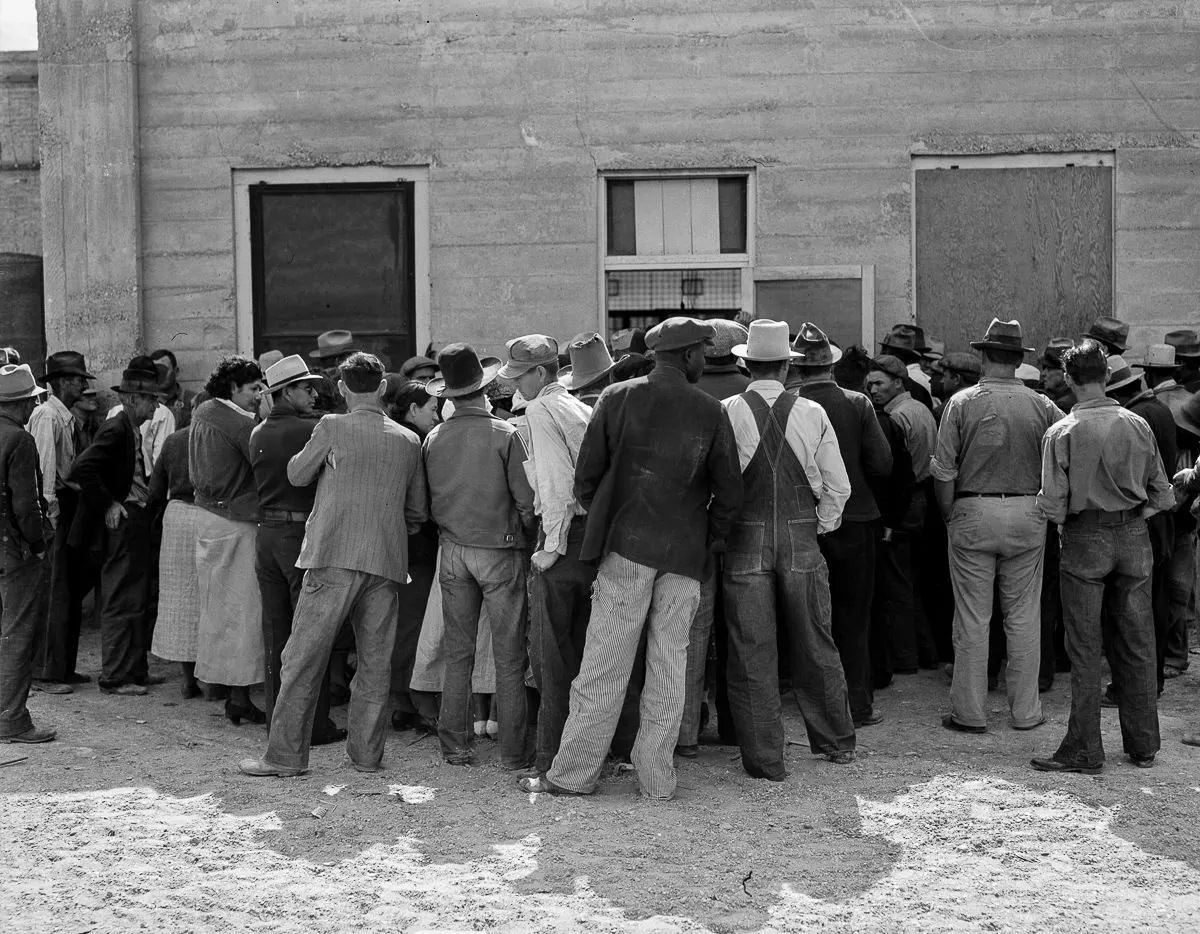
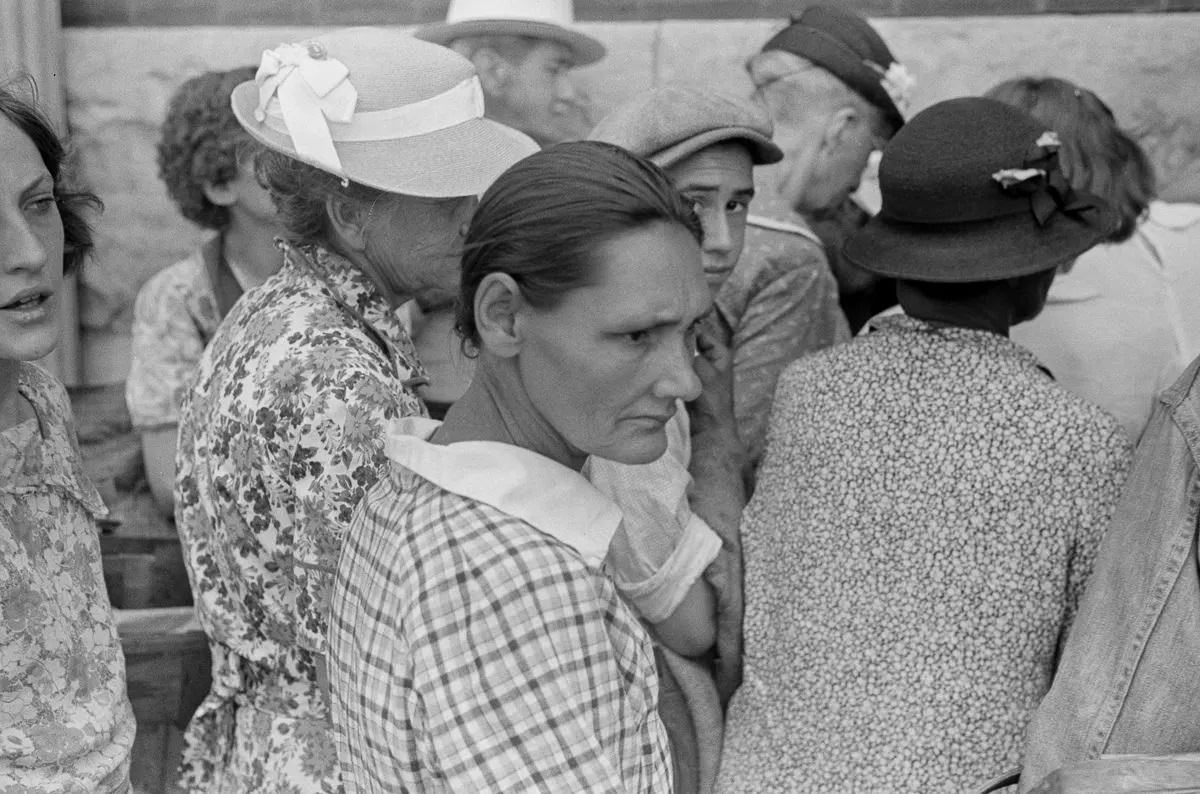
Before the Depression, most Americans strongly opposed government welfare programs. That attitude began to shift as the scale of suffering became impossible to ignore. But even as public opinion changed, accepting government aid remained a painful experience for many families. In some towns, the names of welfare recipients were published in local newspapers — a public mark of failure that many found deeply humiliating.
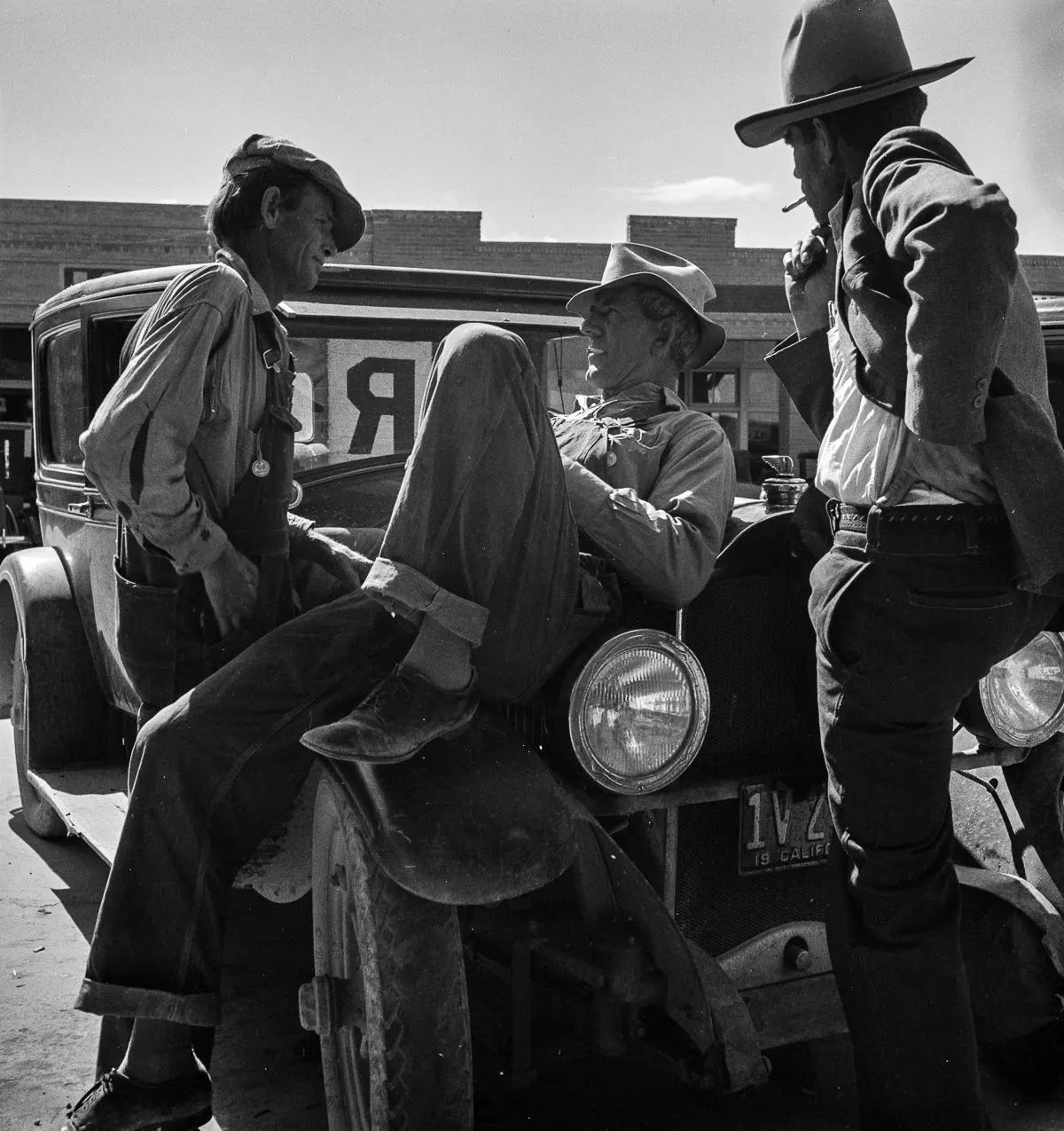
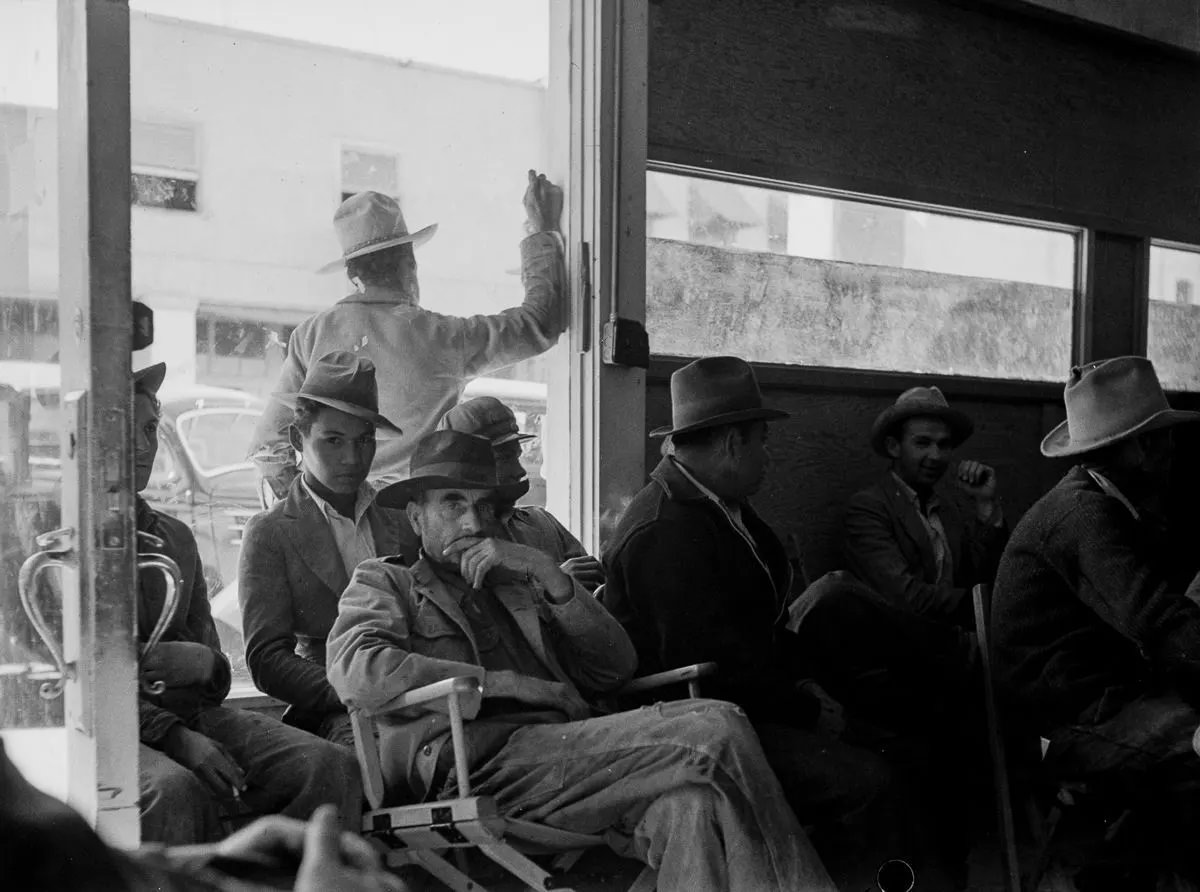
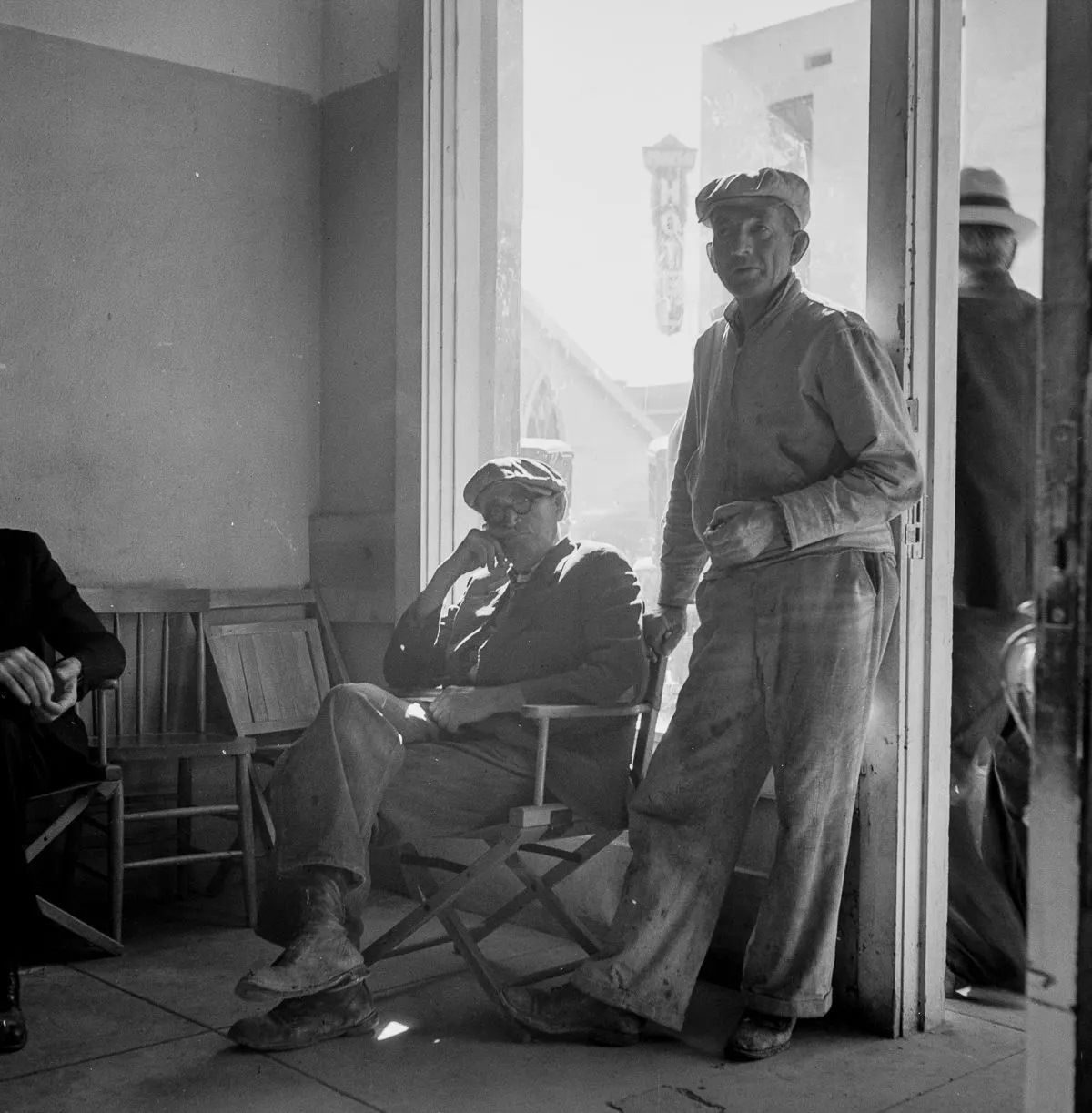
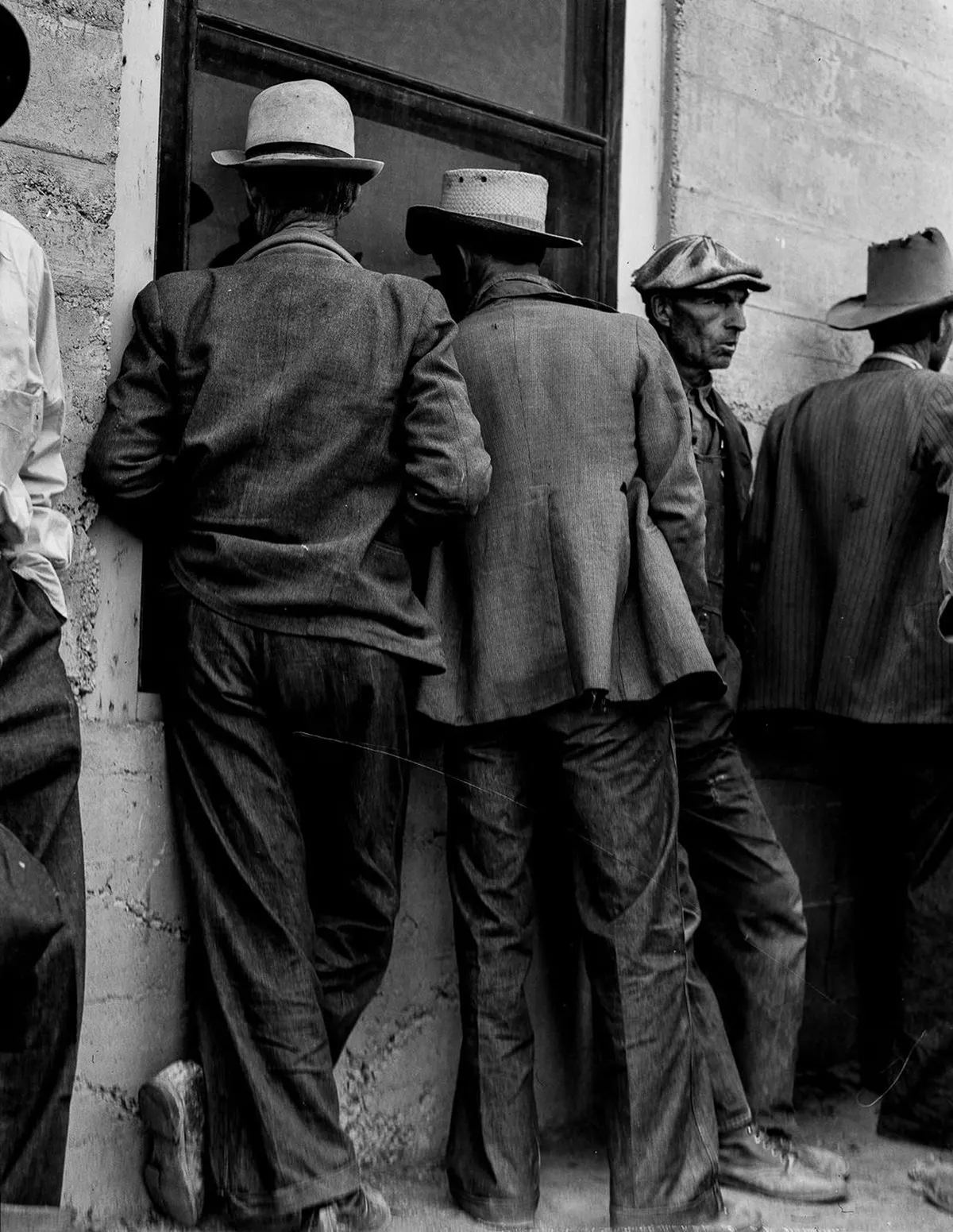
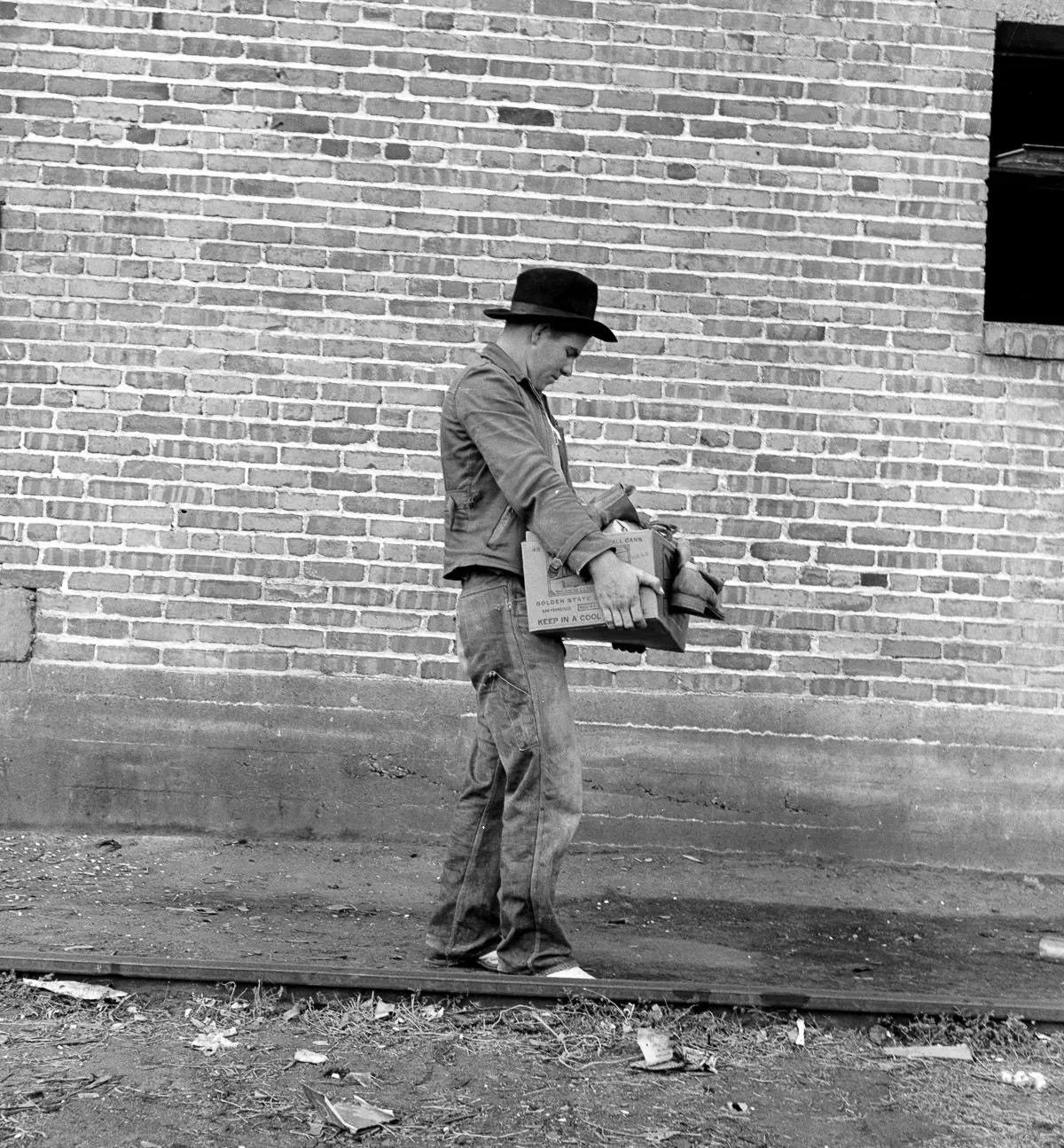
To document what was happening across rural America, the FSA hired photographers and sent them into the field. Their assignment was straightforward: photograph the real conditions of the people the government was trying to help. The resulting archive captured one of the most complete visual records of poverty in American history.
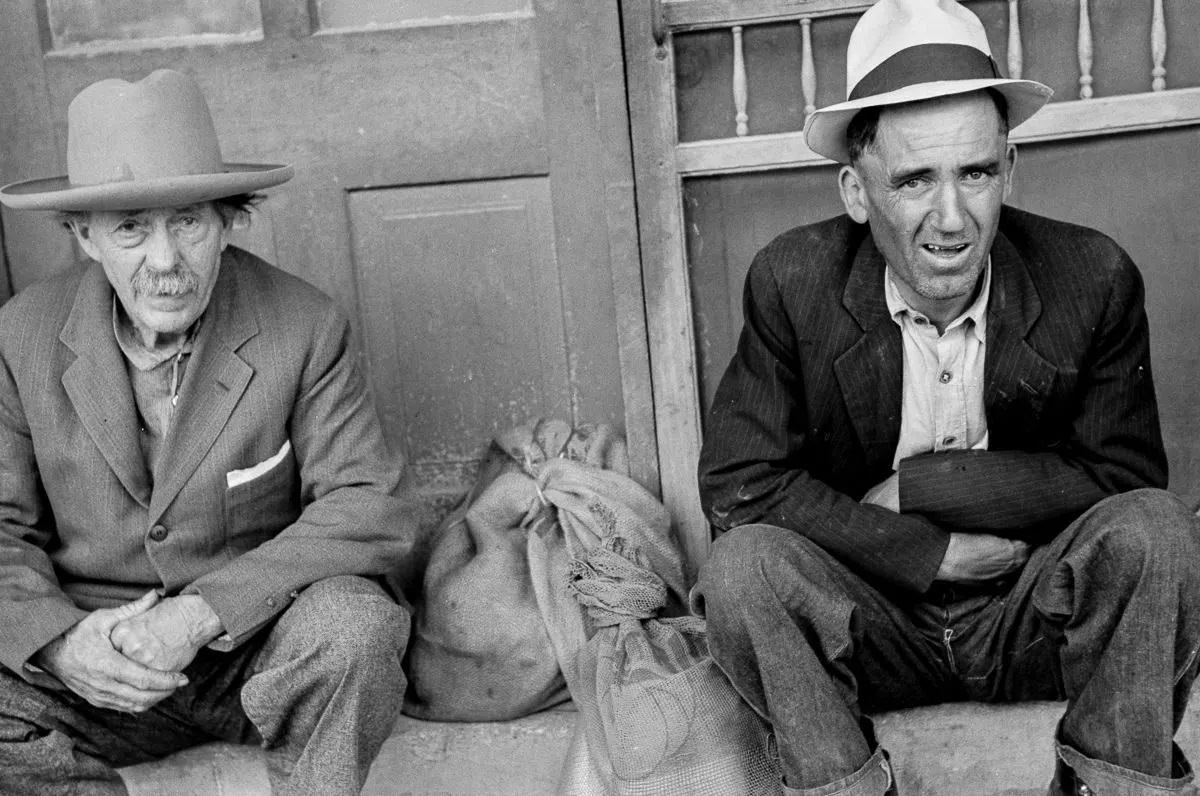
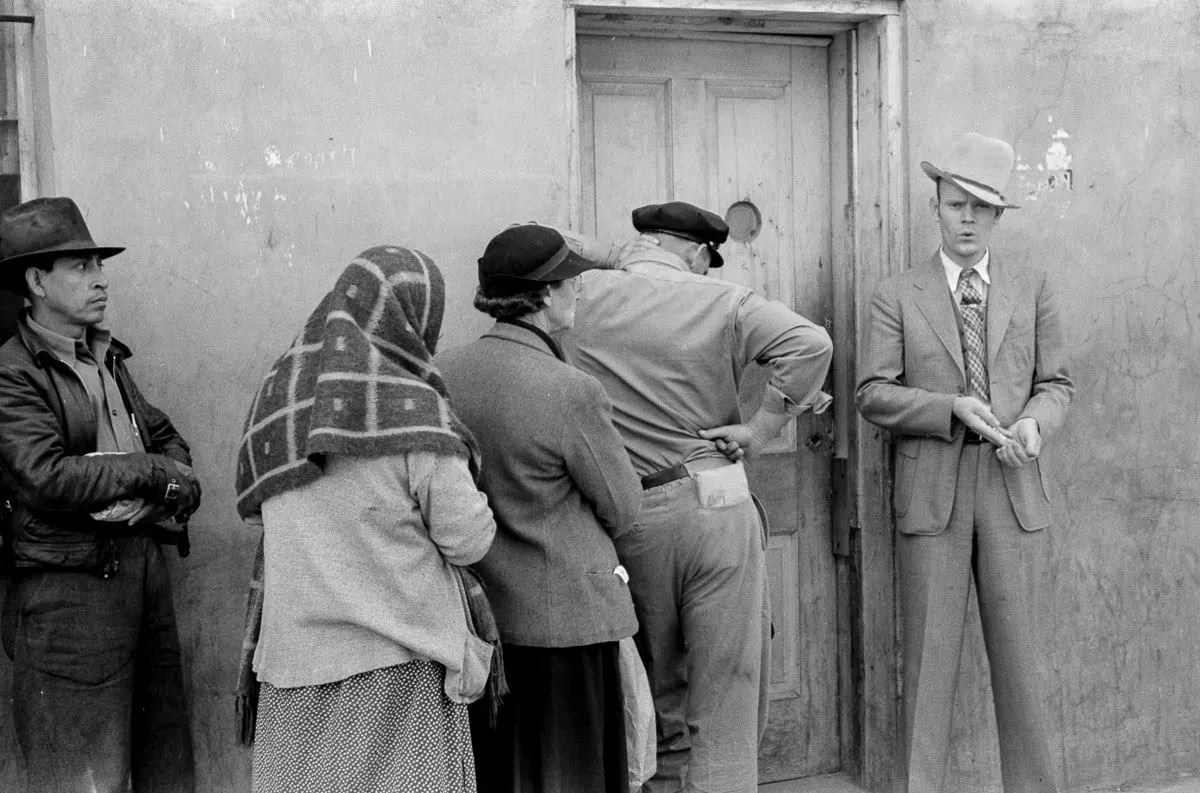
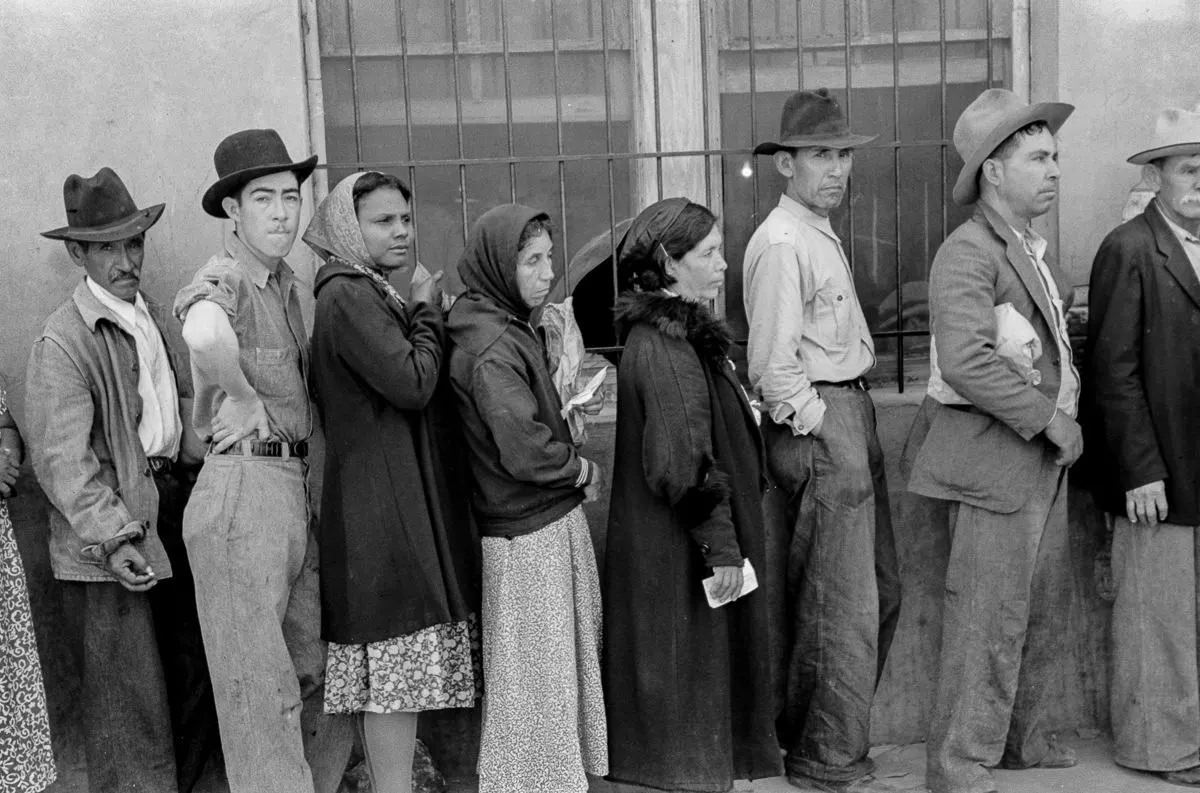
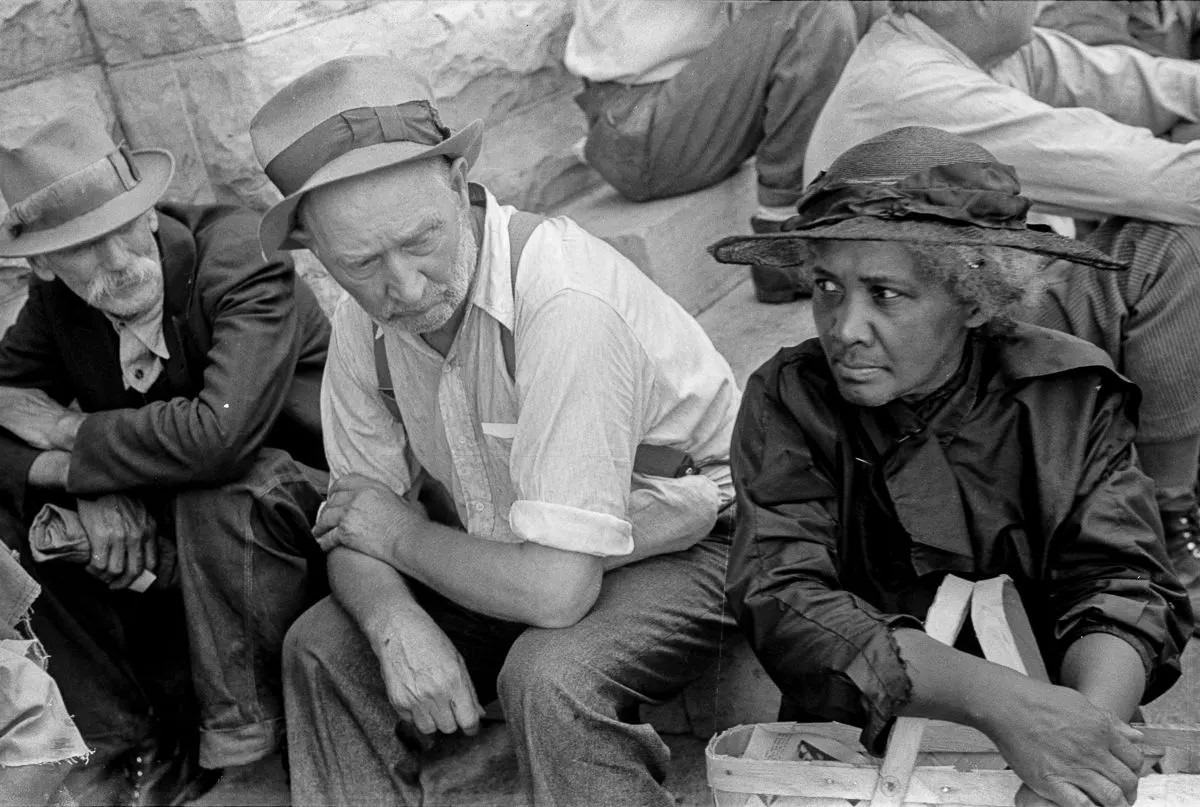
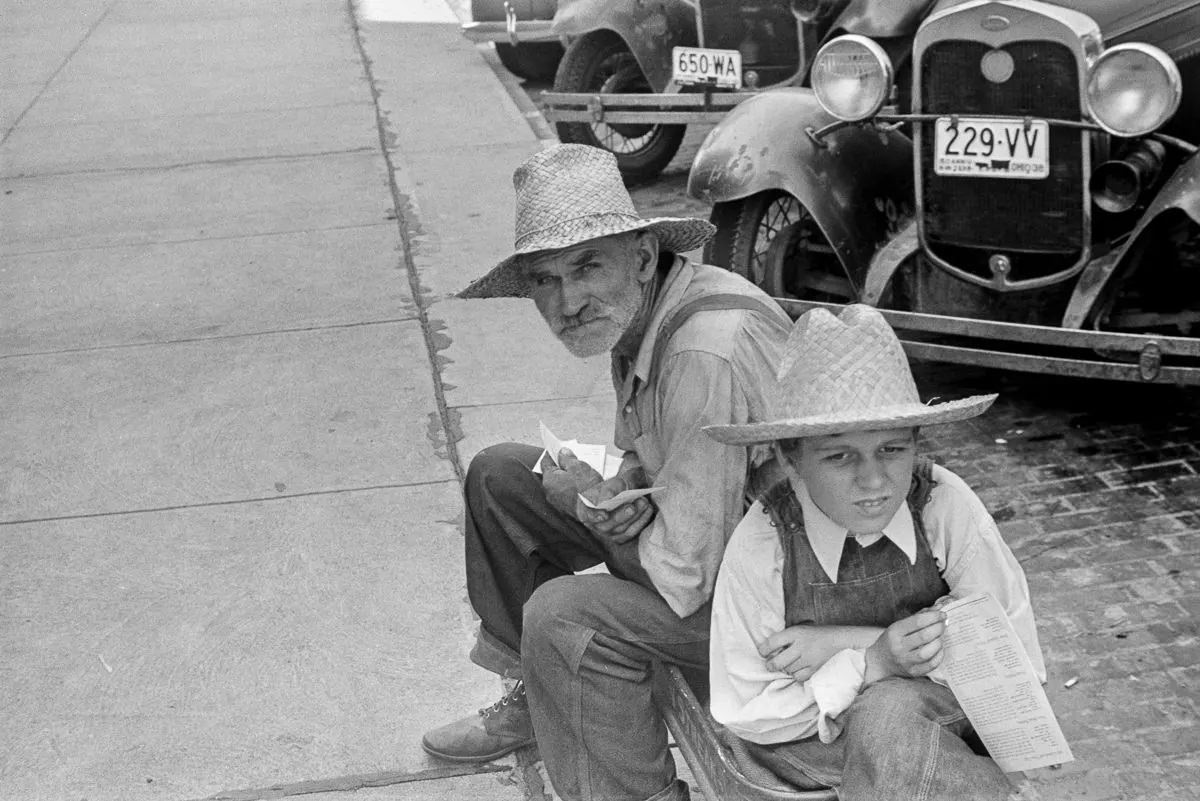
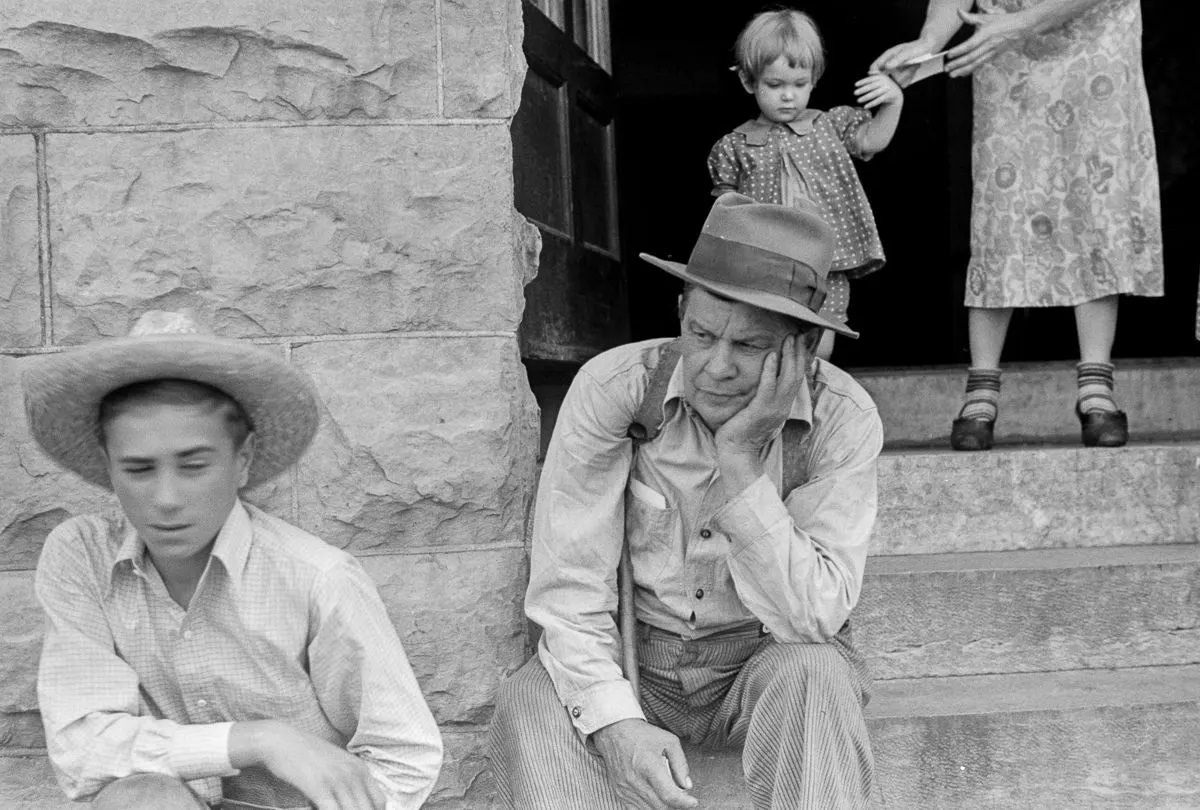
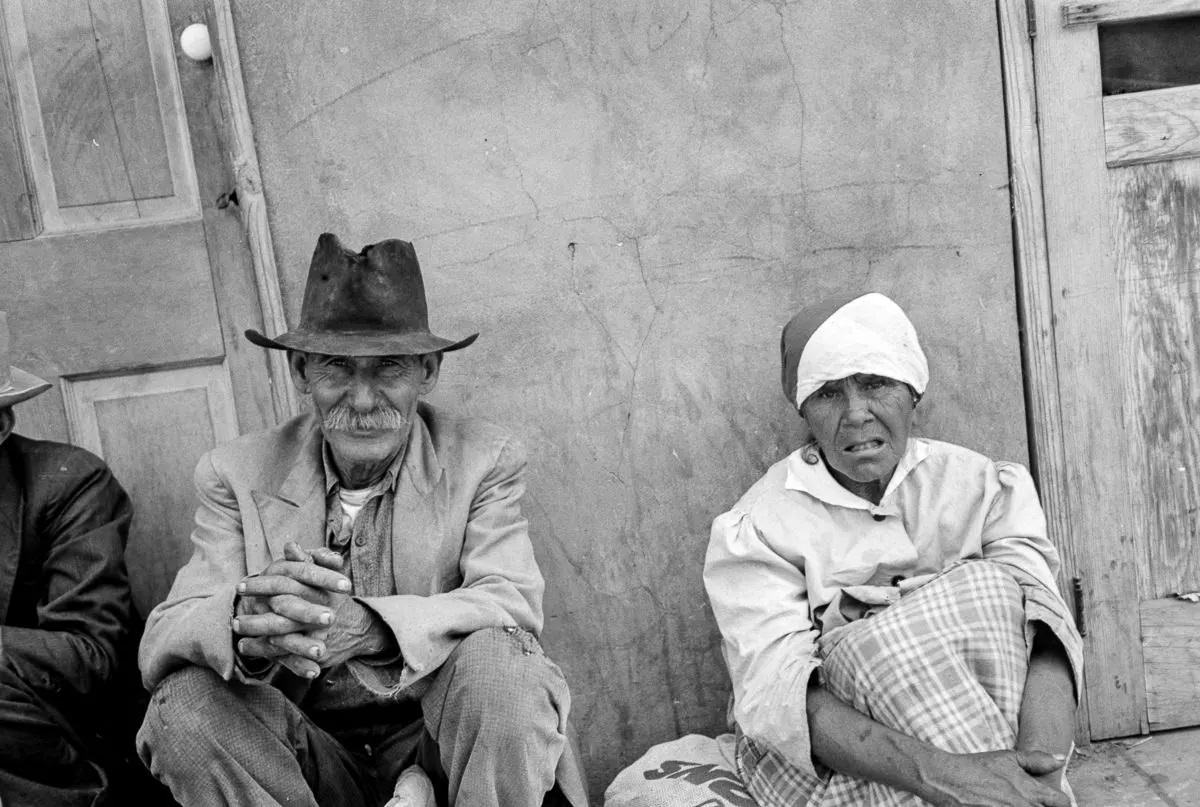
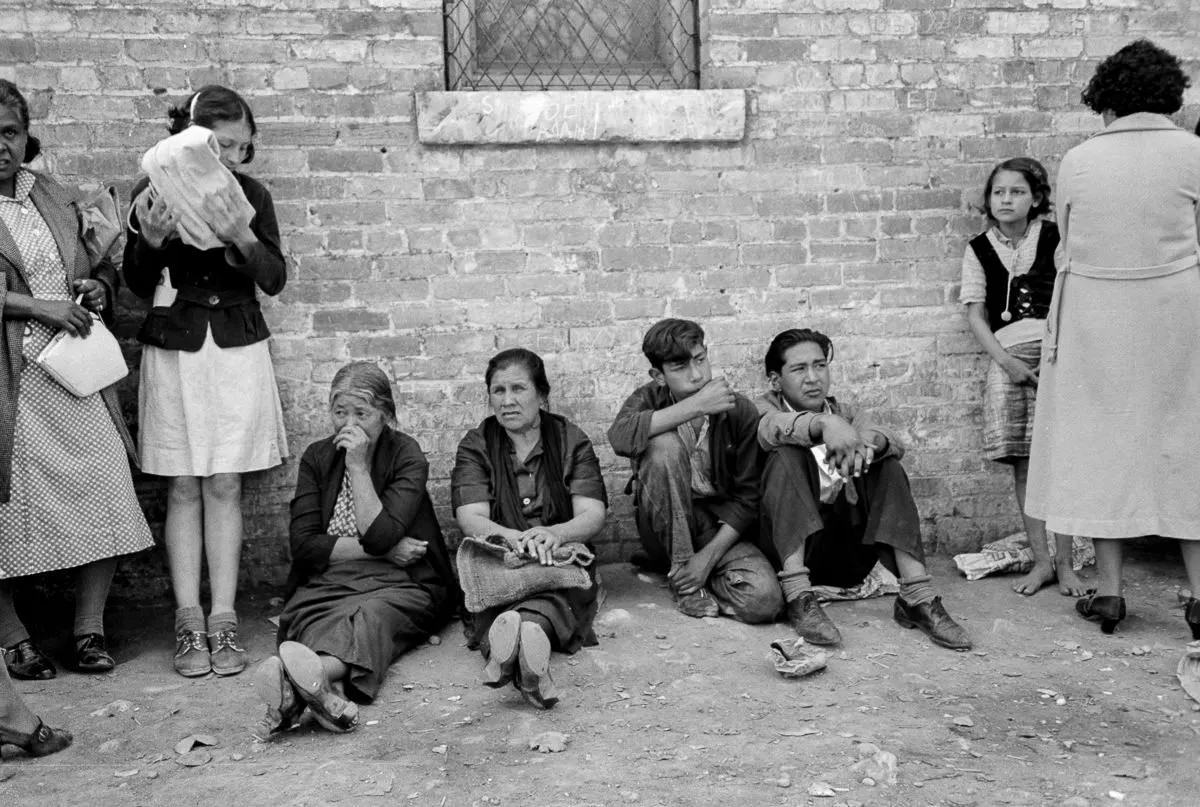
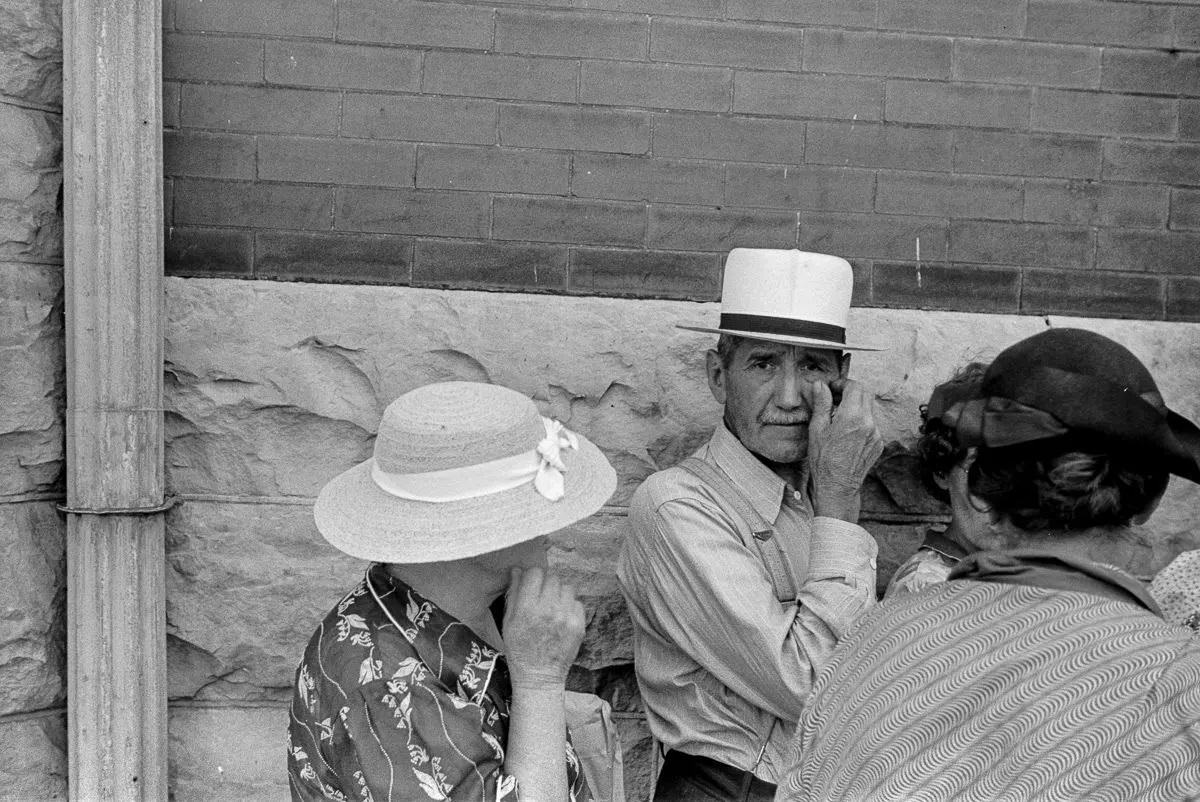
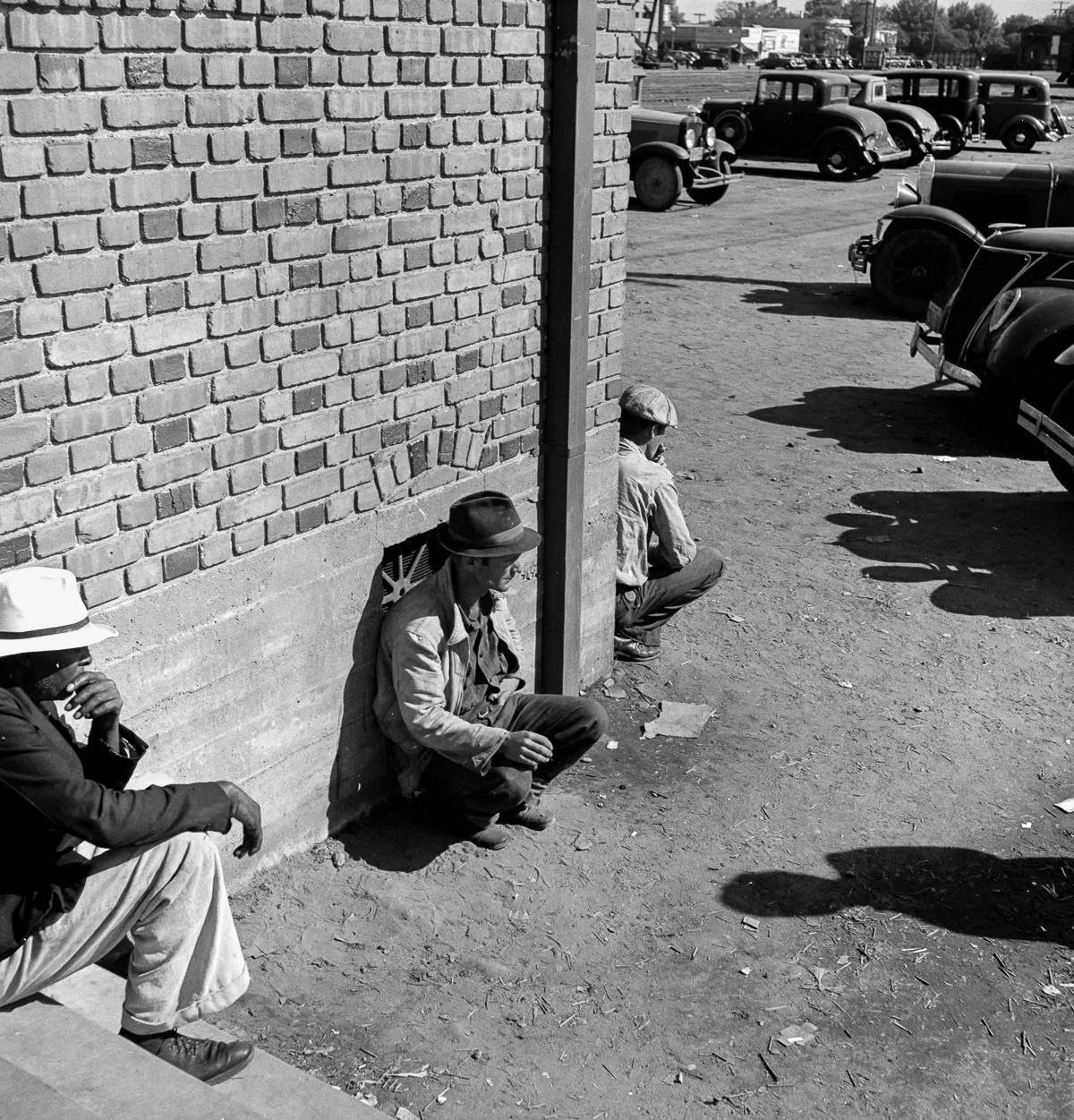
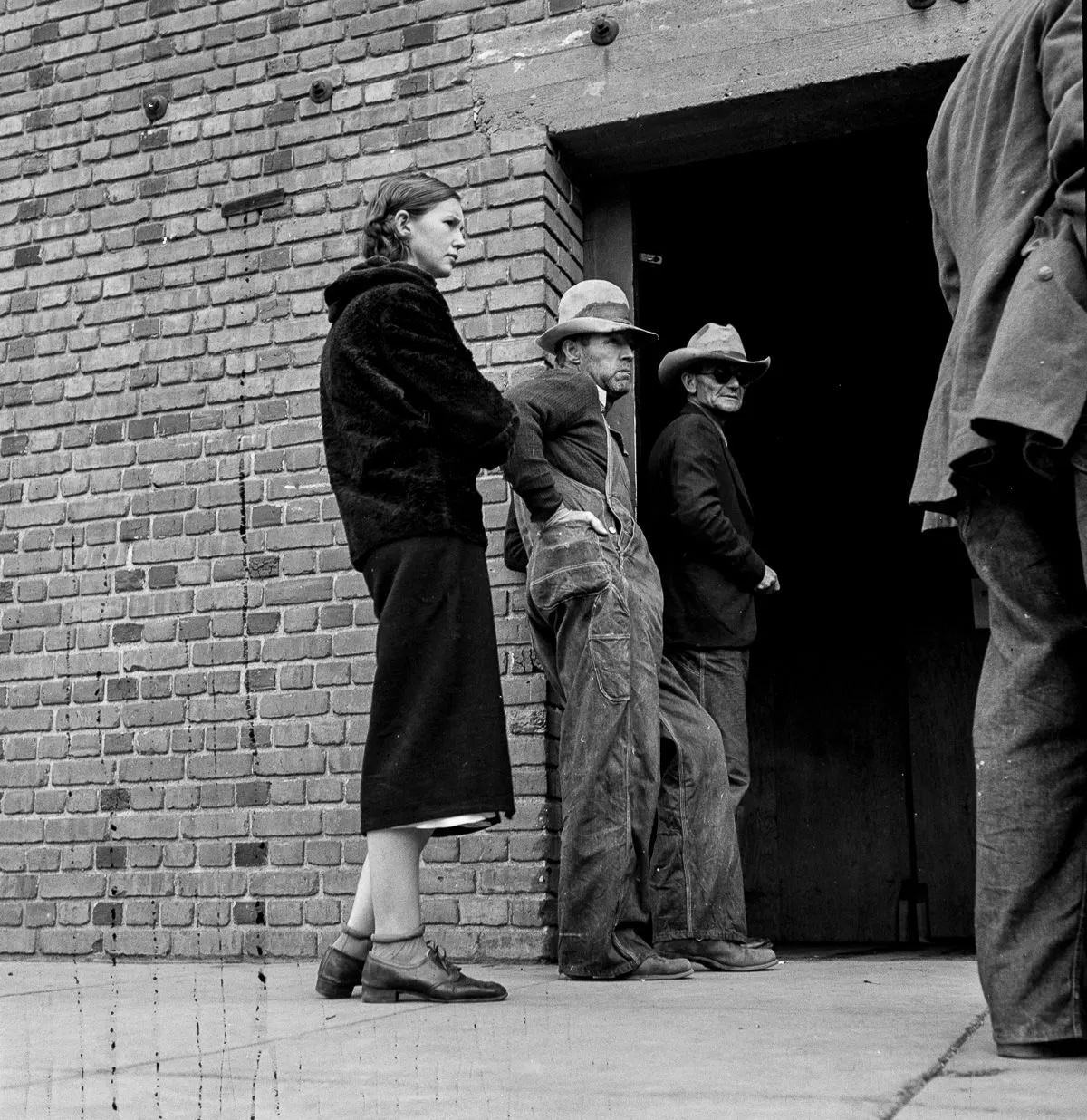
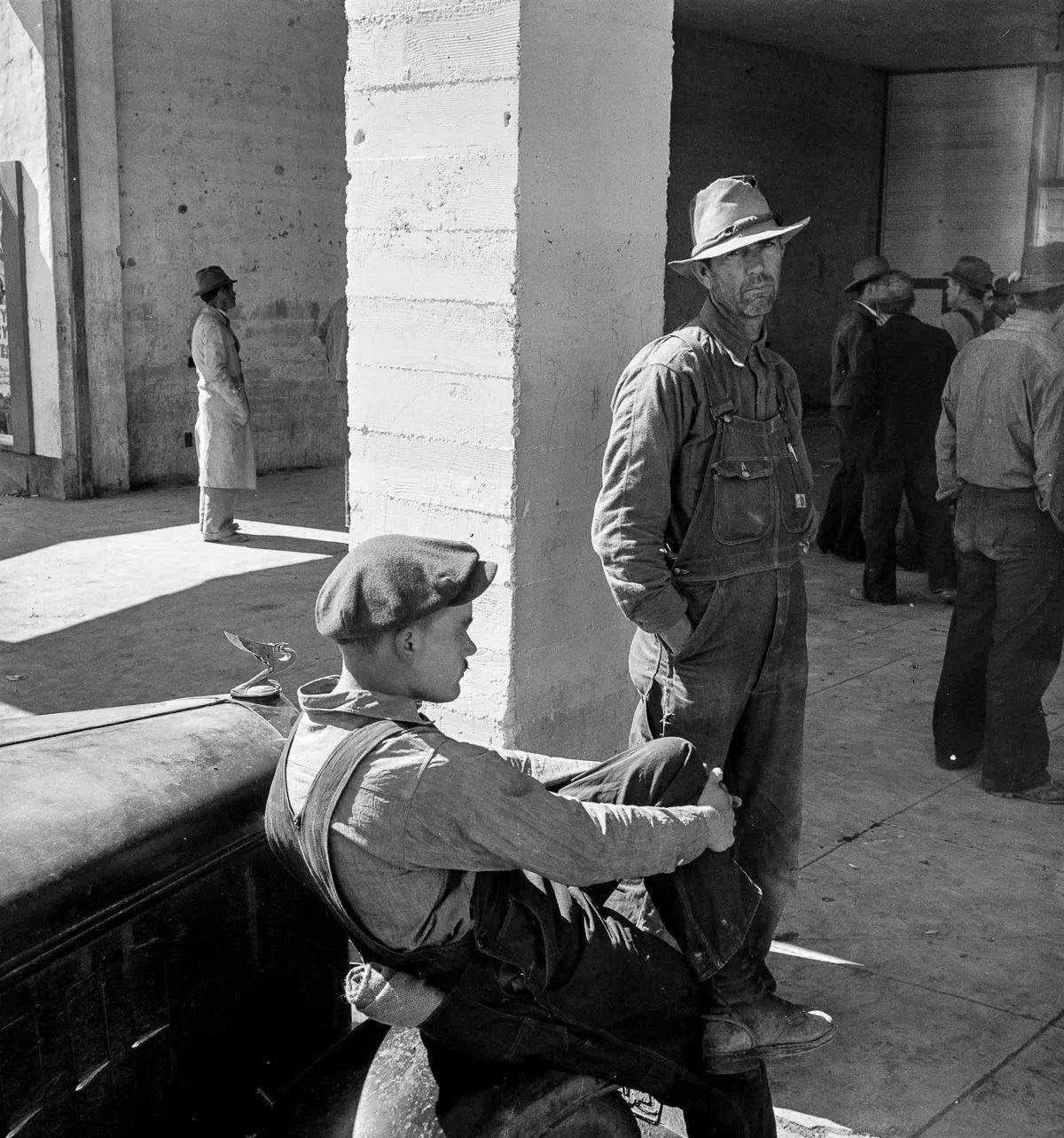
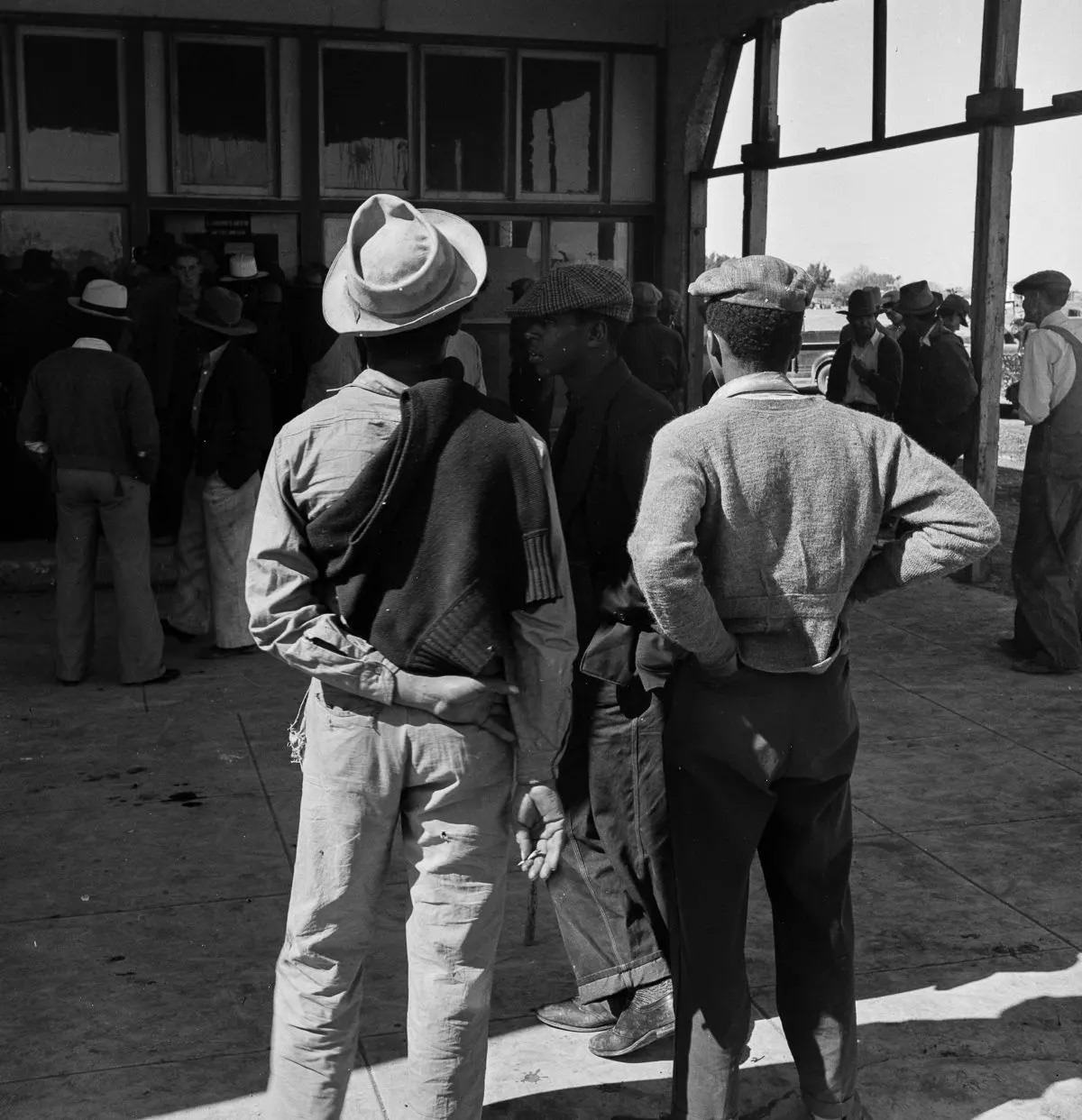
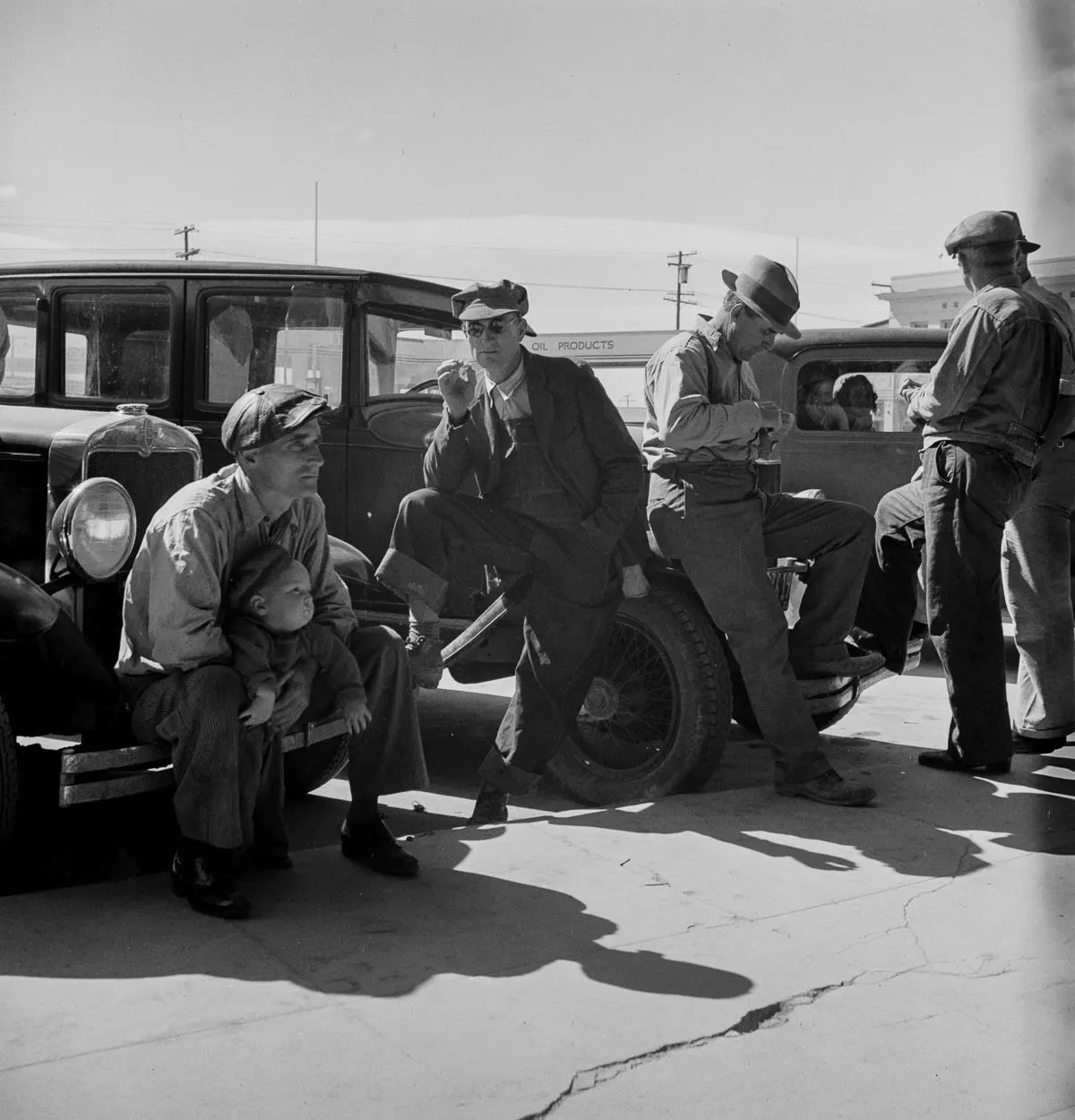
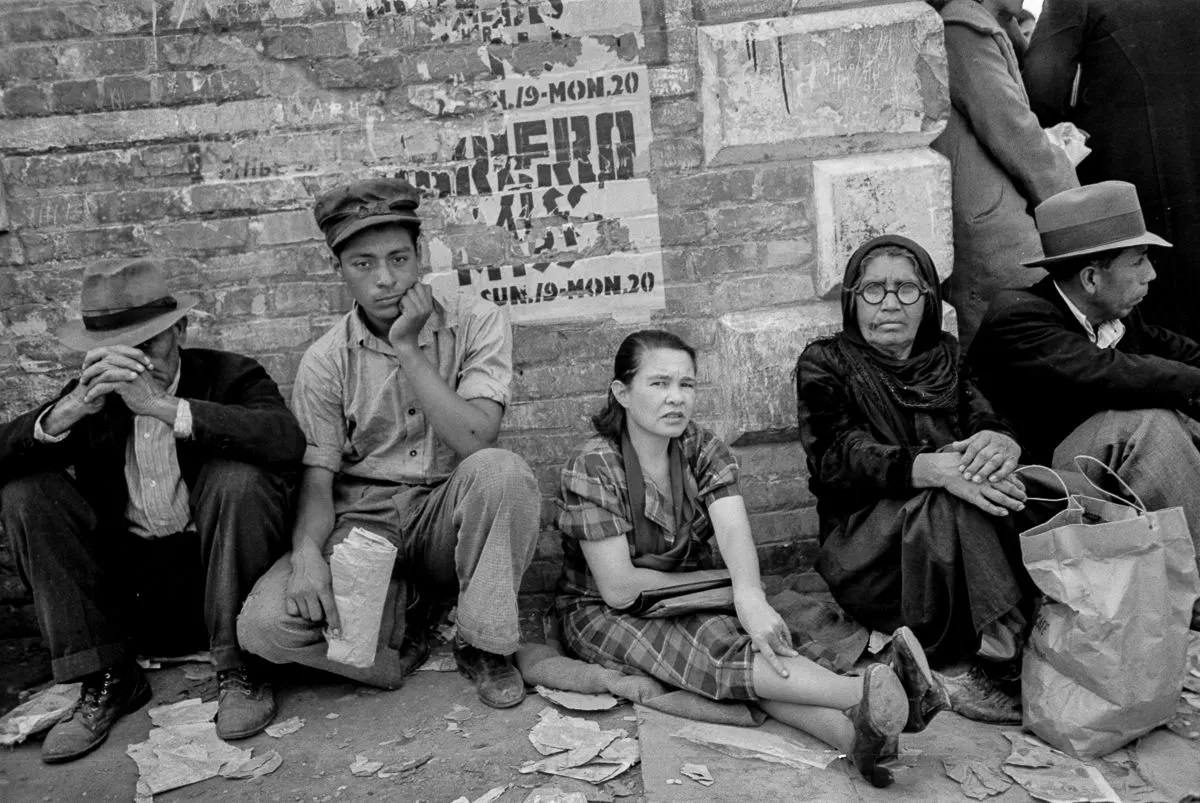
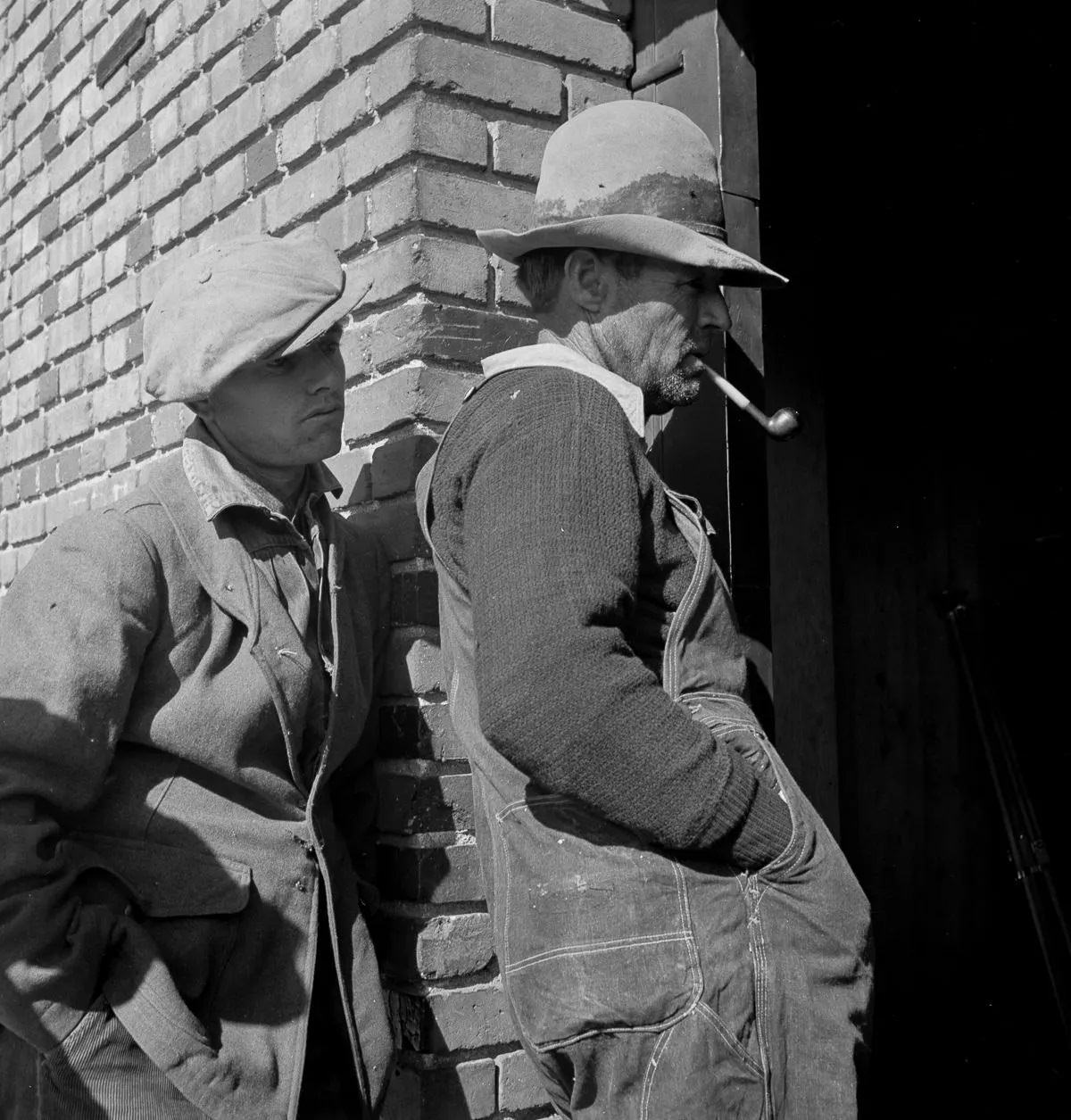
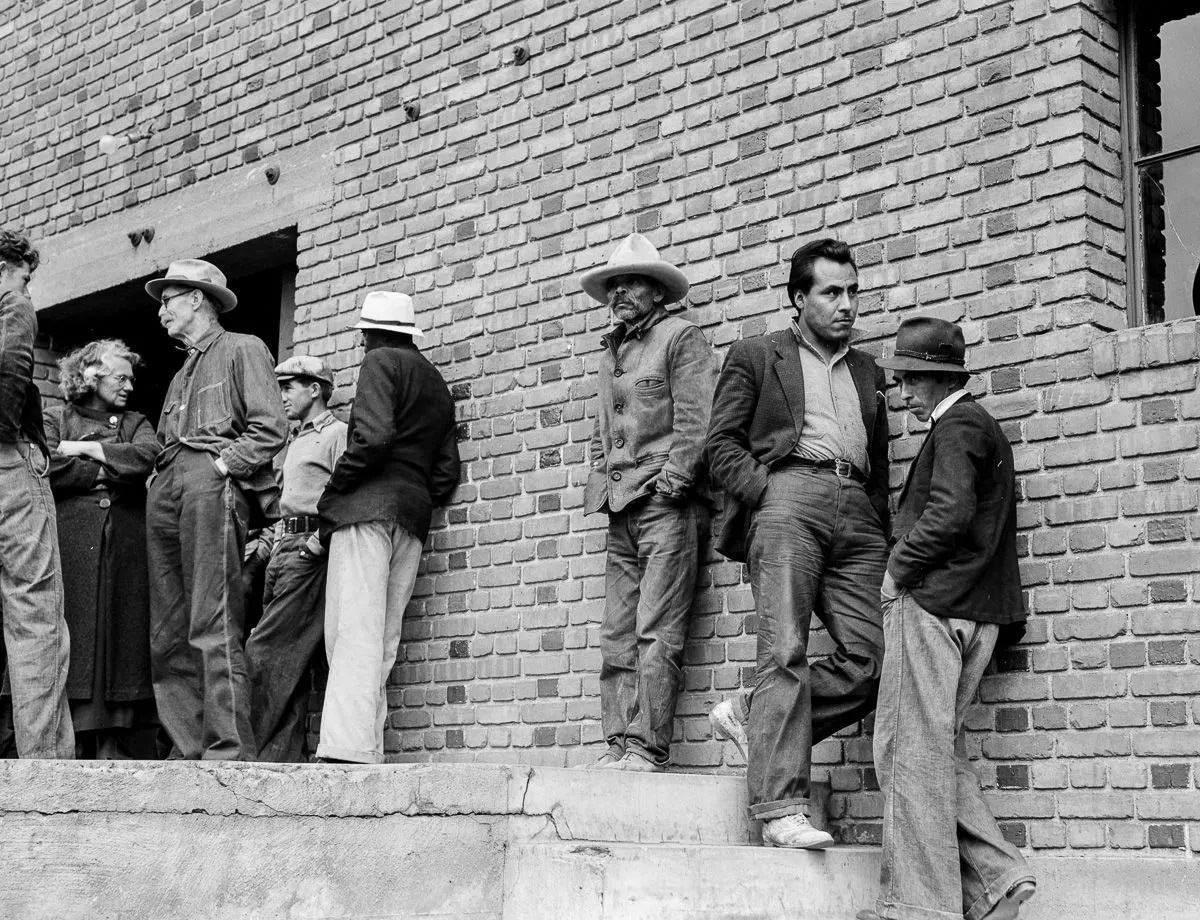
The photographs taken between 1937 and 1939 show agricultural laborers in lines — waiting for emergency aid distributions that would keep them and their children alive for a few more days. Their faces show exhaustion and anxiety, but also a kind of stillness. There was nothing to do but wait.
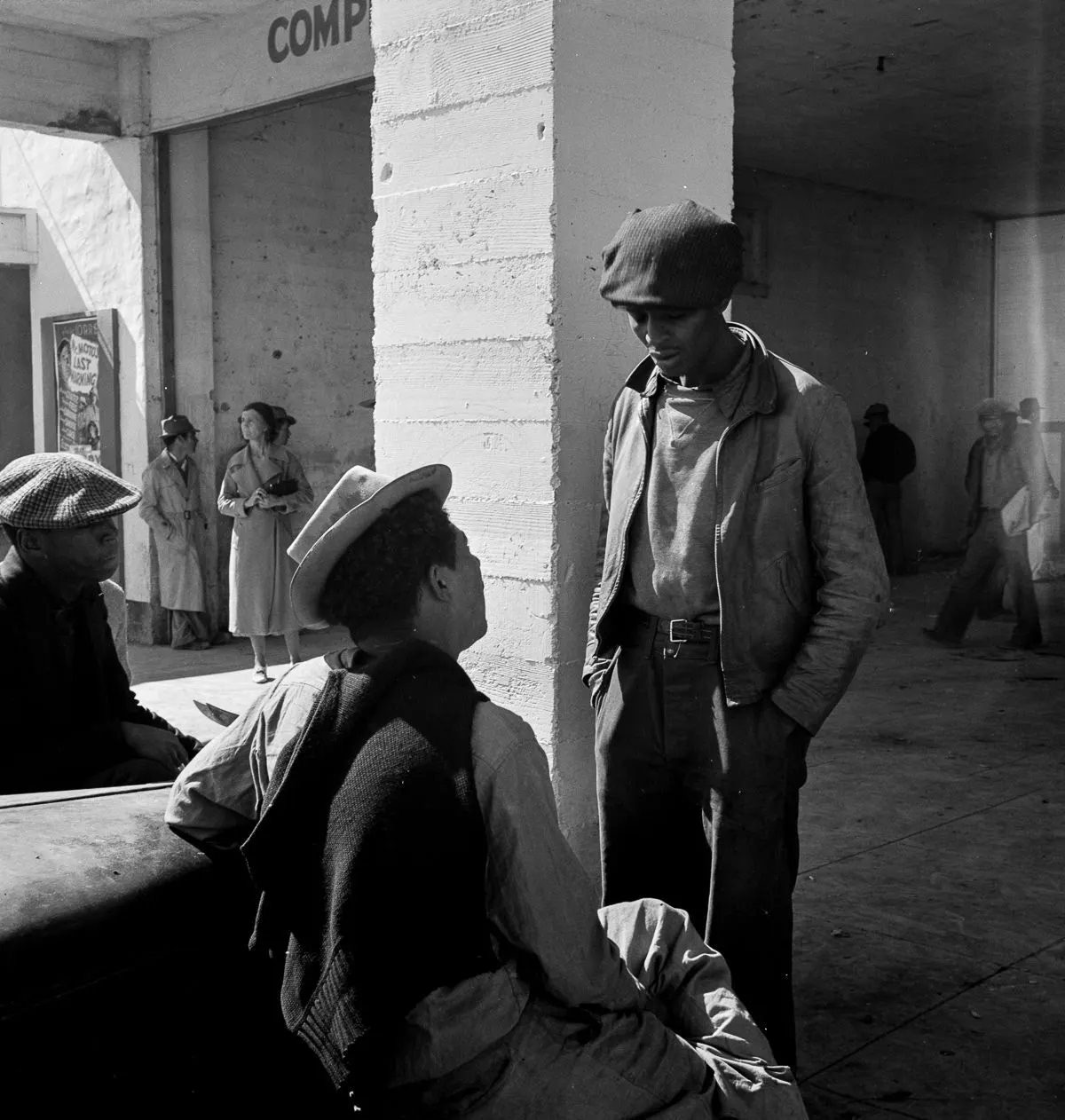
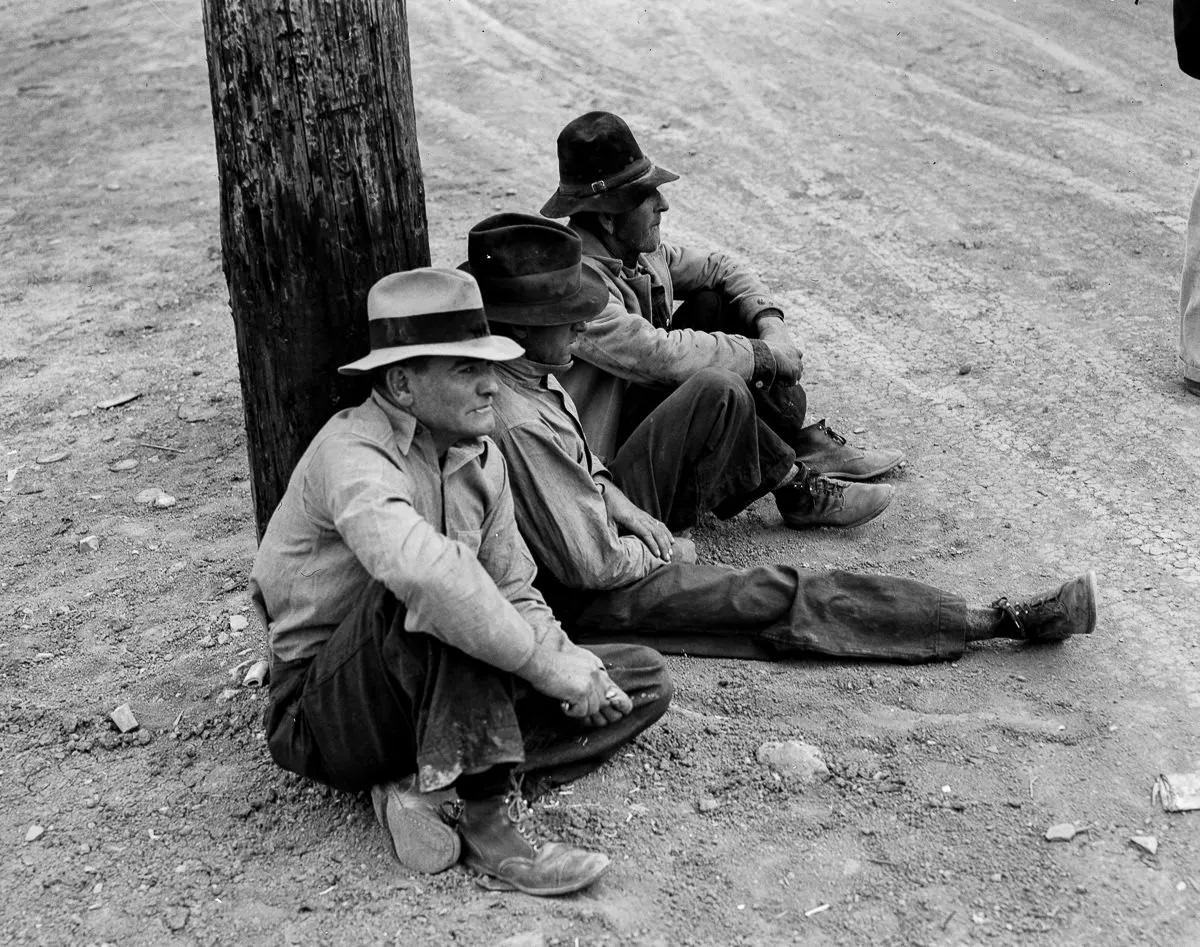
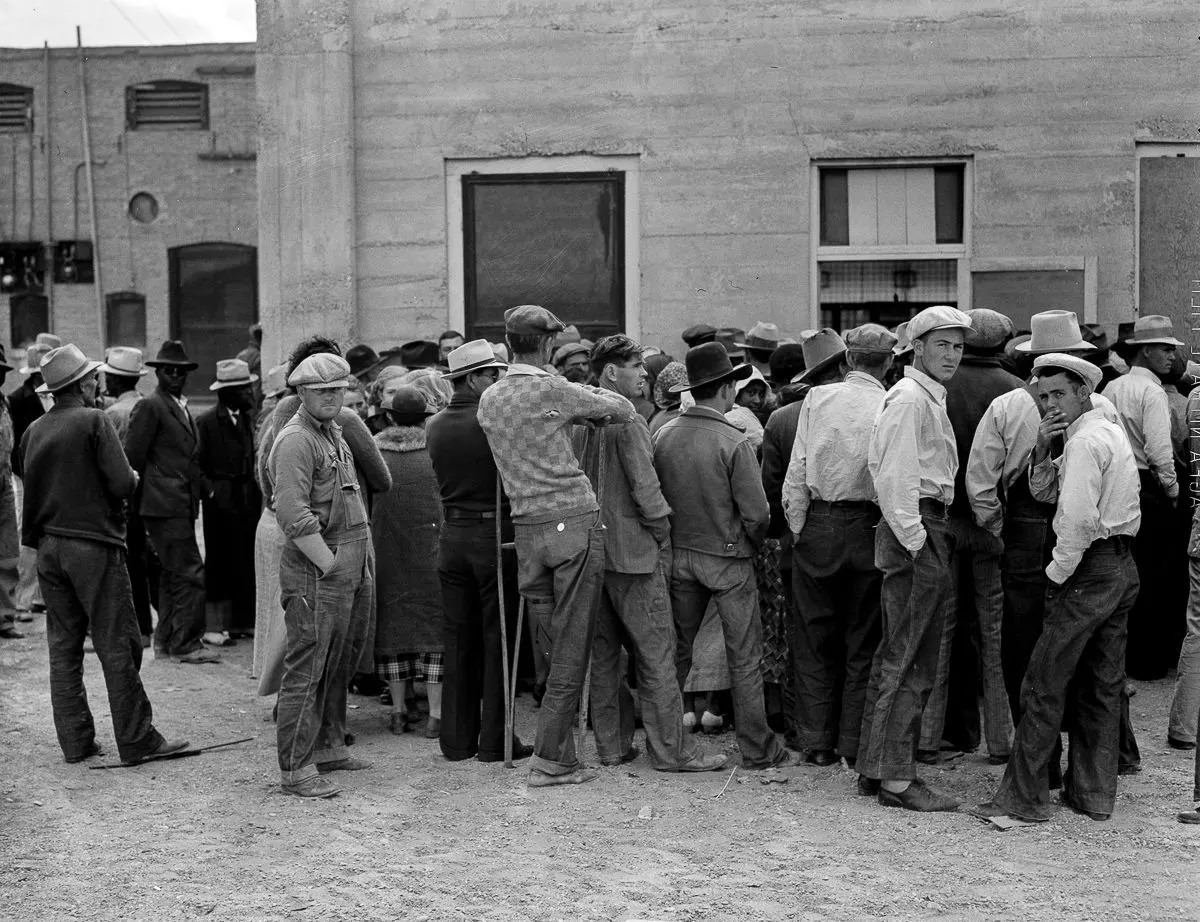
These were not idle people. They were farmers, laborers, and tradespeople whose livelihoods had been erased by forces far beyond their control — drought, falling crop prices, and a national economic collapse that wiped out banks and businesses alike. The lines they stood in were not a choice. They were the only option left.