
Europe in the 1960s was a continent in motion. The rubble of World War II had been cleared, borders had been redrawn, and a new generation was growing up with no direct memory of the war. That generation had questions, ambitions, and energy — and the decade gave them room to act on all three. From the cobblestone streets of Belgian towns to the sun-drenched harbors of the Adriatic coast, life across Europe was changing fast. These photographs capture that era with striking clarity.
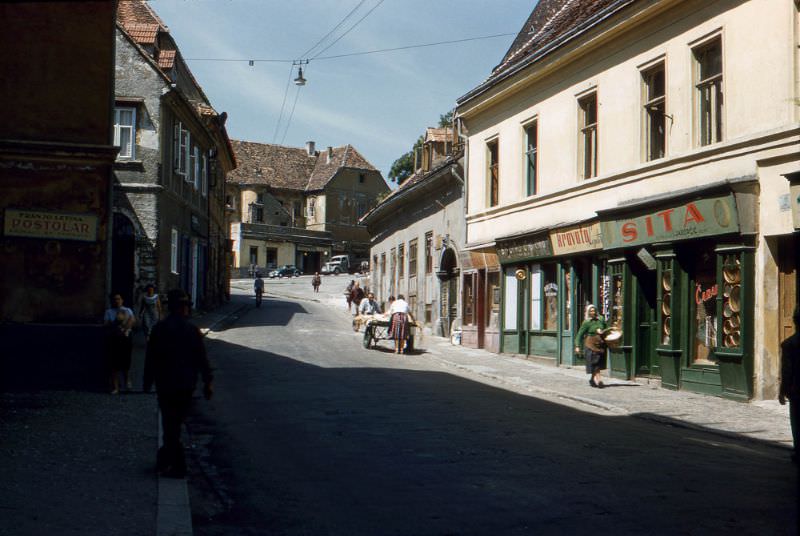
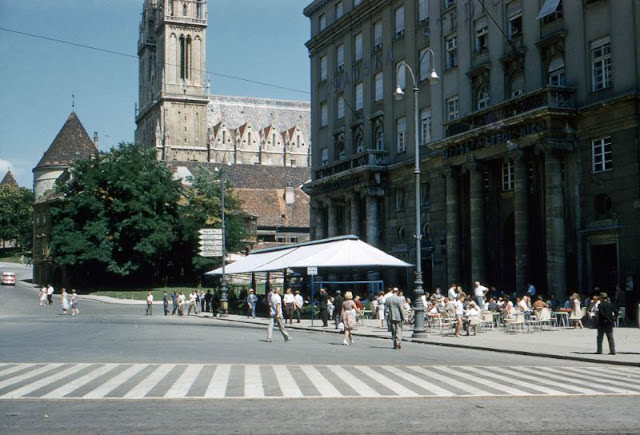
At the start of the decade, cities like Zagreb in Yugoslavia were humming with postwar economic activity. The Zagreb Trade Fair, held annually, drew manufacturers and buyers from across Europe and beyond. It was one of the most important commercial events in southeastern Europe, a signal that the region was open for business. Meanwhile, Yugoslavia under Tito occupied a unique position — communist in government, but independent from Moscow and increasingly connected to the West.
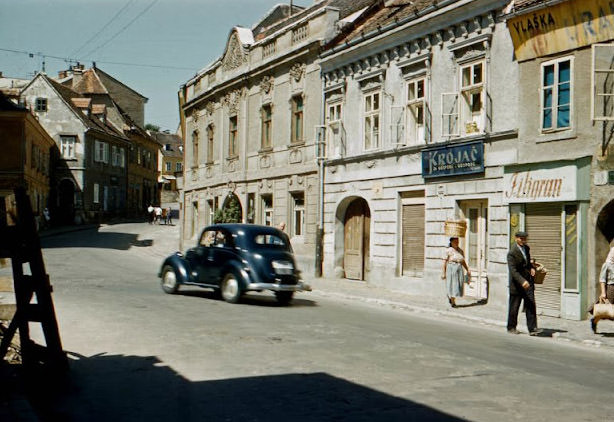
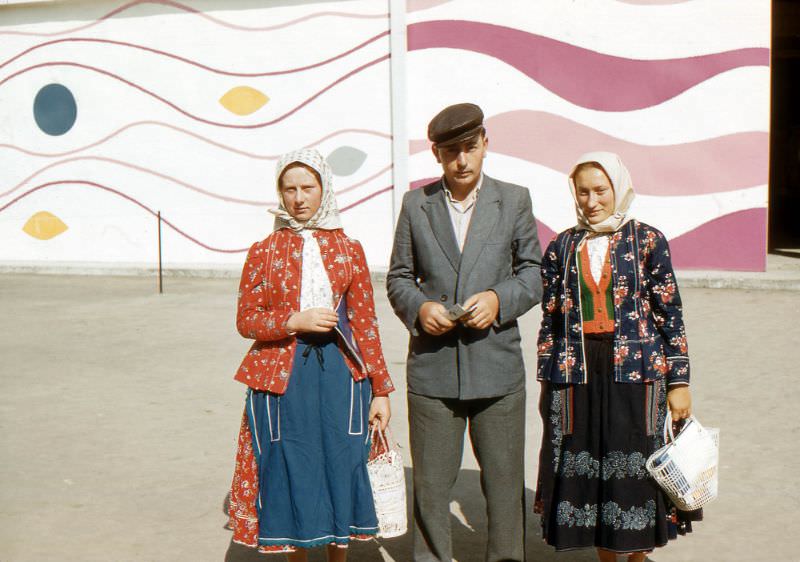
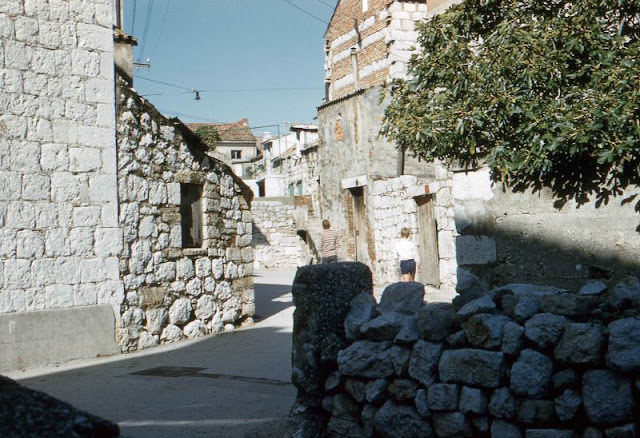
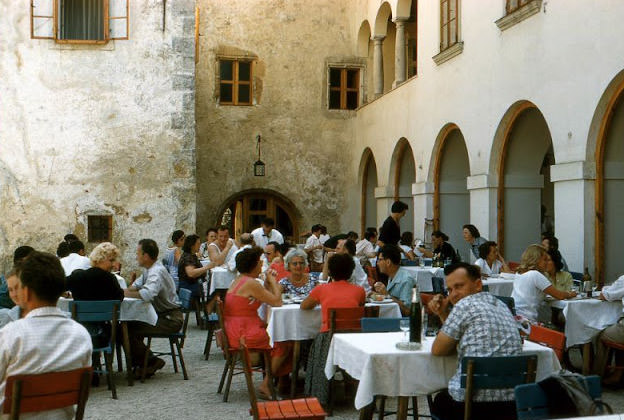
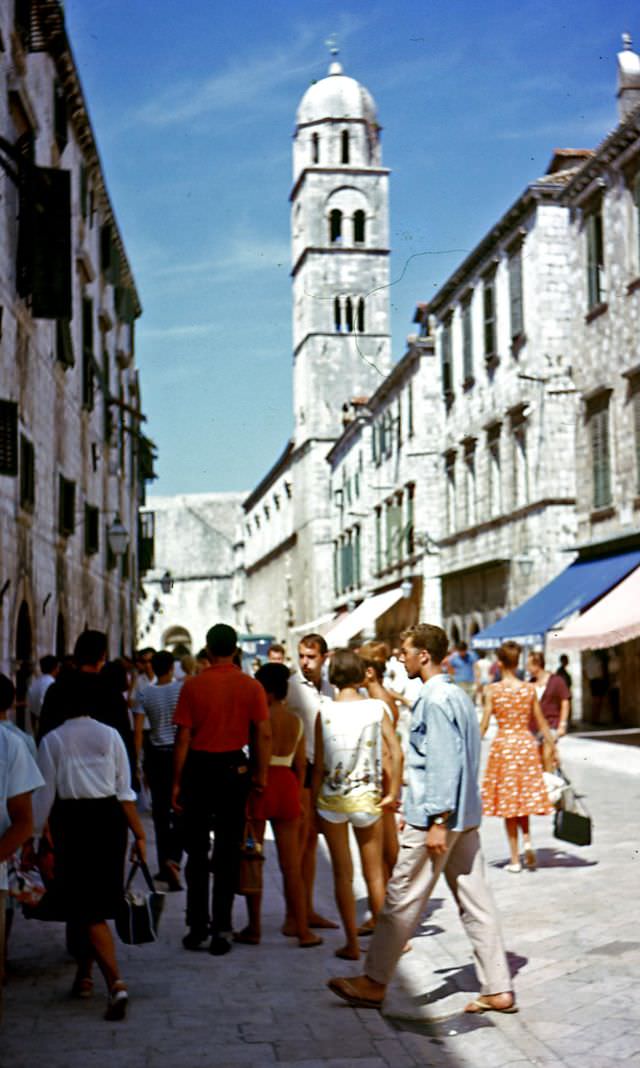
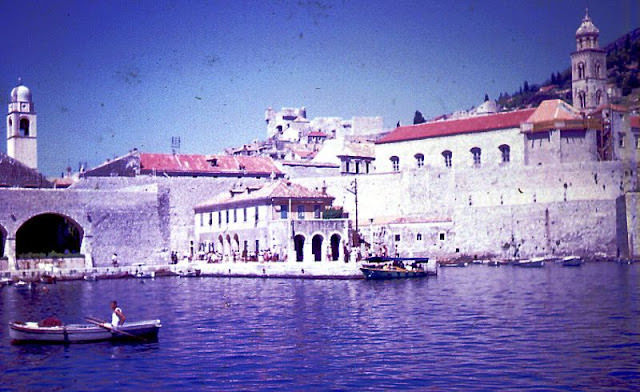
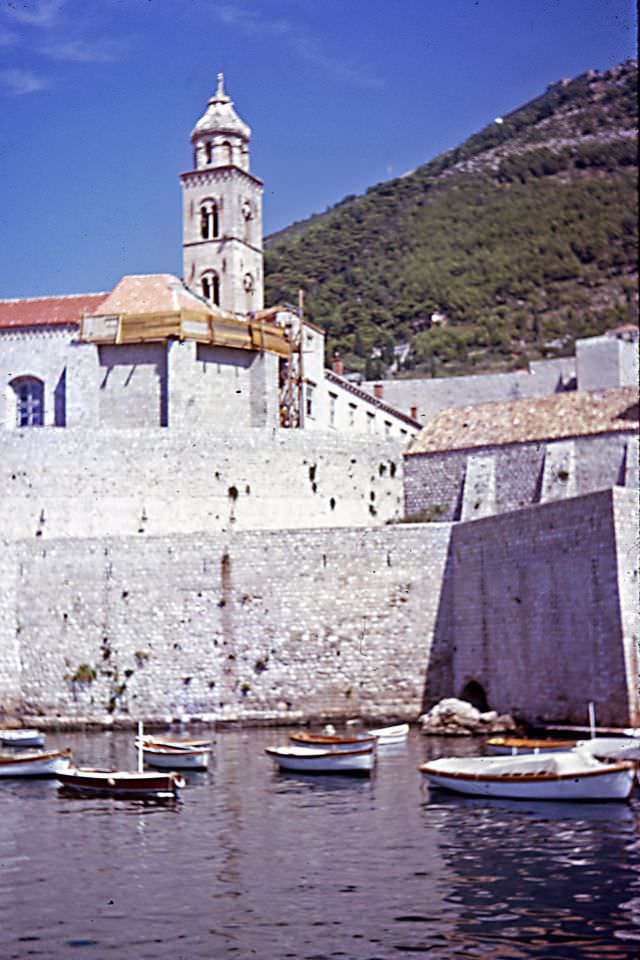
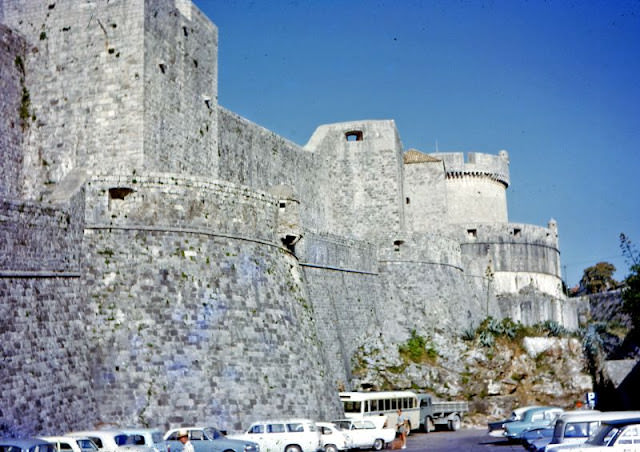
The Adriatic coast was one of Europe’s most visited stretches of coastline by the early 1960s. Dubrovnik, with its medieval city walls and limestone streets, drew tourists from Britain, Germany, and America. The old city had survived centuries of Venetian and Ottoman influence and emerged as one of the most photogenic places on the continent. Travelers arriving in 1960 found a city that wore its history visibly — in its fortifications, its churches, and the rhythm of daily life along the harbor.
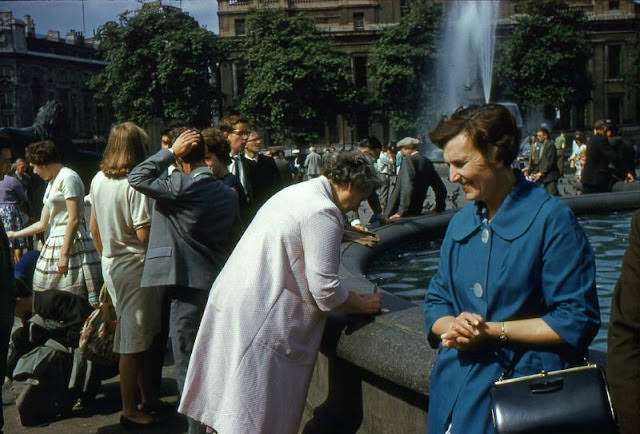
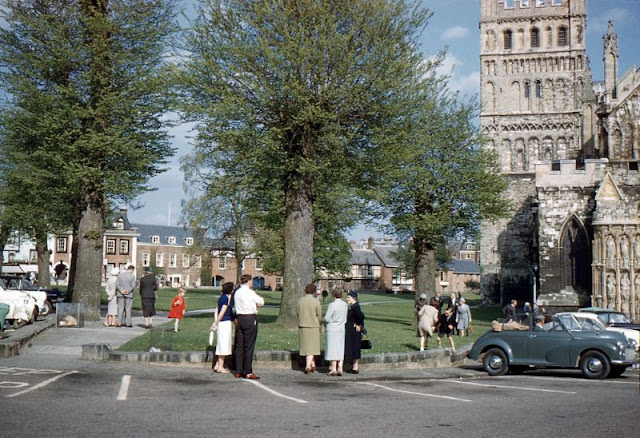
Britain in 1960 was a country navigating its own transformation. The empire was dissolving — country after country in Africa and Asia was gaining independence — and Britain was turning its attention inward. London, however, remained one of the great capitals of the world. Trafalgar Square was a gathering point for tourists, protesters, and pigeons in equal measure. Outside the capital, cathedral cities like Exeter carried the quiet weight of English history, their medieval closes unchanged for centuries.
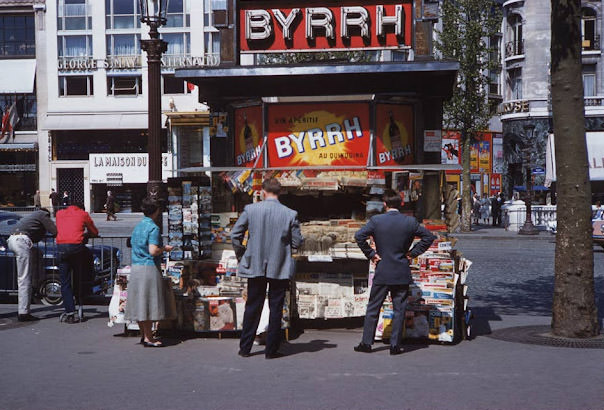
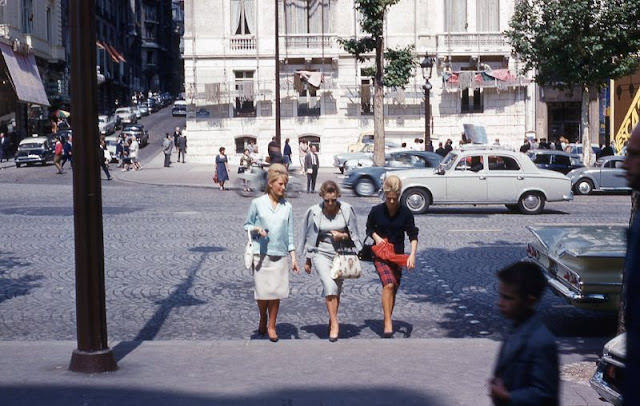
Paris in 1960 was the cultural capital of the Western world — or at least it believed itself to be, and few argued the point. The Champs-Élysées remained the most famous boulevard on earth, lined with cars that were sleeker and faster than anything the prewar generation had driven. French cinema, philosophy, and fashion were being exported globally. Three women crossing a Parisian street carried themselves with the easy confidence of people living at the center of things.
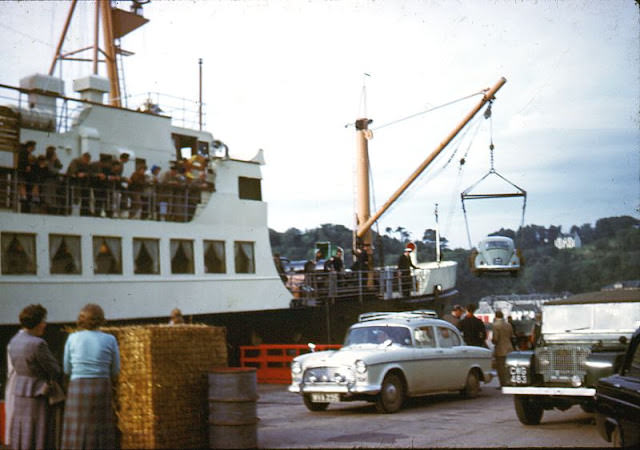
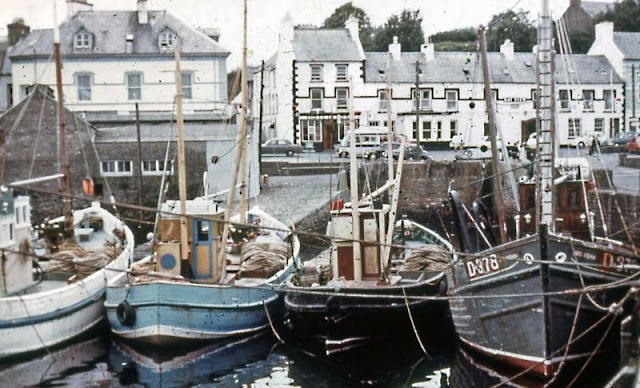
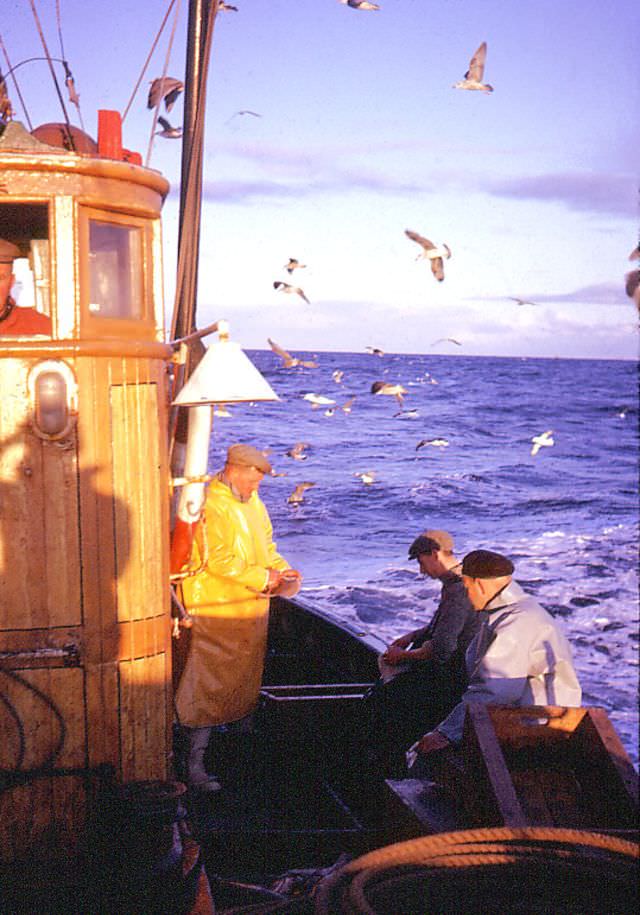
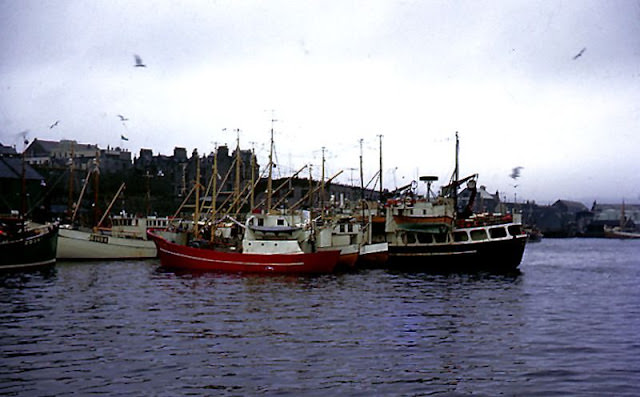
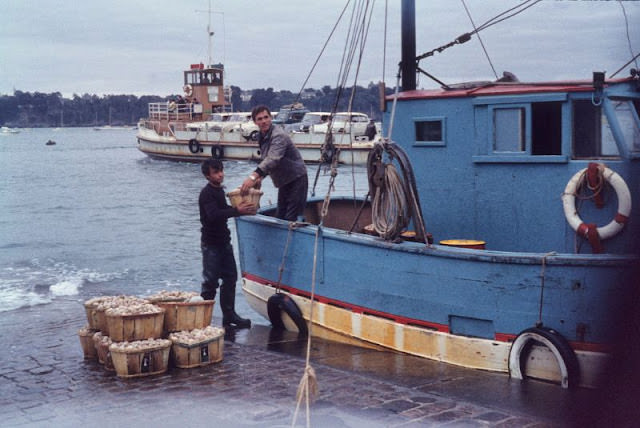
Scotland’s western islands offered a very different Europe — one measured in ferry crossings and fishing catches rather than trade fairs and fashion. The Claymore served the Hebridean routes out of ports like Tobermory on the Isle of Mull, connecting island communities to the mainland. The work of sorting the catch in the Pentland Firth was unglamorous and cold, but it fed families across northern Scotland. These communities operated on rhythms set by tides and seasons, not by the decade’s political currents.
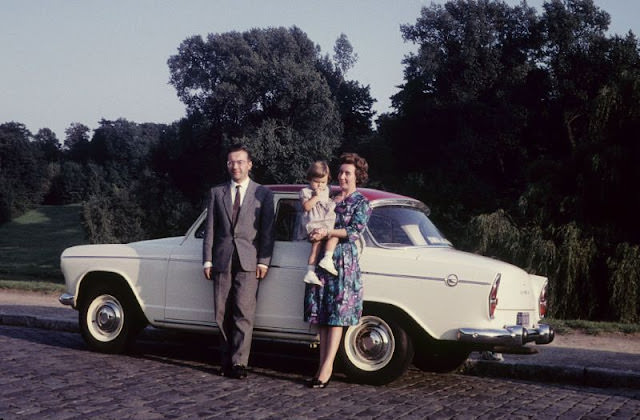
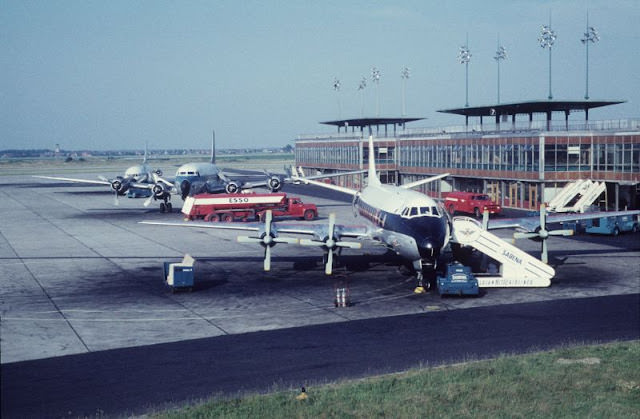
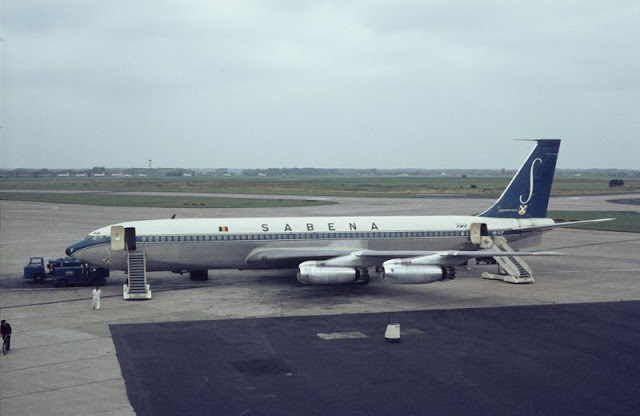
In 1961, Belgium was still processing the shock of Congolese independence, which had come just a year earlier. Brussels, however, showed few outward signs of crisis. The city’s suburbs like Woluwe-Saint-Pierre were orderly and prosperous, their streets reflecting the solid middle-class stability that Western Europe was building through the postwar economic boom. Brussels National Airport was expanding to handle the growing volume of business and leisure travelers moving across the continent.
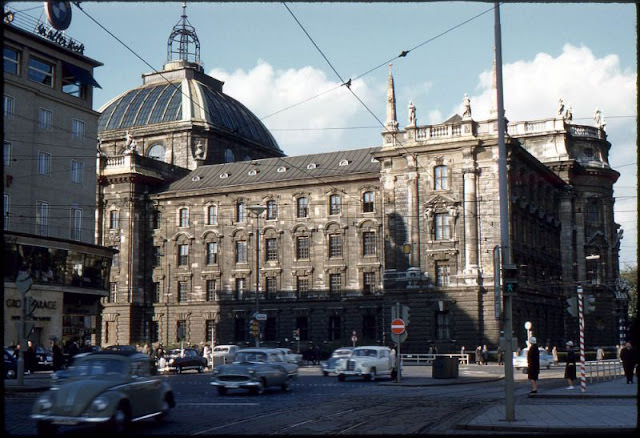
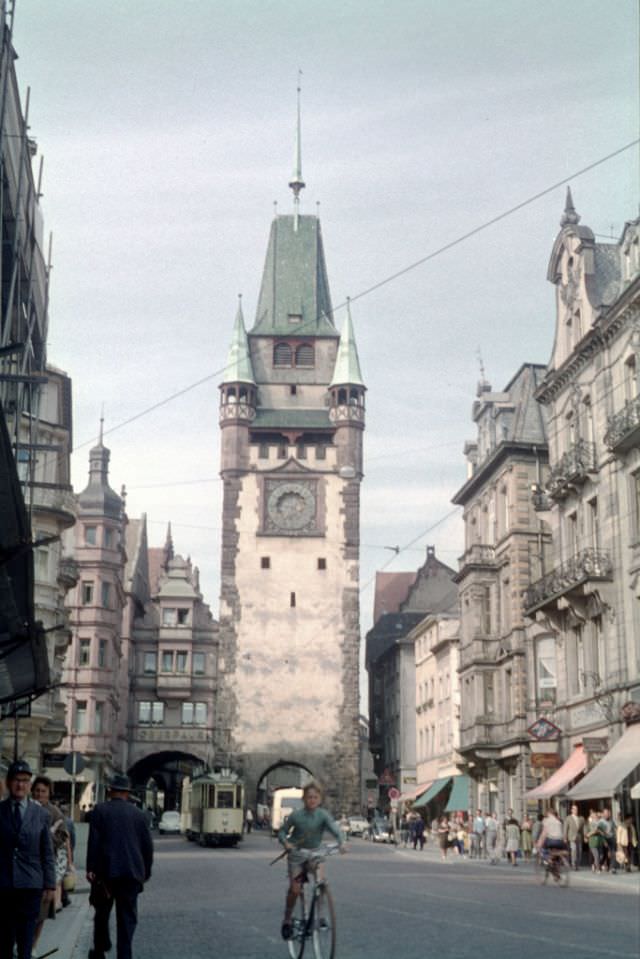
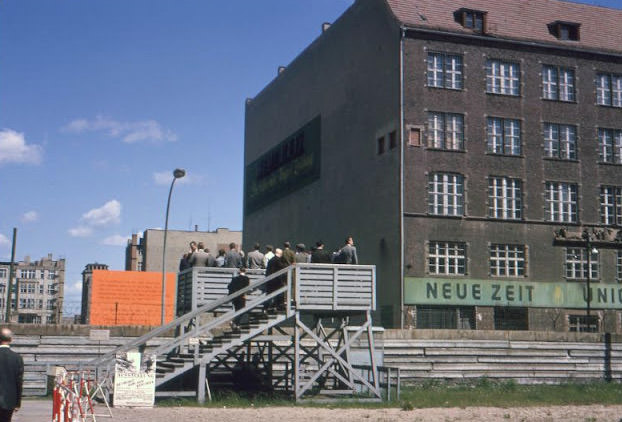
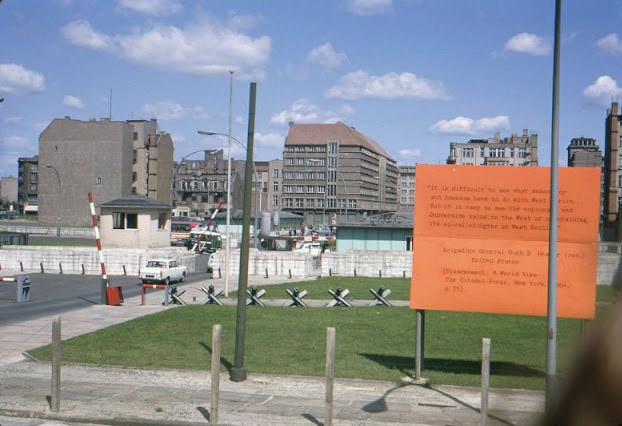
Germany in 1961 was a country split in two. The Berlin Wall went up in August of that year, turning a political division into a physical one overnight. Cities in the west like Freiburg im Breisgau and Munich were prosperous, their streets busy with commerce. But Berlin was something else entirely. Checkpoint Charlie, the crossing point between the American and Soviet sectors, became one of the most tense locations in the world — a narrow strip of asphalt separating two opposing systems of government.
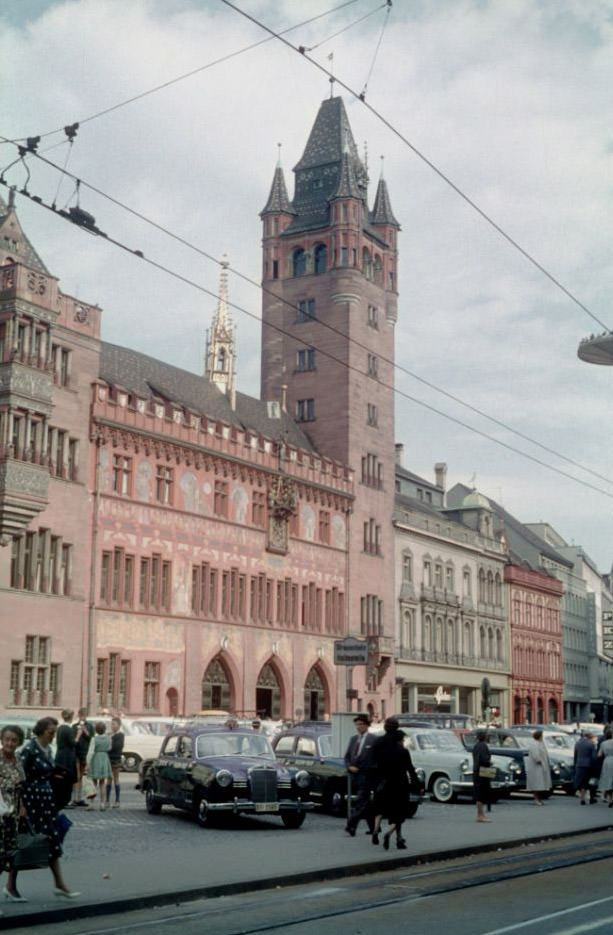
Switzerland in 1961 remained the stable, neutral anchor it had always been. Basel’s town hall, with its vivid red facade, stood as it had for centuries over the Marktplatz, indifferent to the tensions outside its borders. Swiss cities were clean, orderly, and wealthy, benefiting from the business of banking, watchmaking, and pharmaceutical manufacturing. The country had stayed out of both world wars and was staying out of the growing Cold War drama that consumed its neighbors.
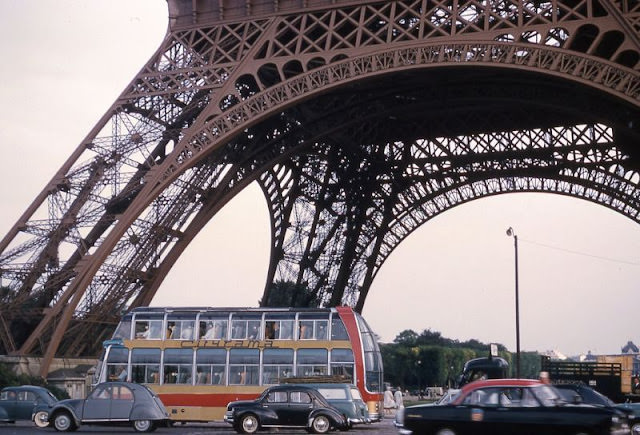
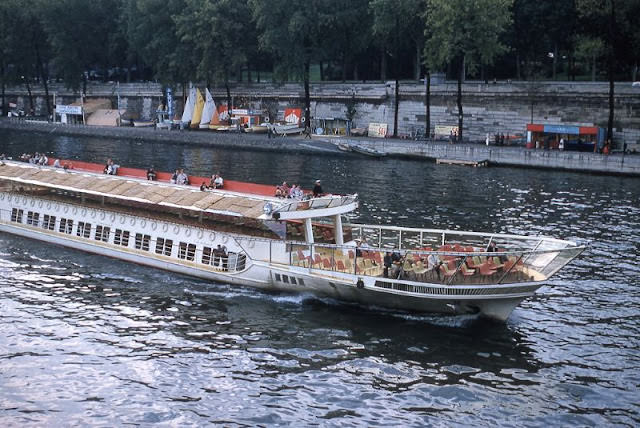
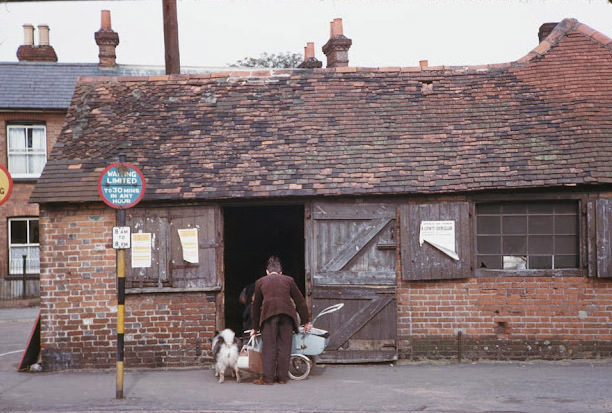
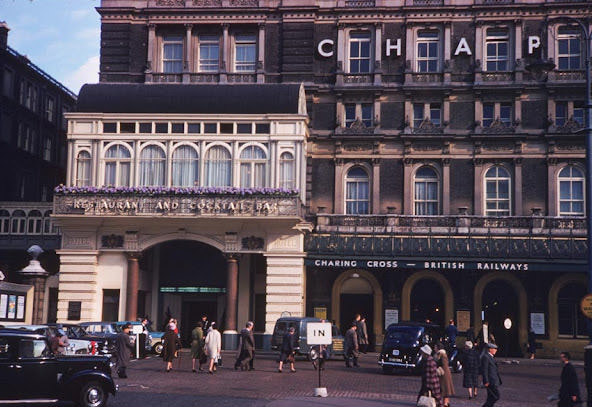
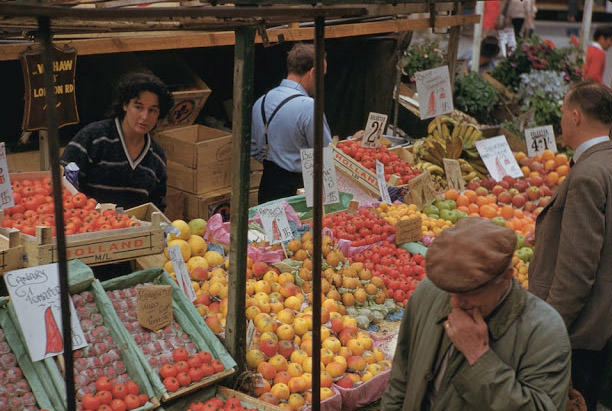
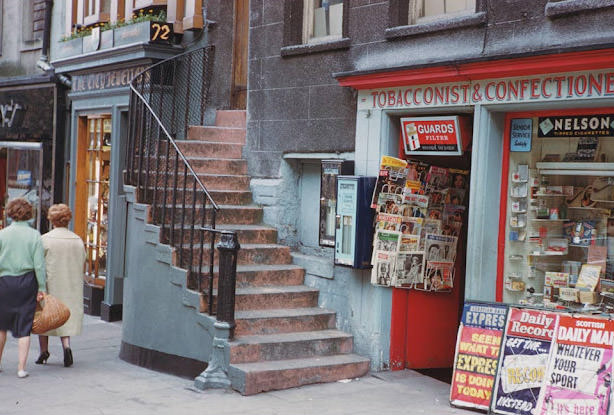
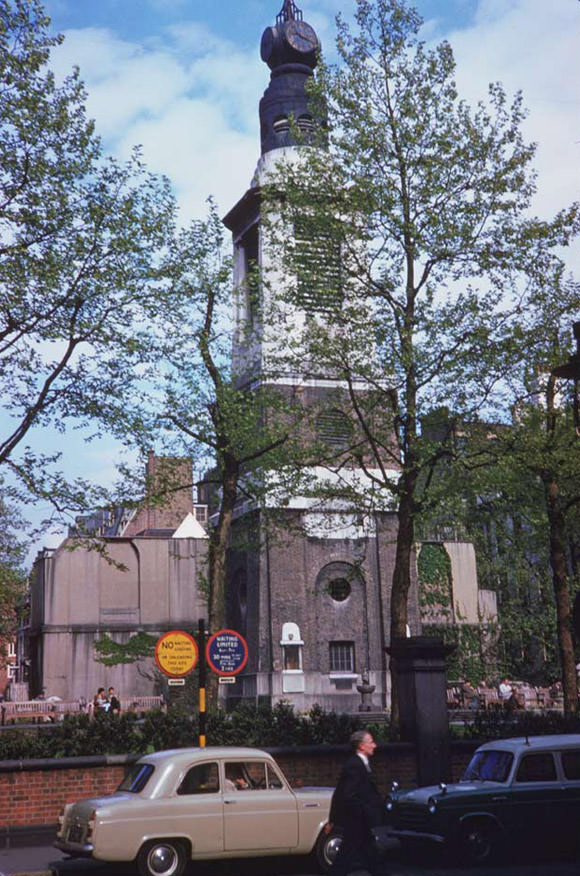
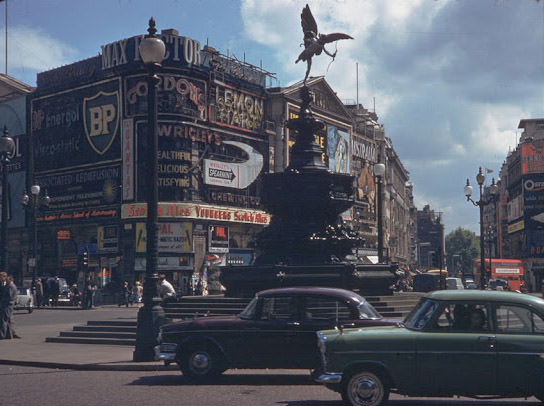
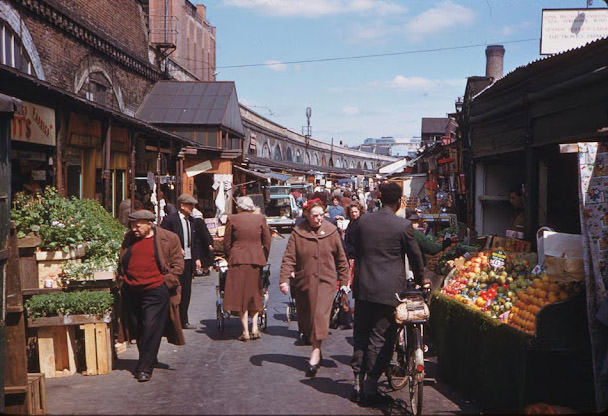
London in 1961 was a city of contrasts. Piccadilly Circus blazed with neon and traffic. Old St. Ann’s Church stood quietly nearby, a remnant of the city that Wren had rebuilt after the Great Fire. The Charing Cross Hotel loomed over the Strand in Victorian Gothic confidence. Blacksmiths still worked in English market towns like Ripley. Fruit stalls lined Guildford’s streets. These images show a country modernizing at different speeds in different places — London racing ahead, the countryside moving more carefully.
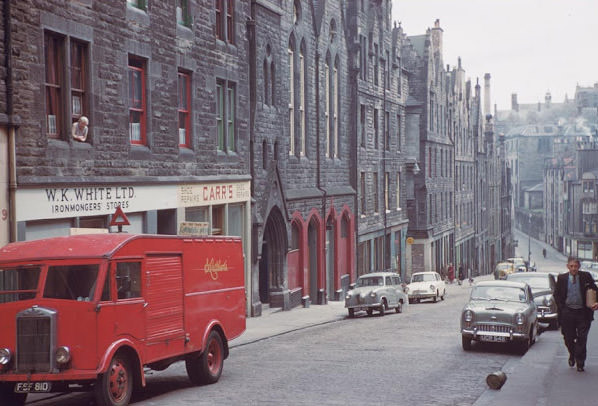
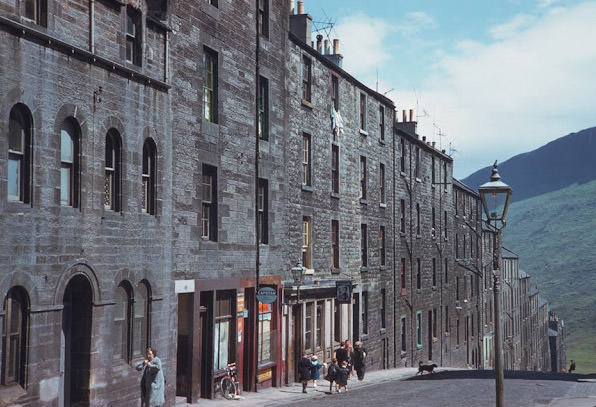
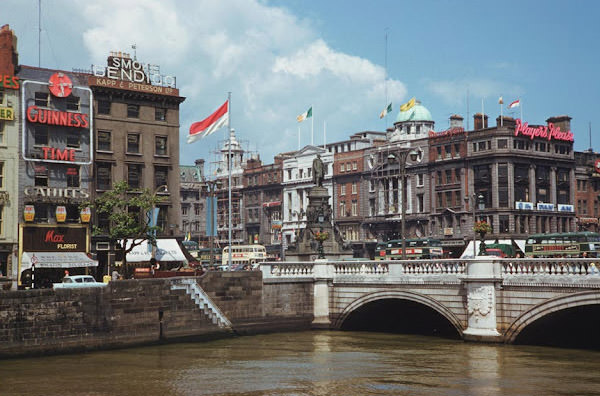
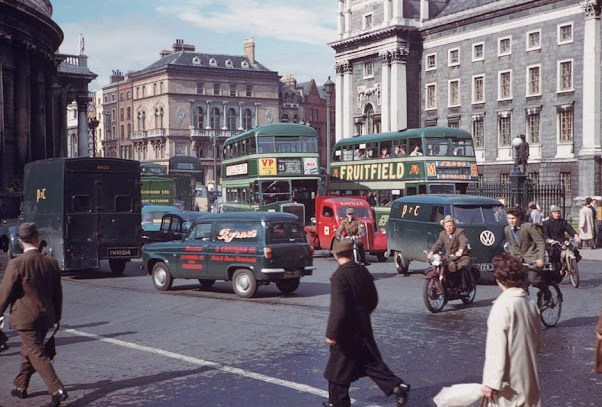
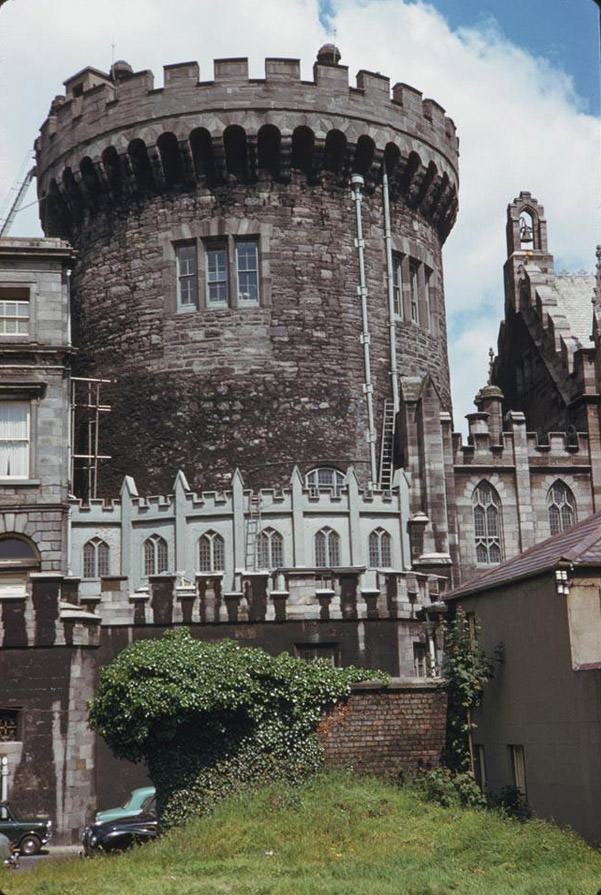
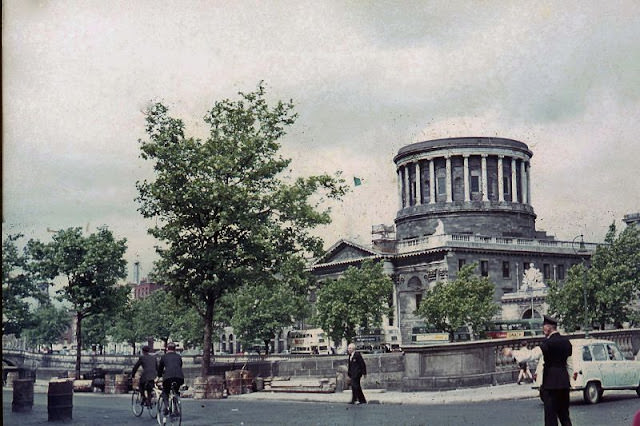
Ireland in 1961 was one of the poorer countries in Western Europe. The Irish economy relied heavily on agriculture, and emigration remained a serious drain on the population — hundreds of thousands had left for Britain and America in the previous two decades. Dublin’s O’Connell Bridge and College Green were the civic heart of the capital, framed by Georgian architecture and the green dome of the Bank of Ireland. Dublin Castle’s great round tower was a reminder that this city had been ruled from abroad for most of its modern history.
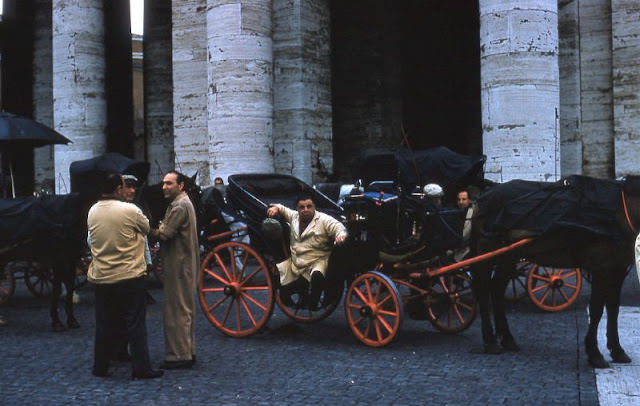
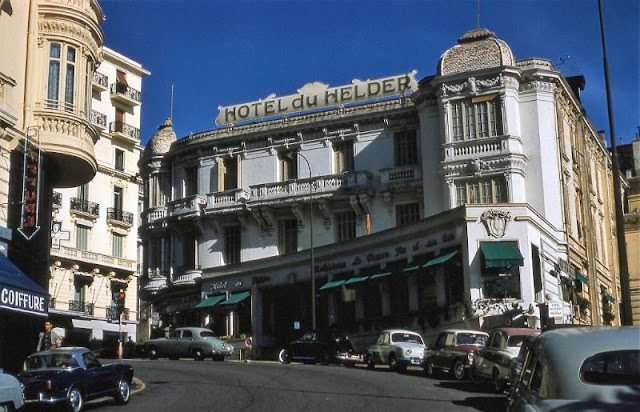
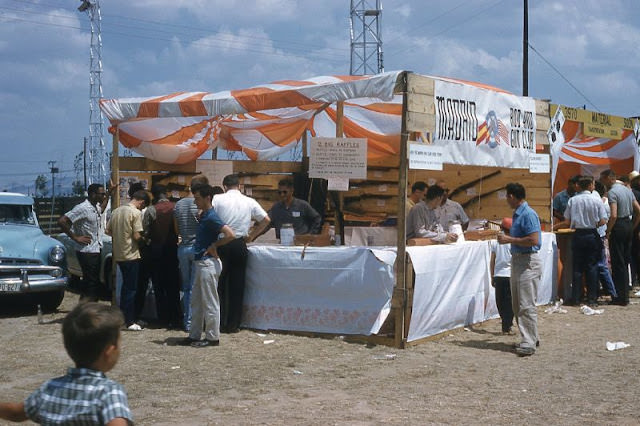
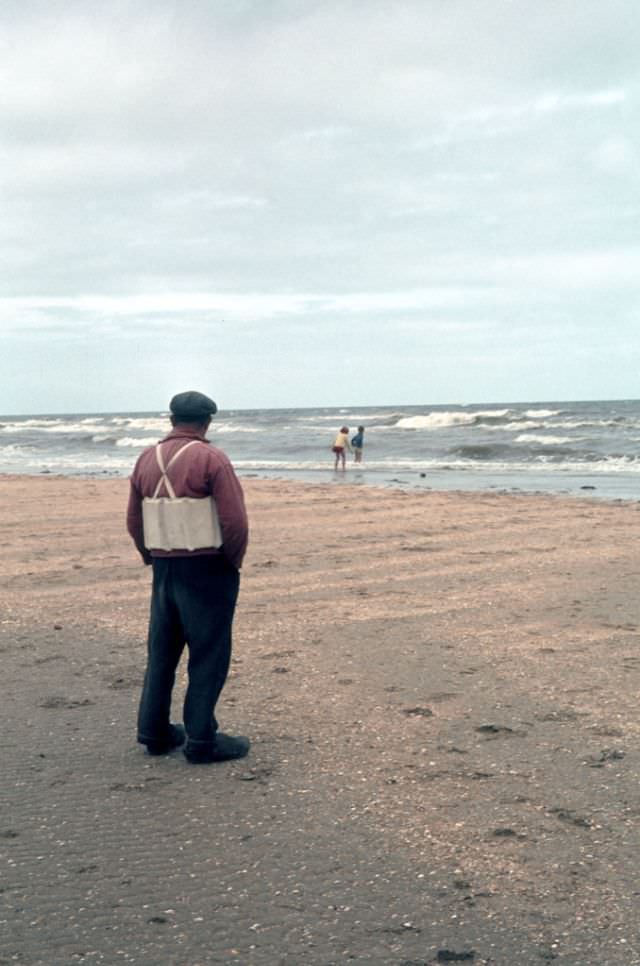
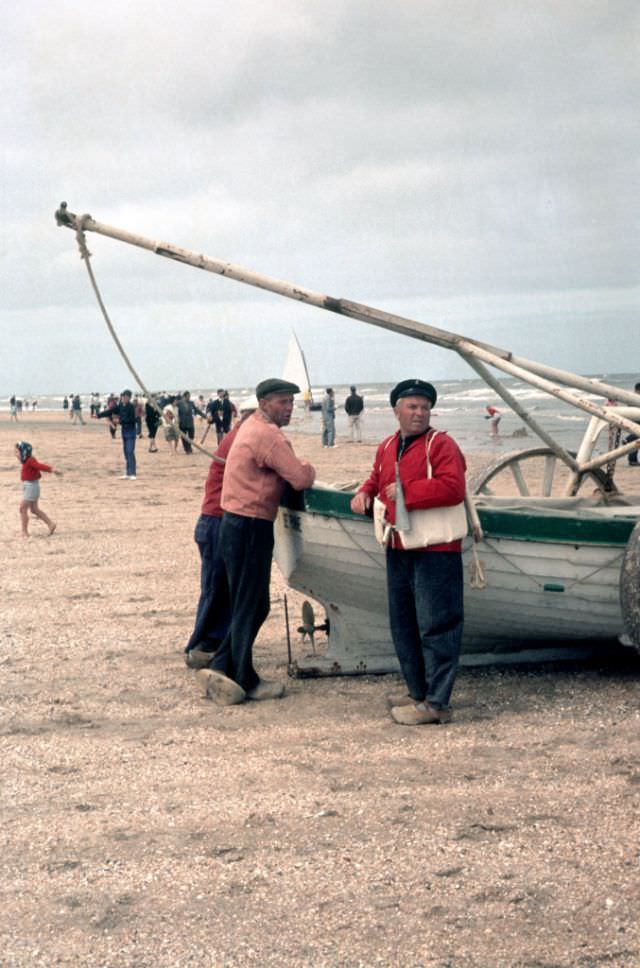
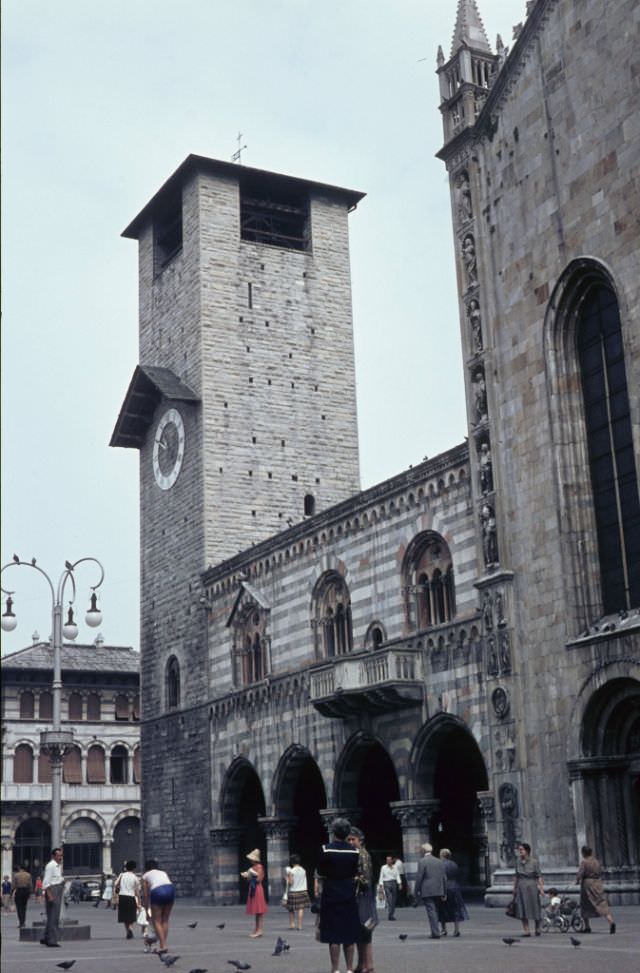
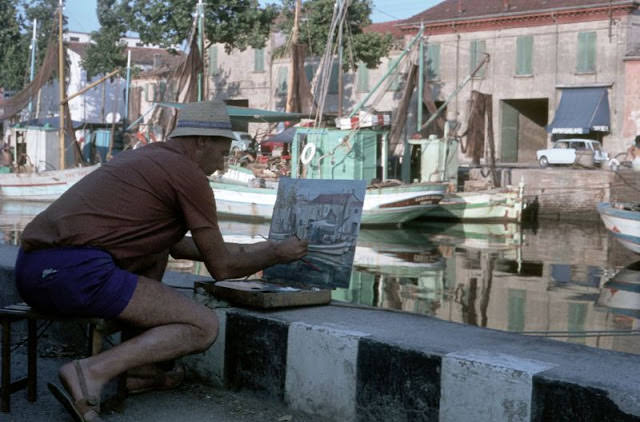
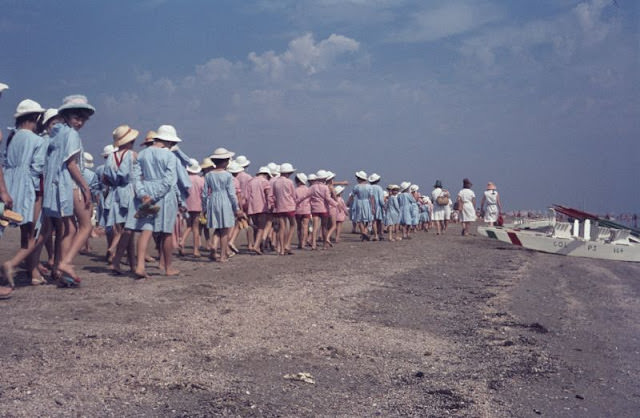
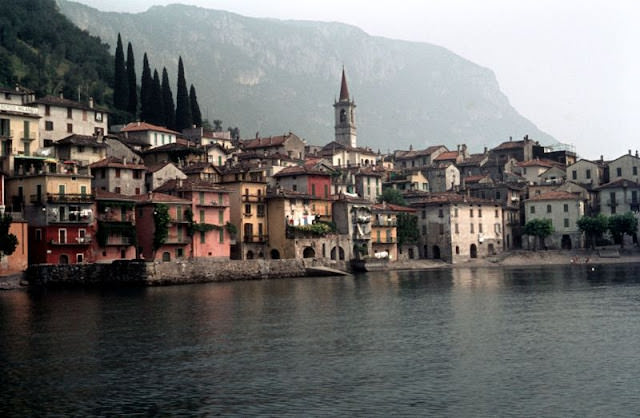
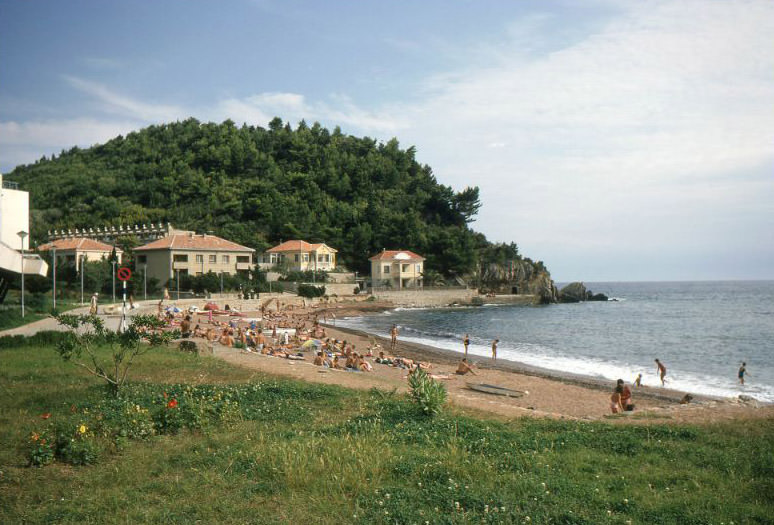
Italy in 1962 was in the middle of what historians call the “Italian economic miracle.” The country’s GDP had been growing at roughly six percent a year through the late 1950s and early 1960s, driven by manufacturing and exports. Ordinary Italians were buying cars, refrigerators, and televisions for the first time. The northern lakes — Como, Varenna — attracted tourists drawn by the scenery and the sense that Italy had become a pleasant, modern place again. The beaches at Cesenatico on the Adriatic coast filled with summer camps and vacationers.
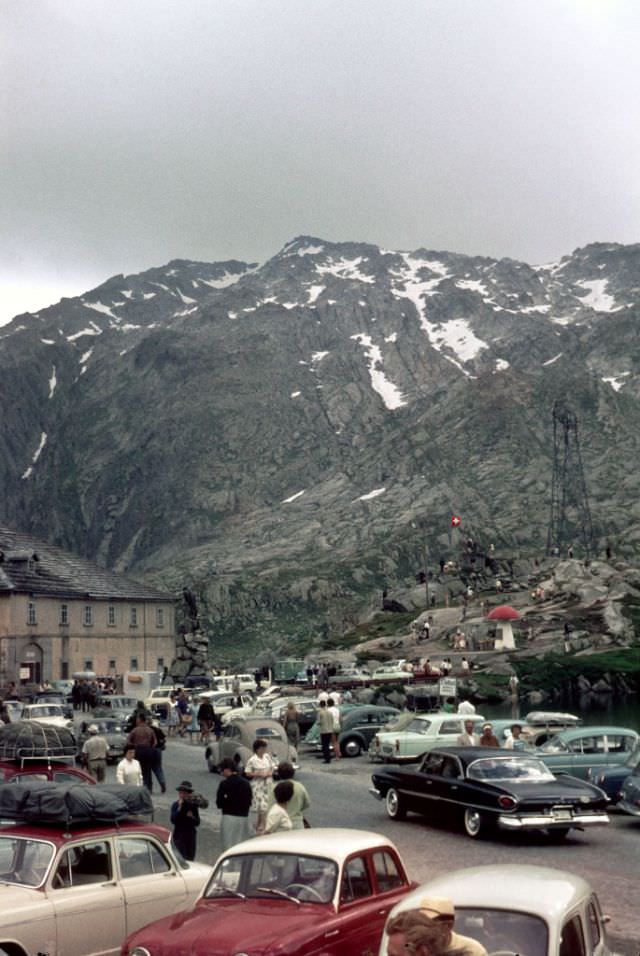
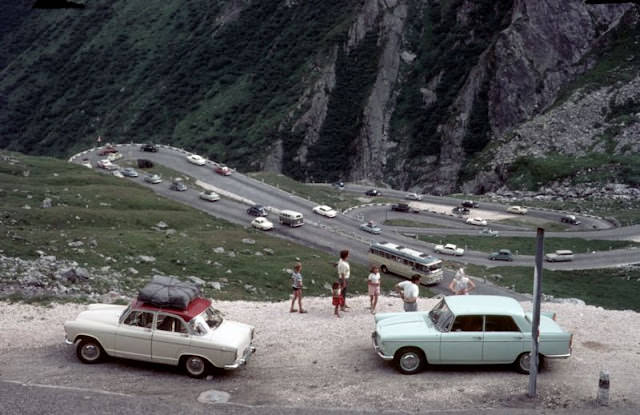
The Gotthard Pass in Switzerland had been a critical Alpine crossing for centuries, linking northern and southern Europe through the mountains. In 1962, the road over the pass was a demanding drive through hairpin turns and dramatic scenery, popular with travelers making their way between Germany and Italy. The tunnel that would one day replace much of this mountain crossing was still years away. Drivers navigating the switchbacks did so with full appreciation of the Alps’ scale.
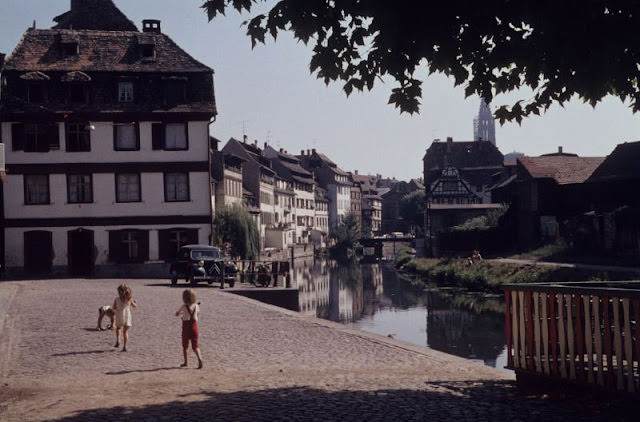
In 1963, Strasbourg was becoming more than just a French city near the German border — it was quietly emerging as a symbol of European reconciliation. The Petite France quarter, with its timber-framed houses reflected in the canals of the Ill River, was one of the most photographed places in France. Less than twenty years after the war, French and Germans were building institutions together in this border city that had changed hands between the two countries multiple times in the previous century.
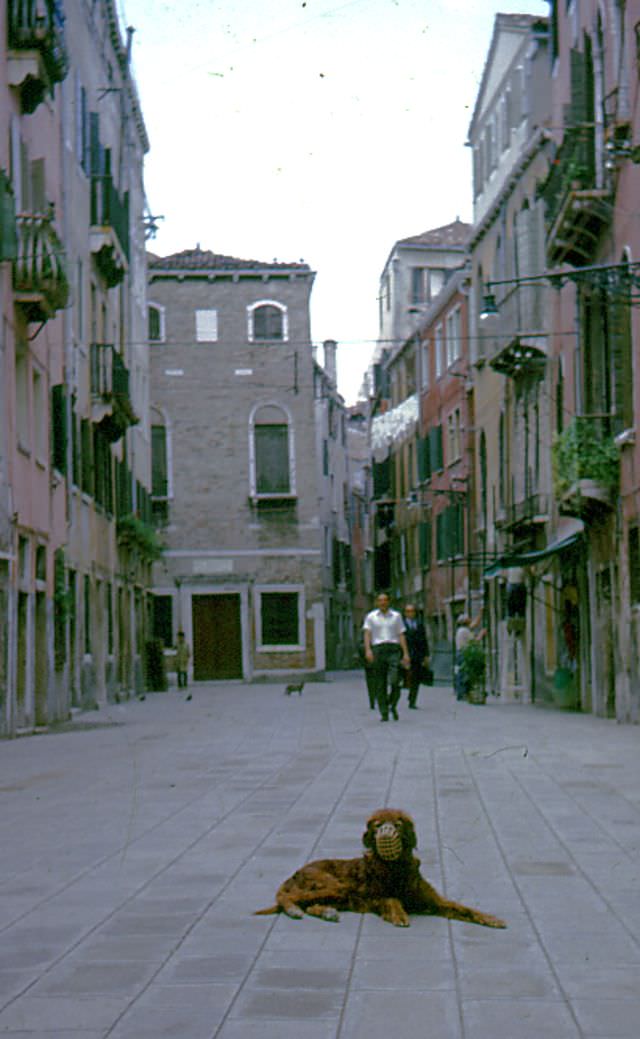
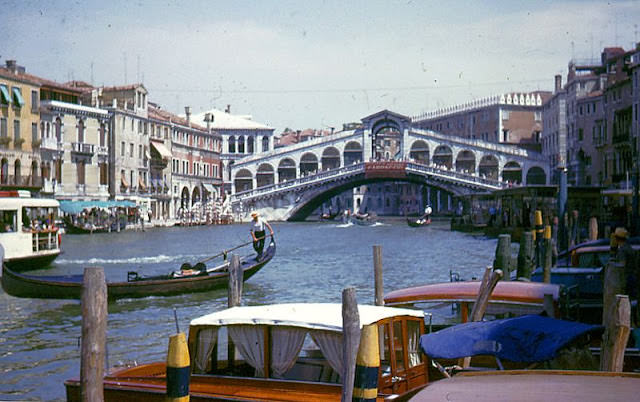
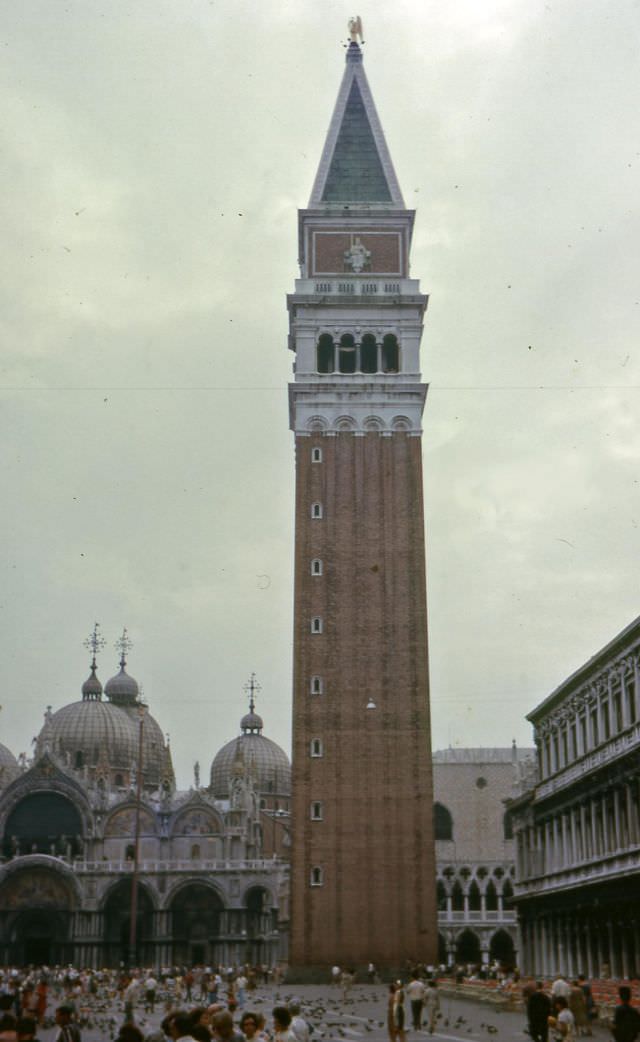
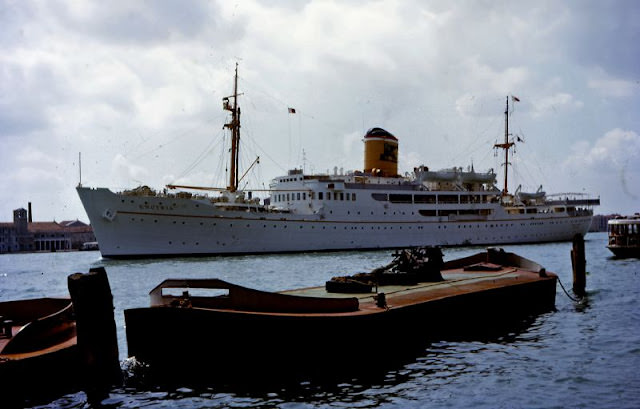
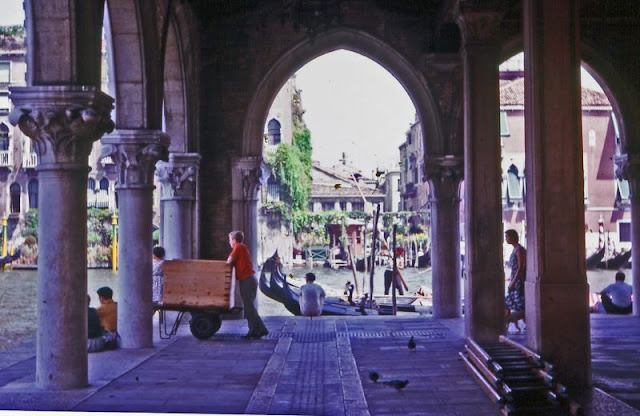
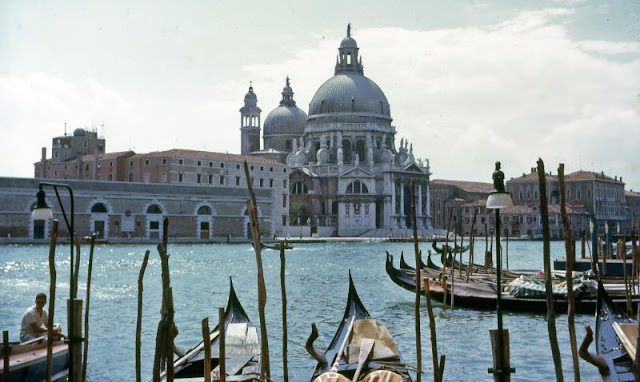
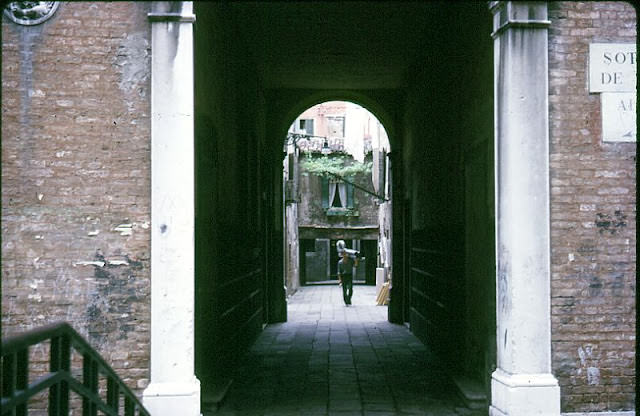
Venice in 1963 drew visitors from every corner of the world. The city’s unique geography — built on over a hundred small islands in a lagoon, connected by canals and bridges — made it unlike any other place in Europe. The Rialto Bridge arched over the Grand Canal as it had since the sixteenth century. St. Mark’s Square filled with pigeons and tourists. The markets hummed with daily commerce. A muzzled dog was photographed on a Venetian street, a small and specific detail that captures how ordinary life continued in extraordinary surroundings.
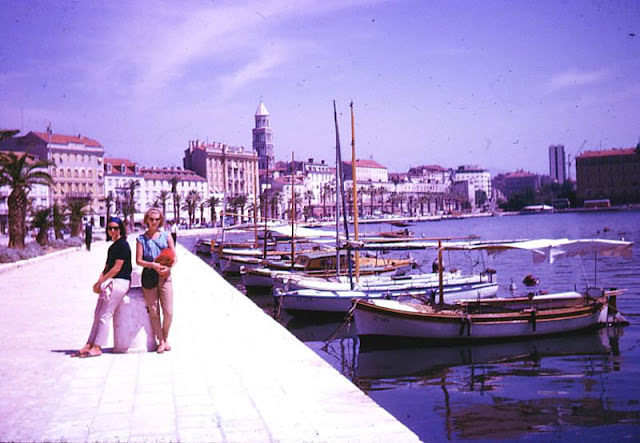
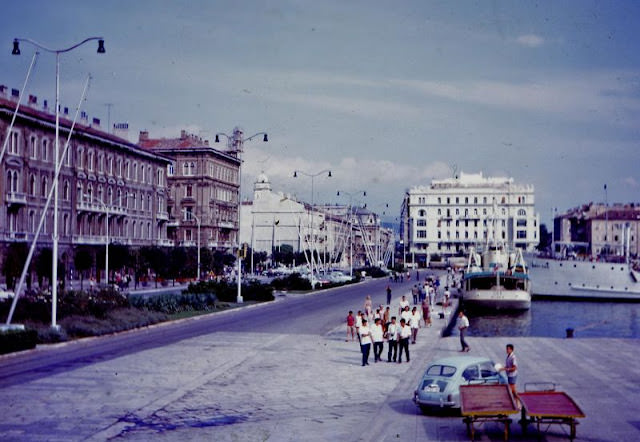
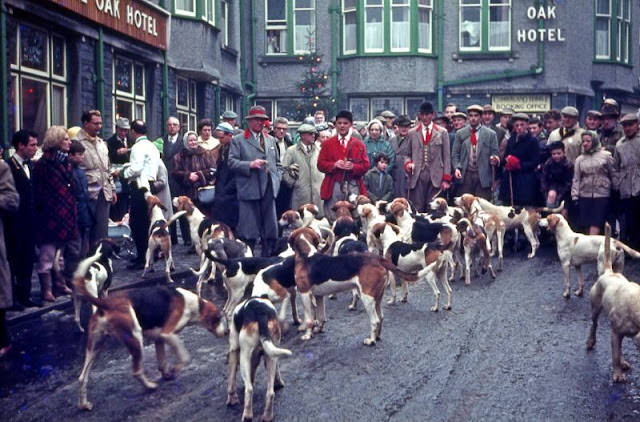
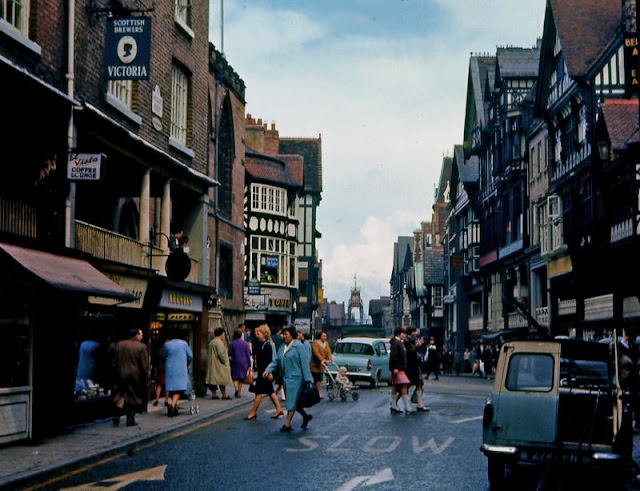
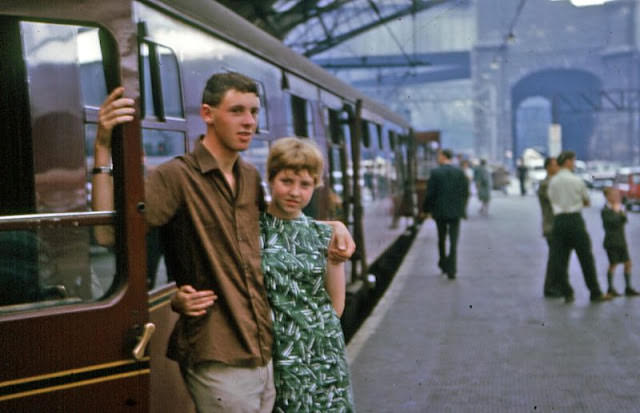
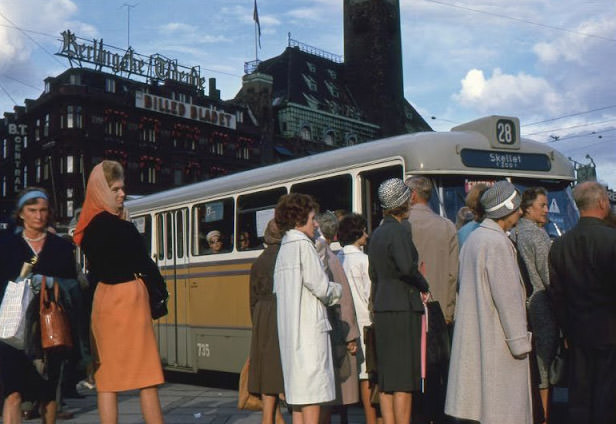
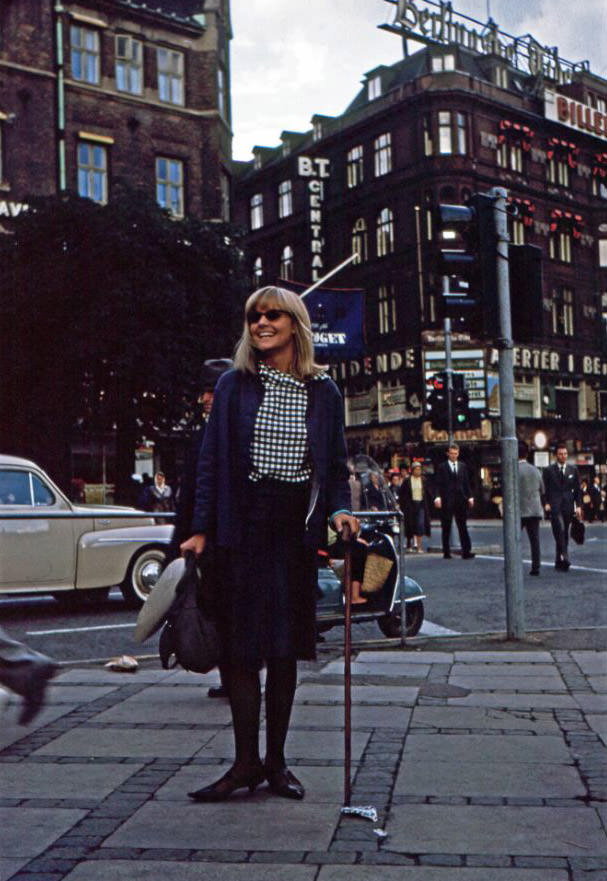
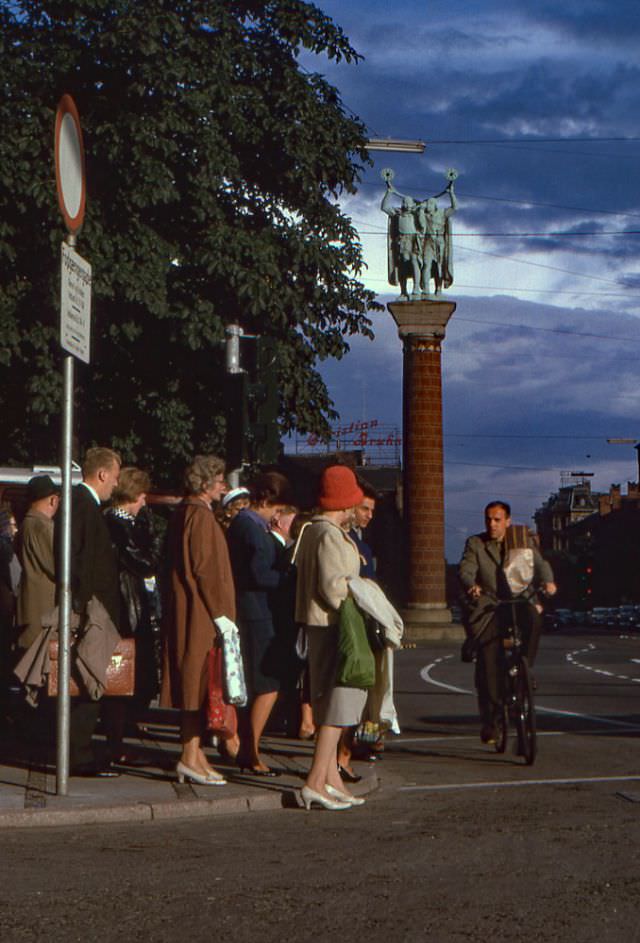
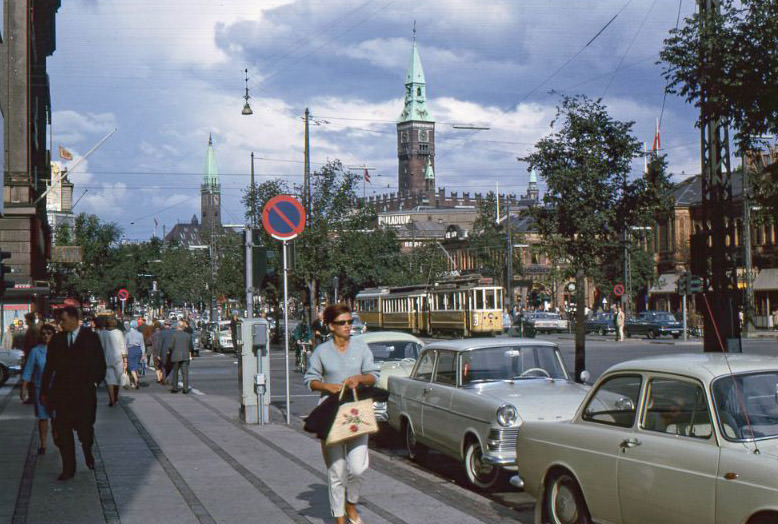
Copenhagen in 1963 was one of the most livable cities in Europe. Denmark had built a strong social democratic system that provided healthcare, education, and housing to its citizens, and the quality of life showed on the streets. Strøget, the famous pedestrian shopping street, was one of the longest car-free commercial streets in Europe. The bus stops, the boulevard of Vesterbrogade, the corner cafés — all of it communicated a city that worked well and knew it.
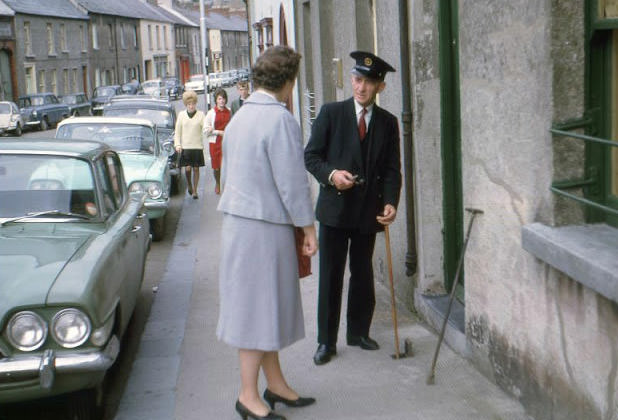
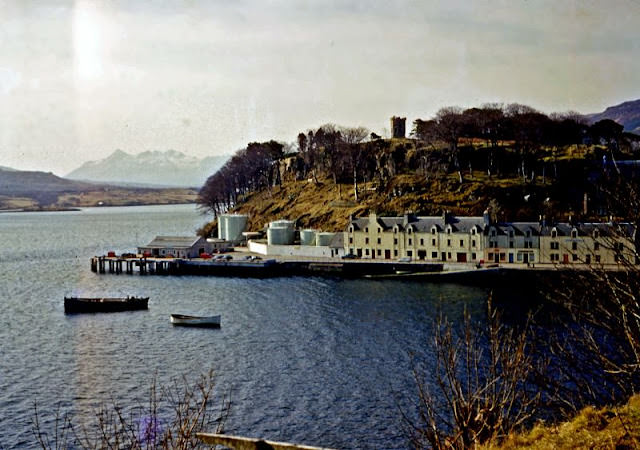
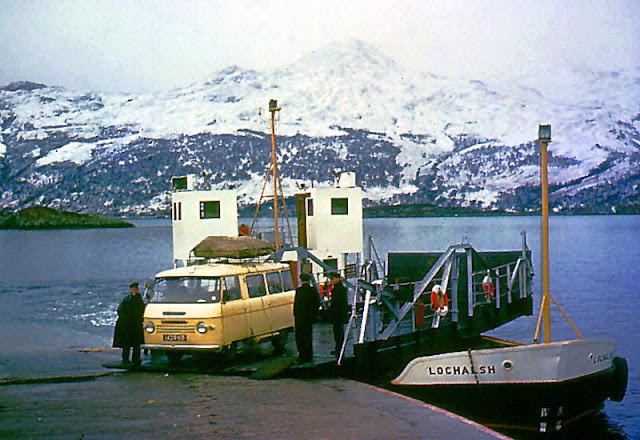
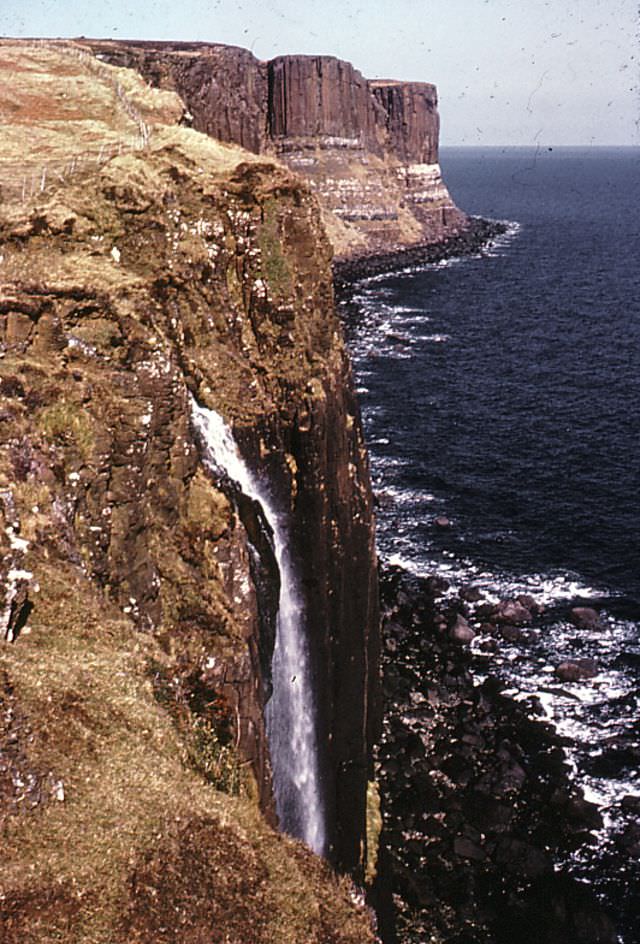
Scotland’s island communities in 1963 were connected to the mainland by ferry services and shared a culture built around fishing, farming, and Gaelic tradition. Portree, the main town on the Isle of Skye, served as a hub for the island’s scattered population. The Kyle of Lochalsh ferry was the main link between Skye and the mainland — the Skye Bridge that would eventually replace it wasn’t built until 1995. The basalt cliffs of northern Skye rose straight from the sea, dramatic and ancient.
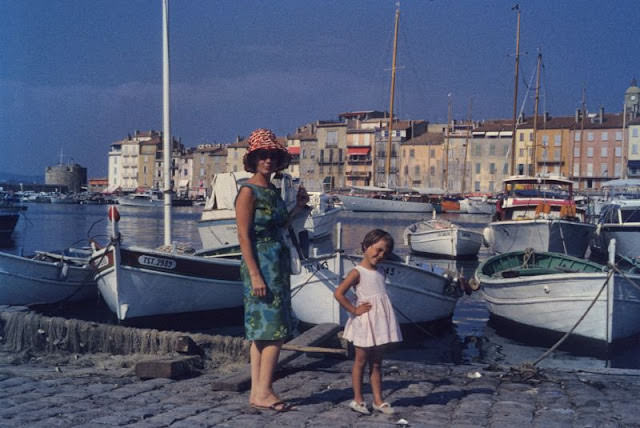
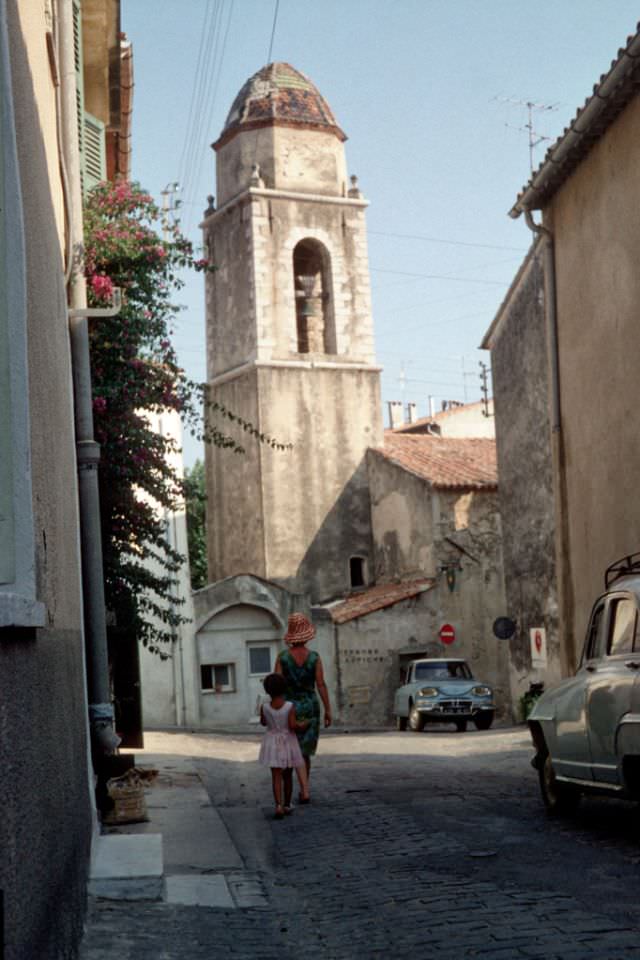
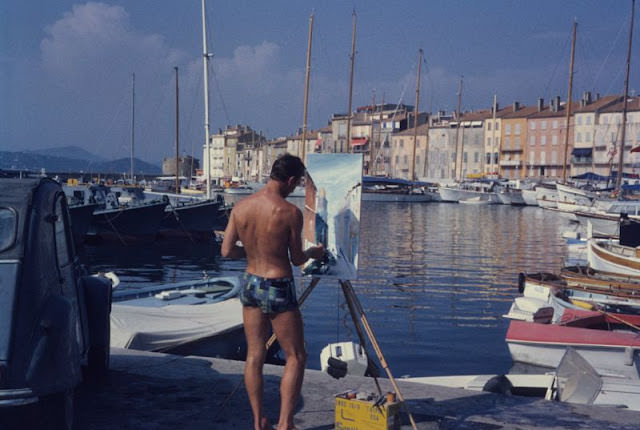
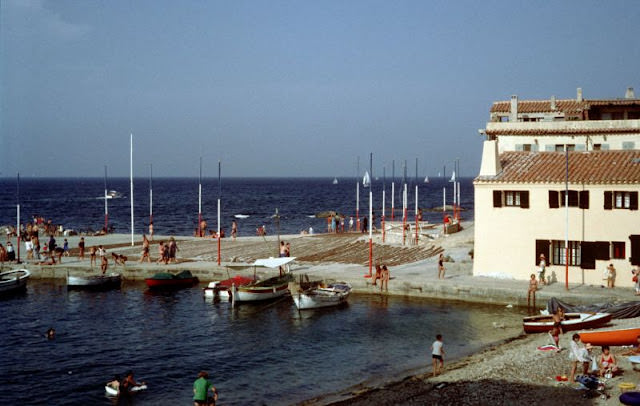
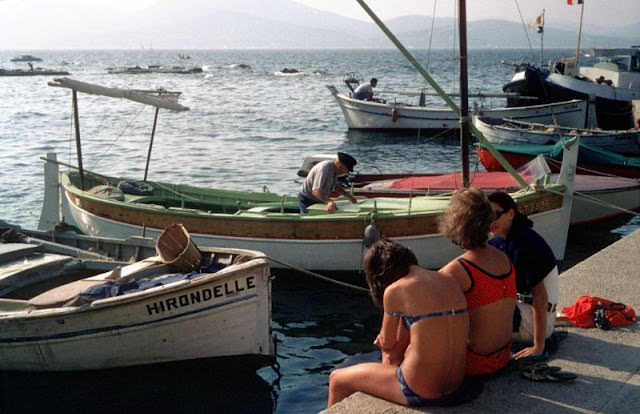
By 1964, Saint-Tropez had cemented its reputation as the glamour capital of the French Riviera. Brigitte Bardot had put the town on the world’s radar in the 1950s, and by the mid-1960s it drew artists, filmmakers, and the international wealthy in large numbers. The old fishing port still functioned as it always had, but it now did so surrounded by boutiques, café terraces, and moored yachts. Our Lady of the Assumption Church stood over the harbor, as it had since the eighteenth century, watching the scene with stone indifference.
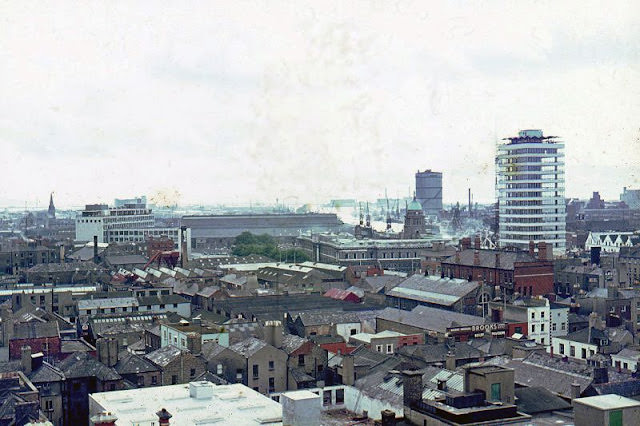
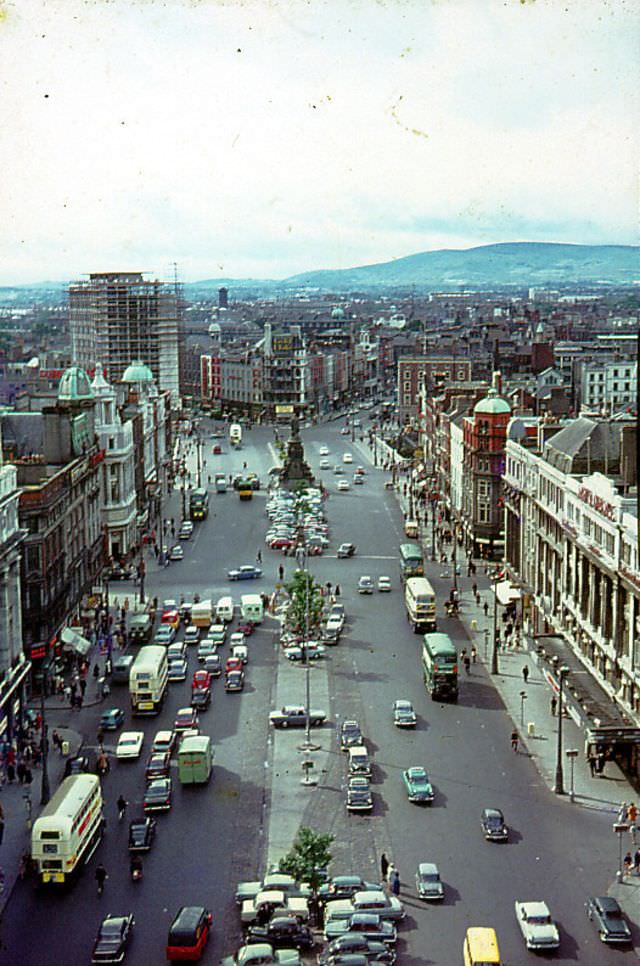
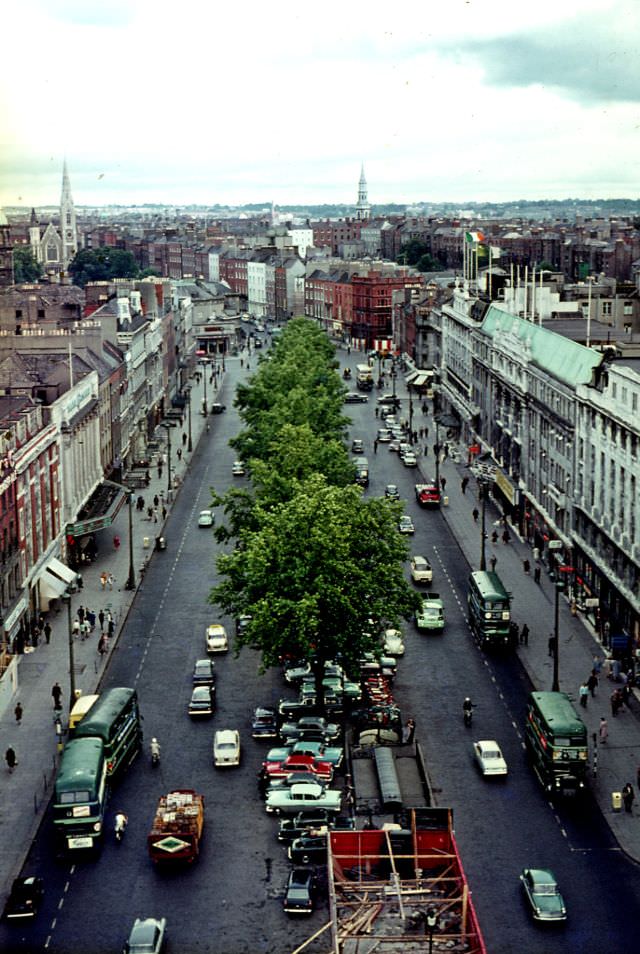
Dublin in 1964 was a city of dense historical layers. Nelson’s Pillar stood at the top of O’Connell Street, giving photographers a bird’s-eye view of one of Europe’s widest urban boulevards. The pillar — a monument to the British admiral Horatio Nelson — would be blown up by Irish republicans just two years later, in March 1966. From its top, the full length of O’Connell Street was visible, stretching south toward the Liffey. These photographs from the pillar’s observation deck are among the last taken from that height.
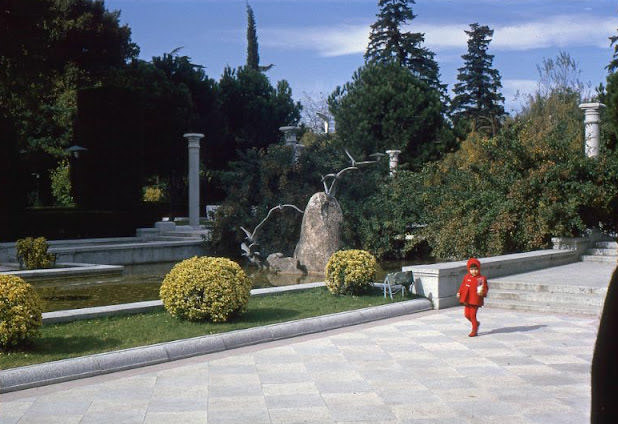
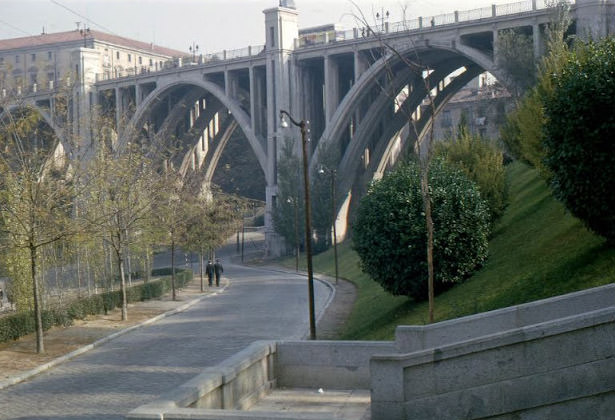
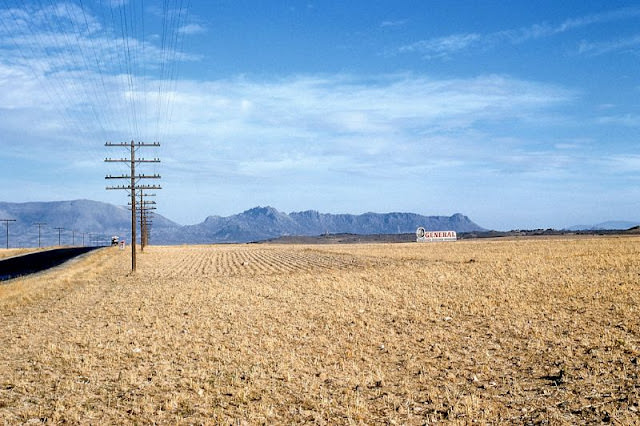
Madrid in 1964 was a city under the control of Francisco Franco, who had ruled Spain since his victory in the Civil War in 1939. The country was officially neutral during World War II and remained politically isolated through the late 1940s. By the 1960s, a cautious economic opening was underway, and tourism was being actively promoted as a source of foreign income. The Viaducto de Segovia crossed a ravine in the western part of the city — a structure both practical and dramatic in equal measure.
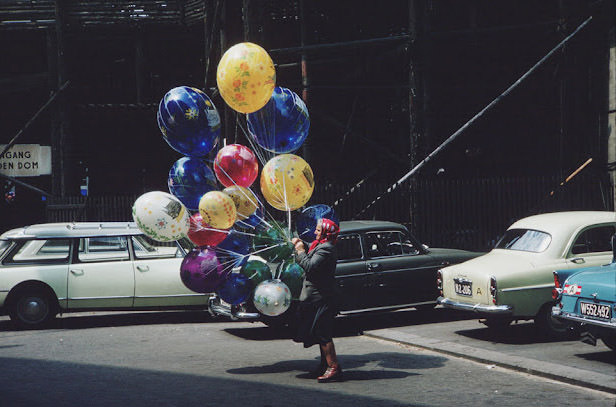
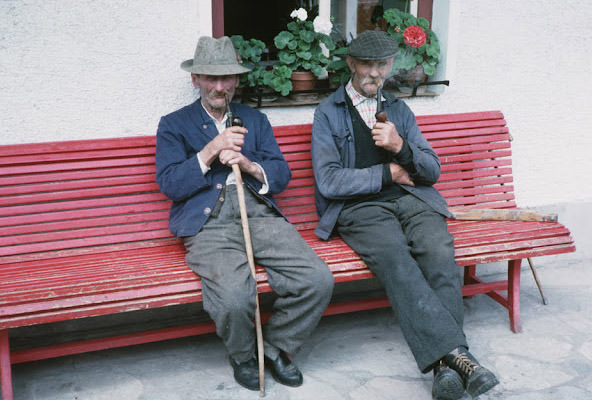
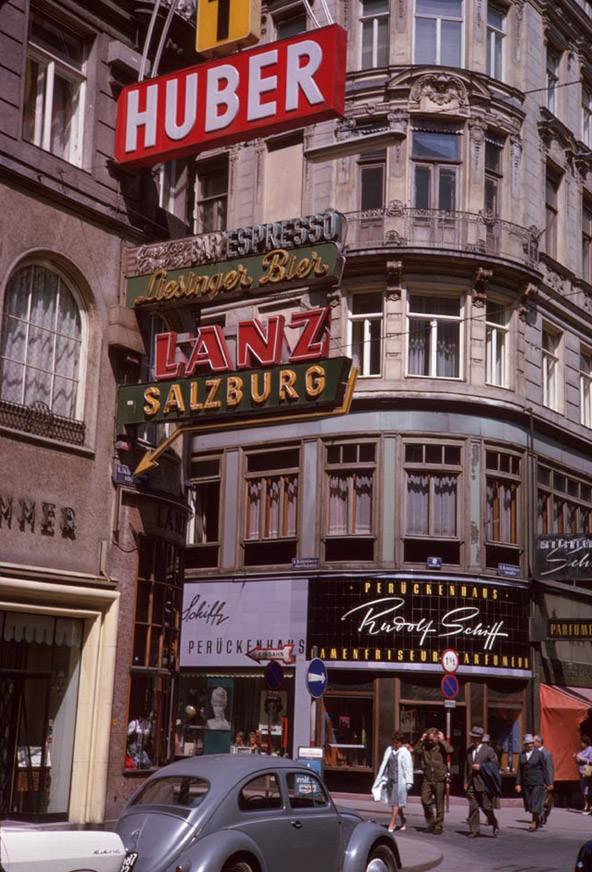
Vienna in 1964 was still rebuilding its identity after years of Nazi annexation and postwar Allied occupation, which had only ended in 1955. The city had been divided into four zones — American, British, French, and Soviet — until the Austrian State Treaty restored full sovereignty. By the mid-1960s, Vienna was fully Austrian again, and its grand imperial architecture was reclaiming its role as the backdrop for one of Europe’s most culturally rich cities. A balloon seller in a strong wind in May 1964 and two old men in Neustift that same summer capture the quieter pace of Austrian life.
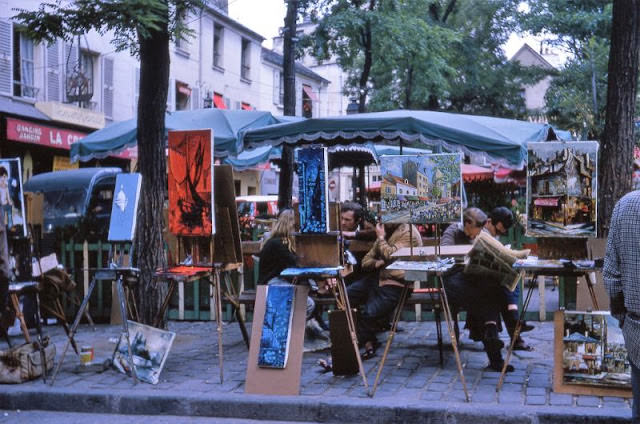
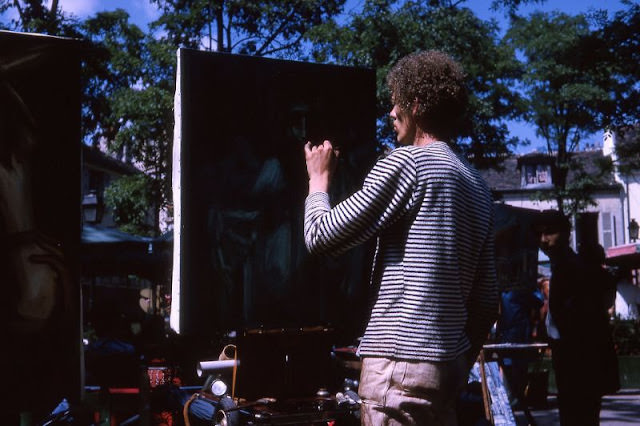
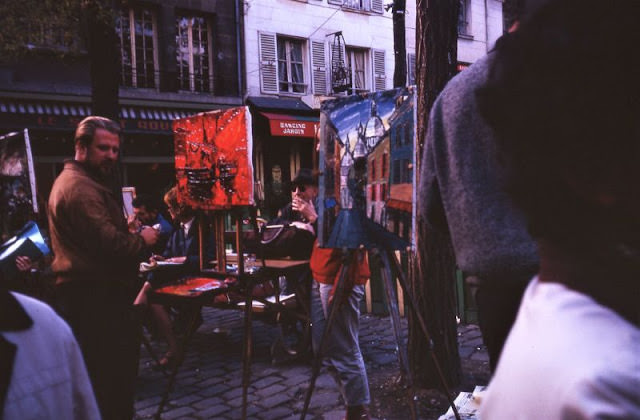
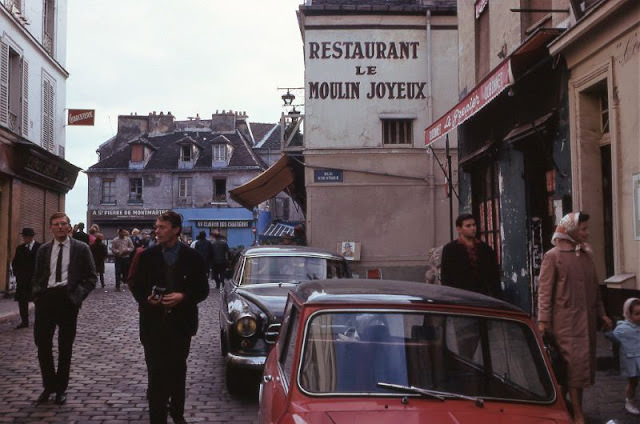
Montmartre in 1964 was still the artists’ quarter it had been for a century. Place du Tertre, the small square near the Sacré-Cœur basilica, was occupied by painters working at their easels and restaurants like La Crémaillère catering to the tourists who came to watch them. The bohemian atmosphere was partly genuine and partly performed for visitors, but the neighborhood retained its character. Artists from across Europe and beyond lived and worked in Montmartre, selling canvases directly from their easels to passersby.
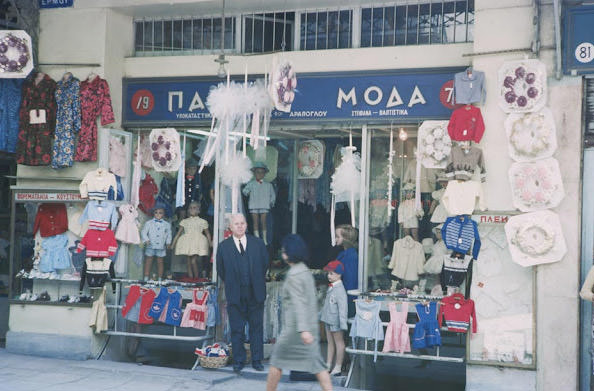
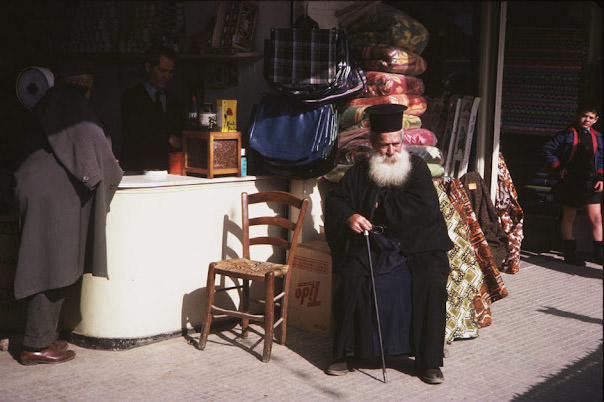
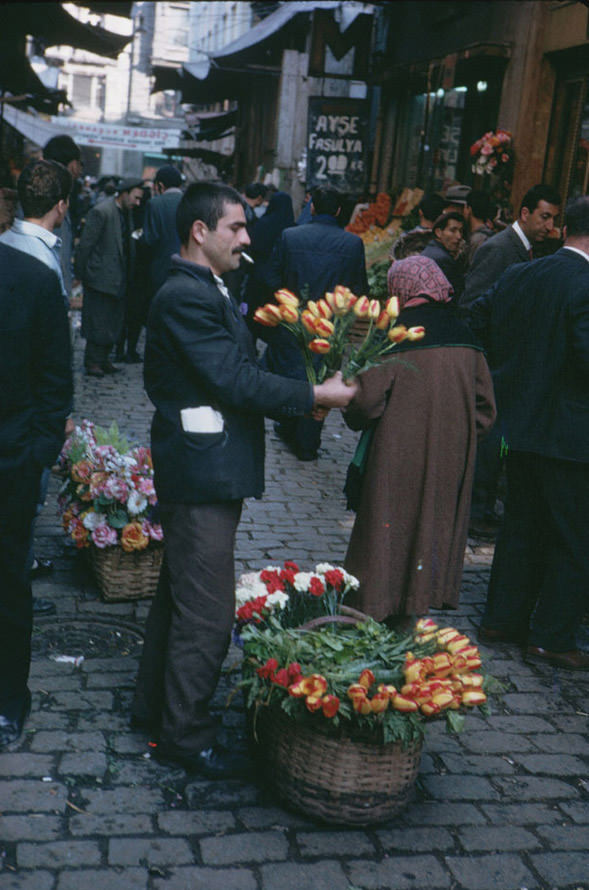
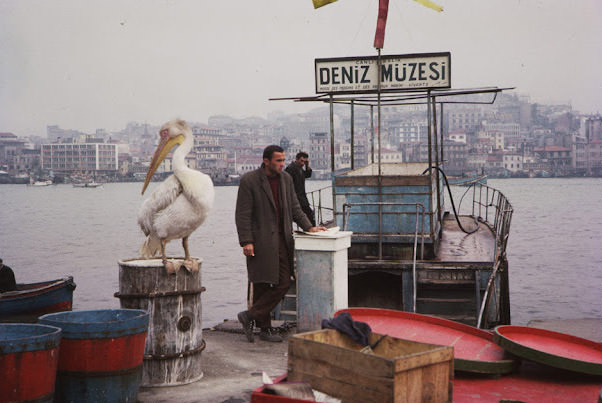
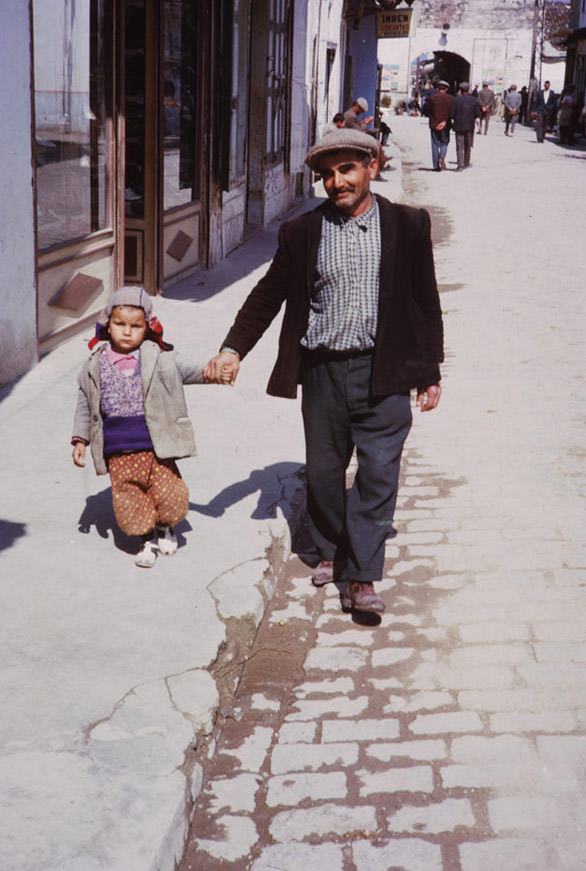
Greece in 1965 was two years away from the military coup that would install the Colonels’ junta and suspend democratic government until 1974. In the spring of 1965, Athens was still an open city. A busy street at 19 Ermou in April, an elderly man resting in Iraklion on Crete in early April — these are photographs of a country living under a functioning, if unstable, democracy. Turkey in 1965 offered its own contrasts: a flower seller in Istanbul, fishermen working the Golden Horn docks, and the ancient ruins at Kuşadası.
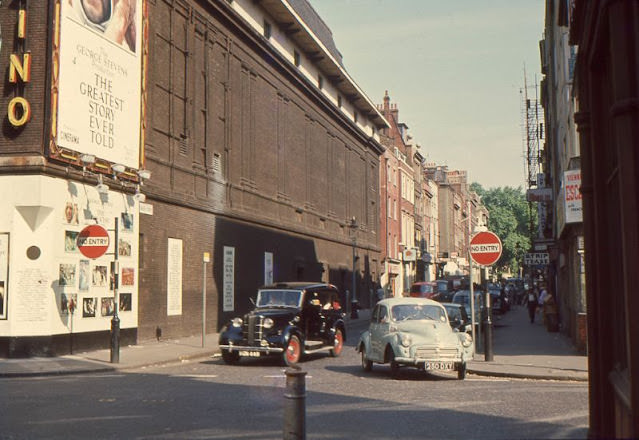
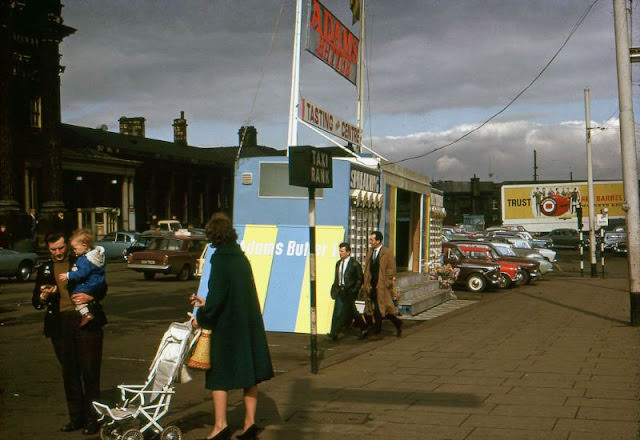
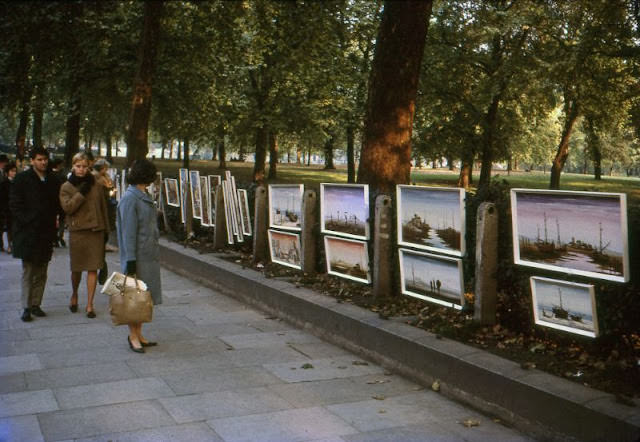
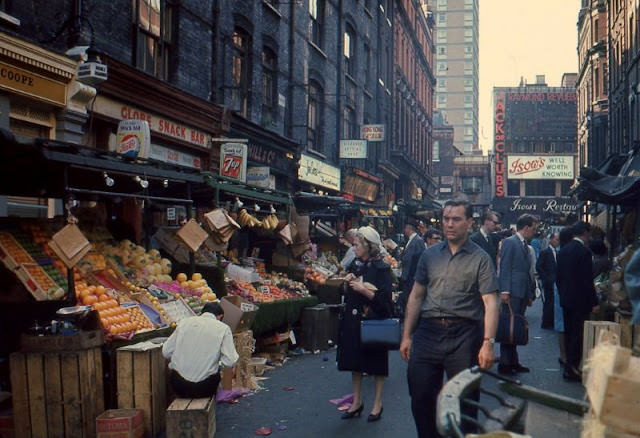
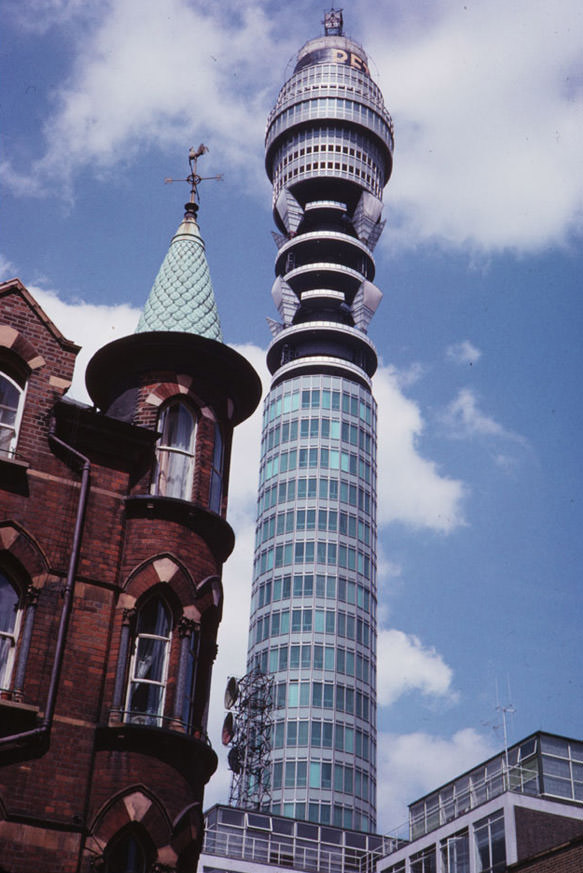
London in 1965 was at the front edge of what would become known as Swinging London. Soho was the beating heart of the new culture — Greek Street and Rupert Street Market were full of music venues, jazz clubs, and the kind of creative restlessness that would soon define the decade. The Piccadilly Art Market in Green Park brought paintings to the public in an informal outdoor setting. The Post Office Tower, completed in 1964, was the tallest building in Britain at the time and a symbol of the country’s technological ambition.
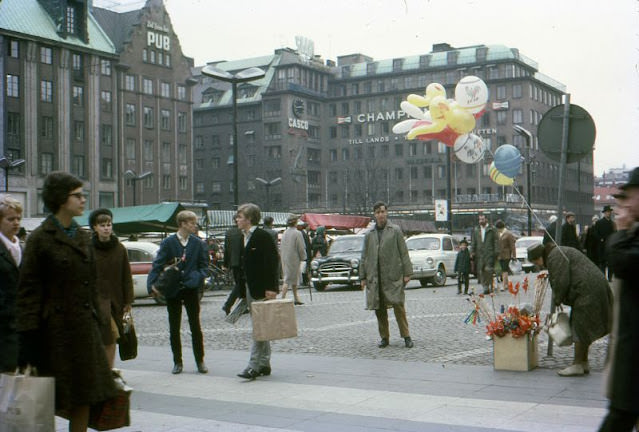
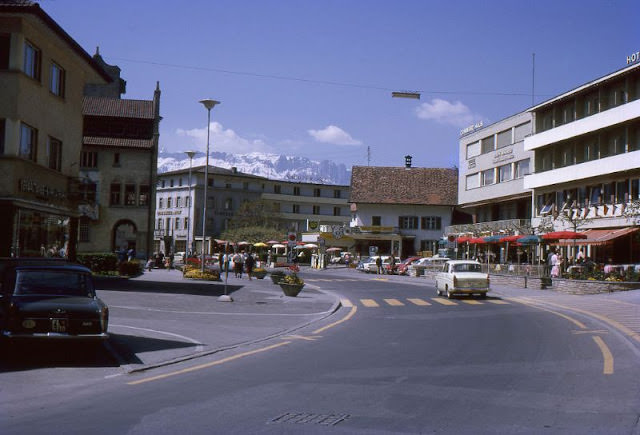
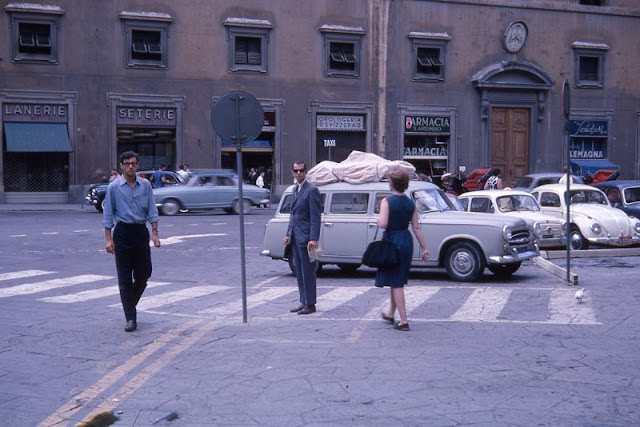
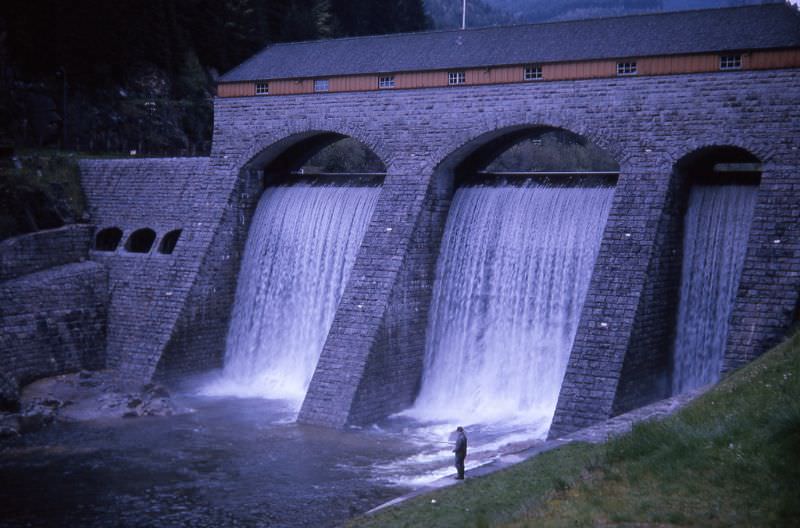

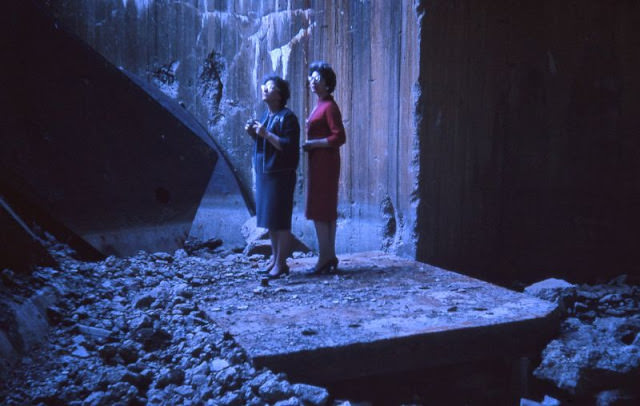
Normandy in 1965 still carried physical reminders of the 1944 D-Day landings. Two women photographed inside a German bunker were standing inside a structure built to repel an Allied invasion that had succeeded twenty-one years earlier. The beaches where thousands of soldiers had died were now places where families walked and children played. The Normandy bunkers were already becoming sites of tourism and memory, preserved rather than demolished.
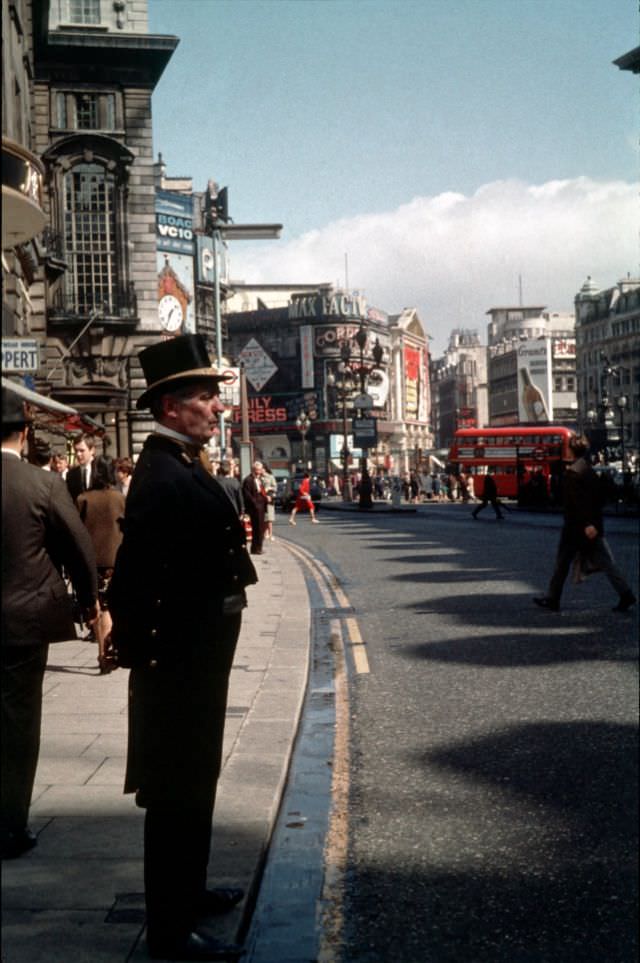
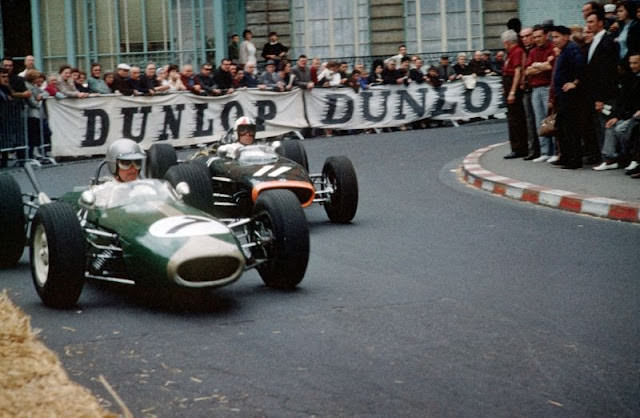
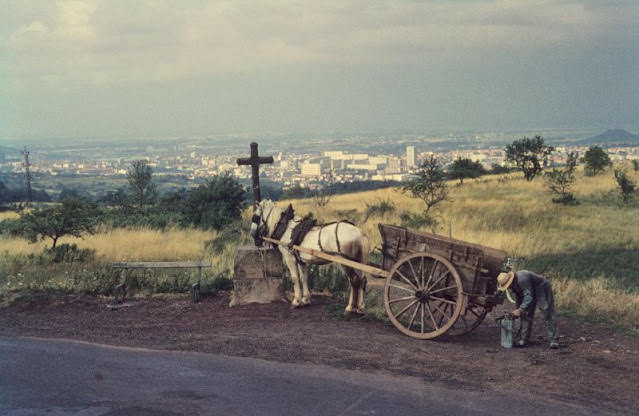
In 1966, the production of the film *Grand Prix* brought Hollywood to the streets and circuits of France. The racing drama, directed by John Frankenheimer, used real Formula One locations and featured actual race footage from circuits including Monaco, Spa, and Monza. Filming in Royat, near Clermont-Ferrand, placed cameras in the volcanic landscape of the Auvergne. That same year, Piccadilly Circus in London was photographed as the unmistakable hub of a city at its cultural peak.
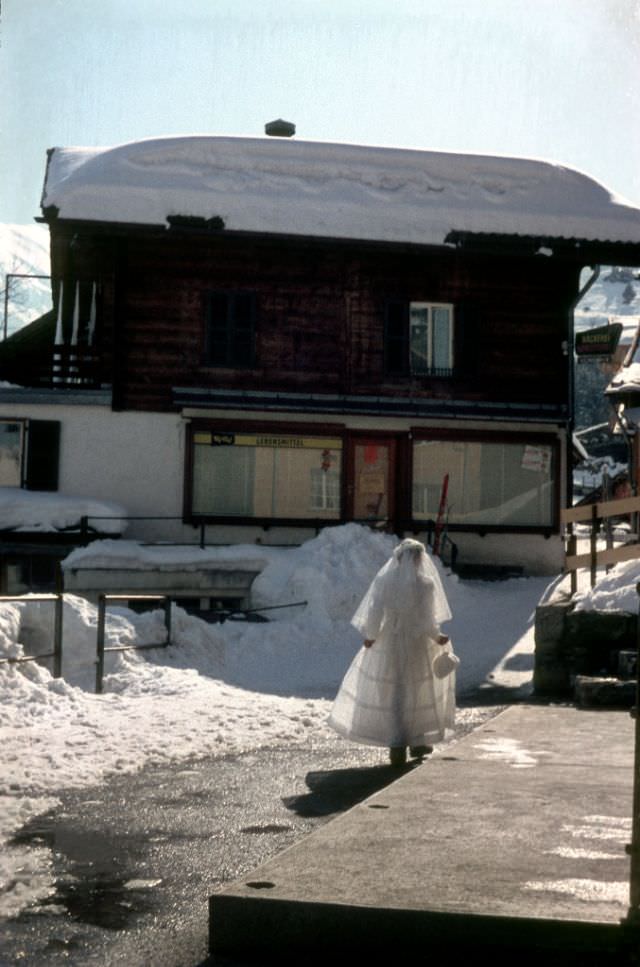
Mürren, a car-free village in the Swiss Alps, was accessible only by cable car or train in 1967. Sitting at over 1,600 meters above sea level, it offered views of the Eiger, Mönch, and Jungfrau — three of the most iconic peaks in the Alps. The village had been a destination for British skiers and climbers since the nineteenth century, and by the 1960s it was a well-established resort with a loyal following of visitors who preferred the quiet of the mountains to the bustle of the valley towns.
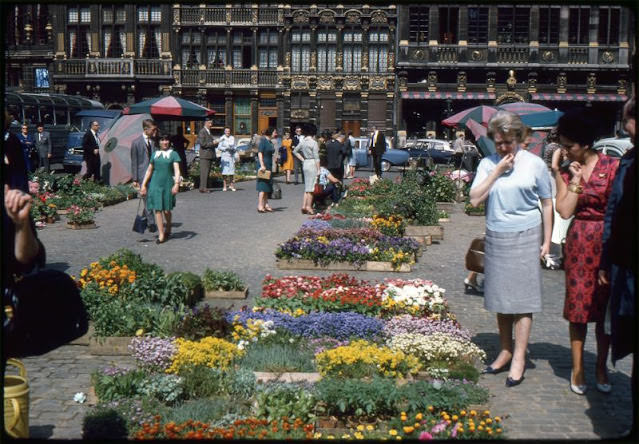
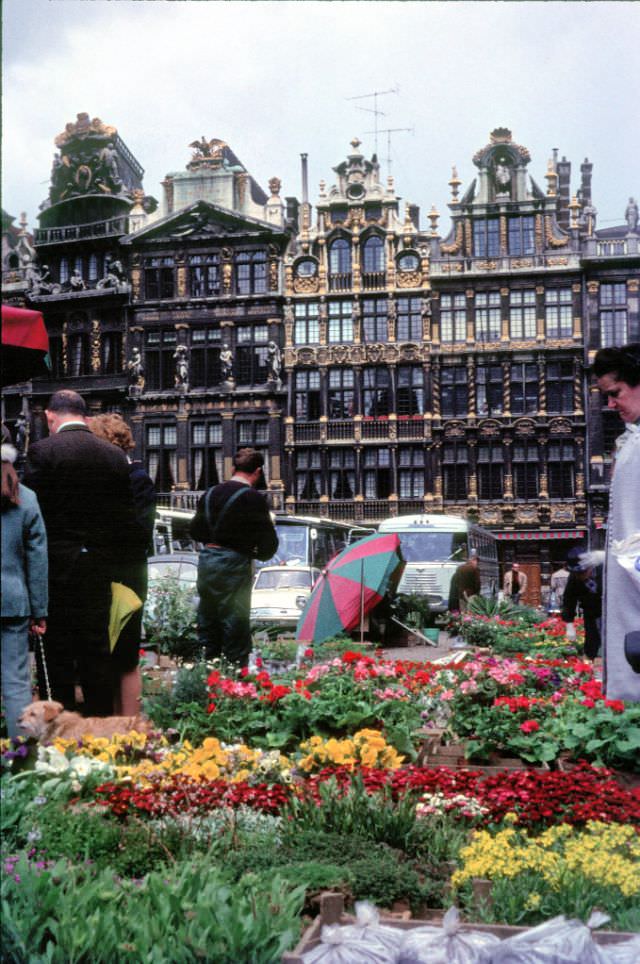
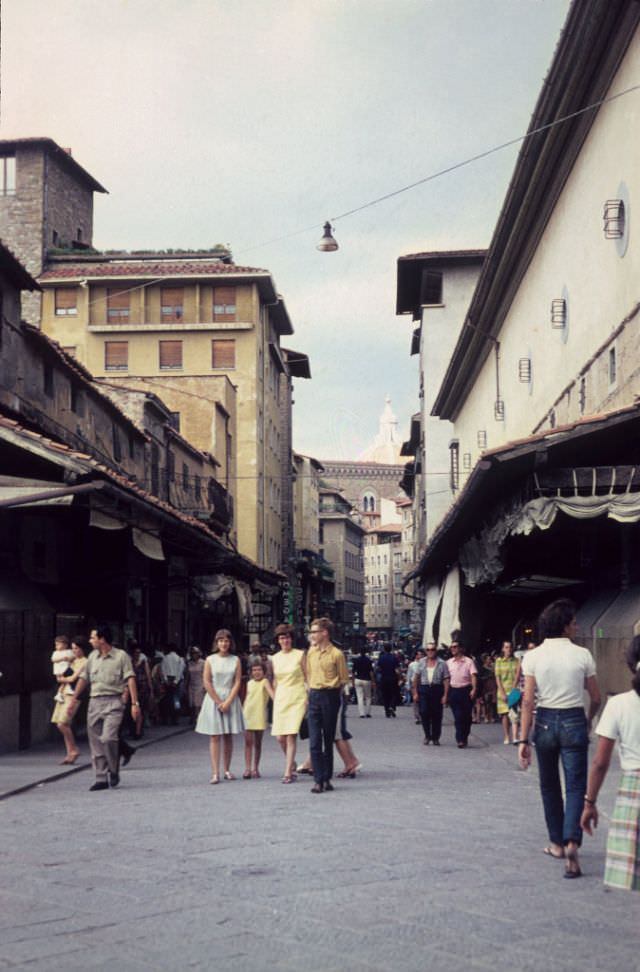
By 1968, the mood across Europe had changed. Student protests erupted in France in May of that year, nearly bringing down the government of Charles de Gaulle. In Czechoslovakia, the Prague Spring — a period of political liberalization under Alexander Dubček — was crushed by Soviet and Warsaw Pact troops in August. In Germany, the student movement was growing. Against this backdrop, Florence’s Ponte Vecchio and Brussels’ Grand Place were photographed as anchors of European civilization — permanent, stone-built, and indifferent to the politics of the moment.
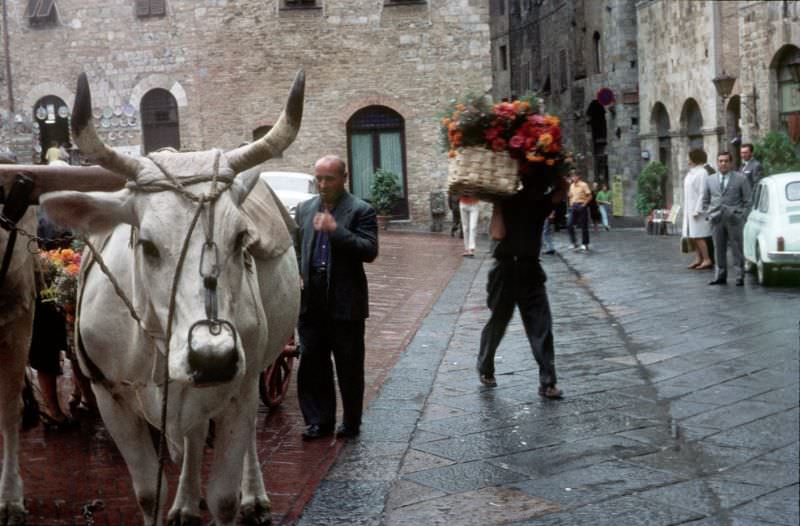
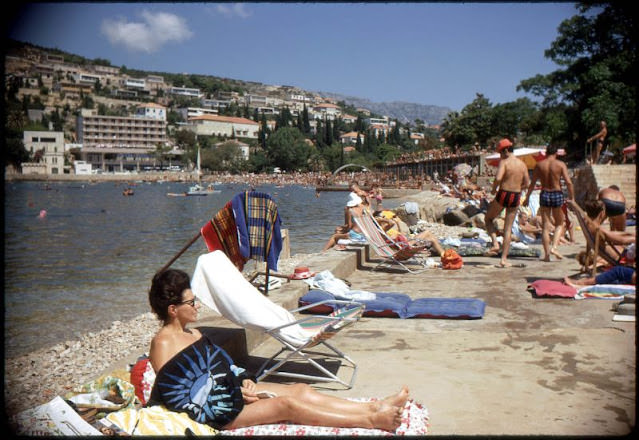
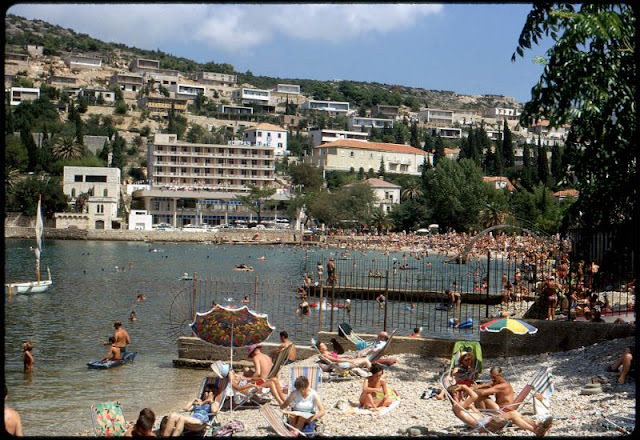
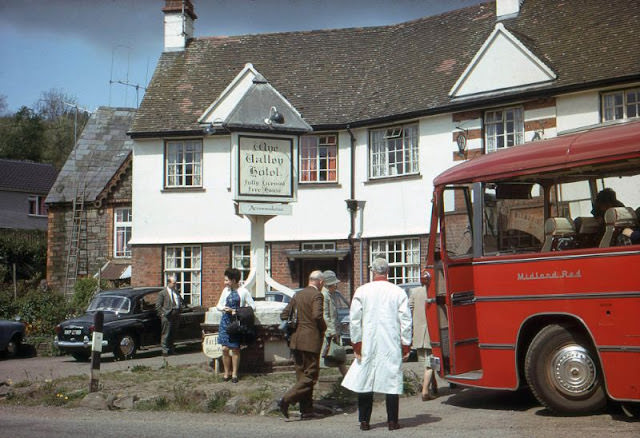
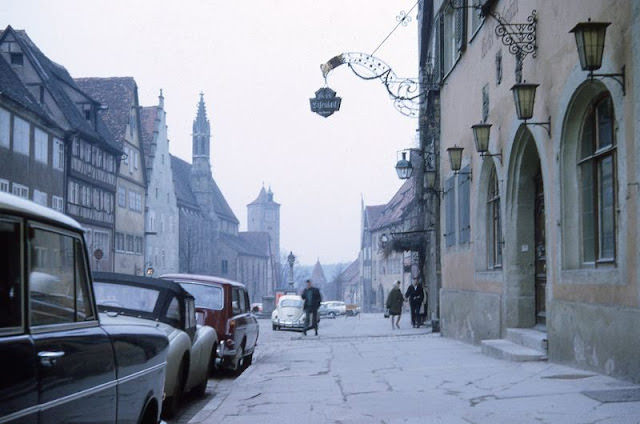
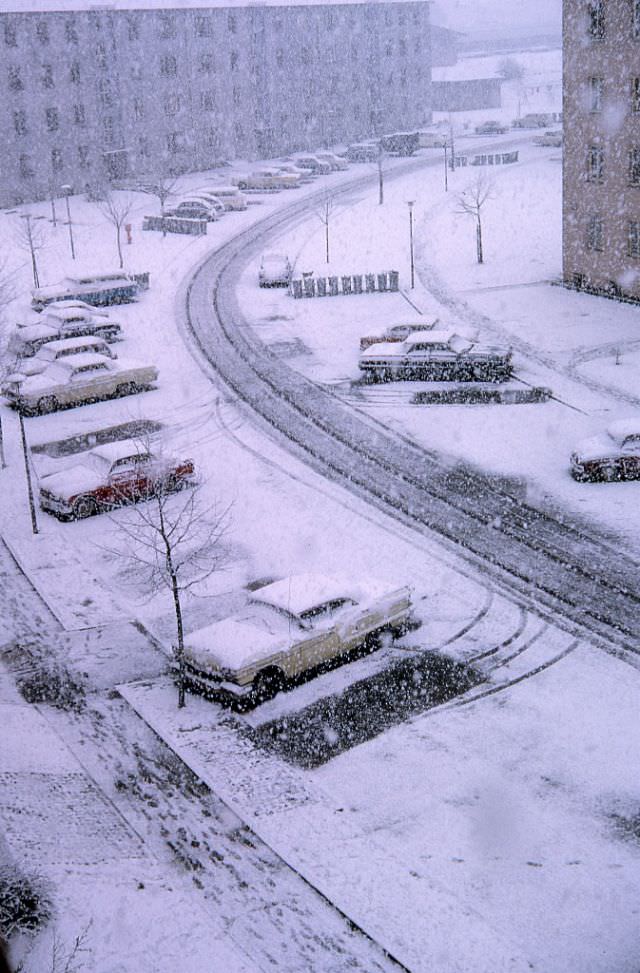
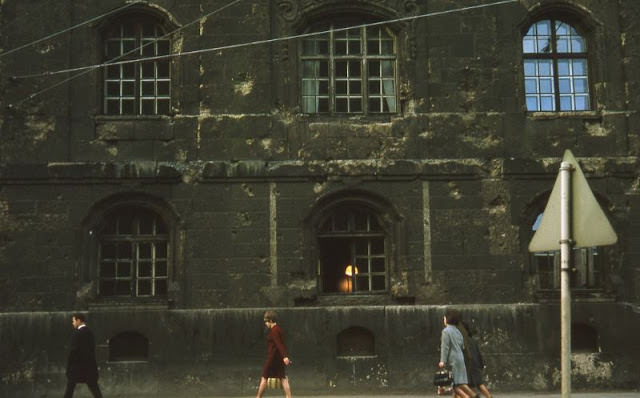
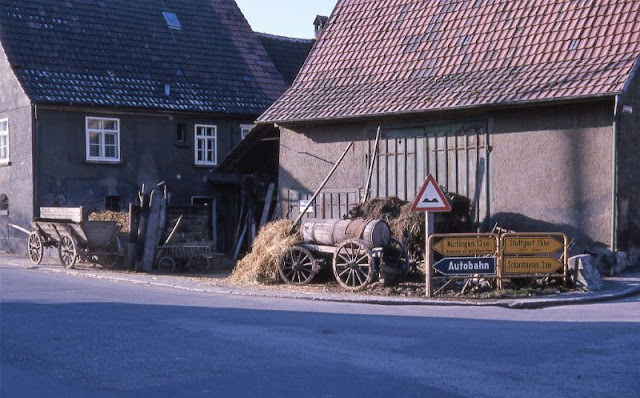
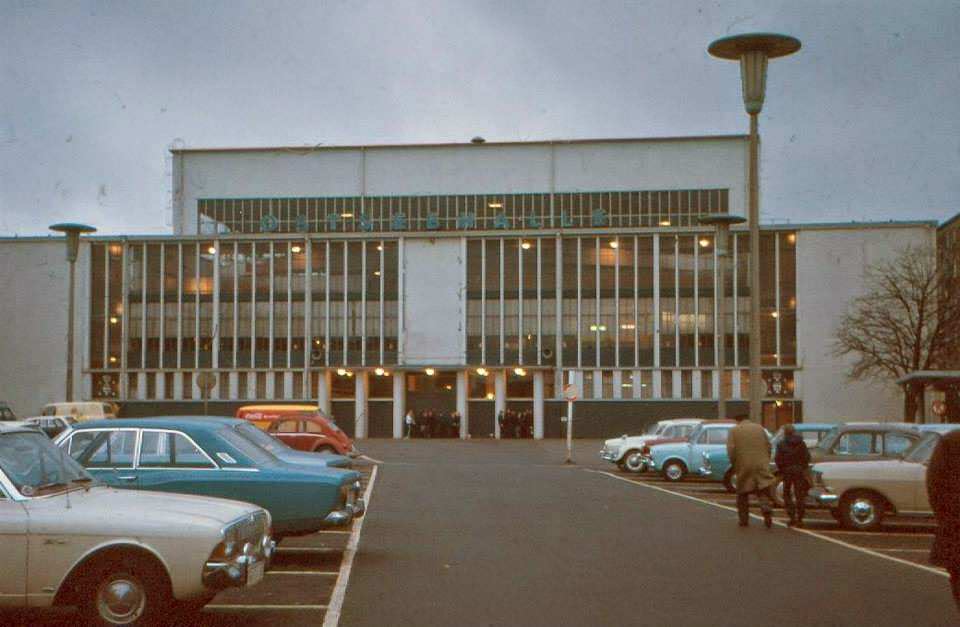
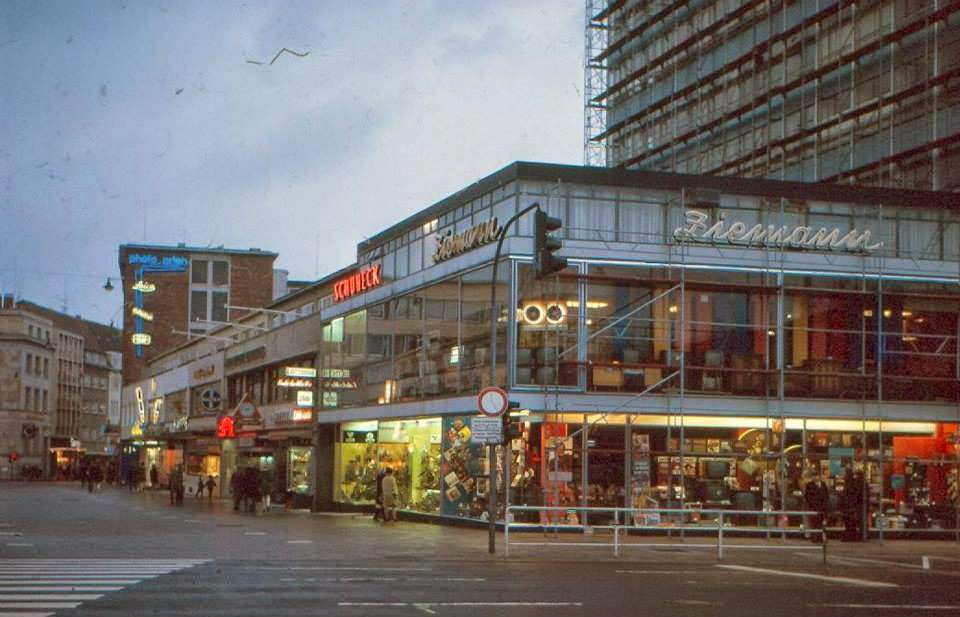
Kiel, in northern Germany on the Baltic Sea, was photographed three times in 1969. The city was a major naval and commercial port and had been heavily bombed during the war. By the late 1960s, it had been rebuilt and was functioning again as one of Germany’s key maritime centers. Montreux on Lake Geneva, photographed the same year, offered a gentler image of Switzerland — a lakeside town where the famous Jazz Festival had been running since 1967, drawing musicians and audiences from across Europe and America.
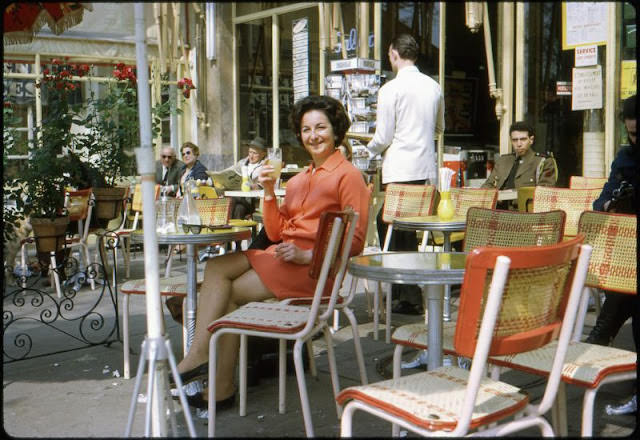
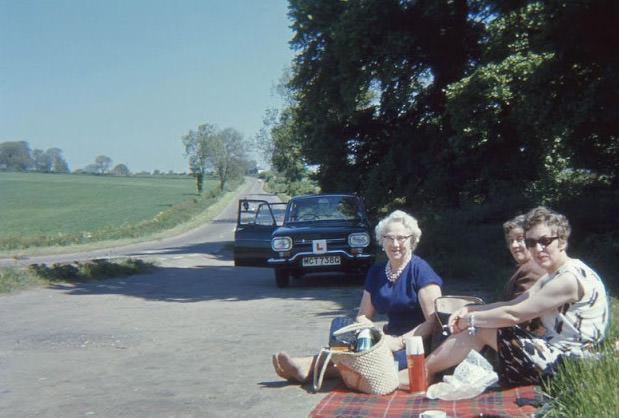
Paris in 1969 was still recovering from the shockwaves of May 1968. The café culture that defined the city’s social life had continued through the protests and remained intact. At a Parisian café that year, the rituals of coffee and conversation carried on as they always had. In Lincolnshire, a family stopped for a roadside picnic — a simple, English scene that placed daily life far from the political turbulence of the decade’s major events. Vienna’s Stock-im-Eisen-Platz, photographed in 1969, showed the Austrian capital moving comfortably into the new decade.
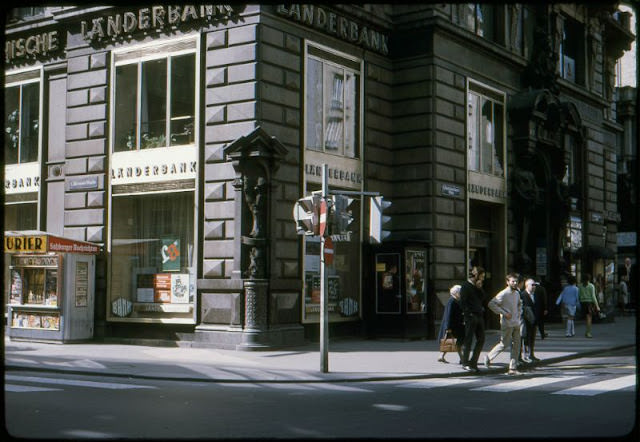
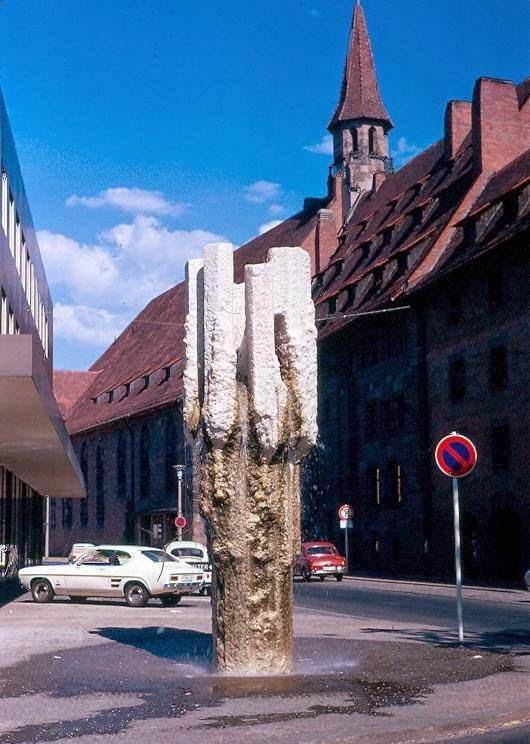
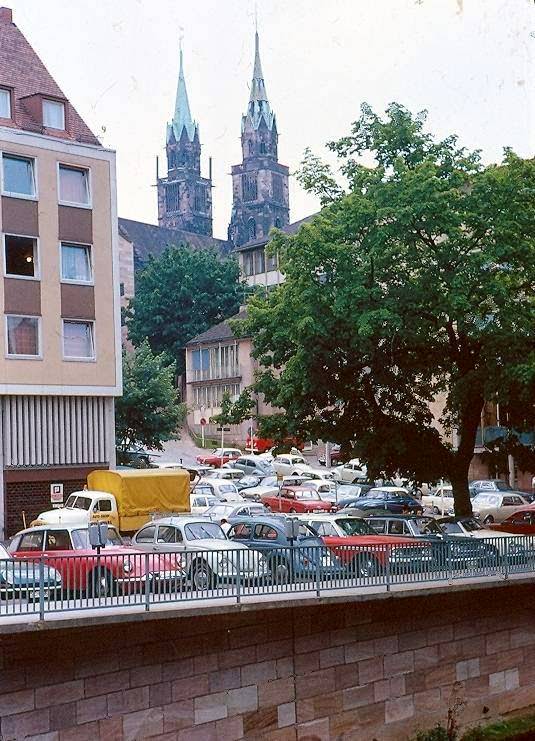
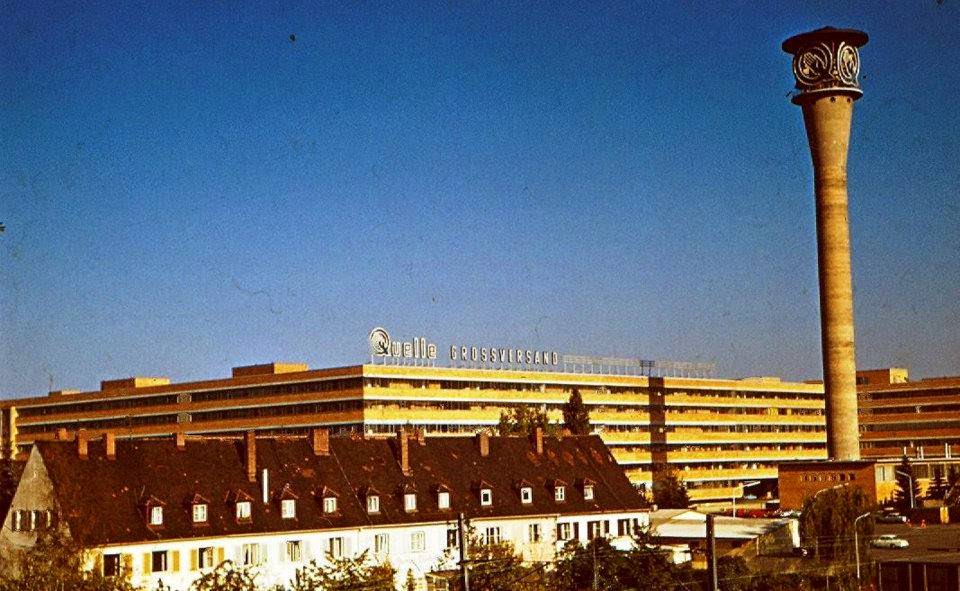
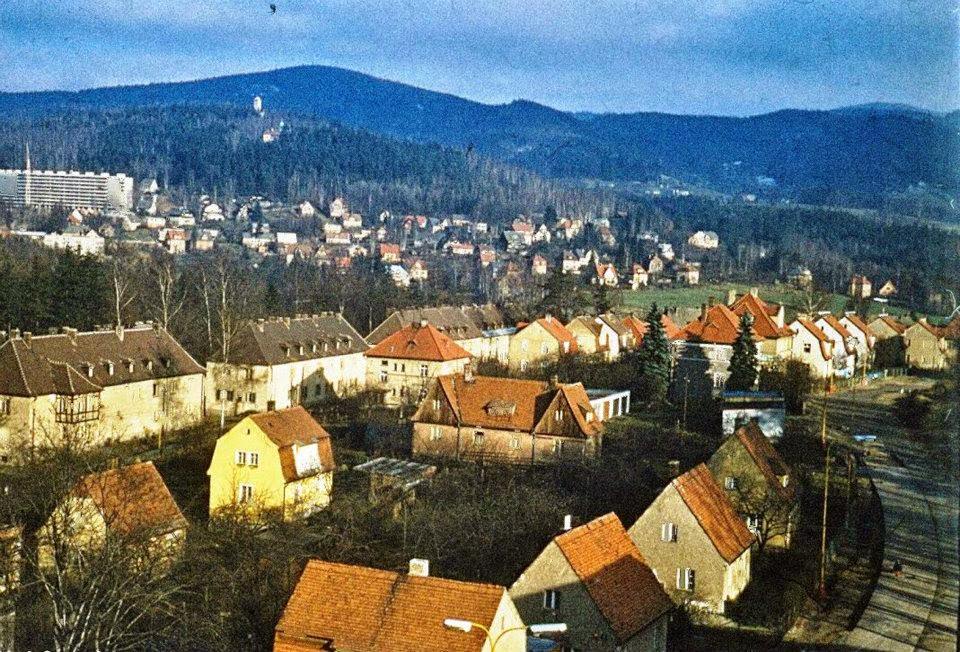
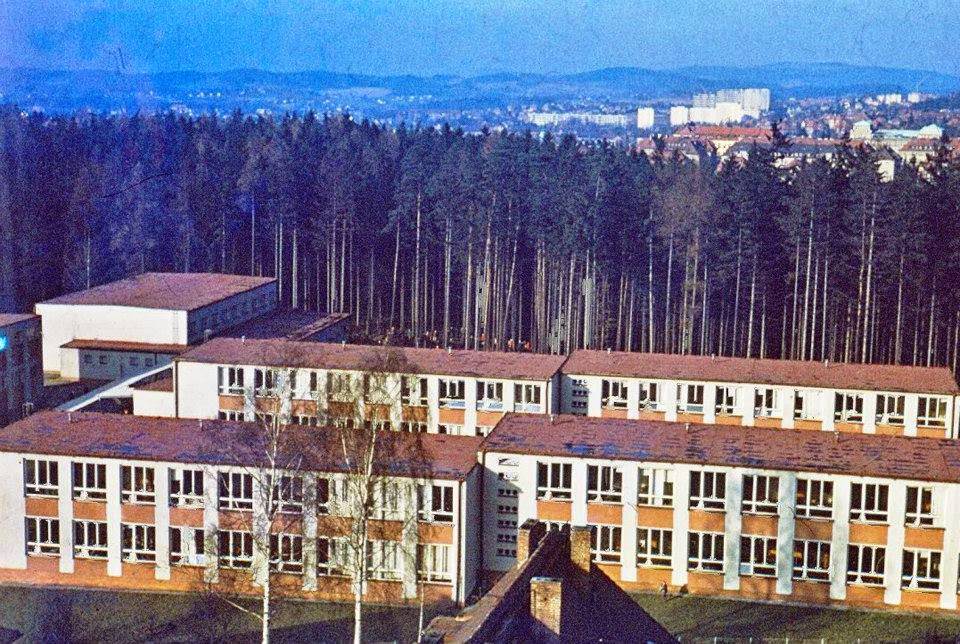
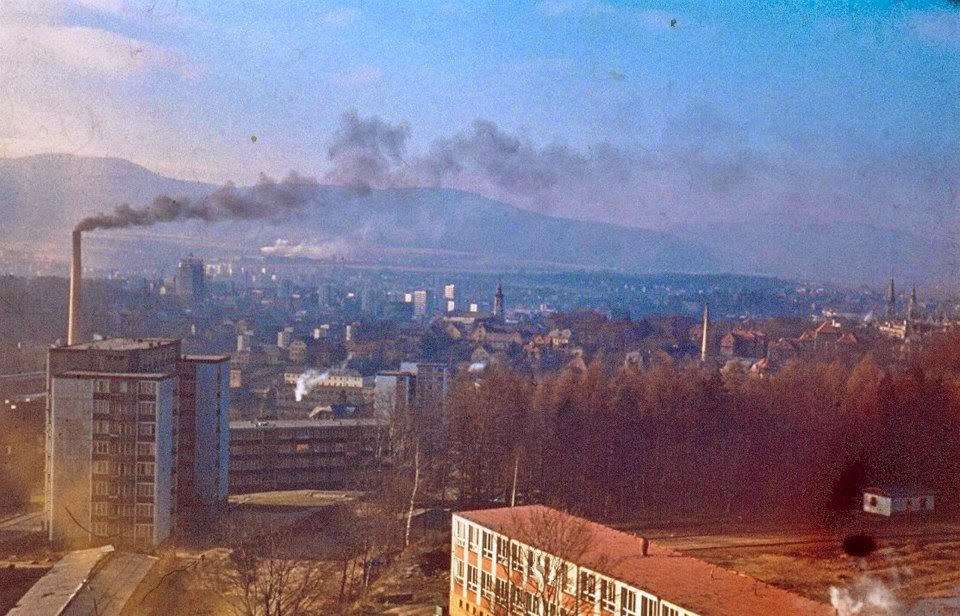
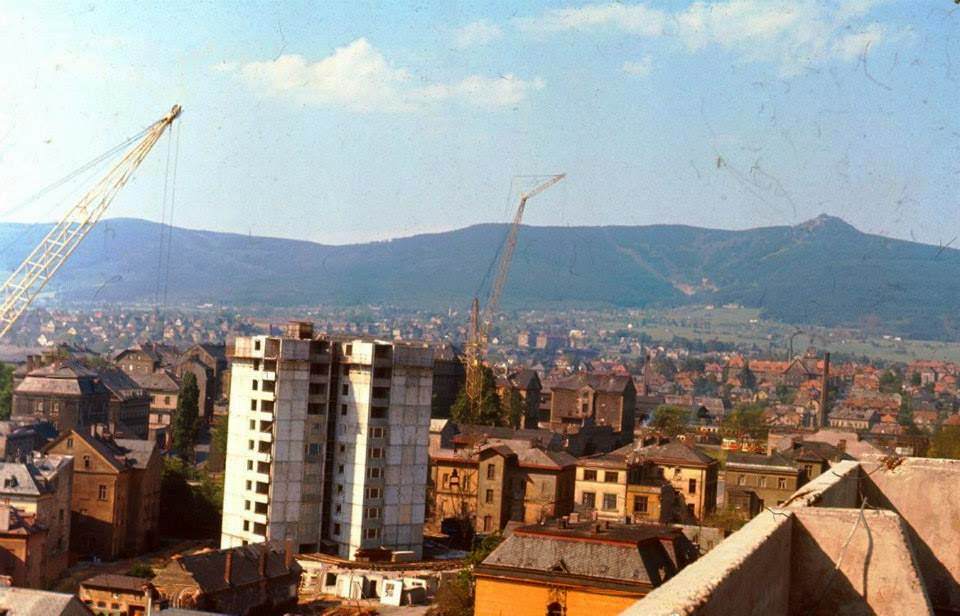
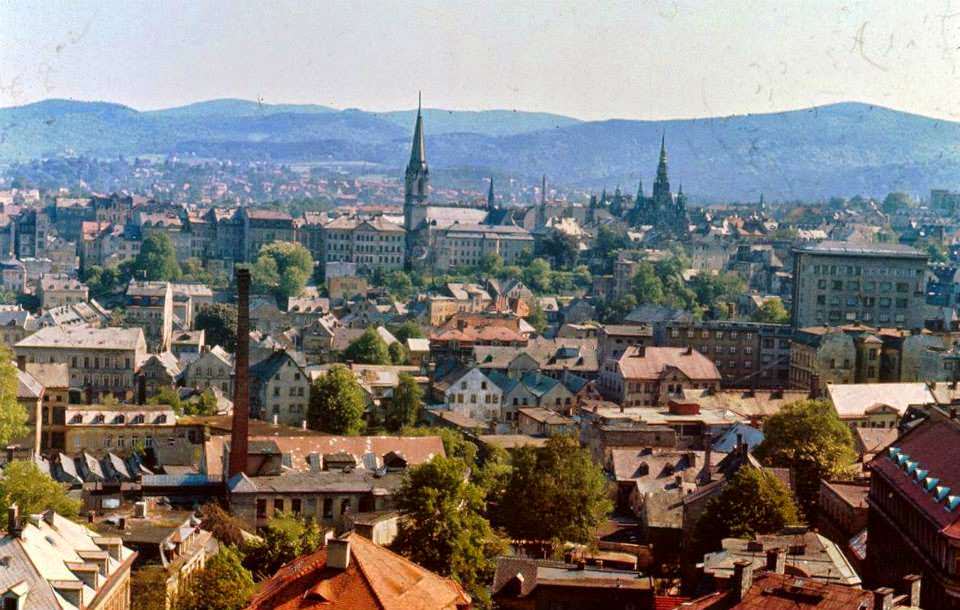
As the decade closed, the photographs from Nuremberg and Munich, Liberec in Czechoslovakia, and Geneva in Switzerland show a continent that had spent ten years in near-constant motion. Nuremberg, a city whose name was synonymous with both Nazi pageantry and the postwar trials that followed, was now a functioning modern city. Liberec, photographed in 1970, was a Czechoslovak city living under the reimposed Soviet-backed government that had followed the Prague Spring’s suppression. The differences between East and West, already visible in images from Checkpoint Charlie, remained sharp as the 1960s gave way to the 1970s.
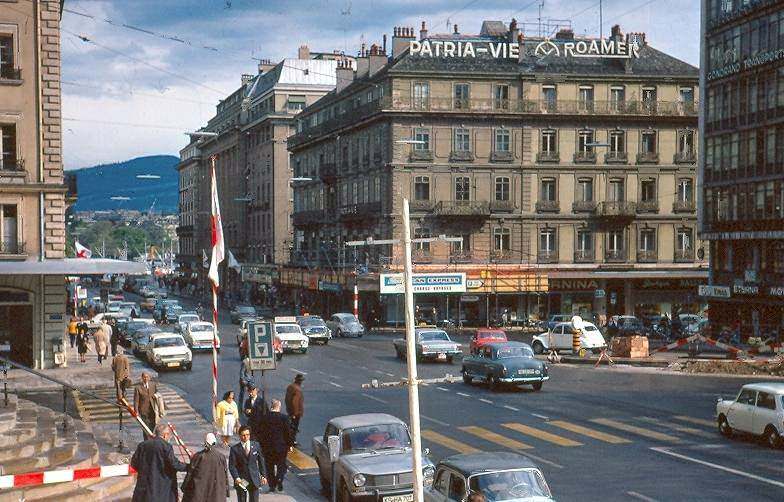
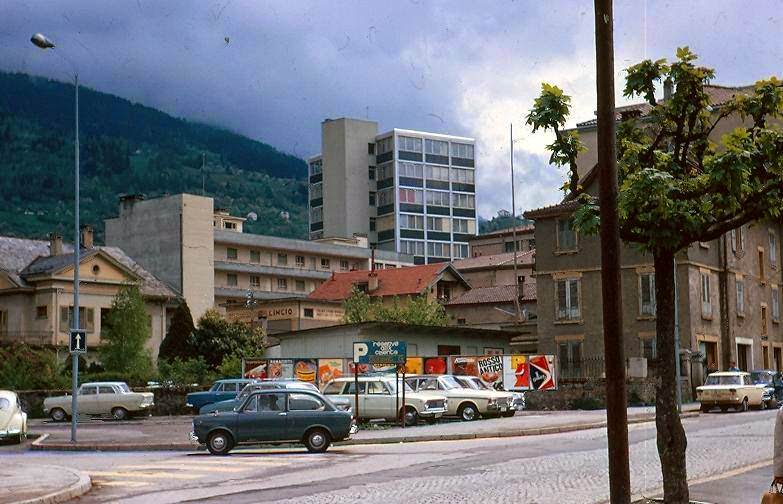
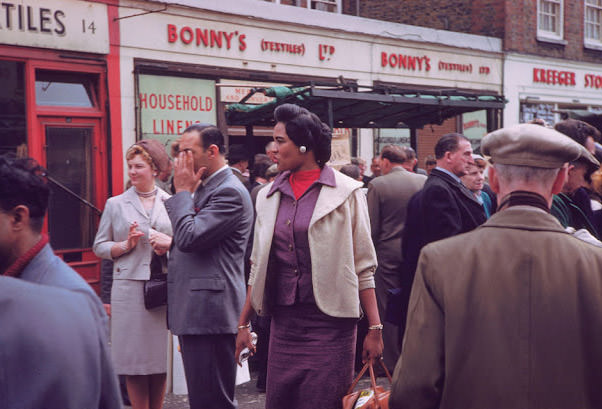
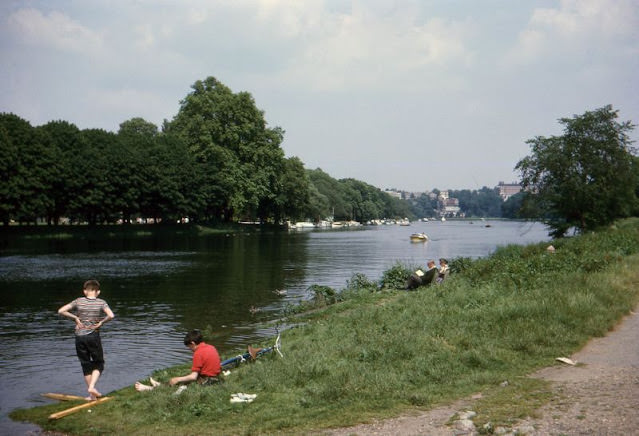
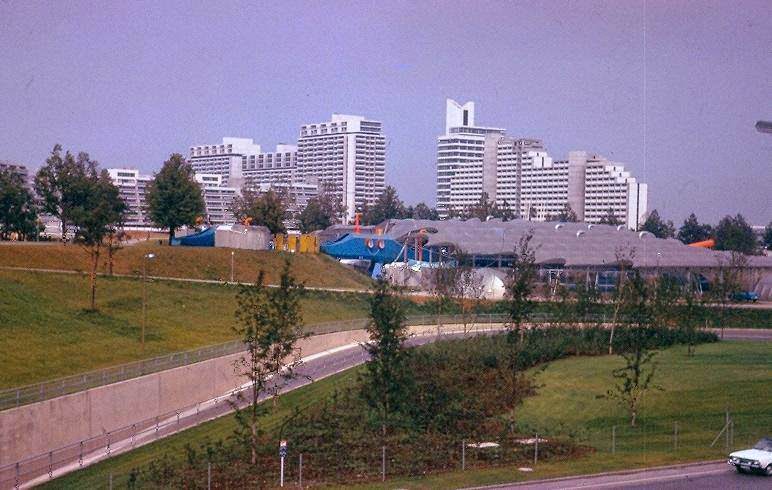
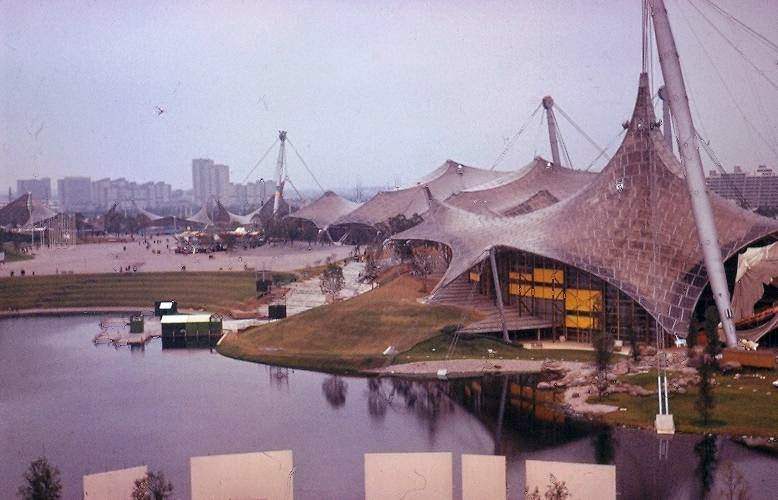
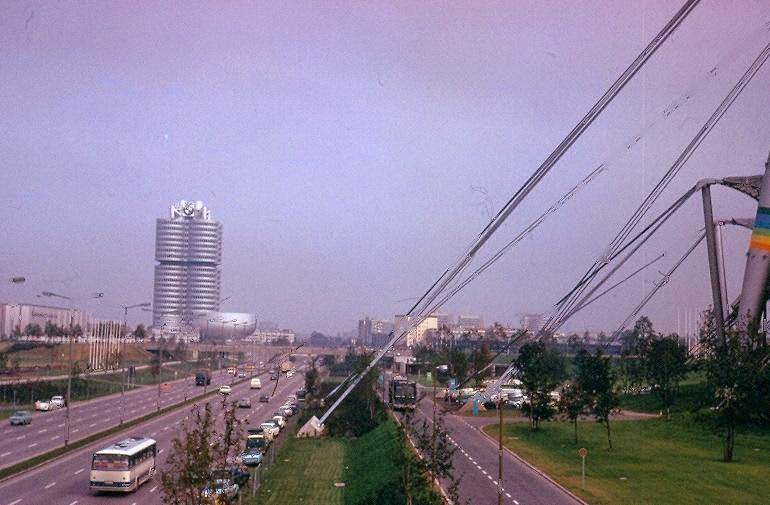
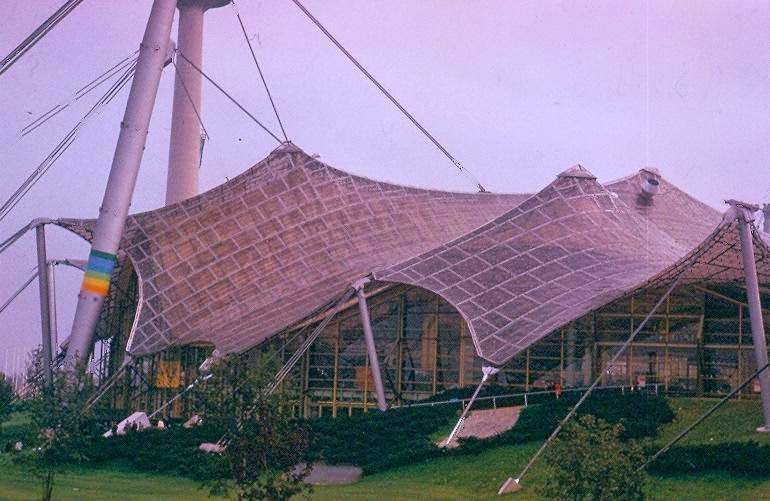
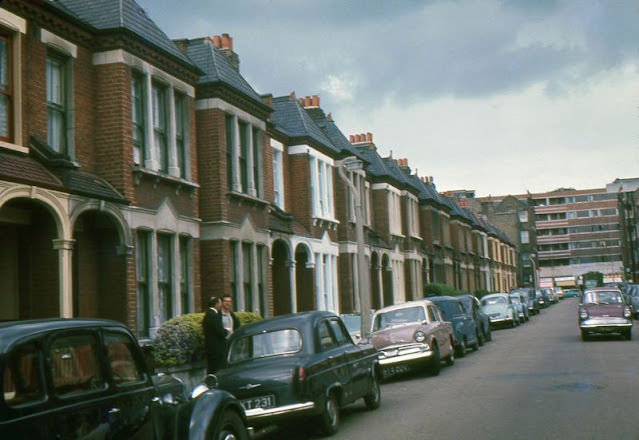
Munich in 1972 was preparing to host the Summer Olympics — an event intended to show a democratic, open West Germany to the world. The Games were overshadowed by the massacre of eleven Israeli athletes and coaches by the Palestinian group Black September, but the images of Munich from that year also show a modern, well-functioning city going about its daily life. The Balham neighborhood of London, photographed at some point in the 1960s, represents the quieter side of the decade — residential streets, ordinary people, the fabric of daily urban life that continued regardless of the larger events unfolding around it.





Must have been really nice without so many cameras everywhere and everyone recording and uploading everyone online!
I heard that you could even see nice nice things ( . Y . )
At least more often than now.