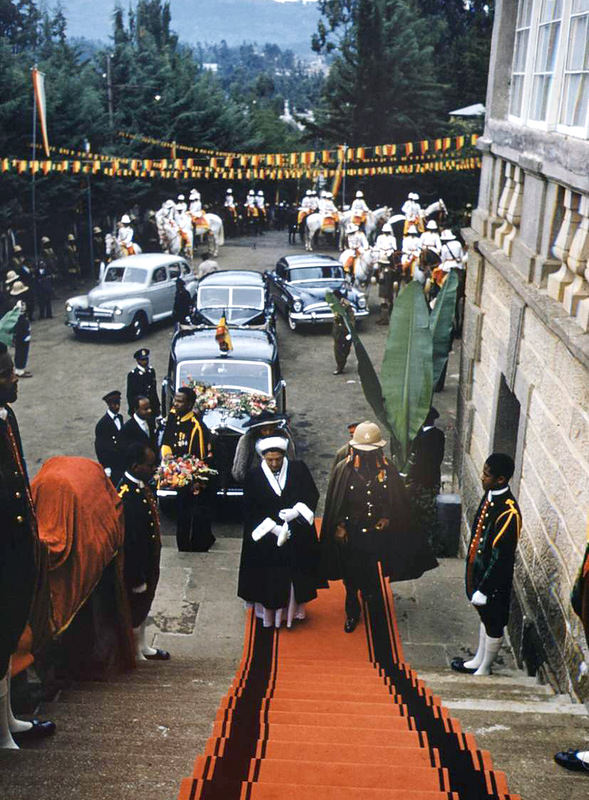
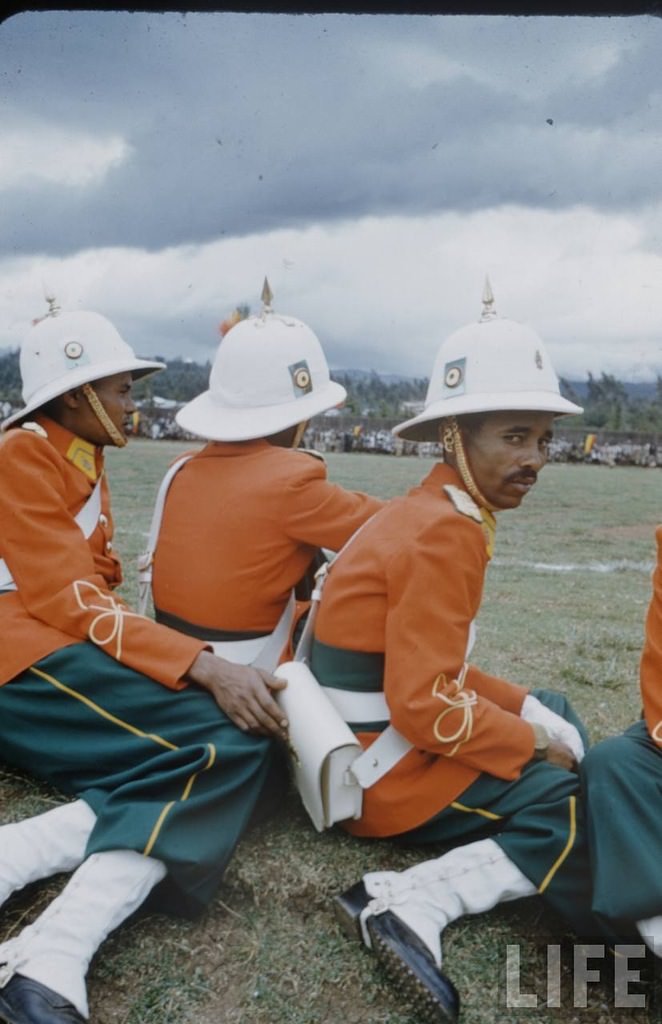
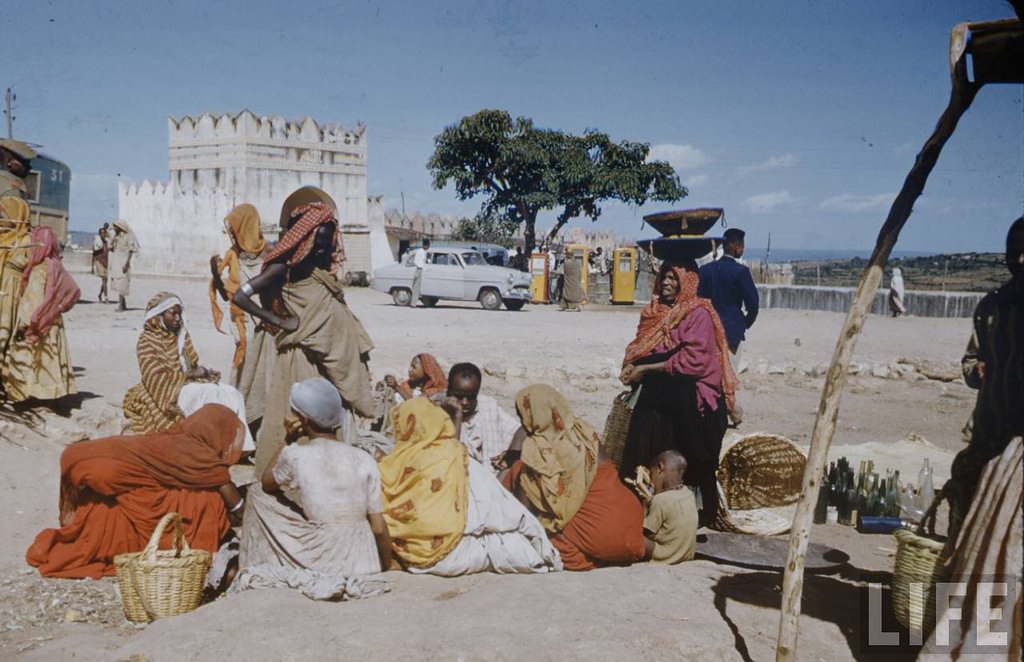
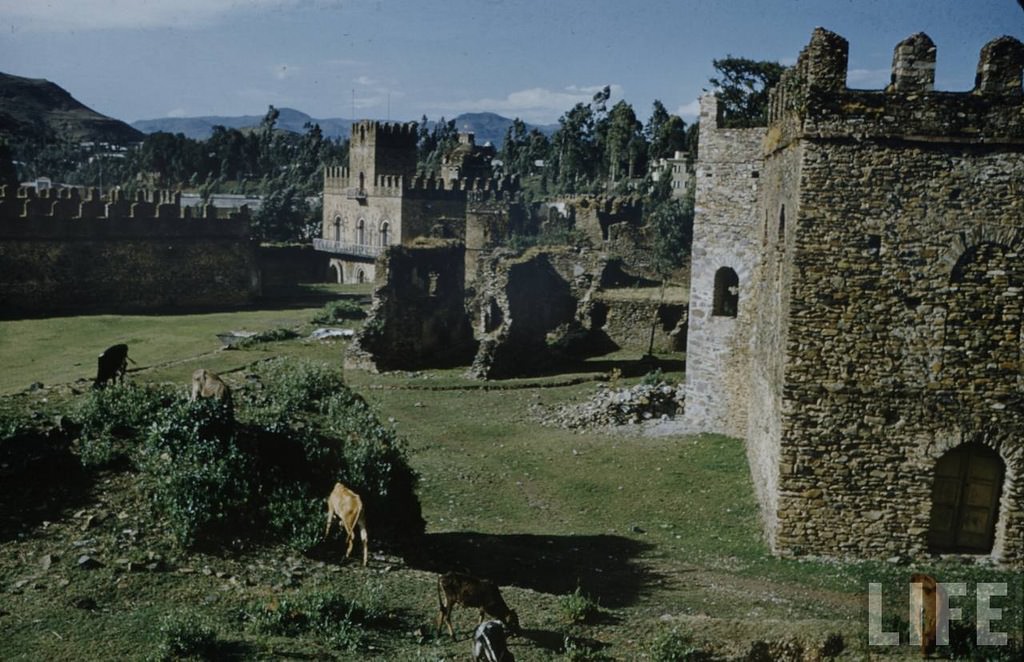
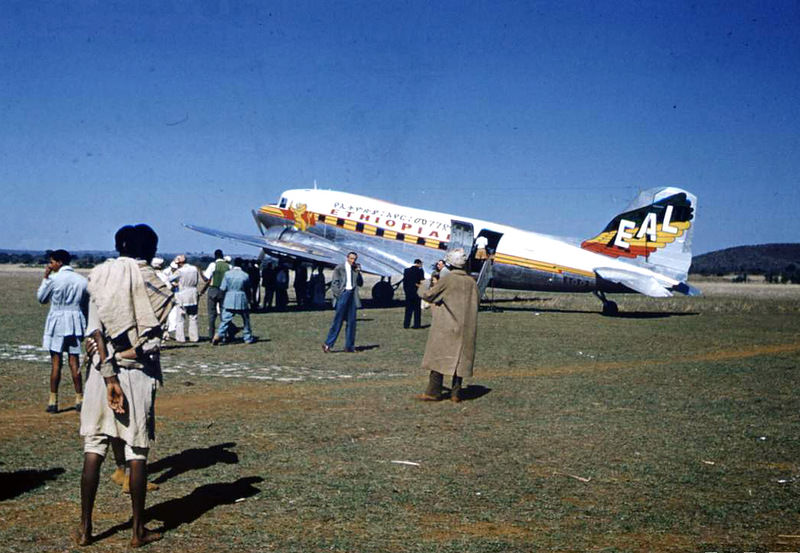
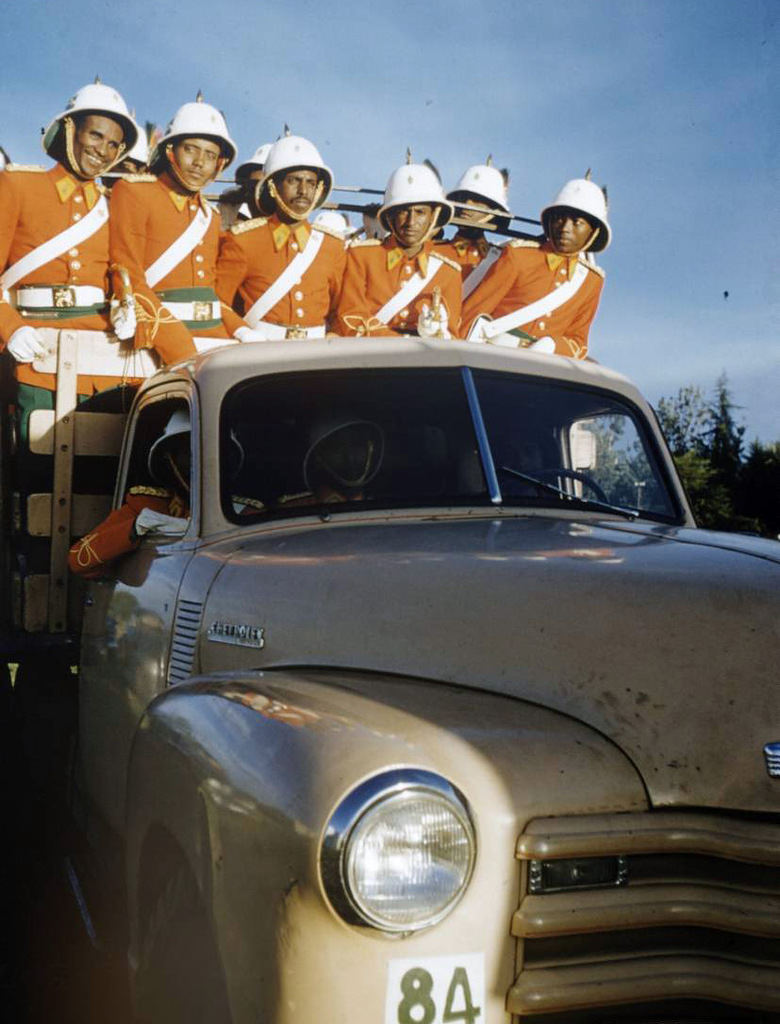
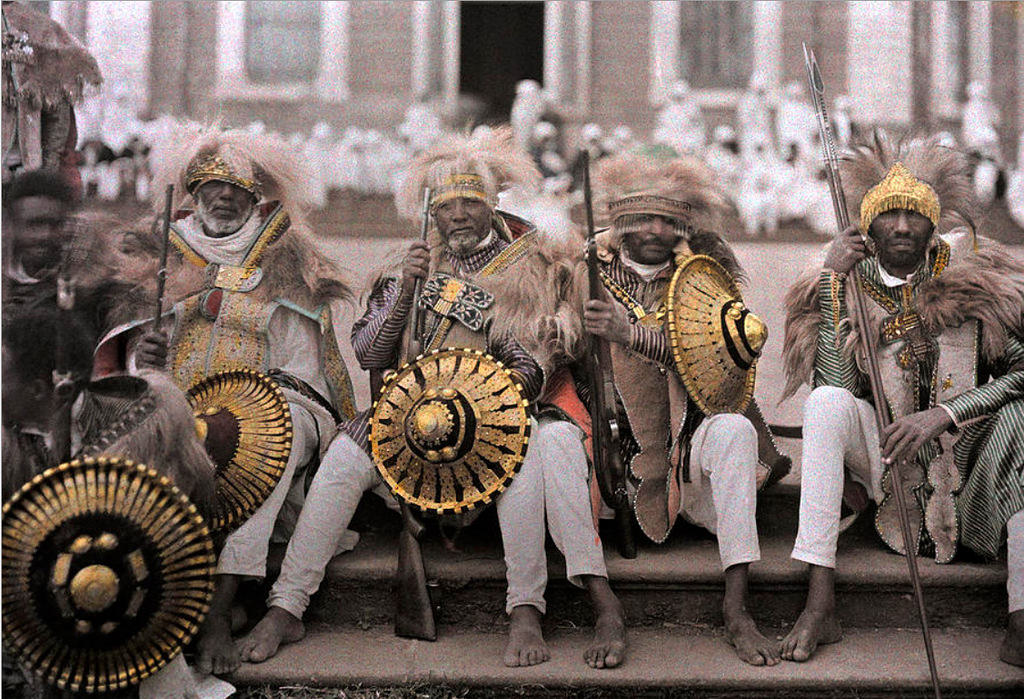
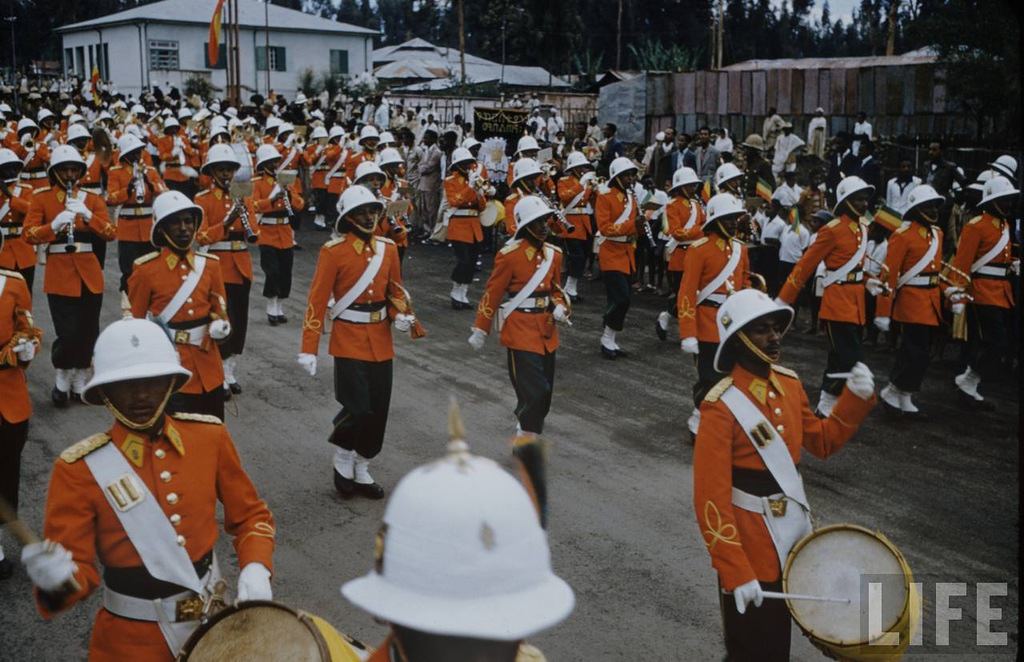
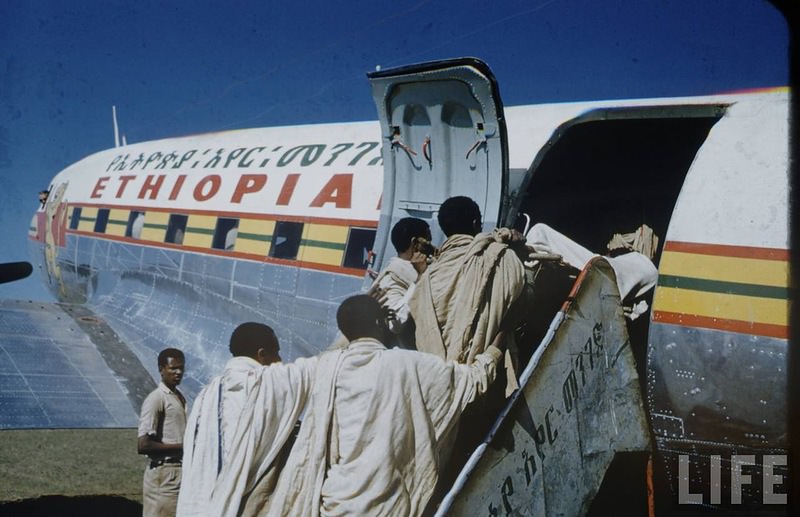
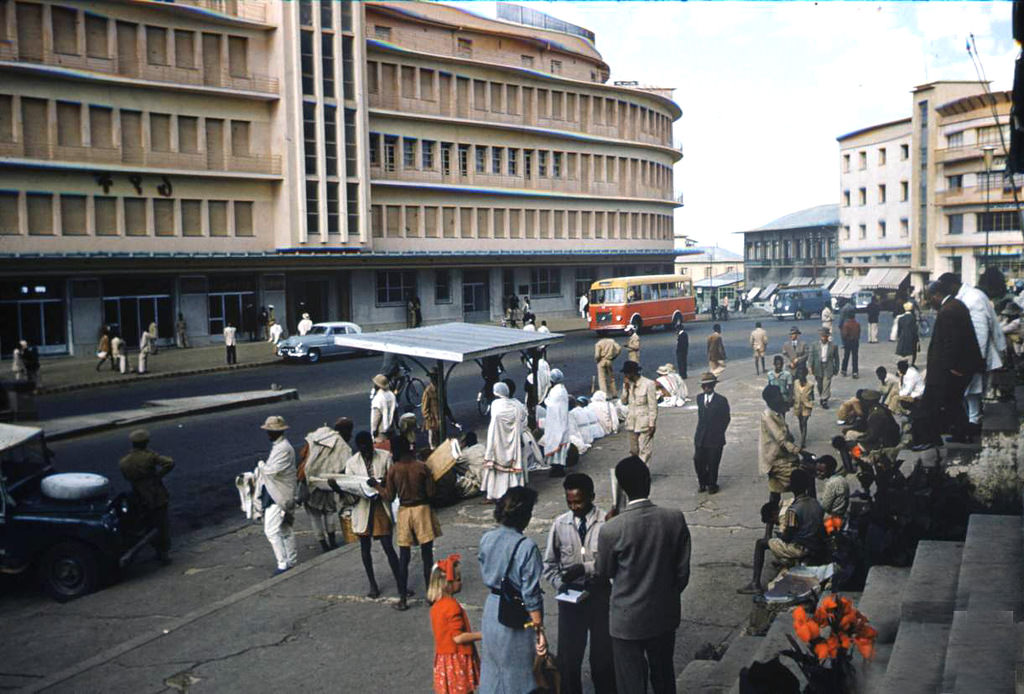
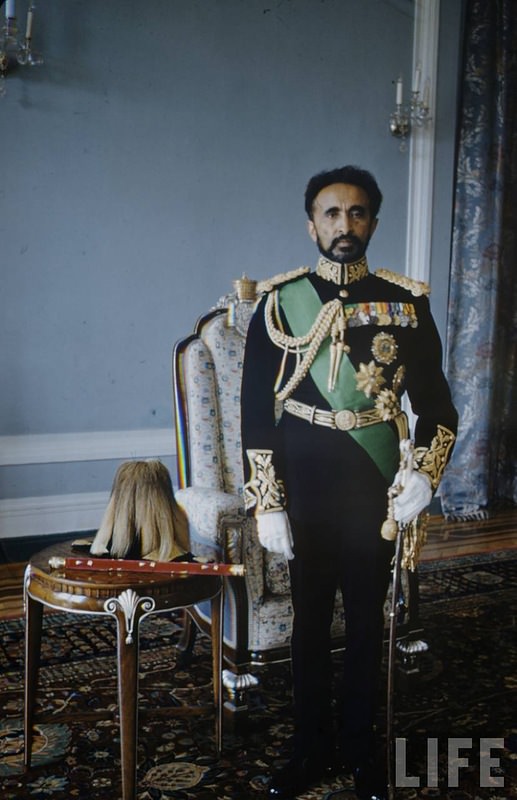
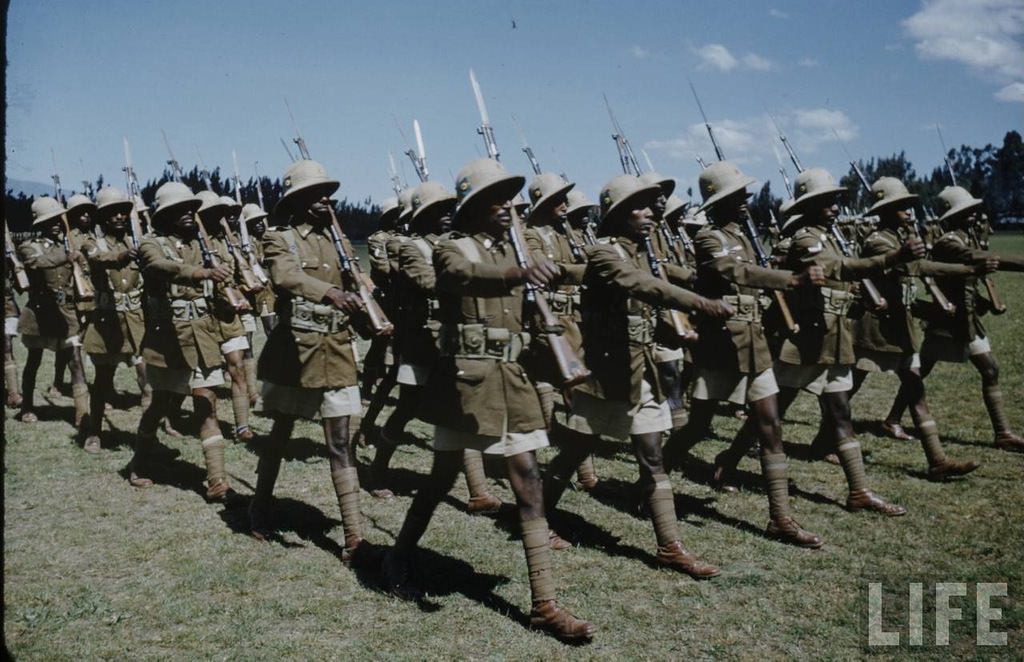
In 1955, Emperor Haile Selassie ruled Ethiopia. His decades-long reign shaped nearly every aspect of national life, from politics to the push for modernization. While cities like Addis Ababa were slowly changing, most Ethiopians still lived in rural areas, working the land.
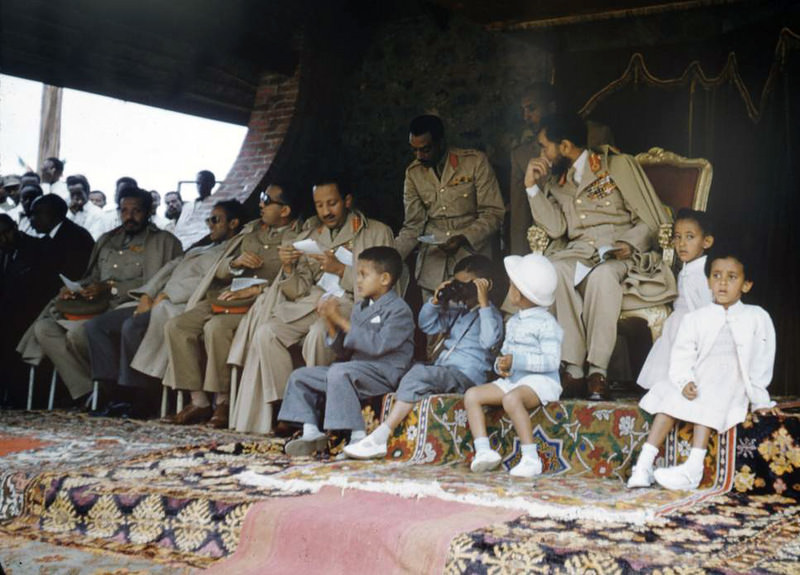
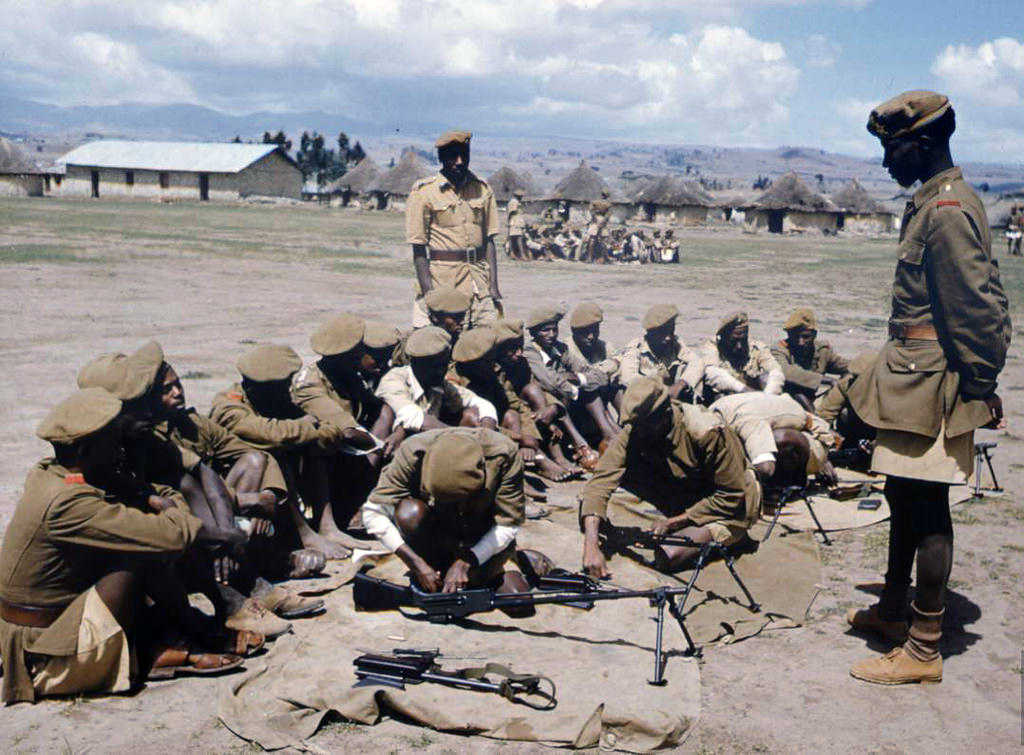
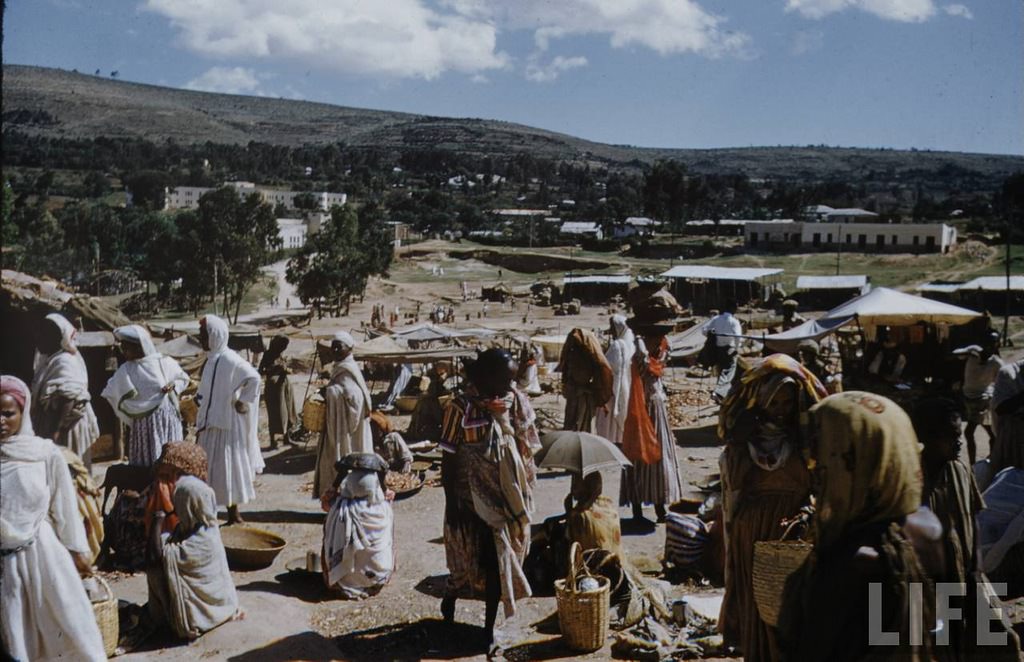
The majority of rural families were farmers growing teff, wheat, and barley, and raising cattle, sheep, and goats. Agriculture was the foundation of the economy. Families lived in tukuls — round mud-and-wood homes with thatched roofs built to handle the Ethiopian climate.
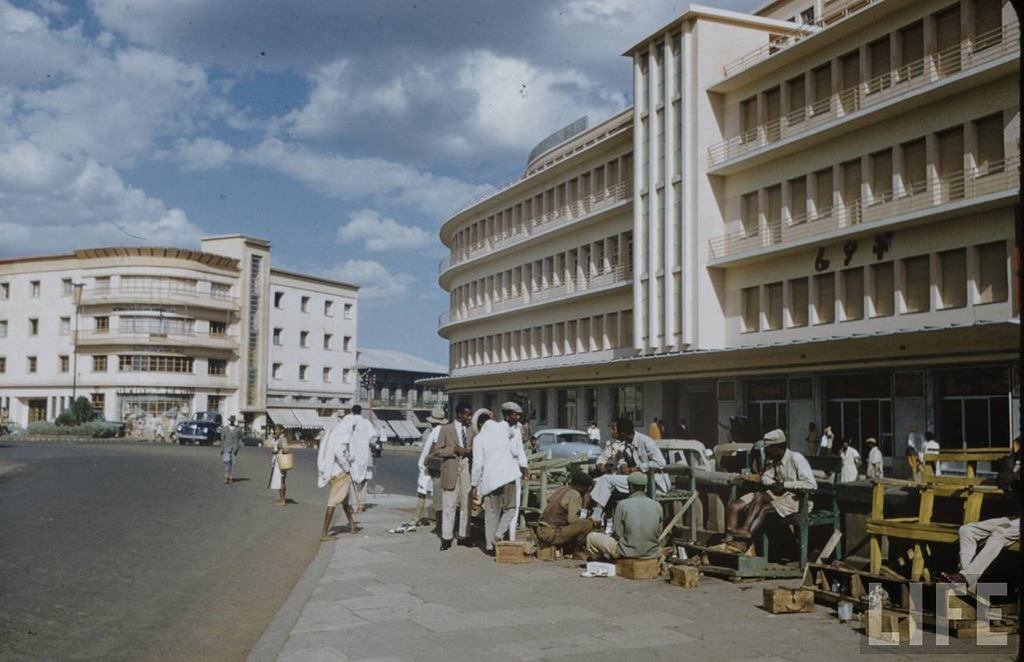
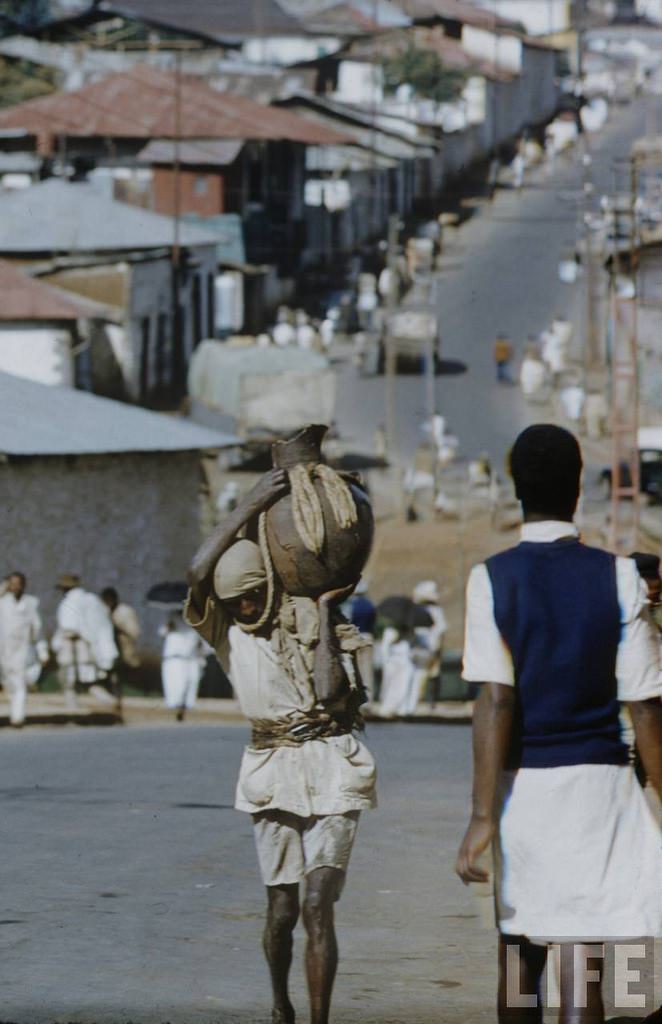
In Addis Ababa, modern buildings, cars, and buses were visible, though electricity was still limited. The pace of city life was noticeably faster than in the countryside.
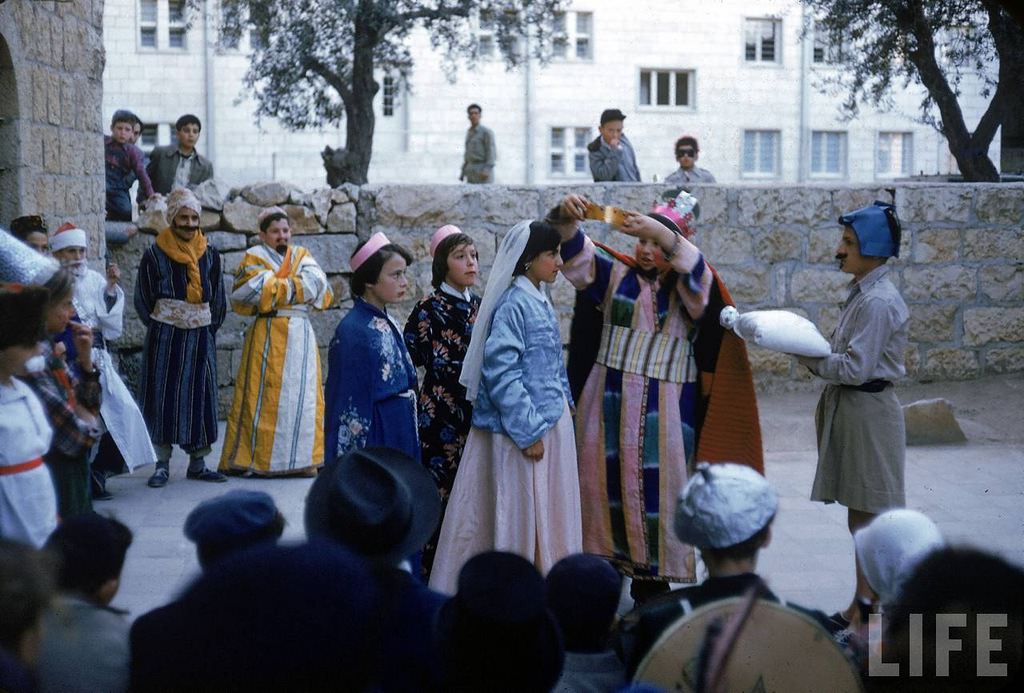
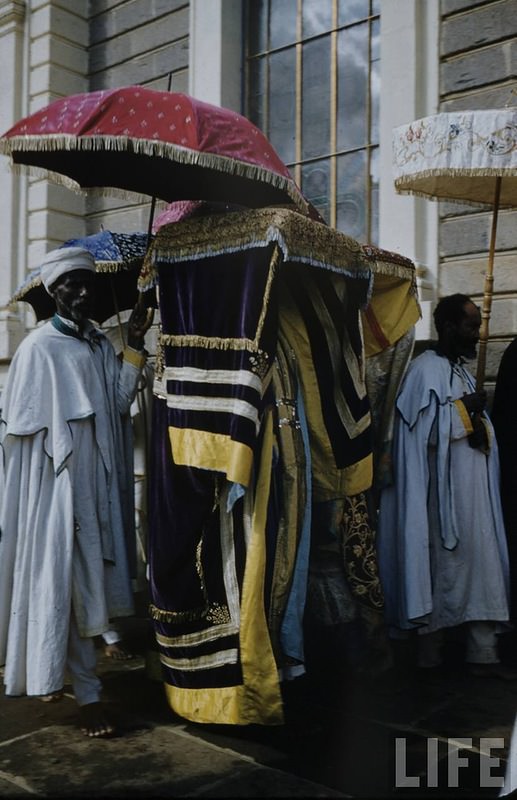
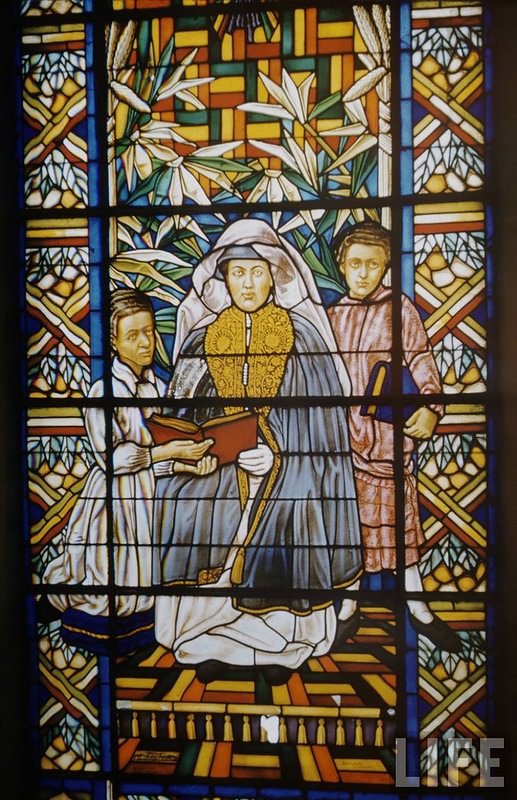
The Ethiopian Orthodox Tewahedo Church was central to daily life. Religious festivals brought communities together for prayer and celebration. Most Ethiopians organized their social calendar around these events.
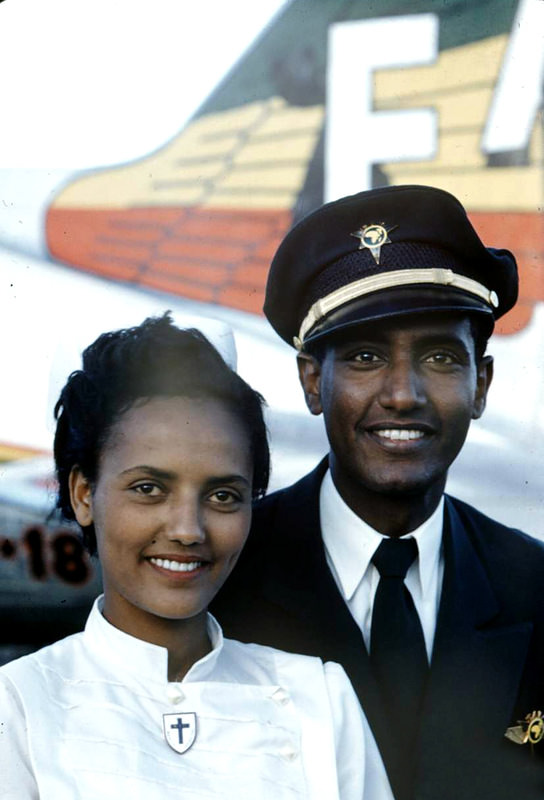
Education was expanding but still out of reach for many children. Literacy rates were low, particularly in rural areas. Those who attended school often walked long distances to get there. The government was actively working to build more schools.
The coffee ceremony was a defining social tradition. Beans were roasted, ground, and brewed in front of guests. The ritual served as a way to welcome visitors and foster conversation — and it regularly lasted several hours.