Talbot Hughes was an English painter who worked across genre, history, and landscape. He was also a serious collector of historical costumes and miniature portraits, and he wrote about fine art and costume design. Over the course of his career, Hughes gathered more than 750 historical costumes and accessories that spanned four centuries — from 1450 all the way through the 1870s. He used these pieces as studio props, giving his paintings an authentic look that set them apart.
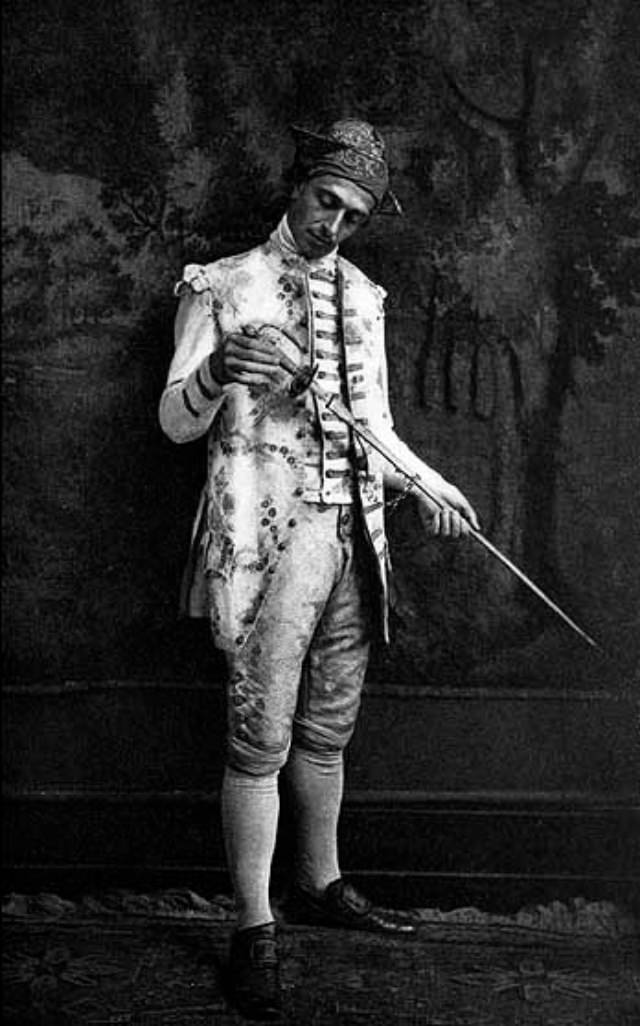
Hughes didn’t just hoard his collection. He began donating items to the Victoria and Albert Museum in London as early as 1910, when he gave the museum an 1820s frock coat. The V&A continued to receive donations from Hughes all the way until 1931, making him one of the museum’s most consistent individual contributors of historical dress.

In 1913, Hughes put the bulk of his remaining collection up for sale. An American department store made an offer of £5,000, with plans to donate the entire collection to the Metropolitan Museum of Art in New York. Hughes turned it down. Instead, he sold the collection to Harrods in London for just £2,500 — less than half the American offer. His reason was simple: he wanted the collection to stay in England.
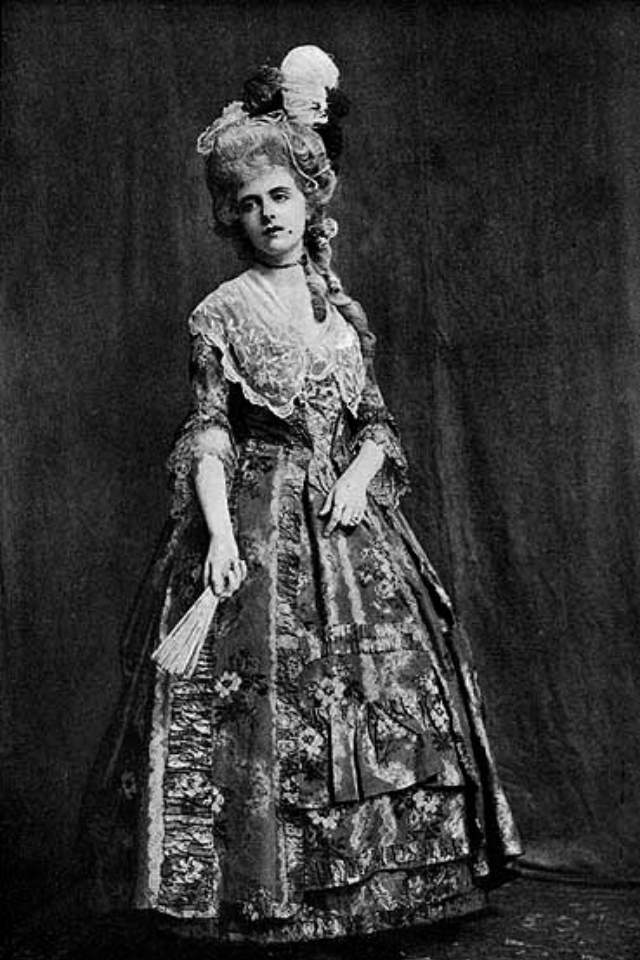
Harrods put the costumes on display for three weeks inside the store. The exhibition was designed to promote the store’s own line of contemporary women’s fashions by placing them alongside the historic garments. Thousands of Londoners walked through and viewed pieces that dated back hundreds of years.
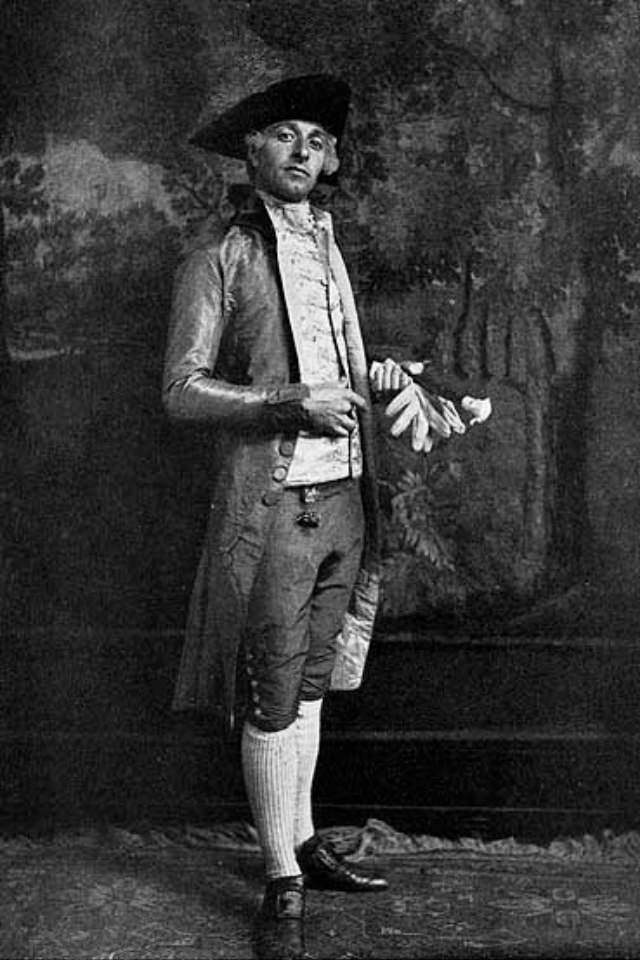

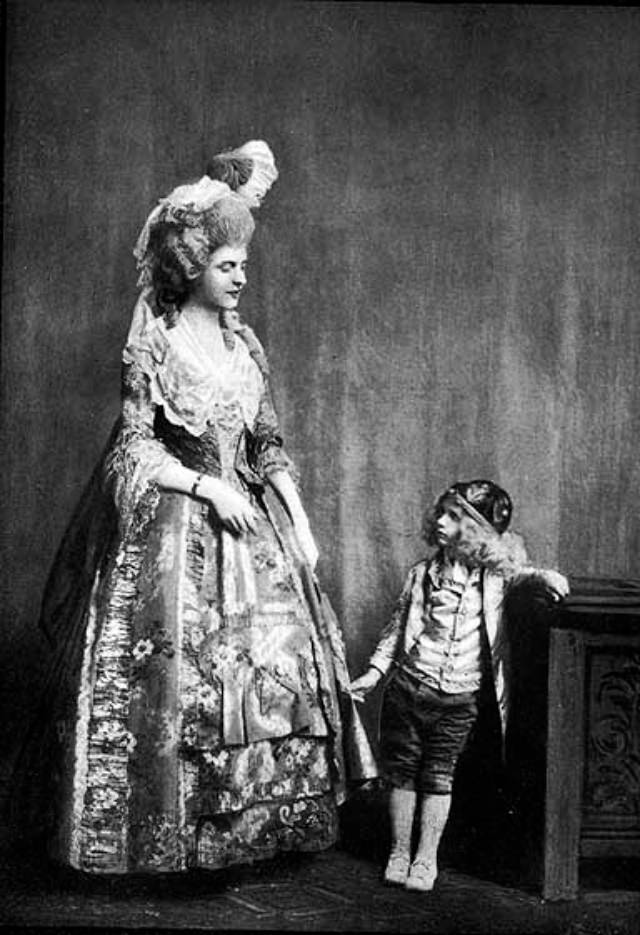
During those three weeks, Cecil Harcourt Smith — who was then the Director of the Victoria and Albert Museum — negotiated directly with Harrods. The result was that Harrods donated the entire Hughes collection to the V&A. What had started as a retail promotion ended with one of the more notable costume acquisitions in the museum’s history.
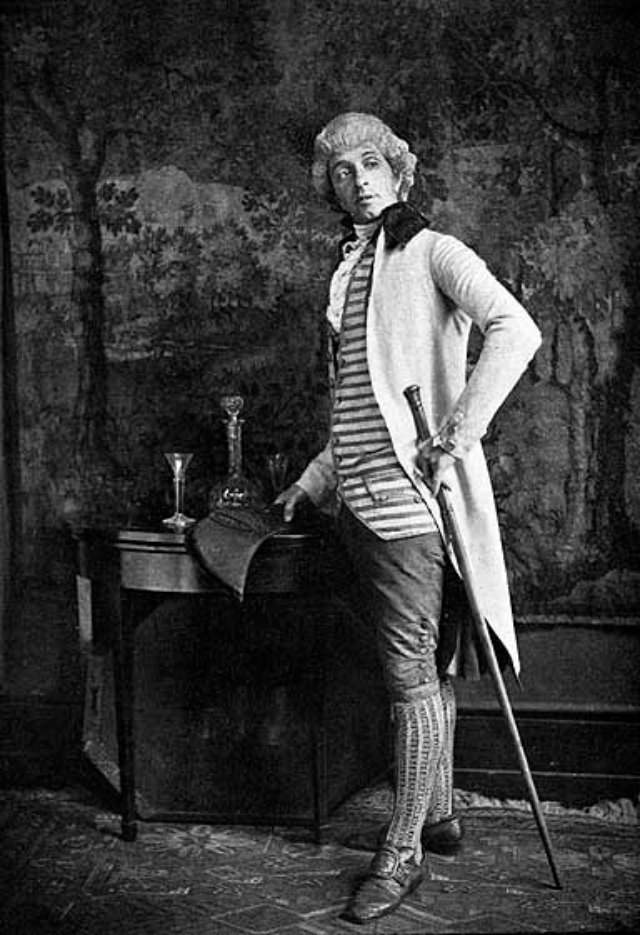
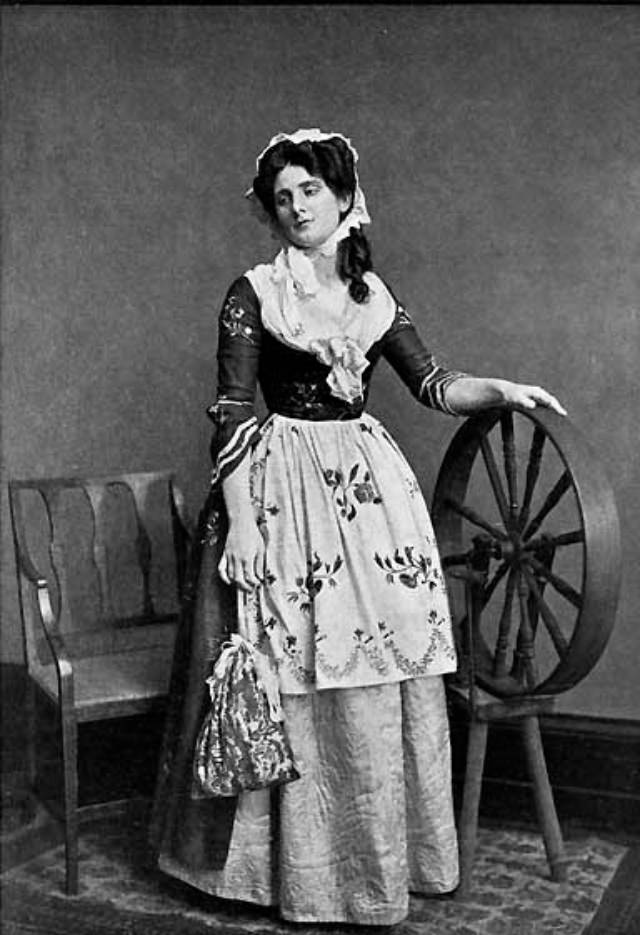
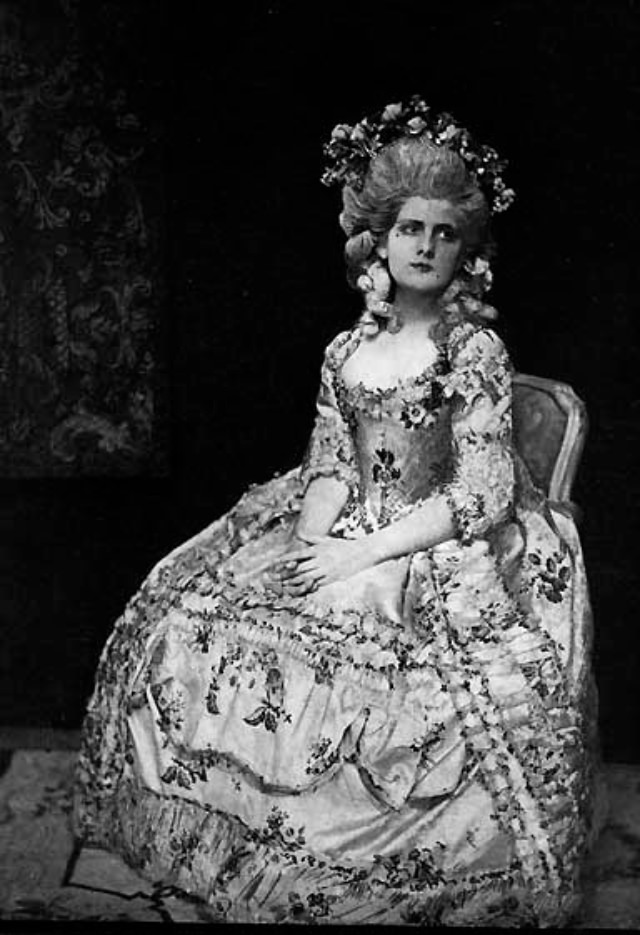
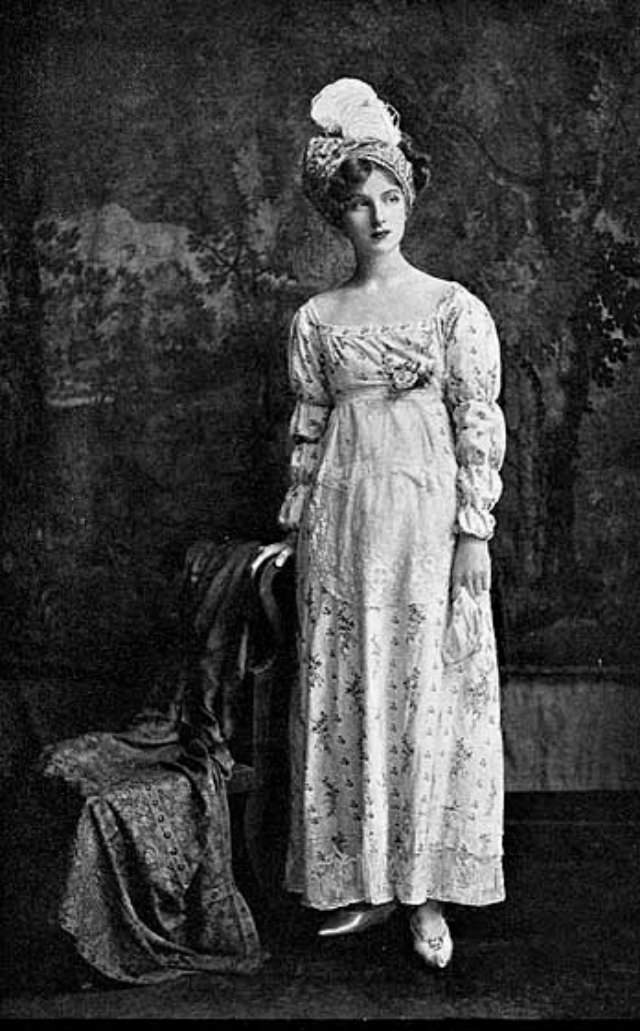
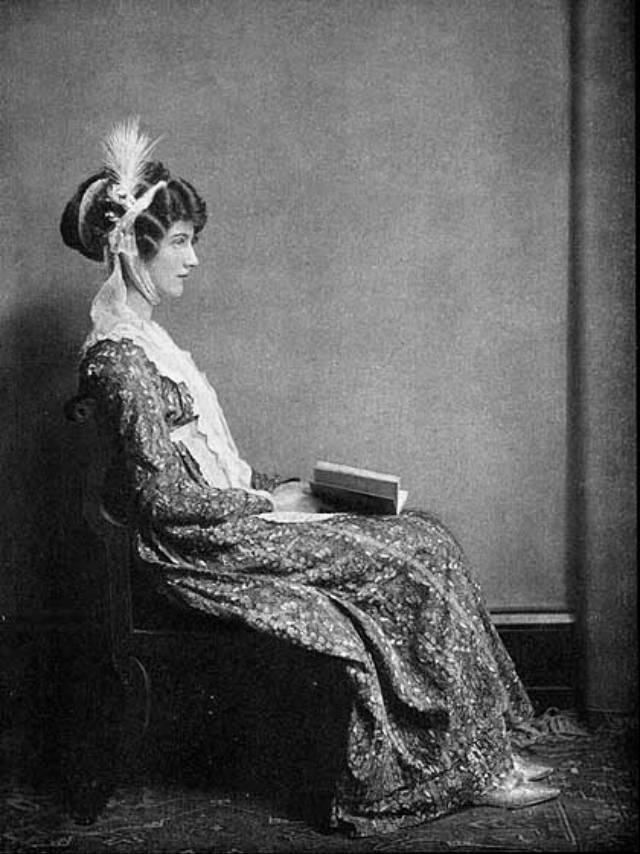
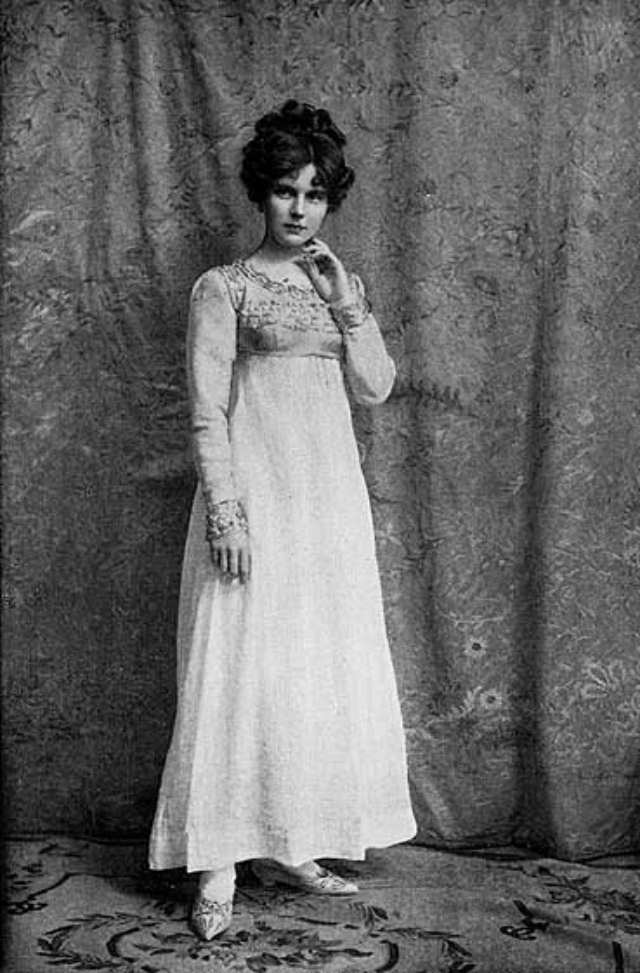
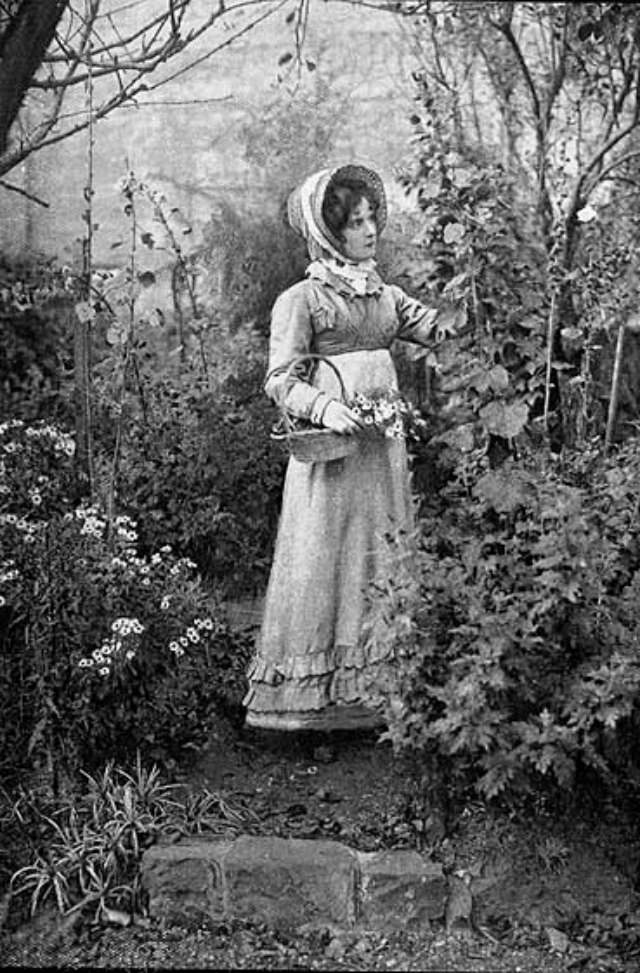
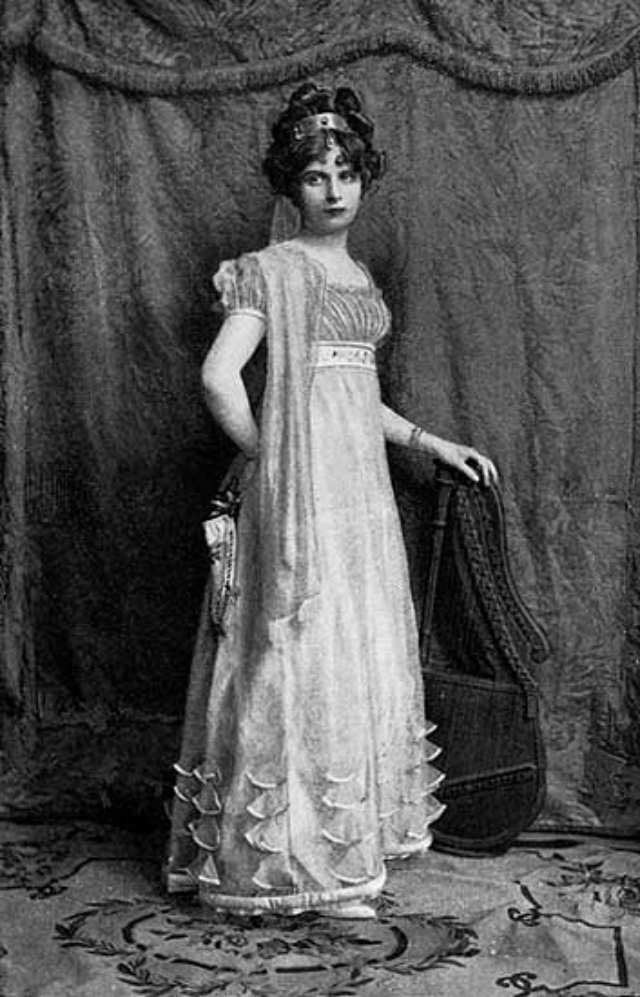
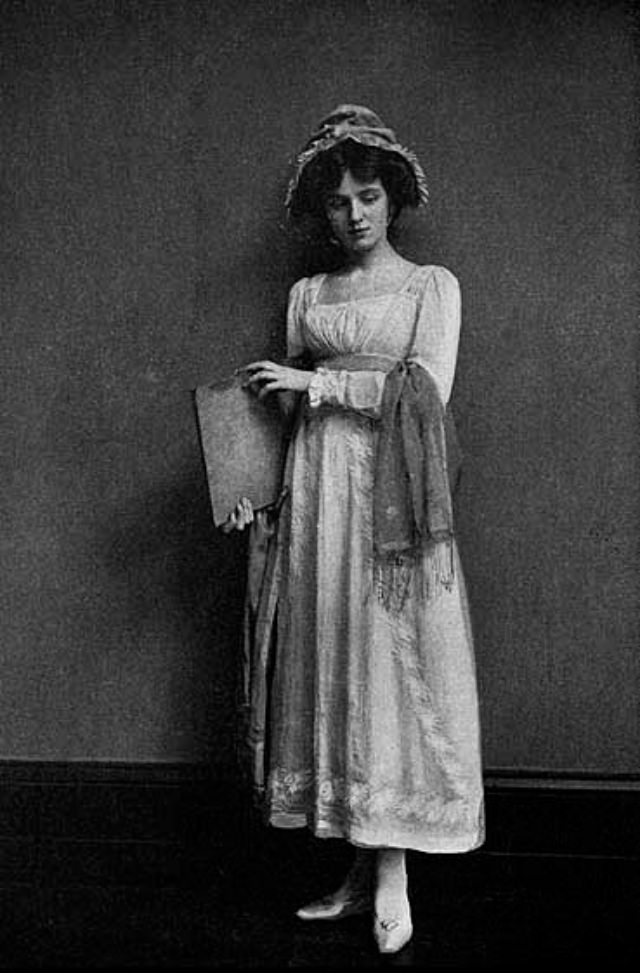
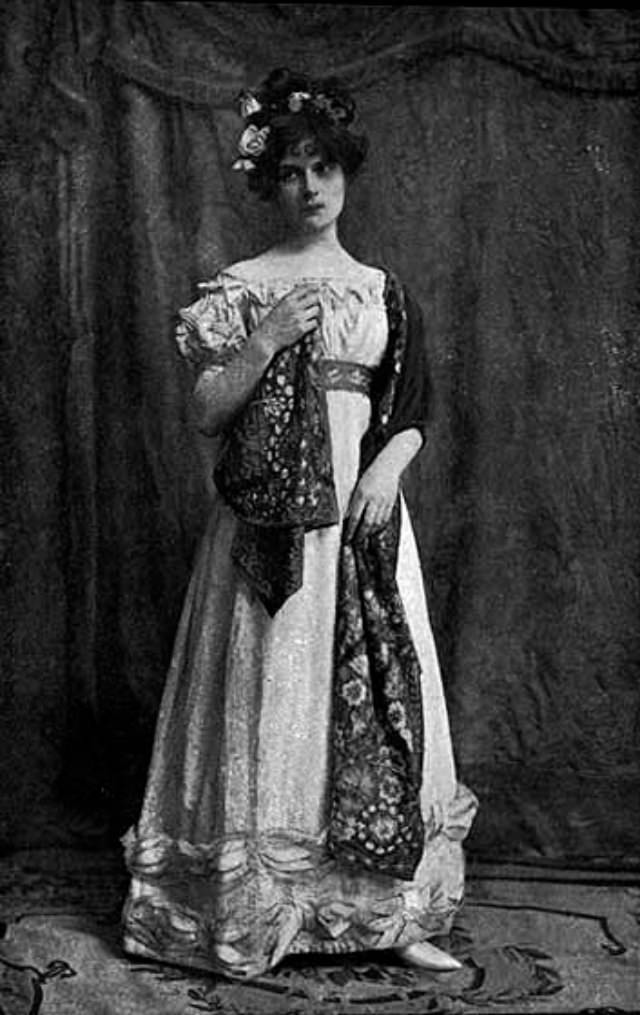
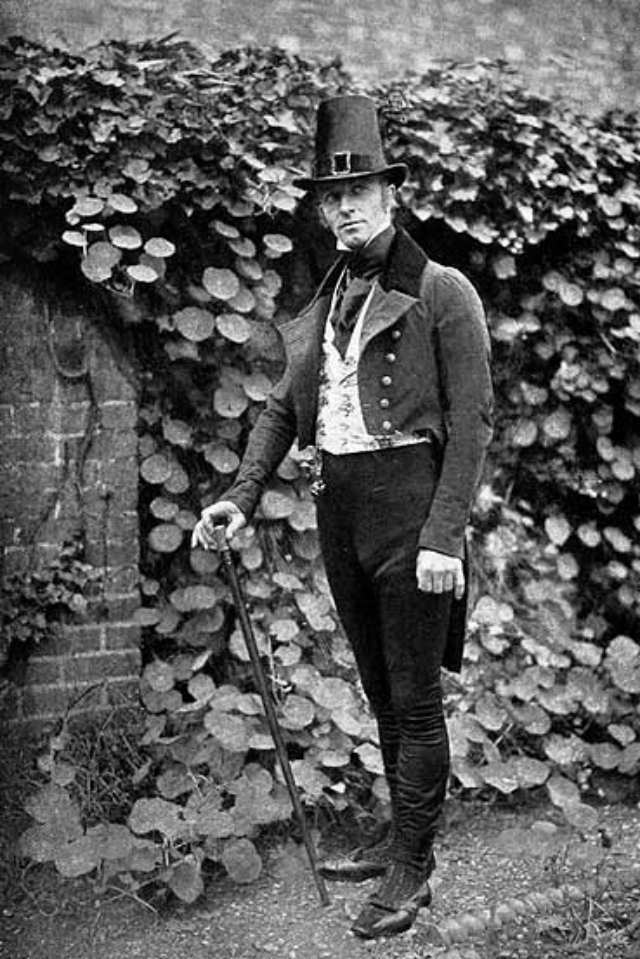
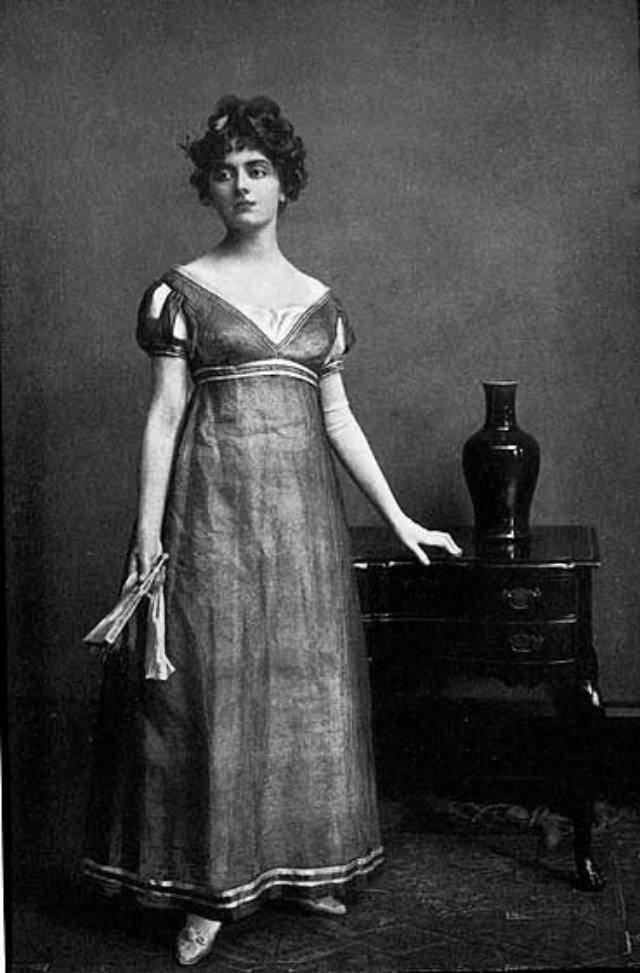
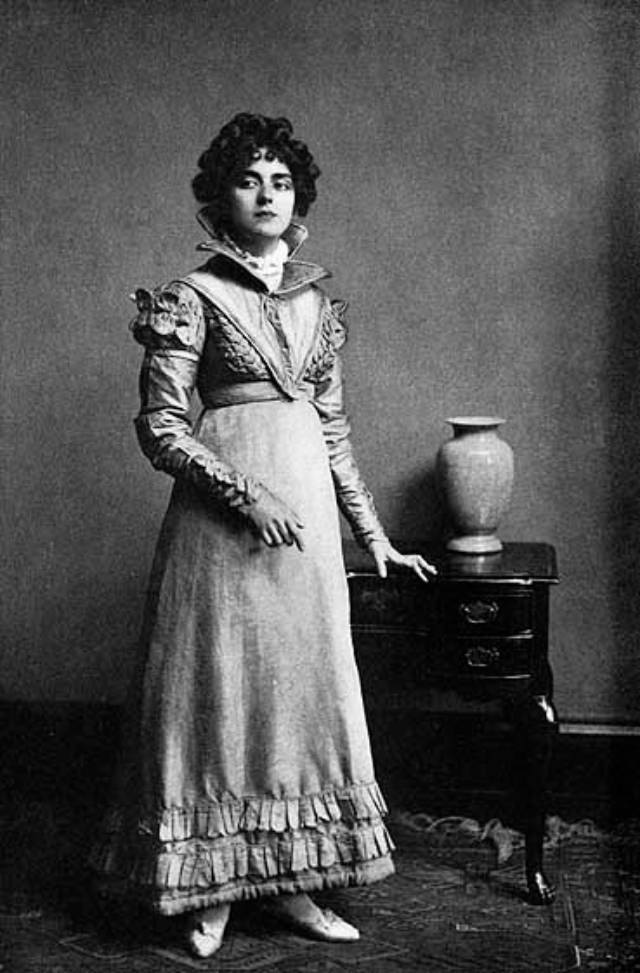
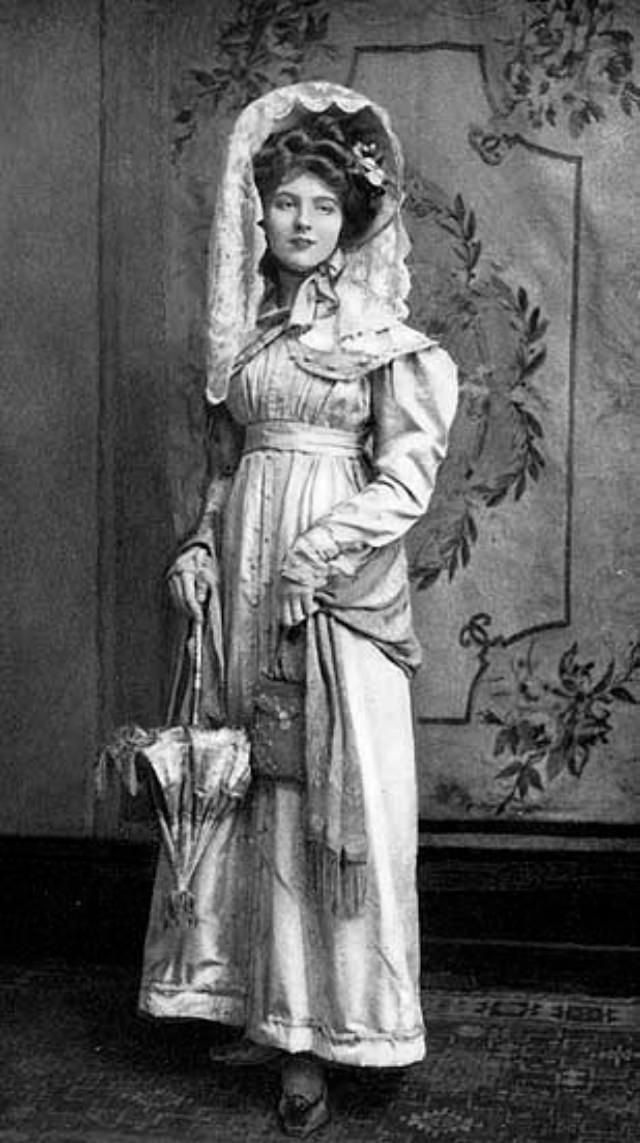
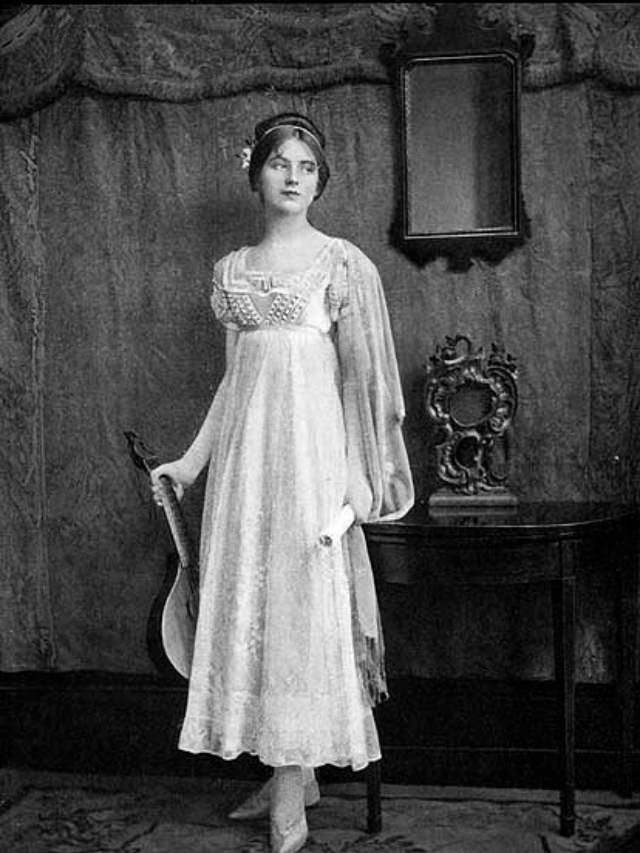
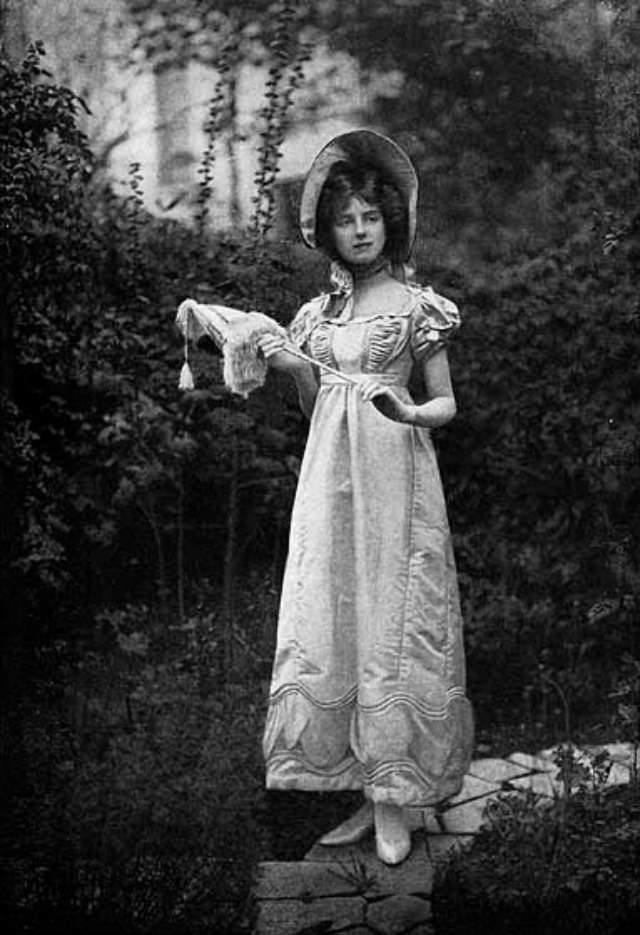
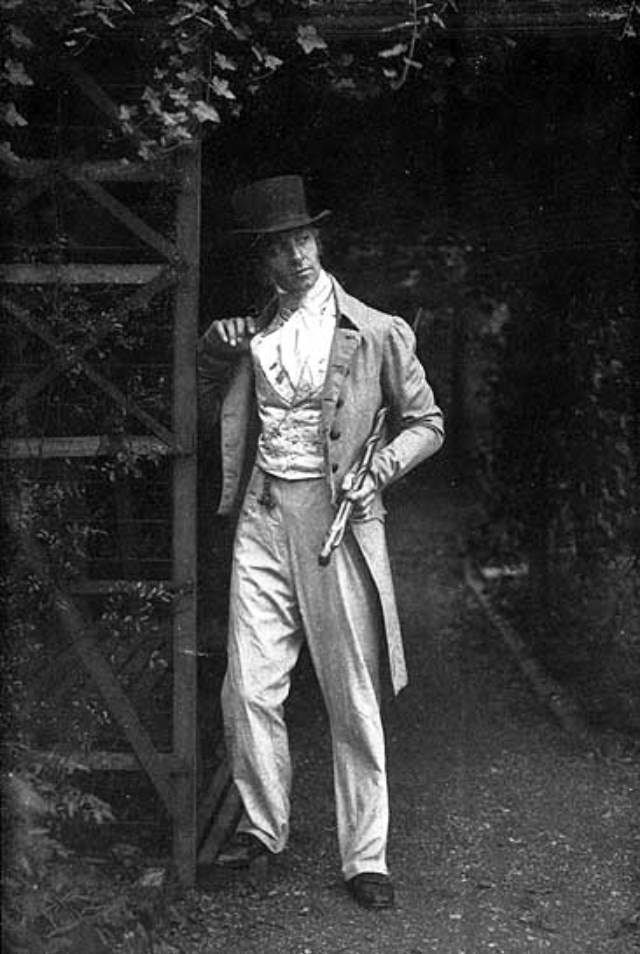
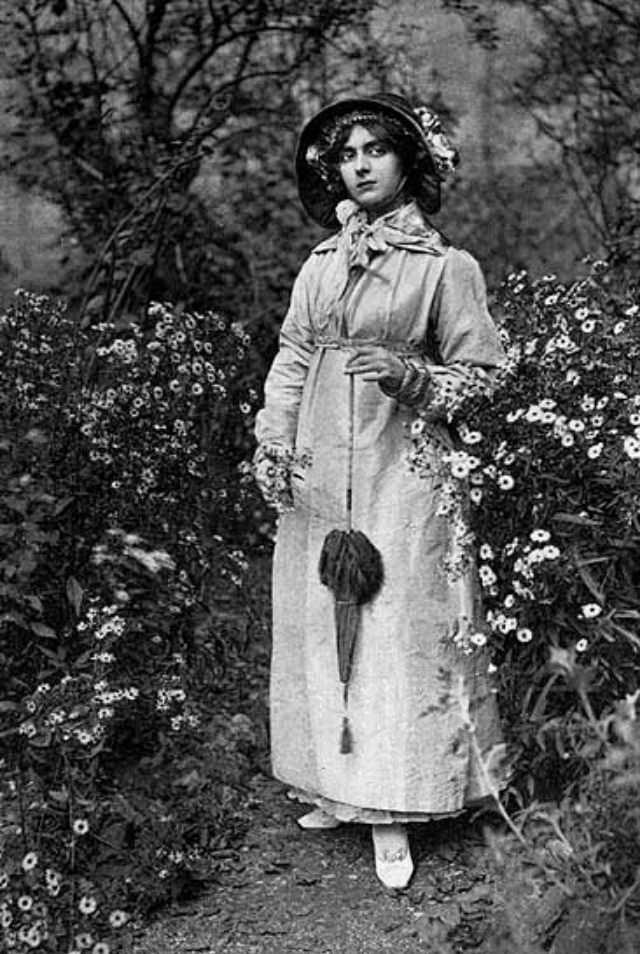
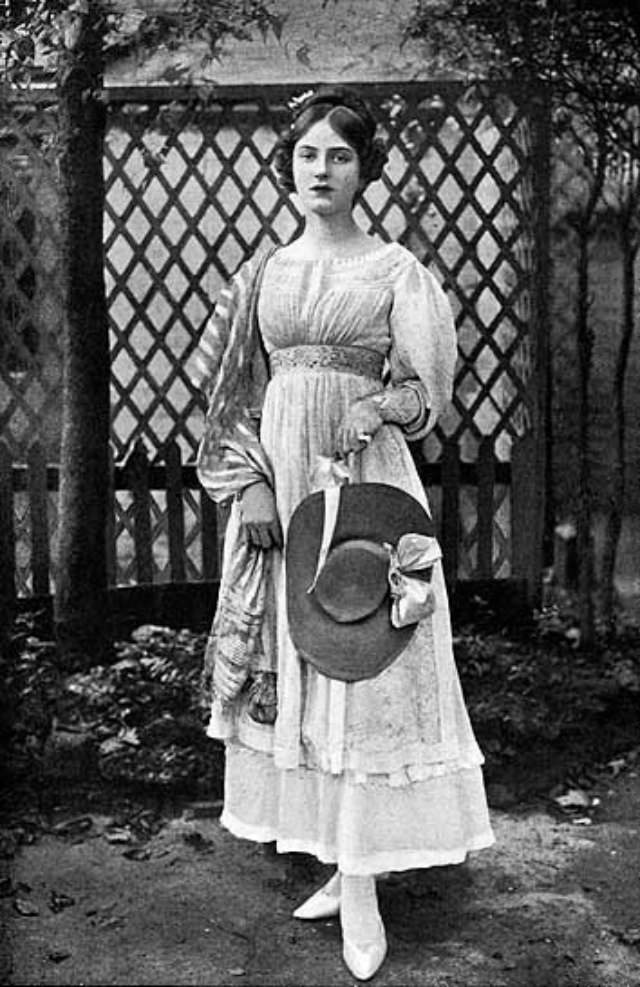
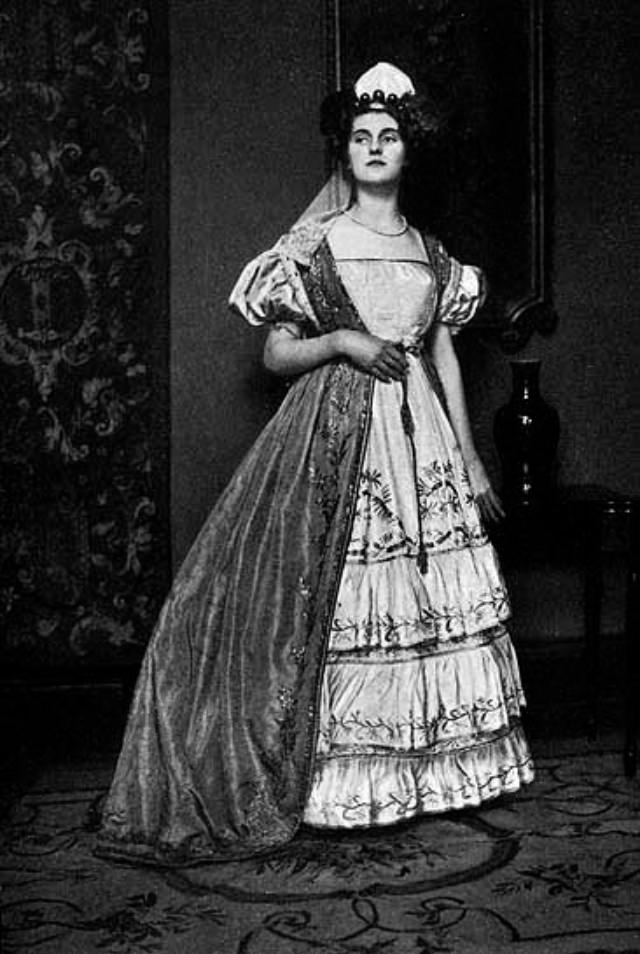
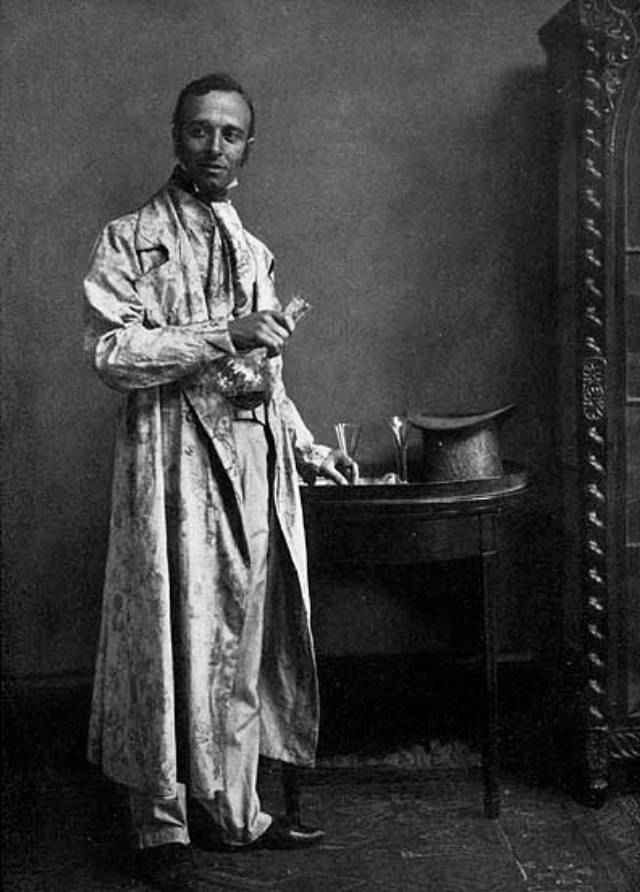
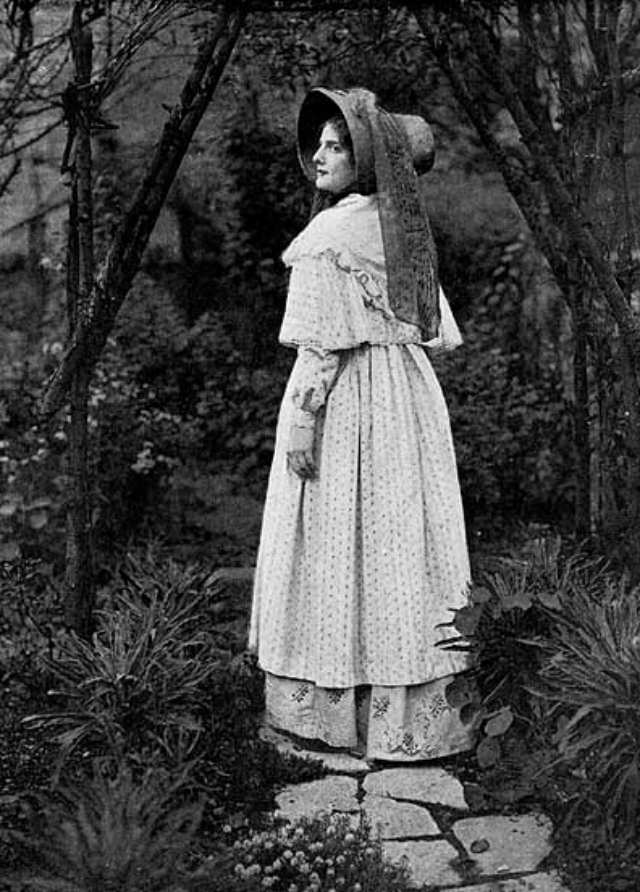
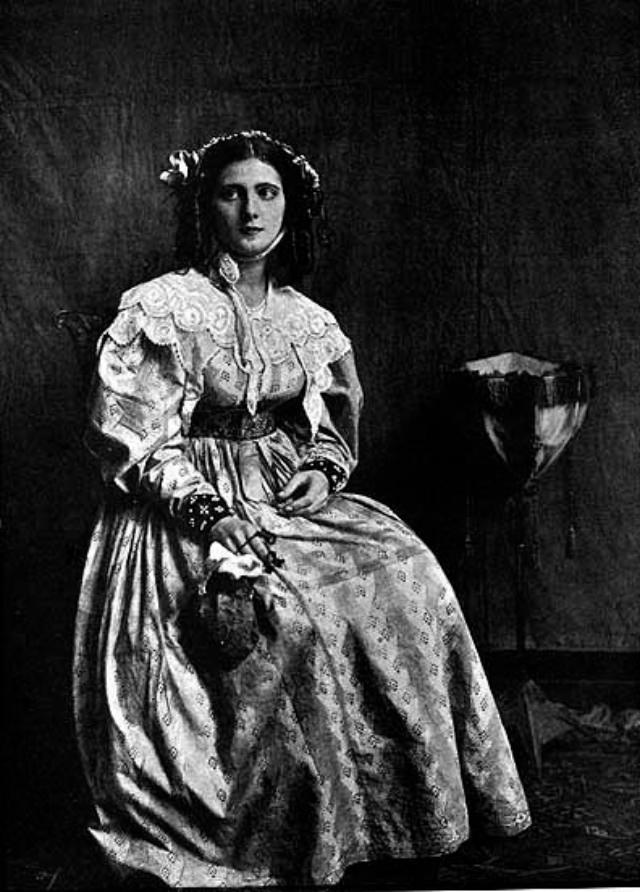
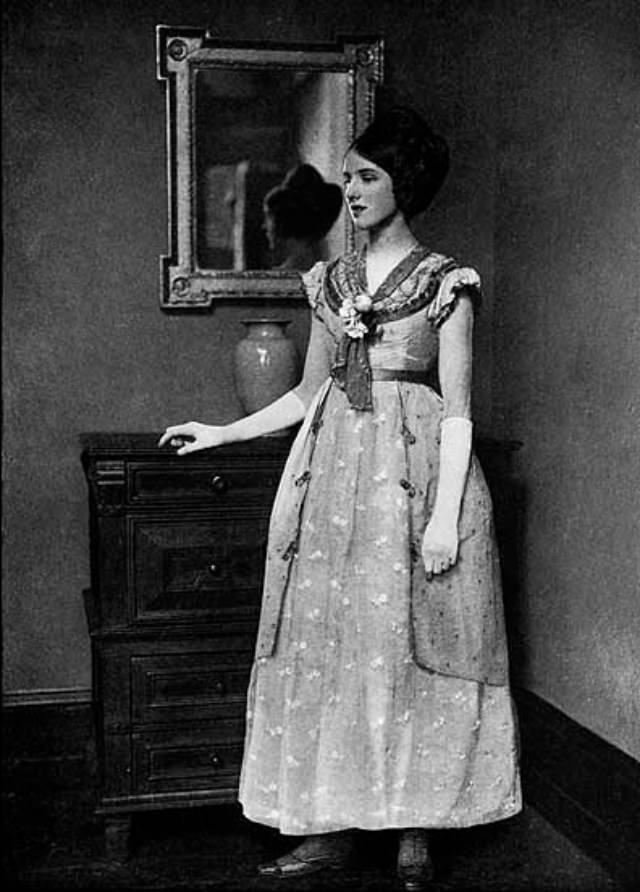
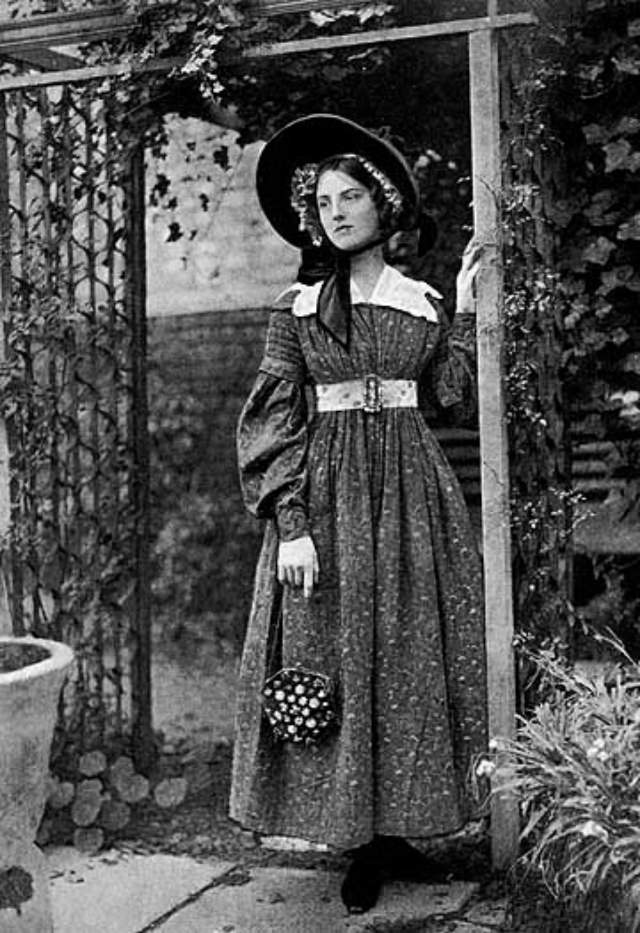
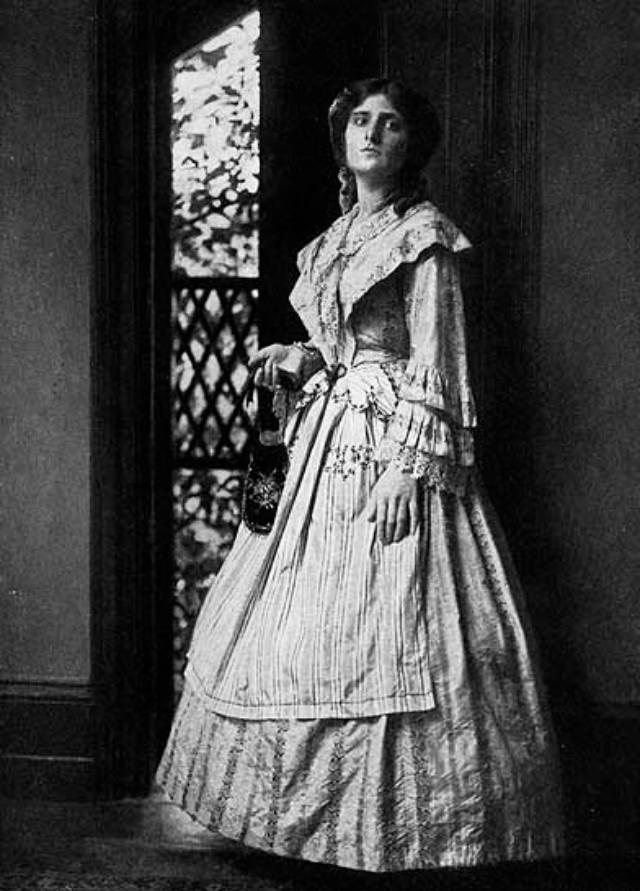
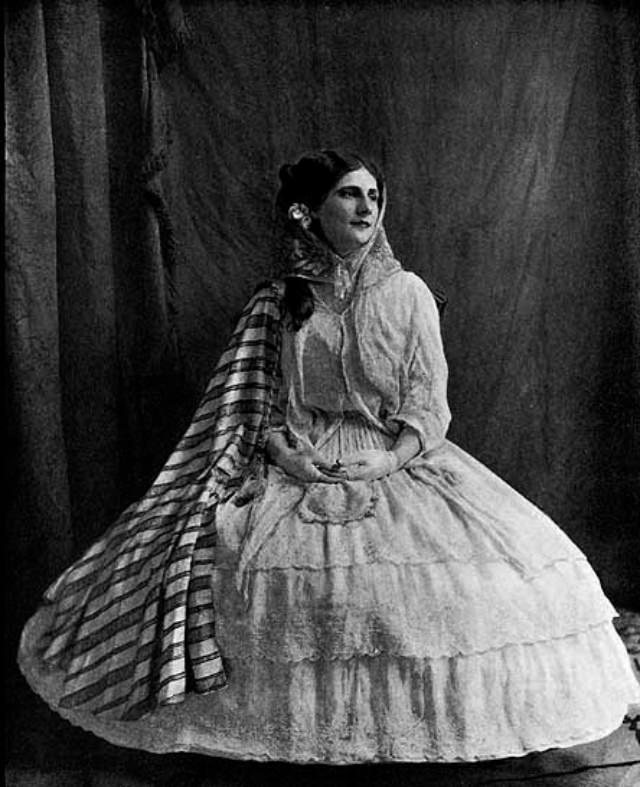
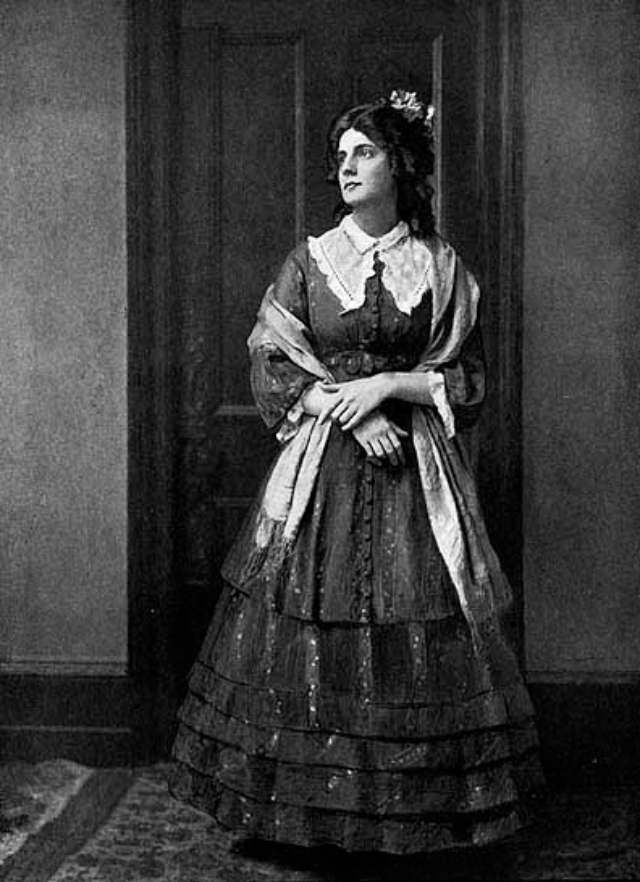
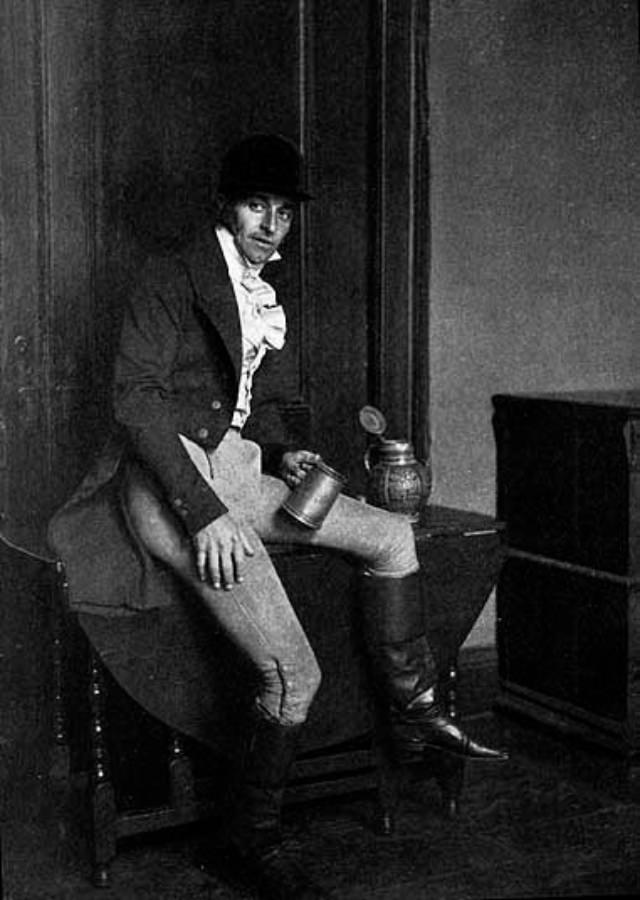
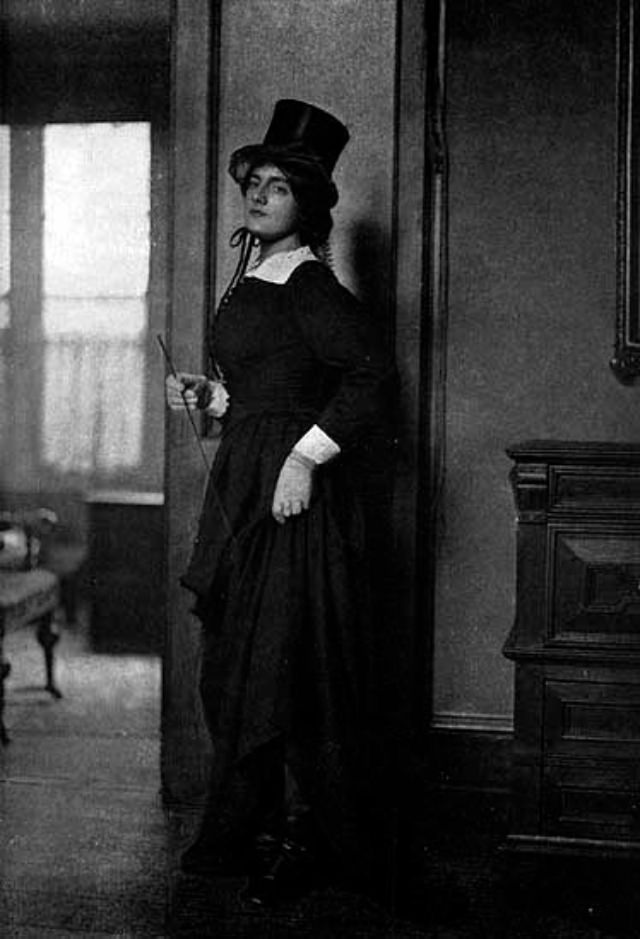
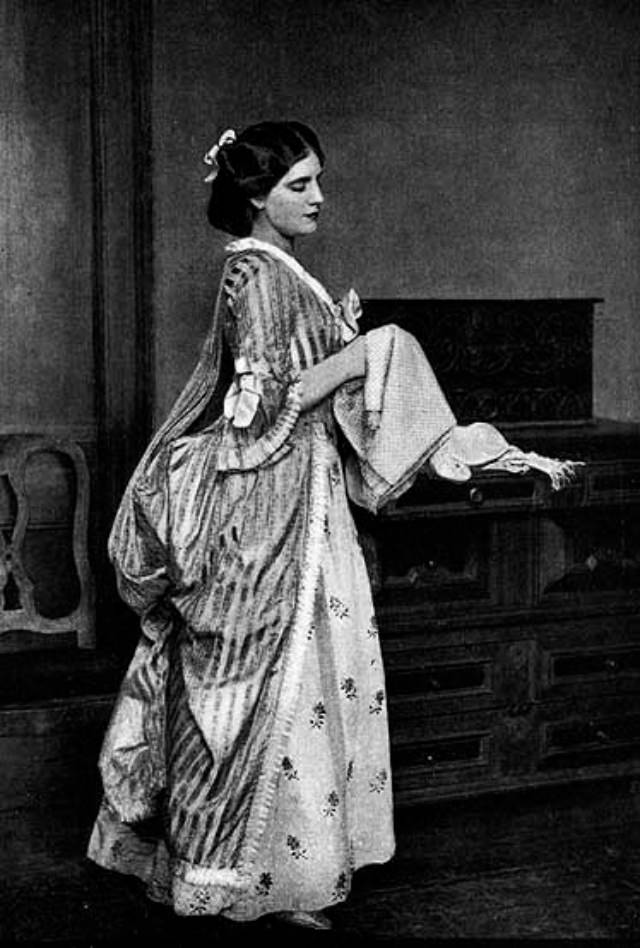
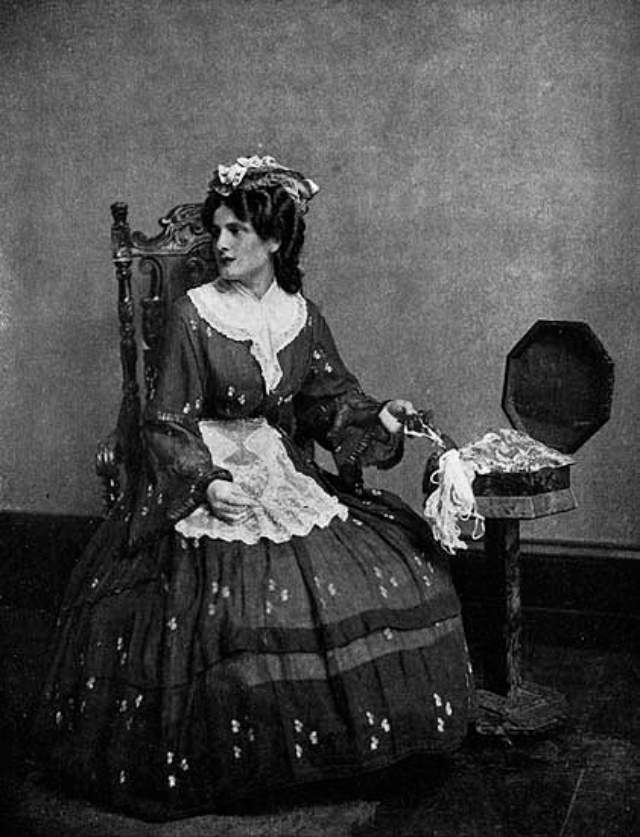
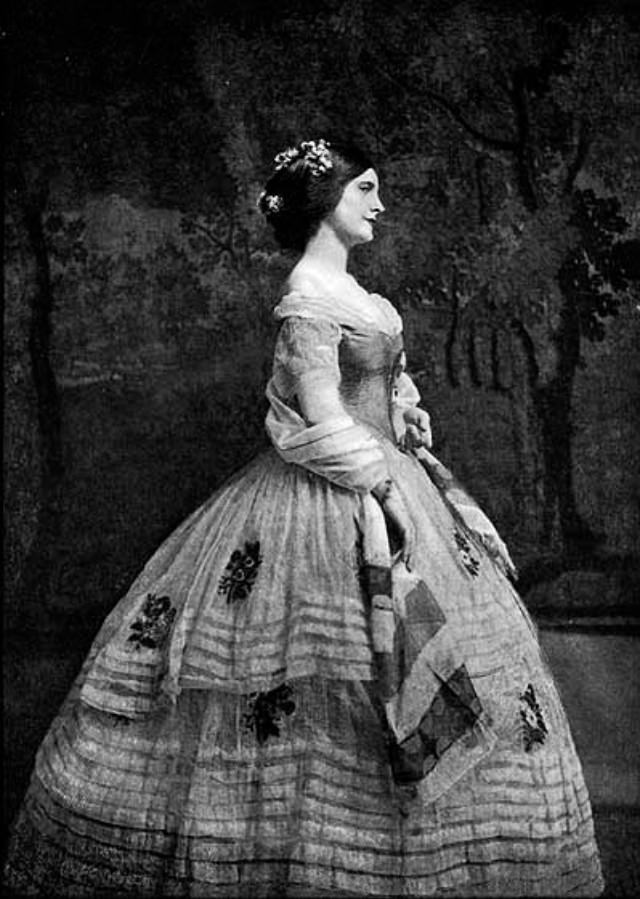
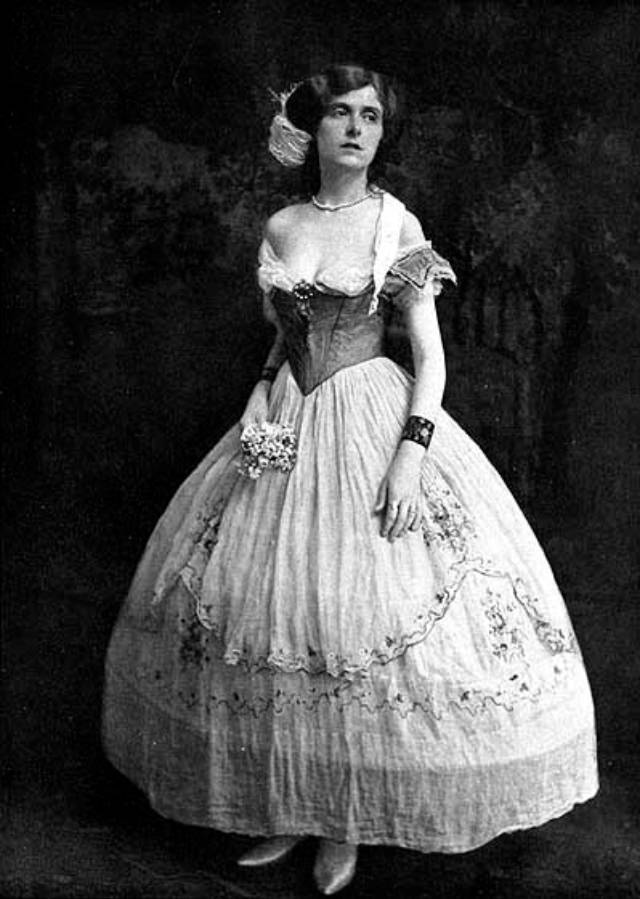
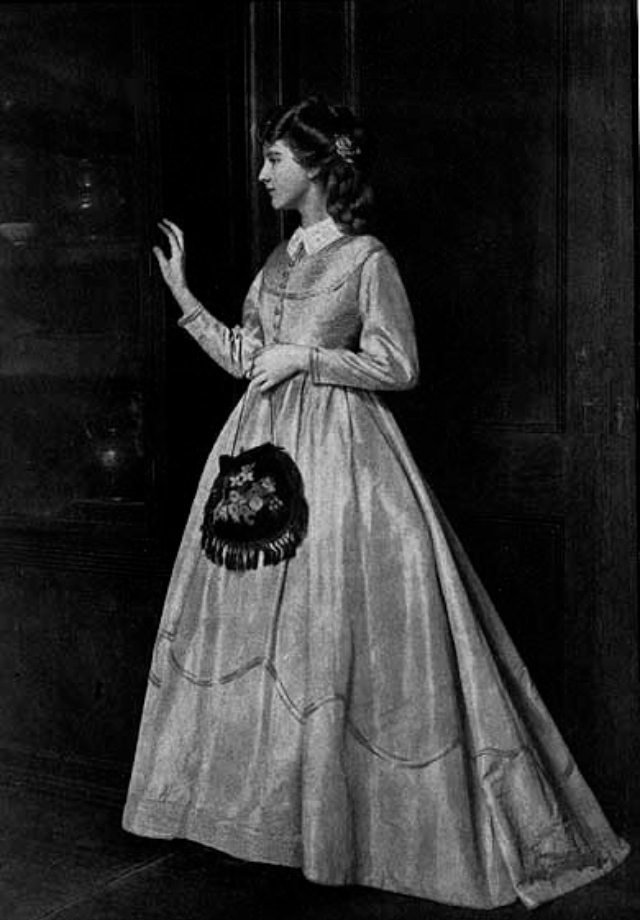
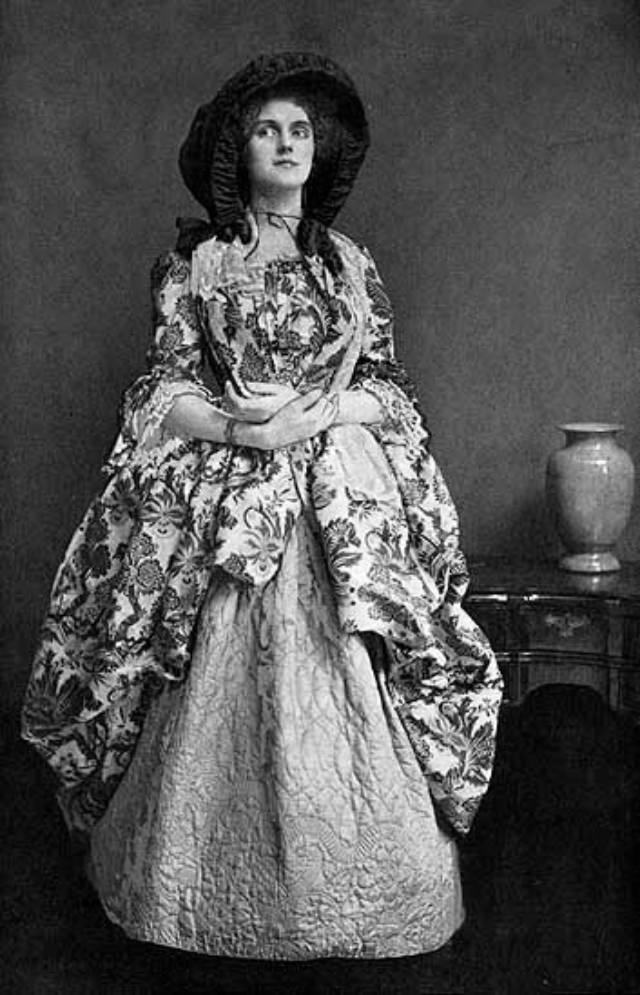
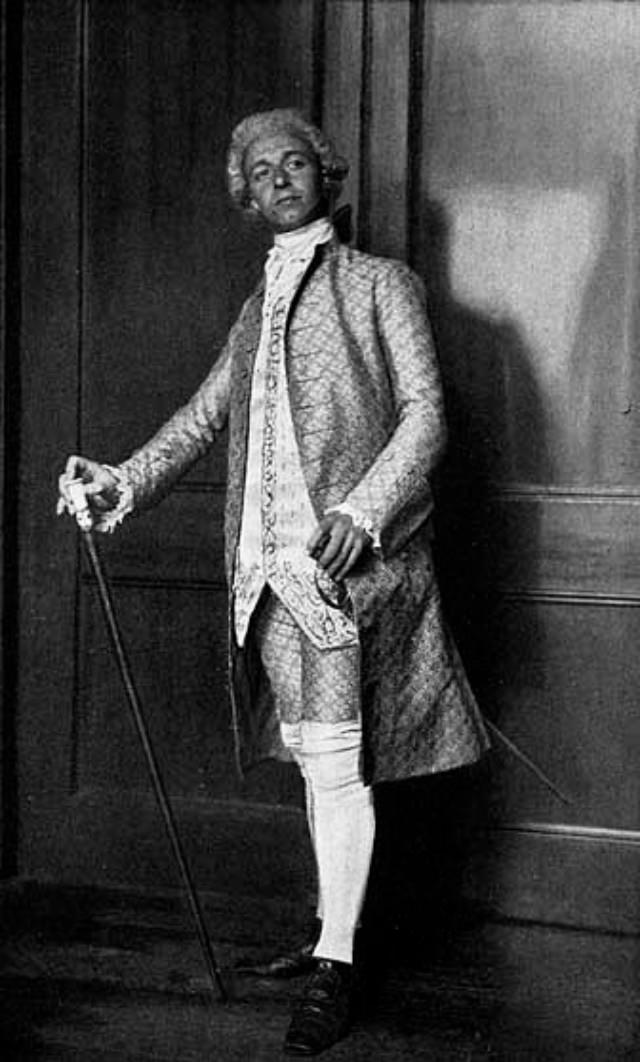
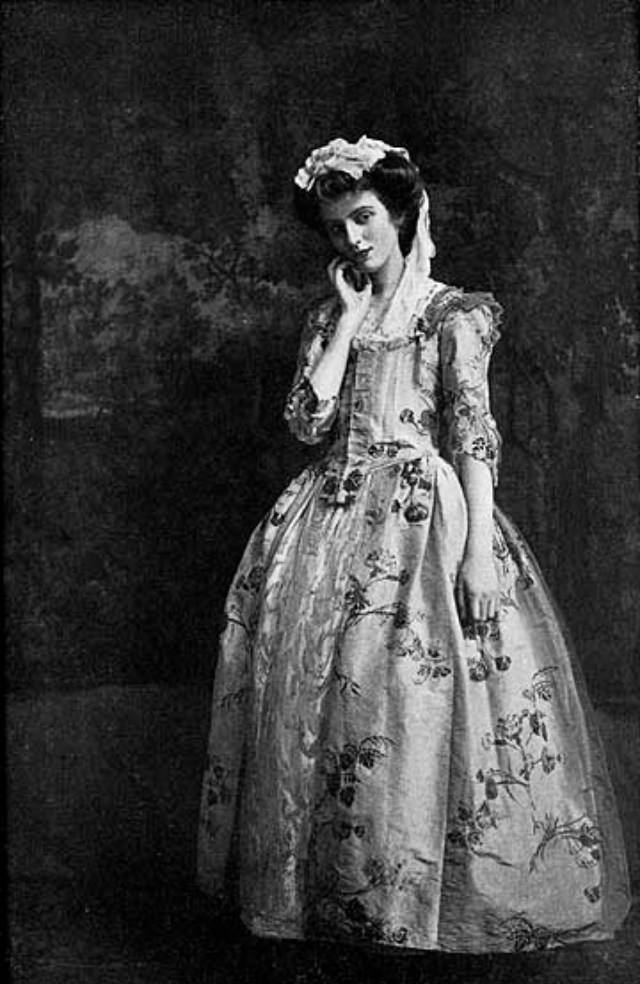
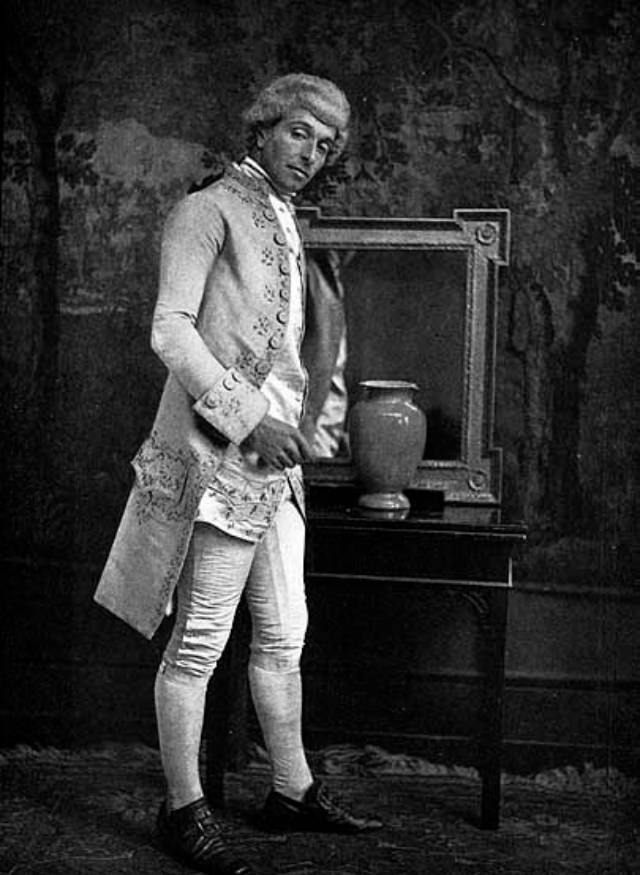
The photos in this collection show people wearing costumes from across those four centuries. Each one offers a direct look at the styles, fabrics, and silhouettes that defined English dress from the late medieval period through the Victorian era. The range is striking — from the structured, layered garments of the 1400s and 1500s to the tailored coats and full skirts of the 1800s.
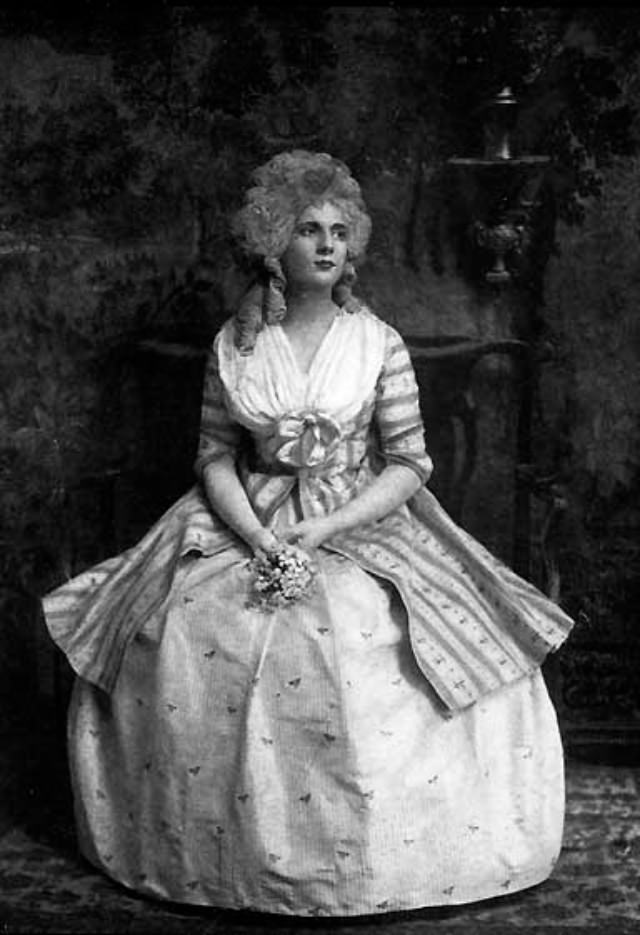
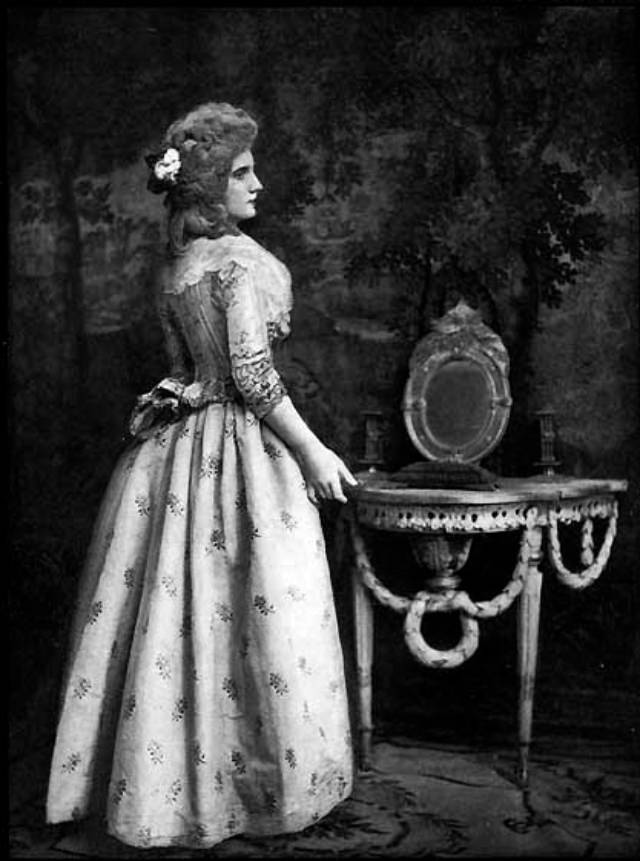
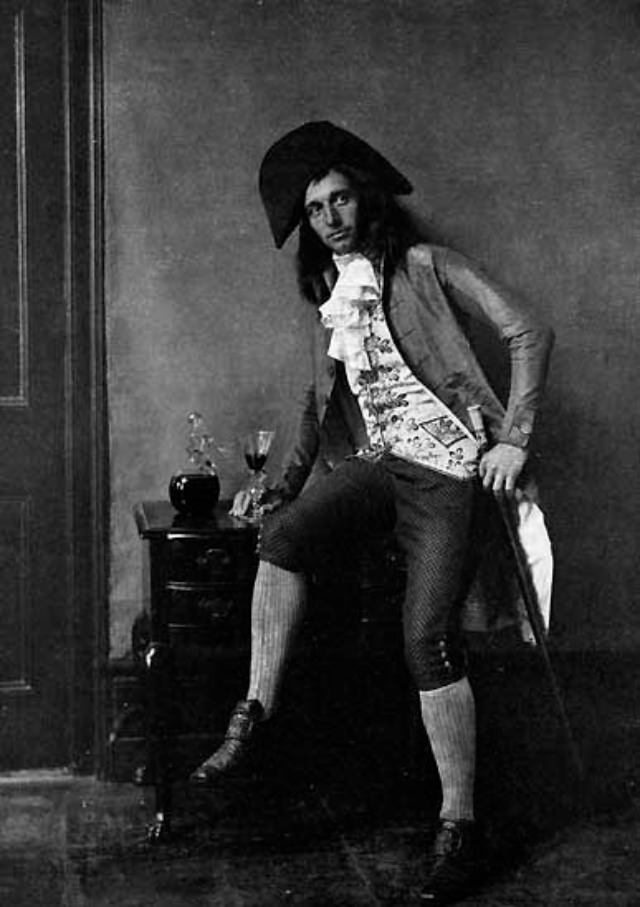
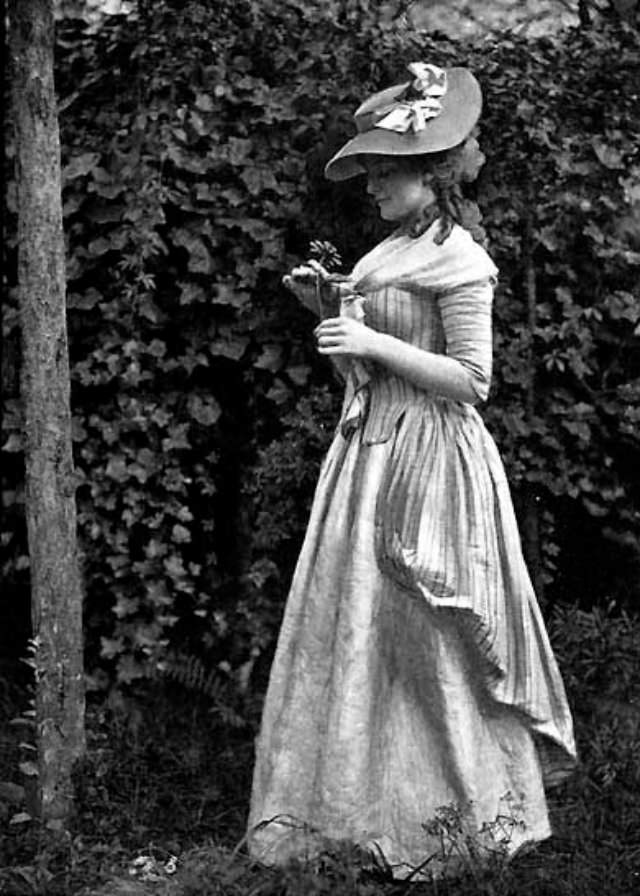
What makes Hughes’s collection so valuable to historians is its breadth. Most collectors focused on a single period or style. Hughes gathered garments across more than 400 years, preserving pieces that would otherwise have been lost, repurposed, or destroyed. Each costume tells something specific about the era it came from — the materials available, the social expectations, and the craftsmanship of the time.
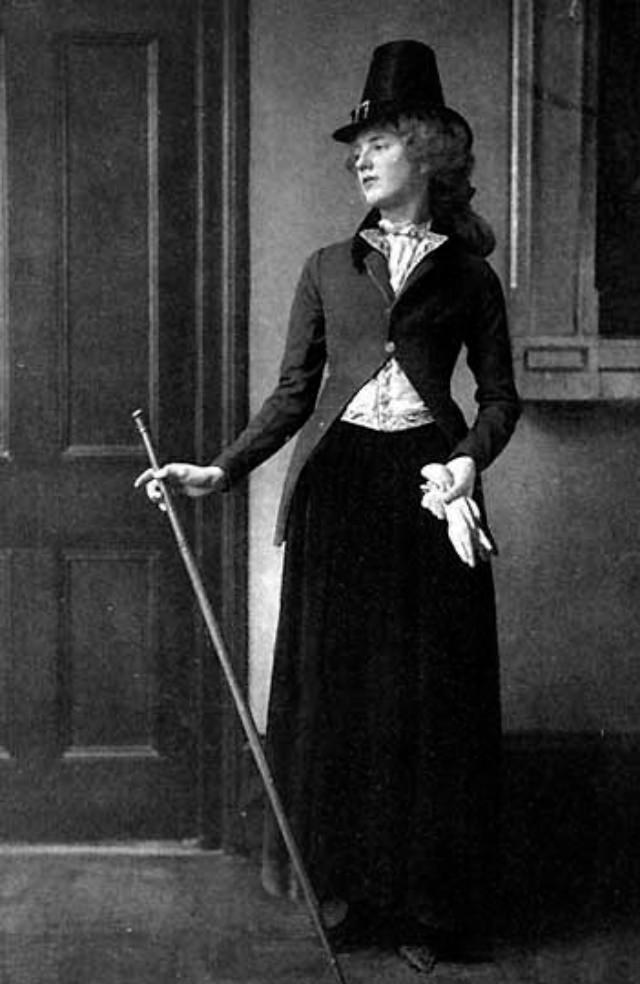
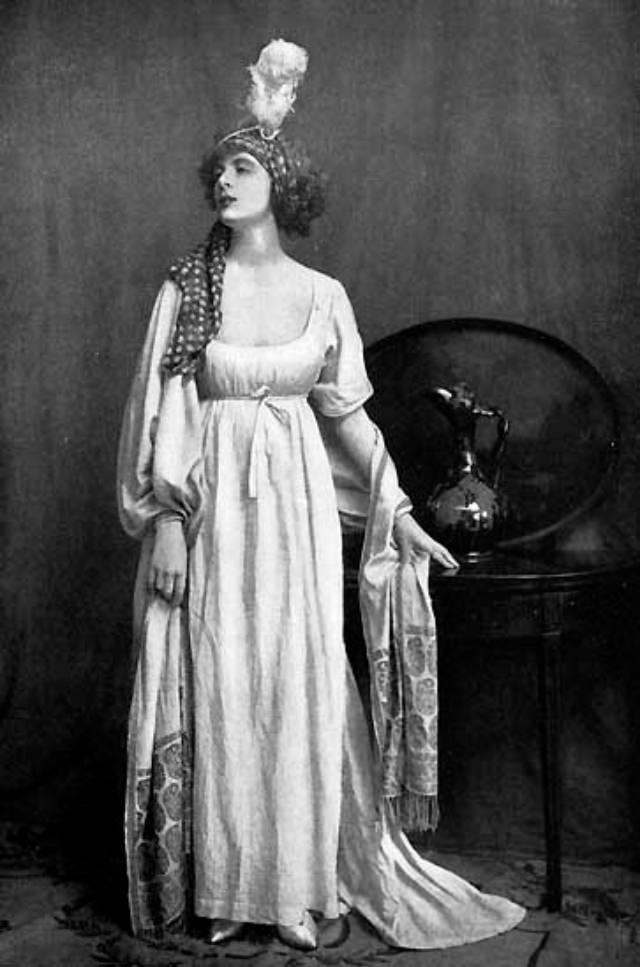
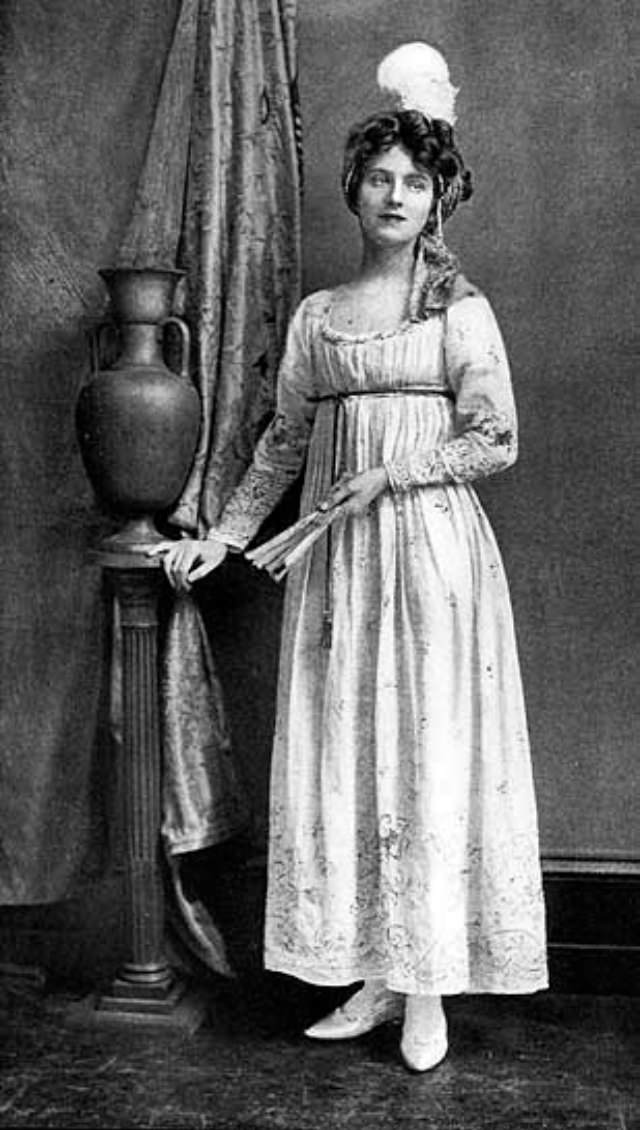
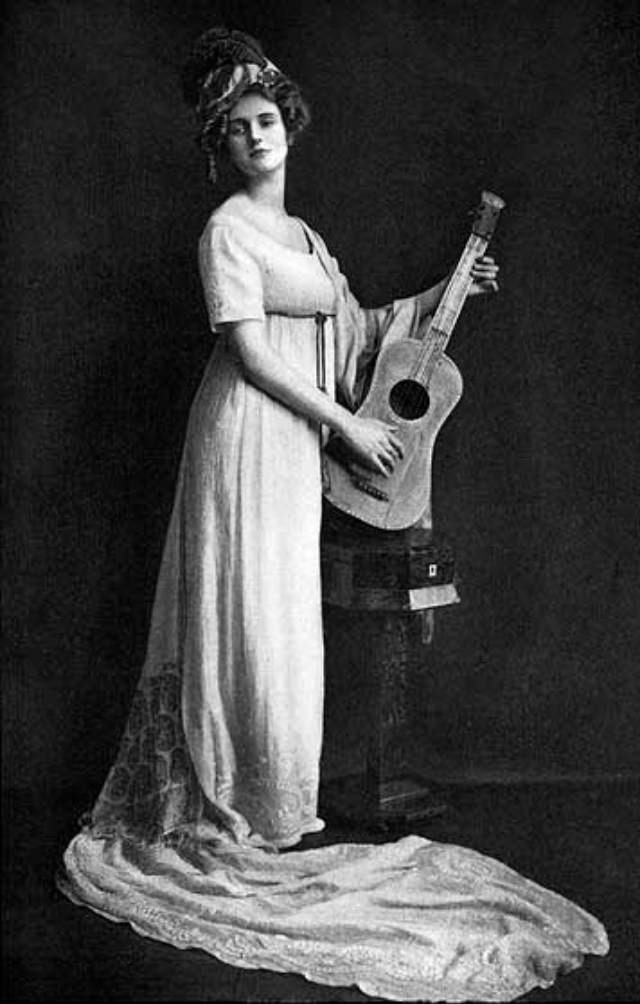
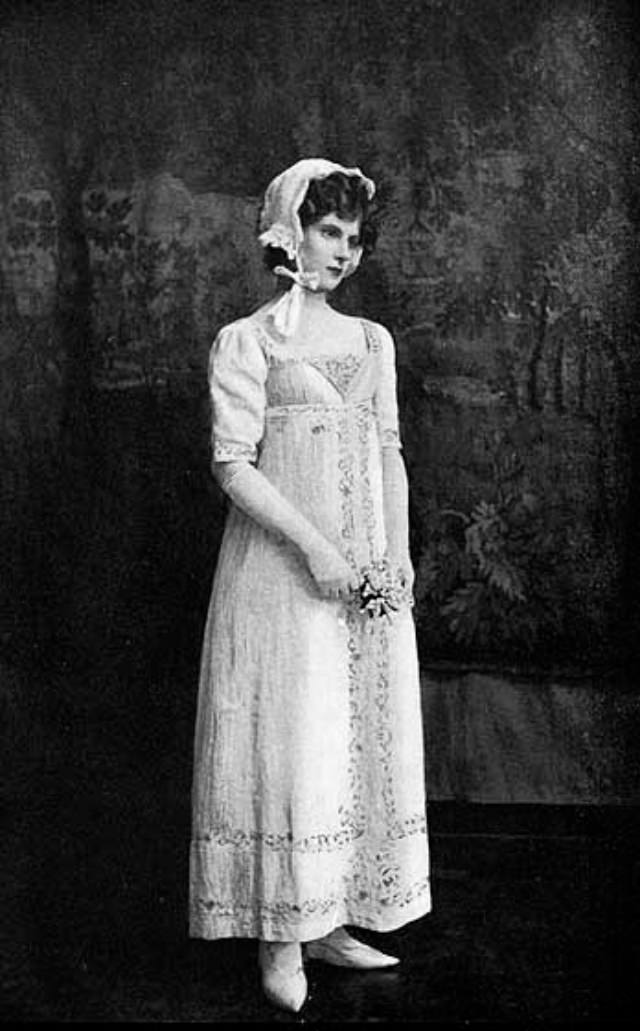
Scroll through the photographs below to see the full range of the collection — from Tudor-era dress to Georgian tailoring to mid-Victorian fashion. Each image captures a different moment in the long history of English clothing.