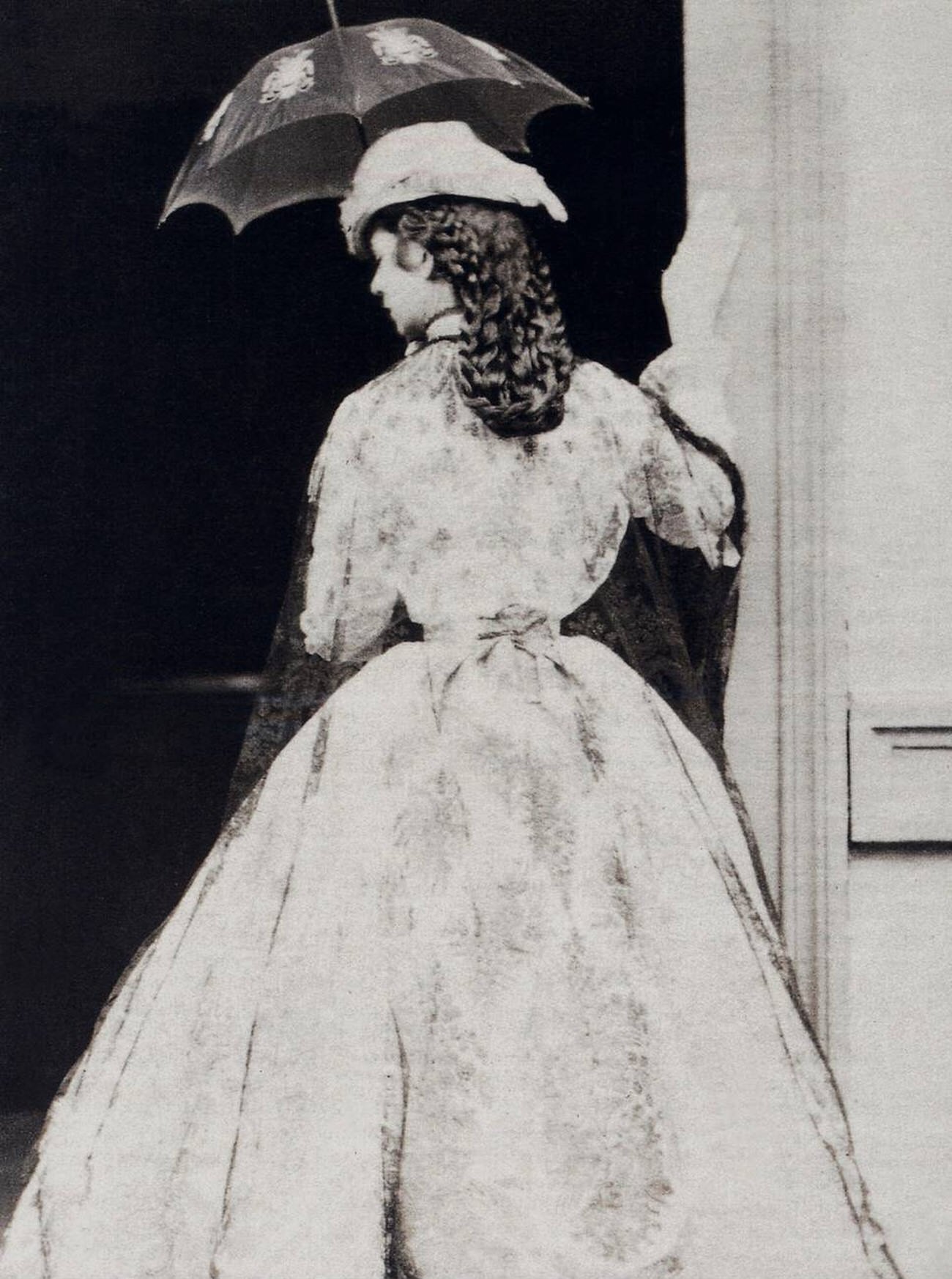
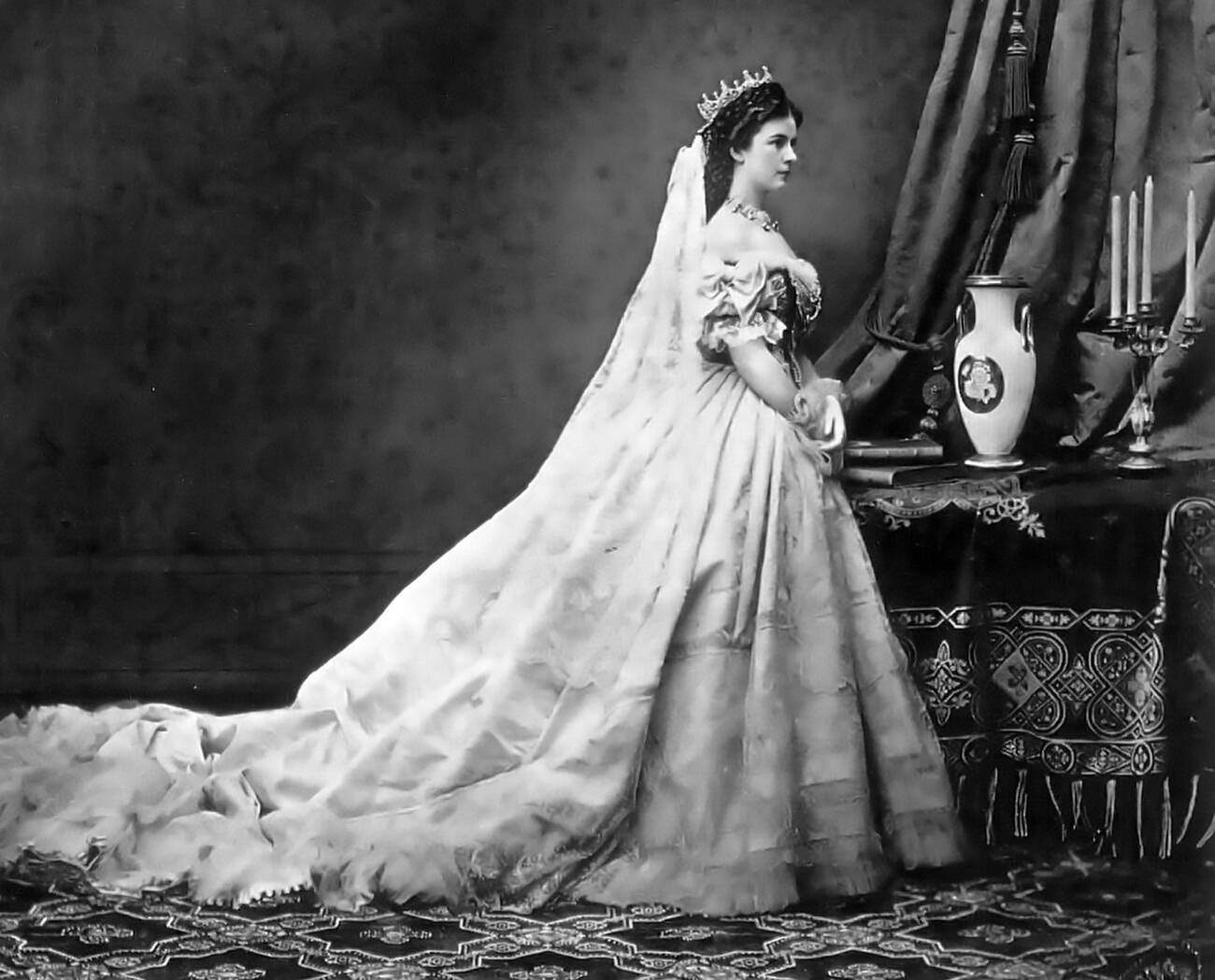
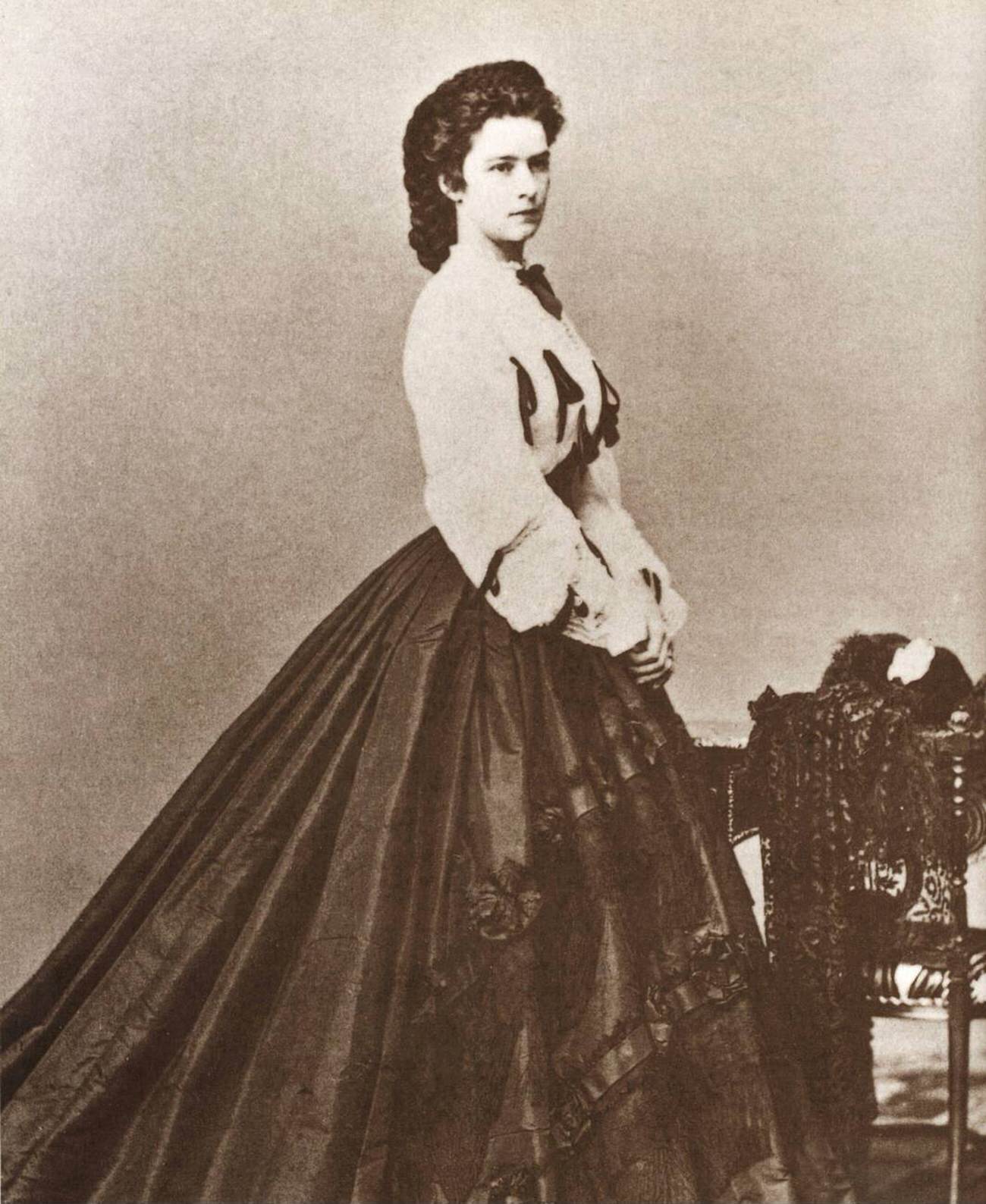
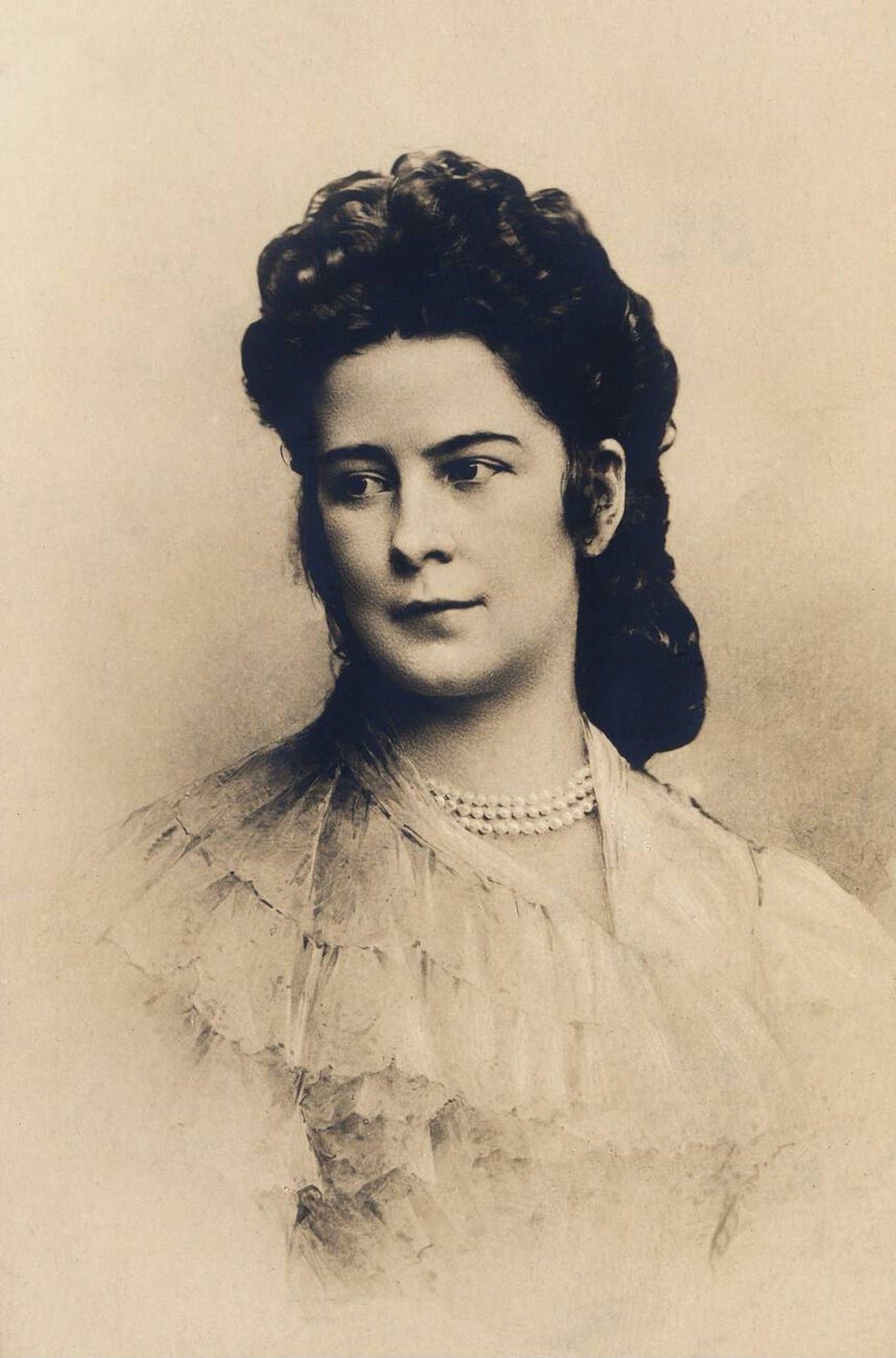
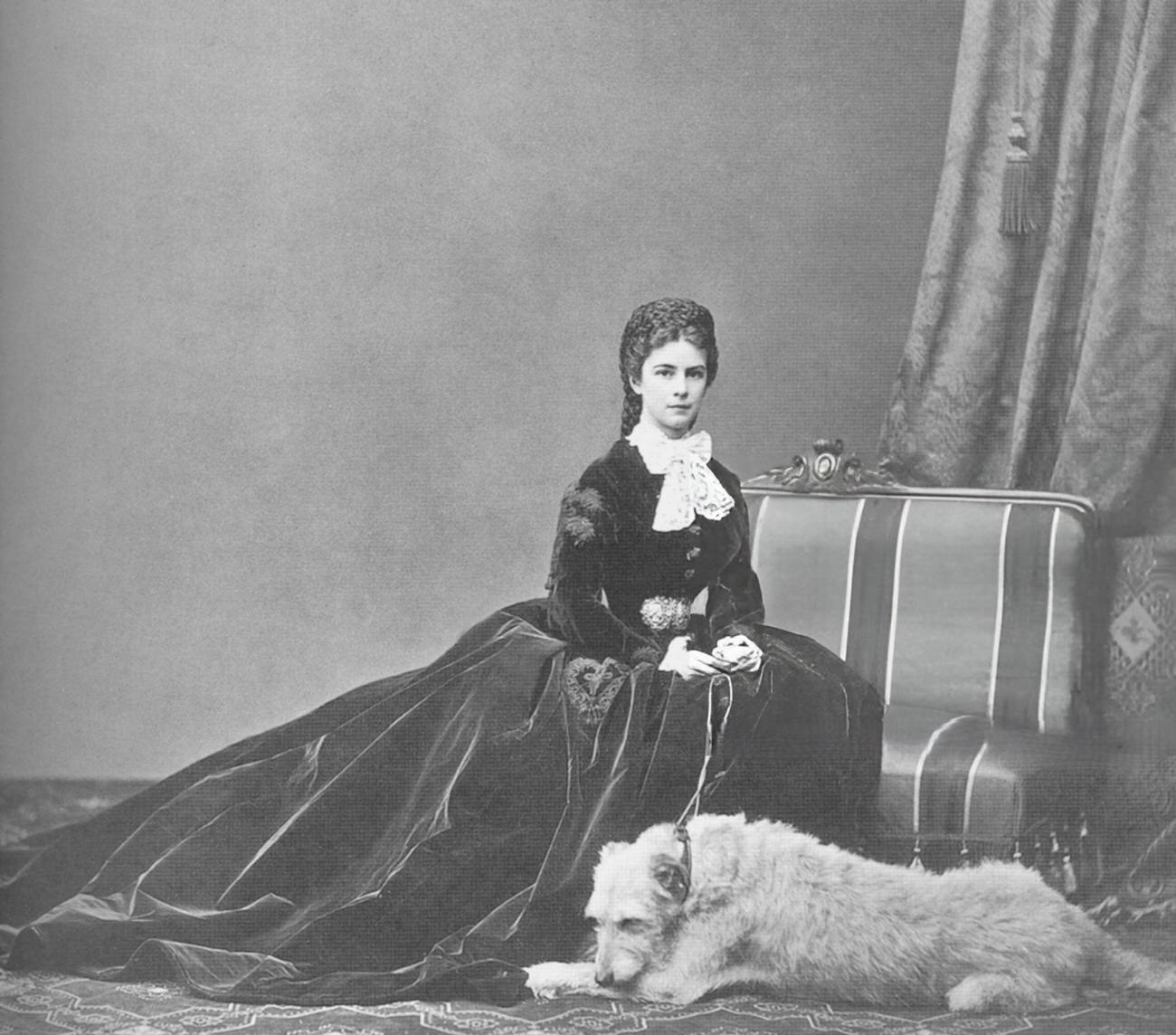
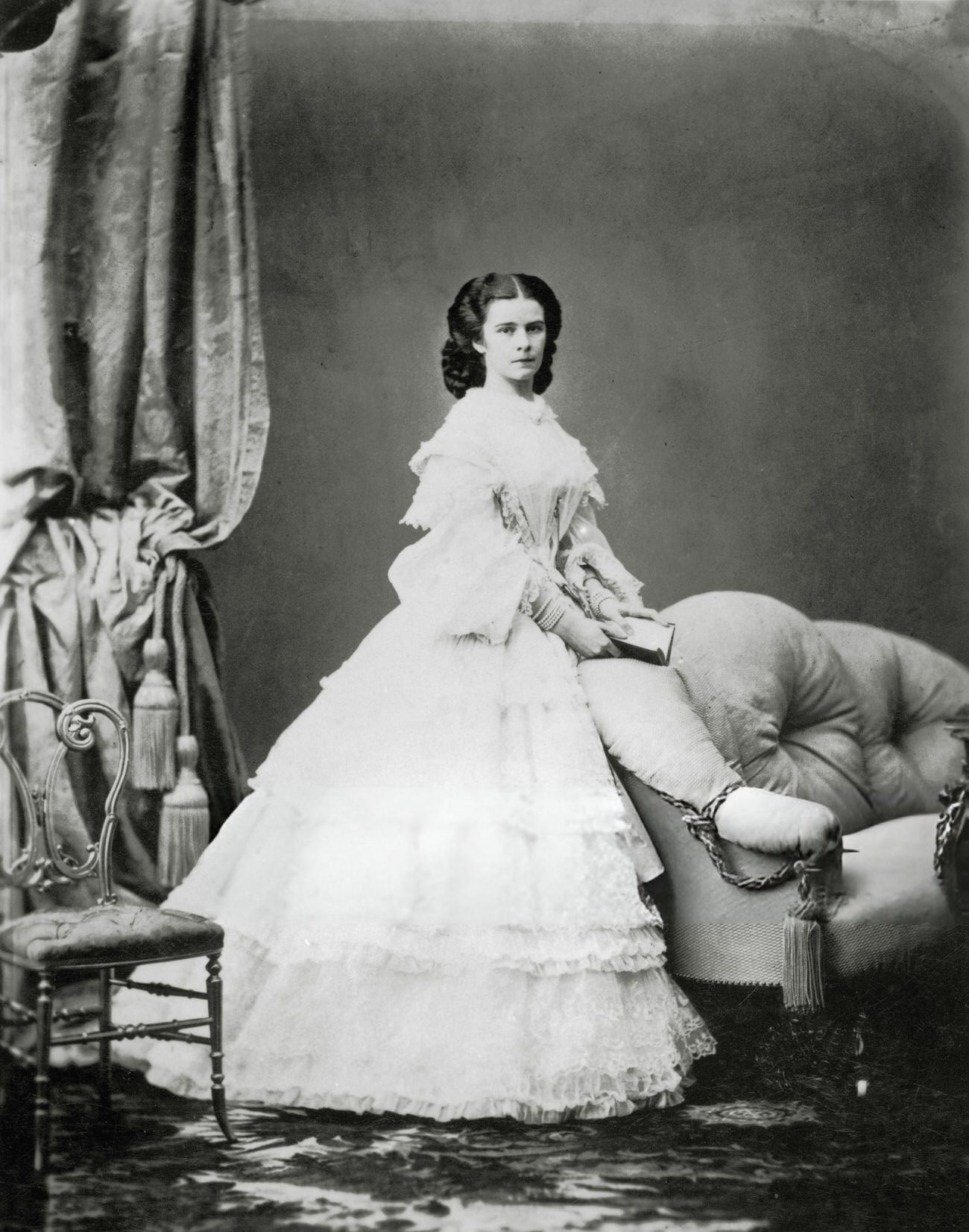
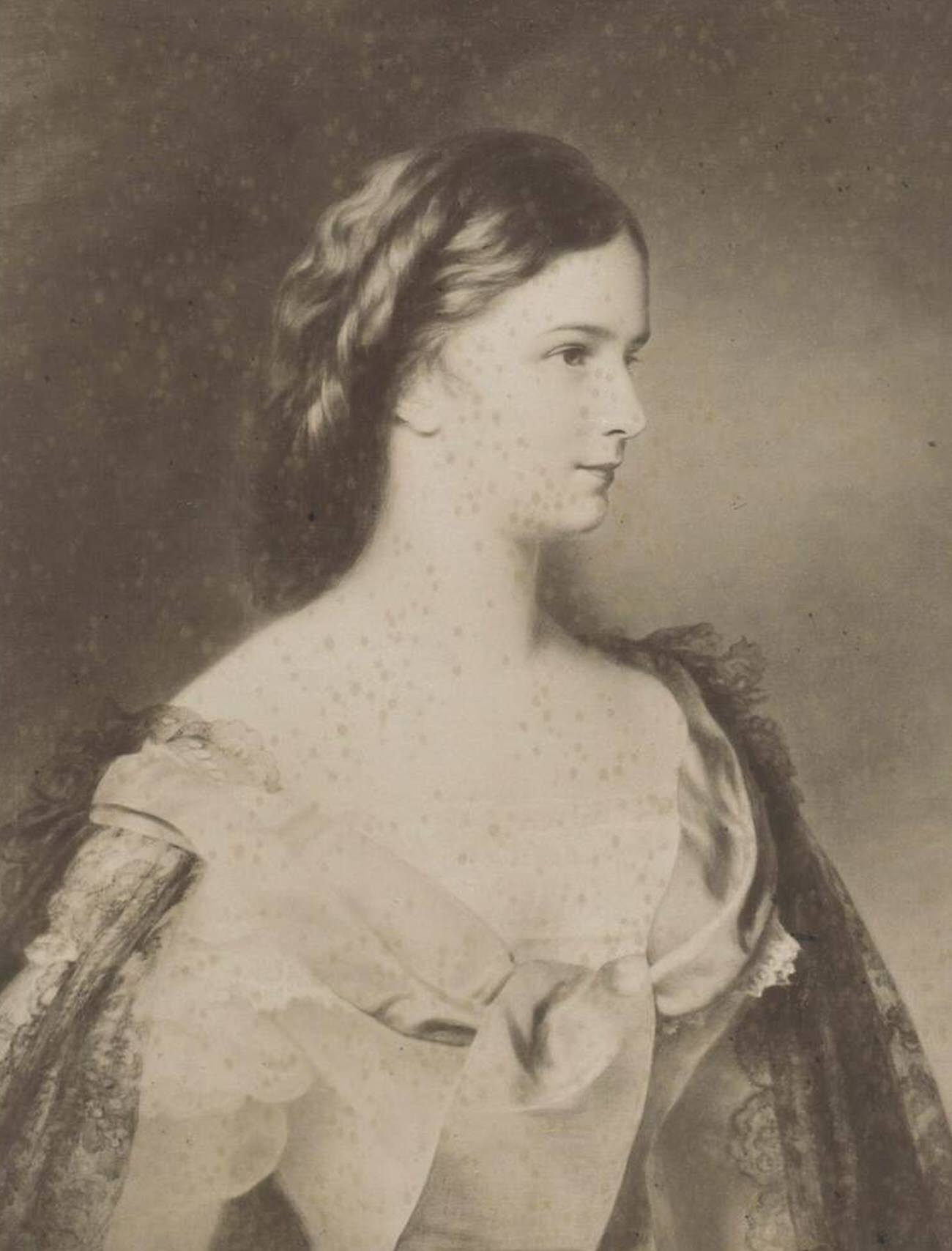
Elisabeth of Bavaria was born in 1837 into the royal House of Wittelsbach. Her childhood was relaxed and informal — a world away from the stiff formality that would later define her adult life. At just sixteen, she married Emperor Franz Joseph I of Austria and was thrust into the rigid Habsburg court.
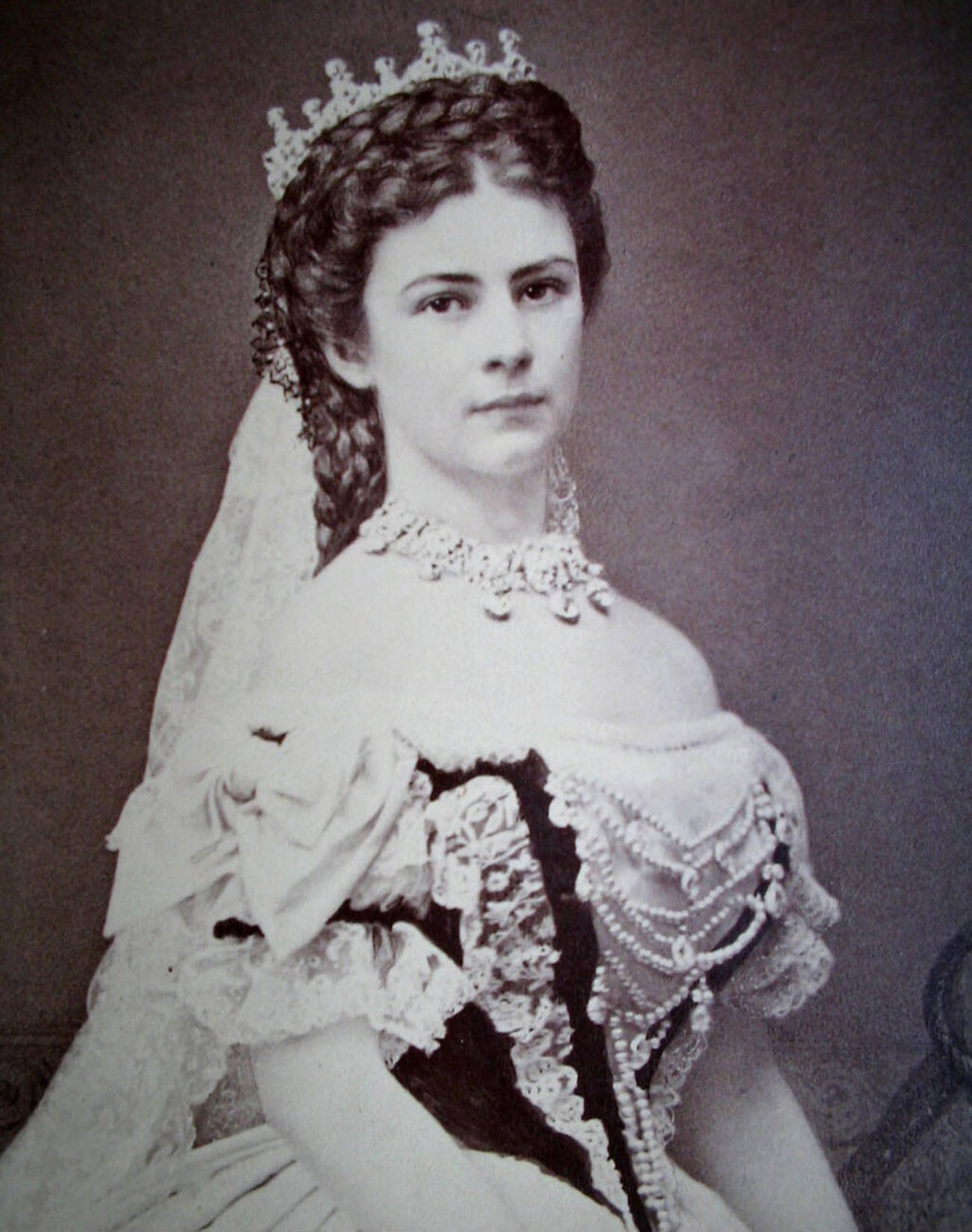
The transition was brutal. Elisabeth felt unprepared for court life, and her mother-in-law, Archduchess Sophie, made things harder by taking direct control over the upbringing of Elisabeth’s daughters. The death of one of those daughters, also named Sophie, in infancy, left Elisabeth devastated and deepened her sense of isolation within the Habsburg world.
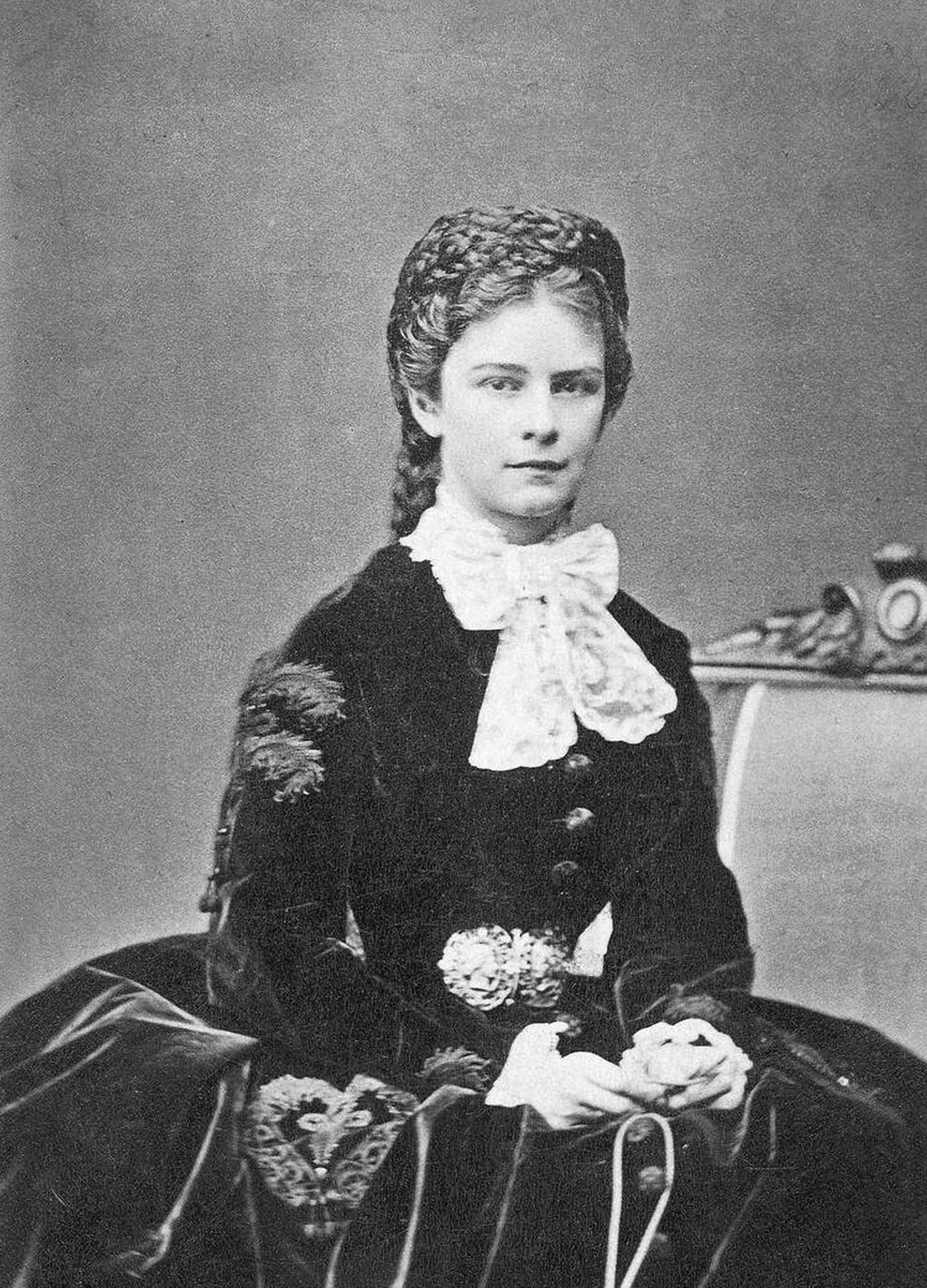
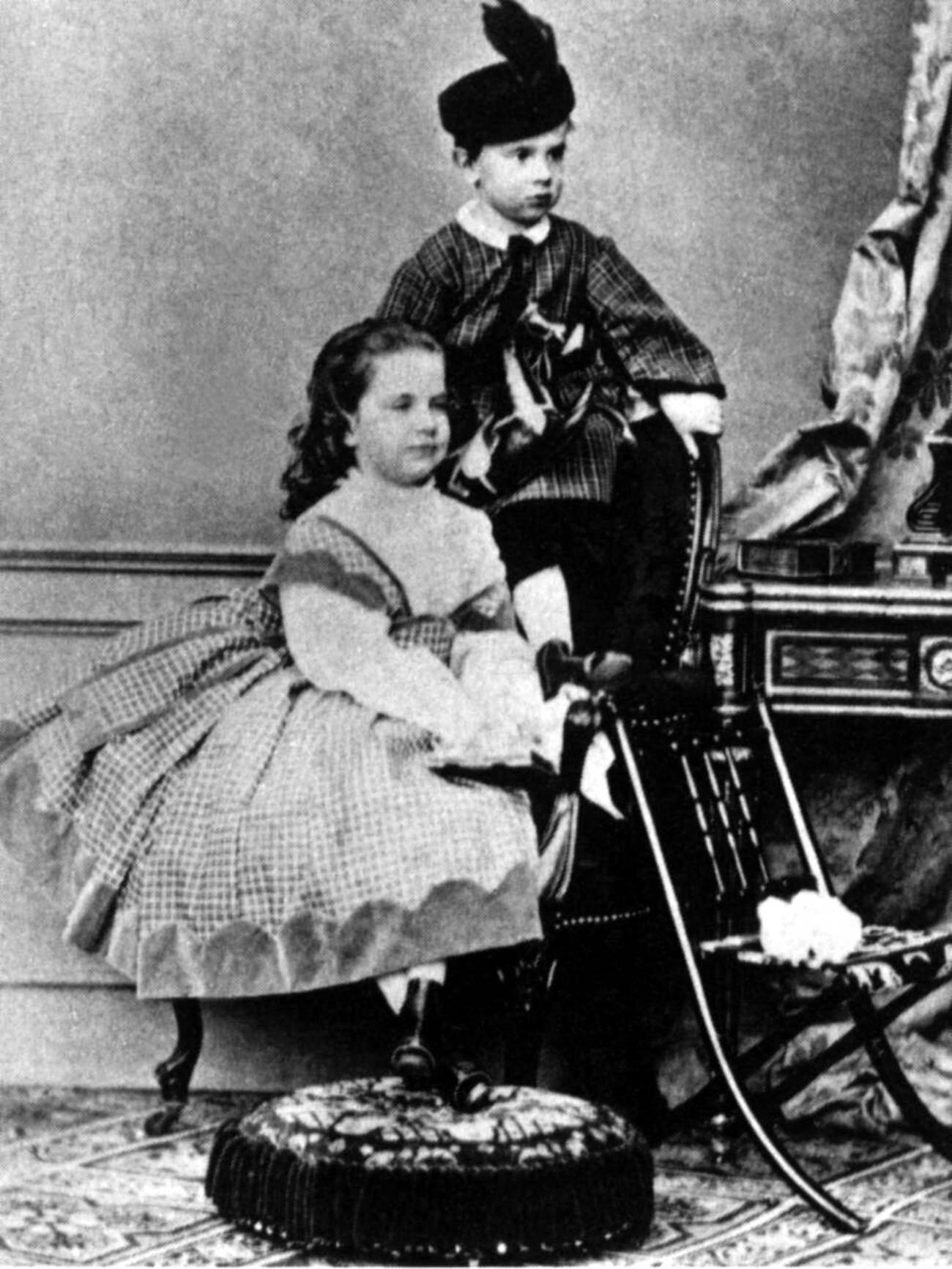
The birth of a son, Crown Prince Rudolf, eased some of the dynastic pressure on Elisabeth. A male heir was essential to the continuation of the Habsburg line, and his arrival strengthened her standing at court. Still, the relentless demands of royal life wore on her health, and she frequently retreated to Hungary to recover.
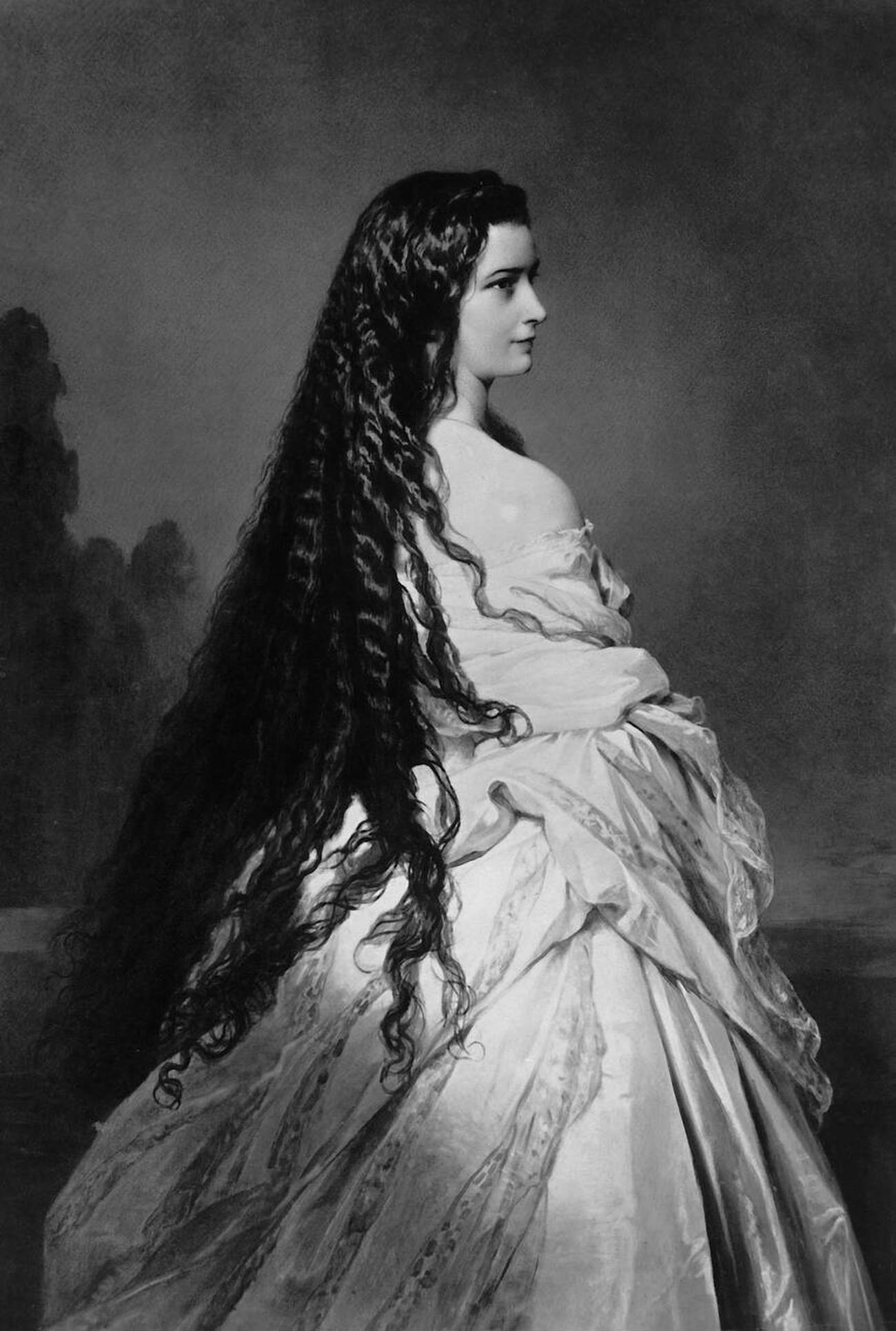
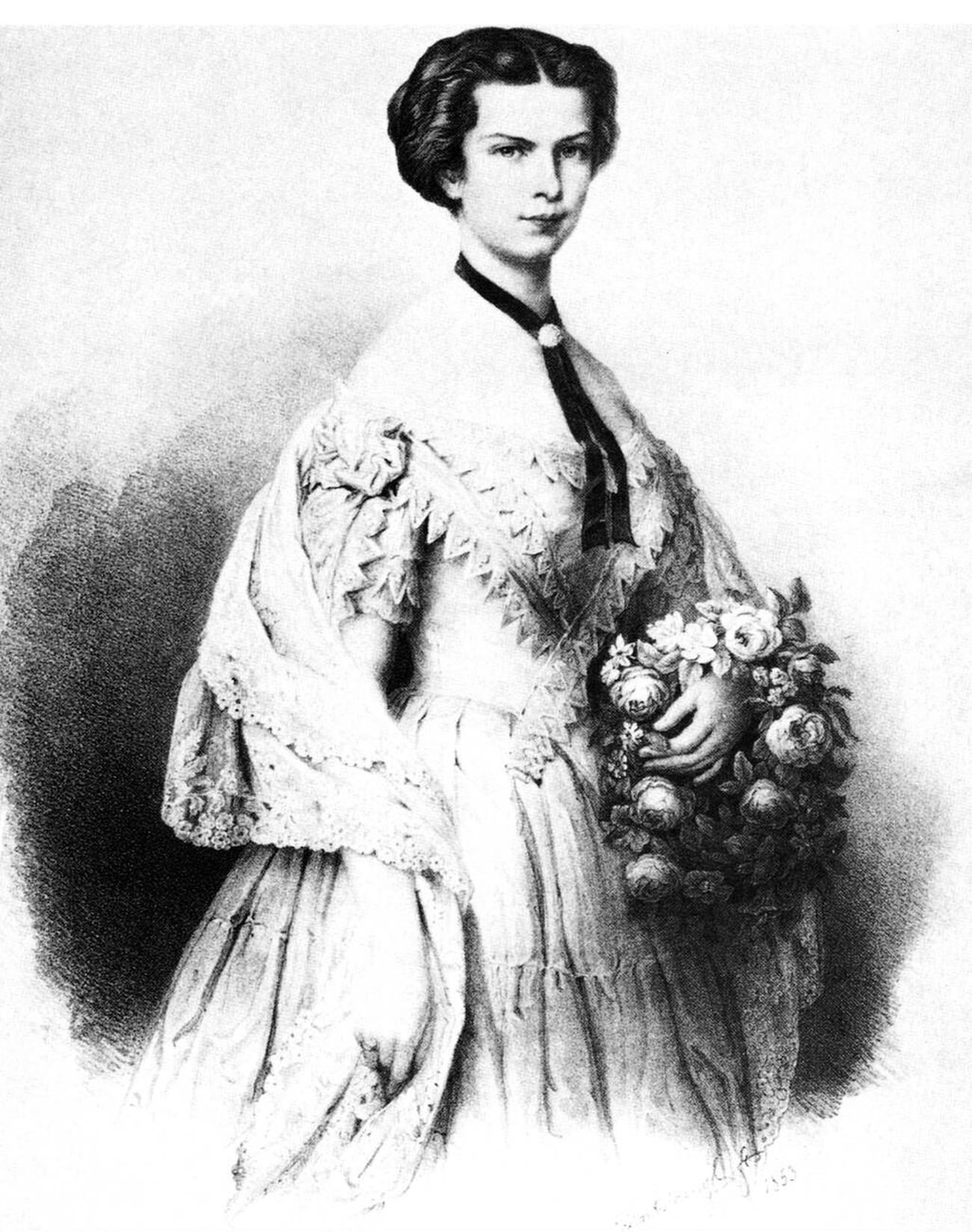
Hungary offered Elisabeth something the Vienna court never could — warmth and relative freedom. She developed a genuine love for the country and its people. That bond had real political consequences: Elisabeth played a key role in the negotiations that established the dual monarchy of Austria-Hungary in 1867, granting Hungary far greater autonomy within the Habsburg Empire.
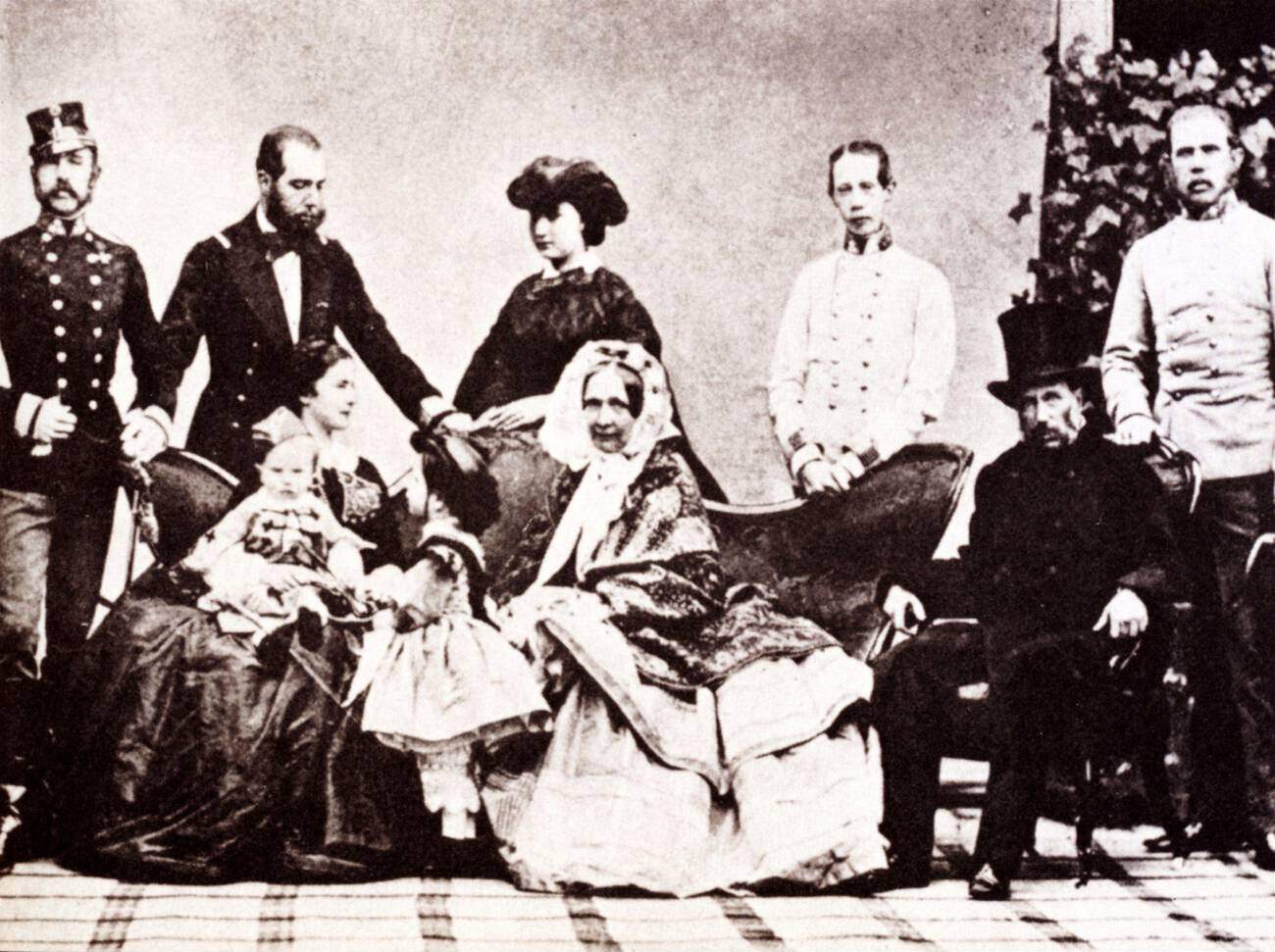
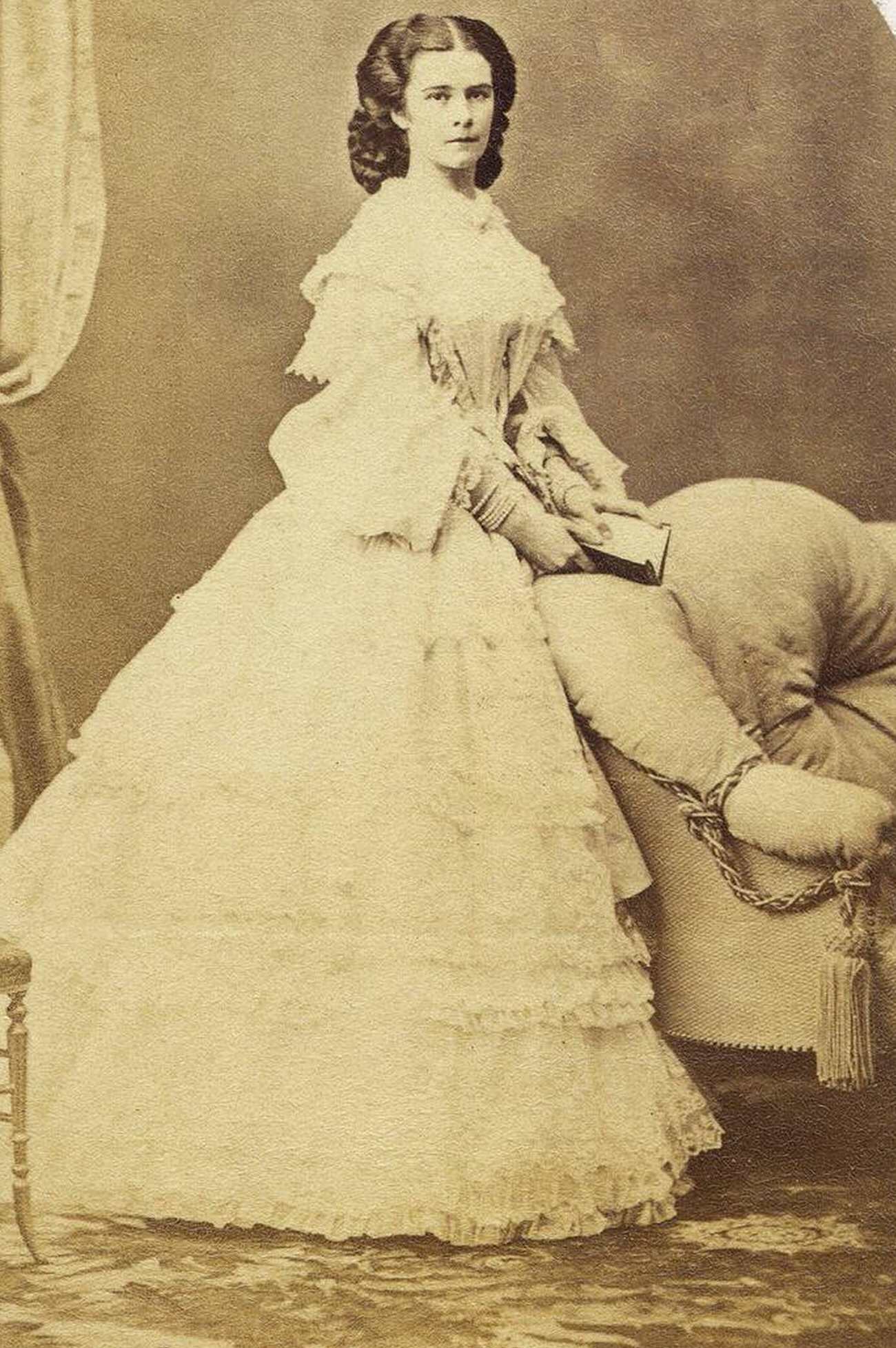
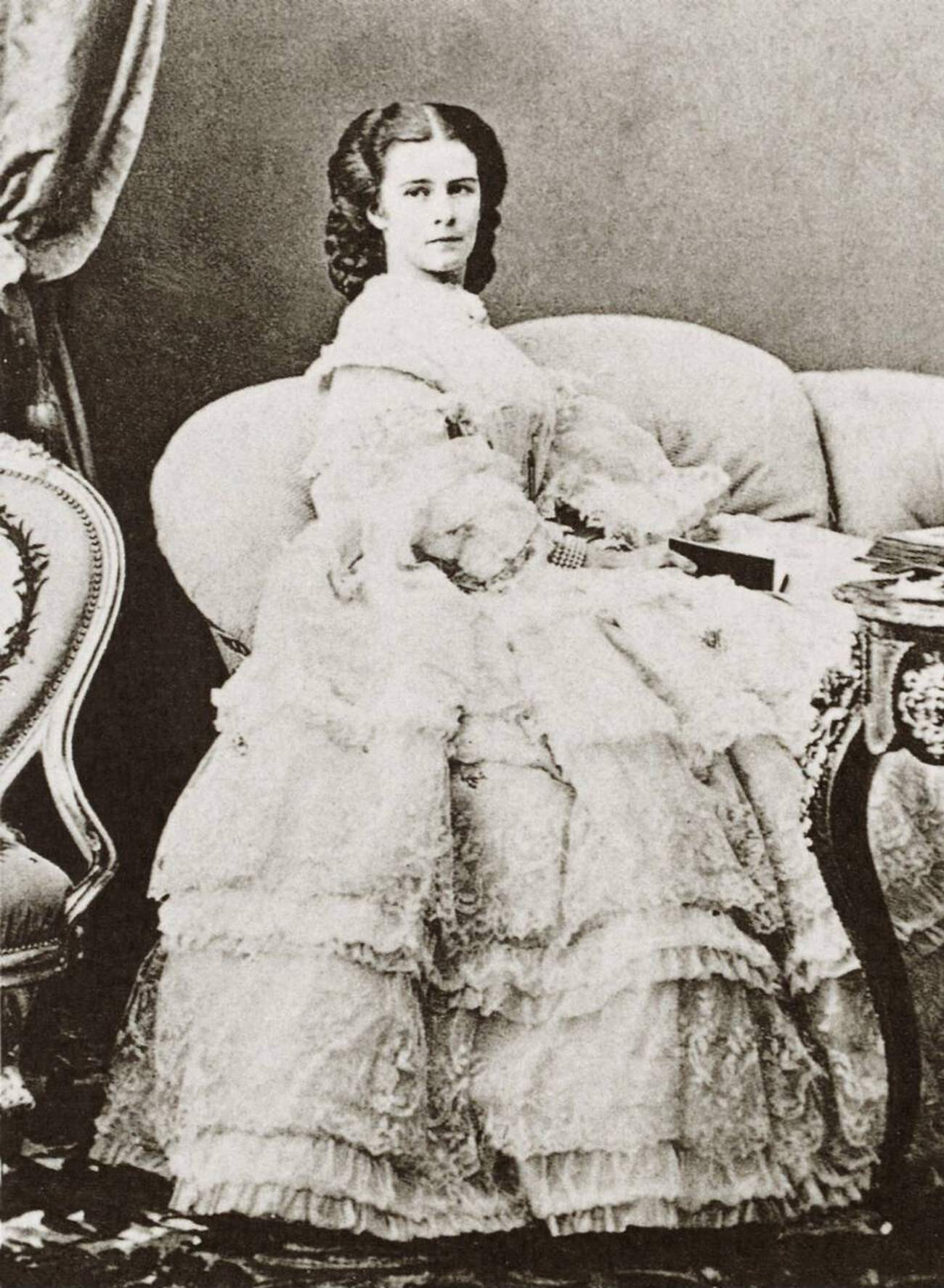
Throughout her life, Elisabeth was renowned for her striking appearance. She stood 5’8″ and maintained a waist reportedly measuring just 19–21 inches through a strict regimen of diet and exercise. She wore her chestnut hair — which reached down to her ankles — in elaborate braided arrangements. Portraits and photographs of her circulated widely, making her one of the most recognizable figures in Europe.
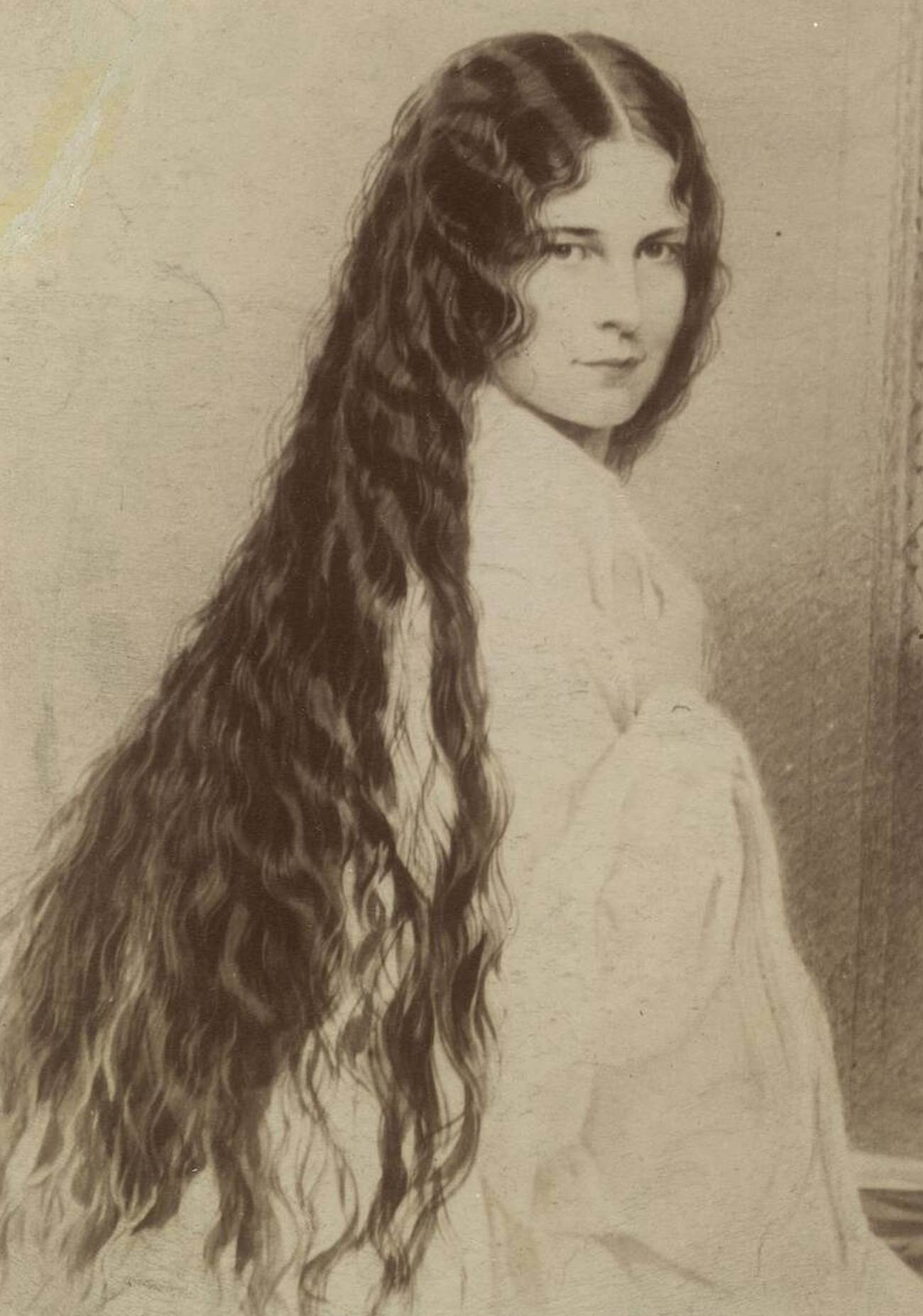
January 1889 brought the worst blow of her life. Crown Prince Rudolf and his young mistress, Mary Vetsera, were found dead at his hunting lodge in Mayerling in what investigators concluded was a murder-suicide. Rudolf was thirty years old. Elisabeth never recovered from his death.
After Mayerling, Elisabeth withdrew from court duties almost entirely. She dressed in black for the rest of her life and began traveling constantly — through Greece, the Mediterranean, and across Europe — rarely staying in one place for long. Travel became the structure around which her grief was organized.
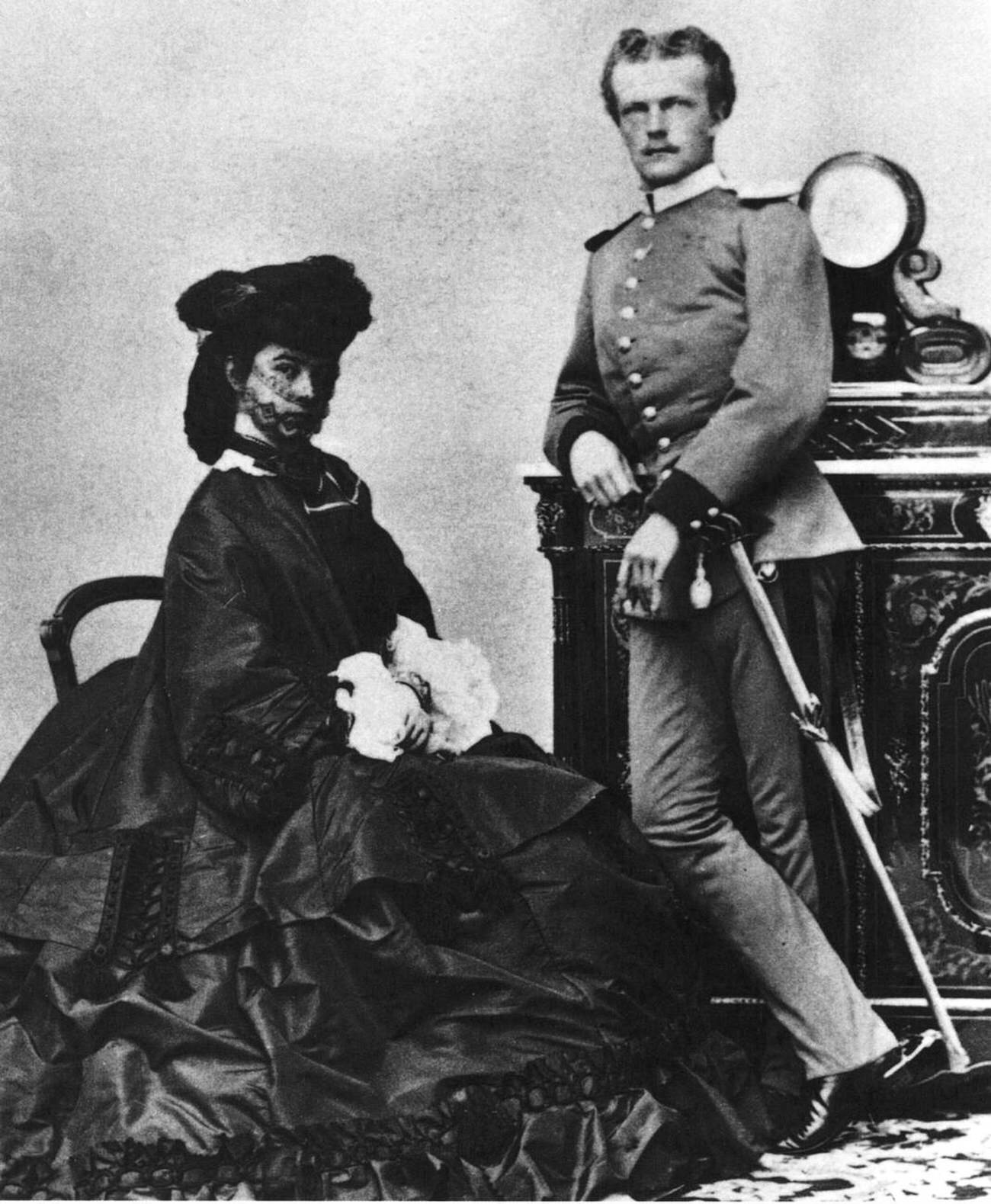
On September 10, 1898, Elisabeth was walking along the shore of Lake Geneva in Switzerland when Italian anarchist Luigi Lucheni approached her and drove a sharpened file into her chest. The wound was so narrow that Elisabeth initially continued walking, unaware of how severely she had been stabbed. She collapsed shortly after and died within the hour. She was sixty years old and had served as Empress of Austria for 44 years — longer than any other woman to hold the title.