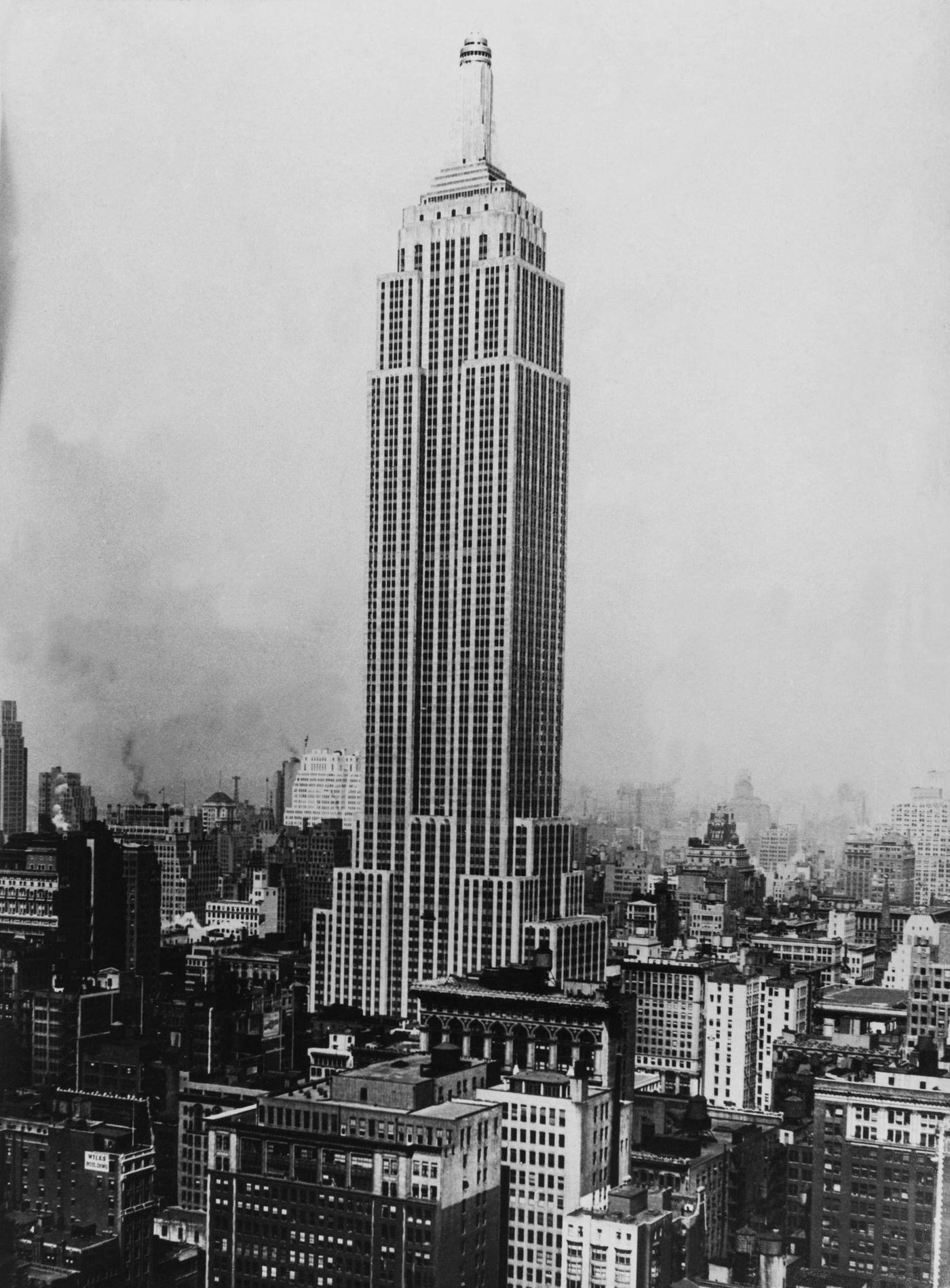
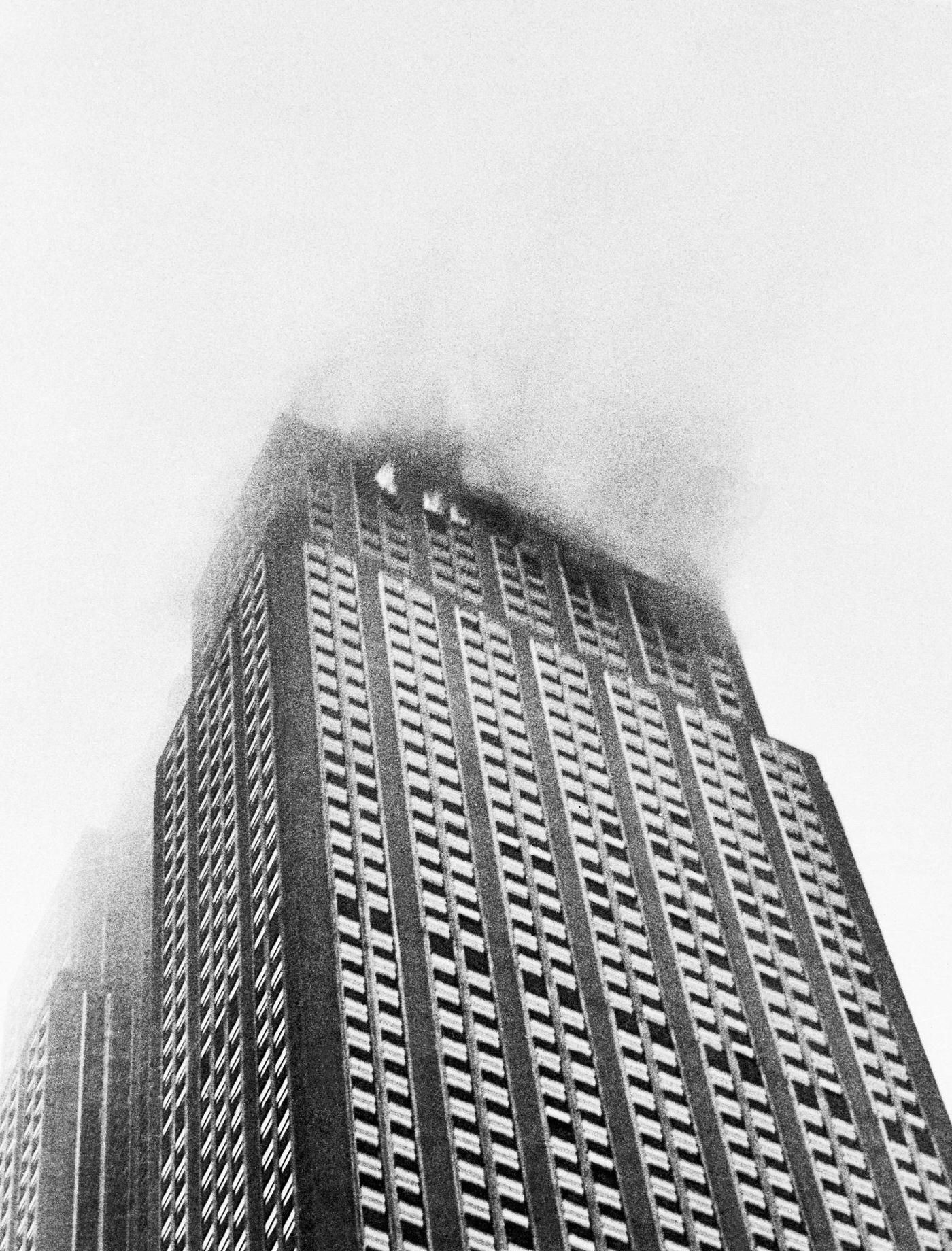
On the morning of July 28, 1945, a U.S. Army Air Forces B-25 Mitchell bomber tore through the 79th floor of the Empire State Building in New York City. It was 9:40 a.m. The city was deep in fog. Fourteen people died. It remains the only time in history that an aircraft struck one of New York’s skyscrapers.
The pilot was Lt. Colonel William Franklin Smith Jr. He had taken off from New Bedford Municipal Airport in Massachusetts that morning on what was considered a routine flight. His destination was LaGuardia Airport in Queens. As he approached New York, thick fog had settled over the city, cutting visibility down to almost nothing. Air traffic controllers warned Smith about the conditions. He pressed on anyway.
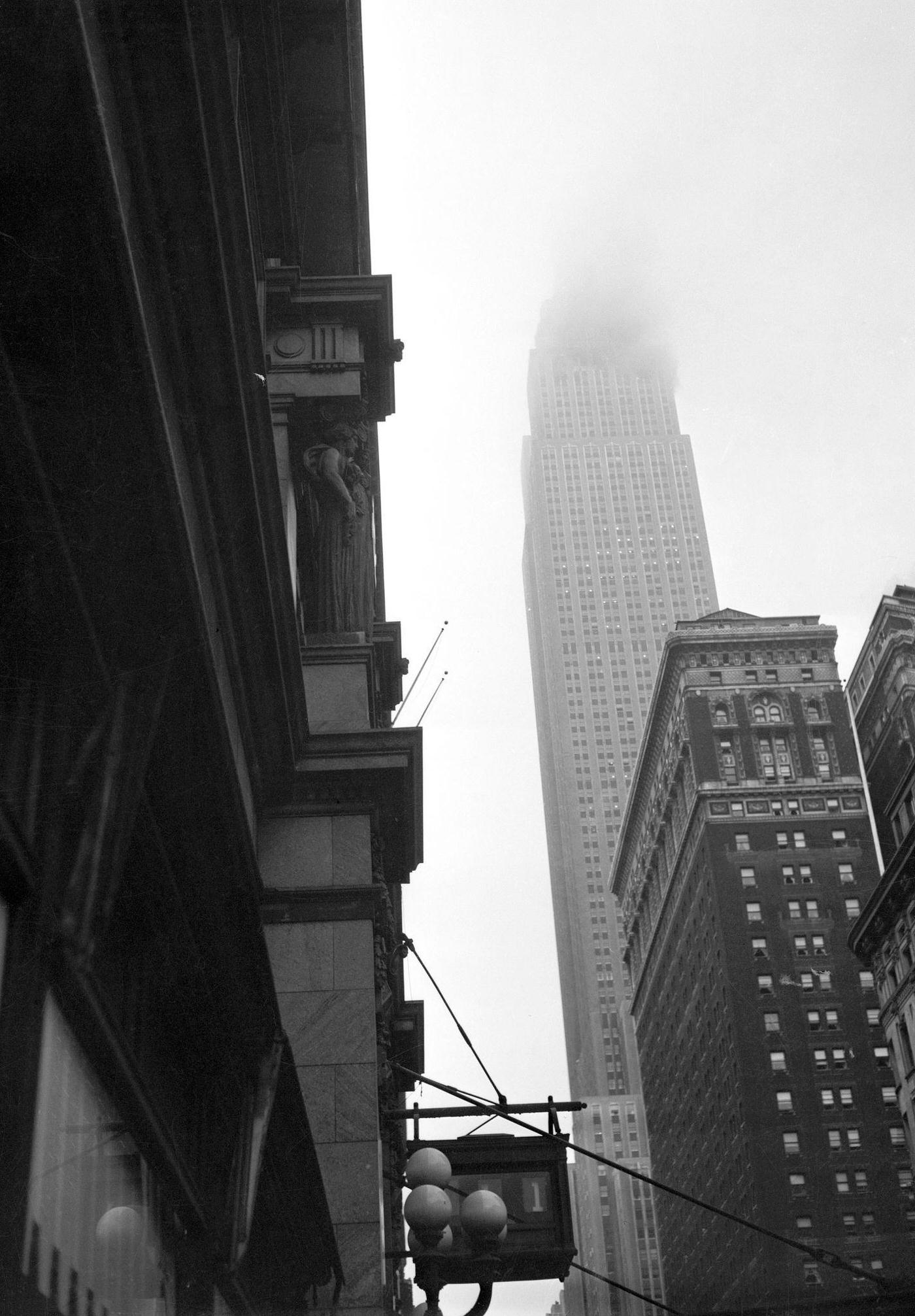
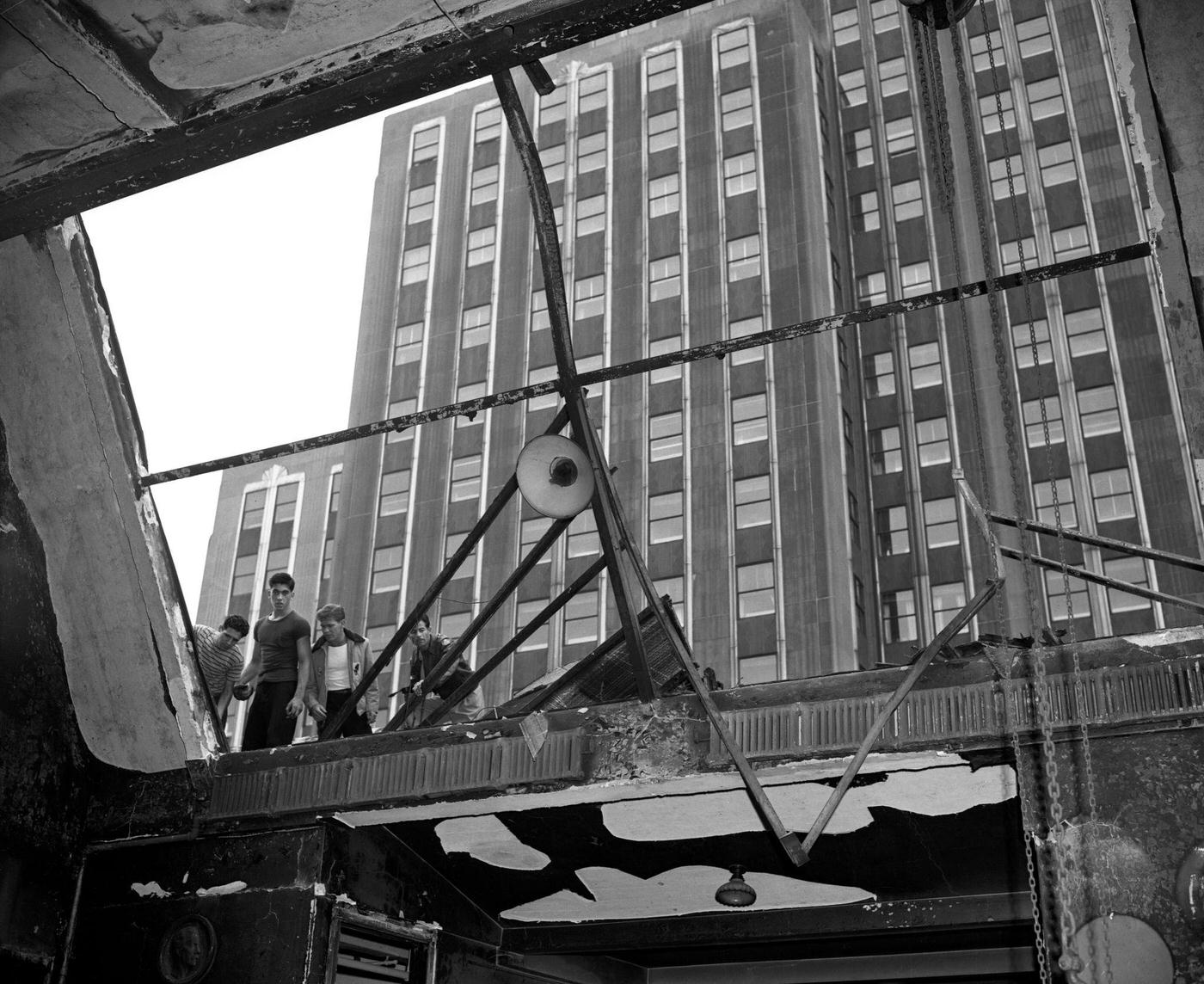
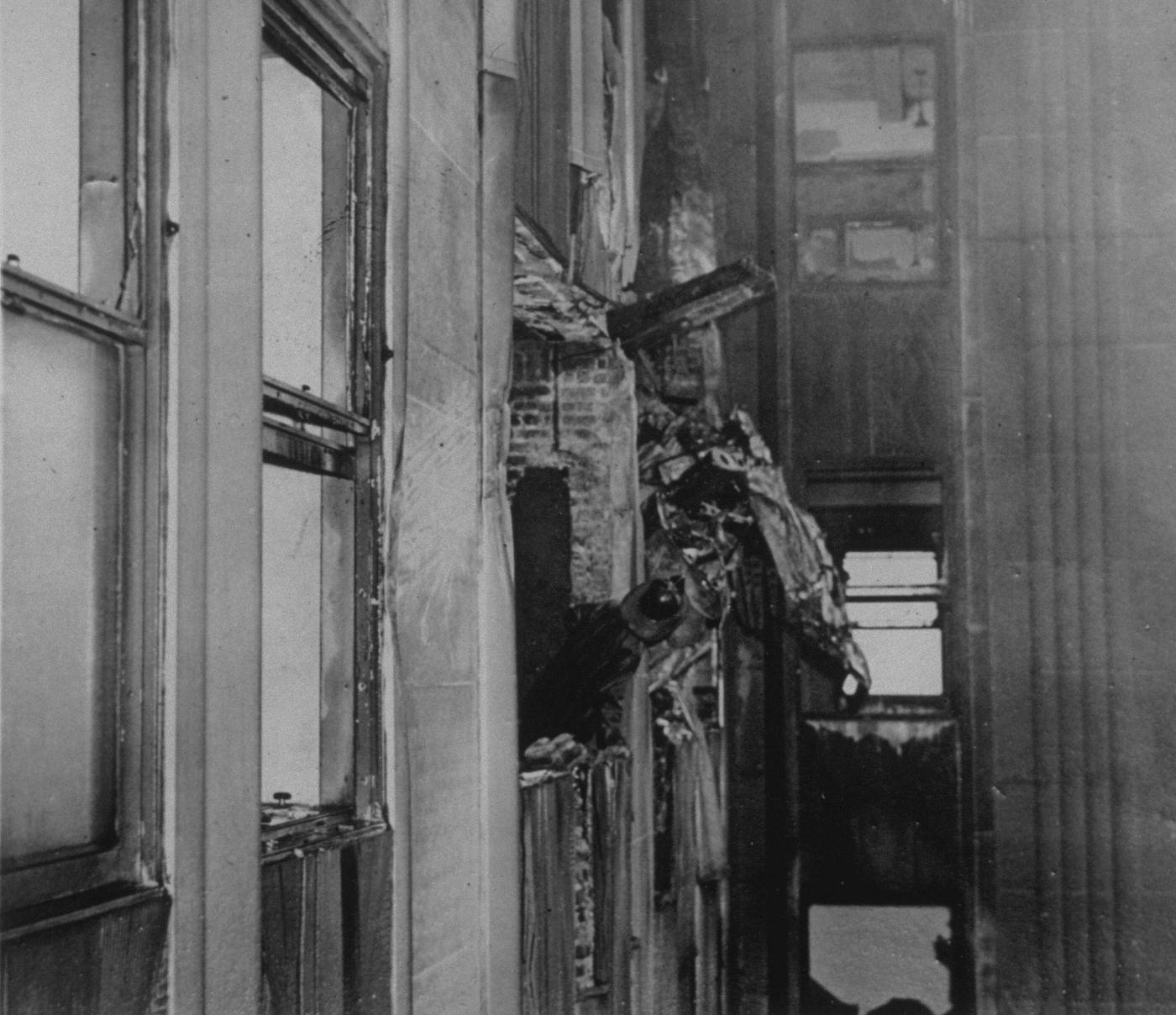
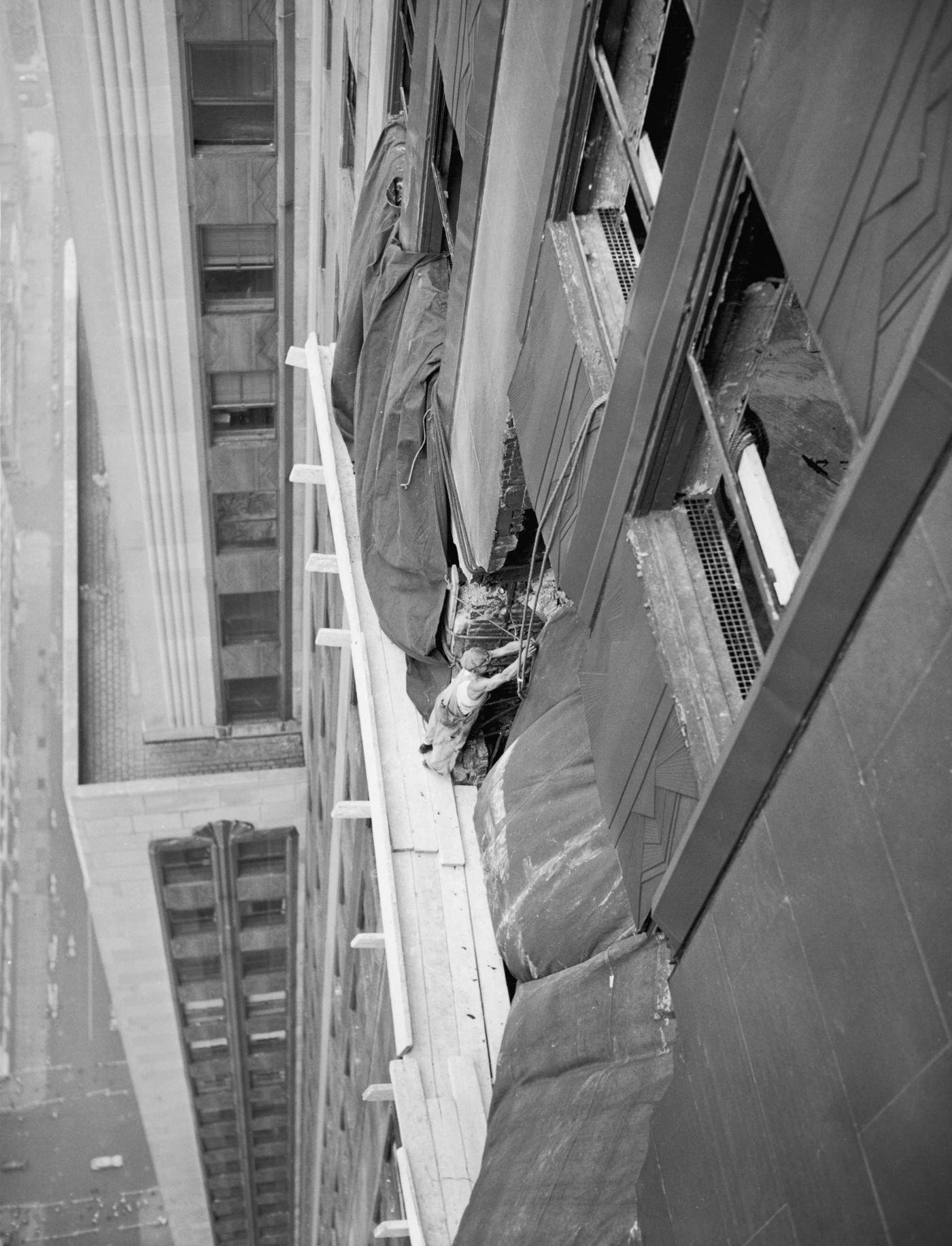
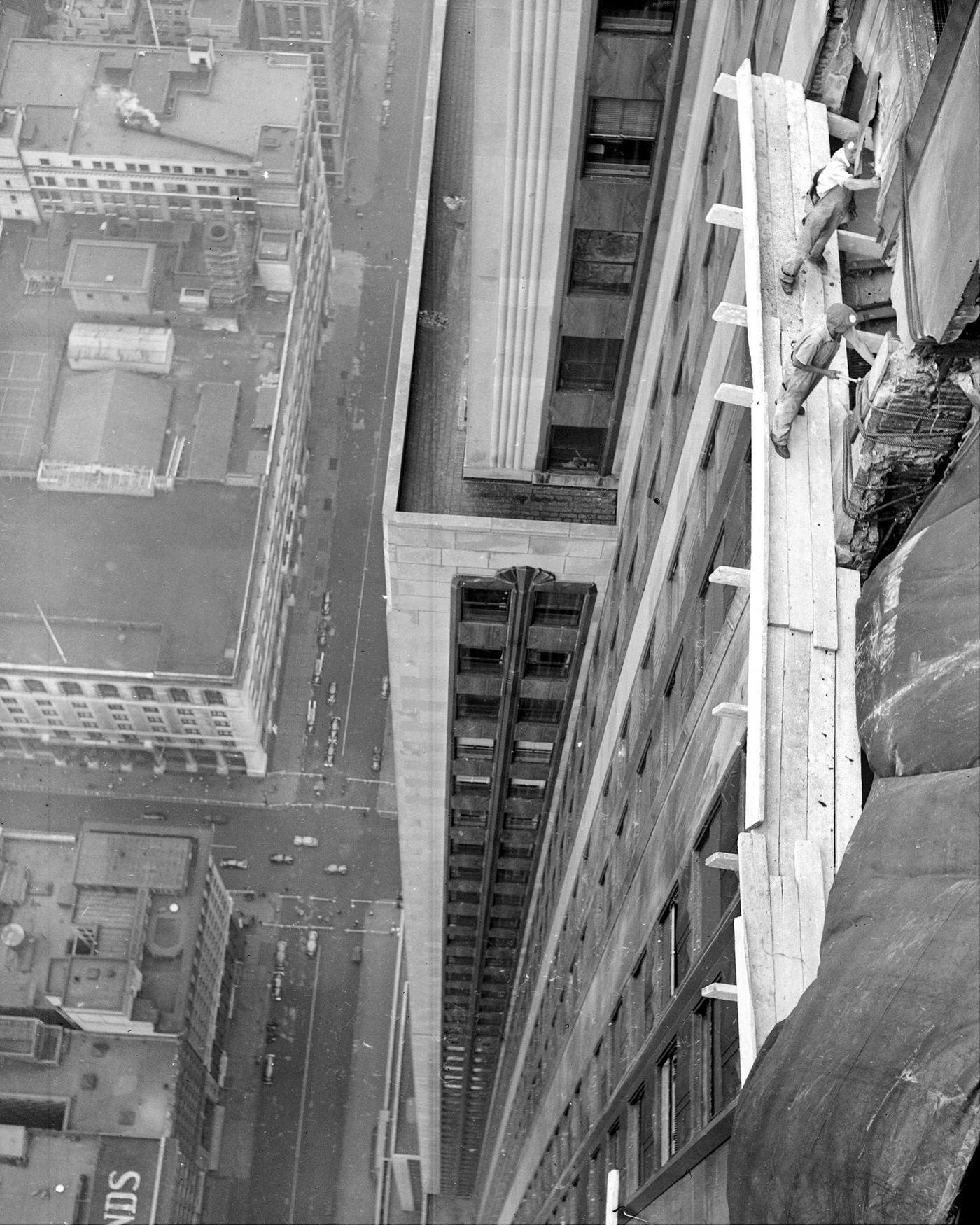
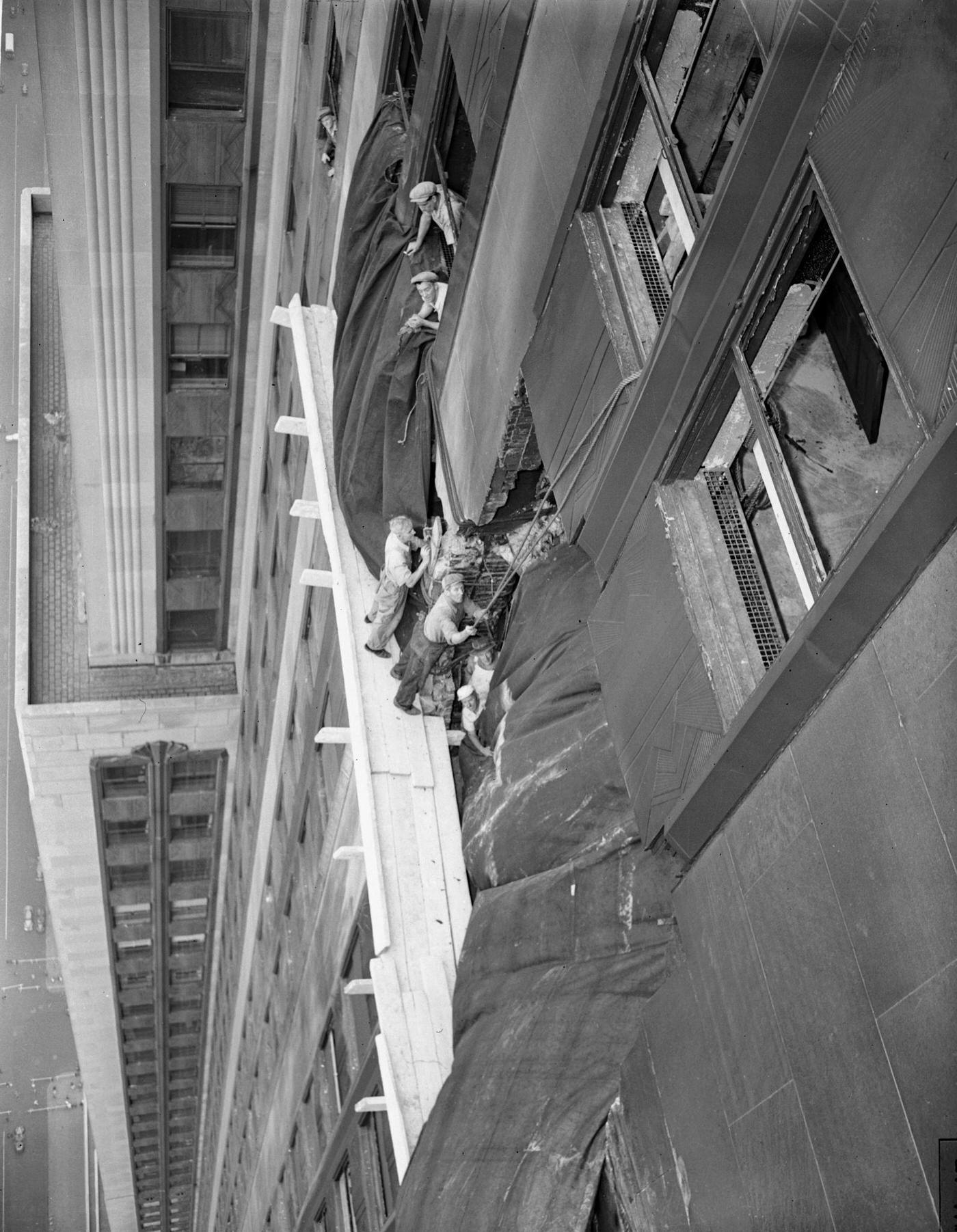
Smith became disoriented flying through the fog at low altitude over Manhattan. At roughly 250 miles per hour, the B-25 slammed directly into the north side of the Empire State Building between the 78th and 79th floors. The impact blew a hole approximately 20 feet wide and 20 feet high into the building’s steel and masonry shell. Burning fuel from the aircraft’s tanks instantly ignited, sending a fireball through the upper floors.
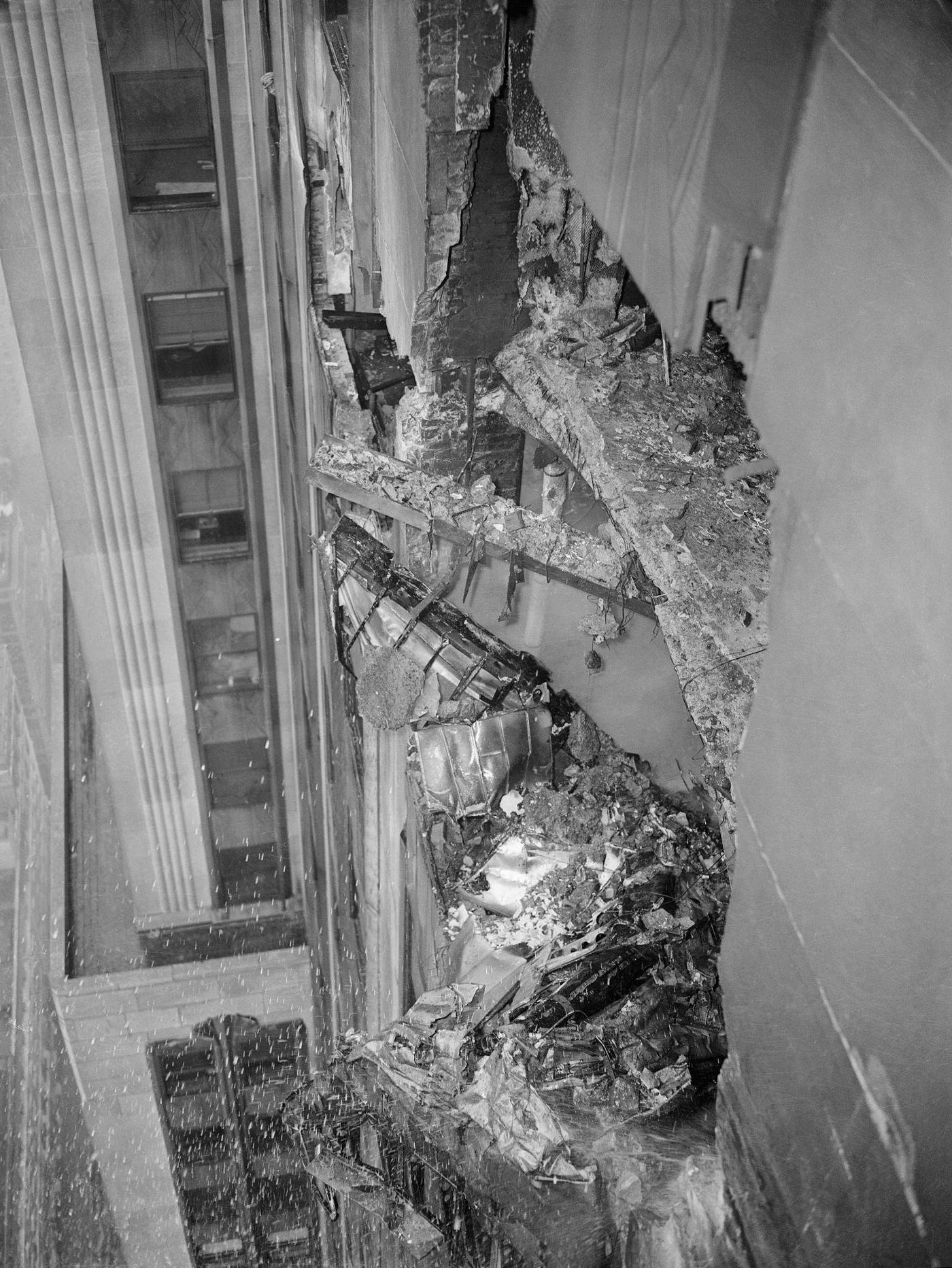
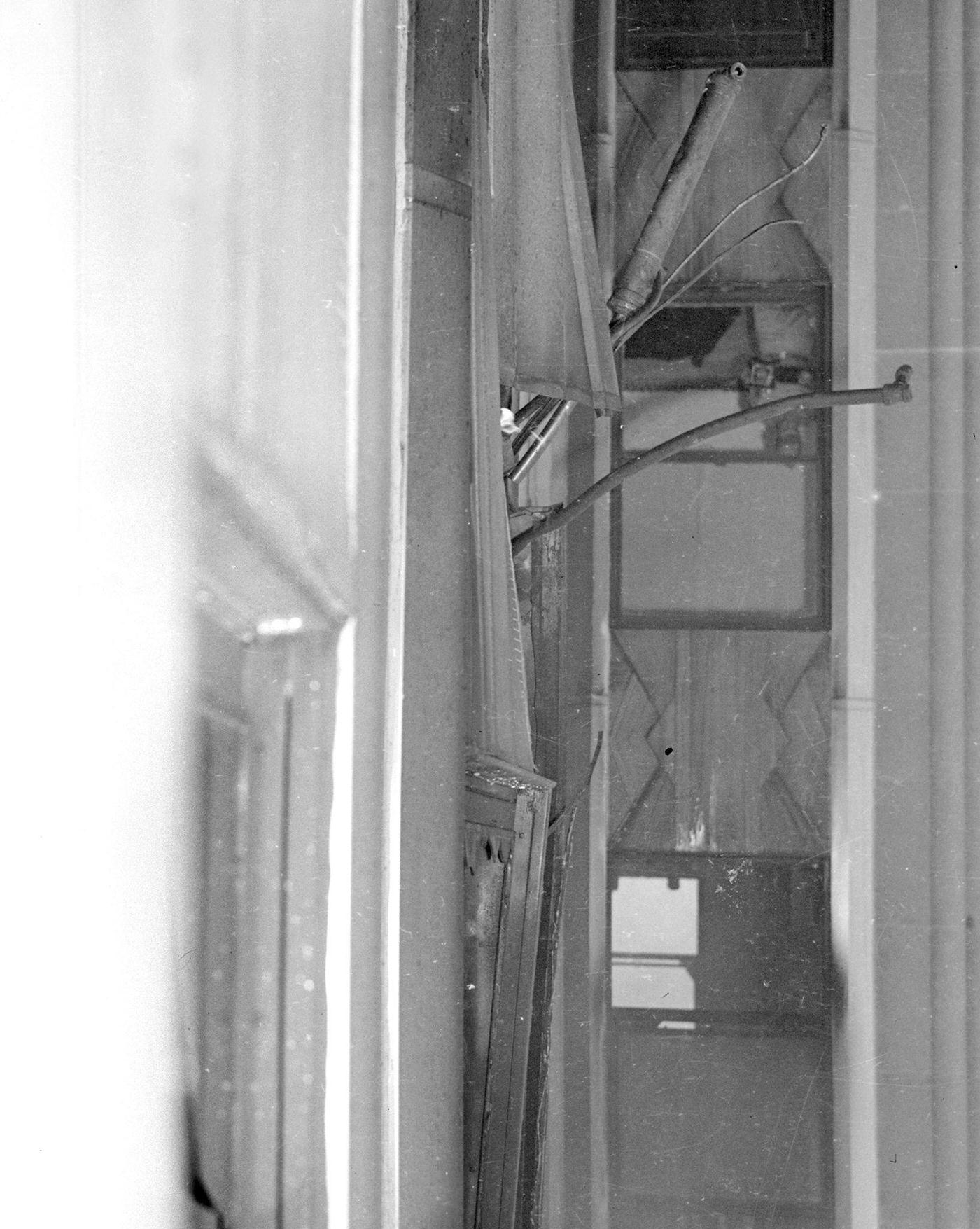
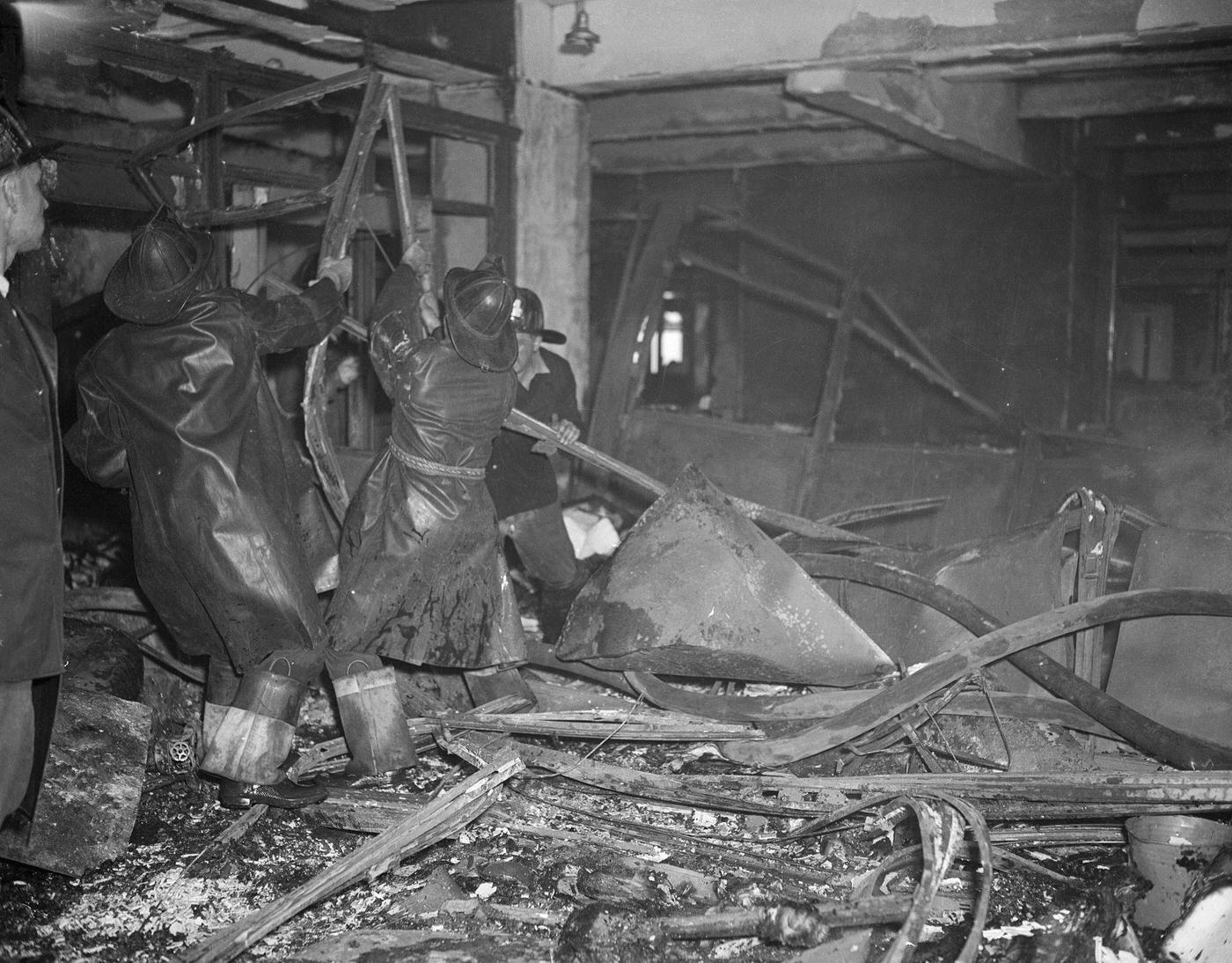
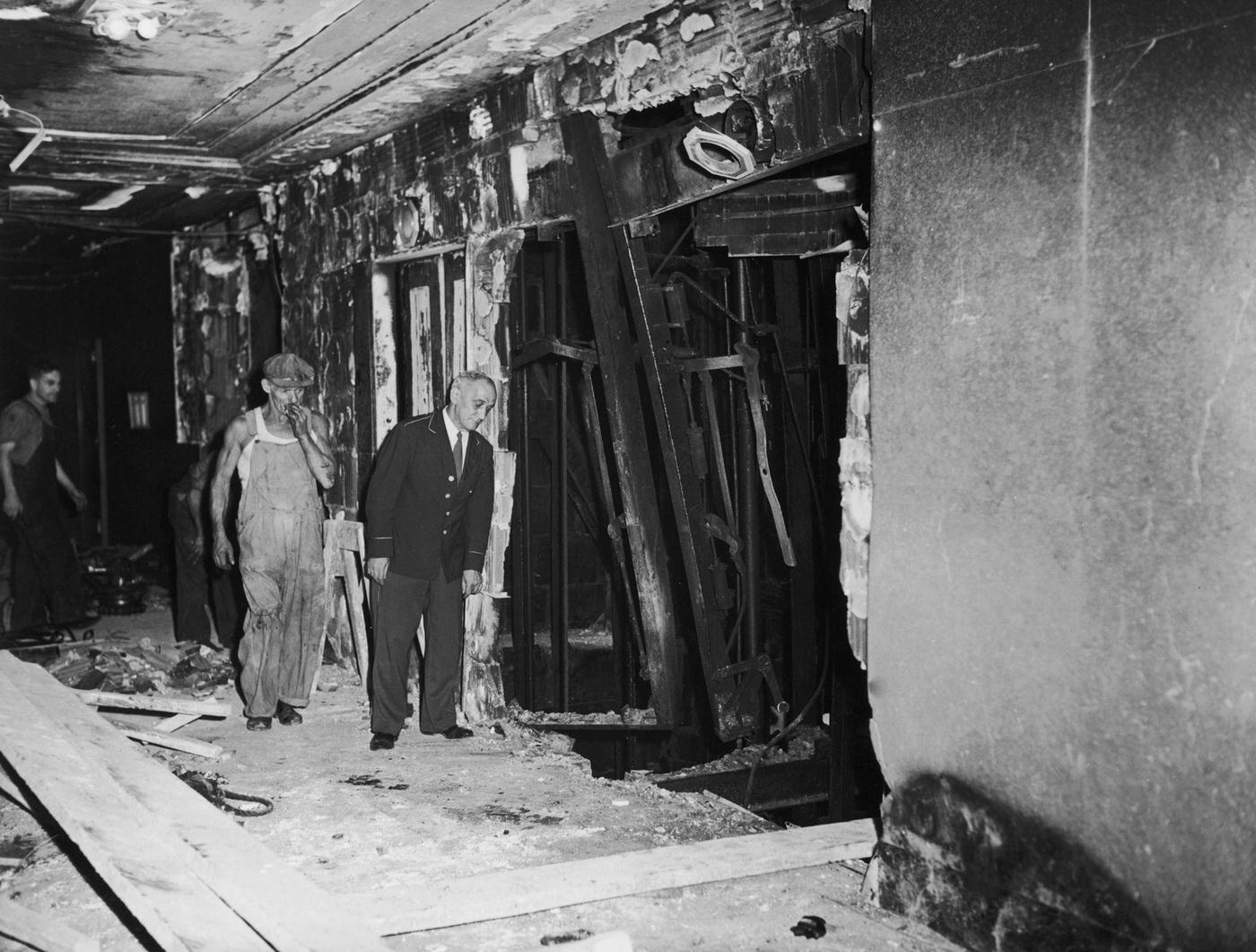
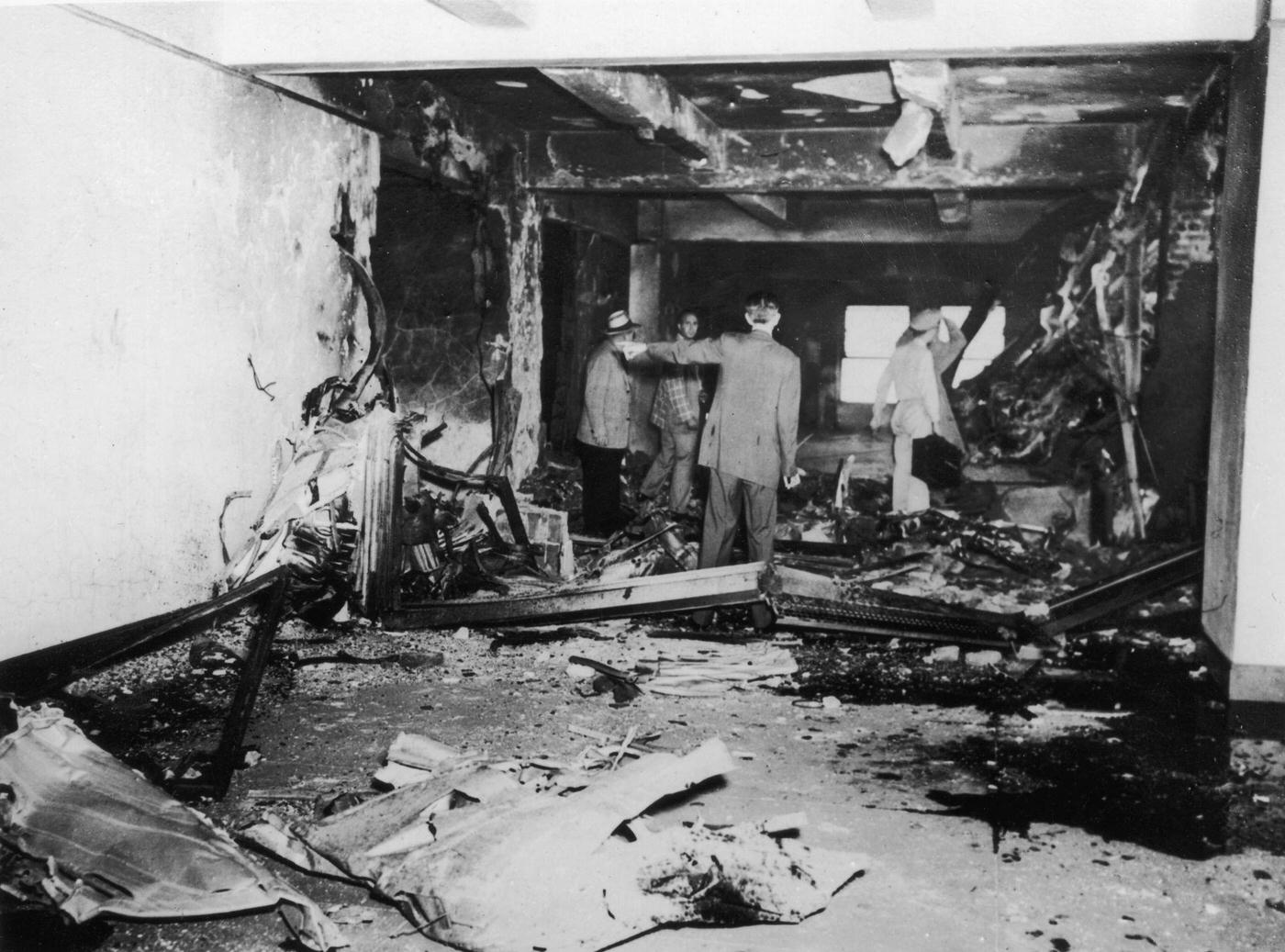
One of the plane’s engines tore through the building and out the other side, flying across 33rd Street before crashing into a neighboring rooftop. The second engine and part of the landing gear fell down an elevator shaft. The destruction on the impact floors was total — steel girders bent, masonry shattered, and office furniture reduced to ash.
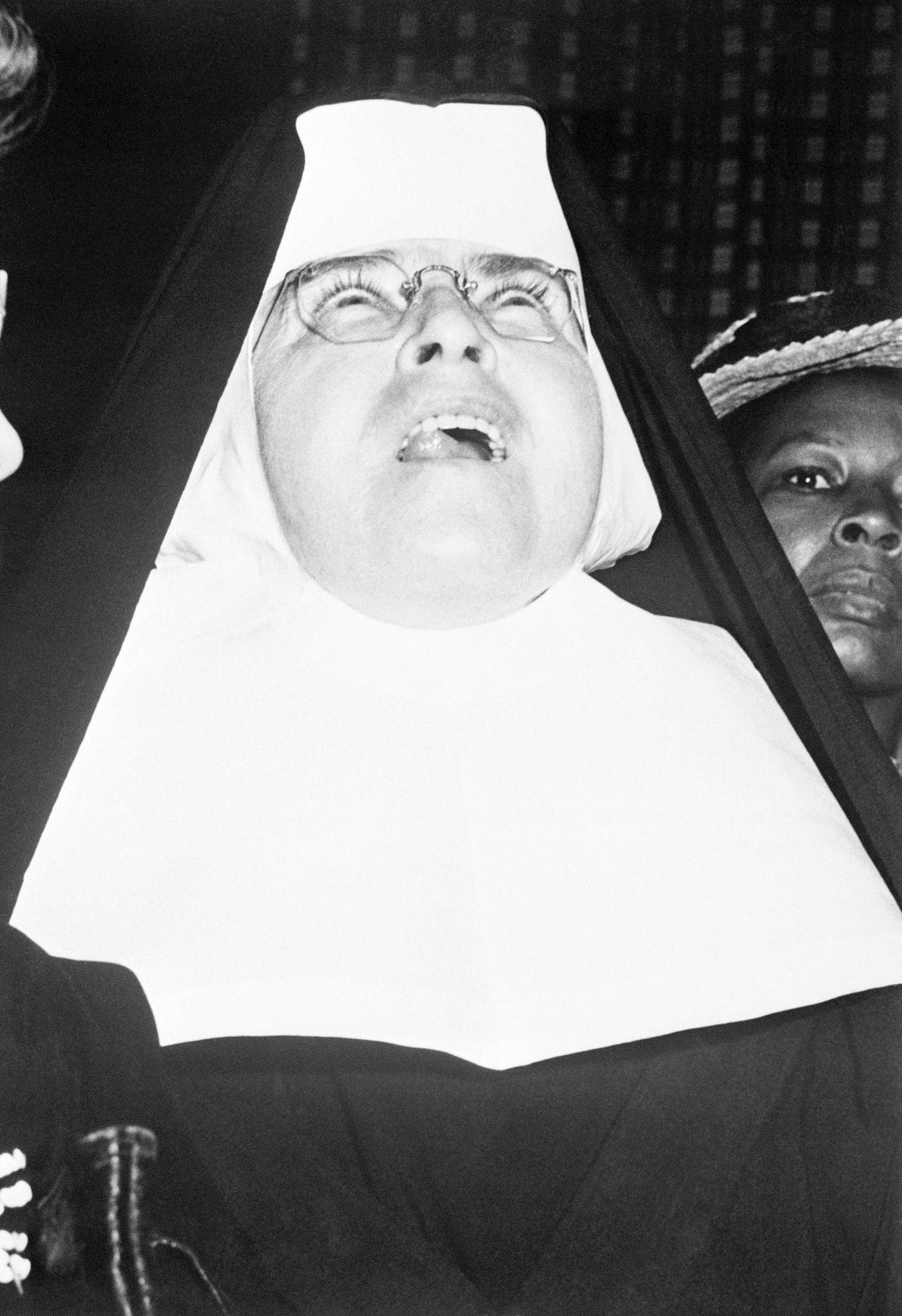
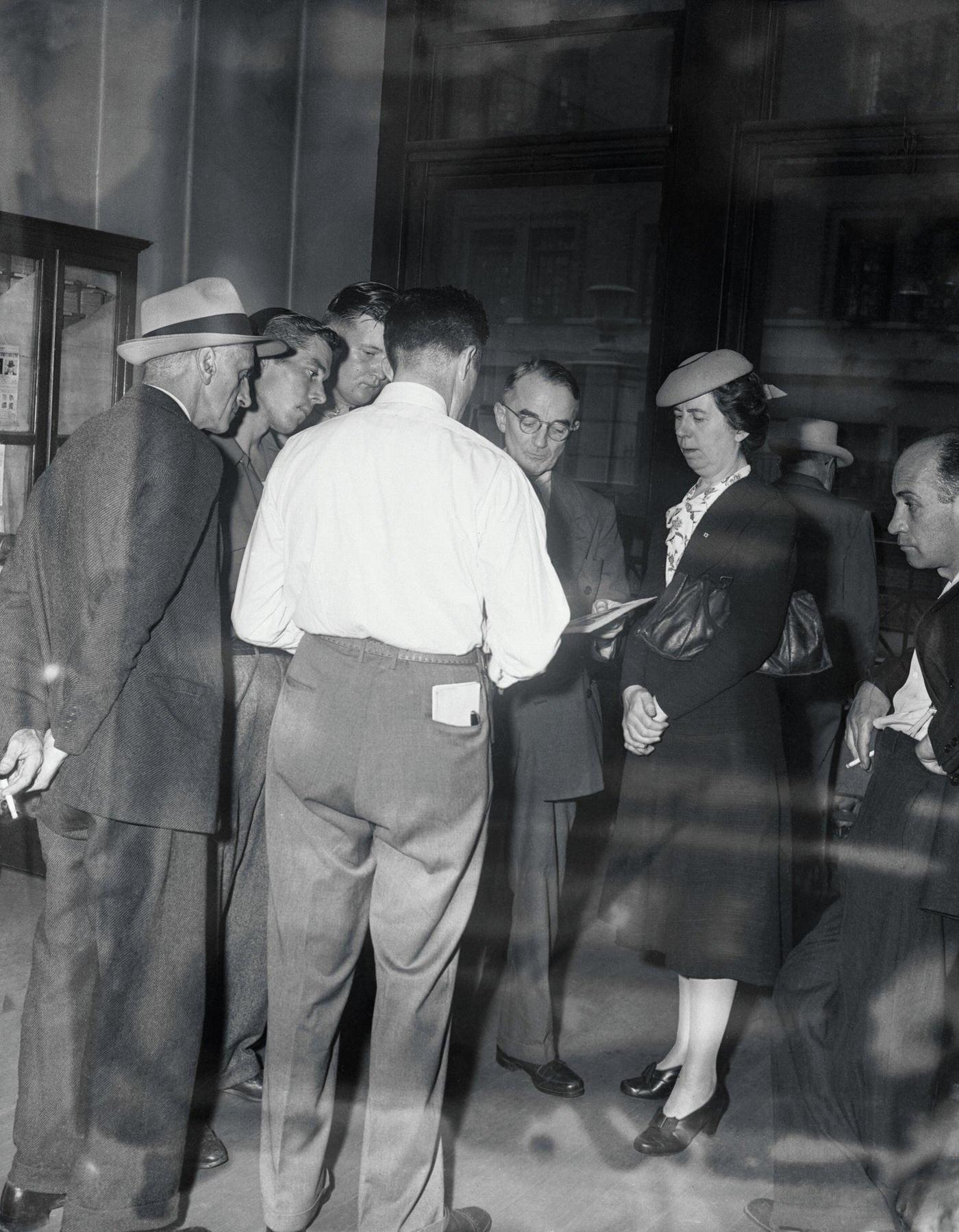
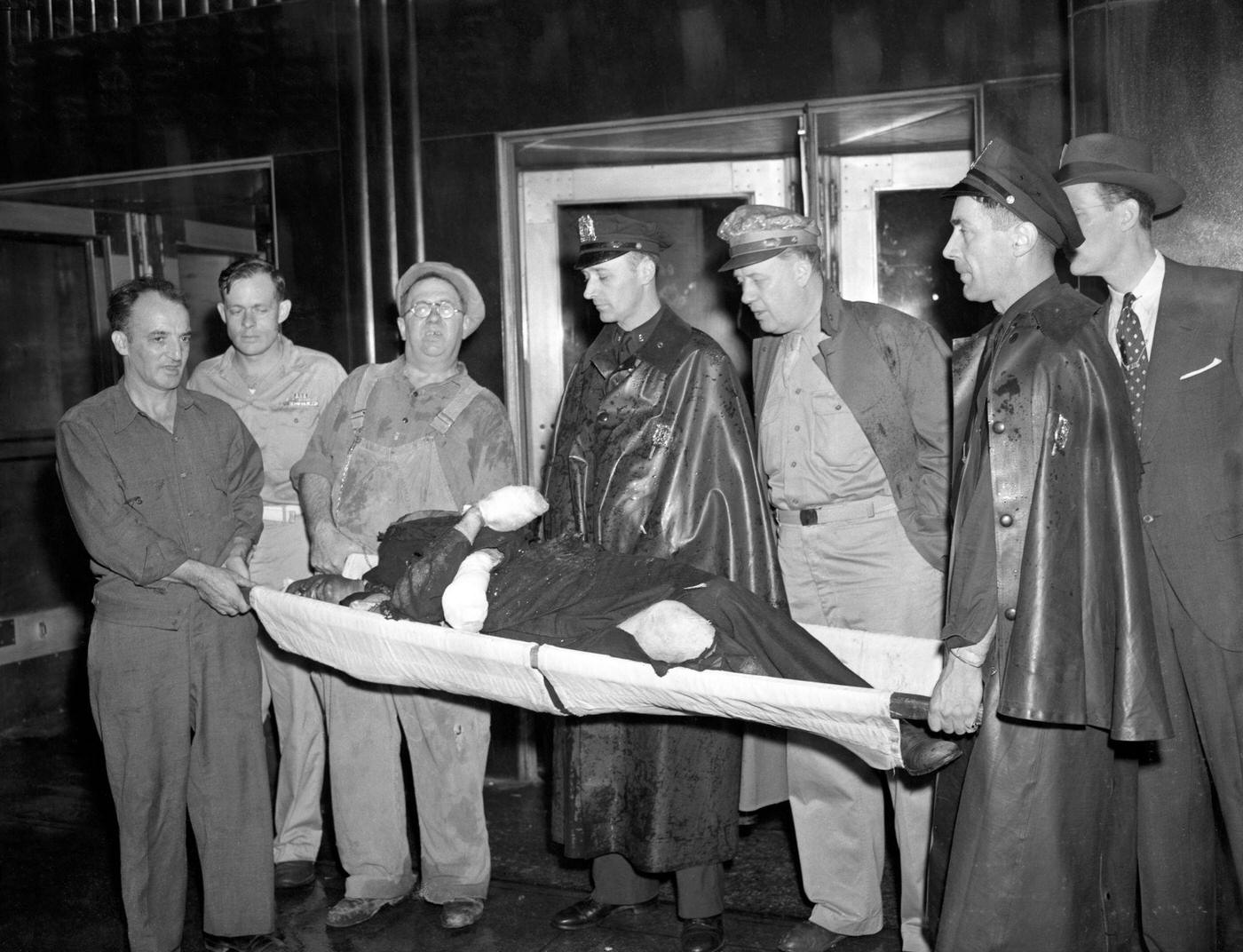
The 79th floor was occupied primarily by offices of the National Catholic Welfare Conference. Workers there had no warning before the plane hit. Smith and his two crew members — Sergeant Christopher Domitrovich and Albert Perna, a Navy passenger hitching a ride — were killed instantly. Eleven office workers on the 79th and 80th floors also died. Many of the bodies were burned beyond recognition, and identification at the Bellevue Morgue took days.
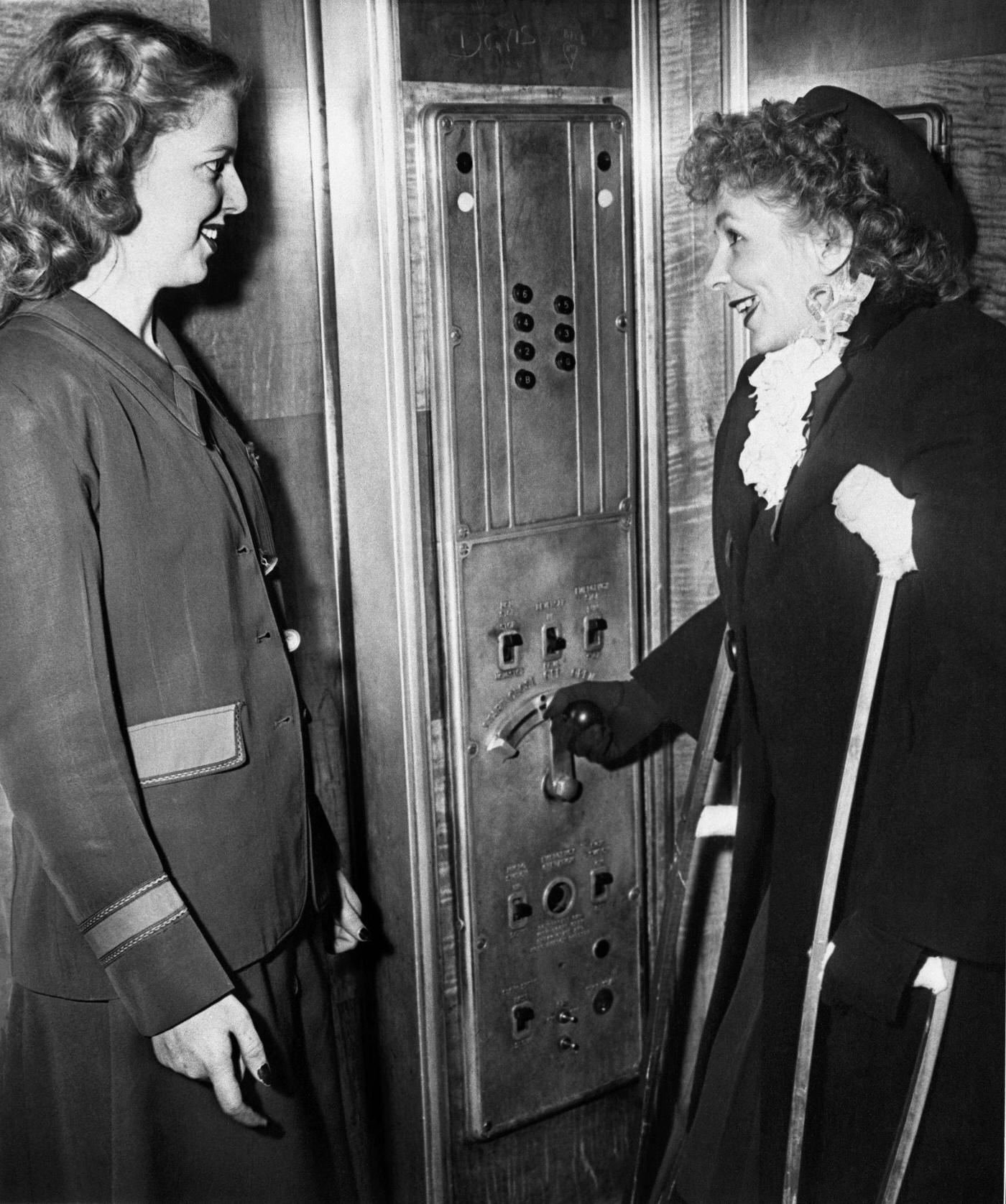
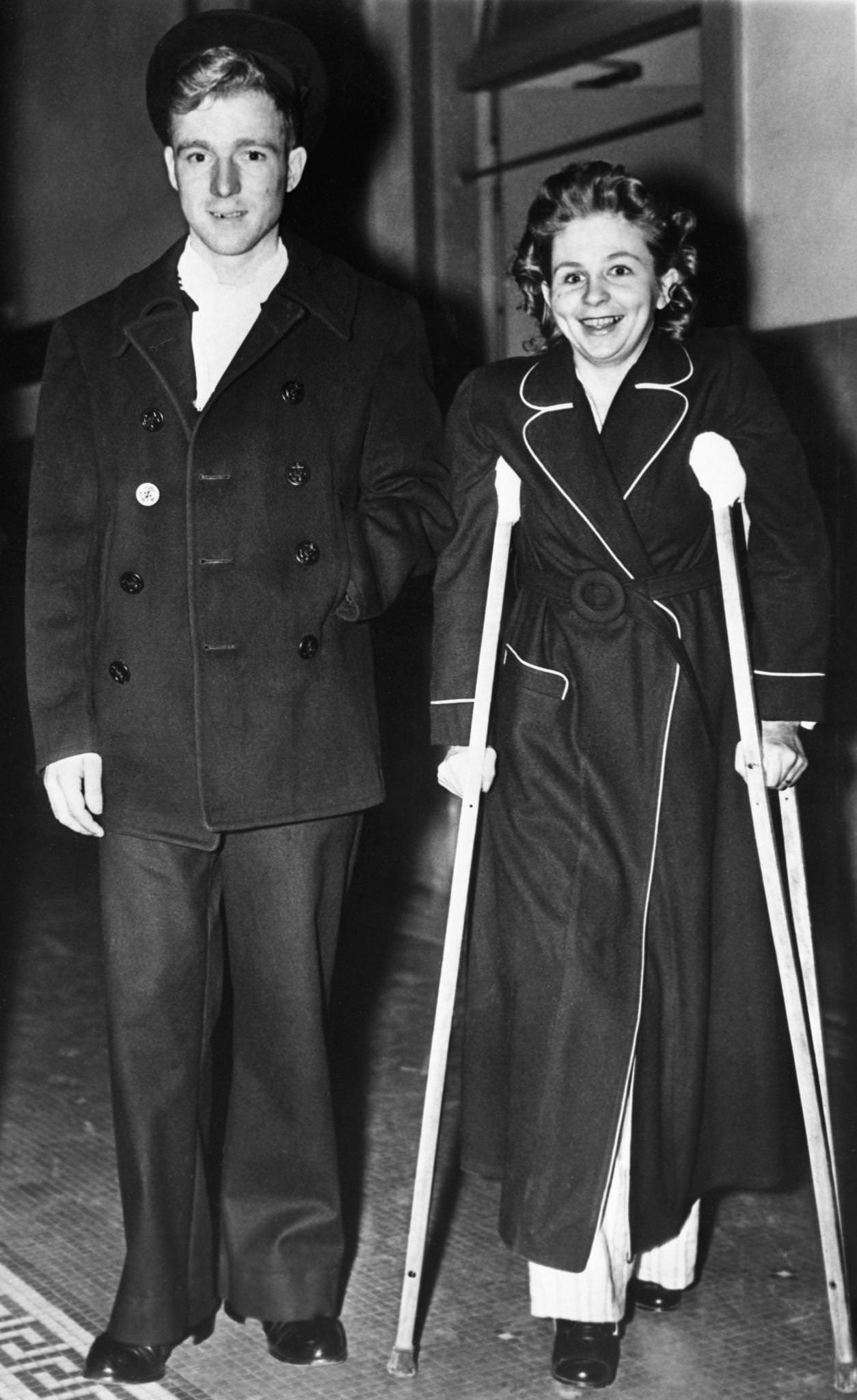
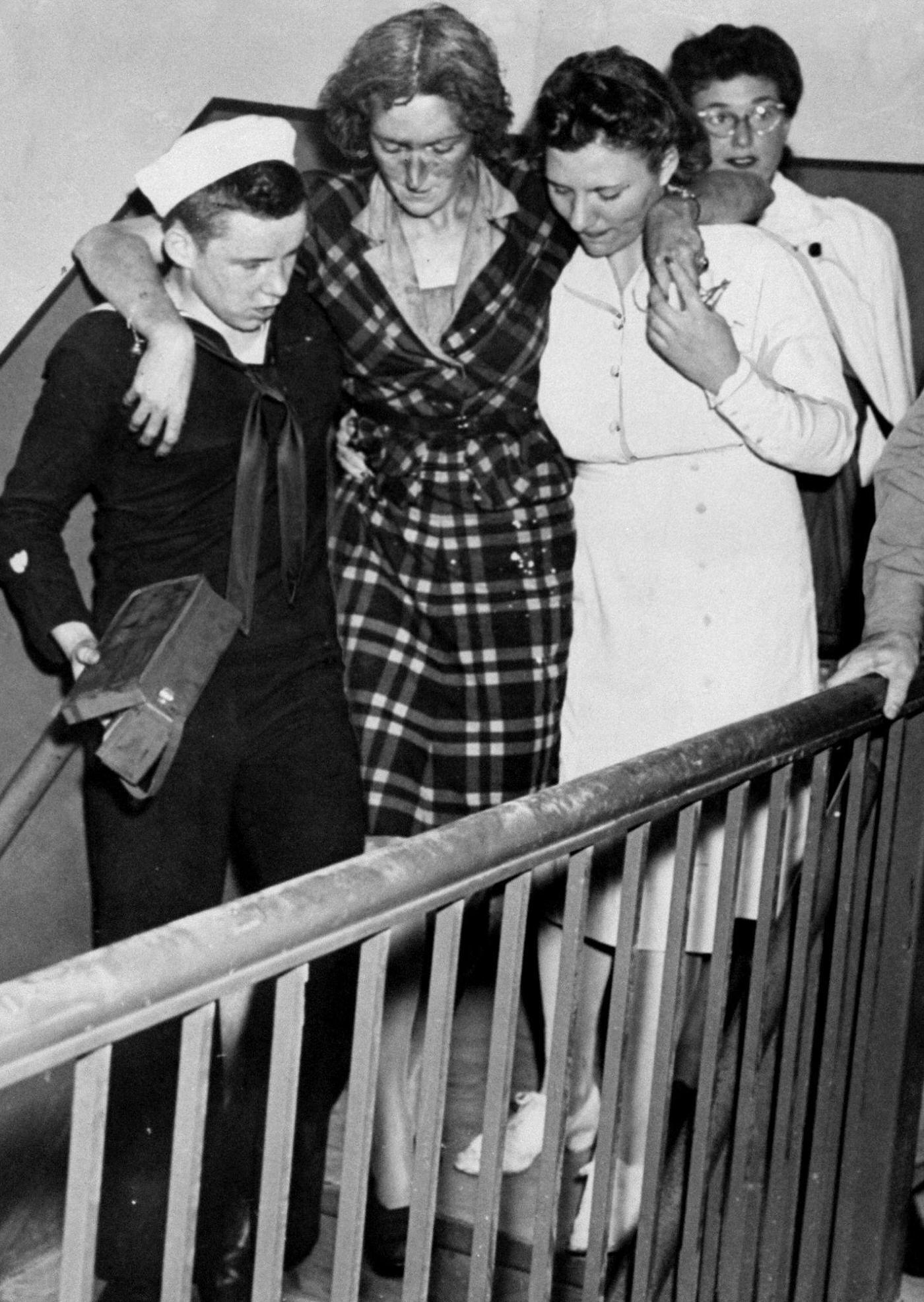
Twenty-six more people were injured in the crash. Among the most remarkable survival stories was that of elevator operator Betty Lou Oliver. The crash injured her, and rescue workers placed her into an elevator to bring her down for medical treatment. The elevator cables, weakened by the fire and falling debris, snapped. The car plummeted 80 floors to the basement. Oliver survived, setting a record for the longest survived elevator fall that still stands today.
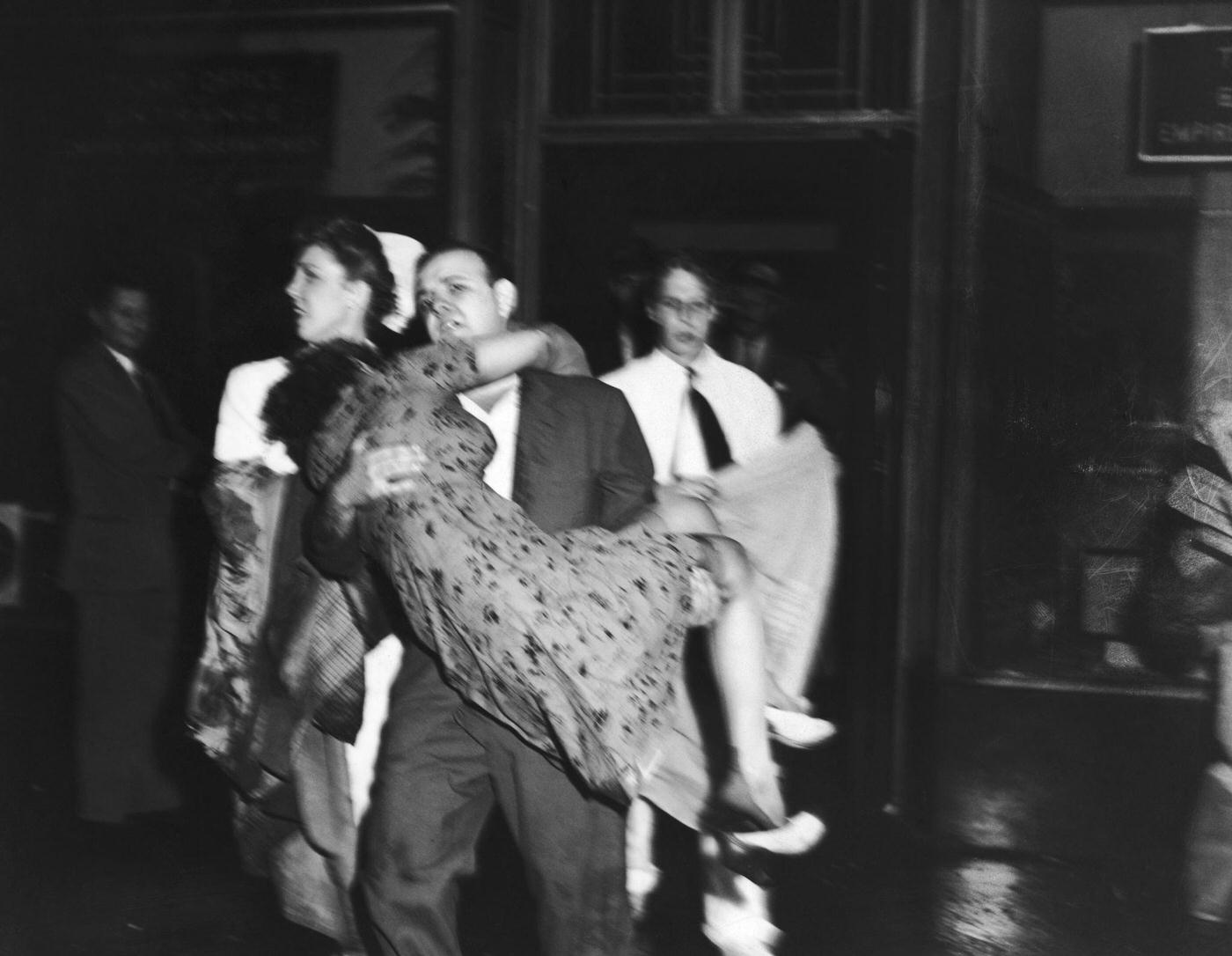
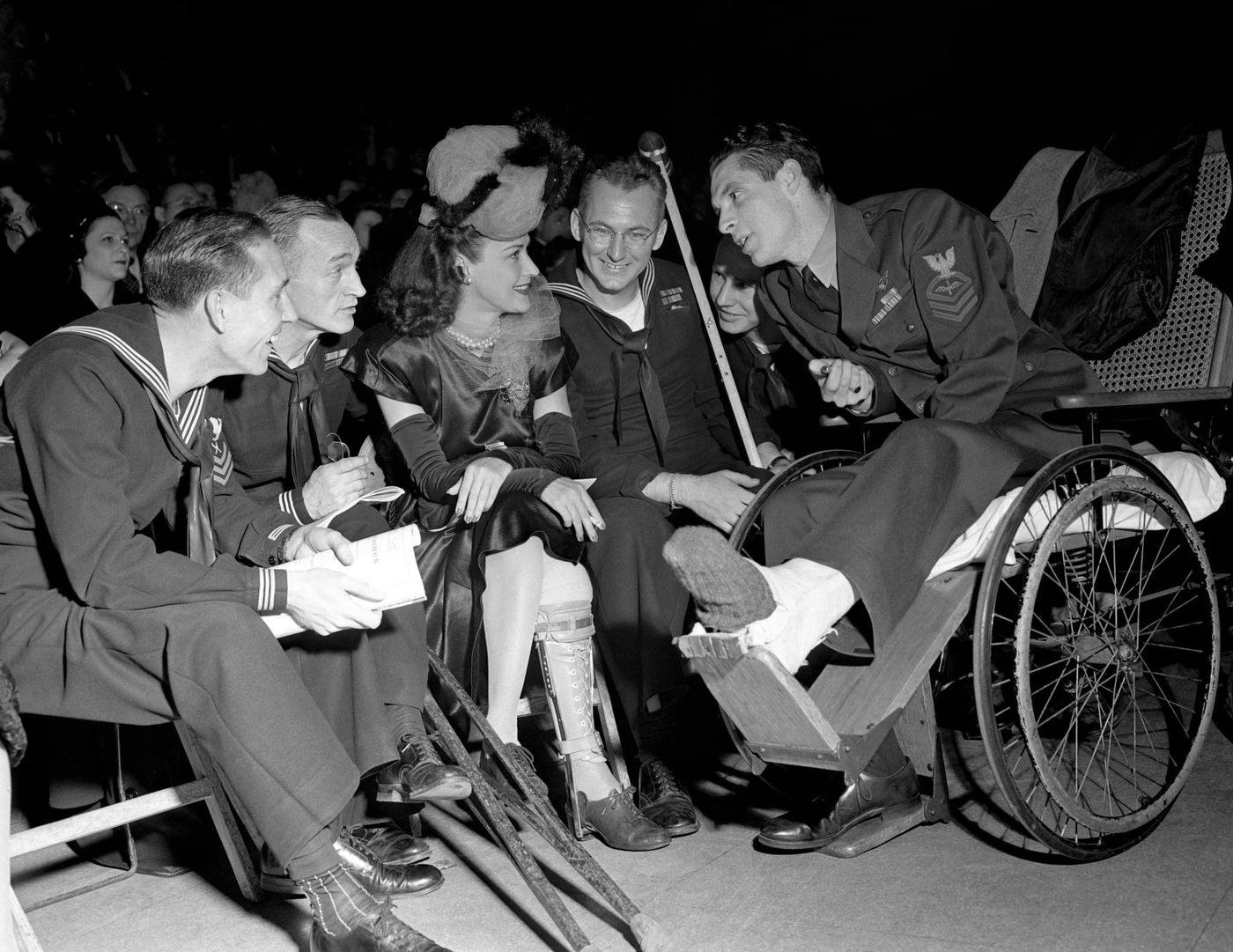
Emergency crews reached the scene within minutes. Firefighters battled the blaze on the upper floors while police cleared the streets below of debris and bystanders. Coast Guardsmen and other military personnel in the city assisted with evacuating the wounded. The fire was brought under control in under 40 minutes, a remarkable feat given the height of the flames.
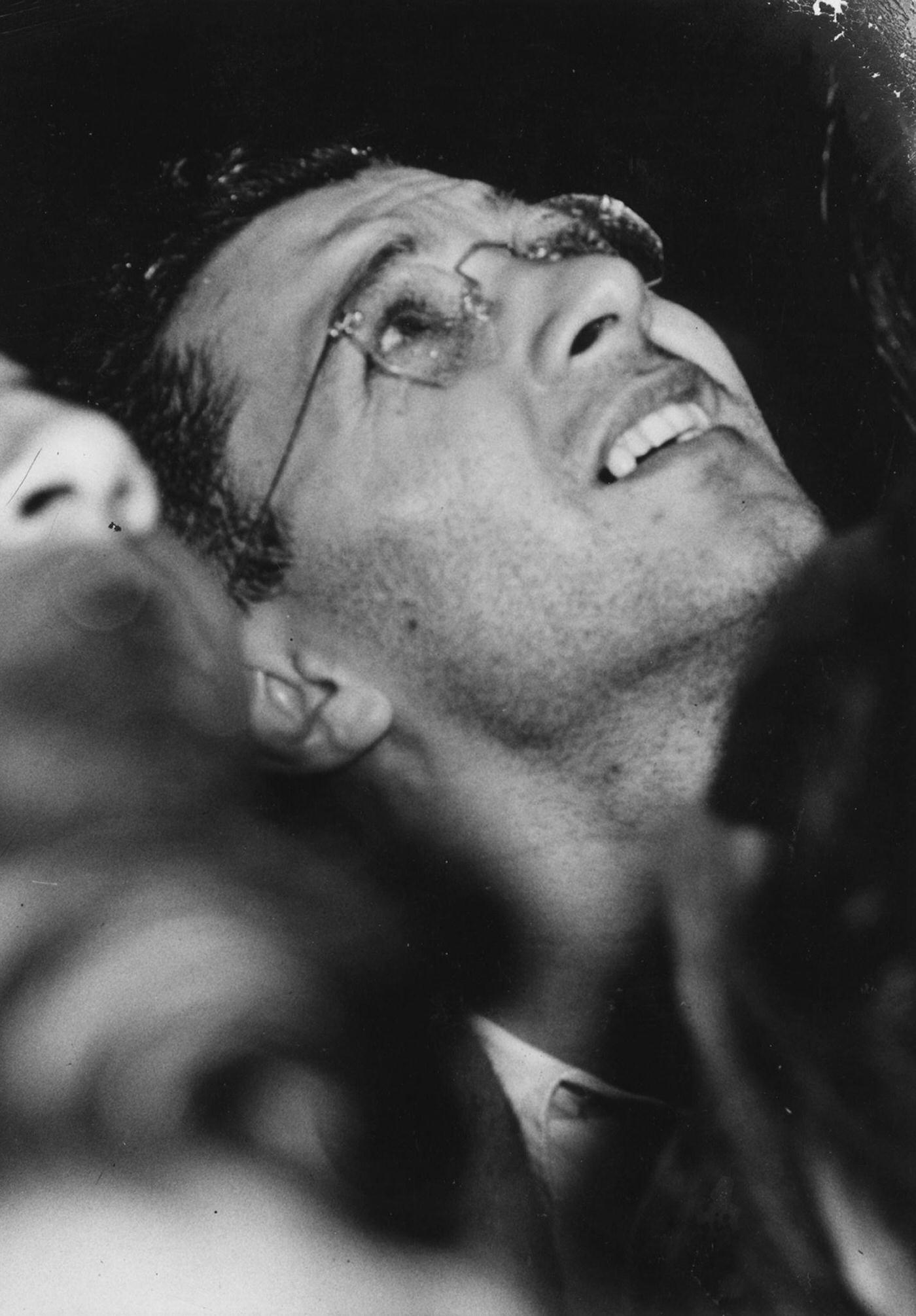
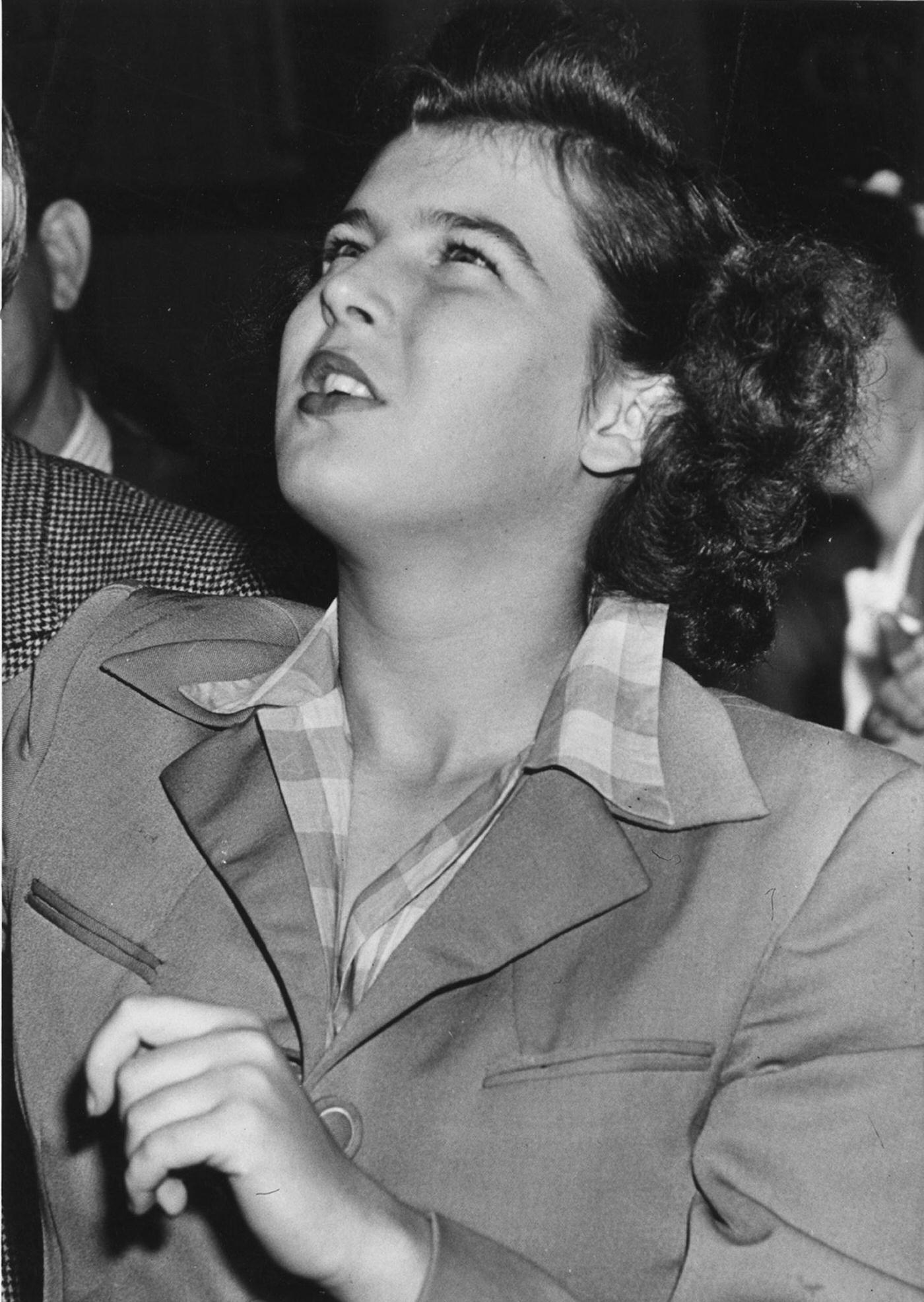
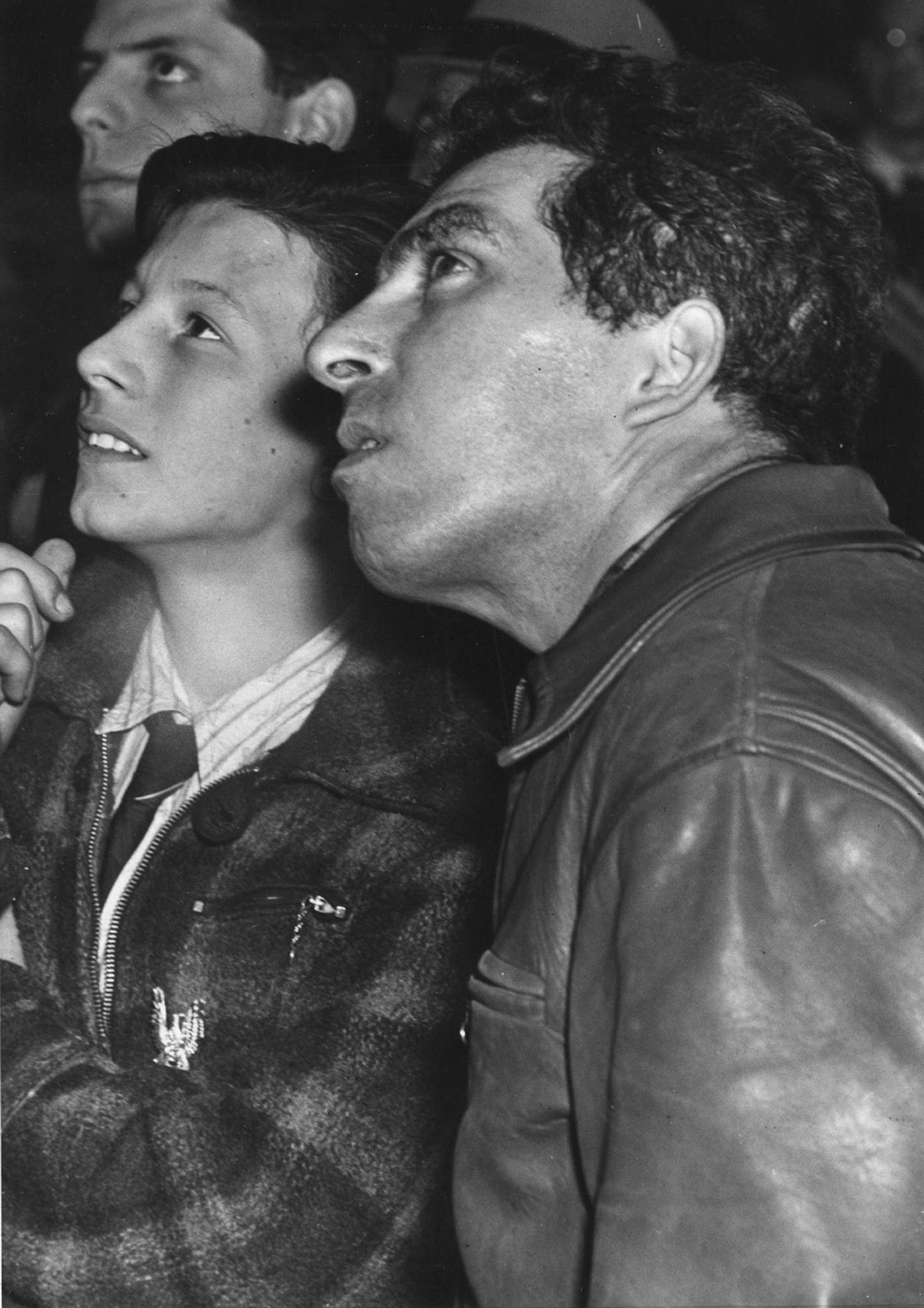
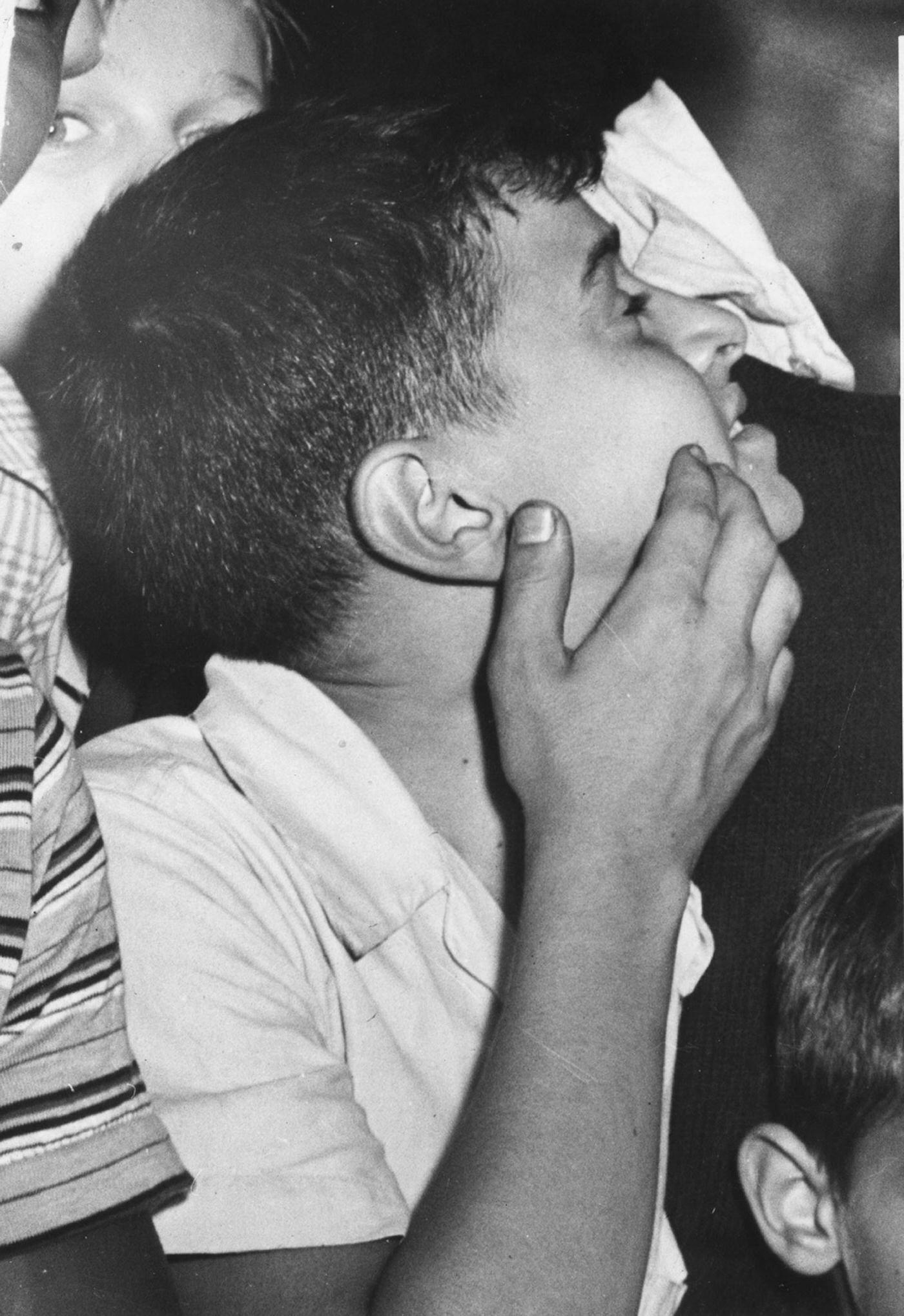
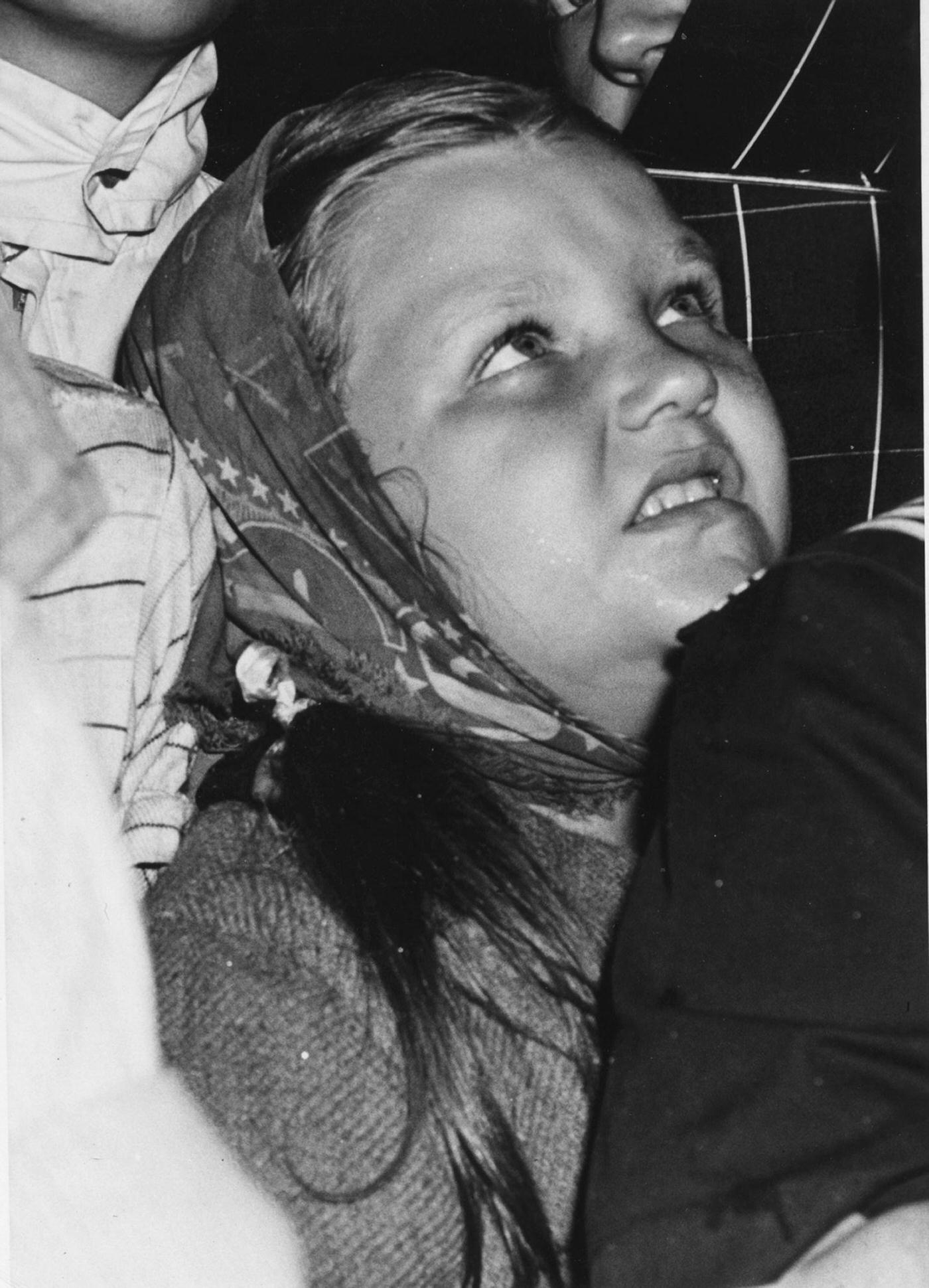
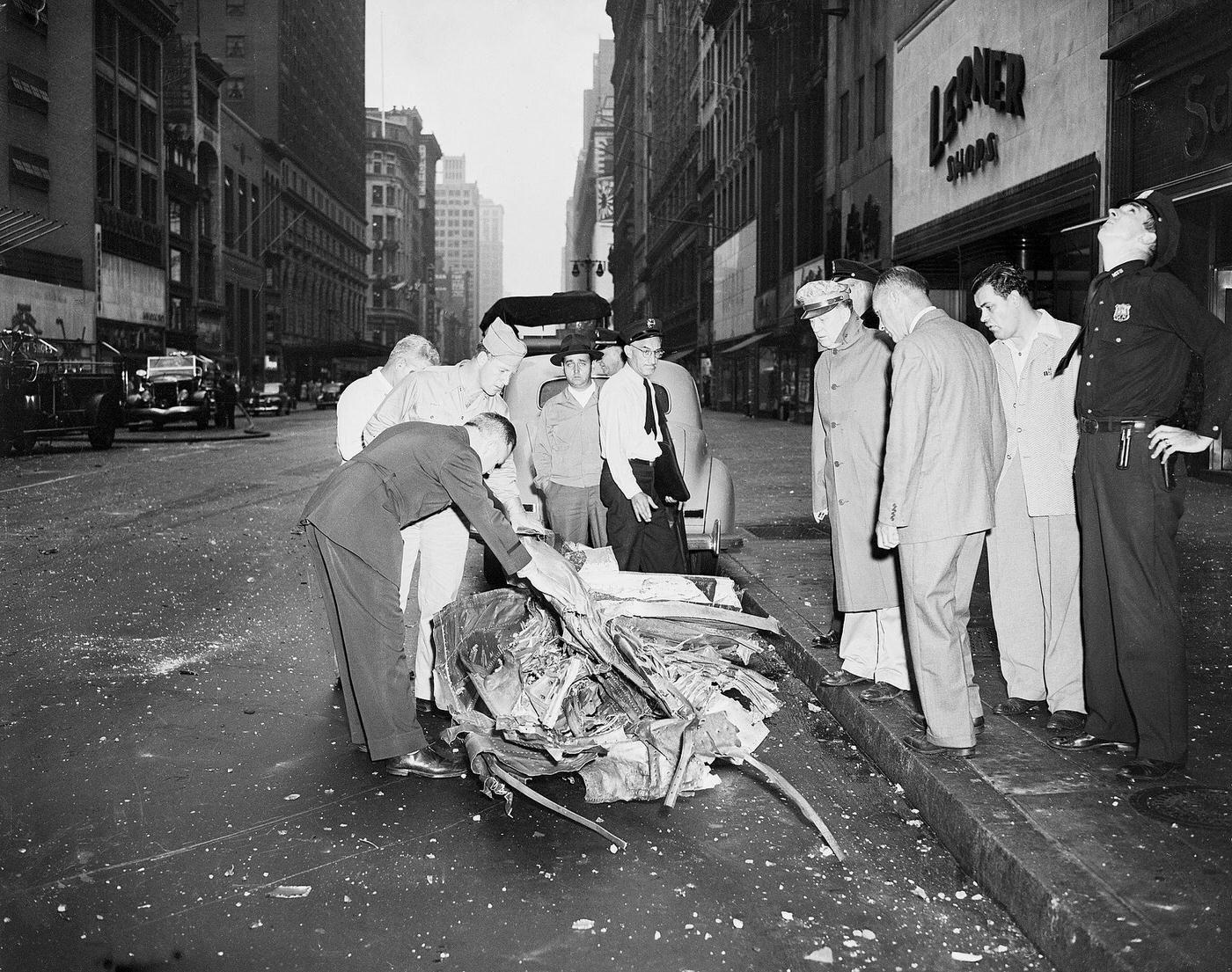
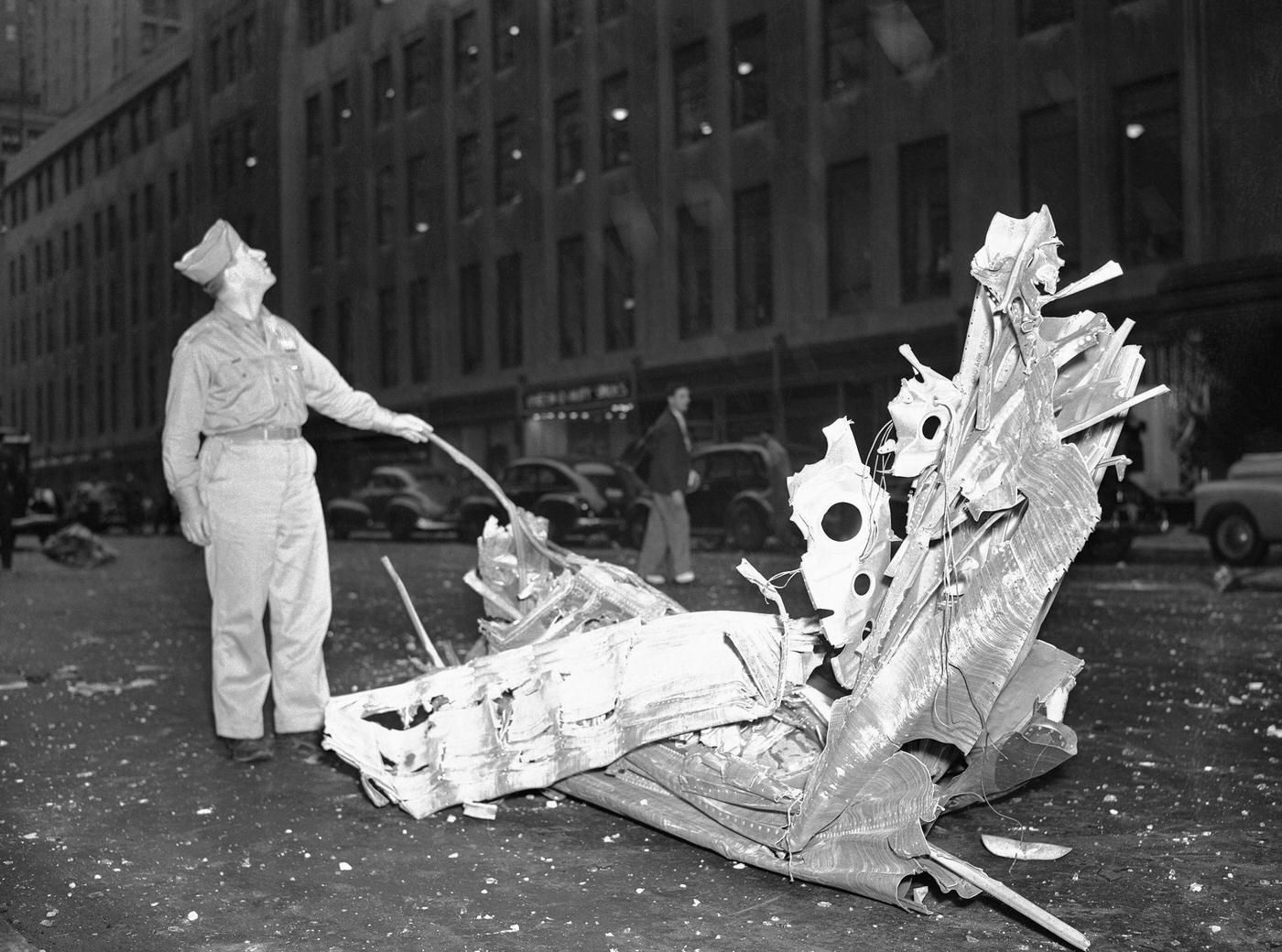
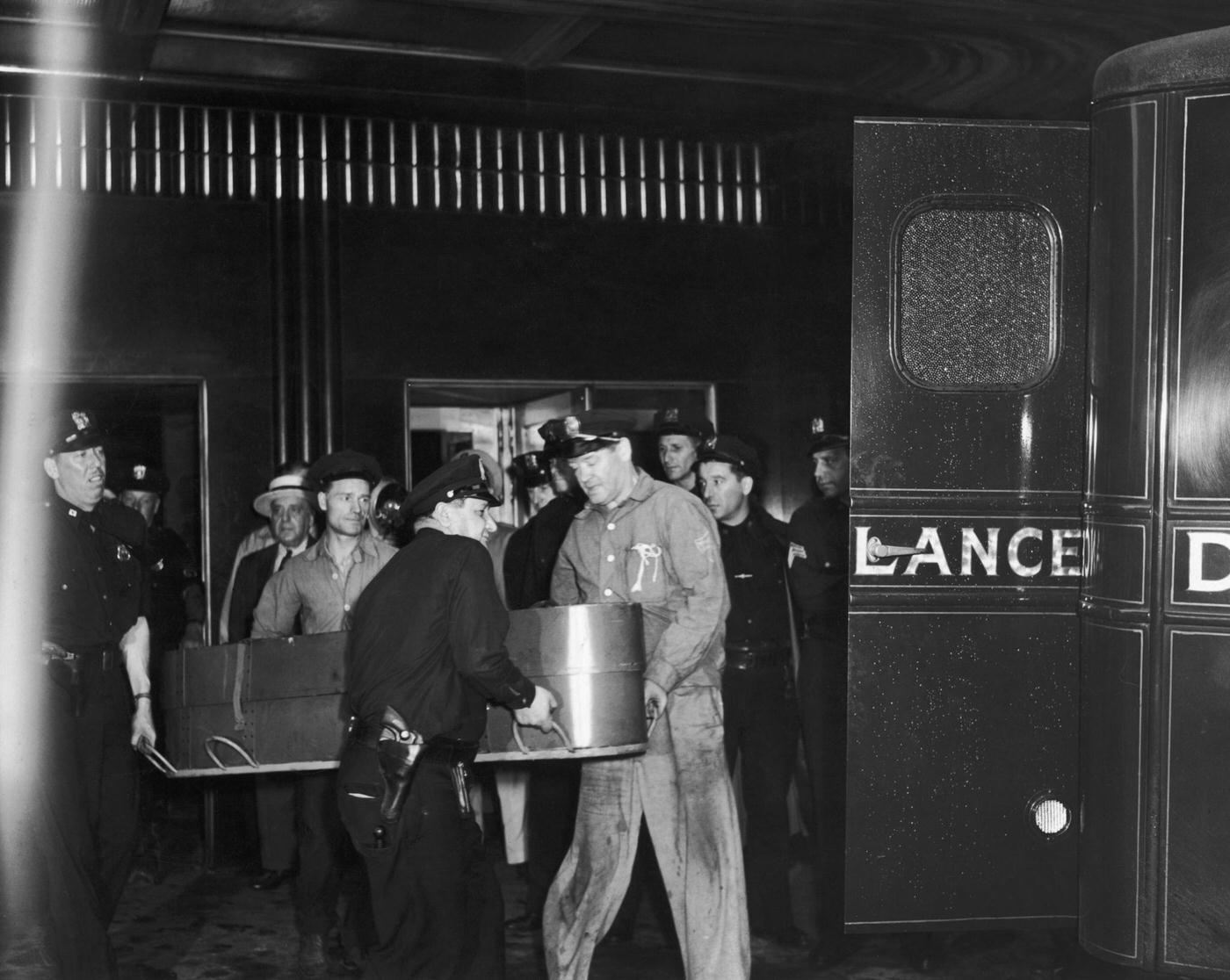
Down on 34th Street, crowds gathered and stared upward at the gaping, smoking hole near the top of the world’s tallest building. The scene was one of disbelief. Smoke poured from the upper floors, and pieces of wreckage littered the sidewalks. Police cordoned off the area as bodies were carried out through the building’s main entrance.
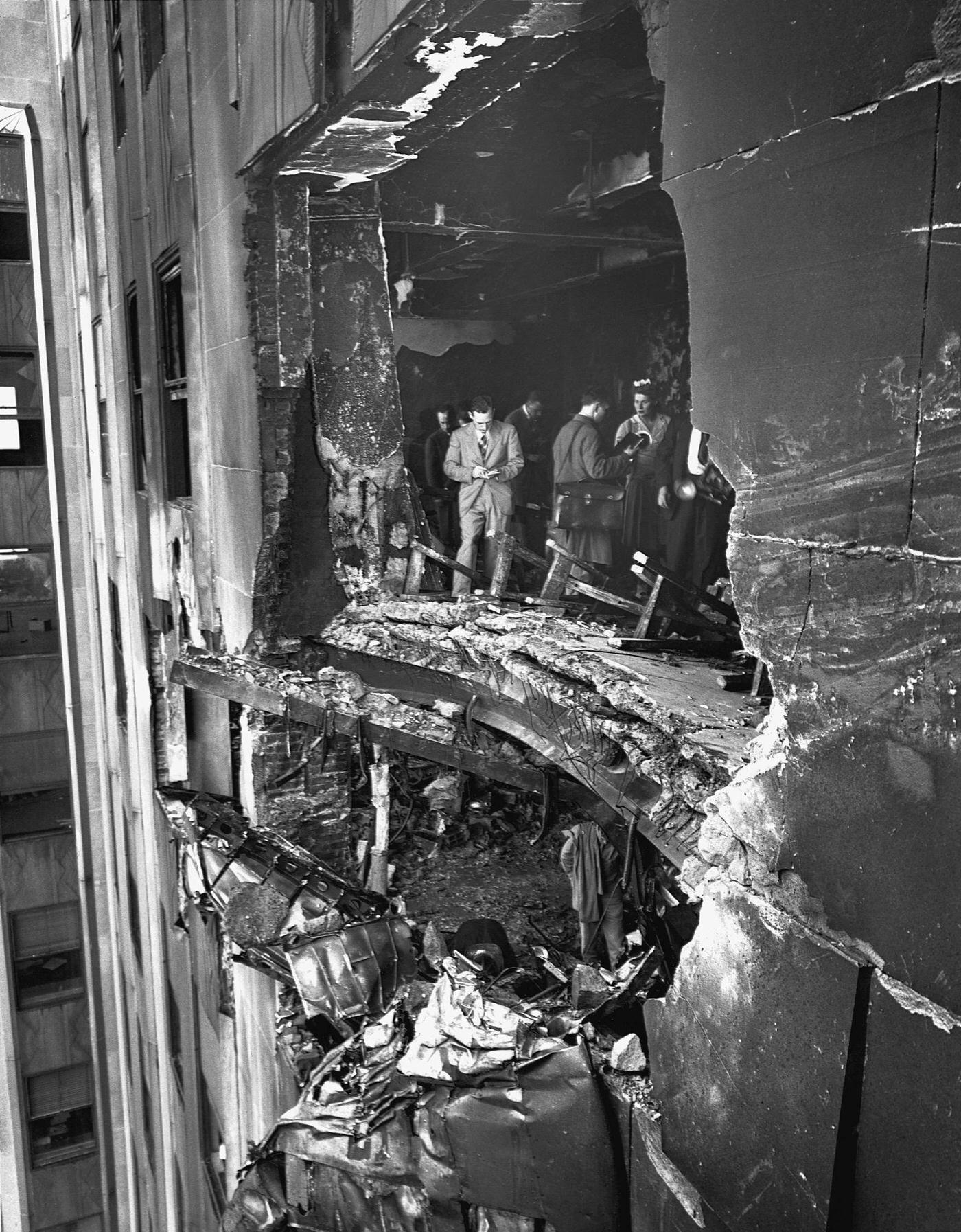
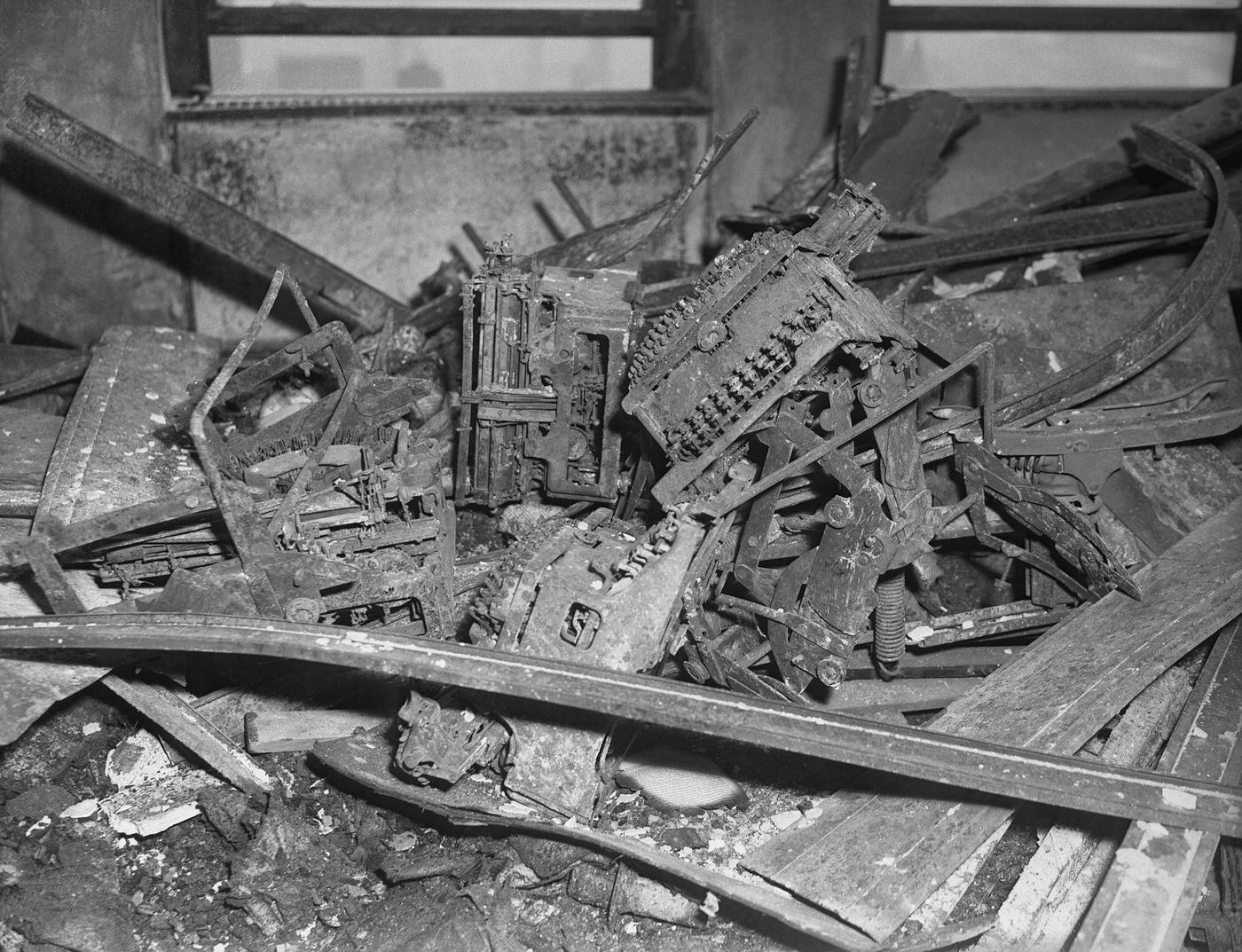
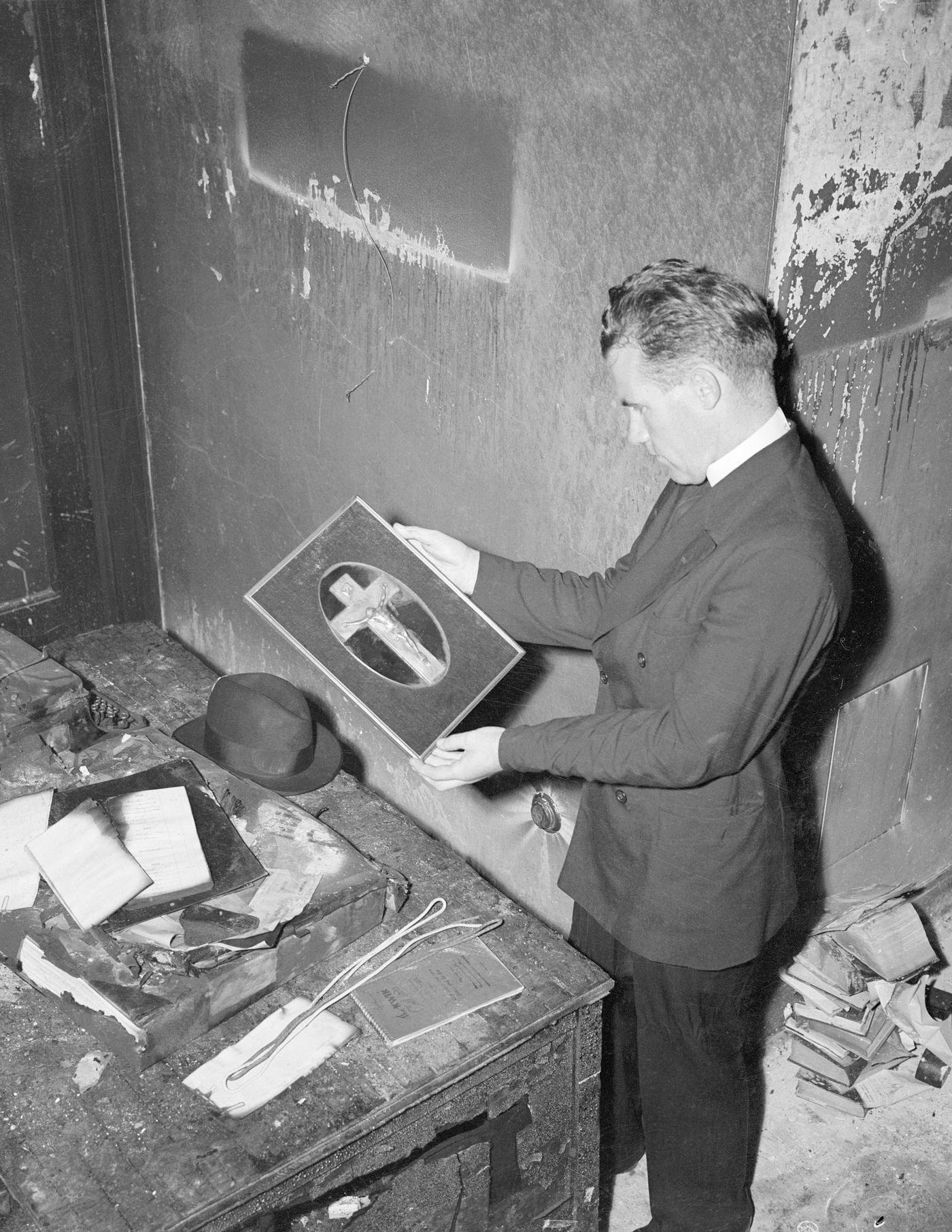
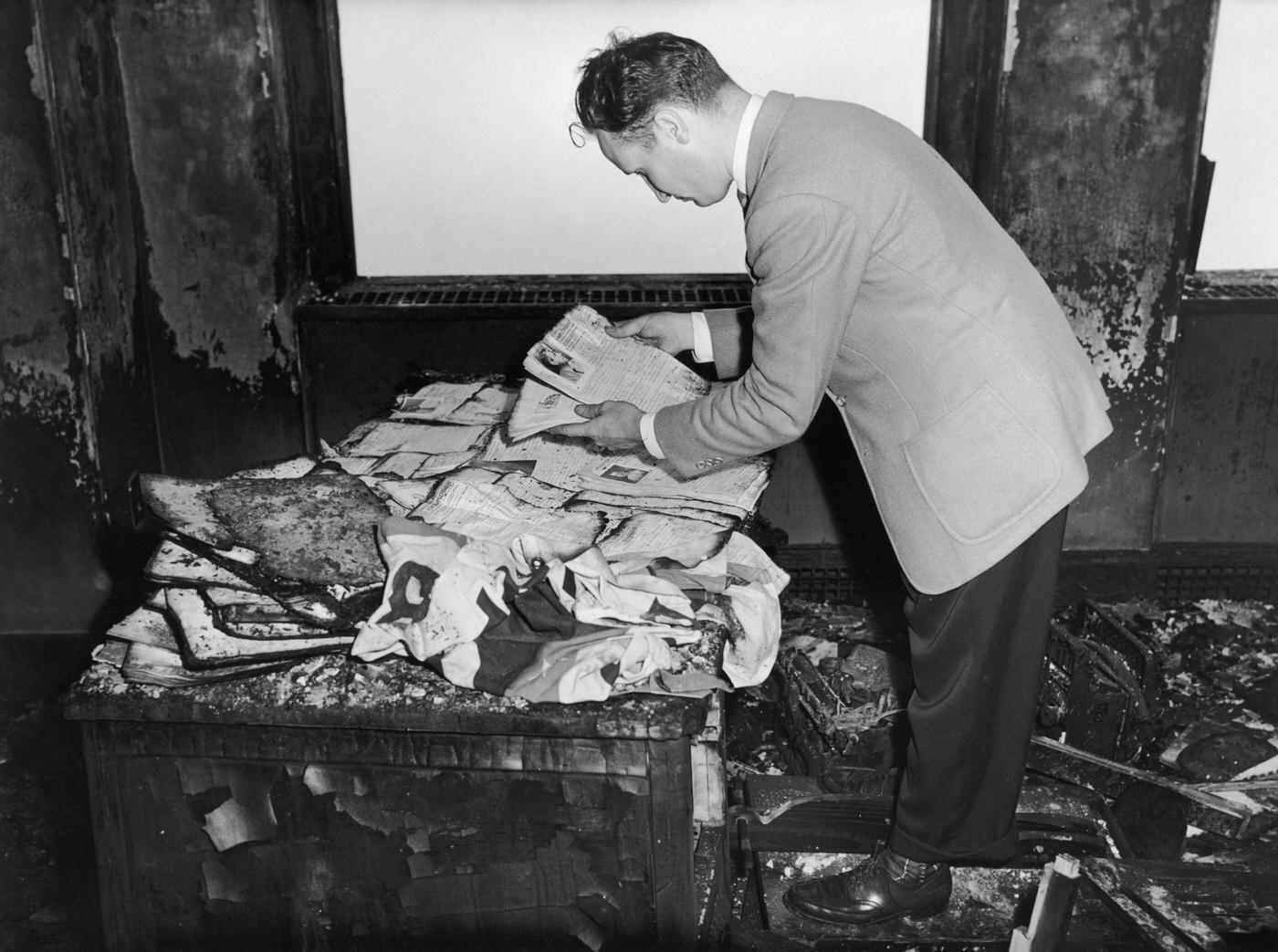
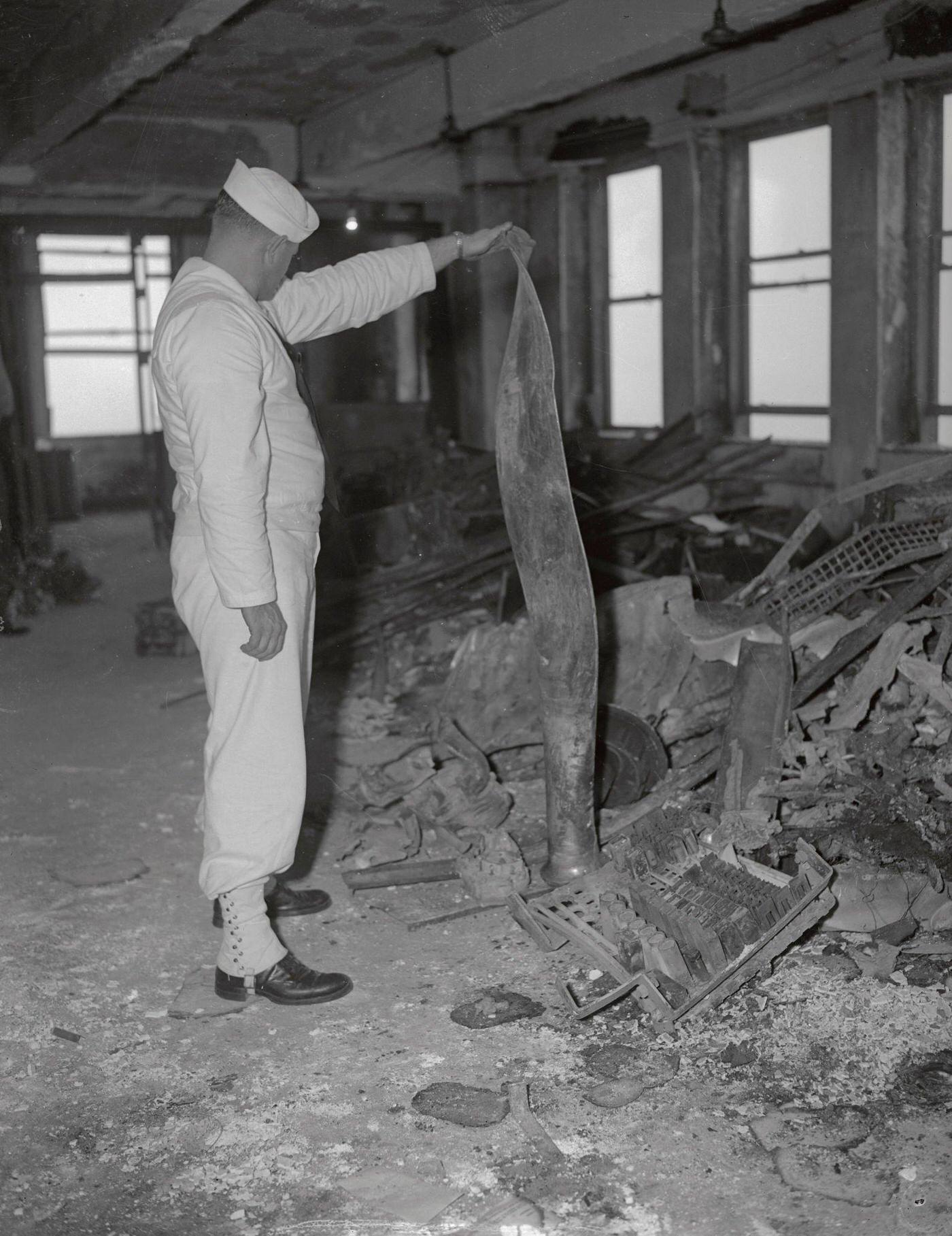
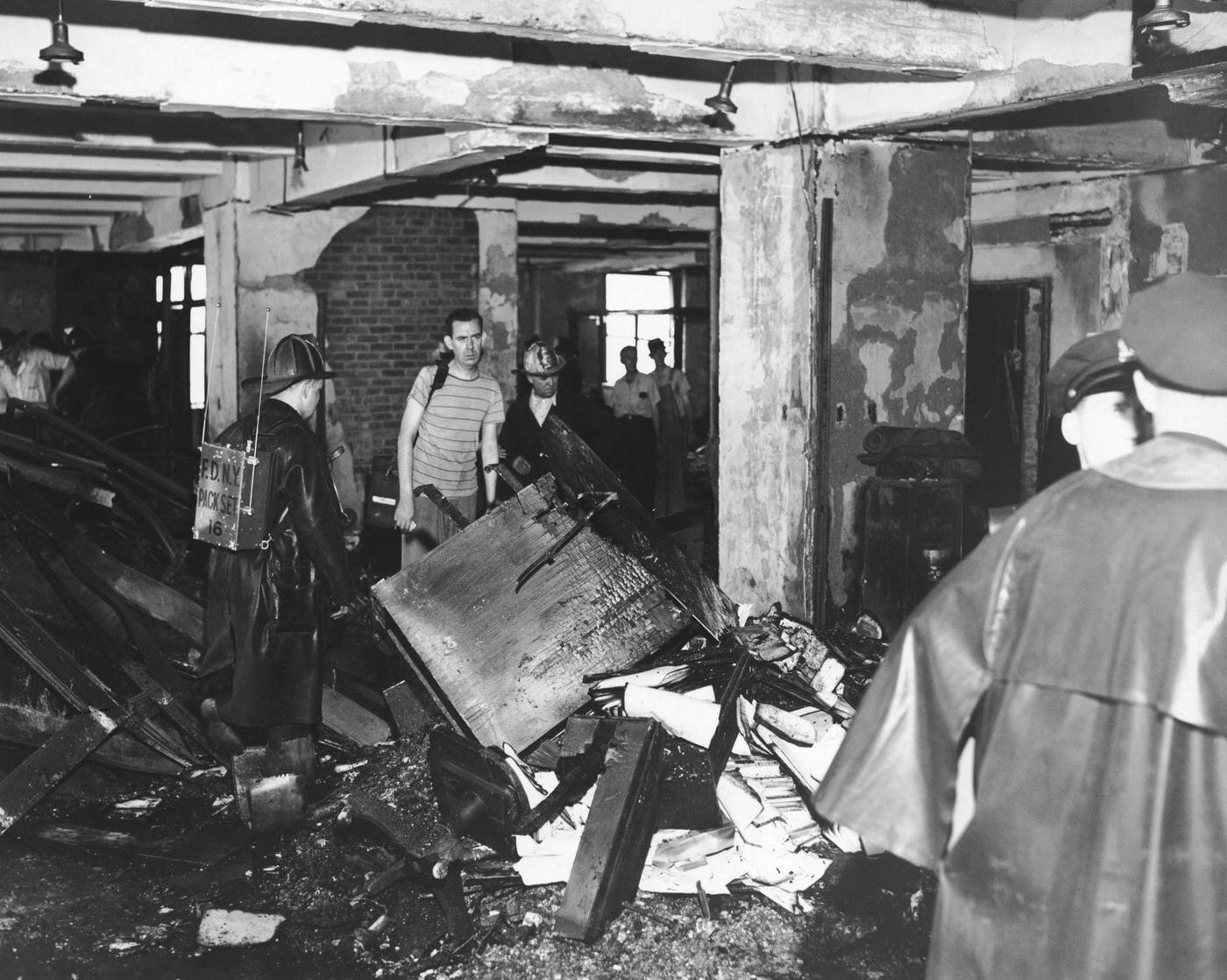
Inside, the damage was staggering. The 79th floor looked as though a bomb had gone off. Desks, filing cabinets, and typewriters were fused into twisted heaps of metal. Charred documents lay scattered across the floor. One of the few objects found undamaged on that floor was a small statue of Jesus — a detail that drew significant attention in press coverage of the disaster.
The wreckage of the B-25 itself was scattered across multiple floors and the streets below. One of the plane’s propellers landed near the building’s base. Large sections of the fuselage remained lodged in the floors where the aircraft had come to rest, tangled among the building’s steel frame.

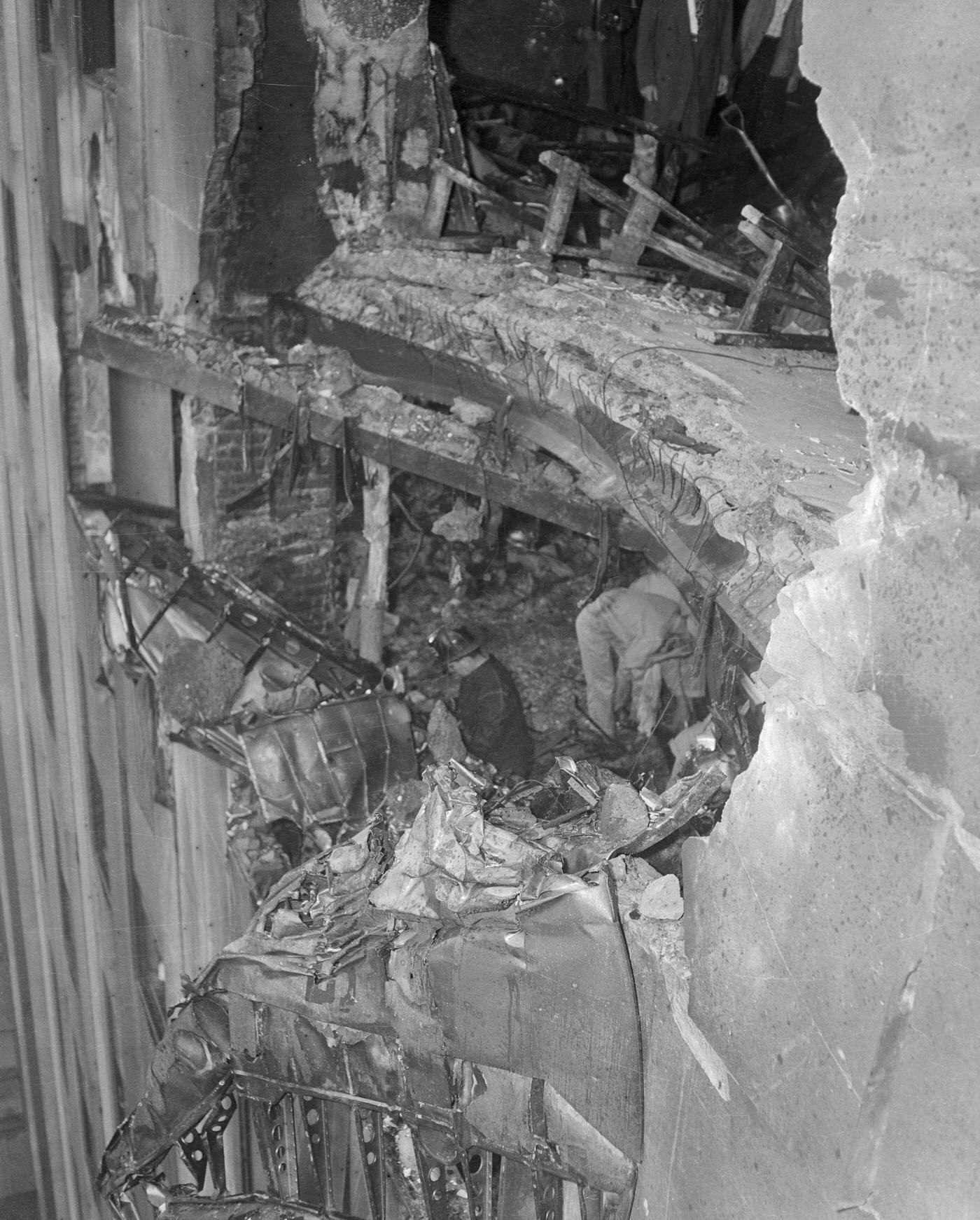
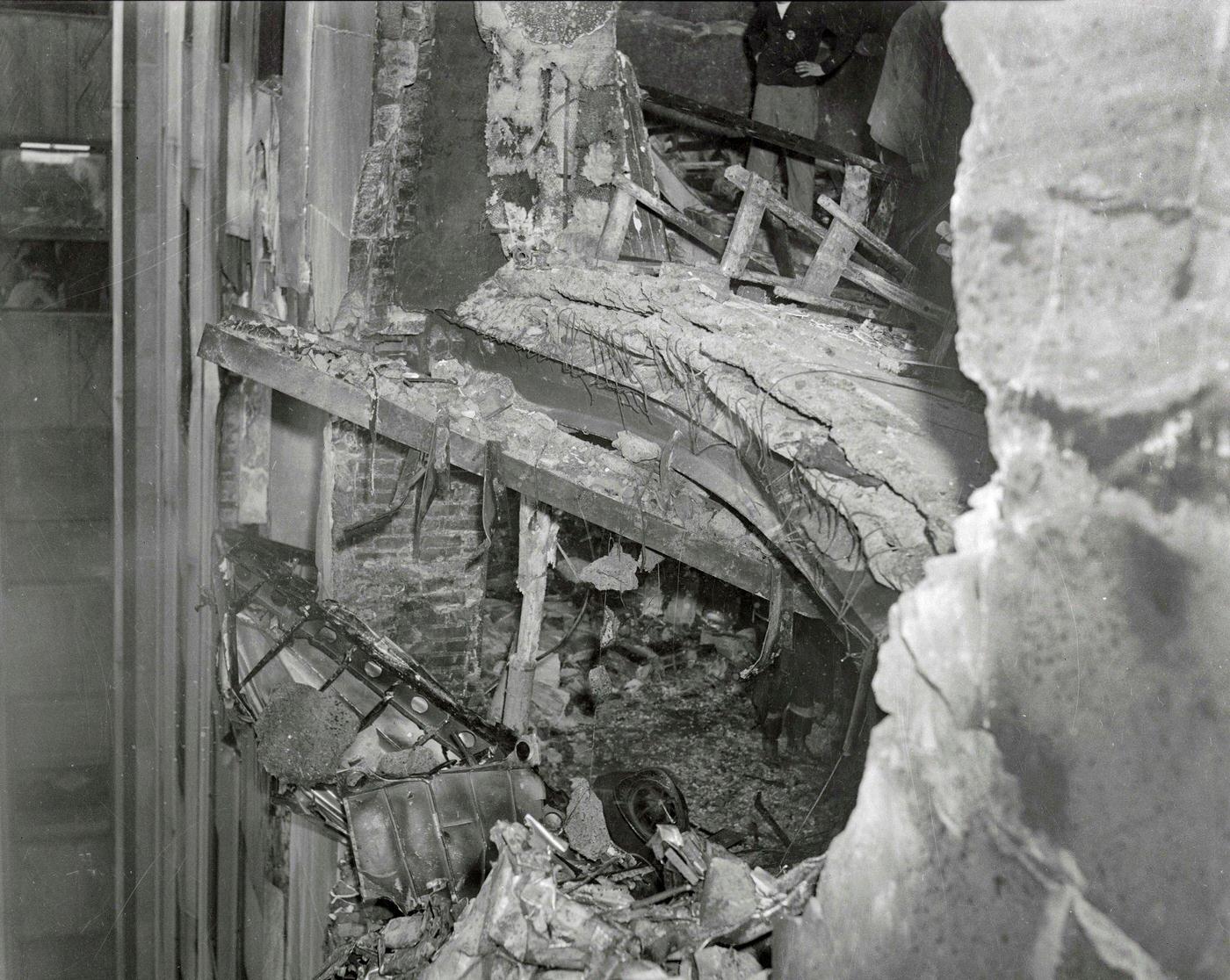
The elevator shafts took some of the worst structural damage. Cables had been severed, and the shaft walls were badly scorched. Inspectors found that the building’s core frame had held, which was the only reason the structure remained standing. The Empire State Building’s steel skeleton had absorbed a blow that would have collapsed a lesser building entirely.
The 79th and 80th floors were sealed off from the public for decades after the crash. Repairs to the exterior began almost immediately, with workers covering blown-out windows with tarpaulins while structural teams assessed the damage inside. The building reopened to tenants on the lower floors within days, a deliberate move to signal that New York was not shaken.
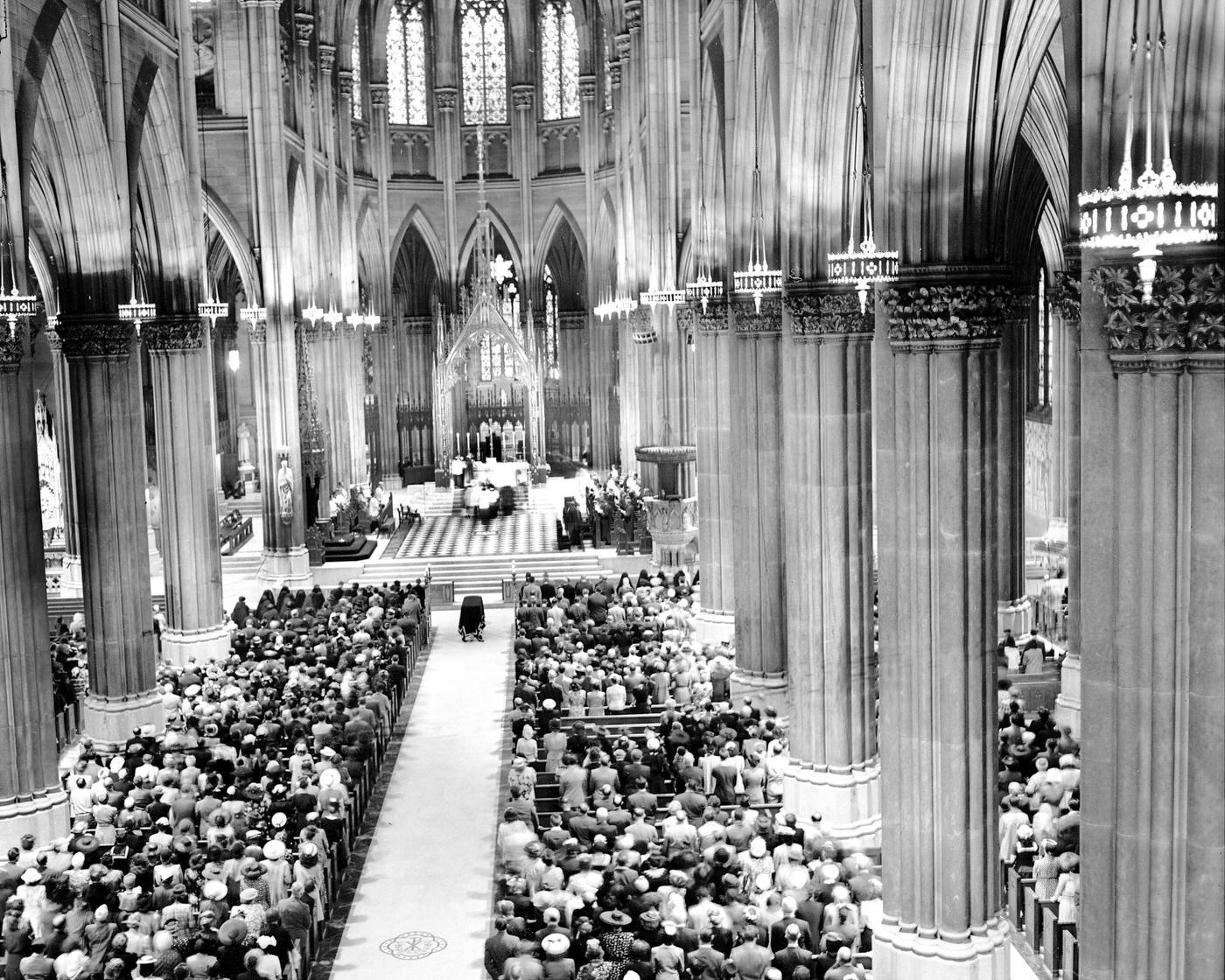
The coffins of the victims were brought out through the 34th Street entrance in full view of the public. Relatives gathered at the Bellevue Morgue to identify loved ones, a slow and painful process given the extent of the burns. Grief was compounded by the sheer randomness of it — a foggy Saturday morning, an office that should have been quiet, and a plane that had no business being where it was.
The investigation that followed determined that Smith had failed to maintain proper altitude and had not turned back despite warnings about visibility. No mechanical failure was found on the aircraft. The crash led directly to new aviation rules — radar and communication equipment were installed at airports, and new flight corridors were drawn to route aircraft away from the dense skyscraper canyons of Midtown Manhattan.
Among those who survived and later returned to the building was Betty Lou Oliver, whose fall down 80 floors in a broken elevator became one of the most widely covered survival stories of the war era. Elevator operator or not, her name became permanently tied to the disaster.