
Ella Fitzgerald won 13 Grammy Awards, sold over 40 million albums worldwide, and performed for six decades. Known as the “First Lady of Song,” she built one of the most celebrated careers in American music history — starting from a childhood marked by hardship and instability.
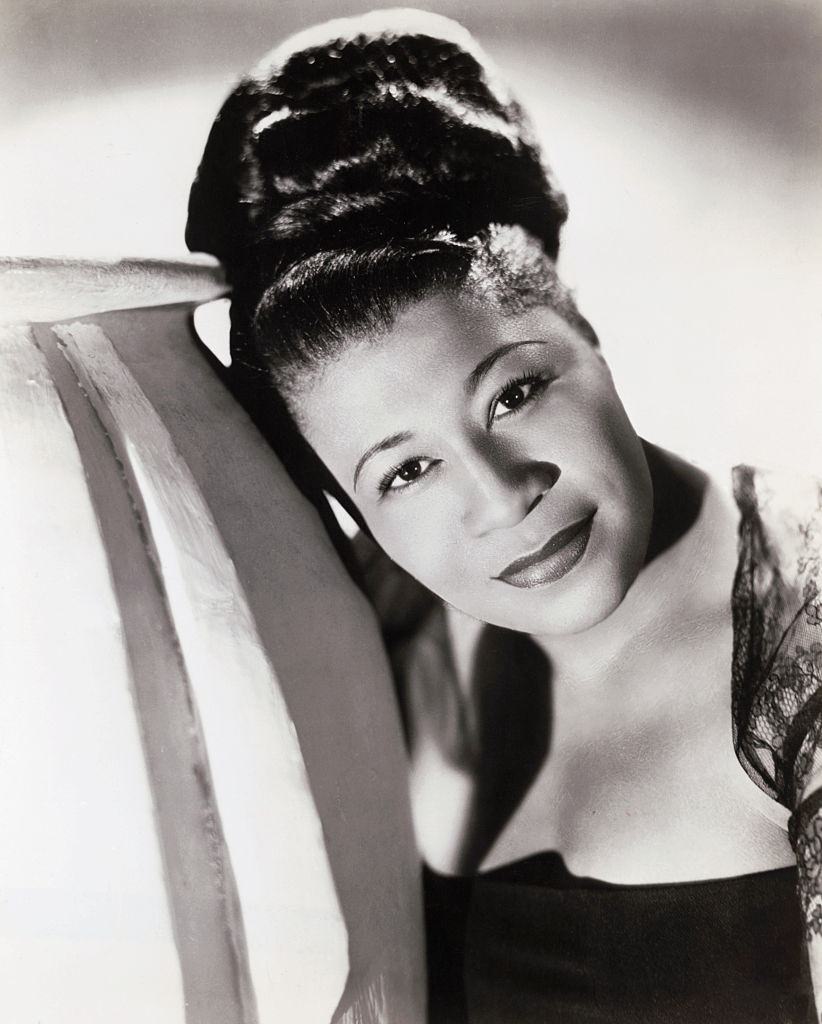
Ella was born into a difficult home life. Her parents separated shortly after her birth, and she spent much of her early years in poverty. She originally wanted to be a dancer, not a singer. That changed the night she stepped onto the stage at Harlem’s Apollo Theater. She performed the Hoagy Carmichael tune “Judy” and “The Object of My Affection” — and won first prize. That night set the course of her entire life.
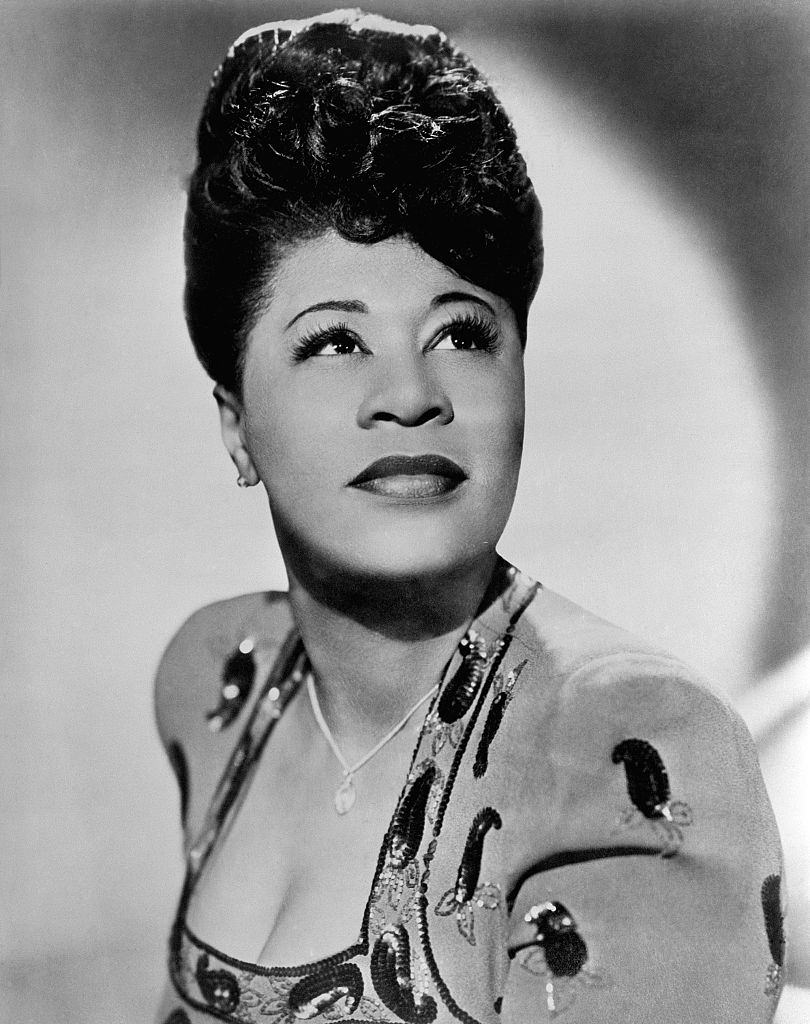
After the Apollo, Fitzgerald joined Chick Webb’s Orchestra and began performing across the country. In 1935, she recorded her first song, “Love and Kisses,” with Webb’s band. Three years later, in 1938, she released “A-Tisket, A-Tasket” — a massive hit that made both her and Webb nationally known names.
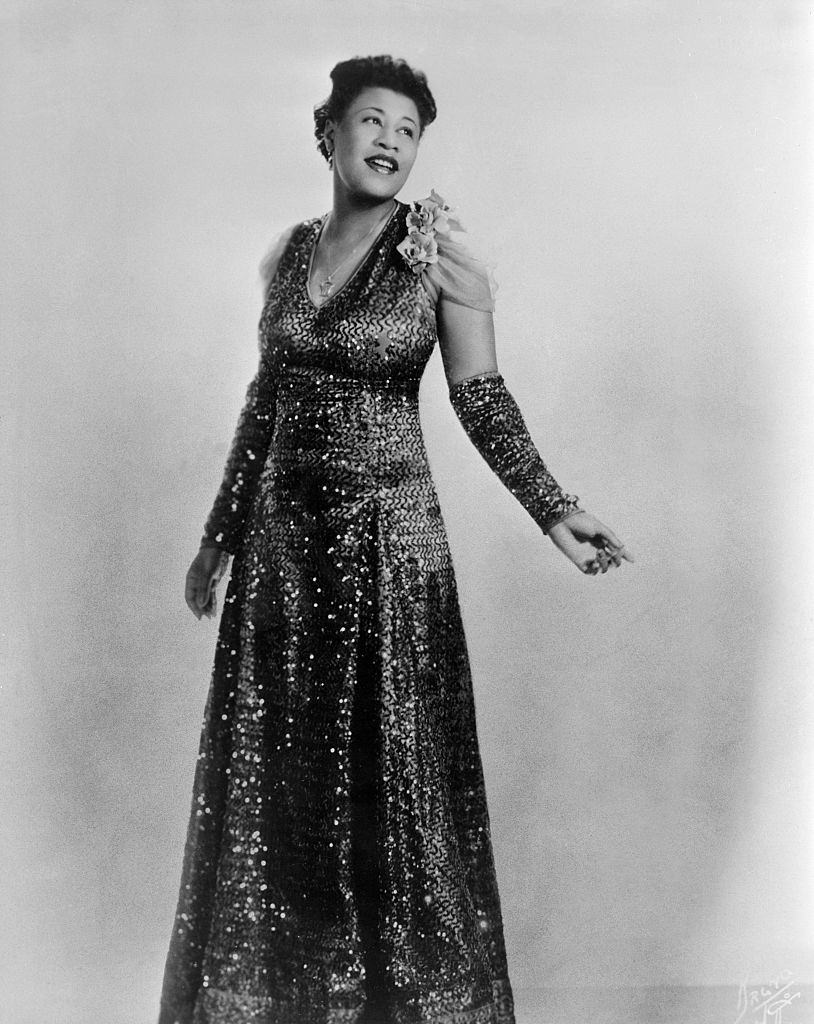
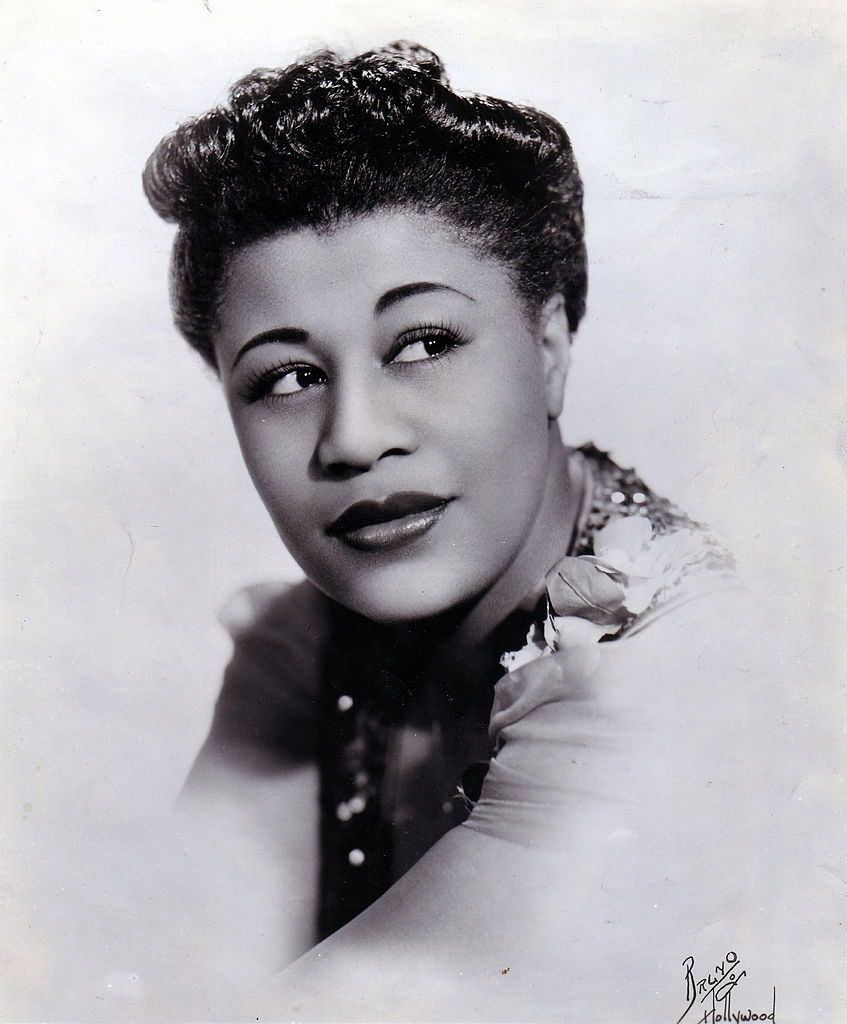
That same year, she followed up with “I Found My Yellow Basket,” another hit that cemented her growing reputation. By 1938, Fitzgerald was no longer just a promising newcomer — she was a star.
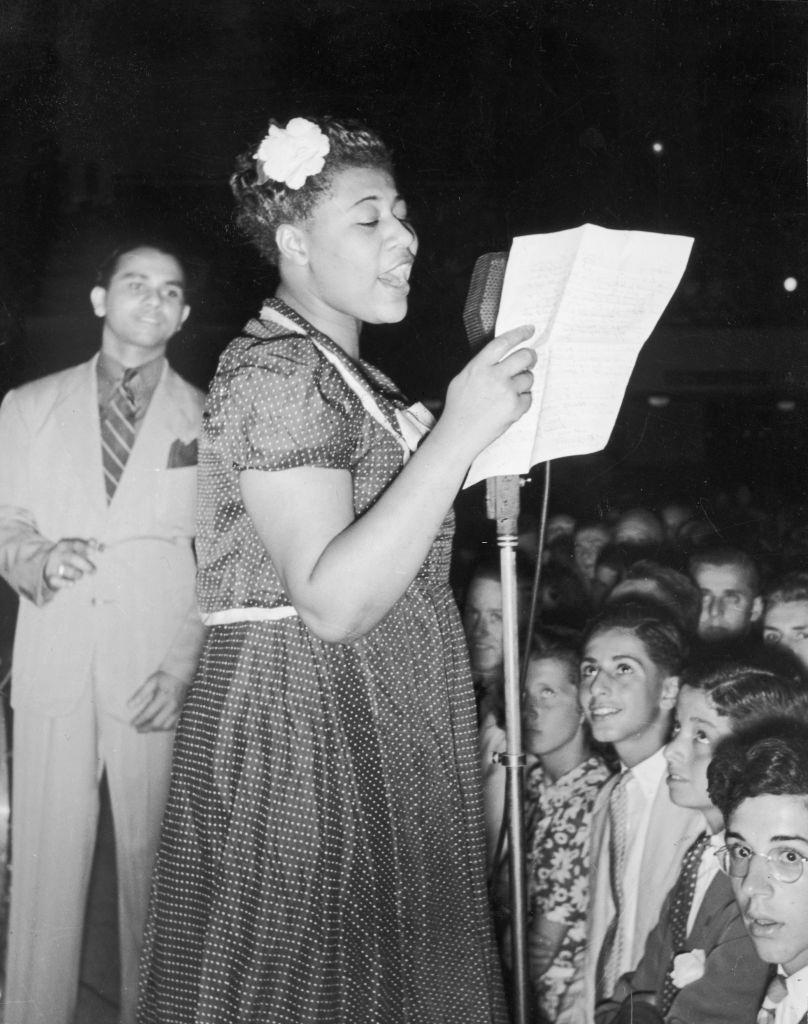
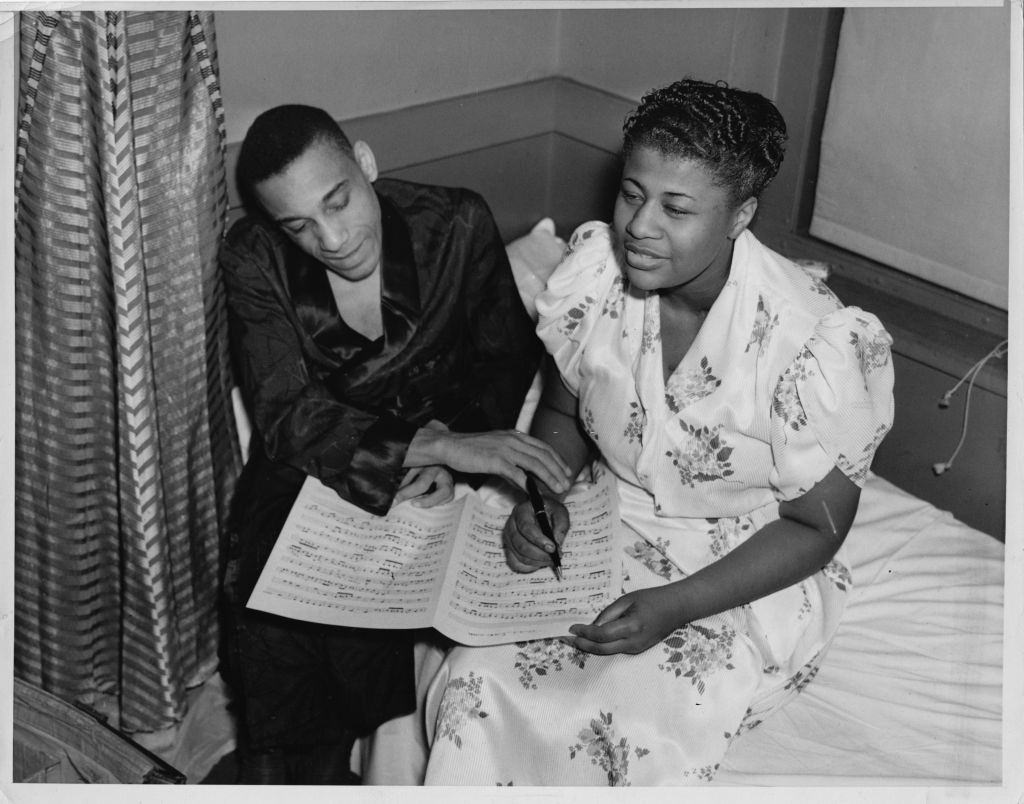
Chick Webb died in 1939, and Fitzgerald stepped up to lead the band herself. She held that role until 1942, when she left to pursue a solo career. It was a bold move, but one that would define the next chapter of her life.
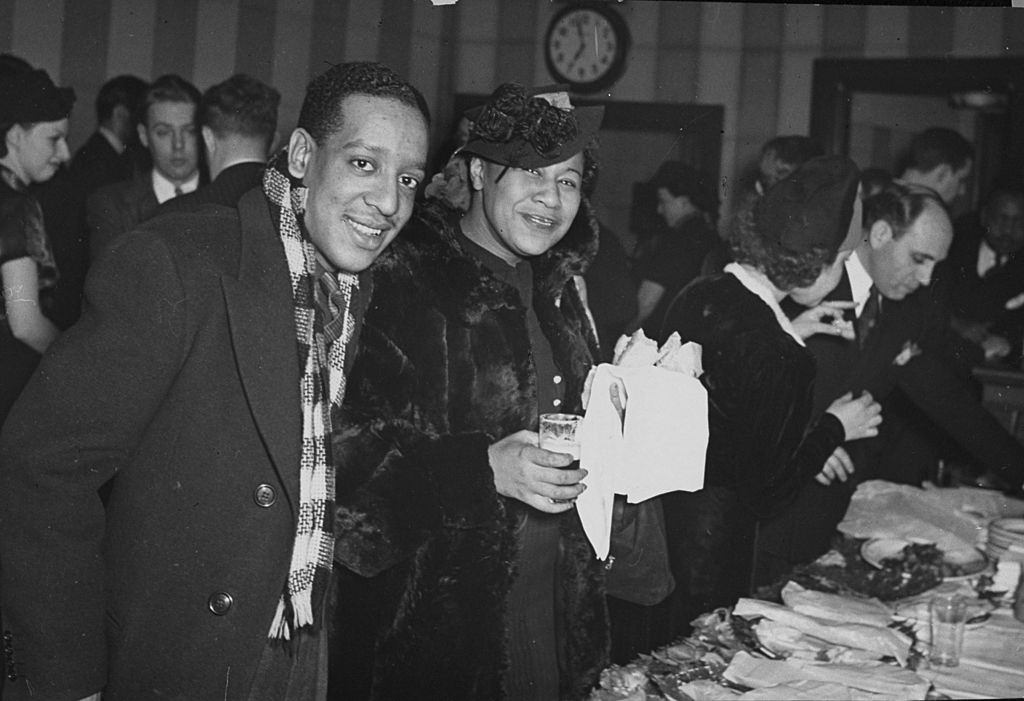
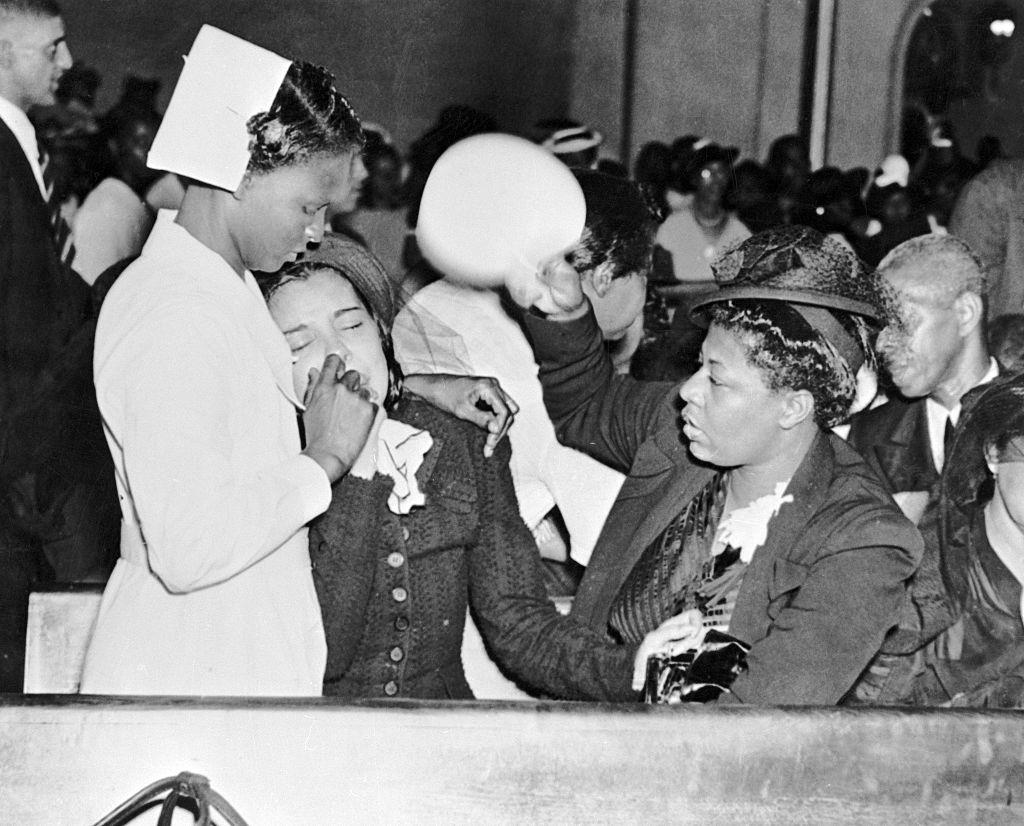
In the early 1940s, Fitzgerald recorded material with Decca Records. Her profile rose further when jazz impresario Norman Granz — the founder of Verve Records — became her manager. Granz gave her career a sharper direction and wider reach. Around this time, she also toured with Dizzy Gillespie and his band, sharpening her skills and expanding her audience.
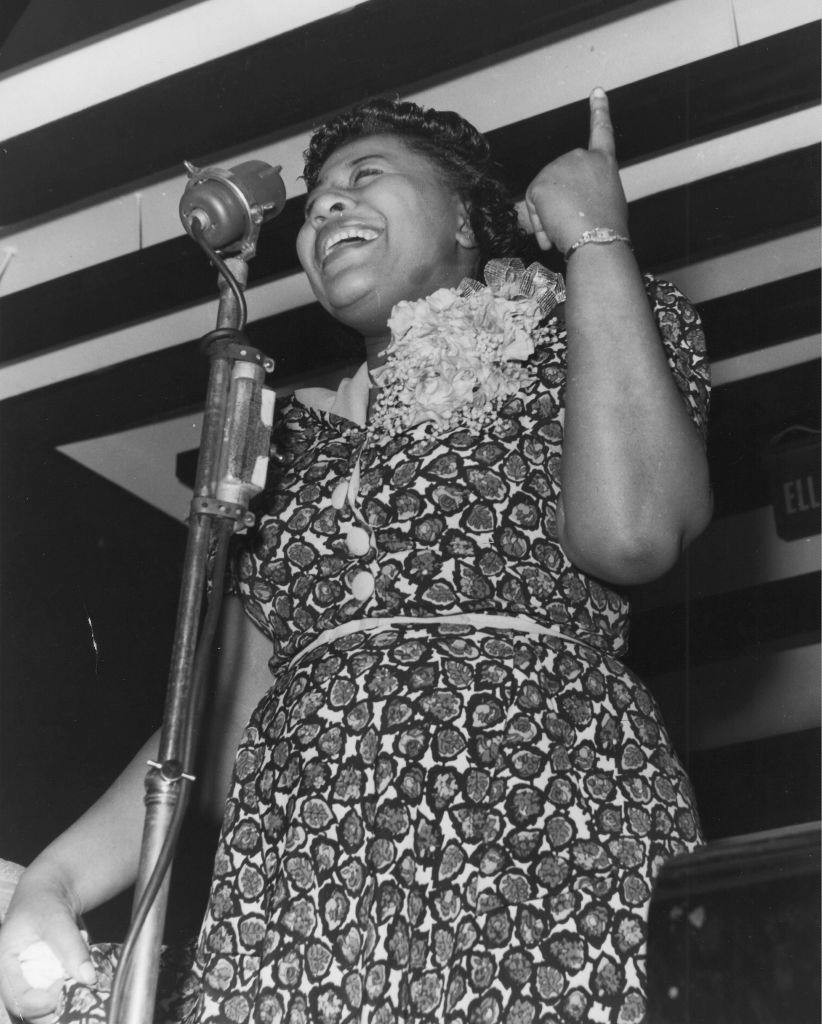
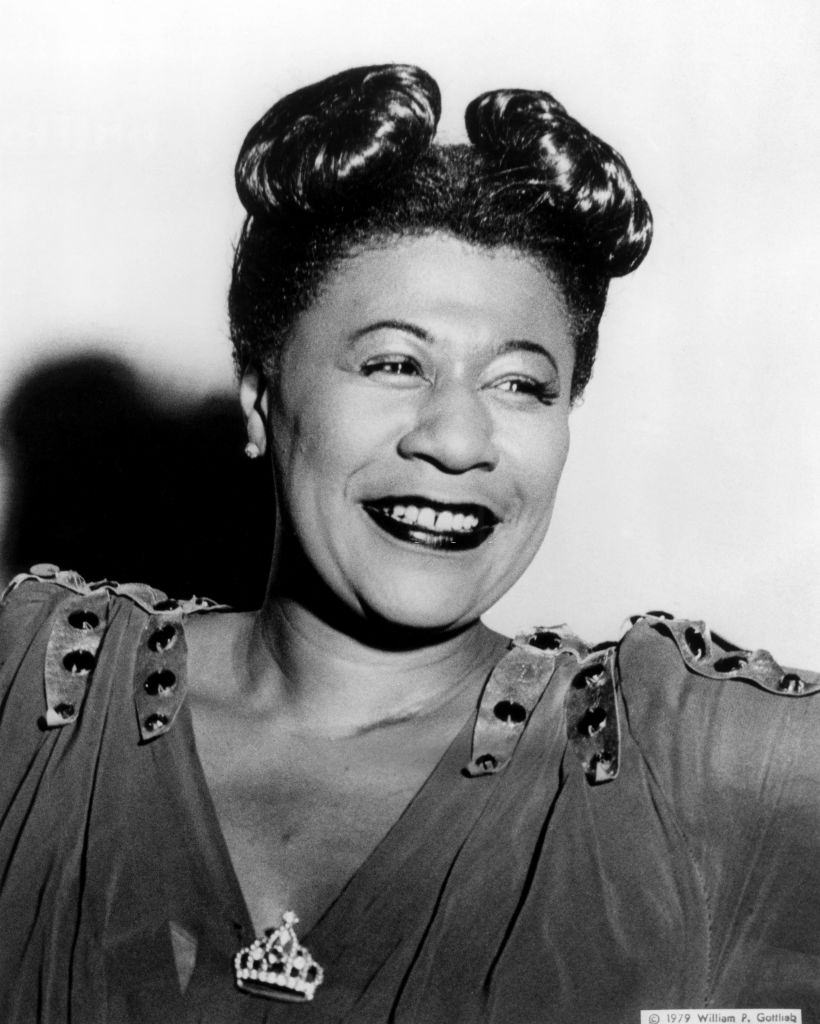
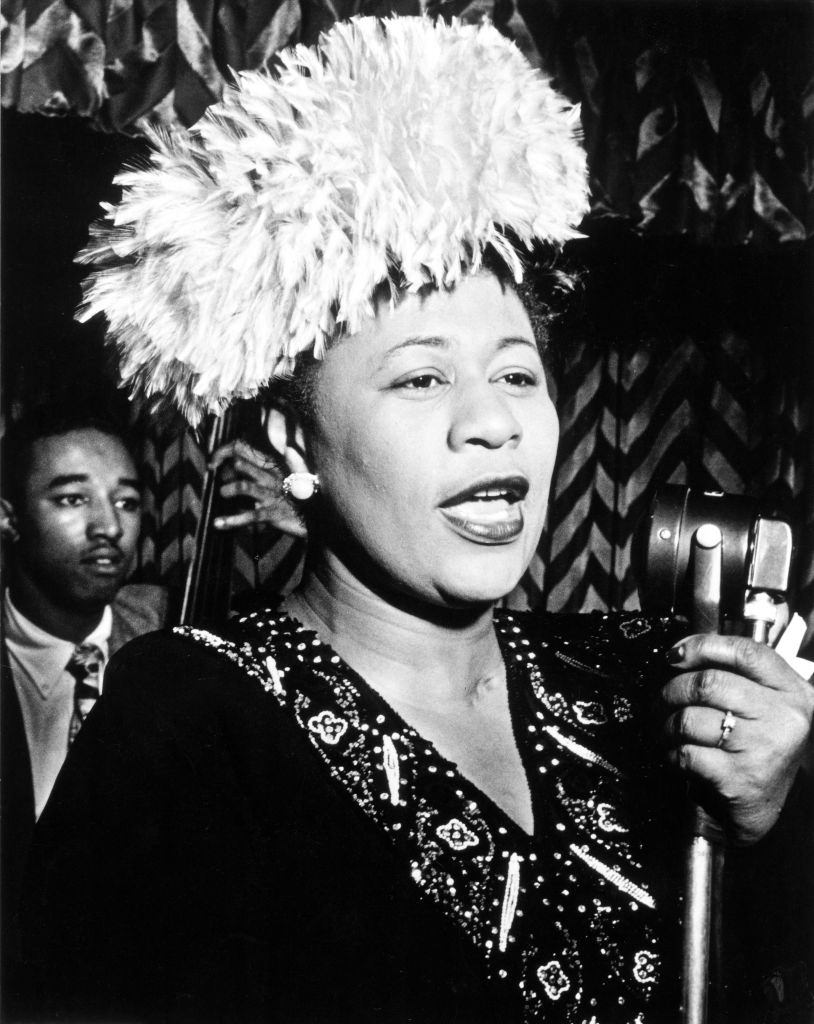
During much of her early career, Fitzgerald was best known for novelty songs. Over time, she brought in scat singing — a jazz vocal style that uses the voice like an instrument, replacing lyrics with syllables and sounds. She was a master of it.
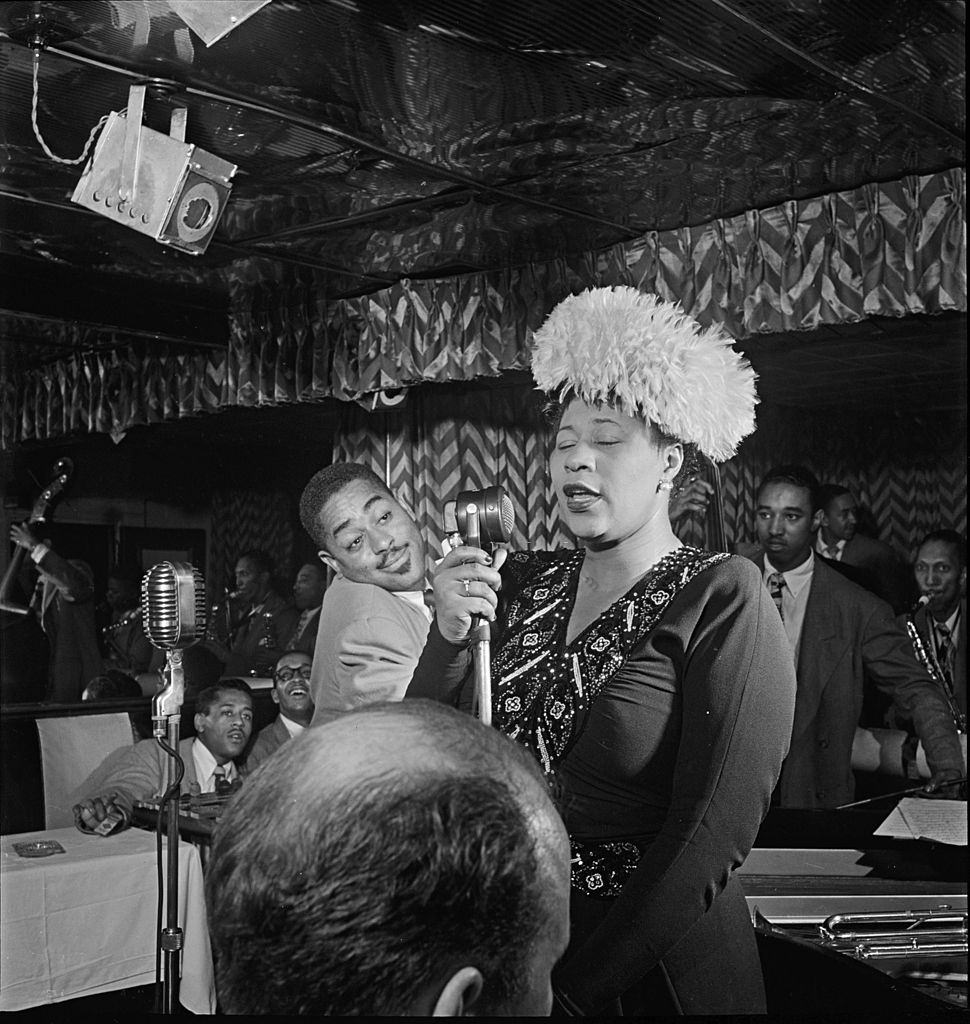
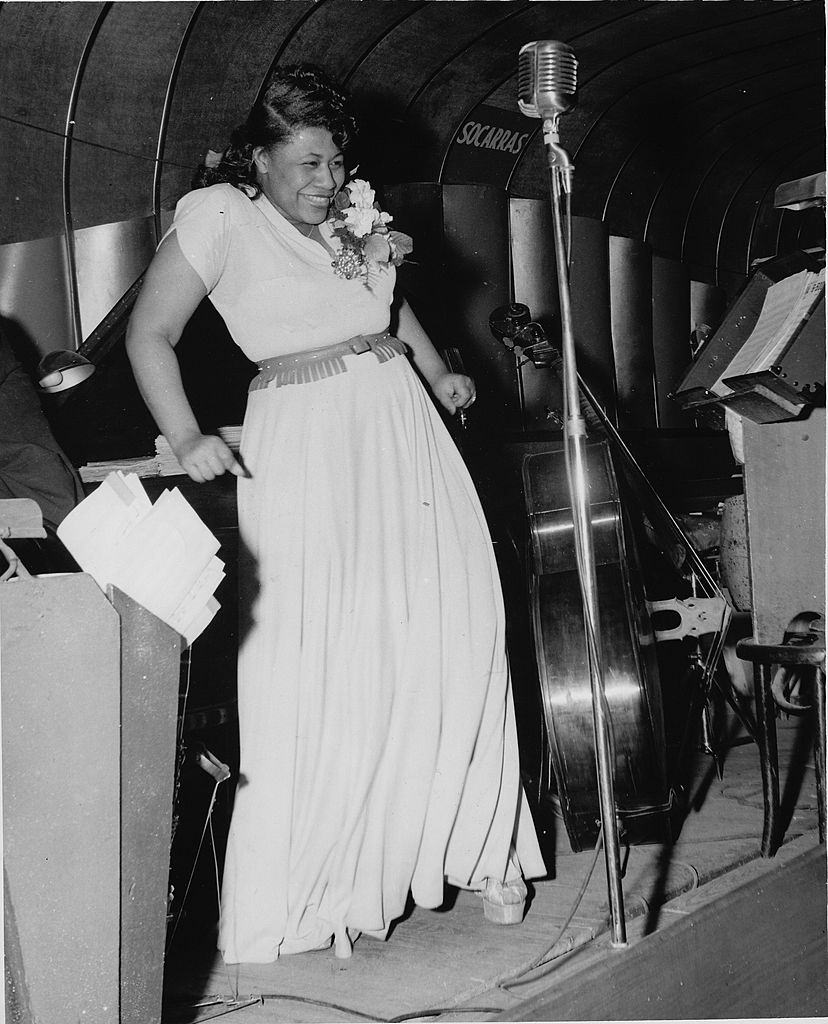
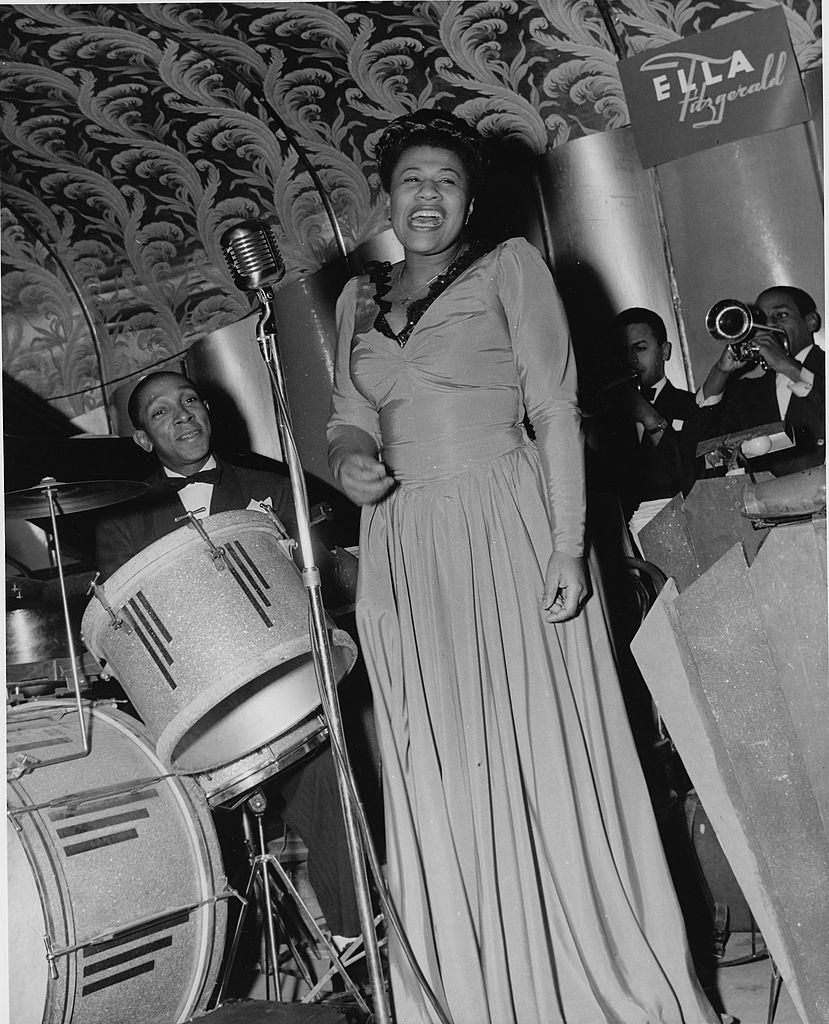
Her personal life saw its share of turbulence. In 1941, Fitzgerald married Ben Kornegay, a convicted drug dealer. The marriage was annulled in 1942. She later fell in love with Ray Brown, the bass player in Dizzy Gillespie’s band. The two married in 1947 and adopted a child born to Fitzgerald’s sister. They divorced in 1953.
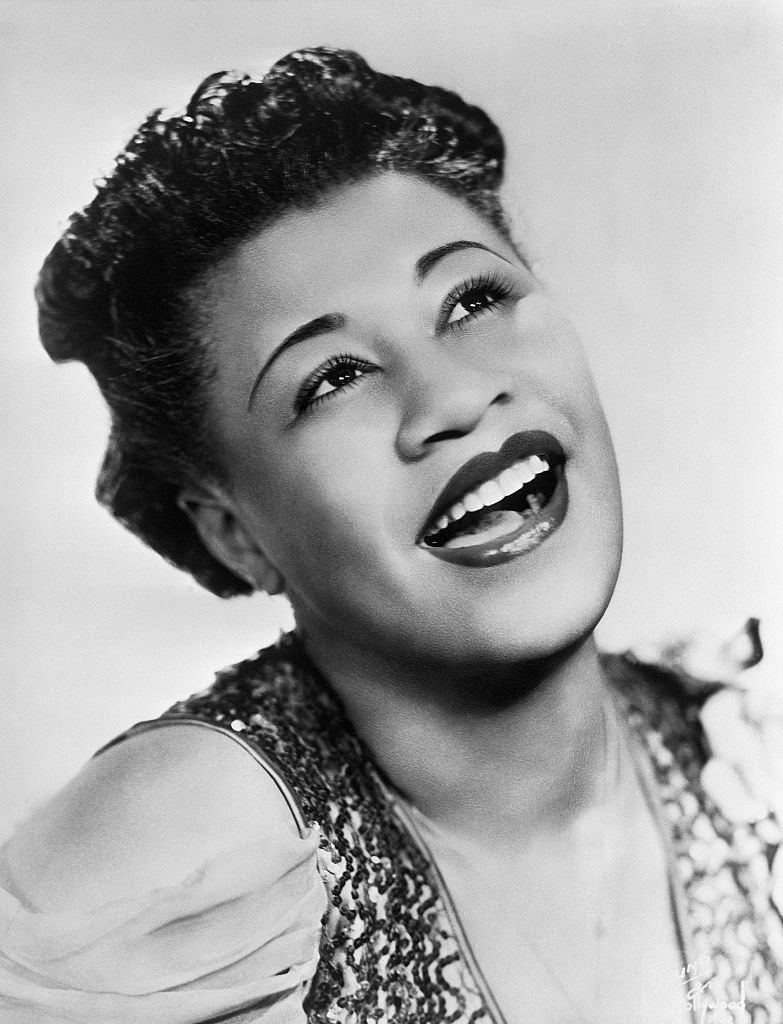
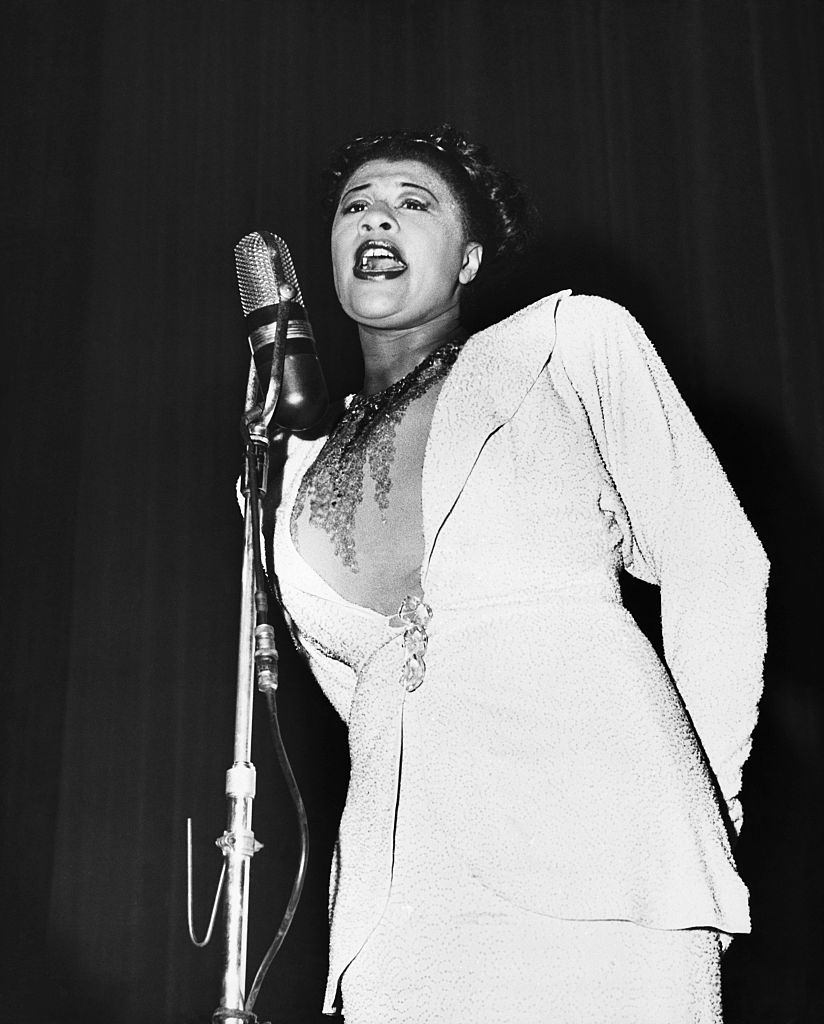
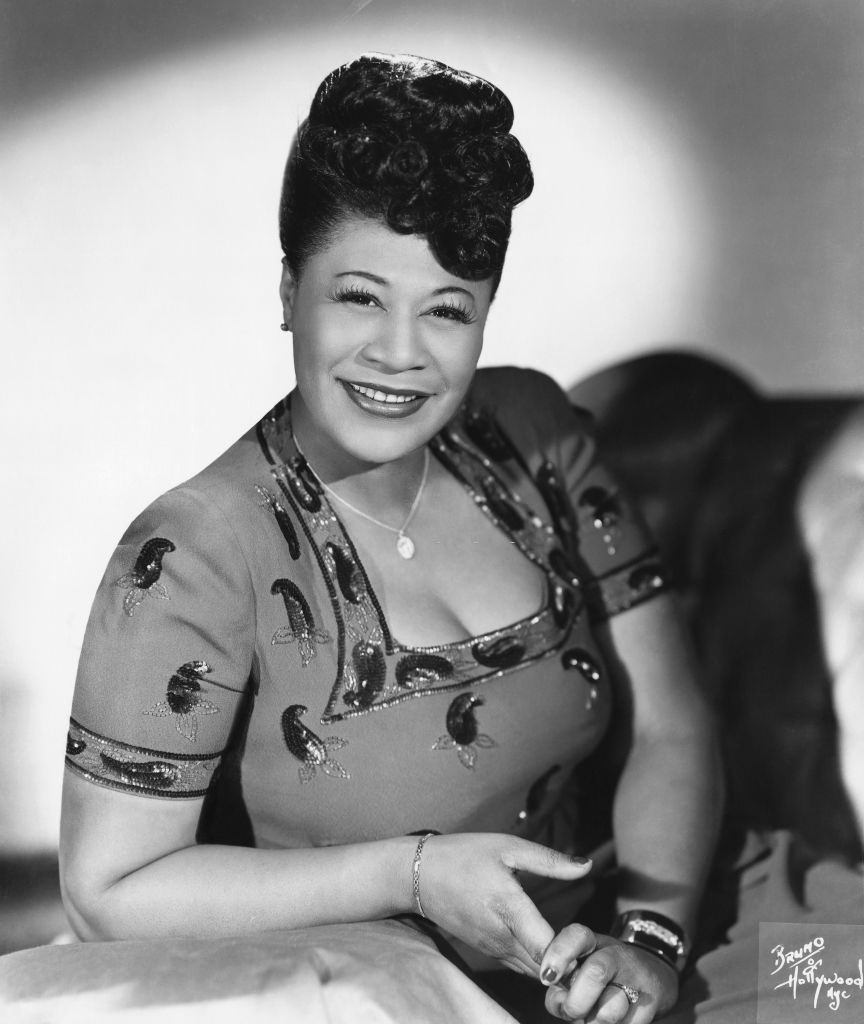
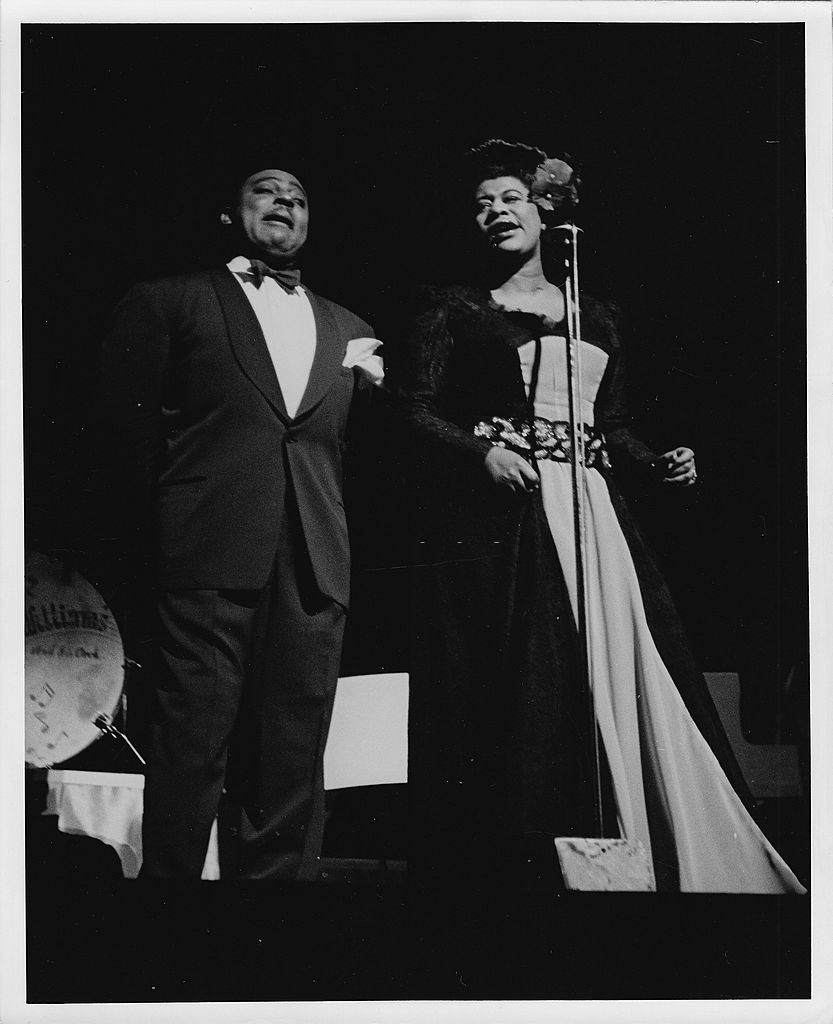
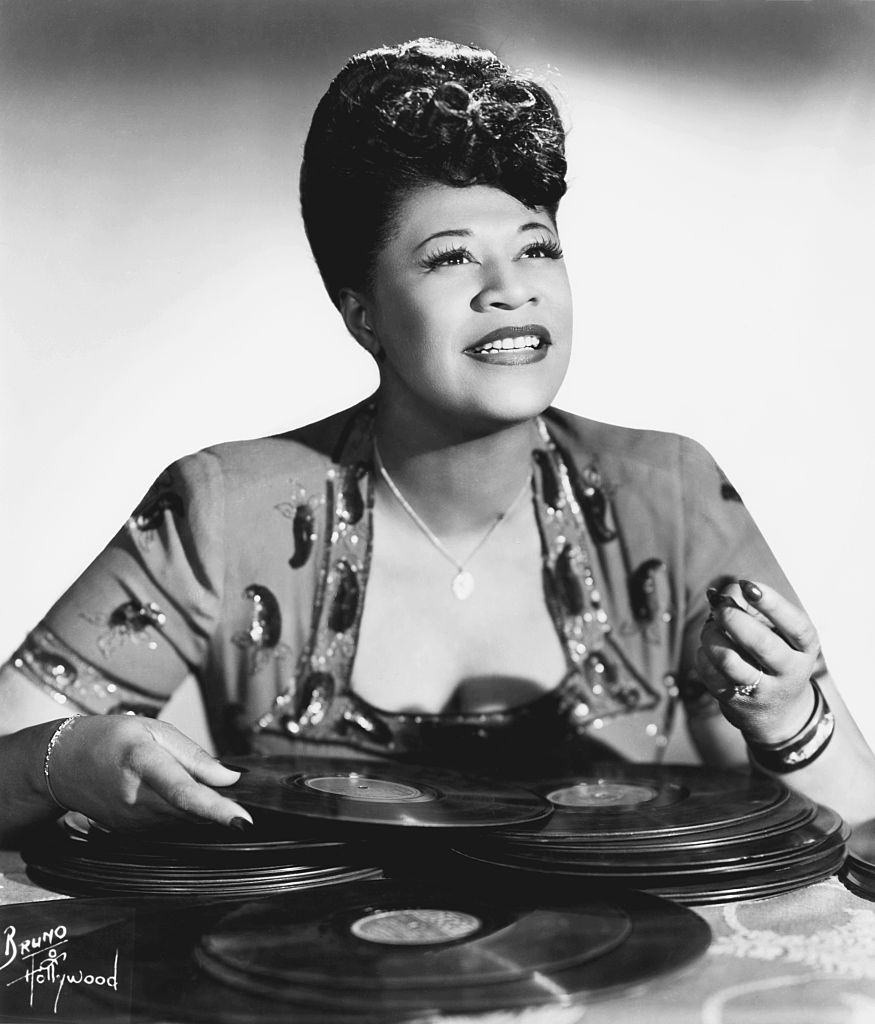
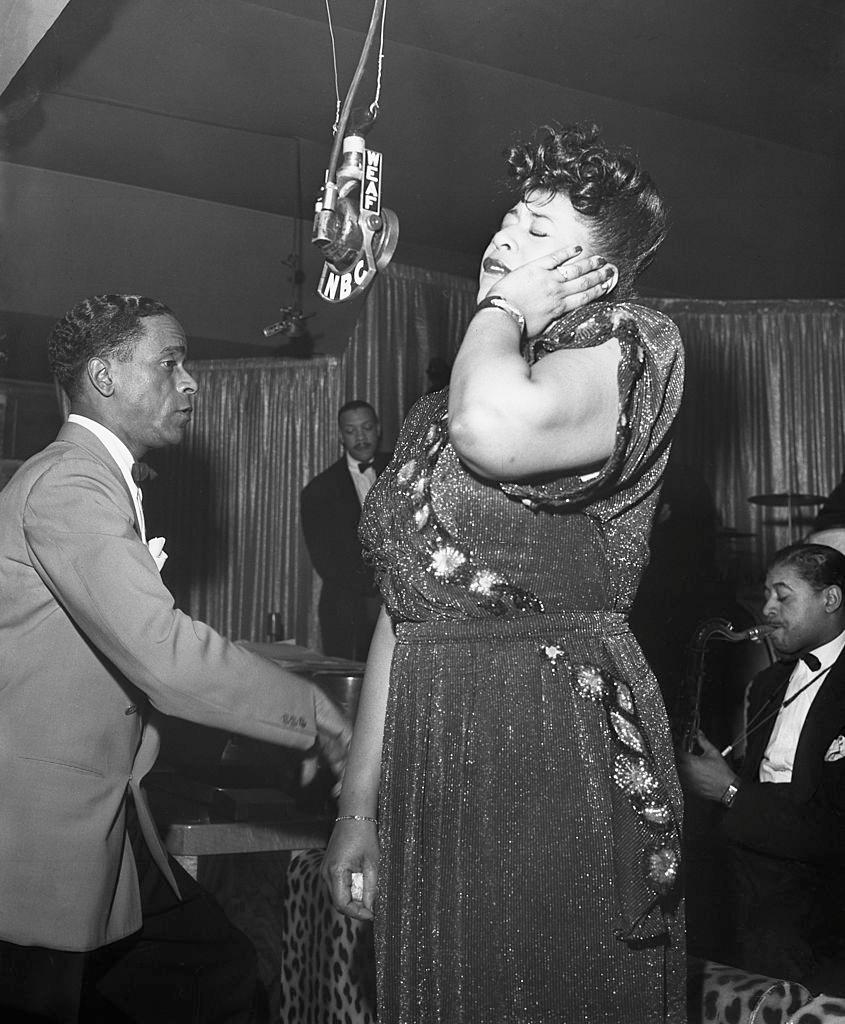
One of her most recognizable songs, “A-Tisket, A-Tasket,” became a signature performance piece that Fitzgerald returned to throughout her career. The image of her holding a basket on stage became one of the most iconic visuals in jazz history.
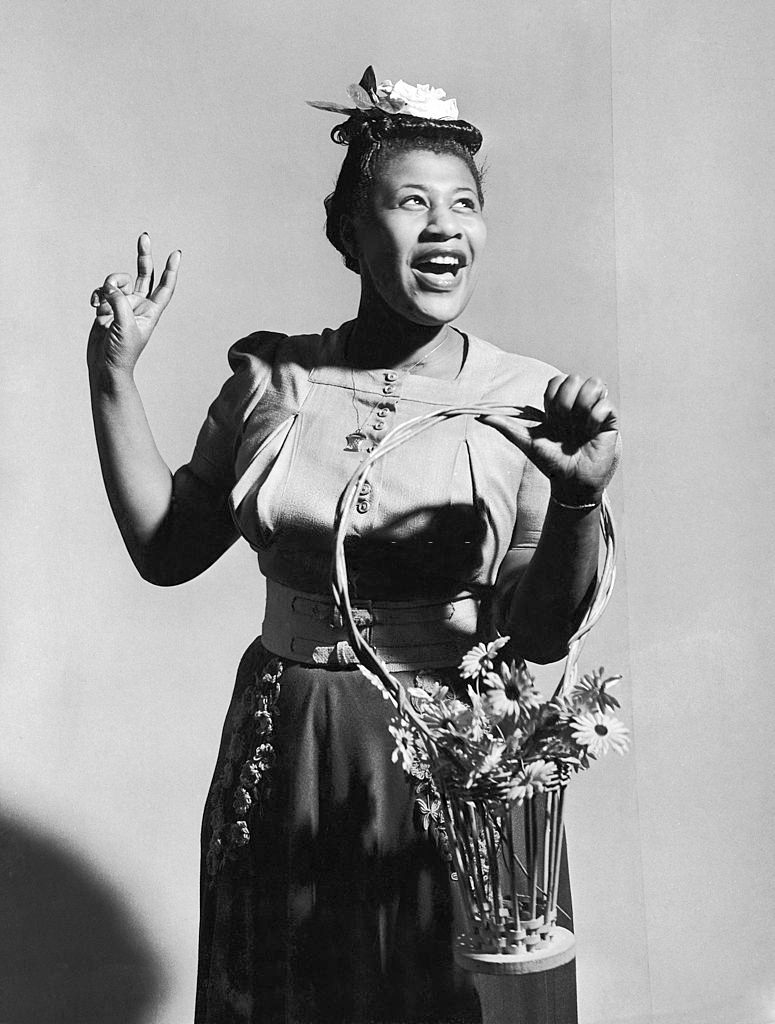
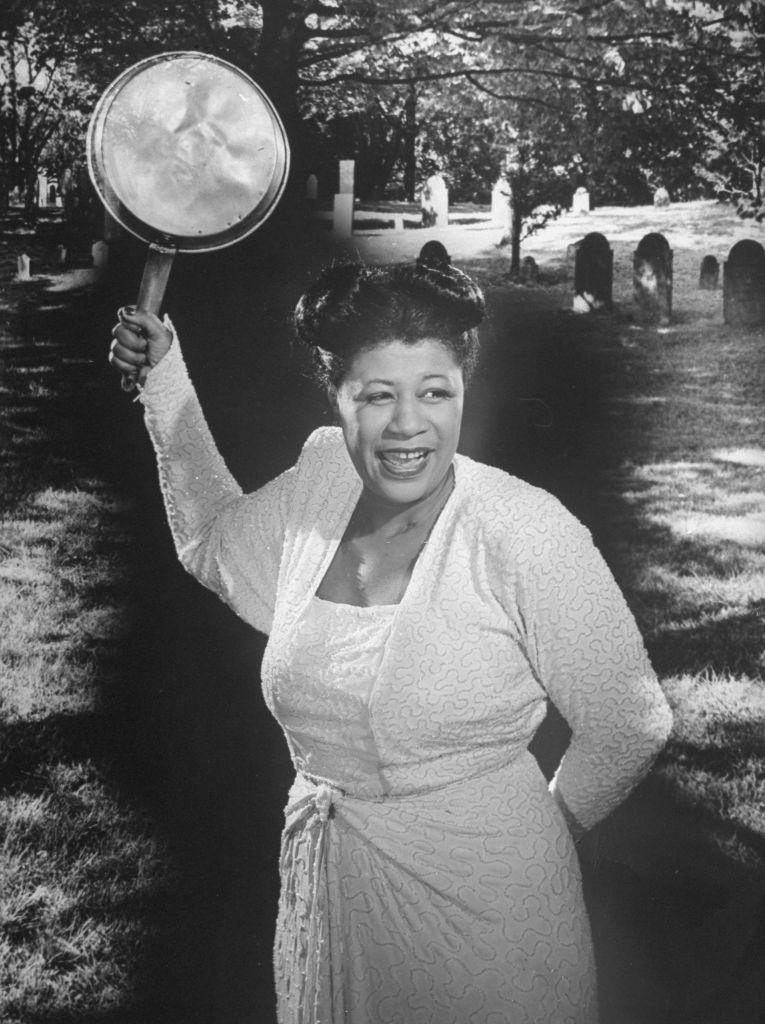
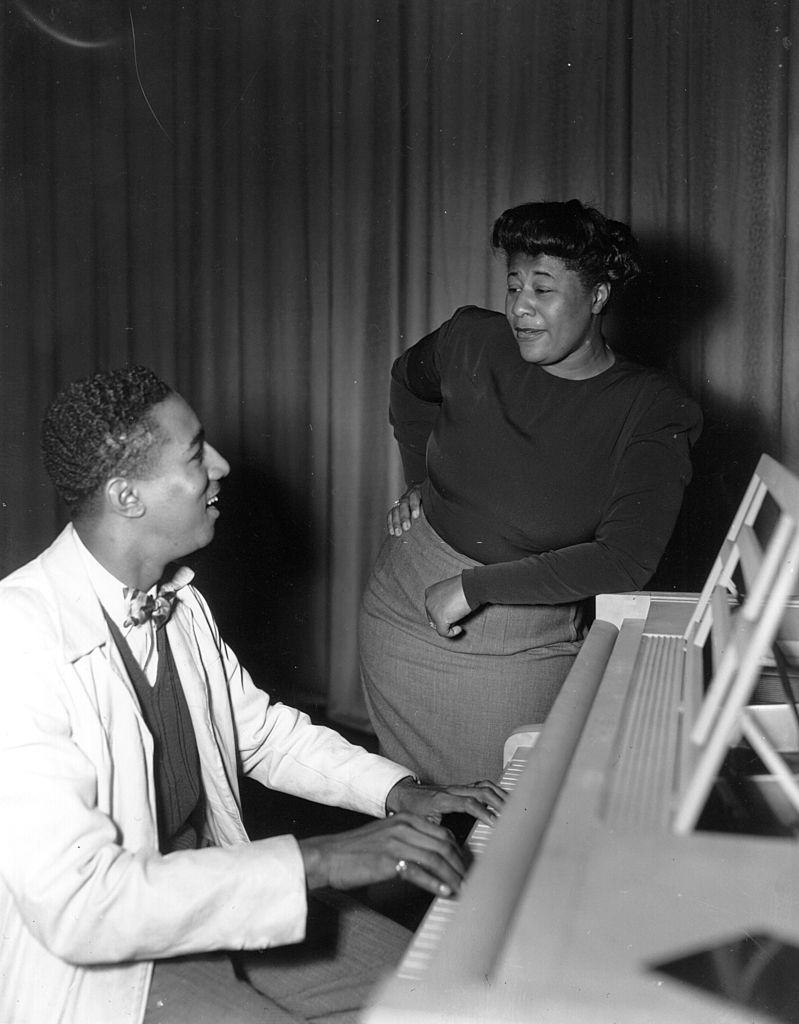
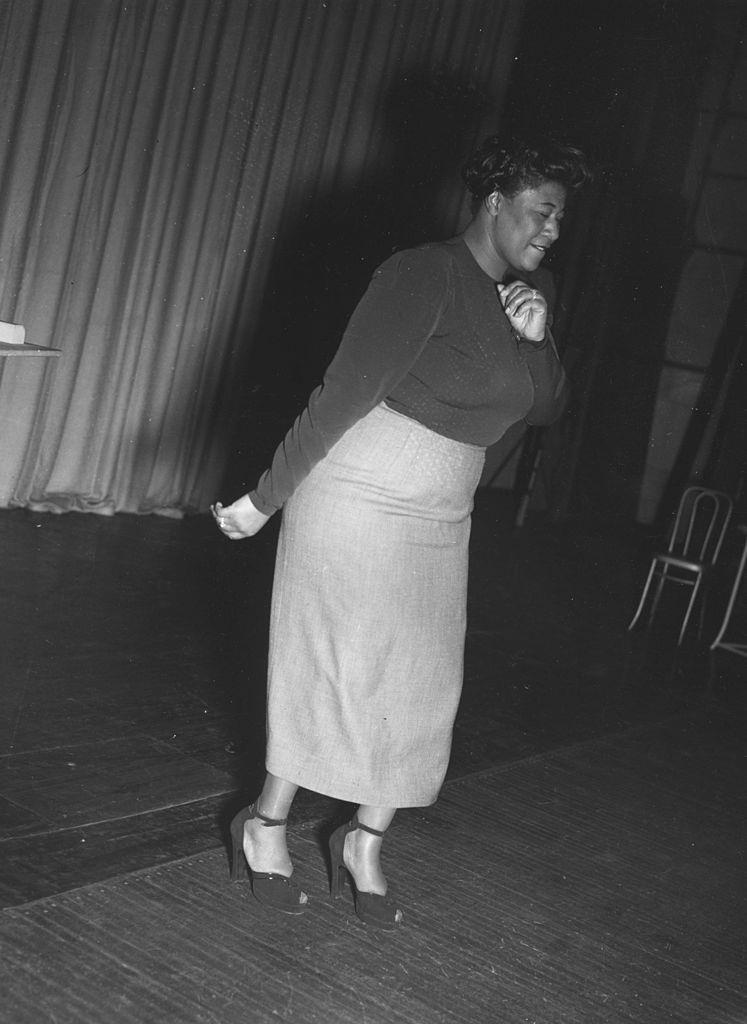
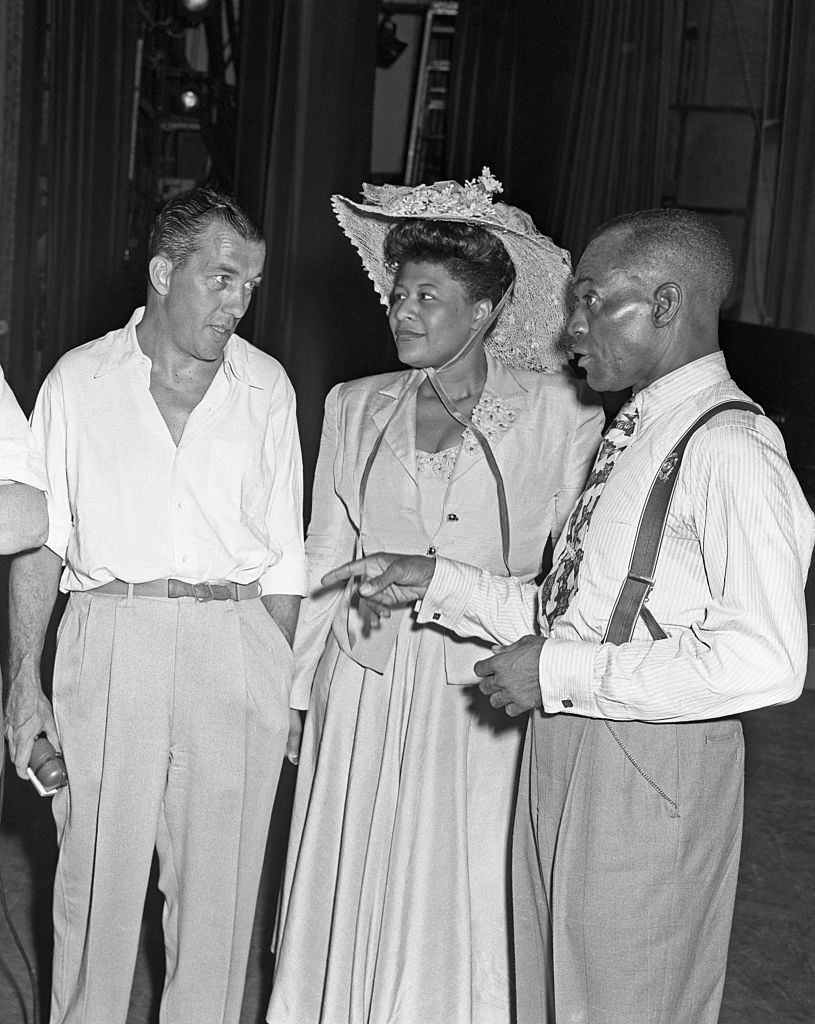
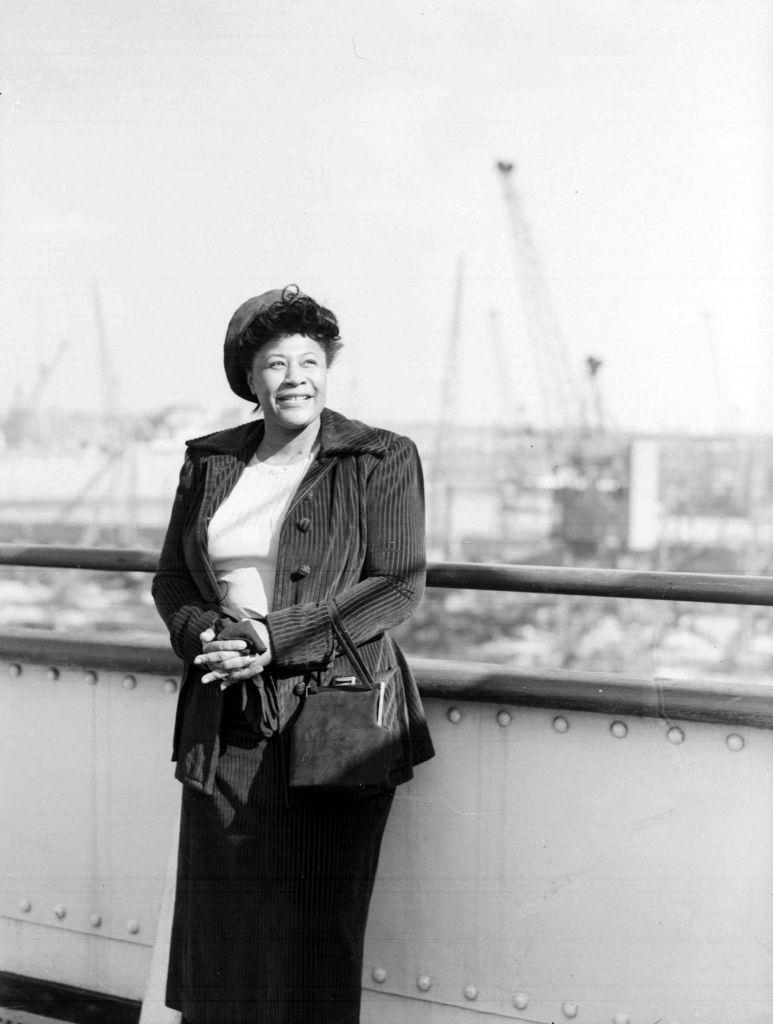
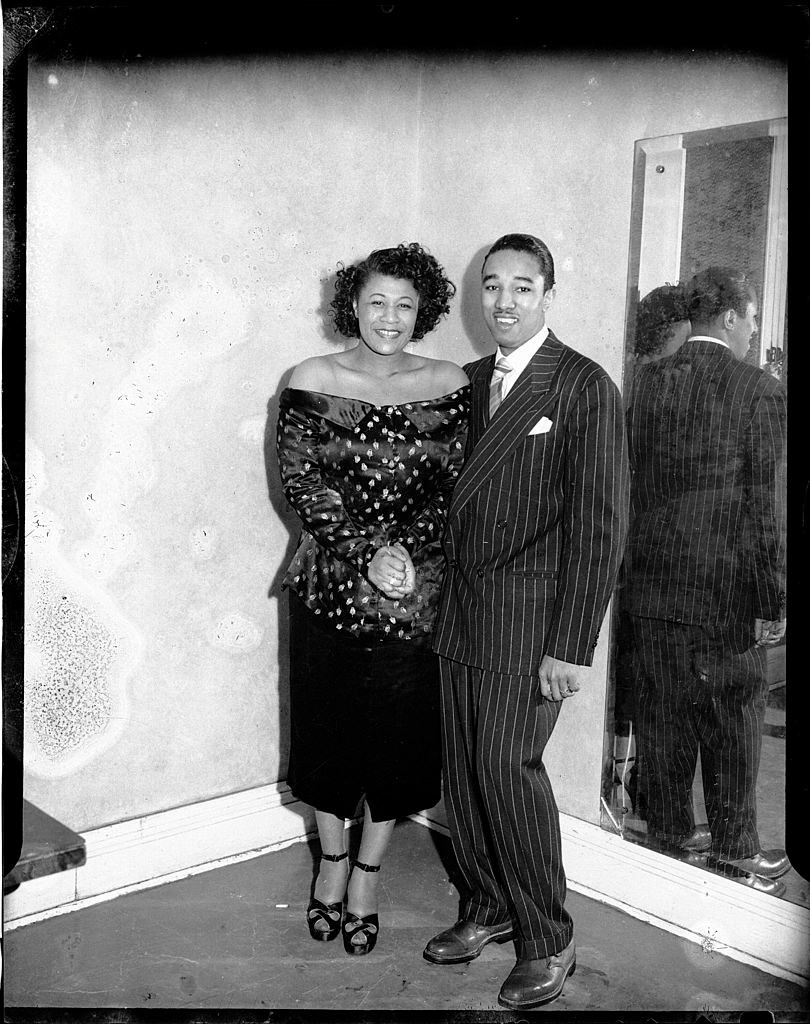
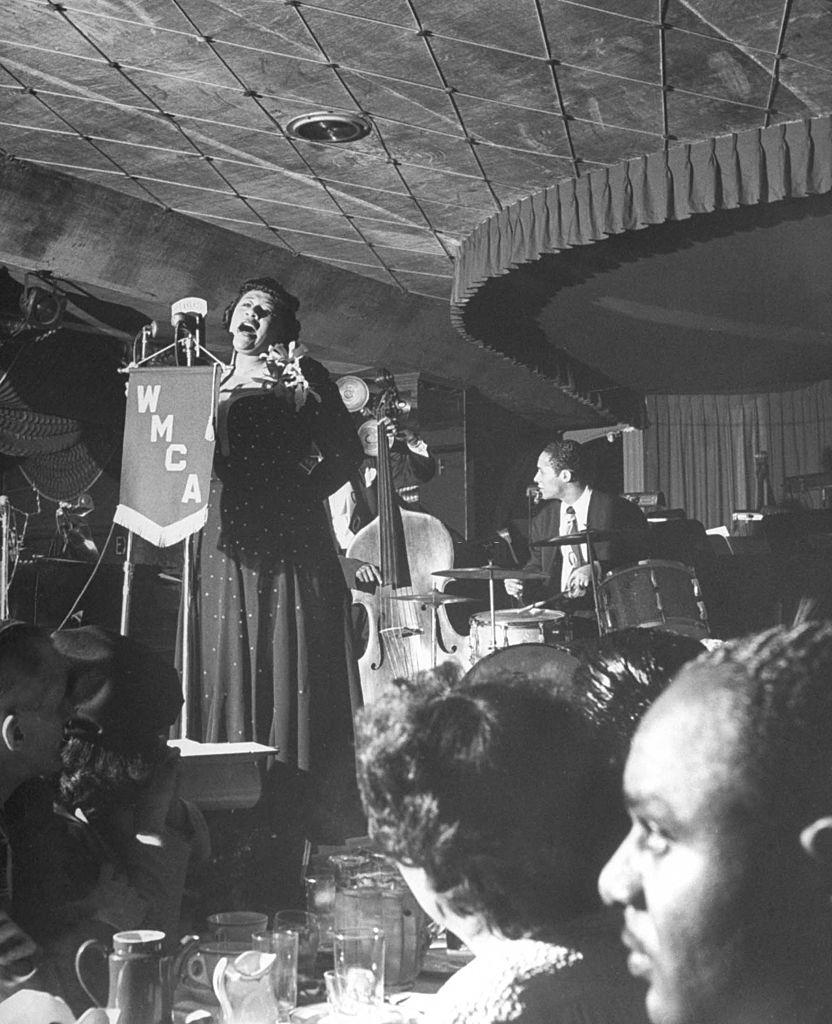
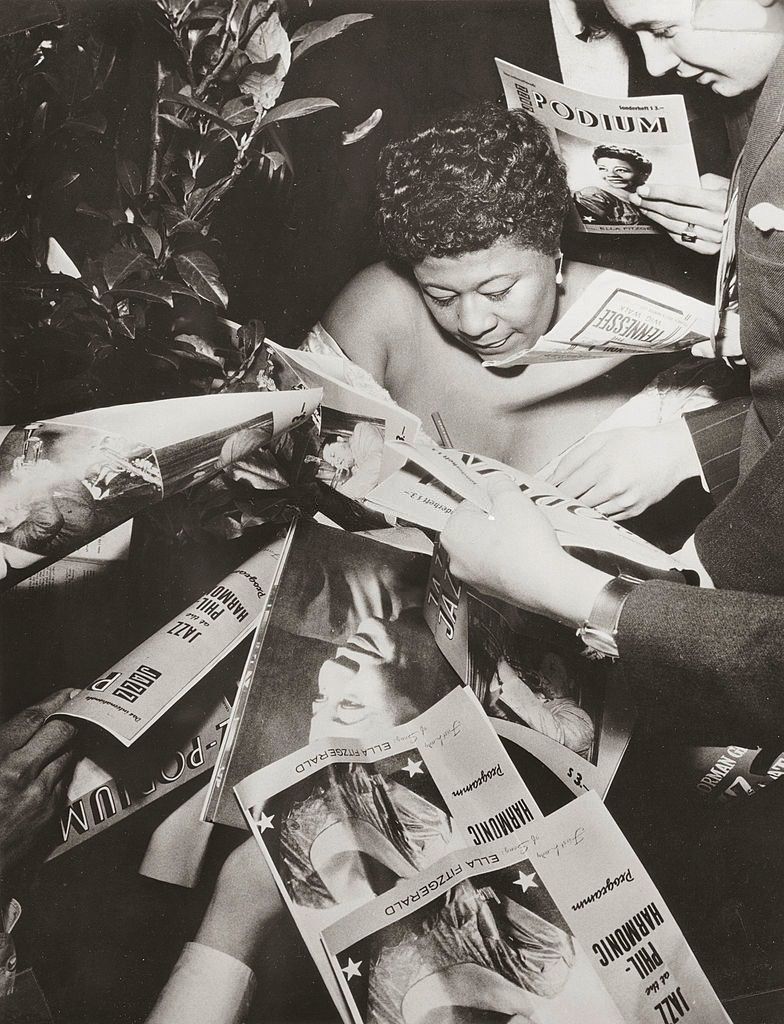
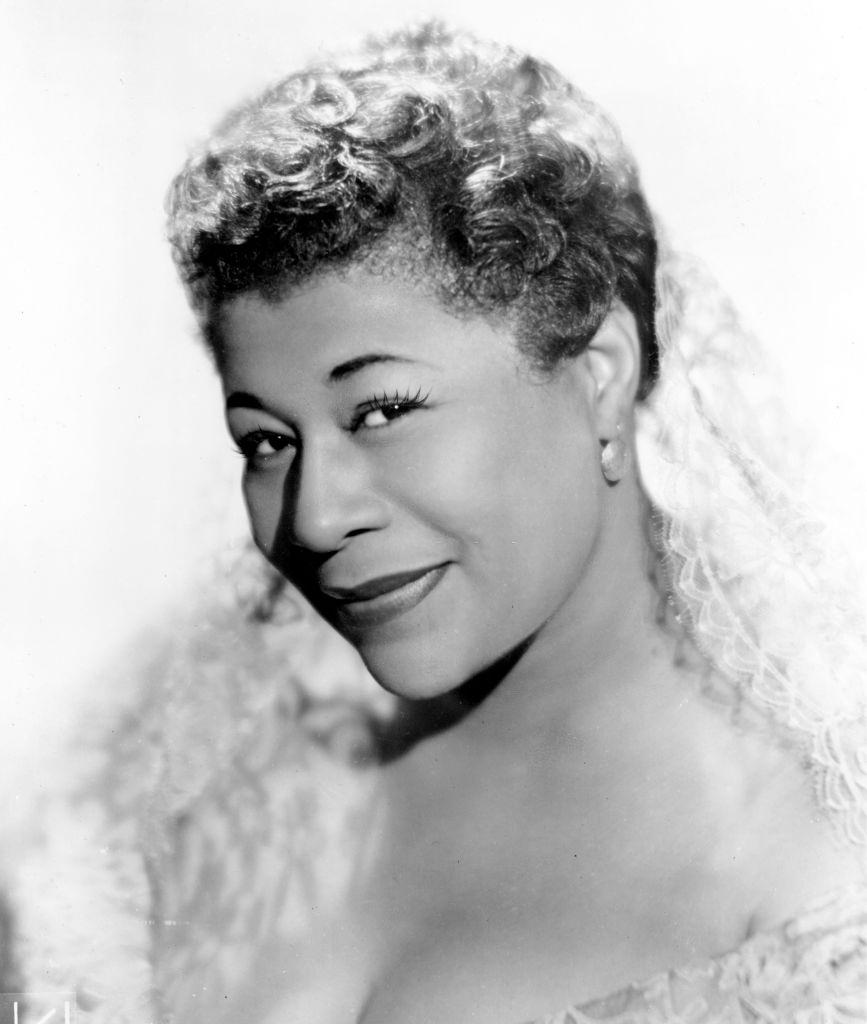
By 1949, Fitzgerald was a regular presence at major venues and high-profile events. Her appearances at Bop City in New York drew crowds and press attention alike, marking her as one of the defining faces of the postwar jazz scene.
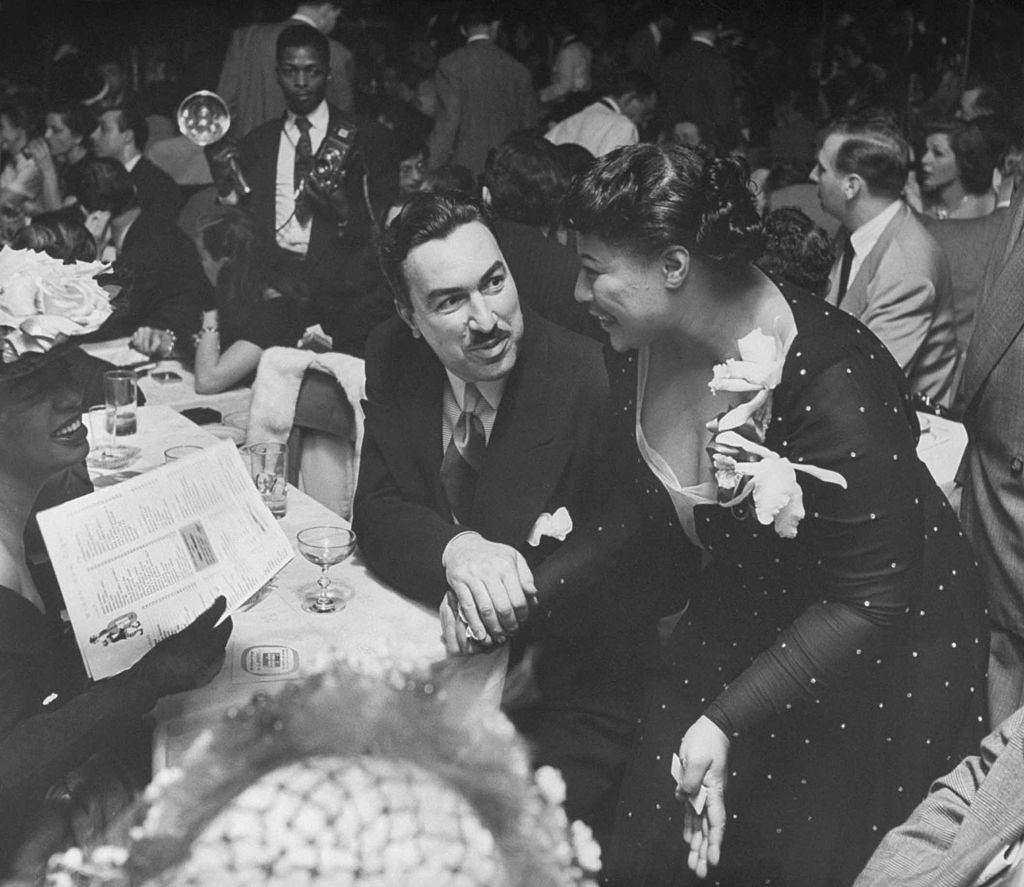
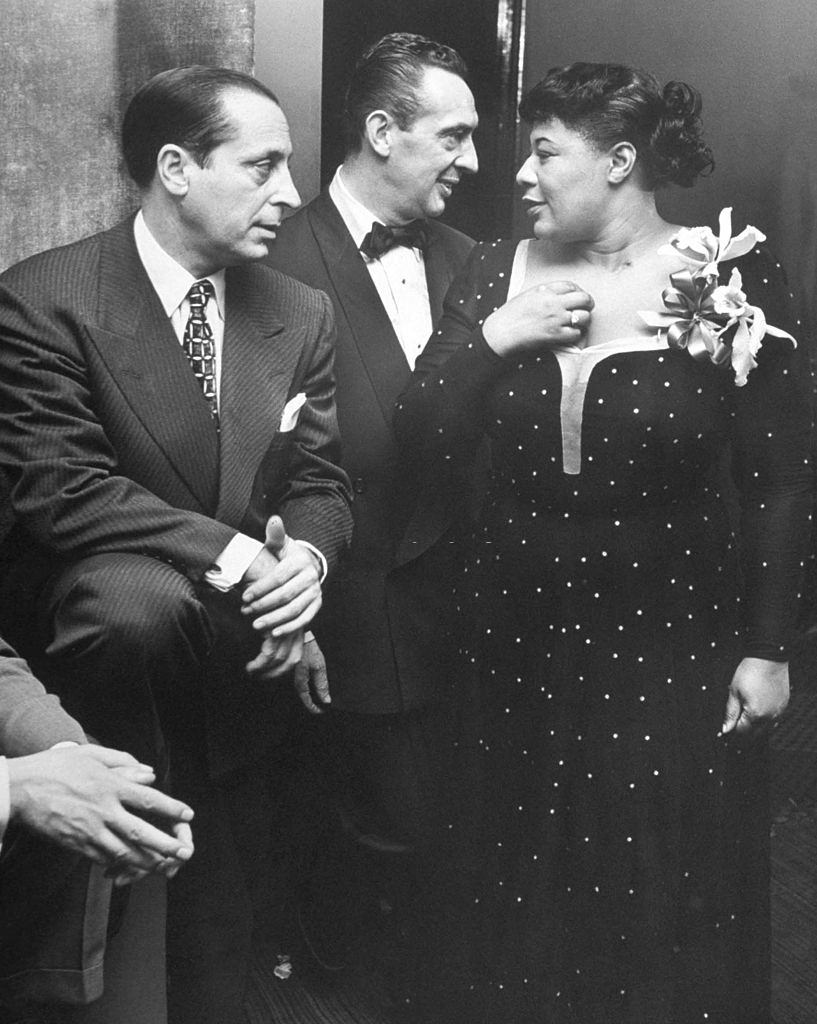
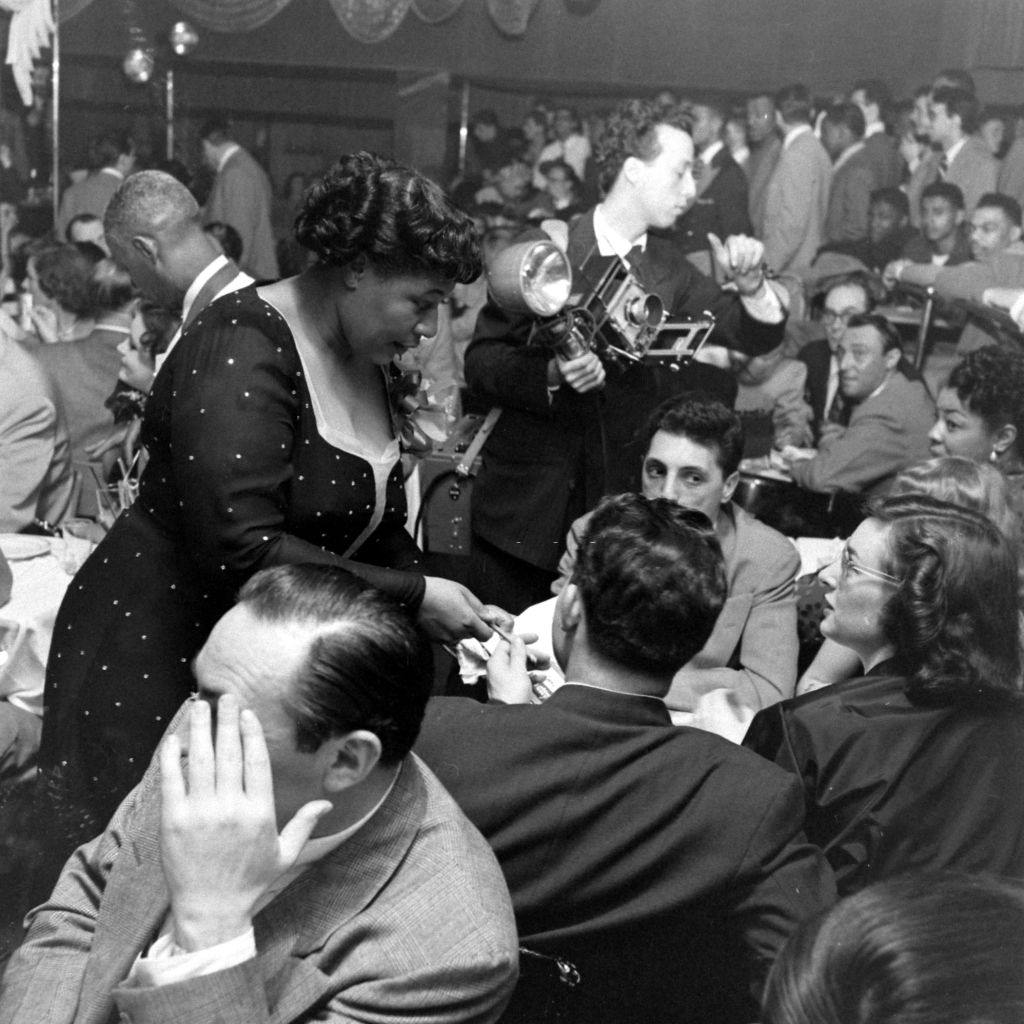
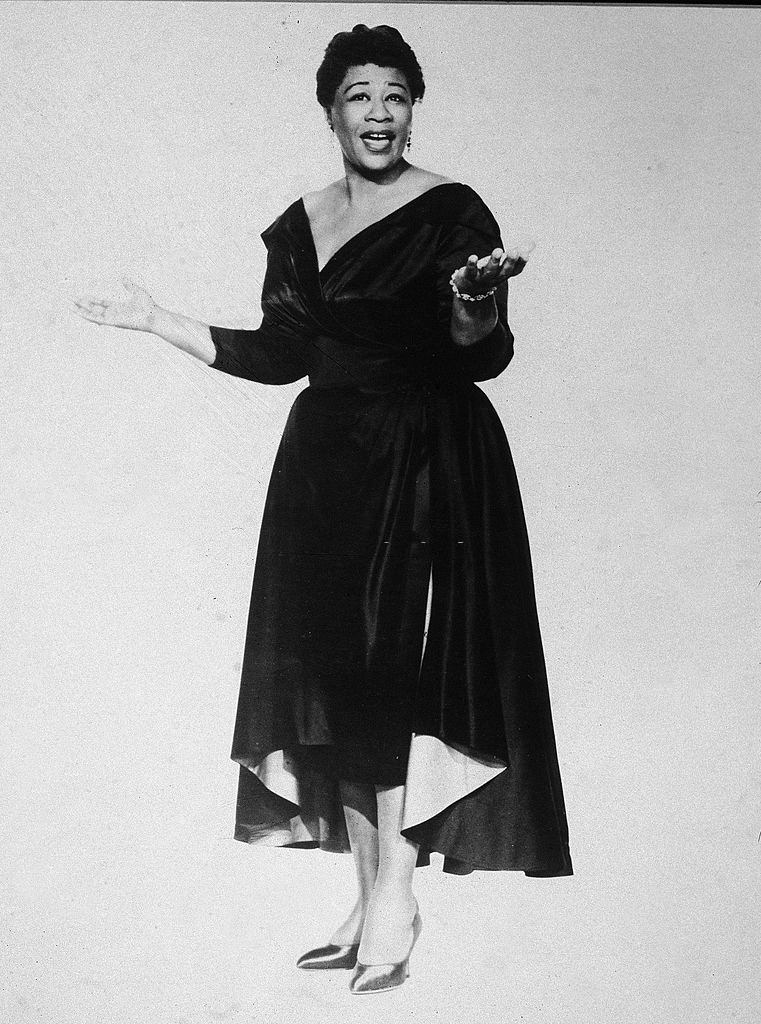
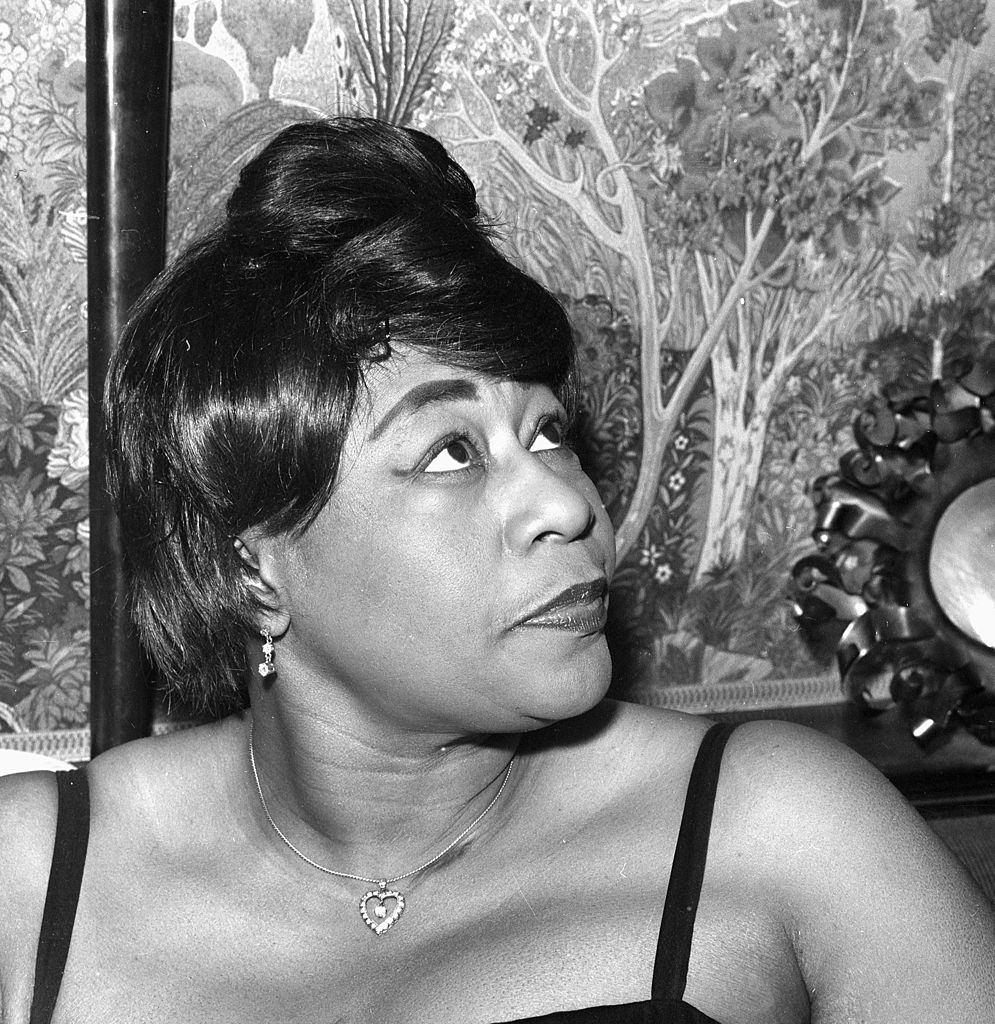
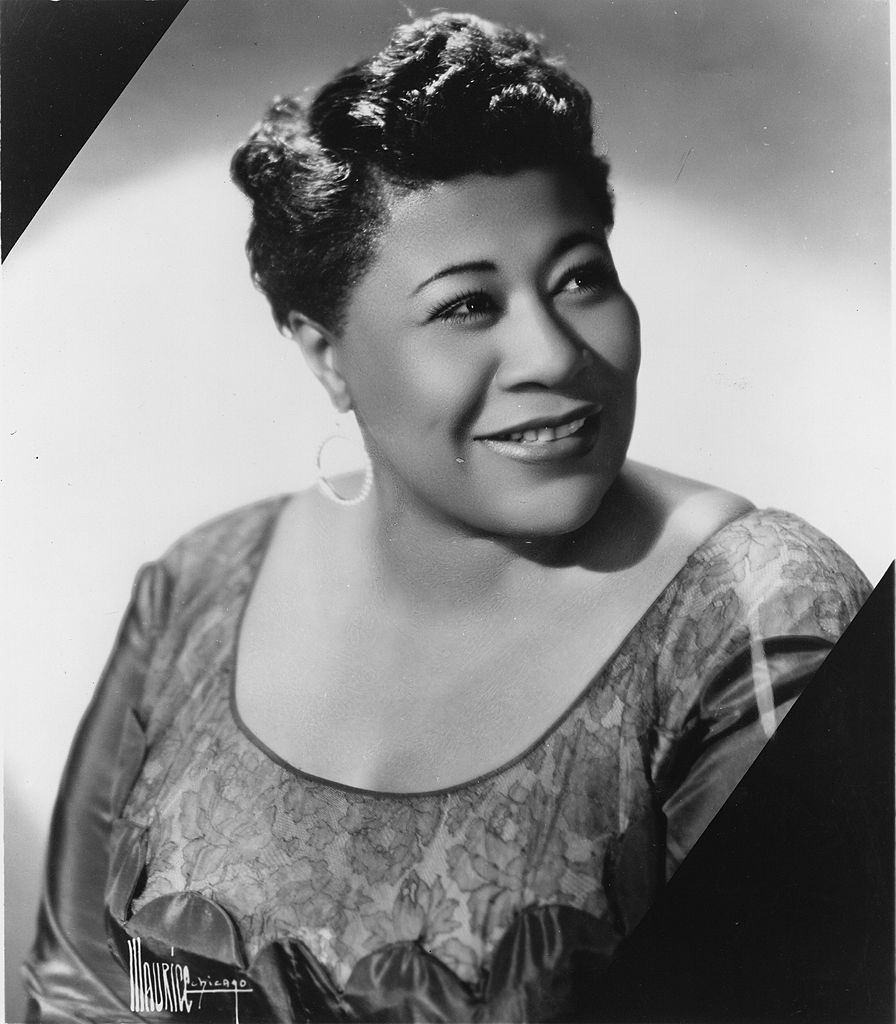
The 1950s were among the most productive years of Fitzgerald’s career. She recorded a series of multi-volume “songbook” albums dedicated to the work of America’s greatest composers — from Cole Porter to Duke Ellington. These recordings are widely regarded as some of the finest jazz vocal albums ever made.
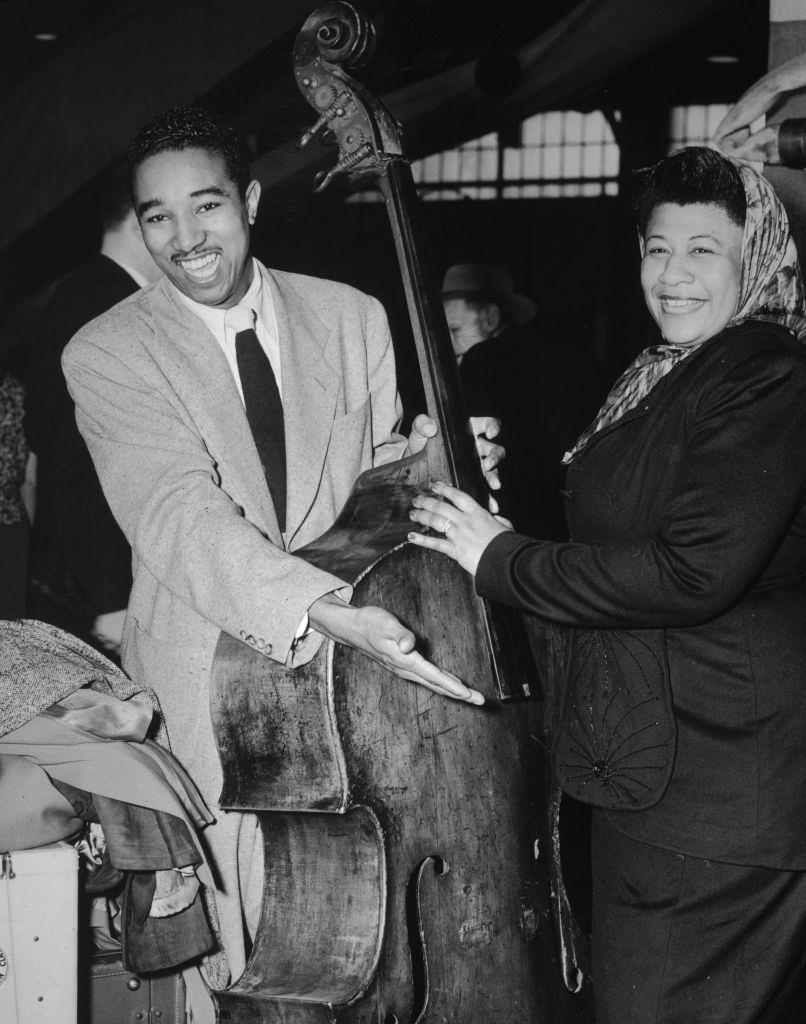
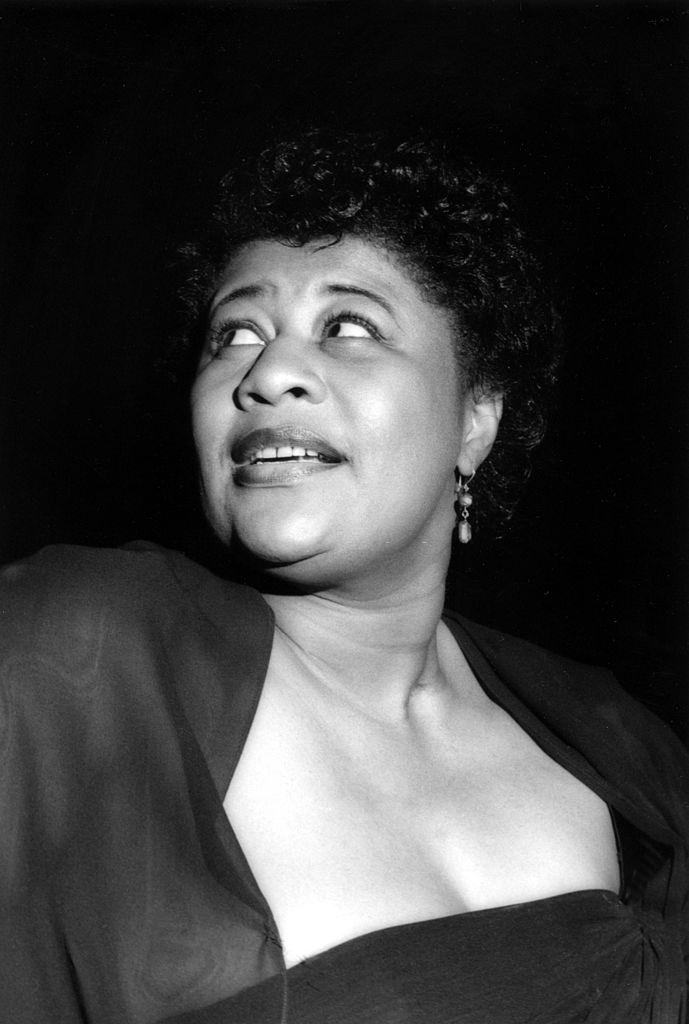
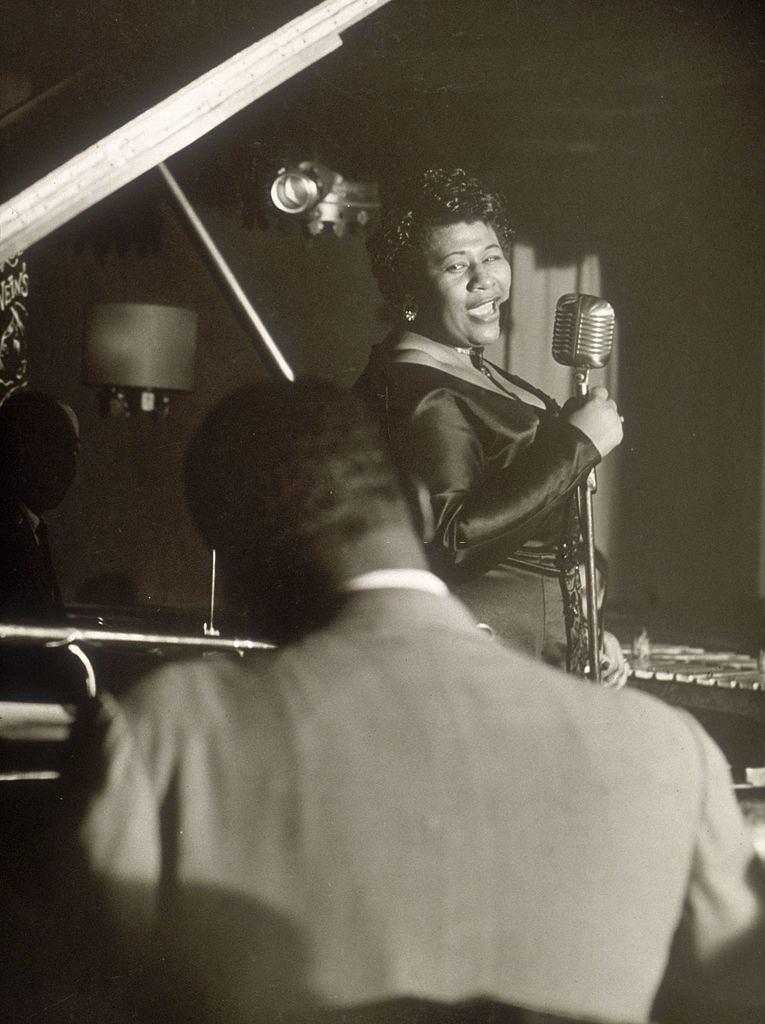
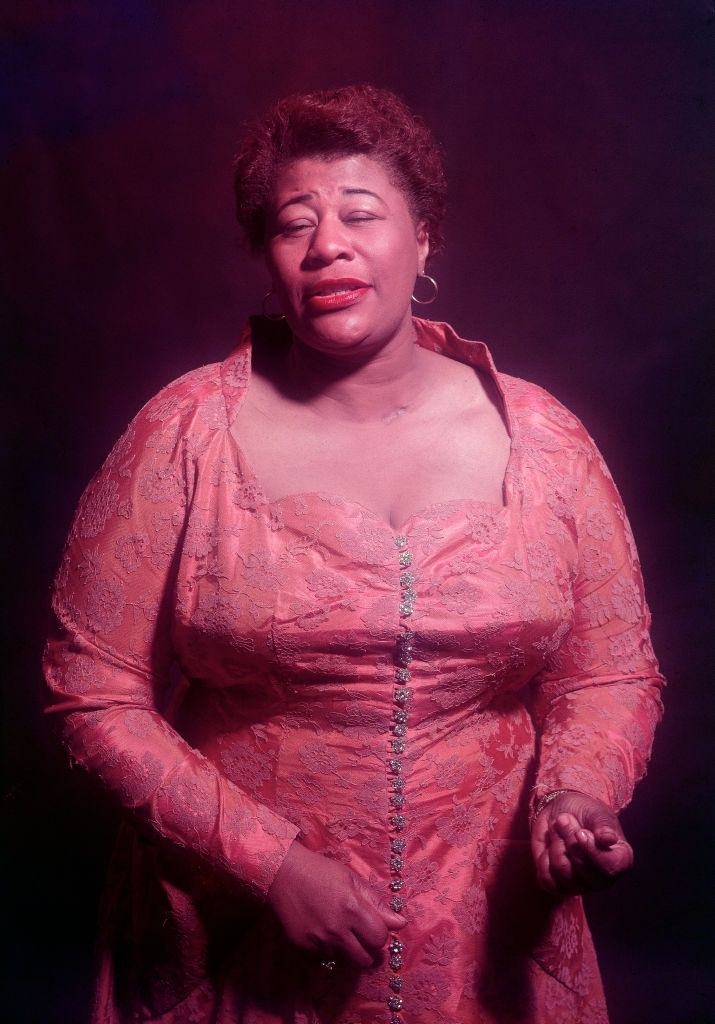
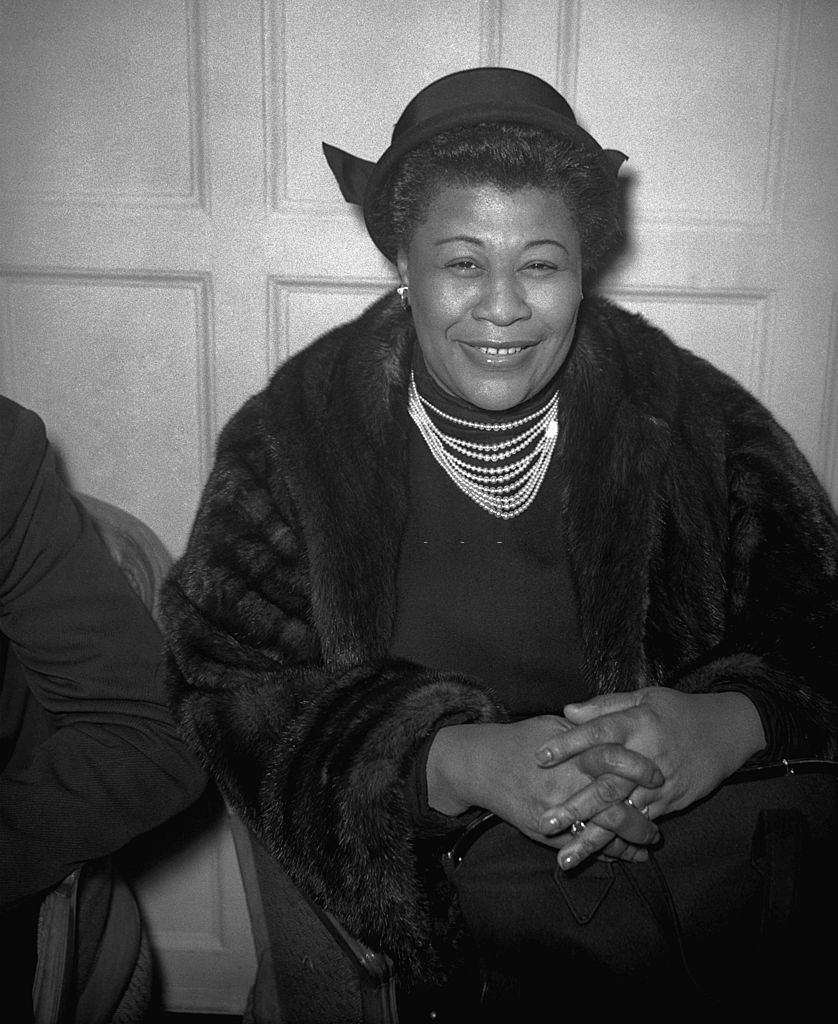
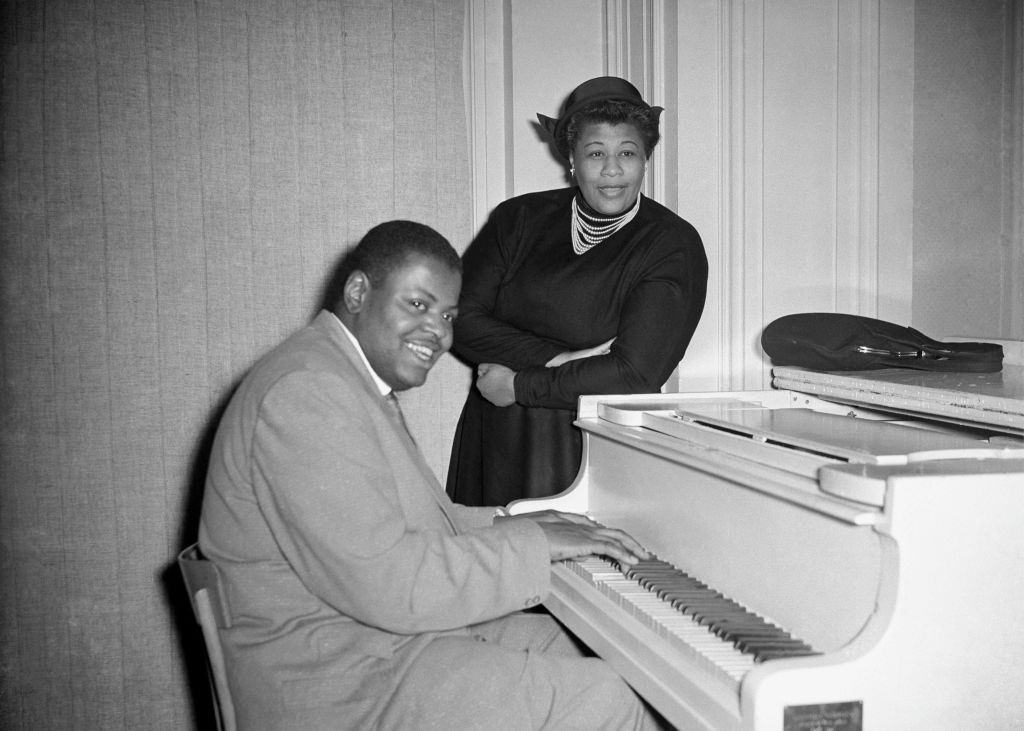
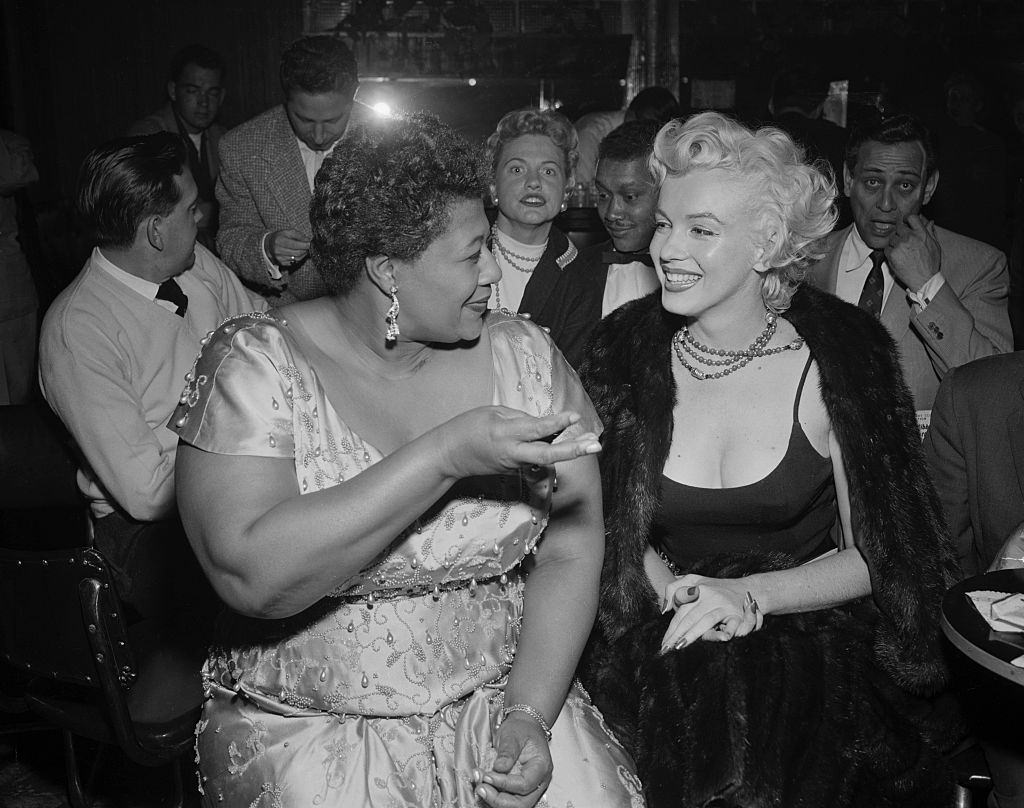
Marilyn Monroe was among Fitzgerald’s biggest fans. The two became friends, and Monroe used her Hollywood status to help Fitzgerald’s career in a direct and practical way. She personally spoke to the owner of the Mocambo nightclub in Los Angeles, one of the most prestigious venues in the city, and convinced him to book Fitzgerald. Monroe promised she would sit front row every night — and she did. The club was a hit, and Fitzgerald never had trouble booking top venues after that.
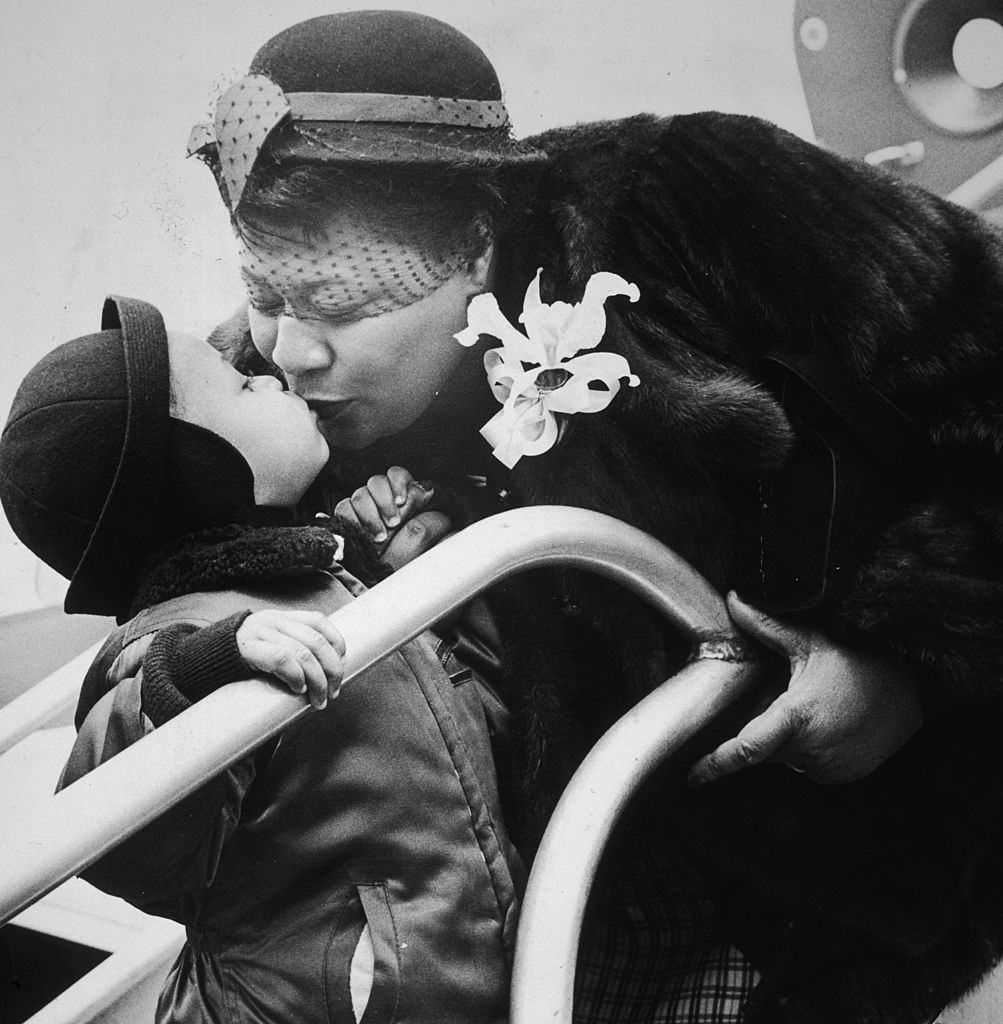
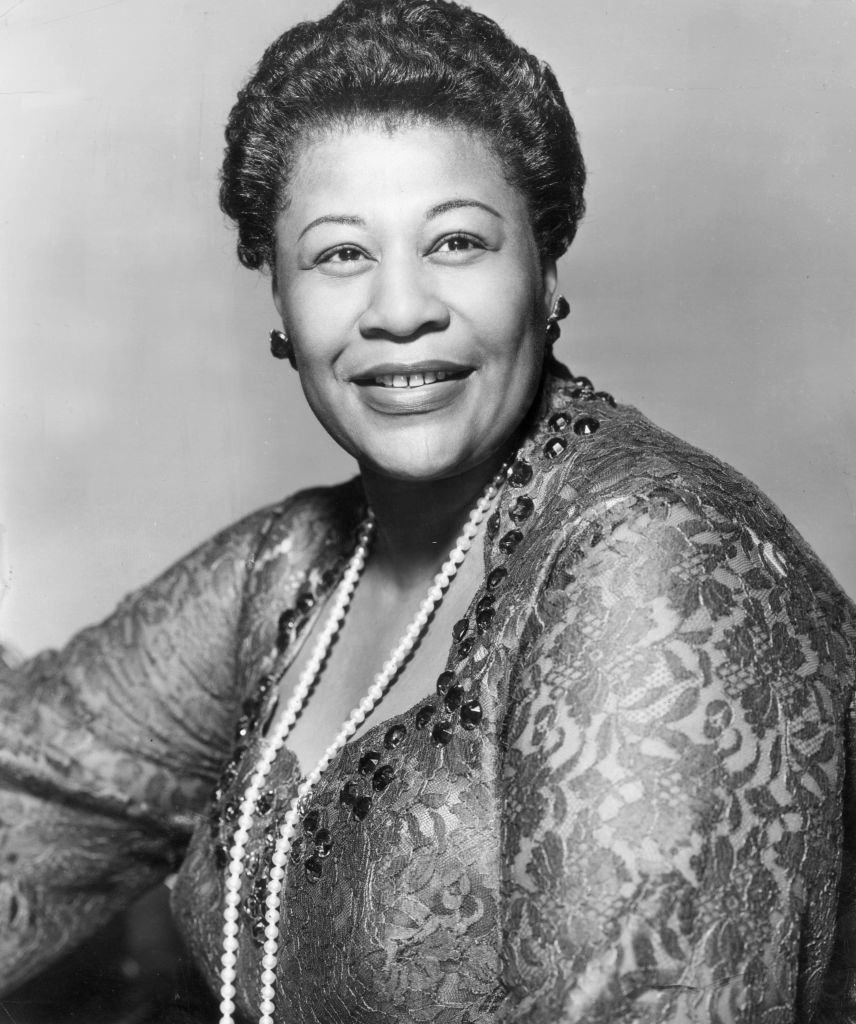
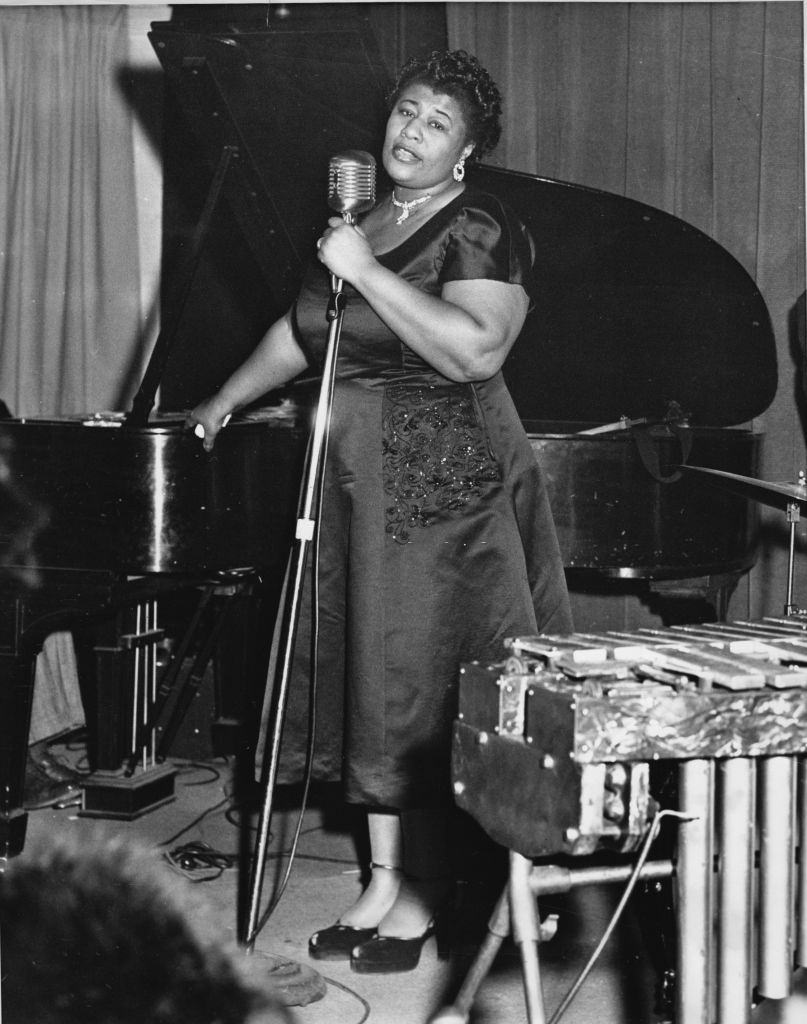
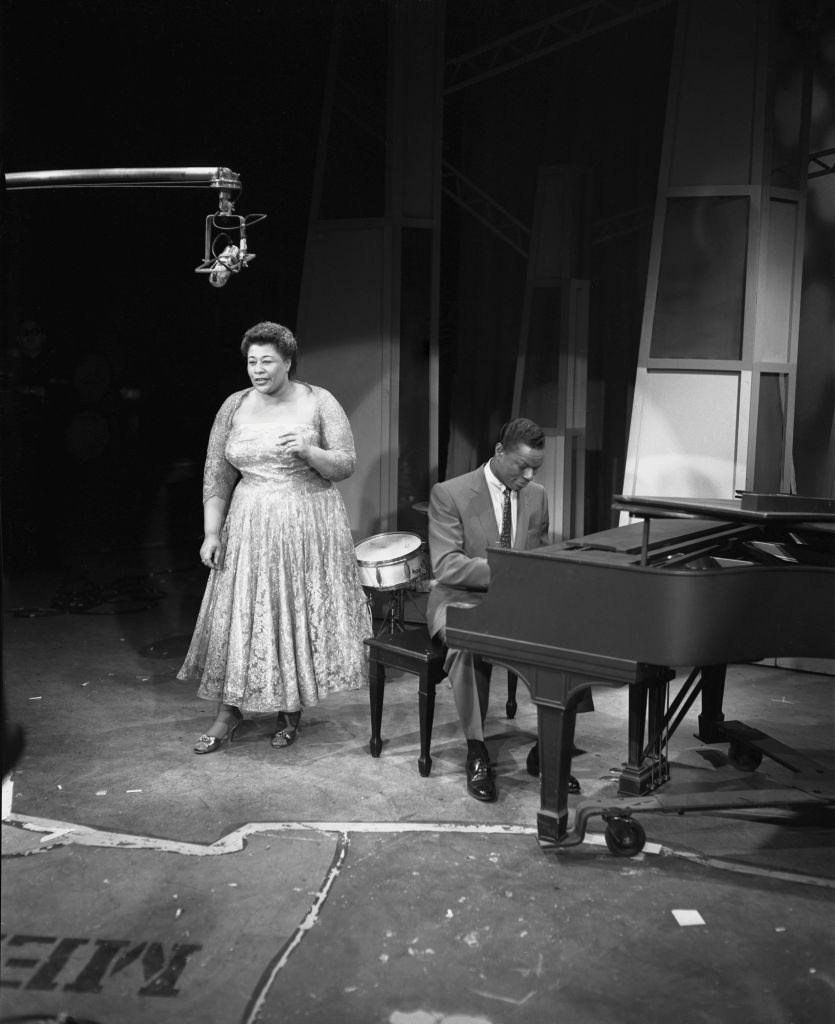
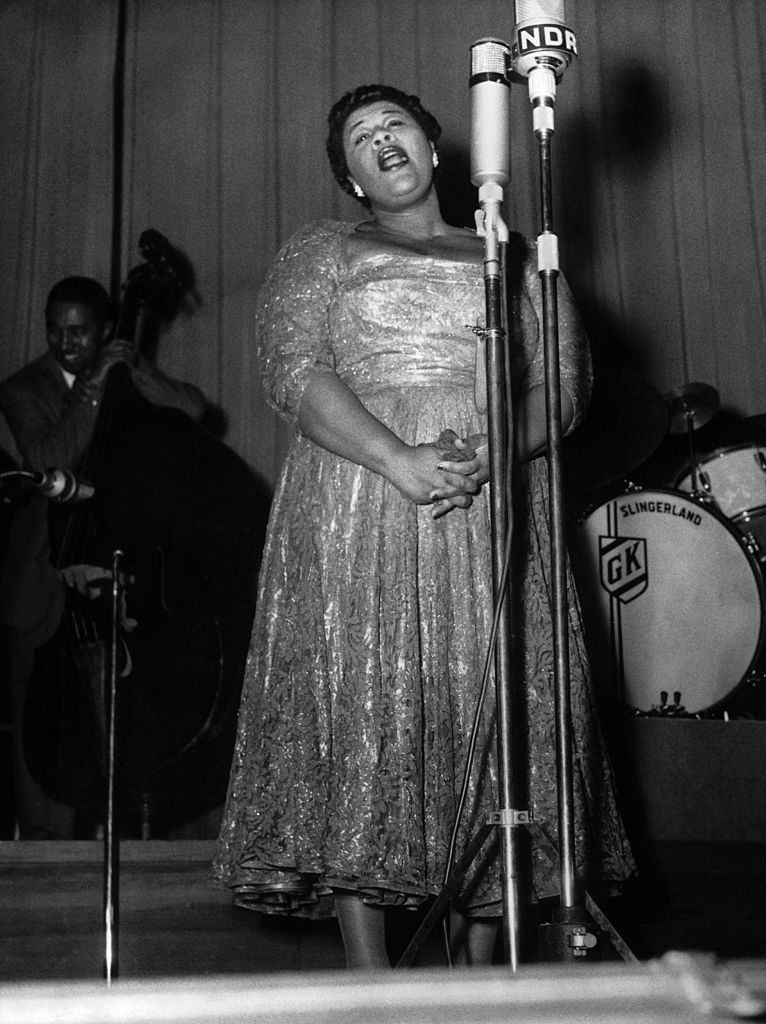
In 1957, she released “Ella Fitzgerald Sings the Duke Ellington Song Book” in collaboration with Duke Ellington himself. The following year, in 1958, she became the first African-American woman to win a Grammy Award — a historic achievement that reflected both her talent and the barriers she had broken throughout her career.
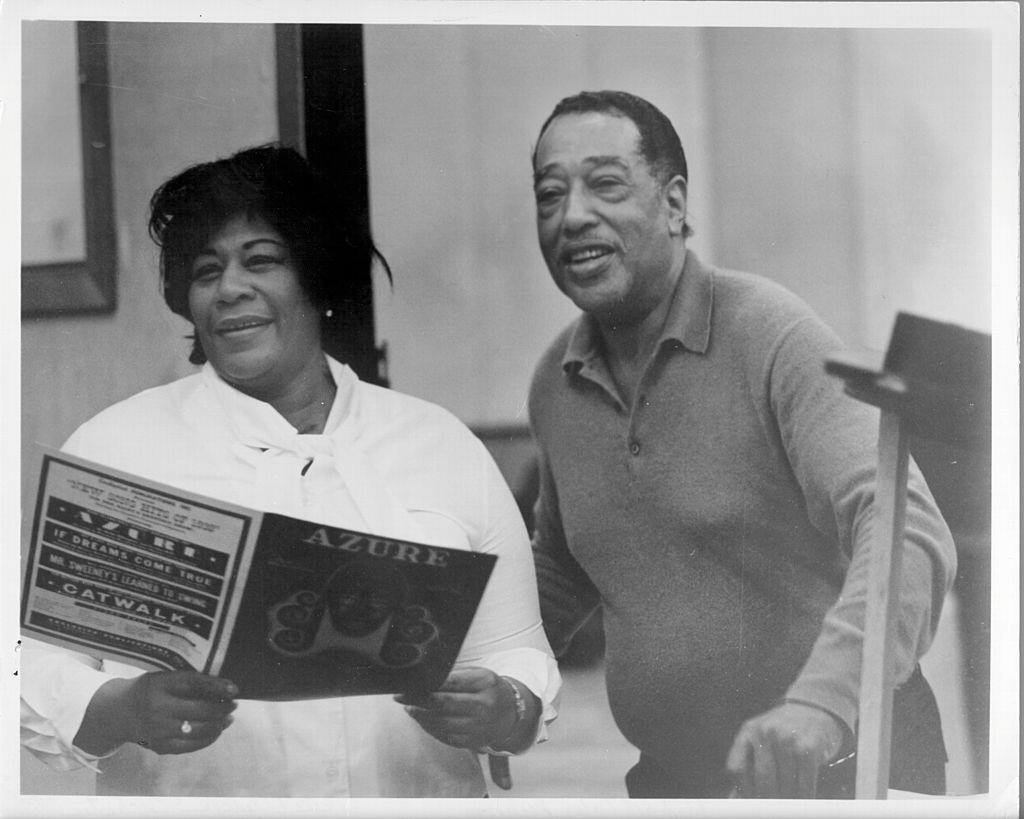
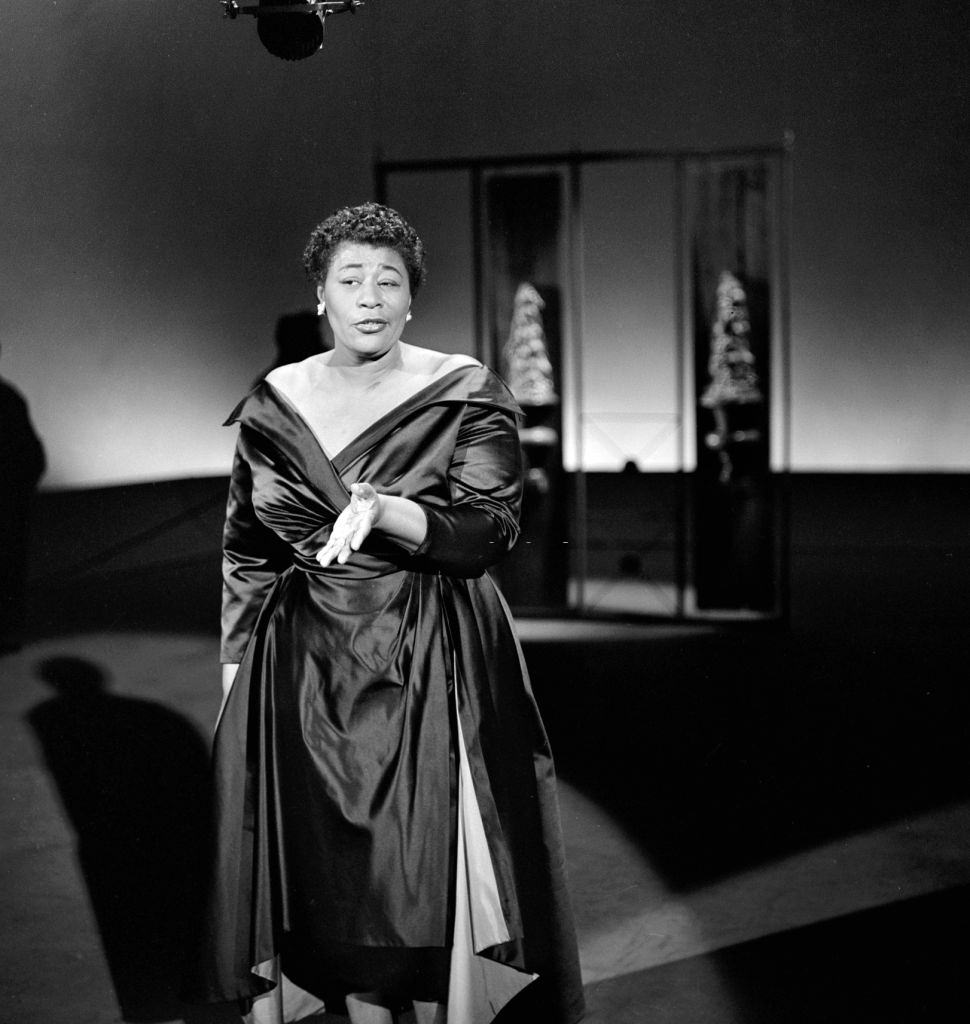
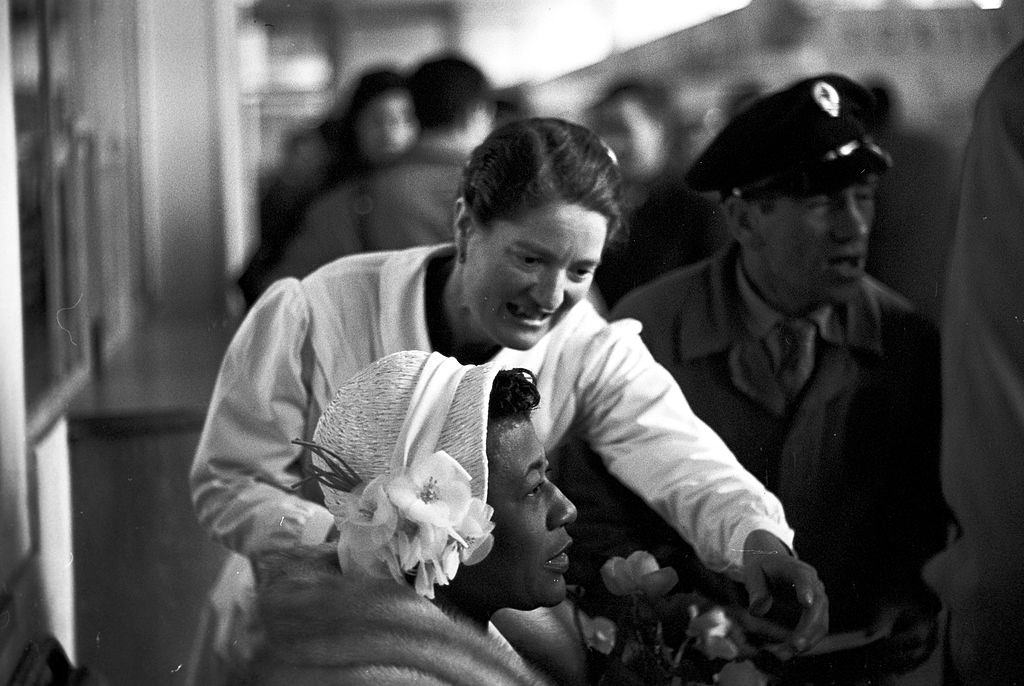
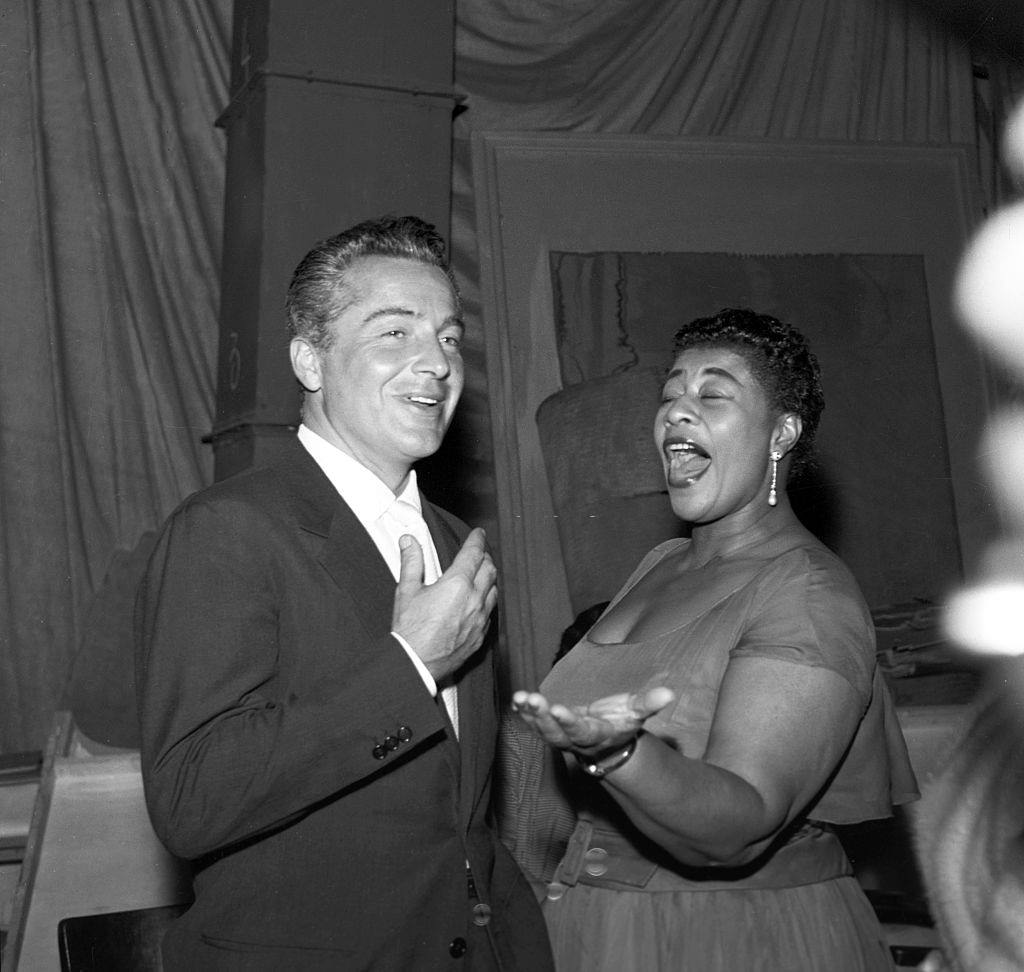
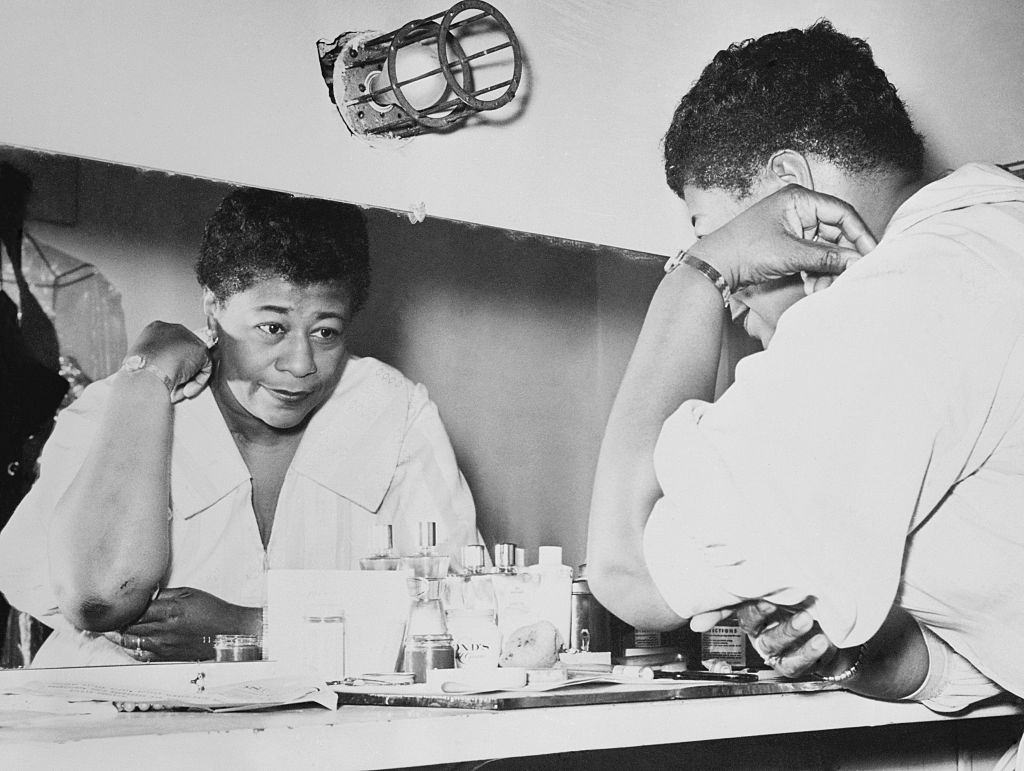
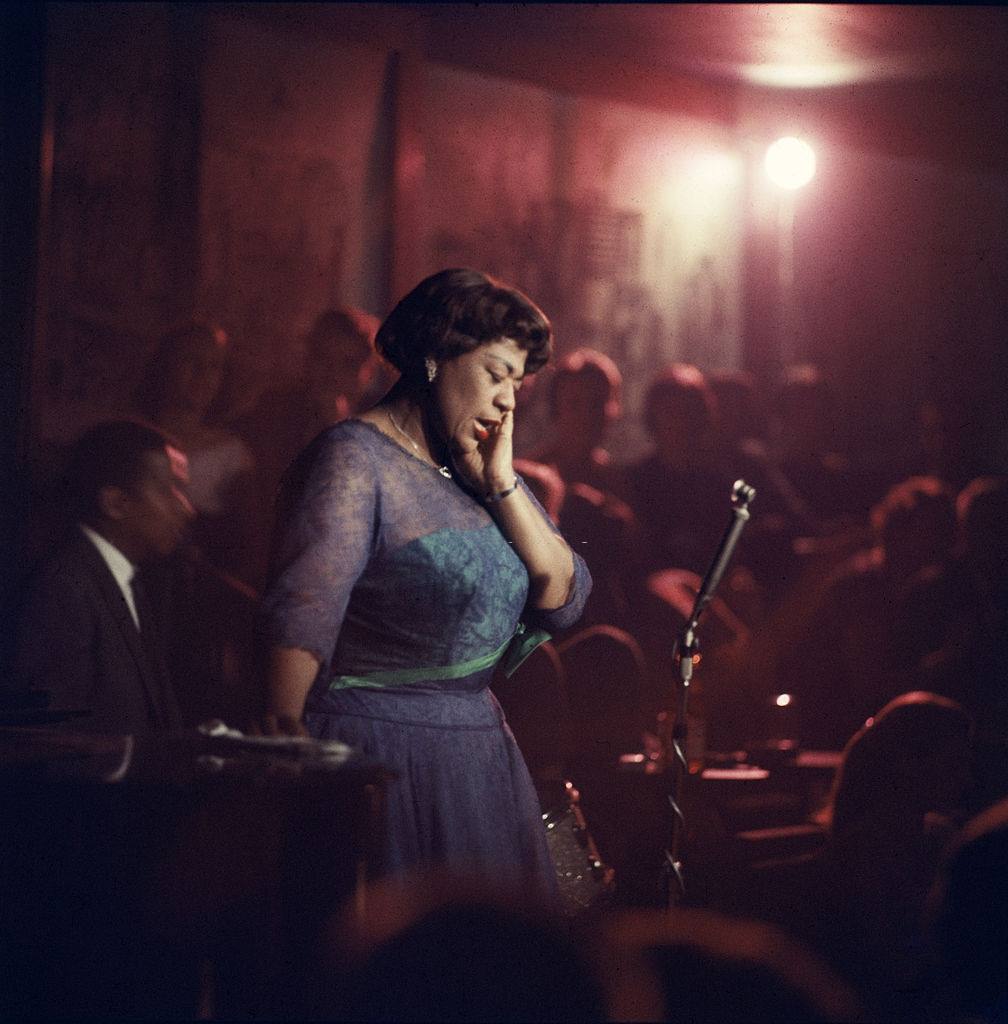
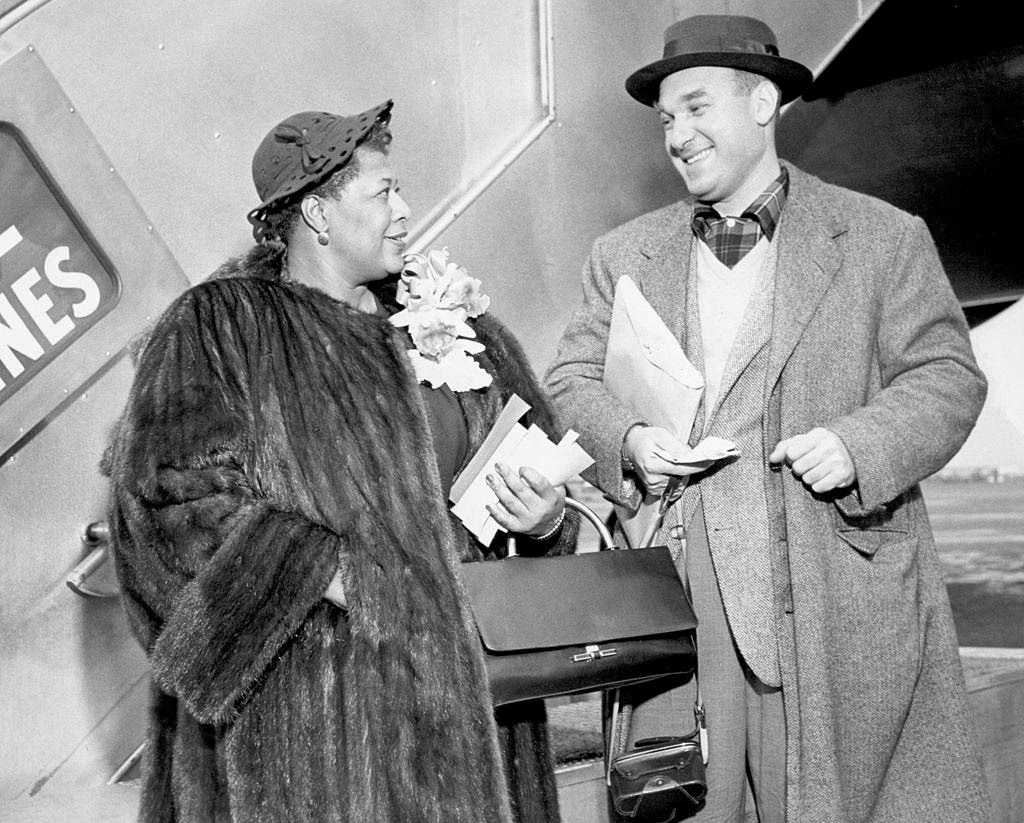
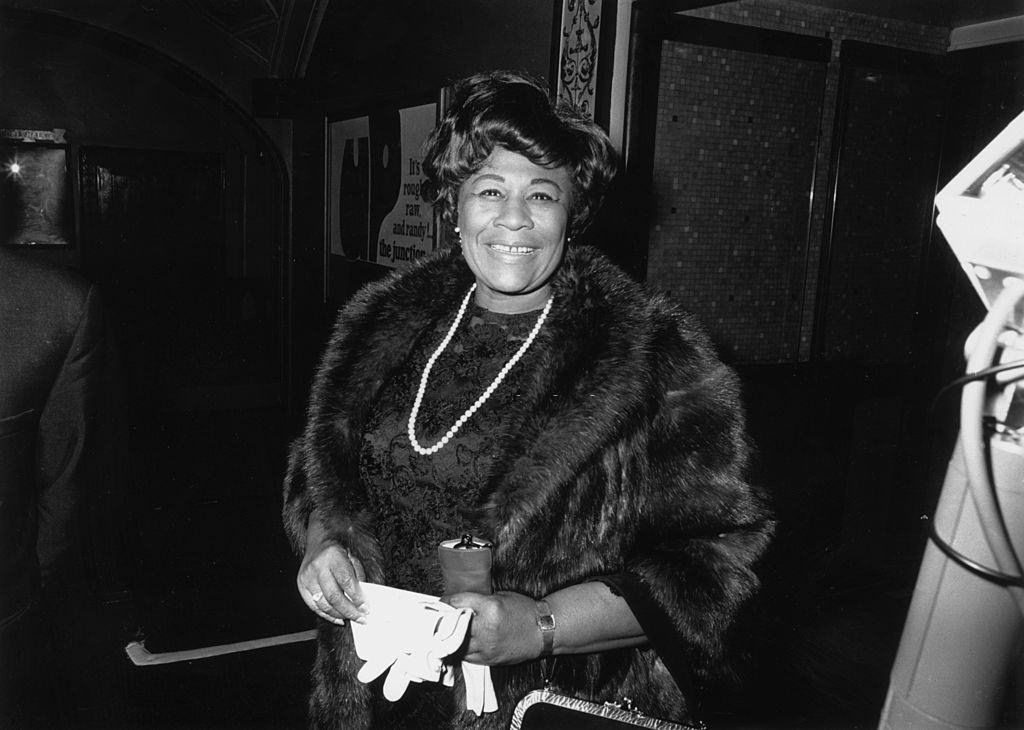
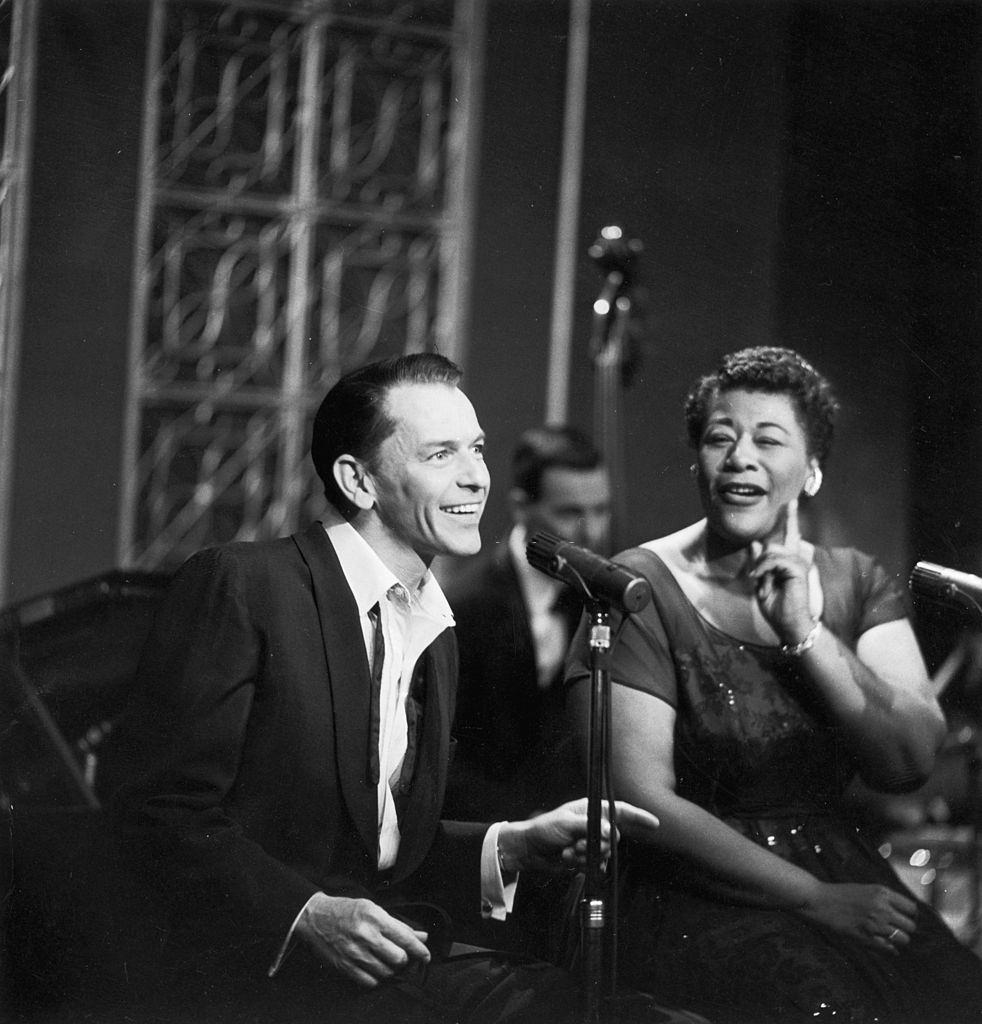
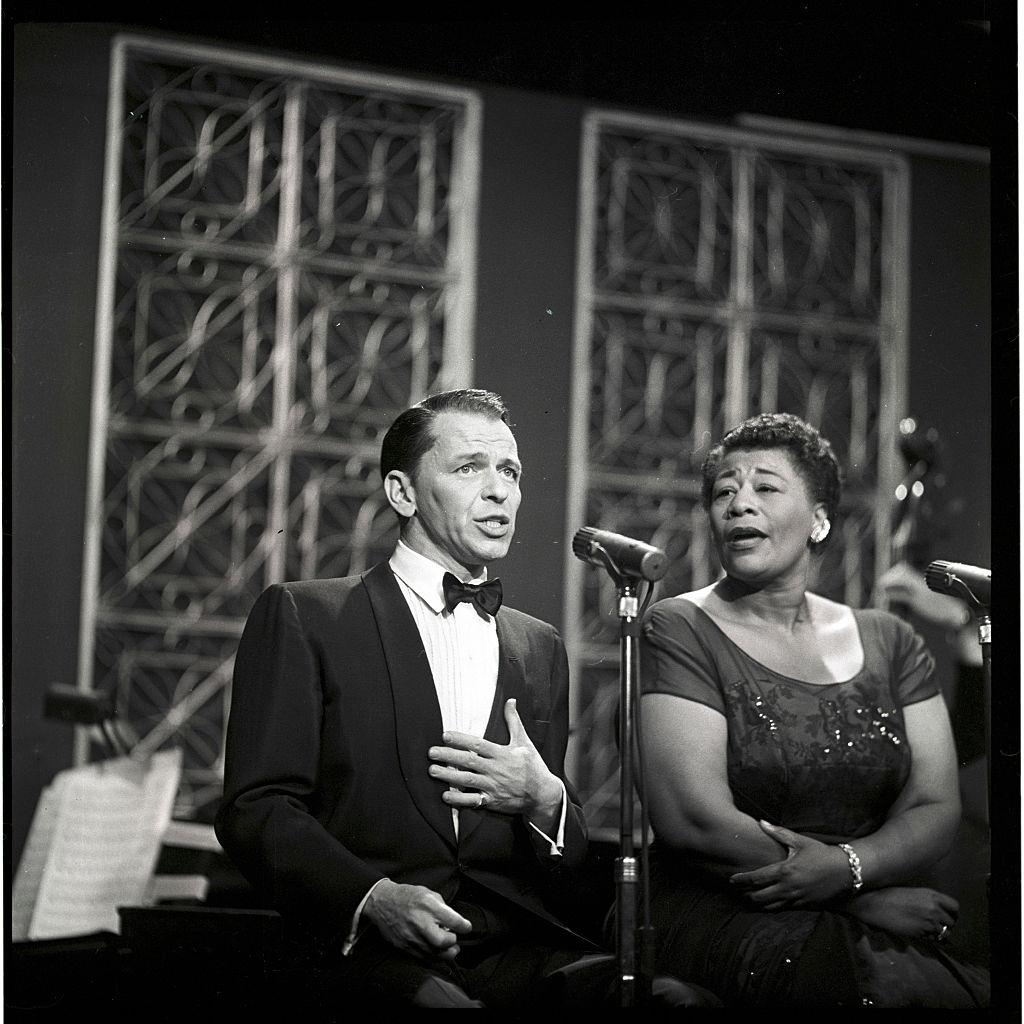
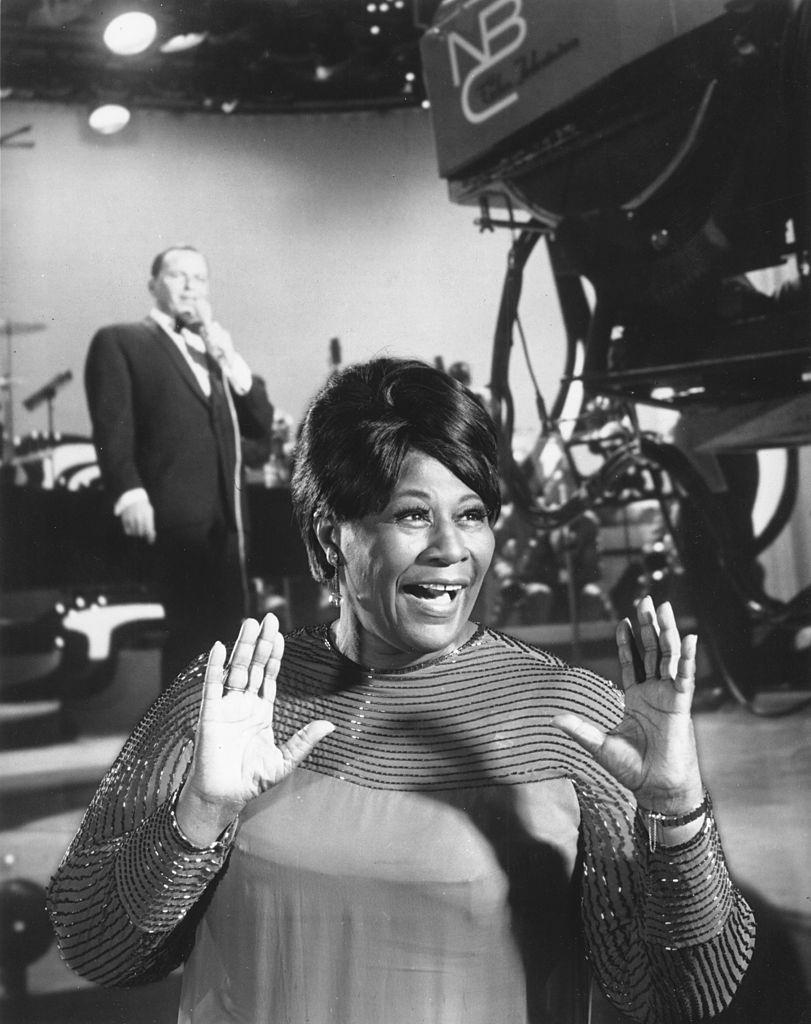
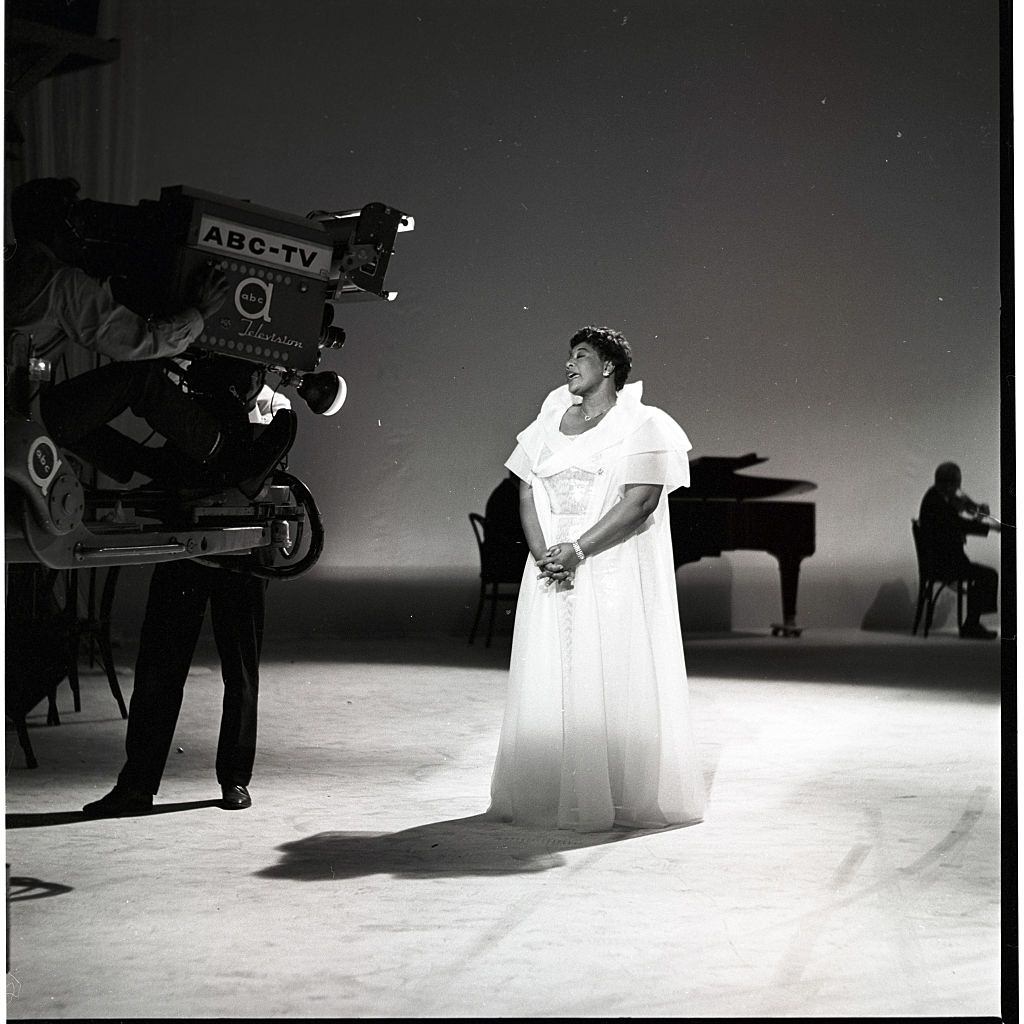
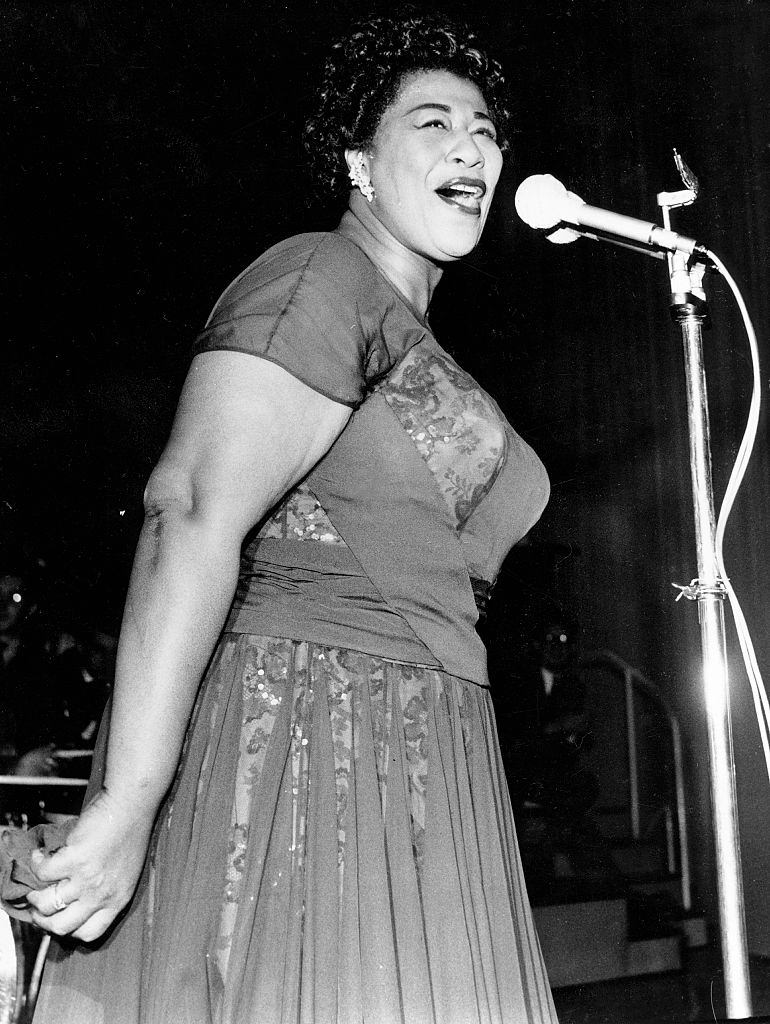
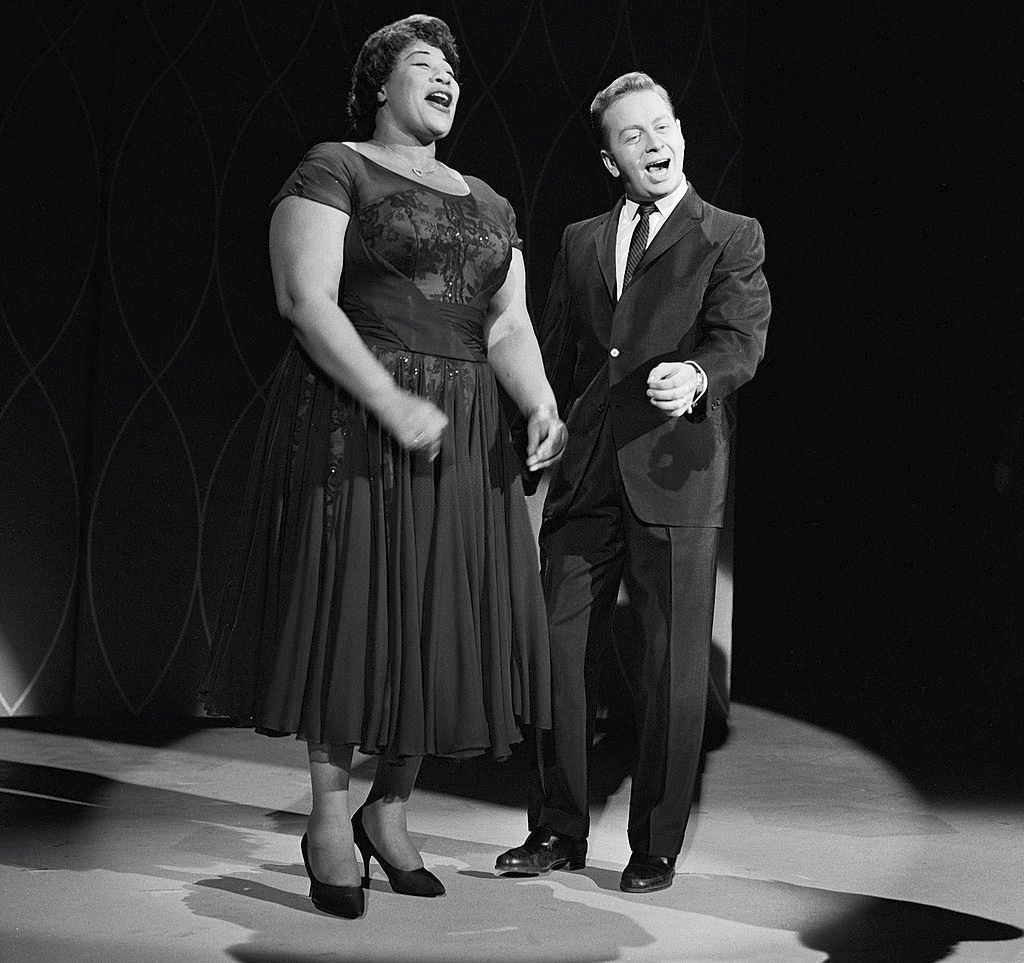
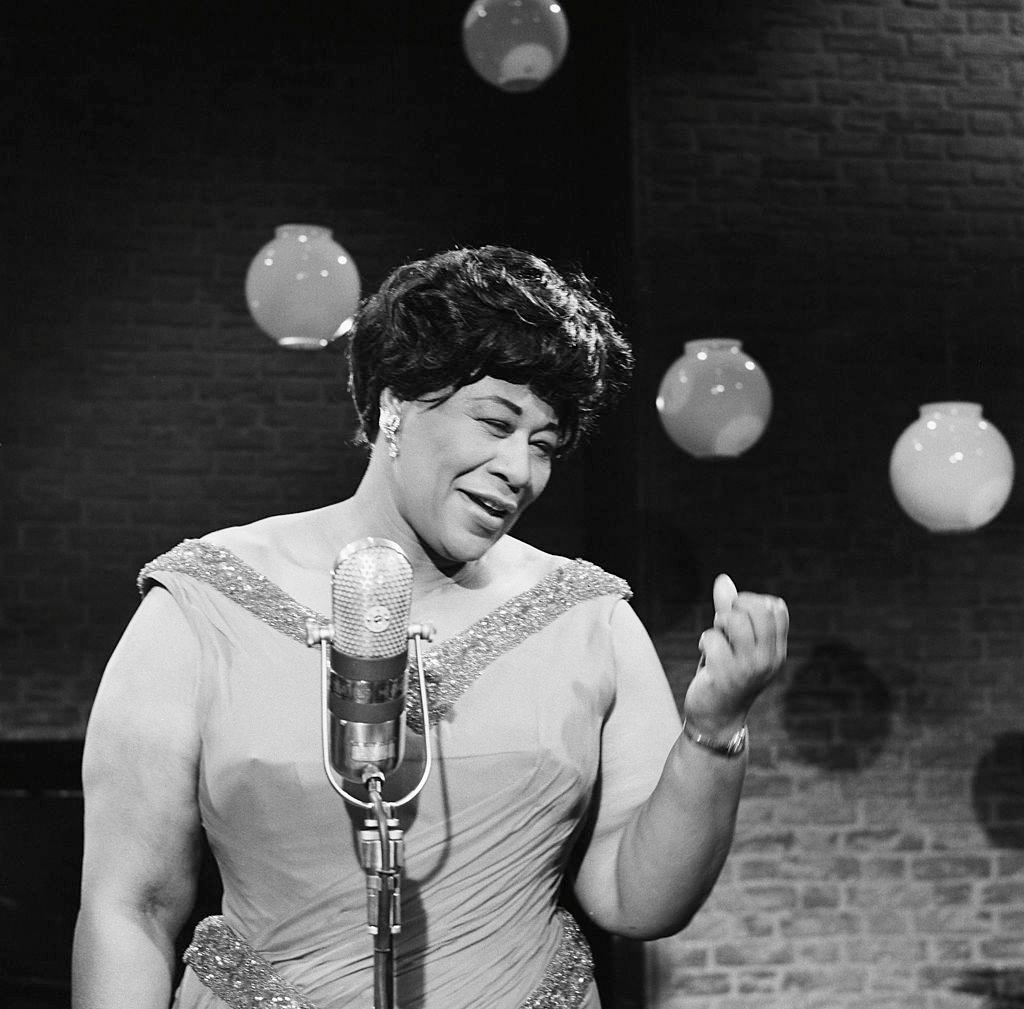
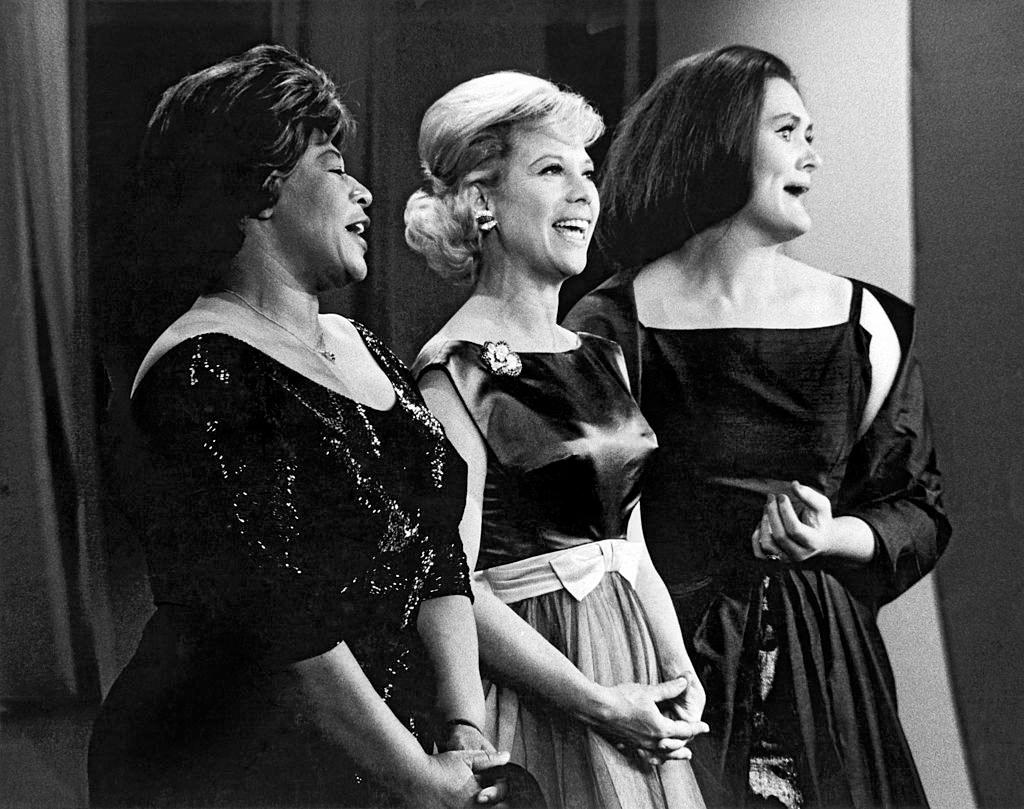
Throughout the late 1950s and into the 1960s, Fitzgerald was a constant presence on television and in concert halls across the world. She appeared on major shows alongside Frank Sinatra, and her performances drew audiences on every continent.
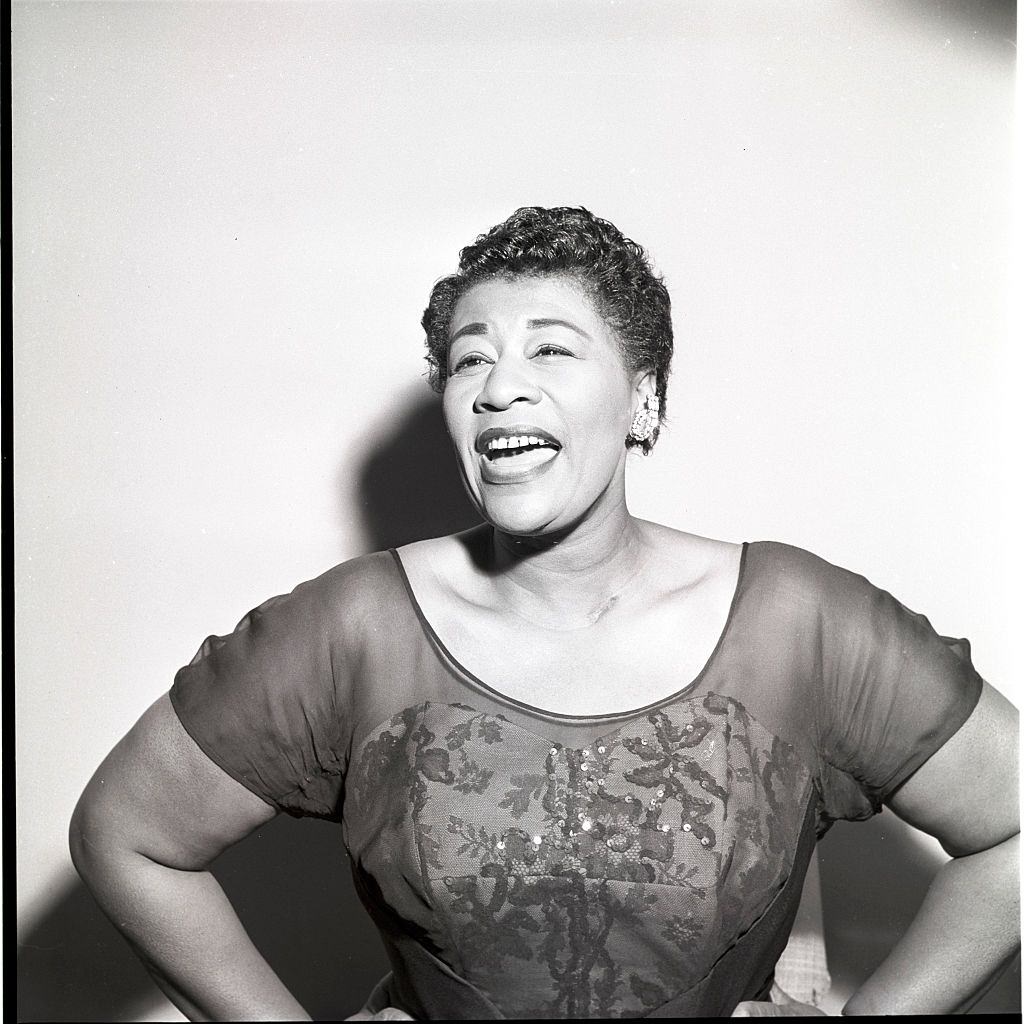
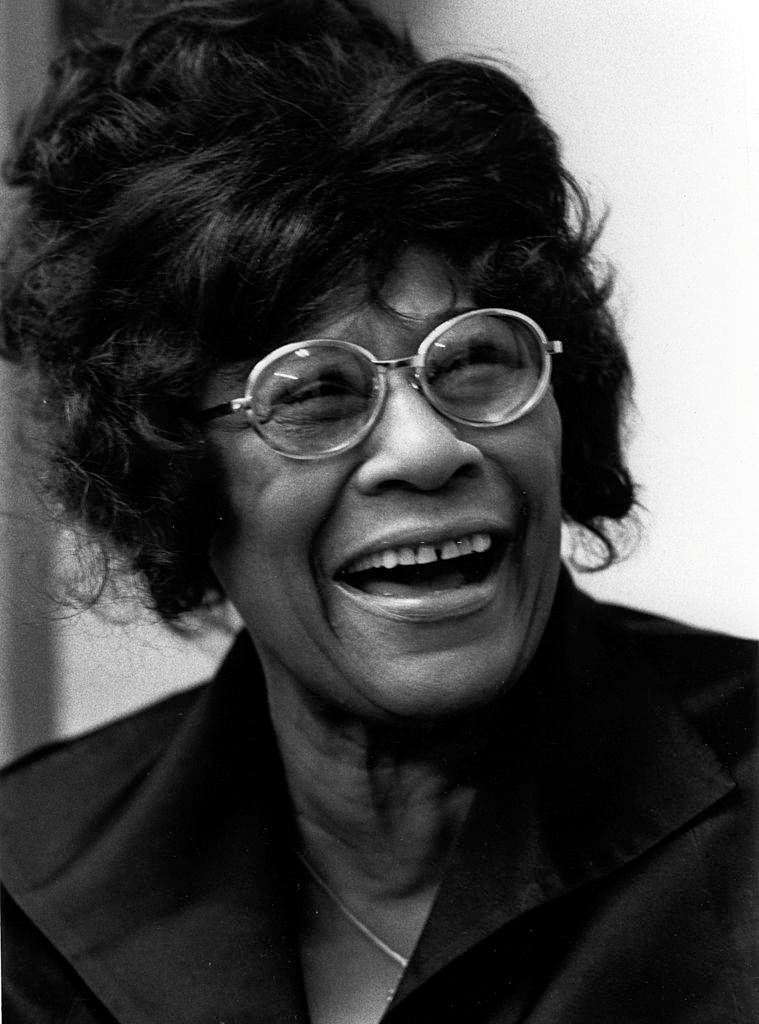
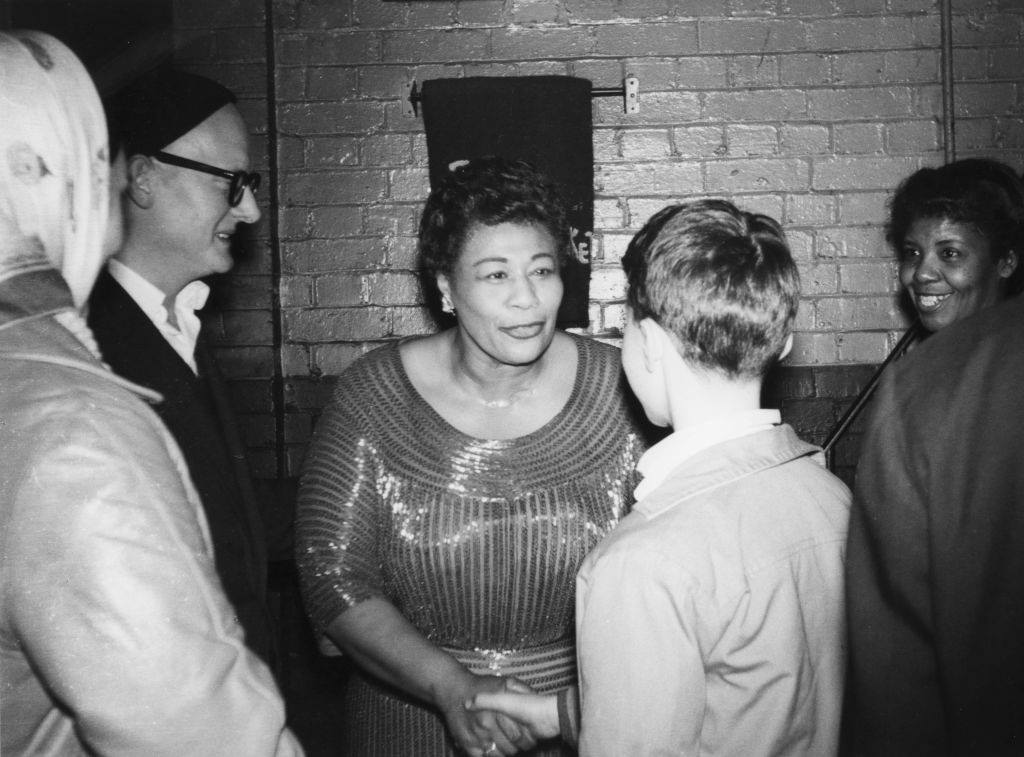
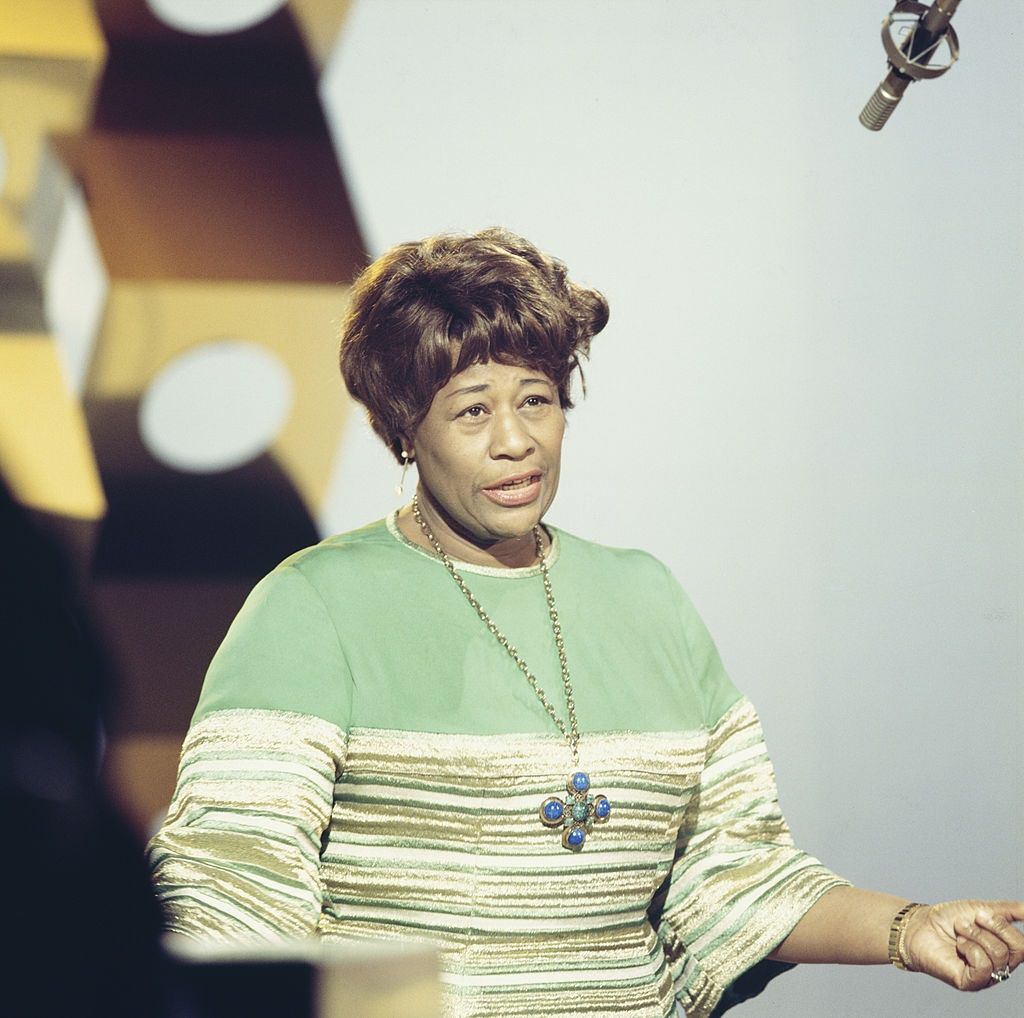
Fitzgerald continued touring and recording through the 1970s and 1980s, taking her music to audiences around the globe. The toll on her health, however, was becoming harder to ignore. She developed serious heart problems and underwent heart surgery in 1986. Chronic diabetes worsened over the years, eventually leaving her blind. In 1994, both of her legs were amputated.
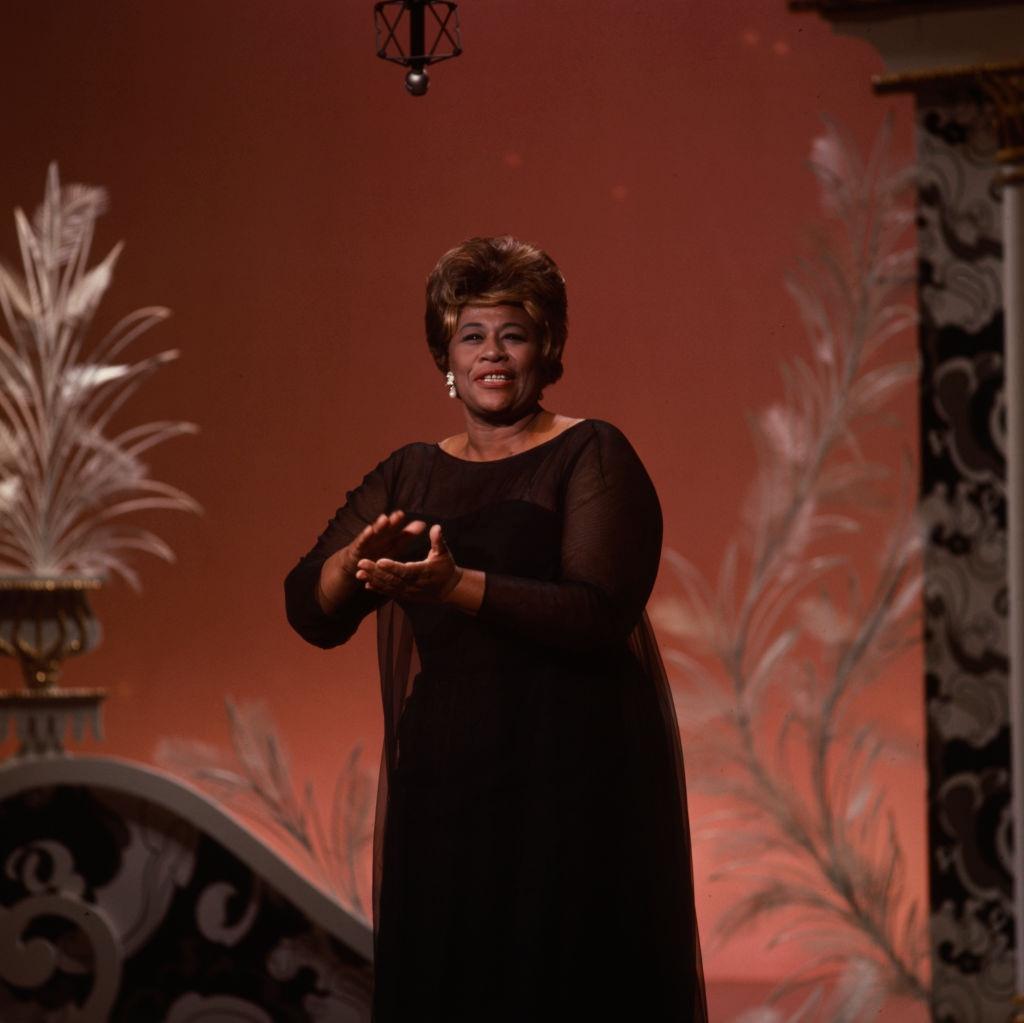
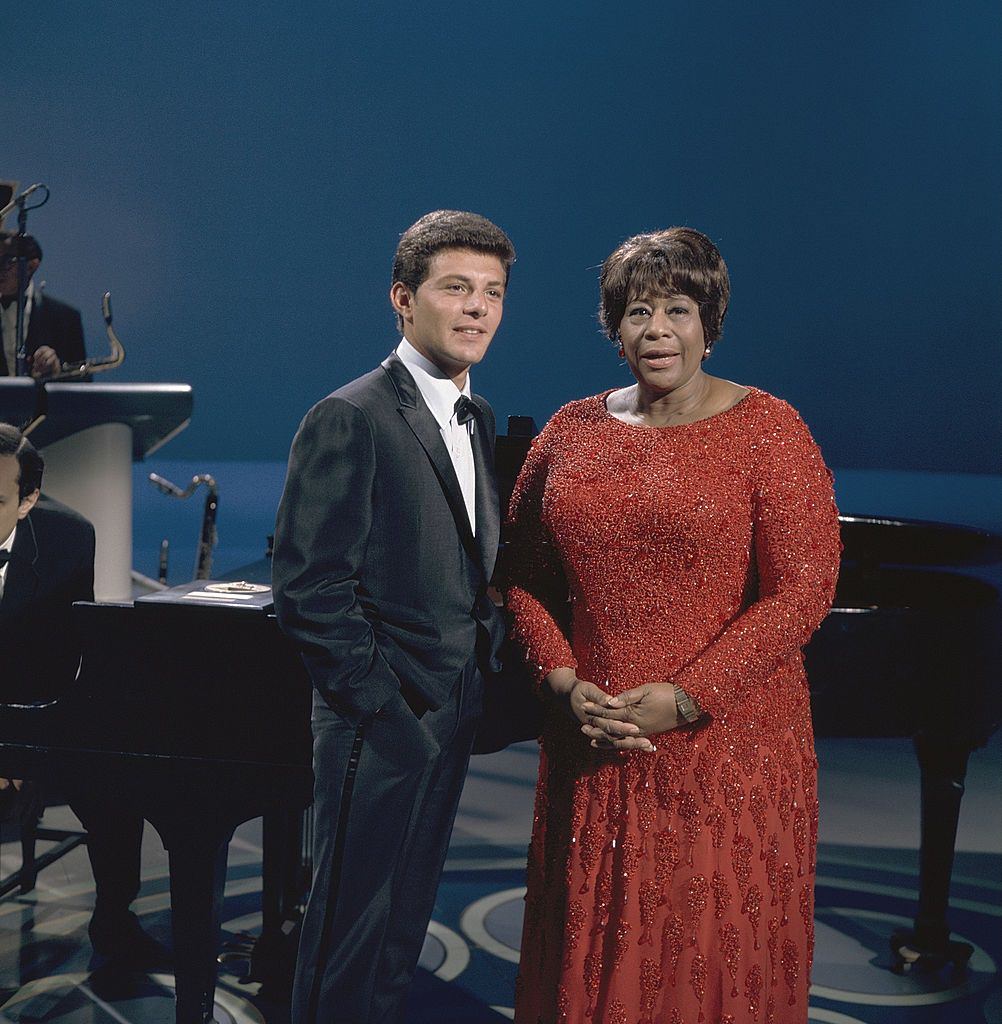
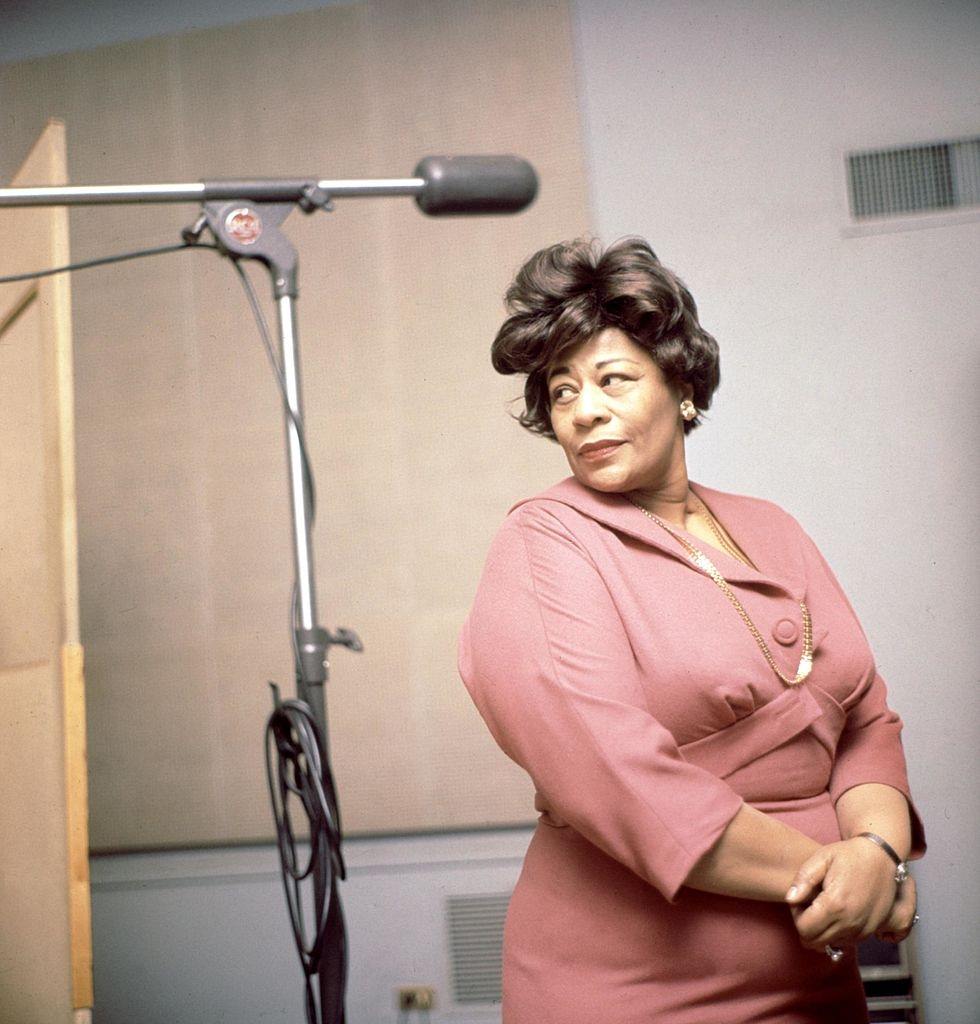
Fitzgerald made her last recording in 1991 and gave her final public performance in 1993. On June 15, 1996, she died at her home in Beverly Hills at the age of 79 from a stroke — closing a career that had stretched from the dance halls of Harlem to concert stages on every continent.

incorrect times for attached photos!