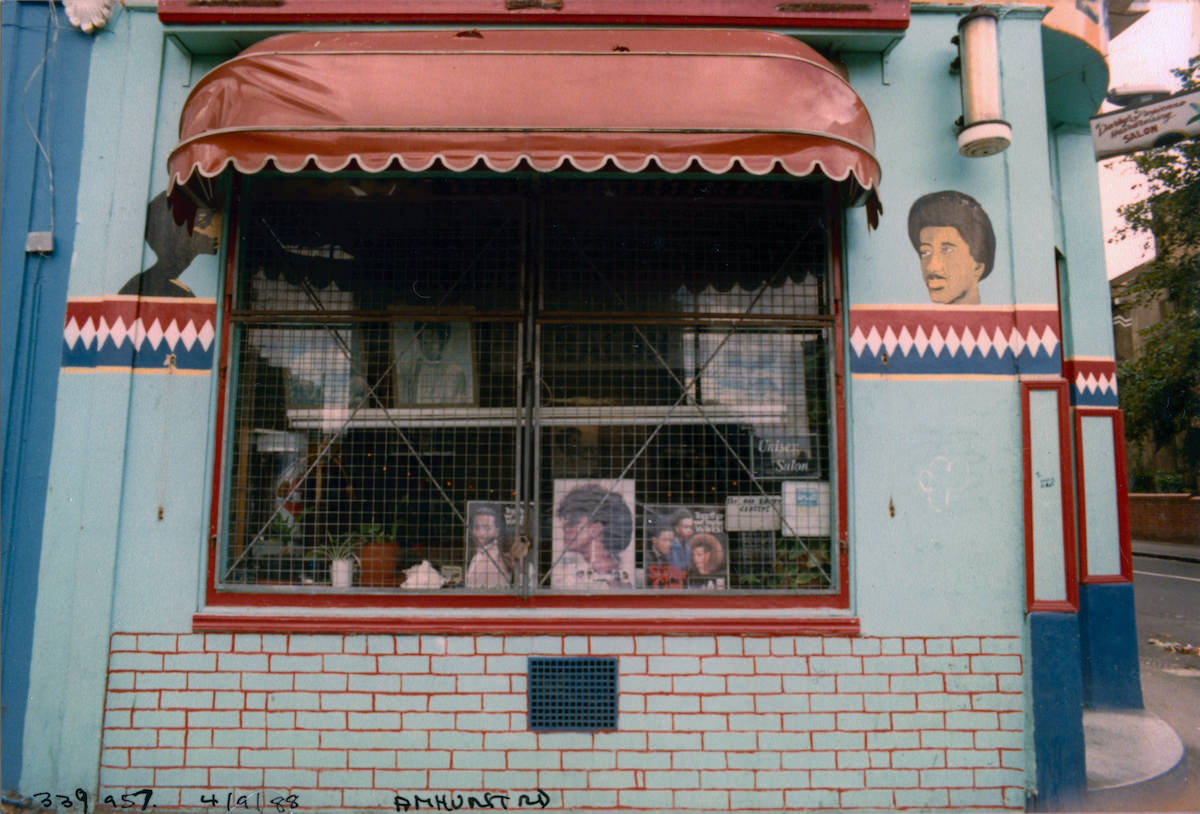
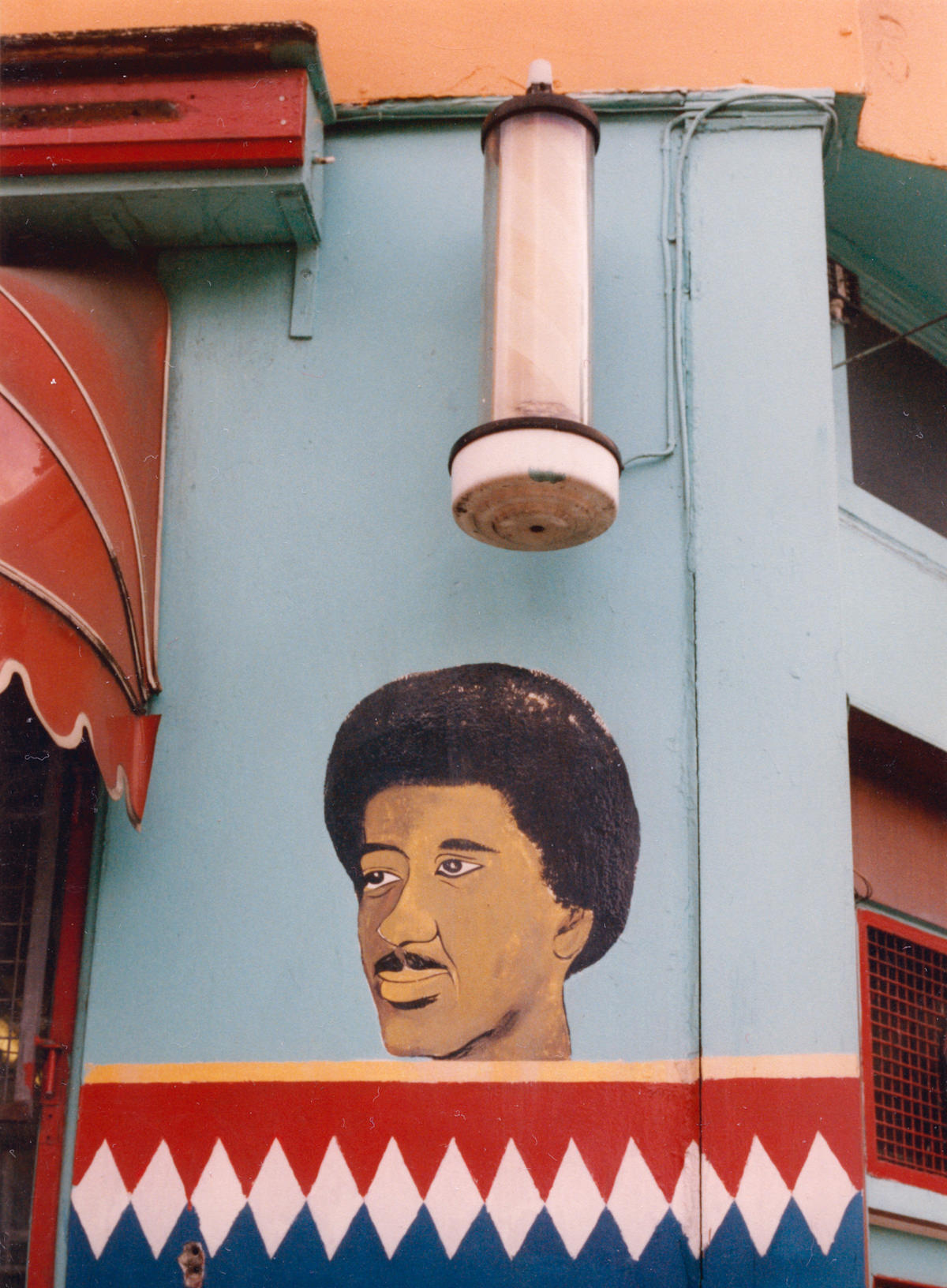
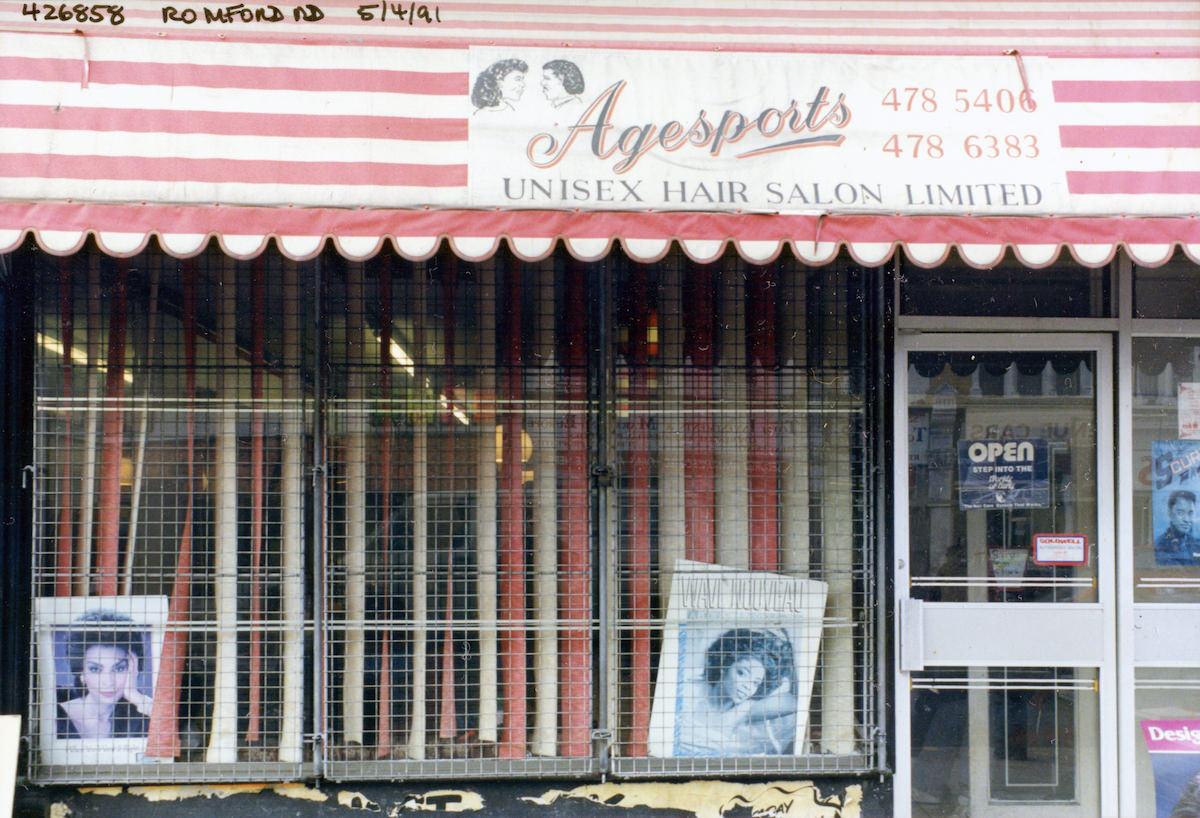
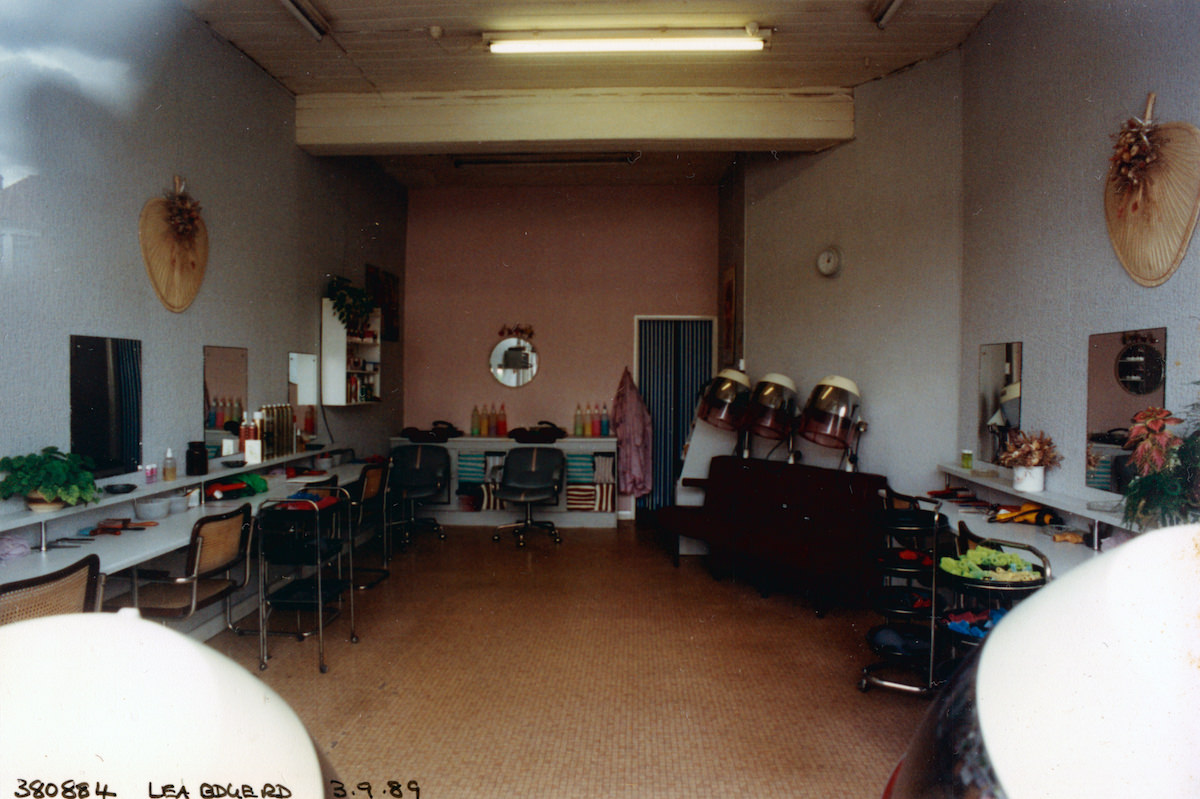
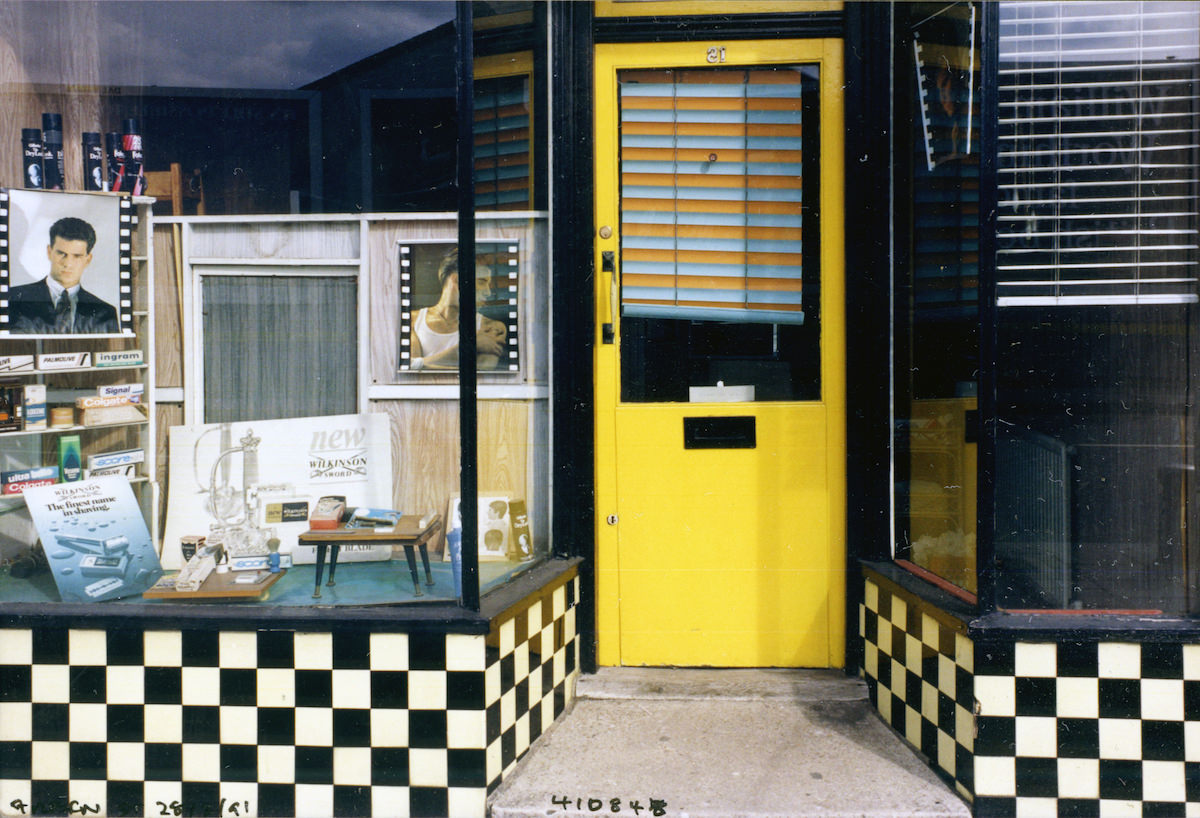
Walk down any high street in East London during the late 1980s and early 1990s, and the hairdressers told you everything you needed to know about the era. Their window displays, hand-painted signs, and faded posters were a direct record of what people wanted to look like — and what was fashionable at the time. Photographer Peter Marshall was documenting everyday life across East London during these years, and the local hairdressers caught his eye at every turn.
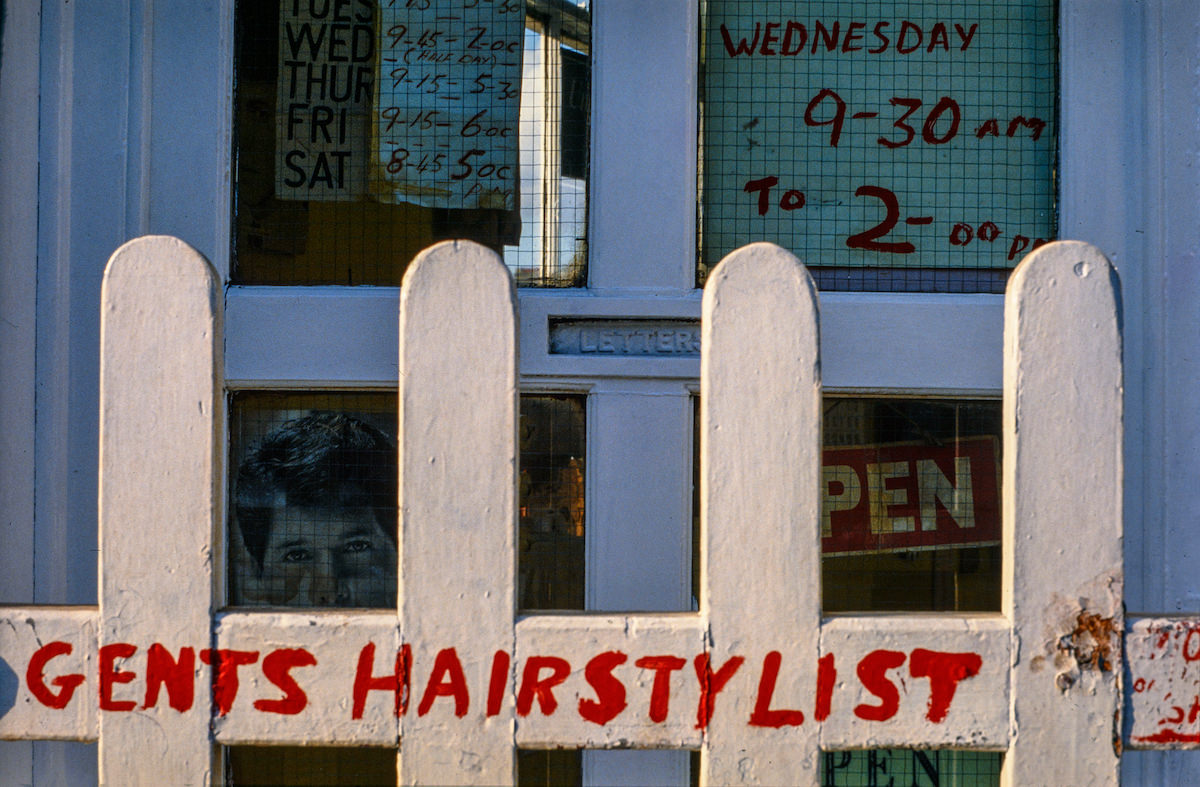
For men, the choices on offer were bold. Mullets were everywhere — short on top, long at the back — sitting alongside flat-tops, Mohawks, Jheri curls, and hi-top fades. Slicked-back hair was another popular option, given a sharp, greased-down finish that suited the decade’s obsession with a polished edge. These weren’t just haircuts. They were statements about identity, music taste, and neighbourhood.
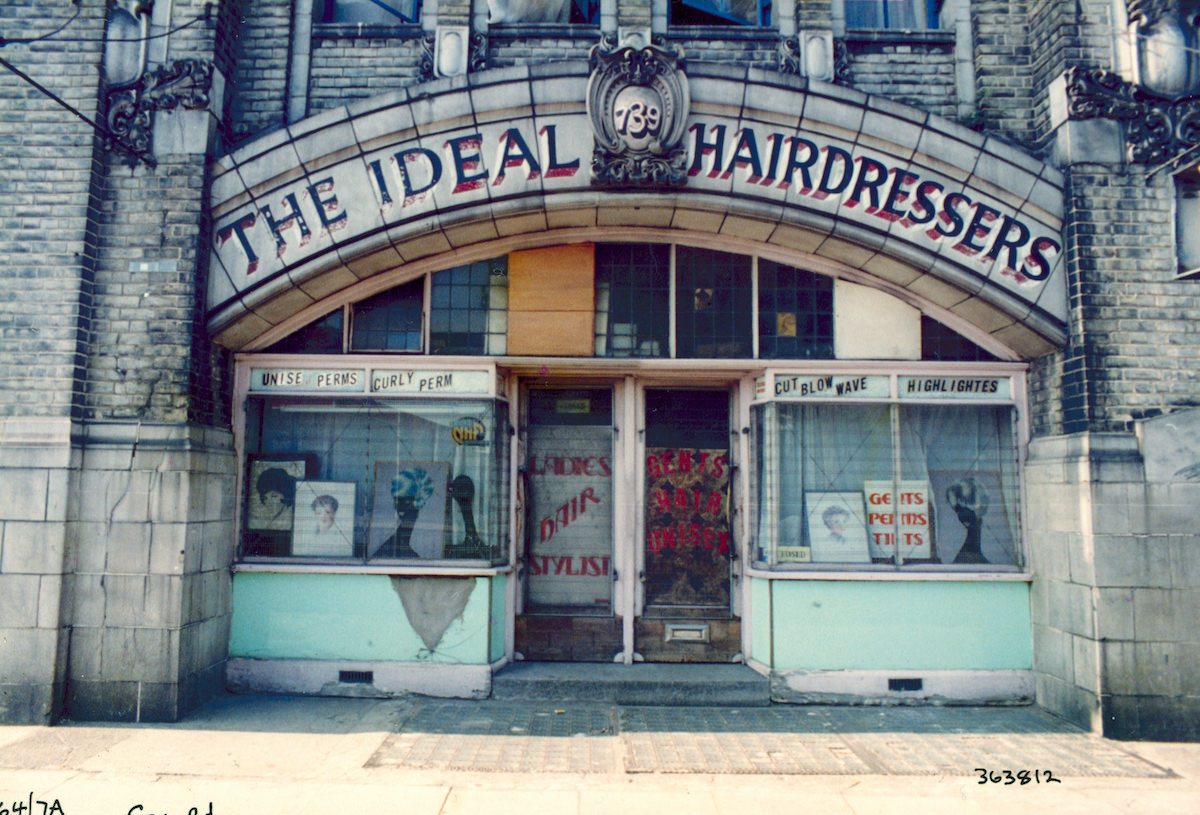
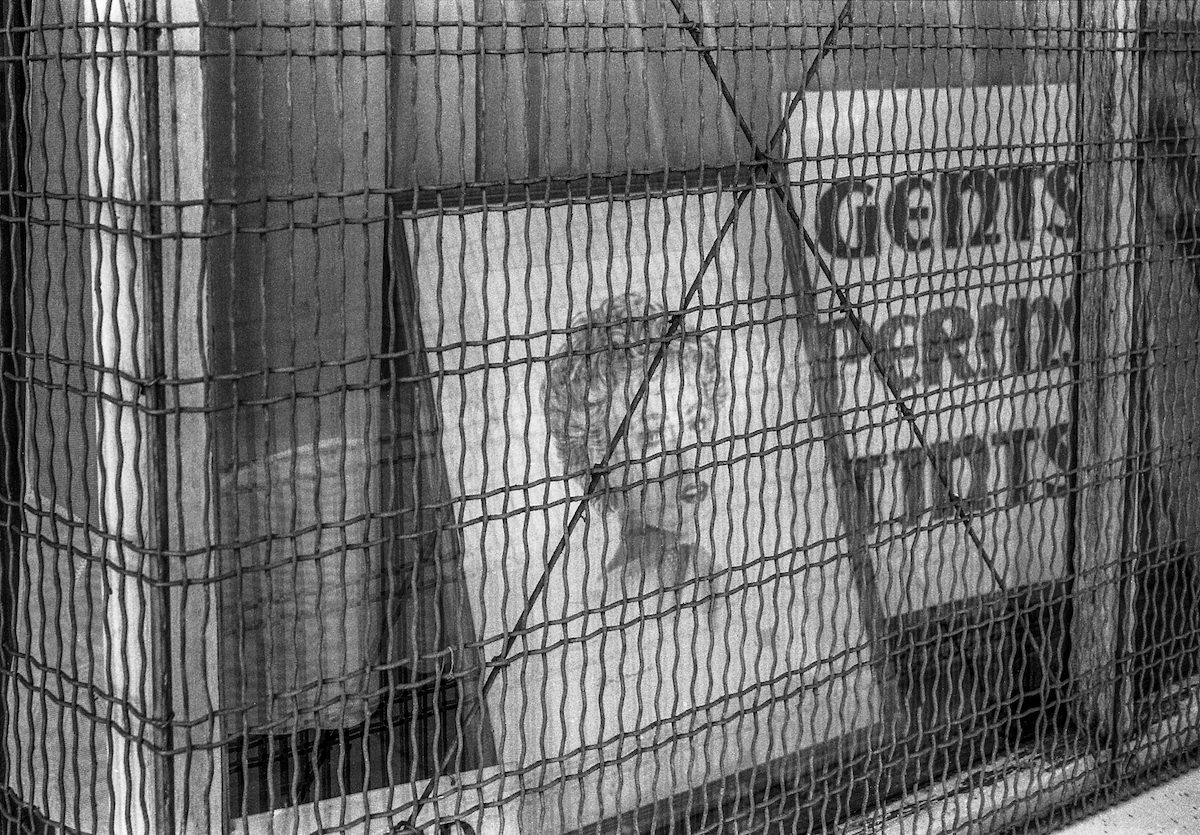
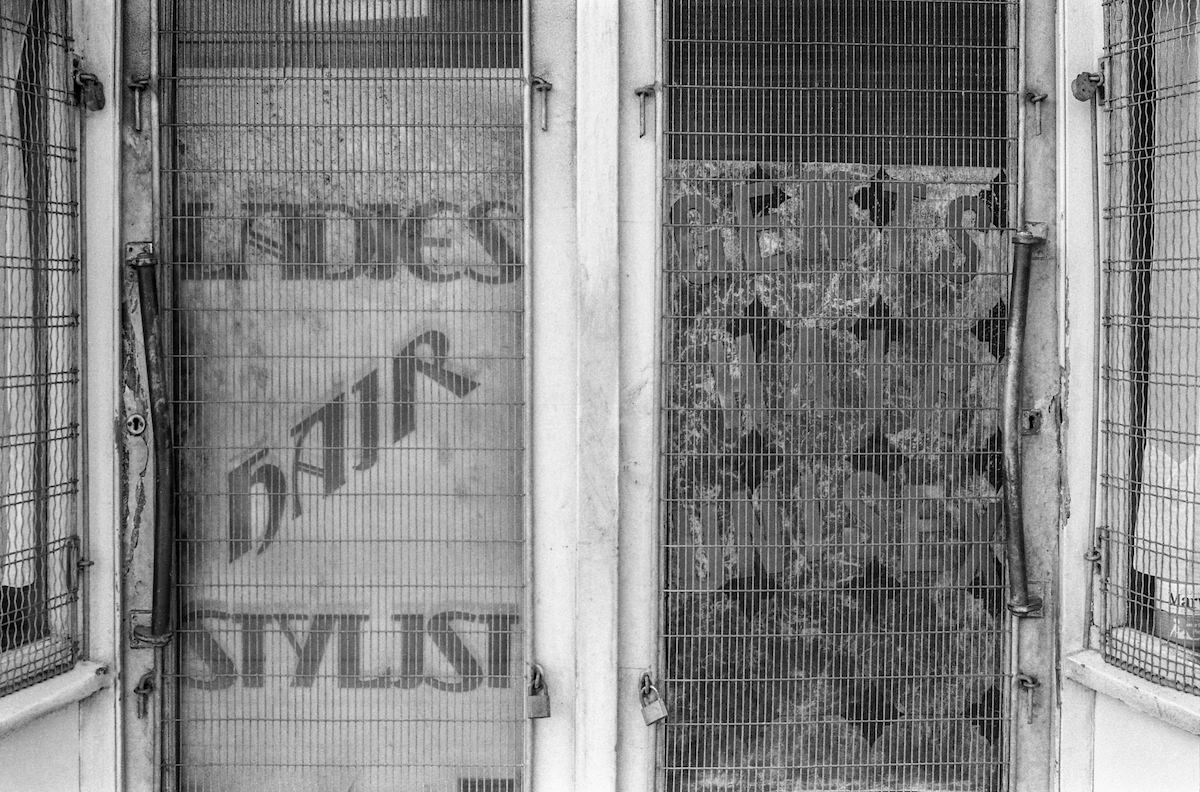
The Ideal Hairdresser on Commercial Road in Limehouse was one of the shops Marshall returned to more than once. Its frontage appeared in his photographs across different years, showing how these small businesses anchored their local streets over time.
Women’s hair in this period was all about volume. Big, moussed, and puffy styles ruled. Bouffant shapes were pushed up and outward, held in place with generous amounts of product. Soft, full silhouettes dominated salon windows. During the mid-to-late 1980s, the centre parting fell out of fashion almost entirely. The perm was at its peak, and a clean centre part made the look fall flat — so most women avoided it altogether.
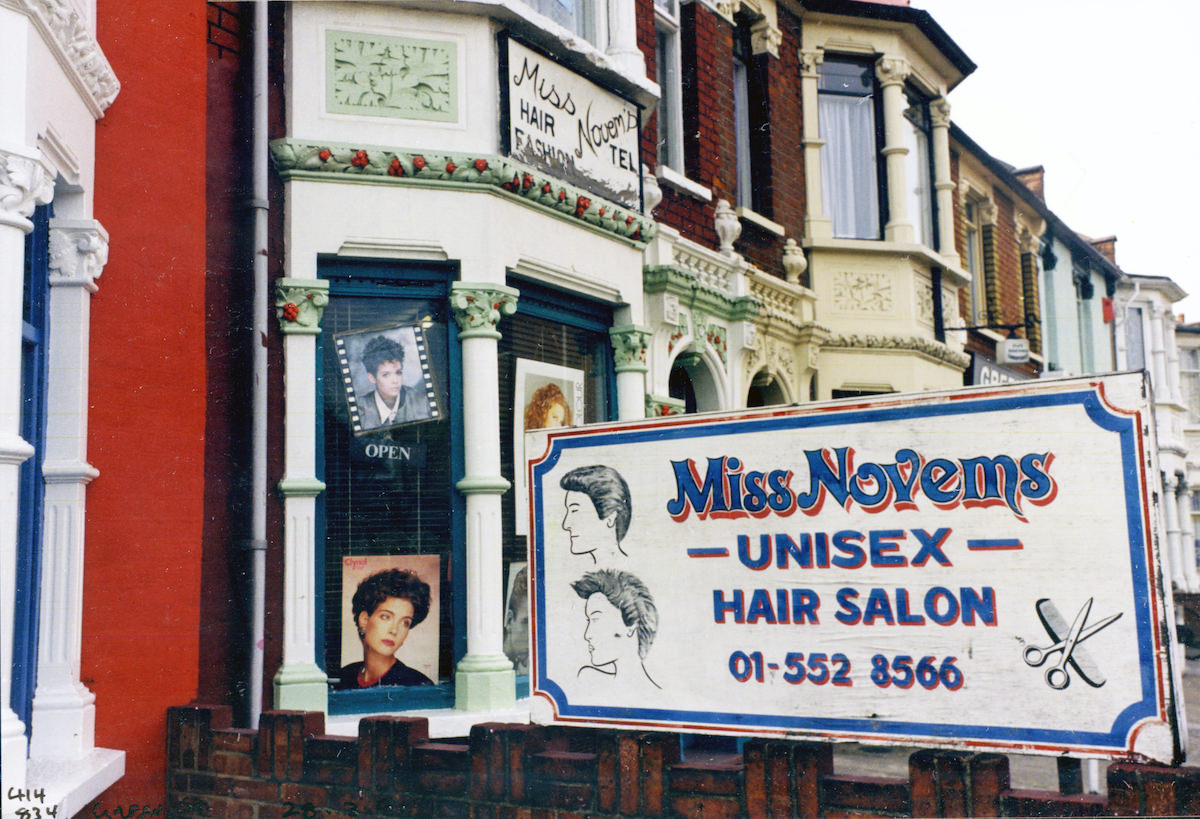
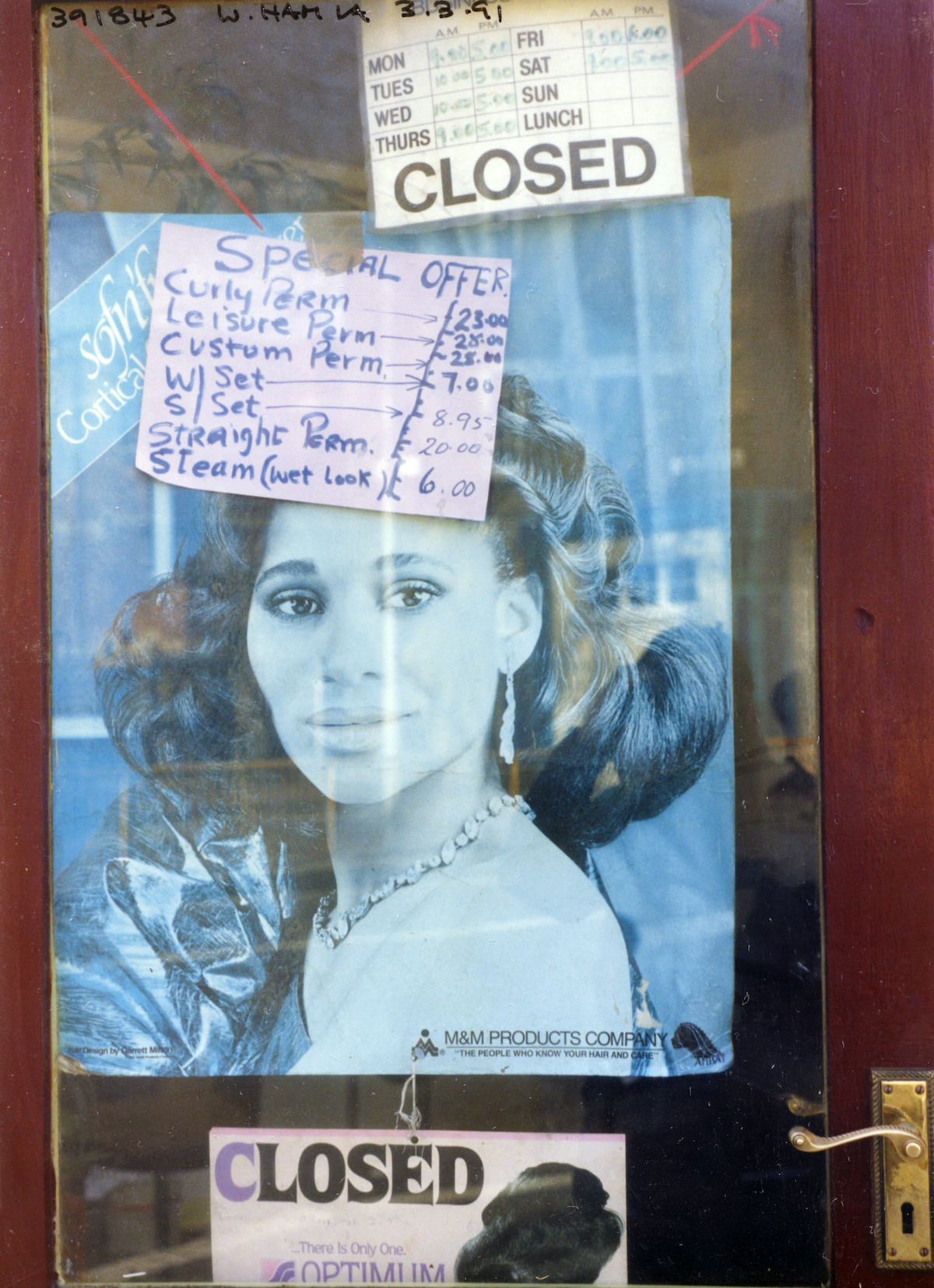
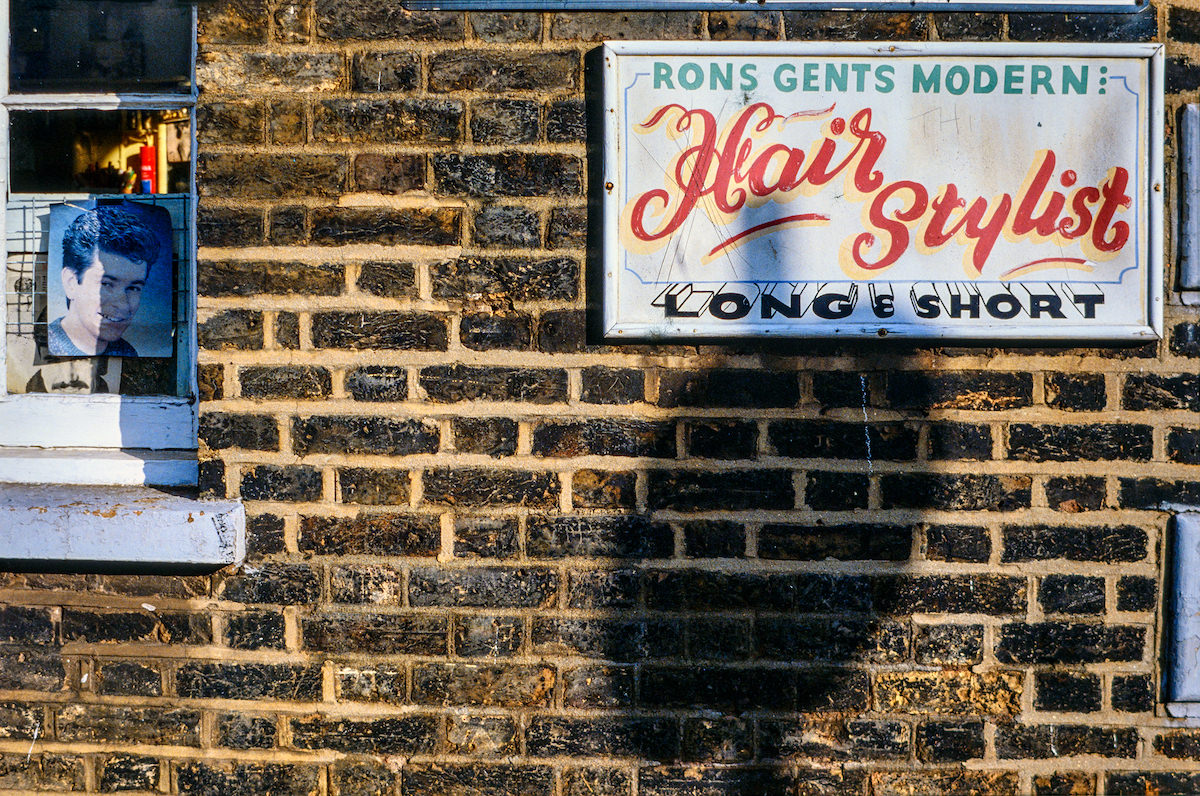
Across Tower Hamlets and Newham, Marshall photographed hairdressers in Spitalfields, Stratford, Plaistow, and beyond. Each shop had its own character — some with bright hand-lettered signs, others with photoboard displays of styles taped behind glass. These shopfronts were their own form of advertising, aimed directly at the people walking past.
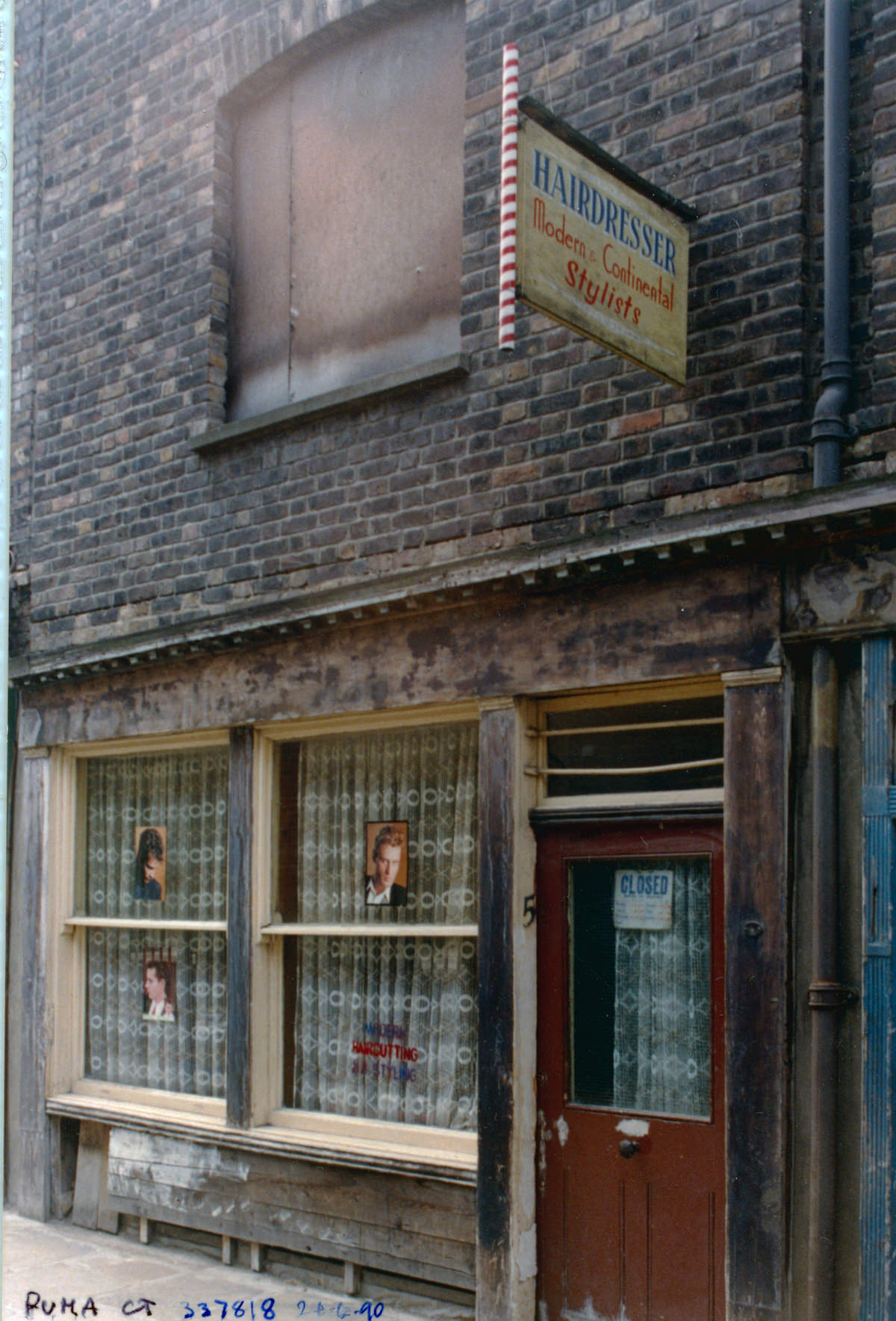
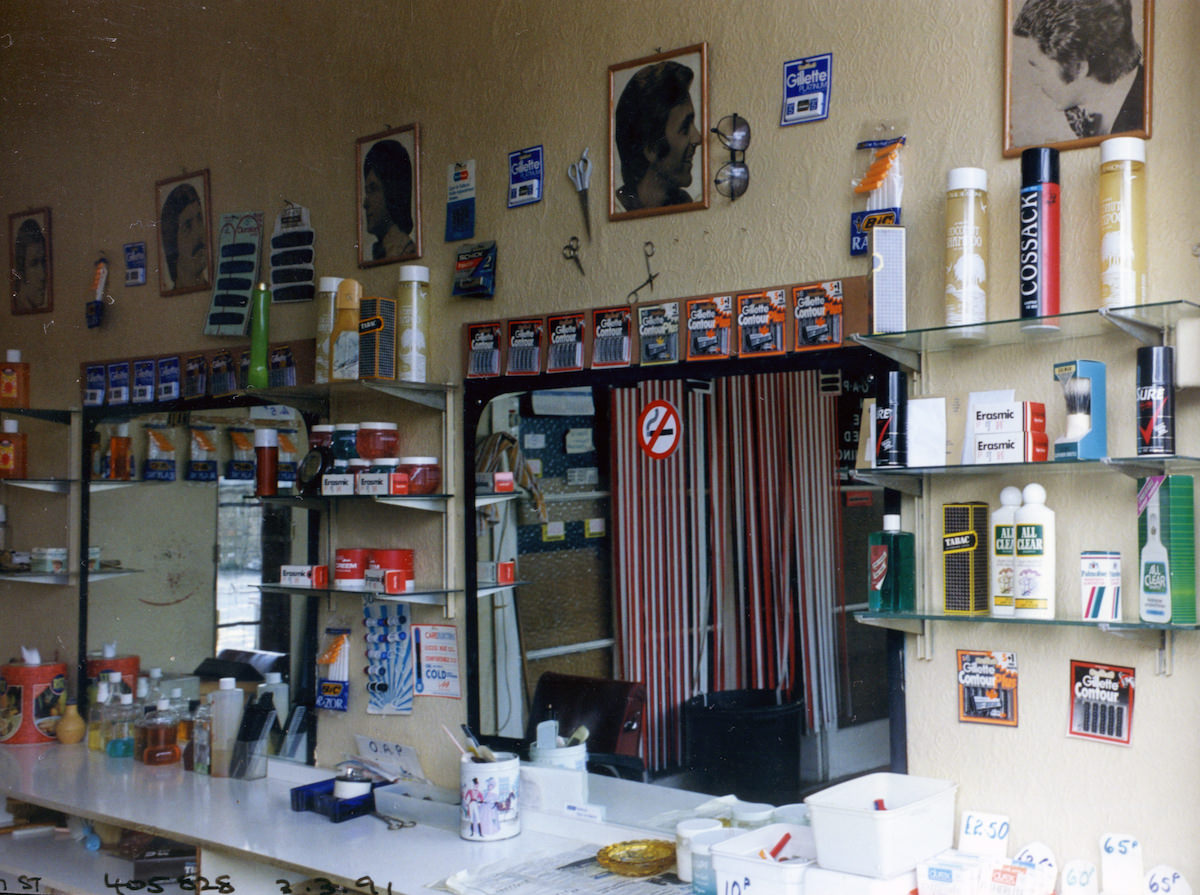
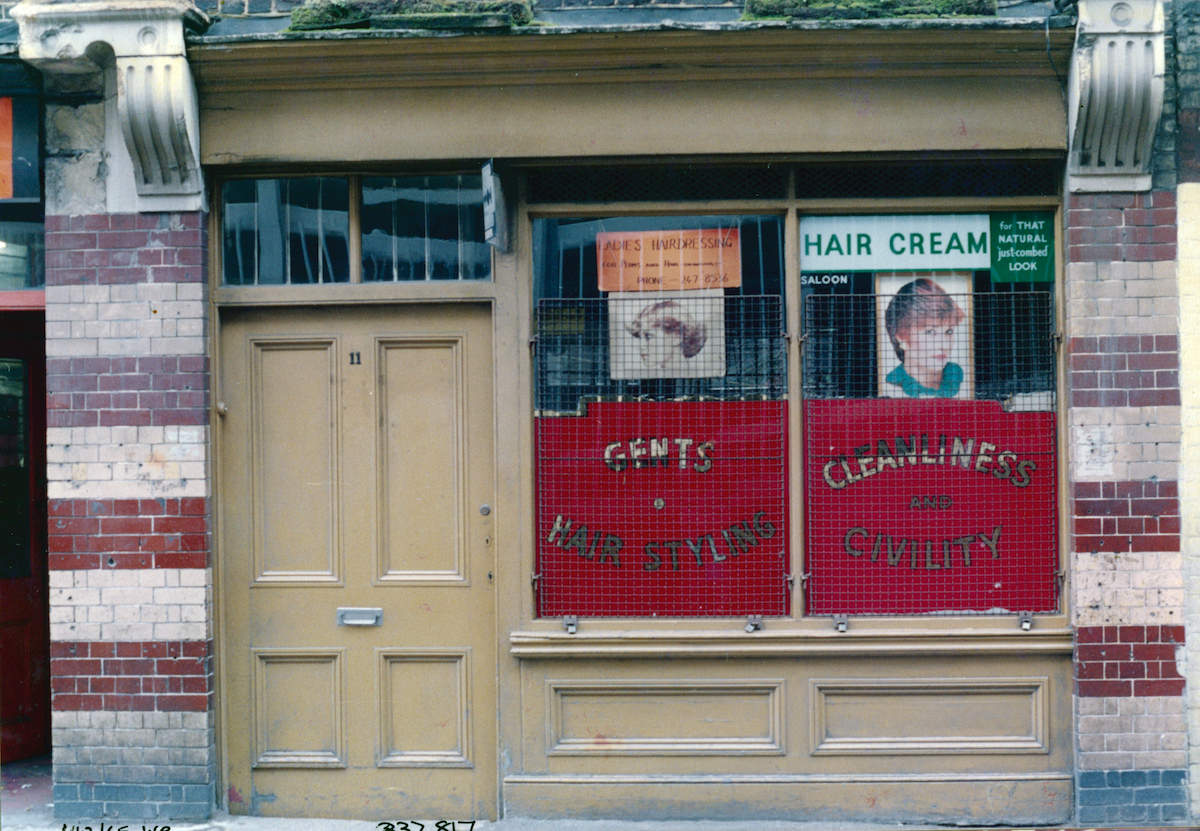
Marshall’s photographs stretch across a wide range of East London boroughs. From Walthamstow and Leyton in Waltham Forest to Forest Gate, East Ham, and Maryland in Newham, the coverage was broad. Each location brought its own flavour to how the local salon presented itself to the street.
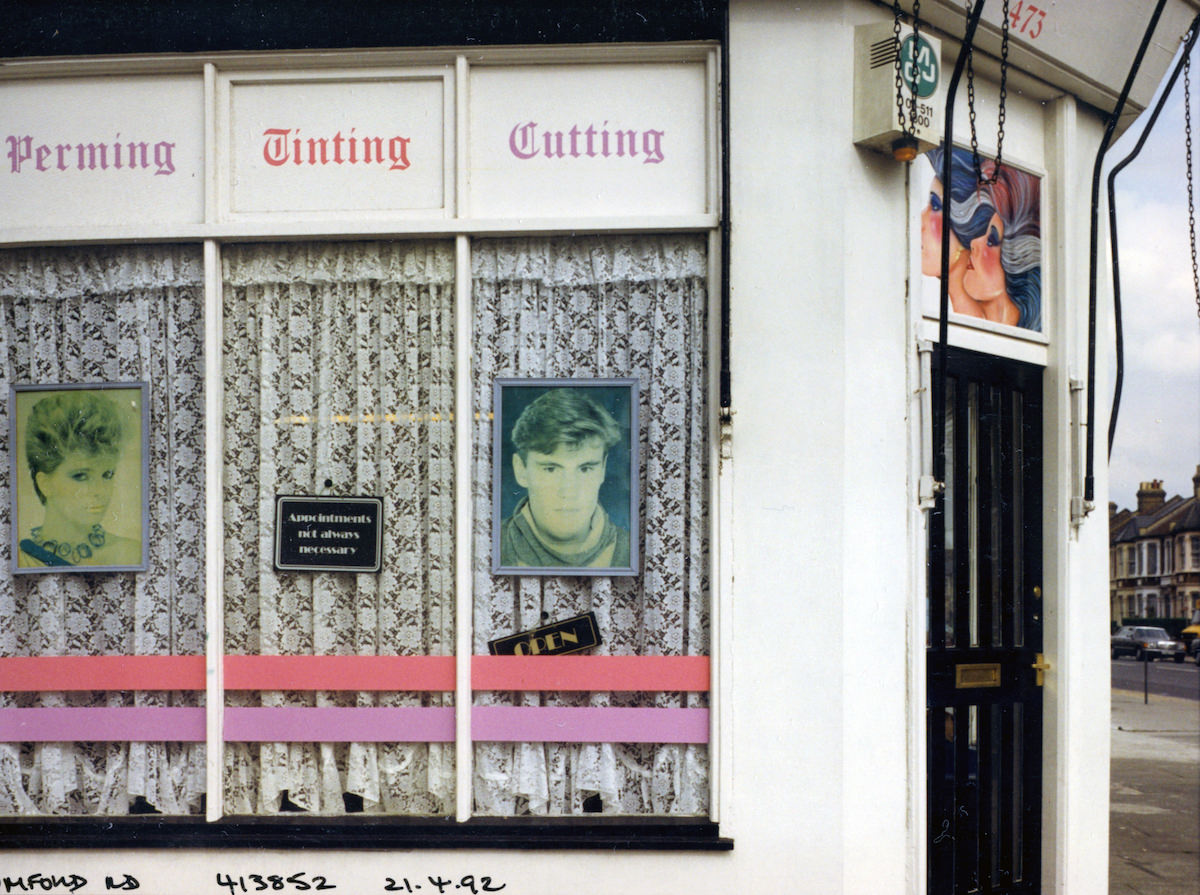
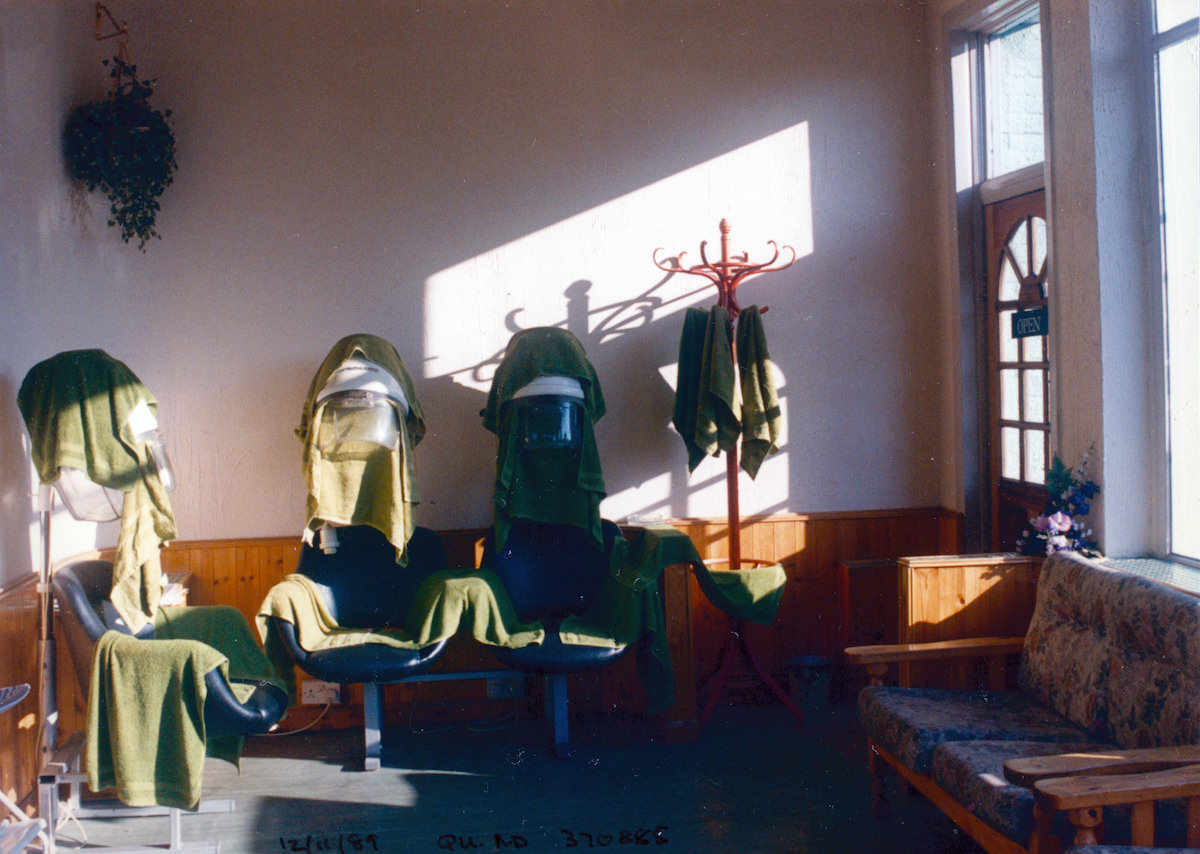
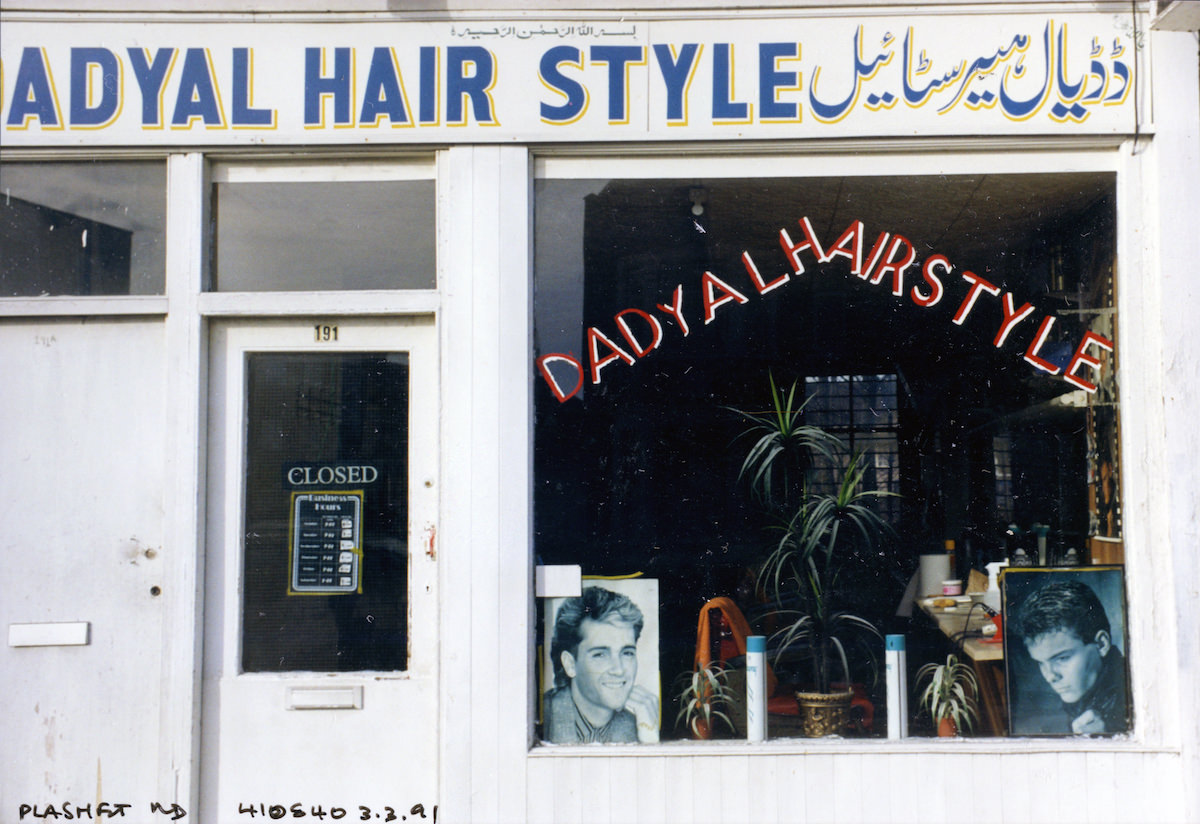
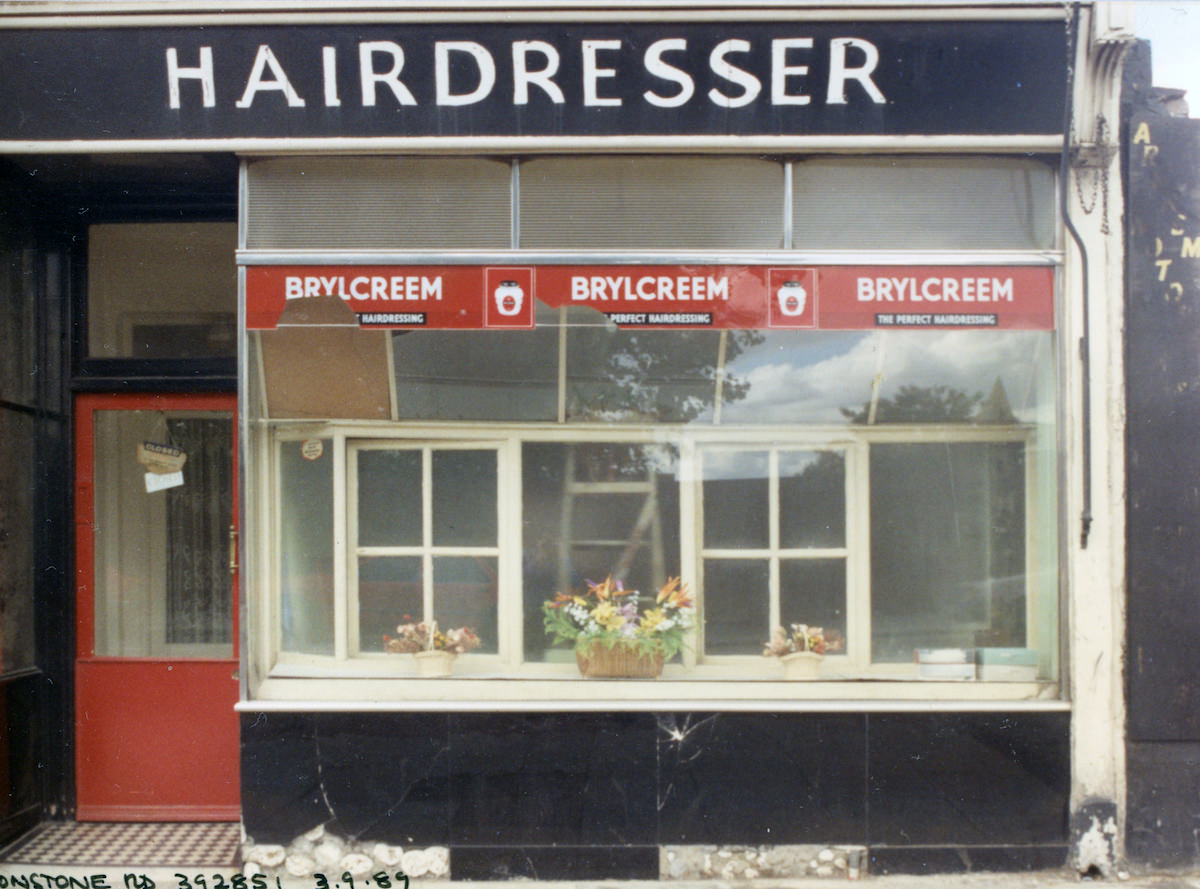
The same centre parting rule applied to men as it did to women. Through the mid and late 1980s, the perm made that style look outdated for both sexes. Men favoured cuts that were swept back, pushed up, or cropped close — anything that worked with the textures and volumes the decade demanded.
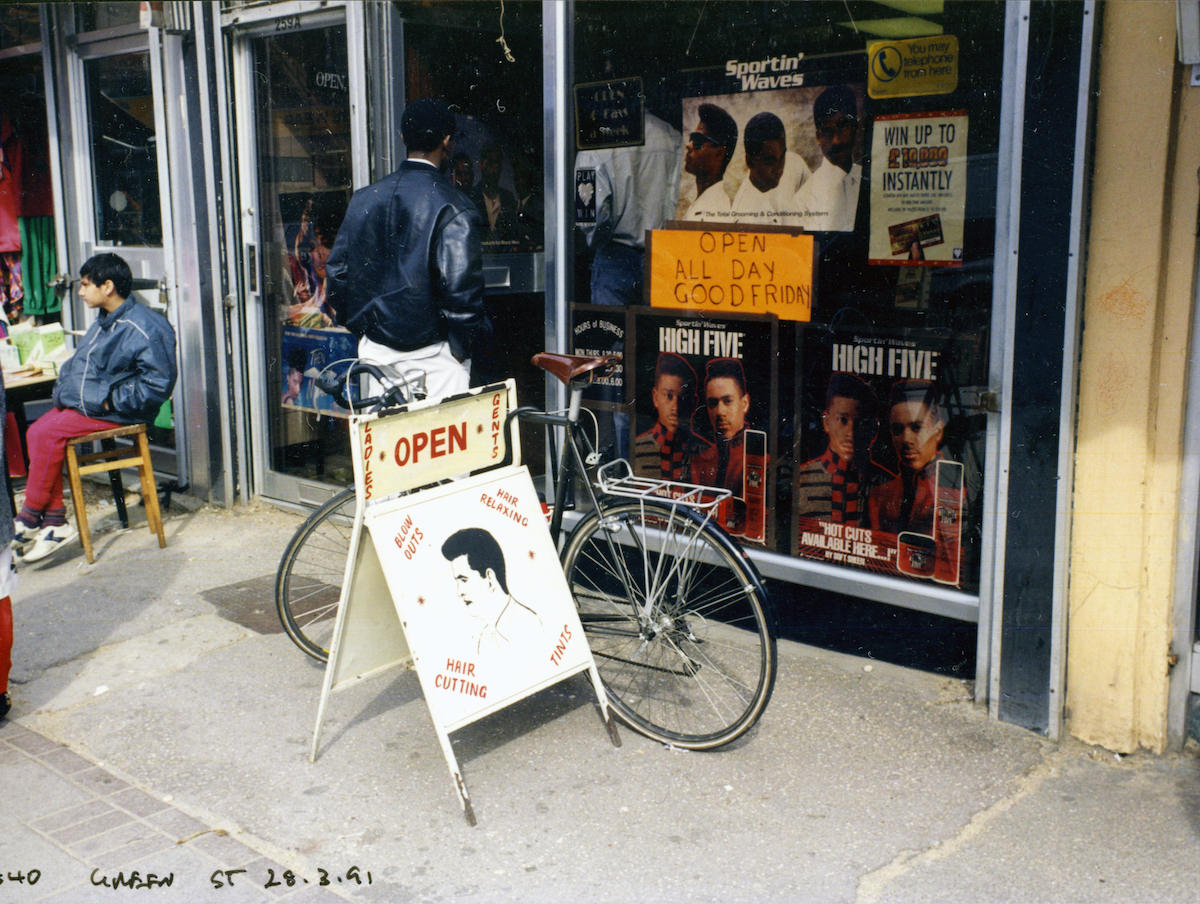
Green Street in Upton, Newham, featured multiple hairdressers within close proximity. Marshall photographed several of them in 1991, capturing a strip of the high street where hair salons competed side by side — each one trying to pull in the next customer with its window display and name alone.
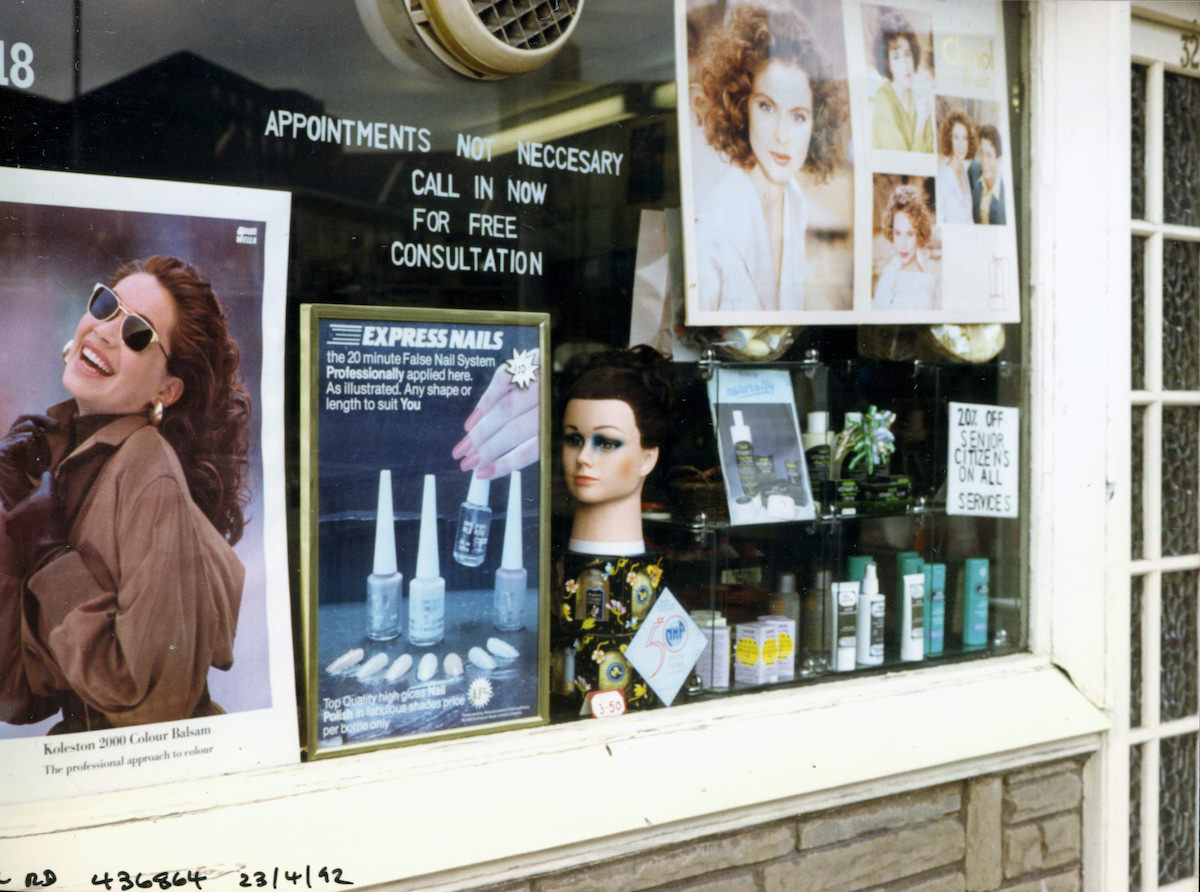
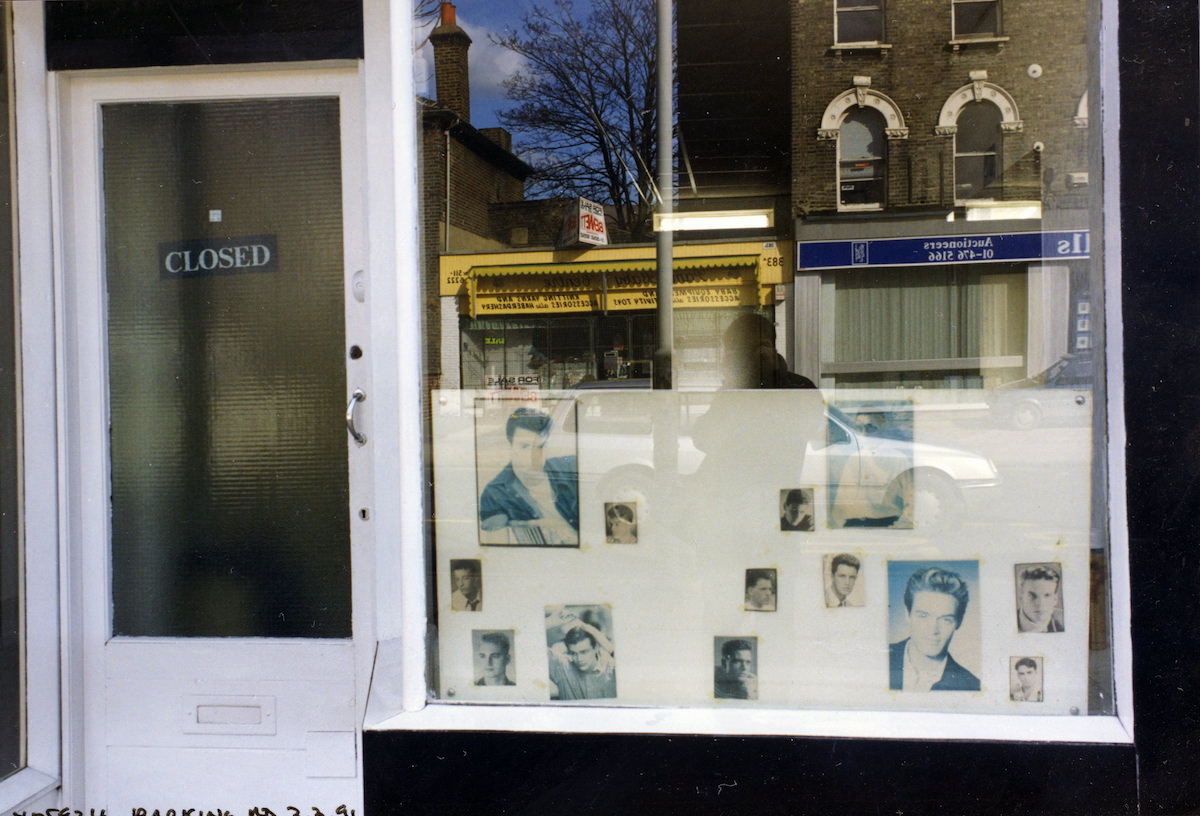
Some of the shops had names that carried personality. Darby’s Tropicana in Hackney brought a sense of colour to Amherst Road in 1988. Miss Novems on Green Street leaned into a sense of individuality. Agesports on Romford Road in Manor Park mixed sports culture with the salon world — a common crossover in the early 1990s.