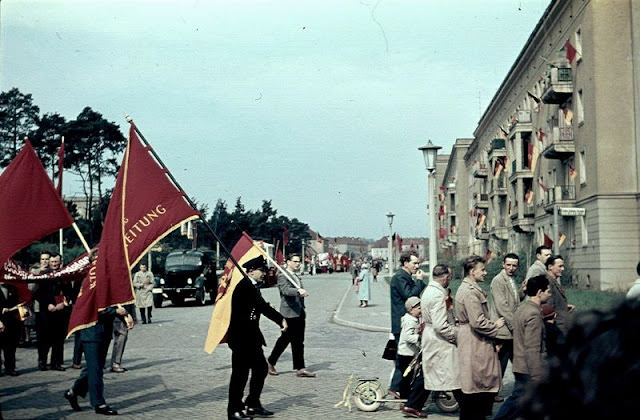
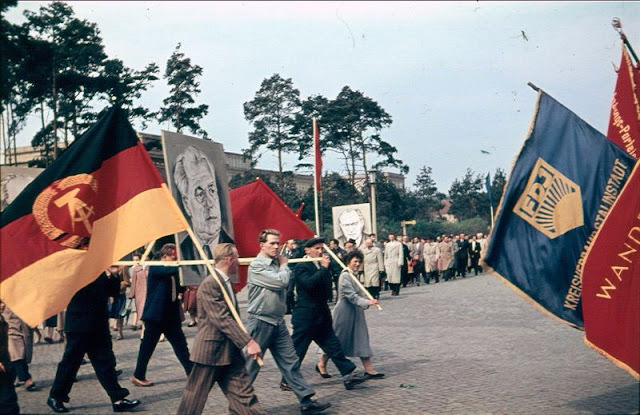
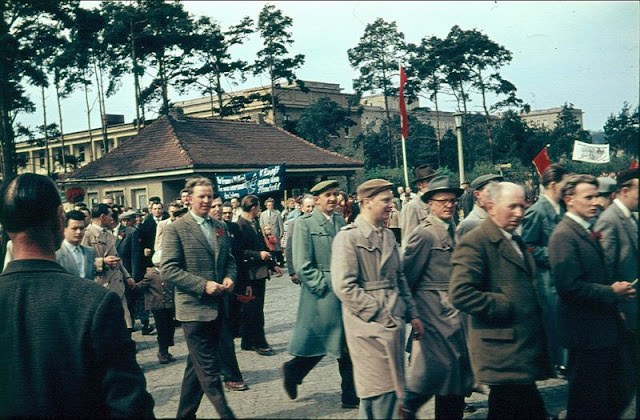
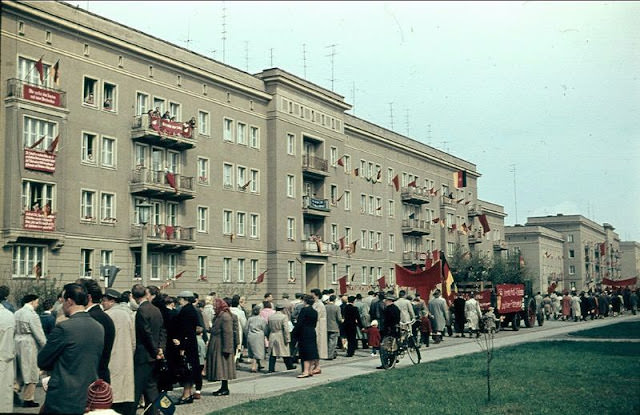
East Germany — officially the German Democratic Republic, or GDR — was born from the wreckage of World War II, carved out of the Soviet occupation zone and placed under communist rule. By the 1960s, the Socialist Unity Party (SED) had tightened its grip on nearly every aspect of daily life. The government pushed hard on socialist ideals, flooding public spaces with propaganda about worker solidarity, collective progress, and the promise of a fair society. For ordinary East Germans, these messages were impossible to avoid.
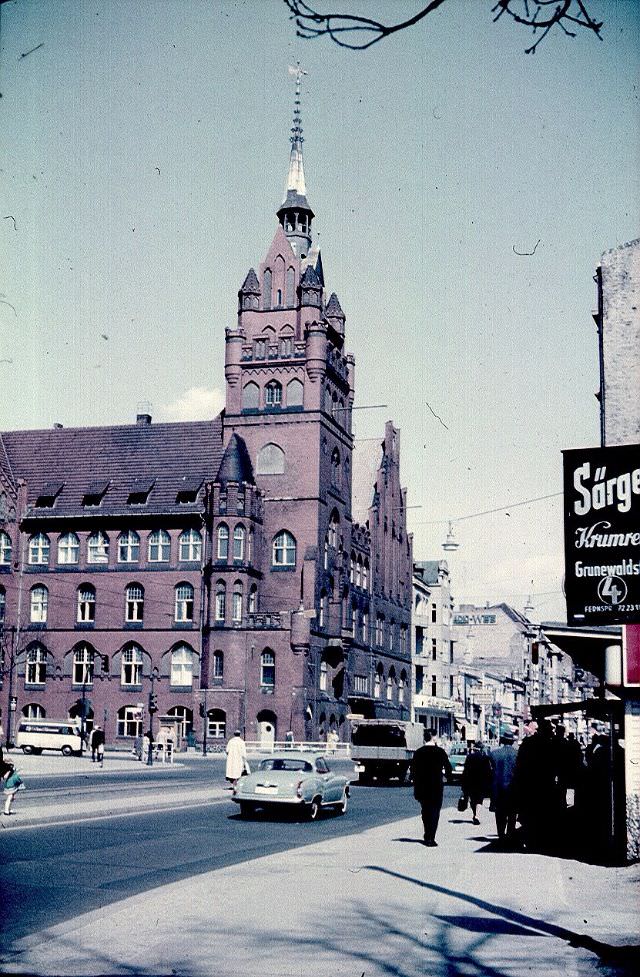
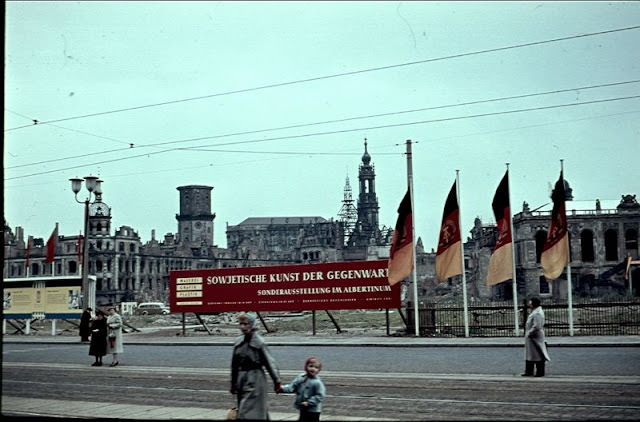
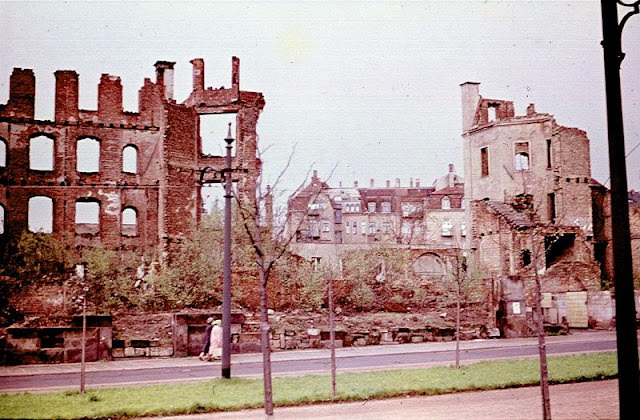
Cities across the GDR showed two very different faces in this decade. Some streets had been rebuilt and modernized under the socialist urban planning program. Others still carried the visible scars of wartime bombing, with damaged facades left untouched for years. Dresden was one of the most striking examples of this contrast — a city once known as the ‘Florence on the Elbe,’ still working through the long process of reconstruction more than fifteen years after the war ended.
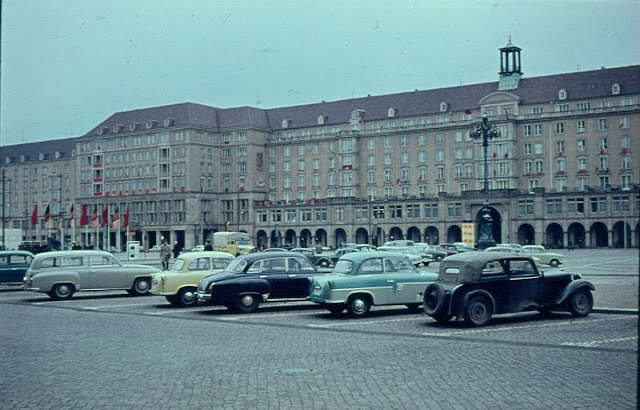
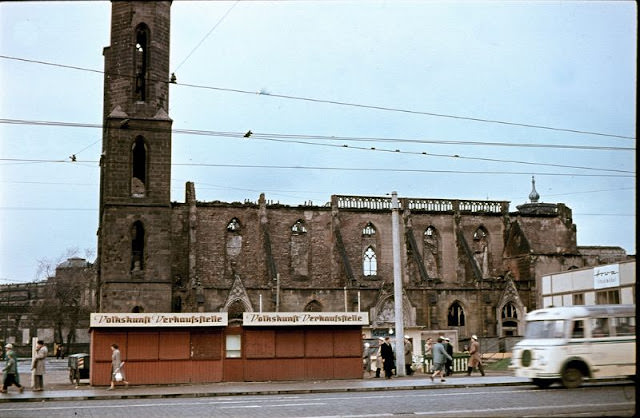
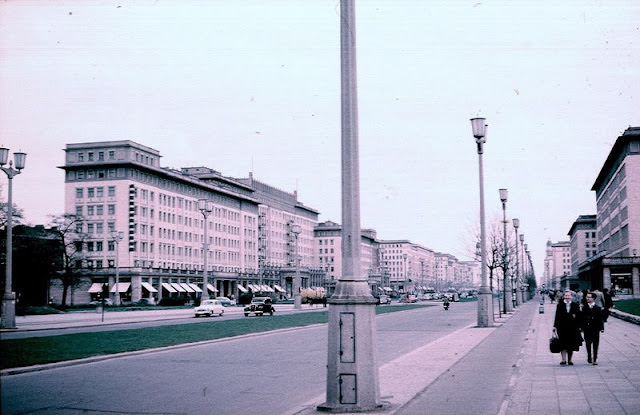
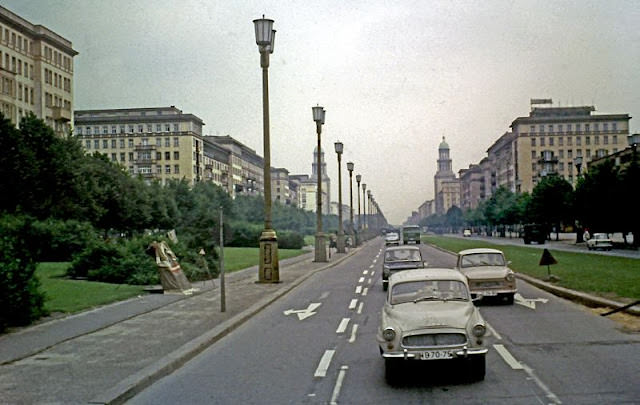
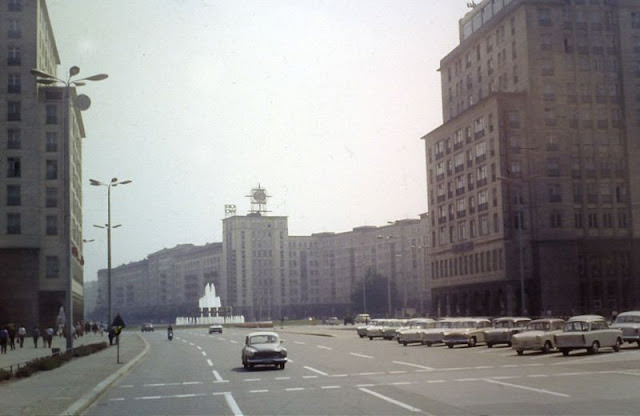
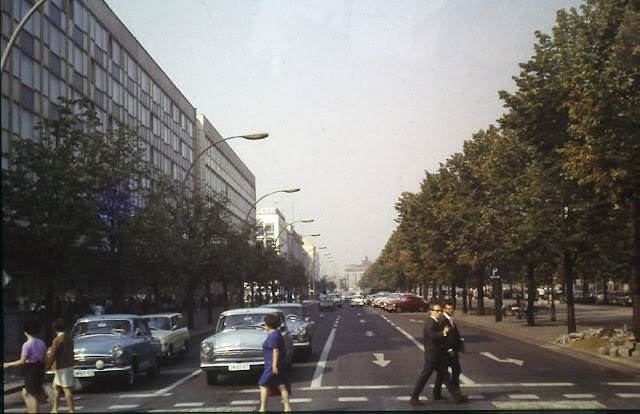
East Berlin served as the GDR’s showcase capital. The government poured resources into its central boulevards to project an image of socialist achievement. Stalin Allee — a grand, wide avenue lined with Soviet-style architecture — was one of the most deliberate displays of that ambition. Built in the early 1950s, it stretched through the heart of East Berlin and was designed to impress both citizens and foreign visitors with the scale of the GDR’s construction program.
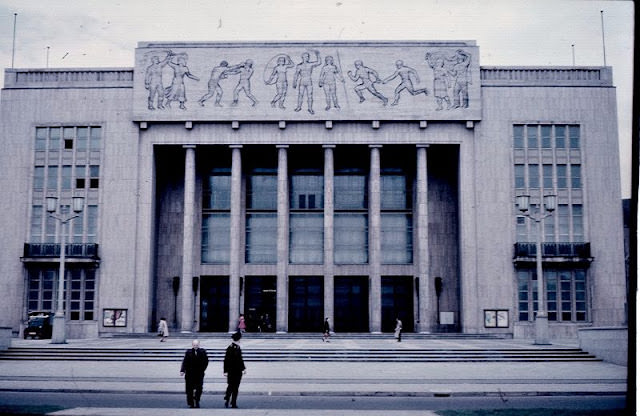
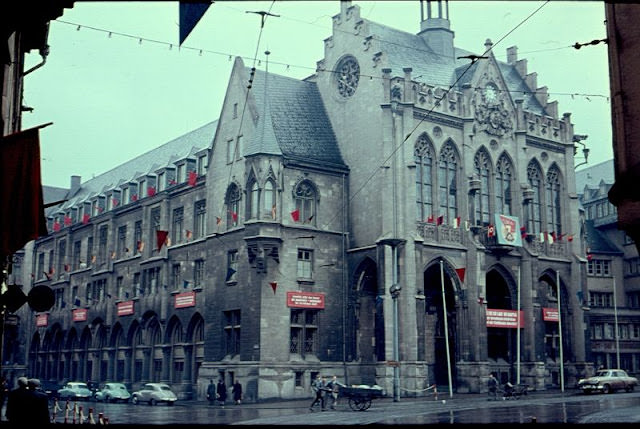
Outside the capital, smaller cities like Eisleben and Erfurt offered a quieter but no less revealing look at GDR life. Eisleben, the birthplace of Martin Luther, held monuments to both its Protestant heritage and its new communist identity side by side. A statue of Lenin stood in the same town as a statue of Luther — two very different kinds of authority sharing the same streets.
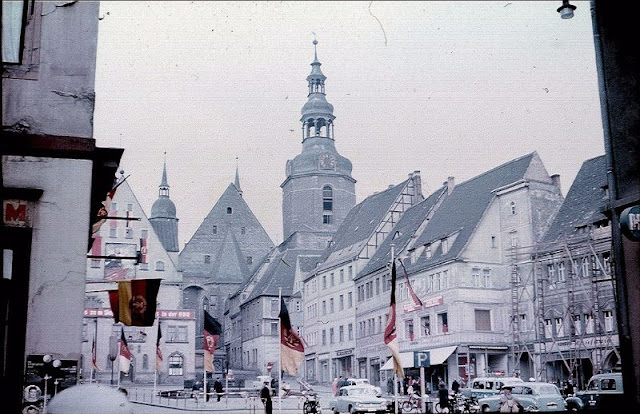
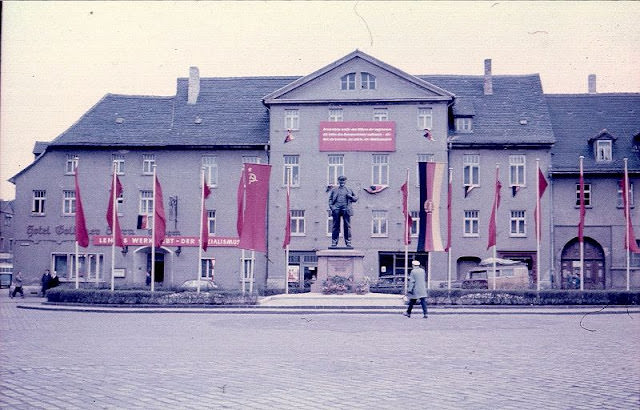
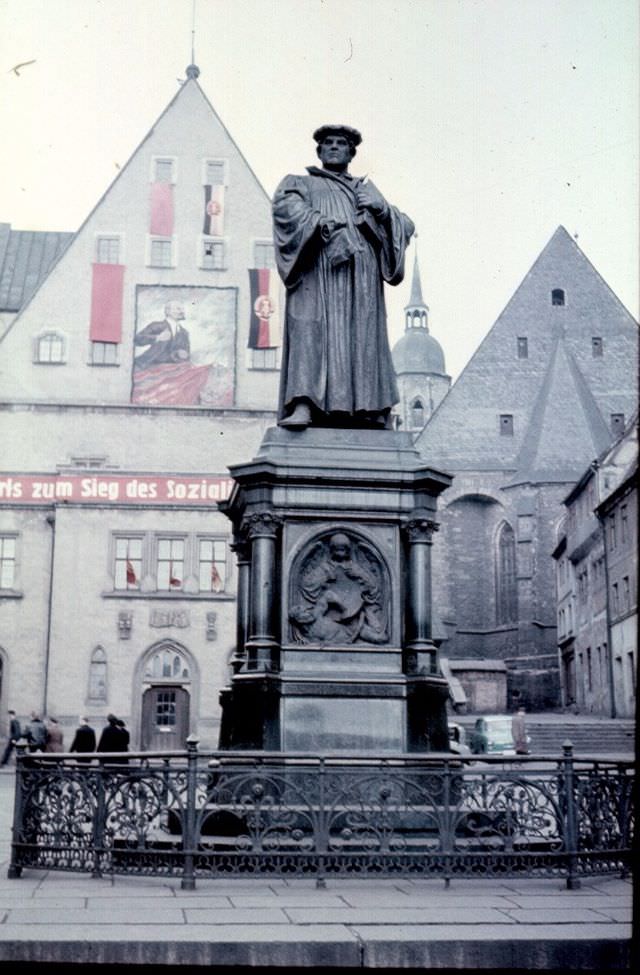
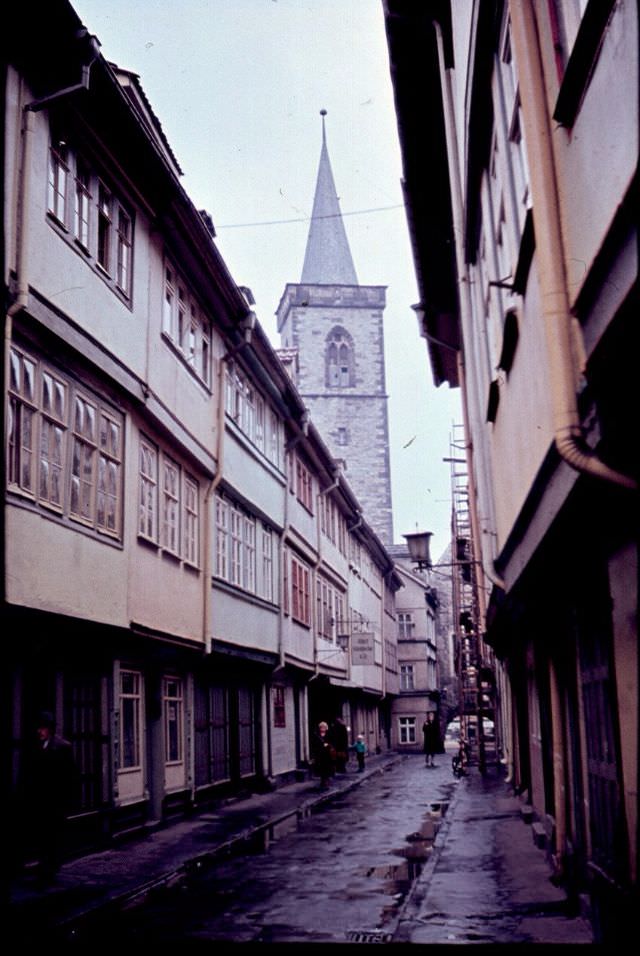
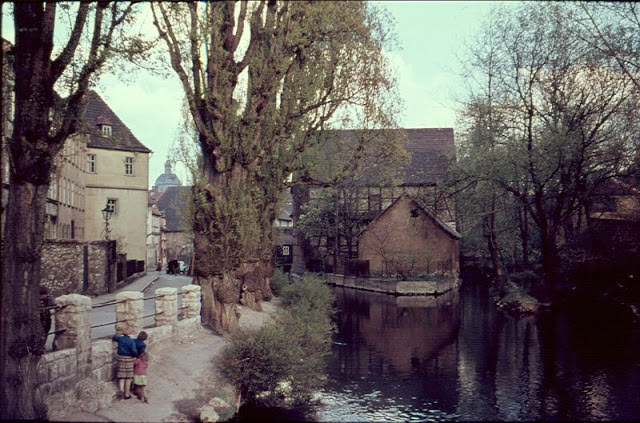
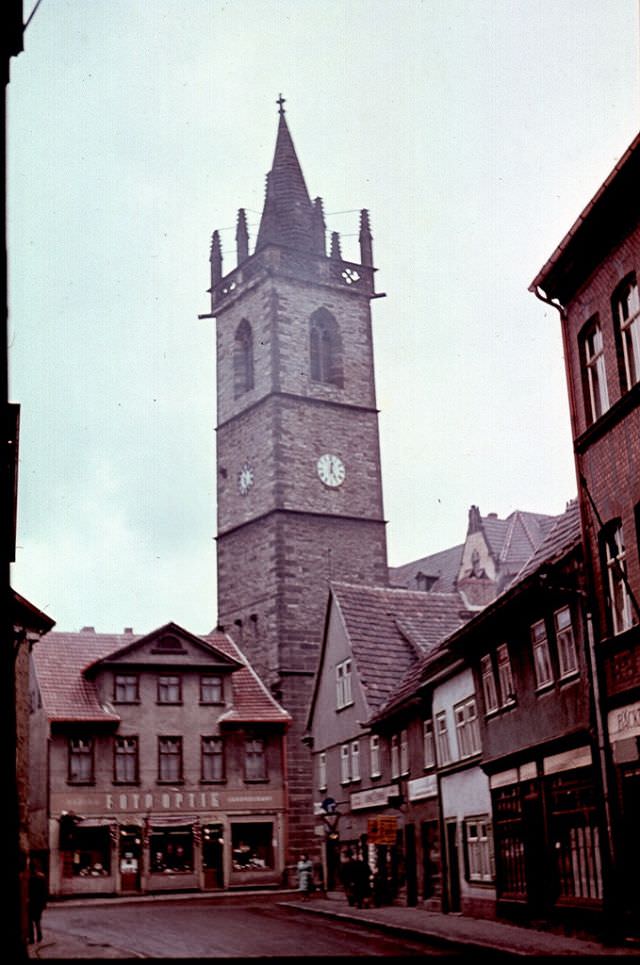
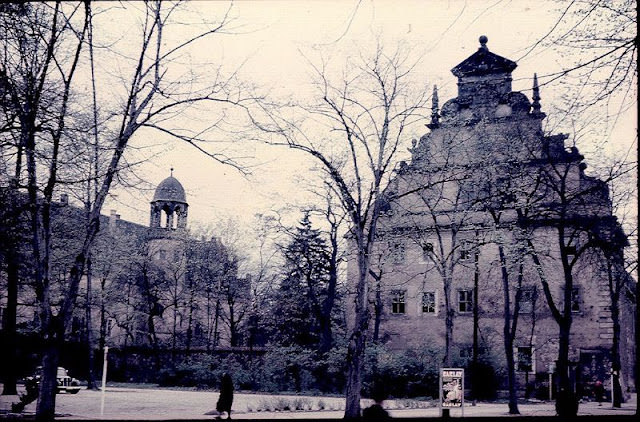
Erfurt, the capital of the Thuringia region, retained much of its medieval character. Its narrow streets and historic buildings gave it a very different atmosphere from the broad planned avenues of East Berlin. The Augustiner Monastery, where Martin Luther once lived as a monk, still stood in the city center — a reminder that the GDR, despite its atheist ideology, could not simply erase centuries of religious history from its built environment.
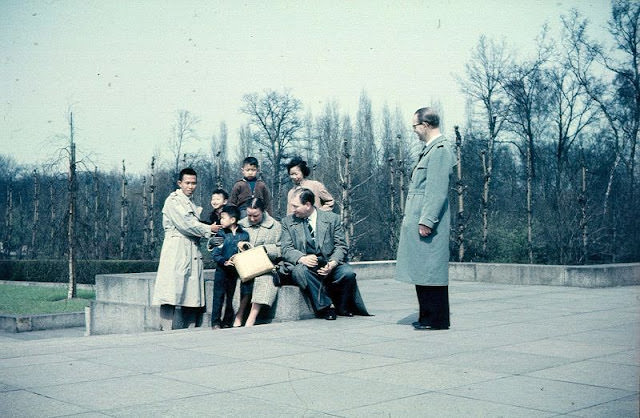
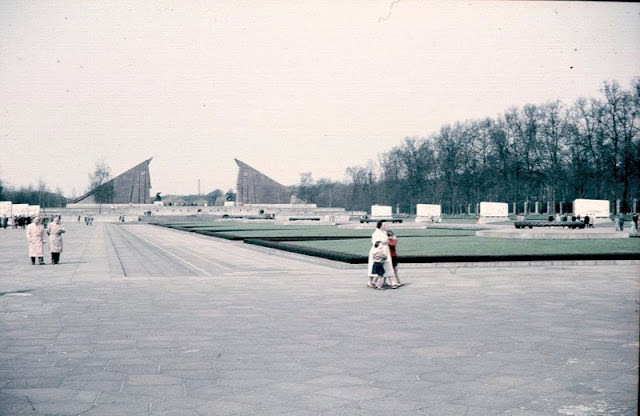
Public parks provided one of the few spaces where East Germans could relax away from the watchful atmosphere of everyday life. Treptow Park in East Berlin was a popular destination for families on weekends. It also held the massive Soviet War Memorial, one of the largest war memorials in the world, which the GDR government maintained as a symbol of Soviet sacrifice and socialist brotherhood.
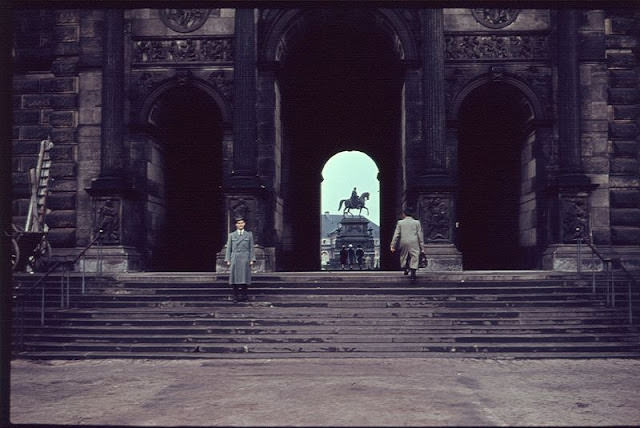
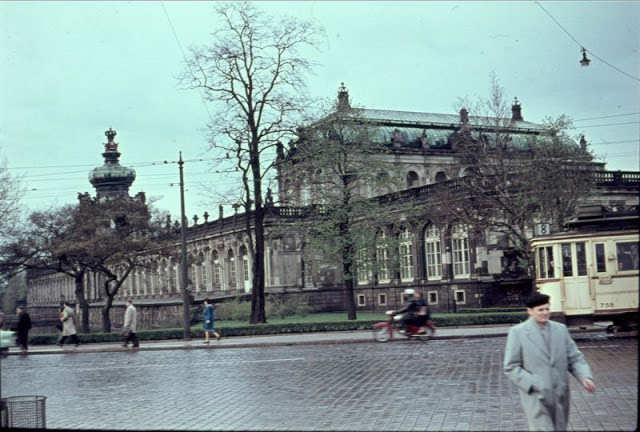
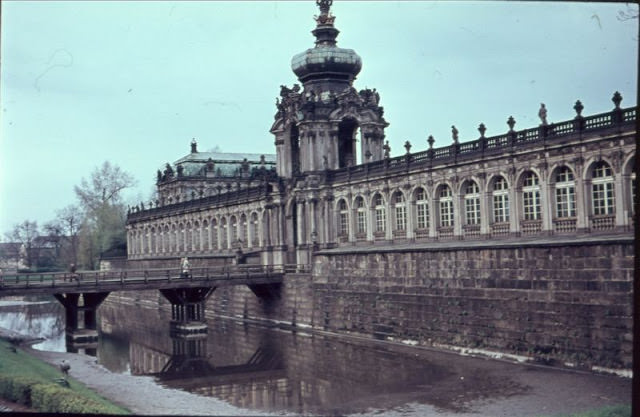
Dresden’s cultural landmarks told a complicated story. The Gemäldegalerie Alte Meister, home to one of the world’s great painting collections, had been painstakingly restored after the war. The Zwinger Palace, a Baroque masterpiece, underwent similar reconstruction. These restorations were genuine achievements, but they also served as political tools — proof, the GDR claimed, that socialism protected and honored great culture.
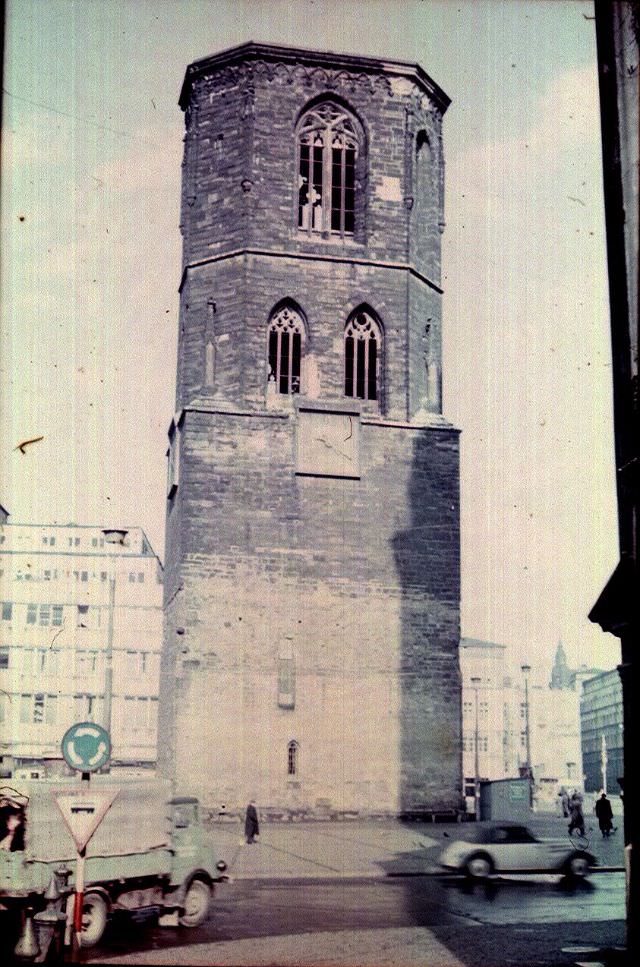
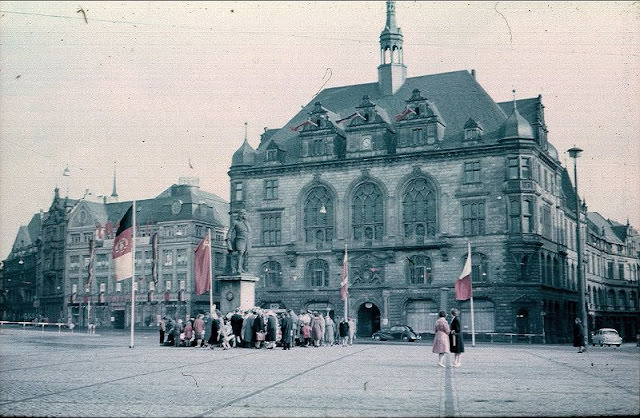
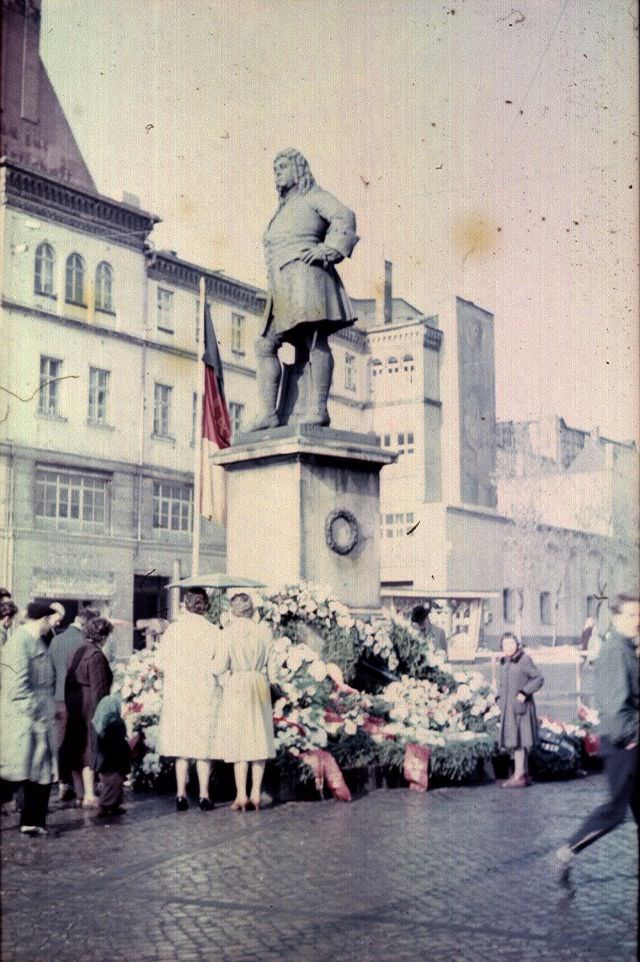
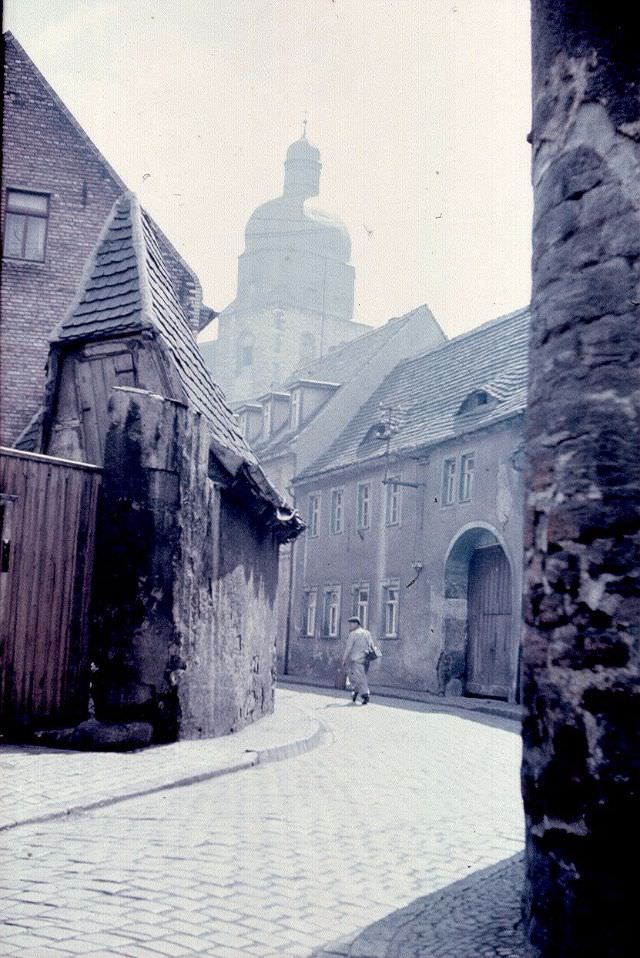
Halle-Saale was an industrial city with a rich musical heritage. Georg Friedrich Handel was born there in 1685, and his memory was honored with a prominent monument in the main square. That monument stood not far from the Rotes Turm, the Red Tower — a medieval landmark that had survived both the war and the GDR’s sweeping urban changes.
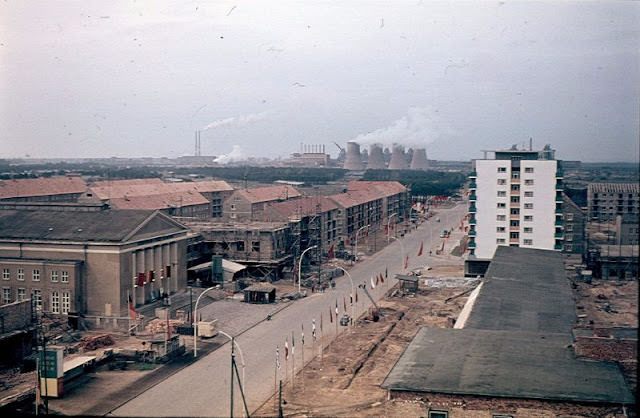
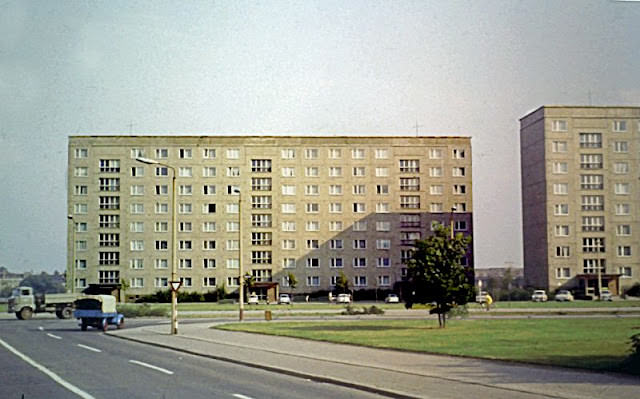
The GDR’s economy in the 1960s centered on heavy industry. Steel production was one of the most symbolically loaded sectors. Stalinstadt — literally ‘Stalin’s City’ — was purpose-built around the massive Eisenhüttenkombinat Ost steel complex. Founded in 1950, it was the GDR’s first entirely new socialist city, designed from scratch to house workers and showcase the ideals of communist urban planning. The city had wide streets, uniform apartment blocks, and a civic pride that was directly tied to industrial output.
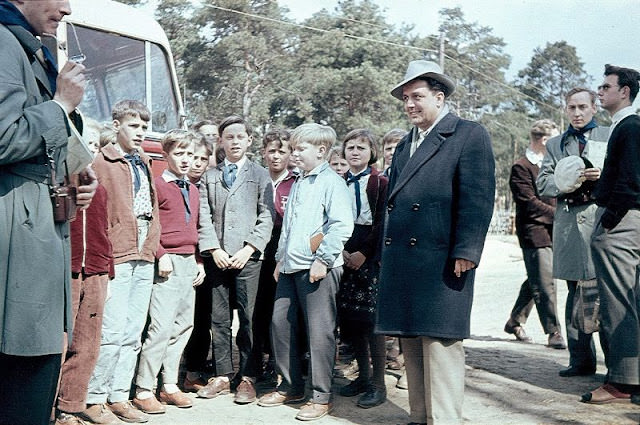
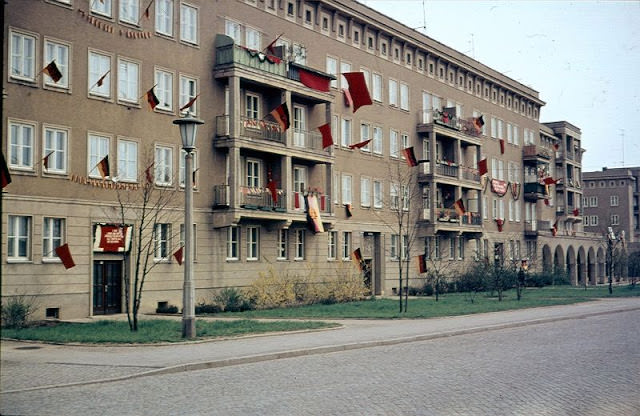
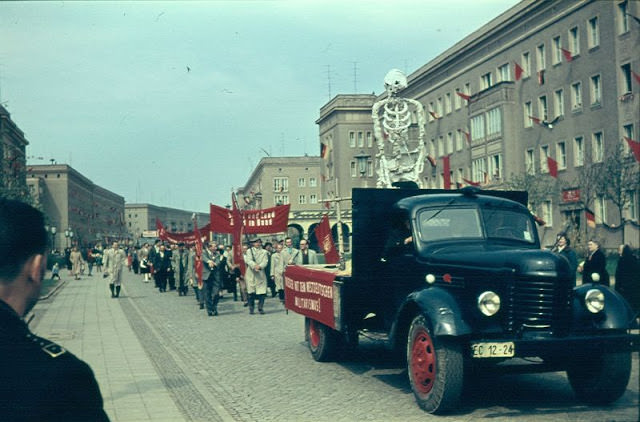
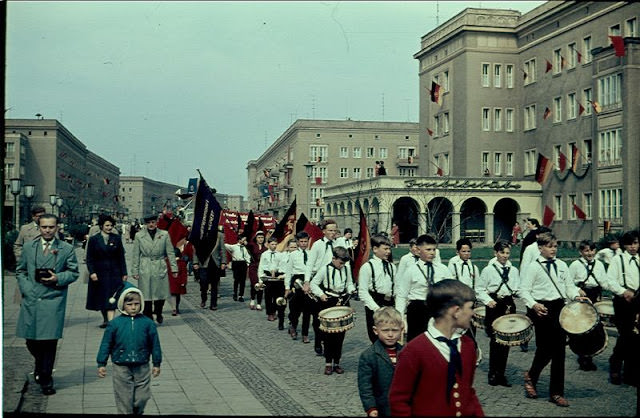
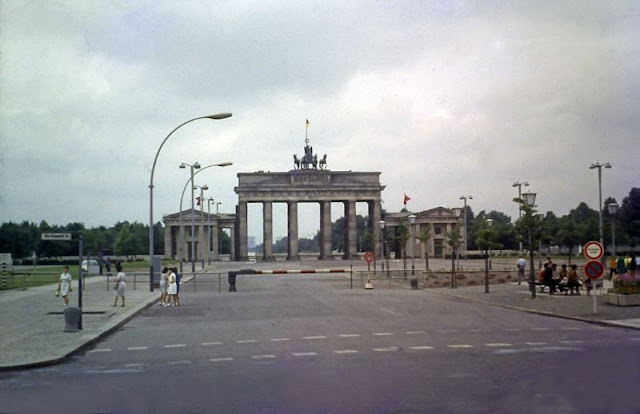
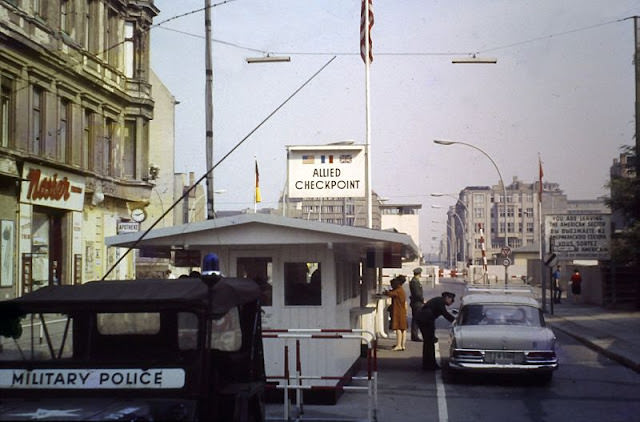
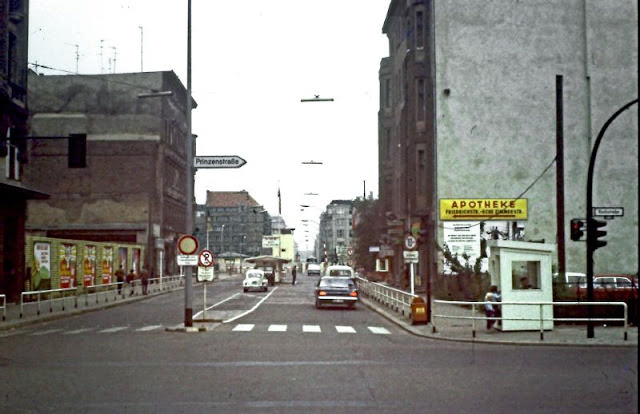
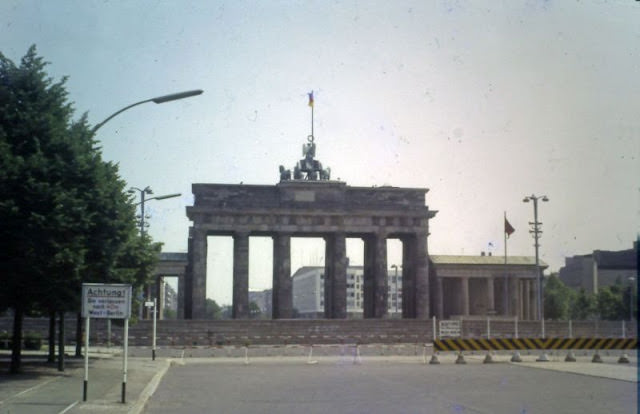
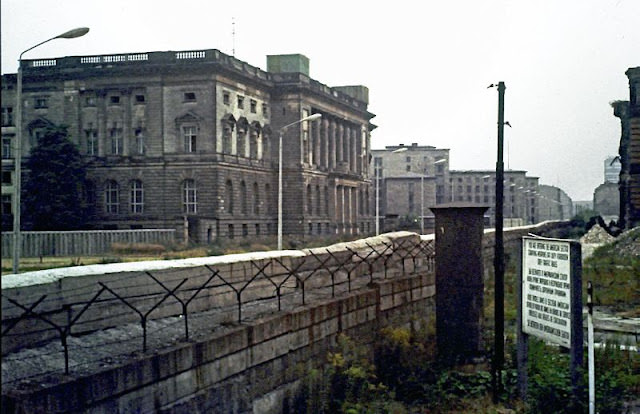
One of the most pressing crises of the early 1960s was the steady flow of East Germans leaving for the West. Before the Berlin Wall was built in August 1961, it was still possible to cross between East and West Berlin relatively freely. Hundreds of thousands of people — many of them young, skilled workers — had already left. The GDR’s response was the Berlin Wall, a physical barrier that sealed the border and stopped the exodus by force. Checkpoint Charlie became one of the most tense crossing points on Earth.
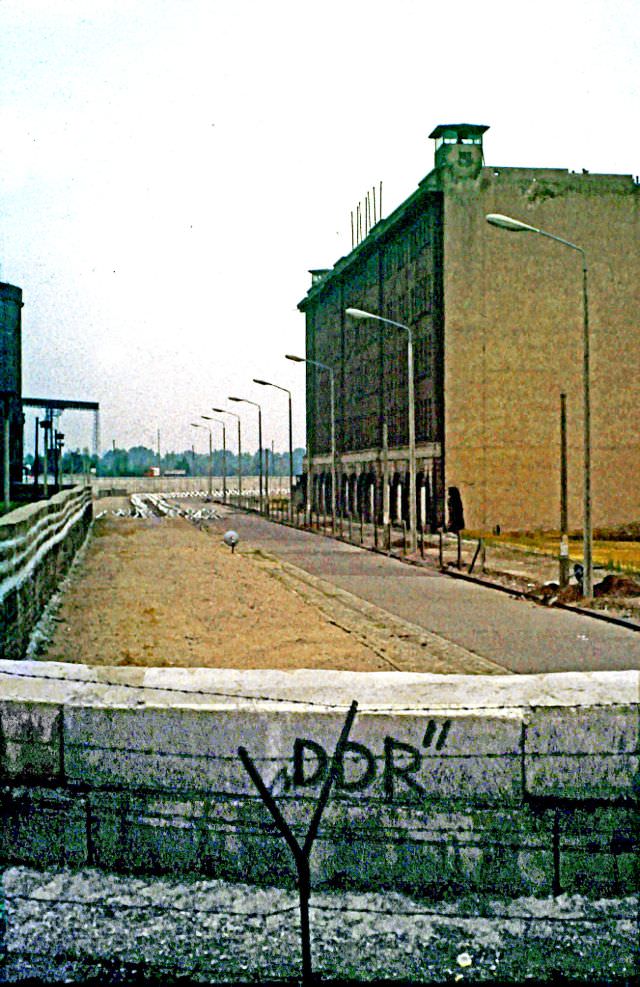
The Ministry for State Security — the Stasi — operated across every level of GDR society. By the 1960s, it had built one of the most extensive surveillance networks in history. Its informants were embedded in workplaces, neighborhoods, churches, and social clubs. Anyone suspected of disloyalty, including those who tried to flee to the West, faced arrest, interrogation, and imprisonment. The Stasi’s reach created a climate where people were careful about what they said, even to friends and family.
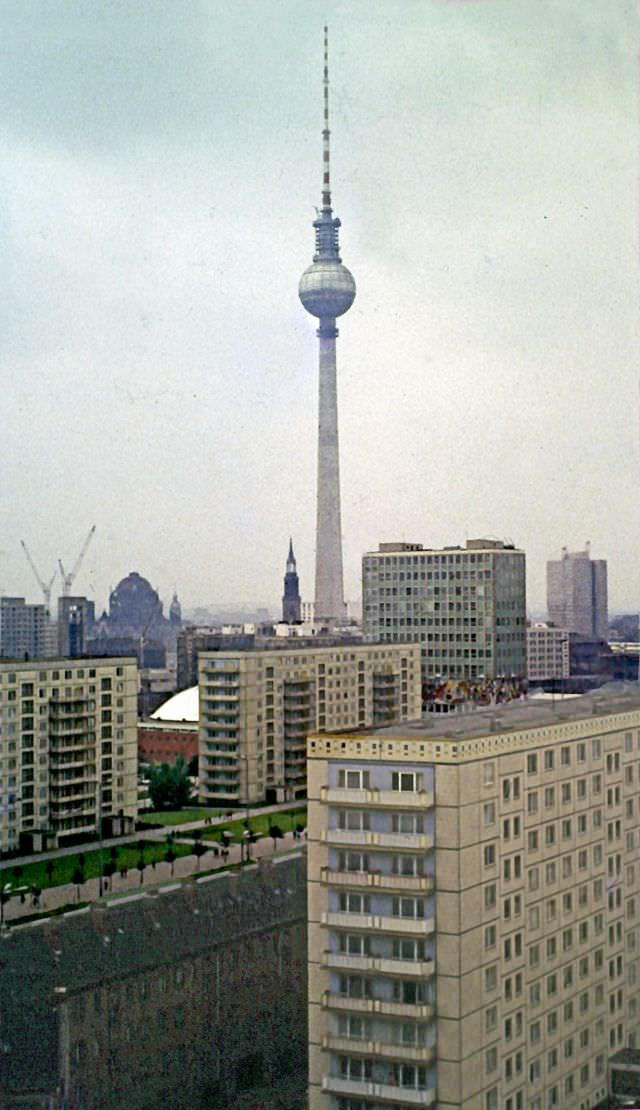
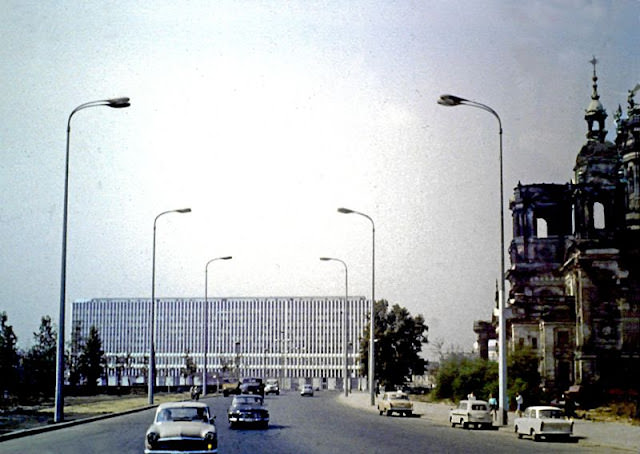
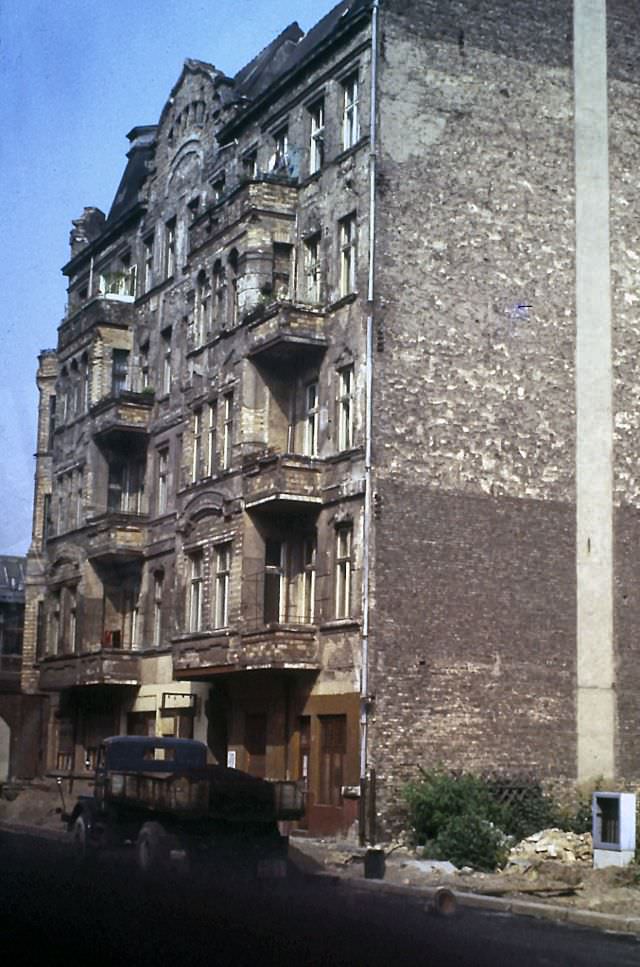
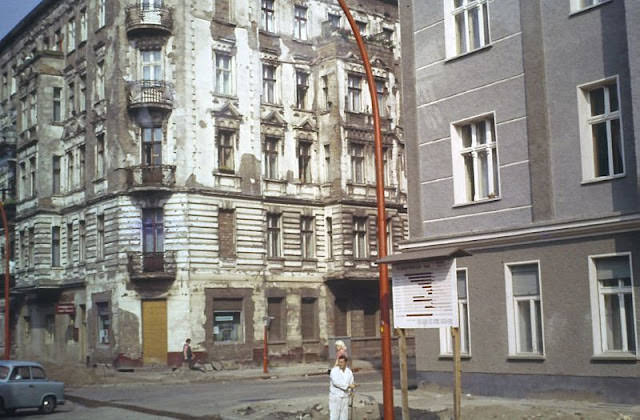
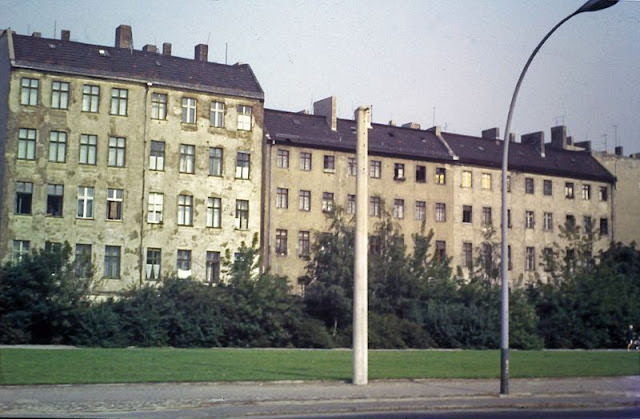
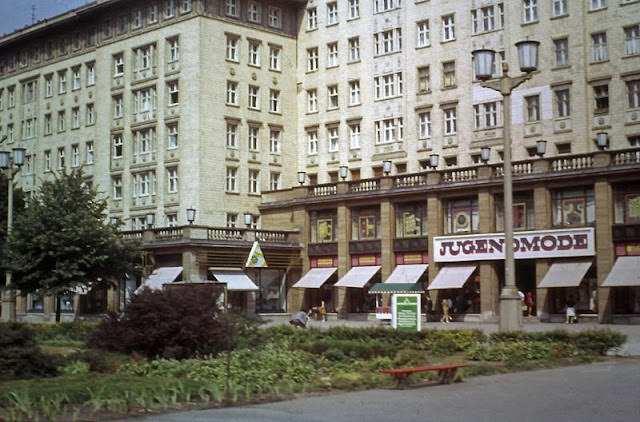
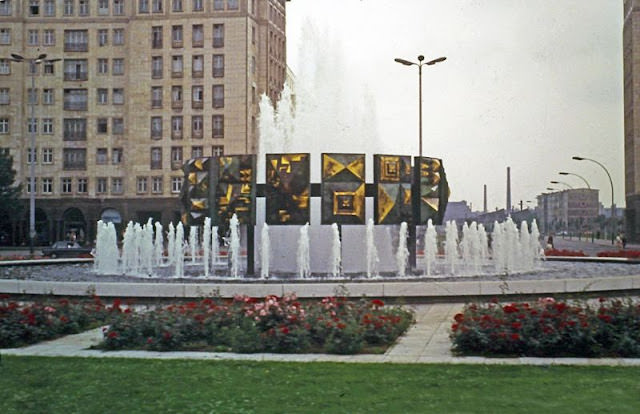
Karl Marx Allee — the renamed stretch of what had been Stalin Allee — was the GDR’s most ambitious architectural statement. The boulevard’s ground-floor shops, cafes, and cinemas were designed to give East Berliners a taste of the good life under socialism. New apartment blocks went up across the city, providing modern housing with central heating and indoor plumbing for workers who had previously lived in crumbling prewar buildings.
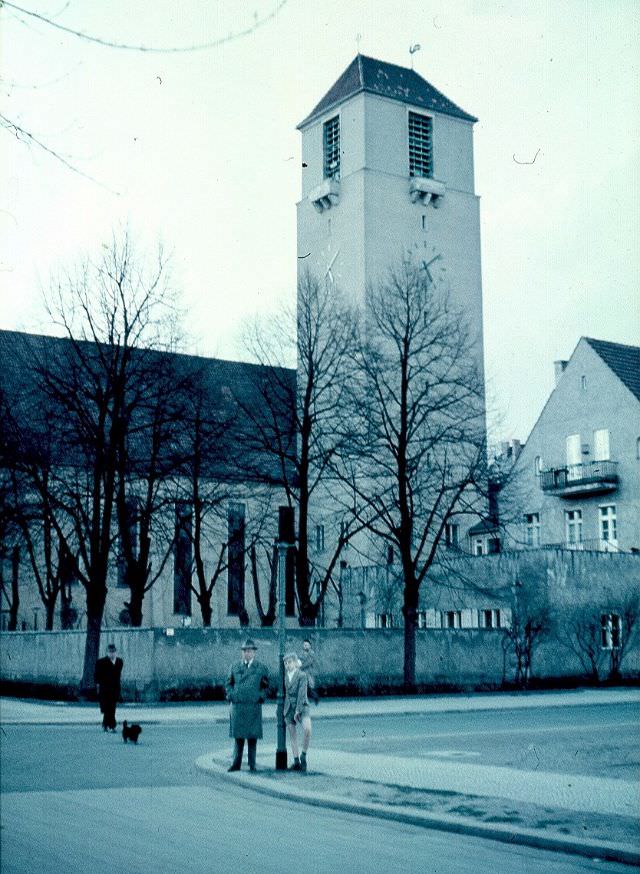
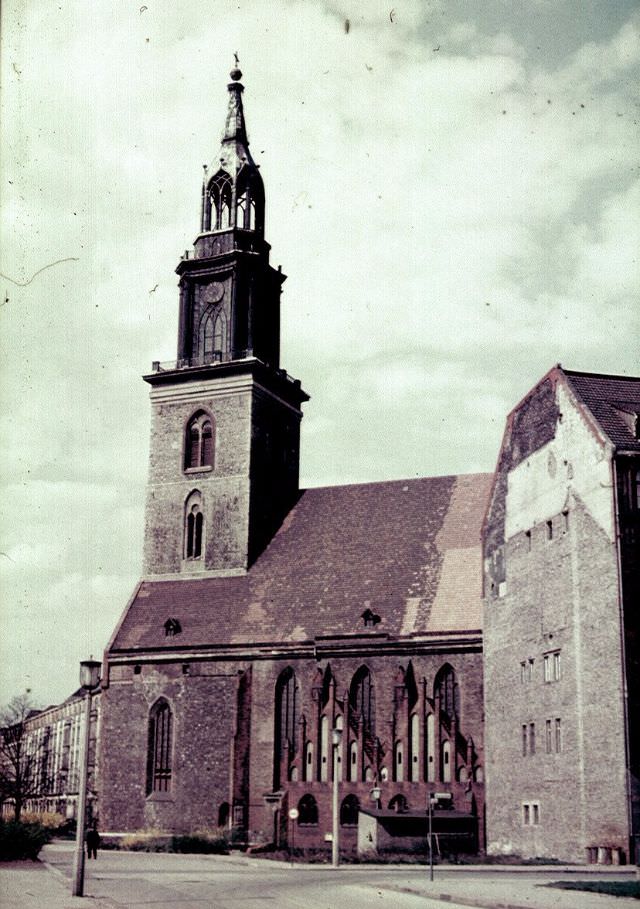
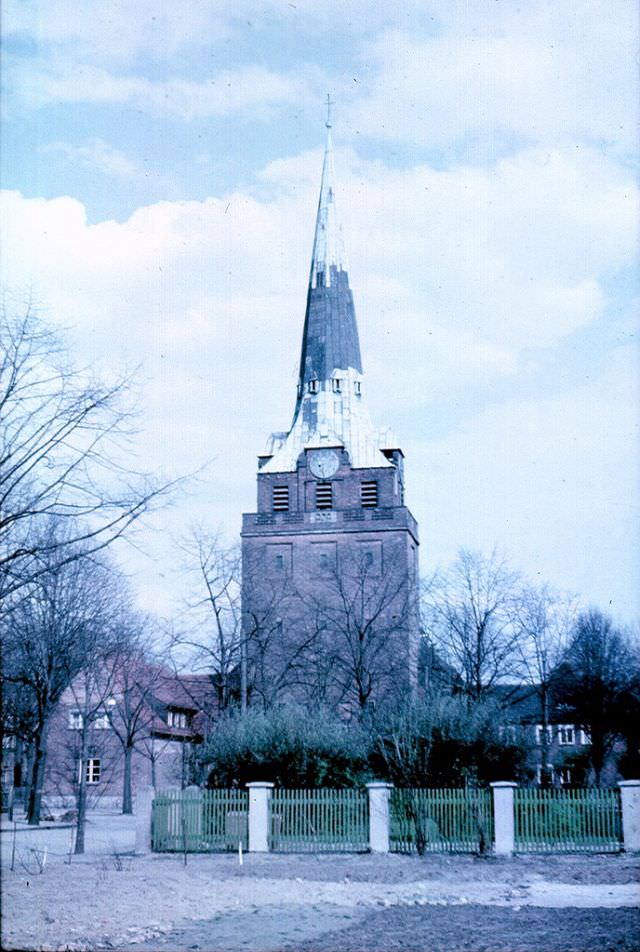
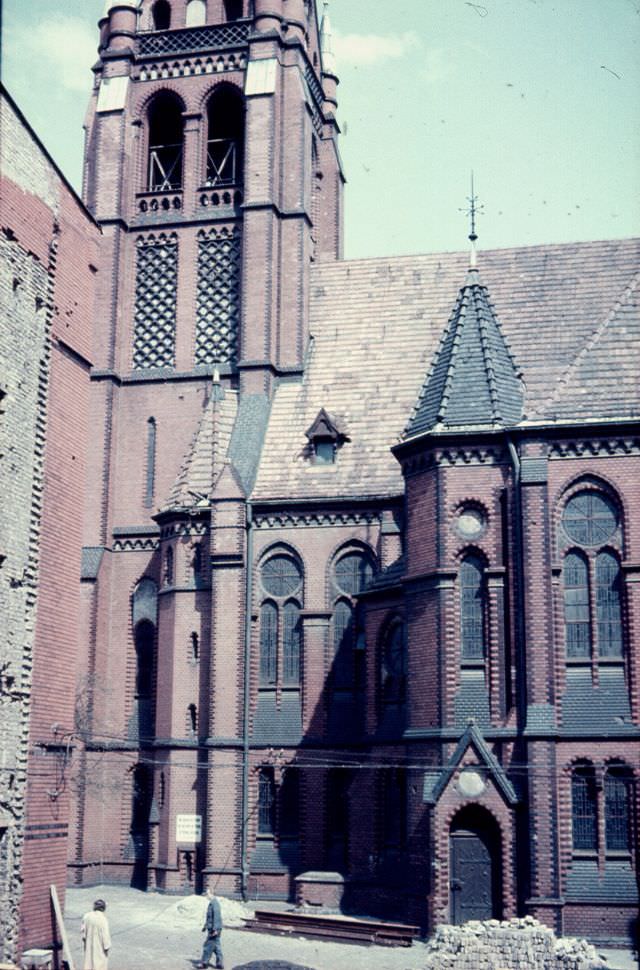
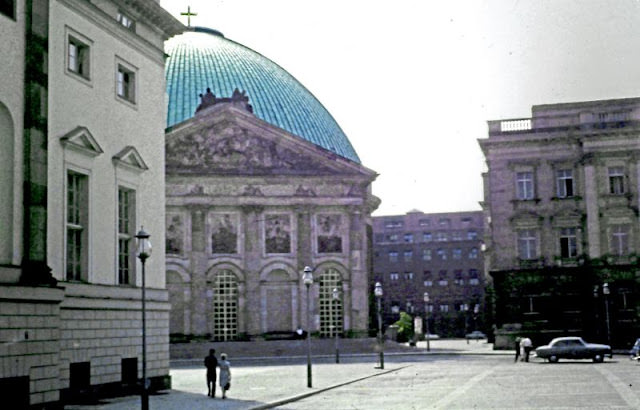
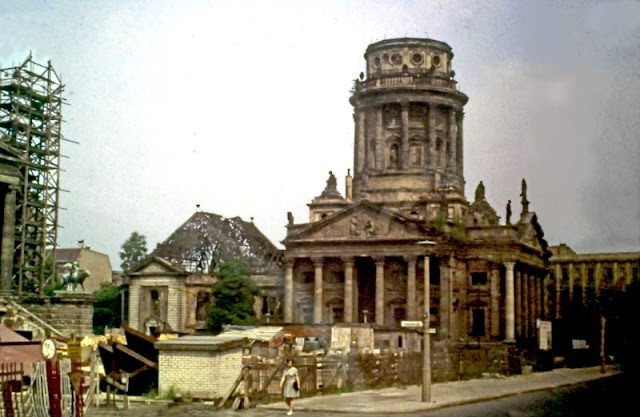
Churches across East Germany occupied an uneasy position under communist rule. The SED was officially atheist and worked to reduce the church’s role in public life. Yet the physical presence of religious buildings — from the great cathedrals of East Berlin to the parish churches of smaller towns — was impossible to eliminate. Berlin’s Marienkirche, St. Hedwig’s Cathedral, and the French Cathedral all continued to stand as working places of worship throughout the decade.
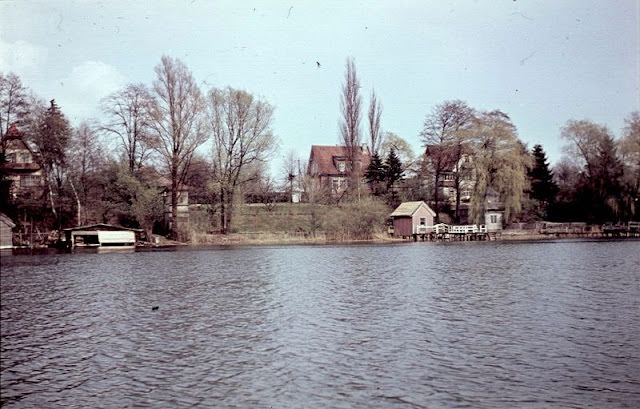
The Märkische Buckow area southeast of Berlin offered a sharp contrast to the industrial cities of the GDR. This lake district, with its forests and quiet villages, was a retreat for East Berliners. The playwright Bertolt Brecht lived here in the final years of his life, drawn by the same landscape that made it a popular escape from the pressures of city life under socialism.
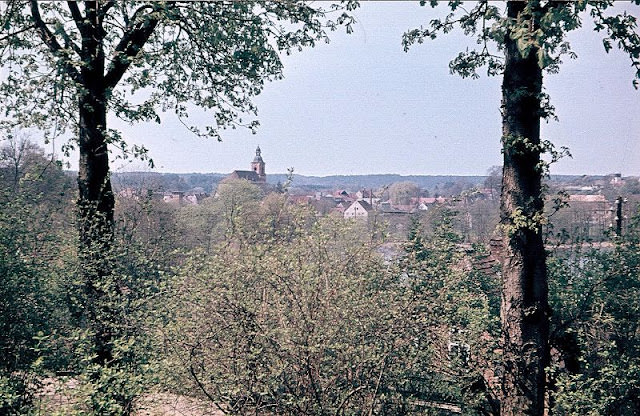
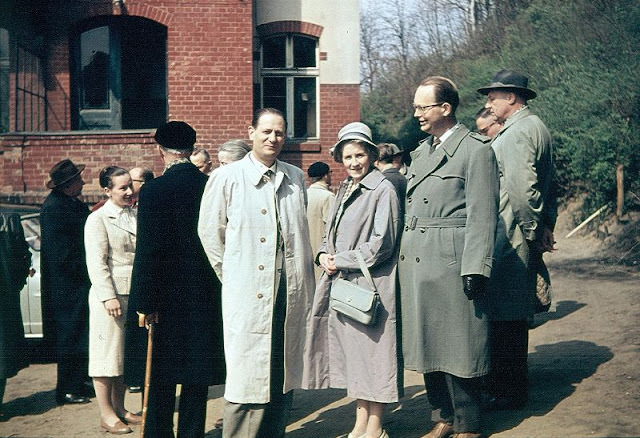
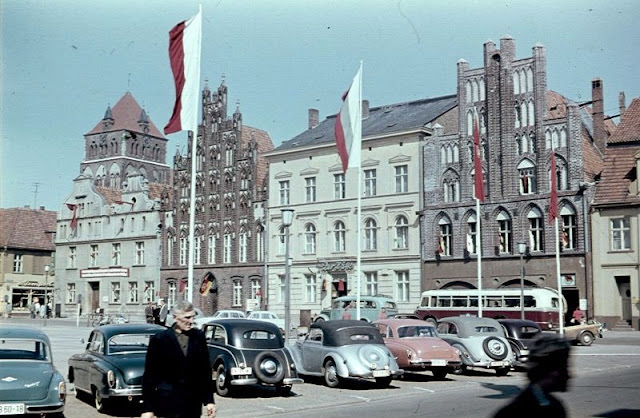
Greifswald, a university town on the Baltic coast, gave the GDR a different kind of civic texture. Its Marktplatz retained the look of a northern German market town, with brick Gothic architecture that predated the GDR by centuries. Greifswald had escaped heavy wartime bombing, which meant its historic center was largely intact — a rarity in the East German urban landscape.
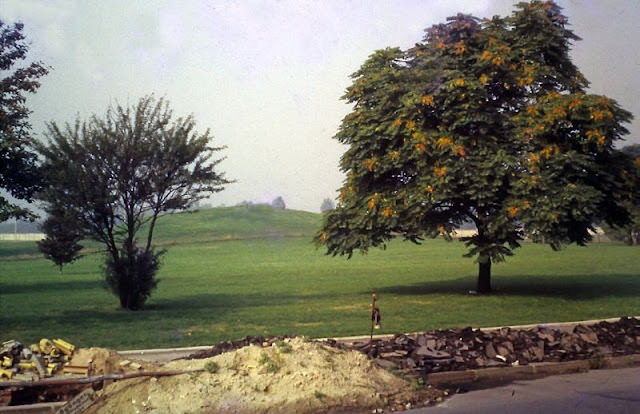
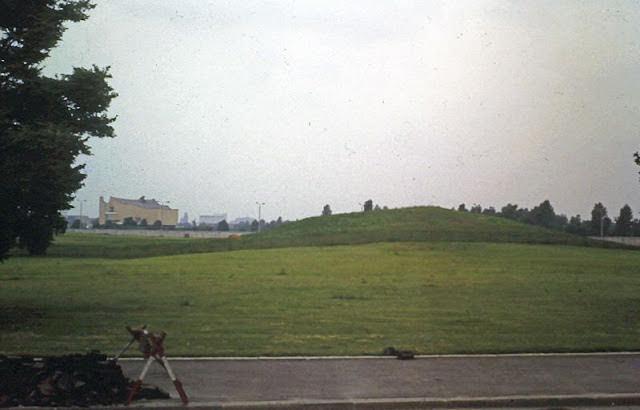
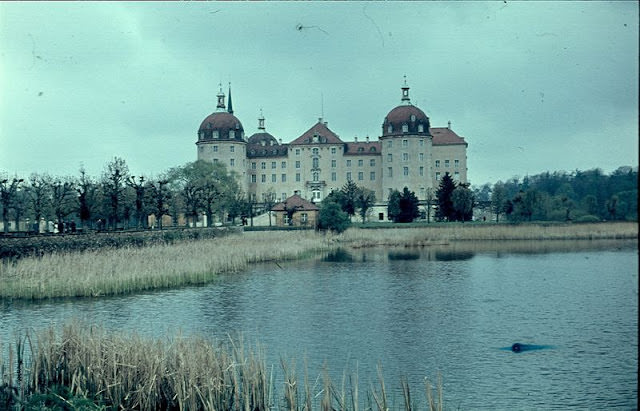
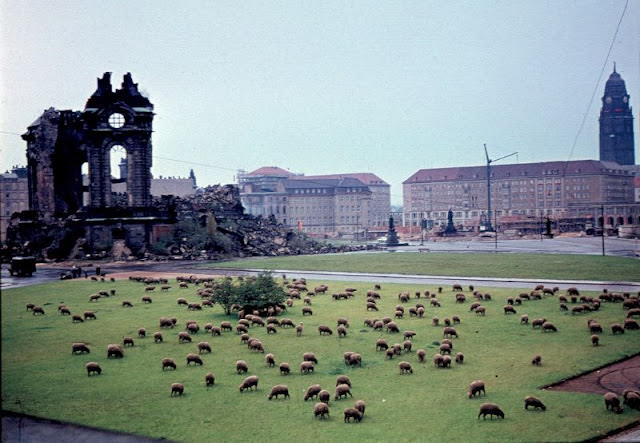
Dresden’s surroundings held some of the GDR’s most striking landmarks. Moritzburg Castle, a Baroque hunting lodge set on an artificial island, sat just north of Dresden and had survived the war essentially undamaged. Closer to the city, ruins of another castle remained as a stark reminder of what the Allied bombing campaign of February 1945 had destroyed. Dresden used sheep to graze on the grassy areas around its rebuilding zones — a practical and visually striking solution to maintenance in a resource-constrained economy.
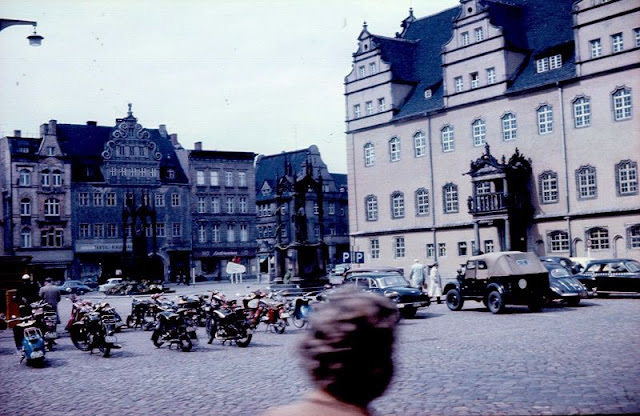
Wittenberg held a central place in German Protestant history as the city where Martin Luther nailed his Ninety-Five Theses to the church door in 1517. Under the GDR, that heritage was acknowledged but treated carefully. The Lutherhaus, Luther’s Well, and the marketplace statues of Luther and his colleague Philip Melanchthon remained in place — the government recognized their value as tourist attractions, even as it officially discouraged religious practice.
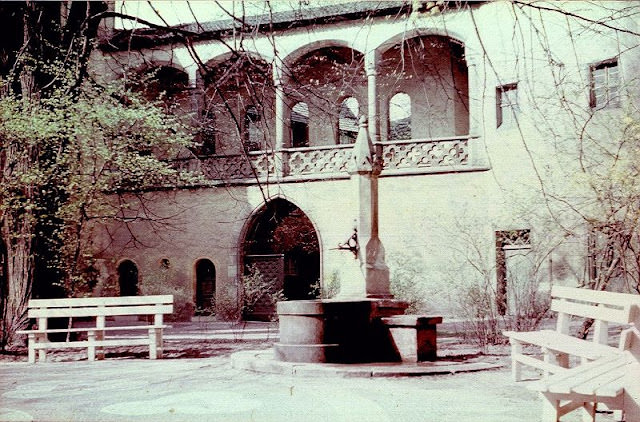
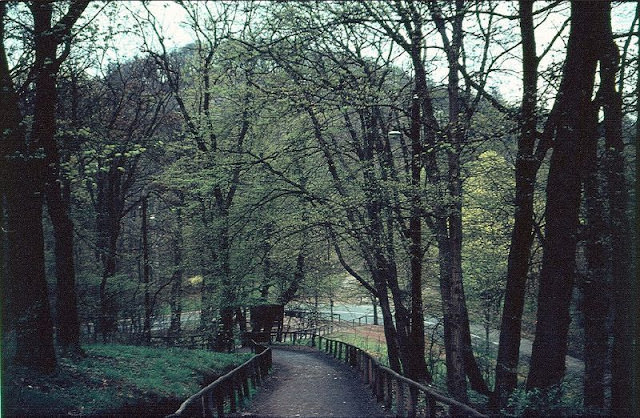
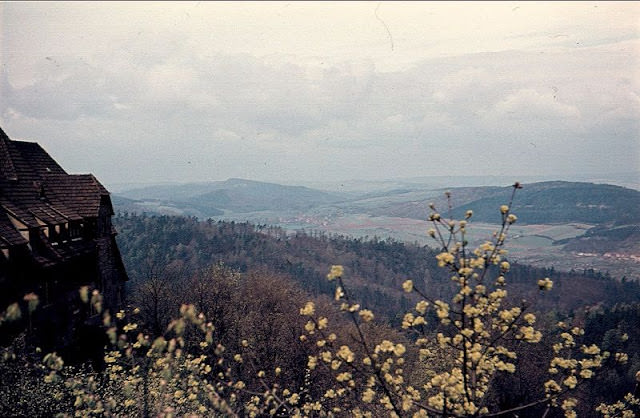
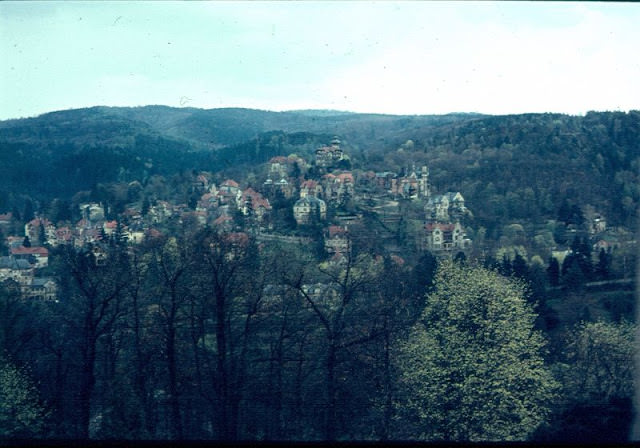
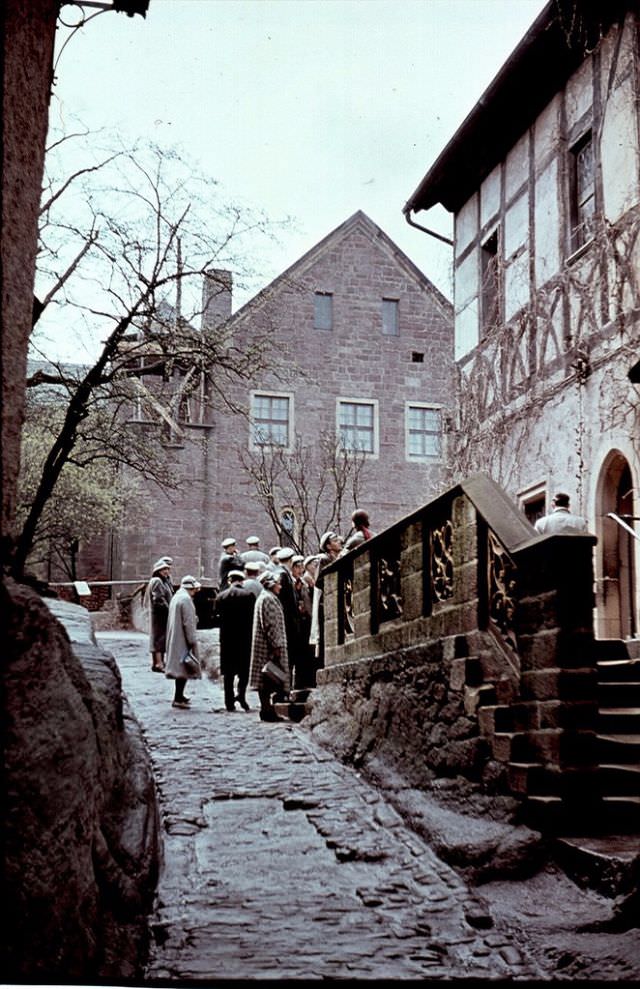
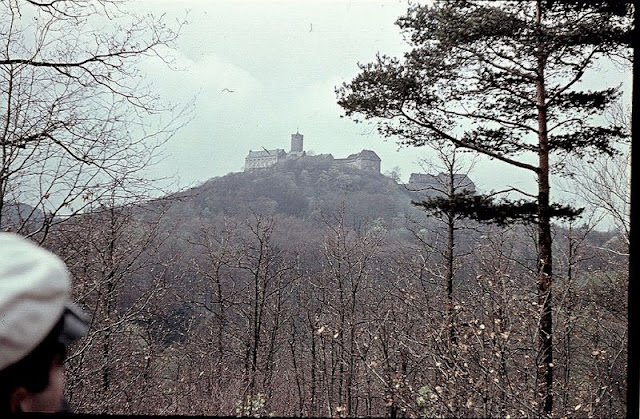
Eisenach, in the Thuringia region, is best known for Wartburg Castle — the hilltop fortress where Luther translated the New Testament into German while hiding from imperial authorities in 1521 and 1522. The castle drew visitors from across the GDR and beyond, offering views over the town below and the wooded hills of the Thuringian Forest. Eisenach was also the birthplace of Johann Sebastian Bach, giving it a cultural significance that even the GDR could not downplay.
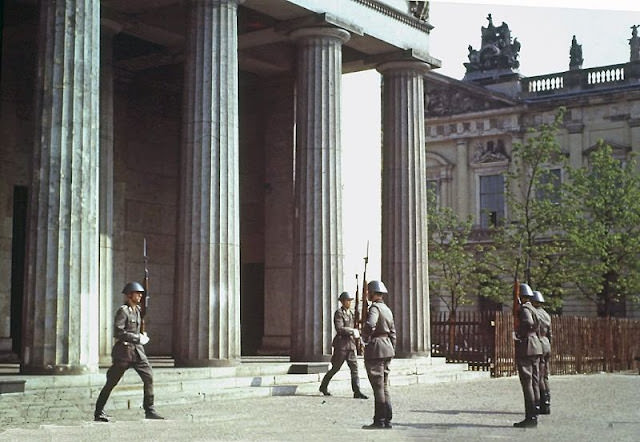
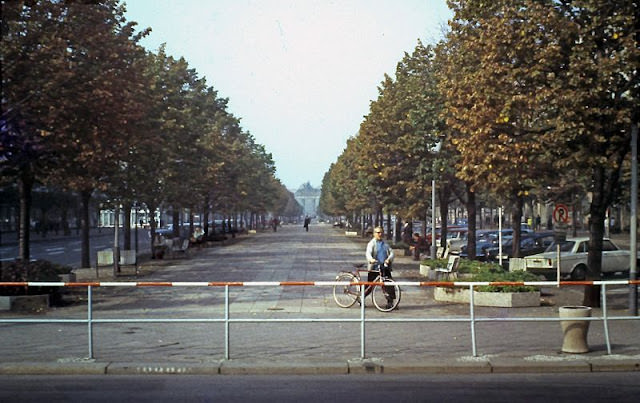
Back in East Berlin, the Neue Wache on Unter den Linden served as one of the GDR’s most ceremonial spaces. Originally a Prussian guardhouse built in the early nineteenth century, it became a memorial to the victims of fascism and militarism under the GDR. The East German Volksarmee — the National People’s Army — performed the changing of the guard here in full dress uniform, a ritual that blended military pageantry with political messaging. Unter den Linden itself remained the symbolic spine of East Berlin, lined with linden trees and monumental buildings from several eras of German history.
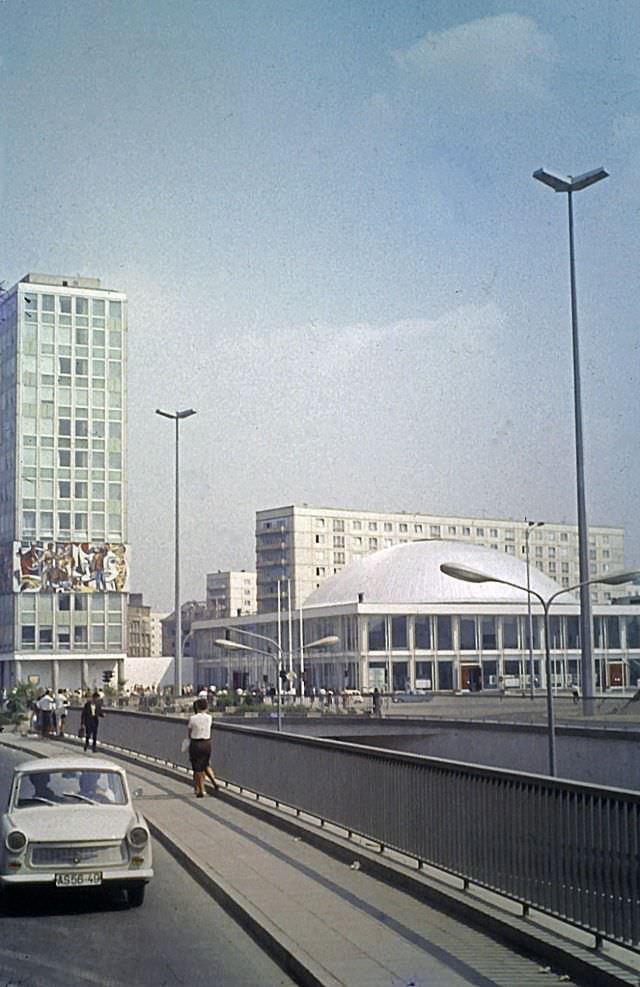
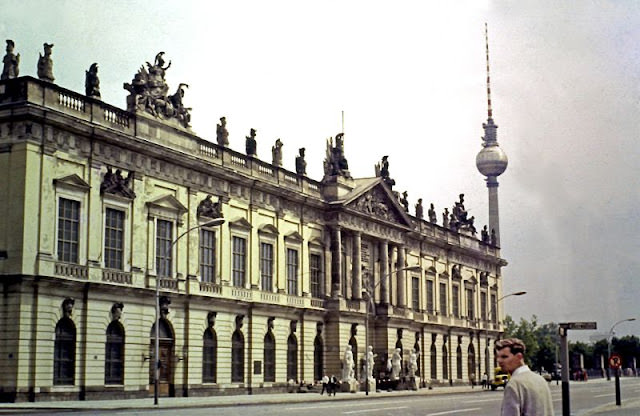
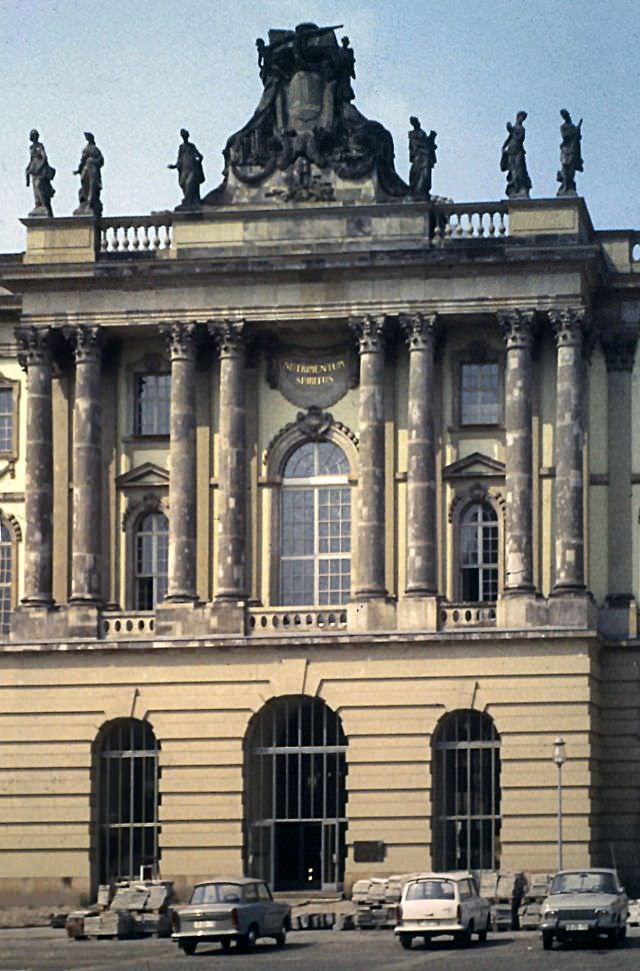
The GDR’s public buildings reflected its political ambitions as much as its practical needs. The House of the Teacher on Alexanderplatz was decorated with a mosaic running the full length of its facade, depicting socialist education and the march of progress. The Old Library — repurposed as part of Humboldt University’s law faculty — stood directly across from the university’s main building on Unter den Linden, where Prussian and later Nazi-era history had played out before it became a GDR institution.
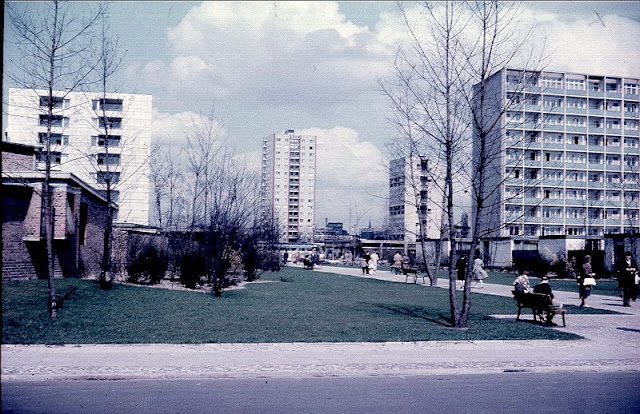
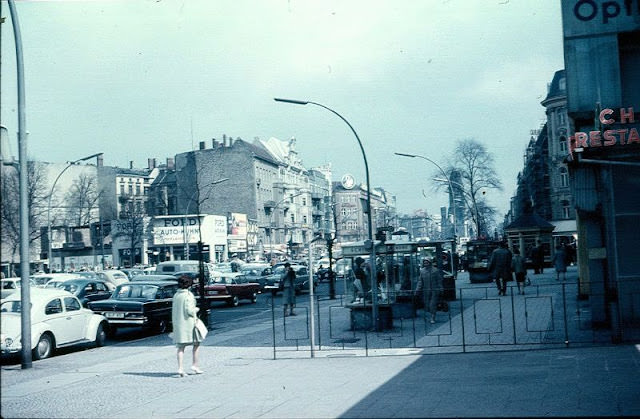
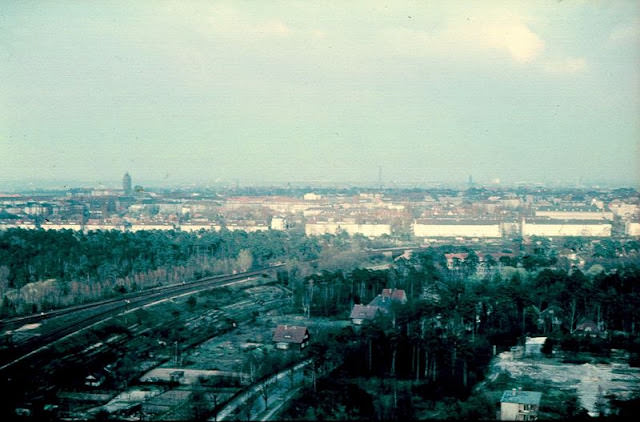
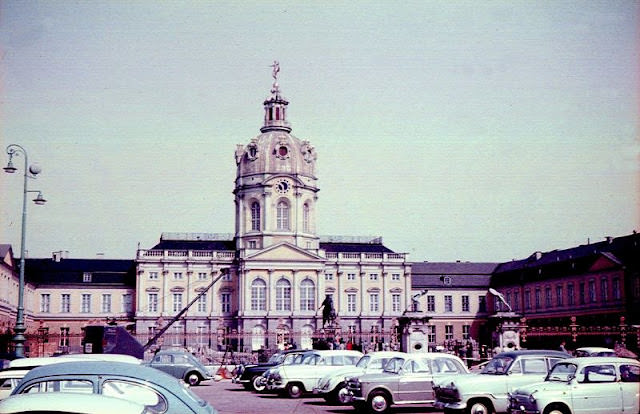
West Berlin, though technically inside GDR territory, remained under Western Allied control. Areas like the Hansaviertel — rebuilt after the war with modernist architecture by international architects — and the Kurfürstendamm shopping boulevard were visible proof of the very different path West Germany had taken. Charlottenburg Palace, also in the western part of the city, had been carefully restored. Corbusier Haus, a large residential block designed by Le Corbusier for the 1957 International Building Exhibition, offered sweeping views over the divided city.
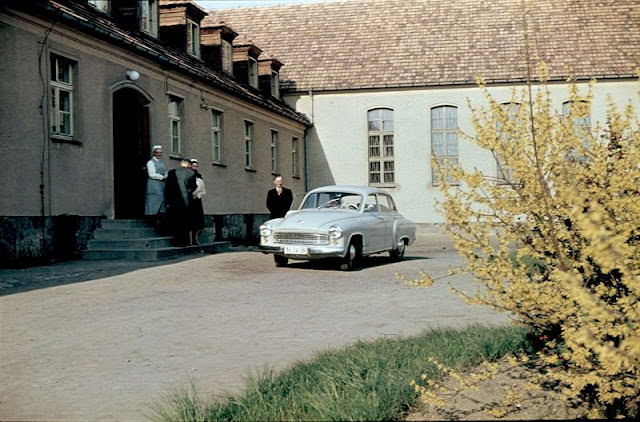
Rural areas of the GDR showed a slower pace of change. Small schools, local churches, and quiet roads connected villages that felt distant from the ideological battles of East Berlin. The Süsow school, the Wilhelmstraße intersection near the Philharmonie, and the land adjoining former government streets all captured that ordinary texture of daily life — a life shaped by the GDR’s structures but still rooted in the routines and places that had existed long before the state was founded.