In April 1935, AP reporter Robert Geiger put a name to a catastrophe already years in the making. He called it the “Dust Bowl” — a term that captured what drought and wind had done to the south-central United States. The American and Canadian prairies had been stripped bare. High winds launched walls of choking dust across a corridor stretching from Texas all the way to Nebraska. People and livestock died. Crops failed. The land itself was being eroded and carried away.
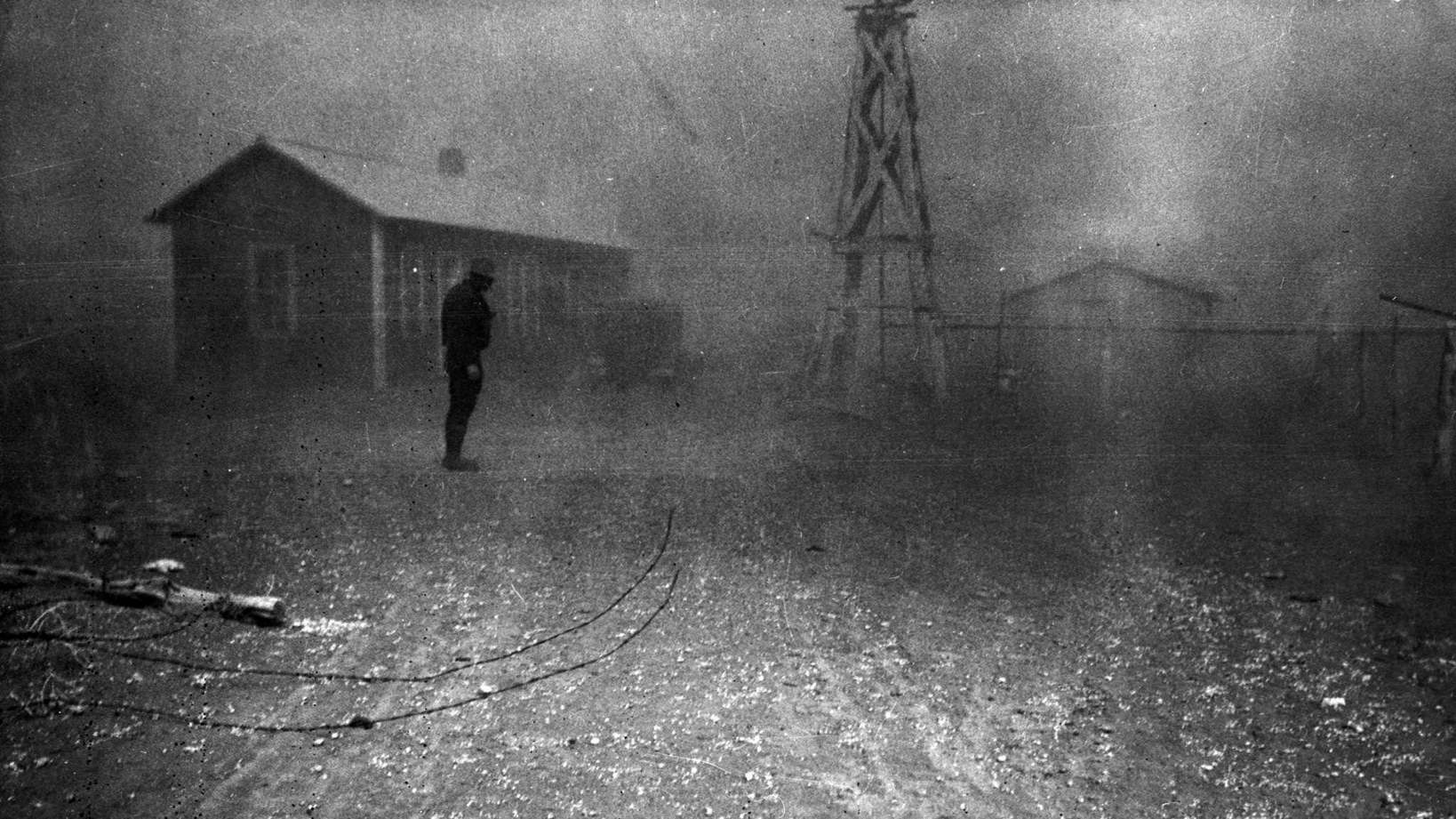
A dust storm. Conditions like these forced many farmers to abandon the area. New Mexico, 1930s
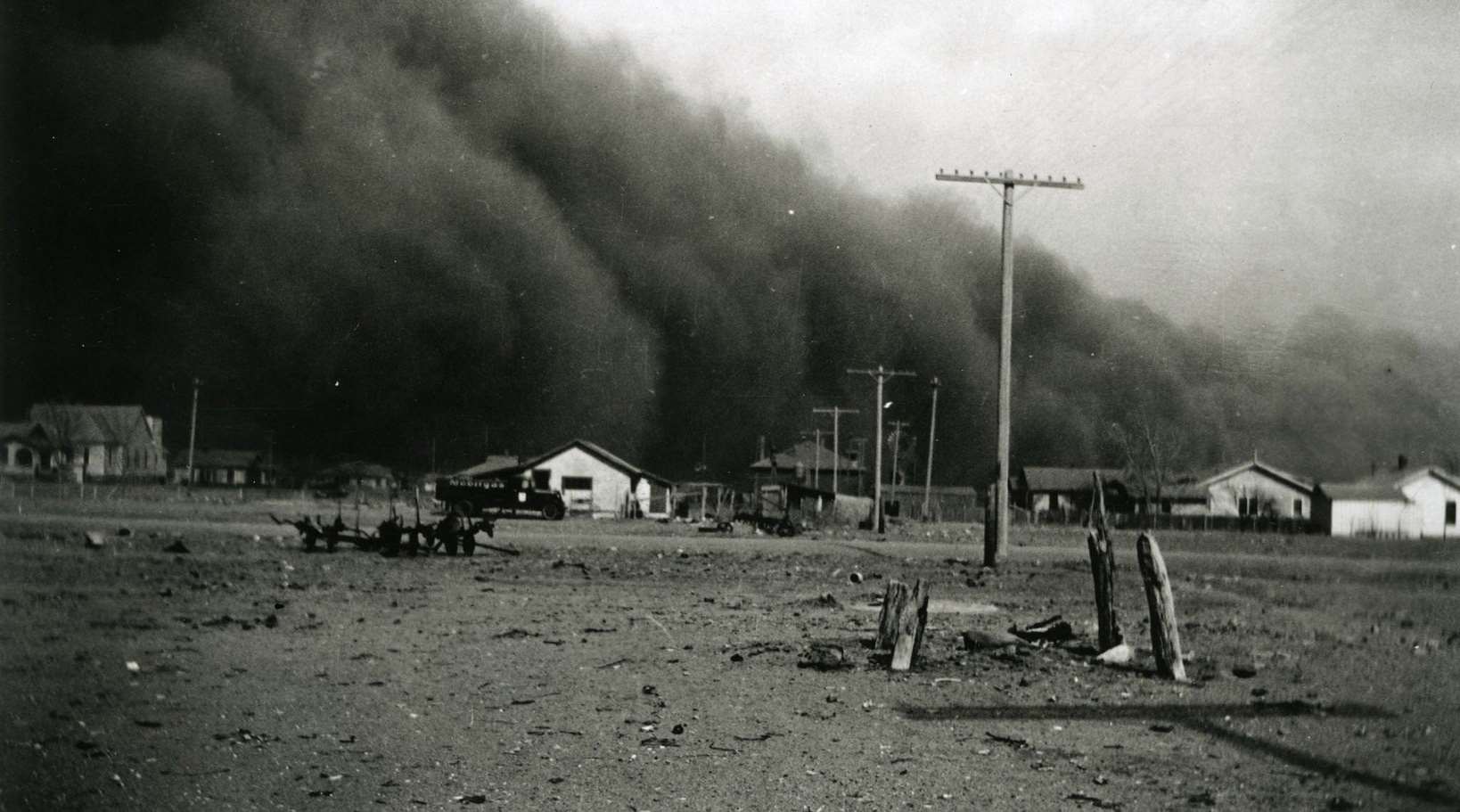
Three major drought waves struck the High Plains — in 1934, 1936, and again between 1939 and 1940. Some regions endured drought for up to eight straight years. Dryland farming practices had left the topsoil exposed and vulnerable, with no vegetation to hold it down against the wind. The result was a landscape of drifting sand, buried fences, and abandoned homes.
Huge dark dust clouds swarm over houses in rural Colorado, 1930sBlowing dust in the Oklahoma Panhandle, 1930s
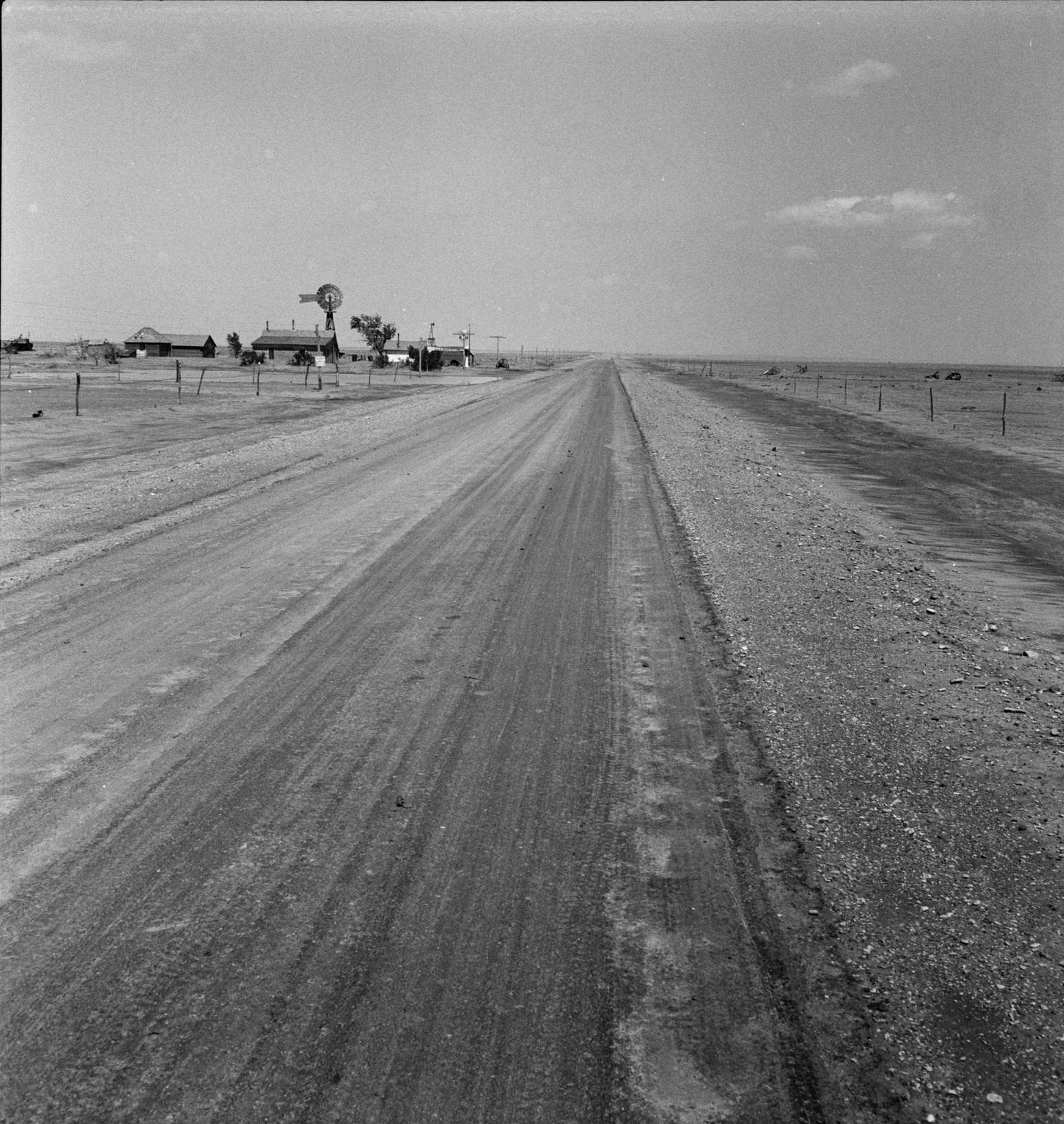
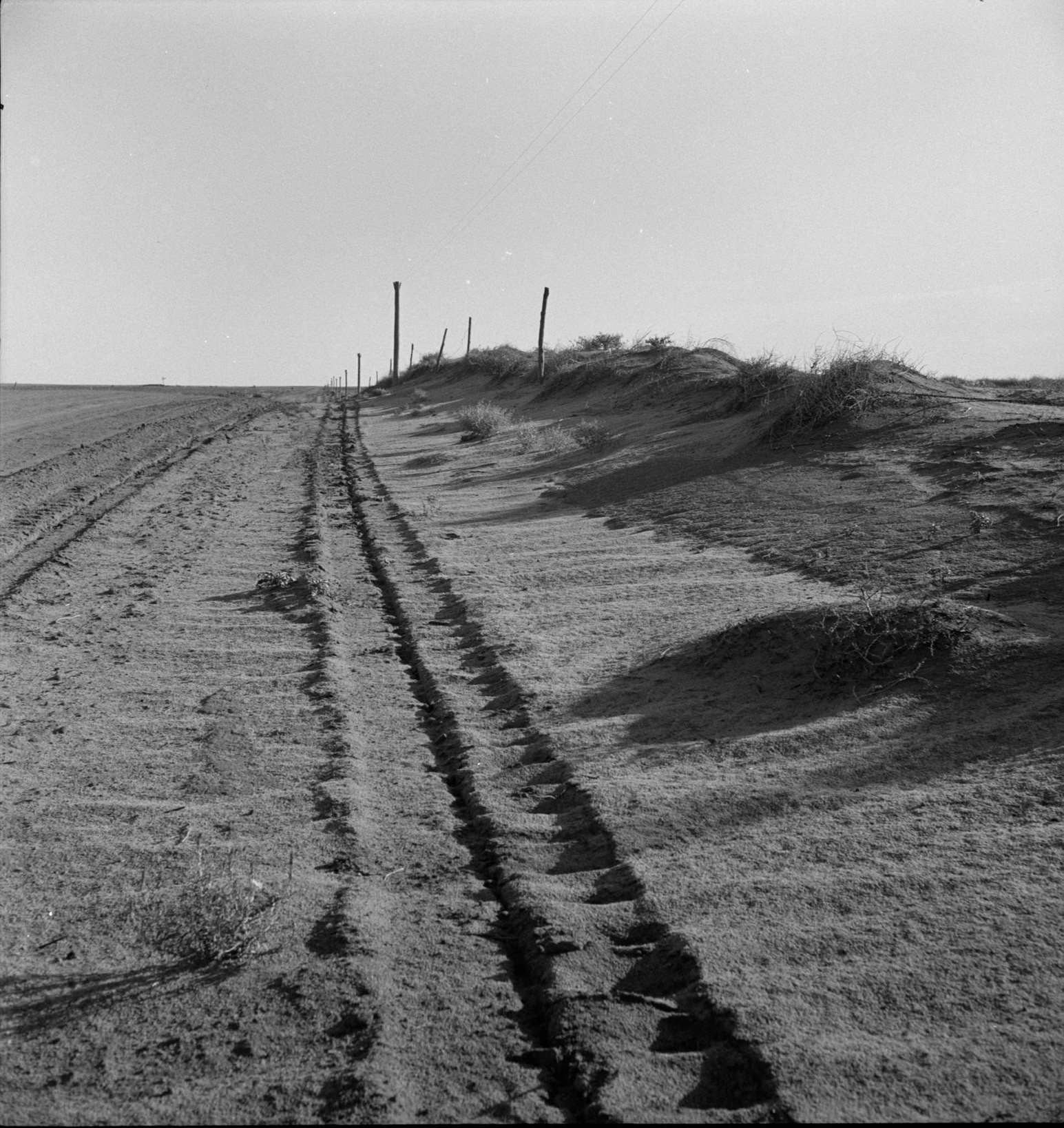
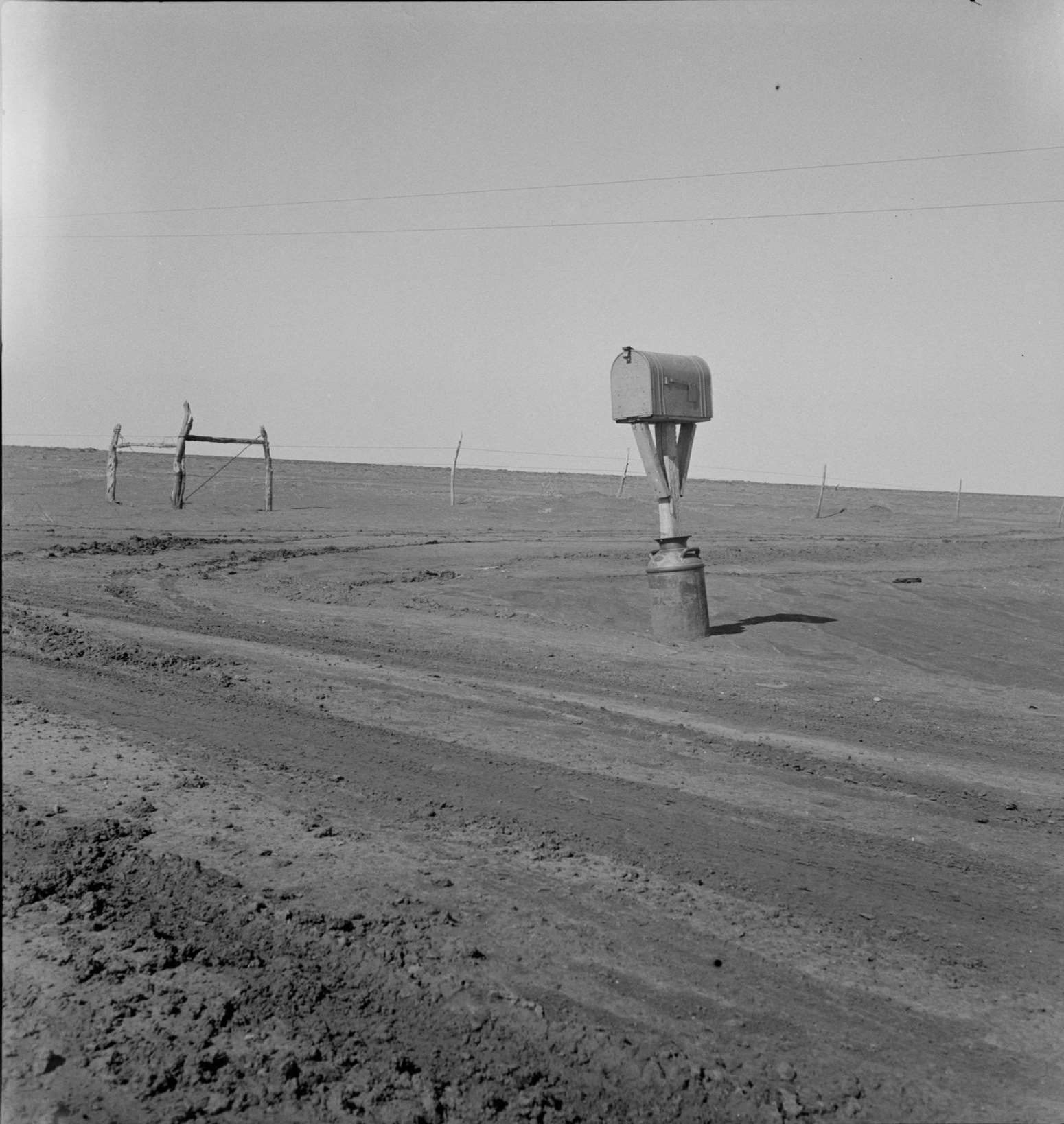
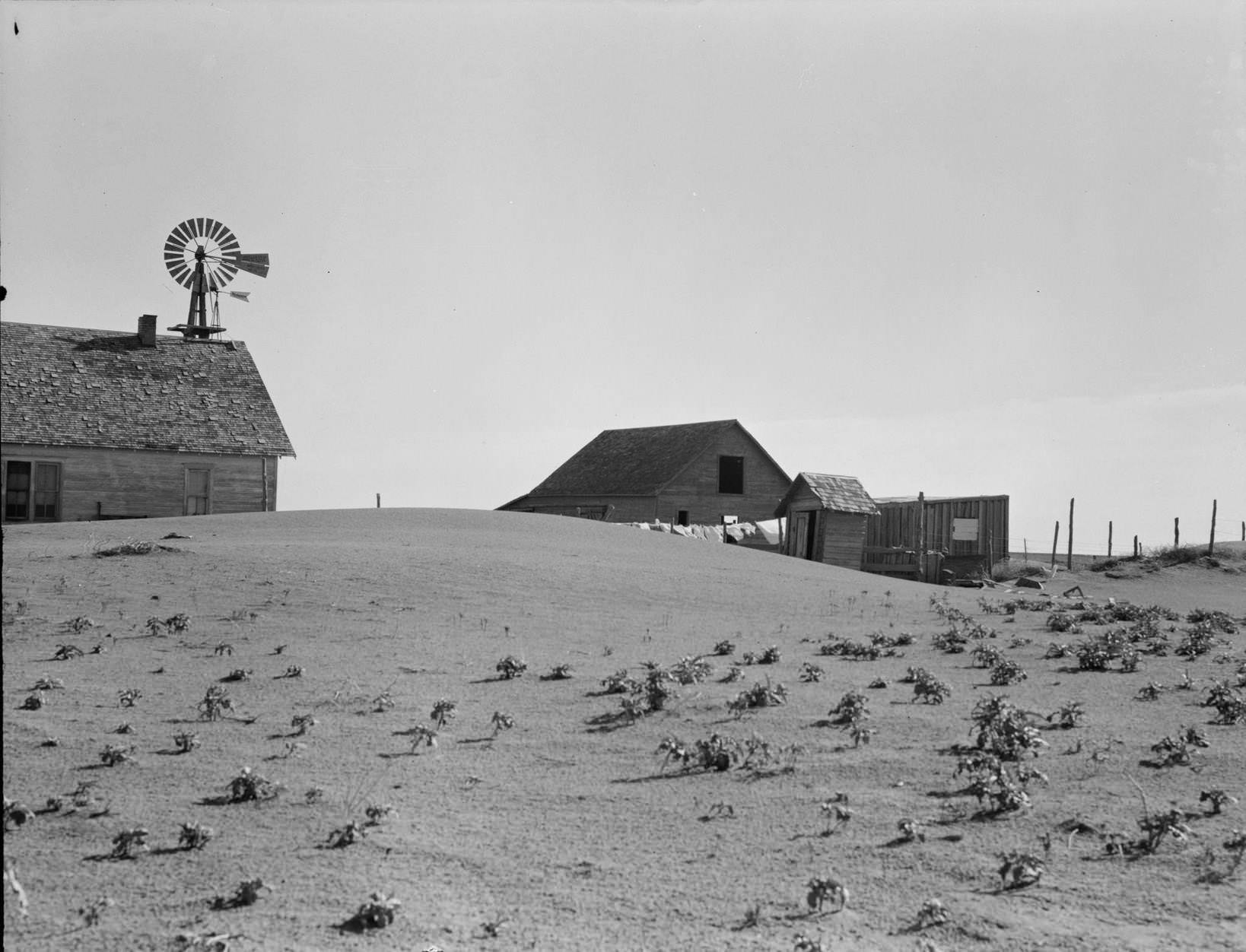
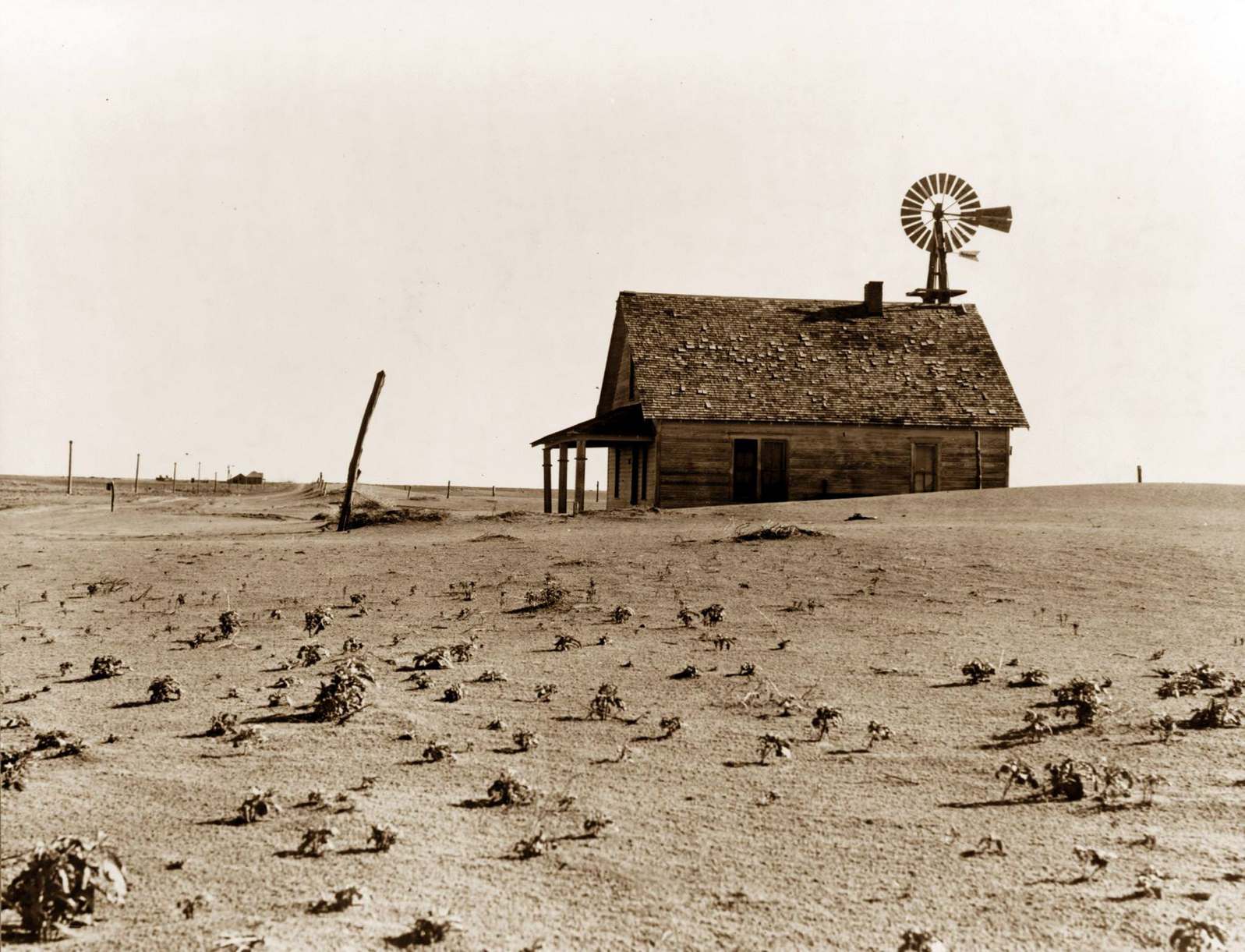
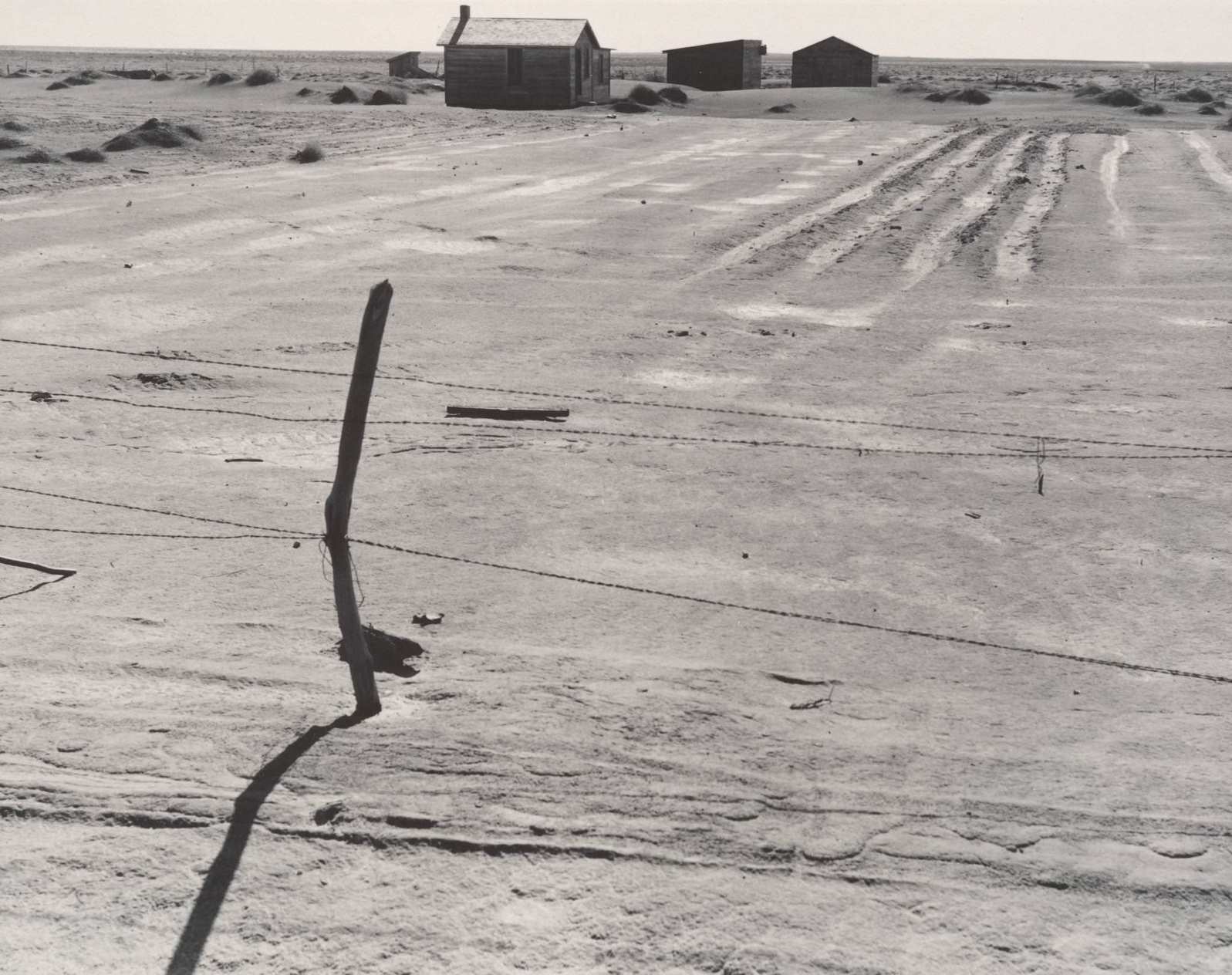
The physical damage to the land was staggering. In the Coldwater District of Texas, north of Dalhart, drifting sand buried fence posts and piled up against buildings. Fields that once grew crops sat barren. Some farms were still occupied — their owners stubbornly holding on — while neighboring properties had already been abandoned. Across Hall County, Texas, land that once supported twelve farm families had been left completely empty.
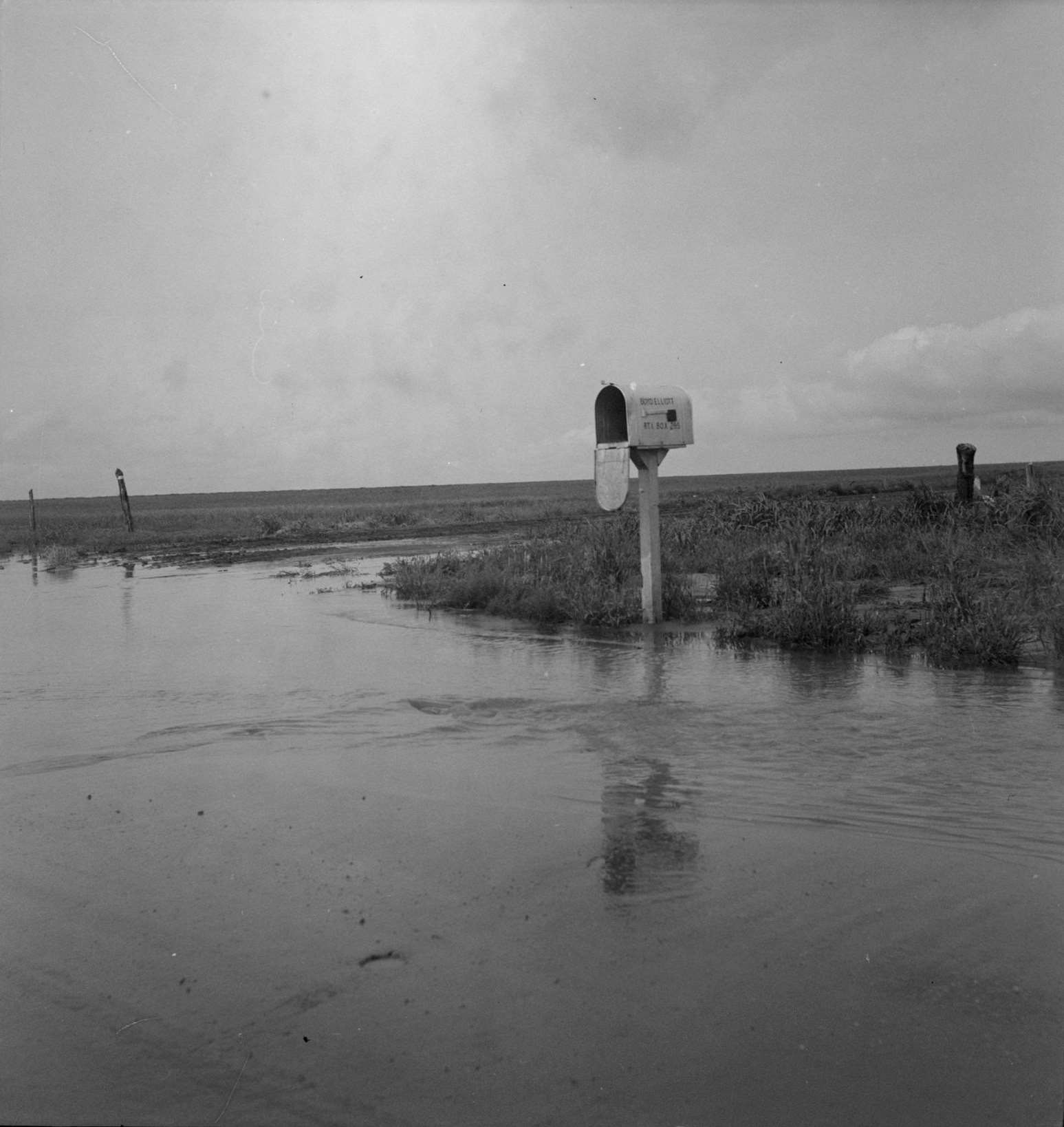
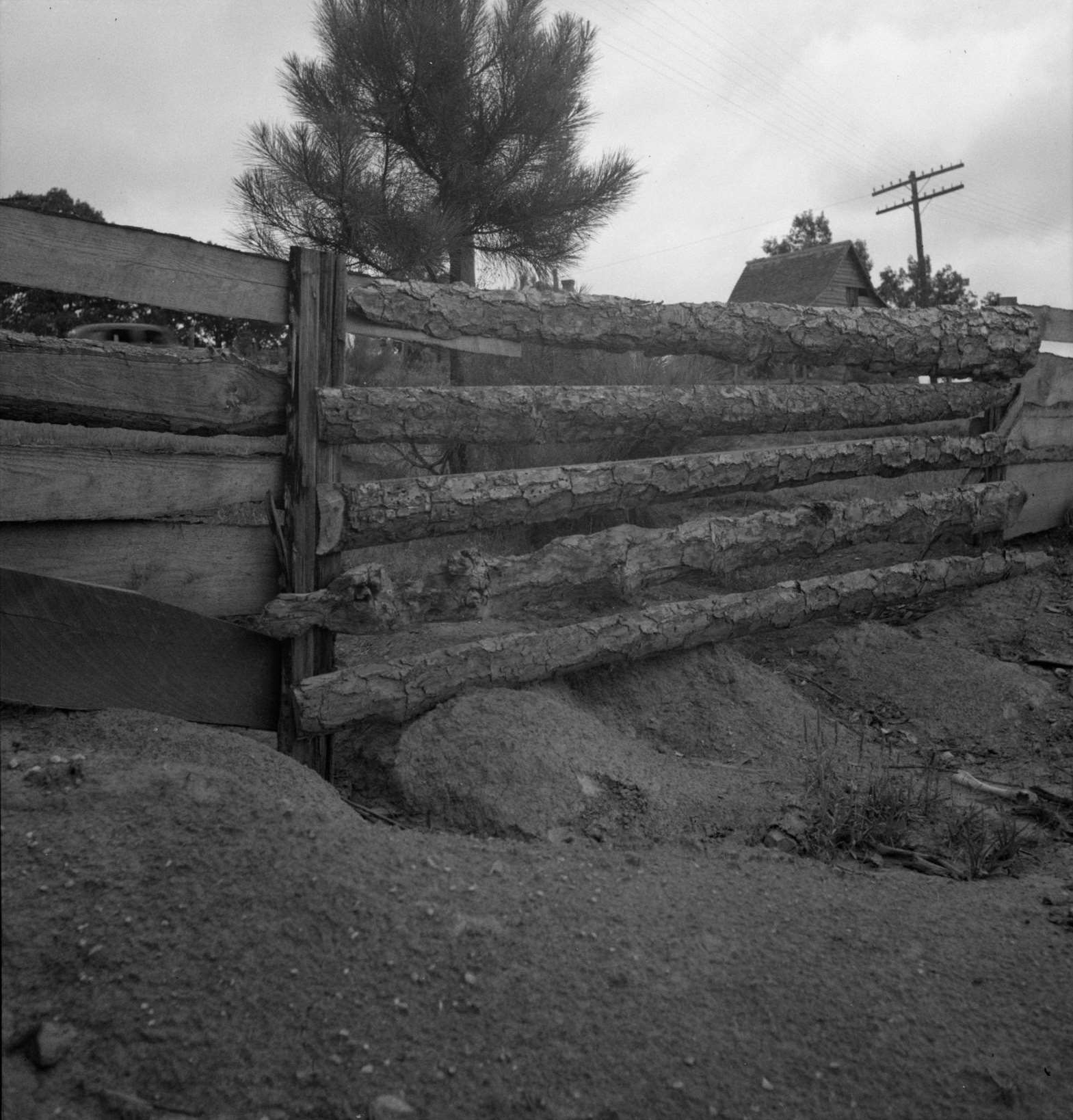
Sand drift along fence. Dust Bowl, north of Dalhart, Texas, 1930sMailbox in Dust Bowl. Coldwater District, north of Dalhart, Texas, 1930sDust Bowl farm. Coldwater District, near Dalhart, Texas. This farm is occupied. Others in this area have been abandoned.Abandoned house and land, Hall County, Texas. There were formerly twelve families employed on this land, now there are none, 1930s
By 1933, thirteen million Americans were out of work. The Great Depression had already gutted the economy before the dust storms made things worse. Families had no savings, no fallback. For farming communities across the Midwest and Southwest, drought and debt combined into an impossible situation. Approximately 3.5 million people left the Plains states between 1930 and 1940. More than 86,000 moved to California in just over a year.
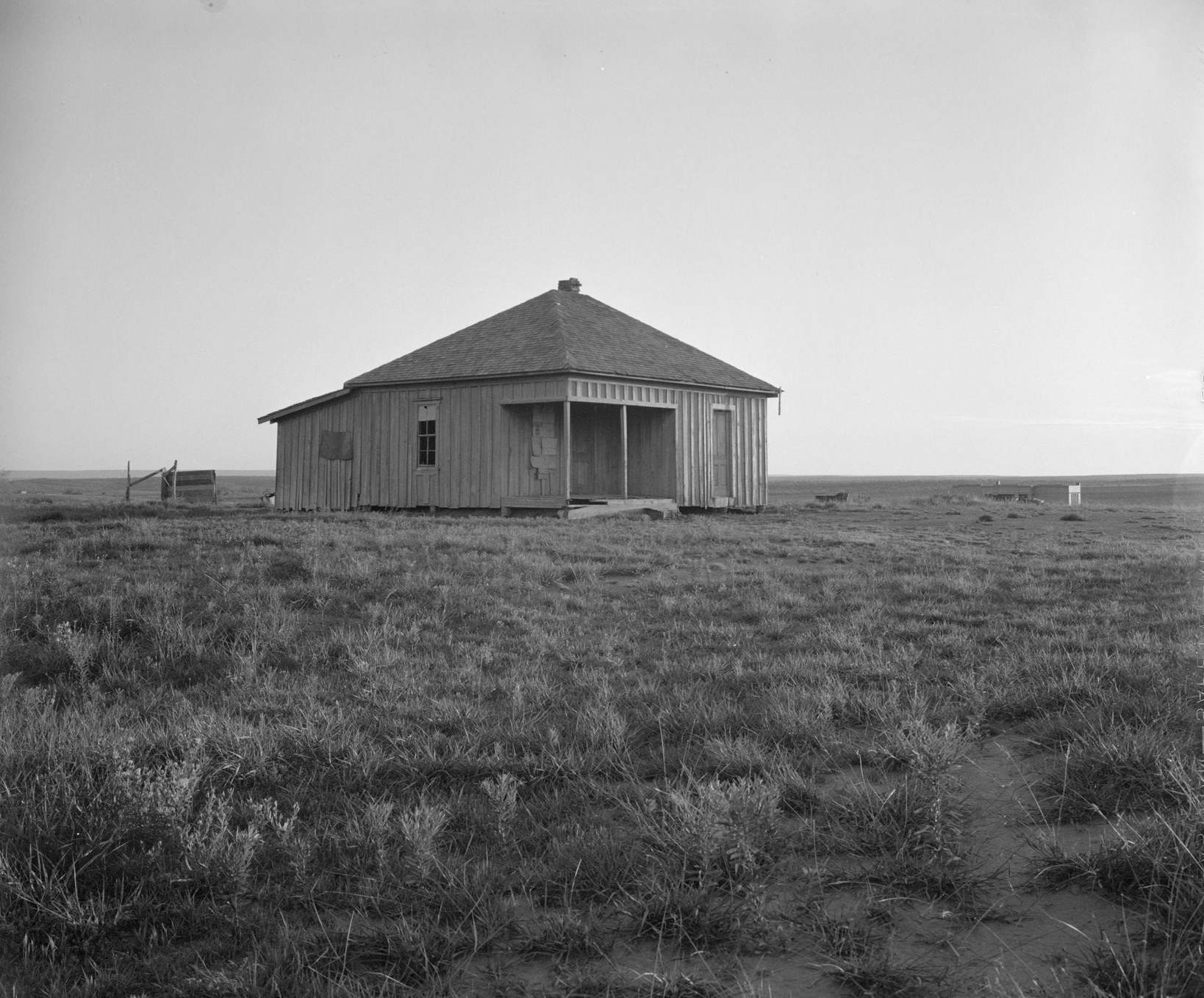
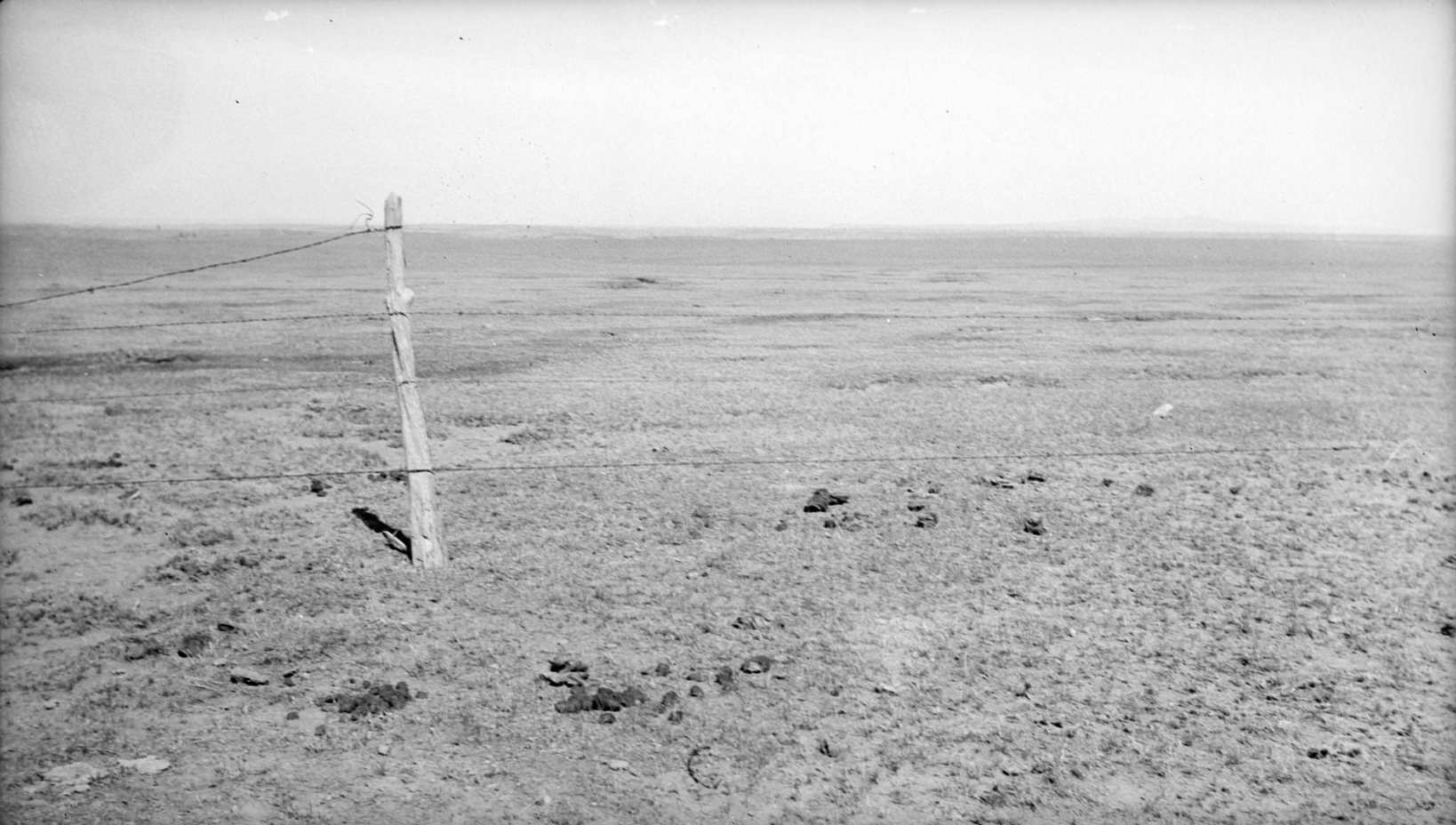
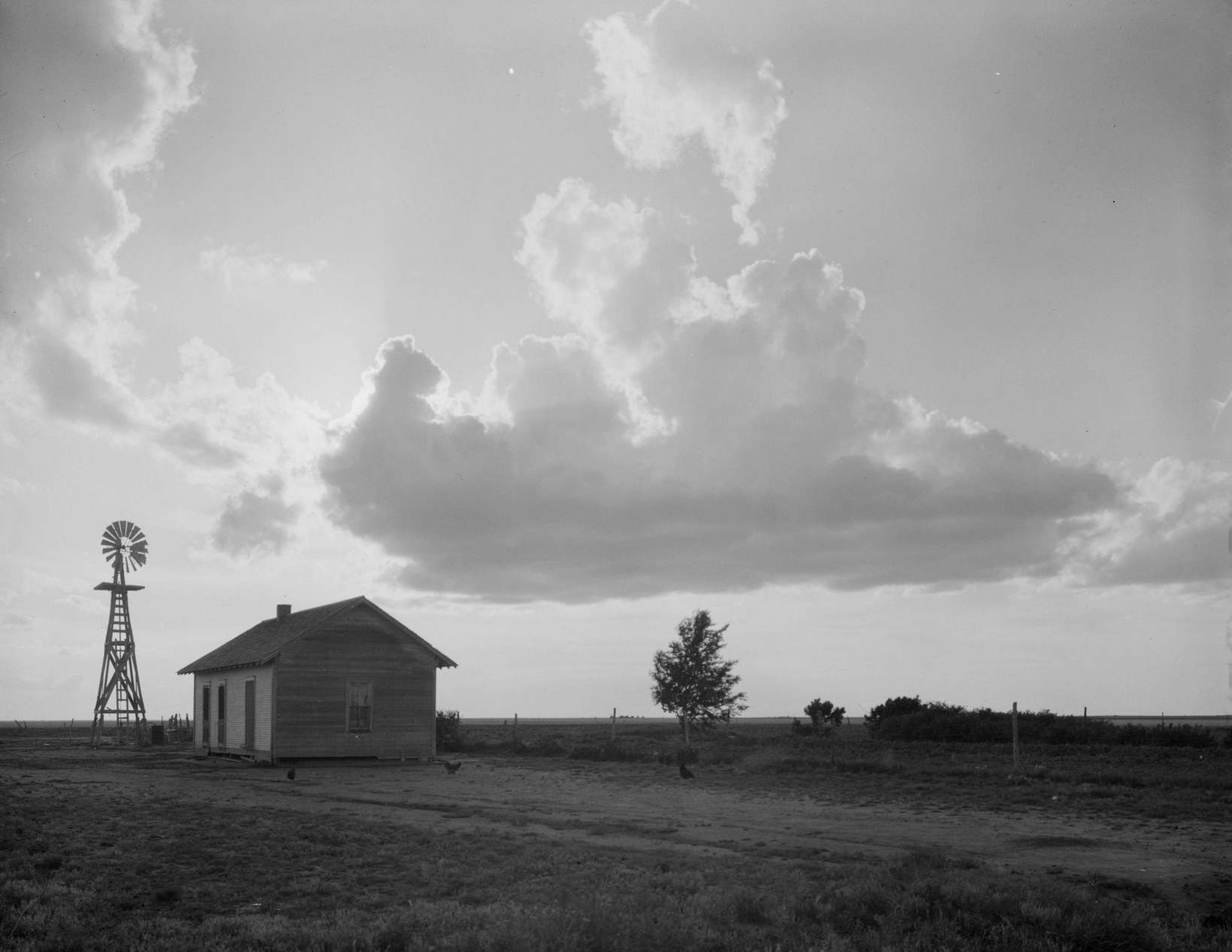
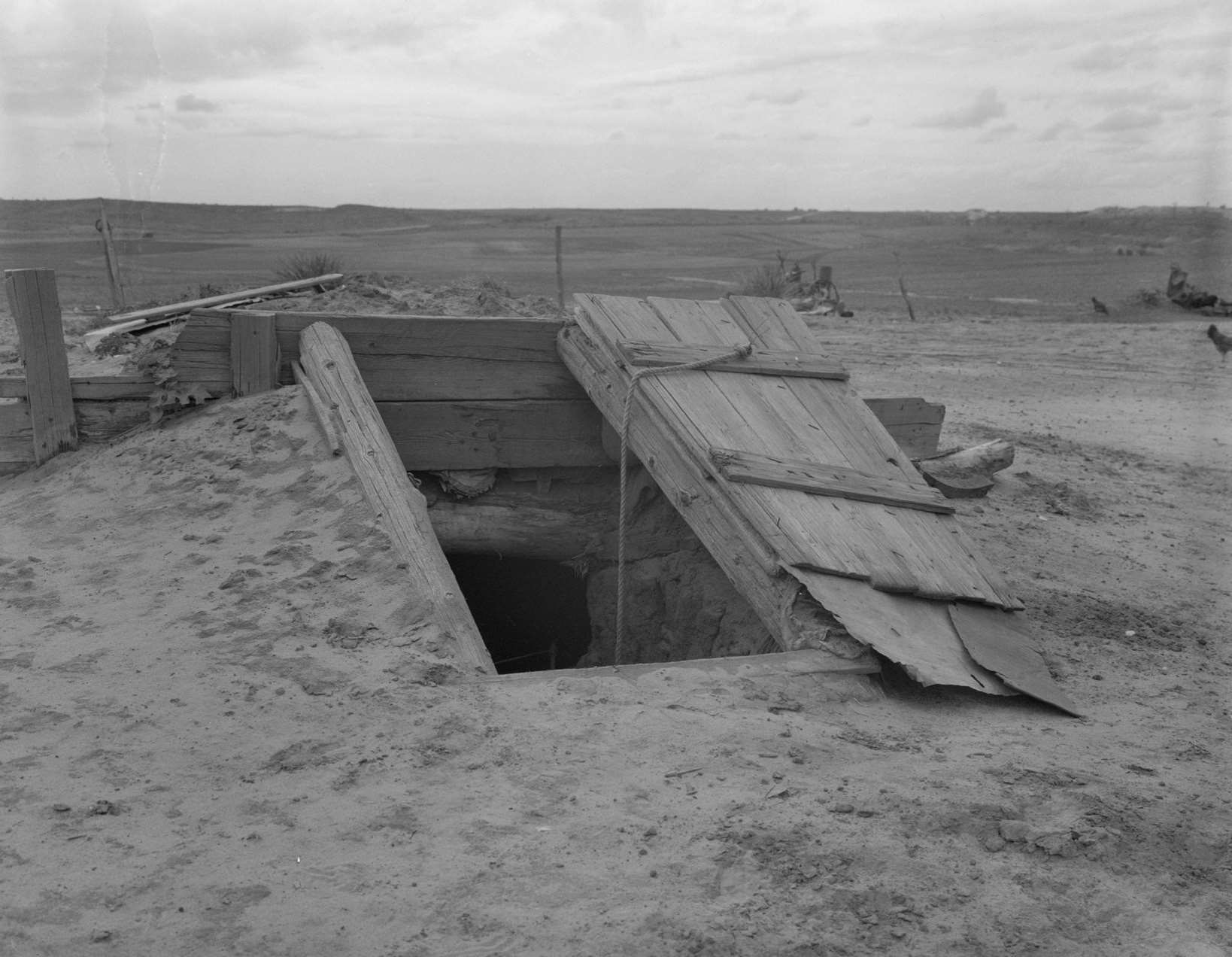
Stand of vega grass eaten off close. In good seasons hay can be cut from areas like this, New Mexico, 1934West Texas “Family Farm, 1934Storm cellar on the Texas plains. West Texas Panhandle, 1934
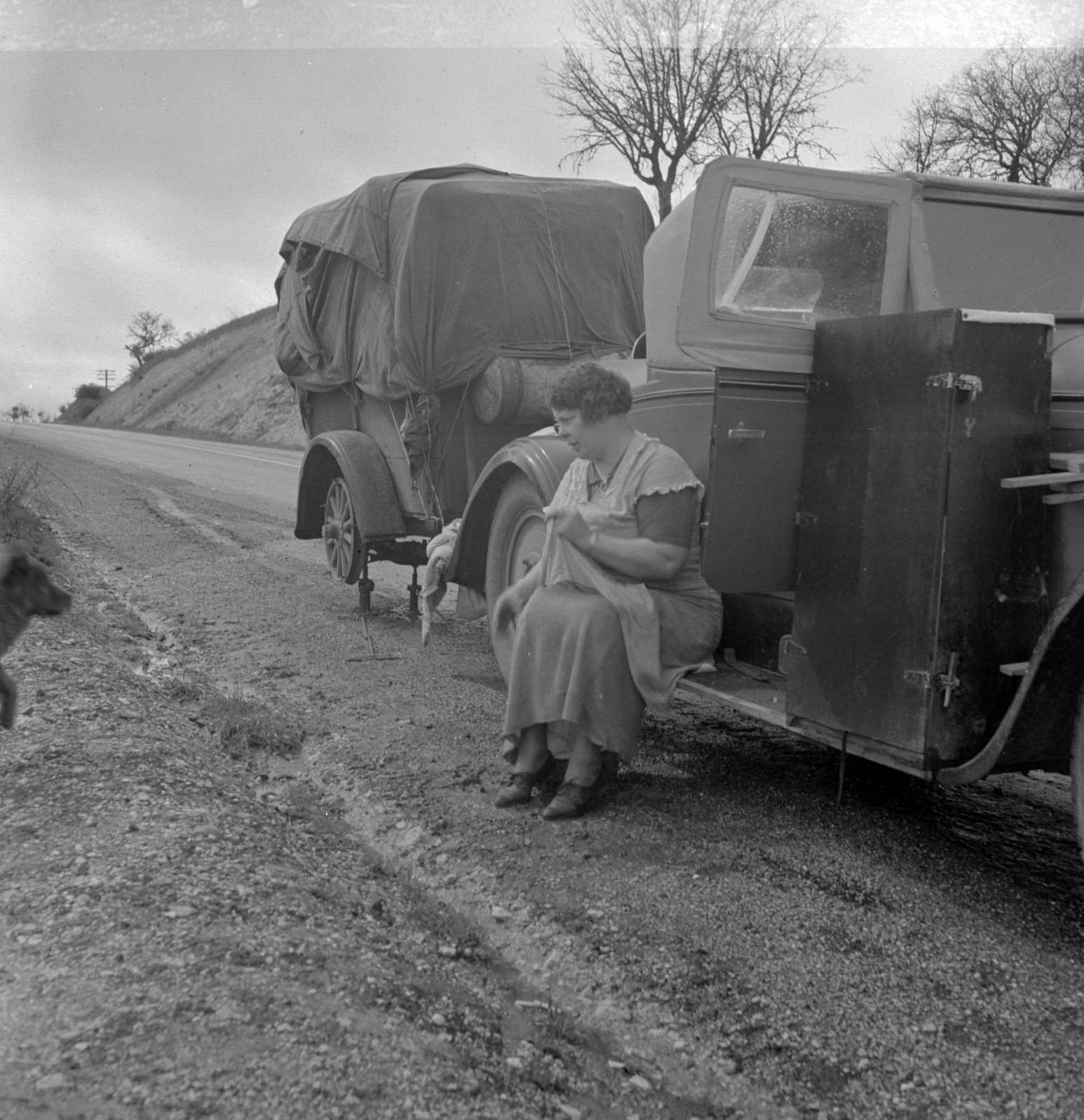
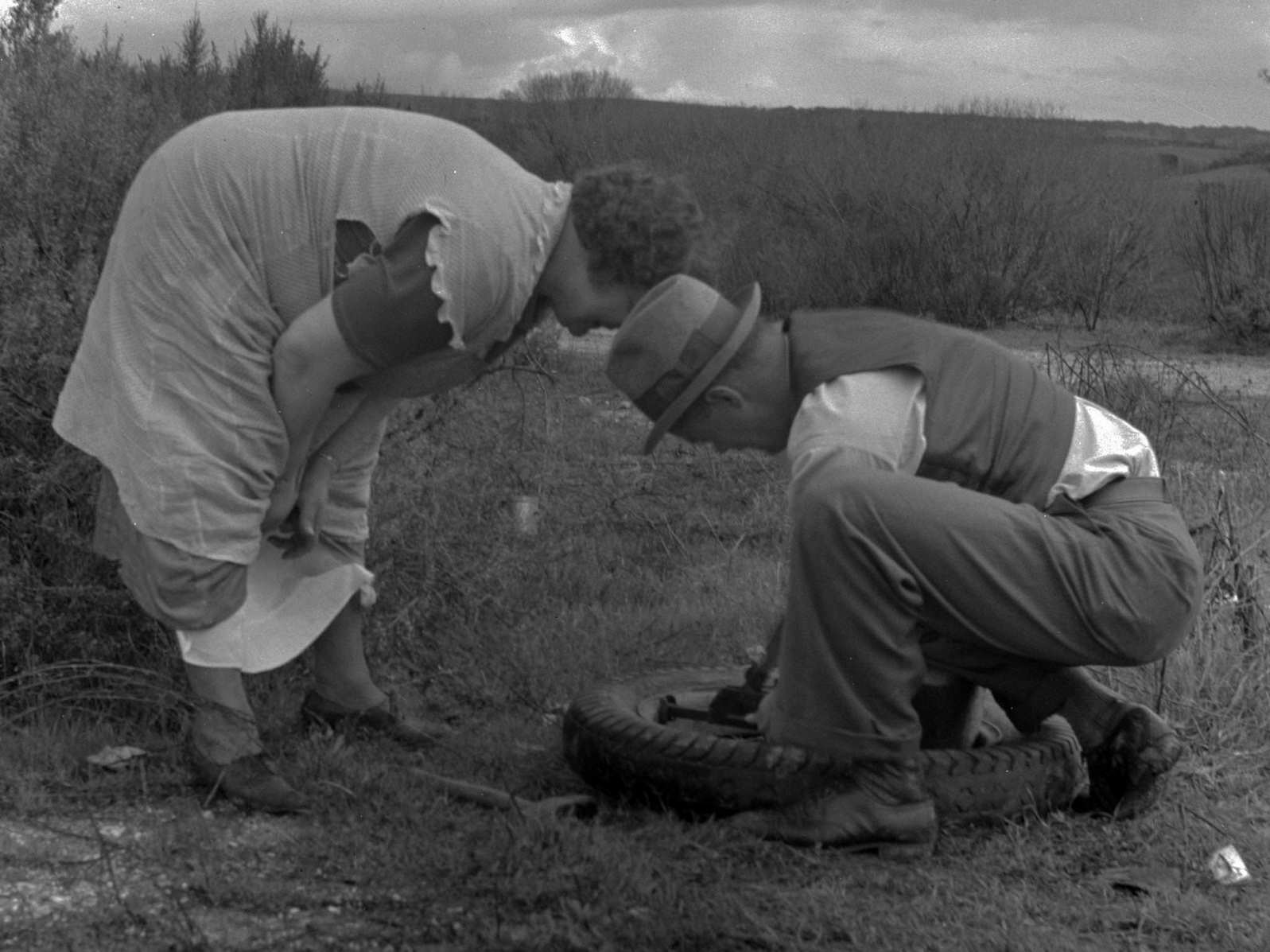
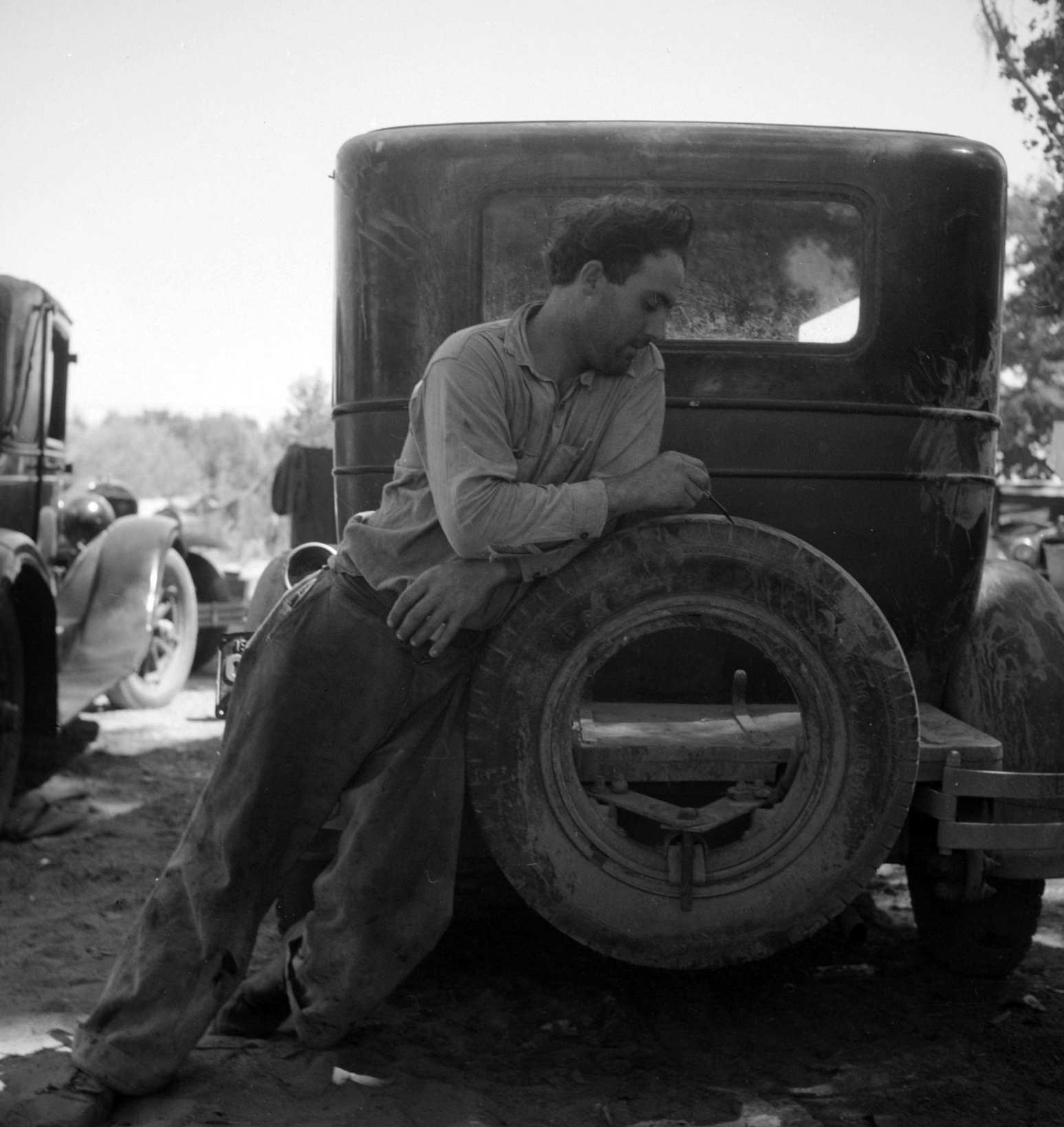
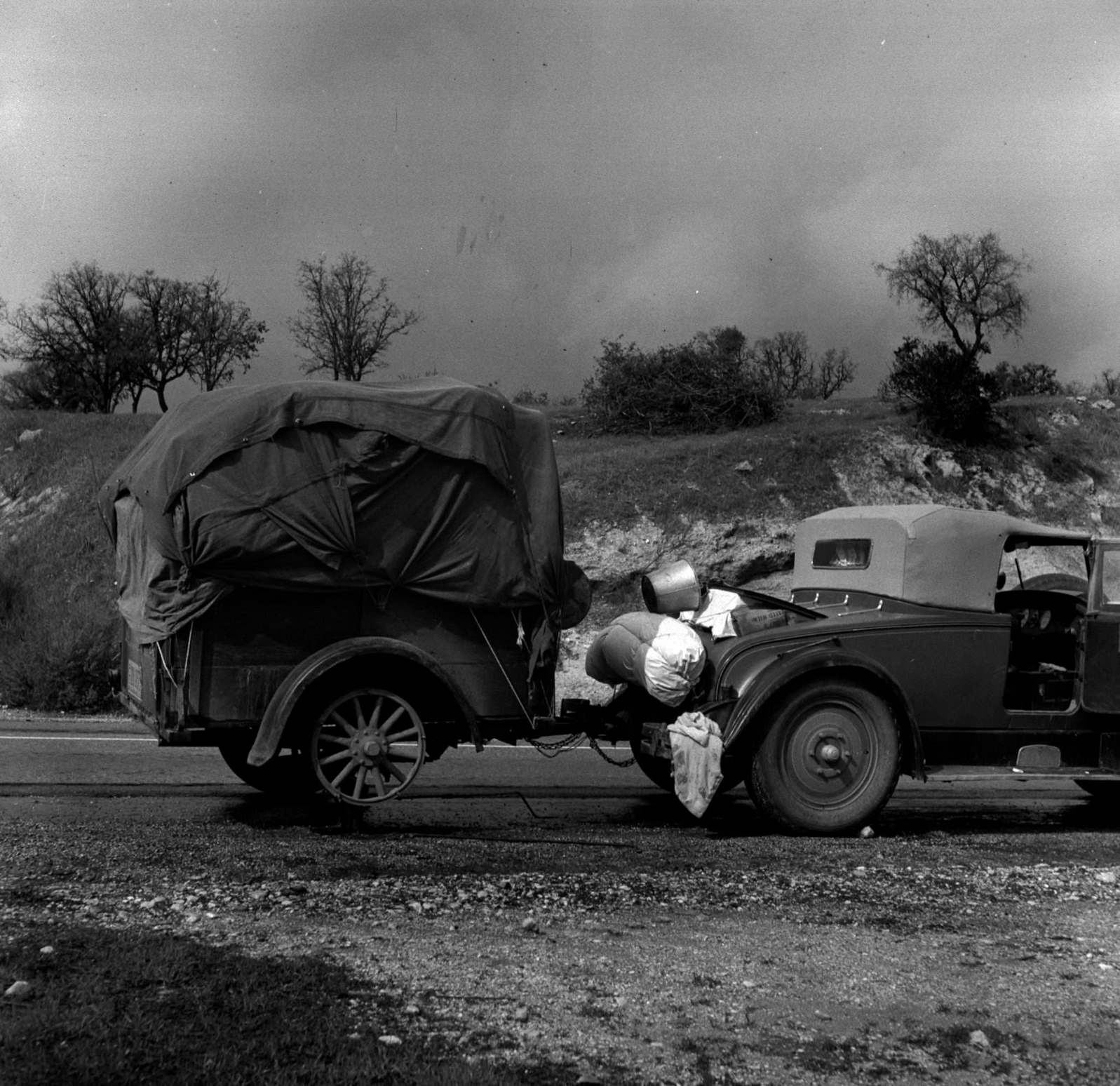
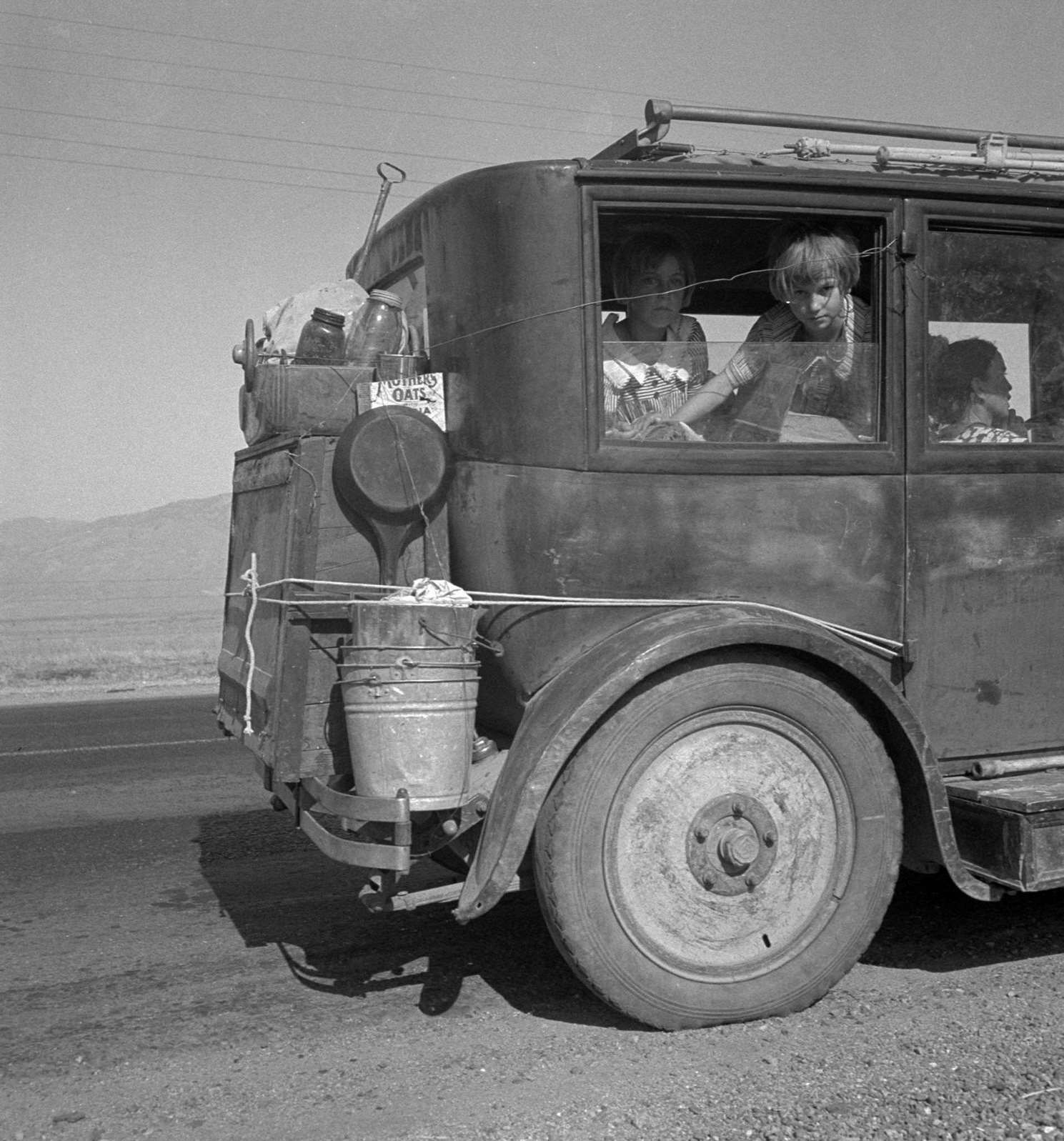
Migrants came from Oklahoma, Arkansas, Missouri, Iowa, Nebraska, Kansas, Texas, Colorado, and New Mexico. Wherever they came from, they were called “Okies,” “Arkies,” or “Texies” — catch-all labels for the displaced. They loaded everything they owned into worn-out cars and trucks and followed the crops, moving from harvest to harvest with no fixed home and no guarantee of work.
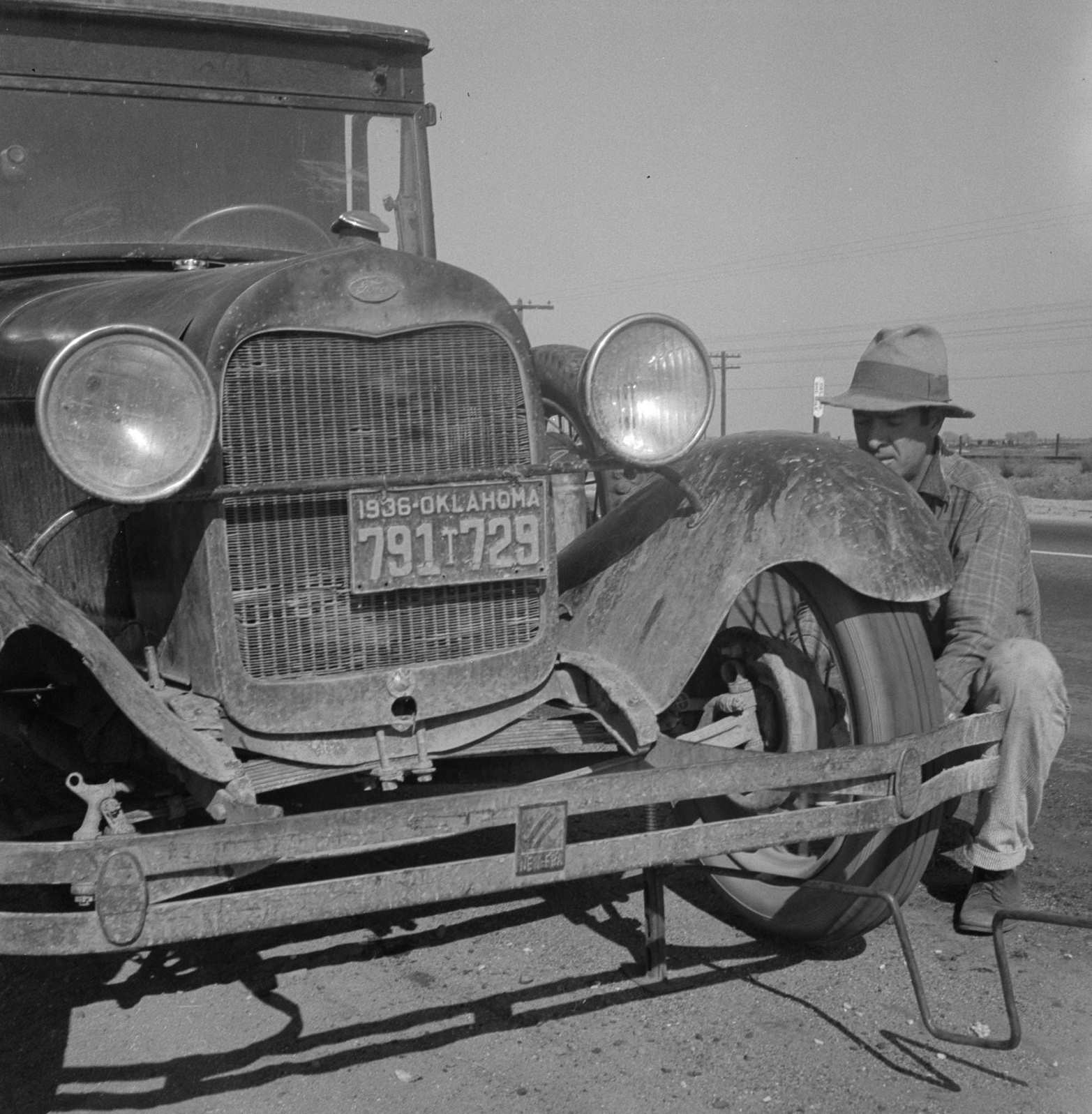
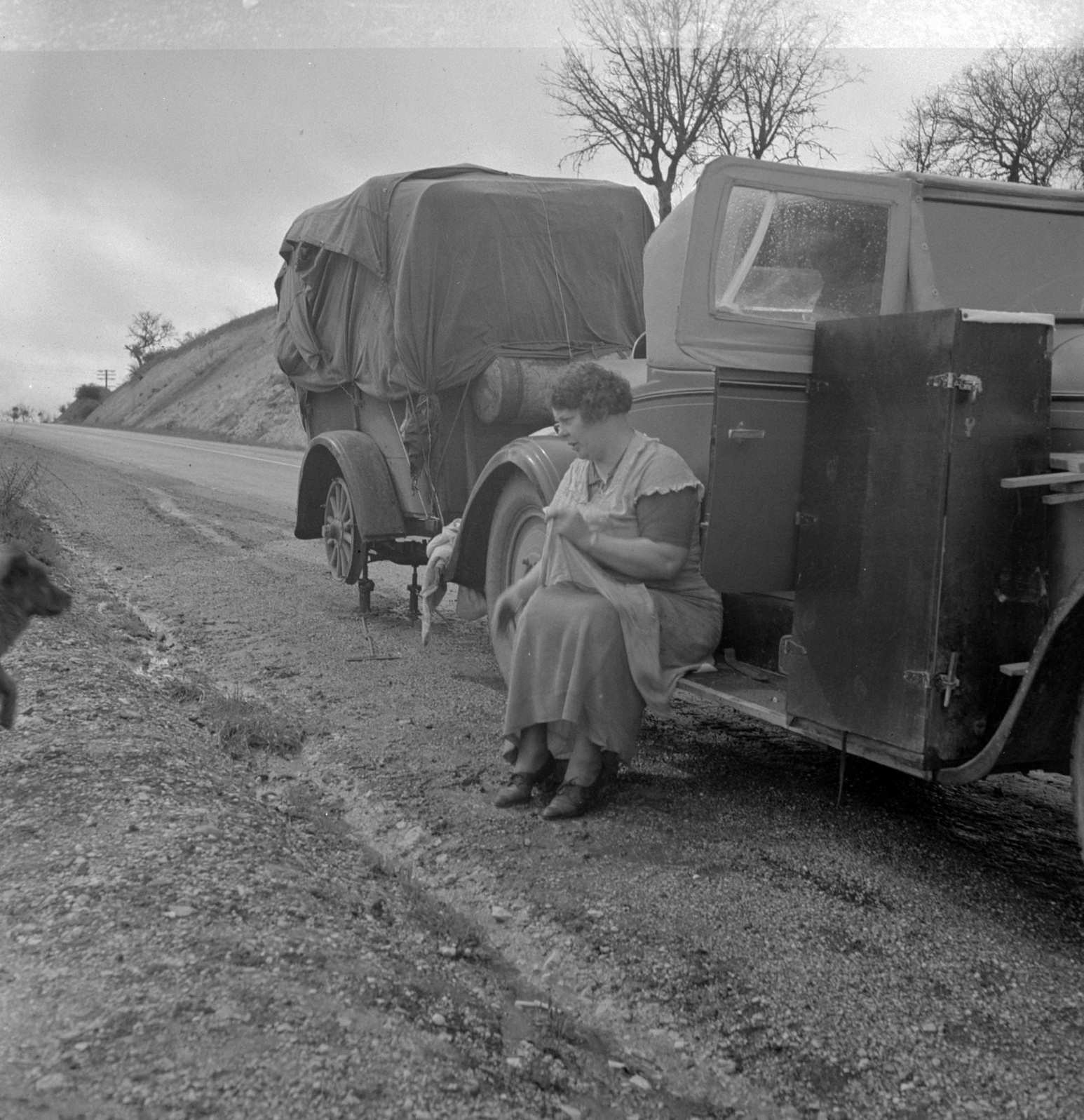
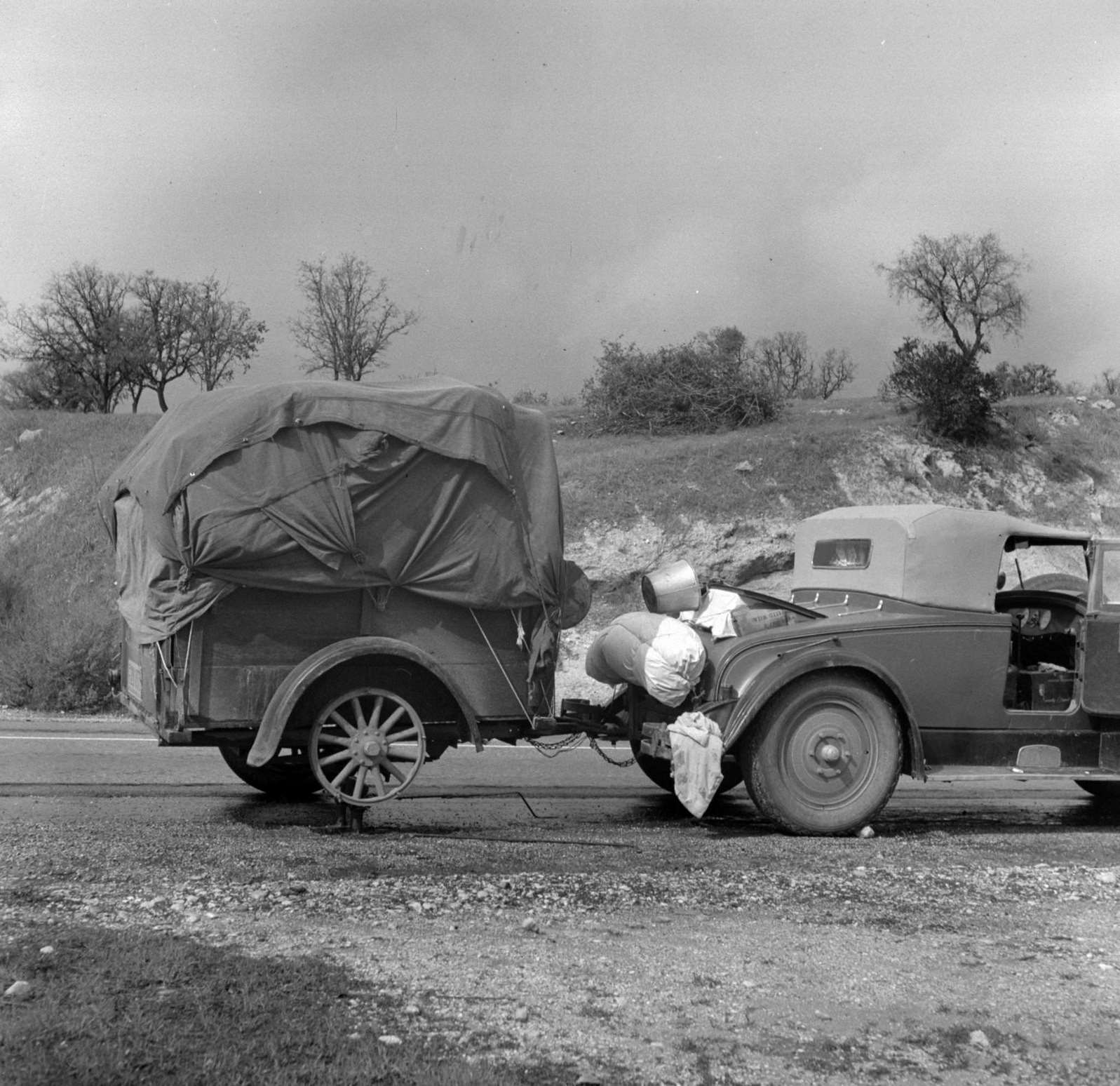
Migrant pea workers on the road. All their worldly possessions in car and trailer, 1930sMigrant pea workers on the road with tire trouble, 1930sMigrant worker from Oklahoma repairing tire on California, 1930s
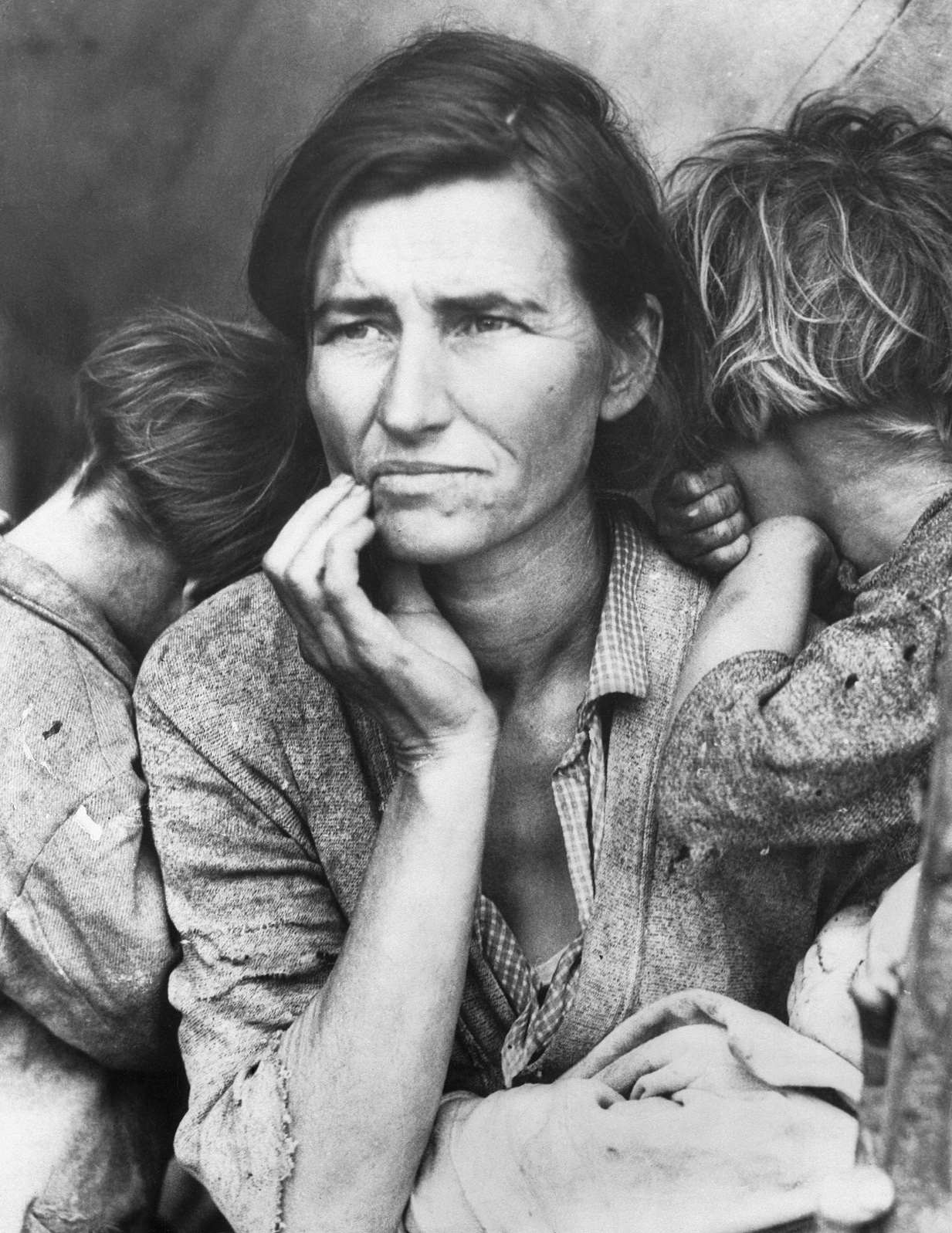
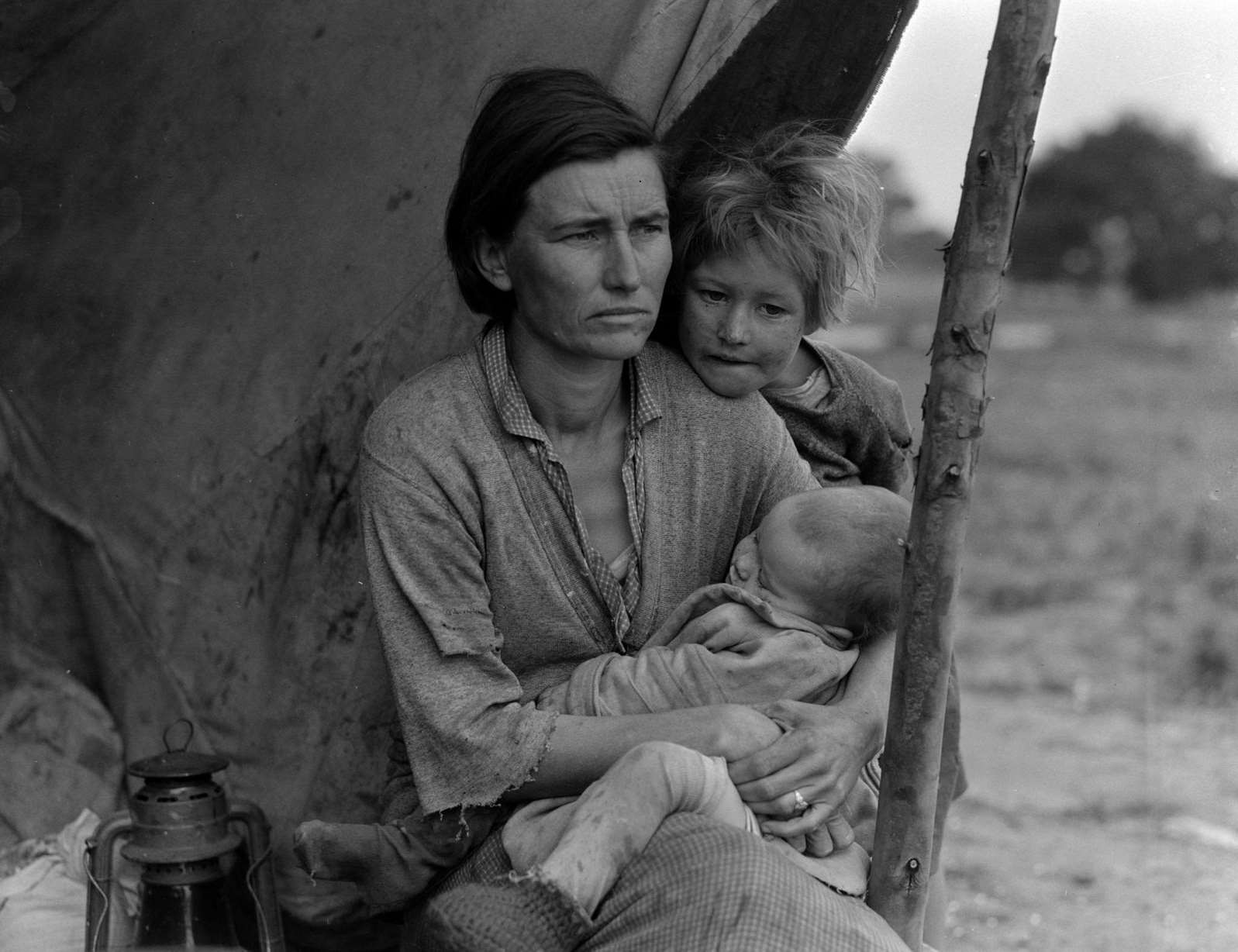
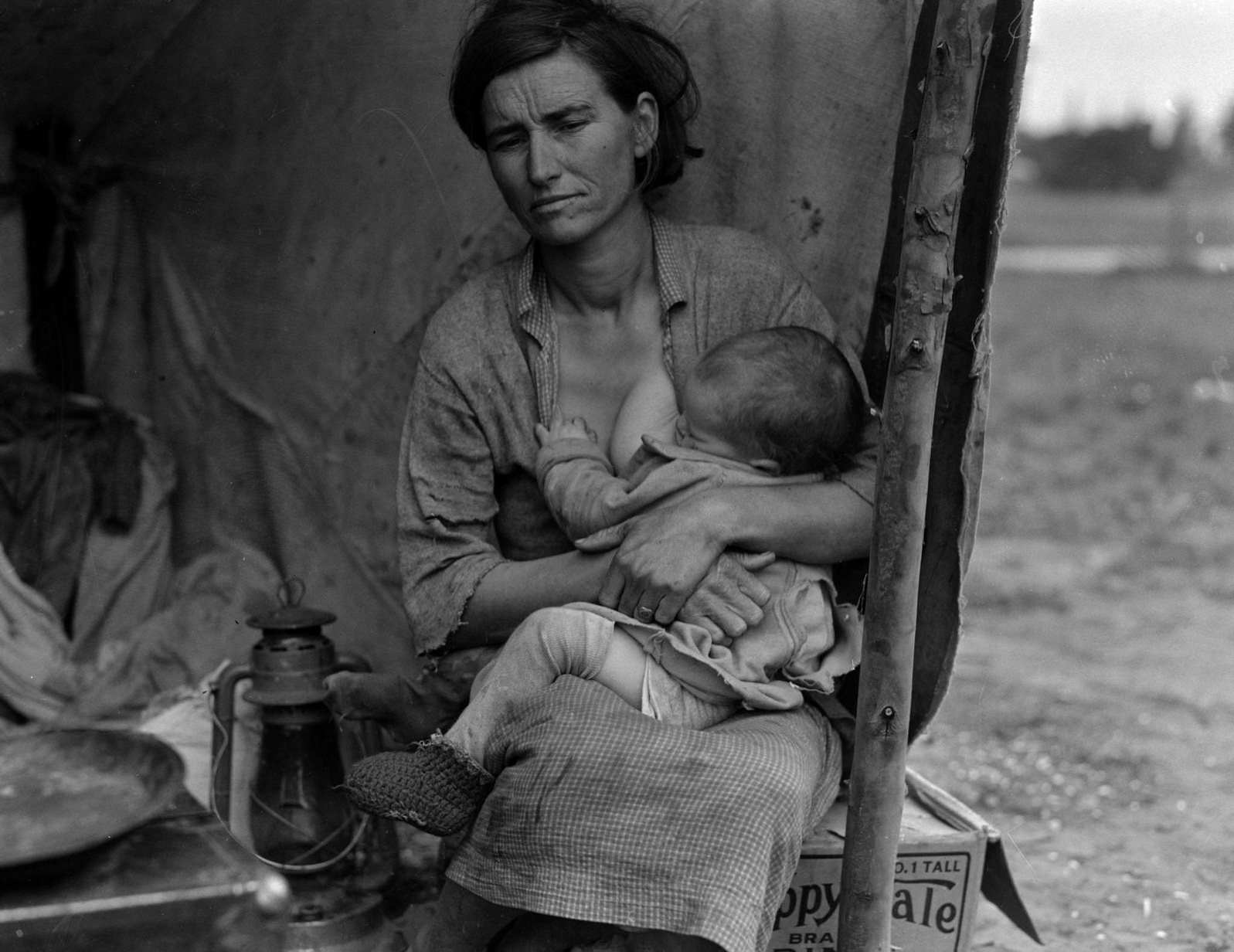
Photographer Dorothea Lange stepped out of her studio and into this world. She began documenting displaced workers on the streets and highways of California, developing a working method that set her apart. She learned how to put her subjects at ease, and she recorded their words alongside her photographs. Names, ages, where they came from, what they had lost — she preserved these details in her titles and annotations. The result was not just photography. It was testimony.
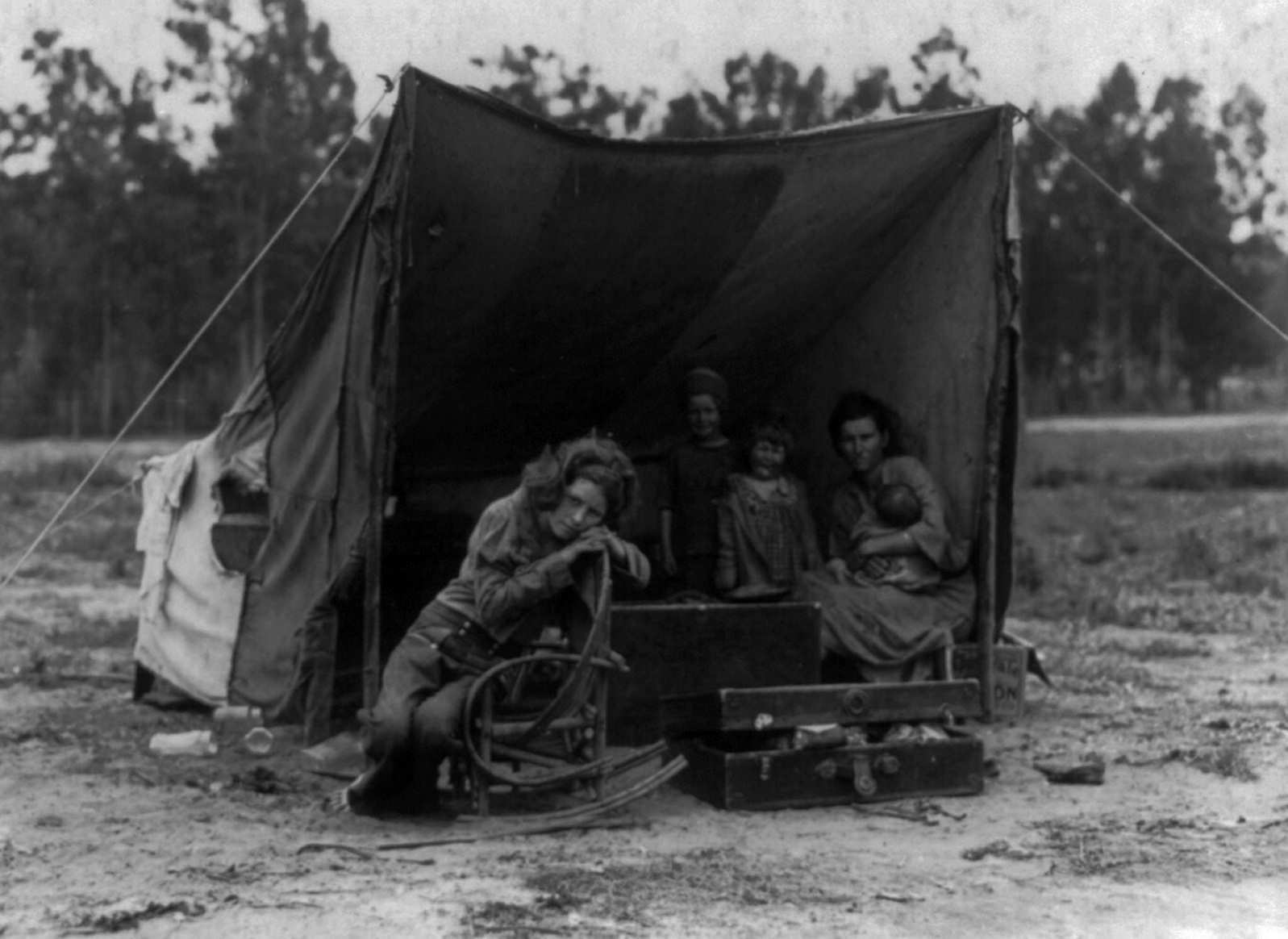
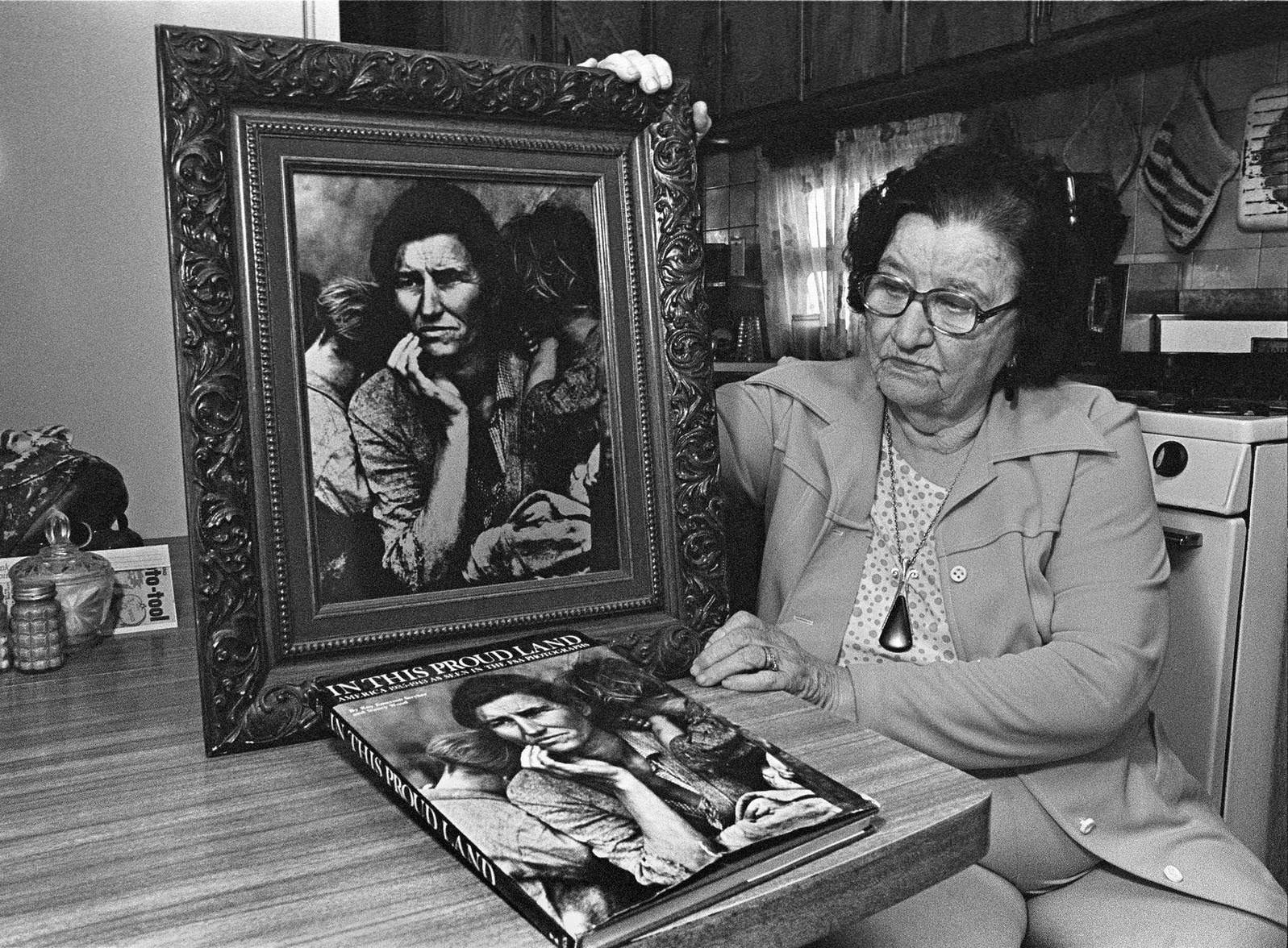
A poverty-stricken migrant mother (Florence Owens Thompson, 32) with three young children gazes off into the distance, 1930sMigrant agricultural worker’s family. Seven hungry children. Mother aged thirty-two. Father is native Californian. Nipomo, 1936Migrant agricultural worker’s family. Seven children without food. Mother aged thirty-two. Father is a native Californian. Nipomo, California, 1936.Migrant agricultural worker’s family. Seven hungry children. Mother aged thirty-two. Father is native Californian. Nipomo, California, 1936
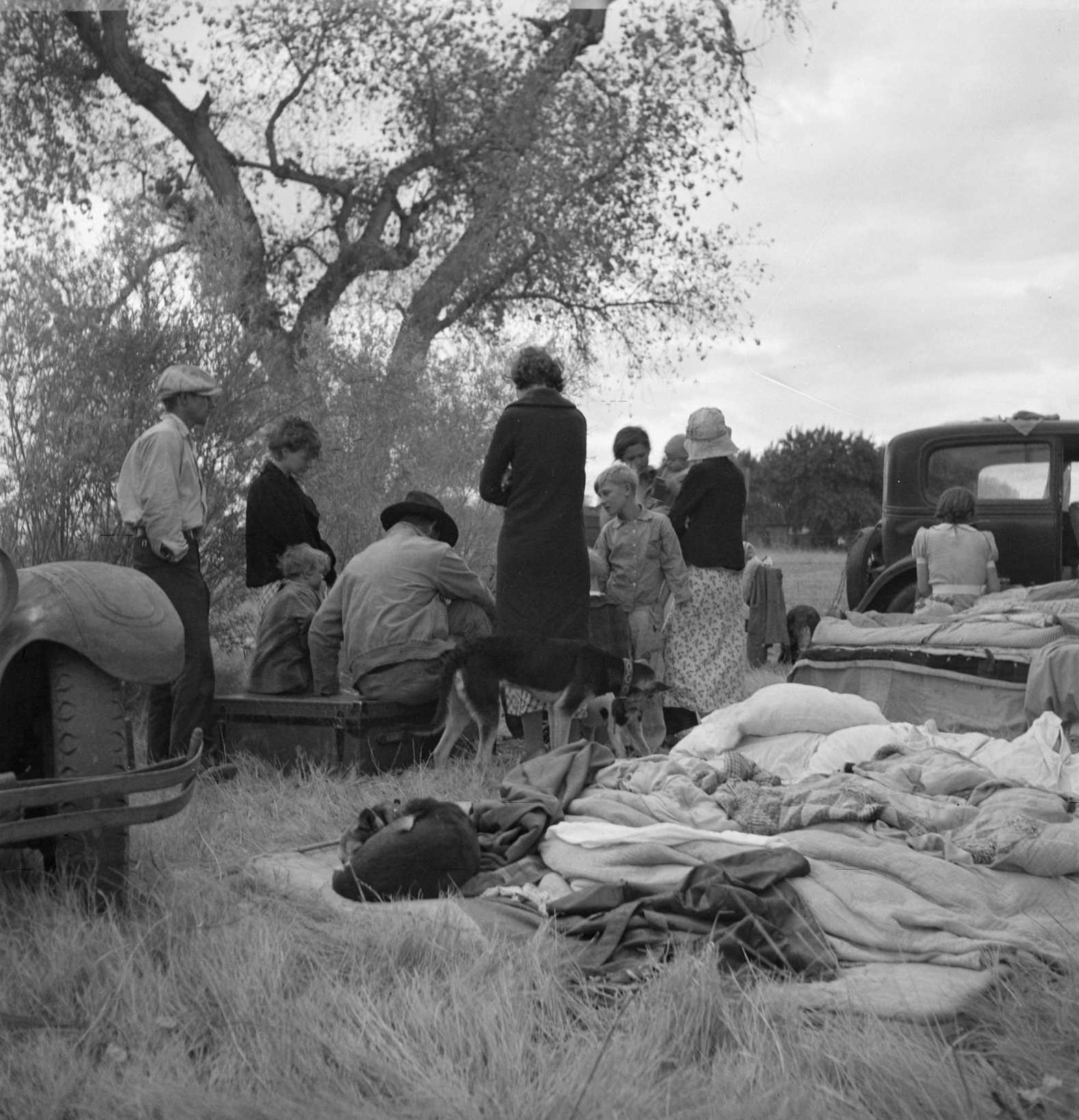
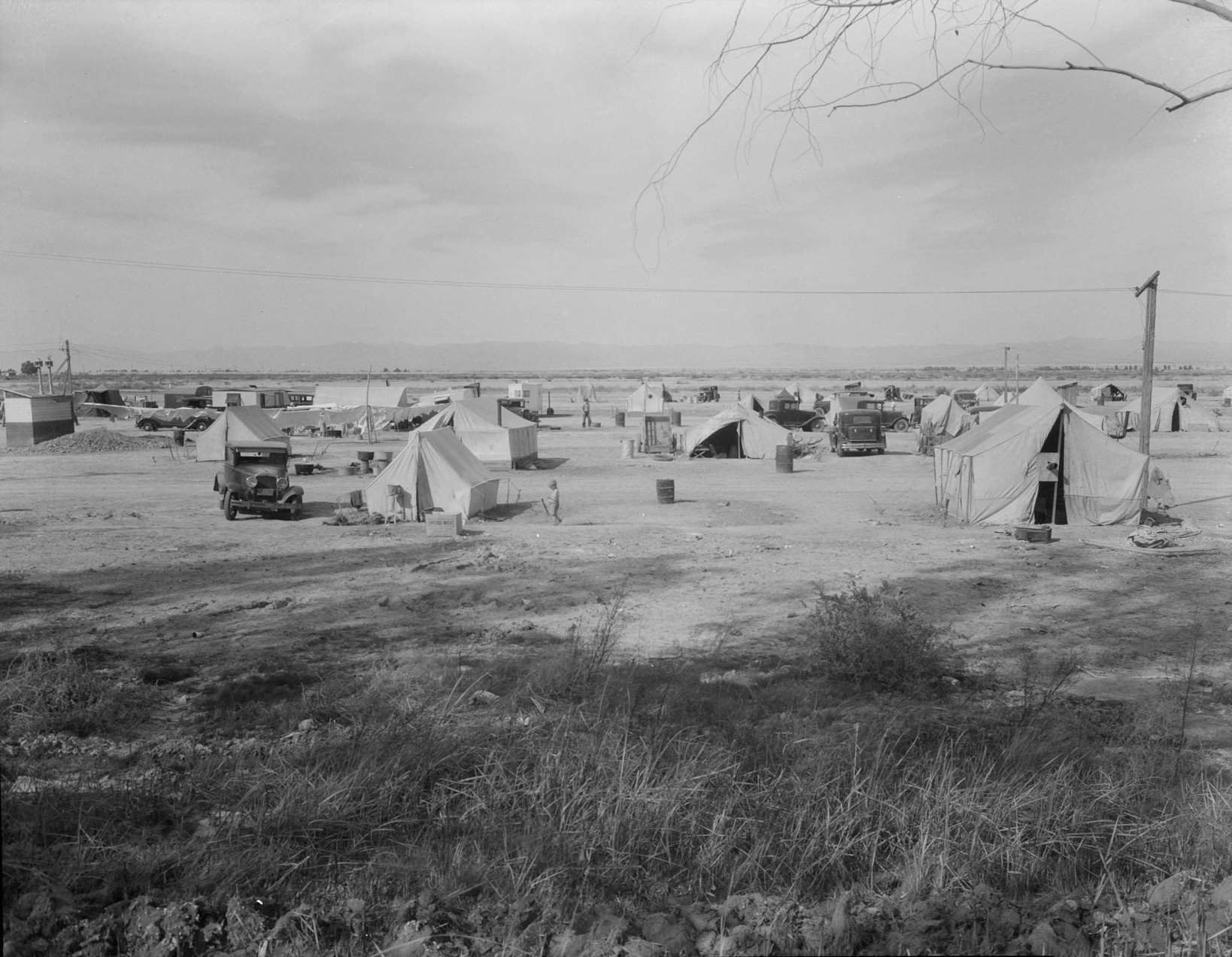
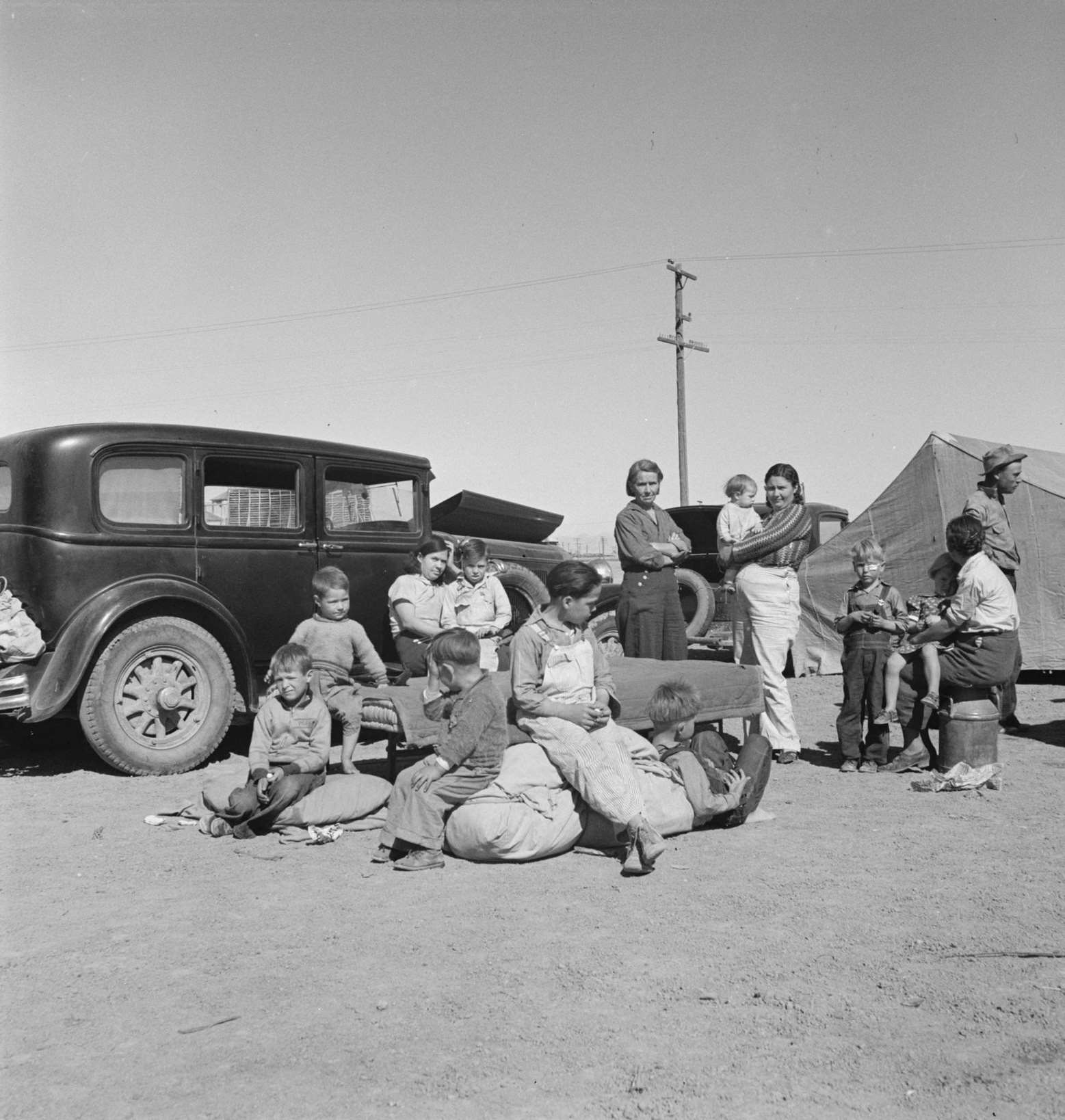
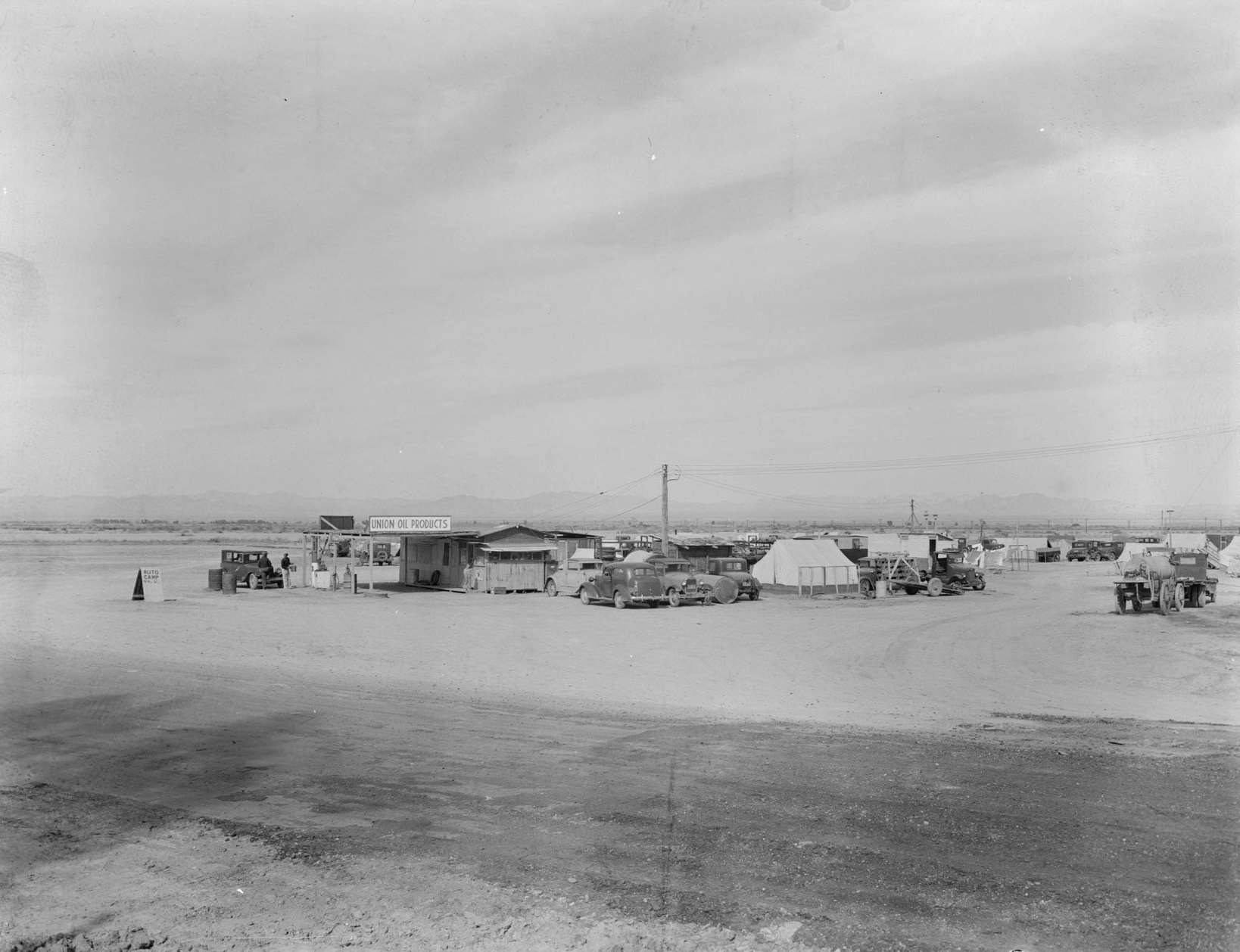
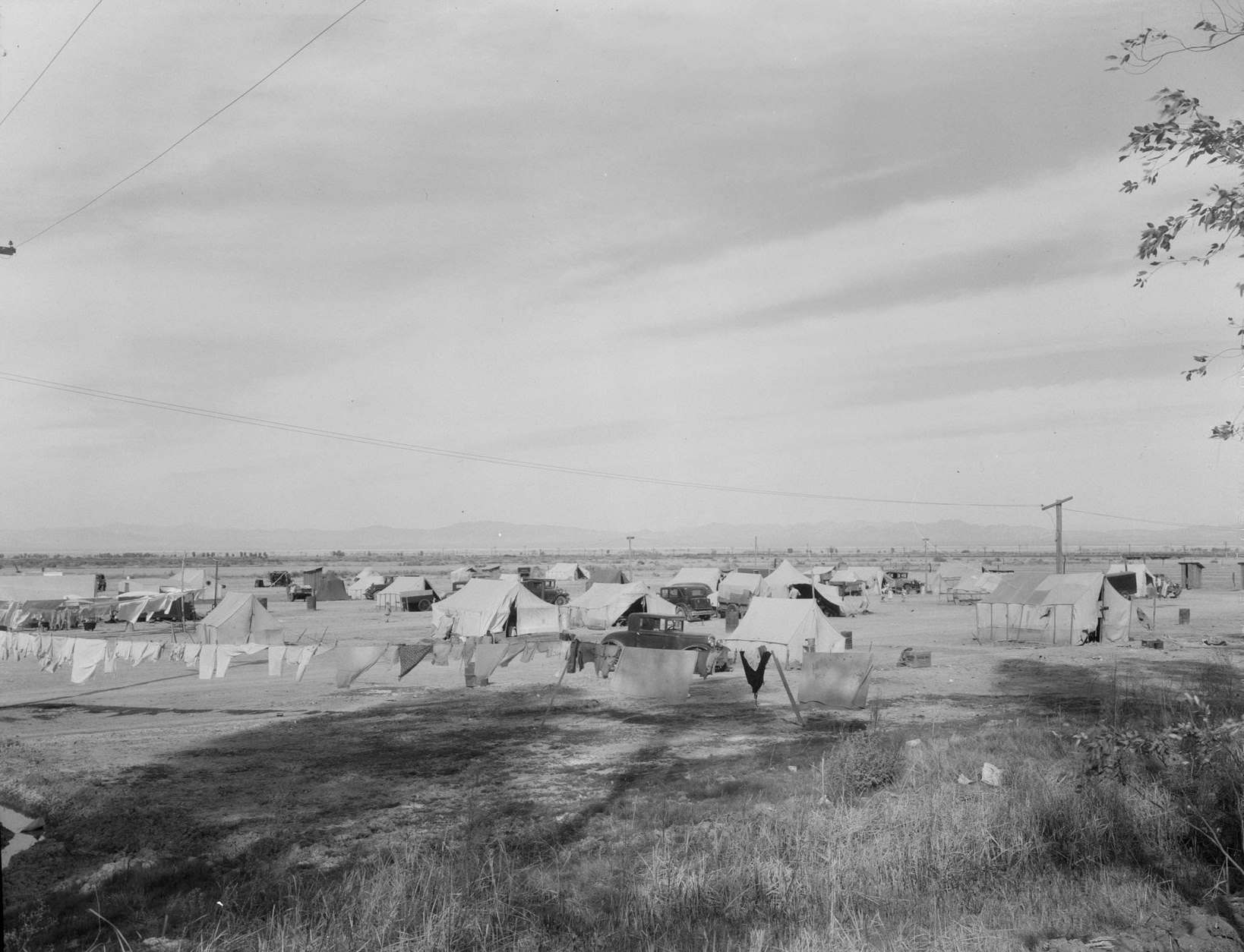
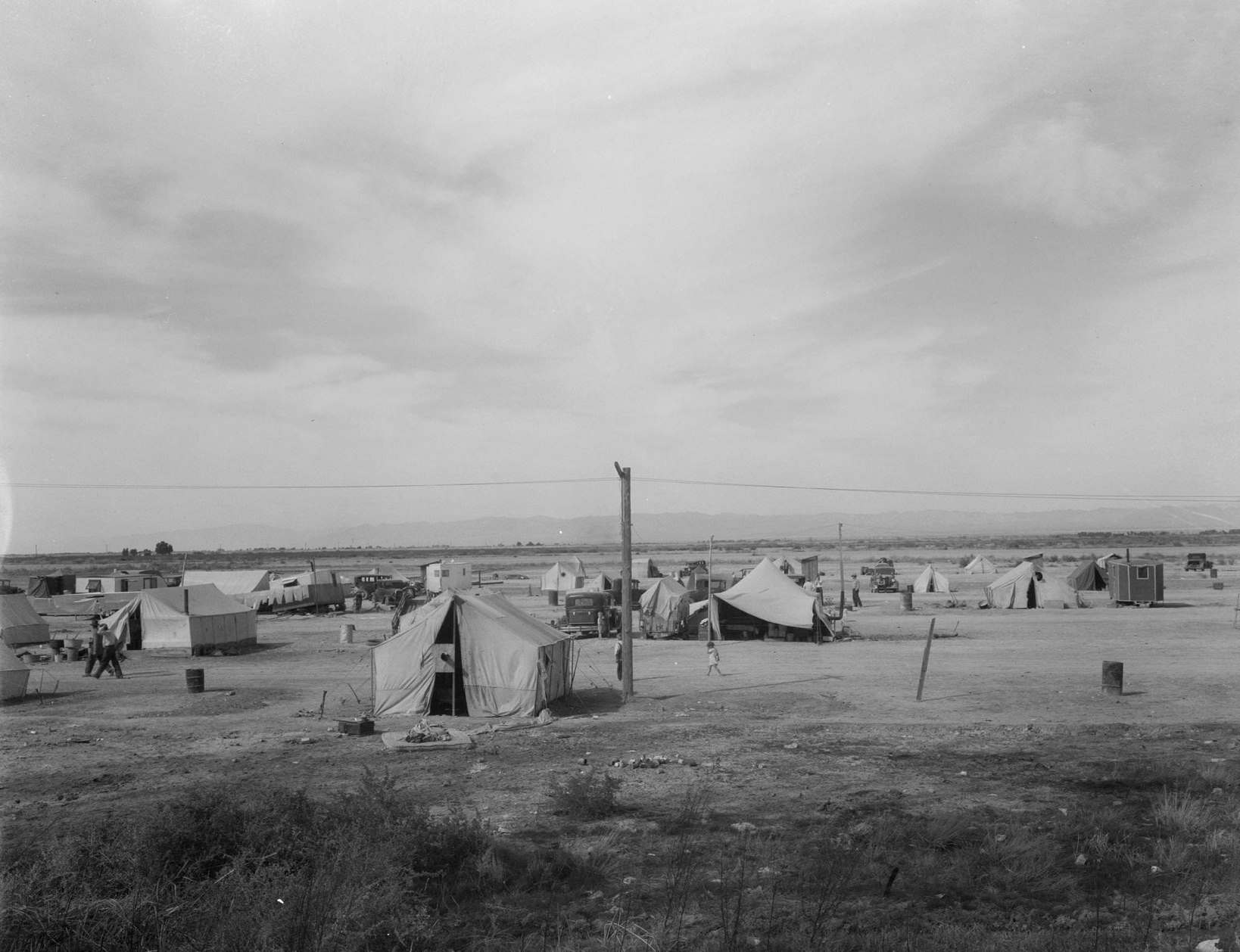
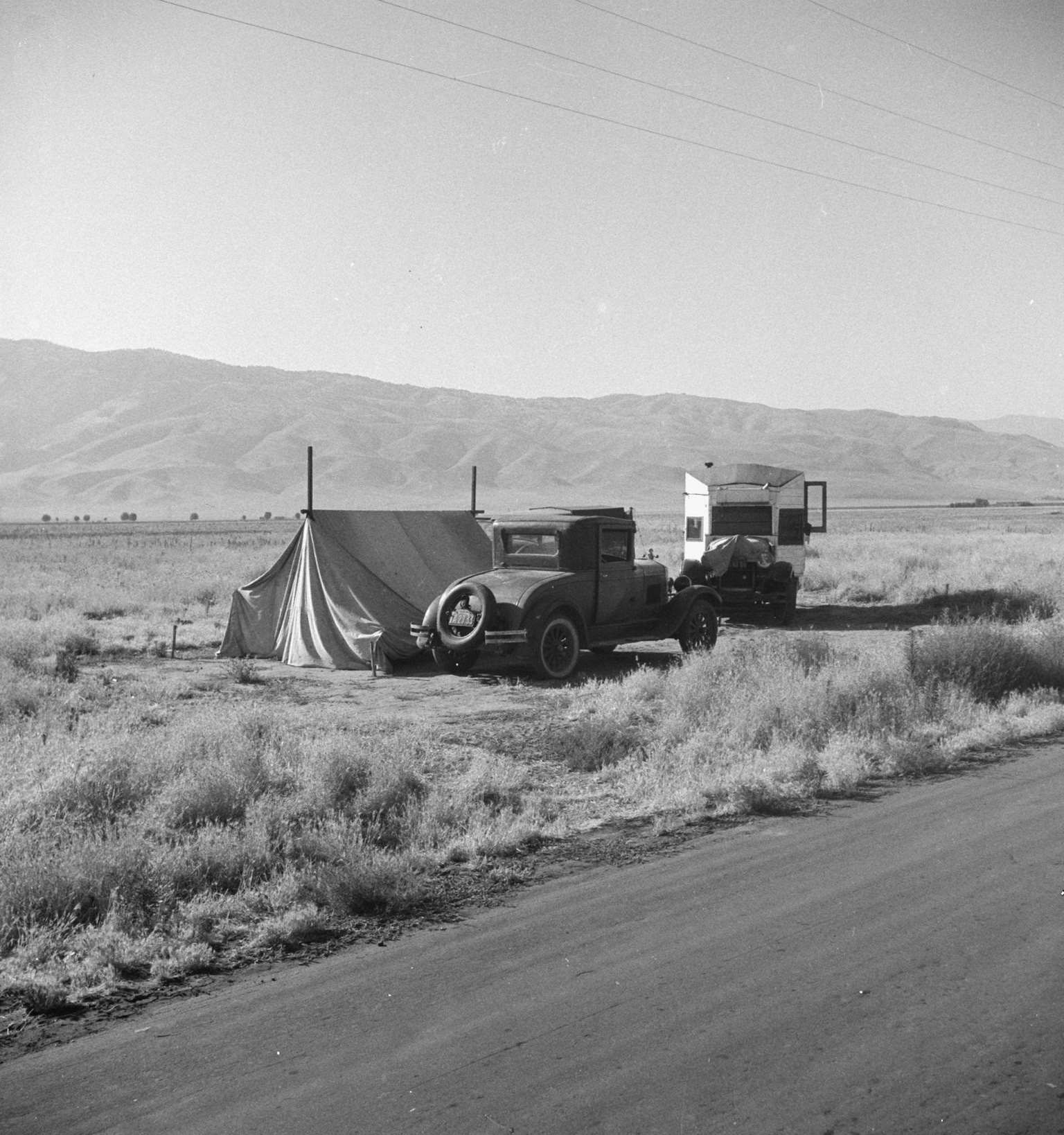
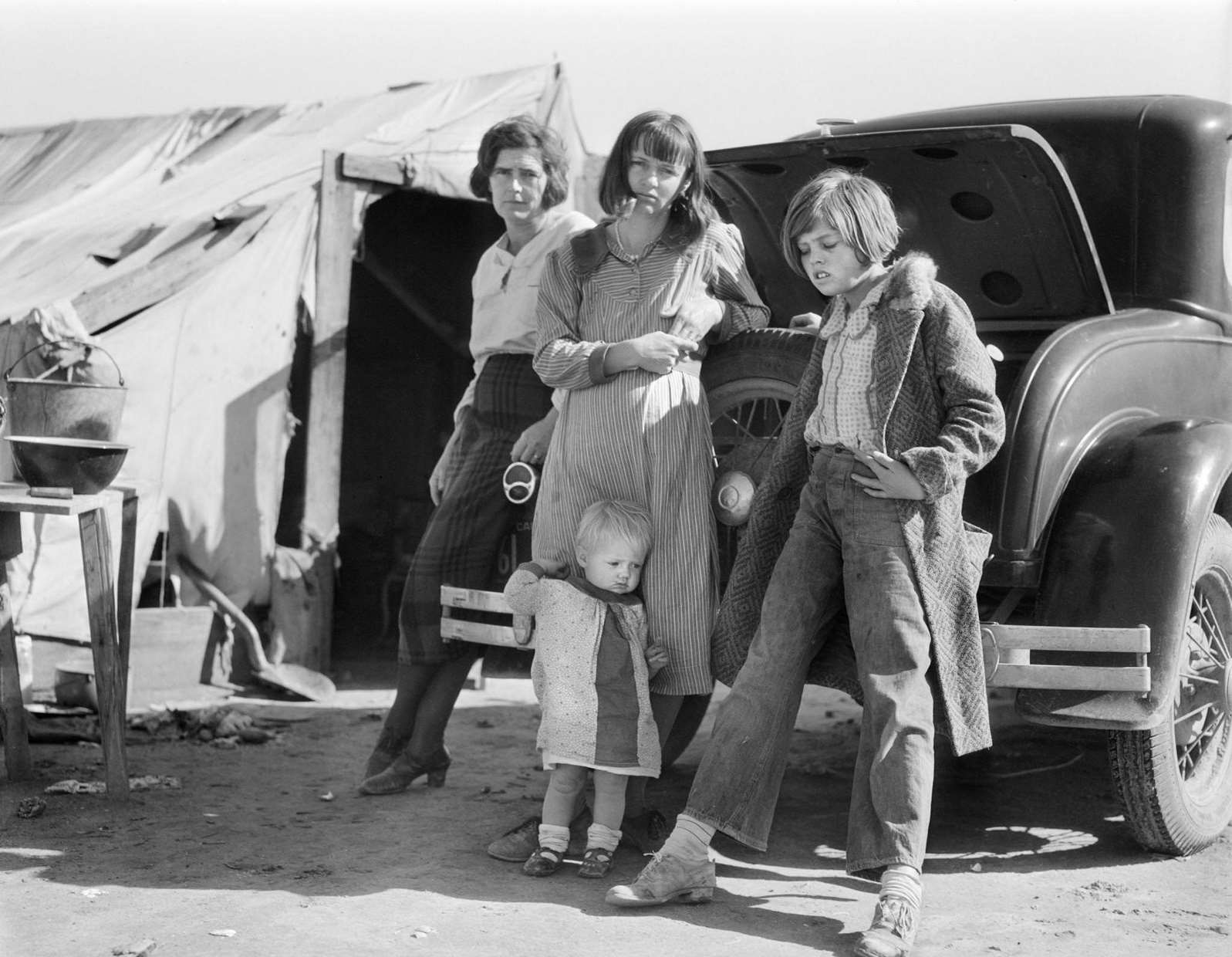
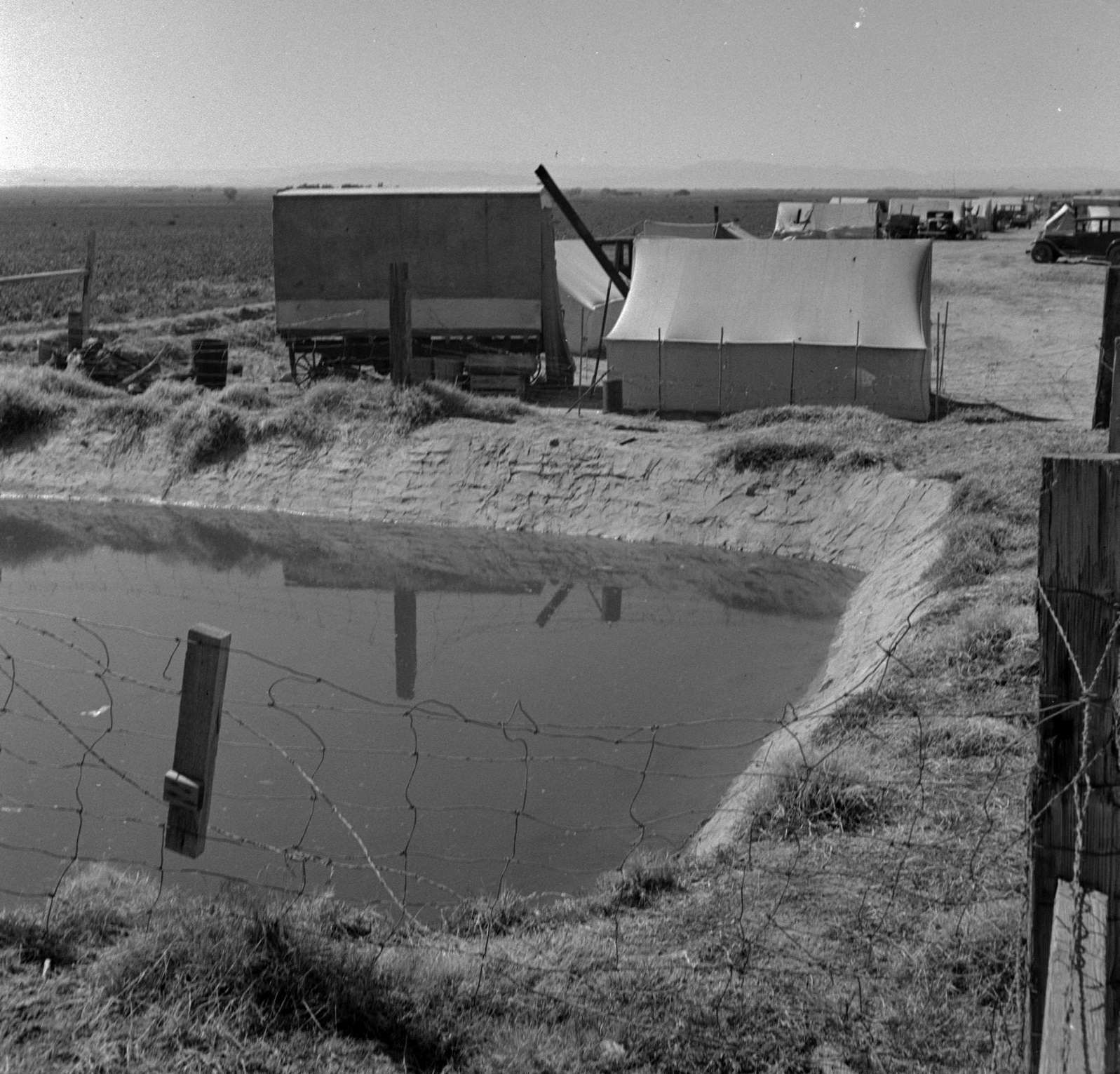
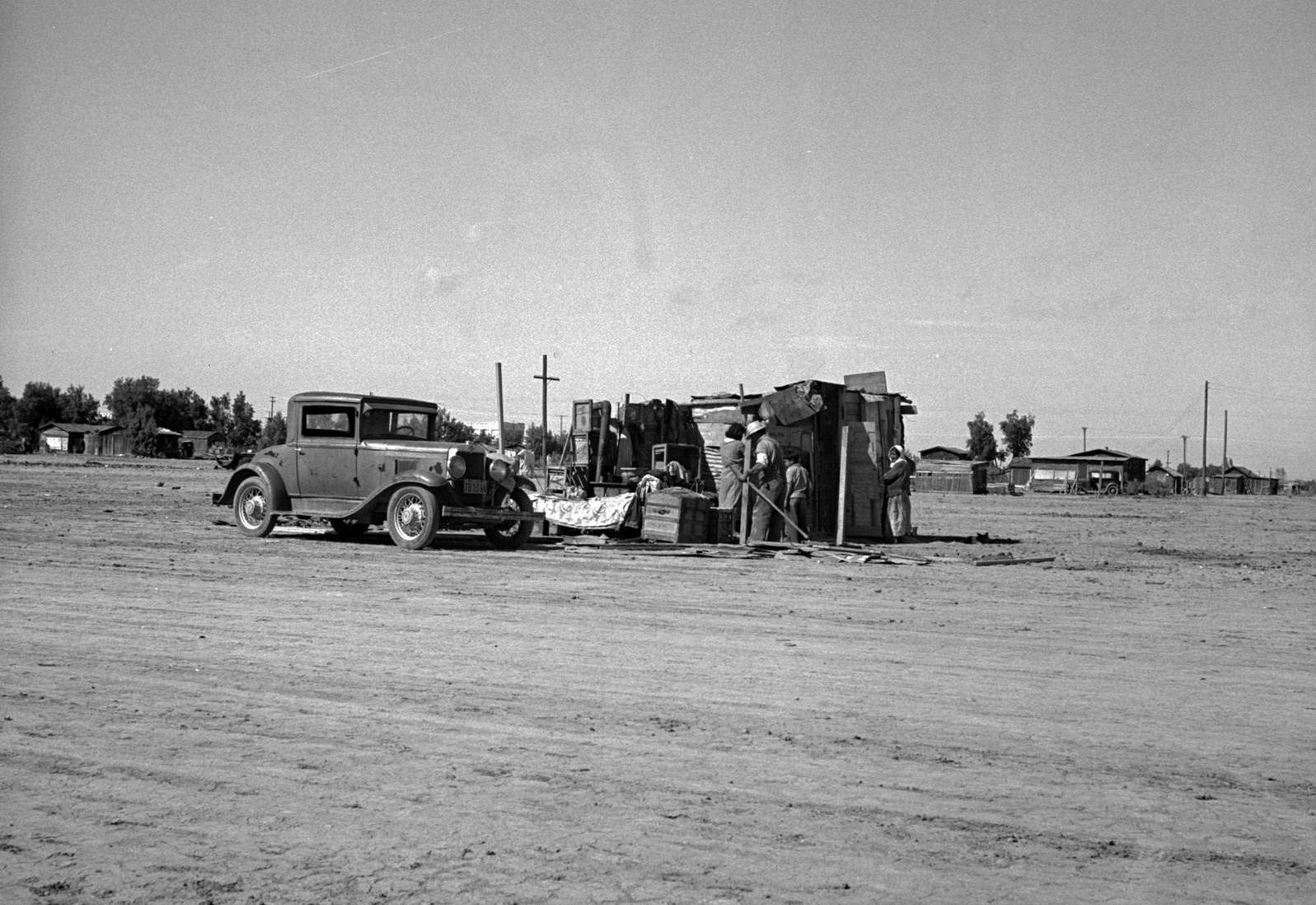
Along California’s roadsides and in makeshift camps, families with children lived without shelter, without clean water, and with no reliable income. Near Bakersfield, one family of twenty-two people — having faced thirty-nine evictions — set up camp in the open, looking for work in the cotton fields. Near Calipatria, around eighty families from the Dust Bowl squeezed into an auto camp, paying fifty cents a week each. The only work available was agricultural labor.
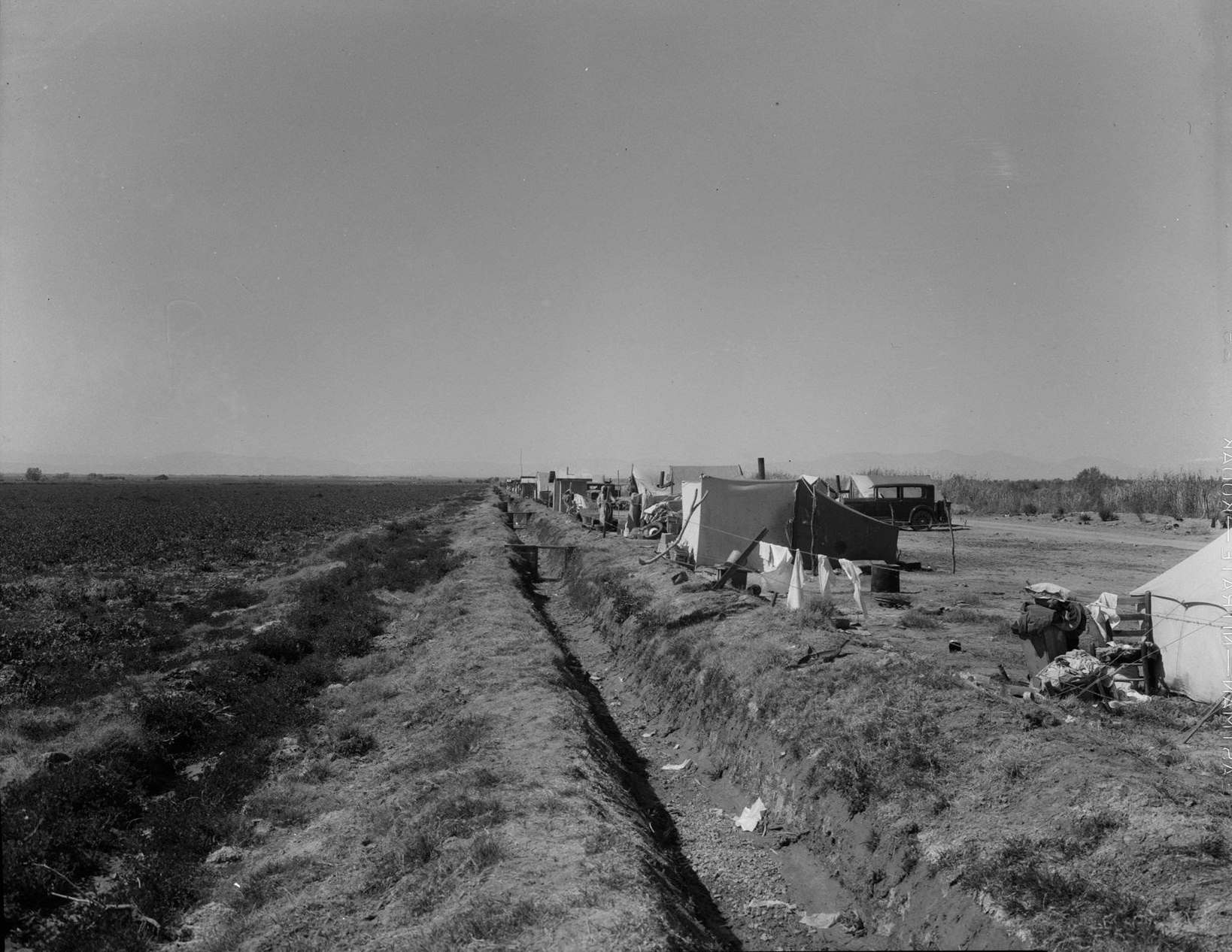
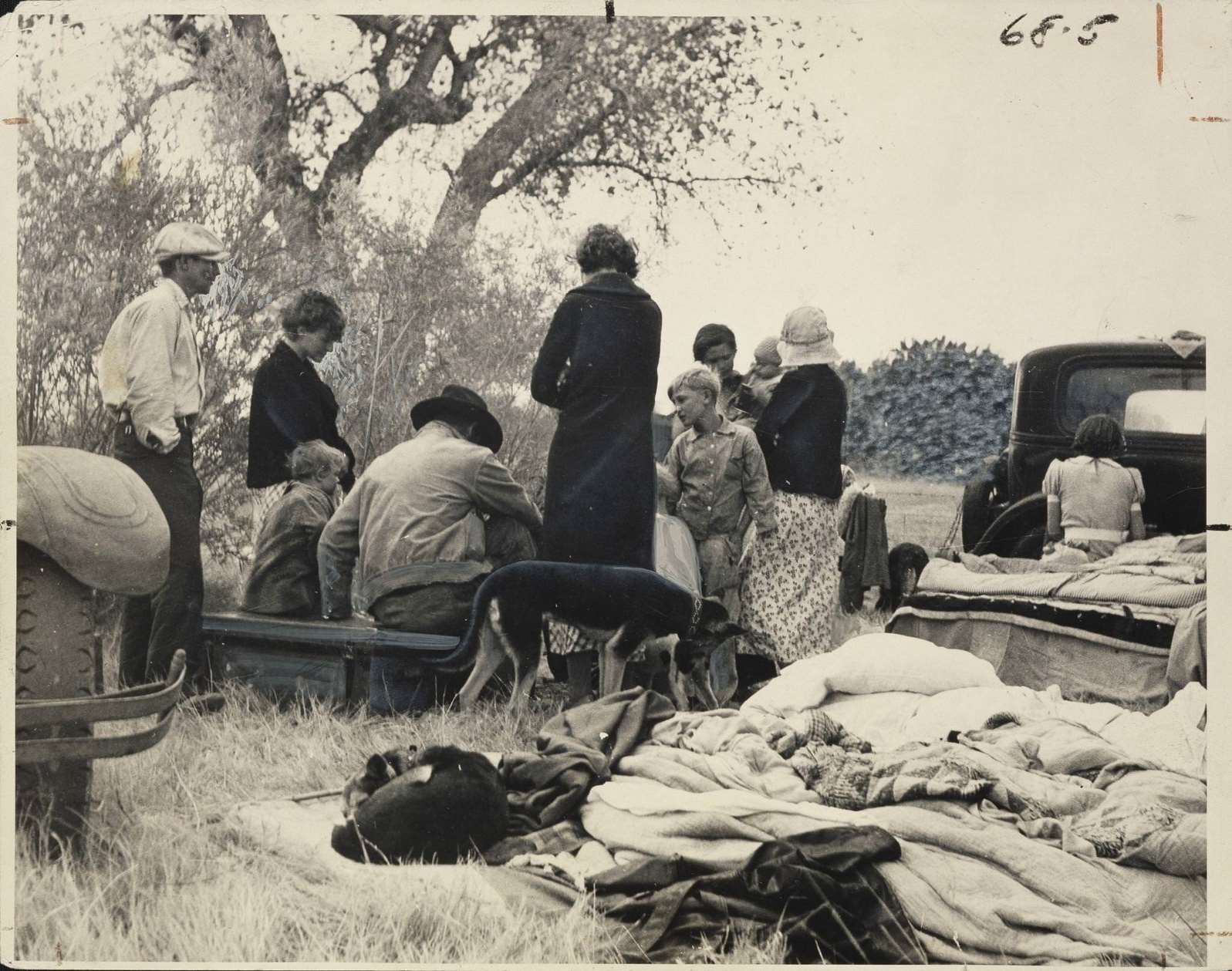
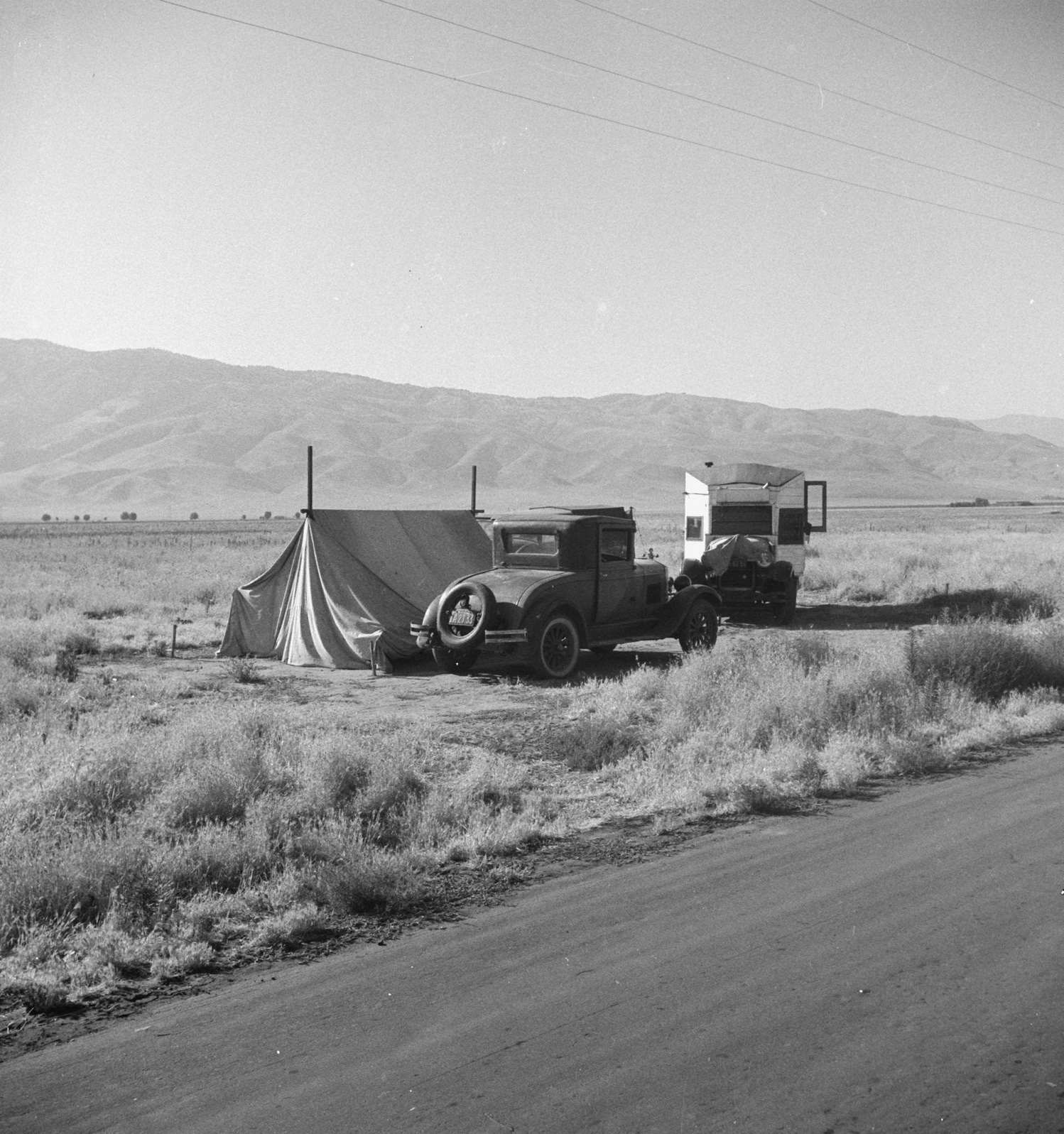
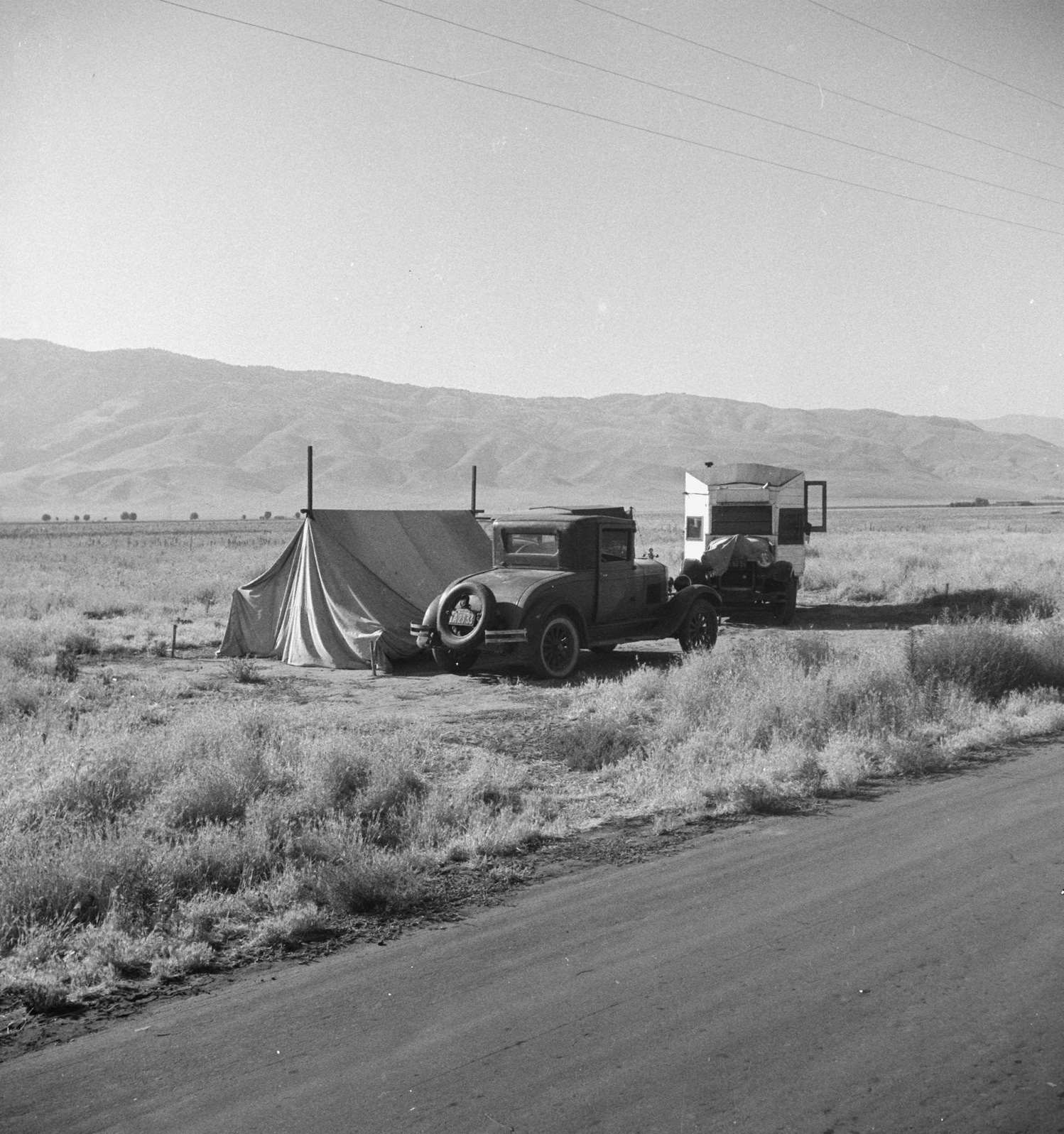
Squatters along highway near Bakersfield, California. Penniless refugees from dust bowl, 1932sAuto camp north of Calipatria, California, 1935Four families, three of them related with fifteen children, from the Dust Bowl in Texas in an overnight roadside camp near Calipatria, California, 1935Squatter camp on county road near Calipatria, 1933. Forty families from the dust bowl have been camped here for months on the edge of the pea fields.
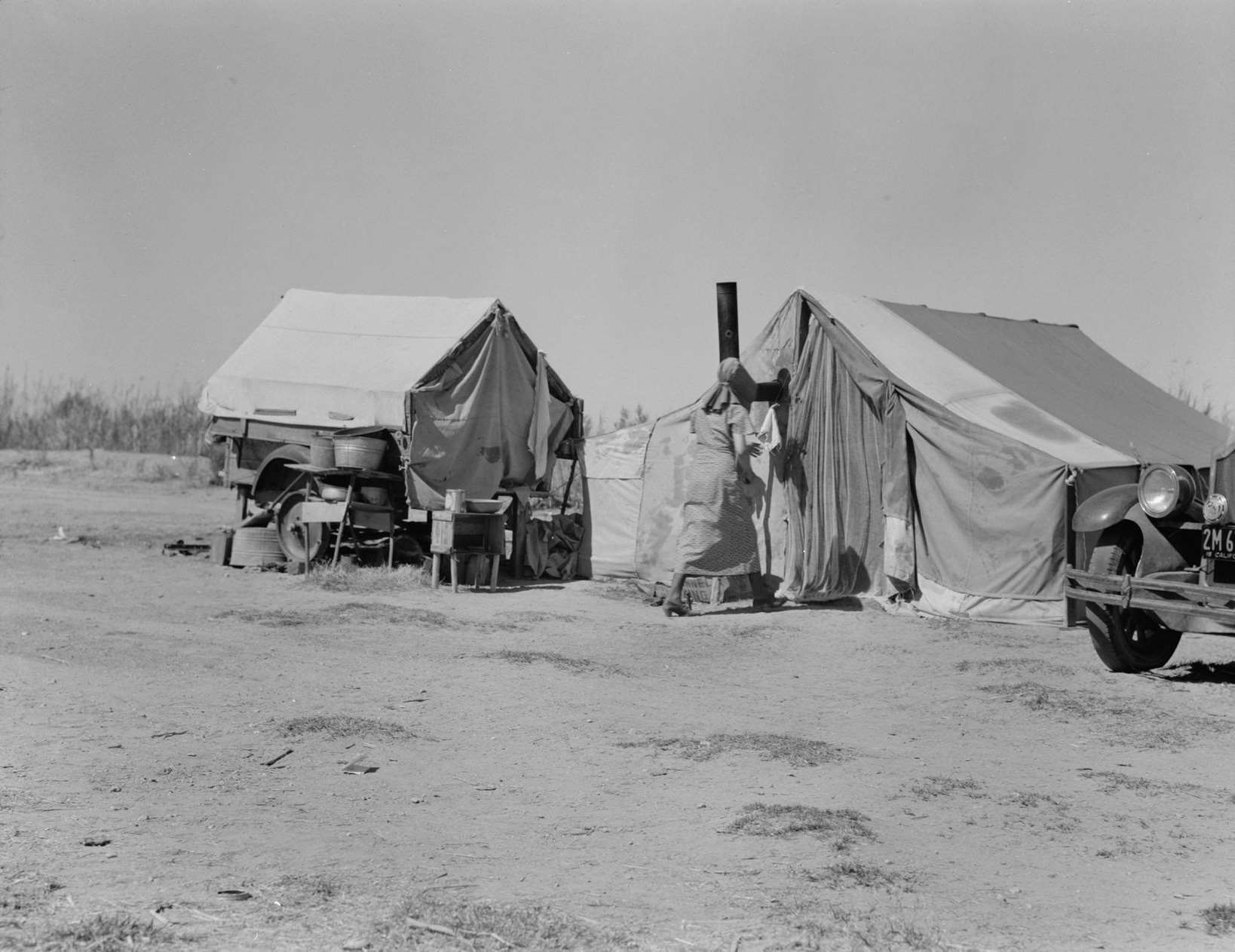
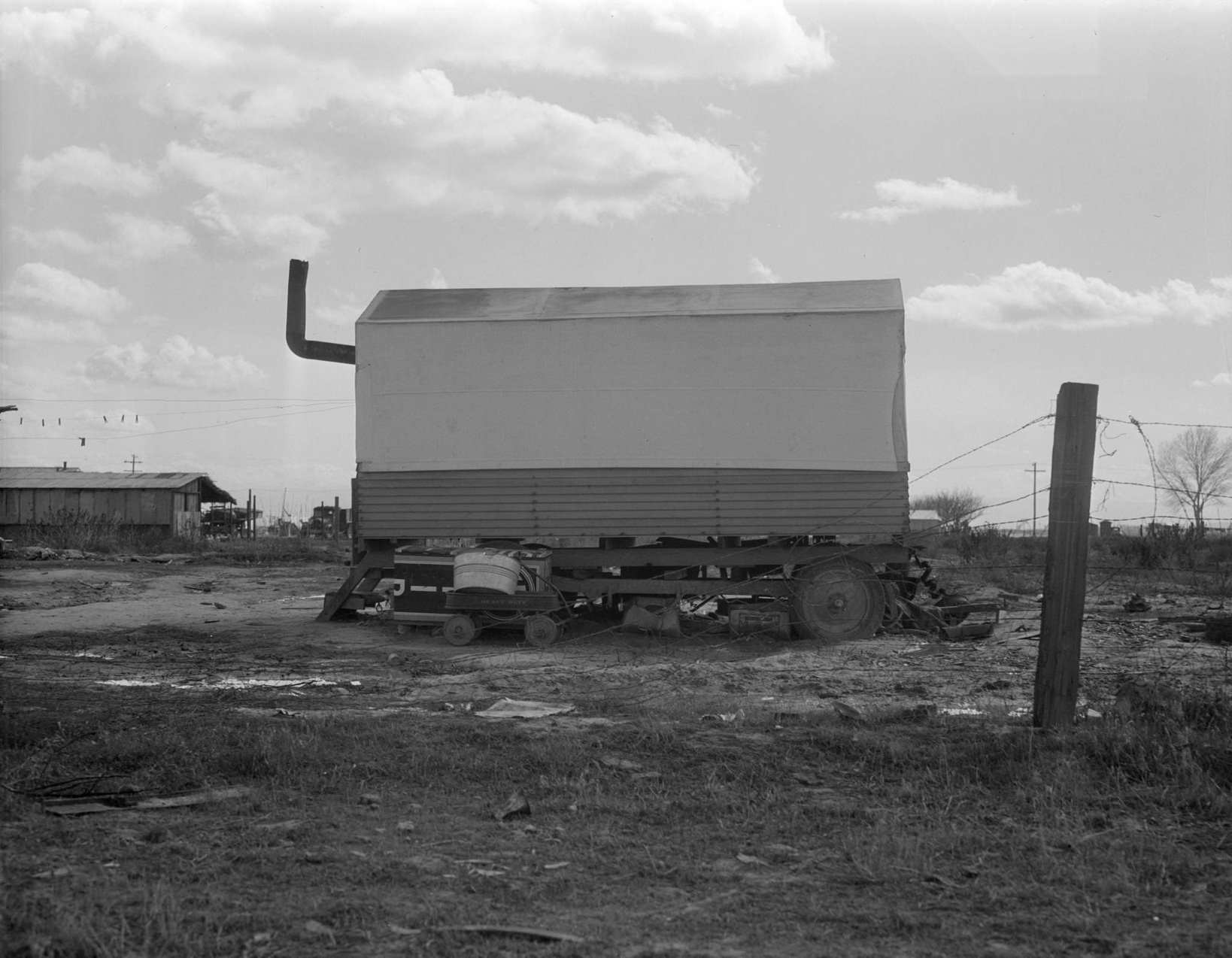
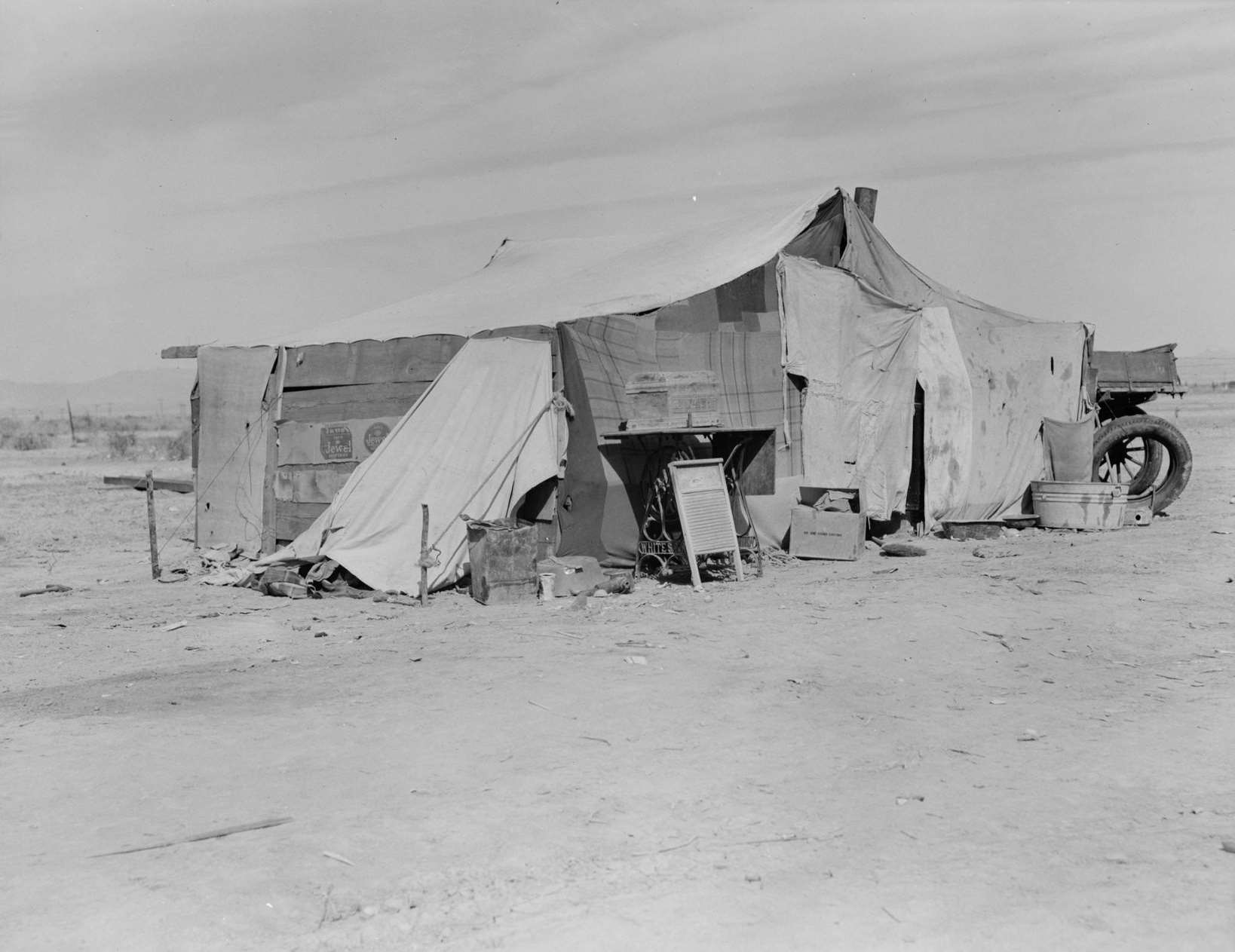
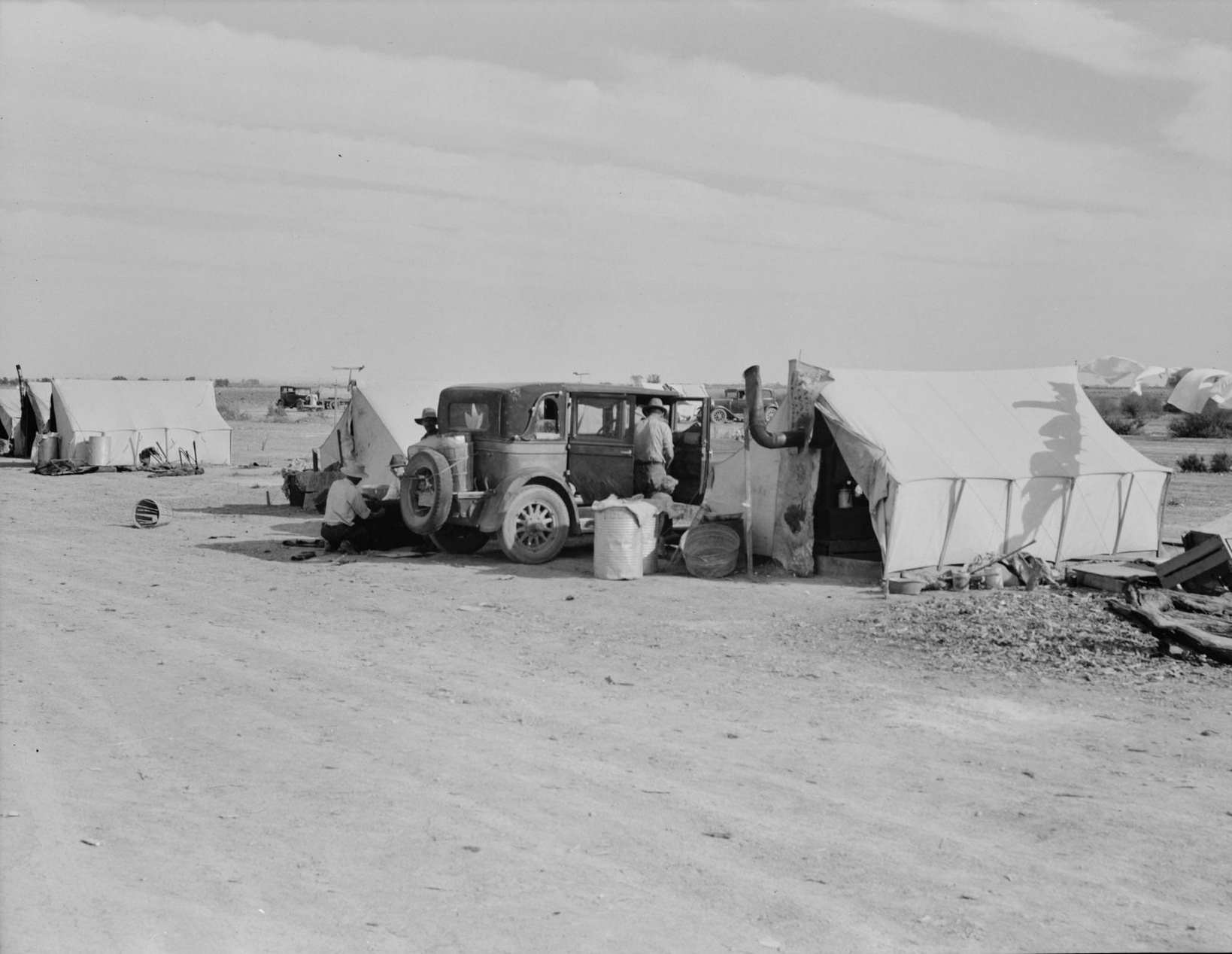
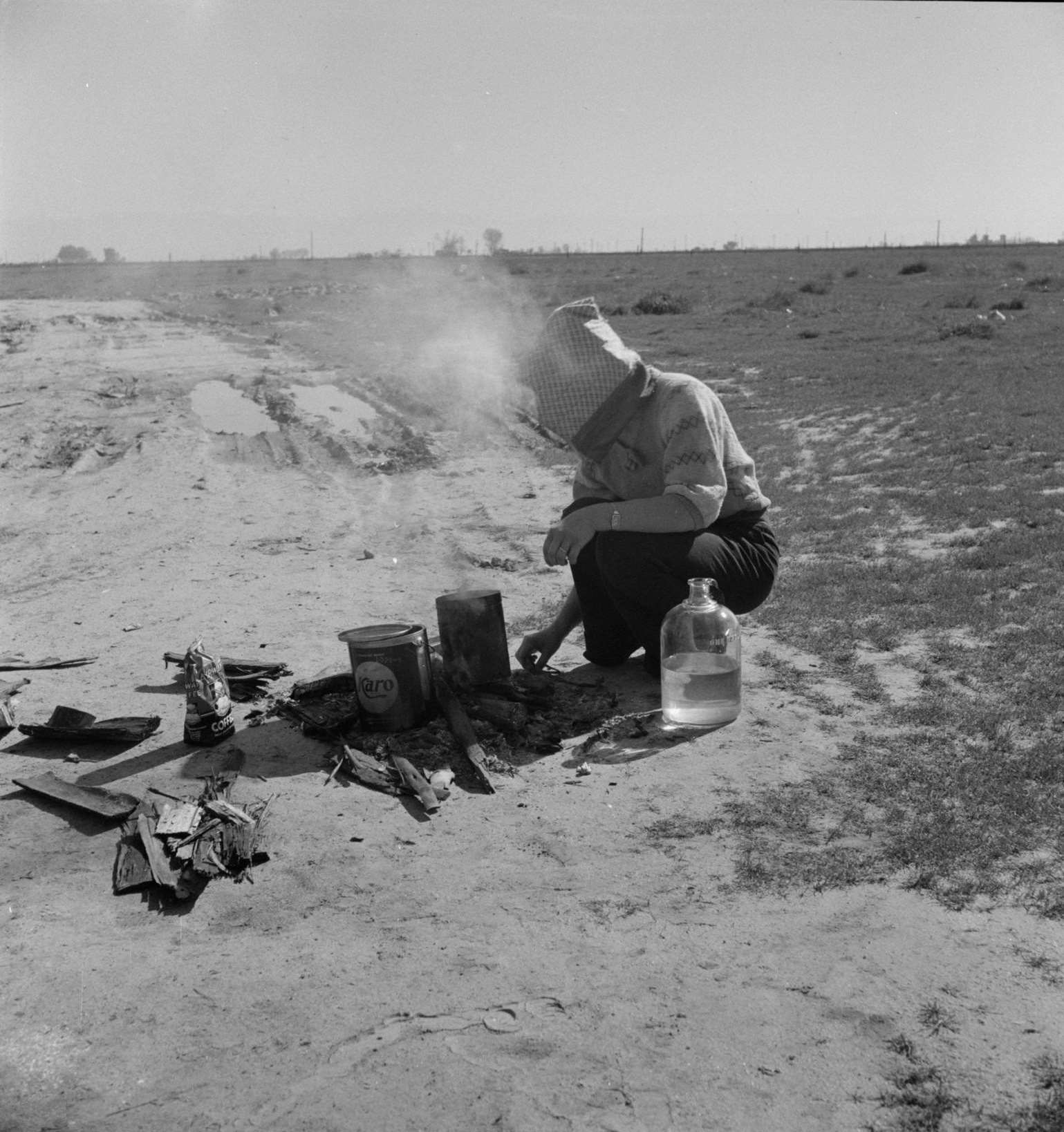
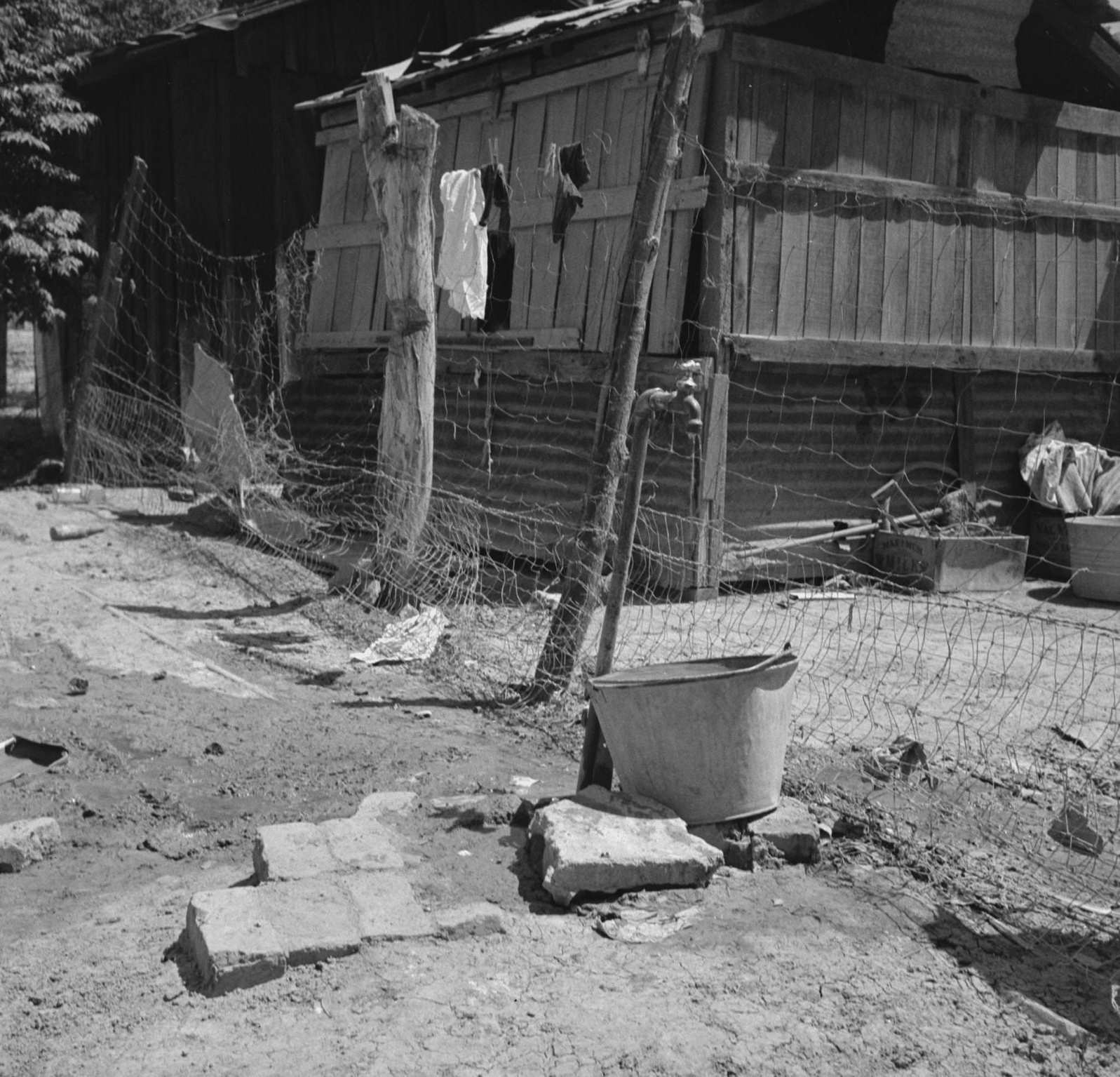
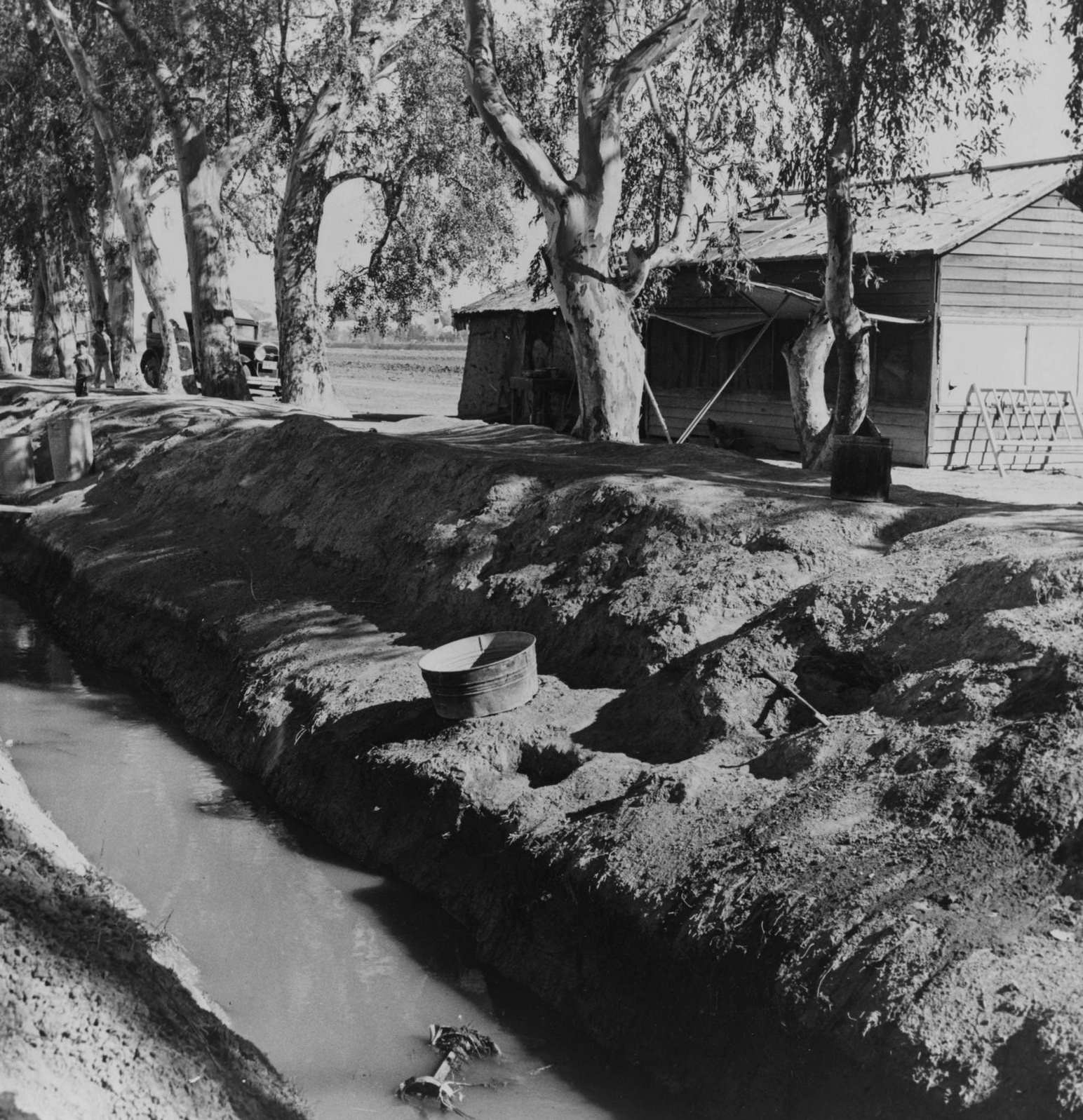
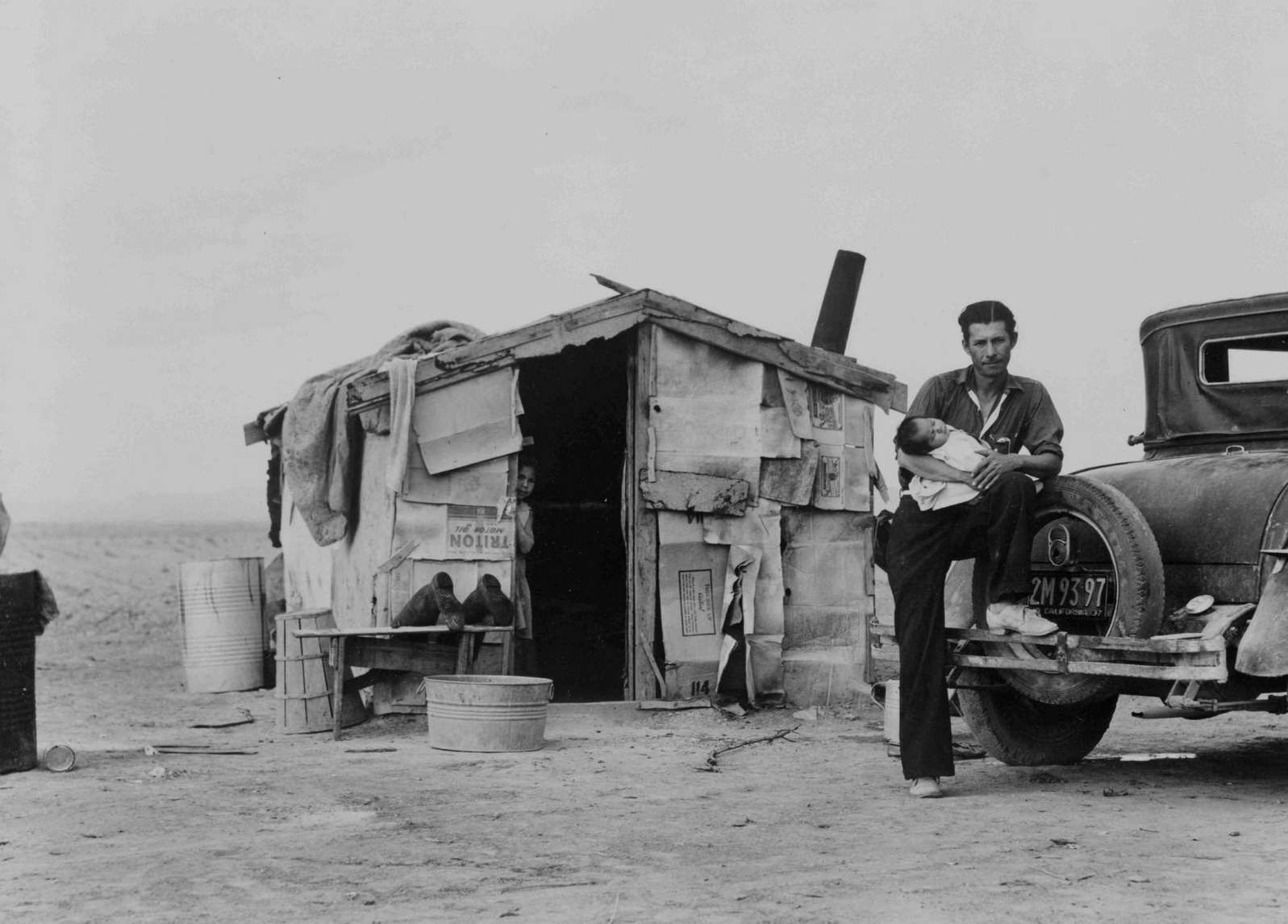
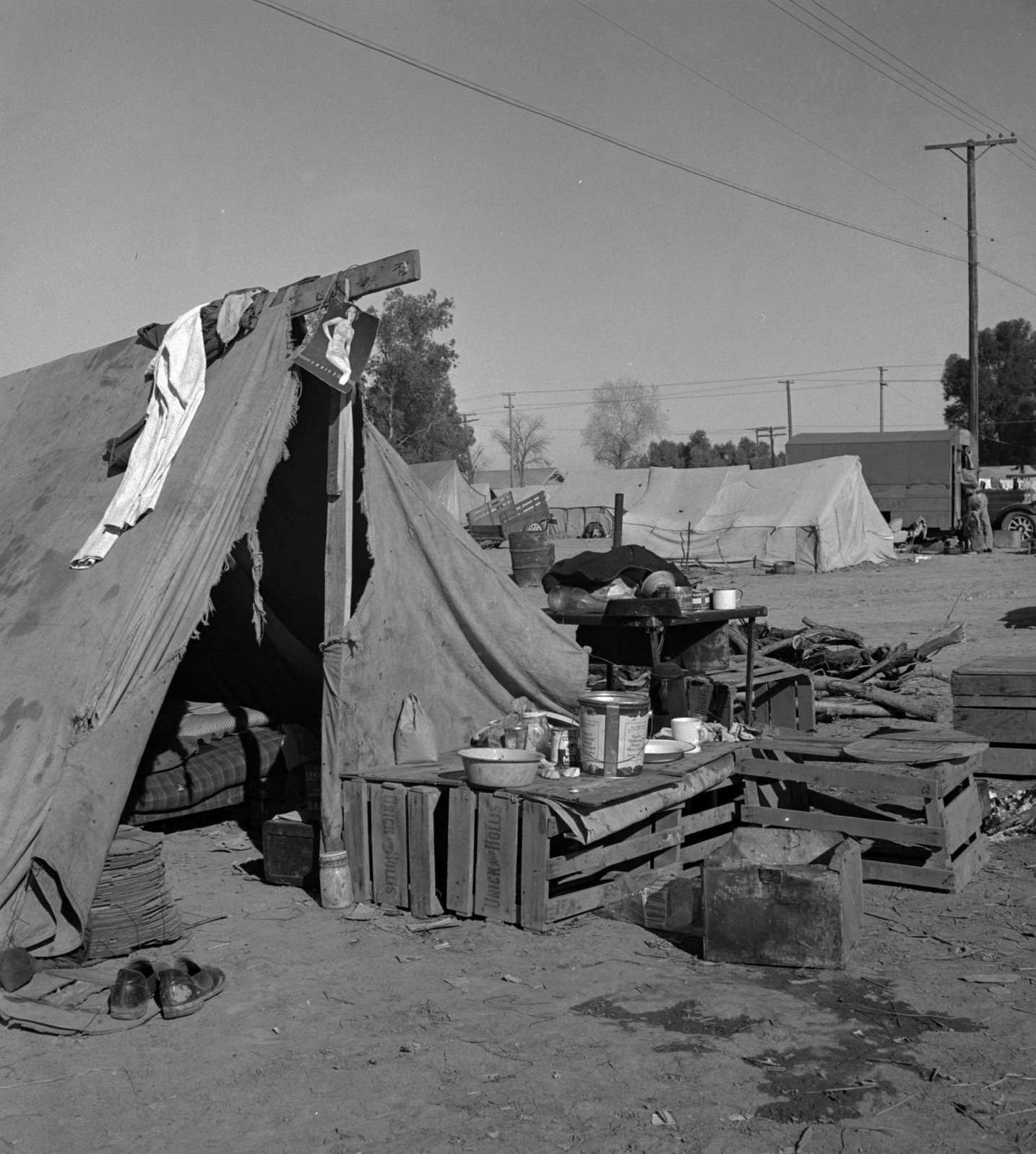
The shelters people lived in were whatever they could piece together — tarps, scrap wood, tents, and the vehicles they arrived in. Some dug into the earth or leaned corrugated metal against trees. Children hauled water from ditches. Families cooked over open fires. These were not temporary inconveniences. For many, this was daily life for years.
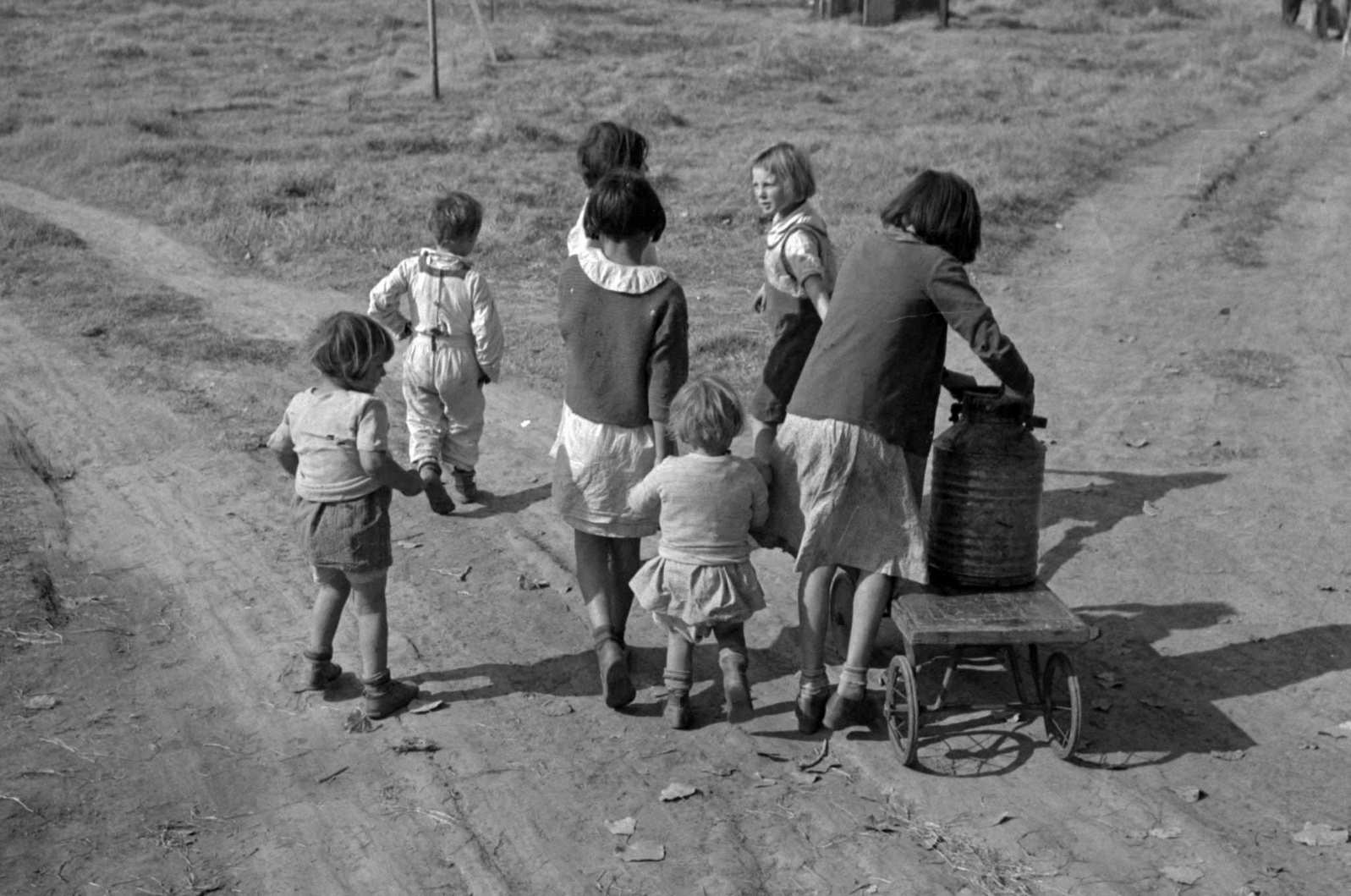
Home of a dust bowl refugee in California, 1932Dust bowl refugee in California, 1934Dust bowl refugees living in camps in California, 1934Children of migratory workers, hauling water, American River camp, San Joaquin Valley, California, 1930s
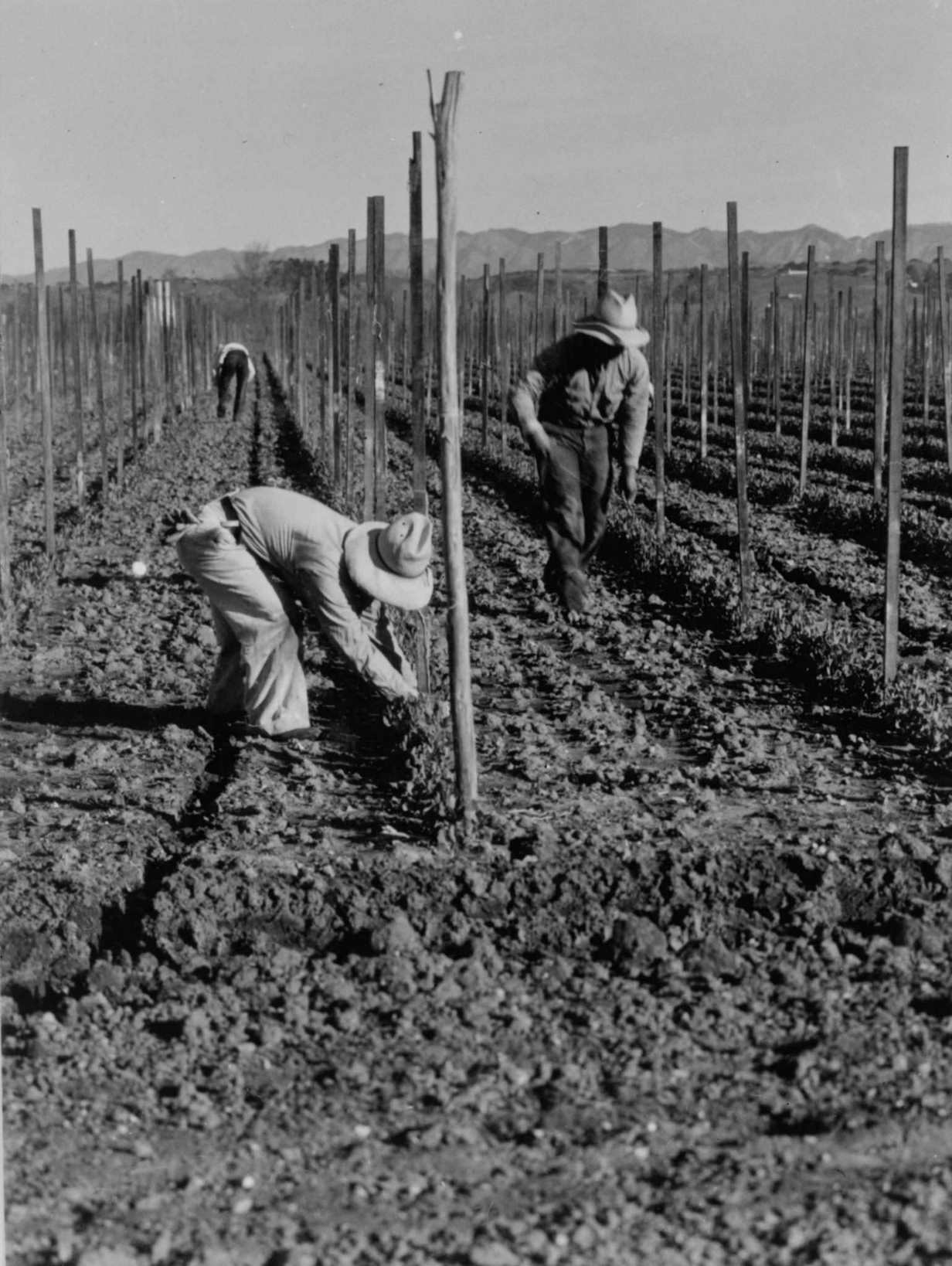
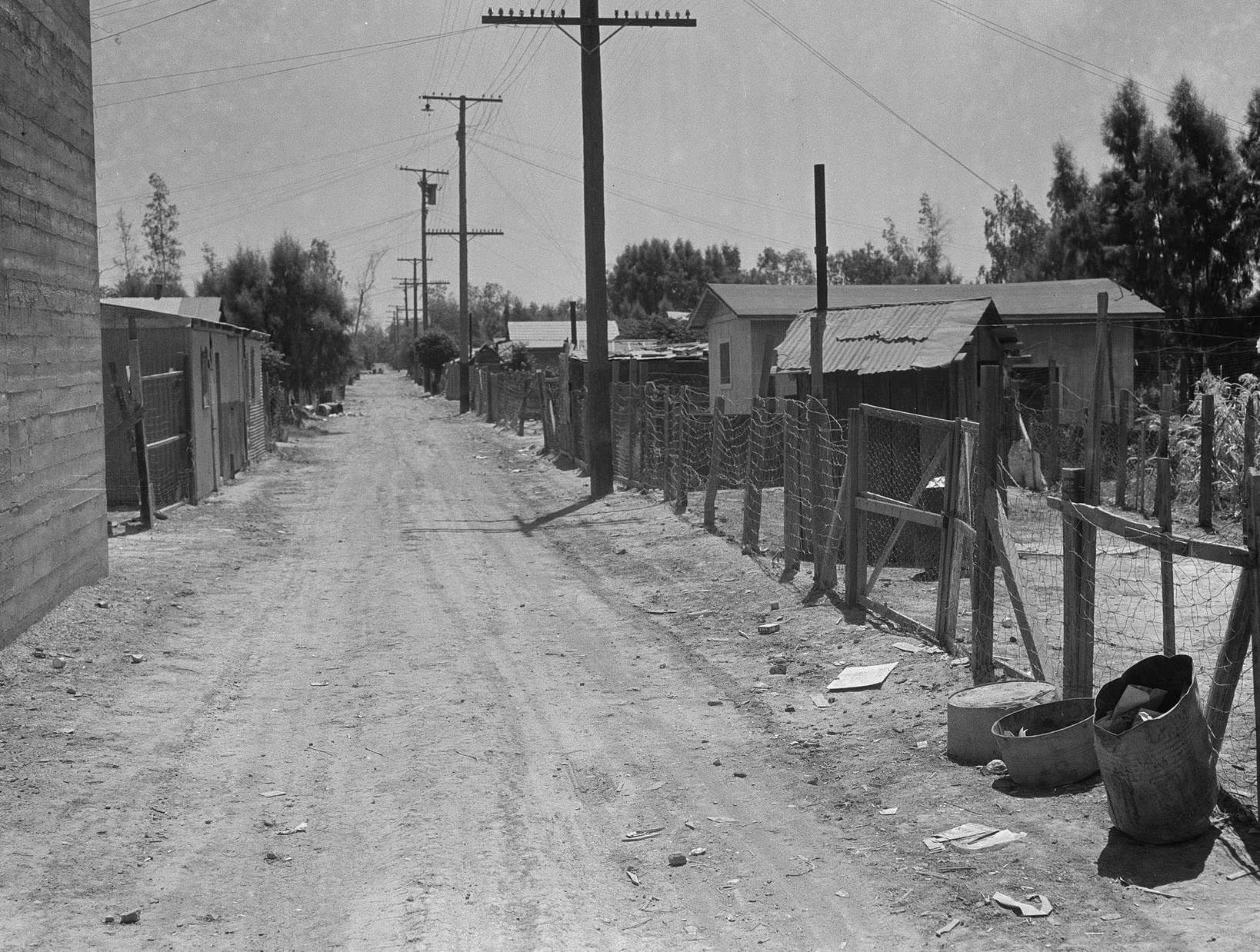
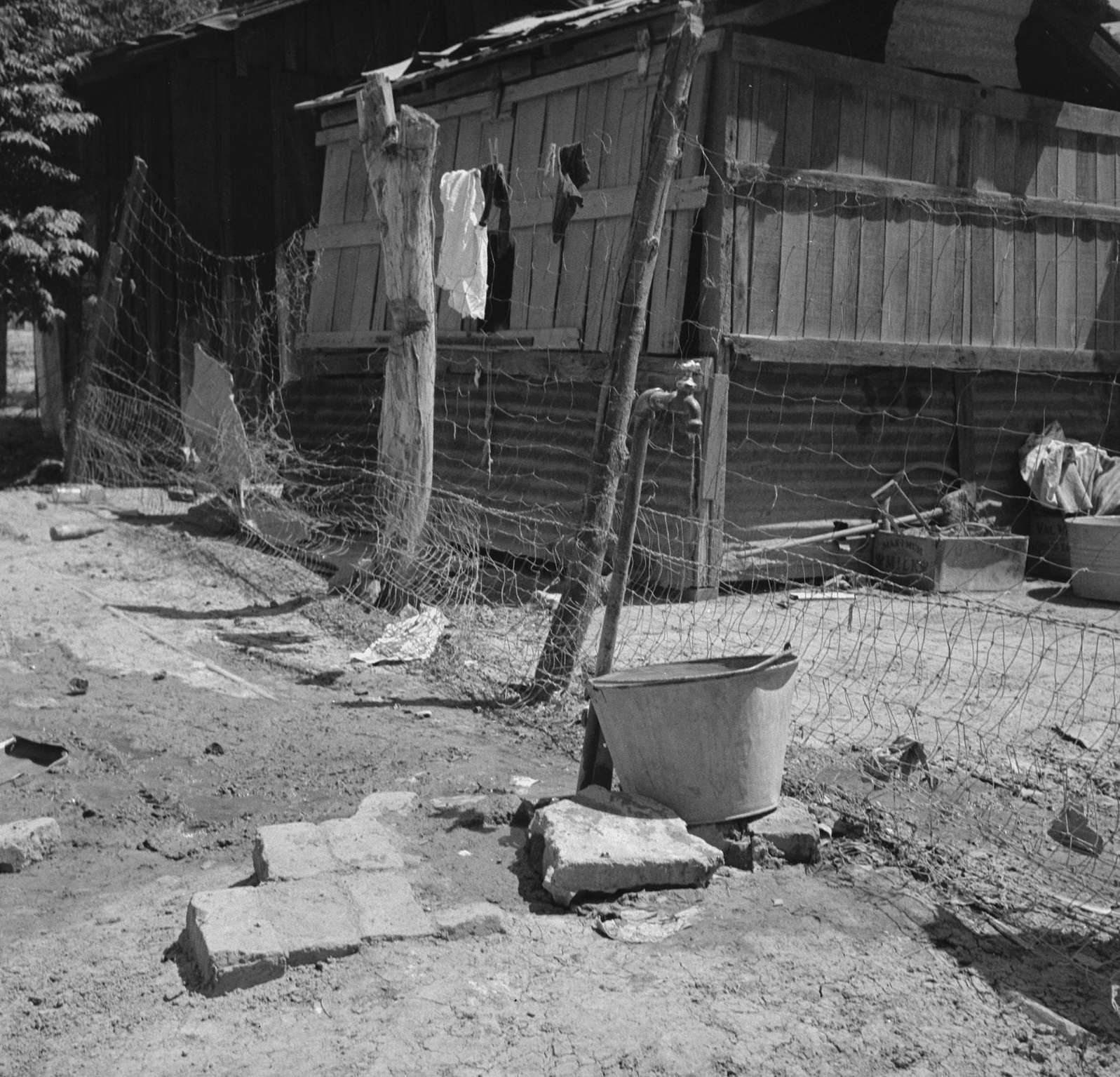
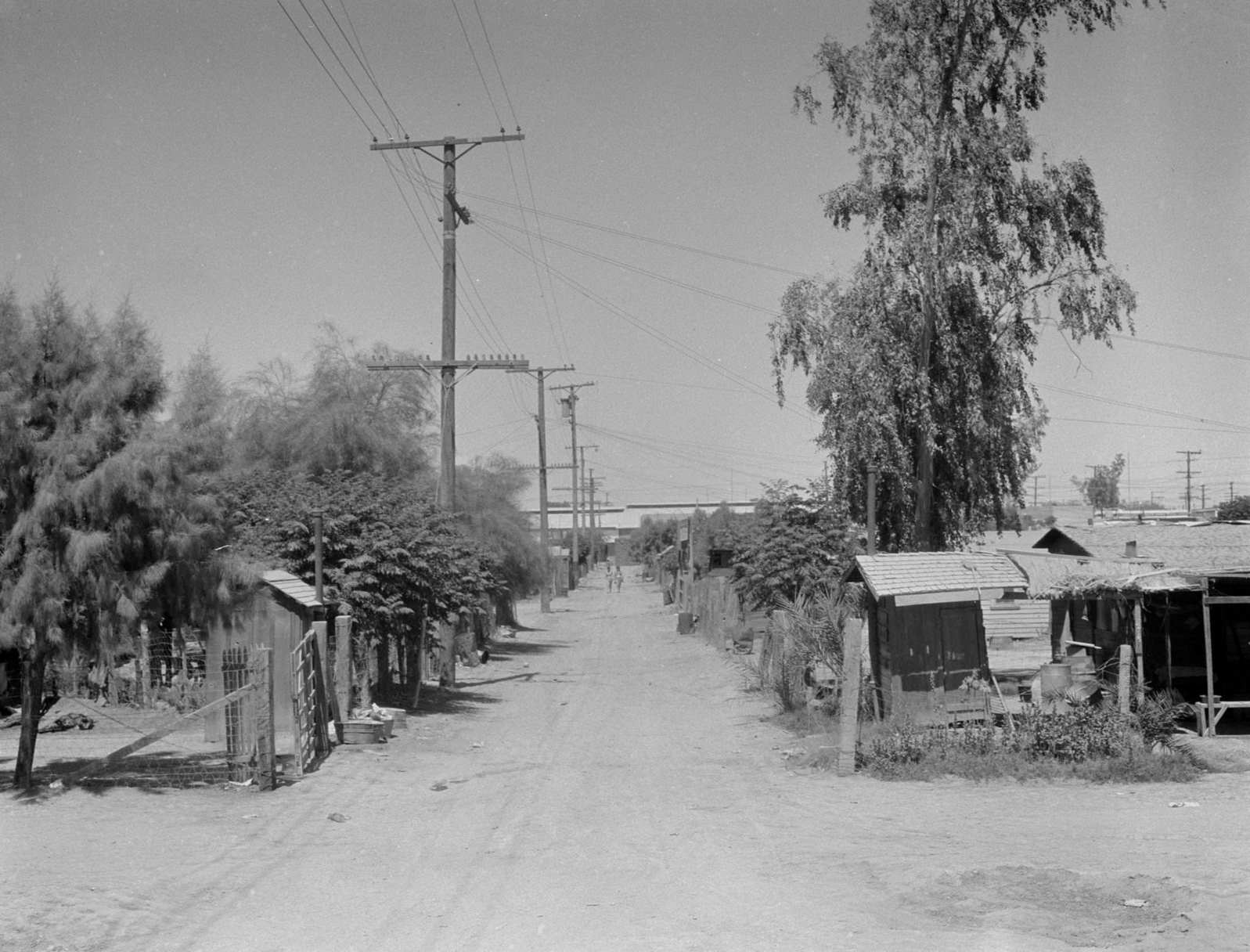
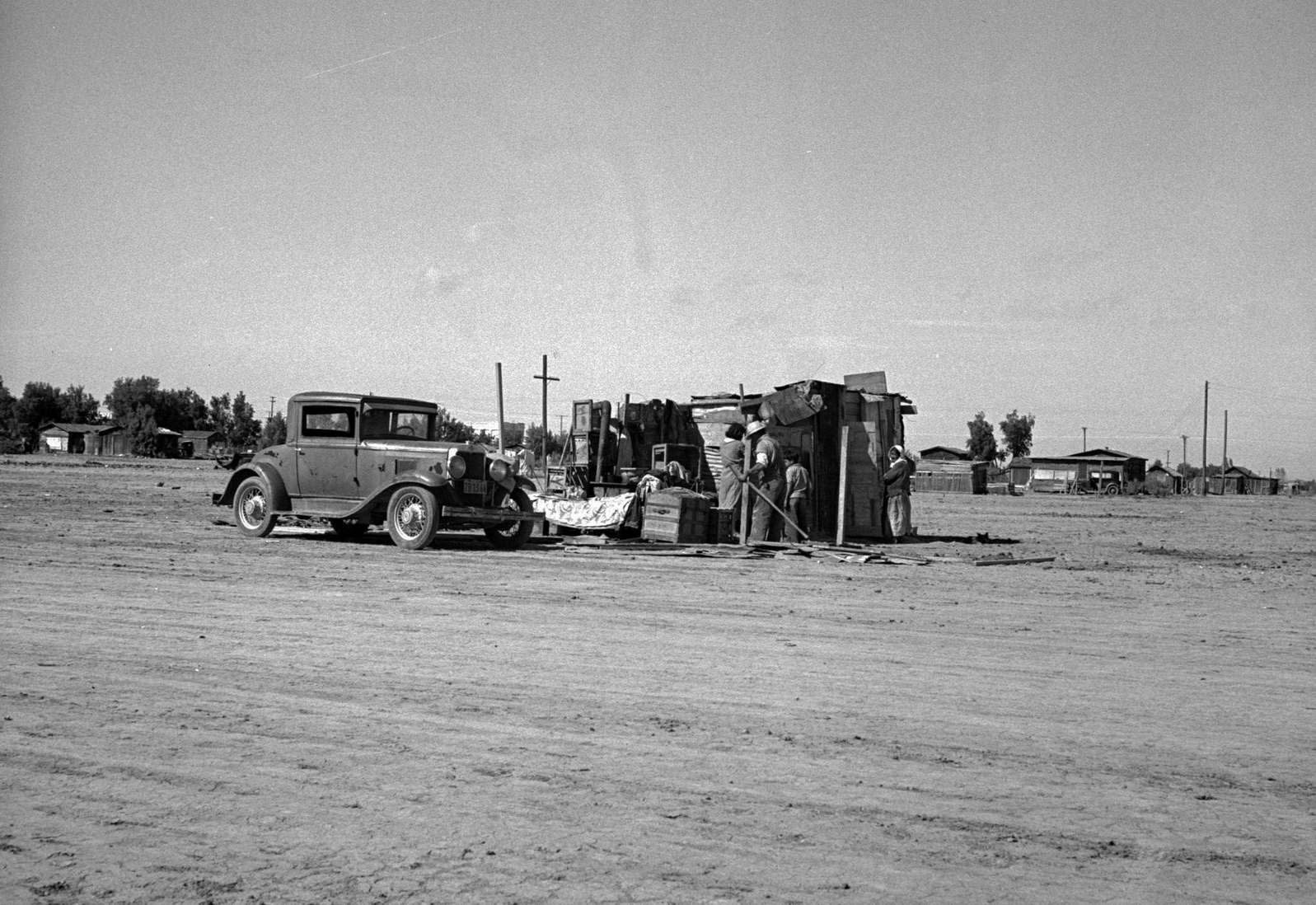
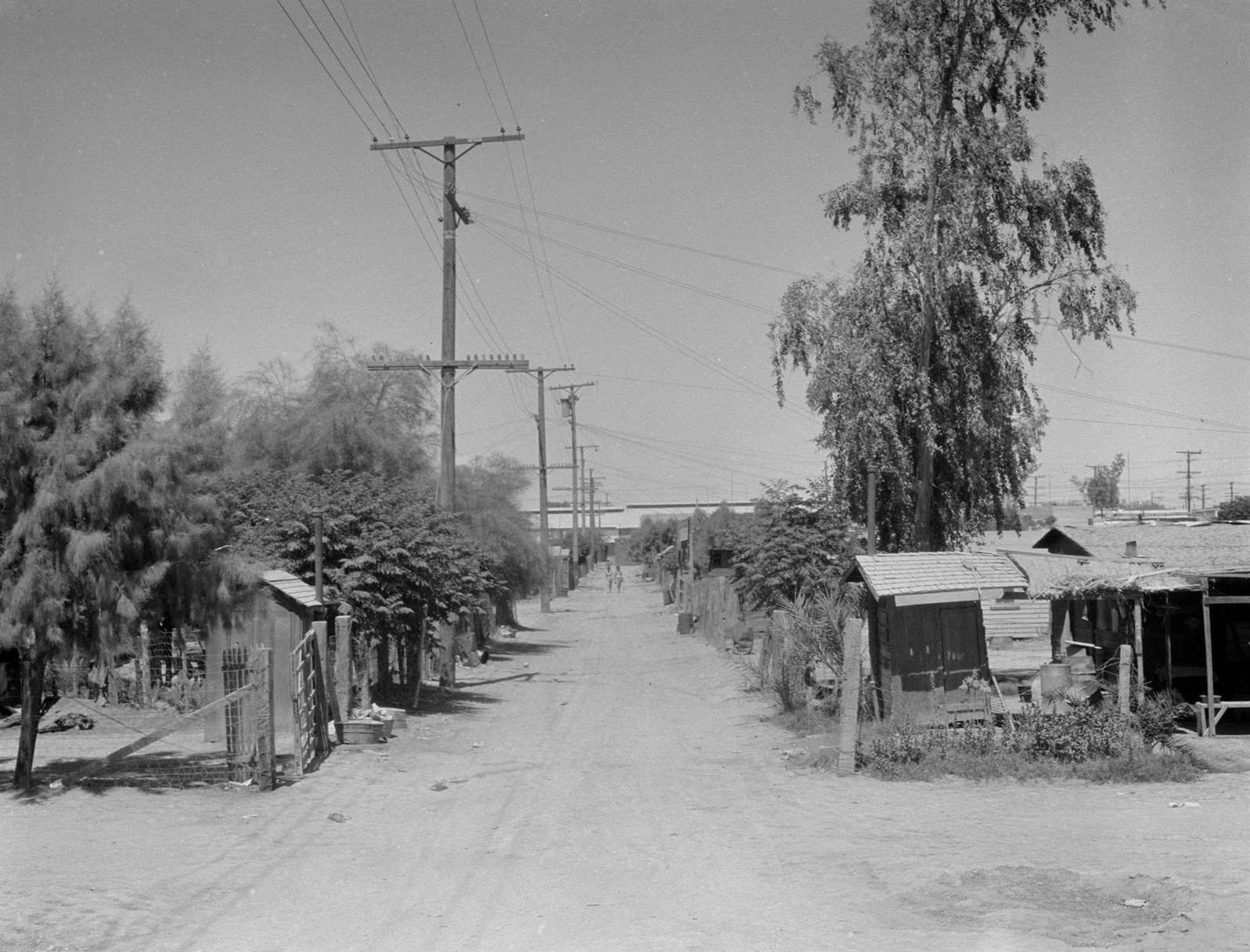
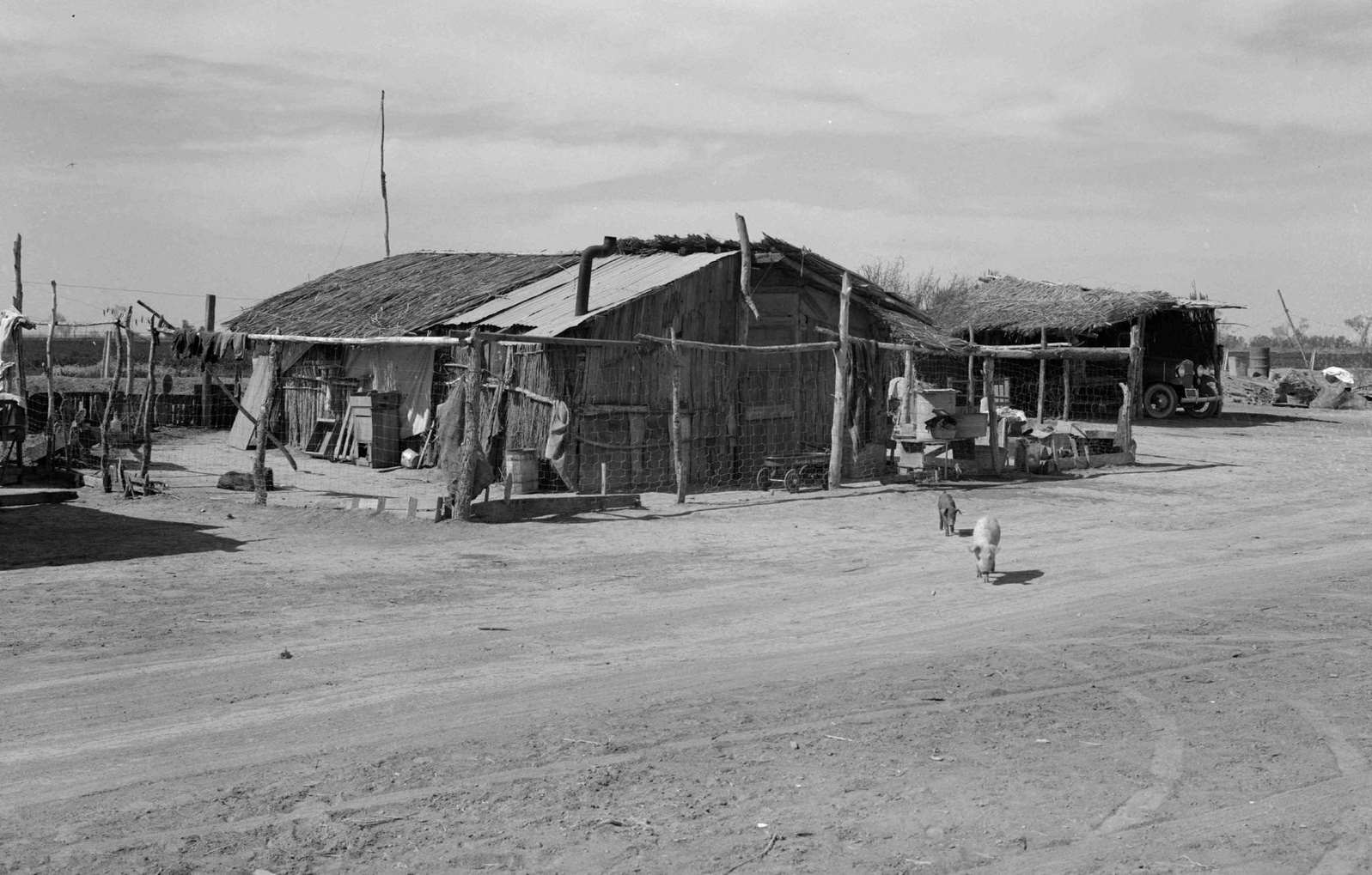
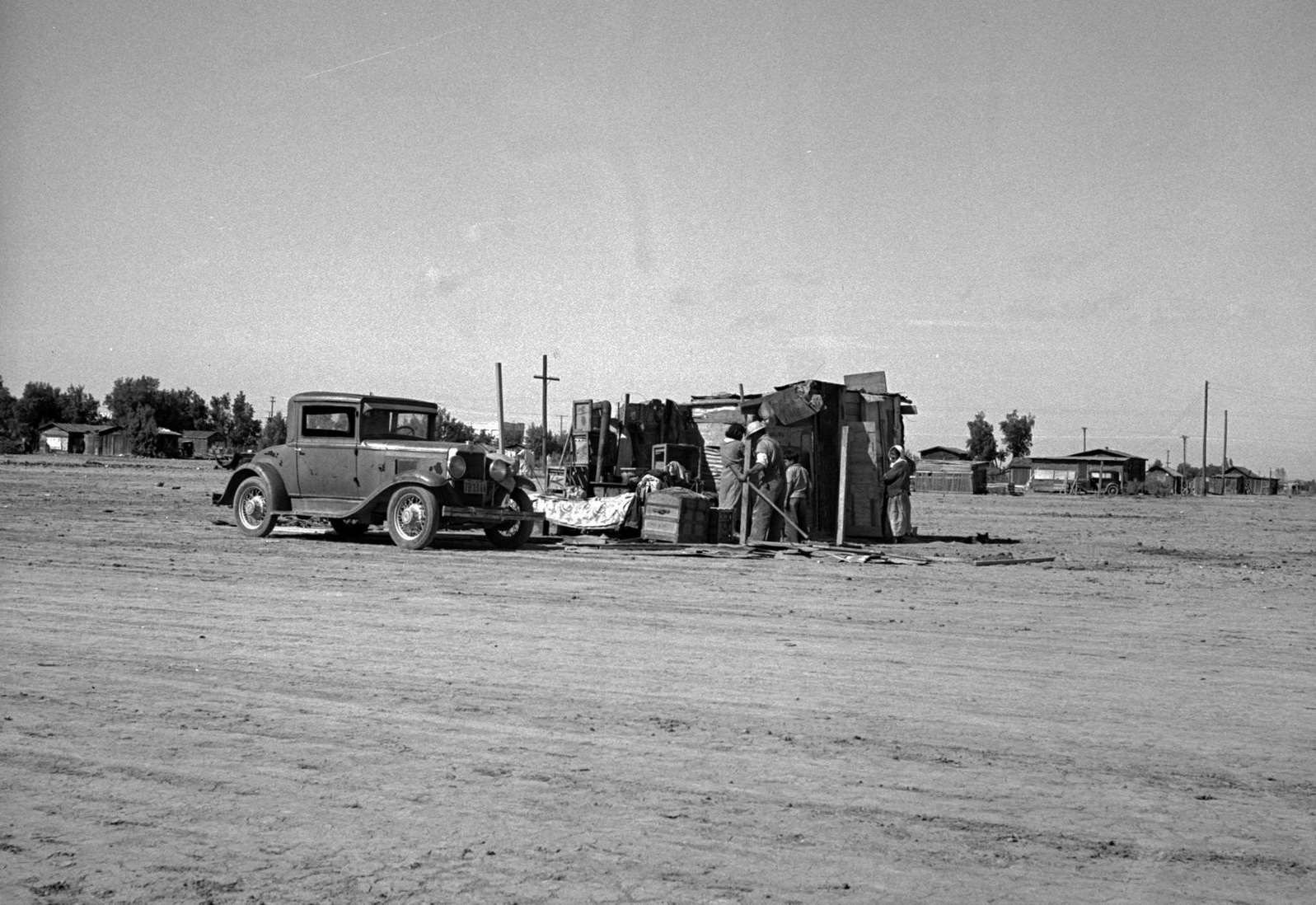
Mexican field workers in the Imperial Valley faced their own grinding poverty. Their homes in the Brawley slums were rough structures with minimal water access. A field worker in Holtville fashioned shoes out of an old tire. One Mexican father of six worked in the Imperial Valley fields with nothing to suggest any safety net. These workers were not migrants in the Dust Bowl sense — many had lived in the region for years — but their conditions were just as desperate.
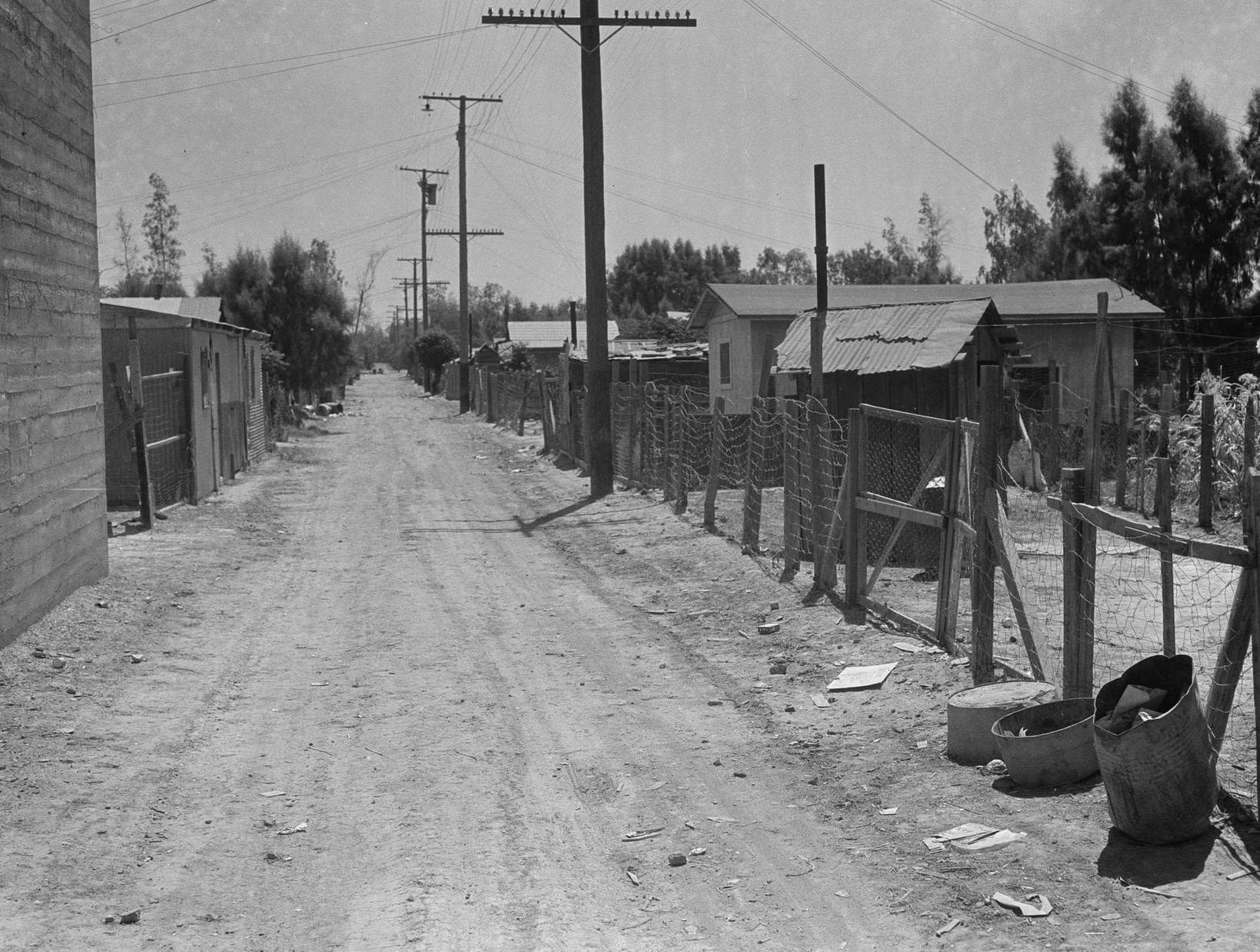
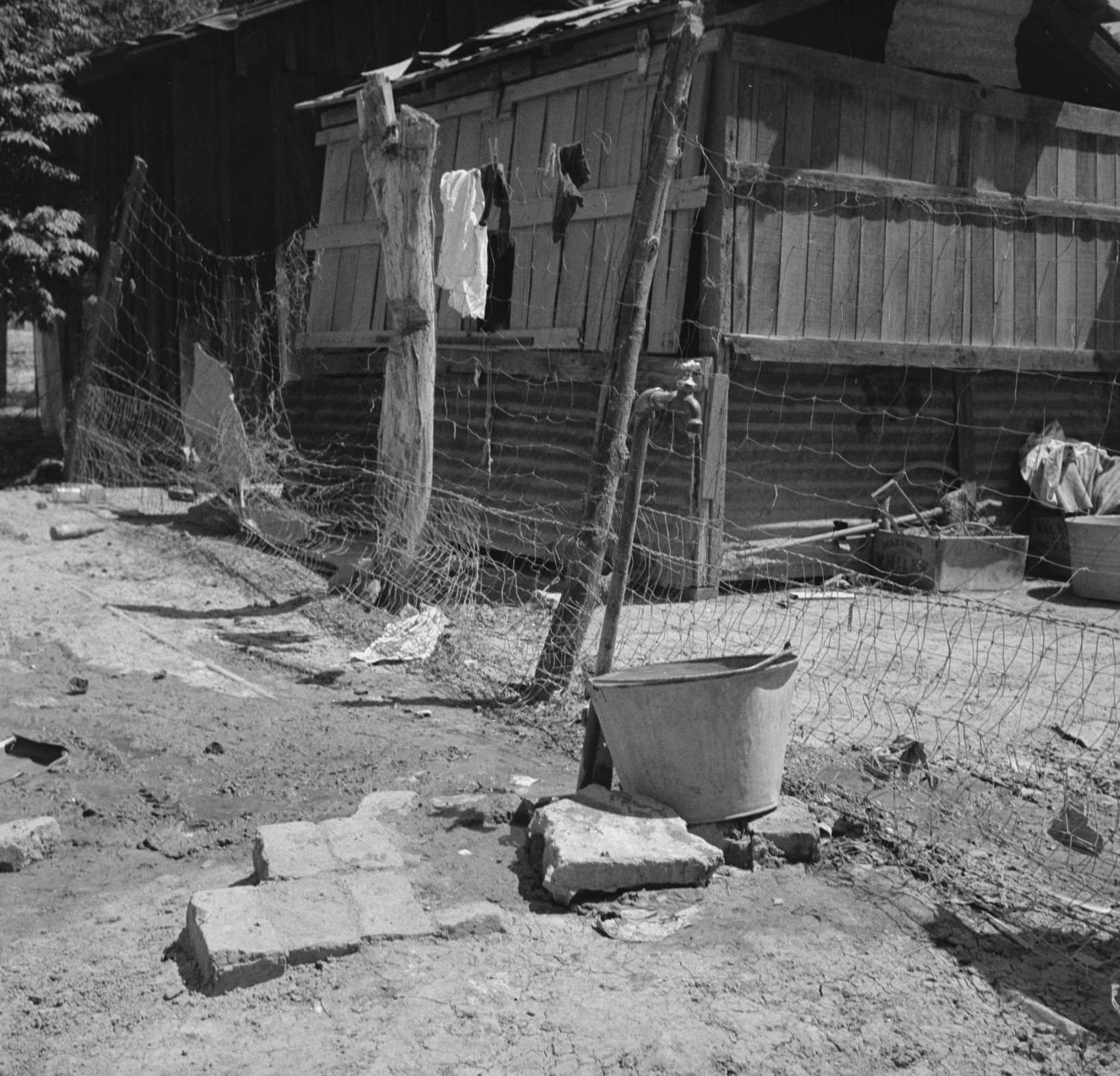
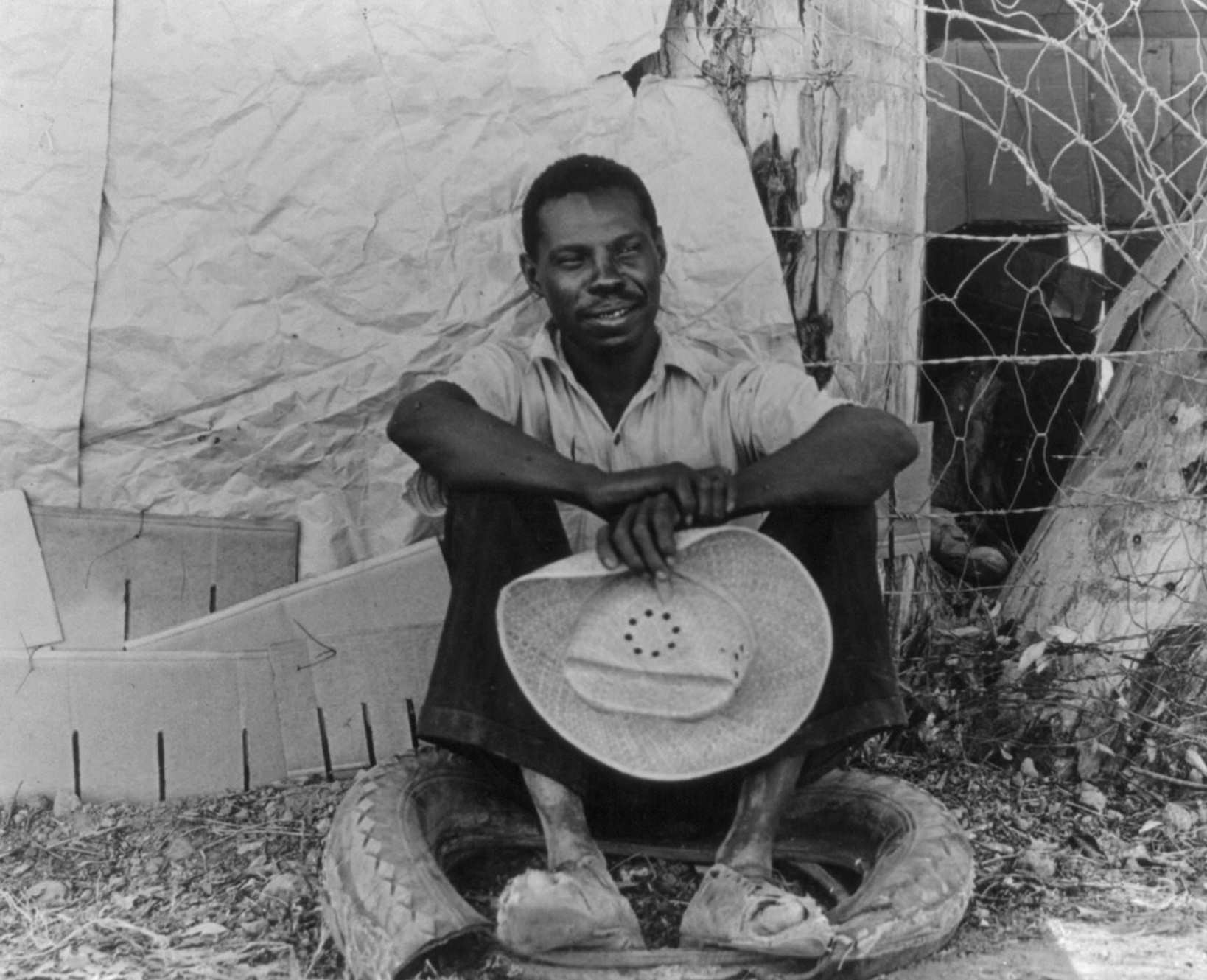
The slums of Brawley. Homes of Mexican field workers, 1930sHome of Mexican field worker showing water supply. Brawley, Imperial Valley, California, 1930sA field worker in Holtville, Imperial Valley, California. He has just made himself shoes out of that old tire, 1930sMexican field worker, father of six. Imperial Valley, Riverside County, California, 1930s
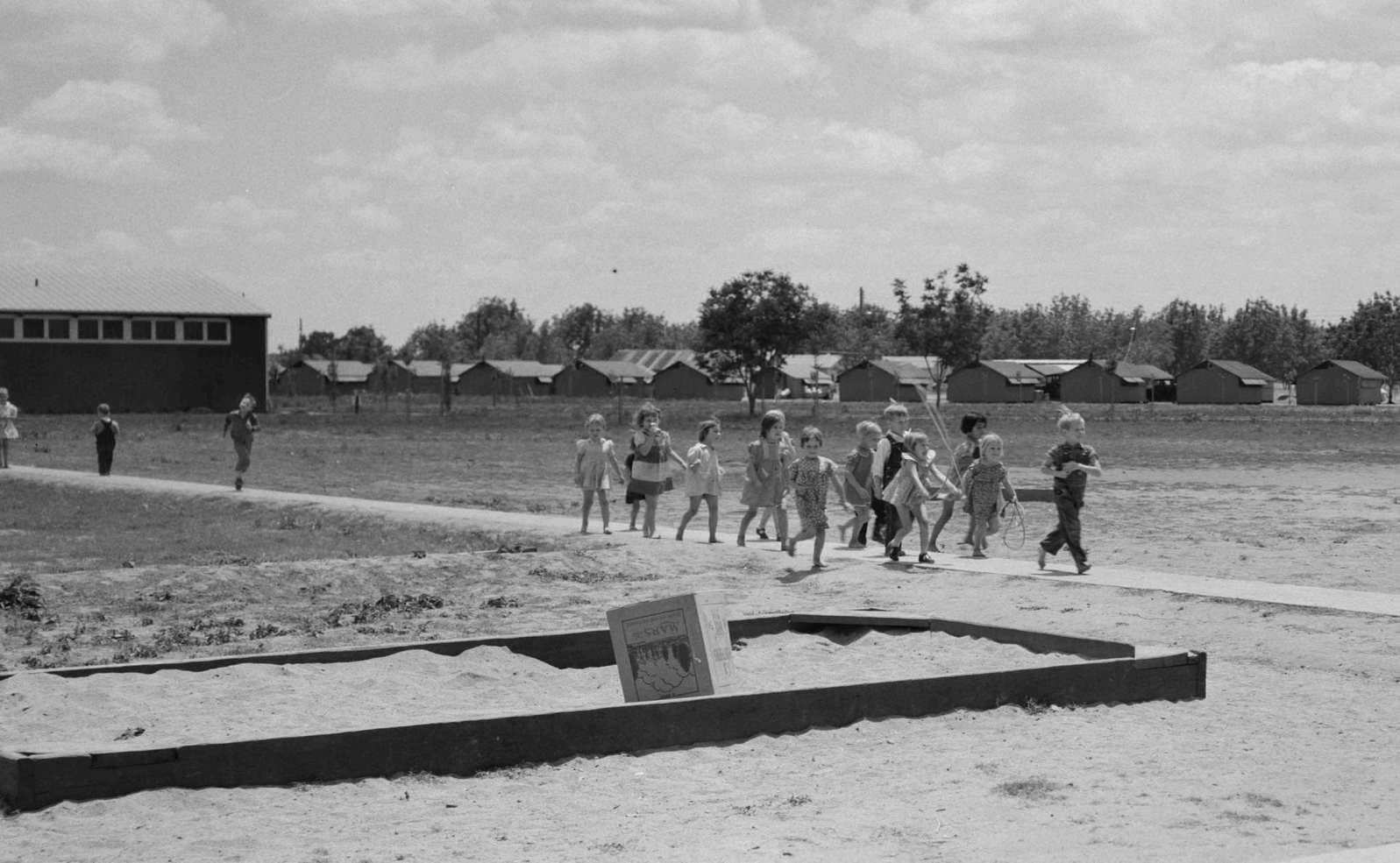
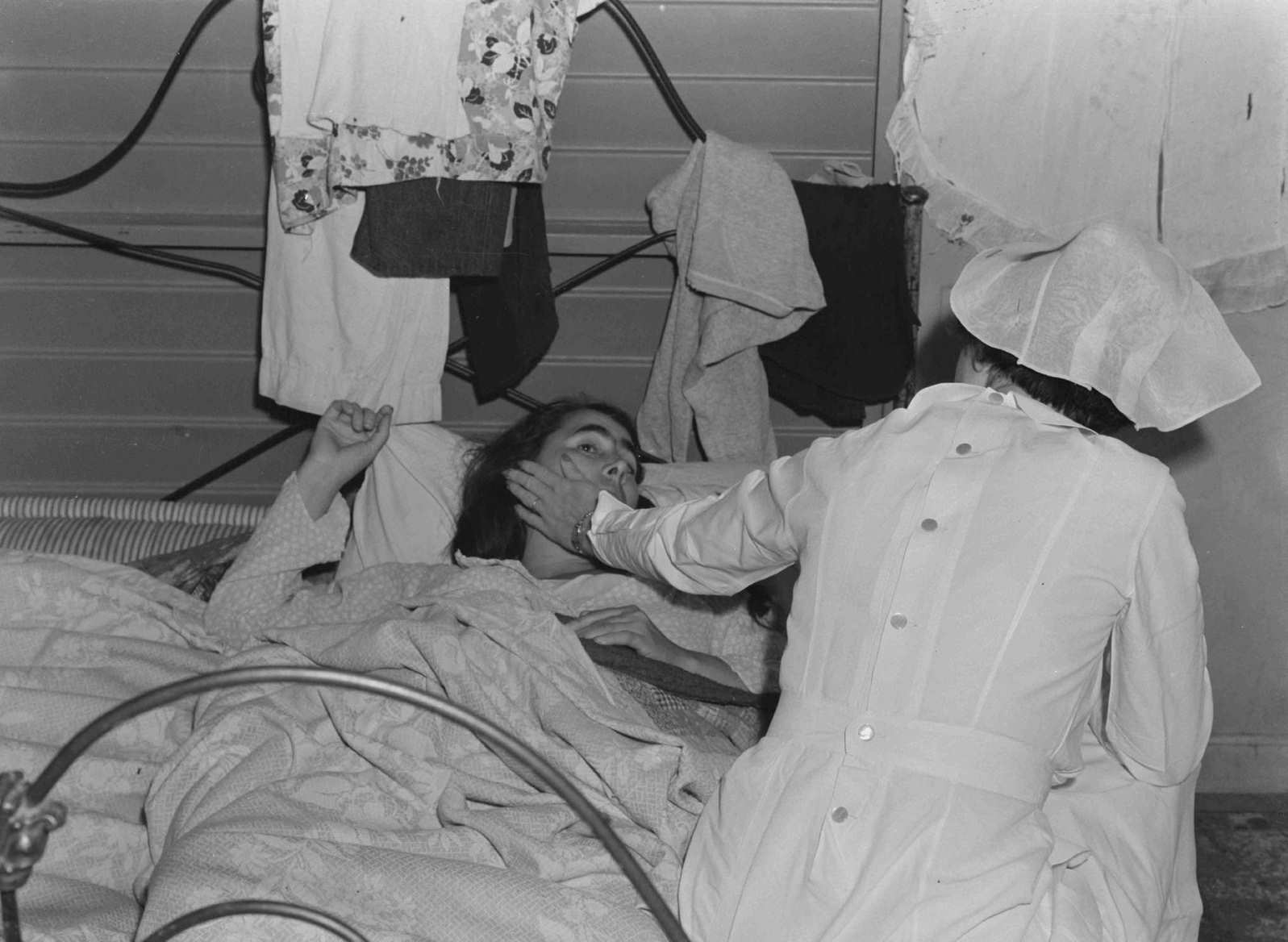
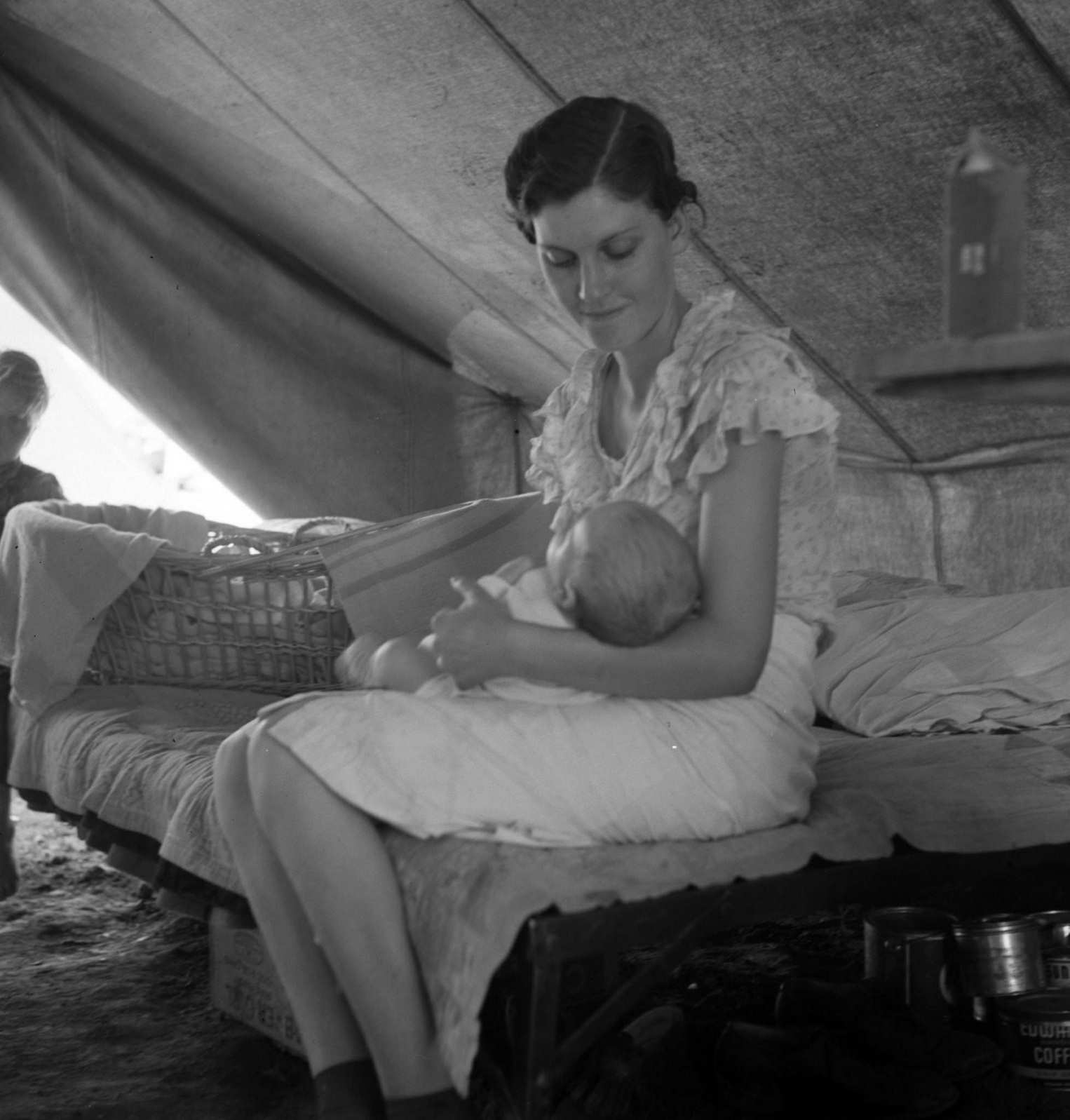
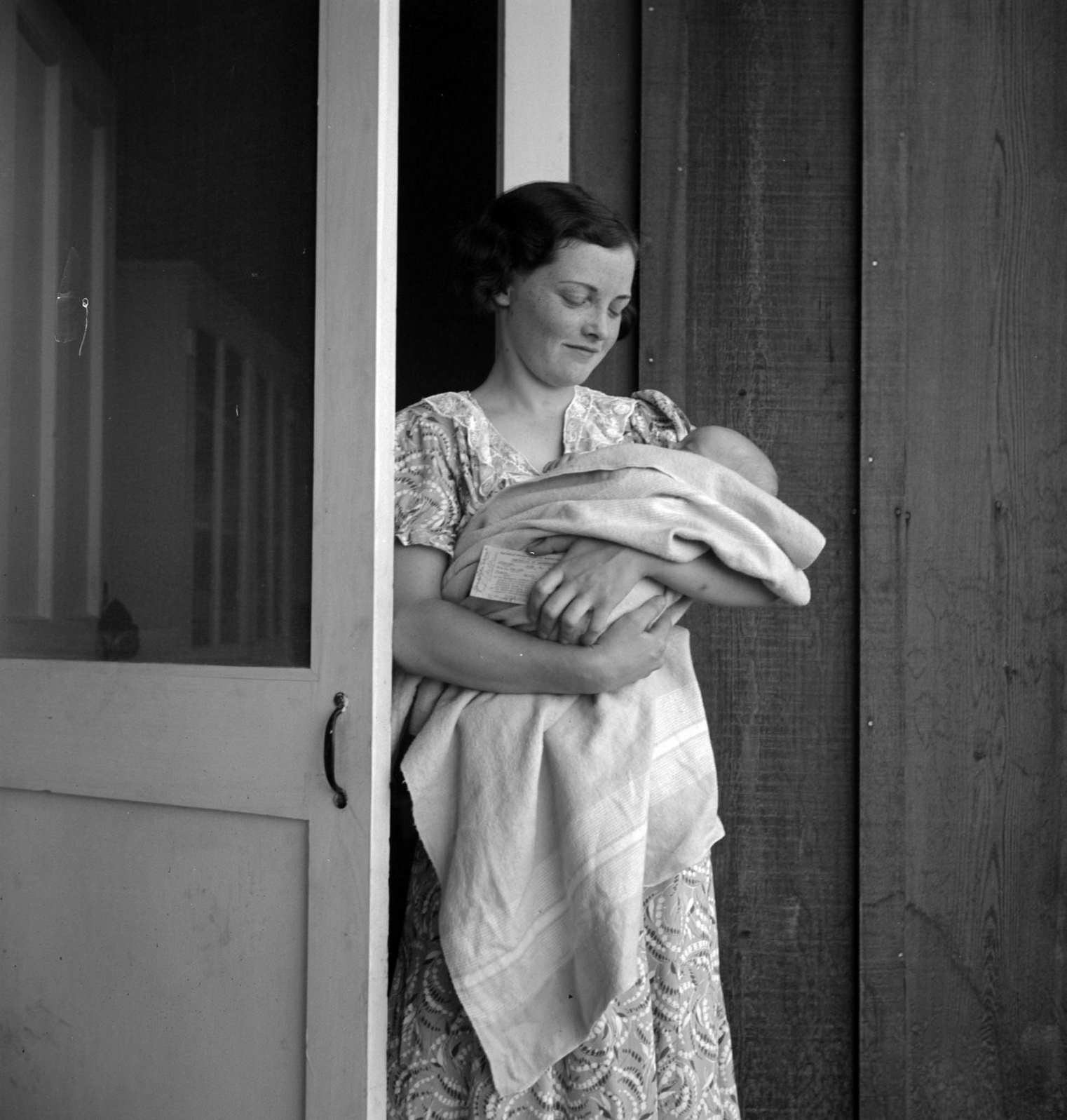
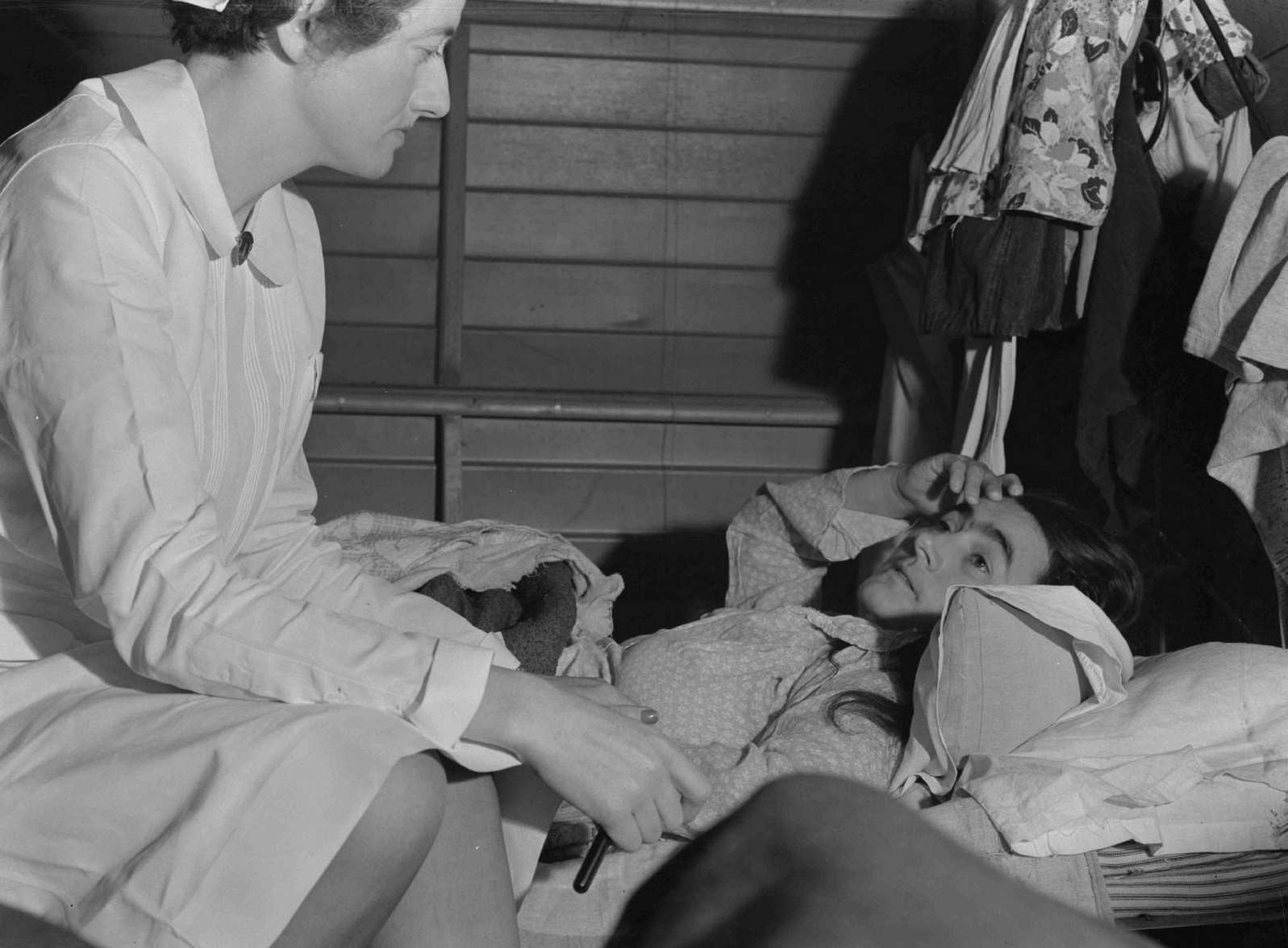
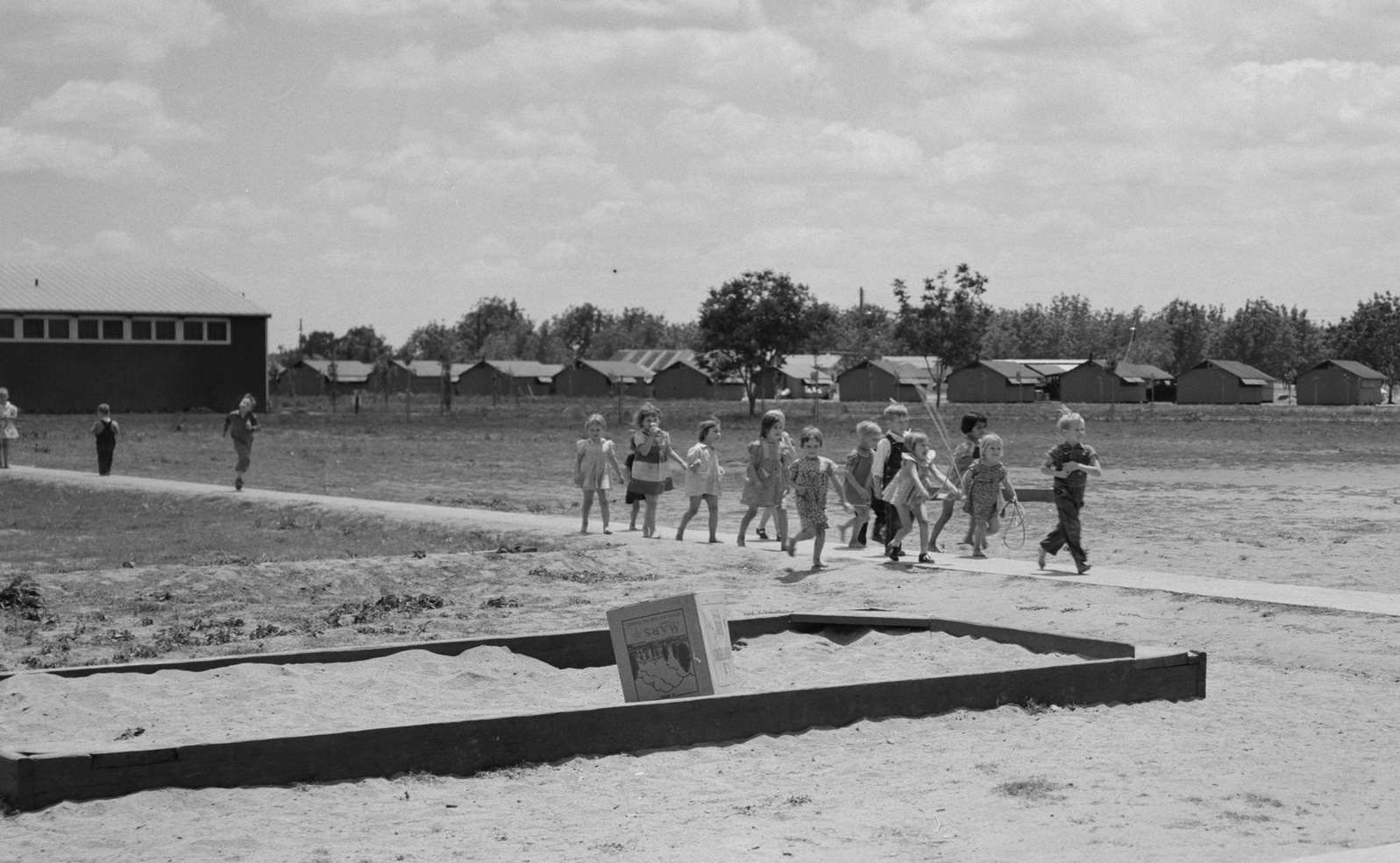
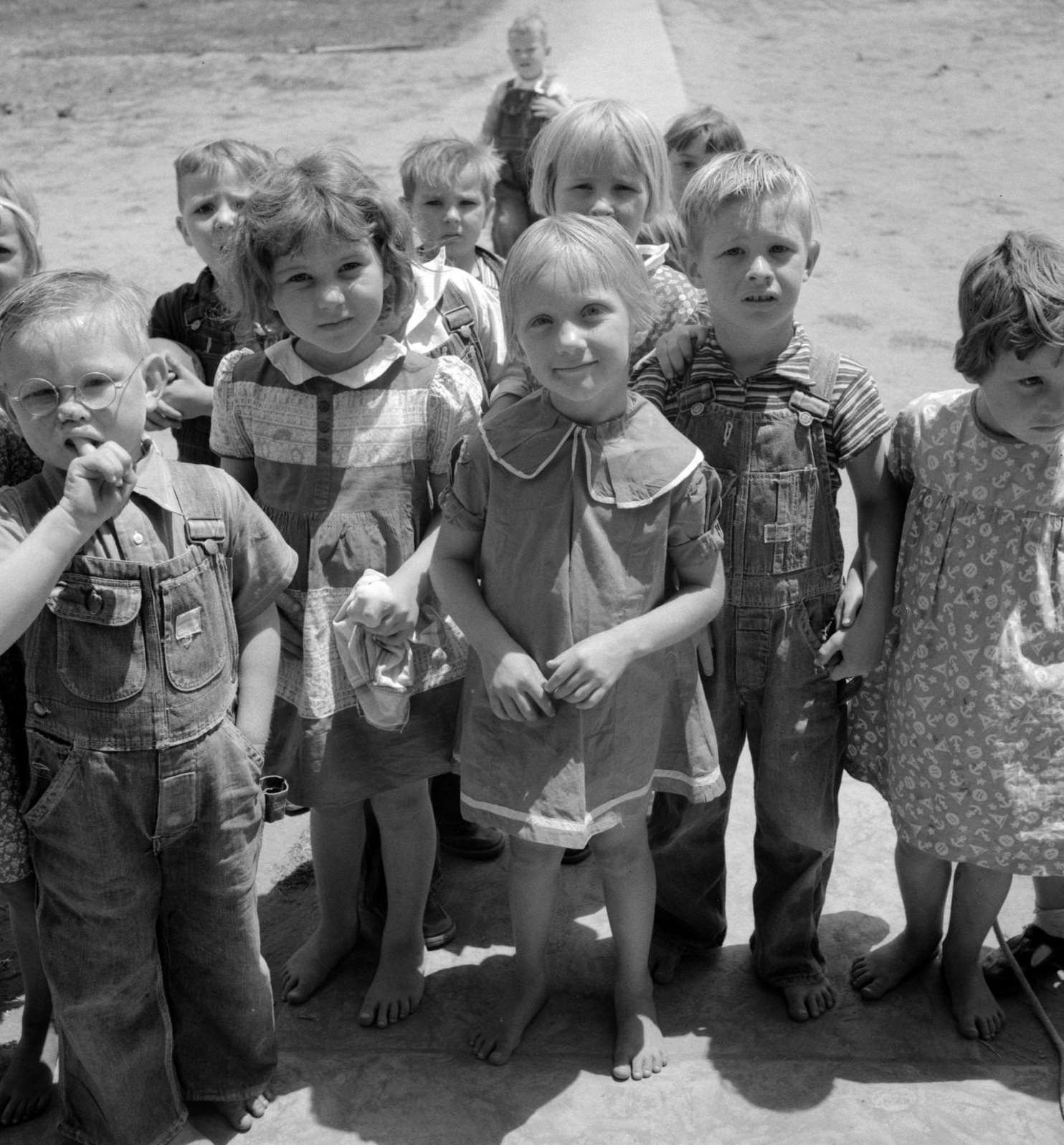
The federal government responded to the crisis by commissioning documentary work through the Farm Security Administration. Photographers, writers, and musicians were hired to record what was happening. FSA camps for migrant workers were established across California, offering nursery schools, medical care, and basic shelter. Nurses treated sick children. Young mothers gave birth in hospitals with FSA assistance. At Tulare County’s FSA camp, rows of prefabricated steel shelters housed families who had lost everything.
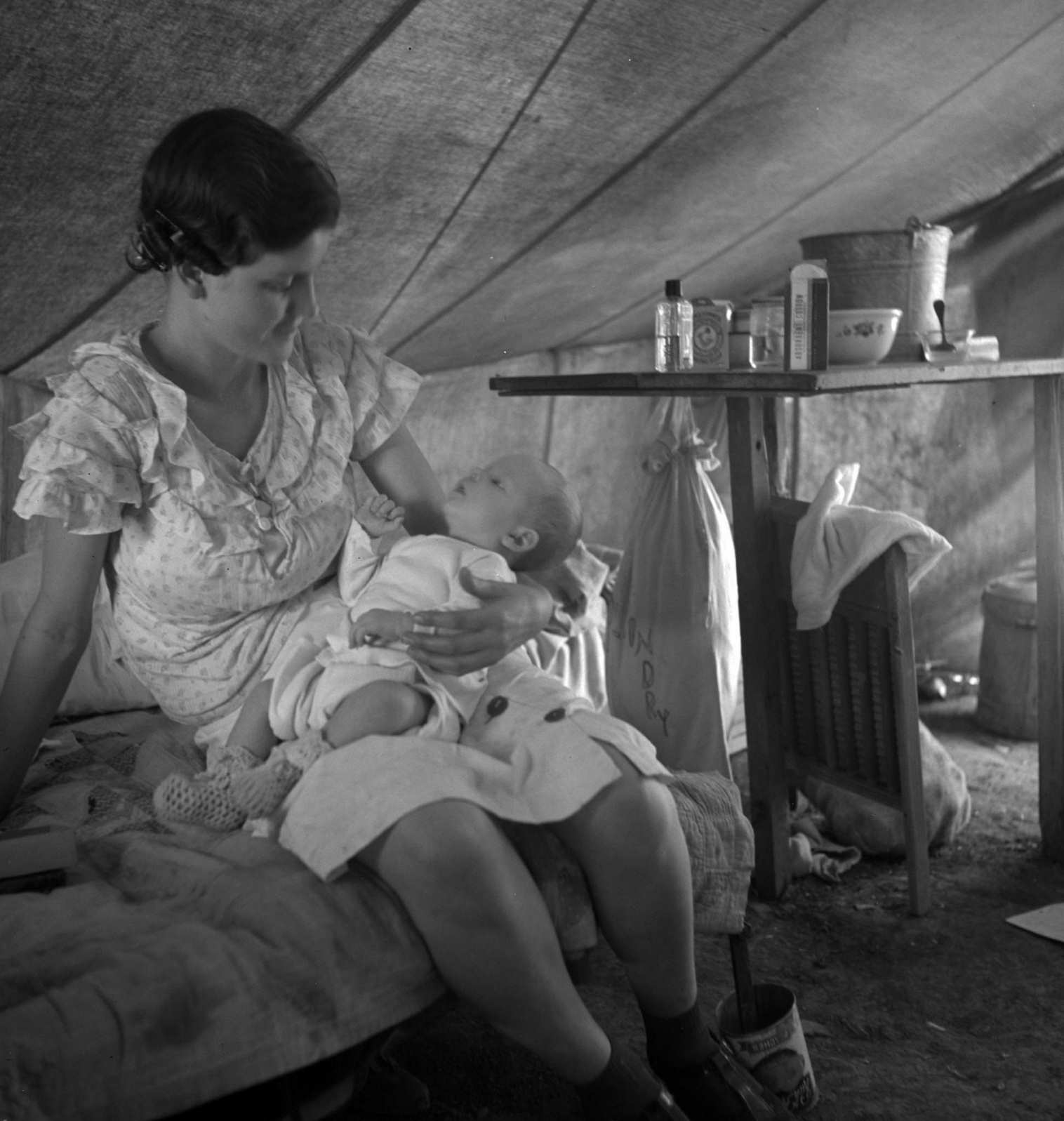
Farm Security Administration camp for migrant agricultural workers in Tulare County, California, 1938Nurse with patient at a Farm Security Administration camp for migratory agricultural workers at Farmersville, 1938Young migrant mother with six weeks old baby born in a hospital with aid of Farm Security Administration, 1938Farm Security Administration (FSA) migrant camp. Westley, California, 1938
Despite the misery, many migrants showed remarkable adaptability. Census Bureau data and a 1939 survey of roughly 116,000 families who had arrived in California during the 1930s showed that only 43 percent of Southwestern migrants had worked on farms before leaving. The majority were professionals or white-collar workers. Those who came from farming backgrounds often moved into semi-skilled or higher-skilled jobs over time, achieving greater social mobility than if they had stayed behind. By the end of the Dust Bowl era, migrants as a group had generally fared better than those who never left.
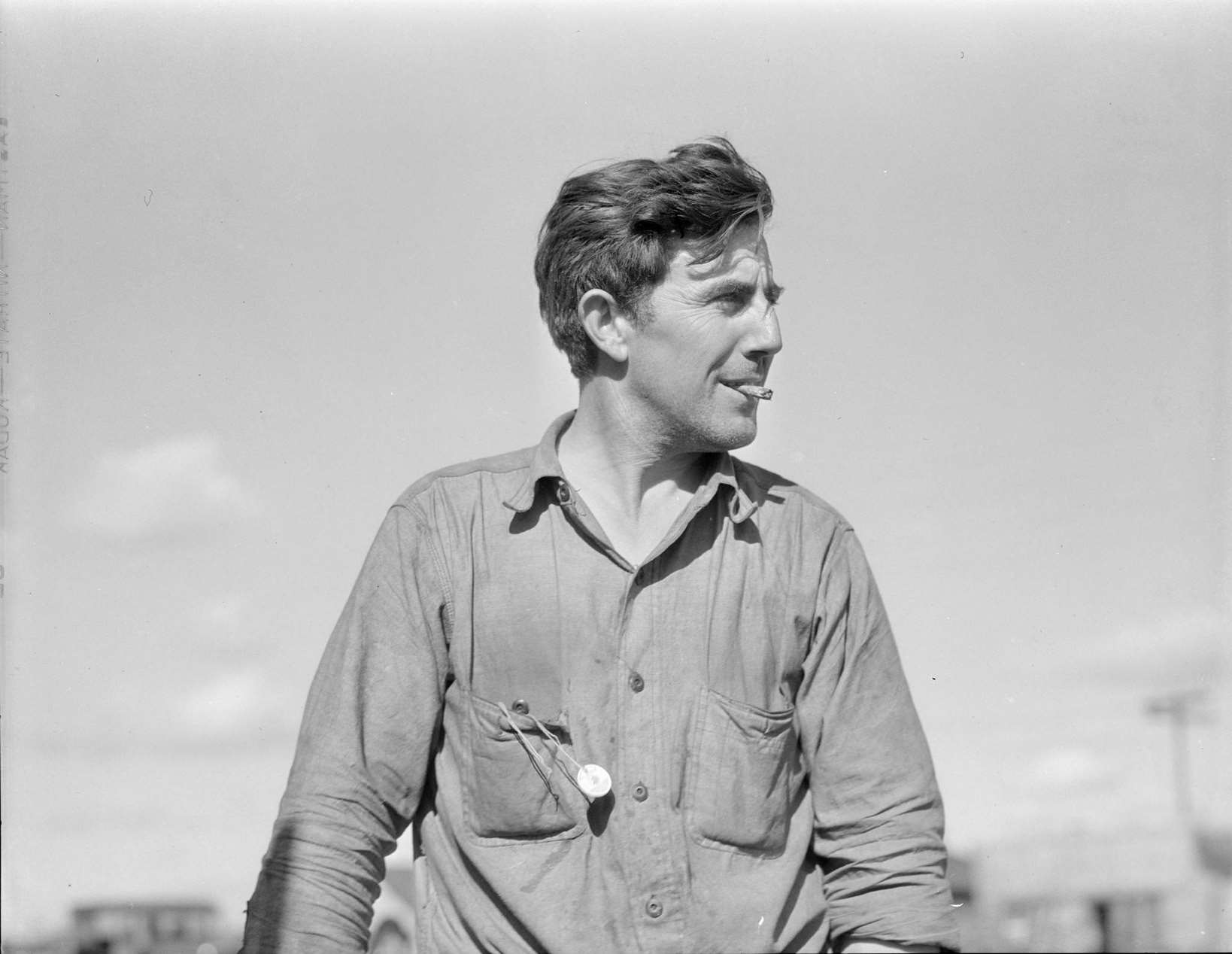
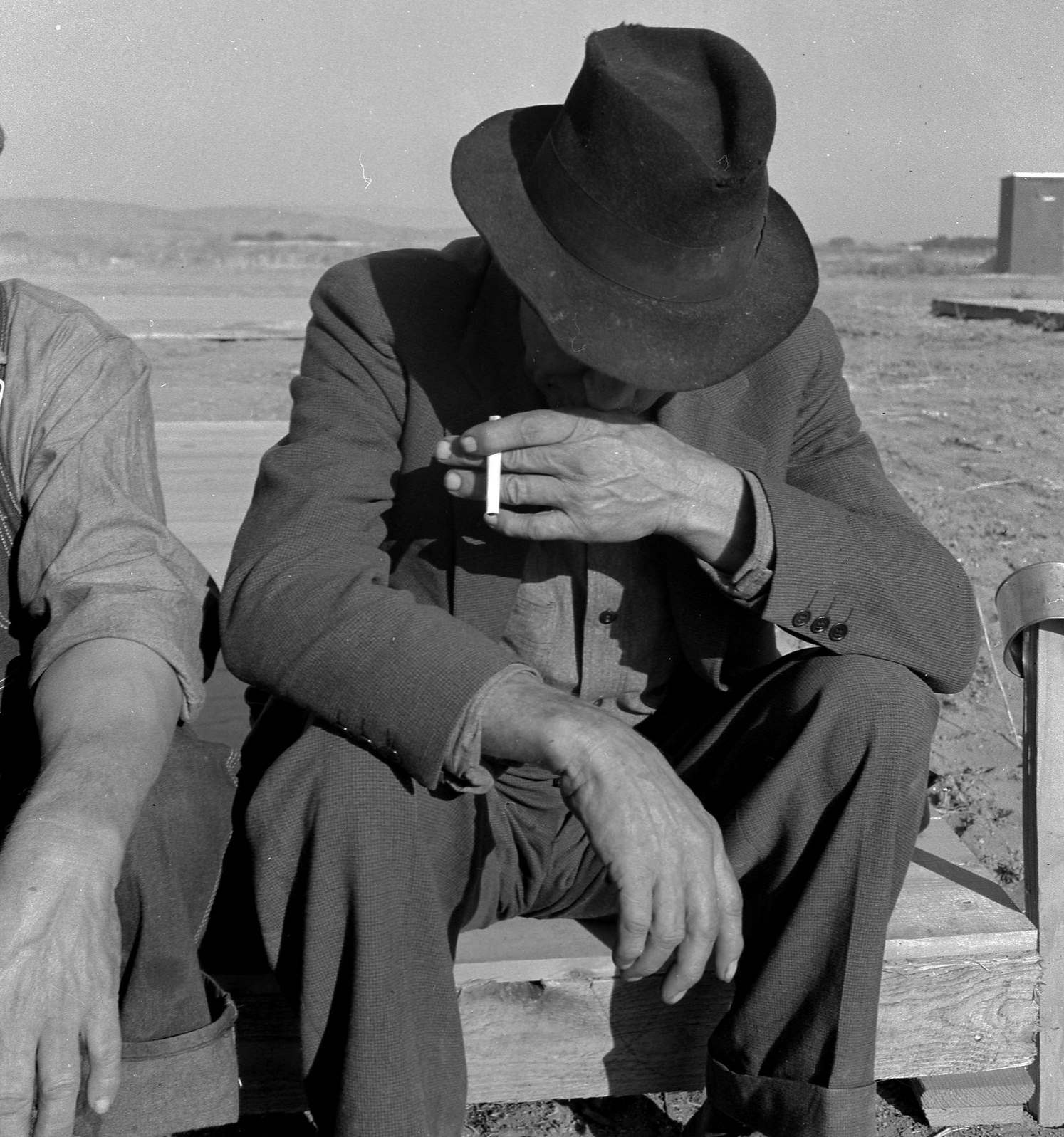
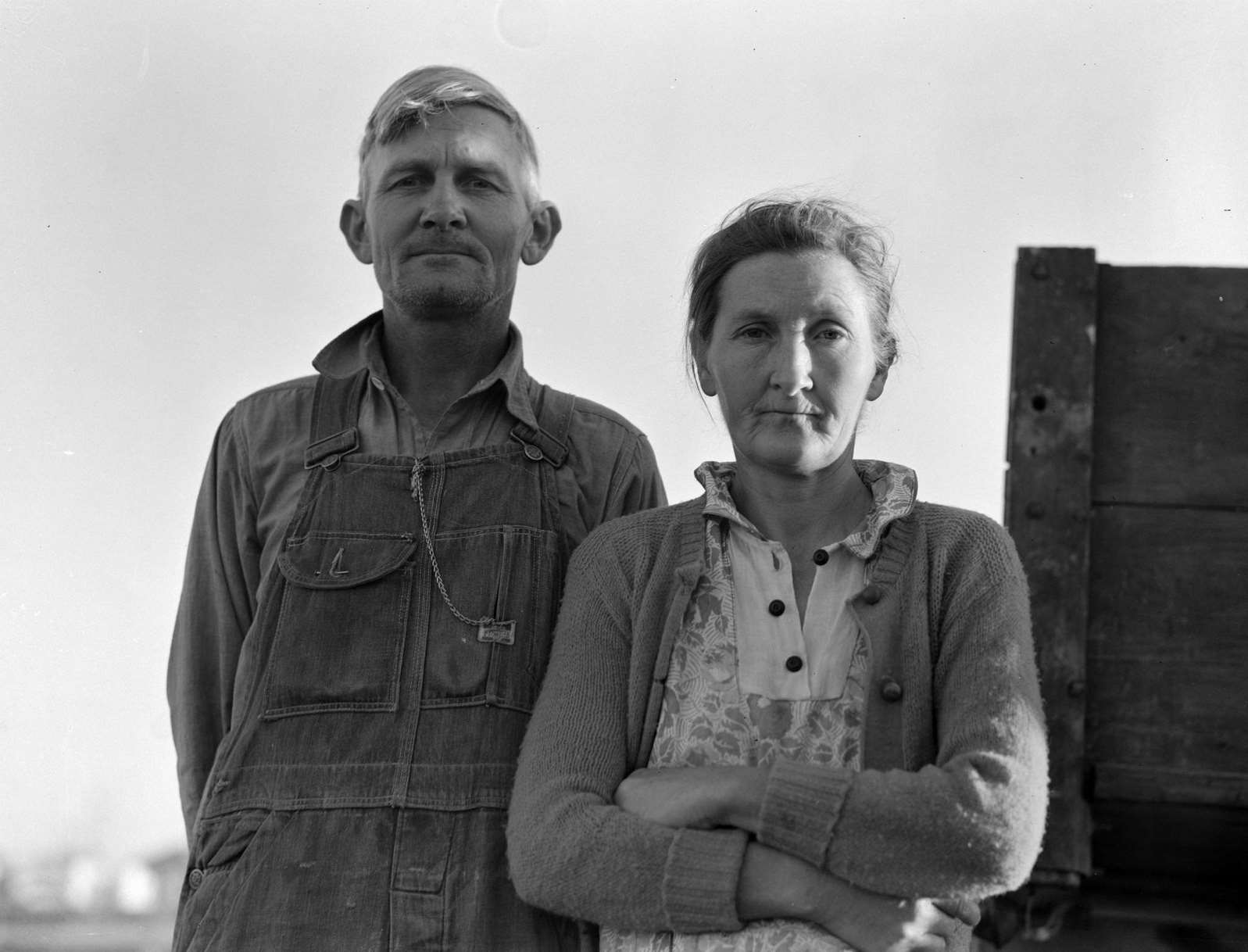
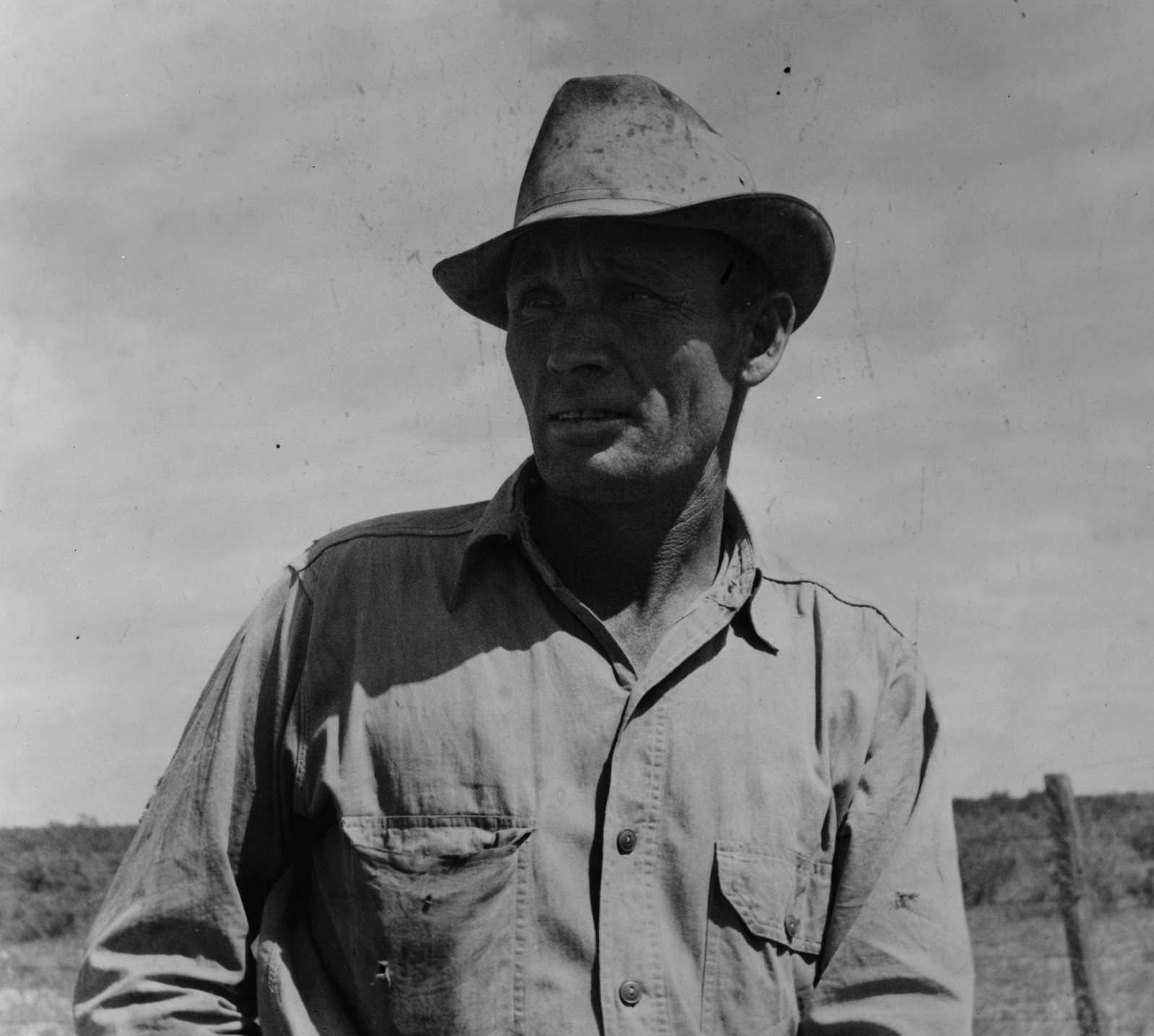
Migrant agricultural worker in Marysville migrant camp (trying to figure out his year’s earnings). California, 1930sA Nebraska farmer, now migrant farm worker in the West. Merrill, Klamath County, 1938Highway City, California, near Fresno. Family from Oklahoma; have been in California for six years, have been migratory workers, 1939
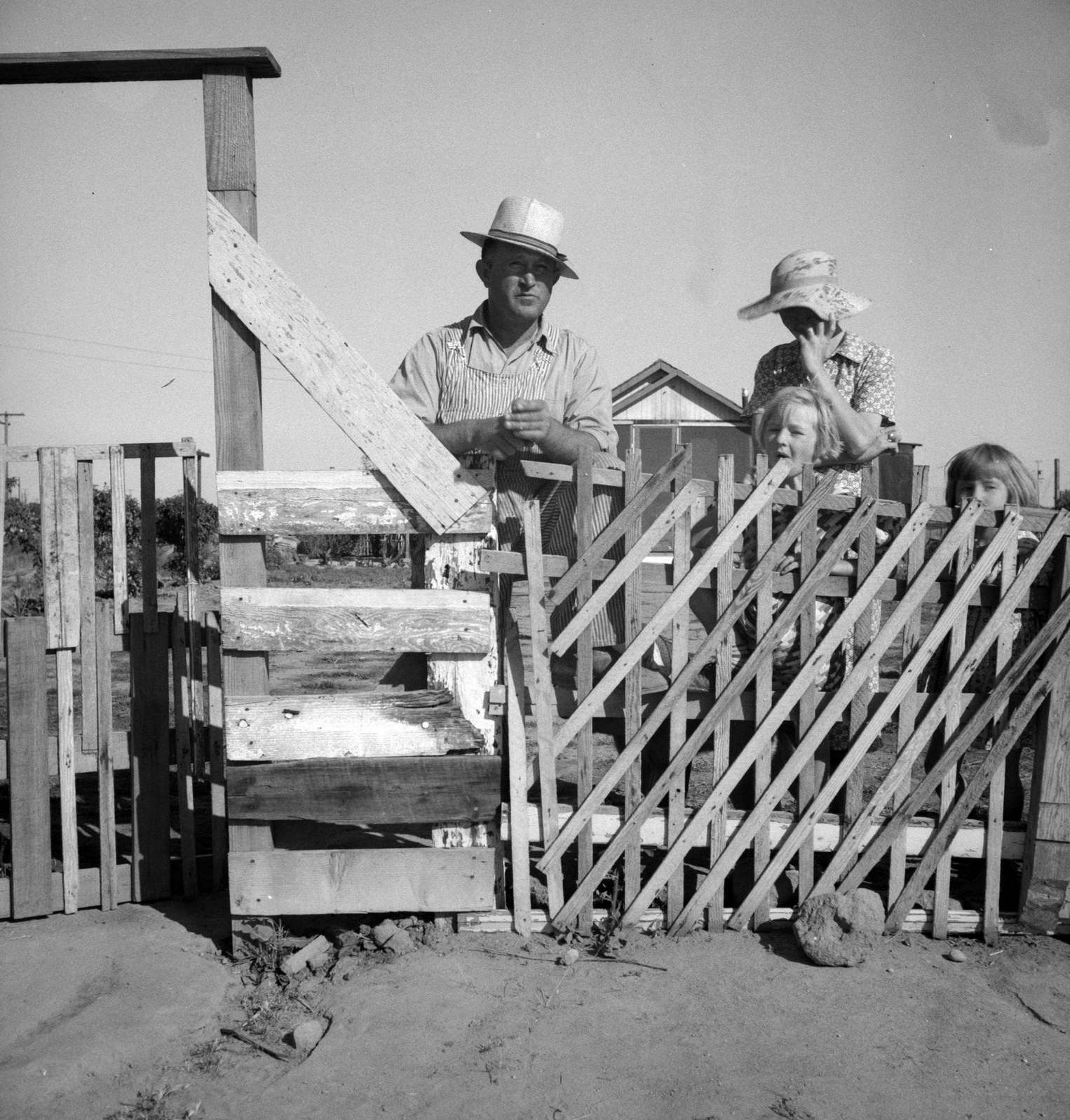
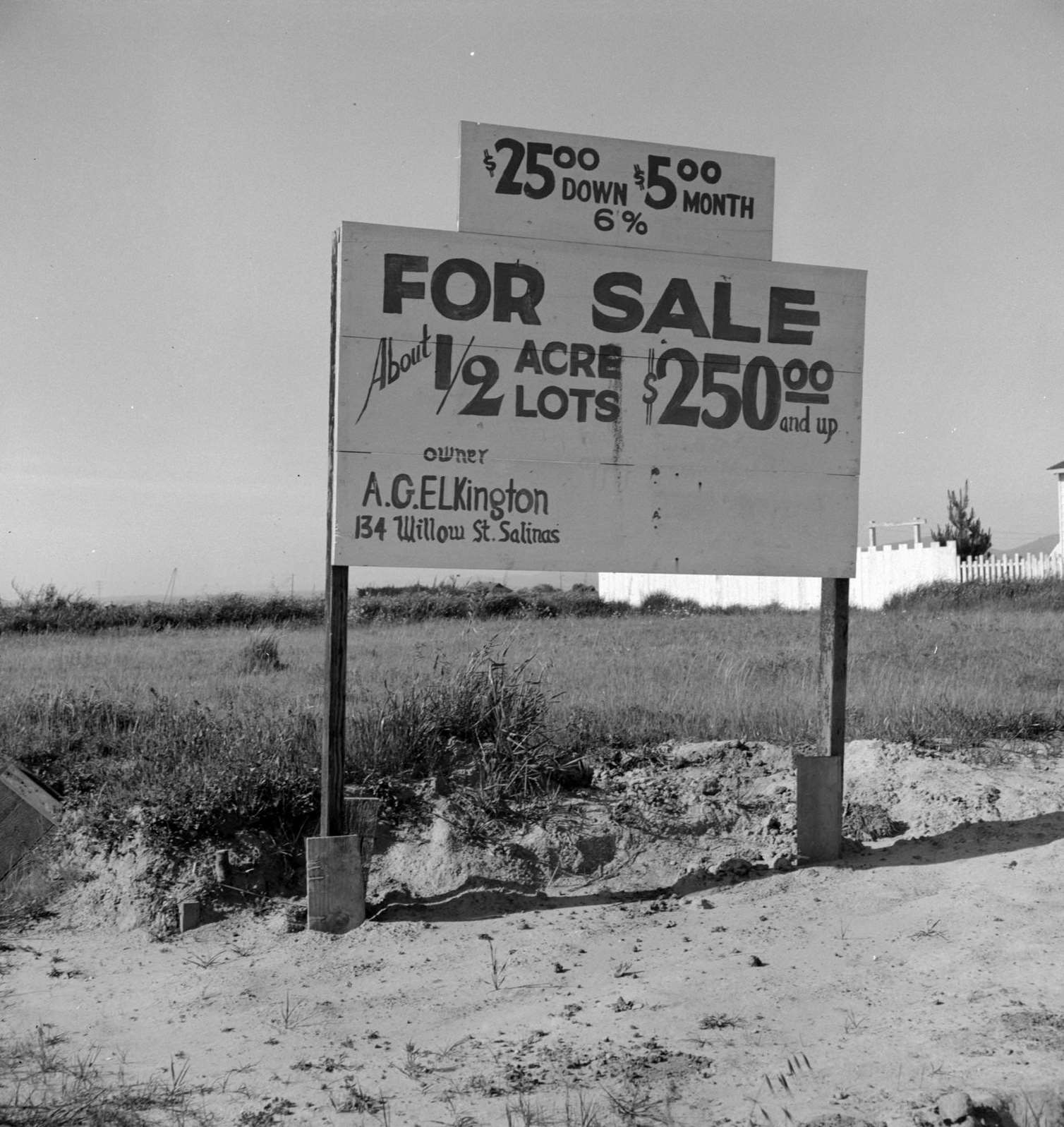
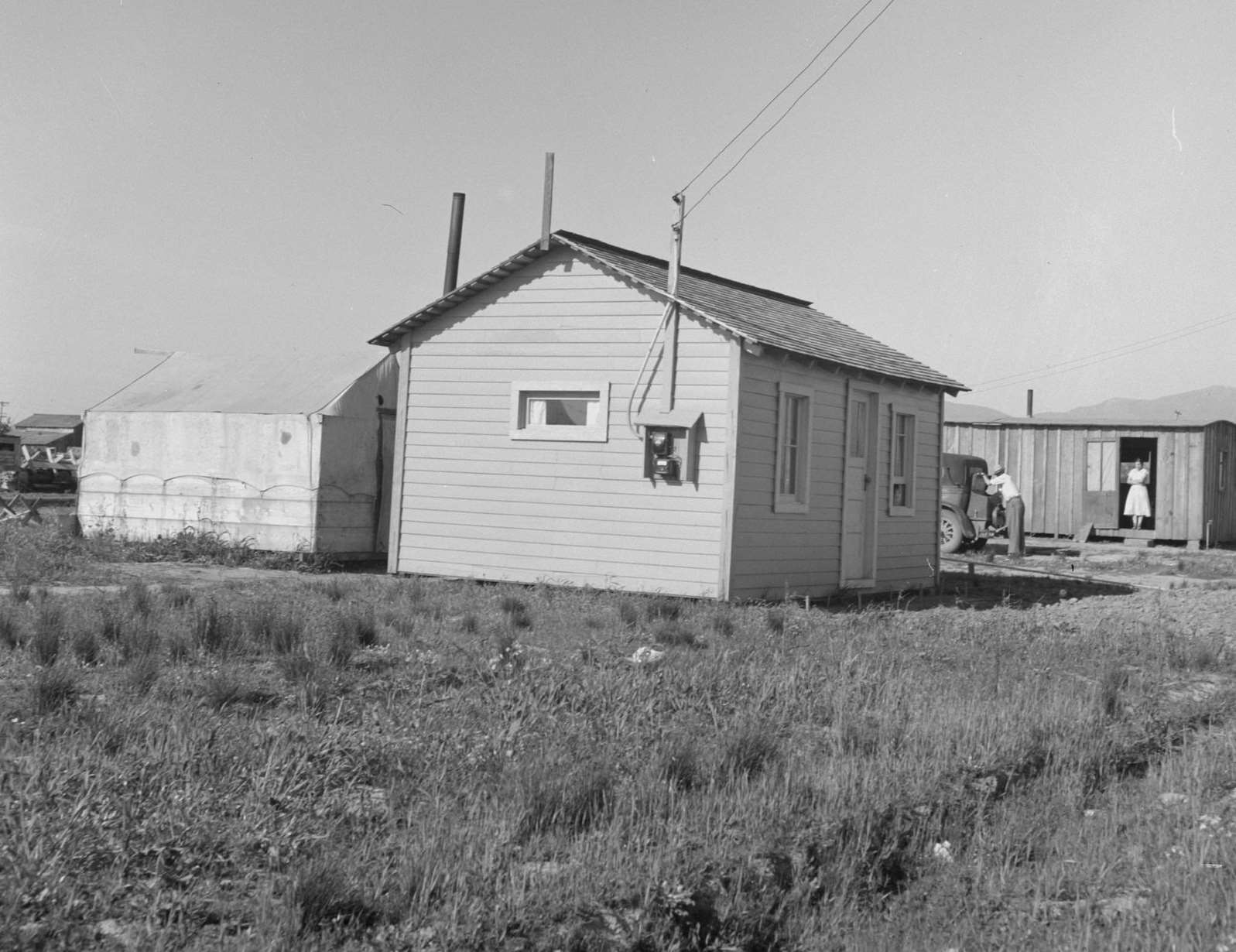
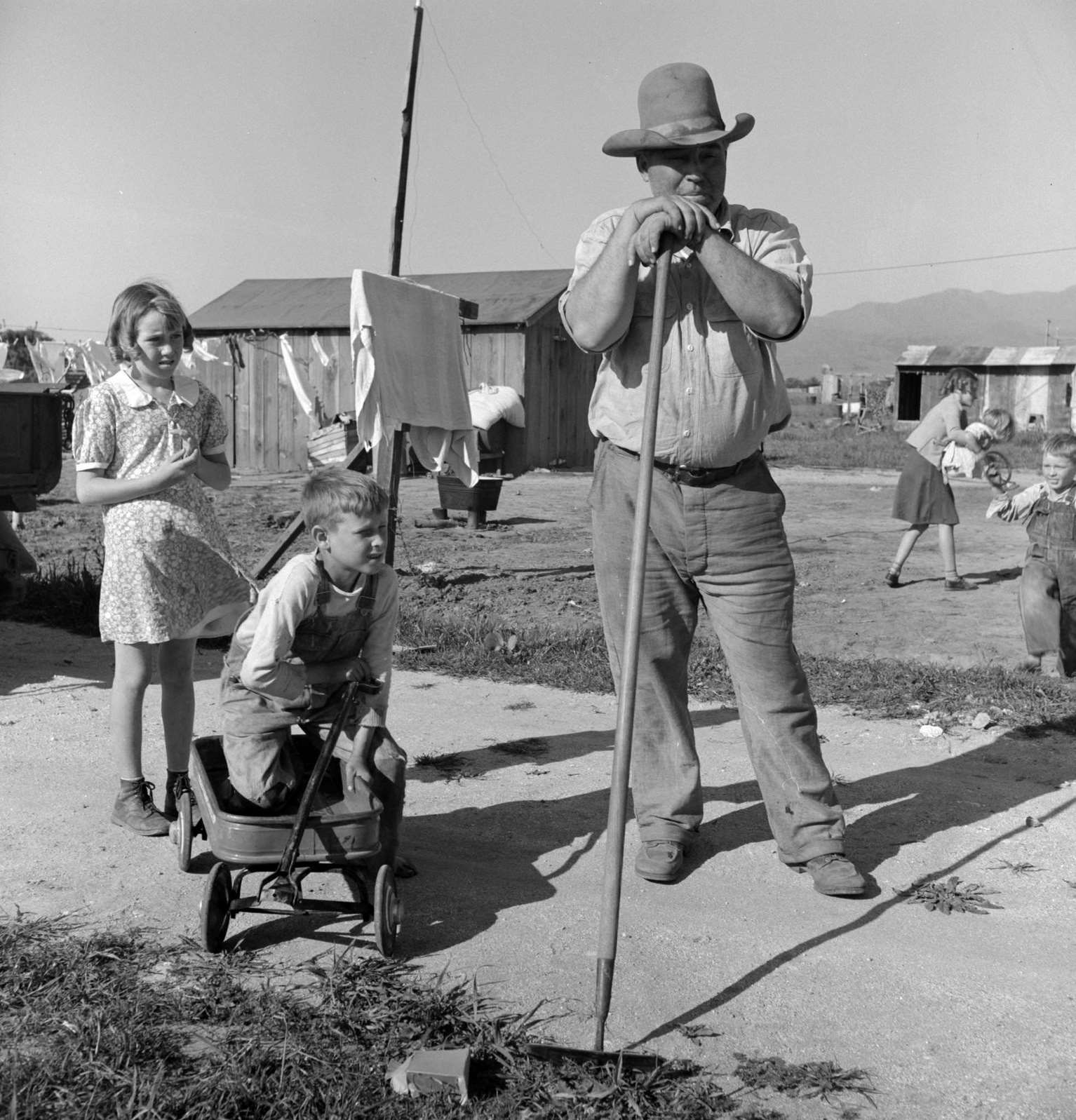
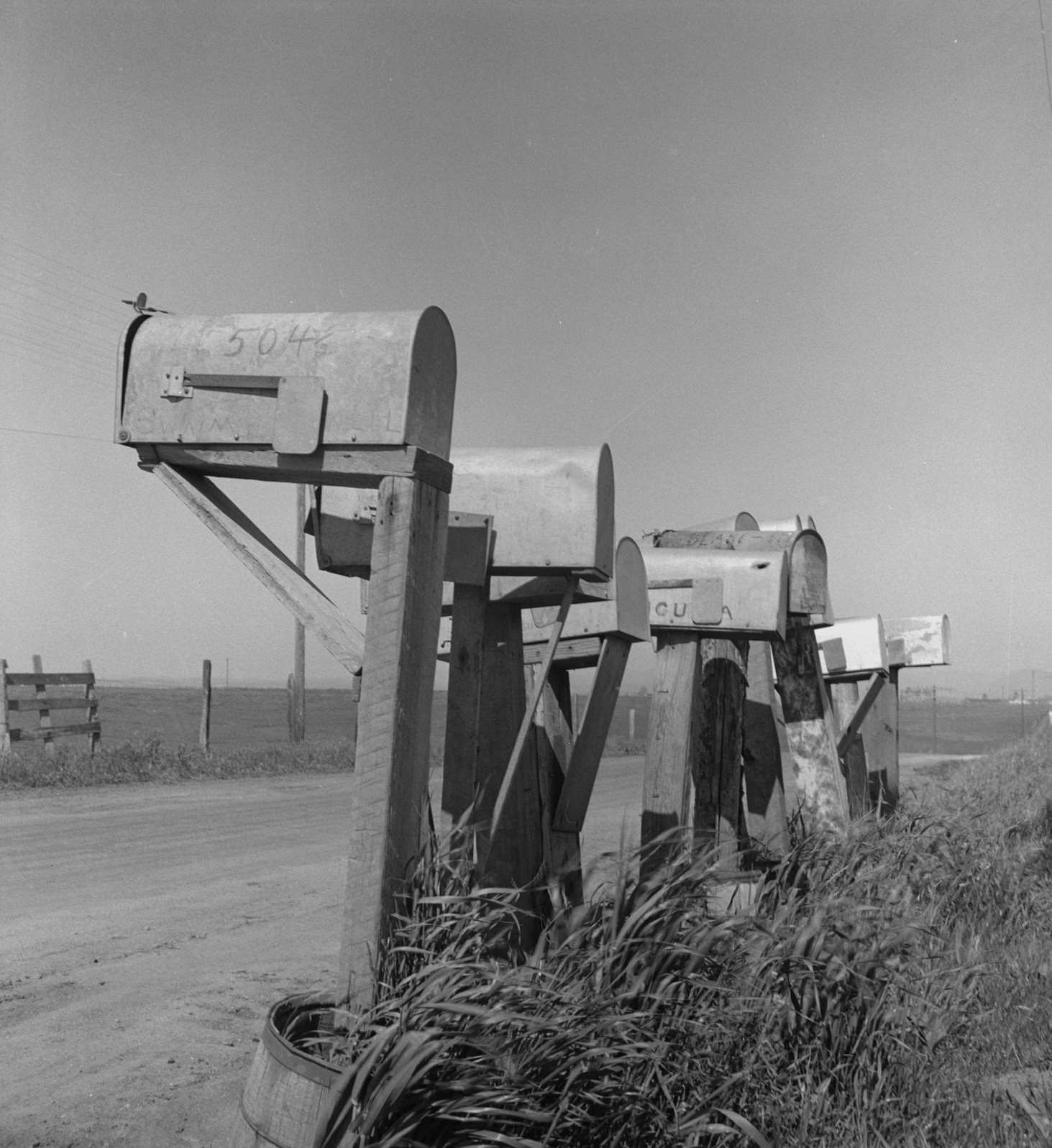
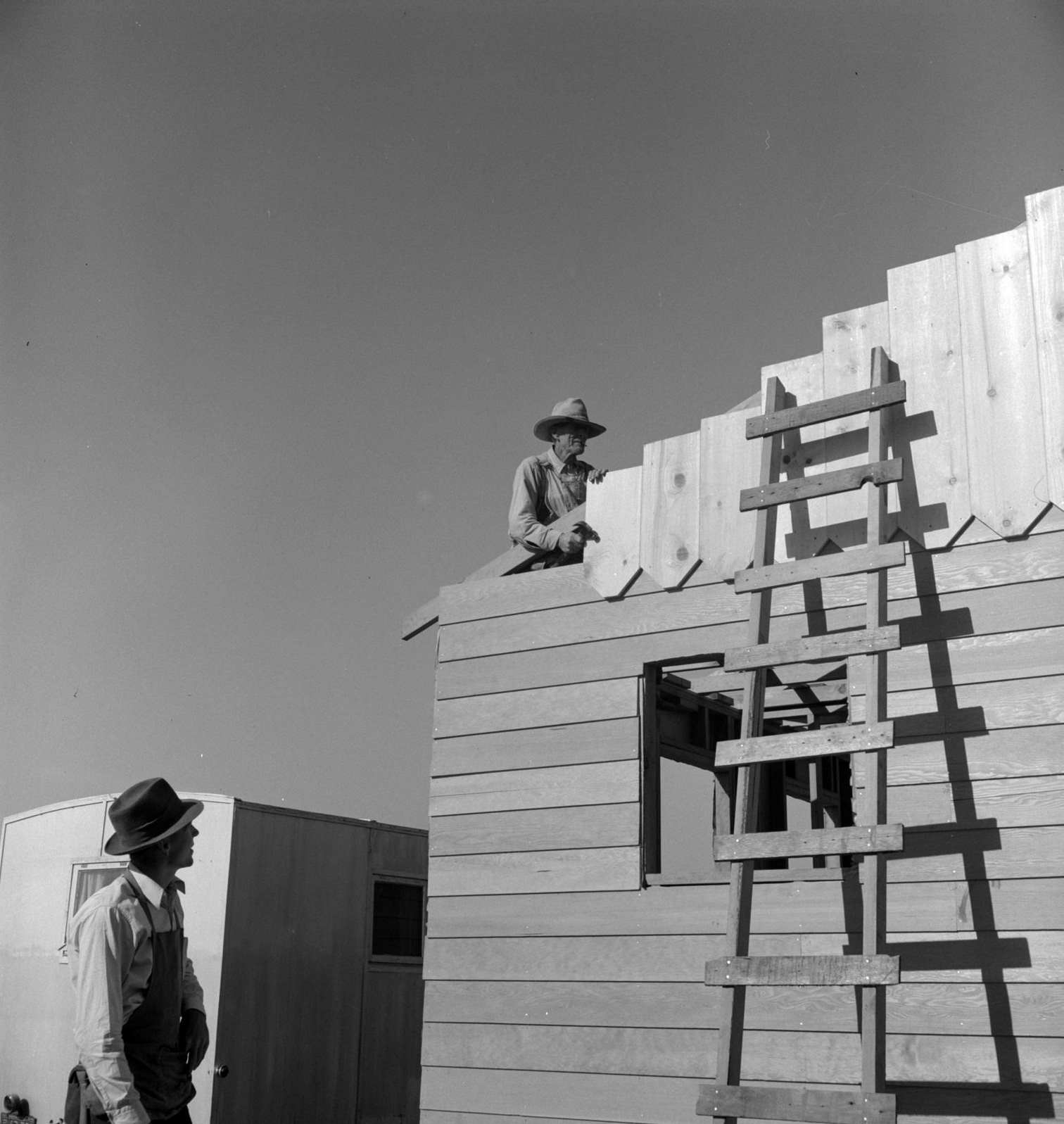
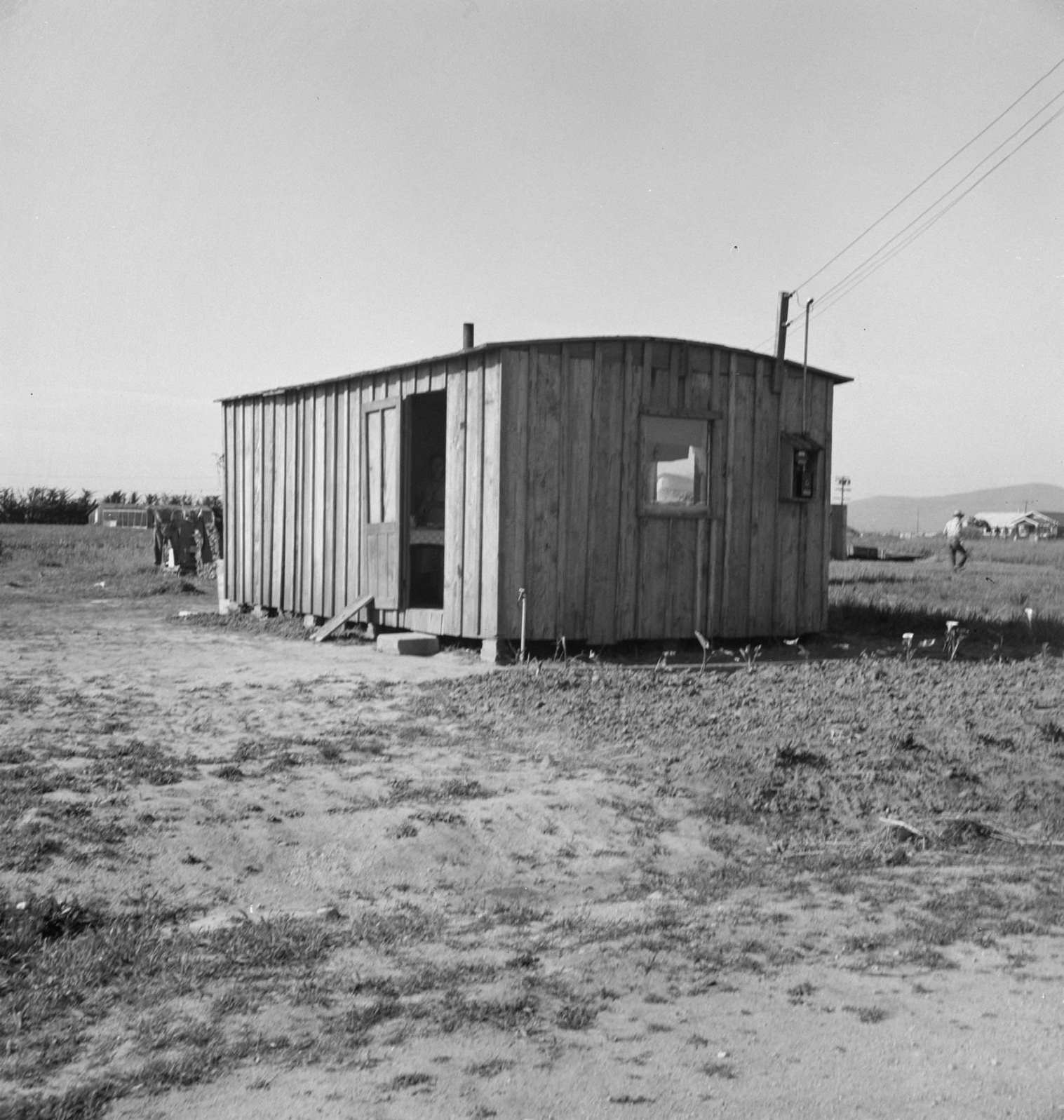
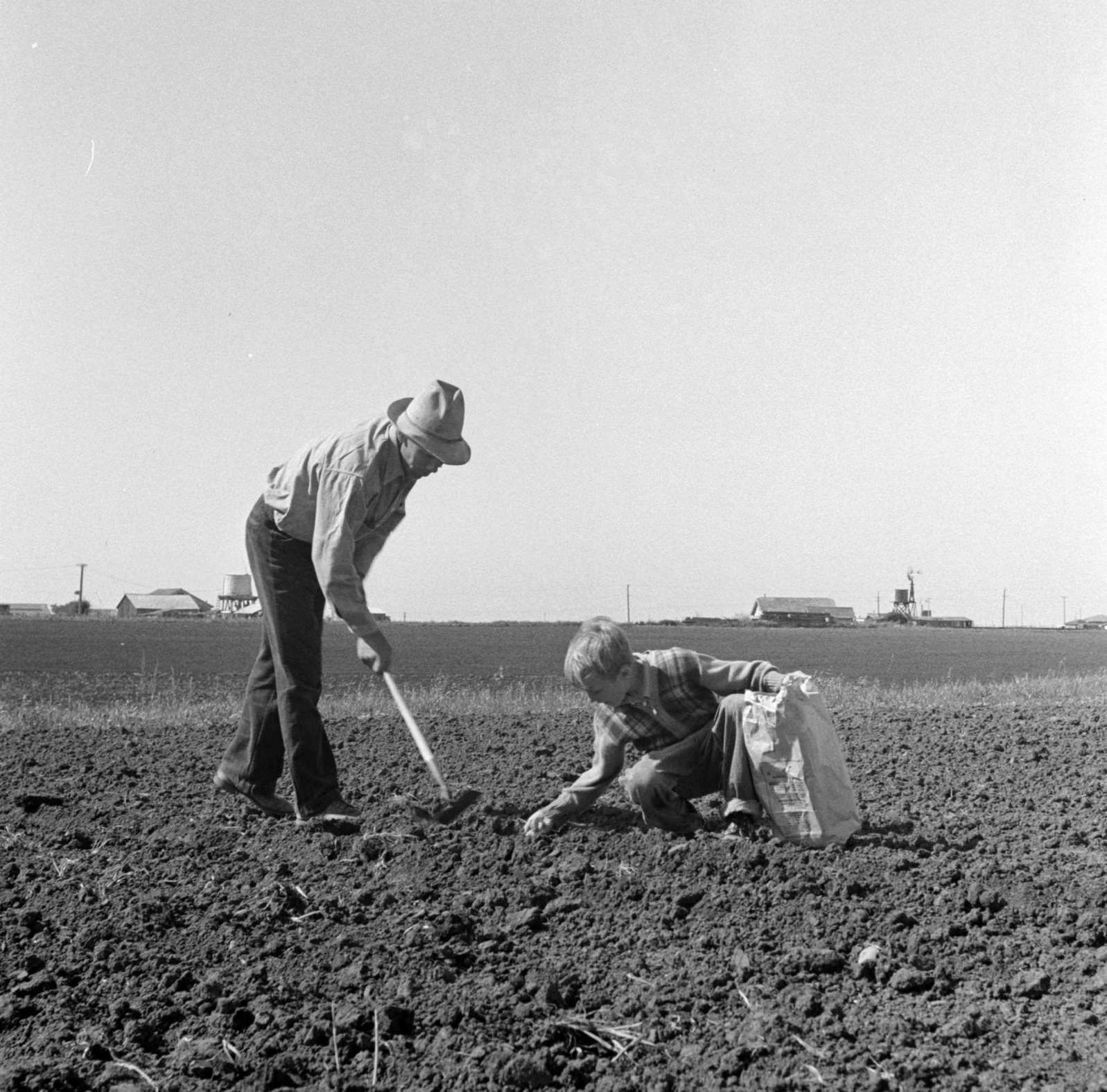
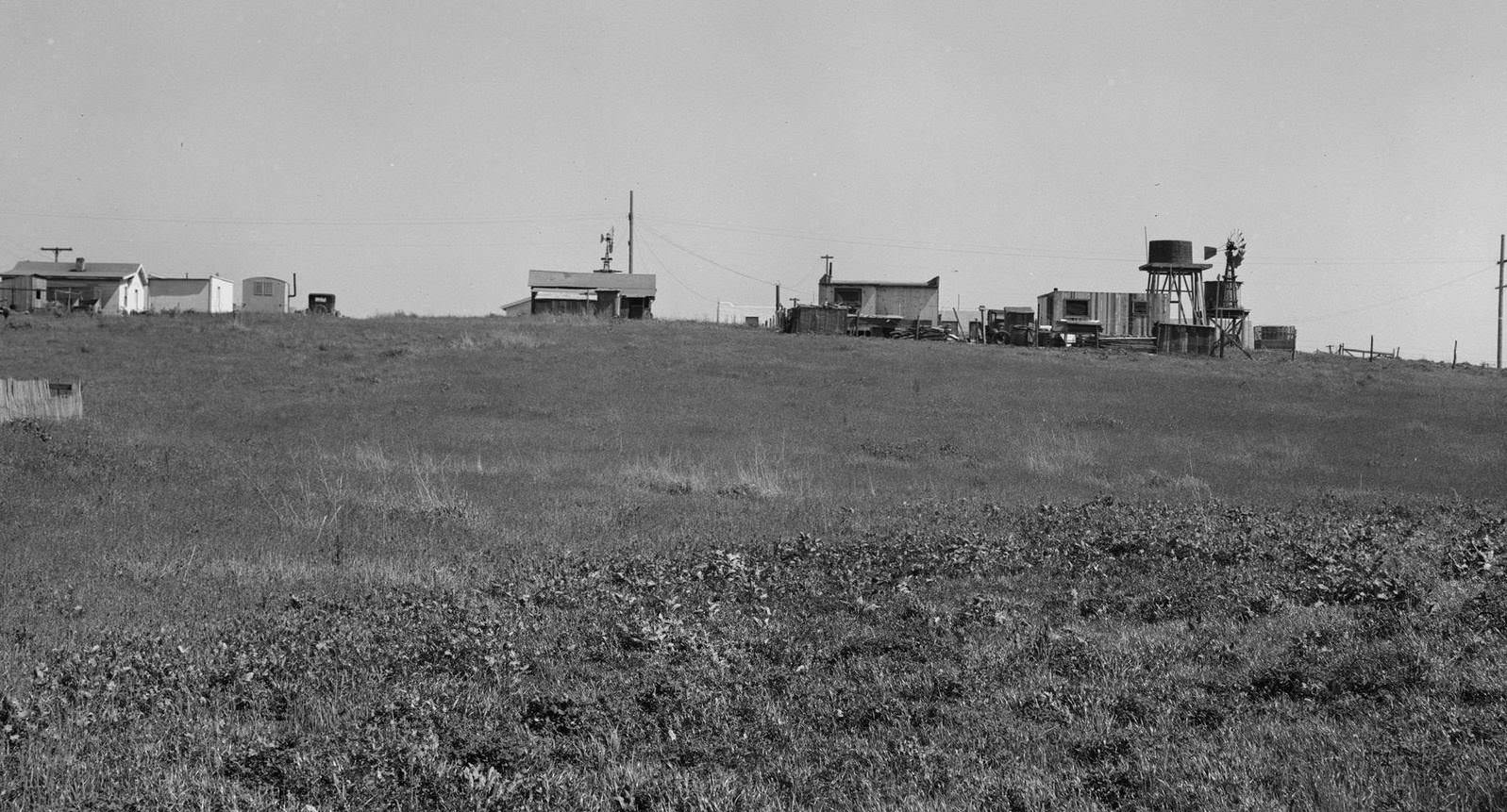
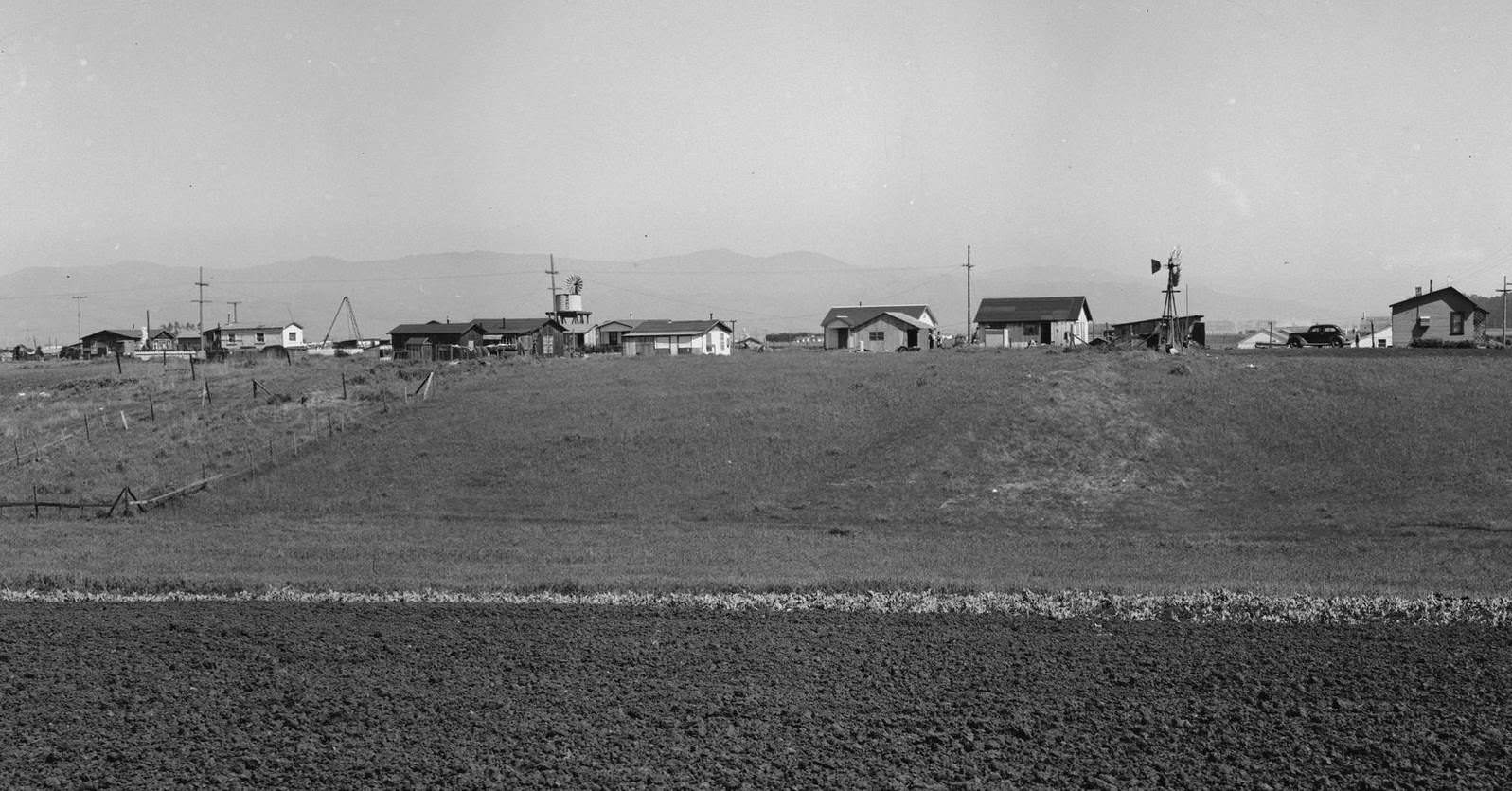
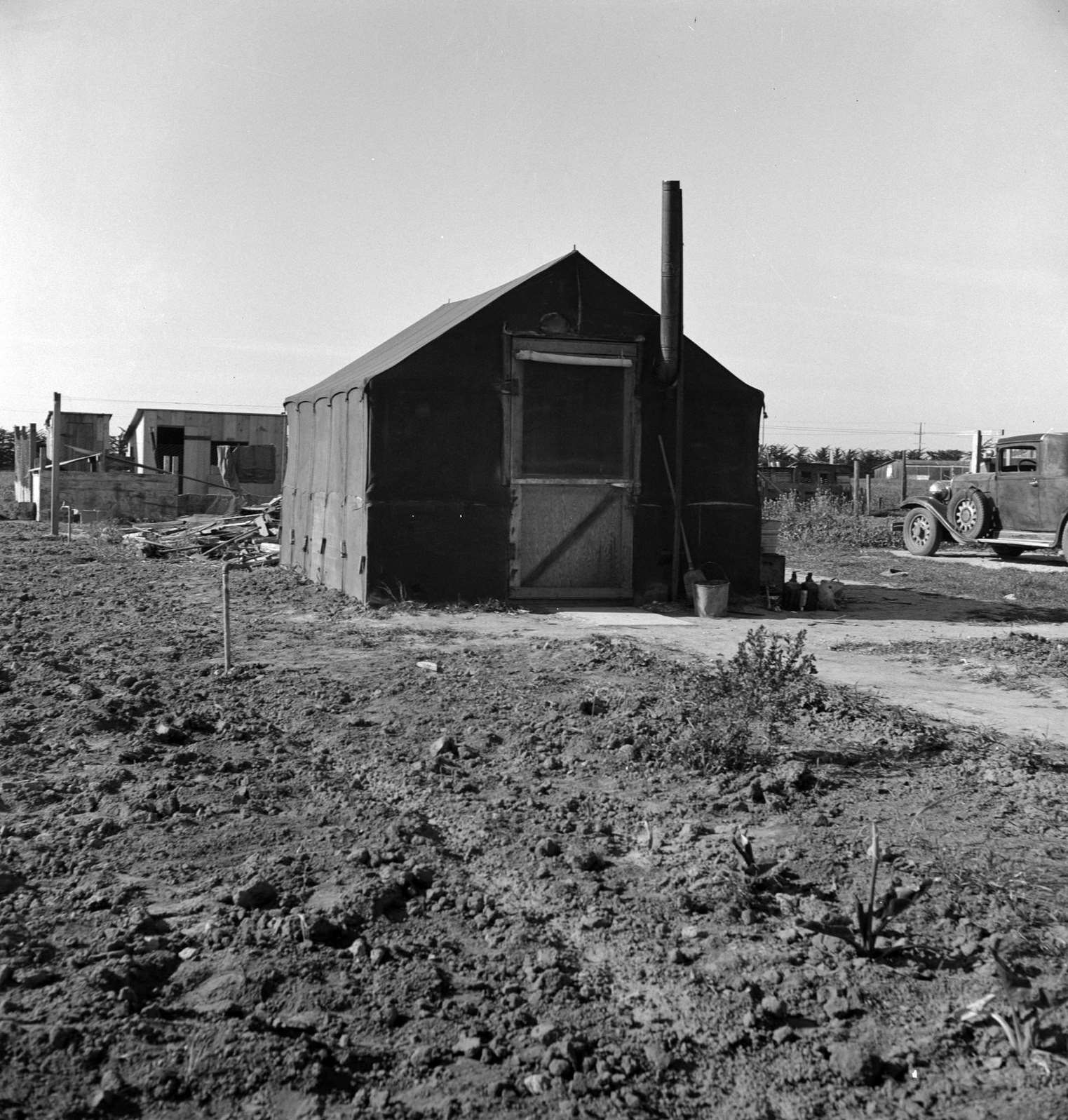
On the outskirts of Salinas, California, a fast-growing settlement of lettuce workers sprang up — mostly migrants from Oklahoma. Fathers and sons built their own houses, often working alongside tents and trailers on the same lots. Mail boxes lined roads where weeks before there had been nothing. New communities were being hammered together out of scrap lumber and determination, on the fringes of a state that had not exactly welcomed these arrivals.
Housing for lettuce workers on edge of town, 1938Housing for rapidly growing settlement of lettuce workers on fringes of town. Salinas, California, 1939Outskirts of Salinas, California. Rapidly growing settlement of lettuce workers from Oklahoma, 1939Mail boxes of lettuce workers. Settlement on outskirts of Salinas, California 1939
Beyond government photographers, the Dust Bowl drew in independent artists. John Steinbeck’s 1939 novel The Grapes of Wrath brought the plight of displaced farm families to a mass audience, drawing partly on field notes by FSA worker Sanora Babb. Ironically, Steinbeck’s success led to Babb’s own novel on migrant workers, Whose Names Are Unknown, being shelved. It was not published until 2004. Woody Guthrie traveled alongside displaced Oklahoma farmers on the road to California, absorbing their folk and blues traditions and eventually recording his Dust Bowl Ballads — earning him the name “Dust Bowl Troubadour.”
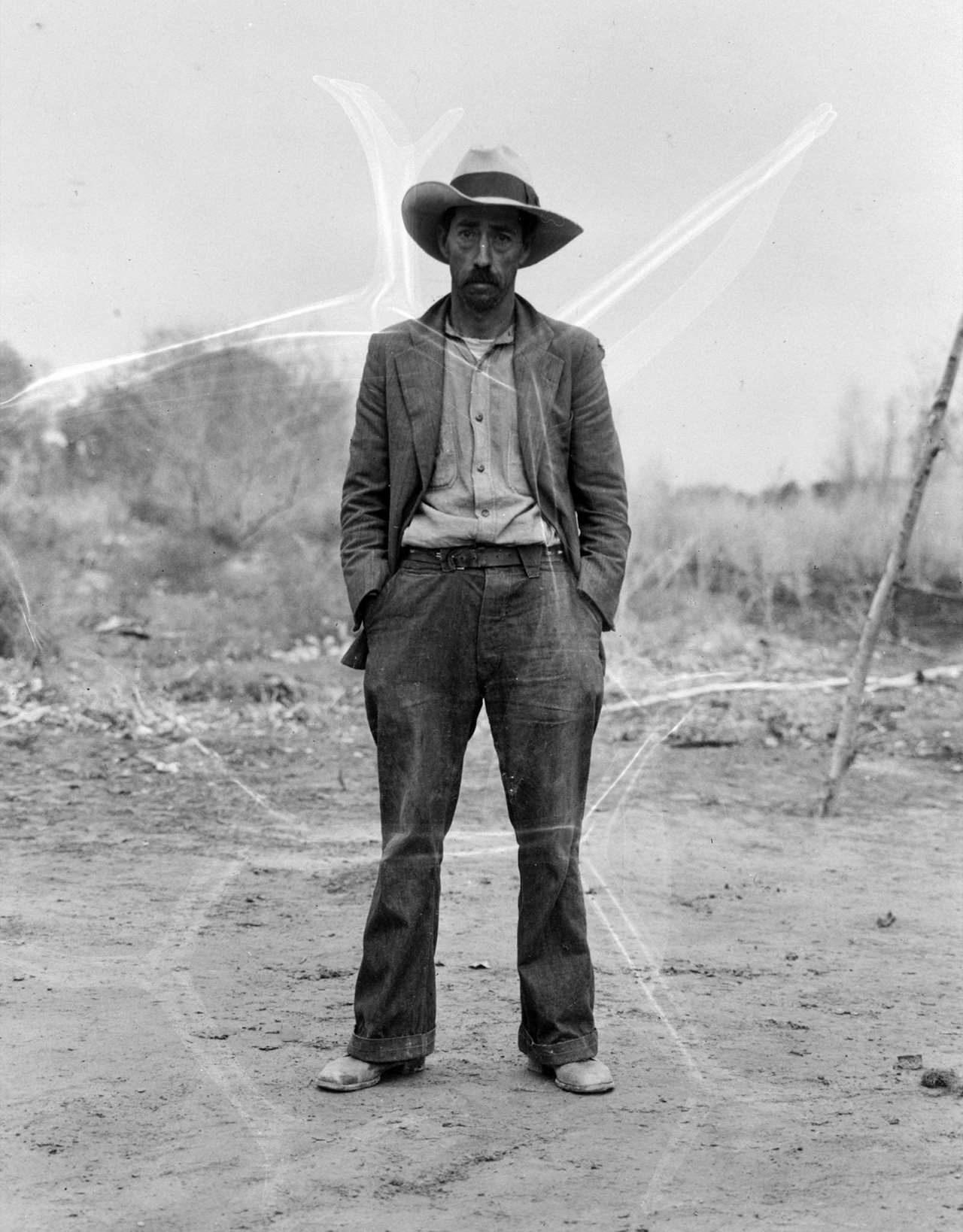
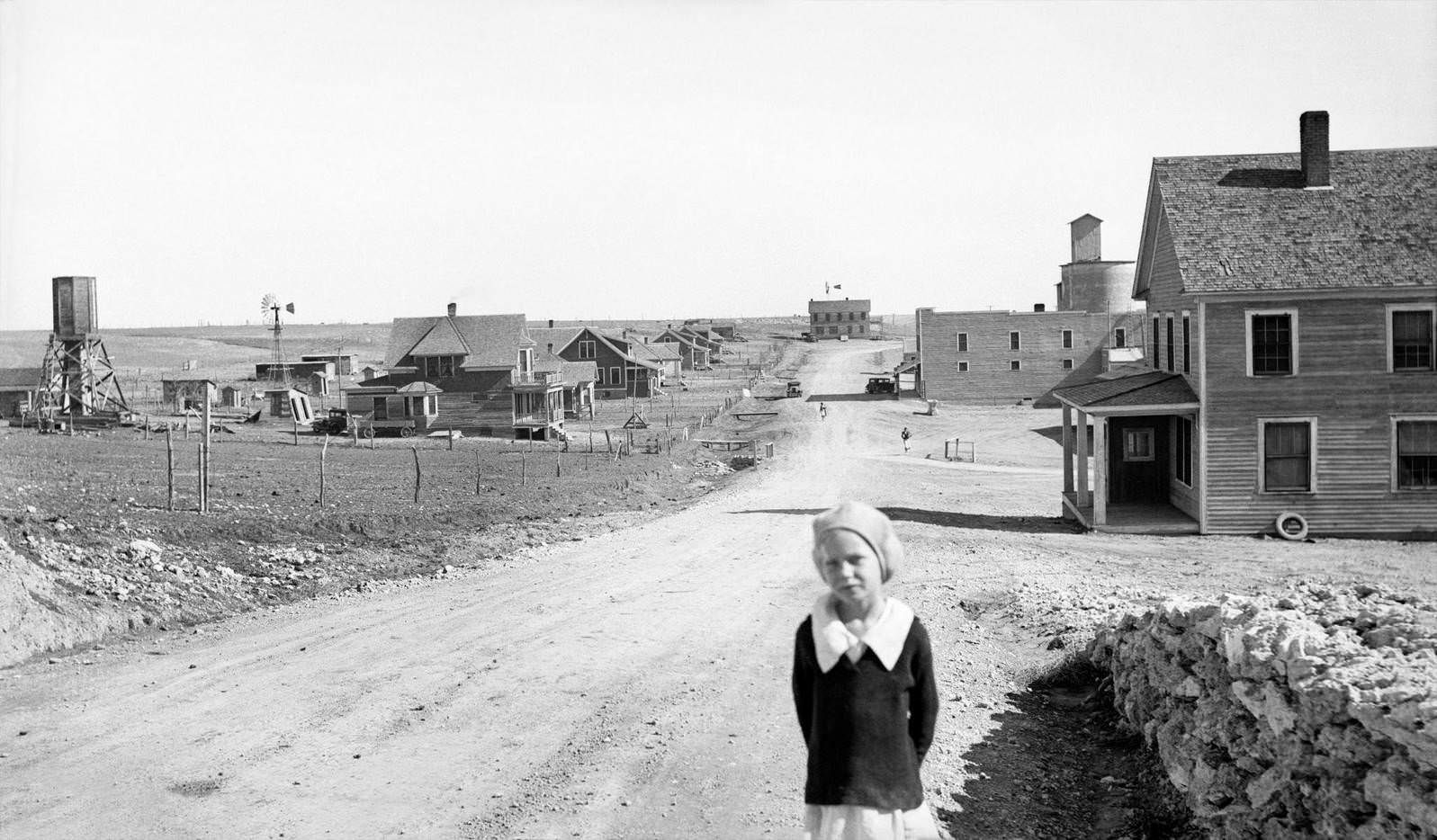
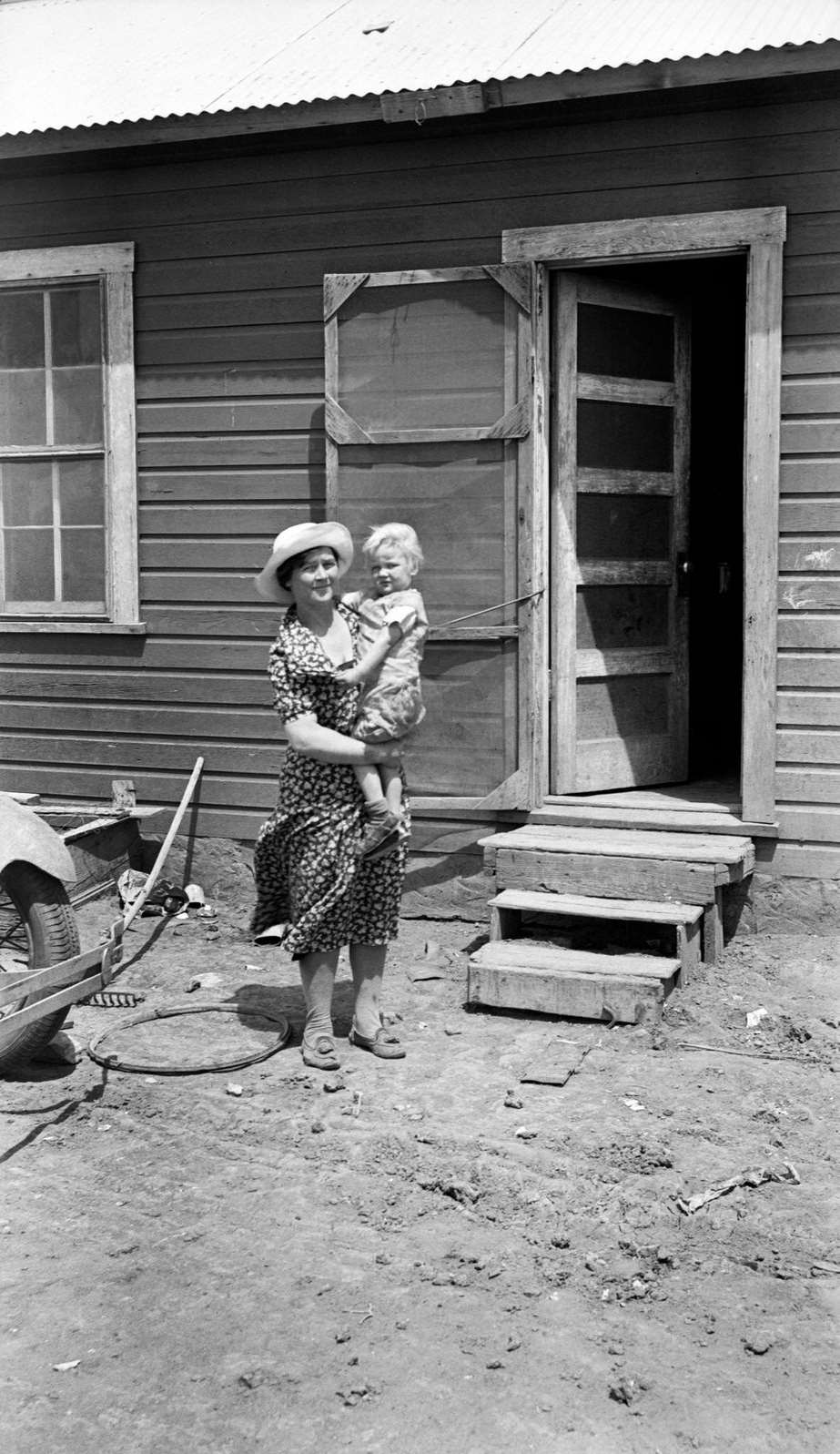
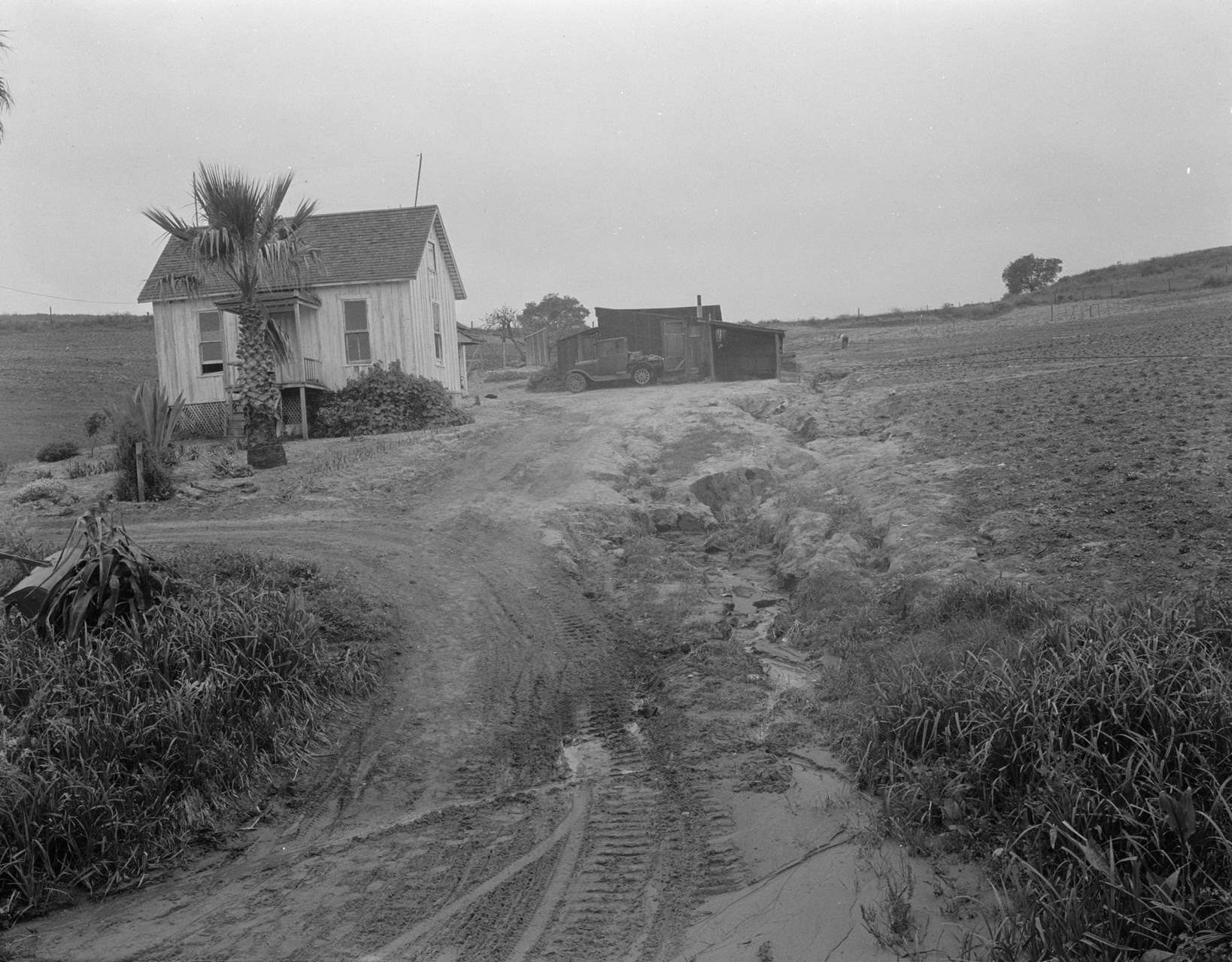
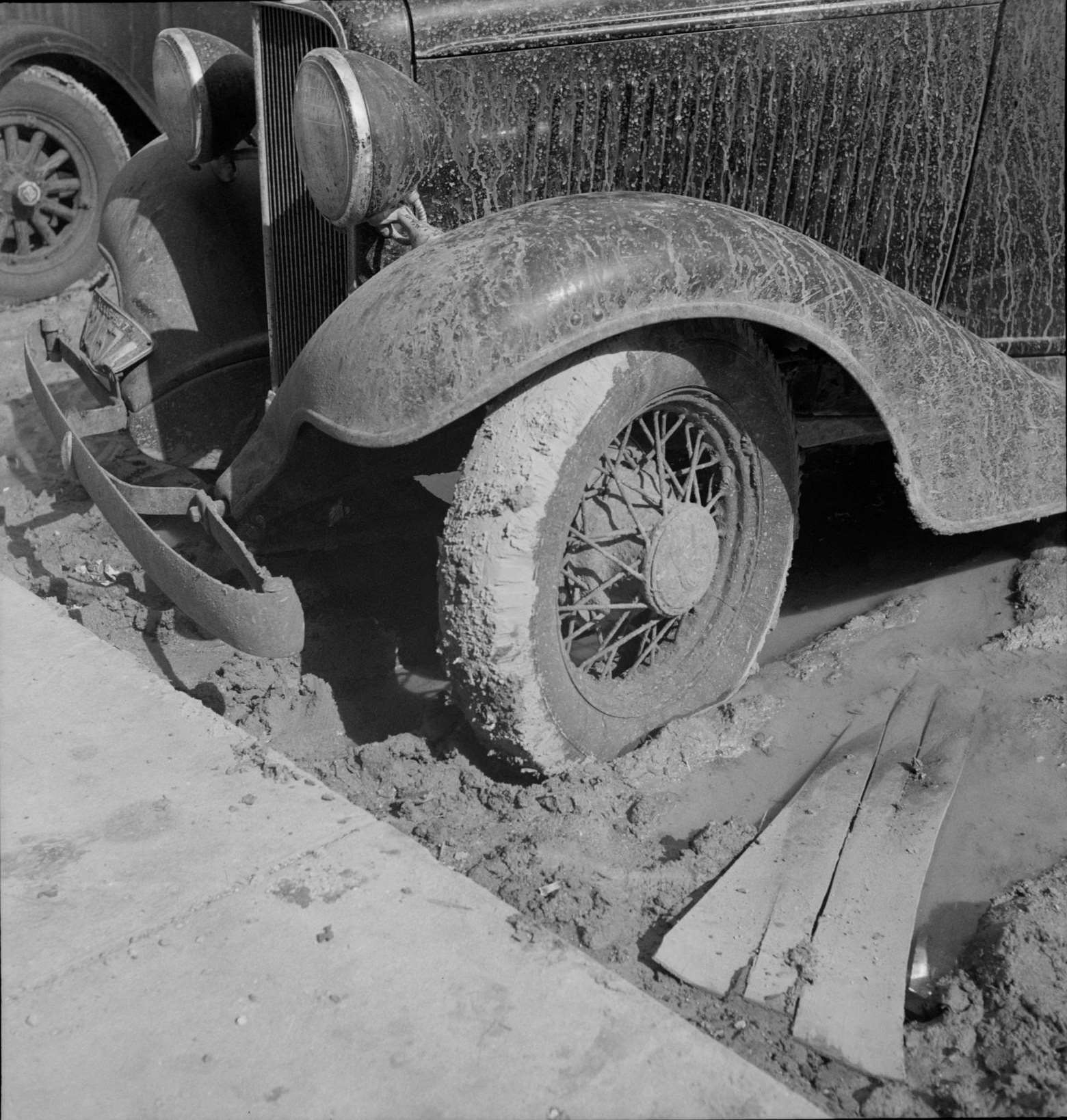
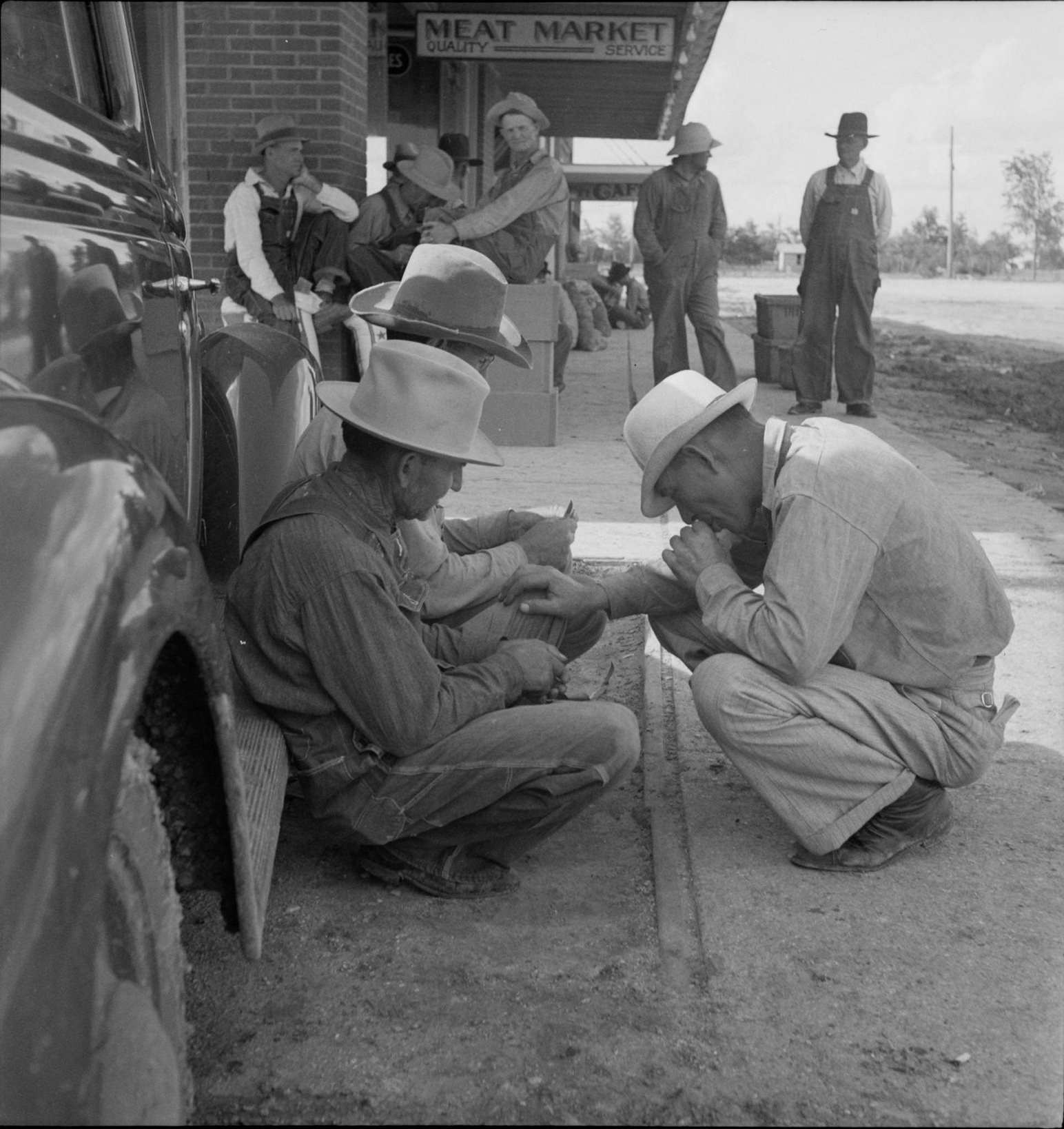
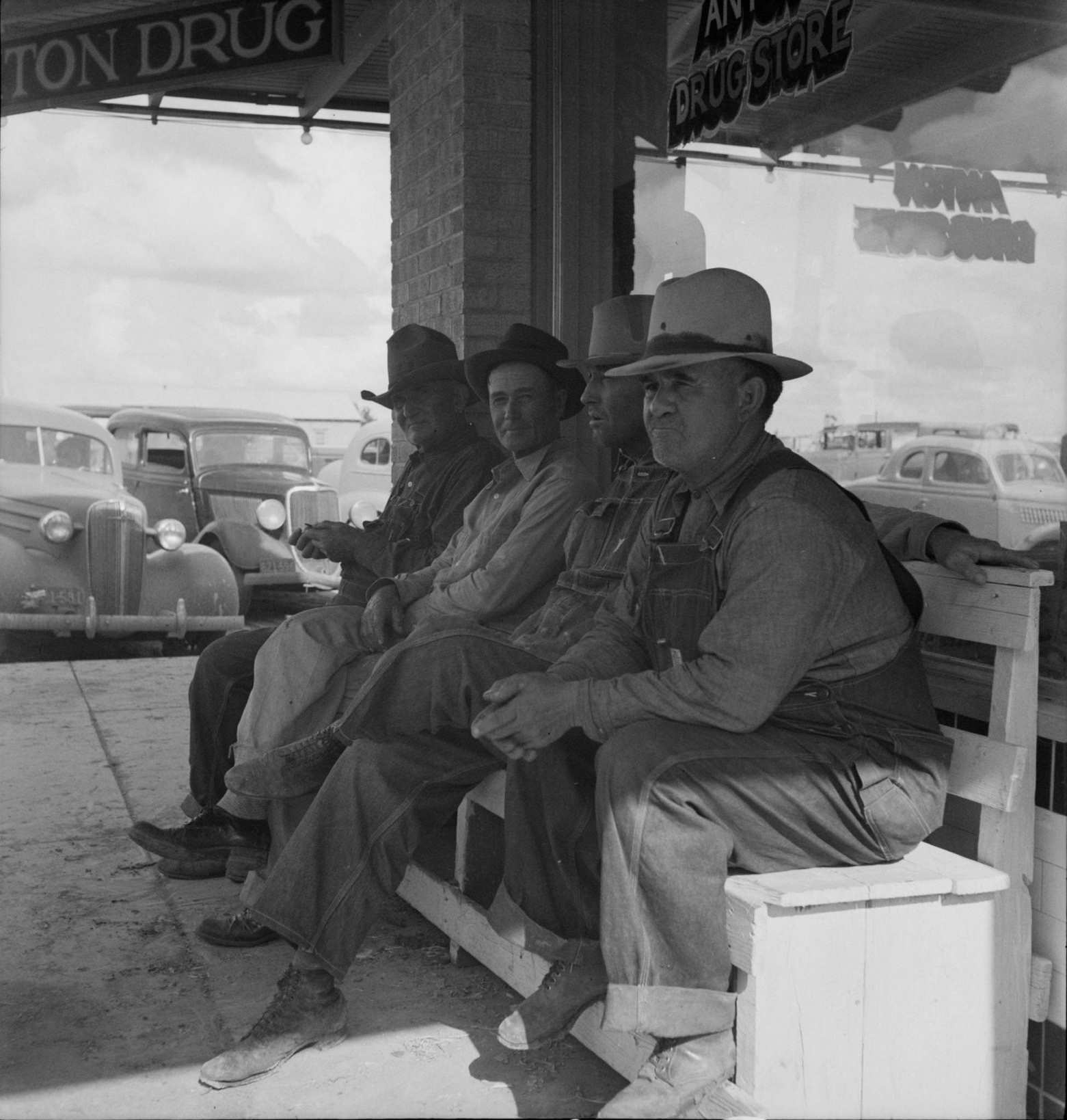
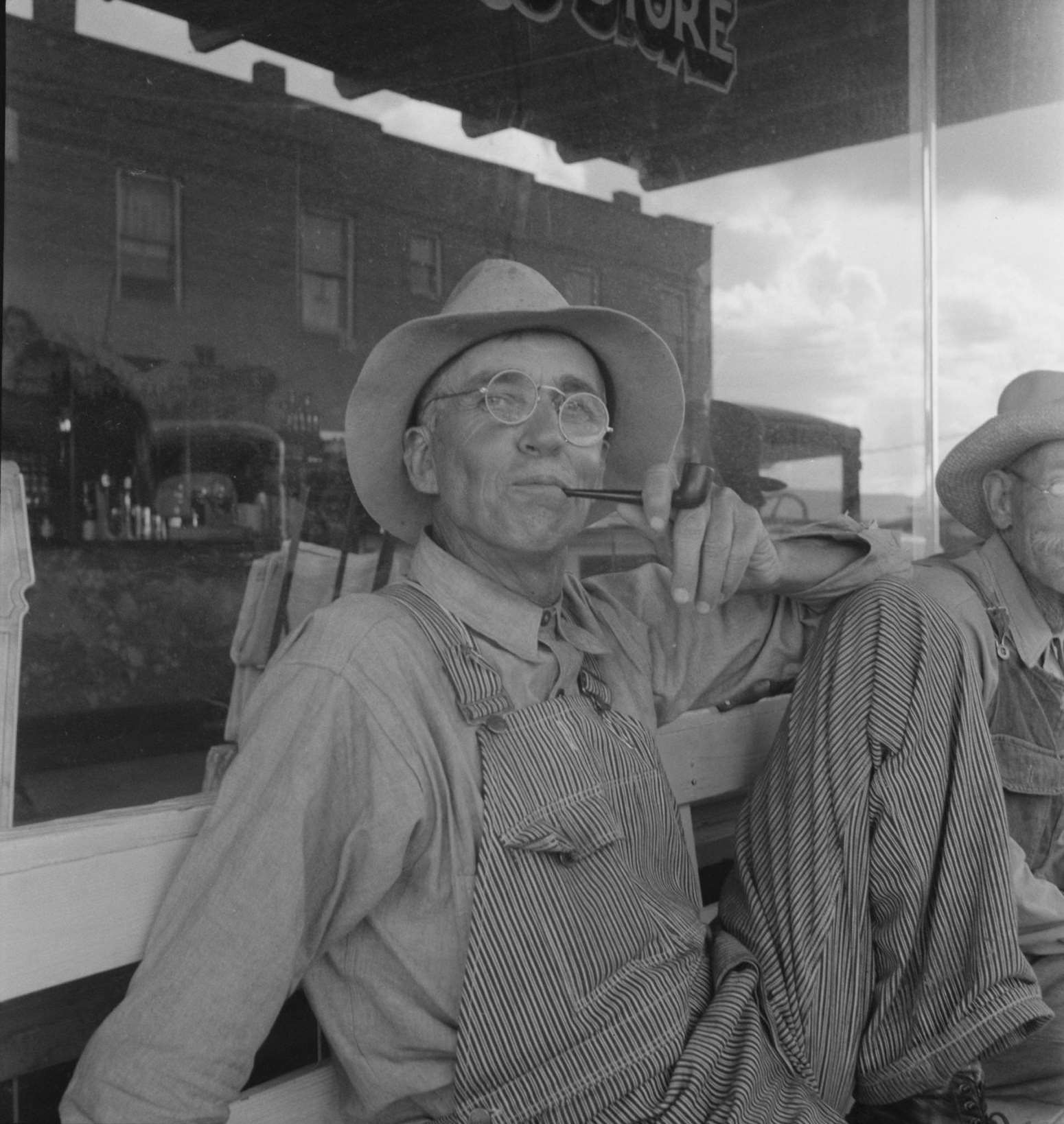
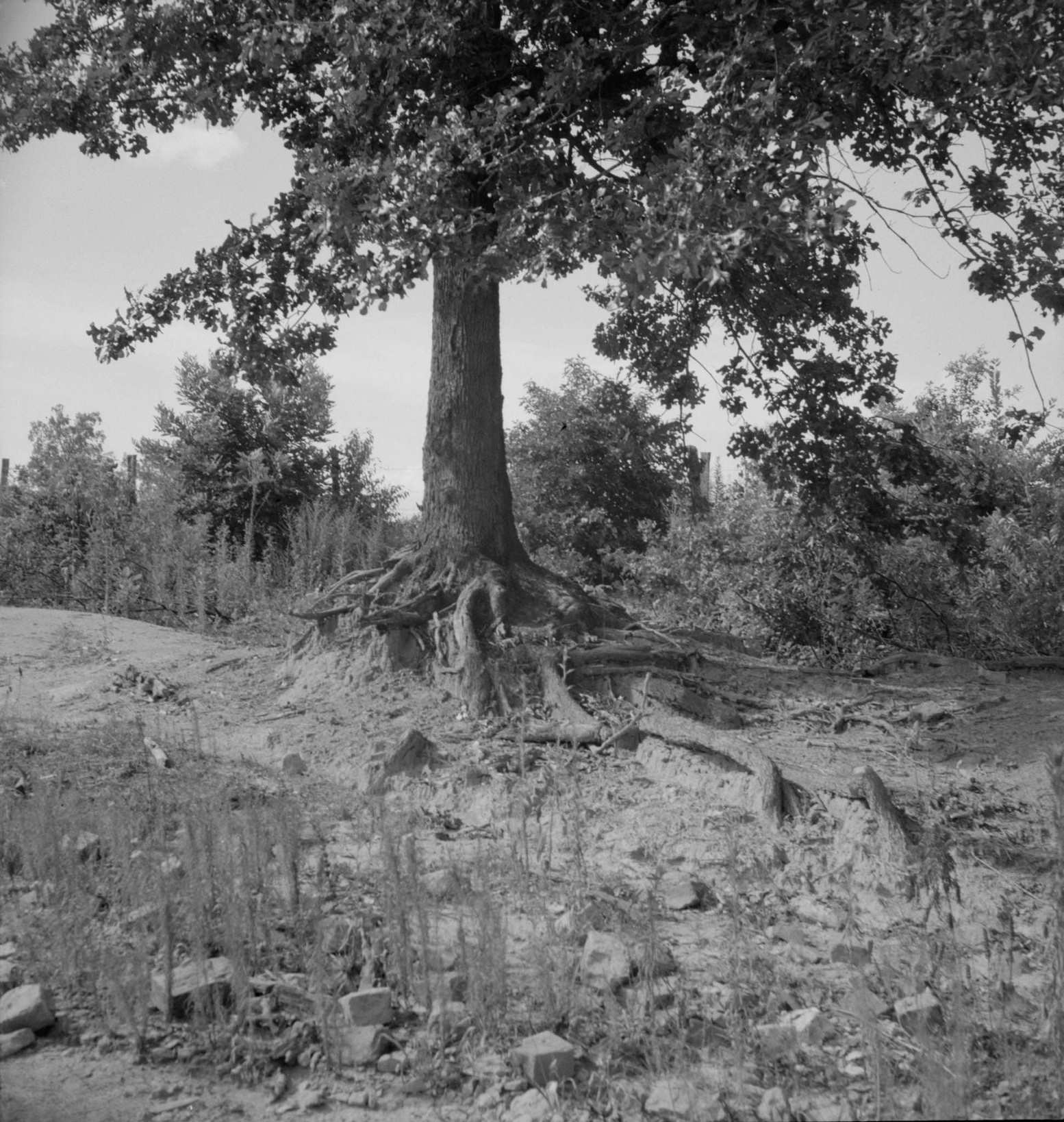
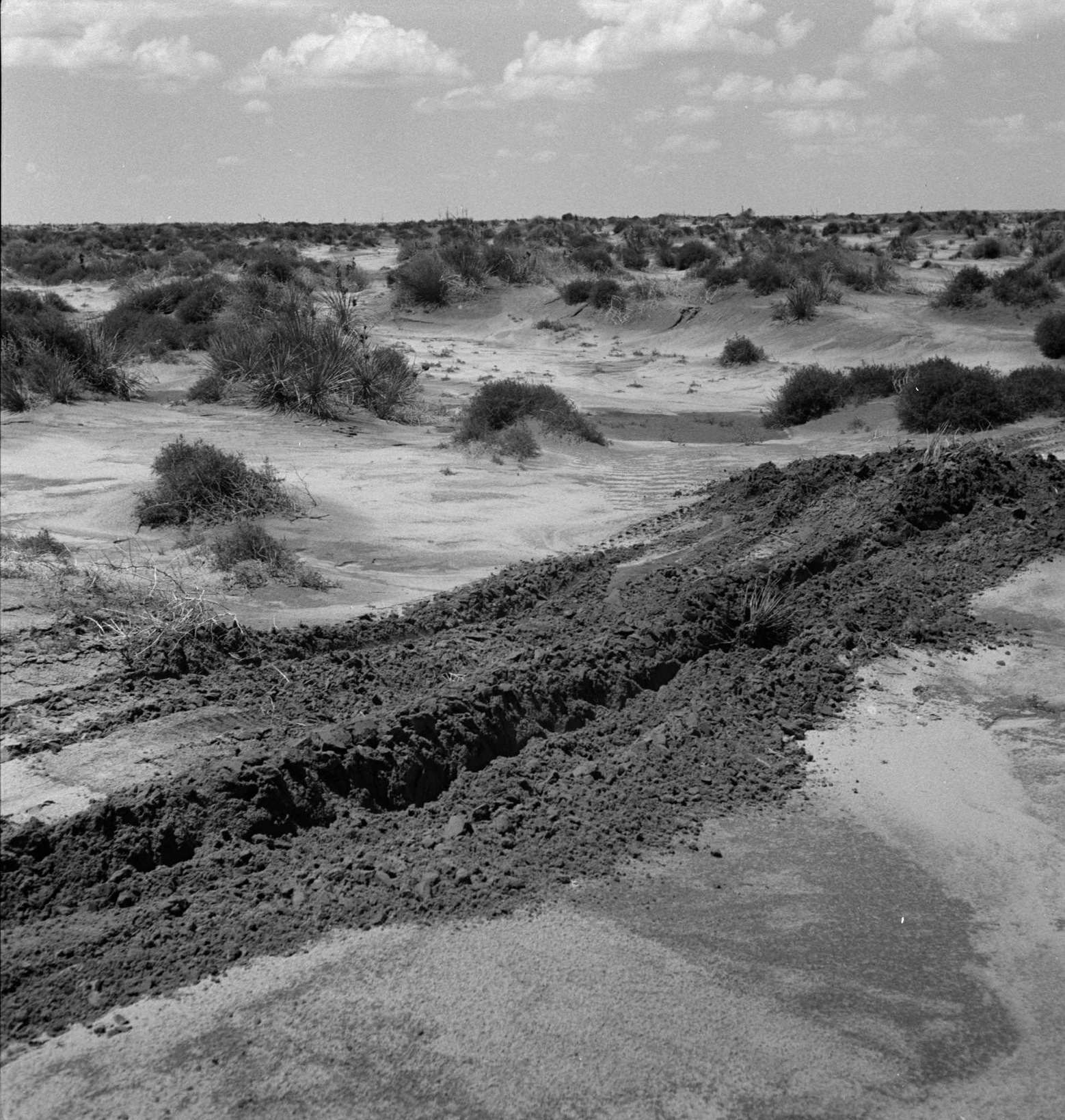
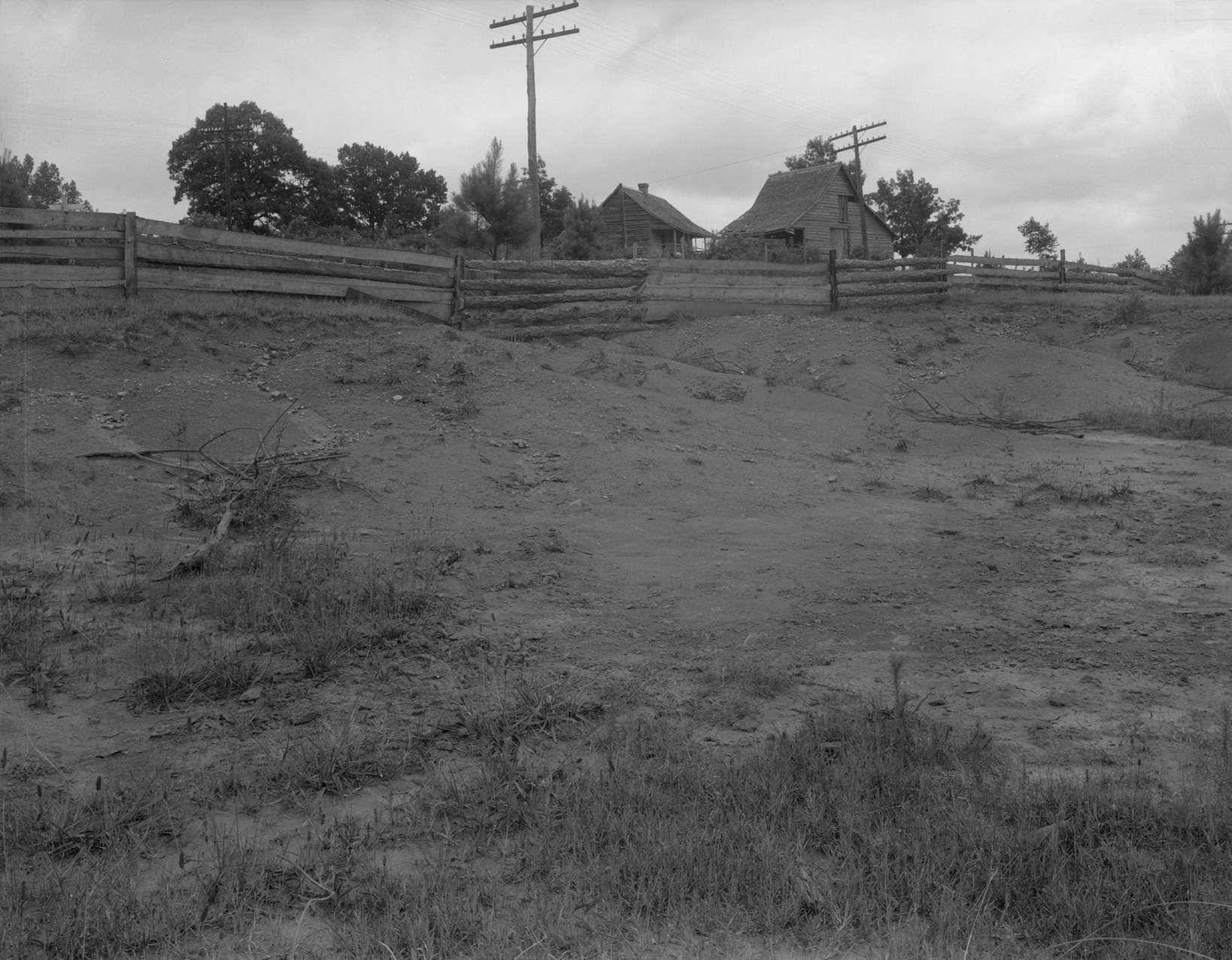
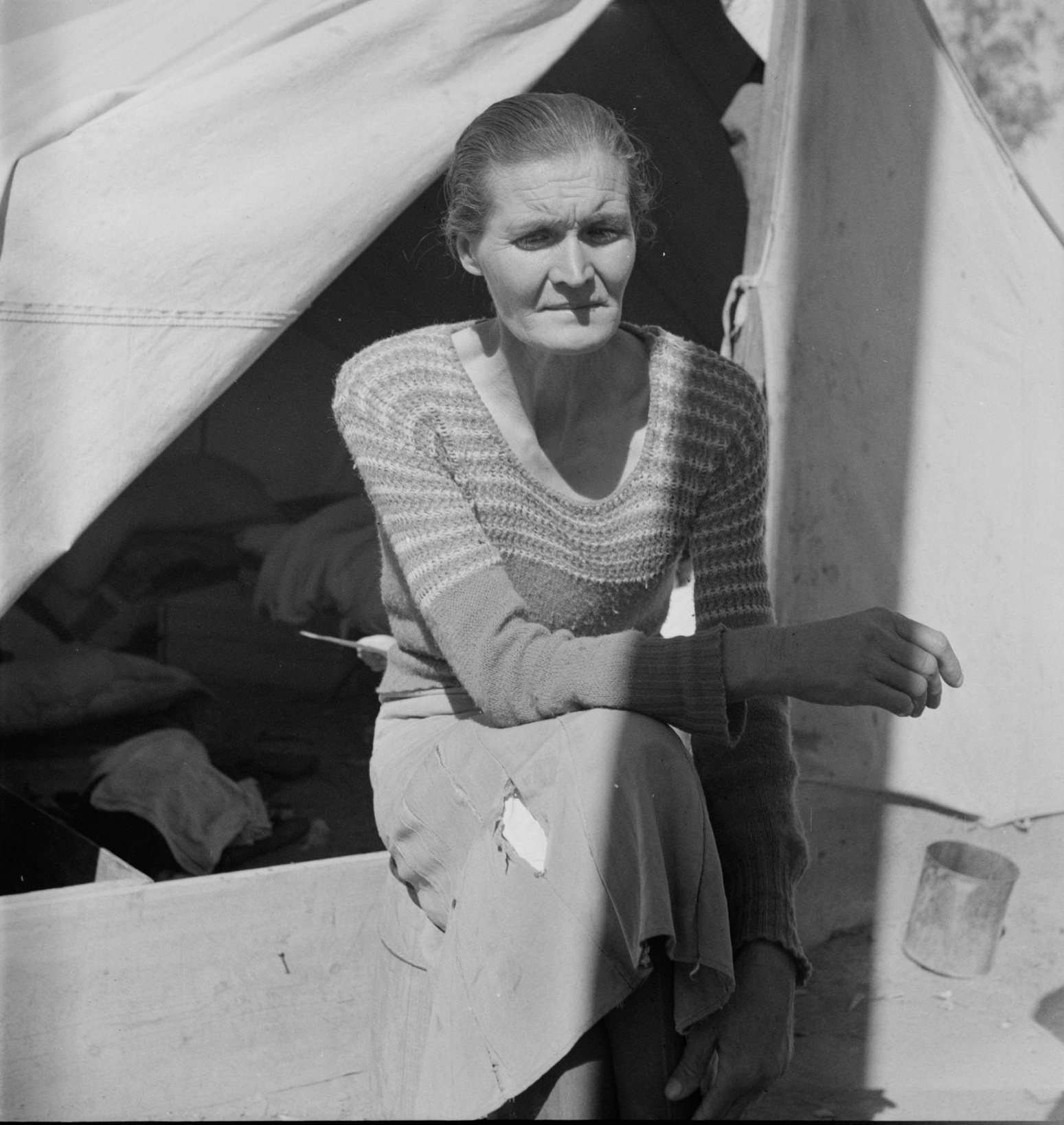
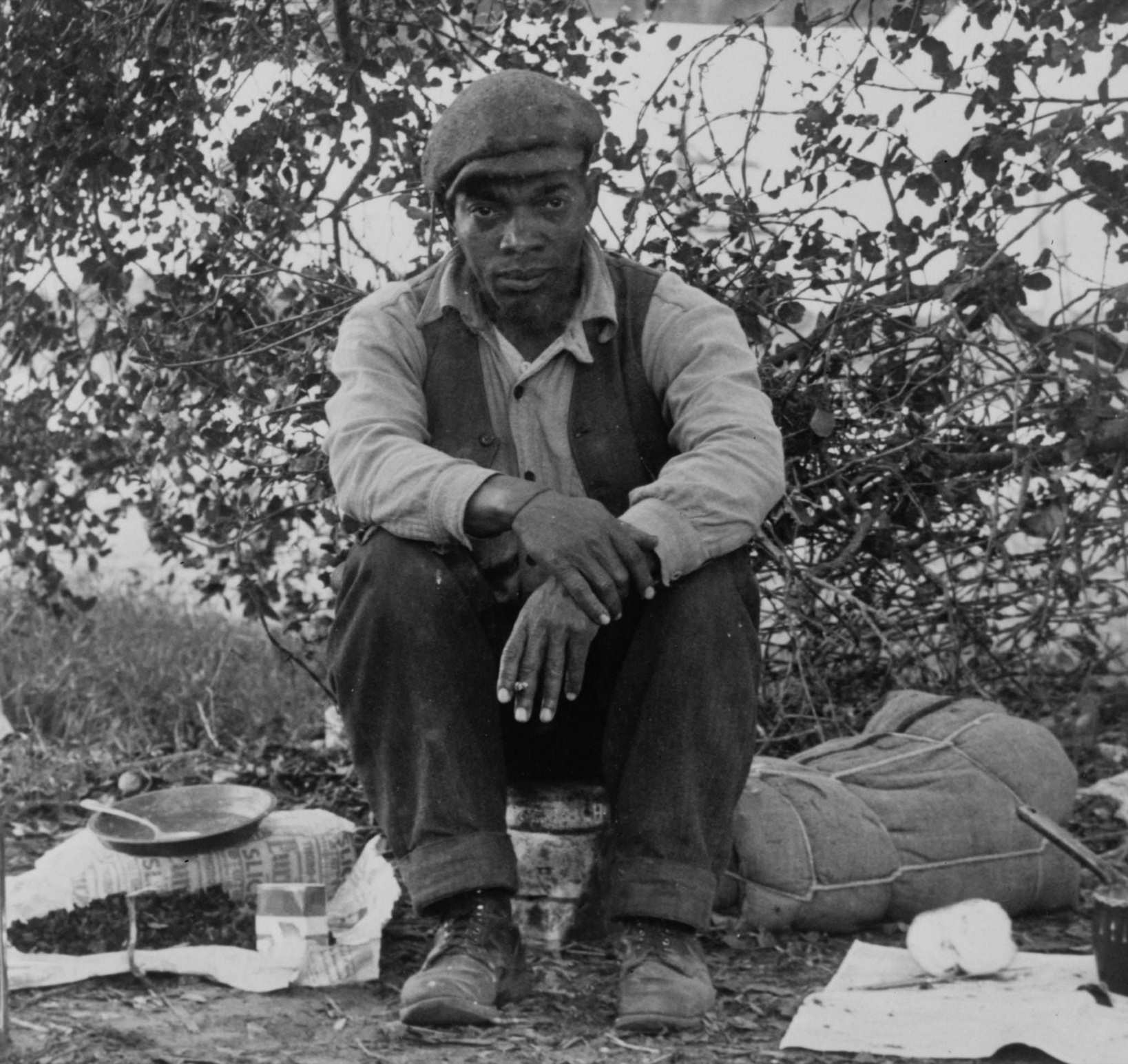
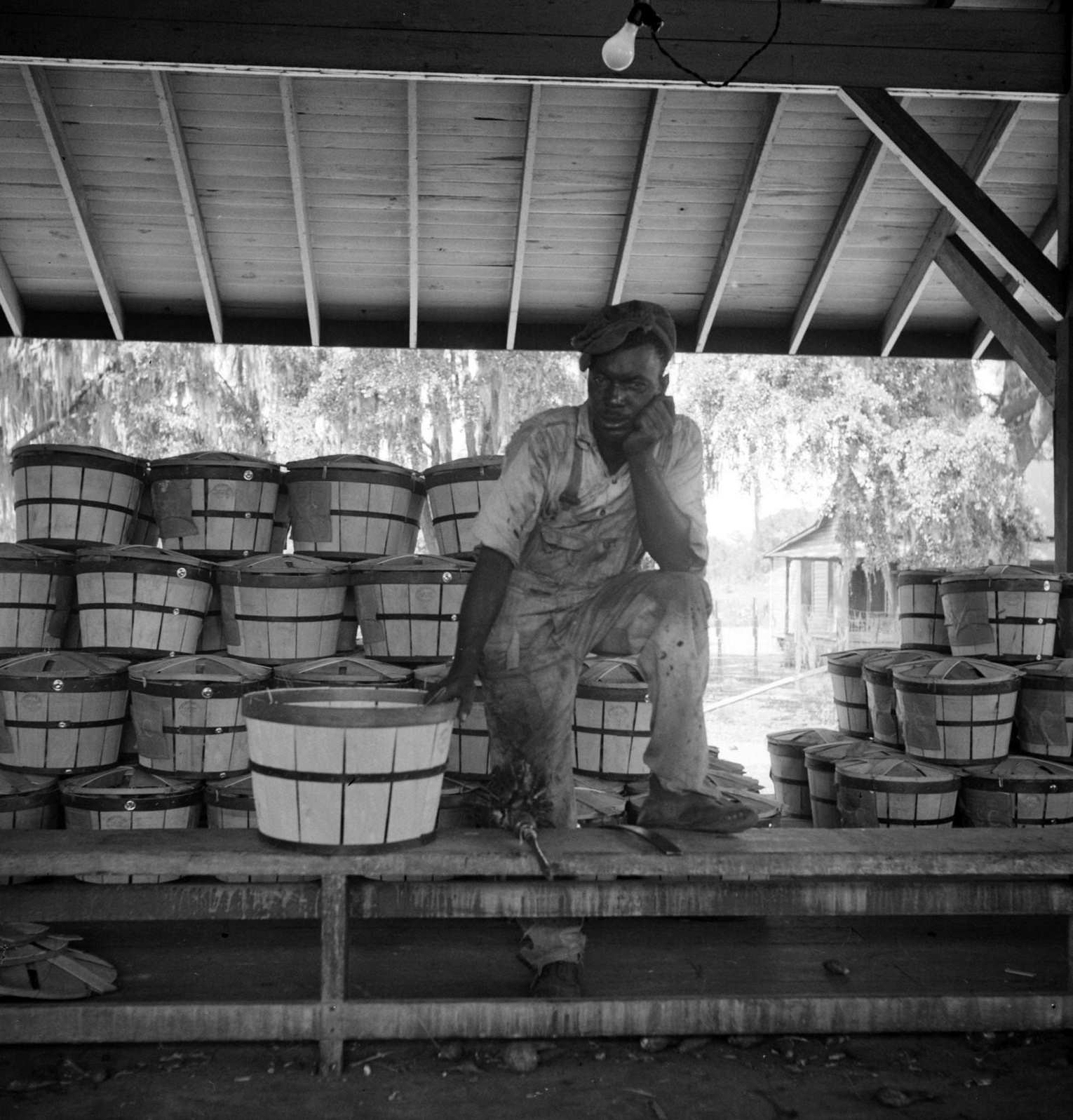
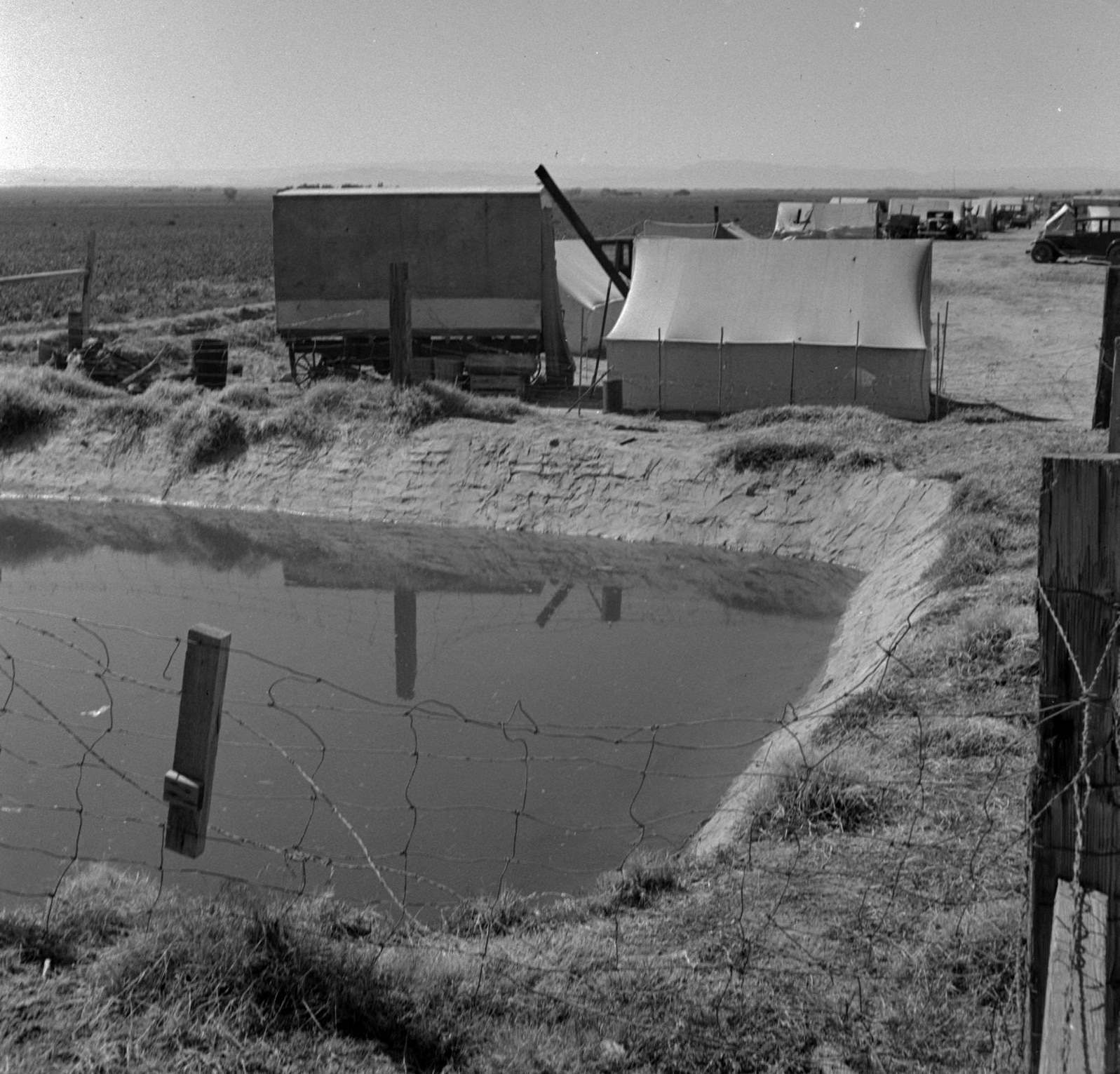
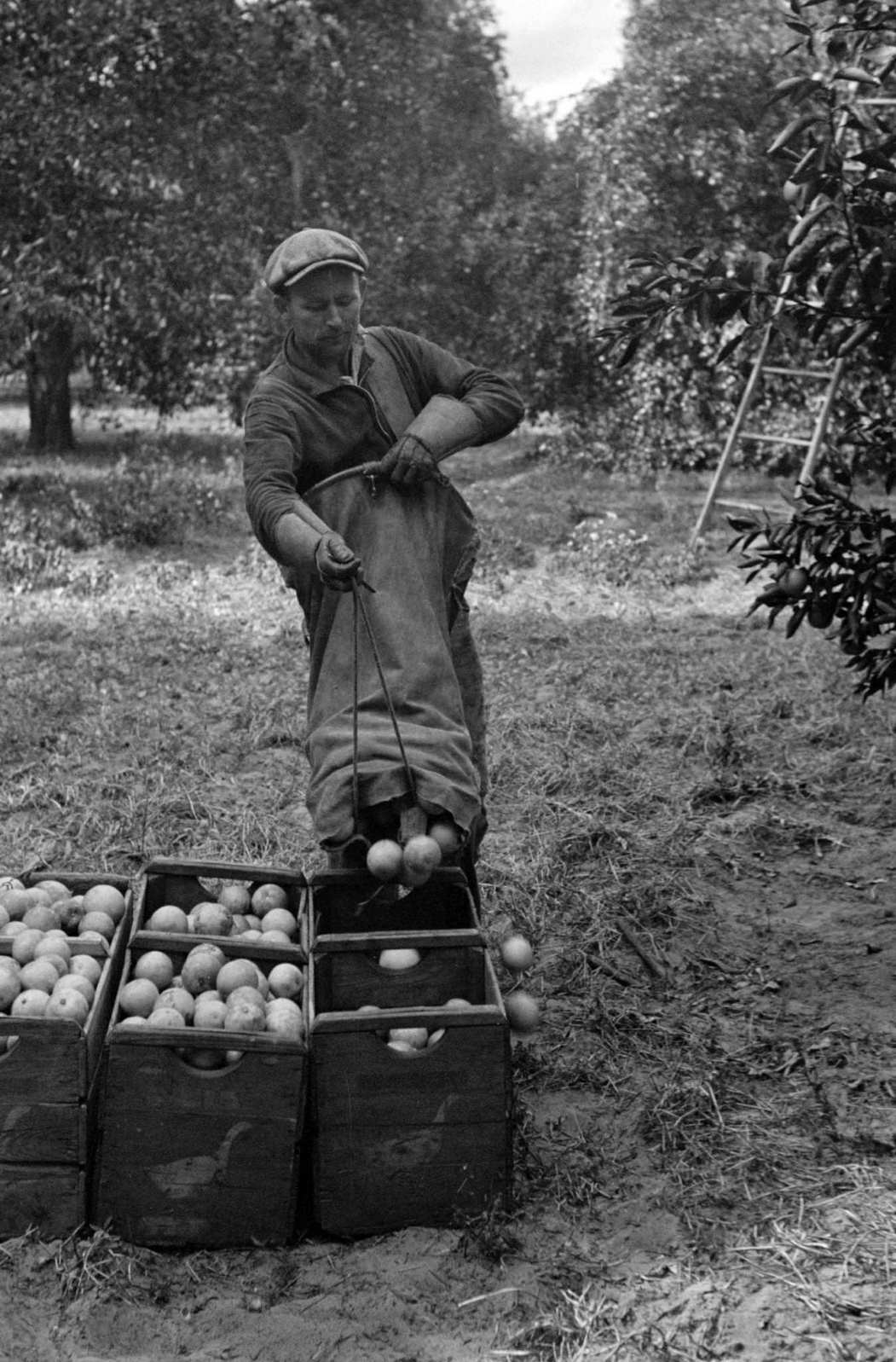
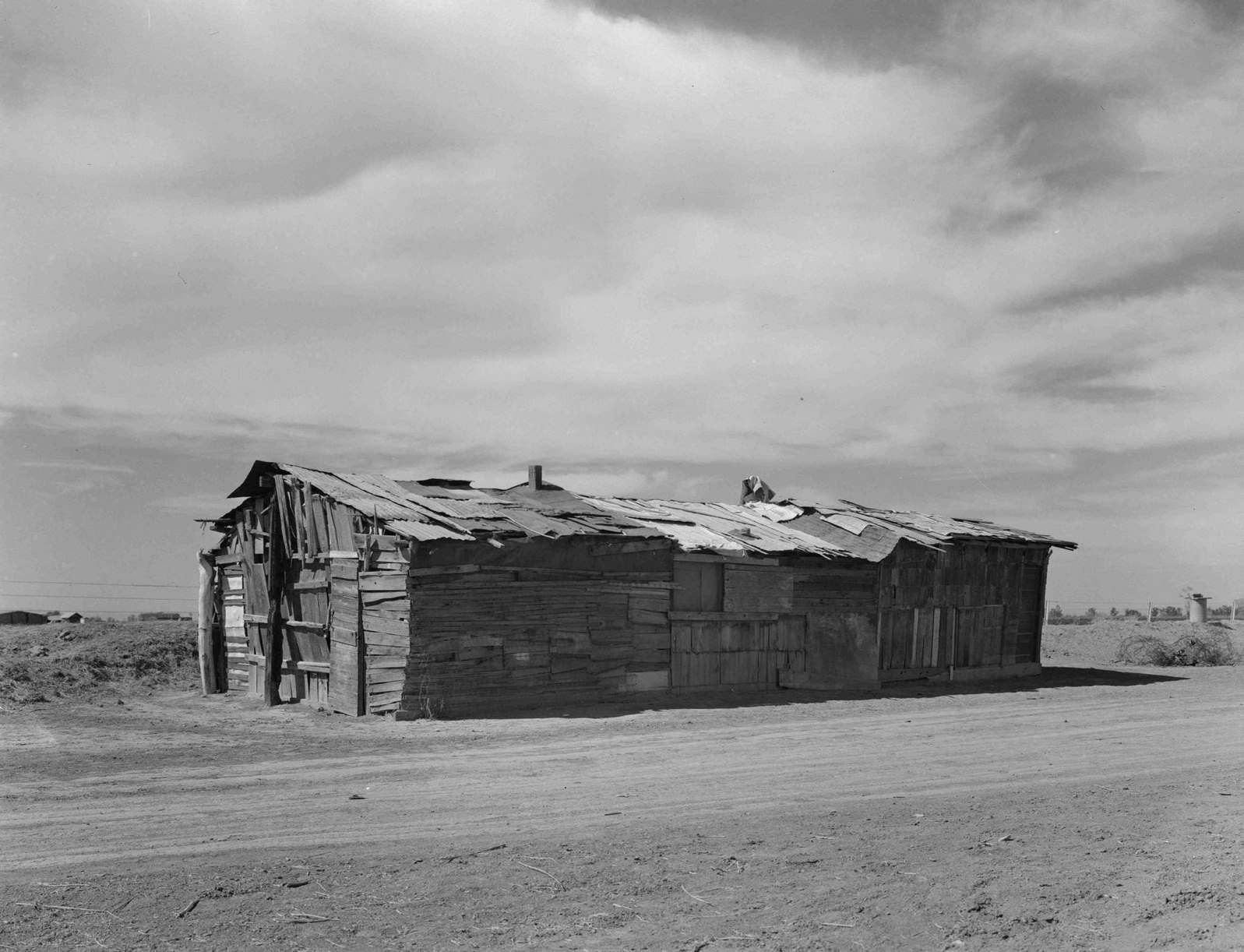
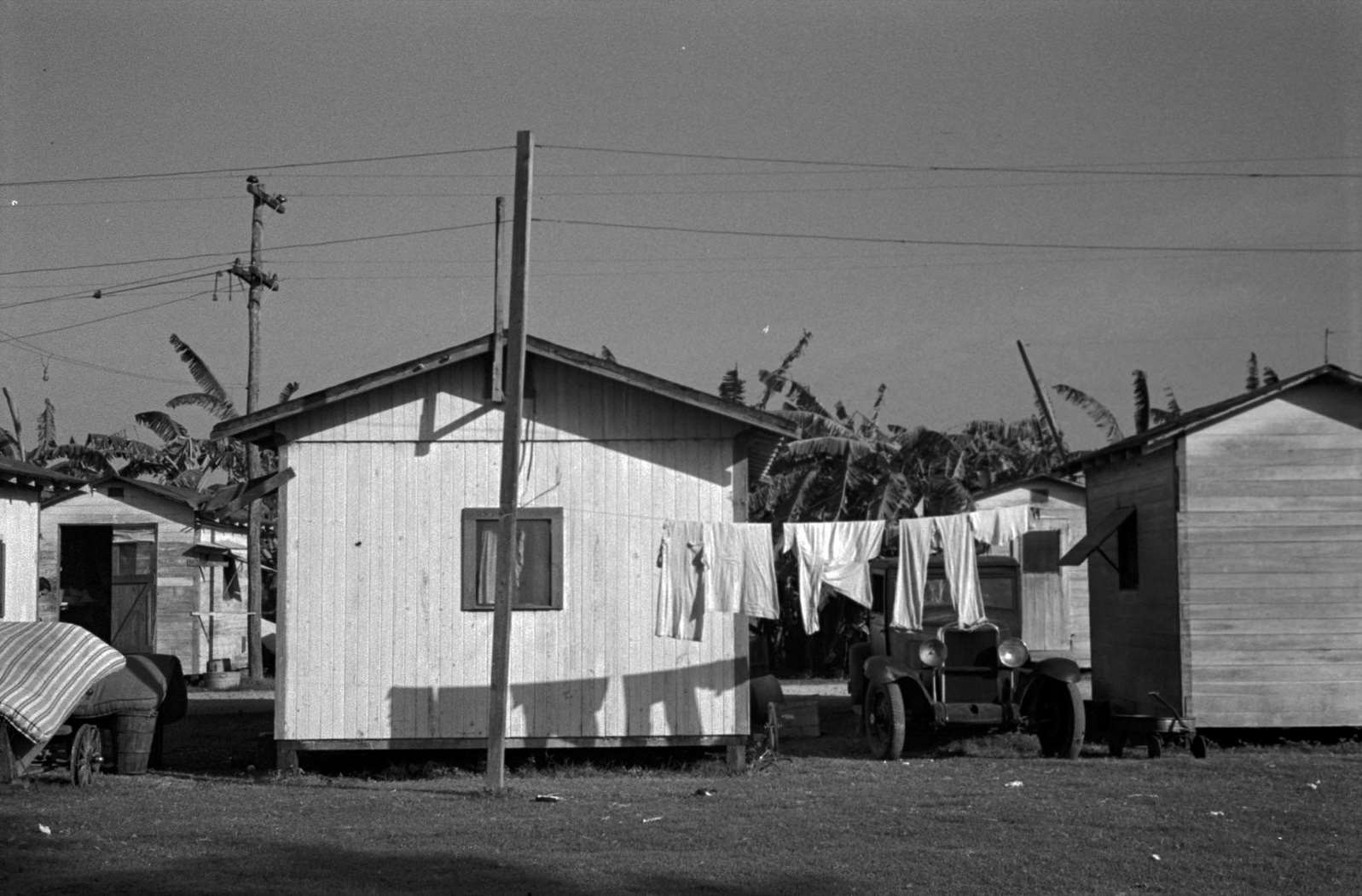
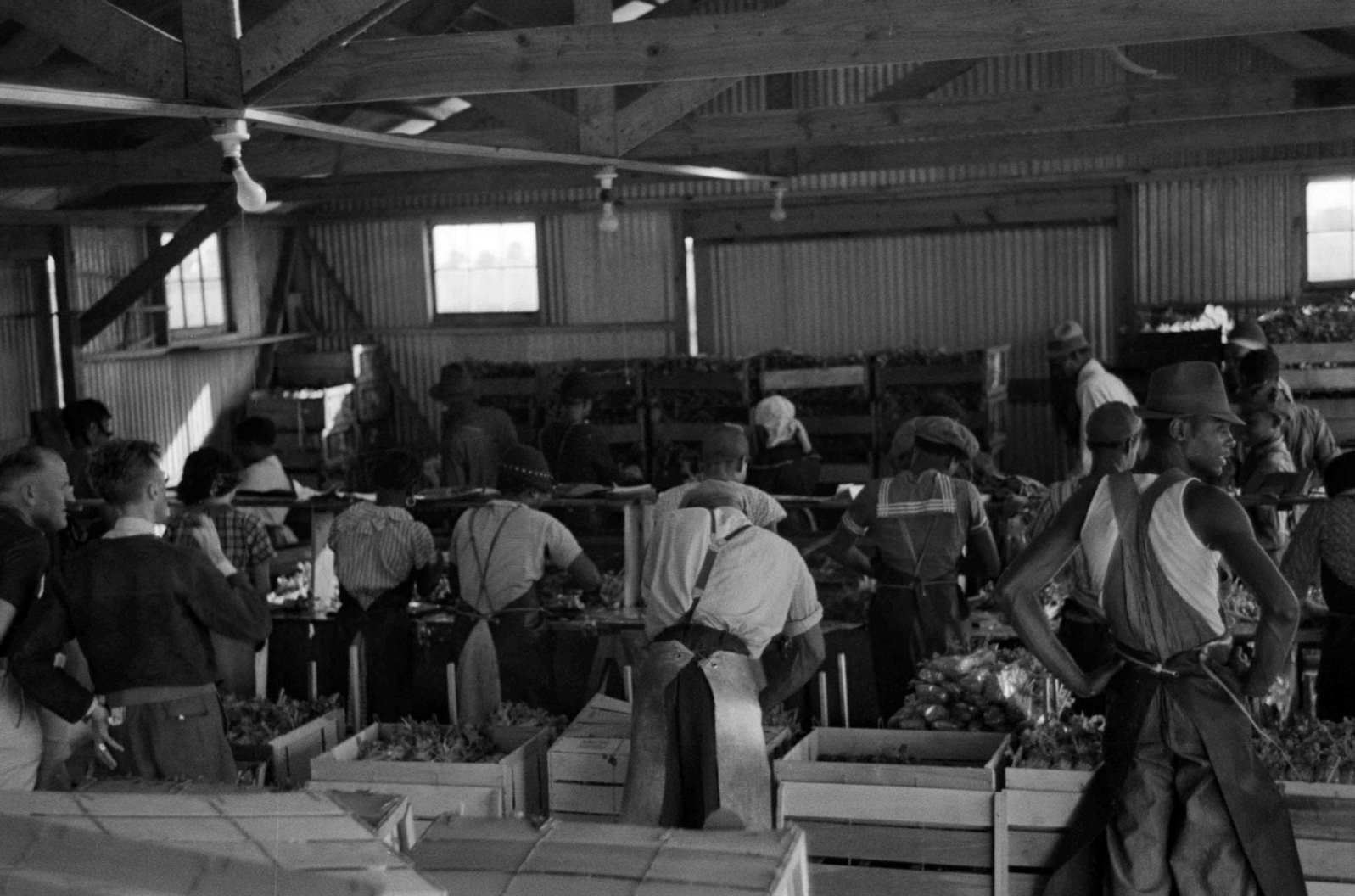
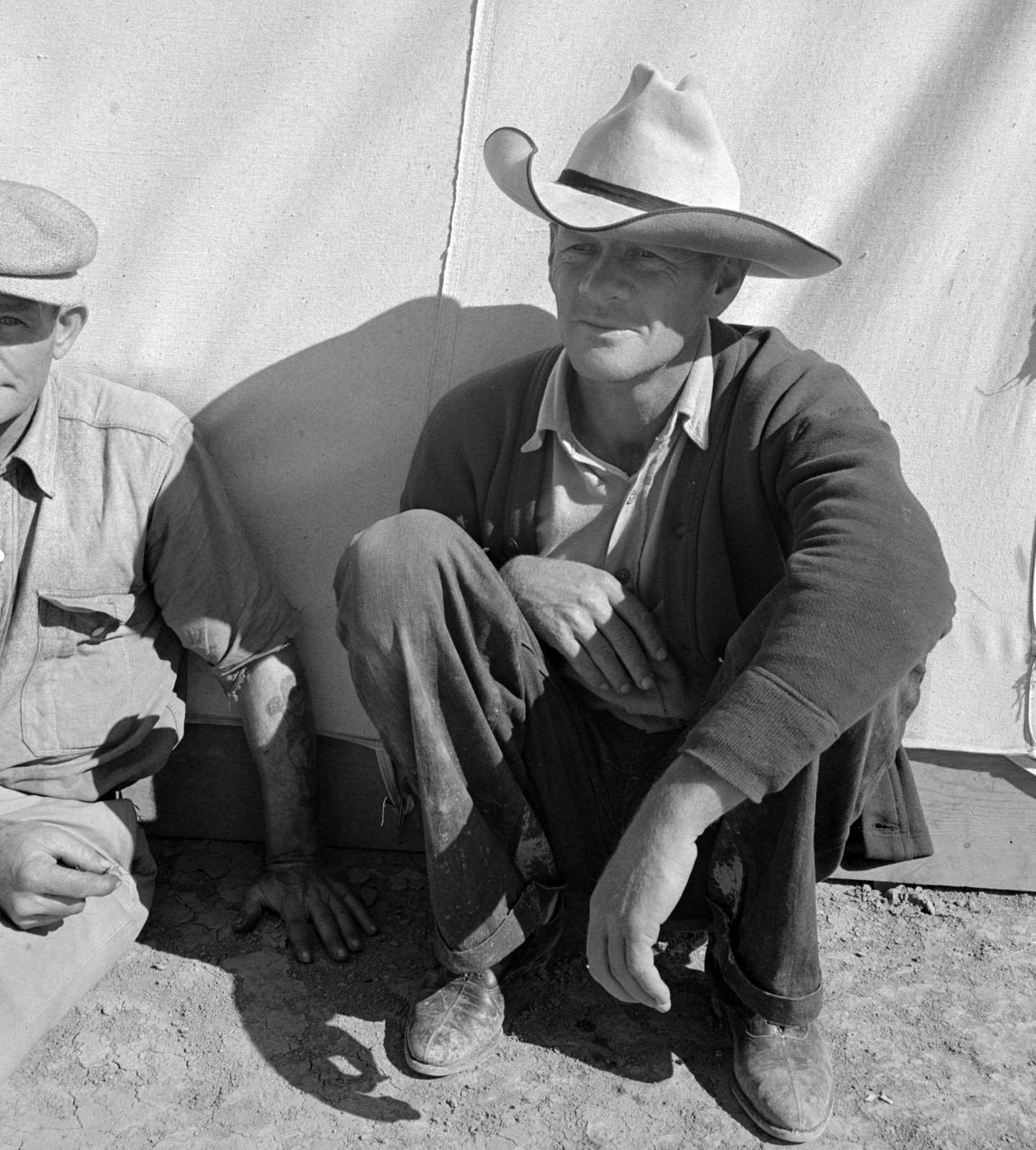
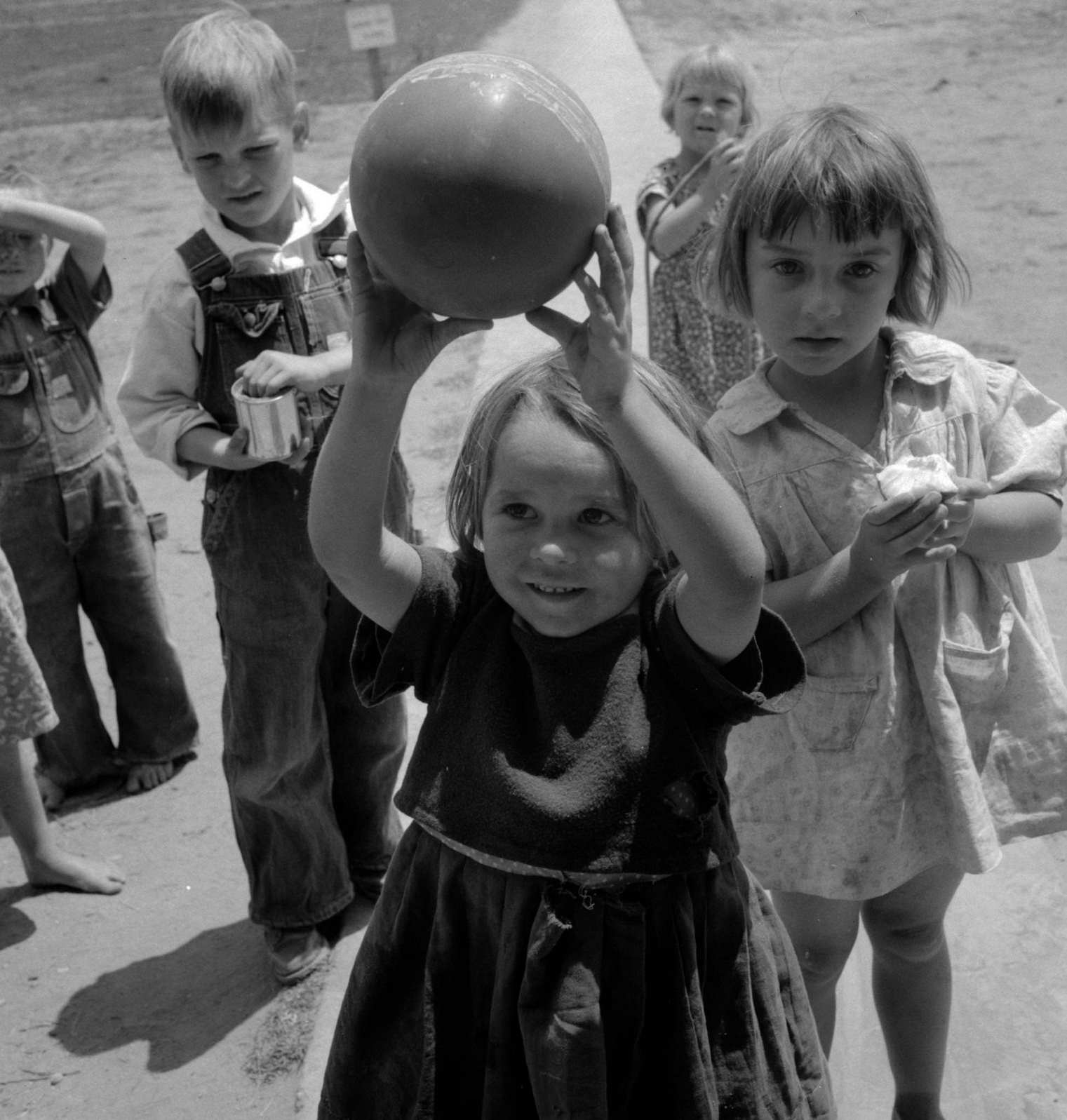
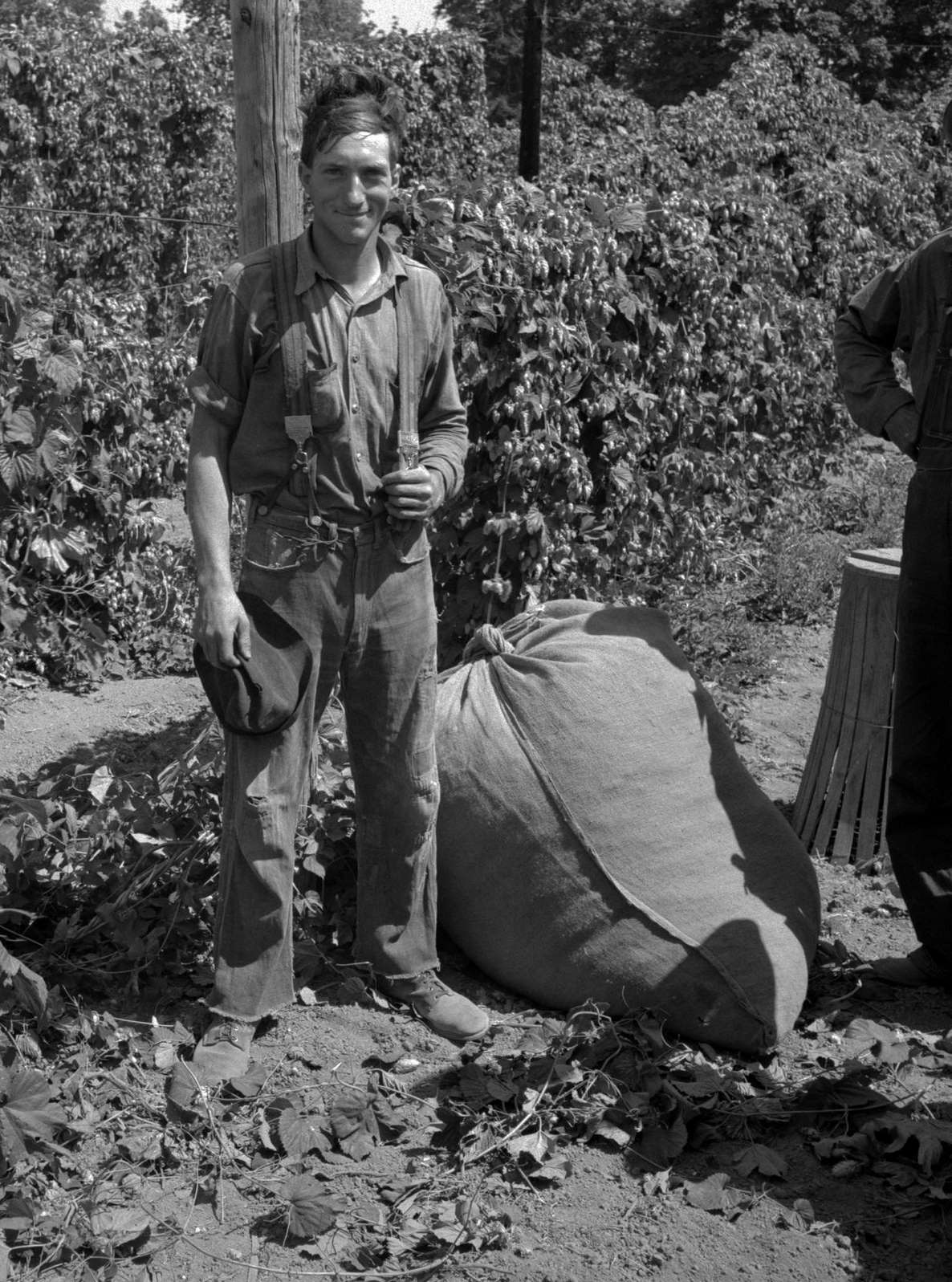
Oklahoma Refugees from the Dust Bowl, Looking for Work on the Cotton Fields, Now Encamped Near Bakersfield, California, 1930sPortrait of Young Girl, Street Scene with Abandoned Grain Mill and Bank both right in Background, Mills, New Mexico, 1930sTypical Teutonic Farm Wife and Child, Client for Resettlement, Mills, New Mexico, USA, Dorothea Lange, Farm Security Administration, May 1935San Luis Obispo County, California, 1933Auto camp north of Calipatria, California, 1933Auto camp north of Calipatria, California, 1933Auto camp north of Calipatria, California, 1933Auto camp north of Calipatria, California, 1933Squatter camp on county road near Calipatria, 1933Along a California highway, a dust bowl refugee bound for Oregon, 1934This year (1937) there are floods and heavy rain in the Dust Bowl. Auton, Texas, 1934Dust bowl farmers of west Texas in town, 1932Dust bowl farmers of west Texas in town, 1932Dust bowl farmers of west Texas in town, 1932This year (1937) there are floods and heavy rains in the Dust Bowl, 1932Eroding field and fence. Greene County, Georgia, 1932The tree roots show how the land has been washed away on this old plantation. Wray Plantation, Greene County, Georgia, 1930sLeveling hummocks in the dust bowl. Coldwater District, thirty miles north of Dalhart, Texas, 1930sErosion, Greene County, Georgia, 1930sDust bowl refugee from Chickasaw, Oklahoma. Imperial Valley, California, 1934Migrant worker during the great depression, 1930sMigrant worker during the great depression, 1930sTransient potato workers camping along the highway. Near Shafter, 1930sMigrant worker during the great depression, 1930sThe slums of Brawley. Homes of Mexican field workers. Imperial Valley, California, 1930sTransient potato workers camping along the highway. Near Shafter, California, 1930sHome of Mexican field worker showing water supply. Brawley, Imperial Valley, California, 1930sMigrant shed worker. Northeast Florida, 1930sMigrant shed worker. Northeast Florida dated, 1930sAn oil worker builds himself a trailer and takes to the road, California, 1930sSlums of Brawley. Mexican field workers’ homes. Imperial Valley, California, 1930sDrought refugees from Abilene, Texas, following the crops of California as migratory workers, 1930sMigrant pea workers on the road. All their worldly possessions in car and trailer, 1930sAn oil worker builds himself a trailer and takes to the road. California, 1930sHome of Mexican field worker showing water supply. Brawley, Imperial Valley, California, 1930sTransient potato workers camping along the highway. Near Shafter, California, 1930sHousing of migratory field workers (Mexican) across road from Farm Security Administration camp (FSA) Near Calipatria, Imperial Valley, California, 1930sMigratory labour workers. Brawley, Imperial Valley, California, 1939Mexican field workers’ homes, 1930sDrought Refugees, California, 1930sDitch bank camp for migrant agricultural workers, 1937A Florida orange picker. Many of these workers are migrants, Polk County, Florida, 1930sHousing typical of that afforded Mexican field workers of the Imperial Valley. These people are not migrants, 1930sLiving conditions among the migrant fruit workers, in a tourist camp near Belle Glade, Florida, 1930sDitch bank camp for migrant agricultural workers. California, 1937Ditch bank camp for migrant agricultural workers, 1937Migrant oil worker near Odessa, 1938Home of Dust Bowl Refugee, Imperial County, California, 1930sDust Bowl Farm in Coldwater District, north of Dalhart, Texas. This house is occupied; most of the houses in this district have been abandoned, 1938Father and son, recent migrants to California, building house in rapidly growing settlement of lettuce workers on fringe of town, 1930sMigratory Mexican field worker’s home on the edge of a frozen pea field. Imperial Valley, California, 1930sHousing of migratory field workers (Mexican) across road from Farm Security Administration camp (FSA) Near Calipatria, Imperial Valley, California, 1939Nurse with patient at a Farm Security Administration camp for migratory agricultural workers at Farmersville, 1938Packing celery at Sanford, Florida. Many of these workers are migrants, 1938Housing typical of that afforded Mexican field workers of the Imperial Valley, 1938Housing for rapidly growing settlement of lettuce workers on fringe of town, Salinas, California, 1938Farm Security Administration (FSA) camp for migrant agricultural workers, 1938Abandoned Farm in the Dustbowl, Coldwater District, near Dalhart, Texas, 1938Abandoned Farm in the Dustbowl, Coldwater District, near Dalhart, Texas, 1938Farm Security Administration camp for migrant agricultural workers, Tulare County, 1938Young migrant mother with six weeks old baby born in a hospital with aid of Farm Security Administration medical and association for migratory workers, 1938Migrant worker in camp, California, 1939Tulare County. Farm Security Administration (FSA) camp for migrant agricultural workers, 1939Young migrant worker brings his hops to weigh scales. From five a.m. until noon, 1939Settlement of small plots held mostly by lettuce shed workers, many from Oklahoma. Outskirts of Salinas, California, 1939Housing of migratory field workers (Mexican) across road from Farm Security Administration camp, 1939Outskirts of Salinas, California. Shacks occupied by lettuce shed workers, many from Oklahoma 1939Recreation in a migratory agricultural workers’ camp near Holtville, California 1939Imperial Valley, California. Migratory labour housing during carrot harvest, 1939Settlements of lettuce workers, 1939






cool article – thanks!