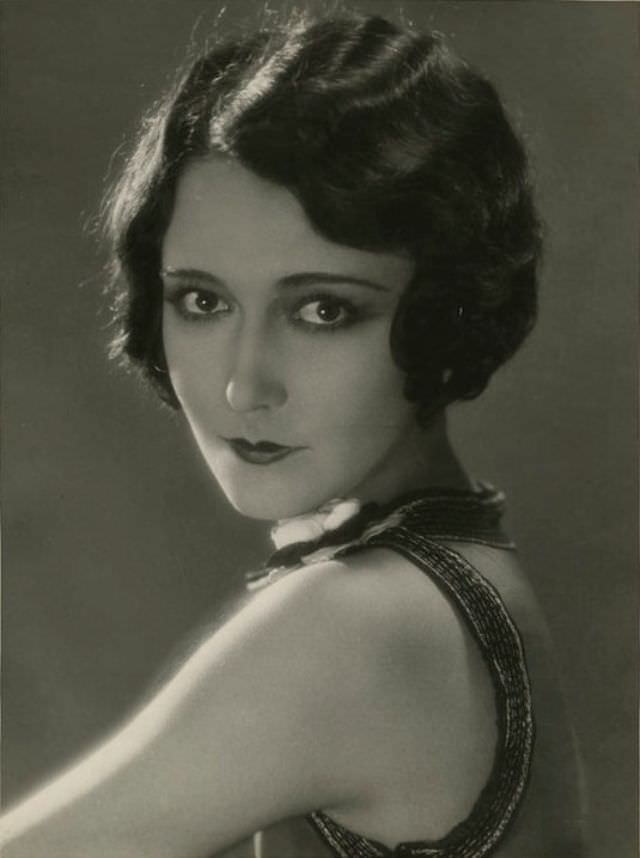
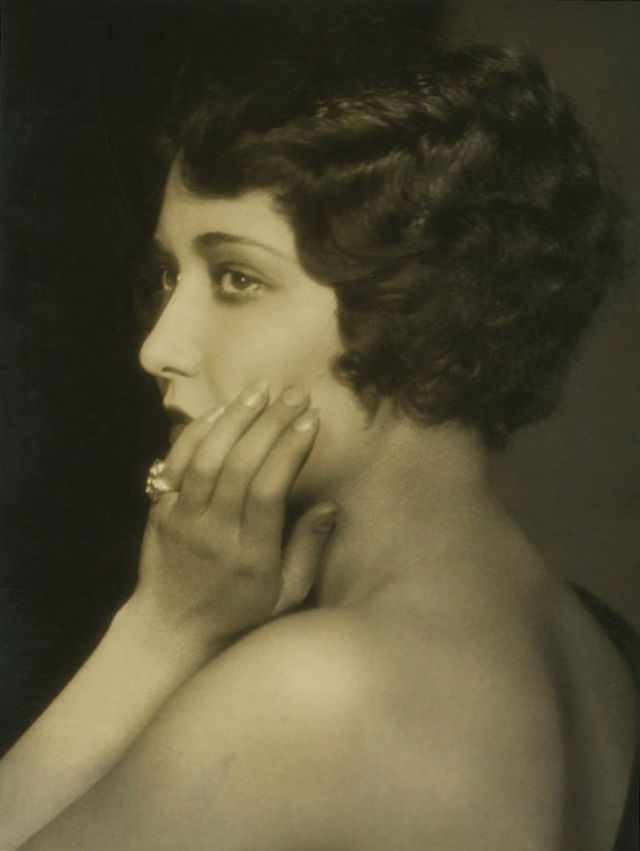
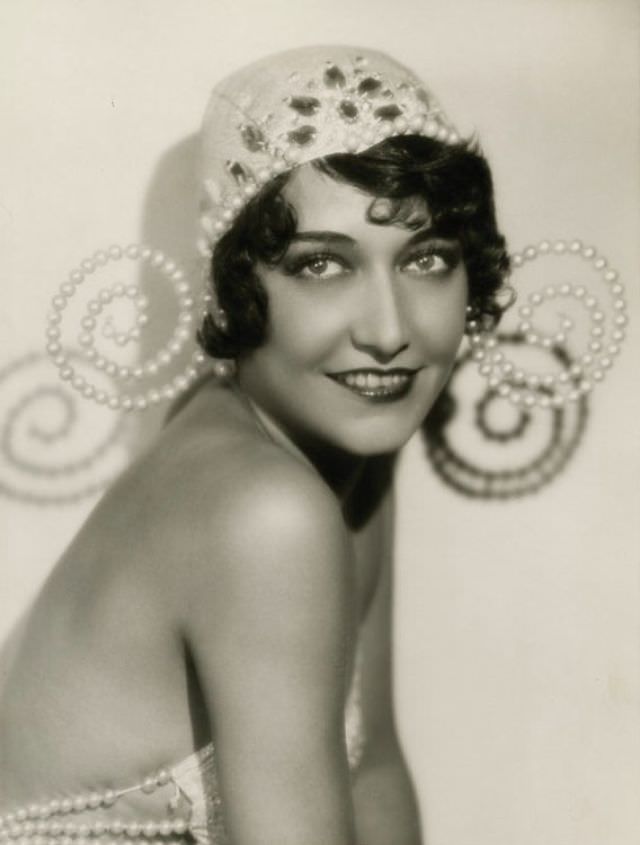
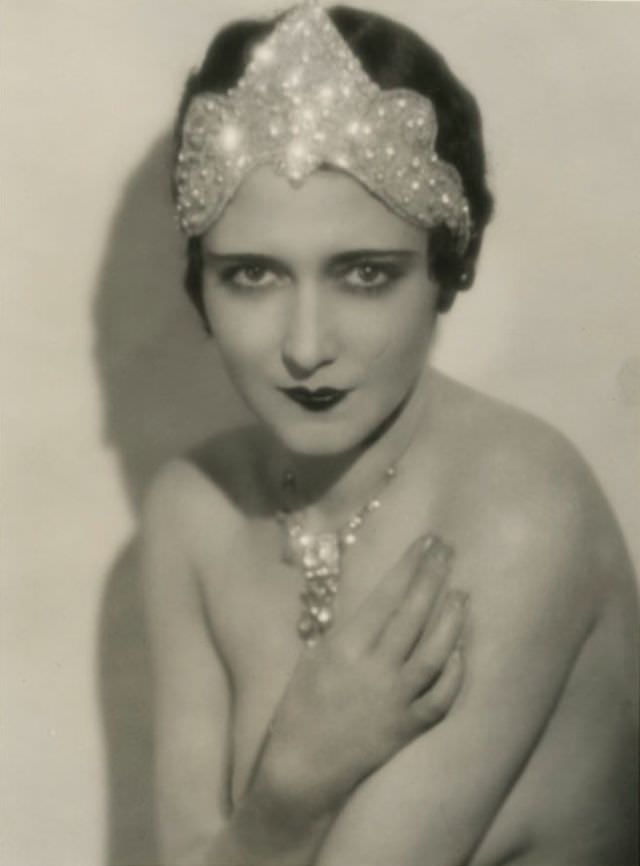
Dorothy Sebastian arrived in Hollywood from Alabama with a look that was impossible to ignore. Bold, dark-eyed, and effortlessly poised, she secured a place at MGM Studios during the height of the silent film era. She worked across comedy, drama, and romance, but her real power was her presence — a smoldering confidence that translated perfectly to the camera.
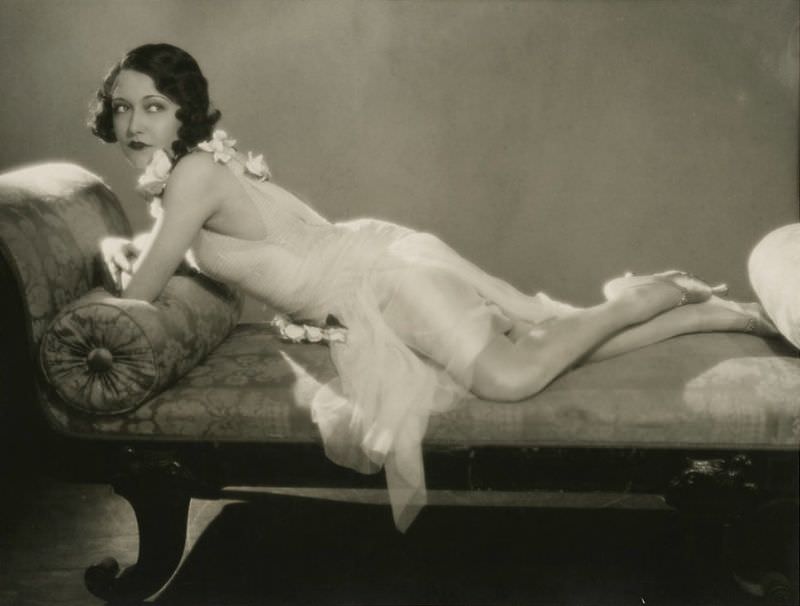
The photographer behind many of Sebastian’s most striking images was Ruth Harriet Louise. Hired by MGM at just 22 years old, Louise became the studio’s head portrait photographer — the first woman to hold that role in Hollywood. Her studio was where silent-era stardom was shaped, one carefully lit frame at a time.
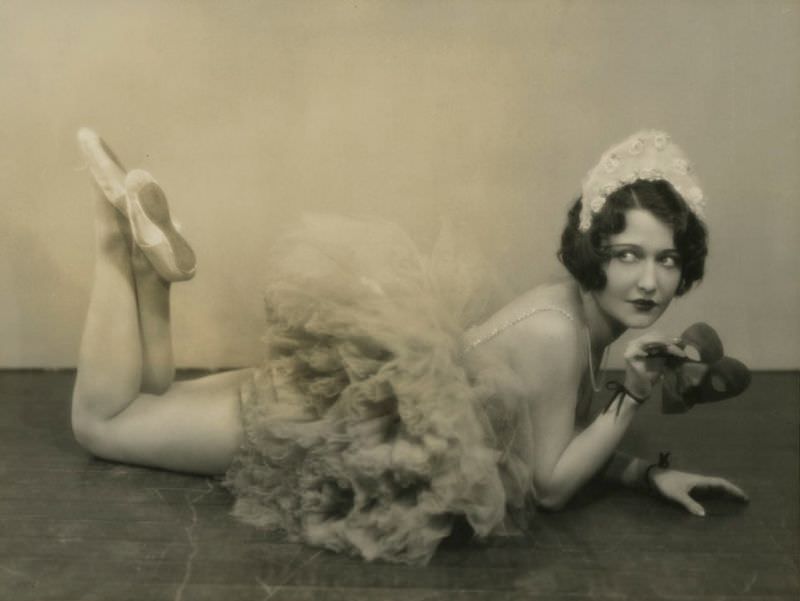
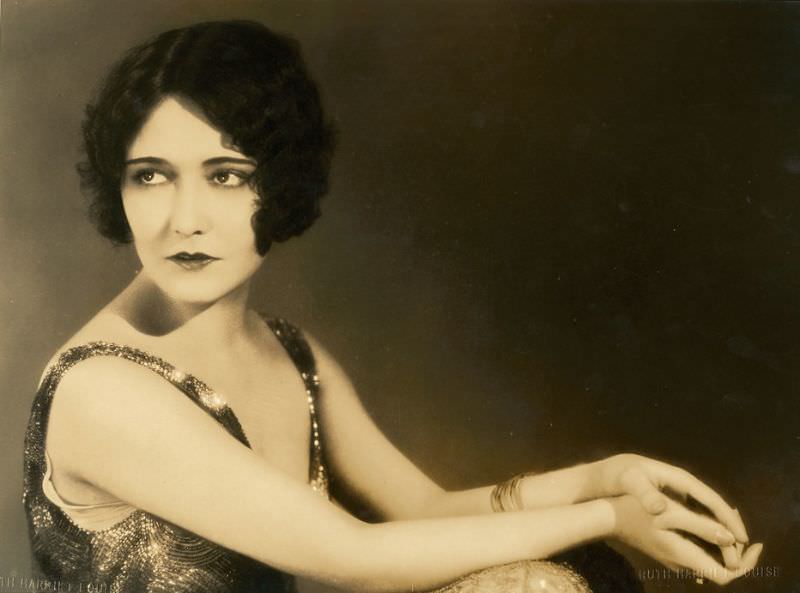
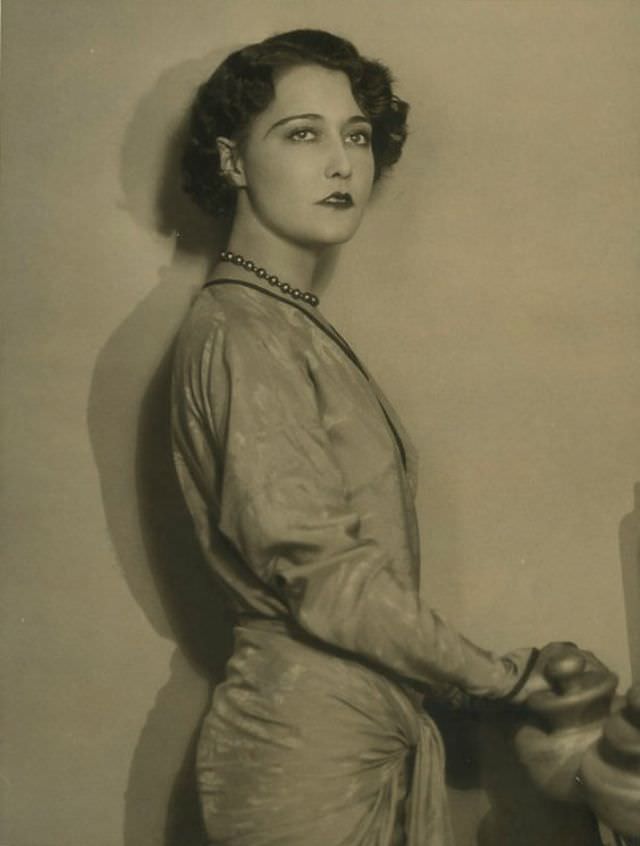
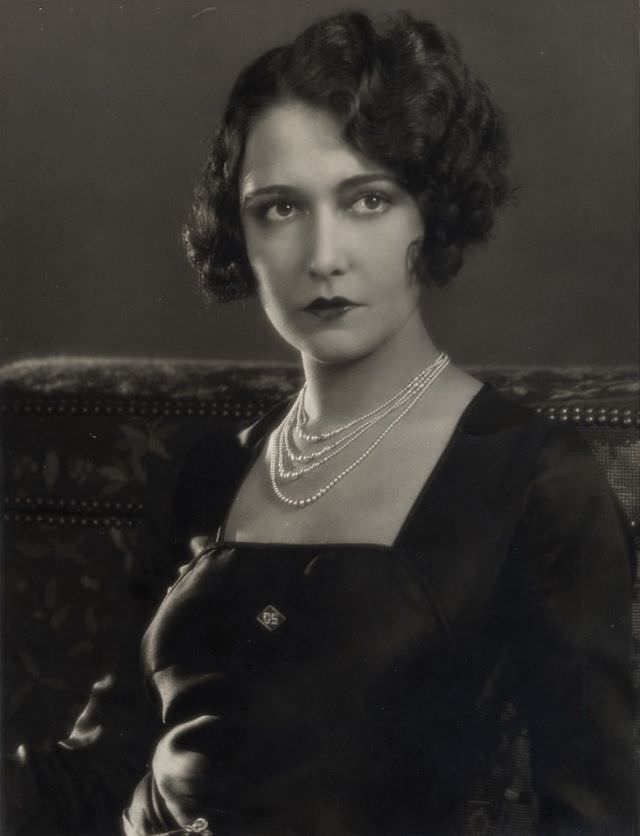
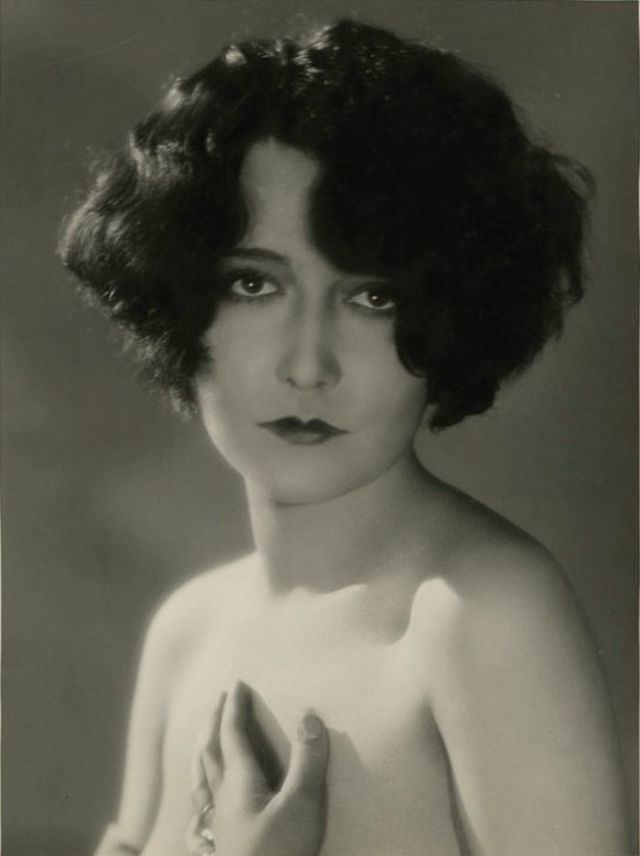
Louise’s approach was precise and deliberate. She controlled lighting and composition to bring out each subject’s personality rather than simply recording a face. With Sebastian, that meant leaning into her natural elegance and confident gaze. The results were intimate, polished, and alive.
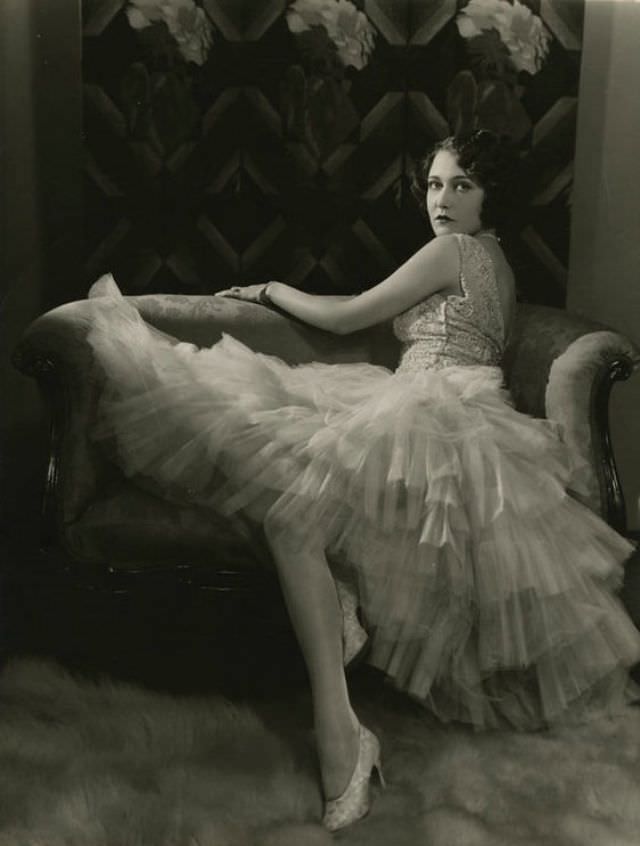
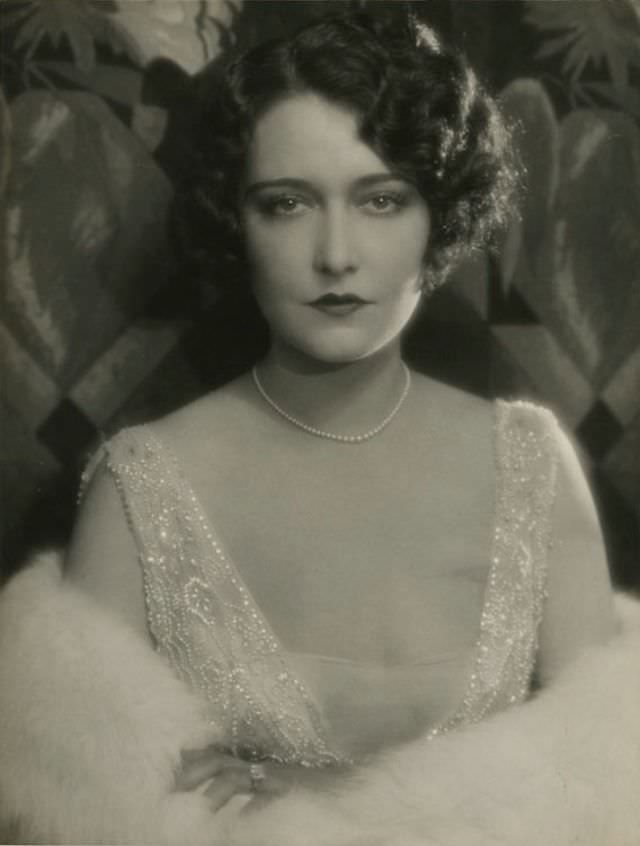
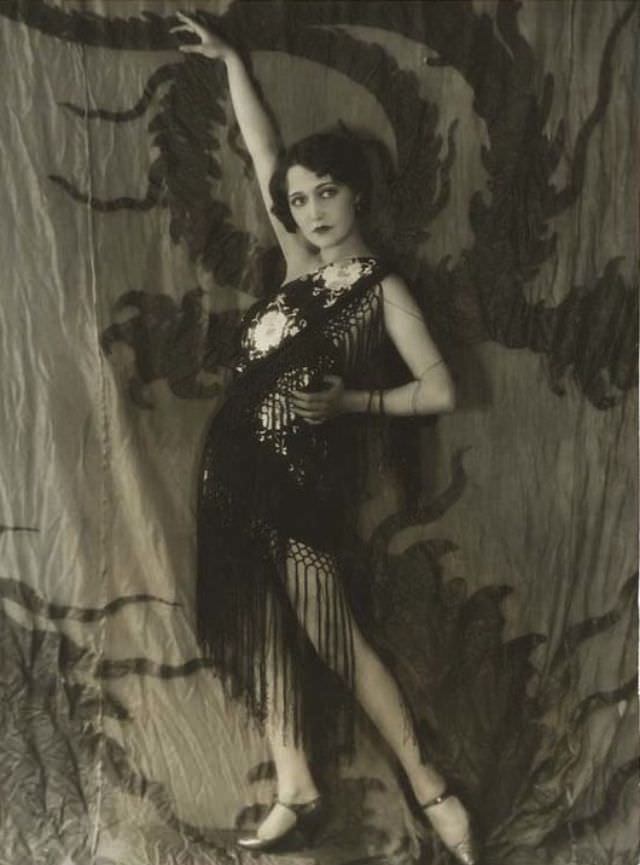
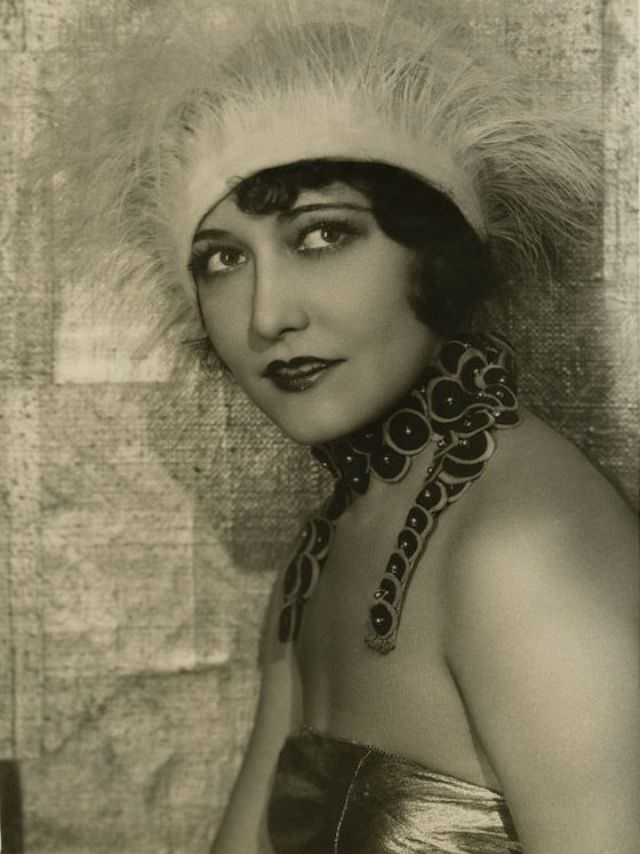
The fashion in these portraits is pure 1920s. Flapper dresses, cloche hats, and fur stoles appear throughout — bold choices that matched the decade’s appetite for reinvention. Sebastian wore them all with ease, and Louise knew exactly how to frame each look for maximum effect.
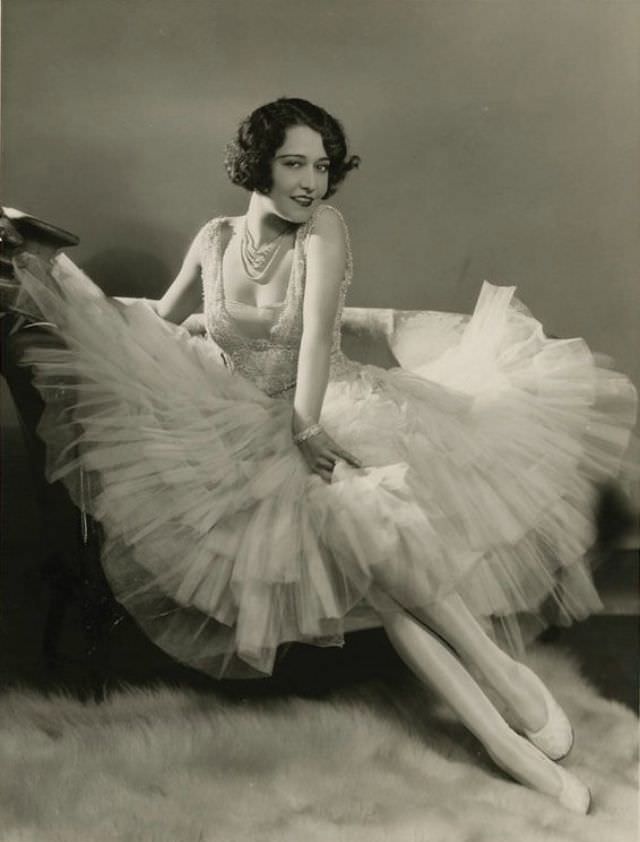
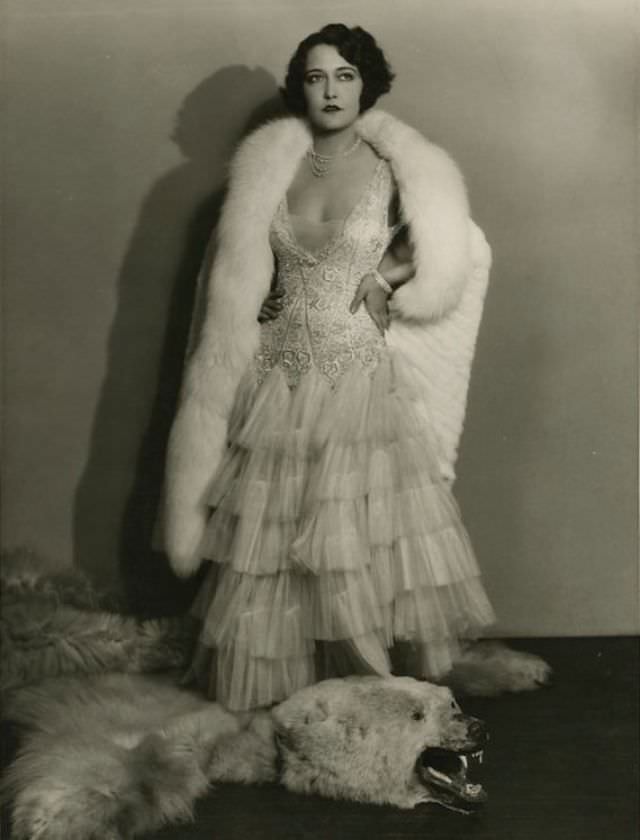
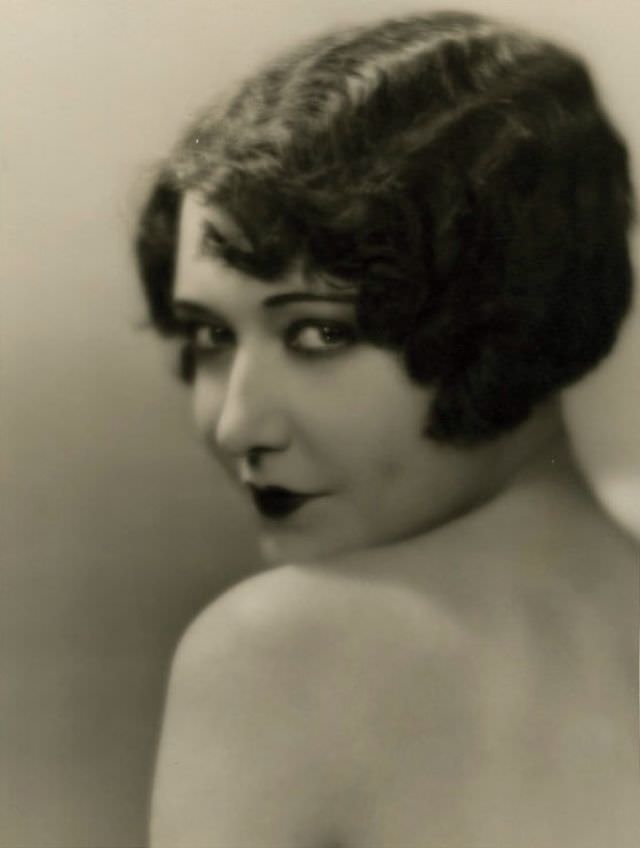
Every session between the two produced something distinct. Some shots are soft and glamorous; others are direct and commanding. Sebastian could shift between the two, and Louise captured both sides with equal skill.
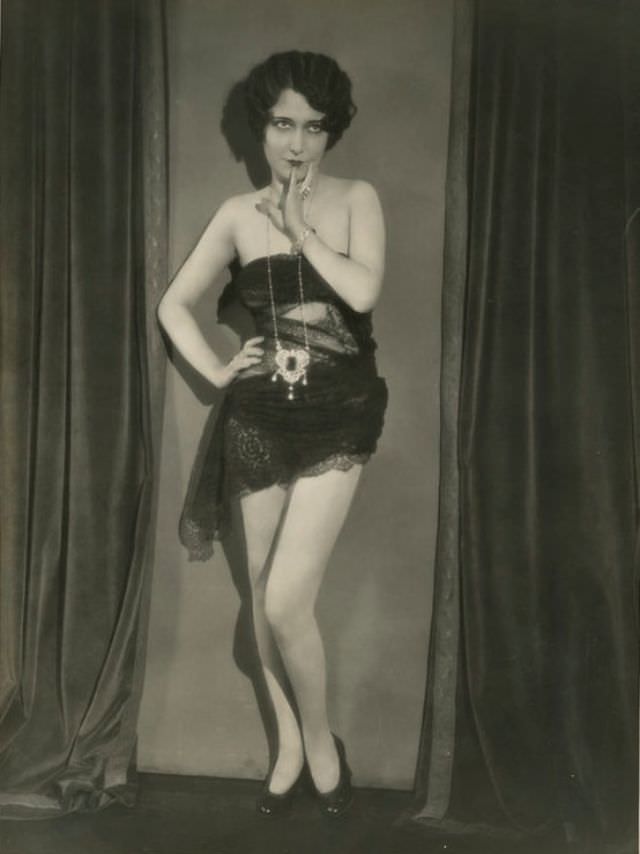
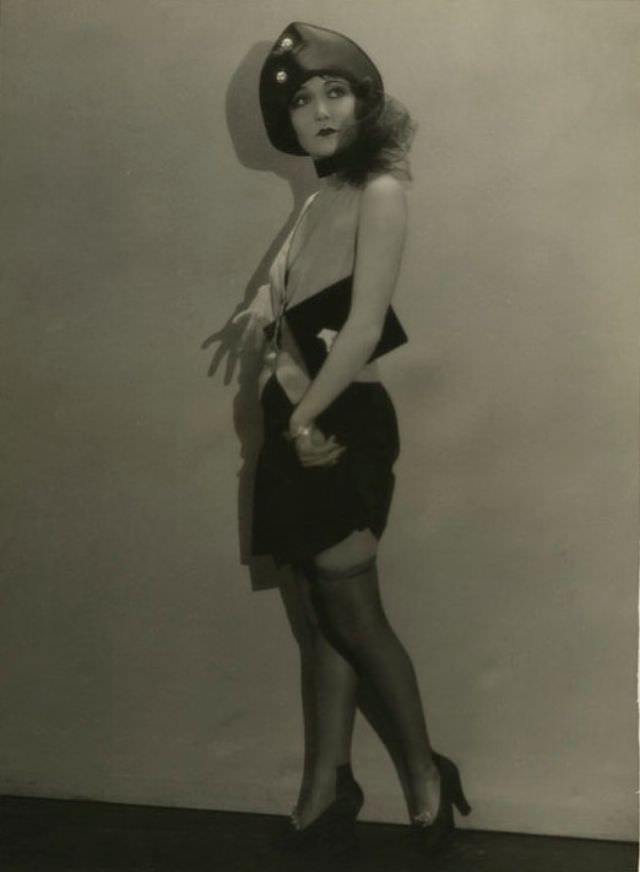
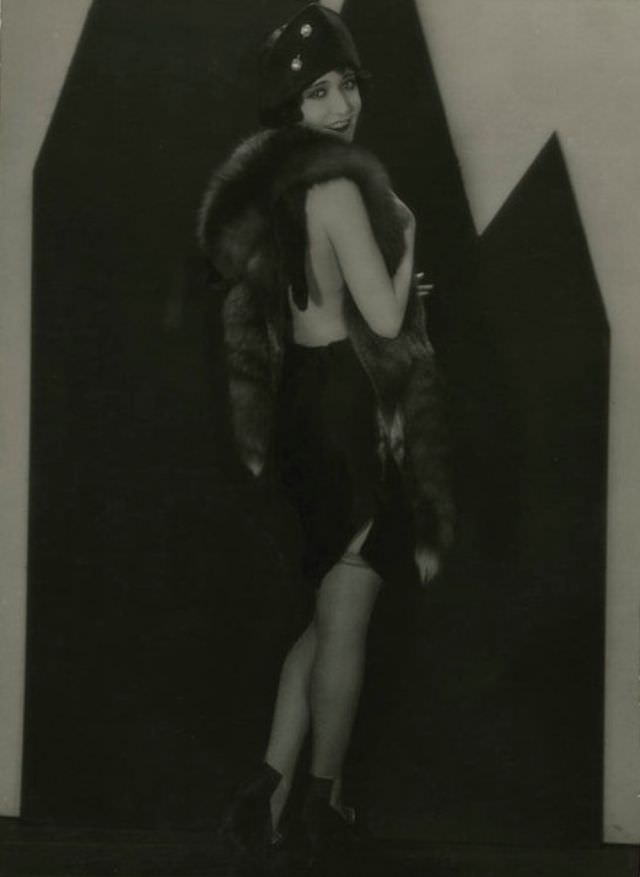
MGM used these portraits for publicity, and they circulated widely in fan magazines and press kits. They weren’t candid snapshots — each image was a constructed piece of visual storytelling, designed to sell a star to a mass audience.
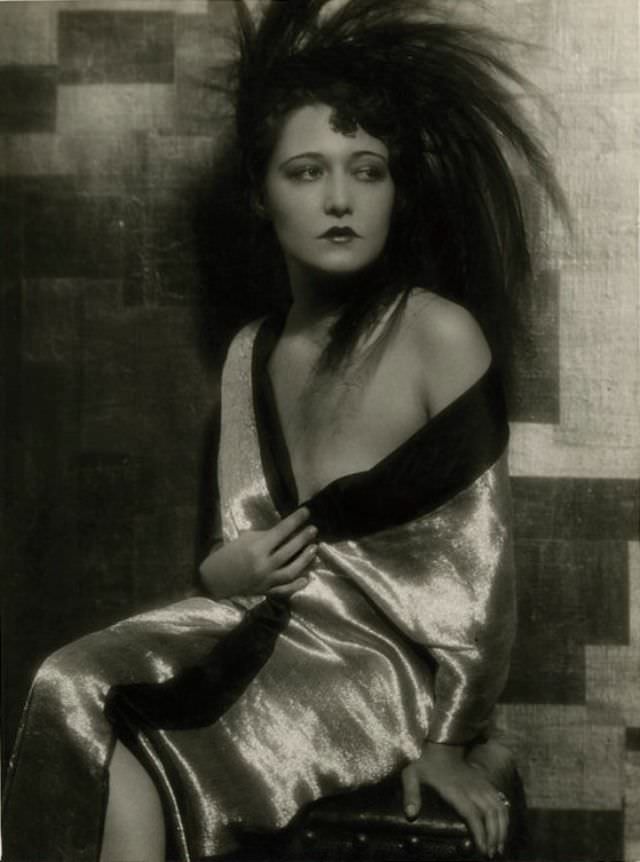
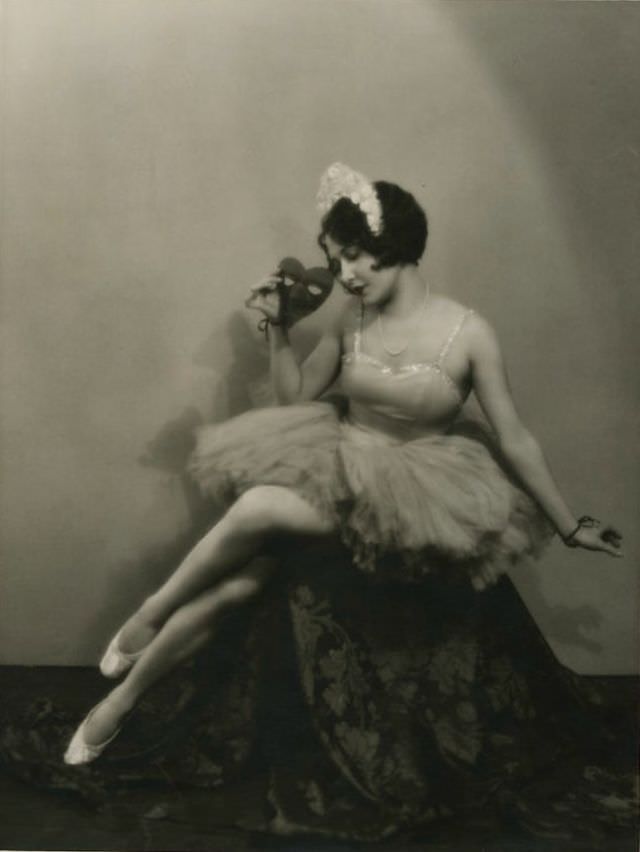
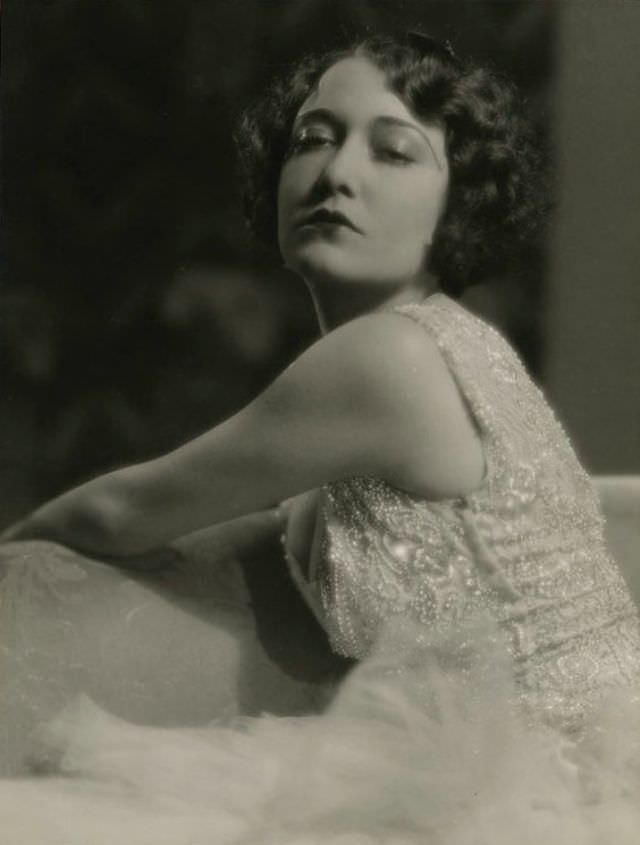
Sebastian’s style varied across the portraits. In some, she appears draped in luxurious fabrics with a languid, theatrical pose. In others, she stares directly into the lens — no artifice, just presence. That directness was part of what made her stand out in an era crowded with glamorous faces.
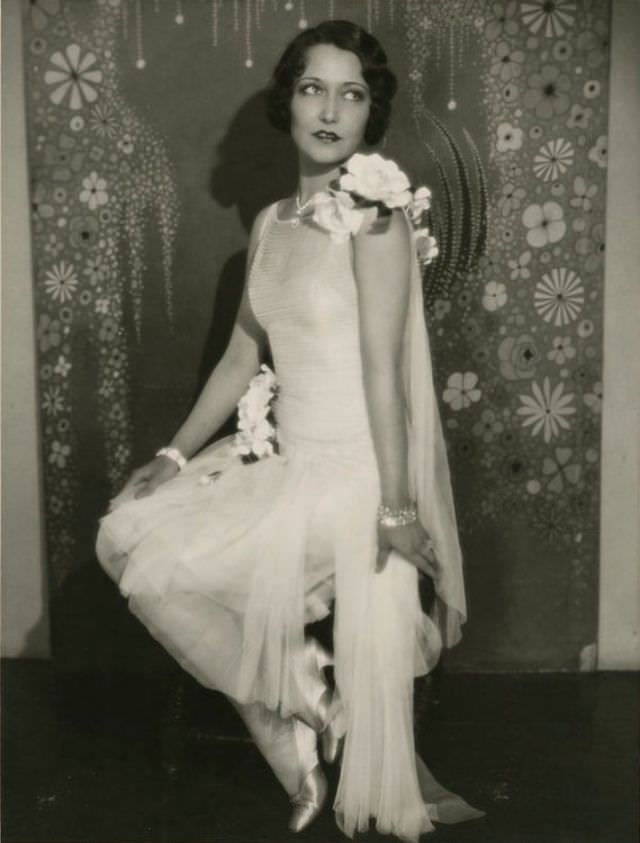
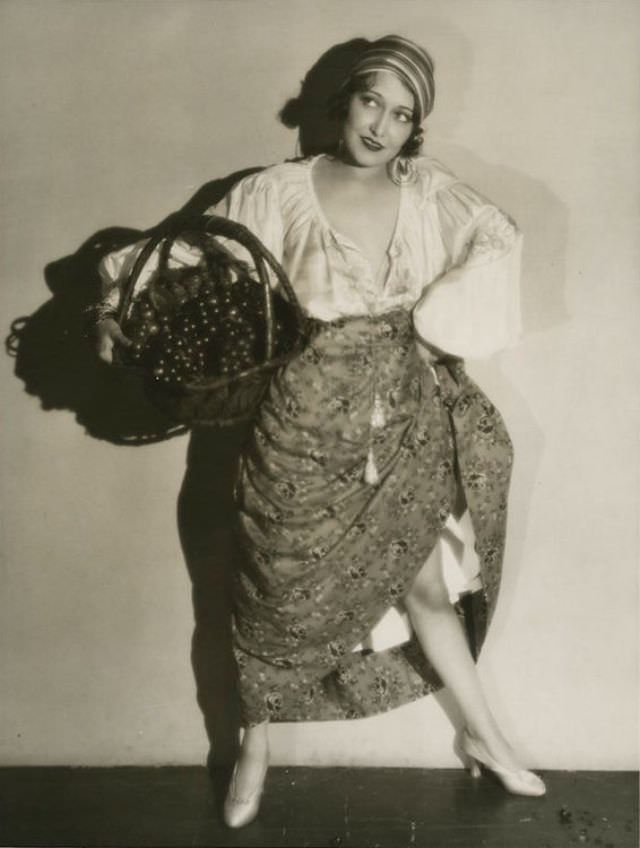
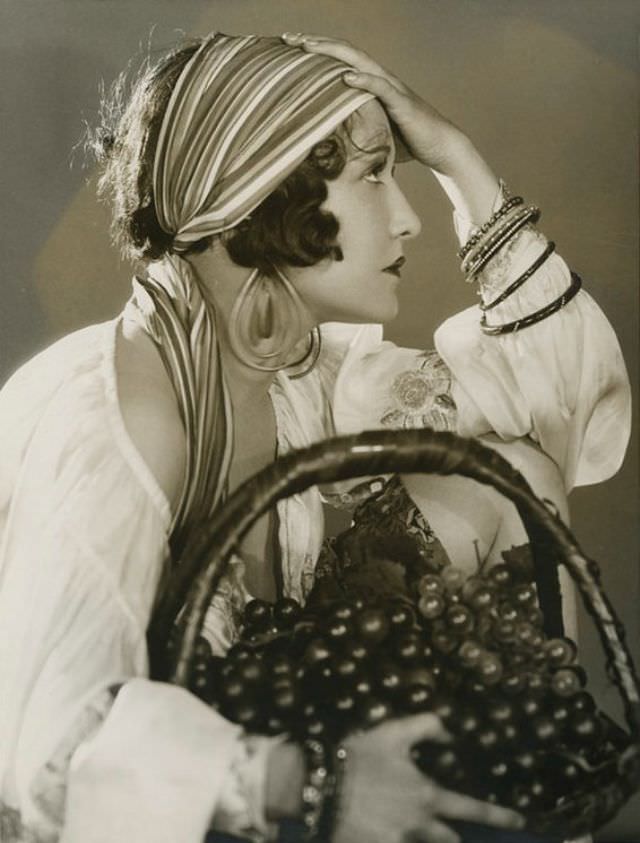
Louise left MGM in 1930, ending one of the most productive runs any portrait photographer had with a single studio. During her tenure, she photographed virtually every major star on the lot, but her work with Sebastian remains among the most visually cohesive of her career.
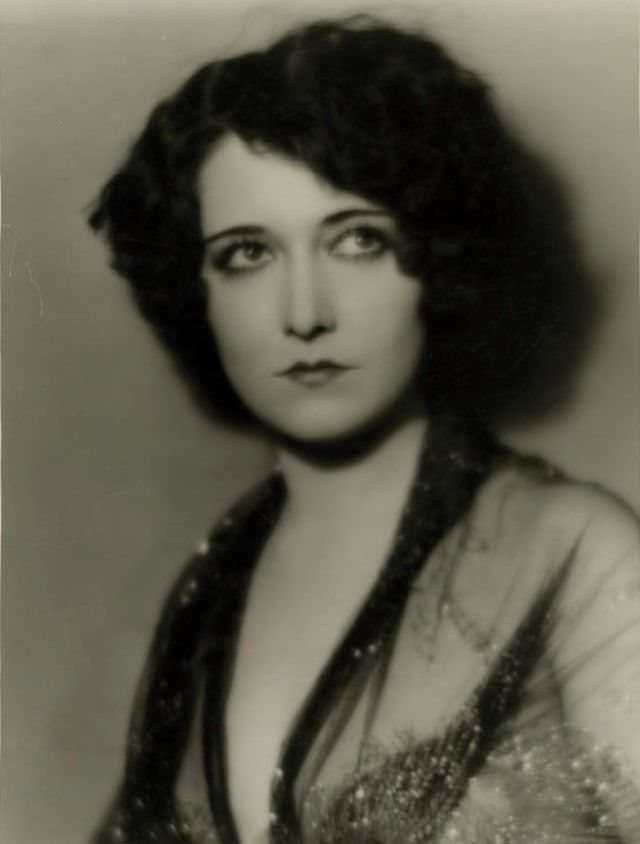
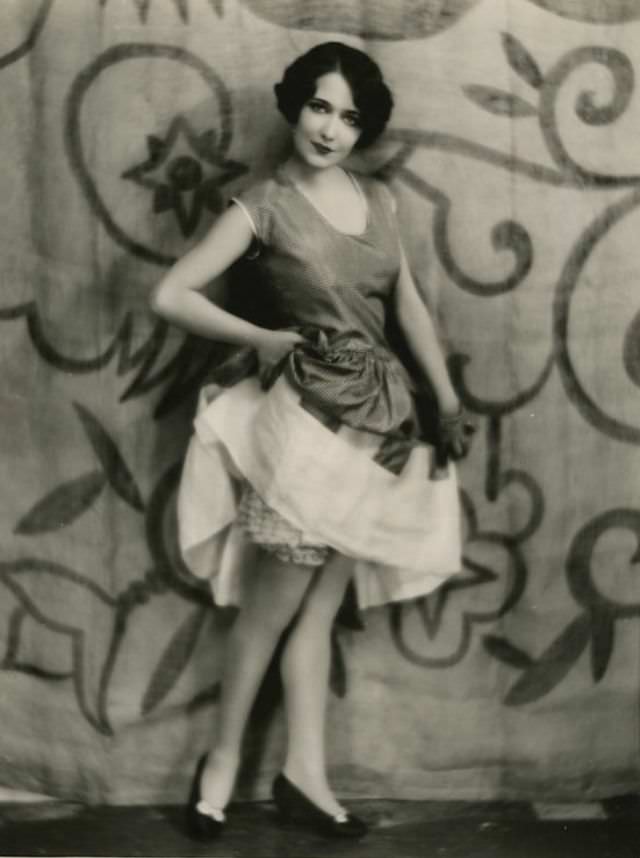
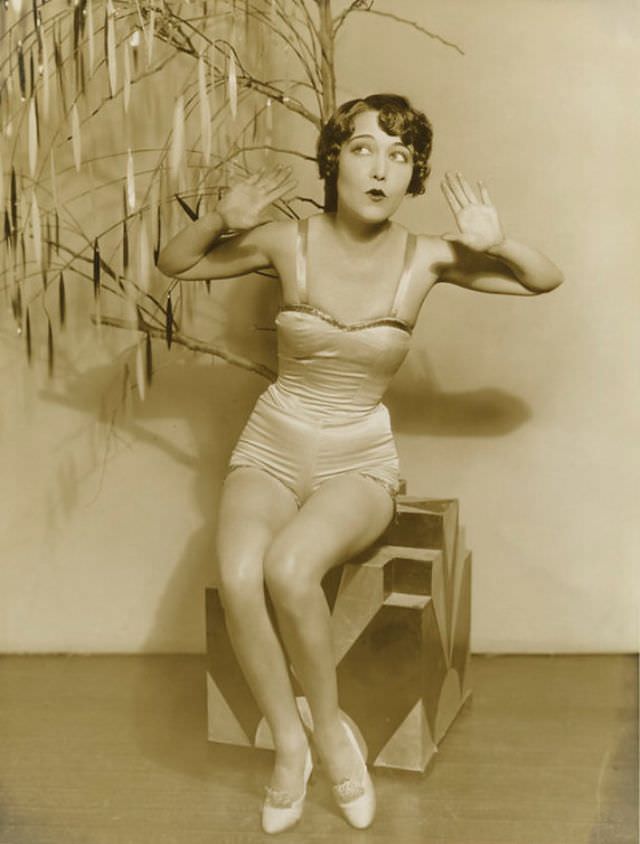
The sheer number of portraits the two produced together speaks to how frequently Sebastian was in front of Louise’s camera. These weren’t occasional sessions — they were a sustained working relationship that spanned several years of Sebastian’s peak career at the studio.
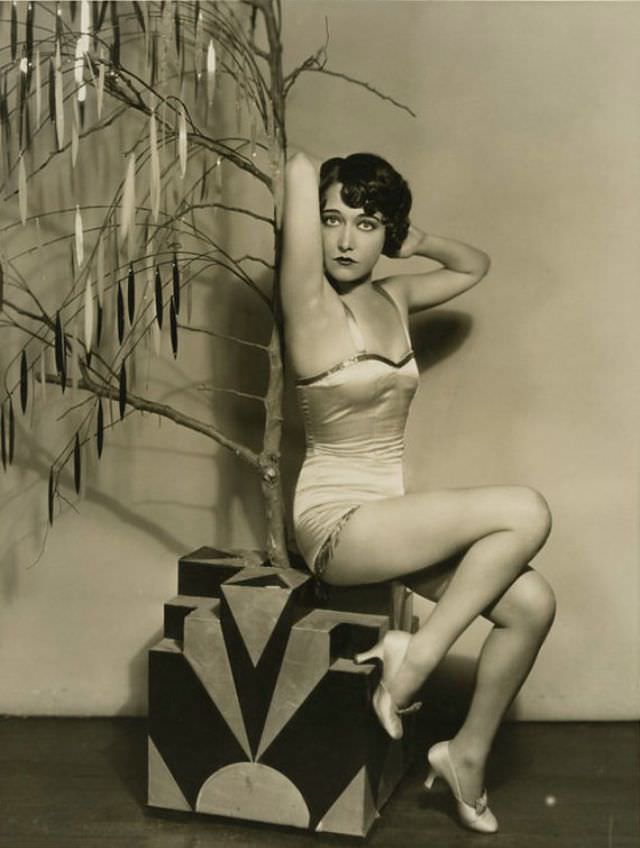
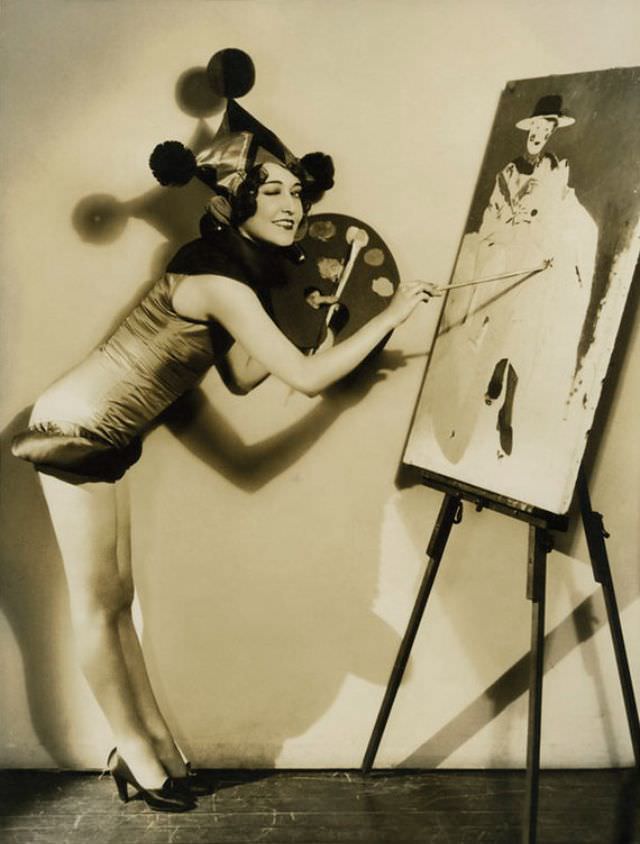
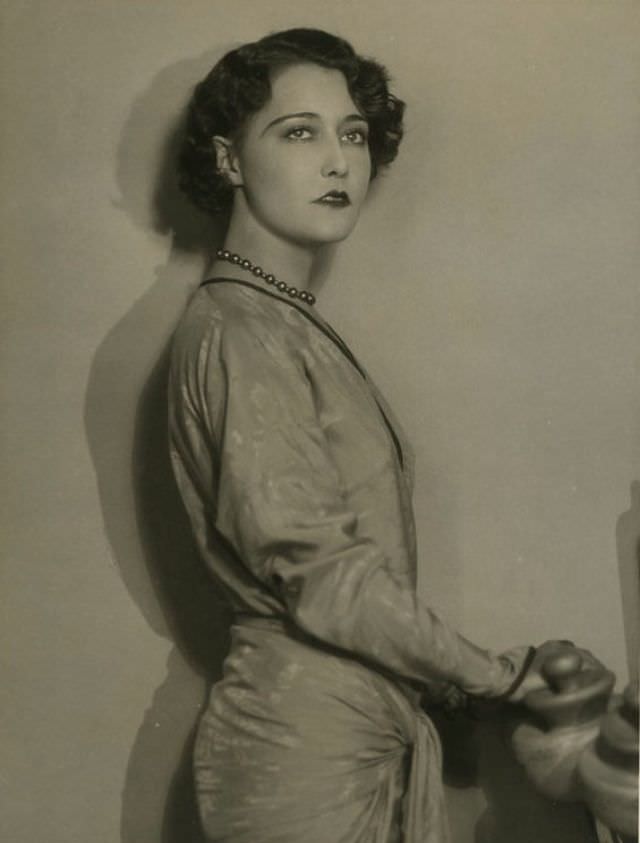
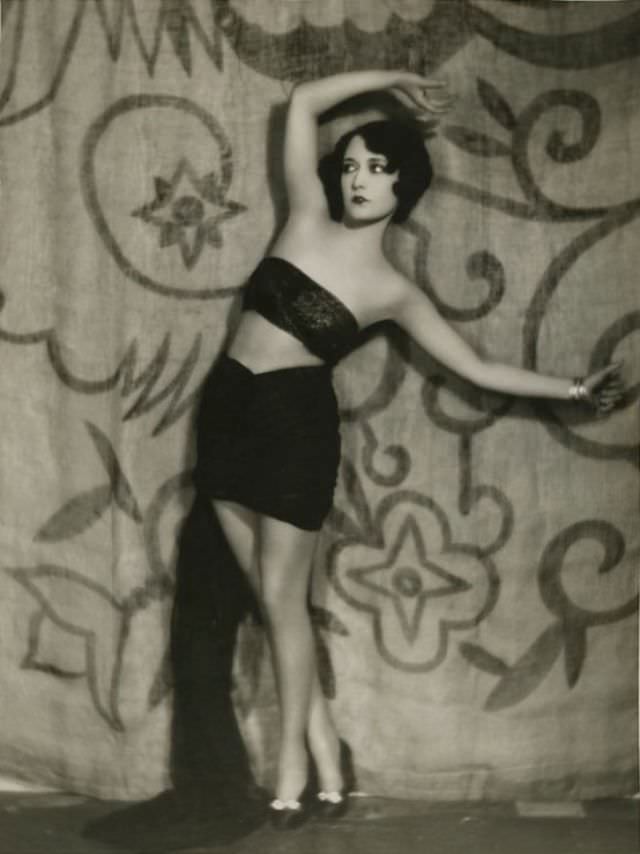
Looking at these portraits today, they function as a detailed visual record of Jazz Age style and Hollywood’s portrait-making machine. Each frame reflects the specific aesthetic choices of the era — the soft focus, the dramatic shadows, the carefully arranged drapery.
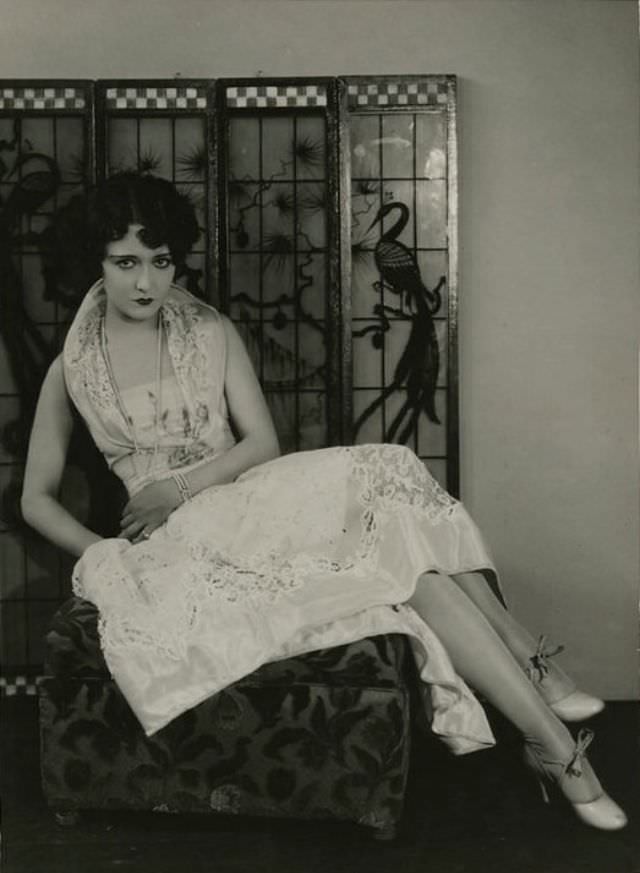
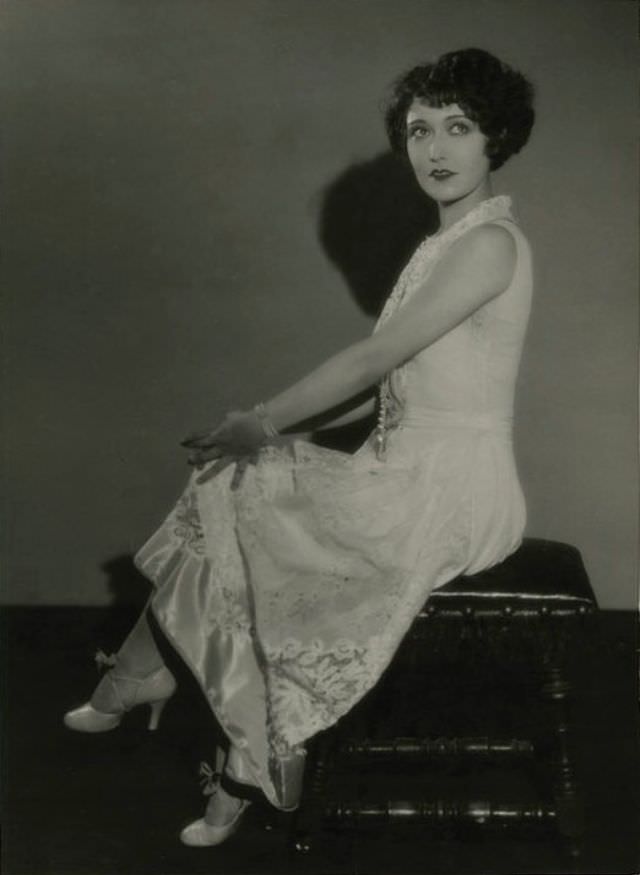
Sebastian’s screen career wound down as the sound era took hold in the early 1930s, as happened with many silent film performers. But her face — captured in dozens of Louise’s portraits — remains a clear and vivid record of what Hollywood glamour looked like at its Jazz Age peak.