Dennis Stock was born in New York City in 1928 and began his photography career in the early 1950s. He quickly built a reputation shooting for magazines and newspapers, but it was his access to Hollywood’s biggest stars that set him apart. Stock had a gift for catching celebrities in unguarded, natural moments — not posed publicity shots, but real glimpses of who they were. He favored natural light and clean compositions that let his subjects’ personalities speak for themselves. His archive of work from the 1950s alone stands as one of the most remarkable records of that era’s cultural scene.
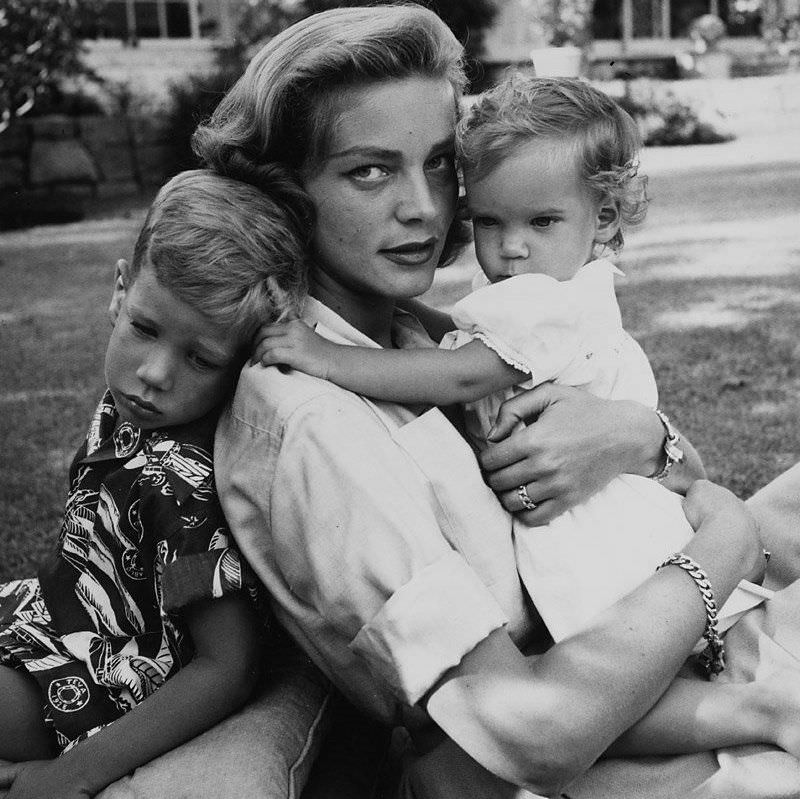
By 1953, Stock was moving freely through Hollywood’s inner circles. That year, he photographed Lauren Bacall at home with her children Steven and Leslie Bogart — a warm, domestic scene that stood in sharp contrast to her tough screen image.
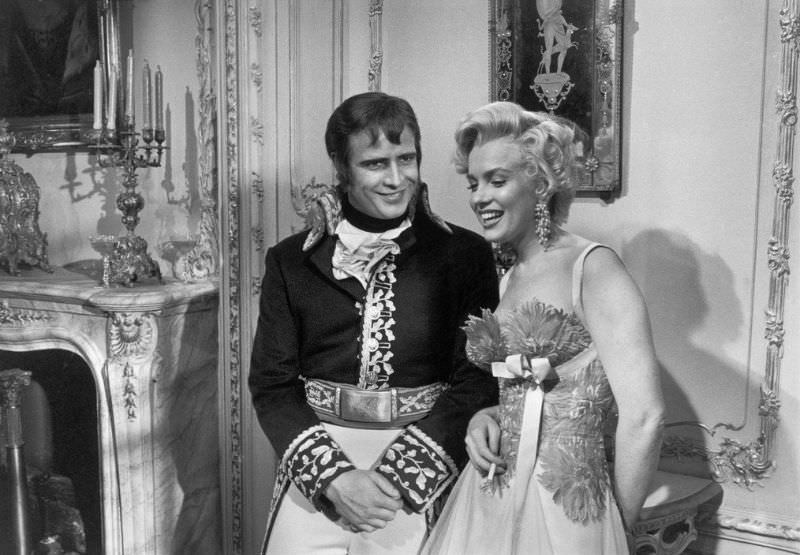
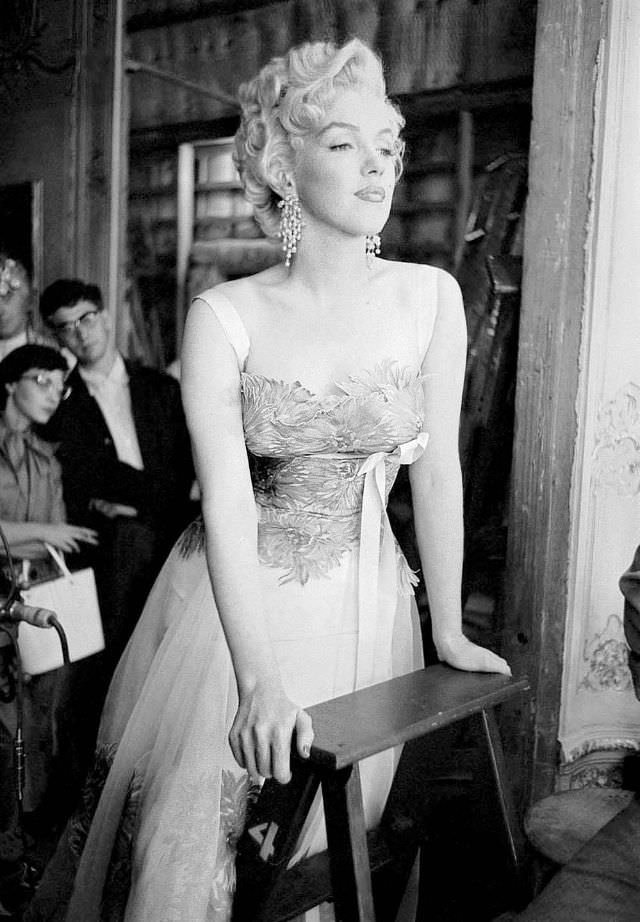
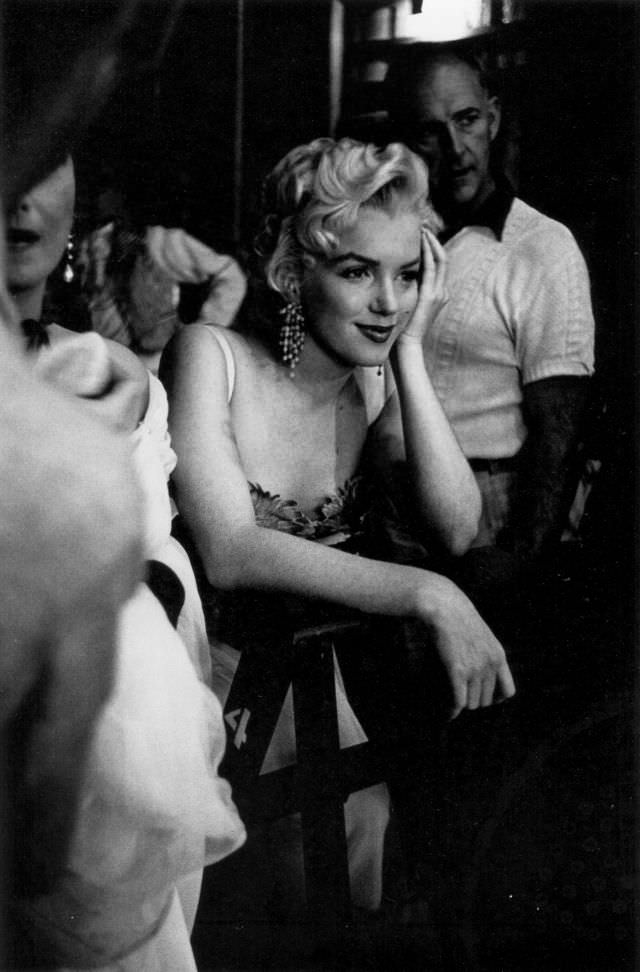
Also in 1953, Stock gained access to the set of ‘Desiree,’ directed by Henry Koster. Marilyn Monroe visited the set to see Marlon Brando, and Stock was there to capture it. The resulting images show Monroe both in conversation with Brando and watching the production unfold — candid frames that revealed her curiosity and ease behind the scenes.
Stock’s lens wasn’t limited to Monroe. He photographed actress Jean Simmons on the set of ‘Guys & Dolls’ in 1954, directed by Joseph Mankiewicz — another example of his ability to document Hollywood productions from the inside.
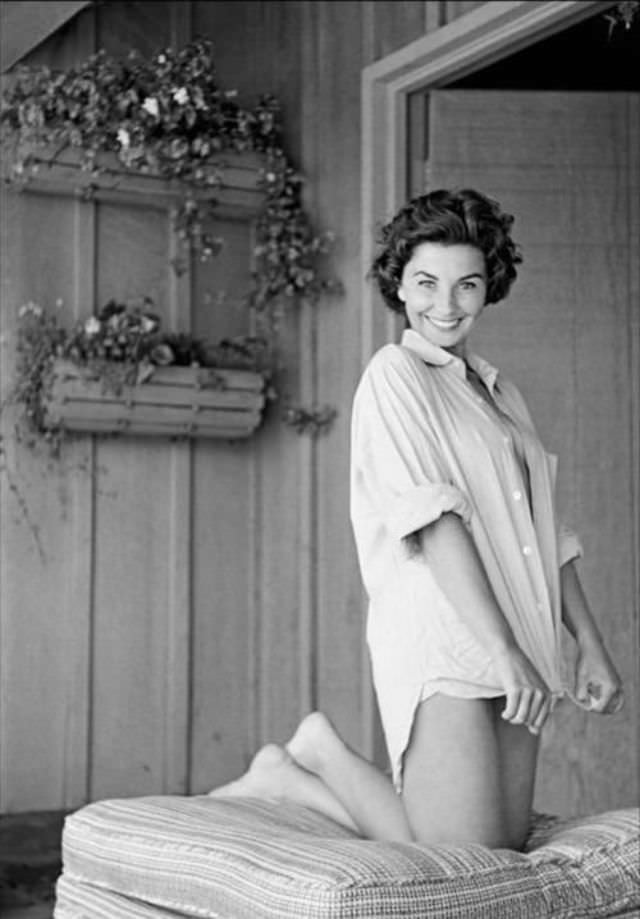
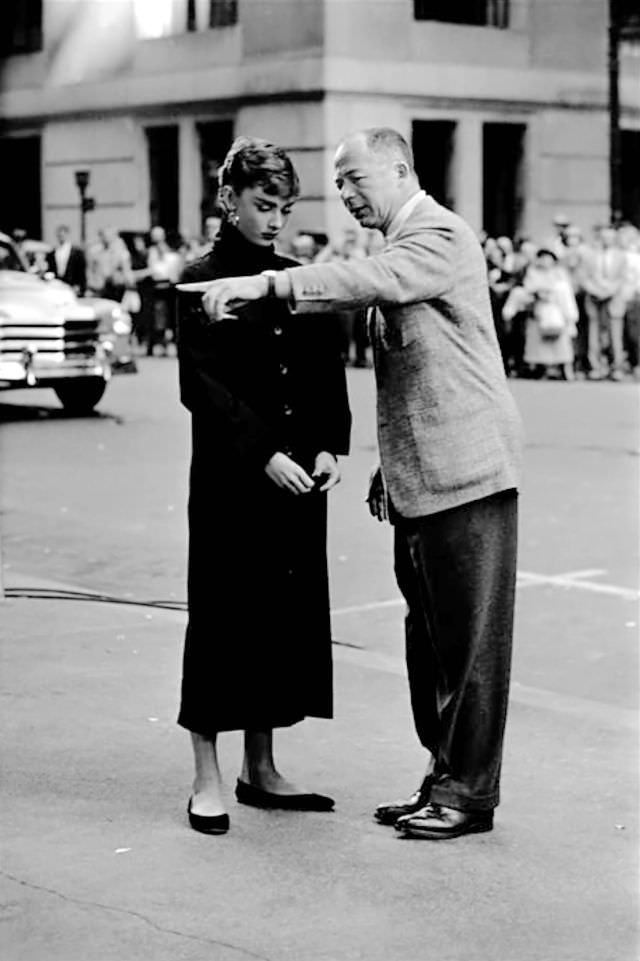
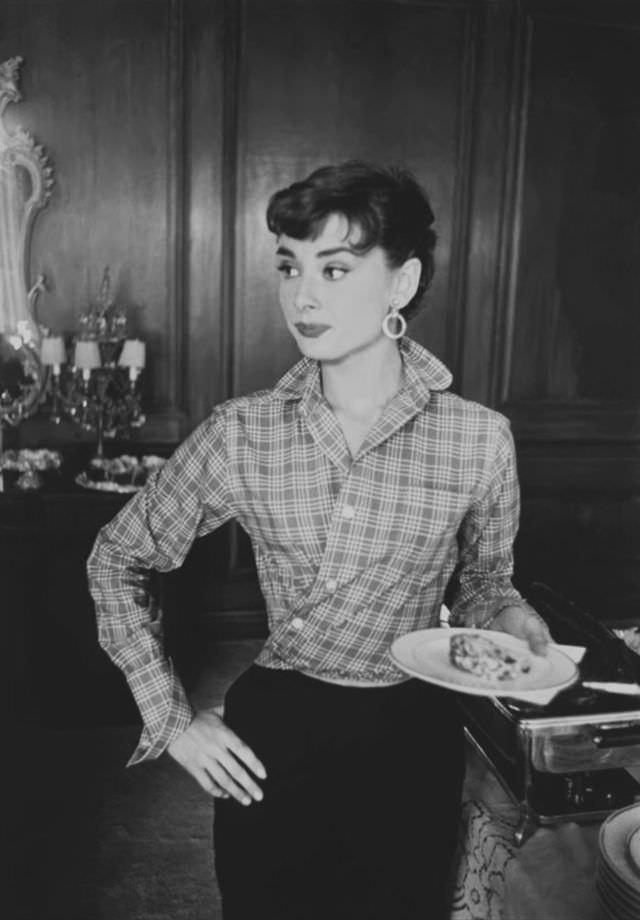
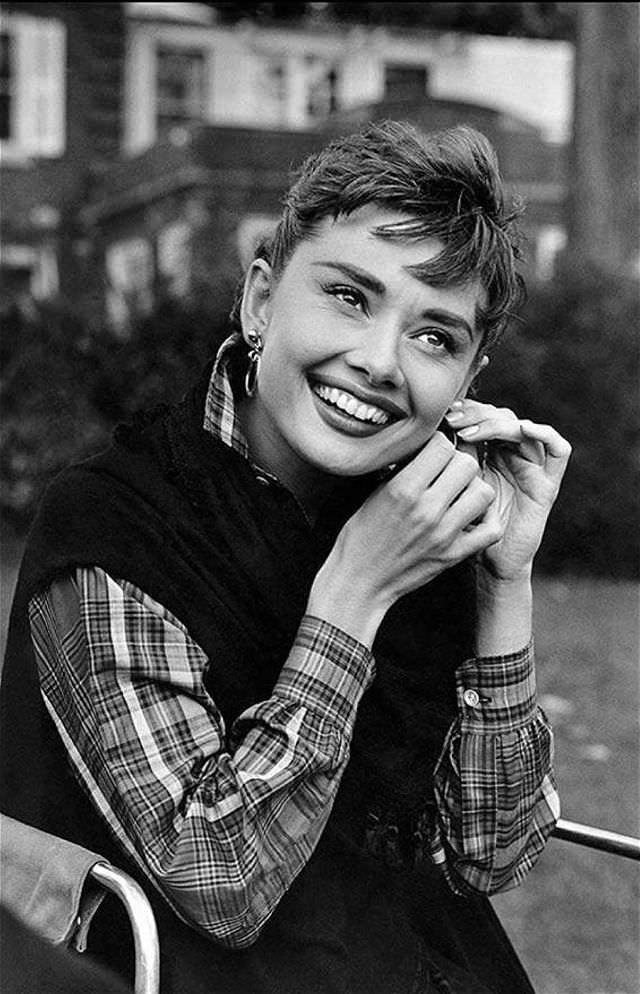
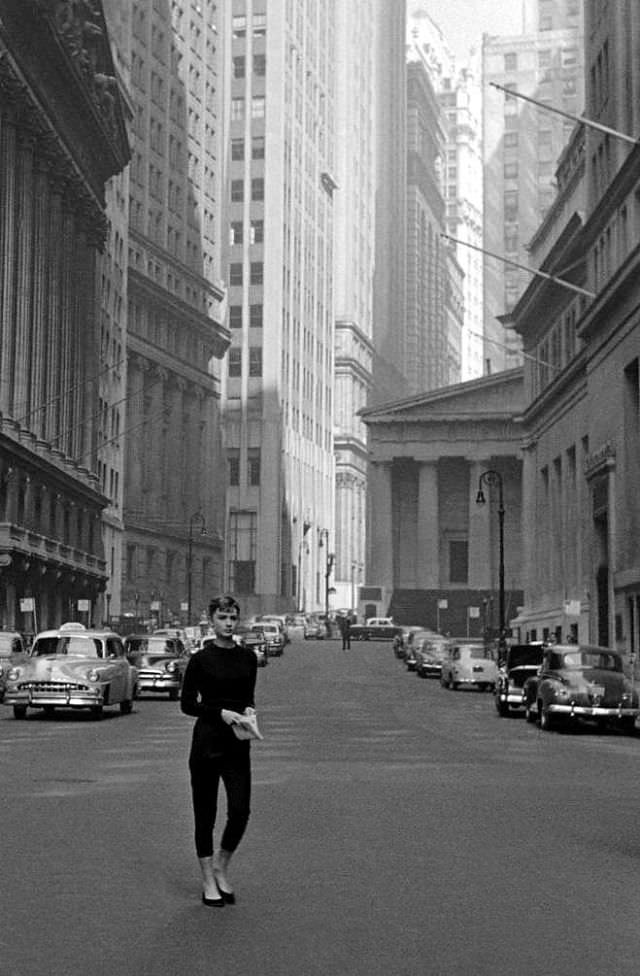
One of Stock’s most sustained photo essays from 1954 followed Audrey Hepburn during the making of ‘Sabrina,’ directed by Billy Wilder. He shot her on location in New York City, on Long Island’s North Shore, and on set — capturing everything from formal direction to quiet moments between takes. The series shows Hepburn at the beginning of her major Hollywood career, natural and at ease in front of Stock’s camera.
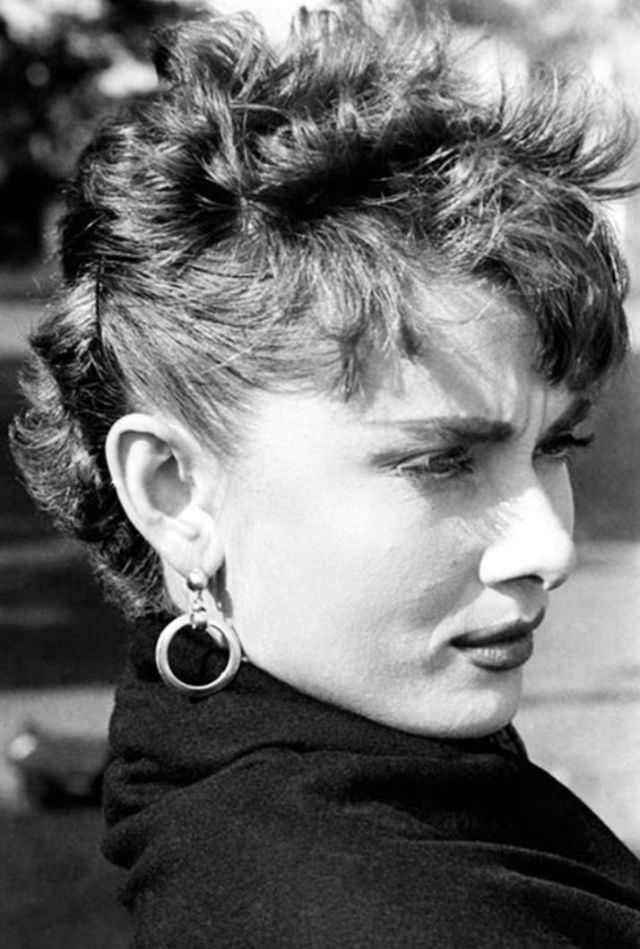
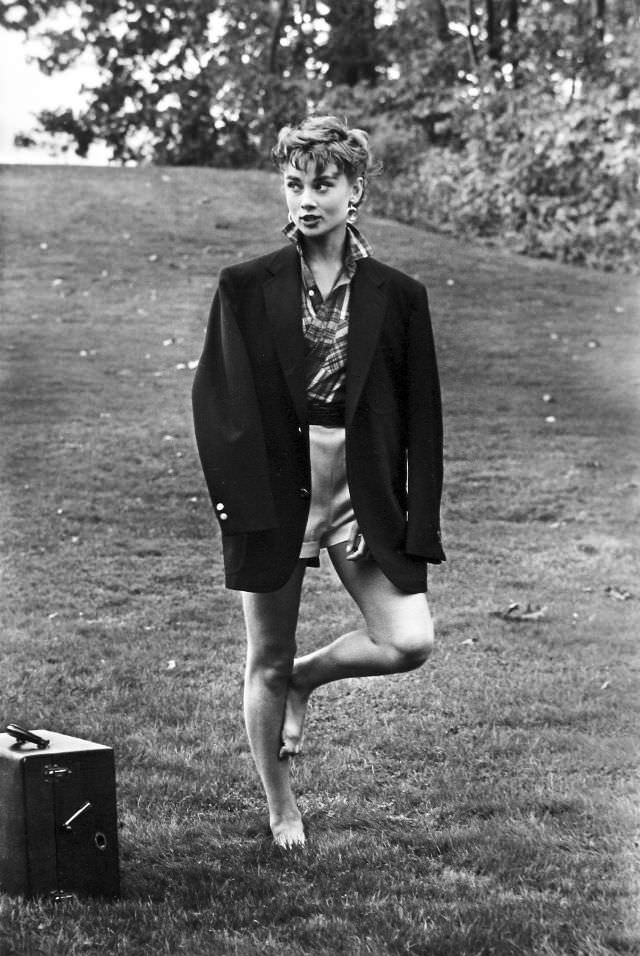
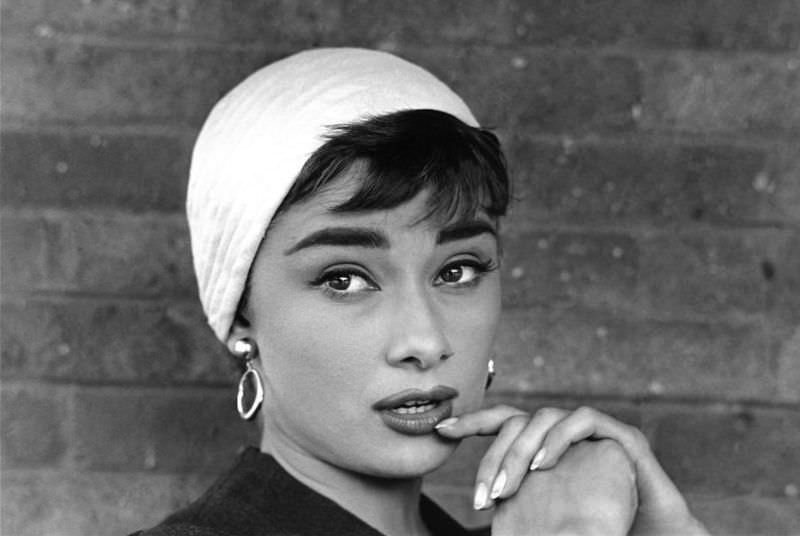
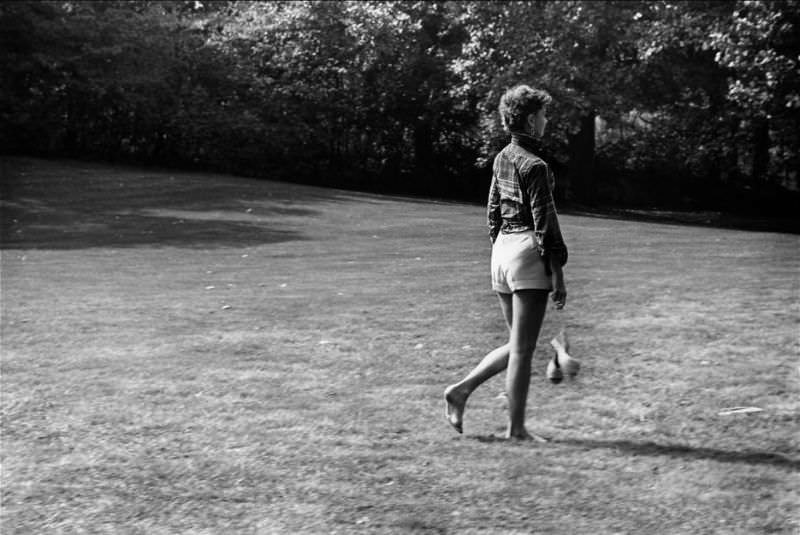
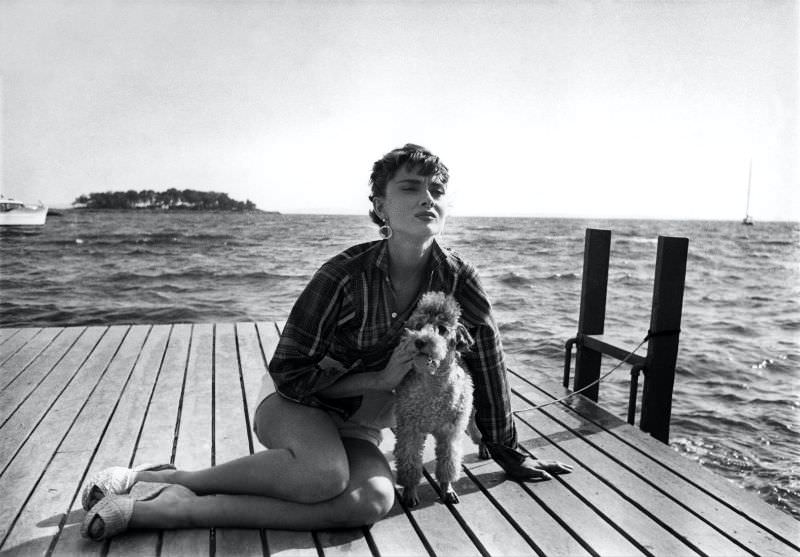
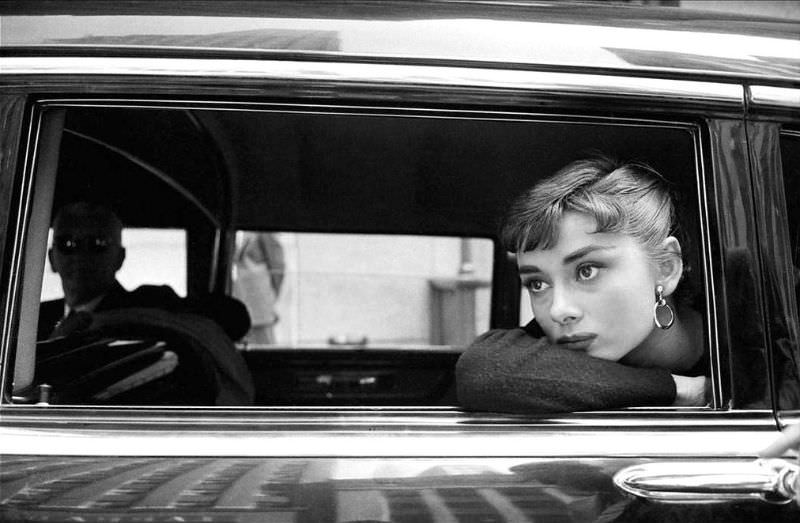
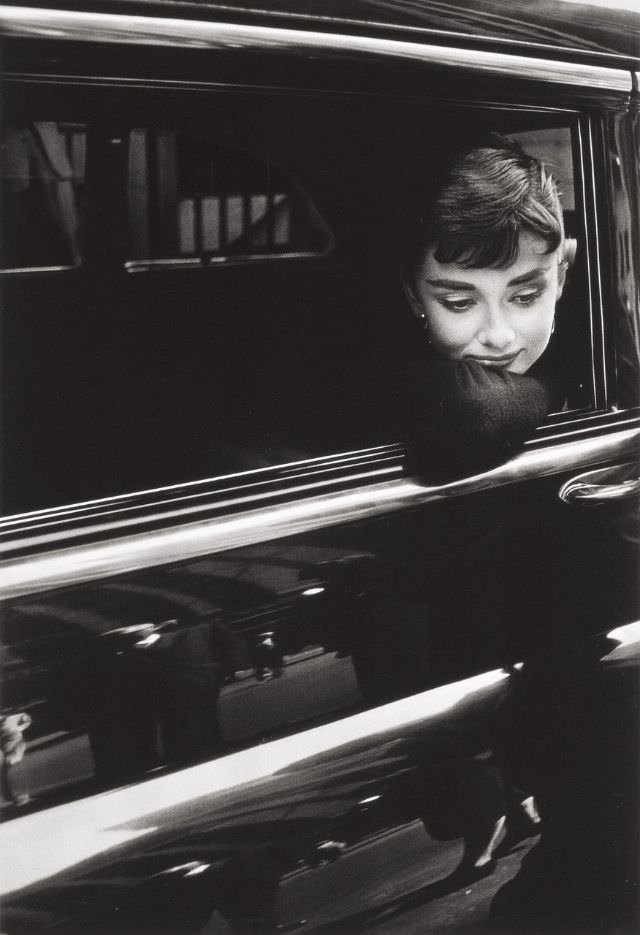
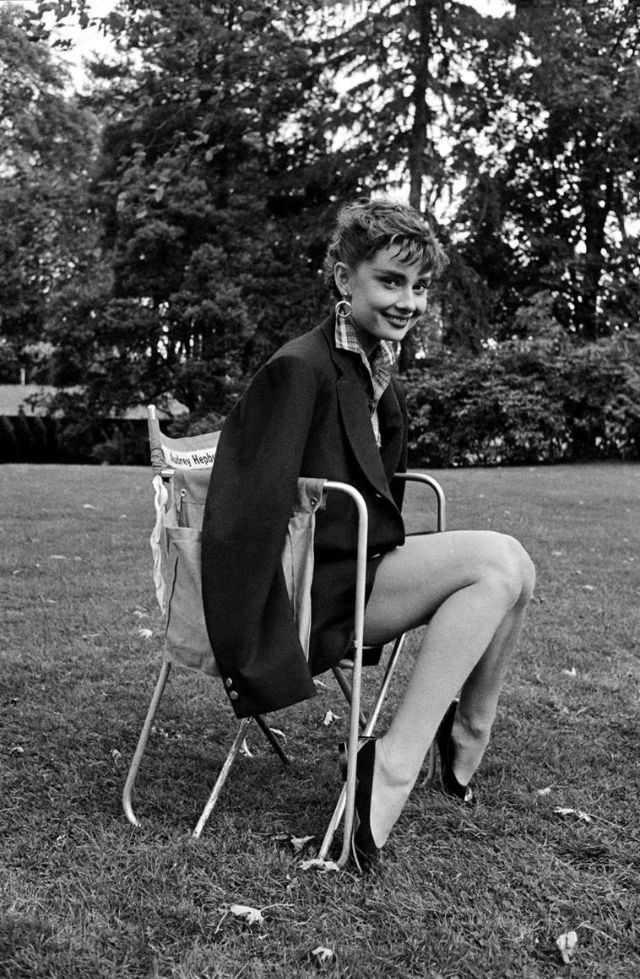
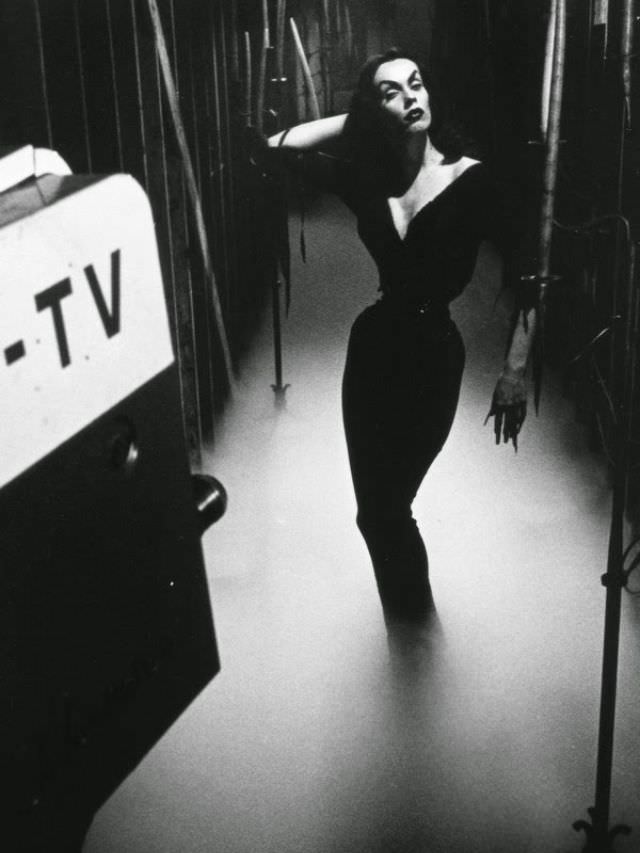
That same year, Stock photographed Maila Nurmi, who played the host character on television’s ‘The Vampira Show.’ It was a sharp departure from the glamour of the ‘Sabrina’ set — and it showed Stock’s range beyond mainstream Hollywood.
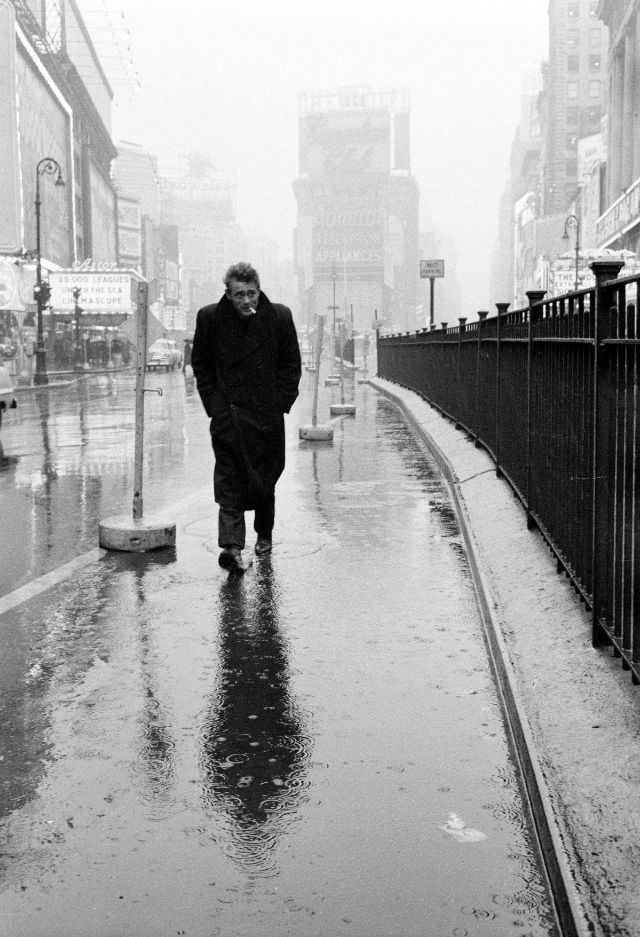
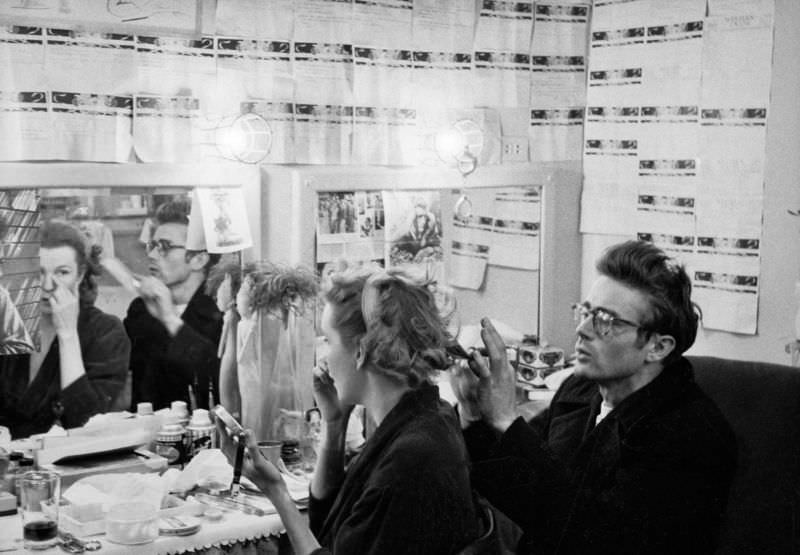
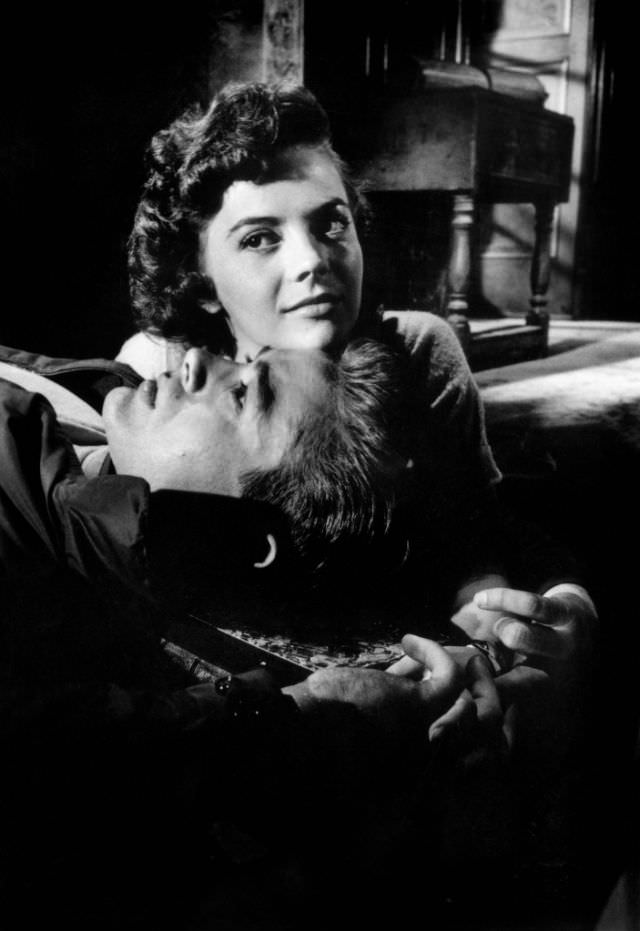
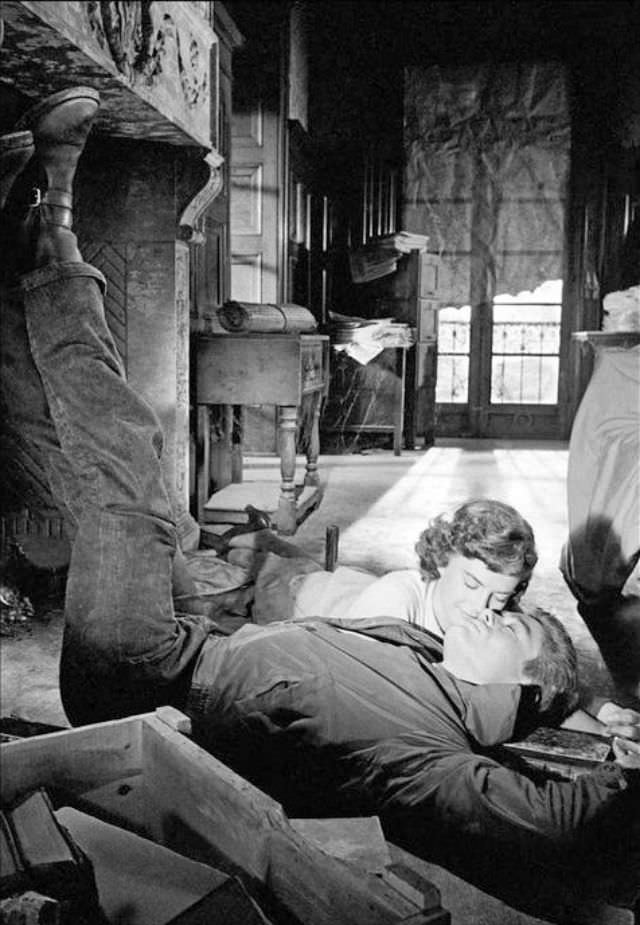
In early 1955, Stock spent time with James Dean in New York City and Indiana, producing what became some of the most recognized photographs of the decade. The image of Dean walking through a rain-slicked Times Square, collar up and cigarette in hand, is among the most reproduced celebrity portraits ever taken. Stock also caught Dean with actress Geraldine Page in her dressing room and with Natalie Wood during the production of ‘Rebel Without a Cause.’ Dean died in a car crash in September 1955, just months after the photos were taken.
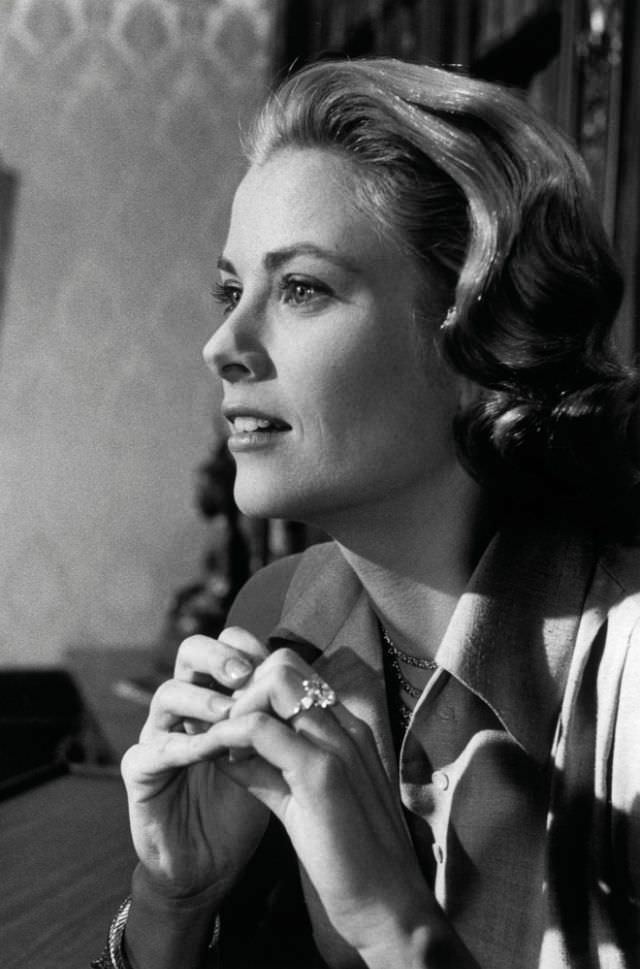
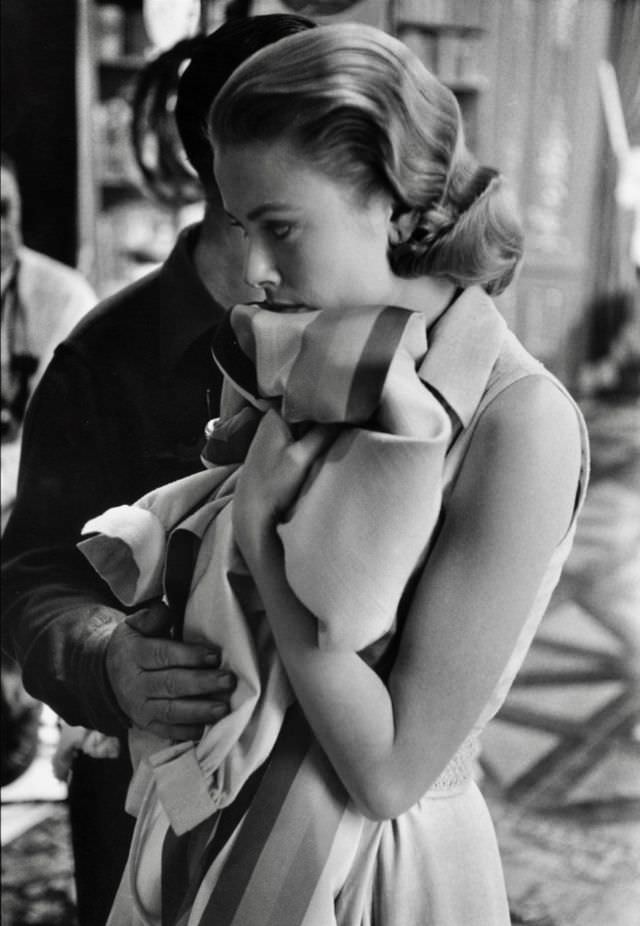
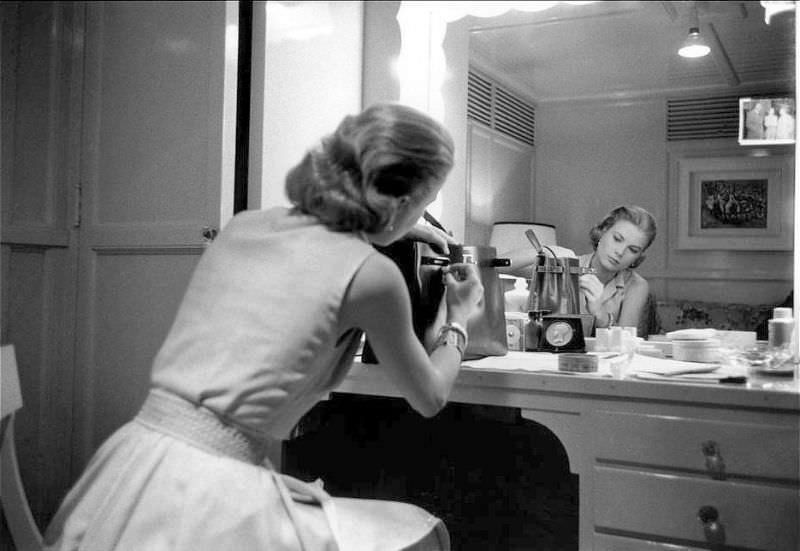
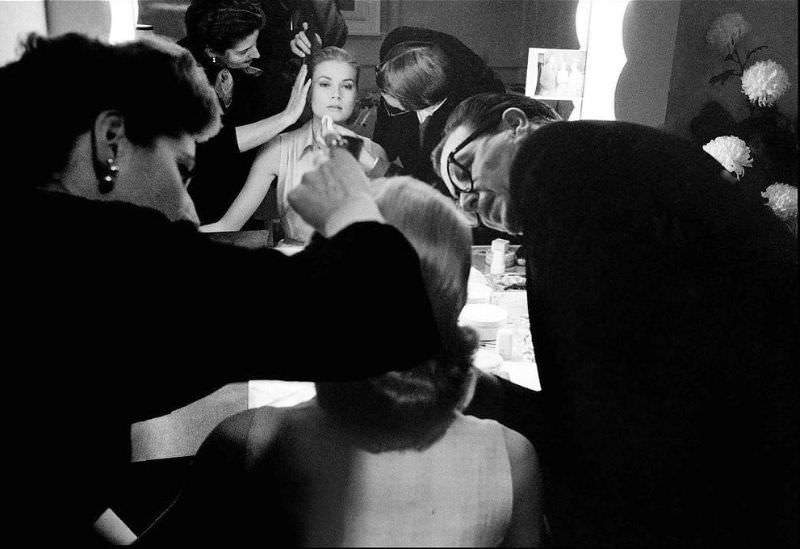
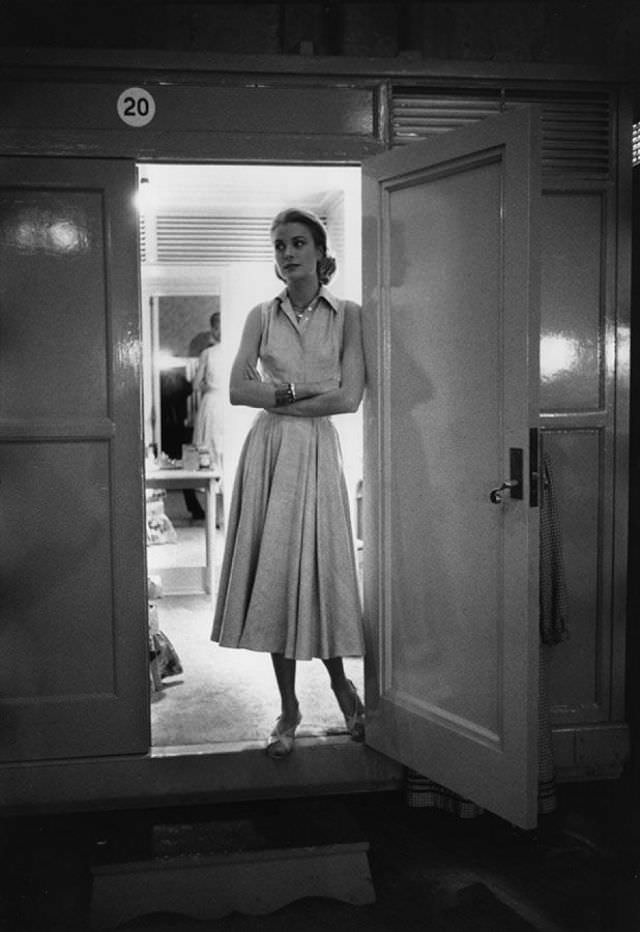
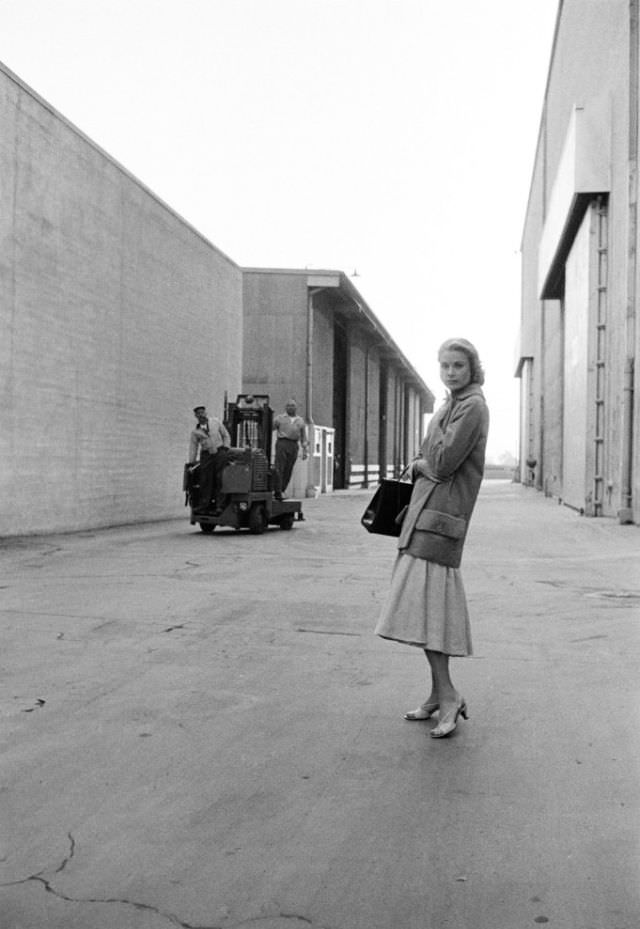
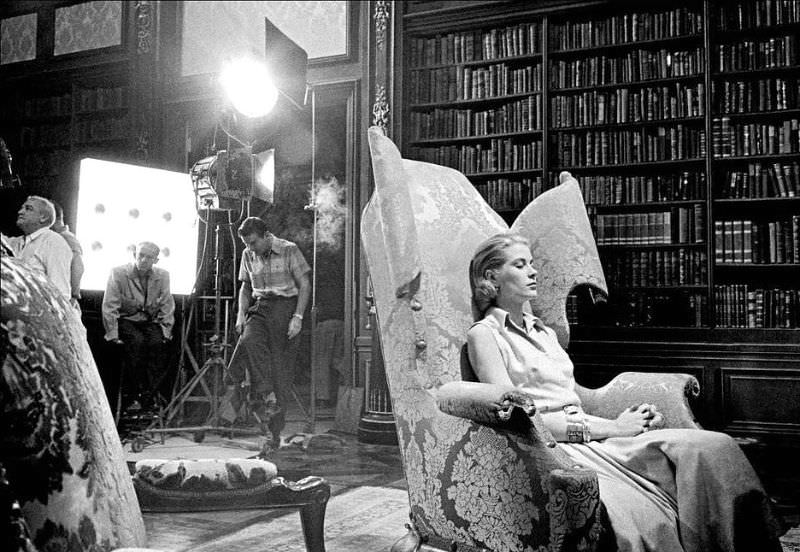
By 1956, Stock was documenting Grace Kelly’s final Hollywood production before she became Princess of Monaco. He photographed her extensively during the filming of ‘High Society,’ directed by Charles Walters — in her dressing room, on the studio lot, and alongside co-stars Bing Crosby and Frank Sinatra. One memorable frame shows Kelly in her dressing room adjusting the Hermès handbag that would eventually bear her name: the Kelly bag.
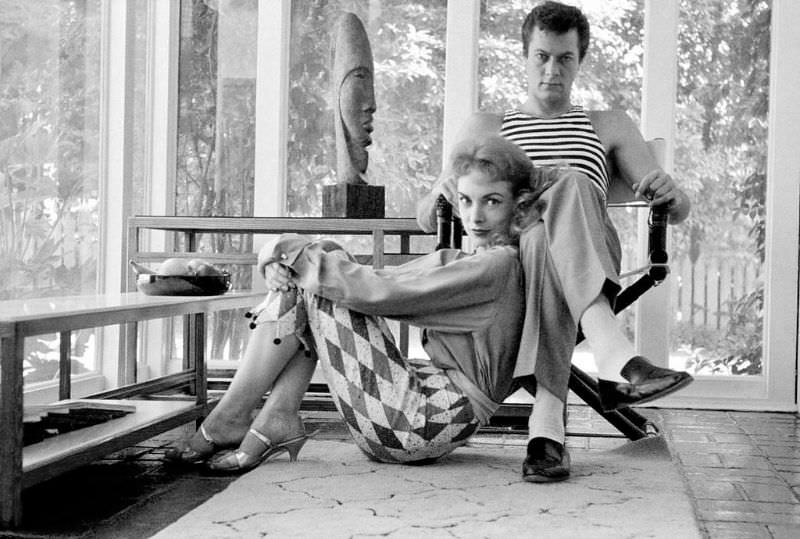
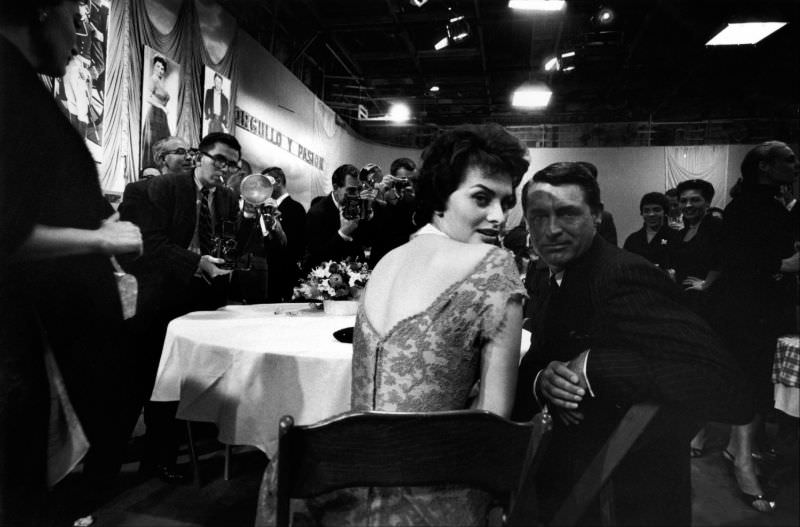
Stock continued shooting Hollywood royalty into 1957, photographing Janet Leigh and Tony Curtis at their Hollywood home and capturing Sophia Loren alongside Cary Grant at a press conference for ‘The Pride and the Passion.’ Each image carried the same hallmark: access, intimacy, and a clear respect from the subjects in front of his lens.
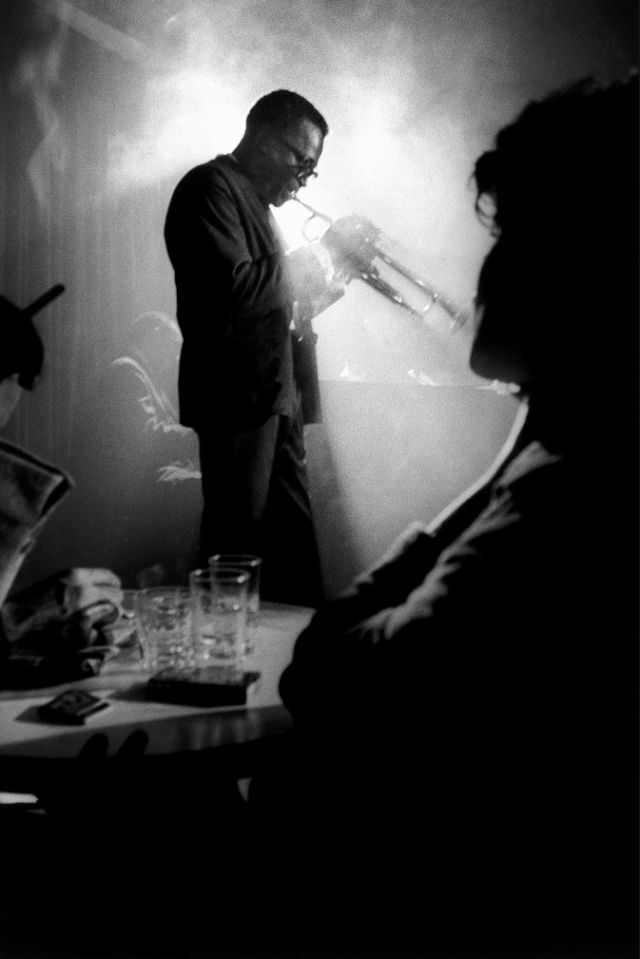
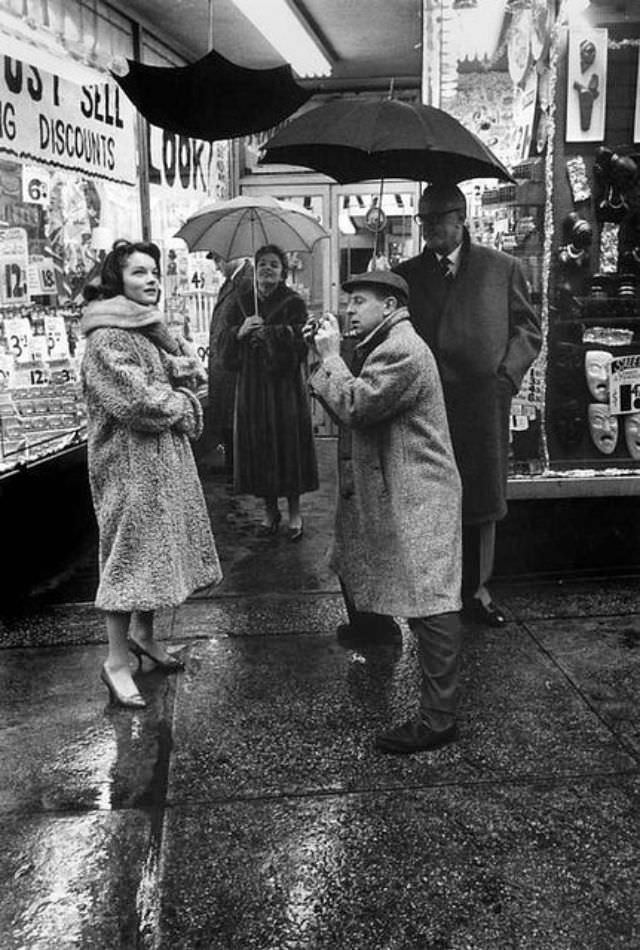
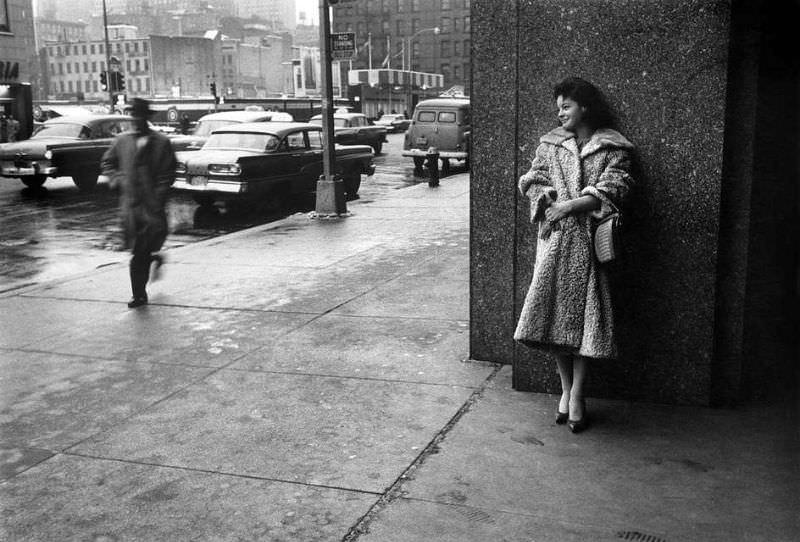
In 1958, Stock turned his camera to jazz legend Miles Davis, producing a portrait that reflected the same quiet intensity Davis brought to his music. That year also brought a visit from Austrian actress Romy Schneider and her mother Magda — both actresses — to New York City, giving Stock another opportunity to document European talent on American soil.