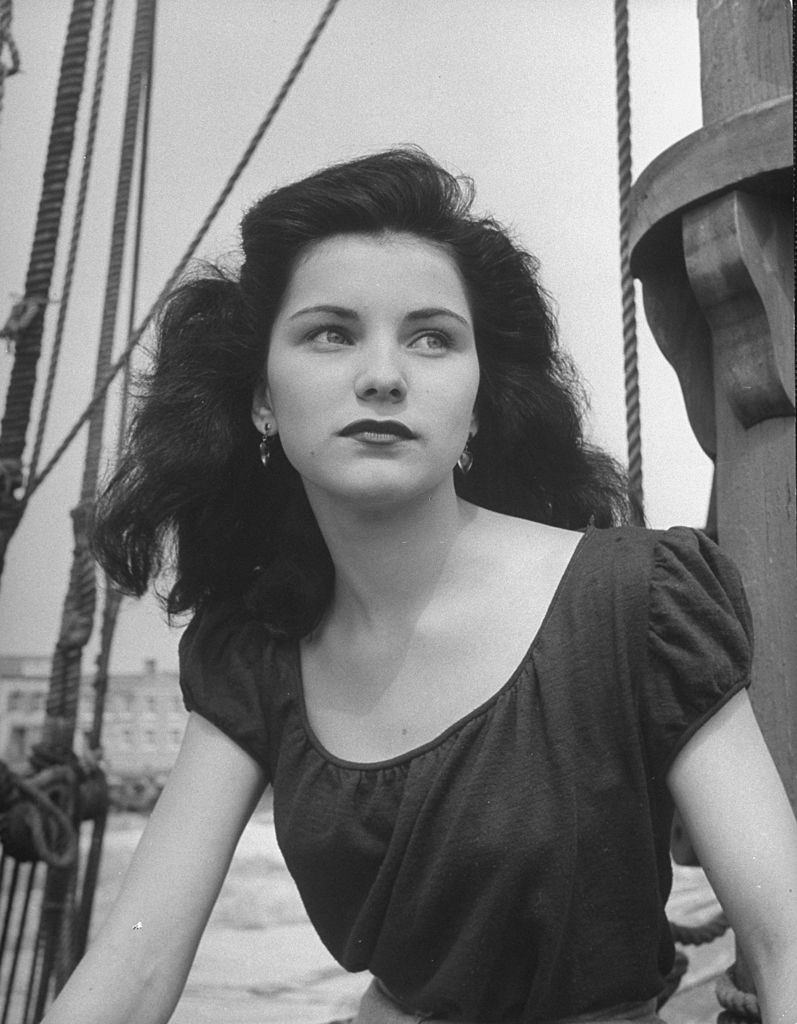
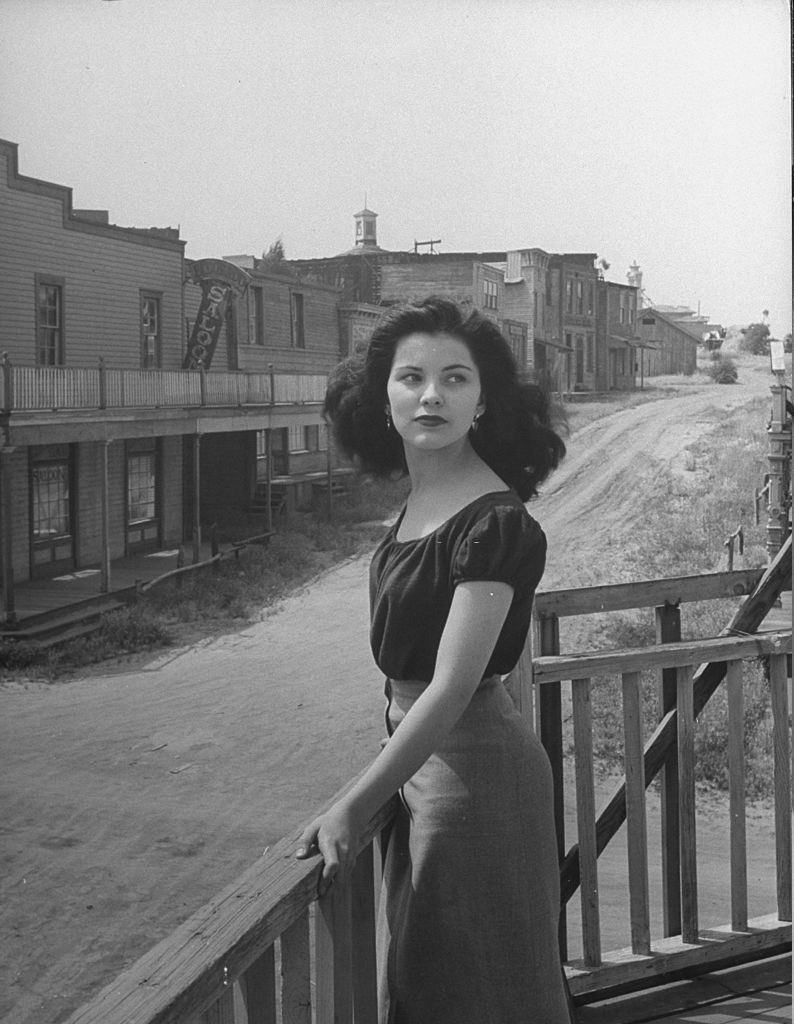
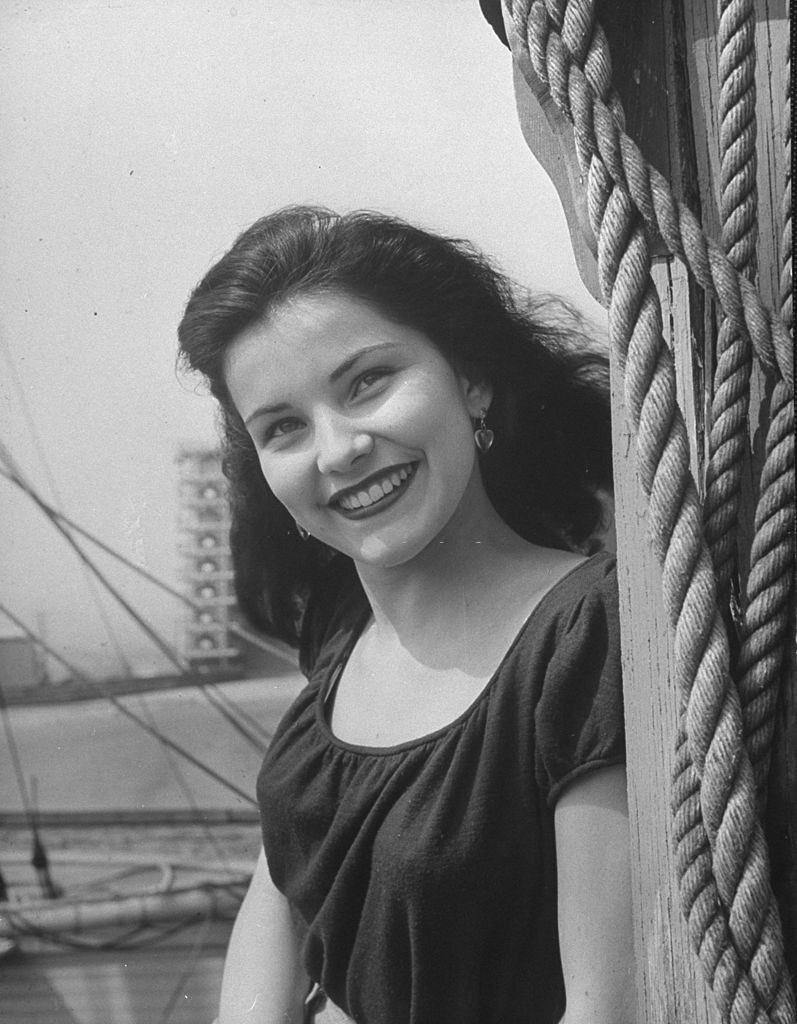
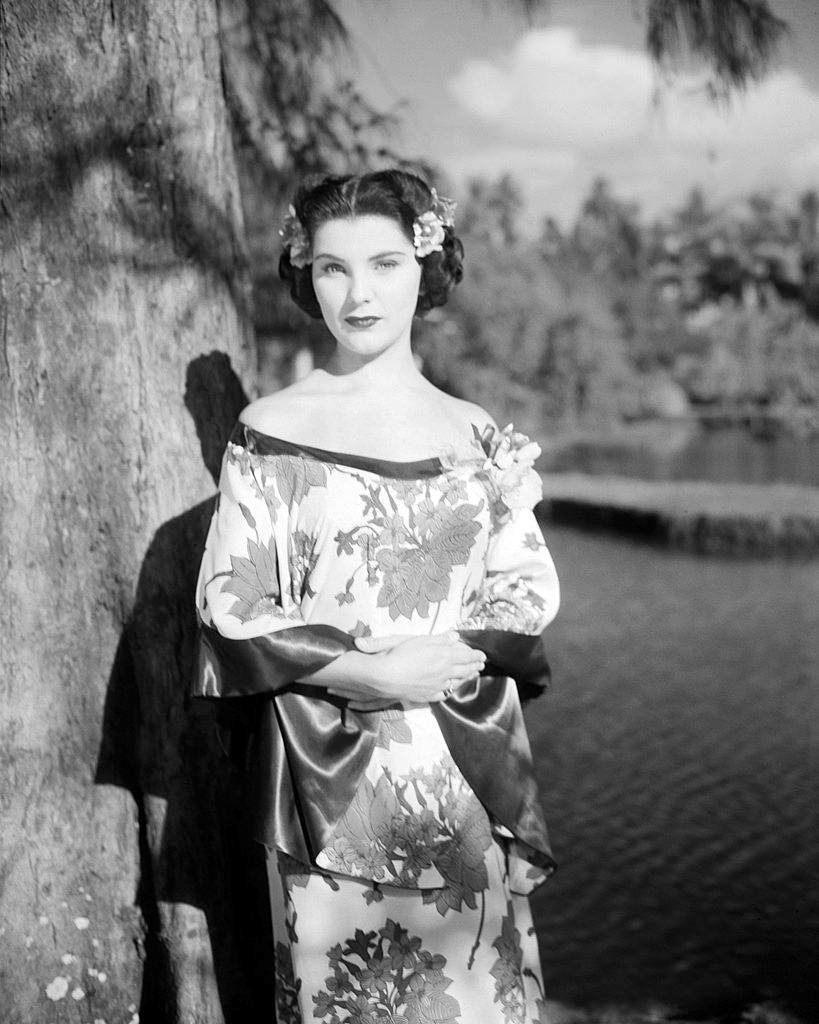
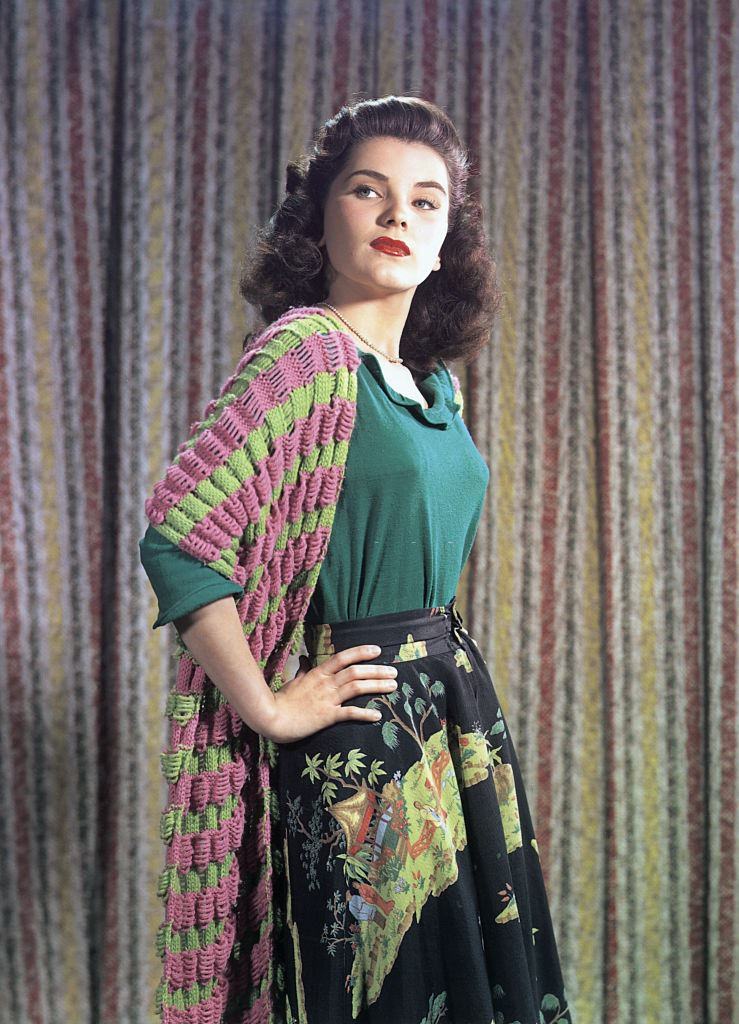
Debra Paget was one of Hollywood’s most striking faces of the 1950s. Born Debralee Griffin, she chose her screen name from Lord and Lady Paget of England, ancestors on her family tree. She was ambitious from a young age, and the entertainment world took notice fast. Before she ever stepped in front of a movie camera, she was already performing on stage.

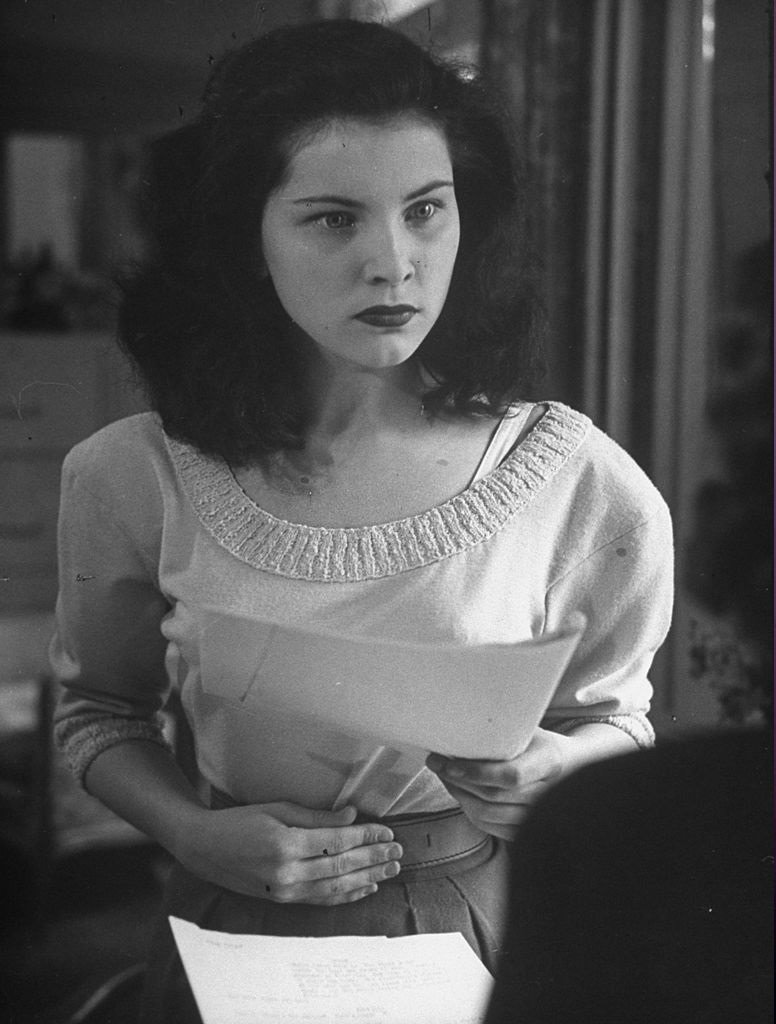
Paget made her stage debut at just 13 years old, performing in William Shakespeare’s “The Merry Wives of Windsor.” Two years later, at 15, she landed her first Hollywood role — playing the girlfriend of Richard Conte in the 1948 crime film “Cry of the City.” It was a modest start, but Paget was building toward something much bigger.
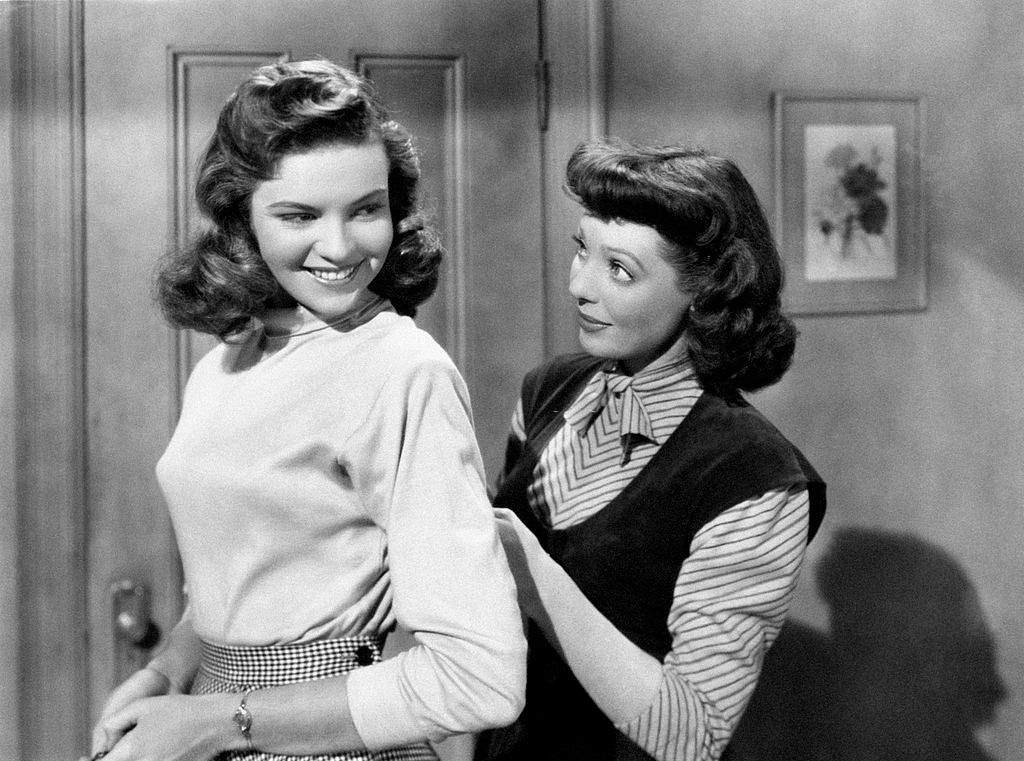
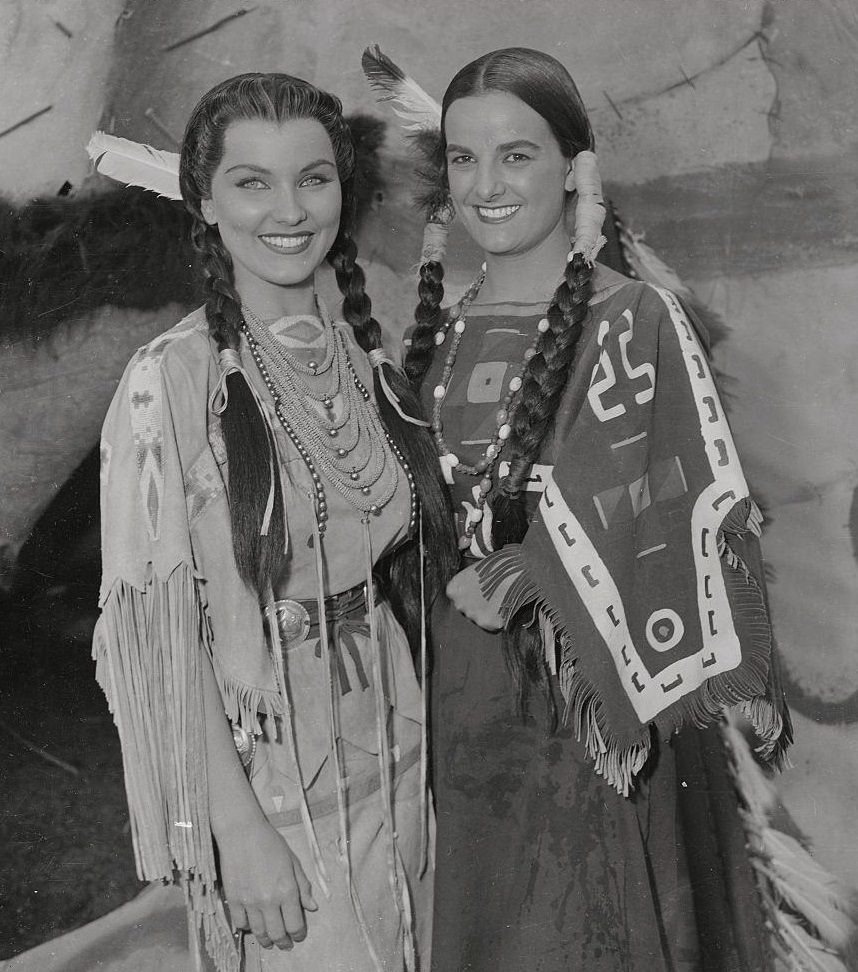
Her early years in Hollywood meant small roles and waiting for the right opportunity. That opportunity came in 1950, when she was cast opposite James Stewart in the western “Broken Arrow.” The film was a major production, and sharing the screen with Stewart put Paget firmly on the map. She held her own alongside one of Hollywood’s biggest stars, and audiences responded.
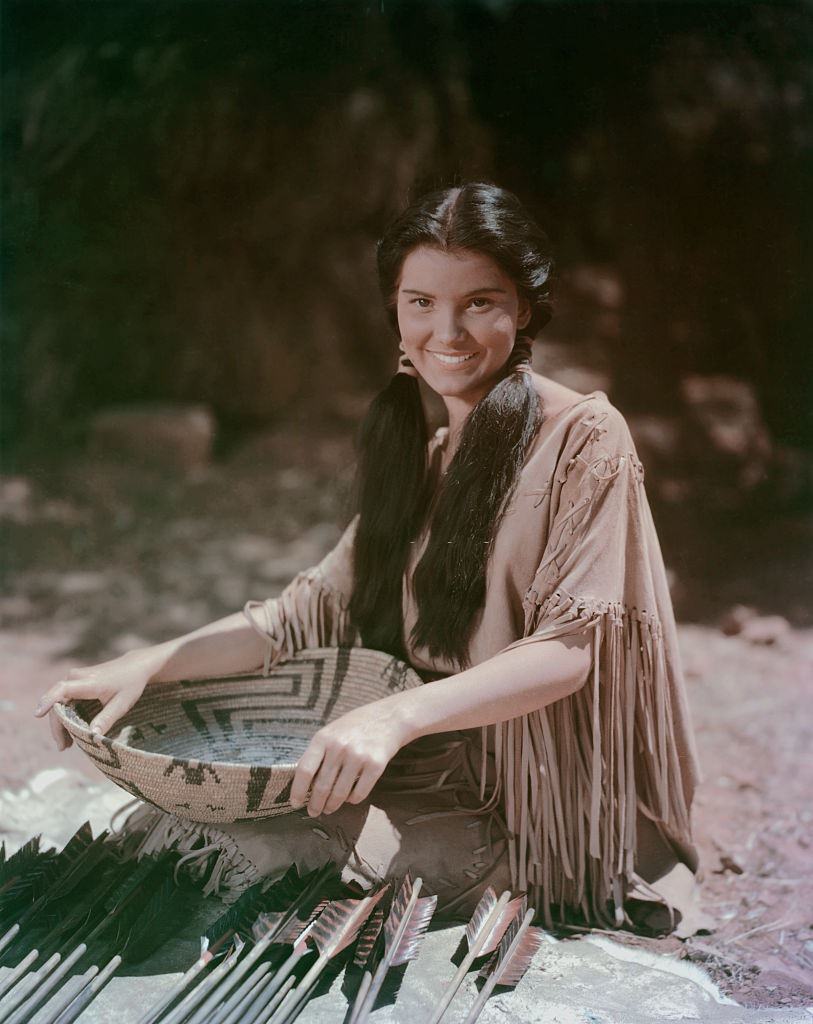
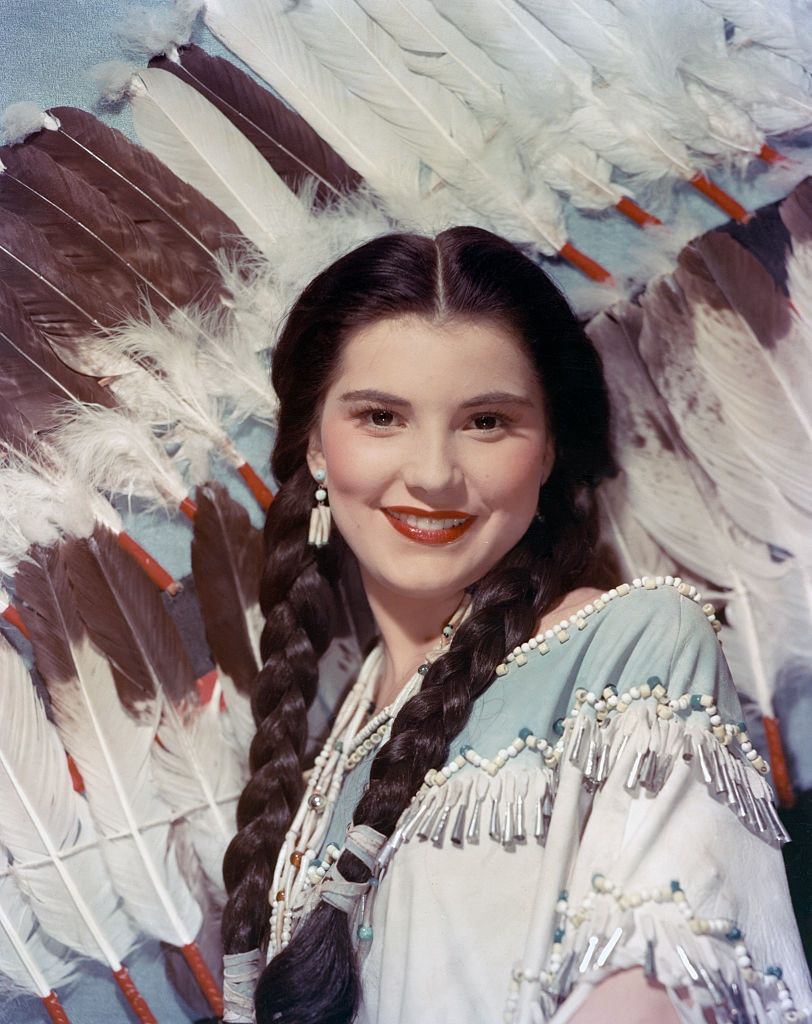
With “Broken Arrow” behind her, Paget’s career moved quickly. In 1951, she starred in “Bird of Paradise,” a Technicolor film set in the South Pacific. The role required a physical, expressive performance, and Paget delivered. The film gave her some of her most visually memorable early scenes.




Later that year, Paget attended the Los Angeles premiere of “Fixed Bayonets!” — a sign she was now part of Hollywood’s social scene, not just its working roster. Her profile was rising steadily through public appearances and a string of film commitments that kept her busy throughout the early 1950s.


By 1954, Paget was appearing in a variety of genre films that showed off both her range and her screen presence. She played Ilene in “Prince Valiant,” a medieval adventure directed by Henry Hathaway. The same year she starred in “Princess of the Nile” alongside Jeffrey Hunter, directed by Harmon Jones. These were high-profile studio productions, and Paget was a central draw in both.
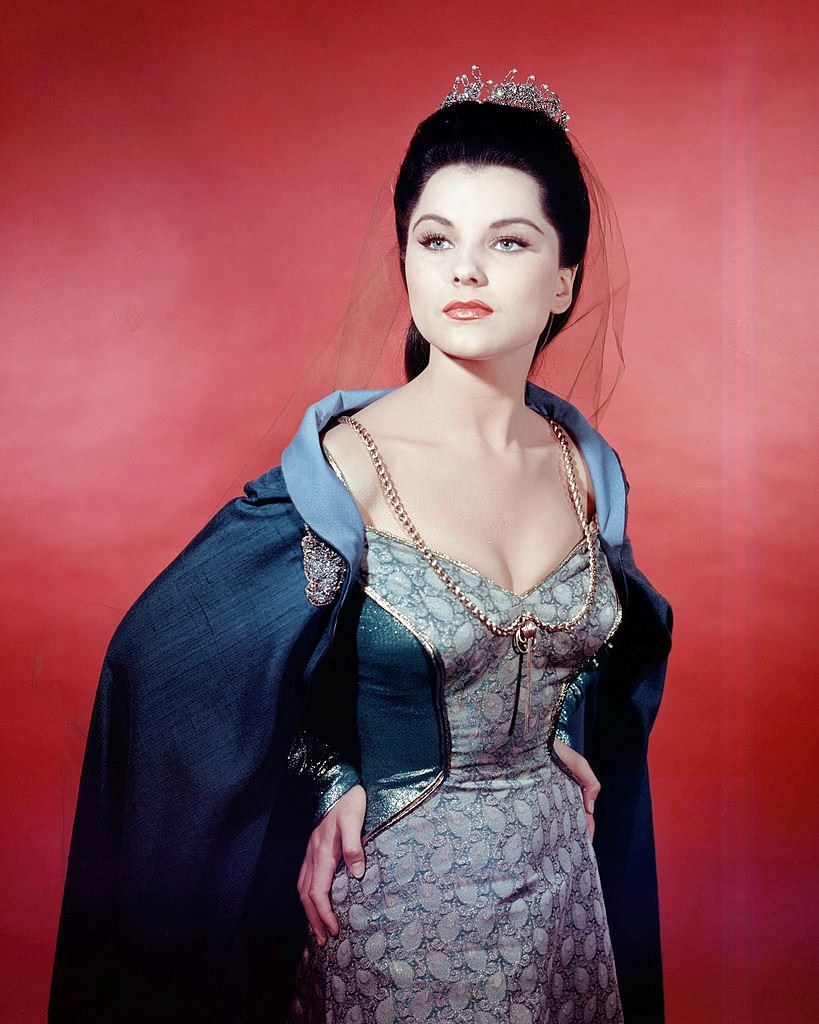
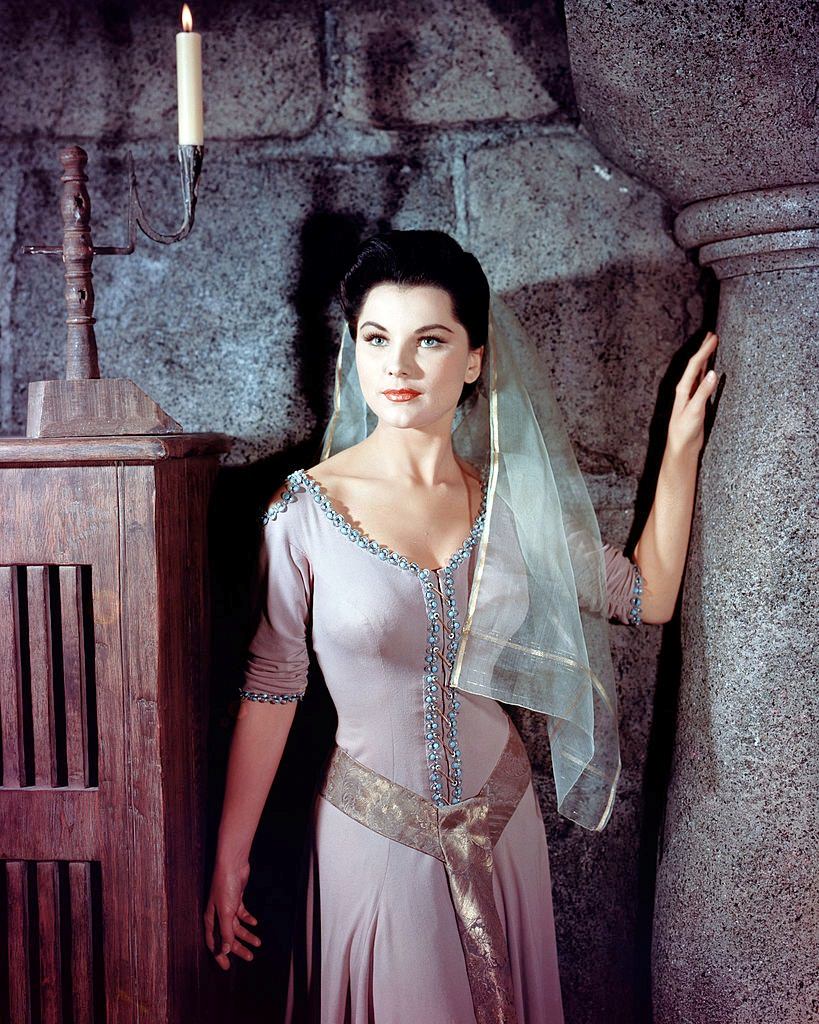
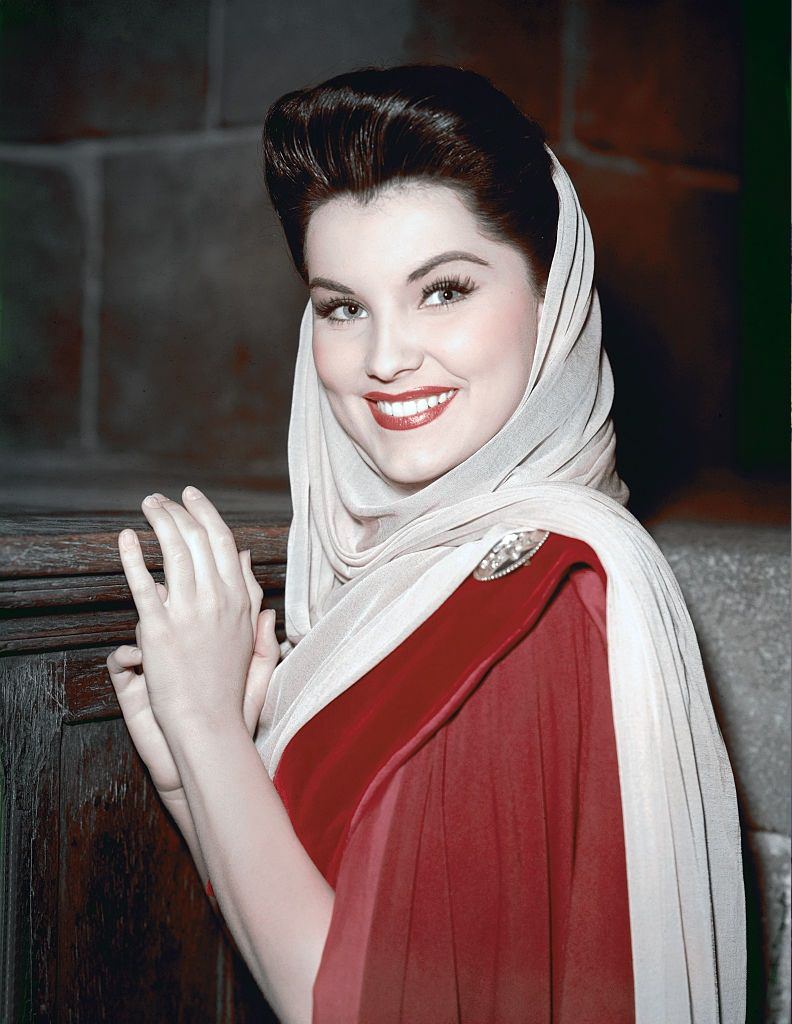
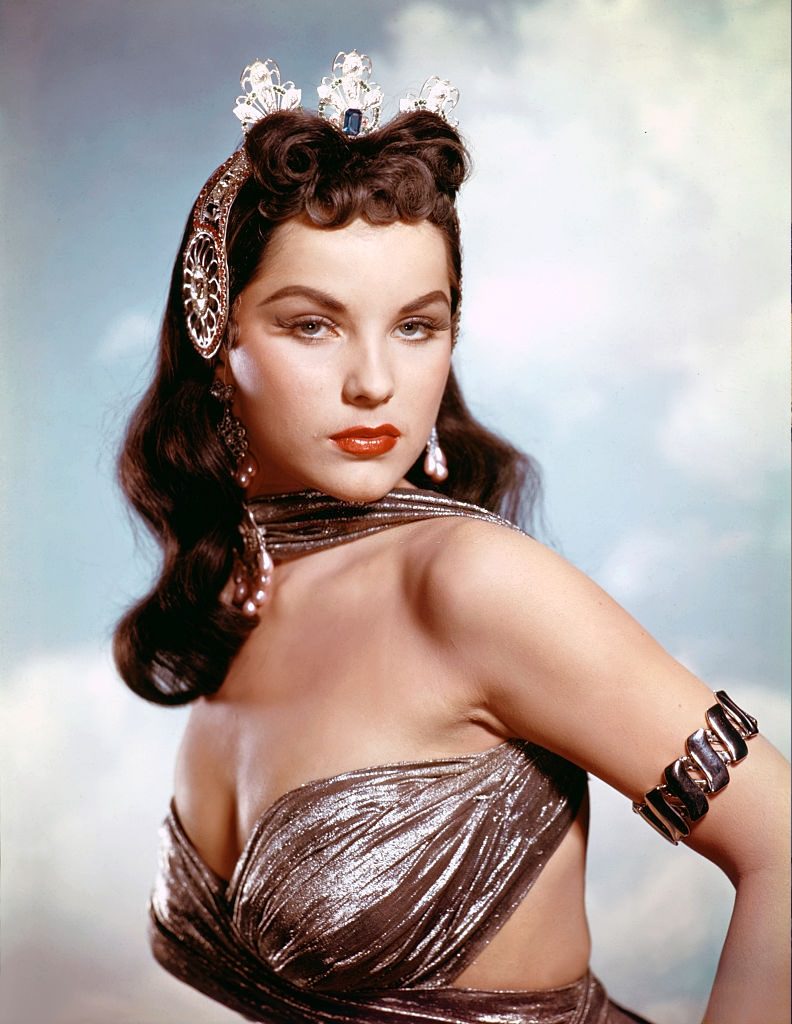
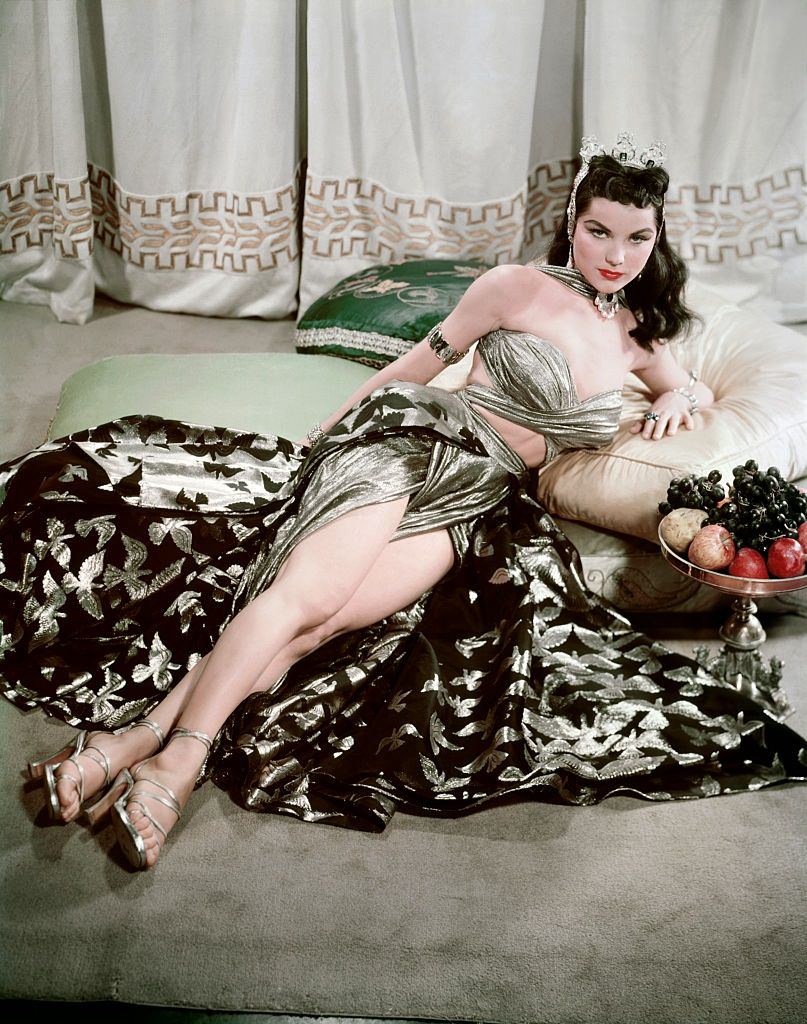
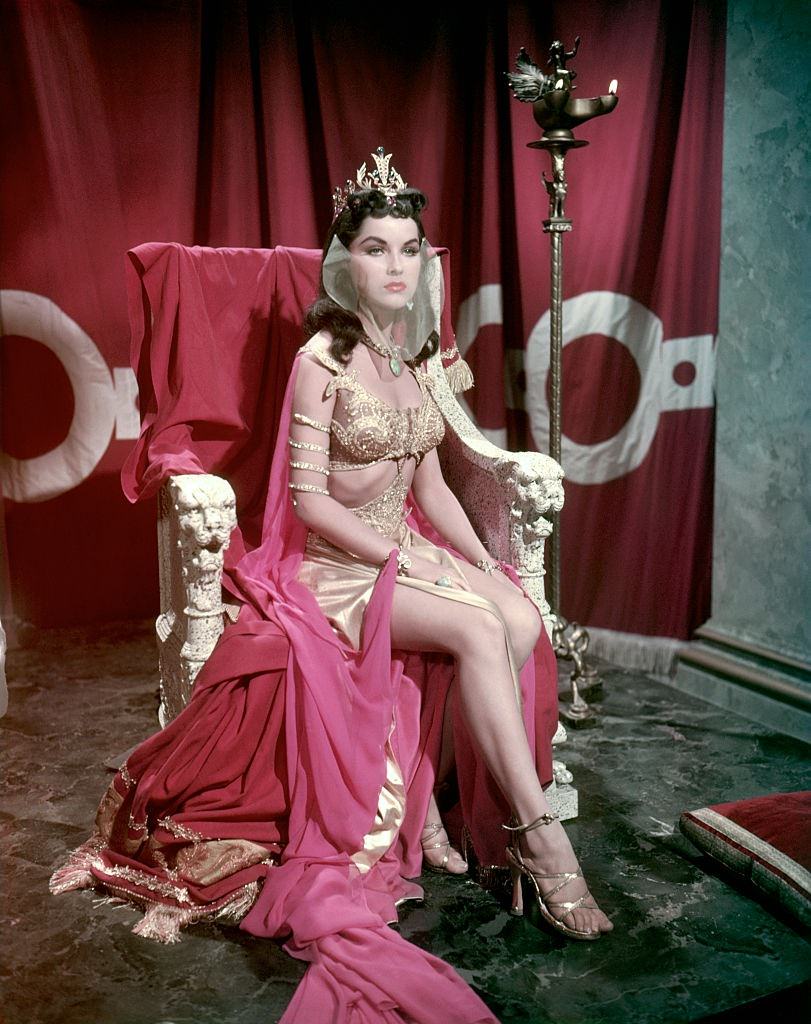
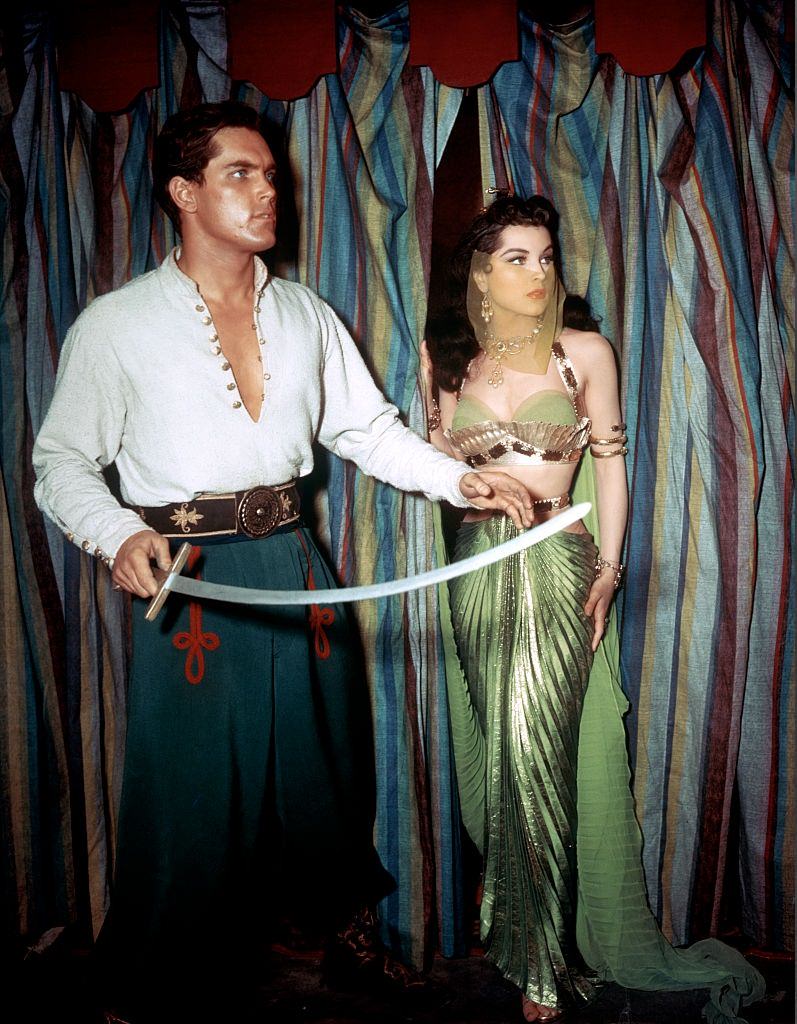
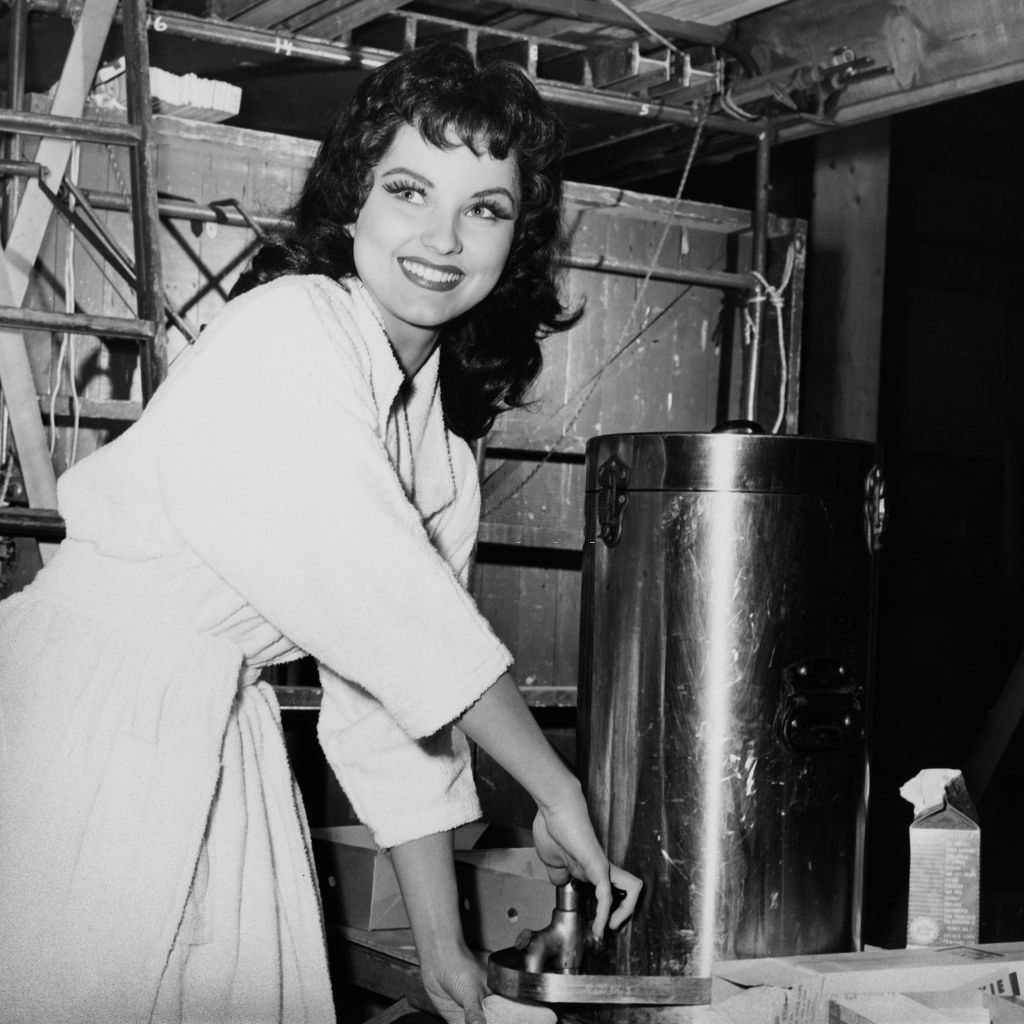
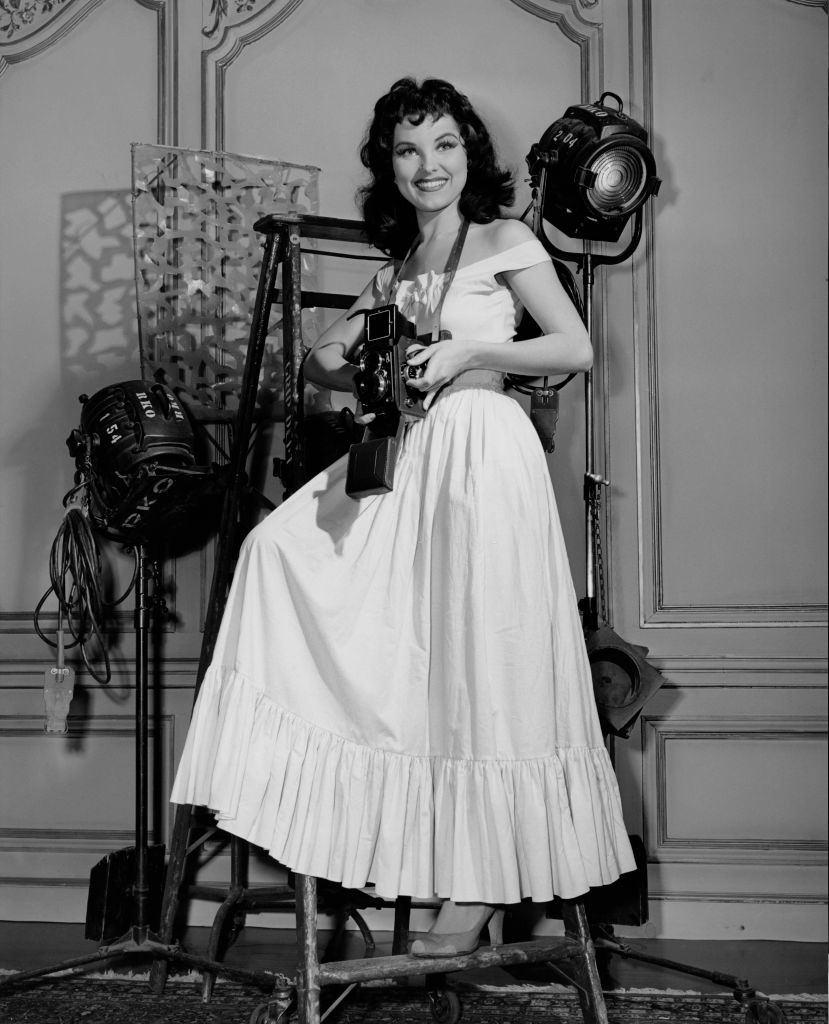
Also in 1954, Paget worked on “The Gambler from Natchez” for Panoramic Productions. Photos from the set show her relaxed and playful between takes — helping herself to coffee, snapping photographs of the crew. She was not just a performer going through the motions; she was fully present on every set she worked.

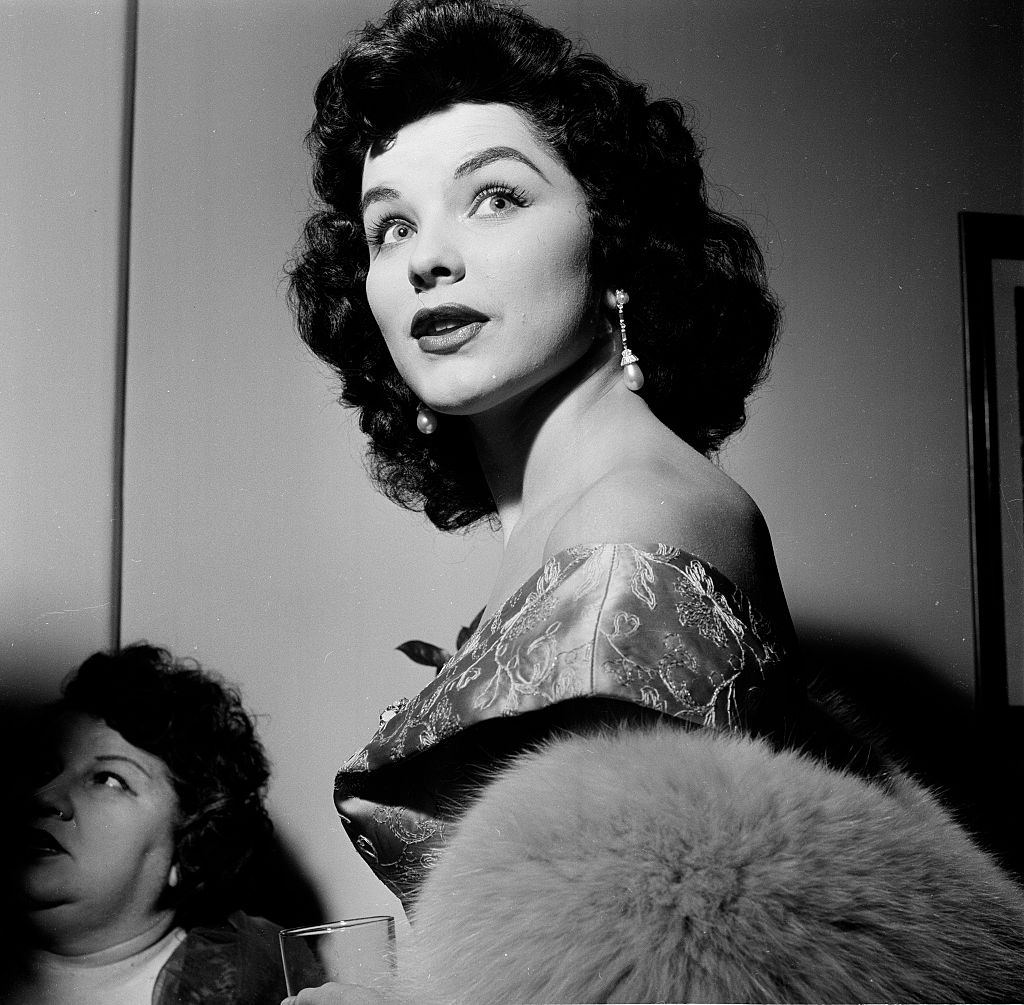
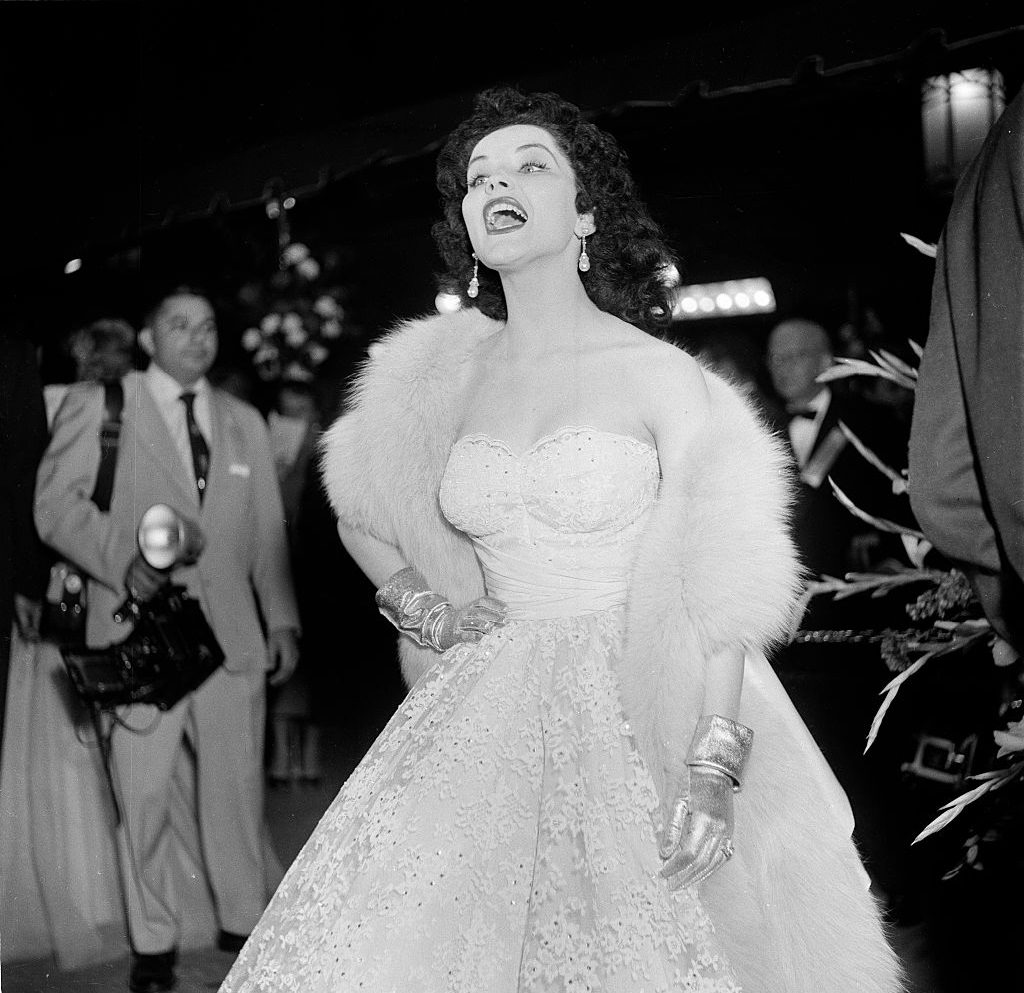
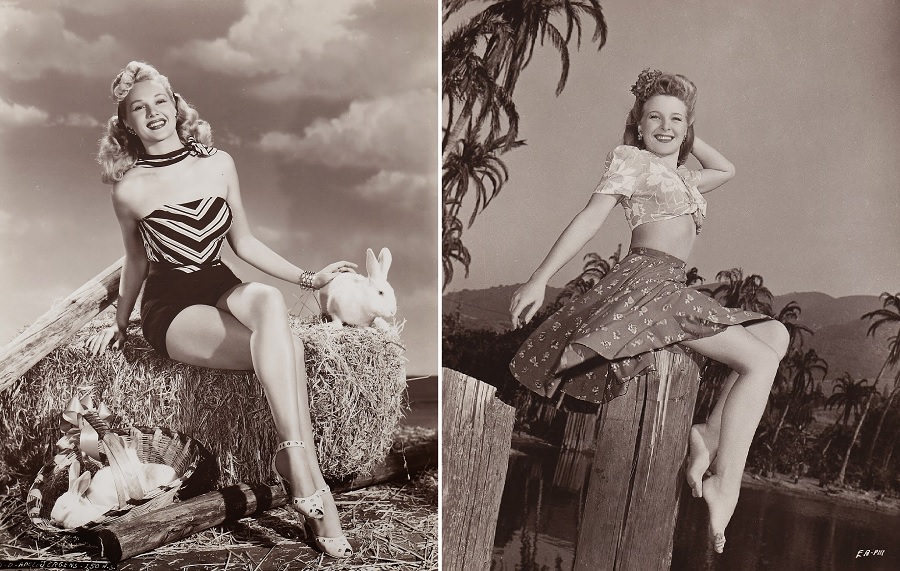
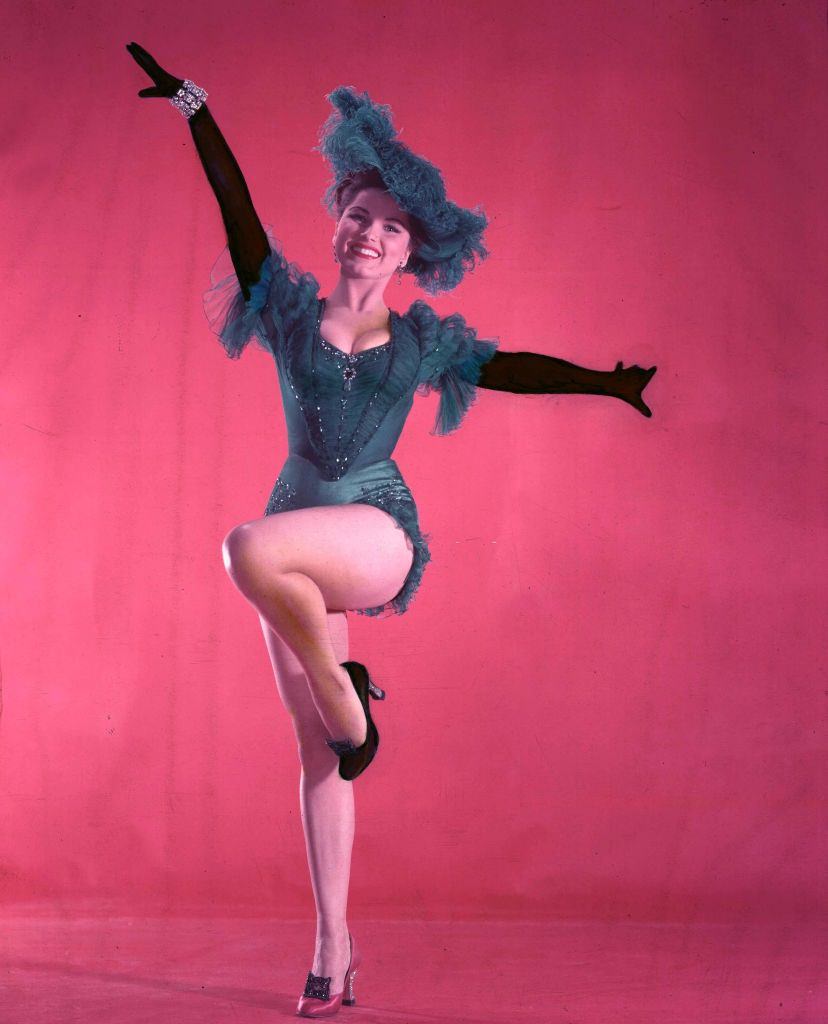
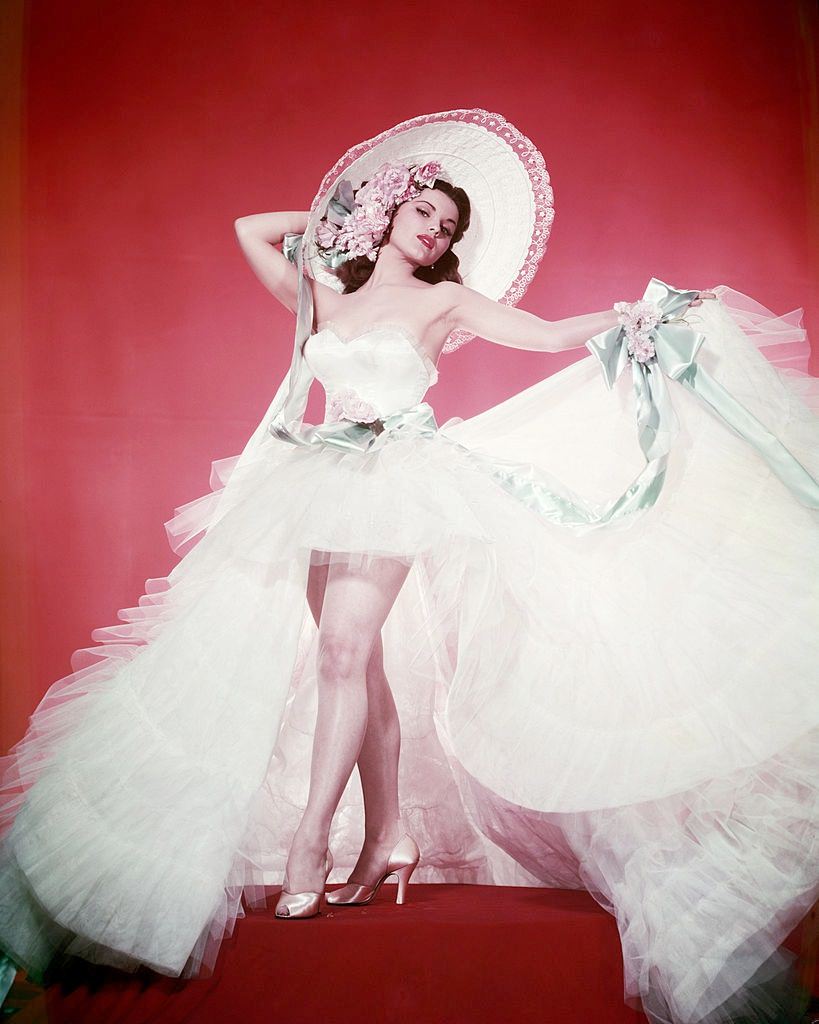
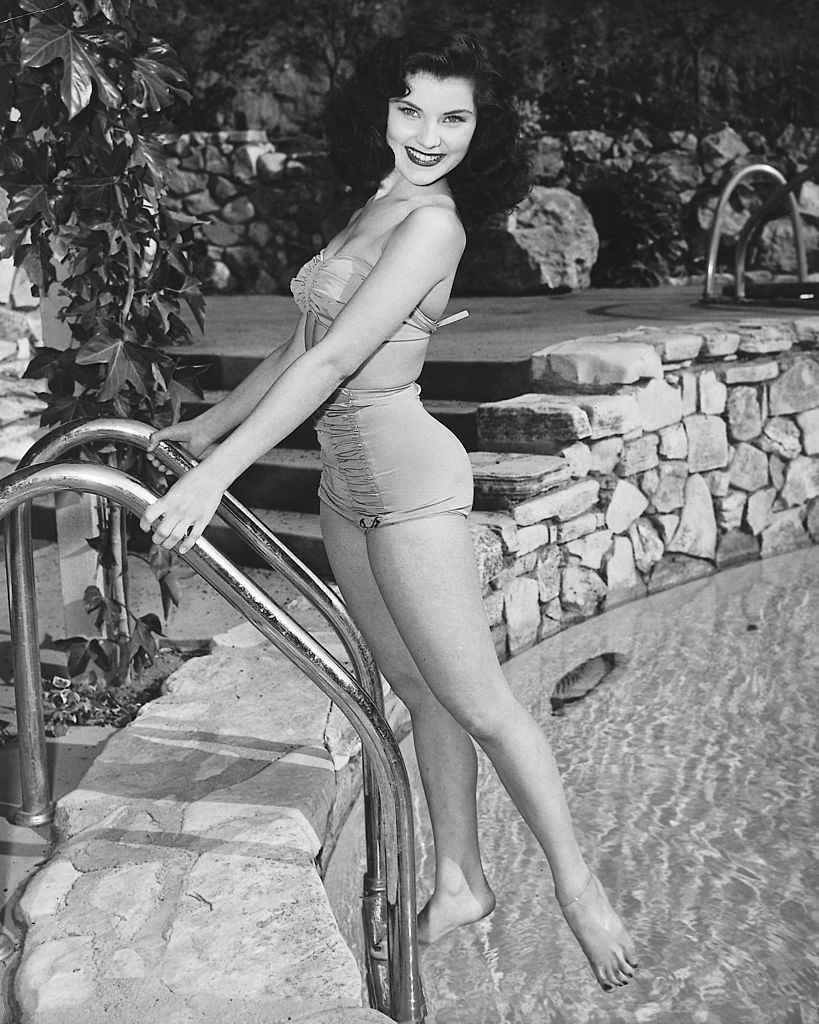
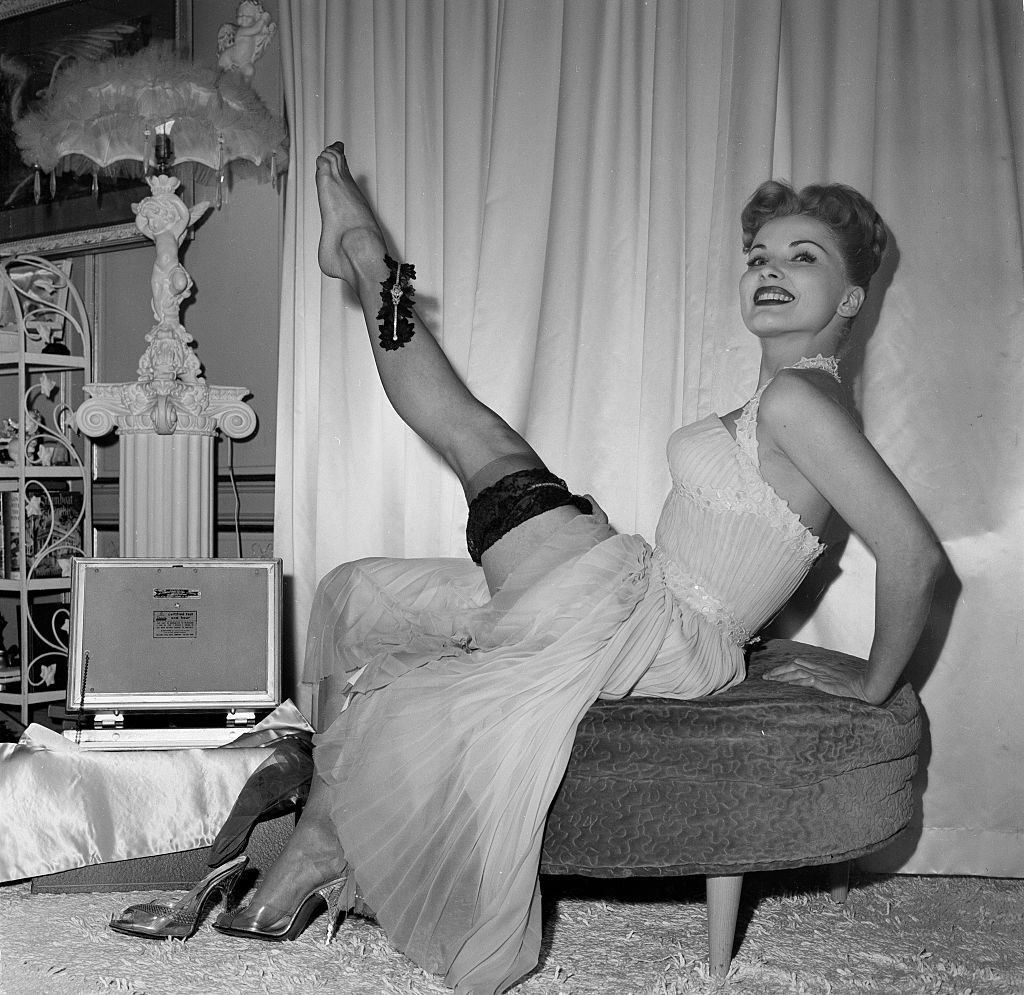
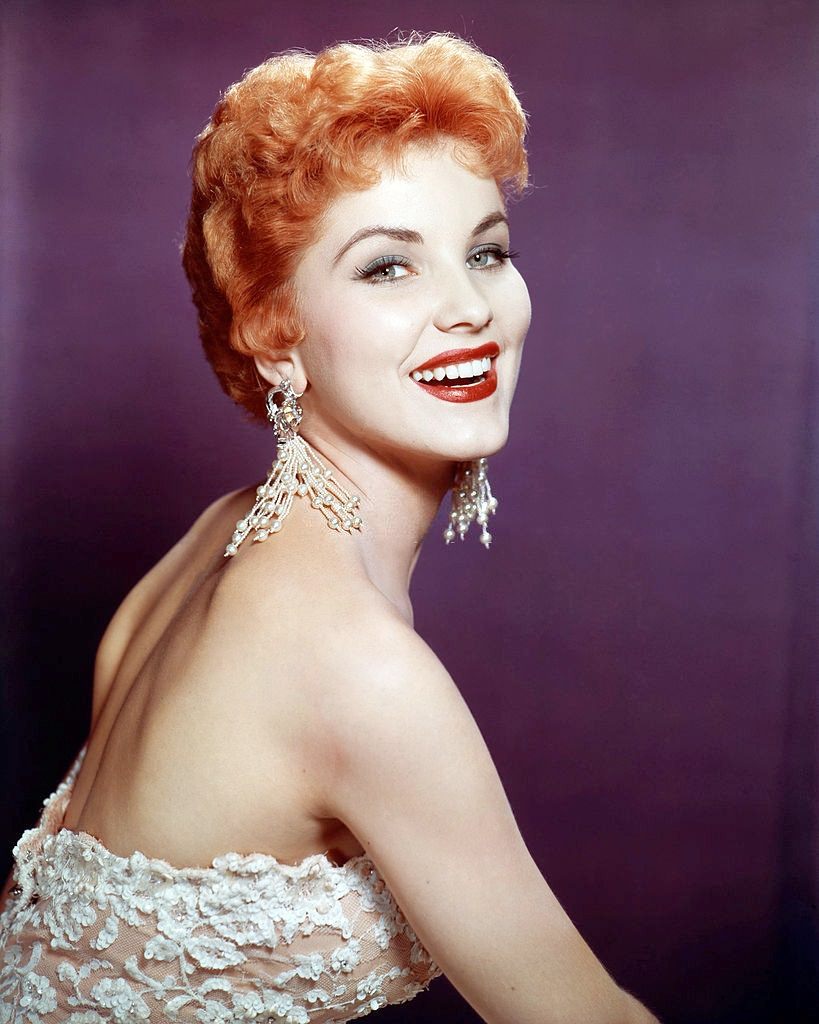
Throughout 1955, Paget was photographed extensively — in swimsuits, elaborate costumes, and casual settings. These images captured a star at the height of her physical appeal and professional momentum. Studio portraits from this period show a woman who was completely comfortable in front of the camera, no matter what the setting demanded.

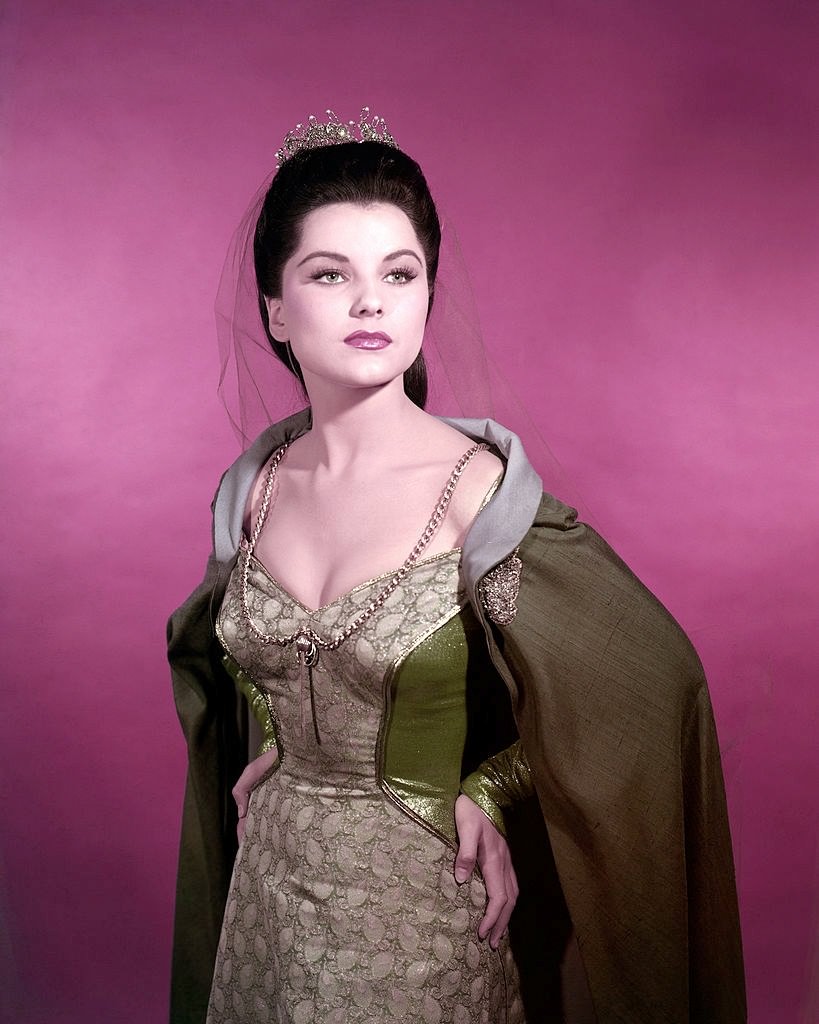





Then came 1956 — the year that linked Paget’s name to Elvis Presley forever. She appeared alongside Elvis in “Love Me Tender,” his film debut. During production, Elvis fell hard for Paget. He called her “the most beautiful girl in the world.” The feelings were not returned in kind, but Elvis’s infatuation with her was real and widely reported. That same year, Paget appeared in Cecil B. DeMille’s epic “The Ten Commandments,” one of the most ambitious films ever made. Being cast in that production placed her among the elite of Hollywood talent.
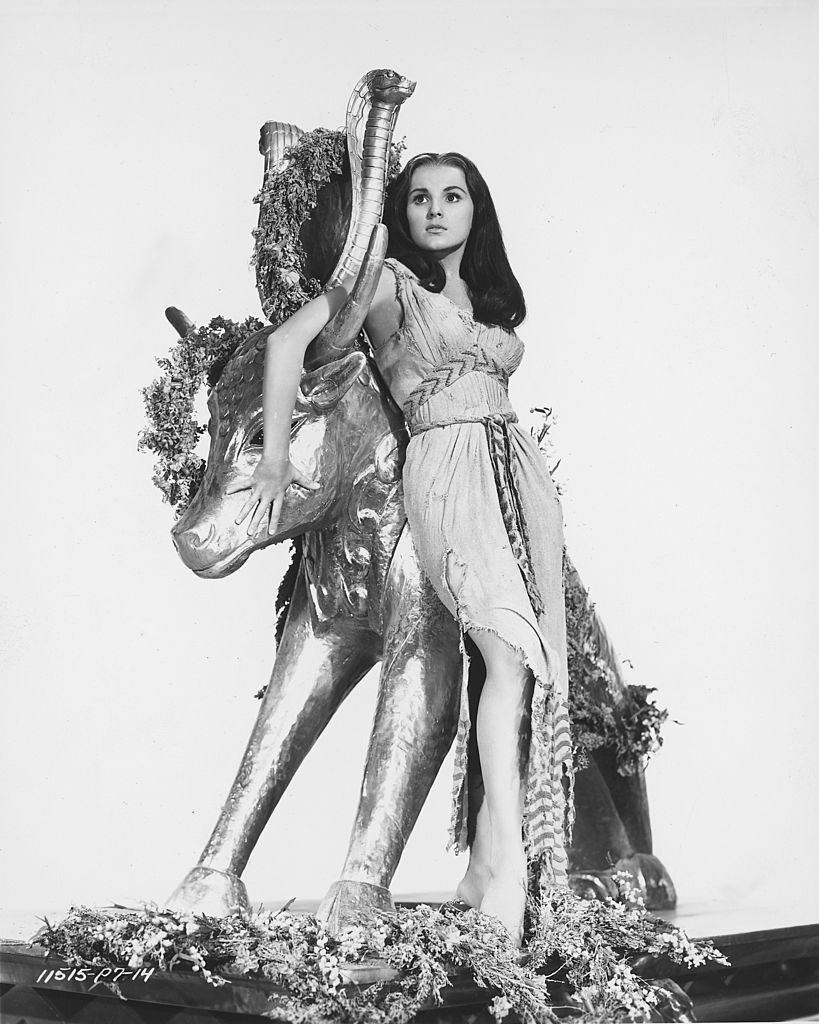
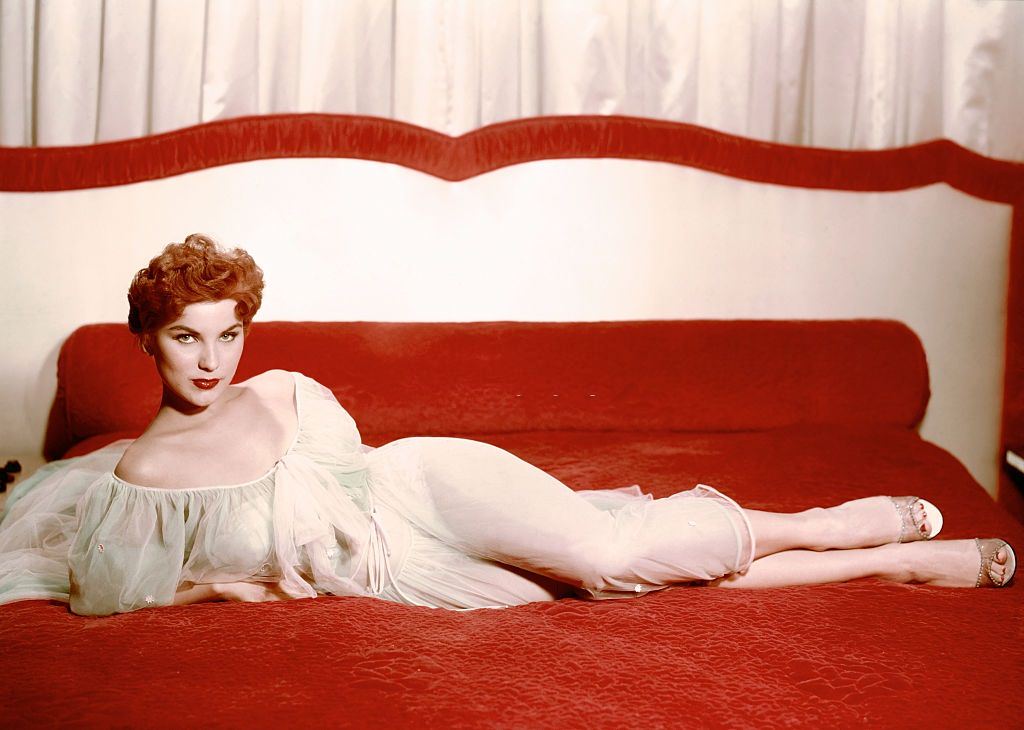
In 1957, Paget appeared in “Omar Khayyam” and continued to be photographed regularly in Los Angeles. Her personal life during this period was more turbulent than her career. In 1958, she married actor David Street, but the marriage ended in divorce after just four months. She then married director Budd Boetticher, and that union fell apart even faster — they separated after only 22 days, with the divorce finalized in 1961.
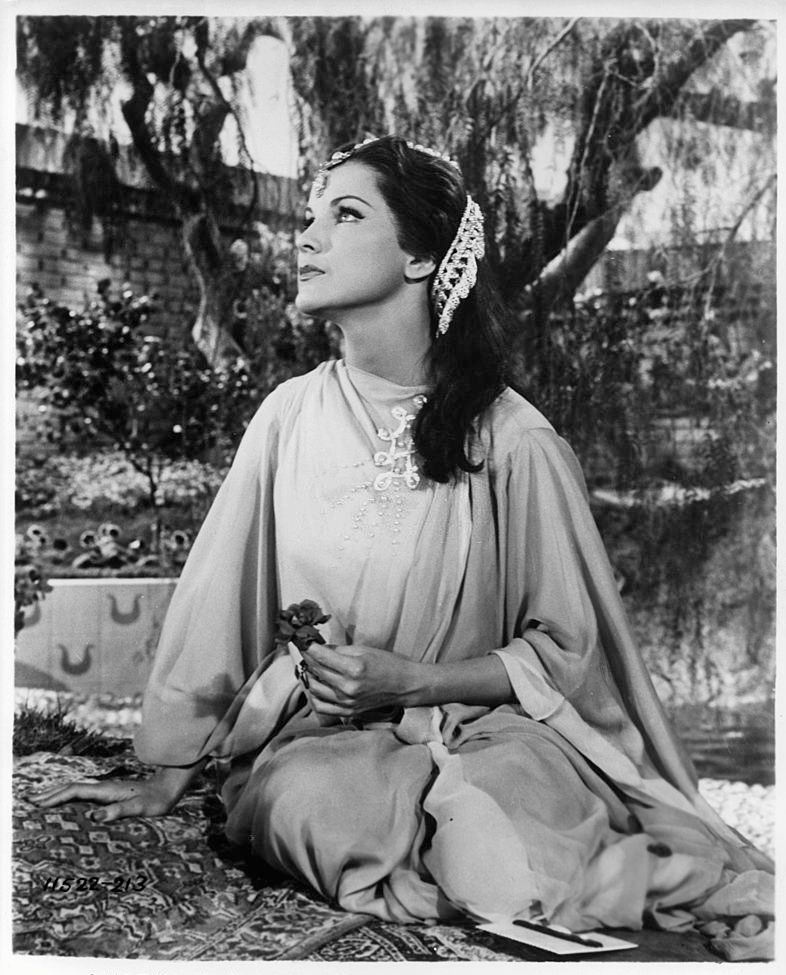

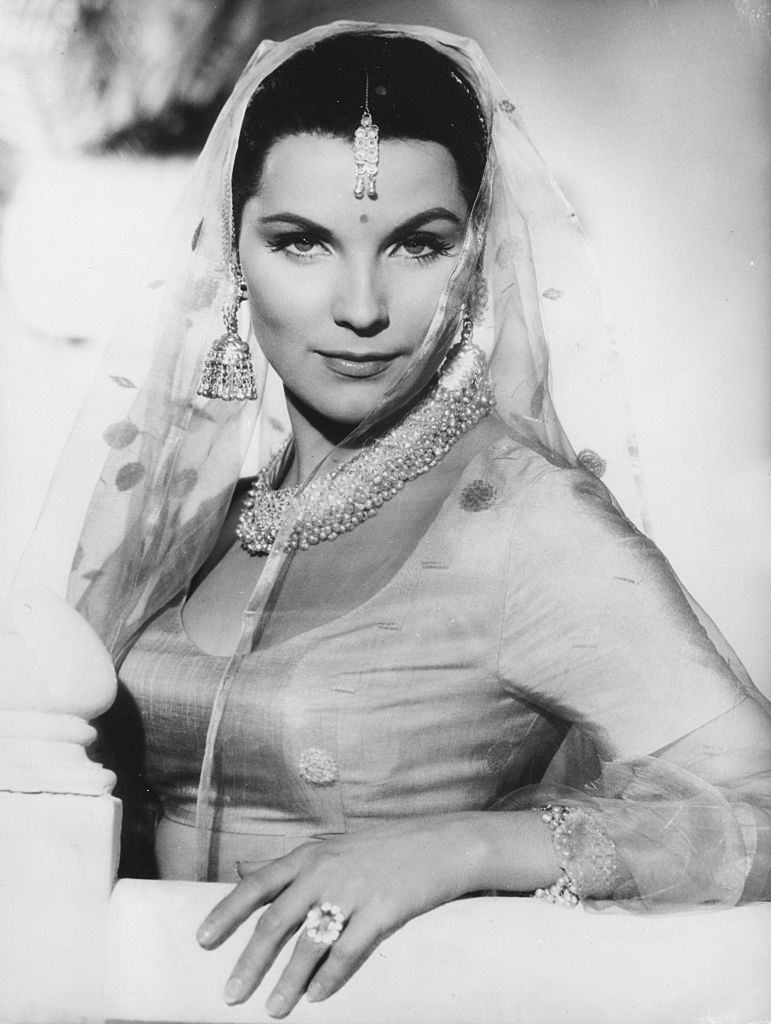
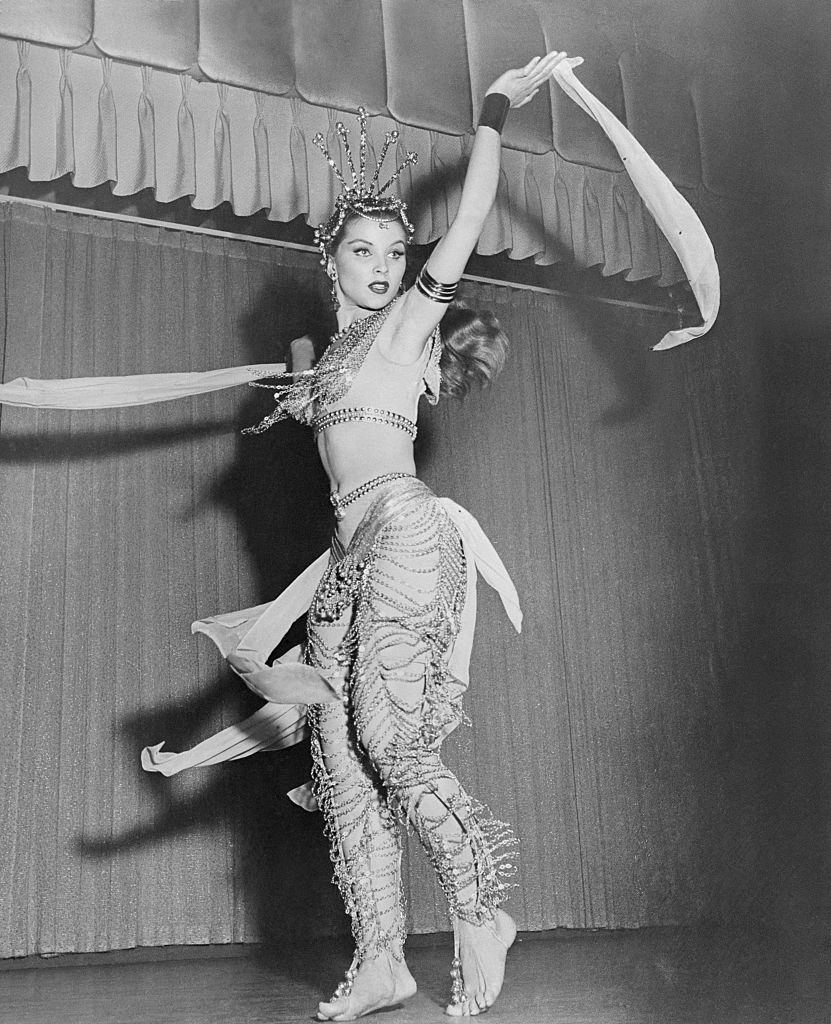
In 1958, Paget took on a demanding international production — “The Tiger of Eschnapur” — filmed in Germany and India. The film required her to wear elaborate costumes and perform in challenging conditions. It was a bold choice, and it demonstrated that Paget was willing to go far outside Hollywood’s comfort zone to find interesting work.
Beyond film, Paget also worked in television. She hosted her own show, “An Interlude with Debra Paget,” on the Trinity Broadcasting Network. It was a different kind of platform, but she brought the same professionalism to it that she carried through her film career.
In 1964, Paget married Ling C. Kung, a Chinese millionaire. That marriage marked the end of her career in entertainment. She stepped away from the screen entirely and did not return. The marriage lasted until 1980, when they divorced. For a woman who had been a fixture of Hollywood for nearly two decades, the exit was clean and final.