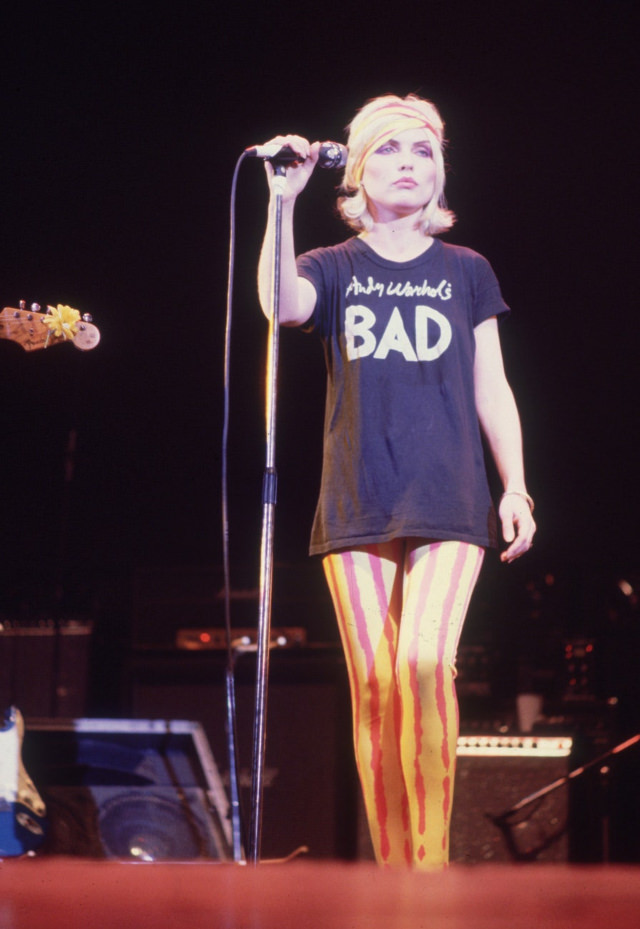
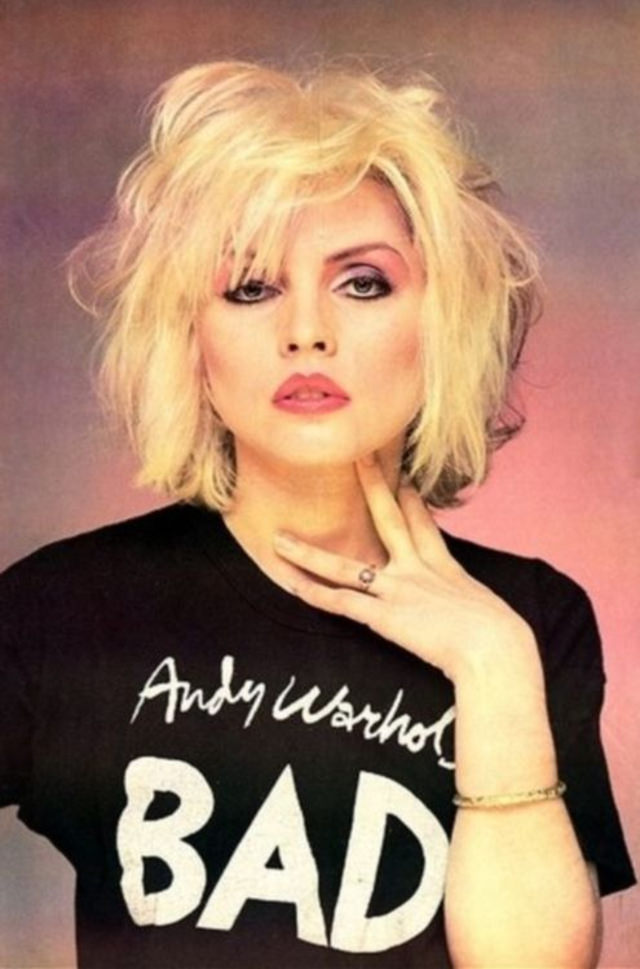
In 1979, Debbie Harry walked into a photoshoot at the Old Street Studio in London wearing a simple but loaded piece of clothing — an Andy Warhol’s Bad t-shirt. It wasn’t a costume or a statement dressed up for the cameras. It was exactly the kind of effortless, thrift-store-style choice that Harry had built her look around. But this particular shirt carried more weight than most.
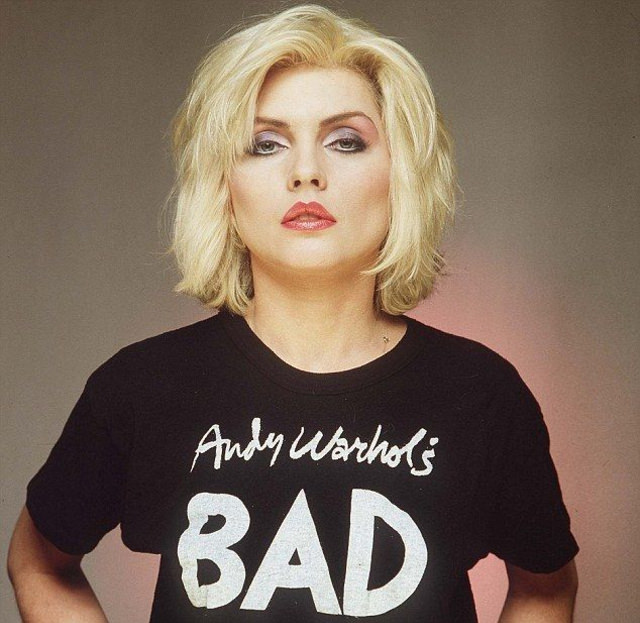
Andy Warhol released Bad in 1977, the last comedy film he produced before his death in 1987. The film was raw, deliberately trashy, and unmistakably Warhol — a product of his Factory era that pushed against mainstream taste. Harry wearing its title across her chest two years later was not a coincidence. It was a nod to a shared world.

Harry and Warhol moved in overlapping circles in New York City during the late 1970s. Their first encounter was casual and unplanned. Harry recalled bumping into Warhol at the corner of Broadway and 13th Street. They stopped, said hello, and ended up talking at length. That street-corner conversation was the start of a genuine friendship.
Harry described Warhol as softly spoken — a quality that surprised many who only knew his public persona. He carried a Polaroid portrait camera with him and used it constantly, turning everyday encounters into instant images. That habit was pure Warhol: art made quickly, from life, without ceremony.
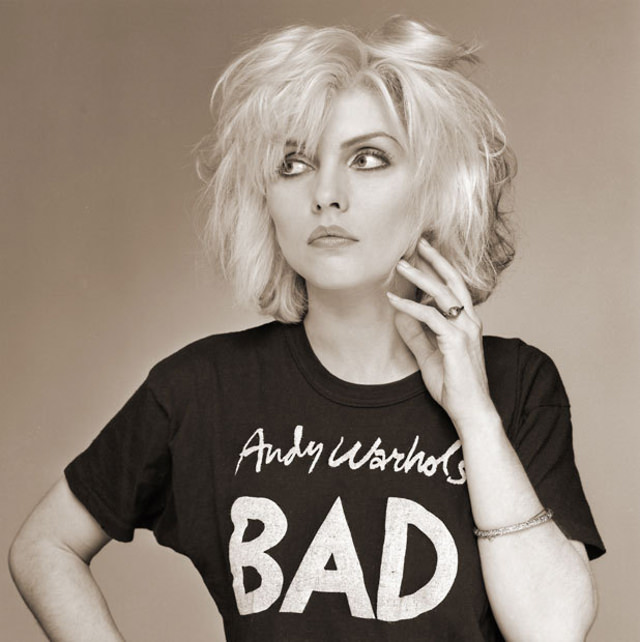
The Andy Warhol’s Bad shirt became one of Harry’s most recognized pieces. She wore it not just for the London photoshoot but also on stage. For Harry, the line between performance and everyday style was always thin. A t-shirt worn at a shoot could just as easily show up under a spotlight later that night.
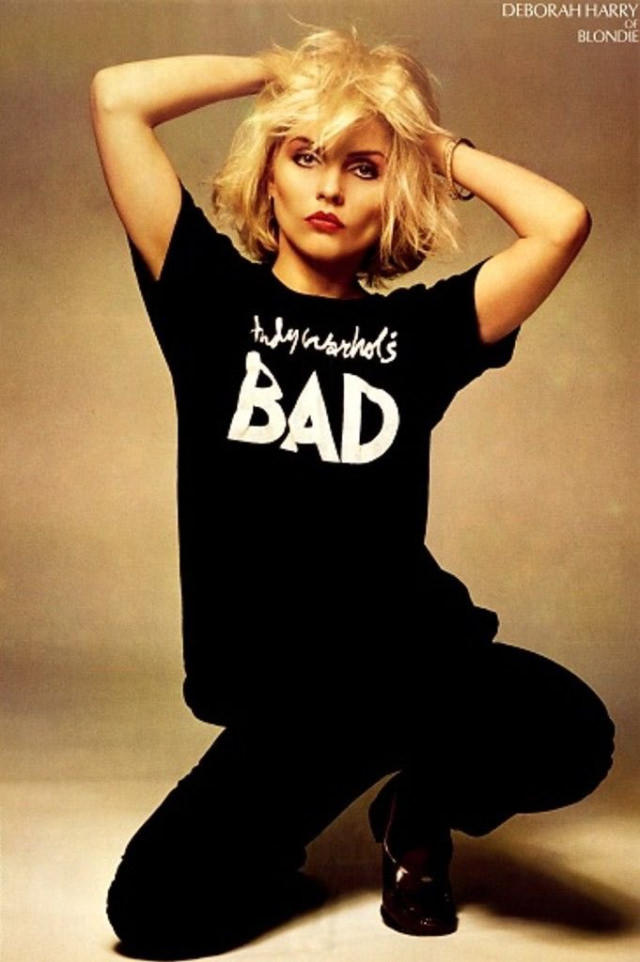
Blondie was at a commercial and cultural peak around this time. Harry’s look — bleached hair, dark roots, band tees, and a cool downtown attitude — was being photographed constantly. The Old Street Studio session captured her in that zone: relaxed, confident, and entirely herself.
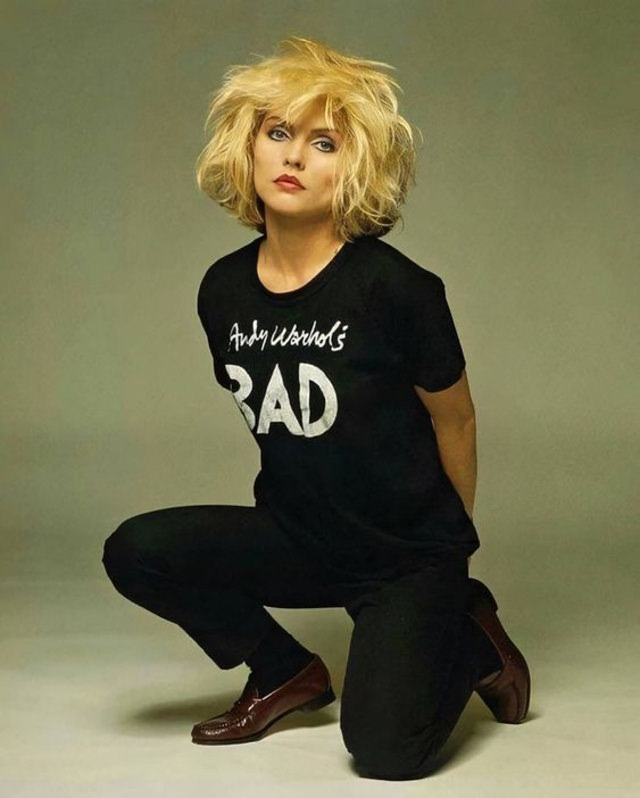
The shirt itself, with its swirling Andy Warhol’s Bad lettering, sat at the intersection of art and punk. Warhol’s name on a piece of clothing worn by one of the most photographed women in rock was a collision of two distinct New York scenes — the Factory crowd and the CBGB generation. Harry stood comfortably in both.
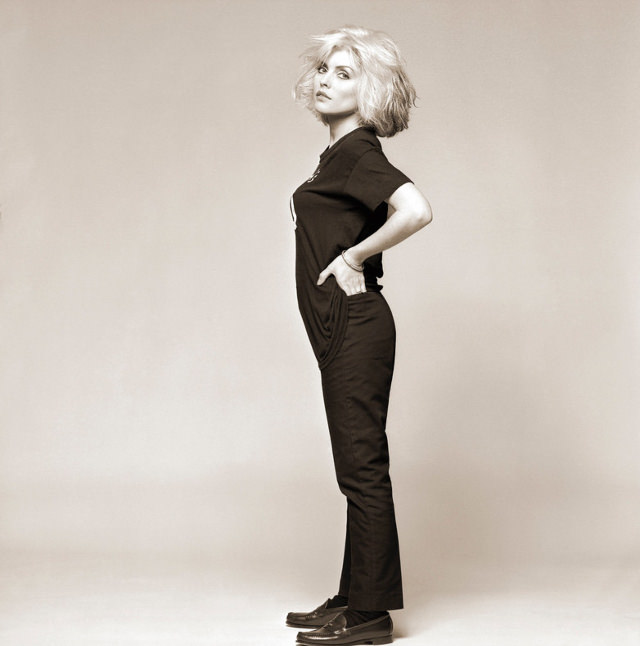
Harry spoke about Warhol’s place in her world with directness: he was part of her legacy and her future simultaneously. That framing says a lot about how tightly woven the New York art and music scenes were in that decade. Figures like Warhol didn’t just observe from the outside — they were active participants in the culture being made around them.
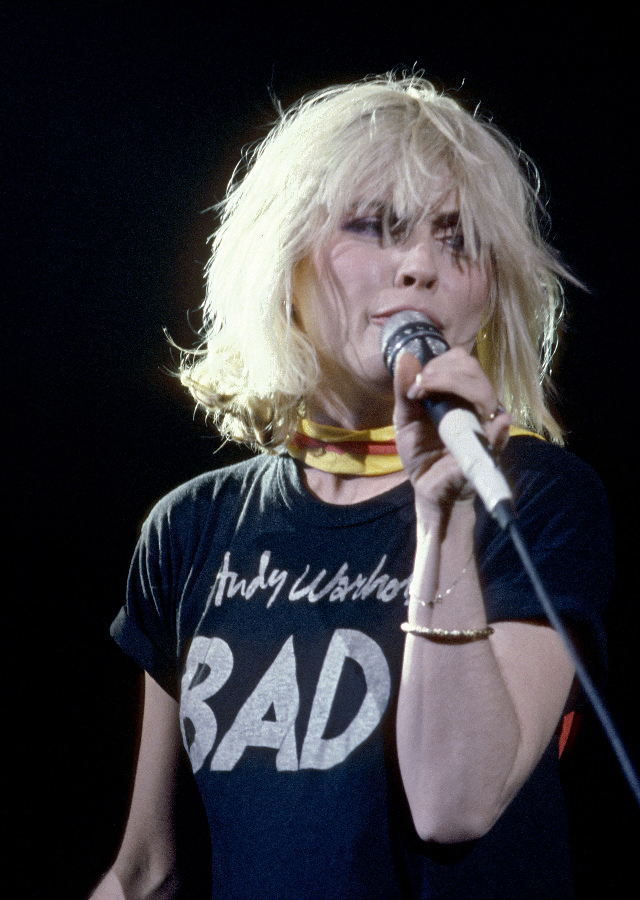
The 1979 photoshoot remains a clear snapshot of that moment — two distinct creative worlds represented in a single garment, worn by a woman who needed no extra help being iconic, on a film set in London, in the middle of a career that was still accelerating.