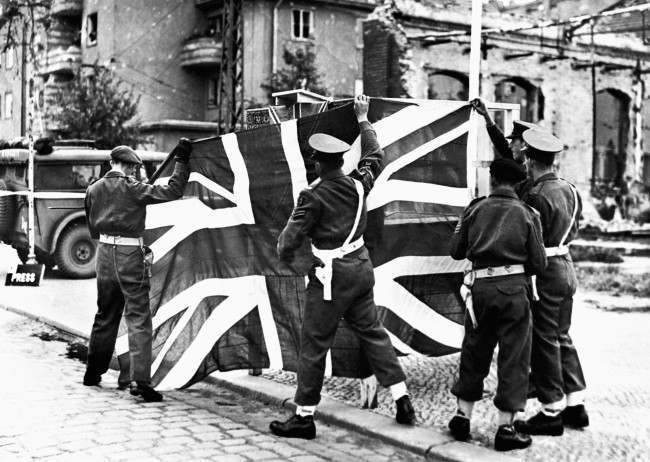
On June 6, 1944, Allied forces launched the largest amphibious military operation in history. Code-named Operation Overlord and commanded by General Dwight D. Eisenhower, the Normandy Invasion — known as D-Day — aimed to break open Nazi Germany’s grip on Western Europe. Five beach sectors along the French coast of Normandy served as the entry points: Utah, Omaha, Gold, Juno, and Sword. What followed was one of the bloodiest and most decisive days of World War II.
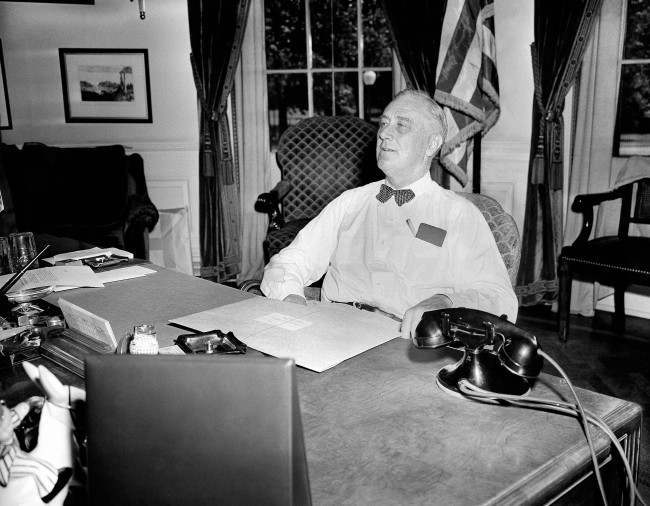
Planning for D-Day had been underway for months. The Allies chose Normandy specifically because it was less heavily fortified than other sections of the French coast, such as the Pas de Calais. Even so, German defenses were formidable — bunkers, landmines, barbed wire, and artillery emplacements lined the beaches. To buy time and keep the Germans guessing, the Allies ran an elaborate deception campaign called Operation Bodyguard. Fake armies, dummy tanks, and fabricated radio signals convinced German commanders that the real invasion would come elsewhere.
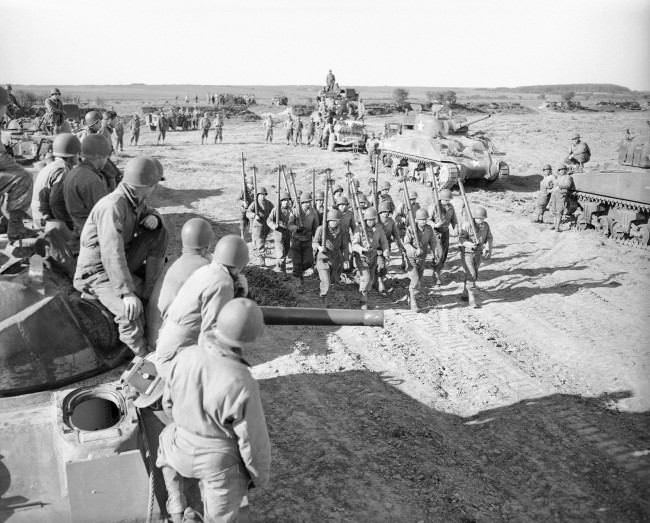
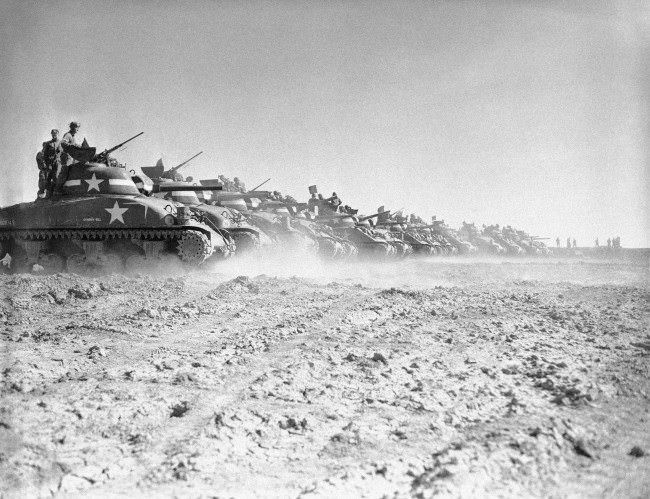
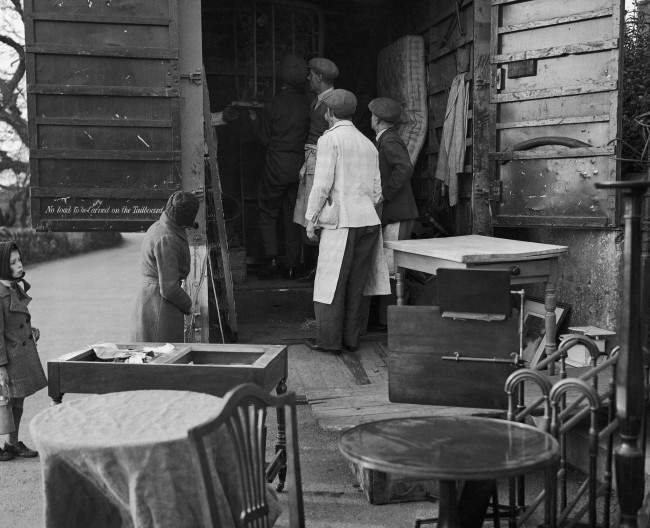
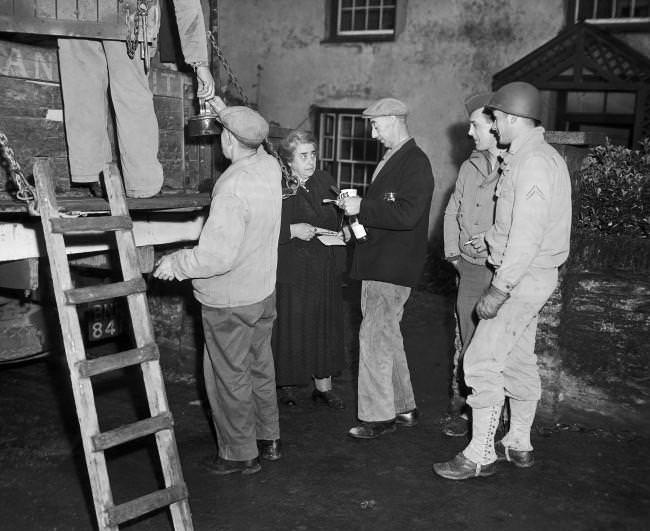
Training across England was intense and relentless. Soldiers drilled amphibious landings, paratrooper drops, and combined arms coordination. Tank crews, infantry, and support units rehearsed together to prepare for the chaos they knew was coming. Entire English villages were evacuated to make room for the training grounds.
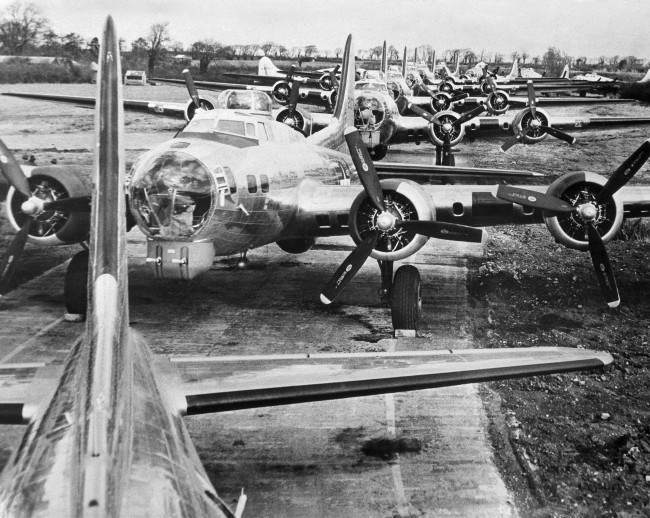
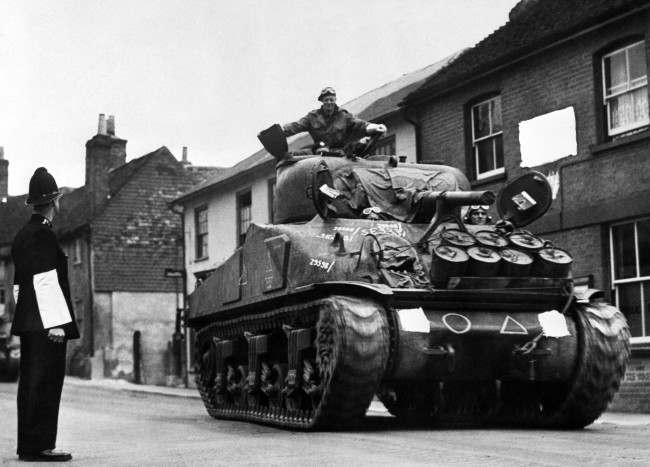
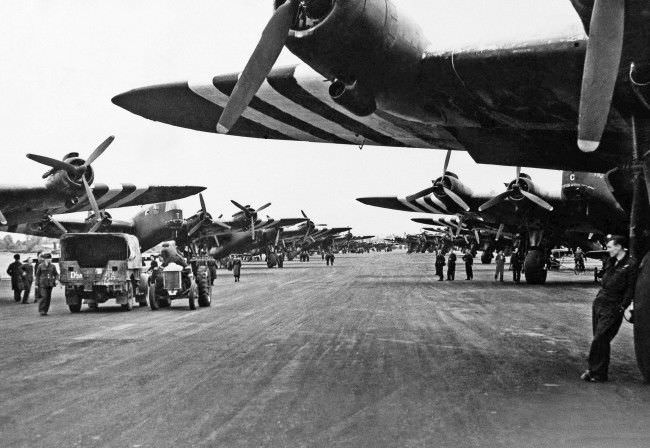
The buildup in England was massive. Airfields filled with bombers and transport planes. Ports packed with ships, landing craft, men, and supplies. The scale of preparation touched every corner of southern England.
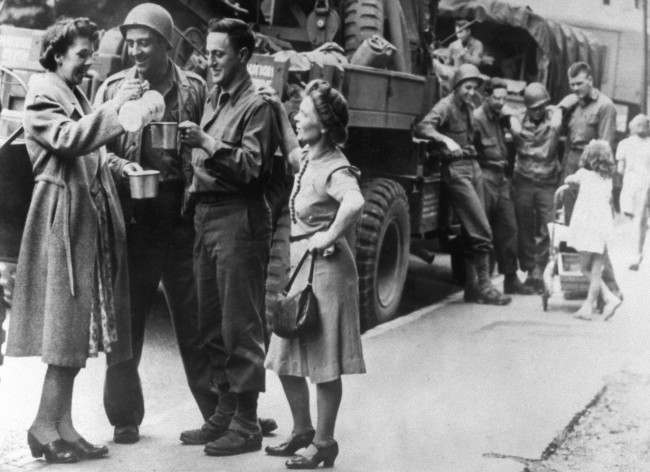
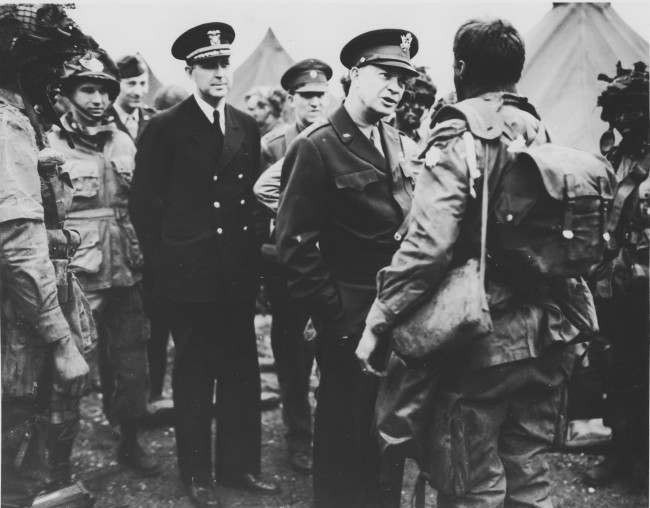
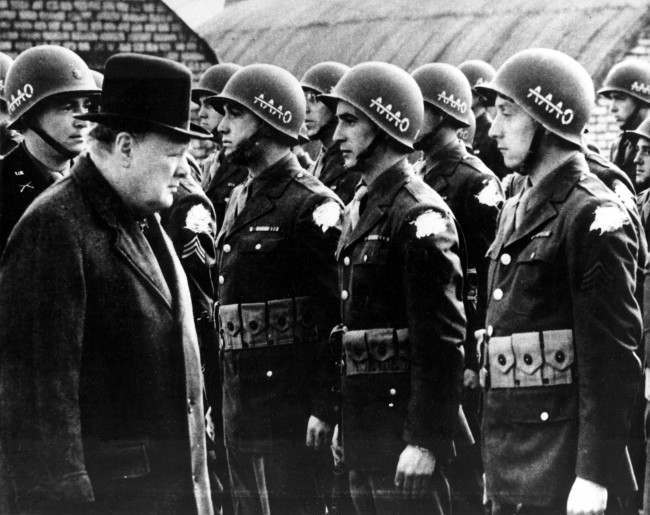
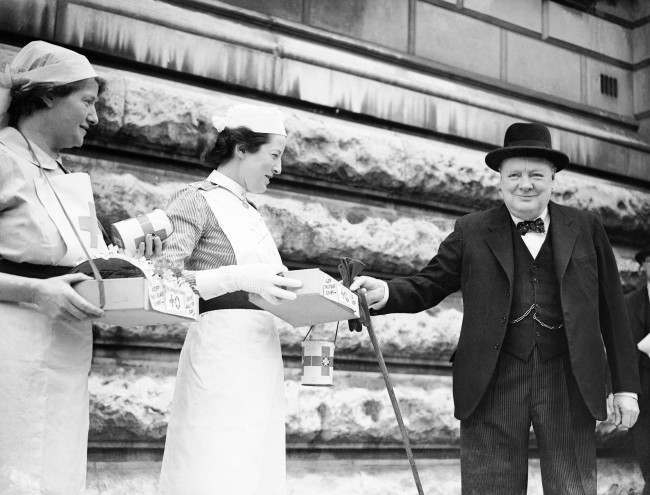
Senior leaders visited the troops in the days before the invasion. General Eisenhower personally met with paratroopers of the 101st Airborne Division at the Royal Air Force base in Greenham Common on the eve of the assault. Prime Minister Winston Churchill also reviewed American troops stationed in England. Both men understood the weight of what was about to begin.
For the soldiers themselves, the final hours before departure carried enormous weight. Religious services were held aboard landing craft. Kit inspections were conducted at ports. Officers briefed their crews one last time. Many men wrote letters home. Some prayed.
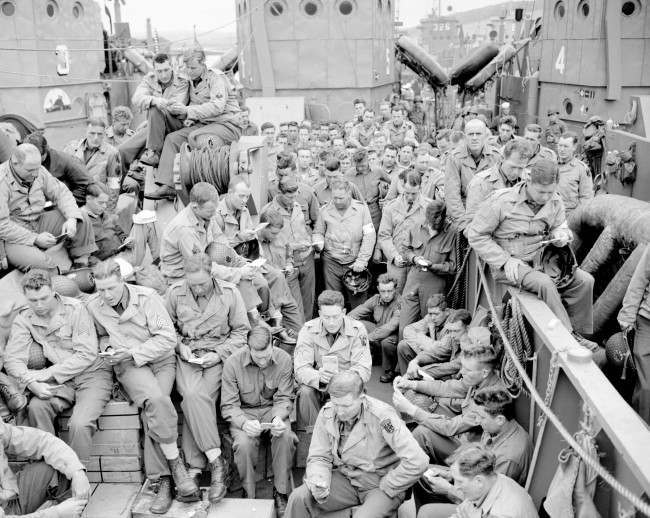
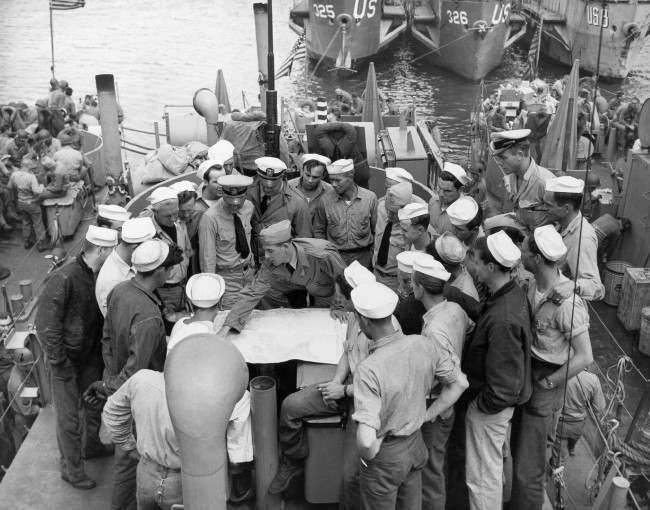
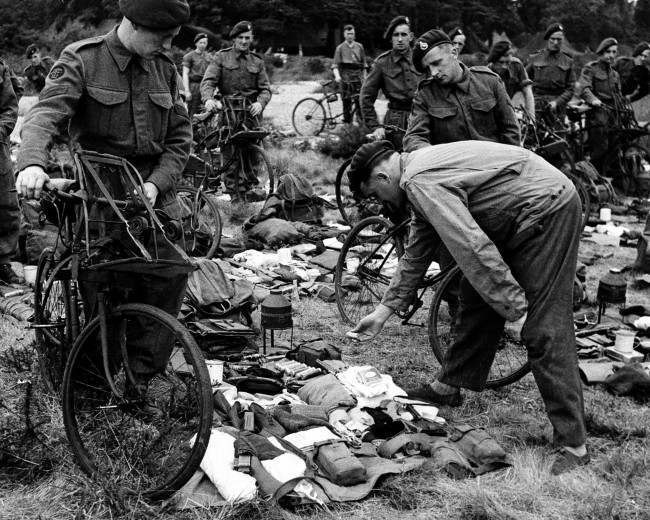
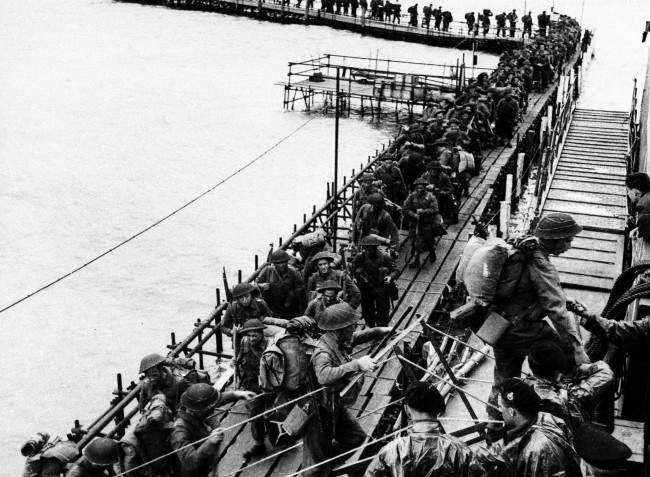
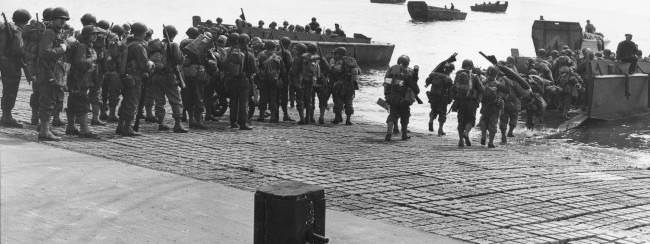
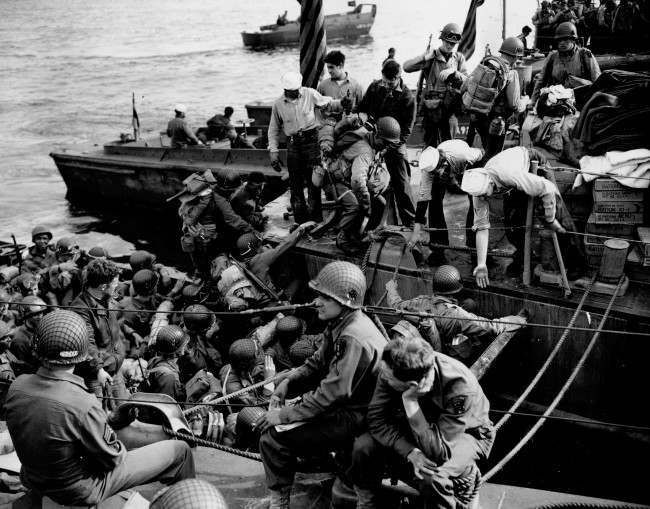
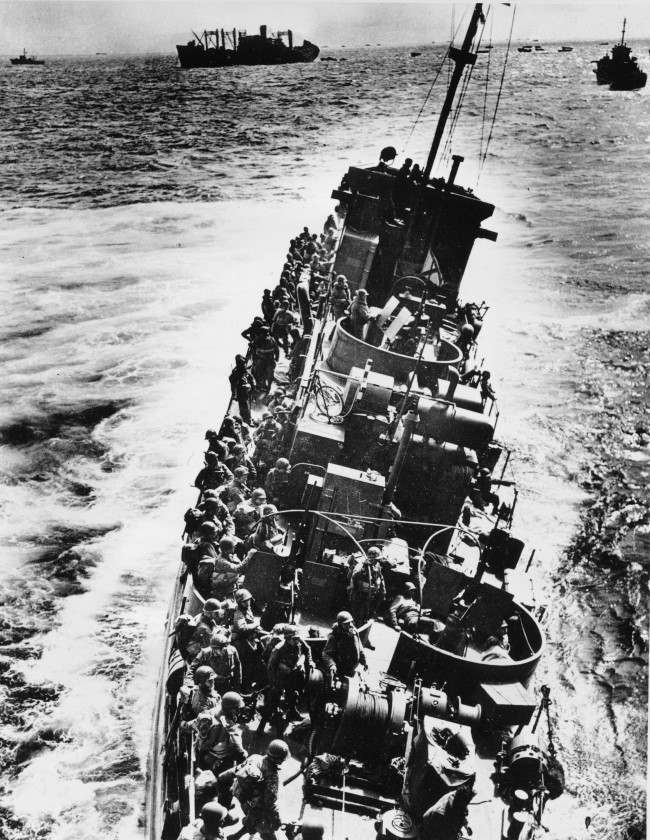
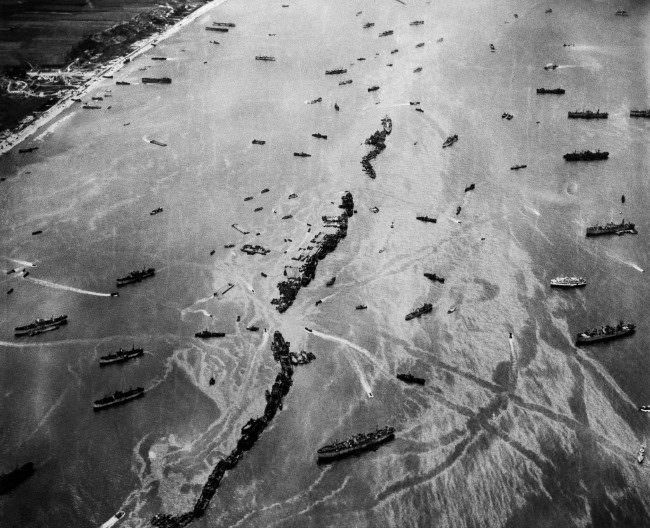
On the night of June 5, troops began boarding ships and aircraft by the tens of thousands. Ports along the English coast saw a continuous stream of men and equipment moving toward the Channel. The armada that assembled was unlike anything the world had seen — thousands of ships of every type stretching across the water.
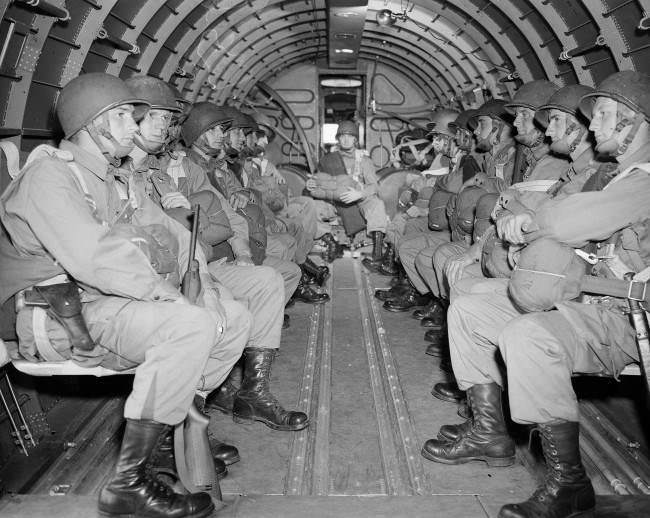
Before the beach landings began, paratroopers from the U.S. 82nd and 101st Airborne Divisions and Britain’s 6th Airborne Division dropped behind enemy lines in the dark. Their missions were to seize bridges, block roads, and stop German reinforcements from reaching the coast. Jumping from transport aircraft over occupied France, these men faced anti-aircraft fire, scattered drop zones, and an enemy on high alert.
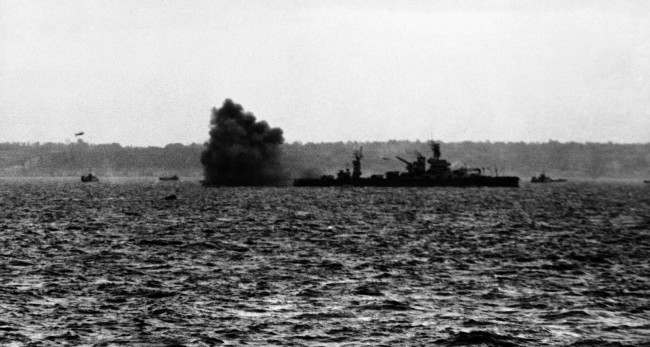
At dawn on June 6, Allied warships began pounding the German defenses. The USS Arkansas was among the vessels laying down heavy bombardment ahead of the landings, sending shell after shell into the fortified coastline to suppress enemy fire and clear the way for the infantry.
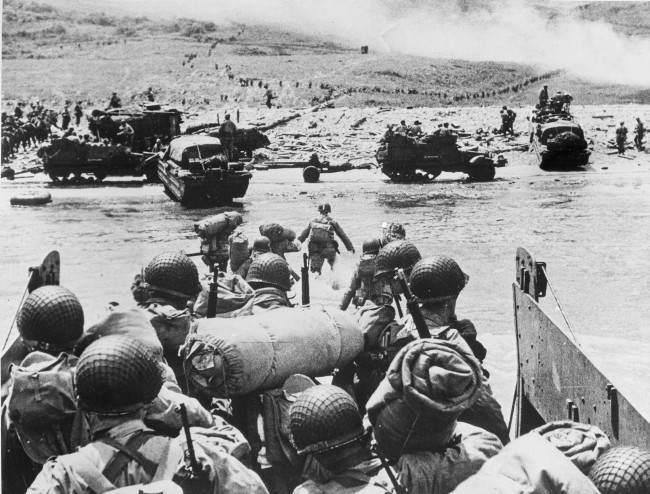
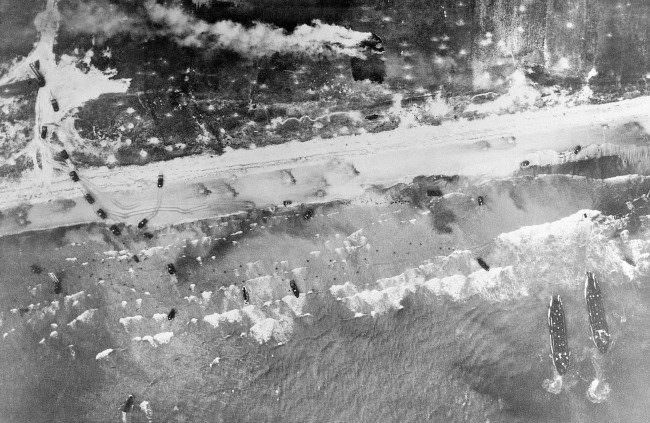
The first waves of infantry hit the beaches under intense fire. At Omaha Beach, the U.S. 1st and 29th Infantry Divisions faced the worst conditions of any sector. German positions on the bluffs above the beach had clear lines of fire across the entire shoreline. Landing craft were destroyed before reaching the sand. Soldiers who made it ashore had to cross open ground through machine-gun fire, artillery, and mines. Casualties were catastrophic, but the men pushed forward.
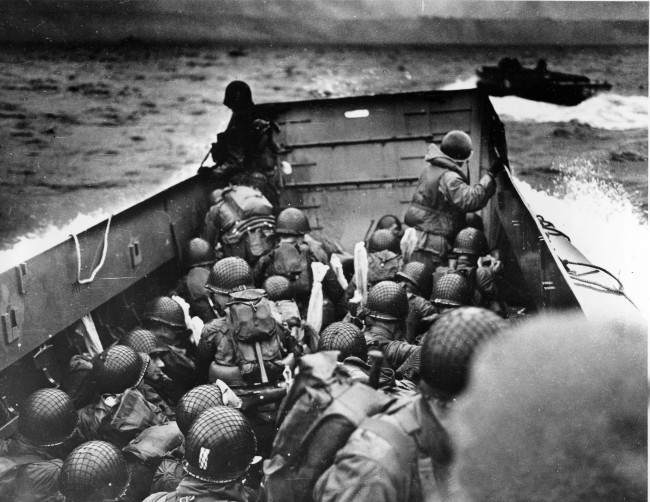
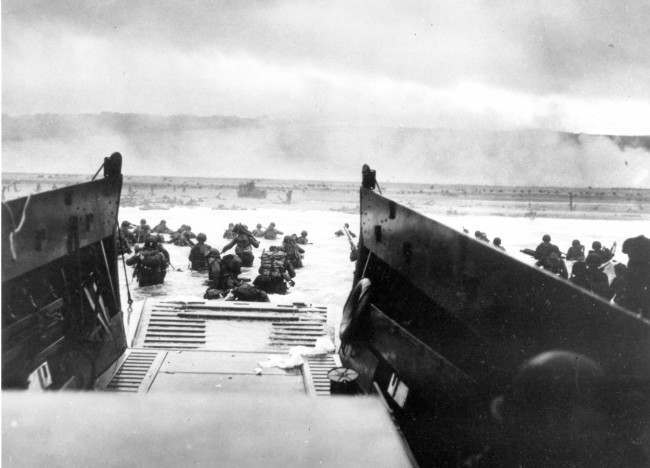
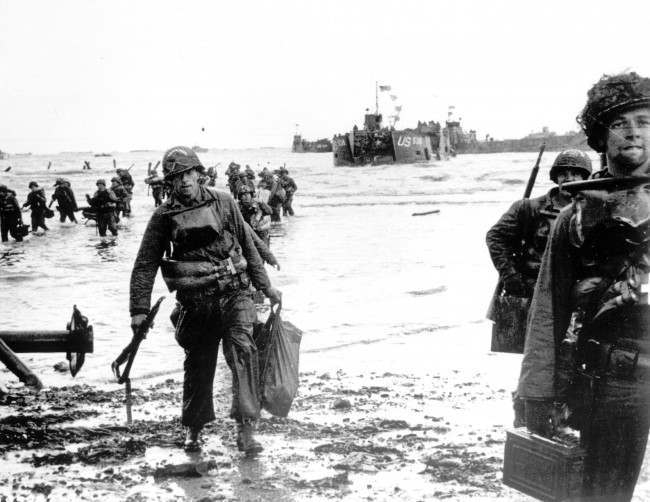
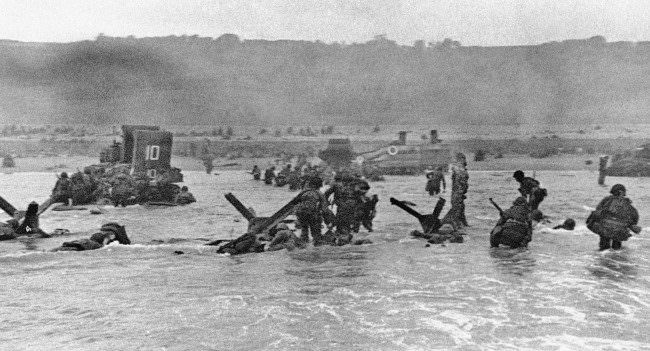
British forces landed at Gold and Sword beaches, while Canadian troops stormed Juno. Each sector brought its own brutal challenges — rough seas, submerged obstacles, and relentless defensive fire. Despite the conditions, all five beachheads were secured by the end of June 6.
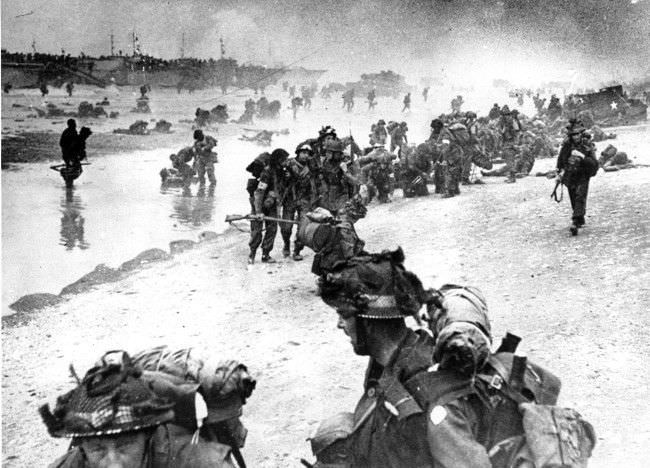
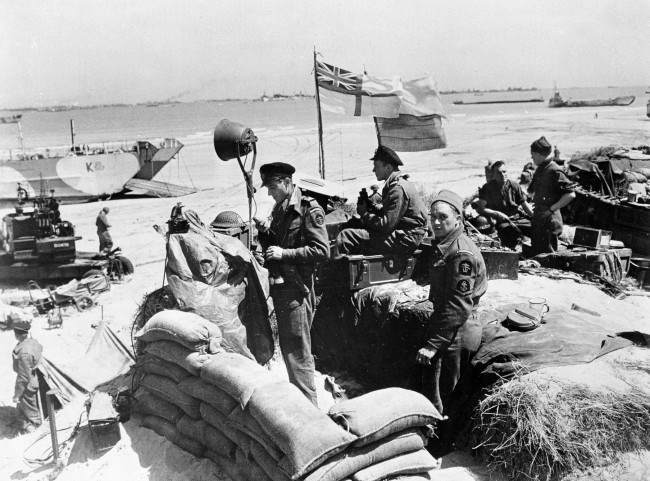
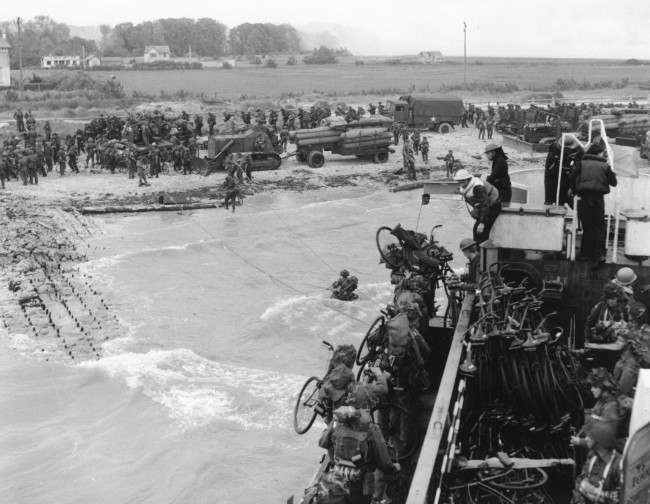
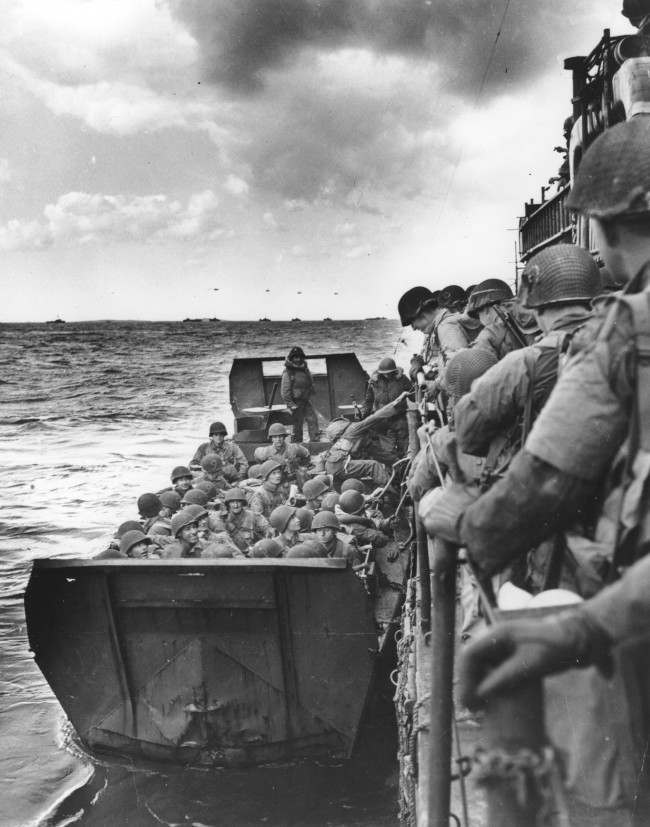
Supporting the infantry from the water, Coast Guard and Navy vessels navigated through chaotic seas to deliver more men and equipment. Some landing craft listed heavily or sank outright. Those that made it brought reinforcements into the fight.
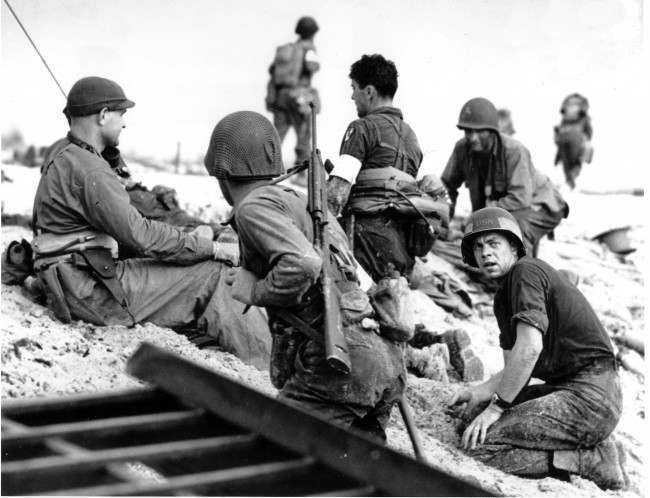
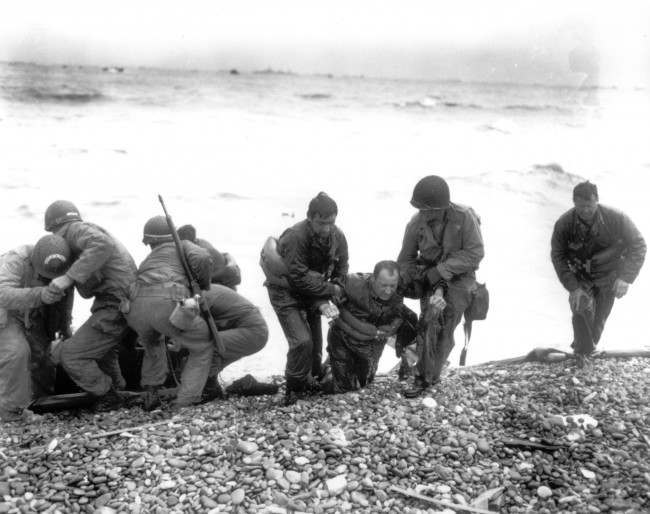
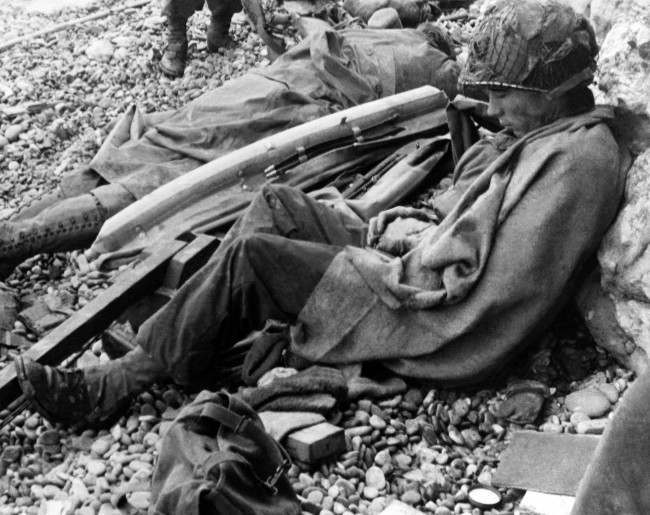
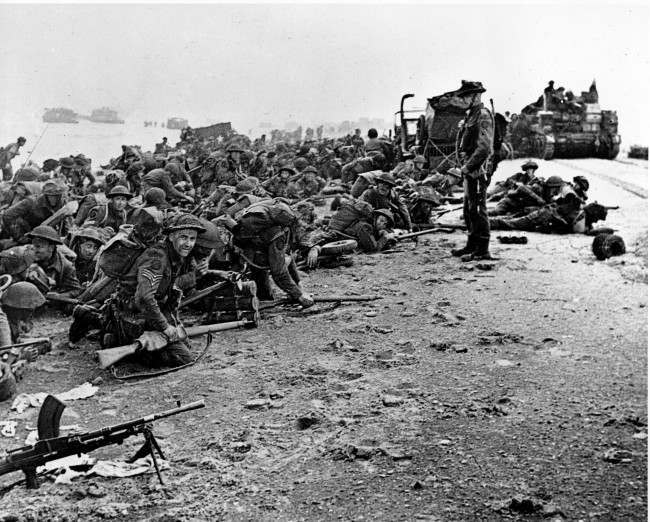
The human cost was visible from the first minutes of the assault. Wounded soldiers were pulled from the surf by their comrades. Medics worked in the open under fire. Men from the 16th Infantry Regiment — among the hardest hit at Omaha Beach — waited on the sand for evacuation, many having fought through the worst of the assault.
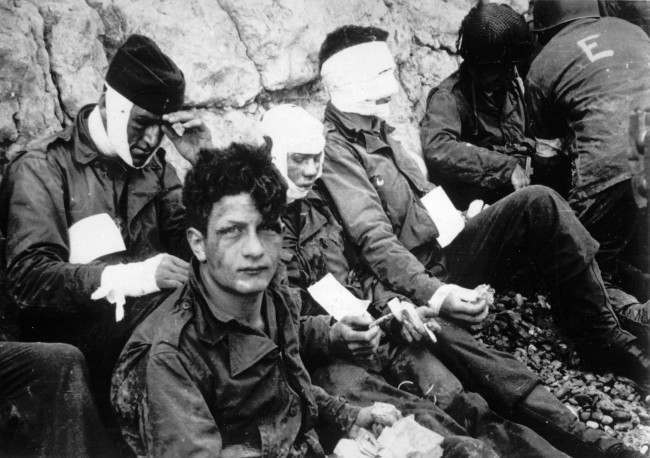
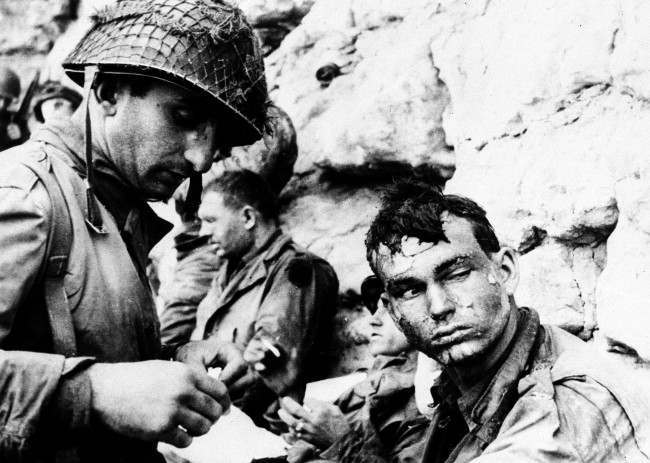
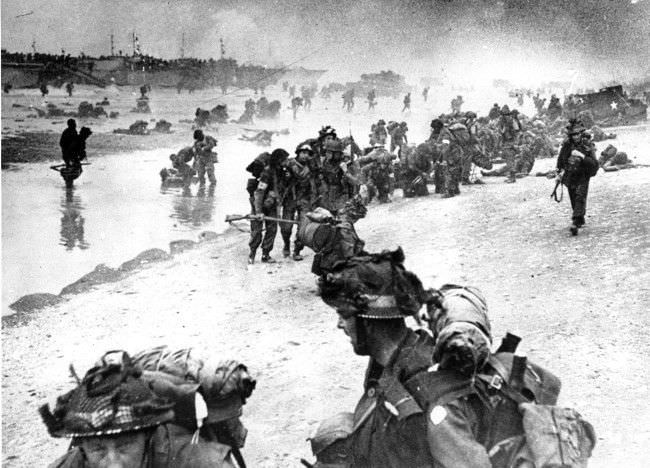
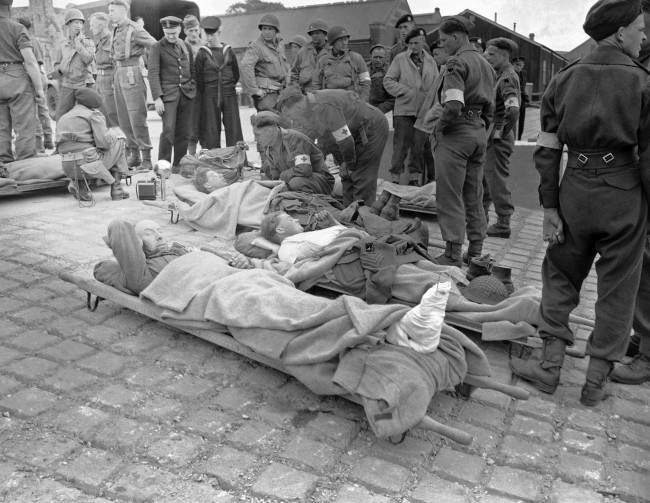
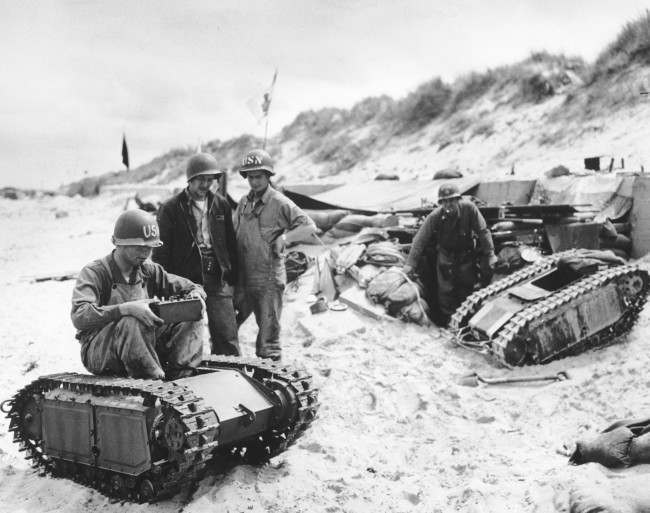
The Germans placed a range of obstacles and weapons along the beaches to slow and kill the attackers. Among the more unusual defenses were miniature explosive-laden remote-controlled tanks called “Beetles.” U.S. Navy personnel dismantled captured examples to understand how they worked. Engineers also began clearing mines, barbed wire, and steel obstacles from the beach approaches to allow the flow of men and supplies to continue.
To sustain the invasion, engineers created improvised infrastructure on the fly. Thirteen Liberty ships were deliberately sunk off the coast to form a breakwater, sheltering the shallow anchorage where supply vessels could unload in relative safety. This artificial harbor, called a Mulberry, kept the logistical lifeline open in the critical days after the landings.
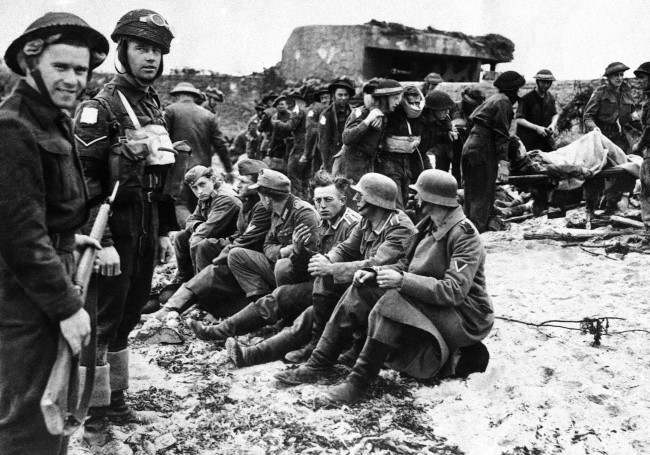
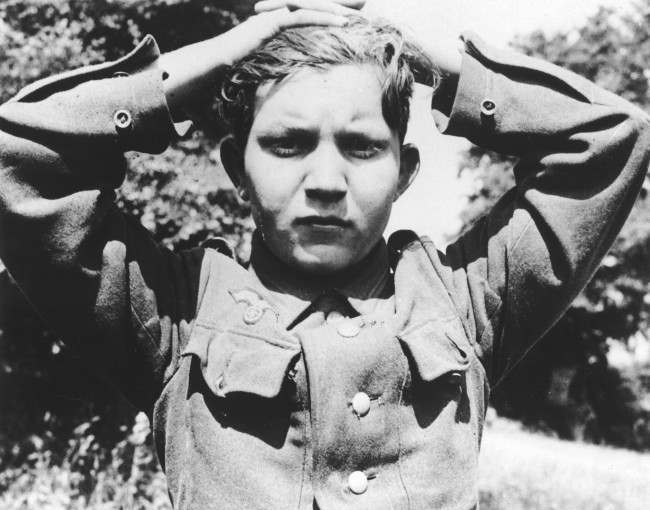
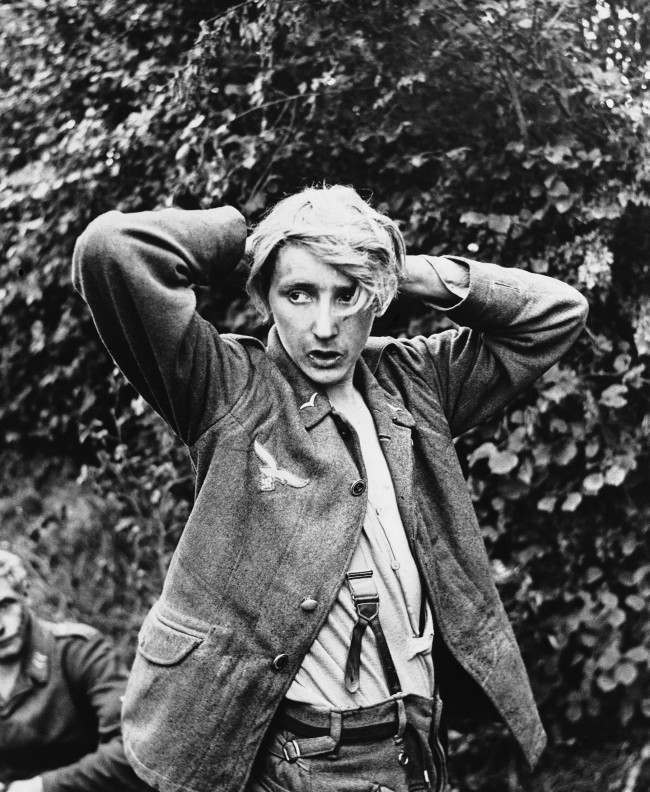
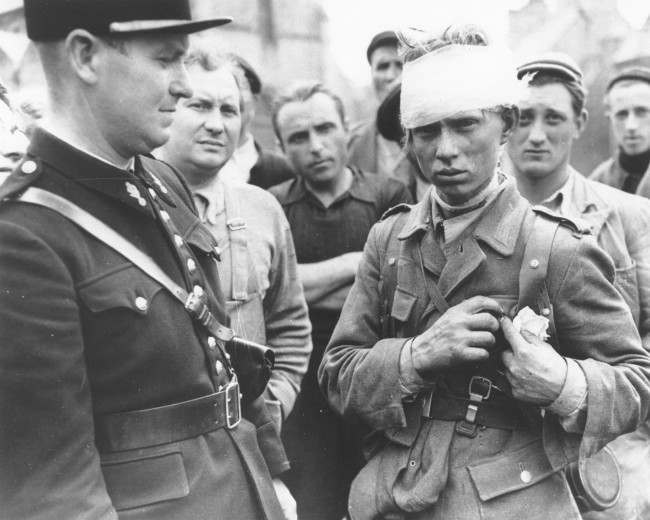
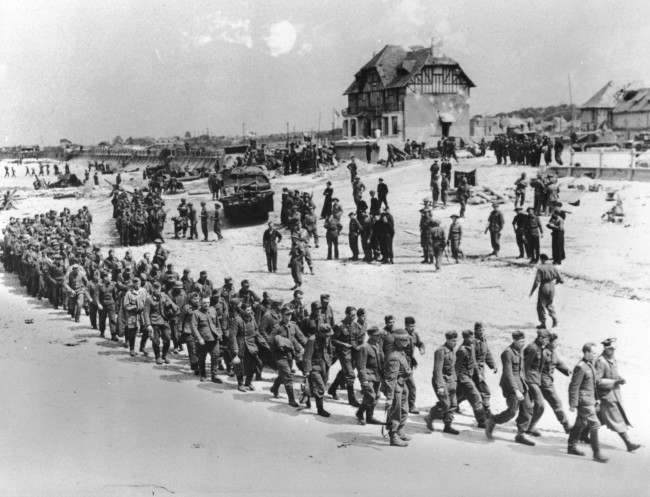
As the Allies pushed off the beaches and into the Normandy countryside, they began capturing German prisoners. Canadian troops guarded the first prisoners taken at their sector. Young German soldiers — some as young as 16 — were among those taken into custody as the Wehrmacht’s hold on the coast collapsed.
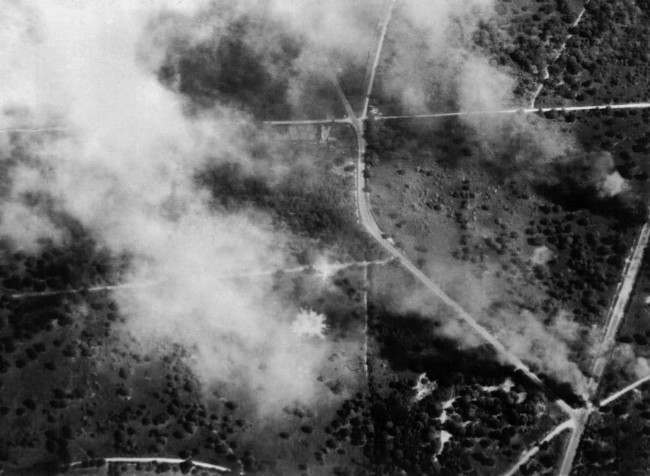
The battle for Normandy did not end on June 6. Fighting in the hedgerows, fields, and towns of northern France continued for weeks. Allied aircraft relentlessly attacked German supply lines and troop movements, leaving columns of burned-out vehicles on roads throughout the region. The breakout from Normandy ultimately led Allied forces across France.
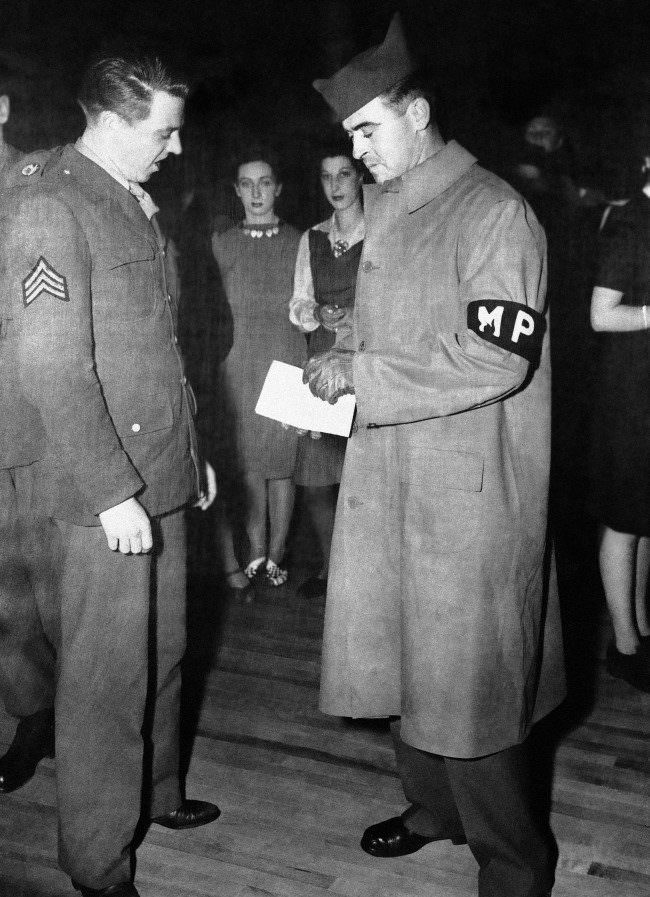
Back in England, security remained tight throughout the invasion period. British and American military police conducted identity checks across London to prevent intelligence leaks and control the movement of personnel. The entire operation depended on secrecy and control, even after the landings had begun.
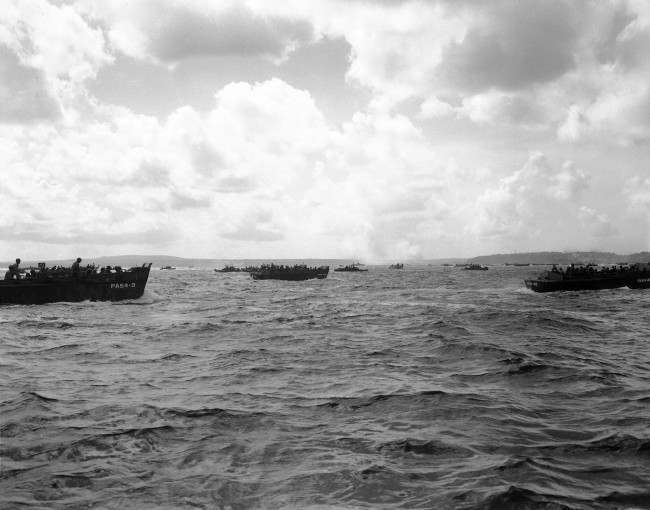
Operations in the Pacific also continued in parallel. While Normandy dominated the headlines in June 1944, Allied forces were simultaneously fighting across the Pacific, including landings on the island of Guam, where carrier aircraft struck shore targets as landing craft raced toward the beaches.
By August 25, 1944, French and Allied forces had liberated Paris. The road from the beaches of Normandy to the French capital had been paved with brutal fighting and enormous sacrifice. The campaign that began on June 6 had cracked open Nazi Germany’s western defenses and set the stage for the final drive into Germany itself. By May 1945, British forces entered Berlin, marking the end of the war in Europe.