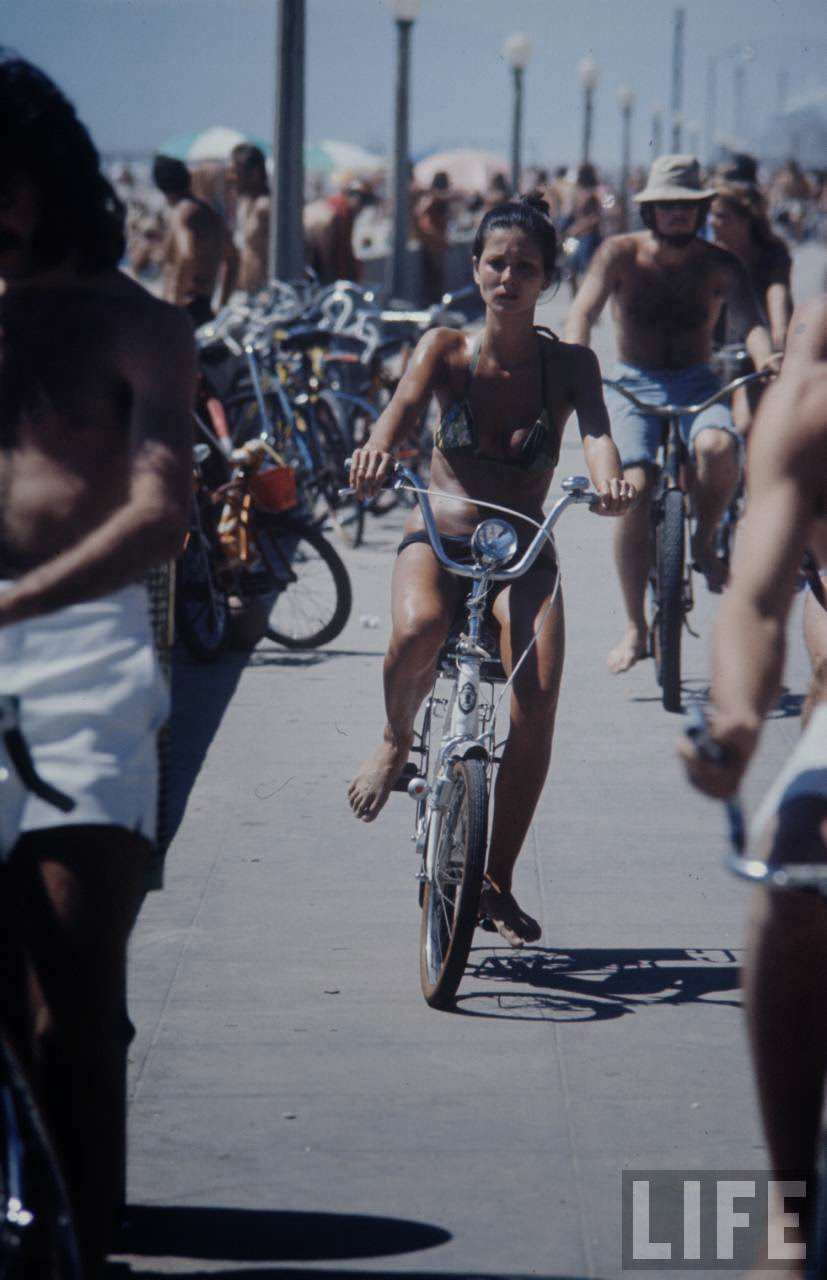
San Francisco in the 1970s was unlike anywhere else in the world. The city had built a reputation through the 1960s as a hub for counterculture, and by the early 1970s that energy was still very much alive on its streets. Hippies, activists, musicians, and free spirits called it home. Buskers played on corners, bongo drums echoed through the neighborhoods, and the city’s sidewalks were a living theater of American life on the fringe.
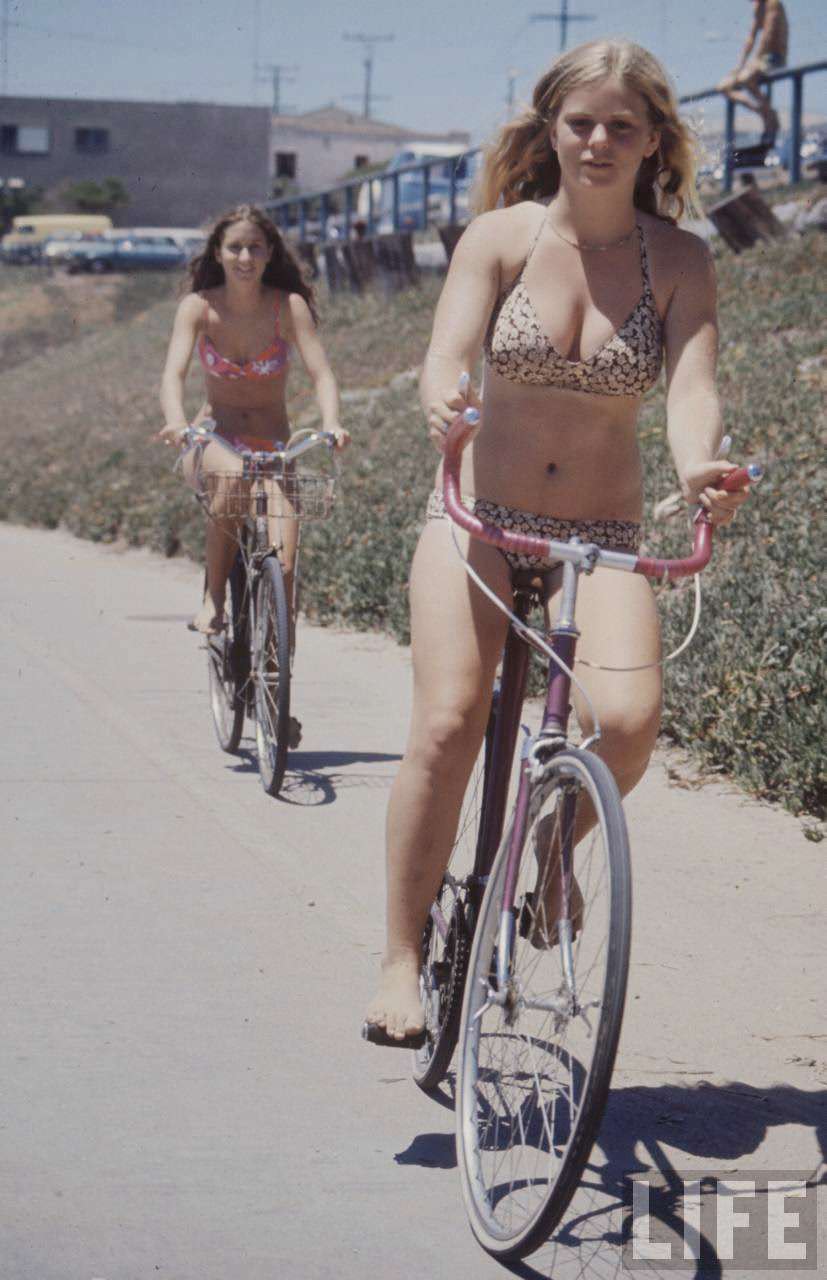
In the summer of 1970, LIFE magazine photographer Bill Eppridge took to those streets with his camera. Eppridge was one of the most respected photojournalists of his era, known for his ability to capture real moments without staging them. What he found on San Francisco’s streets that summer was a city in motion — and much of that motion was on two wheels.
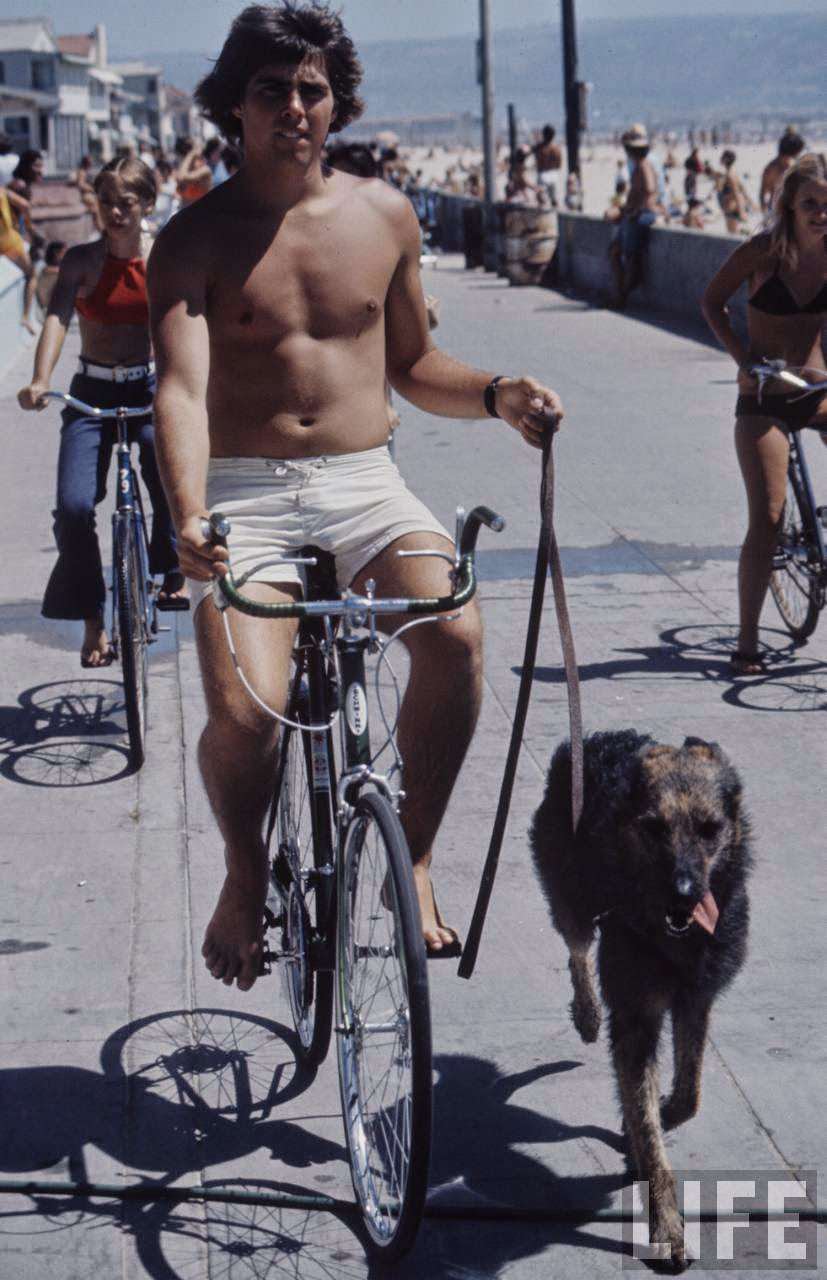
Cycling in San Francisco at the time was not the organized, helmet-wearing activity it would later become. It was casual, expressive, and tied directly to the city’s laid-back street culture. Riders wove through traffic, cruised along park paths, and pedaled past storefronts draped in the loose, colorful clothing that defined the era.
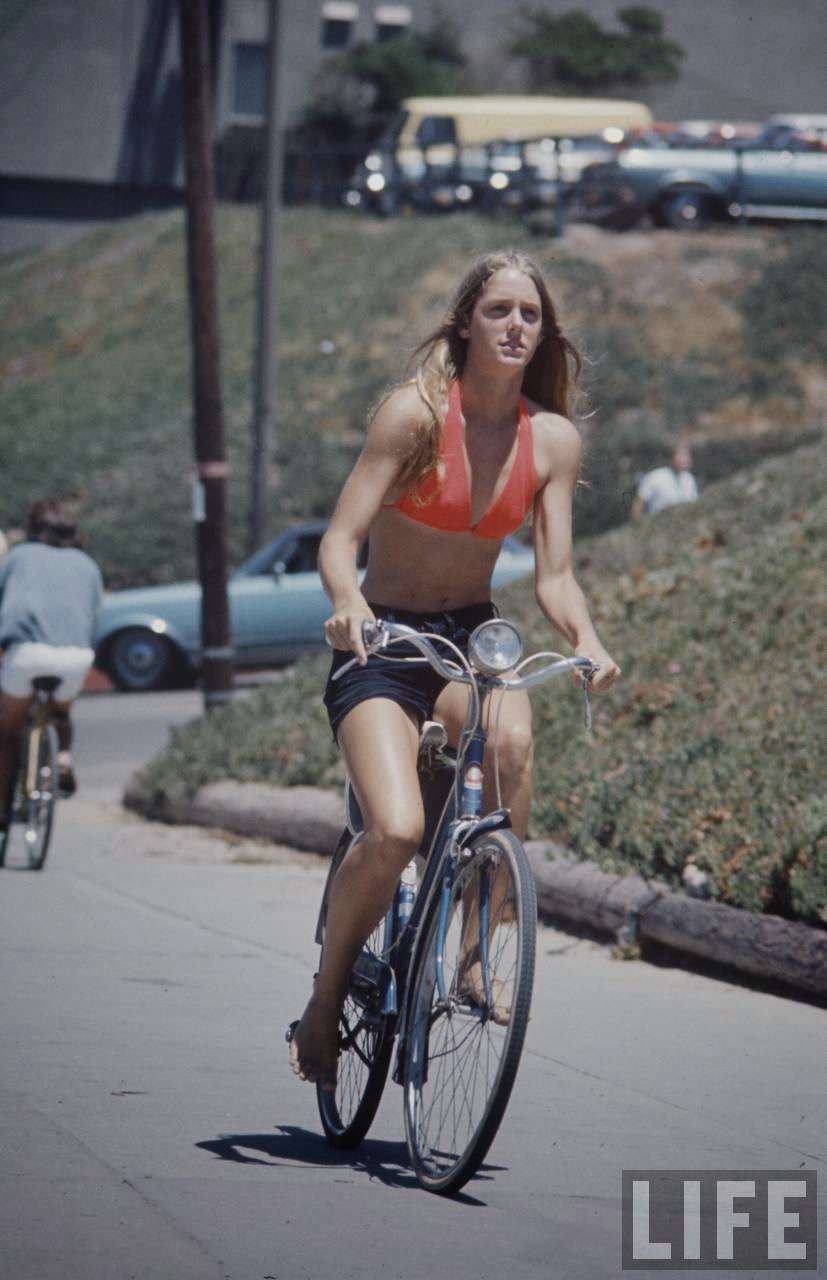
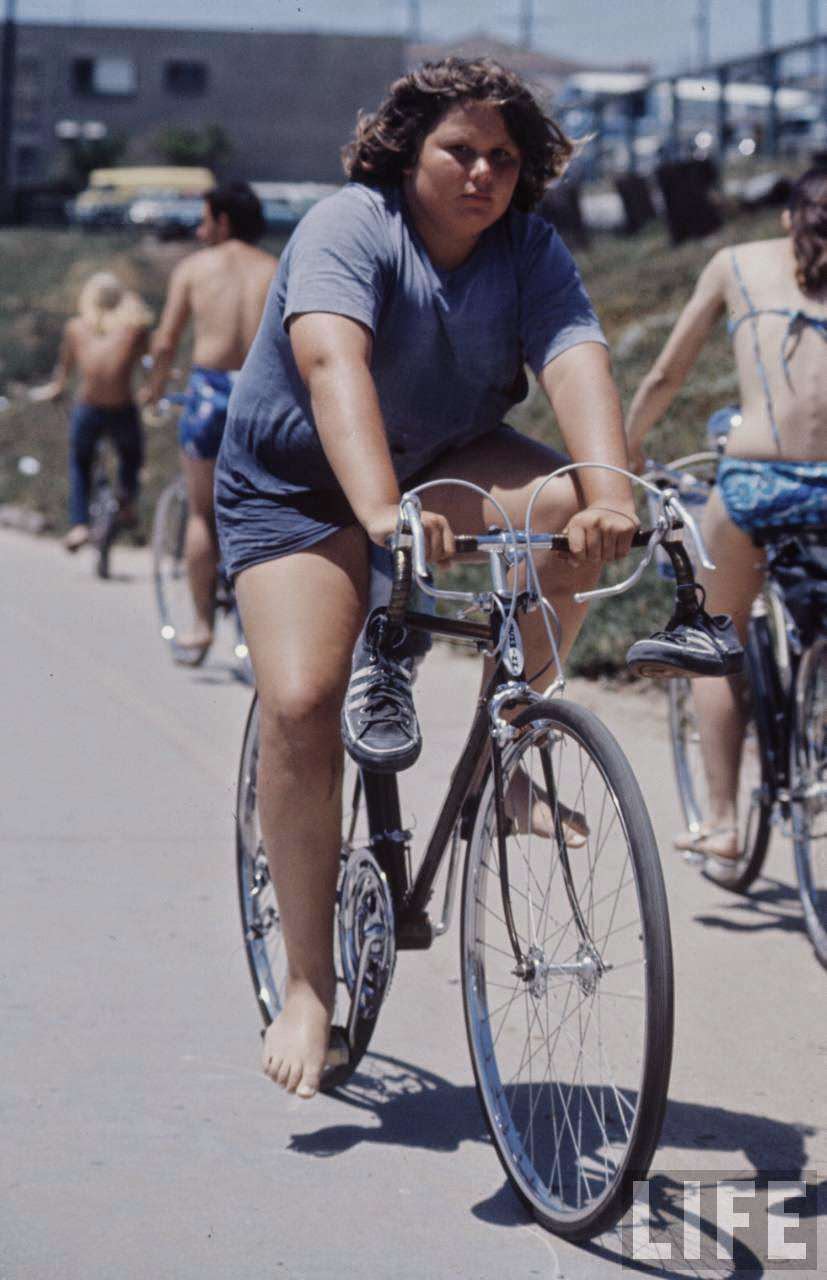
The Daily Mail described 1970s San Francisco as a place of vibrant hippy street life, full of buskers, bongo players, and impressive bouffants. Eppridge’s photographs reflect exactly that world. The cyclists he photographed were not athletes or commuters in any modern sense — they were residents simply living out their days in one of the most colorful cities in America.
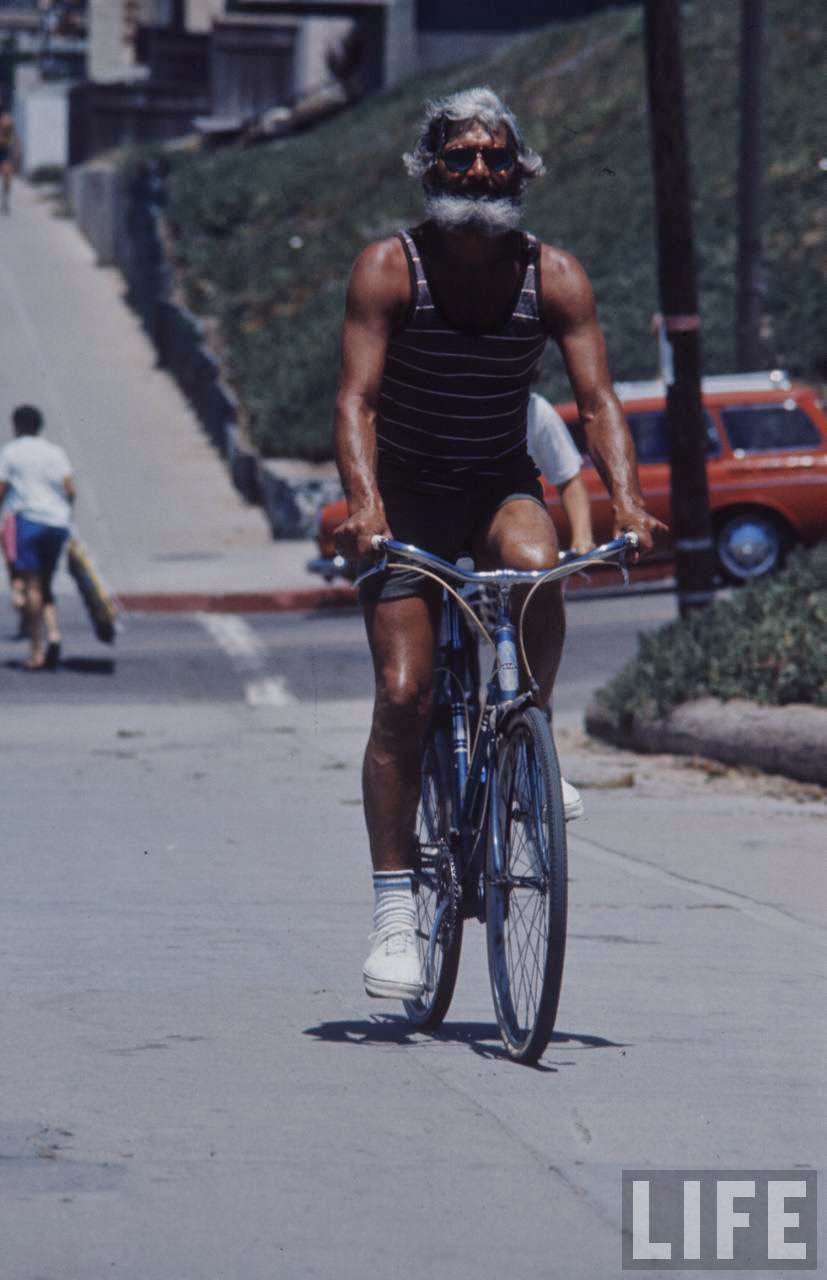
San Francisco’s geography made cycling a bold choice. The city’s steep hills are famous, and navigating them on a bicycle required real effort. Yet riders took to the streets anyway, drawn by the freedom that cycling offered in a city that valued freedom above most things.
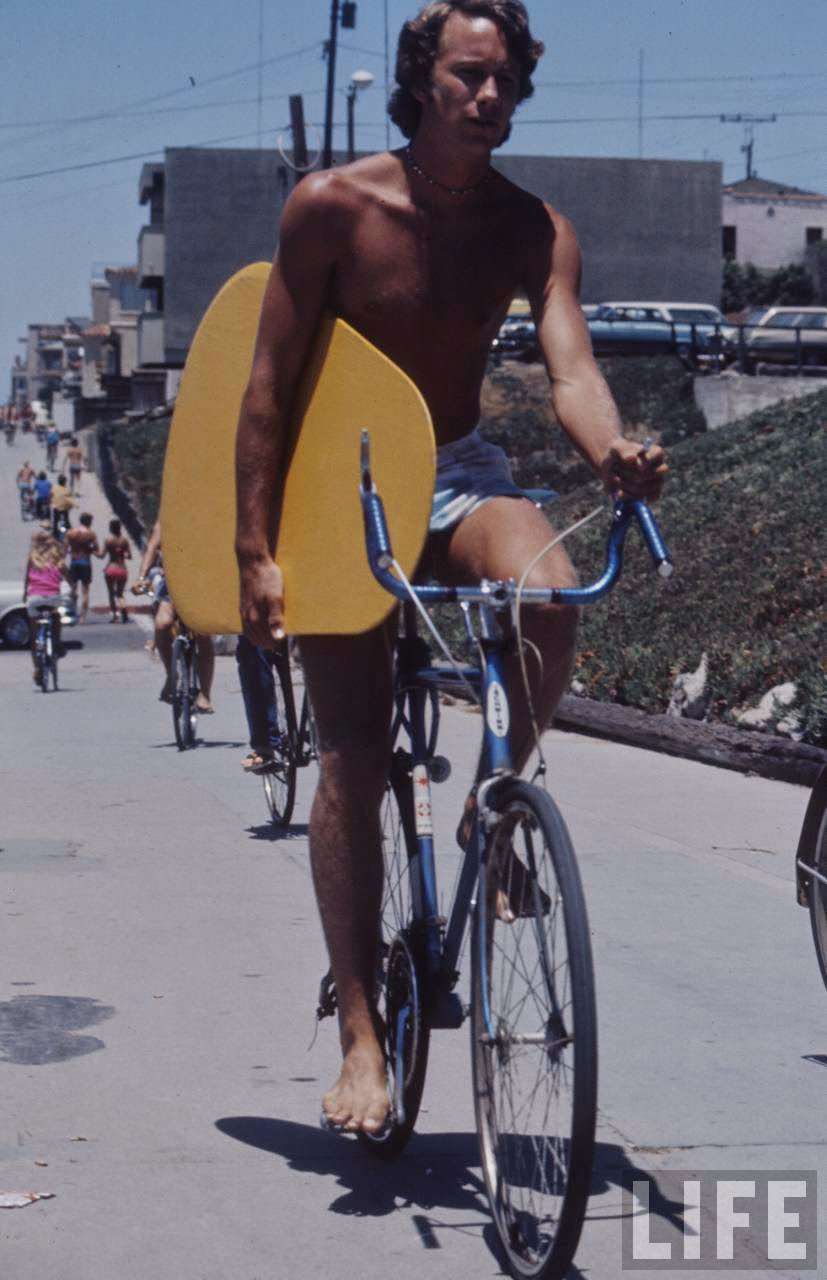
Eppridge’s lens captured more than just cyclists — it captured a snapshot of daily life in a city that was still processing the seismic cultural shifts of the decade before. The streets themselves told the story: painted storefronts, eclectic crowds, and the easy, unhurried pace of people who had chosen San Francisco specifically because it allowed them to live differently.
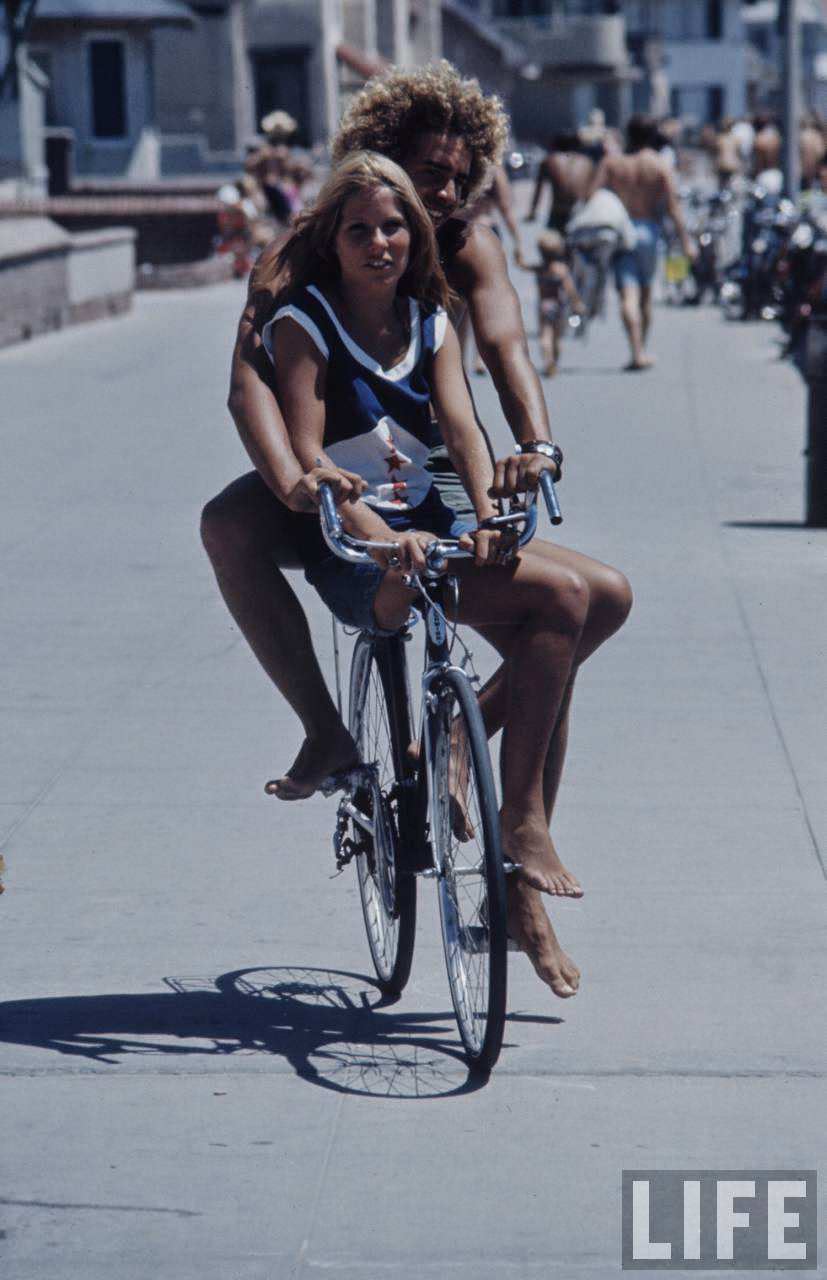
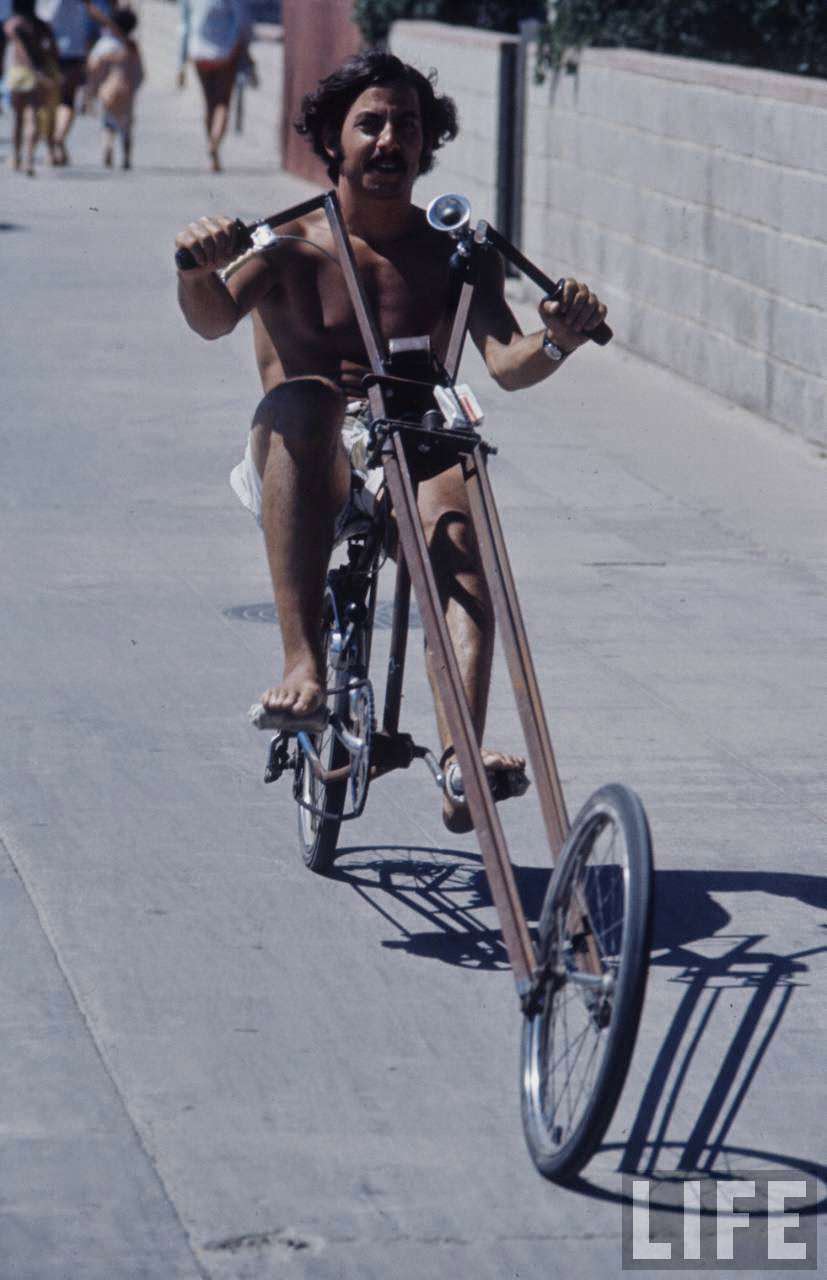
Bill Eppridge had previously photographed some of the most consequential moments in American history, including the assassination of Robert F. Kennedy in 1968. His work on San Francisco’s streets in 1970 stands as a quieter but equally honest document of its time — ordinary people, ordinary days, preserved in sharp black-and-white detail.
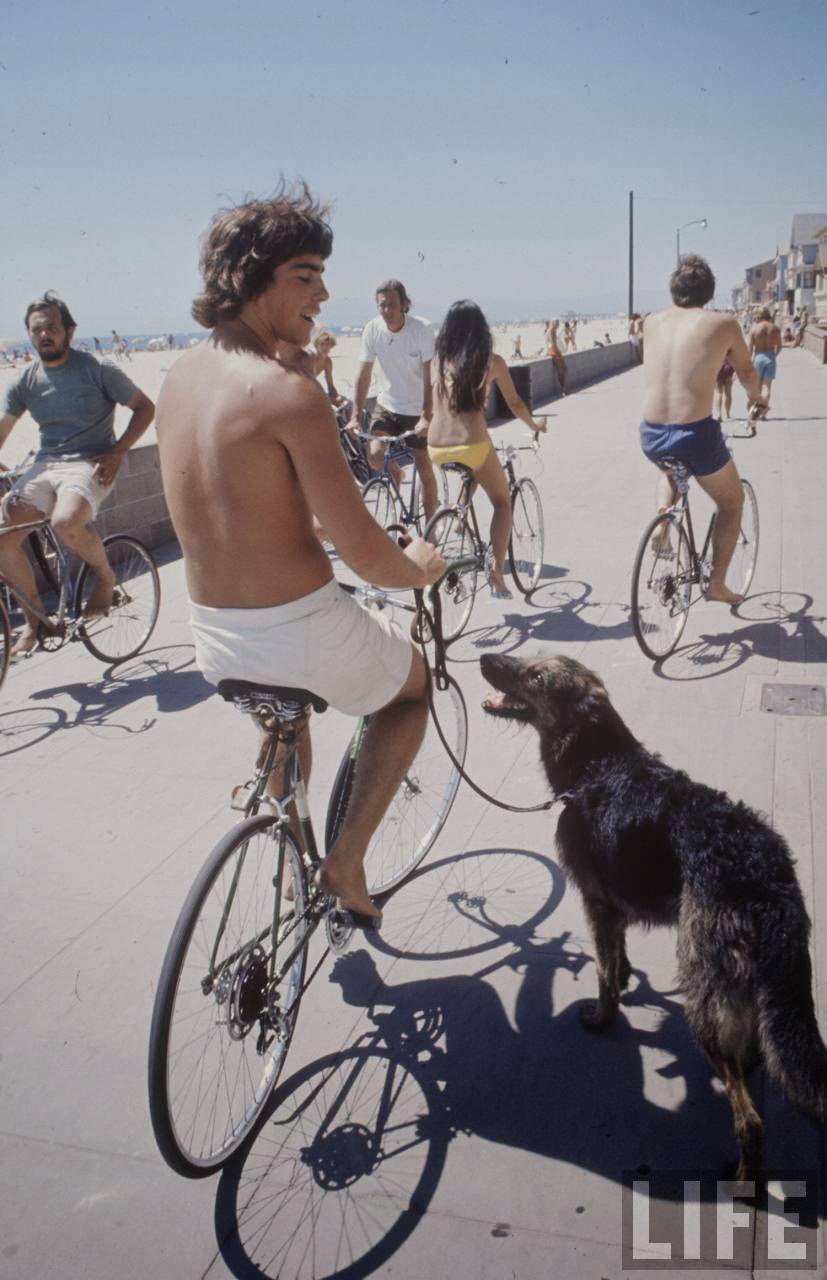
These photographs remain a vivid record of what urban life looked like in early 1970s America. San Francisco was a city that drew people searching for something different, and the streets Eppridge photographed that summer were filled with exactly those people — moving through the city on their own terms, at their own pace.