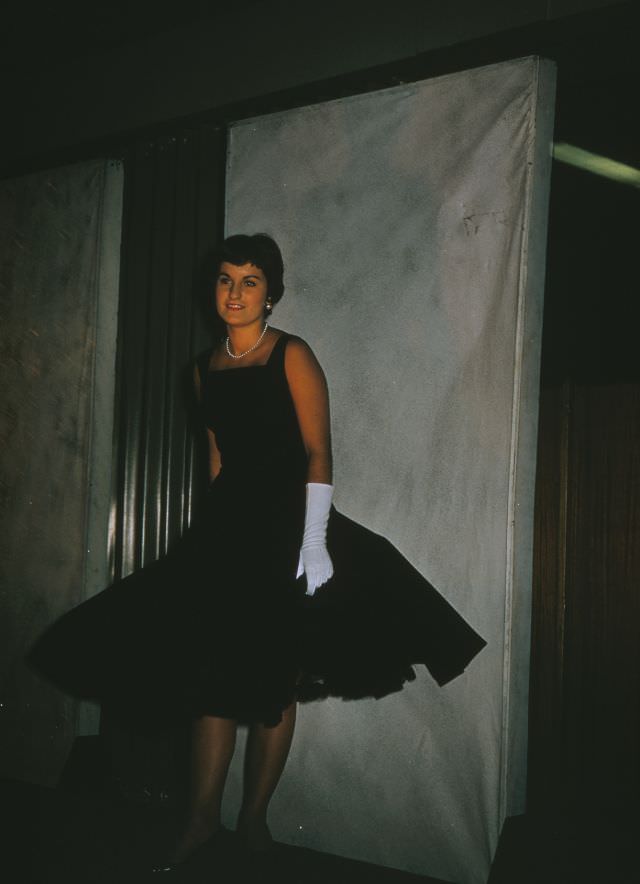
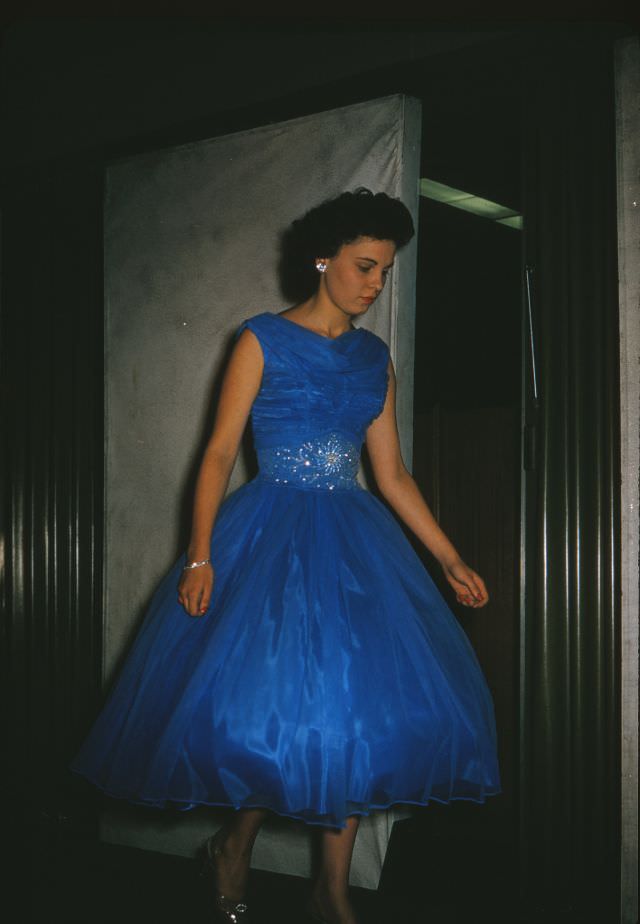
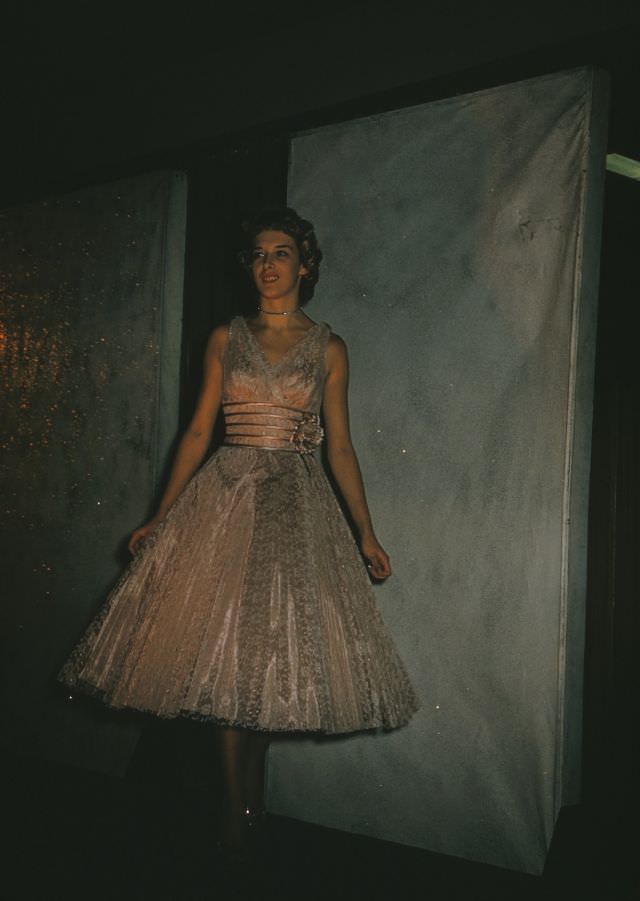
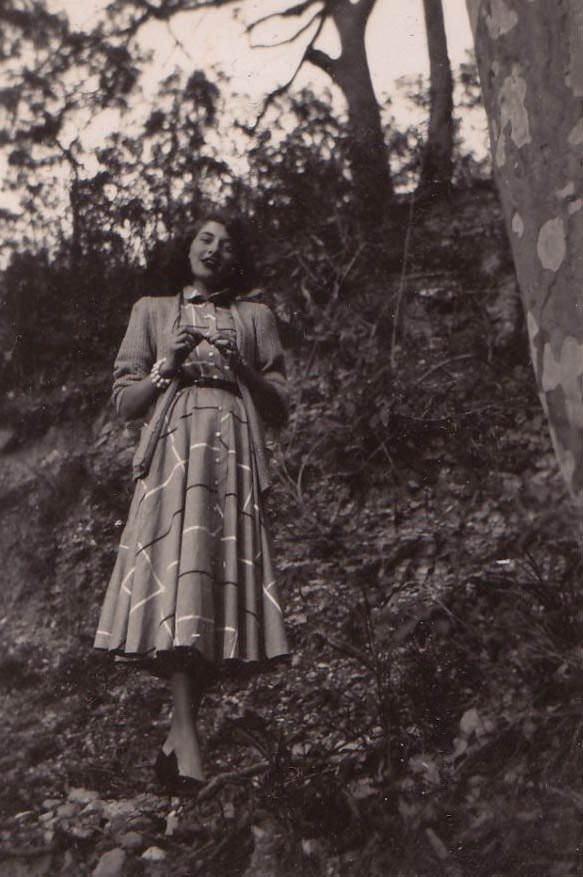
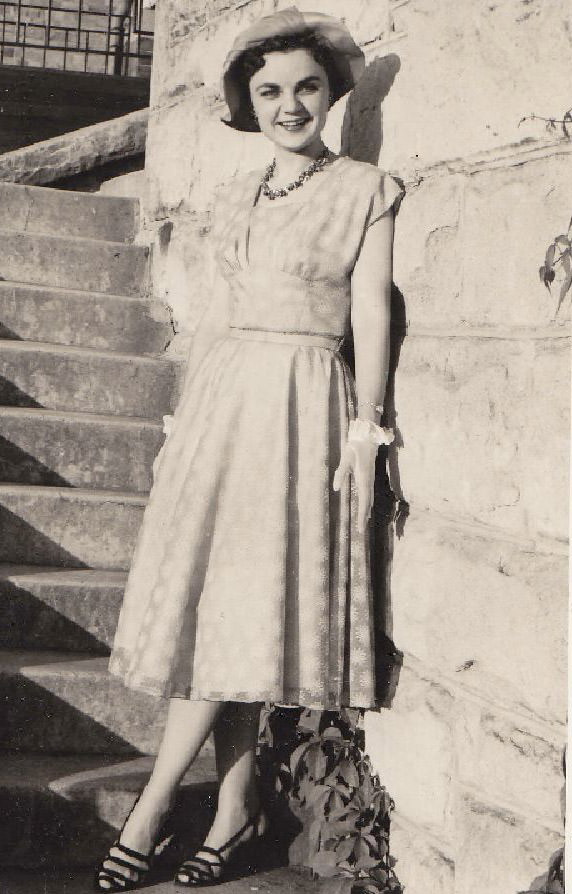
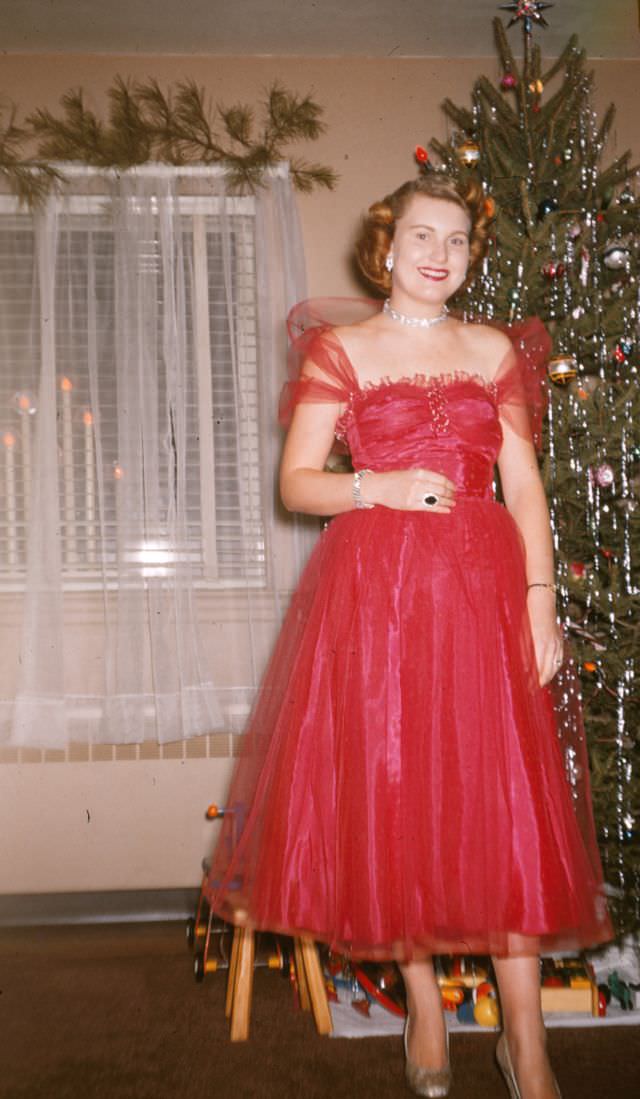
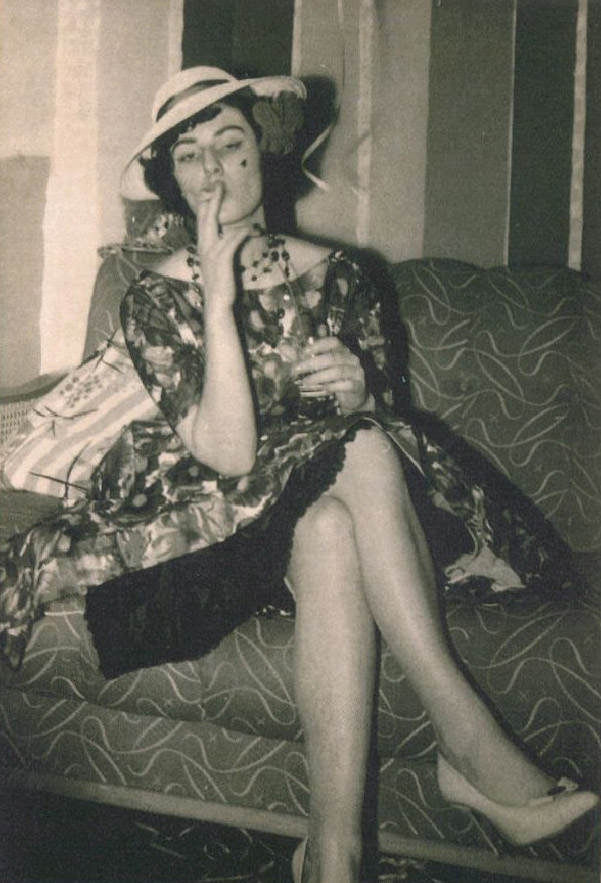
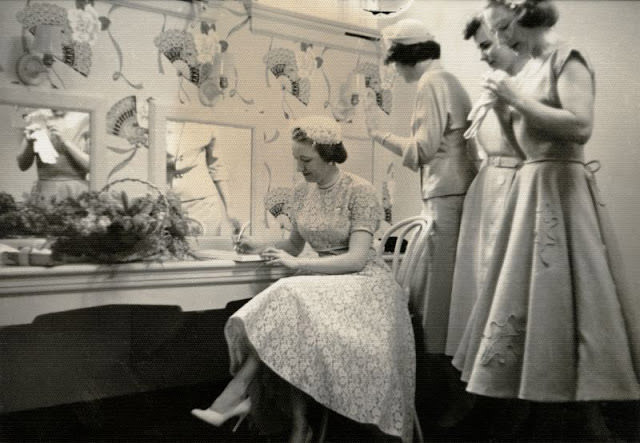
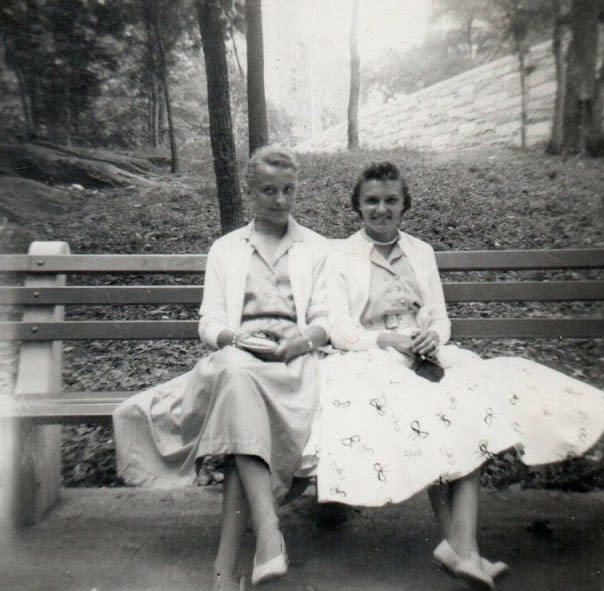
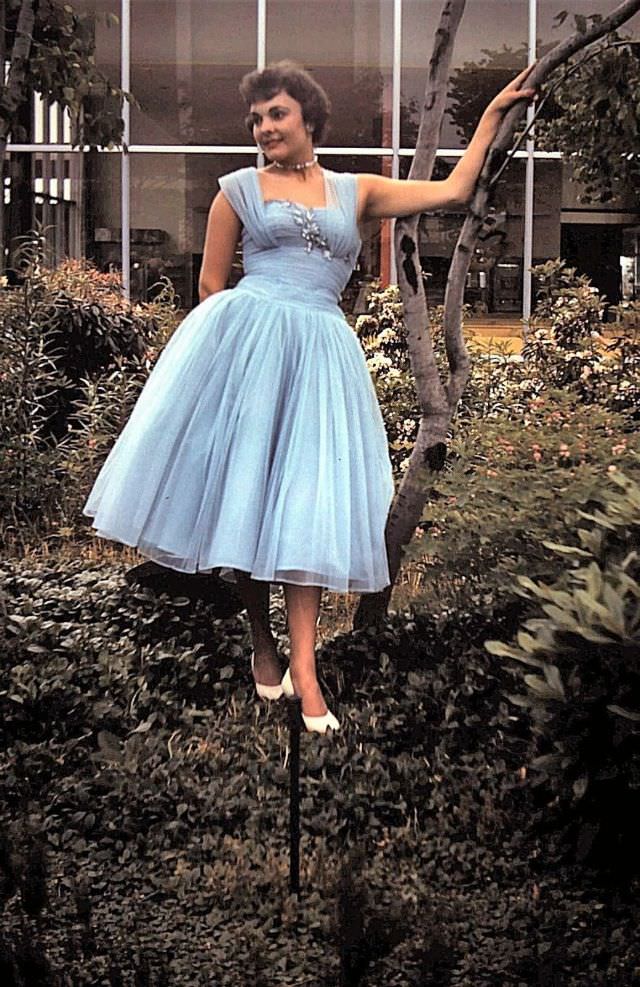
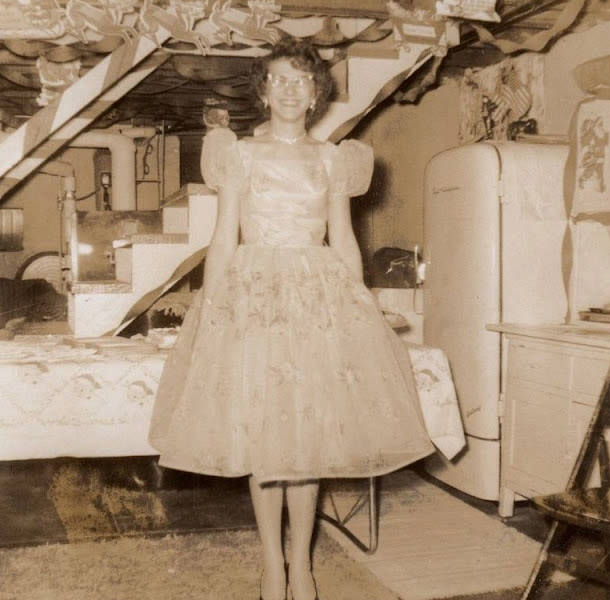
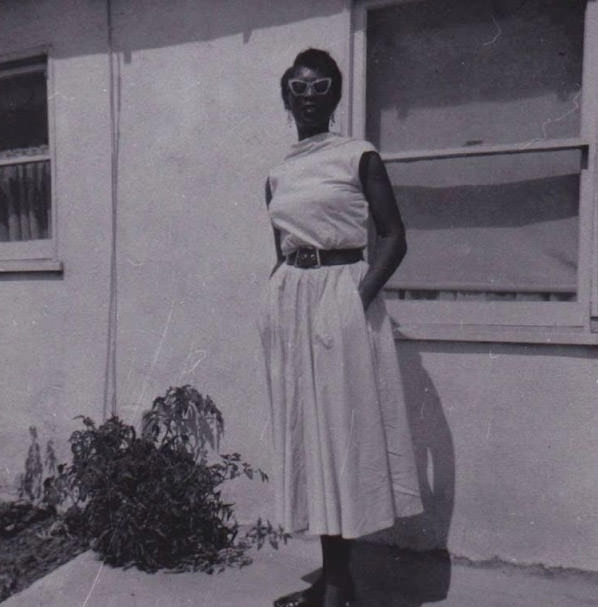
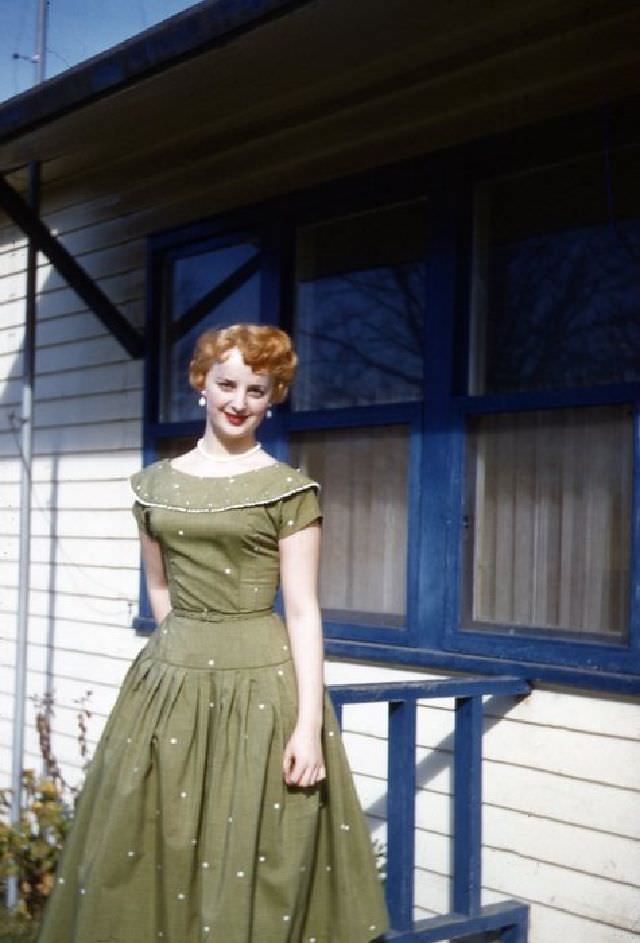
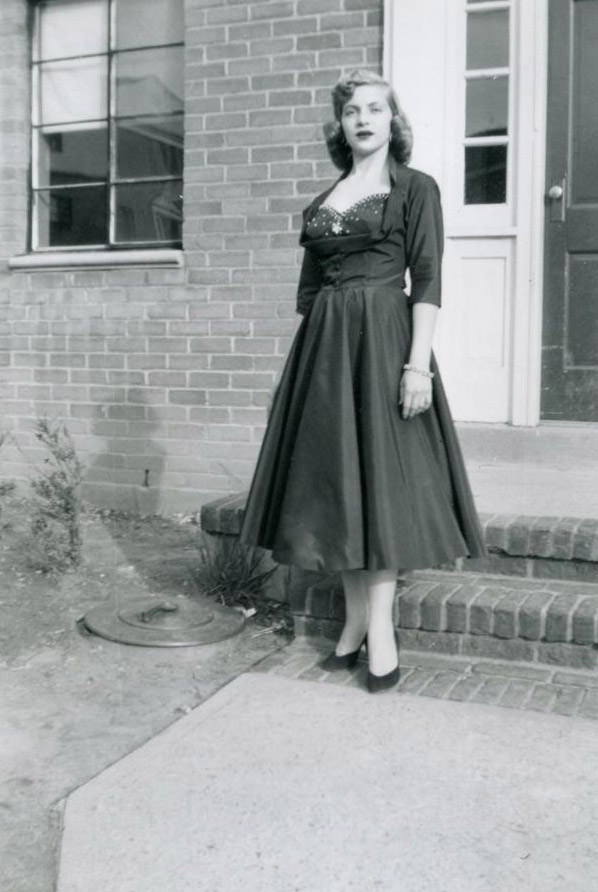
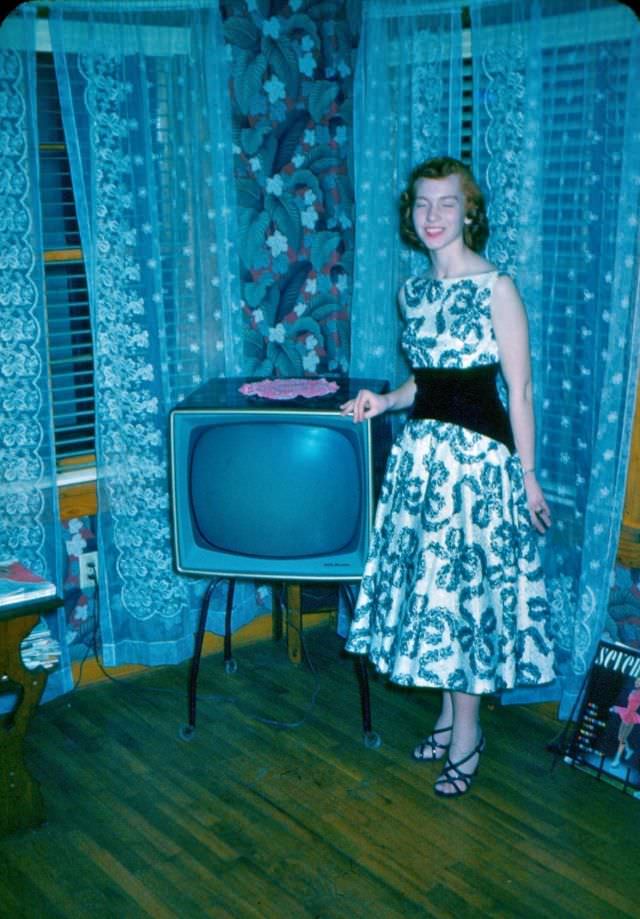
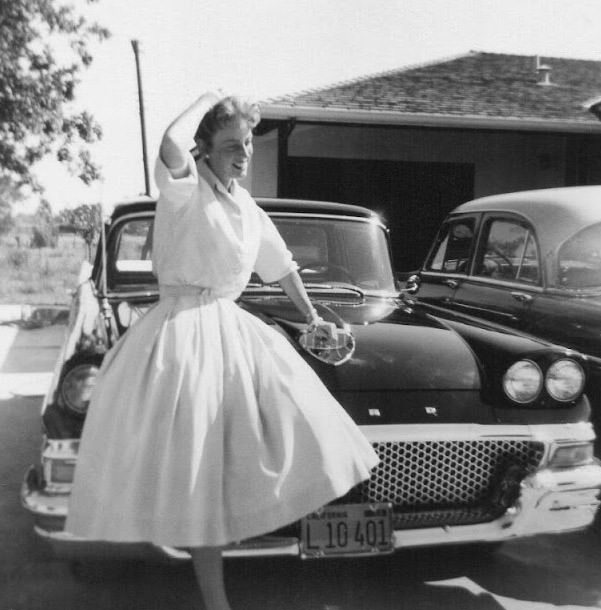
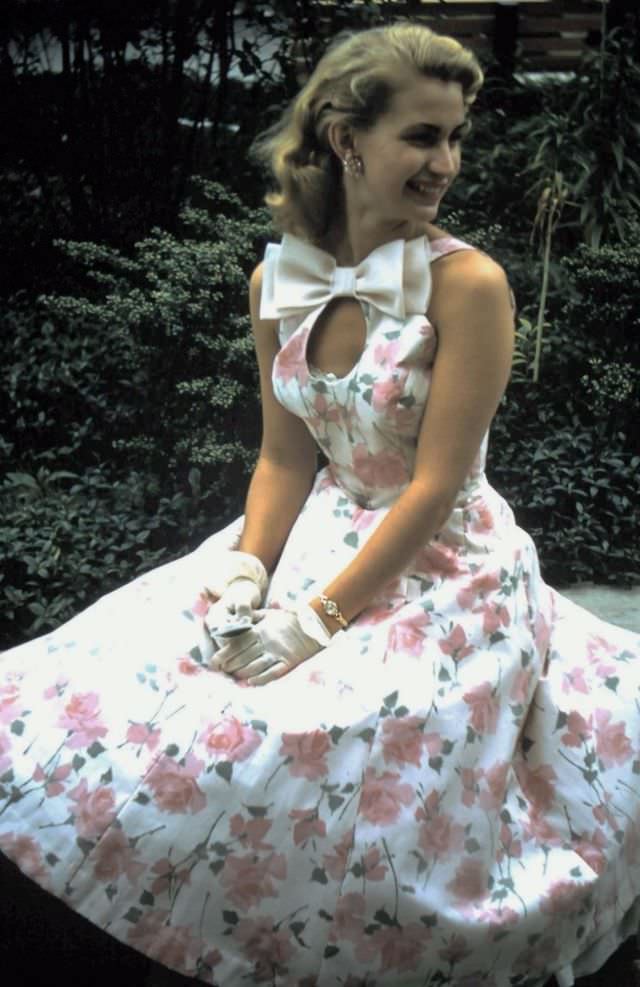
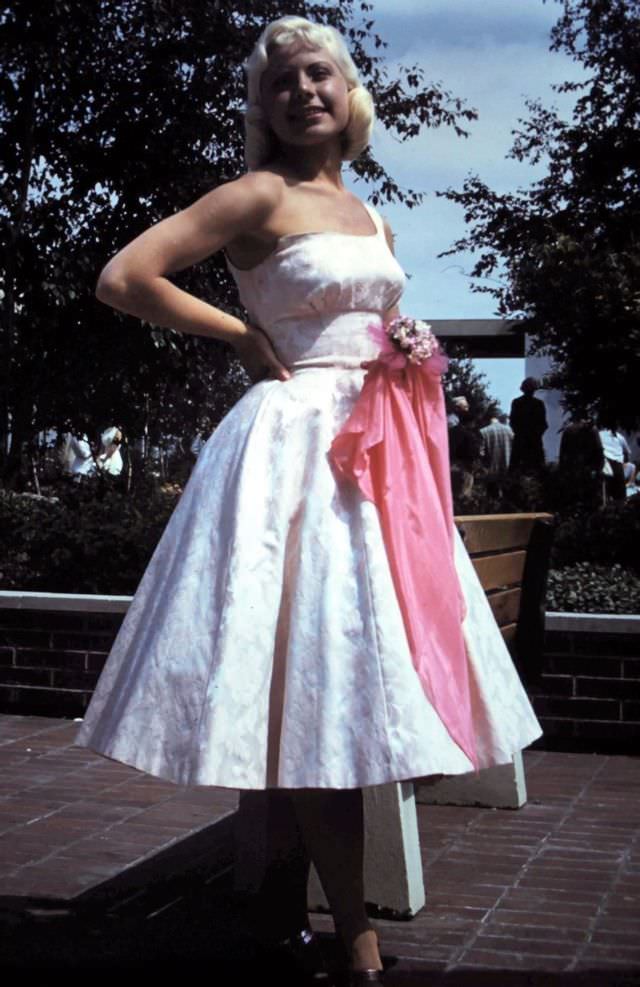
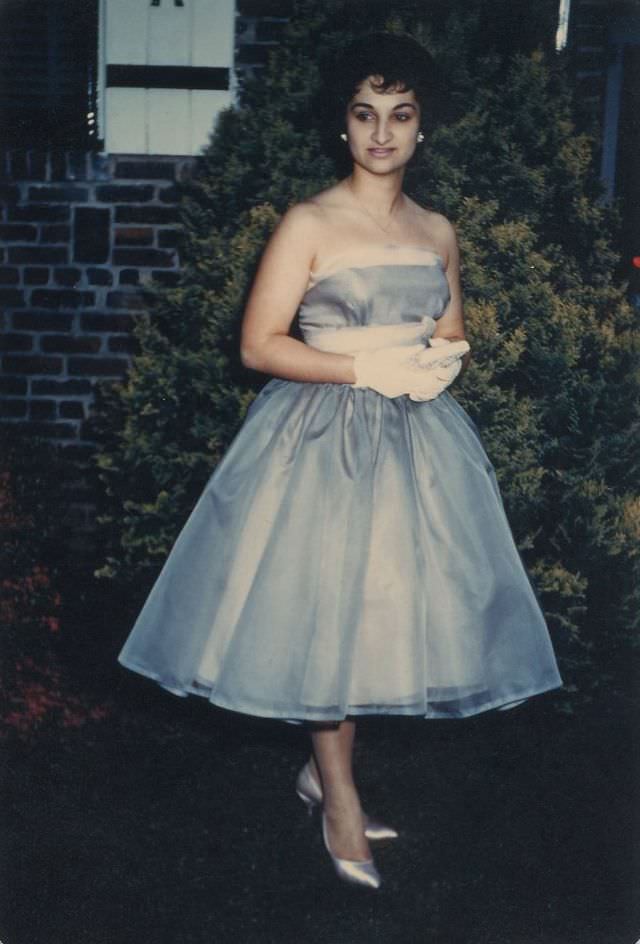
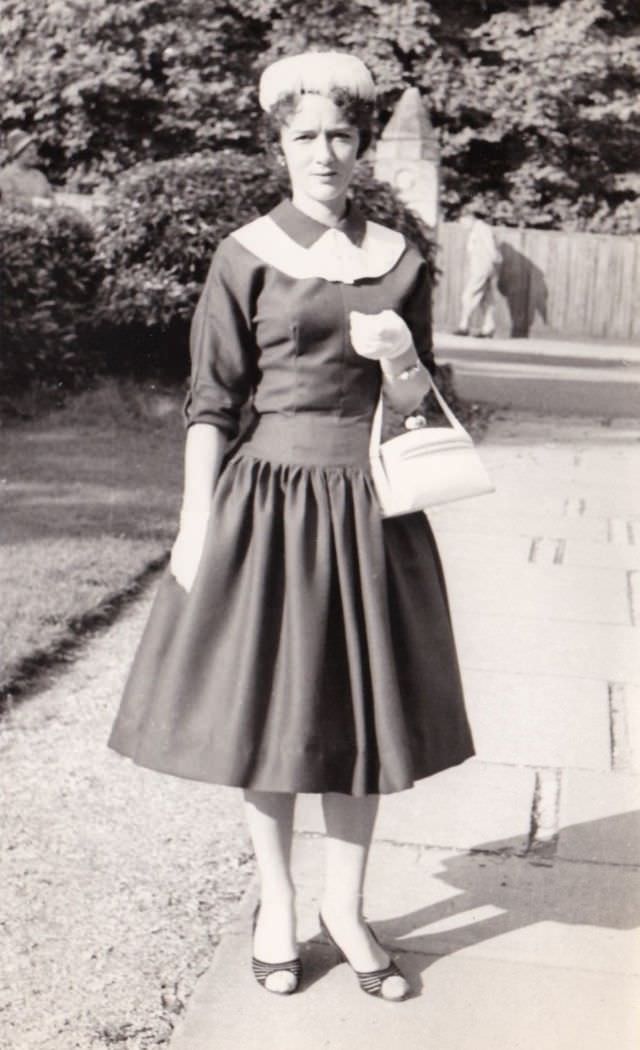
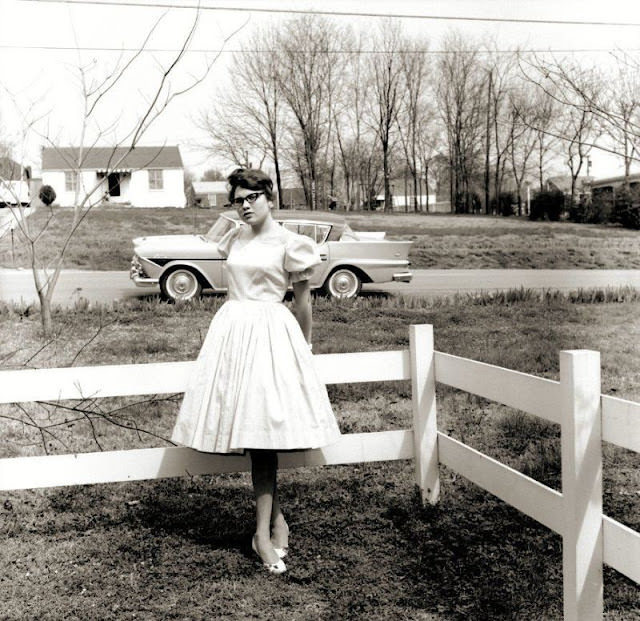
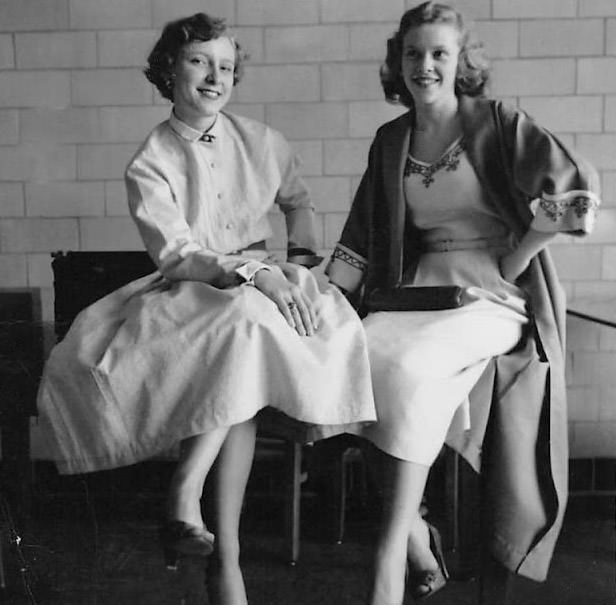
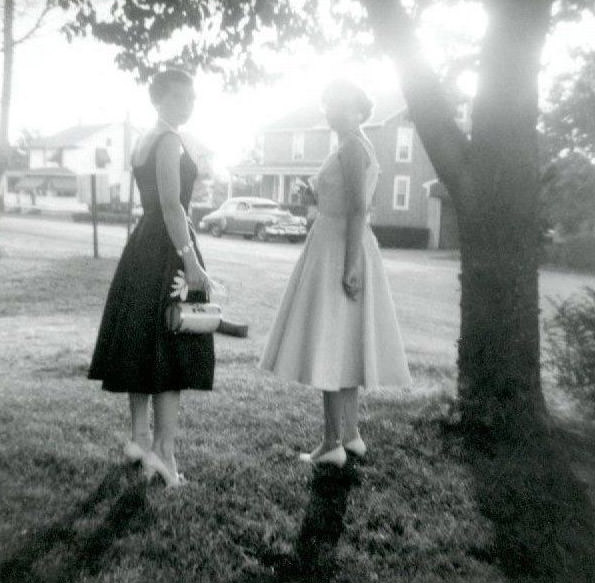
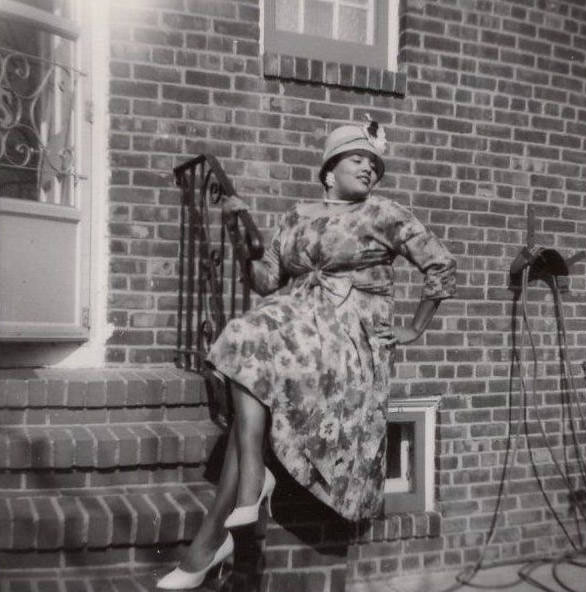
After World War II, a wave of optimism swept through everyday life — and fashion felt it immediately. Cocktail parties became a staple of social life in the 1950s, giving women a clear reason to dress with intention. These gatherings were about mingling, networking, and making a strong visual statement.
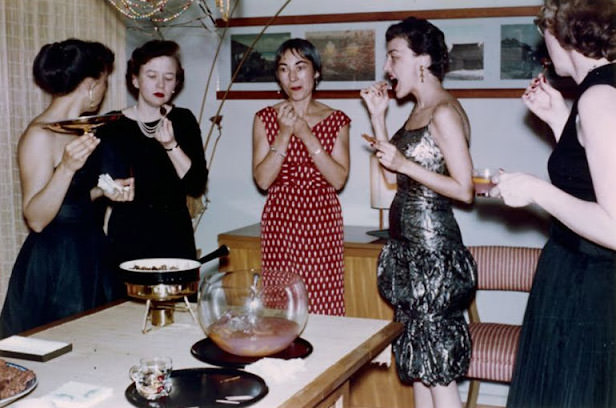
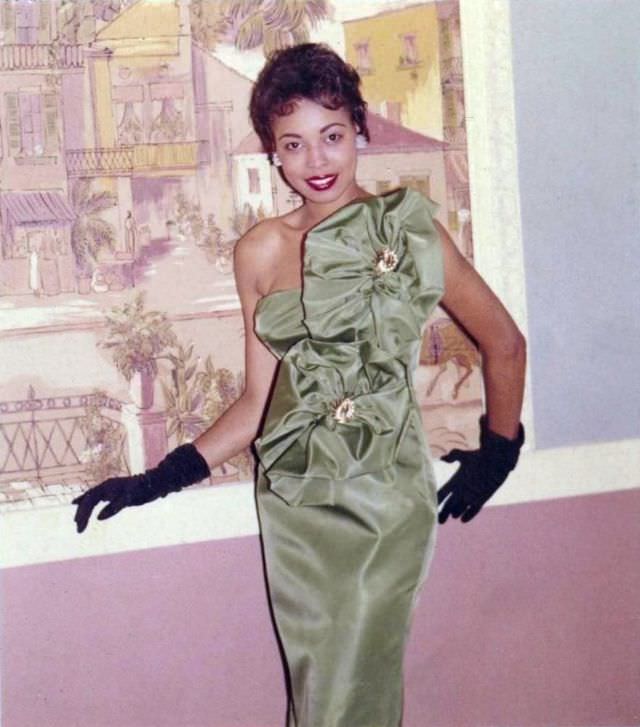
Designers reached for silk, satin, and lace when constructing cocktail dresses. These fabrics held shape beautifully and carried a richness that cheaper materials simply couldn’t match. Rich textures and intricate detailing set one woman apart from the next at any gathering.
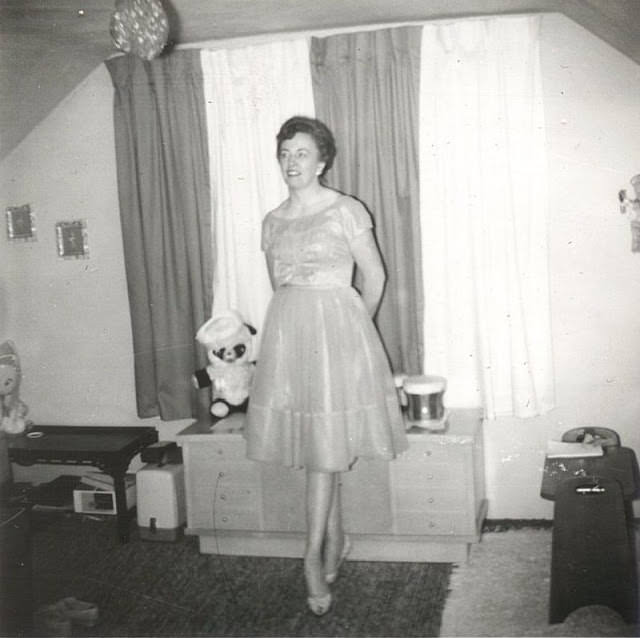
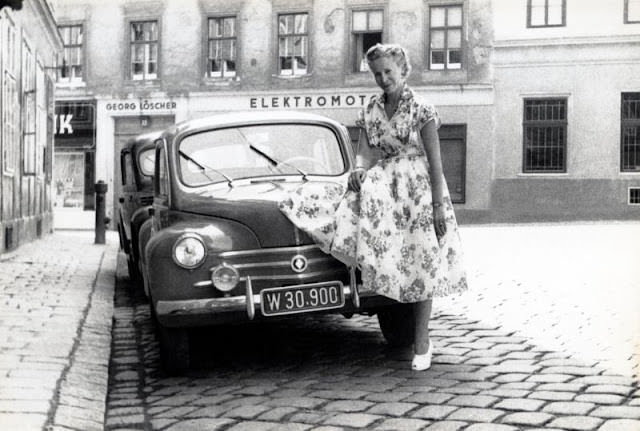
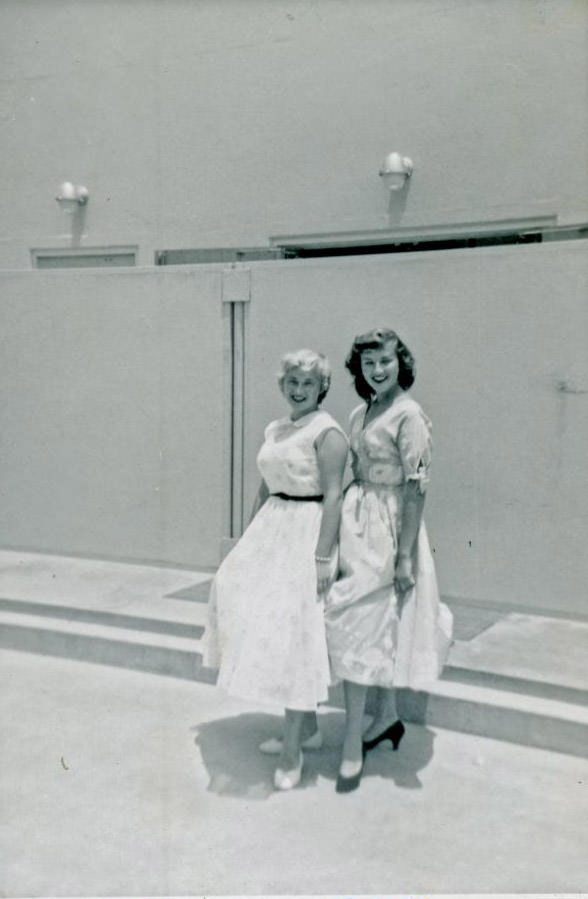
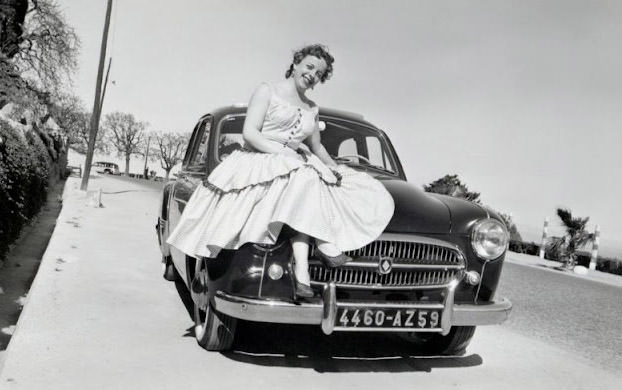
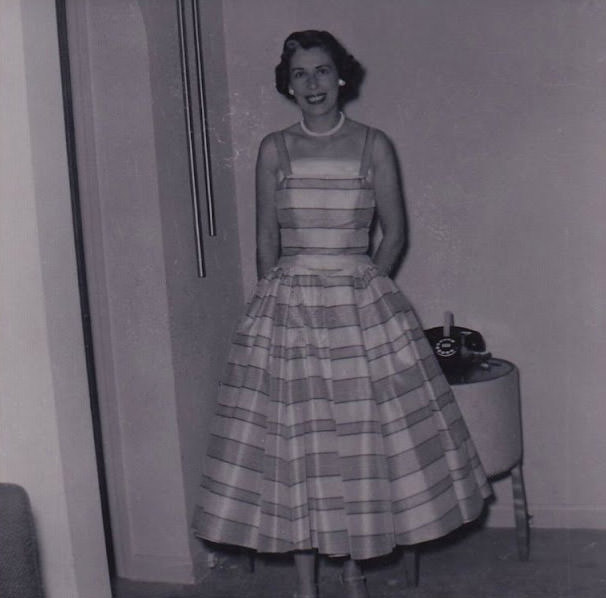
Christian Dior’s “New Look” defined the decade’s most iconic silhouette — a sharply cinched waist paired with a full, sweeping skirt. It was feminine and structured at the same time. Women who preferred a bolder look chose the sheath dress, a close-fitting style that followed the body’s natural lines.
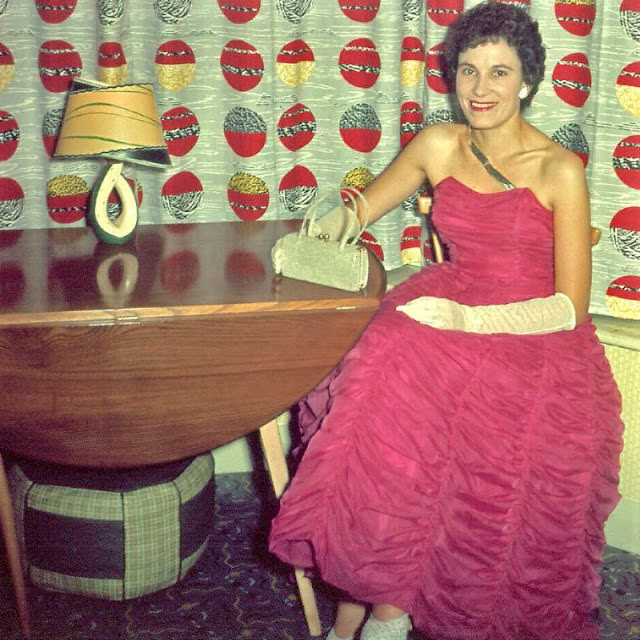
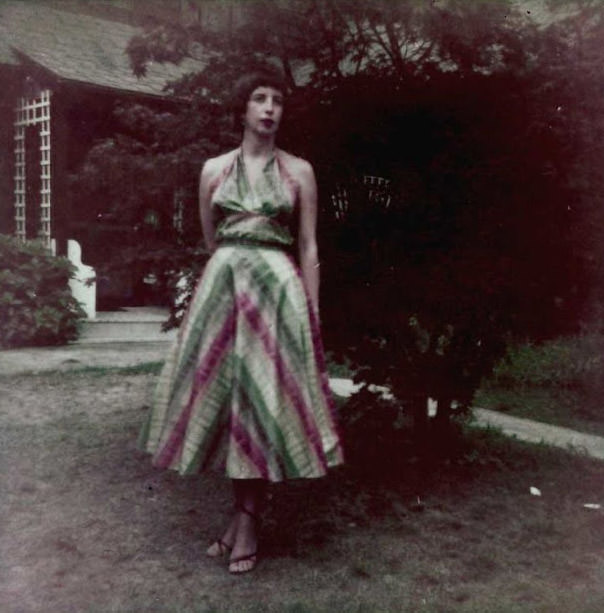
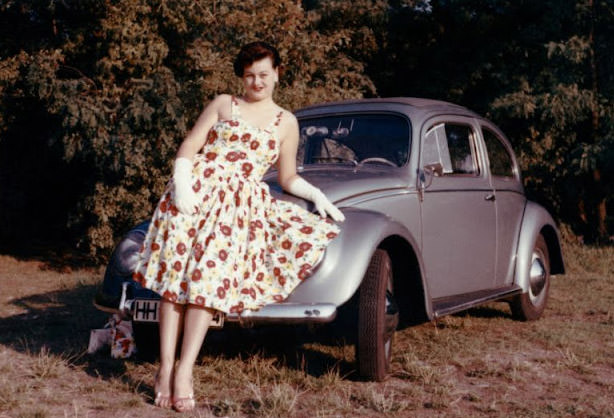
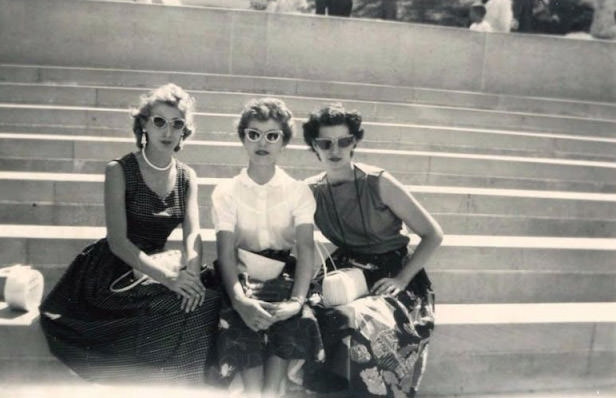
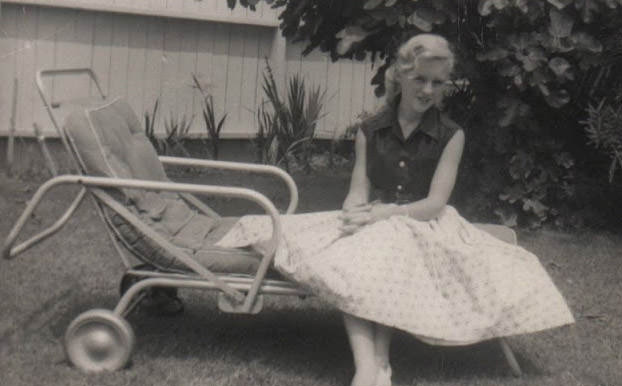
Color choices ranged from bold and vibrant to timeless black, navy, and red. Prints stayed tasteful — polka dots, florals, and soft abstract patterns were favored. The goal was to look striking without overdoing it.
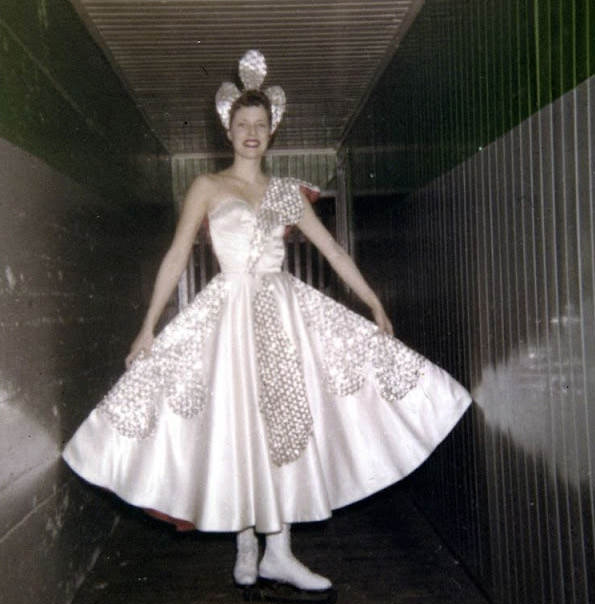
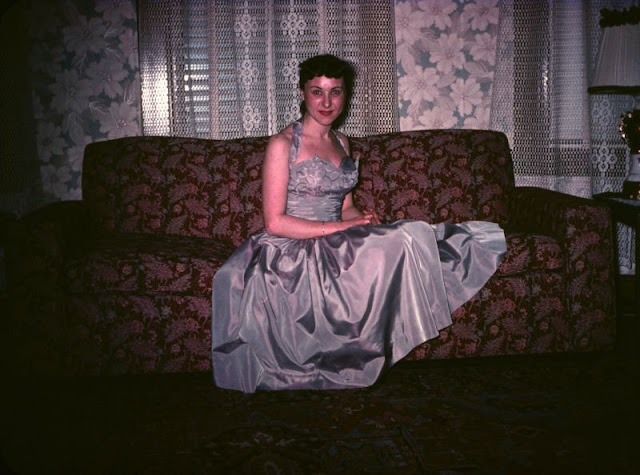
No cocktail dress was complete without carefully chosen accessories. Pearl necklaces, brooches, and elbow-length gloves were standard. Small, elegant handbags held just the essentials — lipstick, a compact, and little else. Stiletto heels, newly popular in this decade, added height and a sharp sense of glamour.
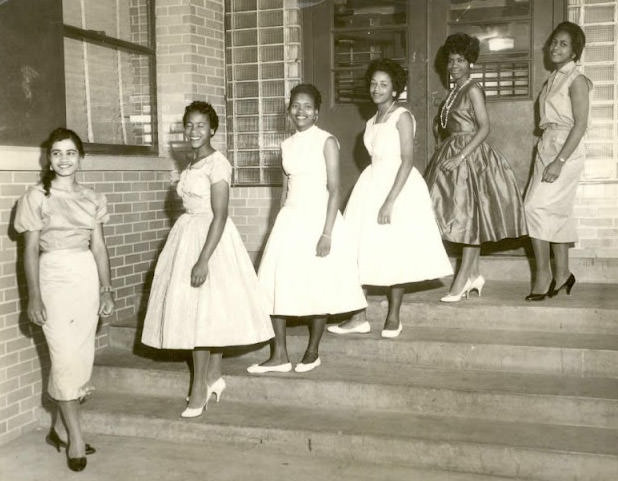
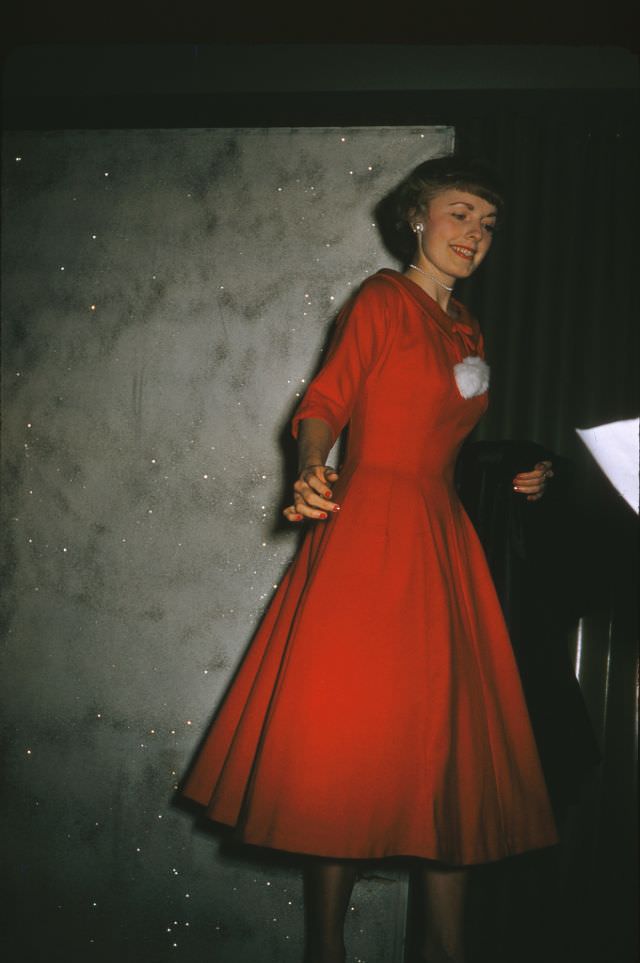
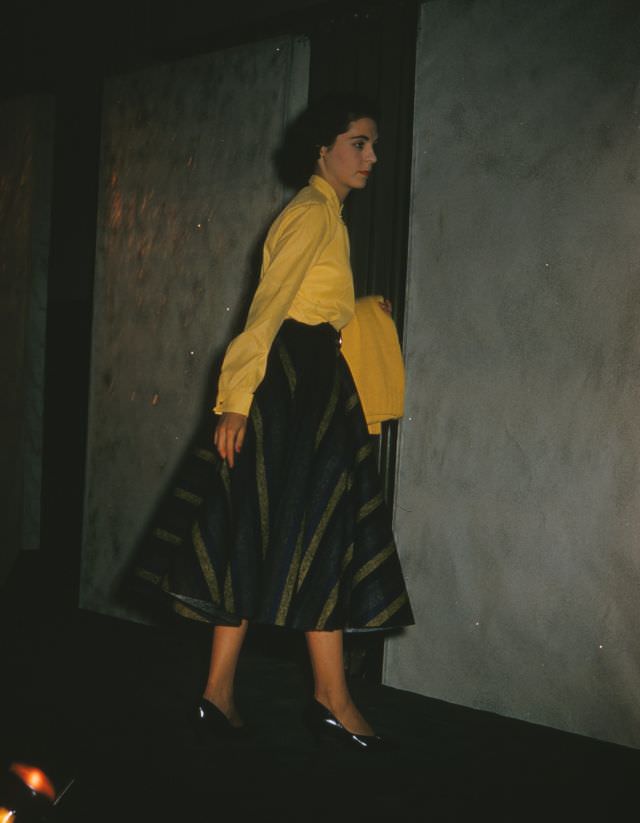
Coco Chanel, Hubert de Givenchy, and Christian Dior led the high-fashion side of the market. But women with smaller budgets found stylish options on the rack and had them tailored for a custom fit. This made polished, elegant fashion available beyond just the wealthy.
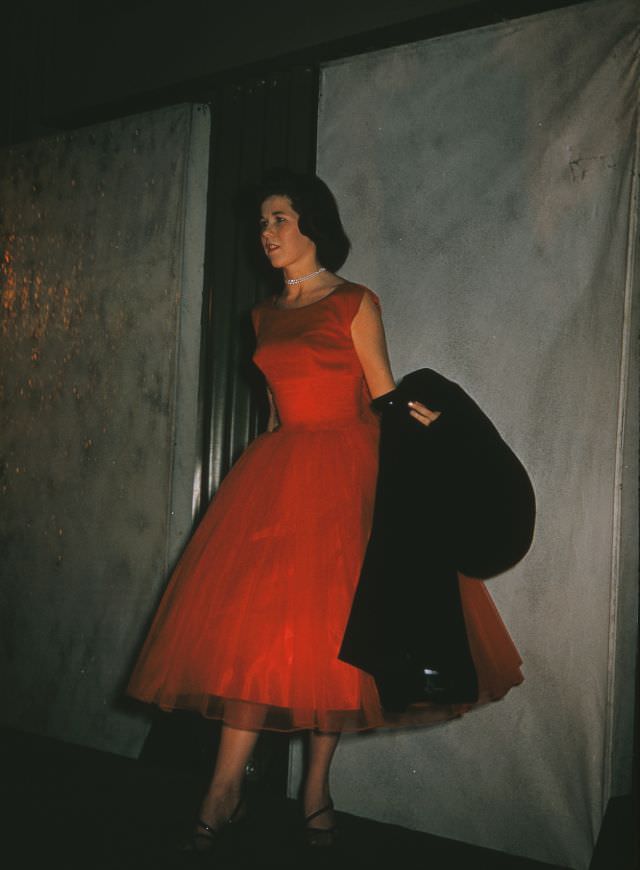
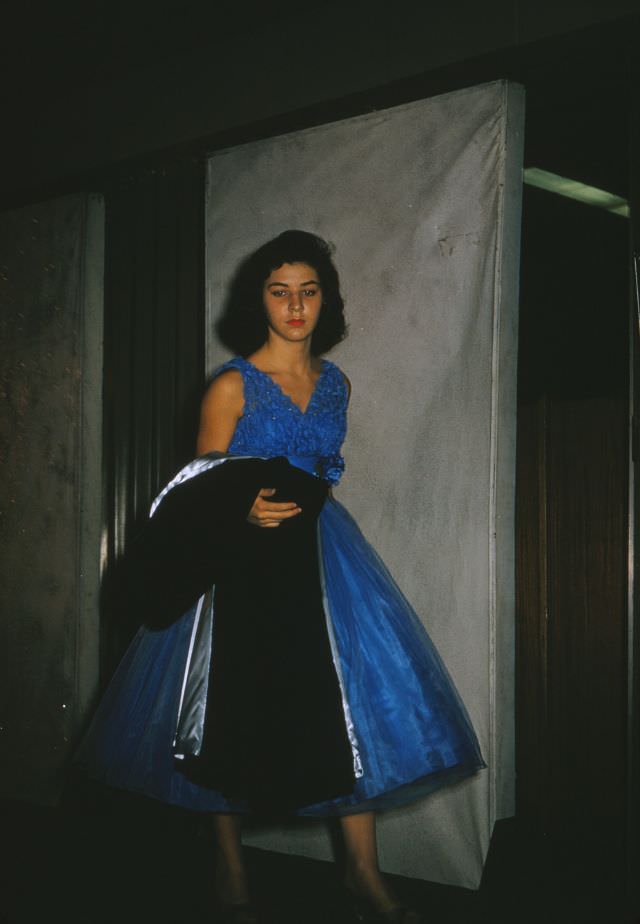
Hollywood played a direct role in shaping what women wanted to wear. Audrey Hepburn, Marilyn Monroe, and Grace Kelly appeared regularly in cocktail dresses, and their photographs circulated widely. Women across the country looked to these stars as a direct guide for how to dress.