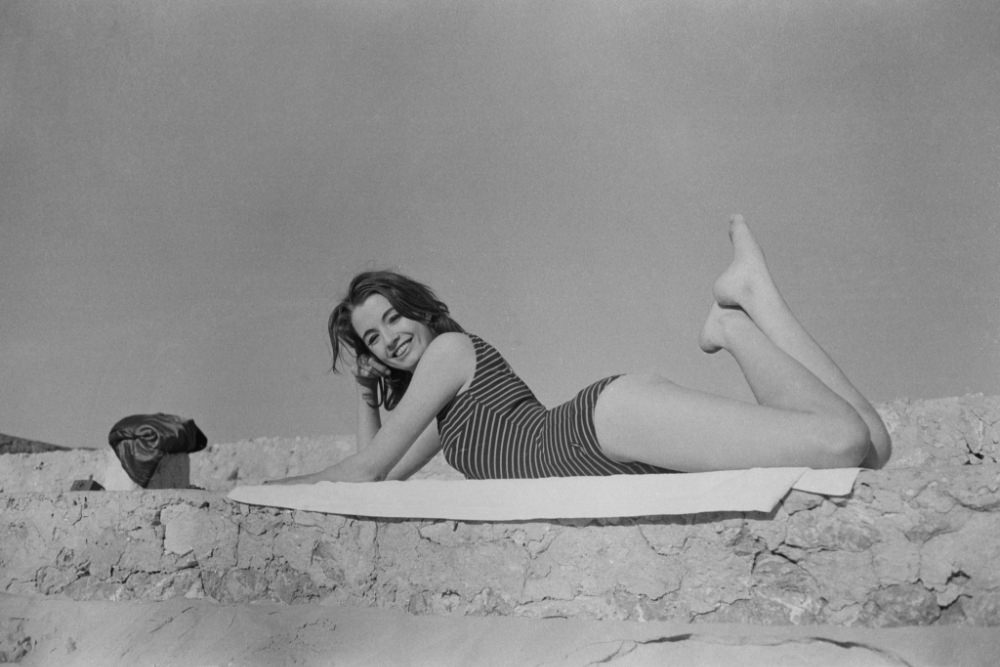
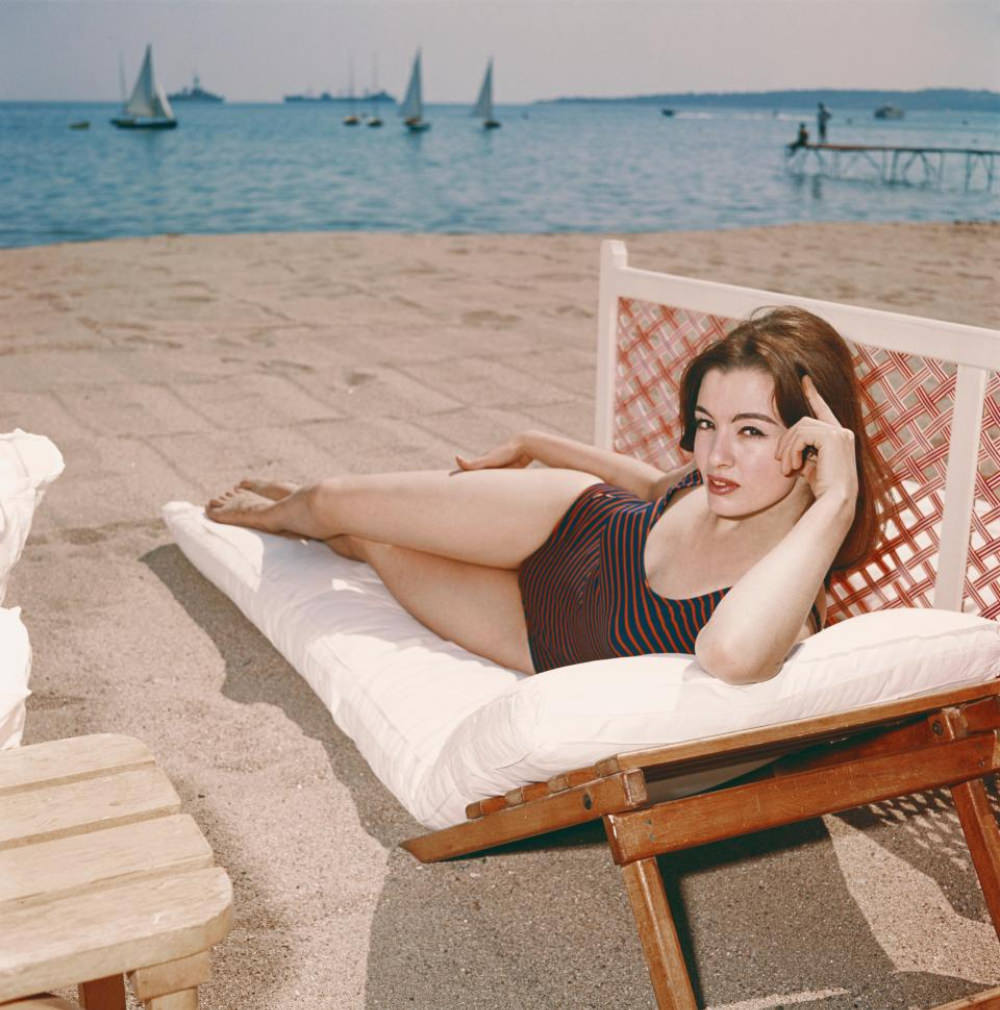
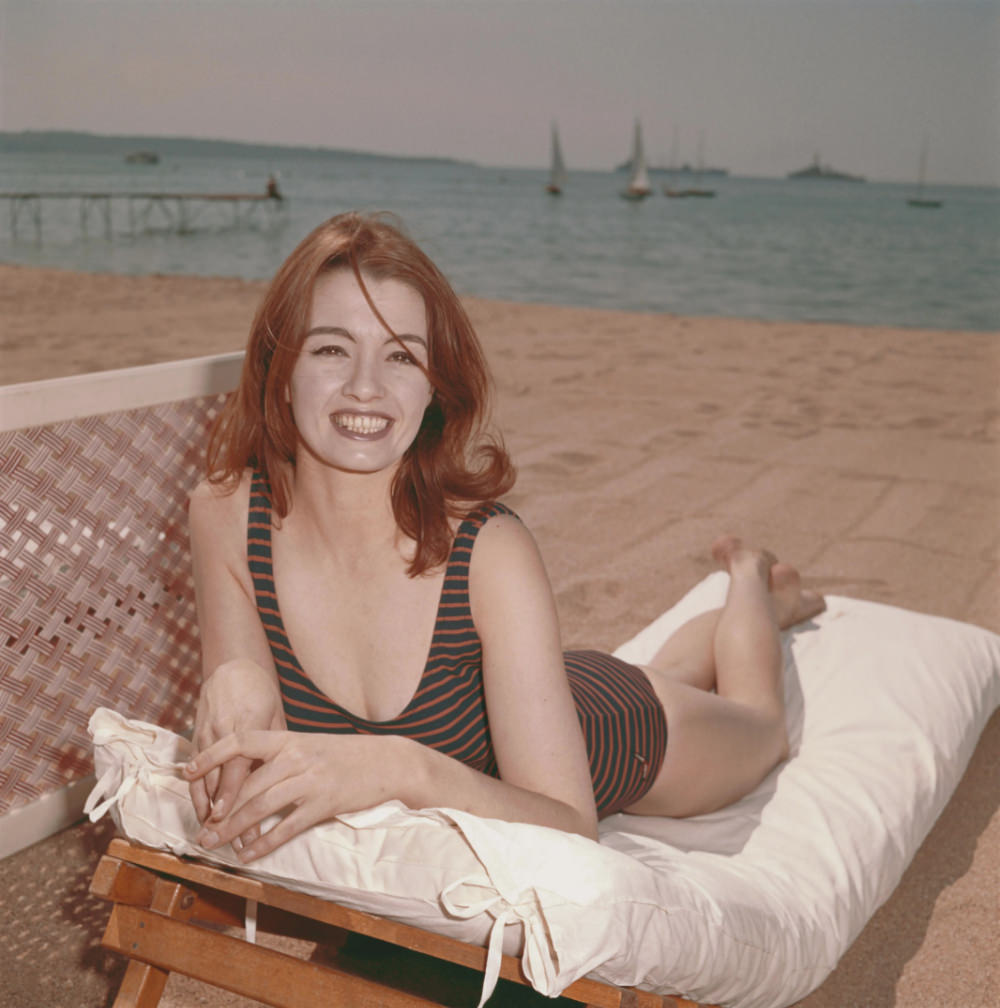
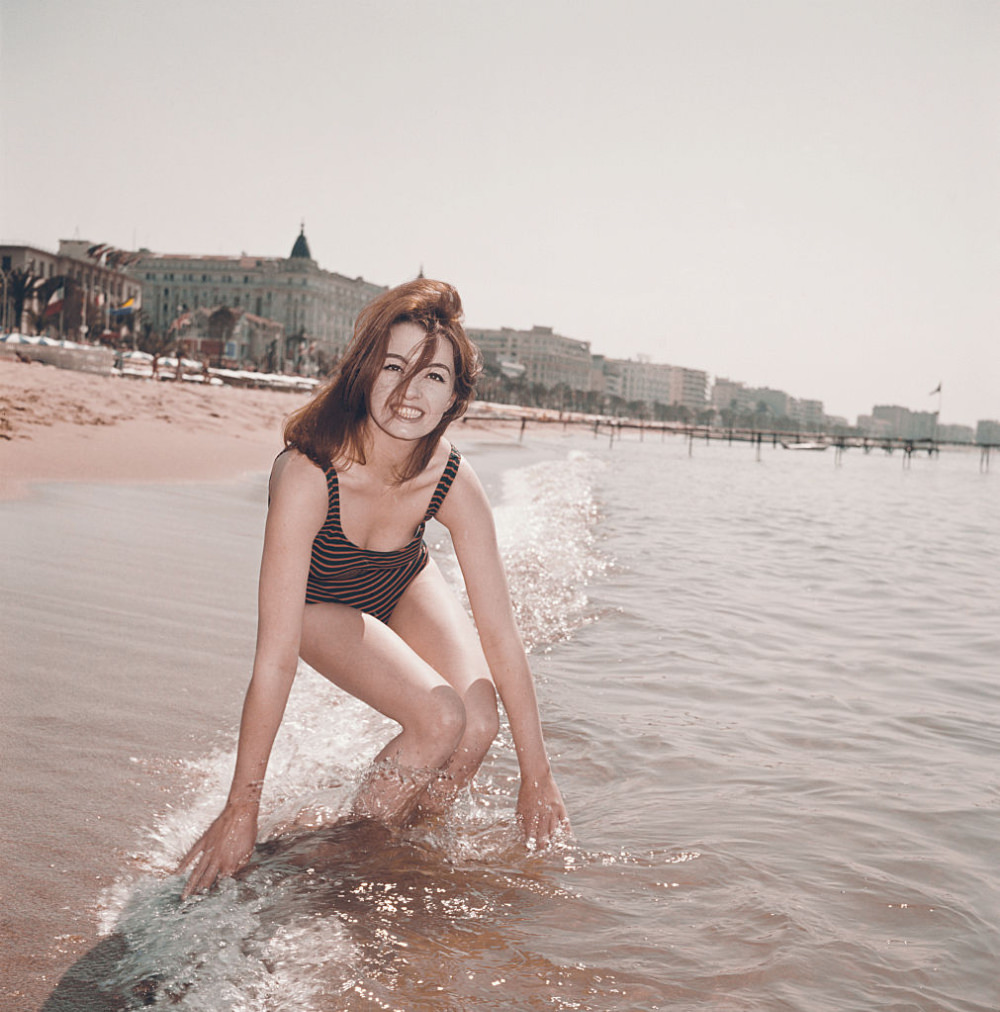
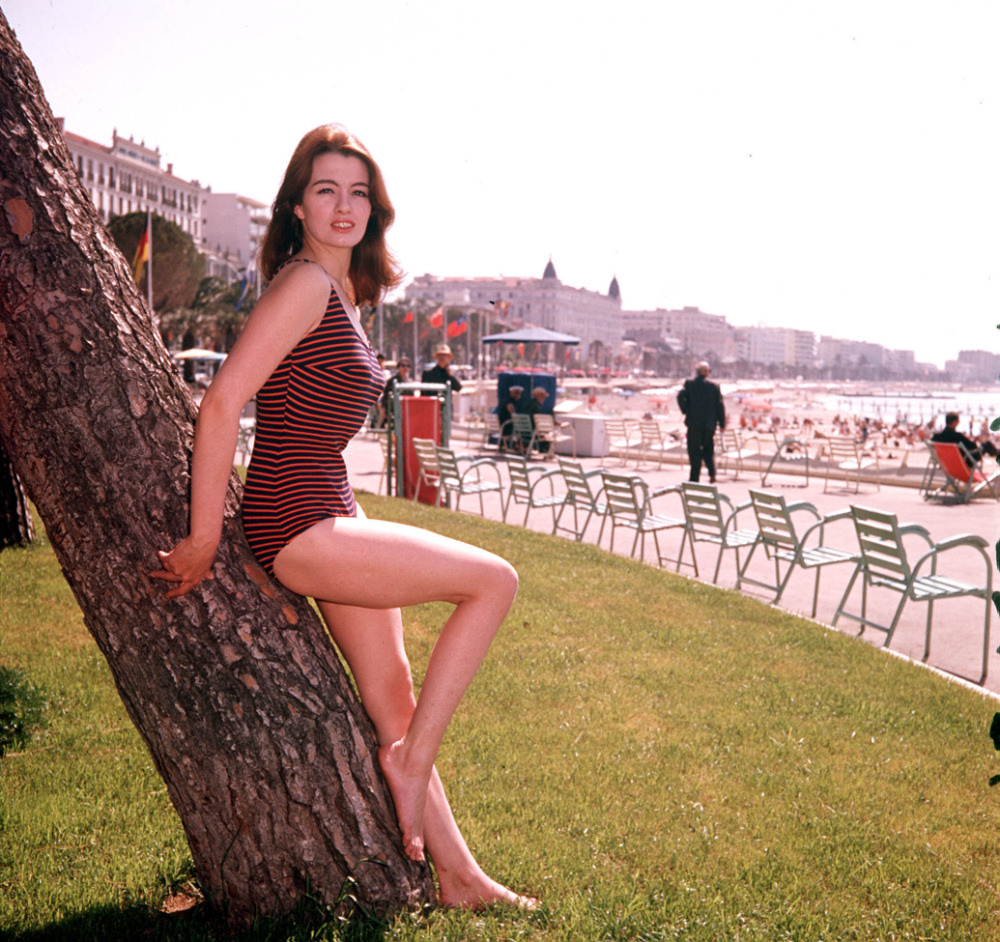
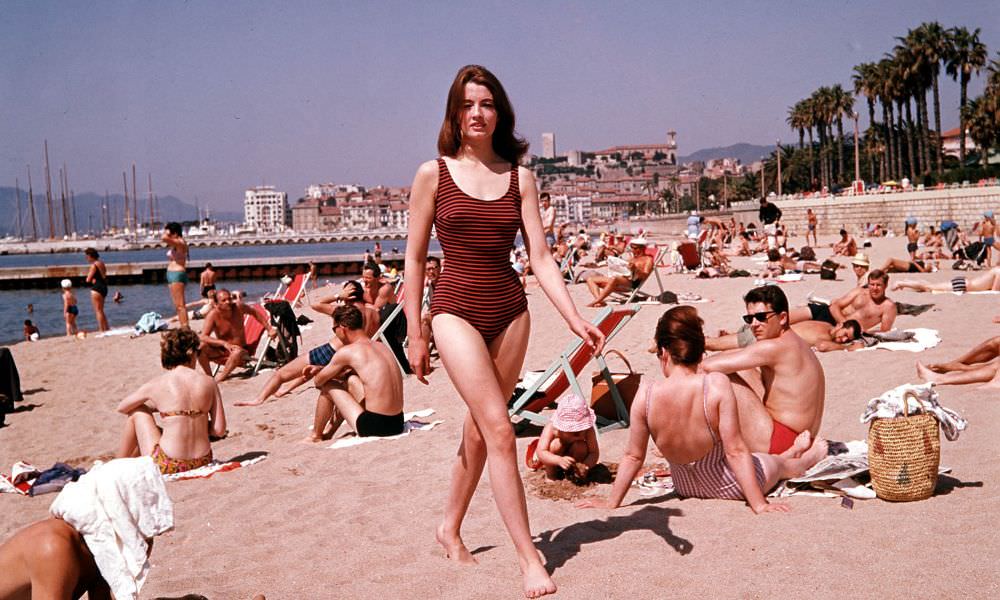
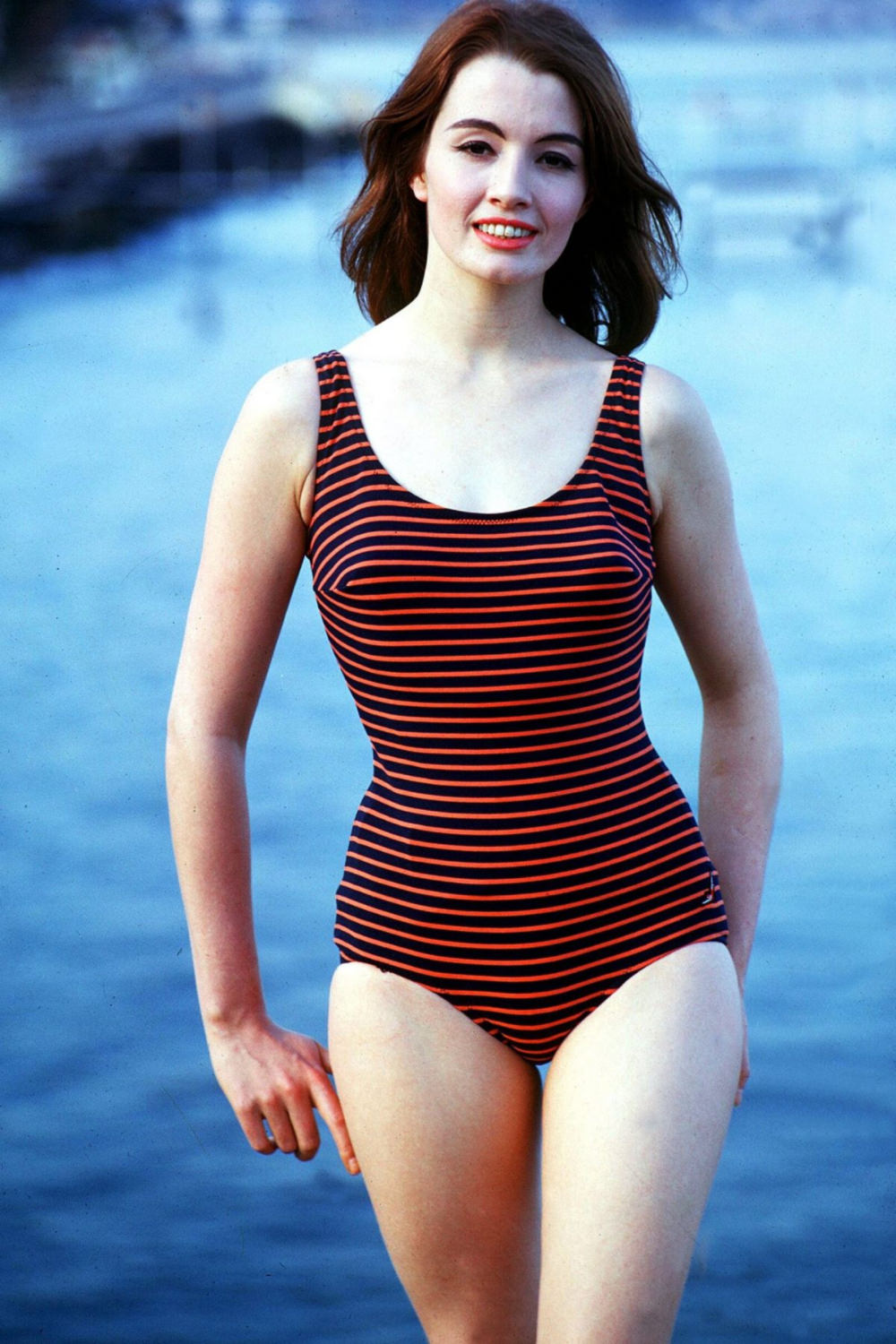
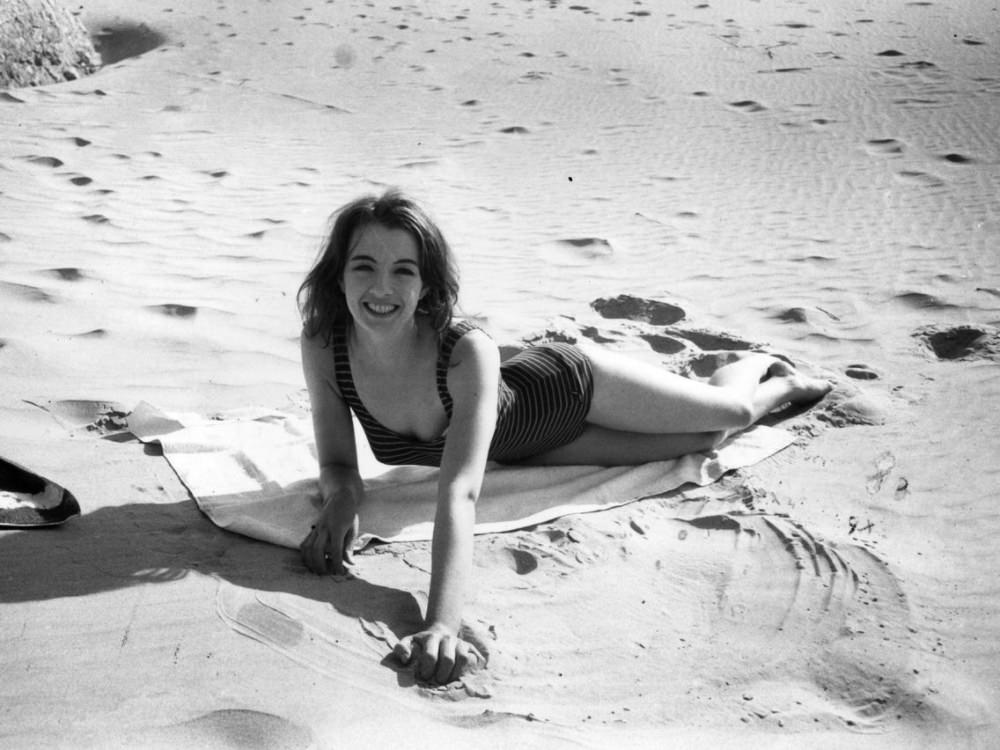
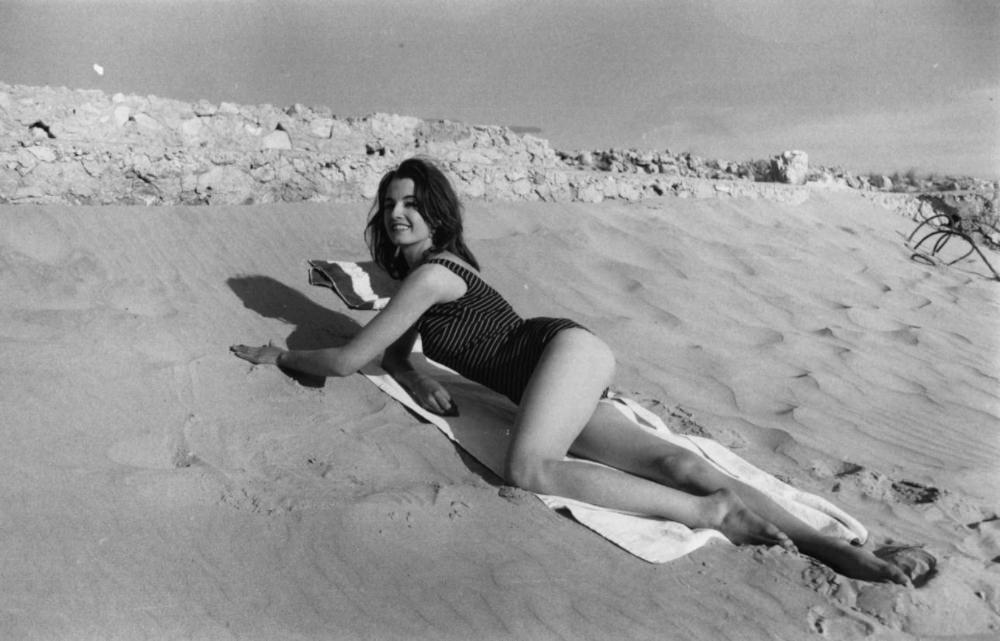
In 1963, Christine Keeler was one of the most talked-about women in Britain. Before the full weight of the Profumo Affair came crashing down on the Conservative government, the 21-year-old model and showgirl took a brief trip to Spain and France. These photos, taken on sun-drenched beaches, capture her in a rare moment of calm before the political storm that would define her life.
Keeler had grown up in poverty in Berkshire, living with her family in converted railway carriages. By her late teens she was working as a dancer and model in London, moving in circles far above her origins. She became a fixture at the Cliveden estate, where society figures, politicians, and foreign dignitaries regularly gathered.
It was at Cliveden that she met John Profumo, the Secretary of State for War in Harold Macmillan’s government. Their affair was brief but explosive. Around the same time, Keeler was also involved with Captain Yevgeny ‘Eugene’ Ivanov, a Soviet naval attaché stationed in London. The overlap between these two relationships set off alarm bells at the highest levels of British intelligence.
The core concern was straightforward: a woman sleeping with both a senior British defence minister and a Soviet military official during the height of the Cold War represented a serious potential security breach. Intelligence services worried that sensitive information could have passed between the two men through Keeler, whether she was aware of it or not.
Profumo initially denied the affair in a statement to the House of Commons in March 1963. That denial proved fatal to his career. When the truth came out, he was forced to resign — not only from his ministerial post but from Parliament entirely. It was one of the most dramatic political falls in post-war British history.
The scandal quickly consumed Macmillan’s government. Questions mounted not just about Profumo’s conduct but about whether national security had been properly managed. Macmillan, already in poor health, resigned in October 1963, citing illness, though the scandal had severely weakened his authority.
Keeler herself became the target of intense public scrutiny and moral judgment. Prime Minister Macmillan privately referred to her as a ‘tart.’ The press was relentless. Her background, her looks, and her lifestyle were dissected daily in newspapers across the country. She was treated less as a person caught in extraordinary circumstances and more as a symbol of moral decline.
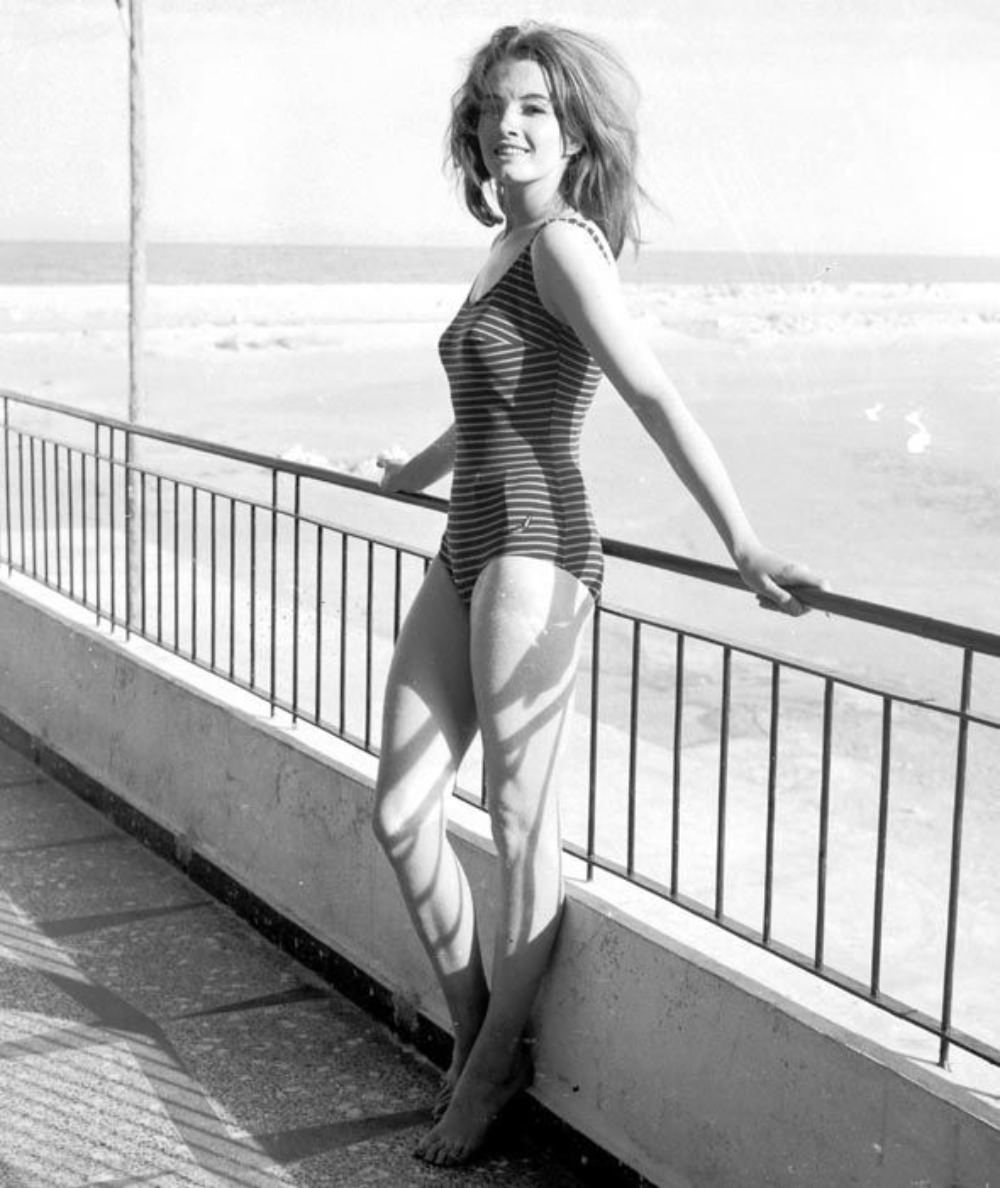
These beach photographs from Spain and France show a different side of that moment. Here, Keeler is simply a young woman on holiday — posing in a swimsuit, relaxed, with no visible sign of the chaos that surrounded her life in London. The contrast between these images and the newspaper headlines of the same year is stark.
The Profumo Affair played out against the backdrop of the Cold War, the Cuban Missile Crisis still fresh in public memory, and a Britain grappling with its place in a changed world. The idea that state secrets might have leaked through personal relationships made the scandal far more than a tabloid story — it became a matter of genuine national security debate.
No evidence was ever produced to confirm that Keeler directly passed classified information between Profumo and Ivanov. But the question alone was enough to topple careers and reshape British politics. These quiet beach scenes from early 1963 are a snapshot of Christine Keeler just before the storm became impossible to outrun.