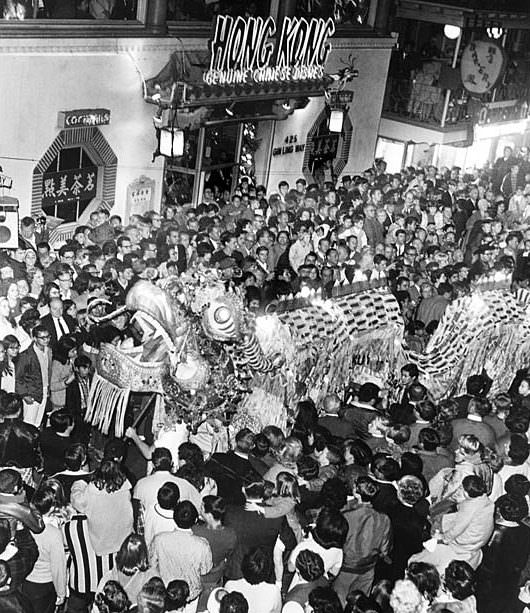
Chinese New Year — also called the Lunar New Year or Spring Festival — follows the lunar calendar, falling somewhere between late January and mid-February each year. The festival runs for 15 days, with each day carrying its own customs. In Los Angeles, the heart of the celebration has always been Chinatown, a historic neighborhood in downtown LA decorated each year with colorful lanterns and banners. These vintage photos capture how deep those roots run.
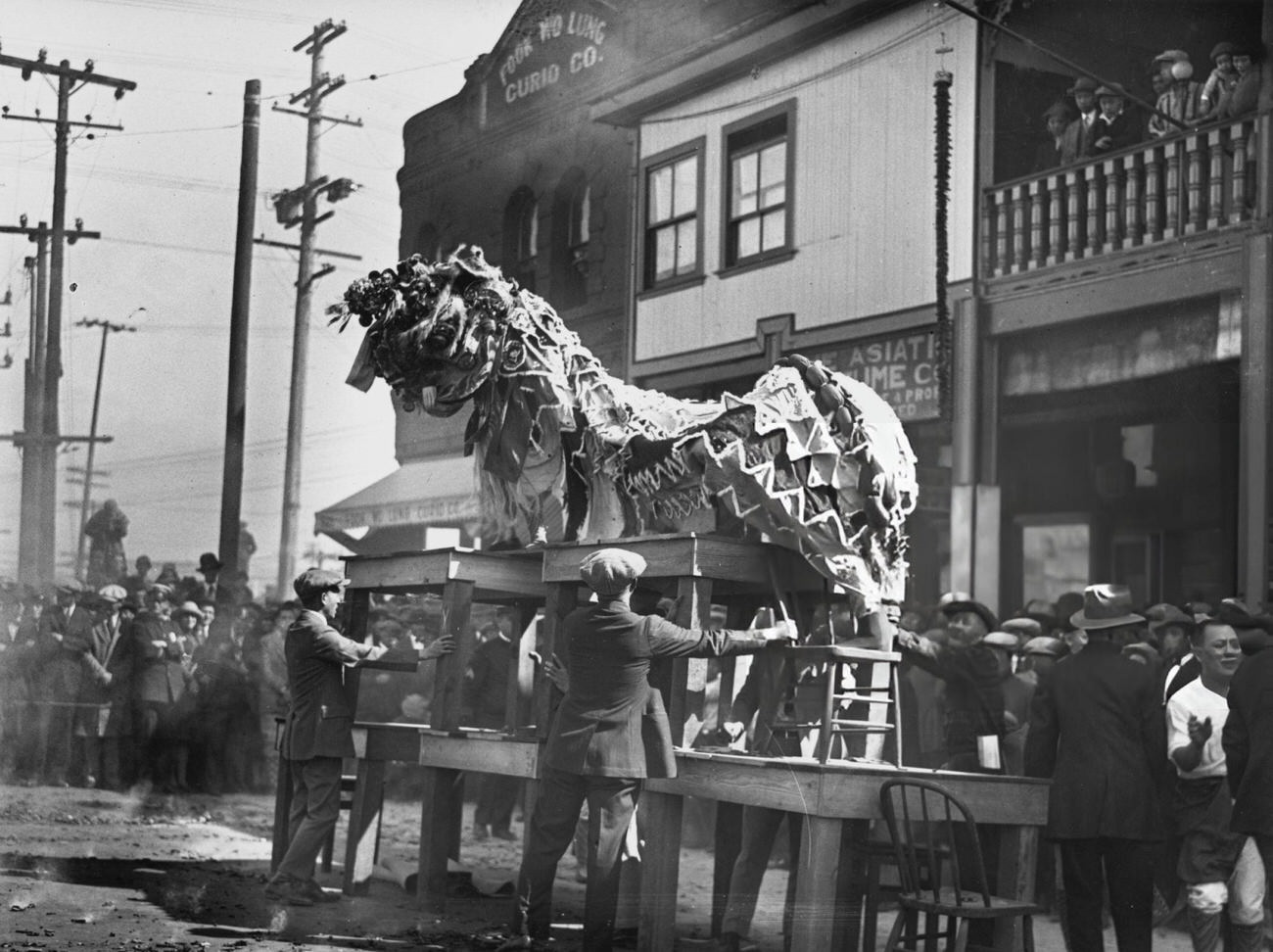
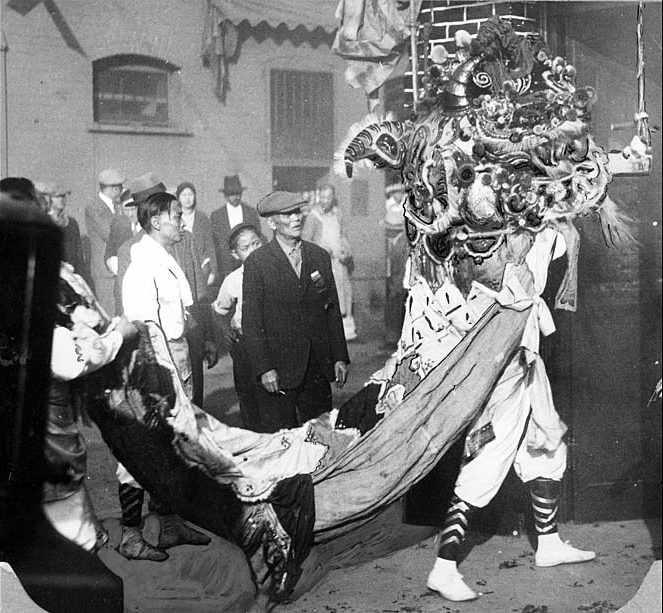
Lion dances drew large crowds from the very earliest celebrations. Two dancers inside a single colorful costume mimic the movements of a lion, a performance believed to bring good luck. By 1926, these events were already well-established spectacles in Chinatown.
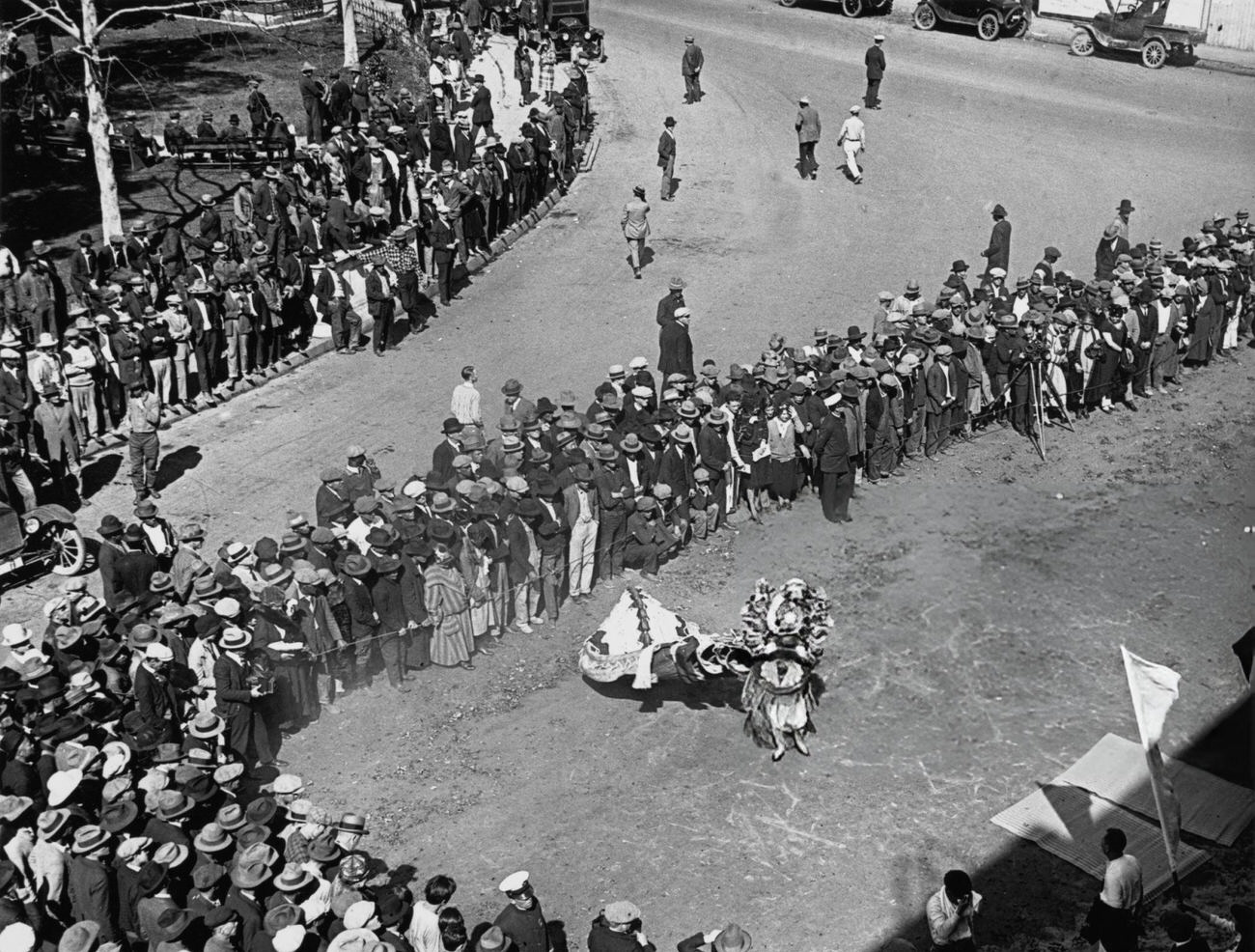
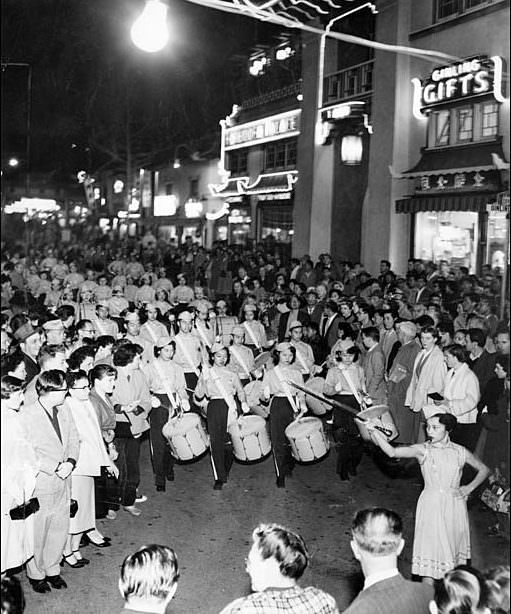
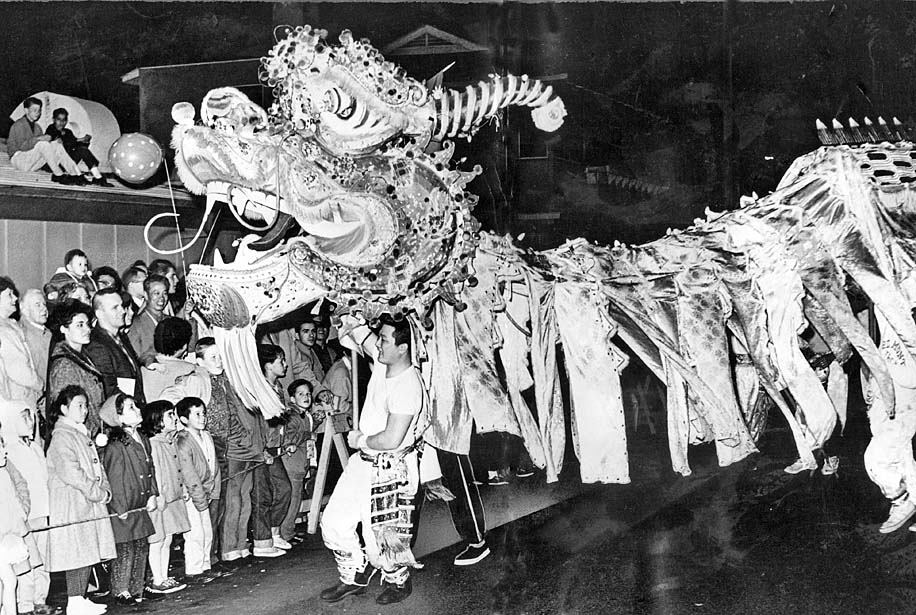
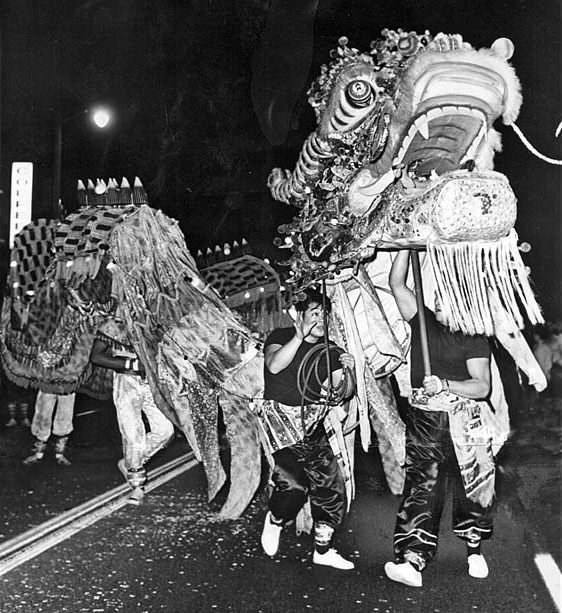
The streets of Chinatown filled with onlookers year after year. The Golden Dragon Parade — a tradition in Los Angeles for over a century — brought together floats, marching bands, lion dancers, and dragon dancers winding through the neighborhood. The dragon itself symbolized good luck and prosperity and was said to ward off evil spirits, its movements driven by a team of dancers to the beat of drums and cymbals.
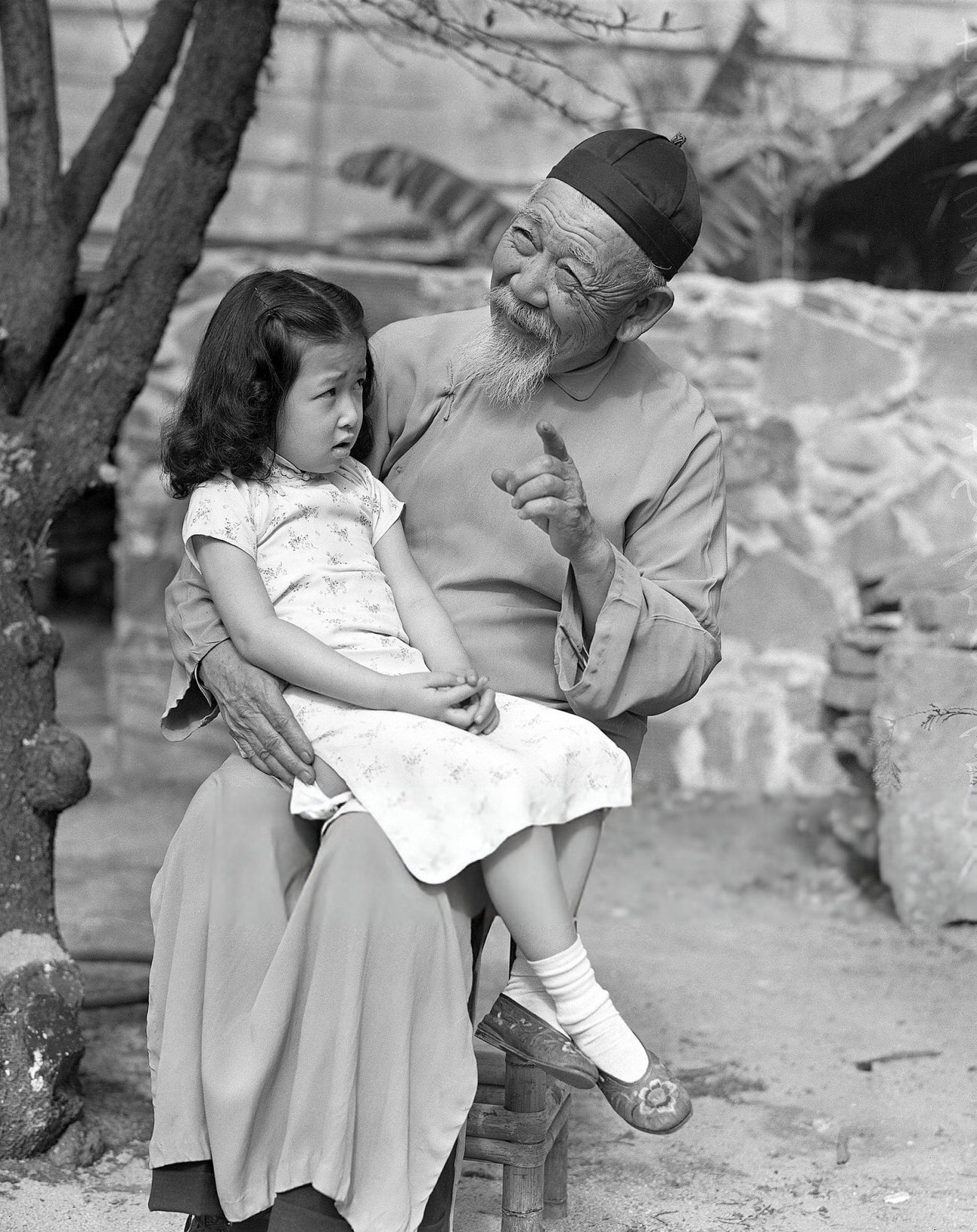
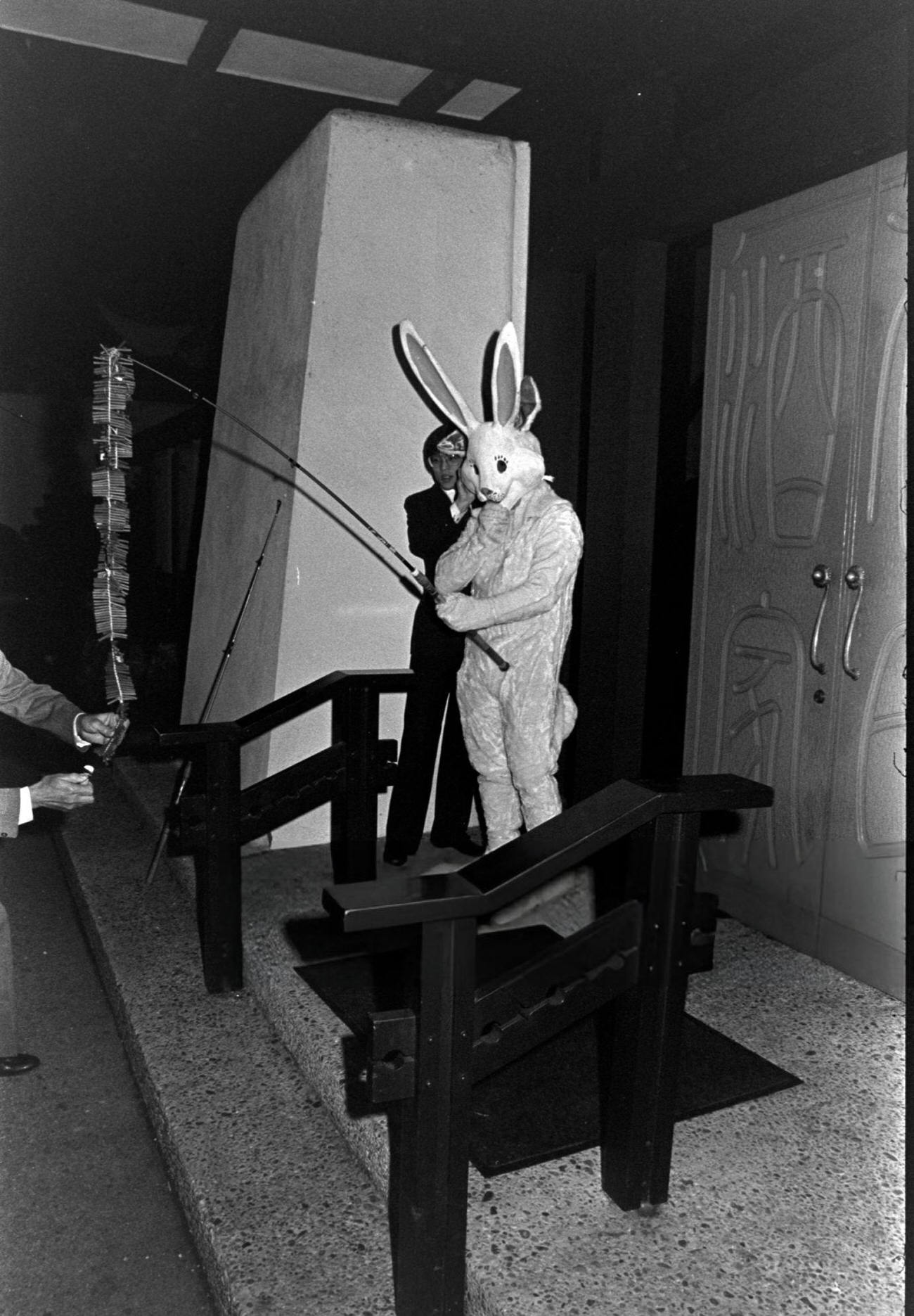
Each year on the Chinese zodiac brought its own themed performances. Celebrations extended beyond Chinatown itself, as this 1975 snapshot from Madame Wu’s Garden in Santa Monica shows. The festival’s reach across LA grew steadily with each passing decade.
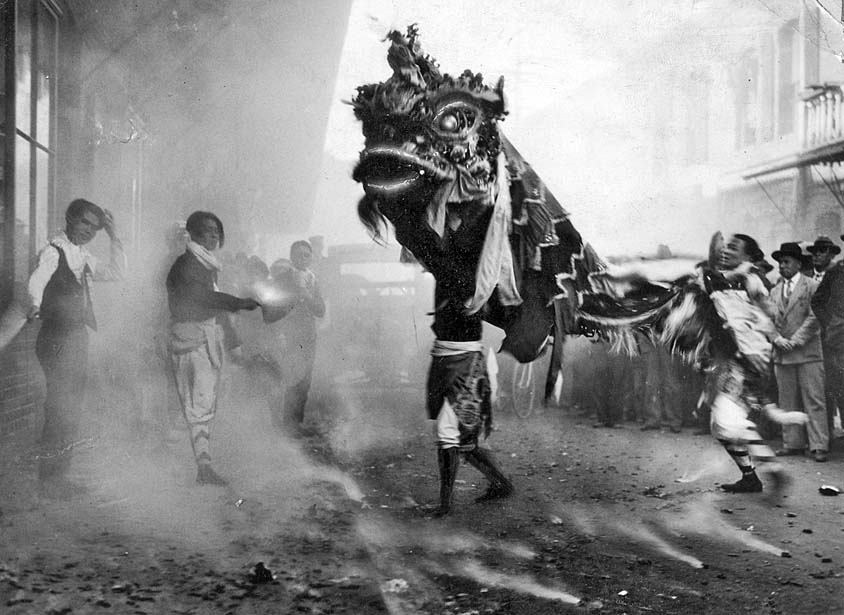
Apablasa Street was one of the main arteries of old Chinatown, bustling with festive activity during the New Year season. The lion collecting gifts was a familiar sight on these streets.
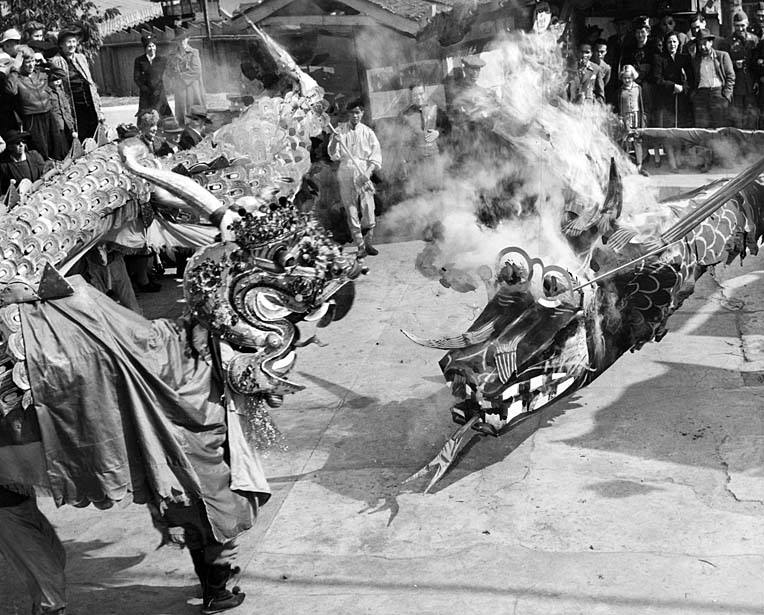
By 1942, dragon performances had grown more elaborate, with competing dragons staged as a dramatic spectacle for the crowds. Schools and community organizations also played a central role in keeping traditions alive through the parade.
By 1967, the celebrations had grown into one of the largest public events in the city.