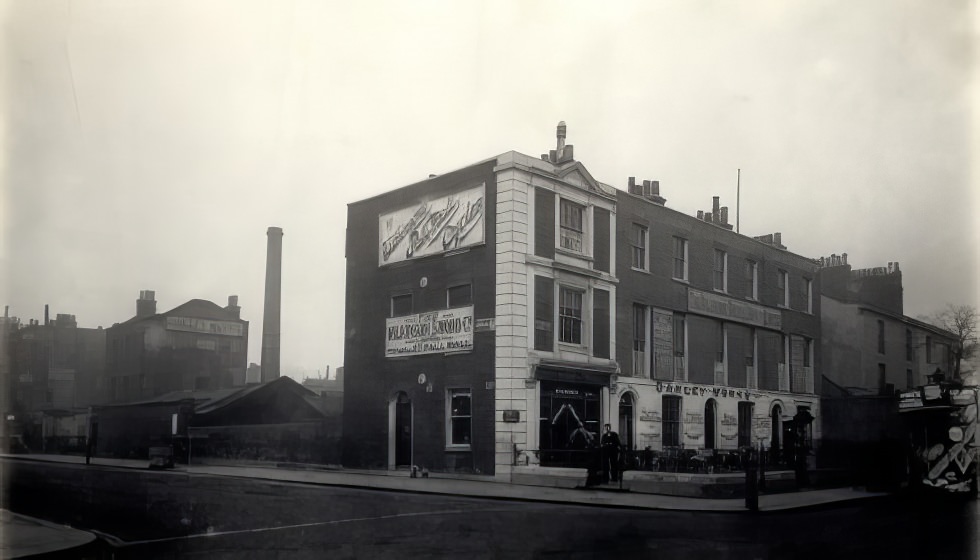
Chelsea in the 1890s was a district of sharp contrasts. Grand houses stood within walking distance of industrial workshops. Wealthy families lived in elegant squares like Cadogan Place and Sloane Square, while working-class communities filled the streets just beyond. The area sat on the north bank of the Thames and was shifting fast — leaving behind its village roots and becoming one of London’s most fashionable addresses.
King’s Road was the spine of it all. Even in the 1890s, it was a busy, well-worn thoroughfare lined with shops serving everyone from upper-class residents to local tradespeople. High-end boutiques and humble grocers shared the same stretch of pavement. The photos below capture several sections of this road at a moment when old buildings were coming down and new ones were going up.
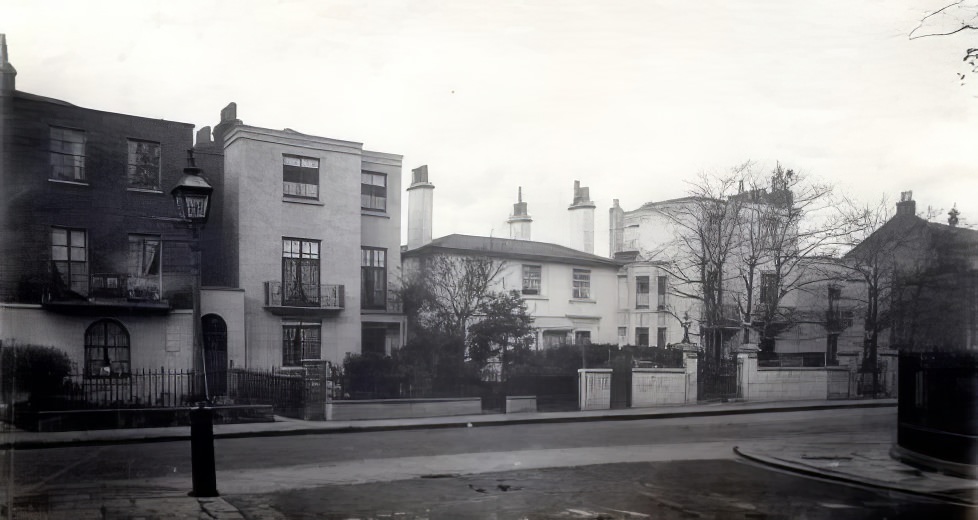
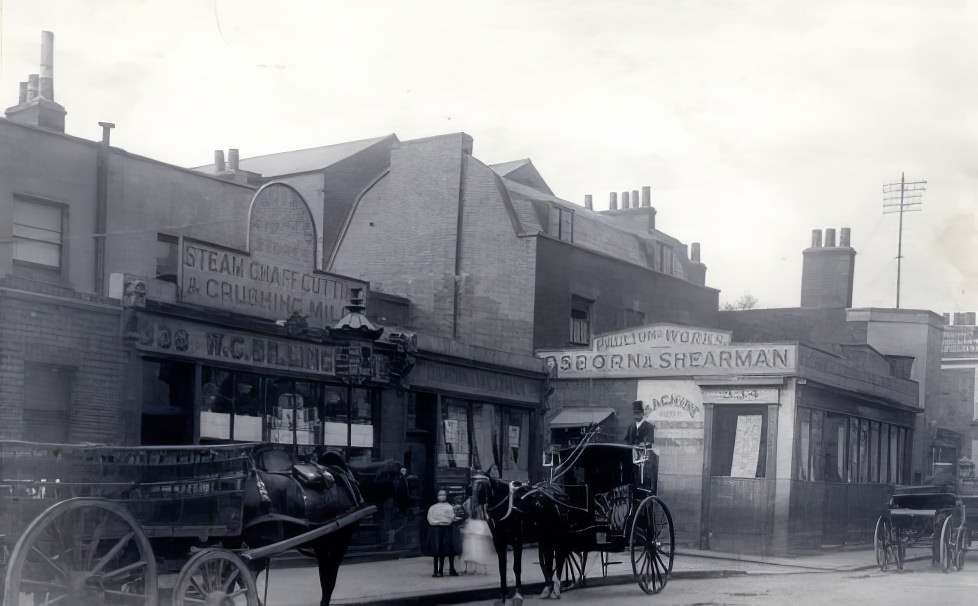
The south side of King’s Road tells a story of demolition and change. Buildings that had stood for decades were cleared to make way for new development, a process visible in several of these photographs. The corner of Beaufort Street was one such site lost to progress.
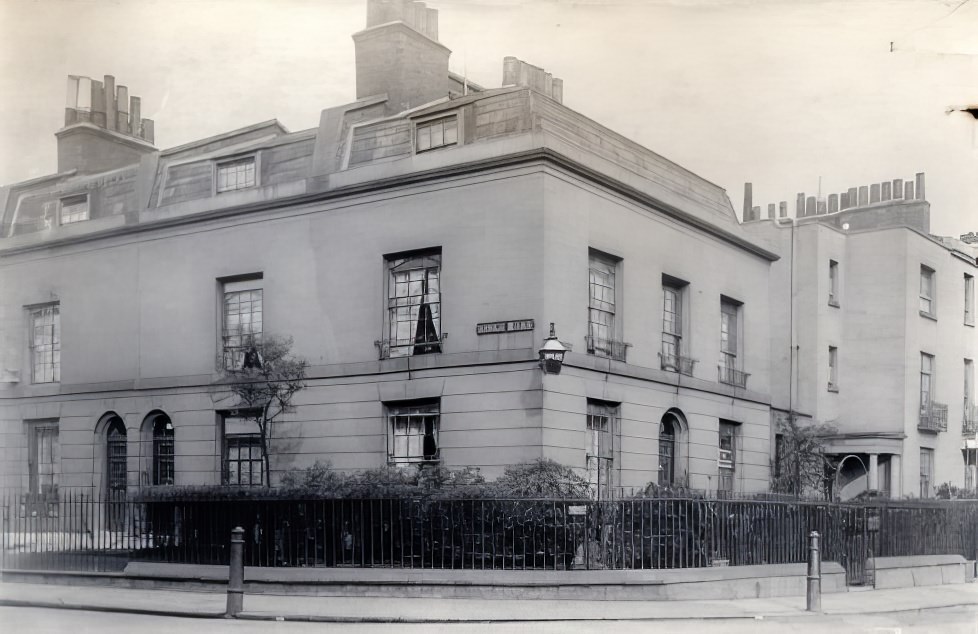
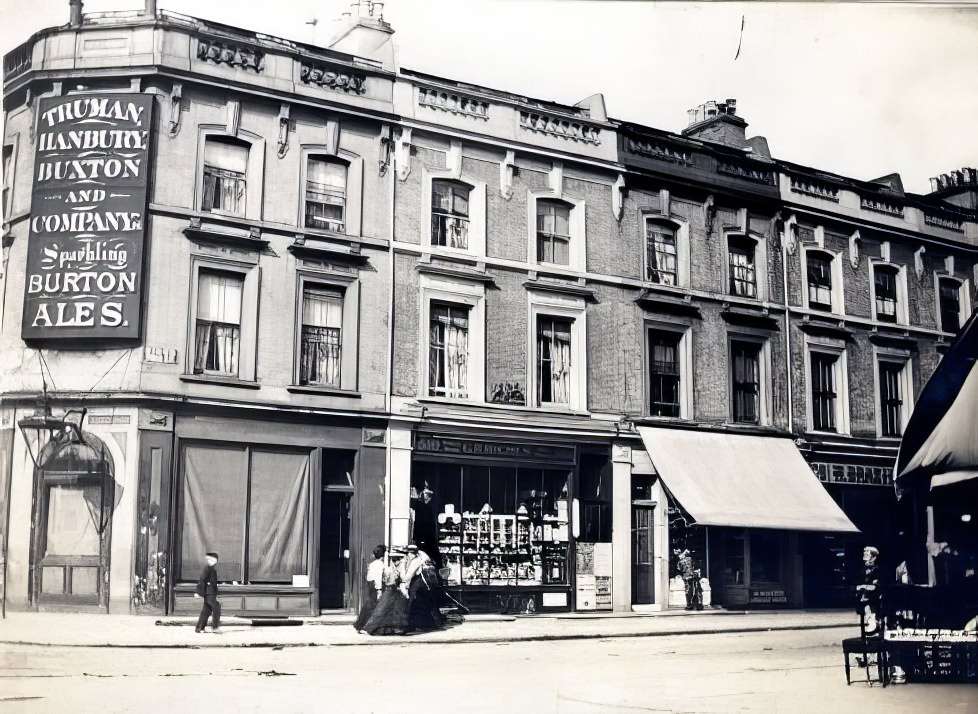
Religion shaped the neighbourhood too. The Wesleyan Chapel on Sloane Street was a fixture of Victorian community life, reflecting the strong nonconformist presence across working and middle-class London at the time.
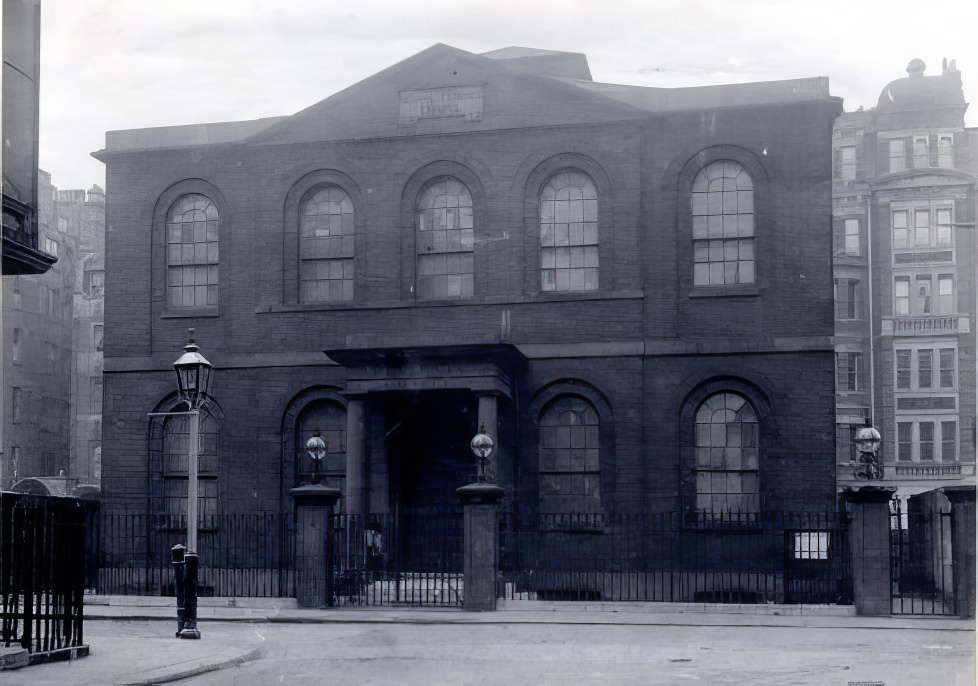
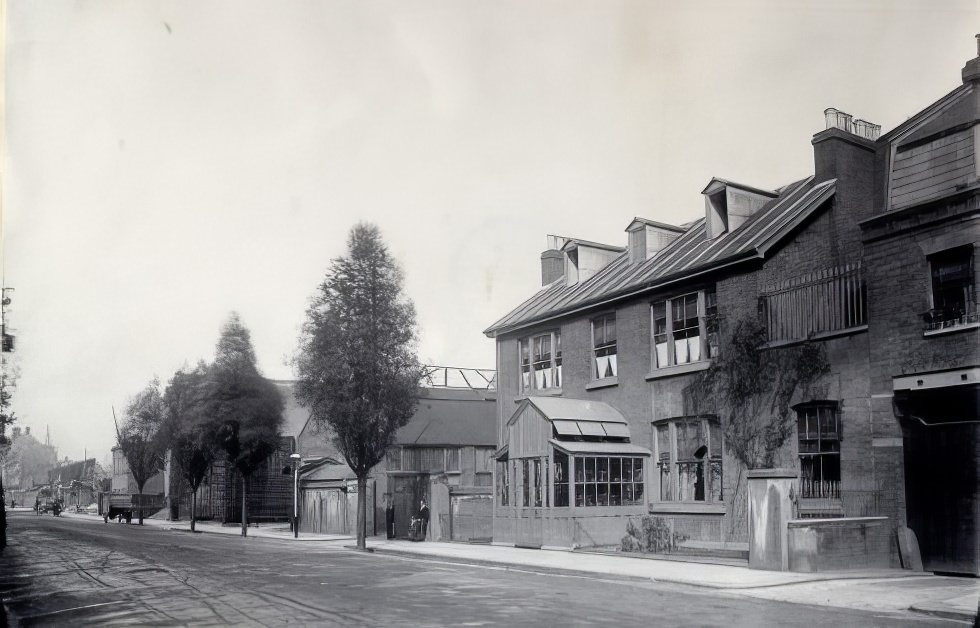
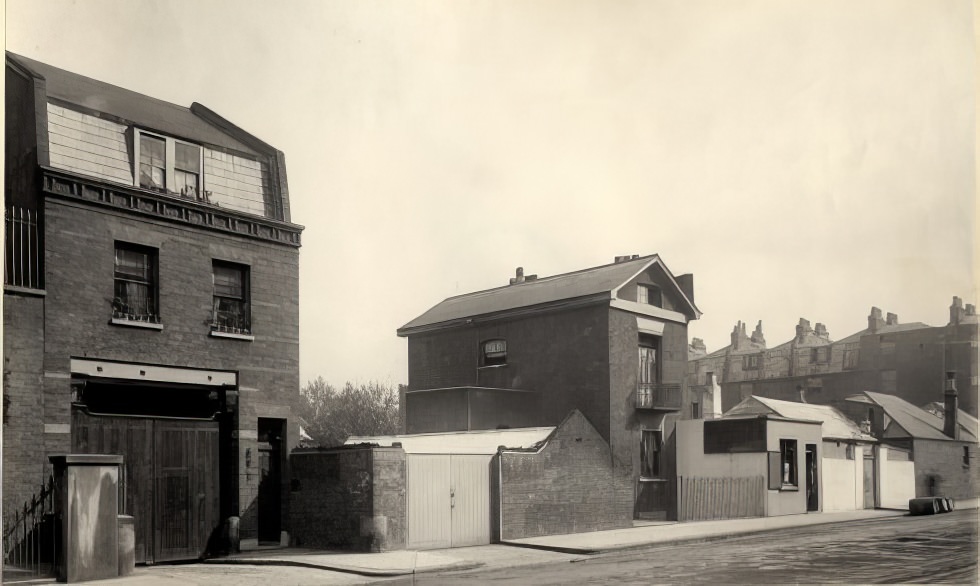
Tucked off the northern section of Beaufort Street was Camera Square — a quiet, enclosed pocket of Chelsea that few outsiders would have known. These photos offer a rare look at its modest, tightly built character before it disappeared from the map.
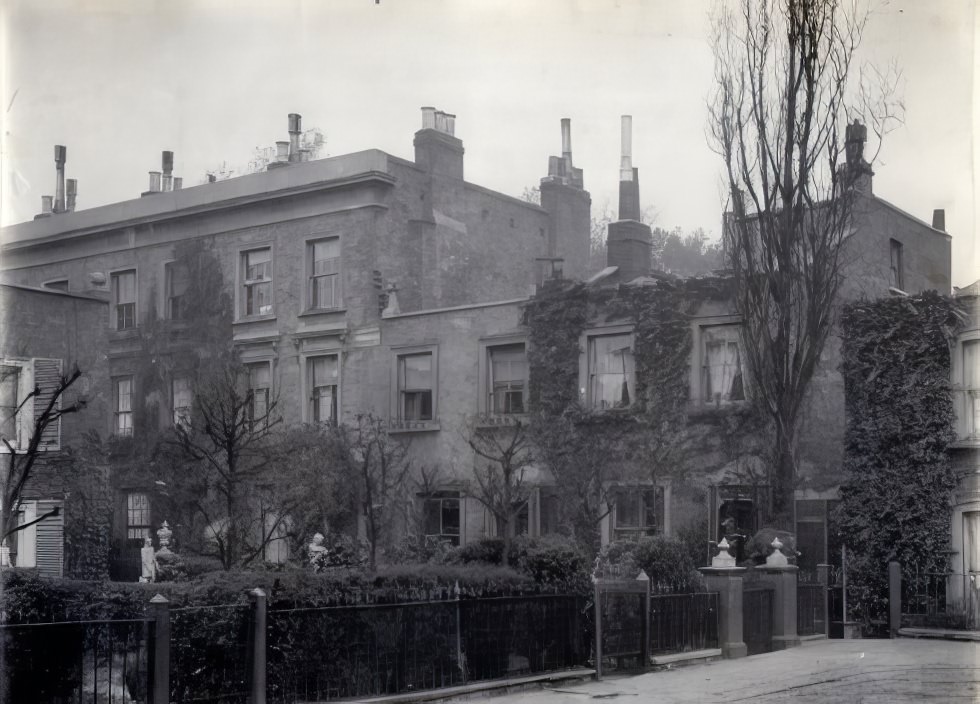
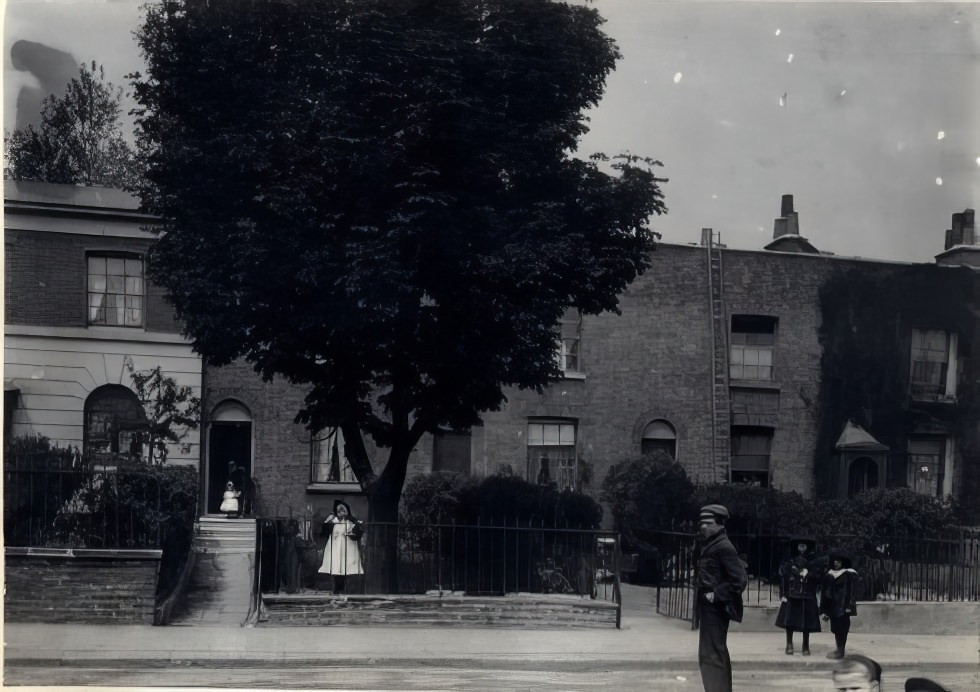
Along King’s Road between Sydney Street and Upper Manor Street, a theatre and post office once stood before being demolished. These were not minor buildings — they were part of the civic and cultural fabric of the neighbourhood, and their removal marked a clear break with the older Chelsea.
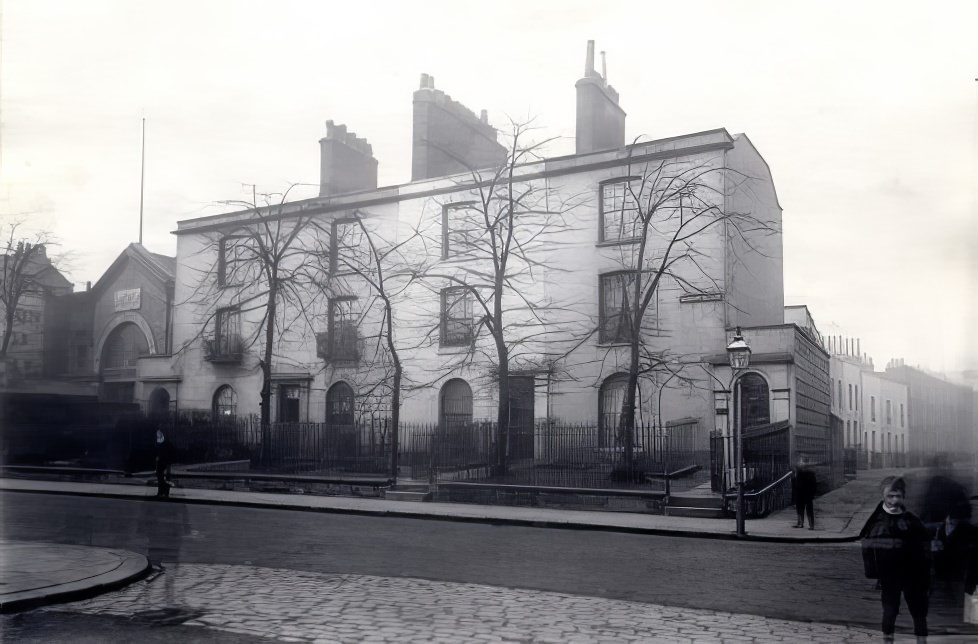
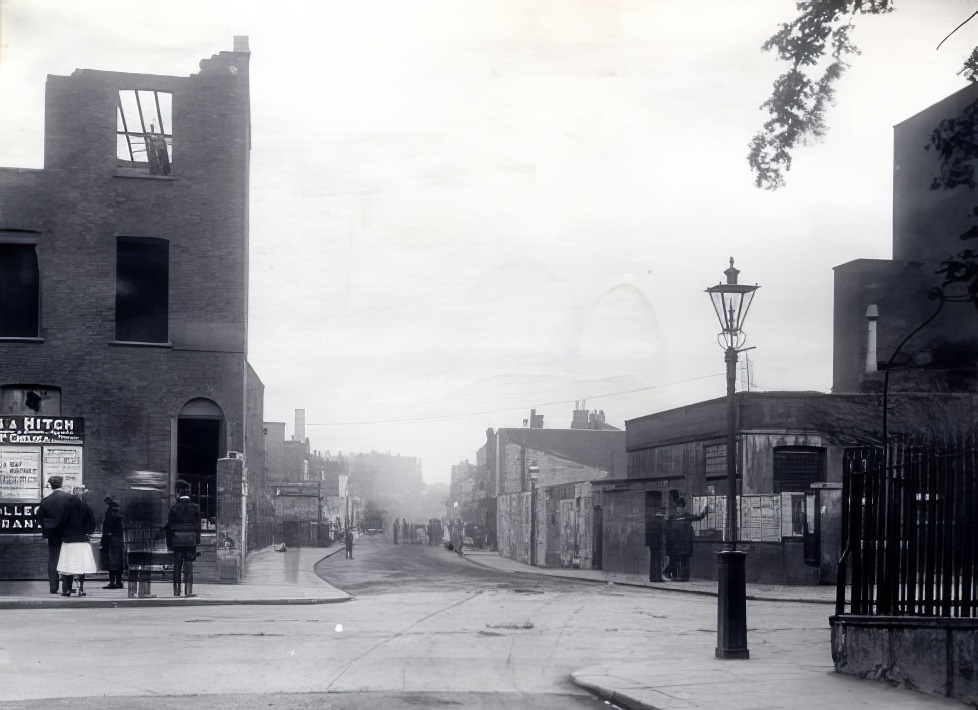
Manresa Road offered a different pace. By 1896, it was home to Daniel’s Brewery Stores, photographed here opposite the local library. The road stretched from Wentworth Villa toward Trafalgar Square, passing through a quieter, more residential slice of Chelsea.
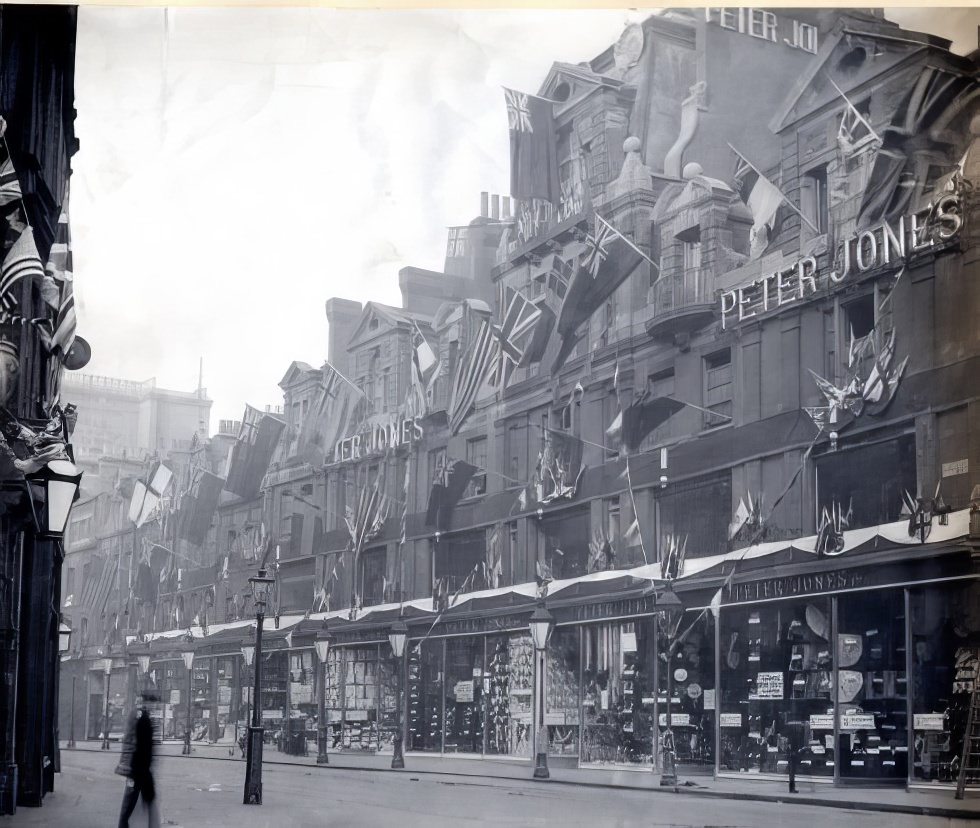
Sloane Square’s commercial life is captured in this October 1900 photograph showing the earlier Peter Jones building — a structure long since replaced but well remembered by local historians.
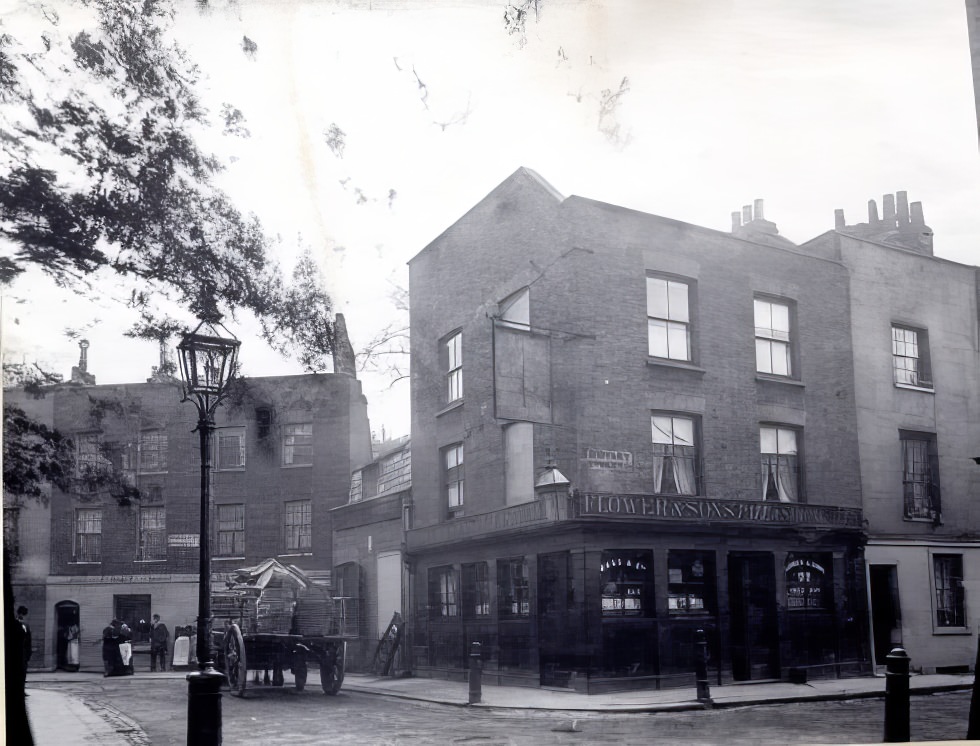
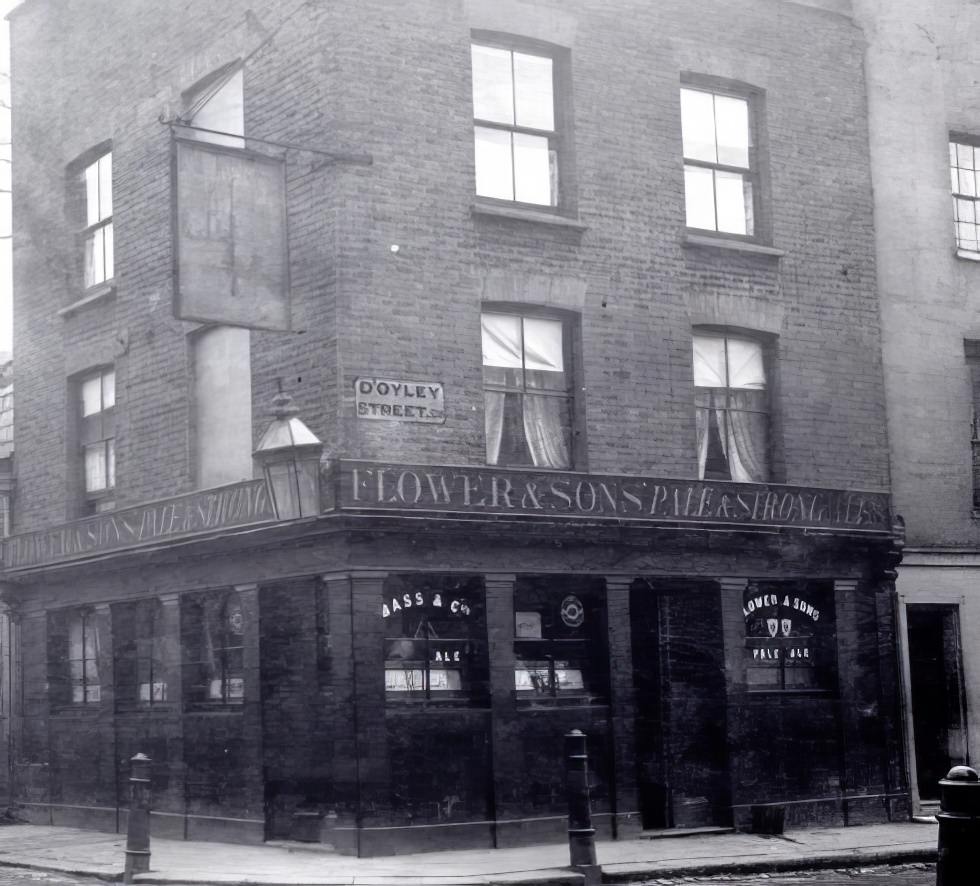
The junction of Sydney Street and King’s Road was another active corner of Victorian Chelsea, busy with foot traffic and local commerce. Nearby, D’Oyley Street preserves a glimpse of an older residential Chelsea, including the Woodman Tavern as it stood in 1897 — a local pub that anchored daily life for the people who lived there.