Hey There! Before You Go. 😧
Get the best vintage content straight into your inbox!

Don't worry, we don't spam

Stunning Historical Photochrom Postcards of Charlotte from the early 20th-Century

Charlotte is the largest city in North Carolina, named in honor of Charlotte of Mecklenburg-Strelitz, who became Queen of Great Britain seven years before the town was incorporated. Settled around 1755, Charlotte grew steadily through the 19th century, earning the nickname “The City of Churches” before booming as a cotton processing center and railroad hub after the Civil War. The postcards below offer a vivid look at the city’s streets, buildings, and everyday life from the early 20th century.

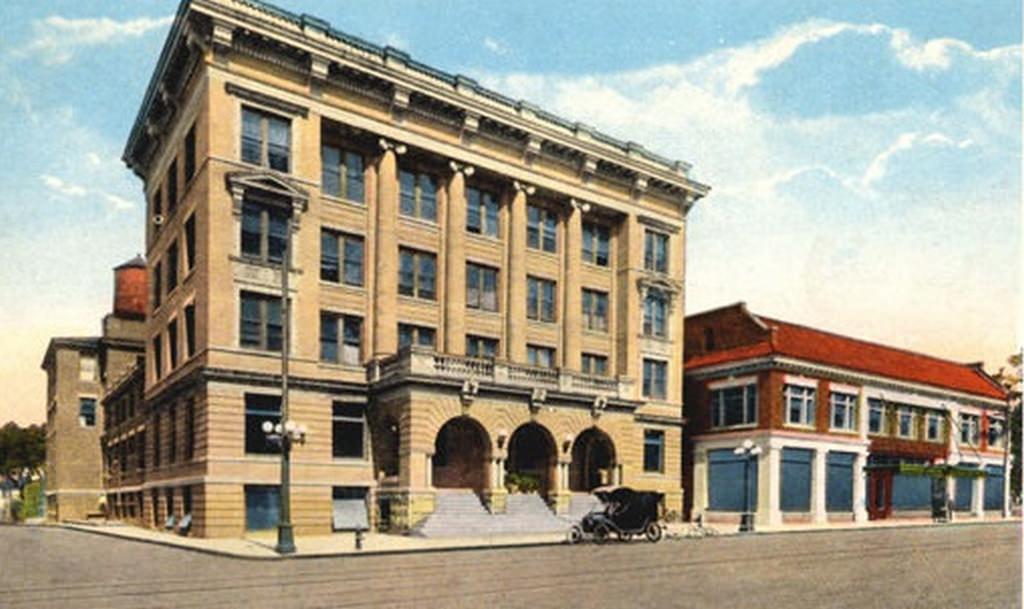
YMCA Building (Second One), 1915

The Young Men’s Christian Association (YMCA) was once located next door to the Latta Arcade in the 300 block of South Tryon Street.

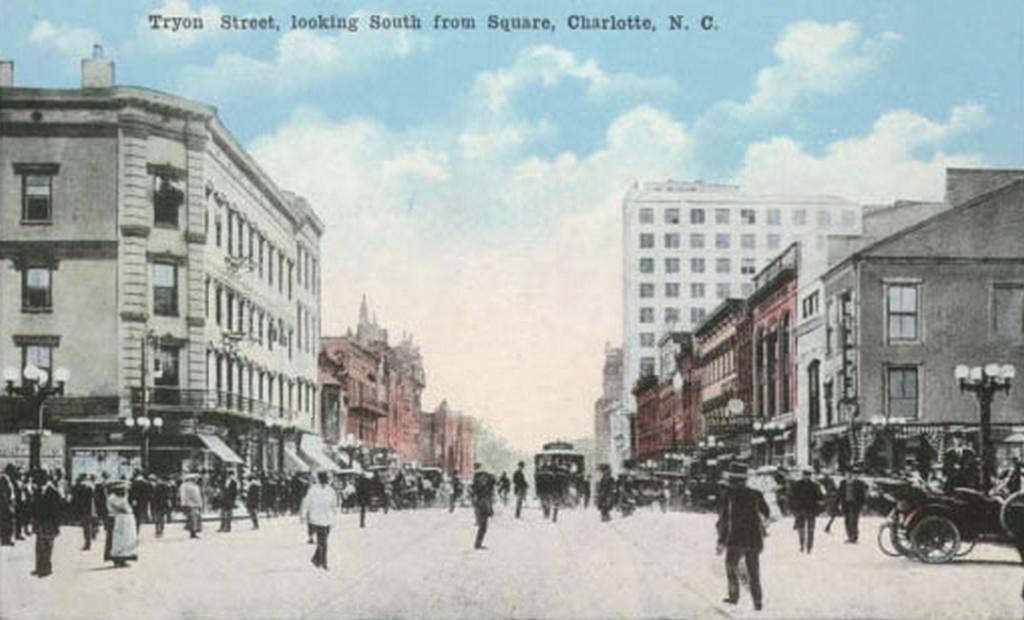
Independence Square, 1900

Daily activities are depicted on this postcard of Tryon Street looking south from the Square.

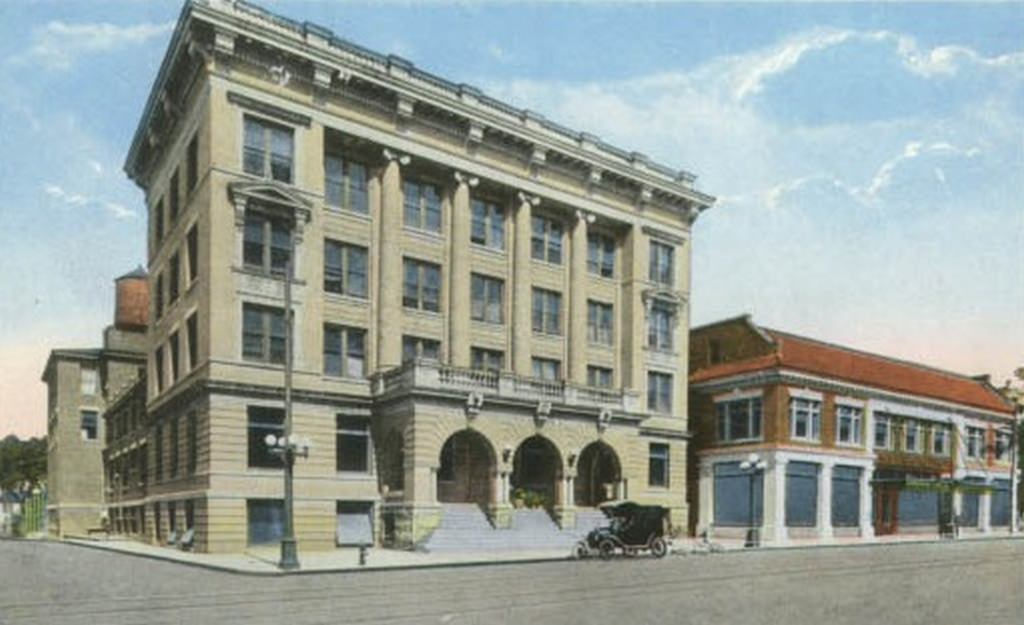
Fourth Courthouse & Law Building, 1910
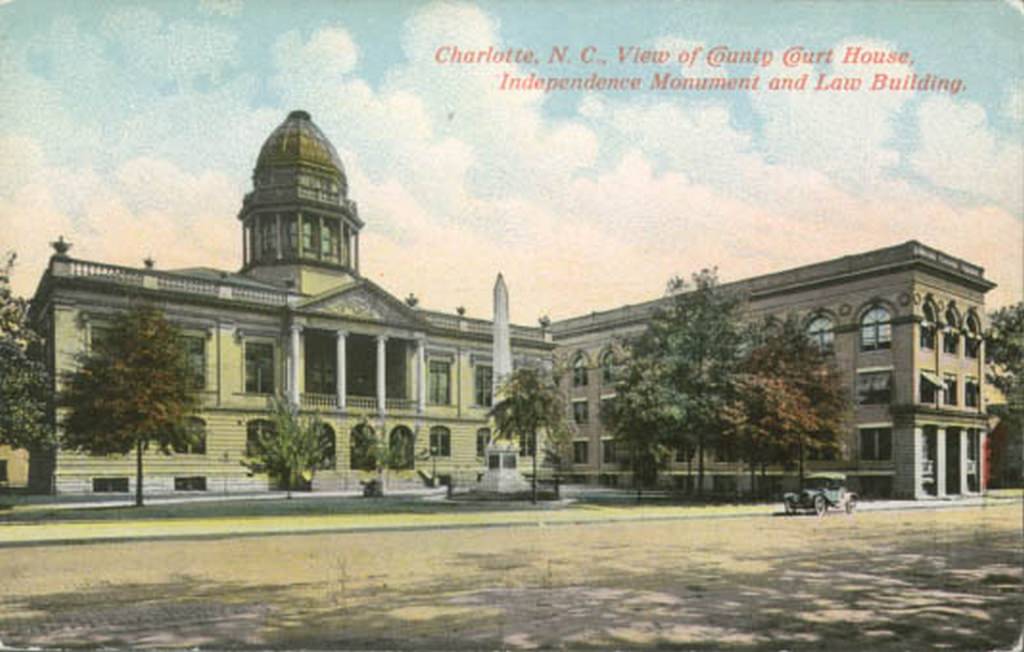

This postcard depicts the Fourth Mecklenburg County Courthouse that was built in 1897, the Independence Monument, and the Law Building.

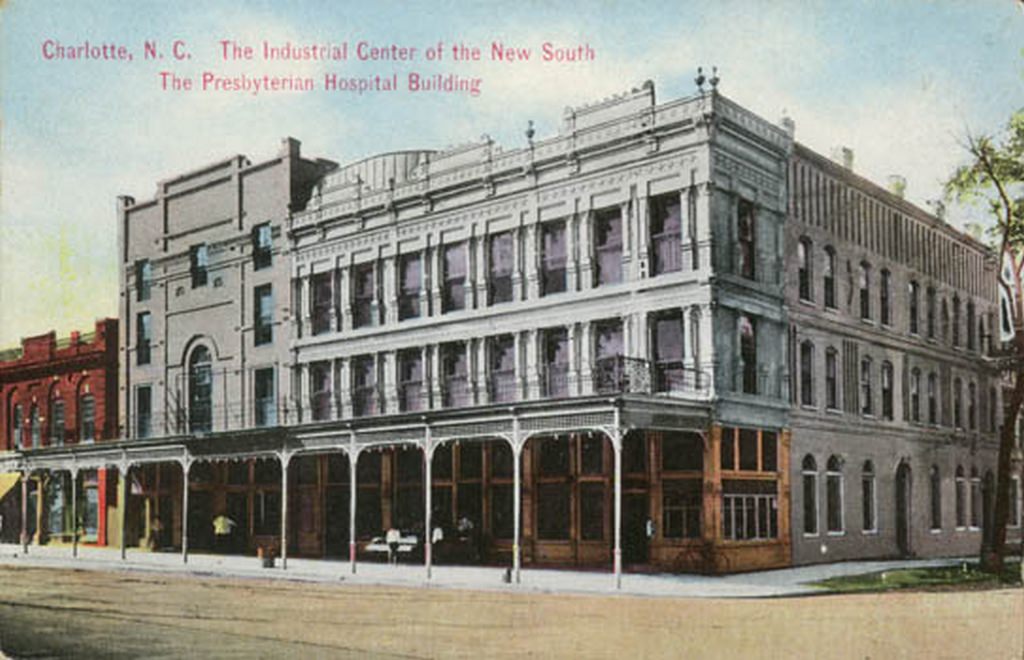
Presbyterian Hospital, 1909

Presbyterian Hospital was originally located at 311 West Trade Street.

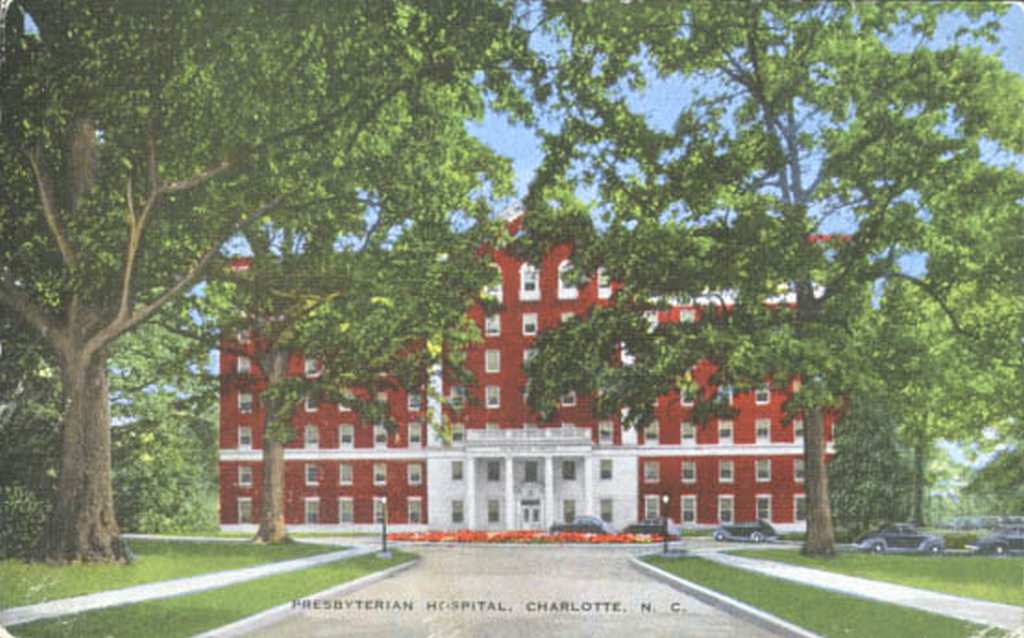
Presbyterian Hospital, 1950

Presbyterian Hospital at the intersection of Hawthorne Lane and Elizabeth Avenue.

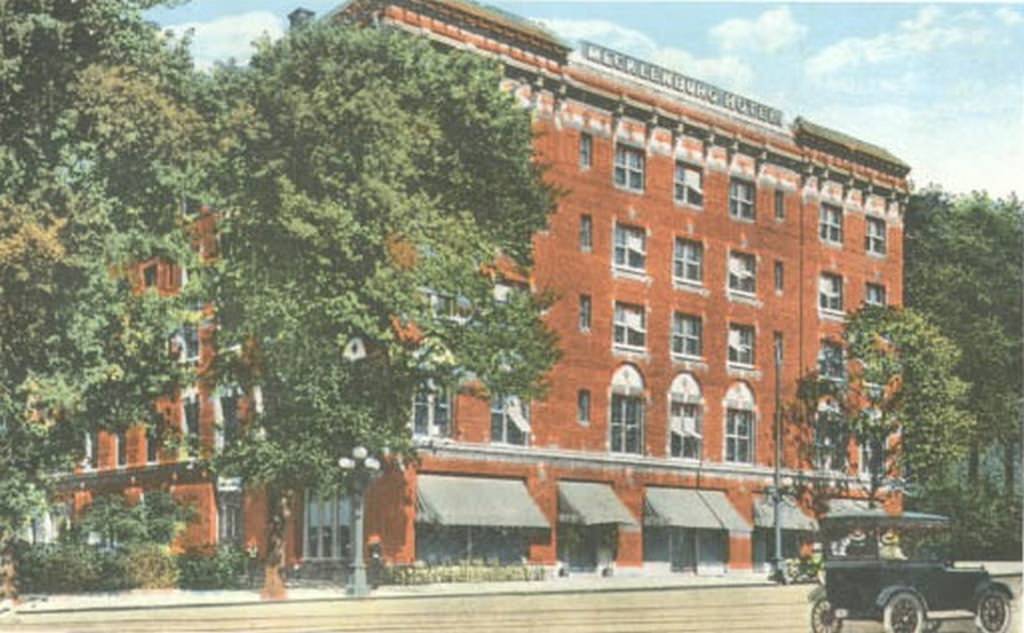
Mecklenburg Hotel, 1923

The Mecklenburg Hotel was located at 520–524 West Trade Street. It was built in 1914 by W.C. Petty.

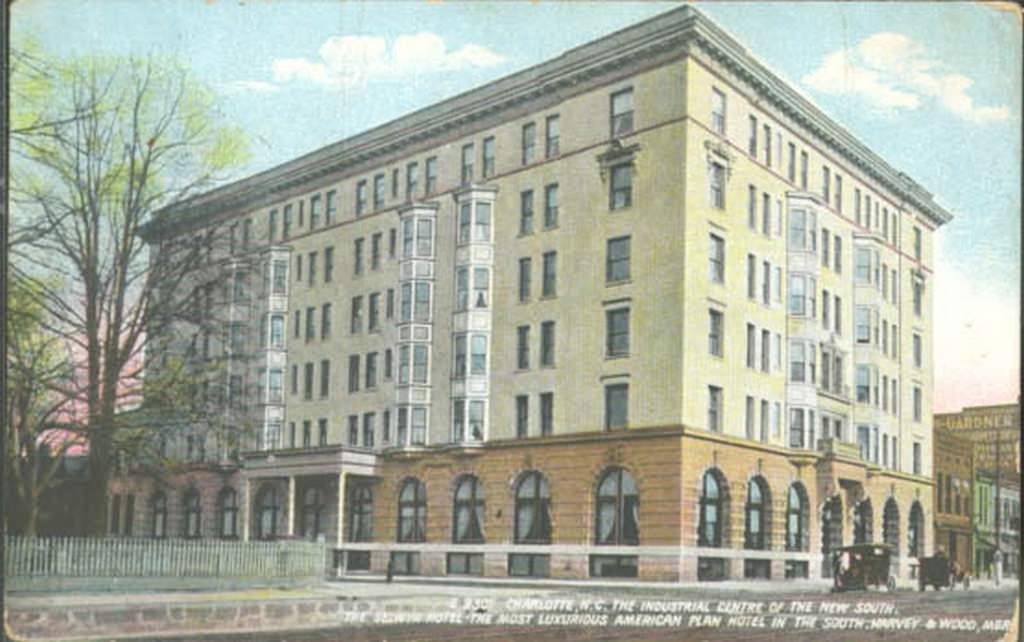
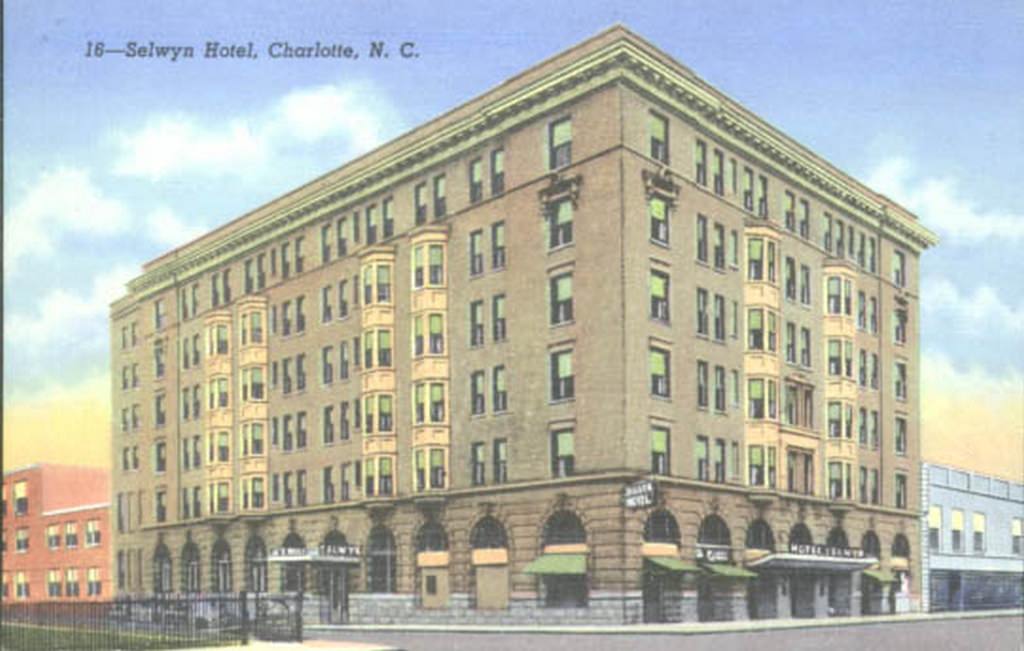
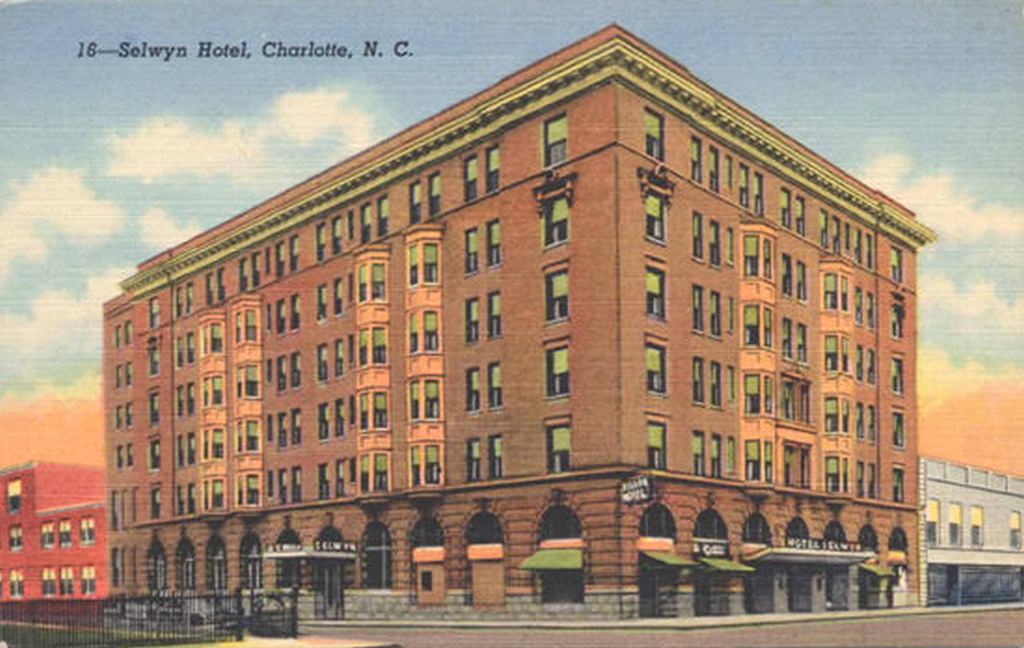
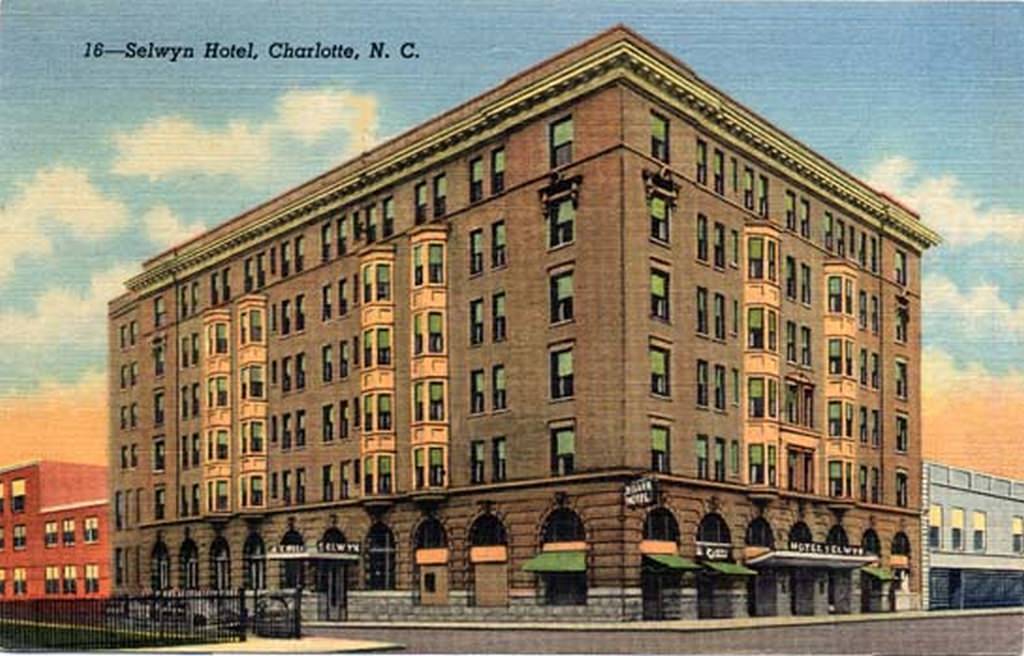
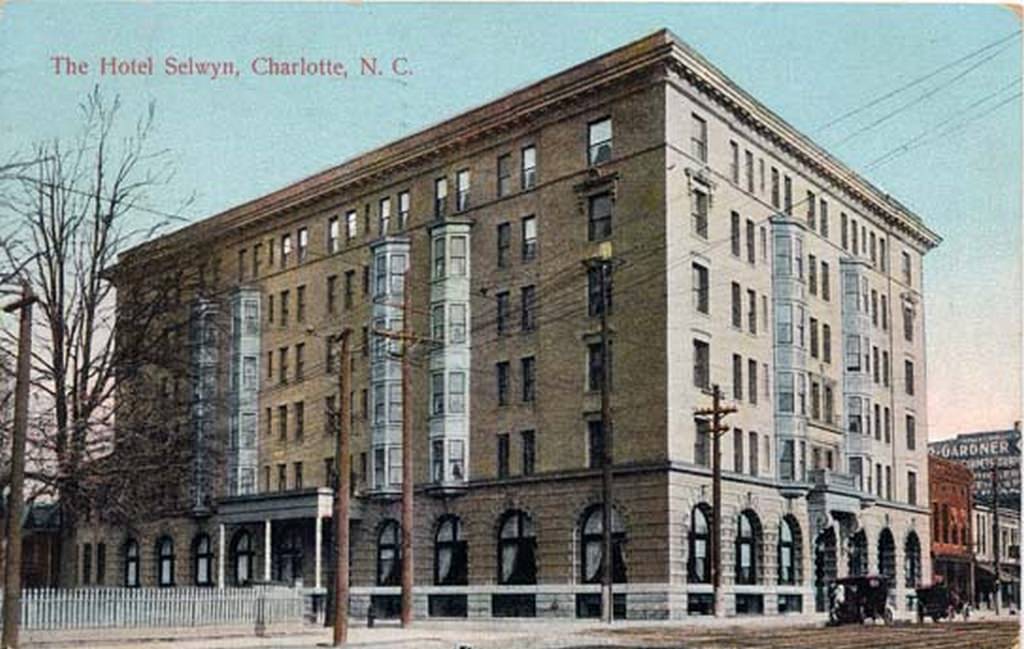
Selwyn Hotel, 1910
Selwyn Hotel, 1910

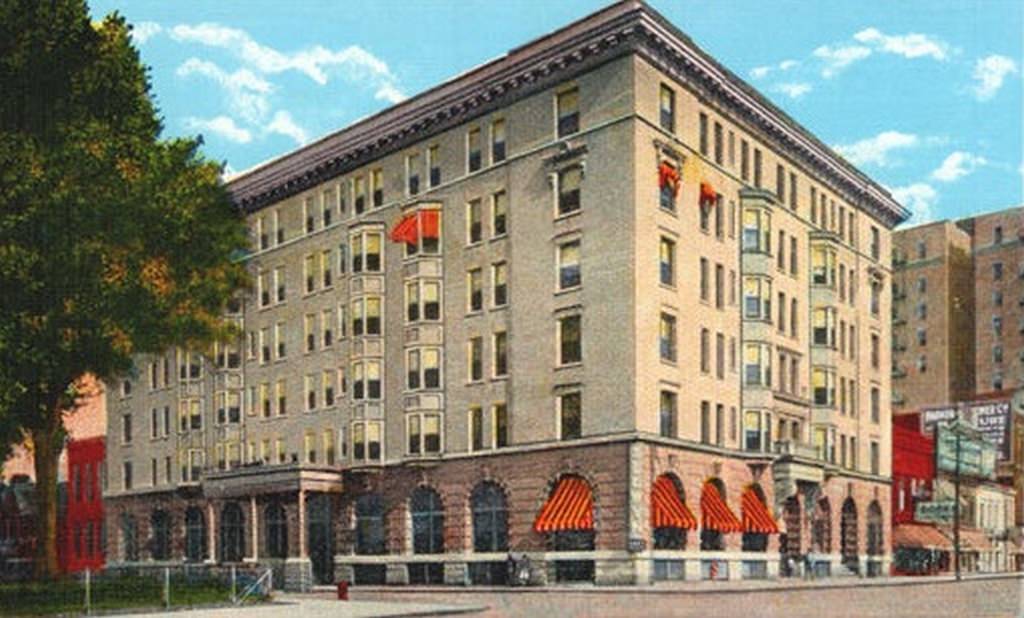
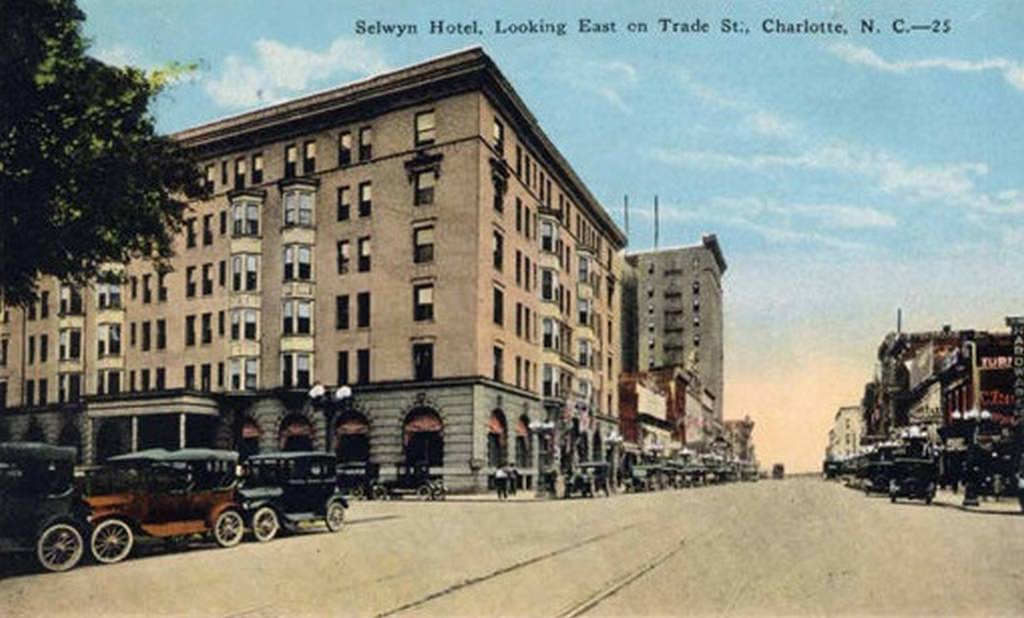
The Selwyn Hotel was located on West Trade Street. It opened in 1907.

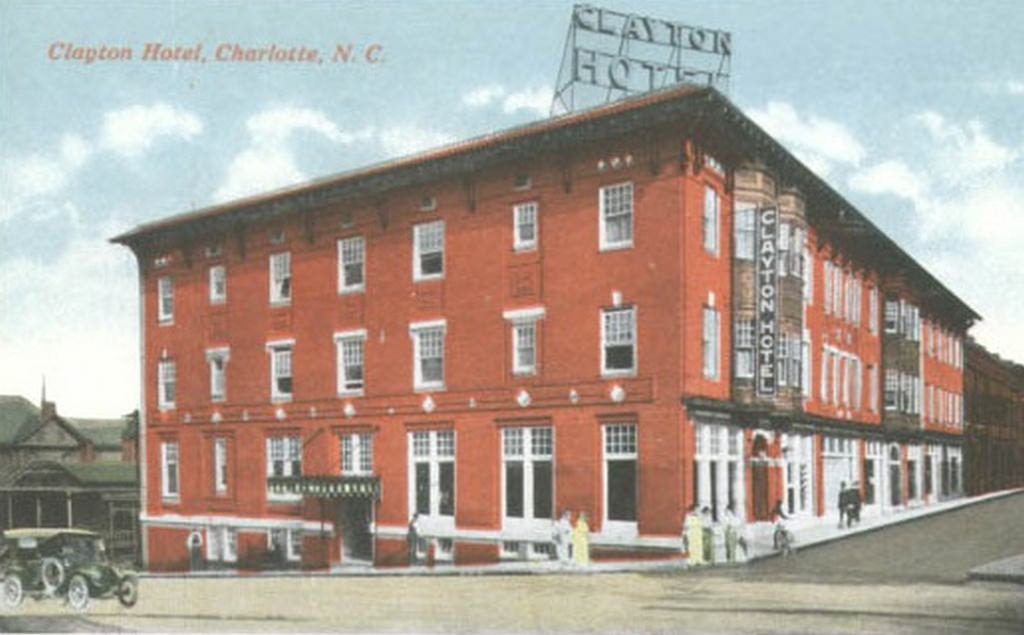
Clayton Hotel, 1920
Clayton Hotel, 1920

The Clayton Hotel was located on the northeast corner of Church and Fifth Streets. Built in 1913, the hotel offered 100 rooms and 50 baths. It was demolished in the mid-1970s to make room for a parking lot. Merton C. Propst was the owner.

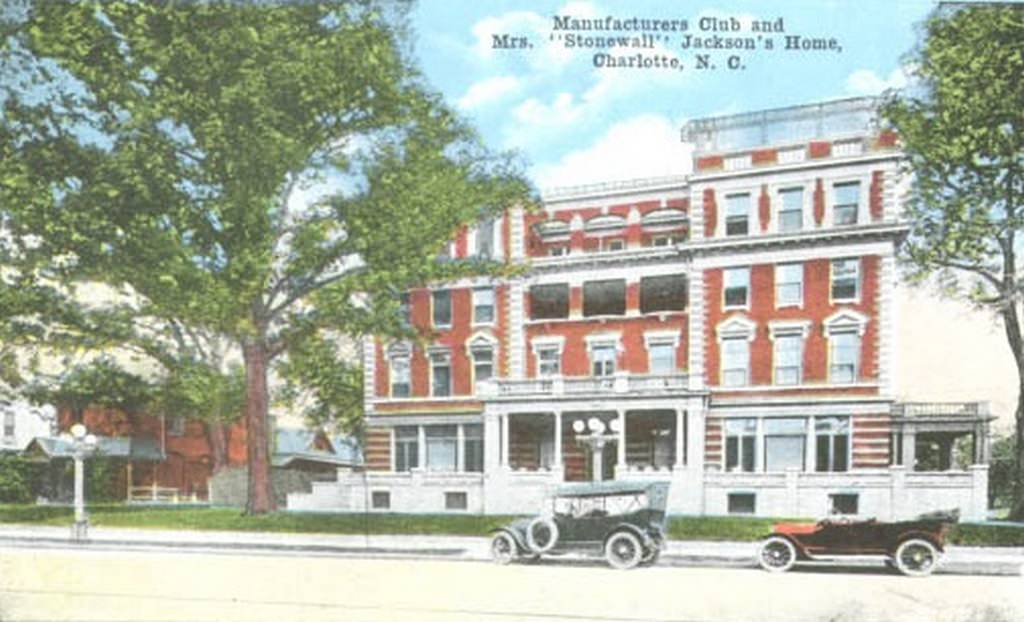
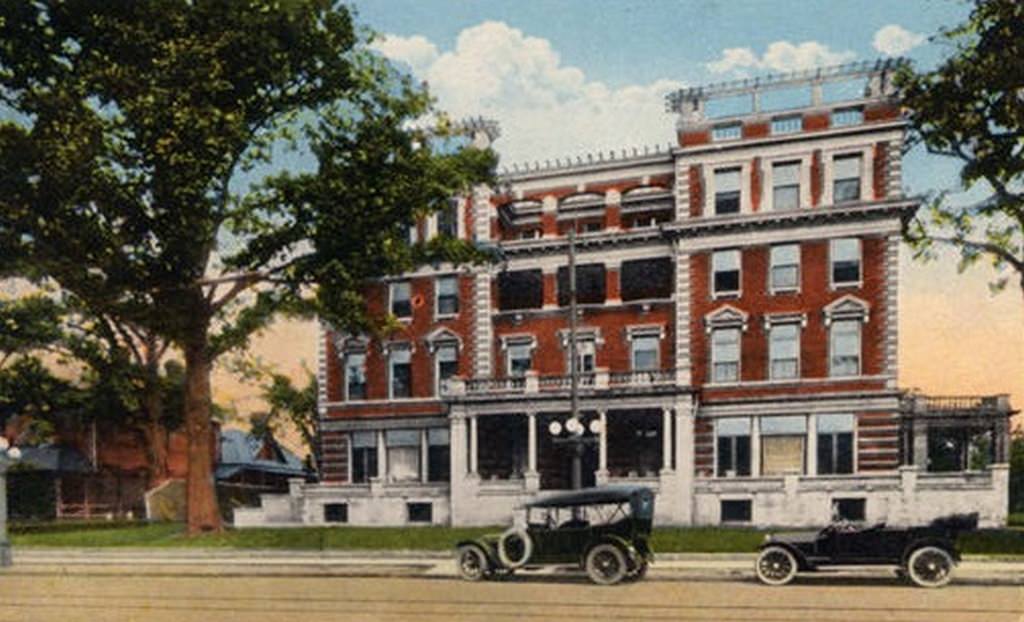
Southern Manufacturer's Club and Mrs. Stonewall Jackson House, 1900
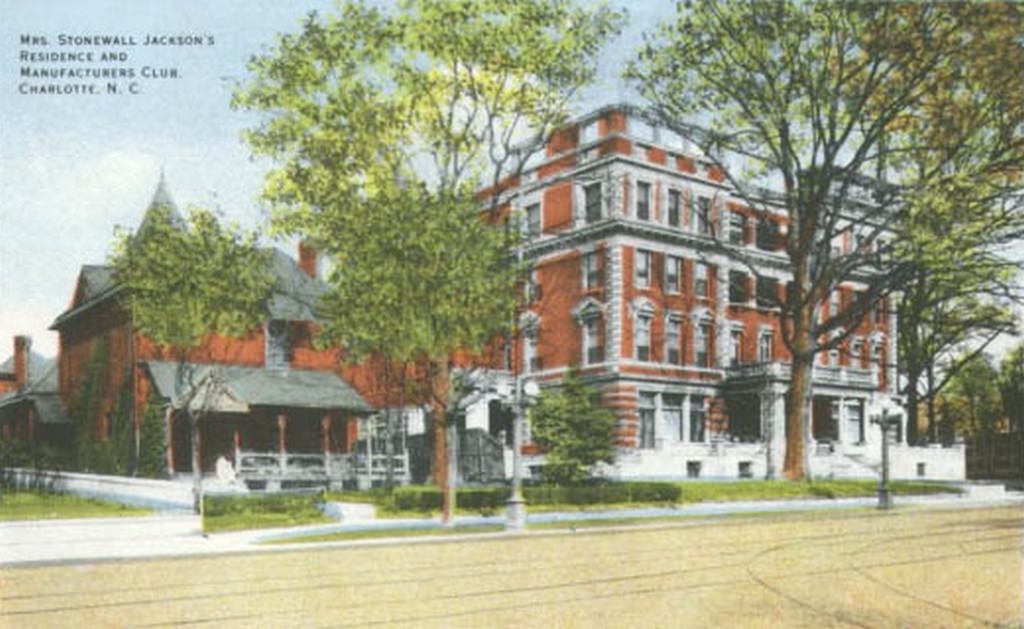
Southern Manufacturer’s Club and Mrs. Stonewall Jackson House, 1900

The Southern Manufacturing Club was located at the corner of West Trade and Poplar Streets. To the left is Mrs. Stonewall Jackson’s house.

Anna Morrison Jackson's Second House, 1905
Anna Morrison Jackson’s Second House, 1905
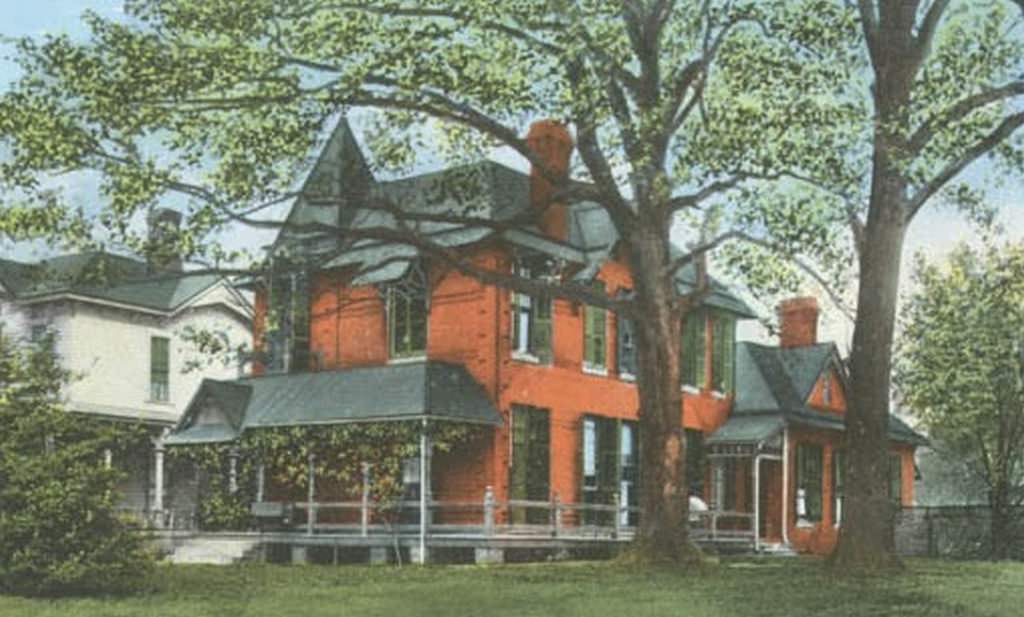
The home of Mary Anna Morrison Jackson, widow of General Stonewall Jackson, was located at 306 West Trade Street.

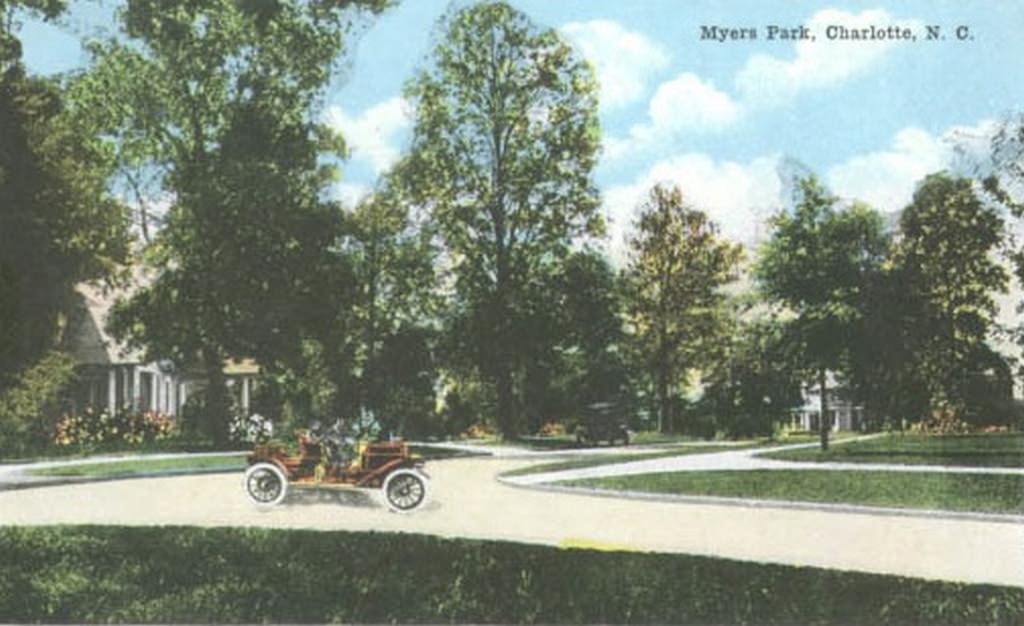
Couple driving through Myers Park, 1918
Fifth Mecklenburg County Courthouse, 1928
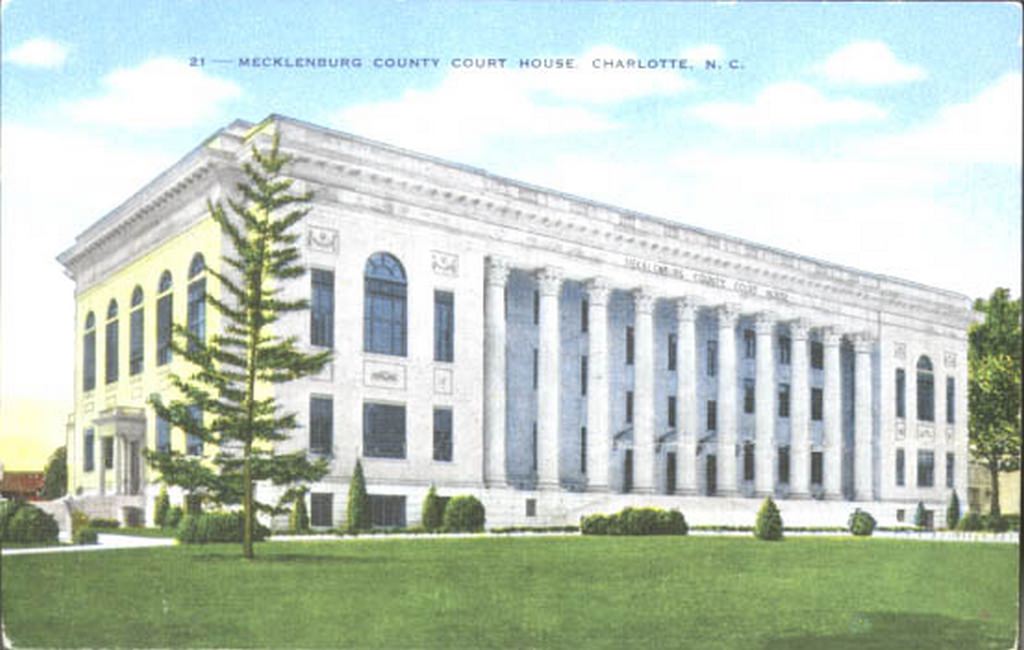

The fifth Mecklenburg County Courthouse is located at 700 East Trade Street. Built at a cost of one million dollars, it first opened in 1928.

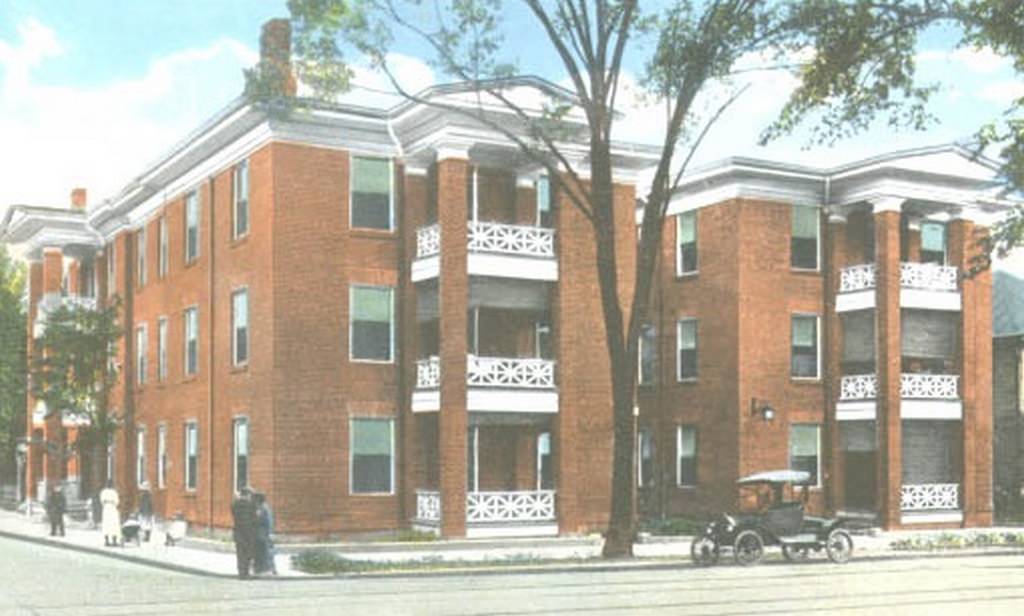
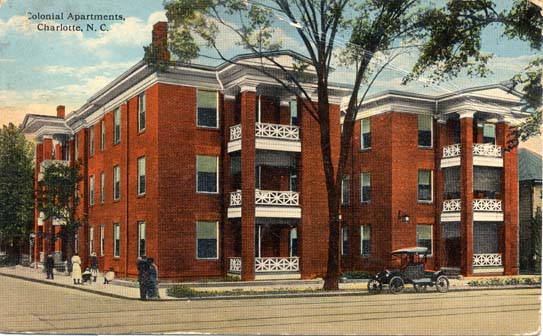
Colonial Apartments, 1925

The Colonial Apartments were located at 512–616 North Tryon Street.

Fourth Courthouse and Lawyers Building, 1908
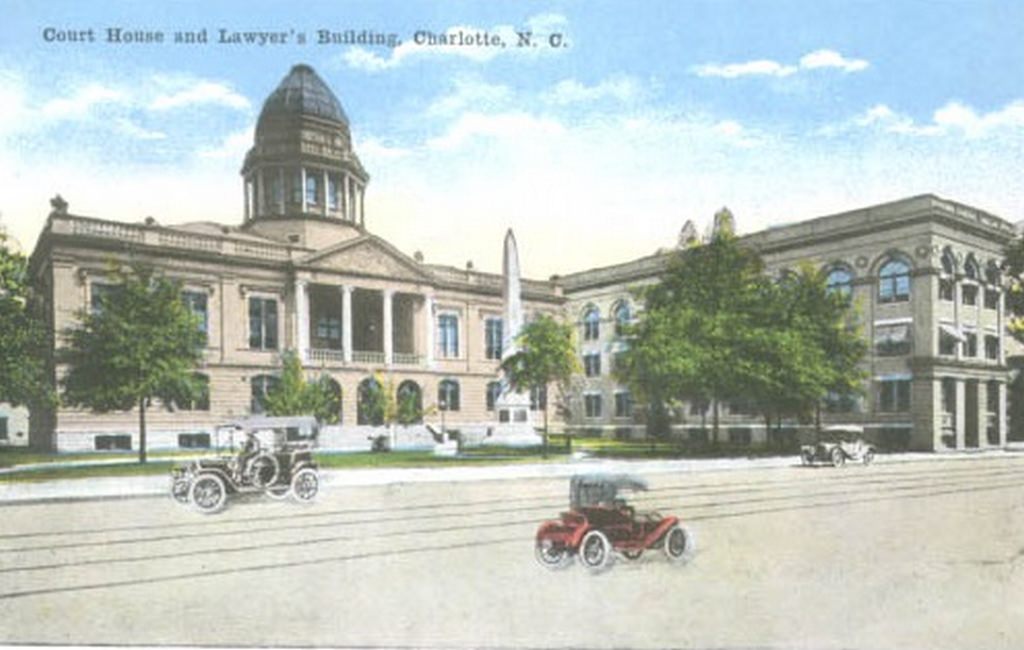

The Fourth Mecklenburg Courthouse was located on the site of Liberty Hall, at the intersection of Tryon and Third Streets. The Lawyers Building was located nearby.

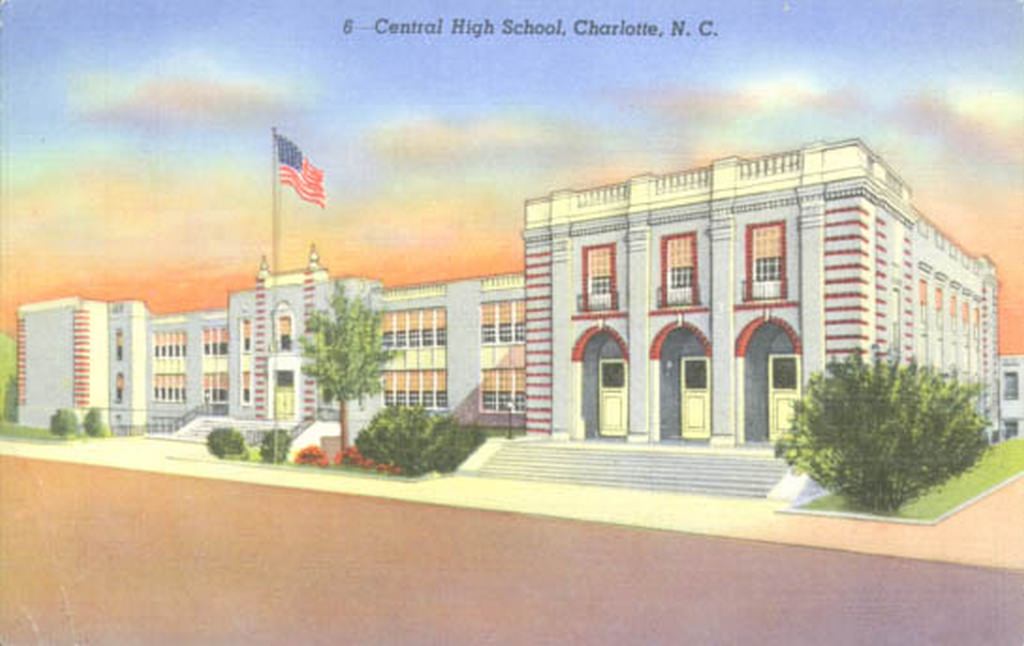
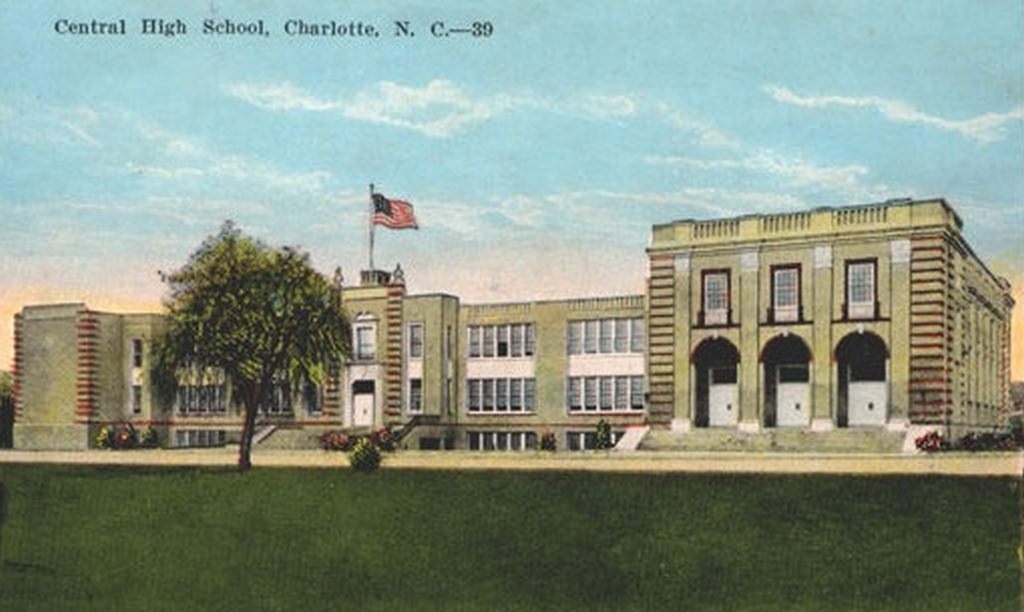
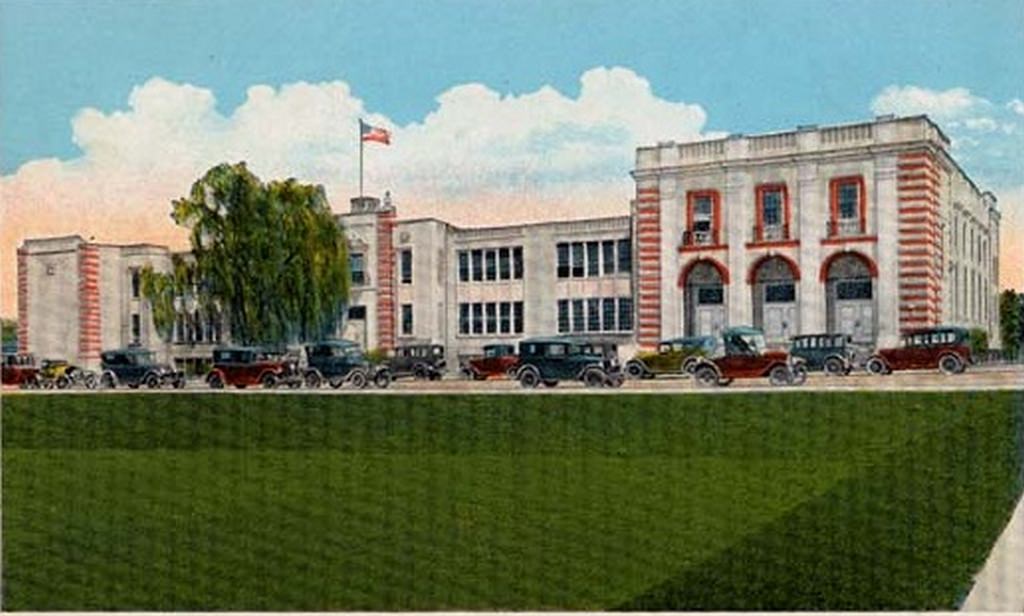
Central High School, 1925

Central High on Elizabeth Avenue is now part of Central Piedmont Community College.

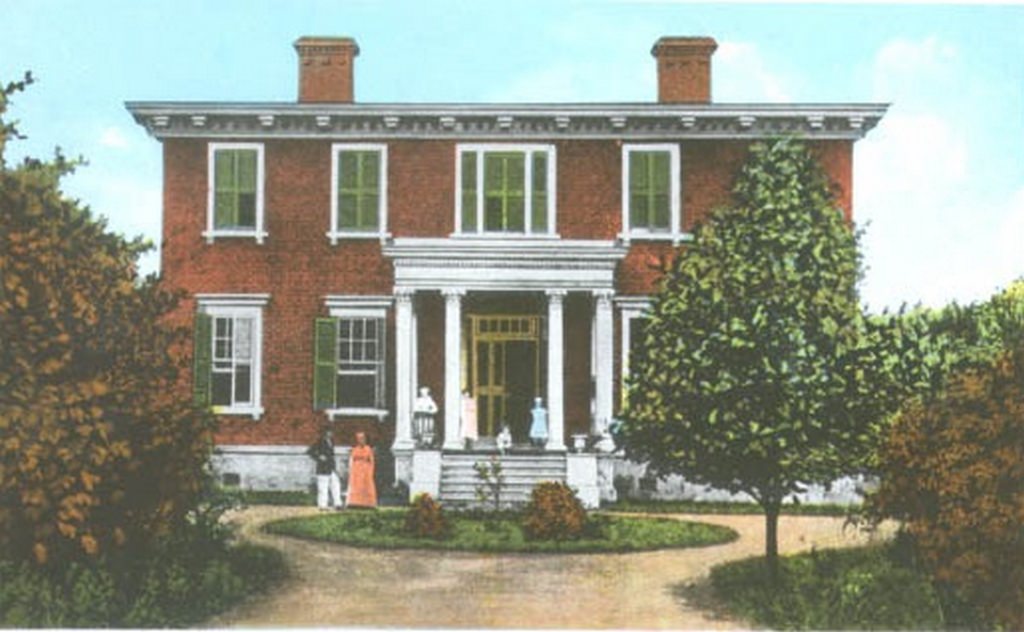
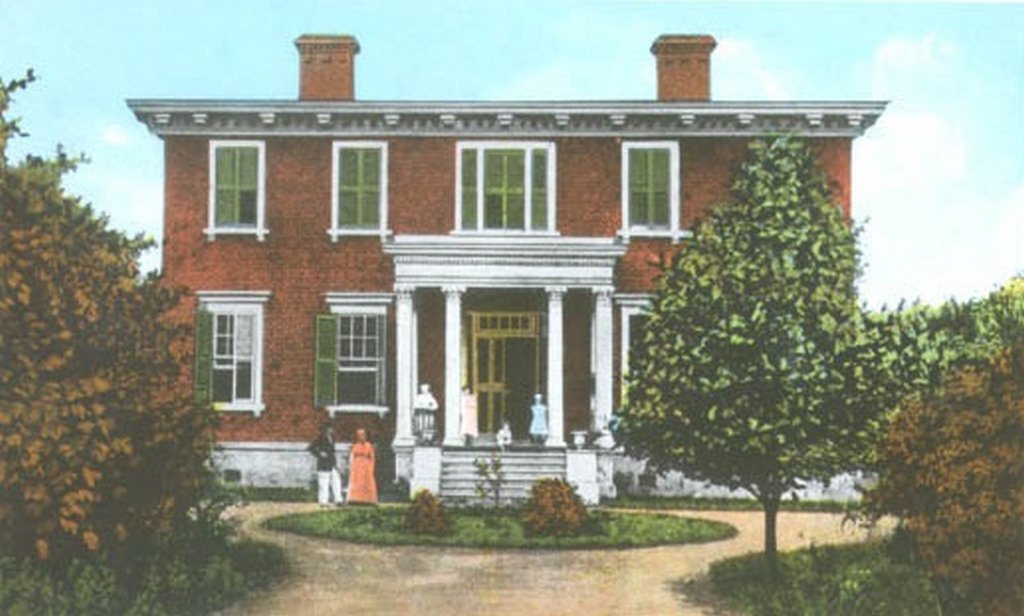
William Phifer House, 1880

The home of William F. Phifer was located at 700 North Tryon Street. Reportedly, this is the site of the last full meeting of the Confederate Cabinet. That meeting was held on April 26, 1865.

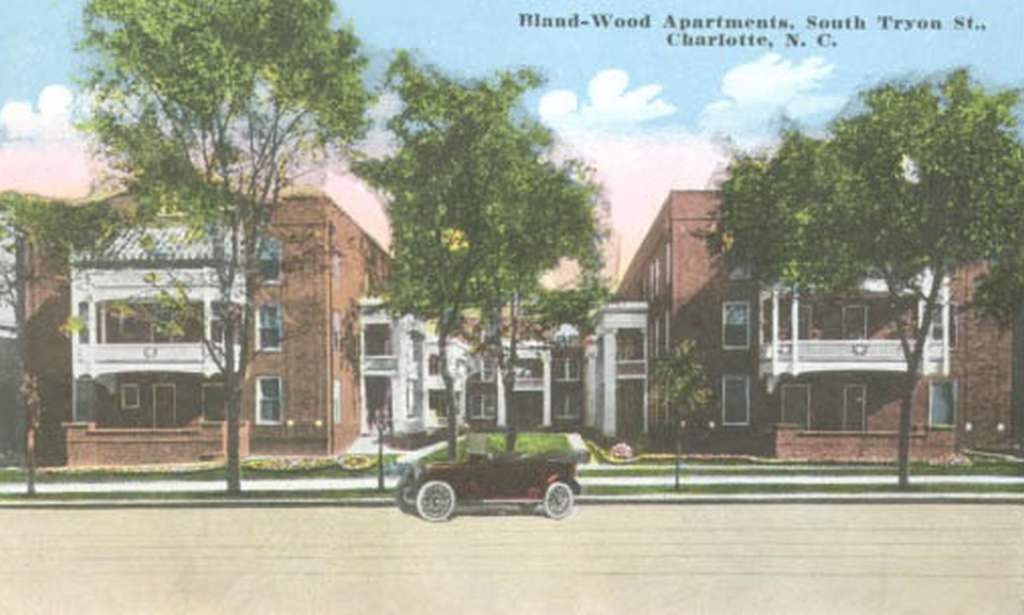
Blandwood Apartments, 1925

The Blandwood Apartments were located at 807–808 South Tryon Street.

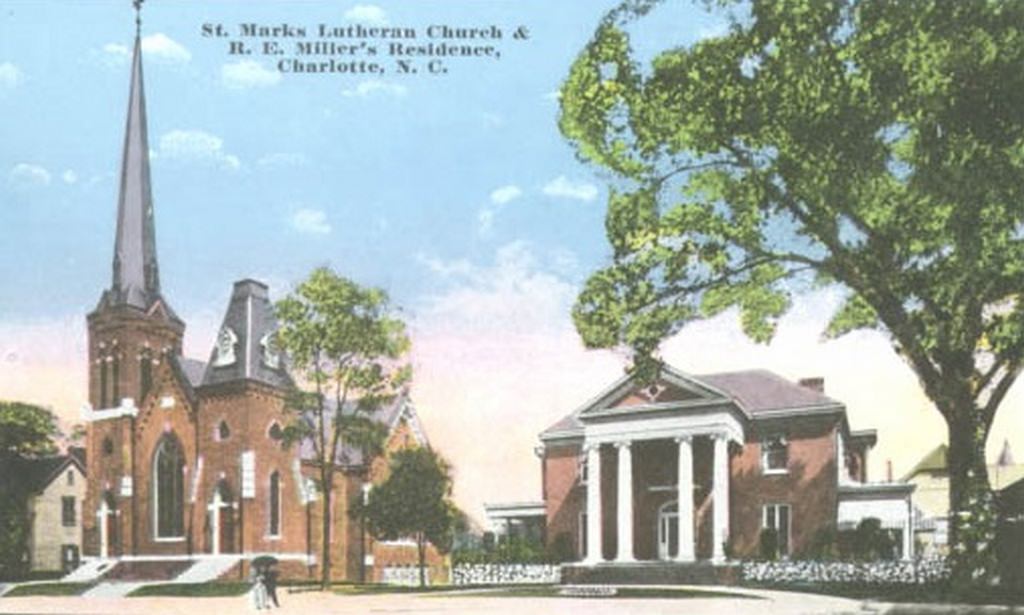
St. Mark's Lutheran Church, 1910
St. Mark’s Lutheran Church, 1910

St. Mark’s Lutheran Church and the R.E. Miller residence were located in the 400 block of North Tryon Street.

William Phifer House, 1908

William F. Phifer’s house was located at 700 North Tryon Street. Reportedly, the last meeting of the complete Confederate Cabinet met here on April 26, 1865.

University of North Carolina at Charlotte, 1972
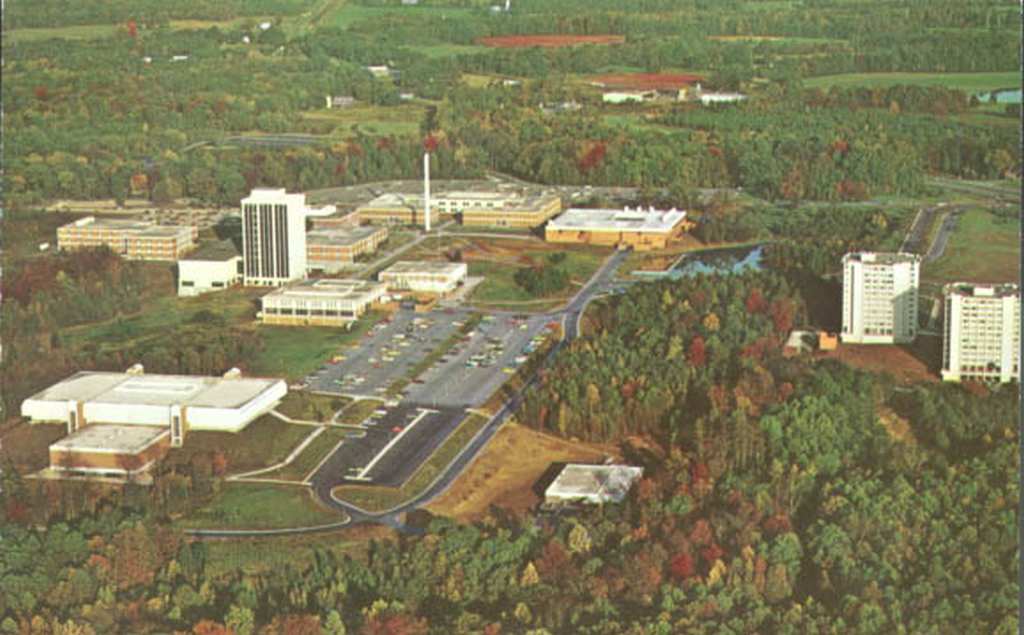

The University of North Carolina at Charlotte was founded in 1946 and gained university status in 1965. It is located in northeast Charlotte.

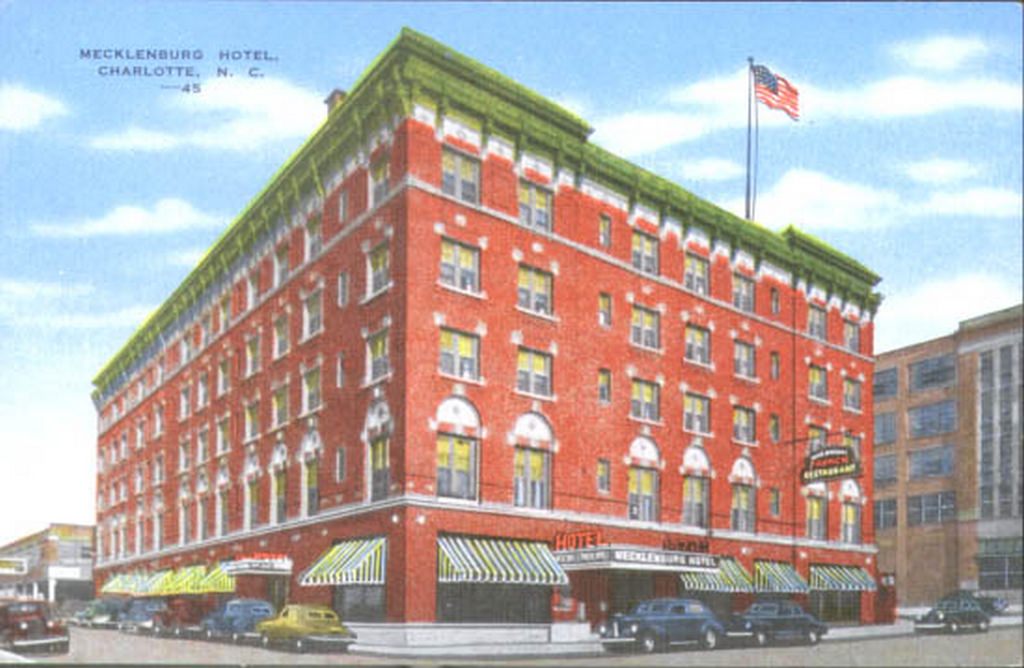
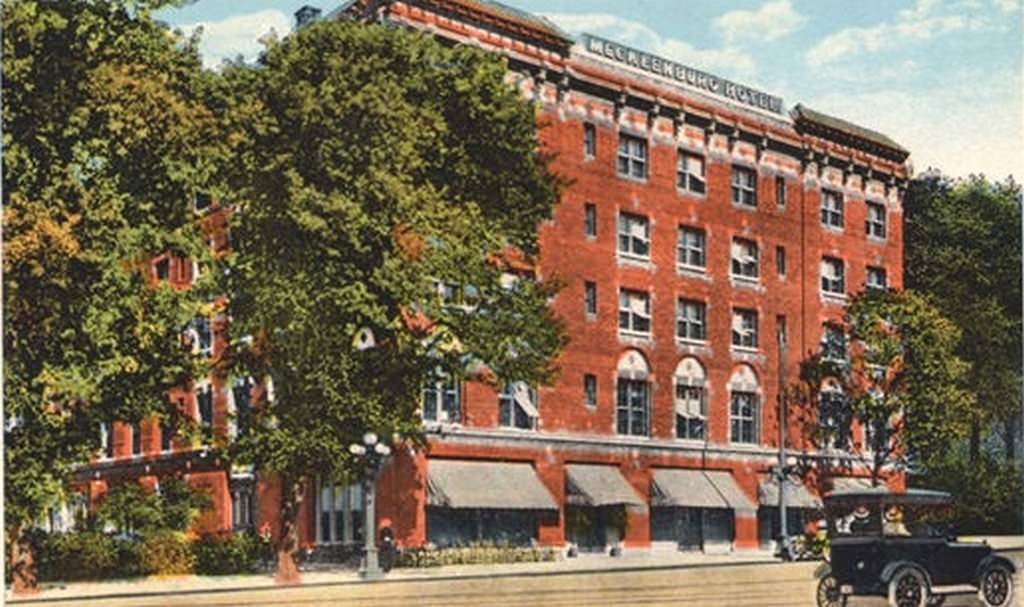
Mecklenburg Hotel, 1940

The Mecklenburg Hotel was located at 520–524 West Trade Street. It was built in 1914 by W.C. Petty.

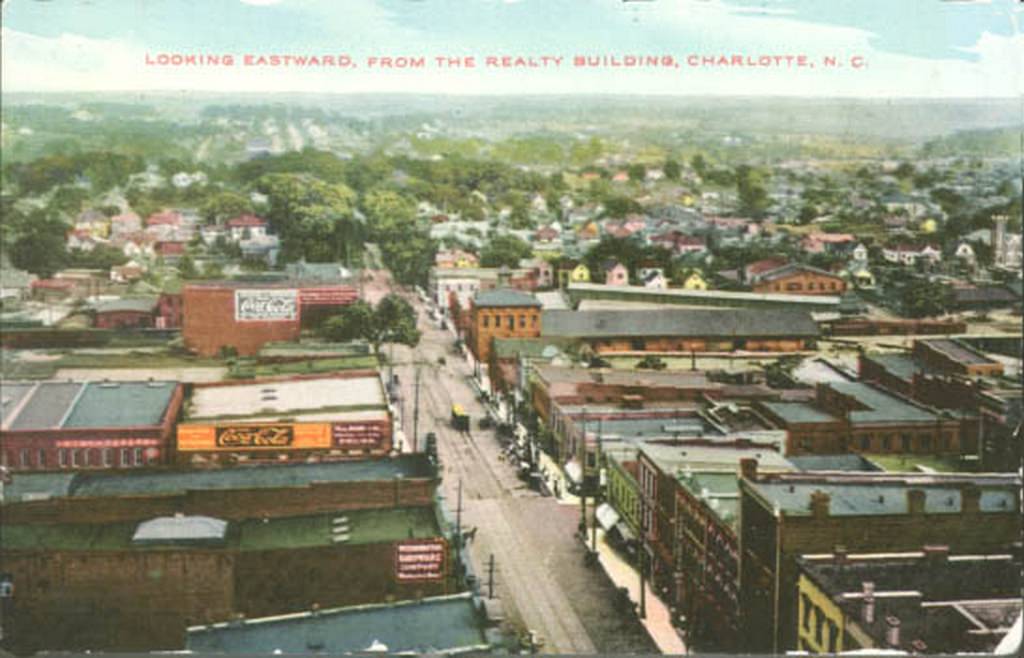
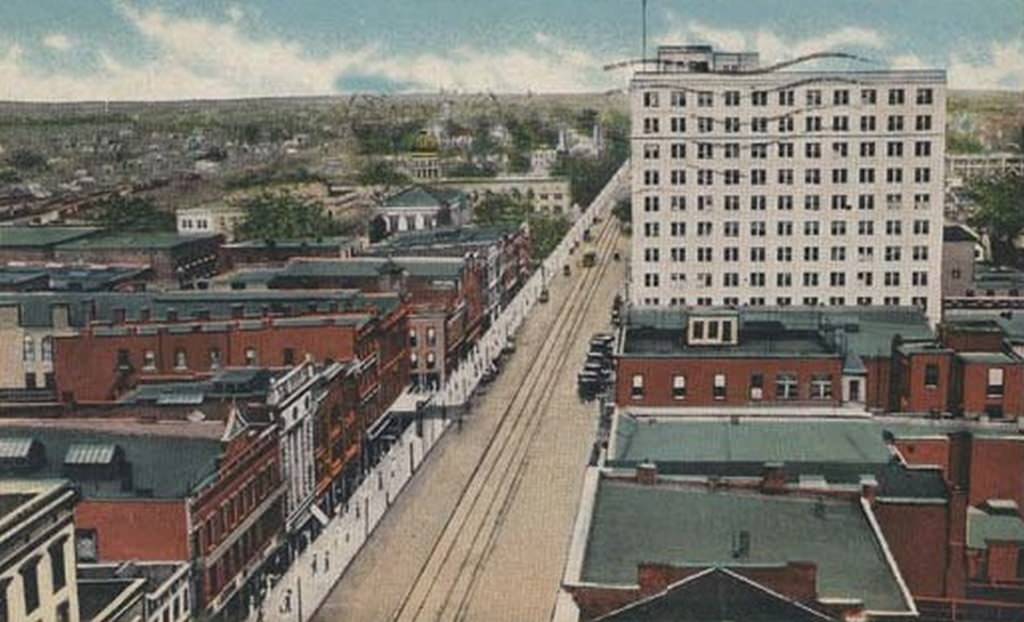
Aerial view of Charlotte, 1912

Aerial view looking east from the Independence Building. A trolley is in the center of the street.

Charlotte skyline, 1918
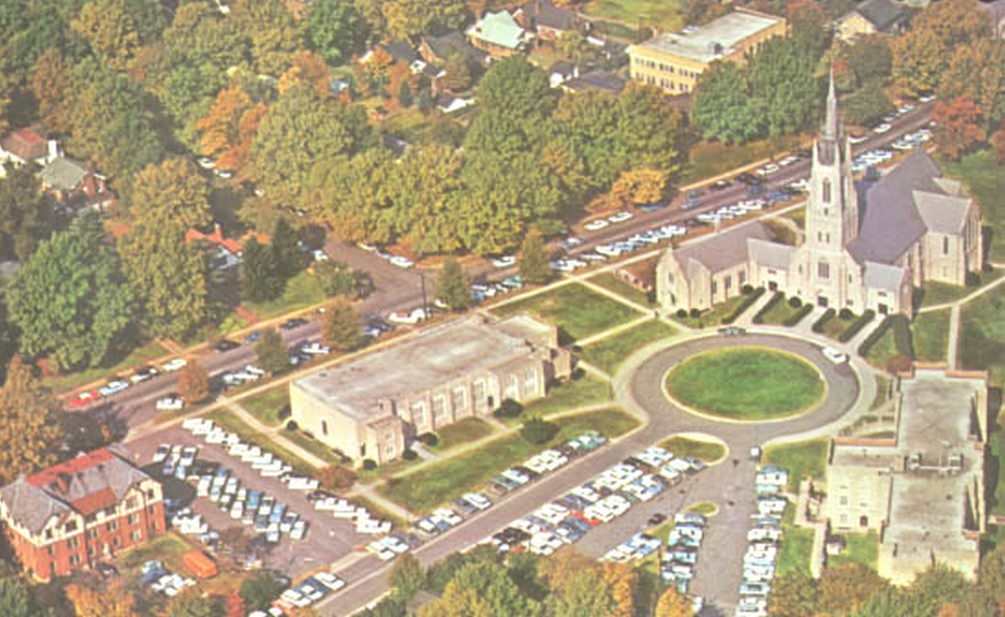
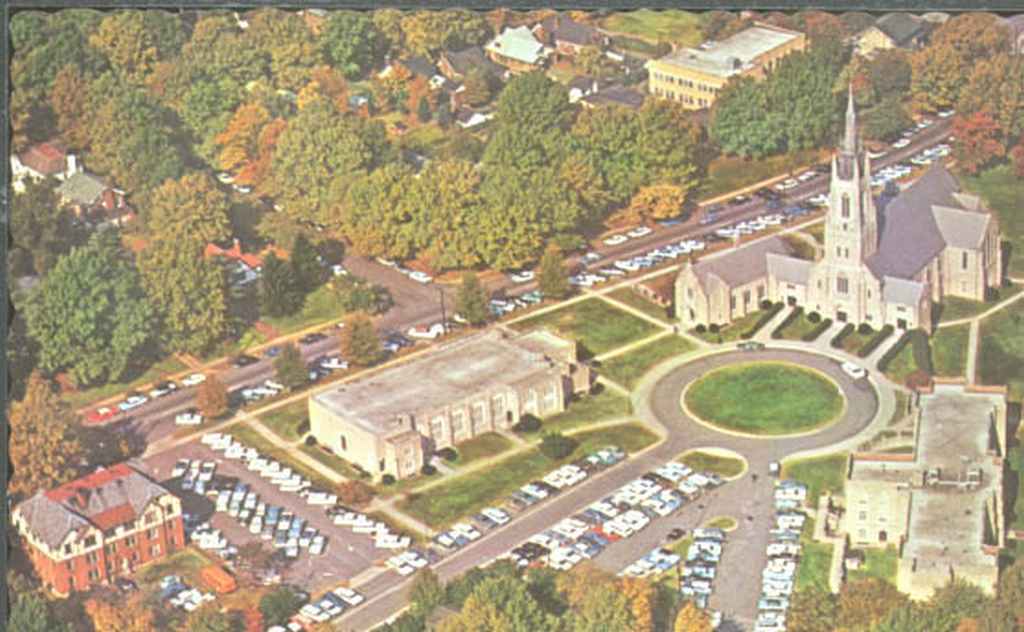
Covenant Presbyterian Church, 1966

Covenant Presbyterian Church was formed in June 1947 with the merger of two churches: Second Presbyterian (organized 1873) and Westminster Presbyterian Church (organized 1897). Covenant is considered to be one of the finest examples of Gothic Revival architecture in the United States.

Southern Manufacturer's Club, 1908
Southern Manufacturer’s Club, 1908

The Southern Manufacturer’s Club was a private men’s club located at 300 West Trade Street. It was home to some of the most prominent business leaders and writers in Charlotte during the late 19th and early 20th centuries. The lavish facility first opened in 1894.

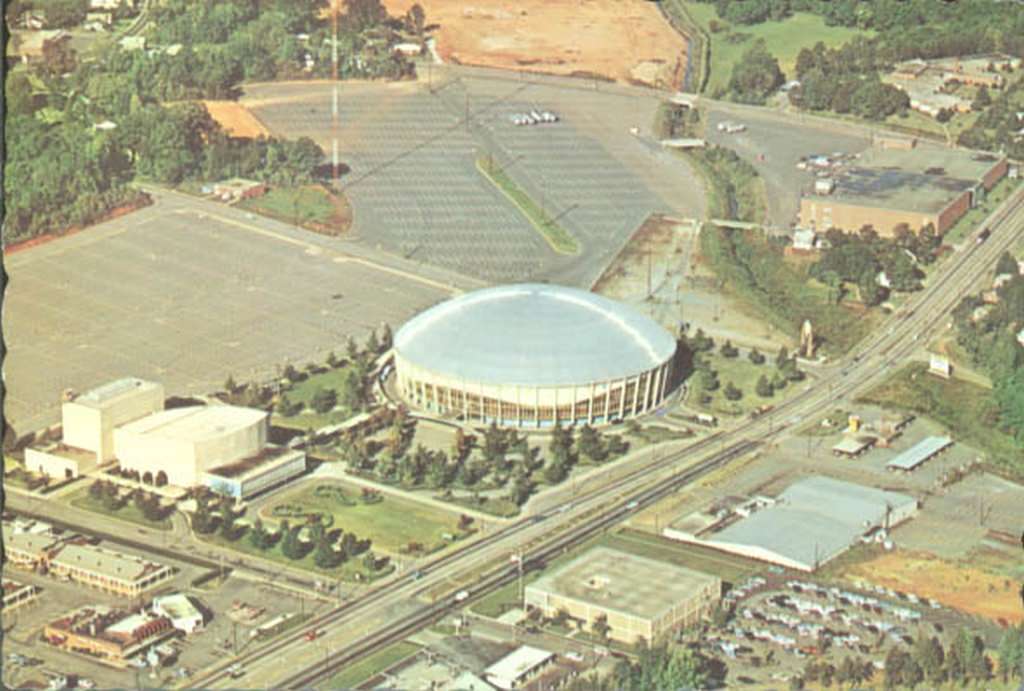
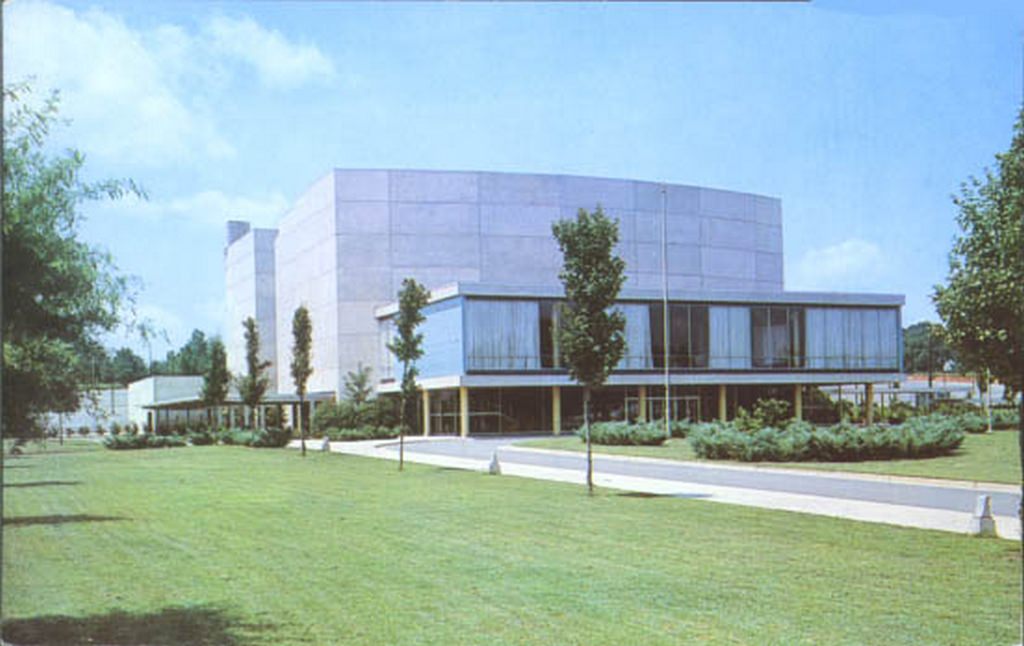
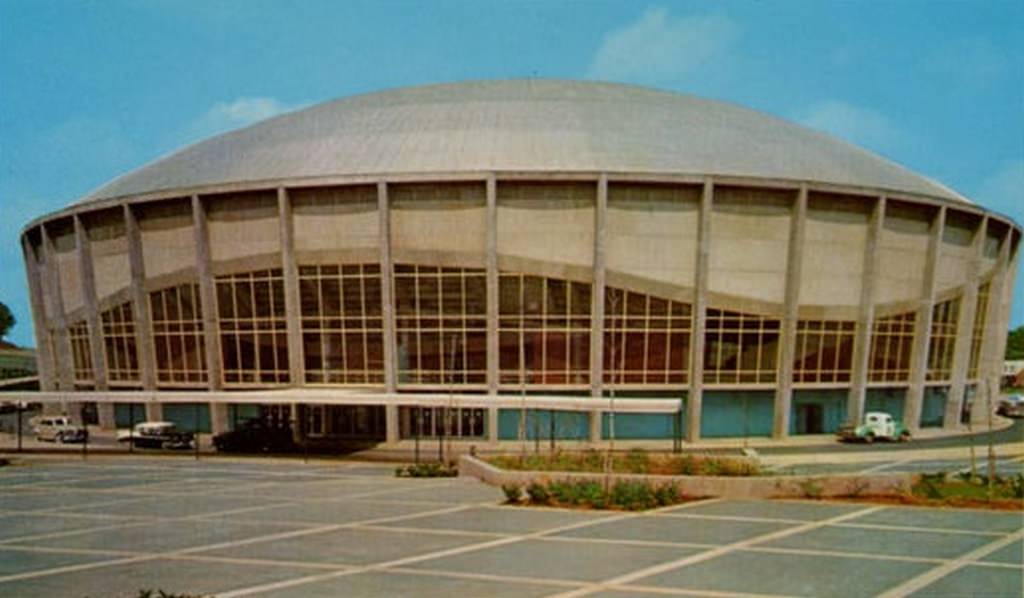
Ovens Auditorium, 1966

Located on Independence Boulevard, Ovens Auditorium and the first Charlotte Coliseum were completed in 1955. The auditorium was named for David Ovens, a longtime supporter of cultural events. The Charlotte Merchandise Mart can also be seen in this postcard.

Covenant Presbyterian Church, 1966

Covenant Presbyterian Church was formed in June 1947 with the merger of two churches: Second Presbyterian (organized 1873) and Westminster Presbyterian Church (organized 1897). Covenant is considered to be one of the finest examples of Gothic Revival architecture in the United States.

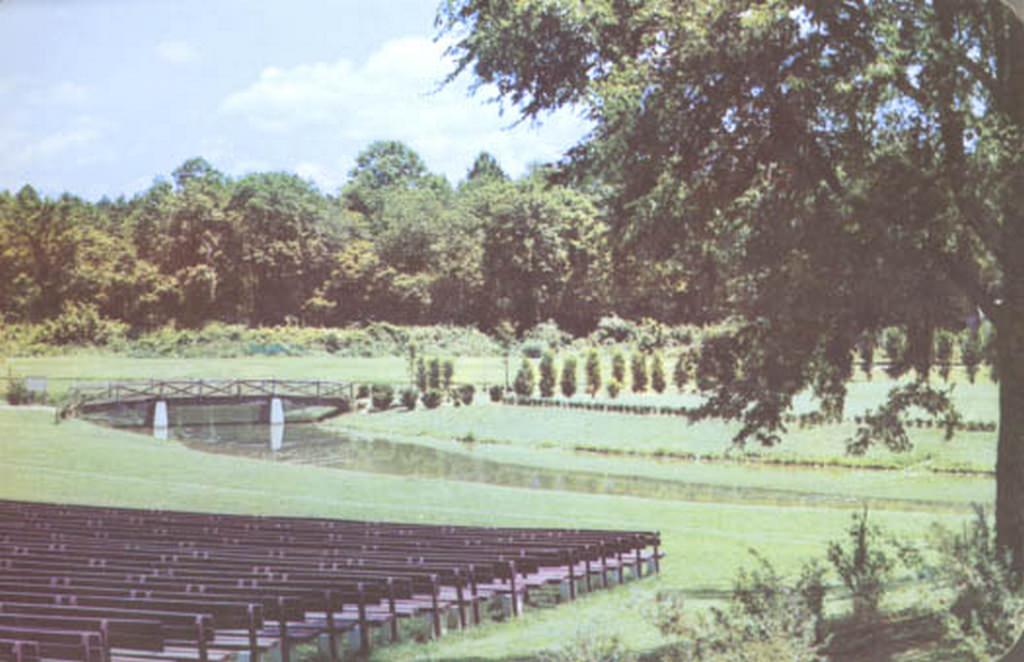
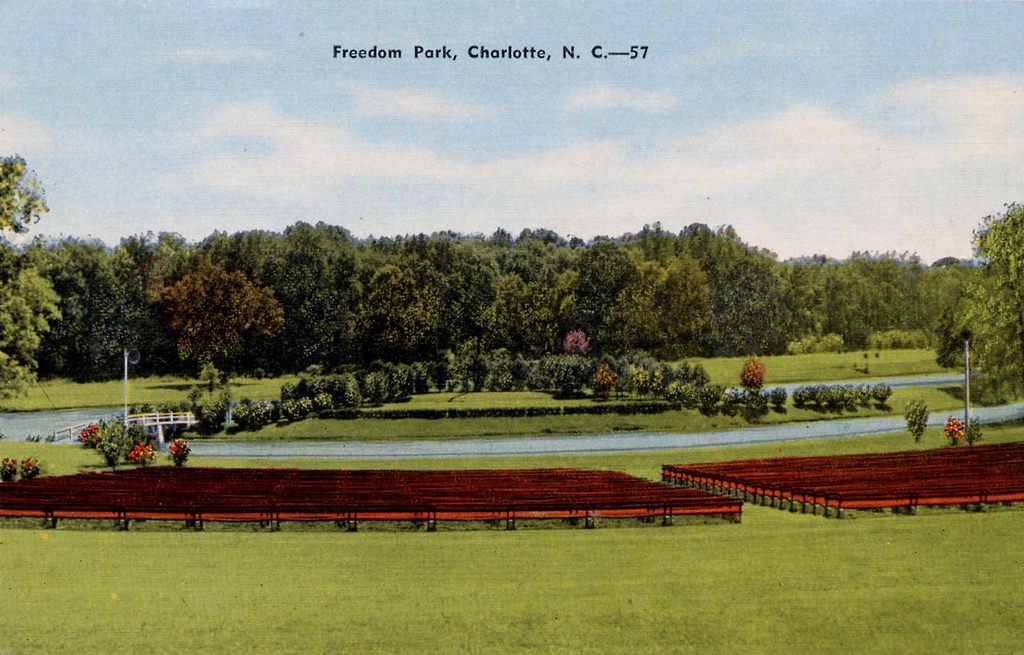
Freedom Park, 1961
Freedom Park, 1961

Freedom Park is located off of East Boulevard in Myers Park. It opened in 1948. This is part of an outdoor theater that was a special project of Charlotte’s Lion Club. It has since been redesigned.

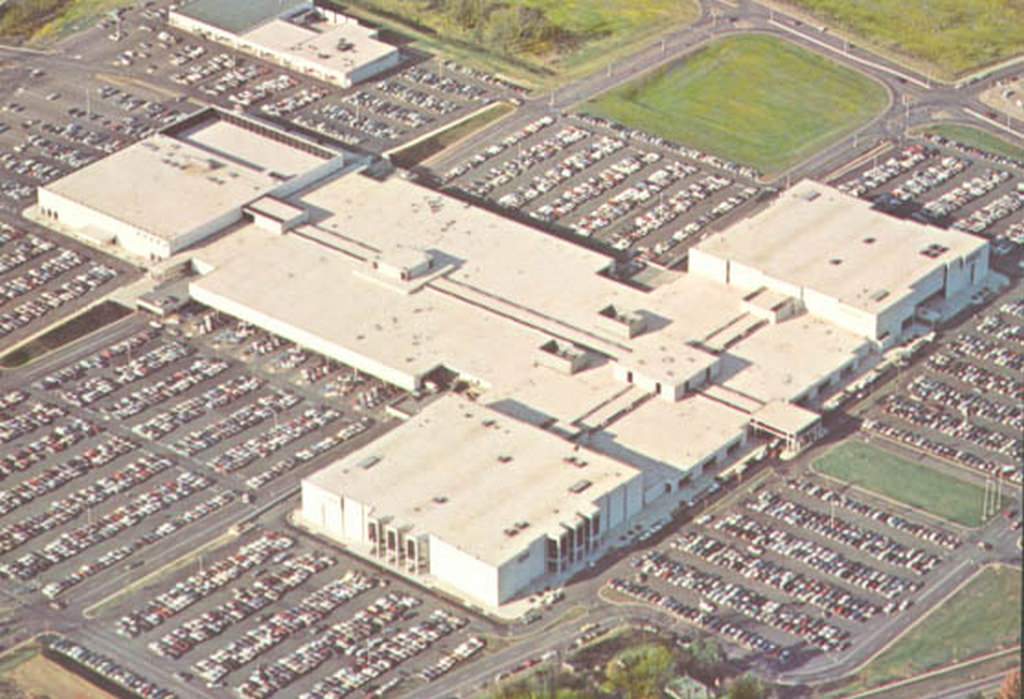
South Park Mall, 1971

South Park Mall is one of the largest shopping centers in North Carolina.

Ovens Auditorium, 1961

Constructed in 1955, Ovens Auditorium is located on Independence Boulevard. It is named for David Ovens, a strong supporter of the cultural arts in Charlotte.

Aerial view of uptown Charlotte, 1950
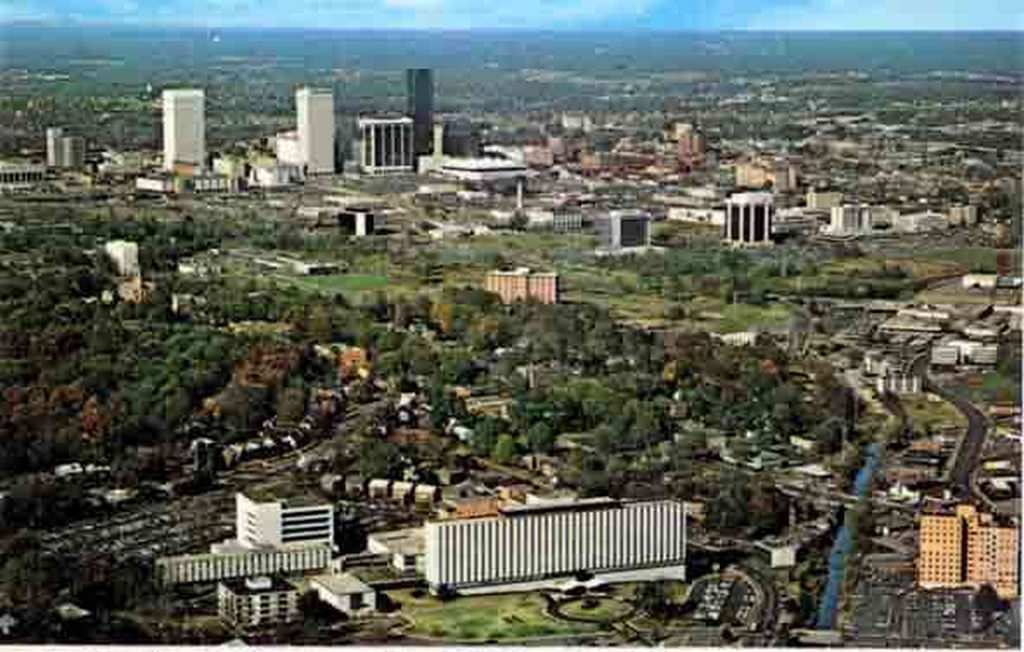
Aerial view of Charlotte, 1983

Aerial view of Charlotte includes the uptown area and the Charlotte Memorial Hospital.

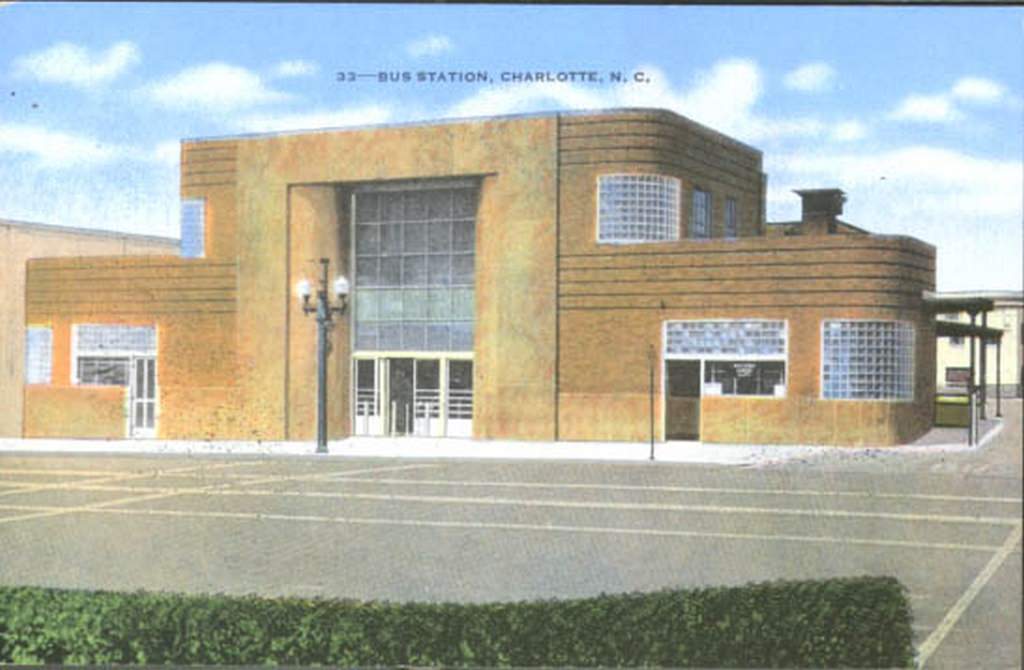
Charlotte Bus Station on Trade Street, 1950
Red Fez Club, 1933
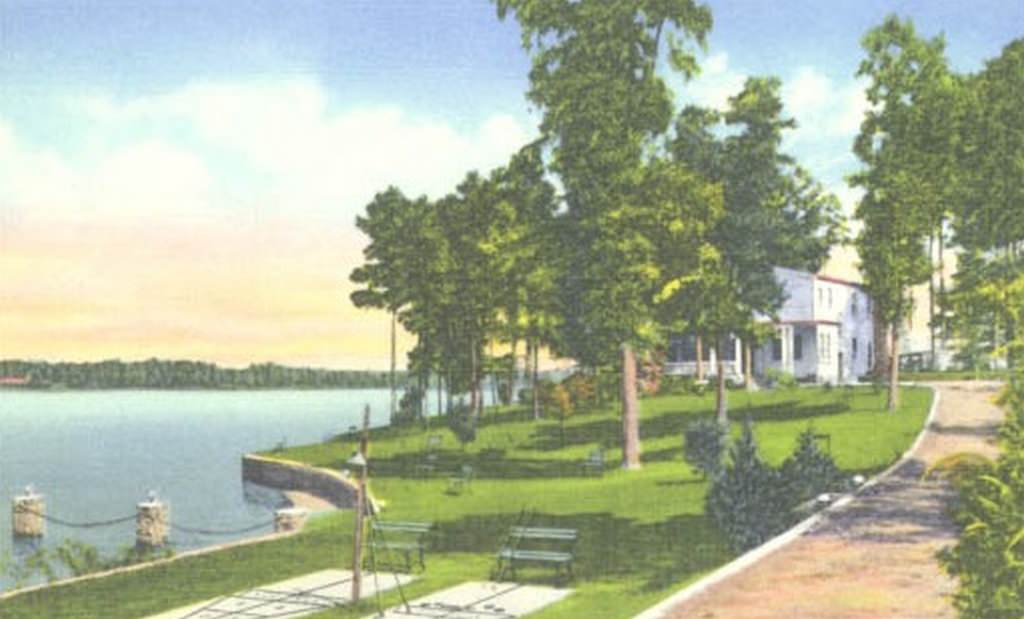
Red Fez Club, 1933

Local Shriners organized the Red Fez Club in 1915 and opened a three-story country club on Lake Wylie. Catawba is the name of the river that feeds the lake.

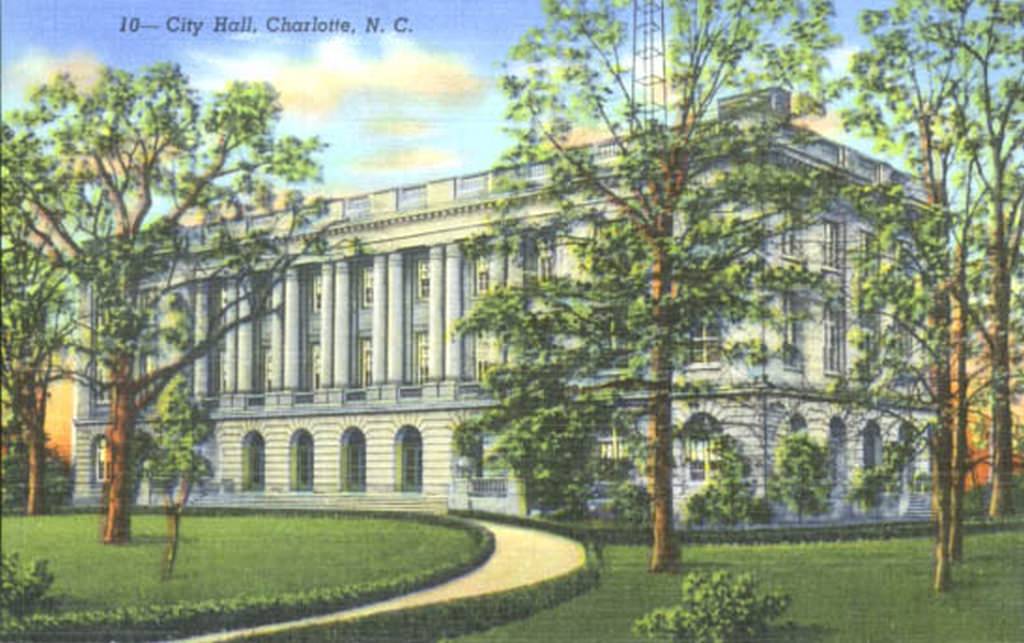
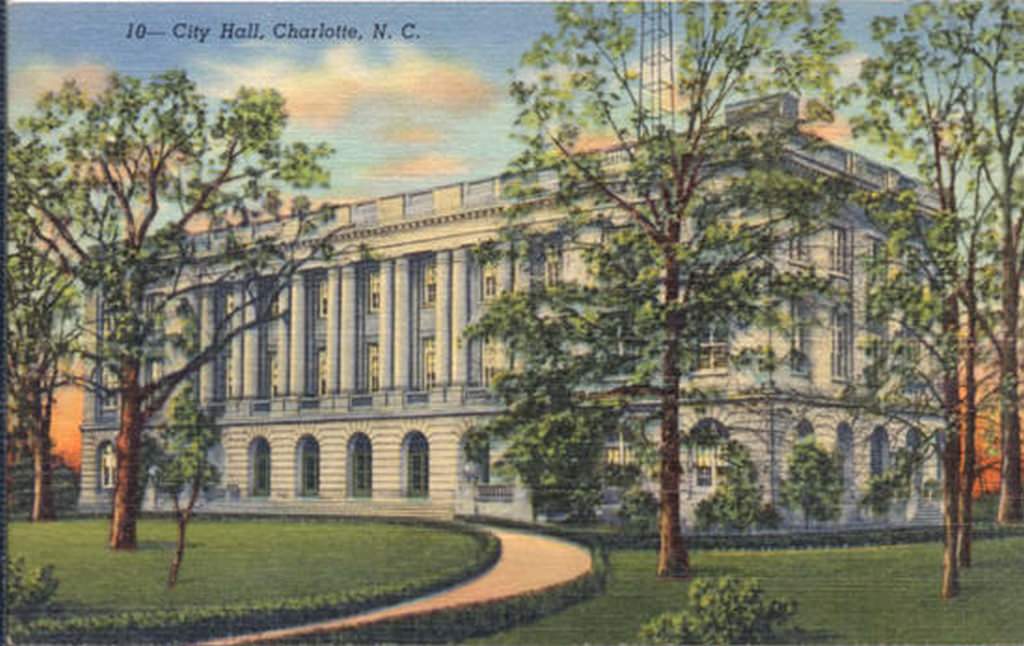
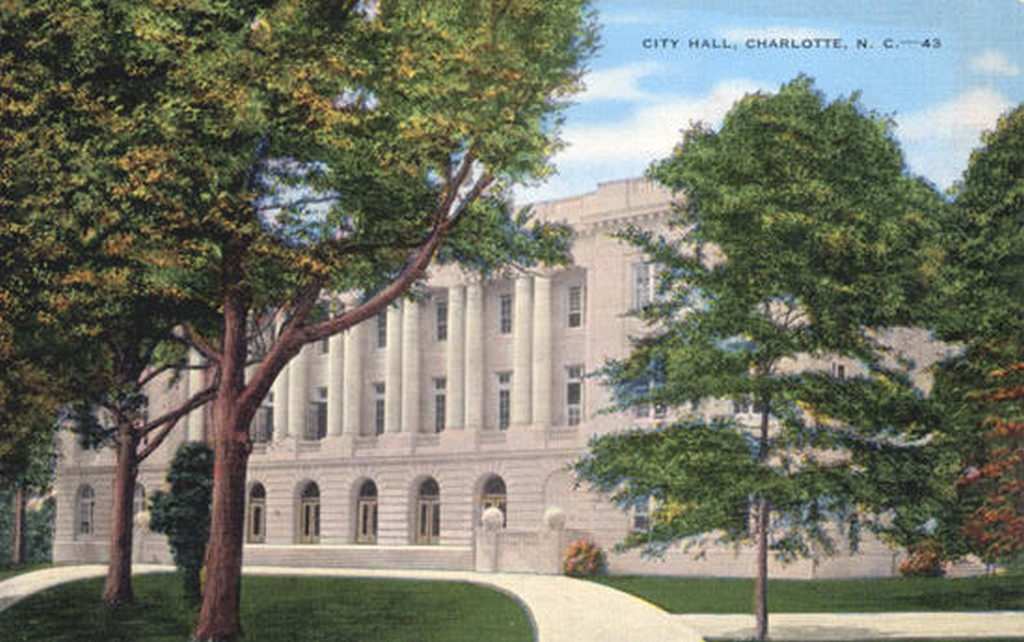
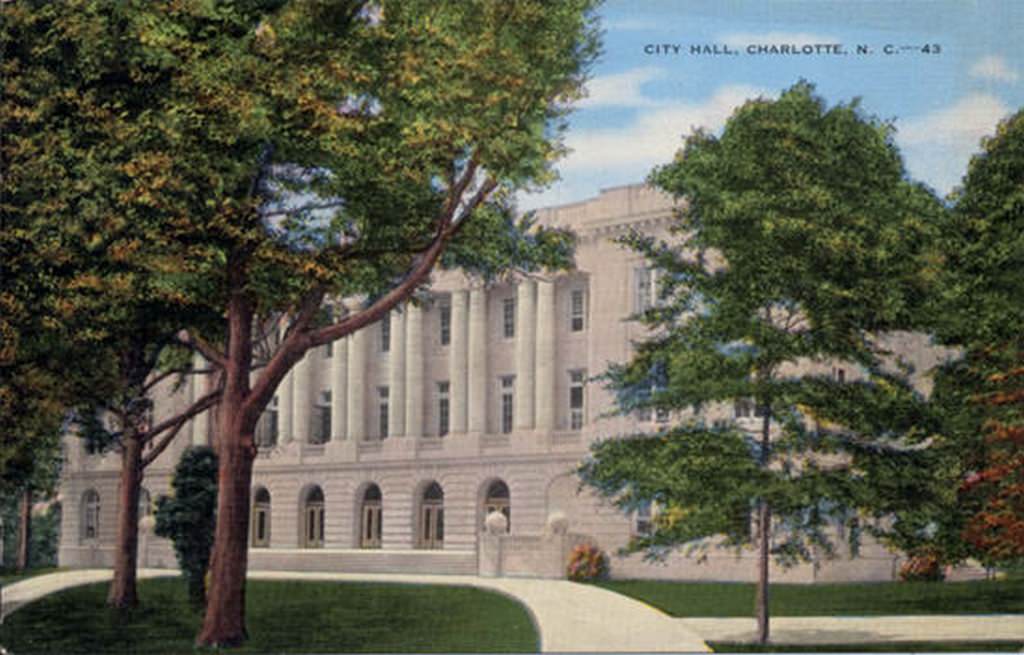
Charlotte City Hall, 1927

City Hall was constructed in 1920. Located on East Trade Street, it was first occupied in 1927.

Charlotte City Hall, 1927

Charlotte City Hall was constructed in 1920 of Indiana limestone. Located on East Trade Street, it was first occupied in 1927.

Charlotte City Hall, 1927

City Hall was constructed in 1920. Located on East Trade Street, it was first occupied in 1927.

The Mecklenburg County Courthouse and the Lawyers Building, 1911
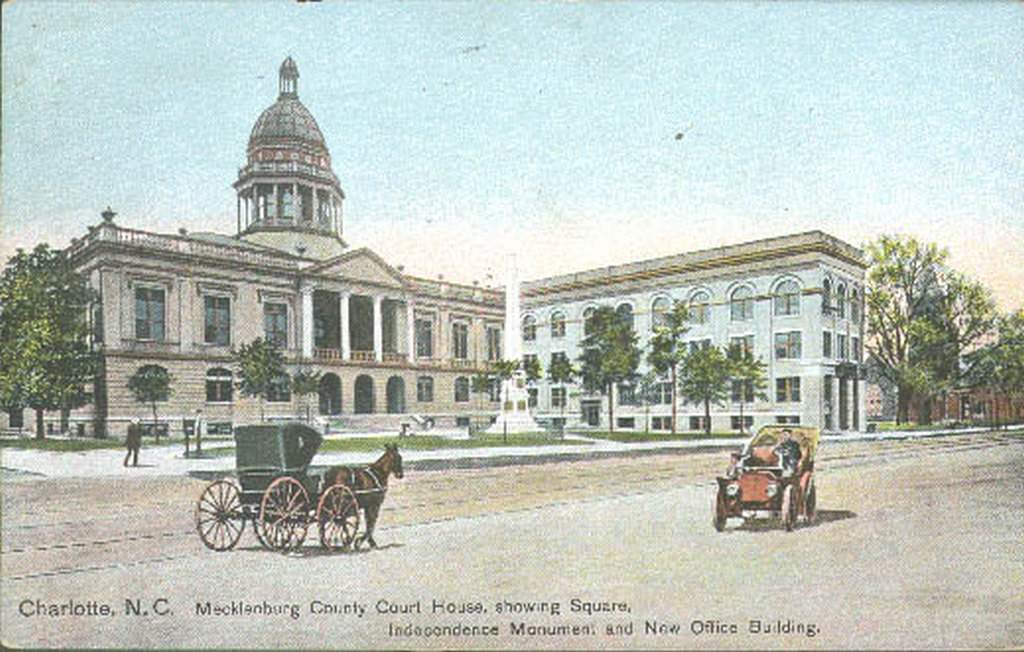
Fifth Mecklenburg County Courthouse

The fifth Mecklenburg County Courthouse is located at 700 East Trade Street. Built at a cost of one million dollars, it first opened in 1928.

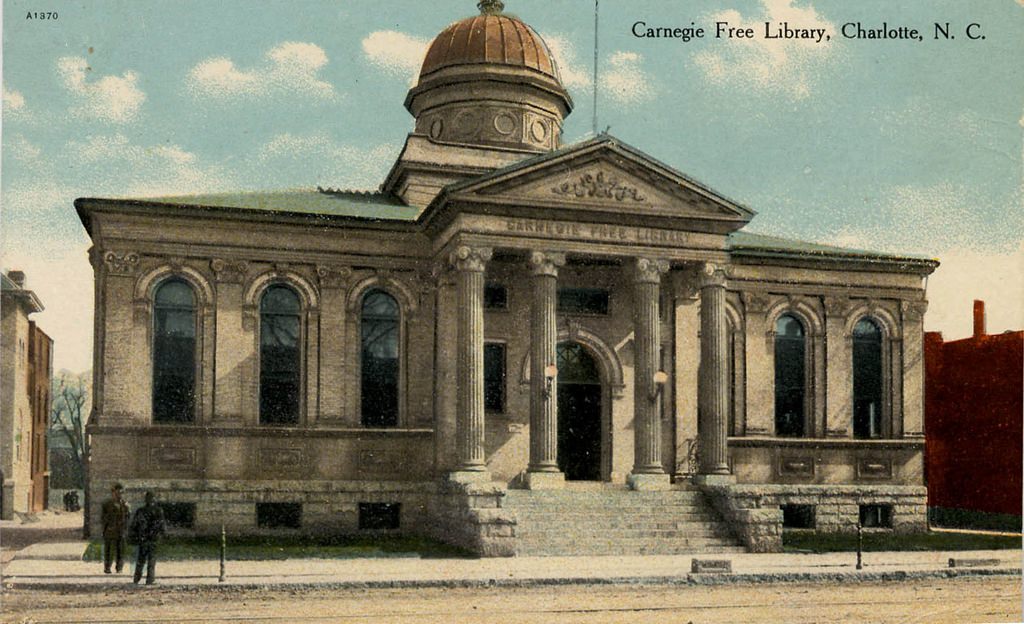
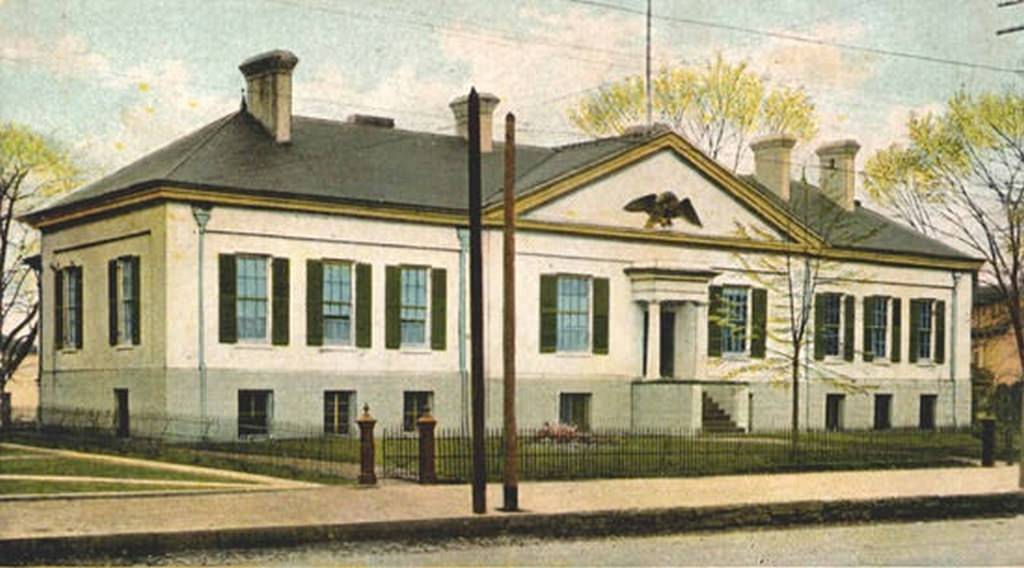
Carnegie Library of Charlotte, 1908

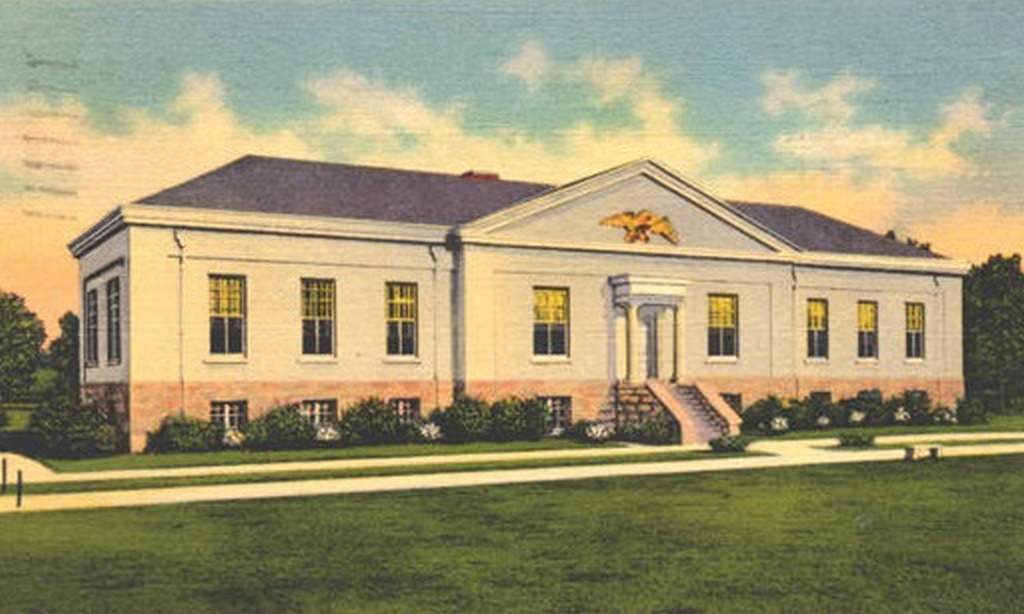
The Carnegie Library in Charlotte at 310 North Tryon Street opened in the summer of 1903. This building was demolished for a new library, which was later remodeled and expanded in the late 1980s.

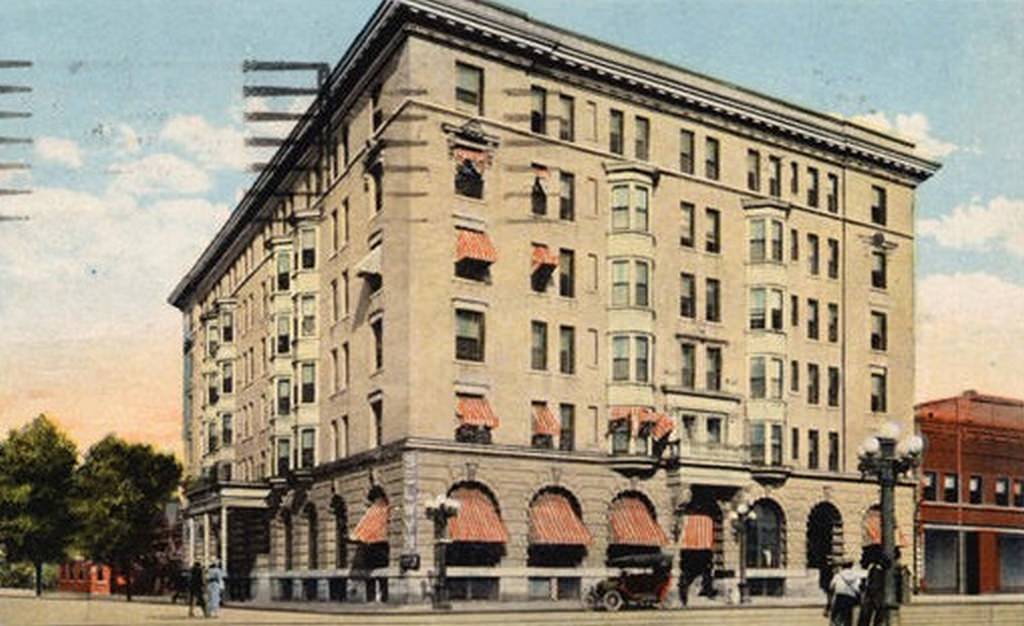
Selwyn Hotel, 1920
Selwyn Hotel, 1920

The Selwyn Hotel was located on West Trade Street. It opened in 1907.

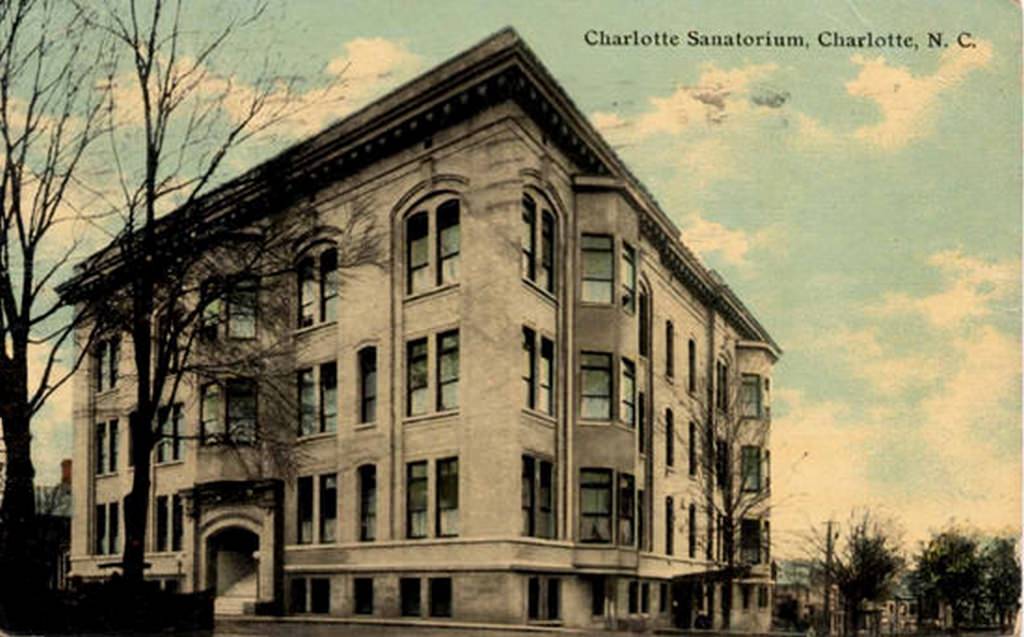
Charlotte Sanatorium, 1908

The Charlotte Sanatorium operated from 1907 to 1942. This 100-room, privately owned hospital was located at the southeast corner of Seventh and Church Streets. The building was later used for offices before being demolished in the mid-1950s.

Mercy Hospital, 1925

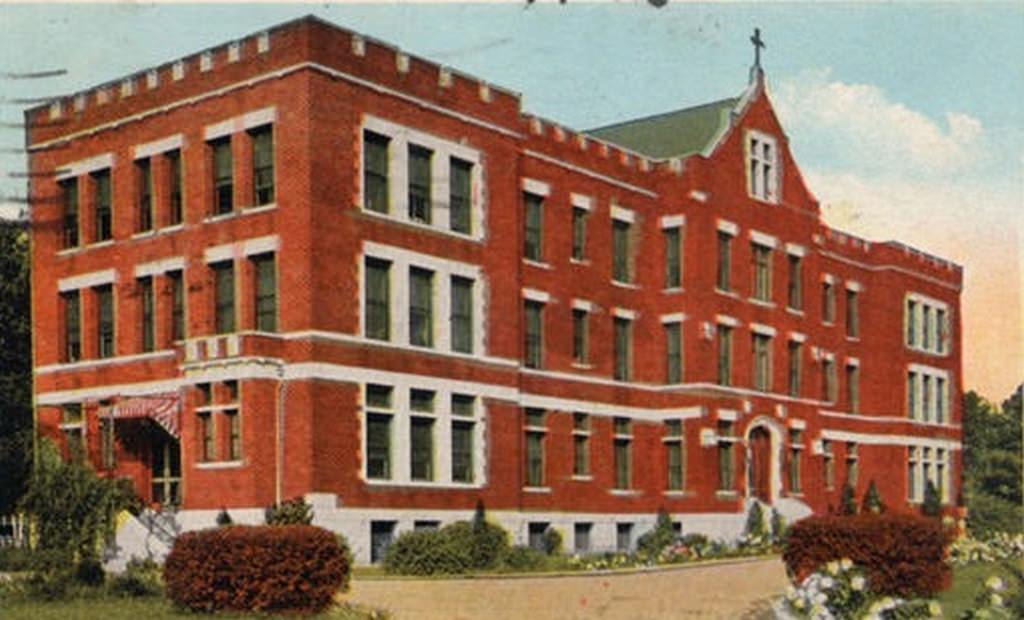
Mercy Hospital was founded by the Sisters of Mercy of Belmont, North Carolina, in February 1906. Originally it was a twenty-five-bed facility in a wooden building on East First Street behind St. Peter’s Roman Catholic Church. The second facility, pictured here, opened in 1916 on East Fifth Street. Through additions, by 1960 the hospital had a capacity of 300 beds.

Presbyterian Hospital, 1985

Presbyterian Hospital on Hawthorne Lane was founded in 1903.

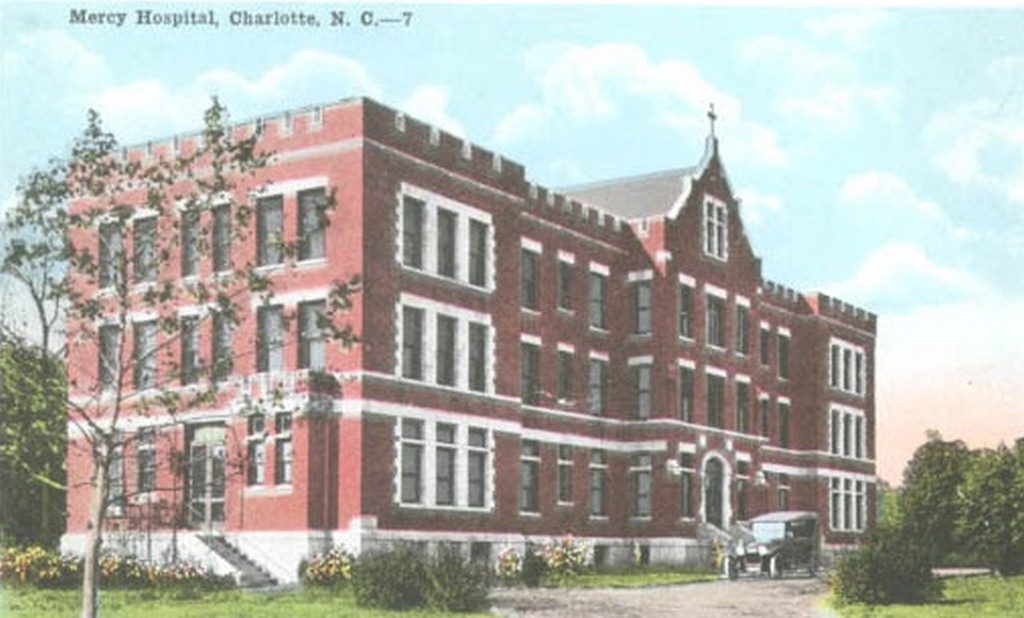
Mercy Hospital, 1908

Mercy Hospital was founded by the Sisters of Mercy of Belmont, North Carolina, in February 1906. Originally it was a twenty-five-bed facility in a wooden building on East First Street behind St. Peter’s Roman Catholic Church. The second facility, pictured here, opened in 1916 on East Fifth Street. Through additions, by 1960 the hospital had a capacity of 300 beds.

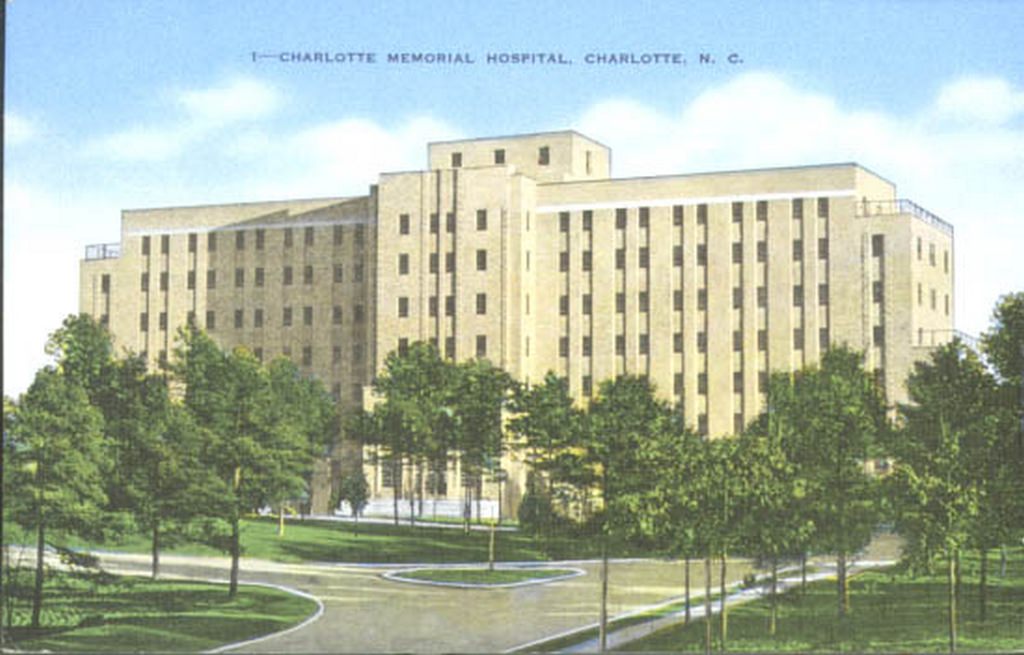
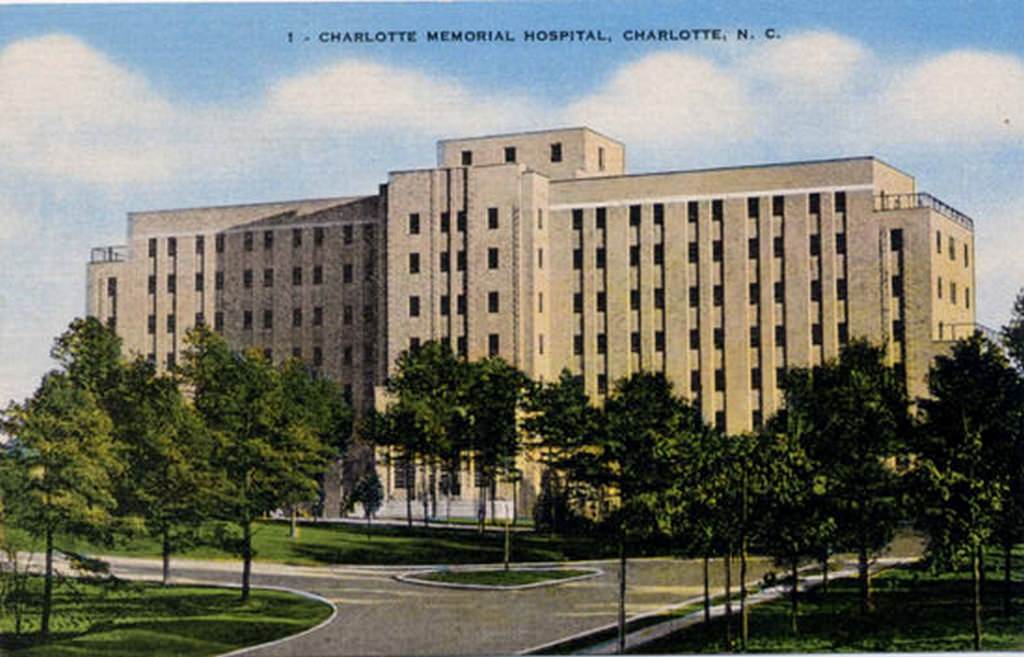
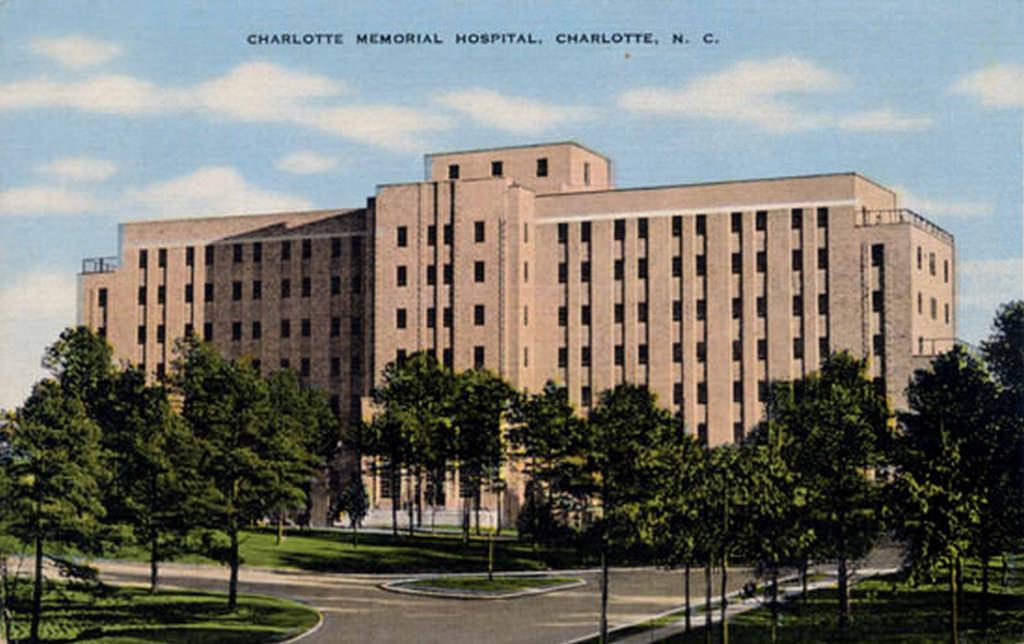
Charlotte Memorial Hospital, 1940

Memorial Hospital was created in 1940, due in part to the trustees of St. Peter’s Hospital, who worked to form the new medical facility. Today it is known as the Carolinas Medical Center.

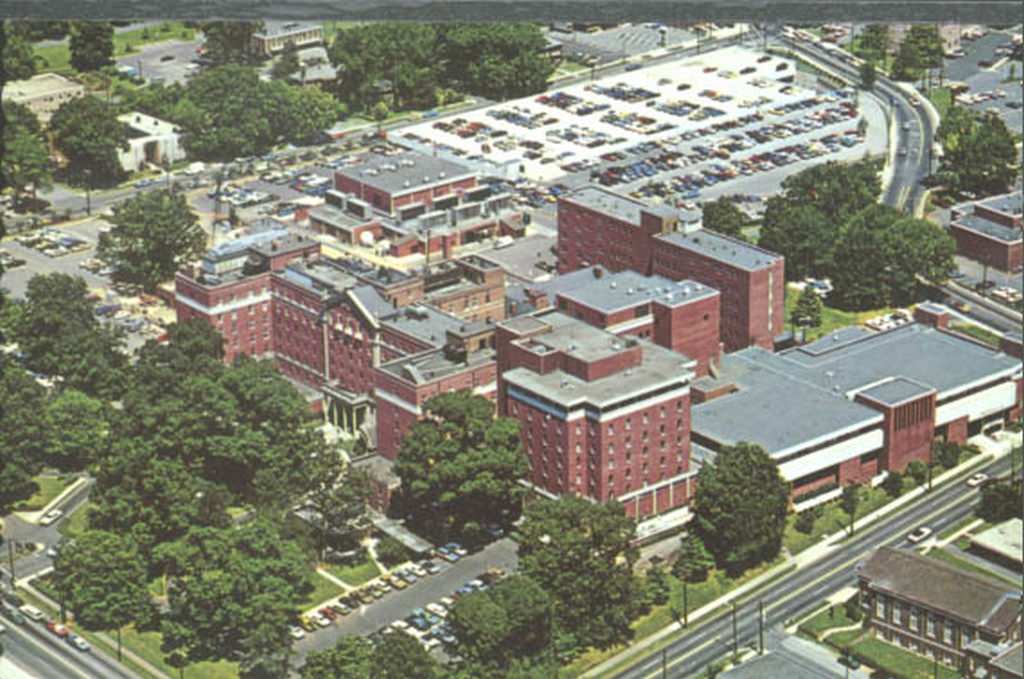
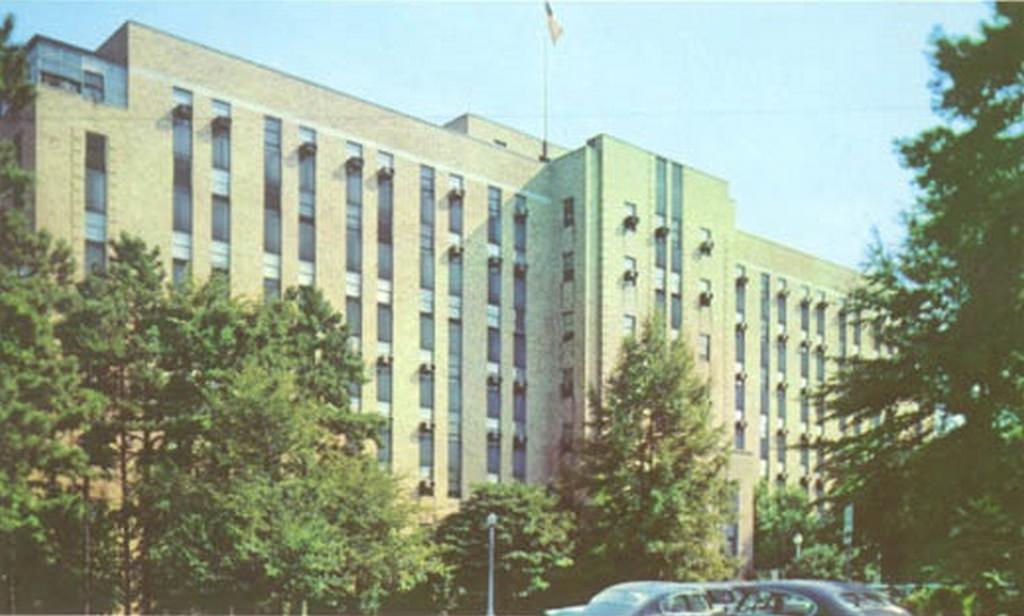
Charlotte Memorial Hospital, 1960

Charlotte Memorial Hospital as it appeared in the 1960s. Today this facility is known as Carolinas Medical Center.

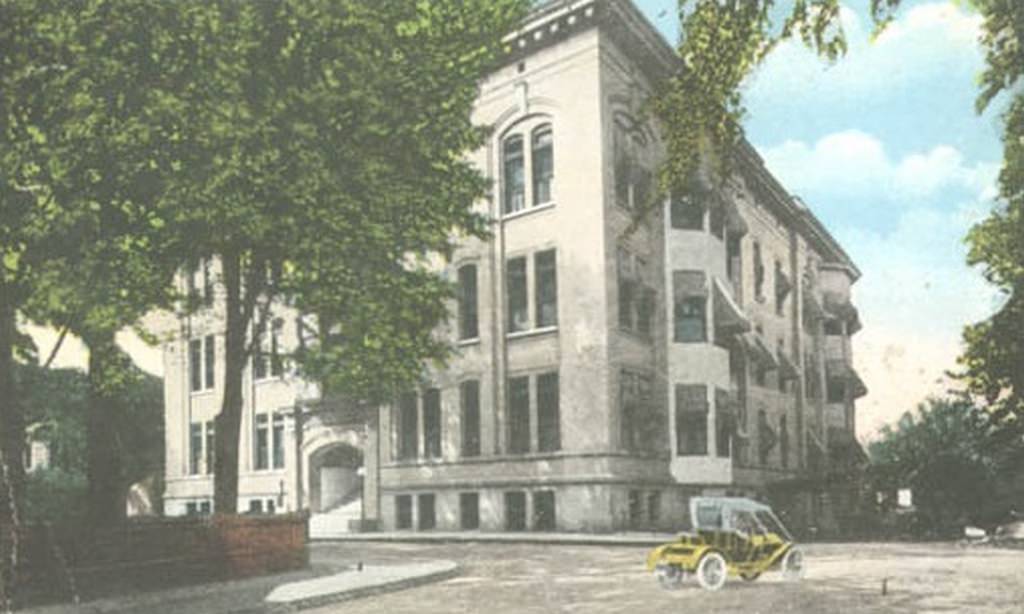
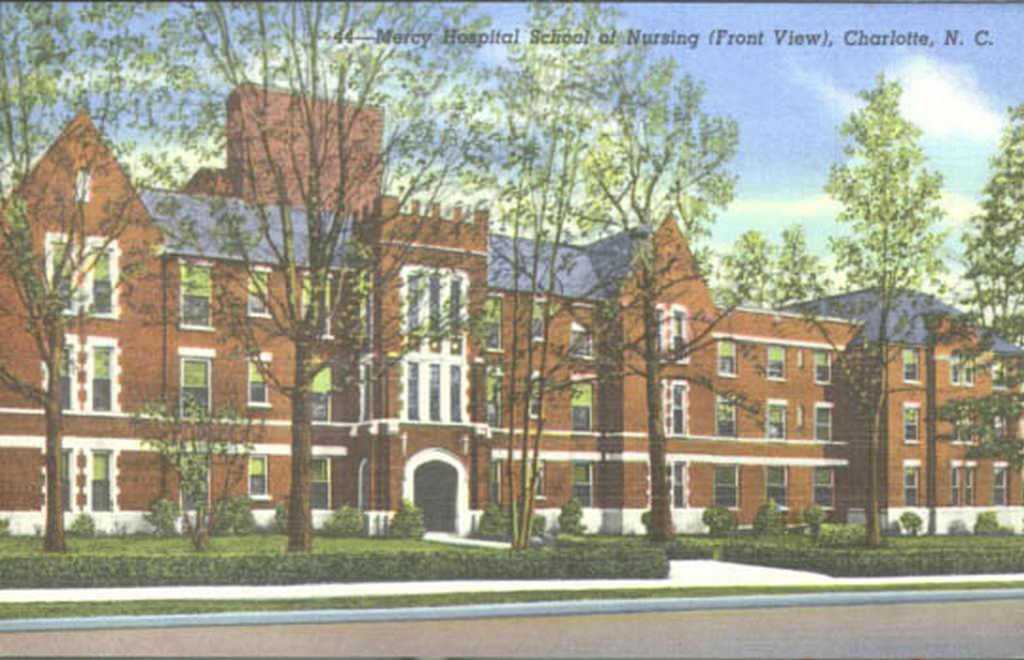
Mercy Hospital School of Nursing, 1906
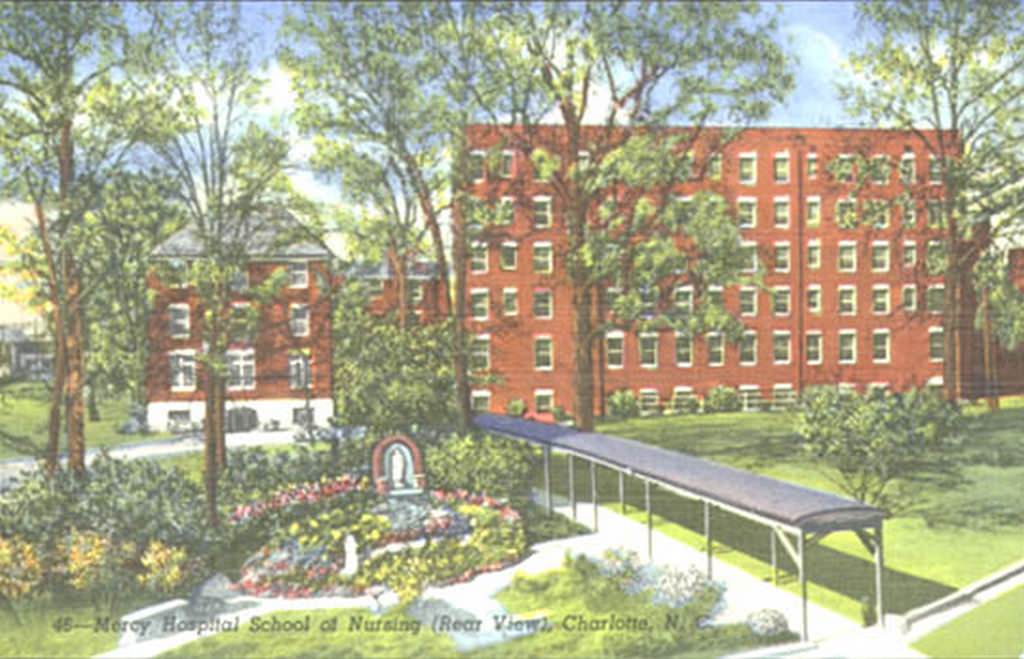

Mercy Hospital was founded by the Sisters of Mercy of Belmont, North Carolina, in February 1906. Originally it was a twenty-five-bed facility in a wooden building on East First Street behind St. Peter’s Roman Catholic Church. The second facility, pictured here, opened in 1916 on East Fifth Street. Through additions, by 1960 the hospital had a capacity of 300 beds.

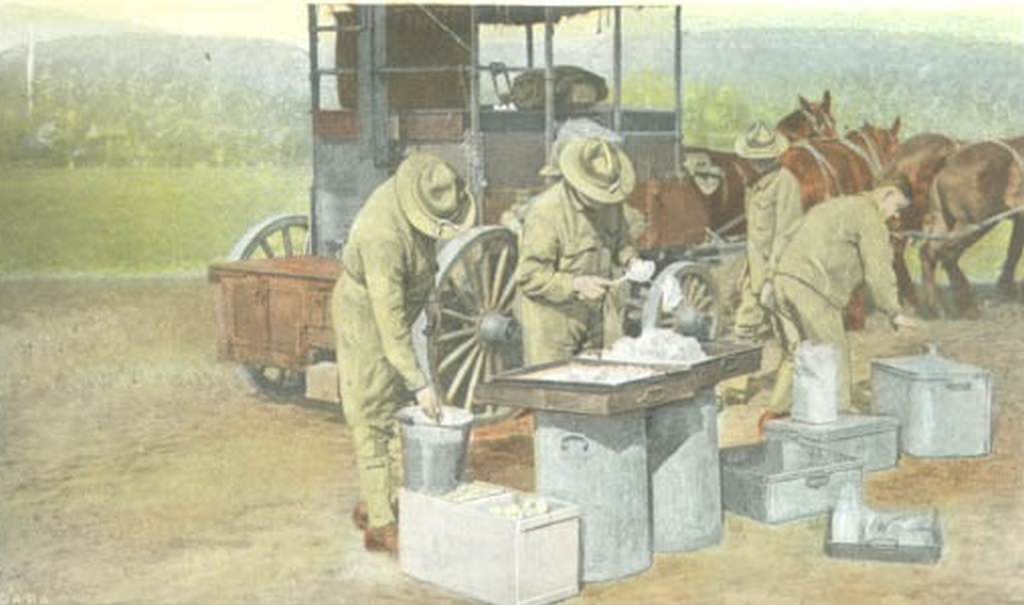
Camp Greene Stables on Remount Road, 1918
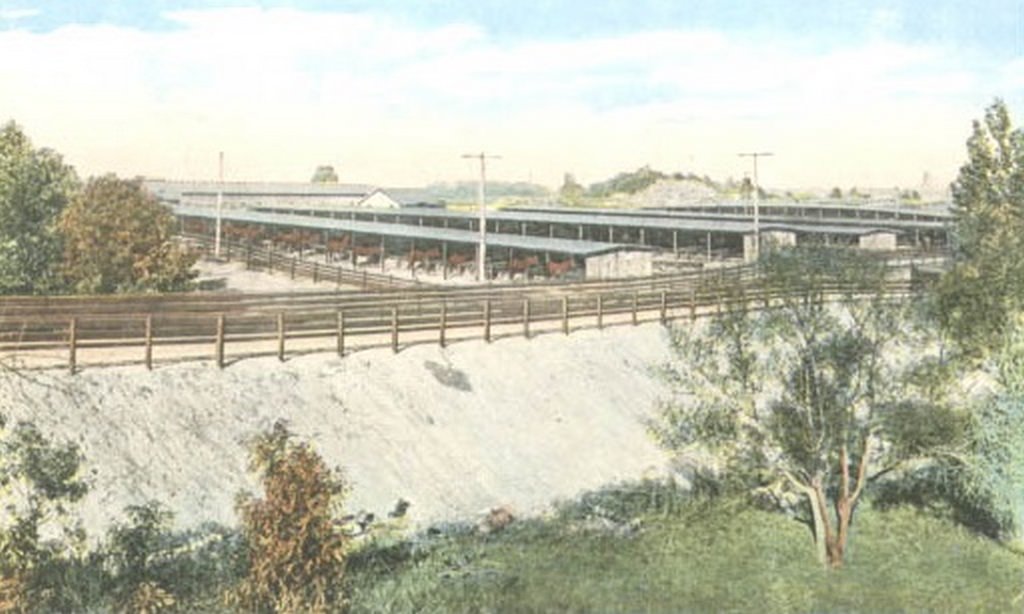

The United States National Guard Cantonment at Camp Greene in Charlotte, North Carolina. Camp Greene was a World War I military training camp.

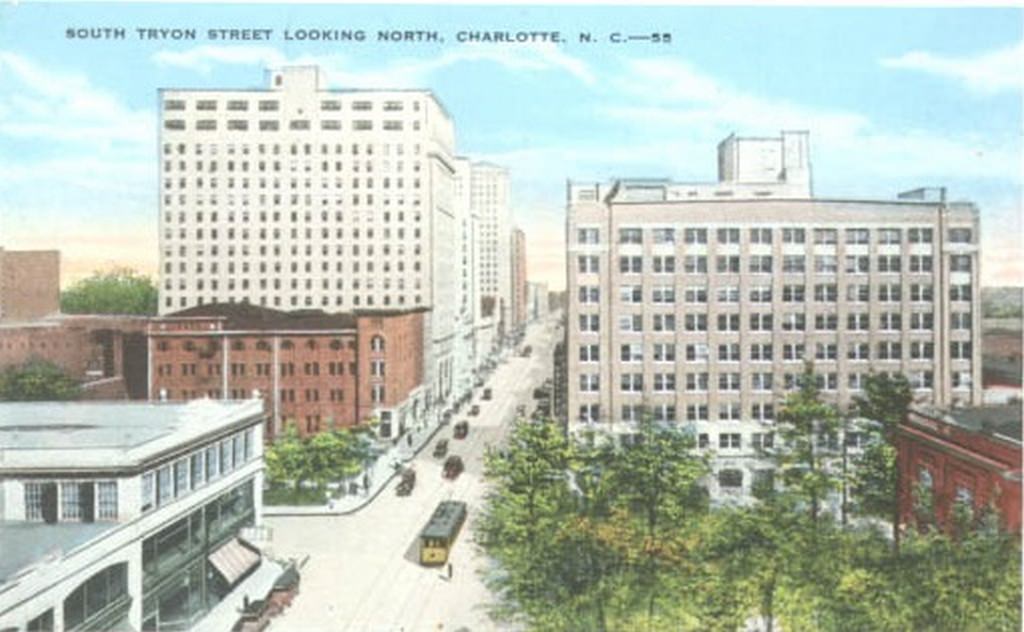
South Tryon Street, 1915

Postcard captures a view of South Tryon Street.

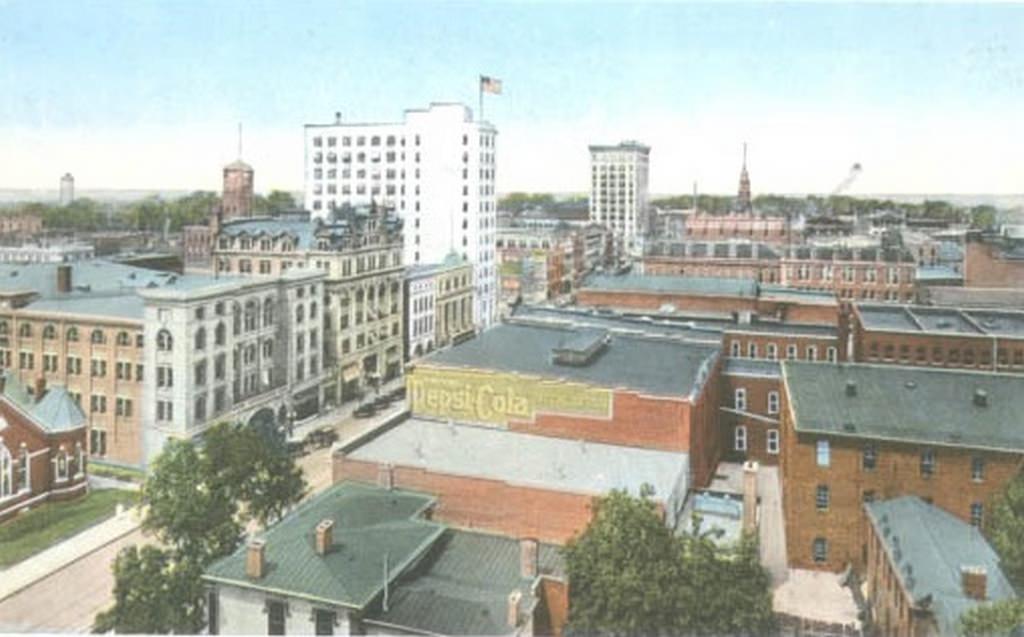
Uptown Charlotte, 1900

Charlotte business district.

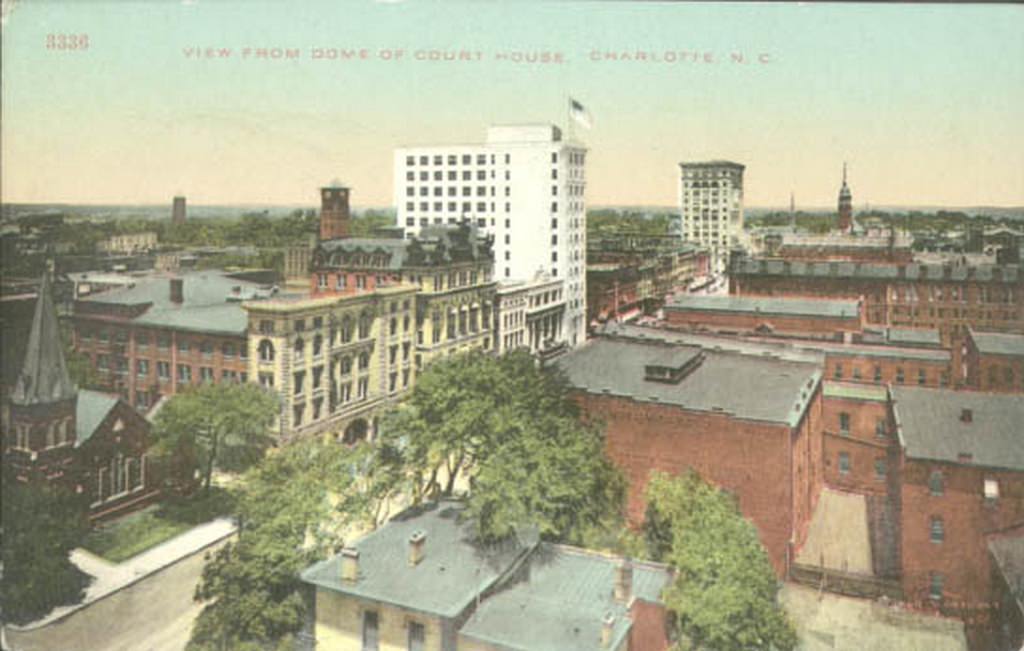
Aerial view Tryon Street, 1905

View of Tryon Street from the dome of the courthouse looking along Charlotte’s business district.

YMCA Building (Second One) and Annex, 1920
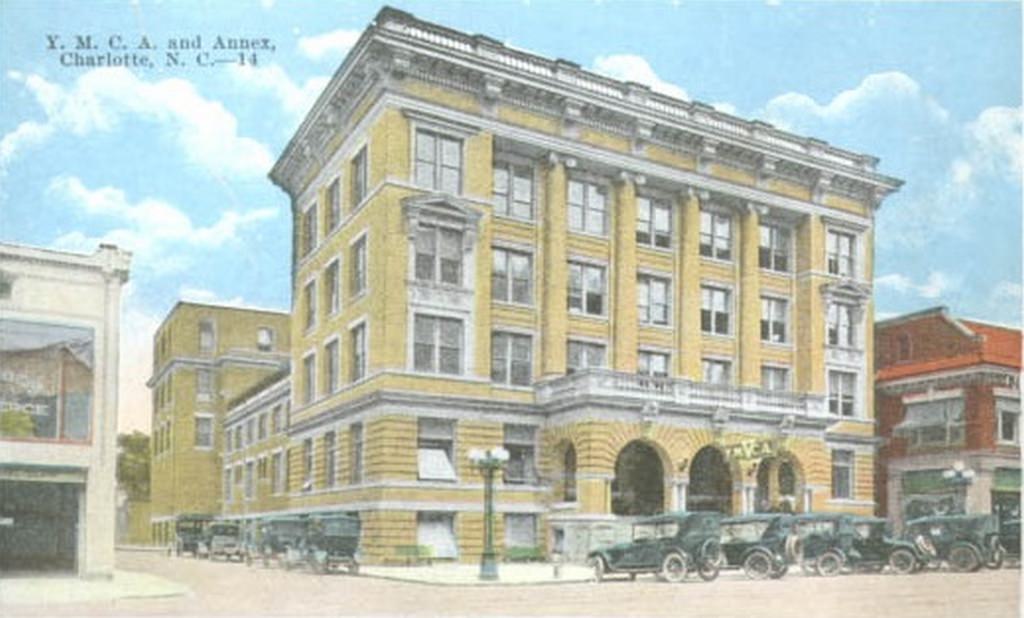

The YMCA was once located at 206 South Tryon Street. The structure at the back of the YMCA is the annex. It was built in either 1916 or 1922.

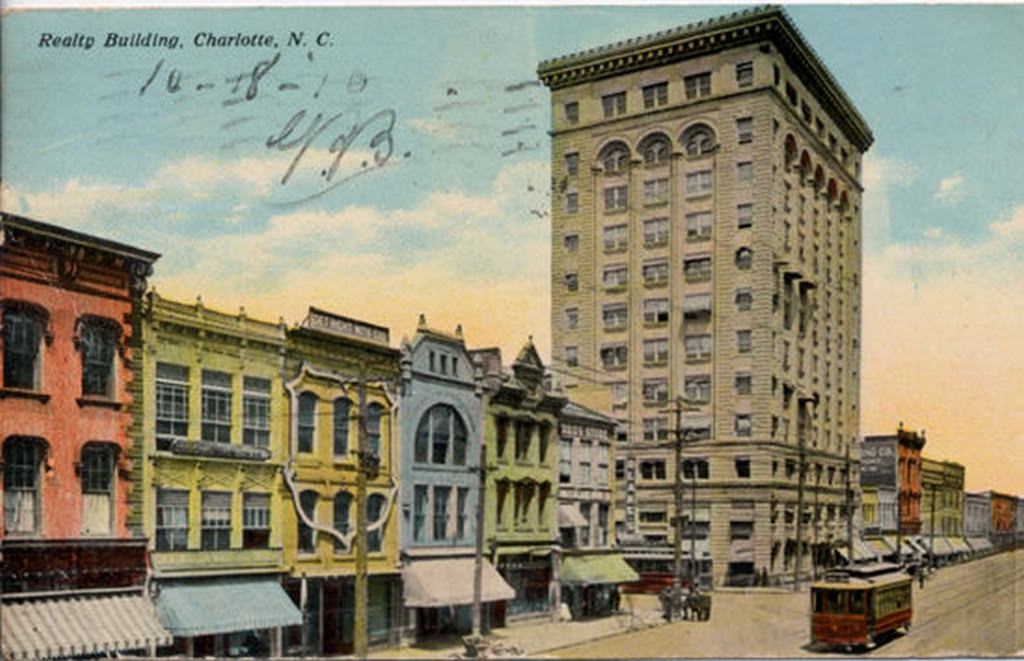
Charlotte Business District, 1910

Charlotte business district with the Realty Building on the corner and a trolley coming down the tracks.

Camp Greene mess line, 1918
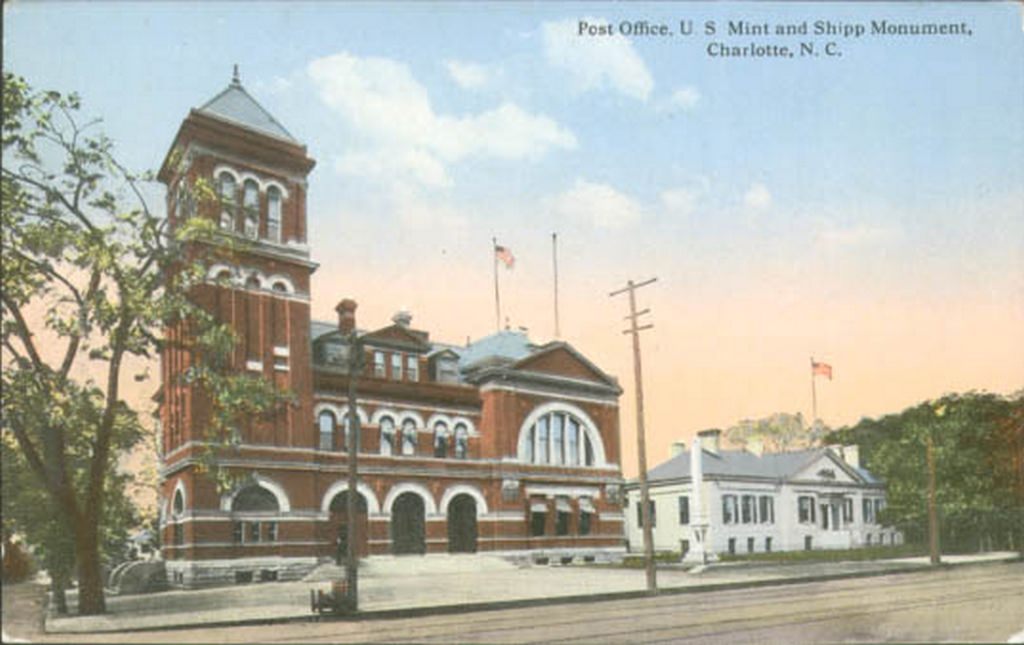
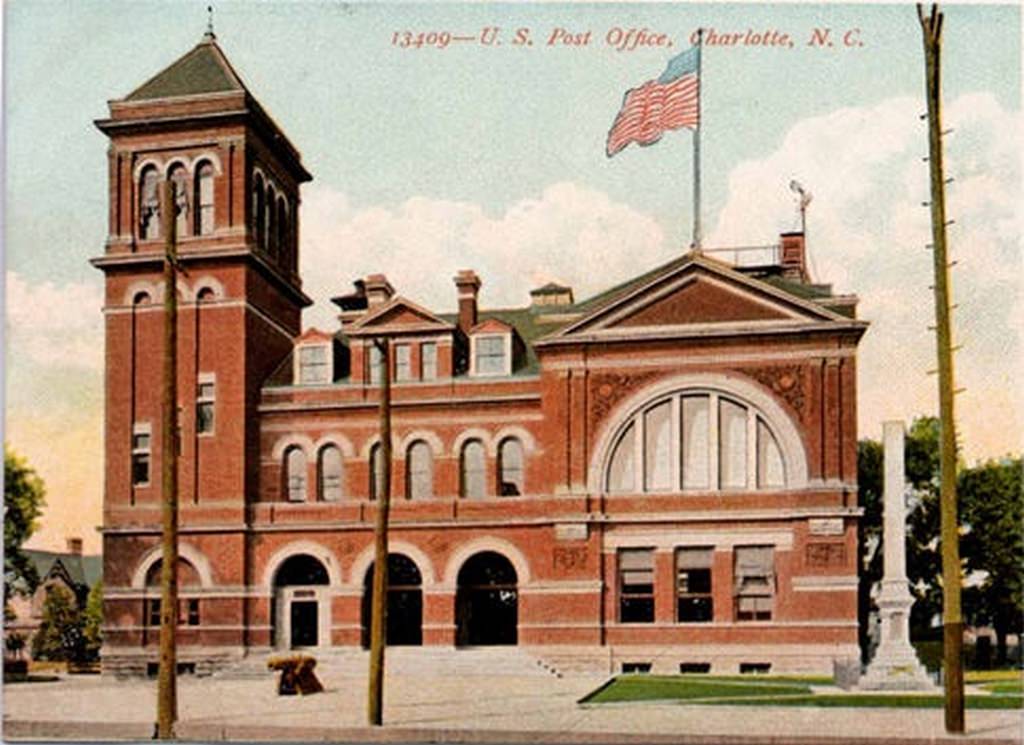
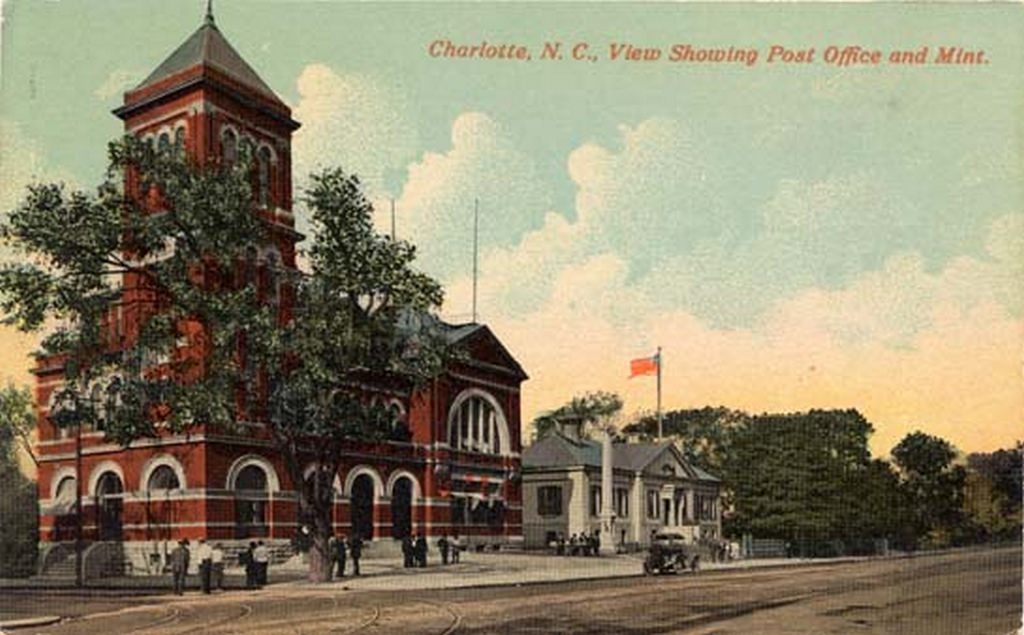
United States Post Office, 1900

Prior to the completion of this building in 1881, the United States Post Office rented various buildings in Charlotte. This post office operated on the corner of Trade and Mint Streets from 1881 to 1915.

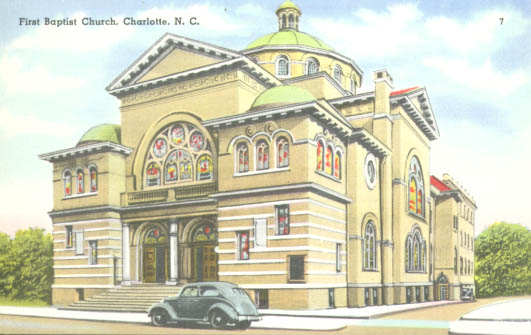
First Baptist Church, 1948

Once the home of First Baptist Church, this site is located in the 300 block of North Tryon Street. The church can trace its history to 1832. This facility was built in 1908 and served the congregation until the 1970s, when they moved to a new church. The older facility was transformed into a cultural center for arts education and is known as Spirit Square.

Dilworth United Methodist Church, 1926
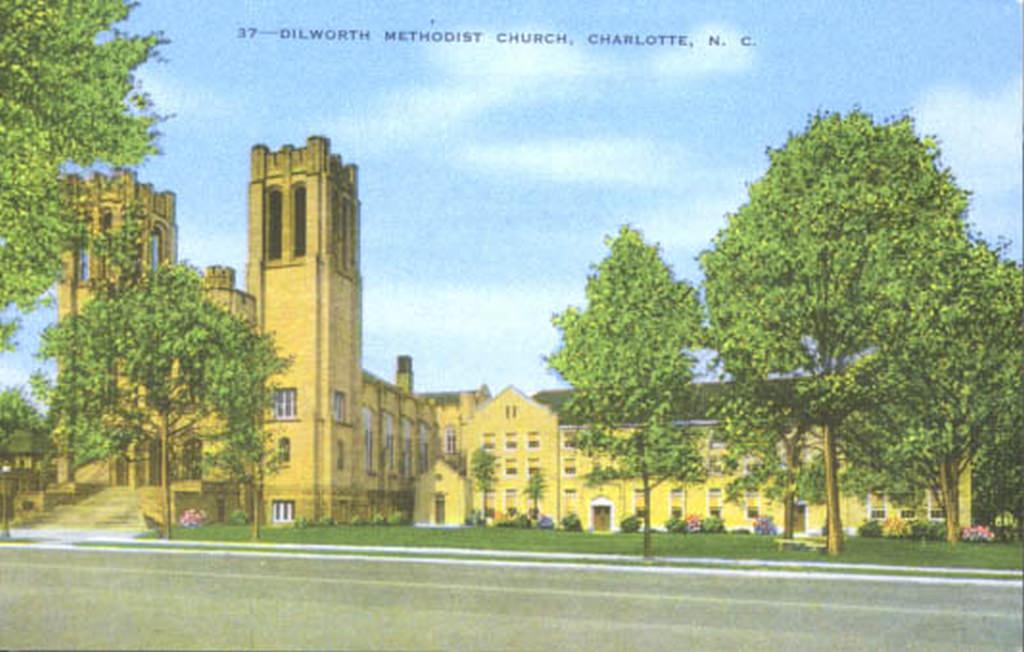

Dilworth United Methodist Church went by a number of different names after it was founded in the late 1800s. In 1926, the church moved to East Boulevard into a large Gothic-designed building.

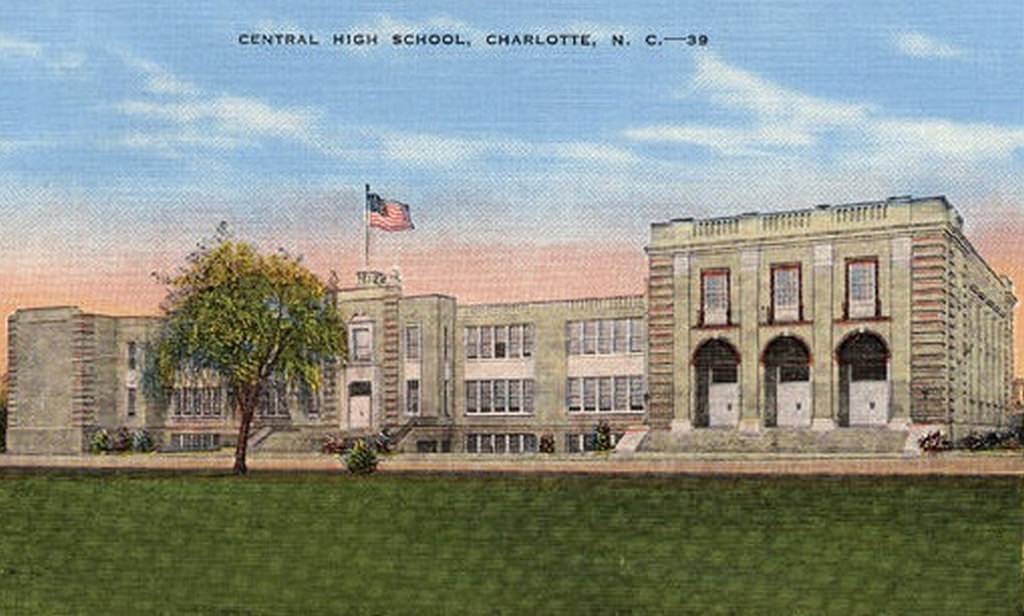
Central High School, 1920

Central High School opened around 1908. Located on Elizabeth Avenue, the building is now part of Central Piedmont Community College’s campus.

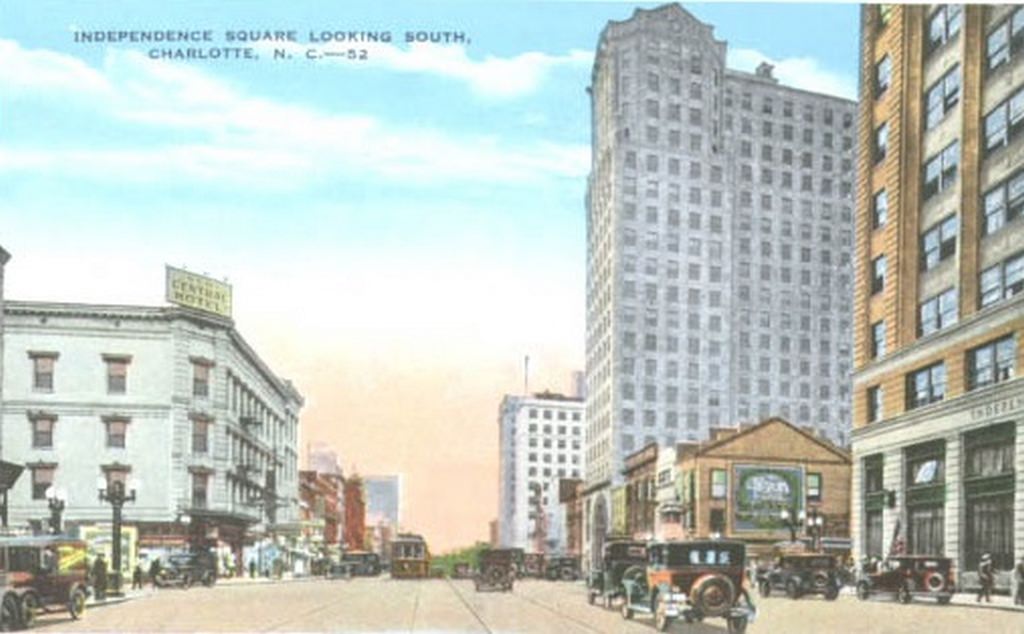
Independence Square, 1920

Independence Square is the intersection of Trade and Tryon Streets.

The 100 block of North Tryon Street at night, 1925
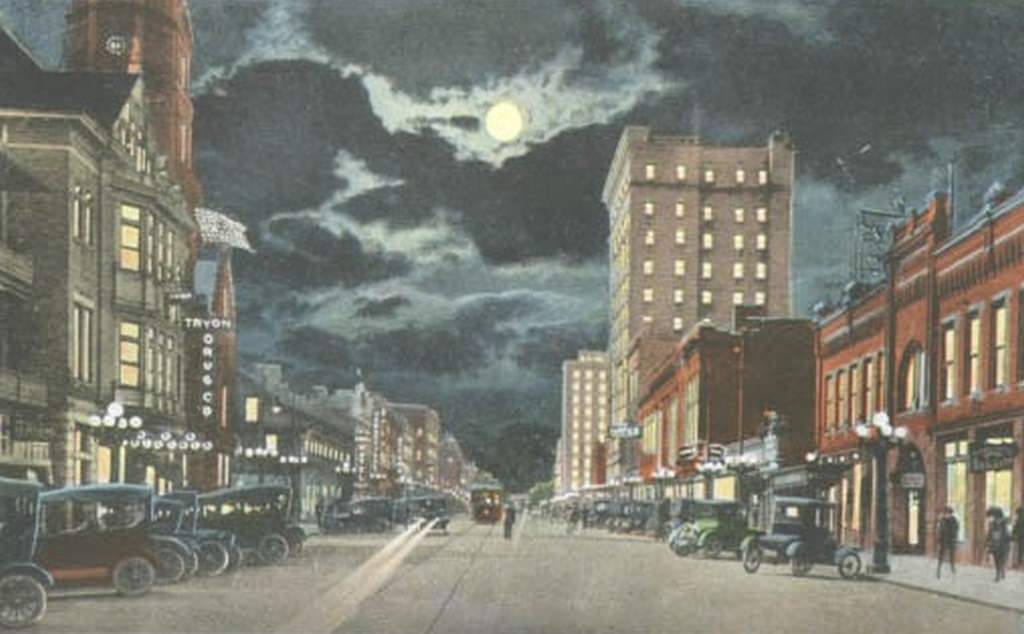
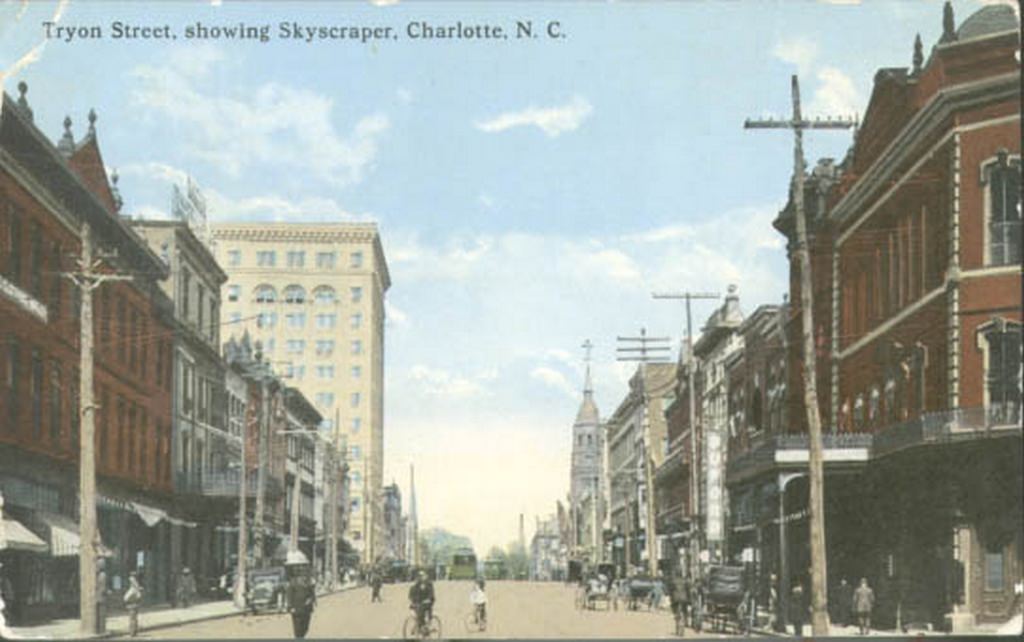
A view of Tryon Street with its new skyscraper, 1914
University of North Carolina at Charlotte, 1965
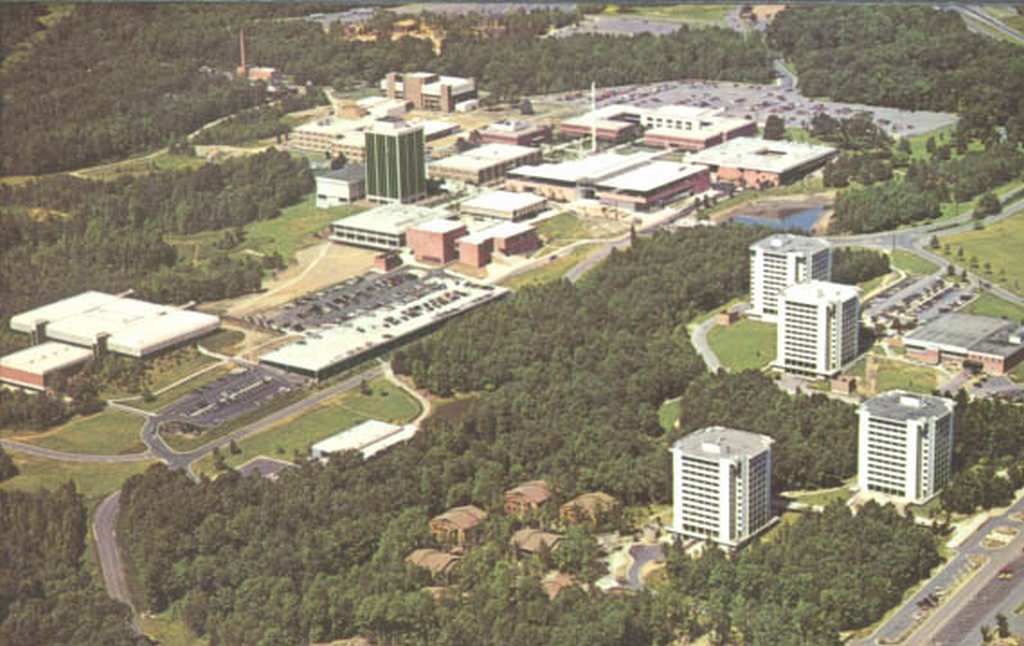

Located in northeast Charlotte, UNCC was founded in 1946 and achieved university status by 1965. Today thousands of students attend UNCC in preparation for bachelor’s, master’s, and some doctoral degrees.

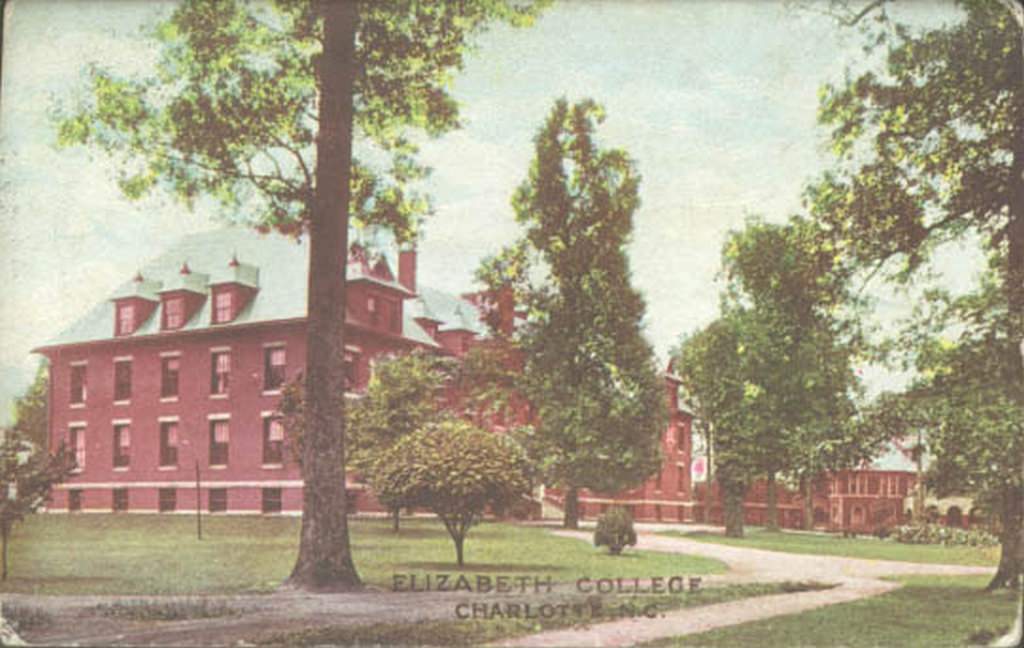
Elizabeth College, 1908
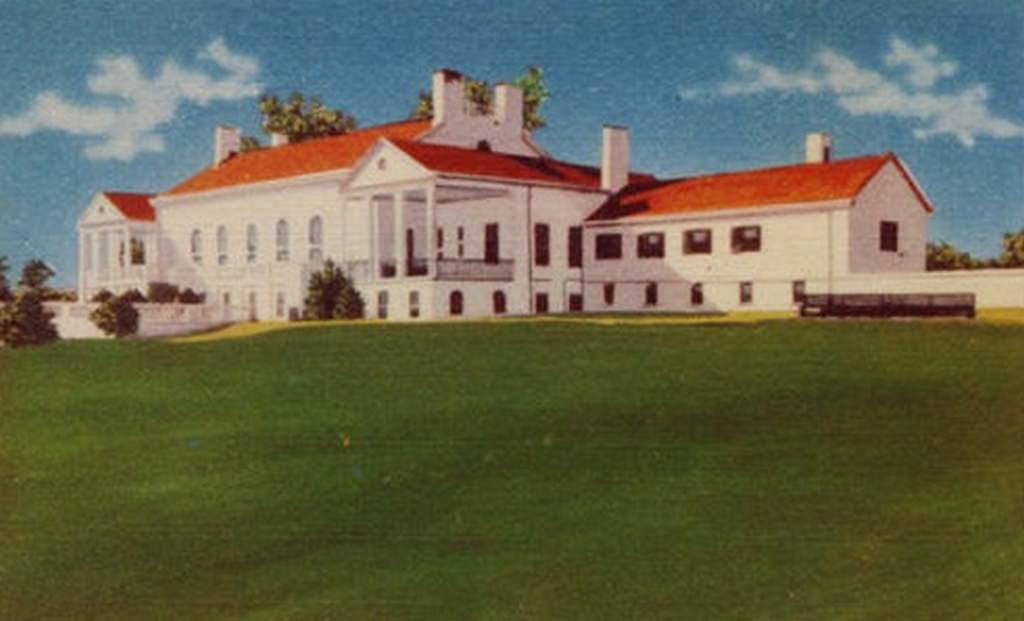
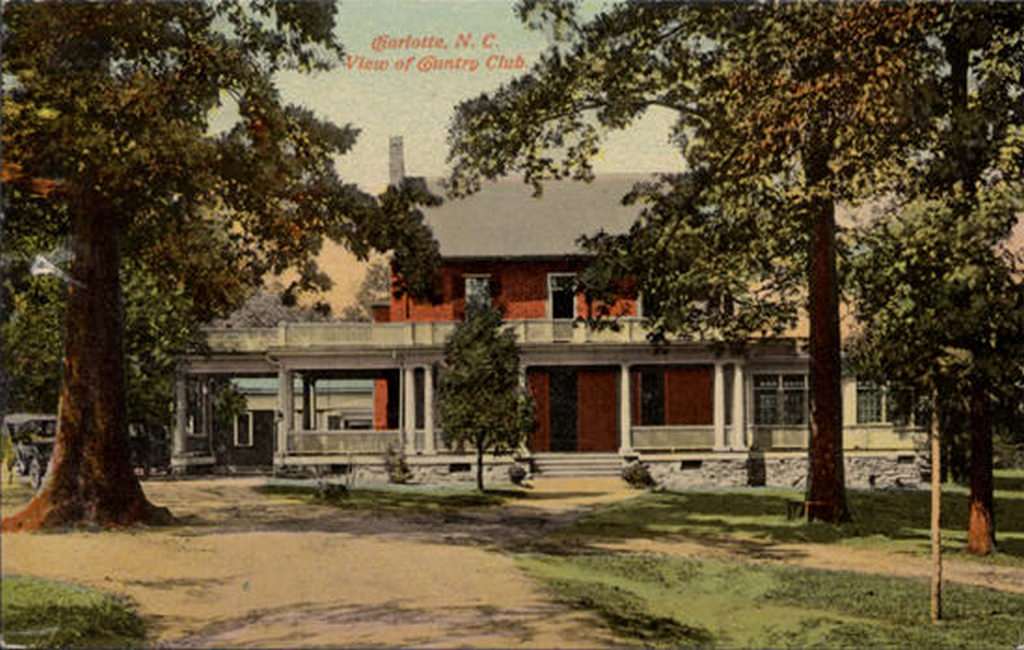
Charlotte Country Club, 1945

Originally called the Mecklenburg Country Club, it was founded in 1910. The name was changed to Charlotte Country Club in 1917.

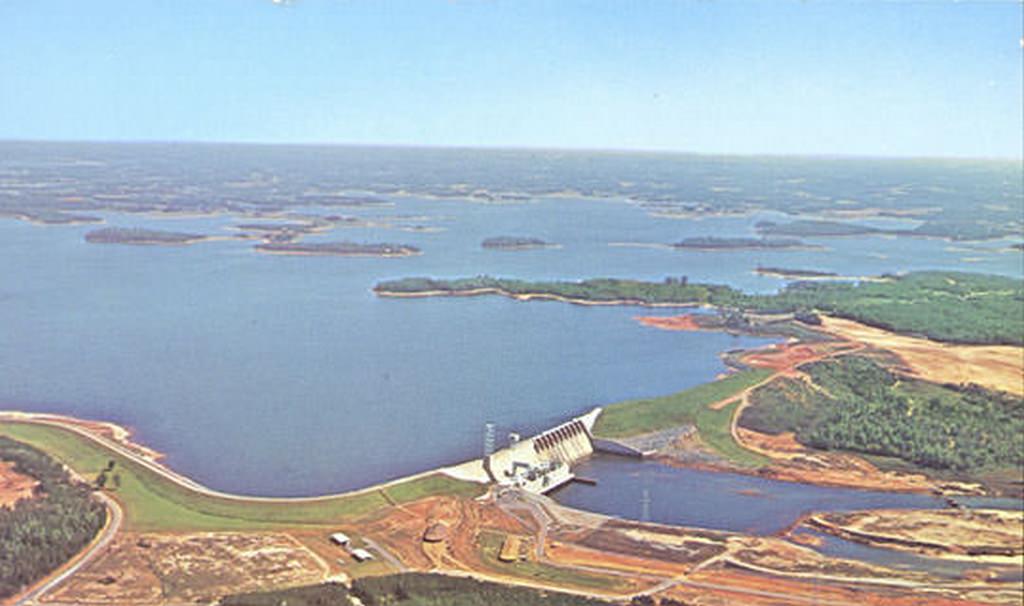
Lake Norman, 1970
Lake Norman, 1970

Lake Norman is North Carolina’s largest man-made lake, with 32,510 acres and 520 miles of shoreline.

House in Myers Park, 1920
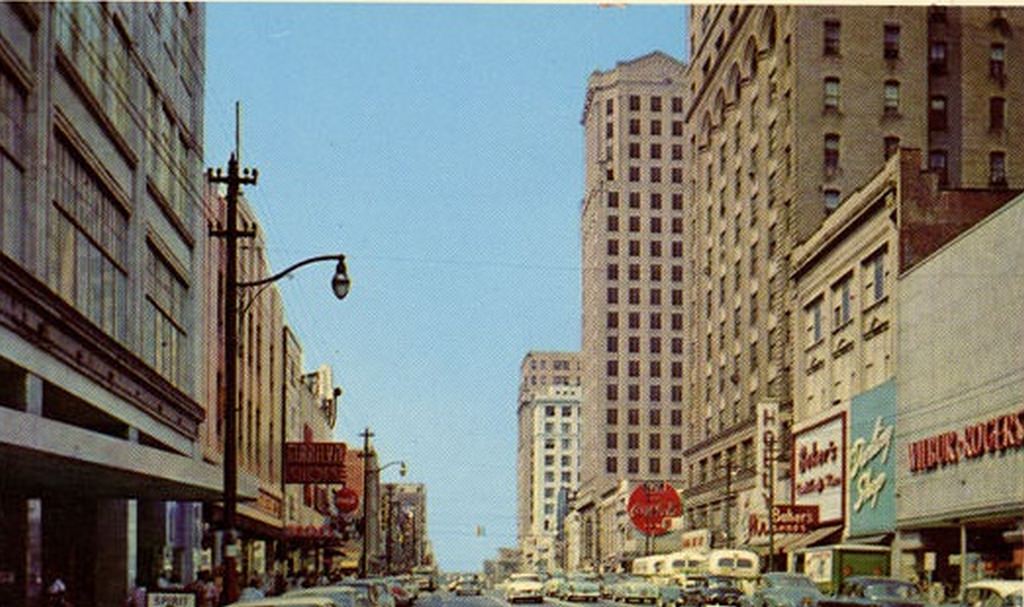
Looking south down Tryon Street, 1955
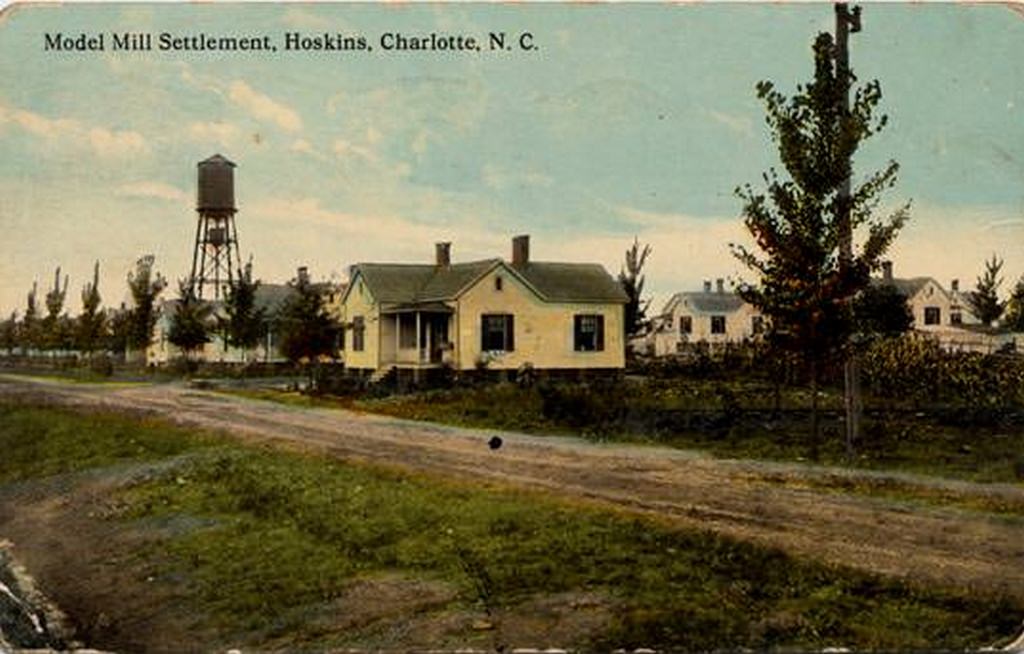
Hoskins Mill Village, 1913

Hoskins Mill Village was a residential area for the workers at nearby Hoskins Mill, which opened in 1904. The village was on Gossett and Hoskins Avenue.

Elizabeth School and Knox Presbyterian Church, 1920
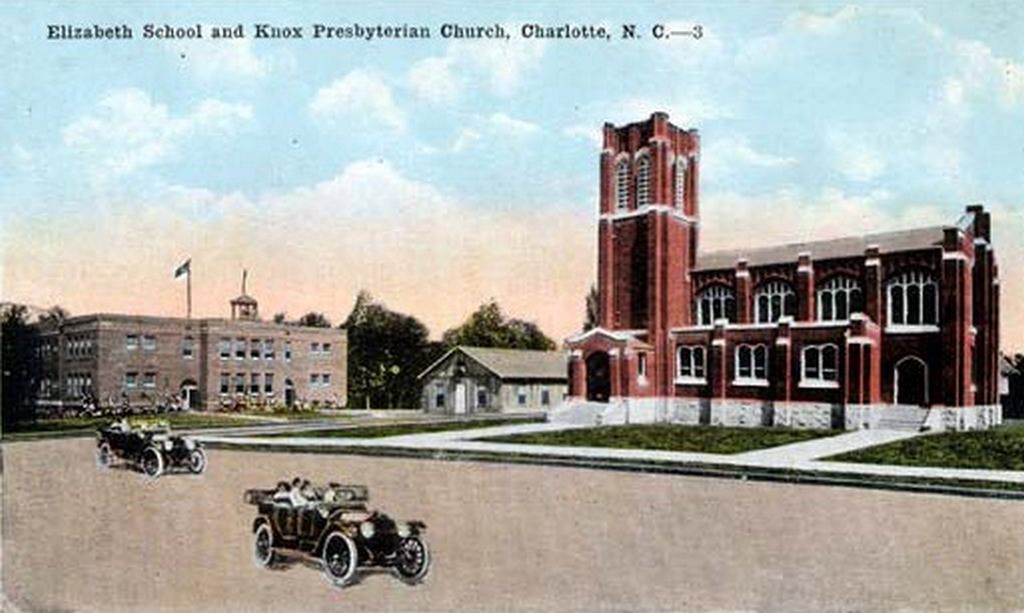

The Elizabeth School and Knox Presbyterian Church were located on Park Drive at the corner of East 5th Street.

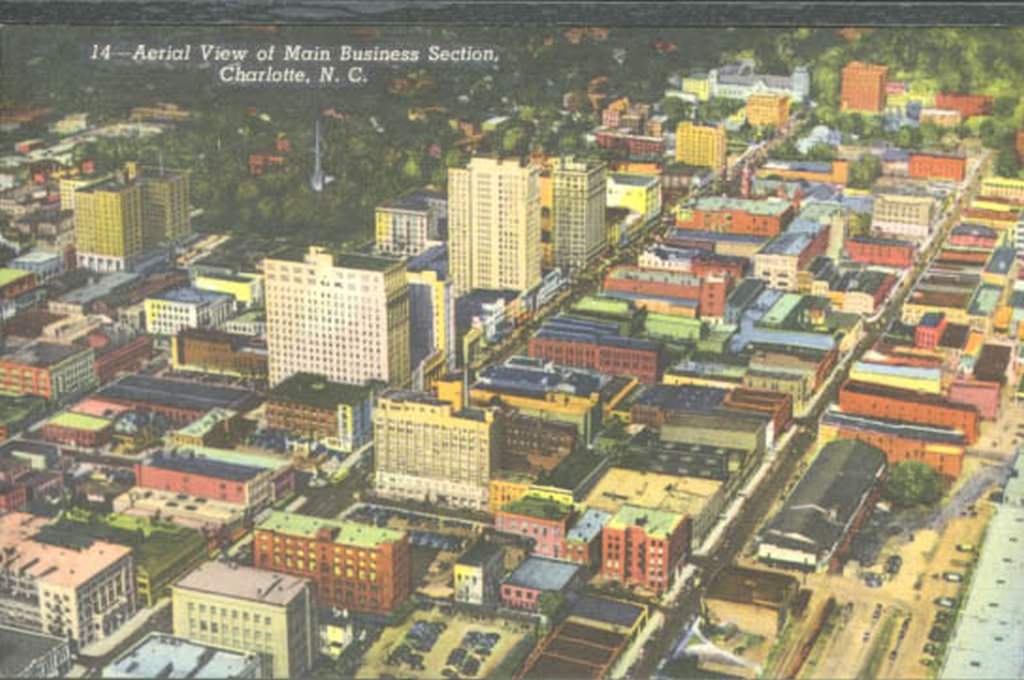
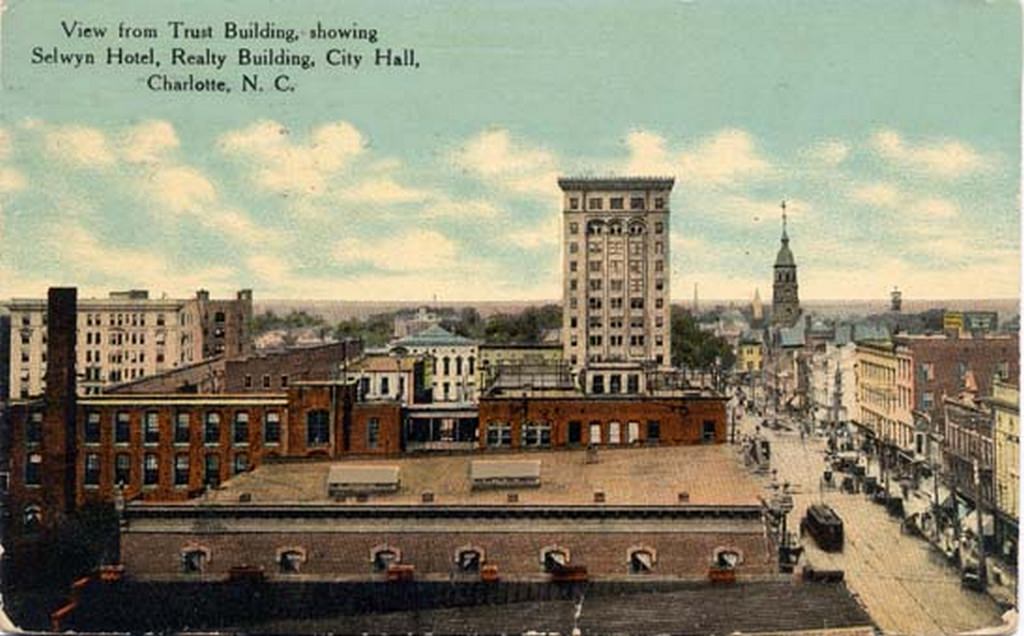
Aerial view of Charlotte's business section, 1910
Aerial view of Charlotte’s business section, 1910
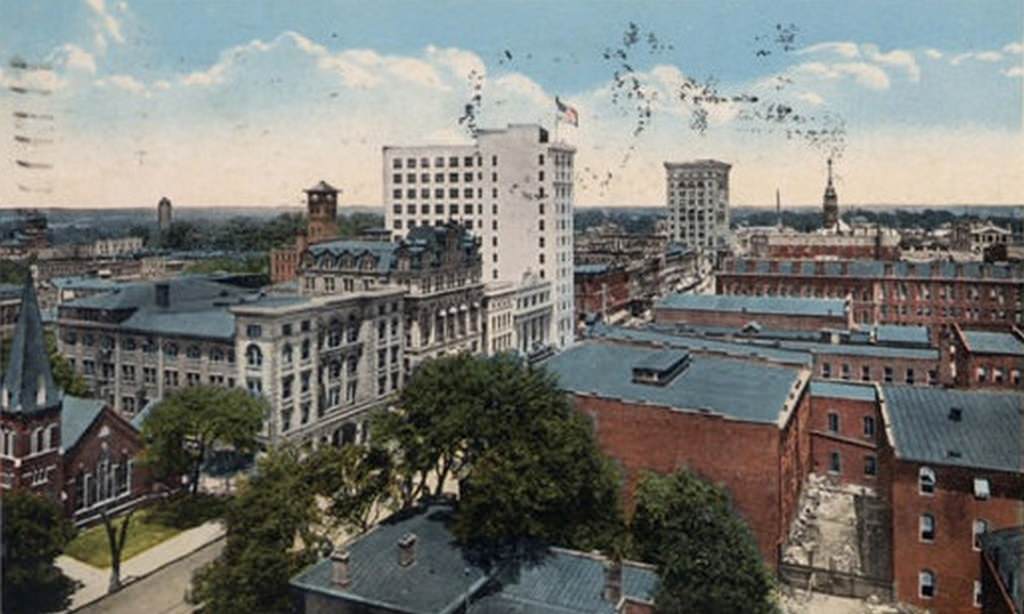
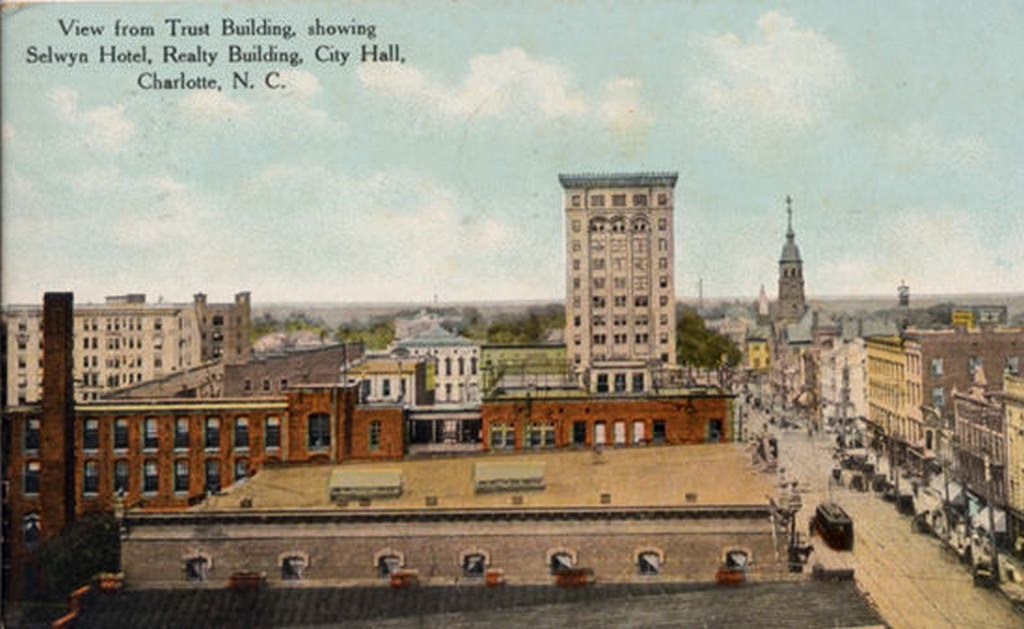
View from the Trust Building, showing the Selwyn Hotel, Realty Building, and City Hall, Charlotte, NC.

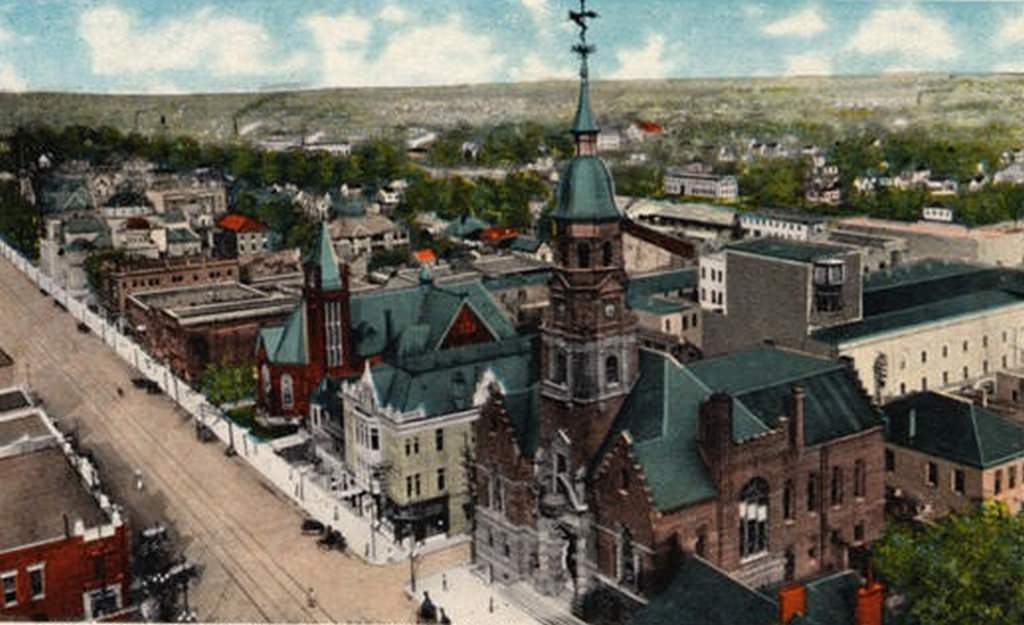
Aerial view of Charlotte, 1917

Bird’s-eye view looking north, Charlotte, NC. Shows City Hall, Second Presbyterian, and the library.

Charlotte's business section, 1929
Charlotte’s business section, 1929
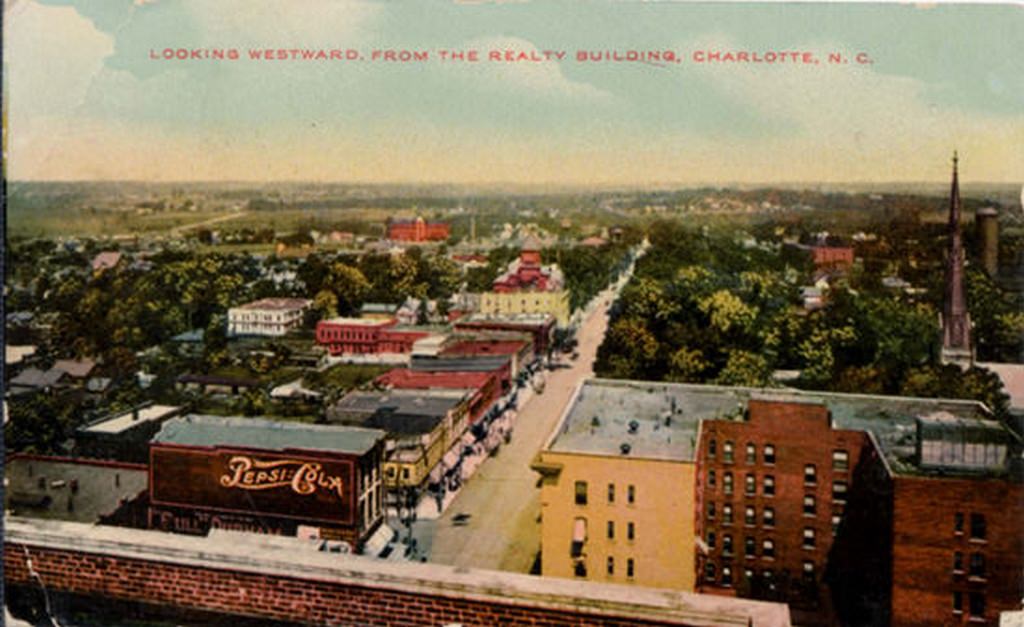
Looking westward from the Realty Building, Charlotte, 1910
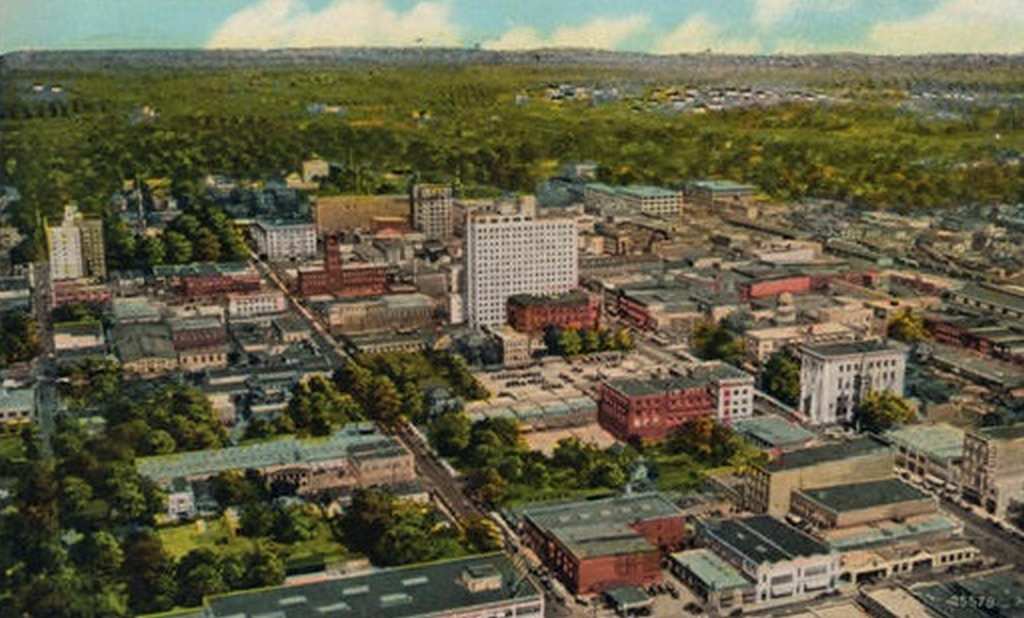
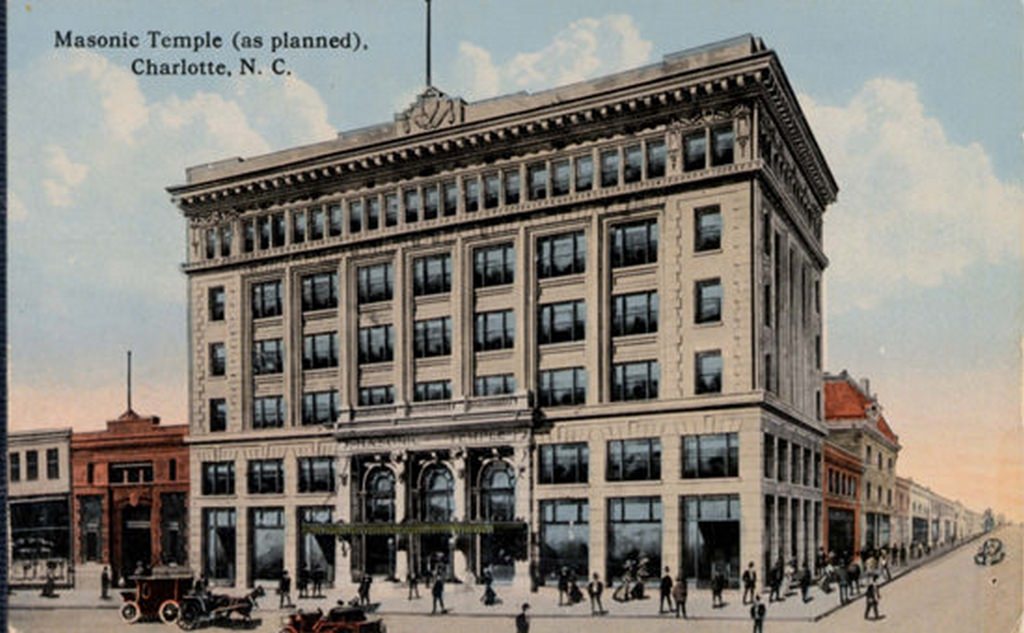
Masonic Temple Proposed, 1920

A proposed picture of the Masonic Temple in Charlotte. The actual building was of the Egyptian Revival design.

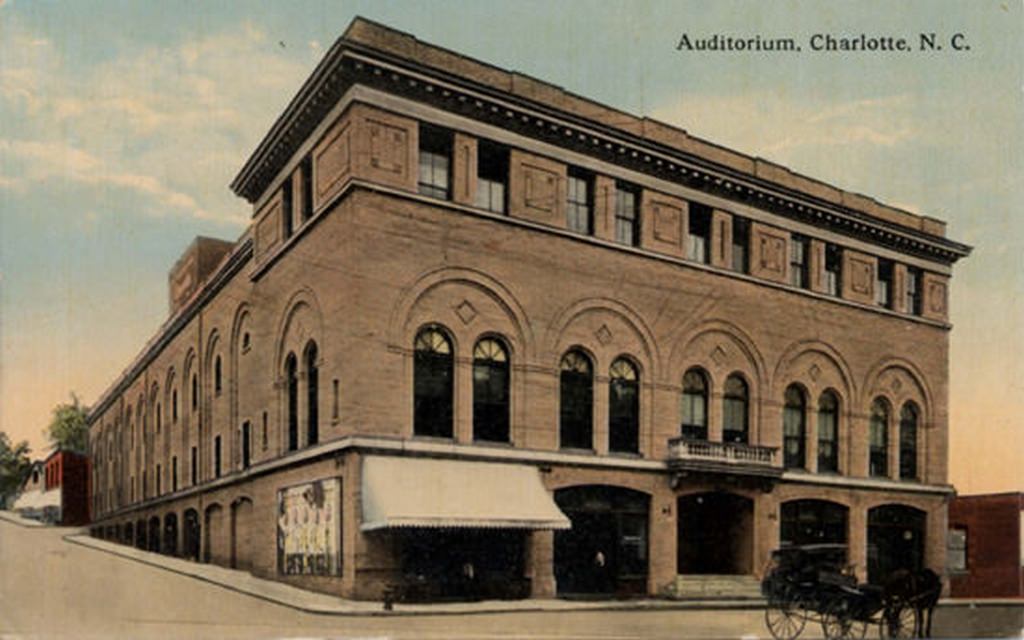
Charlotte Auditorium, 1890

The Charlotte Auditorium was located at College and Fifth Streets. It was demolished in the 1920s. The rubble was used to build the Cannon Cathedral on Wallace Road.

Southern Manufacturers' Club and Mrs. Stonewall Jackson's Residence, 1900
Southern Manufacturers’ Club and Mrs. Stonewall Jackson’s Residence, 1900
The Southern Manufacturers’ Club and Mrs. Stonewall Jackson’s residence were located on South Tryon Street.

Charlotte Coliseum, 1960

The Charlotte Coliseum (1) was located on Independence Boulevard. Today it is known as Independence Arena.

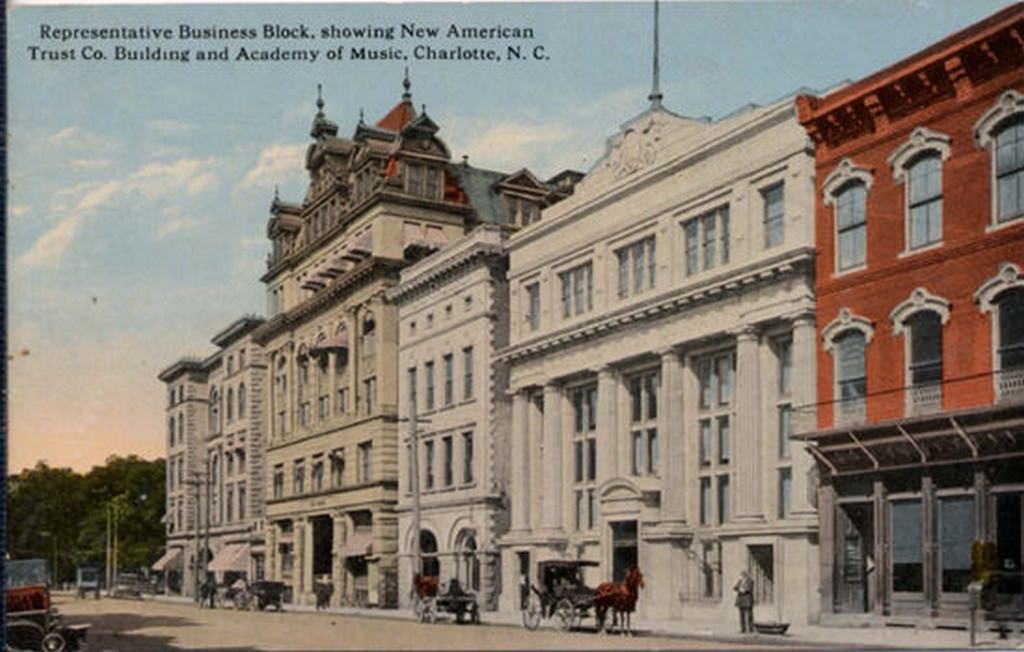
Charlotte Business District, 1910

Postcard depicts one of the many business districts on Tryon Street. The New American Trust Company and the Academy of Music are highlighted in the image.

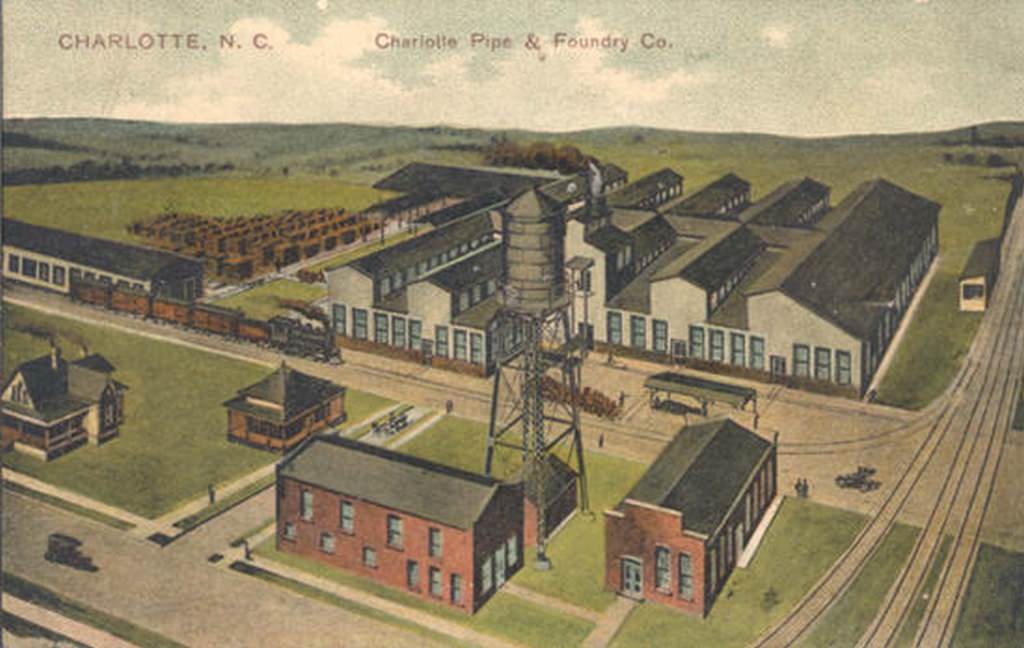
Charlotte Pipe & Foundry Company, 1900

The Charlotte Pipe & Foundry Company was founded in 1900 by Willis Frank Dowd, Sr. It is the oldest cast iron soil pipe plant in America.

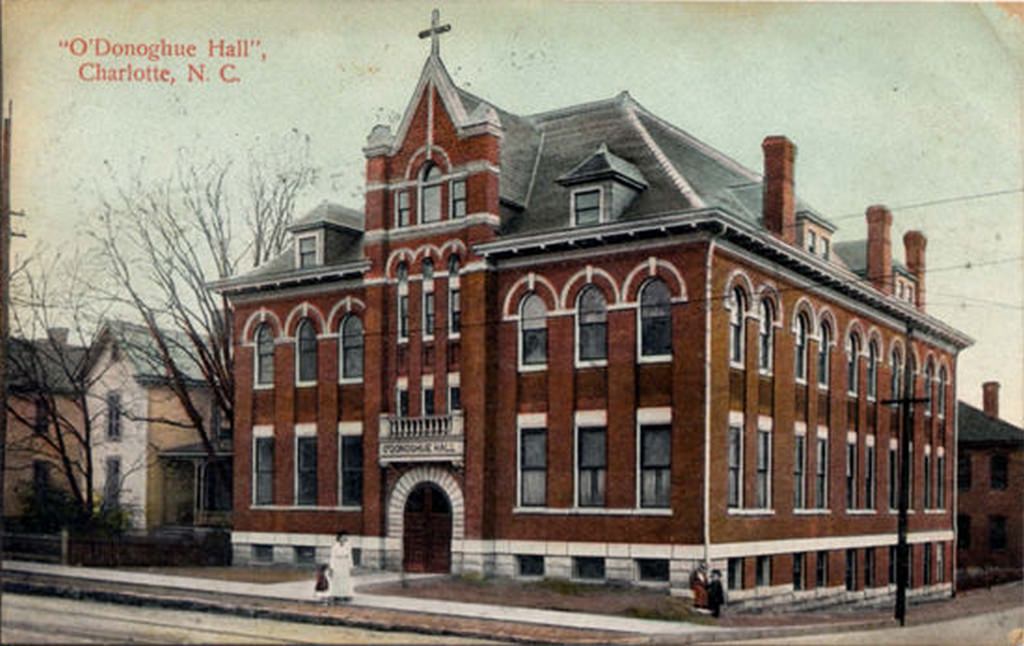
O'Donoghue Hall (Catholic School), 1907
O’Donoghue Hall (Catholic School), 1907
This building was used as a school, convent, and hall by the Sisters of Mercy. It was built in 1905 and named for Dr. Dennis O’Donoghue.

Charlotte City Hall, 1927

City Hall was constructed in 1920. Located on East Trade Street, it was first occupied in 1927.

Charlotte City Hall (1927).1926

Charlotte City Hall, located on East Trade Street, was first occupied in 1927.

Tryon Street in Charlotte at the turn of the century, 1903
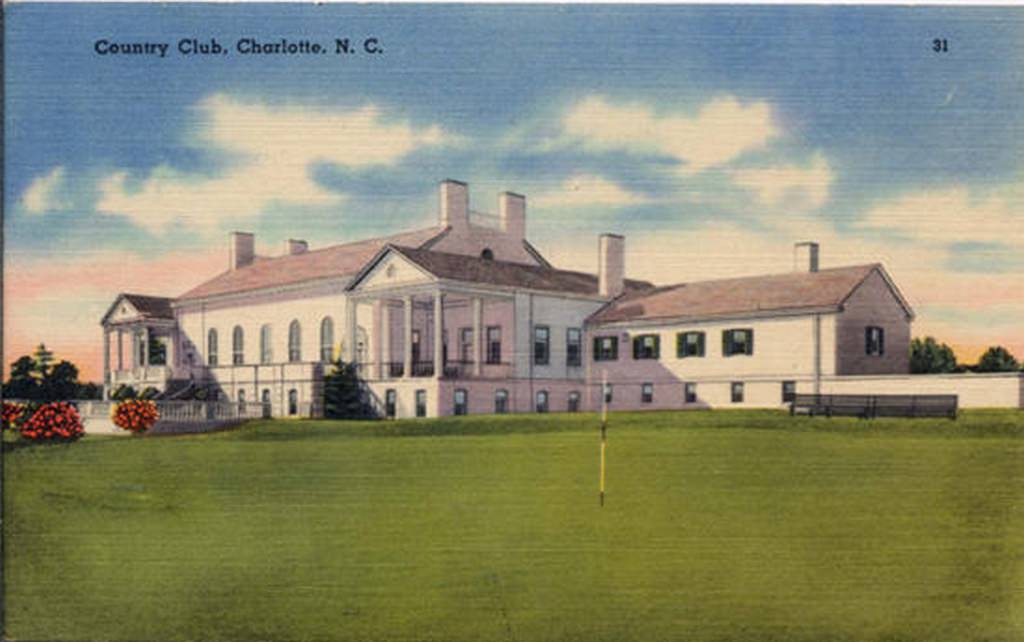
Charlotte Country Club, 1938

Charlotte Country Club was founded in 1910. It was originally called the Mecklenburg Country Club. The name was changed in 1917.

Charlotte Country Club, 1920

This is an image of the Charlotte Country Club. It was founded in 1910 and originally called the Mecklenburg Country Club. The name was changed in 1917.

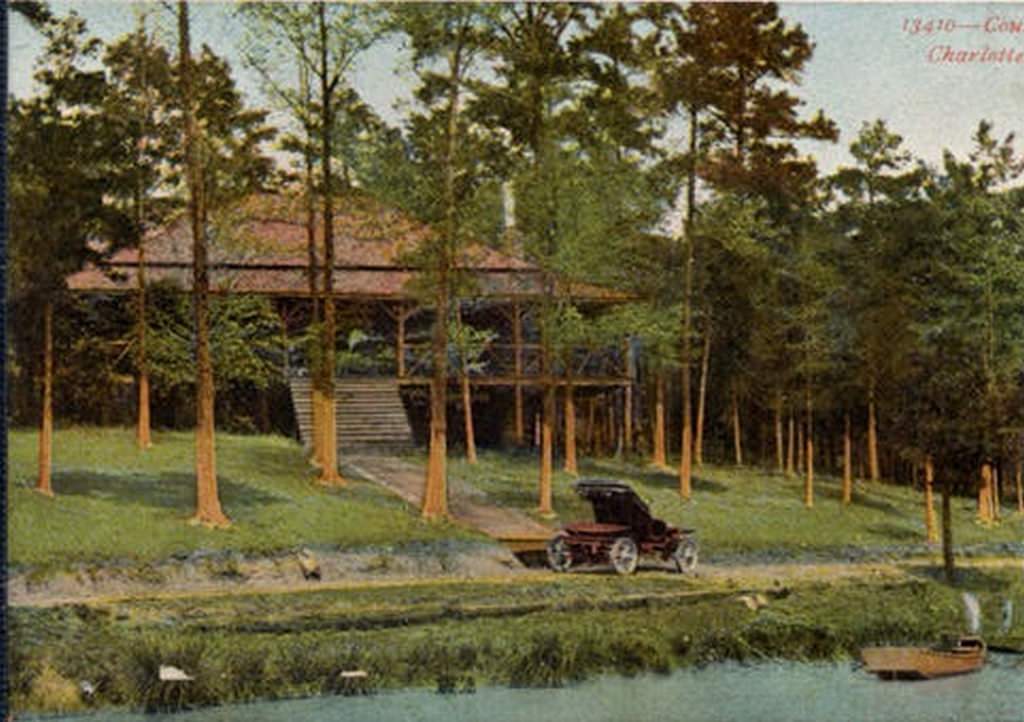
Charlotte Country Club, 1910

Charlotte Country Club began as the Mecklenburg Club in 1910. This first club was located west of the city, adjoining a pond on or near Stewart Creek. The activities of this early club were limited to card games, picnics, boating, and fishing. The club moved to its present location in the Plaza Midwood neighborhood in 1931.

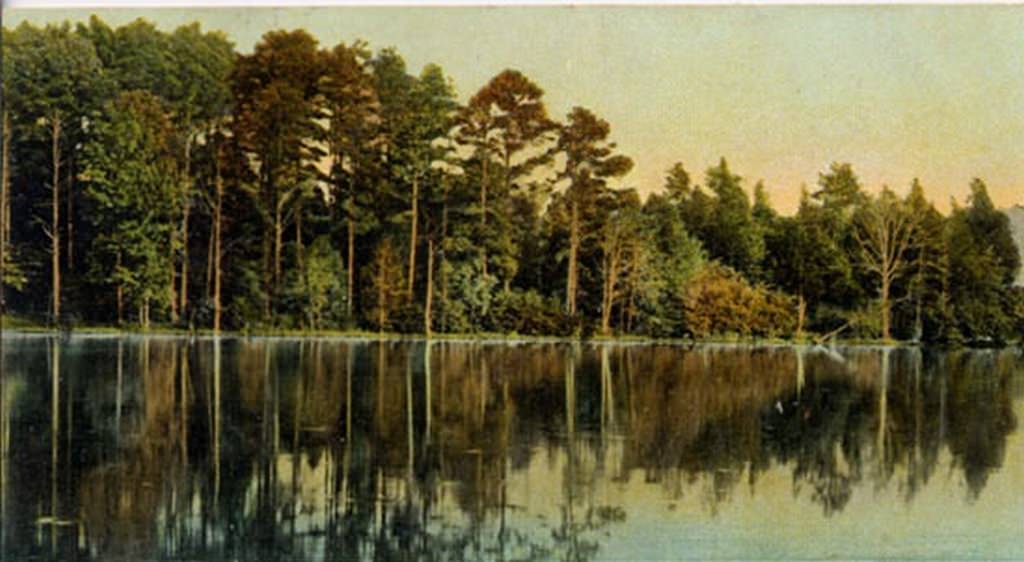
Lake at Charlotte Country Club, 1917

Charlotte Country Club began as the Mecklenburg Club in 1910. This first club was located west of the city, adjoining a pond on or near Stewart Creek. The activities of this early club were limited to card games, picnics, boating, and fishing. The name was changed to Charlotte Country Club in 1917. The club moved to its present location in the Plaza Midwood neighborhood in 1931.

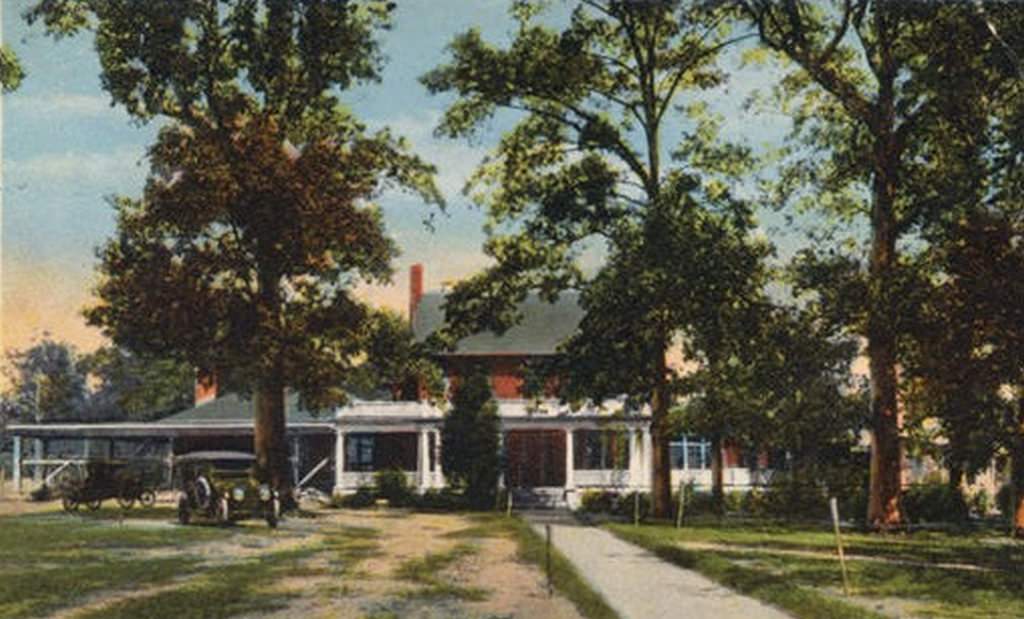
Charlotte Country Club, 1917

Charlotte Country Club began as the Mecklenburg Club in 1910. This first club was located west of the city, adjoining a pond on or near Stewart Creek. The activities of this early club were limited to card games, picnics, boating, and fishing. The name was changed to Charlotte Country Club in 1917. The club moved to its present location in the Plaza Midwood neighborhood in 1931.

Charlotte Country Club, 1917

Charlotte Country Club began as the Mecklenburg Club in 1910. This first club was located west of the city, adjoining a pond on or near Stewart Creek. The activities of this early club were limited to card games, picnics, boating, and fishing. The name was changed to Charlotte Country Club in 1917. The club moved to its present location in the Plaza Midwood neighborhood in 1931.

South Tryon Street looking north from the Mecklenburg Courthouse, 1910
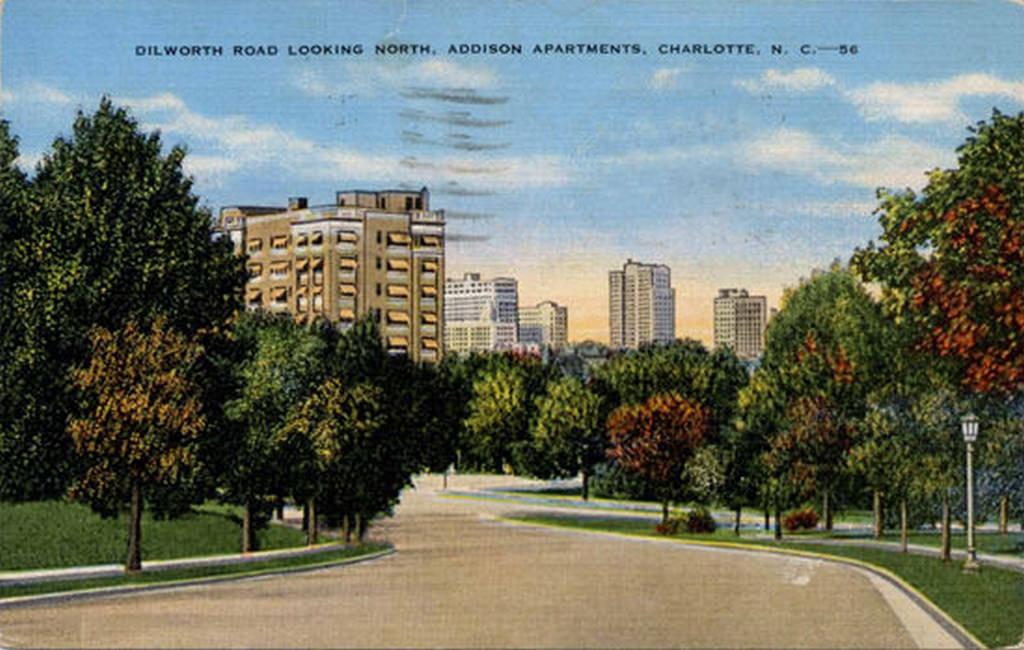
Dilworth Road Looking north. The Addison Apartments are in view. 1914
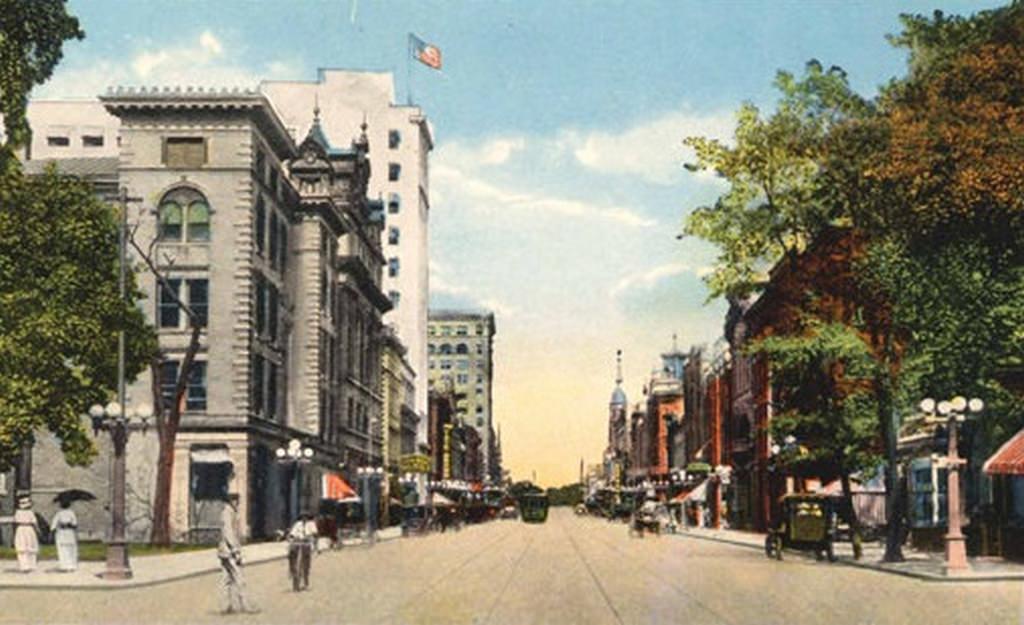
East Trade Street with a view of a trolley and a horse and buggy, 1900
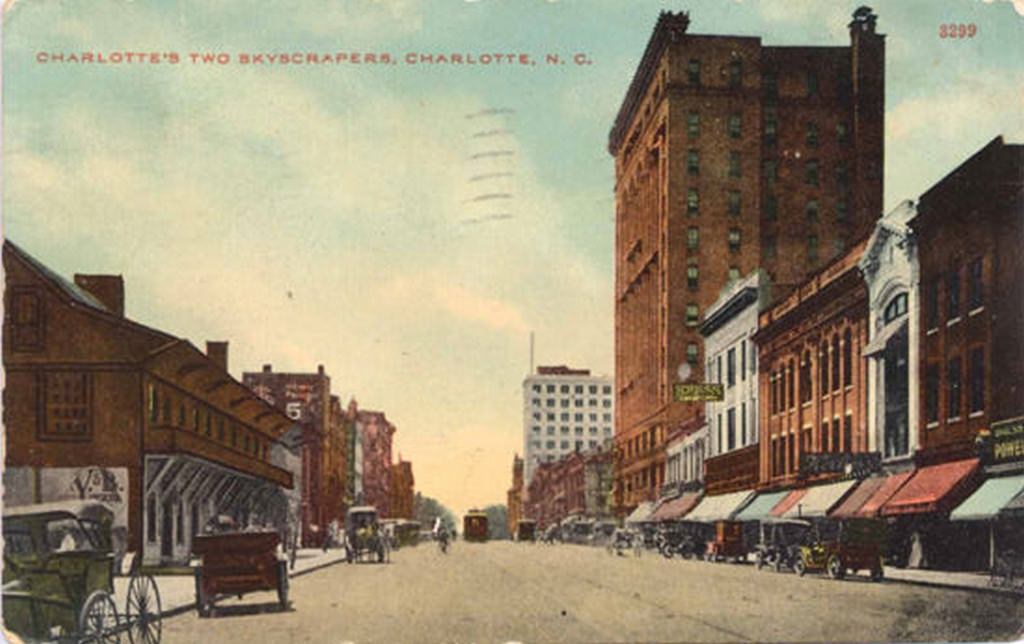
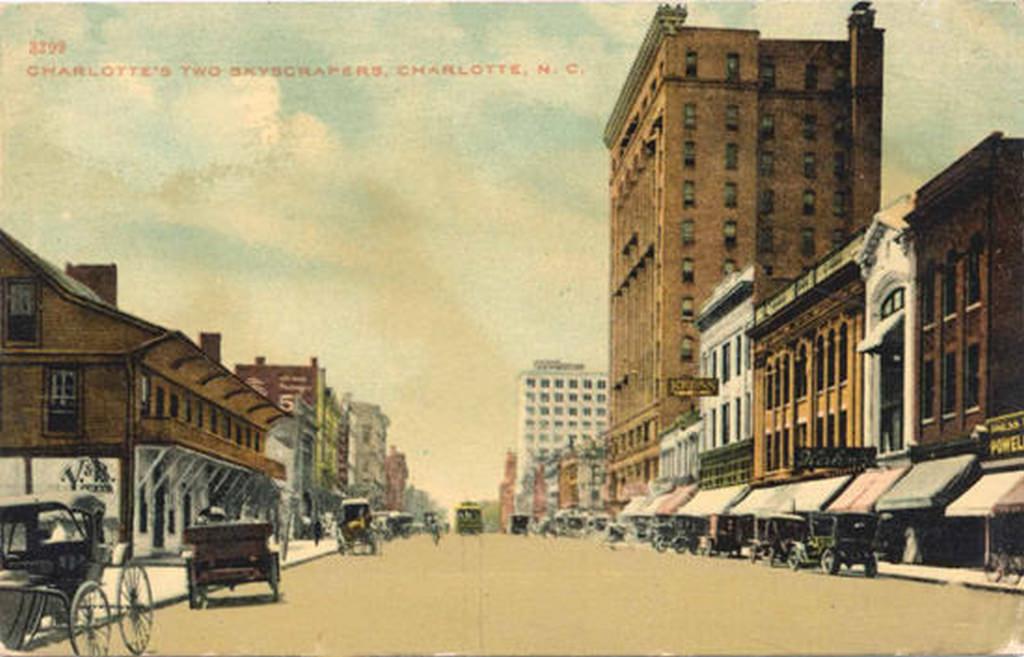
Two skyscrapers along Tryon Street in Charlotte, 1910
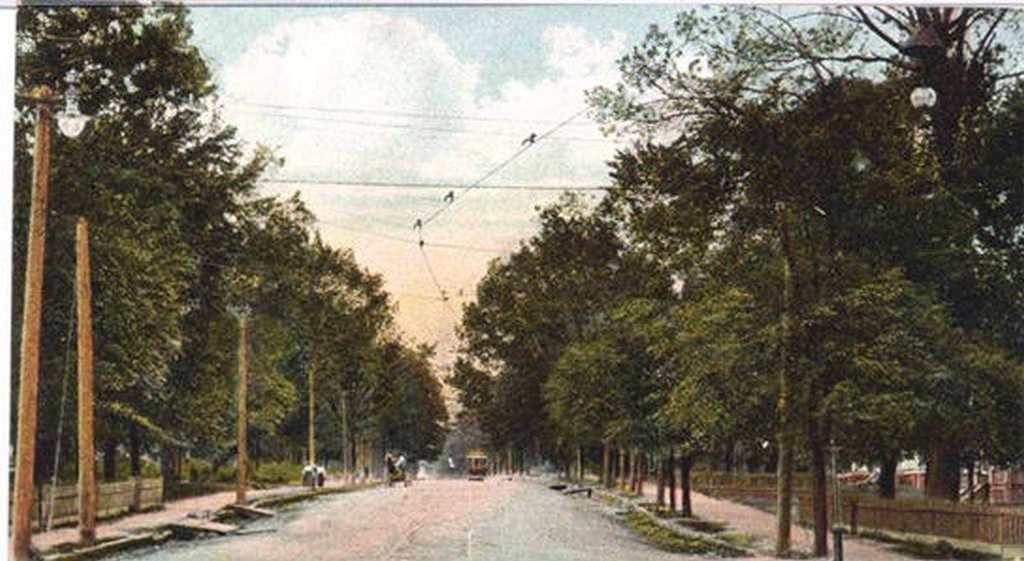
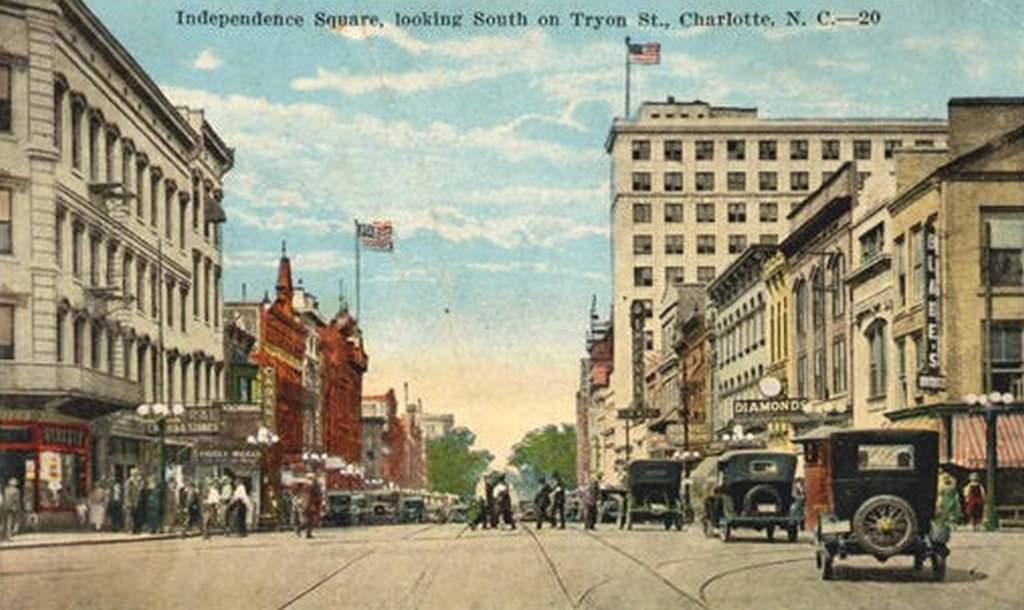
Independence Square looking south on Tryon Street, 1920
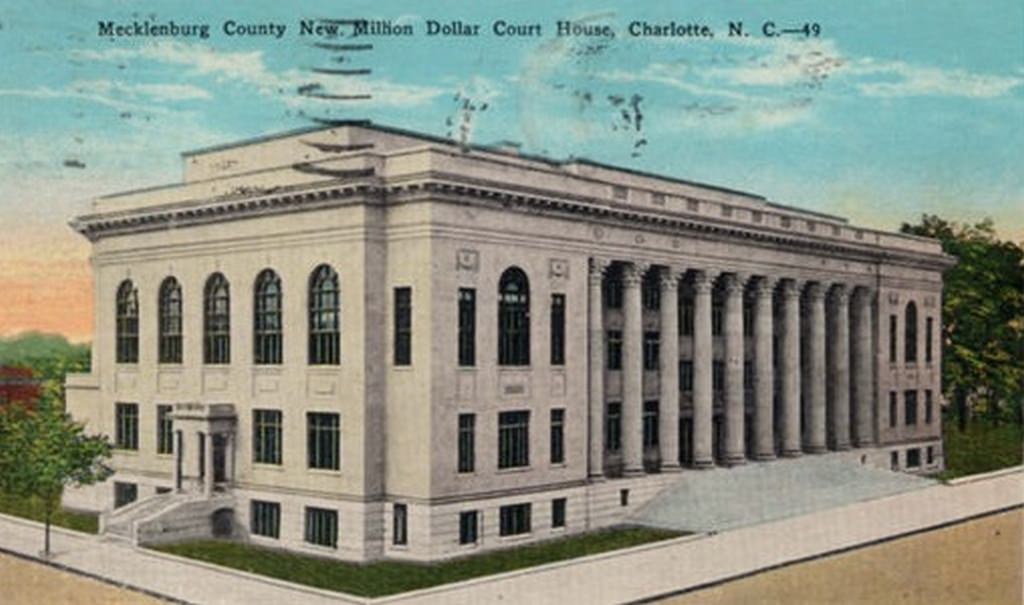
Fifth Mecklenburg County Courthouse, 1928

The fifth Mecklenburg County Courthouse is located at 700 East Trade Street. Built at a cost of one million dollars, it first opened in 1928.

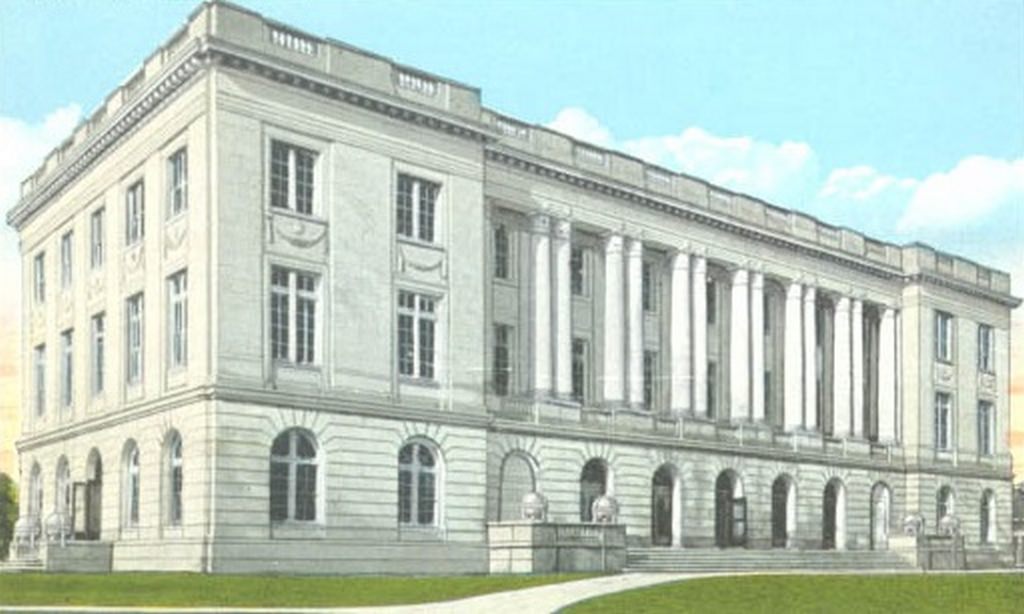
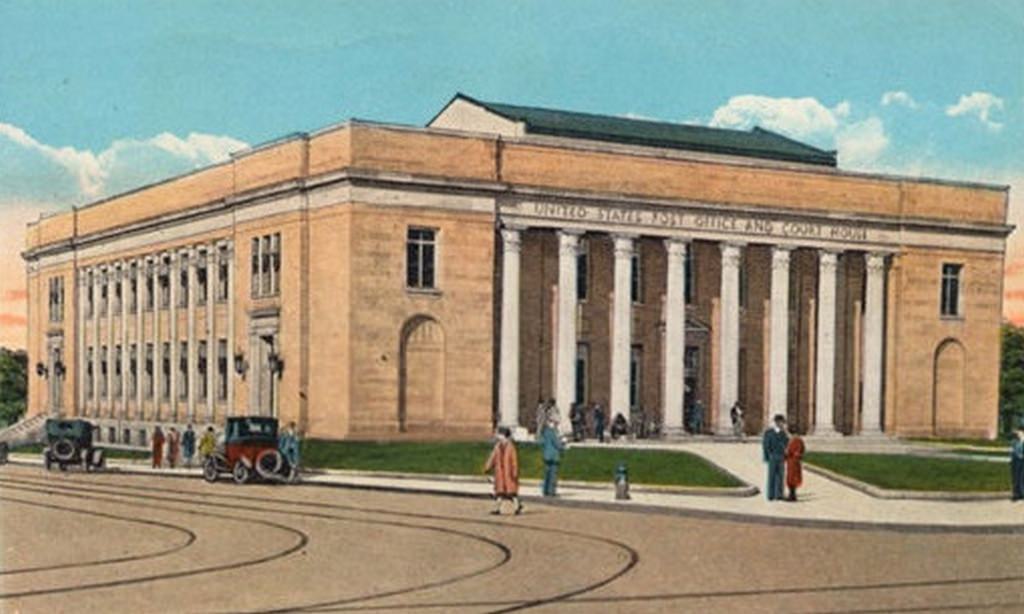
United States Federal Courthouse and Post Office, 1928

The Charles R. Jonas Federal Building is a historic two-story limestone structure in the neo-classical design. Completed in 1915, it is located at 401 West Trade Street in Charlotte. At various times it has served as a courthouse of the United States District Court for the Western District of North Carolina and as a United States post office. In 1975, the building was renamed in honor of long-serving North Carolina Congressman Charles R. Jonas, and was transferred to the city in exchange for land in the fall of 2005. The city leases the building to the federal government for continued use.

United States Post Office and Courthouse, 1931
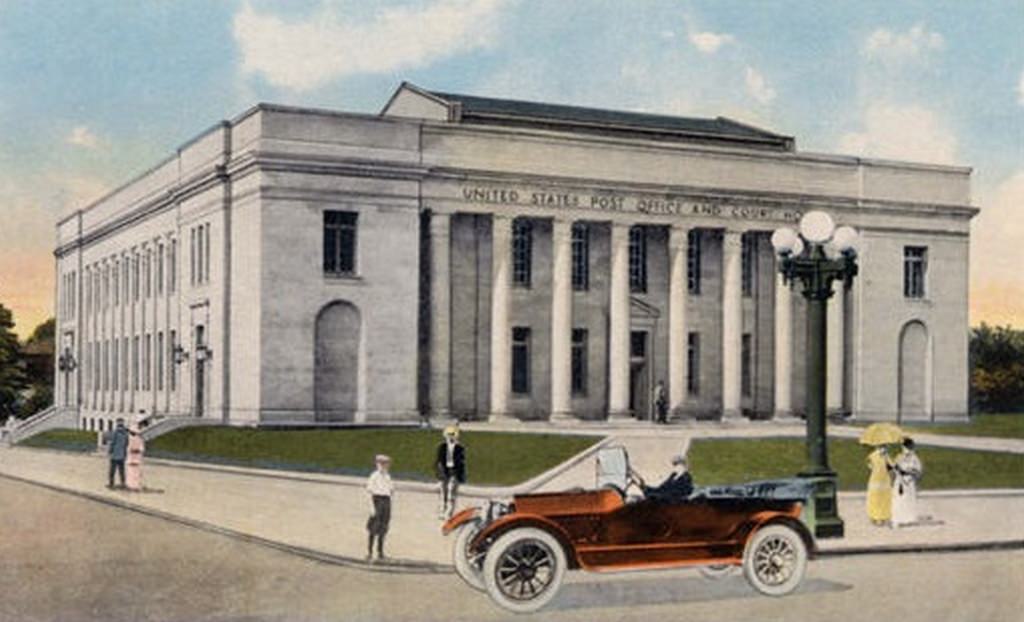

This is how the courthouse and post office appeared when it was first constructed in 1915. Today the Charles R. Jonas Federal Building is a historic two-story limestone structure in the neo-classical design. It is located at 401 West Trade Street in Charlotte, with an addition that was built in 1934. At various times it has served as a courthouse of the United States District Court for the Western District of North Carolina and as a United States post office. In 1975, the building was renamed in honor of long-serving North Carolina Congressman Charles R. Jonas, and was transferred to the city in exchange for land in the fall of 2005. The city leases the building to the federal government for continued use.

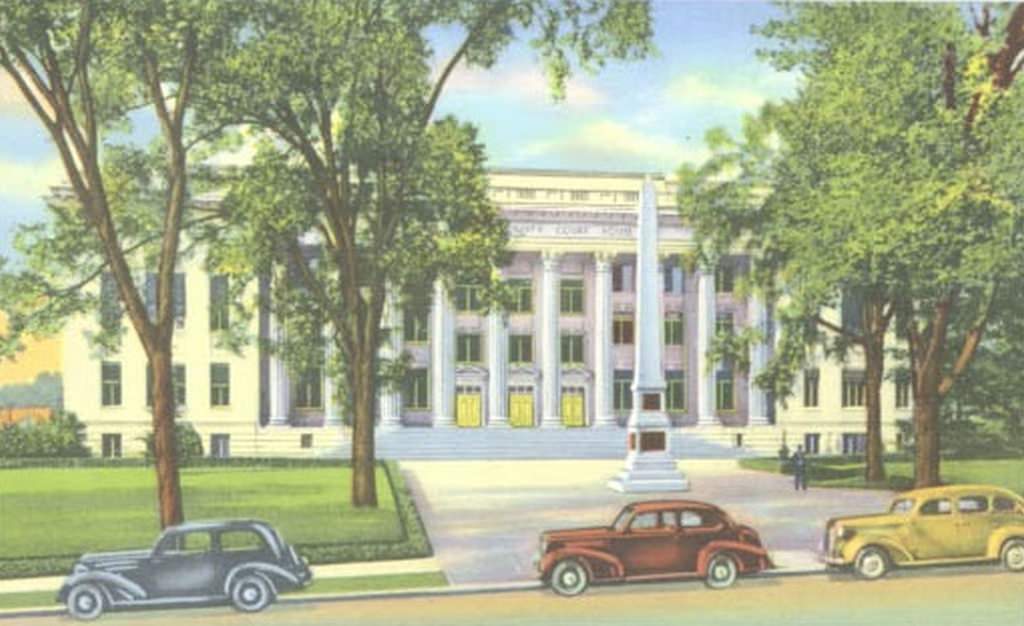
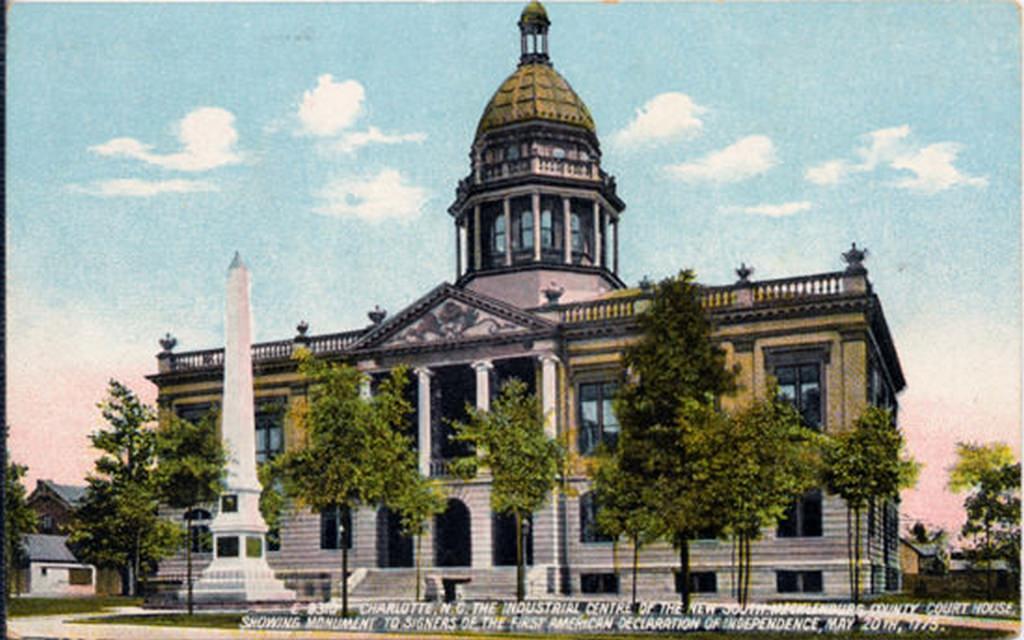
Fourth Mecklenburg County Courthouse, 1910

This postcard depicts the Fourth Mecklenburg County Courthouse that was built in 1897 and the Independence Monument.

Fourth Mecklenburg Court House and Lawyers Building, 1920
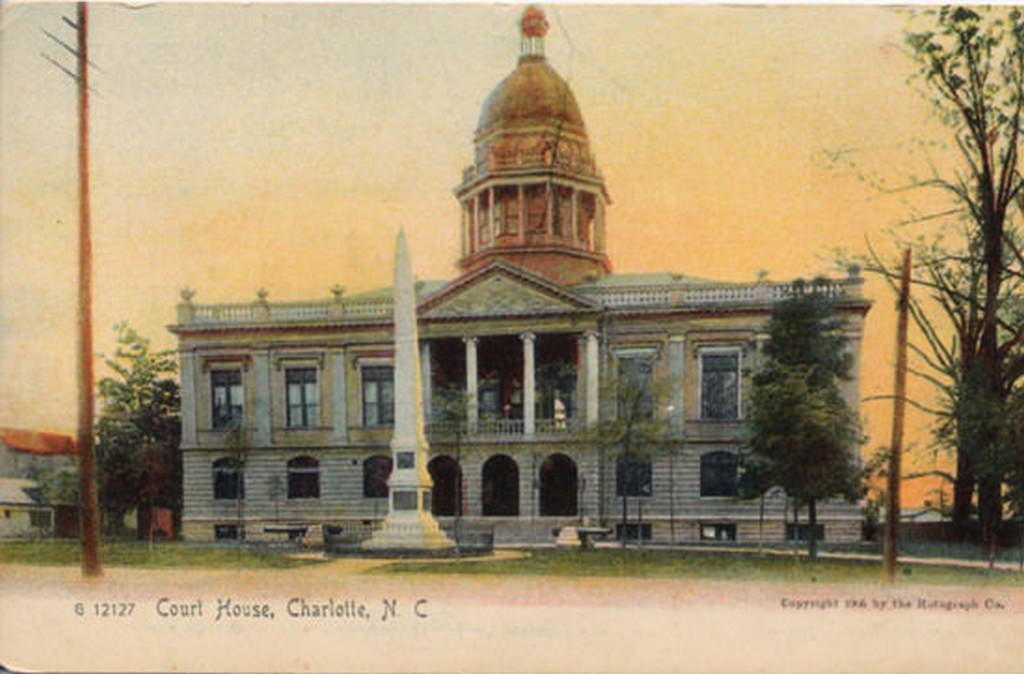

This postcard depicts the Fourth Mecklenburg County Courthouse that was built in 1897, the Independence Monument, and the Law Building.

Fourth Mecklenburg County Courthouse, 1910
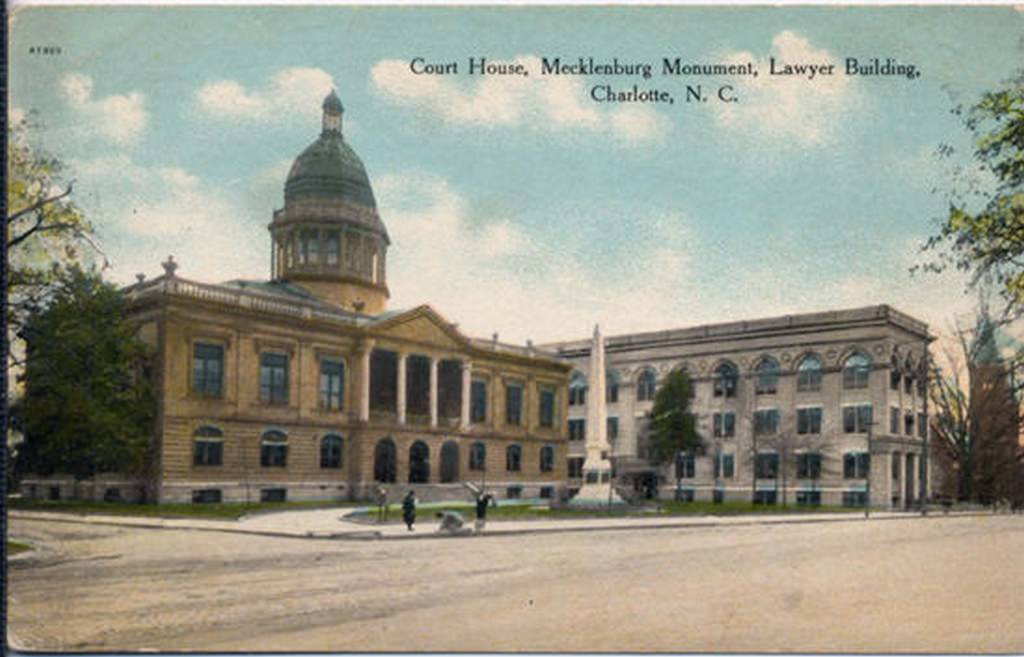

This postcard depicts the Fourth Mecklenburg County Courthouse that was built in 1897 and the Independence Monument.

Mercy Hospital.
Mercy Hospital.

Mercy Hospital was started by the Sisters of Mercy, located in Belmont, North Carolina, in 1906. The address is 2001 Vail Avenue.

Mercy Hospital in the Elizabeth Neighborhood, 1940
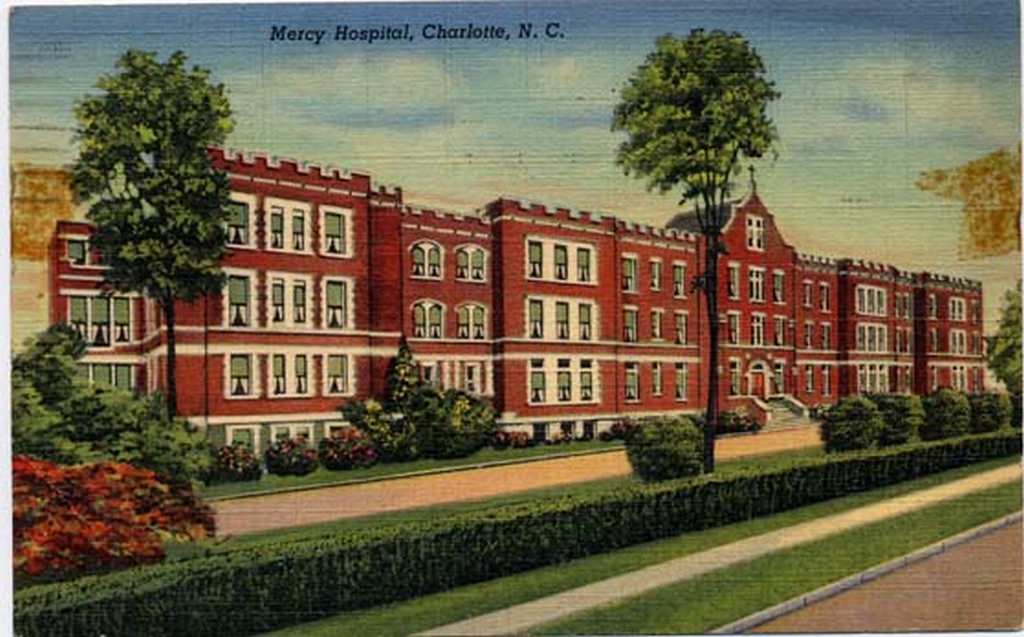
Mercy Hospital, 1955

Mercy Hospital was founded by the Sisters of Mercy of Belmont, North Carolina, in February 1906. Originally it was a twenty-five-bed facility in a wooden building on East First Street behind St. Peter’s Roman Catholic Church. The second facility, pictured here, opened in 1916 on East Fifth Street. Through additions, by 1960 the hospital had a capacity of 300 beds.

Charlotte Sanatorium, 1911

The Charlotte Sanatorium was in existence from 1907 to 1942. It was privately owned and led by about thirty physicians and surgeons. It was five stories, fireproof, and had space for one hundred patients. It was located on the corner of Seventh and Church Streets.

Charlotte Memorial Hospital, 1940

Charlotte Memorial Hospital had graduate programs in medical education, nursing, dietetics, and X-ray and laboratory technology.

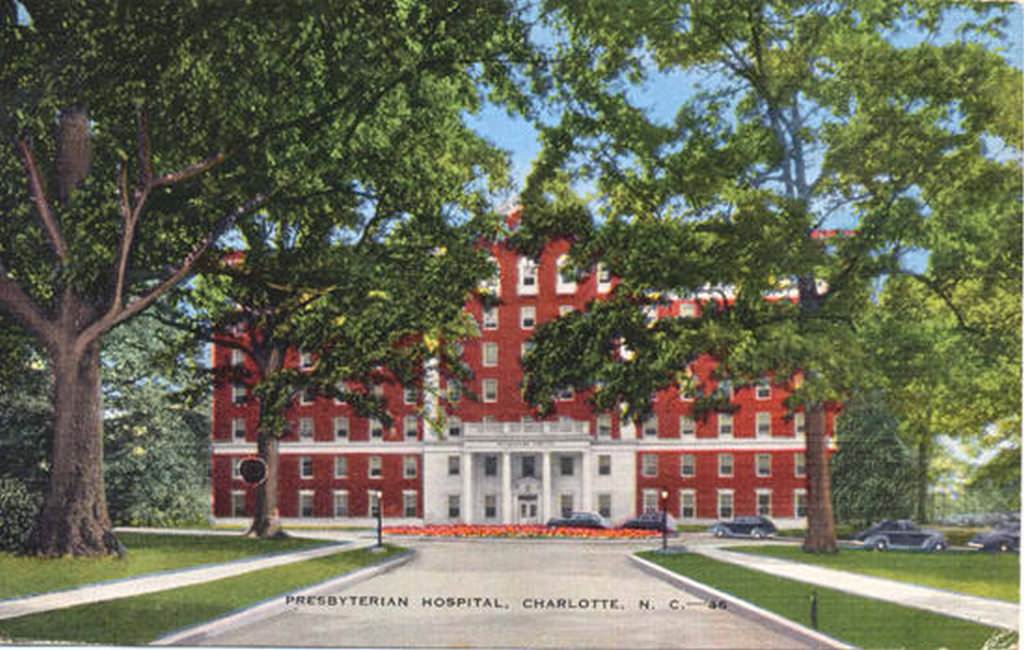
Presbyterian Hospital, 1942

Presbyterian Hospital is located on the former site of Elizabeth College. It was founded in 1898 by four doctors who first called it Charlotte Private Hospital. It is located at 200 Hawthorne Lane.

Charlotte Memorial Hospital, 1950

Memorial Hospital was created in 1940, due in part to the trustees of St. Peter’s Hospital, who worked to form the new medical facility. Today it is known as the Carolinas Medical Center.

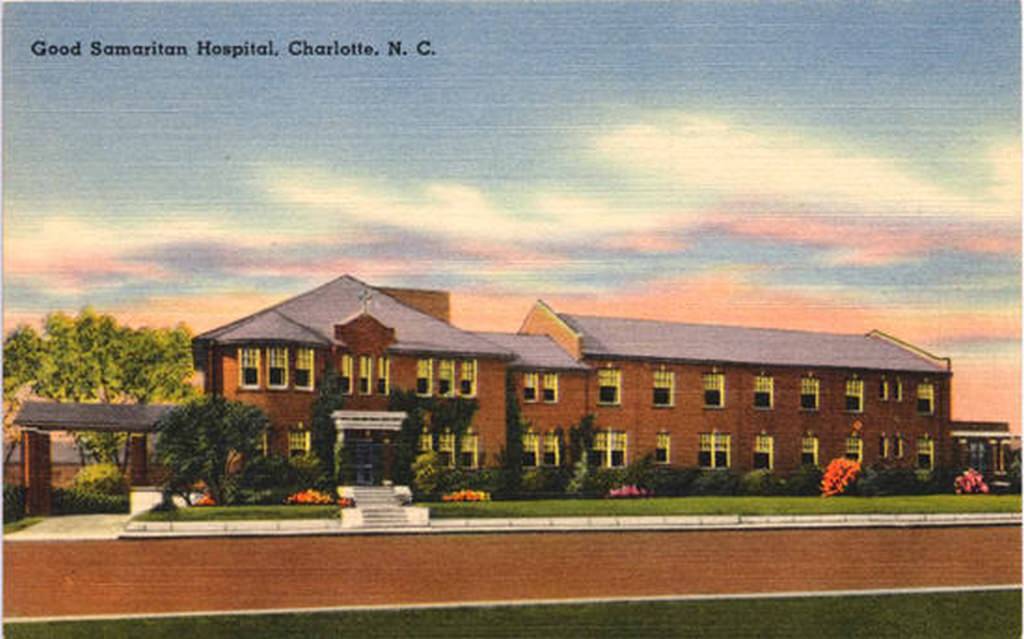
Good Samaritan Hospital, 1950

Good Samaritan Hospital was the first hospital built for African Americans in North Carolina. The original building was made on December 18, 1888.

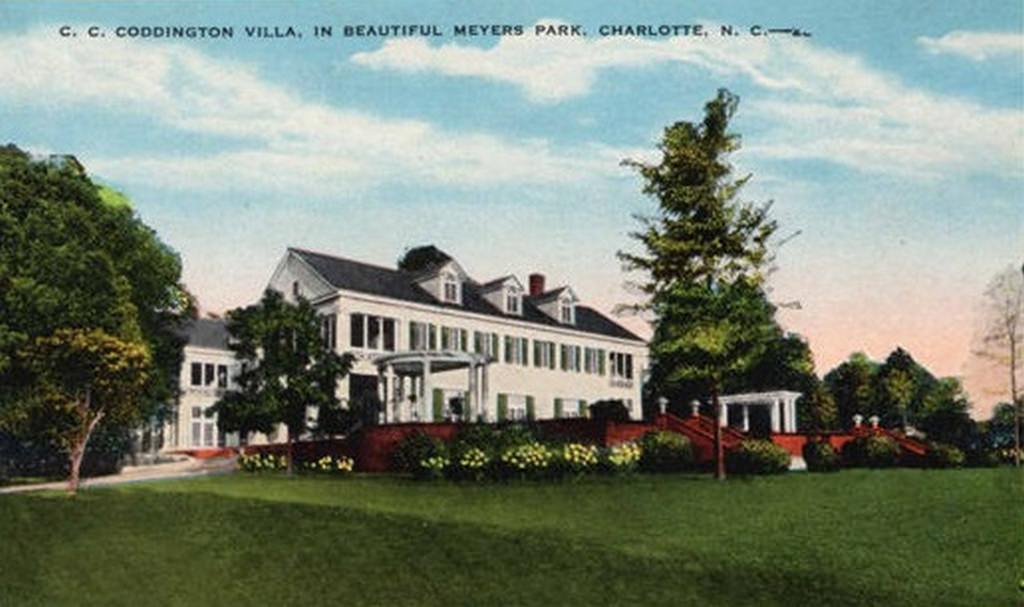
C. C. Coddington Villa, 1928

C. C. Coddington house on 900 Hermitage Road.

Anna Morrison Jackson's House Number Two.1908
Anna Morrison Jackson’s House Number Two.1908
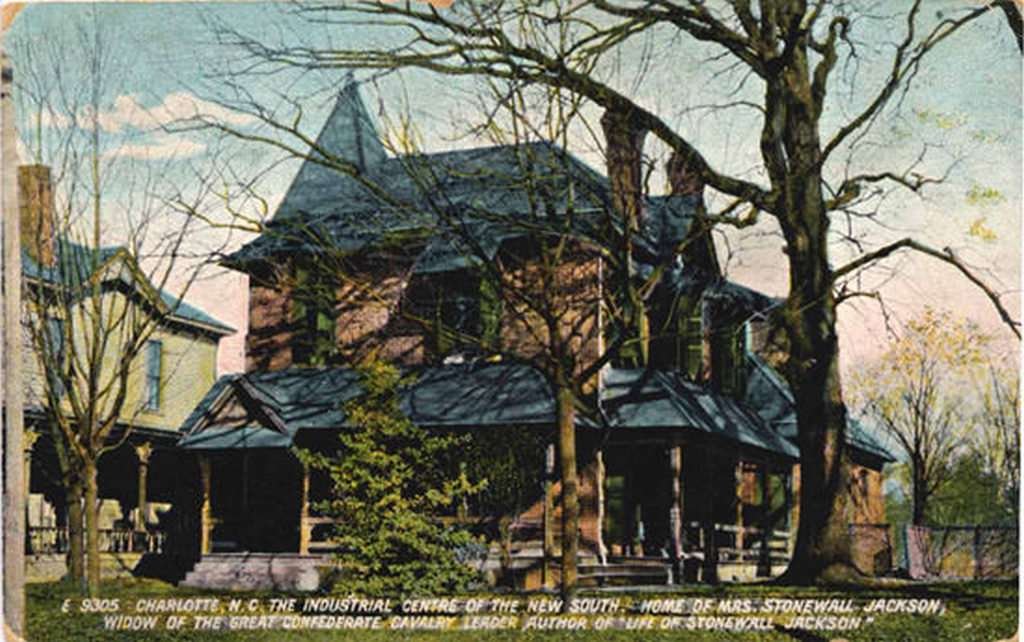
This is the second home of Mrs. Stonewall Jackson, widow of the great Confederate cavalry leader and author of Life of Stonewall Jackson.

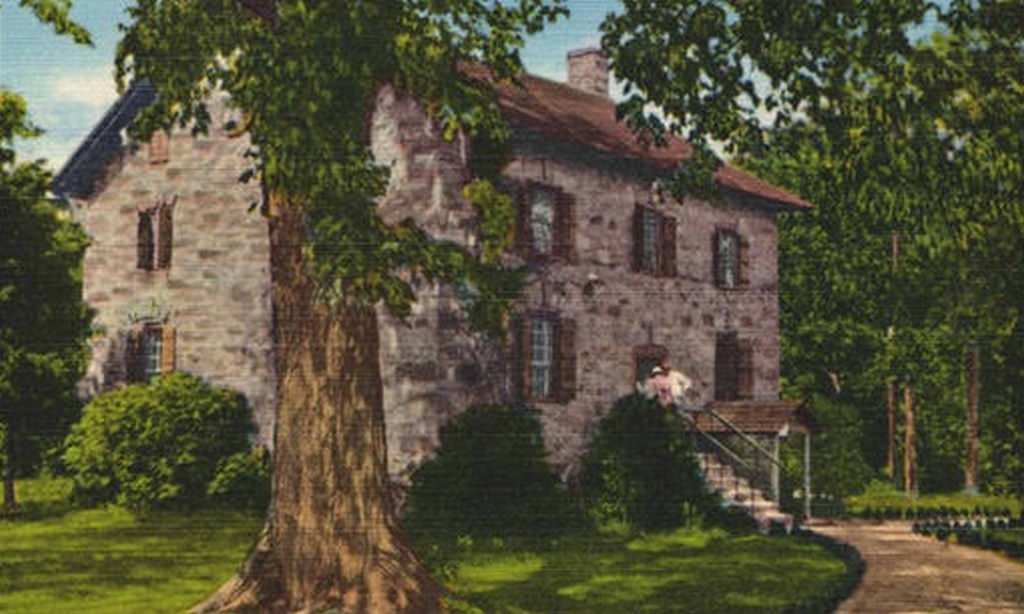
Hezekiah Alexander House, 1930

The Hezekiah Alexander House was built in 1774. This rock house is located on Shamrock Drive. It is the oldest house in Mecklenburg County.

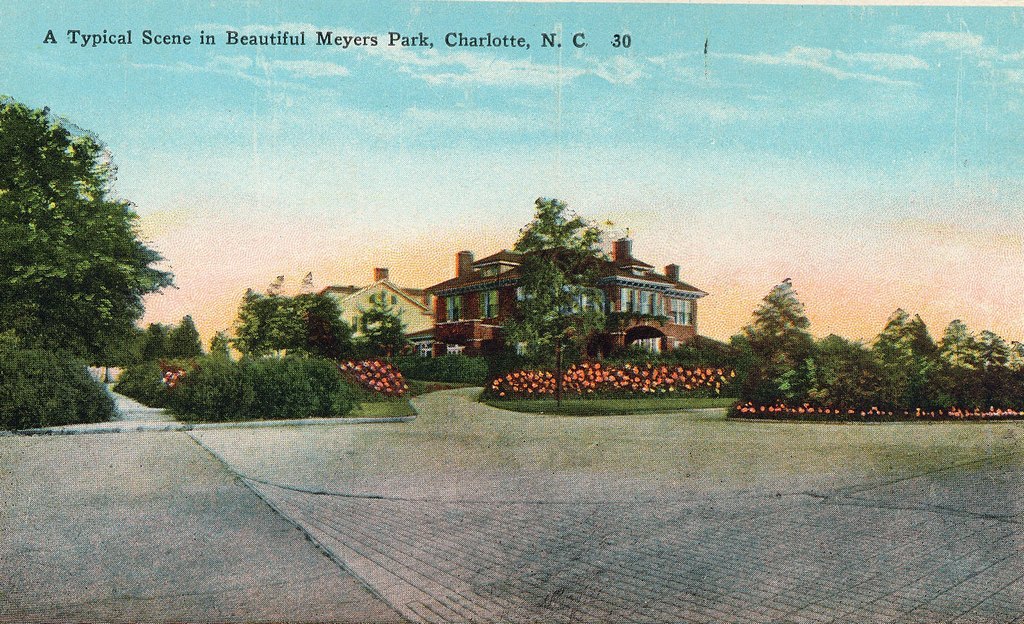
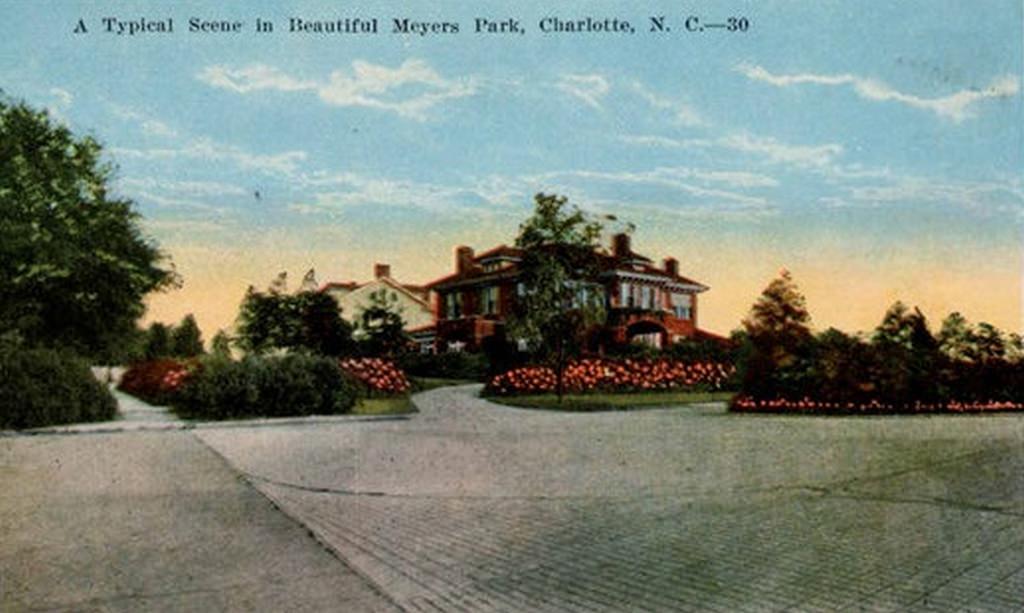
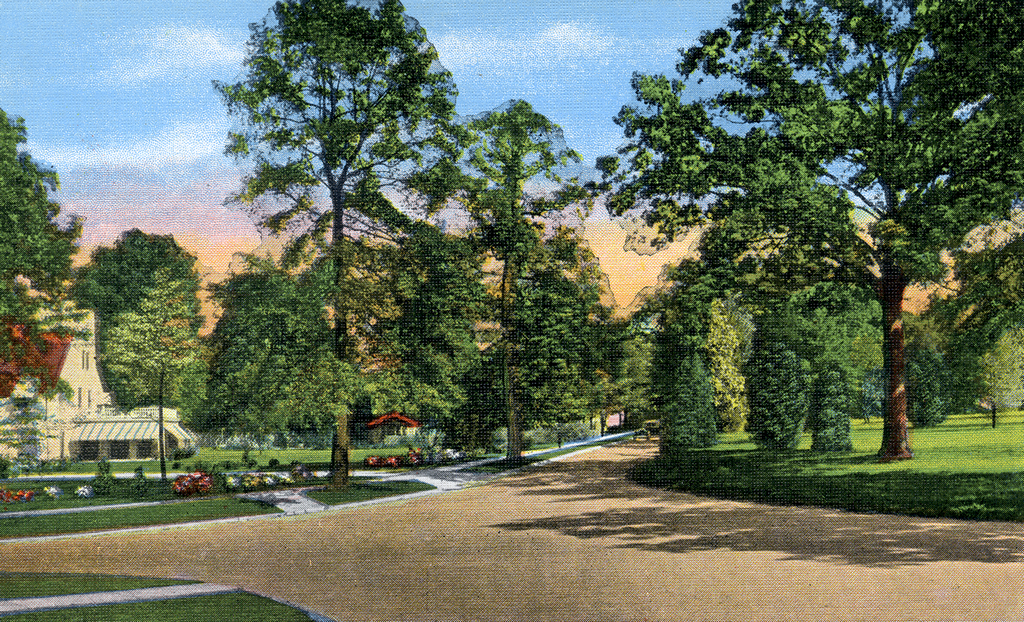
Myers Park Residence, 1920

A typical scene in beautiful Myers Park, Charlotte, N.C.

Anna Morrison Jackson's Second House, 1909
Anna Morrison Jackson’s Second House, 1909
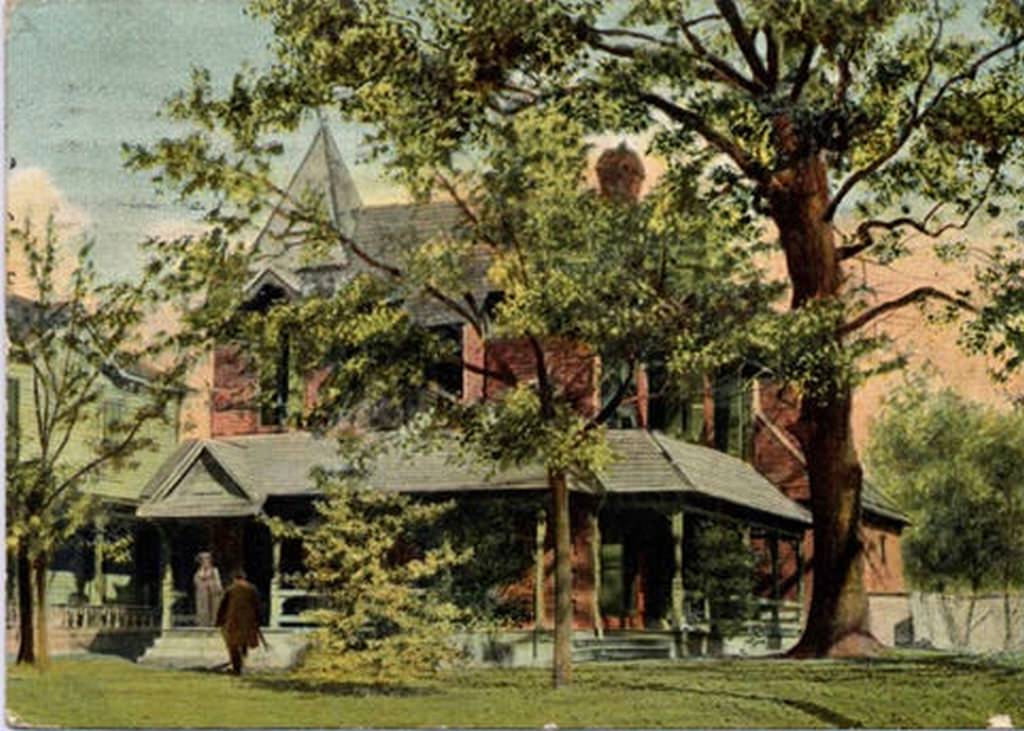
The home of Mary Anna Morrison Jackson, widow of General Stonewall Jackson, was located at 306 West Trade Street.

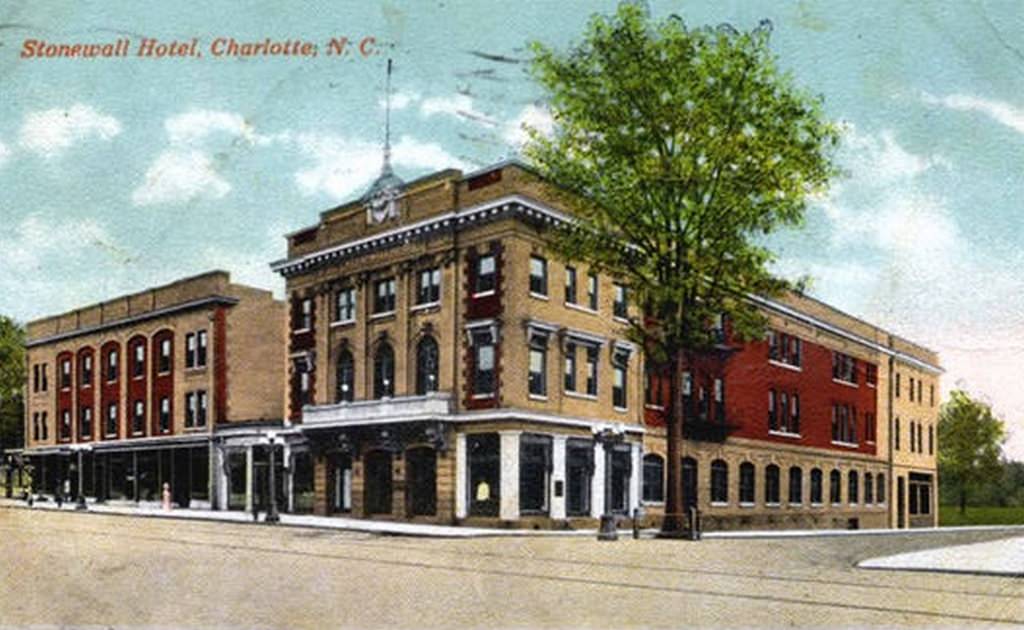
Stonewall Hotel, 1900

The Stonewall Hotel at 527 West Trade Street was built in 1907 and closed in 1958.

Selwyn Hotel, 1920
Selwyn Hotel, 1920

The Selwyn Hotel was located on West Trade Street. It opened in 1907.

Selwyn Hotel, 1918
Selwyn Hotel, 1918

The Selwyn Hotel was located on West Trade Street. It opened in 1907.

The Selwyn Hotel was located on West Trade Street, 1907
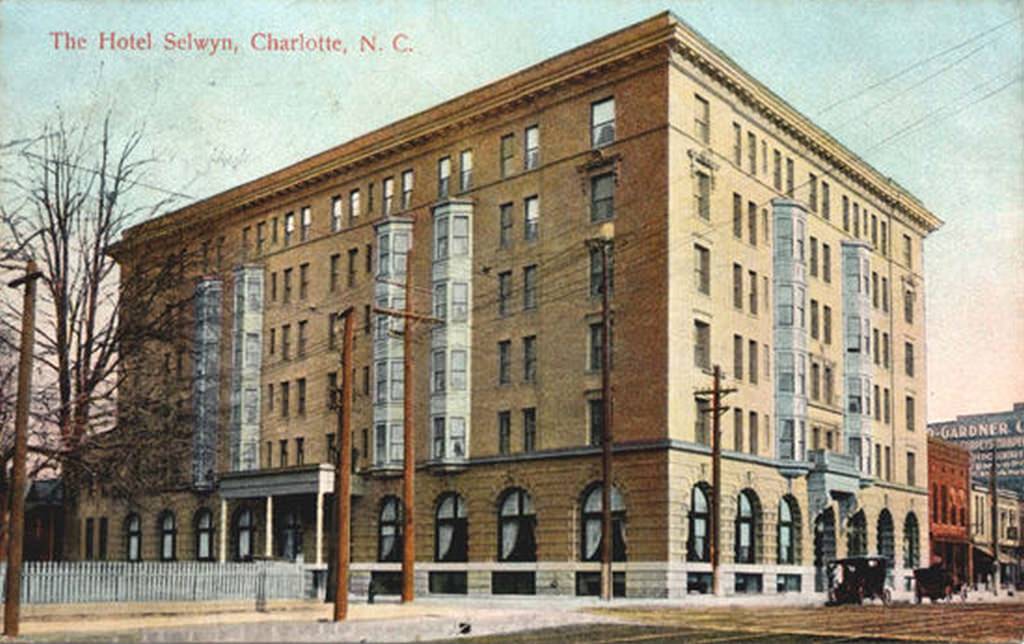
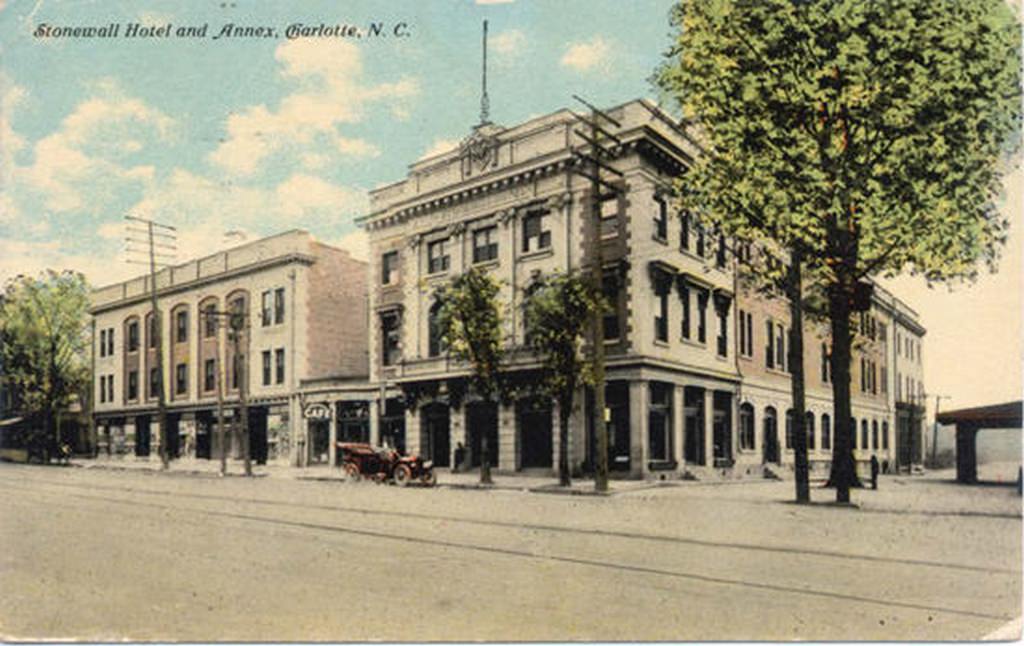
Stonewall Hotel and Annex, 1910

The Stonewall Hotel and Annex was at 527 West Trade Street. The original hotel was built in 1907 and closed in 1958.

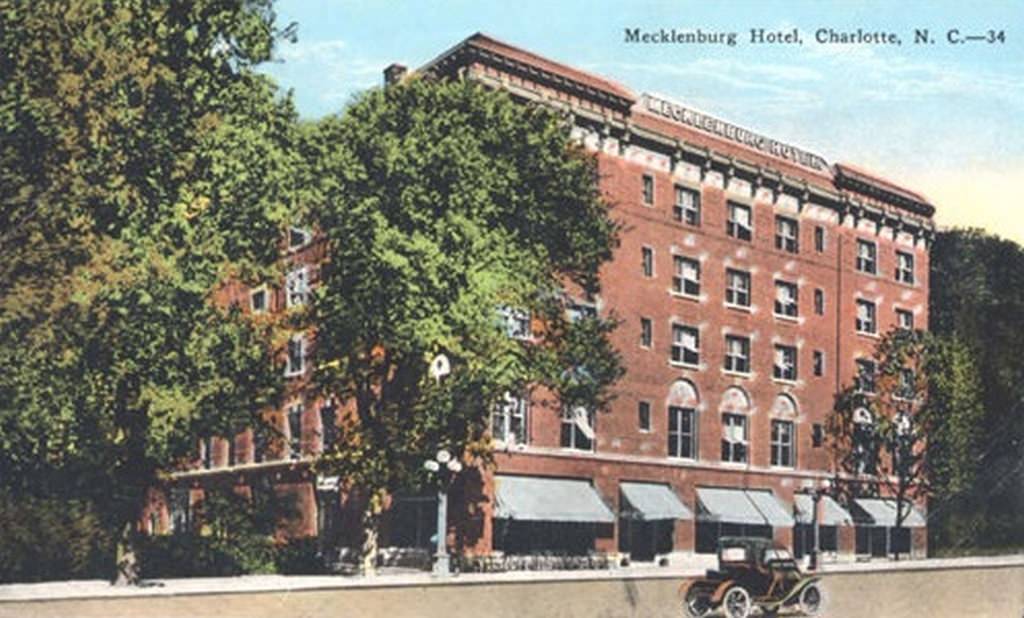
Mecklenburg Hotel, 1920

The Mecklenburg Hotel was located at 520–524 West Trade Street. It was built in 1914 by W.C. Petty.

Selwyn Hotel, 1910
Selwyn Hotel, 1910

The Selwyn Hotel was located on West Trade Street. It opened in 1907.

Mecklenburg Hotel, 1920

The Mecklenburg Hotel was located at 520–524 West Trade Street. It was built in 1914 by W.C. Petty.

Selwyn Hotel. 1925
Selwyn Hotel. 1925

The Selwyn Hotel was located on West Trade Street. It opened in 1907. The postcard is looking east down Trade Street. Other businesses are in view.

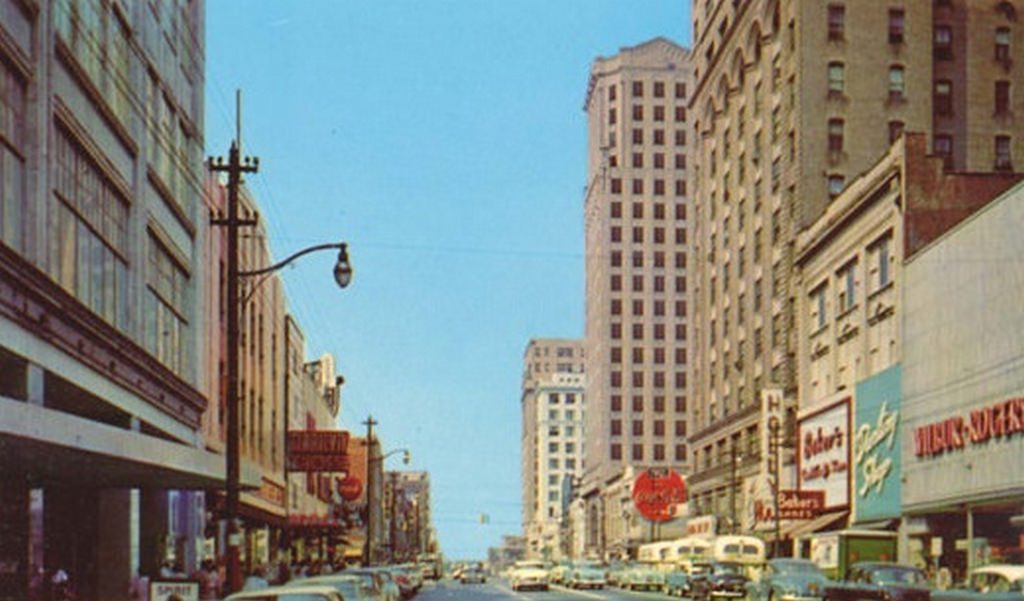
Tryon Street looking south. 1965
Mint Museum of Art, 1939

Built in 1837, the United States Mint in Charlotte served the community for a number of years in different capacities. In the 1930s, the building was dismantled and moved to Randolph Road.

United States Mint, 1910

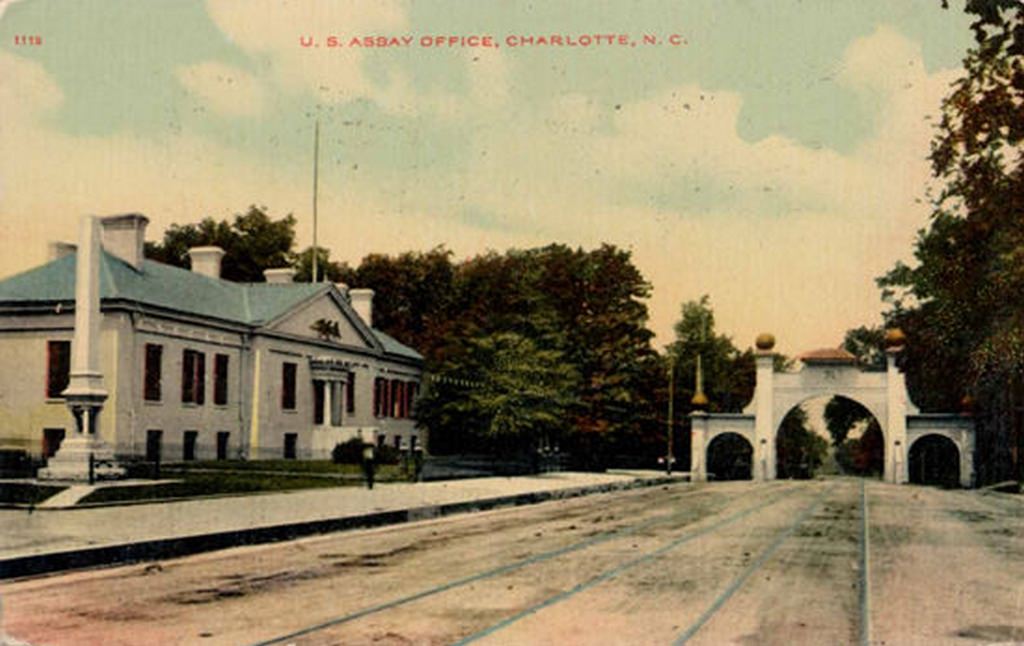
Branch of the United States Mint in Charlotte. At this time, the building was used as a United States Assay Office.

United States Mint, 1900

Branch of the United States Mint in Charlotte. At this time, the building was used as a United States Assay Office.

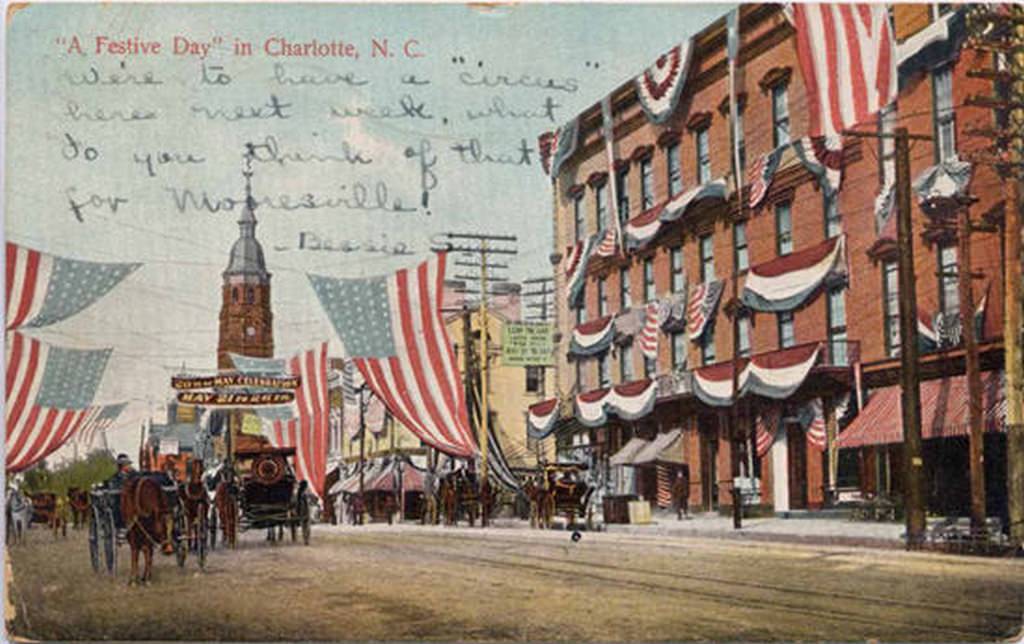
Mecklenburg Declaration Day, 1908

Mecklenburg Declaration of Independence Parade that took place on May 20, 1908.

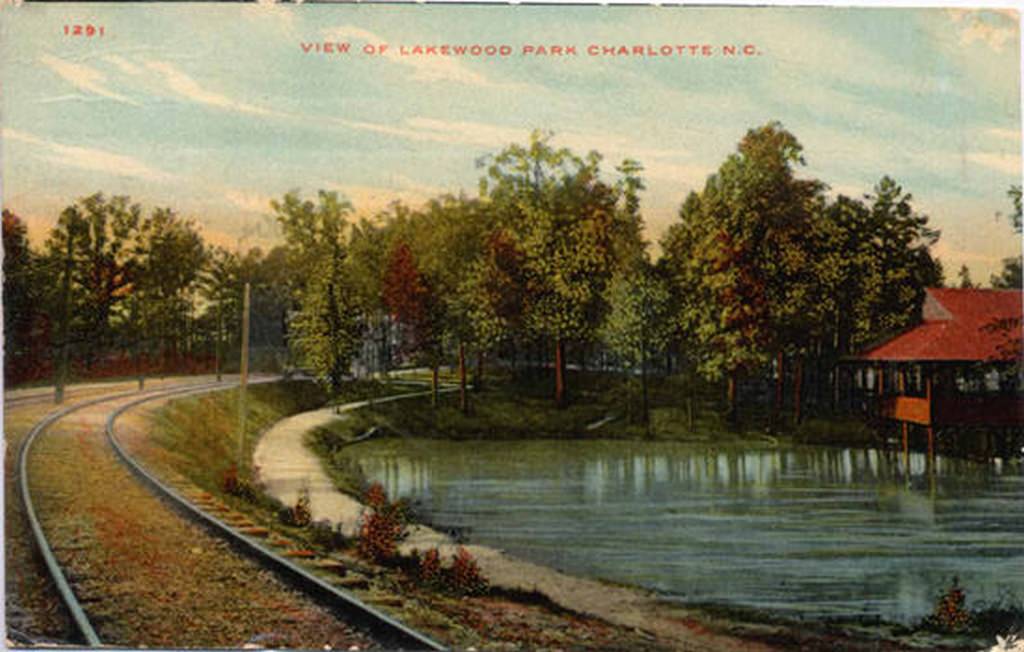
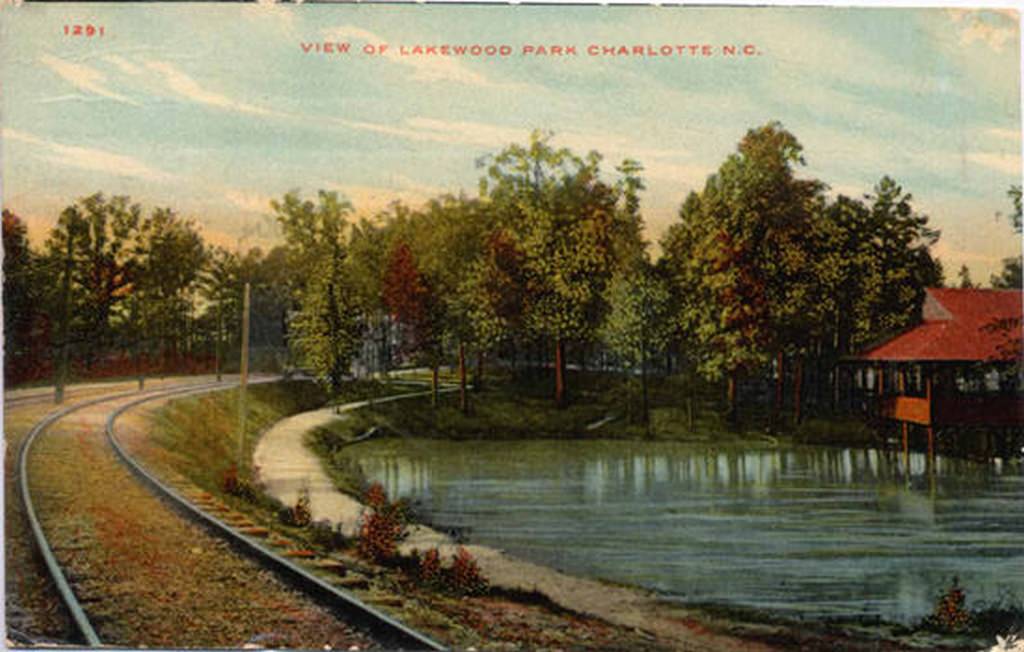
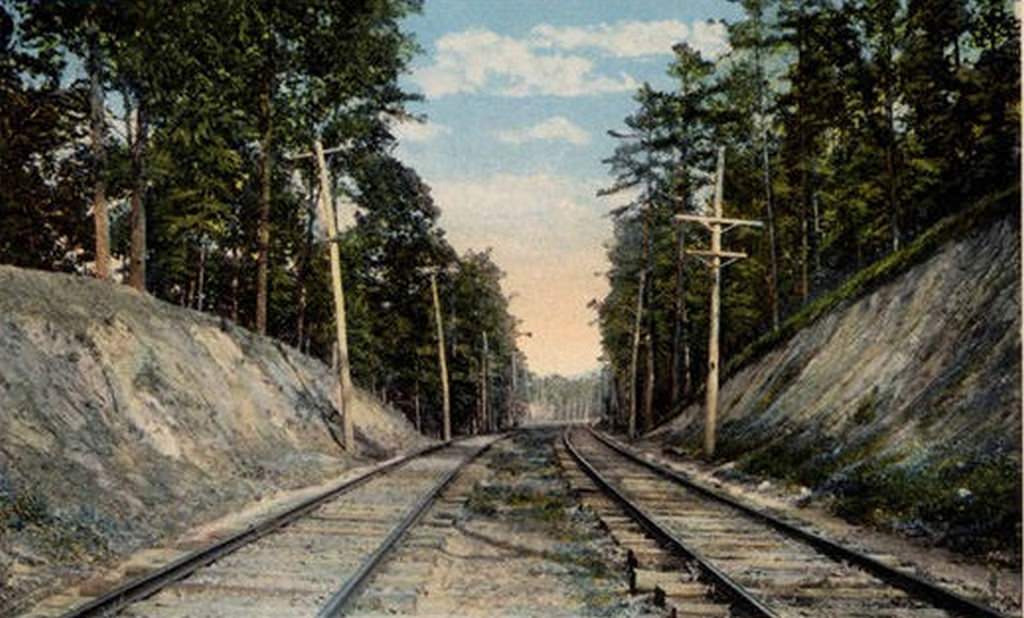
Lakewood Park Trolley Tracks, 1910

Charlotteans could take a trolley out to Lakewood Park and enjoy the various activities, including a roller coaster.

Lakewood Park was located on the west side of Charlotte, 1910
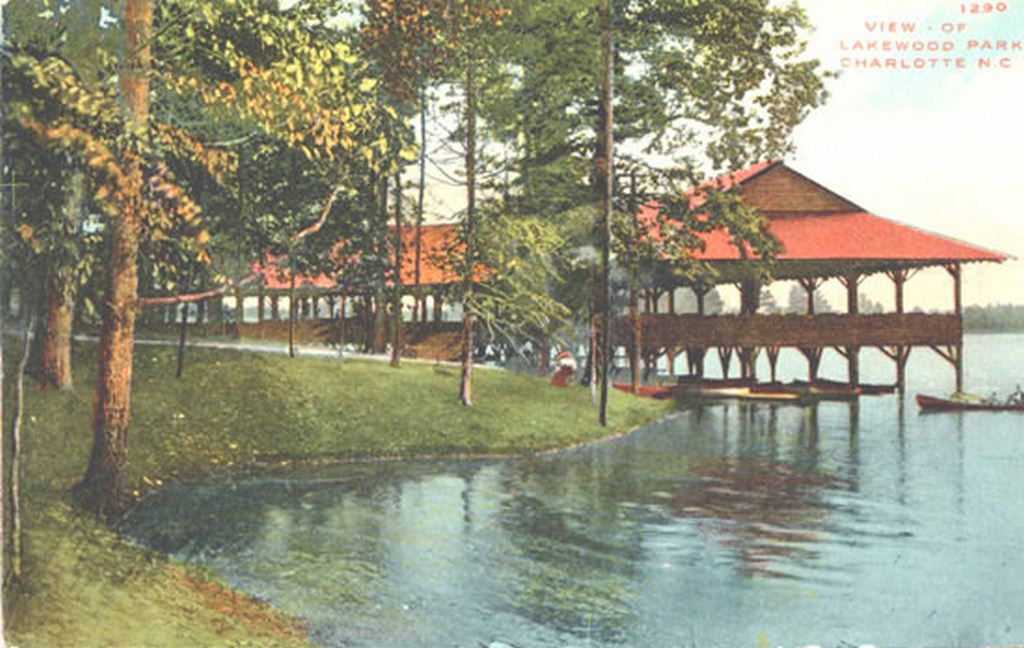
Lakewood Park & Trolley Tracks, 1910

Charlotteans could take a trolley out to Lakewood Park and enjoy the various activities, including a roller coaster.

Lakewood Park Trolley Tracks, 1910

Charlotteans could take a trolley out to Lakewood Park and enjoy the various activities, including a roller coaster.

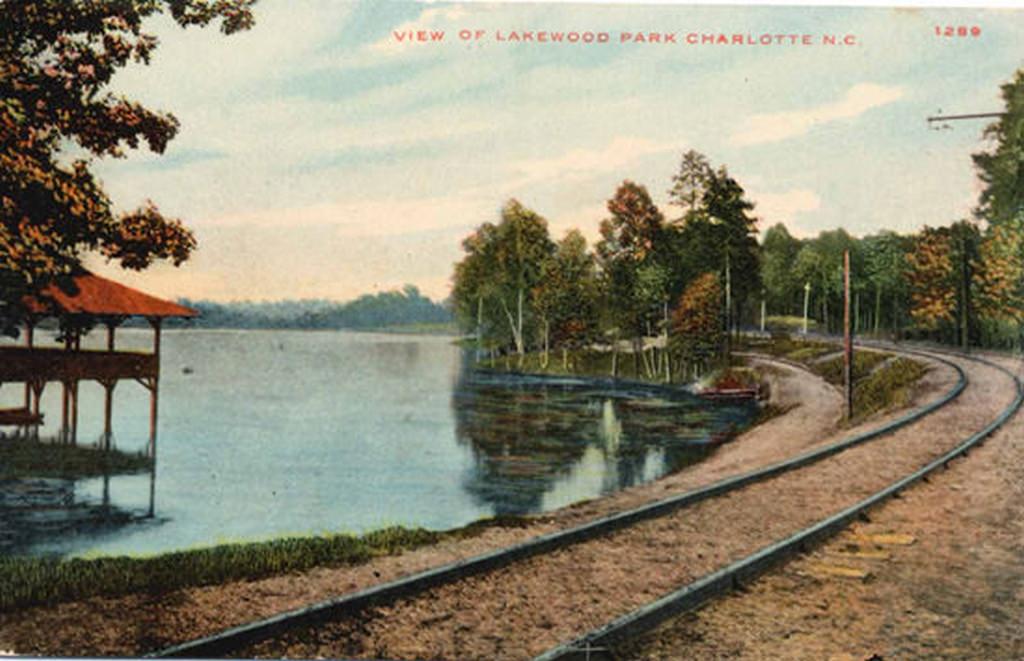
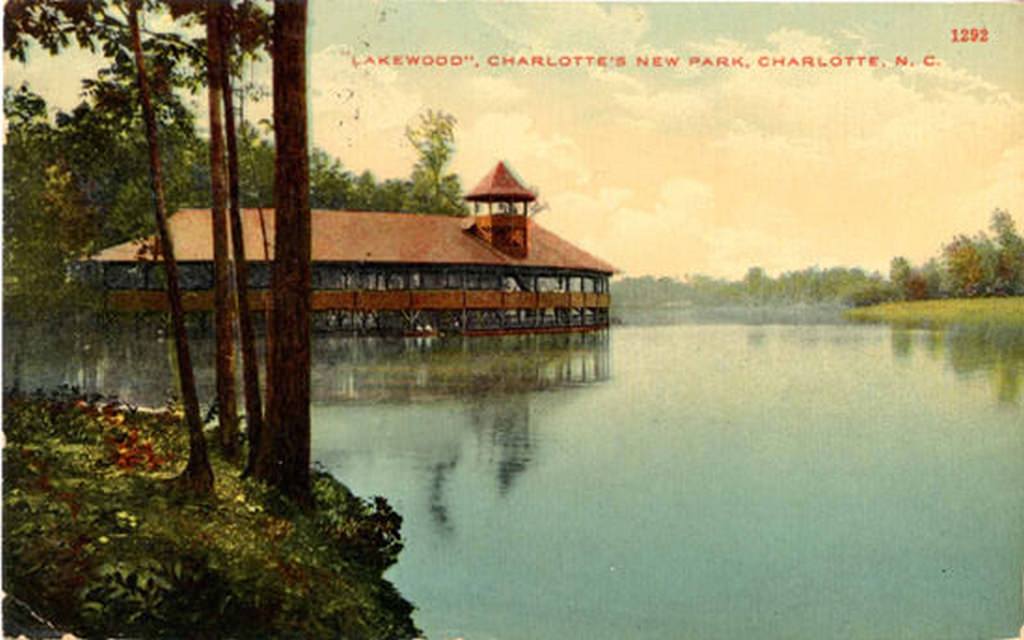
Lakewood Park View from the Pavilion, 1911
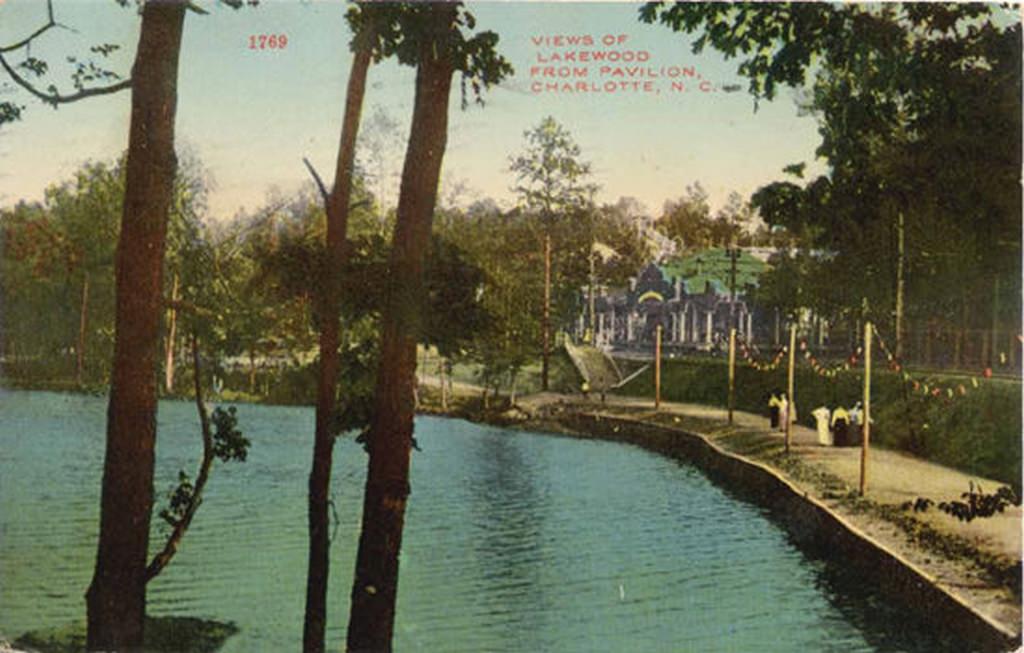

Charlotteans could take a trolley out to Lakewood Park and enjoy the various activities, including a roller coaster. This view is from the Pavilion.

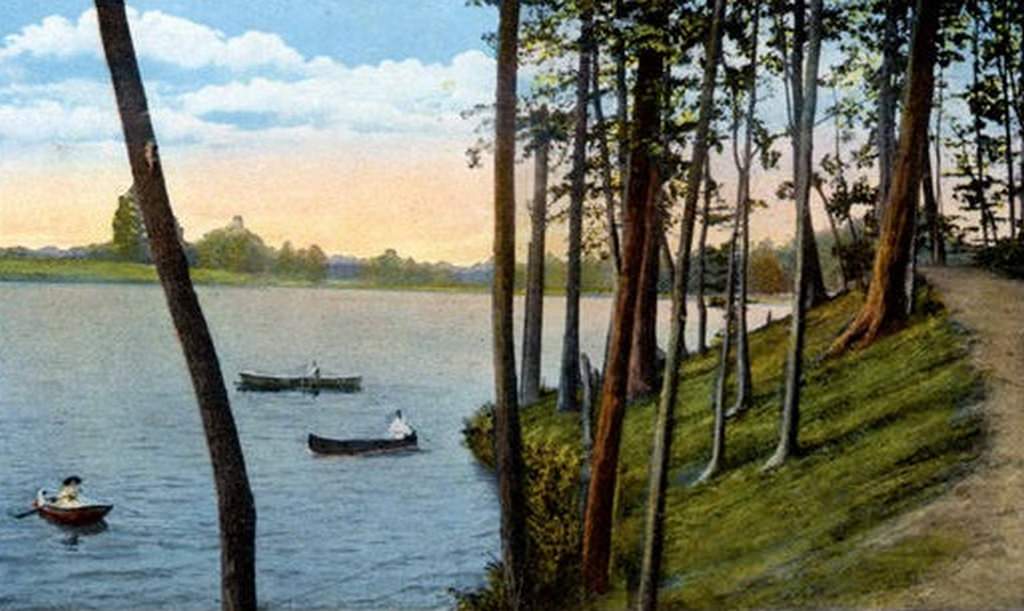
Boating on Lakewood Park, 1910
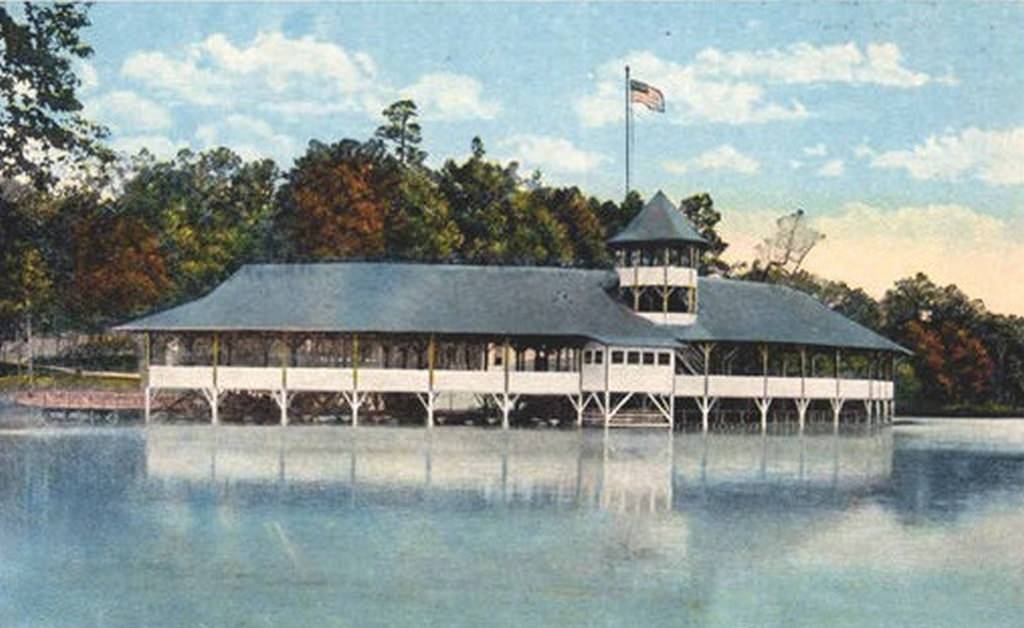
Lakewood Park Pavilion, 1910
Lakewood Park, 1910
Lakewood Park, 1910

Charlotteans could take a trolley out to Lakewood Park and enjoy the various activities, including a roller coaster.

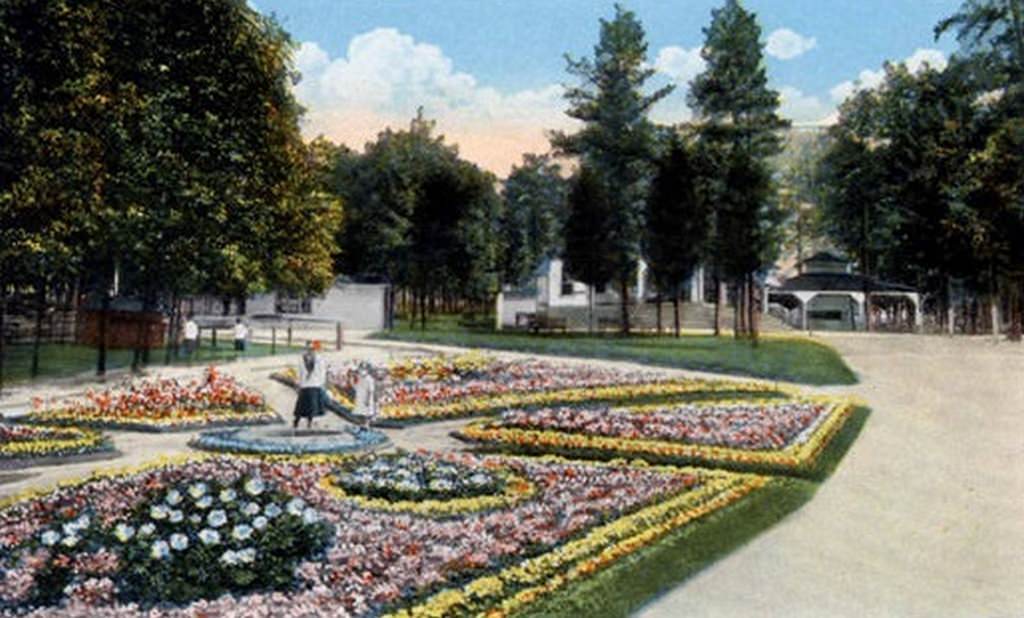
Lakewood Park Gardens, 1910

Children strolling in the gardens of Lakewood Park, a popular amusement area in west Charlotte.

Trolley lines to Lakewood Park, 1910
United States Post Office & Courthouse, 1937
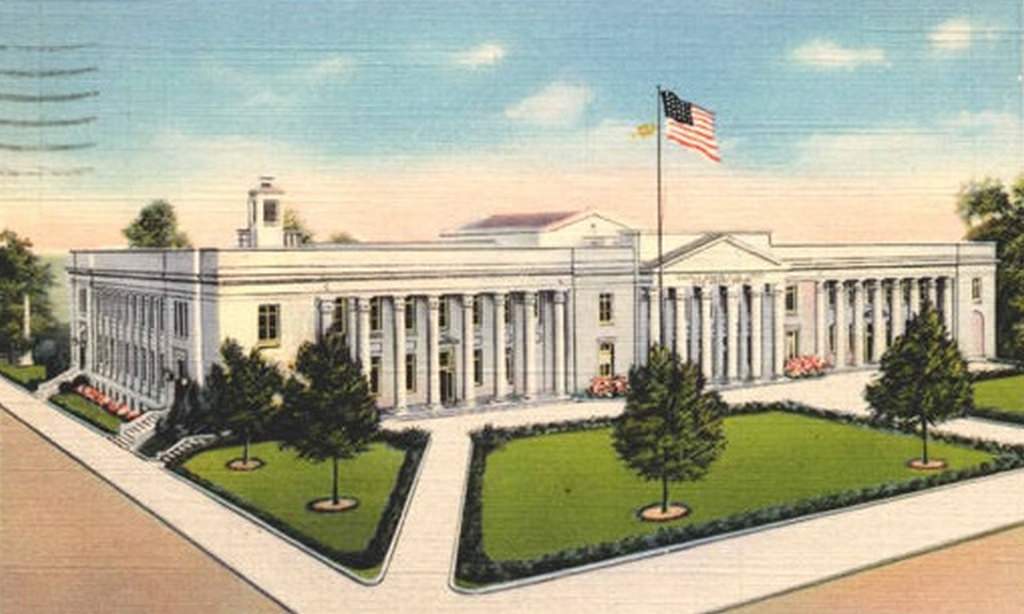

The Charles R. Jonas Federal Building is a historic two-story limestone structure in the neo-classical design. Completed in 1915, it is located at 401 West Trade Street in Charlotte. At various times it has served as a courthouse of the United States District Court for the Western District of North Carolina and as a United States post office. In 1975, the building was renamed in honor of long-serving North Carolina Congressman Charles R. Jonas, and was transferred to the city in exchange for land in the fall of 2005.

United States Post Office, 1910

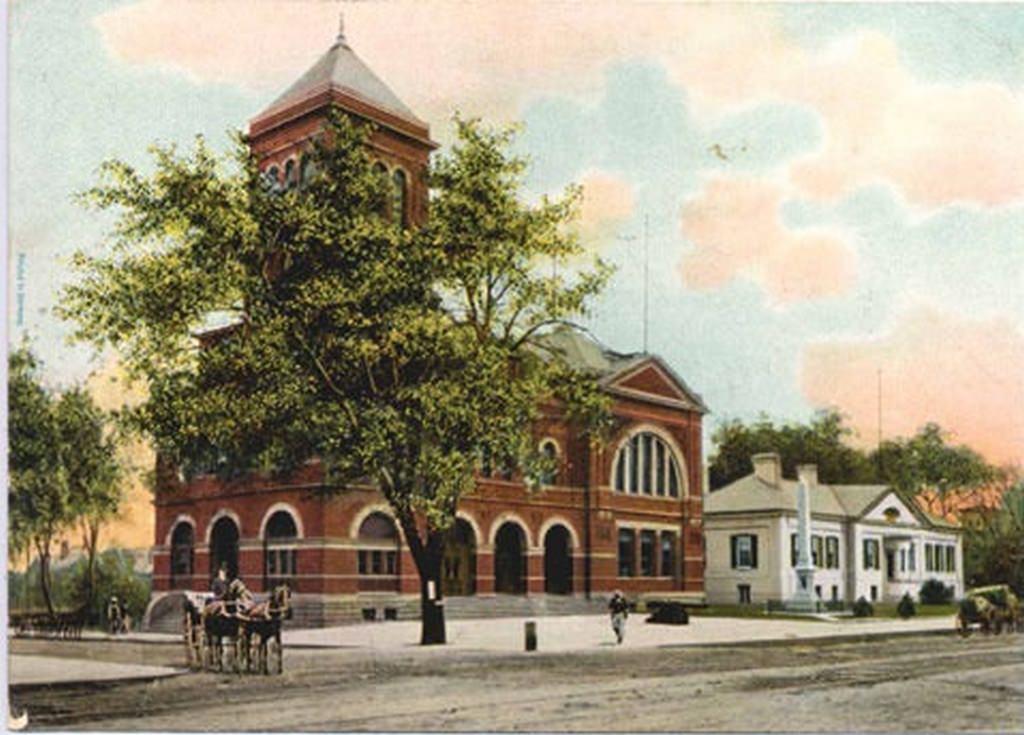
The United States Post Office with monuments that once stood on Mint Street. Notice the cannon in front of the building. This was a gift from President William McKinley.

United States Post Office, Assay Office, and Shipp Monument, 1908
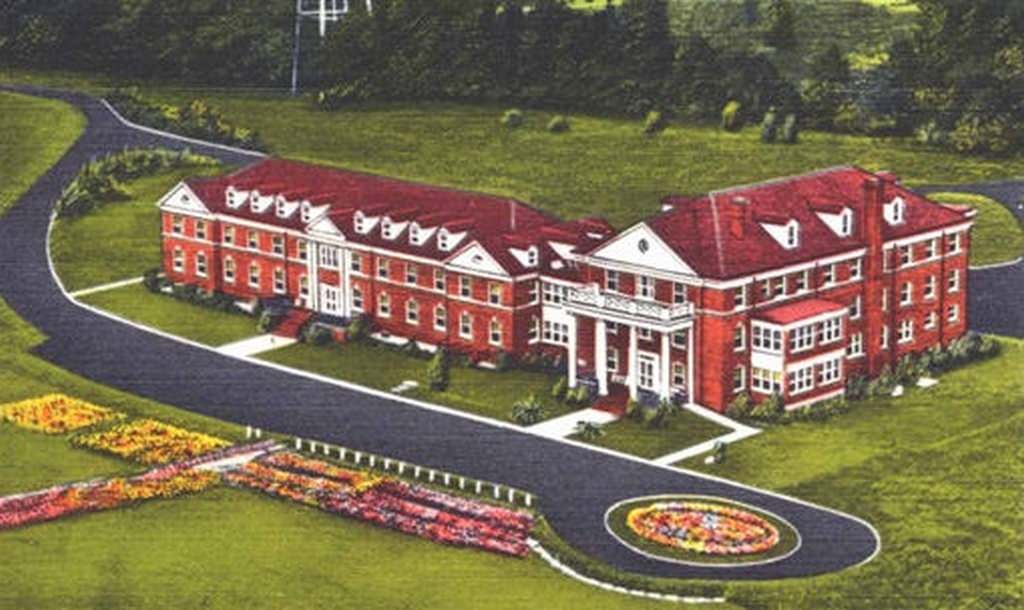
The Methodist Home is located on Shamrock Drive in Charlotte, 1957
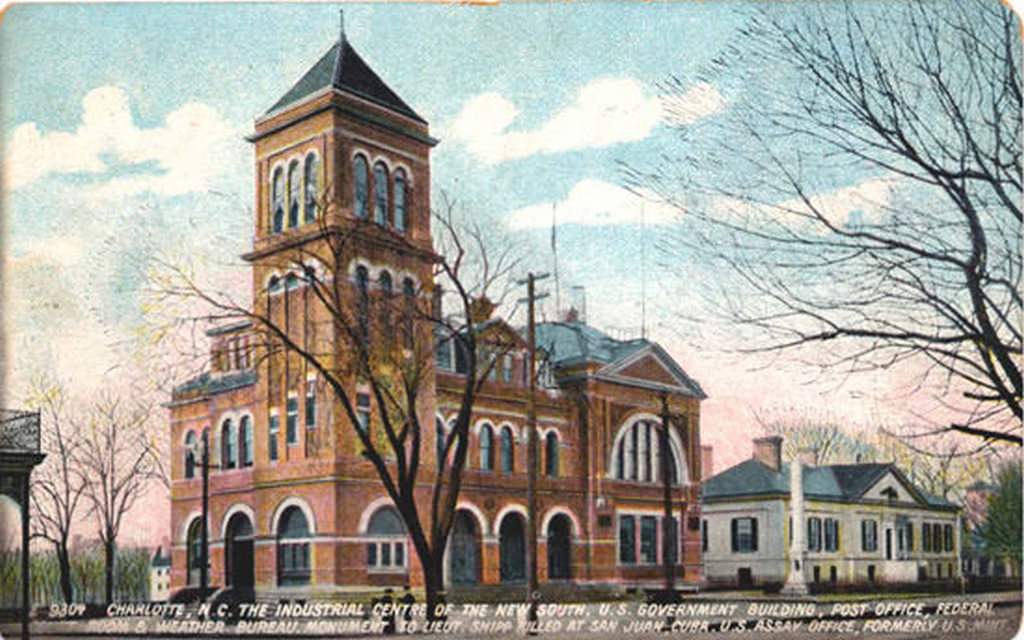
United States Post Office & Assay Office, 1906

The United States Post Office and the United States Assay Office on Mint Street. The Assay Office is actually the Mint, now located on Randolph Road.

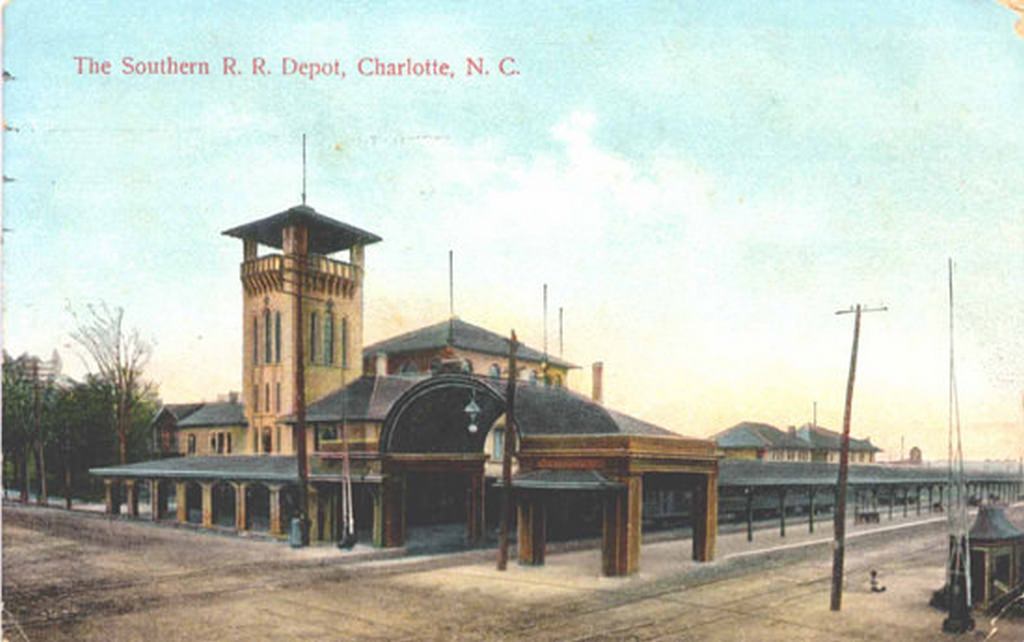
Southern Railroad Depot, 1909

The Southern Railroad Depot on Trade Street in Charlotte, North Carolina. It was designed by Frank Milburn.

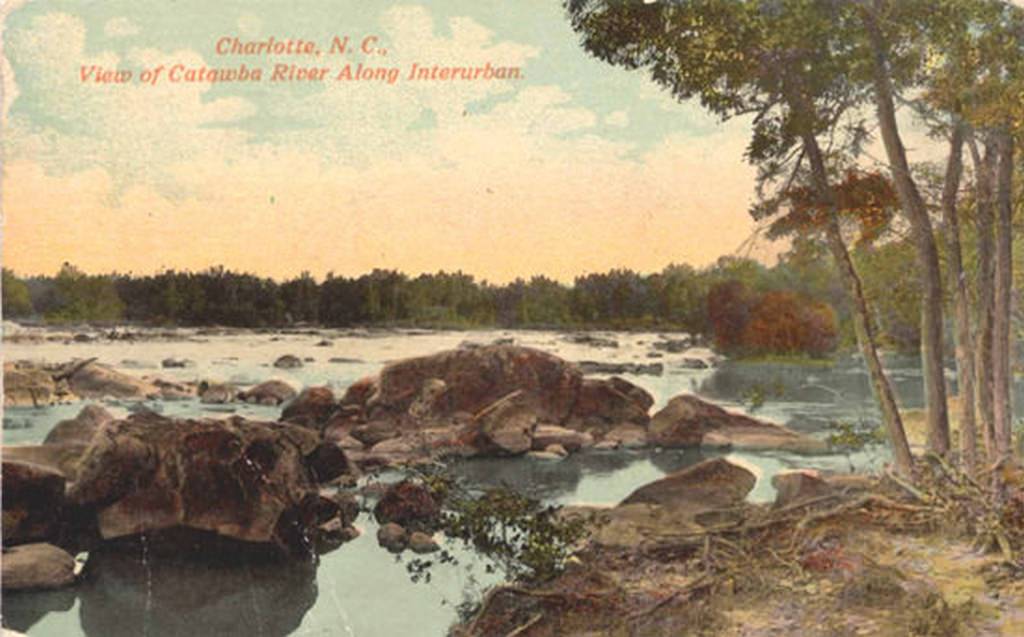
A view of the Catawba River in Mecklenburg County, 1915
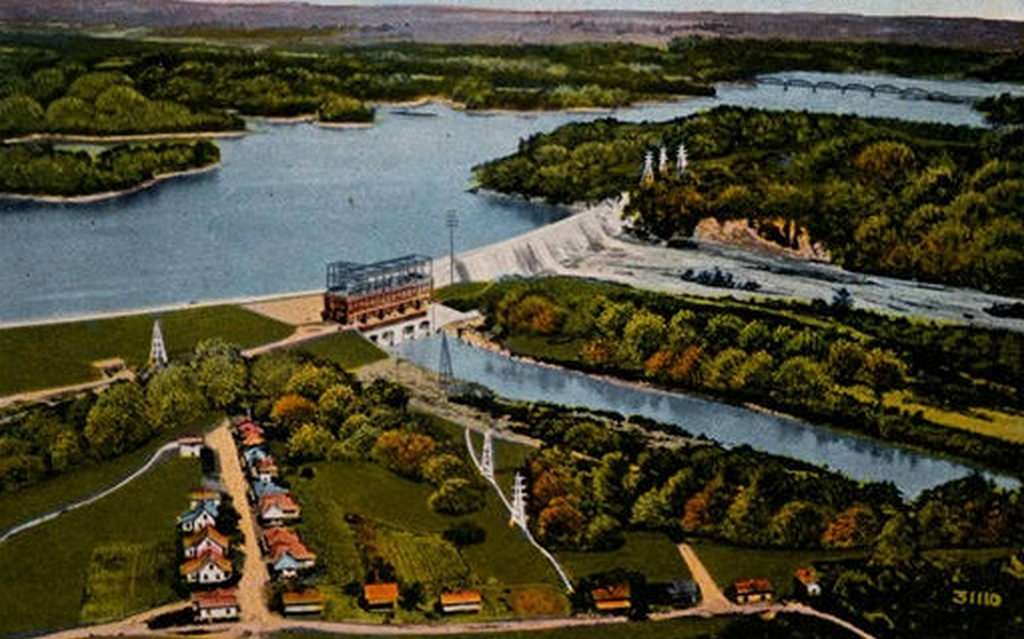
Mountain Island Power Plant on Catawba River, 1950
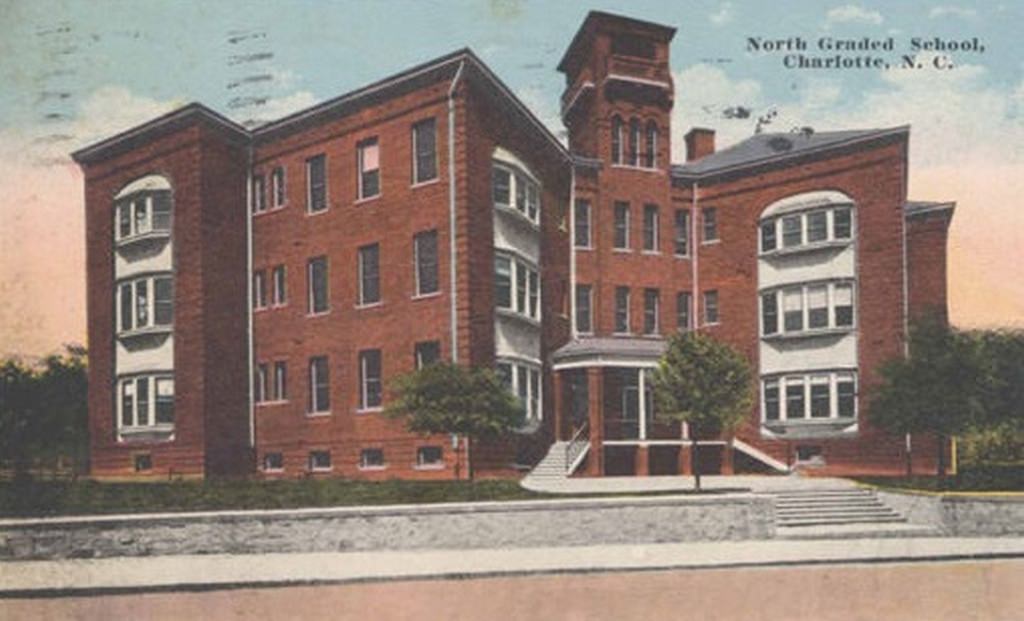
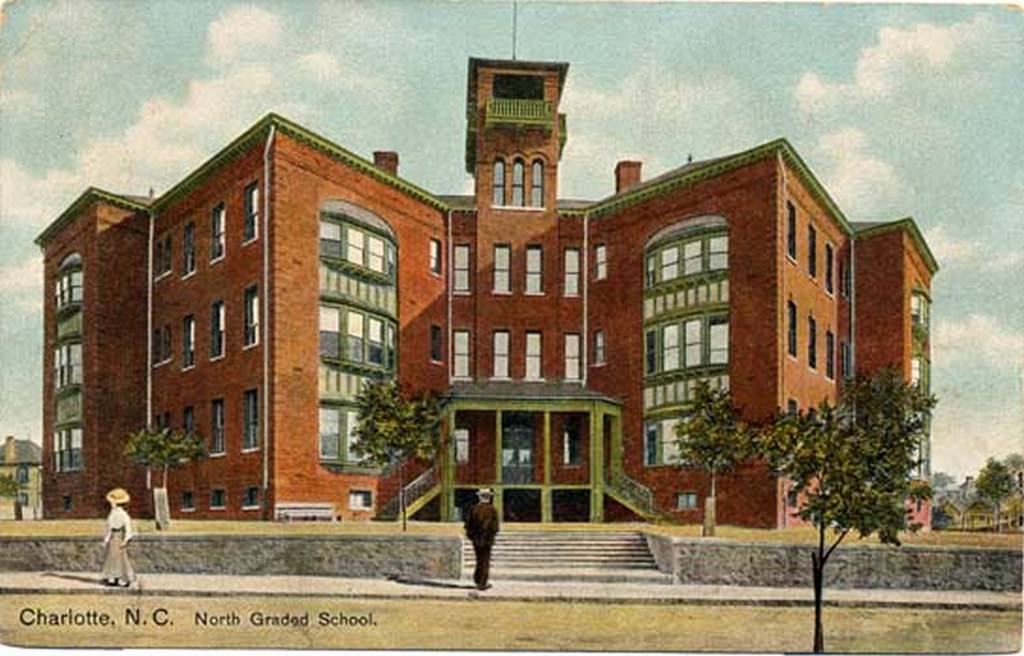
North Graded School, 1916

North Graded School was located at 9th and Brevard Streets. Frank P. Milburn of Washington, D.C. was the architect. The school opened in 1900.

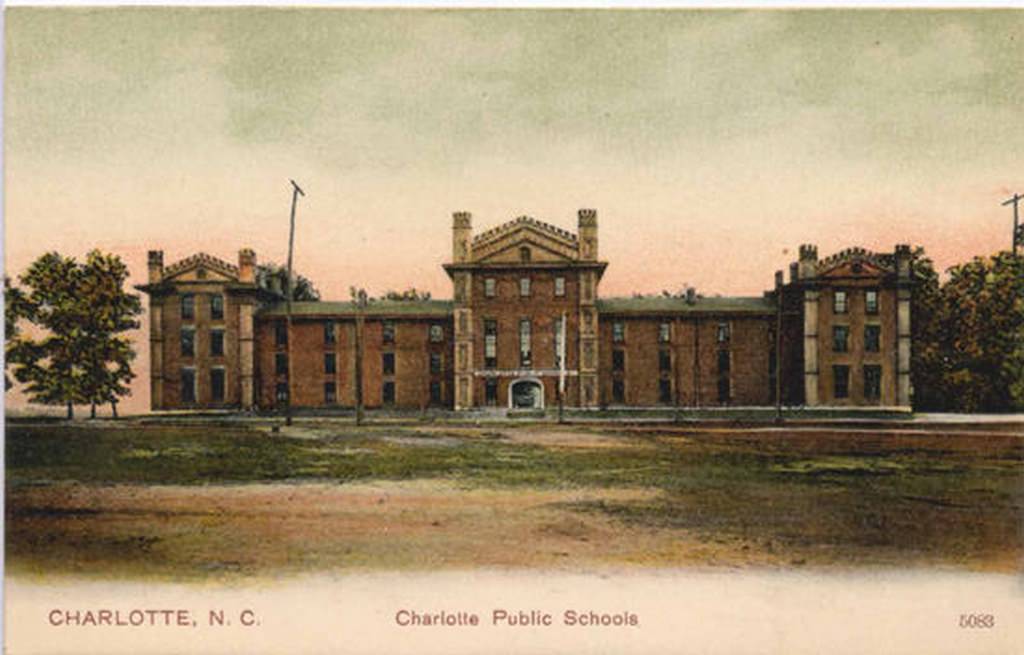
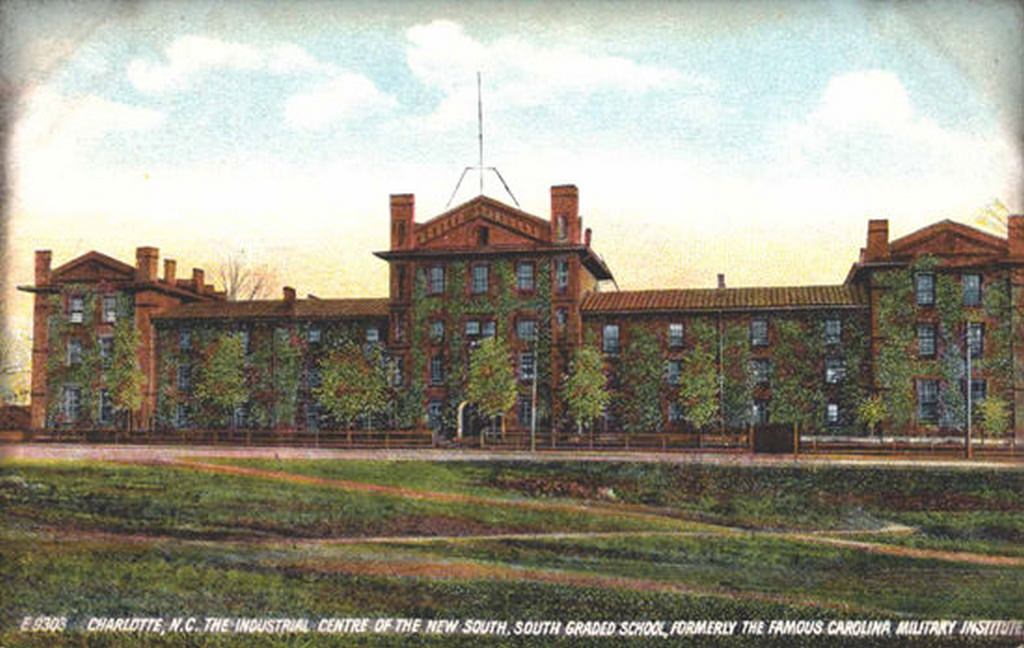
South Graded School, 1900

The South Graded School was one of the first public schools in Charlotte. It was formerly the Carolina Military Institute.

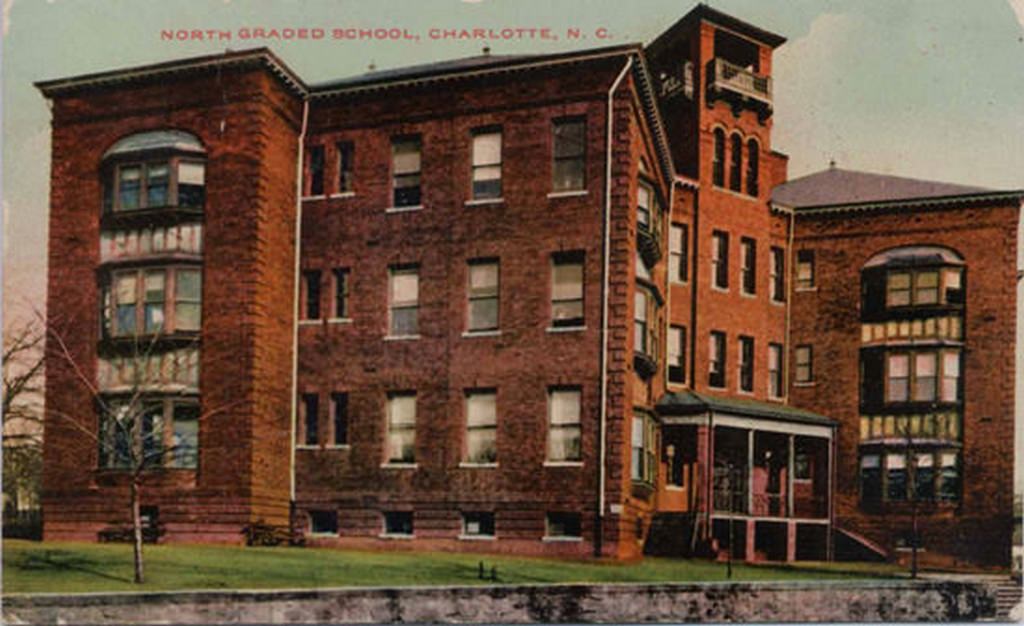
North Graded School, 1909

North Graded School was located at 9th and Brevard Streets. Frank P. Milburn of Washington, D.C. was the architect. The school opened in 1900.

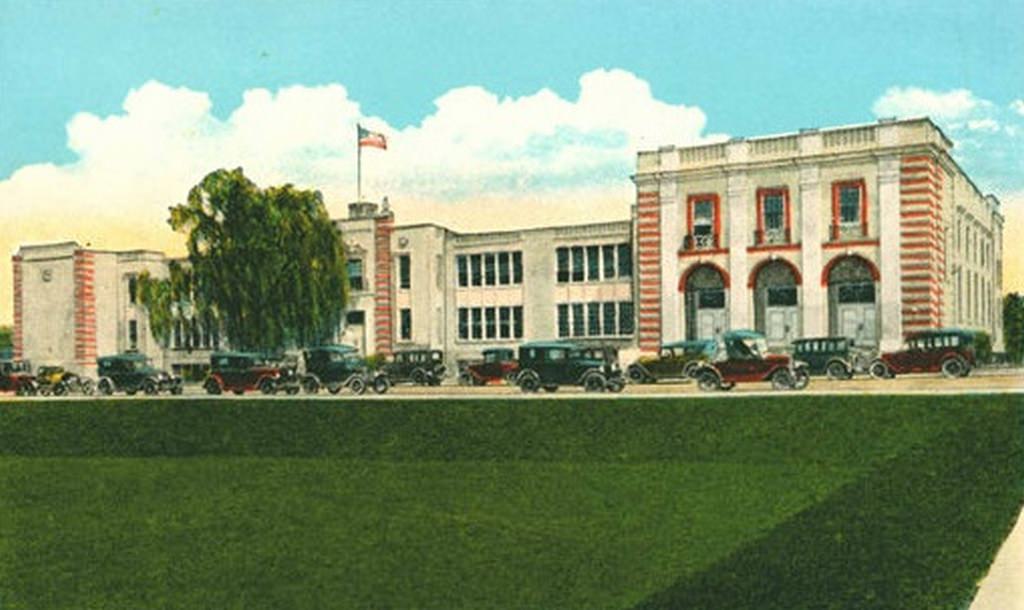
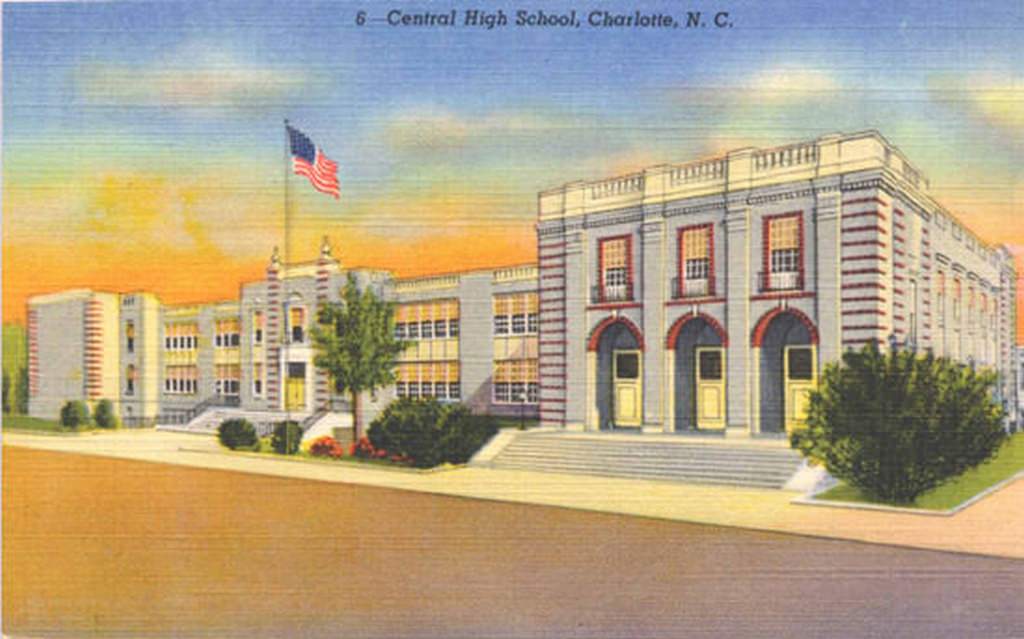
Central High School, 1925

Central High School was one of the most popular schools of its time. Located on Elizabeth Avenue, the school is now part of the campus of Central Piedmont Community College.

South Graded School, 1900

The South Graded School was one of the first public schools in Charlotte. It was formerly the Carolina Military Institute.

Central High School, 1940

Central High School was one of the most popular schools of its time. Located on Elizabeth Avenue, the school is now part of the campus of Central Piedmont Community College.

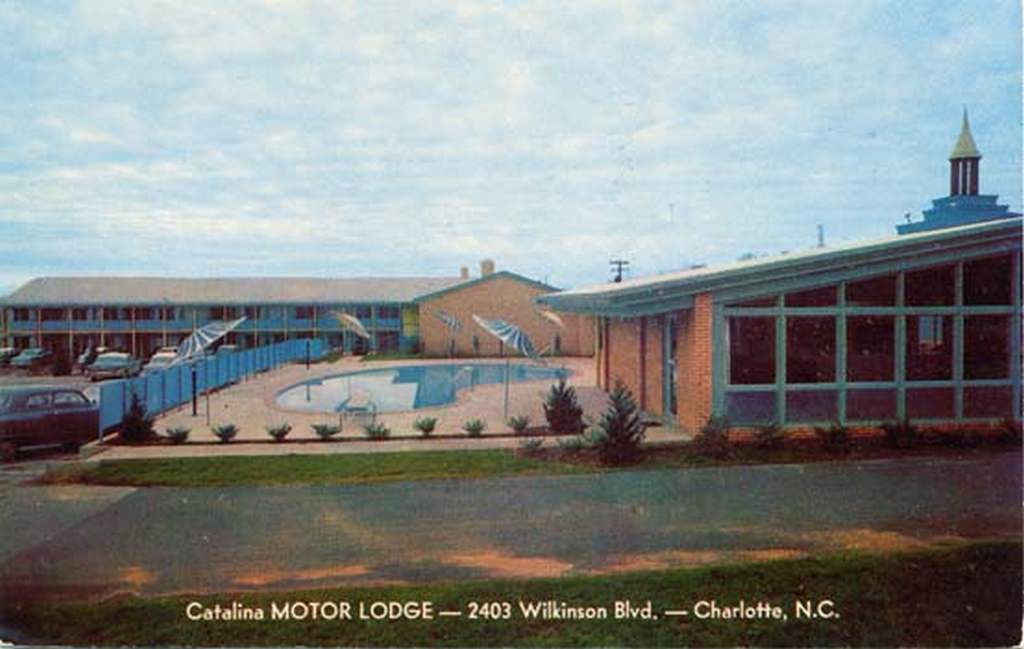
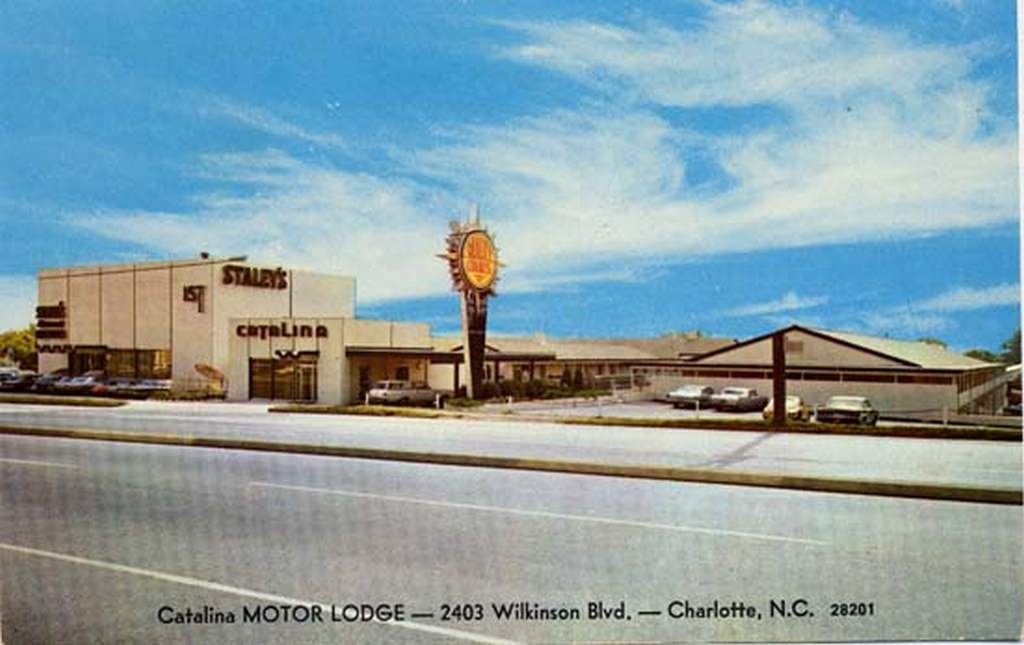
Catalina Motor Lodge, 1965

The Catalina Motor Lodge was located at 2403 Wilkinson Boulevard.

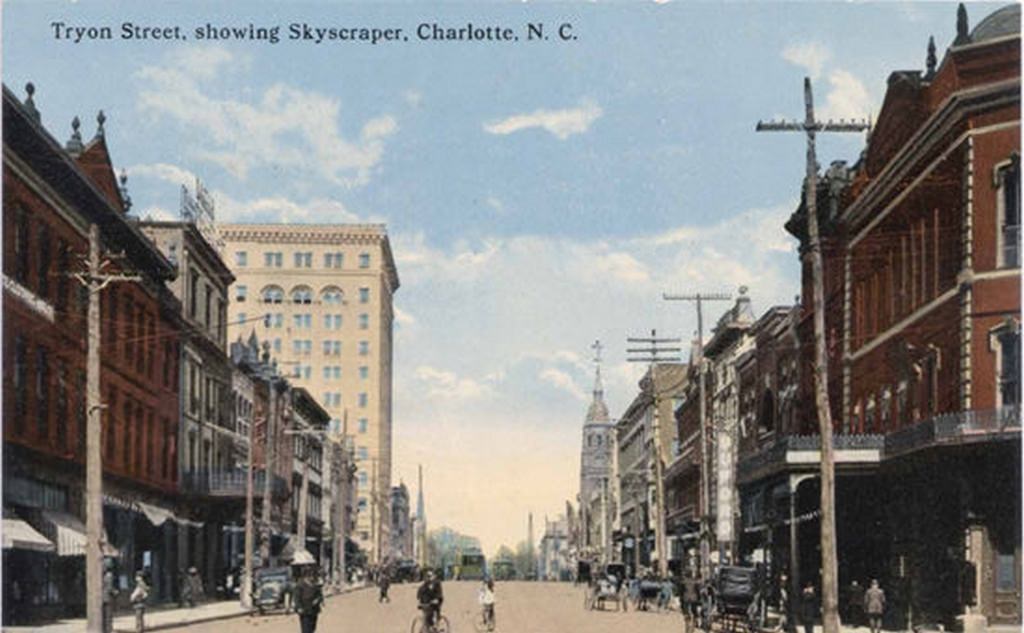
Tryon Street, 1915
Tryon Street, 1915
South Tryon Street in Charlotte with a view of the Trust Building on the left, 1900
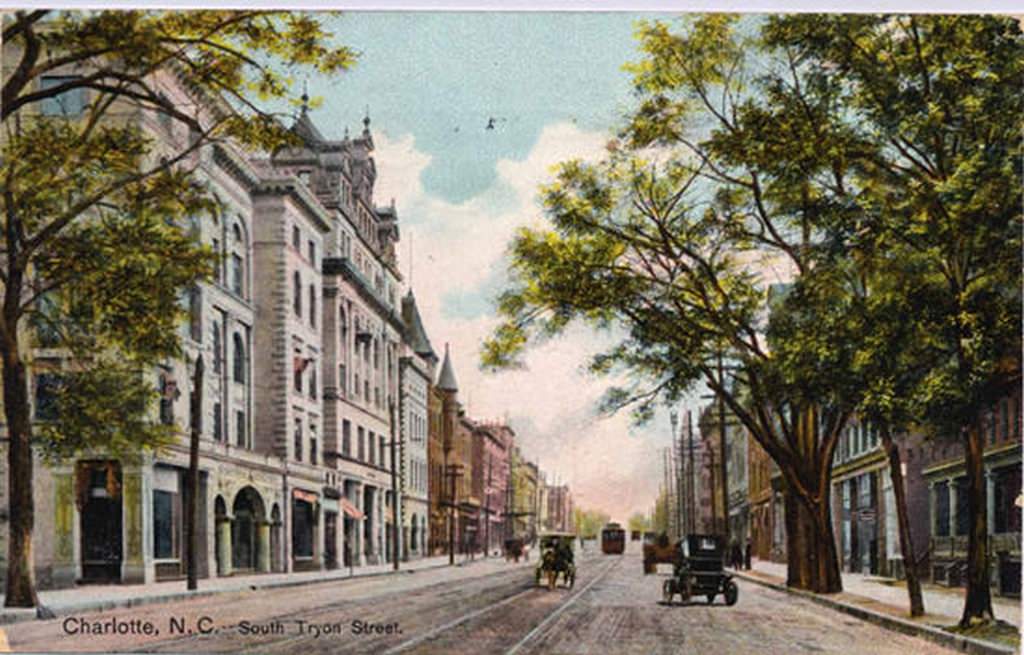
South Tryon Street showing YMCA and the Trust Building, 1908
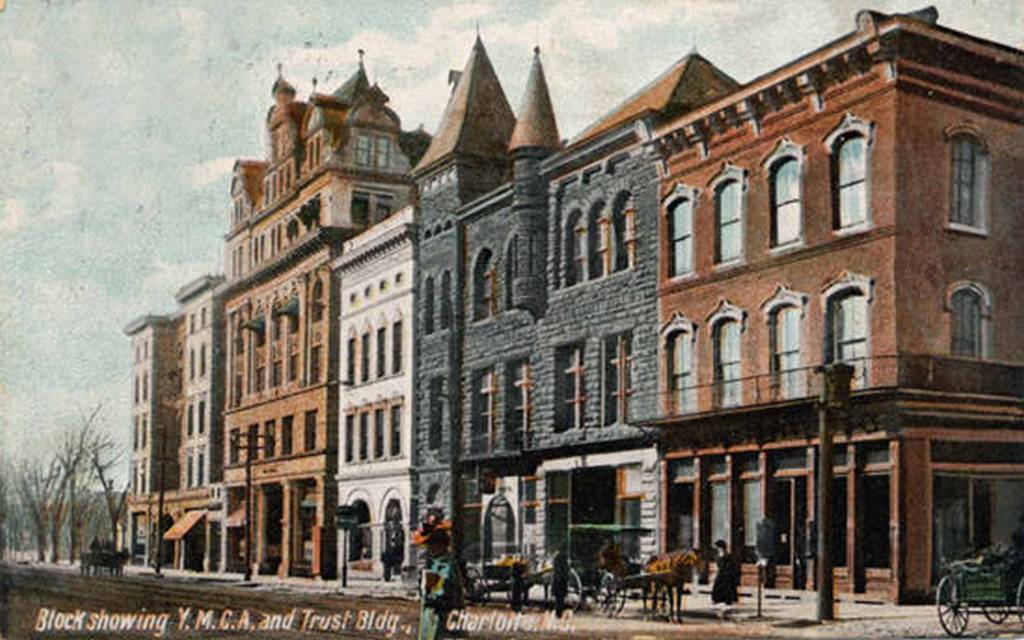
Selwyn Hotel, 1956
Selwyn Hotel, 1956

The Selwyn Hotel was located on West Trade Street. It opened in 1907.

South Tryon Street with trolleys and horse and buggies, 1900
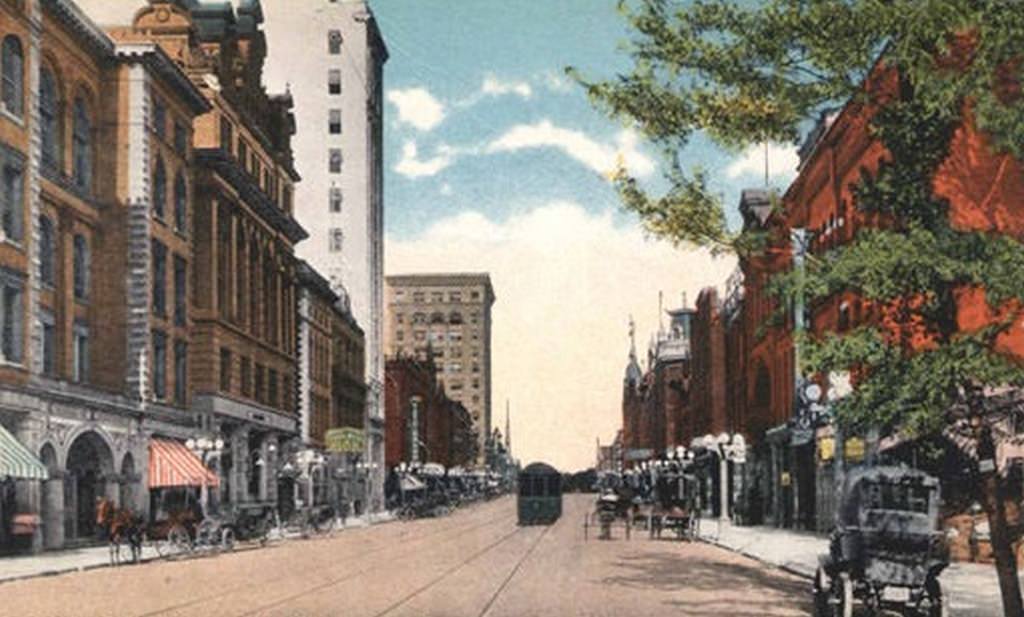
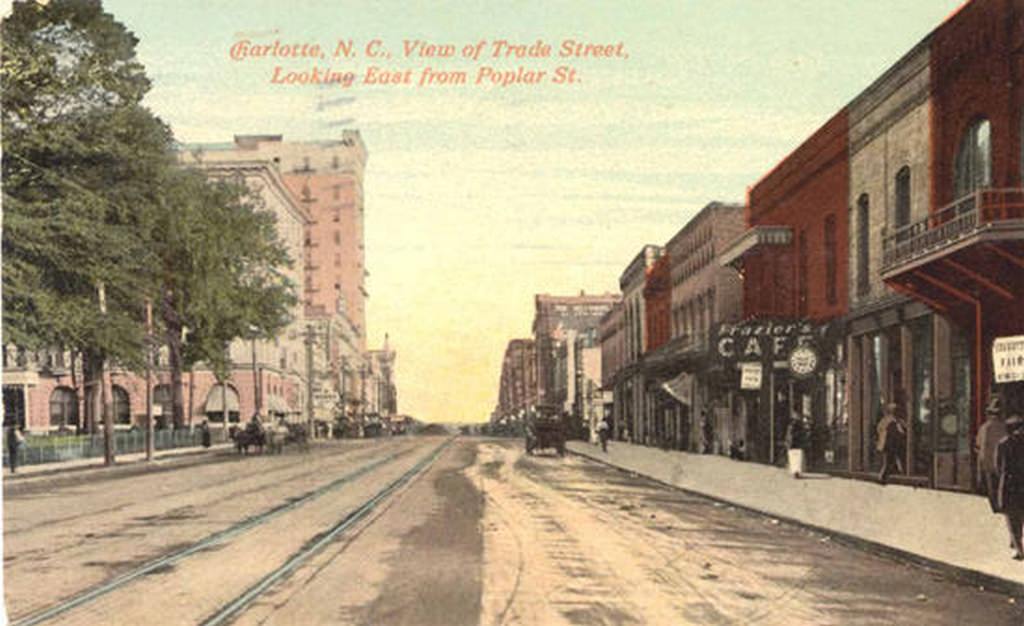
A view of Trade Street looking East from Poplar Street, 1907
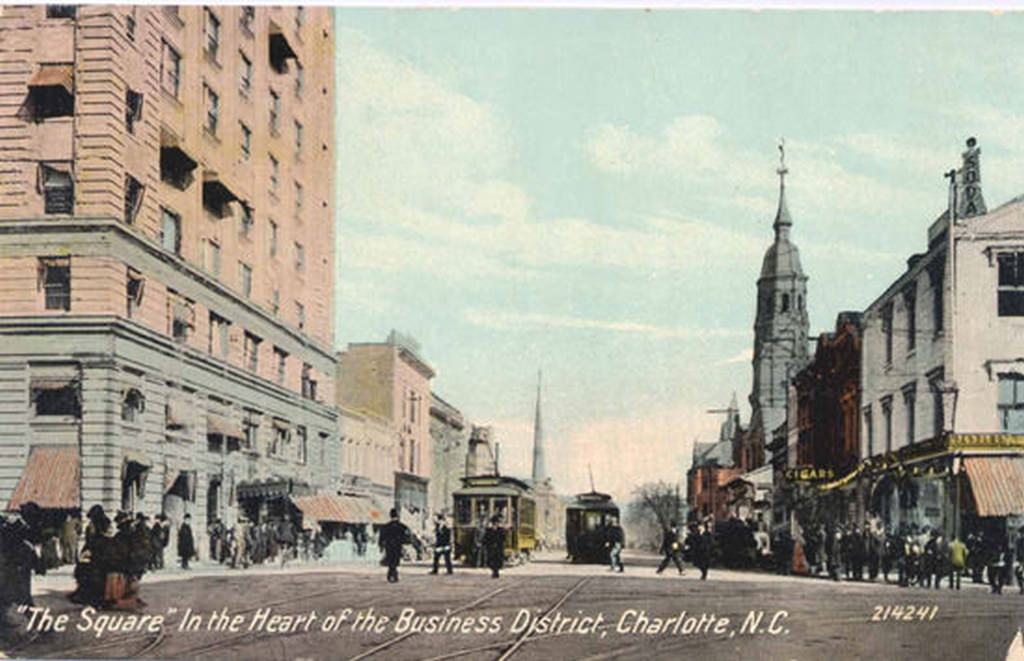
Intersection of Trade and Tryon Streets (Square), 1900
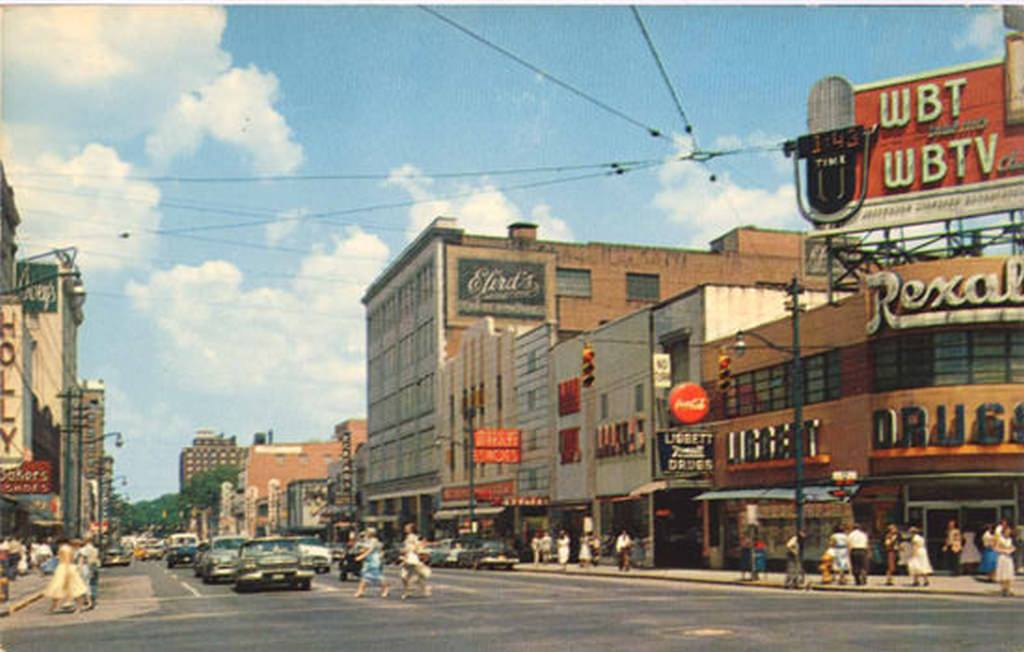
The intersection of Trade & Tryon Streets (the Square), 1955
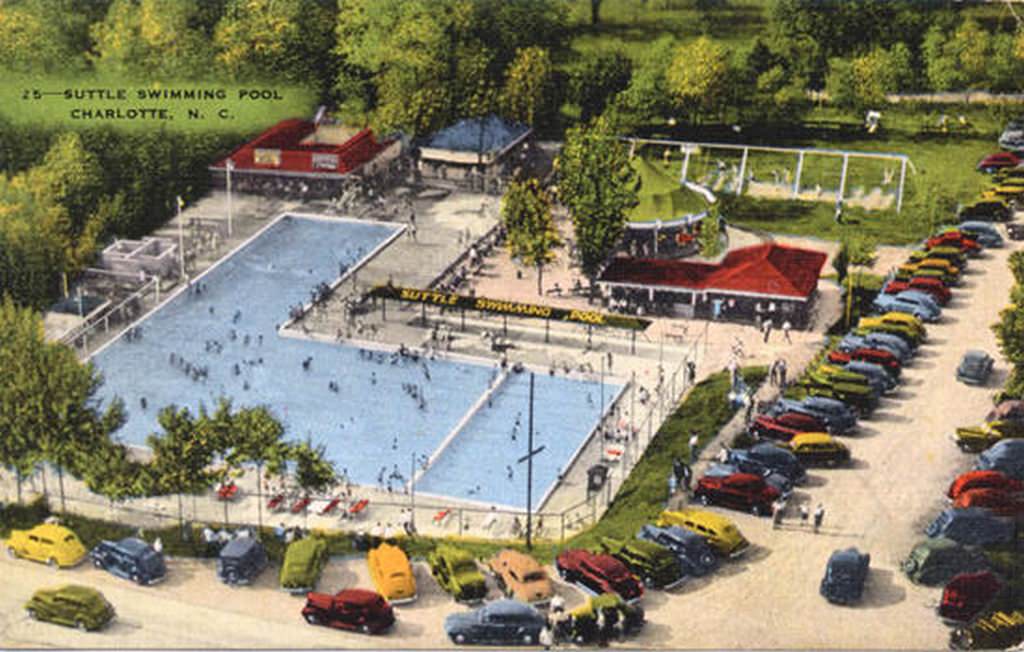
Suttle Swimming Pool, 1951

Suttle Swimming Pool was located on Wilkerson Boulevard in Charlotte. Other amusements included archery, miniature golf, a merry-go-round, and swinging chairs.

University of North Carolina at Charlotte, 1968
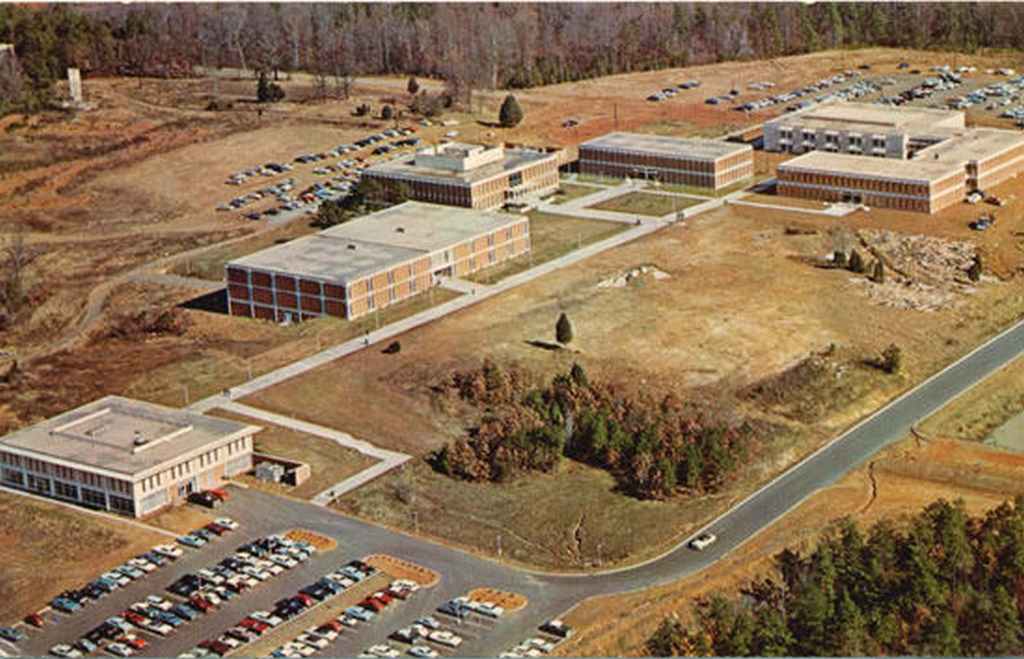

The University of North Carolina at Charlotte is located in northeast Charlotte. The school offers programs at all levels.

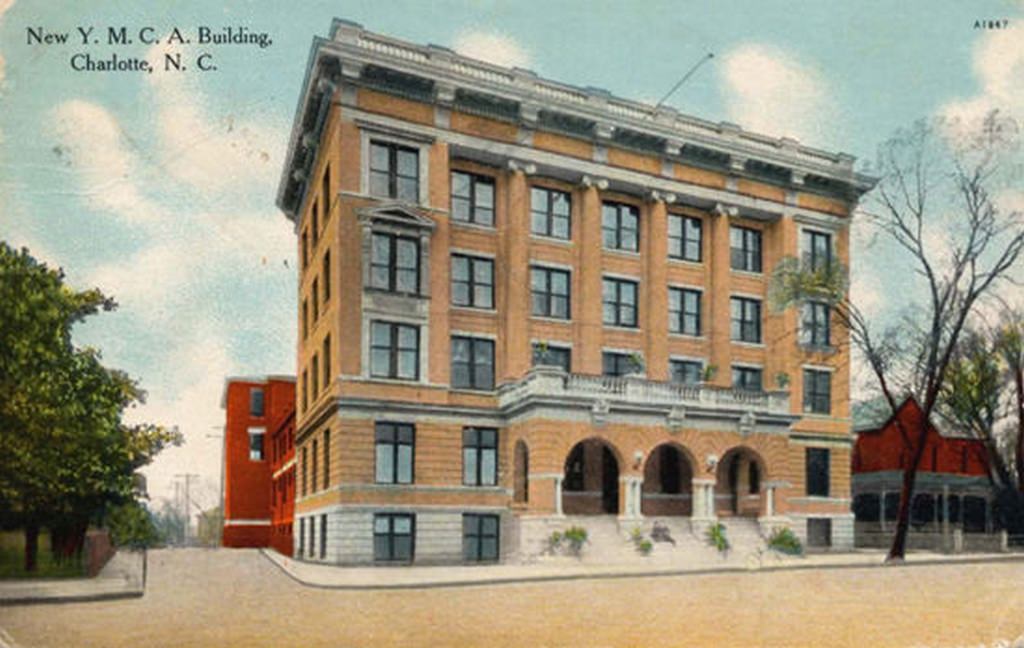
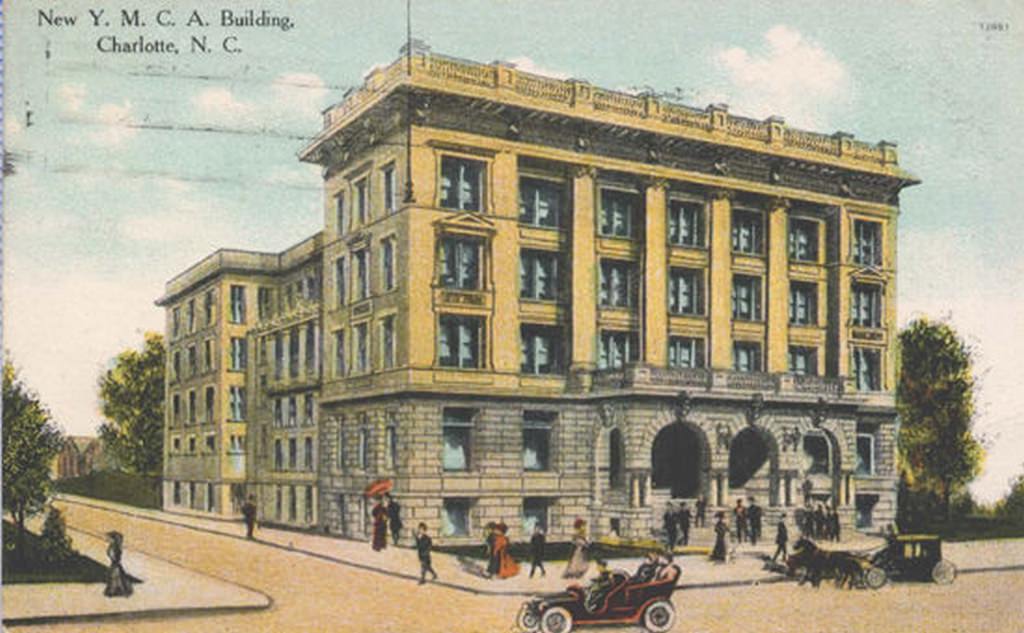
YMCA Building (Second One), 1910

The Young Men’s Christian Association (YMCA) was organized in Charlotte on November 11, 1874. This was the second building constructed by the organization. It was located next door to the Latta Arcade in the 300 block of South Tryon Street.

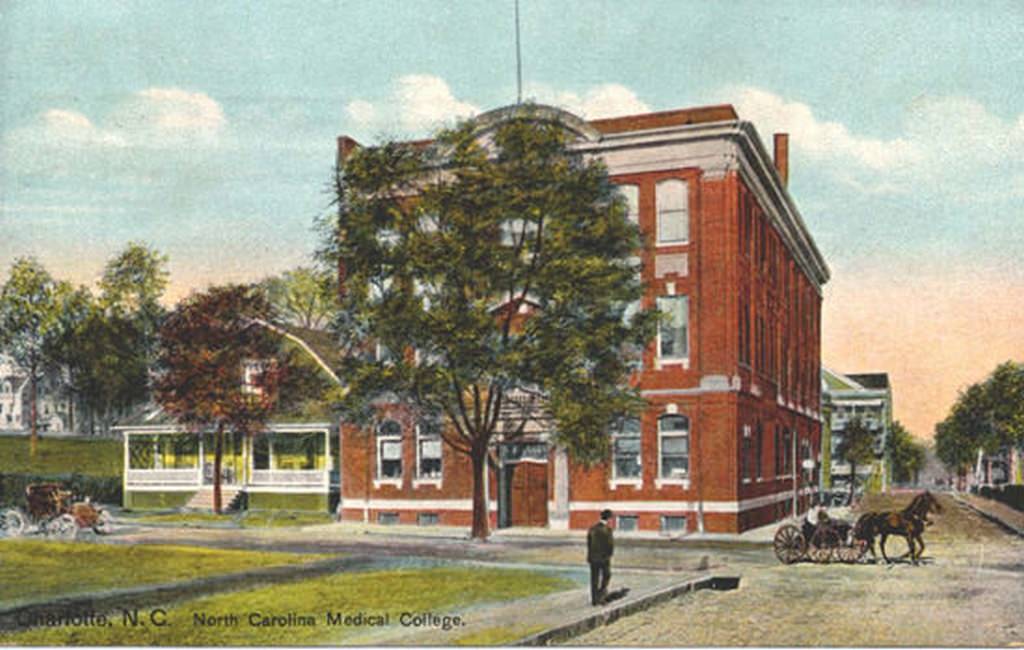
North Carolina Medical College, 1909

The North Carolina Medical College was chartered in 1892 at Davidson College. The upper graduates moved to Charlotte in 1903 with the opening of Presbyterian Hospital. The entire medical college moved into this building in Charlotte in 1907. Its address was 215 N. Church St., on the southwest corner of Sixth and Church Streets. The school closed in 1913. Today the building has been renovated for apartments.

YMCA Building (Second One), 1909

The Young Men’s Christian Association (YMCA) was once located next door to the Latta Arcade in the 300 block of South Tryon Street. This building opened in 1906.

YMCA Building (Second One) and Annex, 1922
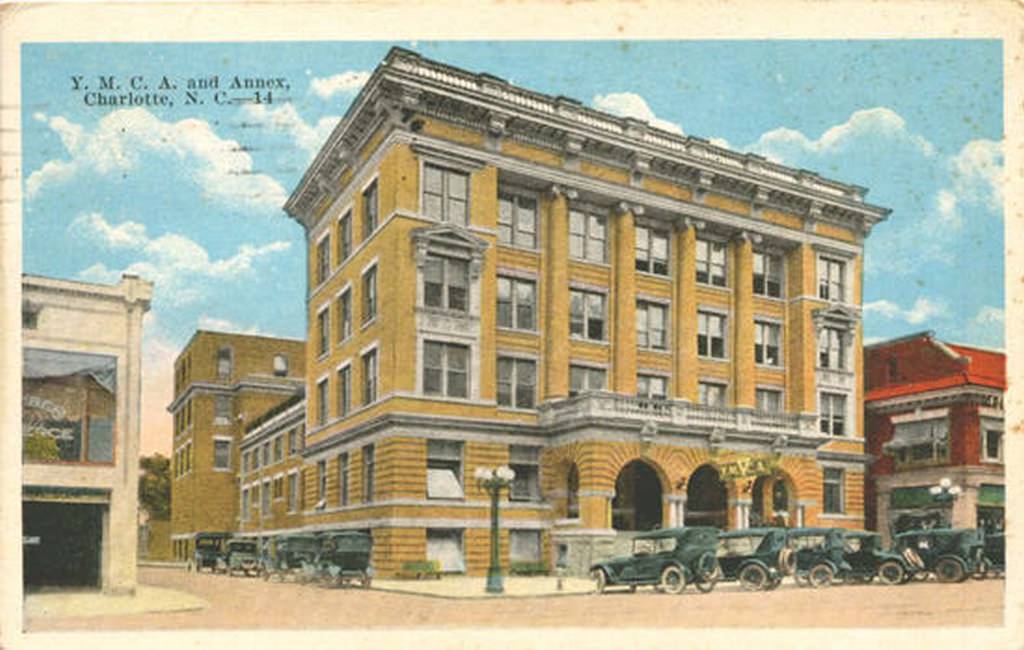

This is the second location of the YMCA, which opened in 1906. It was located next door to the Latta Arcade in the 300 block of South Tryon Street.

YMCA and Latta Arcade, 1918

The Young Men’s Christian Association (YMCA) was once located next door to the Latta Arcade in the 300 block of South Tryon Street. This was the second YMCA and opened in 1906.

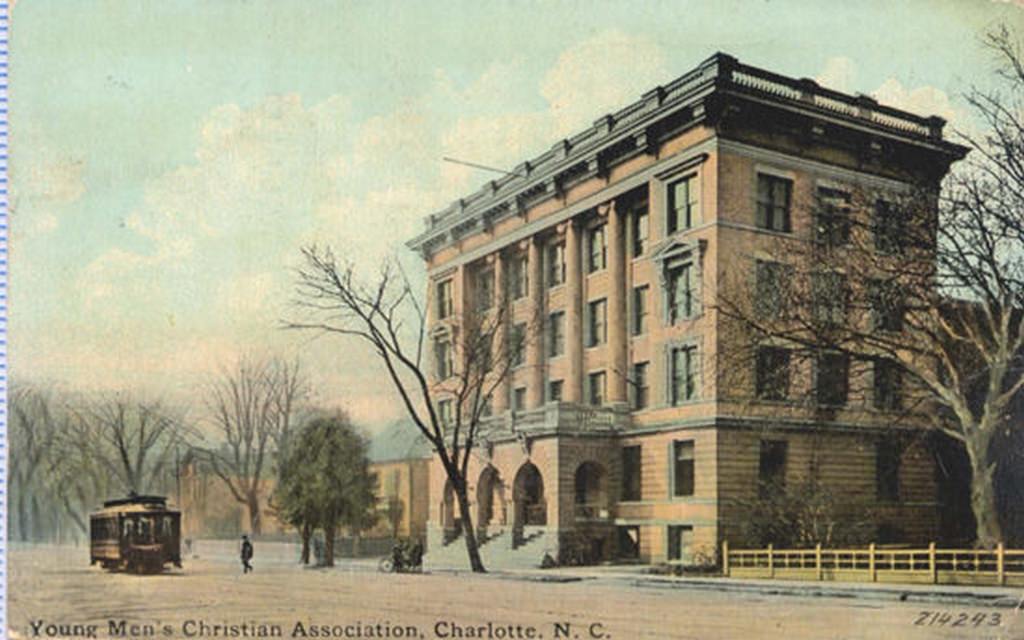
YMCA Building (Second One), 1911

The Young Men’s Christian Association (YMCA) was once located next door to the Latta Arcade in the 300 block of South Tryon Street. It was the second YMCA building in the city and opened in 1906. A trolley is on the left.

Charlotte City Hall (1927), 1920

The City Hall building. At the back of the building are the Fire Department, Police Department, and the Health-Welfare Department.

Central High School, 1920

Central High School opened around 1908. Located on Elizabeth Avenue, the building is now part of Central Piedmont Community College’s campus.

Trade Street with the Selwyn Hotel on the right, 1905
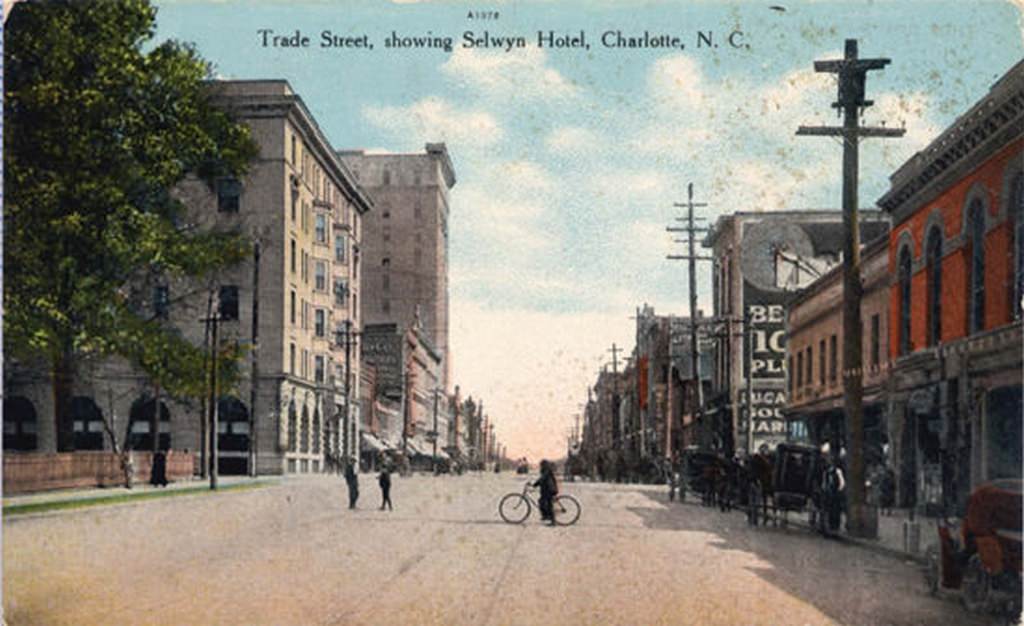
Soldiers writing home at Camp Greene, 1918
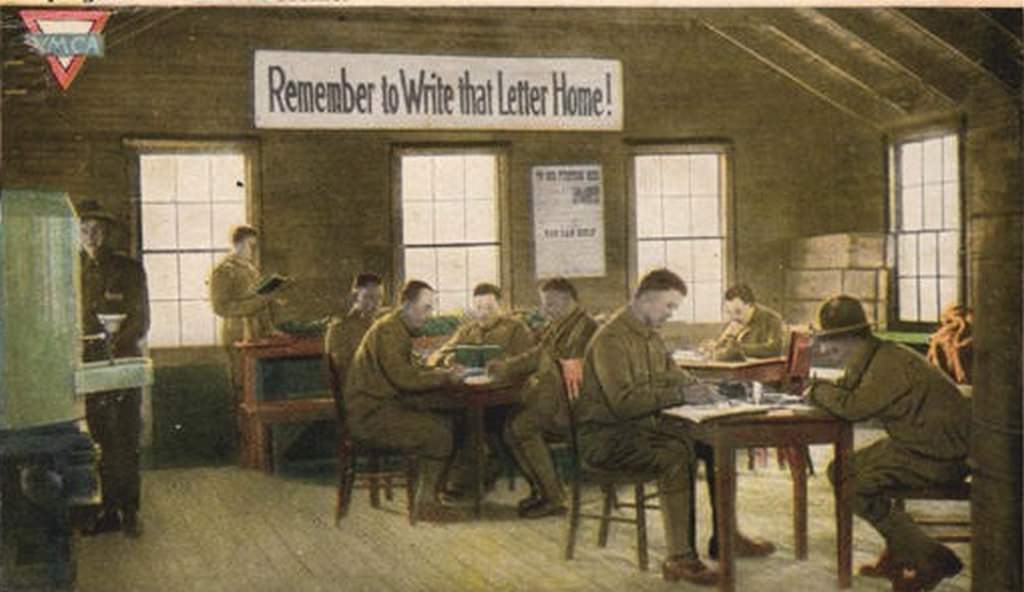

Soldiers writing home at the YMCA facility at Camp Greene. Camp Greene was a World War I training camp in Charlotte, North Carolina.

Freedom Park, 1953
Freedom Park, 1953

Freedom Park was built in the 1940s to honor World War II soldiers from Mecklenburg County. It is located between Princeton Avenue and East Boulevard.

View of Charlotte and Fourth Ward from Charlotte Sanatorium, 1914
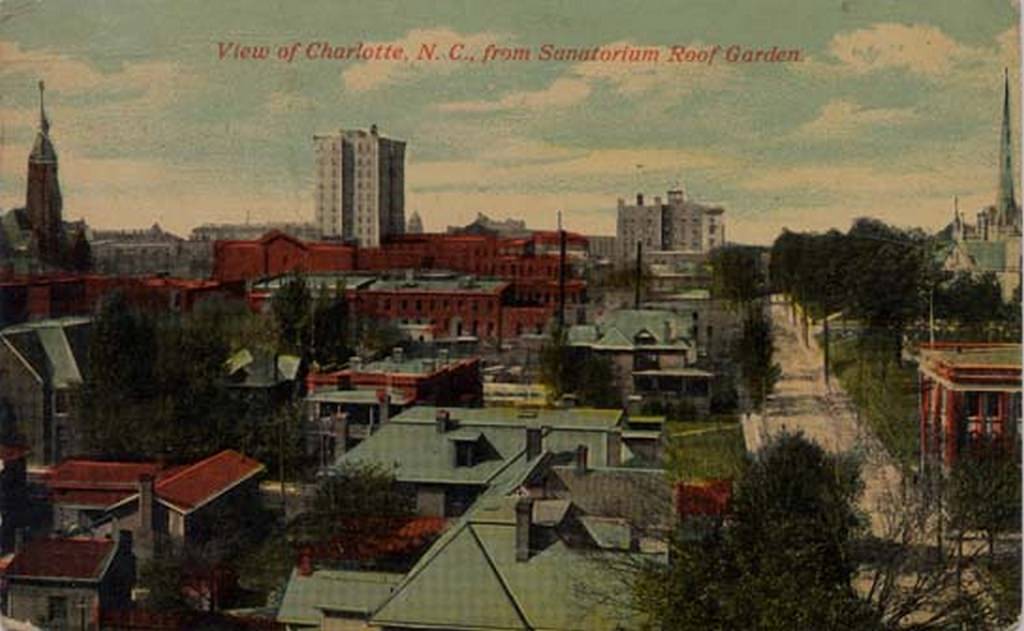

View of Charlotte from the Sanatorium Roof Garden. The Sanatorium was located on the southwest corner of 7th and Church Streets.

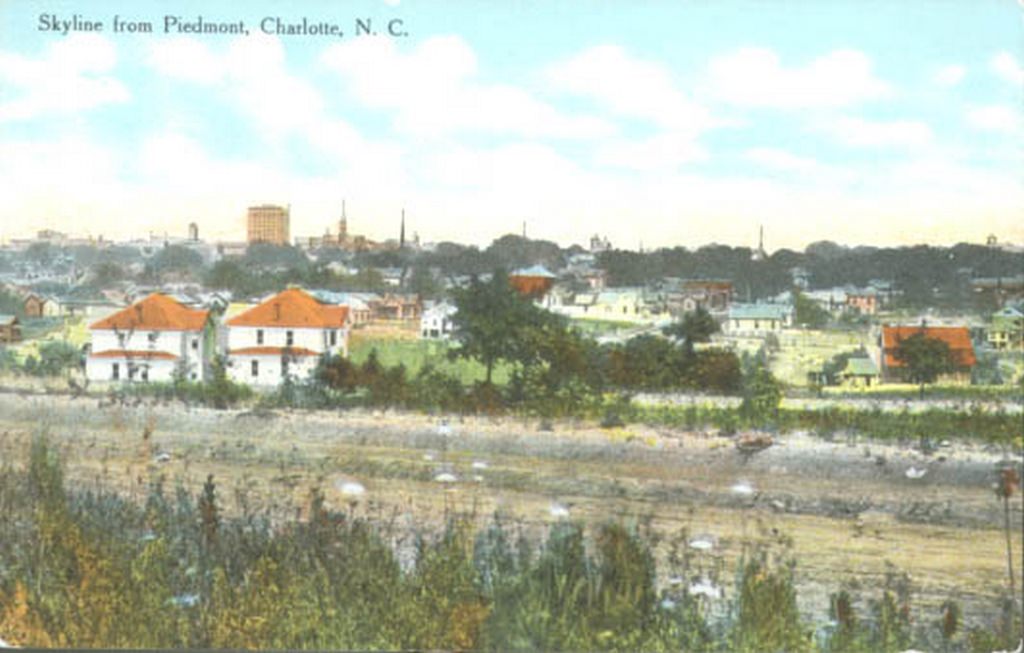
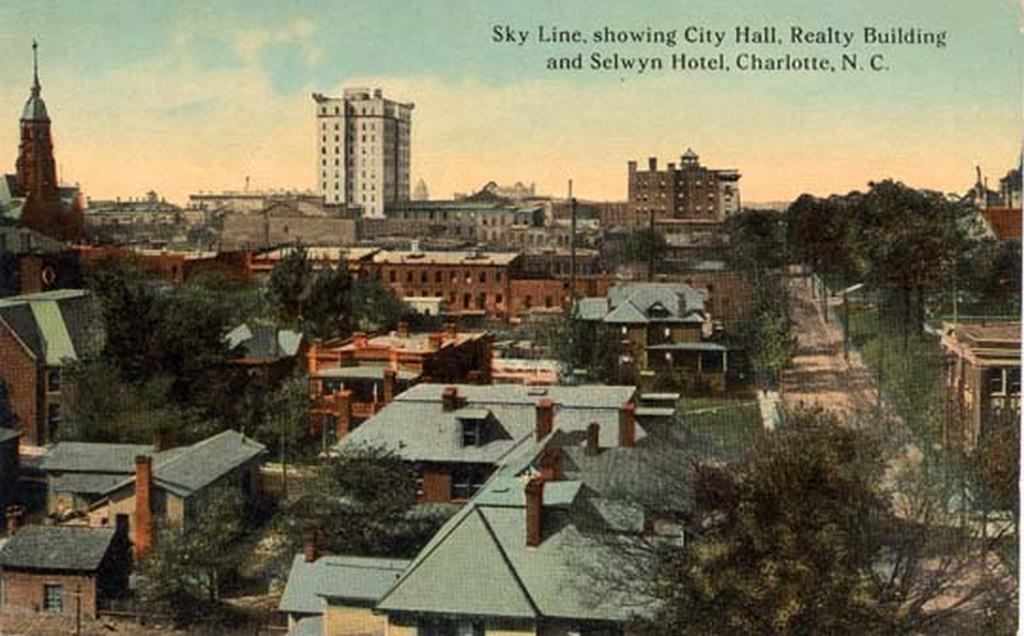
Charlotte's skyline, 1910
Charlotte’s skyline, 1910

Charlotte’s skyline with a view of Charlotte City Hall, the Realty Building, and the Selwyn Hotel.

Charlotte Skyline, 1910

View of Charlotte from the Trust Building on Tryon Street. The card shows the Selwyn Hotel, the Realty Building, and City Hall.

Bird's-eye view of Charlotte, 1918
Bird’s-eye view of Charlotte, 1918

Postcard of uptown Charlotte looking south. The card is from Camp Greene soldier E.B. Colver to John and Addie Sinclair of Vermont.

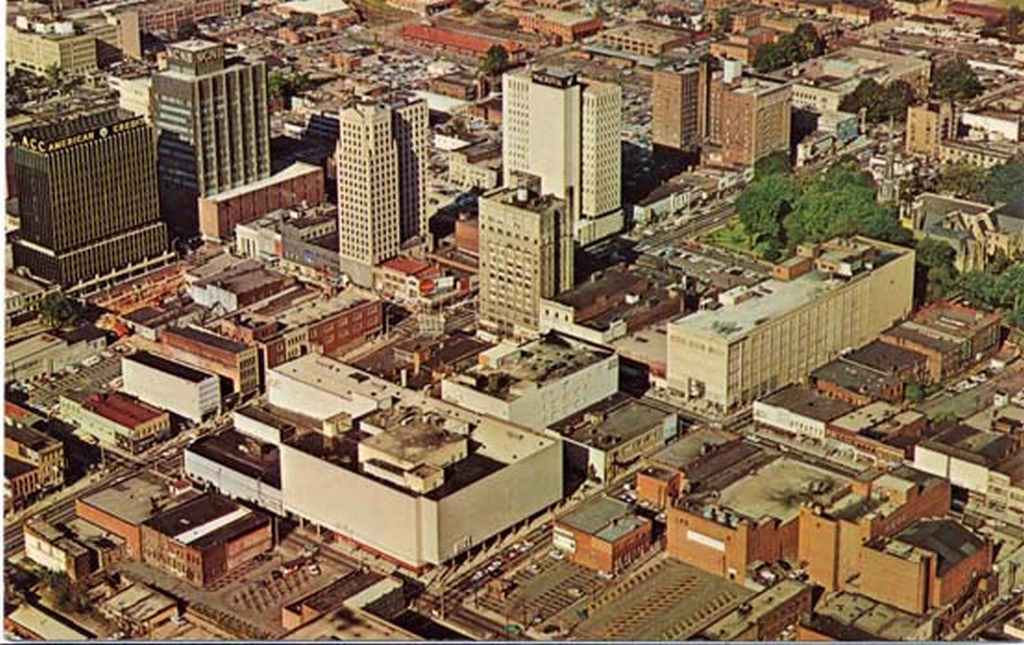
Aerial shot of uptown Charlotte in 1966.
Charlotte Memorial Stadium and Armory, 1937
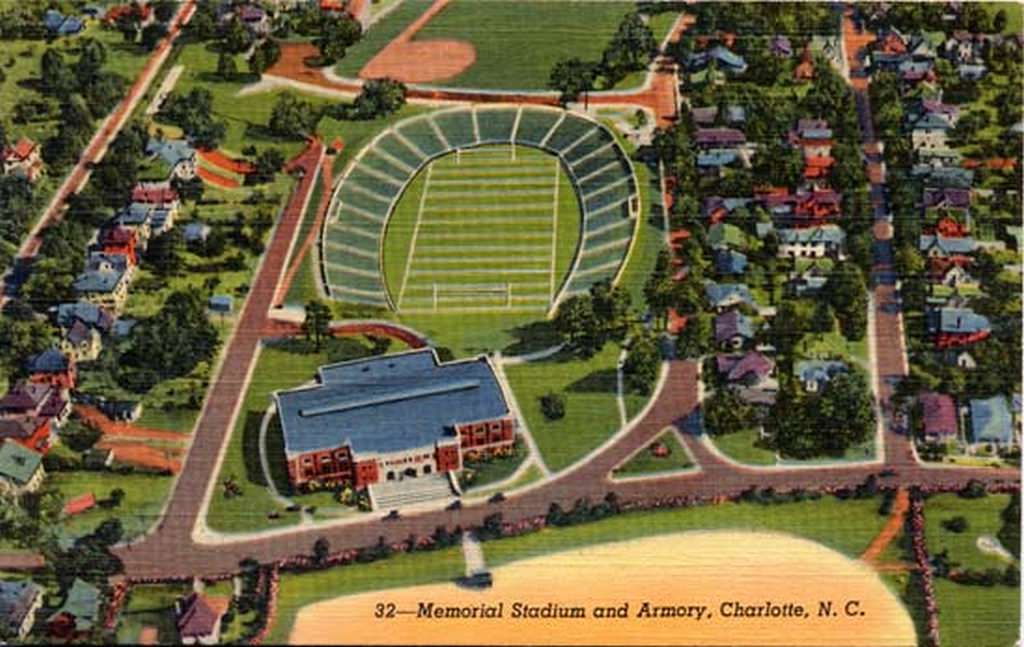

The Armory housed the National Guard organizations. At one time, the basement floor was equipped with target carriers. The upper floor was used for sports, dances, and shows. The American Legion Memorial Stadium was completed in 1937. With 15,386 seats, a number of sporting events and concerts are held there.

Charlotte Post Office and Mint, 1906

The United States Post Office and the United States Assay Office on Mint Street. The Assay Office is actually the Mint, now located on Randolph Road.

Anna Morrison Jackson's House Number Two, 1908
Anna Morrison Jackson’s House Number Two, 1908
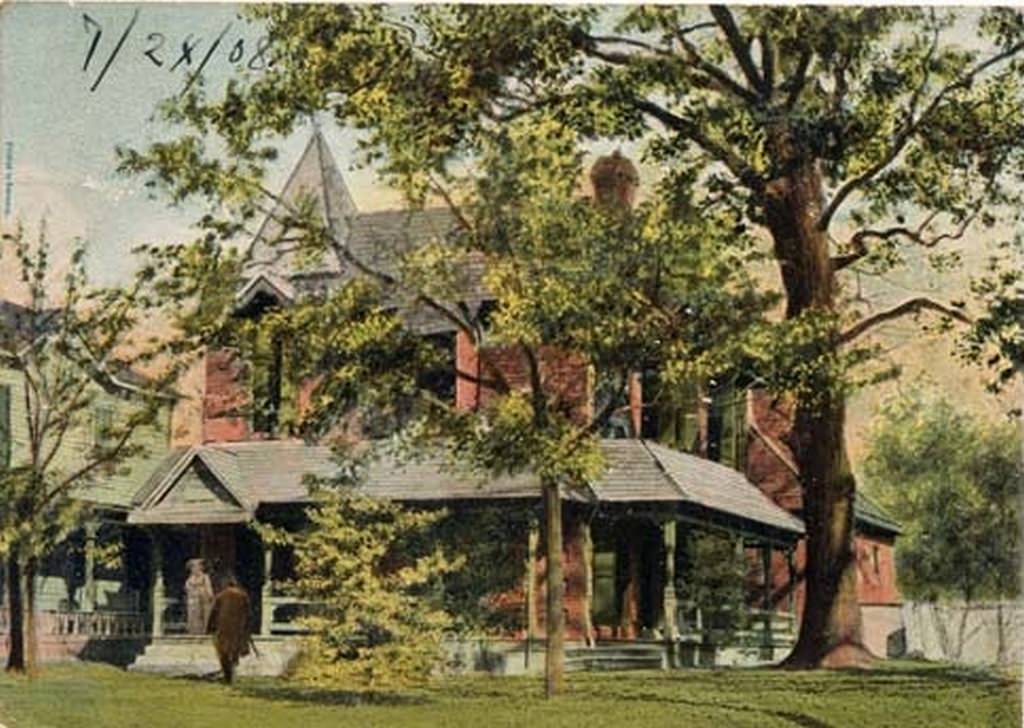
The home of Mary Anna Morrison Jackson, widow of General Stonewall Jackson, was located at 306 West Trade Street.

Bailey Cafeteria (Interior View), 1965
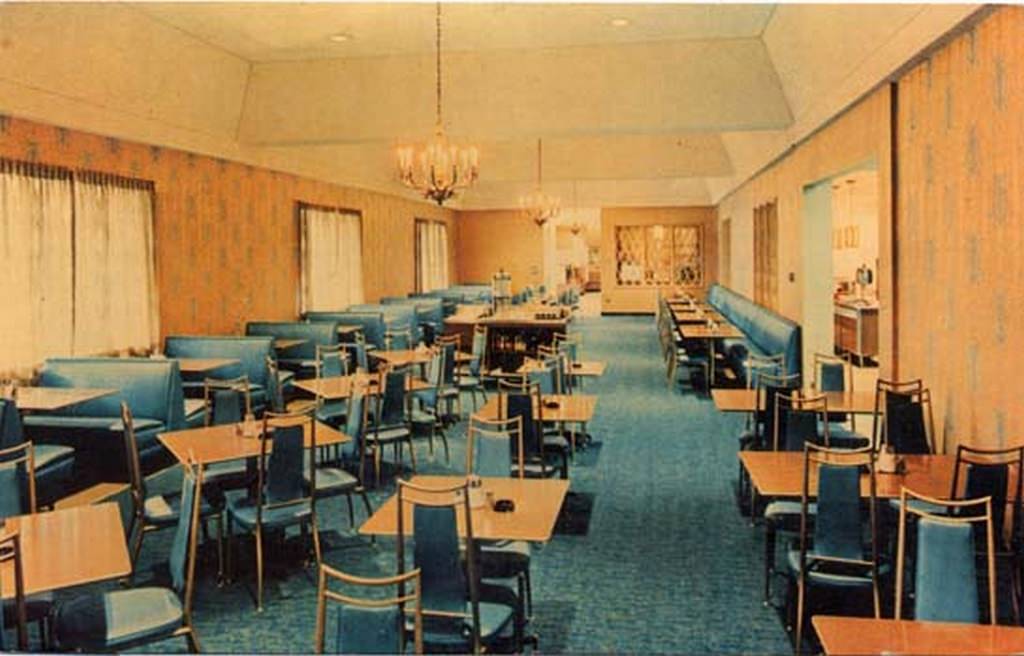

Bailey’s Cafeteria was located in the Cotswold Shopping Center at the corner of Sharon Amity and Randolph.

Ovens Auditorium (Interior View), 1965
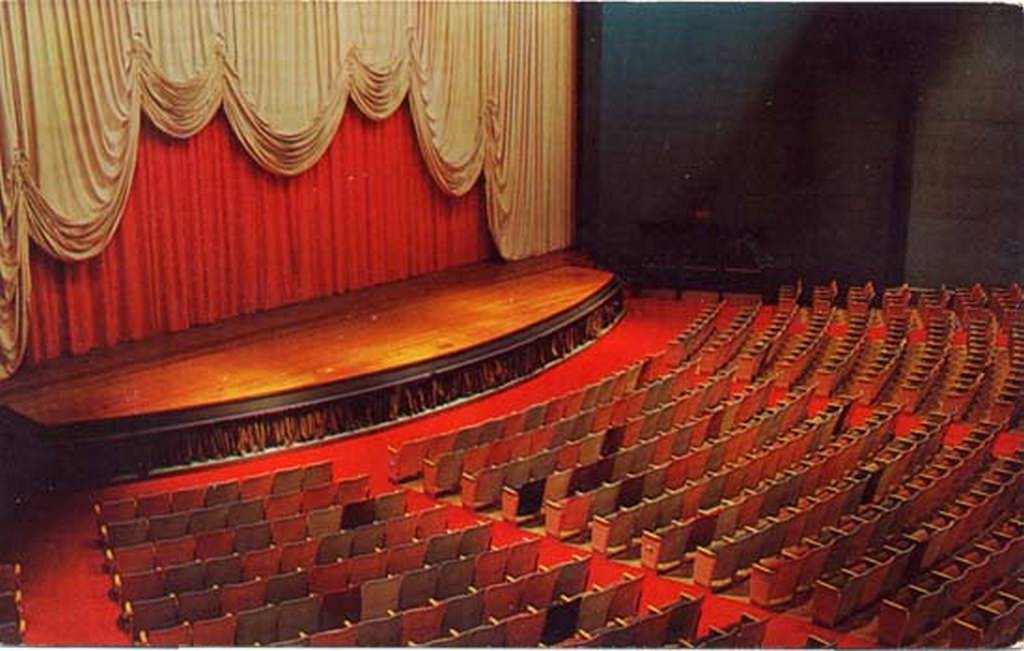

Ovens Auditorium is located on Independence Boulevard. Completed in 1955, it was named for cultural leader David Ovens.

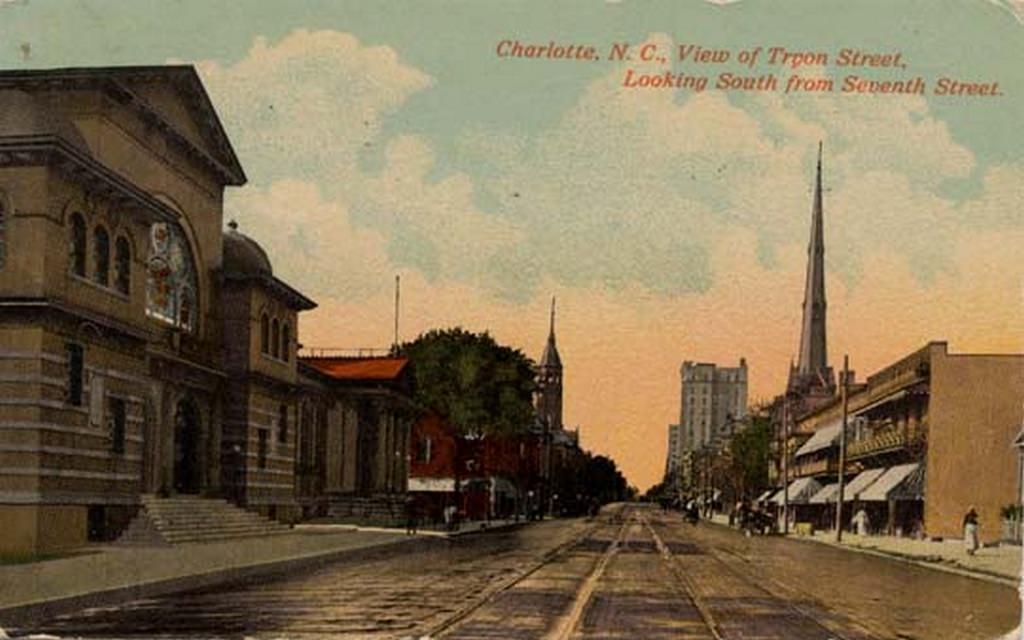
Tryon Street, 1914
Tryon Street, 1914

View of Tryon Street looking south from Seventh Street. On the left is the First Baptist Church, the Carnegie Library, and City Hall. On the right is the Tryon Street Methodist Church, and the Realty Building can be seen in the distance.

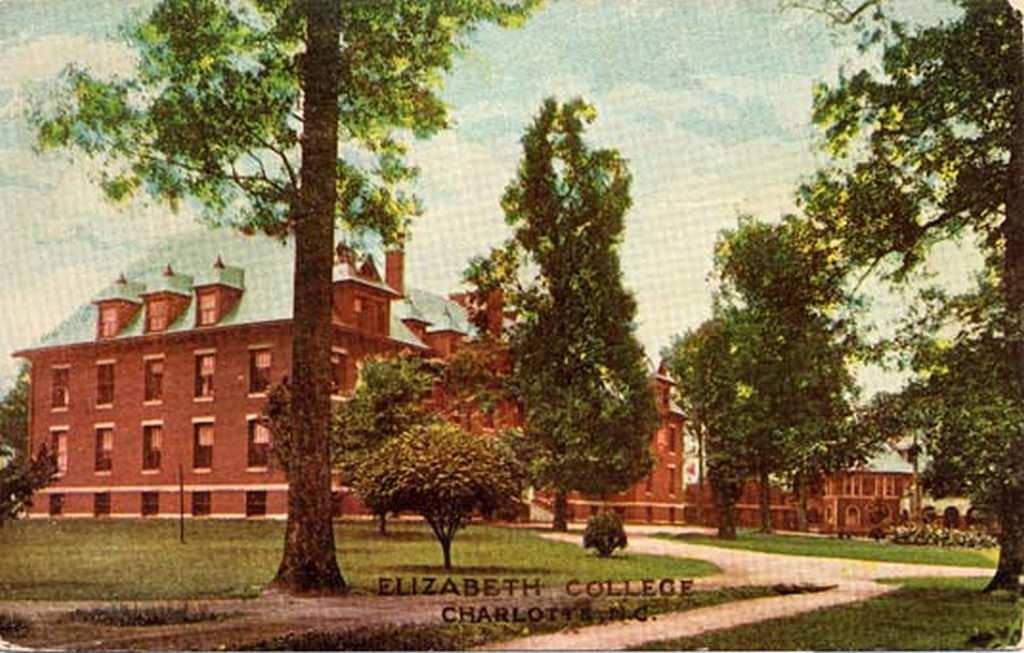
Elizabeth College, 1908

Elizabeth College opened in 1896. Located on Hawthorne Lane at the intersection with Elizabeth Avenue, the buildings are now part of Presbyterian Hospital.

Central High School, 1920

Central High School opened around 1908. Located on Elizabeth Avenue, the building is now part of Central Piedmont Community College’s campus.

Shrine of our Lady of Lourdes at Mercy Hospital, 1960
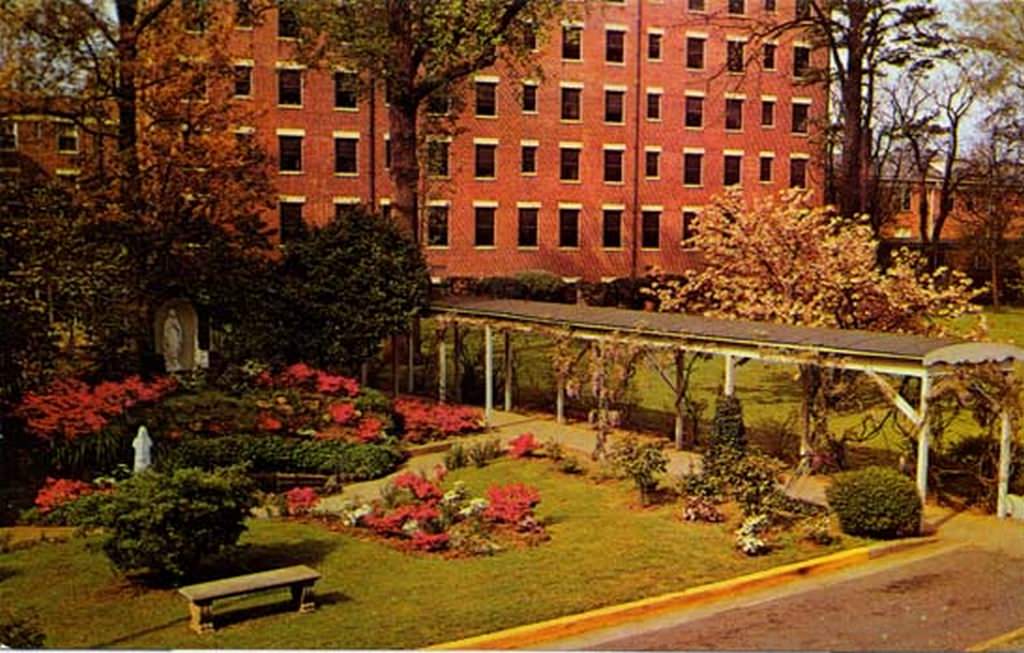

The shrine of Our Lady of Lourdes in the gardens of Mercy Hospital.

North Graded School, 1908

North Graded School was located at 9th and Brevard Streets. Frank P. Milburn of Washington, D.C. was the architect. The school opened in 1900.

Hotel Selwyn, 1911
Hotel Selwyn, 1911

The Selwyn Hotel was located on West Trade Street. It opened in 1907.

Holiday Inn at 3815 North Tryon Street in Charlotte, 1972.
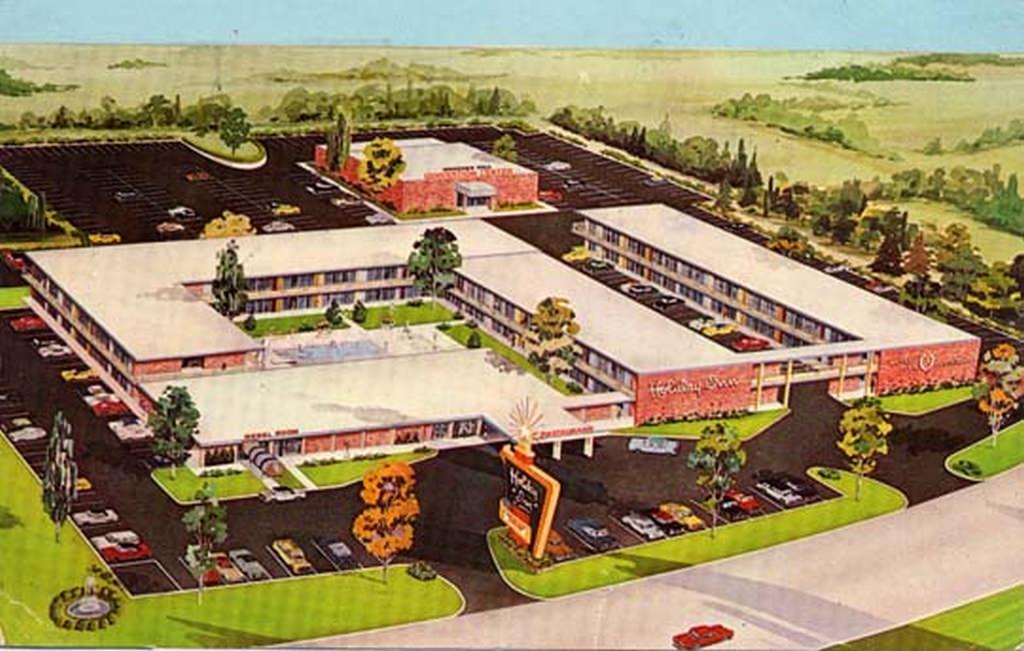
Catalina Motor Lodge, 1965

The Catalina Motor Lodge was located at 2403 Wilkinson Boulevard.

Colonial Apartments, 1915

The Colonial Apartments were located at 512–616 North Tryon Street.

Realty Building (View from South Tryon Street), 1911
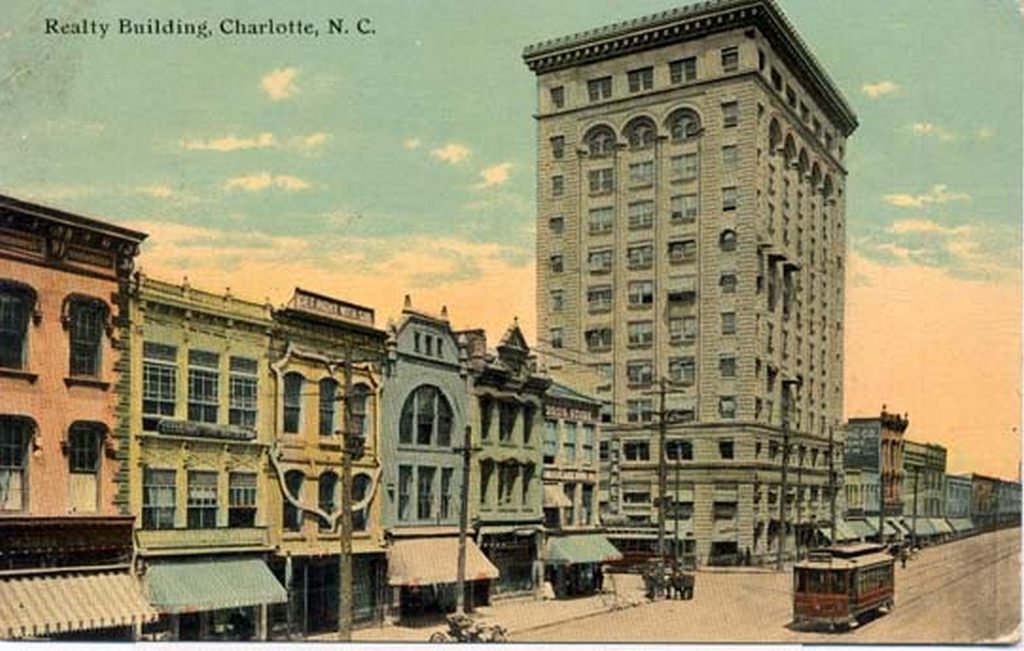

The Realty Building was located at the corner of Trade and Tryon and was built in 1907. It was renamed the Independence Building in 1920 and was torn down in 1970. A trolley can be seen going down the street.

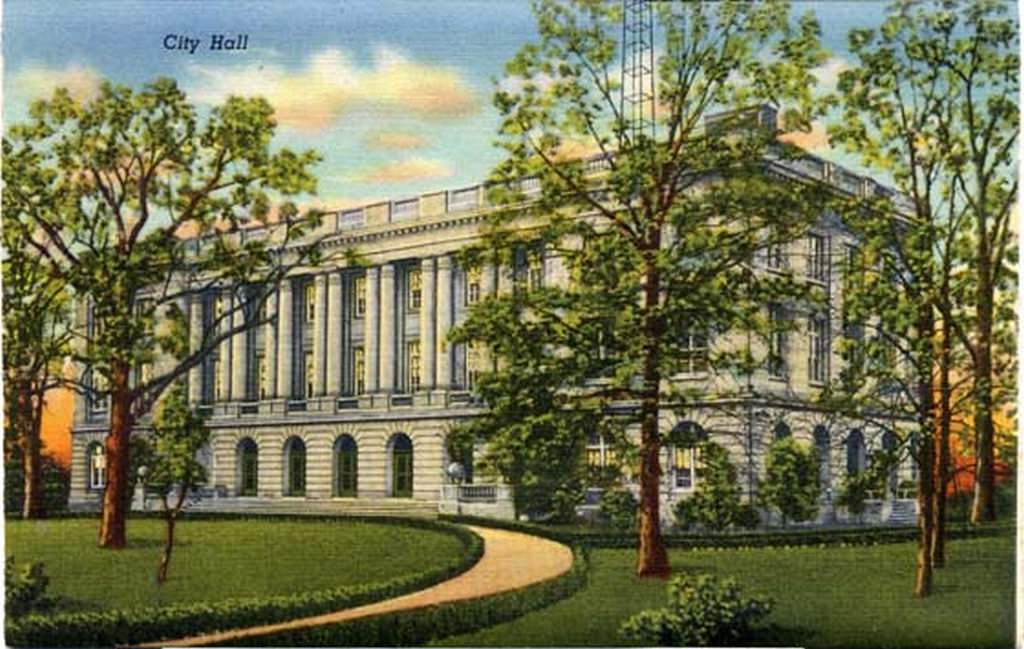
Charlotte City Hall, located on East Trade Street, was first occupied in 1927
Mint Museum of Art, 1939

Built in 1837, the United States Mint in Charlotte served the community for a number of years in different capacities. In the 1930s, the building was dismantled and moved to Randolph Road.

Charlotte Country Club, 1933

Charlotte Country Club was founded in 1910 and is located four miles east of uptown Charlotte, in the historic Plaza-Midwood neighborhood.

United States Federal Courthouse and Post Office in Charlotte, 1938
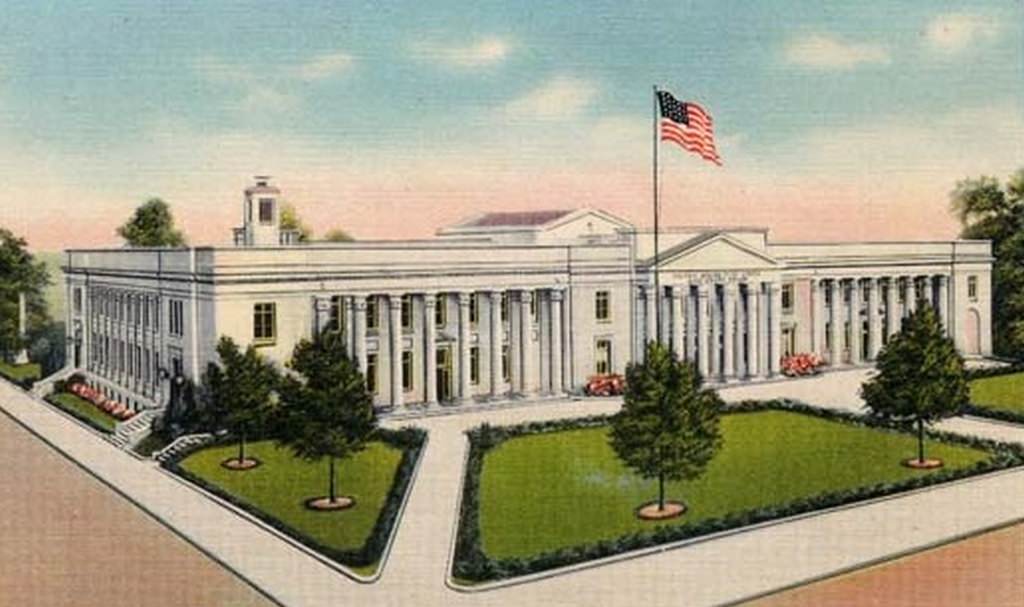

The Charles R. Jonas Federal Building is a historic two-story limestone structure in the neo-classical design. Completed in 1915, it is located at 401 West Trade Street in Charlotte. At various times it has served as a courthouse of the United States District Court for the Western District of North Carolina and as a United States post office. In 1975, the building was renamed in honor of long-serving North Carolina Congressman Charles R. Jonas, and was transferred to the city in exchange for land in the fall of 2005. The city leases the building to the federal government for continued use.

Myers Park Neighborhood, 1928

Myers Park was the second subdivision. Before that, it had been the estate of John Springs Myers, which dated back to 1870. By 1883, Myers moved his family to what is now 804 East Trade Street, and sold parcels of his former estate after moving into town. However, it was not until his son-in-law George Stephens began purchasing land around the Myers estate, and Myers transferred 783 acres to the Stephens Company in 1911, that the housing boom in southeast Charlotte began.
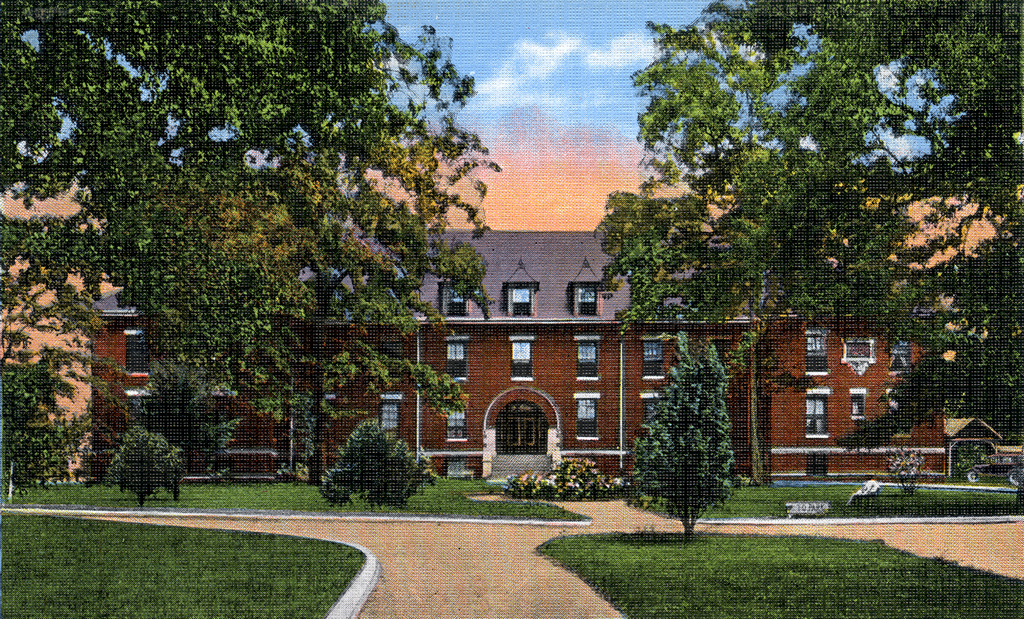
Presbyterian Hospital, 1918
Enjoyed this post? Get new ones in your inbox.

Leave a Comment

Your email address will not be published. Required fields are marked *

Share this Post 🥺

Please take a moment to share this content. Your support is greatly appreciated! 🙌🙏

Share this Post 🥺

Please take a moment to share this content. Your support is greatly appreciated! 🙌🙏
Scroll to Top
 
Hey Friend, Before You Go.. Please like & follow for more interesting content