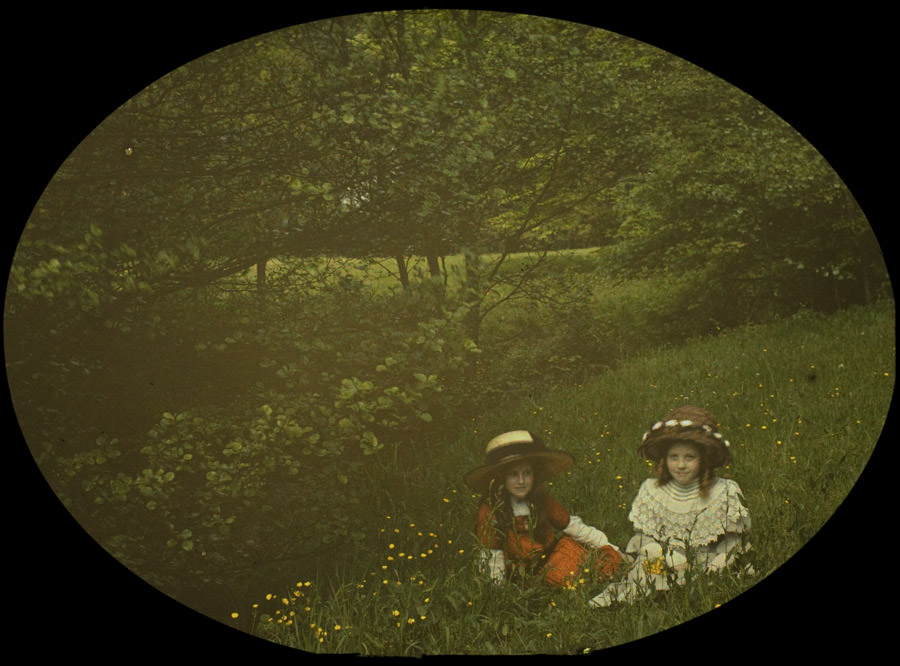
Charles Corbet was a Belgian accountant born in 1868, but photography was his true calling. Between 1909 and 1914, he produced over 500 autochromes — some of the earliest color photographs ever made. He was married to Elisabeth De Bruyn, and the couple had two children, who appeared frequently in his work.
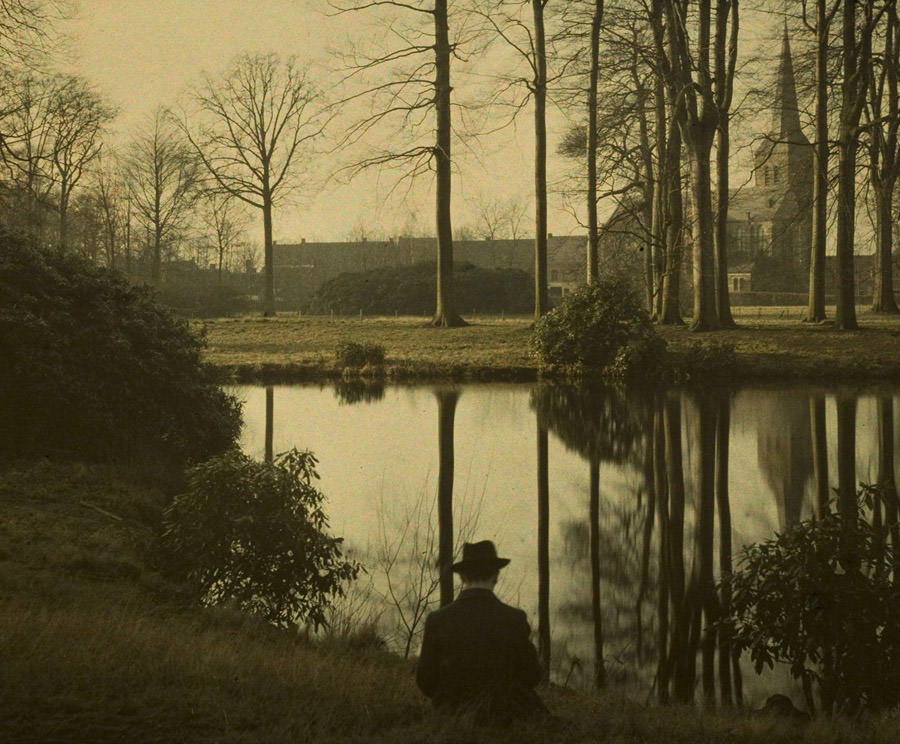
Corbet was an active member of the “Cercle d’études photographiques et scientifiques d’Anvers,” a photography study group based in Antwerp. There, he worked alongside fellow photographers Paul Sano and Alphonse Van Besten. This community sharpened his craft and kept him connected to the latest photographic developments.
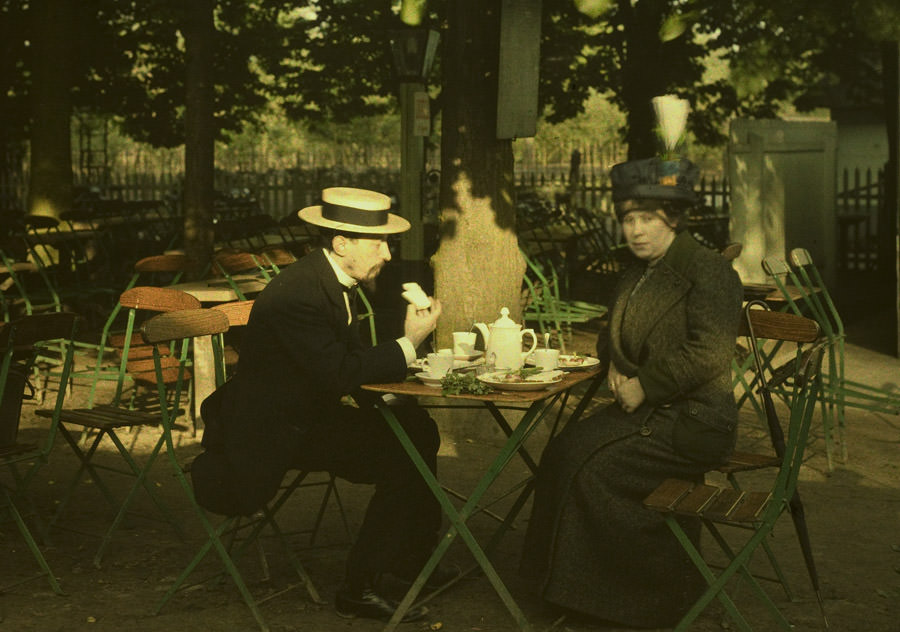
His photographs were made using the Autochrome Lumière process, patented by brothers Auguste and Louis Lumière in 1903 and first sold publicly in 1907. A glass plate was coated with microscopic potato starch grains dyed red, green, or blue. Light passed through these grains and hit a panchromatic emulsion beneath. After processing, the plate became a full-color positive transparency.
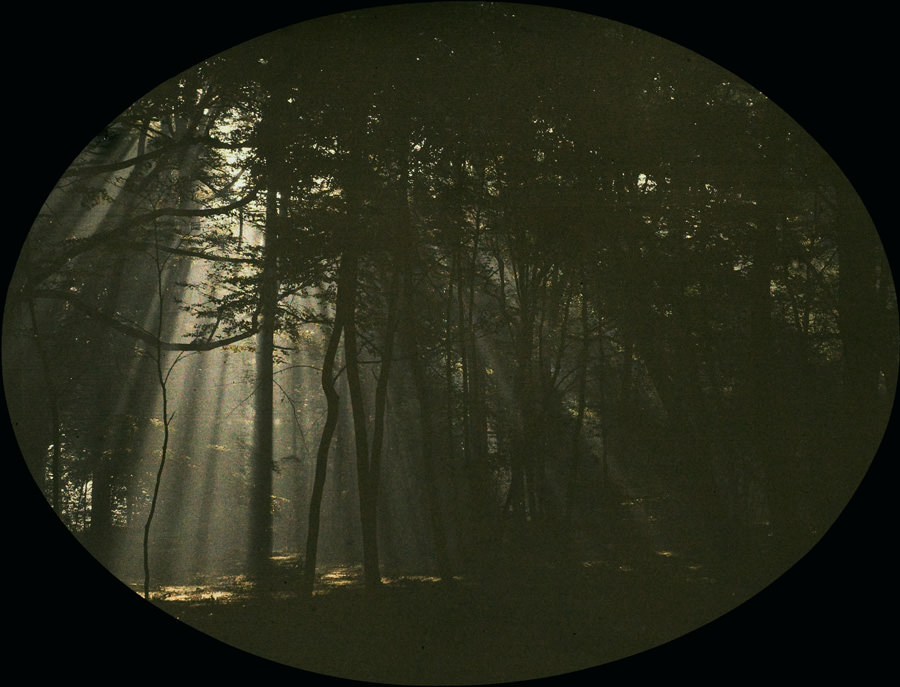
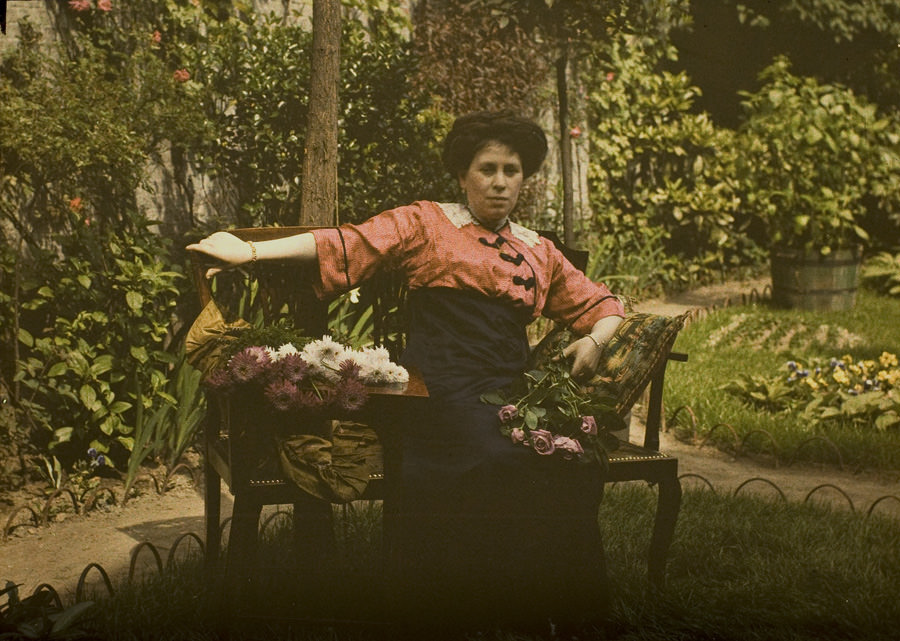
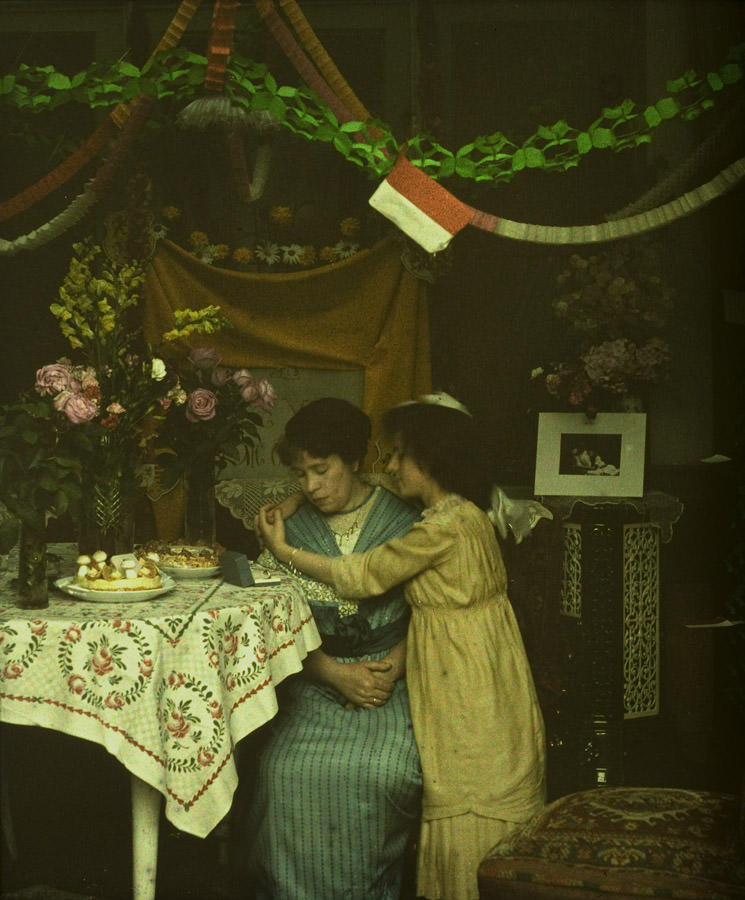
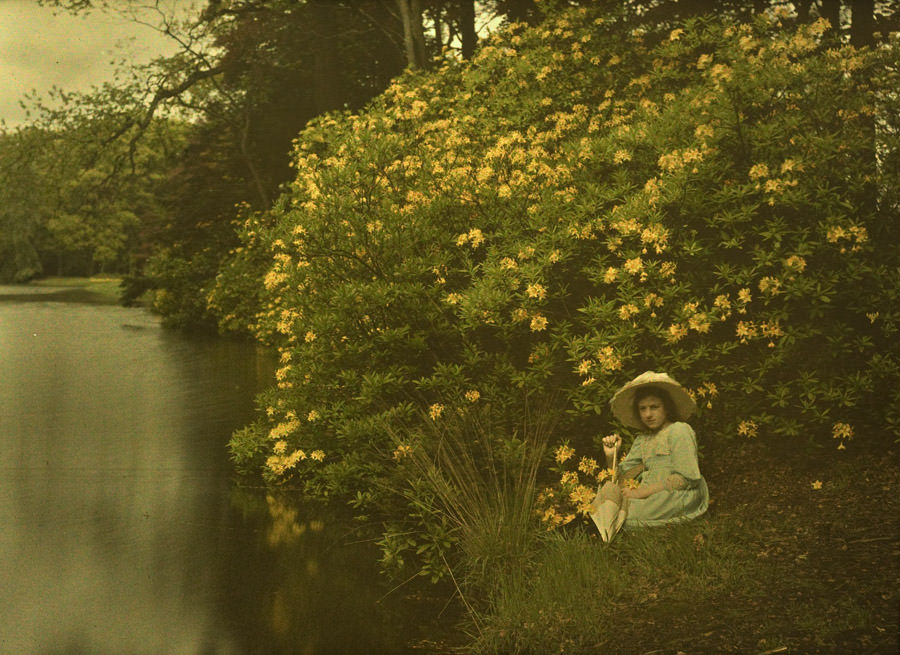
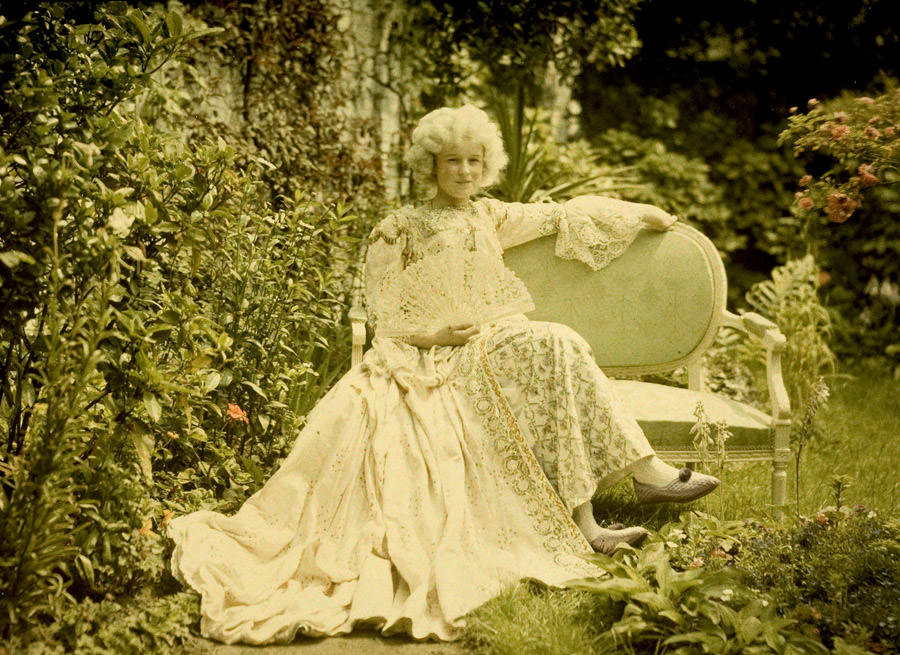
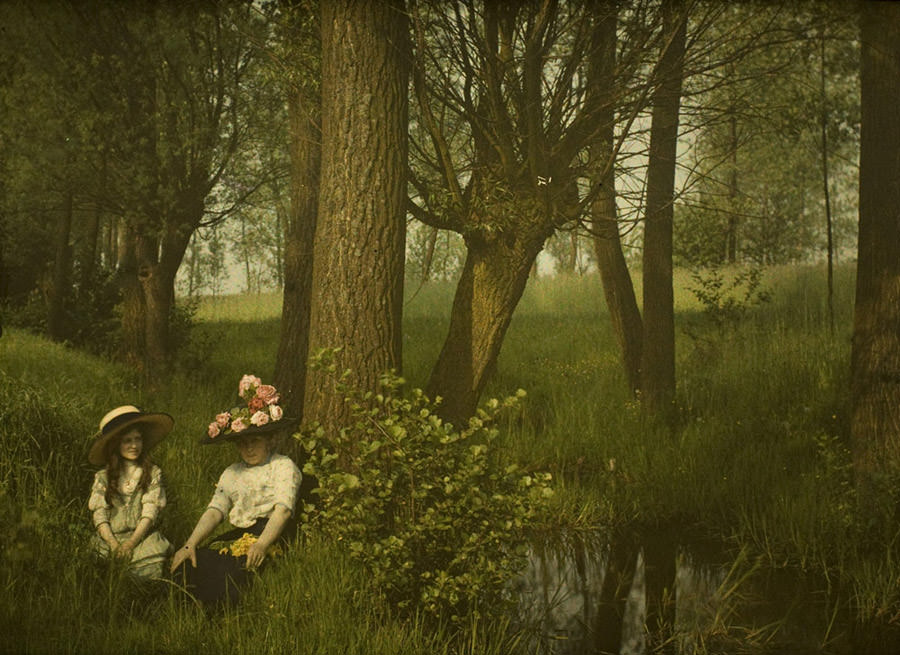
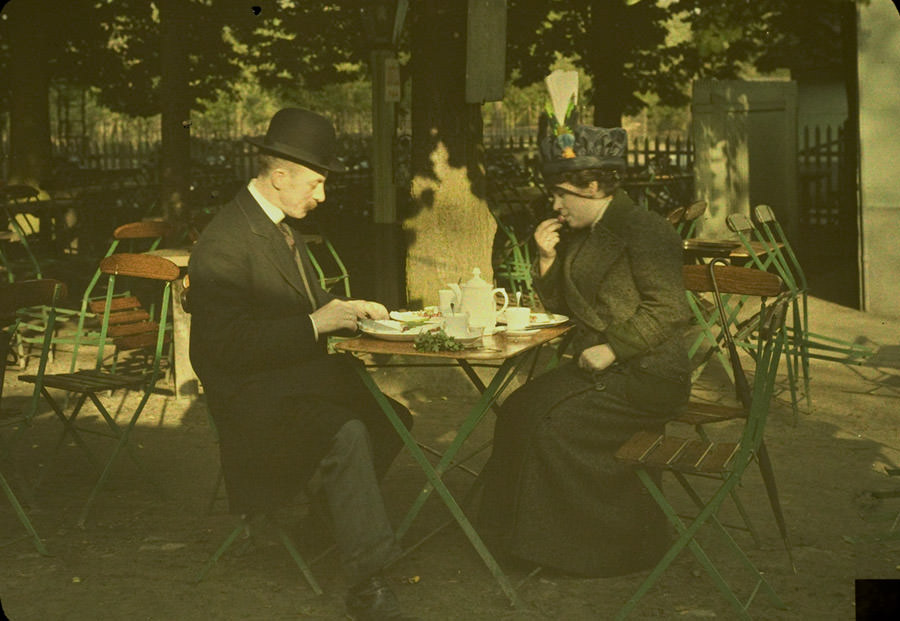
The results were remarkable for the era. Corbet had a sharp eye for shadows, highlights, and warm natural light, which gave his images real depth. His subjects ranged from candid family portraits to quiet rural landscapes.
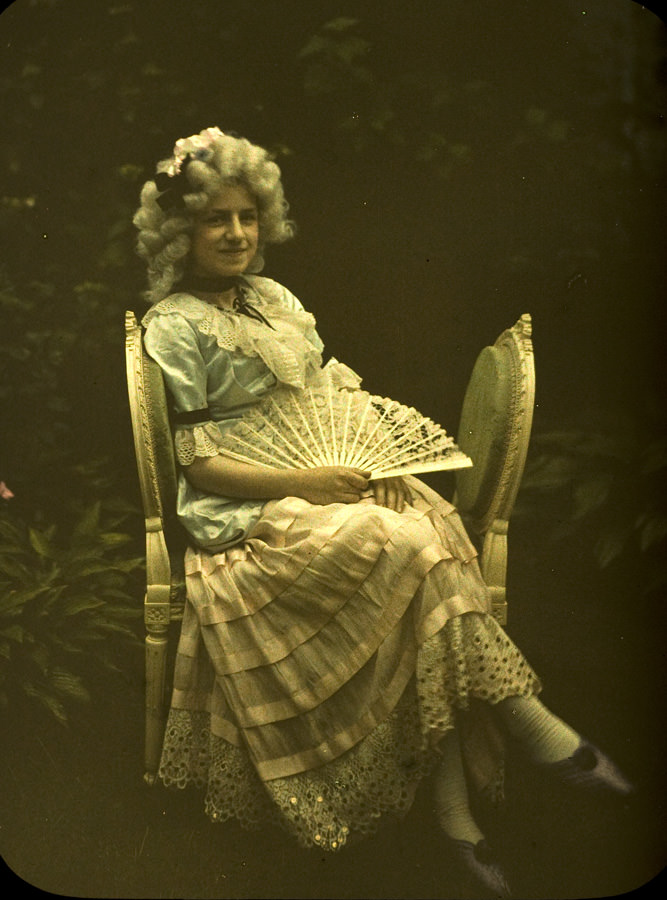
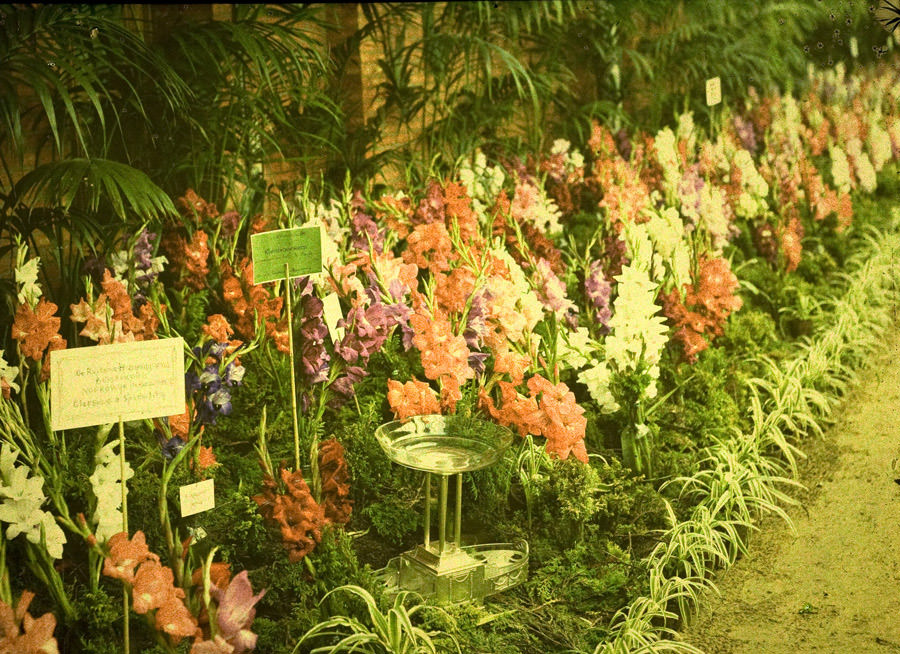
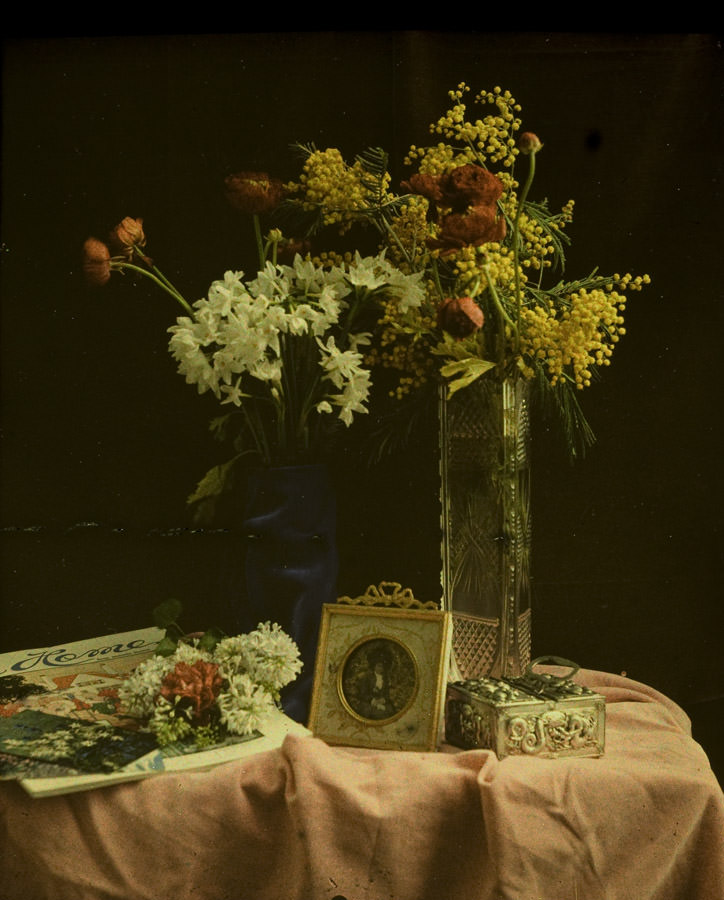
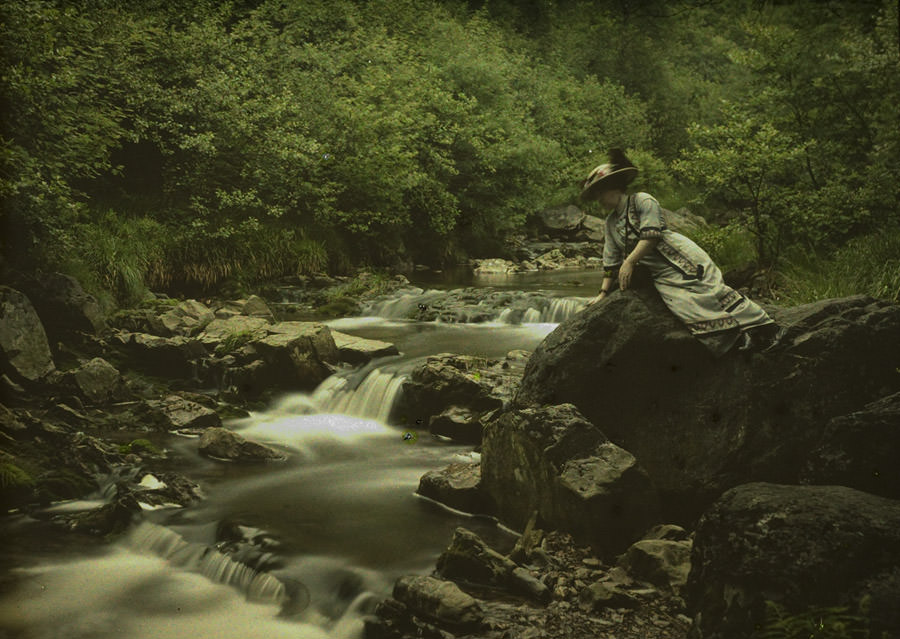
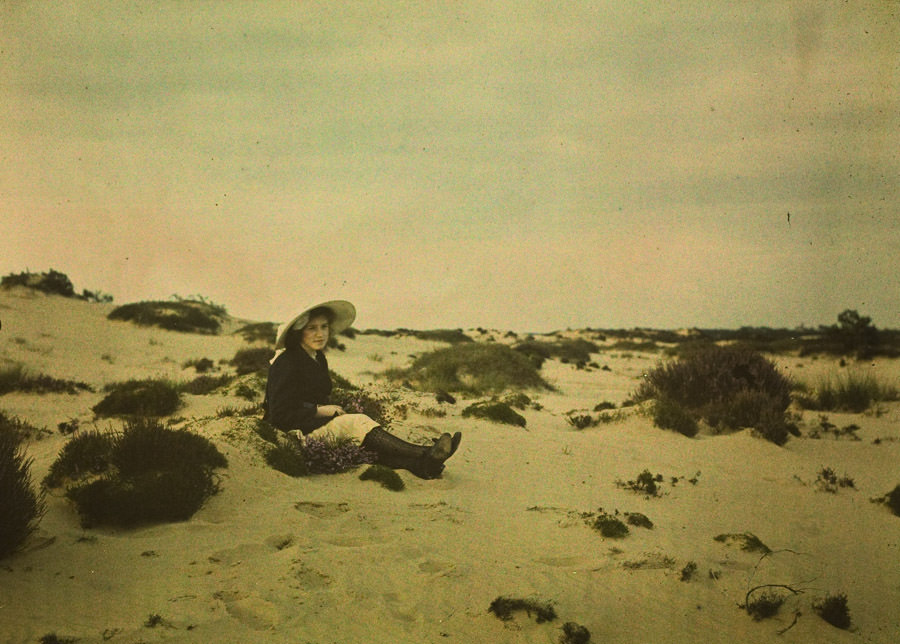
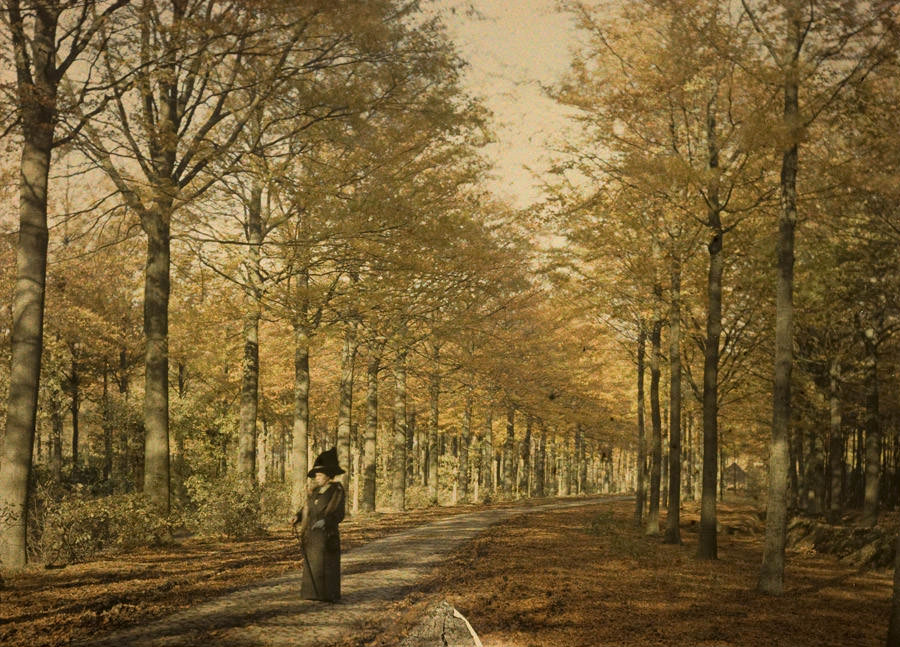
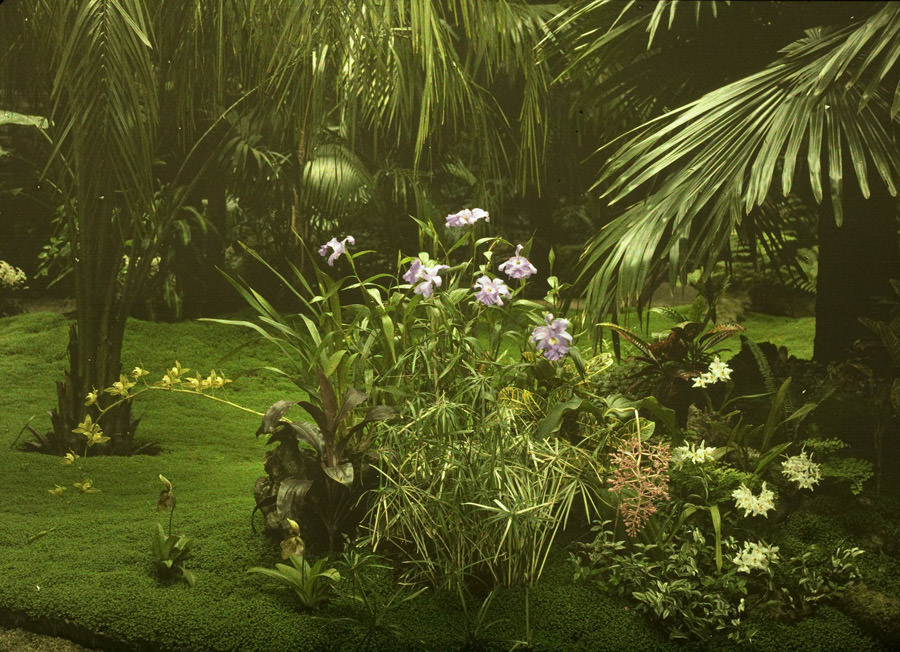
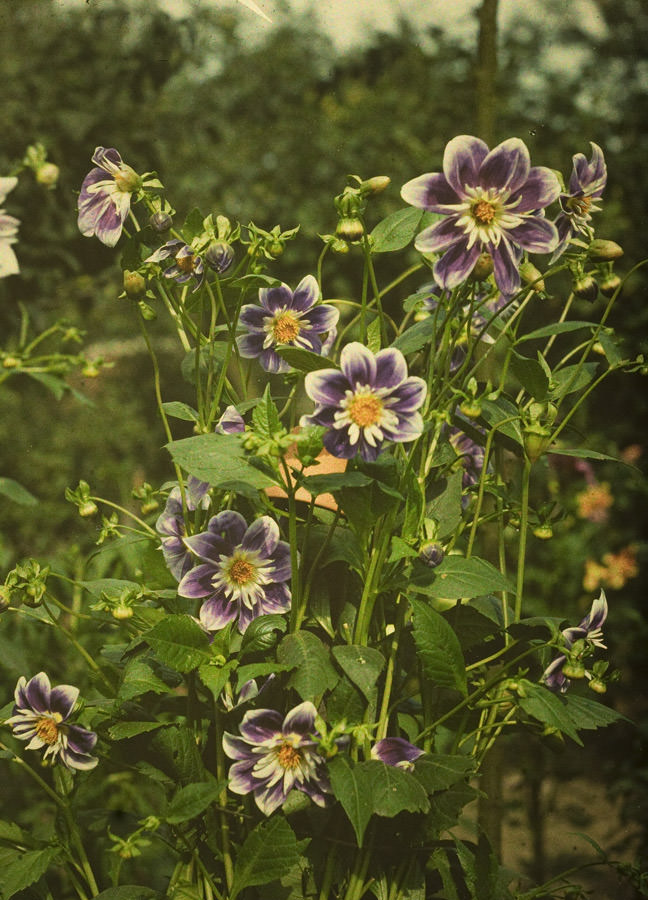
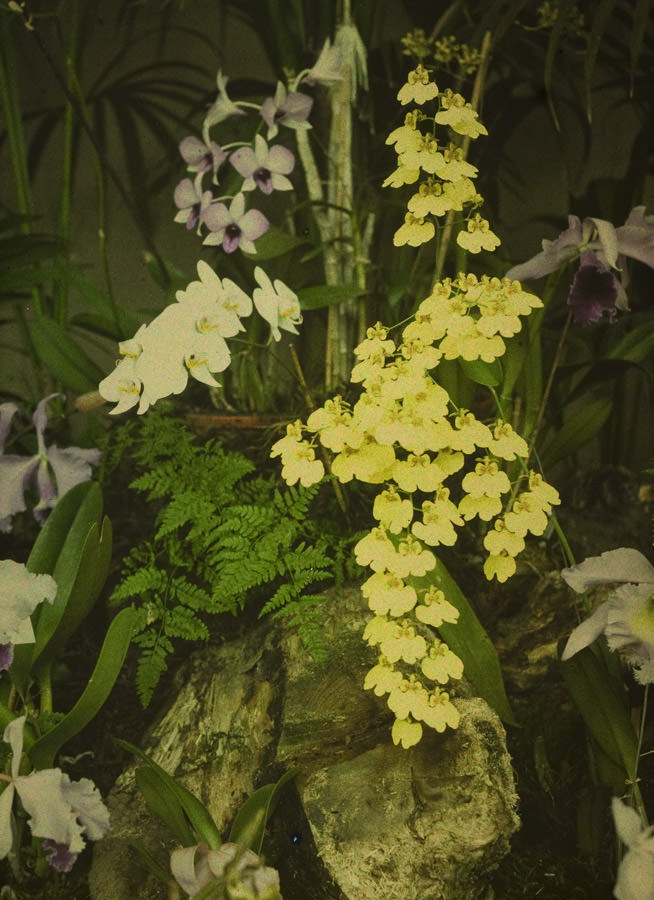
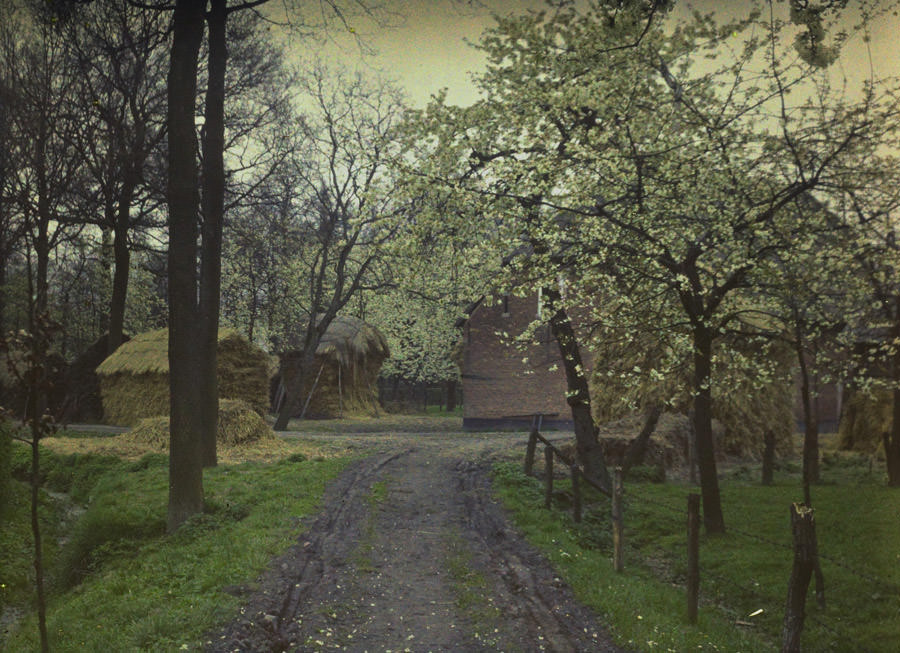
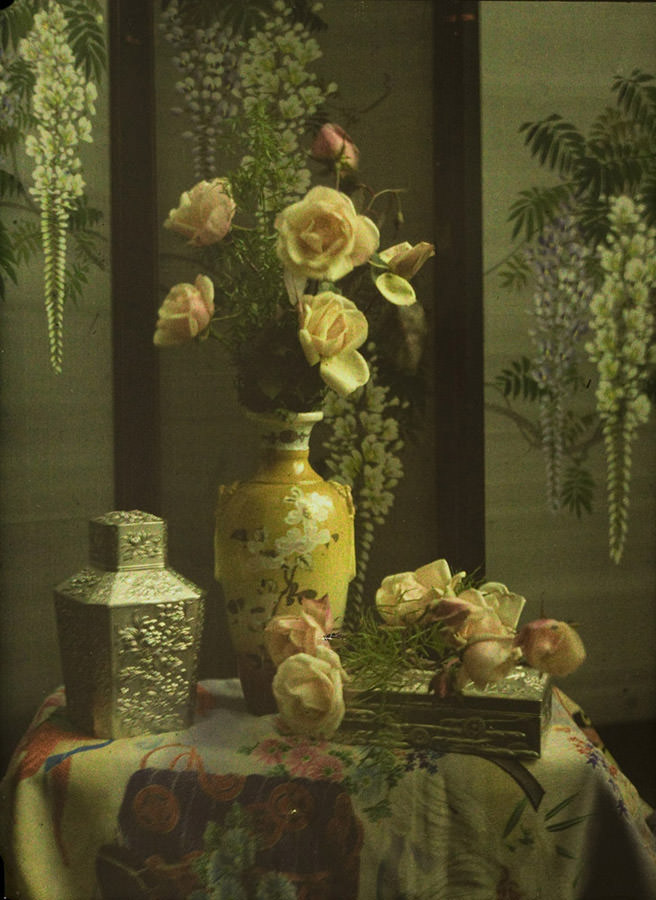
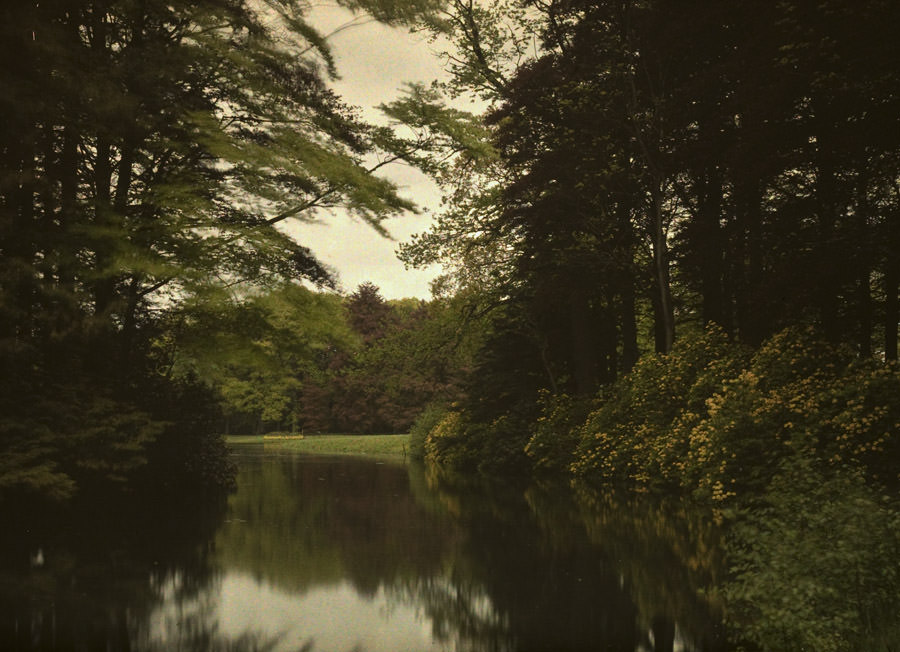
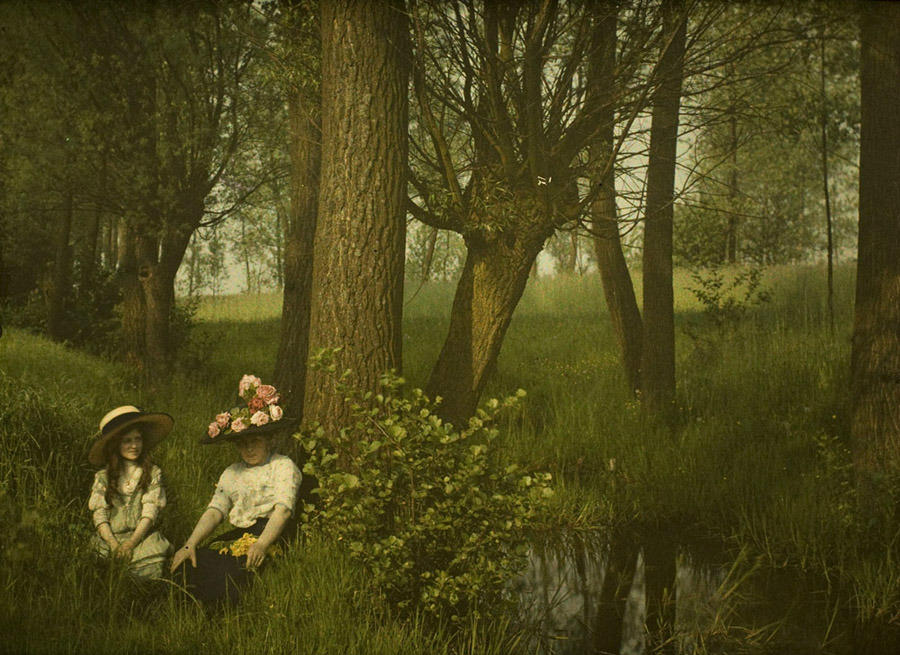
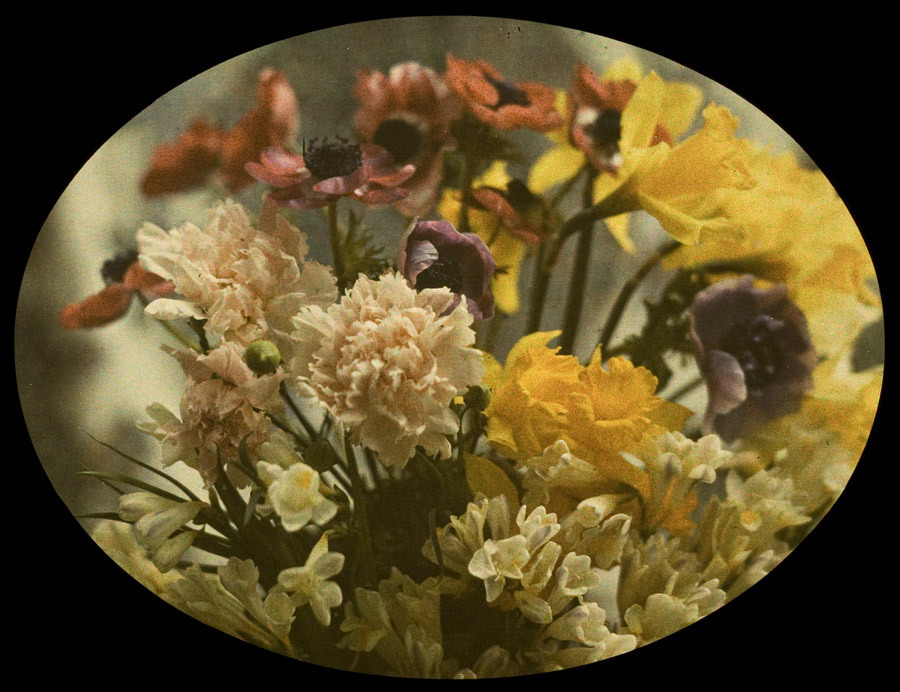
Gardens, parks, blooming orchards, and open heathland appear throughout his collection. Flowers, greenery, and natural light were constant themes. He also photographed his wife and children in relaxed, unguarded moments.
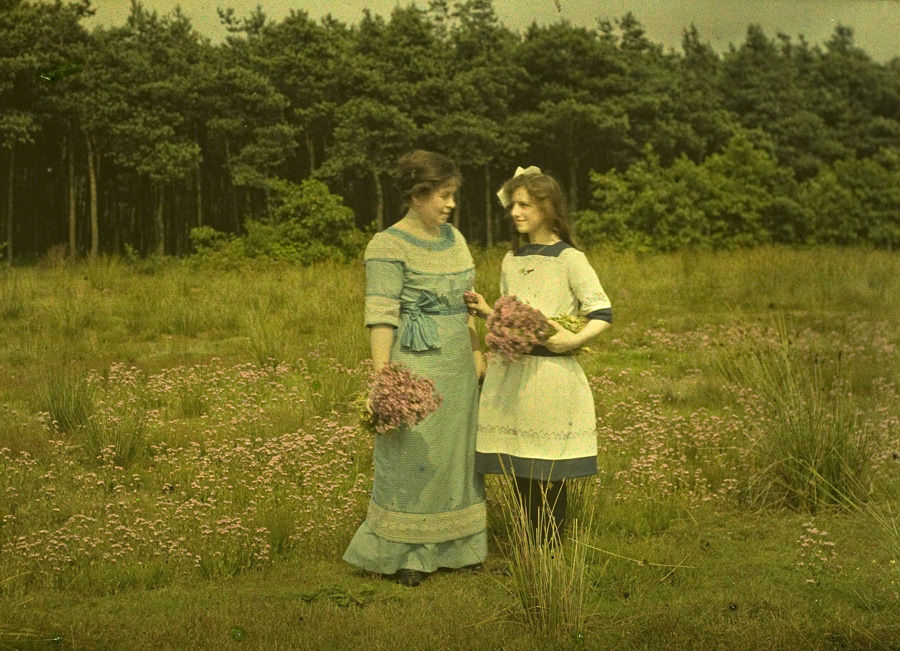
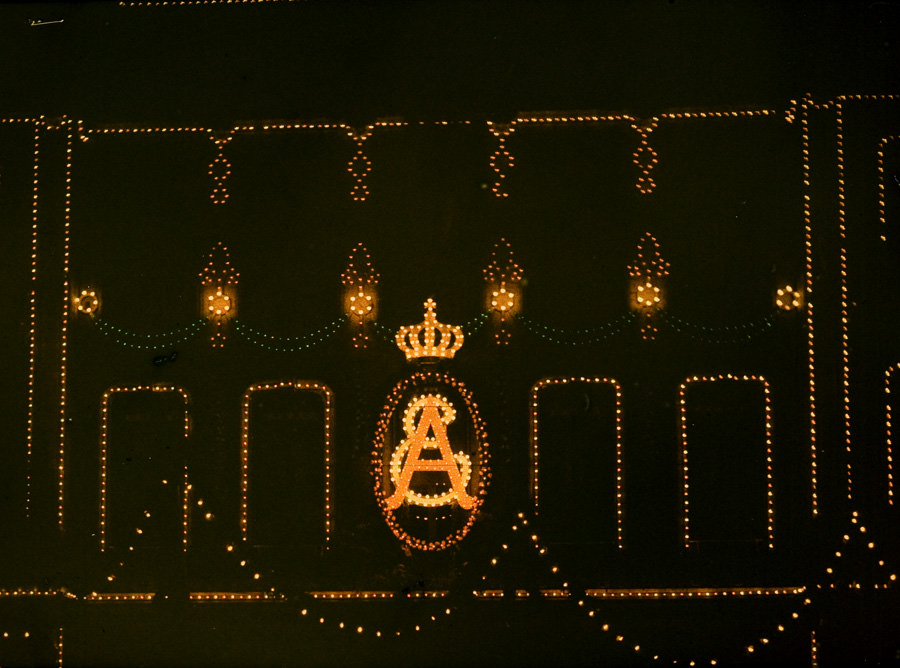
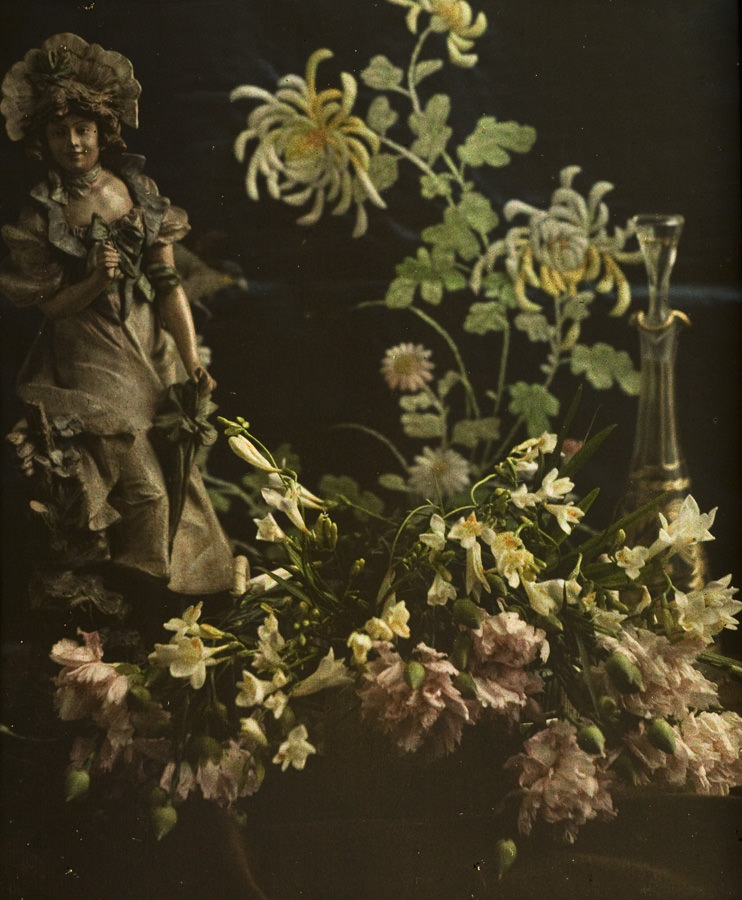
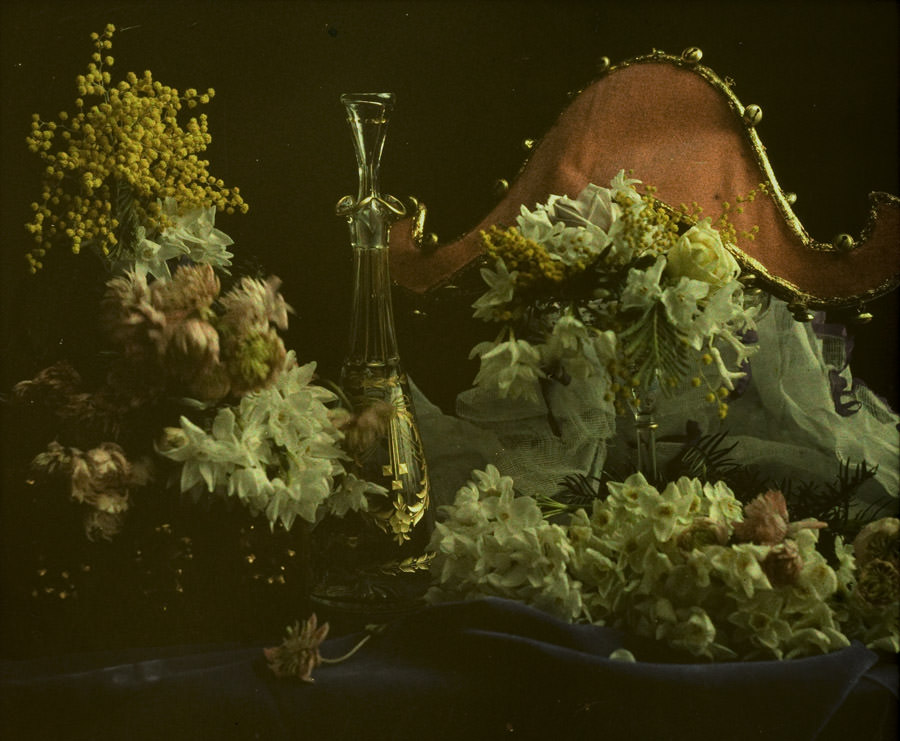
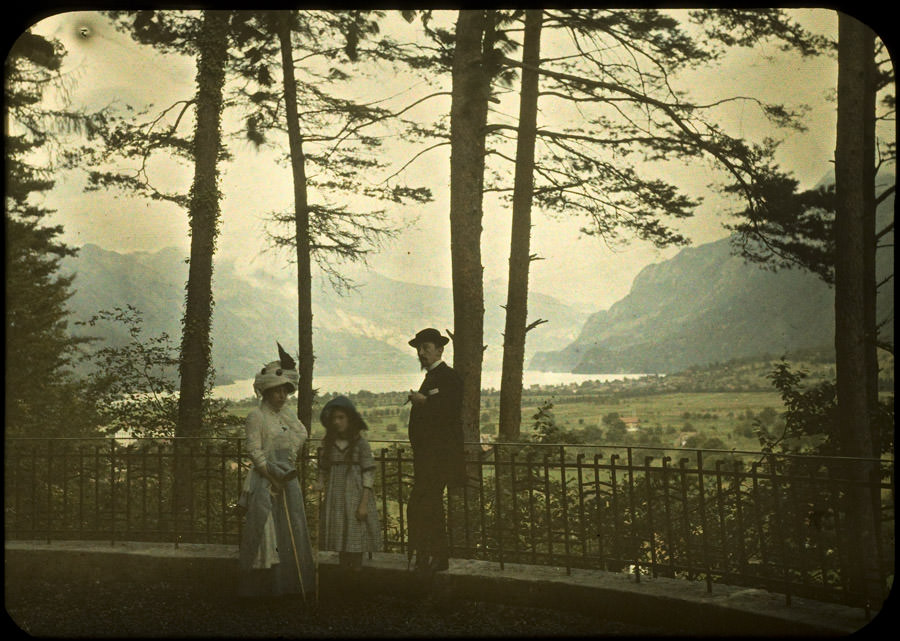
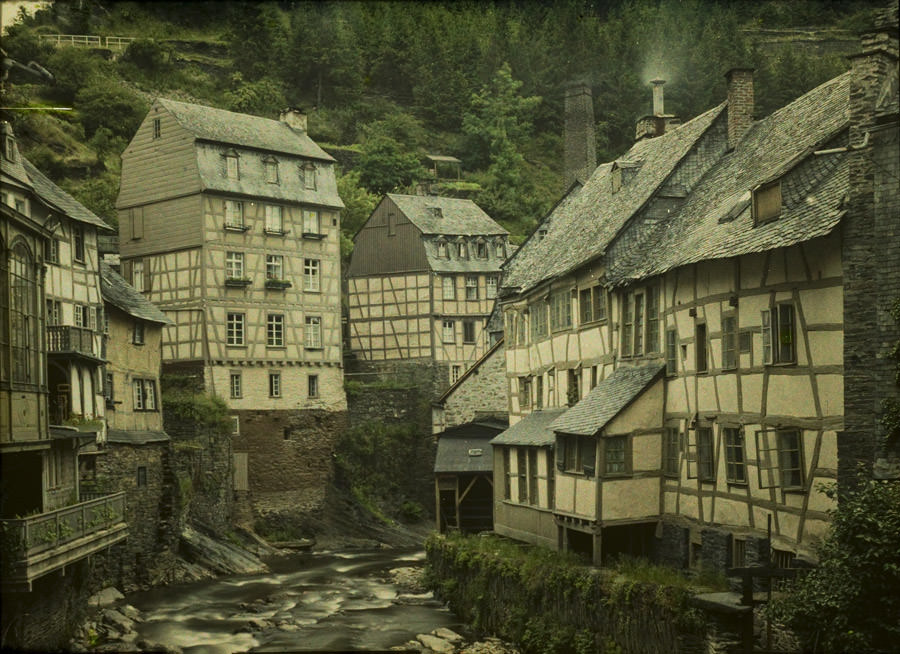
Beyond family, Corbet turned his lens on broader scenes — celebrations, park walks, and quiet moments by water. His autochromes document Belgian life in a period when color photography was still a novelty, making each plate a rare historical record.