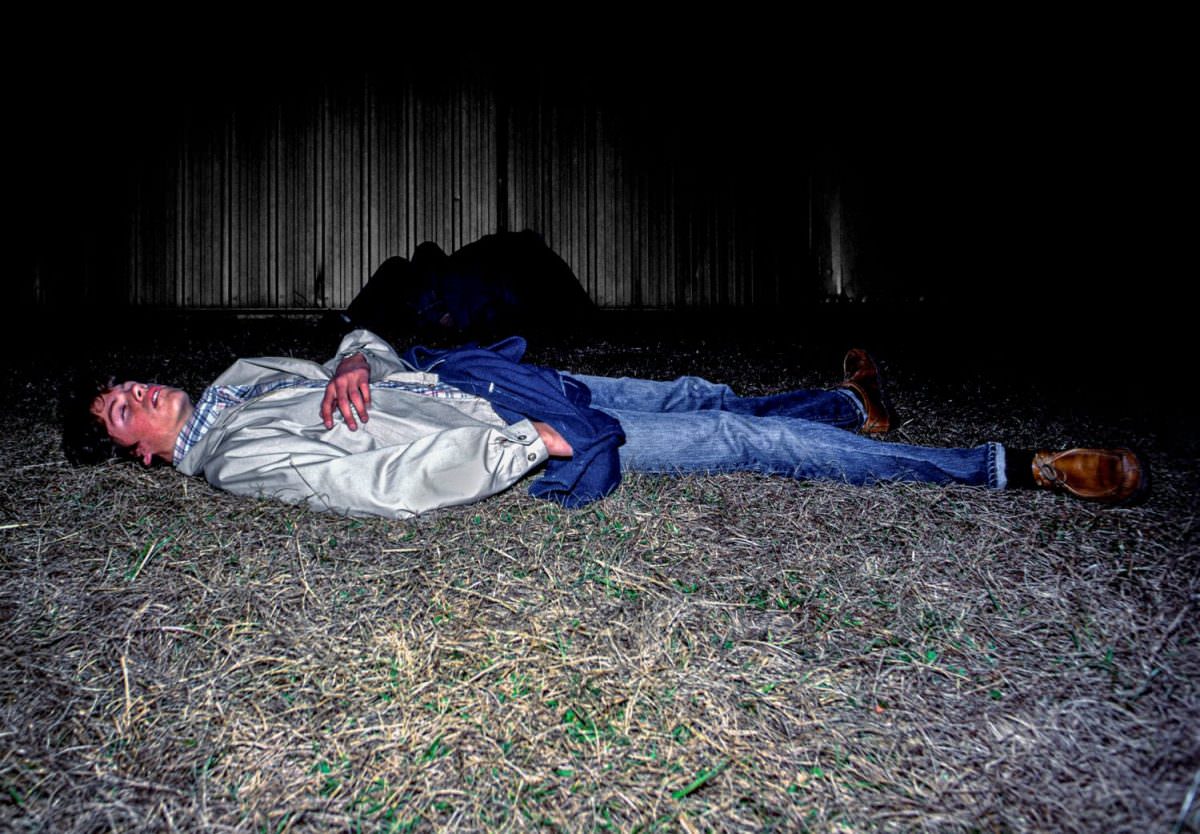
Scot Sothern grew up inside a photography studio in Springfield, Missouri. His father ran the business, and from a young age, Sothern learned to look at people carefully — with patience and genuine curiosity. That early training shaped everything that came after.
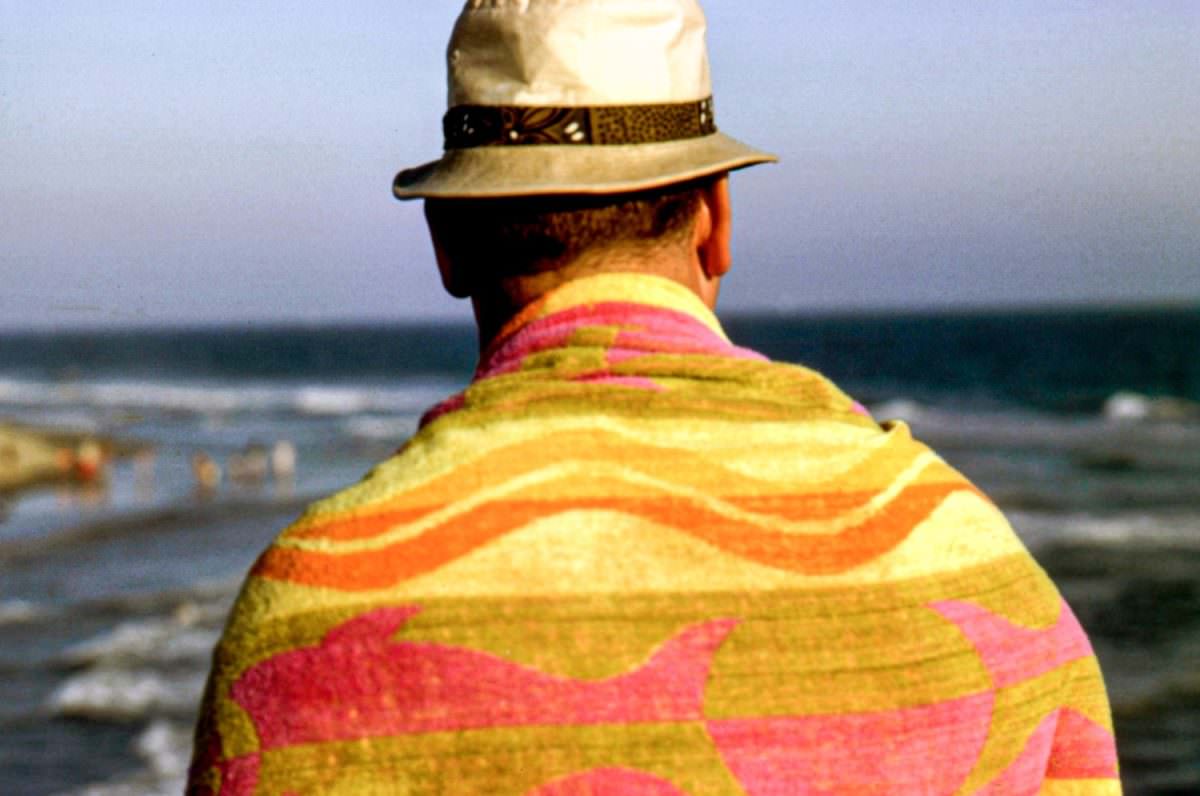
By the late 1960s, Sothern felt hemmed in by small-town life. He watched the rest of the country changing while he stayed put. That restlessness pushed him toward a decision: leave Springfield, head to California, and document the people he met along the way. He wanted to tell stories — through both photographs and writing.
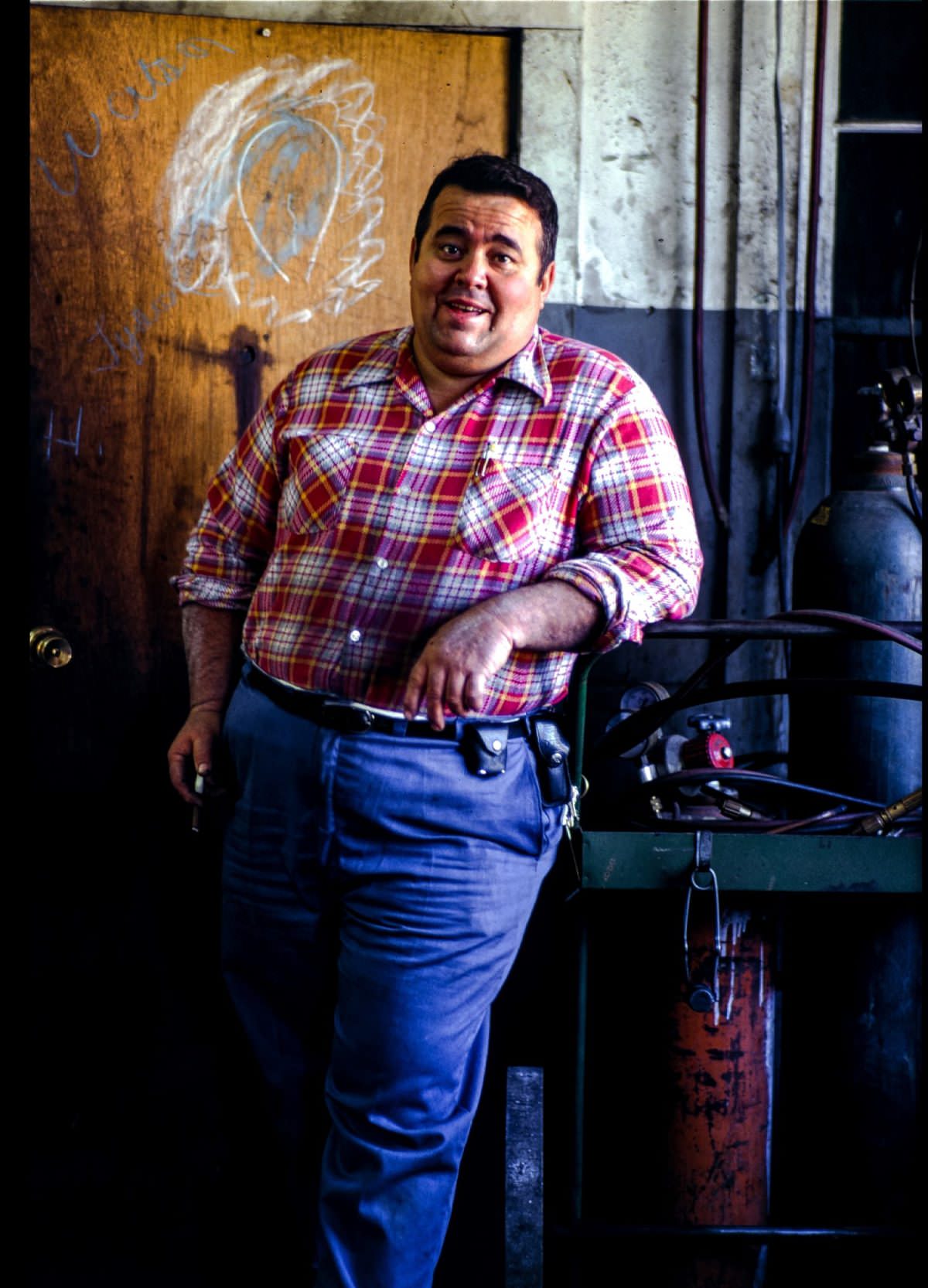
What surprised him on the road was how willing strangers were to be photographed. People invited his lens into their lives with little hesitation. Sothern approached every subject with respect, and they responded to it. That trust became the foundation of his entire body of work.
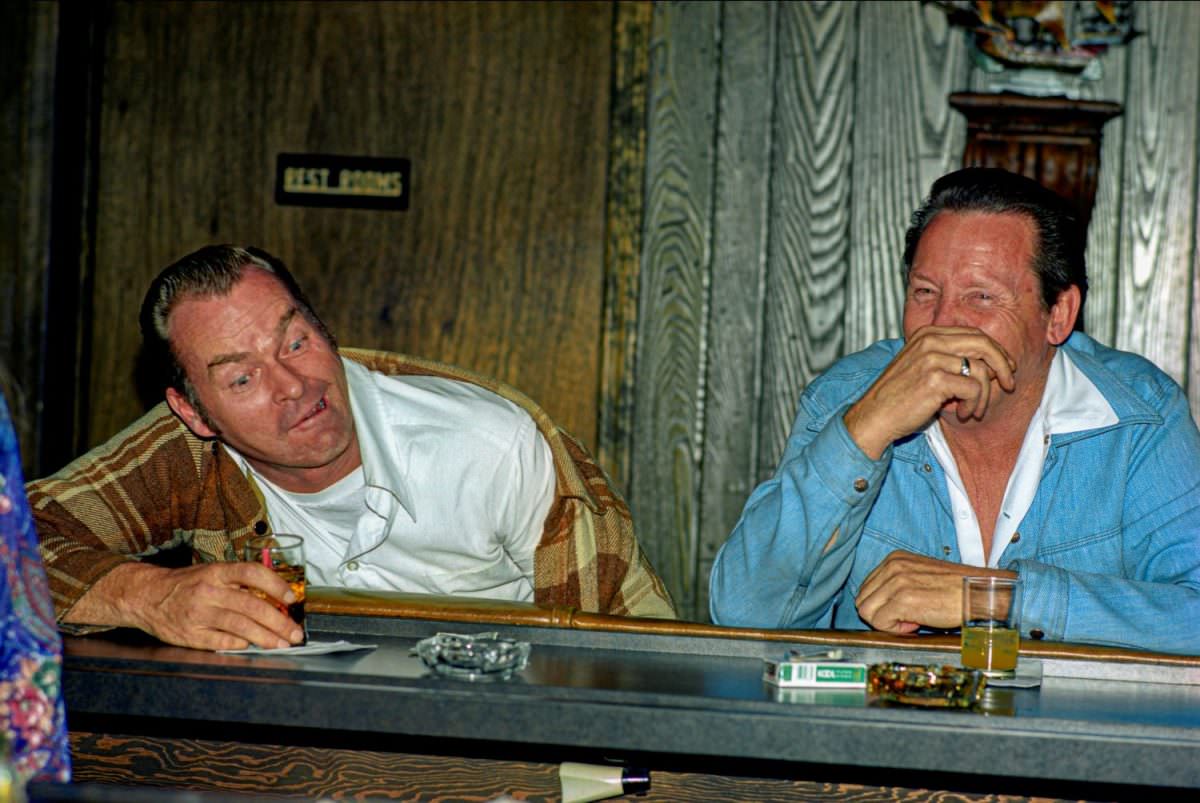
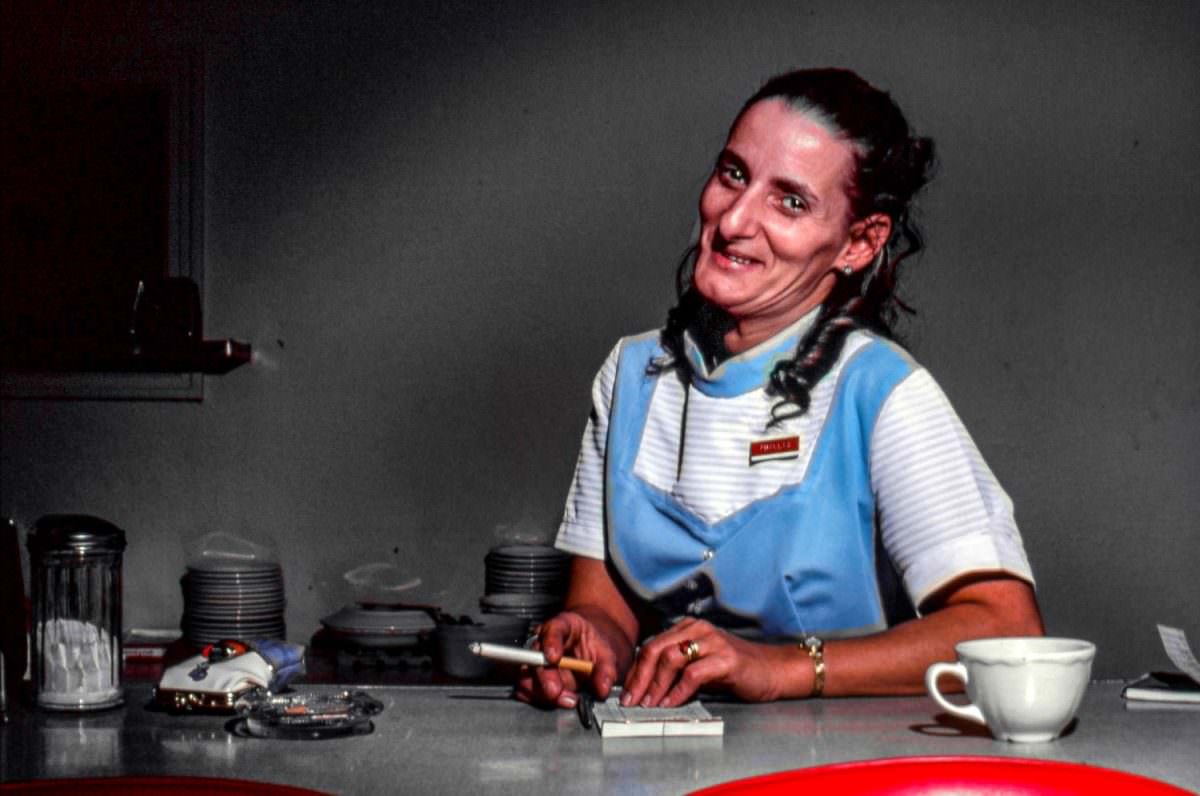
The collection that emerged from this period, spanning 1975 to 1980, is called Family Tree. It is a portrait of working-class Americans — people living modest, often difficult lives in a country that was quietly shifting beneath their feet. Communities were thinning out. Ghost towns were forming as families left their hometowns for better opportunities elsewhere.
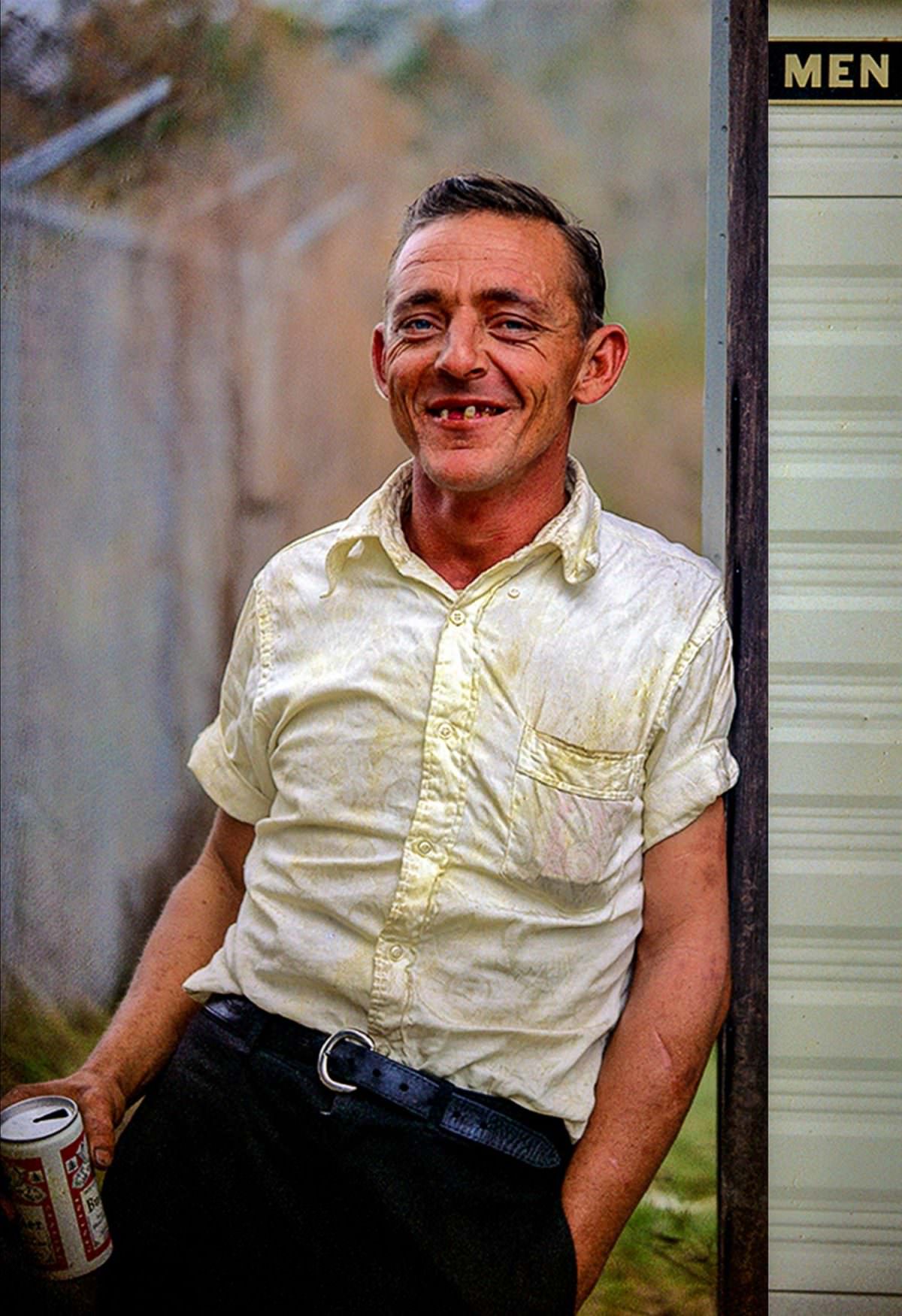
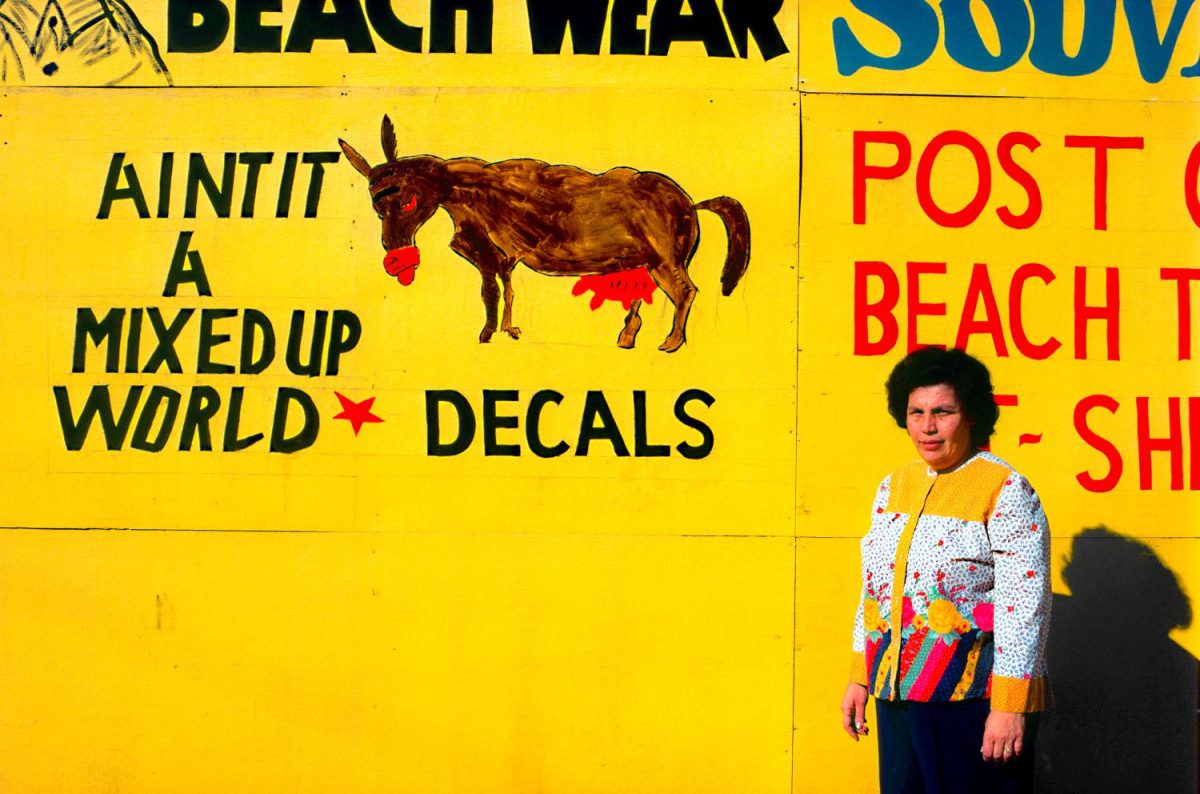
Sothern turned his camera on the people who stayed behind — and on those he crossed paths with on the margins of American life. Each photograph carries a specific weight. These are not idealized images. They are direct, unguarded moments pulled from real lives.
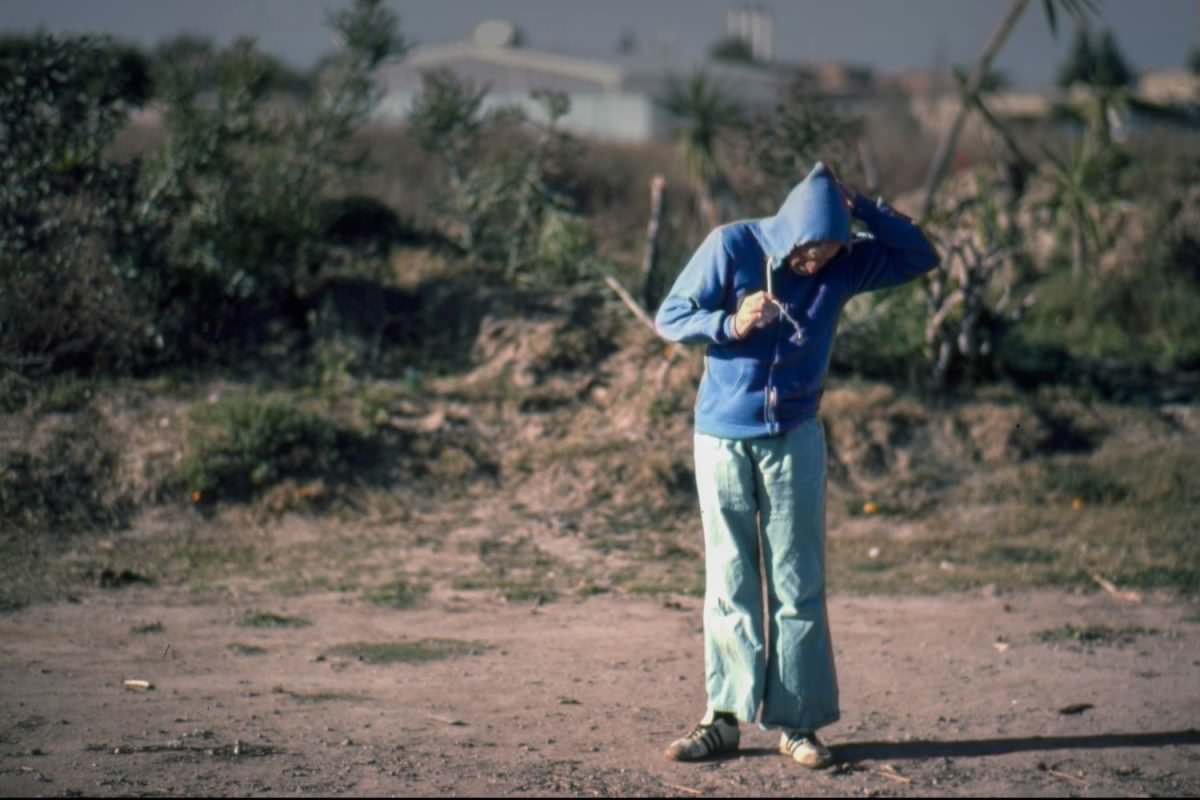
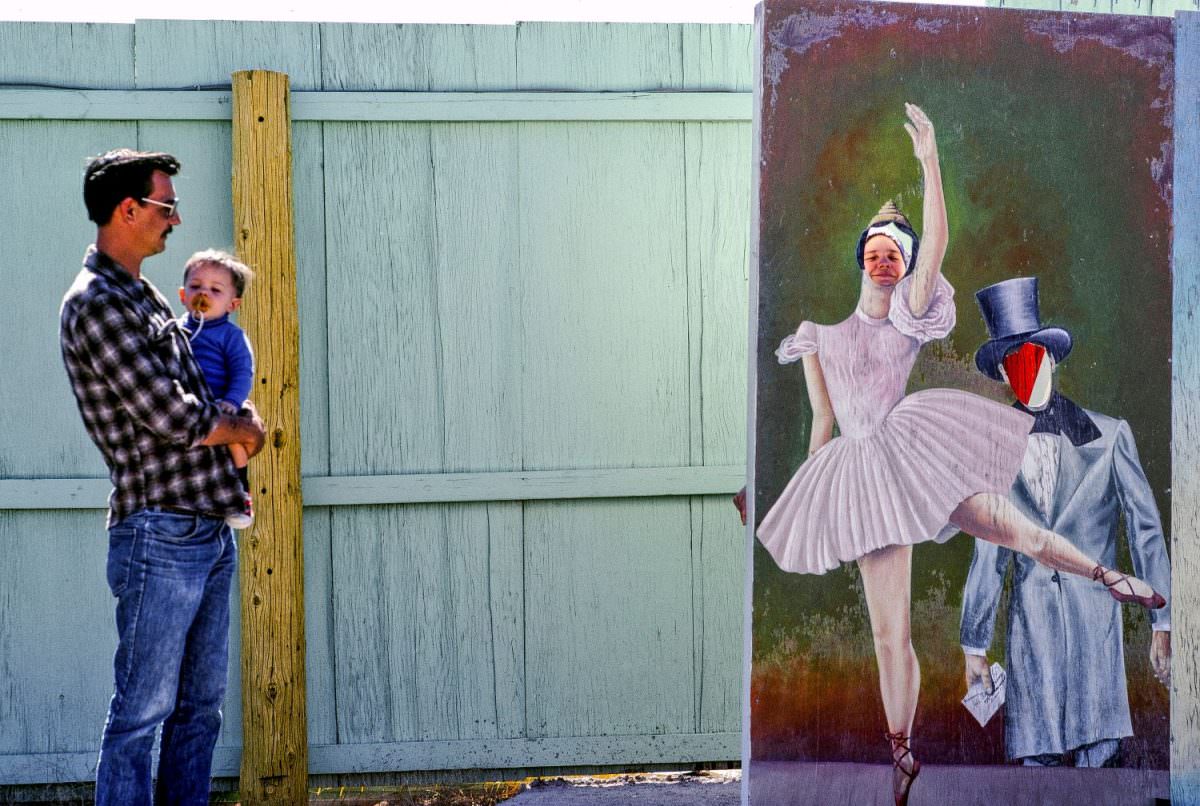
His subjects range from children killing time on a quiet street to adults caught mid-afternoon in bars, front porches, and roadside stops. The variety is the point. Sothern was not building a narrow argument about America — he was recording its texture, one face at a time.
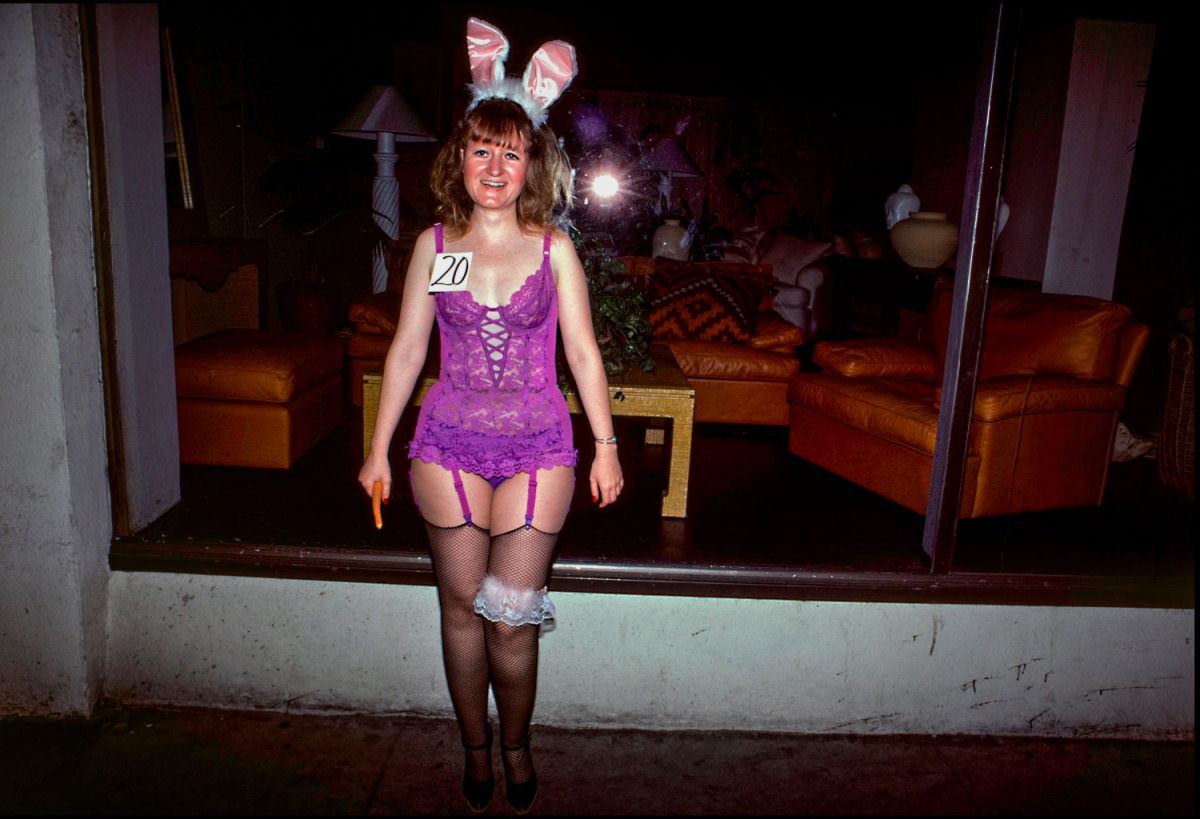
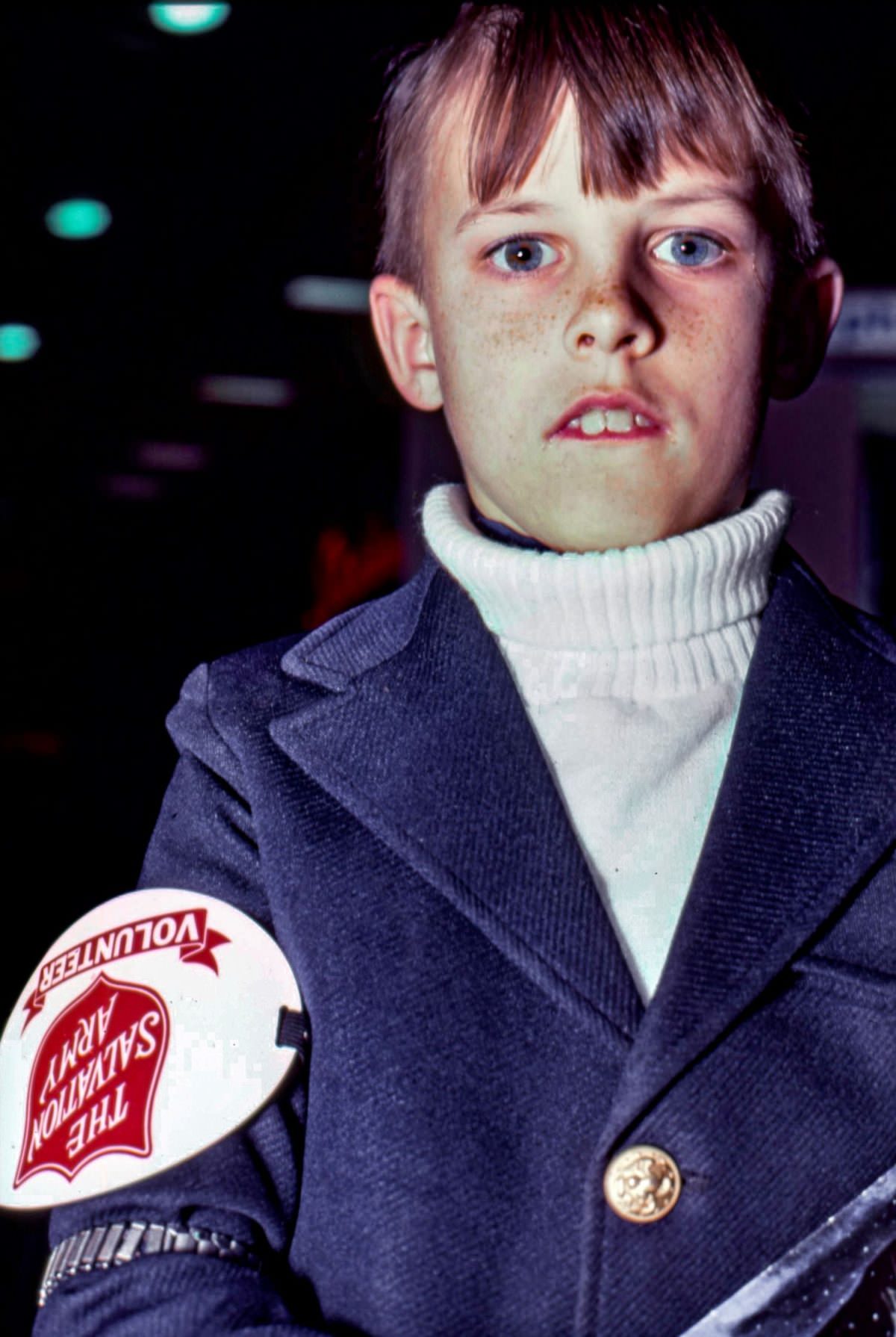
Family Tree is also a document of a specific social moment. The mid-1970s marked a point when working-class stability was beginning to erode. Sothern captured that era before it fully disappeared — the worn furniture, the roadside diners, the faces that belonged to a particular kind of American experience.
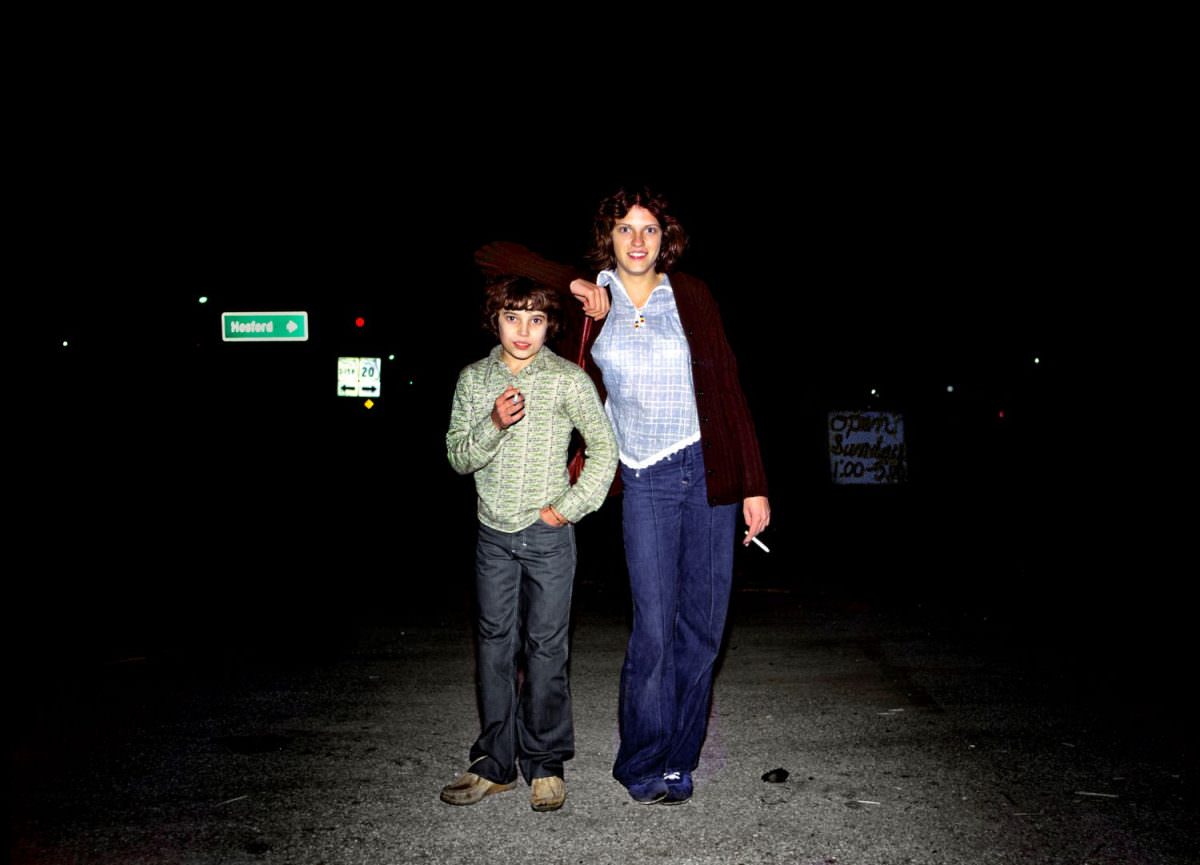
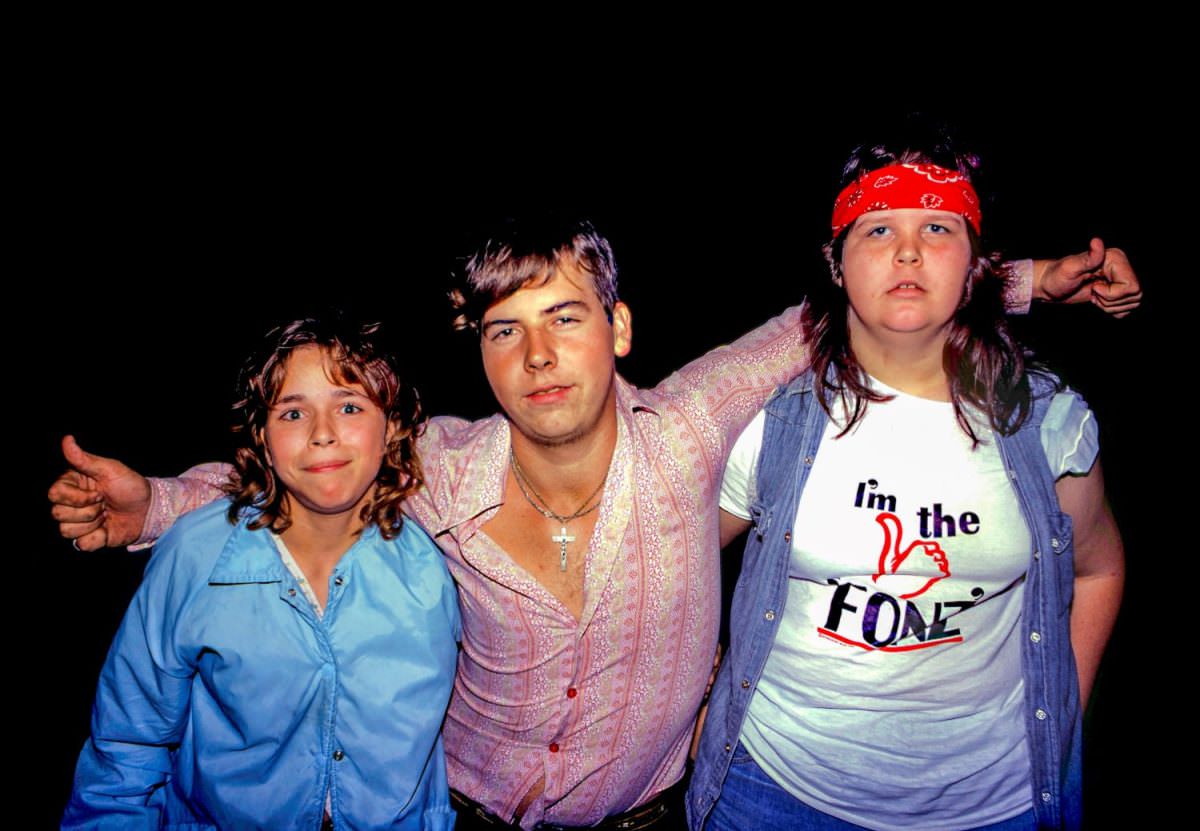
His father had advised him to photograph people the way a groom looks at his bride — with full attention and genuine feeling. Sothern carried that instruction with him across every state line and down every back road he traveled.
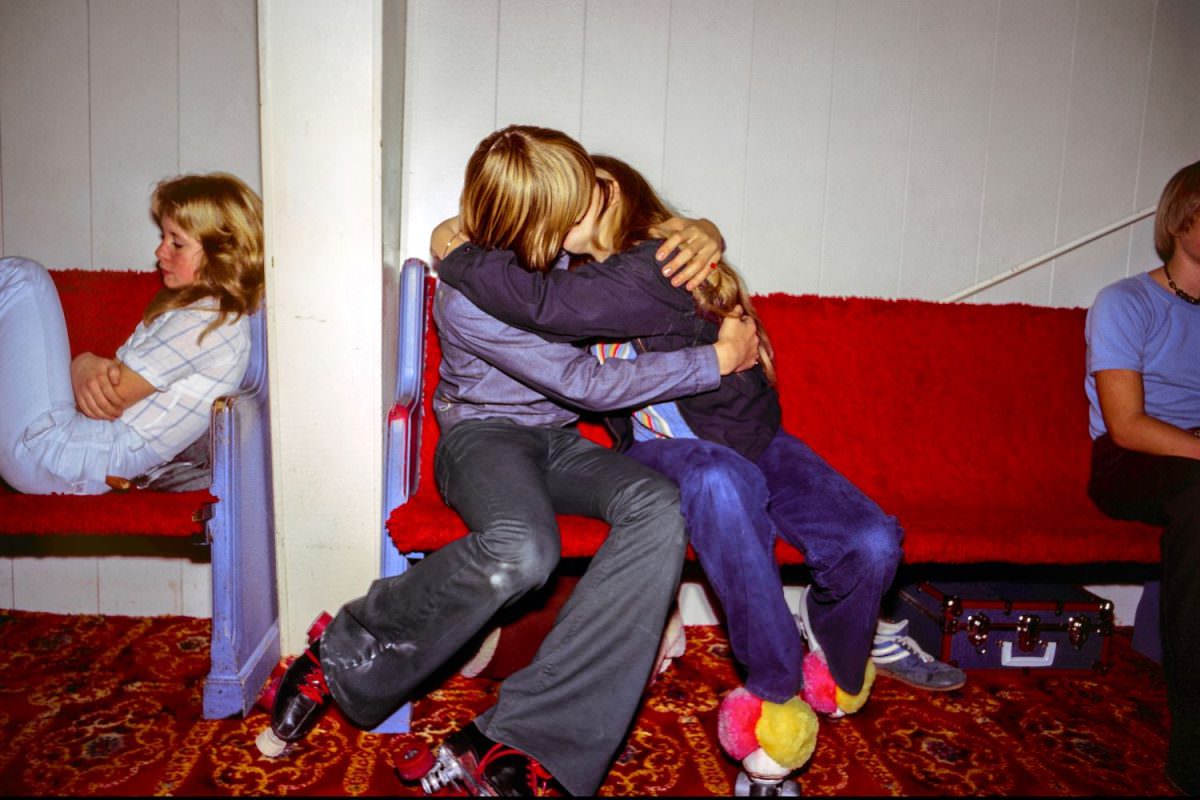
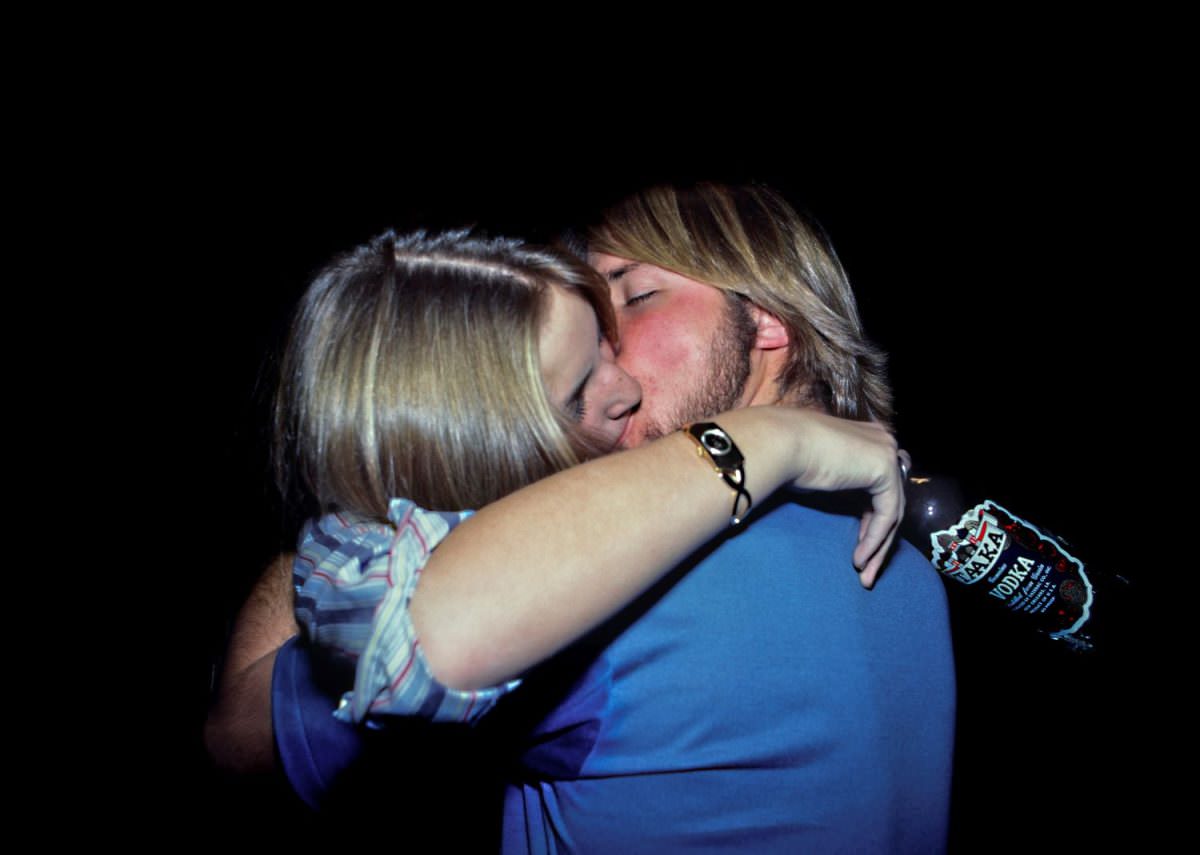
The result is a collection that holds nothing back. Sothern did not romanticize his subjects or clean up their circumstances. He photographed what was in front of him — plainly, honestly, and without distance.