
Take one look at a candle salad and your first thought probably won’t be “holiday appetizer.” Your second thought might not be either. But despite its unmistakable appearance, this dish was completely wholesome — a cheerful fruit salad that graced American tables from the 1920s all the way through the 1960s. It was served at family dinners, featured in women’s magazines, and eventually printed in cookbooks made for children.
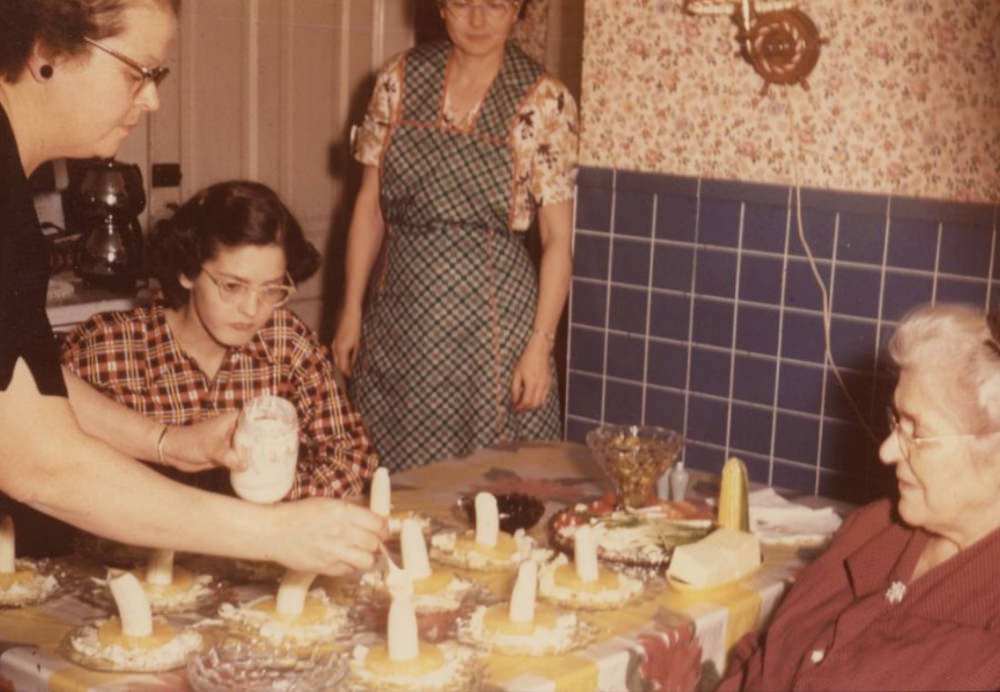
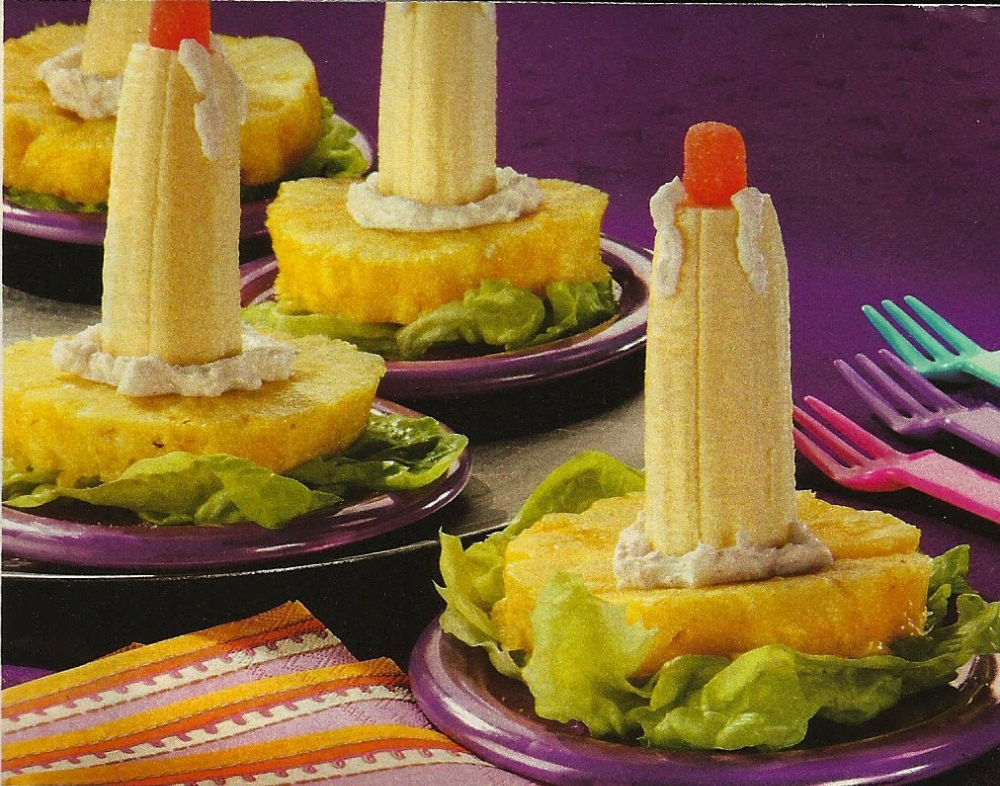
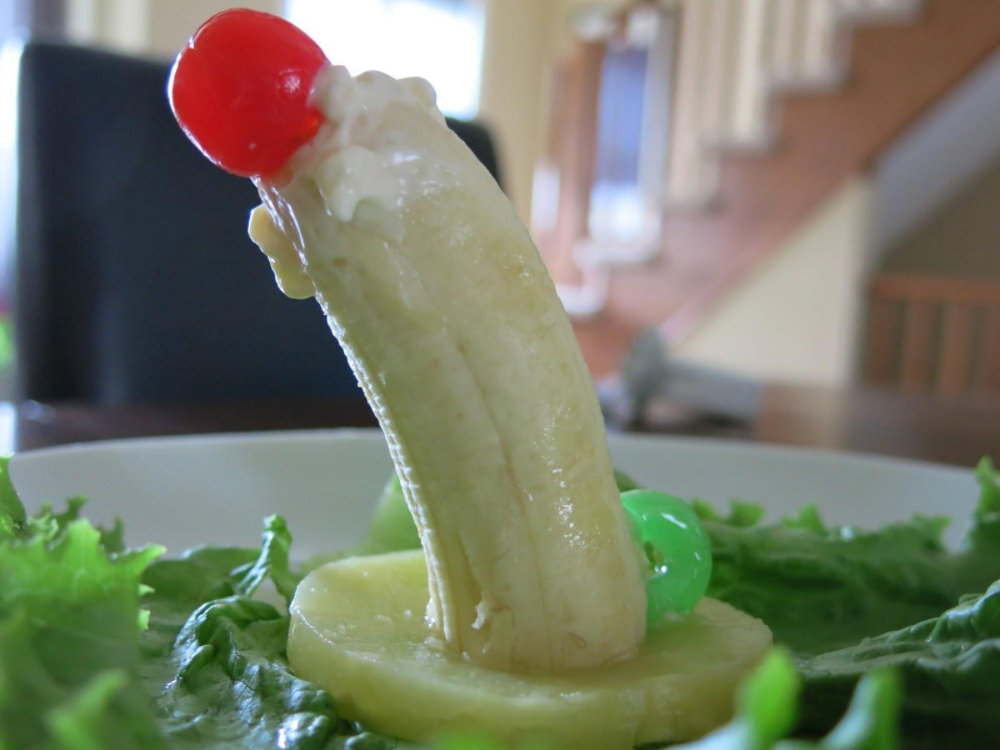
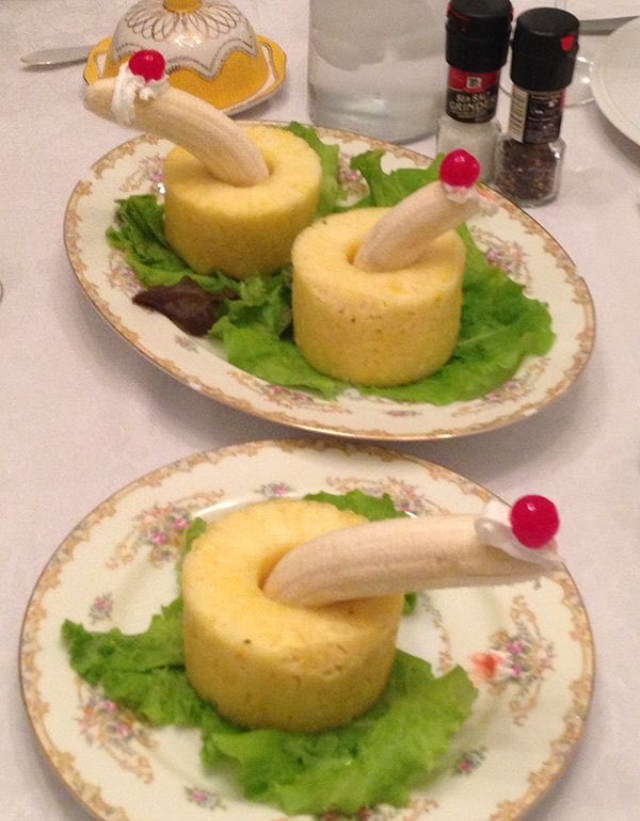
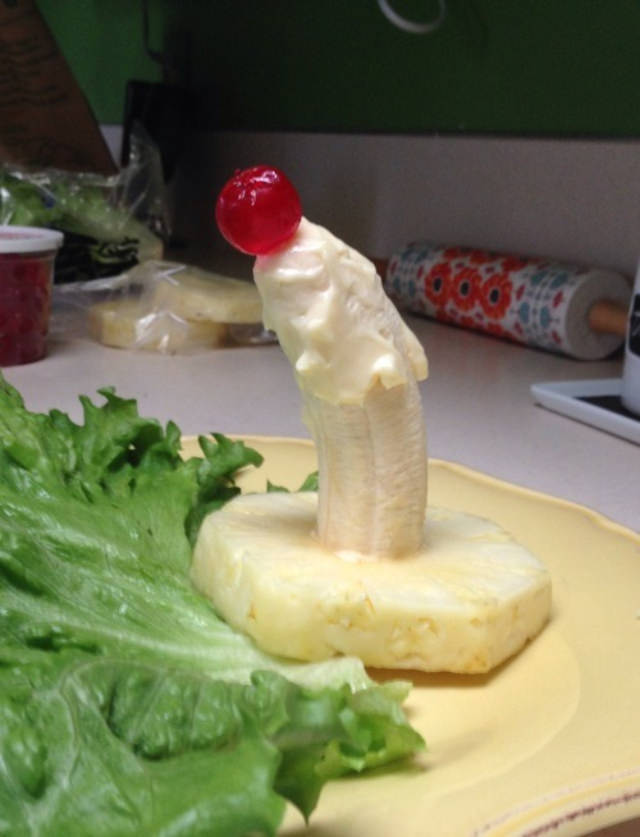
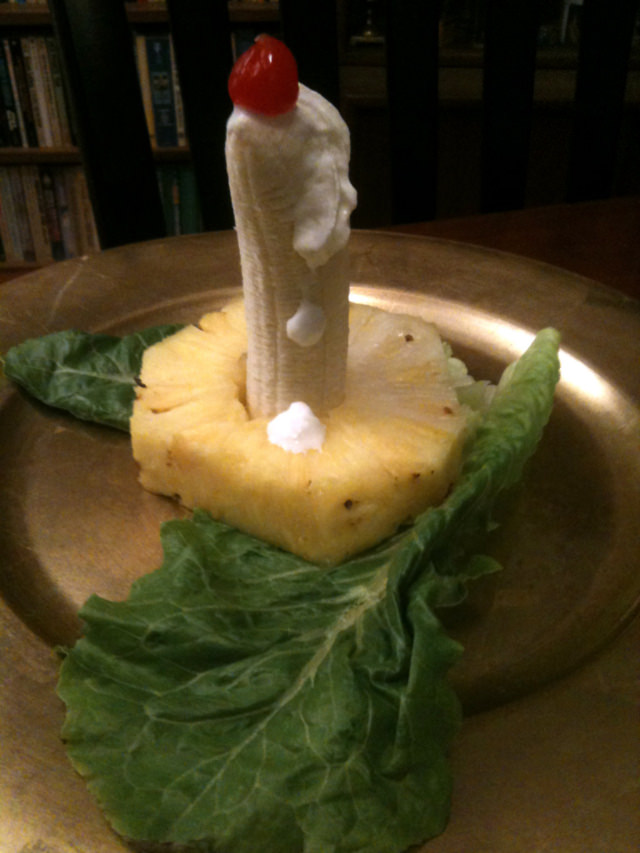
The salad is built from simple, everyday ingredients. A bed of lettuce leaves goes down first on a decorative plate. On top of that sits a pineapple ring, which acts as the candle’s holder. A whole peeled banana — sometimes just a half — stands upright in the center of the ring. A dollop of whipped cream or mayonnaise goes on top of the banana, and a maraschino cherry is placed right at the peak to mimic a flame. Some recipes swapped mayonnaise for cottage cheese, but the structure stayed the same across nearly every version.
The result looks exactly like a lit candle — which was, of course, the entire point. The visual joke was part of the appeal. Adults got a chuckle out of it, and kids were charmed by food that looked like something other than food.
Getting children to eat fruit was not always easy, and candle salad solved that problem with a bit of theater. The playful shape made the plate interesting before a single bite was taken. Parents and home cooks across the country leaned into this trick, and the salad became a reliable way to make fruit feel fun rather than obligatory.
The salad also served another purpose: it was one of the simplest things a child could assemble on their own. There was no heat involved, no complicated technique, and no risk of something going wrong. Lay down the lettuce, drop on the pineapple ring, stand up the banana, add a crown of cream, and top it with a cherry. That was it. For early cooking education, it was a near-perfect starting point.
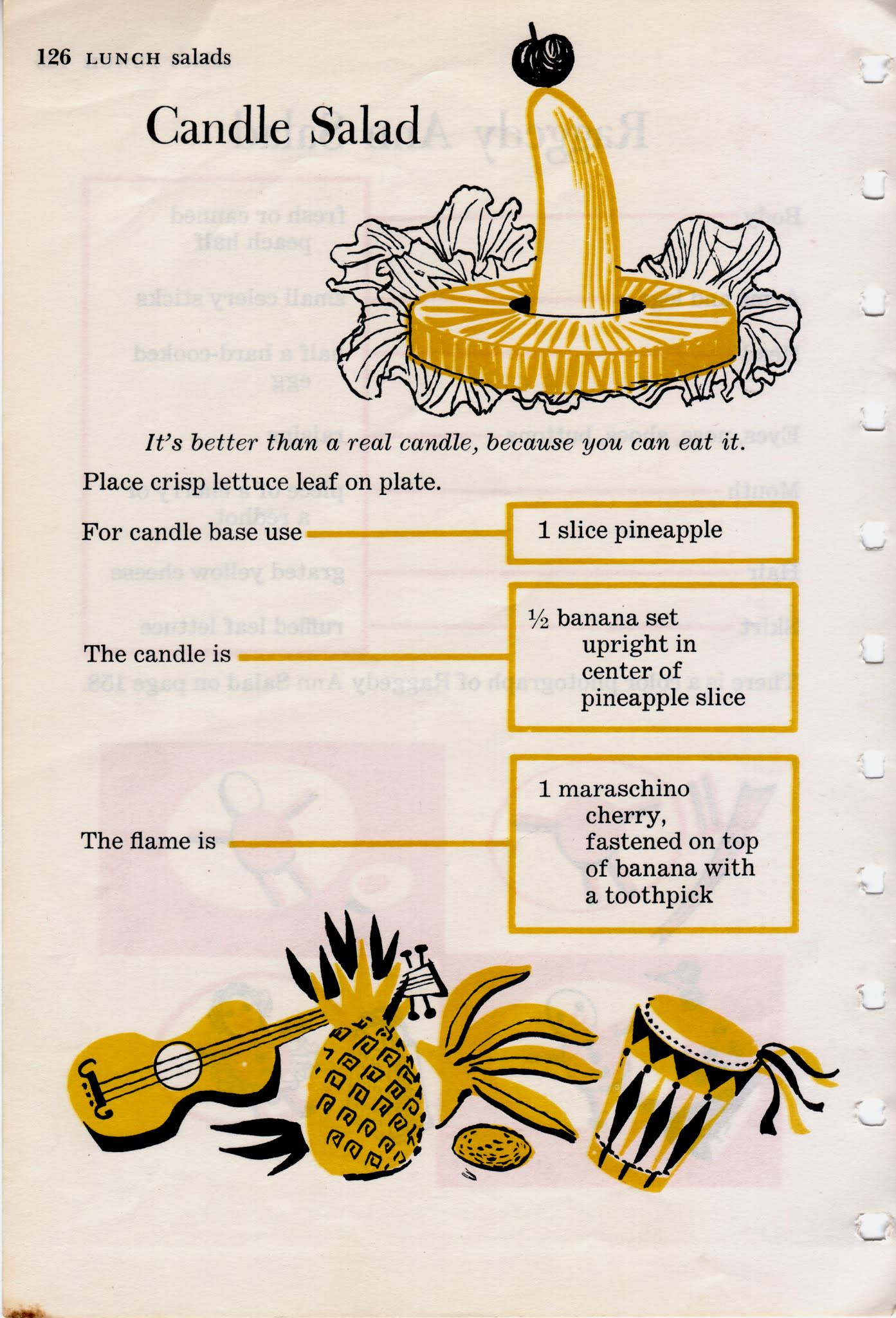
The recipe made its way into formal print in the 1950 edition of “A Child’s First Cook Book” by Alma S. Lach, one of the earliest cookbooks written specifically for young readers. Lach’s inclusion of the salad helped cement its place as a legitimate dish in the children’s cooking world, not just a party gimmick.
Seven years later, candle salad showed up in an even more prominent publication. The 1957 edition of Betty Crocker’s Cook Book for Boys and Girls included the recipe alongside a description that read: “It’s better than a real candle because you can eat it.” Betty Crocker’s brand carried enormous weight in mid-century American households, and an appearance in one of her cookbooks meant the salad had reached mainstream status.
The phrasing in that description captures exactly the spirit the dish was meant to project — practical, cheerful, and just a little bit clever. It didn’t take itself seriously, and neither did the people who made it.
Candle salad sat comfortably within a broader mid-century American trend of novelty foods — dishes designed as much for their visual effect as their taste. Jell-O molds, stuffed celery boats, and deviled egg chicks all belonged to the same era and the same mindset: food should be fun to look at. Candle salad simply took that idea further than most.
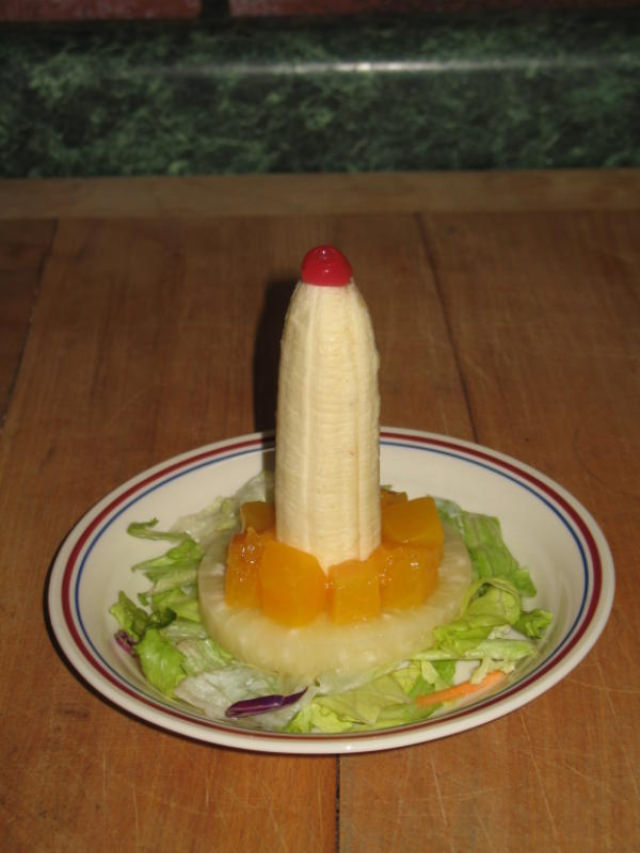
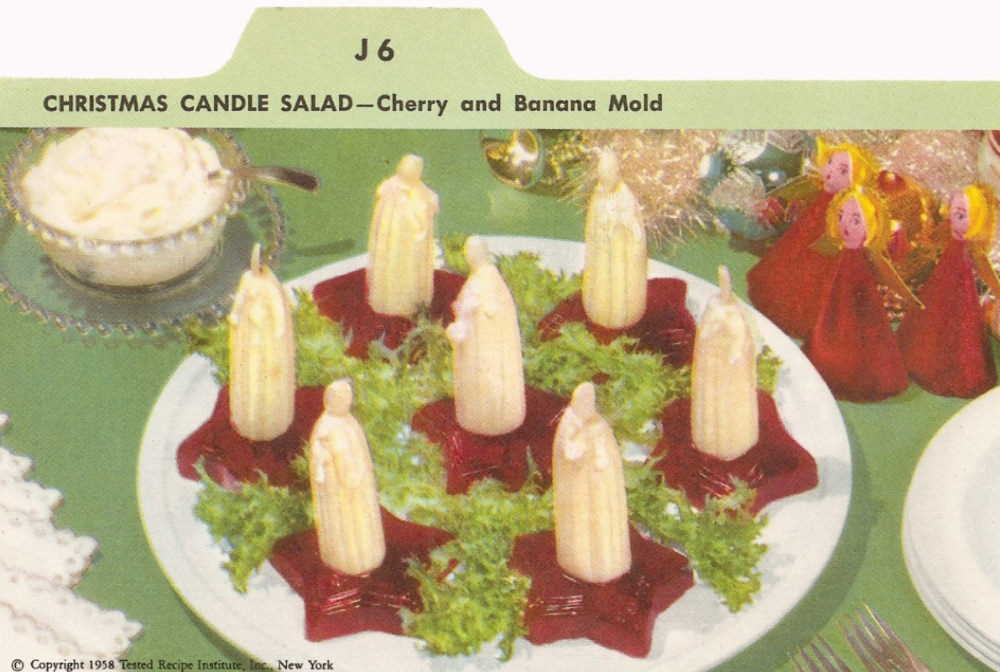
The holidays were its natural home. With candles already a central symbol of Christmas and other winter celebrations, placing a fruit candle on the dinner table felt festive and thematic. It fit the season without requiring anything exotic or expensive — just lettuce, a can of pineapple, a bunch of bananas, and a jar of cherries.
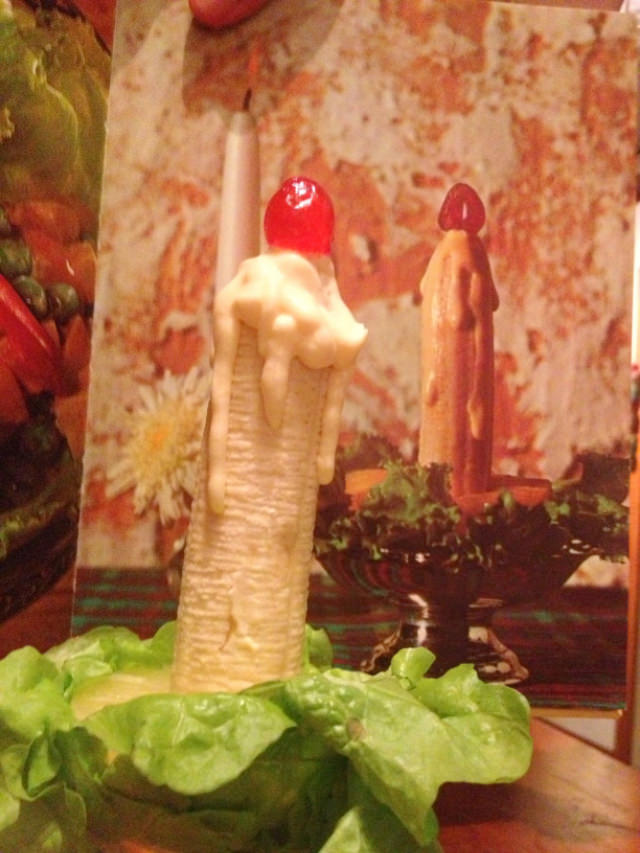
By the 1970s, candle salad had largely faded from American tables. Food trends shifted, and the novelty food era gave way to different styles of entertaining. But the recipes stayed in the old cookbooks, and the photographs stayed in the food magazines, waiting to surprise new generations who stumble across them decades later.
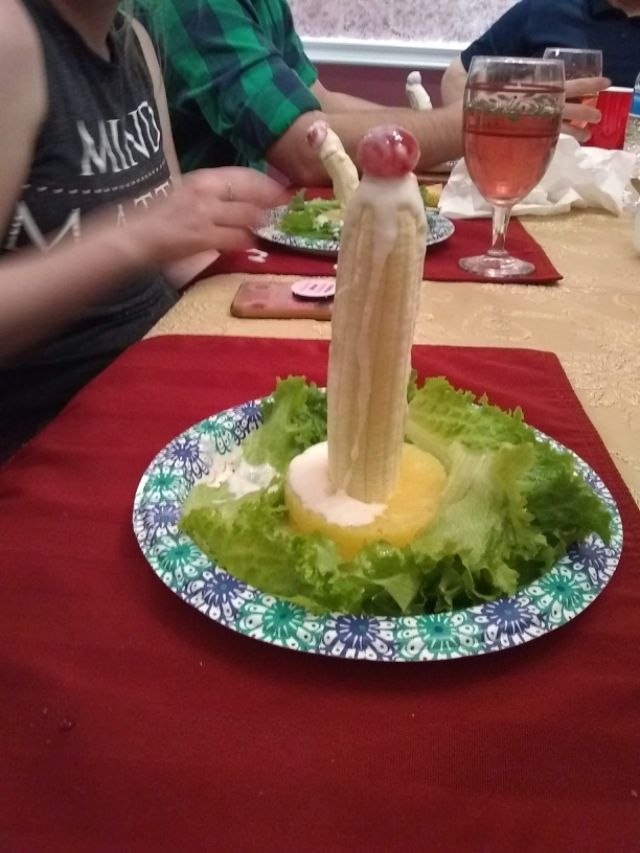
One glance at a vintage candle salad photo and the reaction is always the same: a double take, a pause, and then a slow realization that yes — this was real, it was popular, it was in children’s cookbooks, and someone’s grandmother almost certainly made it with a straight face at a holiday dinner table in 1954.
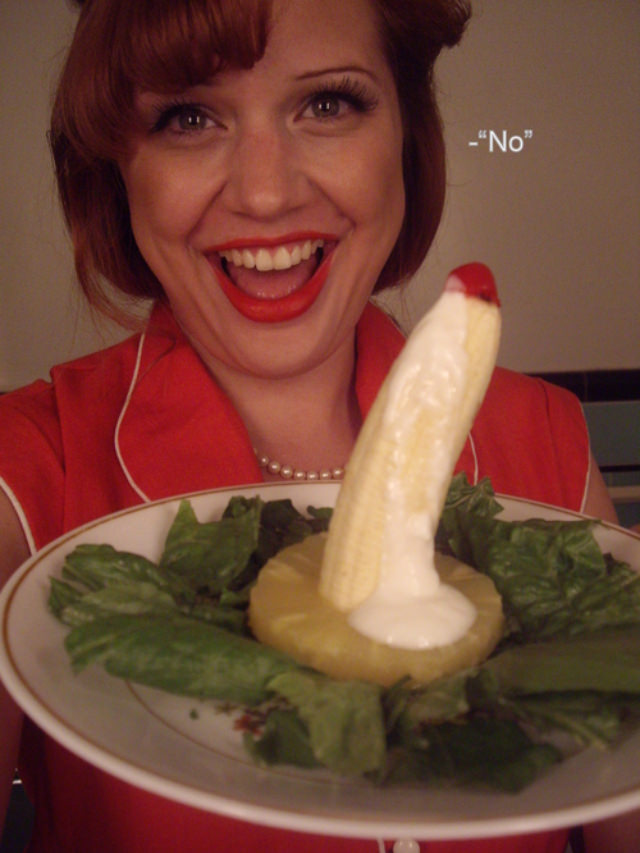



Well that is certainly something you don’t see on the modern dinner table.
Well, that’s Christmas Eve salad covered for me