Around the turn of the 20th century, Canada was a country in motion. Cities were growing fast, railways were pushing into new territory, and rural families were working the land much as their parents had before them. These photographs offer a rare, unfiltered look at how ordinary Canadians actually lived.
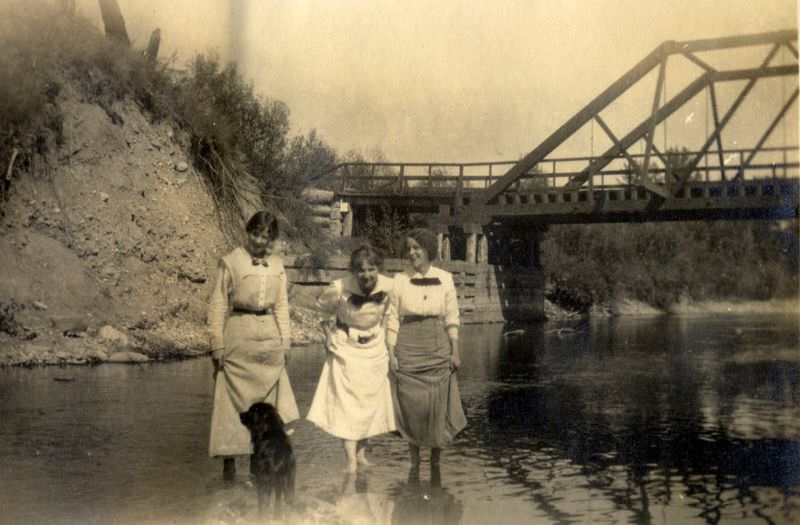
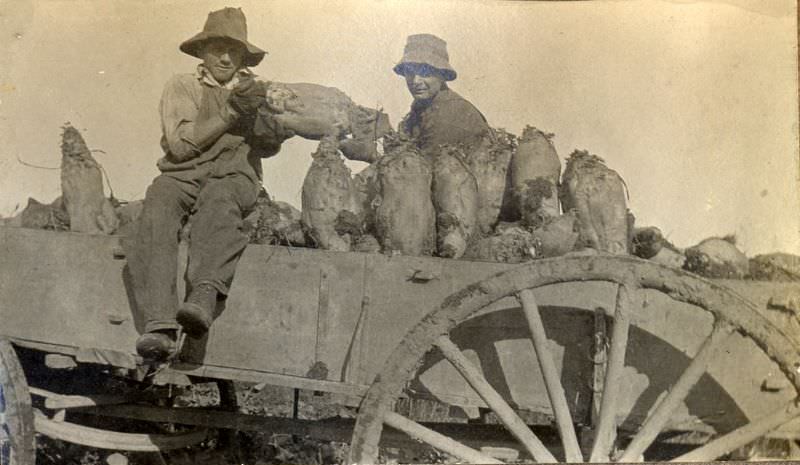
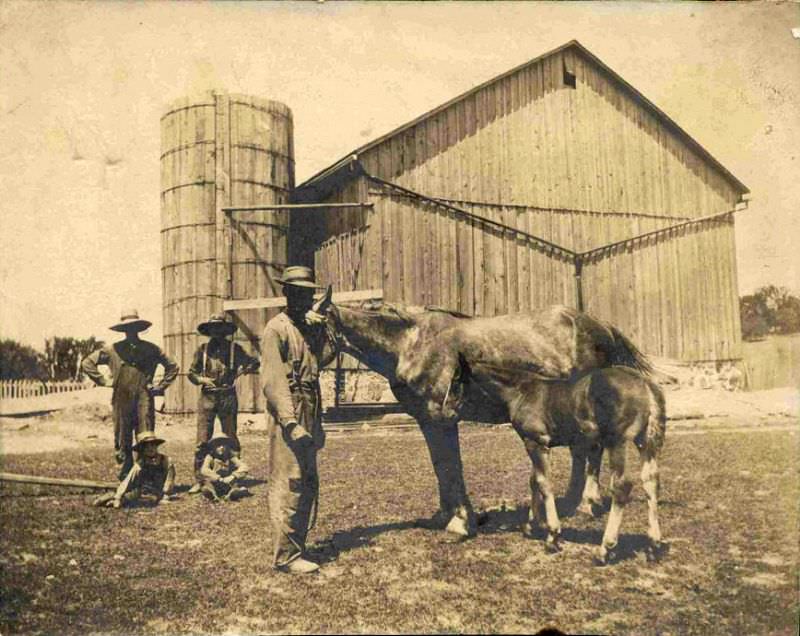
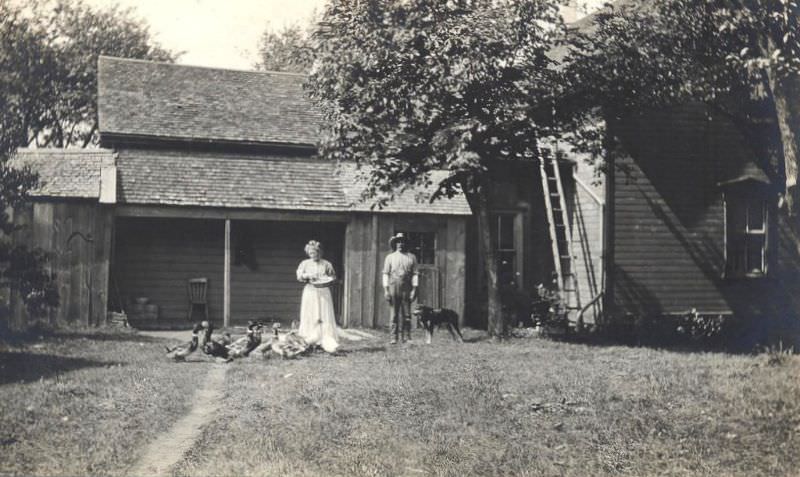
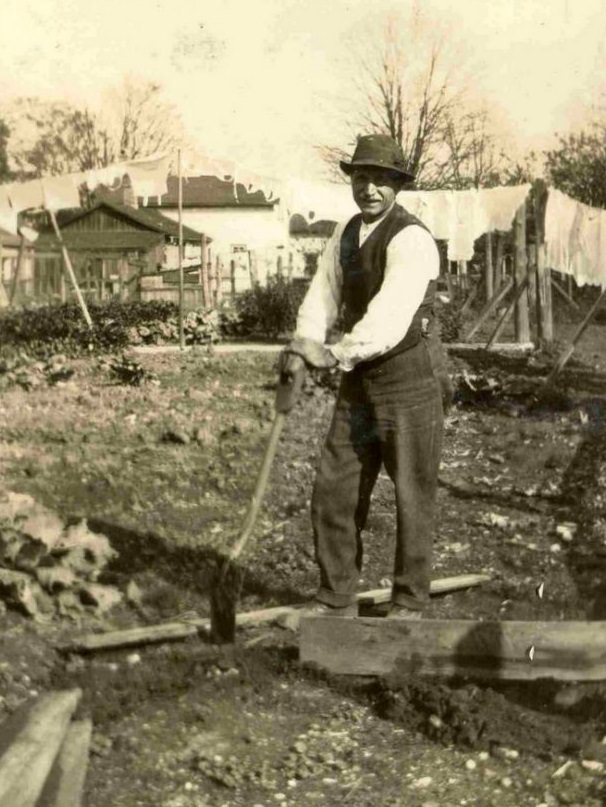
For most rural families, farming defined the rhythm of daily life. Spring and summer meant planting and harvesting. Fall was for stocking up on food and firewood before the brutal Canadian winter set in. Men handled the heavy field work, while women managed the household, milked cows, and tended smaller animals. Children were expected to pull their weight from an early age — gathering eggs, feeding livestock, and working the garden.
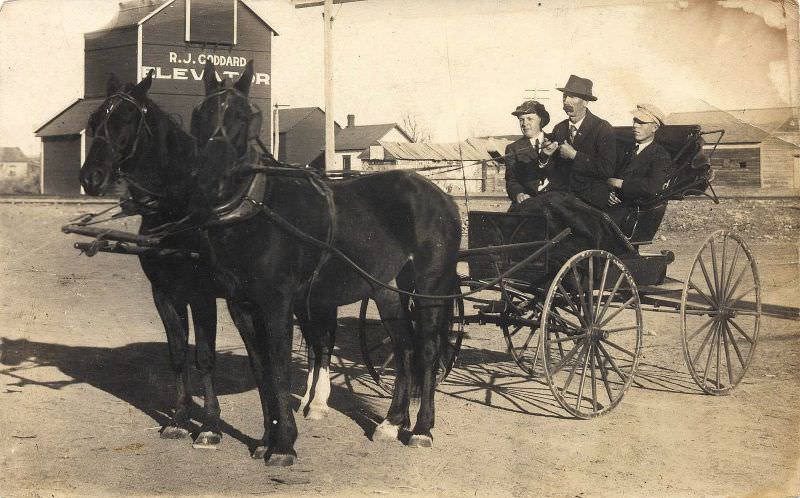
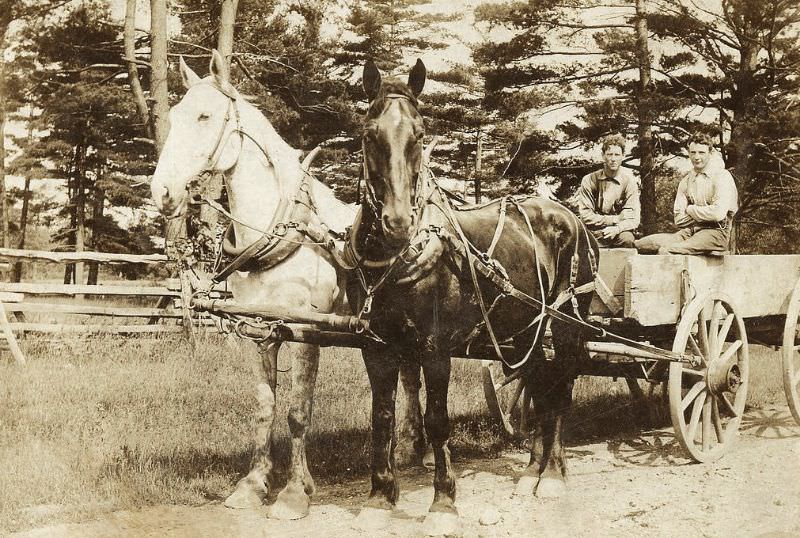
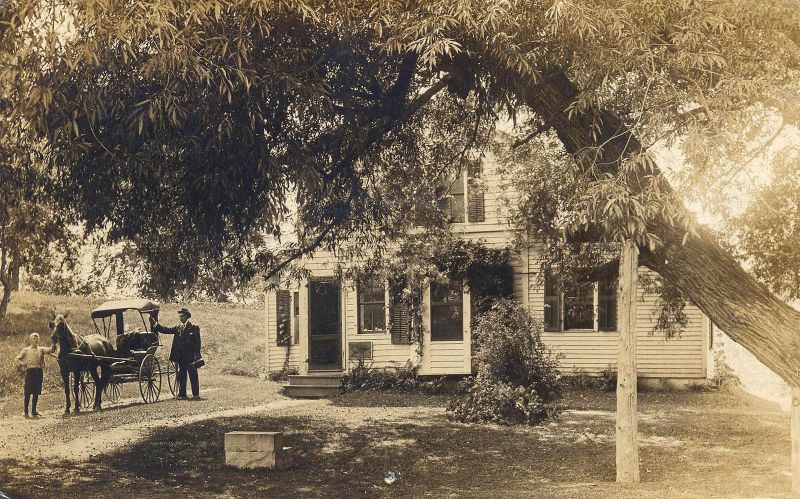
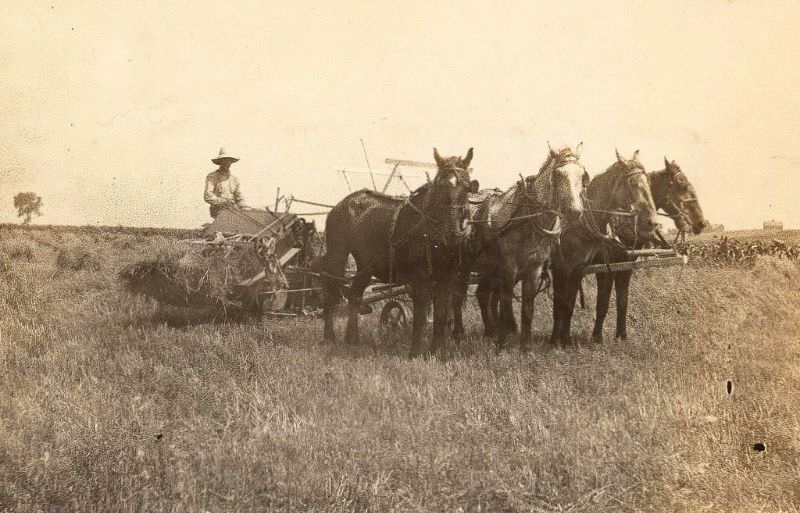
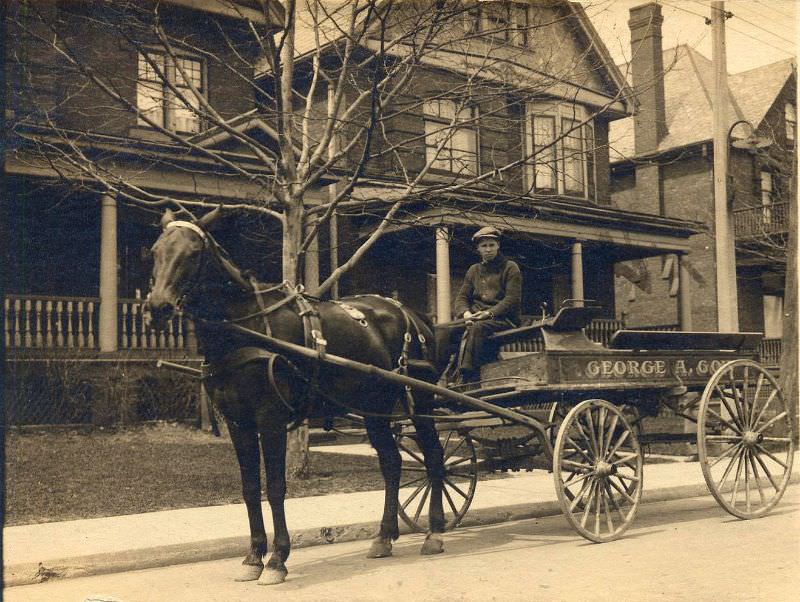
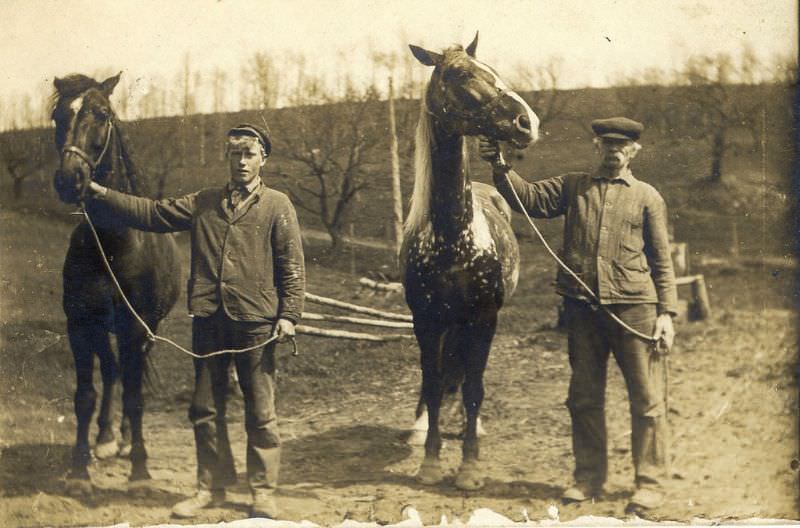
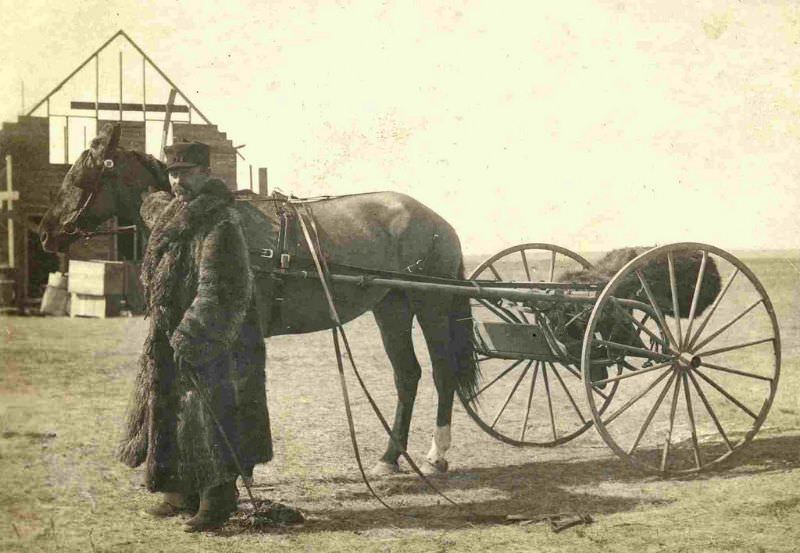
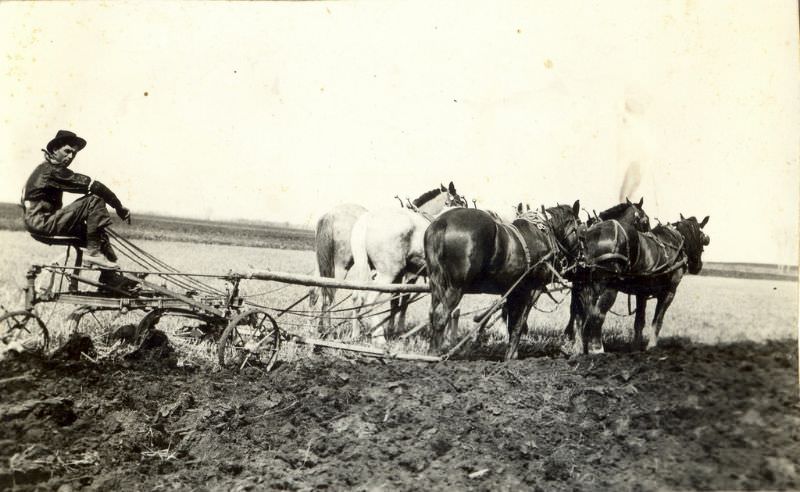
Horses were essential on the farm. They pulled plows, hauled wagons, and moved goods from one place to another. A four-horse hitch could work a field far faster than a man on foot, and the animals were treated as valuable working partners.
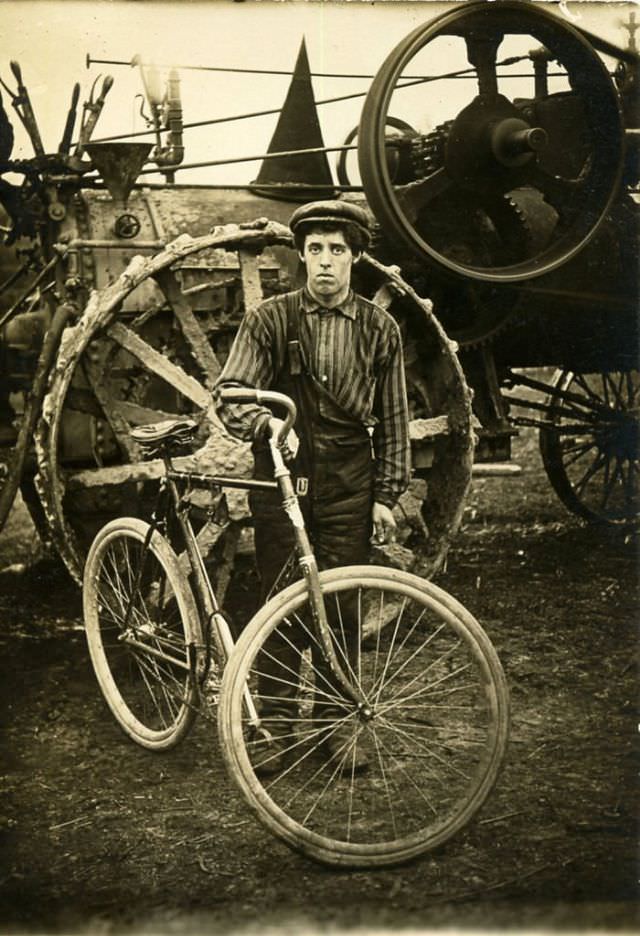
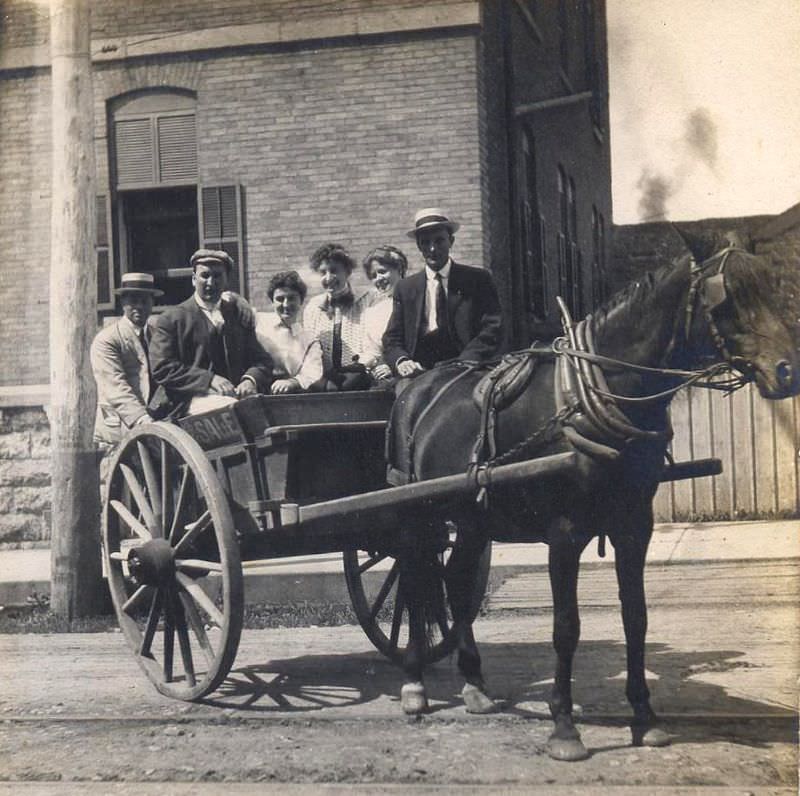
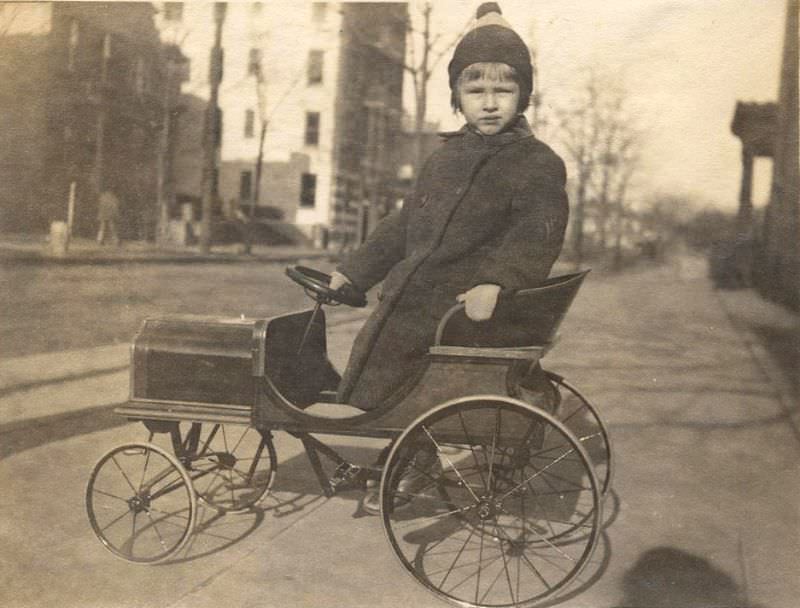
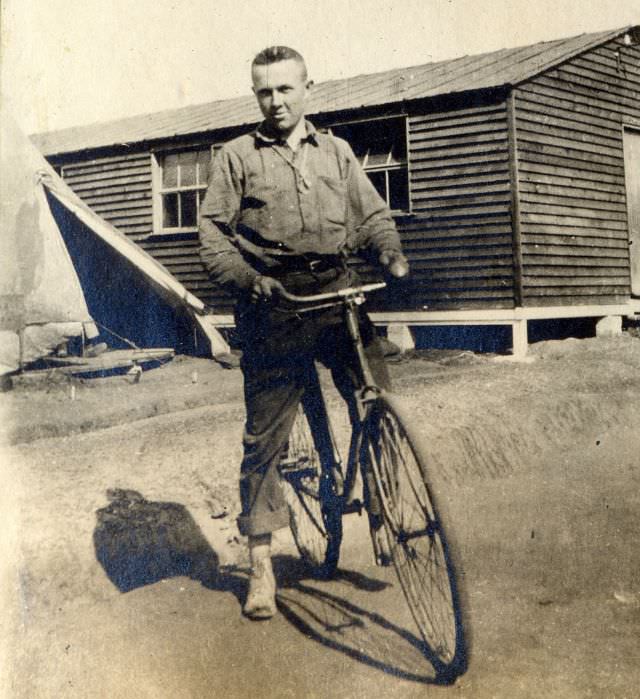
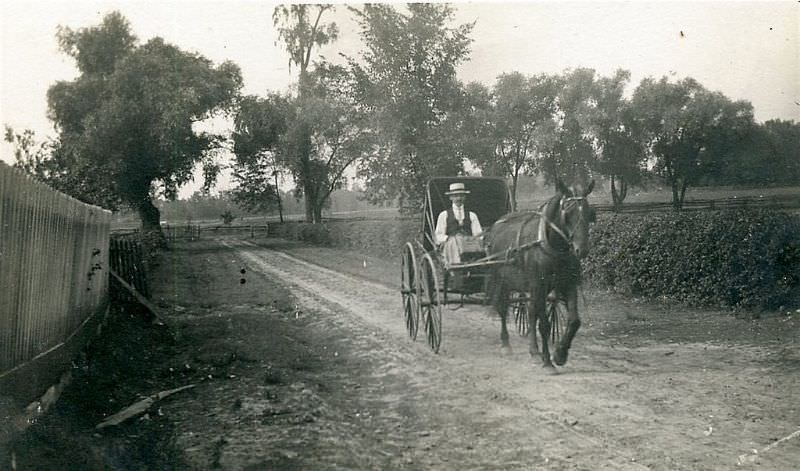
Automobiles existed but were rare and expensive. Most people got around on foot, horseback, or by horse-drawn buggy. Bicycles were gaining popularity as a faster, more affordable option for short trips. The boy below in Culloden captures that enthusiasm perfectly.
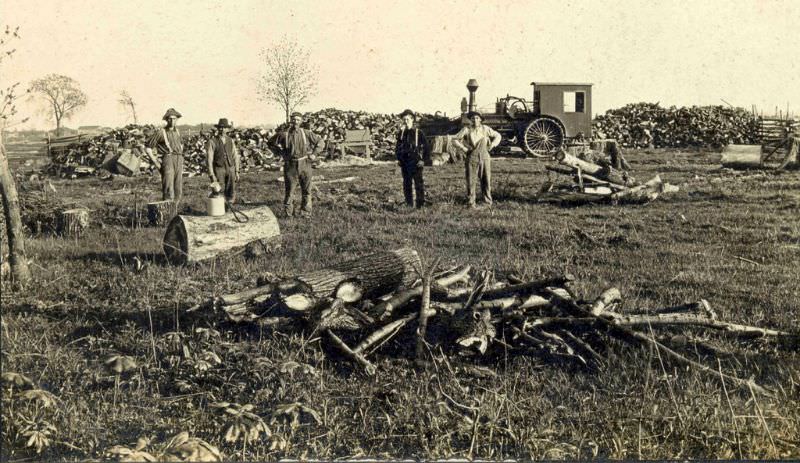
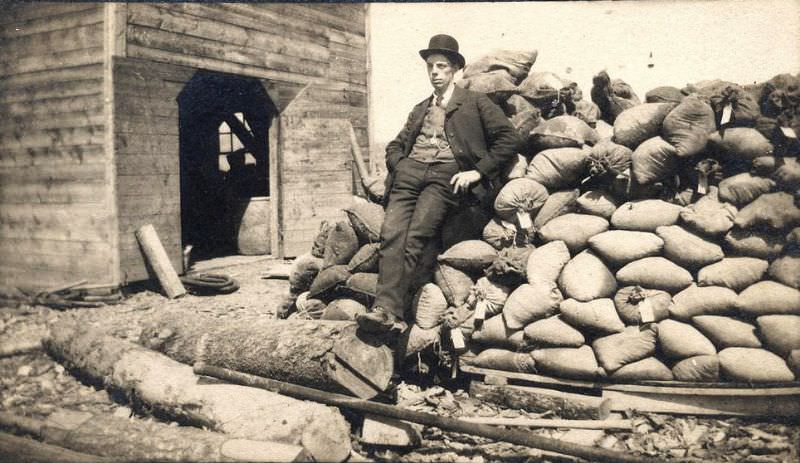
Preparing for winter was serious business. Families spent the fall cutting and stacking firewood to last through months of freezing temperatures, especially on the Prairies and in northern regions where snow and ice made travel nearly impossible.
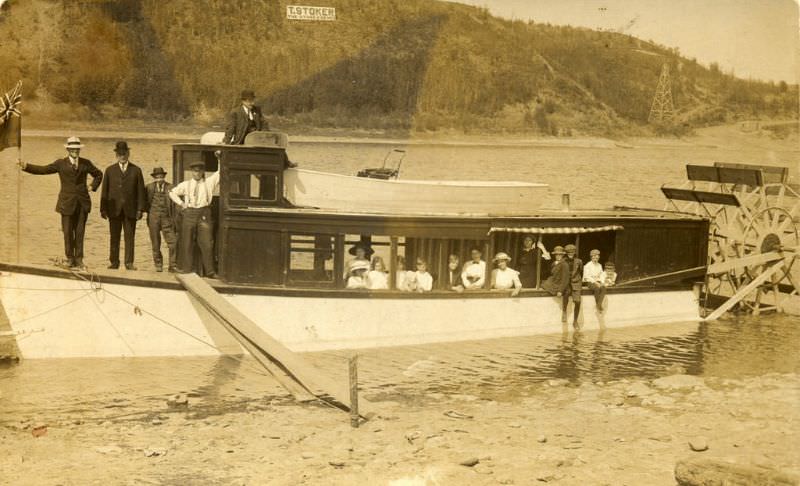
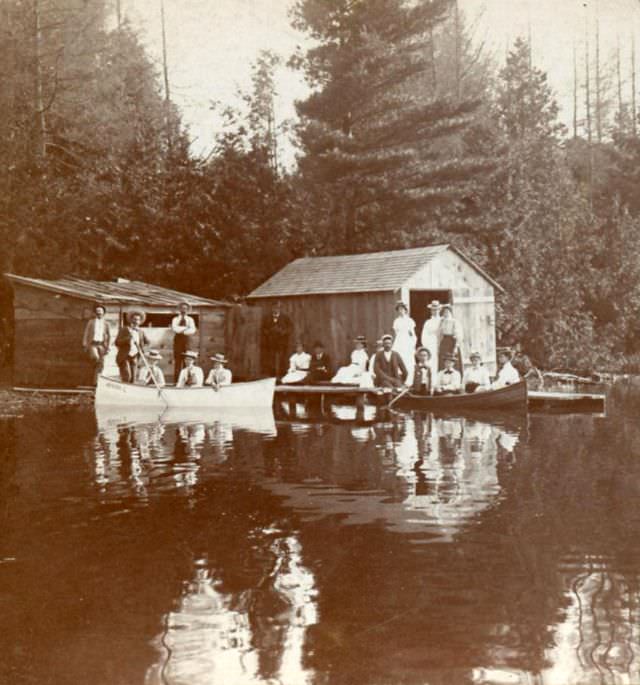
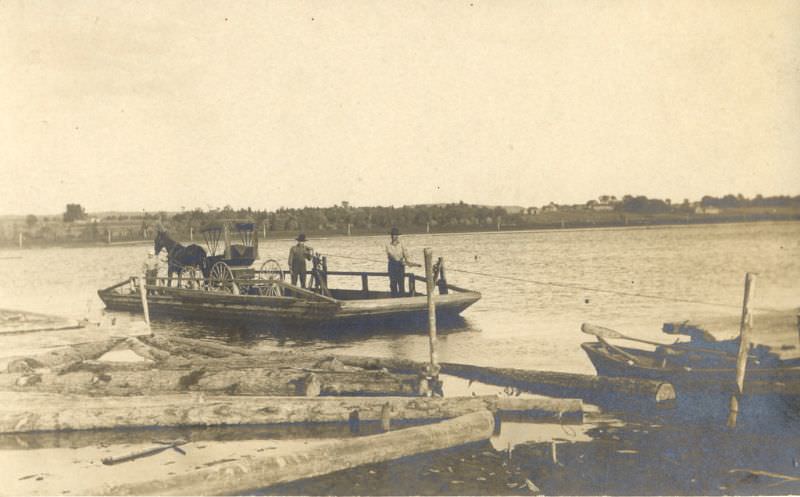
Water was more than a resource — it was a highway. Canoes, ferries, and stern-wheelers connected communities that roads could not yet reach. Lakes and rivers across Ontario saw regular traffic from both working vessels and recreational paddlers.
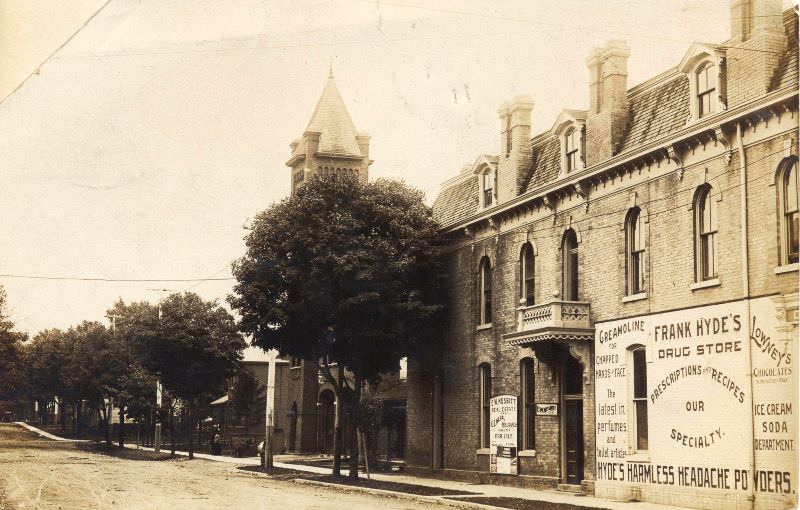
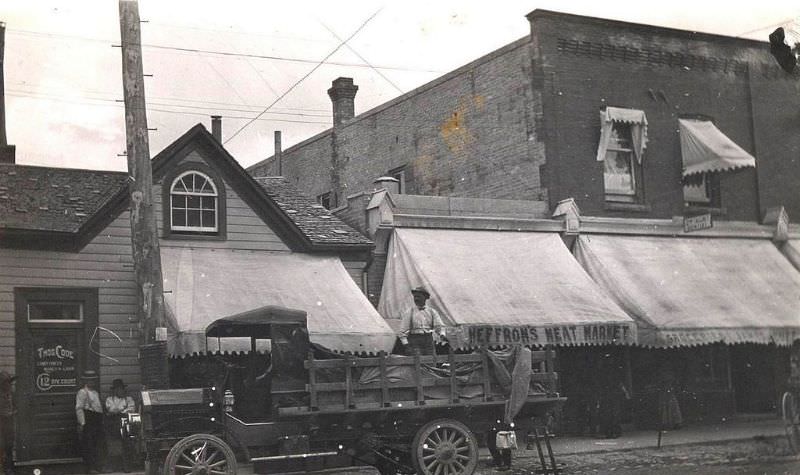
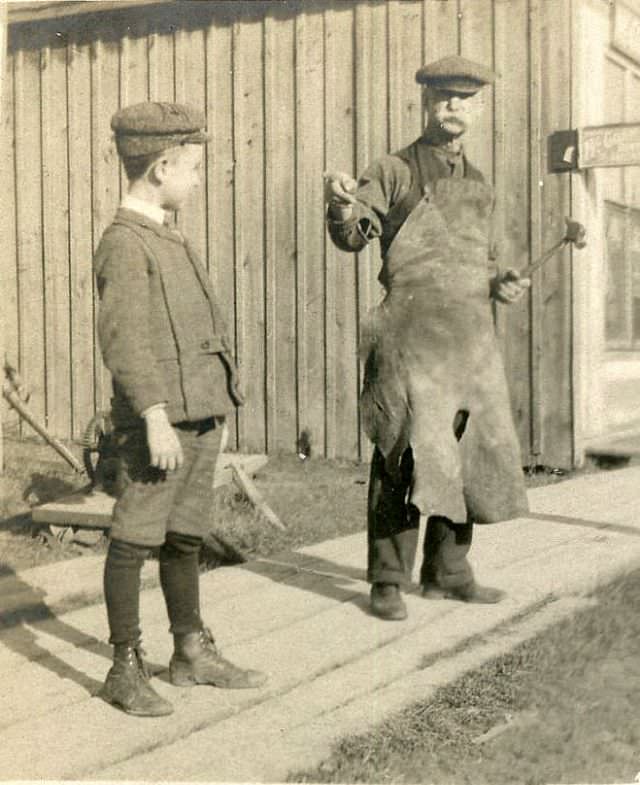
Small-town life revolved around local businesses. General stores, meat markets, and drug stores served as the commercial heart of communities. Bartering was still common in some areas, with neighbors trading goods and services rather than cash.
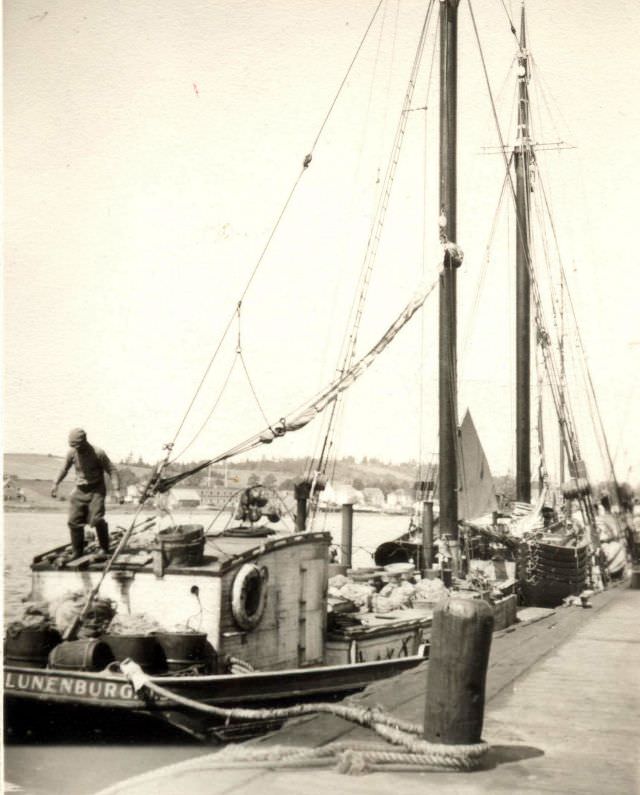
Coastal towns like Lunenburg had their own economic rhythm, built around the sea. Fishing and shipping drove daily life in ways that were entirely foreign to farmers inland.
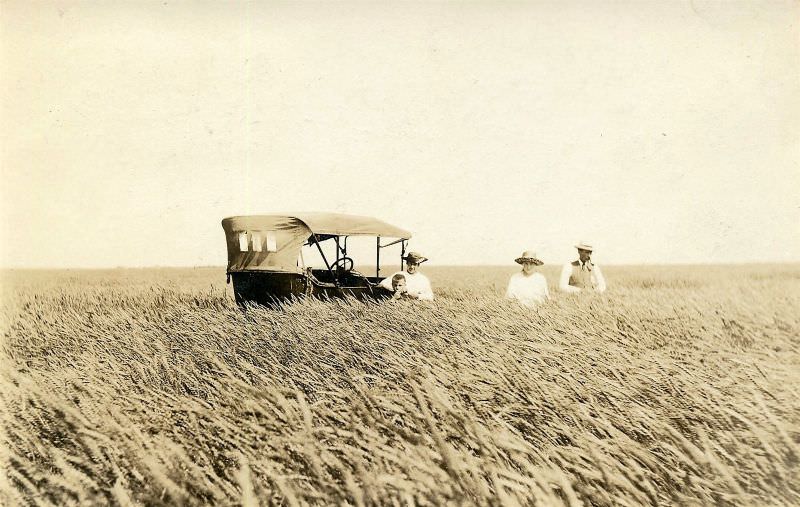
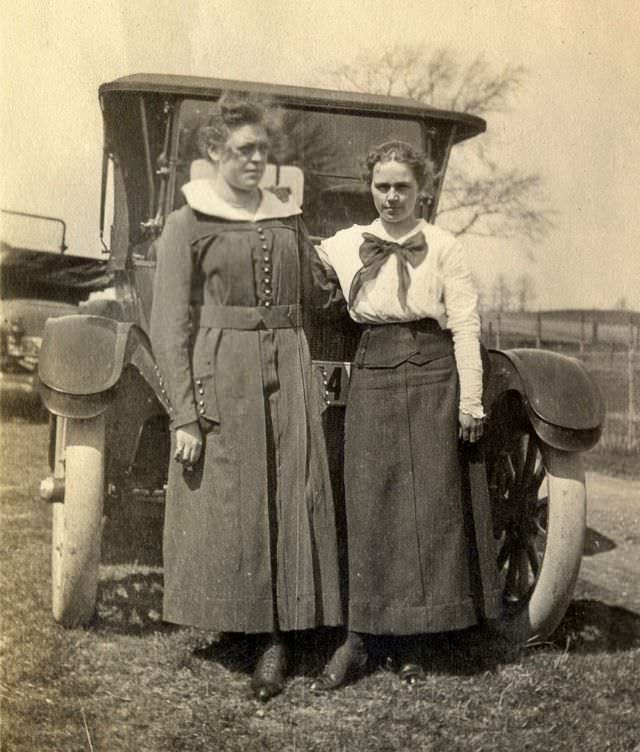
By the early 1900s, a small but growing number of Canadians owned automobiles. They were a status symbol, and families posed proudly beside them for photographs.
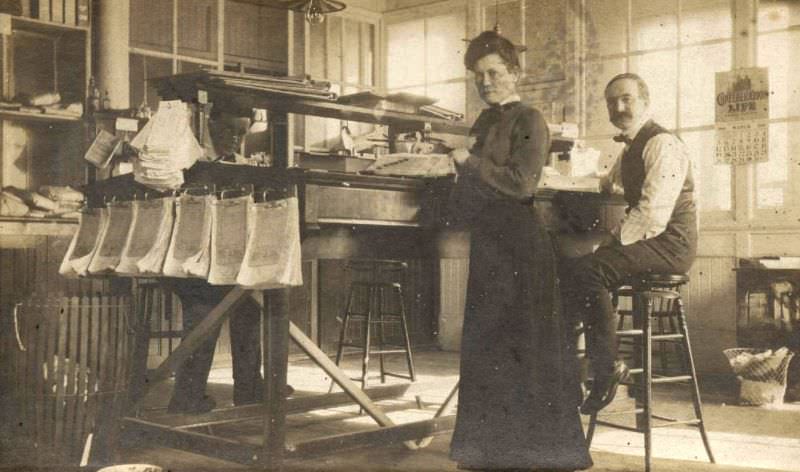
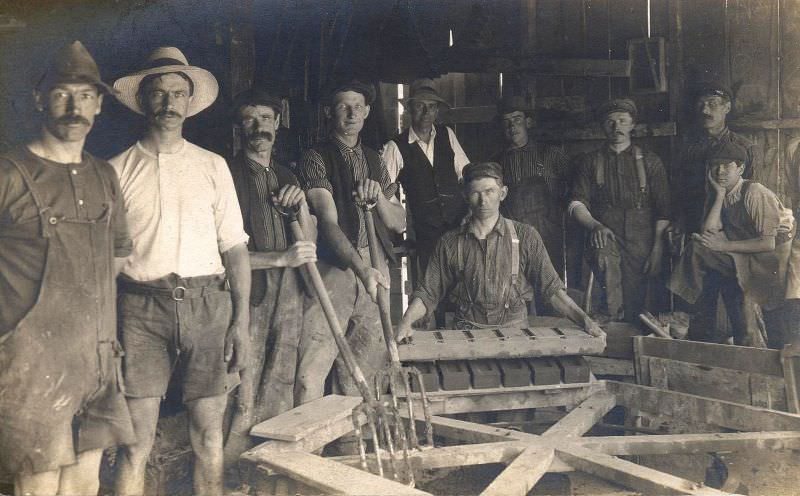
Urban workers spent long days in offices and on job sites. Factory shifts ran 10 to 12 hours, six days a week. Workplace safety regulations were minimal, and accidents were common. Construction crews were raising new buildings across southwestern Ontario as cities expanded rapidly.
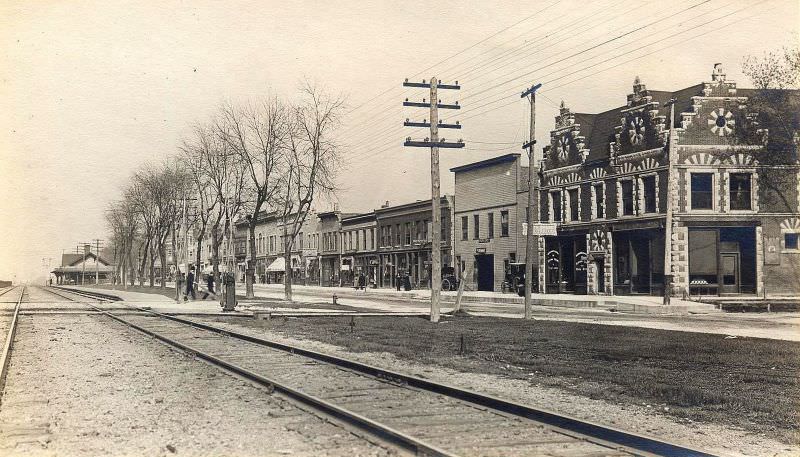
The railway was the backbone of Canadian expansion. It carried passengers, freight, and immigrants into communities that had barely existed a generation earlier. Towns built around rail lines grew quickly, and the sight of tracks running through town meant connection to a wider world.
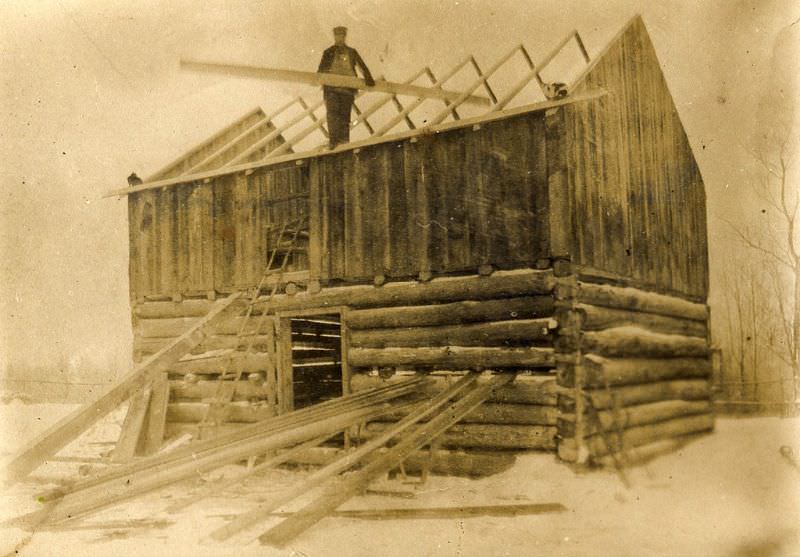
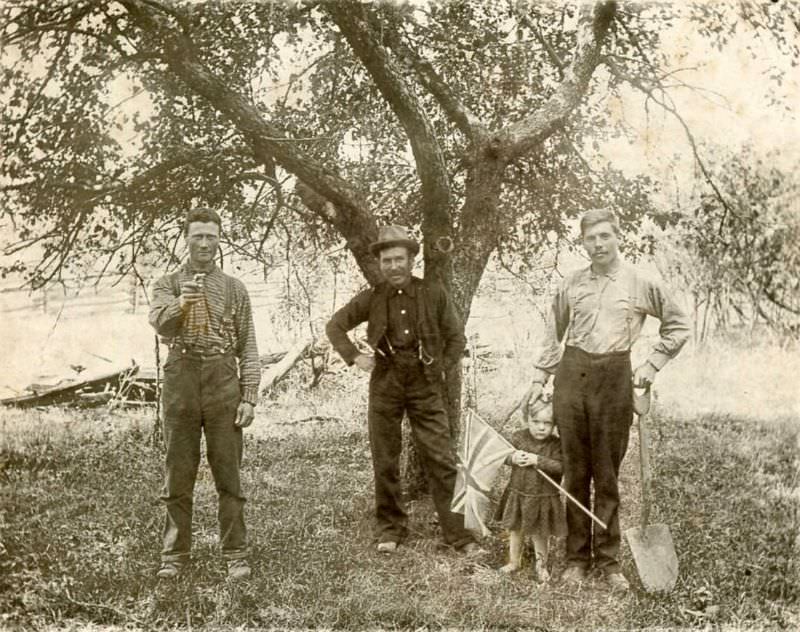
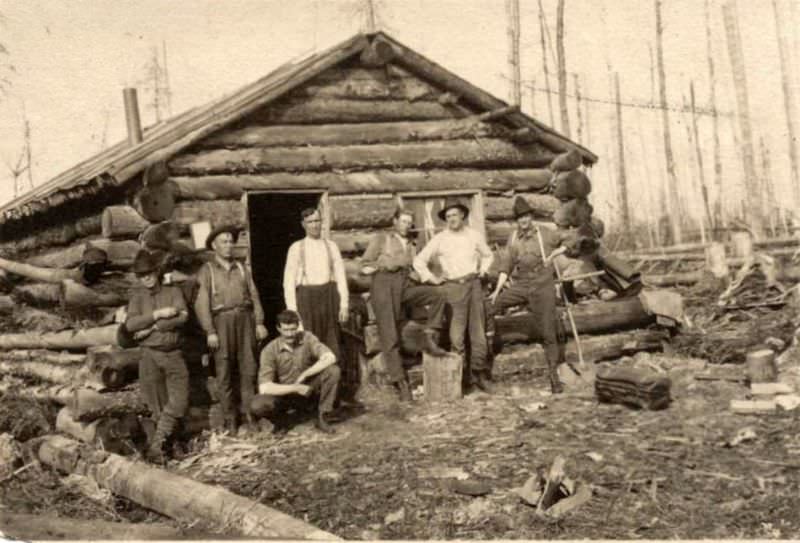
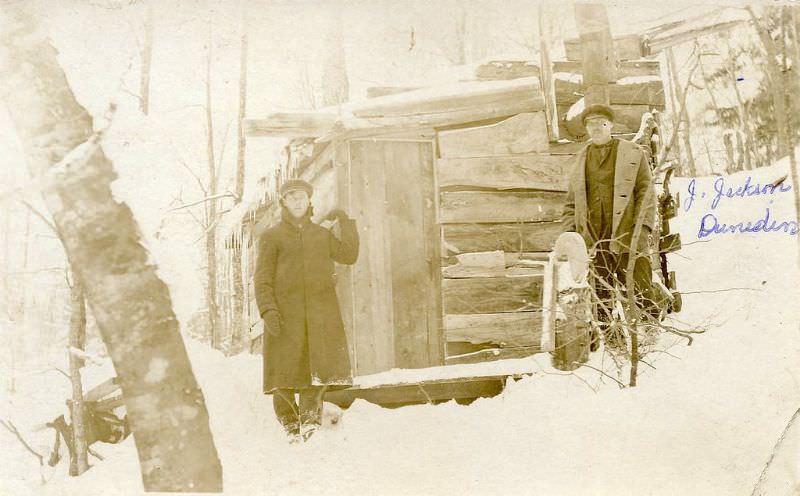
Not everyone lived in a frame house on a cleared lot. Log cabins and bush shanties were still home to many Canadians, particularly in newly settled areas of Ontario and the North.
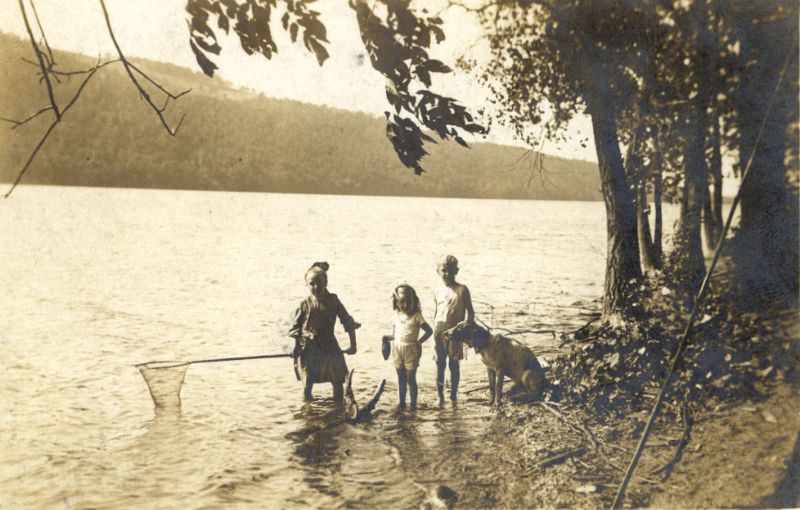
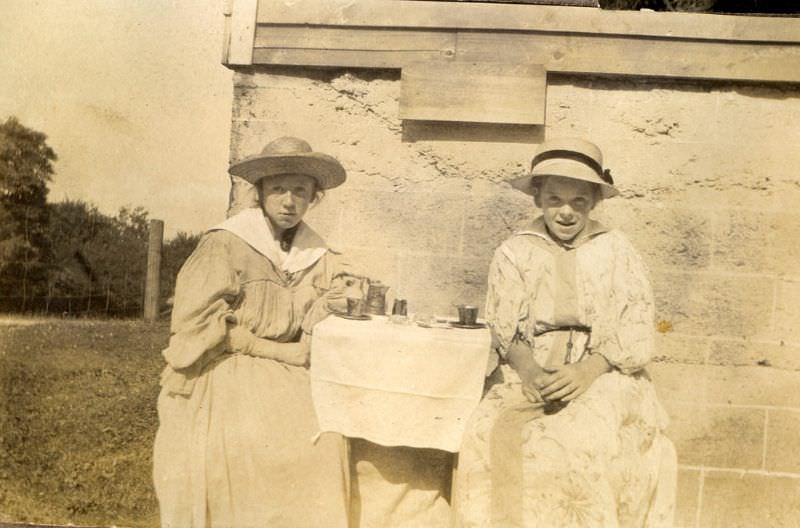
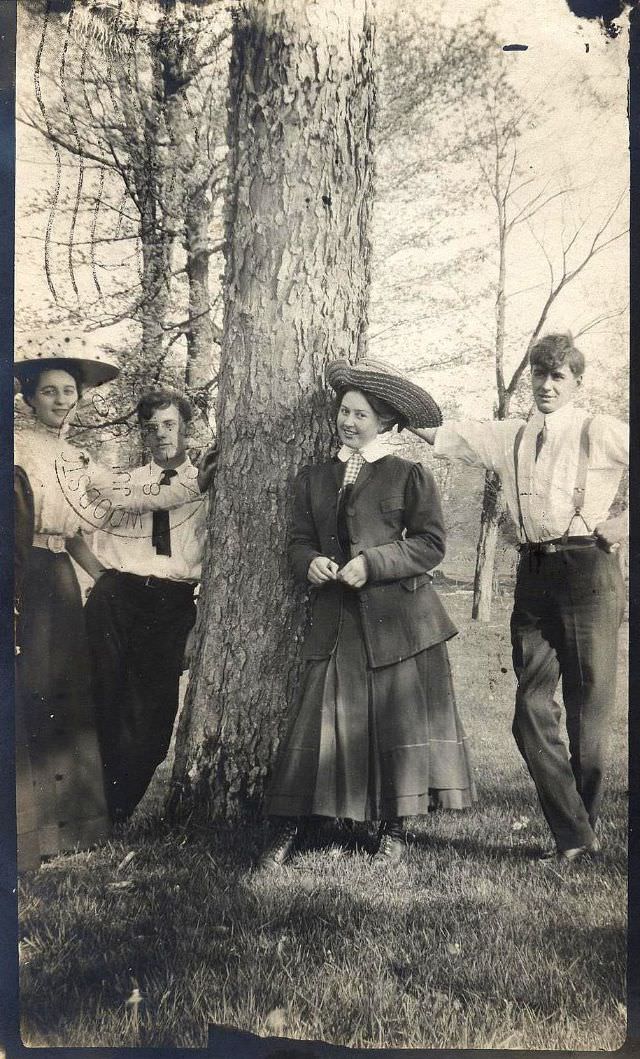
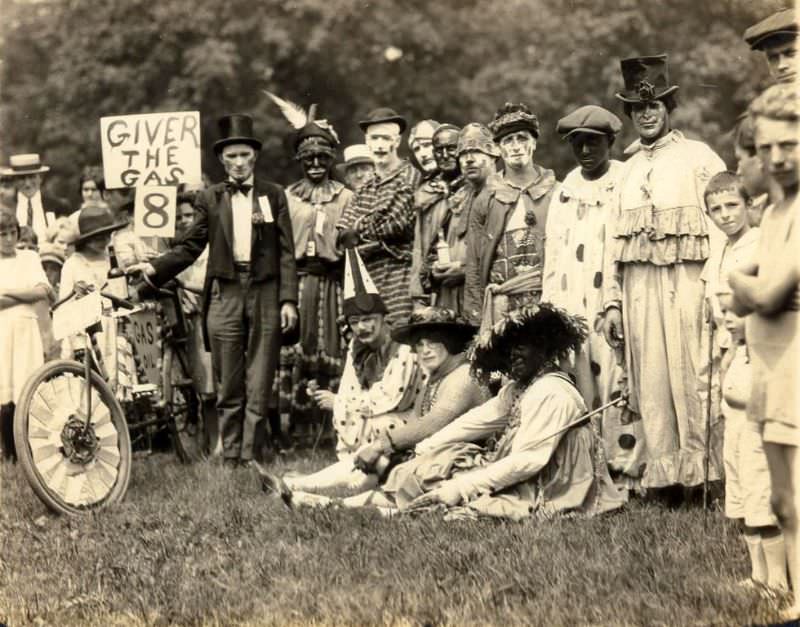
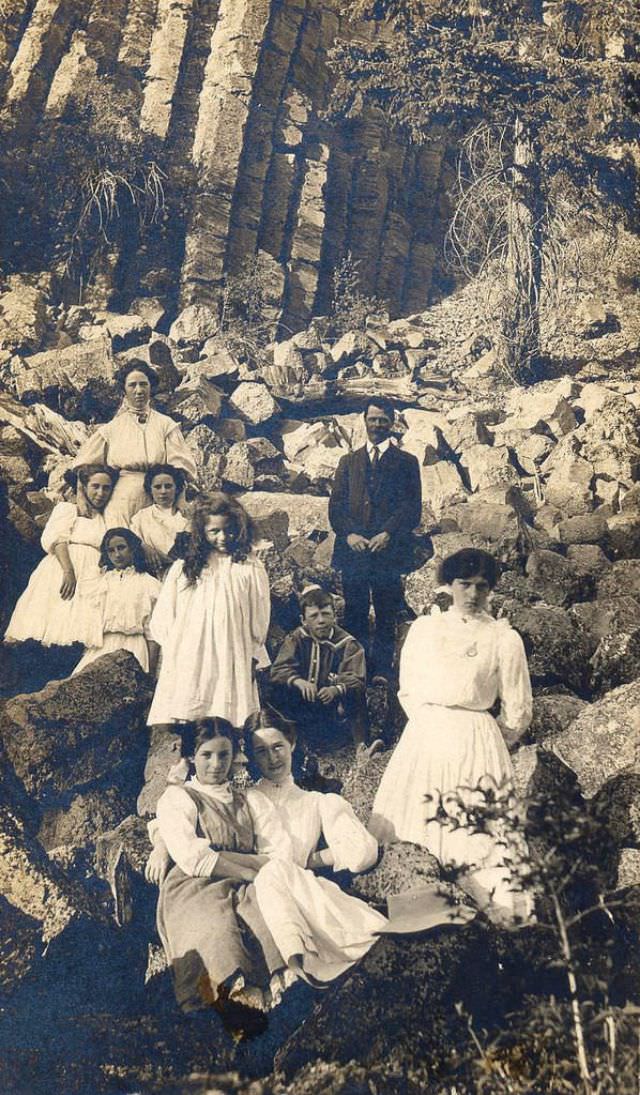
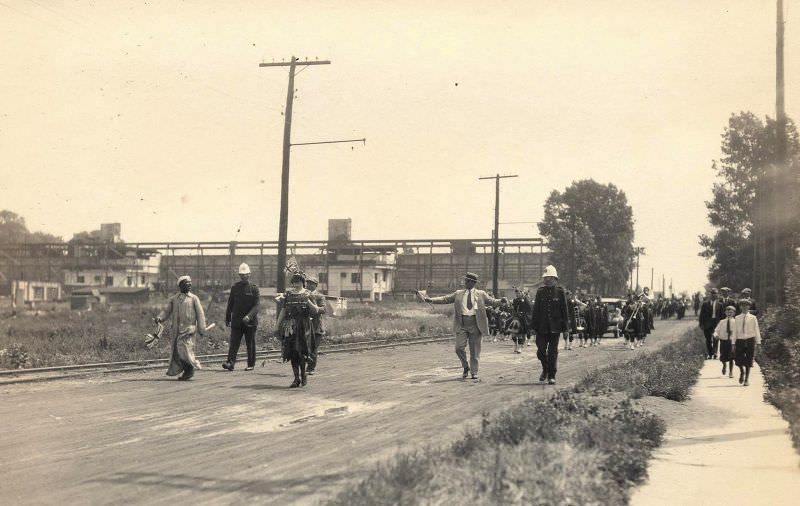
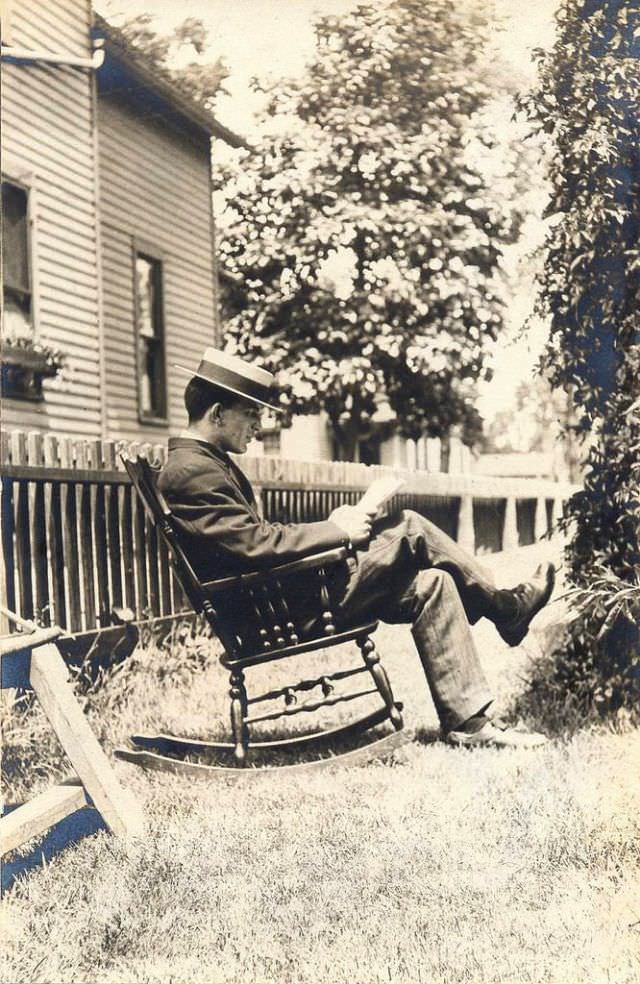
Leisure was hard-won but taken seriously. Workers grabbed breaks where they could, and communities organized dances, picnics, and parades. The church was central to social life in many towns, sponsoring gatherings that doubled as the main form of entertainment.
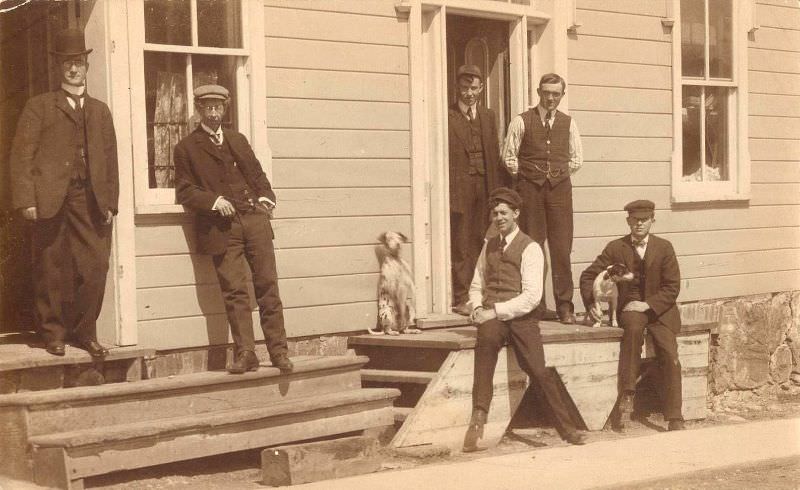
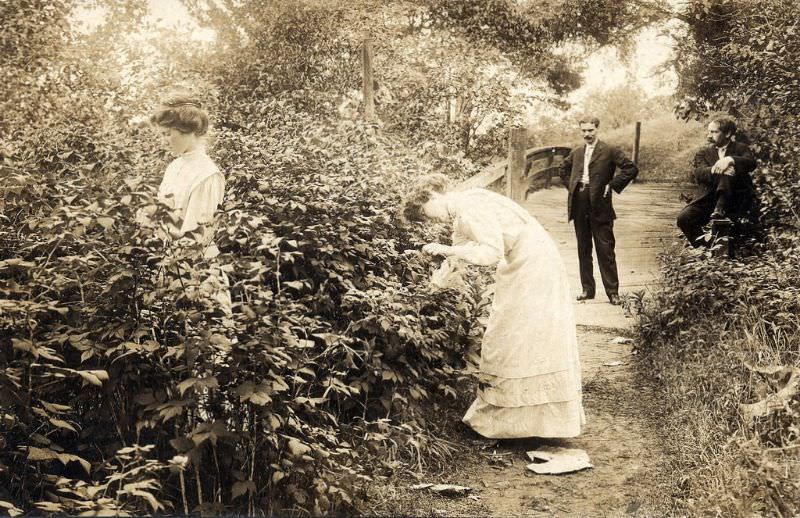
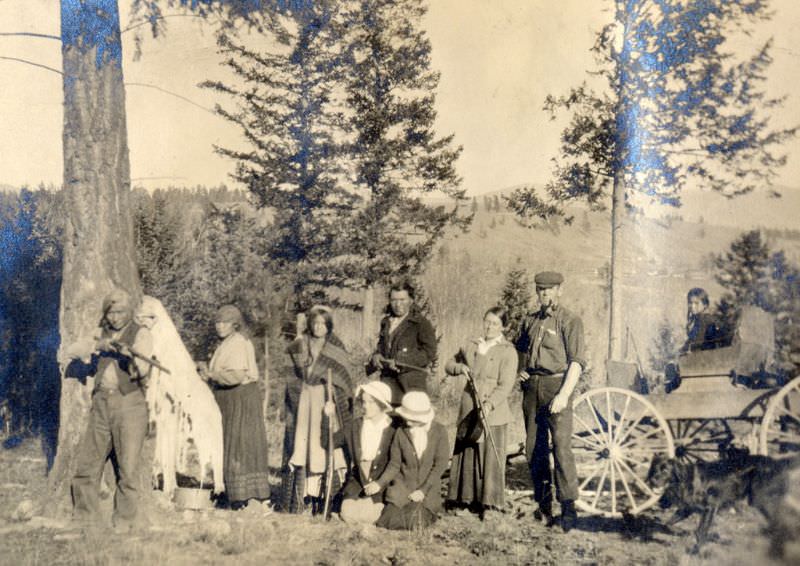
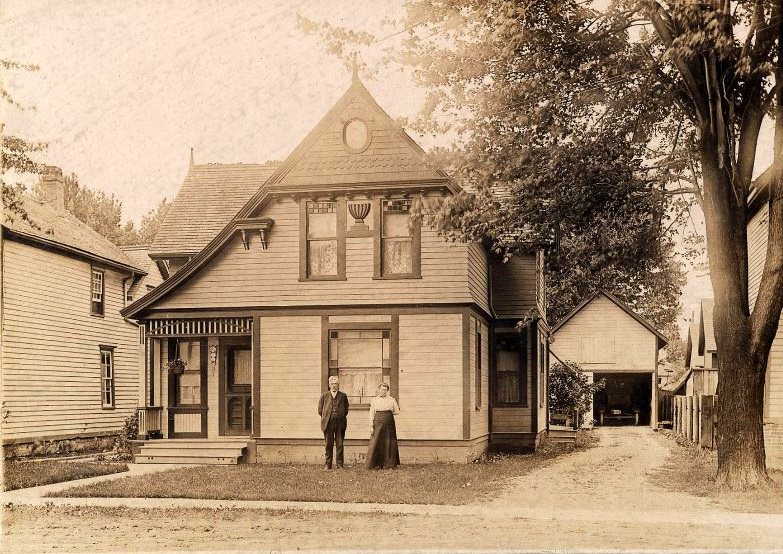
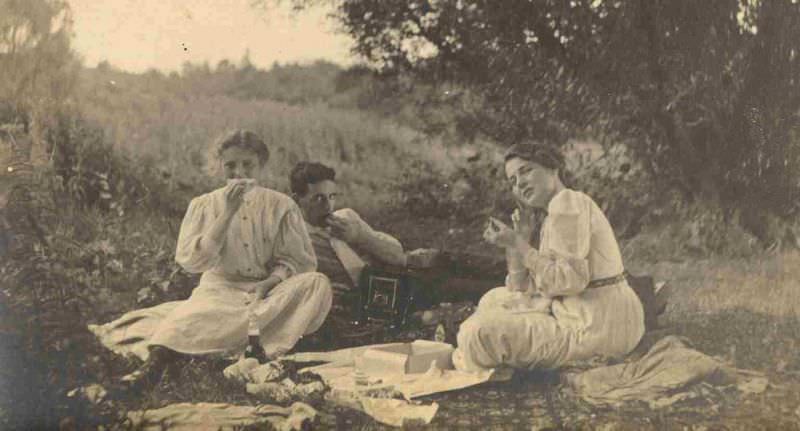
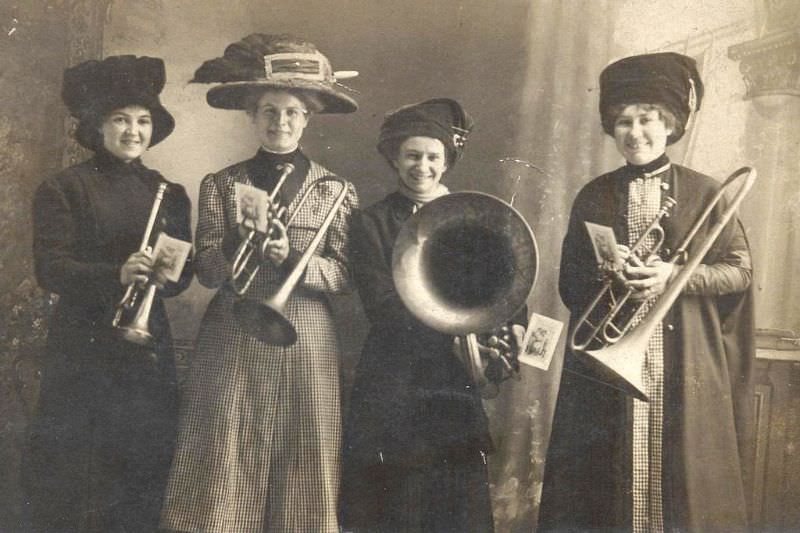
Community bands, local music, and public celebrations gave towns like Vienna, Ontario, a cultural identity. A parade through Sarnia or an afternoon picnic with neighbors were the kinds of events people looked forward to all year.