Hey There! Before You Go. 😧
Get the best vintage content straight into your inbox!

Don't worry, we don't spam

43 Photos Capturing the Ruins of Bucharest Post-1977 Earthquake

At 9:22 pm on March 4, 1977, a 7.5-magnitude earthquake struck Romania. The ground shook for nearly a minute. The epicenter sat in the Vrancea Mountains, north of Bucharest, but it was the capital that absorbed the worst of the destruction. Grand boulevards disappeared under piles of rubble. Fires broke out across the city. Power lines snapped, cutting electricity to entire neighborhoods and leaving Bucharest in near-total darkness.
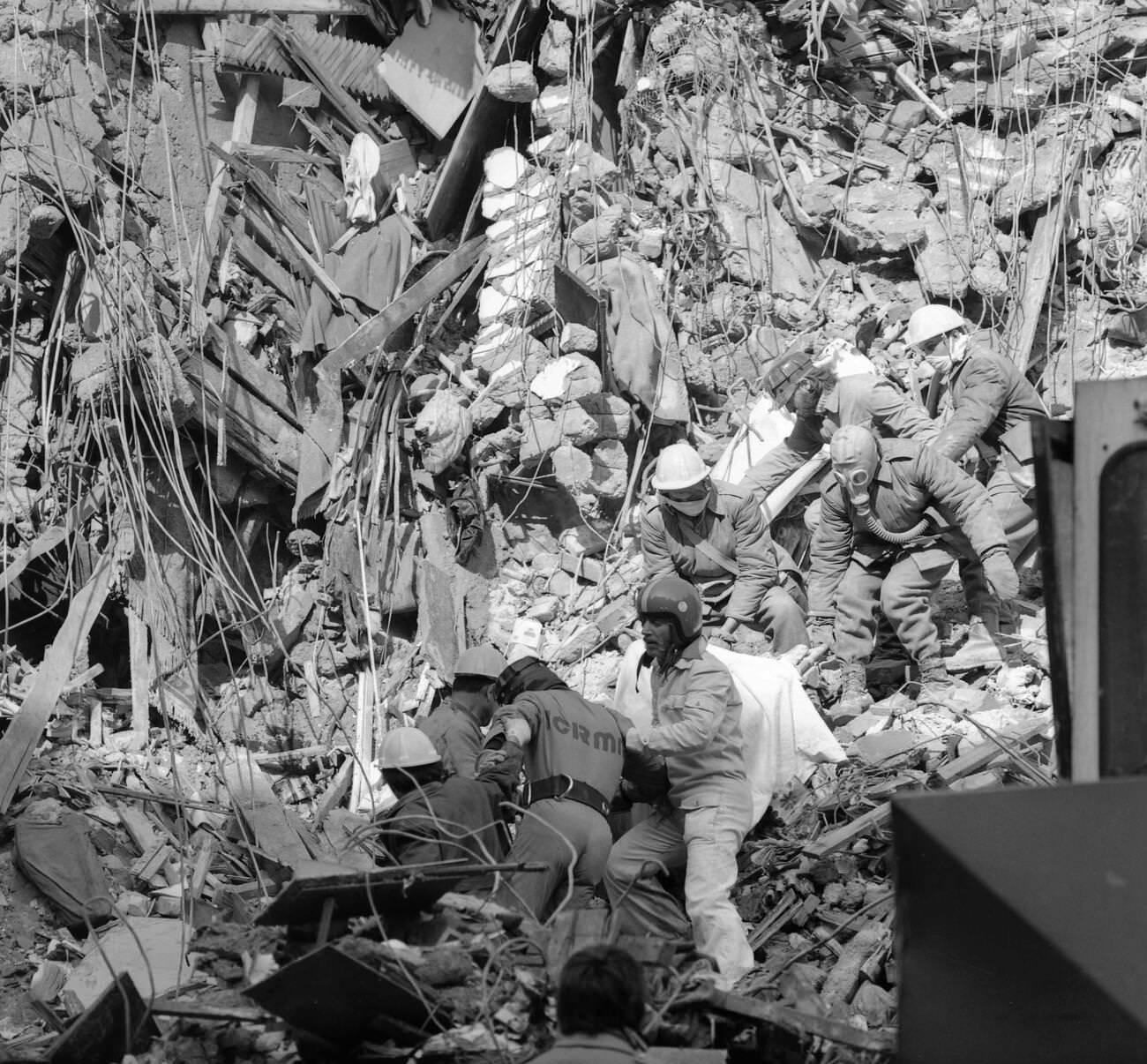
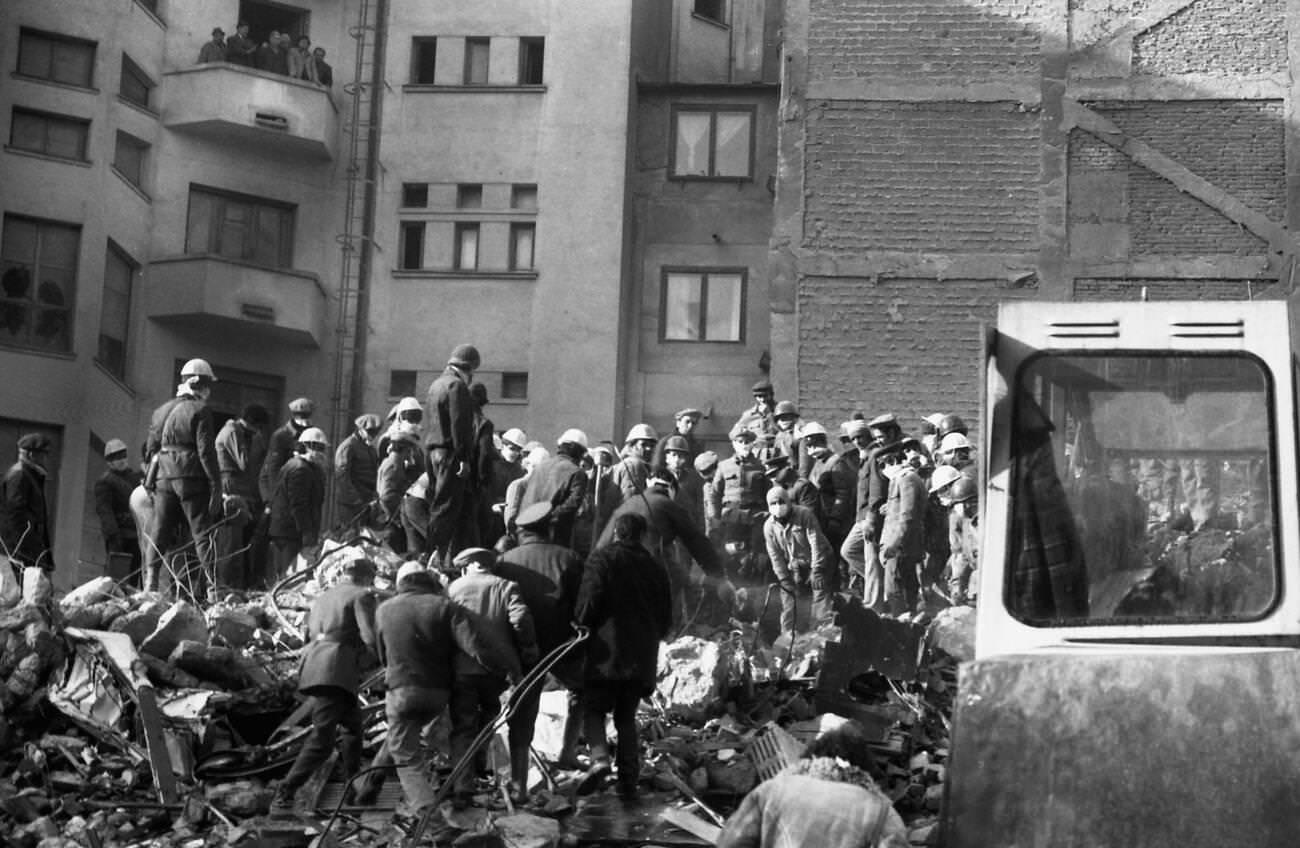
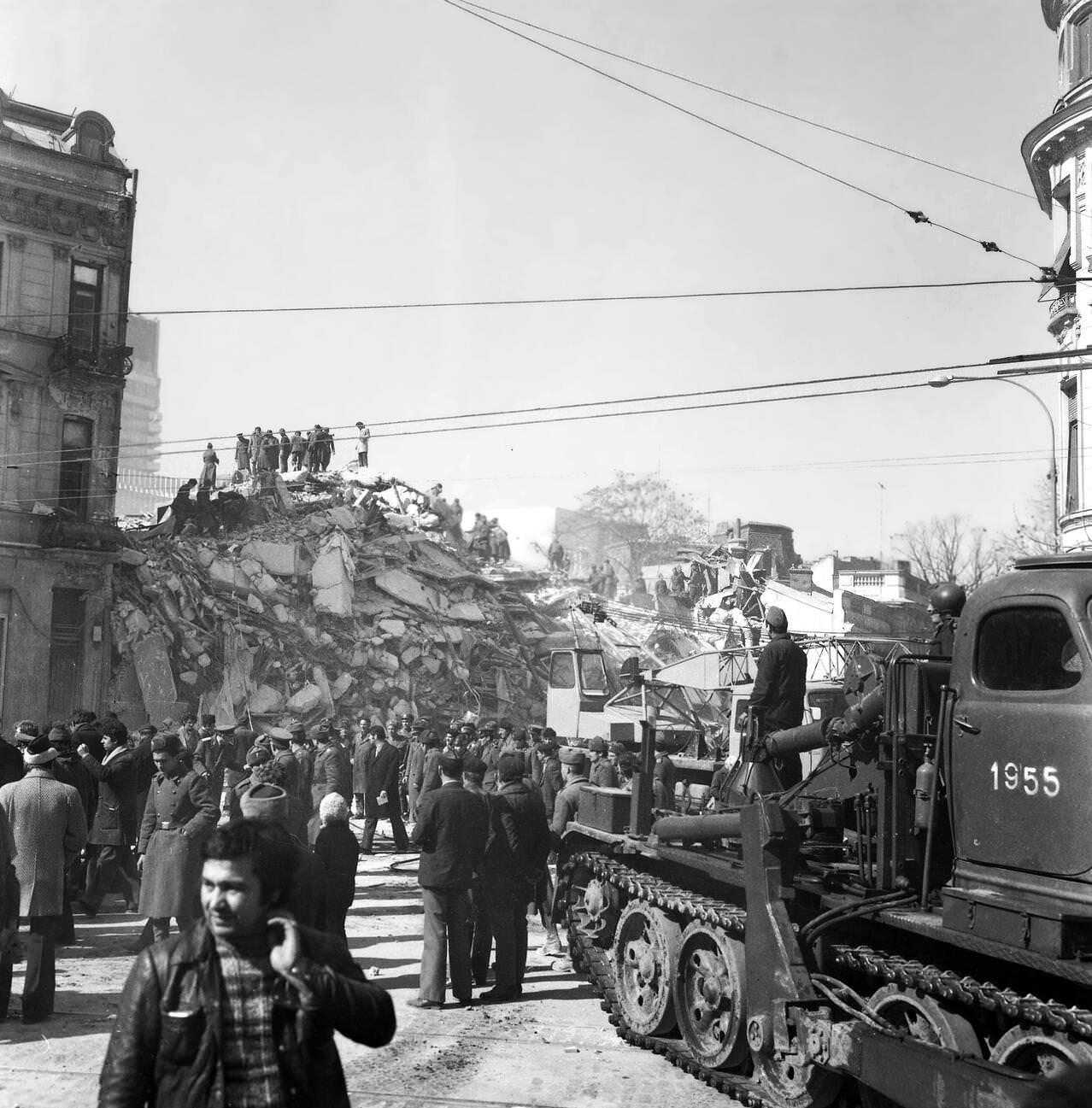
Rescue operation after the deadly earthquake in Bucharest, Romania, March 1977.

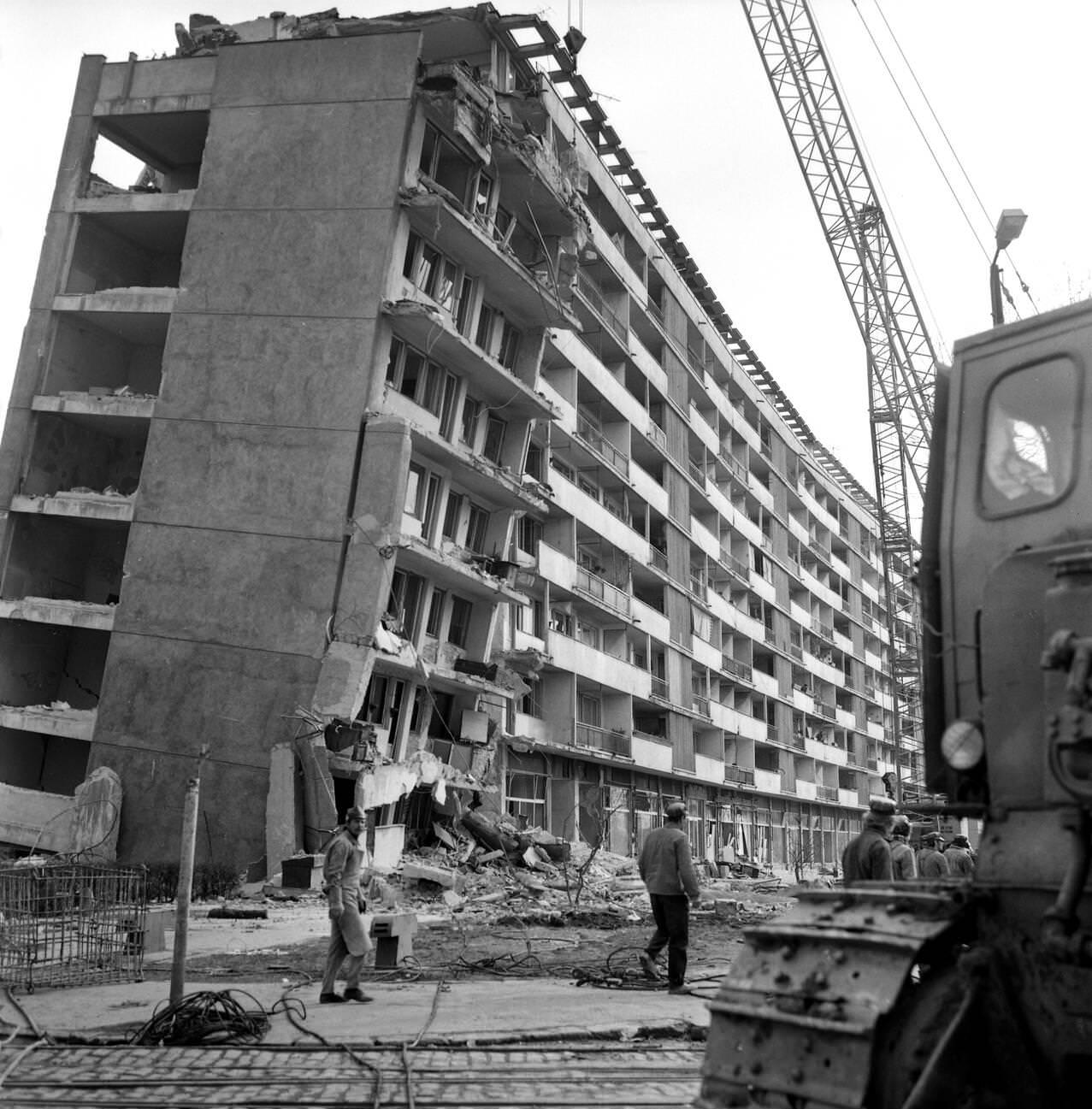
Panic spread almost immediately. Residents poured into the streets, many unsure at first what had just happened. Those living in high-rise apartment blocks — built as symbols of socialist modernization — found themselves trapped inside crumbling concrete structures. Emergency services were quickly overwhelmed. Communication lines were severed, making it nearly impossible to coordinate rescue teams in the critical first hours.
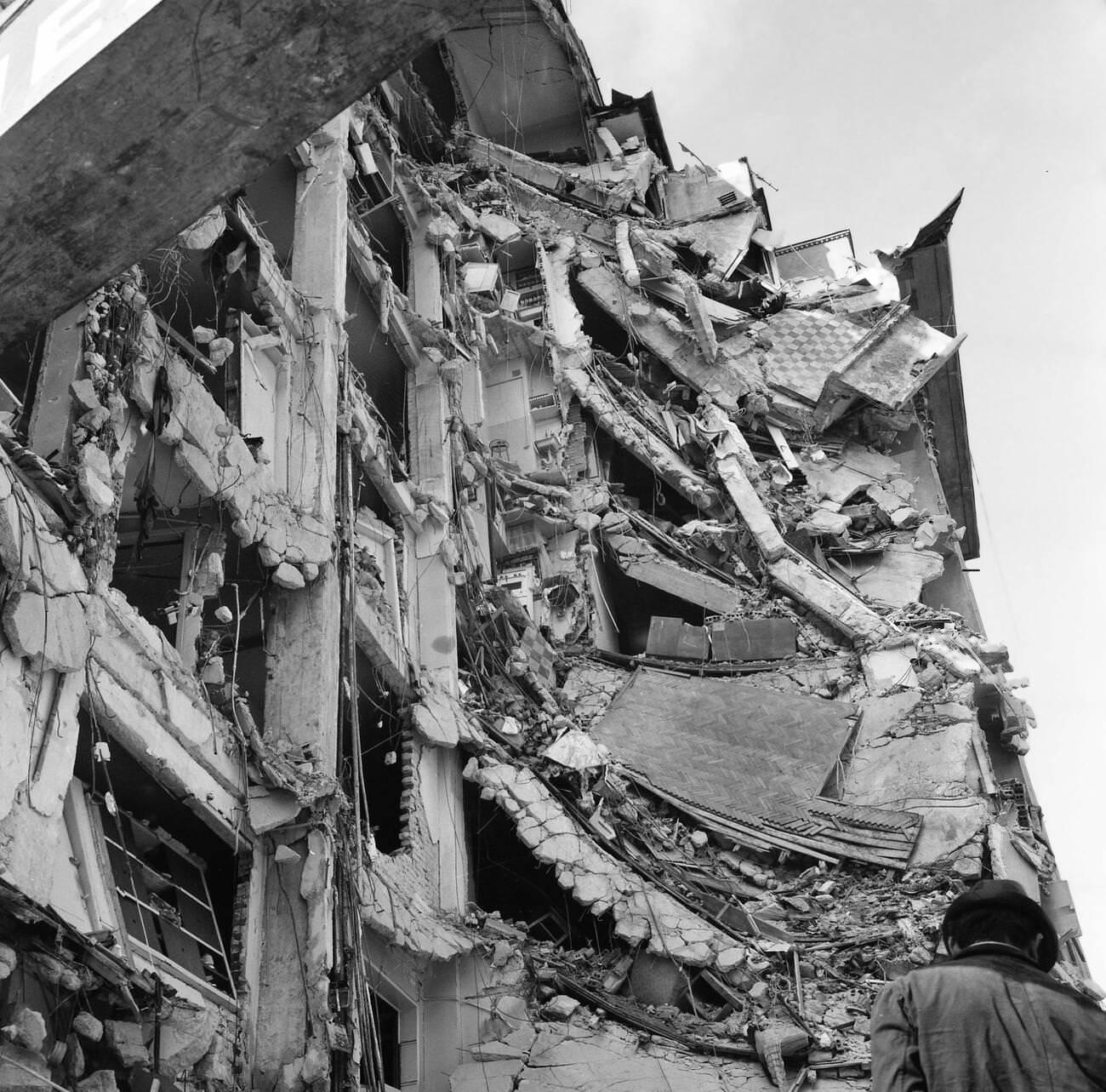
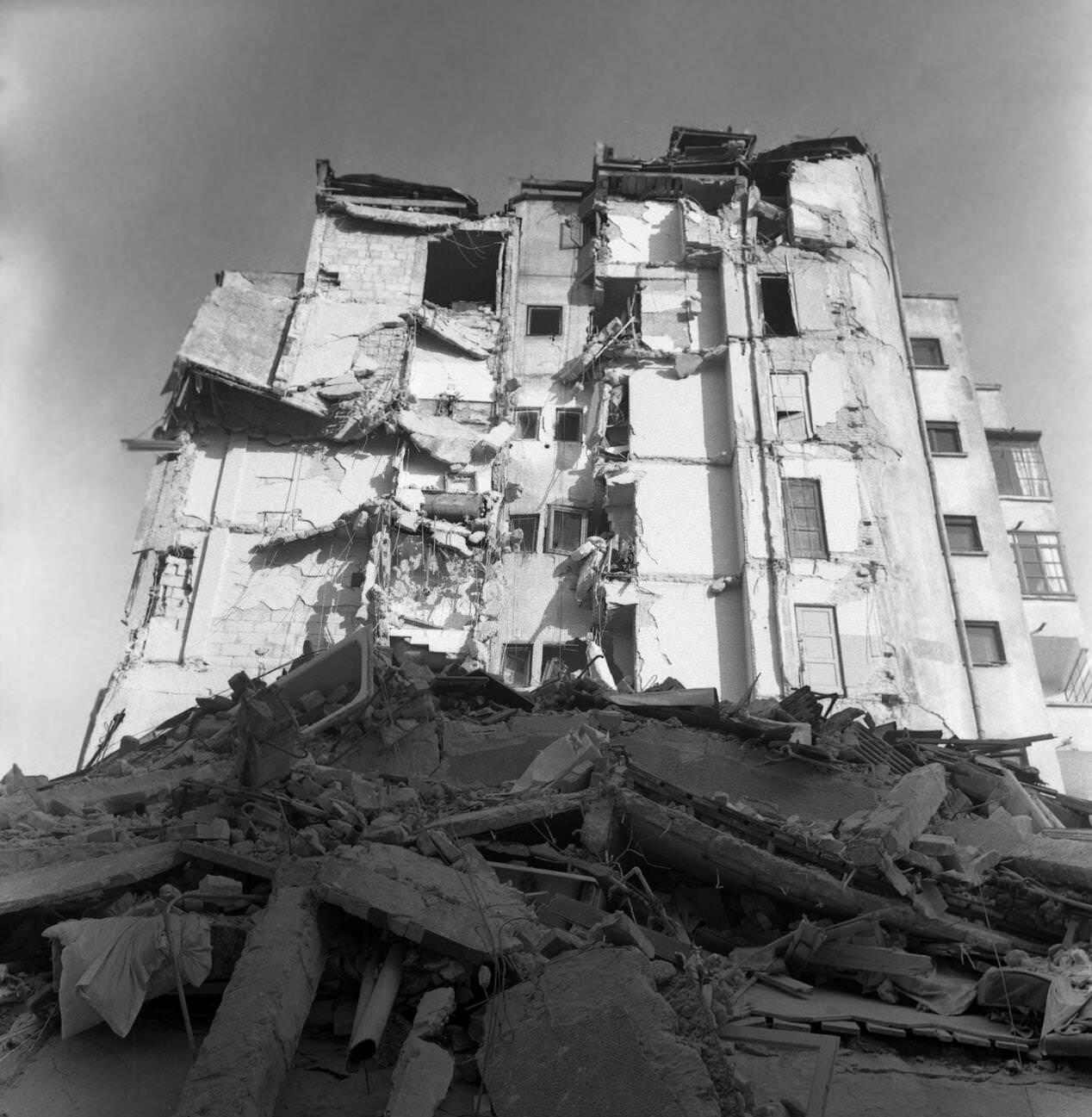
Apartment building damaged by the deadly earthquake in Bucharest, Romania, March 1977.
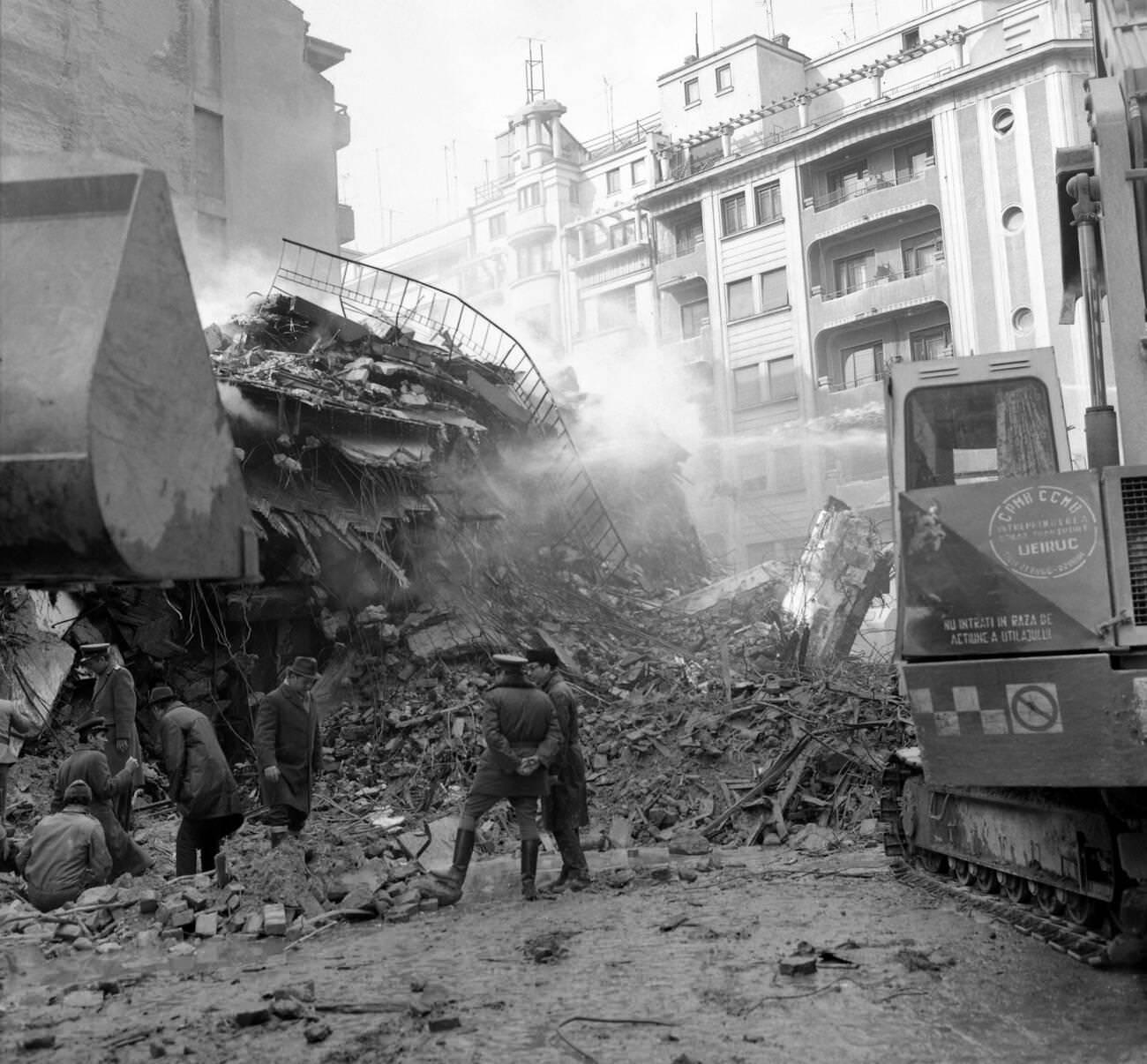
Rescue operation after the deadly earthquake in Bucharest, Romania, March 1977.

The death toll in Romania exceeded 1,500 people. More than 1,400 of those deaths occurred in Bucharest alone. The city’s older, unreinforced buildings had no chance against a quake of this magnitude — many simply pancaked, floor collapsing onto floor. The number of injured ranged between 11,000 and 15,000. Thousands more lost their homes entirely and were forced into makeshift shelters during a bitter Balkan winter.
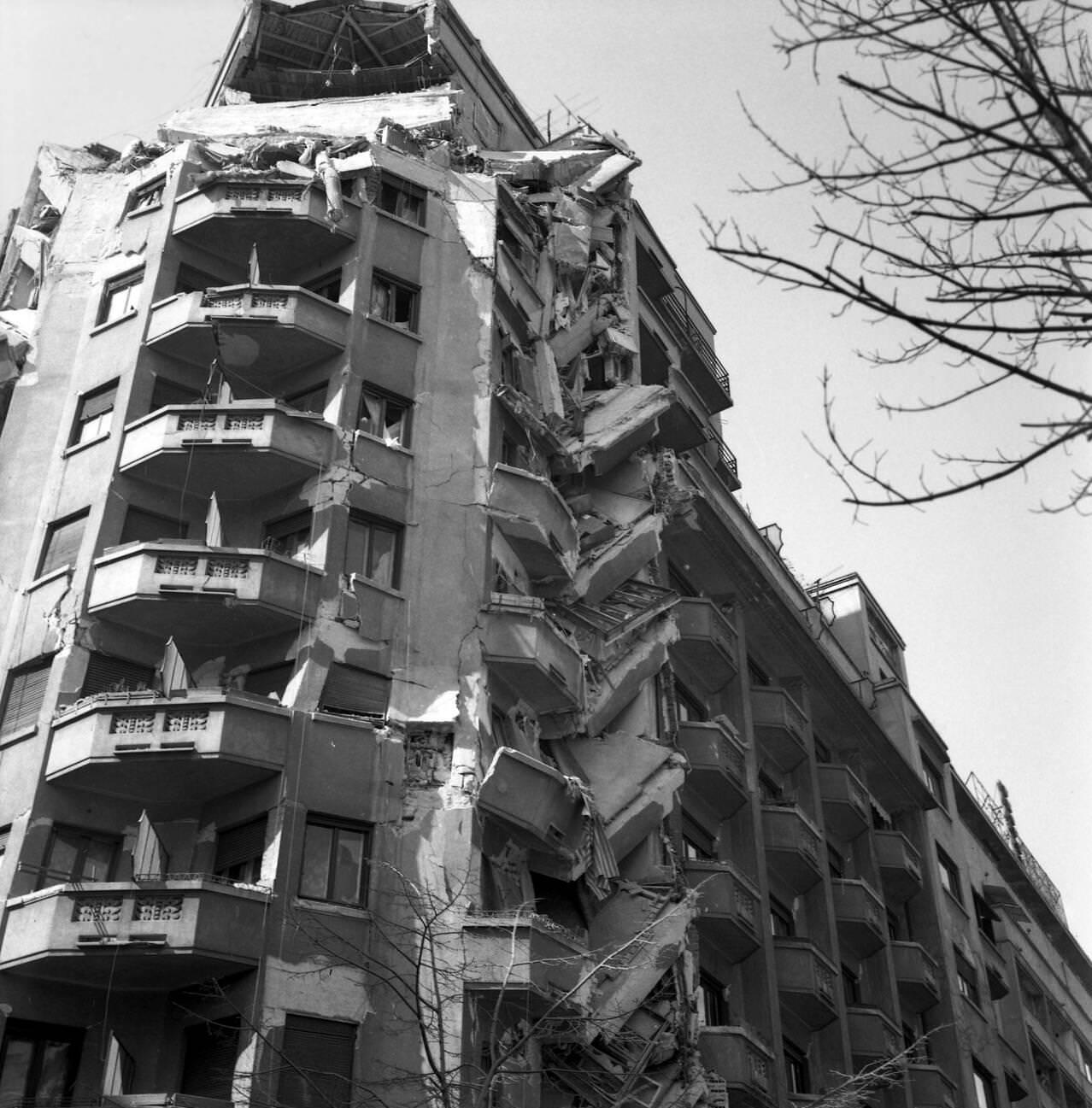
Apartment building damaged by the deadly earthquake in Bucharest, Romania, March 1977.
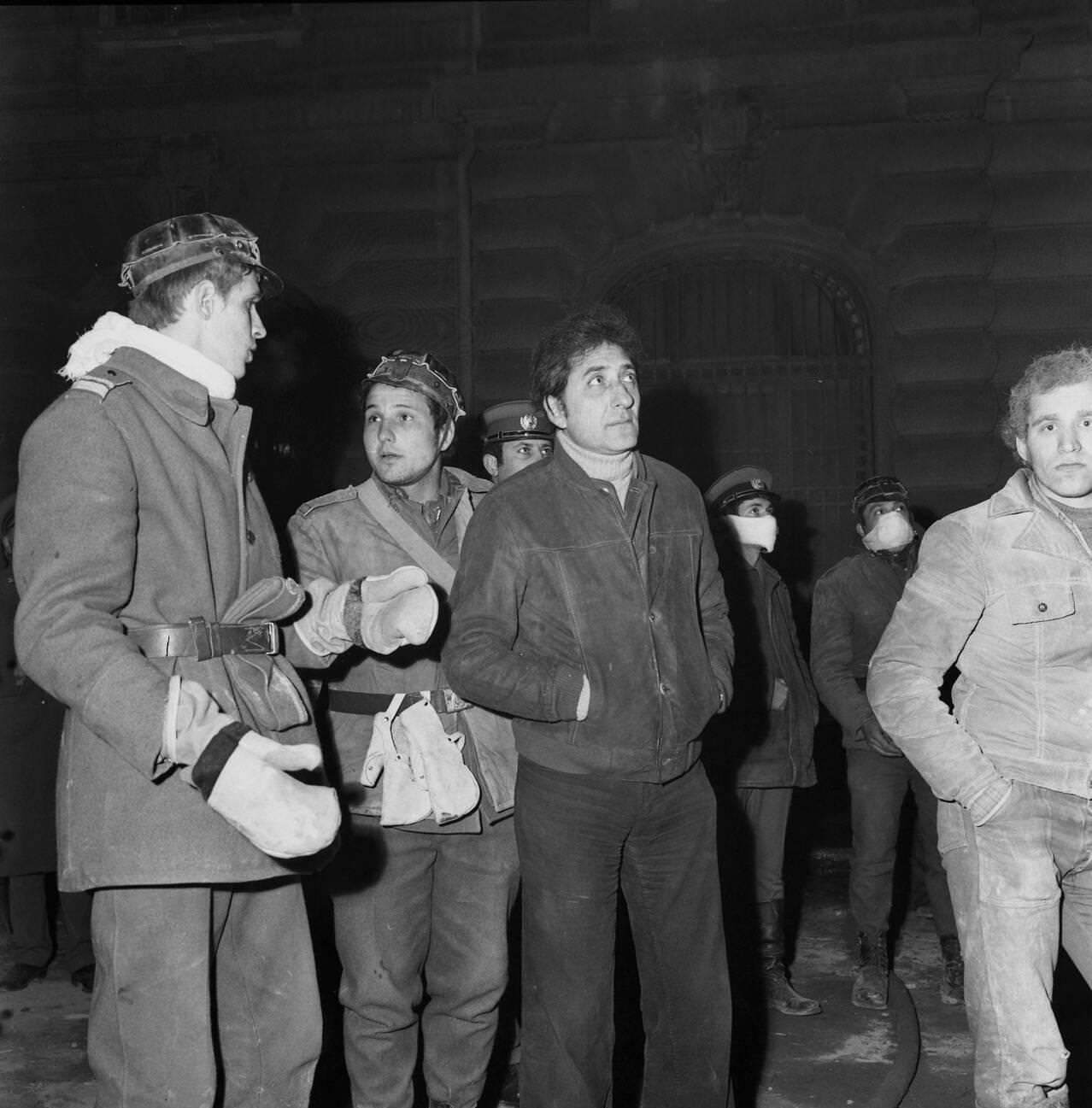
Rescuers after the deadly earthquake in Bucharest, Romania, March 1977.

One factor that prevented an even higher death toll: a national holiday weekend. Many Bucharest residents had left the city to celebrate, meaning a large number of apartments stood empty when the earthquake hit. Had it been an ordinary Friday night, the numbers would have been far worse.
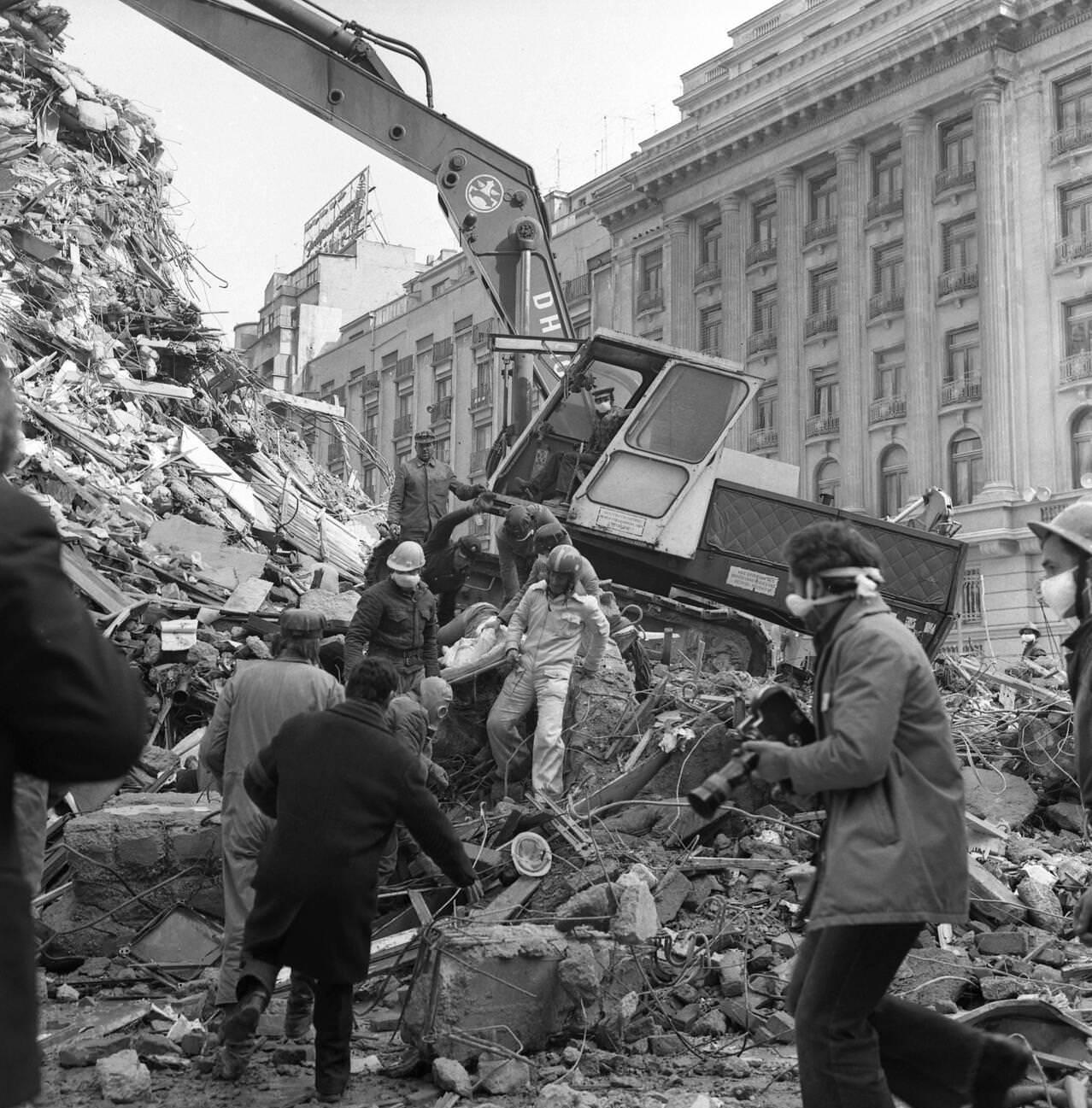
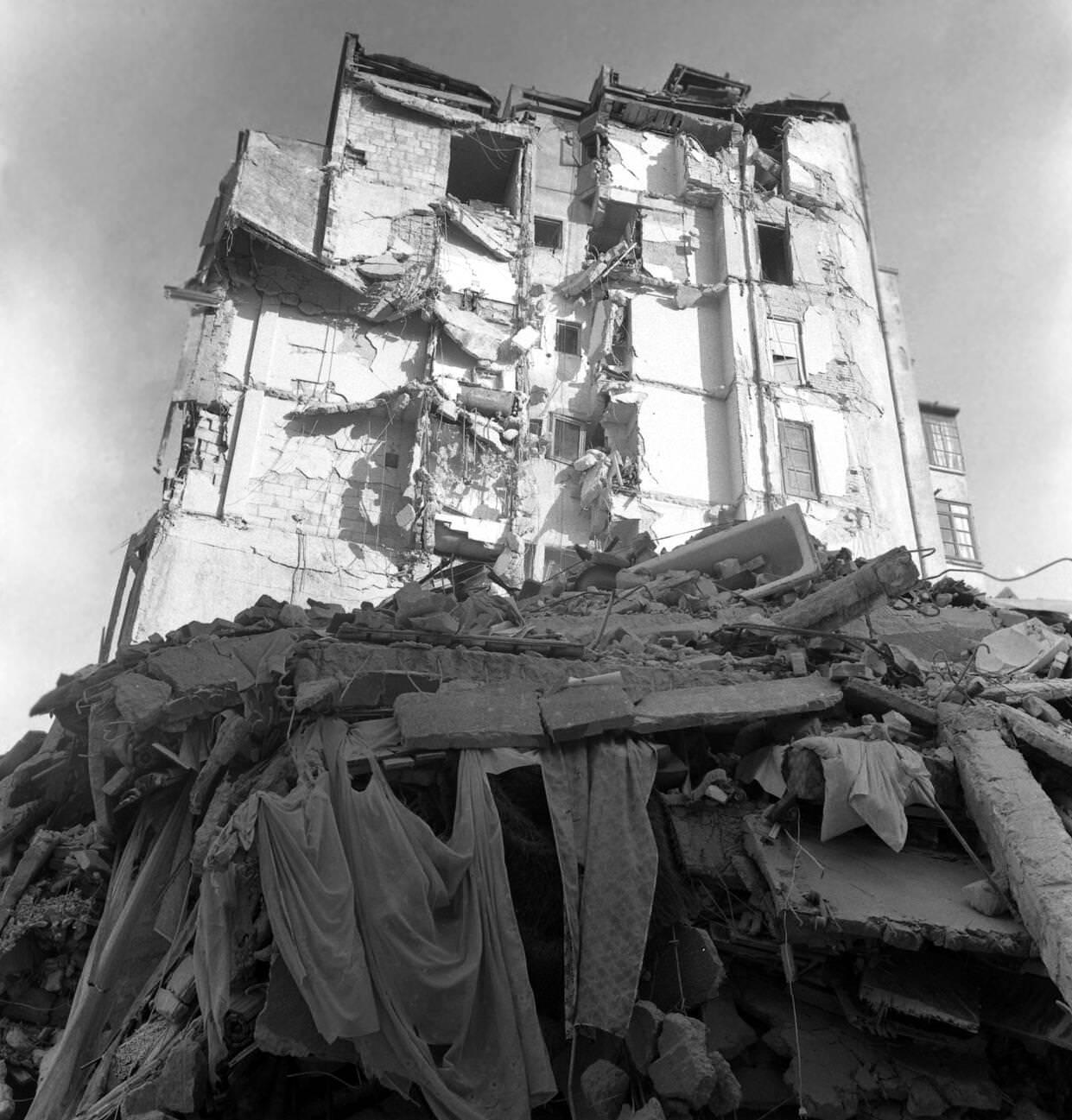
Rescue operation after the deadly earthquake in Bucharest, Romania, March 1977.
Apartment building damaged by the deadly earthquake in Bucharest, Romania, March 1977.

The physical damage to the city was enormous. More than 33,000 residential units were either destroyed or severely damaged. Among the hardest-hit structures were the National Theatre, the Telephone Palace, and dozens of hospitals, schools, and apartment blocks. Gas, water, and electricity supplies were cut off across wide sections of the city, compounding the suffering for survivors in the days that followed.
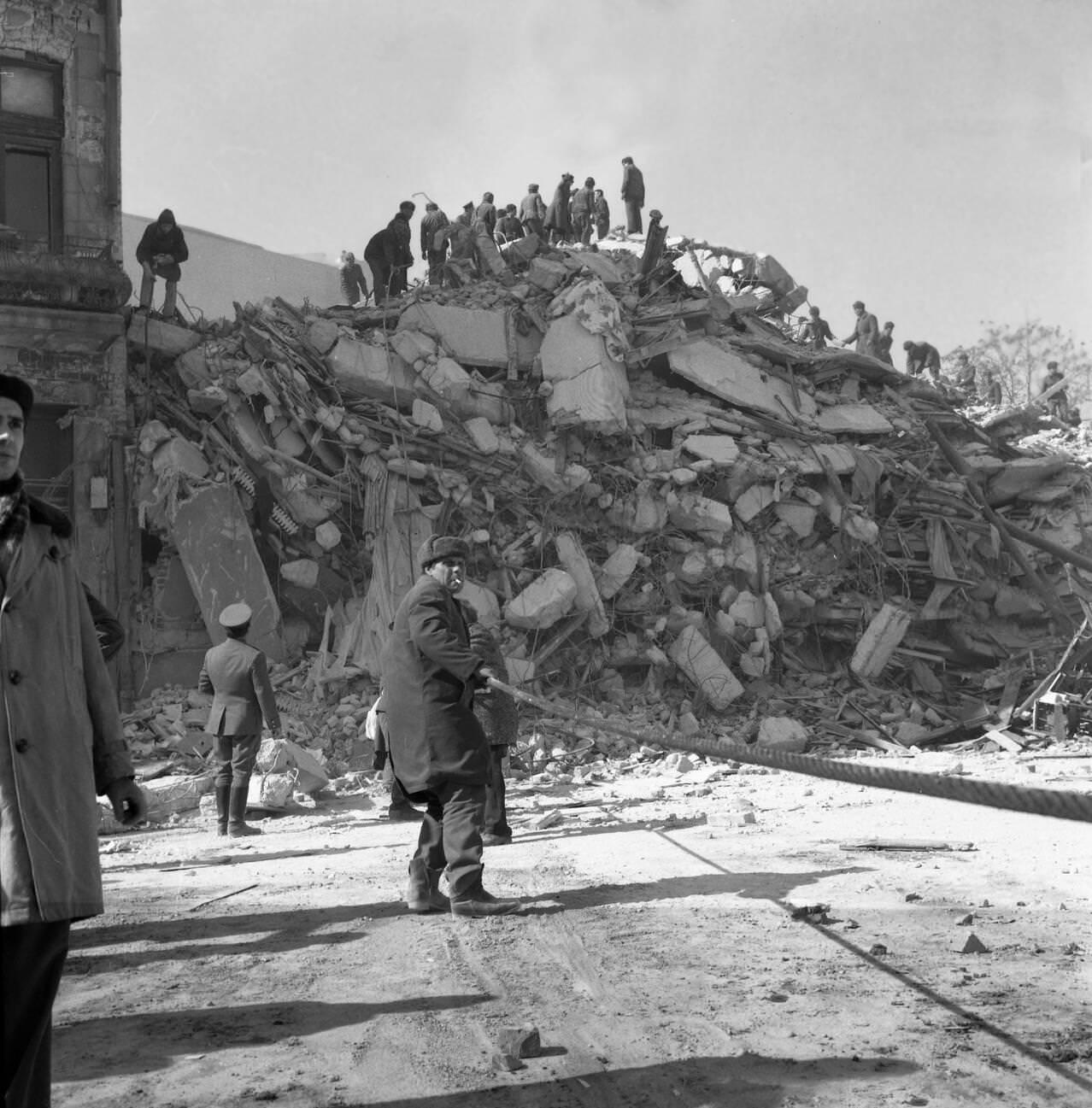
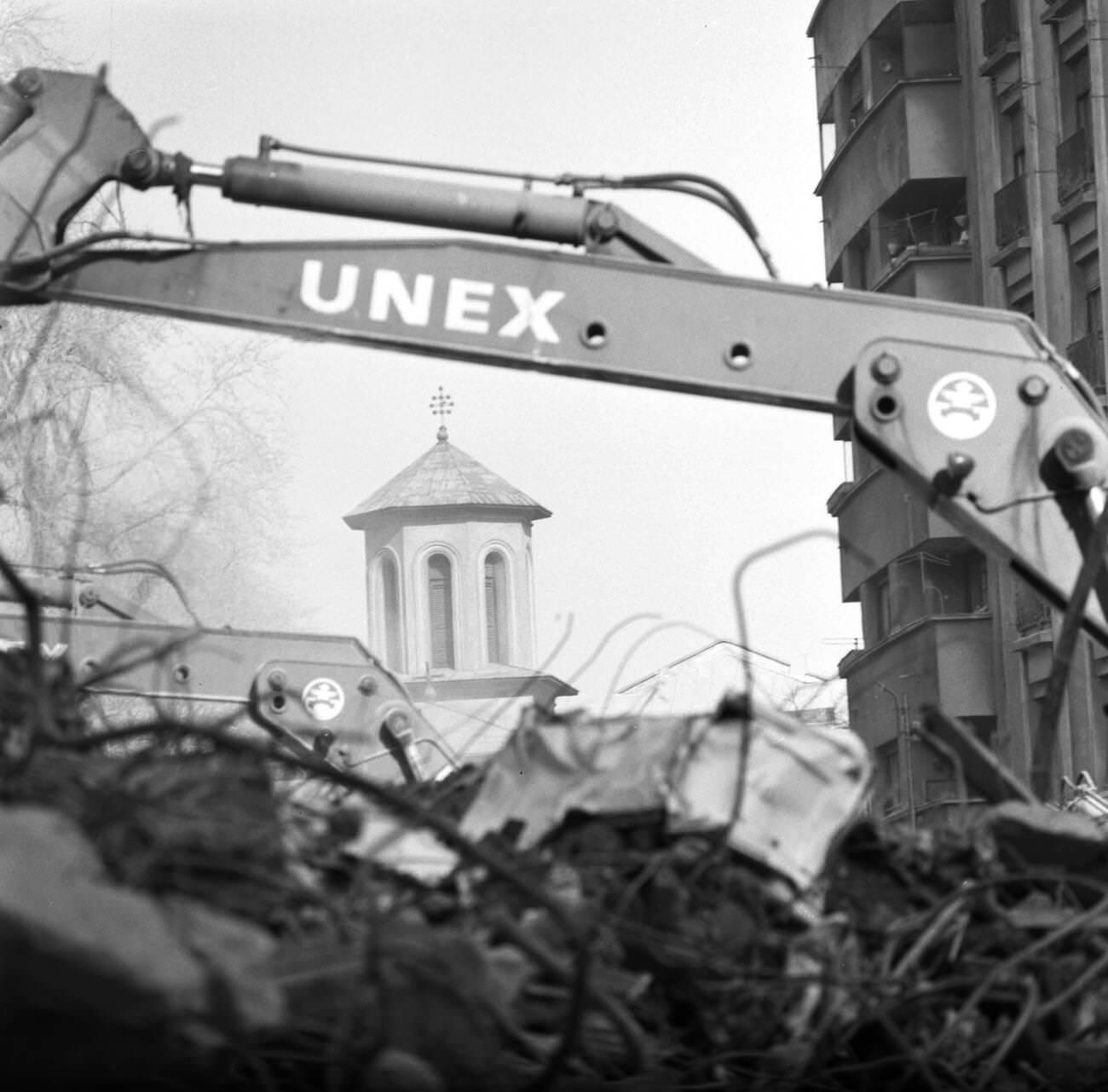
Rescue operation after the deadly earthquake in Bucharest, Romania, March 1977.
Church tower seen through the arm of a machine cleaning up rubble after the deadly earthquake in Bucharest, Romania, March 1977.

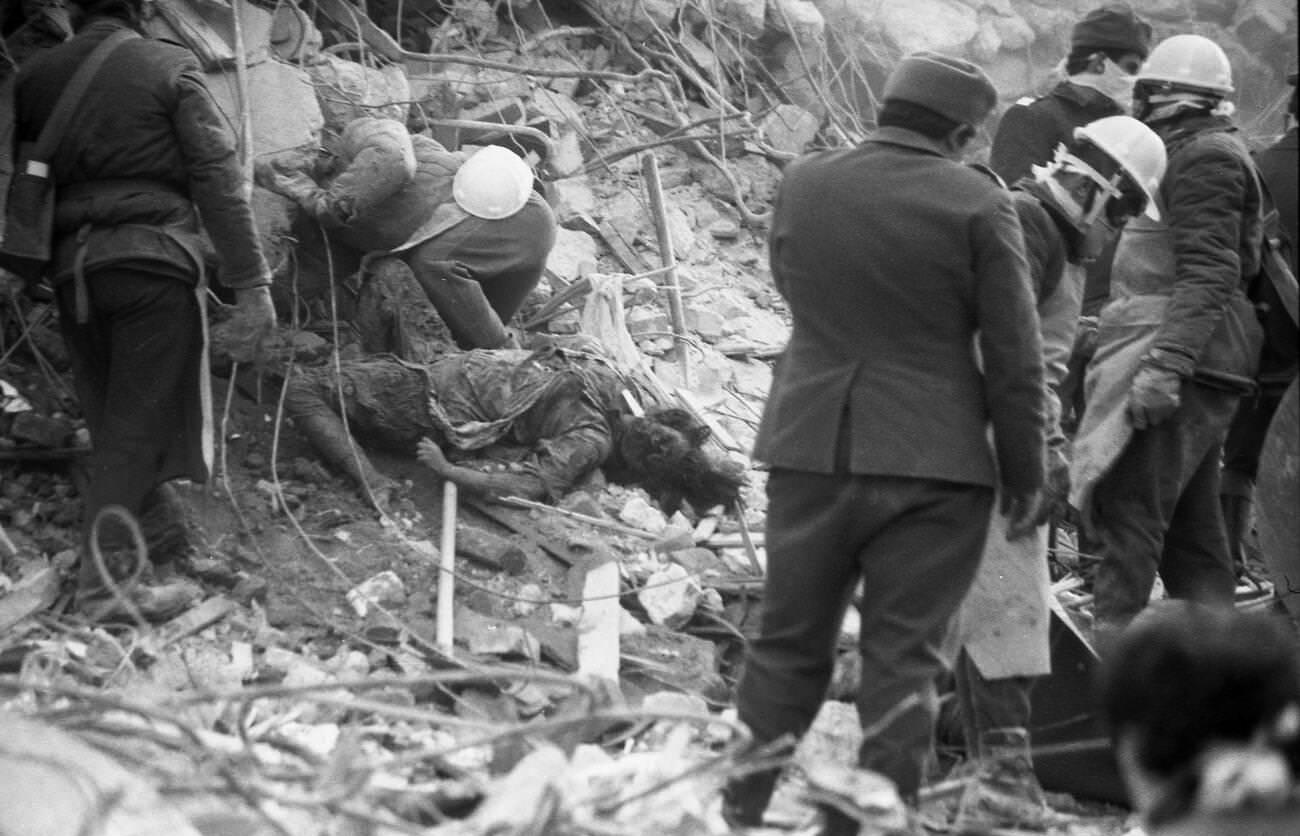
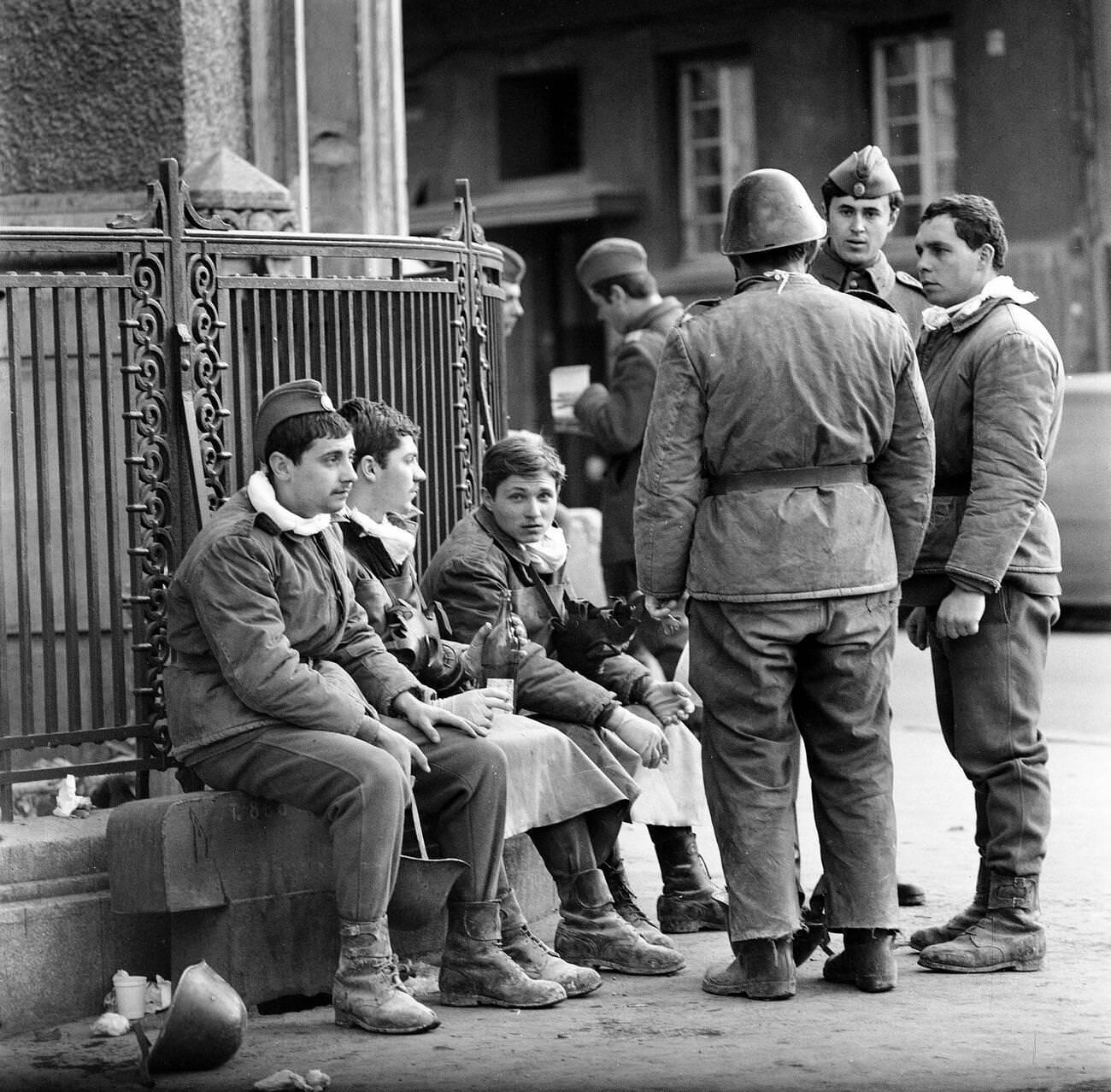
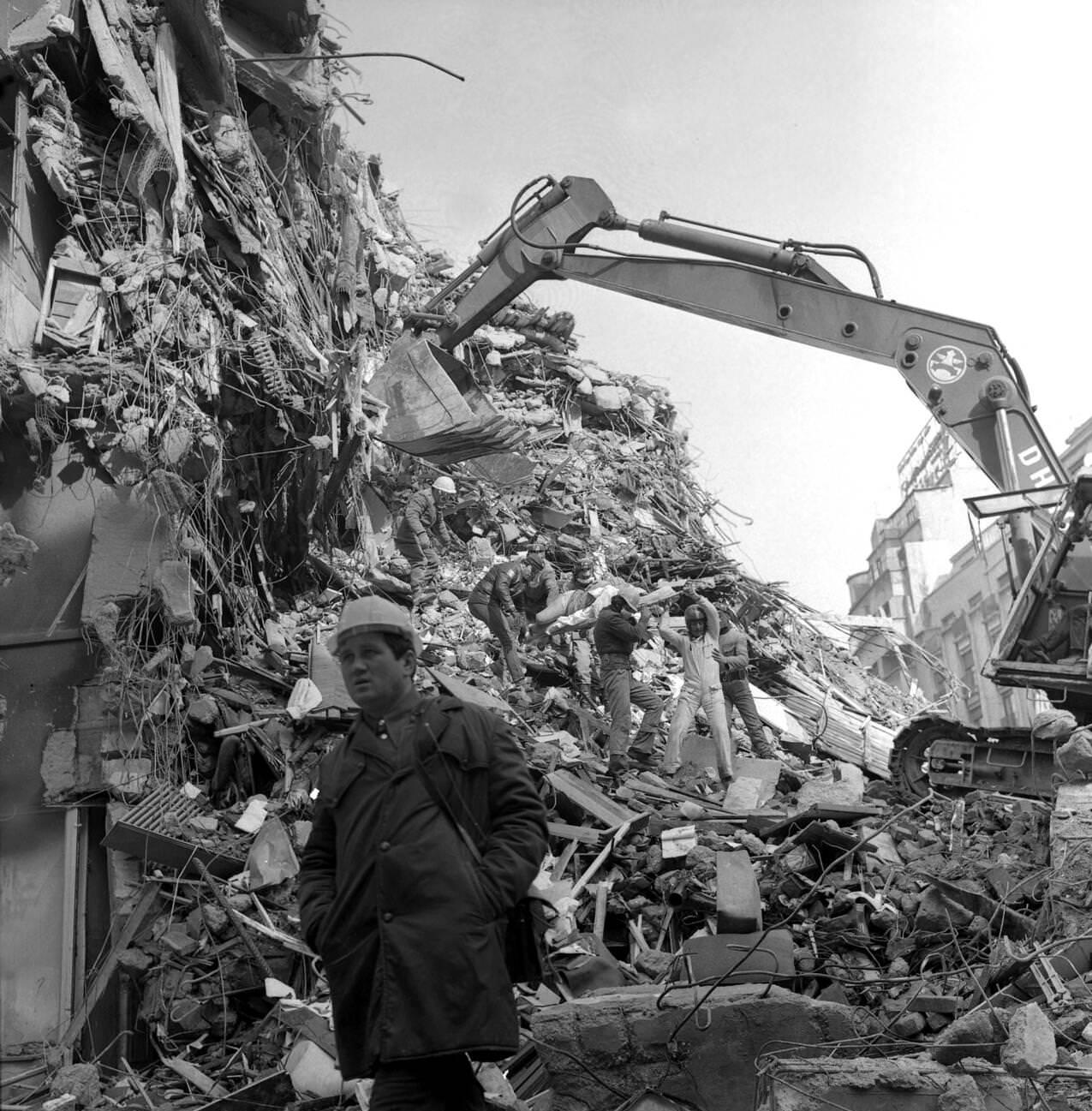
Rescue teams worked around the clock, digging through collapsed buildings by hand and with heavy machinery. Survivors were pulled from the wreckage hours — and in some cases days — after the initial shock. The Romanian military joined emergency services on the ground, while international rescue teams arrived from countries across Europe and beyond, bringing specialized equipment and medical supplies.
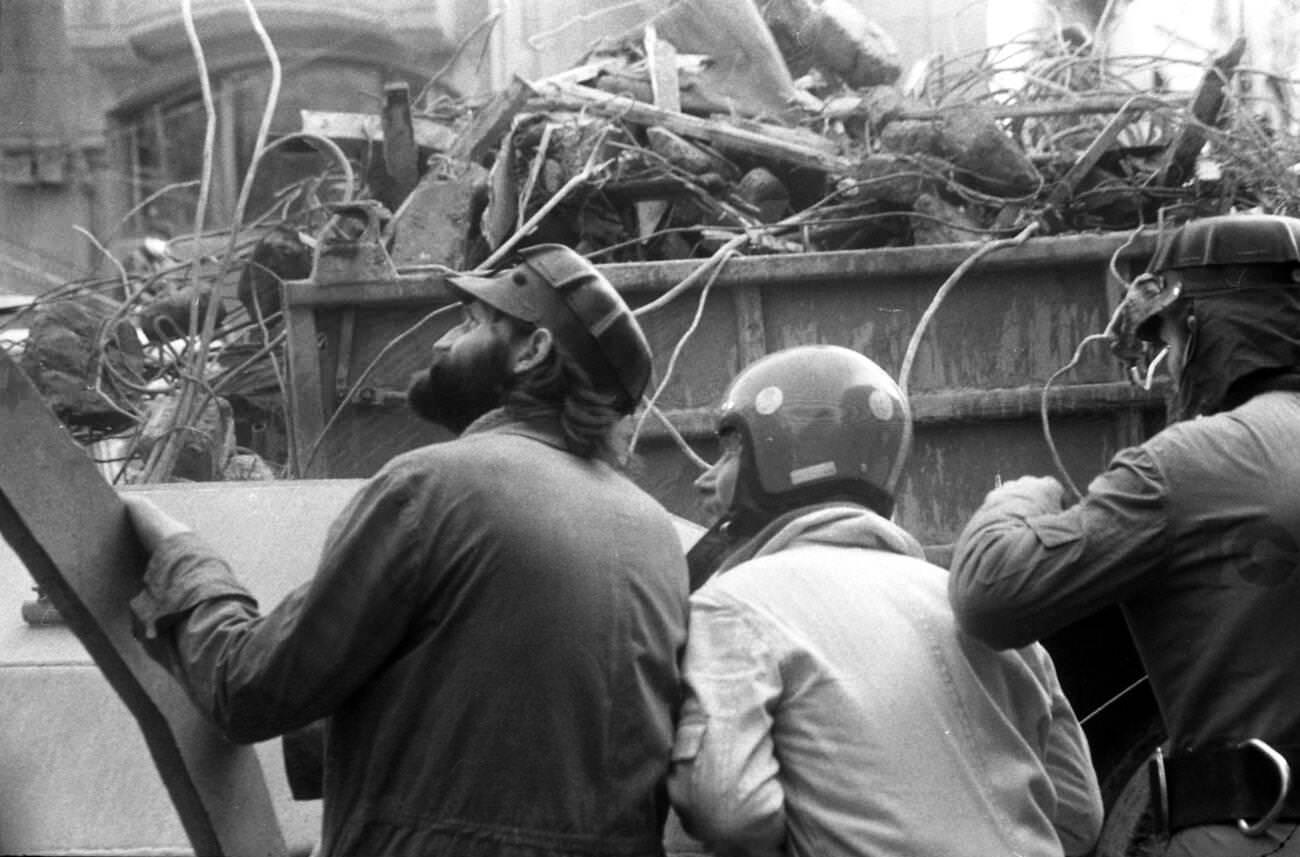
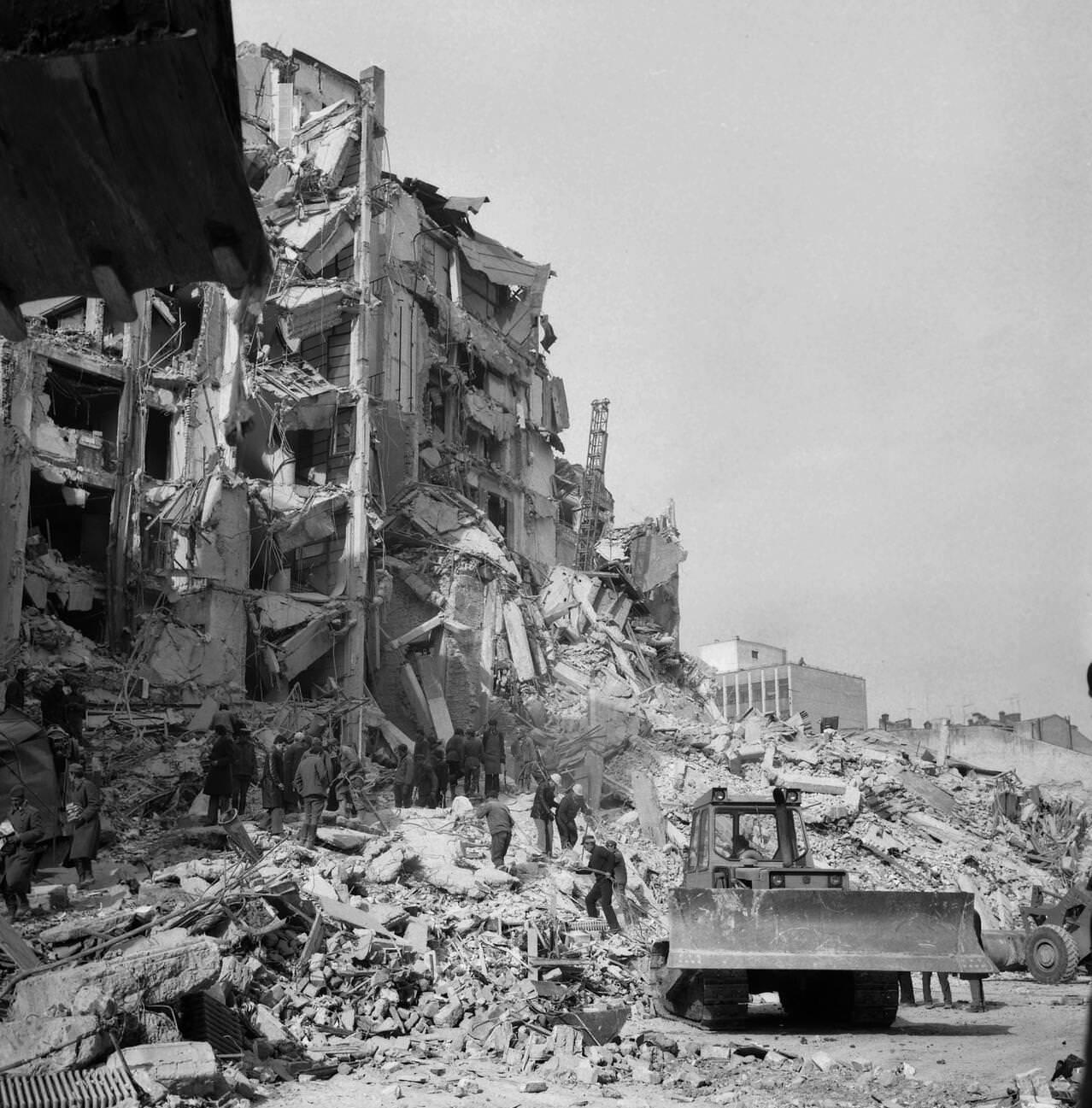
Rescuers after the deadly earthquake in Bucharest, Romania, March 1977.
Rescue operation after the deadly earthquake in Bucharest, Romania, March 1977.

The scale of the destruction drew international attention almost immediately. Aid poured in from across the globe — financial assistance, medical teams, food, and building materials. For a country under Nicolae Ceaușescu’s tightly controlled communist government, accepting foreign help on this scale was an unusual step, a reflection of just how severe the crisis was.
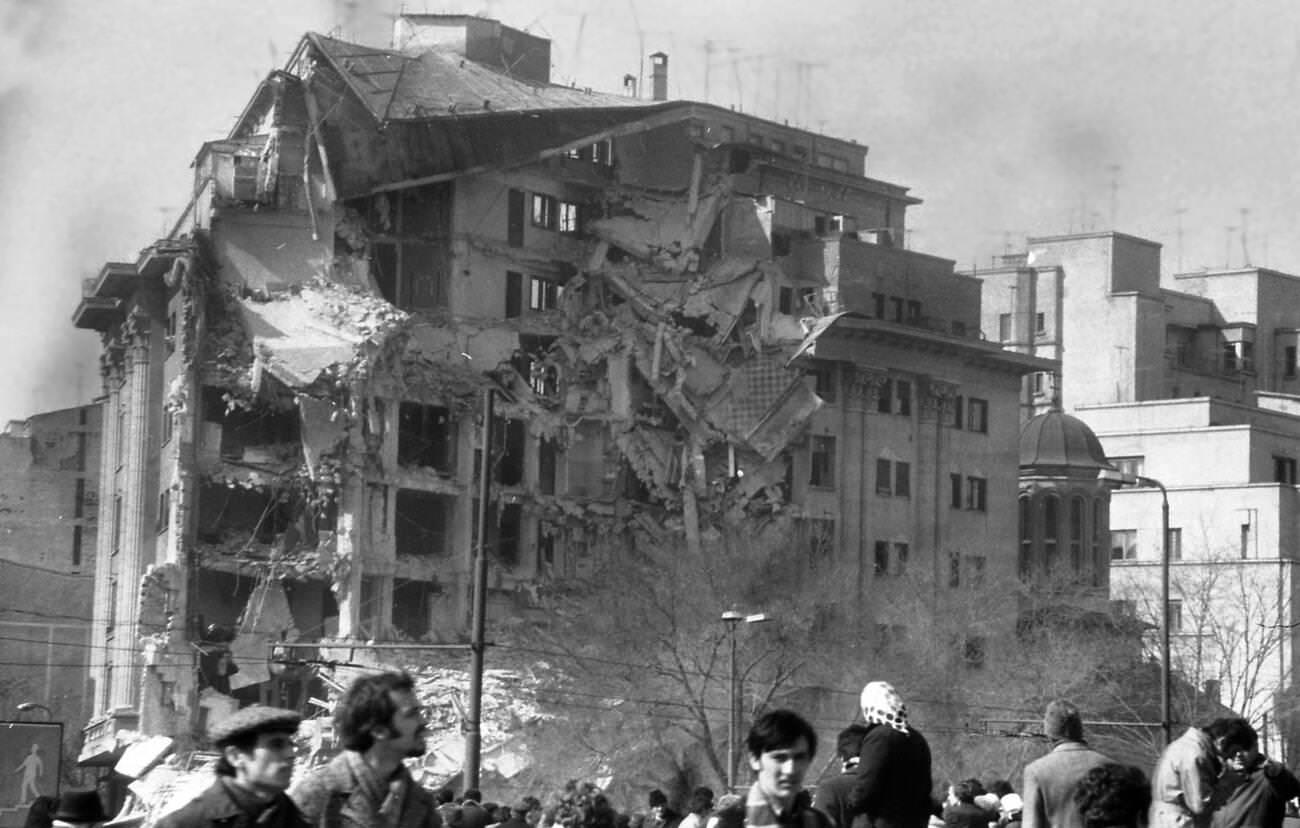
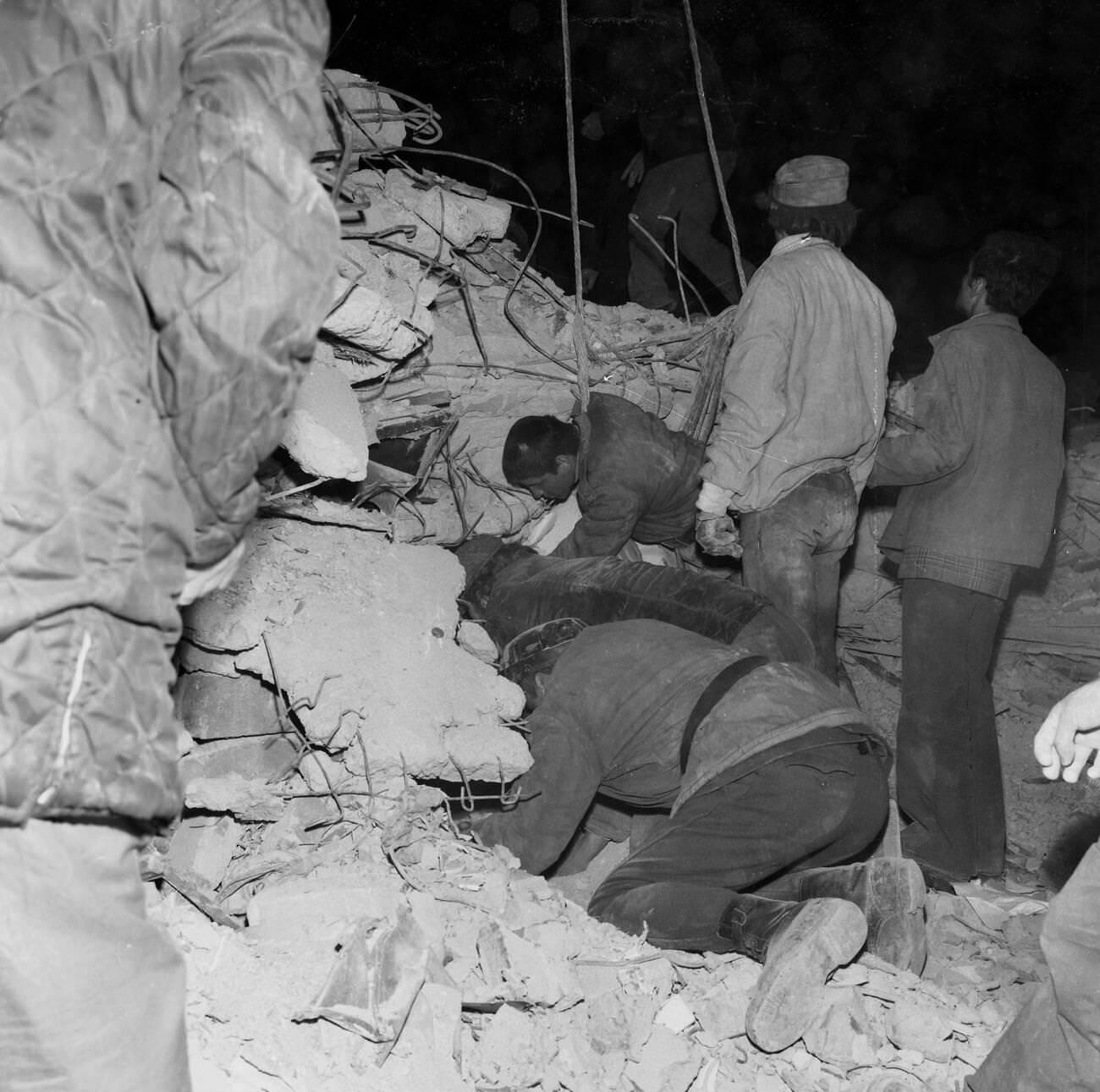
Apartment building damaged by the deadly earthquake in Bucharest, Romania, March 1977.
Rescue operation after the deadly earthquake in Bucharest, Romania, March 1977.

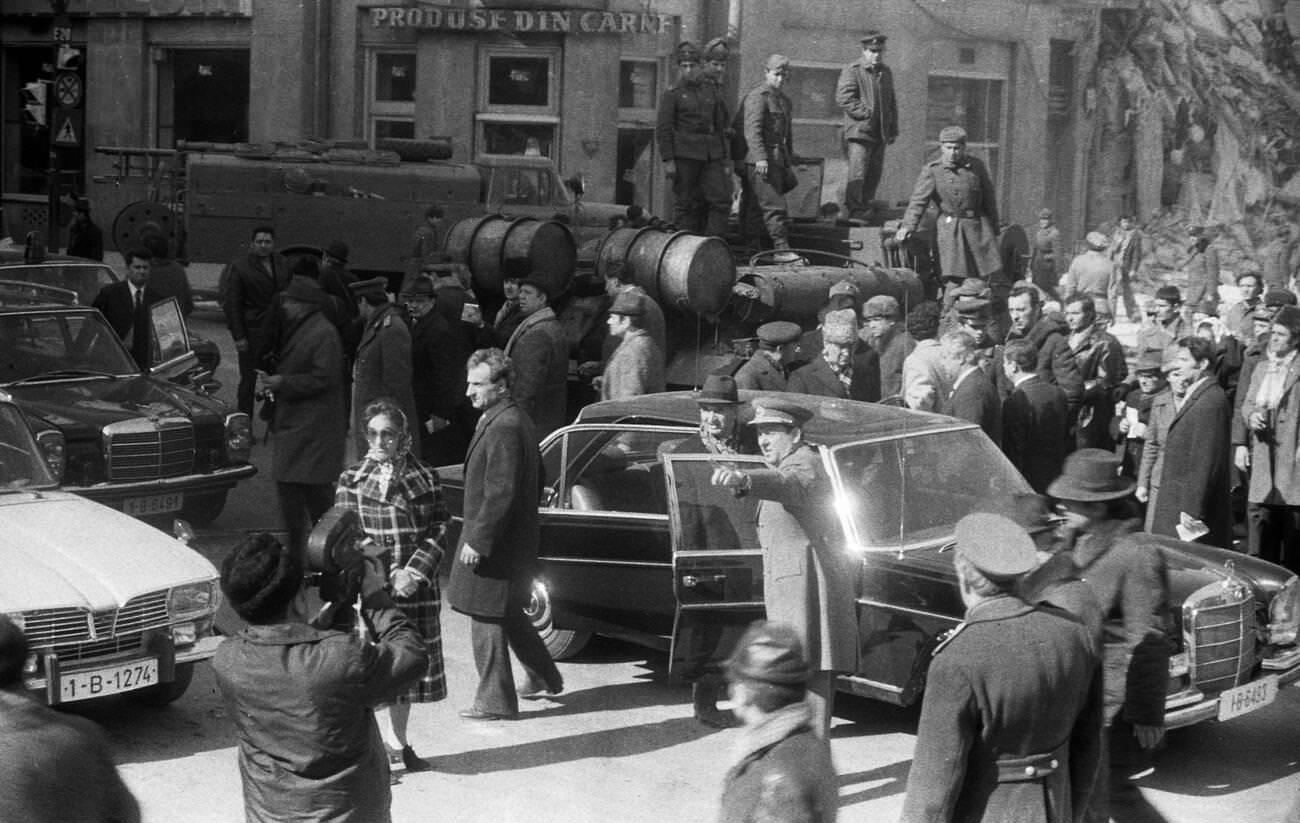
Ceaușescu himself toured the damage in the days following the quake. His public appearances at the disaster sites were carefully managed, projecting an image of a leader firmly in control of a national crisis. The Securitate — Romania’s secret police — maintained a visible presence throughout the rescue operations, monitoring both the work being done and the people gathered at the scenes.
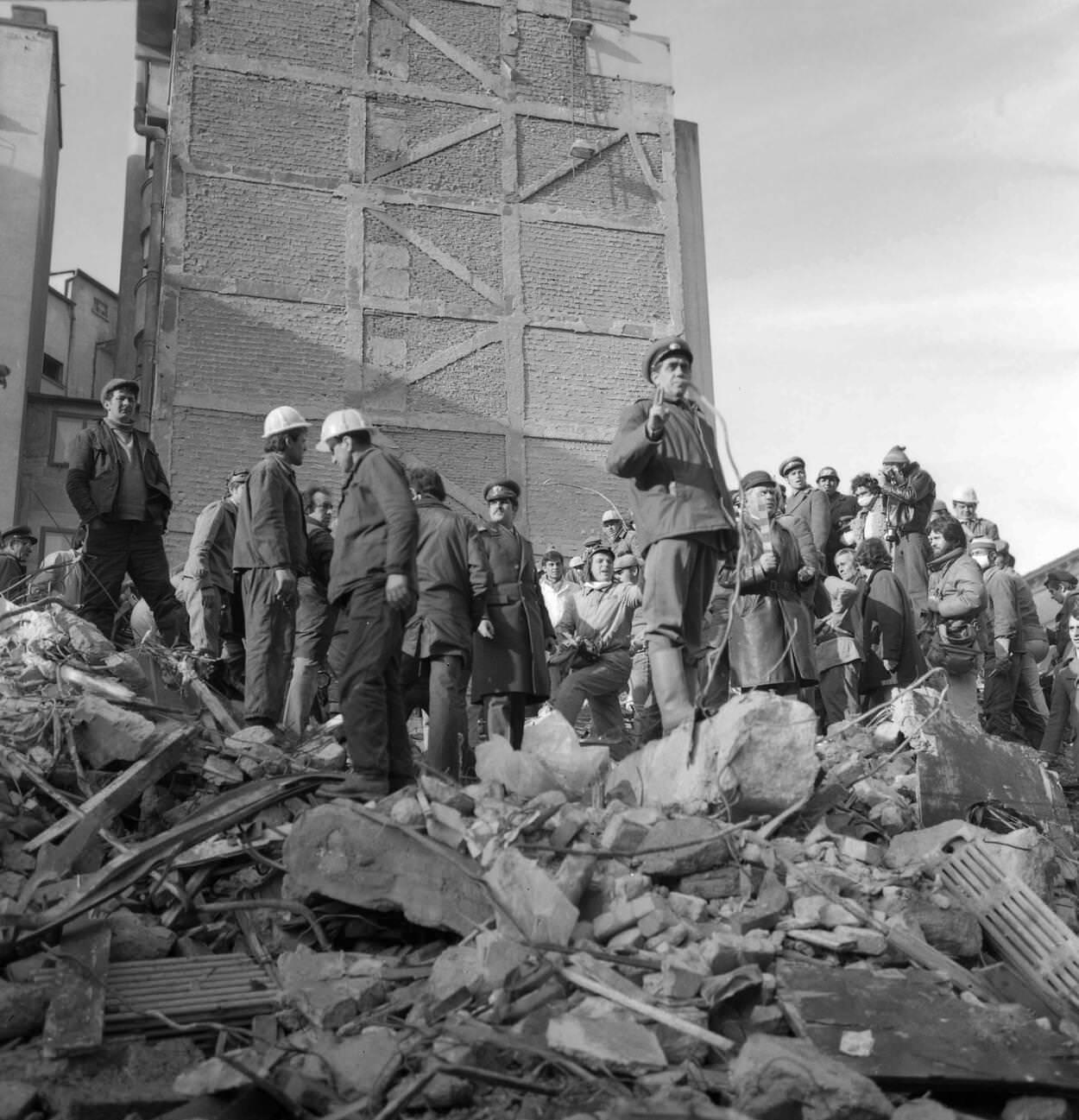
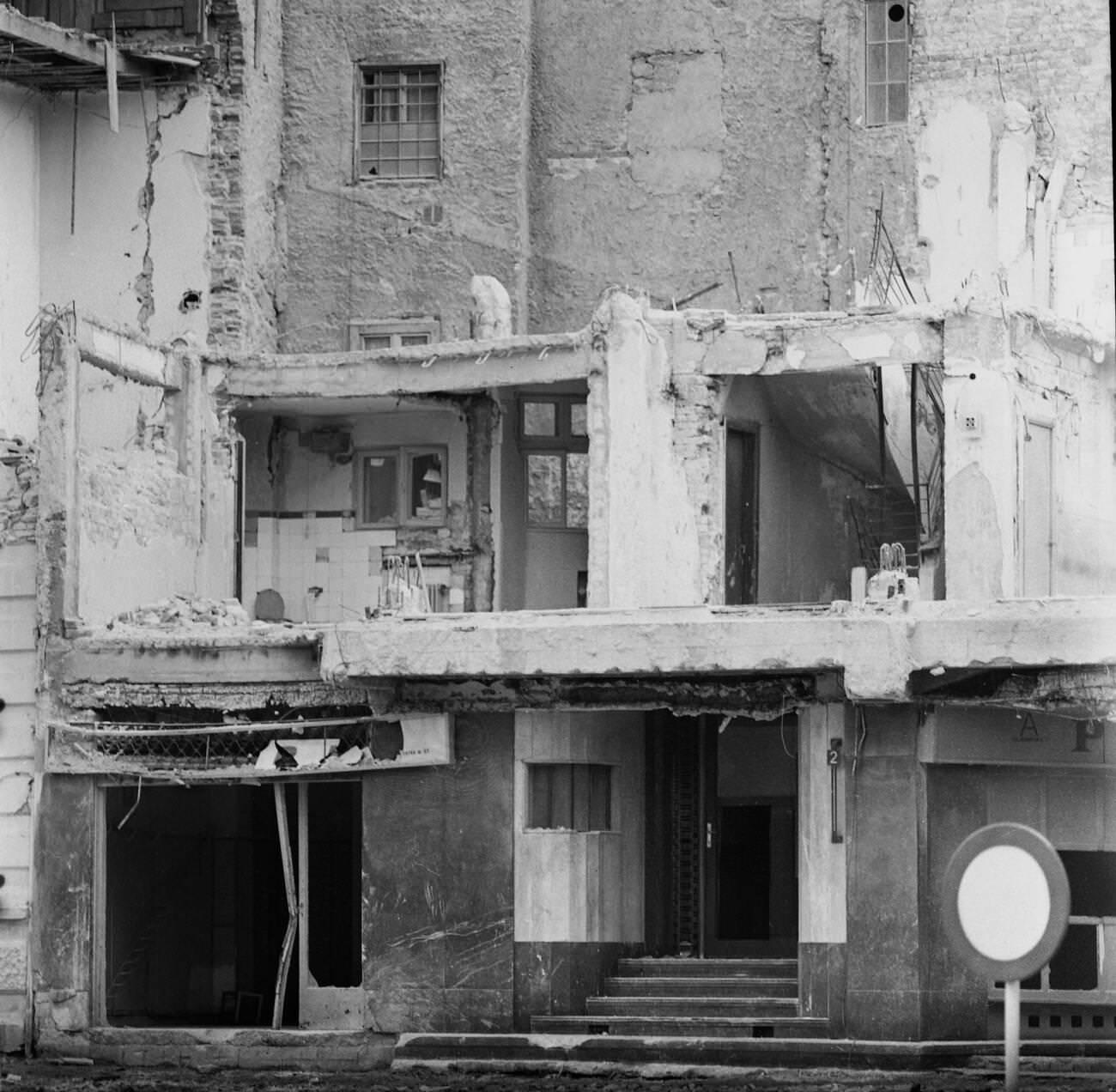
Rescuers after the deadly earthquake in Bucharest, Romania, March 1977.
Apartment building damaged by the deadly earthquake in Bucharest, Romania, March 1977.
Nicolae Ceausescu and officials viewing earthquake damage in Bucharest, Romania, March 1977.

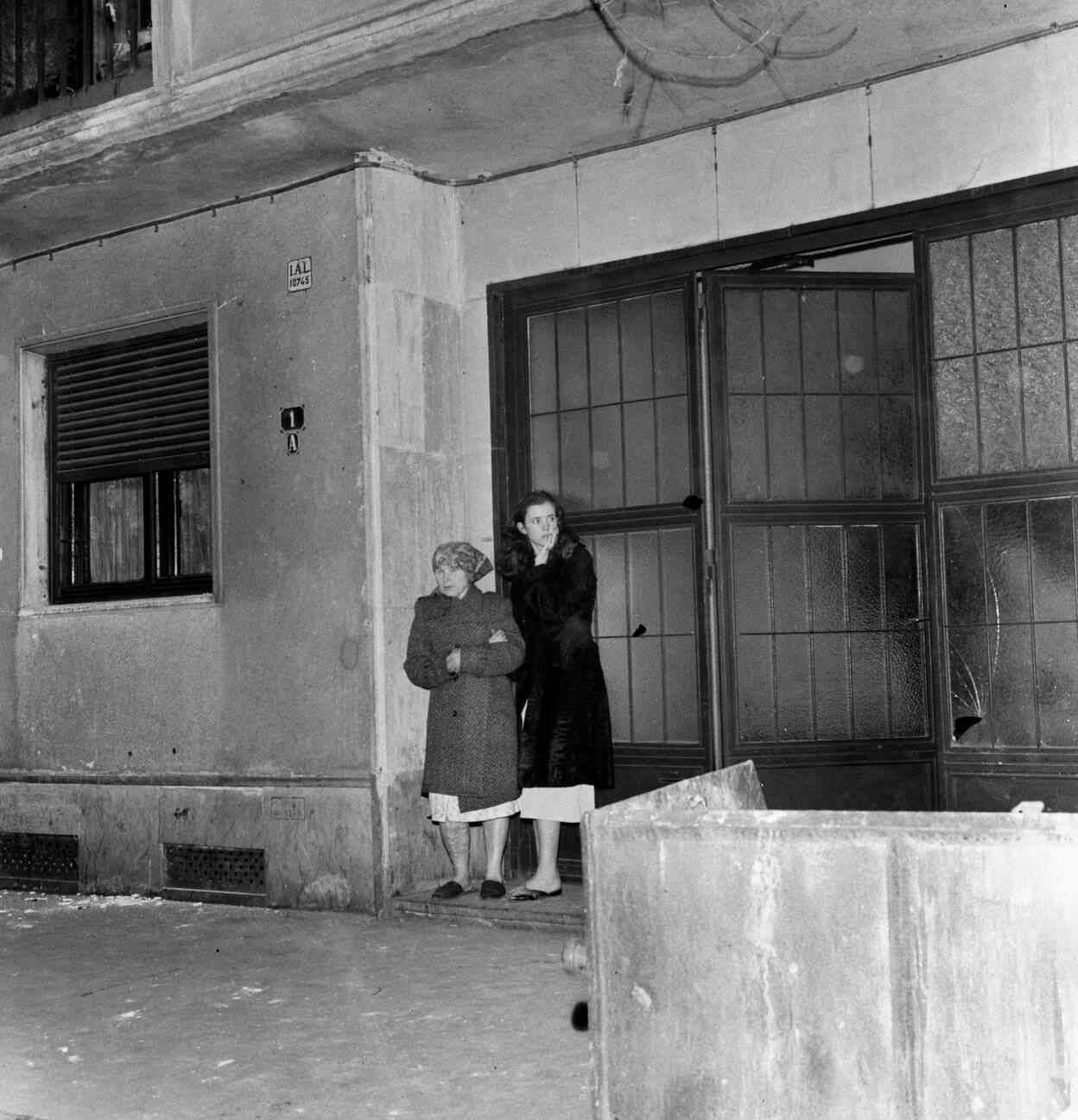
Across the city, survivors gathered outside damaged buildings, many unwilling or unable to return to their homes. Some structures had partial collapses — one wing or floor gone while the rest stood — leaving residents unsure whether it was safe to go back inside. Others had nothing left to return to at all.
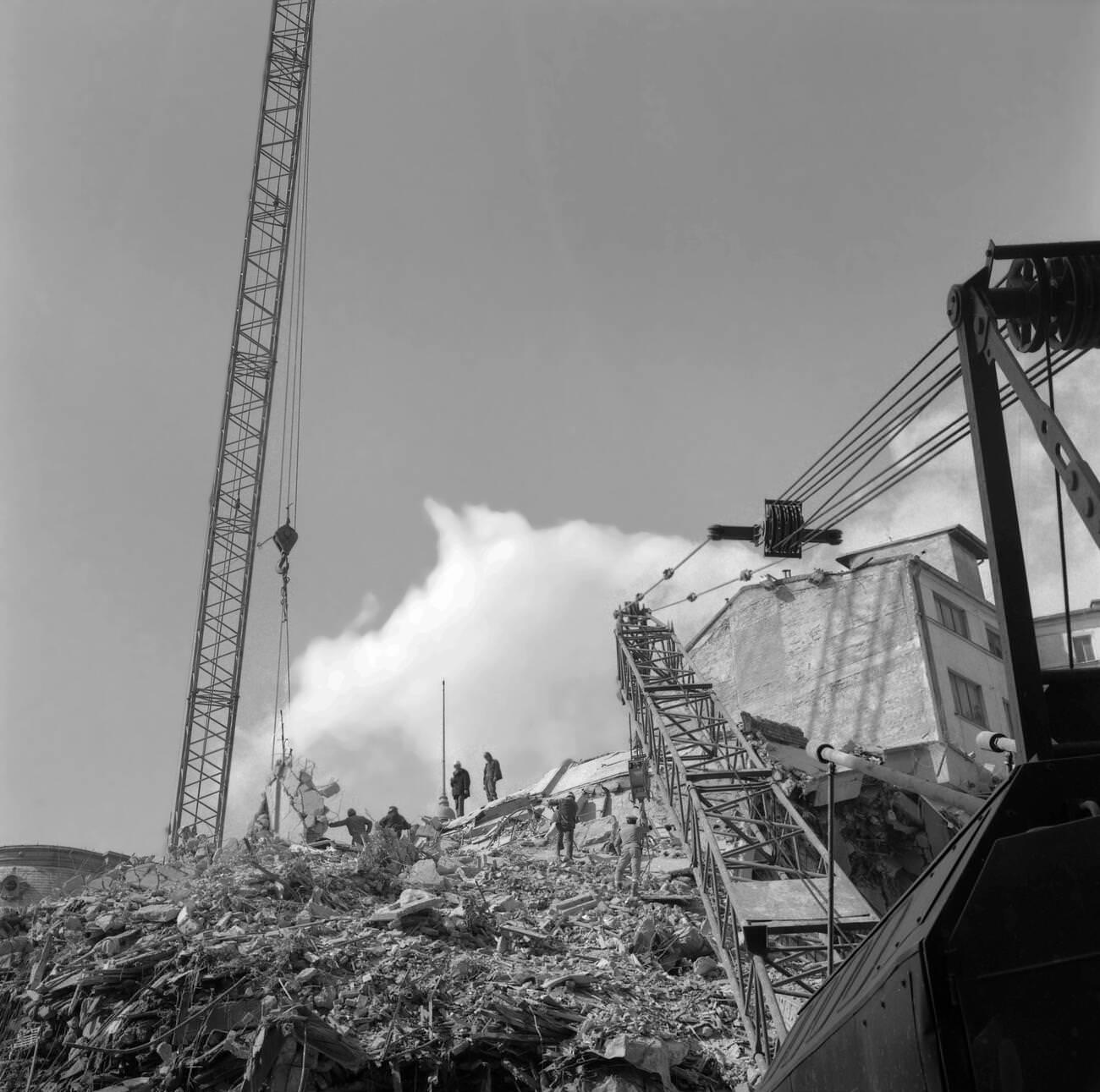
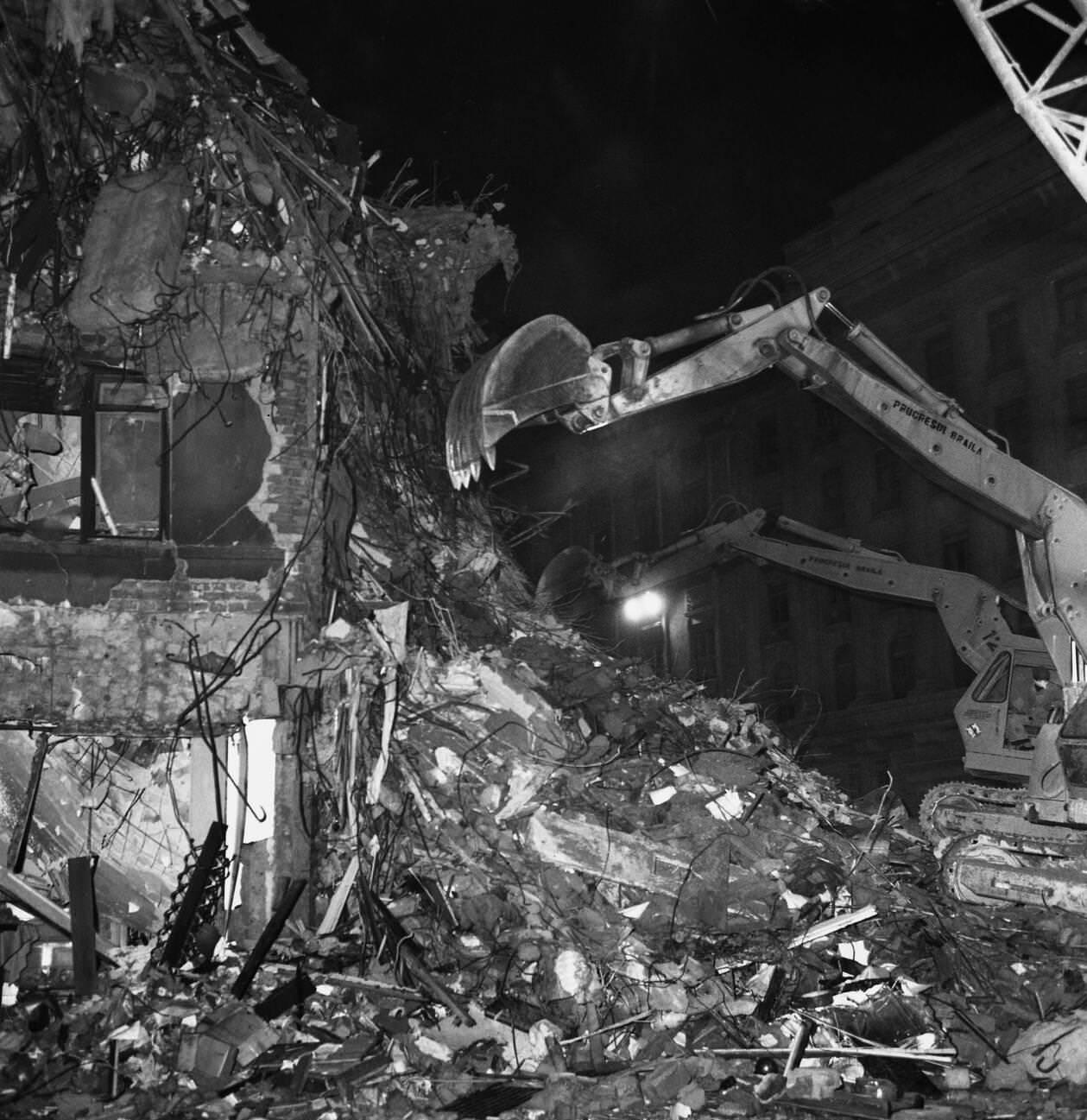
Rescue operation after the deadly earthquake in Bucharest, Romania, March 1977.
Rescuers and victim after the deadly earthquake in Bucharest, Romania, March 1977.

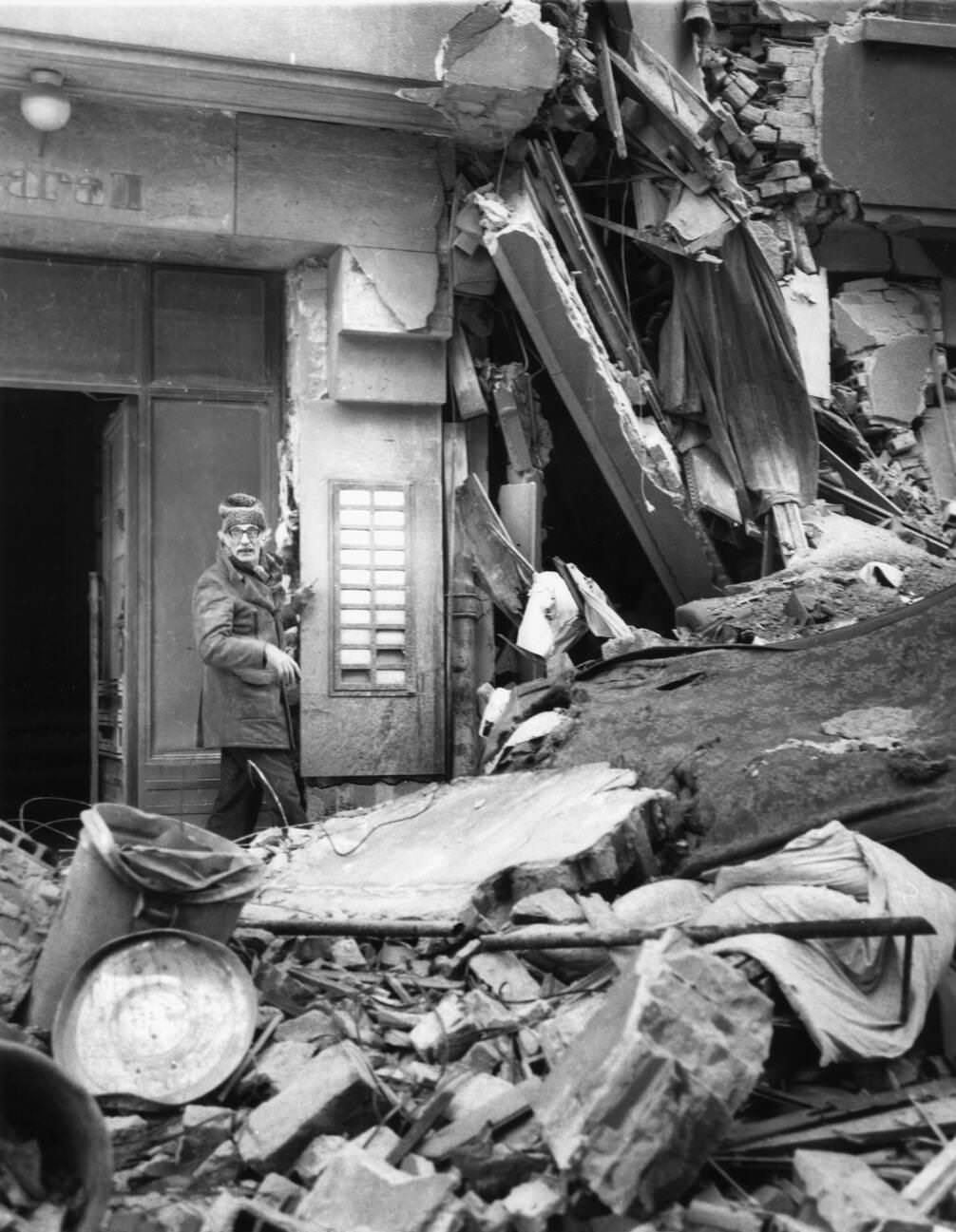
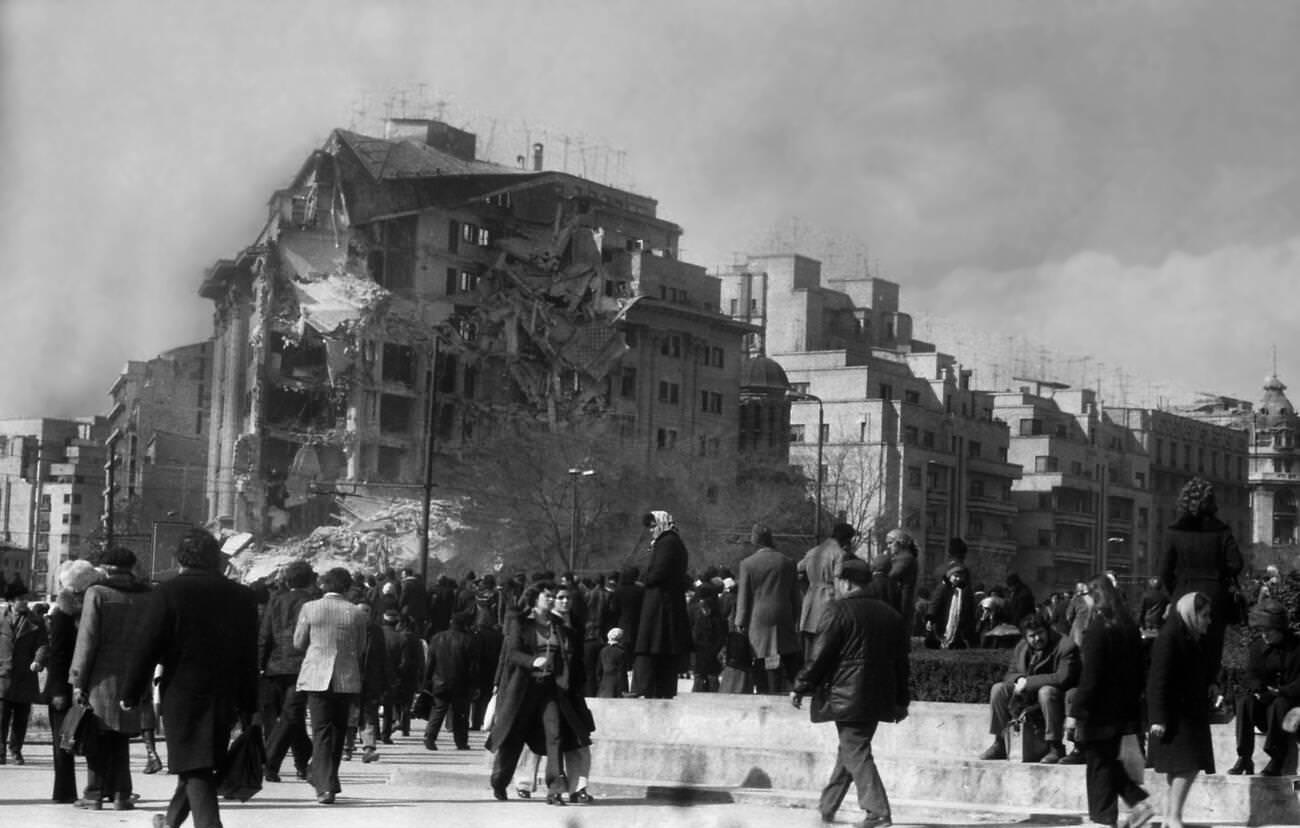
The streets themselves told the story clearly. Rubble spilled from buildings onto sidewalks and roads. Heavy machinery moved through neighborhoods that had previously been lined with prewar architecture. Older men and women — many of whom had lived through World War II — walked through the wreckage of their streets, taking in the scale of what had happened.
Rescuers after the deadly earthquake in Bucharest, Romania, March 1977.
Apartment building damaged by the deadly earthquake in Bucharest, Romania, March 1977.
Old man walking through earthquake rubble in Bucharest, Romania, March 1977.

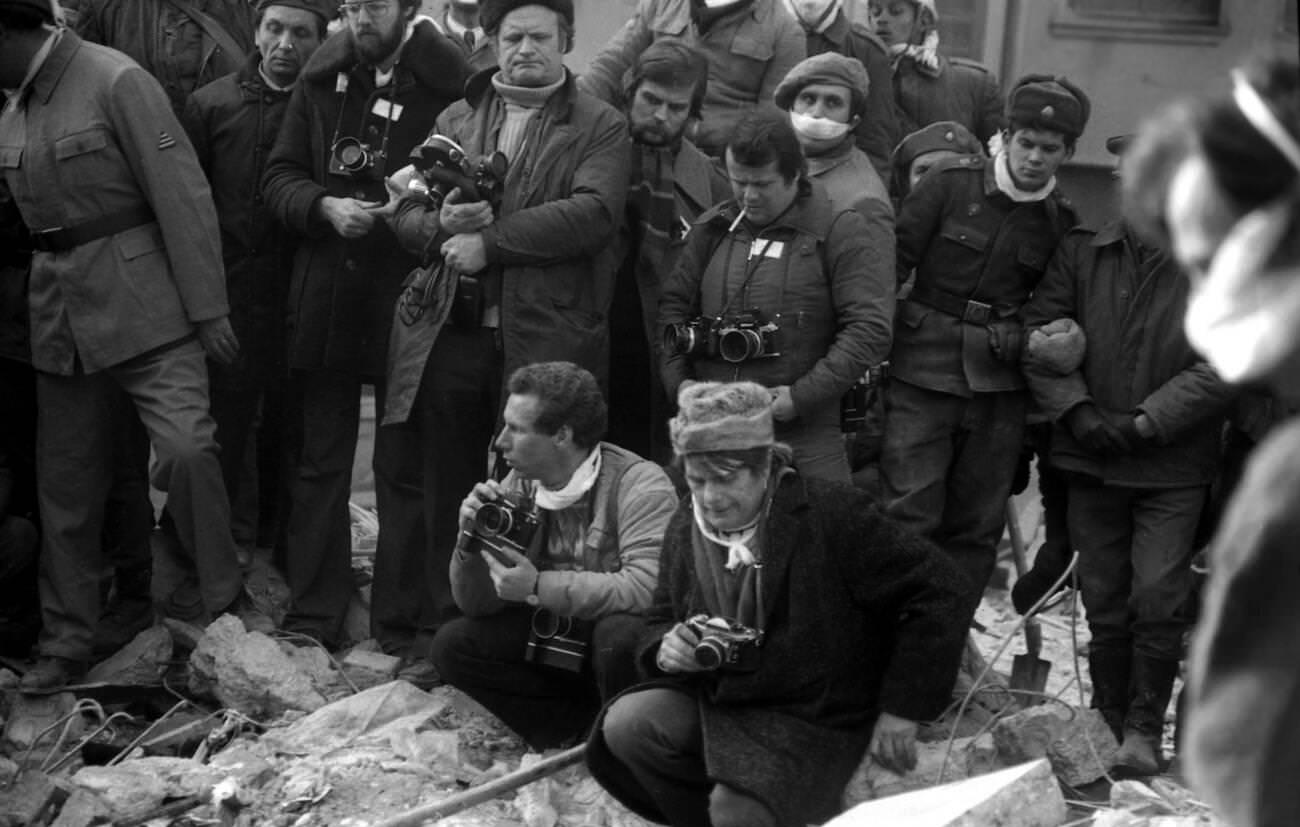
Journalists and photographers descended on Bucharest from across Romania and from abroad. Their cameras documented the collapsed facades, the rescue teams, the crowds, and the grief. These photographs became the primary visual record of one of Eastern Europe’s deadliest peacetime disasters of the 20th century.
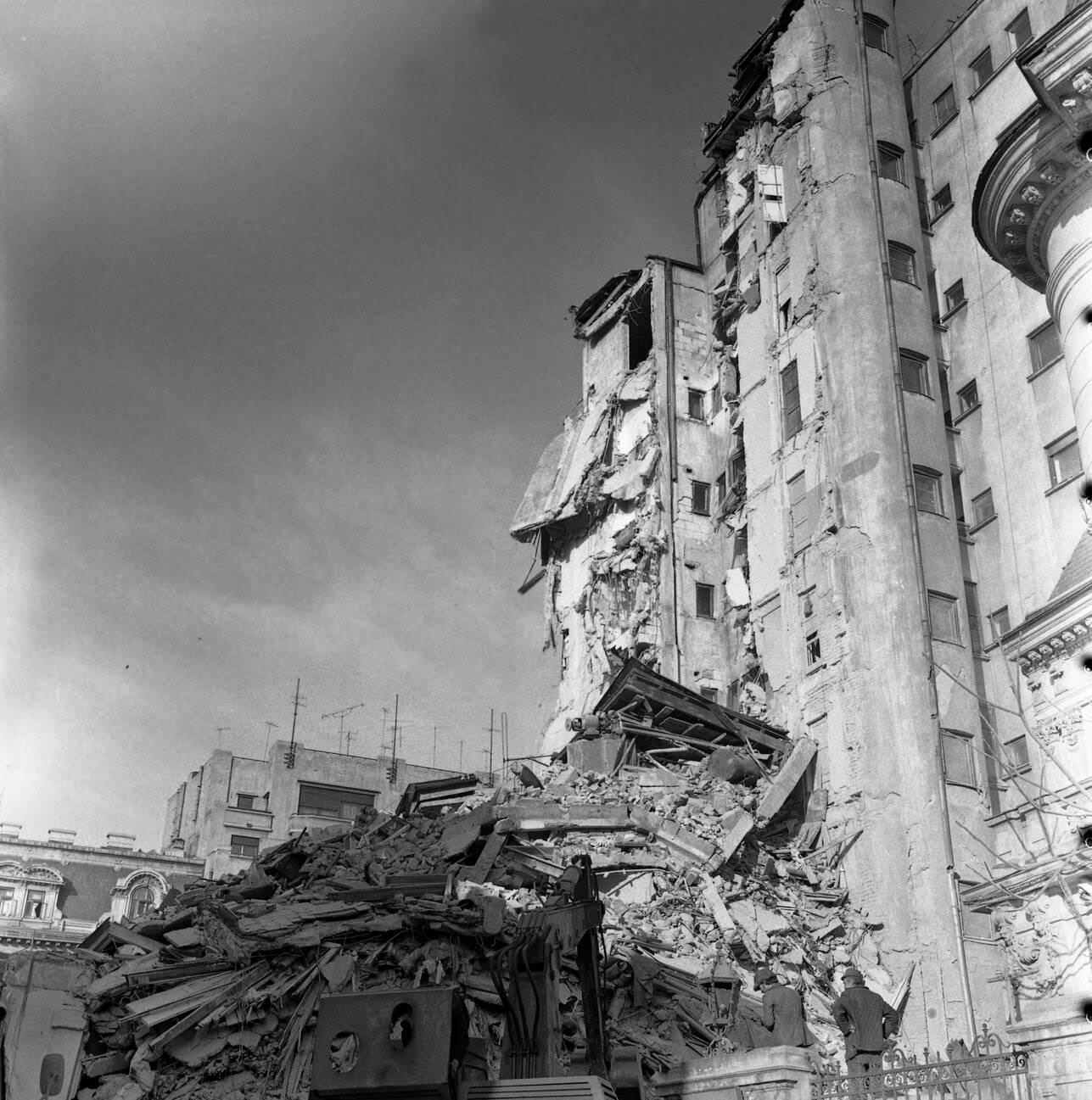
Apartment building damaged by the deadly earthquake in Bucharest, Romania, March 1977.
Rescue operation after the deadly earthquake in Bucharest, Romania, March 1977.
People outside an apartment building after the deadly earthquake in Bucharest, Romania, March 1977.
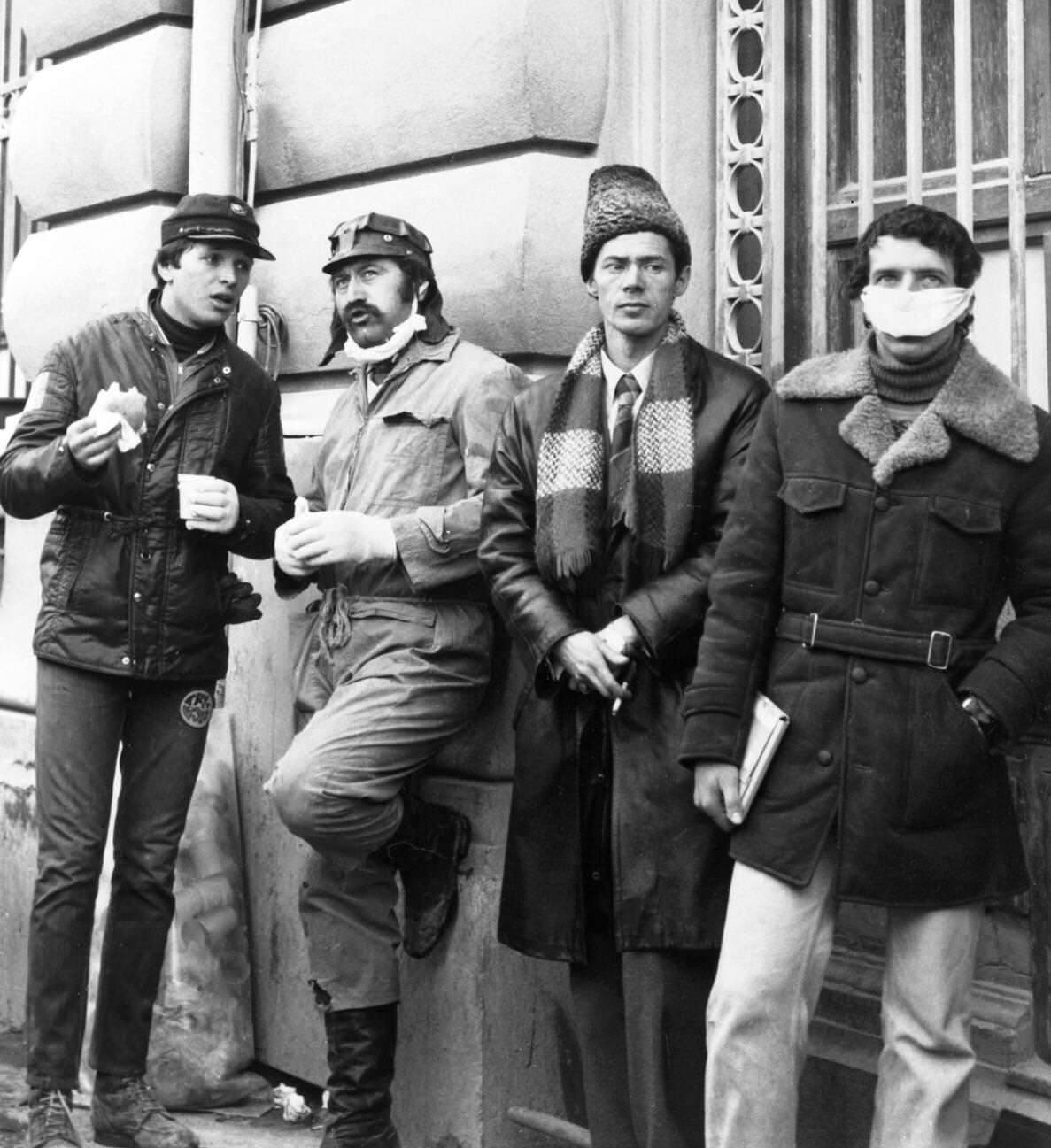
Journalists and photographer Aurel Mihailopol after the deadly earthquake in Bucharest, Romania, March 1977.

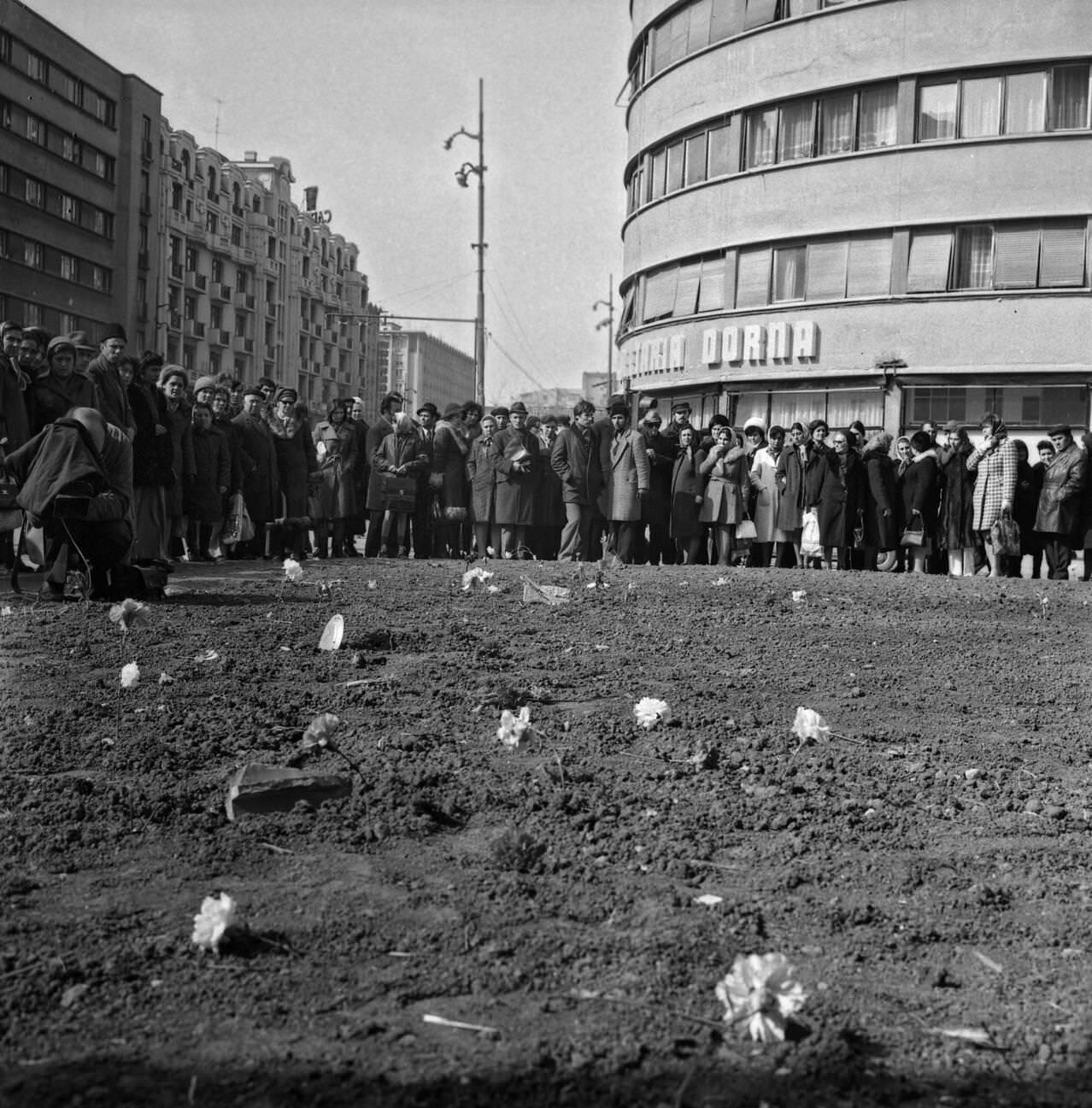
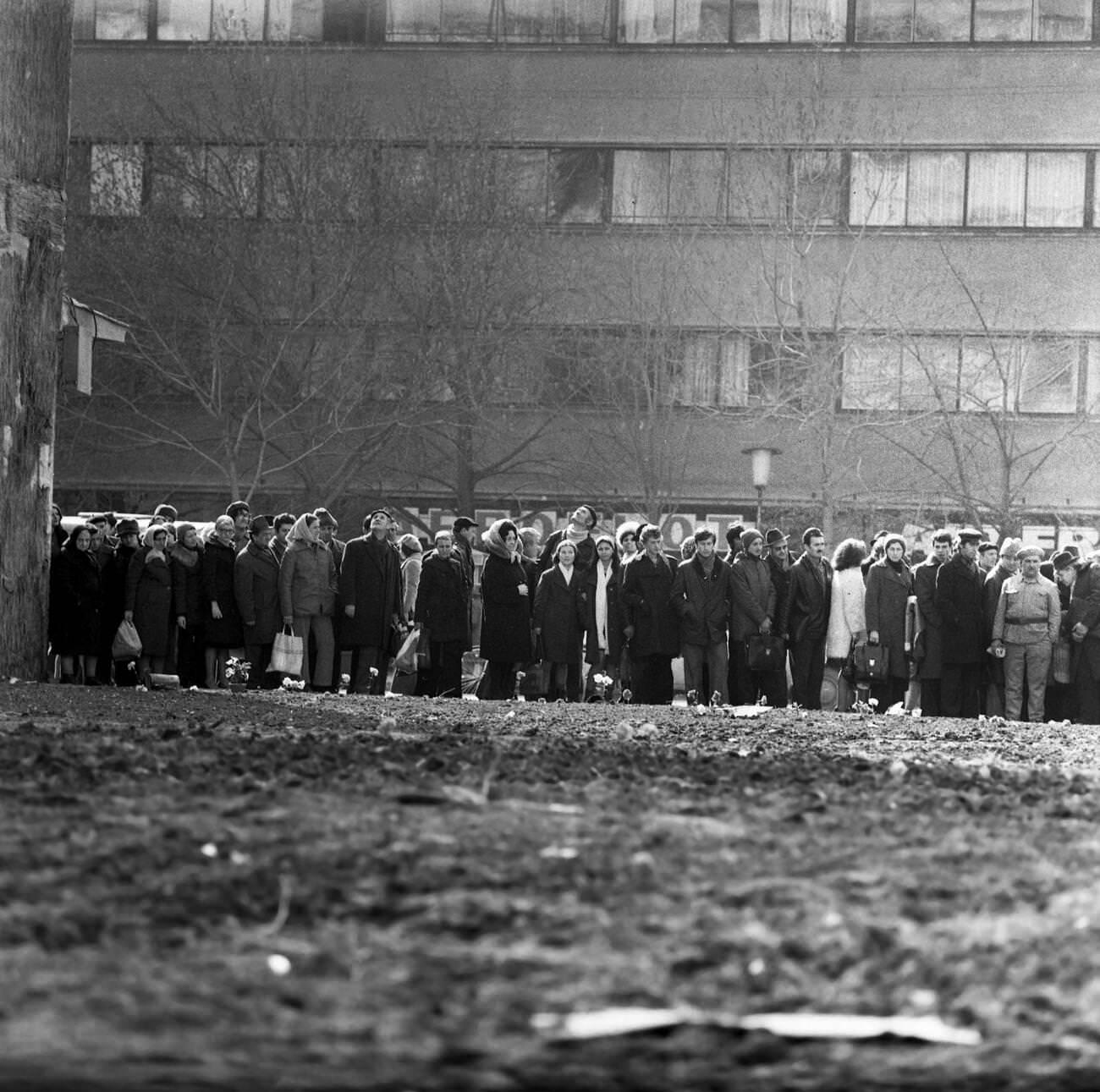
Flowers began appearing at collapse sites within days. Bucharestians laid them at the bases of ruined buildings, in memory of neighbors, family members, and strangers pulled from the rubble. Even as grocery lines formed and daily life slowly resumed its rhythm, the city carried the visible weight of loss on every block.
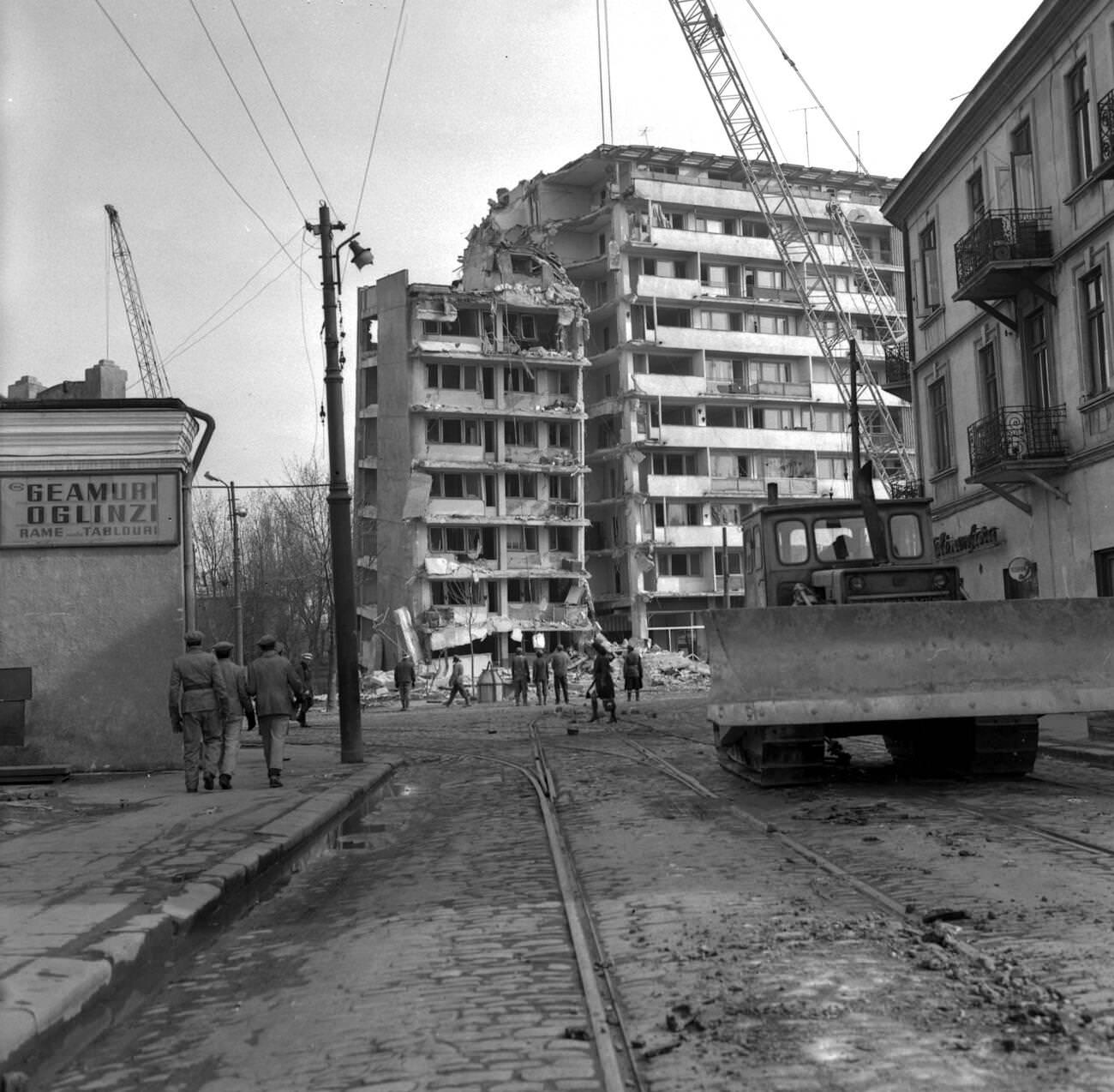
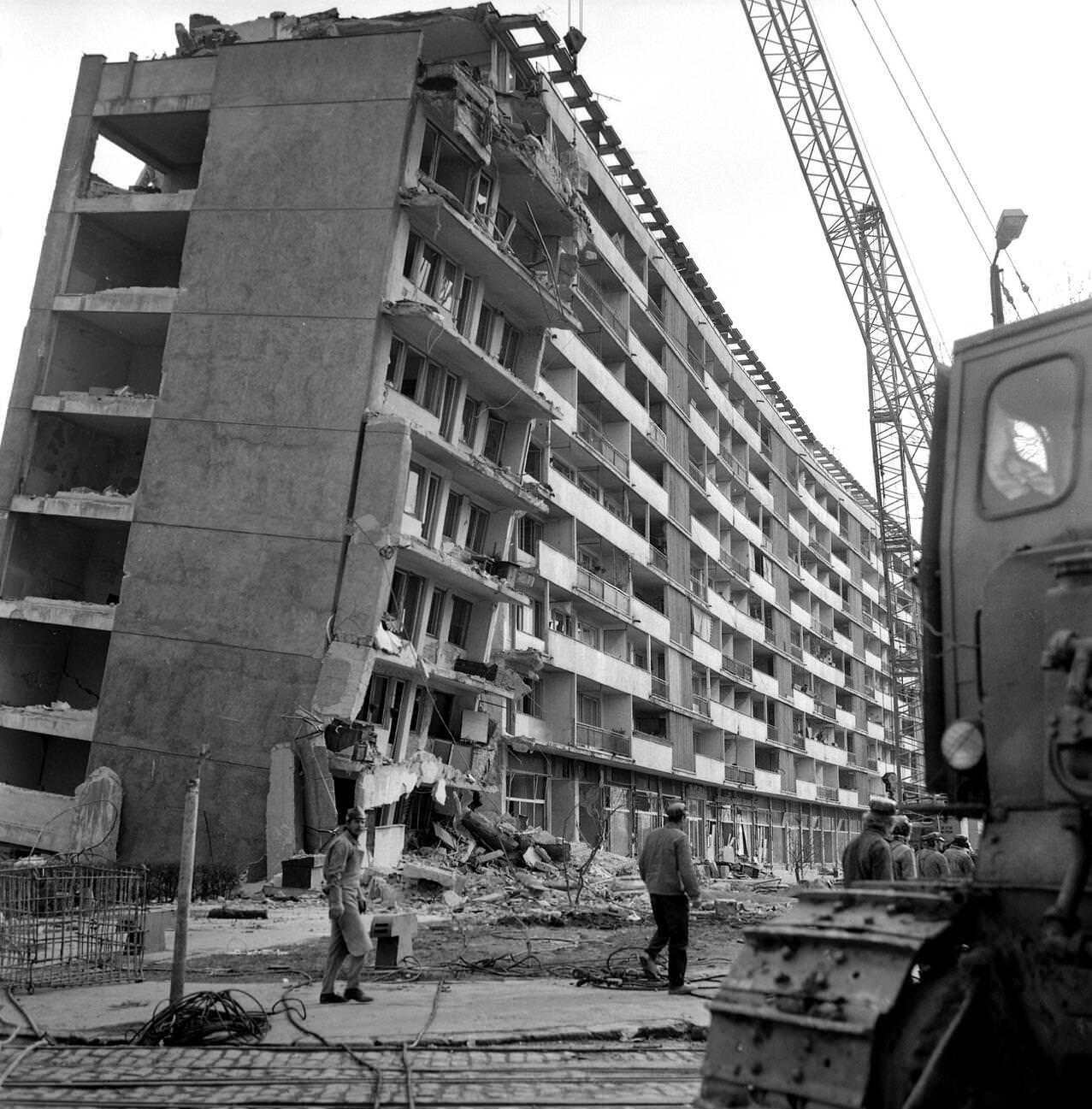
Apartment building damaged by the deadly earthquake in Bucharest, Romania, March 1977.
Flowers in memory of the earthquake victims in Bucharest, Romania, March 1977.
People in line for groceries with flowers for earthquake victims in Bucharest, Romania, March 1977.

Rescue operations continued for days after the initial earthquake. Teams sifted through collapsed floors of apartment blocks, searching for anyone still alive beneath the concrete. The work was dangerous — aftershocks threatened already-weakened structures — but it did not stop.
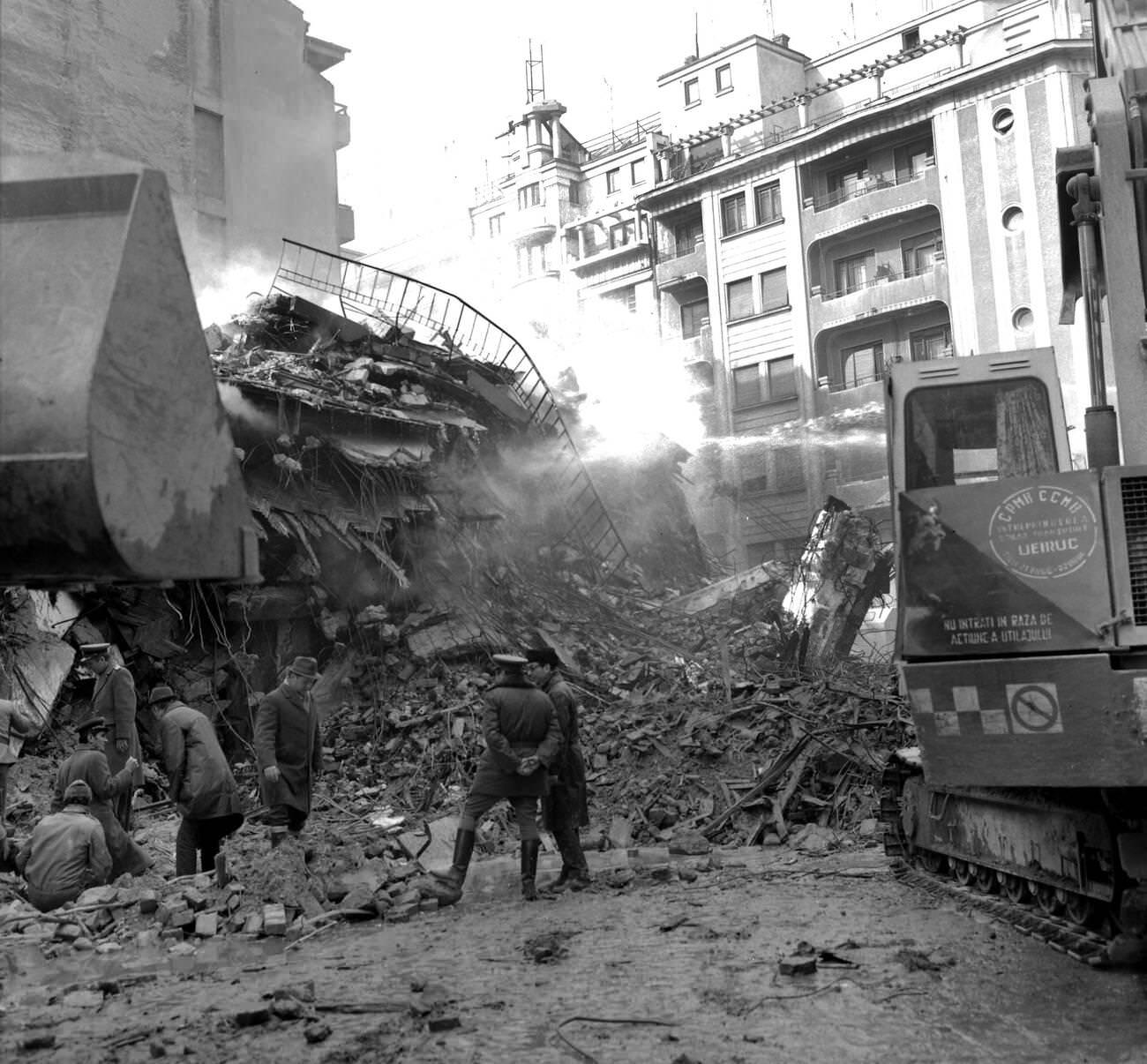
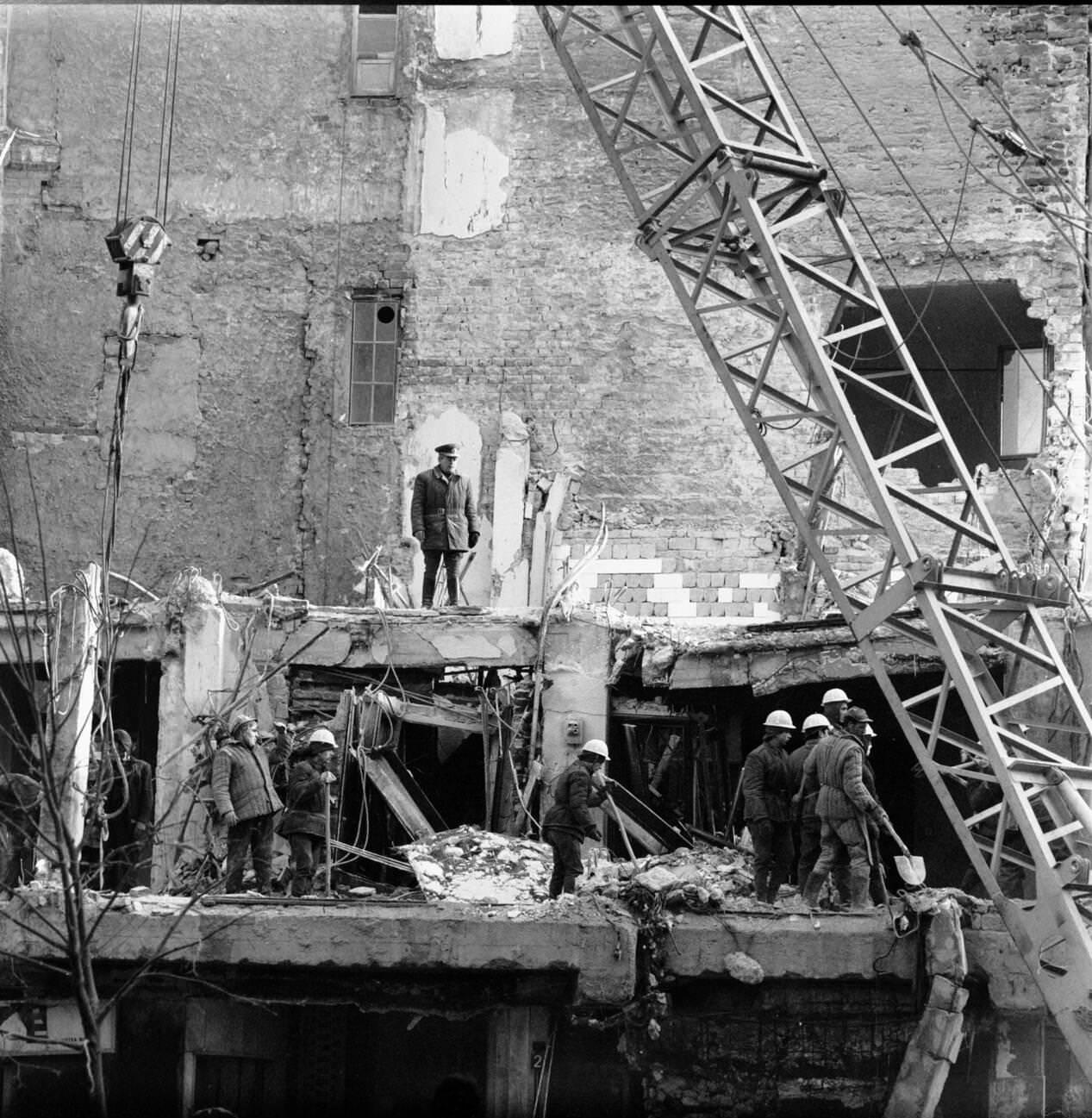
Rescue operation after the deadly earthquake in Bucharest, Romania, March 1977.
Rescuers after the deadly earthquake in Bucharest, Romania, March 1977.

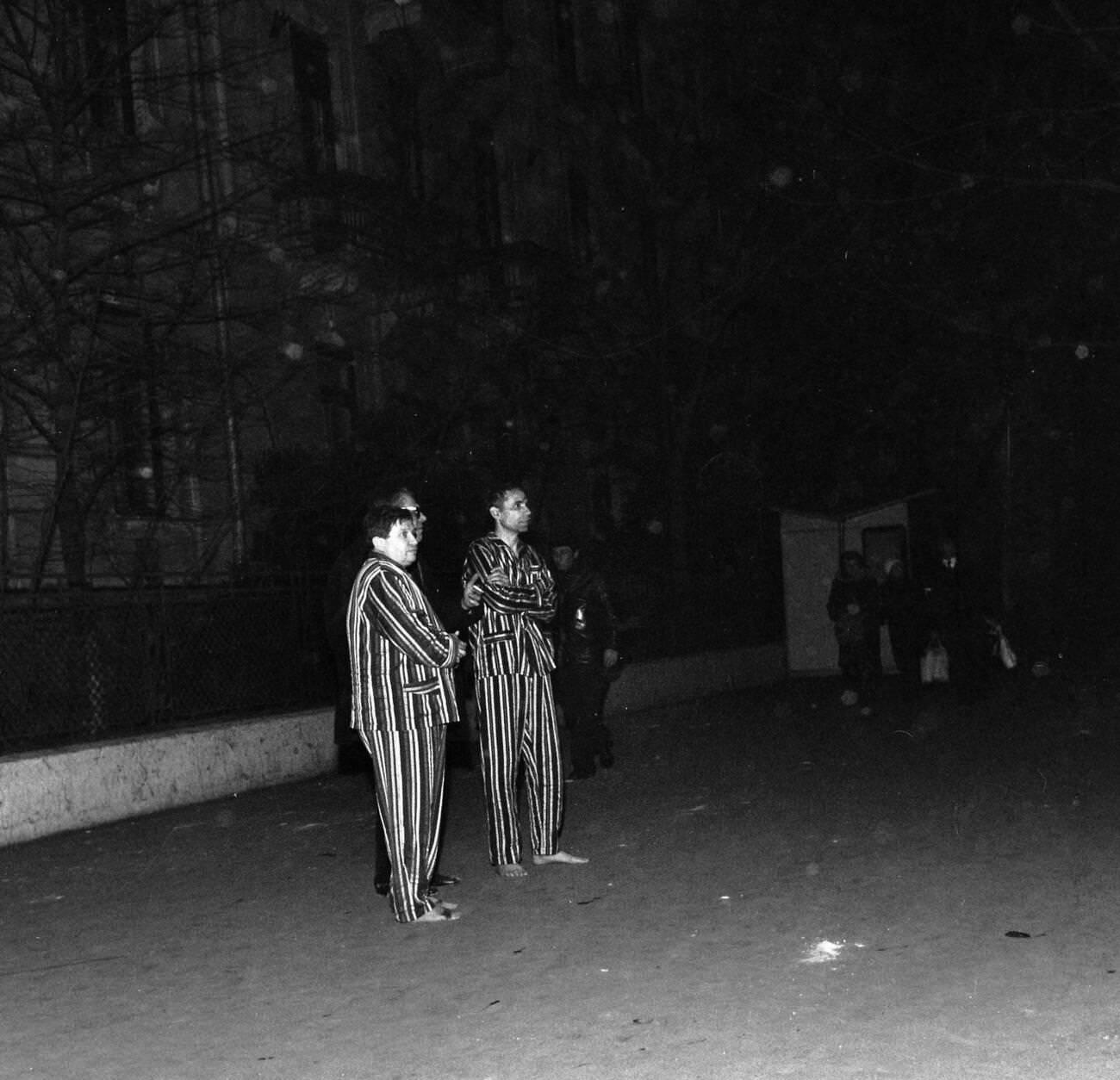
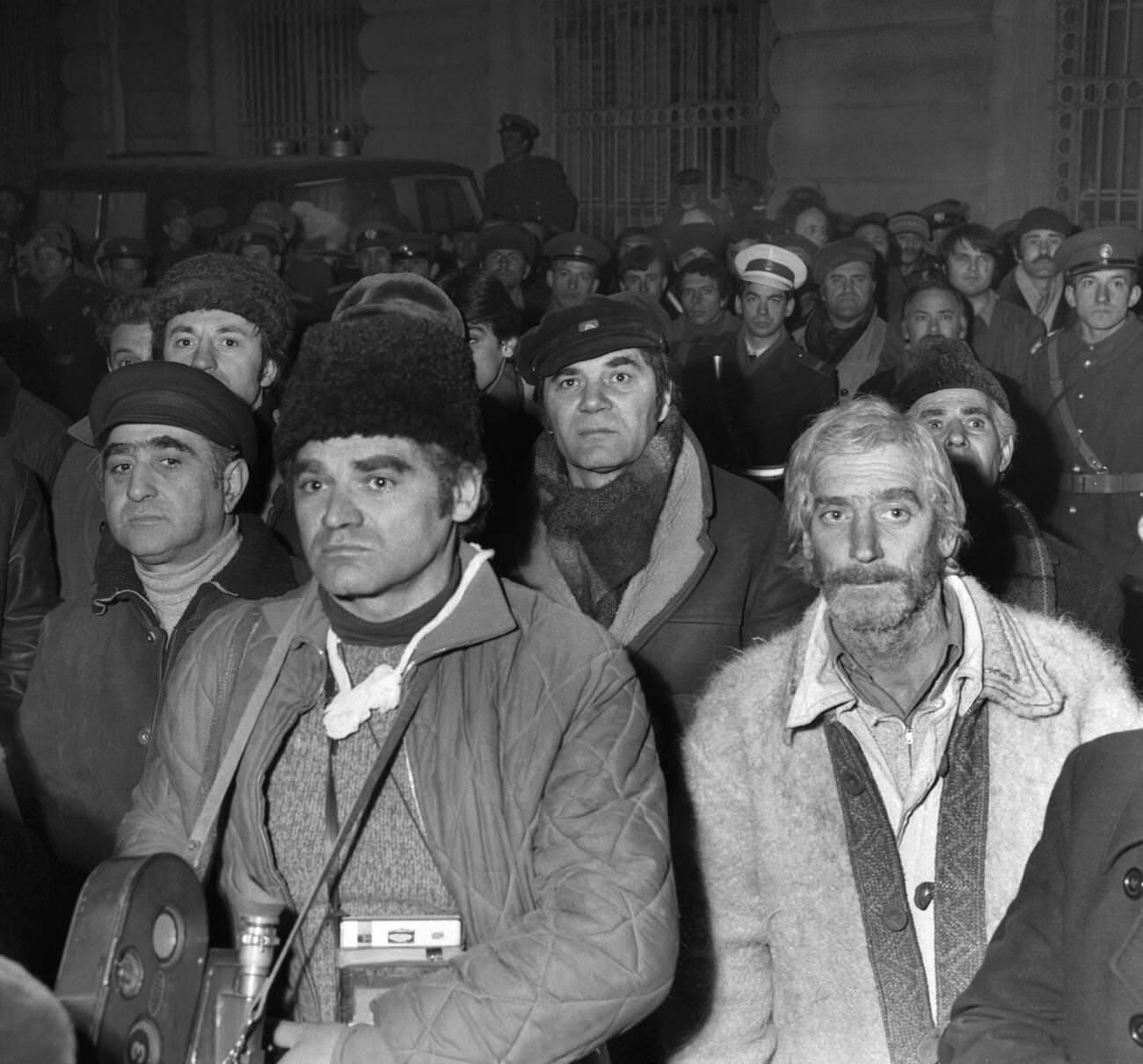
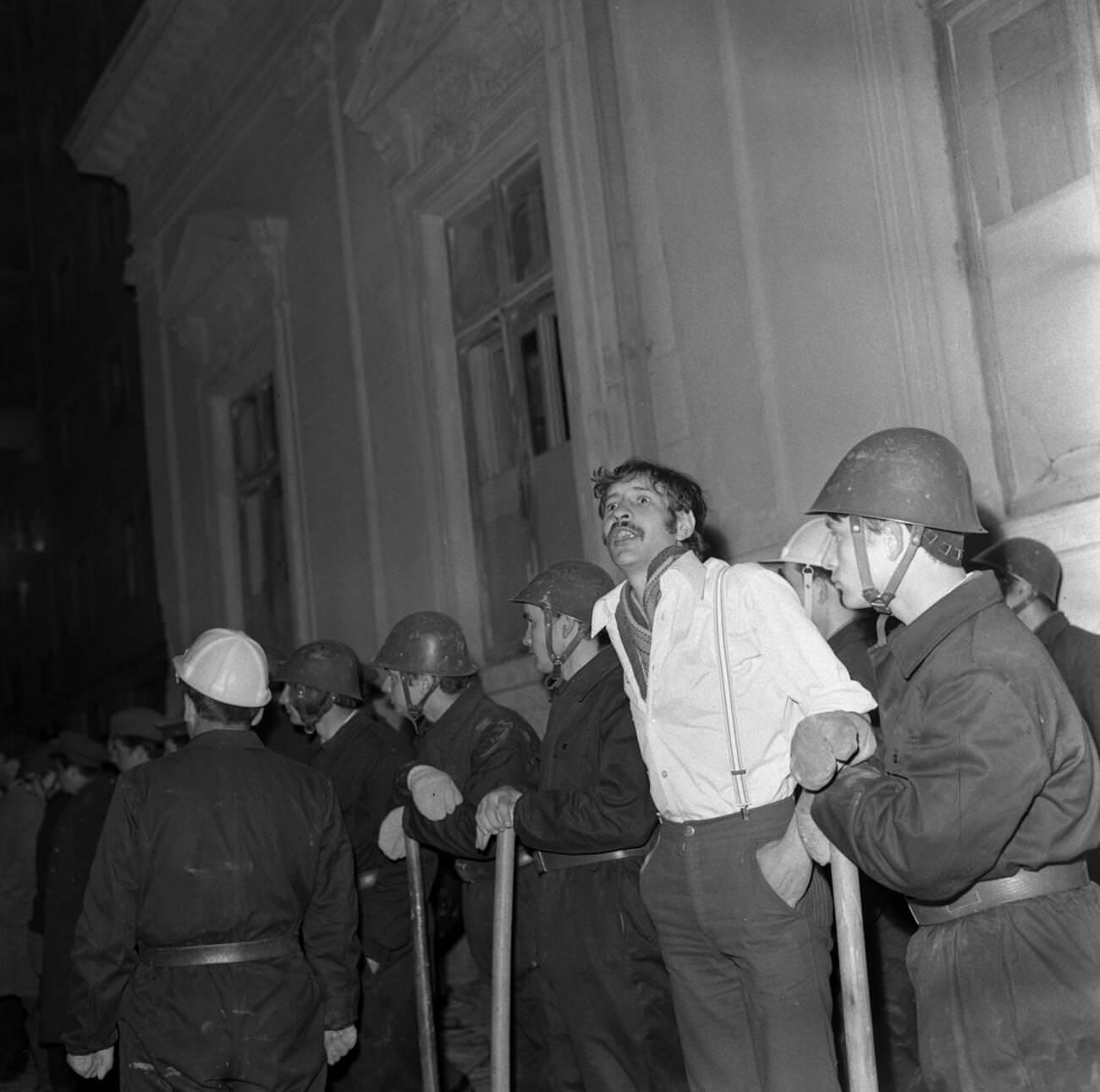
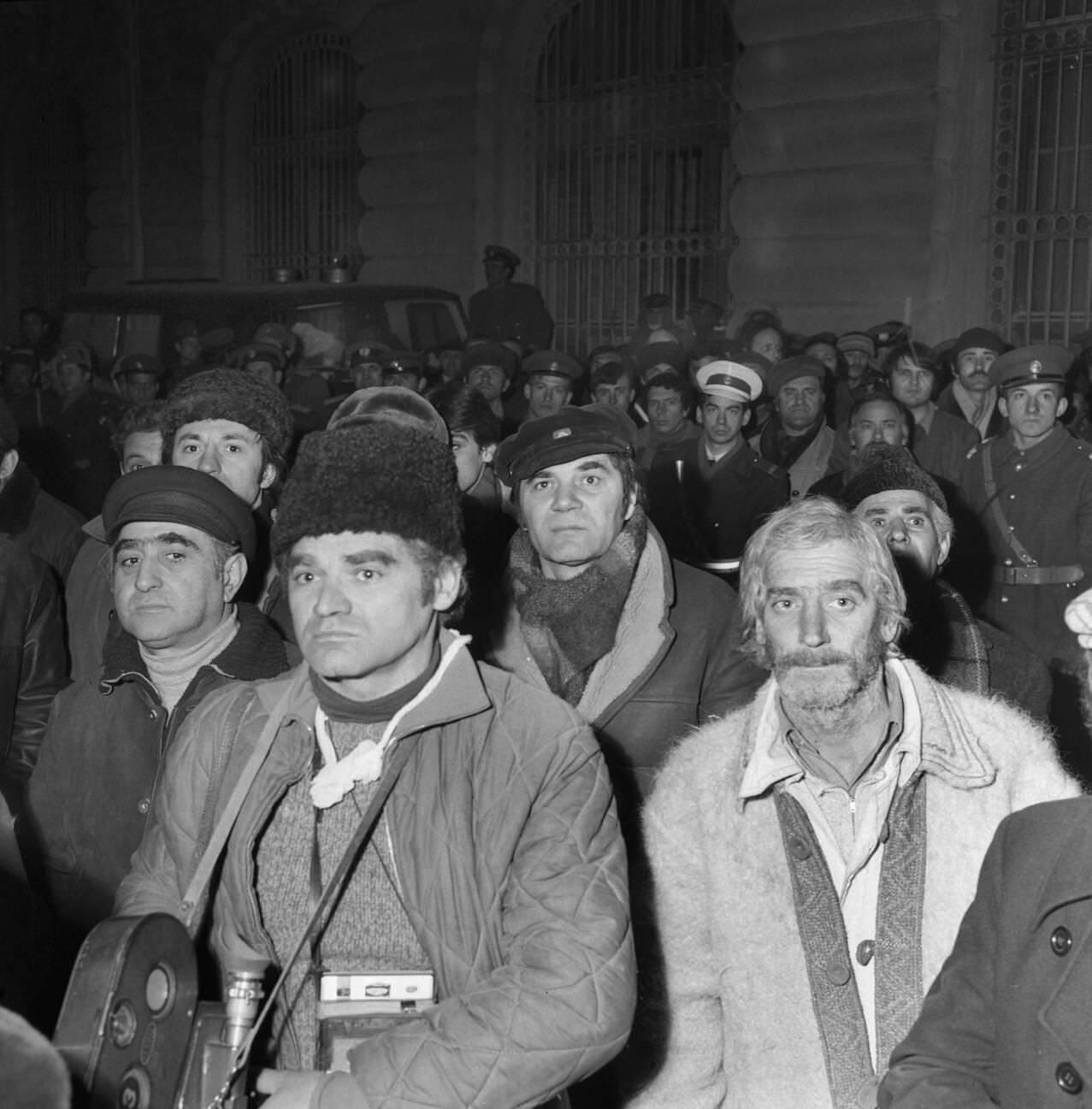
At night, crowds gathered in open spaces and along the streets. With power out in many areas, the city was lit unevenly — some blocks dark, others lit by fires or emergency lighting. Public figures, including actors and writers, were seen among the crowds. The night of March 4th, 1977 was one that Bucharest as a whole experienced together, in the open, under the same disrupted sky.
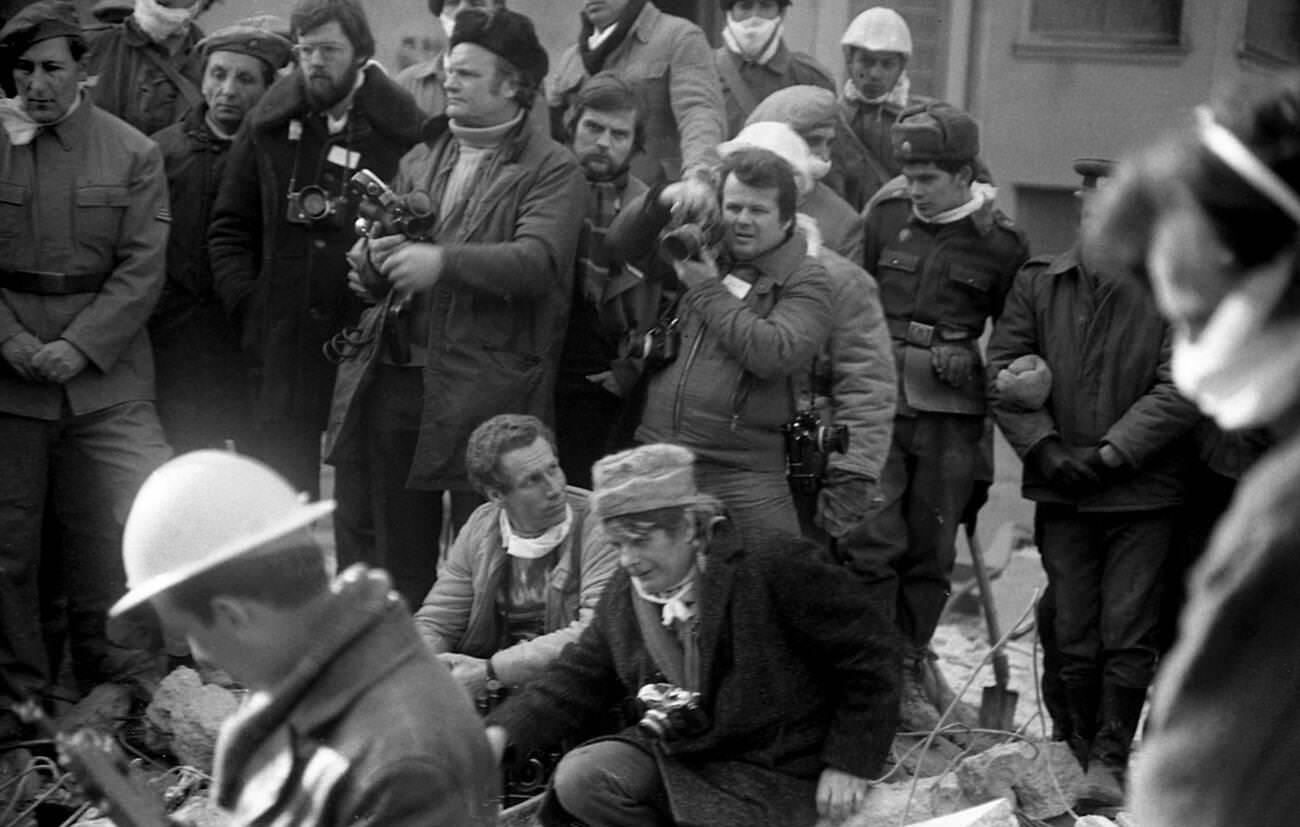
Journalists taking photos after the deadly earthquake in Bucharest, Romania, March 1977.
Crowd in Bucharest at night after the deadly earthquake, March 1977.
Rescuers and 'Securitate' agents after the deadly earthquake in Bucharest, March 1977.
Rescuers and ‘Securitate’ agents after the deadly earthquake in Bucharest, March 1977.
Apartment building damaged by the deadly earthquake in Bucharest, Romania, March 1977.
People outside an apartment building after the deadly earthquake in Bucharest, Romania, March 1977.
Crowd in Bucharest after the deadly earthquake, with Dinu Sararu, Ion Caramitru, and Ion Besoiu, March 4, 1977.
Enjoyed this post? Get new ones in your inbox.

Leave a Comment

Your email address will not be published. Required fields are marked *

Share this Post 🥺

Please take a moment to share this content. Your support is greatly appreciated! 🙌🙏

Share this Post 🥺

Please take a moment to share this content. Your support is greatly appreciated! 🙌🙏
Scroll to Top
 
Hey Friend, Before You Go.. Please like & follow for more interesting content