Hey There! Before You Go. 😧
Get the best vintage content straight into your inbox!

Don't worry, we don't spam

What Bucharest looked like in the 1970s Through These Stunning Photos

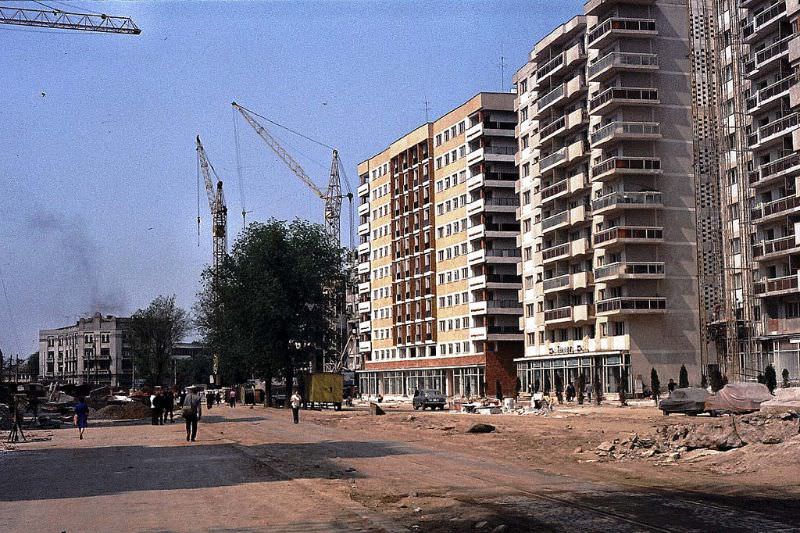
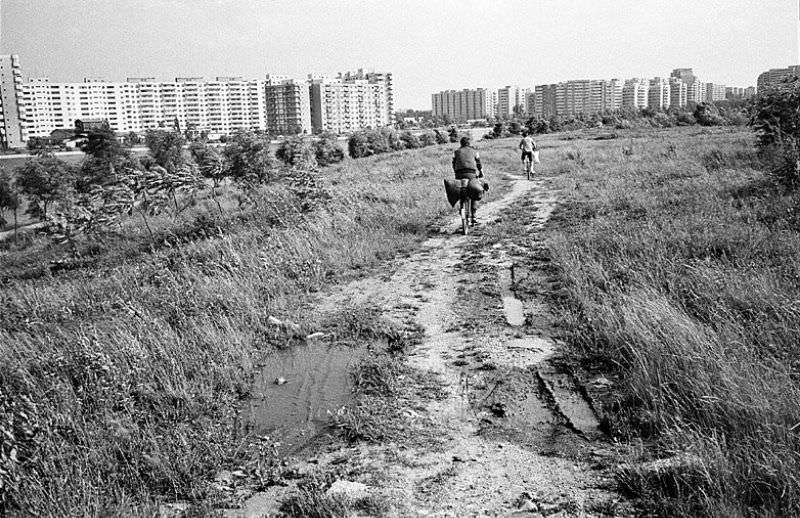
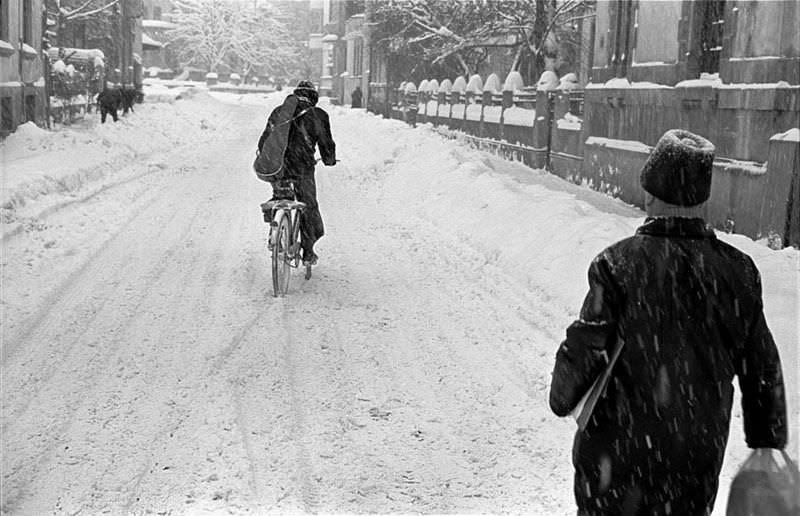
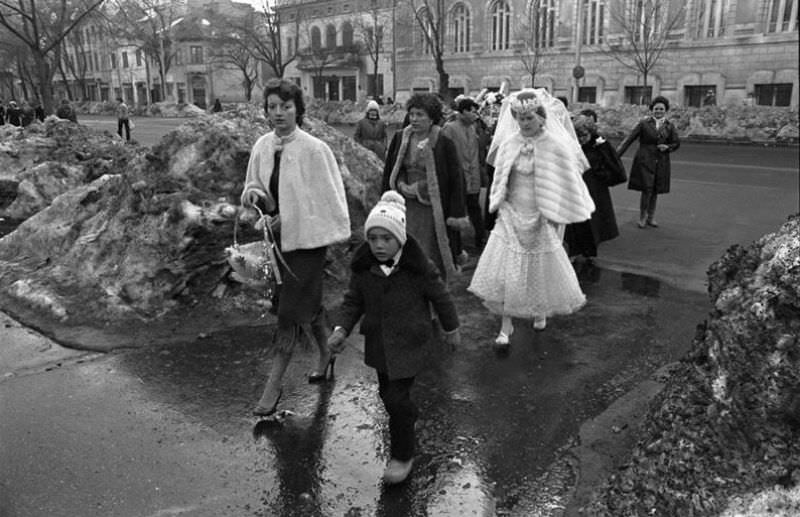
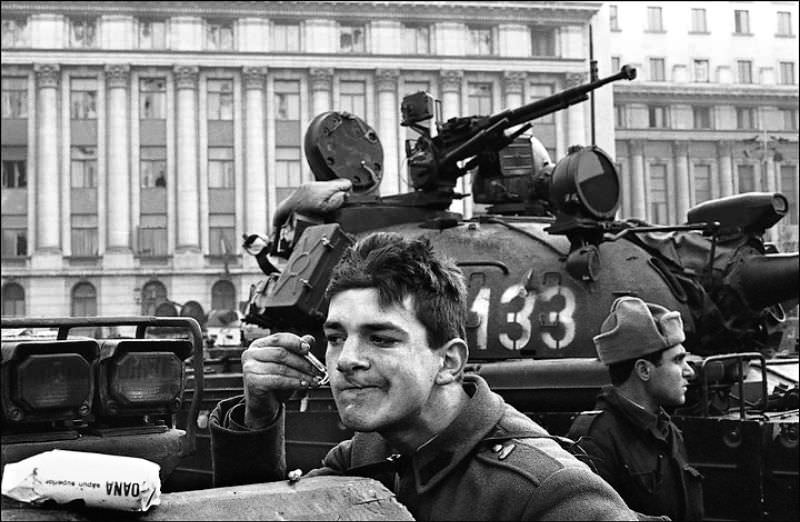
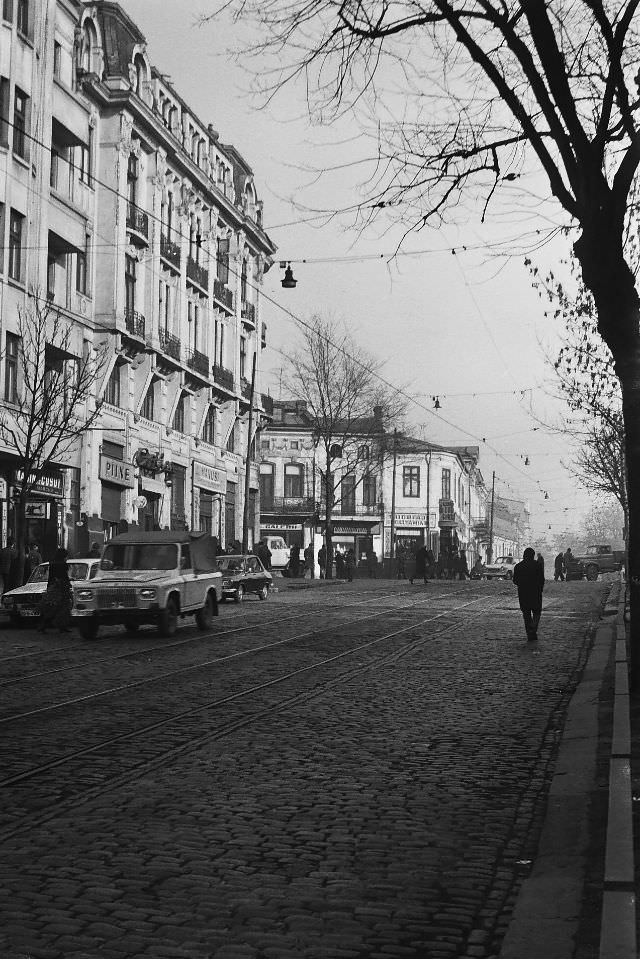
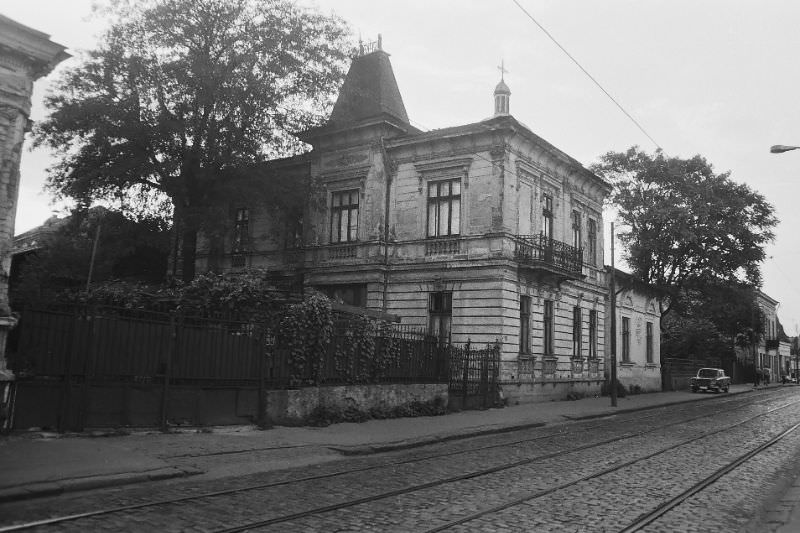
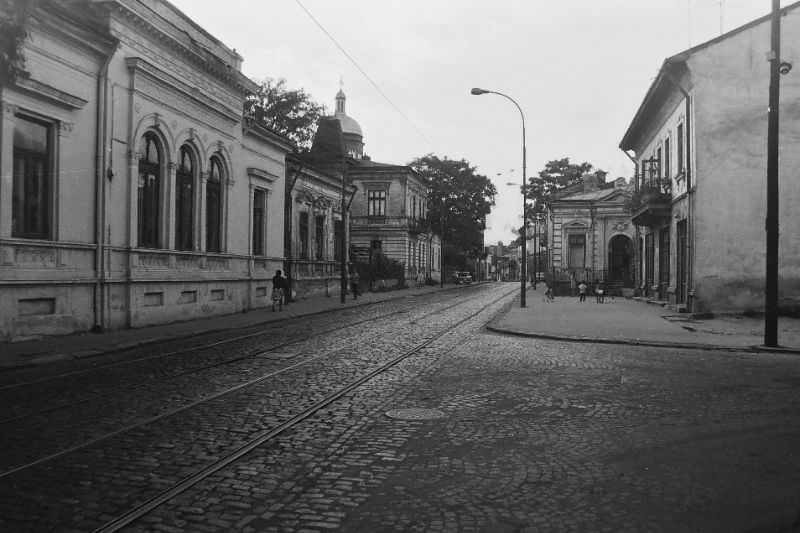
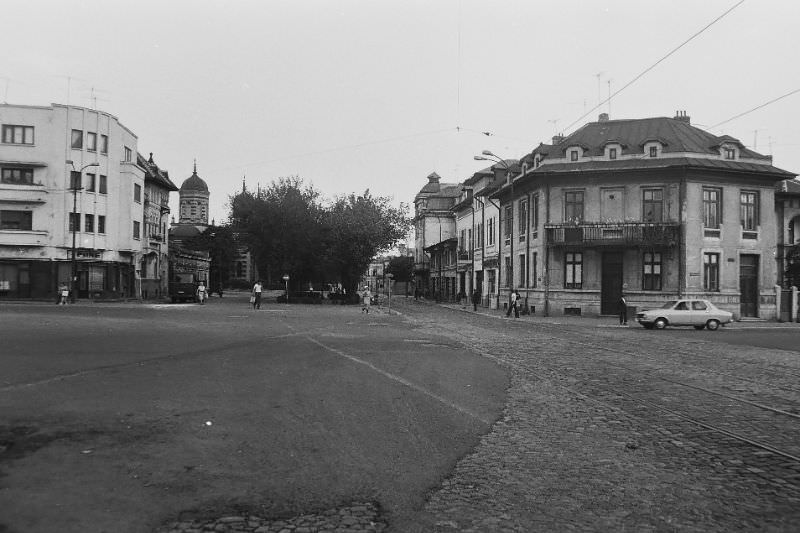
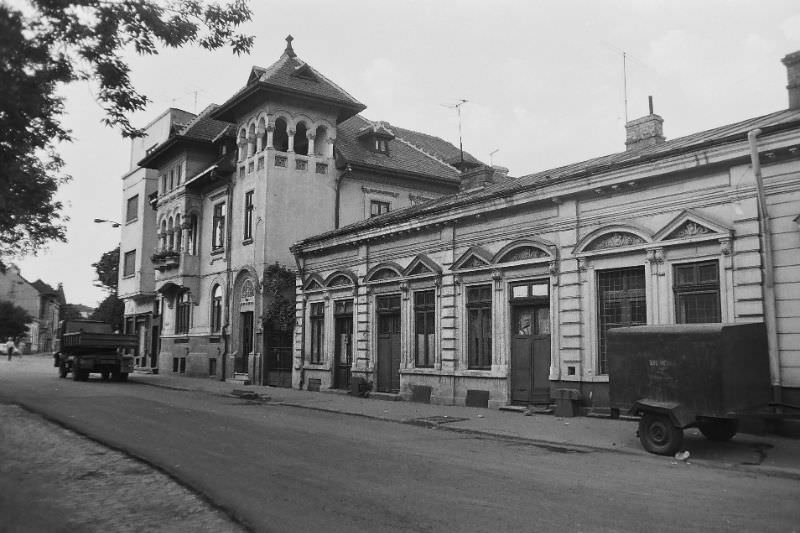
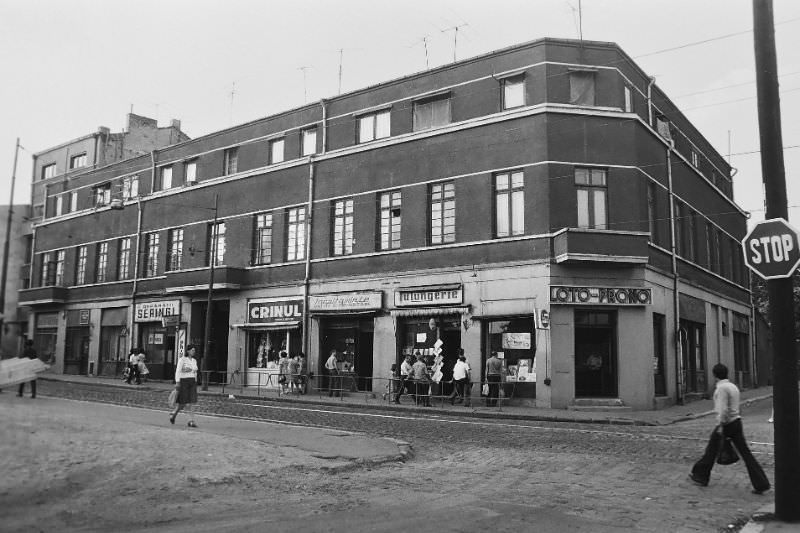
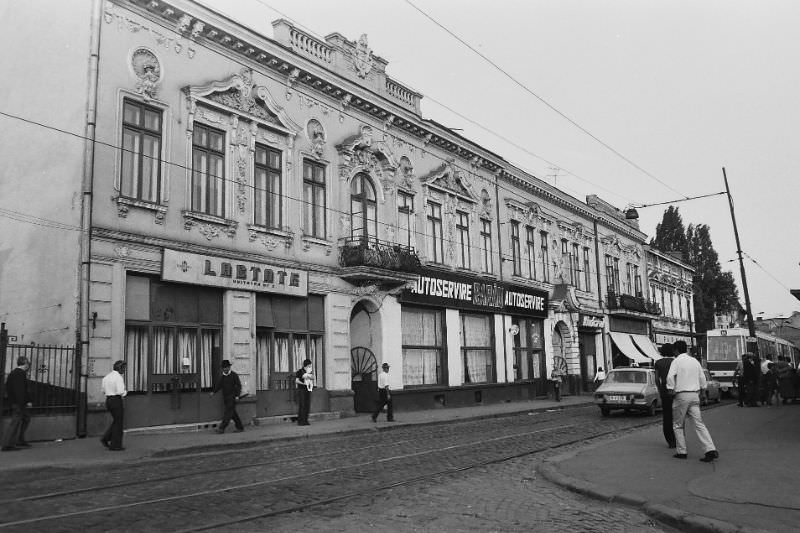
Bucharest in the 1970s was a city in motion. Its population swelled to 1.8 million by the end of the decade, driven by rapid growth in manufacturing and services. The city expanded threefold, pushing outward with new housing blocks, wide boulevards, and socialist-era public buildings. These photographs capture that world — the streets, the people, the landmarks, and the events that shaped one of Eastern Europe’s most dynamic capitals.
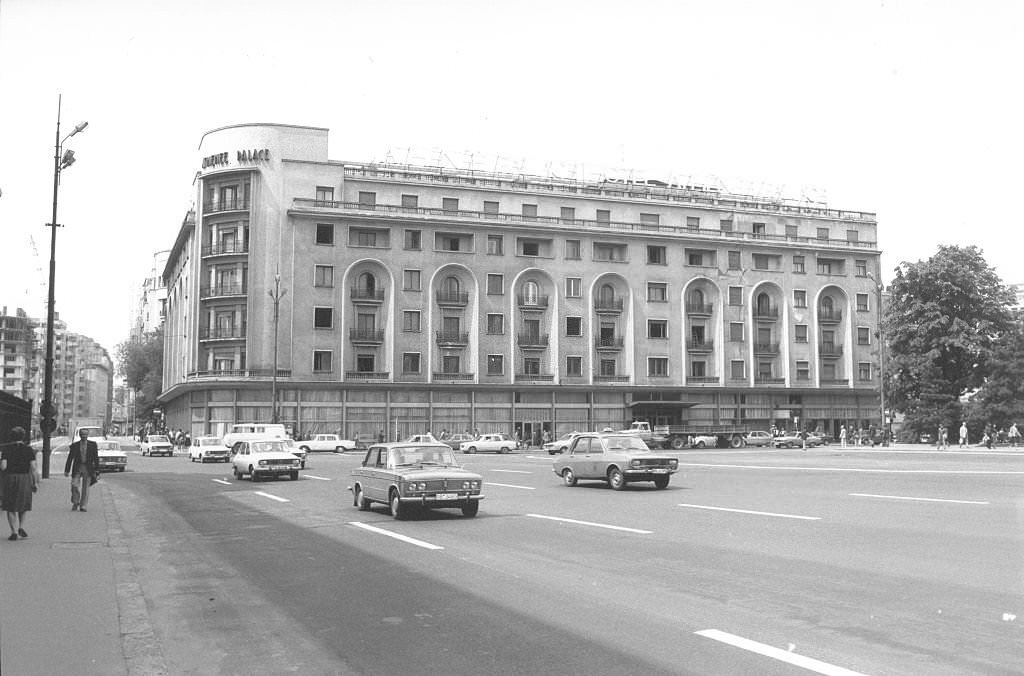
Romania Wallachia Bucharest, 1970

At the start of the decade, Bucharest still carried the architectural identity of an older era. Grand public buildings stood alongside tree-lined avenues and neighborhood parks. The Great National Assembly — Romania’s parliament under Communist rule — was one of the most recognizable symbols of state power in the city.
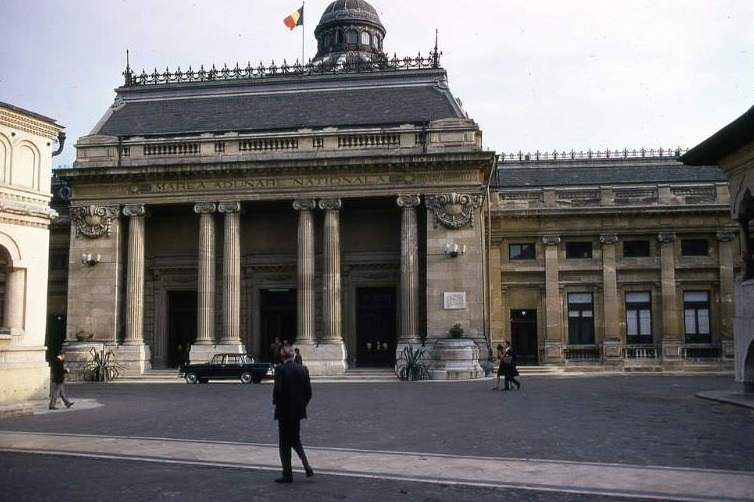
Great National Assembly, Bucharest, 1971

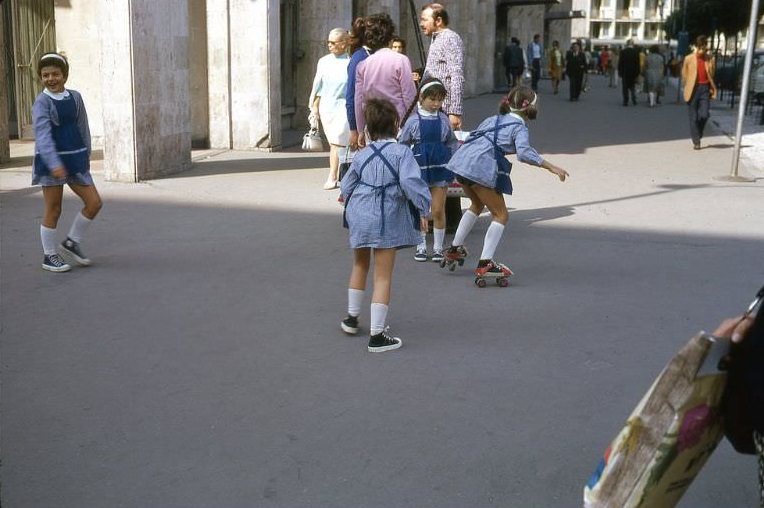
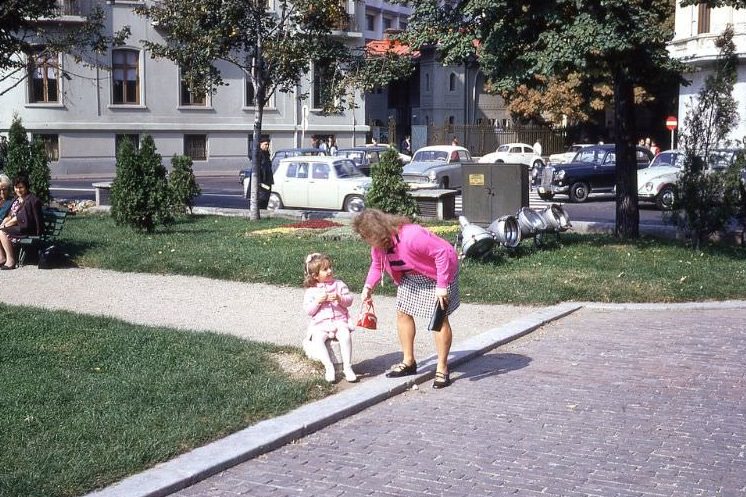
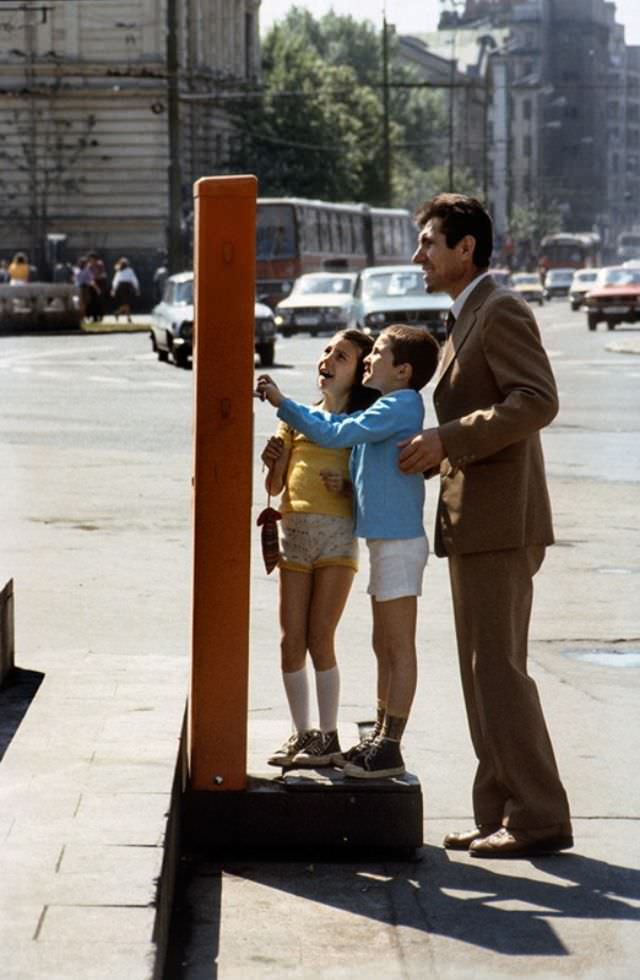
Street life in the early 1970s had a quiet, unhurried quality. Children played freely in parks and on sidewalks. Families gathered in public green spaces. These everyday scenes offer a ground-level view of Bucharest that official photographs rarely captured.
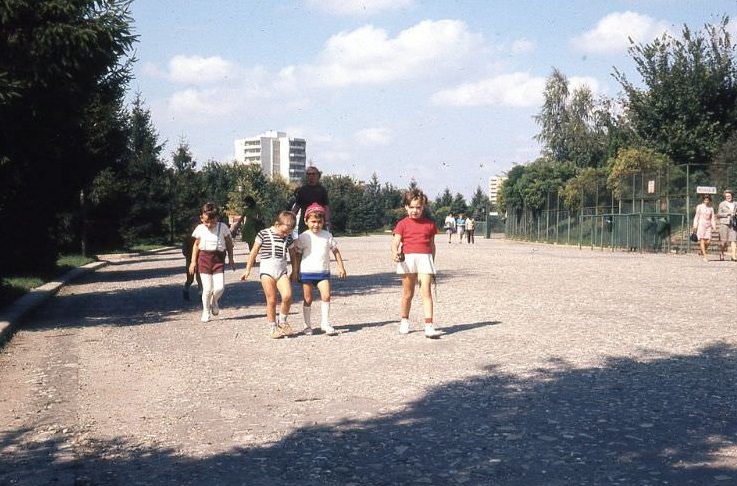
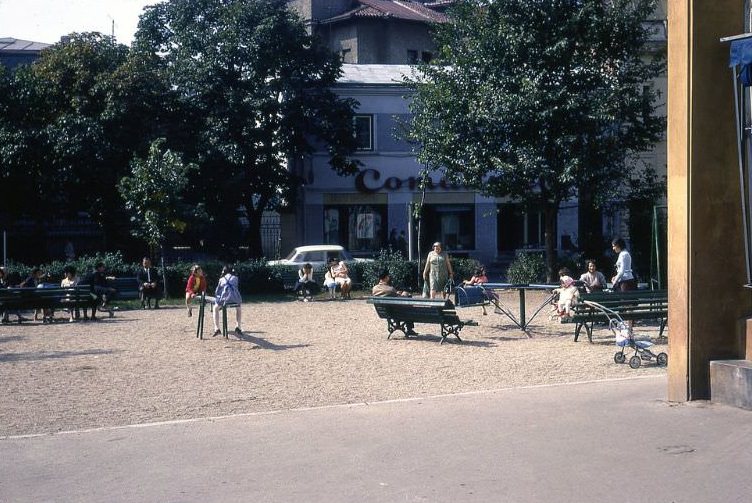
A group of children in Bucharest, 1971
Children play in a park in Bucharest, 1971
Children play on the street in Bucharest, 1971
At a park in Bucharest, 1971

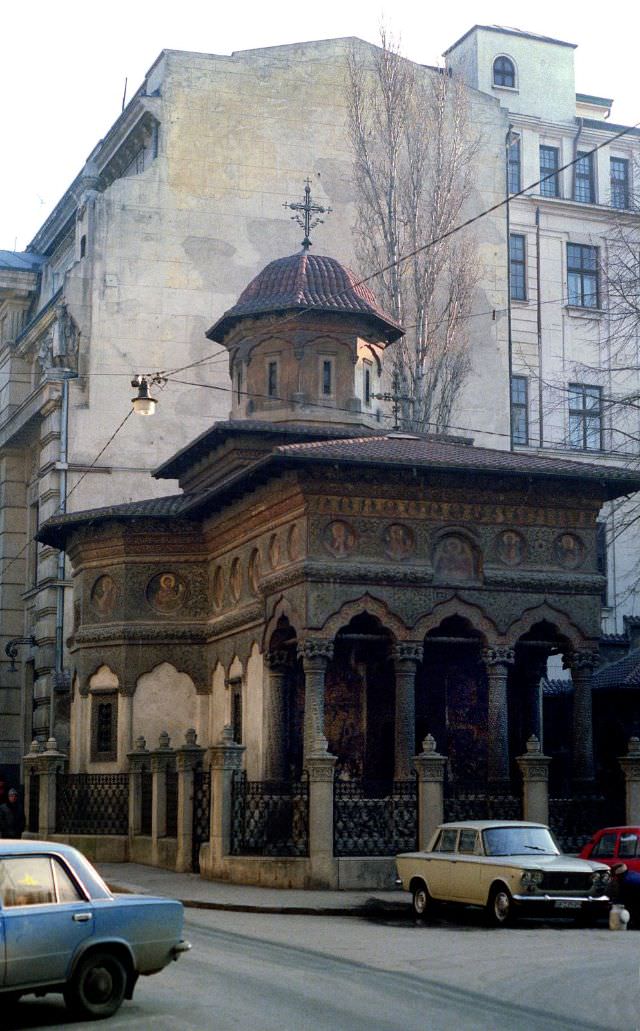
Religious and historical architecture dotted the city. The Biserica Albă, or White Church, stood as one of Bucharest’s older landmarks. The National Heroes Memorial reminded citizens of the country’s military past. Both structures contrasted sharply with the socialist-style concrete blocks being built across the city.
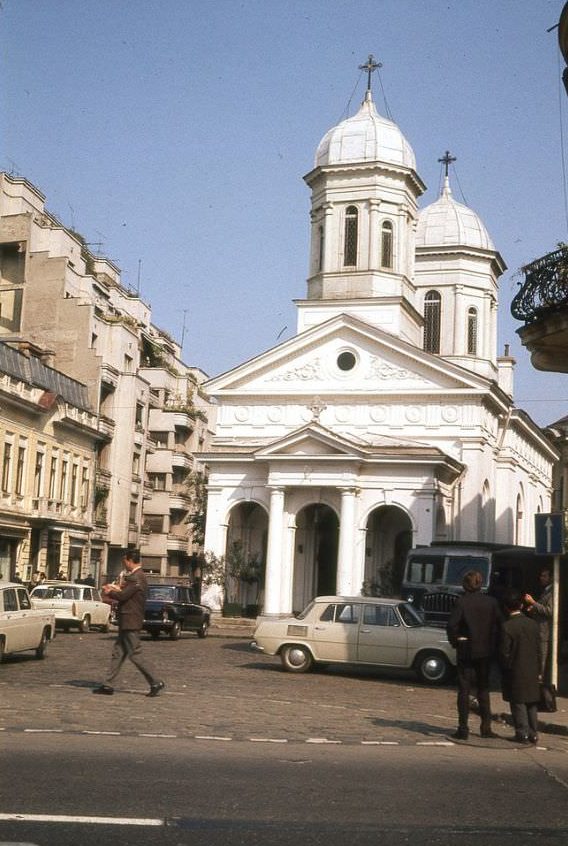
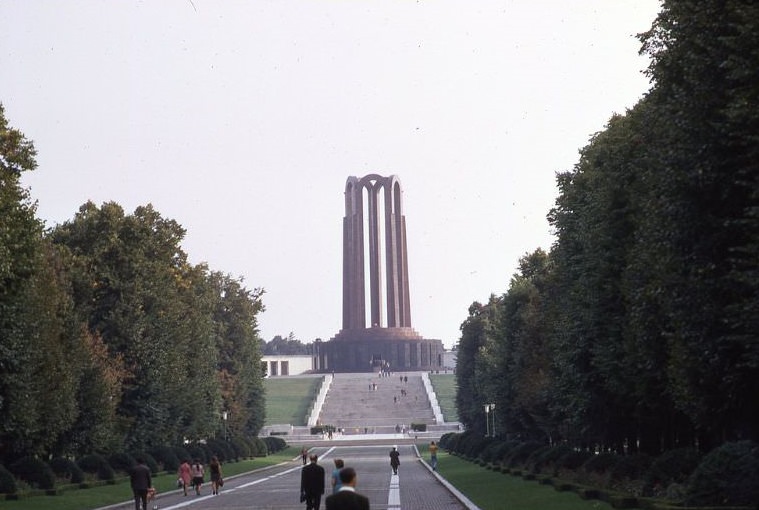
Biserica Alba or 'White Church', Bucharest, 1971
Biserica Alba or ‘White Church’, Bucharest, 1971
National Heroes Memorial, Bucharest, 1971

The road from Bucharest to Sinaia — a mountain resort town — wound through the Prahova Valley. Travelers made this journey regularly, passing through rolling countryside that sat in stark contrast to the urban density of the capital.
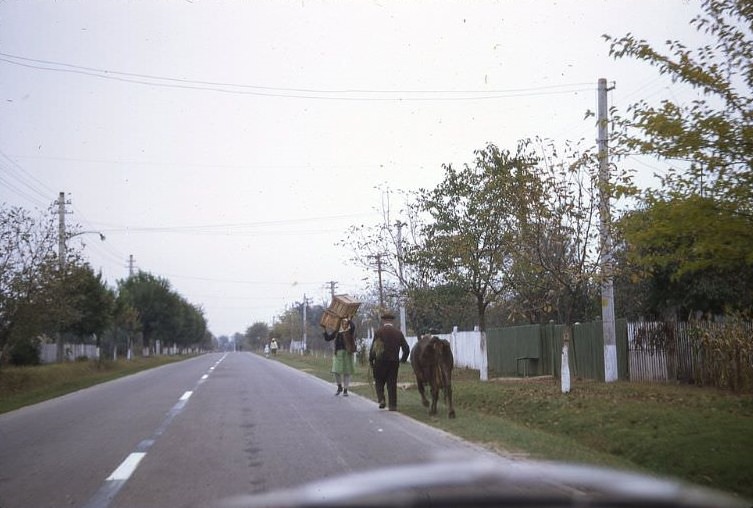
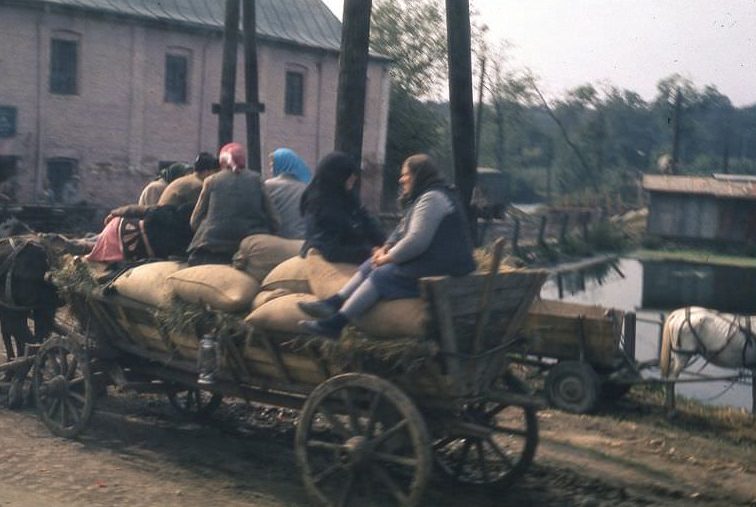
On the road from Bucharest to Sinaia, 1971
Somewhere between Bucharest and Sinaia, 1971

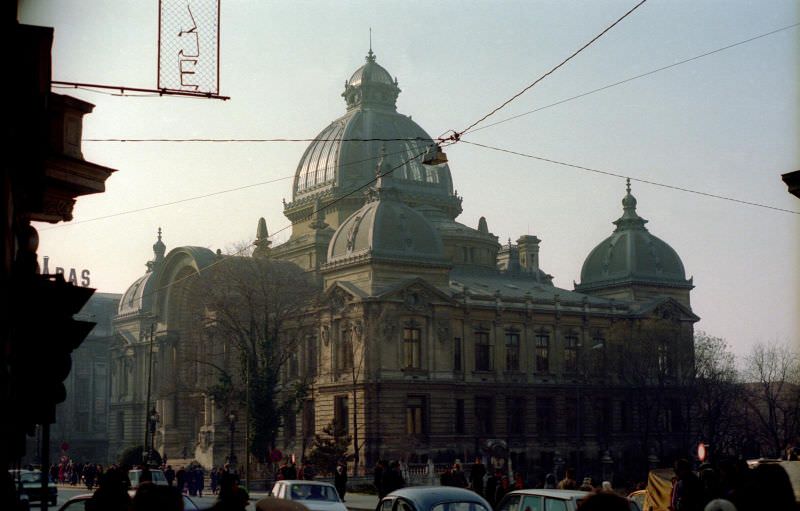
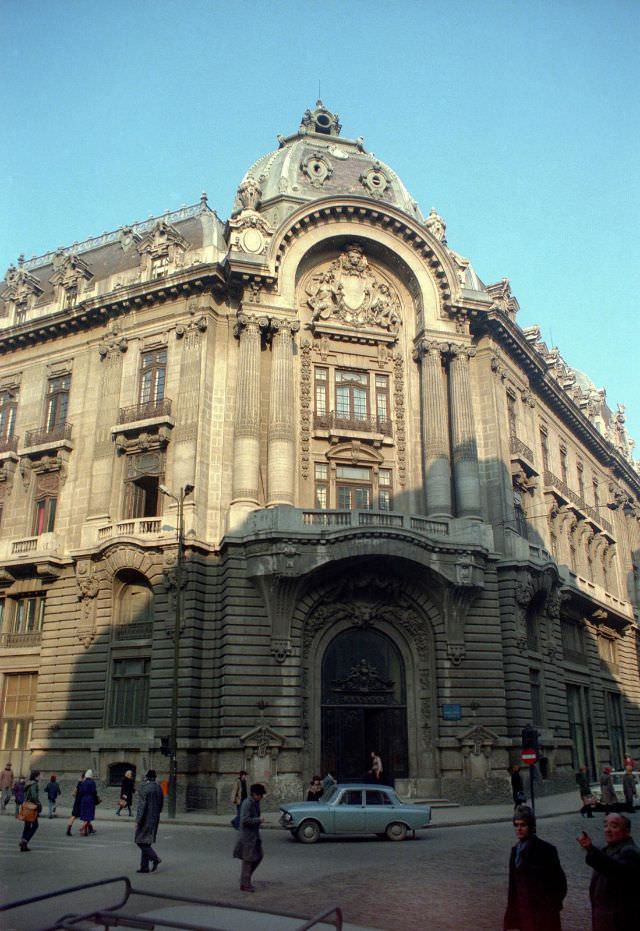
By 1974, the city’s cultural landmarks were well-established gathering points. The Romanian Athenaeum — Ateneul Roman — was one of the country’s premier concert halls, a neoclassical building that had stood since 1888. Casa Presei Libere, the House of the Free Press, was a towering Stalinist-style structure built in the 1950s that still dominated the northern skyline.
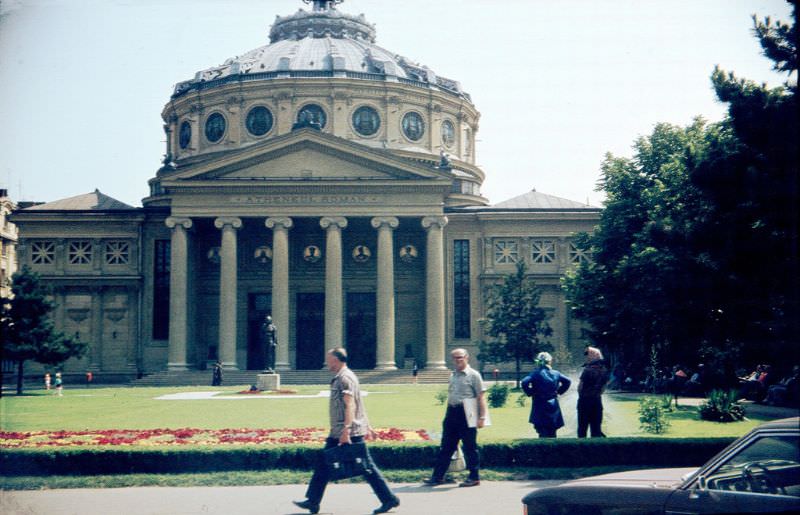
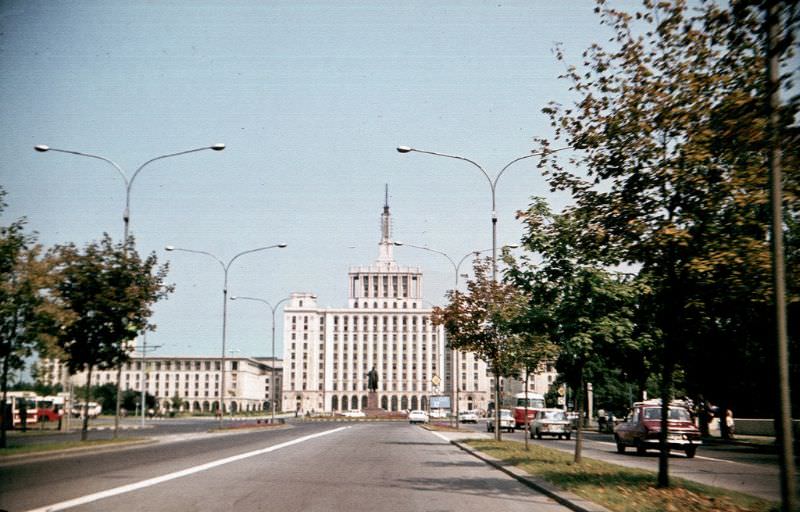
Ateneul Roman, Bucharest, 1974
Casa Presei Libere, Bucharest, 1974

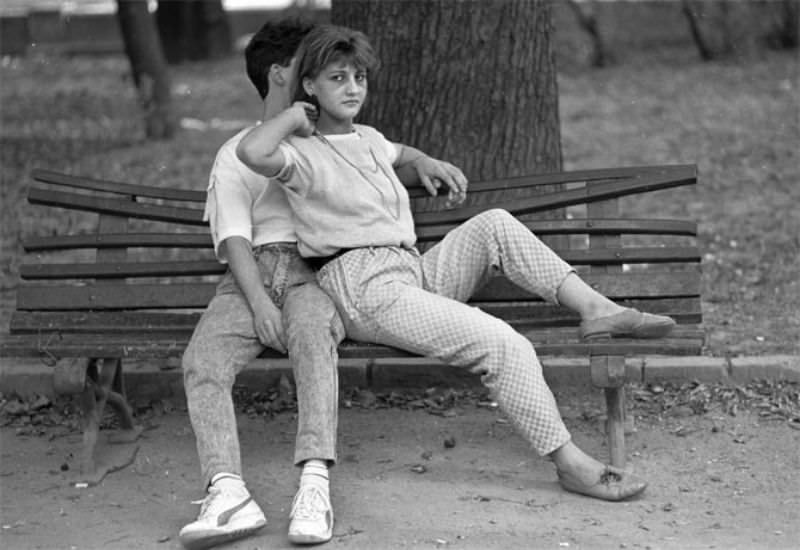
Bucharest’s youth in the mid-1970s lived within a tightly controlled state, but daily life continued — students, workers, and young people navigating a city that was simultaneously modernizing and being reshaped by government policy.
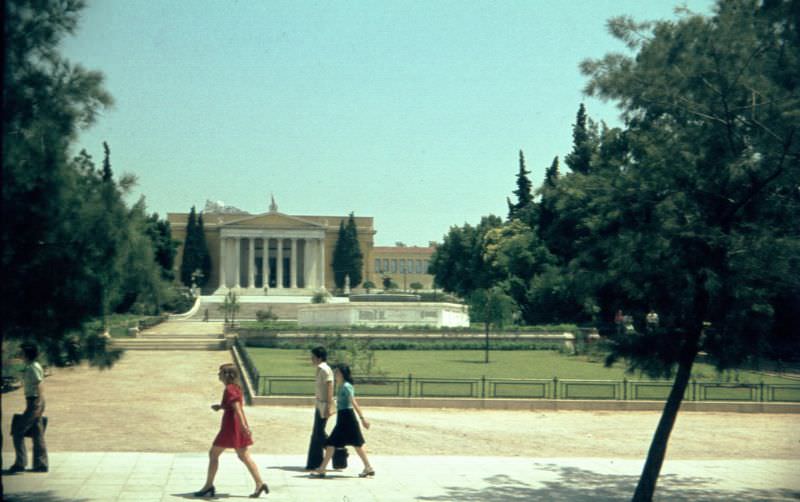
Bucharest youth, 1974

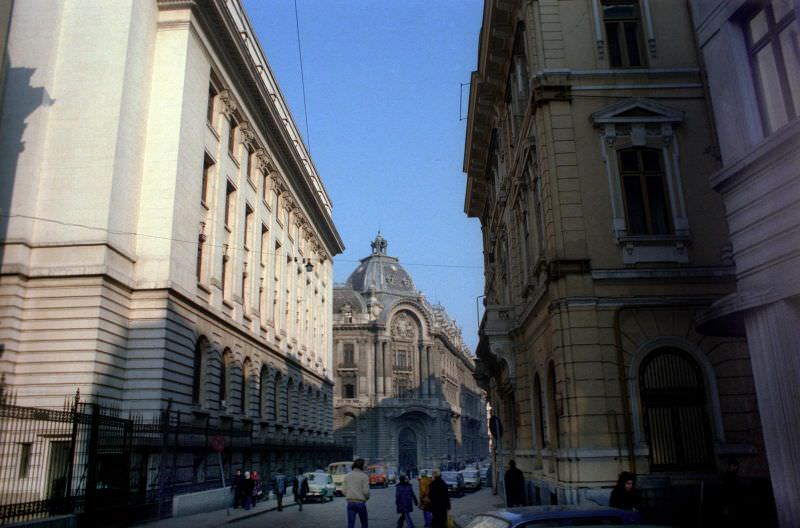
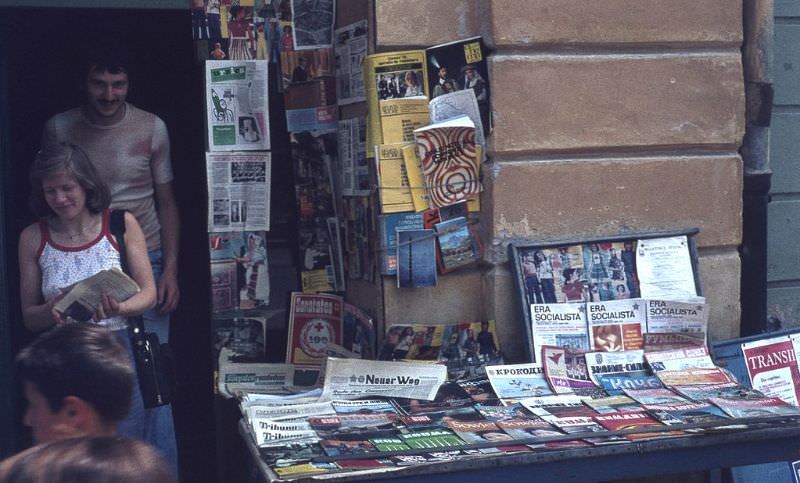
In 1976, the city’s streets and avenues presented a familiar socialist urban character — wide roads designed for parades, newspaper kiosks stocked with state-approved publications, and apartment-lined corridors leading to institutional buildings. Heroes’ Avenue, viewed from the Military Academy in the Cotroceni district, showed how deliberately the city’s layout had been planned.
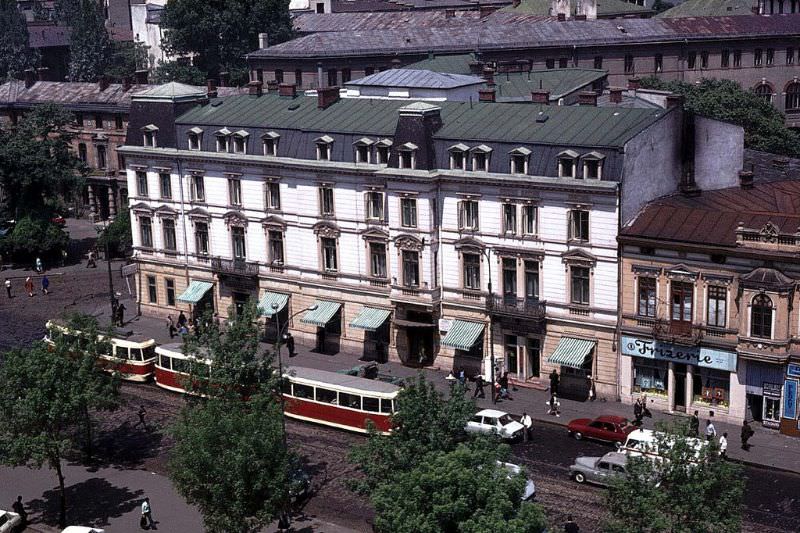
Bucharest  from a hotel bedroom window, 1976
Bucharest from a hotel bedroom window, 1976
Bucharest newspaper kiosk, 1976
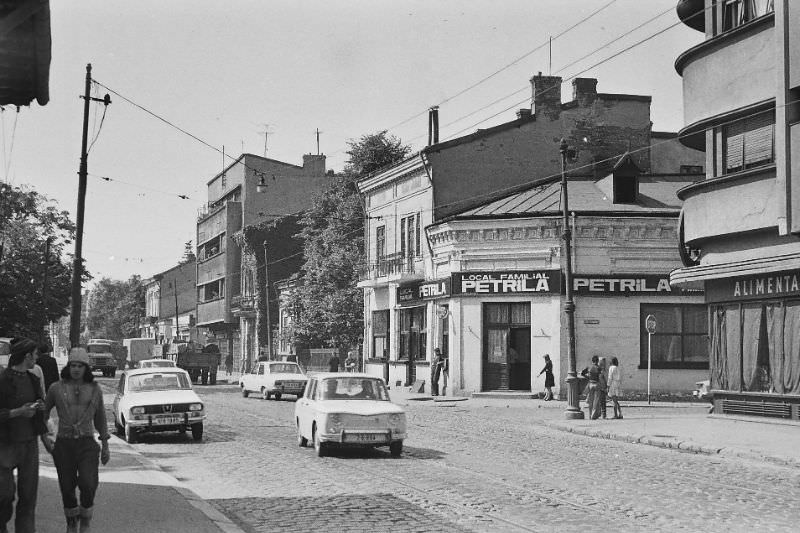
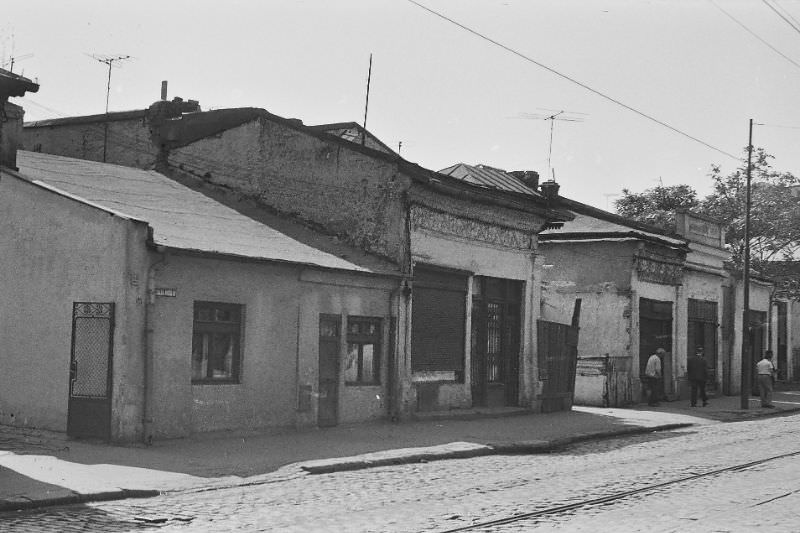
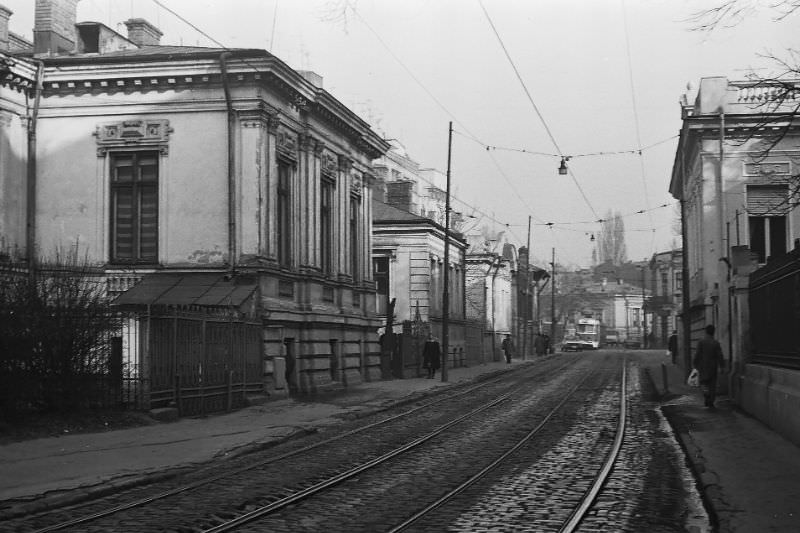
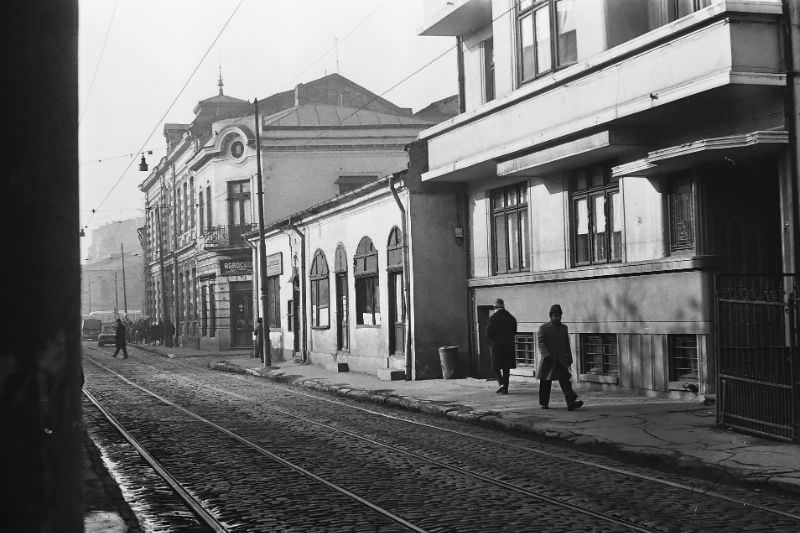
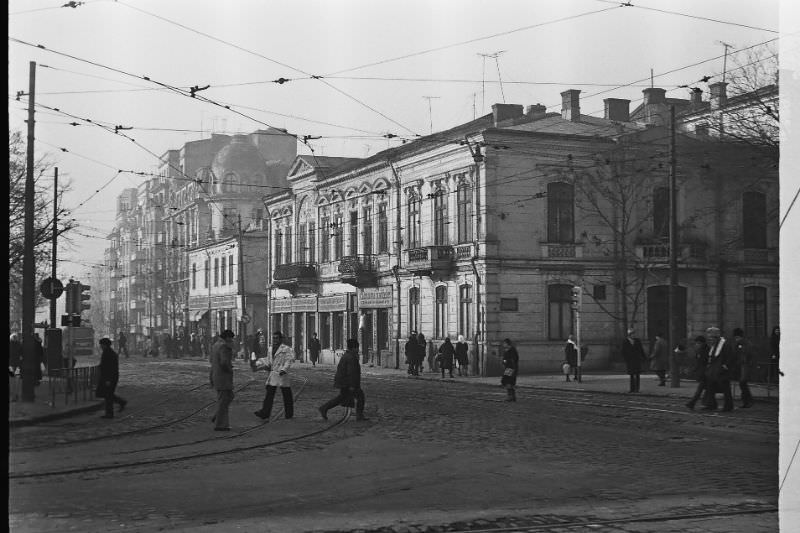
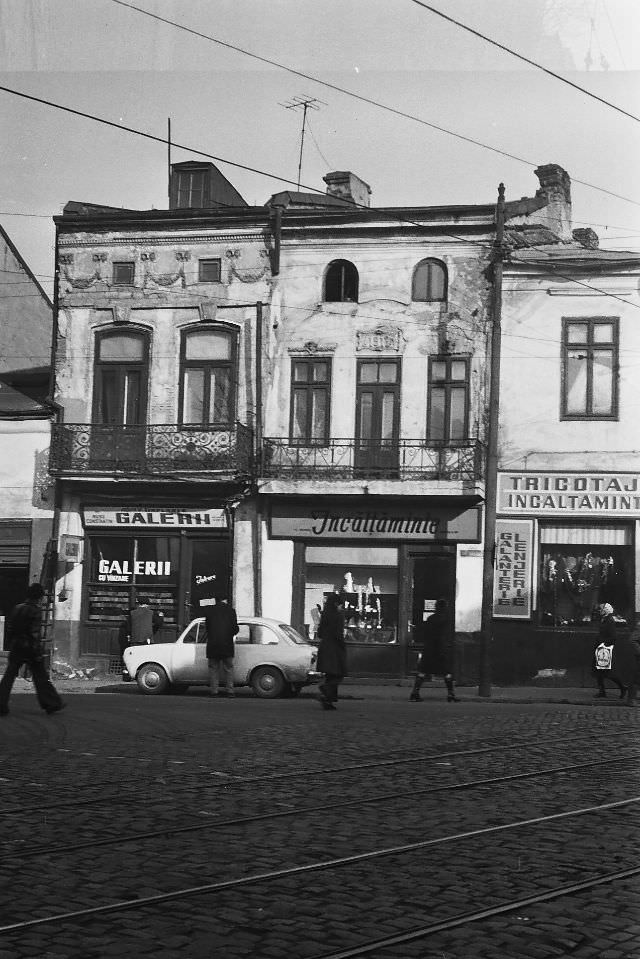
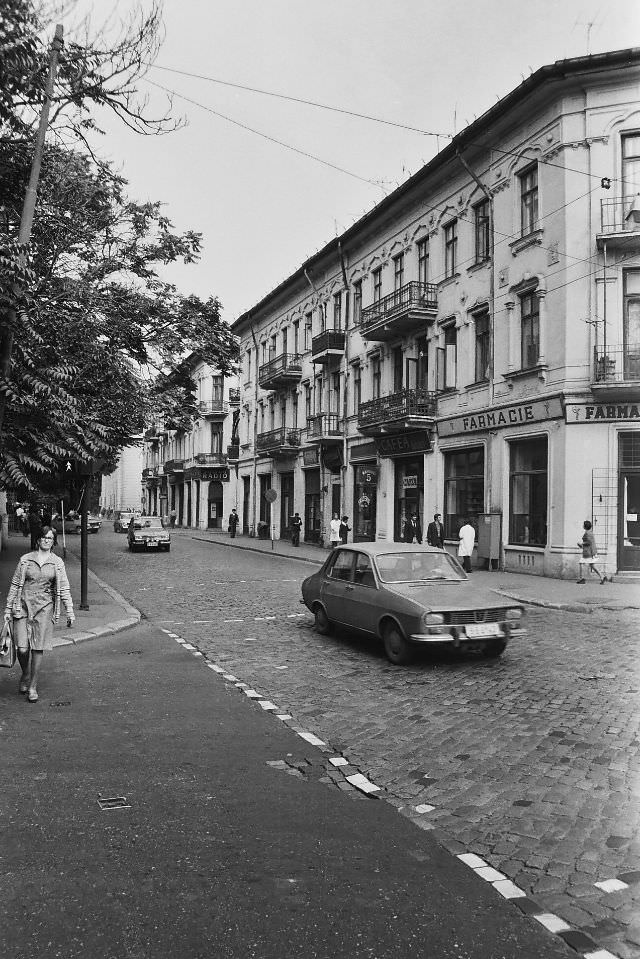
Bucharest street scenes, 1976
Heroes' Avenue, seen from the Military Academy in Cotroceni District, Bucharest, 1976
Heroes’ Avenue, seen from the Military Academy in Cotroceni District, Bucharest, 1976
Nicholas Titulescu Avenue, near the North Railway Station, Bucharest, 1976

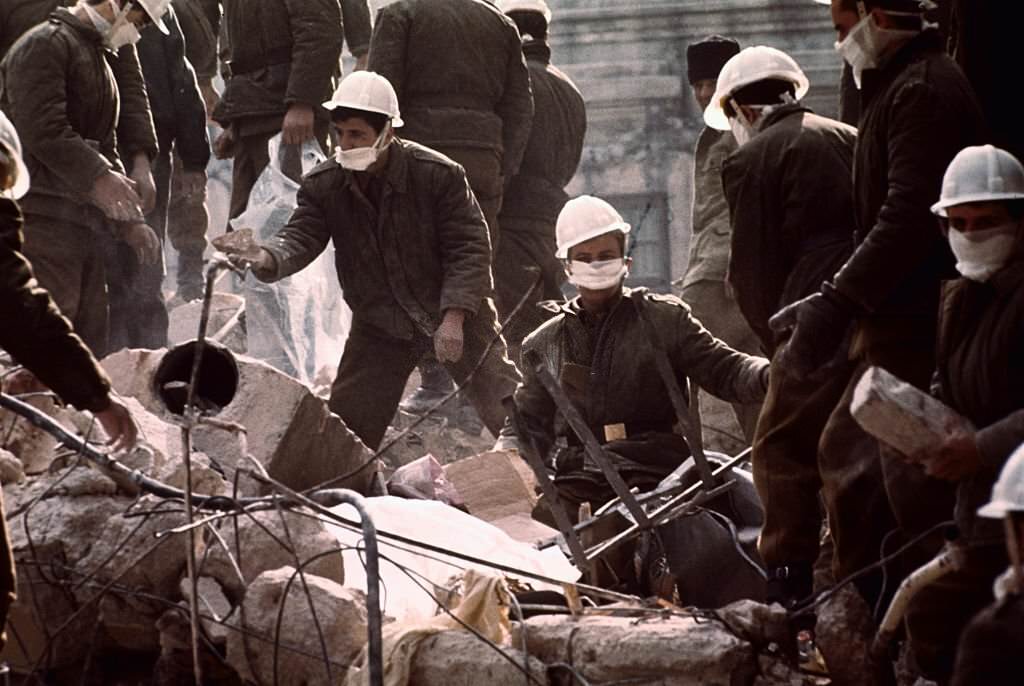
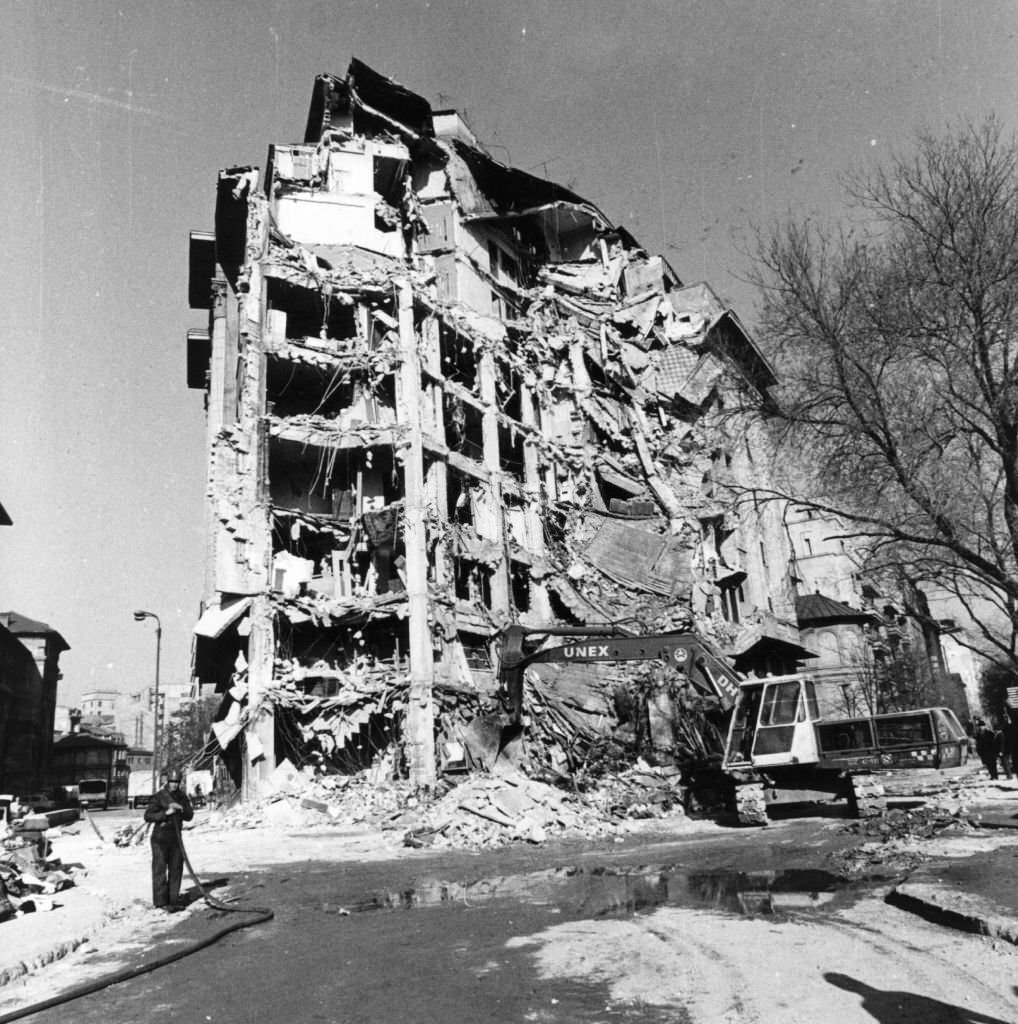
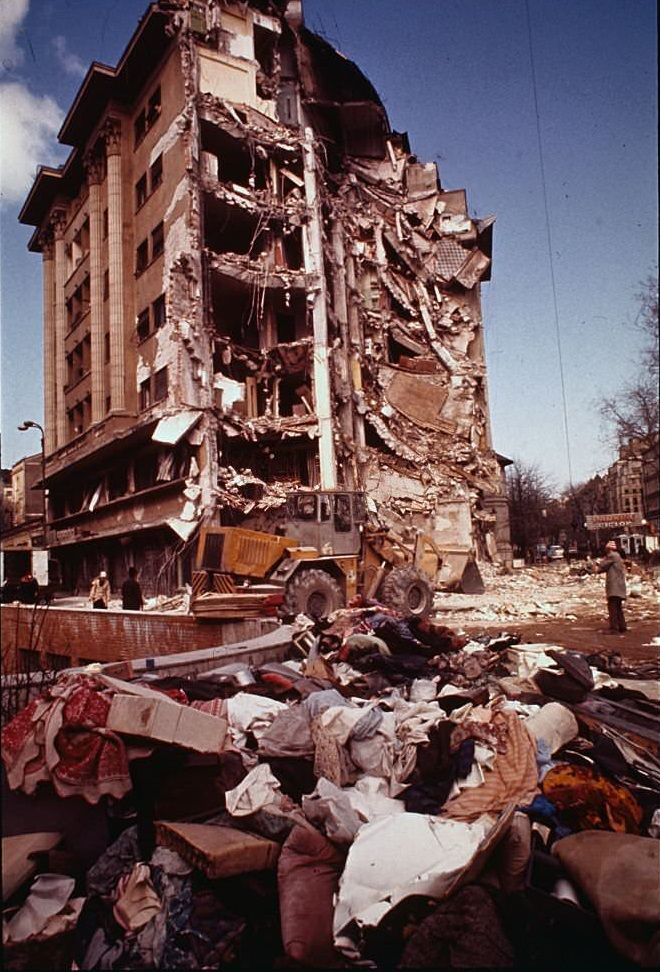
On March 4, 1977, a 7.2-magnitude earthquake struck Romania. It was the most powerful earthquake in Bucharest’s modern history. More than 1,500 people were killed. In the city’s lower-lying areas, 28 buildings collapsed entirely, accounting for over 1,400 of those deaths. Rescue workers dug through the rubble of residential blocks for days. Some wore face masks as they cleared the wreckage.
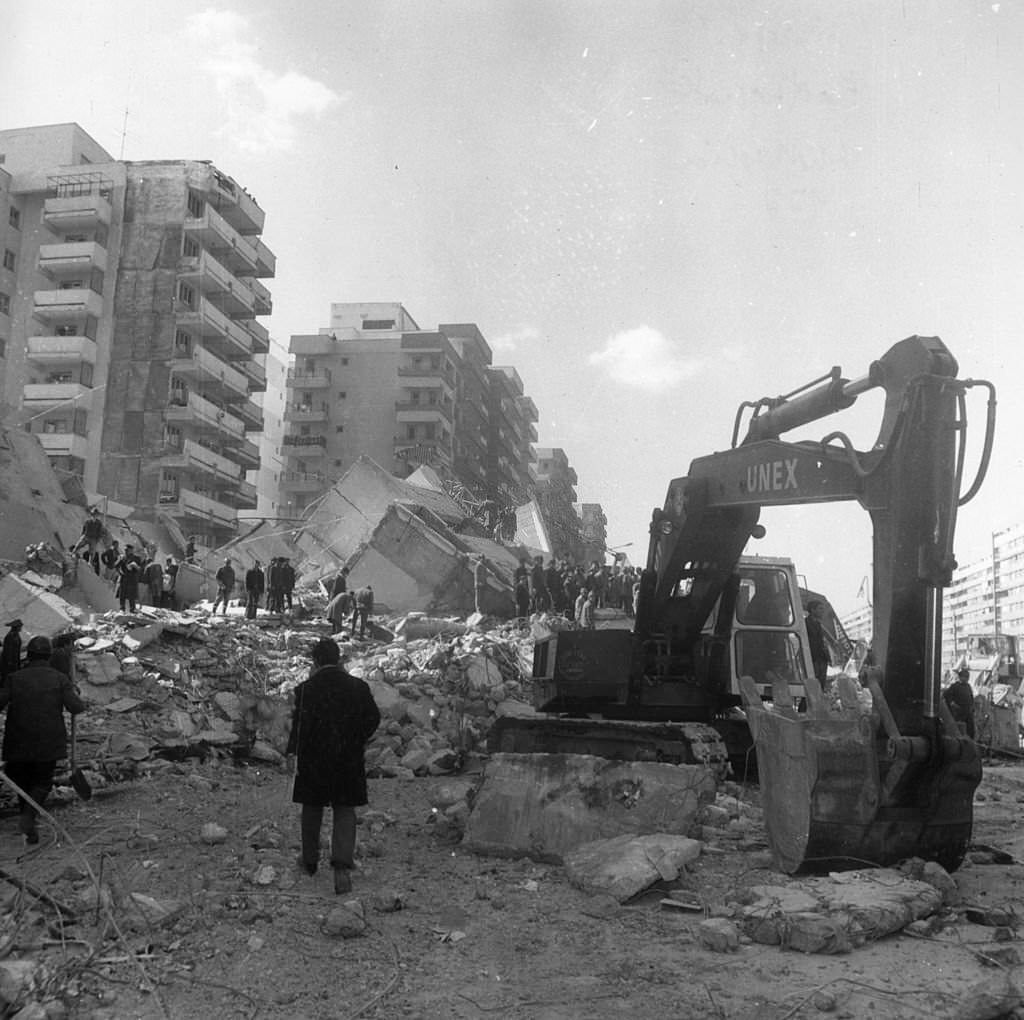
Rescue workers use a digger to sift through the remains of a block of flats after an earthquake in Bucharest which resulted in the loss of over 1,500 lives.
Rescue workers are shown here in Bucharest, Romania trying to clean up after the destructive earthquake.
Rescue workers are shown here in Bucharest, Romania wearing face mask protection trying to clean up after the destructive earthquake.

Romanian leader Nicolae Ceaușescu personally walked through the destruction on Gheorghe Magheru Boulevard, one of the city’s main commercial streets, to survey the damage. The earthquake set major decisions in motion. Ceaușescu called a meeting at the Central Committee of the Romanian Communist Party, where architects and urban planners presented a new proposal: building a socialist civic center in Bucharest. The Uranus neighborhood was selected as the site, identified as sitting on safer geological ground than the areas that had suffered the worst collapses.
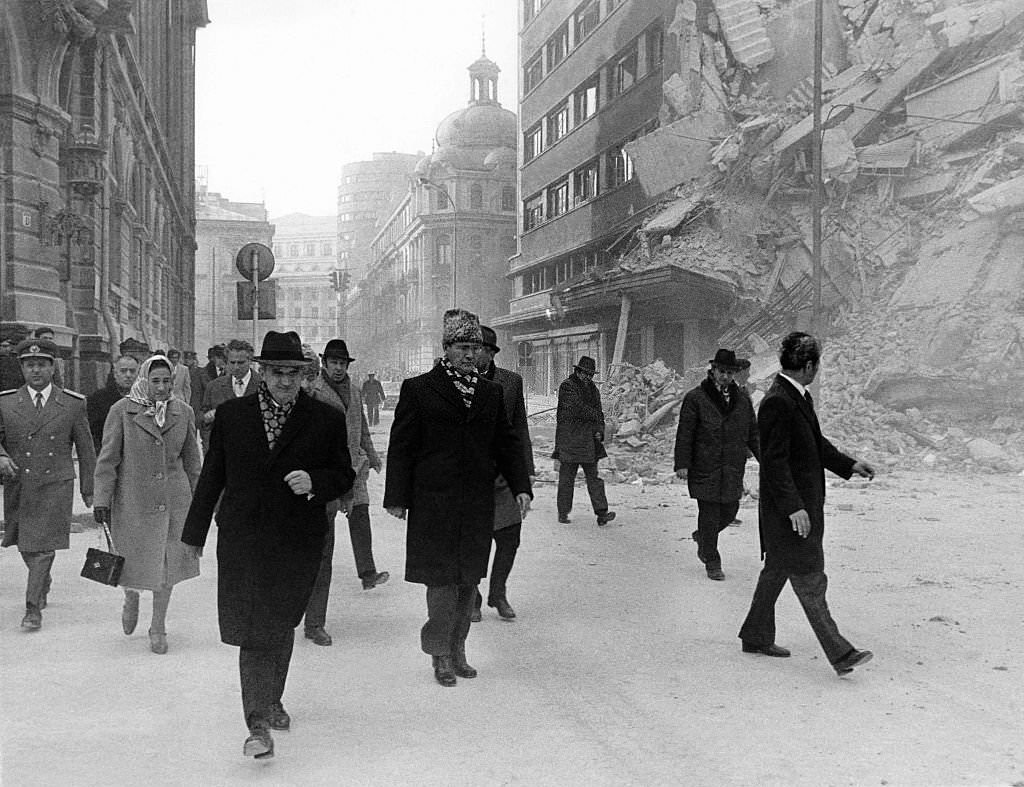
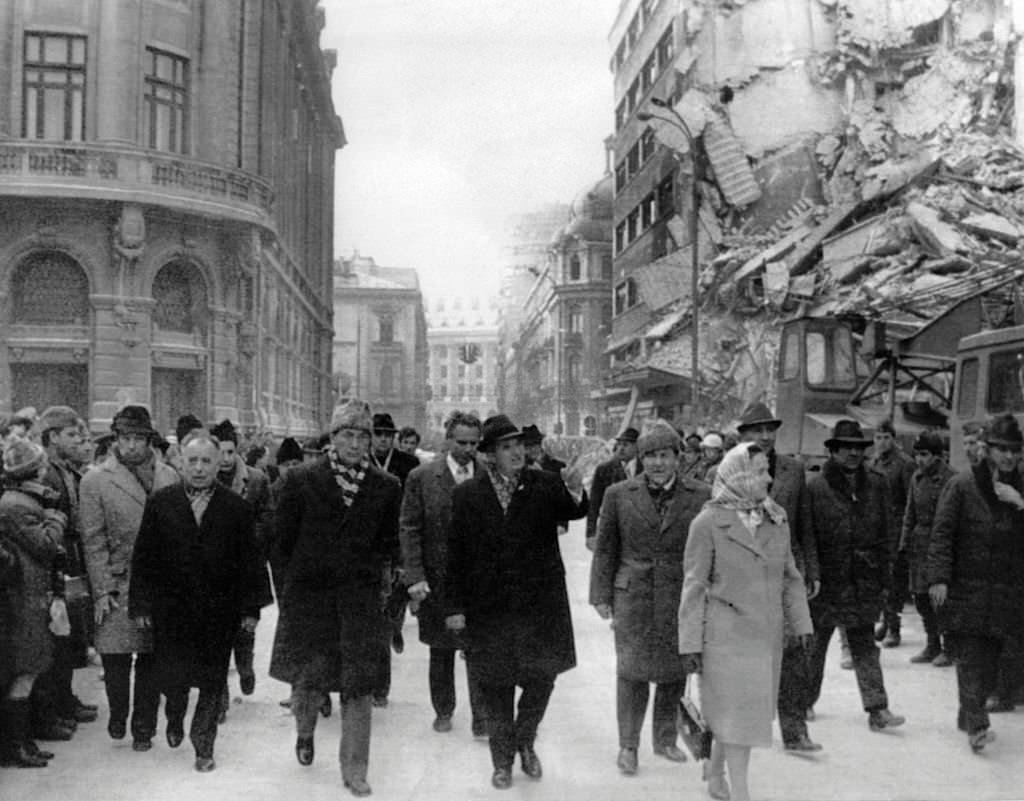
Romanian president Nicolae Ceausescu observing the damages on the Gheorghe Magheru Boulevard in Bucharest after an earthquake.
Workmen begin to demolish an earthquake damaged building in University Square, Bucharest, 1977

Construction on the Palace of the Parliament — then called the House of the Republic — began in 1978. It is the second-largest administrative building in the world, after the Pentagon. Walking the full perimeter of the building takes roughly one hour. Work on it would continue for years, absorbing enormous national resources.
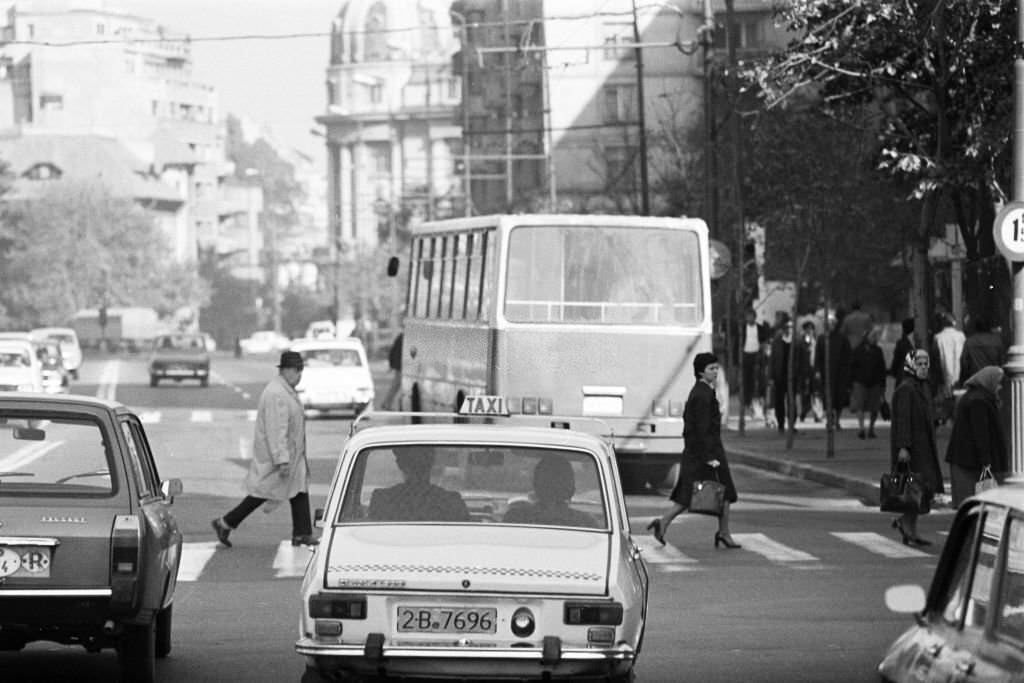
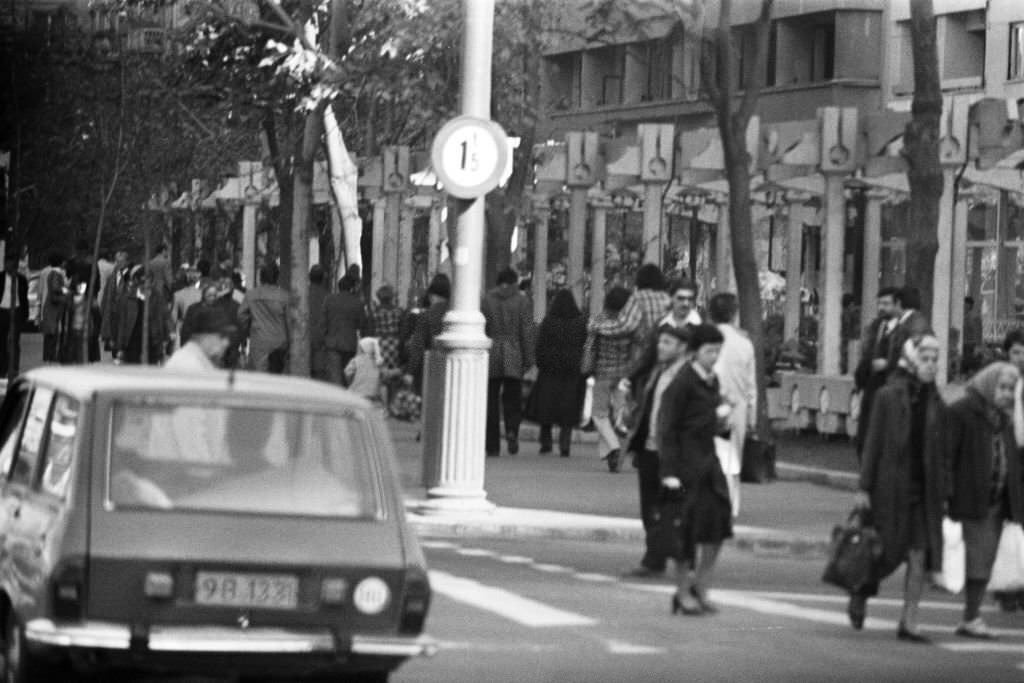
Bucharest, 1978
Bucharest, 1978
Bucharest, 1978
Bucharest, 1978
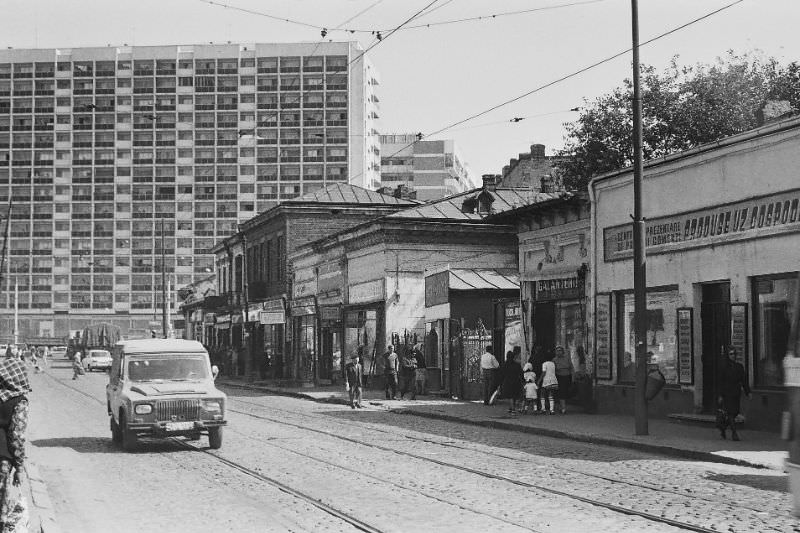
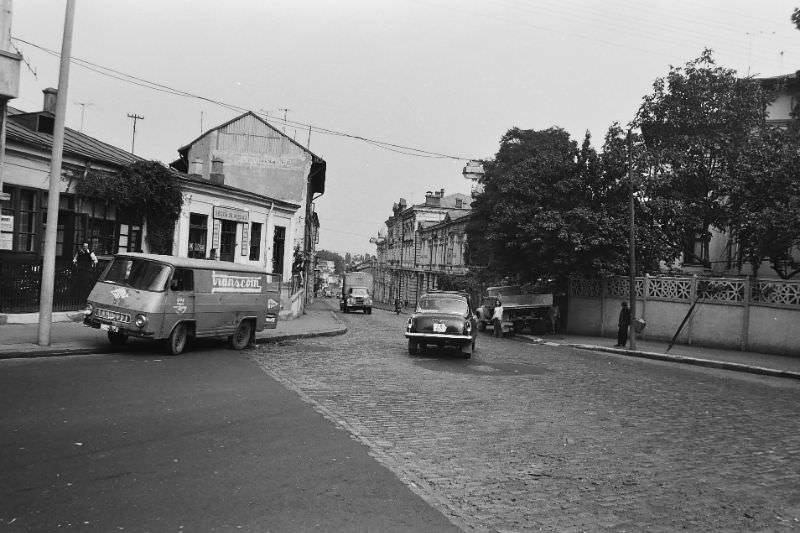
Bucharest street scene, 1978

In 1976, French Prime Minister Jacques Chirac visited Bucharest, received by Romania’s Minister of Foreign Affairs, Corneliu Mănescu. These diplomatic visits were a regular feature of Ceaușescu’s foreign policy, which emphasized Romania’s relative independence from Moscow within the Eastern Bloc. Tennis star Ilie Năstase — Romania’s most famous athlete of the era — was also a prominent public figure during this period.
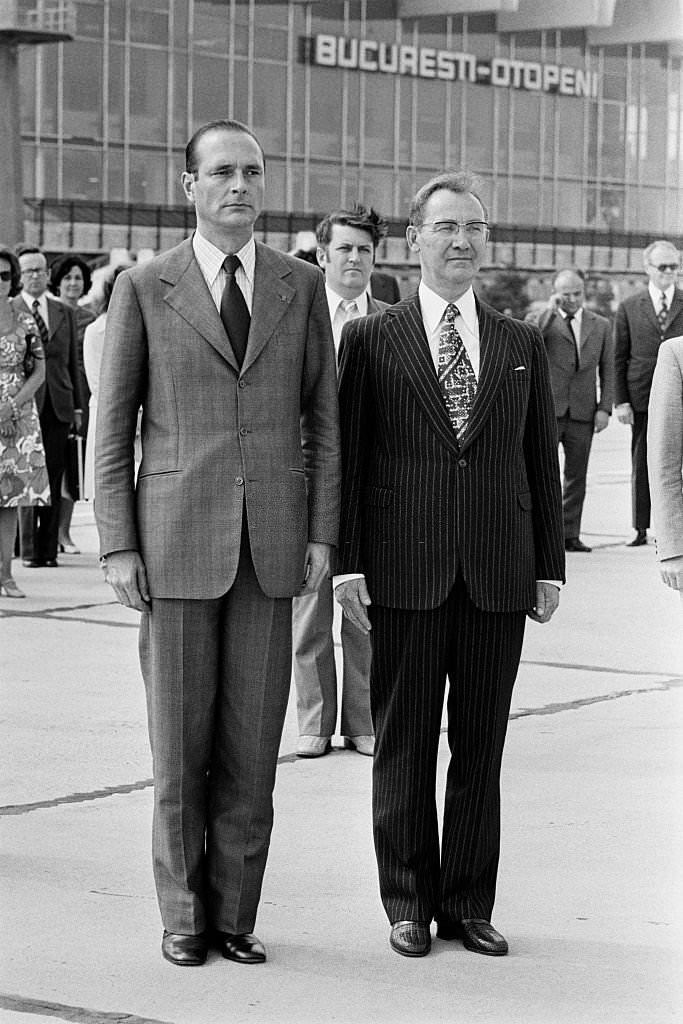
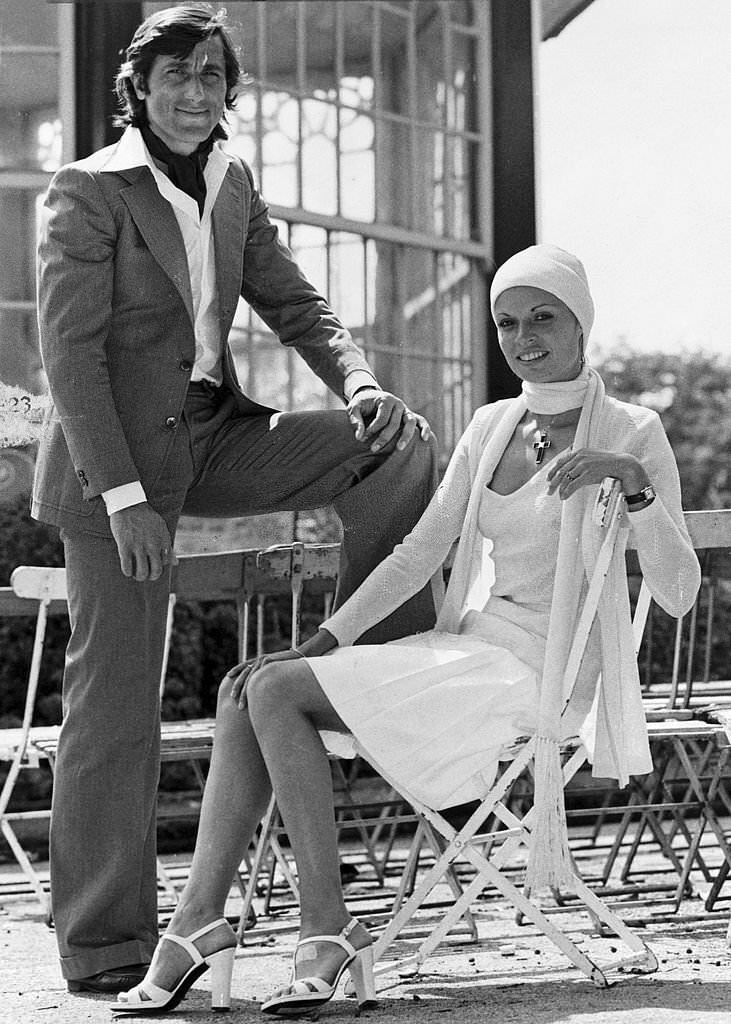
Visit of Jacques Chirac in RomaniaFrench Prime Minister Jacques Chirac is welcomed in Bucharest by Minister of Foreign Affairs Corneliu Manescu.
Ilie and Dominique Nastase, June 1974.

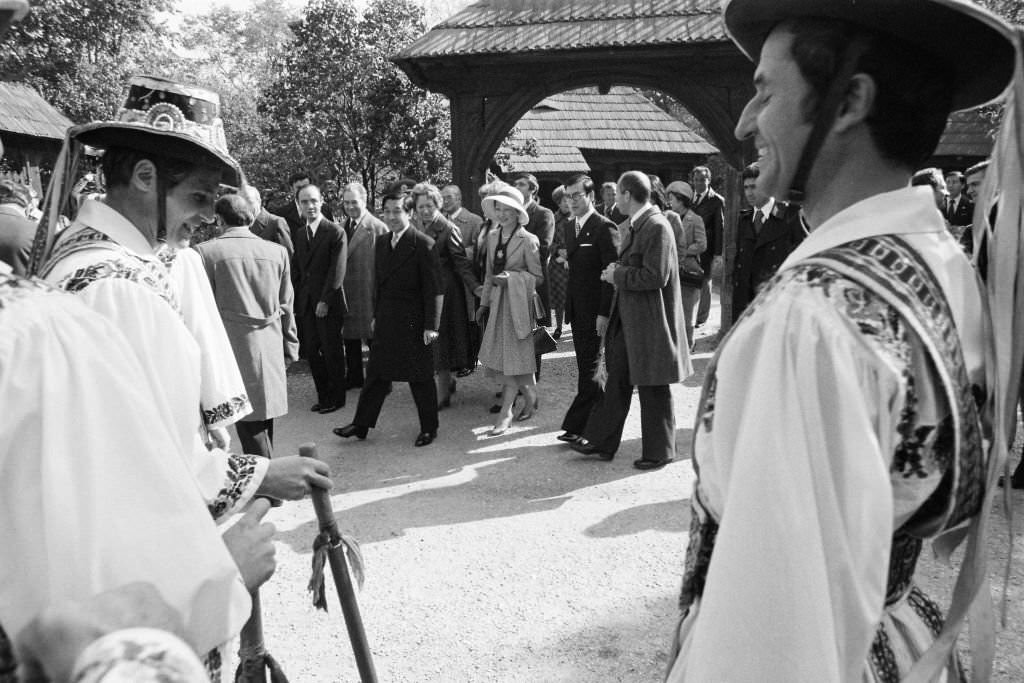
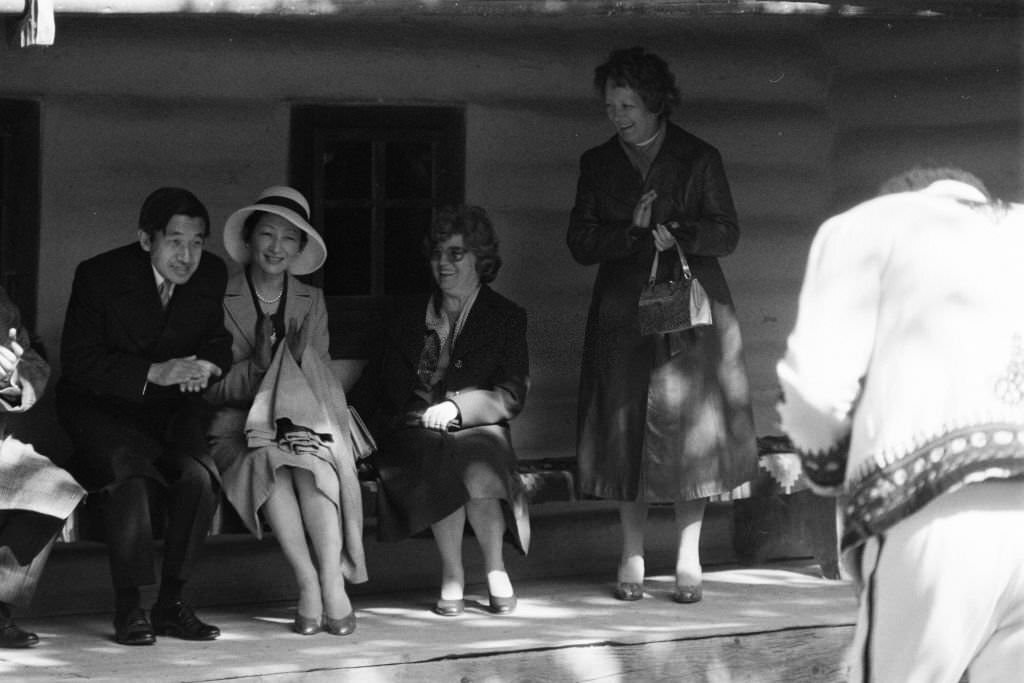
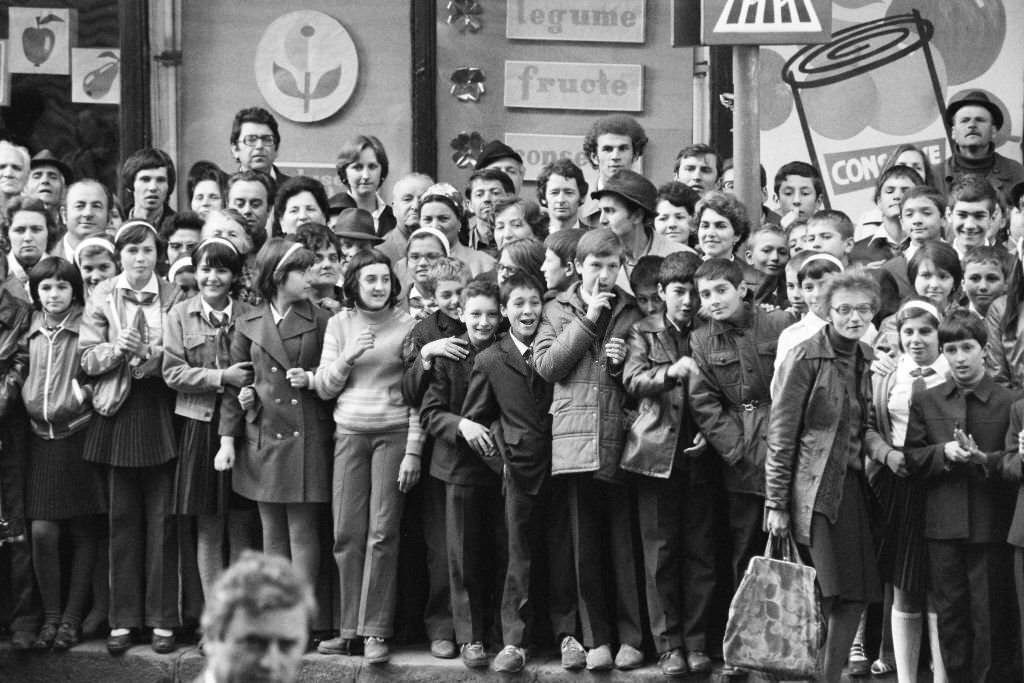
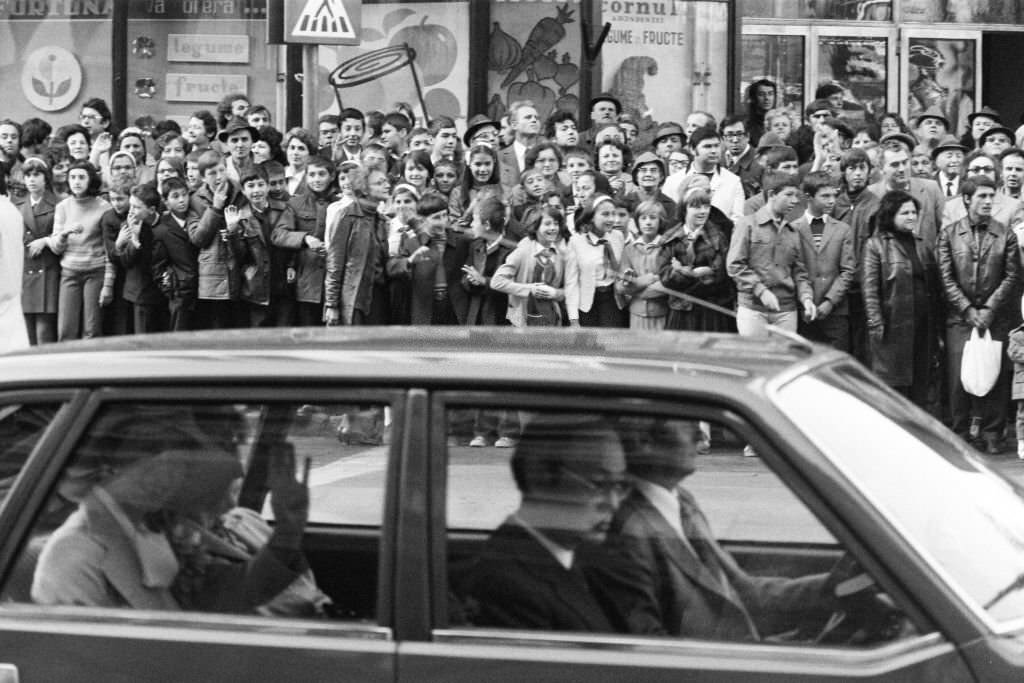
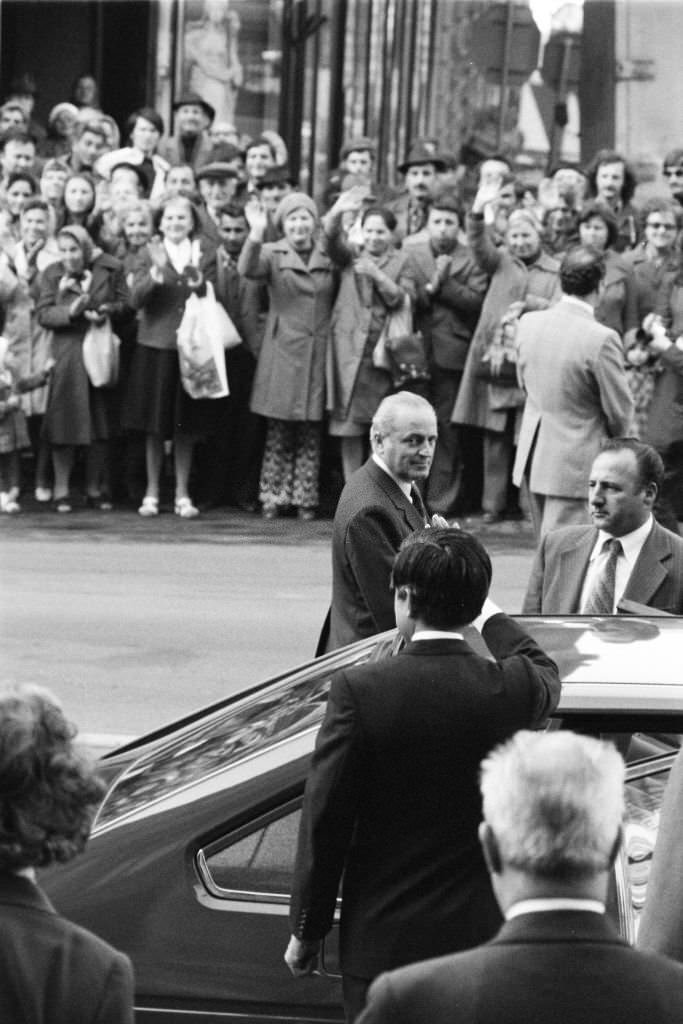
In October 1979, Japan’s Crown Prince Akihito and Crown Princess Michiko visited Bucharest. They met with Ceaușescu and his wife Elena at an official state meeting. The royal couple also toured the Dimitrie Gusti National Village Museum, an open-air collection of traditional Romanian village architecture, as well as a public market. Crowds of well-wishers gathered outside the National Museum of Romanian History during their visit.
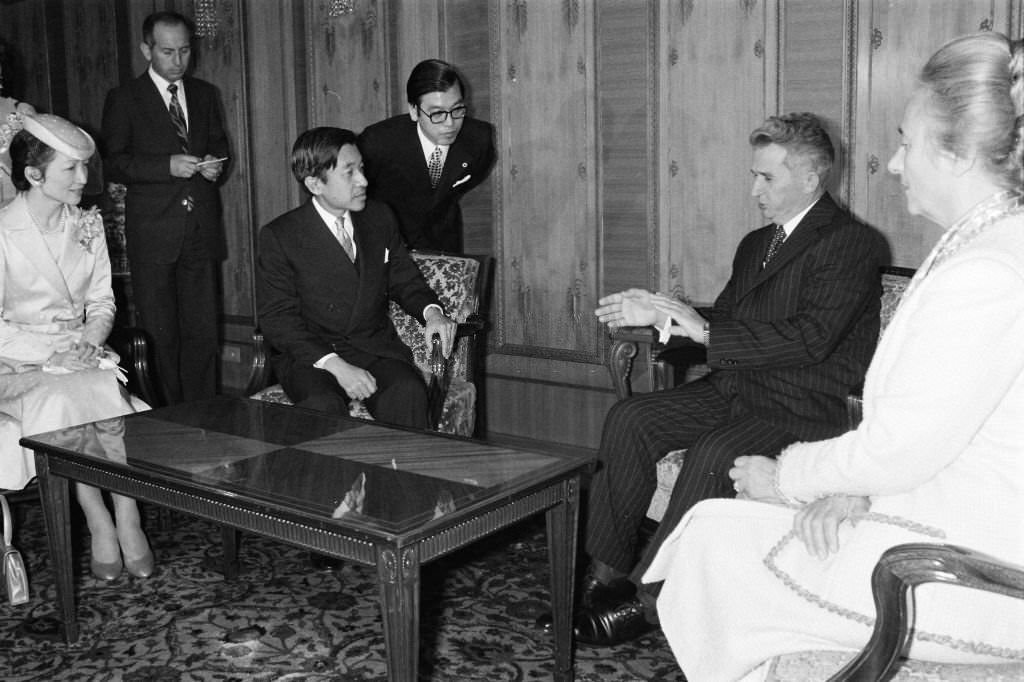
Crown Prince And Princess Visit to Bucharest, 1979
Crown Prince Akihito and Crown Princess Michiko talk with Romania President Nicolae Ceausescu and his wife Elena during their meeting on October 8, 1979 in Bucharest, Romania.
Crown Prince Akihito and Crown Princess Michiko ivisit the Dimitrie Gusti National Village Museum on October 8, 1979 in Bucharest.
Crown Prince Akihito and Crown Princess Michiko visit the Dimitrie Gusti National Village Museum on October 8, 1979.
Well-wishers stand outside the National Museum of Romanian History where Crown Prince Akihito and Crown Princess.
Well-wishers stand outside the National Museum of Romanian History where Crown Prince Akihito and Crown Princess Michiko.

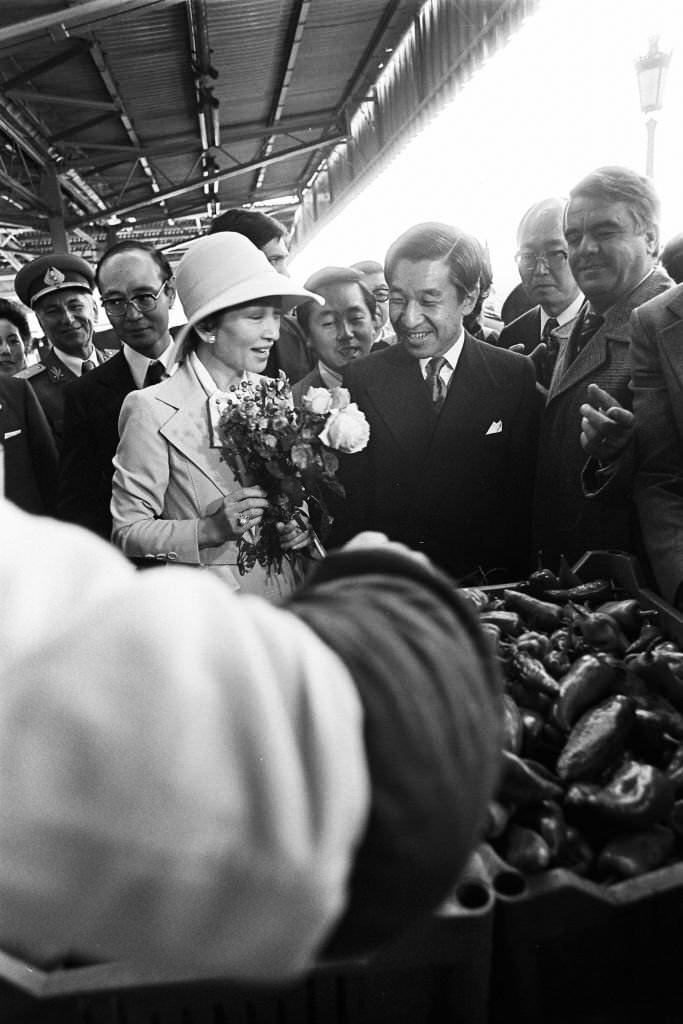
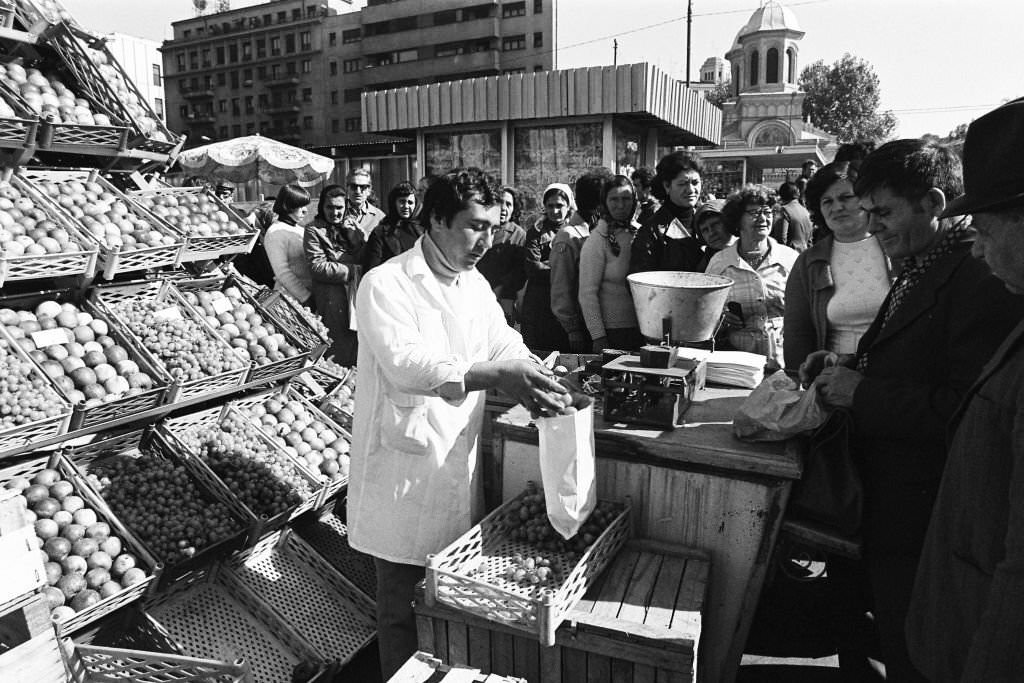
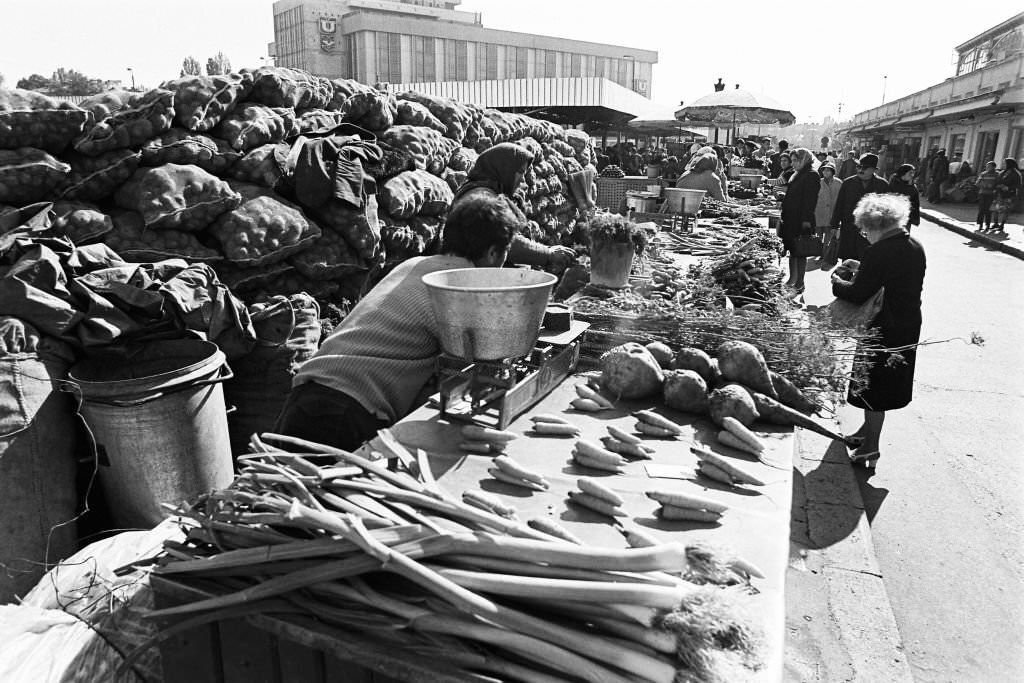
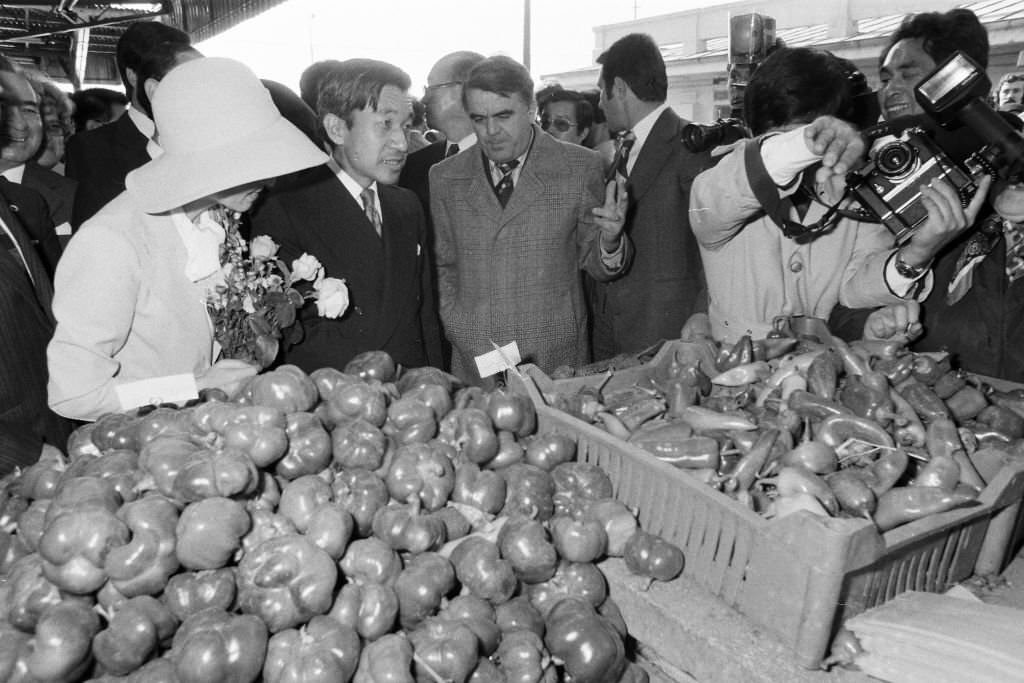
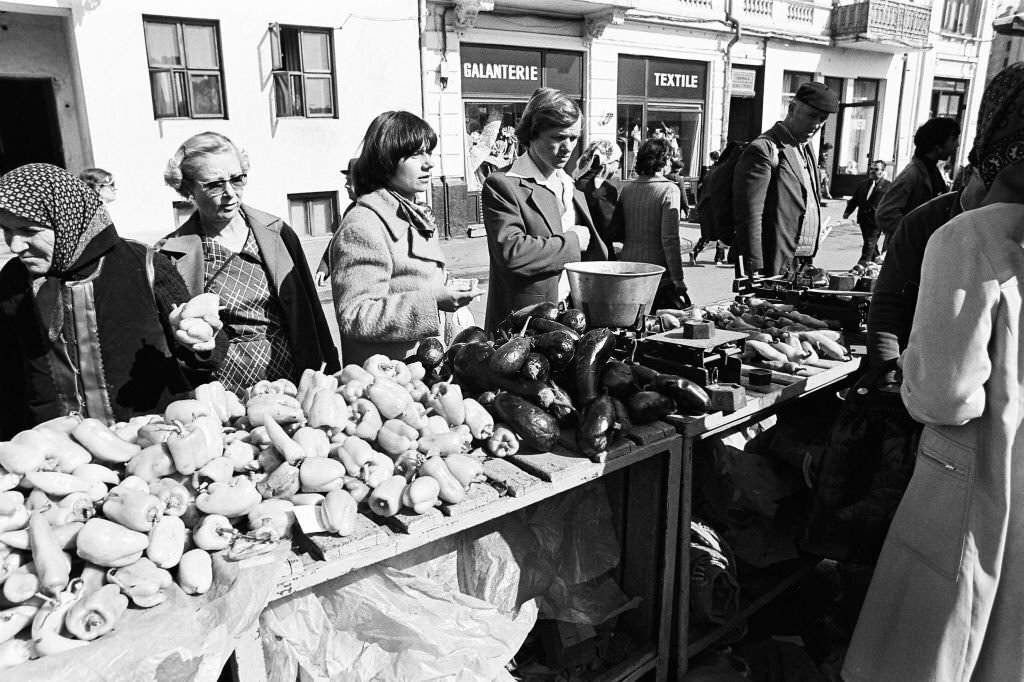
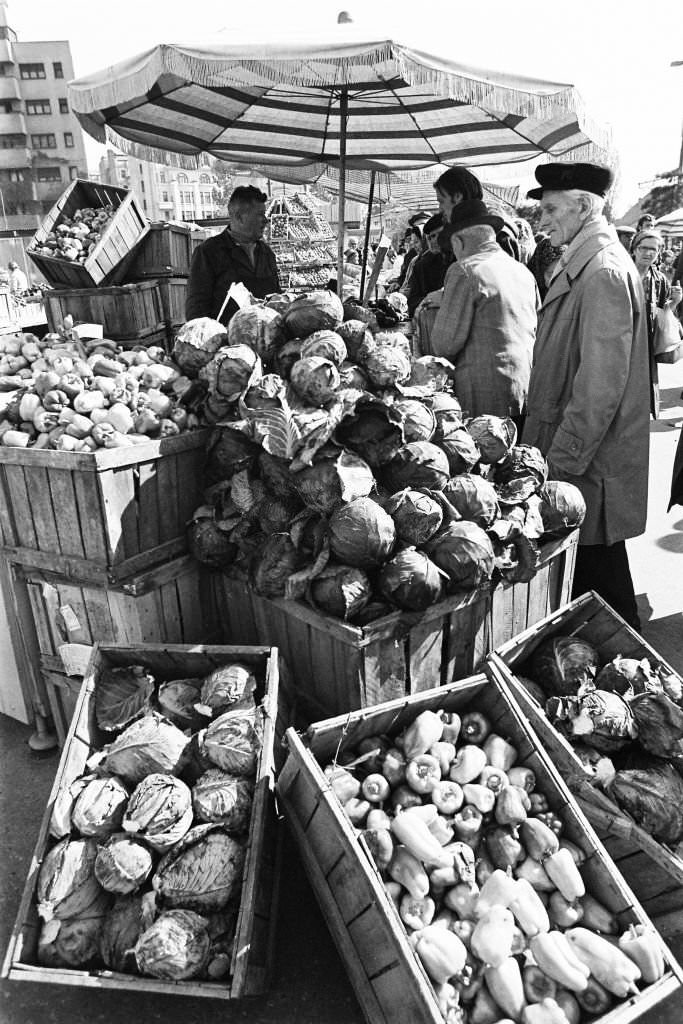
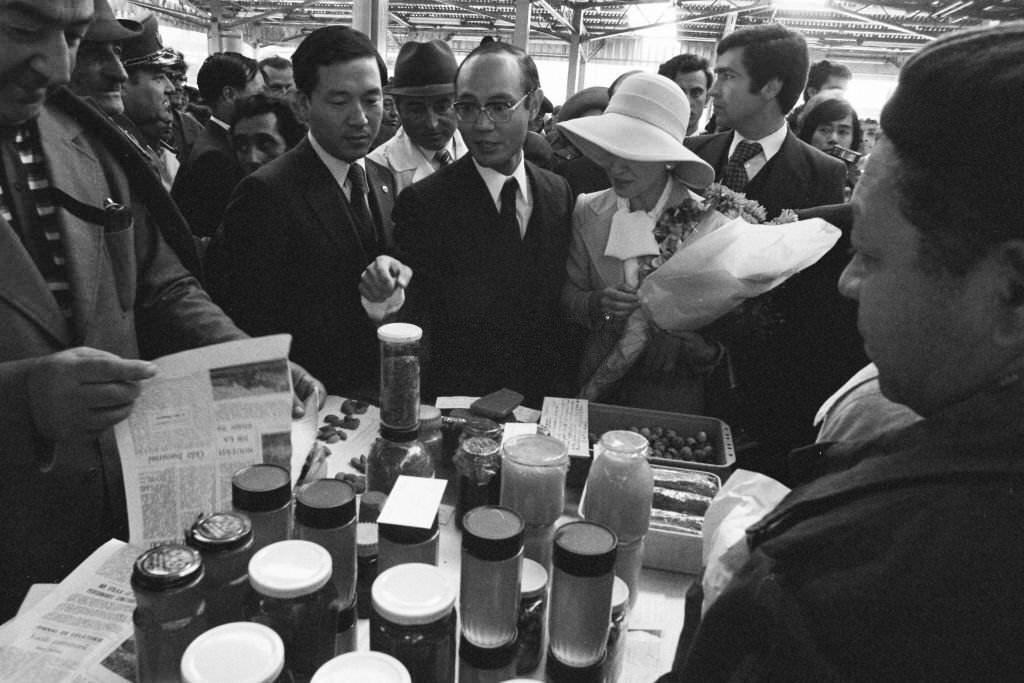
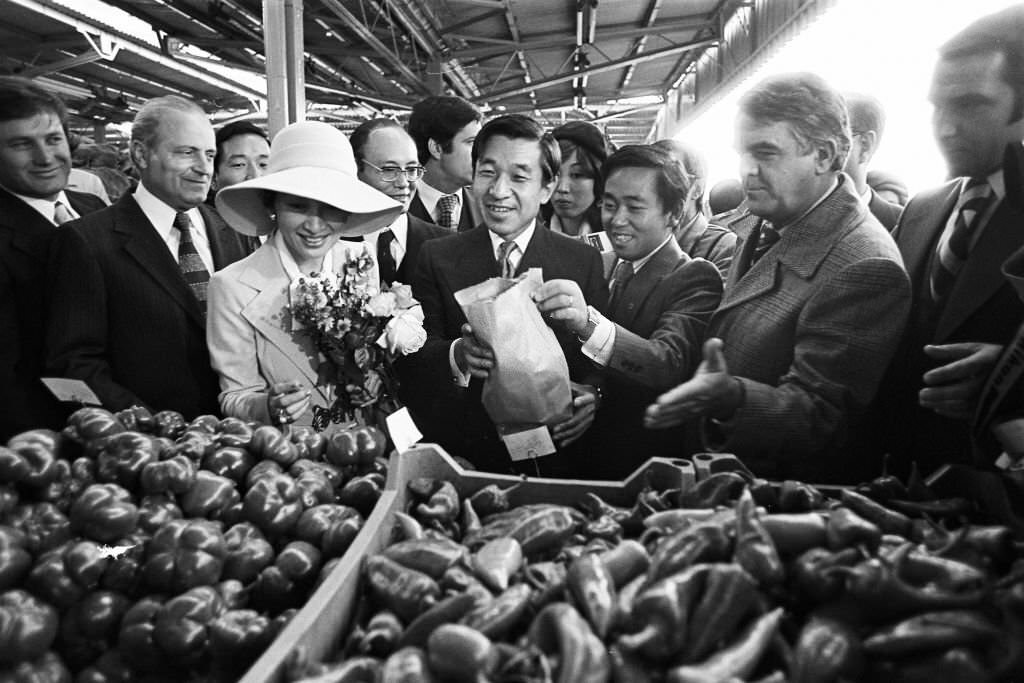
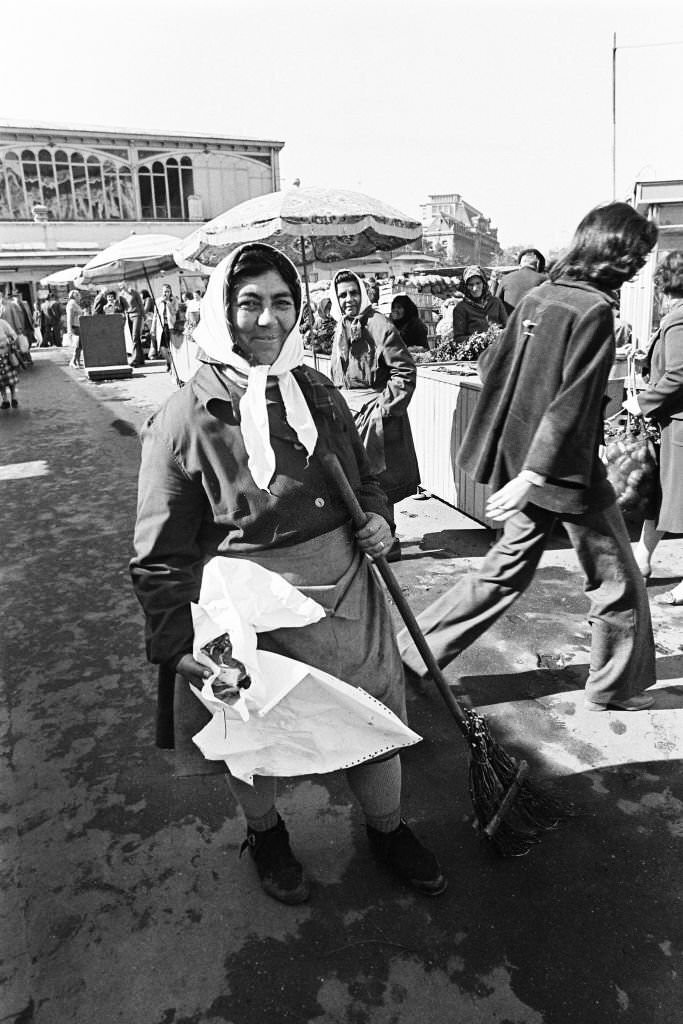
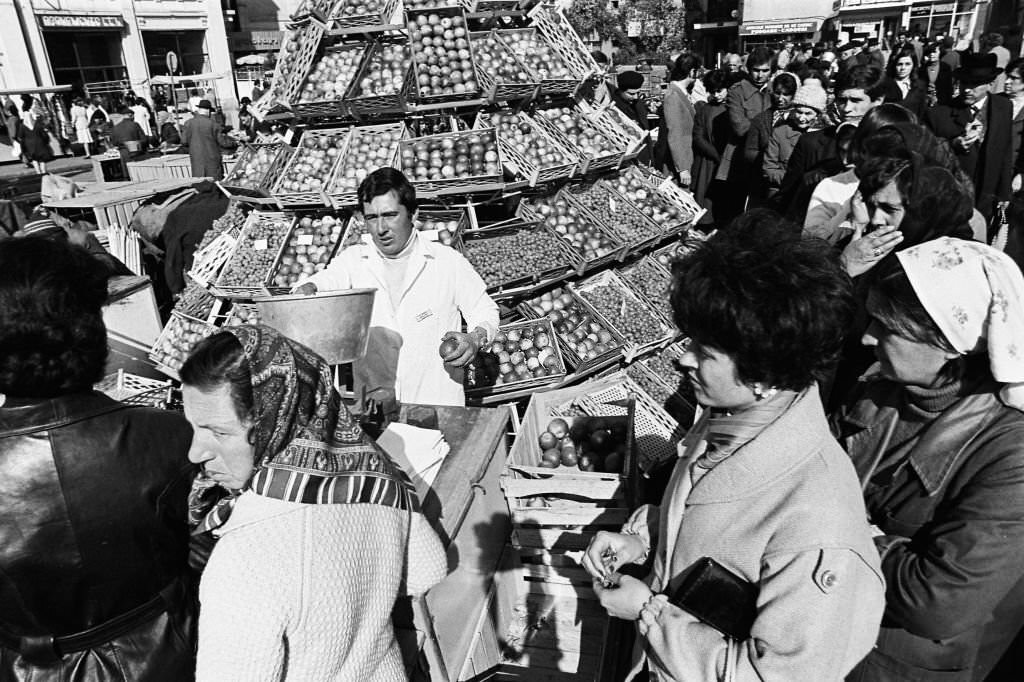
The royal pair’s visit to a Bucharest market on October 10, 1979 drew significant public attention. The market stalls, vegetable vendors, and local shoppers provided a vivid picture of everyday commerce in the city at the close of the decade.
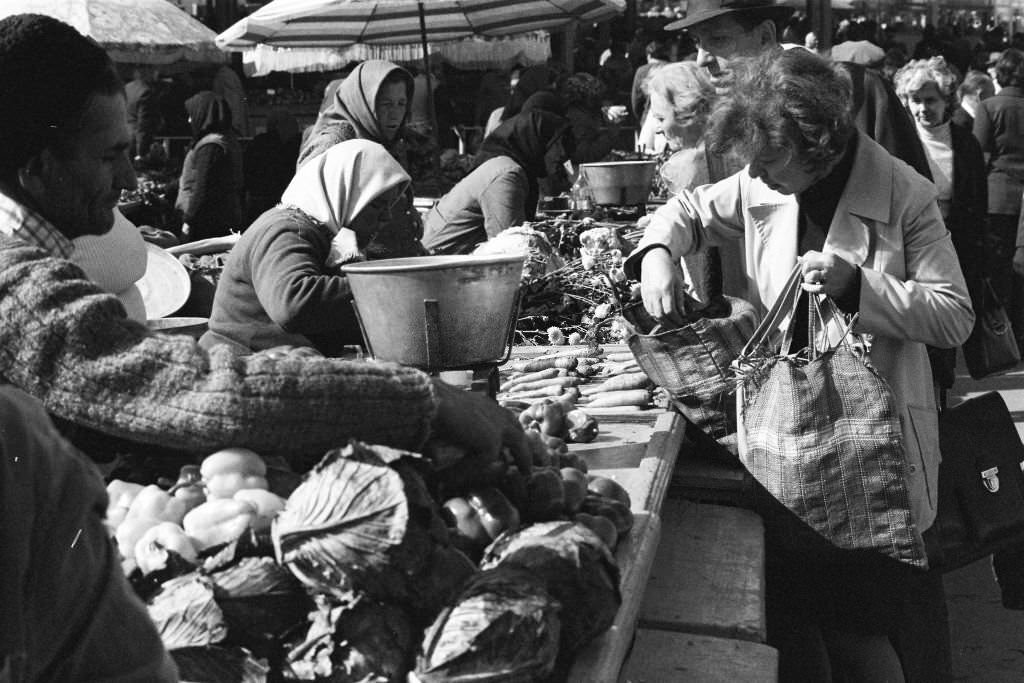
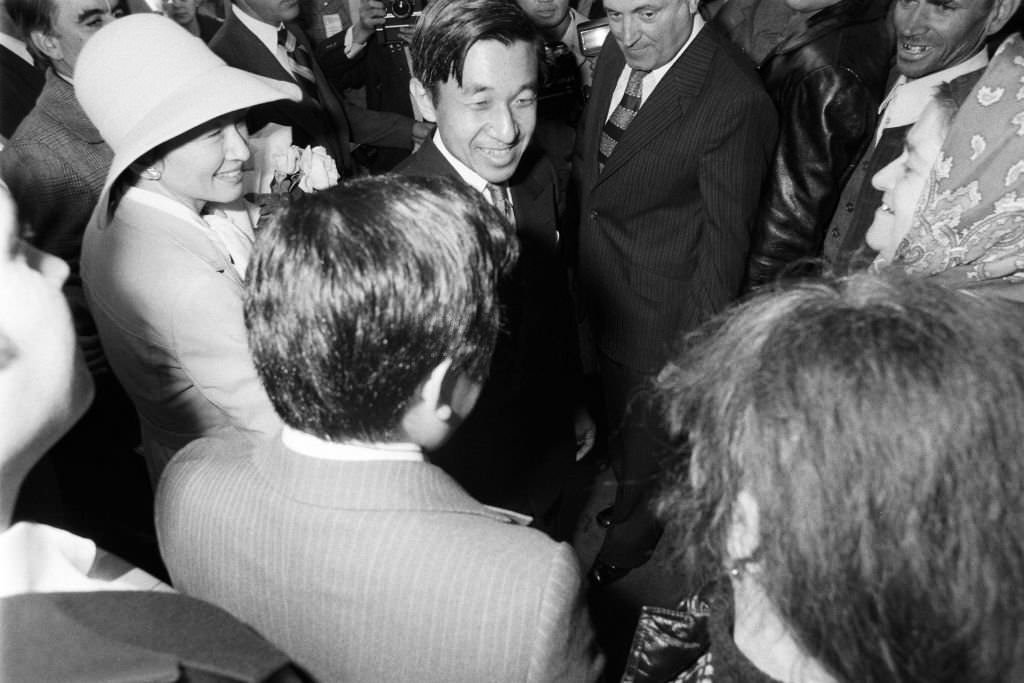
Crown Prince visit to market in Bucahrest, 1979
Crown Prince Akihito and Crown Princess Michiko visit a market on October 10, 1979 in Bucharest.
A general view of a market on October 10, 1979 in Bucharest, Romania.
Crown Prince Akihito and Crown Princess Michiko visit a market, 1979 in Bucharest.
A vegetable Market in Bucharest, 1979.
A general view of a market on October 10, 1979 in Bucharest, Romania.
Crown Prince Akihito and Crown Princess Michiko visit a market in Bucharest, 1979
Crown Prince And Princess Visit Europe
Prince Akihito and Crown Princess Michiko visit a market on October 10, 1979 in Bucharest.
A market in Bucharest, 1979.
A general view of a market in Bucharest on October 10, 1979.

Romania’s National Day in 1979 brought a civic rally to Aviatorilor Square. Such public gatherings were a regular feature of political life under Ceaușescu, organized to demonstrate national unity and support for the Communist Party. The same year, the Soviet War Memorial in Bucharest stood as a physical reminder of Romania’s post-World War II alignment — however complicated — with the Soviet sphere.
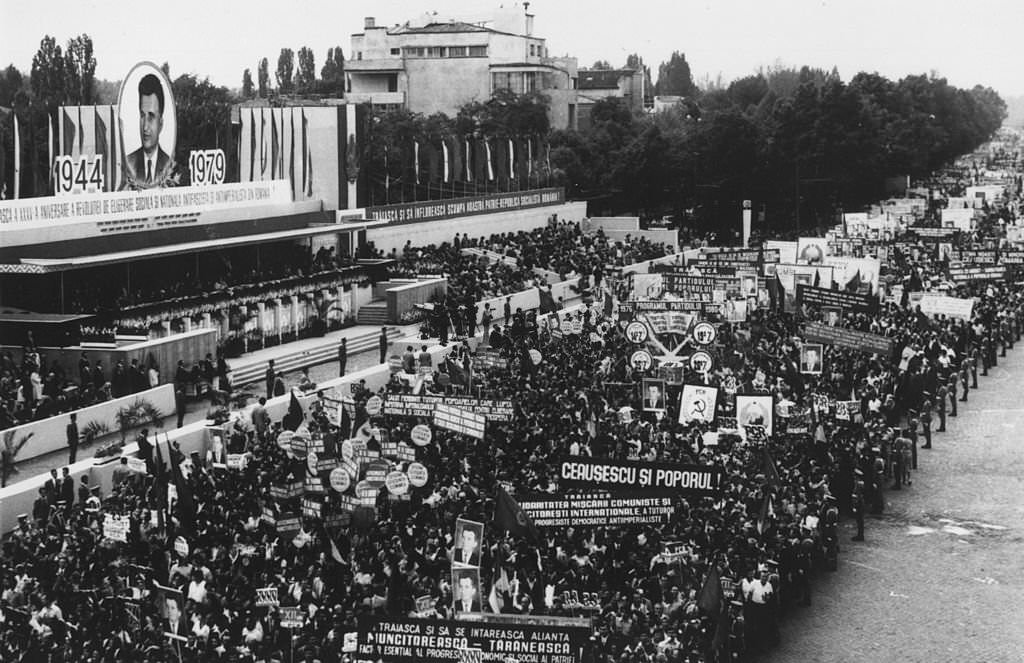
A civic rally in Aviatorilor Square, Bucharest, held to celebrate Romania's National Day, 1979.
A civic rally in Aviatorilor Square, Bucharest, held to celebrate Romania’s National Day, 1979.
Soviet War Memorial, Bucharest, 1979

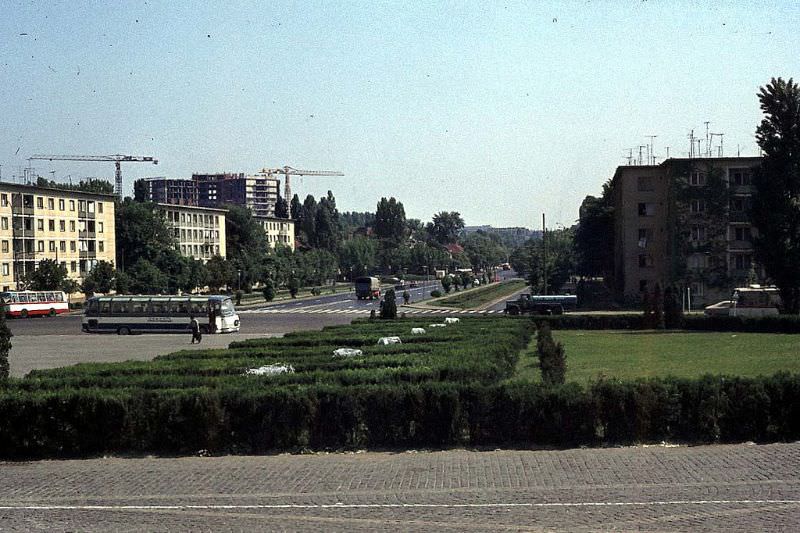
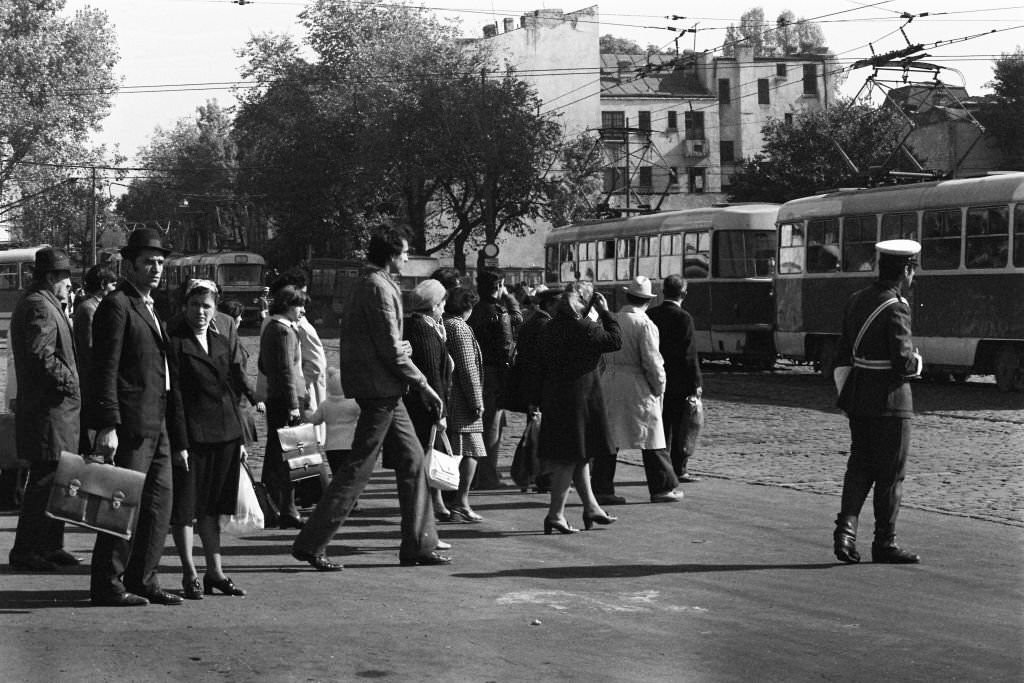
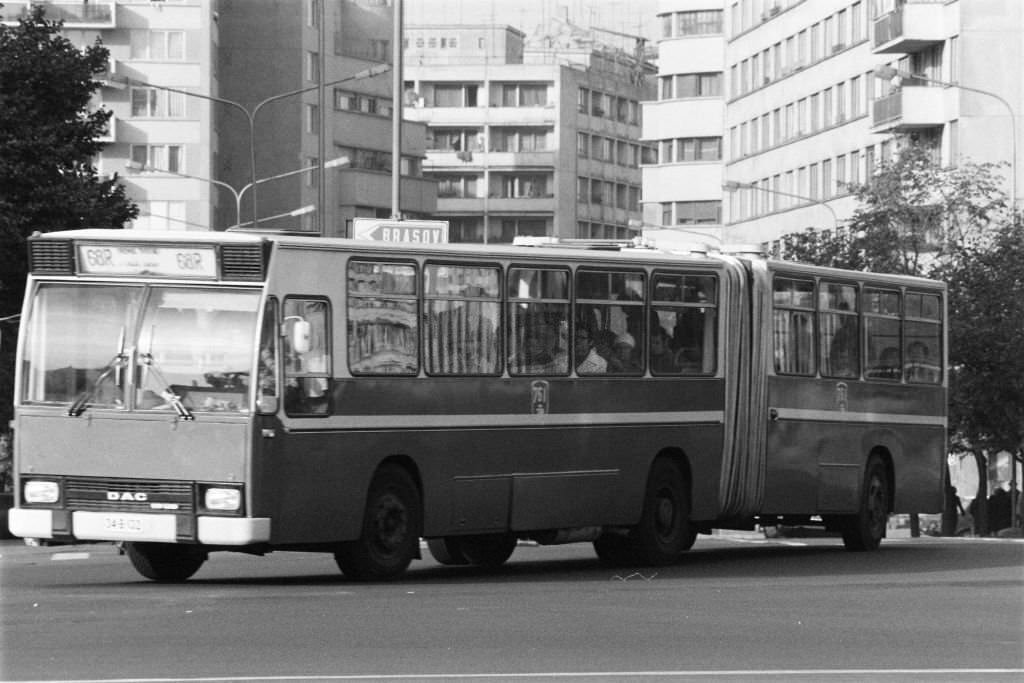
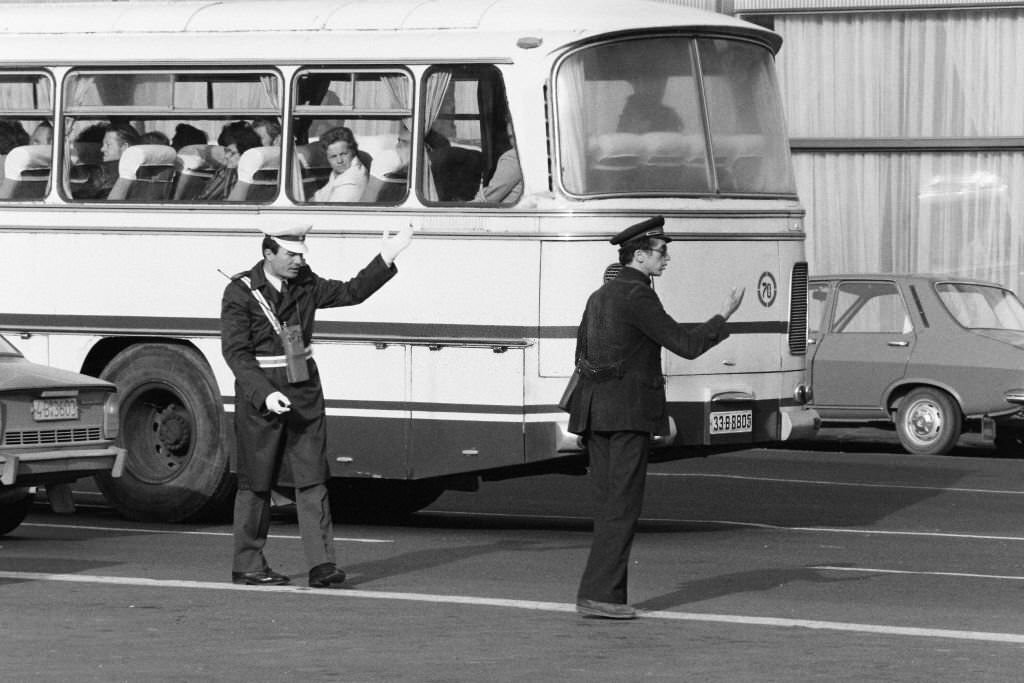
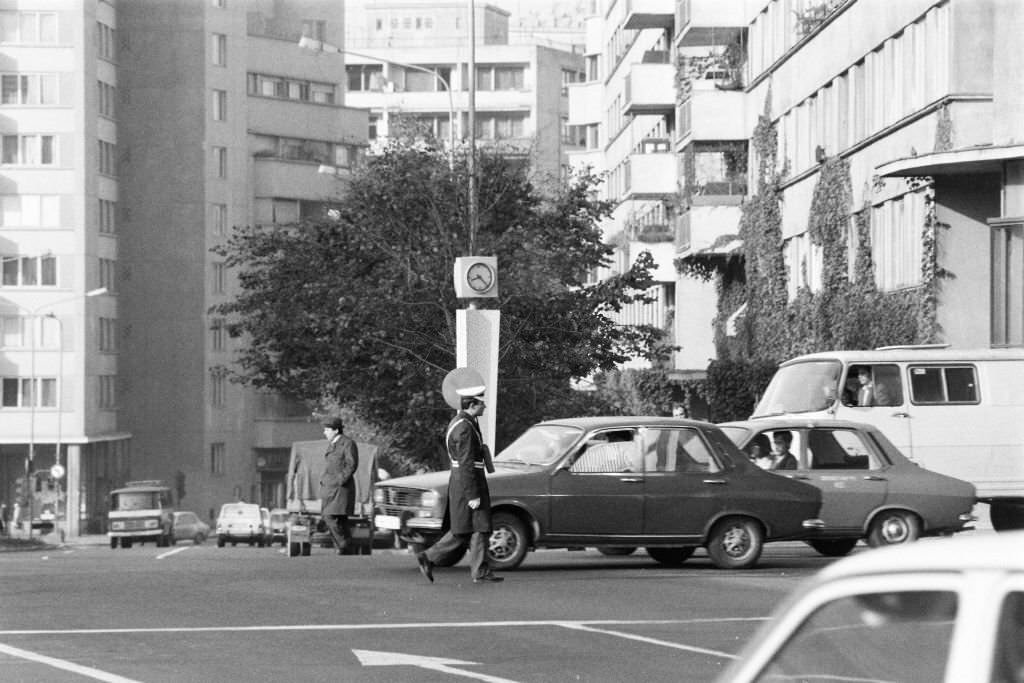
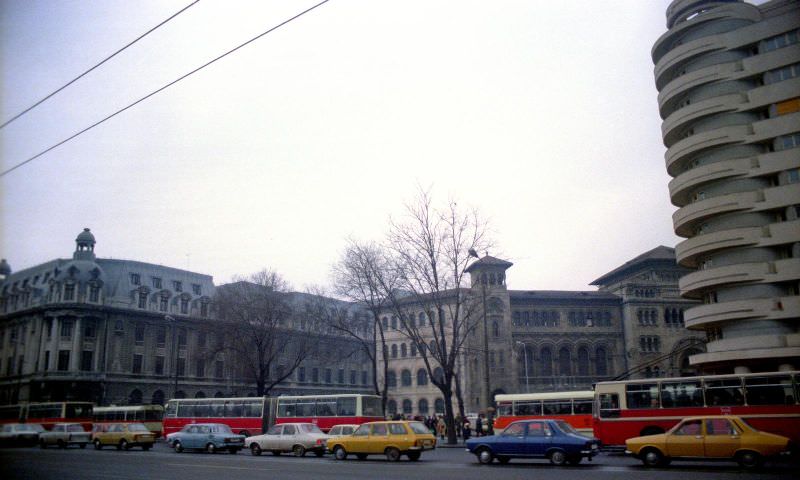
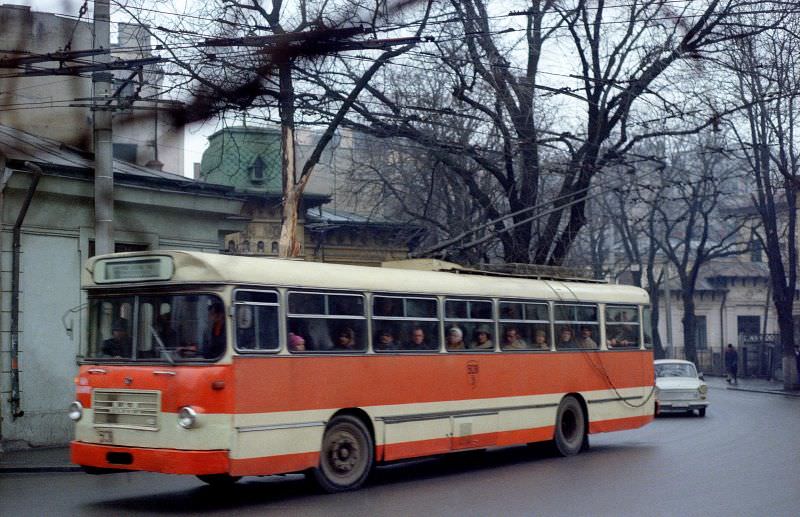
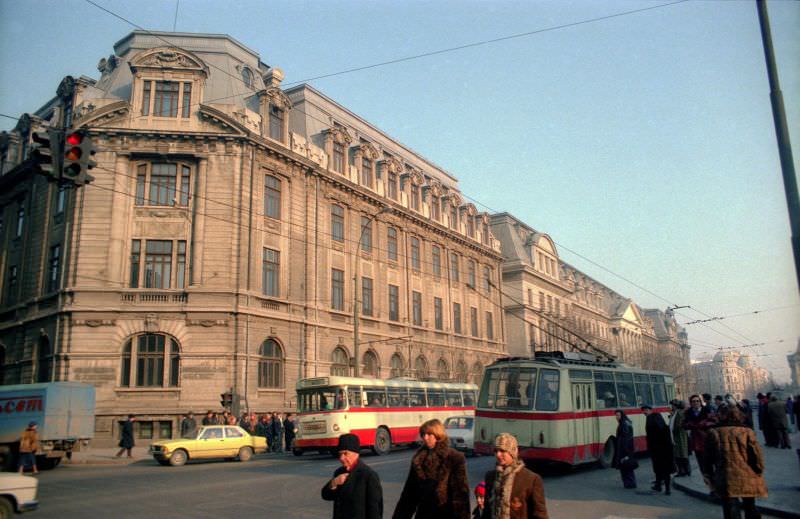
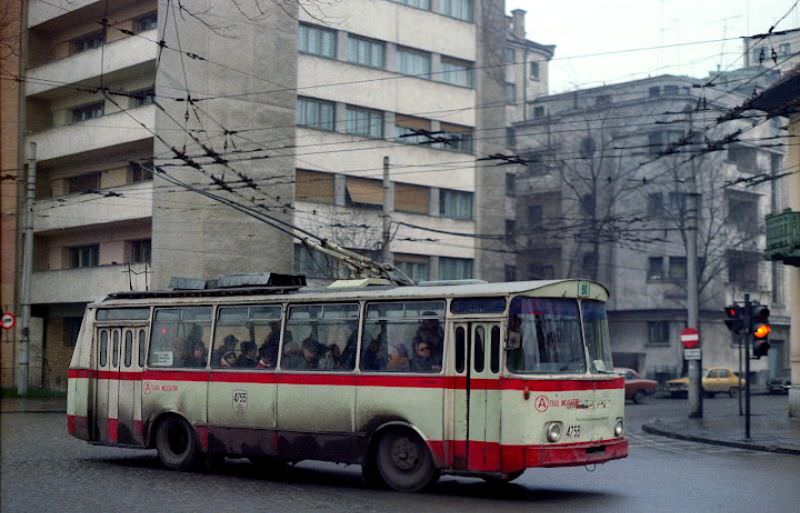
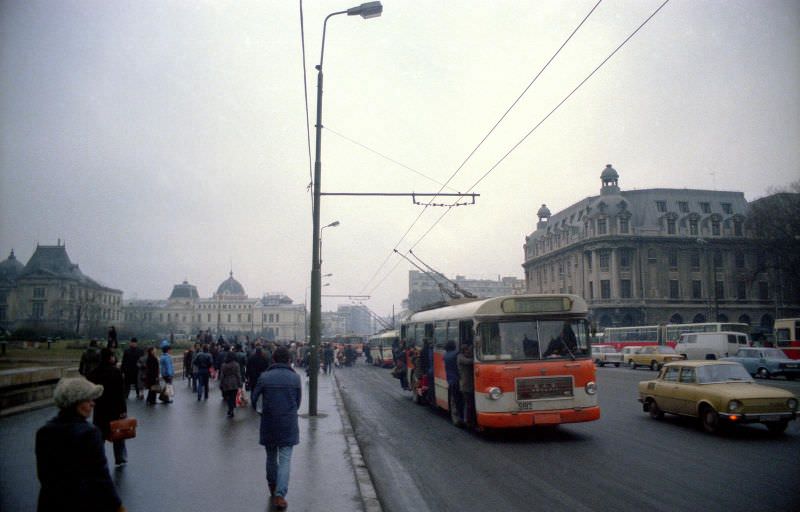
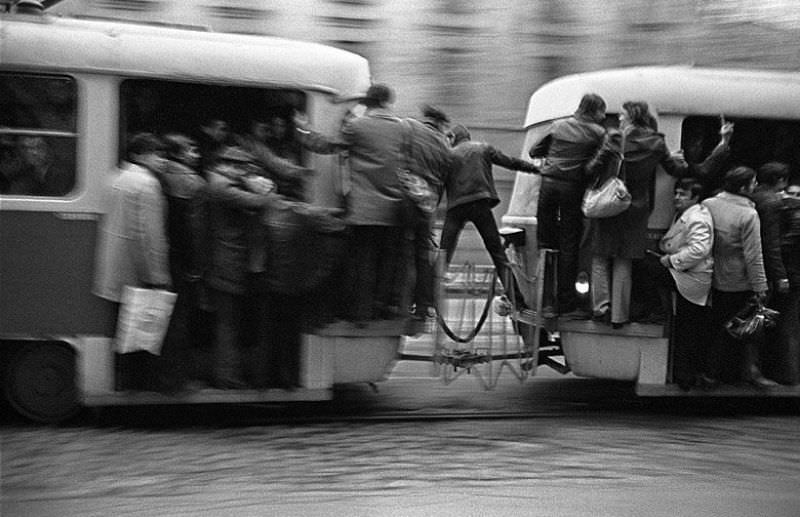
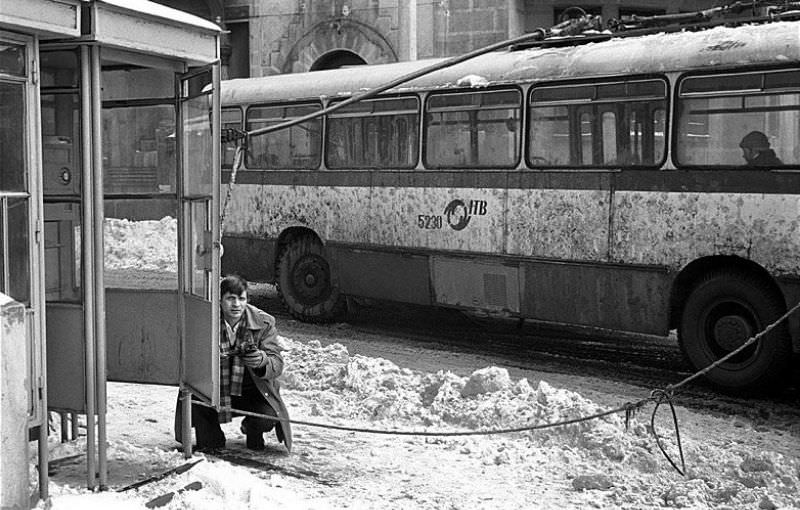
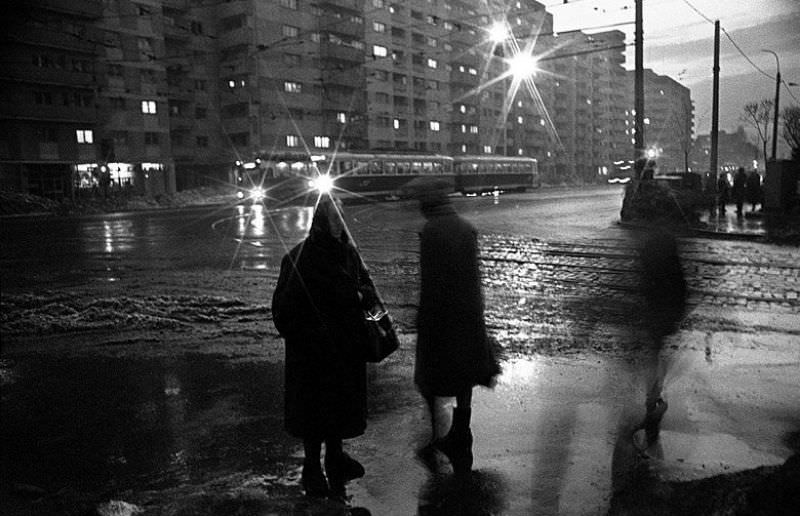
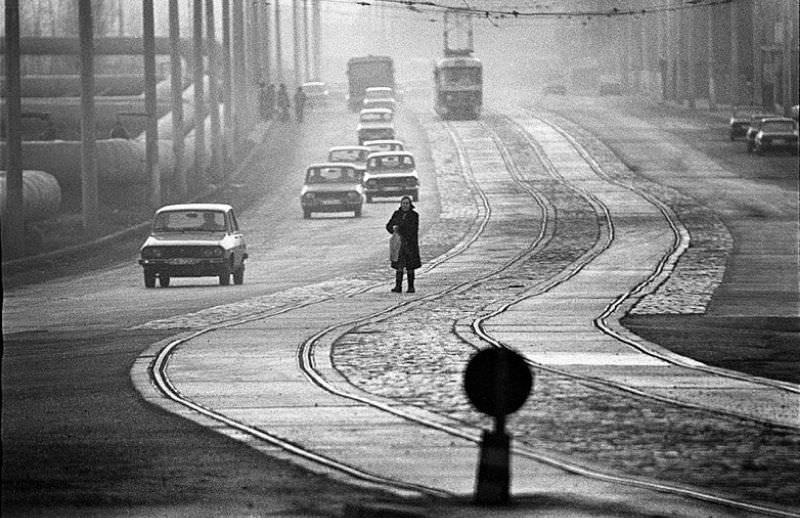
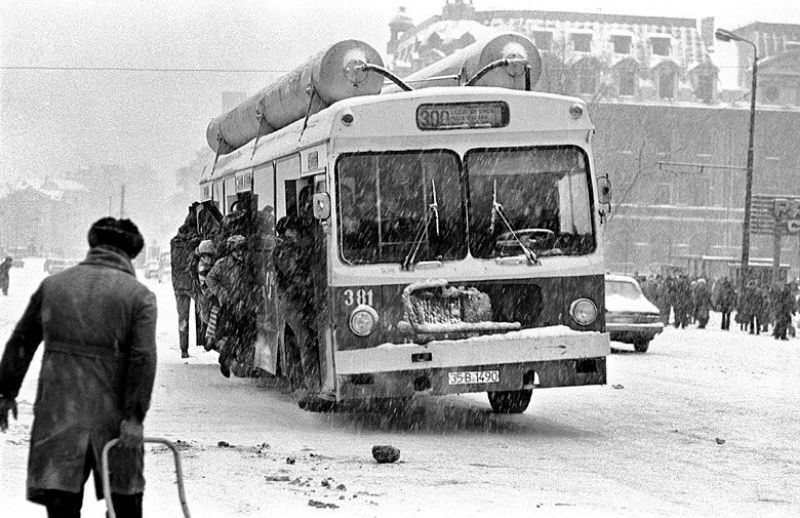
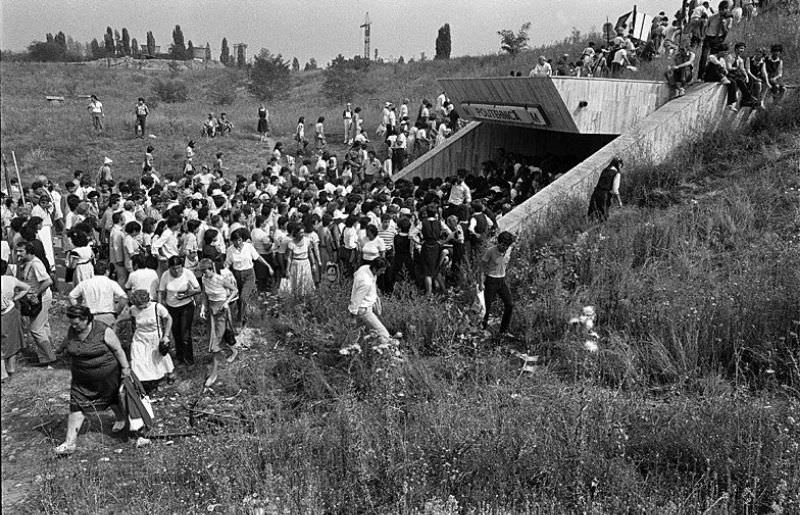
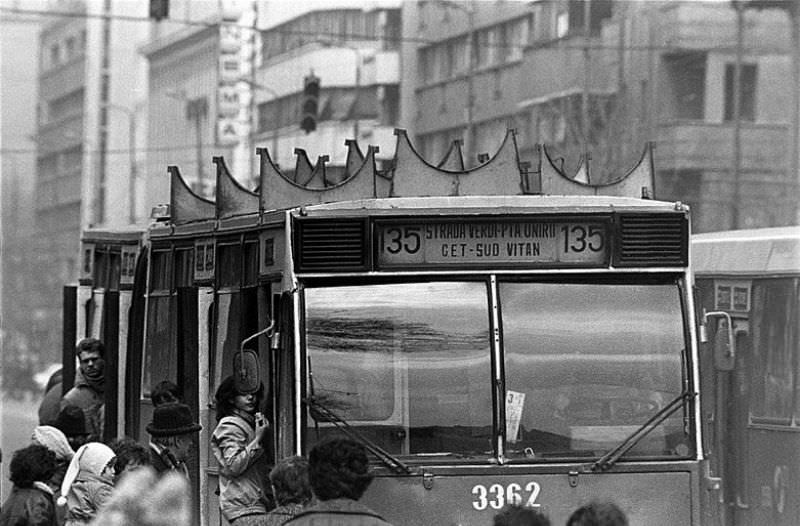
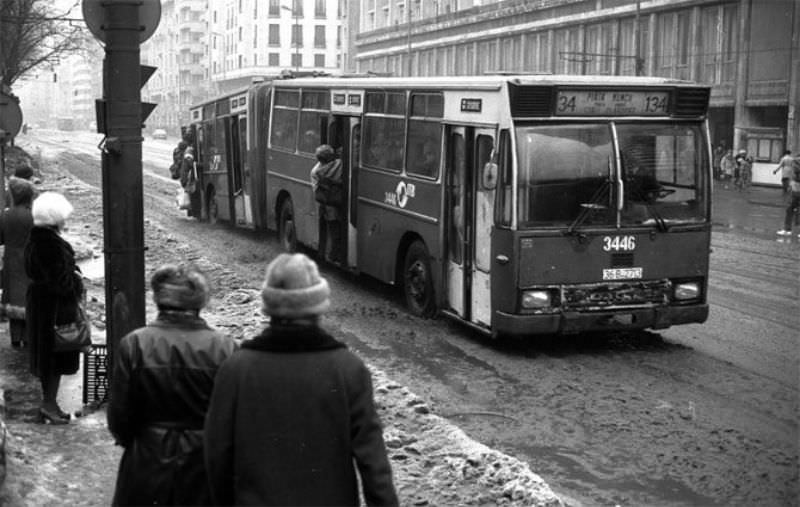
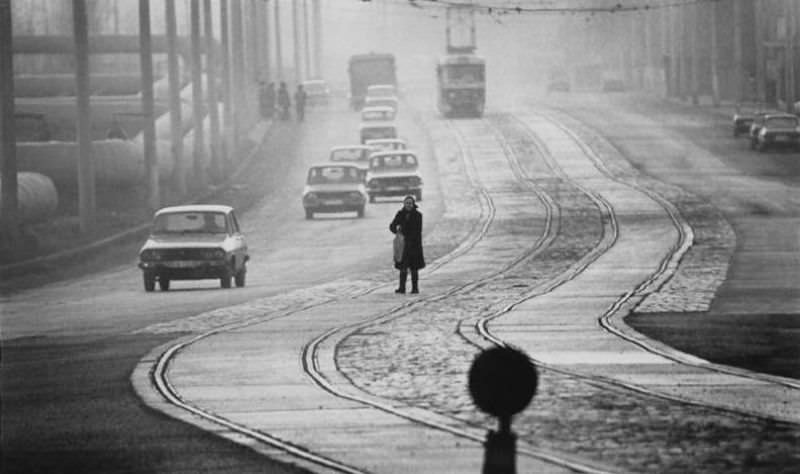
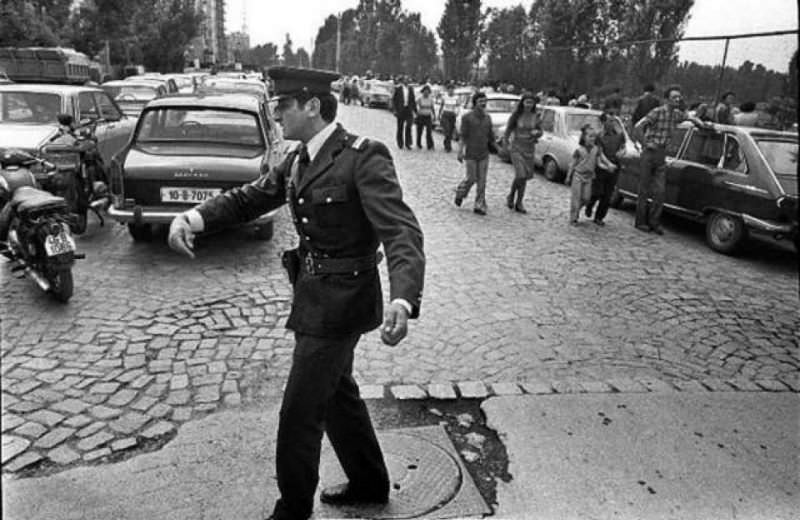
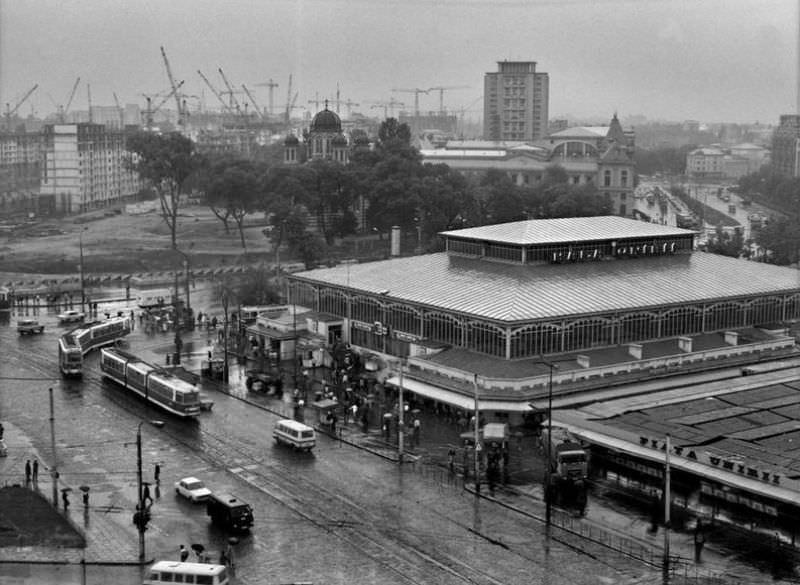
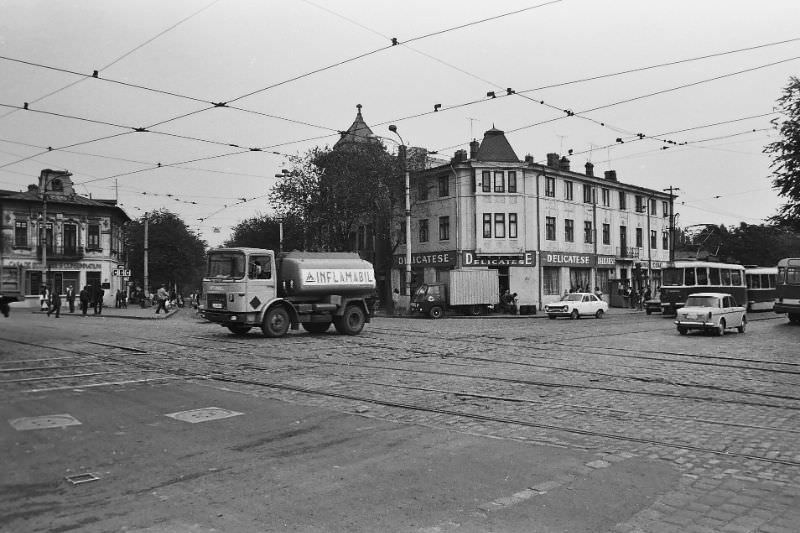
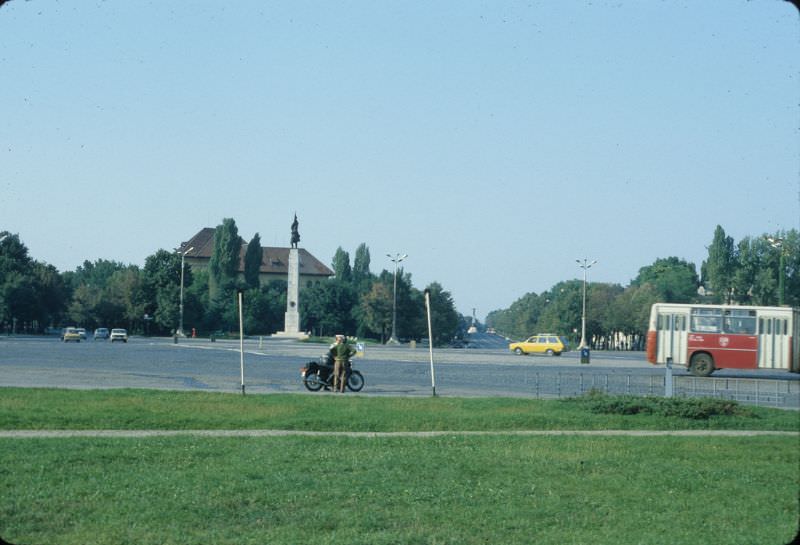
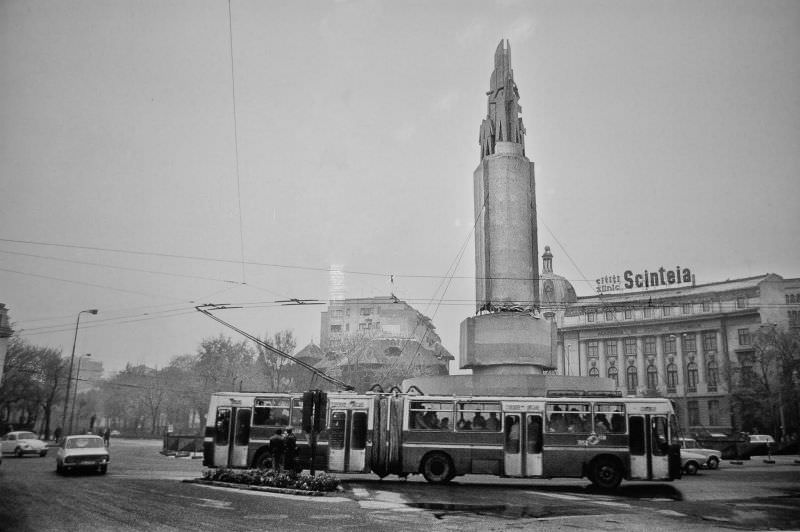
The Bucharest Metro opened in 1979, built to match the official aesthetic standards of the Communist government. Its stations were designed with a clean, monumental style. Public transport — buses, trams, and now the metro — connected the expanding city’s neighborhoods. Traffic wardens directed vehicles through busy intersections, and Bucharest’s bus network remained a daily fixture for most residents.
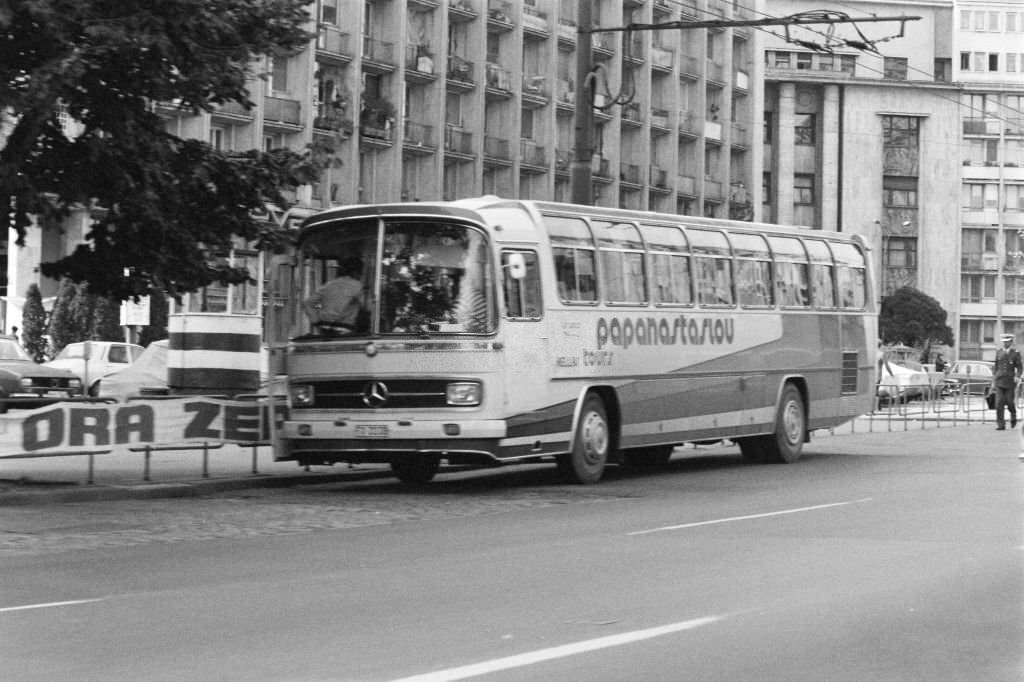
A general view of the city, 1970s
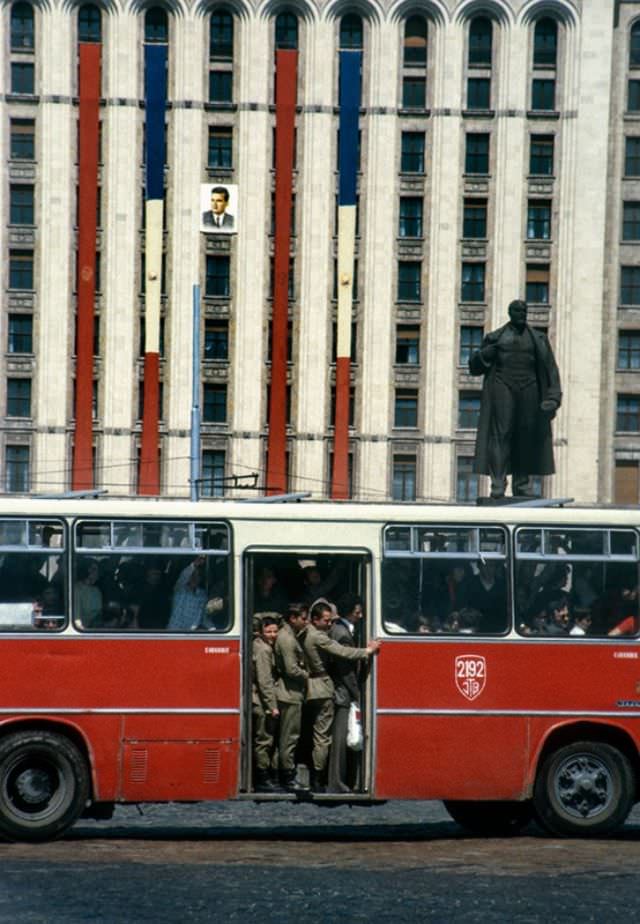
A bus in Bucharest, 1979
A traffic warden diverting traffic, 1979

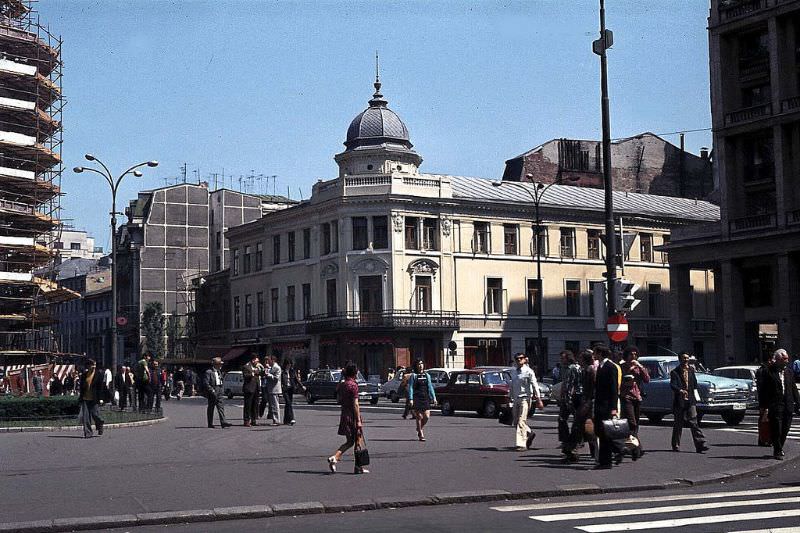
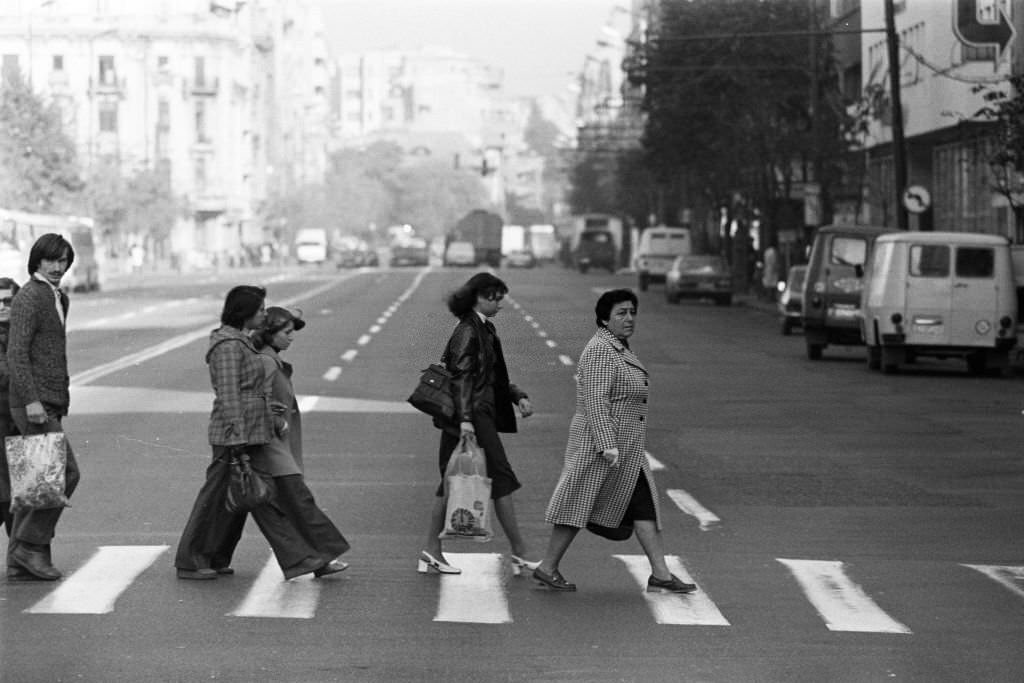
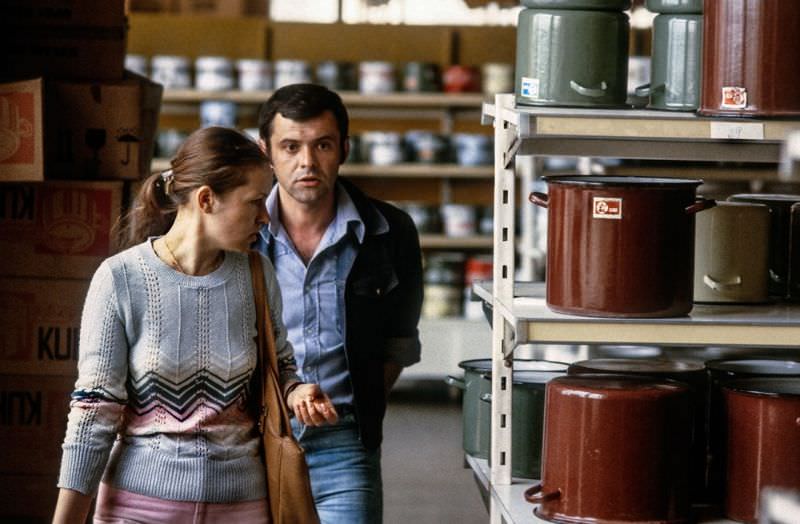
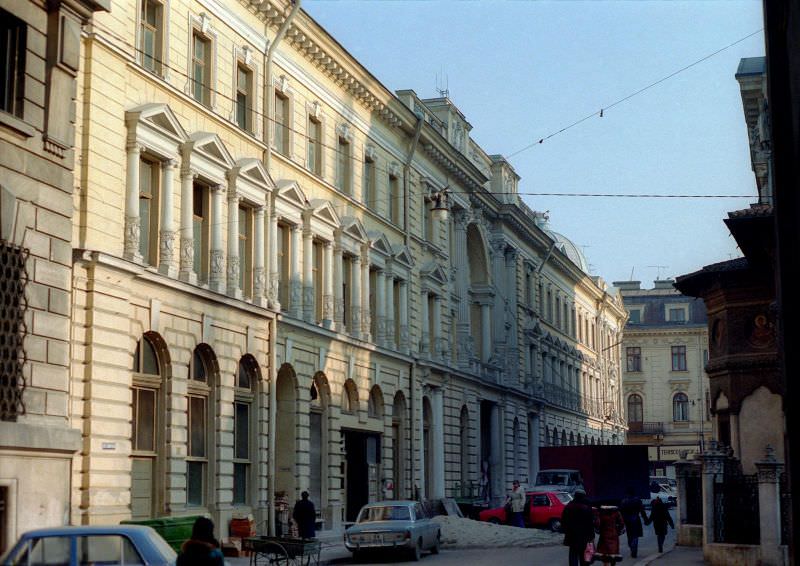
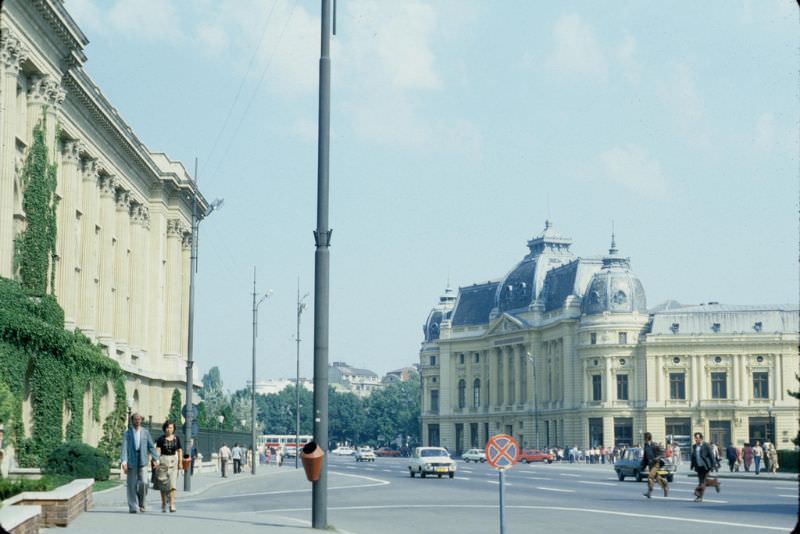
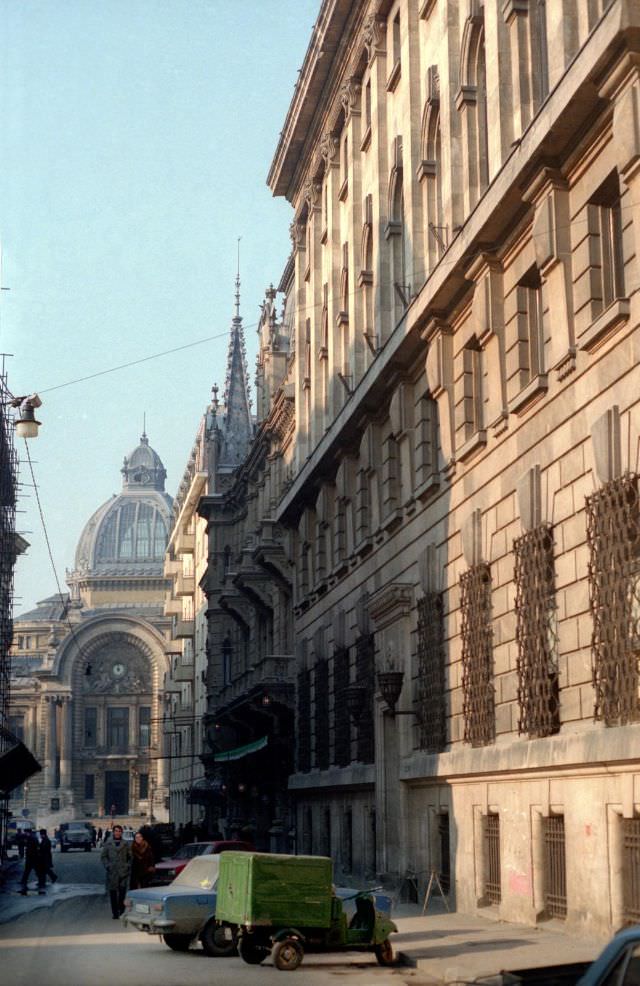
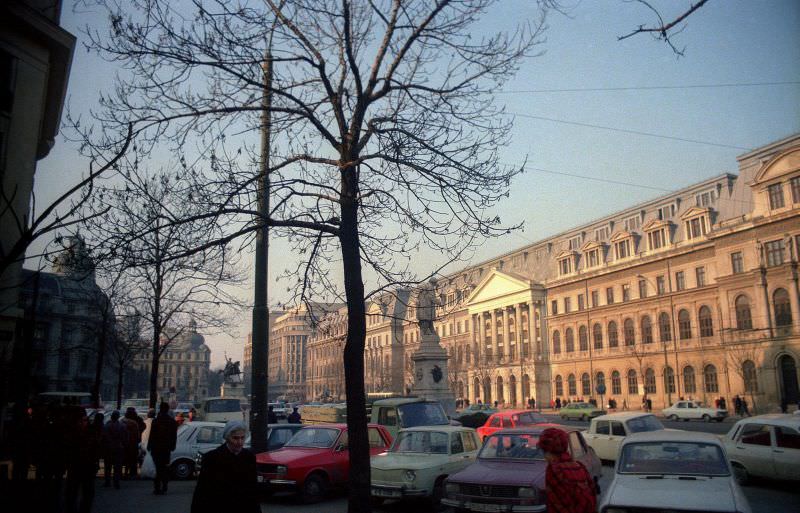
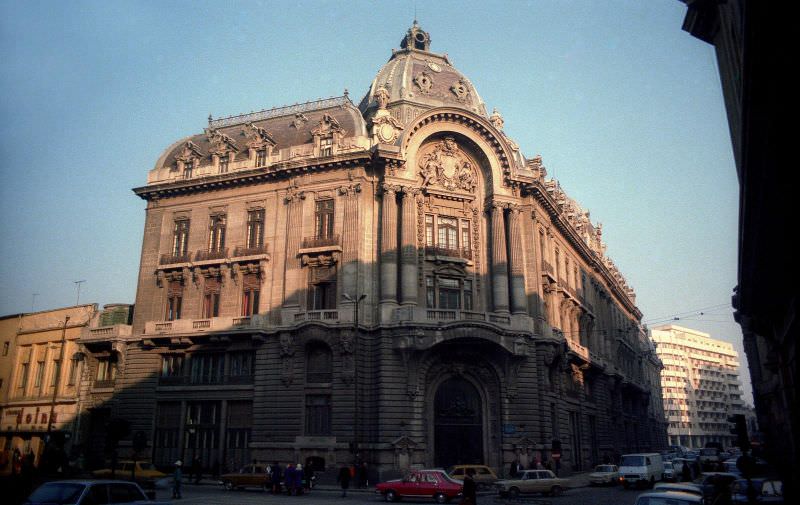
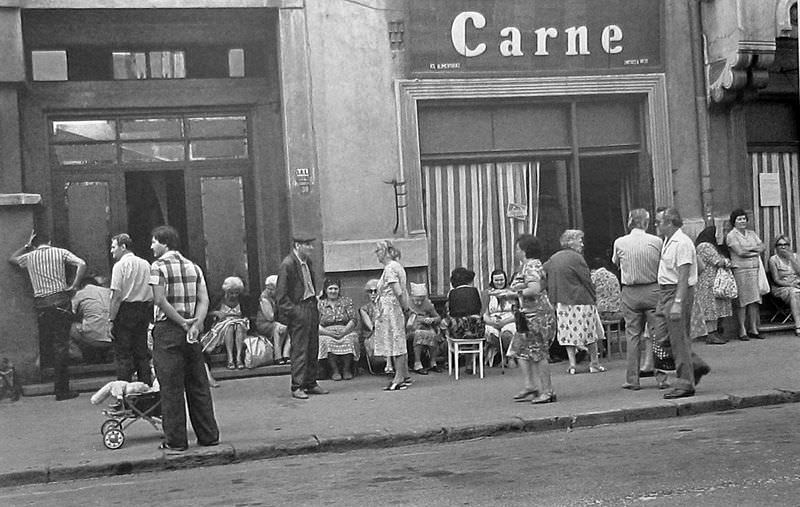
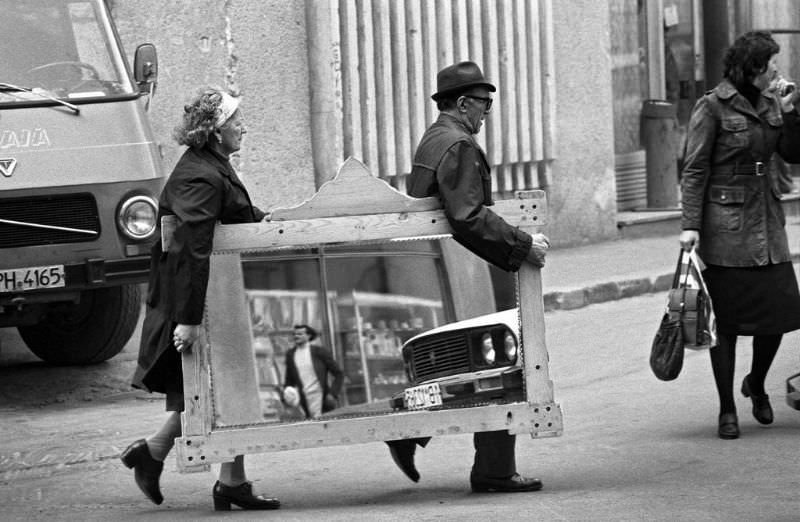
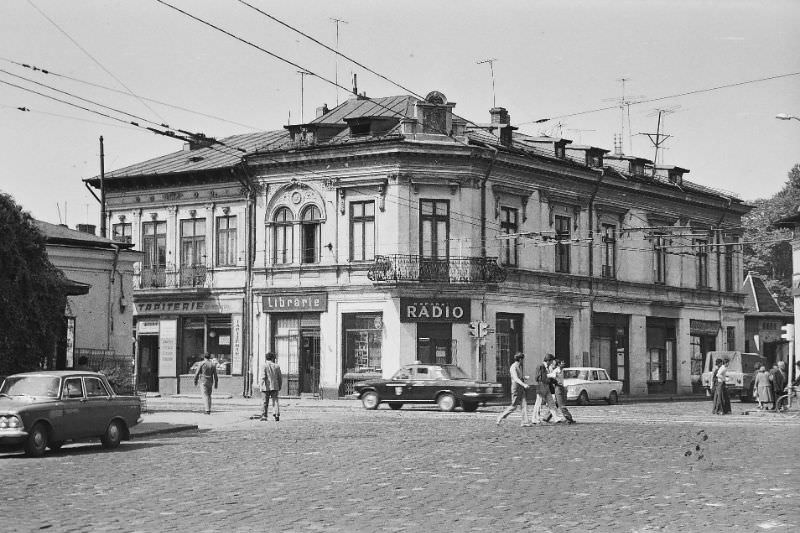
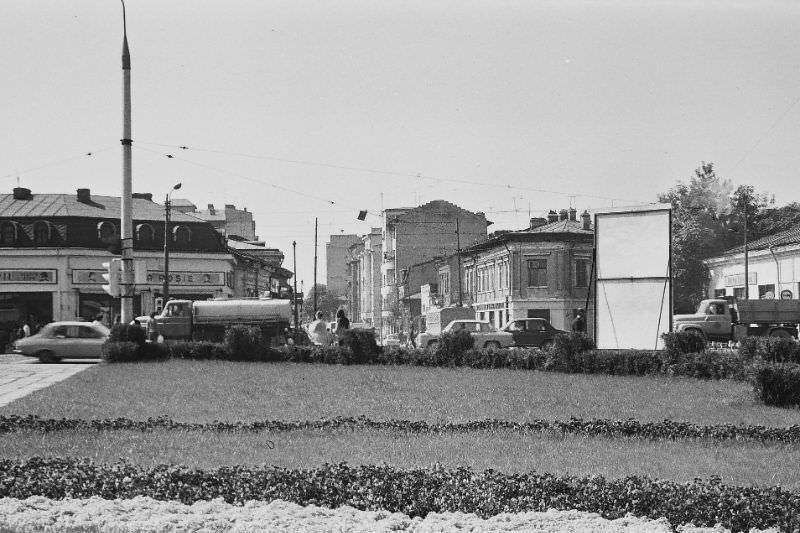
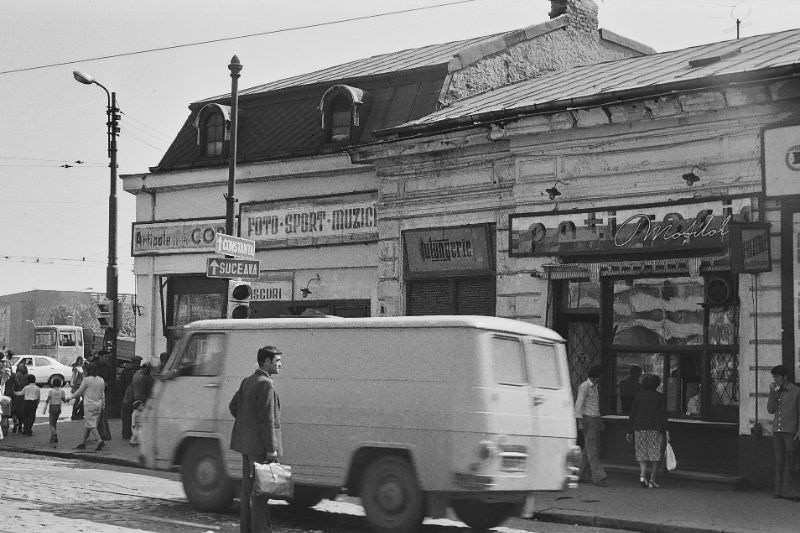
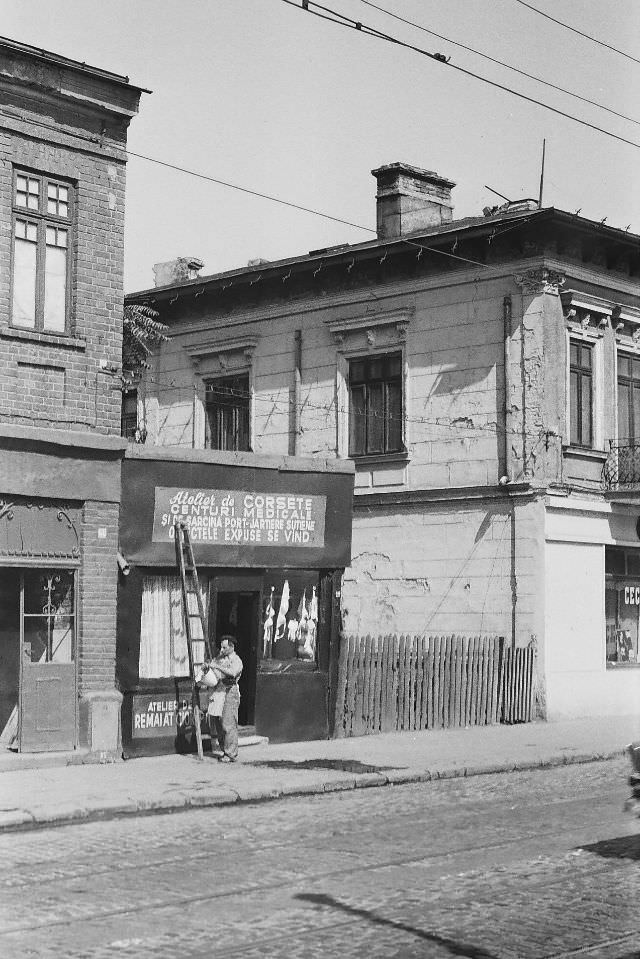
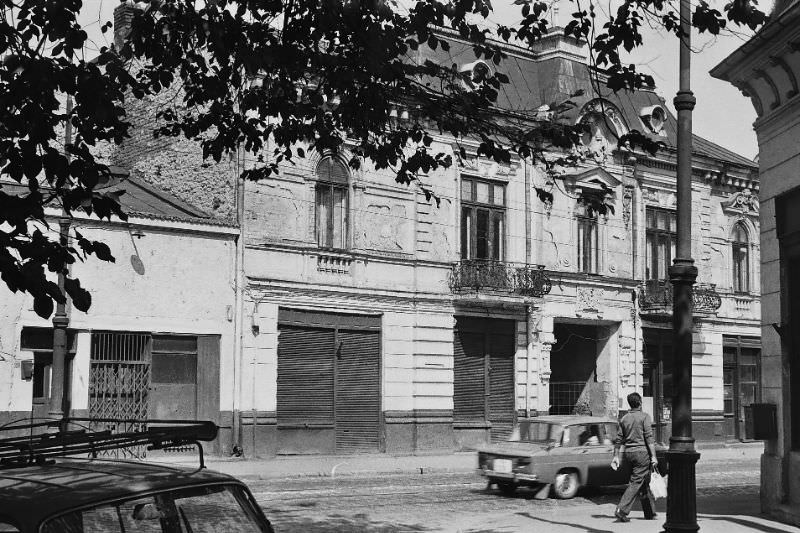
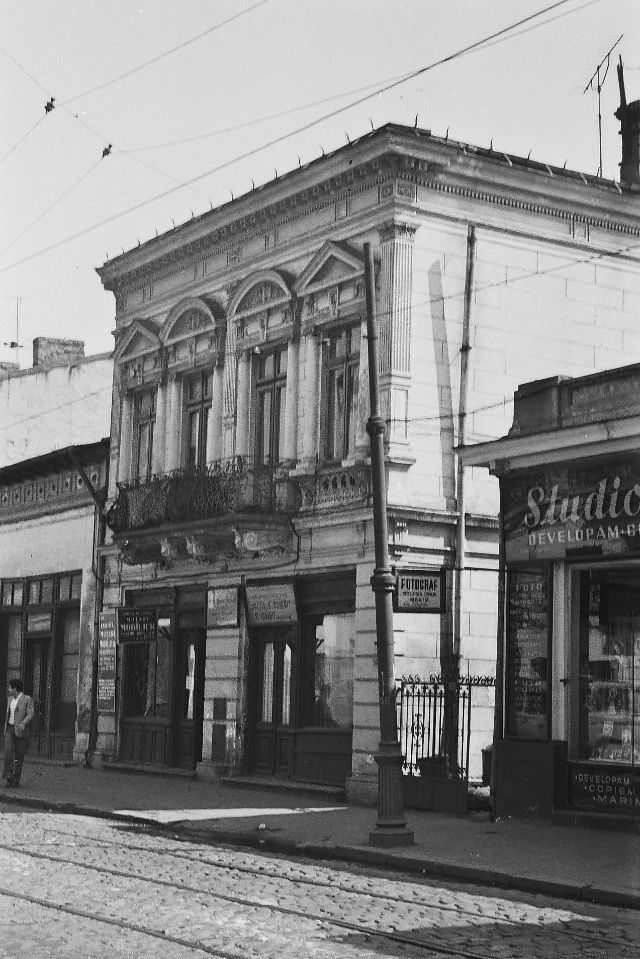
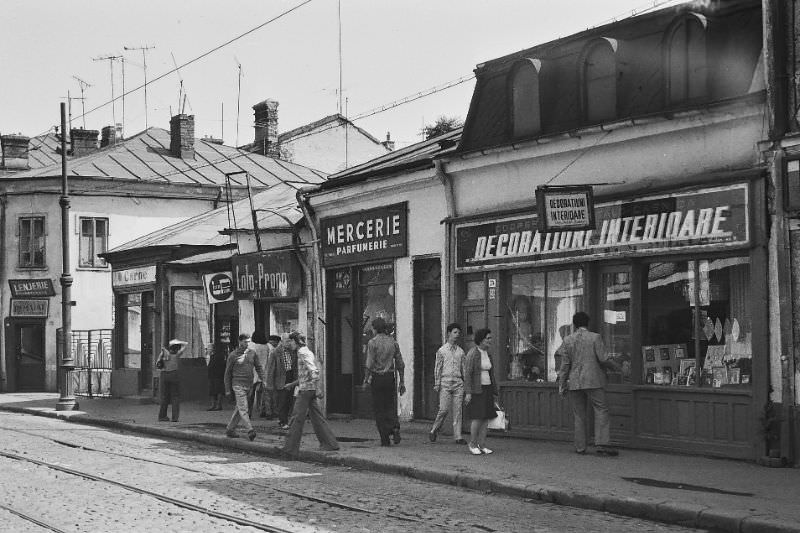
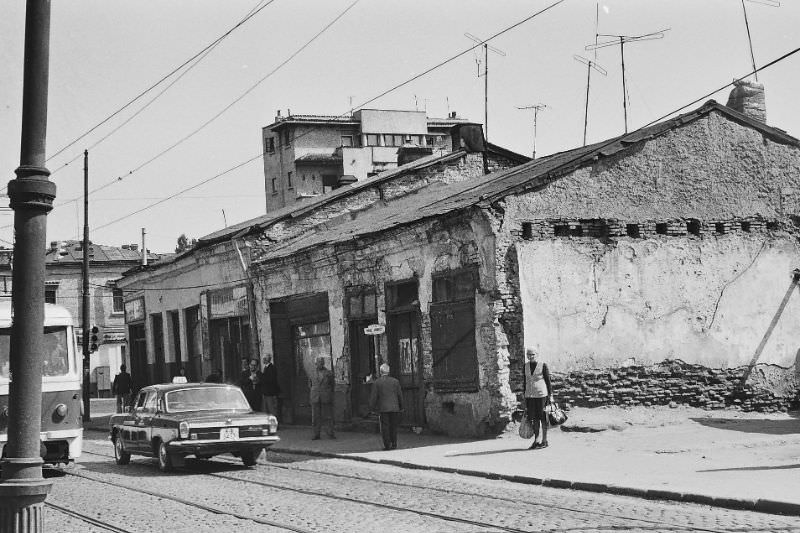
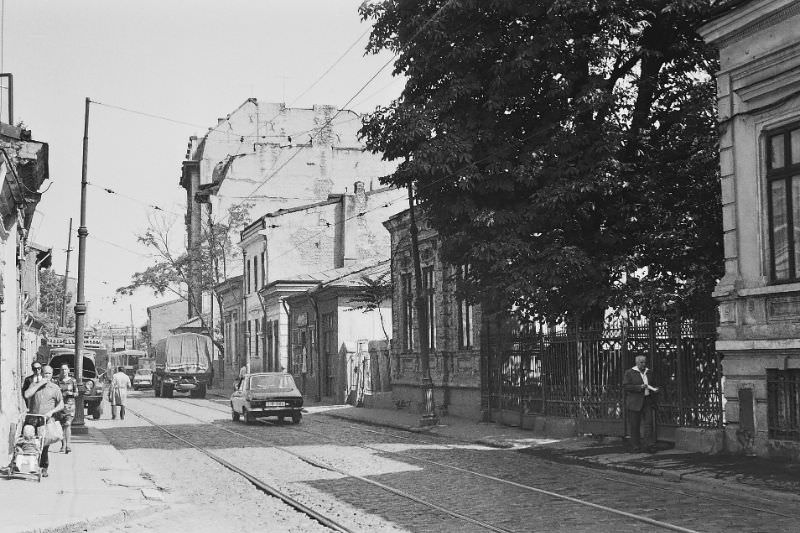
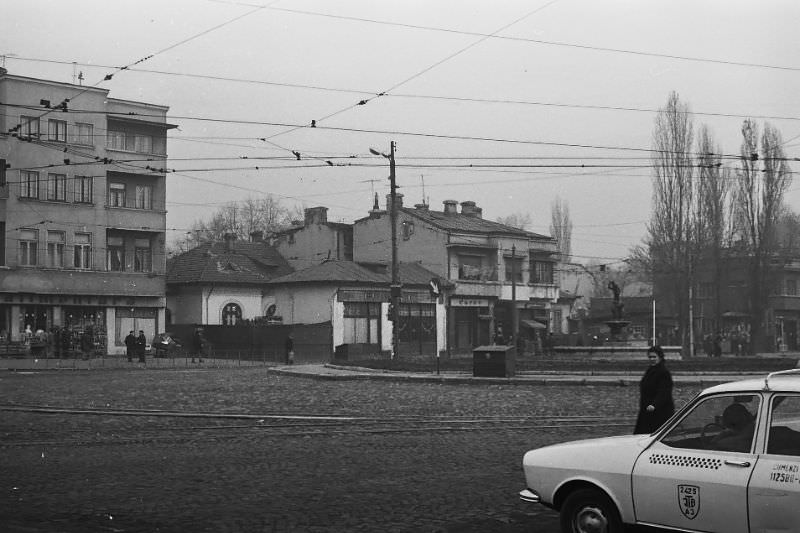
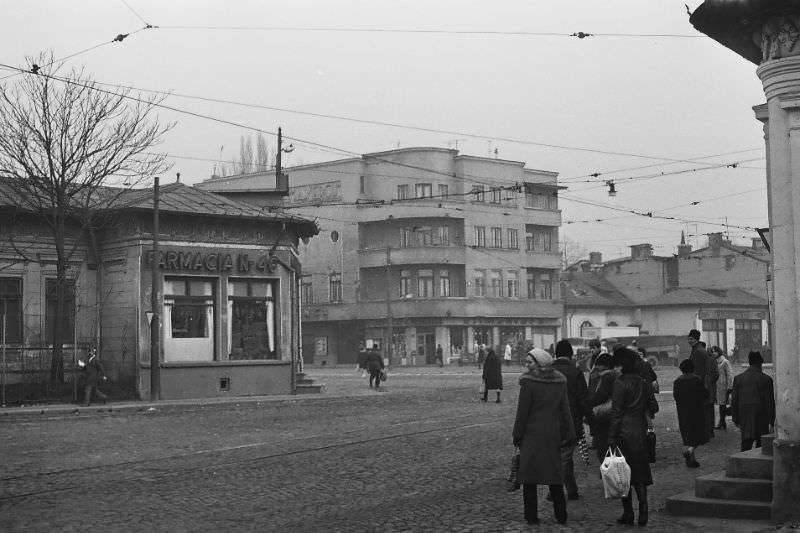
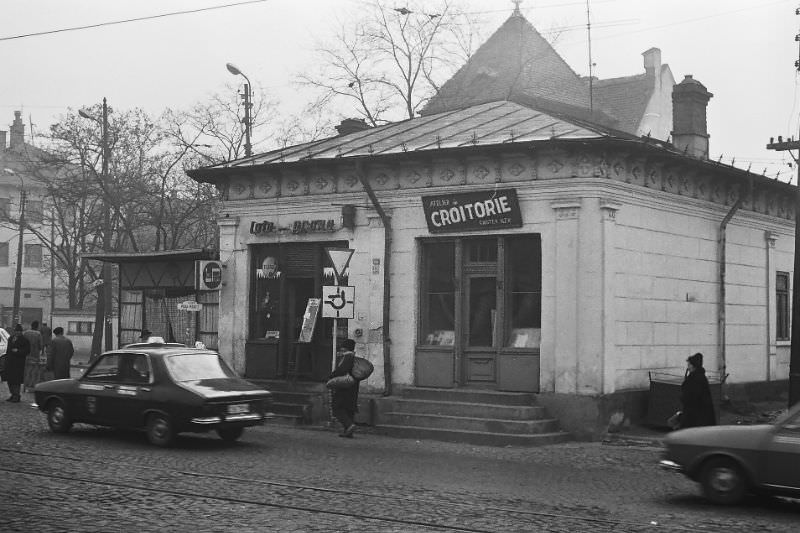
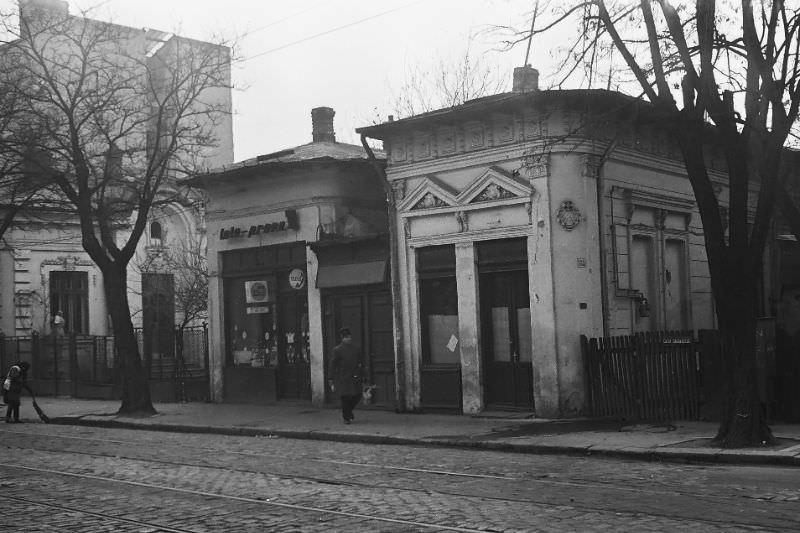
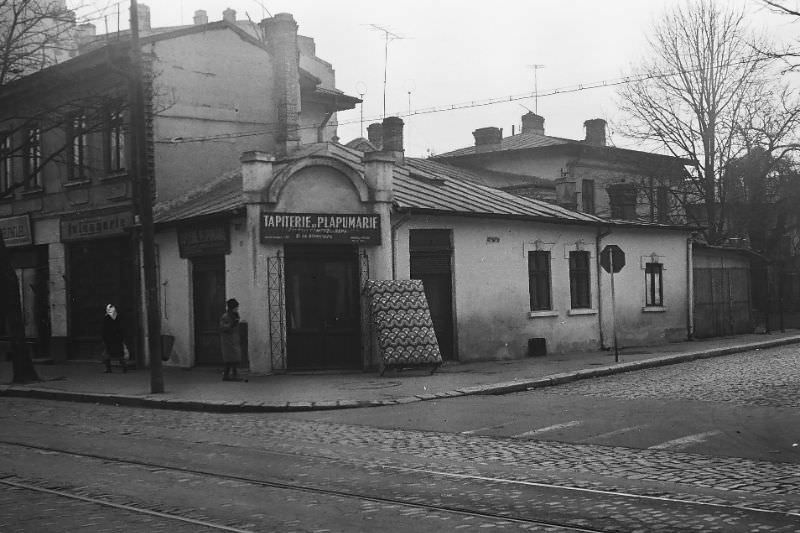
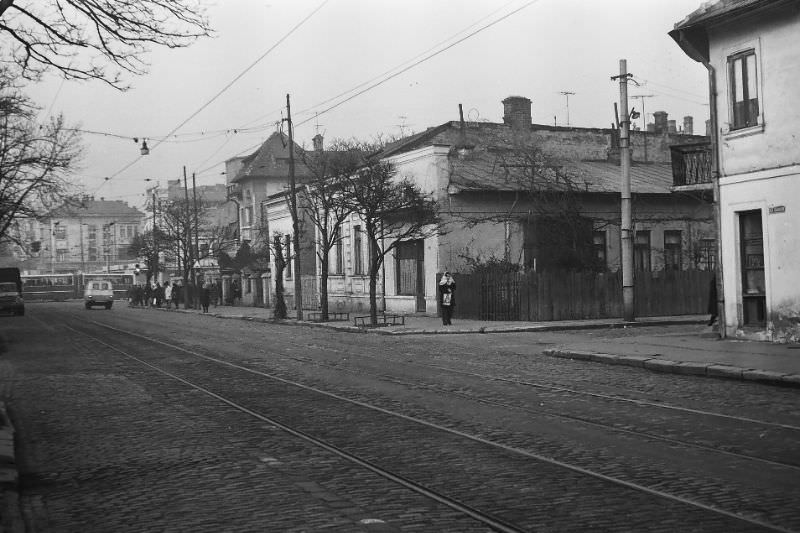
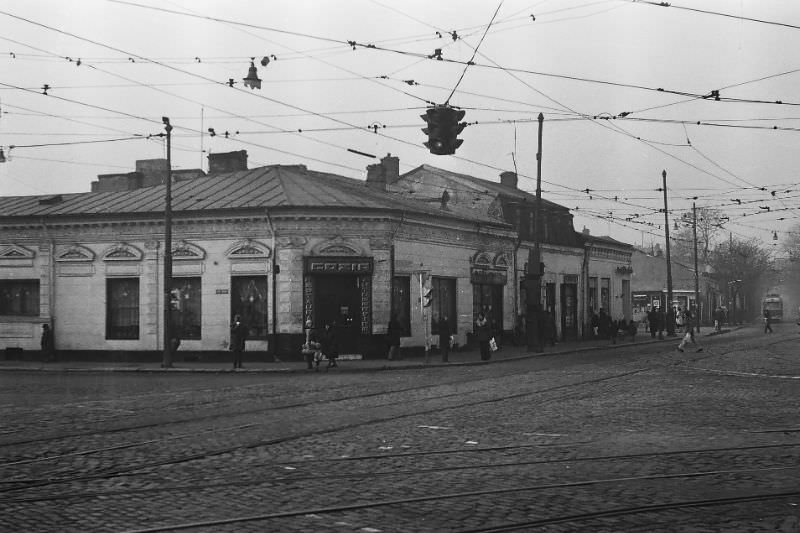
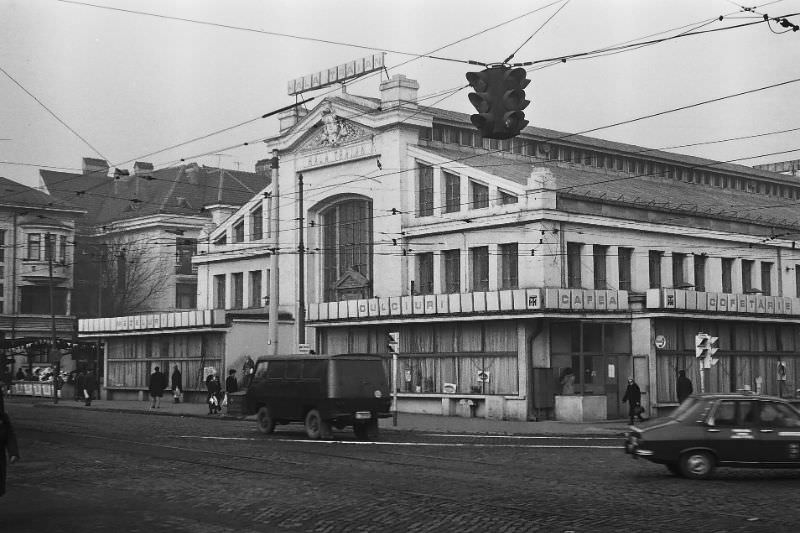
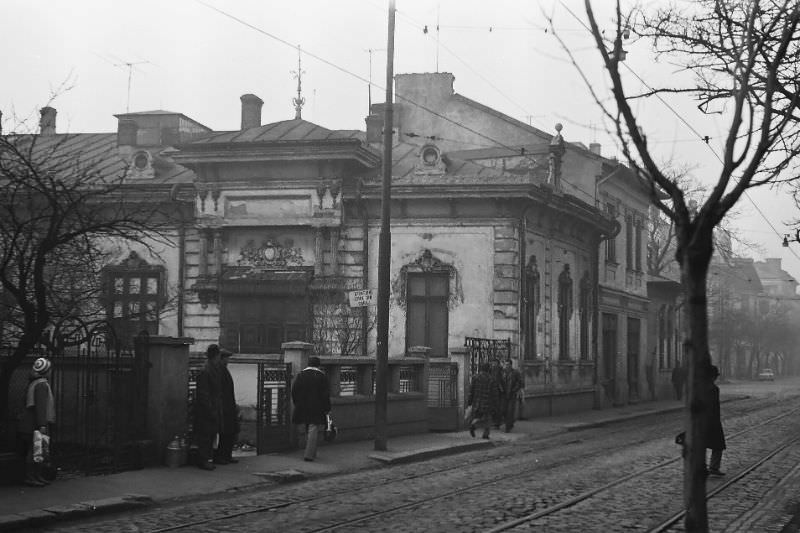
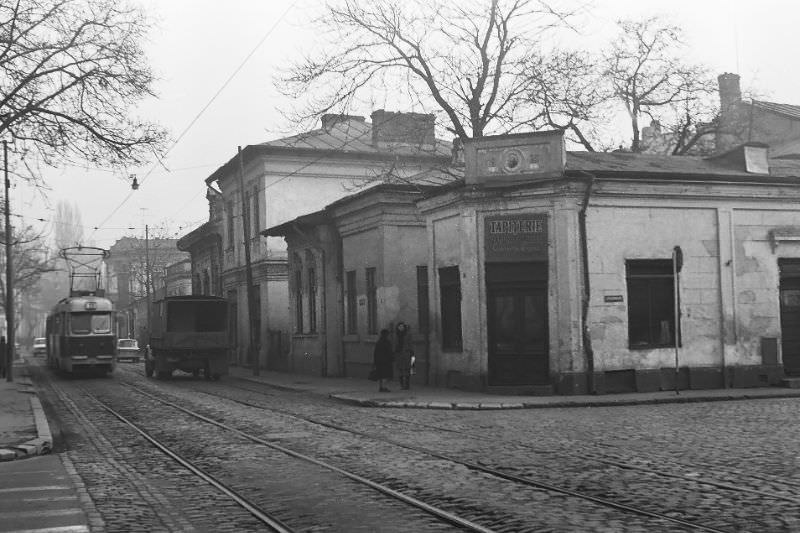
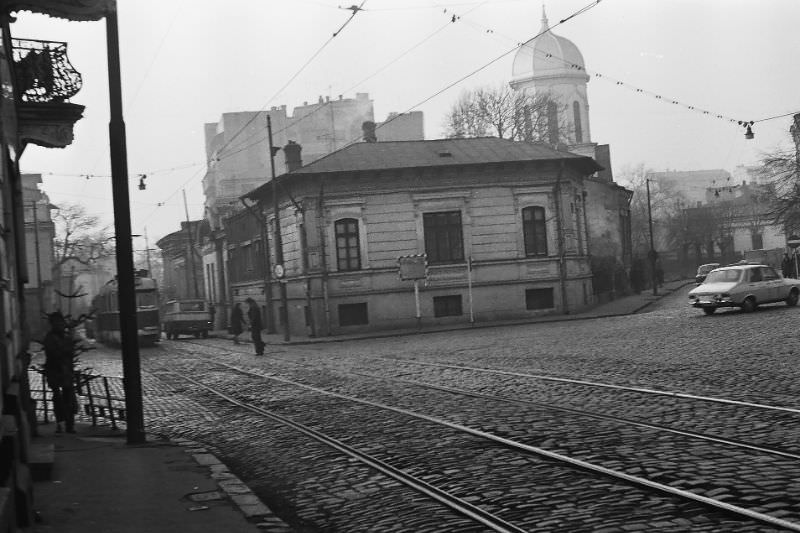
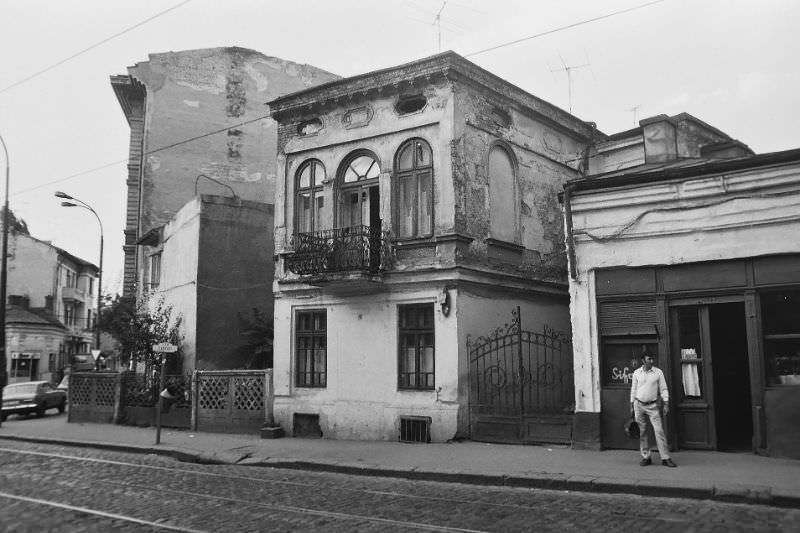
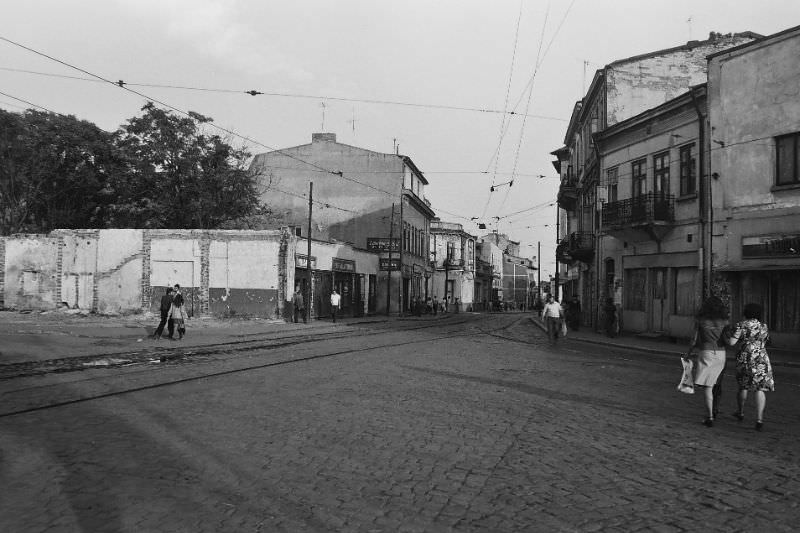
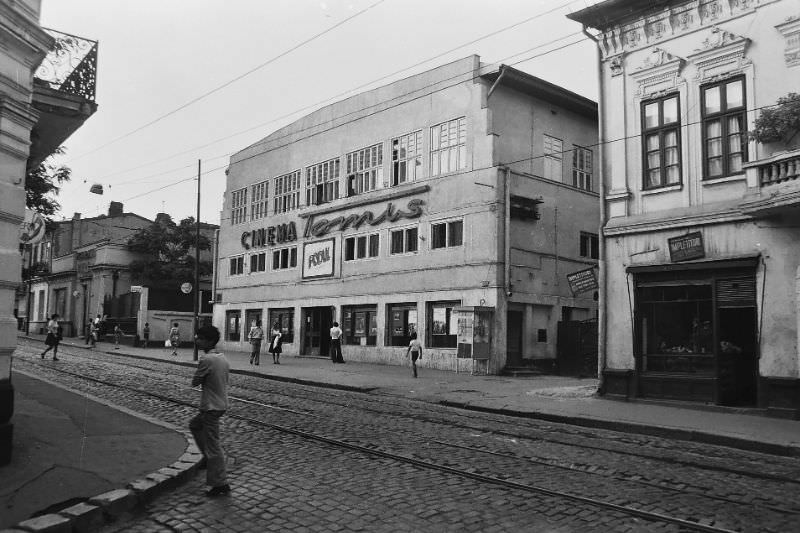
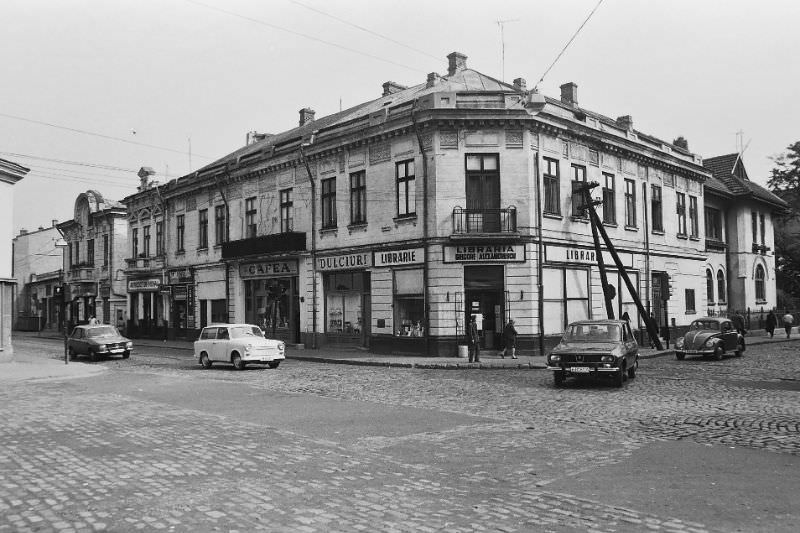
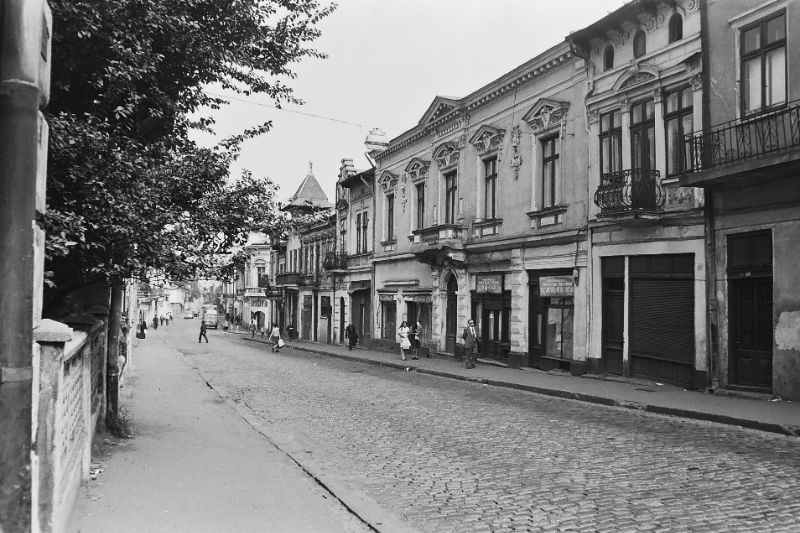
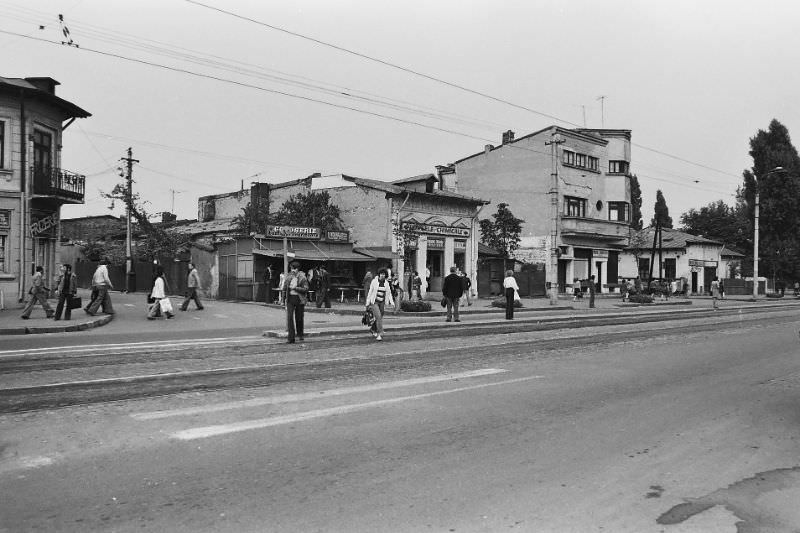
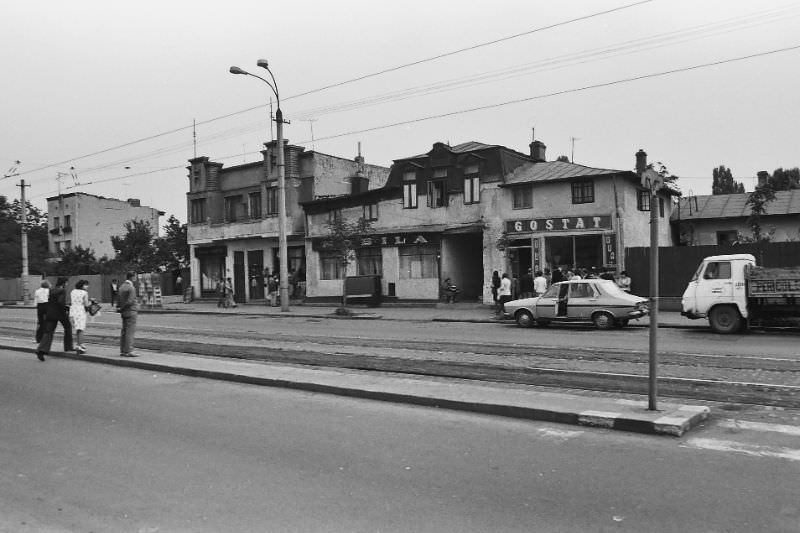
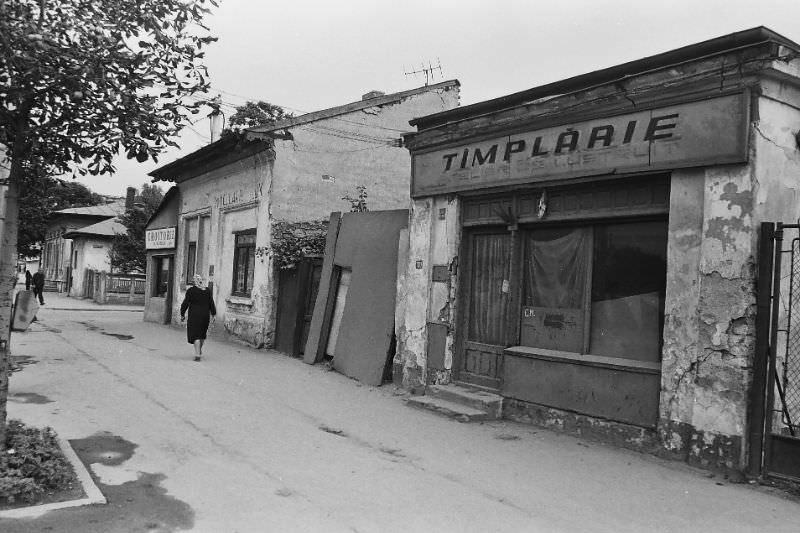
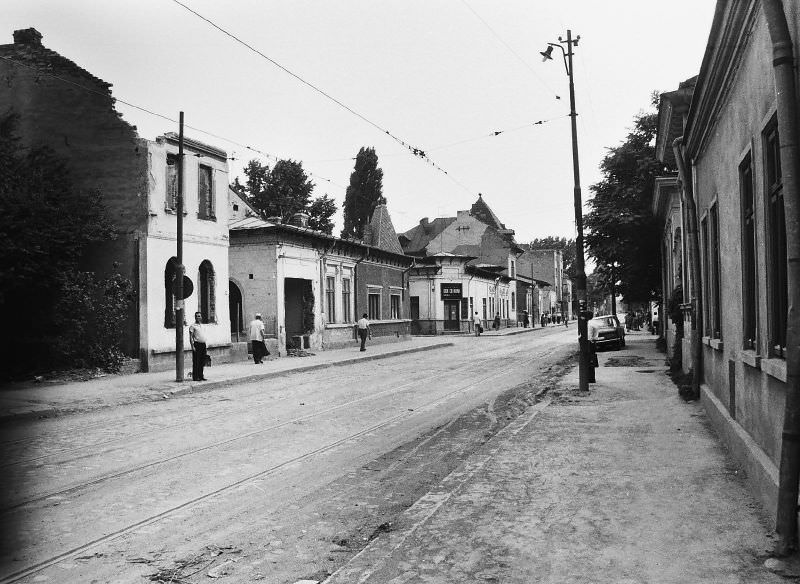
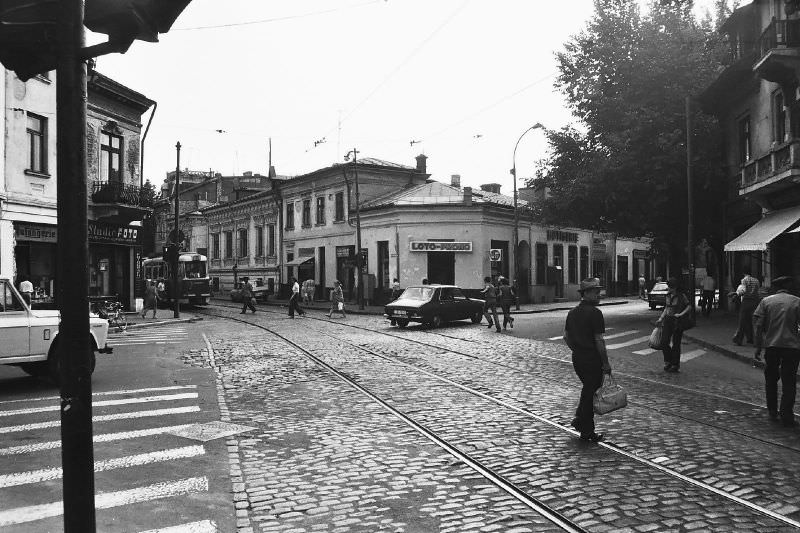
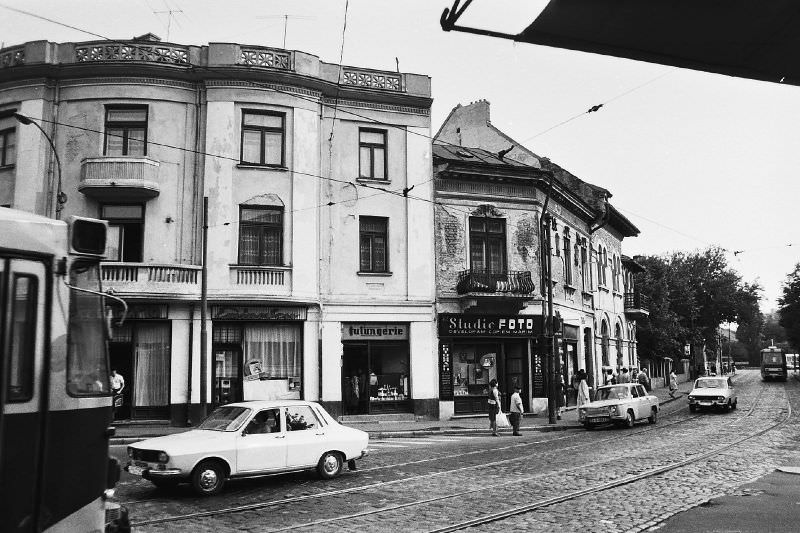
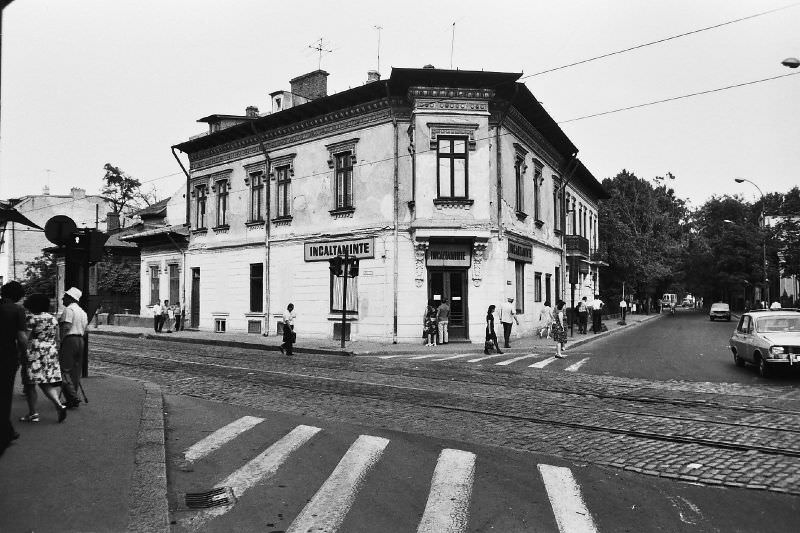
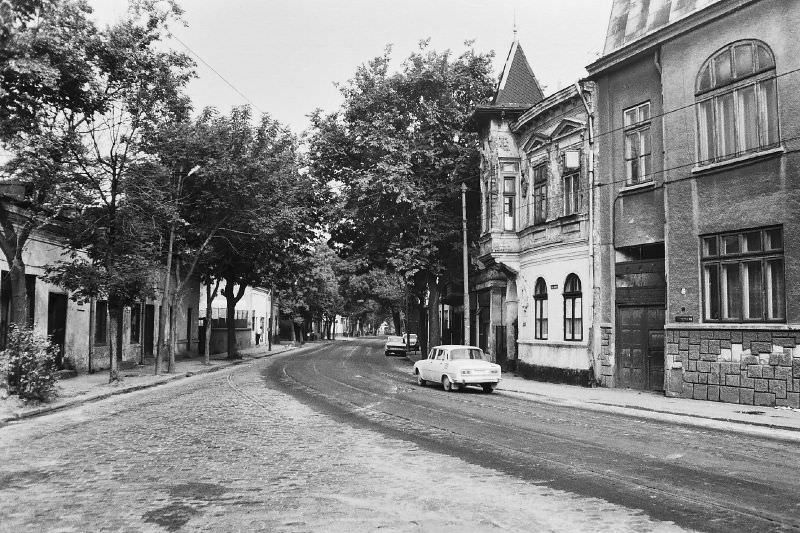
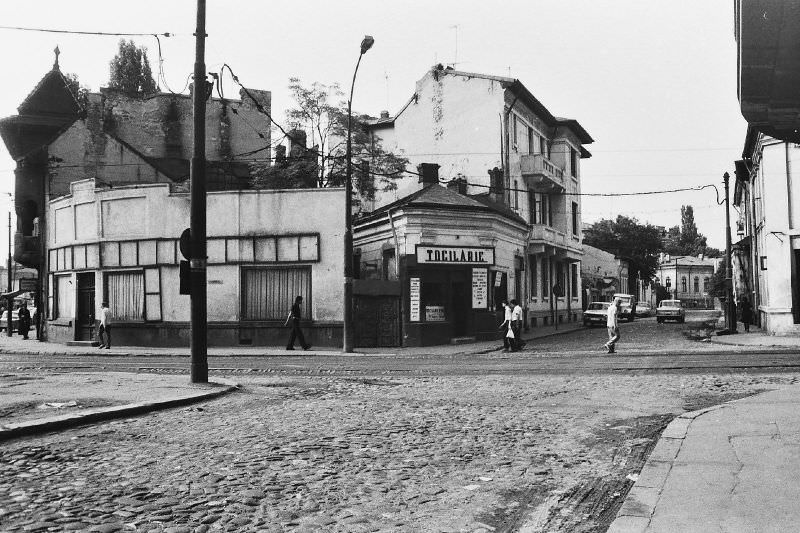
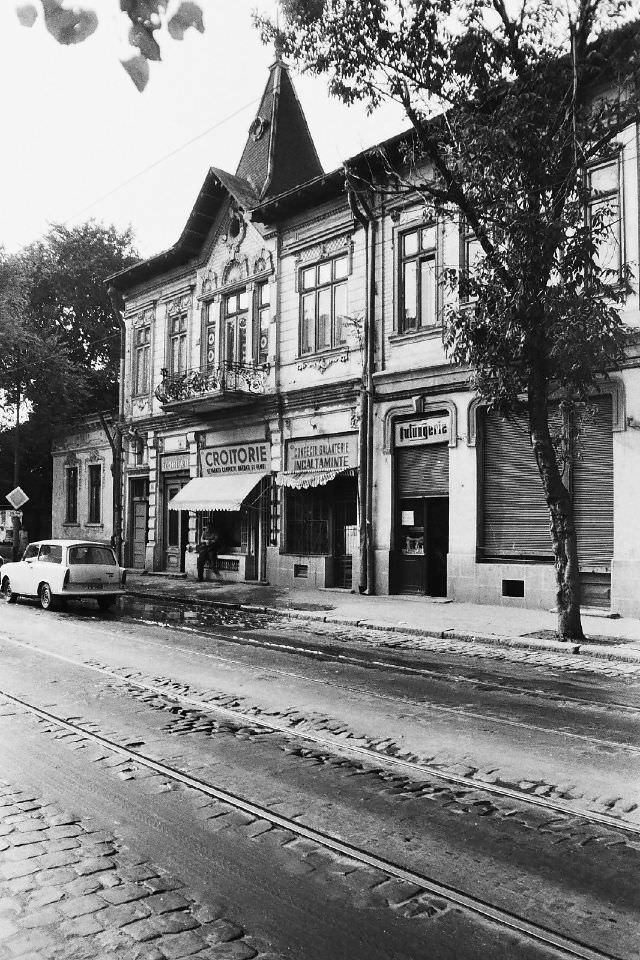
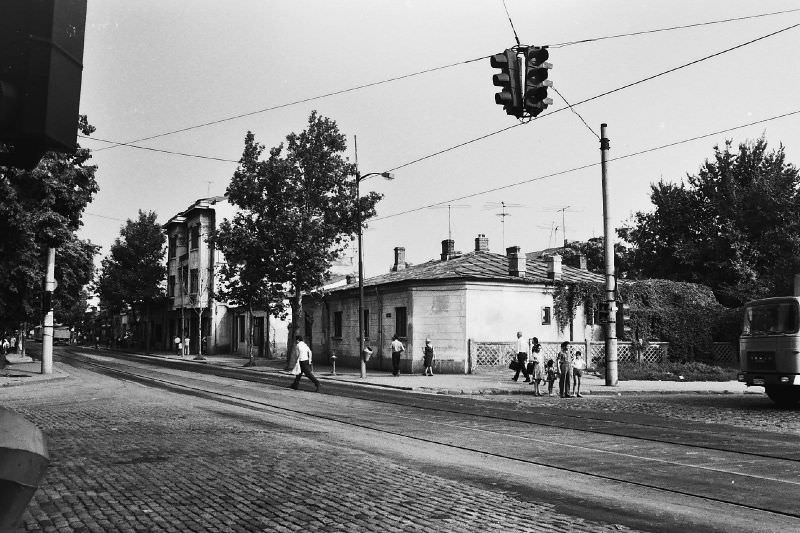
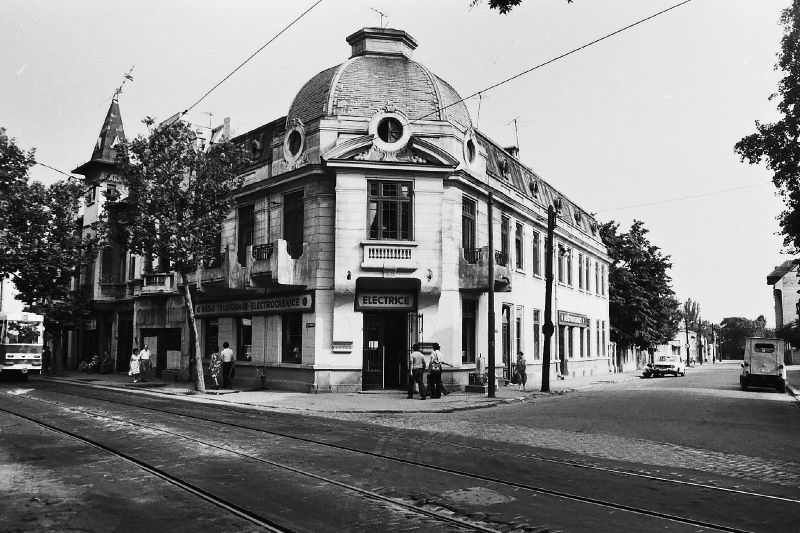
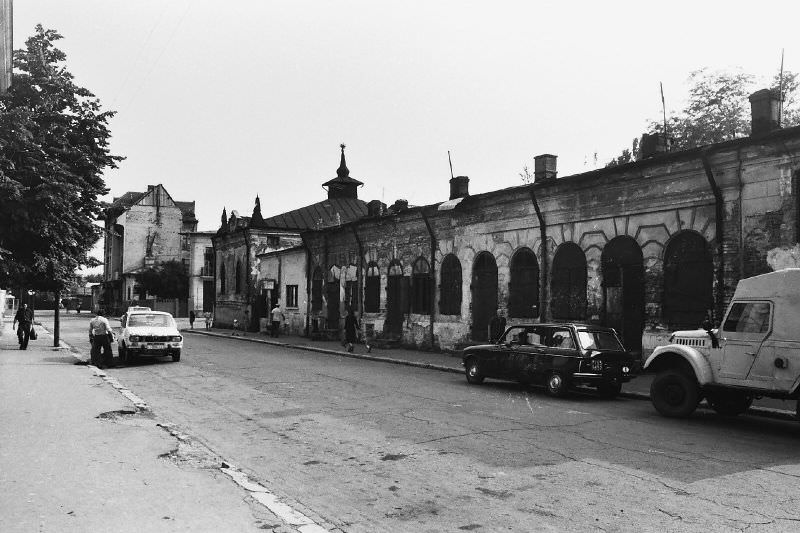
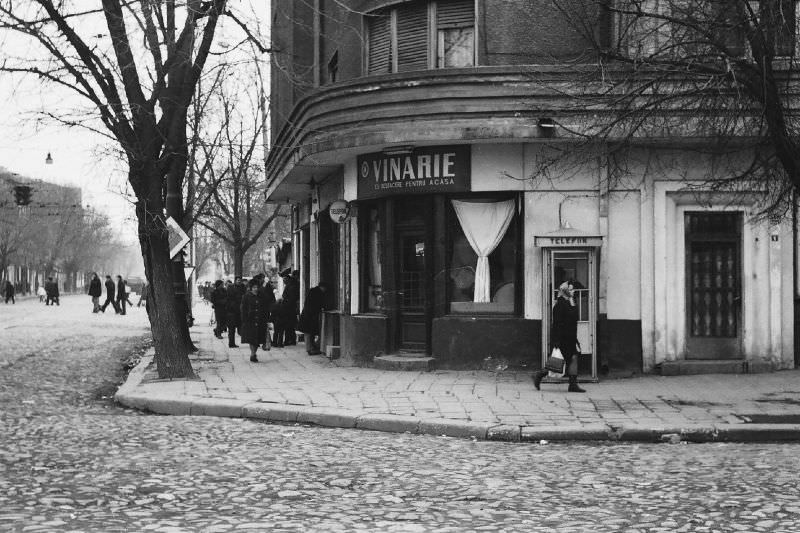
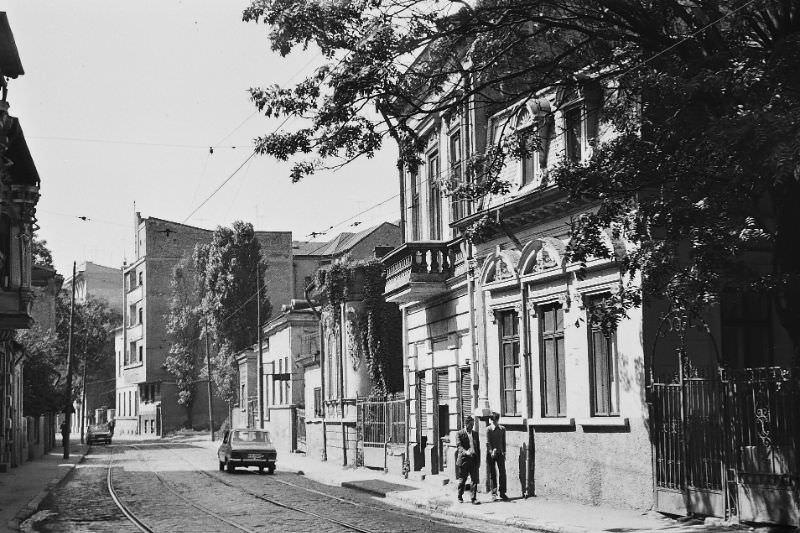
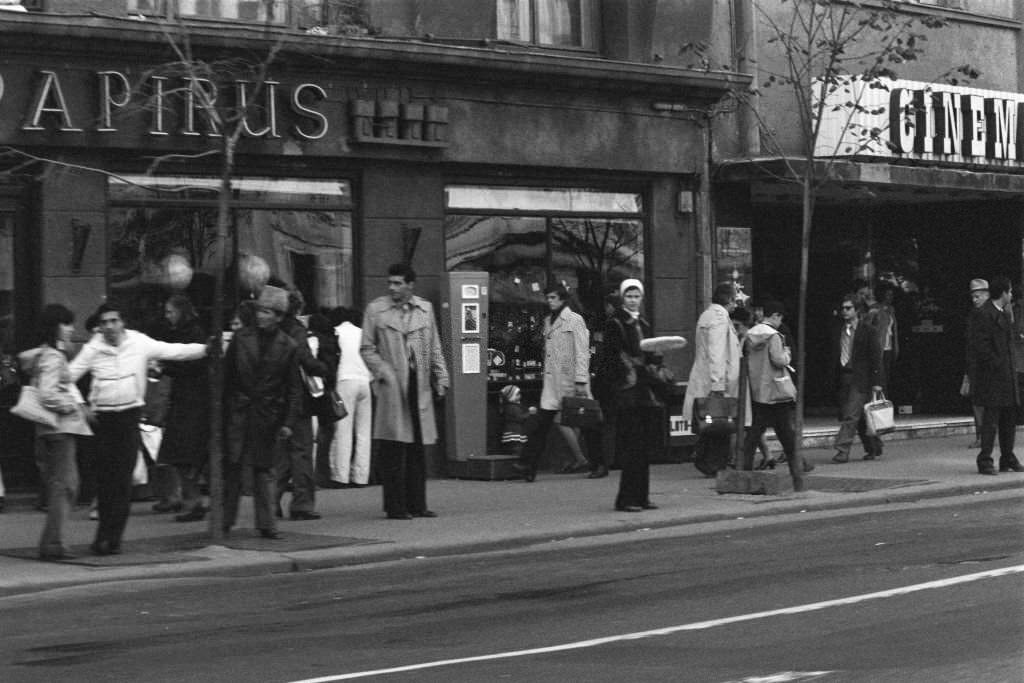
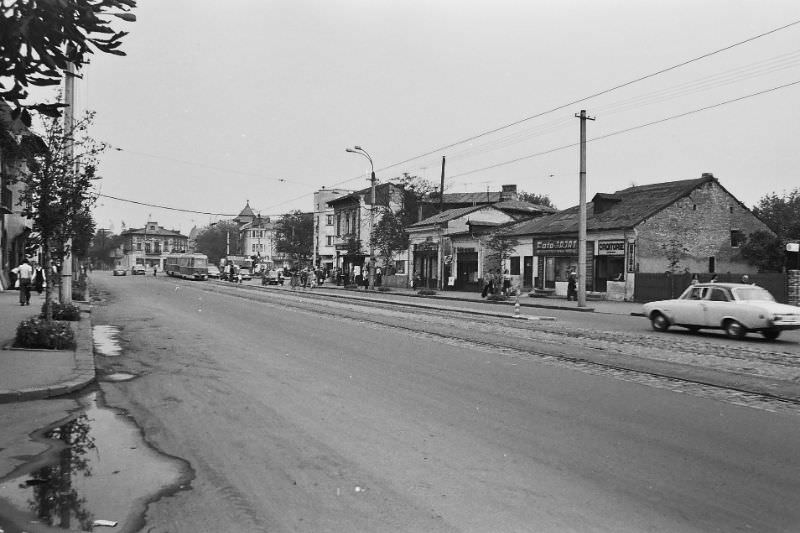
The final years of the decade captured Bucharest’s streets in full color — pedestrians crossing roads, stores open for business, and the general rhythm of a city that had absorbed earthquake damage, political upheaval, and rapid construction without losing its daily pulse.
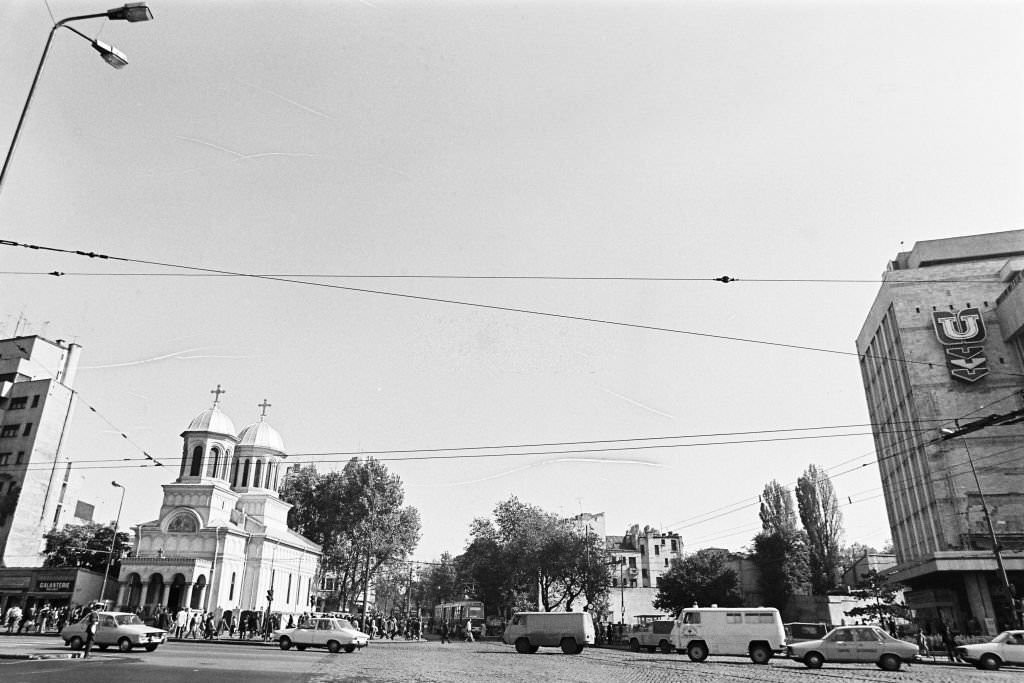
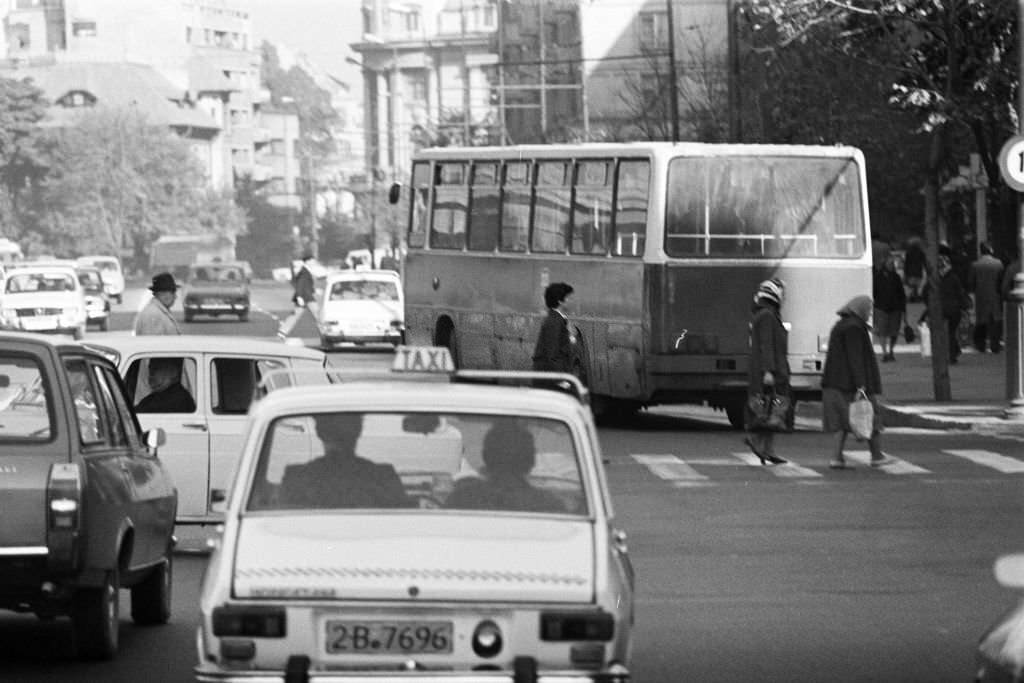
Bucharest, 1979
Bucharest, 1979
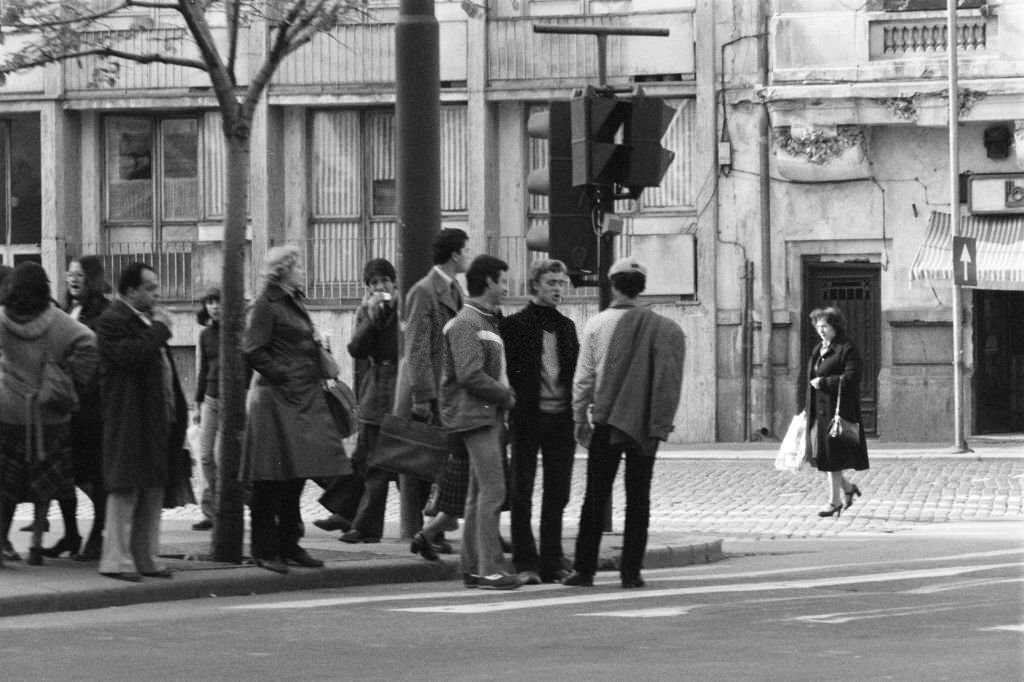
A general view of the city center on October 10, 1979 in Bucharest.
People crossing the road, 1979
A general view of Bucharest City on October 8, 1979 in Bucharest, Romania.
Store in Bucharest, 1979
Weight watchers, Bucharest, 1979
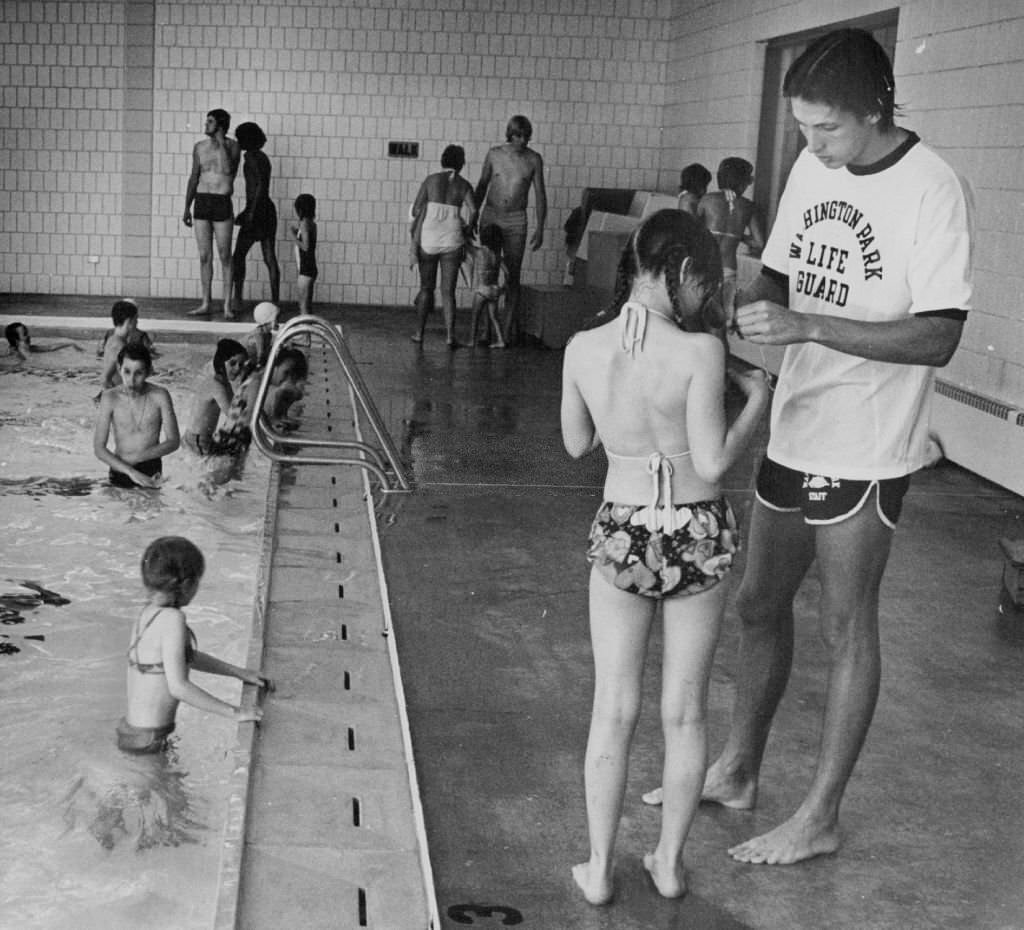
Morning Pool Practice For The Deaf Swimmers Begins At 6 A.M.
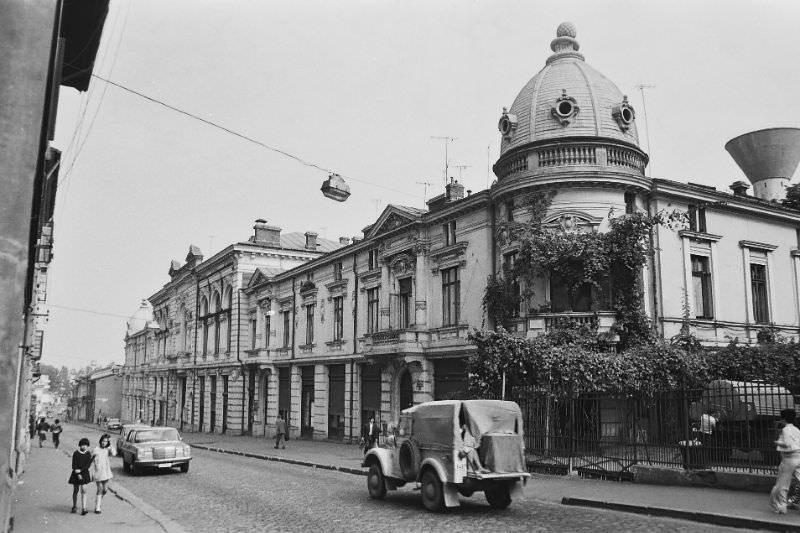
Bucharest street scenes, 1979
What Bucharest looked like in the 1970s Through These Stunning Photos
Enjoyed this post? Get new ones in your inbox.

1 thought on “What Bucharest looked like in the 1970s Through These Stunning Photos”

  1. 40 is the most representative. In the background the Spark House, with the picture of the comrade and the party flag, in front the statue of Lenin, and in the foreground a can of travelers with people on the ladder.
    In picture 77, you can see the Unirea store when it had only one body, in 99 trips that went on the tram, and at 110 you’re surprised that it hasn’t already broken.
Leave a Comment

Your email address will not be published. Required fields are marked *

Share this Post 🥺

Please take a moment to share this content. Your support is greatly appreciated! 🙌🙏

Share this Post 🥺

Please take a moment to share this content. Your support is greatly appreciated! 🙌🙏
Scroll to Top
 
Hey Friend, Before You Go.. Please like & follow for more interesting content