The Battle of the Somme stands as the deadliest battle of World War One. It began on July 1, 1916, and before that first day was over, the British Army had suffered more than 57,000 casualties — 19,240 of them killed. That works out to one man killed every 4.4 seconds. Thirty-seven sets of British brothers died on that single day alone.
The battle dragged on for 141 days. By the time it ended, the British had suffered around 420,000 casualties in total. After all of that loss, the Allies had pushed the front line forward by just six miles at their deepest point. The ground gained came at an almost unthinkable cost.
Before the offensive launched, British commanders tried to destroy the German defenses from above. For eight straight days, British artillery pounded the German trenches. Over 1.6 million shells were fired across the entire front line, second line, and third line of German positions. The plan was to weaken enemy defenses so badly that infantry could simply walk across No Man’s Land.
It didn’t work. The Germans had built a vast network of deep underground bunkers, some more than 30 feet below the surface. When the shelling stopped and British troops went over the top, German soldiers emerged from their shelters, set up their machine guns, and opened fire. The bombardment had failed to clear the way.
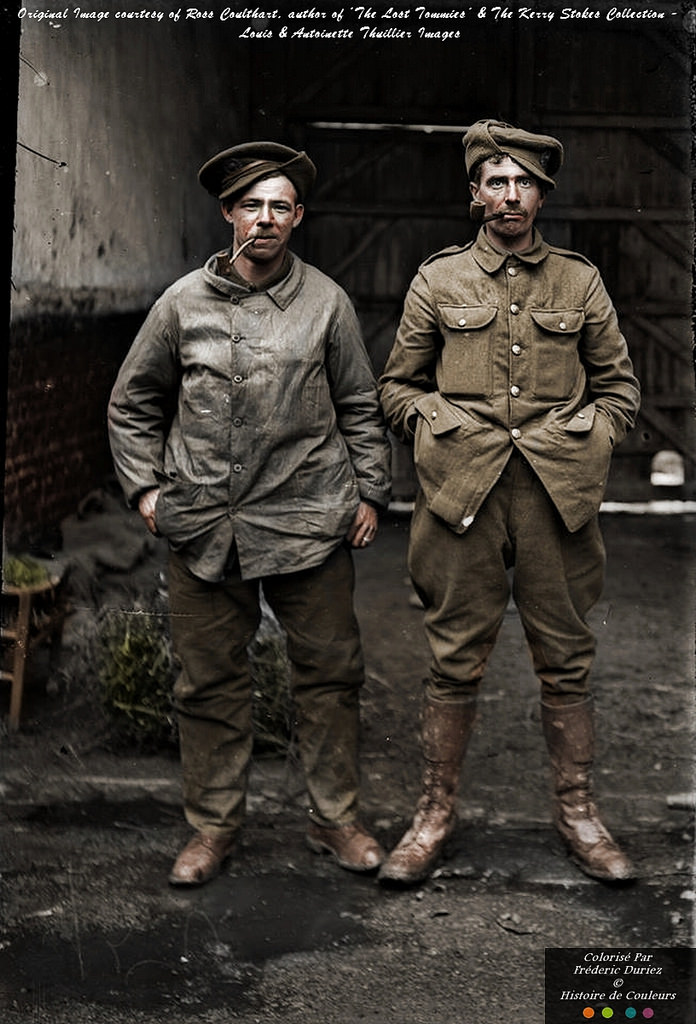
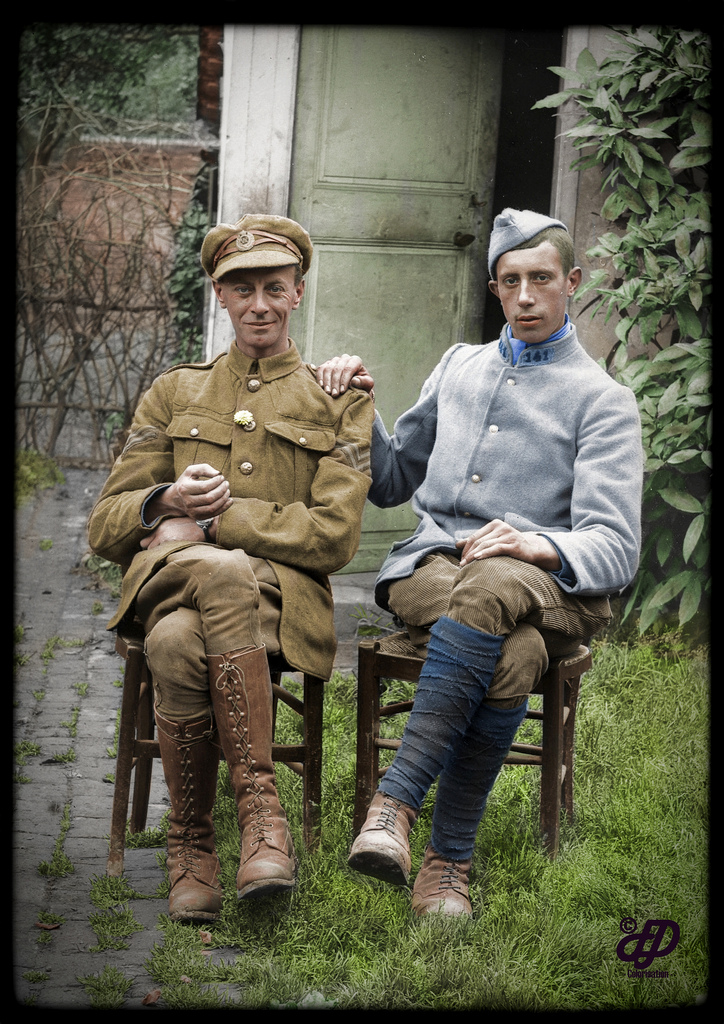
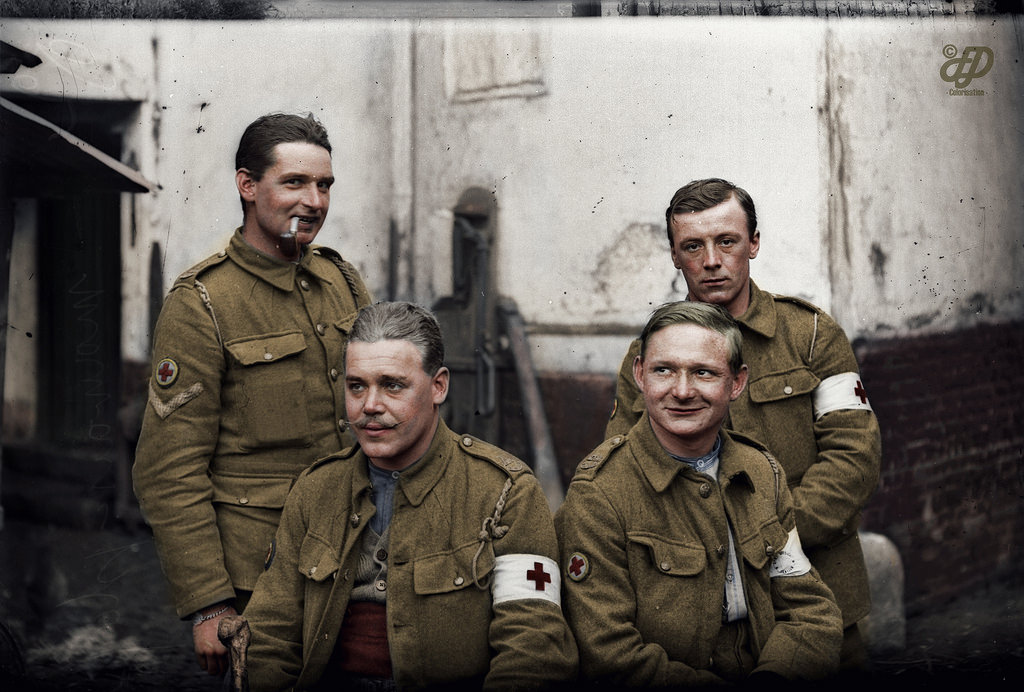
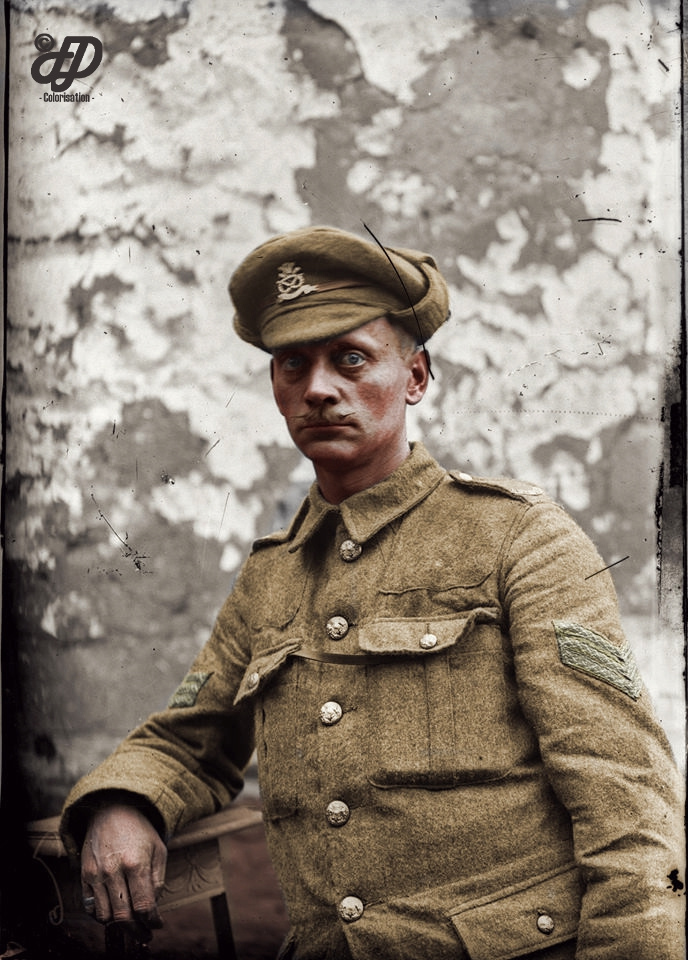
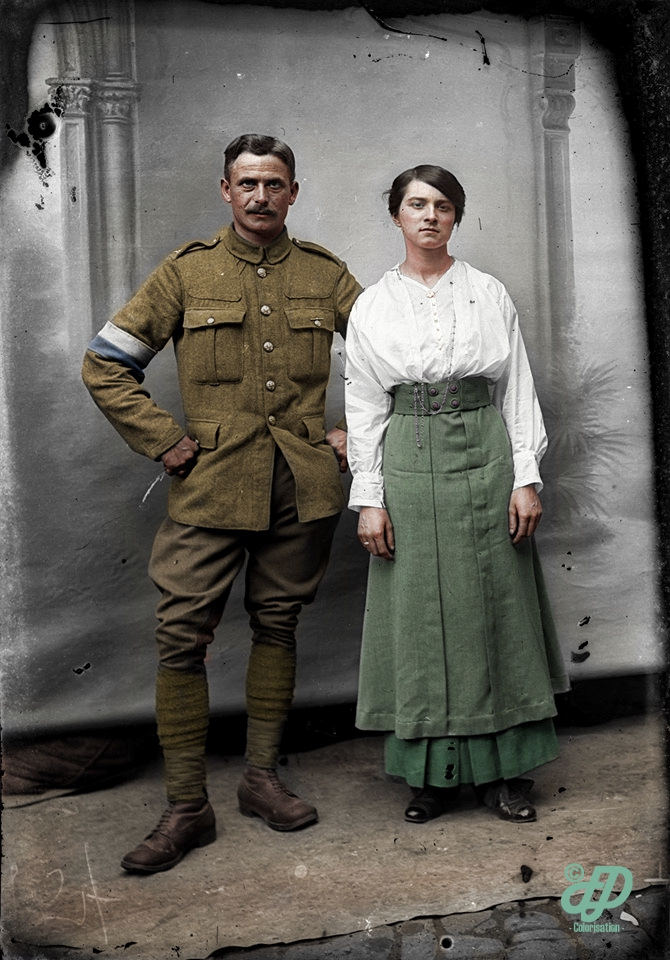
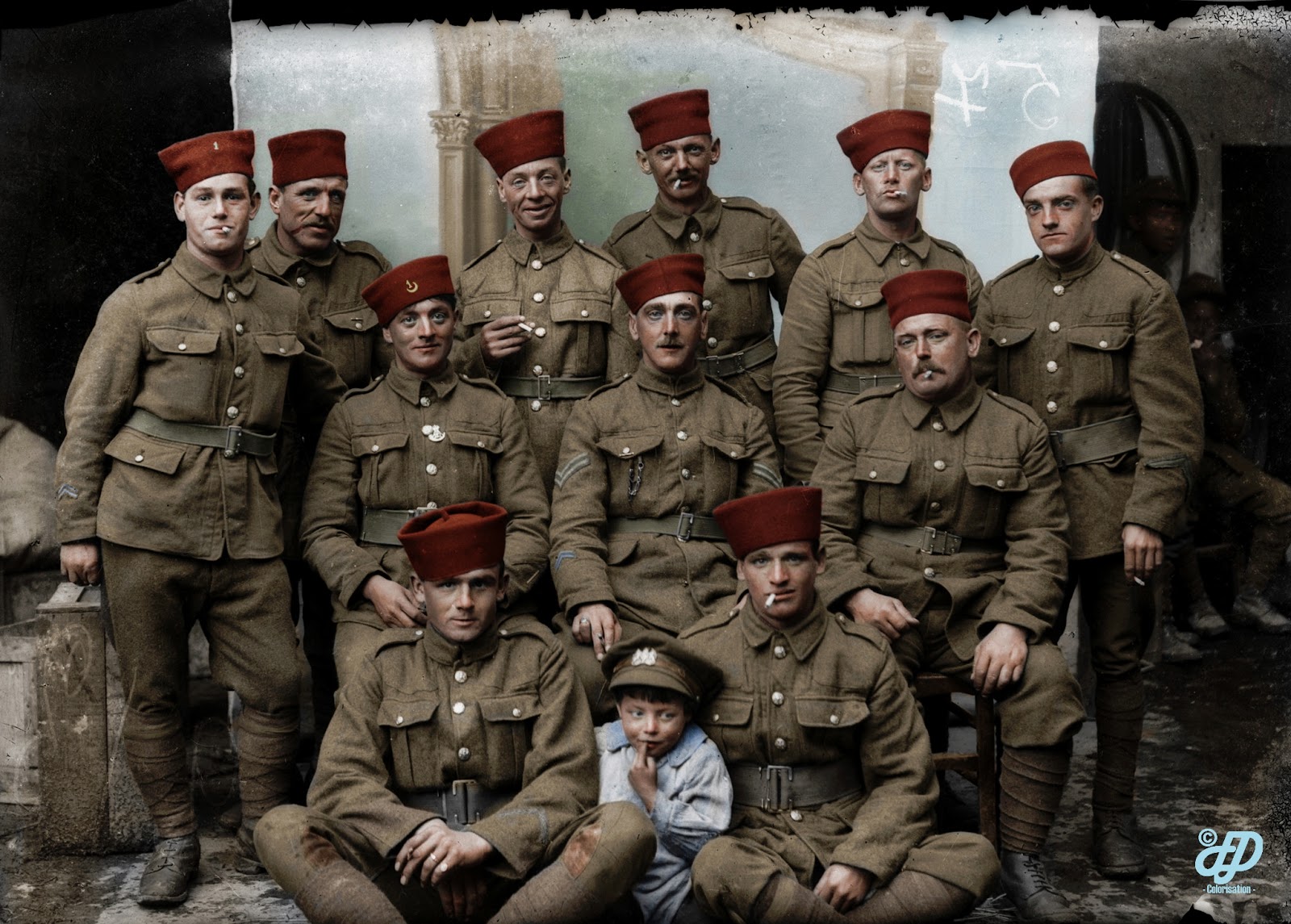
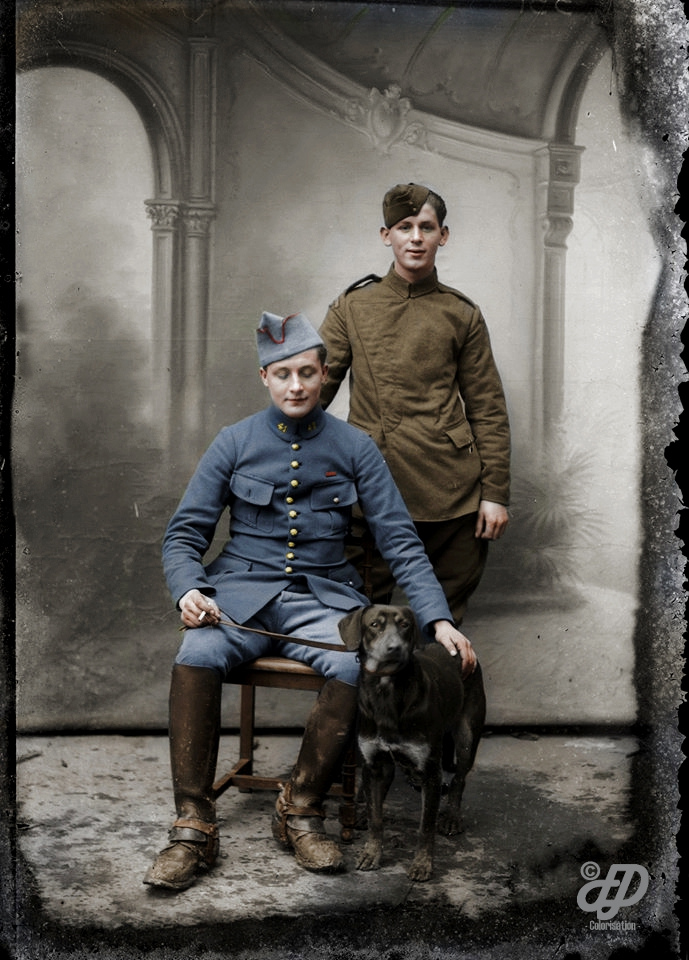
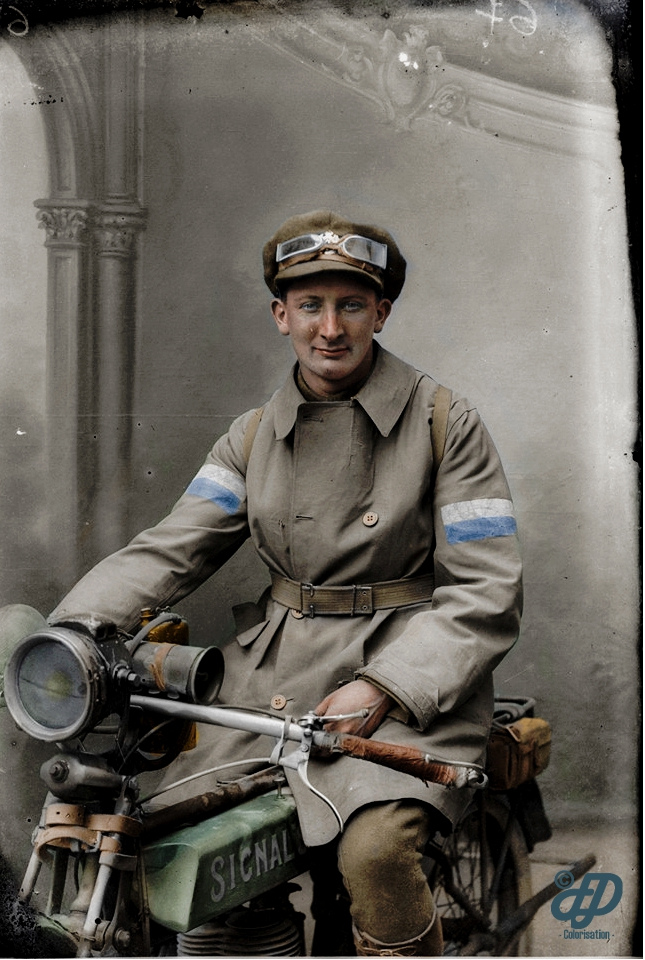
The faces in these photographs belonged to the men who lived through that reality — or didn’t. Each portrait was taken by French couple Louis and Antoinette Thuillier. Their studio sat near the front, and soldiers came to them to have their pictures taken before heading into battle. These photos were meant to be sent home as mementos — something for families to hold onto.
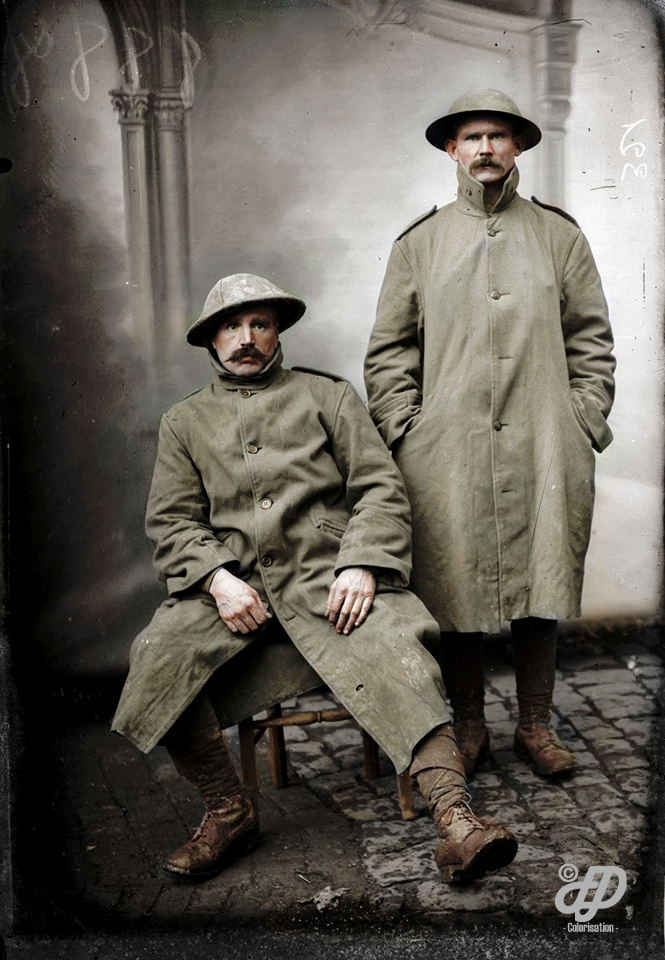
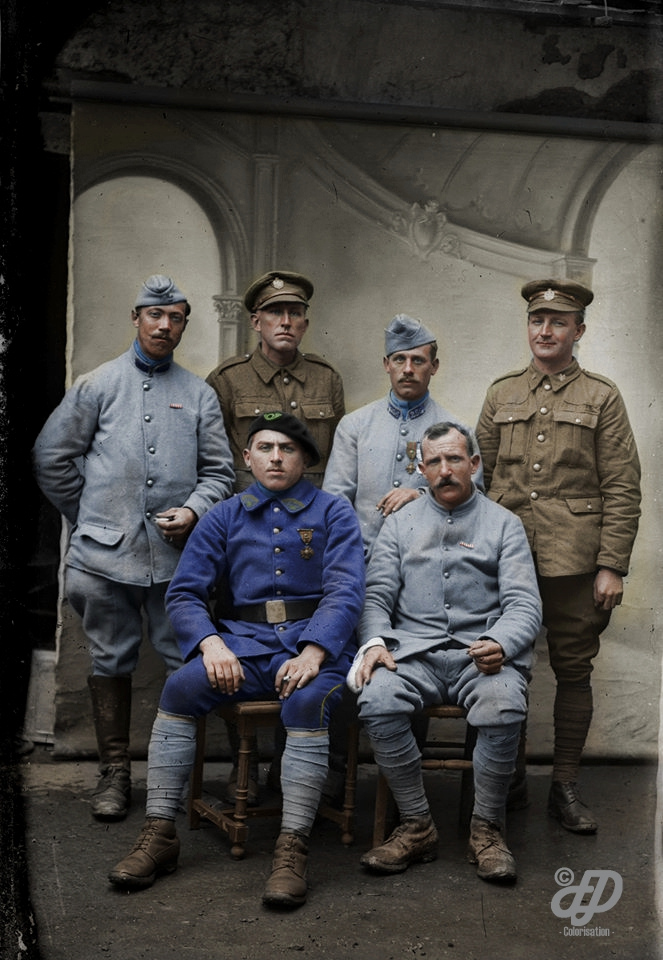
The original photographs were black and white, as all photos of that era were. Decades later, French bank technician Frédéric Duriez brought them back to life through colorization. His work restores a sense of warmth and humanity to images that might otherwise feel distant or faded by time.
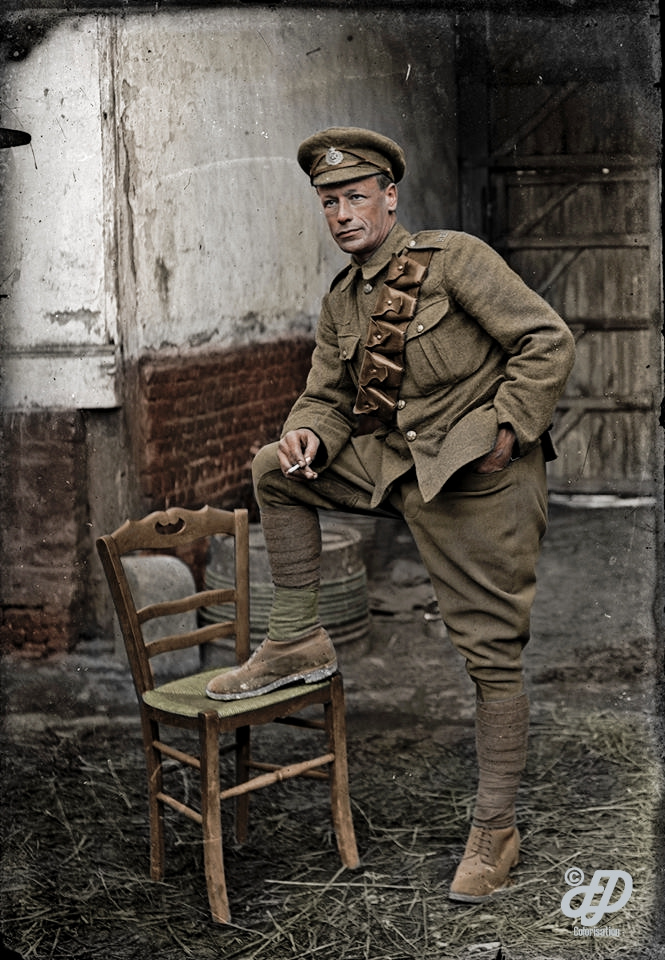
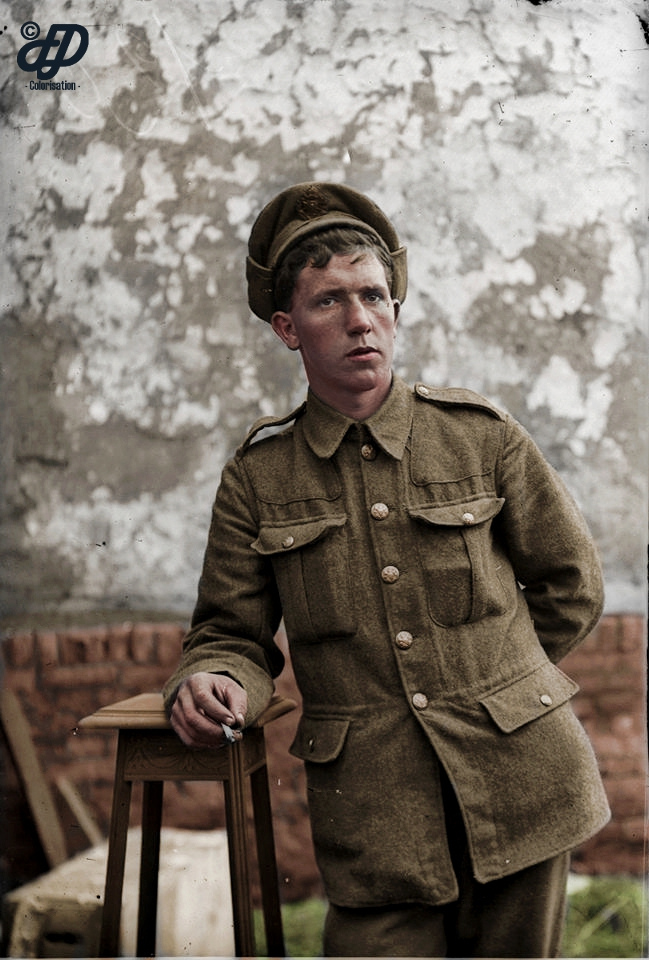
Looking at these colorized portraits, it’s easy to forget these men were soldiers heading into one of history’s most violent battles. They look composed, even calm. Some appear young — barely out of their teens. They wore their uniforms for the camera, knowing full well what waited for them at the front.
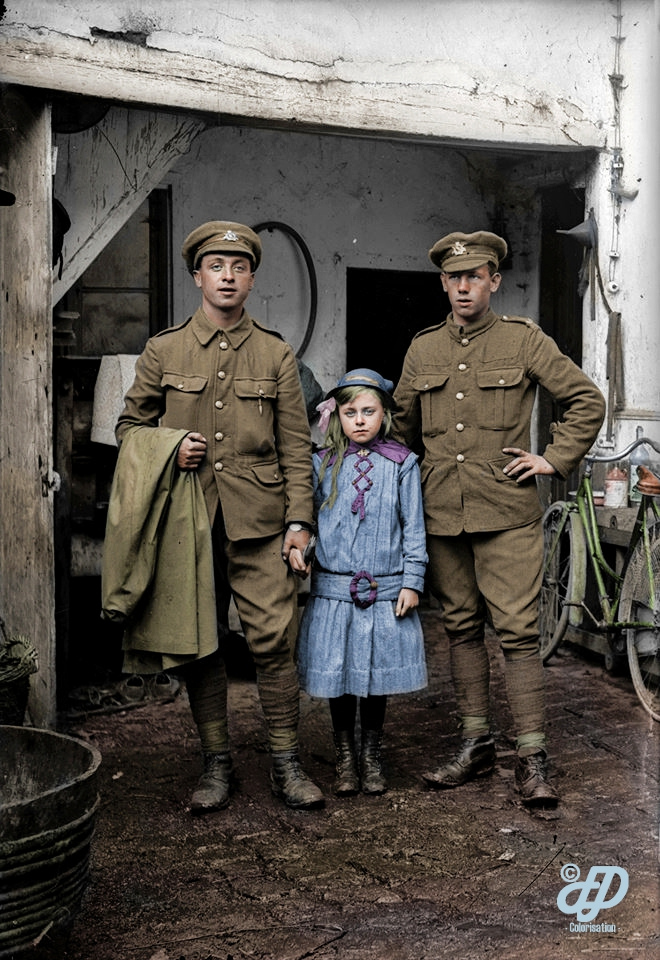
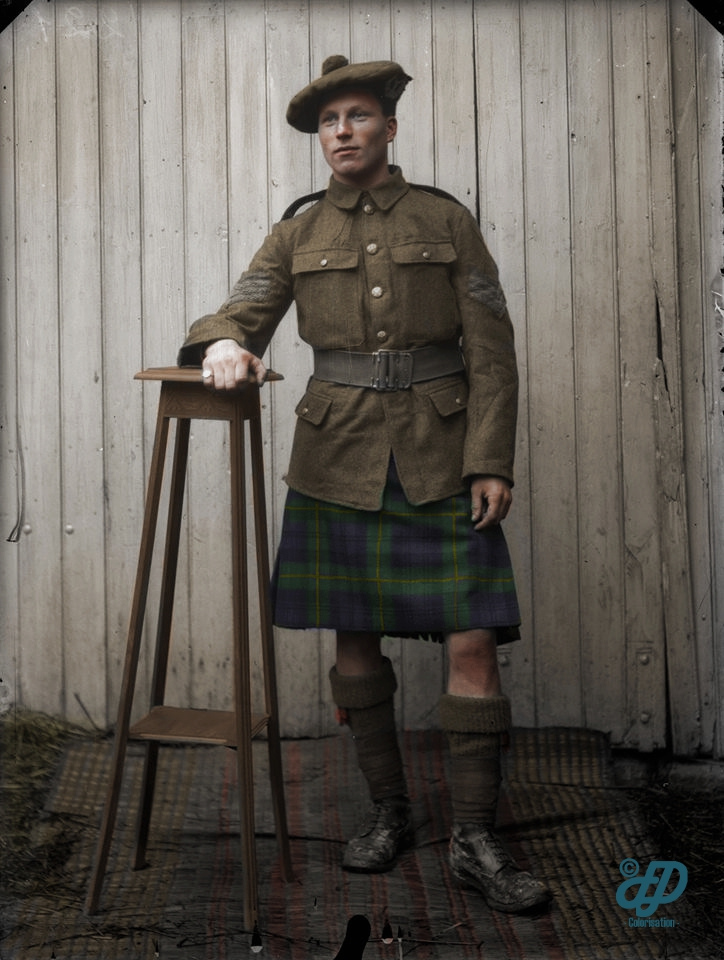
The Thuilliers photographed soldiers from many units across the British Army. Their studio became a quiet stop between the relative safety of the rear and the trenches ahead. For many of the men who sat in front of that camera, the portrait the Thuilliers captured was the last photograph ever taken of them.
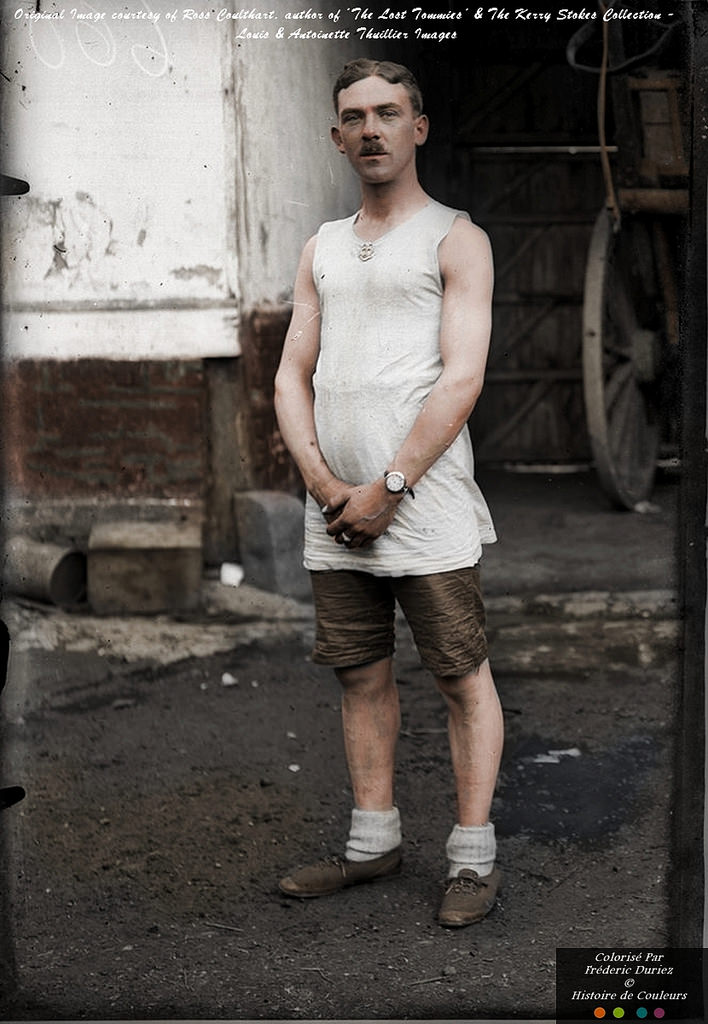
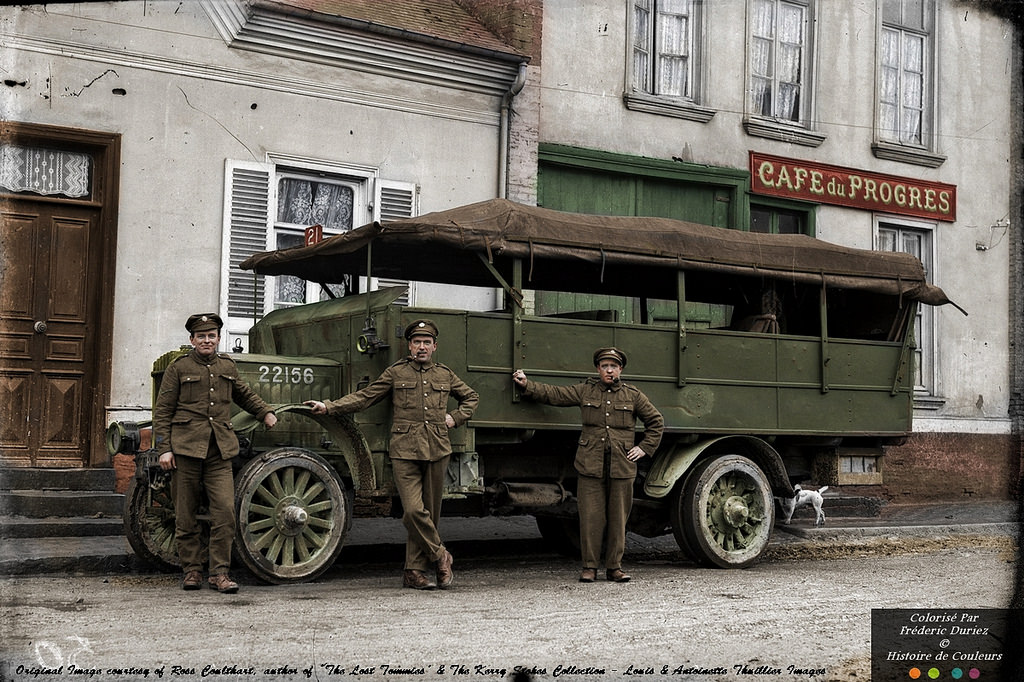
Duriez’s colorization process gives each soldier a distinct presence. The khaki of their uniforms, the tone of their skin, the color in their eyes — details like these close the gap between 1916 and now. These are no longer anonymous figures in old photographs. They become recognizable, individual people.
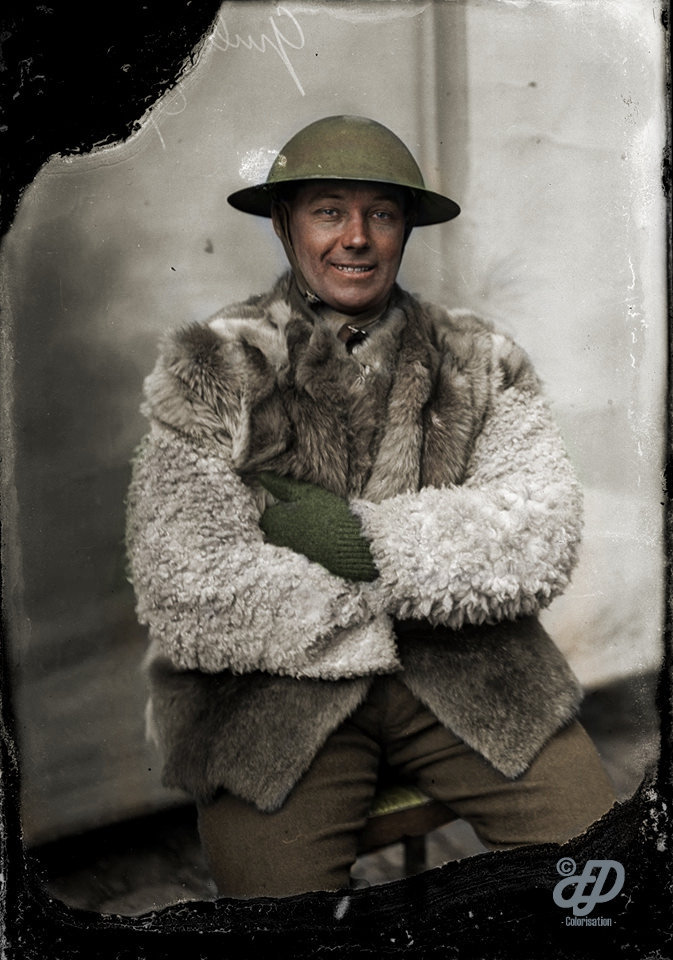
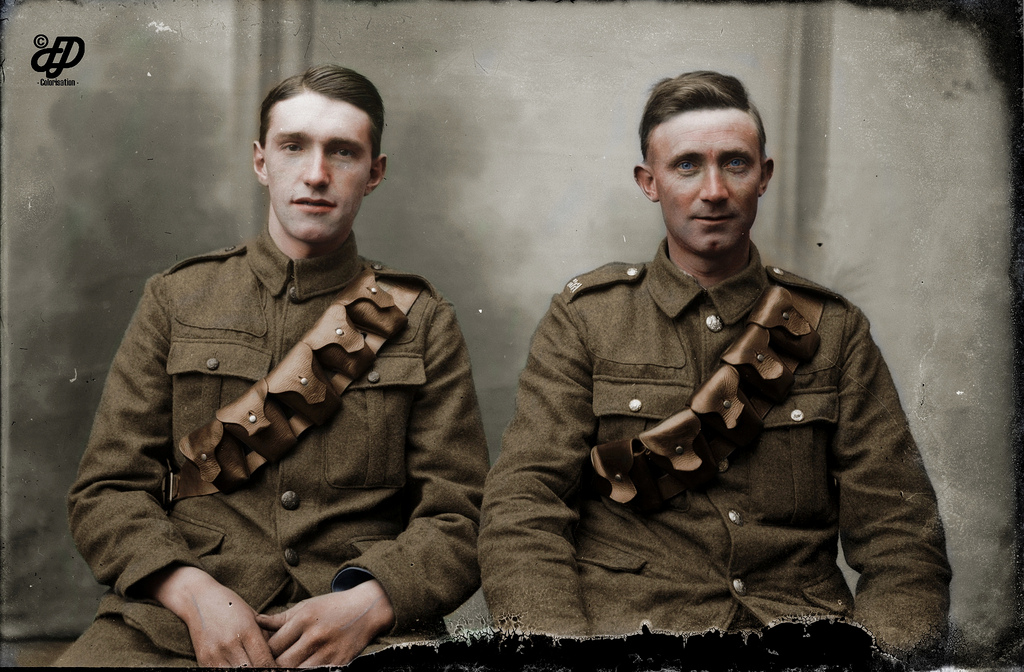
The scale of the Somme is hard to fully absorb. Nearly half a million British casualties. Six miles of ground. One hundred and forty-one days. The numbers are staggering, but it’s these portraits — one face at a time — that put a human measure on what those numbers actually mean.