
Bristol in the 1960s was a city in motion. The scars of World War II were still visible in places — German bombing raids during the Blitz had torn through the city centre, flattening streets and leaving entire districts in ruins. But by the time the 1960s arrived, Bristol was well into the work of rebuilding. New housing blocks rose on the skyline, shopping streets hummed with activity, and the docks along the Avon continued to anchor the city’s trade and working life. These vintage photographs capture all of that — the old streets still standing, the new structures going up, and the everyday rhythms of a city finding its feet again.
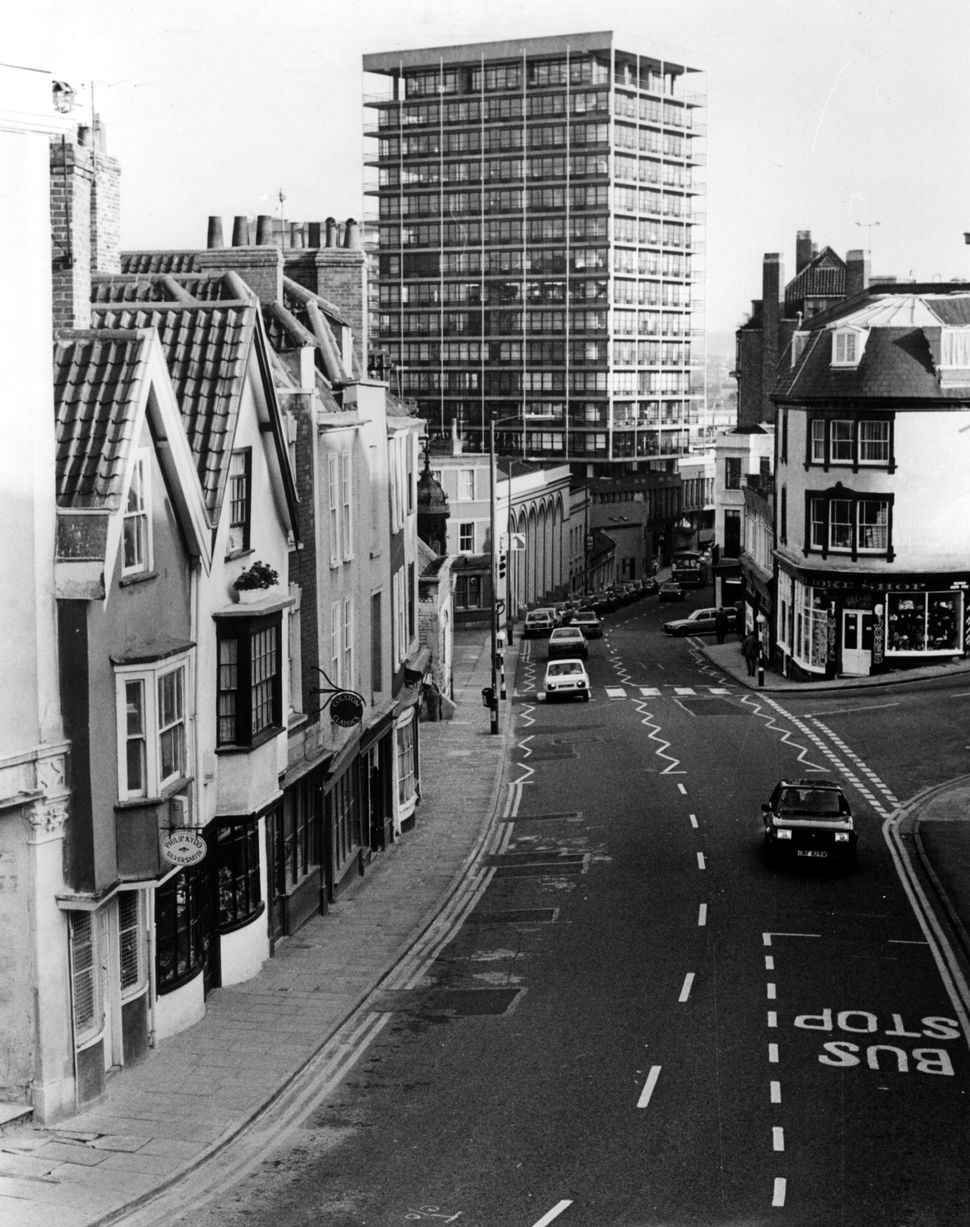
The early years of the decade still held on to much of Bristol’s prewar character. Streets like Colston Street and Old Market retained their familiar shapes, lined with shopfronts and foot traffic that hadn’t changed much since before the war. Bristol Bridge, one of the city’s oldest crossing points over the River Avon, continued to carry the daily flow of people and vehicles in 1960, just as it had for generations.
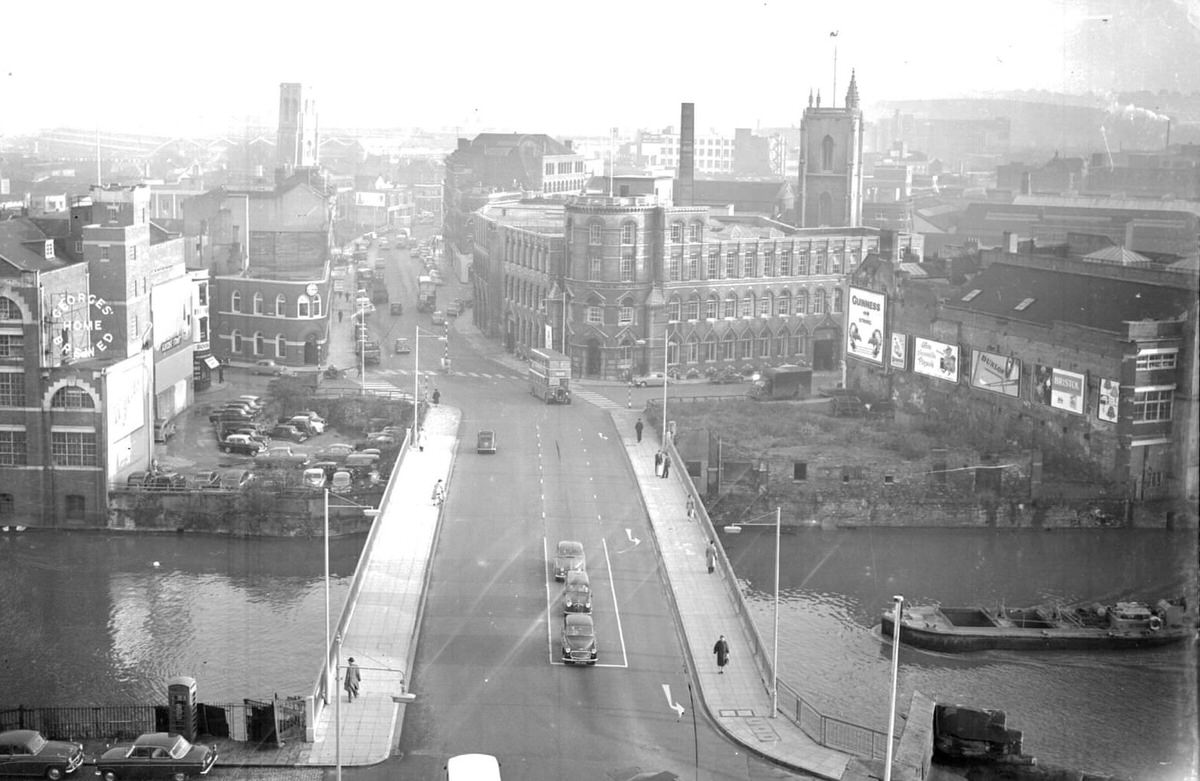
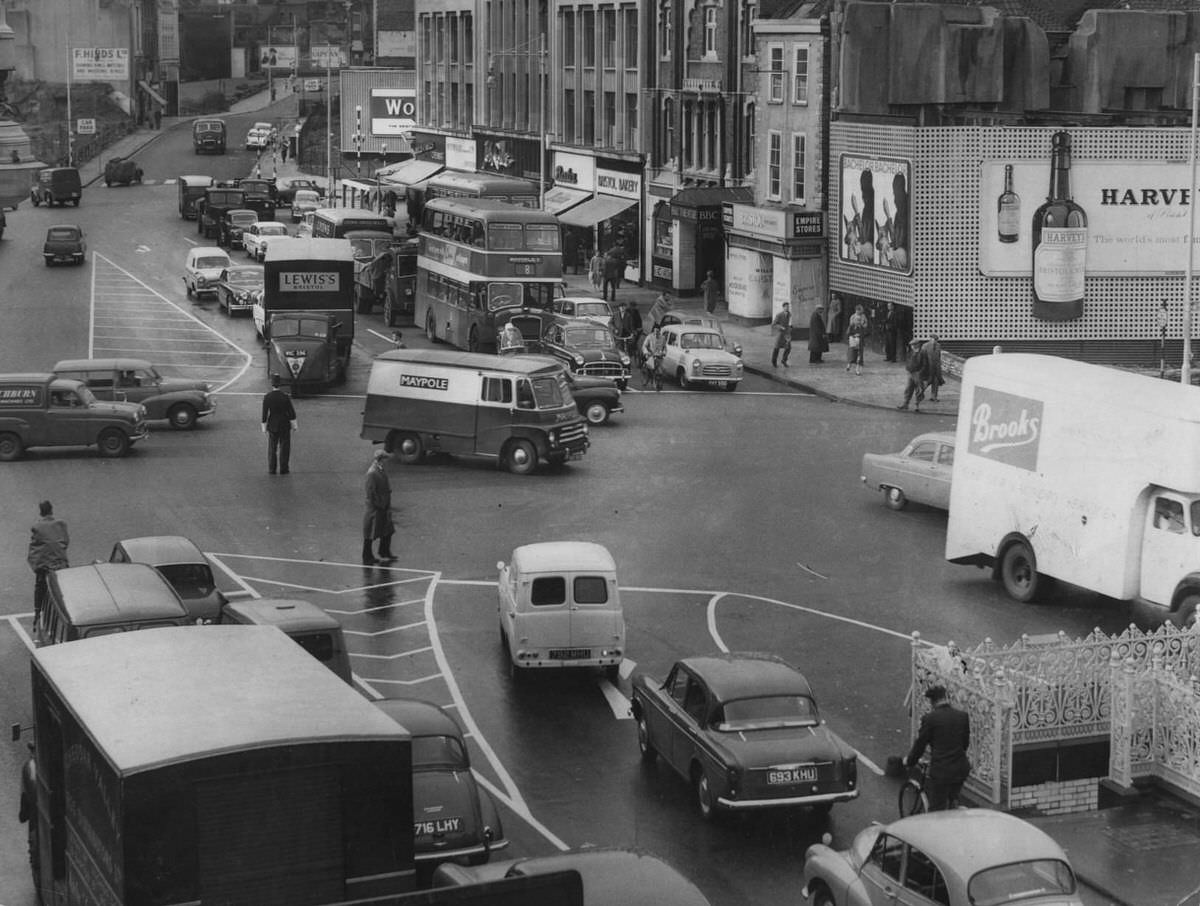
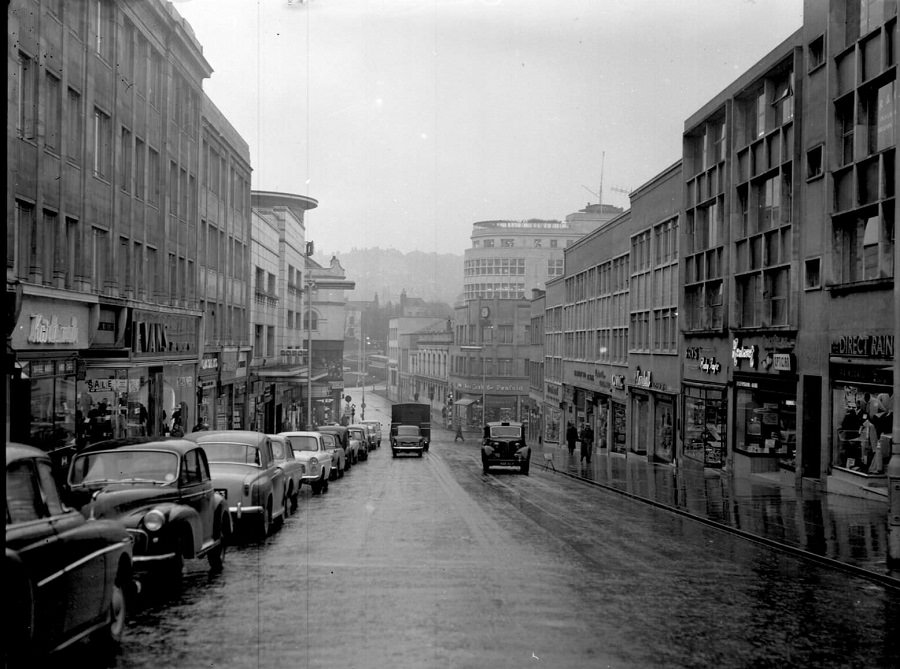
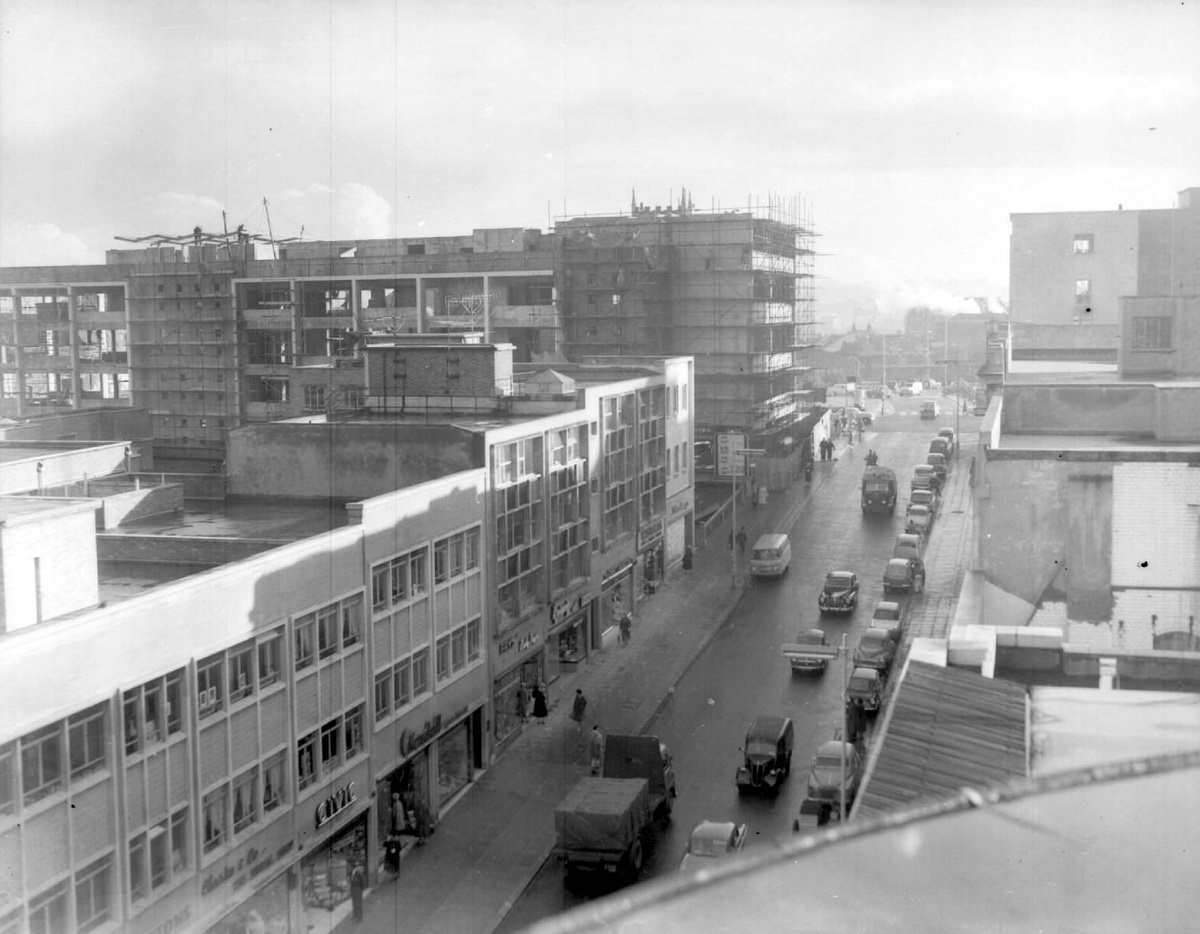
Baldwin Street and Union Street were two of the city’s main commercial corridors. By 1968, Baldwin Street had evolved considerably, reflecting the modernisation sweeping through Bristol’s retail and business districts. Union Street, photographed both in 1960 and 1961, shows the gradual transition between the city’s postwar look and the more contemporary style that would define the decade’s later years.
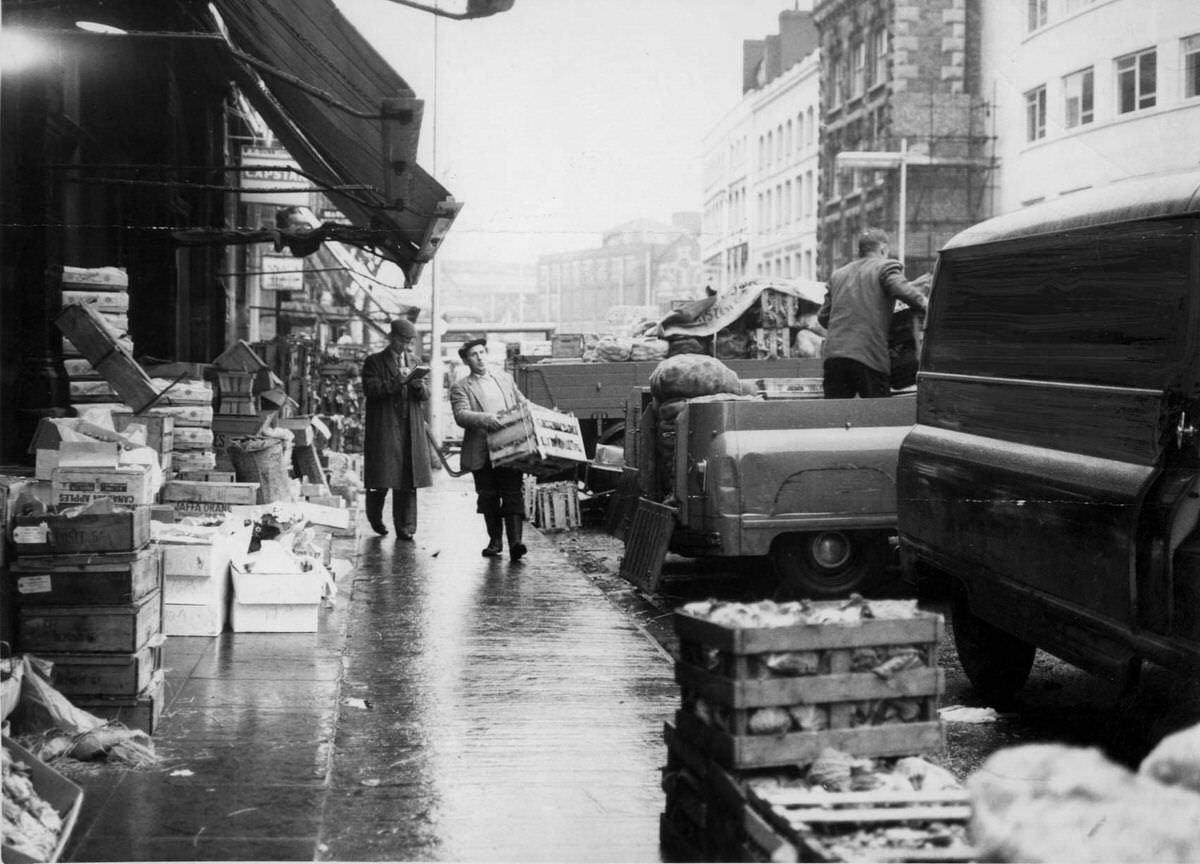
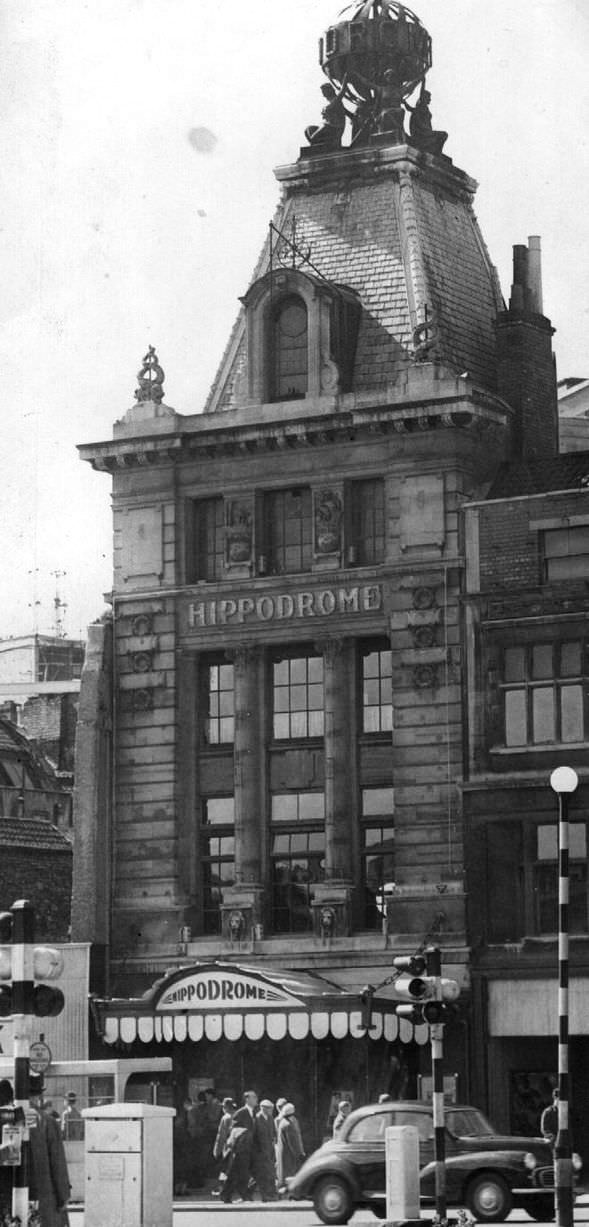
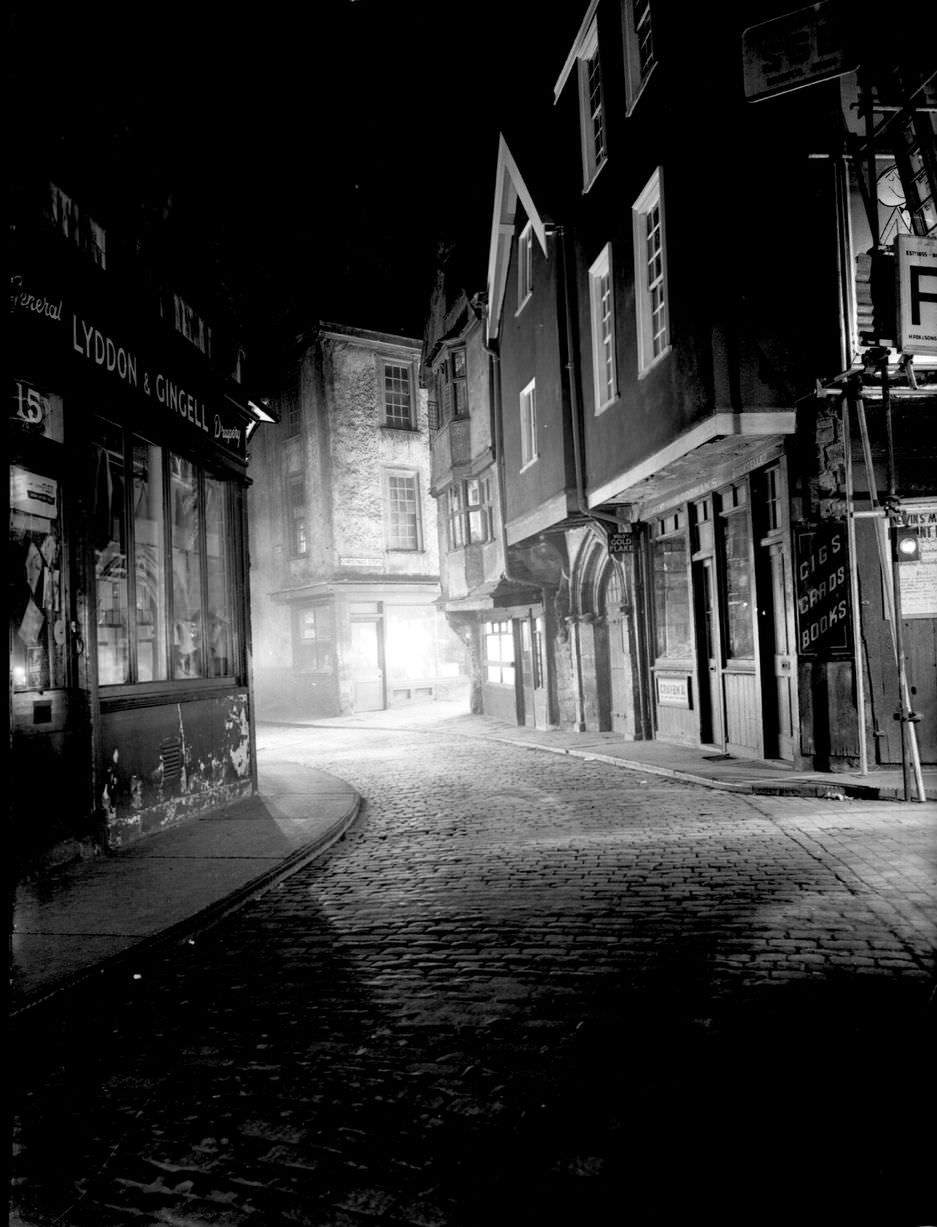
Entertainment remained a central part of city life. The Bristol Hippodrome stood as one of the city’s most beloved venues in 1961, drawing crowds for theatre and live performance. Not far away, Christmas Steps — one of Bristol’s oldest medieval streets — offered a very different kind of atmosphere, its narrow stone steps flanked by small shops and historic buildings that had somehow survived the bombing.
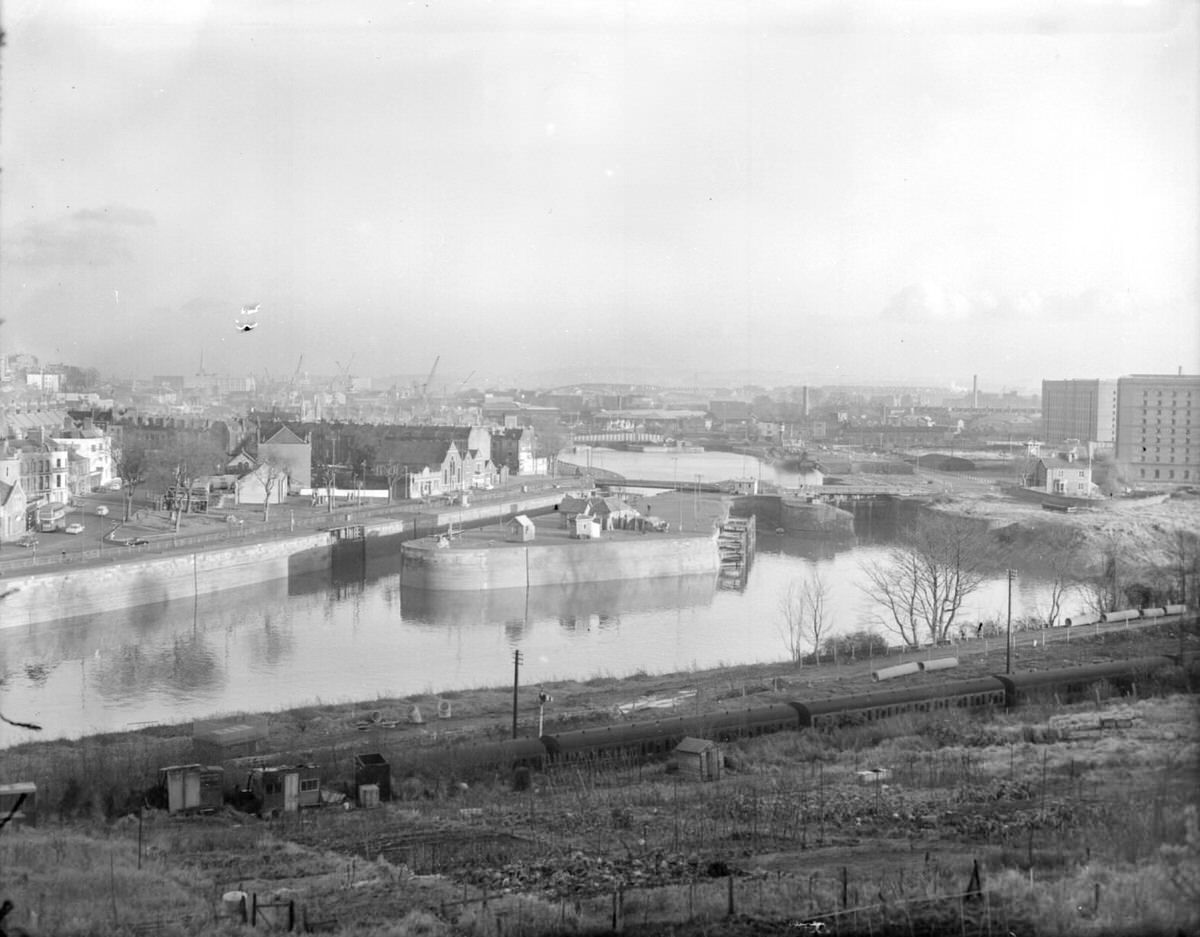
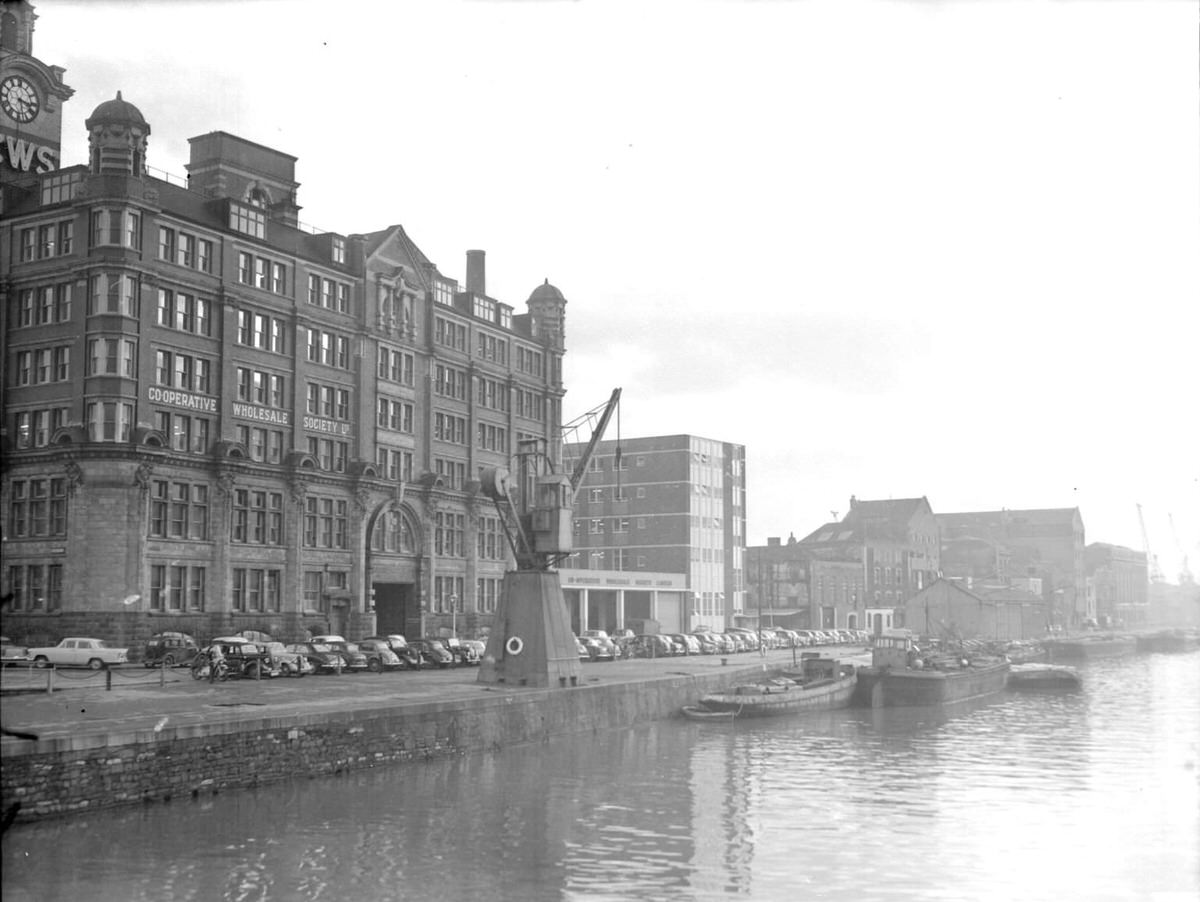
Bristol’s docks were still an active and vital part of the city in the early 1960s. The lock entrance to Cumberland Basin, photographed in 1962, was one of the key engineering features of Bristol’s historic harbour system, controlling the movement of ships in and out of the Floating Harbour. Nearby, cranes at Canons Marsh and the narrow quaysides along the Avon gave the waterfront its working character — heavy, industrial, and very much alive.
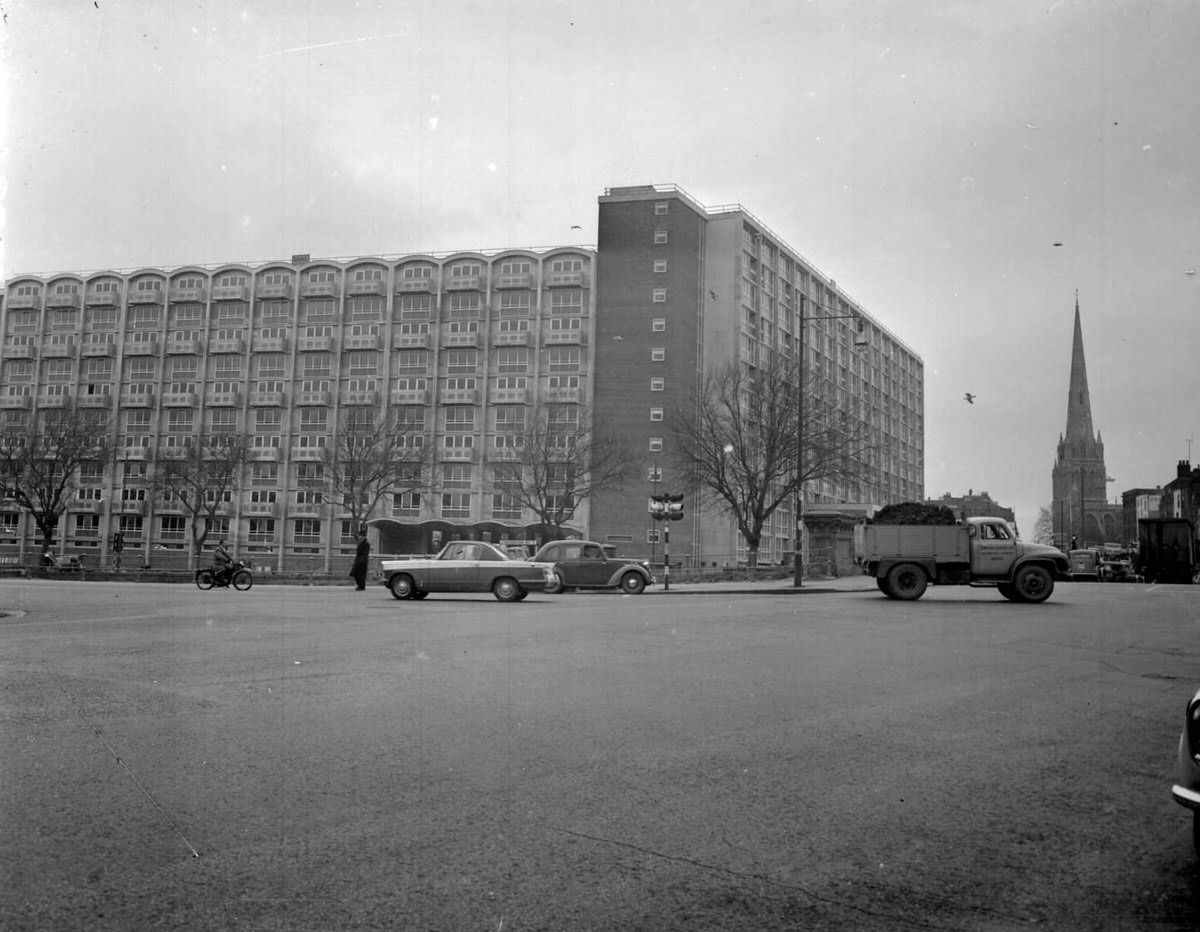
One of the most visible signs of Bristol’s postwar growth was the wave of new housing construction. Blocks of flats went up across the city to accommodate a growing population that needed homes quickly. A block photographed near completion in 1960 is a clear example of the council’s push to deliver large-scale housing in a short amount of time. These developments reshaped entire neighbourhoods, replacing bombed-out areas with modern residential towers.
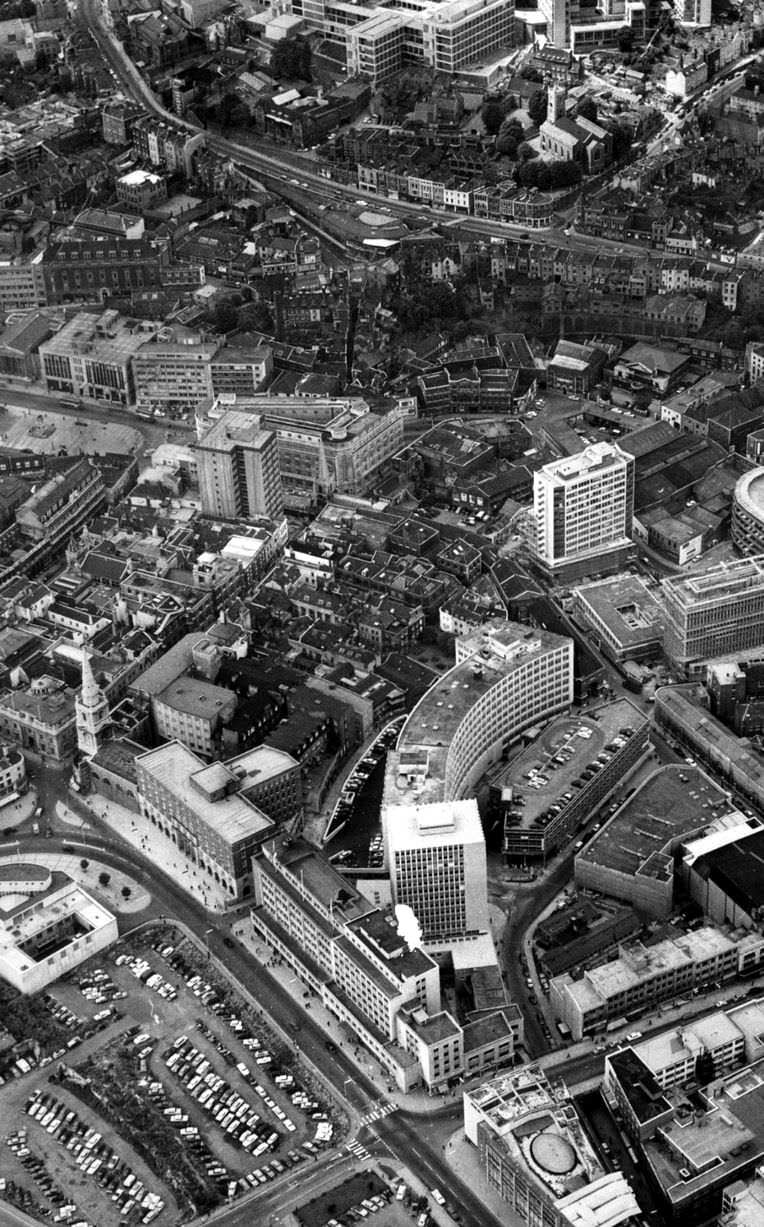
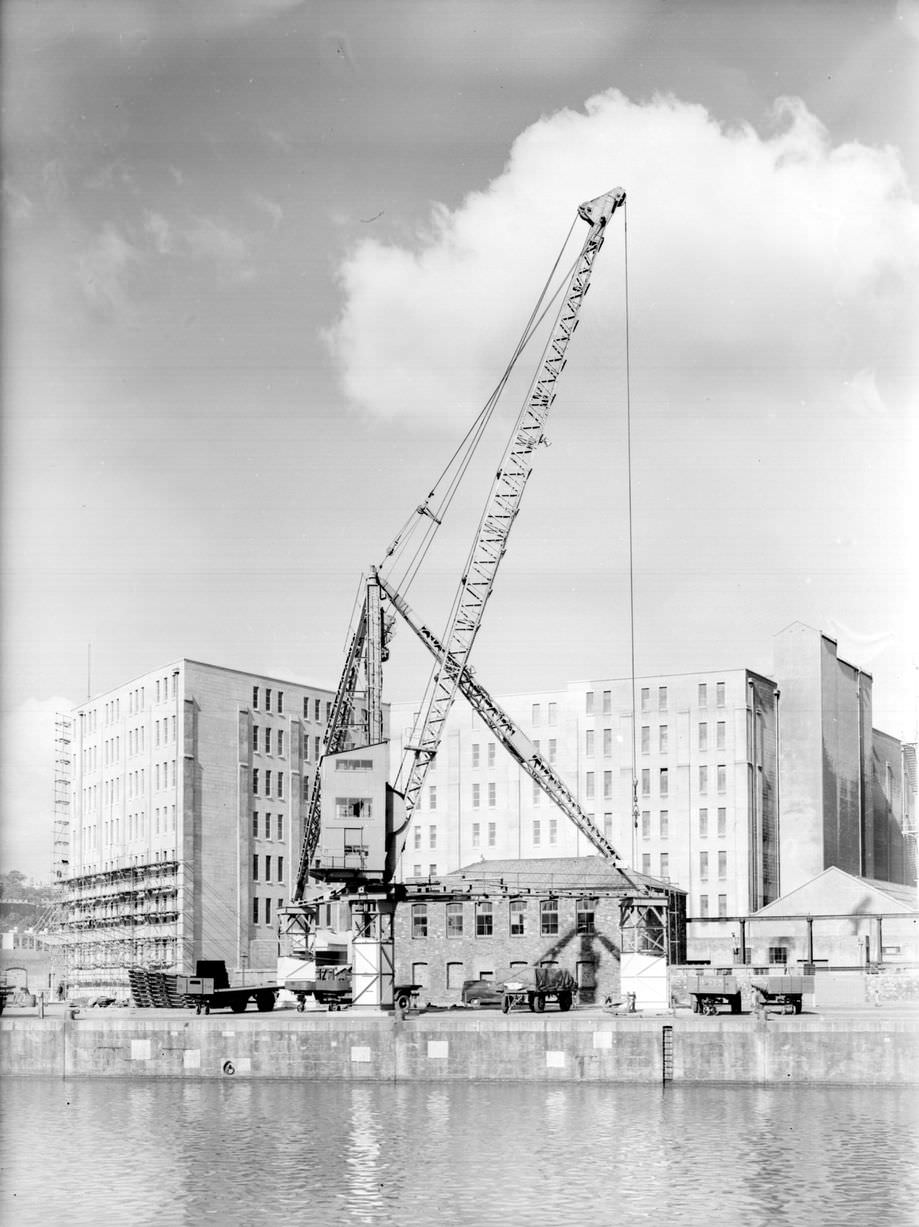
Bedminster Bridge connected the south of the city across the River Avon, while the docks at Narrow Quay in 1962 showed the working waterfront still very much in use. These were not tourist spots — they were functional parts of a port city that had relied on river trade for centuries.
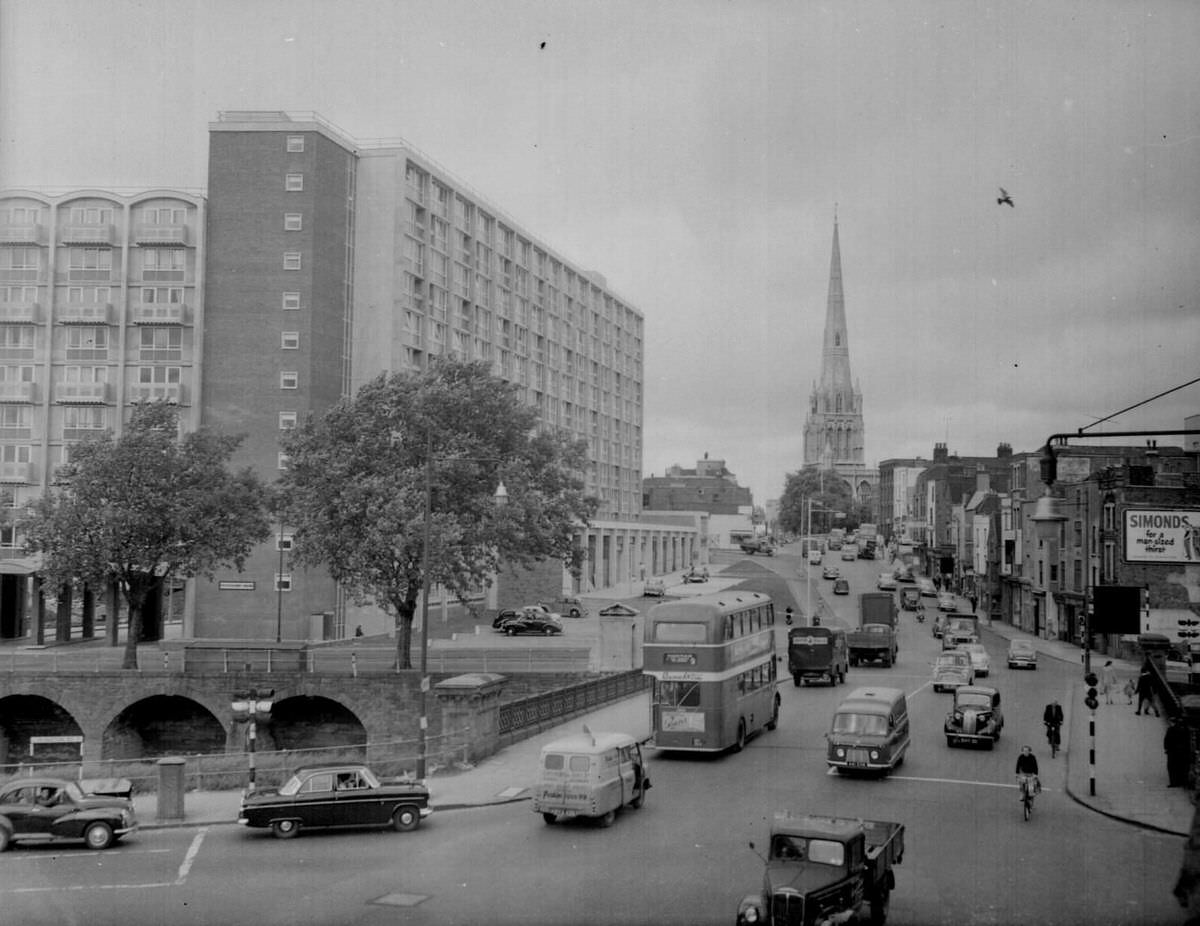
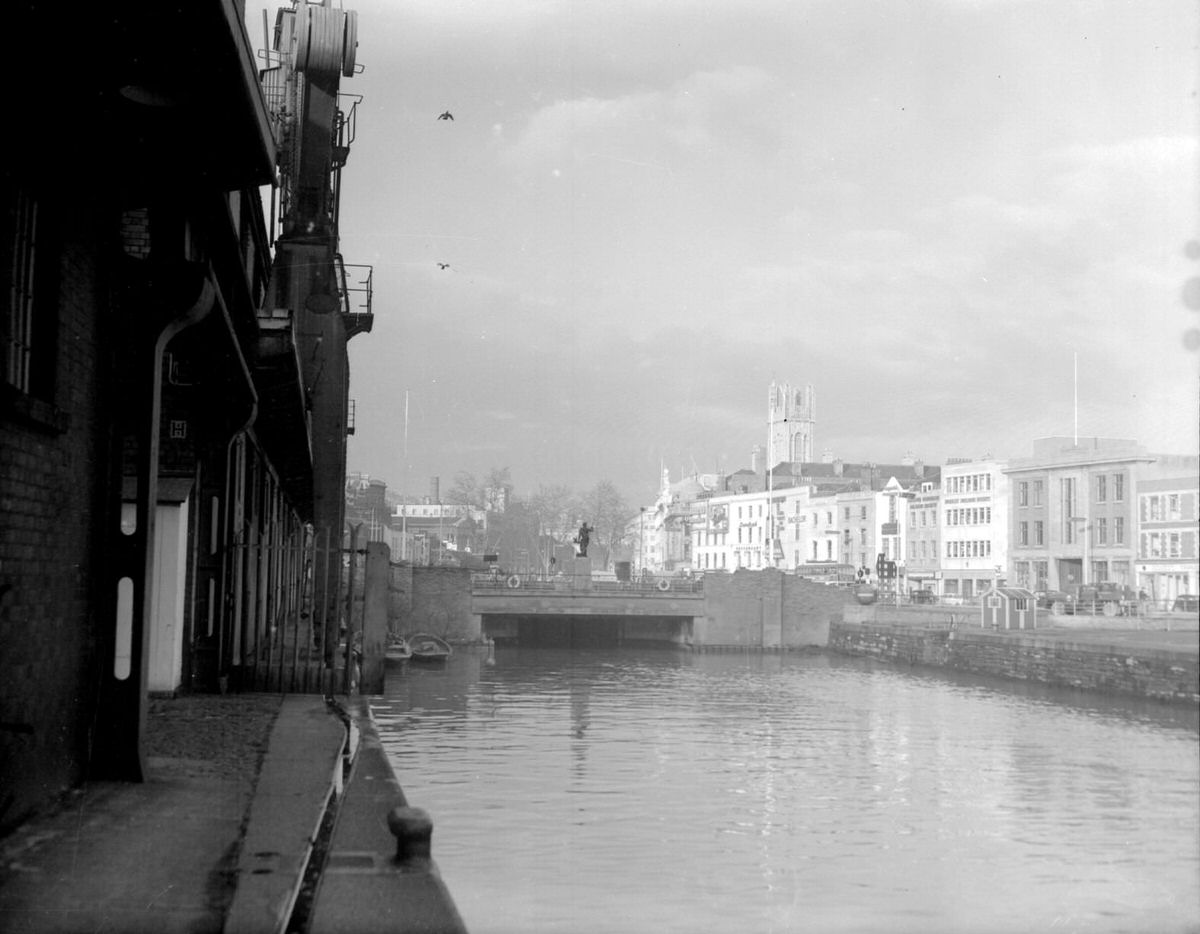
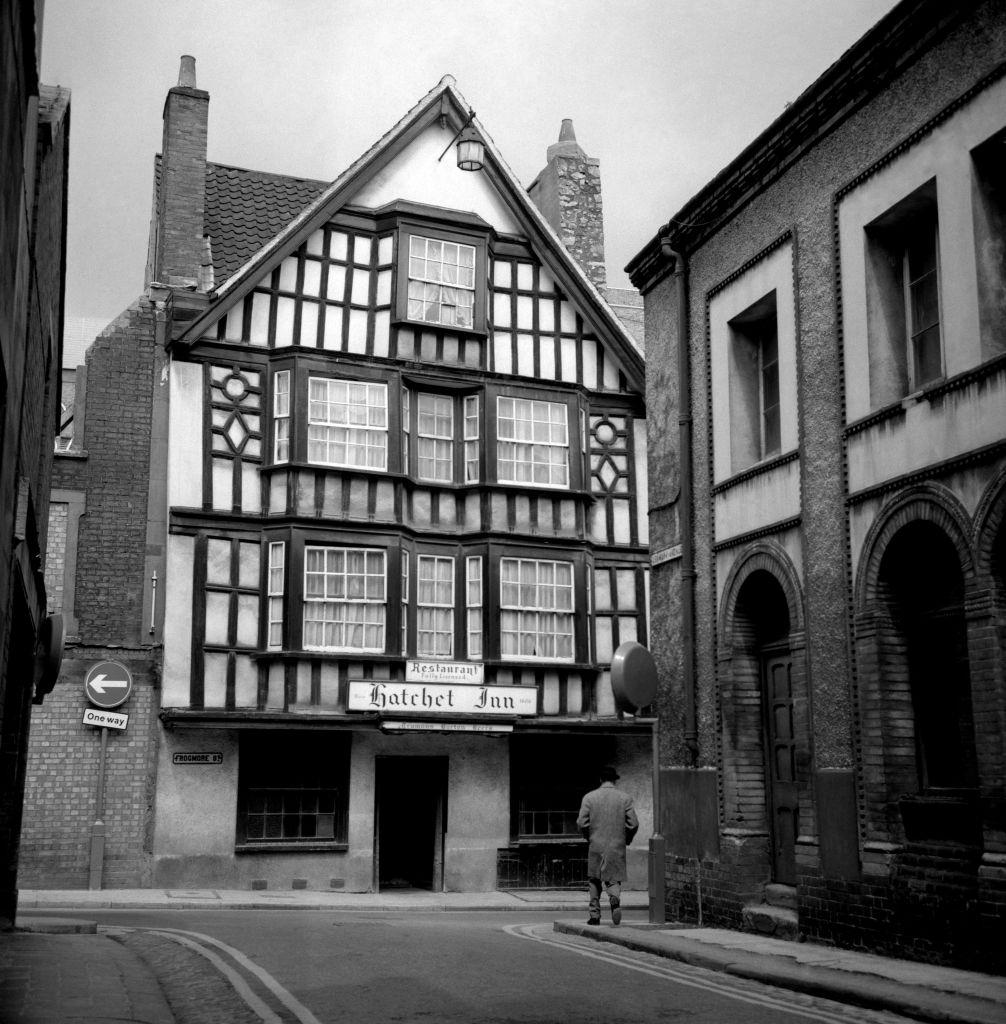
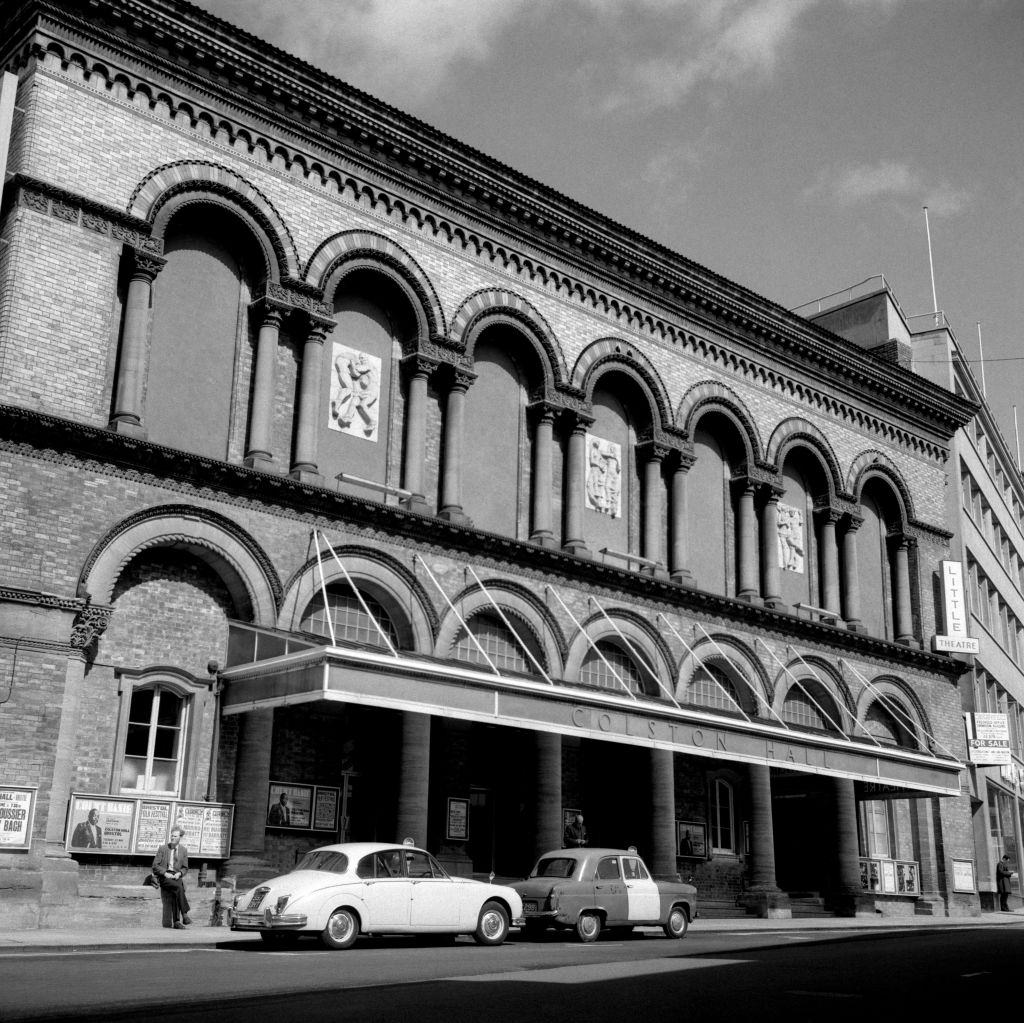
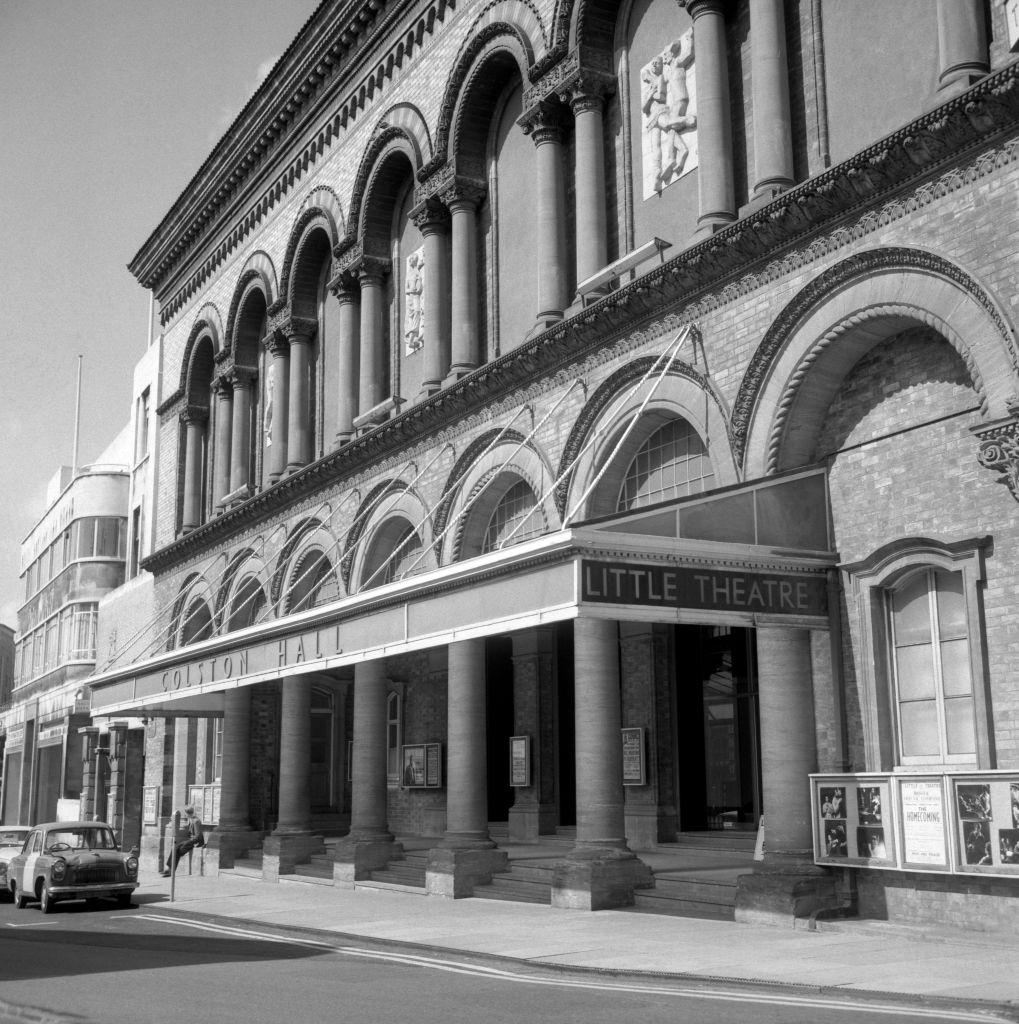
By the mid-1960s, Bristol’s cultural landmarks were being documented with fresh eyes. The Hatchet Inn, one of the city’s oldest pubs, was photographed in 1967 looking much as it had for decades. Colston Hall, Bristol’s main concert venue, appeared in photographs from 1960 alongside the Little Theatre — two buildings that anchored the city’s arts scene throughout the decade.
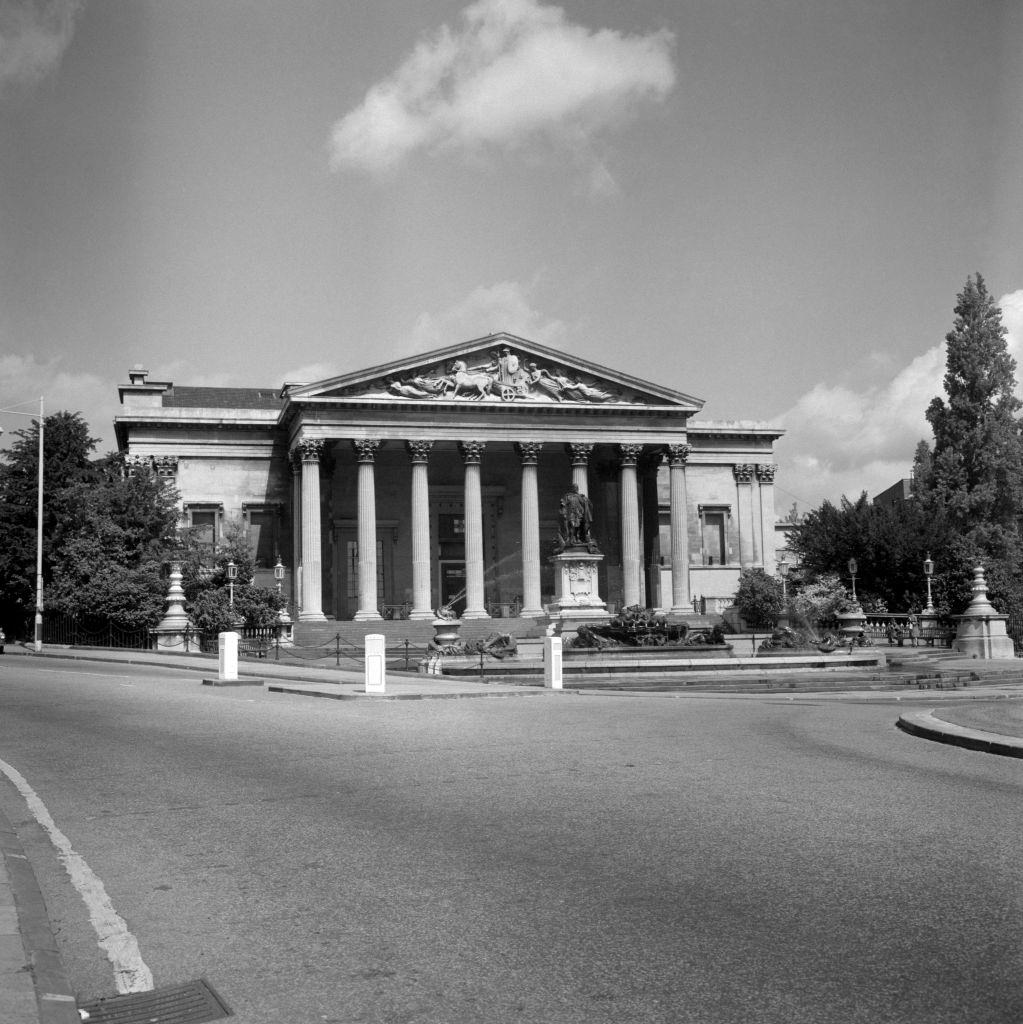
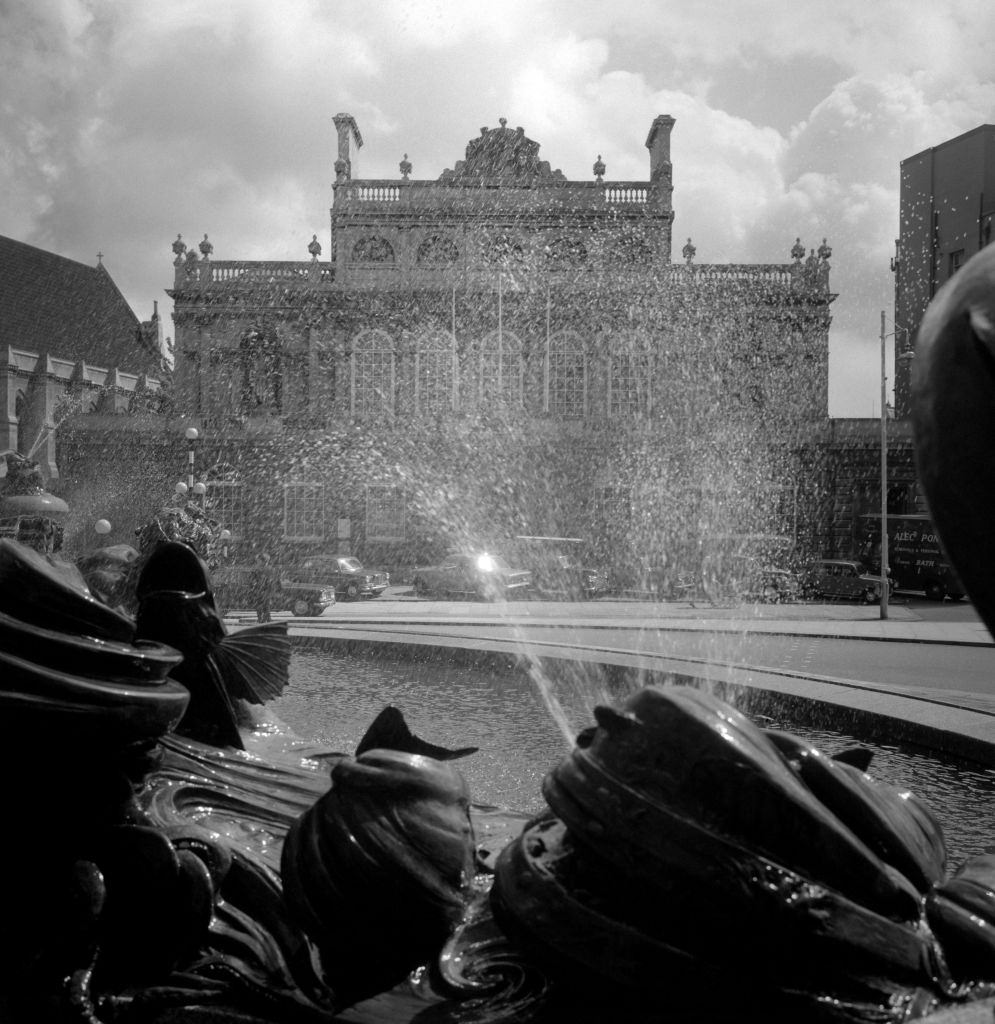
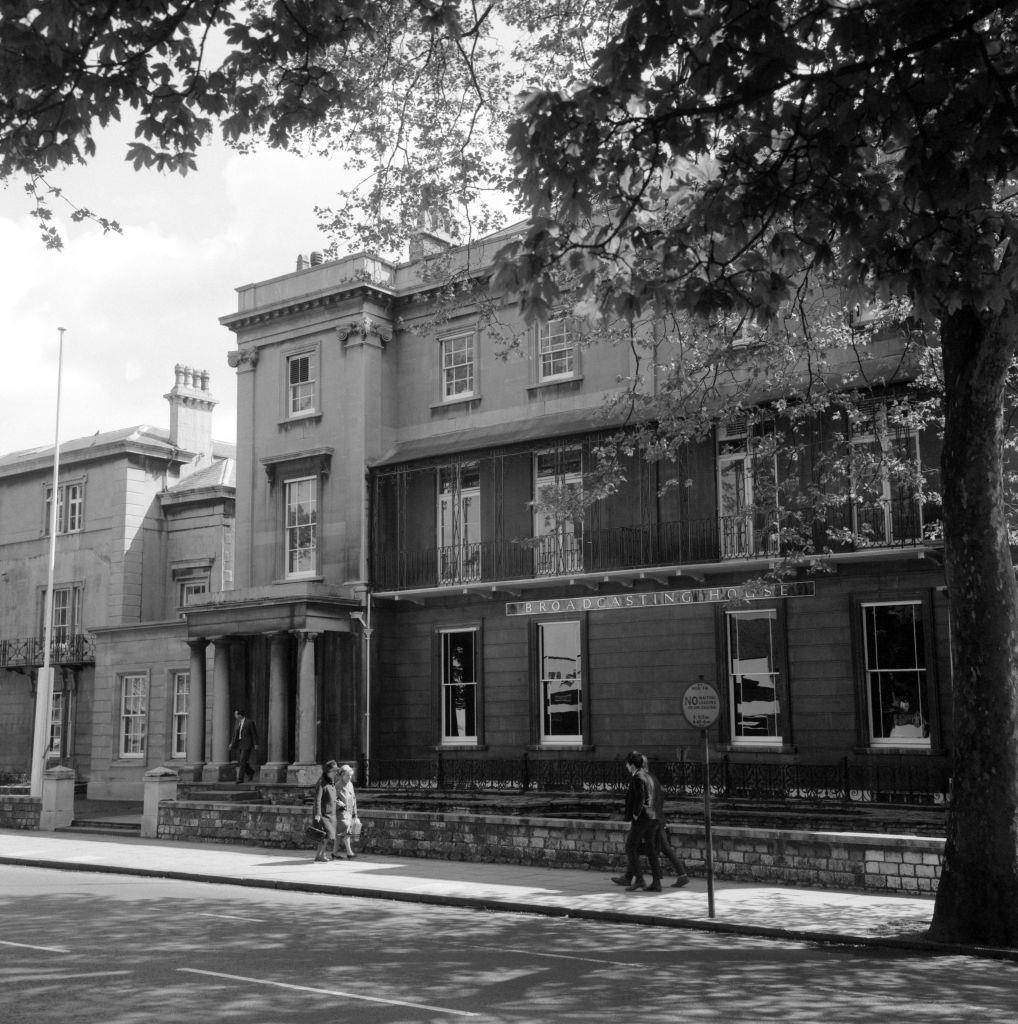
The Victoria Rooms in Clifton, a grand neoclassical building dating back to 1842, remained one of Bristol’s most impressive public spaces. A 1967 photograph of its fountain, with the Royal West of England Academy of Art visible behind it, captures the elegance of the Clifton area during that period. Nearby, BBC Bristol occupied its base on Whiteladies Road — a building that served as the hub for the corporation’s West of England broadcasting operations.
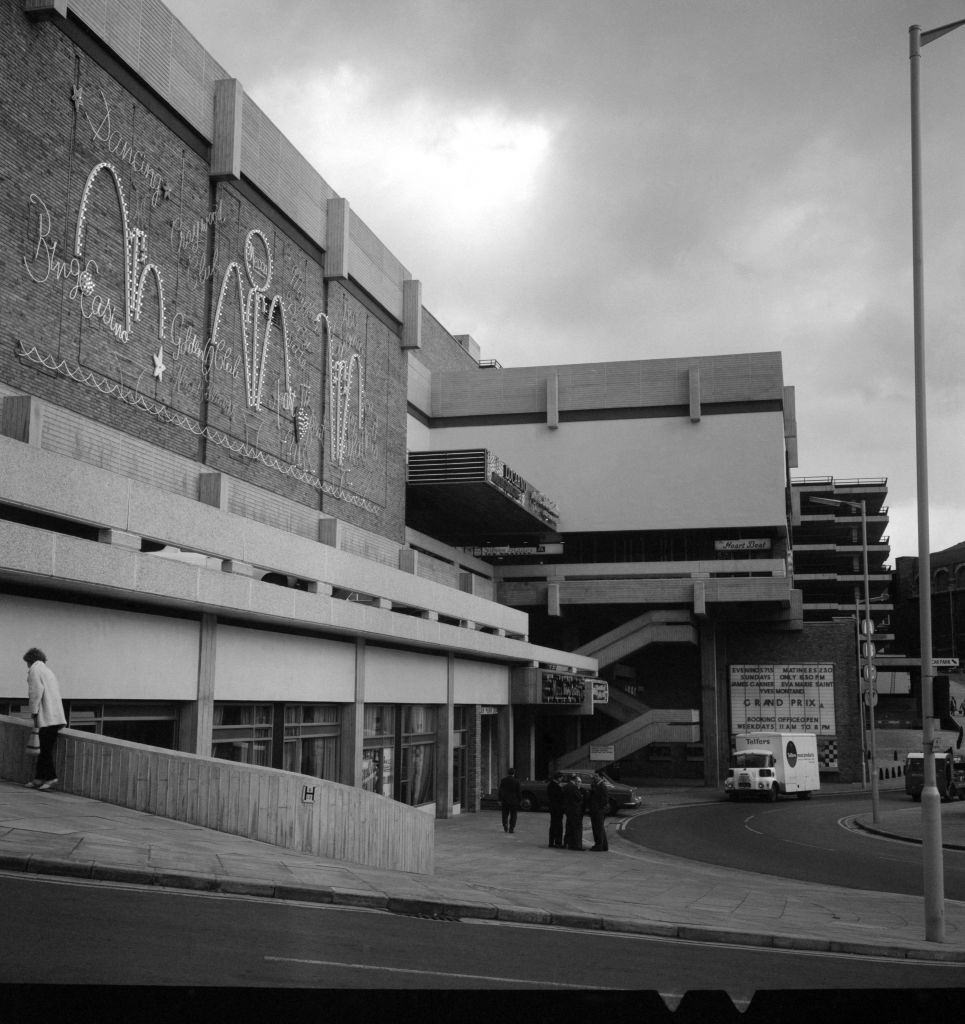
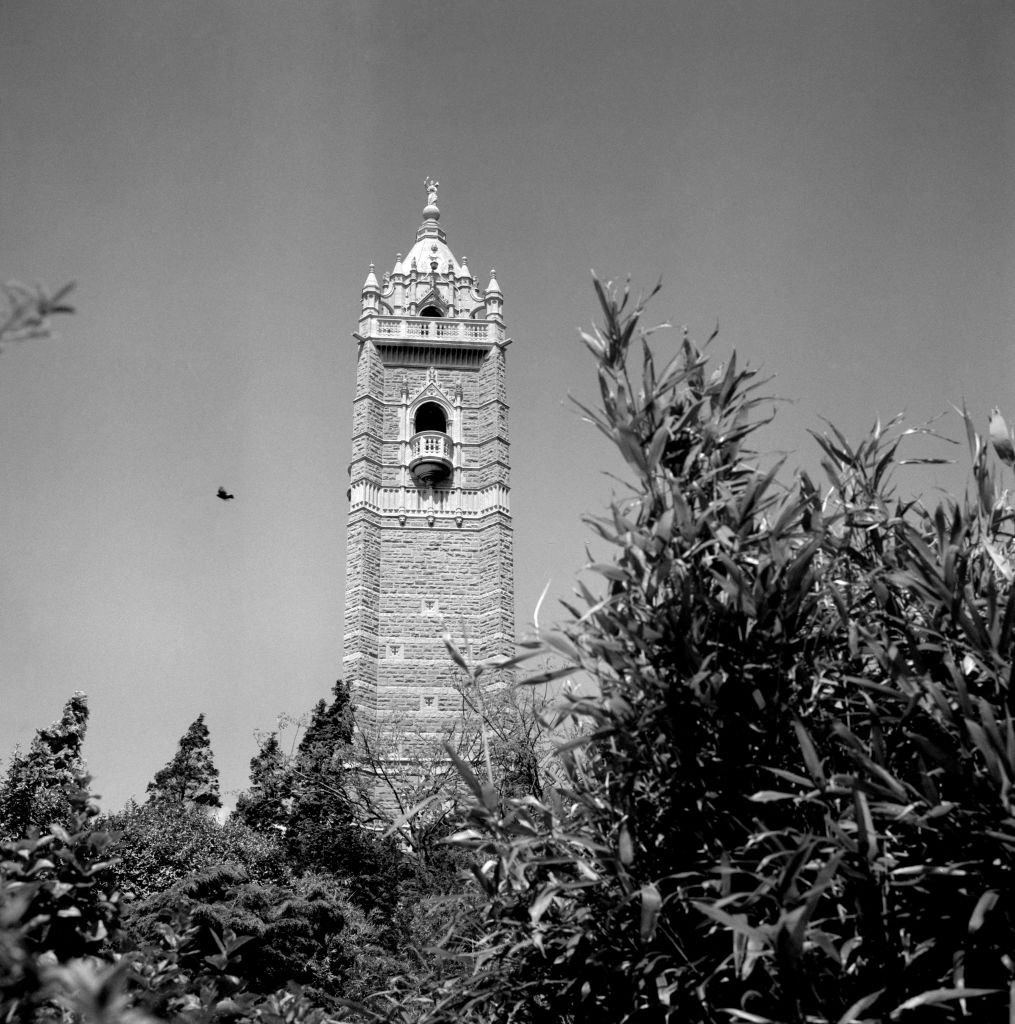
New entertainment venues were also taking shape. The Bristol Entertainment Centre, photographed in 1967, represented the city’s investment in modern leisure facilities. The Cabot Tower on Brandon Hill, built in 1897 to commemorate John Cabot’s voyage to North America, still dominated its hilltop vantage point and offered one of the best views over the city. More housing blocks — unoccupied and freshly built in 1967 — continued to signal the scale of Bristol’s residential expansion.
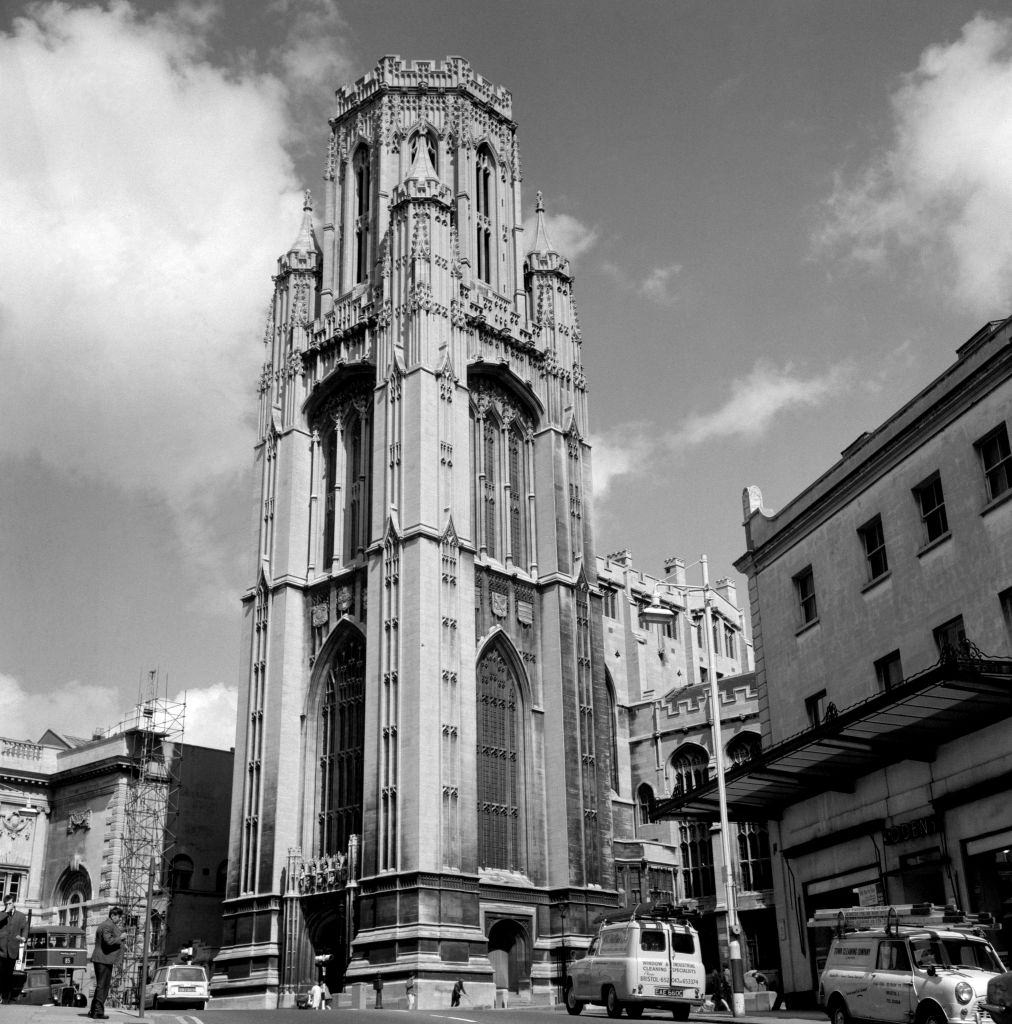
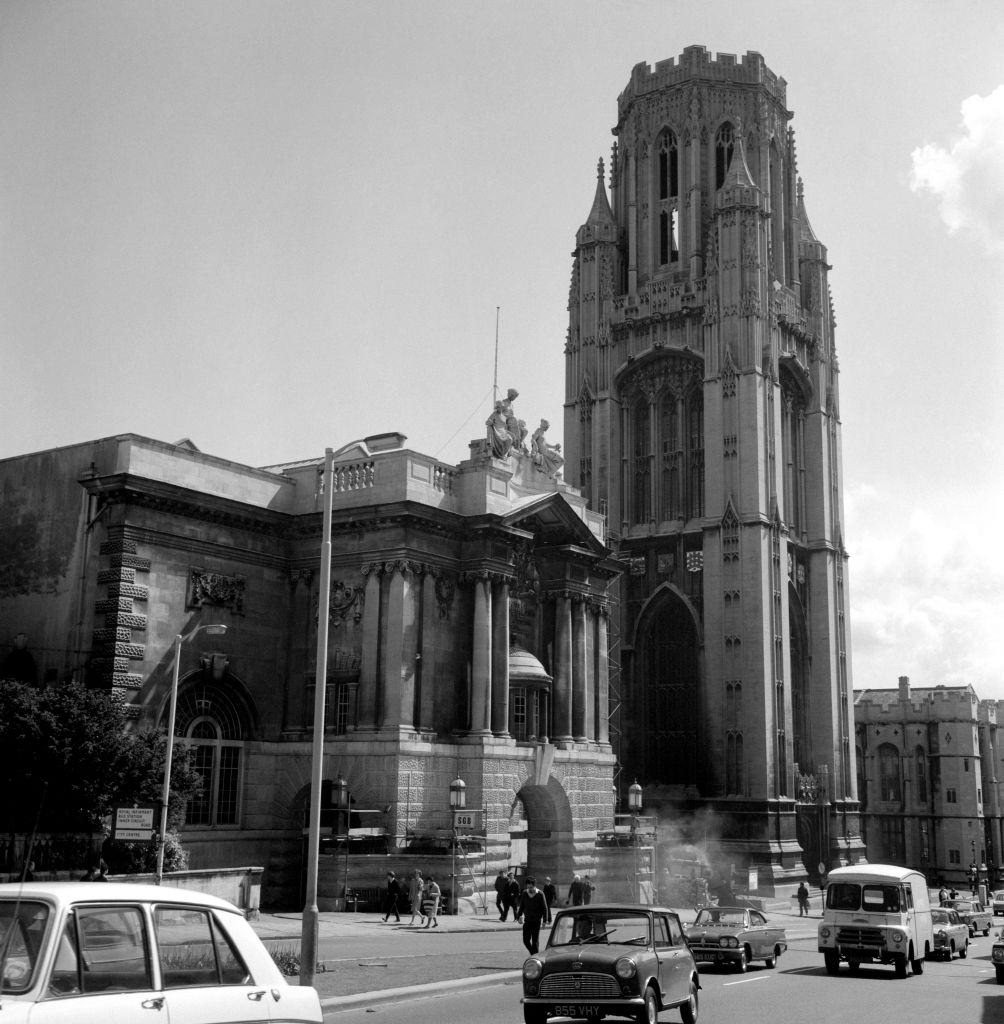
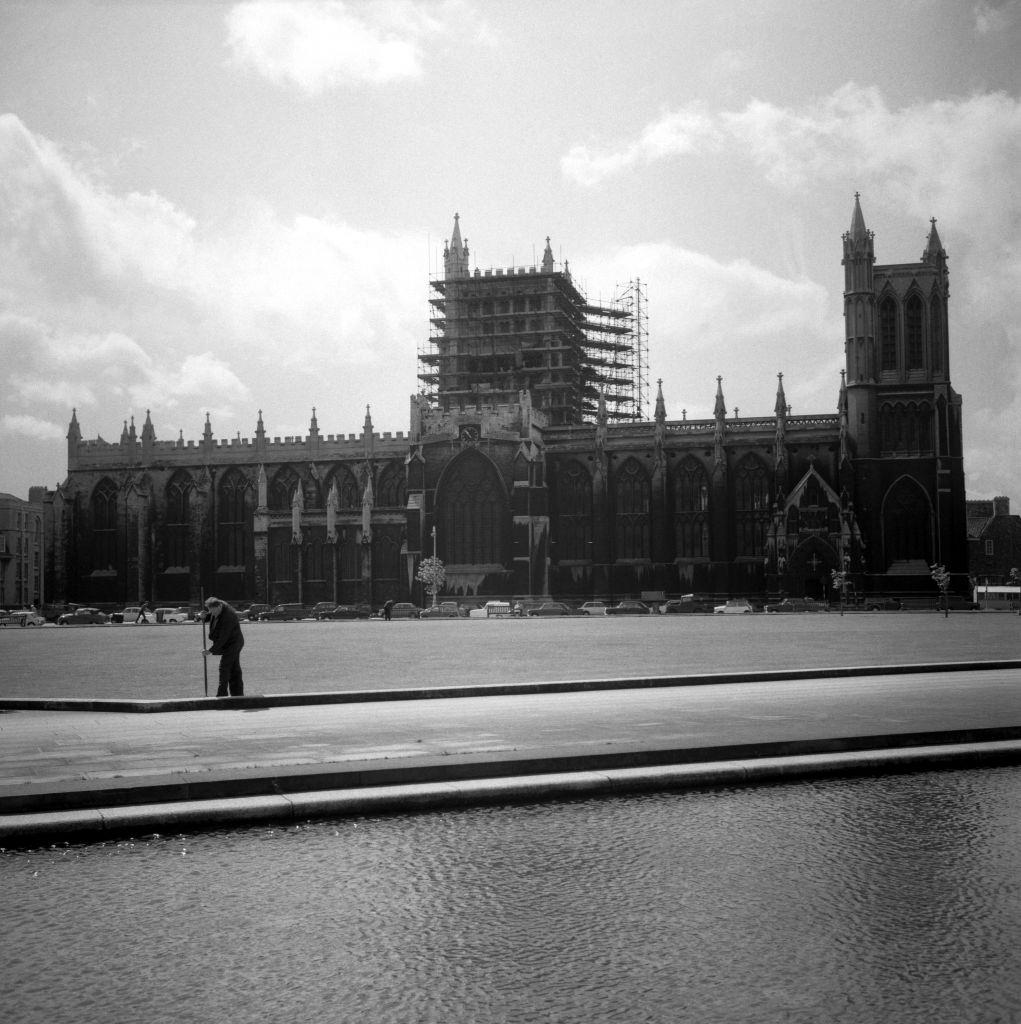
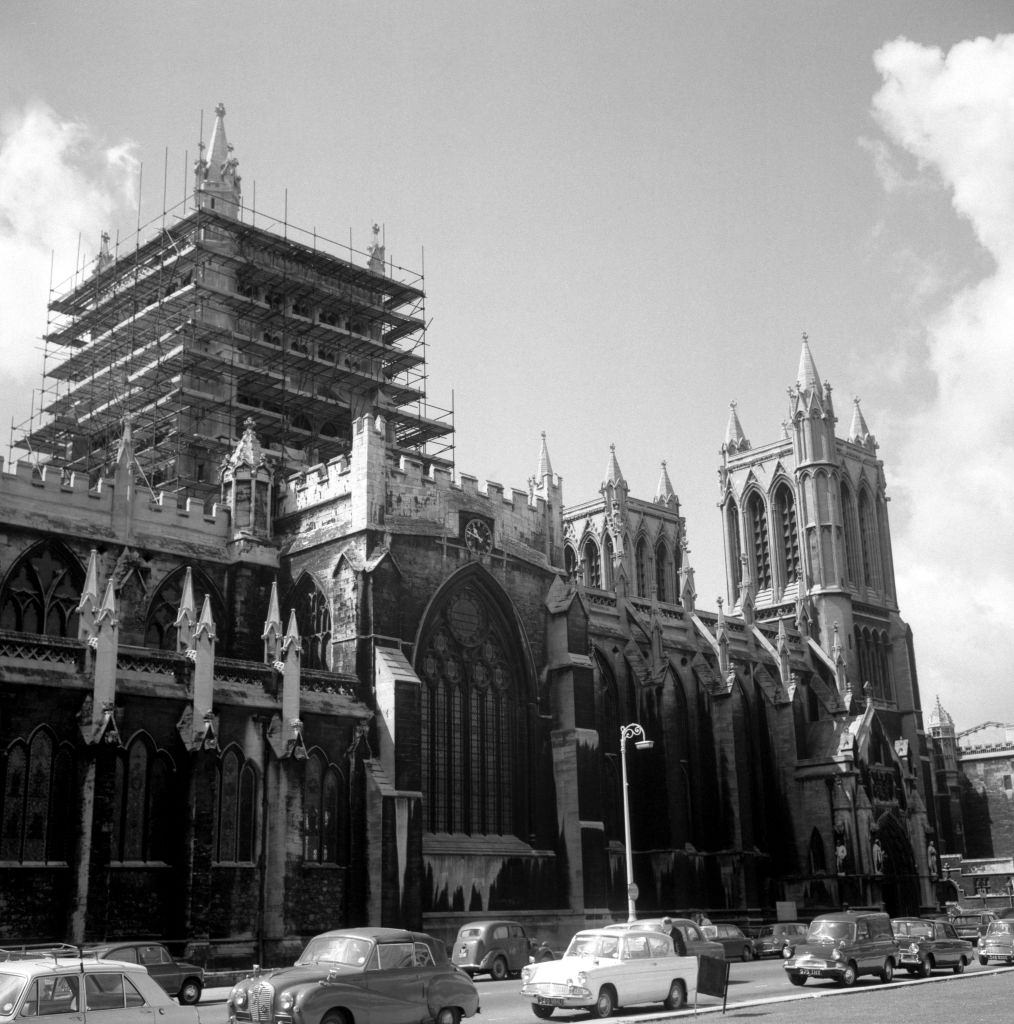
Bristol’s universities and religious buildings stood as some of the city’s most striking architecture. The Wills Memorial Building, a Gothic tower completed in 1925 and funded by the Wills tobacco family, loomed over the university quarter. Bristol Cathedral, one of England’s great abbey churches with foundations going back to the 12th century, was captured both from a distance and up close in 1967, its twin towers unmistakable against the Bristol skyline.
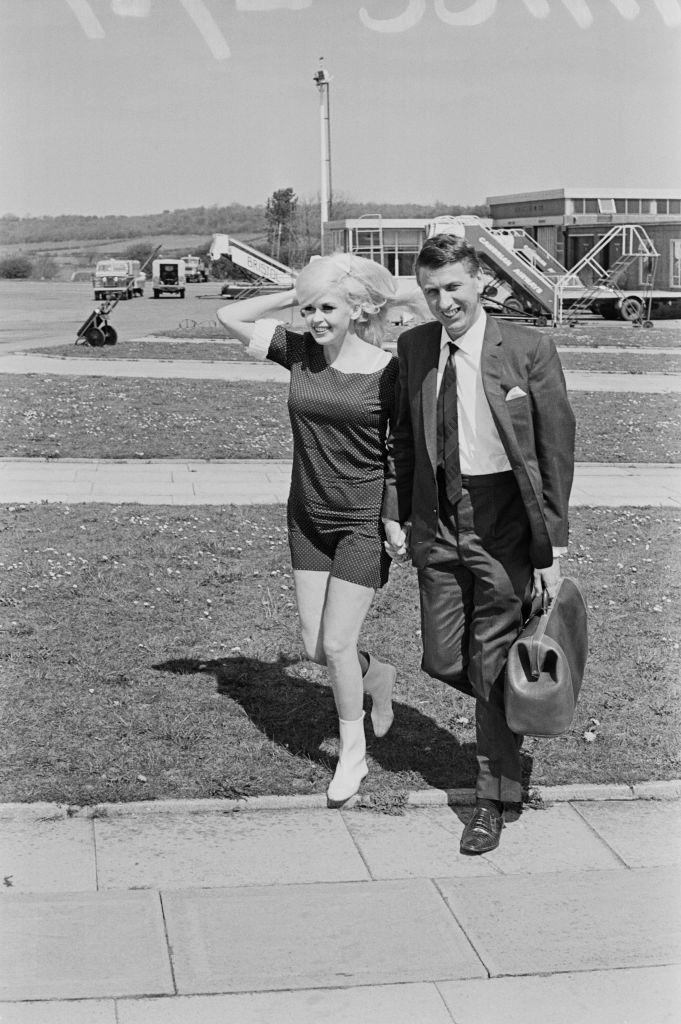
Not every 1967 photograph was of buildings. American actress Jayne Mansfield was photographed at Bristol Airport that year alongside Alan Wells, a local club owner and entrepreneur. It was a reminder that Bristol, despite its industrial and civic identity, was not entirely removed from the glamour of the era.
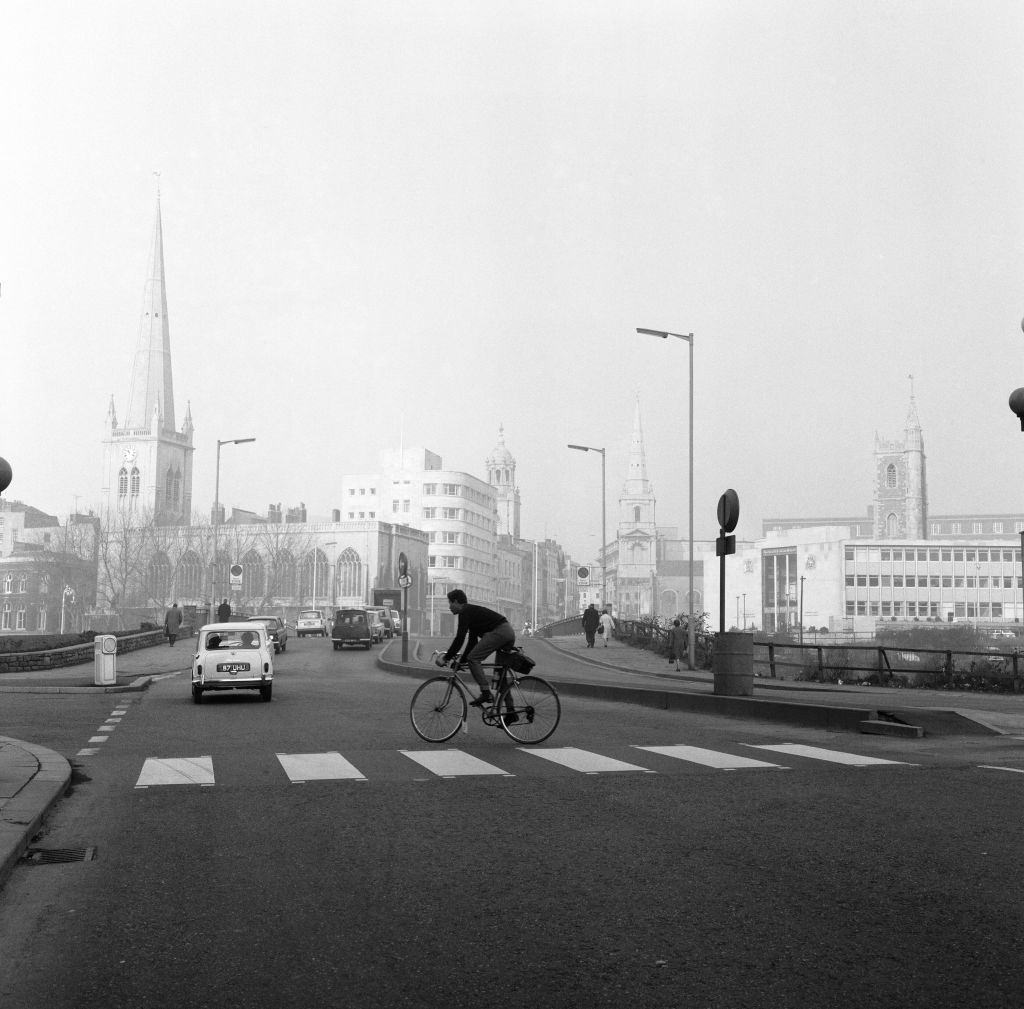
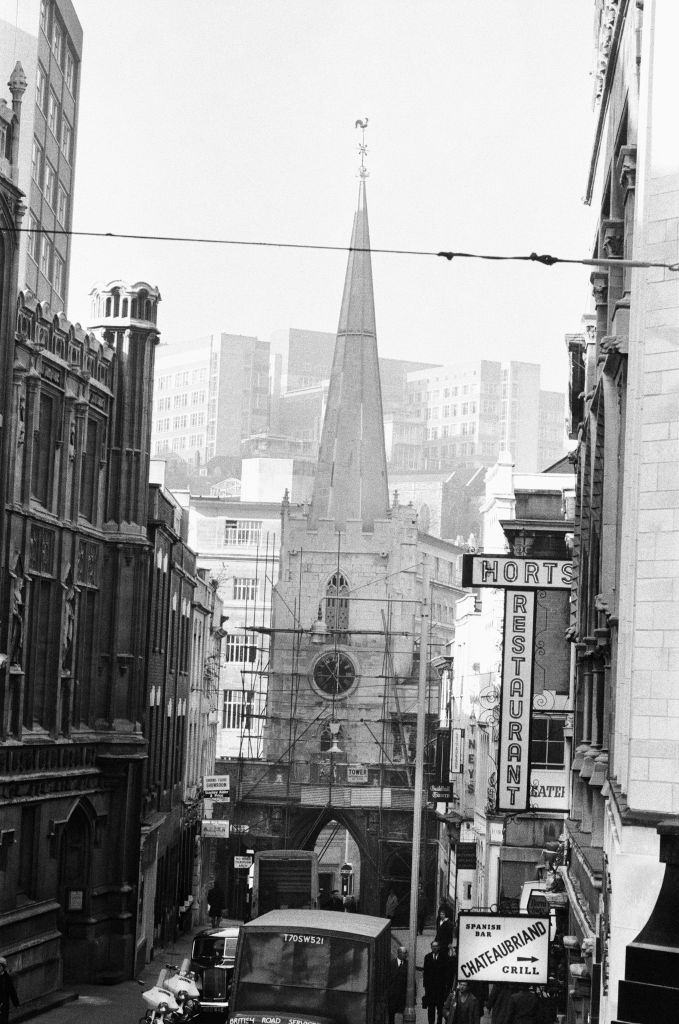
Broad Street offered another view of historic Bristol in 1967. St John’s Arch, a medieval gatehouse on Broad Street leading to St John the Baptist Church, was one of the few surviving medieval structures in the city centre. It stood as a direct link to Bristol’s ancient past, sandwiched between the modernising city on either side.
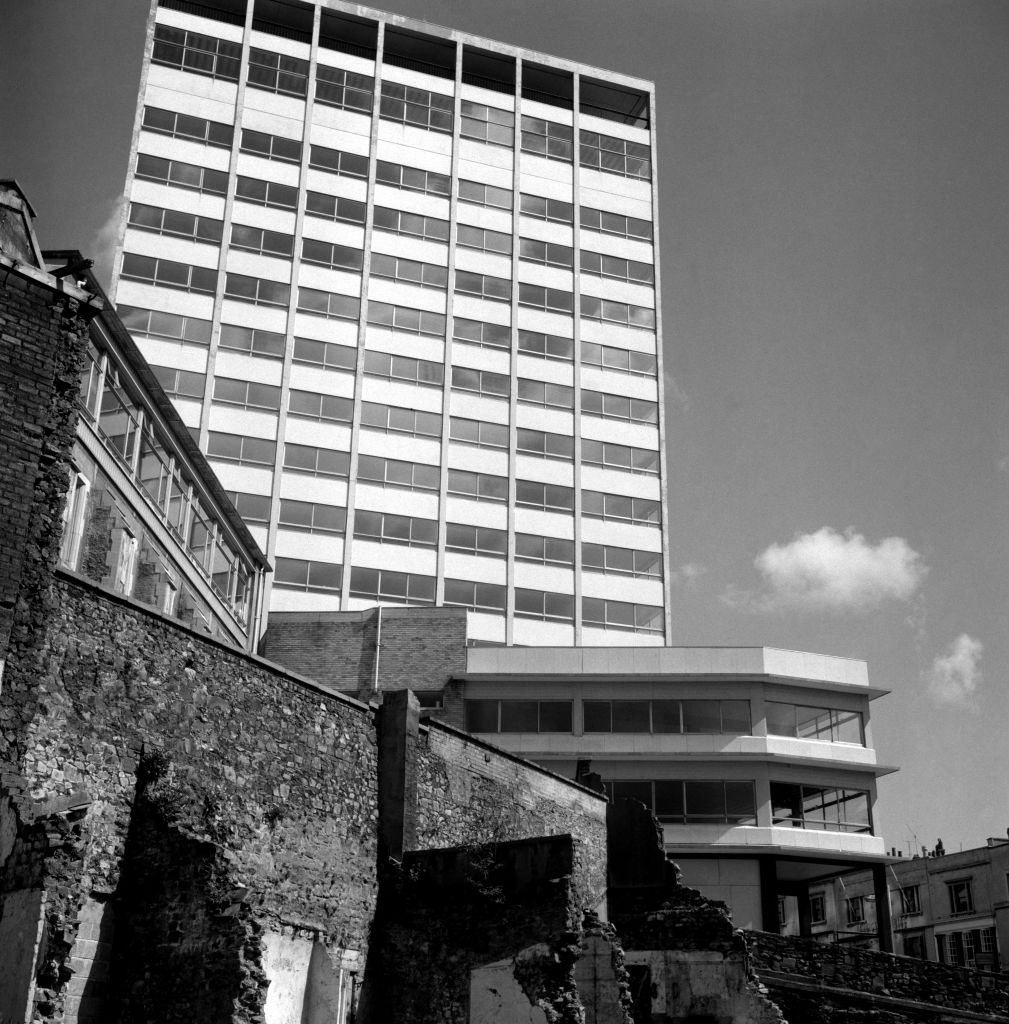
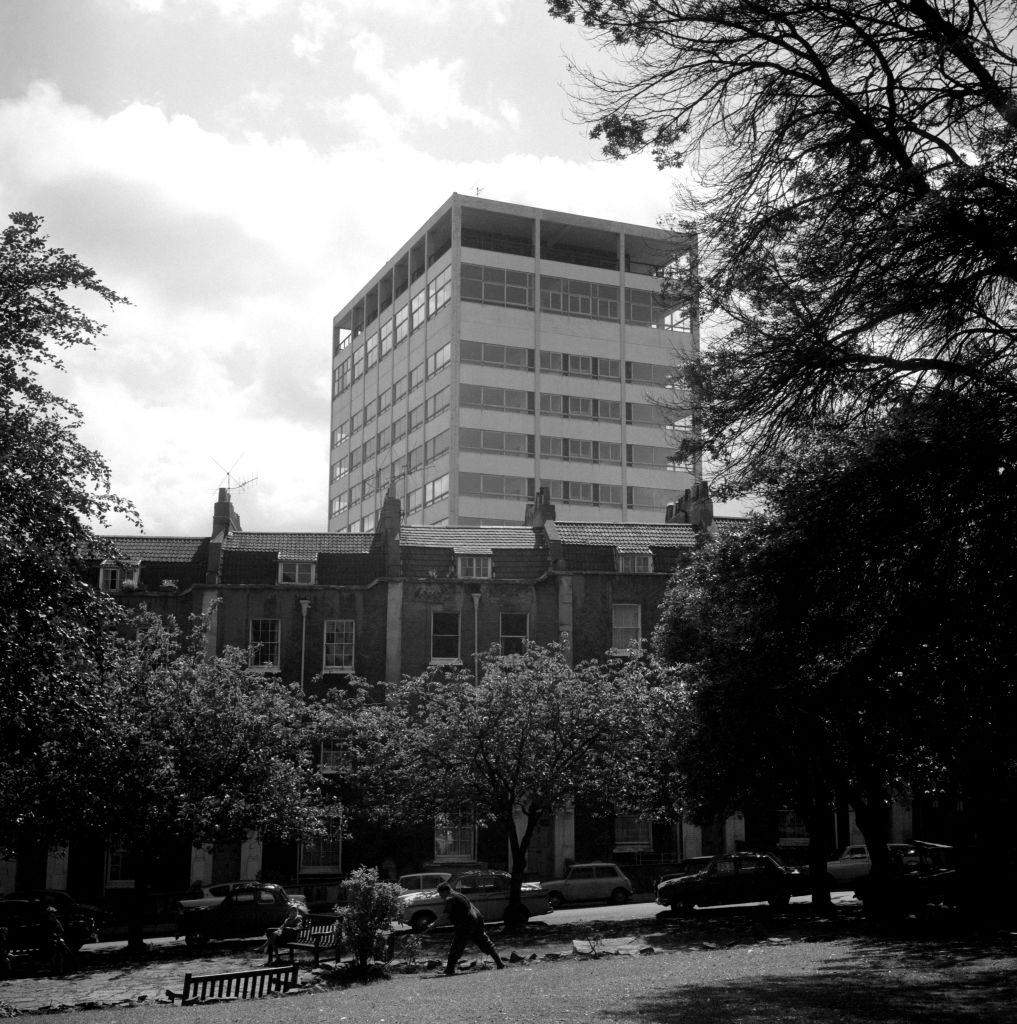
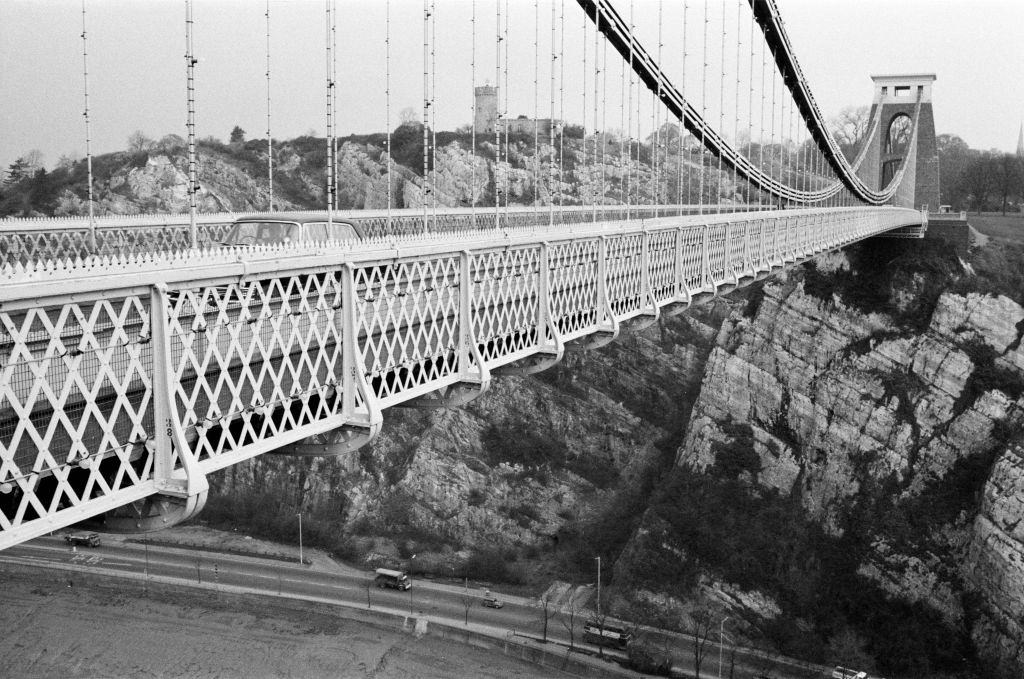
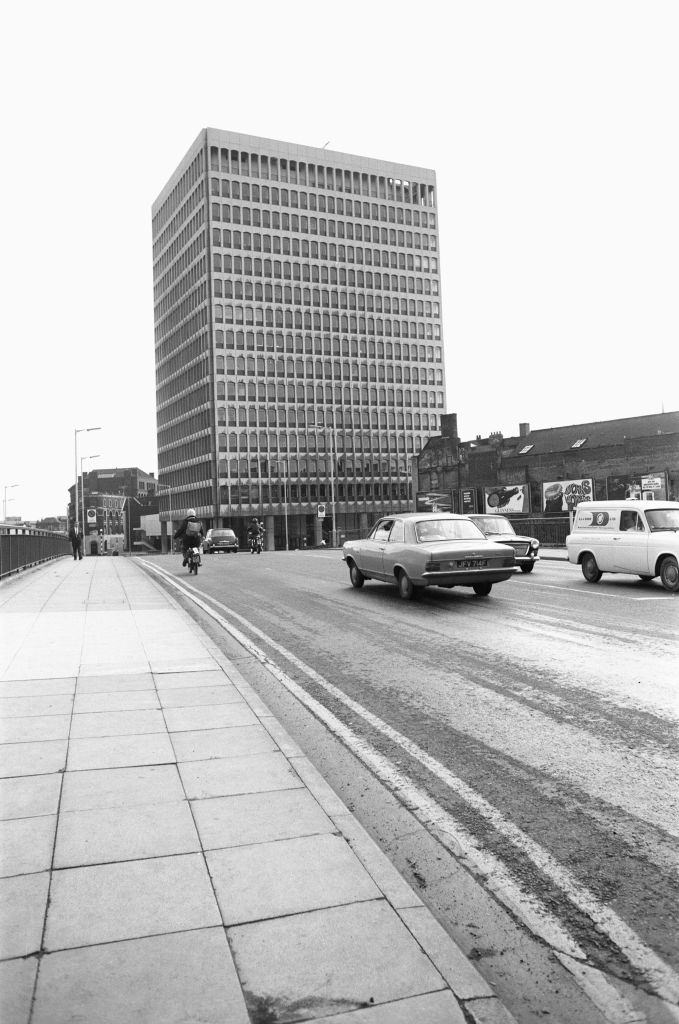
The Clifton Suspension Bridge, designed by Isambard Kingdom Brunel and completed in 1864, remained Bristol’s most iconic structure. Photographed in 1967, it spanned the Avon Gorge as it always had — a 702-foot crossing that was considered an engineering marvel when it was built and was still drawing admiration a century later. On the commercial side, the Robinson Building at One Redcliffe Street stood as Bristol’s first skyscraper, erected in 1966 and serving as the headquarters of ES & A Robinson.
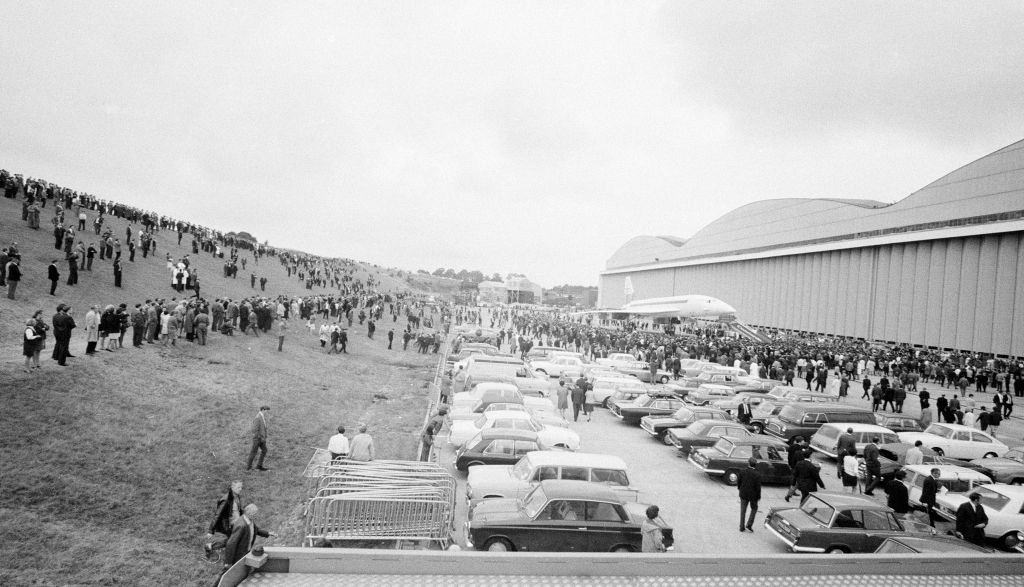
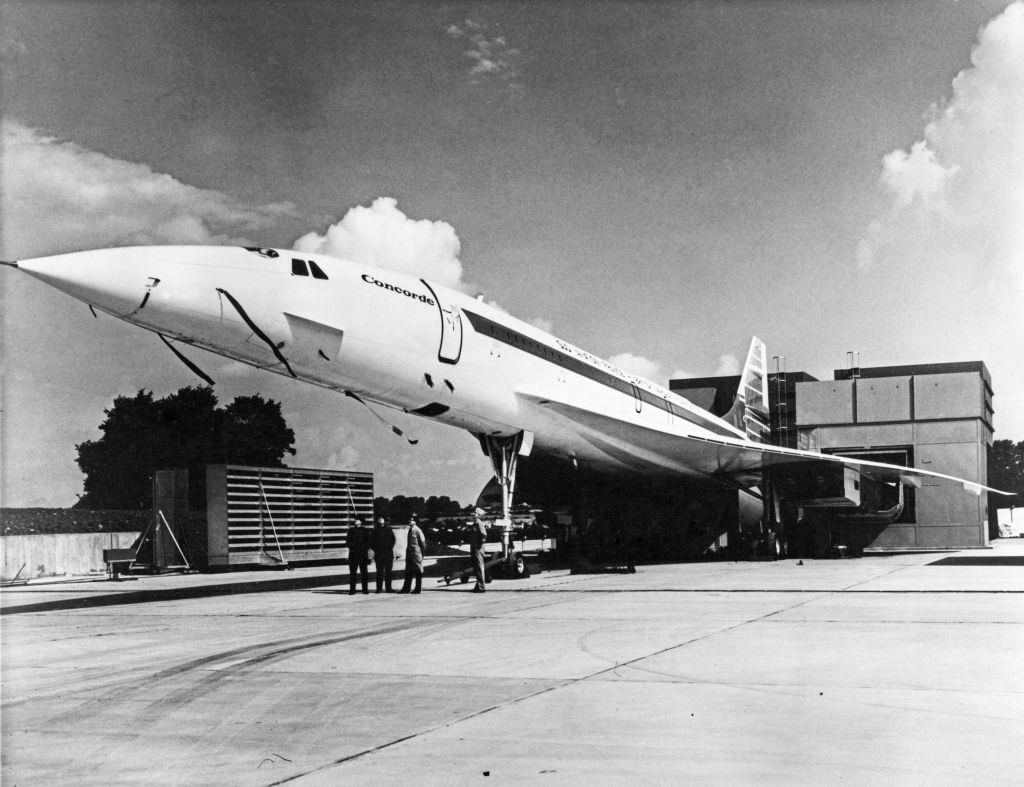
The most significant industrial project of the decade was taking shape at Filton, just north of the city. The Concorde, the world’s first supersonic passenger airliner, was being built there in a joint programme between Britain and France. In 1968, the British prototype — Concorde 002 — made its first official public appearance in the UK as it was towed out from its hangar at Filton. The following year, in 1969, it was rolled out again ahead of its maiden flight. Bristol had produced something no other city on Earth had built before.
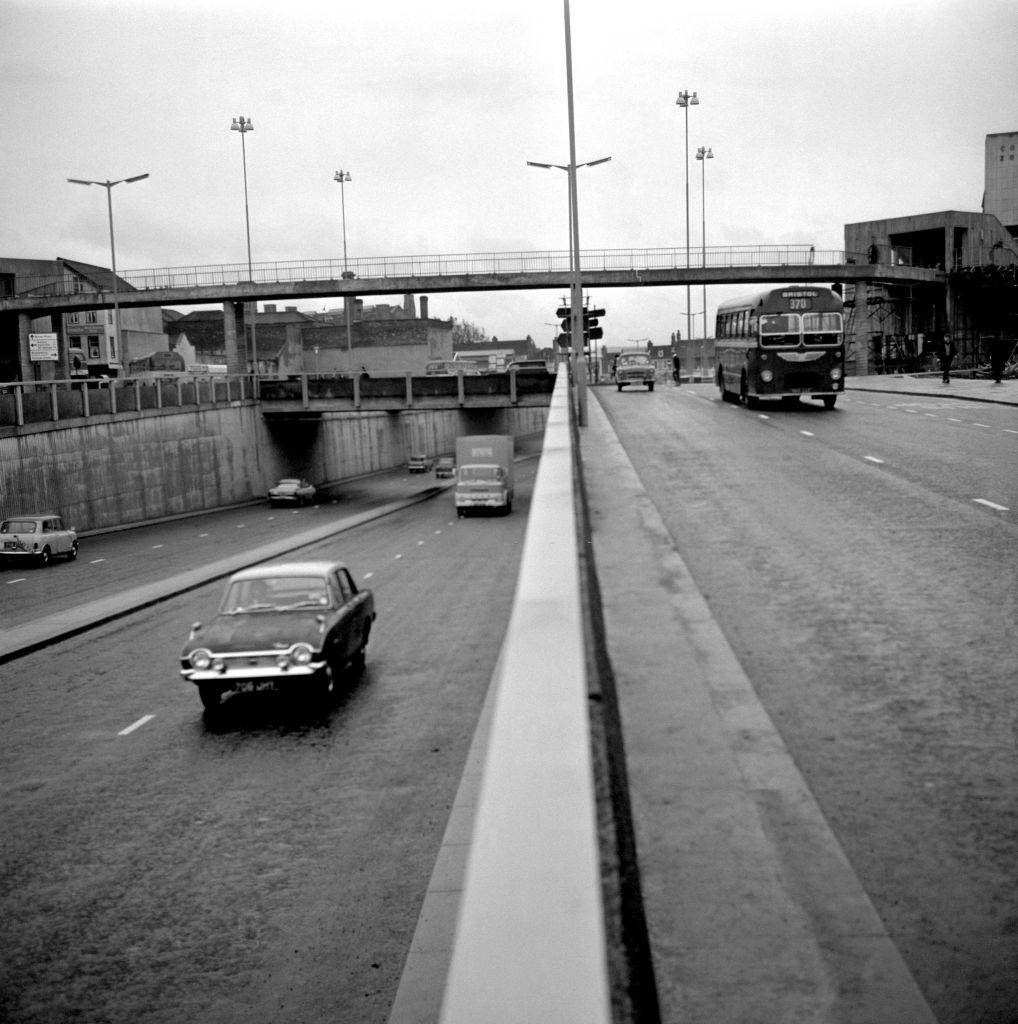
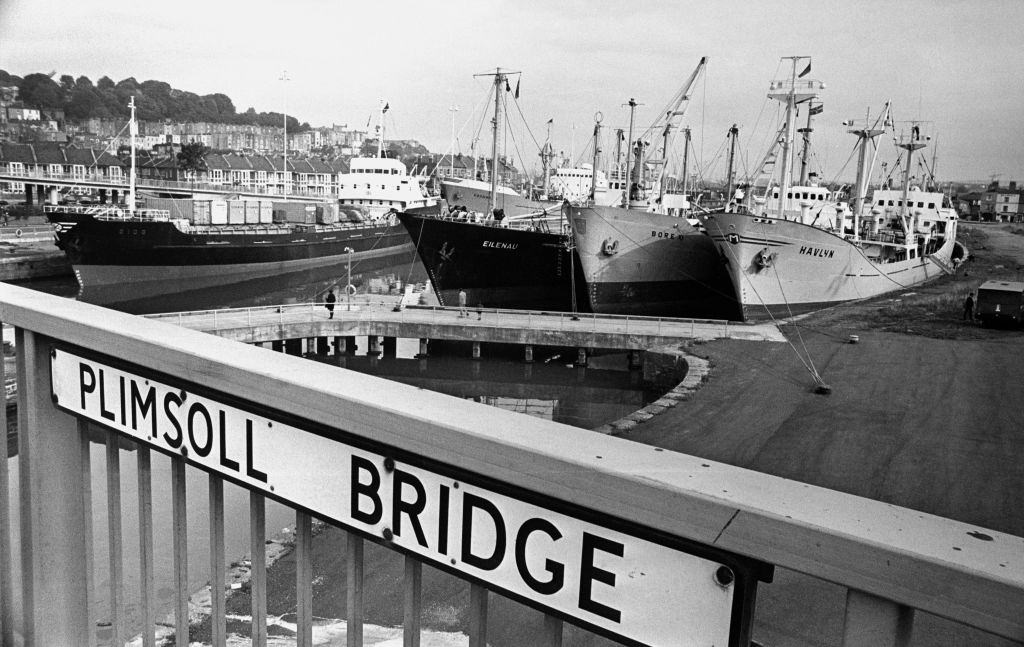
Back in the city, major infrastructure was also being delivered. Bristol’s £2.5 million underpass, photographed in 1968, was part of the broader effort to modernise the city’s road network and ease the congestion that came with a growing urban population. The Plimsoll Bridge, also photographed in 1968, provided a new crossing point and was named after Samuel Plimsoll, the Bristol-born MP who campaigned for shipping safety laws in the 19th century. These final images round out a decade defined by construction, ambition, and change at every level of the city.





Colorized versions of these would be fantastic.
Life back then was black and white because colour wasn’t invented.
The CWS Building was beautiful. It’s a shame that we demolished.
Wow cool.
I think it’s a shame they knocked down the CWS building (by where Under the Stars is).
Thanks for sharing this brilliant post! It would have been even more impressive if they had included a side-by-side comparison with how the locations look now. Once the lockdown is over, I’m planning to visit as many of the places depicted as possible.
The hatchet hasn’t changed much
Cannons Marsh was in a deplorable state before the renovation.
If only we could get back to that level of traffic.
These would be cool colourised .
Colour wasn’t invented back then, life was black and white.
Wow. Beautiful pictures. Life was so simple back then. Glory days
Life is never simple, only the technology
When did the cars arrive?
just after the m4 was built